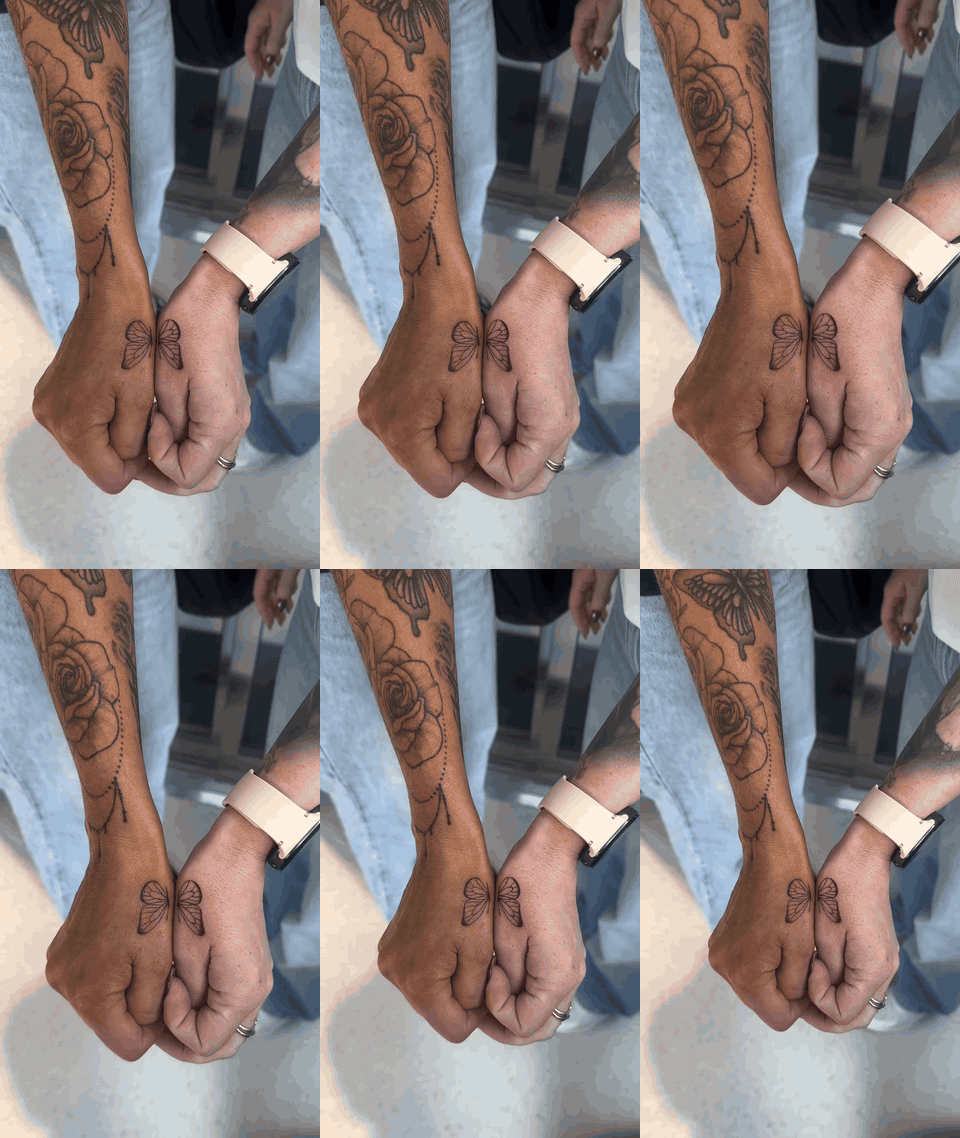
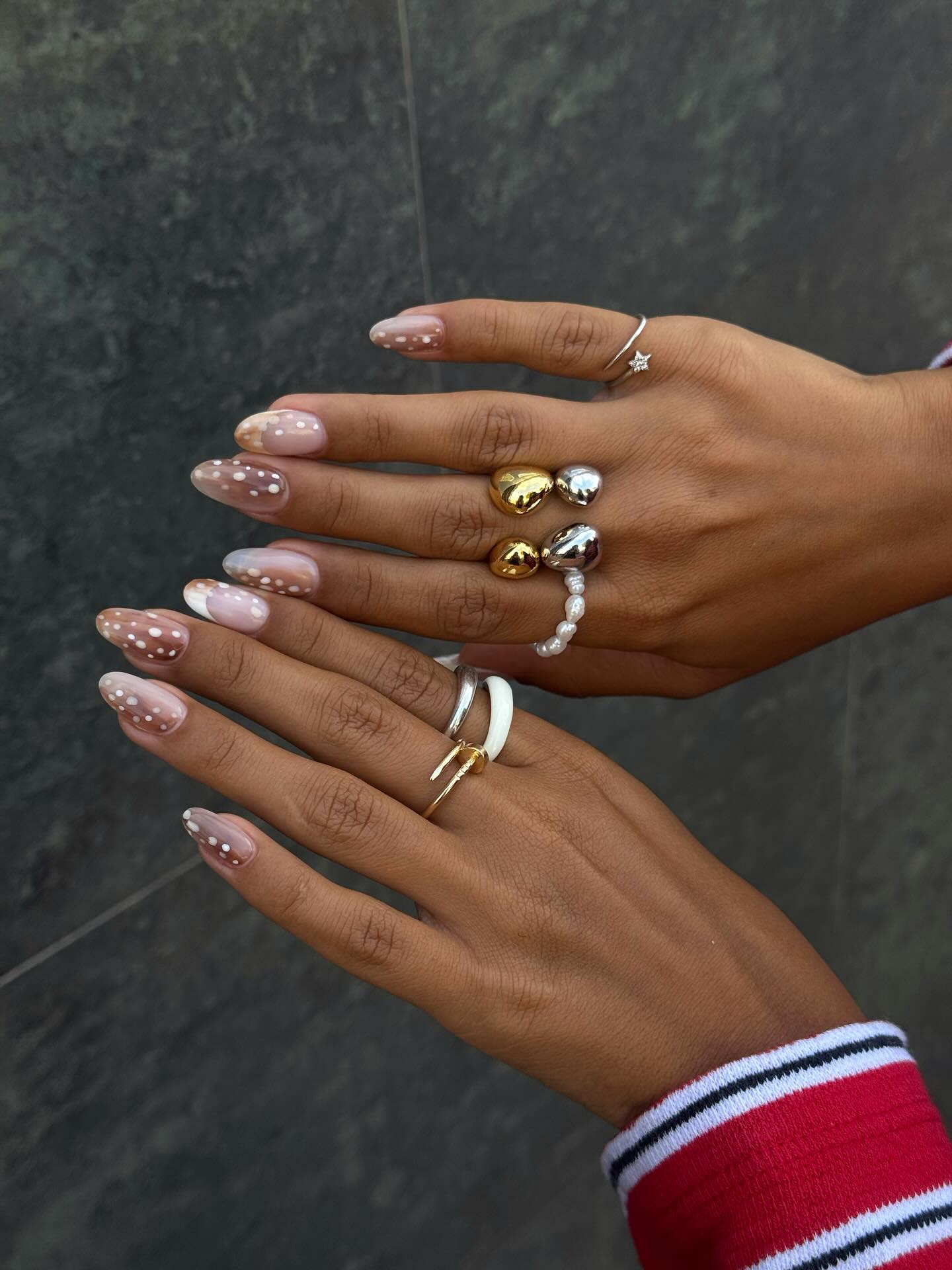
Walk into almost any wedding being planned right now and you will notice the script has more room in it than it used to. Couples are leaning into the parts that mean the most to them and reshaping the rest to fit their own story. The mood across the industry this year is all about intentionality, personalization, and authenticity, and that single idea sits underneath every shift in this article, because people want a day that looks like their actual relationship.
That it is rarely about throwing tradition out. The rituals couples keep are getting more personal, and the ones they swap are getting replaced with something that feels just as meaningful to them. Think of it as tradition being lovingly customized rather than abandoned. Here are some rituals couples are reinventing, where the originals come from, and the beautiful new versions showing up in their place.
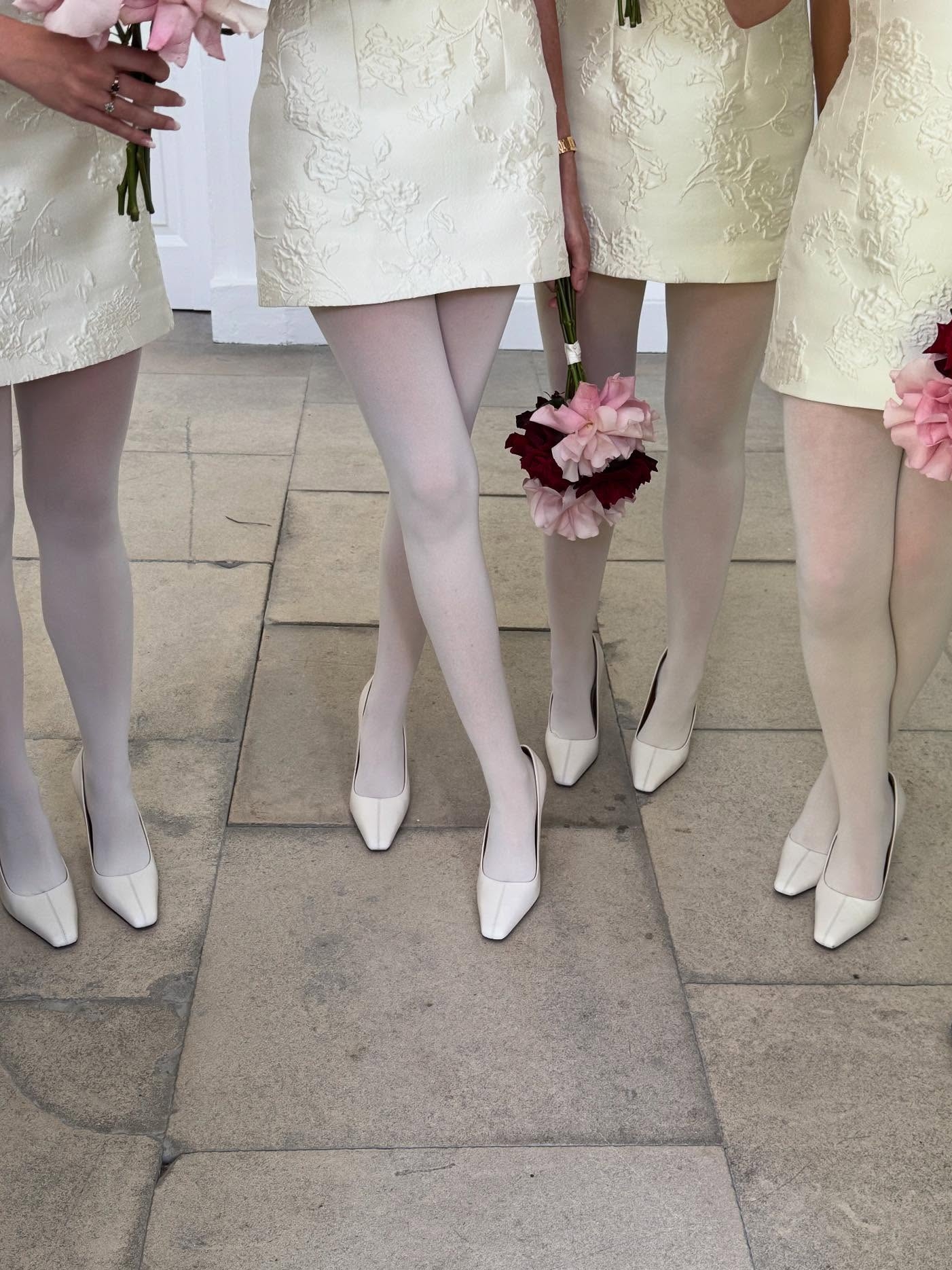
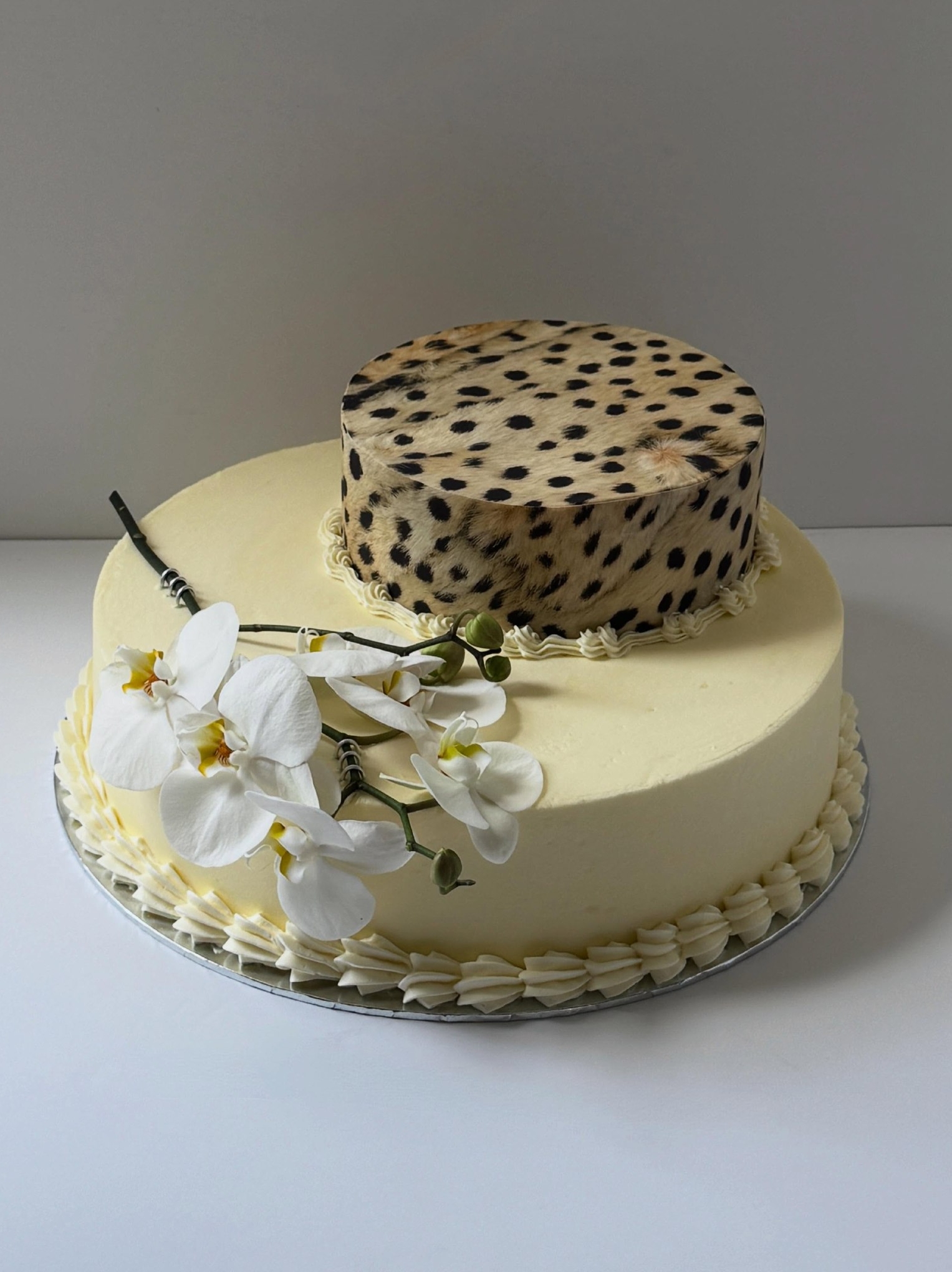
Photo: Aimée Croysdill, The Heartbaker
Private Vows & First Touch
One of the loveliest things happening at weddings right now is the private vow exchange. Instead of saving every word for the ceremony, partners read their most personal promises to each other beforehand, often during a first look, or during what’s known as a first touch, standing back to back or on either side of a door so they can hold hands and hear each other without seeing anything at all. First looks have grown steadily over the past few years, and exchanging vows in private has become one of the defining choices of the season.
The appeal makes a lot of sense once you imagine sharing your most heartfelt words in a quieter setting. Private vows give couples space to cry, laugh, and reference their inside jokes with nobody else in the room. Some couples read letters during getting ready, others share a first touch holding hands around a corner, and many still keep a beautiful public exchange for guests on top of the private one.
A New Spin of the Bouquet Toss
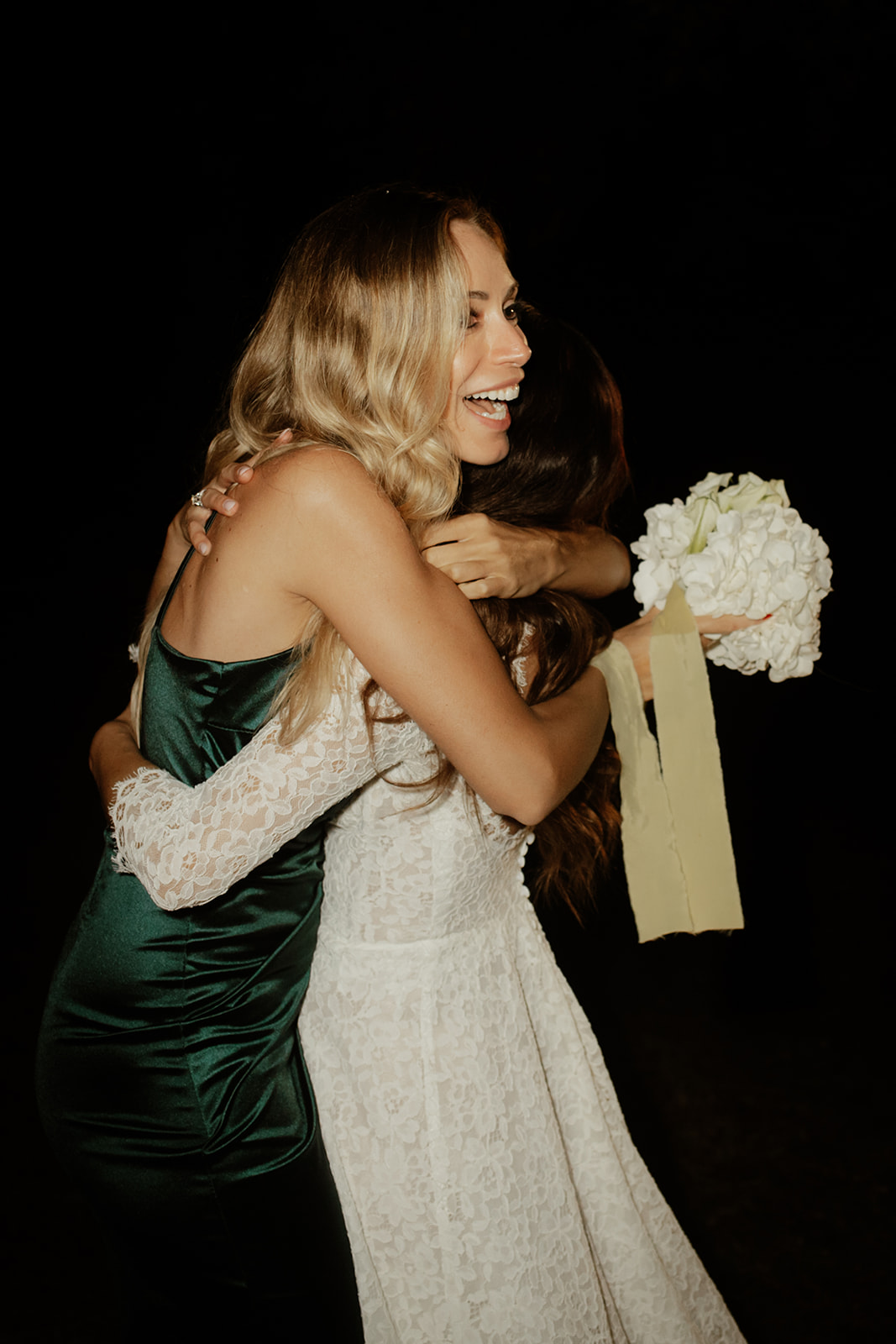
The bouquet toss has a long and charming history that goes all the way back to 14th-century England, where guests believed catching a piece of the bride brought them luck. Plenty of couples still adore the toss and keep it exactly as it is, and that is wonderful. At the same time, a growing number are reimagining the moment to fit the energy of their own celebration, and the alternatives they are choosing are genuinely sweet.
An idea catching on is the bouquet auction, where guests place bids on the bride’s bouquet, and the money raised goes to a cause the couple cares about, turning the flowers into a feel-good moment for everyone in the room. Other couples hand the flowers straight to a person who supported them through a big year, split a breakaway bouquet so several people go home with blooms, or donate the arrangements to hospices and shelters through organizations like Repeat Roses.
Some of these handoffs carry real weight of their own. This bride dedicated her bouquet to both of their grandmothers, who coincidentally share the same birthday. Another gave hers directly to her mother, honoring the woman who raised her in a country not her own while working as a single mom.

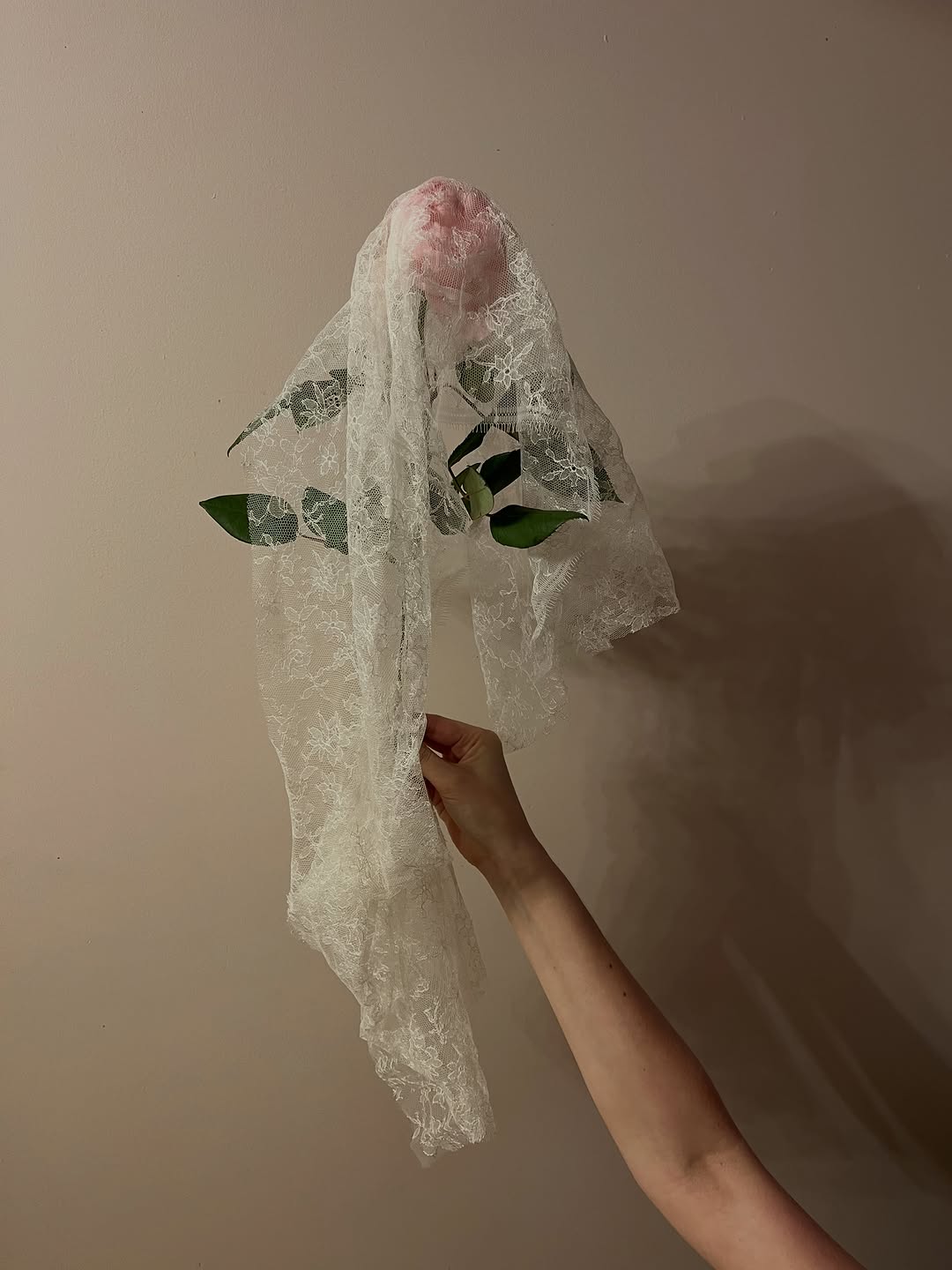
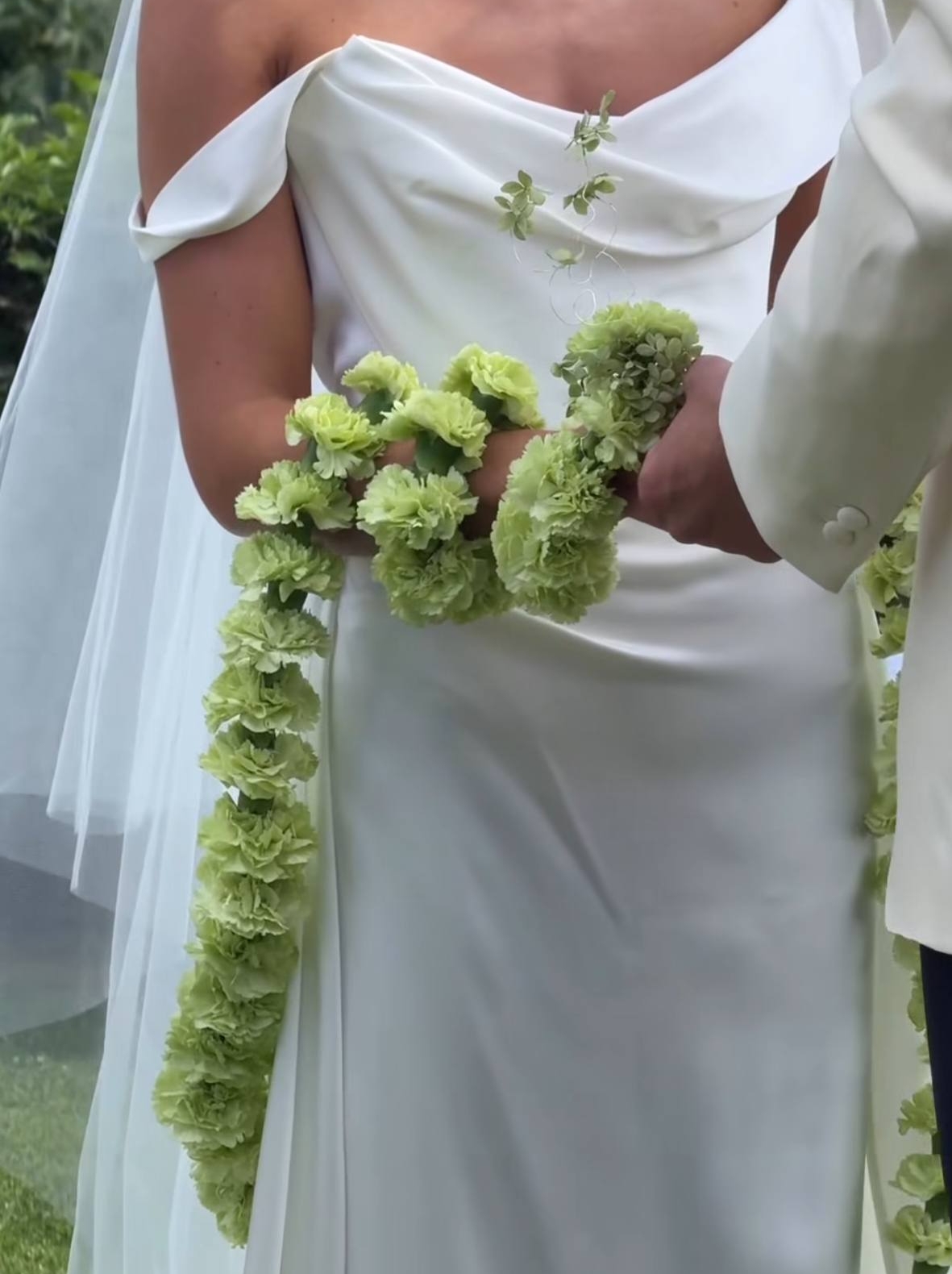
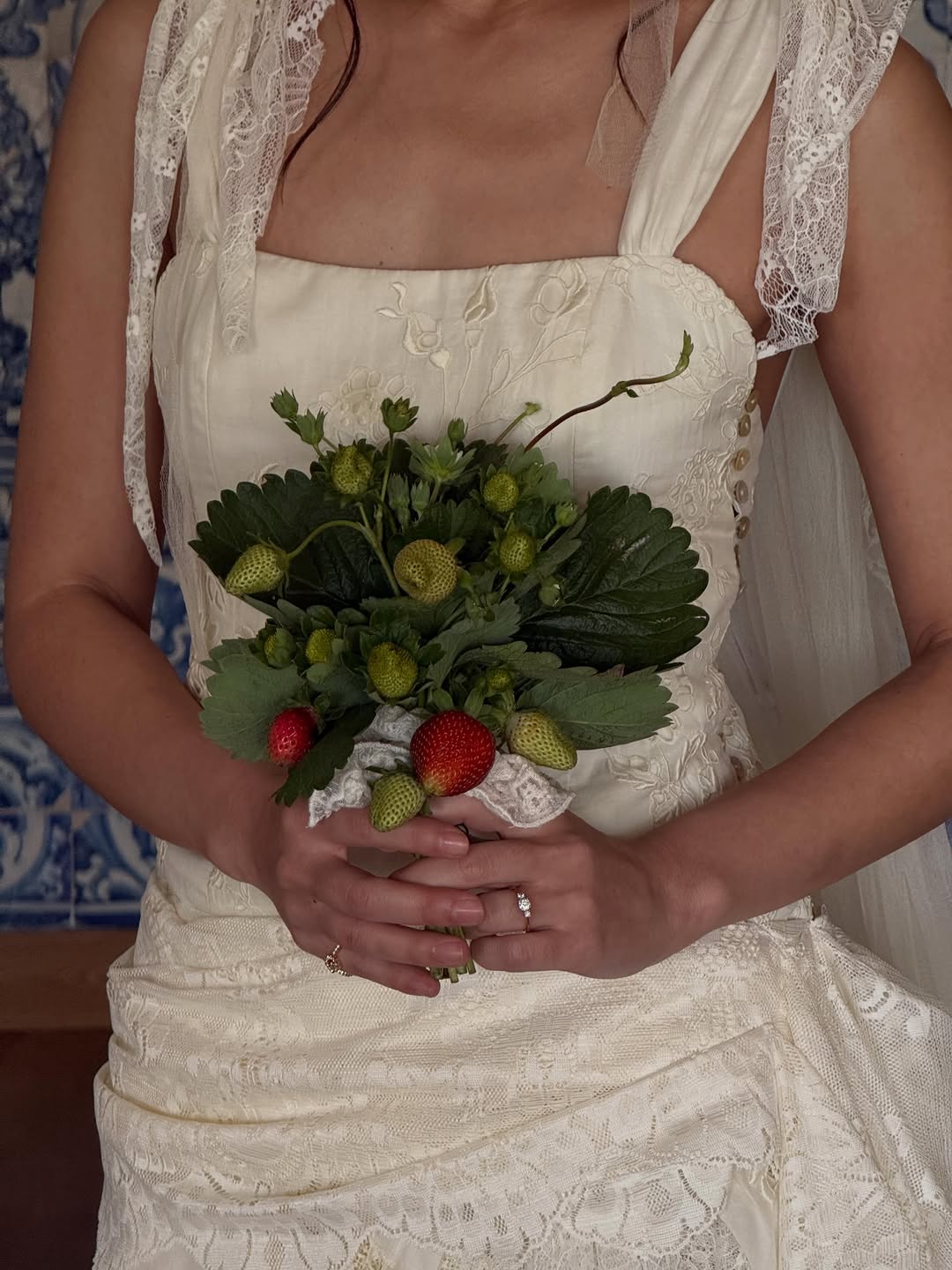
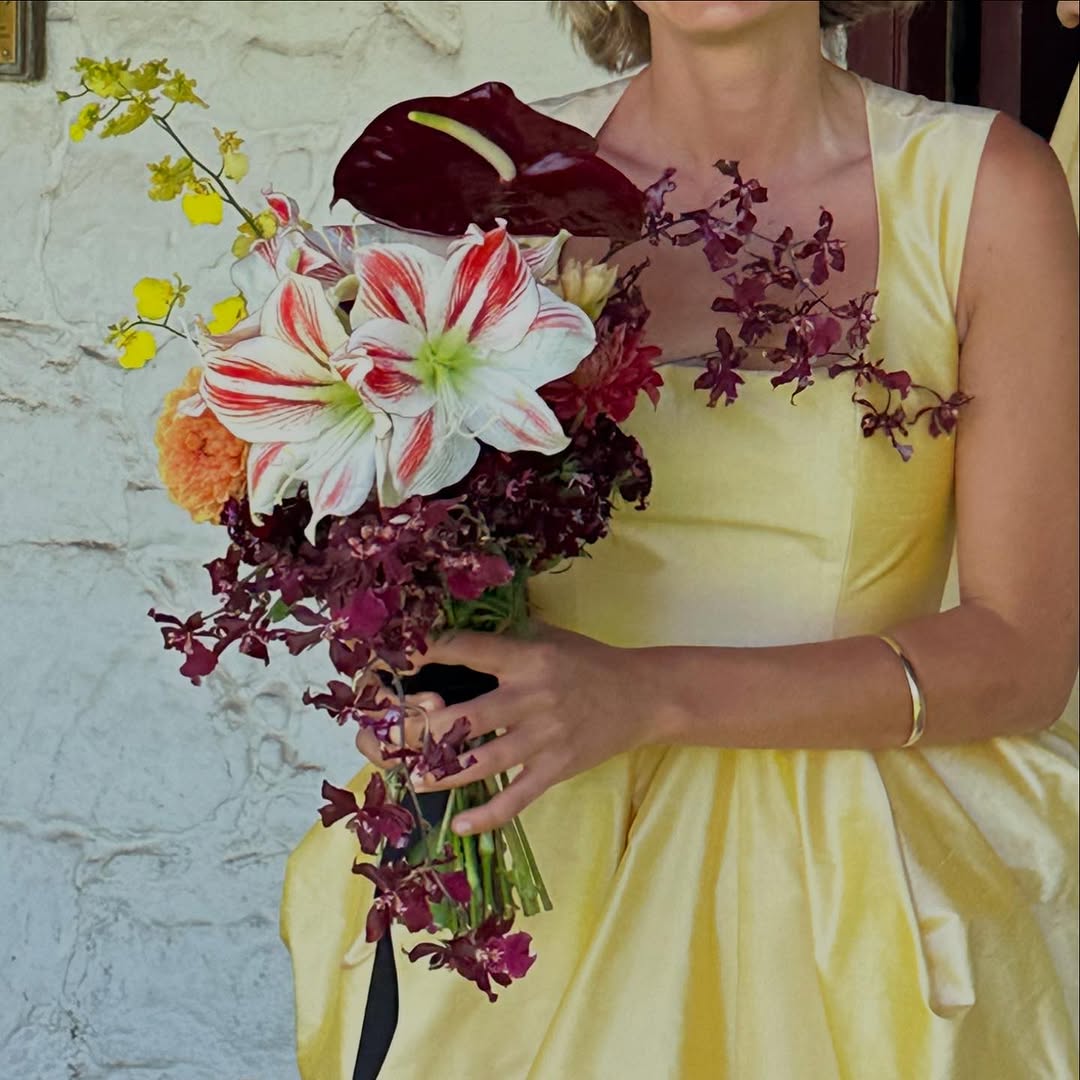
For modern brides, the decision isn’t really a decision at all, if the bouquet itself simply isn’t built for throwing. Bridal bouquets have gotten a lot more personal in the last few years, and a lot less generic and tossable by design. A bouquet doubling as a small handbag, or one wound straight around the wrist instead of carried in a hand, or an oversized, cascading arrangement resembling 1930s none of it is really made to survive being lobbed across a room. Even the minimalist versions, like a single rose or three white calla lilies wrapped in lace, make the same point more quietly. These bouquets are built around the bride’s own taste rather than what travels well through the air, and for a lot of couples, that’s exactly the priority they’d rather protect.
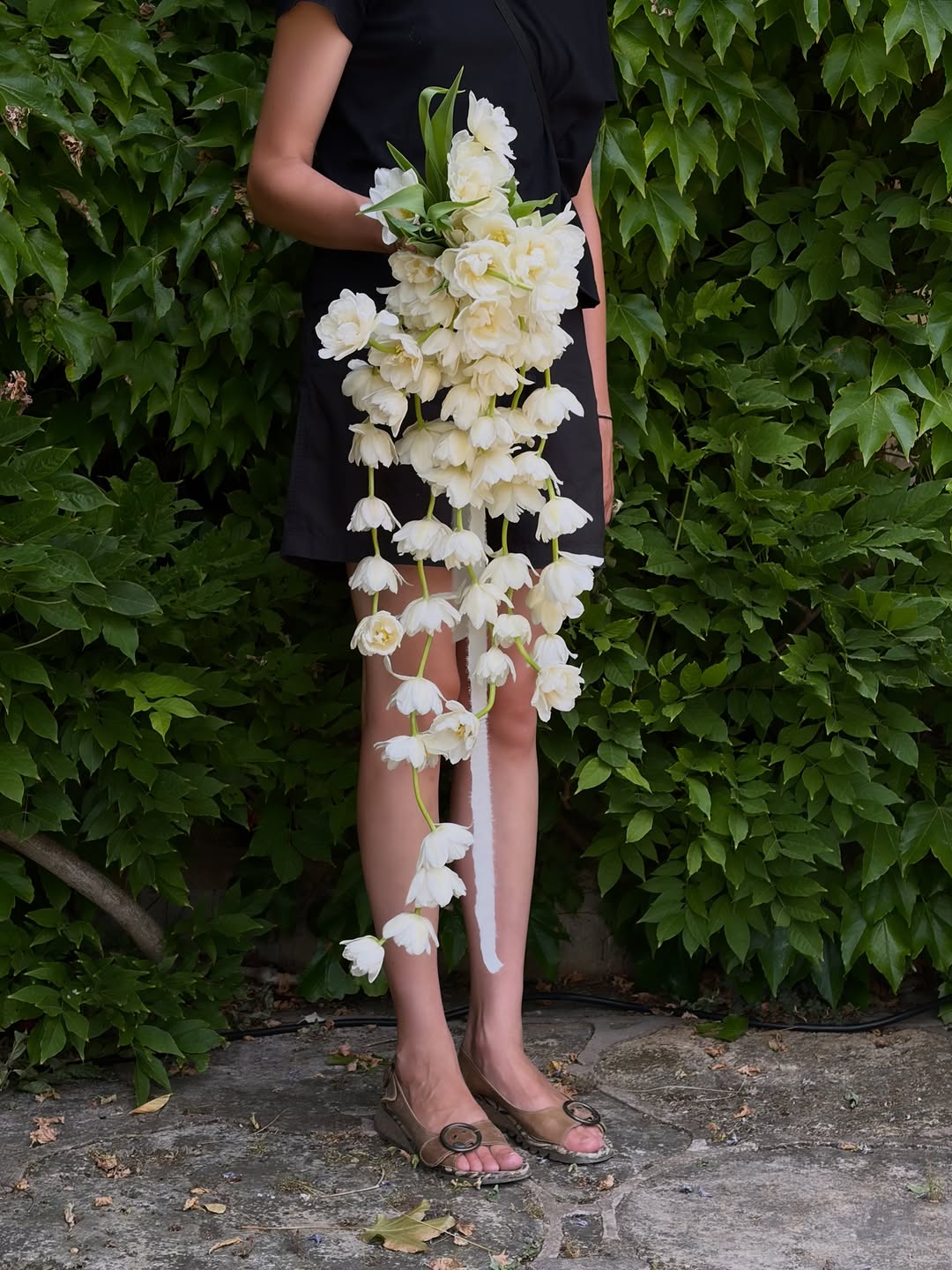
Floral: Brittany Asch, Mary Poppies by Content for Brides, Sir Botanical, Mos
Walking Down the Aisle, Reinterpreted
The processional carries a lot of history, and the tradition of a father walking his daughter down the aisle dates back to a time when the moment marked a formal handing over between families. While many couples still treasure the classic walk down the aisle, some are reinterpreting that entrance in ways that feel true to them. Couples might walk in together and meet at the front as equals, get escorted by both parents at once, or walk in entirely on their own. Same-sex couples have never had a fixed script to begin with, which has made room for even more variation, siblings, close friends, or a beloved stepparent standing in as the escort instead of a parent. Even the language is shifting: plenty of couples are dropping the phrase “given away” altogether, since walking beside someone doesn’t have to carry that meaning anymore. Many are also welcoming guests with a relaxed choose a seat, not a side approach rather than dividing the room by side.
The Wedding Party Without Gender Rules
Wedding parties have become wonderfully flexible over the past decade. Far fewer couples are sorting their party strictly by gender, and far fewer are putting everyone in identical matching looks, which gives each celebration so much more personality. The language has grown right along with it, so bridesmen, groomswomen, a best woman, and a man of honor all feel completely natural now, because people want their closest friends standing beside them no matter their gender.
That choice also blends two friend groups into one room full of the people who matter most. Plenty of couples are also choosing to skip a wedding party altogether, because they would rather not single out one group and prefer to treat every guest as an equal part of the day, which makes the whole celebration feel like one big circle of loved ones. On the styling side the move is coordinating rather than matching, so a groomswoman might wear a suit or a dress that picks up the same palette while everyone chooses a look they feel great in within one color story.
The Bride Gets to Decide What "Bridal" Means Now
The white wedding dress is a gorgeous classic, and it became the default more recently than most people realize. Queen Victoria popularized it in 1840, and before her, brides wore their best dress in all kinds of shades, with blue, red, and even black all common depending on where they lived. White and ivory are still the choice for the vast majority of brides and look stunning, and alongside them color is becoming one of the most exciting fashion stories at the altar.
The runway made the case beautifully this season, when Harris Reed opened his Fall 2026 show at Claridge’s in London with four brides in magenta, cerulean, seafoam, and rose veils, calling the collection Fluid Bridal and designing it for brides of every gender. Monique Lhuillier and Galia Lahav brought red and lace to their runways. The thread is the same one running through everything here, because a dress in a color you love tells your story in a way that feels entirely yours. Chloë Grace Moretz proved the point last year, marrying Kate Harrison in a custom baby blue Louis Vuitton gown by Nicolas Ghesquière and saying the shade just felt like her.
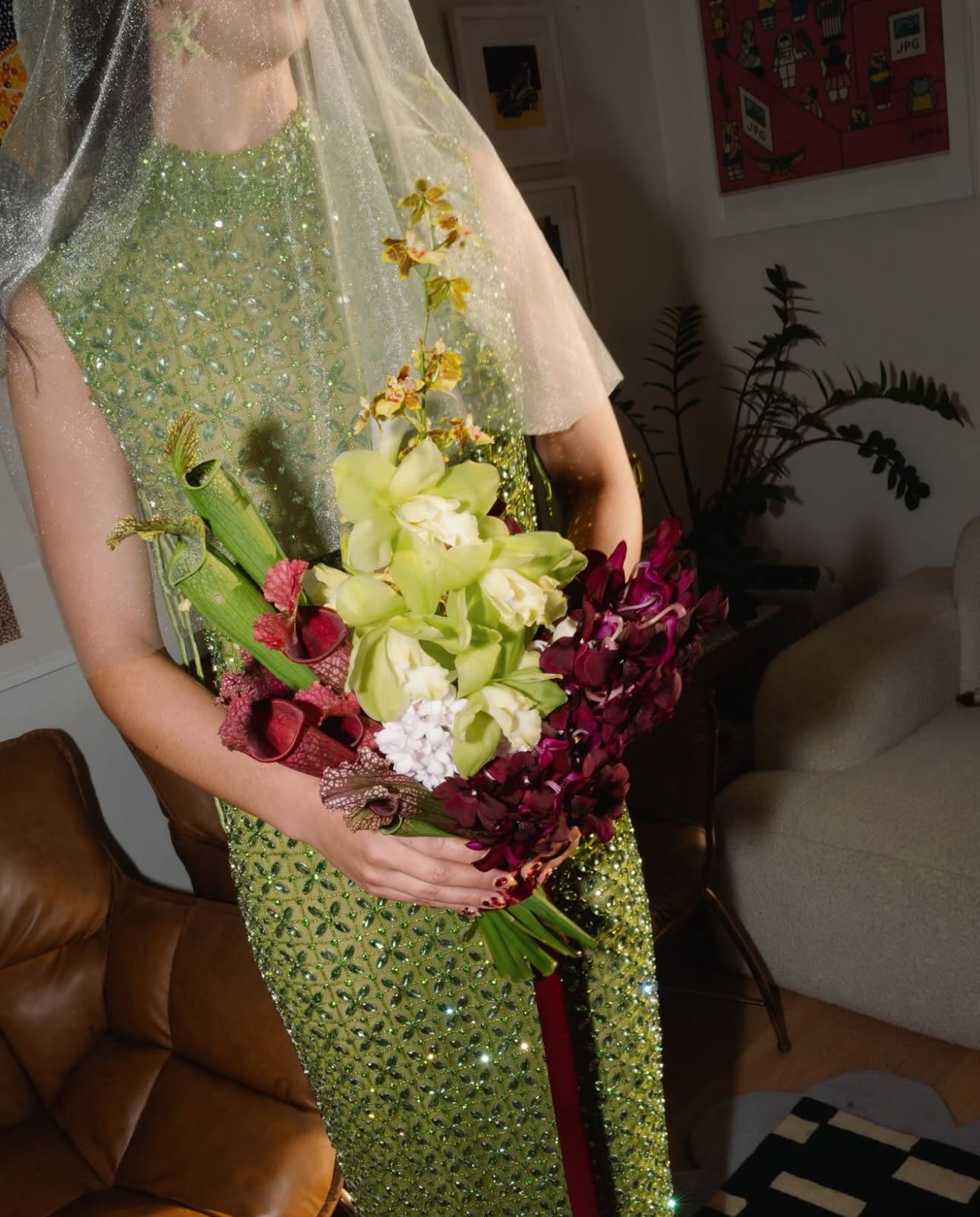
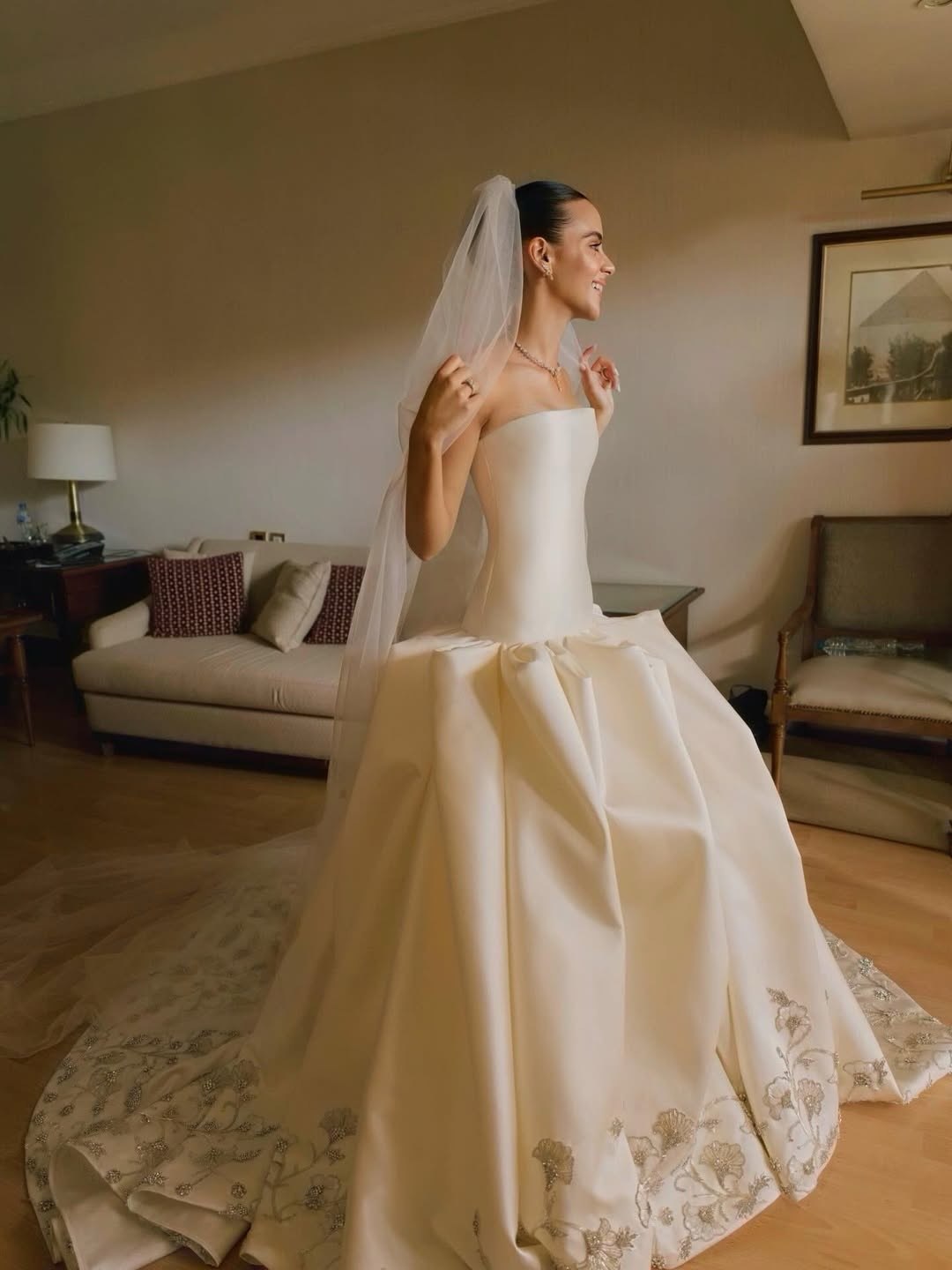
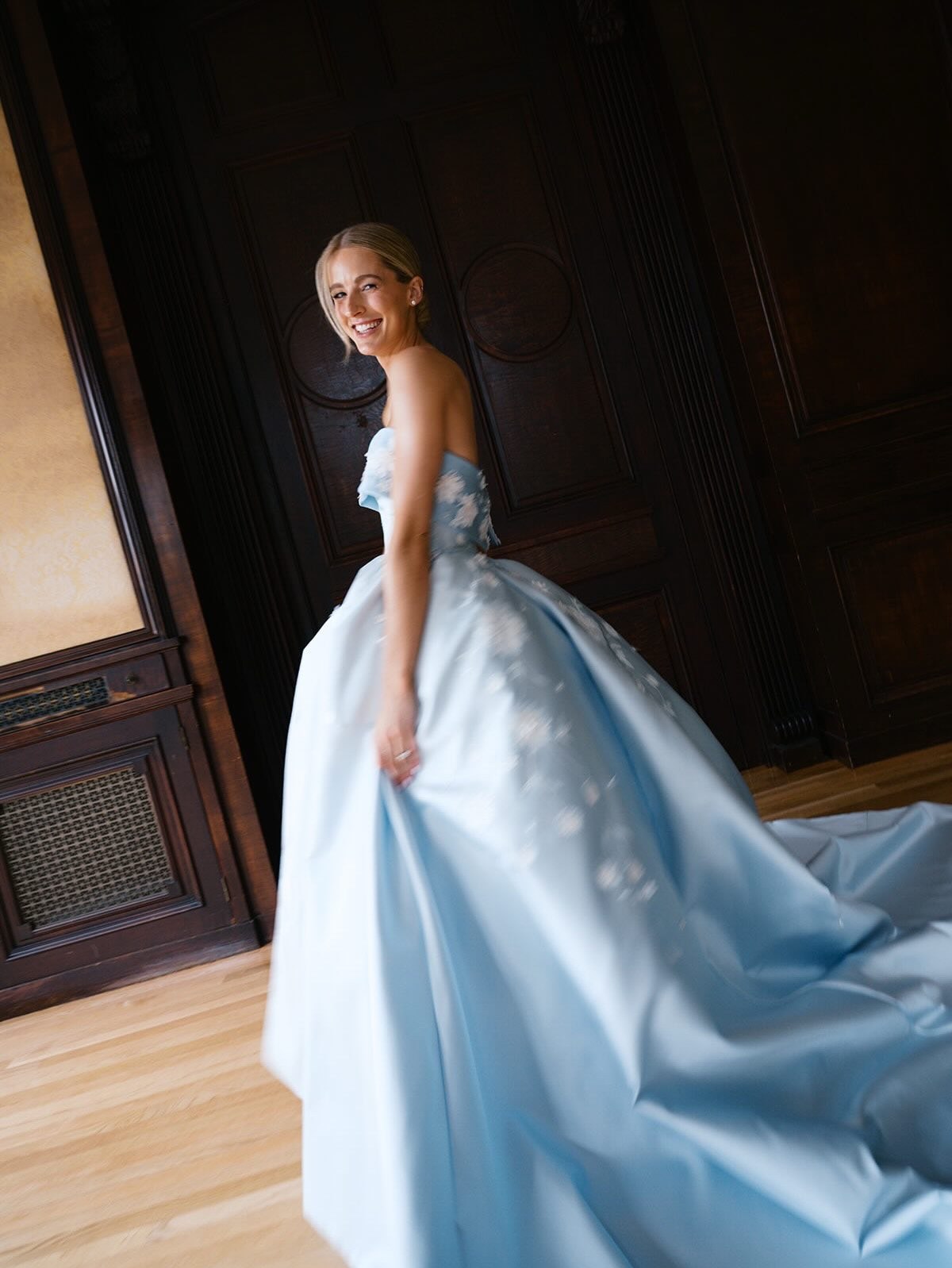
Color isn’t the only rule getting rewritten, either. The dress itself doesn’t have to follow a traditional silhouette to still feel like a wedding dress. Plenty of designers and brides are treating bridal as a mood rather than a fixed shape, which is how an asymmetric two-piece set, a hand-crocheted gown, or a piece built almost entirely from feathers can read as genuinely bridal without a single traditional silhouette in sight. It’s all part of the same shift people call “anti-bride,” less a rejection of romance than a rejection of the idea that romance has to look one specific way.
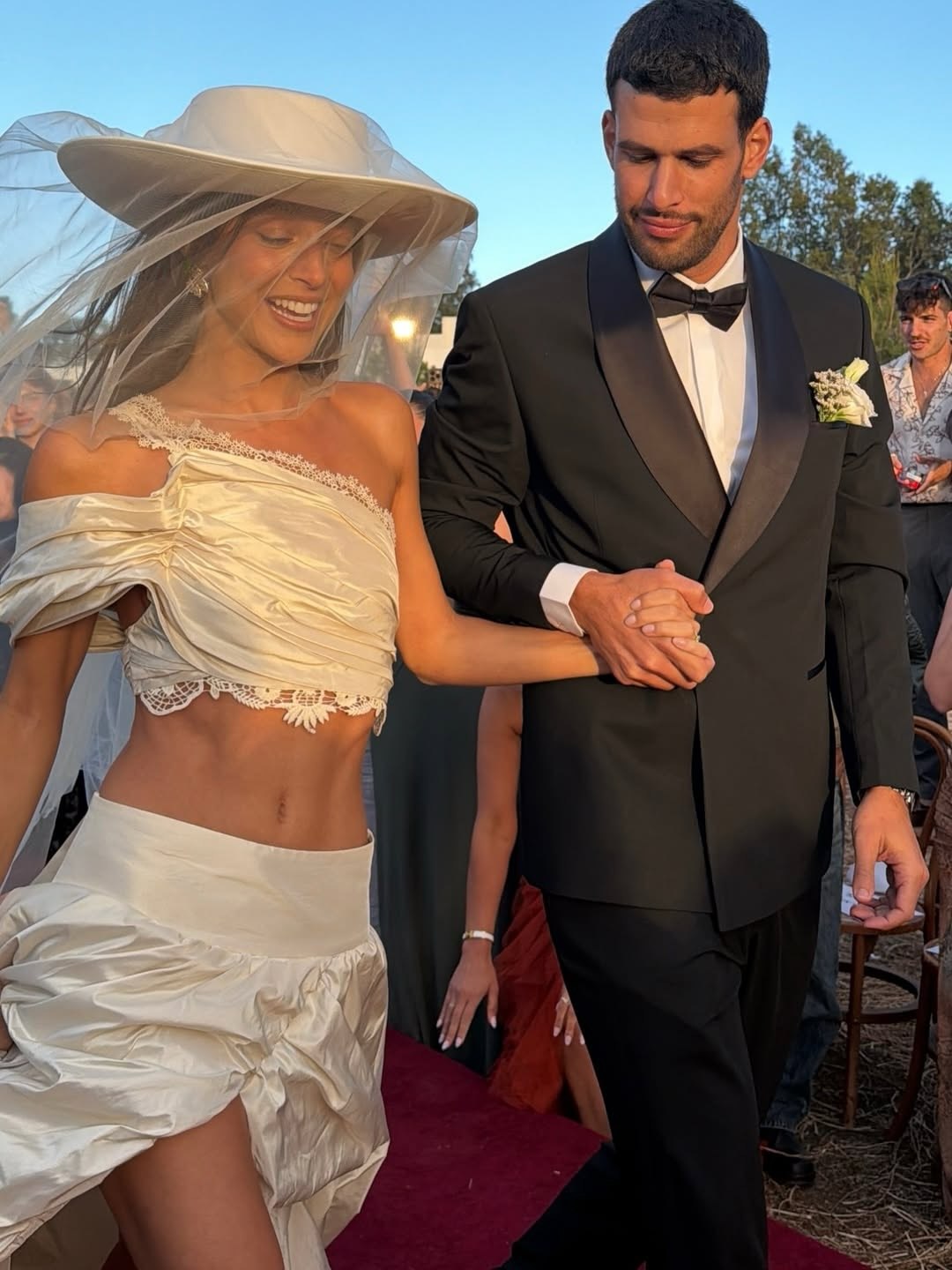
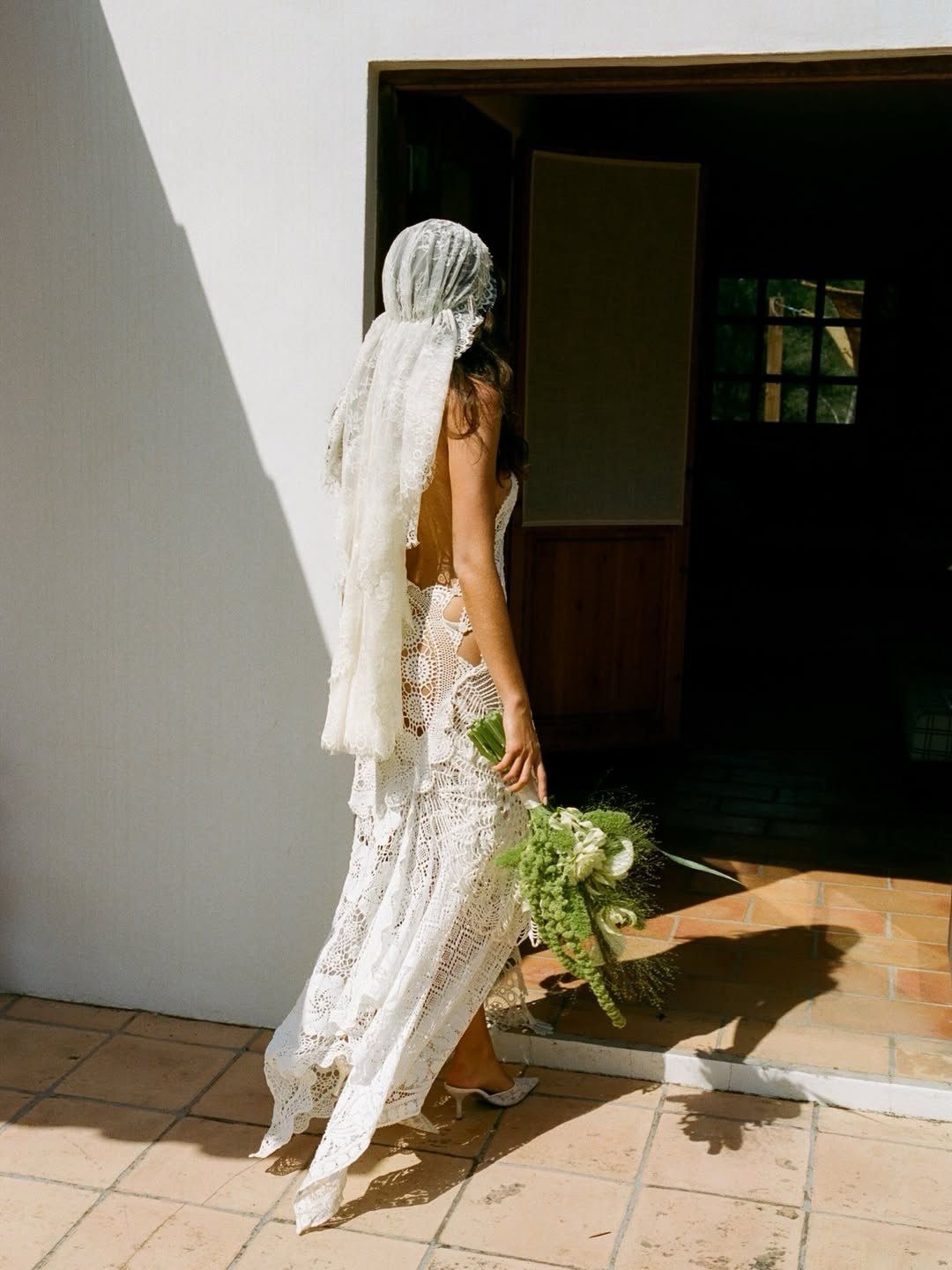
Photo: Or Danon, Avery Swail
How the Diamond Became the Default
The diamond feels like it has been the one and only engagement stone forever, yet that idea is surprisingly young. For most of history couples chose all sorts of rings, and the belief that a proposal needs a diamond really took hold in the twentieth century, when the diamond company De Beers built a famous advertising campaign around the line that a diamond is forever. The marketing worked so well that a single stone came to feel like a rule rather than one option among many. Knowing that history makes it easier to see the engagement ring as an open canvas again.
That openness is exactly why colored stones are having such a moment, with emeralds, sapphires, and rubies showing up on more and more hands. Royal and high profile families have long led the way here, and the most famous example is the deep blue sapphire that Princess Diana chose and that Kate Middleton wears today. Jackie Kennedy took the look in her own direction with an emerald and diamond ring, and stars like Halle Berry and Zoe Saldana have made green emeralds a real statement.
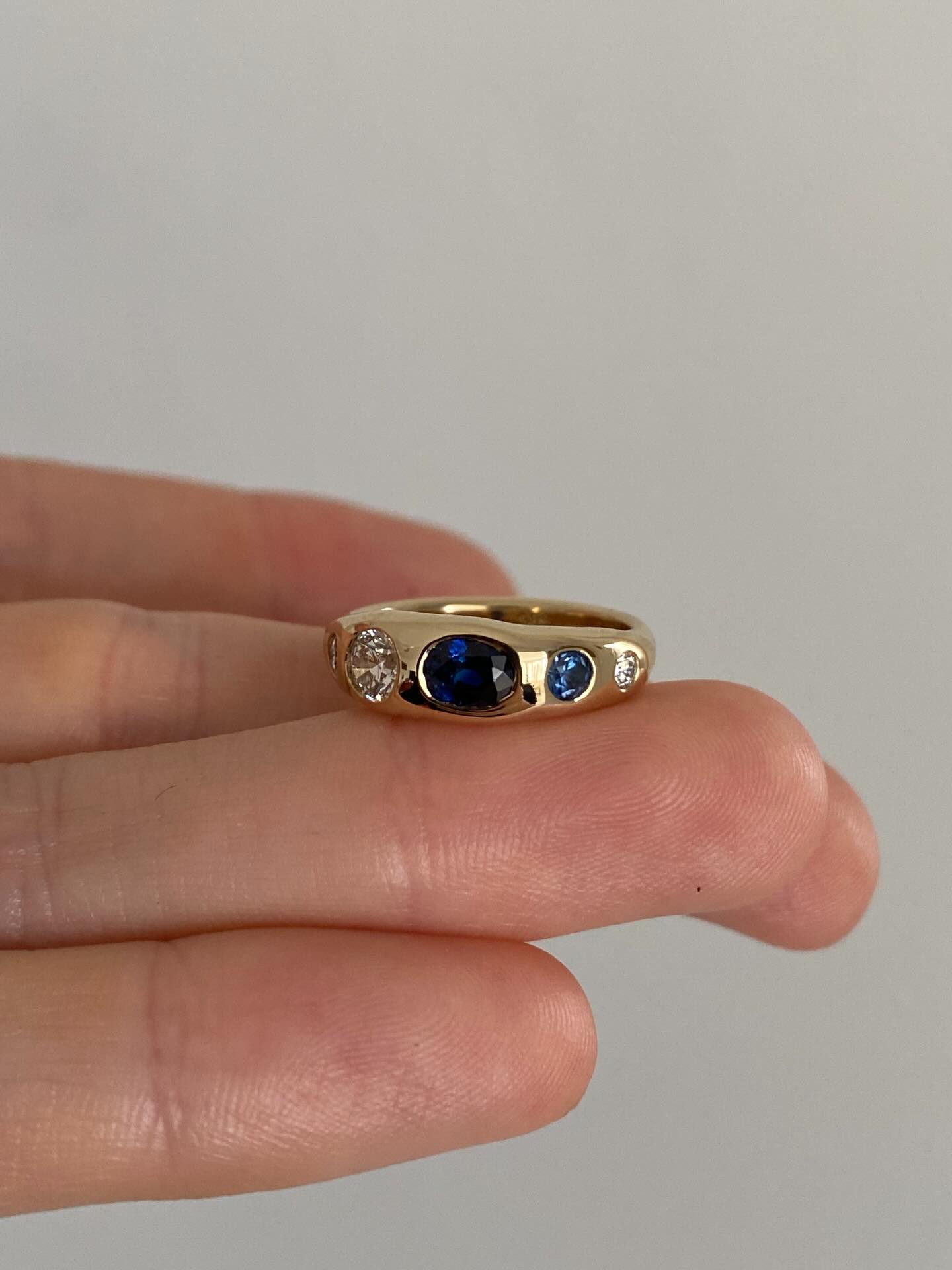
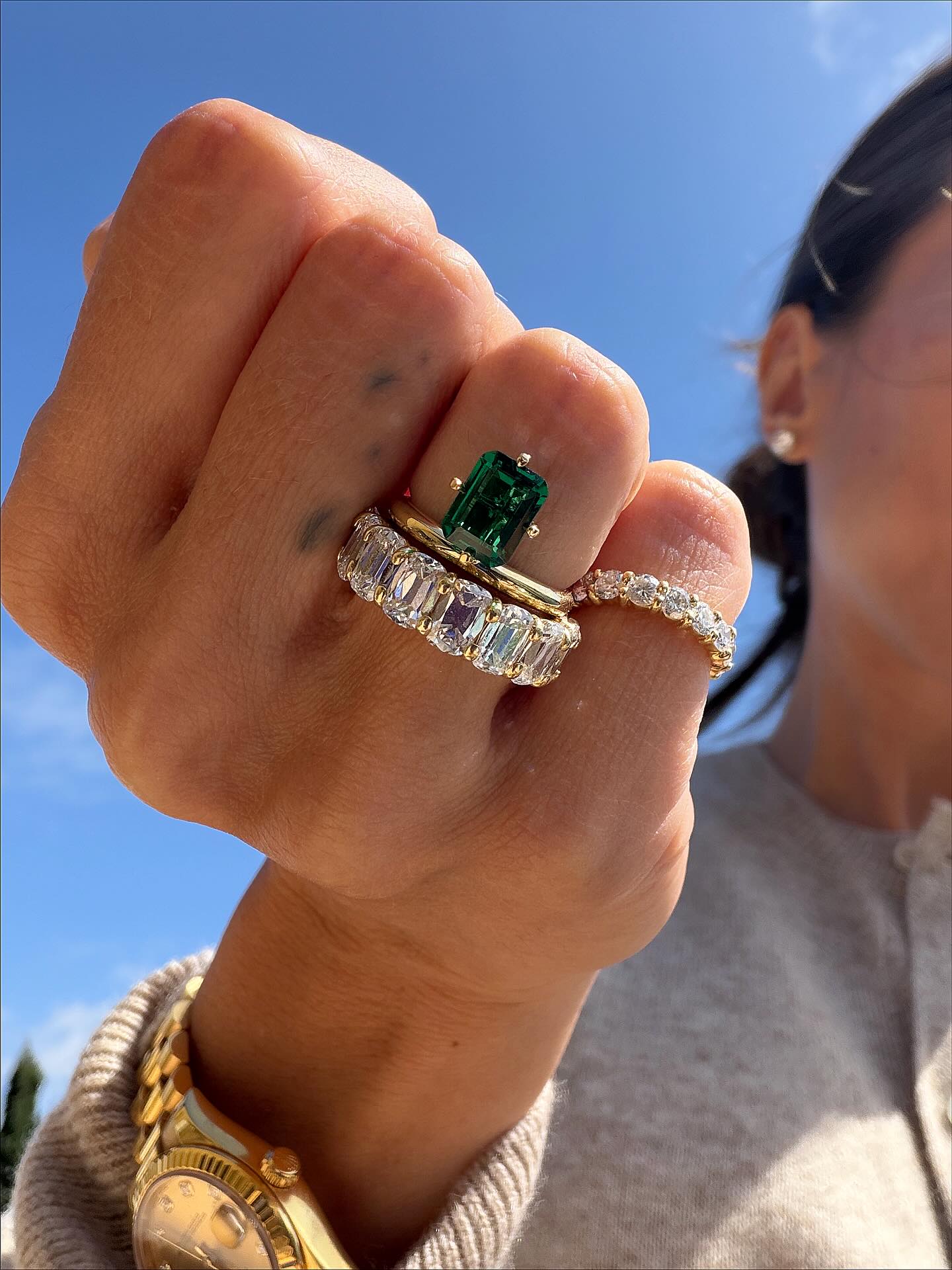
Photo: Pip Stent, The Prestwick Place
A Ceremony Written by the People in It
More couples are handing the ceremony itself to the people who know them best. Asking a close friend or relative to get ordained and officiate has become one of the most loved choices around, because the person at the front can actually tell the couple’s story with real warmth and inside knowledge. Traditional officiants and clergy remain a meaningful choice for many families, and that is wonderful too, while the friend officiant has opened up a more personal way to say the words that bind two people. It turns the most important part of the day into something delivered by a familiar voice.
Couples are also building their own rituals into the ceremony to make it truly theirs. Handfasting, where the couple’s hands are gently tied together, ring warming, where guests hold the rings and send a wish, and small moments to honor loved ones who could not be there are all finding their way into modern weddings. Many couples blend traditions from both of their backgrounds, so two heritages share the spotlight and every family sees itself in the day.
The format of the ceremony itself is loosening up too. At one countryside wedding, guests were handed printed lyric sheets and led through a full singalong mid-ceremony, turning the audience from spectators into participants. At another, the bride and groom treated their entrance and exit like a performance of its own, walking a red carpet lined with cheering guests and breaking into dance before they’d even reached the altar. The ceremony becomes less of a fixed script and more of a collection of meaningful choices that belong to the two people at the center of it.
The Dessert Table Is a Sandbox, Not a Rulebook
The towering tiered cake has been a centerpiece of receptions for generations, and plenty of couples still love cutting into one. At the same time, more couples are rethinking dessert altogether and building a spread that matches their own taste. Some set out a full dessert table with cupcakes, macarons, tarts, and cookies so guests can graze on a little of everything. Others lean into individual portion desserts, single servings that feel personal and skip the formal cutting moment entirely.
The options have become genuinely playful, from donut walls and gelato carts to pie bars, cheese wheel towers, sweet butter boards, and late night snack stations that keep the party going. A small cutting cake paired with a wider dessert table is a popular middle ground, giving couples the photo moment alongside more variety for guests. Even the cake itself doesn’t have to look traditional anymore, with jeweled finishes, glossy jelly-style layers, and full animal print patterns like tortoiseshell, zebra, and leopard all turning up on cake tables this year. The thread behind all of it is the same one running through the modern wedding, which is choosing the food you actually crave over the version the rulebook assumed. Dessert becomes one more place where the celebration tastes like the couple.
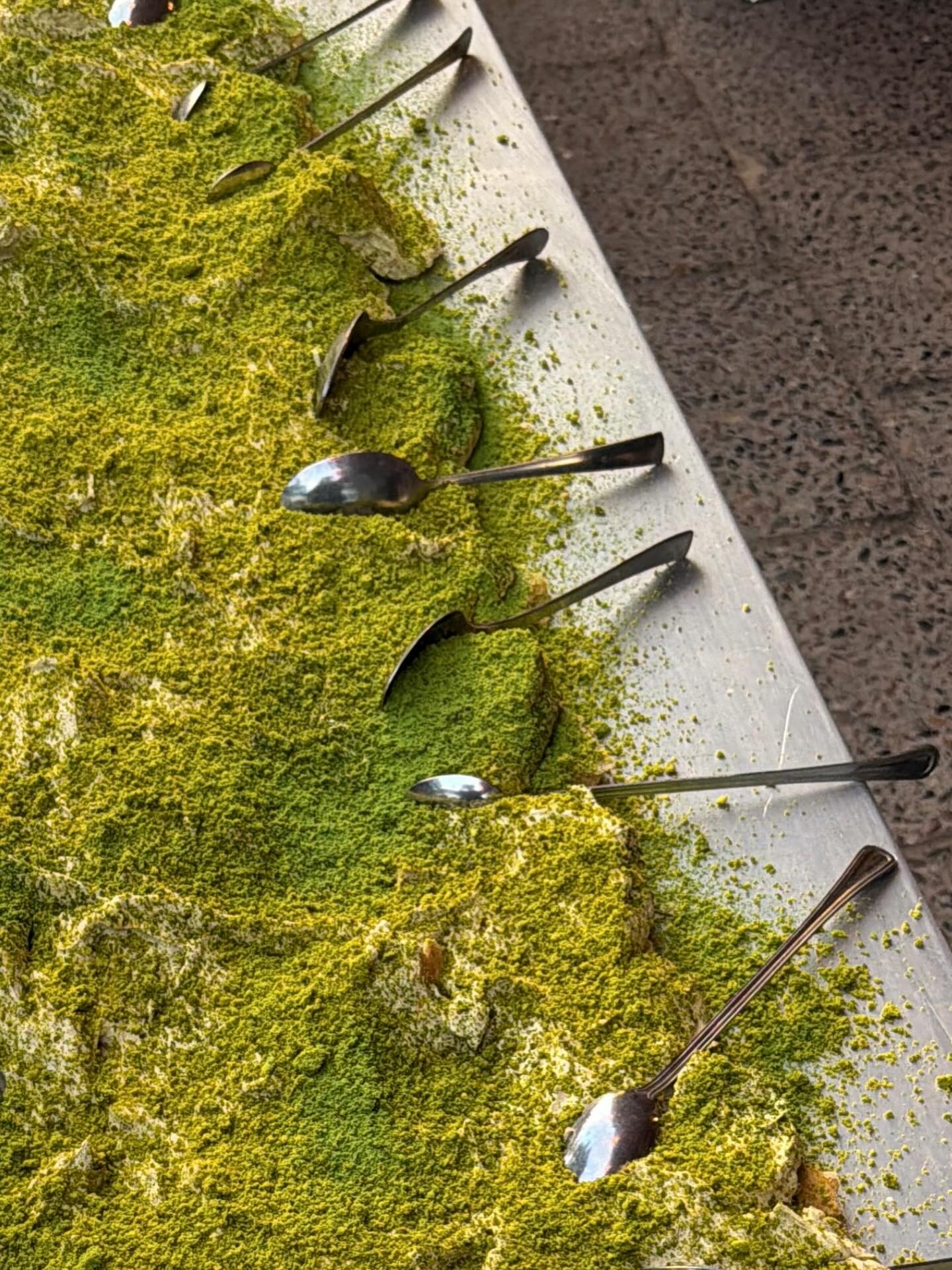
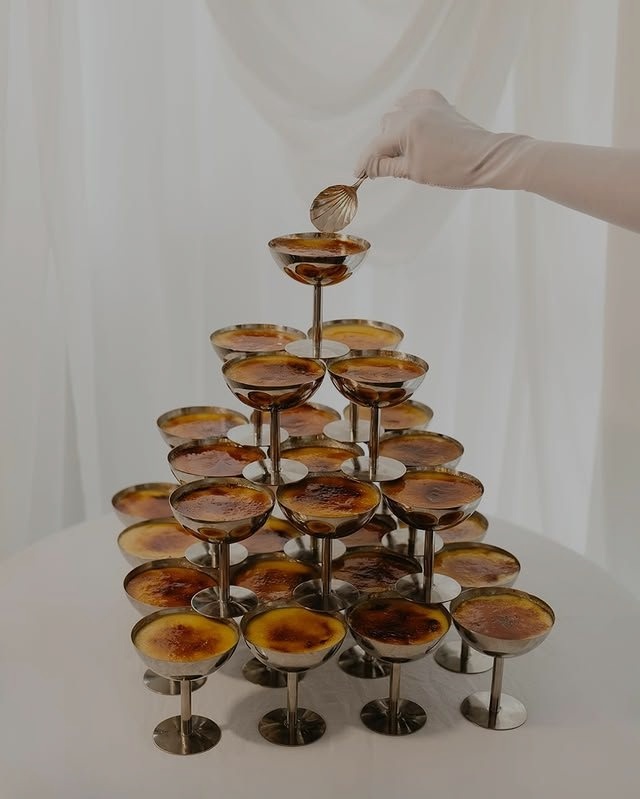
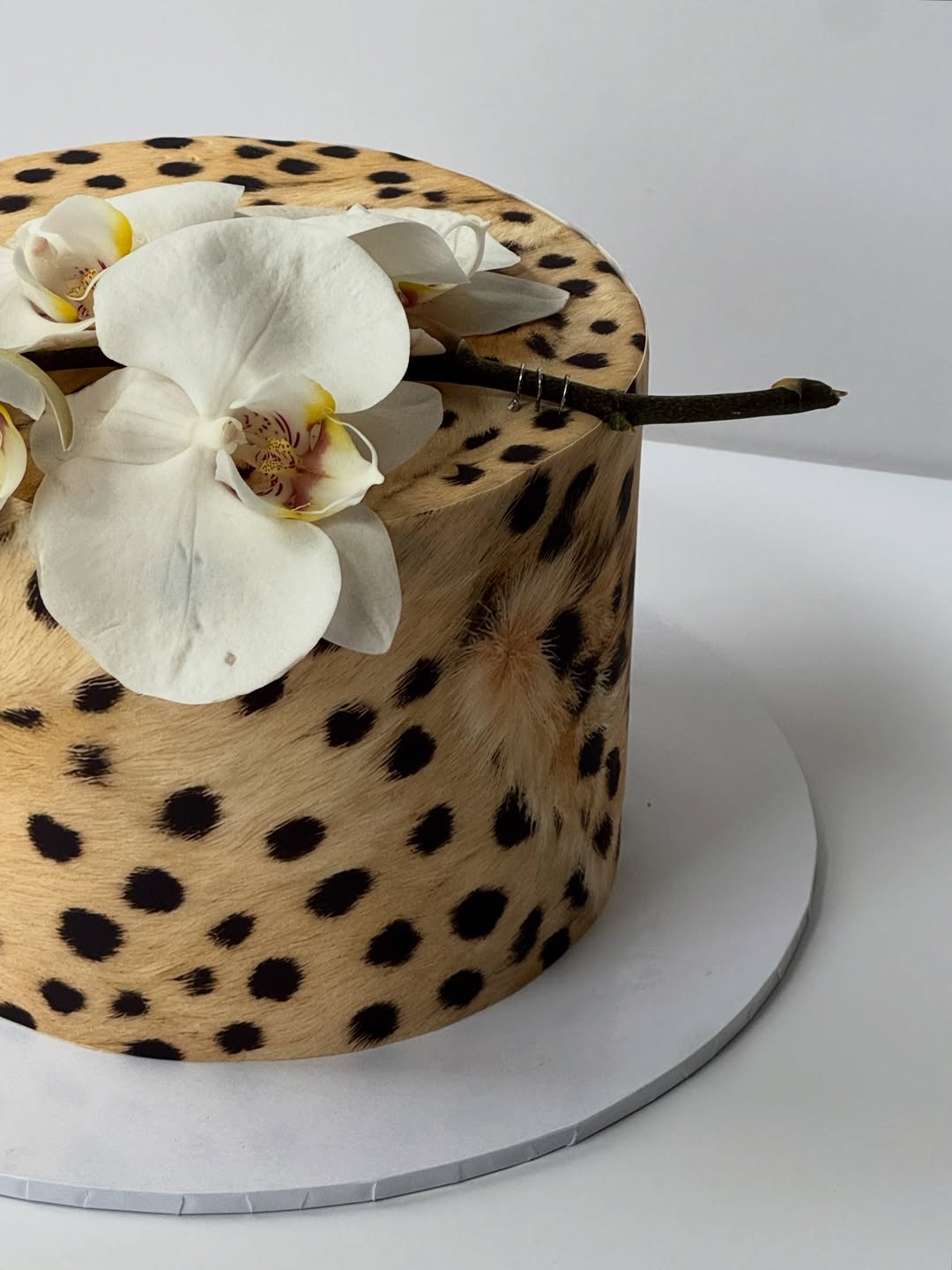
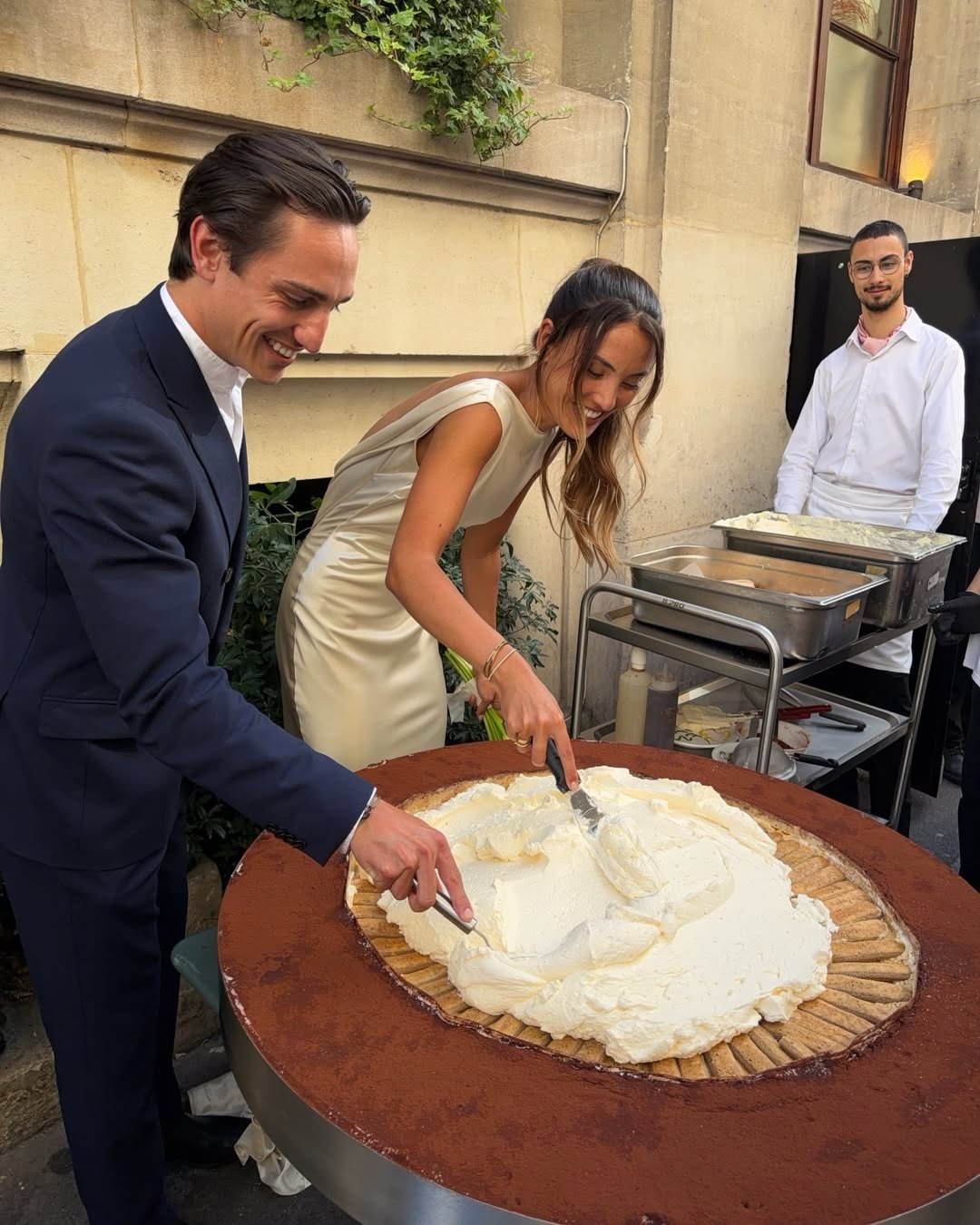
Photo: Idan Gilony, Daniel Chafer, The Heartbaker, Wendy Swan
When the Invitation Says Wear White
Guests have spent decades following one firm rule, which is to leave the white outfits at home and let the bride be the one in white. That rule is getting a fresh twist, because a growing number of couples are now asking their guests to wear white on purpose. Setting white as the dress code turns the whole room into a soft, unified palette that looks beautiful in photos and out on the dance floor. The couple still stands out through their own styling, while everyone around them adds to one cohesive picture.
This idea sits inside a bigger shift, where couples are having fun with dress codes and treating guest style as part of the design. Some choose all white, others pick a single color, a garden party theme, or a black tie evening, and they share the direction early so guests can lean in. It gives the celebration a clear visual story and lets everyone feel like part of the day rather than a bystander. Guests tend to love the guidance too, since a clear dress code takes the guesswork out of what to wear.
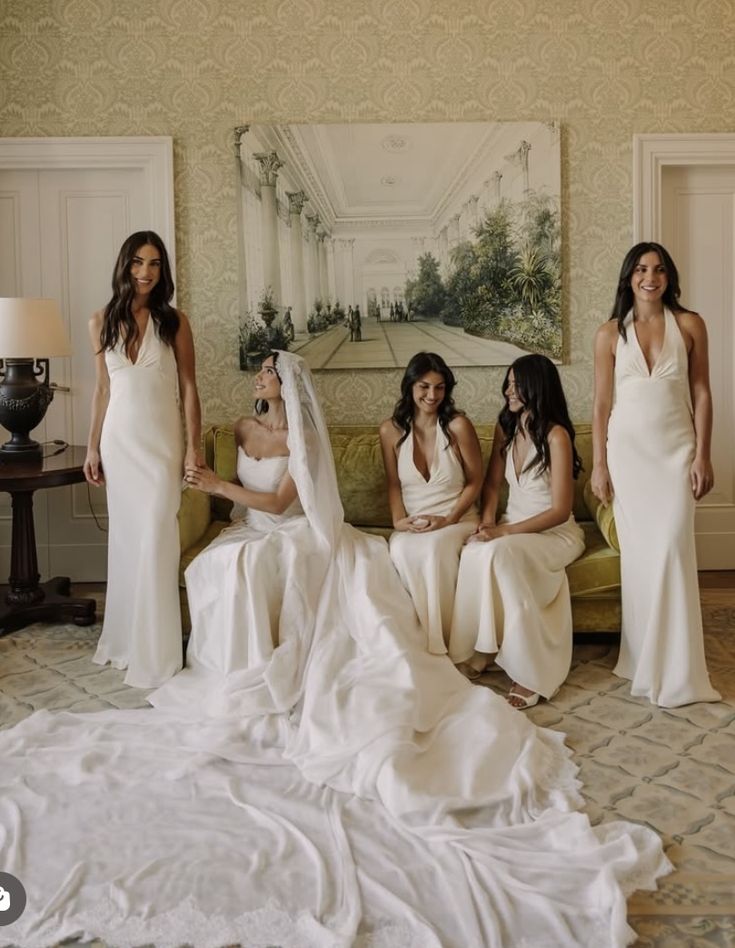
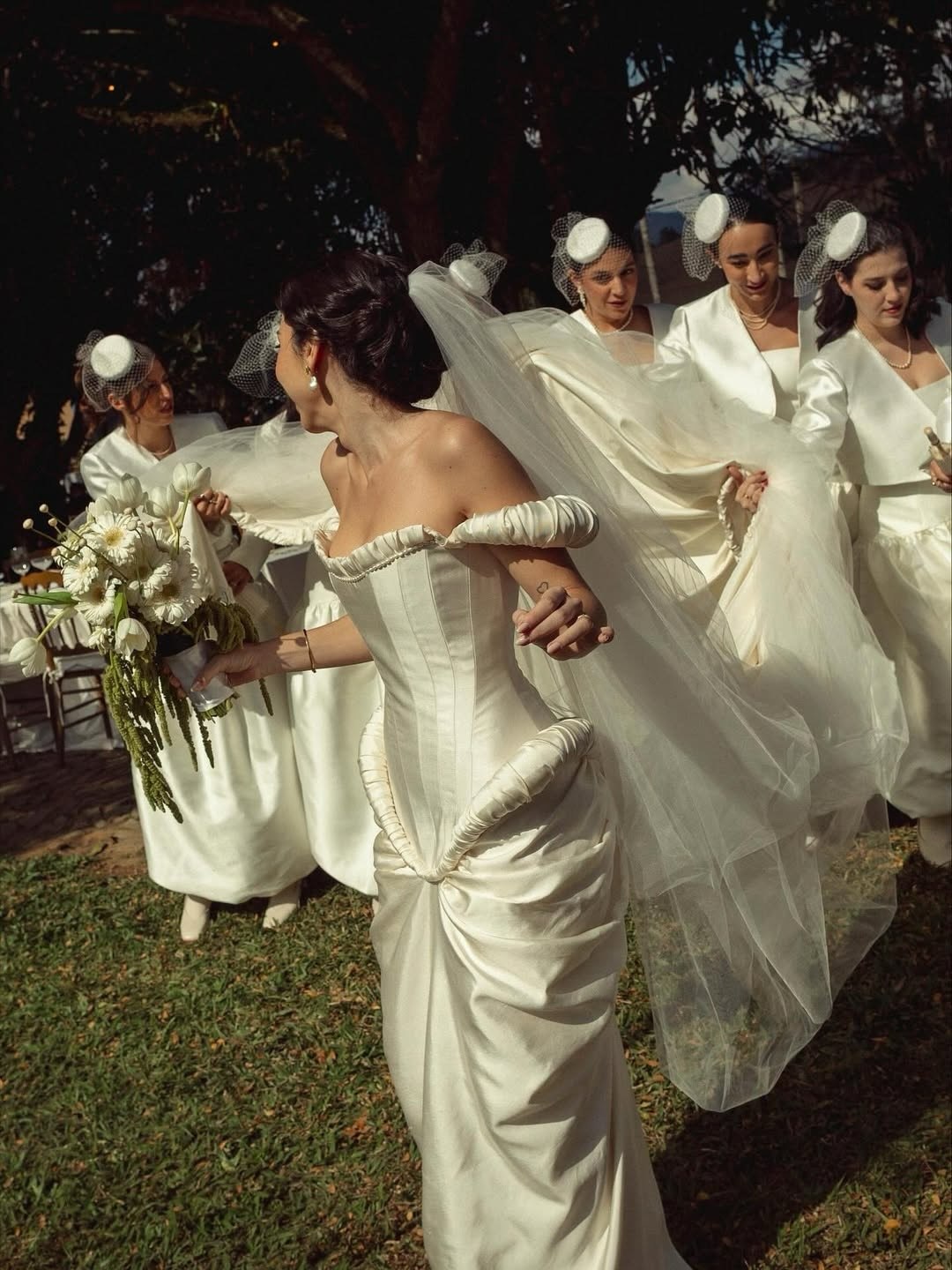
Photo: Alice Mahran, Dayane Ankosqui