This spring, we rounded up our editorial team’s favorite wedding flowers: carnations, poppies, spider gerberas, hyacinths, and a dozen more classics we still reach for without hesitation. We meant every word of it, and nothing on that list has lost its charm. But loving the familiar doesn’t mean stopping there. Some of the most memorable wedding florals we’ve come across lately aren’t florist staples at all: a foliage plant grown for its painted leaves, an aquatic bloom that opens only in daylight, a shrub better known for its haze. These eight picks push a wedding’s florals in a slightly more unexpected direction.
Cornflowers
Cornflowers used to be a wildflower weed in European wheat fields before florists started buying them by the bunch, and that history still shows in how they look — a little wild, papery, never stiff. That’s the appeal: they don’t look arranged so much as gathered.
The color range is so beautiful: past the classic true blue, you get dusty lavender, soft pink, and a deep near-black maroon. They’re seasonal, and that matters: cornflowers are an annual that peaks late spring through summer, so they’re really a warm-weather flower, not something to plan around for a fall or winter date.
Scale-wise, they’re small and wiry-stemmed, so they’re not going to carry a big arrangement on their own but that’s not really their job. They work as accents woven into centerpieces or a bridal bouquet, or clustered into small bud vases down a tabletop, which reads especially well for a smaller, intimate wedding.
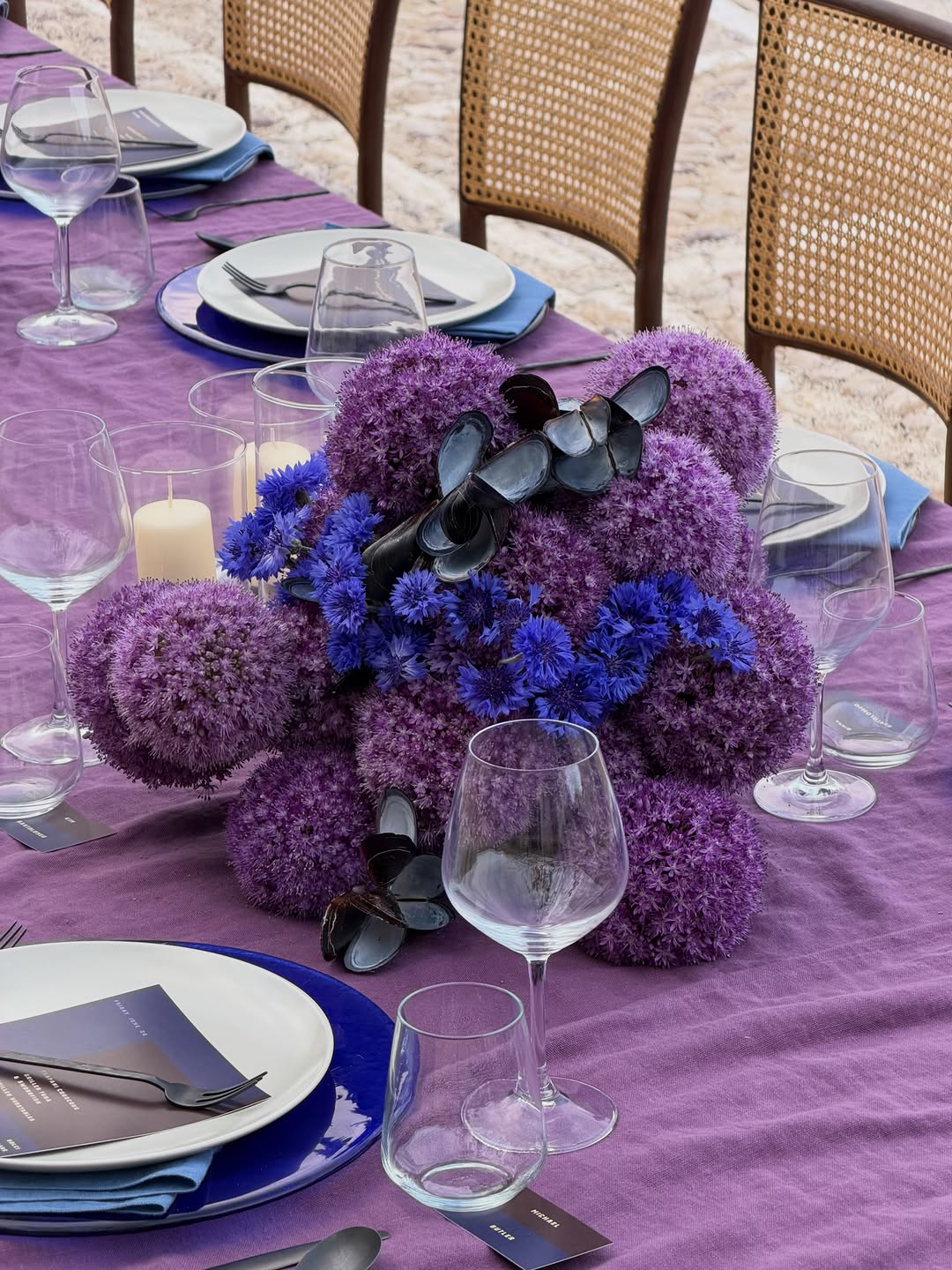
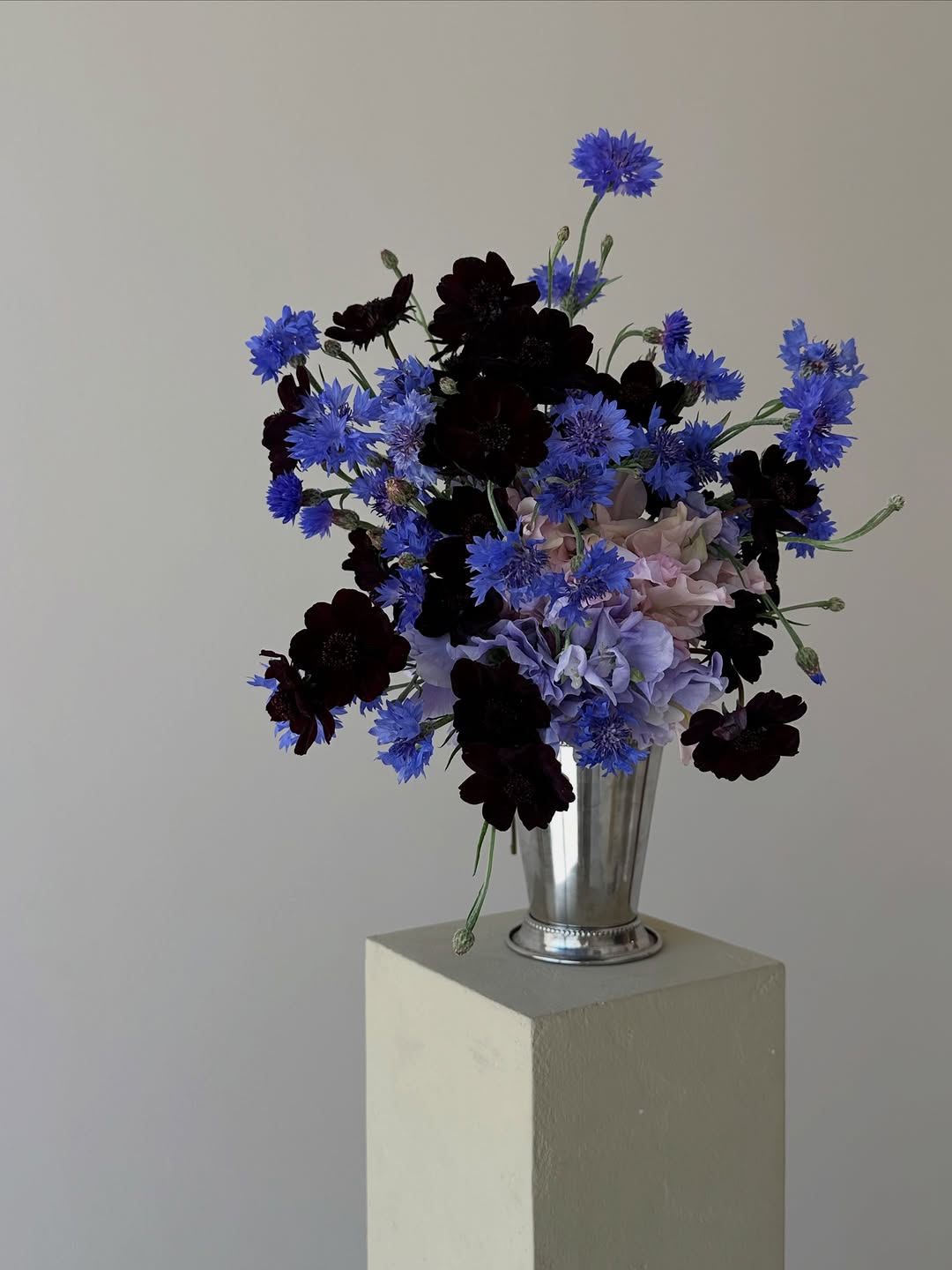
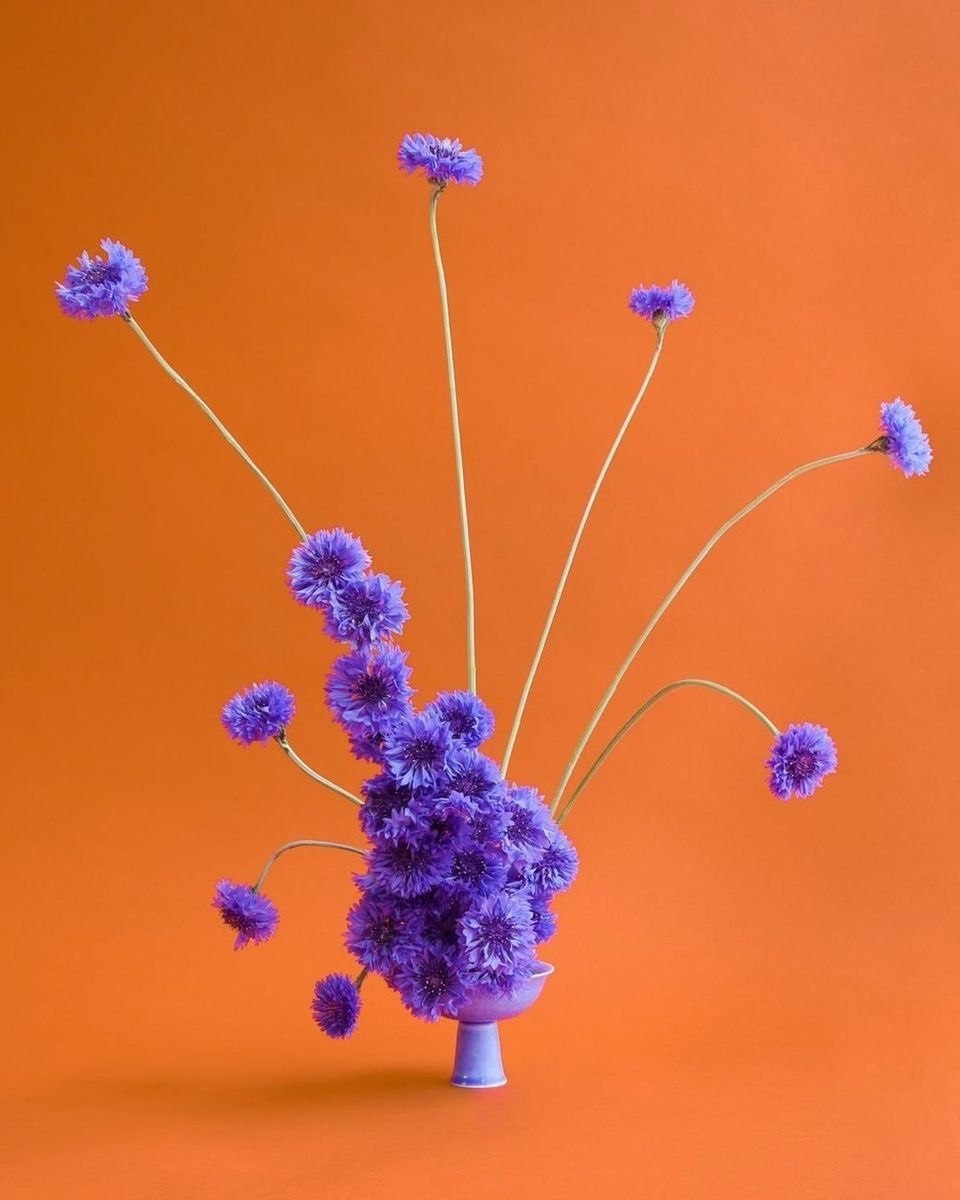
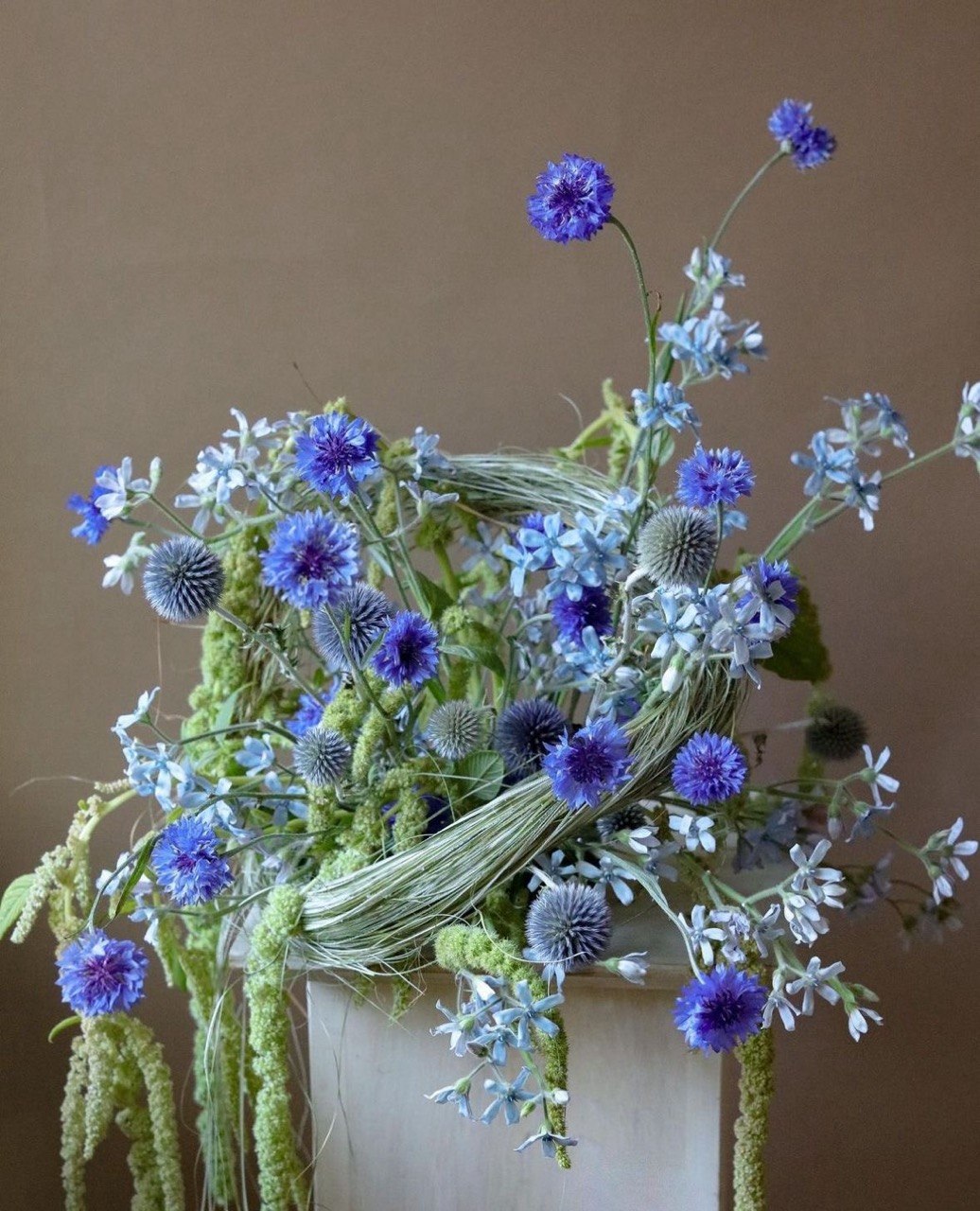
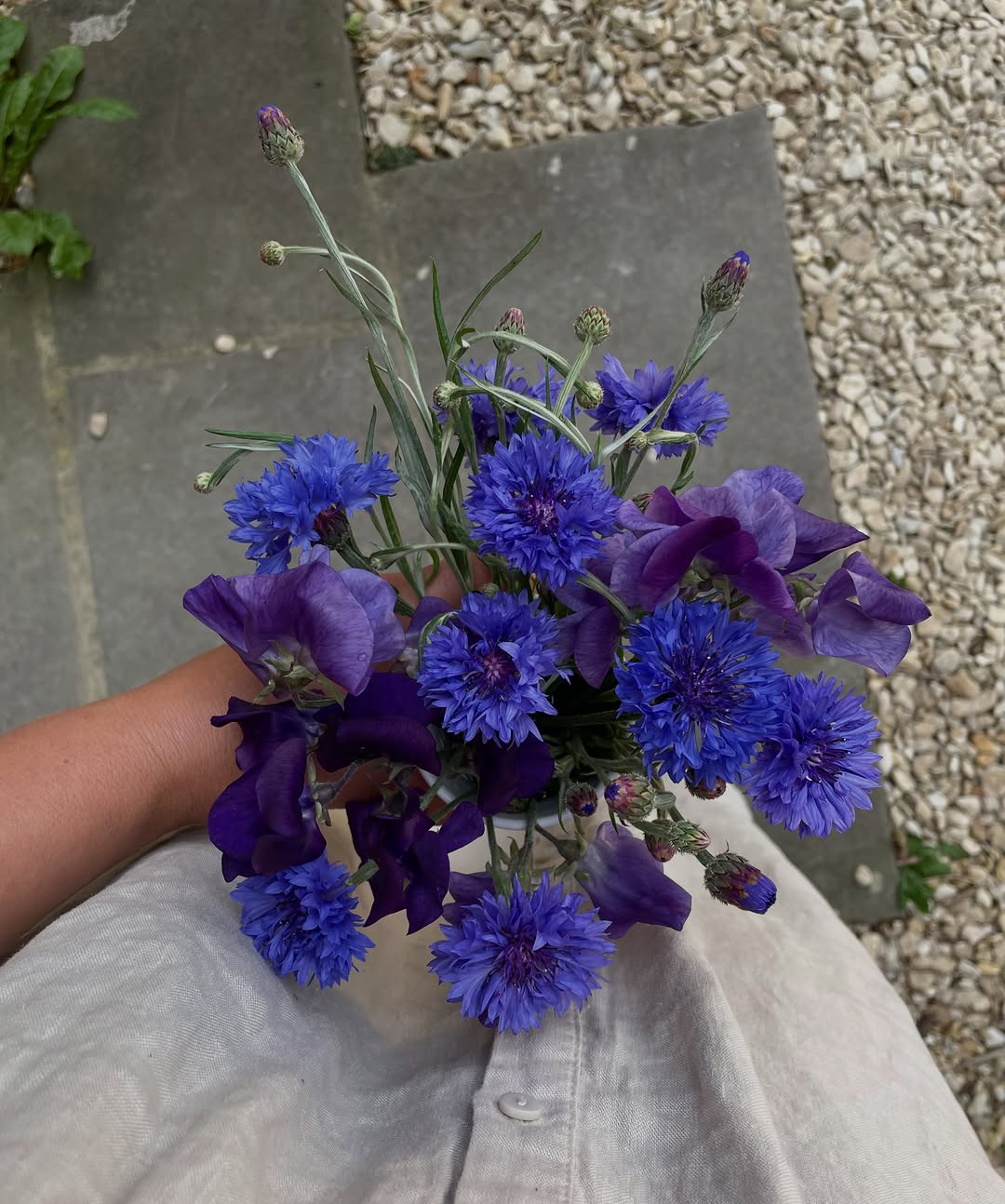
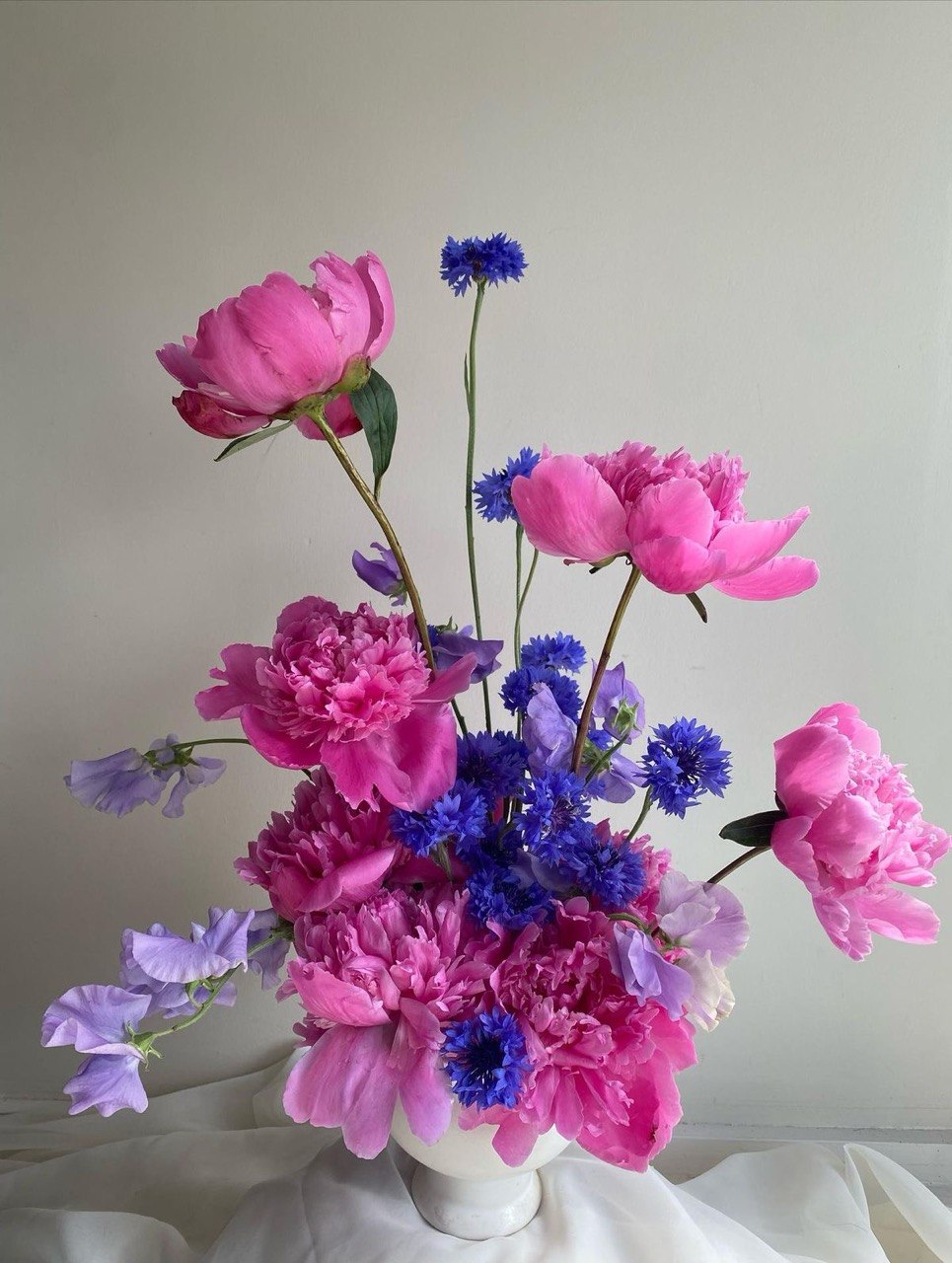
Photo: Hamish Powell, Chloe Szukiłojć, Hattie, Pinterest, Flower and Land, Pinterest
Anthurium "Graffiti"
Regular anthuriums get dressed up a lot — painted, rhinestoned, printed with little countries or initials for a wedding, whatever the trend calls for. Graffiti doesn’t need any of that. Its speckled, spray-paint pattern is grown in, not applied, so every spathe is a little different.
The shape does a lot of the work too, with those glossy, heart-shaped petals and the curling orange spadix, which gives it a sculptural, almost architectural quality that most wedding flowers don’t have. It’s tropical and greenhouse-grown, so there’s no real seasonal window to plan around as it’s available pretty much year-round, which is one less thing to worry about with a date.
It’s not a flower you’d build a whole arrangement out of, but a few stems change the character of one instantly. Tucked into hydrangea or allium, it creates a sharp, graphic accent against something soft and full, which is good for a couple who want their florals to feel a little more unexpected than the usual romantic mix.
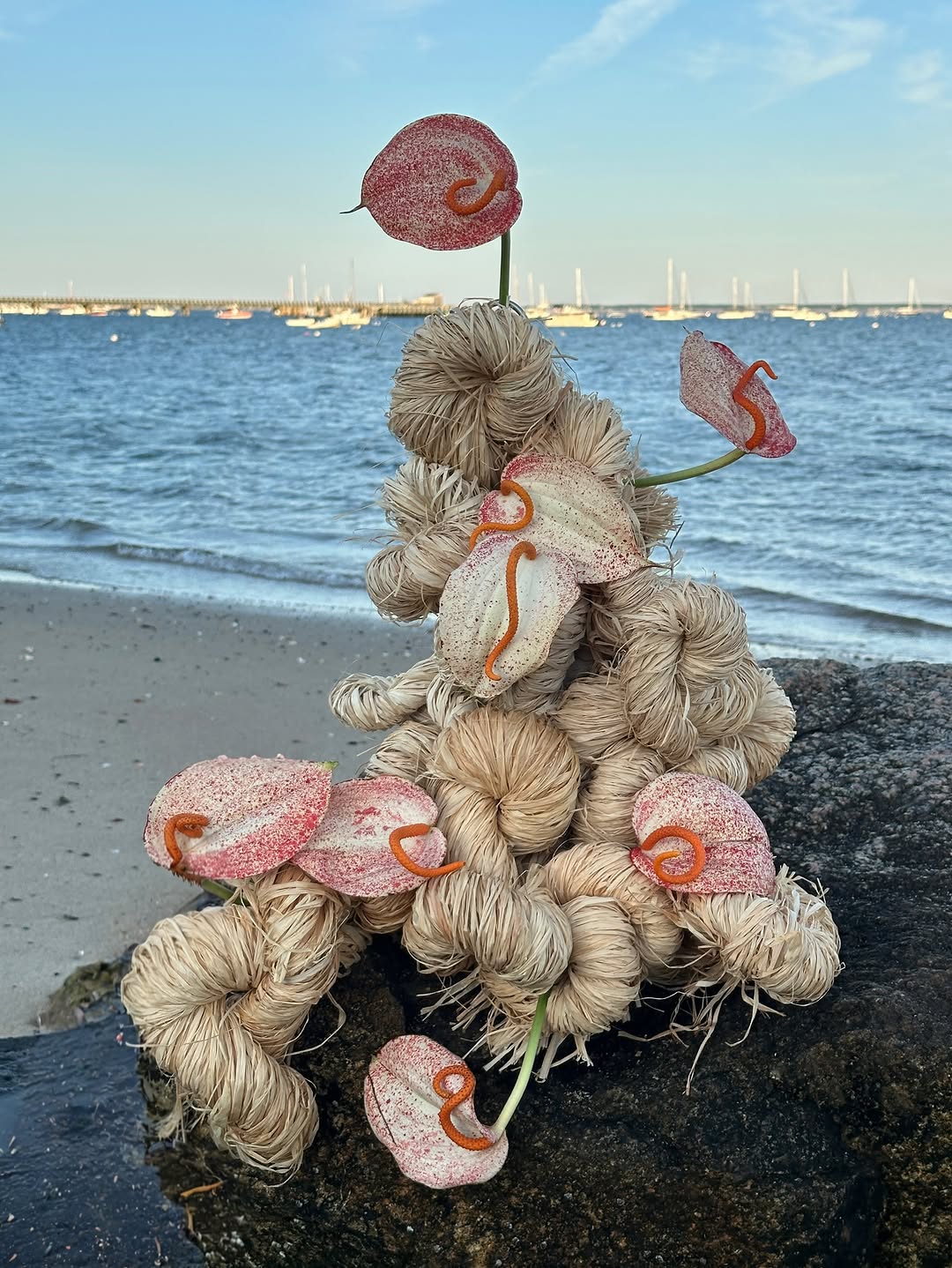
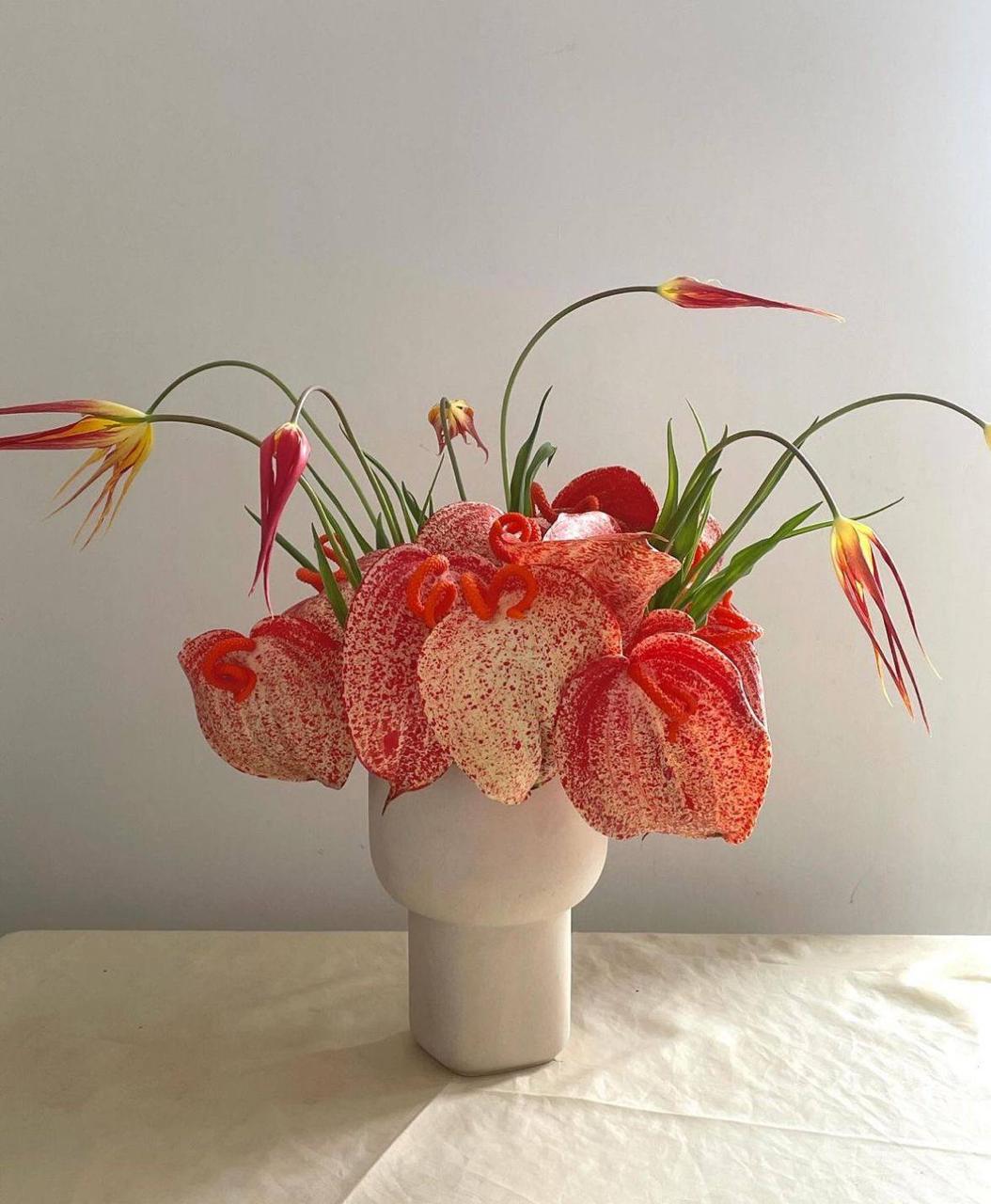
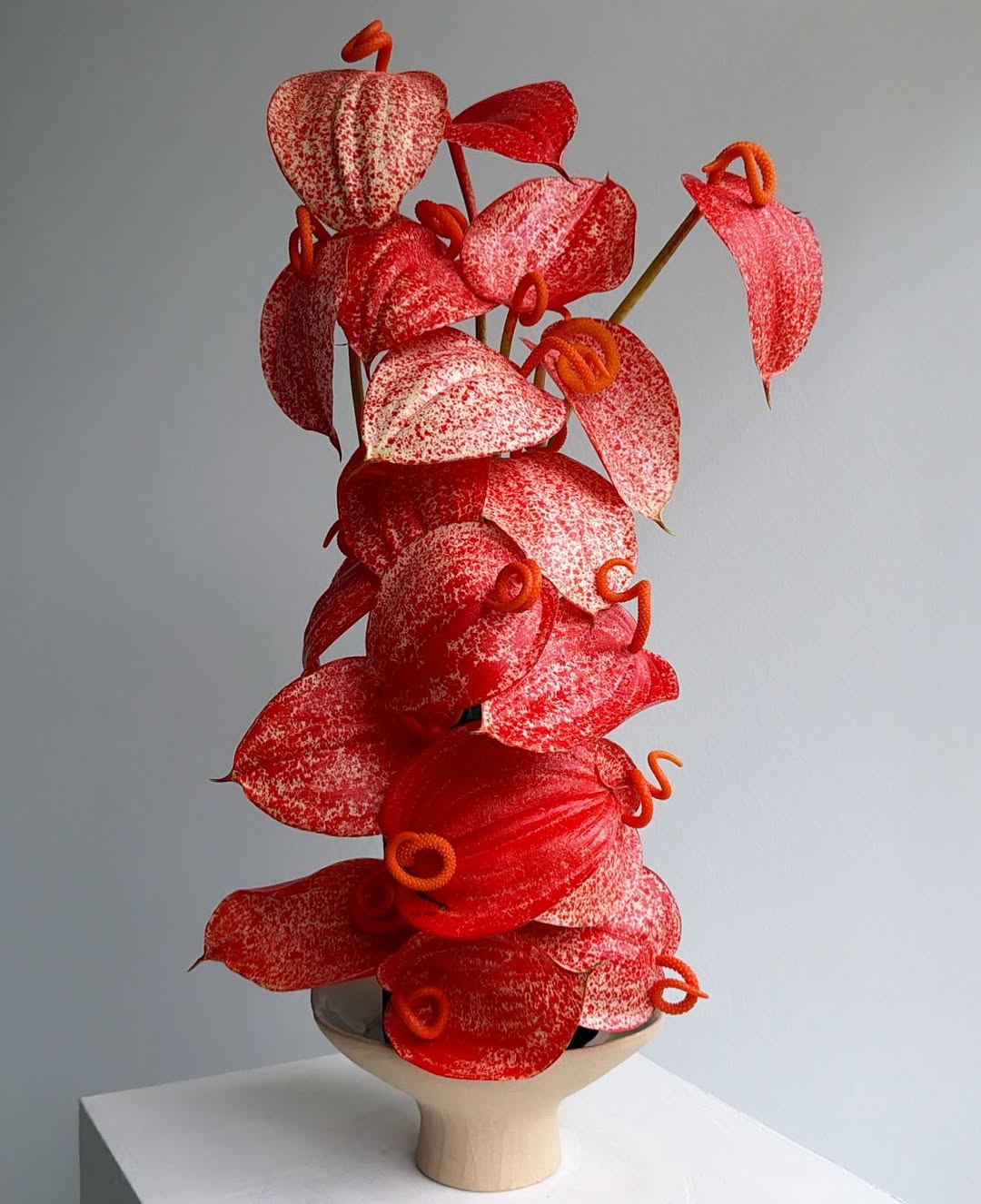
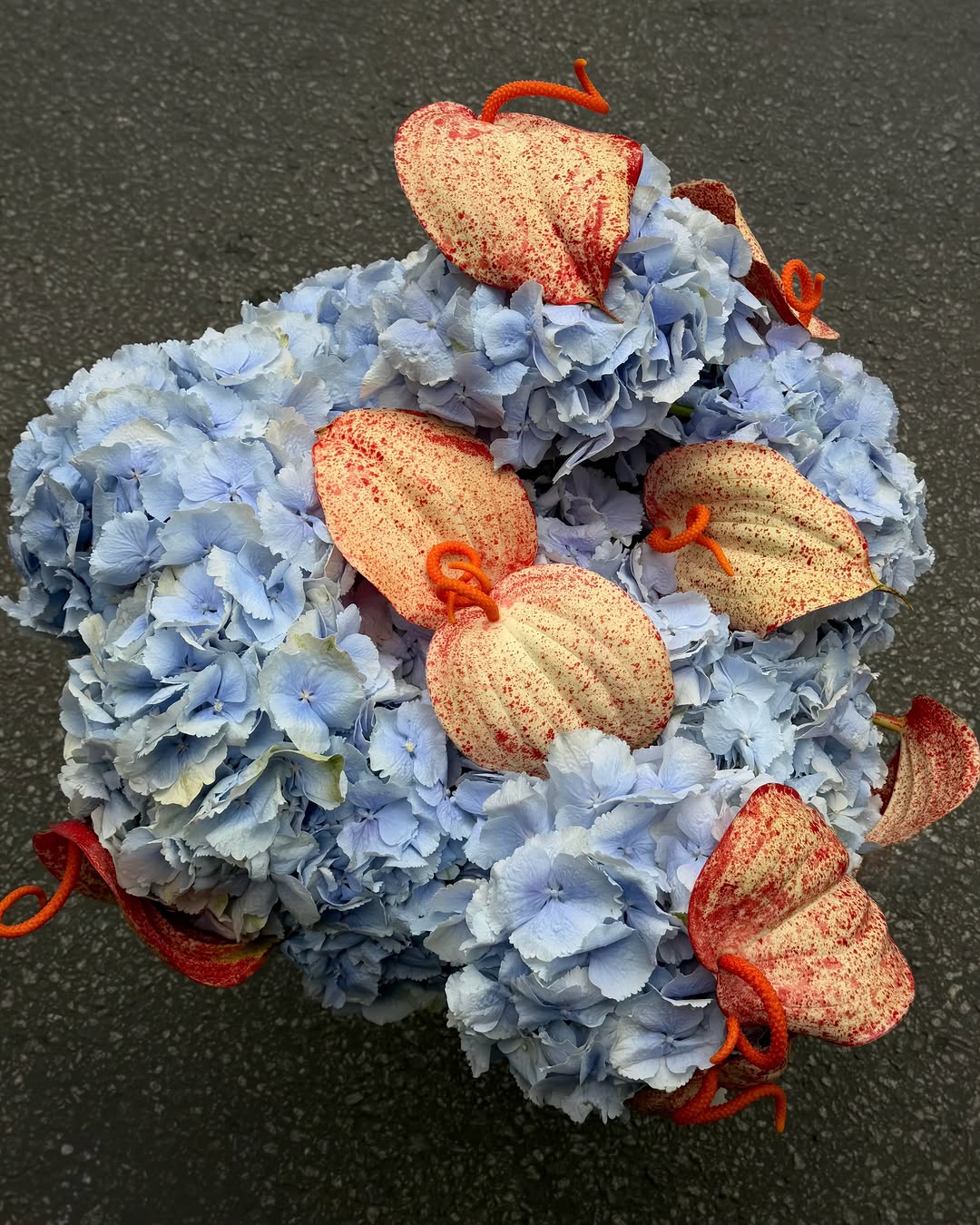
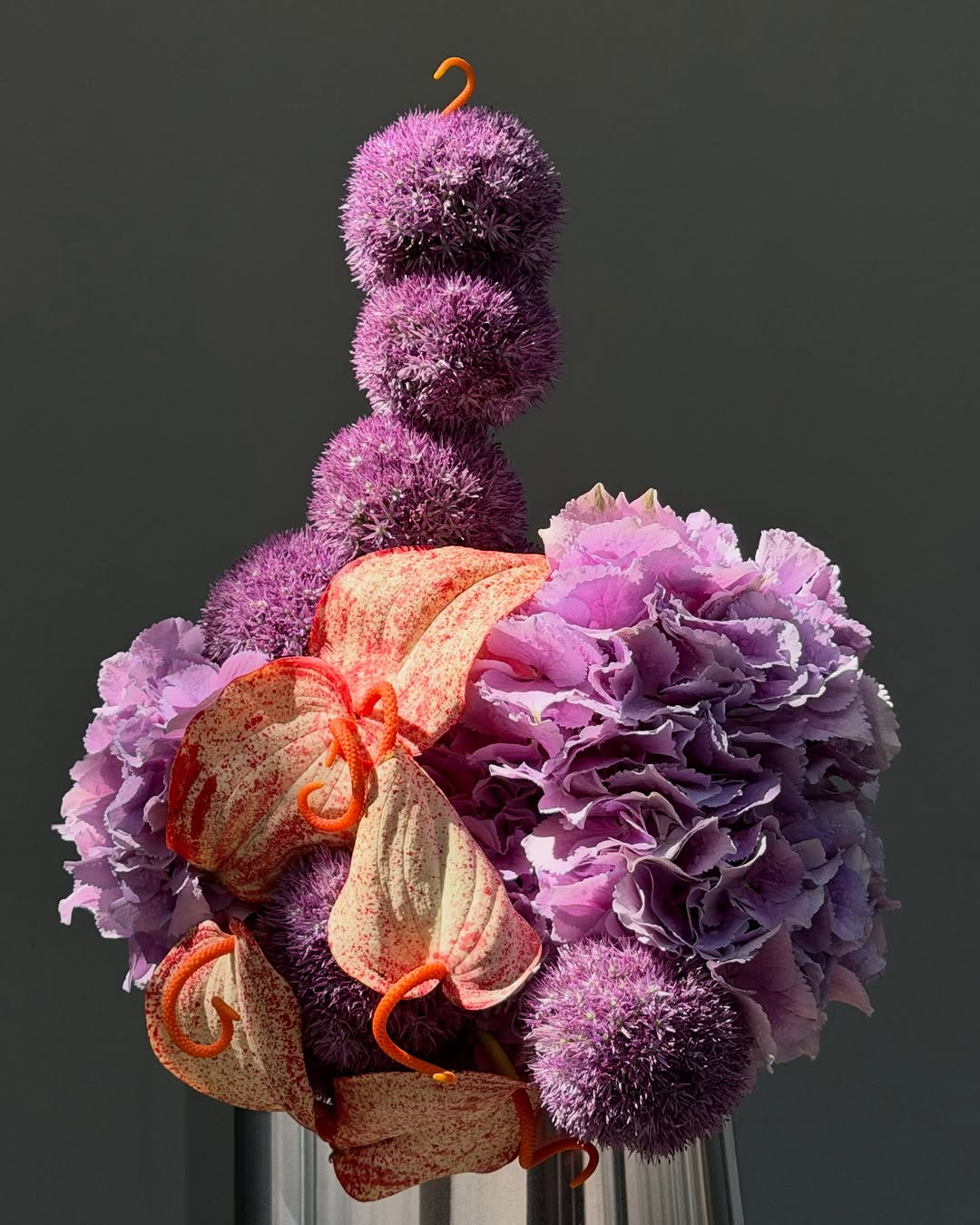
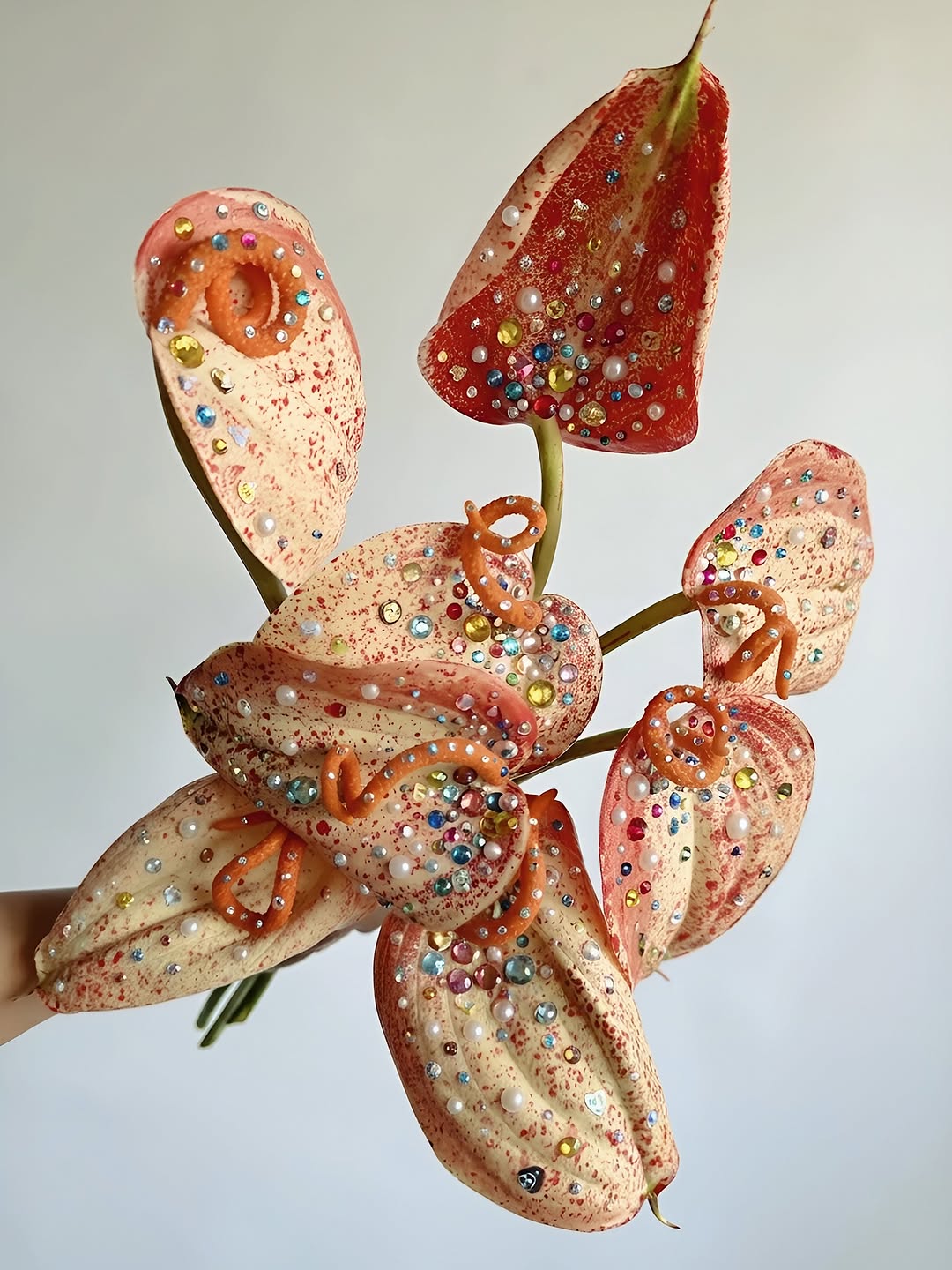
Photo: Farm and Son, Pinterest, Sunnie Art Flowers, theM, theM, Cube
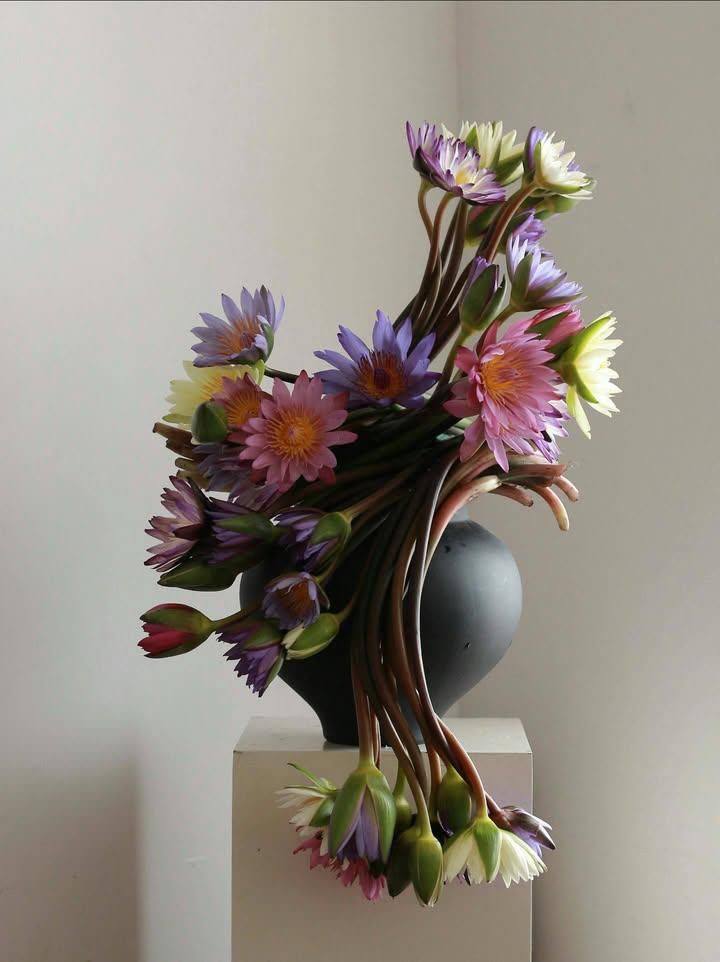
Water Lillies
Water lilies aren’t a normal cut flower, and that’s part of what makes them interesting for a wedding. They’re aquatic; they only open in daylight and close back up at night, and once cut, they don’t last long, so working with them is more about timing than storage. Most of what’s used in florals is flown in fresh, often from Thailand, which also means they come with a real cost and a real level of difficulty that not every florist takes on.
What you get for that is a stem nothing else has — those long, naturally curved and kinked stems, which designers lean into. Given the cost and fragility, they’re not a flower for a big, dense arrangement, but they work as a sculptural focal point instead. Color-wise, they run white, blush pink, and a striking violet-blue, usually with a bright yellow center that gives even the pale ones some warmth. Because they’re tropical, they’re really a warm-season flower and not something to plan a winter wedding around.
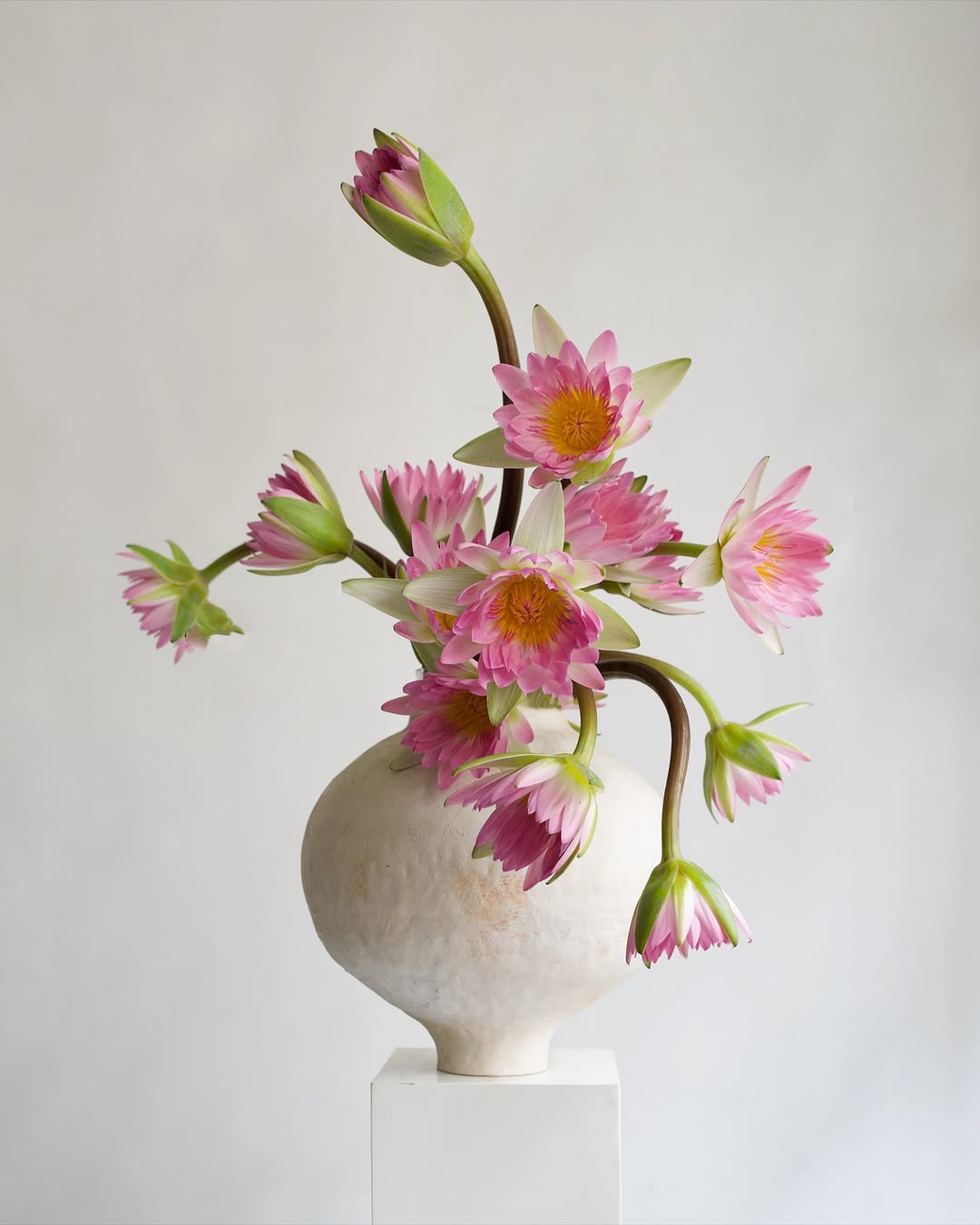
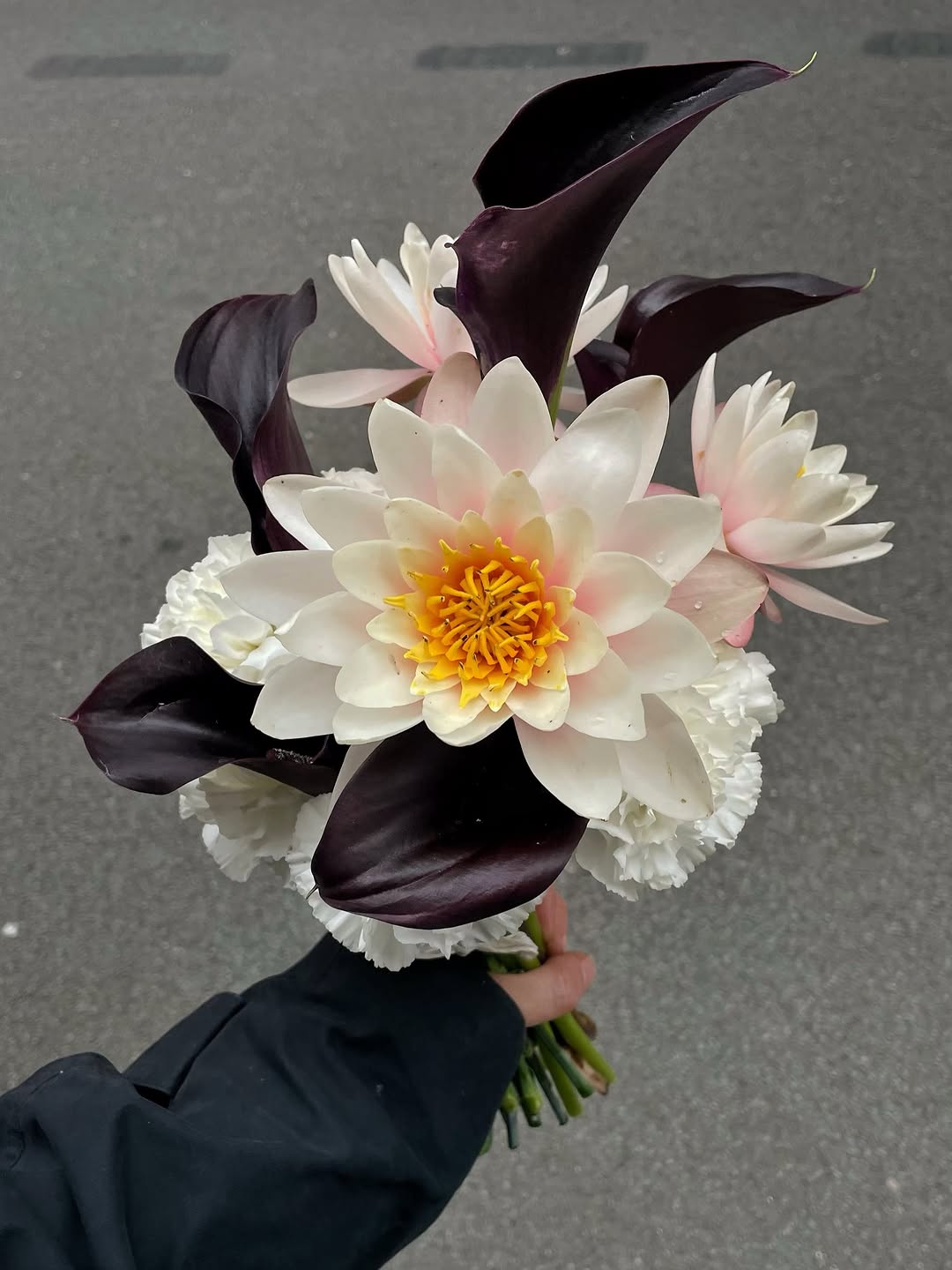
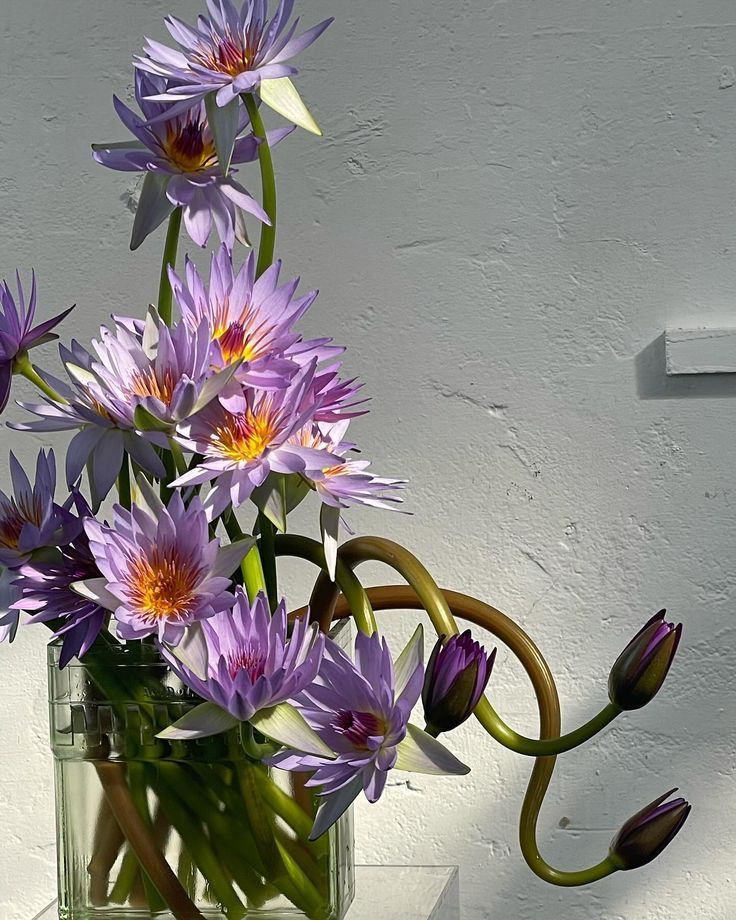
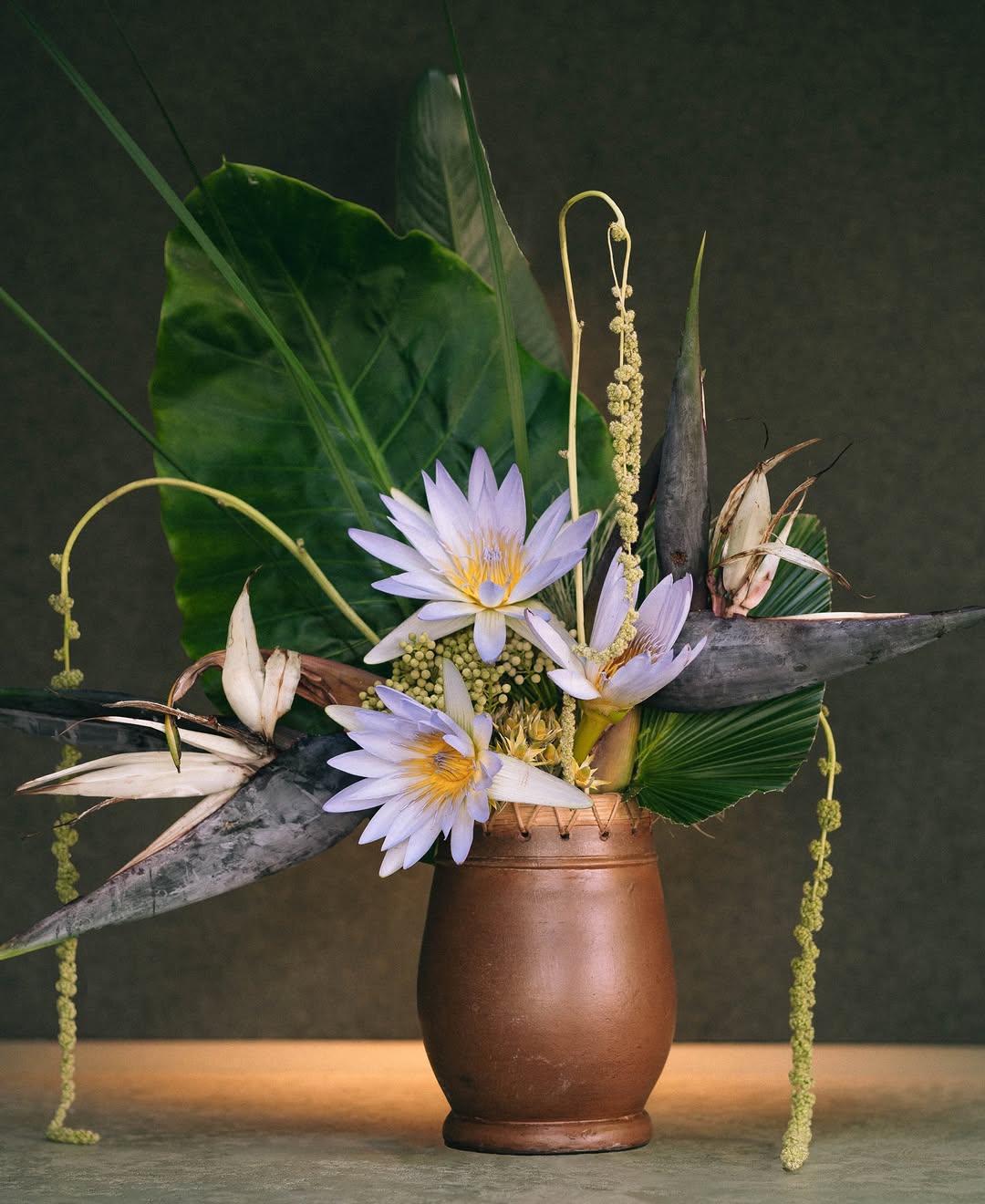
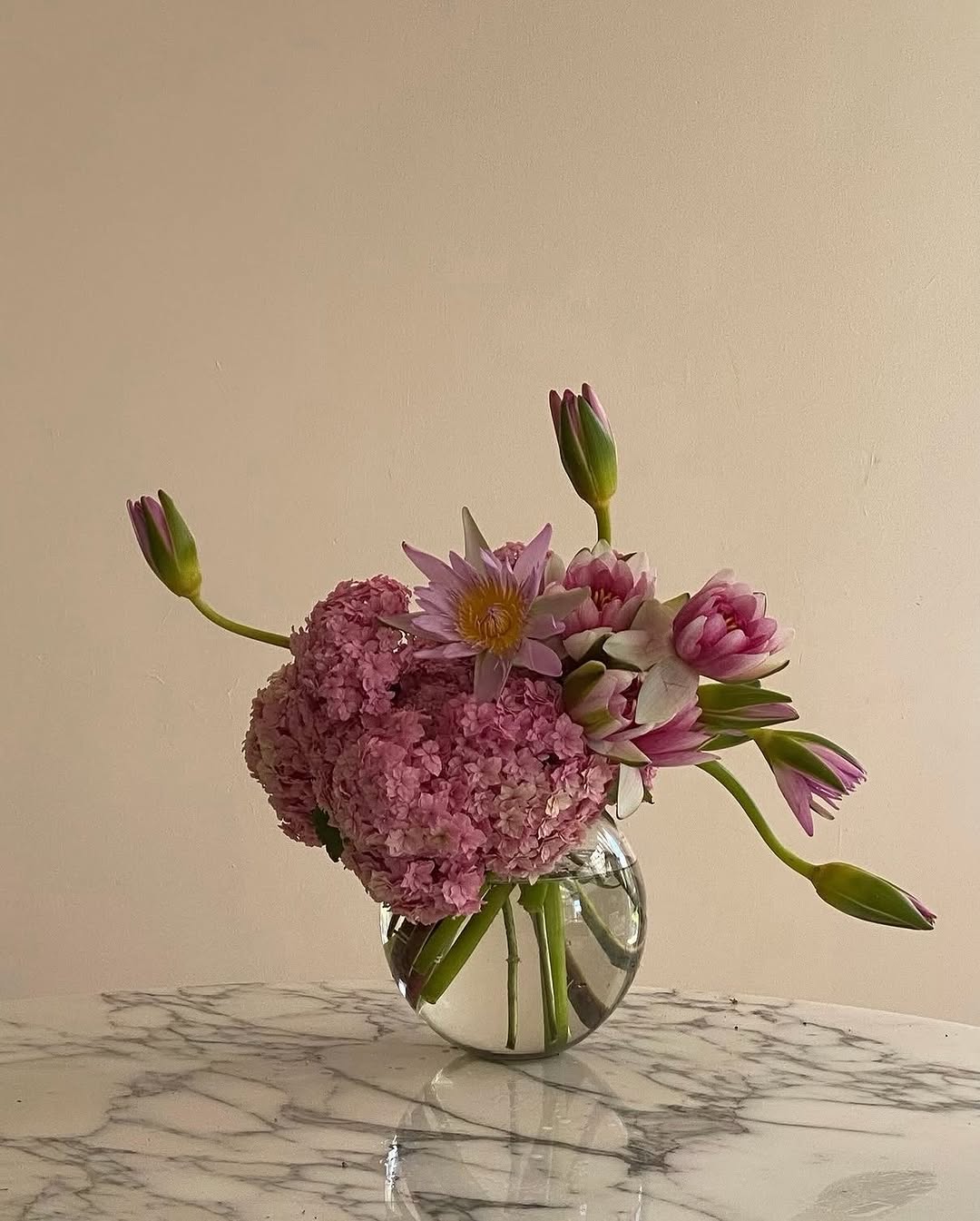
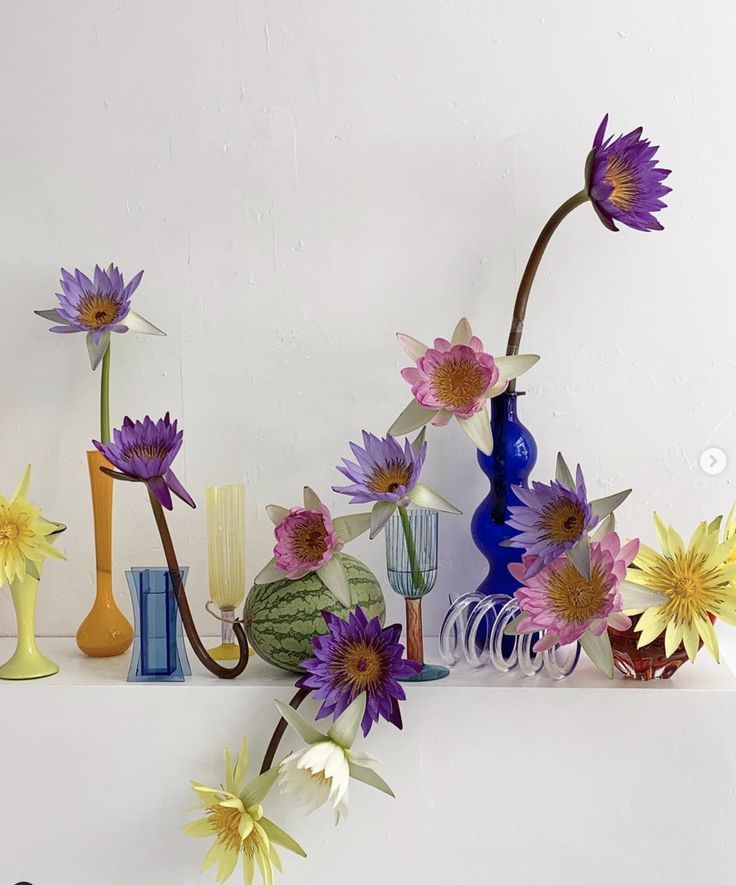
Photo: Rulu Floral, Attepmt, Pinterest, Bloomer Studios, Ffoliar, Pinterest
Marigold
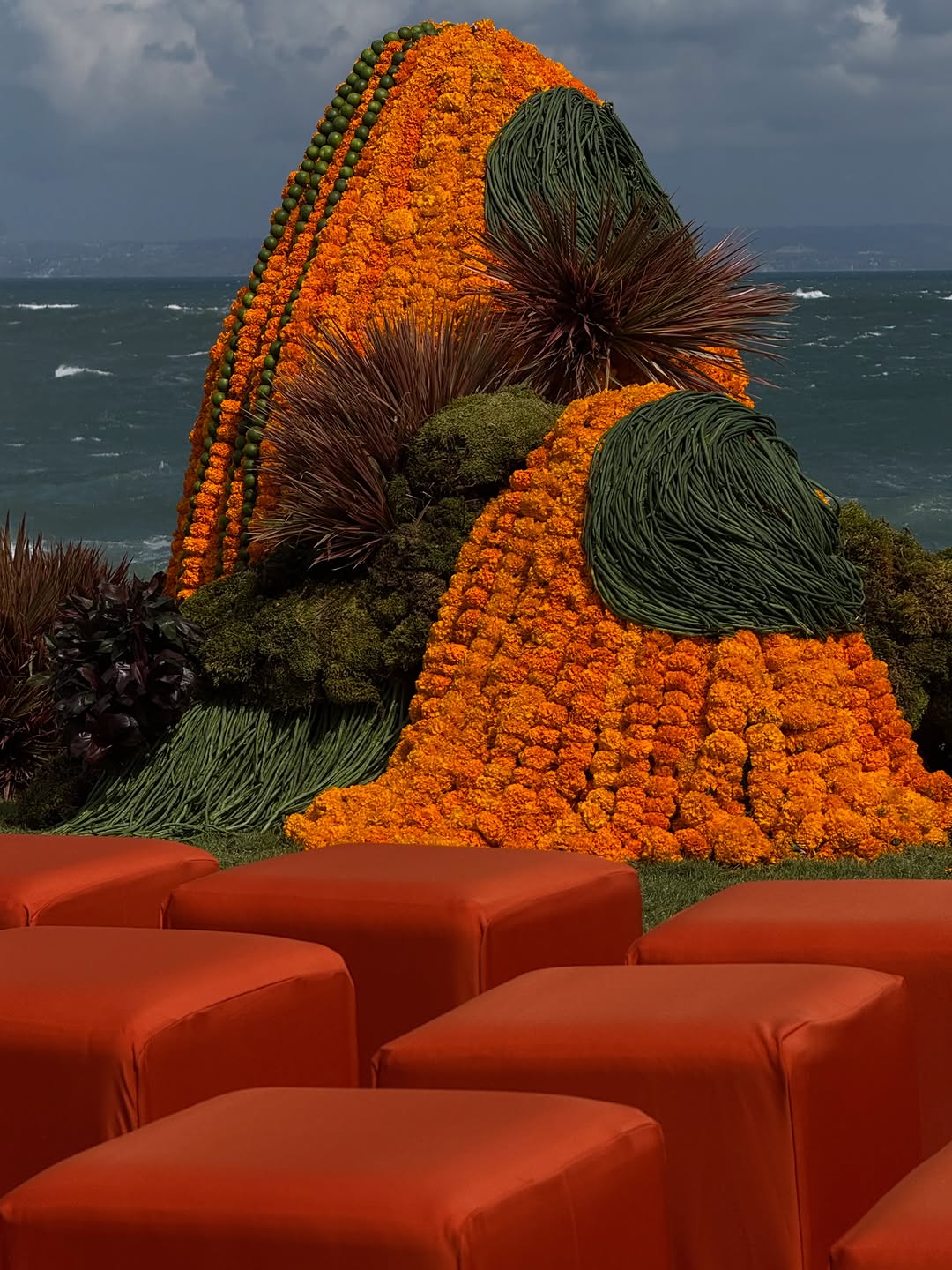
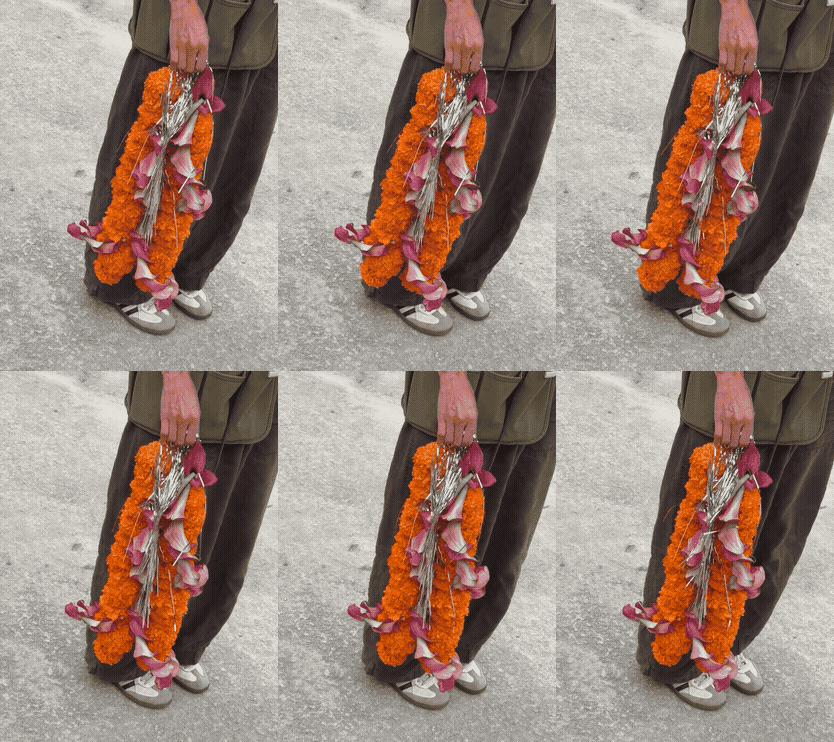
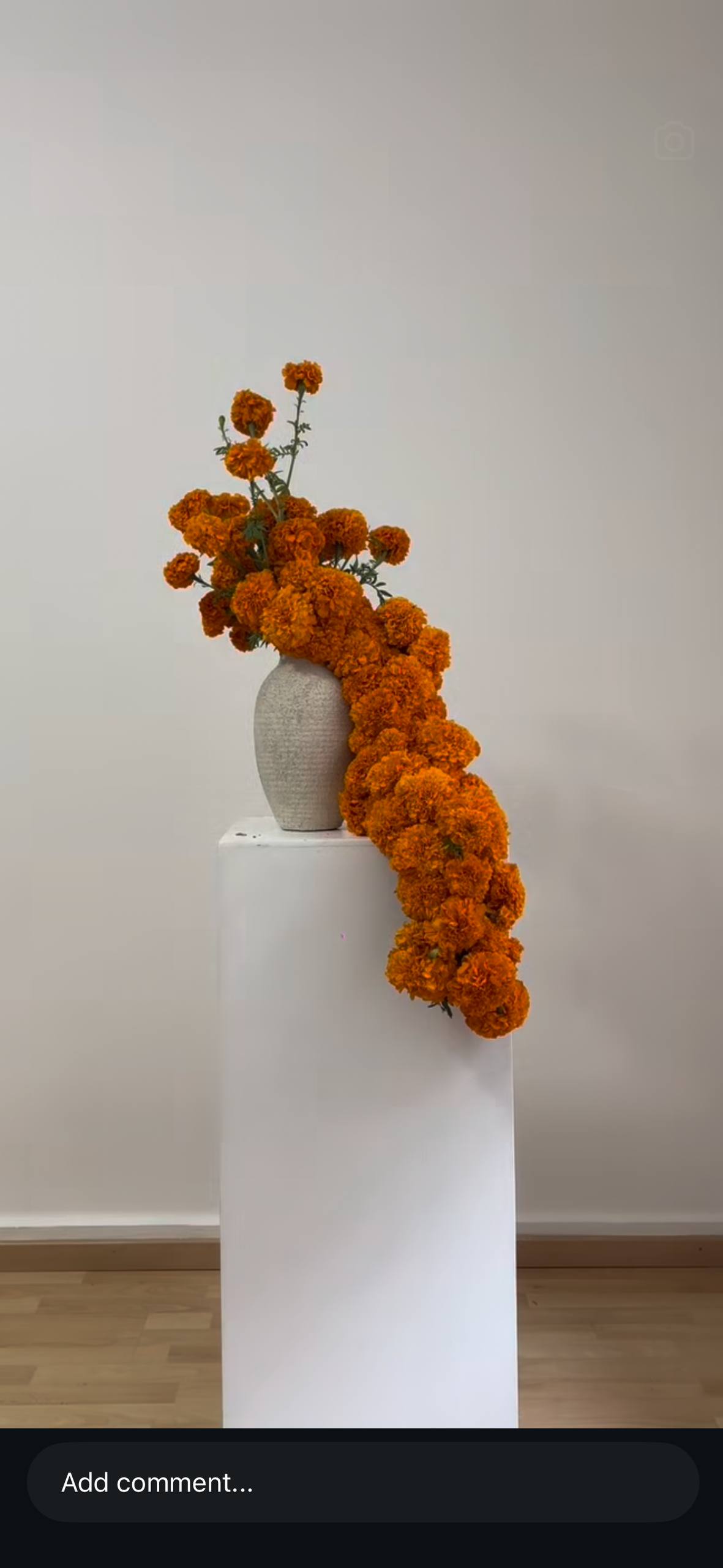
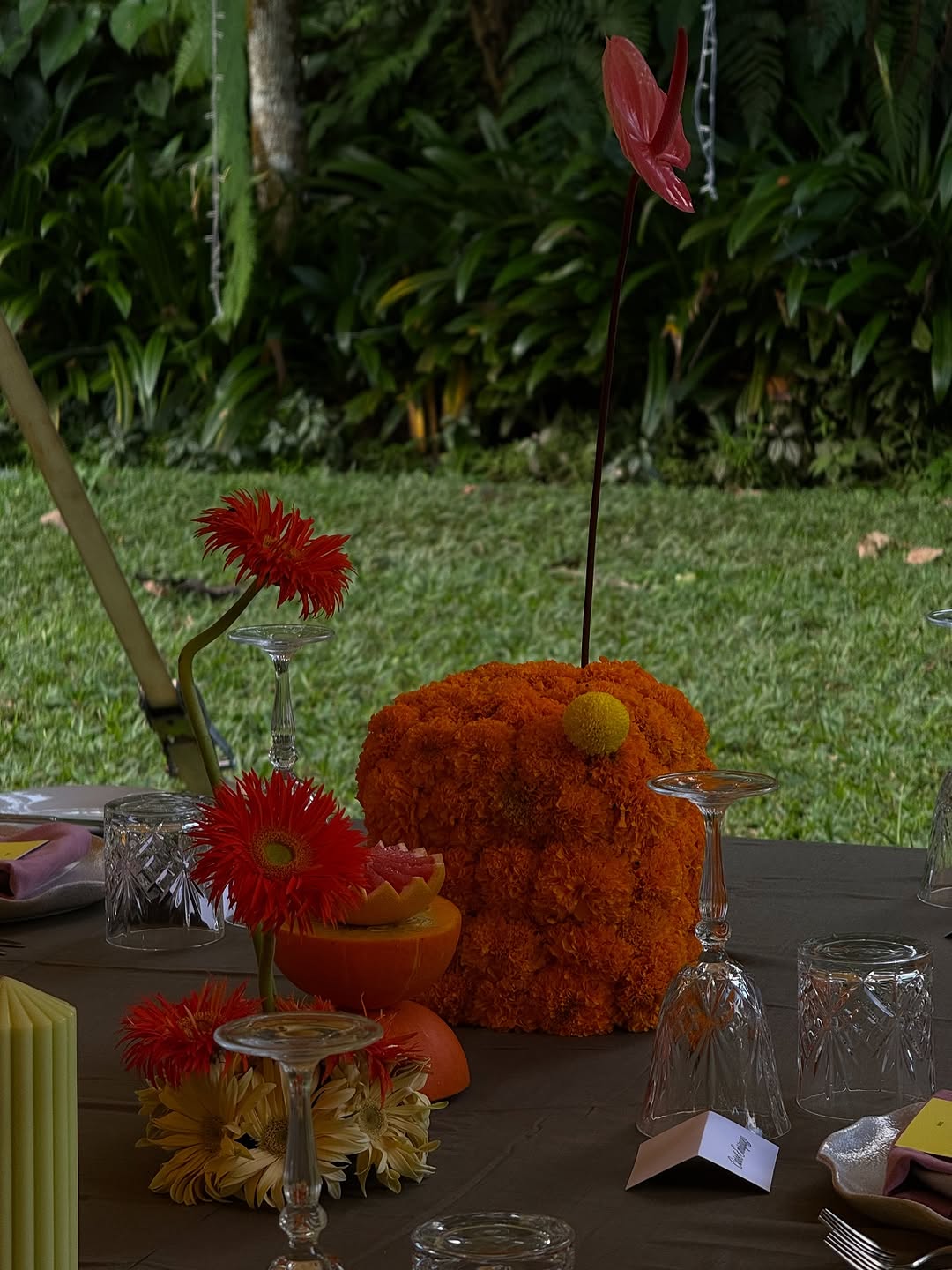
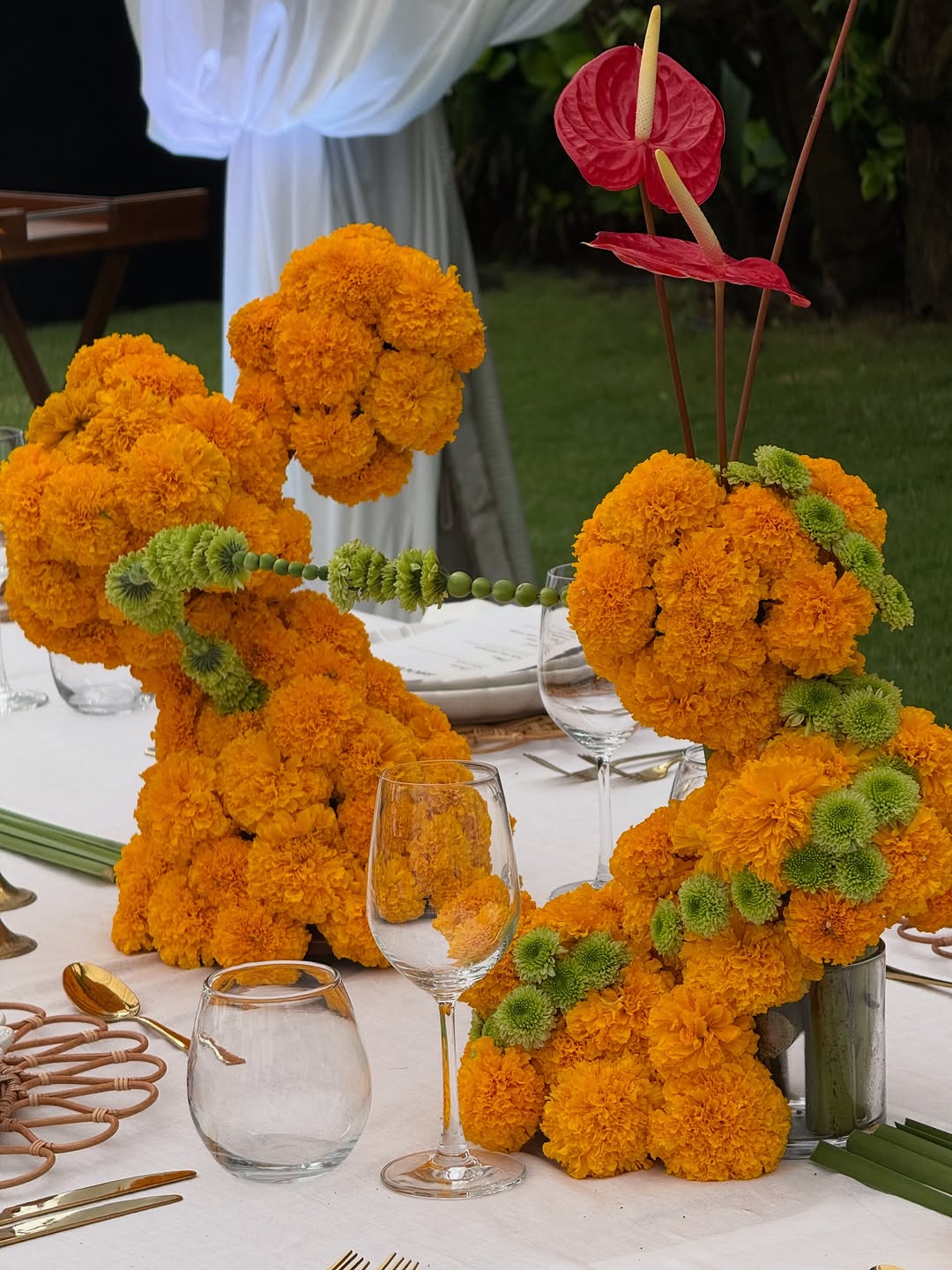
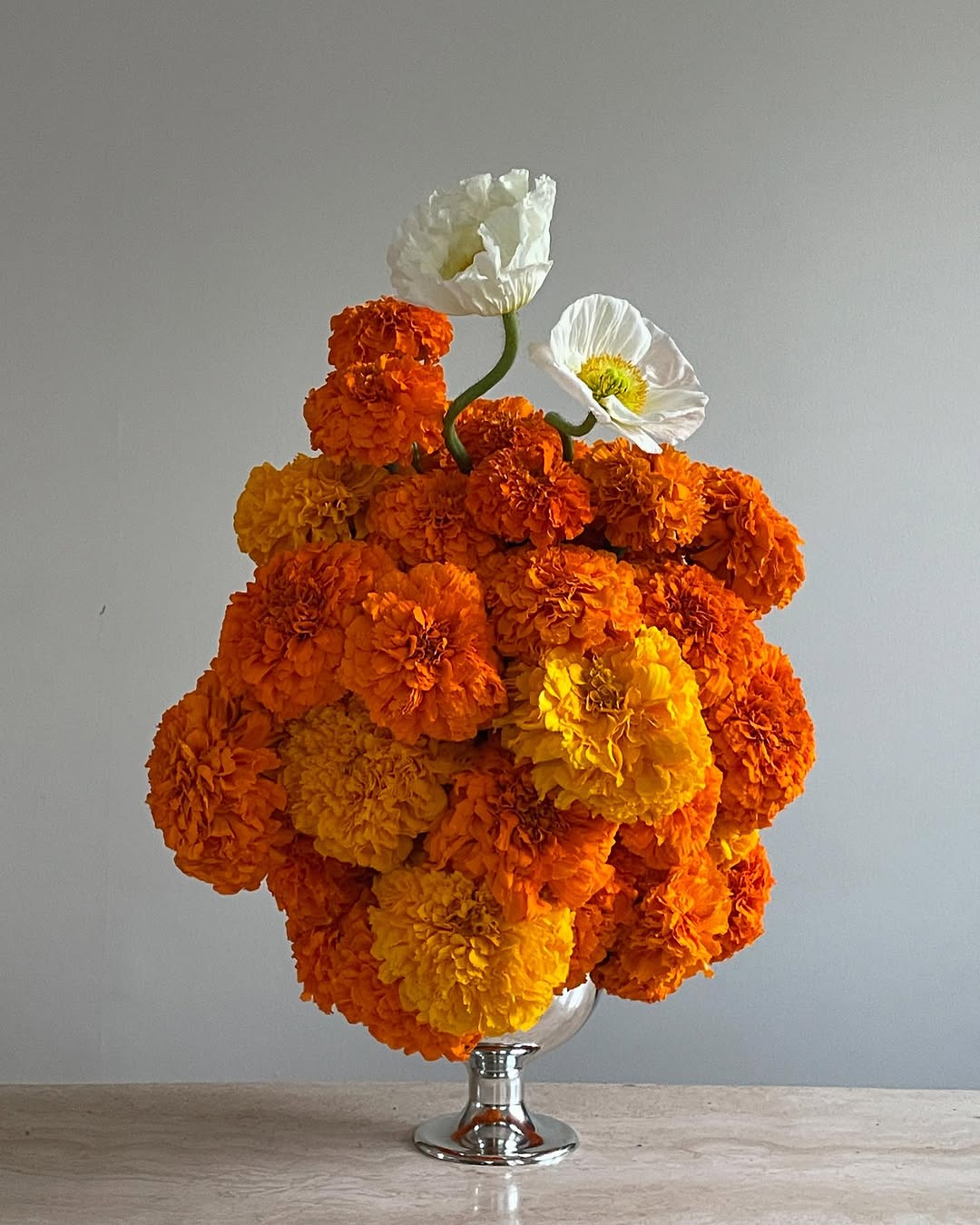
Marigolds are the opposite of a delicate accent flower. They’re dense, tightly petaled, and cheap enough per stem that florists use them by the thousands for full-scale installations. Marigolds hold their shape and color under mass without wilting or going limp. They’re a late-summer-into-fall bloomer, so they read as an autumn flower and pair naturally with that season’s palette.
They also carry real cultural weight, which is worth knowing before you use them. Marigolds are central to Día de los Muertos in Mexico and to garland-making across South Asian weddings, so leaning into that heritage rather than just borrowing the color can make for a more thoughtful piece if that’s the direction you go.
Allium
We’ve already talked about how allium‘s curling stems make a great graphic detail in a bridal bouquet. But the flower itself deserves its own moment: that sphere is really the whole identity of allium. Hundreds of small star-shaped florets packed onto a single stem into a perfect globe, a shape almost nothing else in a flower bed produces naturally.
Scale is where allium is genuinely flexible. A single head works as a graphic accent tucked into a mixed arrangement. Still, the density of the bloom also means it holds up at real volume: that trellis arch in your second photo, or the mounded centerpiece in the third, are only possible because the spheres pack together without losing their shape or structure. It’s one of those wedding flowers that can go from a delicate accent to a full installation and still look intentional at both ends.
They peak from late spring into early summer, putting them in the same seasonal window as a lot of the other unconventional picks on this list.
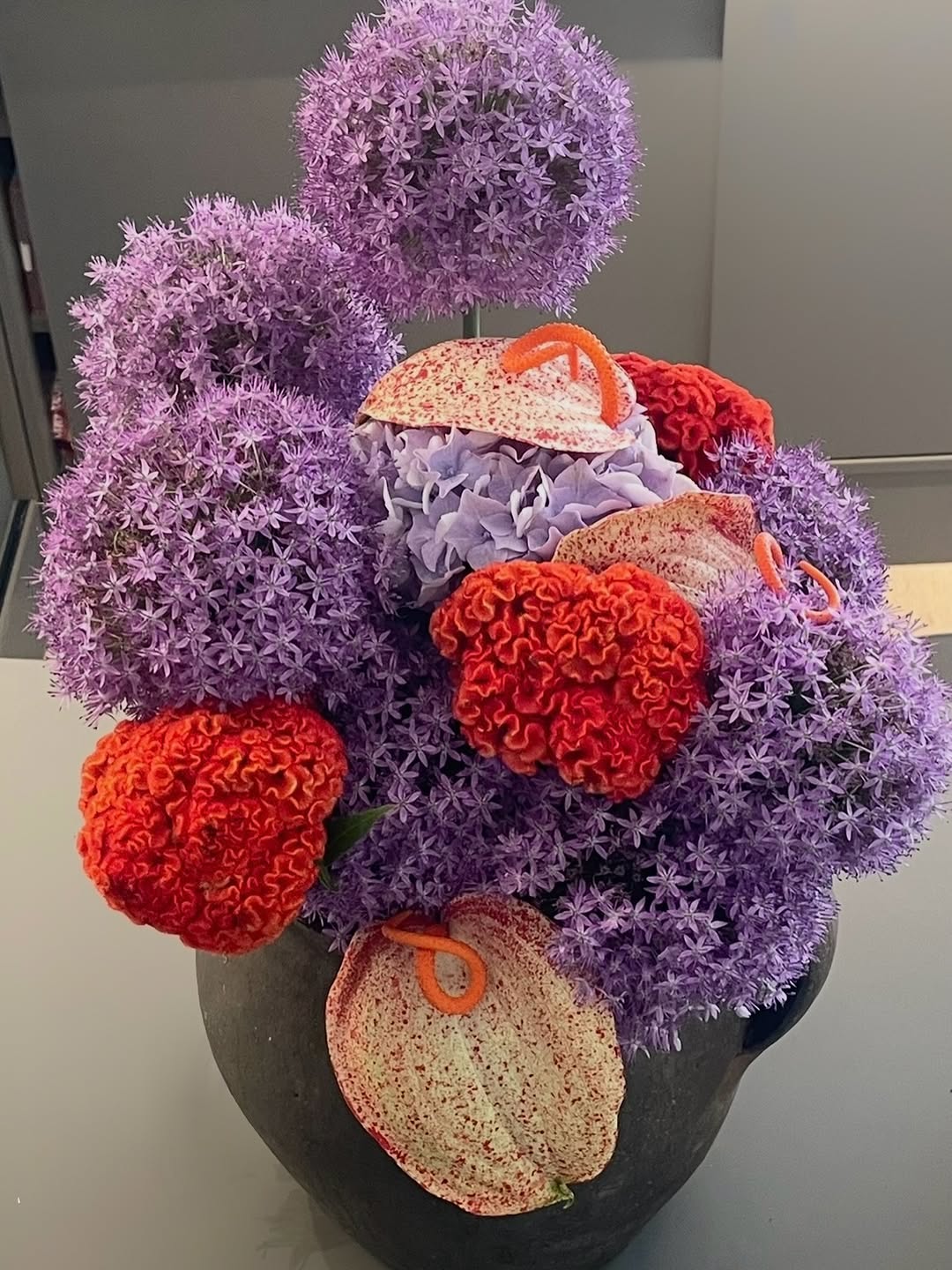
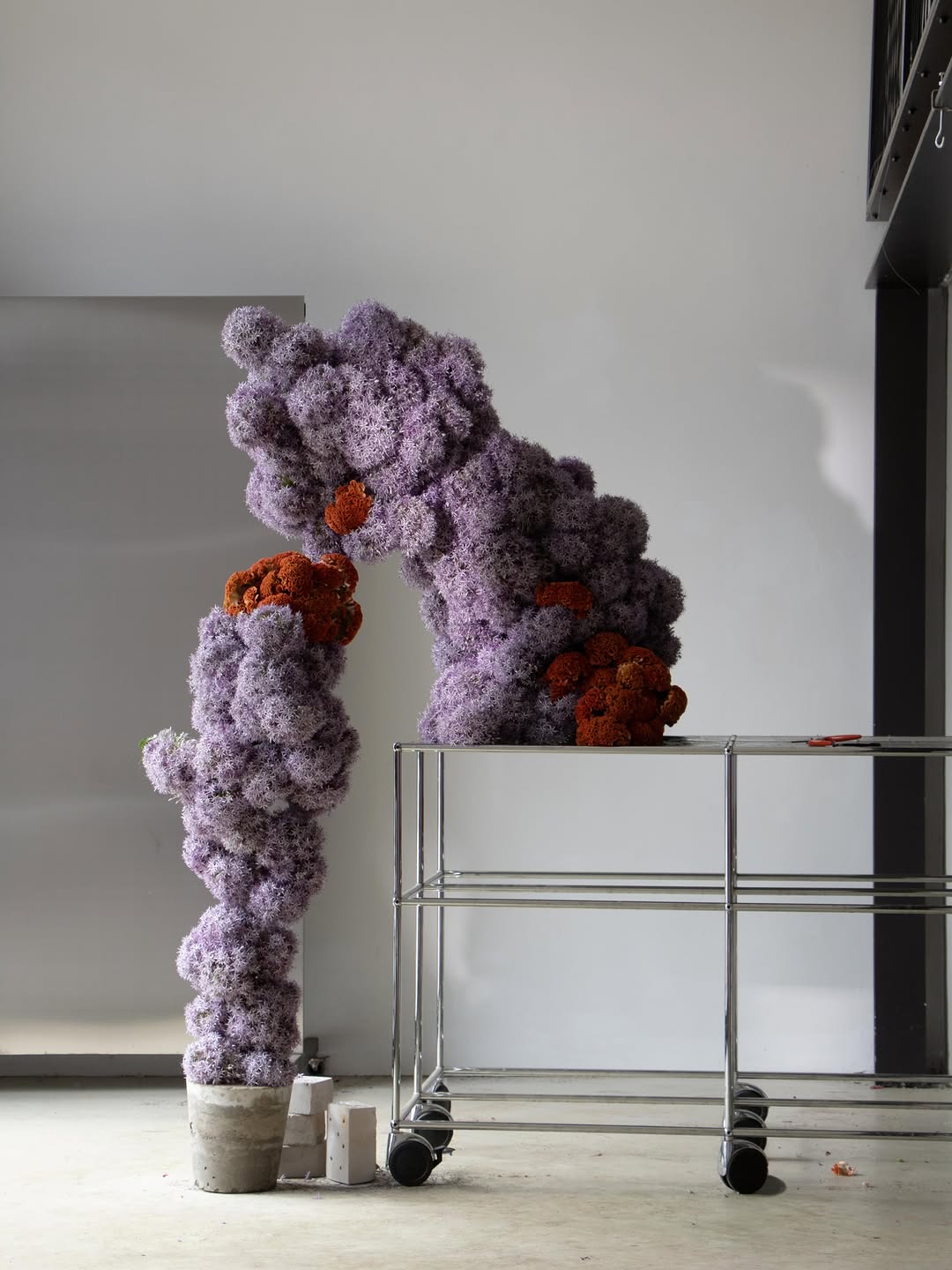
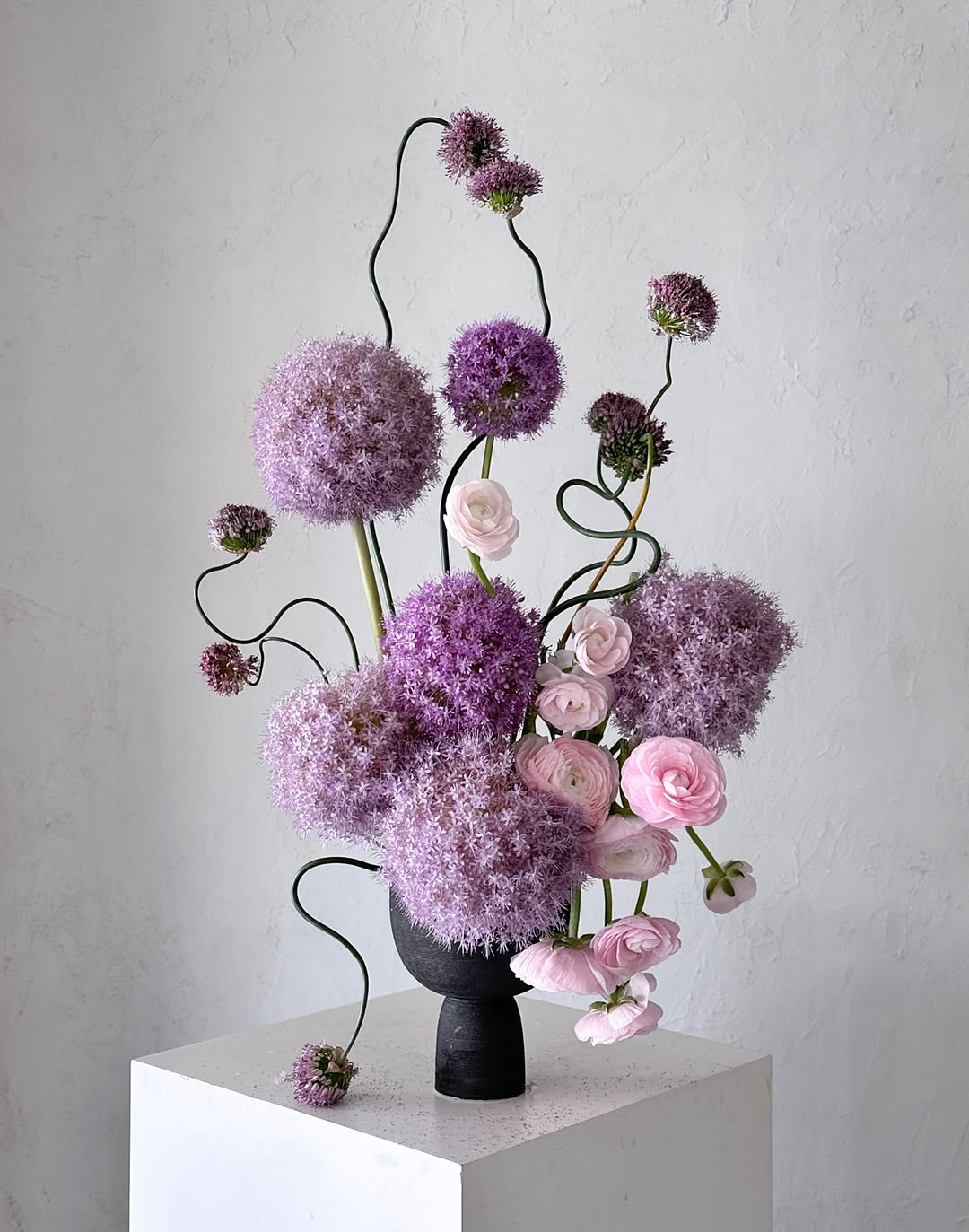
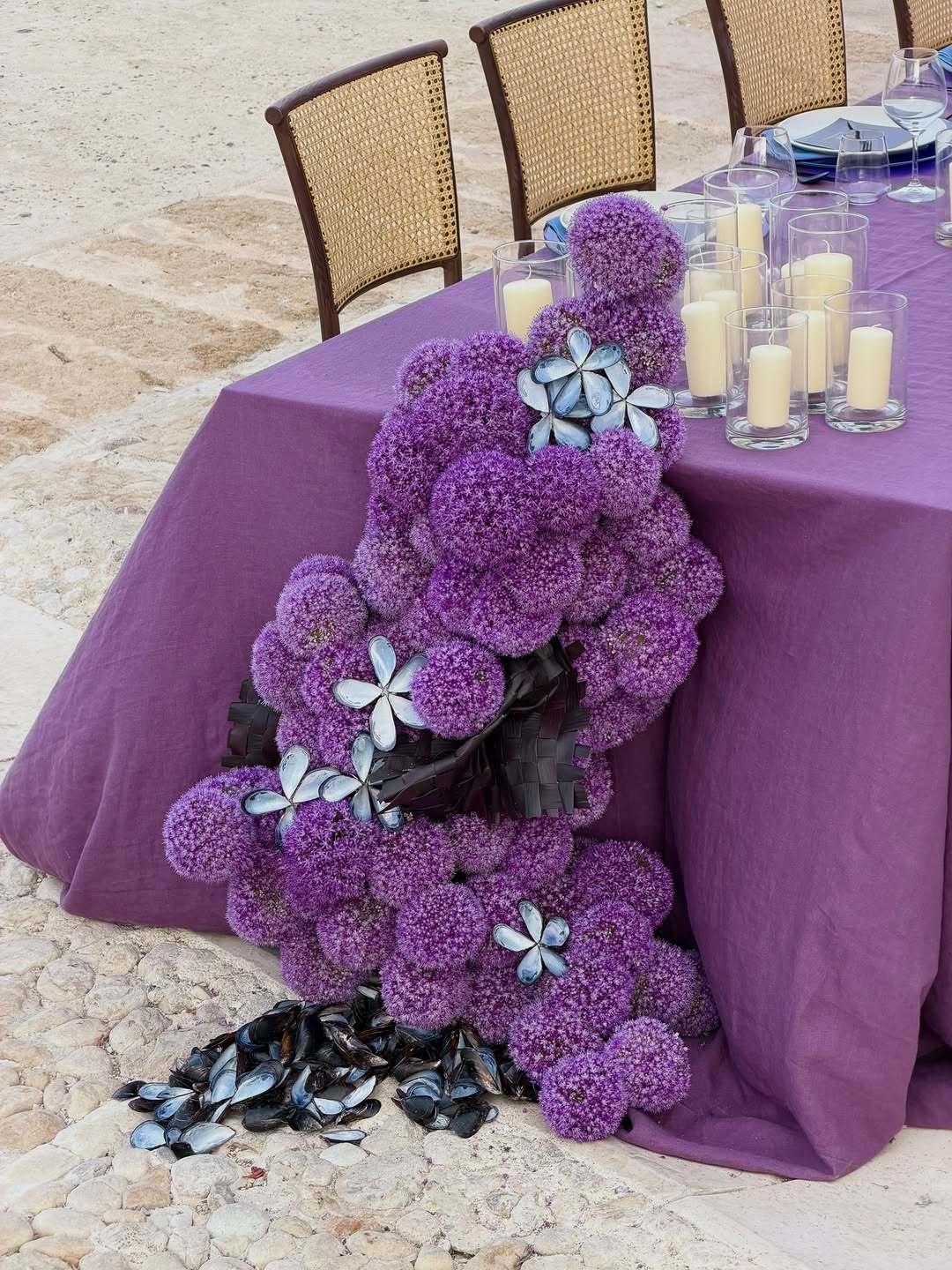
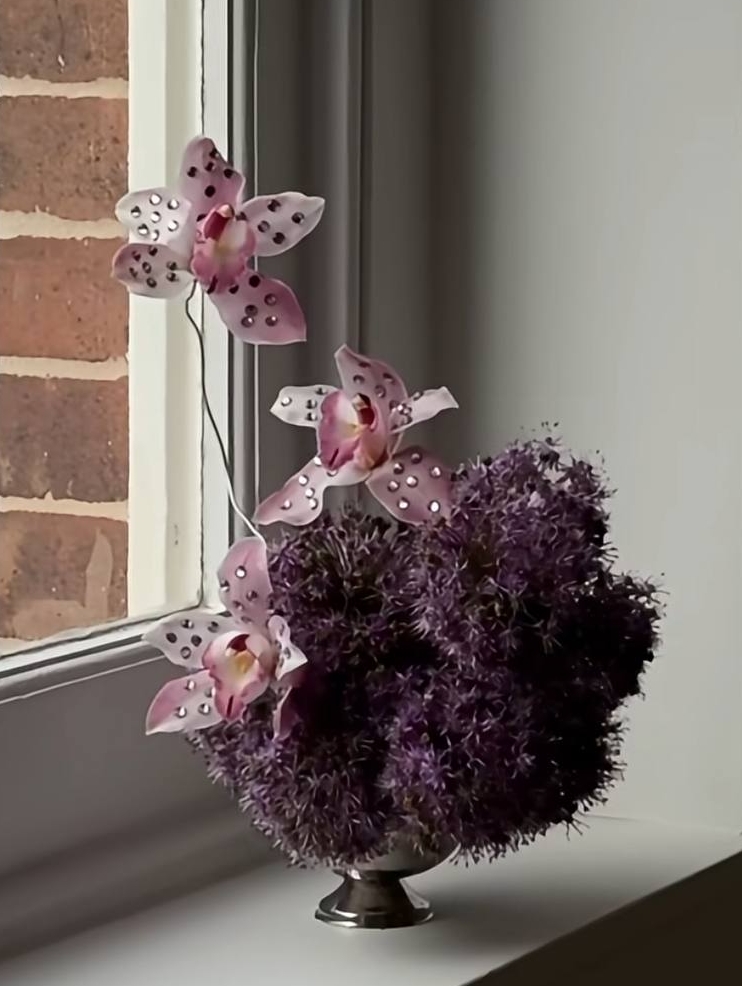
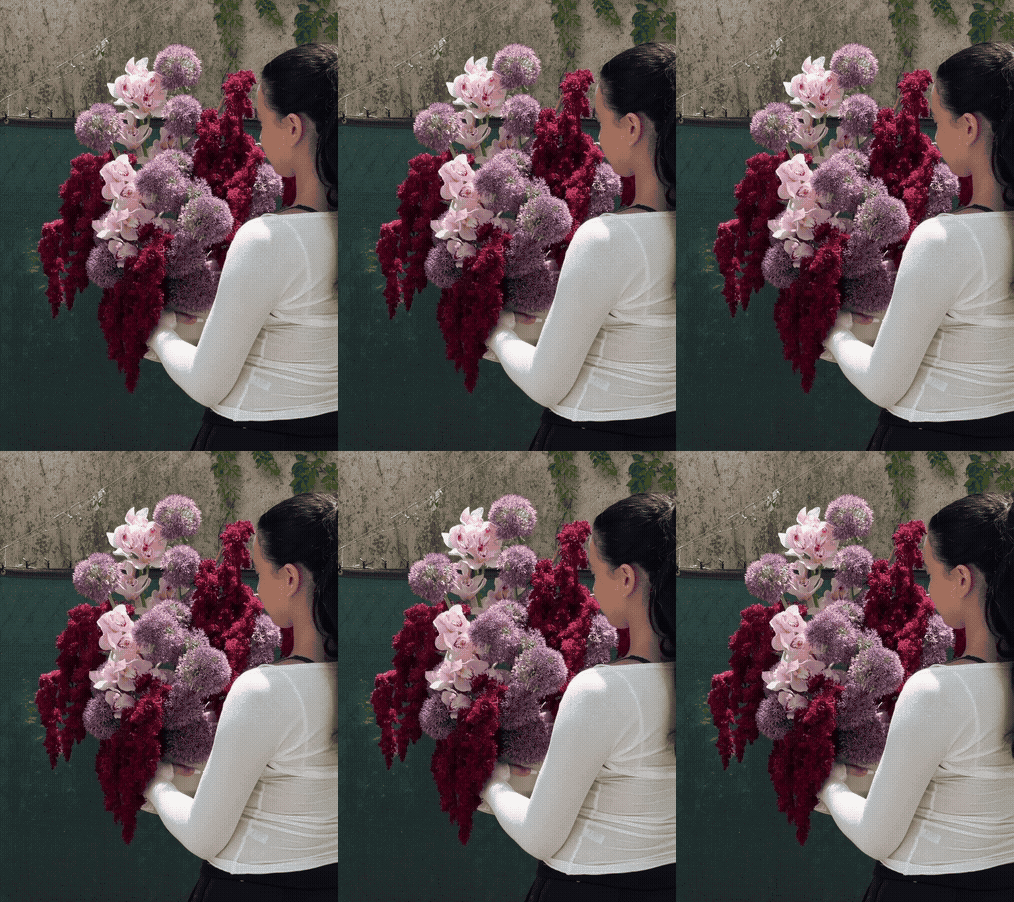
Photo: Attepmt, CARO, Heo Hyewon, Hamish Powell, Pinterest, Calma Floral
Caladium
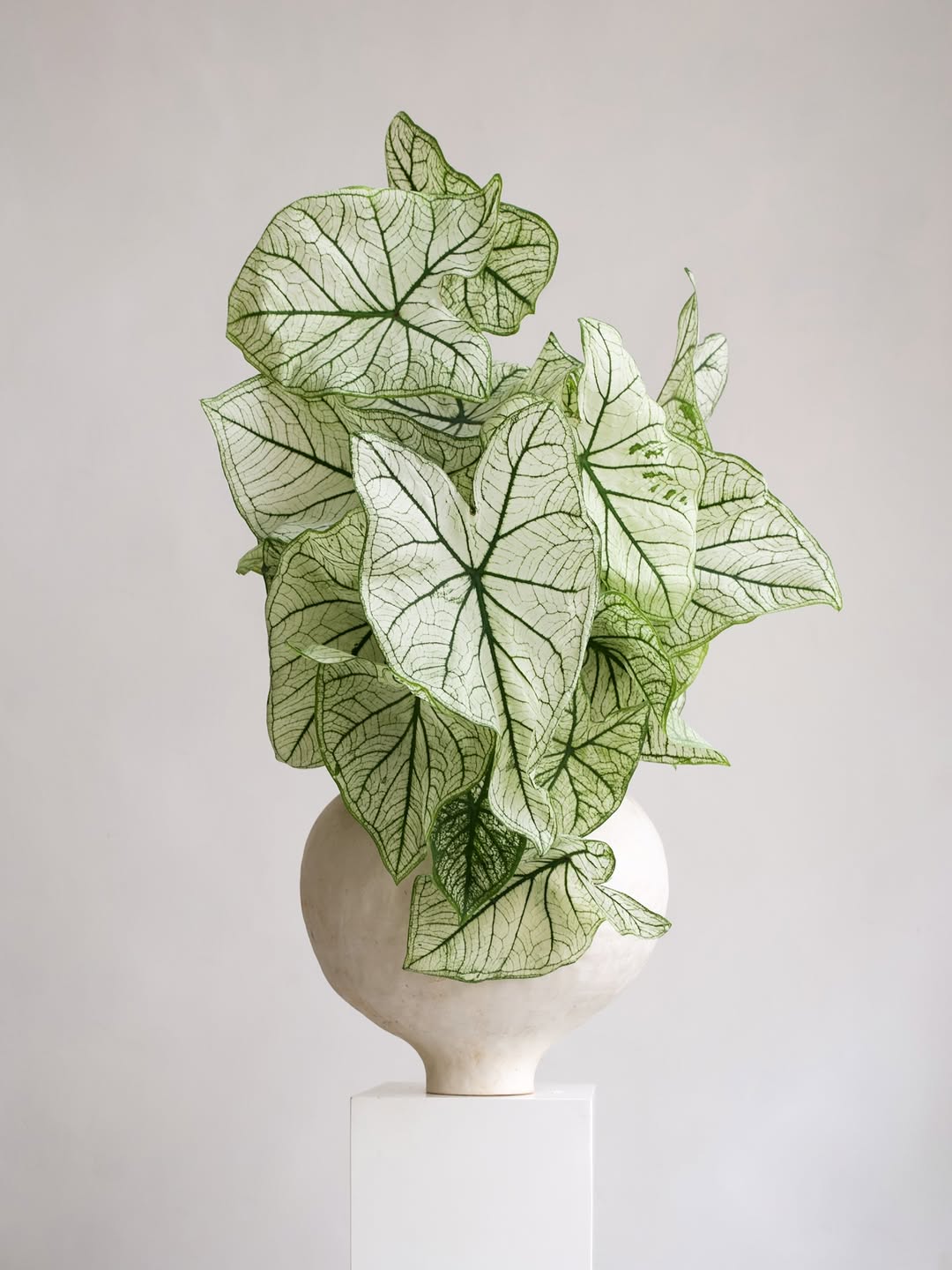
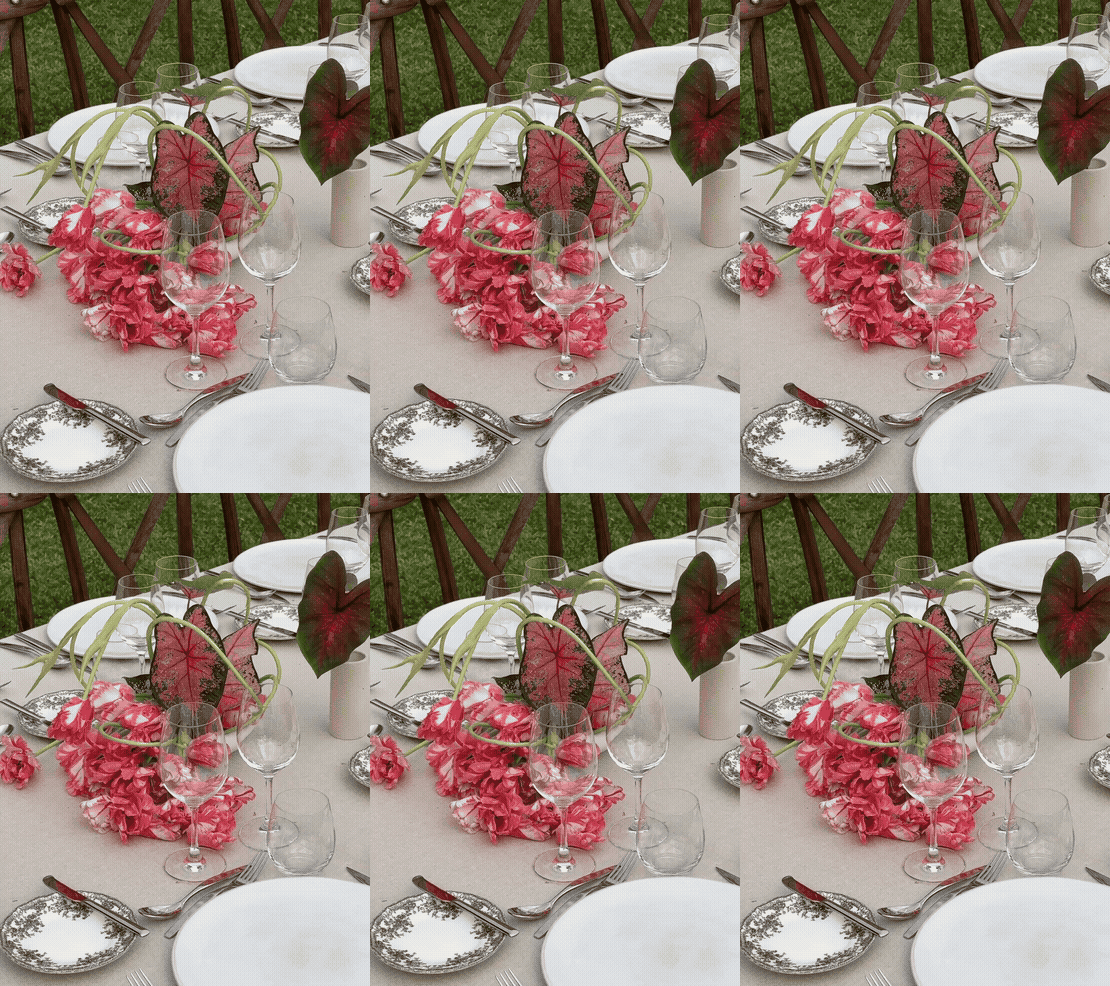
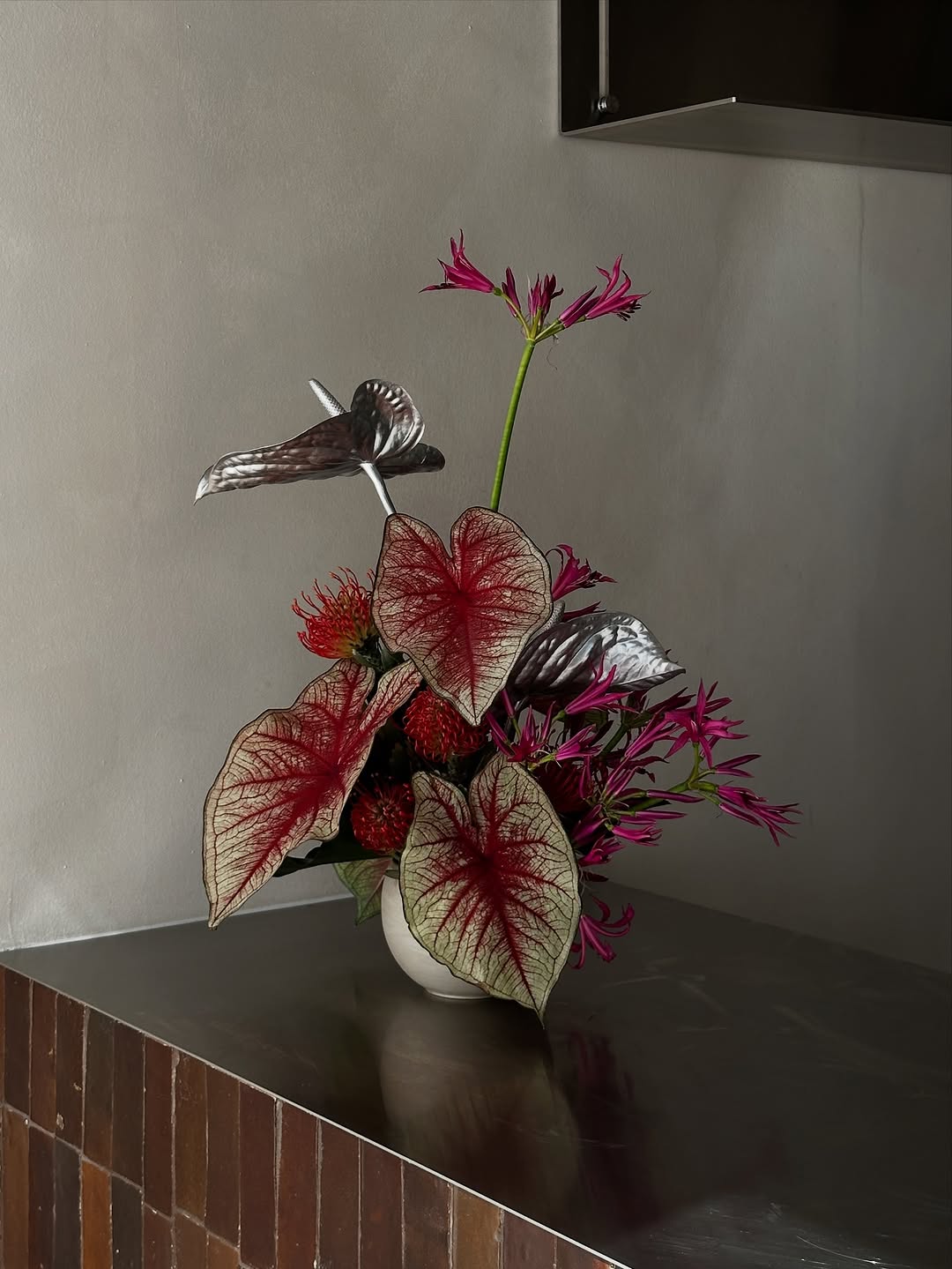
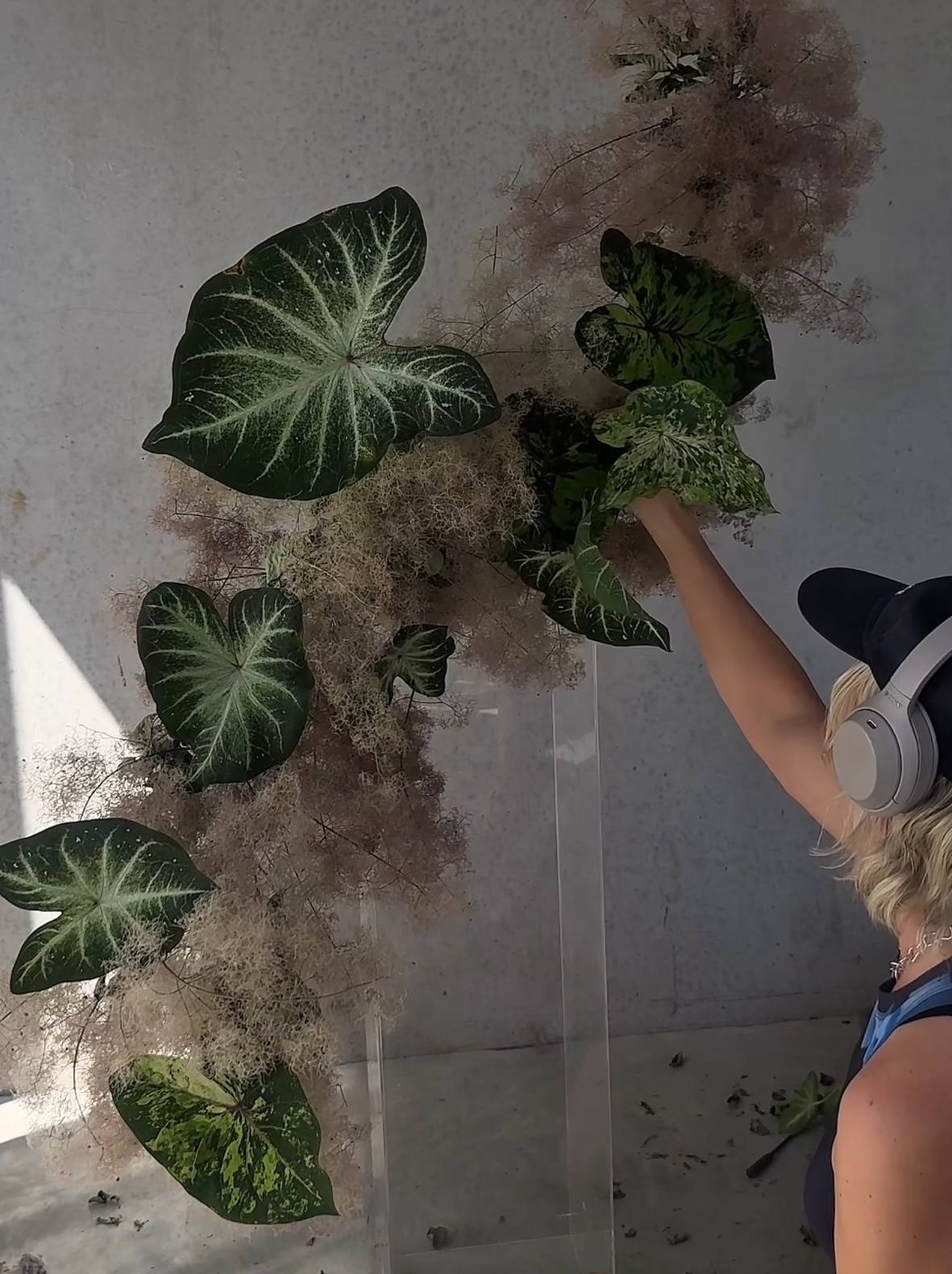
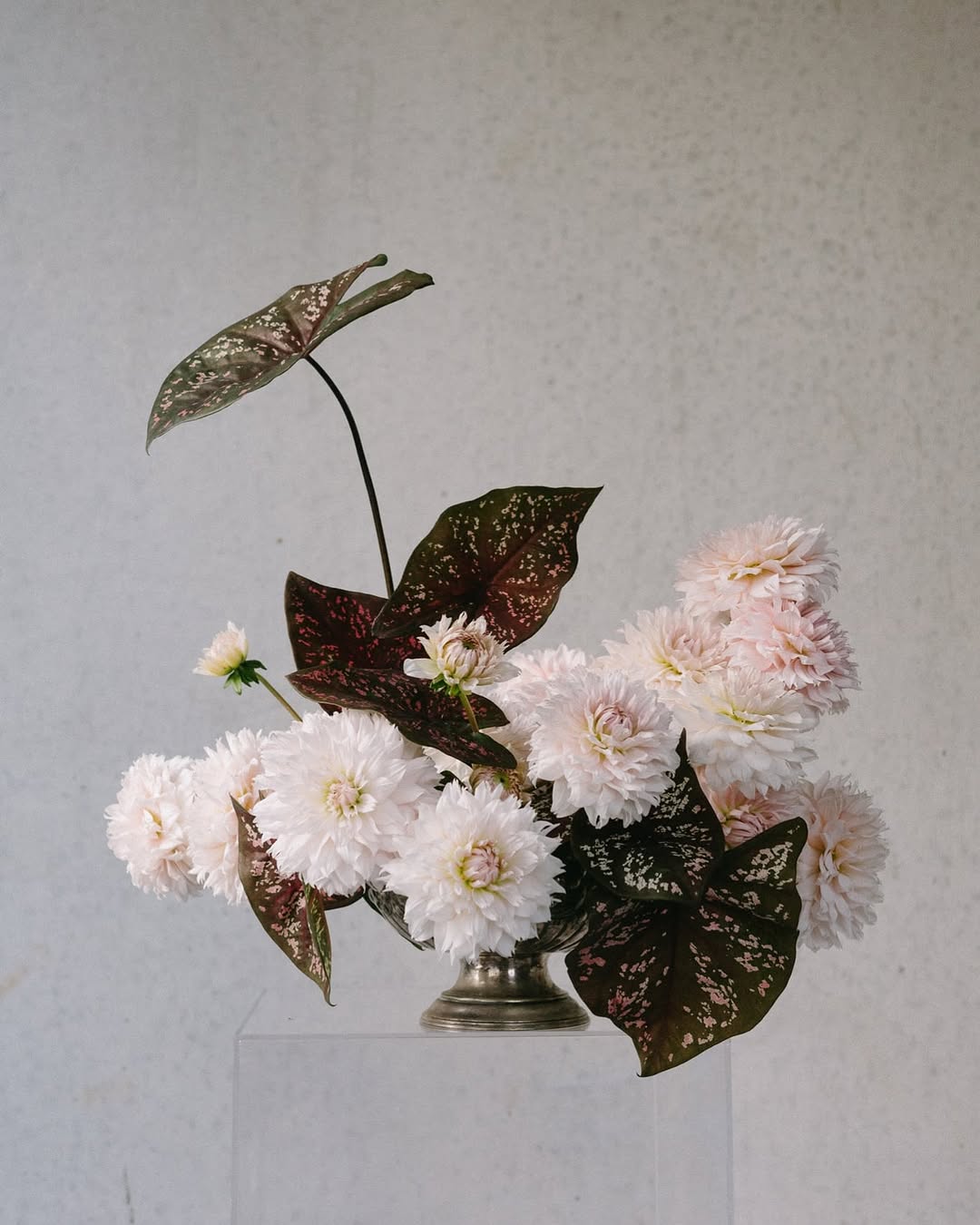
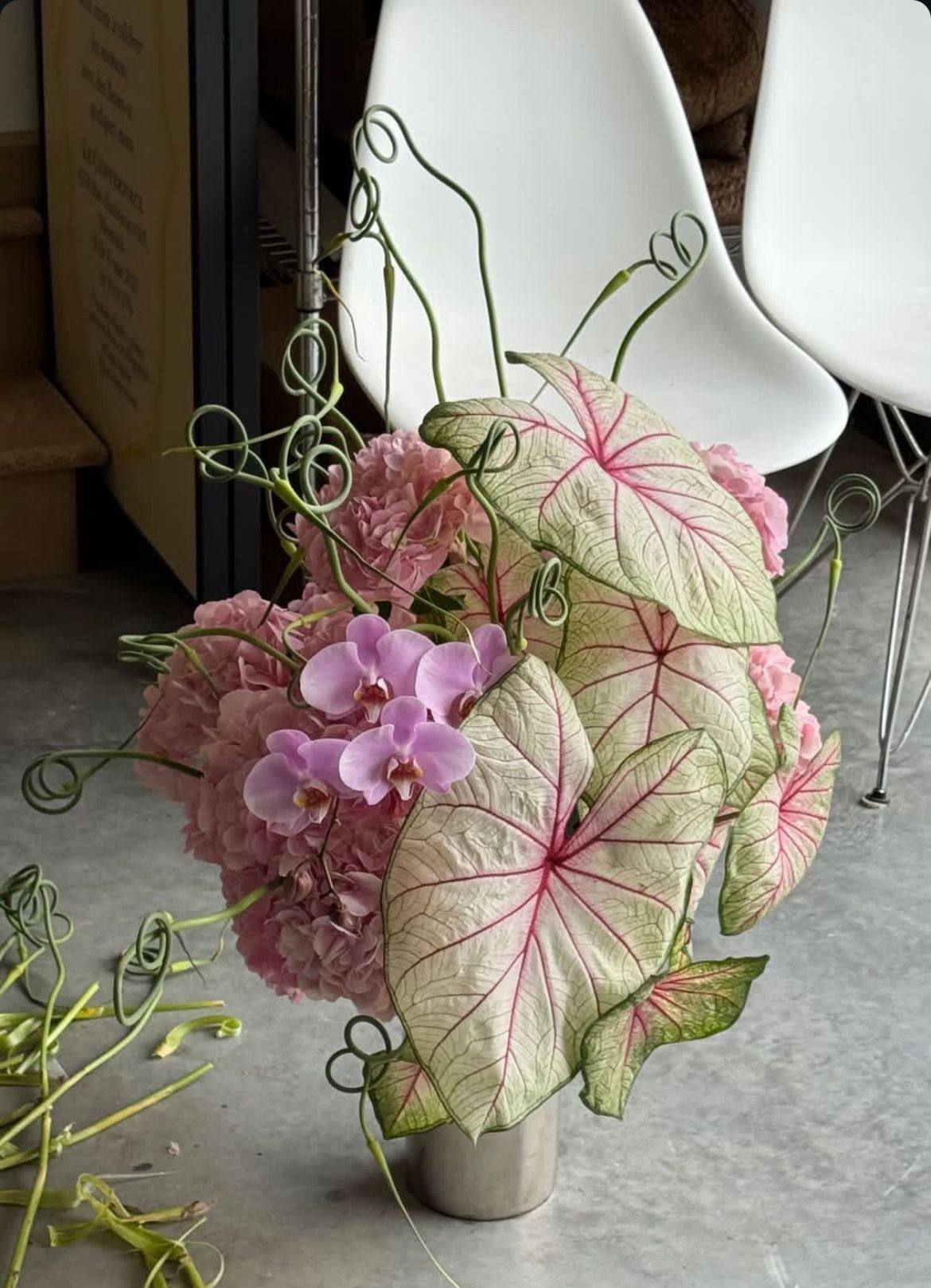
Caladium has recently had a moment as the star of every pink houseplant roundup, but wedding florists spotted it long before that and have been working it into arrangements for years. It isn’t a flower at all; it’s a foliage plant, grown for its heart-shaped leaves rather than any bloom, which already makes it an odd choice for a wedding list built around flowers. But the leaves do more visual work than most actual flowers manage: each one is patterned with veining in white, pink, red, or deep burgundy against green, and no two leaves on the same plant look quite identical.
What makes it useful for florals is texture and contrast rather than color alone. A few caladium leaves tucked into a bouquet or arrangement break up all the usual round flower shapes with something graphic and leaf-shaped, and the color variety means a florist can pick leaves that either blend into a palette or punch against it.
Smoke Bush
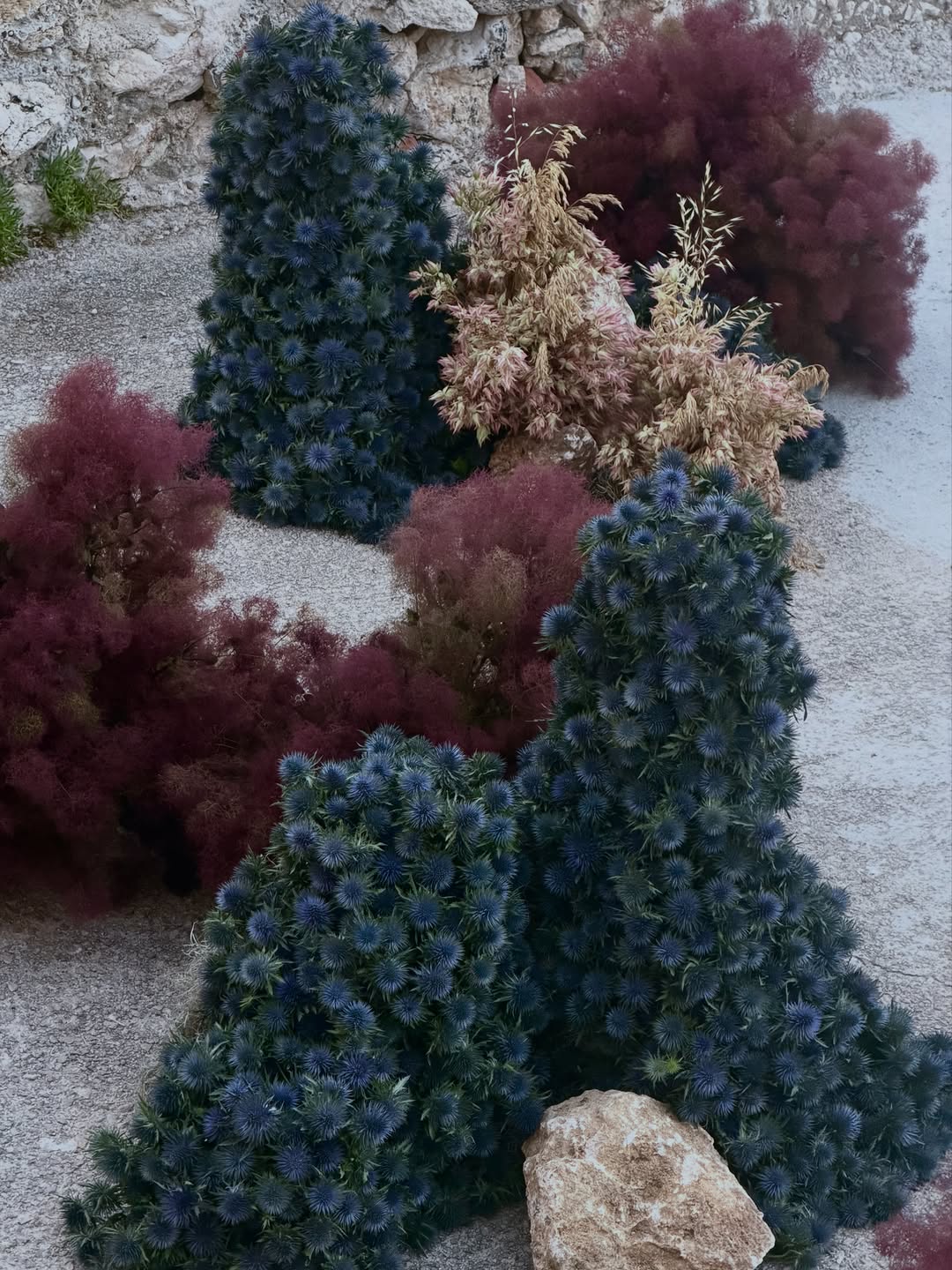
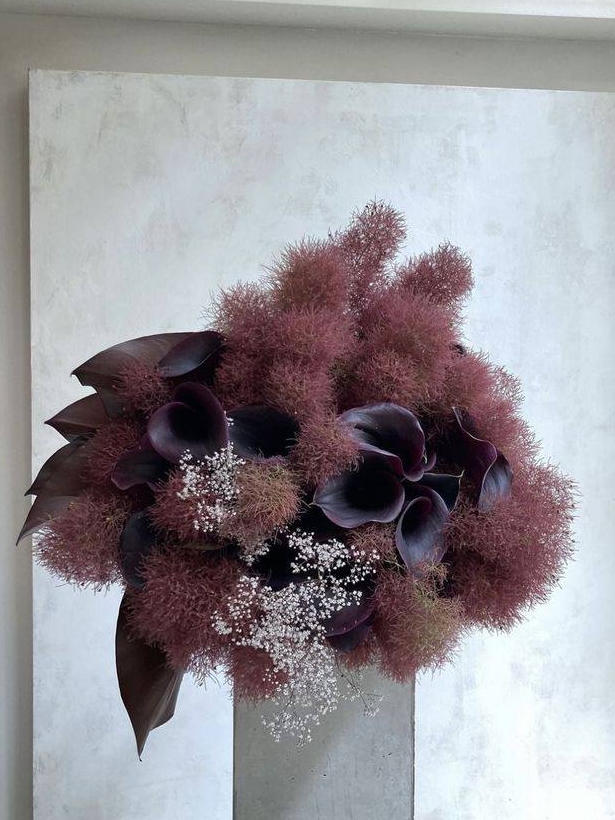
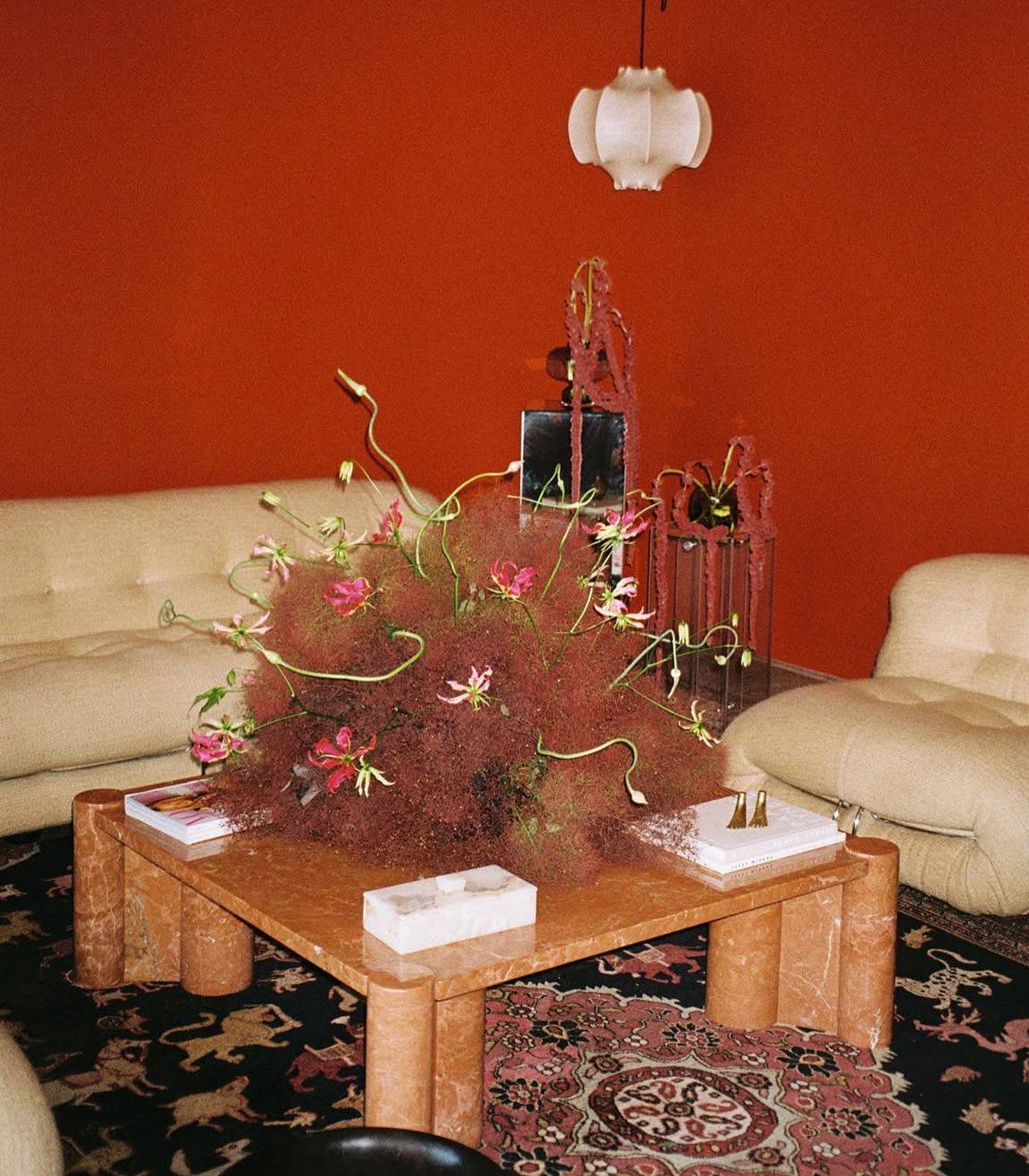
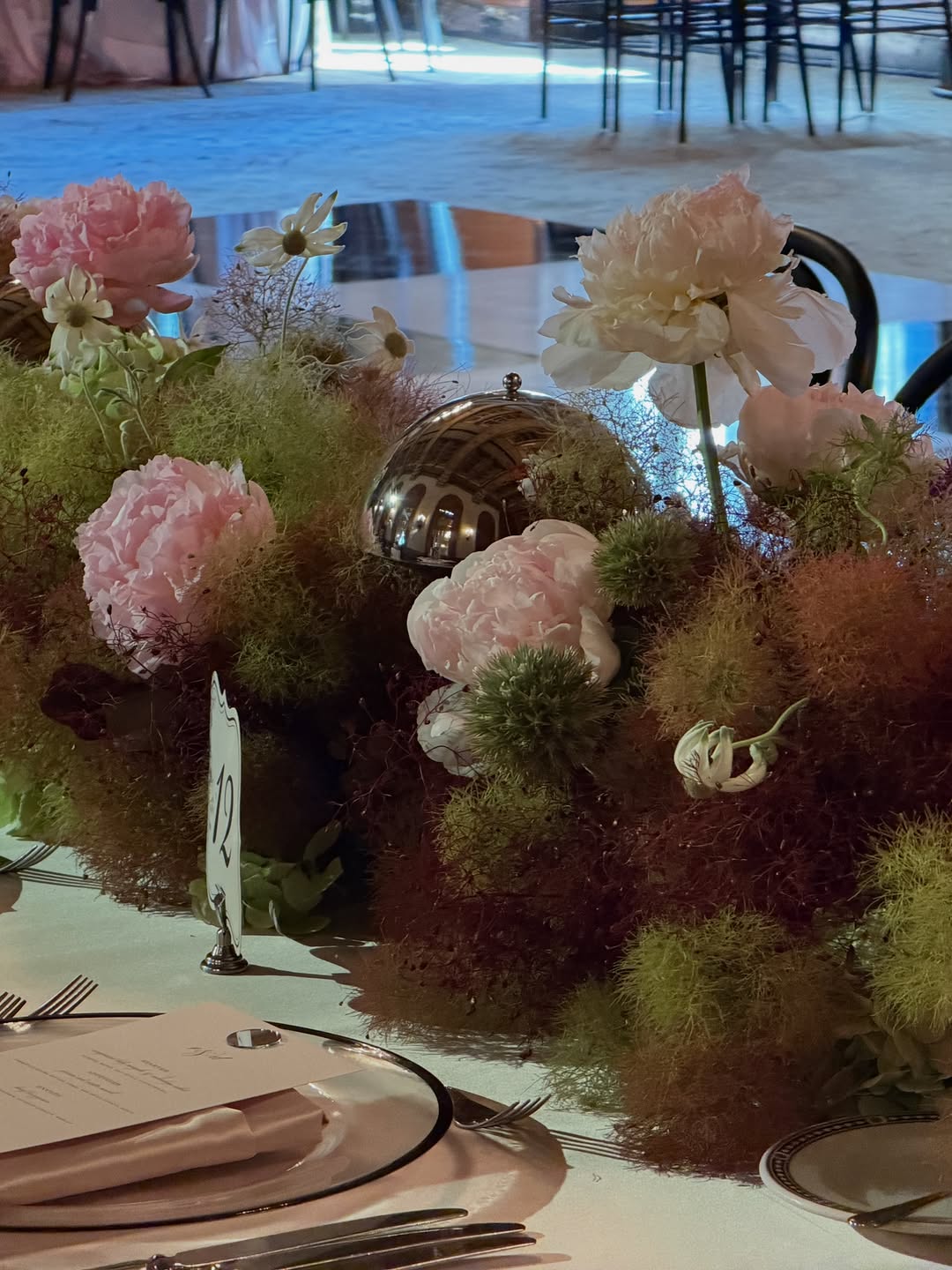
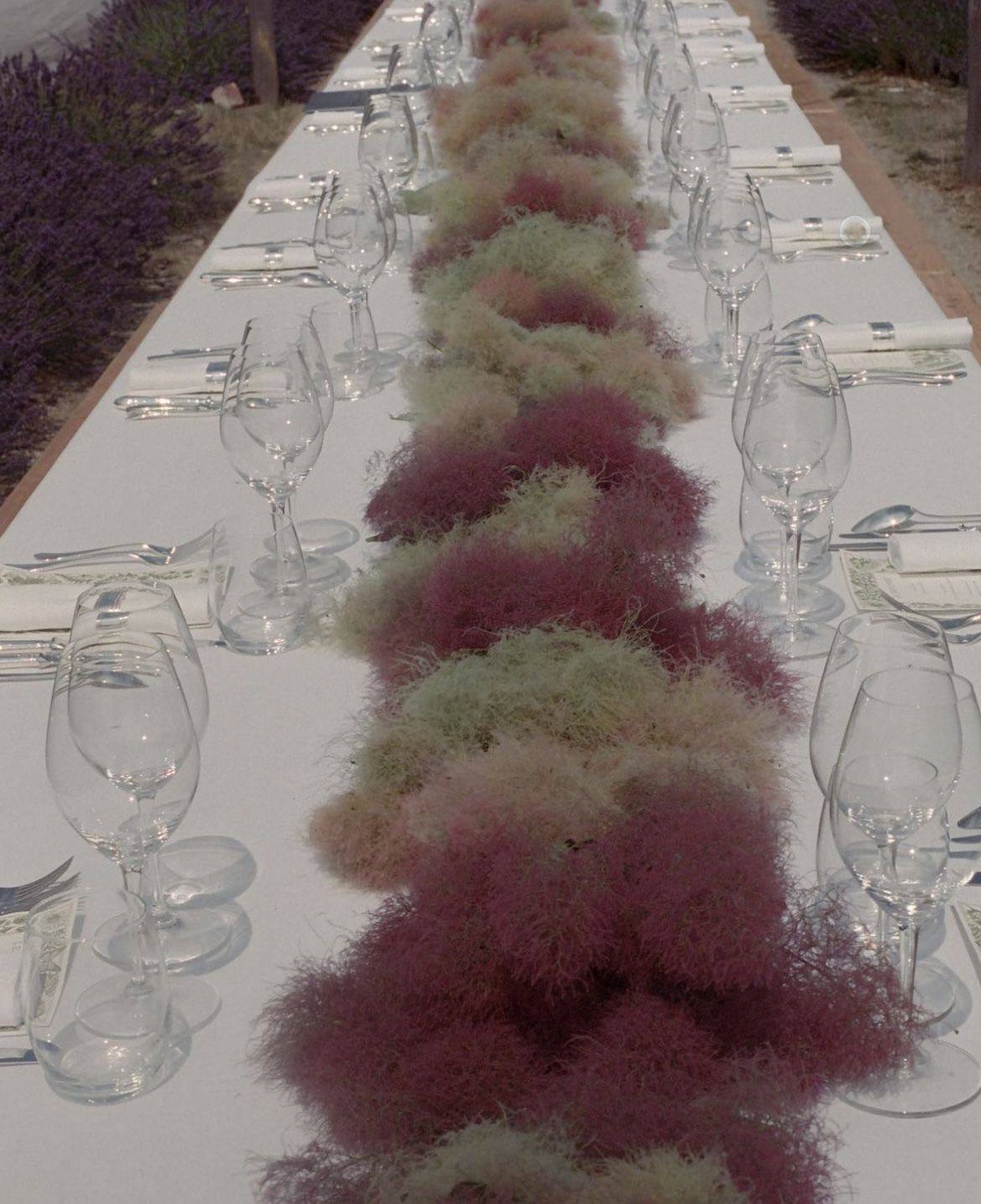
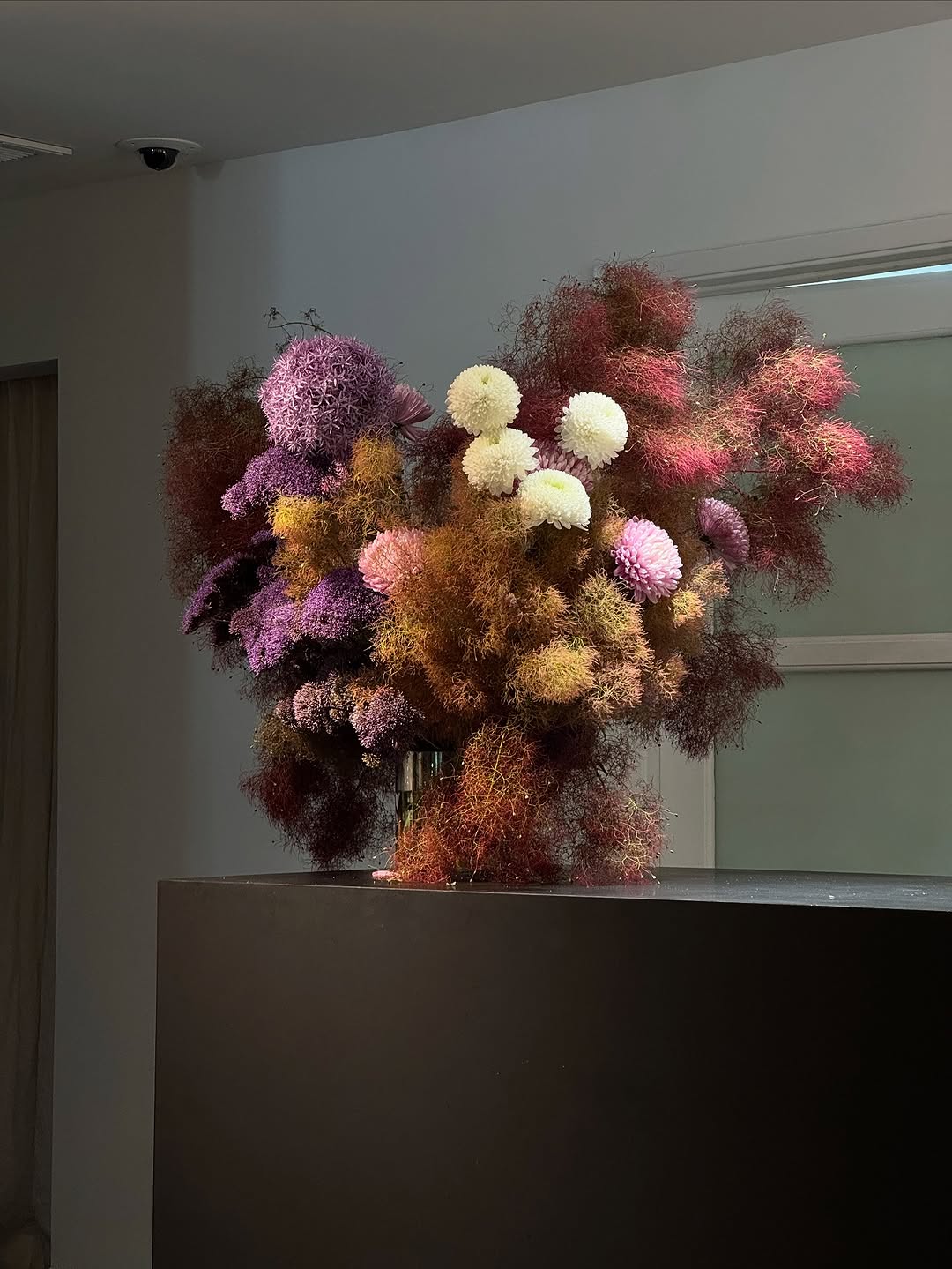
Those hazy, cloud-like plumes are actually spent flower stalks covered in fine, colored hairs, which is what gives smoke bush that soft, smoky texture florists have leaned into. It doesn’t compete with other flowers but softens them. Tucked around calla lilies or peonies, it blurs the hard edges and gives an arrangement a slightly out-of-focus quality.
It comes in two main color stories: the plummy, wine-purple varieties (Cotinus ‘Royal Purple’ being the one most florists reach for) and a paler, dusty green-to-cream type that reads almost like fog. Both shift with the seasons, since it’s a woody shrub, and the plumes are at their fullest and most textured in mid to late summer, with the foliage often deepening into rust and burgundy tones as fall approaches.
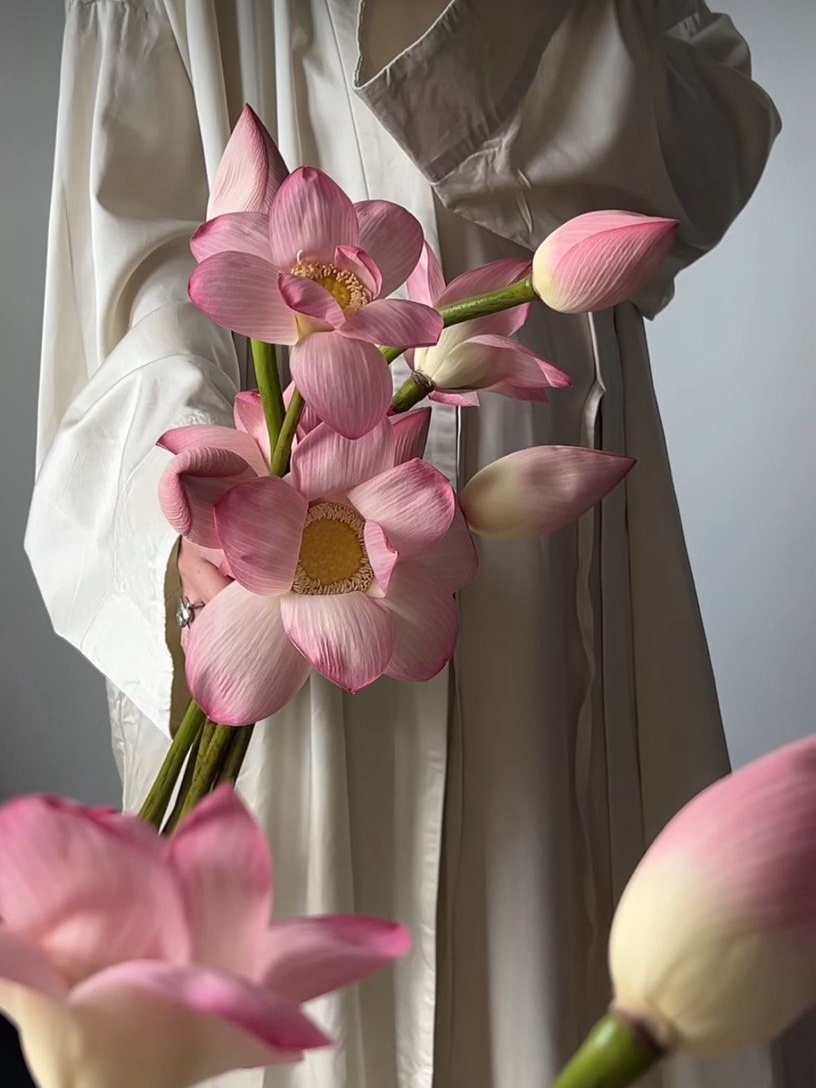
Lotus
Lotus carries more symbolism than almost any other flower on this list. It’s sacred in both Buddhism and Hinduism, prized for rising clean from muddy water, which makes it an unusually meaningful pick for a couple who want their florals to actually mean something rather than just look good.
It’s technically a different plant from the water lily, even though people constantly mix the two up. Lotus flowers sit higher above the water on tall, sturdy stems, and each bloom lasts only three or four days before dropping its petals, so, like water lilies, working with them is about timing more than storage.
The seed pods are just as much a design element as the flower itself. Once the petals fall, the lotus leaves behind a flat-topped, honeycombed pod that florists often use on its own for structure and texture.
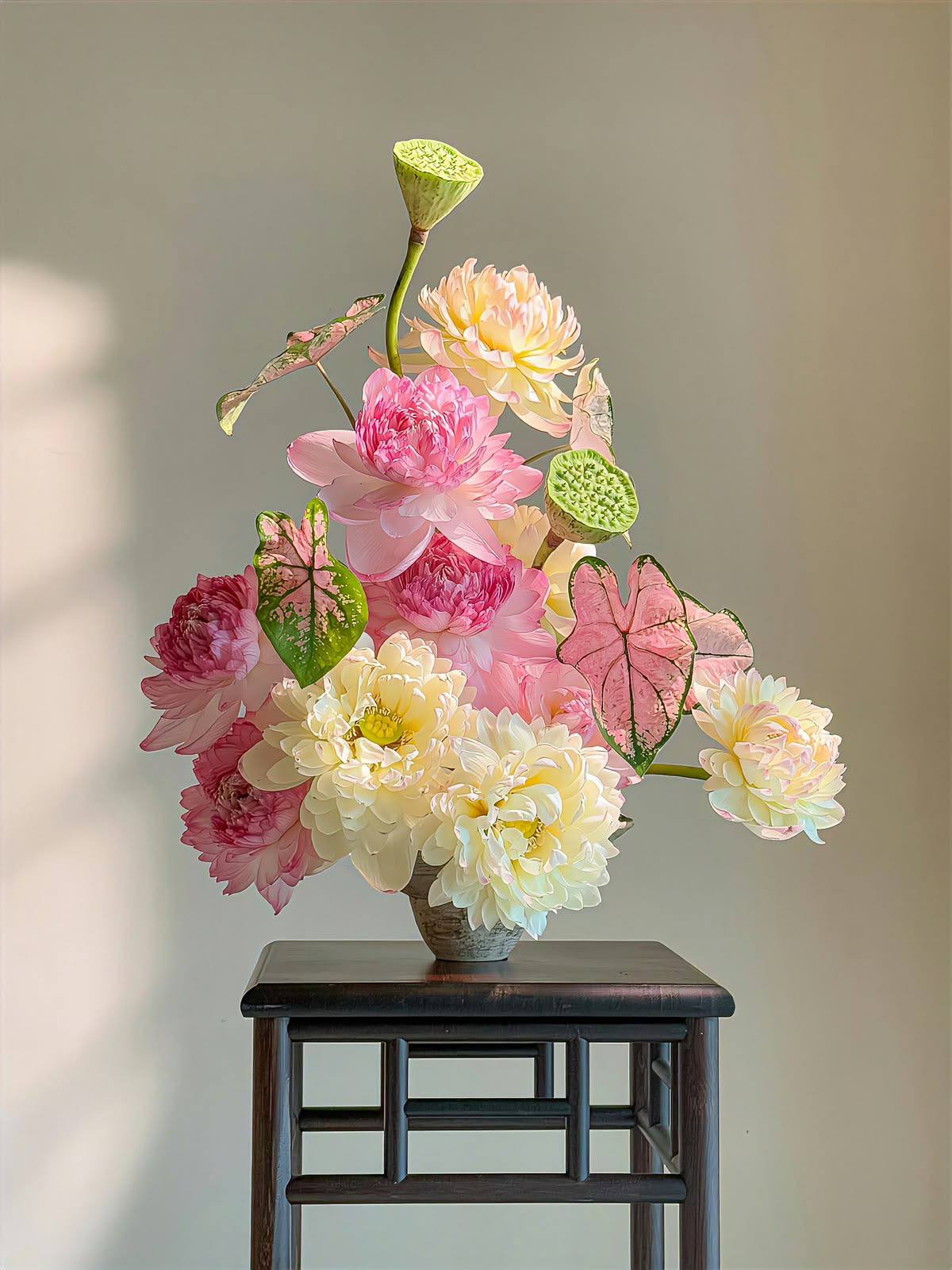
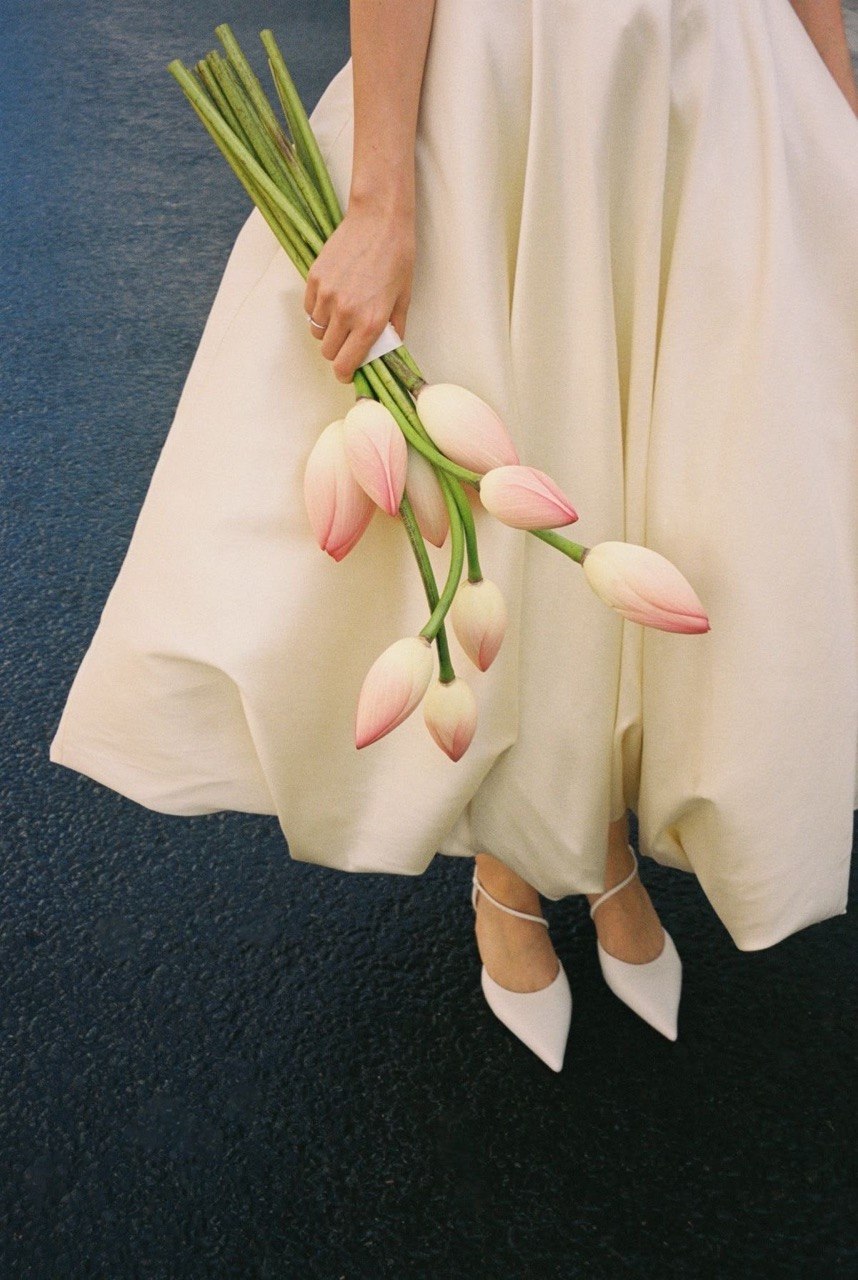
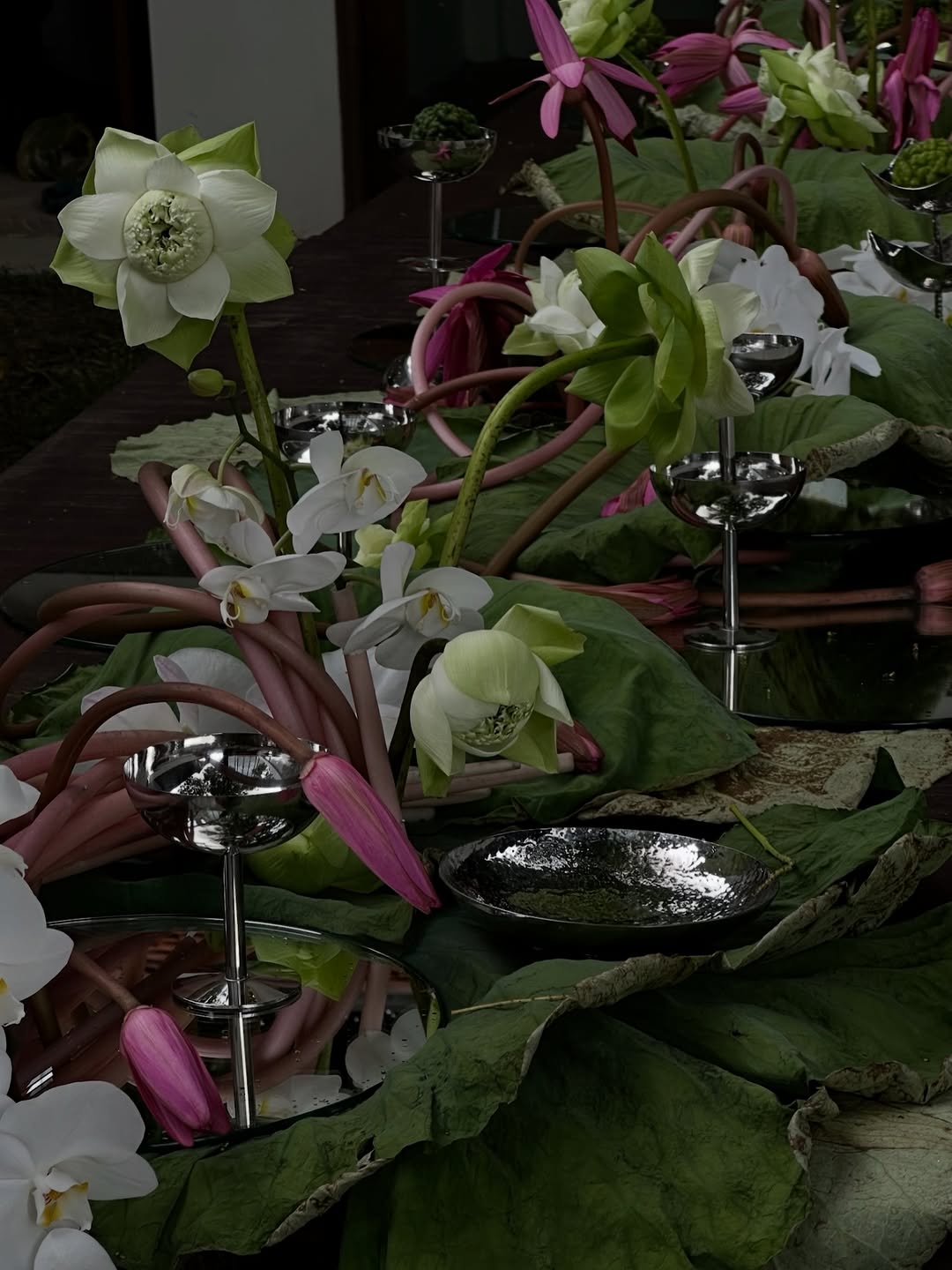
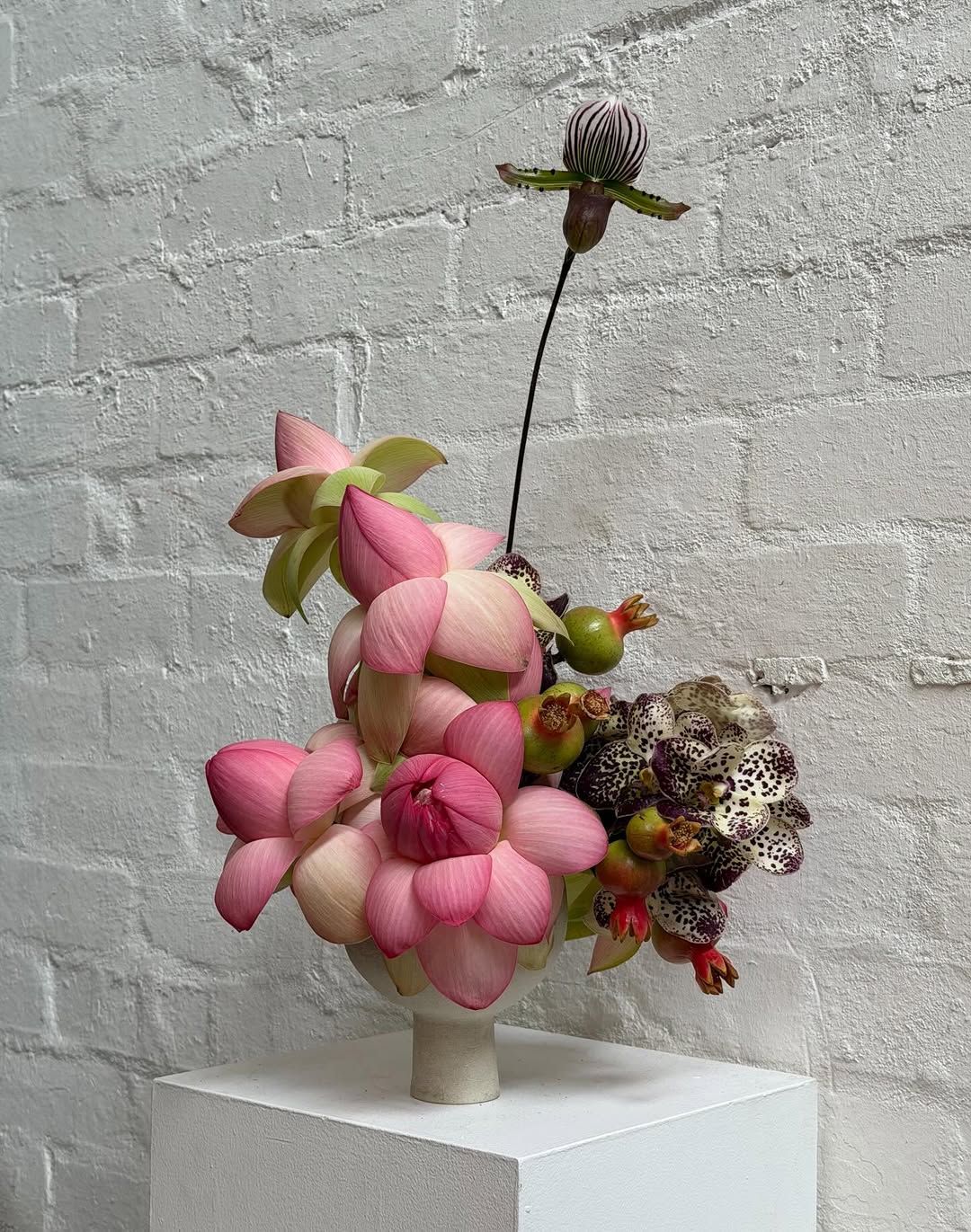
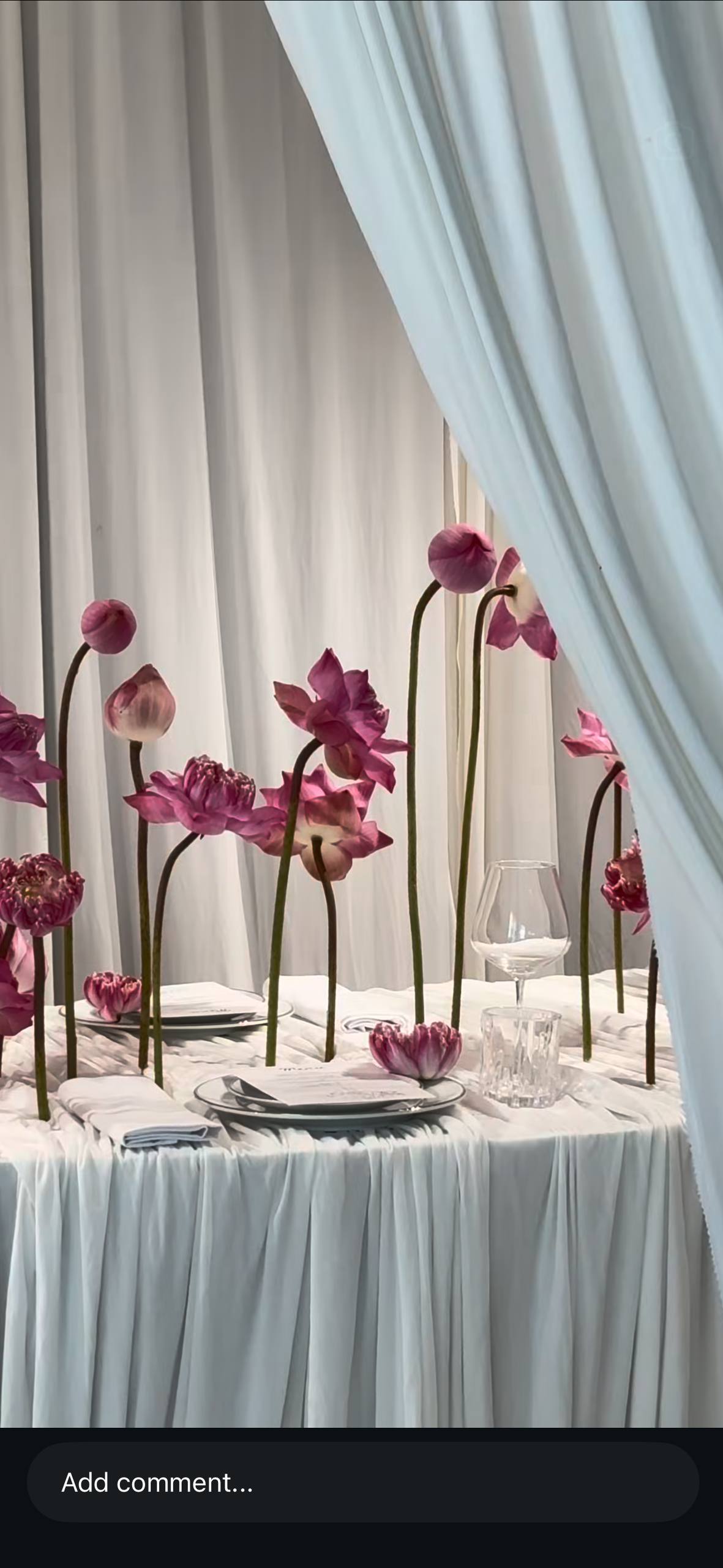
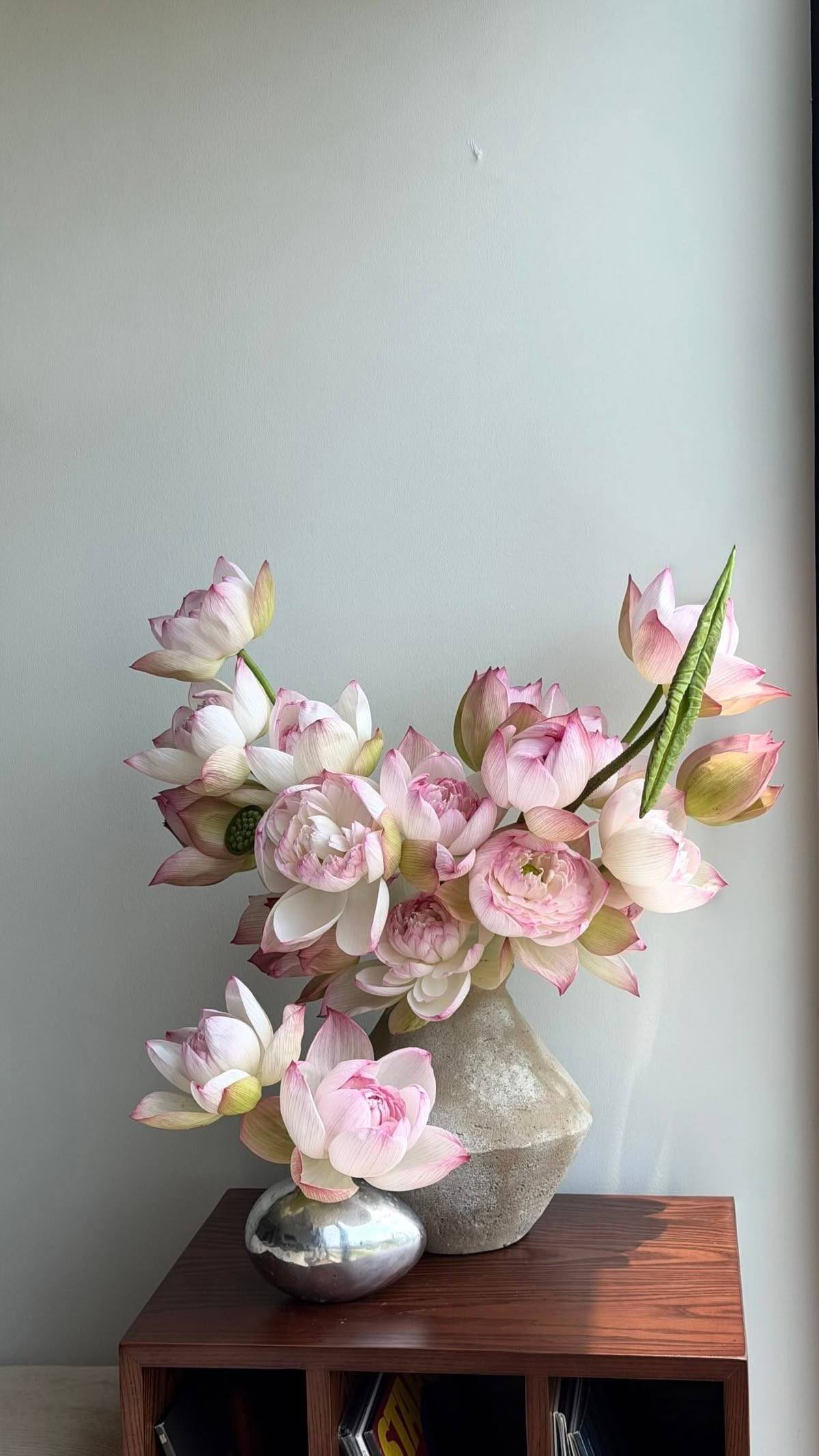
Photo: Pinterest, Alexa Curly / Jungle, Pinterest, Honesty Flora, Gaesorn, Pinterest