Sooner or later, every FYP serves the same video: a cute Asian grandmother, somewhere around 80, with skin that looks better than most complexions at 30. Asia never gatekept a single one of its beauty secrets, and the routines behind those faces have been sitting in drugstores, pharmacies and family bathrooms for generations. The rest of the world simply took its time to start paying attention.
That attention has now turned into a full obsession with Korean skincare. In 2025, South Korea exported $11.4 billion worth of cosmetics, overtaking the United States to become the second biggest beauty exporter on the planet, right behind France. Here are the Asian beauty secrets the West has already picked up, the skincare trends arriving right now, and the viral patches and rituals filling every feed.
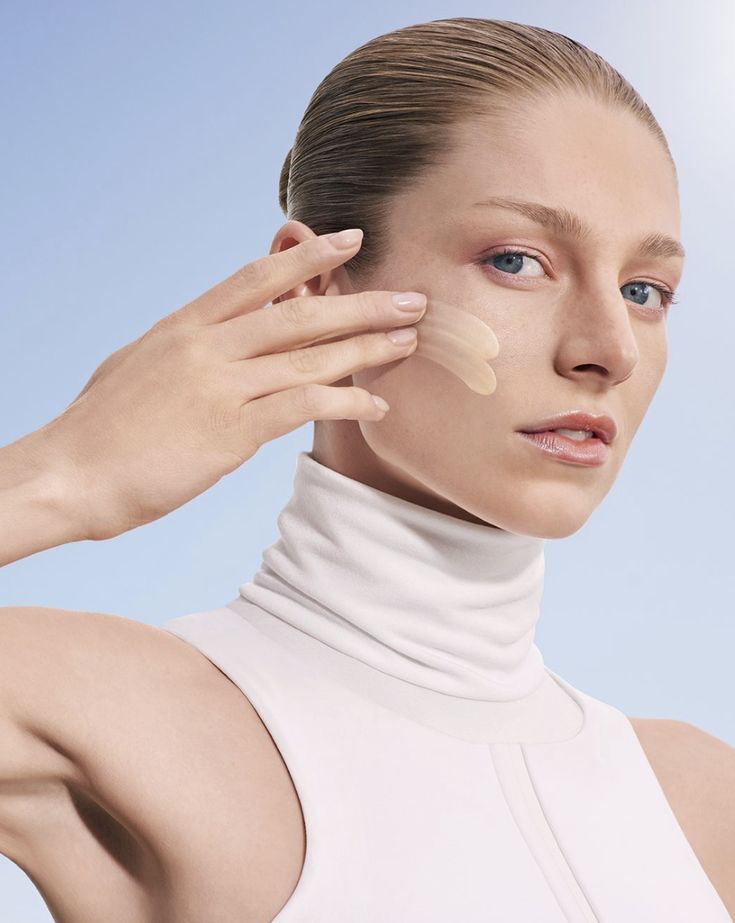
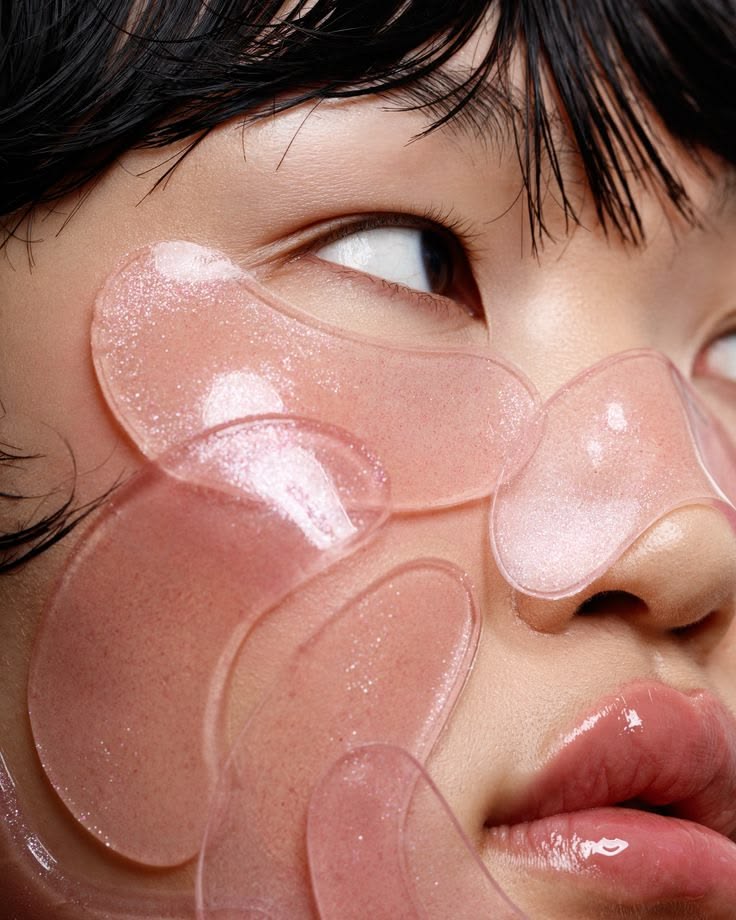
Photo: Courtesy of Shiseido, Charlotte Joffroy
The OG: Sunscreen
Long before SPF became a personality trait on TikTok, Japan treated sun protection as basic hygiene. Shiseido, which opened in Ginza in 1872 as the first Western style pharmacy in Tokyo, launched its first sun care cream back in 1932. Japan also gave the world the PA rating, the plus signs on Asian sunscreens that grade protection from UVA rays, the ones behind pigmentation and early lines.
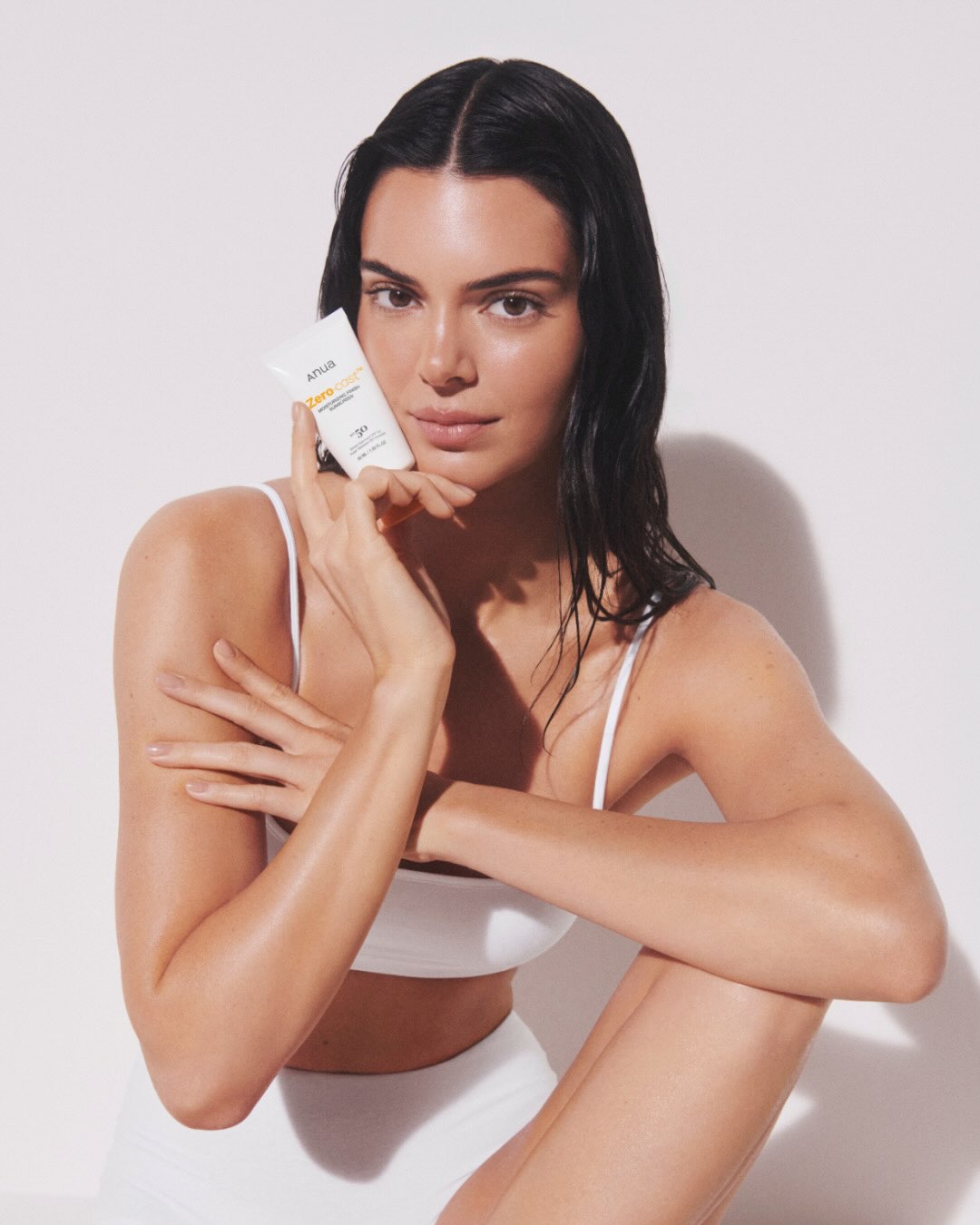
The West is still catching up. In June 2026, the FDA approved bemotrizinol, the first new sunscreen filter for the American market since the 1990s, while shoppers in Asia and Europe had been wearing it for more than twenty years. The best Korean sunscreen and Japanese sunscreen formulas also feel like skincare, light enough to wear under makeup every single day. Try Anessa from Shiseido for a sweaty summer, the Beauty of Joseon Relief Sun for a dewy finish, or the Round Lab Birch Juice Moisturizing Sunscreen for dry skin.
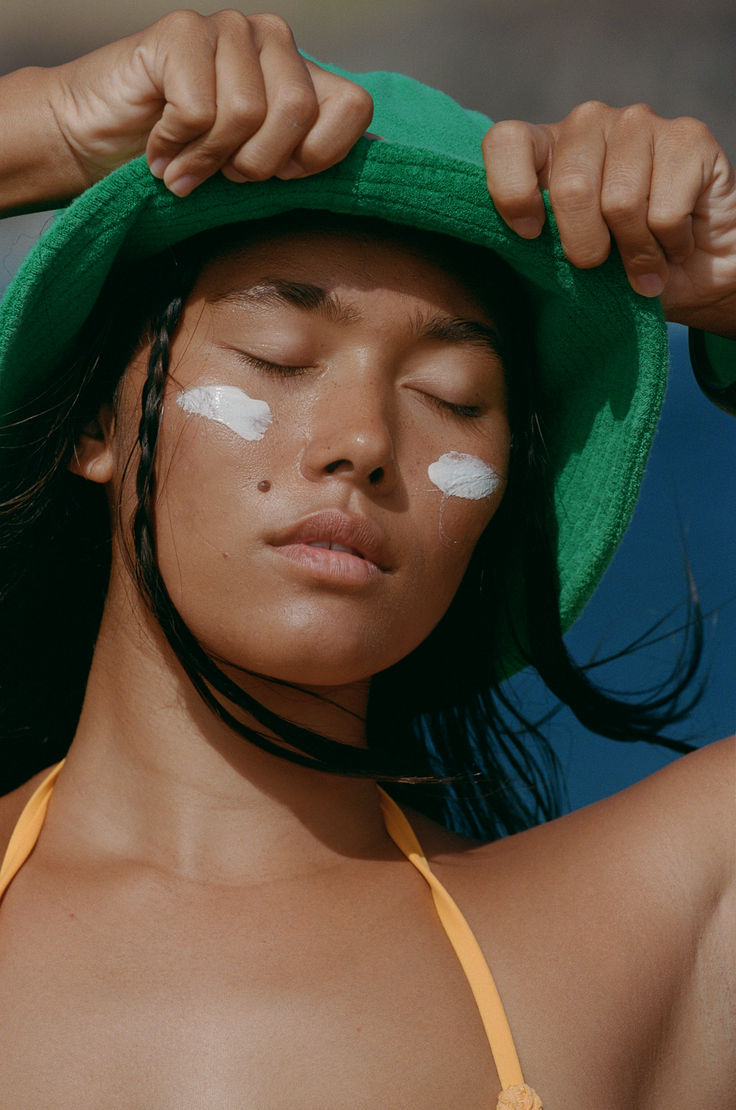
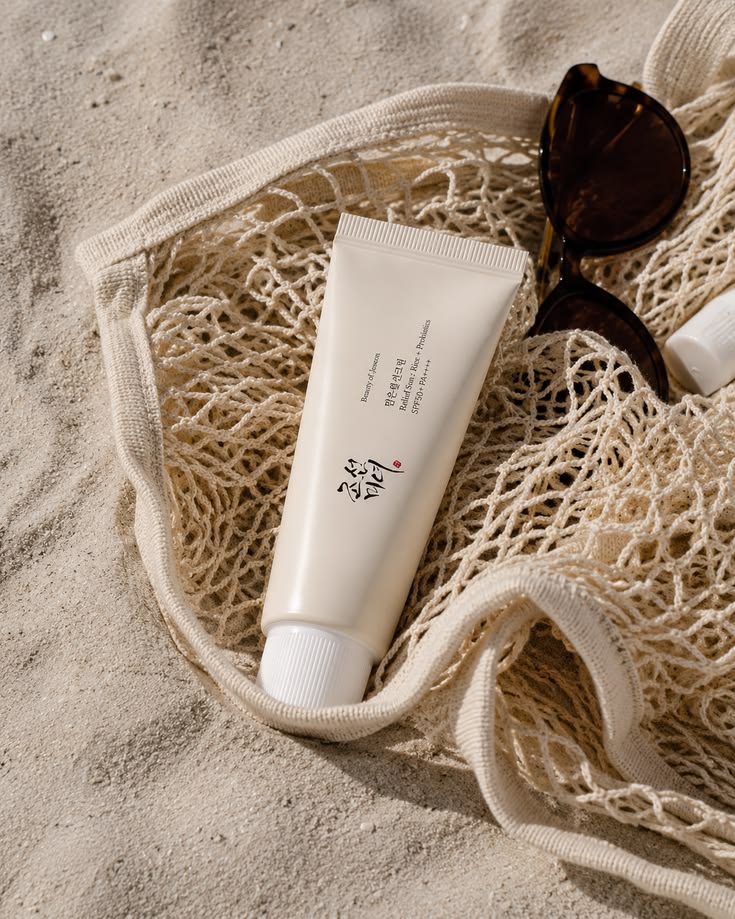
Photo: Courtesy of Forah, Courtesy of Beauty of Joseon
The Hydrating Toner: Step We Skipped
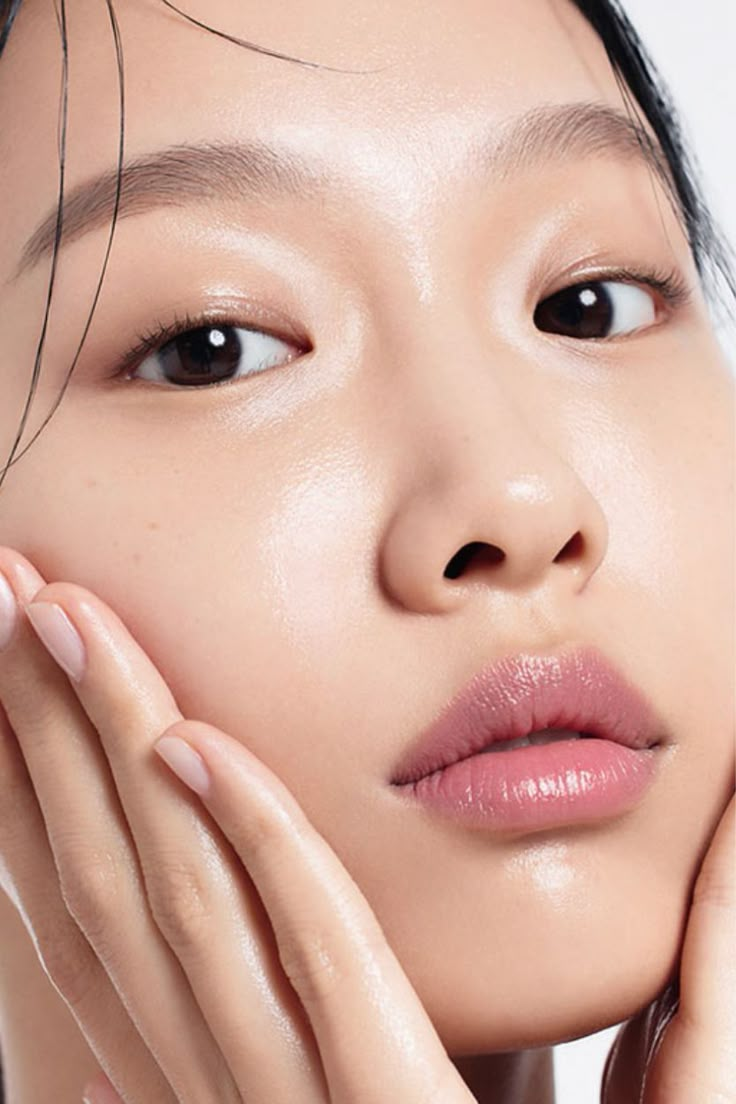
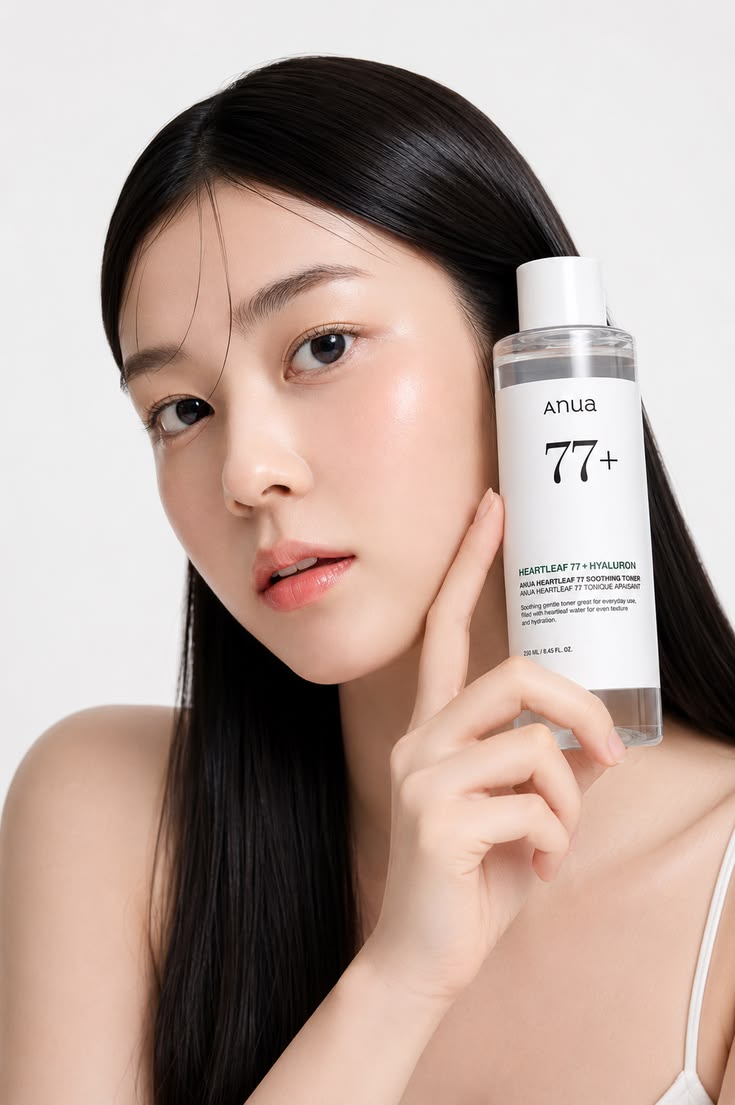
For decades, Western toner meant an alcohol heavy astringent that promised to tighten pores and left skin squeaky. Korean and Japanese toners work the other way around, as watery hydrators that rebalance skin after cleansing and lay down the first layer of moisture before serum. Pores never open or close on command, so the old astringent promise was a myth from the start.
The Korean skincare routine turned this step into the seven skin method, thin layers of hydrating toner patted in one after another, although one or two layers are plenty for most skin. Japan, where toner is called lotion, has the lotion pack: soak layered cotton pads in lotion, peel them into thin sheets, rest them on the cheeks and forehead for a few minutes, then seal with moisturizer. Good bottles to start with are the d program Moist Care Lotion EX from Shiseido for sensitive skin, and the Anua Heartleaf 77 Soothing Toner for redness.
Pharmacy Is the New Beauty Aisle
We are tired of paying for a logo and a pretty jar that change nothing on their skin, and the backlash has landed at the pharmacy counter. In Korea, plenty of skincare is sold through pharmacies, where trained pharmacists talk customers through ingredients before anything goes into the basket. The formulas are built around a few proven actives for the skin barrier, and the packaging is refreshingly plain.
The quiet giant here is Aestura, the derma line from Amorepacific that Korean hospitals prescribe for eczema prone and sensitive skin. Its Atobarrier 365 Cream, built on ceramides, is the easiest pharmacy souvenir to bring home. For a calm, red face, look at the 345 Relief Cream from Dr.Althea, and for a firmer, bouncier feel, the PDRN Rejuvenating Cream from Dr.Reju-All.
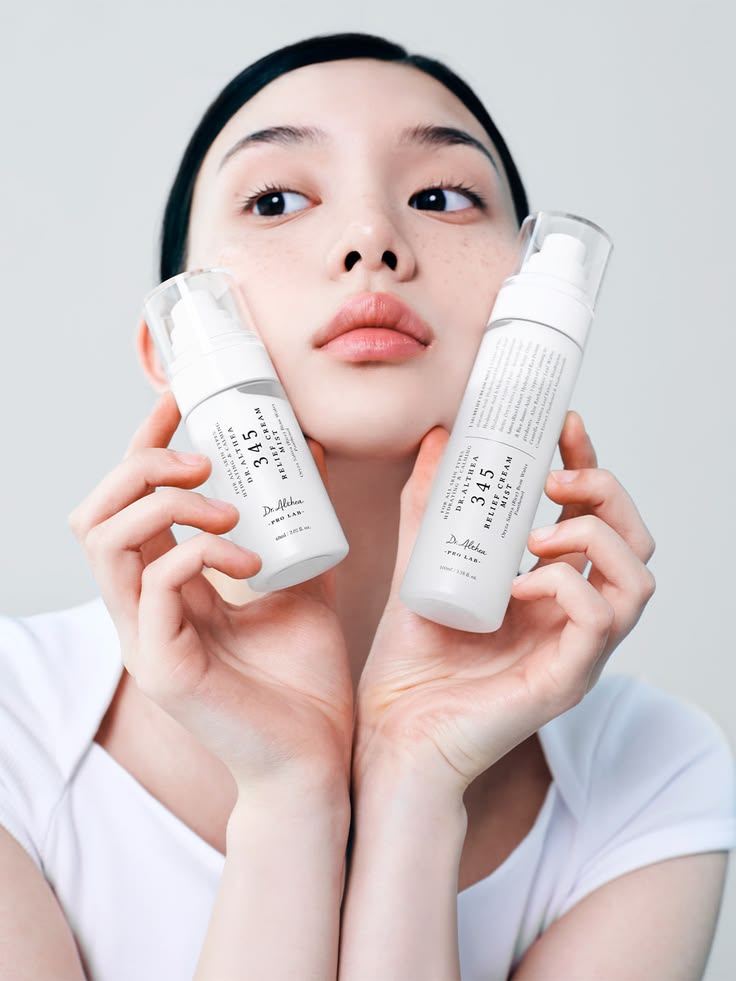
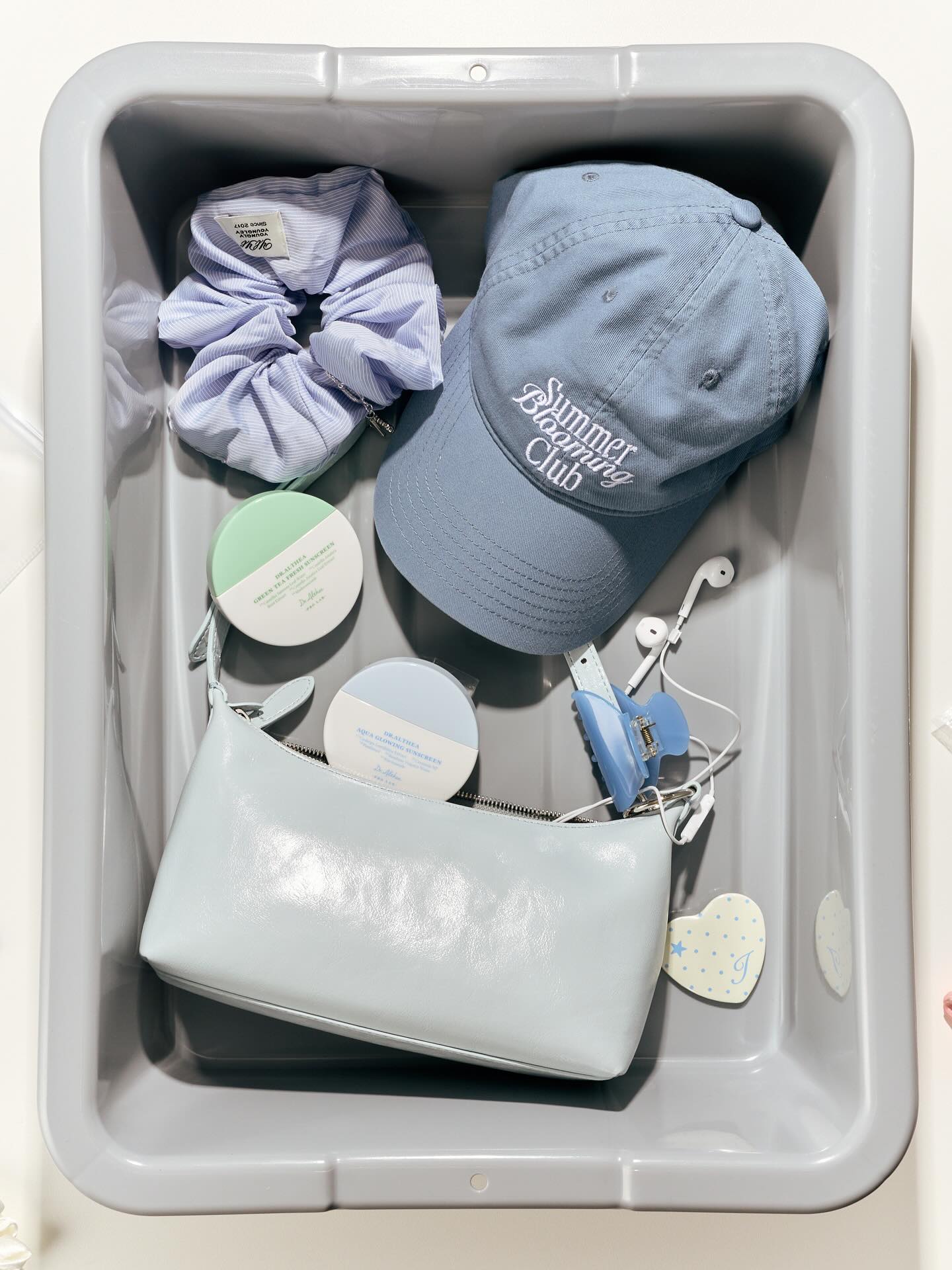
Photo: Courtesy of Dr. Althea
PDRN, the Salmon DNA Behind the Glow
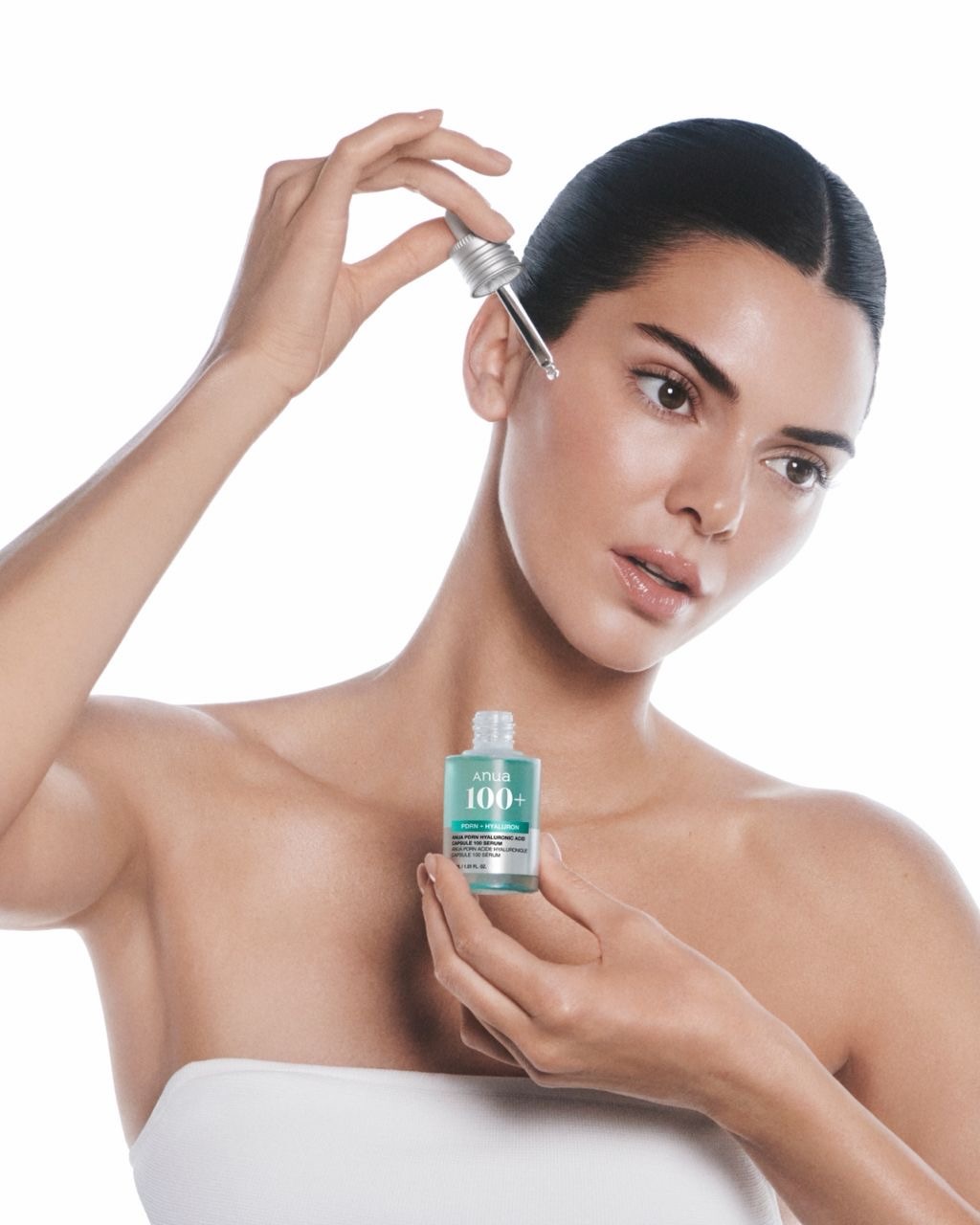
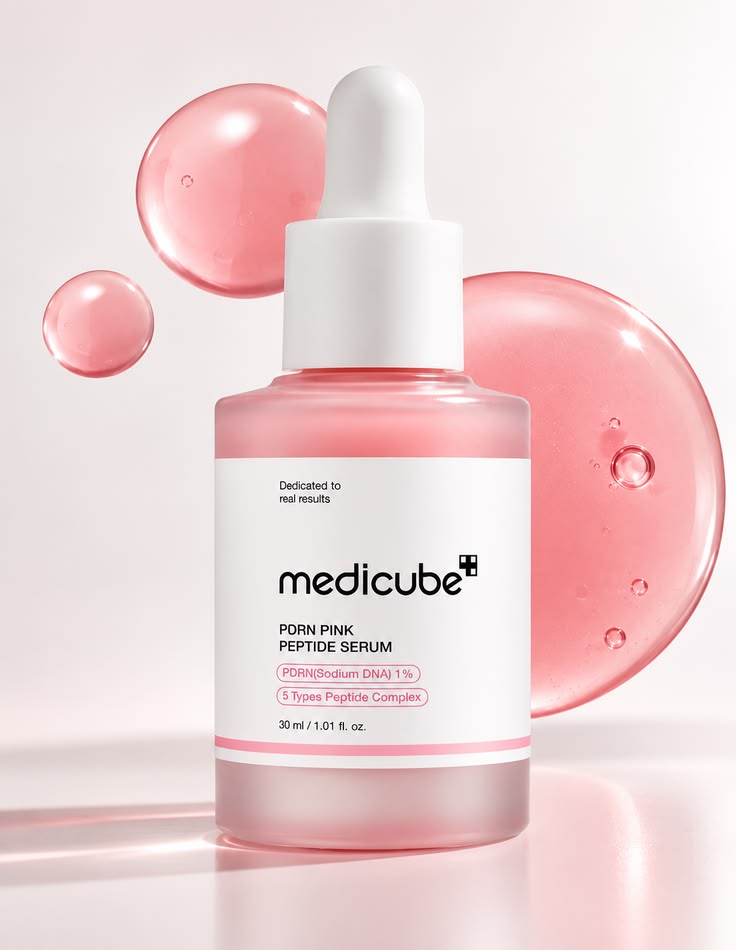
PDRN, short for polydeoxyribonucleotide, is a purified fragment of DNA most often taken from salmon, which is why the internet calls it the salmon sperm facial. Korean clinics made it famous as an injectable skin treatment long before it moved into serums, mists and sheet masks. On a shelf it promises bounce, hydration and faster recovery, and it now shows up in everything from the Anua PDRN Hyaluronic Hydrating Mist to a PDRN lipstick from Judydoll.
Microcurrent Facials
Korean beauty tech has moved from the clinic to the bathroom shelf, and the Medicube AGE-R Booster Pro is the device that made it mainstream. Its microcurrent mode sends a gentle current across the face to trigger tiny muscle contractions meant to tone and lift, and it only works over a water based conductive gel, since dry skin blocks the current.
Microcurrent rewards discipline more than enthusiasm. The usual advice is short sessions of five to ten minutes most days of the week, and any lift builds gradually and fades once the routine stops, so it works best as a daily habit, the same way SPF does.
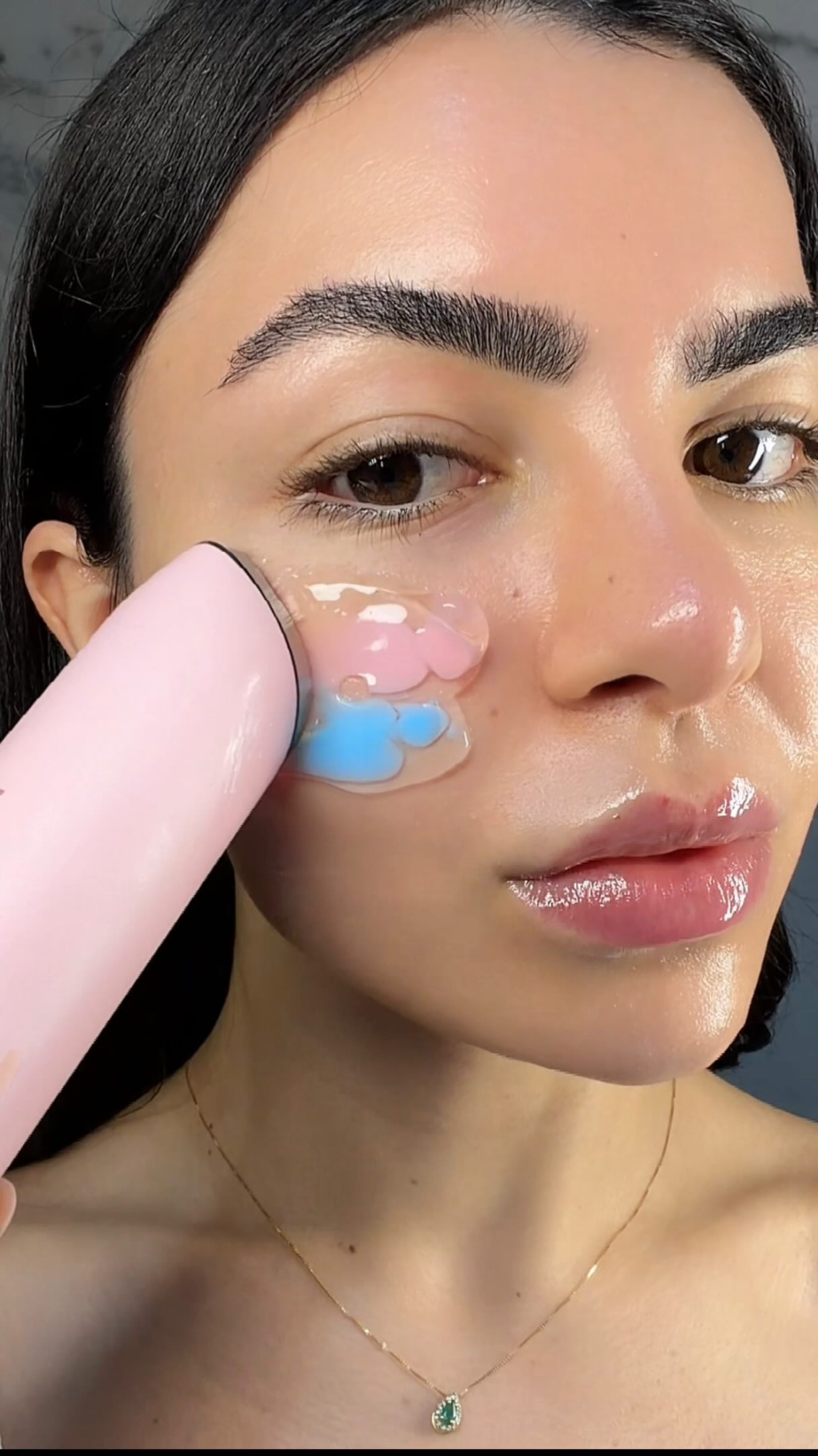
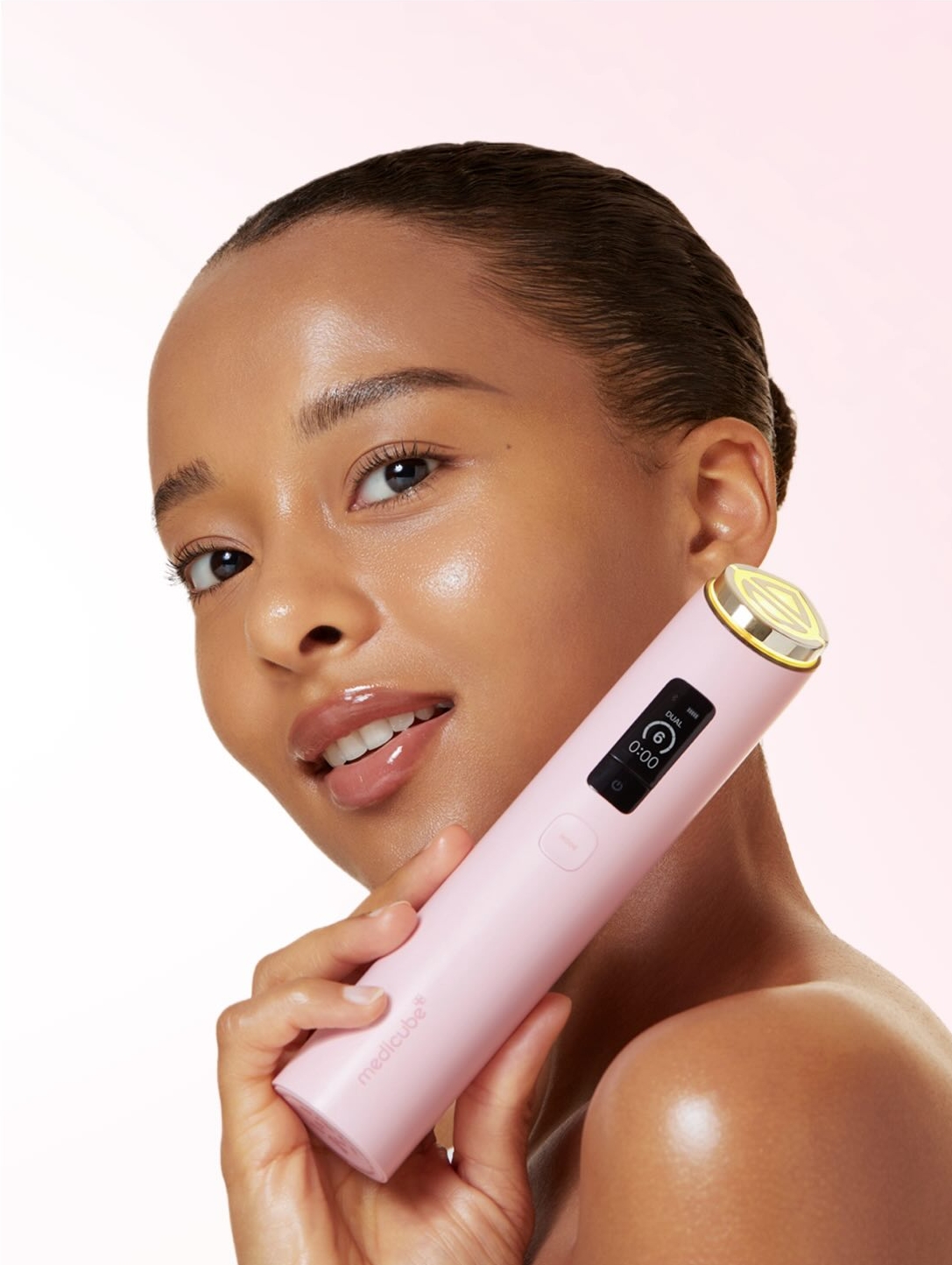
Photo: Courtesy of Medicube
Bloom Skin > Glass Skin
Glass skin is handing the spotlight to bloom skin, one of the biggest Korean skincare trends of the year. Aesthetic doctor Christine Hall describes the goal as skin that looks naturally luminous and plump rather than wet or glossy, with the glow coming from a healthy barrier instead of a top layer of product.
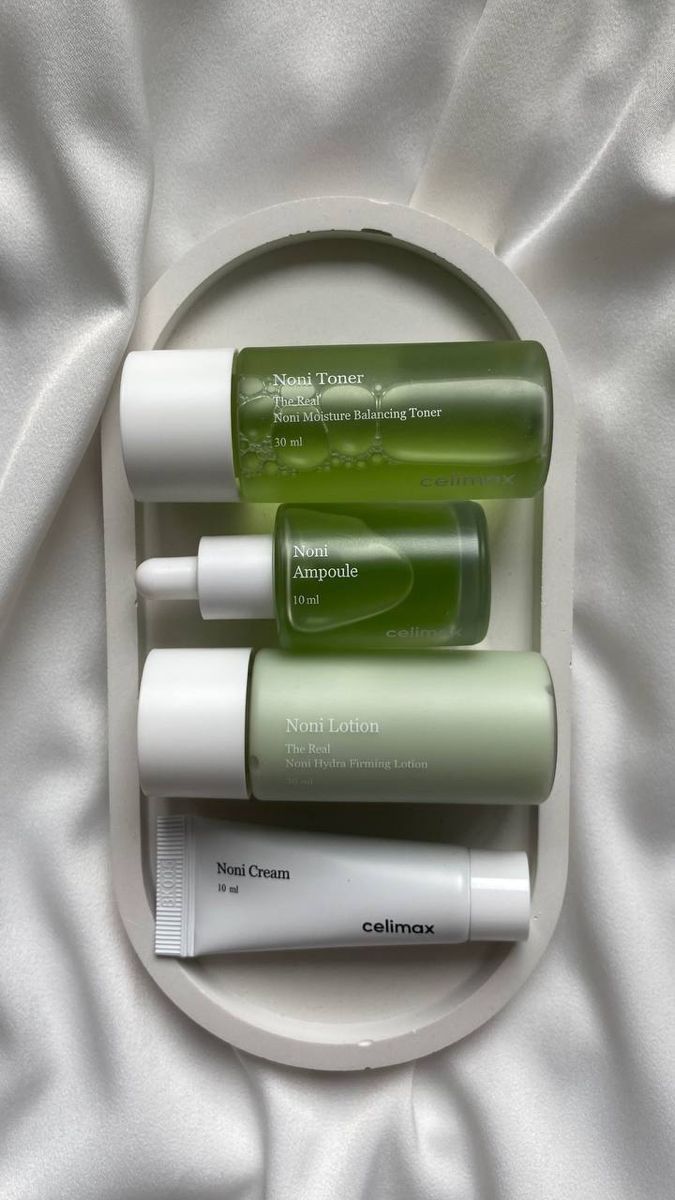
The routine behind bloom skin is shorter, too, built on a gentle cleanser, a hydrating toner, a barrier cream and daily SPF, used consistently for months. A high gloss finish turns into hot spots under a camera flash, while a soft satin radiance simply reads as healthy skin in every light. For a routine that matches from start to finish, both Dr.Althea and Celimax sell the full lineup, from cleanser and toner to barrier cream and sunscreen, so a single brand can cover every step.
Microneedling at Home?
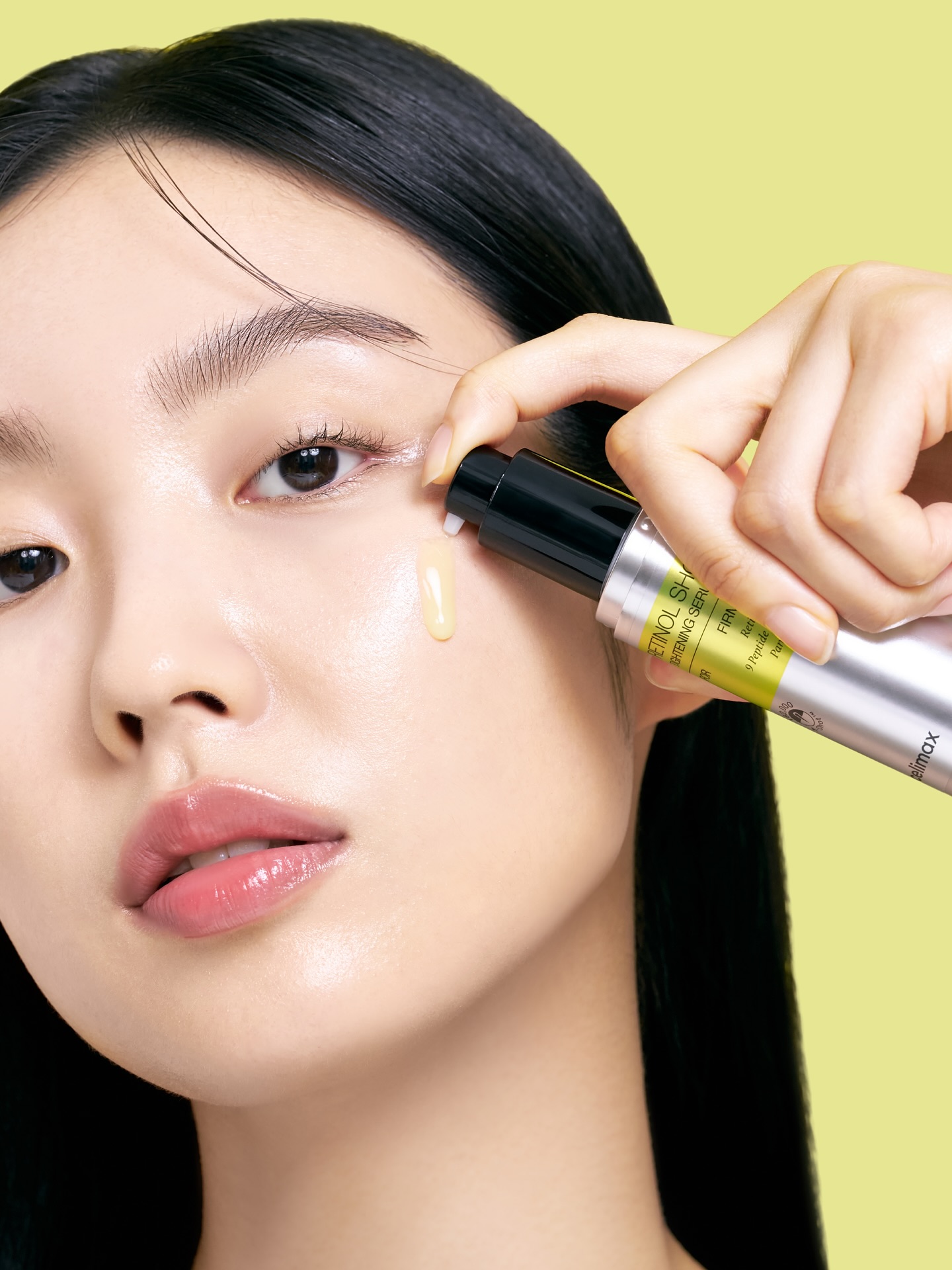
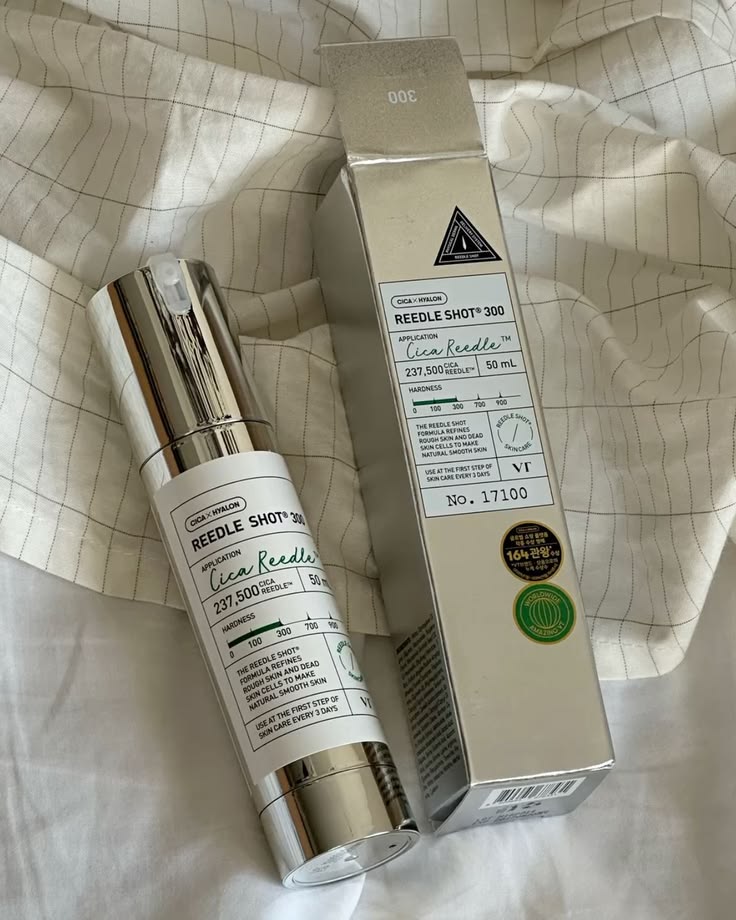
VT Cosmetics built its cult Reedle Shot serums around spicules, microscopic needles from marine sponge that create tiny channels in the skin so the ingredients that follow absorb better. The line comes in strengths of 50, 100, 300 and 700, and the prickly tingle on application is part of the experience.
Start with the lowest strength and work up slowly, keep retinol and other strong actives on separate nights, and avoid it right before any big event, because fresh irritation is the one thing concealer handles badly. The strongest version is meant for use once every seven days, a detail worth reading before anyone adds it to a nightly routine.
Volufiline, the Plumping Effect
Volufiline has become one of the most talked about skincare ingredients of the moment, showing up in serums, creams and balms that promise a fuller, bouncier look without a single injection. It is a trade name for sarsasapogenin, a compound from Anemarrhena asphodeloides, a plant used in traditional Chinese medicine, and its maker says it encourages fat cells to store more lipid for a plumper look.
Korean brands have embraced it fast. The Medicube PDRN Pink Collagen Volume Multi Balm pairs Volufiline with PDRN, collagen and caffeine in a twist up balm for under eye bags, the forehead and smile lines, while the d’Alba Intensive Volufiline Grinding Cream folds it into a rich white truffle cream for the whole face. Expect a softer, cushioned, well hydrated finish rather than the effect of a filler.
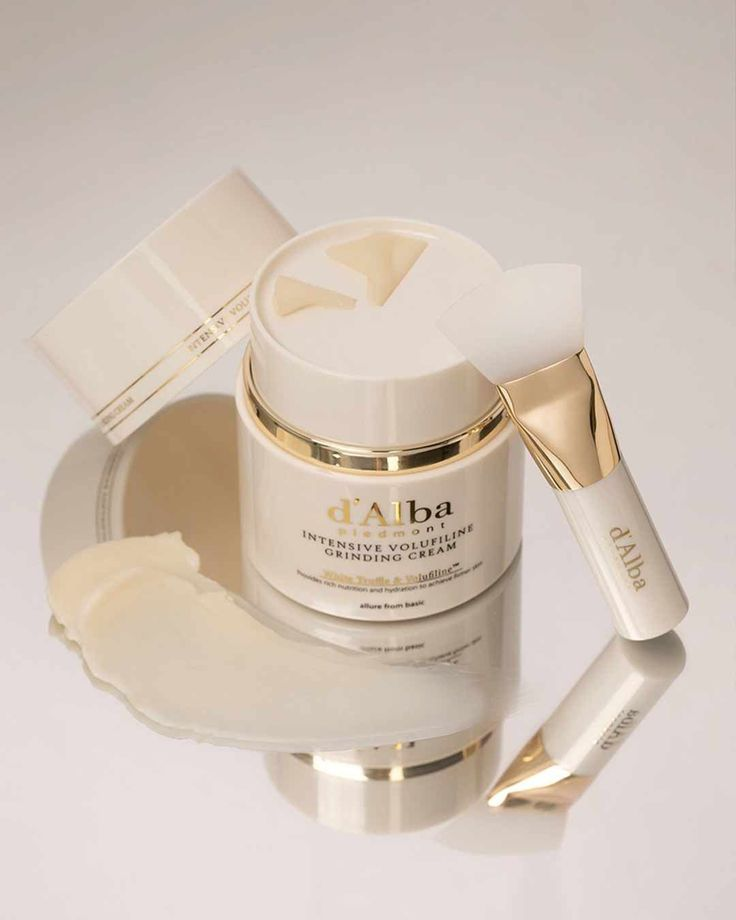
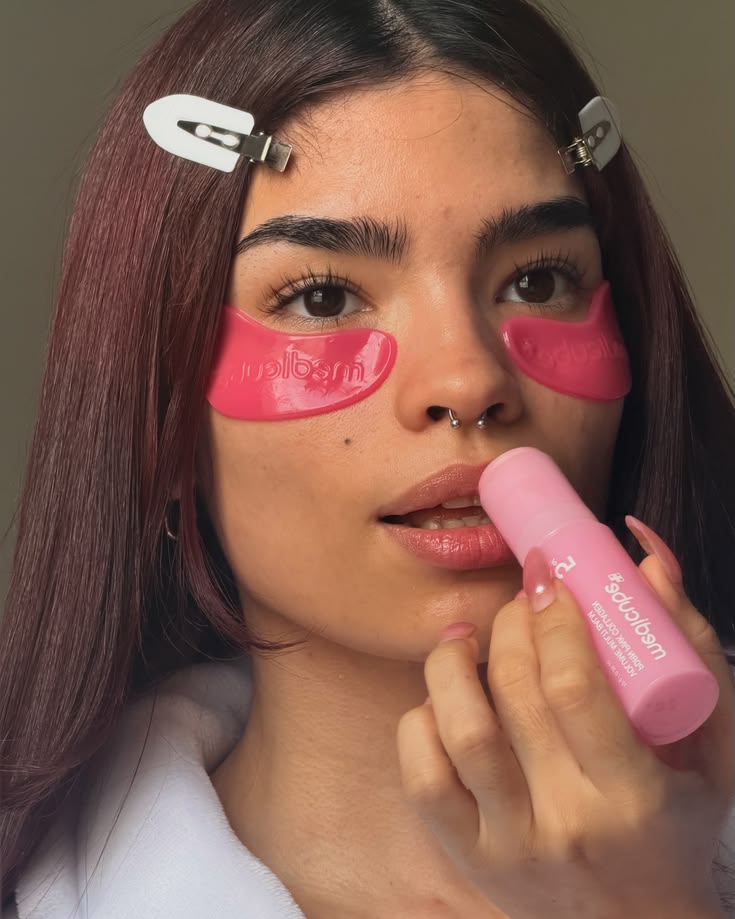
Photo: Courtesy of d’Alba, Zuka Moreira
Facial Acupuncture, the Botox Alternative
Back in March 2013, Kim Kardashian posted an Instagram selfie with acupuncture needles across her forehead, cheeks, chin and ears, captioned simply “Oh just relaxing,” and the photo made headlines everywhere. A face full of needles looked unthinkable at the time, and, as usual, Kim was simply early.
The practice itself is anything but new, since acupuncture has been part of traditional Chinese medicine for more than 2,500 years. Cosmetic acupuncture brings it to the face, with fine needles placed along lines and muscles to stimulate circulation and collagen, and today it has become a regular booking for people who want a gentler path to smoother skin. Its appeal is the opposite of Botox: instead of freezing a muscle, the needles are meant to support the tissue so wrinkles soften over time.
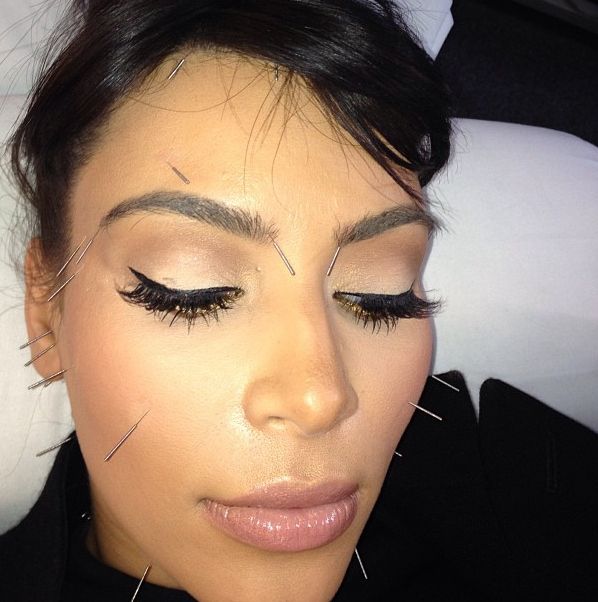
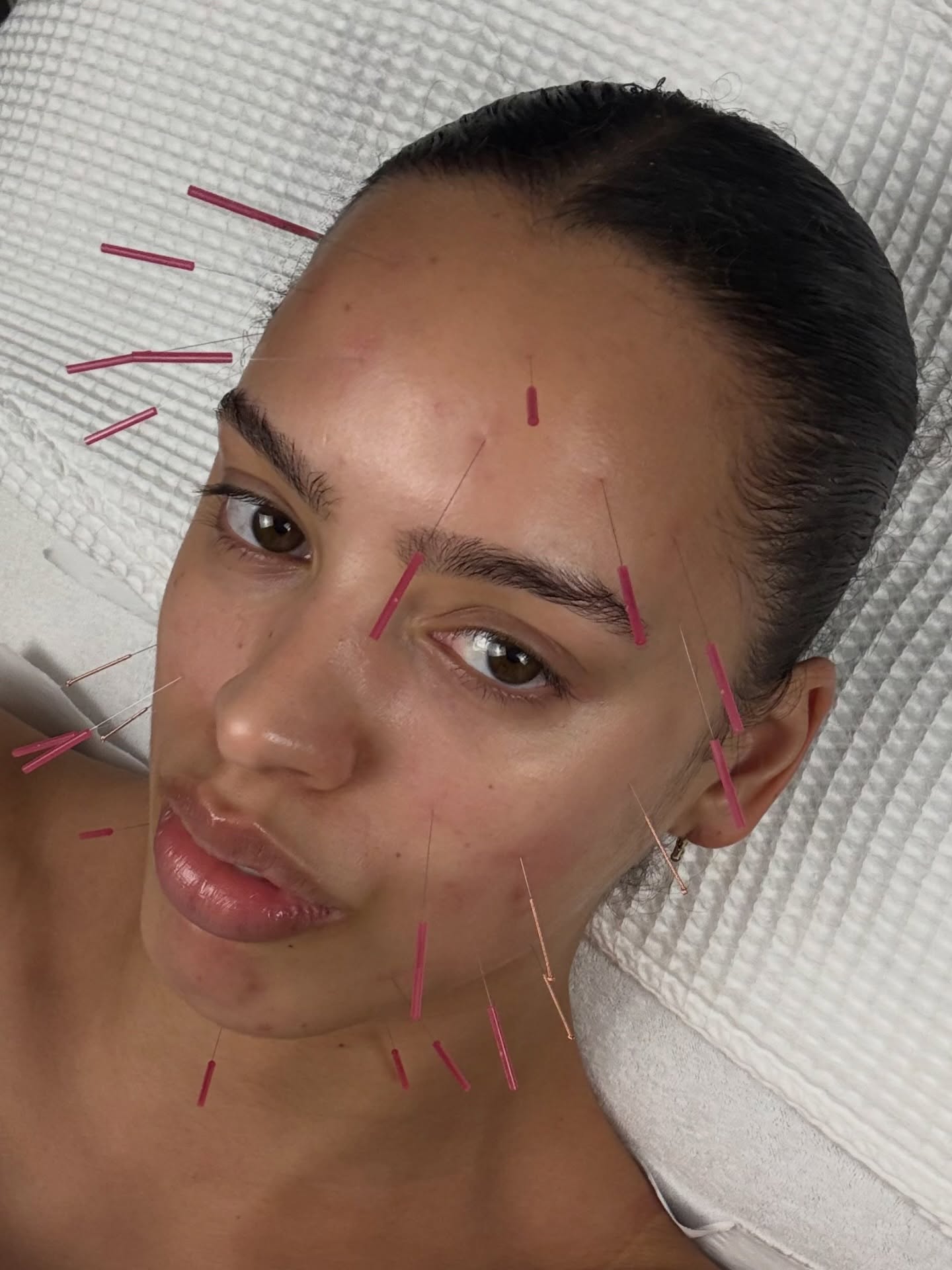
Photo: Kim Kardashian, Luna Freddie
The Head Spa
Asian beauty has moved up to the scalp. Seoul salons now stage long rituals that combine scalp diagnosis, deep cleansing, massage, water cascades and, in some places, red light therapy, and the Korean head spa has become a must book for anyone visiting the country.
The logic is simple: healthy hair starts at the root, so the scalp deserves the same care as the face. At home, a scalp scaler or tonic from La’dor or Dr.Groot brings the same idea into a weekly scalp care routine.
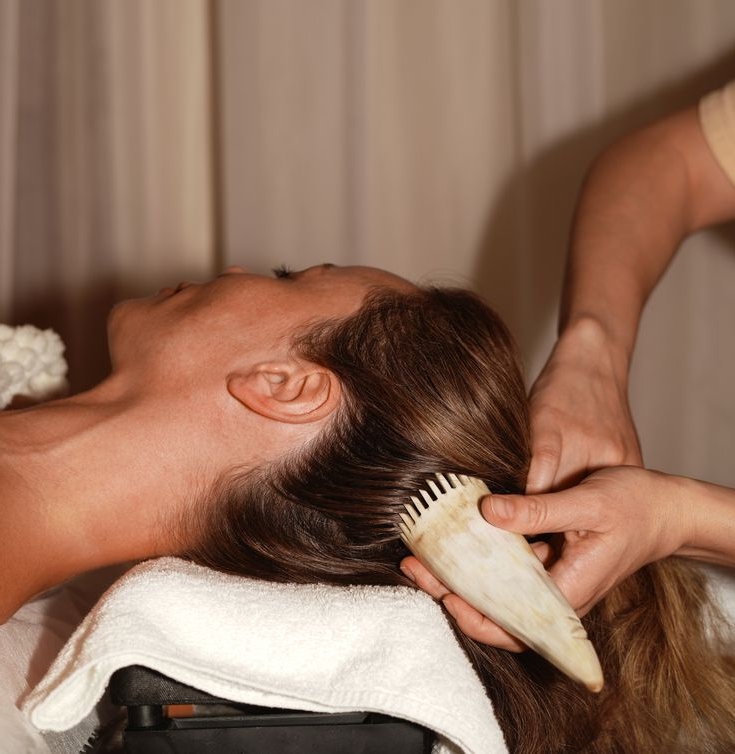
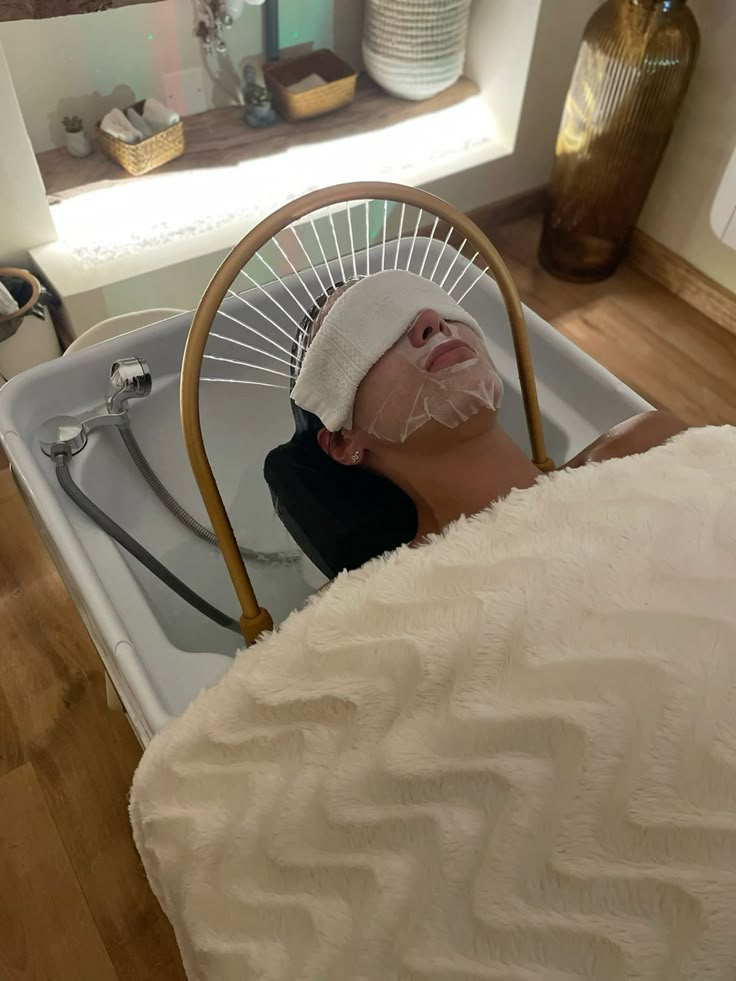
Photo: Courtesy of Chinese Head Spa, Pinterest
Wellness Patches, the Stickers With a Job
Wellness patches have turned the forearm into a mood board. Each little sticker comes with its own task: dopamine patches with mucuna pruriens, lion’s mane and rhodiola for focus and a brighter mood, sleep patches with magnesium or lavender for winding down, and energy patches with B12, caffeine or ginseng for slow afternoons. The idea itself started in Asia. Traditional Chinese medicine has used herbal plasters such as gou pi gao, spread with dozens of herbs and pressed onto sore muscles, for thousands of years, and in 1934 the Japanese company Hisamitsu launched Salonpas, the medicated patch that went on to become a drugstore staple around the world.
Europe has since turned the idea into a lifestyle accessory. London acupuncturist Ross J. Barr built his Calm Patches around traditional Chinese herbs such as peach kernel, safflower and Chuanxiong, and wearers place them on the temples or behind the ears. The British brand Kind Patches made the dopamine patch, and part of the fun is collecting colors and wearing them like accessories.
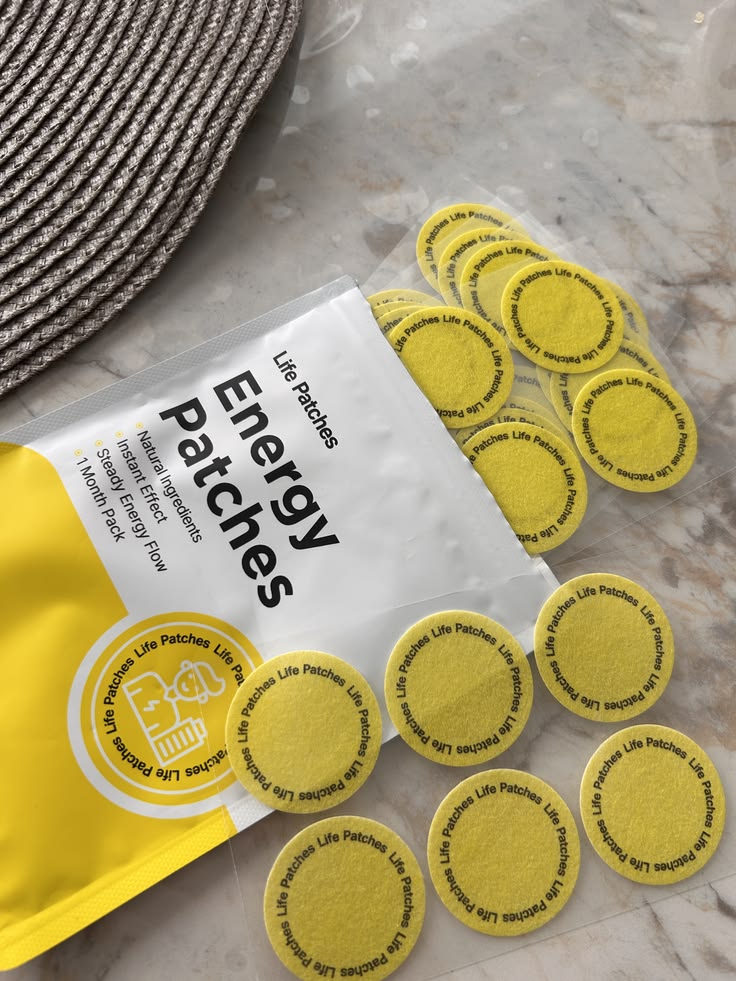
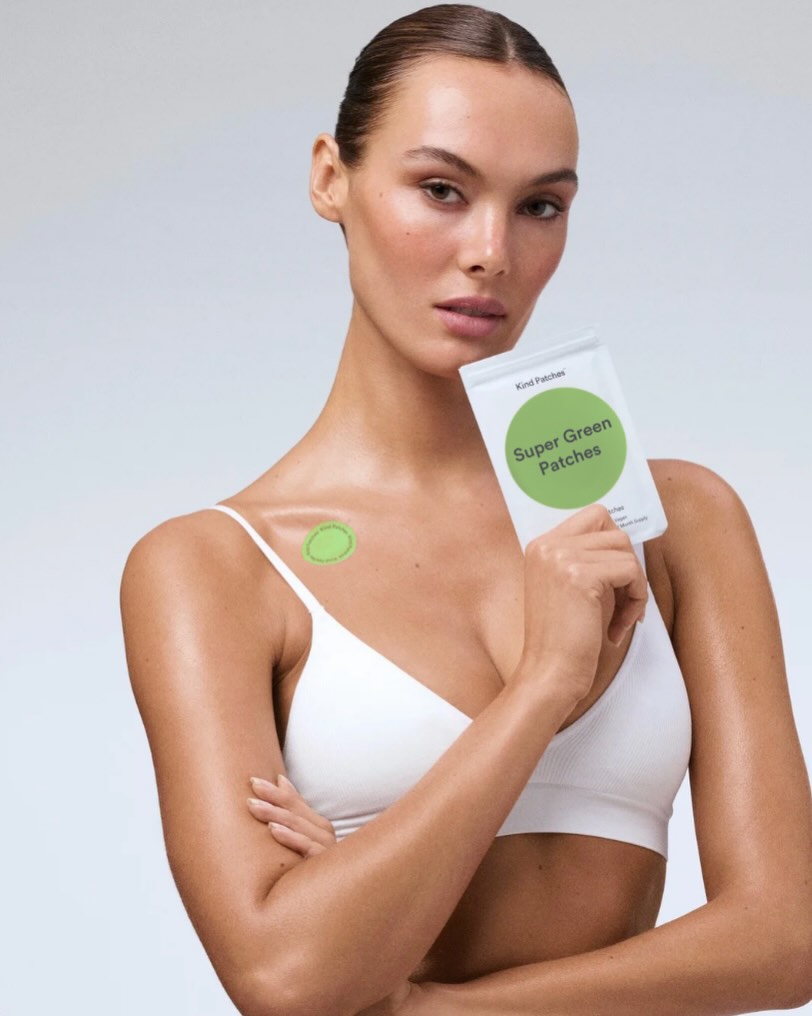
Photo: Courtesy of Life Patches, Courtesy of Kind Patches
Ear Seeds
Ear seeds are tiny vaccaria seeds, or gold and crystal beads, taped to specific points on the outer ear and pressed gently through the day. The practice grows out of Chinese acupressure, and the ear map used today also owes a lot to French neurologist Paul Nogier, who charted how different points on the ear relate to the body in the 1950s.
People wear ear seeds to relax, to sleep better or simply as part of a daily ritual, and the gold versions look like a delicate ear stack. A trained acupuncturist can place them the first time, and it is easy to keep the ritual going at home afterward.
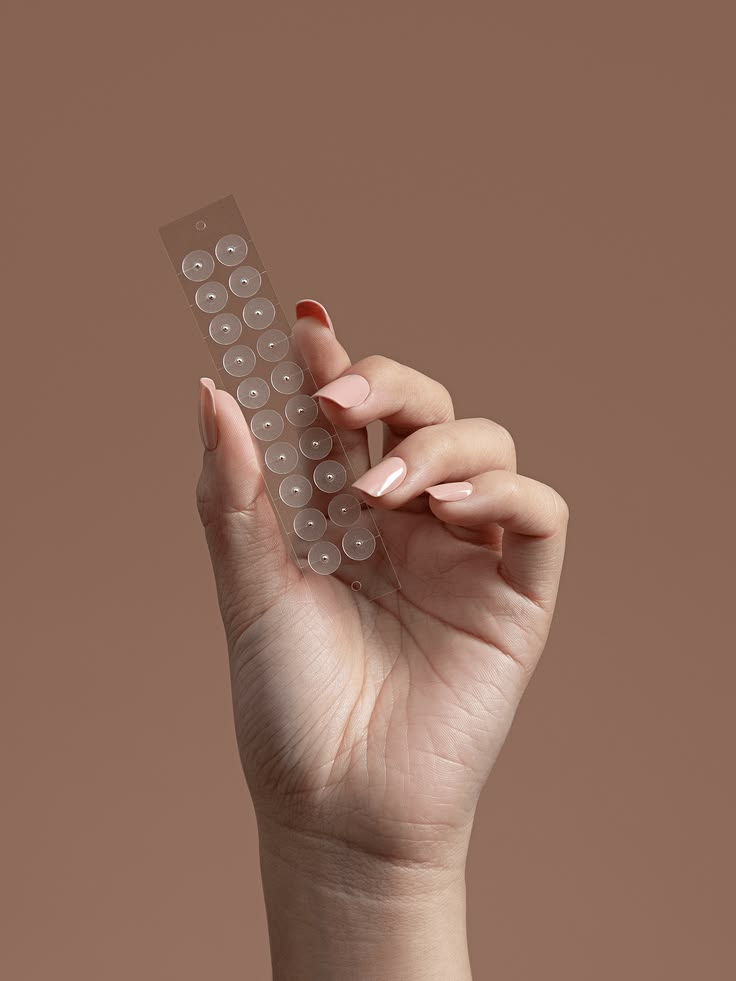
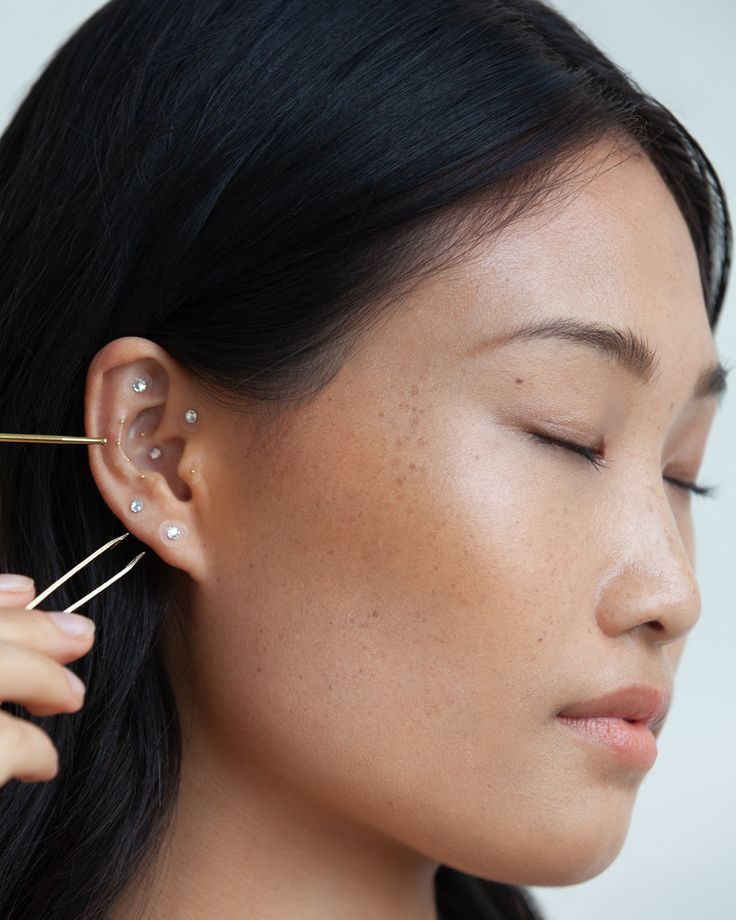
Photo: Pinterest, Courtesy of Auricle Seeds