The Sixties were the moment beauty stopped trying to look grown up. Youth was suddenly the whole point on the decade of Twiggy, Priscilla Presley, Brigitte Bardot, Jean Shrimpton and Diana Ross. The mood was playful, graphic and a little pop art, the kind of makeup that wanted to be noticed from across the room and had zero interest in looking effortless.
For anyone who grew up flipping through those photographs, the FOMO was very real. Six decades later, luck is finally on this generation’s side, because that face is back on the runways and all over beauty feeds, and the good news is that the 2026 version is much easier to live with, since nobody has to sleep in rollers or sit under a hood dryer. Here is the look decoded element by element, with the best tricks borrowed from the women who brought it back this decade, from Sienna Spiro and Sabrina Carpenter to Olivia Rodrigo.
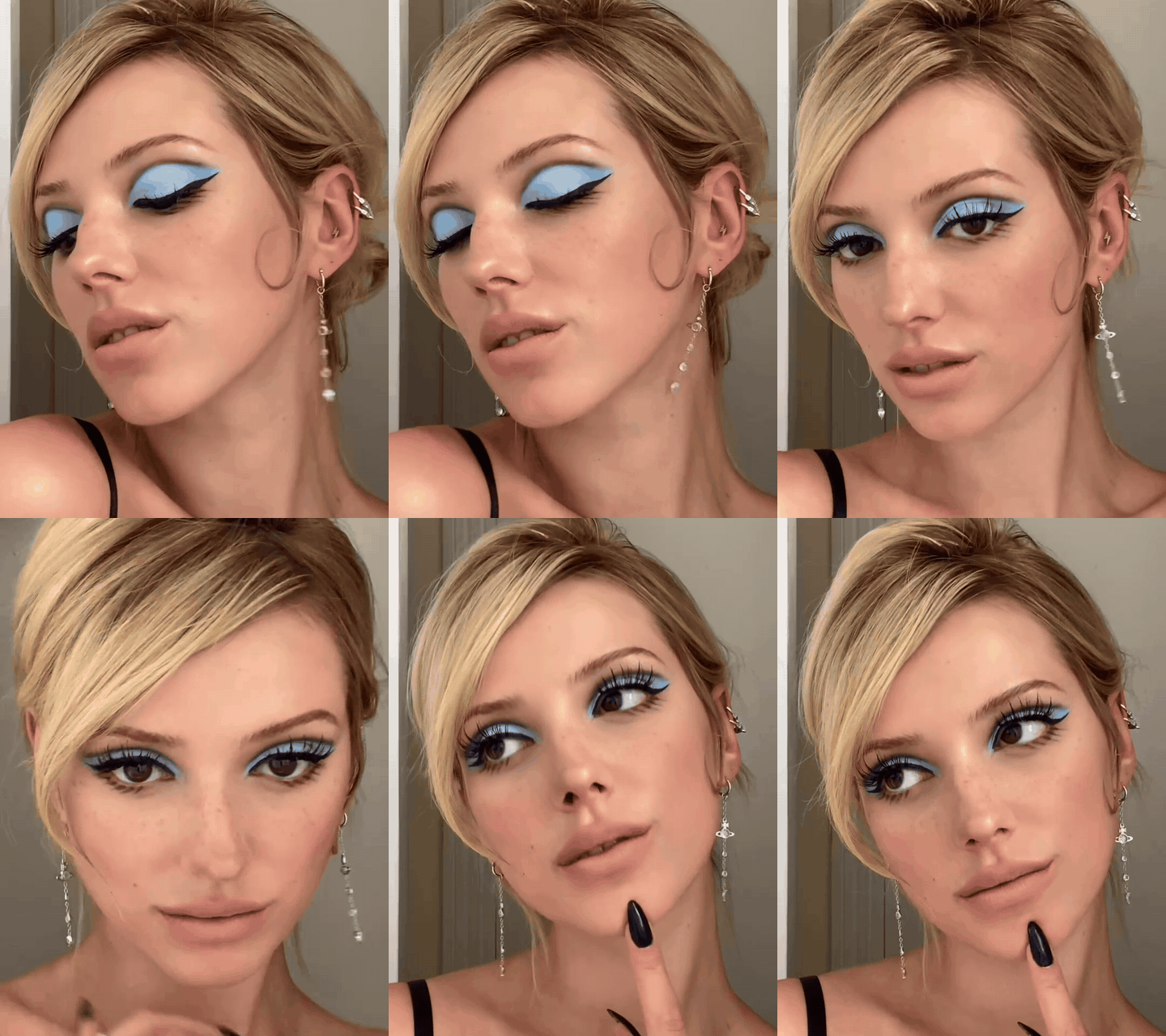
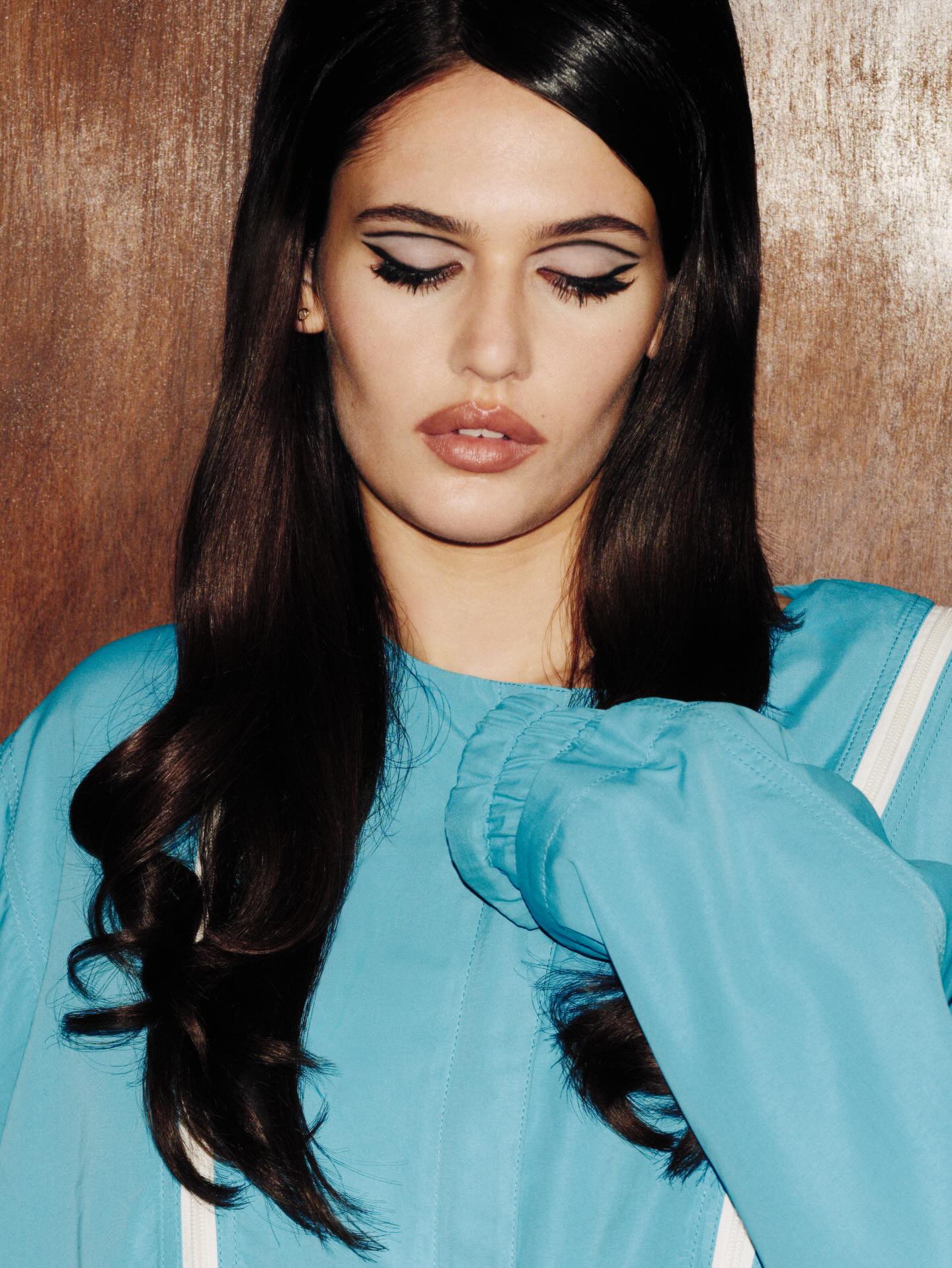
Photo: Danielle Marcan, Sienna Spiro for V Magazine
The Wings
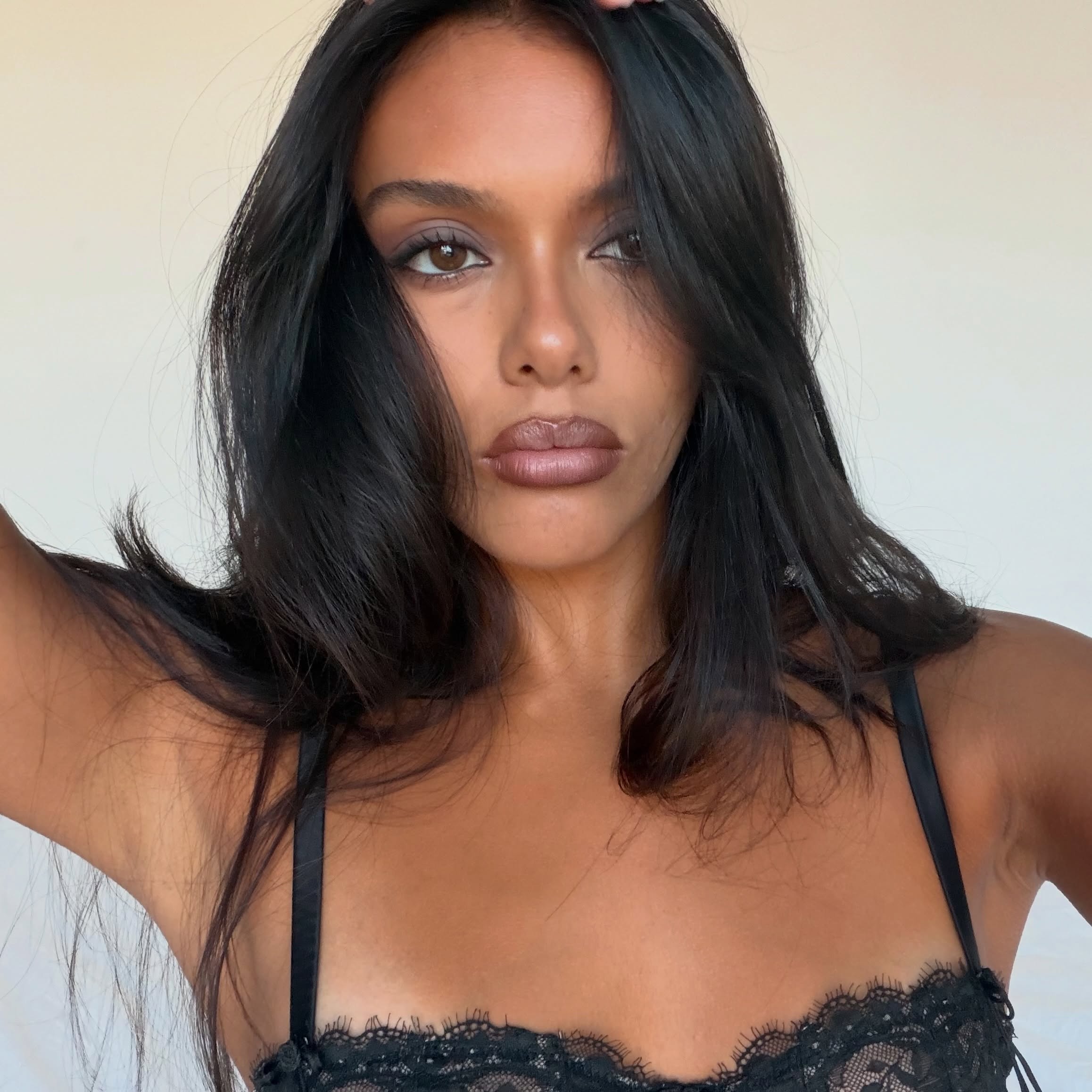
The Sixties wing is bold, black and deliberate. It hugs the upper lash line, thickens toward the outer corner and kicks out in a clean flick that makes the eye look longer and more open. The secret to making it look solid is what happens underneath, so start by tightlining the upper waterline with a waterproof pencil so no skin peeks through between the lashes and the line. Spiro does that with a waterproof Chanel pencil, then maps the shape with Charlotte Tilbury Feline Flick and goes over it again with Chanel liquid liner, a layering trick that gives the line depth and keeps it in place for hours.
The intensity is adjustable. Olivia Rodrigo’s makeup artist Melissa Hernandez draws her wing in brown, using Lancôme Drama Liqui-Pencil in French Chocolate, and the result keeps the graphic shape while losing the harshness of jet black.
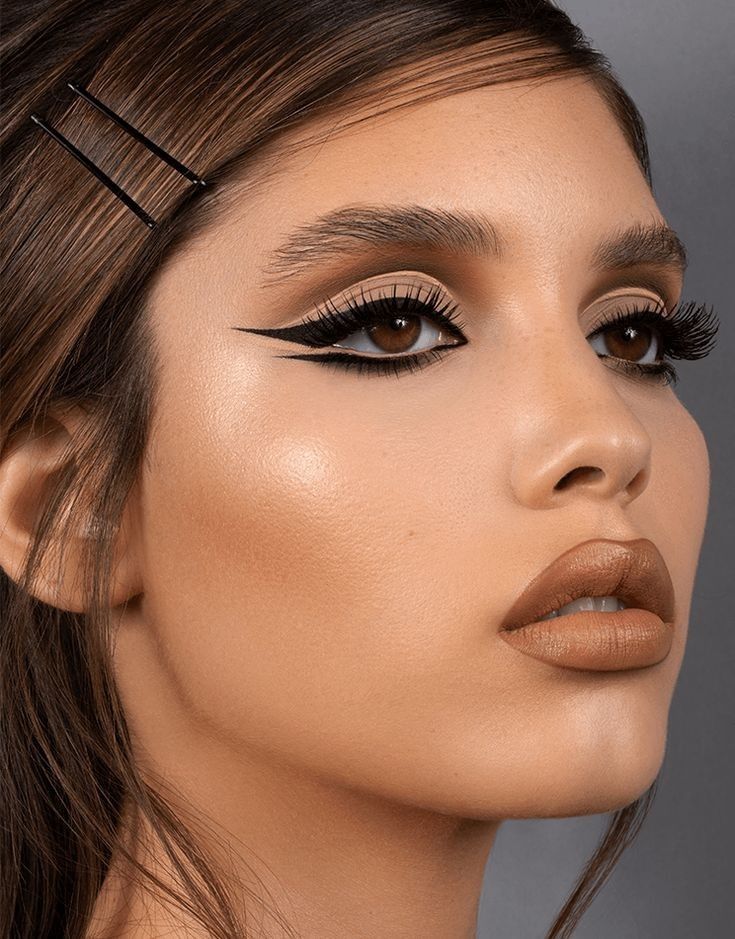
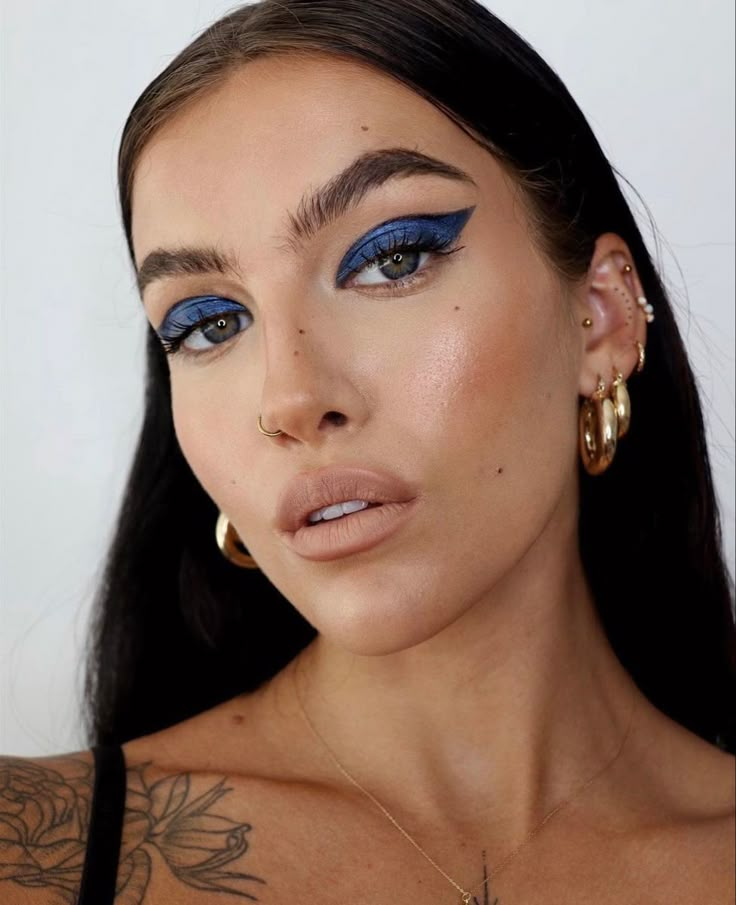
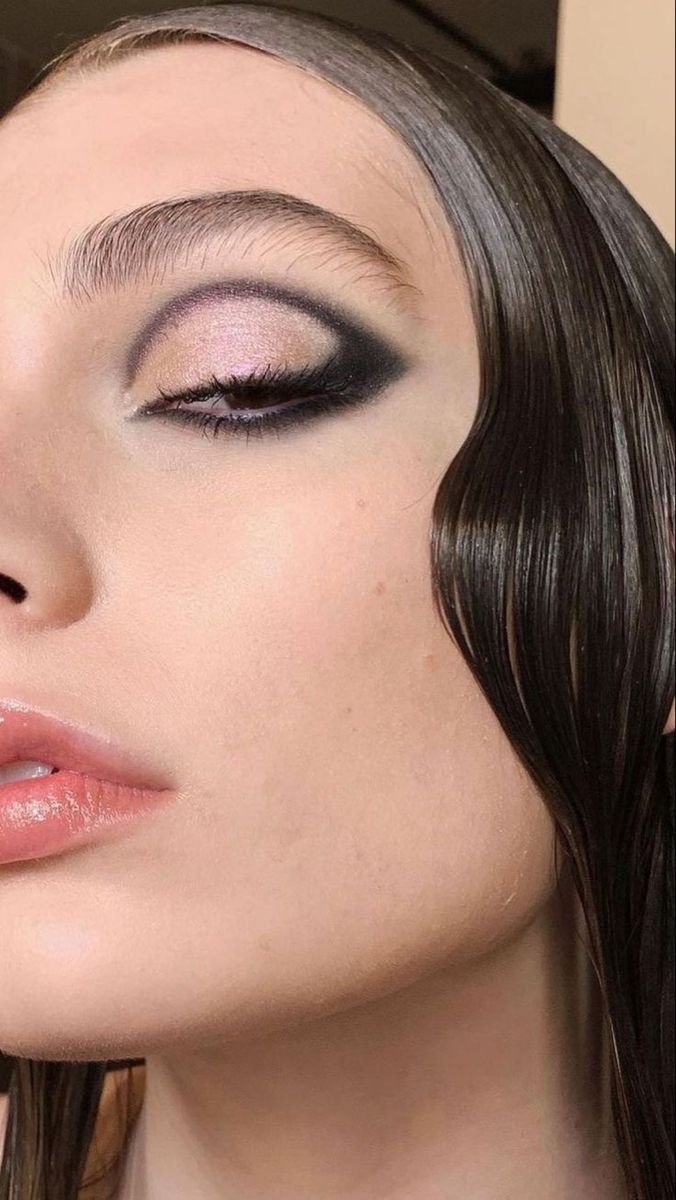
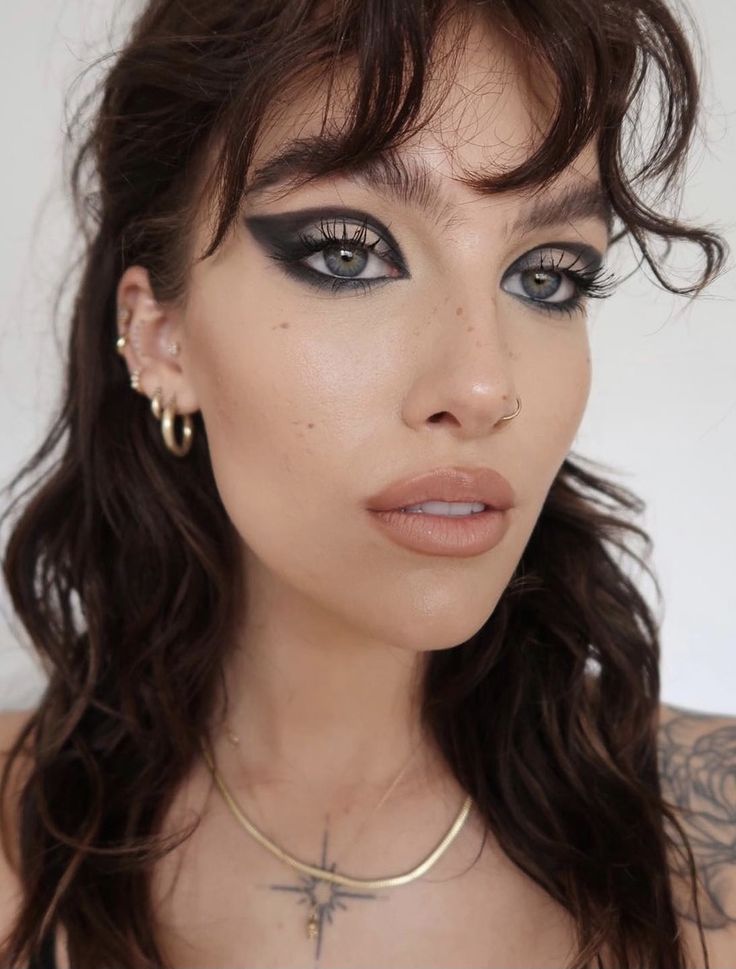
Photo: Courtesy of Natasha Denona, Sophie Floyd, David Razzano, Sophie Floyd
The Cut Crease
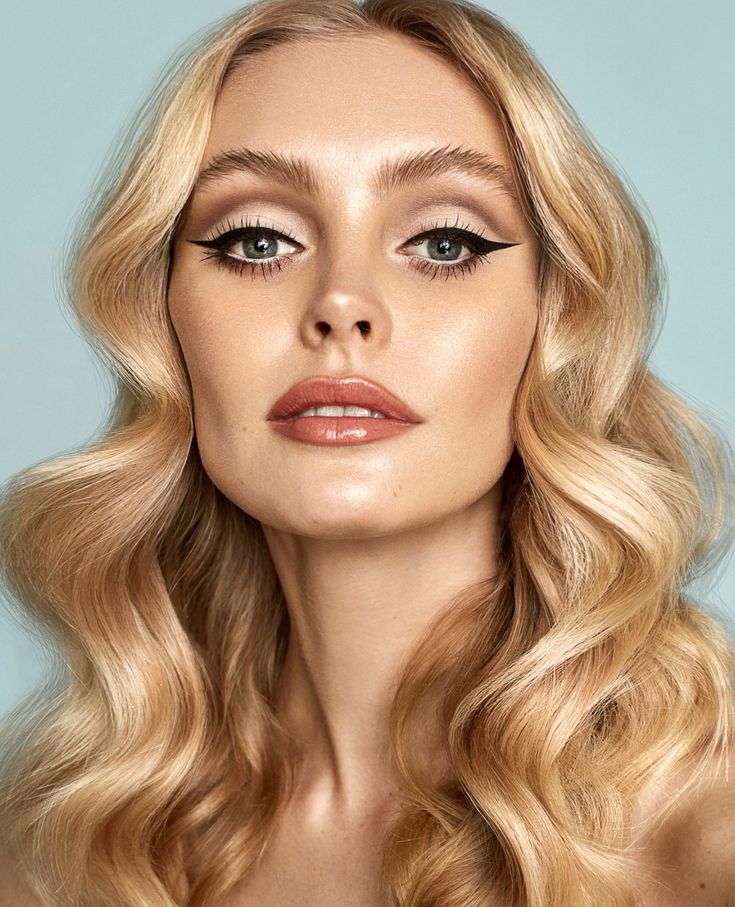
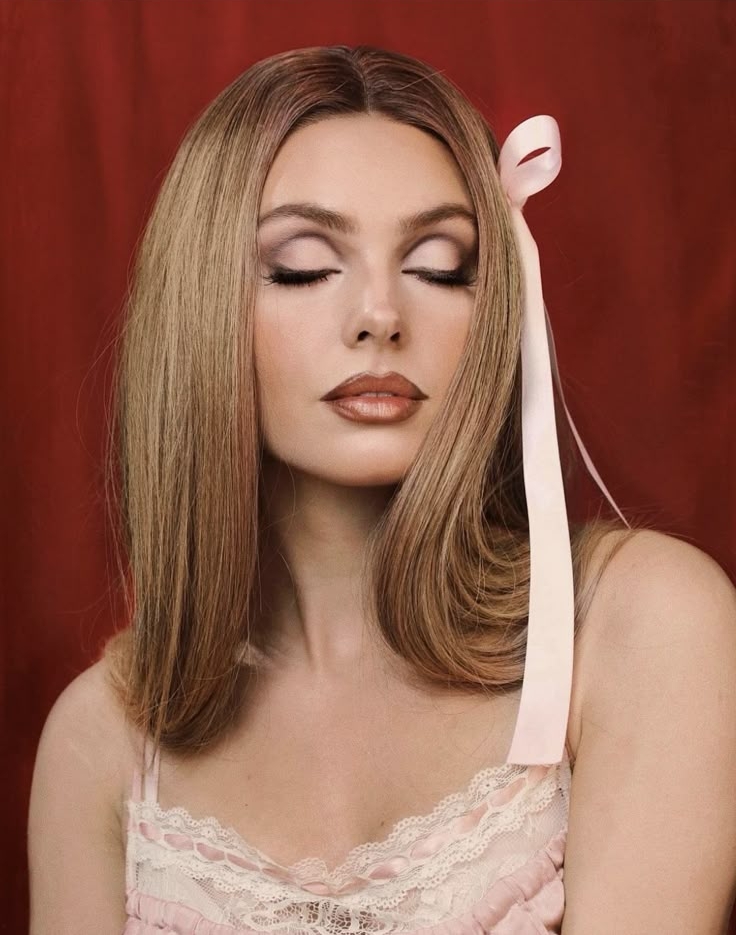
If the wing is the headline of Sixties eye makeup, the crease line is the plot. Twiggy made the drawn socket line famous, and paired with a pale lid it creates the decade’s wide, slightly startled gaze. This is also the cleanest break with the foxy and siren eyes that have ruled beauty feeds for years. Those looks drag everything up and out toward the temples to stretch the eye into a long, narrow almond, while the Sixties wanted the exact opposite: open, round, doll eyes that look straight at the camera.
Content: Sarah Brown, Jackie Wyers
The technique is simpler than it looks. Map the line just above your crease with a black or deep brown powder liner, soften the top edge with a small brush and keep the lid underneath light, which is the method Charlotte Tilbury teaches in its Sixties tutorial. A cotton bud dipped in micellar water cleans up the edge for a sharper cut. Hooded lids can float the line a little higher so it stays visible with the eyes open.
The Lashes
Lashes on both lash lines are the detail that makes people say Sixties before they can explain why. On top, the goal is length and separation, with strip lashes or clusters that look like a row of individual spikes rather than one fluffy fringe. Underneath, the lower lashes get their own attention, either painted on with a fine liquid liner in short downward strokes or built with small clusters placed along the lash line.
Placement makes all the difference here. Spiro uses clusters in two lengths, 16mm through the center and 18mm at the outer corners, which stretches the eye outward instead of just making it heavier. Sabrina Carpenter’s makeup artist Carolina Gonzalez leans toward wispy, Twiggy style lashes that feel airy even when they are dramatic. If you like a little chaos, pinch wet mascara into small spikes with clean tweezers for the spider lash version that keeps resurfacing on TikTok.
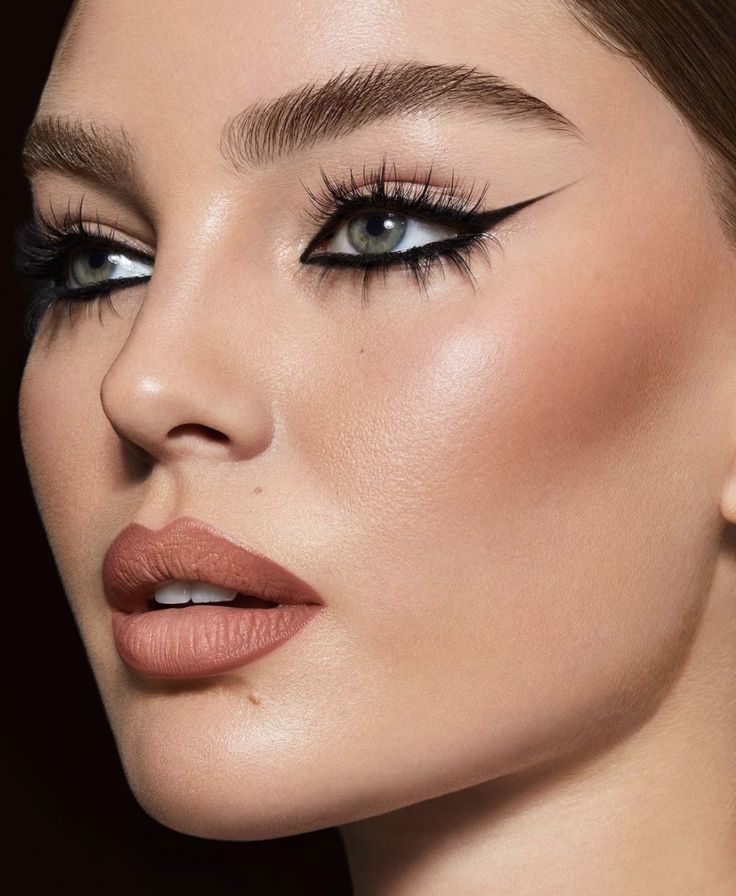
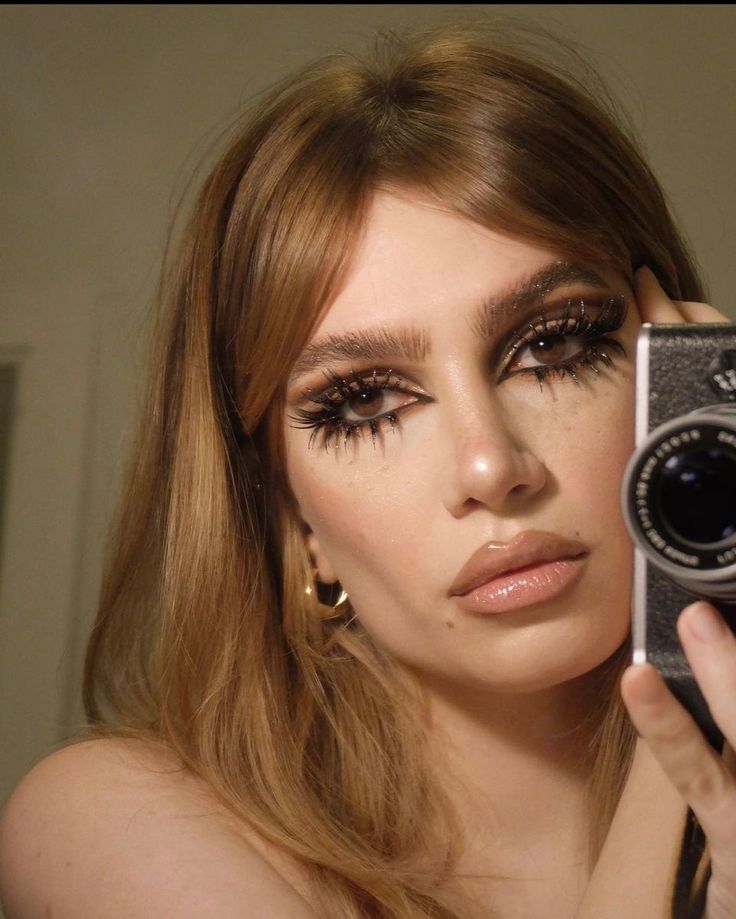
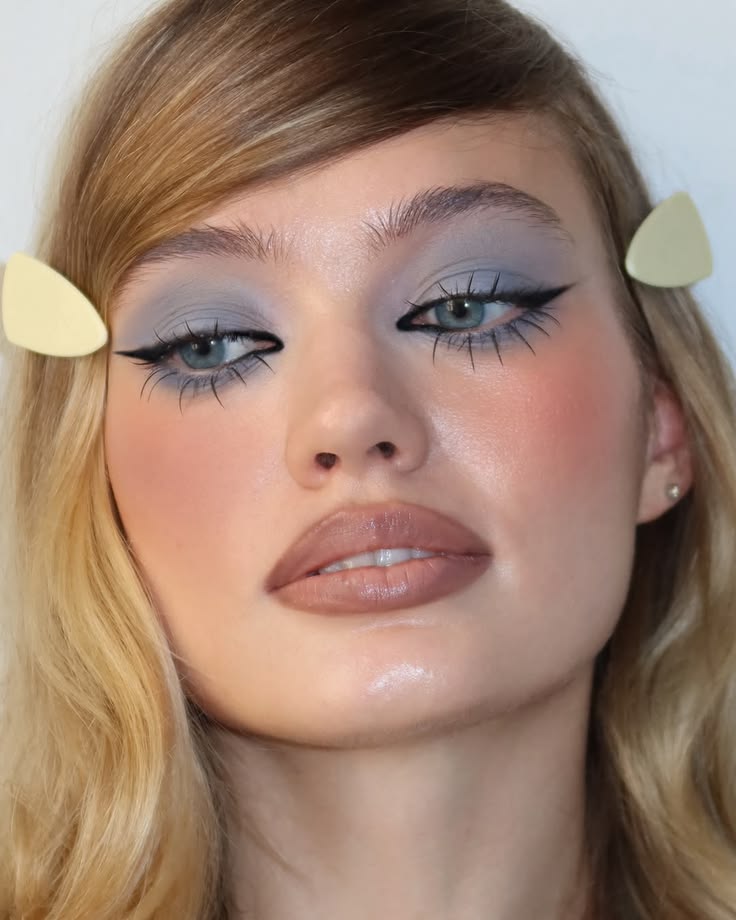
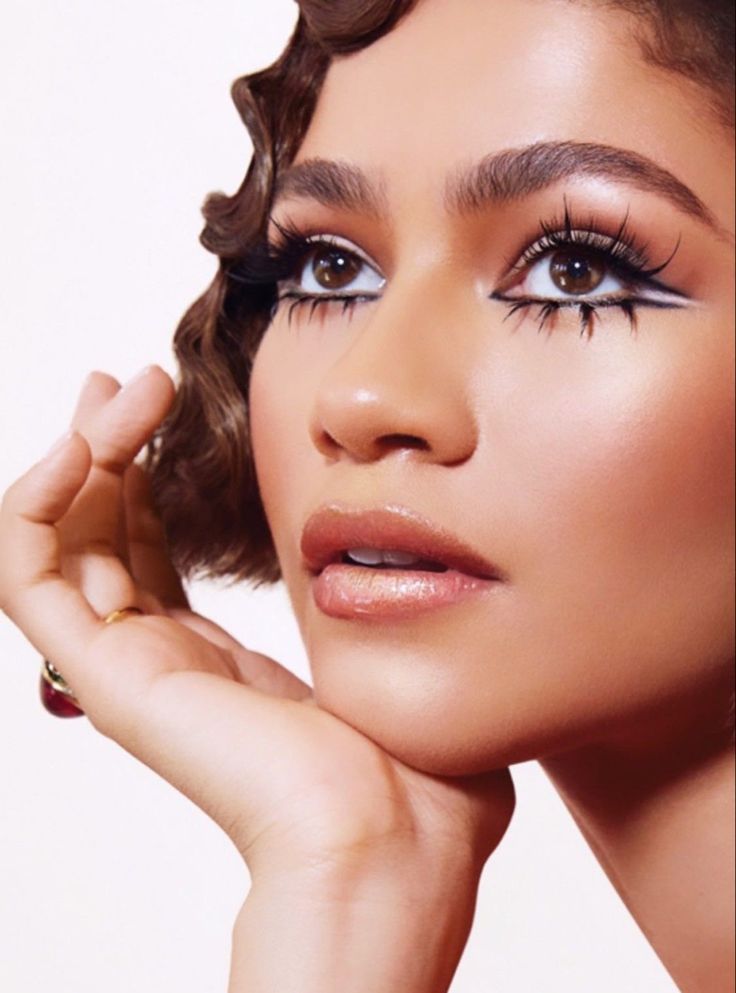
Photo: Pinterest, Marina, Chadova Dasha, Zendaya for InStyle
The White Waterline
This is the cheapest trick in the whole look and quite possibly the most effective. A white pencil along the lower waterline makes the eye look bigger and brighter by blurring where the eye ends, which is exactly why the Sixties loved it. Spiro uses one from Make Up For Ever and credits the idea to Twiggy. If white feels too stark, a nude pencil opens the eye in the same way with far less contrast, and it pairs especially well with painted lower lashes.
For extra width, try the double wing. Draw the classic flick on the upper lash line, then a second, thinner wing along the lower lash line, and instead of joining them at the outer corner into a closed triangle, let them run parallel with a sliver of white pencil between them. That gap of negative space makes the eye look more awake and stretches it outward, and it echoes the Sixties habit of treating the lower lash line as a drawing of its own.
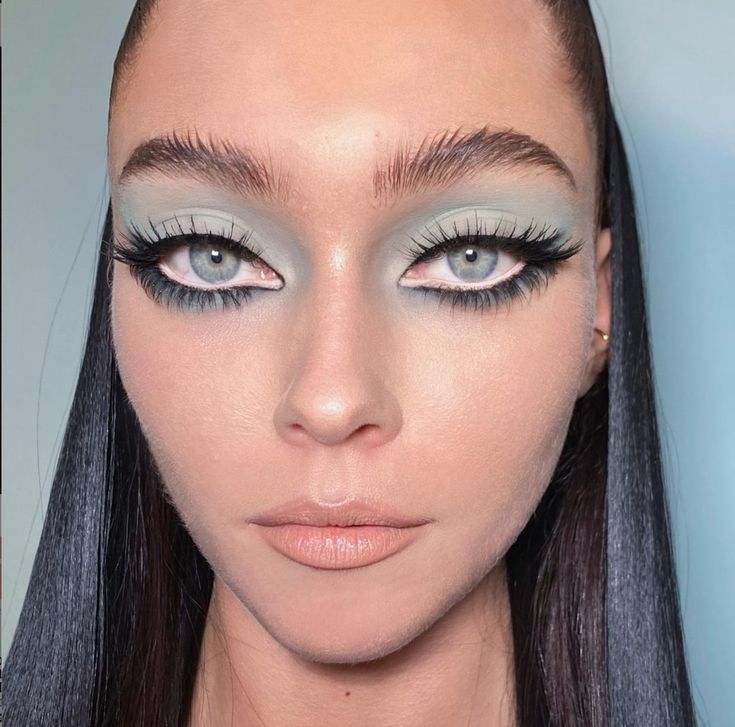
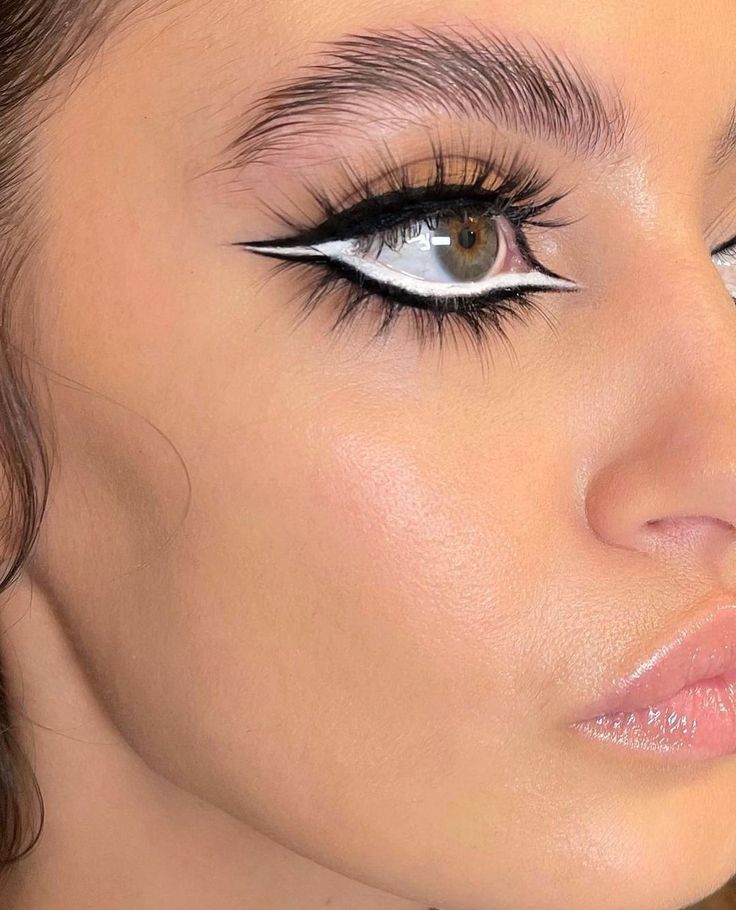
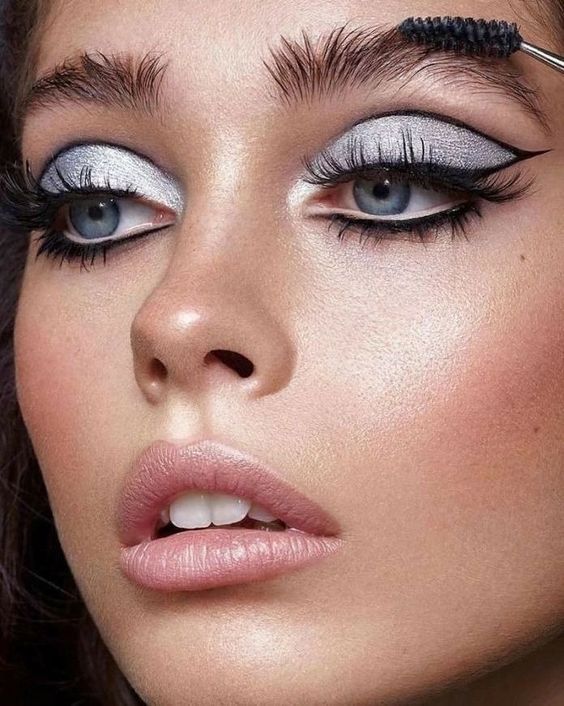
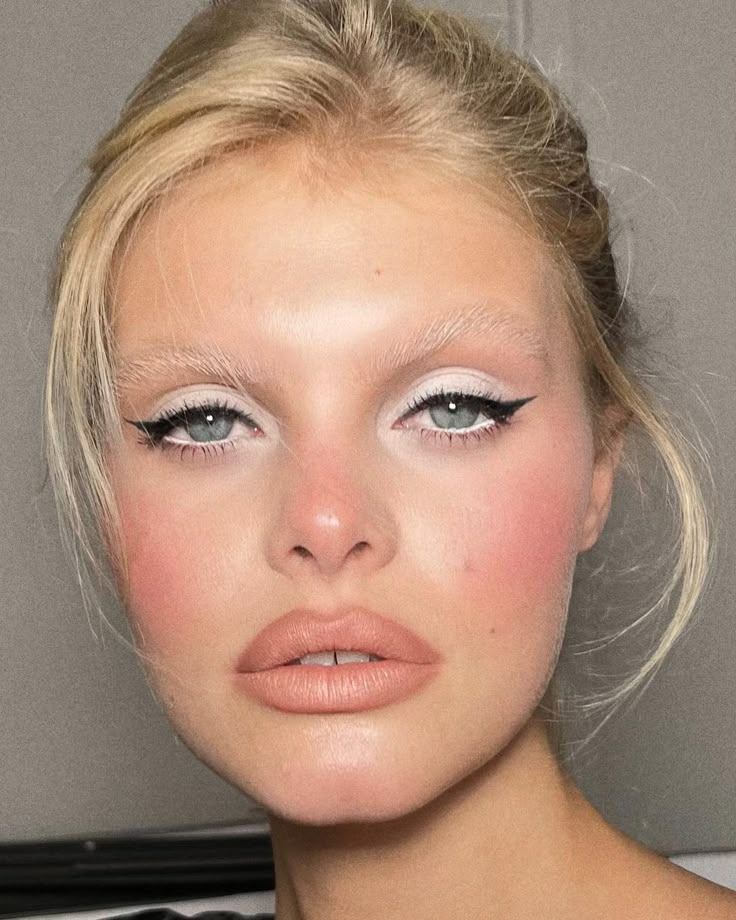
Photo: Nikki_Makeup, Pinterest, Vivi’s Makeup, Helen Rose
The Blue Lid
Blue is the color of the decade, from soft powder and baby blue to bright turquoise. The original version was often opaque and frosty, swept across the whole lid up to the crease line, which is gorgeous in photographs and a little costume in daylight. For a 2026 read, think of blue as a wash rather than a block, with a sheer layer pressed onto the lid and blended softly toward the brow bone.
Gonzalez has the best formula for it: a crystal blue shadow fanned up toward the brows, paired with fluttery lashes and plenty of blush, so the color reads fresh instead of retro. Black liner and a dark crease line keep the blue grounded, and a frosty pastel finish nods to the Sixties more than any matte shade could.
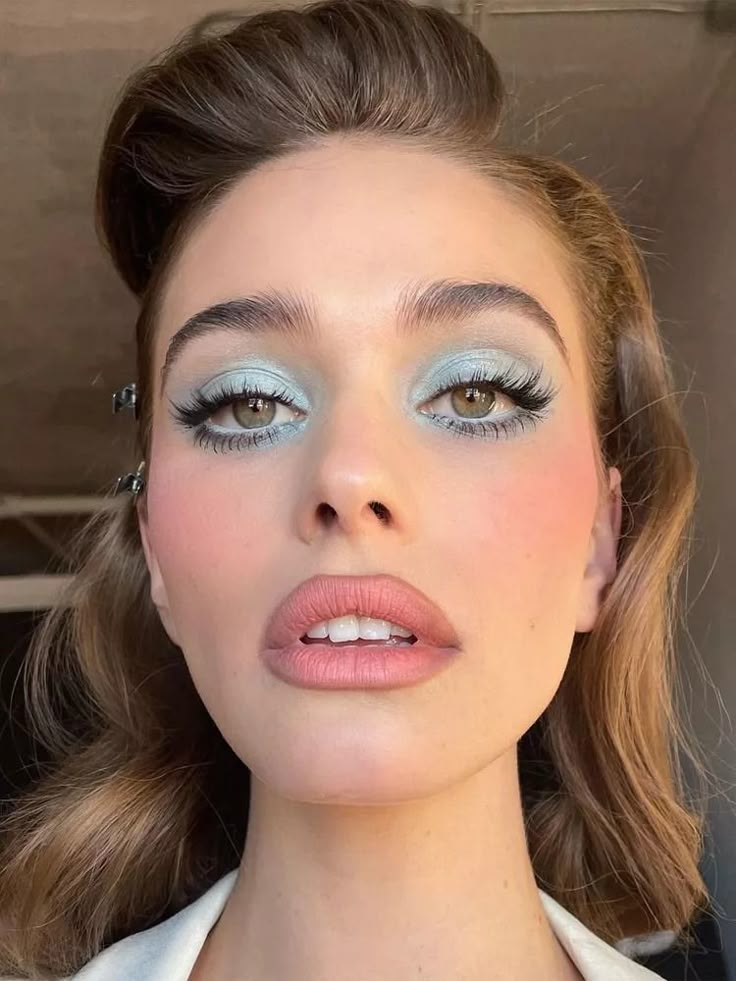
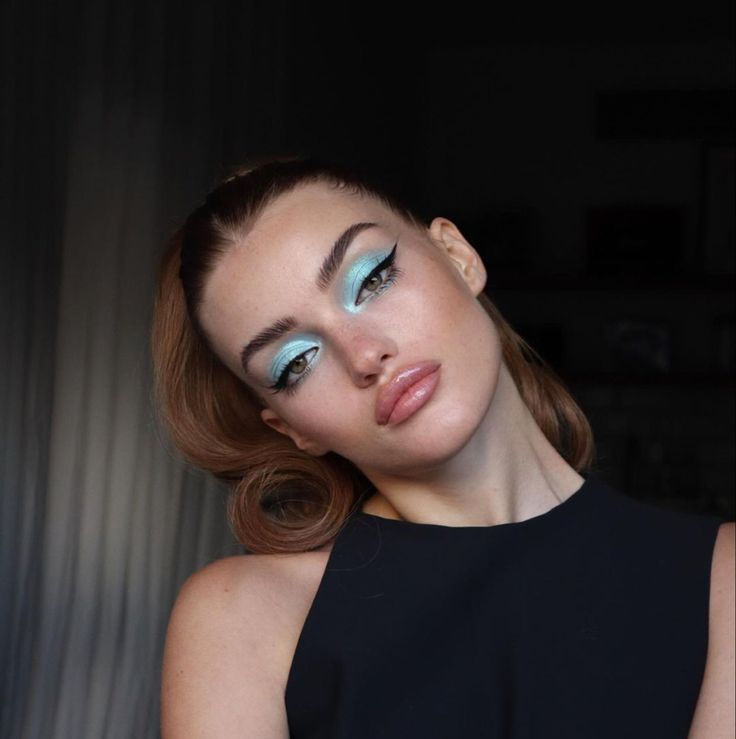
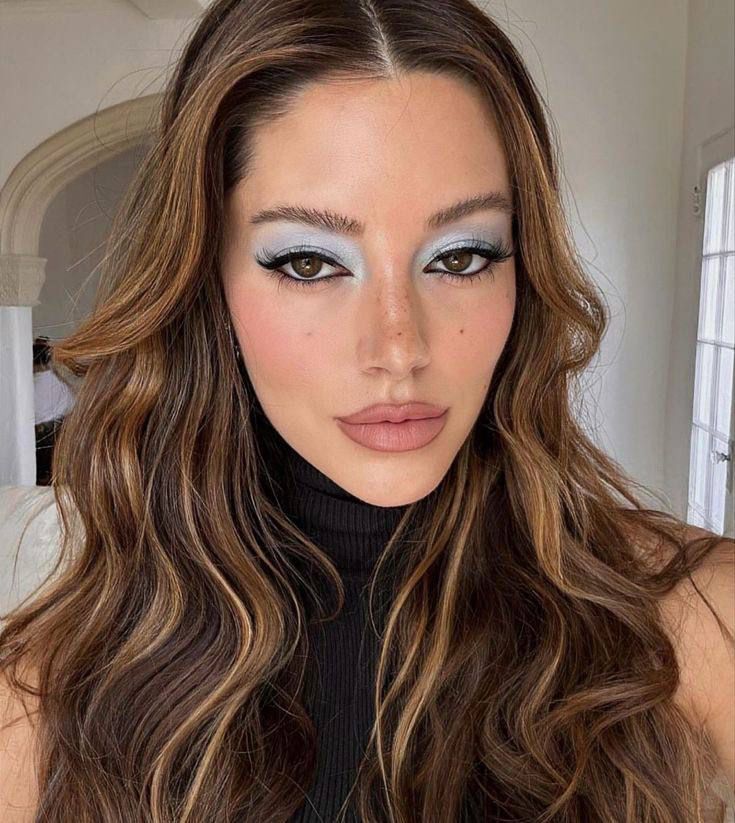
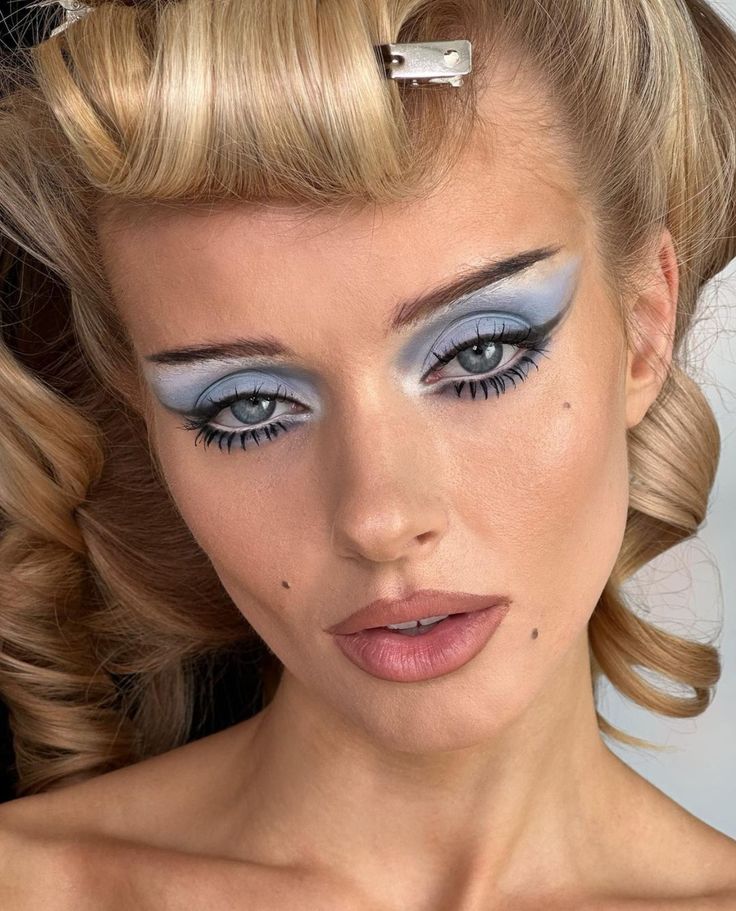
Photo: David Razzano, Ortal Elimeleh, Pinterest, Nency Makeup
The Skin
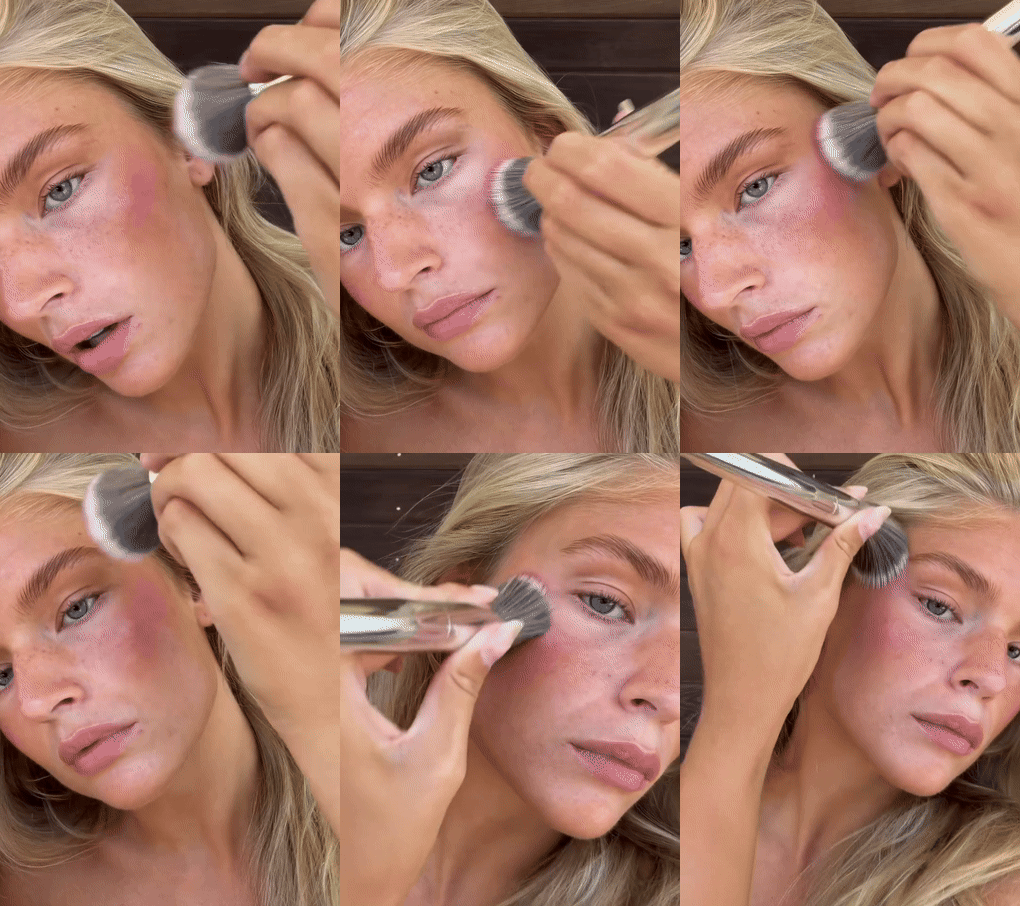
This is where the modern version quietly wins. The original Sixties face relied on matte skin and thick powders, and a fully matte base under graphic liner is the fastest route to costume. Today the skin stays luminous and lived in, with light coverage, a little glow on the high points and blush you can actually see. Gonzalez builds Carpenter’s famous flush in thin layers, starting sheer and adding more until the cheeks look naturally warm, and that softness is what lets a strong eye feel current. Makeup artist Sofia Tilbury describes the goal as “tension between the dramatic and refined,” and that tension is exactly what keeps a graphic eye wearable.
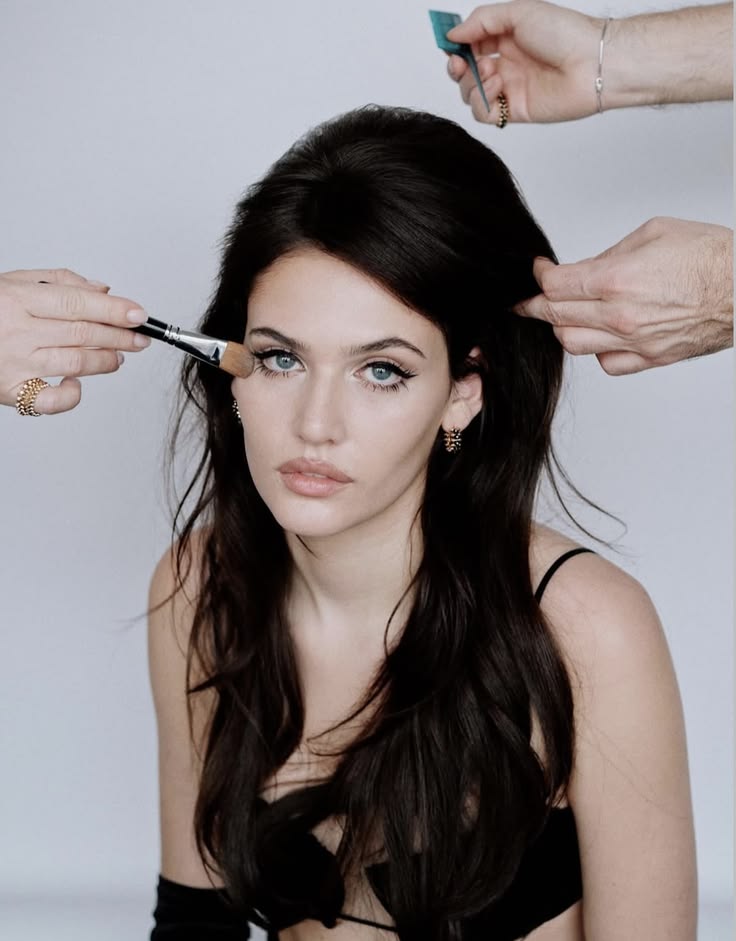
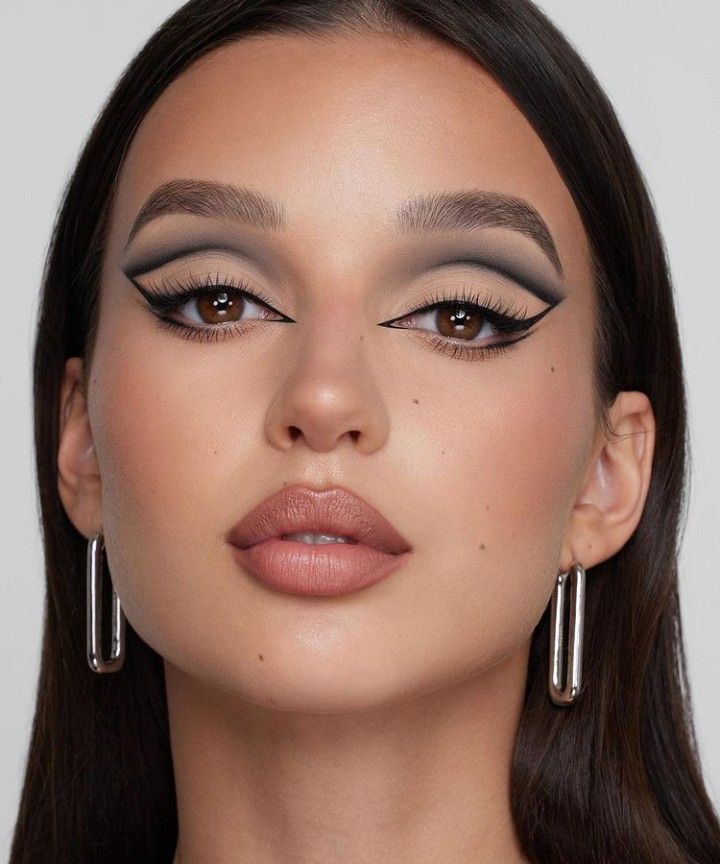
Photo: Sienna Spiro, Hindash
The Crown
Crown volume is the hair half of the story, whether it takes the shape of a towering beehive or a softer, rounded bouffant. The classic method has barely changed: curl the hair, backcomb the crown in small sections to build a firm base, smooth the top layer over it and pin it in place with strong hold spray. Spiro is the current queen of height and calls her hair her “armour,” which is a pretty good description of what a proper beehive feels like.
The modern shortcut is to fake the height with prep instead of teasing. Carpenter’s hairstylist Evanie Frausto sprays a root lifter from the roots through the mid lengths, blow dries, sets the hair in rollers and lets it cool completely before brushing it out, which builds volume that lasts without the rat’s nest underneath. For everyday wear, a few extra centimeters at the crown are enough to suggest the shape. Zendaya’s hairstylist Ursula Stephen has an even simpler cheat, placing a full, high bun right at the crown so the silhouette reads Sixties without any backcombing at all.
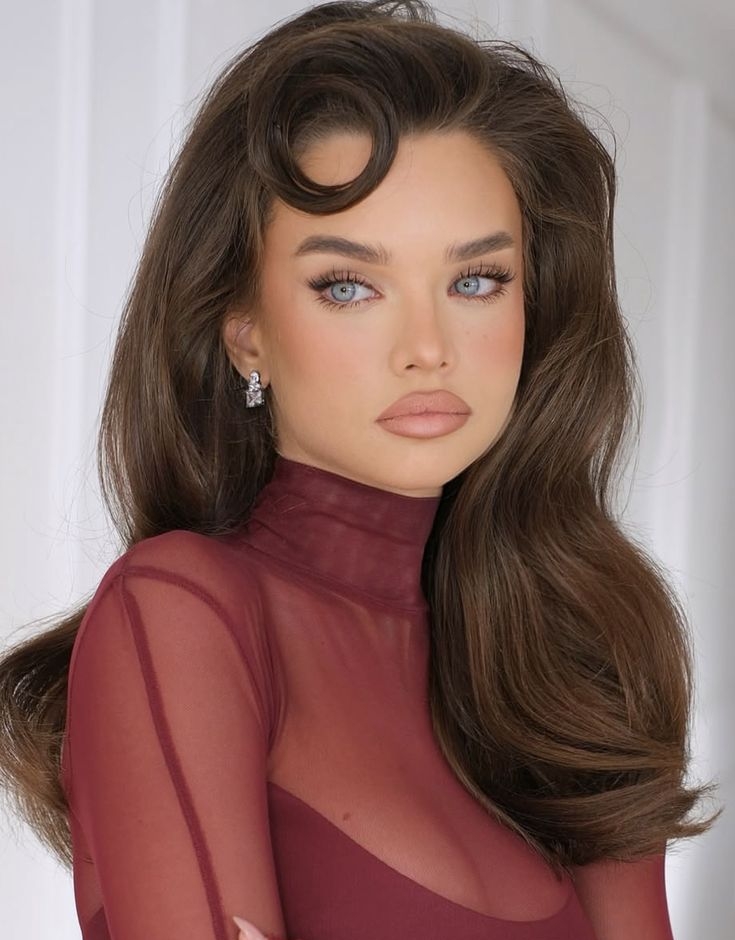
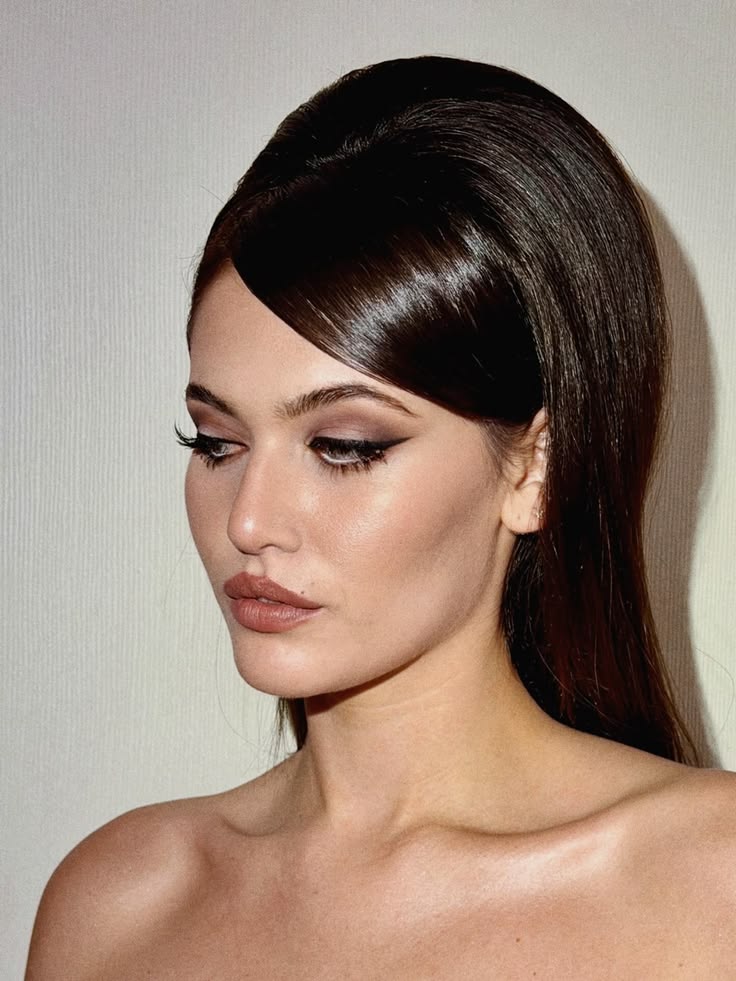
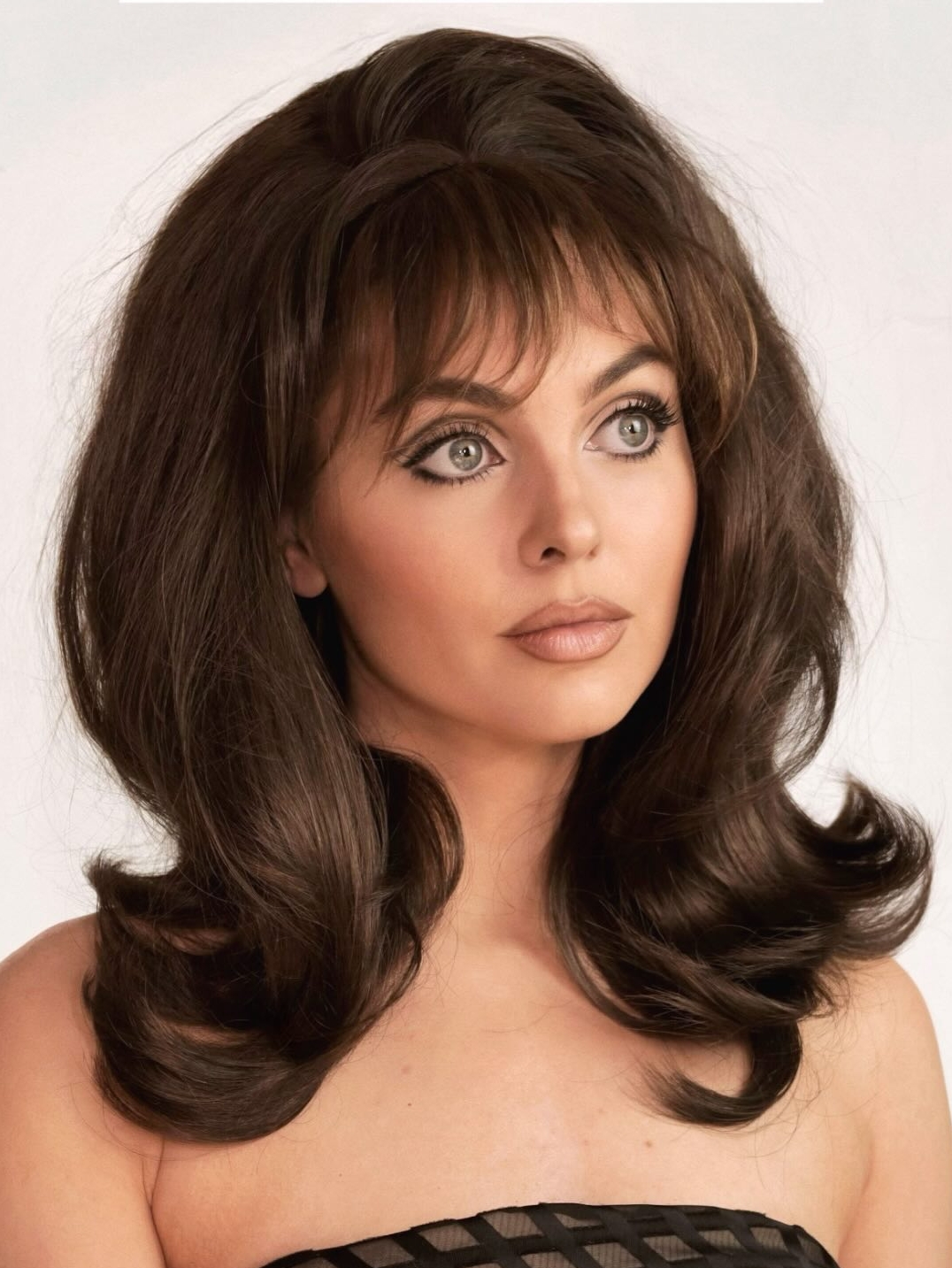
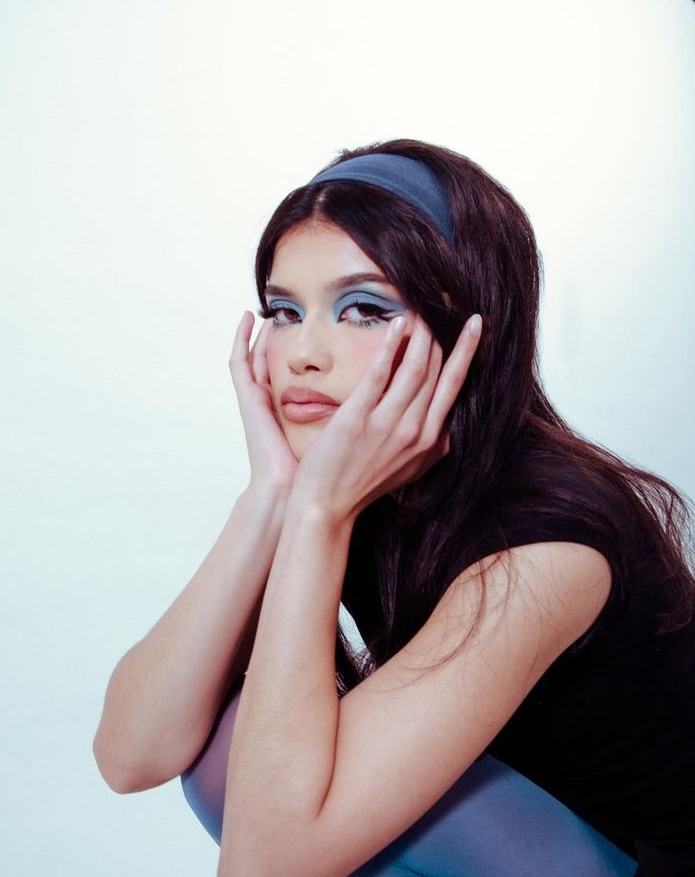
Photo: Ortal Azizada, Sienna Spiro, Jackie Wyers, Cecilia Duran
The Fringe and the Side Part
Fringe is the Brigitte Bardot chapter of the look: soft, slightly grown out bangs that brush the lashes and frame those big doll eyes. The trick to getting that bounce is patience. Frausto sets Carpenter’s bangs in a medium roller and leaves them there for hours before styling the rest of her hair, and parting them at the center turns them into a softer curtain when the full fringe feels like too much.
The other option skips bangs altogether, and it is Spiro’s deep side part with a section swooping across the forehead. It is the easiest entry point of all, since a side part, a round brush and a little volume at the root get you most of the way there, and the runways have been leaning into deep side parts all season.
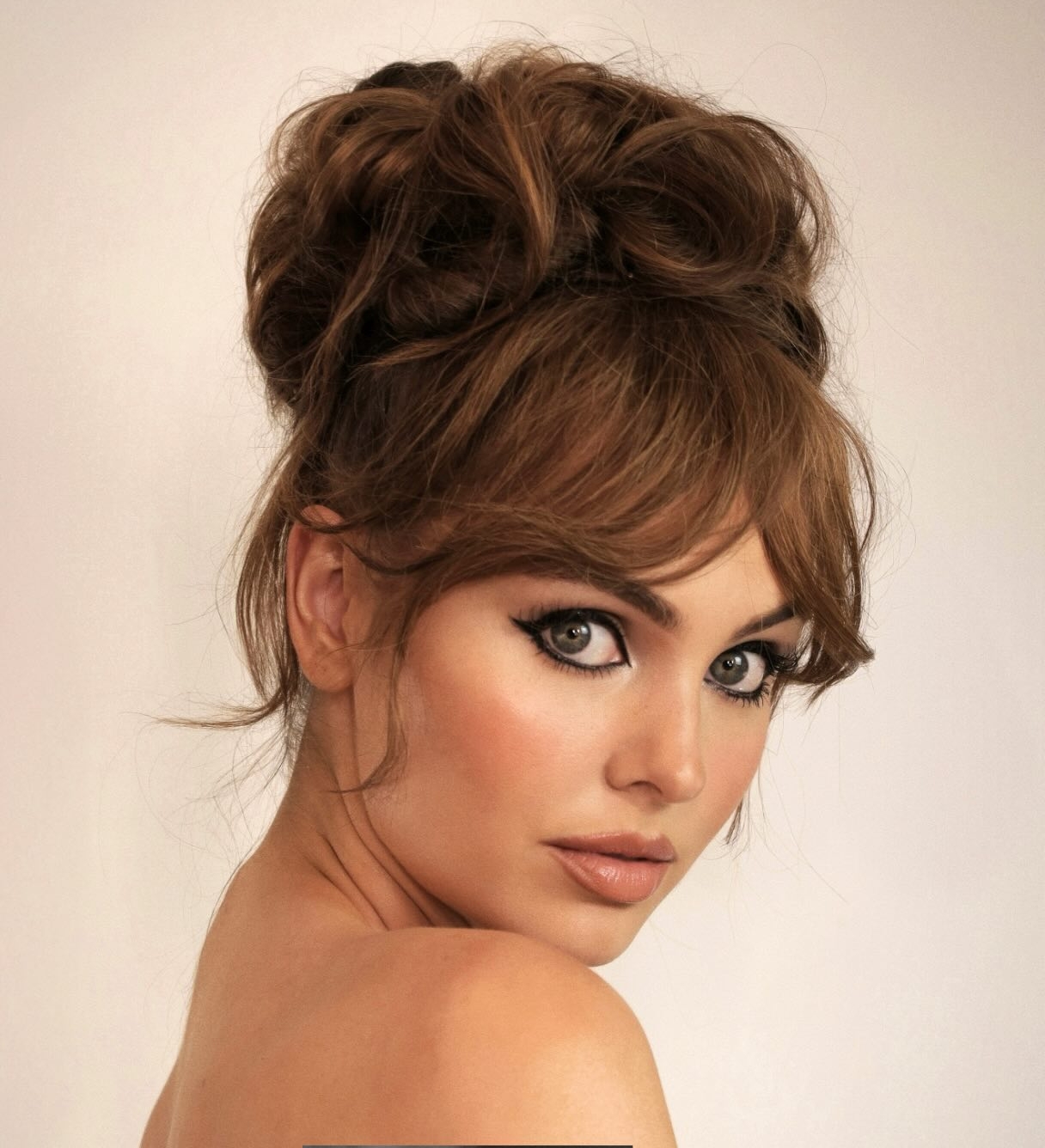
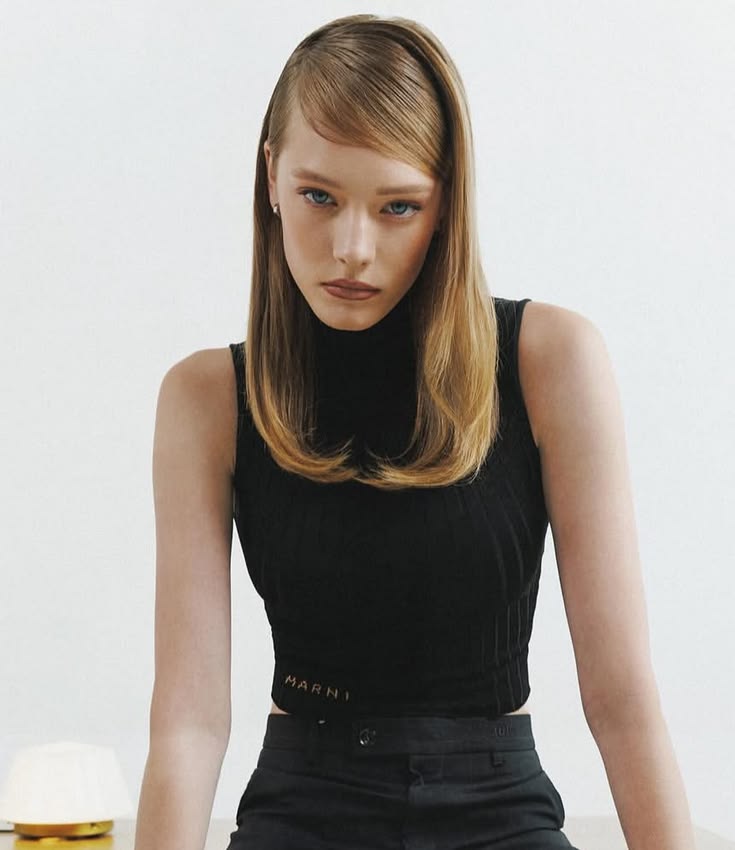
Photo: Jackie Wyers, Pinterest