You love your partner. You tell them so, probably every day, in a dozen small, ordinary ways. So why does putting that same love into a few written sentences suddenly feel so hard? The internet has no shortage of vow templates, but templates rarely sound like you, and the vow exchange is, without question, one of the most important parts of the whole wedding day. Writing your own vows is deeply touching, but it’s also a real undertaking. There’s pressure to authentically capture your love, your hopes, your promises, all inside just a few sentences. Here’s how to actually get there.
Photo: Courtesy of Aniella Batten, MADISON MCGLINN
Keep It Short
If you’re reading your vows during the ceremony, aim for two minutes, max. Anything longer, and nerves tend to take over. You don’t need to write chapter and verse. Most people should aim for around a minute, though half that length works fine too if that’s what feels right. If you’re doing private vows, just the two of you, you have a little more room to stretch. Whatever length you land on, if you’re keeping your vows secret from each other beforehand, it’s still worth agreeing on a rough structure together so neither of you ends up wildly mismatched in tone or length on the day.
How to Start
A strong opening line can carry the rest of the vow. Something like “The first time I saw you, I…” gives you a natural way in, a chance to talk about the exact moment you realized you were falling in love, the small detail you noticed, the feeling you couldn’t quite name yet, or the moment it clicked that this person was different from everyone else. Starting with a specific memory instead of a general statement pulls your guests into the story right away and gives you something concrete to build on, instead of staring at a blank page trying to sum up years of feeling in one opening line.
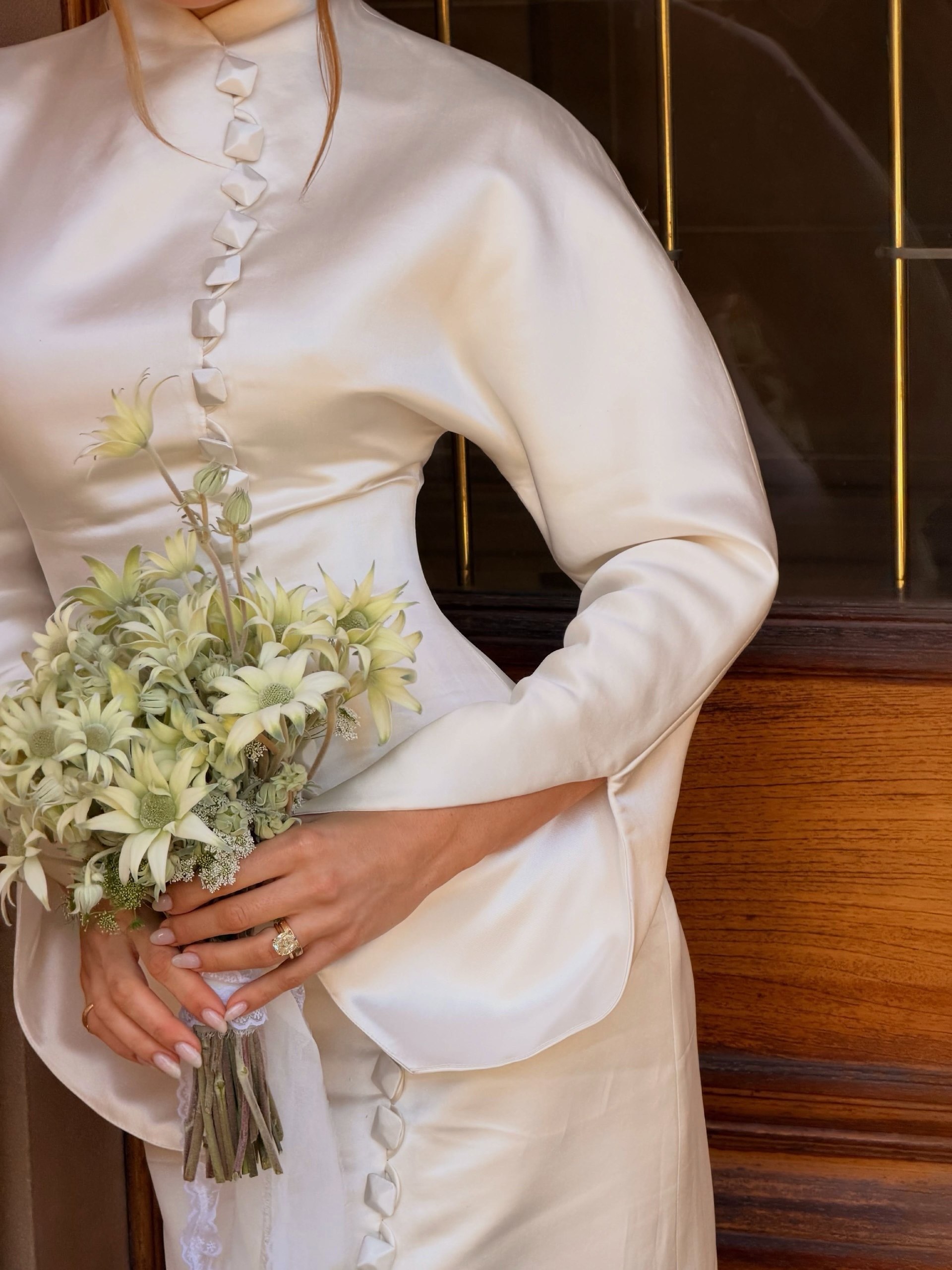
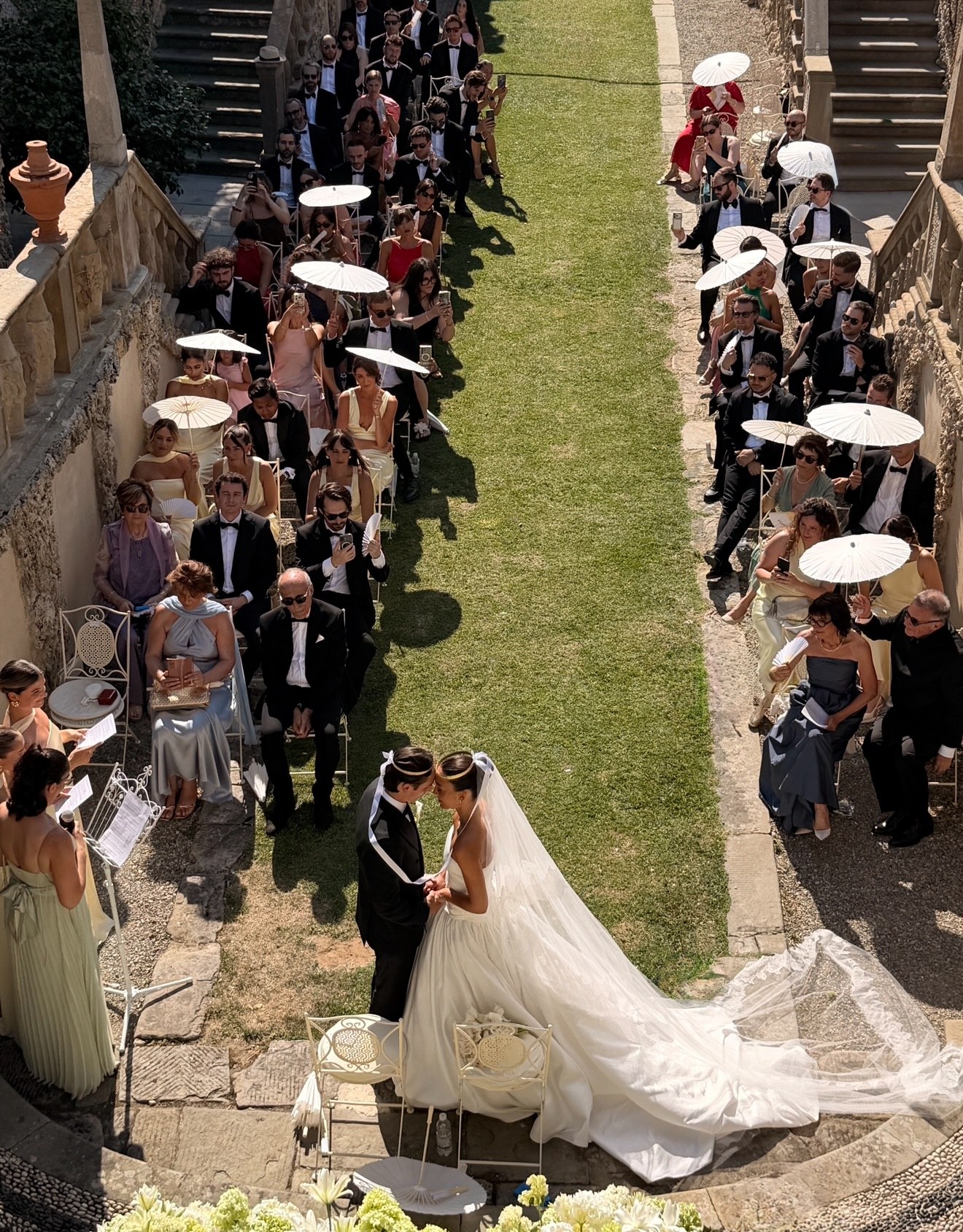
Photo: Courtesy of MADISON MCGLINN, Modern Day Romance
Keep It Personal
Share a specific story about your relationship, one that shows your love rather than just states it. A short, specific memory will land with your guests far better than a general statement ever could. Reflect on how your partner makes you feel, what they’ve added to your life, what you love doing together, how you plan to support them, and what you hope for together going forward.
Say What You Love About Them
Name the specific traits you admire, the qualities in your partner and in your relationship that you genuinely appreciate. Specificity is what makes a vow sound like it was written for this one person, not anyone else.
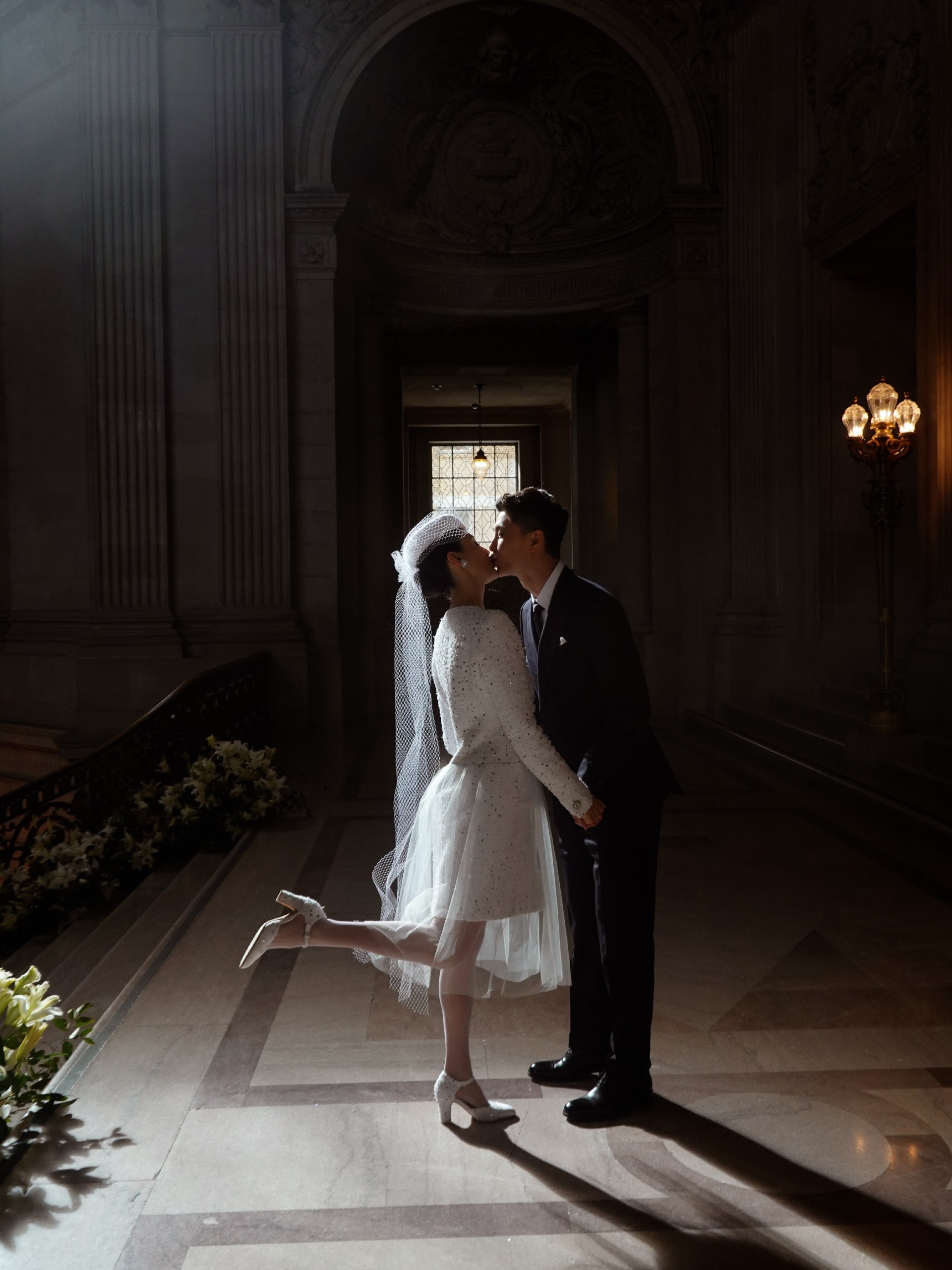
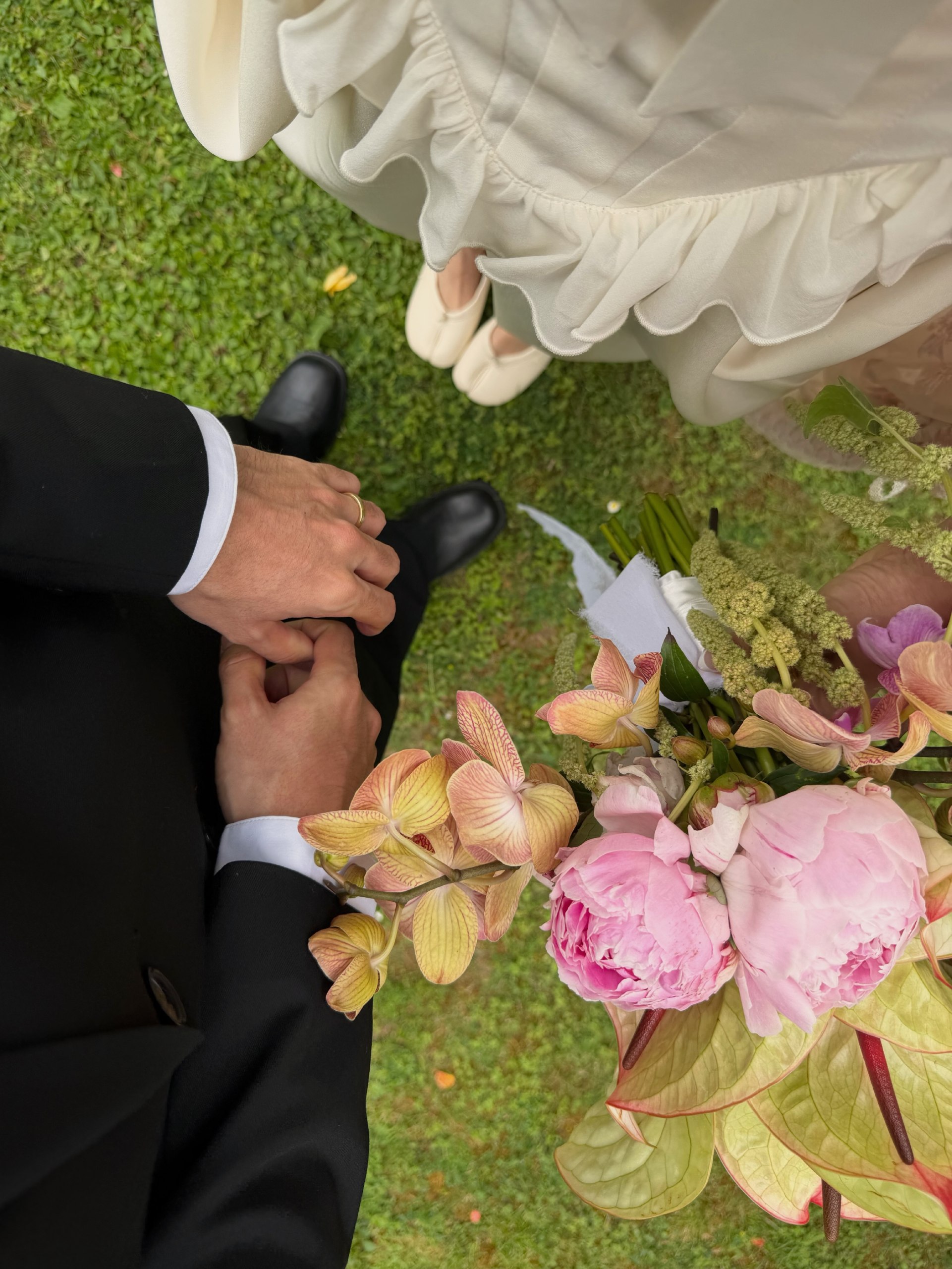
Photo: Courtesy of Follow The Bride, Courtesy of Tessa
Make Your Promises
Promises are what actually make vows vows. Stick to your own language, and be honest about what genuinely matters to you, whether that’s building a family, supporting your partner’s goals, or simply showing up for them every day. Aim for three to six promises, and don’t be afraid to vary the tone between sweet and serious, playful and funny.
One Reddit user shared what they thought about before writing theirs: “I thought about the things I wanted to promise to him. What kind of wife I felt he deserved and what parts I could promise to strive for.” The vow that came out of it:
“I think life is meant to be a little messy, I can’t promise that things will always be easy. I can’t promise that we won’t argue or disagree. But I promise that I will always listen, that I will never stop believing in you, and that I will never dim your fire and sparkle that I have come to love so much. I know you tend to doubt a lot throughout life, but I never want you to doubt how much I care about you. I love you more than all of these words say. I am ready for our next adventure and all the ones that come after.”
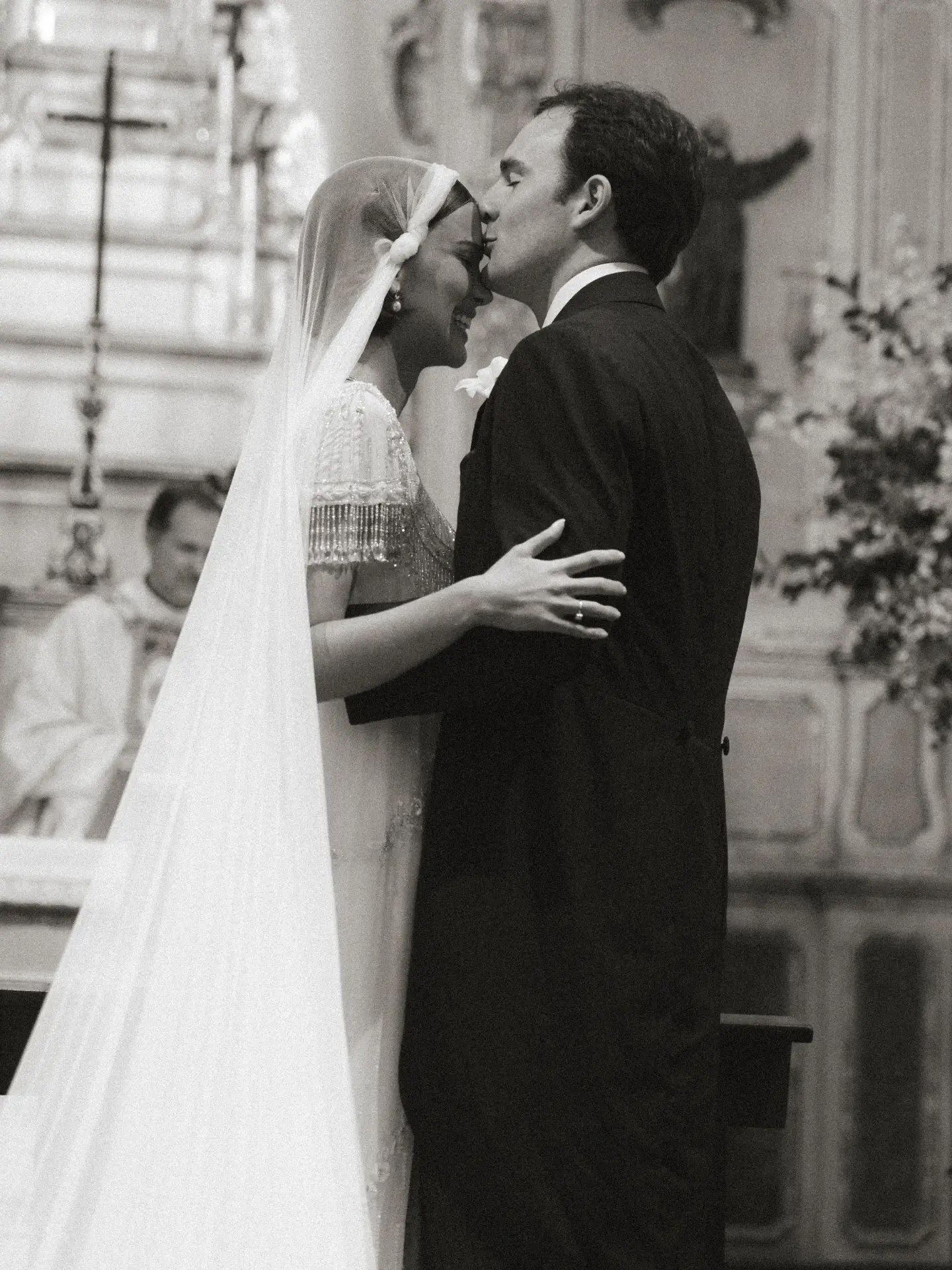
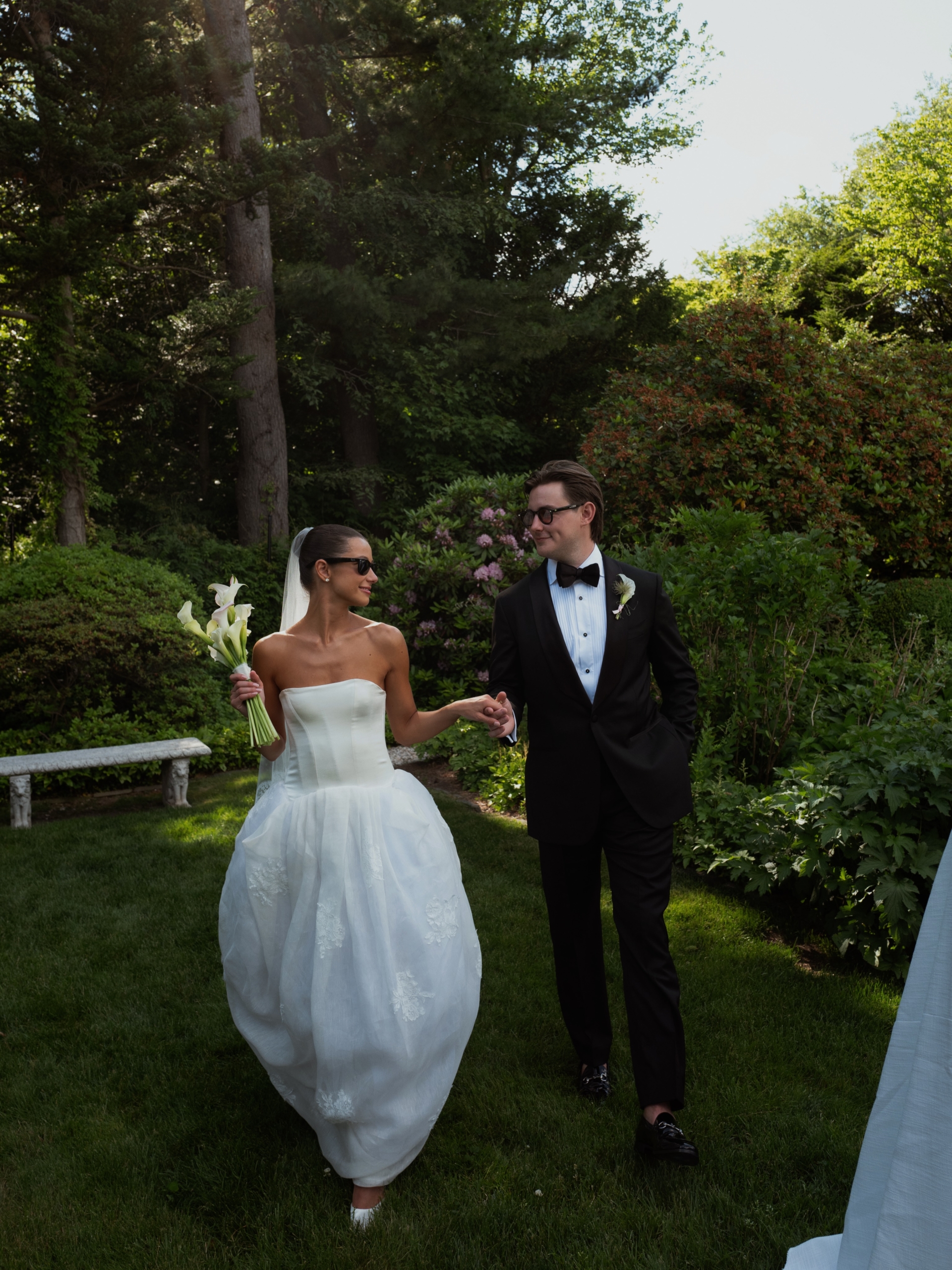
Photo: Lufre, Courtesy of Follow The Bride
Write From the Heart
You don’t need to get too deep or too serious. Keep it sentimental, but let yourself have fun with it too. There’s no better time to embrace sentimentality than during your vow exchange. If the message feels true to you, don’t hold back out of worry about how it sounds, sincerity reads as genuine, not embarrassing. Keep in mind that vows are promises to each other, not a love letter, and focusing on that distinction tends to keep them grounded.
Look to Pop Culture for Inspiration
Movies, TV shows, books, and songs are full of language that captures exactly what it feels like to be in love. If you’re stuck, consider quoting a favorite book passage or a line from a film that means something to the two of you.
Balance Humor and Sincerity
Light, personal humor can be some of the most memorable material in a vow, as long as it genuinely fits who you are as a couple. One person shared a line they still remember five years after hearing it at their sister’s wedding: “I promise to always deal with any spiders you come across so you won’t have to touch them yourself.” Small, specific, and completely true to that couple.
Think ahead of time about how public you actually want your vows to be. If you’re a more private couple, a brief public version followed by a longer private exchange later can be a good middle ground.
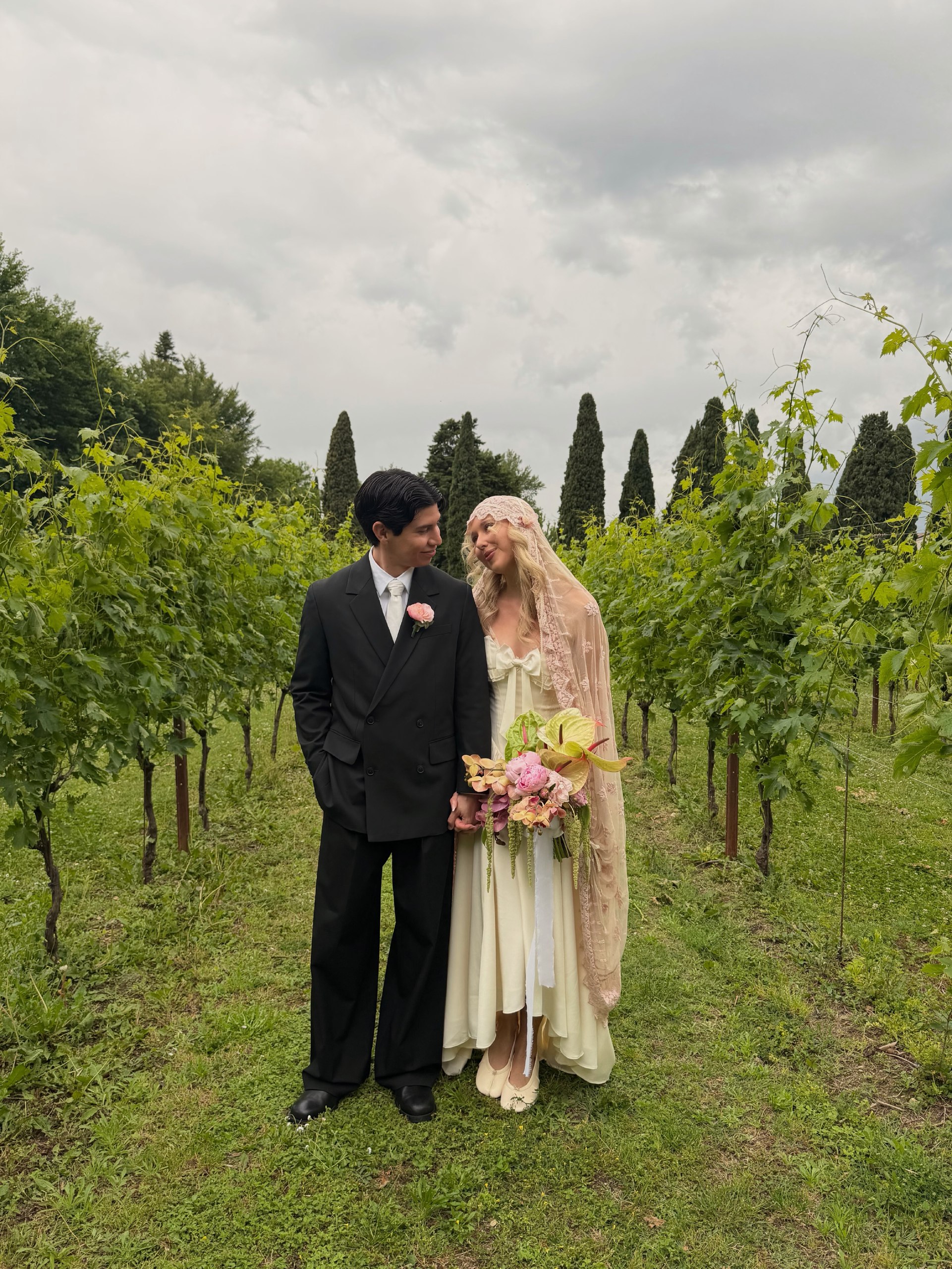
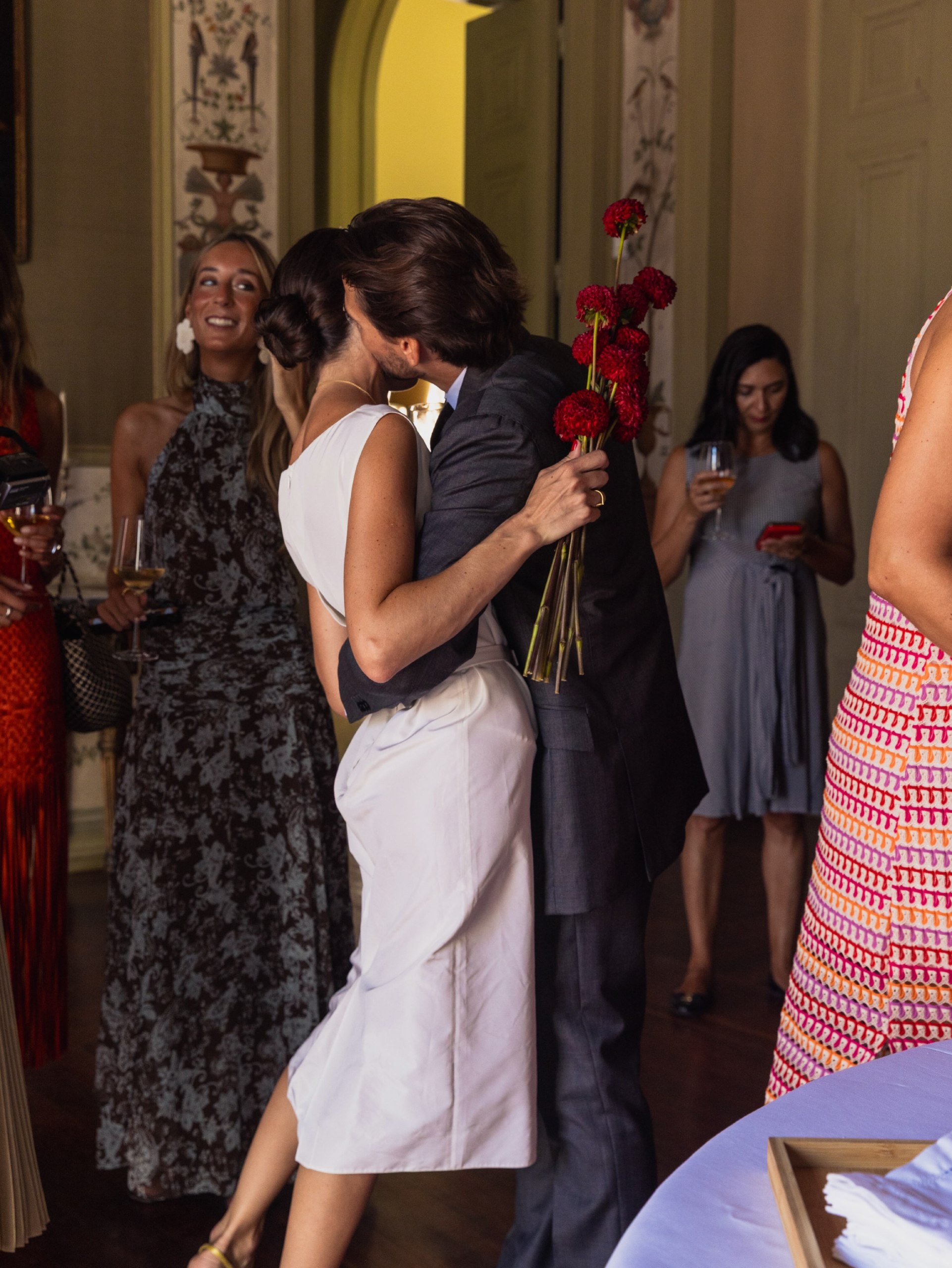
Photo: Courtesy of Tessa, Johnny Days & Moya Studios
Practice Saying It Out Loud
Reading vows in your head and reading them out loud are two very different experiences. Practicing ahead of time helps you catch awkward phrasing, timing issues, and the moments most likely to make you emotional, so you’re not caught off guard on the actual day.
What to Avoid
A few things worth steering clear of, no matter how personal or sentimental you want your vows to be:
- Inside jokes only three people understand. A little humor for your closest friends is fine, but if the whole room is confused, it stops being funny and starts being awkward.
- Past relationships or exes. Even mentioned in passing or as a “look how far I’ve come” moment, it rarely lands the way you intend it to.
- Anything genuinely painful or private. Health struggles, family conflict, and past hardships in the relationship can be meaningful to acknowledge, but the ceremony in front of your guests usually isn’t the place for the raw details. Save that for a private conversation, or a private vow exchange, instead.
- Comparisons to other couples. Your vows should stand on their own, not be measured against someone else’s relationship or wedding.
- Anything you wouldn’t want your grandmother, your boss, or your future kids to hear. A useful gut check for tone before you finalize anything.
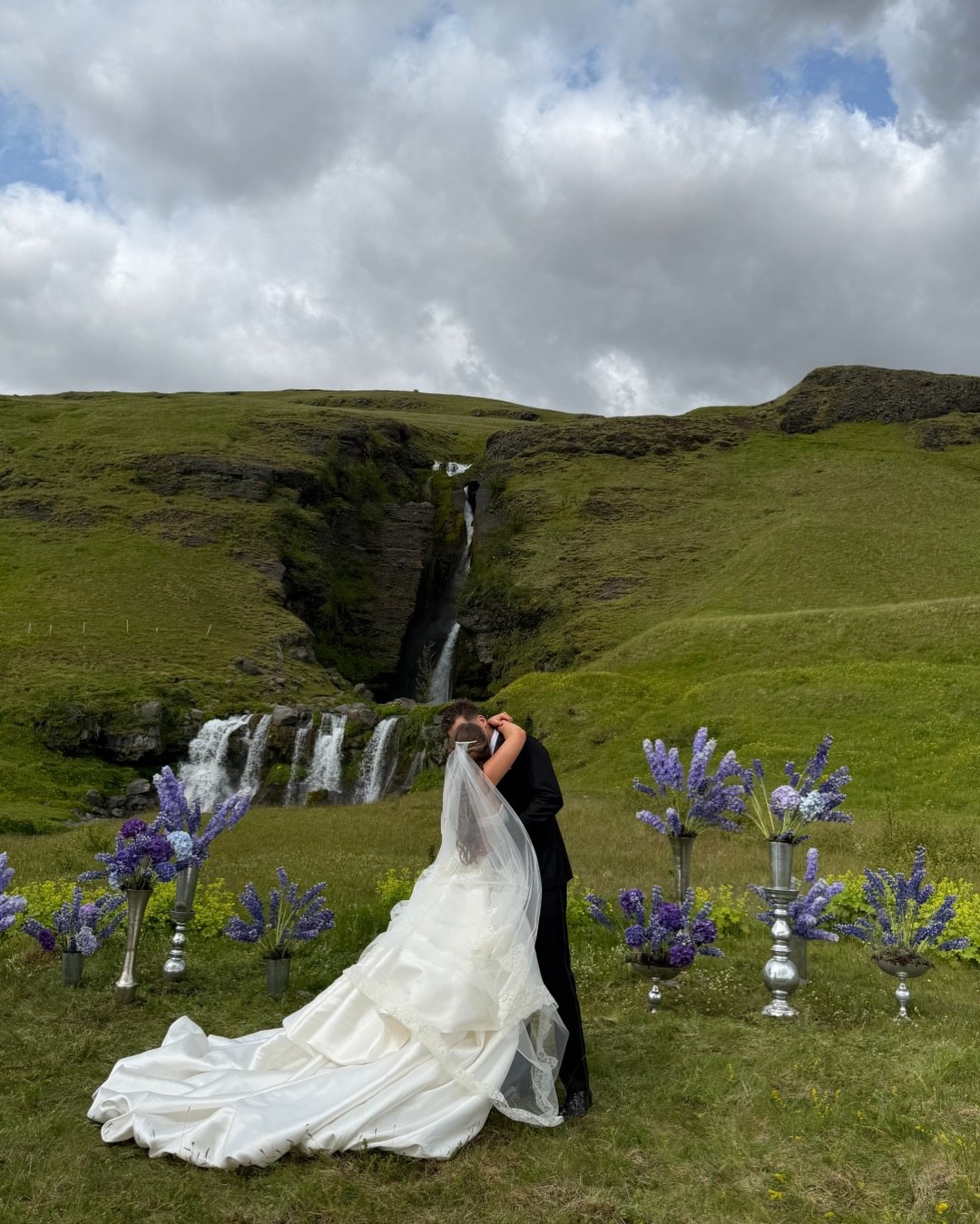
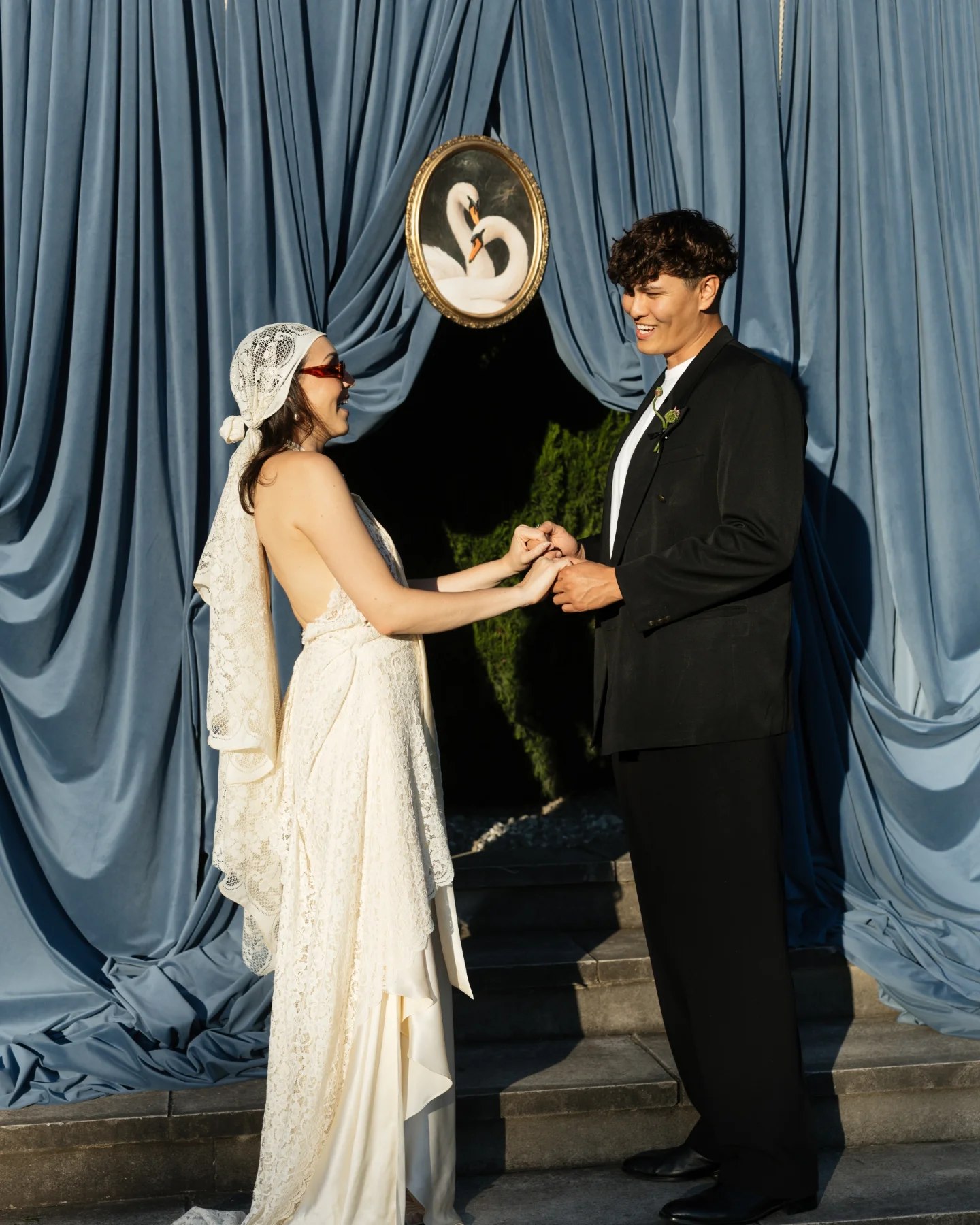
Photo: Courtesy of Dreamy Content, Stacey McLean
Questions to Help You Write Your Vows
If you’re staring at a blank page, these questions can help get the words flowing:
- Why am I happy we’re together?
- When did I first realize they were different from anyone I’d met before?
- What “small stuff” makes me happy about our relationship right now?
- Why am I confident we’re making the right choice?
- What do I promise to do, every day, to be the best partner I can be?
- What’s a specific moment that changed how I saw them?
- What do I hope our life looks like five, ten, twenty years from now?
- What have they taught me about myself?
- What do I want them to remember, years from now, about how I felt saying these words?
What If You Don't Want to Read Your Vows at All?
That’s completely fine too. Some couples write a letter to their partner instead, or keep their vows entirely private, exchanged just the two of them, away from the ceremony altogether. There’s no rule that says your vows have to be performed in front of a crowd to count.