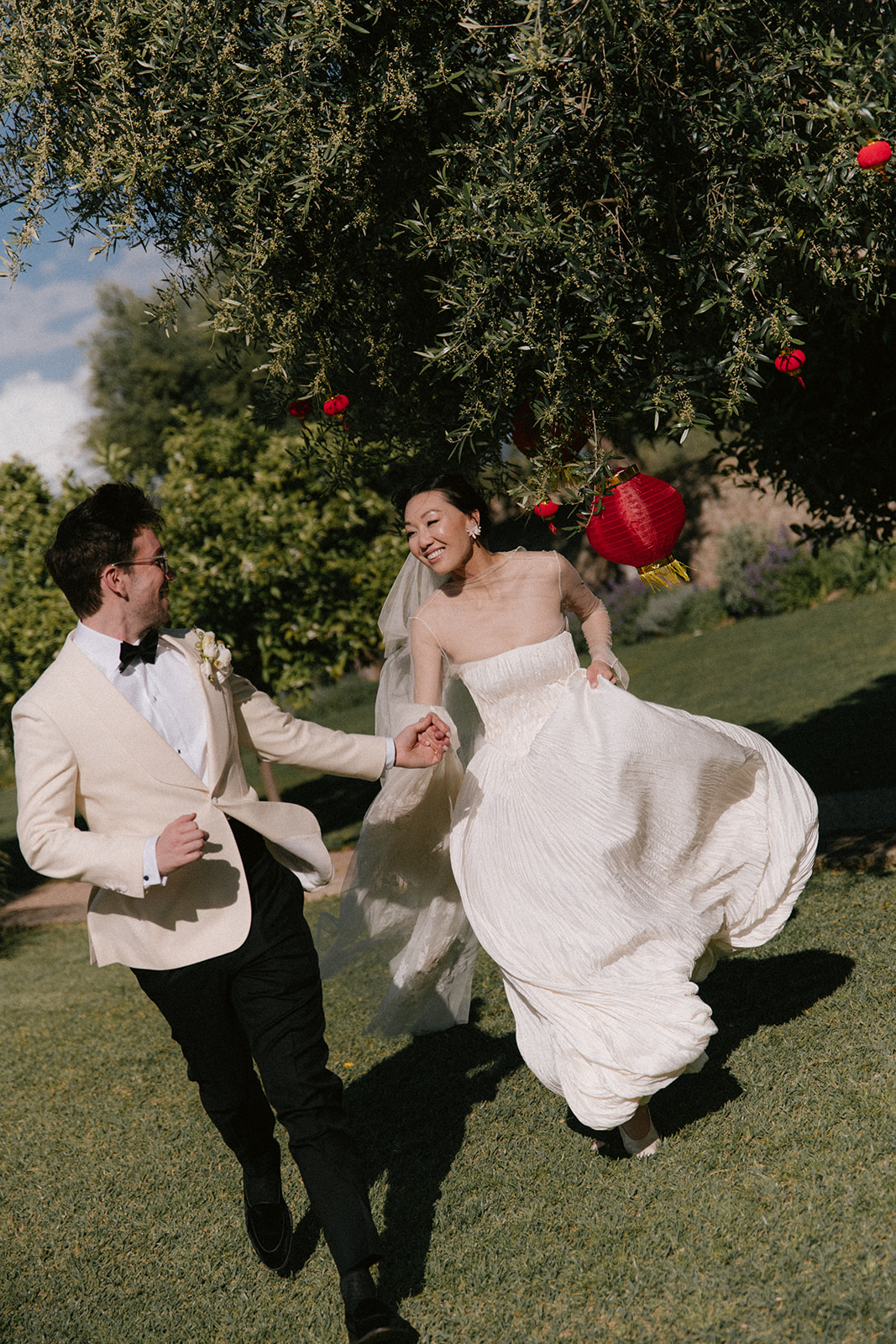
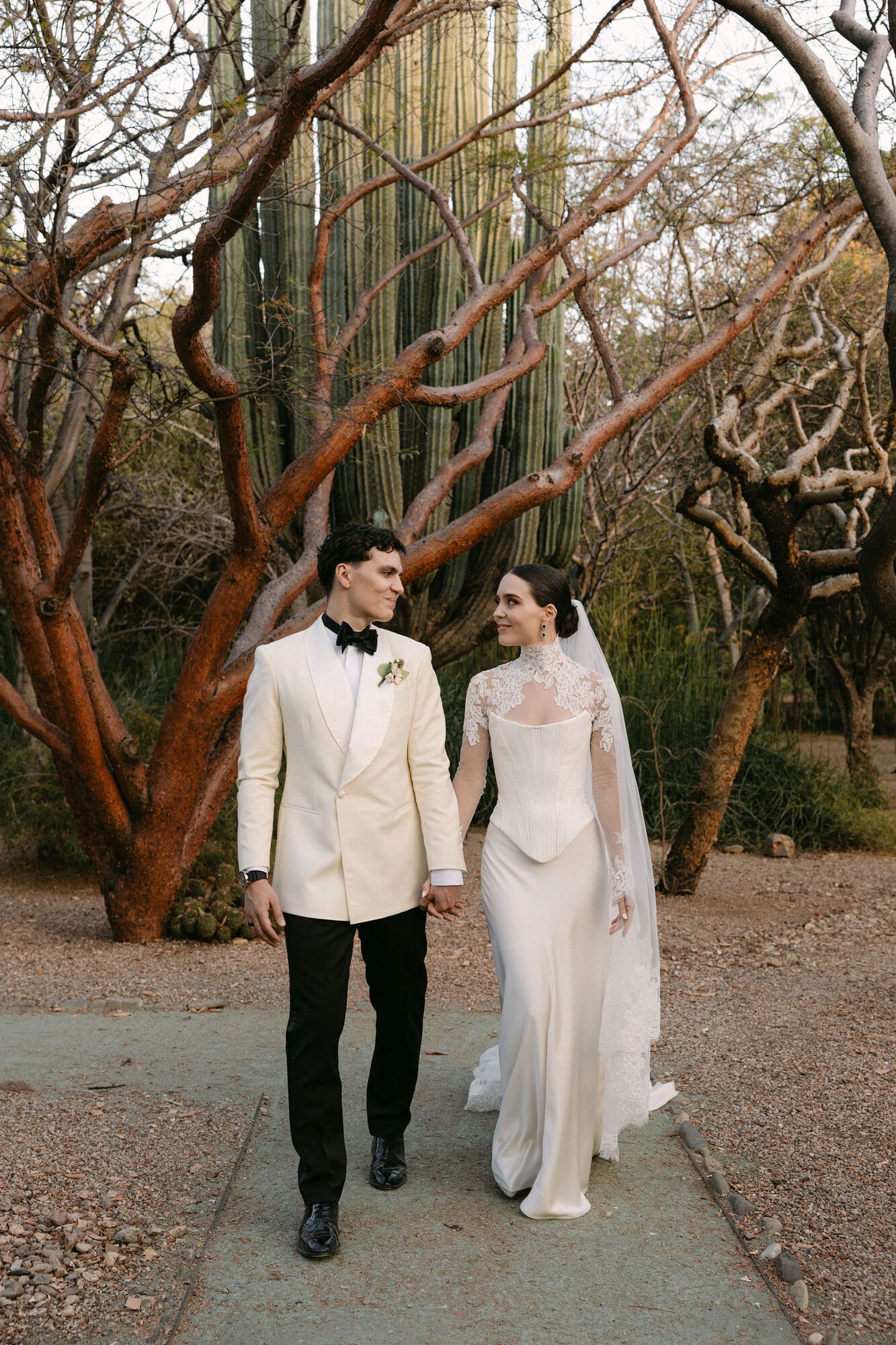
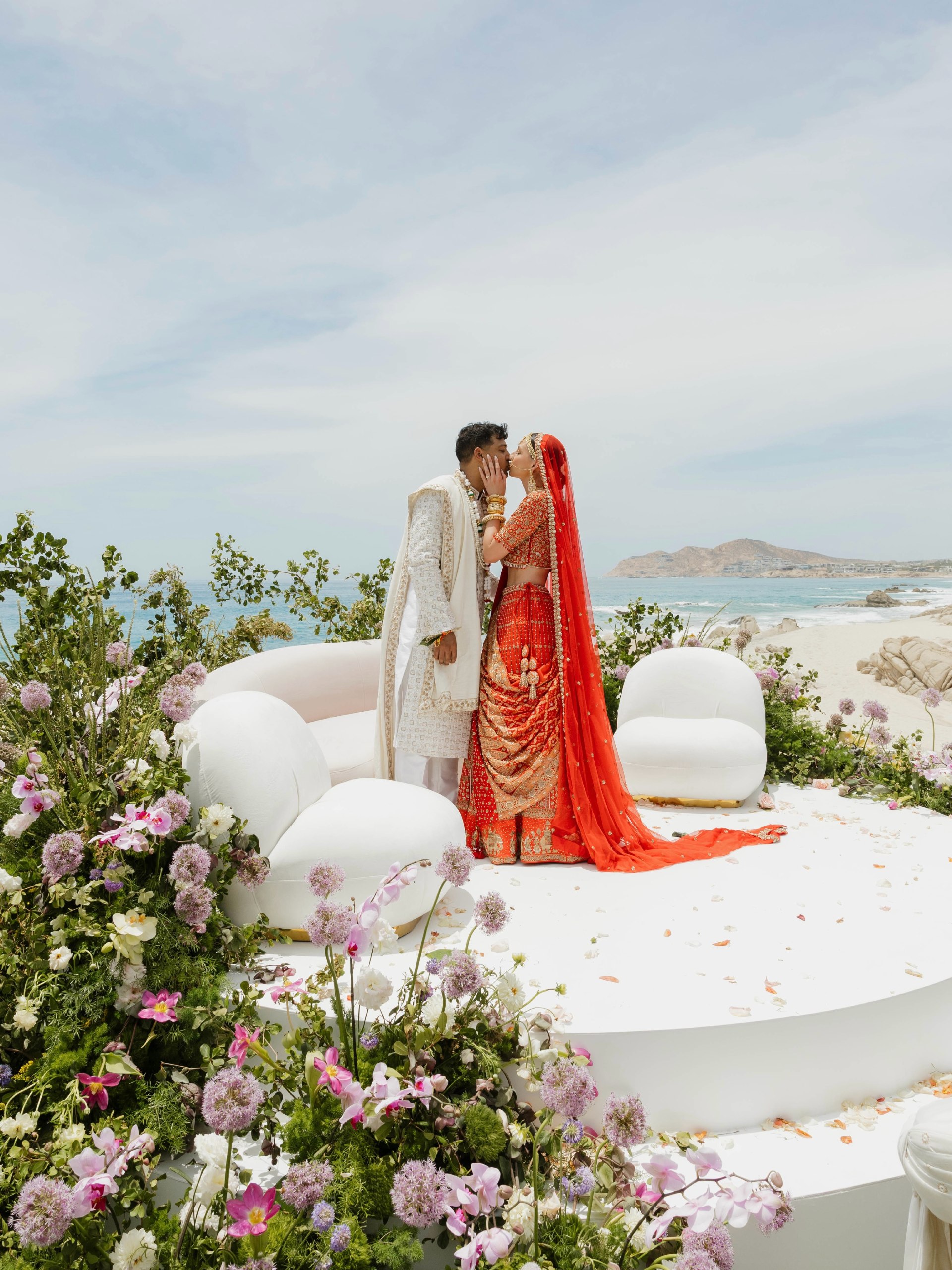
A multicultural wedding brings two sets of traditions into one room, and usually two sets of guests who’ve never met. Some will know every ritual by heart. Others will be seeing it for the first time and wondering what’s expected of them. Making both groups feel welcome takes more planning than most couples expect. We asked Sahel Rothera Events, an international wedding planner and a WedVibes member, how she makes guests feel at home from the moment they arrive.
Photo: Roman Ivanov Photo
Meet the Expert
Sahel Rothera started in events long before she started in weddings. In 2008 she founded Mansion Model & Event Management, an agency based in Dubai. It produced fashion shows, luxury weddings and private events for royal families, global corporations and retailers like Bloomingdale’s, Harvey Nichols, Galeries Lafayette and Saks Fifth Avenue. Her work there was featured in leading Gulf region publications.
After moving to New York, she worked as a corporate flight attendant for ultra-high-net-worth clients. Hospitality was only part of the job. She also refurbished private jets, sourced custom interiors and planned celebrations on board. One client asked her to plan a fiftieth birthday at her Hamptons estate, and that party brought her back to event planning.
Her own wedding settled it. Nine months before the date, her planner fell short, so Sahel ended the contract and took over. She designed and ran a three-day celebration in Tuscany herself. Today Sahel Rothera Events works between Boston and Bordeaux, planning destination weddings and multi-day celebrations in Lake Como, Tuscany, Bordeaux, New England and beyond.
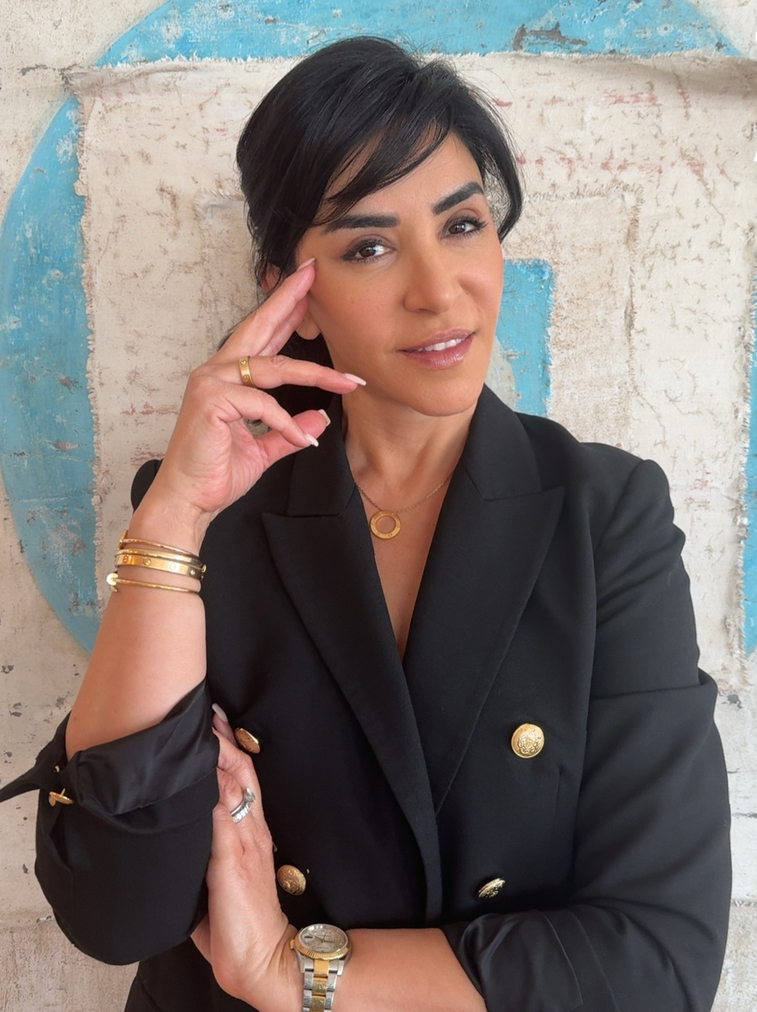
Photo: Courtesy of Sahel Rothera
What’s the very first thing that makes a guest feel instantly comfortable at a wedding, even if they don’t know a single person in the room?
Guest experience begins with belonging. Before asking guests to celebrate with you, make them feel that they have a place in the celebration.
The arrival experience is everything. Guests should never arrive and have to figure out where to go, what to do, or who to ask. A well-planned welcome with attentive staff, clear direction, and a drink in hand immediately changes how someone feels.
How do you approach seating when a big chunk of the guest list doesn’t know each other?
I don’t believe in simply mixing strangers together or keeping everyone within their existing circles. For me, a seating plan is really about understanding personalities and finding natural points of connection.
One of the questions I always ask my couples is, “Who are the butterflies of your wedding?” These are the naturally sociable guests, the people who can talk to anyone, bring others into a conversation, and make people around them feel comfortable. We try to place a butterfly at each table, especially when we’re bringing together guests who may not know one another.
We also look for common ground. Two people may have never met, but perhaps they come from the same country, went to the same university, work in similar fields, or share similar interests. Those small connections can immediately open a conversation.
At the same time, I would never place one person or one couple at a table where everyone else is already a very close-knit group. The goal is not to force people to mingle. It’s to create the conditions where connection happens naturally. I always say: I don’t only seat people based on who they already know, but also on who I think they might genuinely enjoy getting to know.
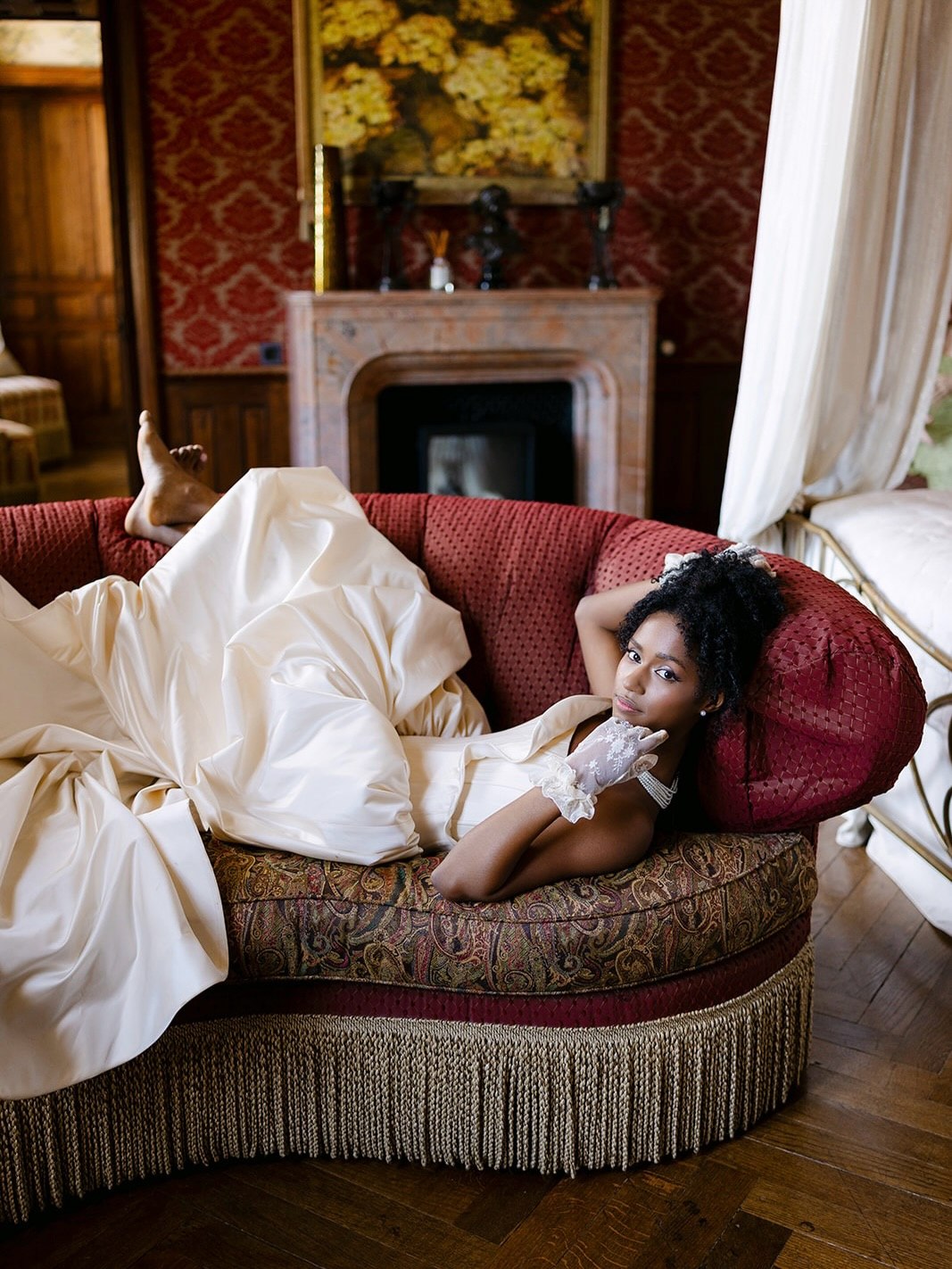
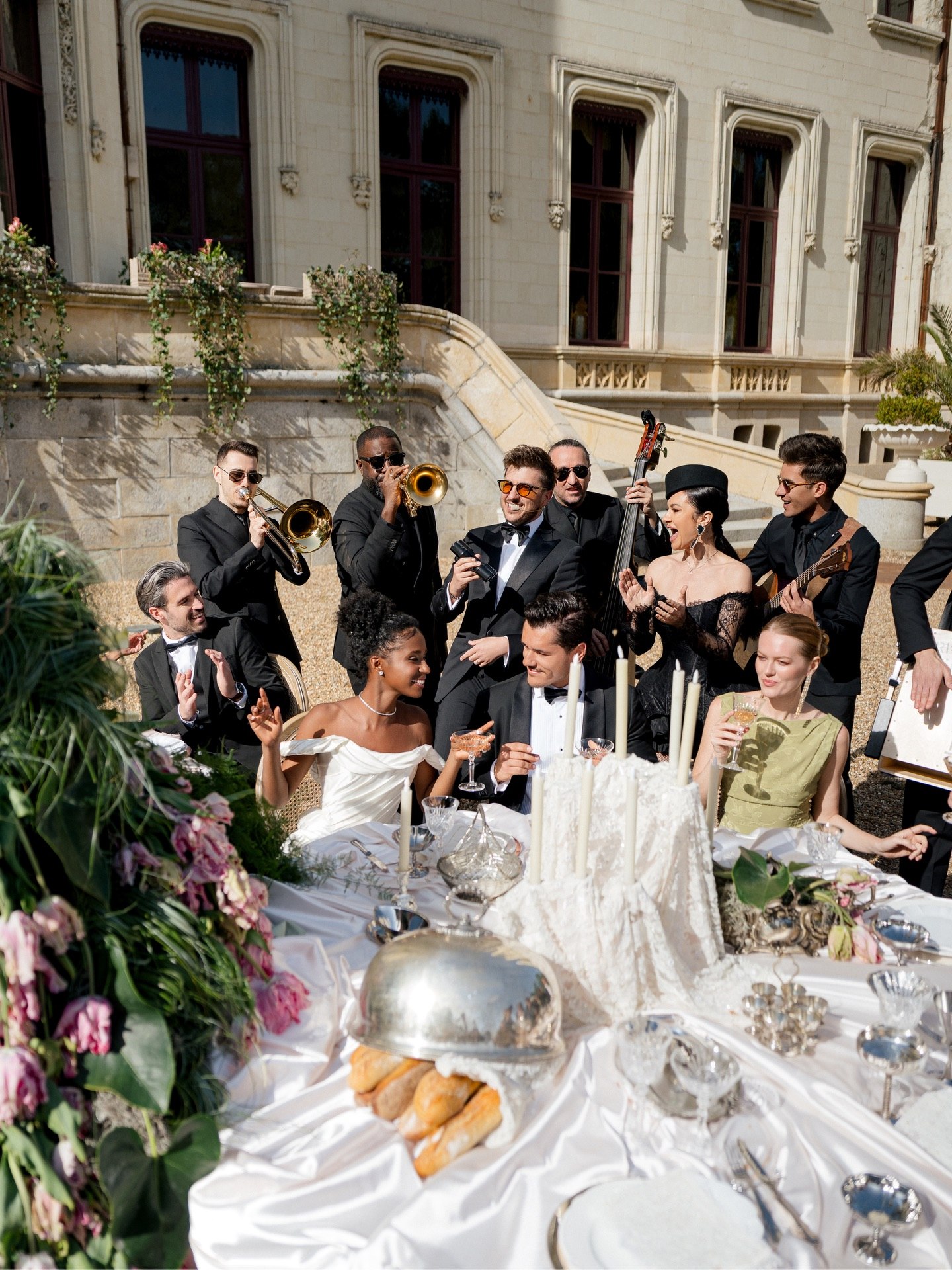
Photo: Emily Prada
Do you plan a welcome moment that gets strangers talking before the reception?
Absolutely. We usually find that welcome parties or pool parties before the wedding are where guests naturally start connecting. These events are much more relaxed than the wedding day itself, so people tend to let their guard down, move around, introduce themselves, and get to know each other much more easily.
I also love adding some kind of interactive element or simple game that encourages conversation without making it feel forced. The way we serve food can help too. Food stations, family-style dining, or a beautiful buffet naturally get people out of their seats, moving around and talking to guests outside their own circle.
By the time the wedding day arrives, so many of those strangers have already shared a drink, a laugh, or a conversation. You can actually feel the difference in the atmosphere. For me, the goal is to create opportunities for interaction and then let the connections happen naturally. We design the environment for connection rather than telling guests to connect.
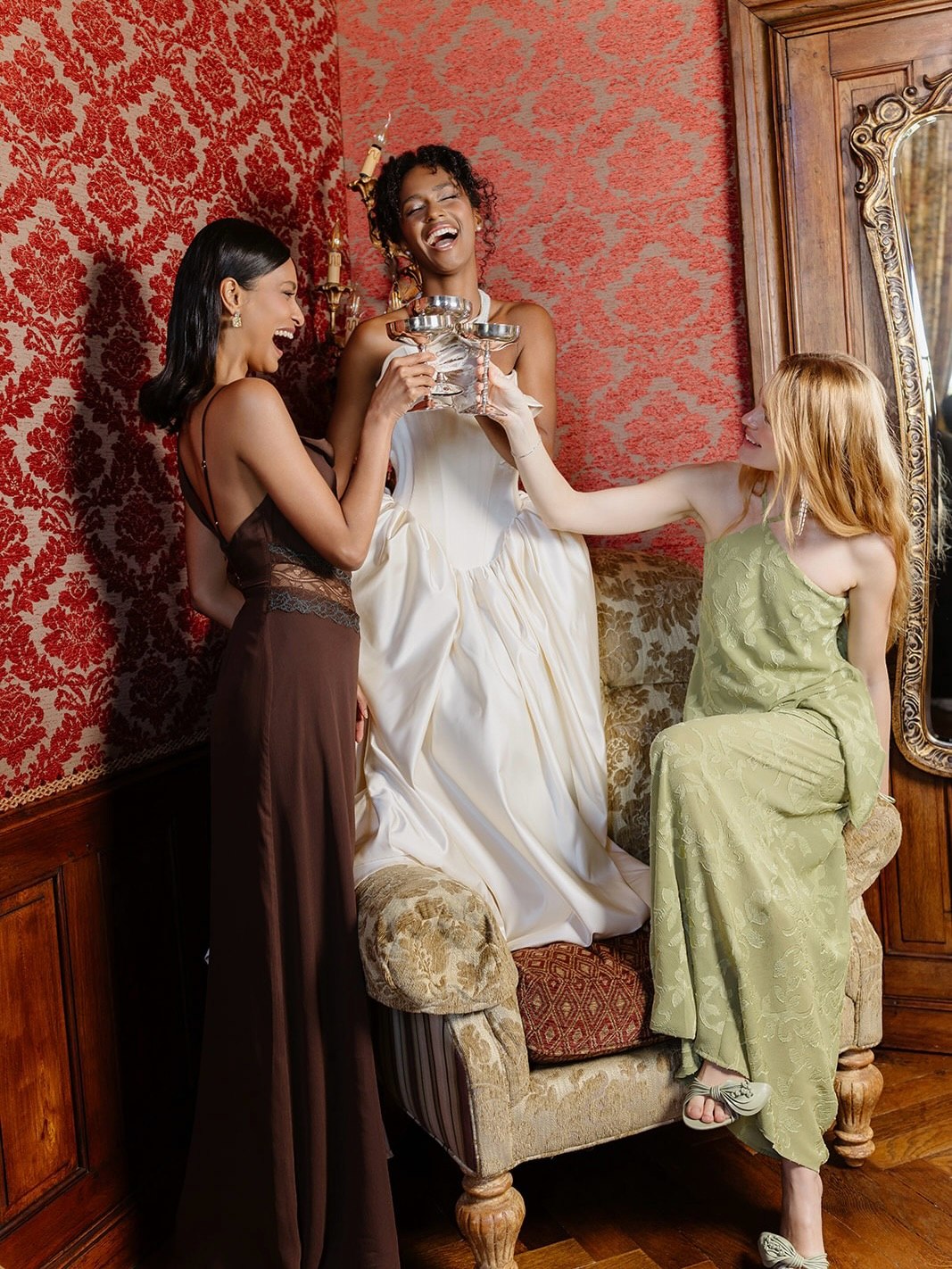
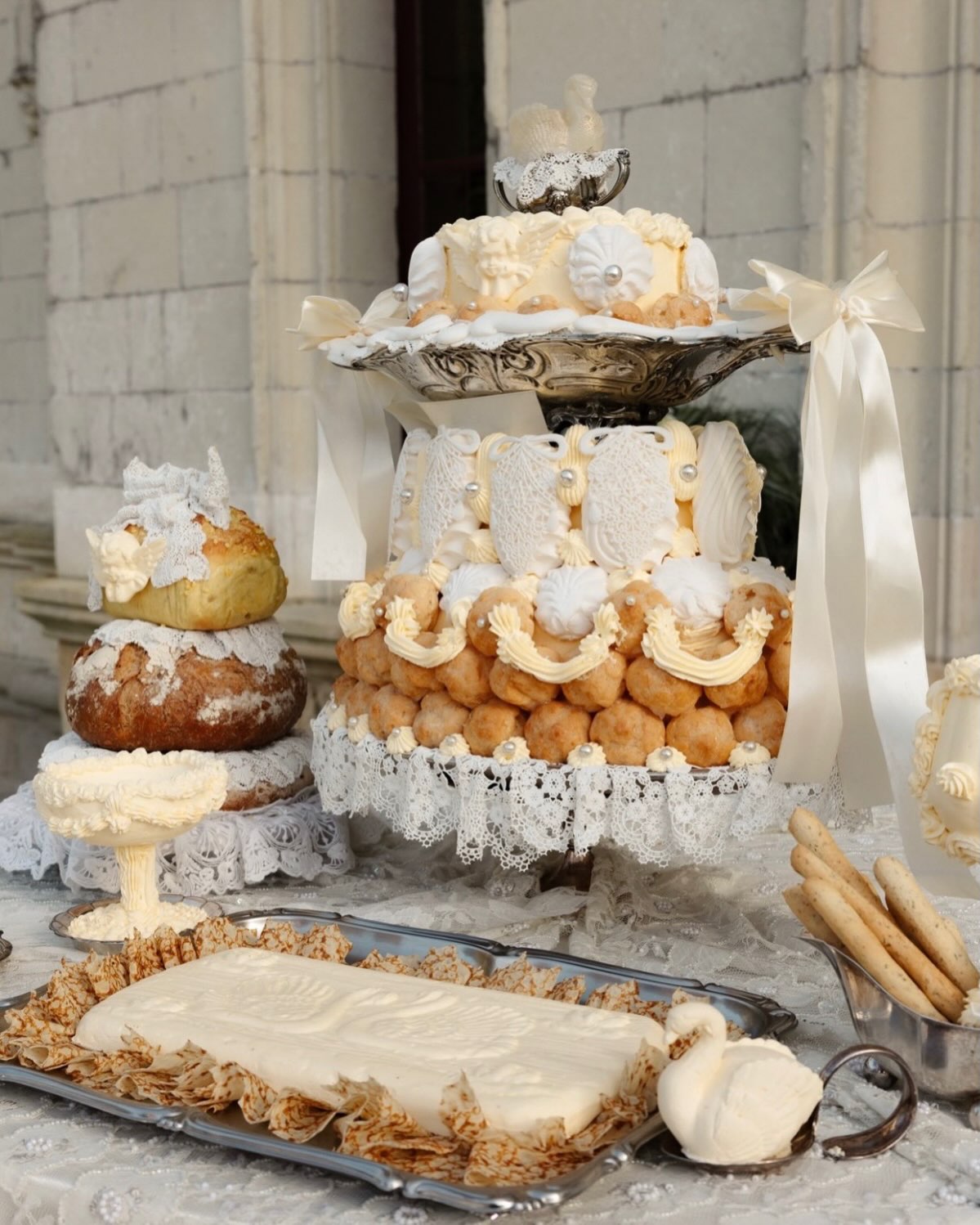
Photo: Emily Prada
What’s a small detail hosts often overlook that makes a huge difference in guest comfort?
It’s clear communication and anticipating basic physical needs. These are not glamorous details, so they’re often overlooked, but guests notice them immediately. For example, guests should never have to wonder: Where is the restroom? Where do I leave my coat? Is transportation provided? When is the next shuttle? Where do I sit? Is there somewhere for my elderly mother to rest?
For outdoor weddings, it becomes even more important: shade and water when it’s hot, blankets or heaters when it gets cold, comfortable walking paths, heel protectors for grass, umbrellas if weather is uncertain, and accessible seating for older guests.
Another very small detail I love is making sure water is immediately available. Guests may have traveled, been sitting through a ceremony, or had a glass of champagne, and sometimes we become so focused on cocktails that something as basic as water isn’t readily visible. Guest comfort is often about solving a need before the guest has to ask for it.
Do you see cultural differences among guests as something to manage, or as an opportunity to lean into?
I see cultural differences as an opportunity to celebrate, rather than something we need to manage. Some of the most beautiful weddings I have planned are the ones where two cultures come together, each bringing its own traditions, stories, and unique elements to the celebration. I always encourage my couples to embrace their traditions while also thinking about guests who may be experiencing them for the first time. You don’t want someone sitting through a beautiful ceremony without understanding what is happening or why it is so meaningful.
And it doesn’t have to stop at the ceremony. Culture can be celebrated through food, music, entertainment, fashion, signature cocktails, and even small family traditions. These are wonderful opportunities for guests to discover something new, connect with one another, and experience each other’s cultures.
For me, the goal isn’t to make different cultures fit into one wedding or to compromise one tradition for another. It’s about giving each culture its own special moment while making sure everyone feels welcome, included, and part of the celebration.
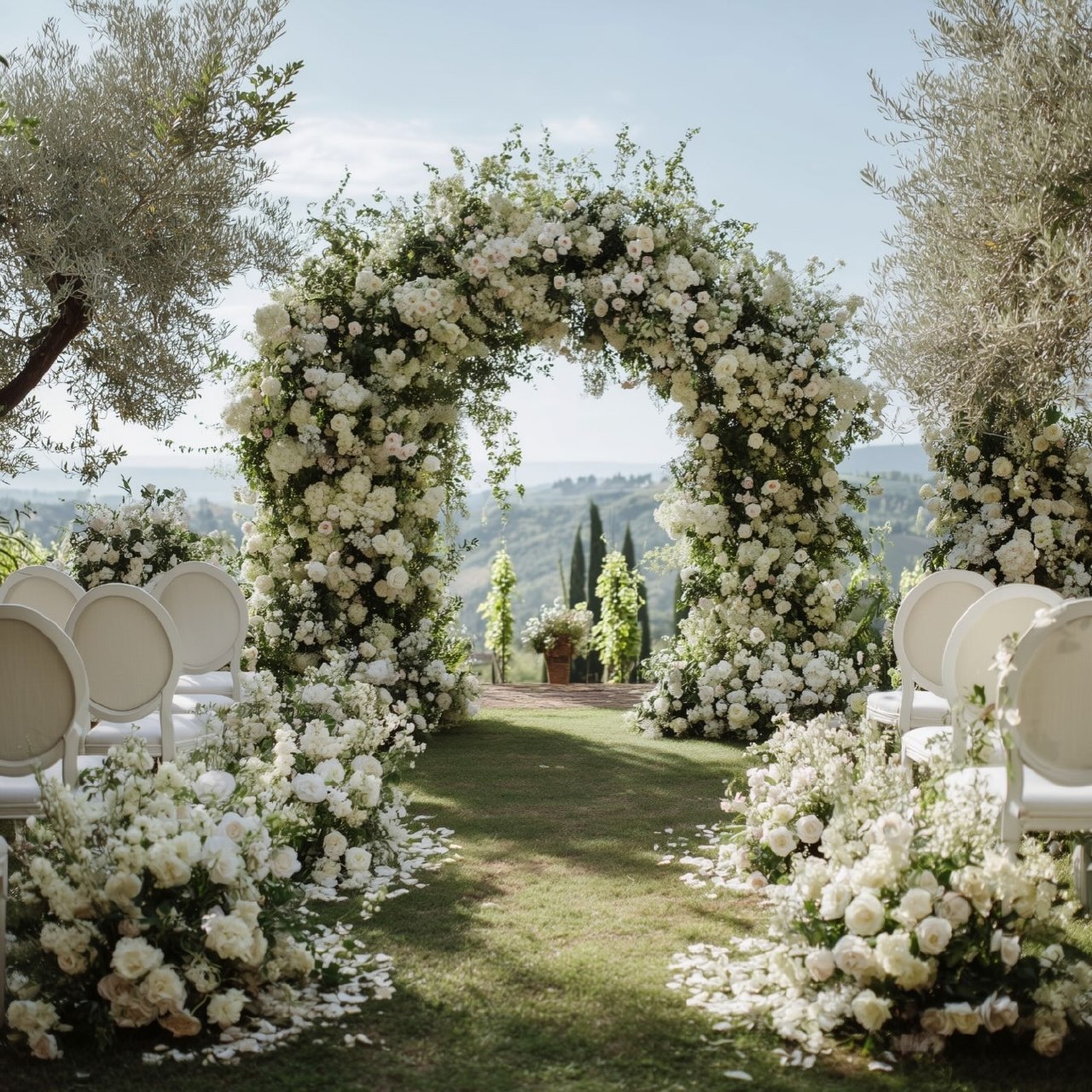
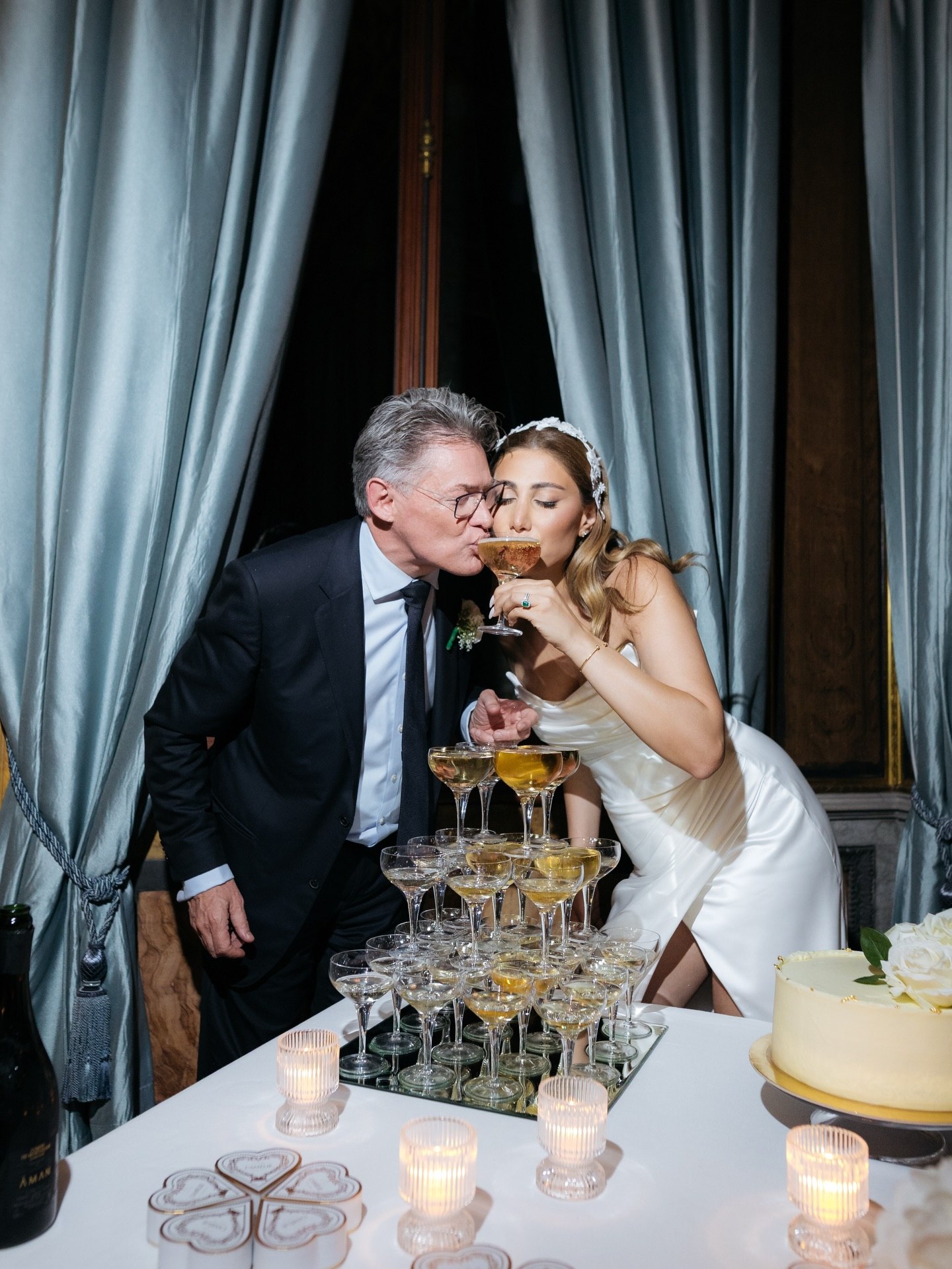
Photo: Courtesy of Sahel Rothera, Noro Avagyan
How can couples share a tradition without it turning into a spectator moment for guests who’ve never seen it before?
I believe the key is to invite guests into the meaning of a tradition rather than expecting them to simply watch it.
At our own wedding, we had a Sofreh Aghd, a traditional Persian wedding ceremony. Every element on the table carries meaning and symbolism, but for guests experiencing it for the first time, it can simply look like a beautiful display without understanding the story behind it. We created a beautifully designed, illustrated ceremony guide for our guests, explaining the entire ceremony, the meaning behind each element of the Sofreh Aghd, and the different traditions they were about to experience. This allowed everyone to follow along, understand what was happening, and feel connected to the ceremony rather than simply observing it.
My advice to couples is never to simplify or remove a tradition just because some guests may be unfamiliar with it. Embrace your culture and share its story. Whether through a ceremony program, a few words from the officiant, or involving guests in certain moments, give people an opportunity to understand what they are experiencing. When guests understand the meaning behind a tradition, they become part of the experience, and that is what makes a multicultural wedding so special.
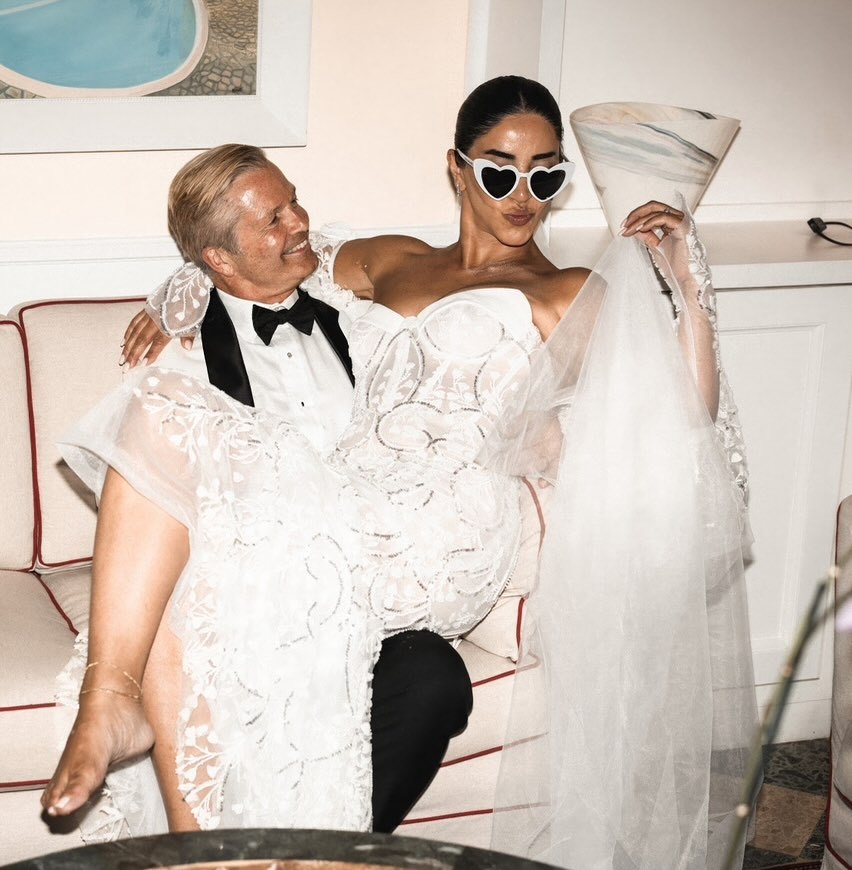
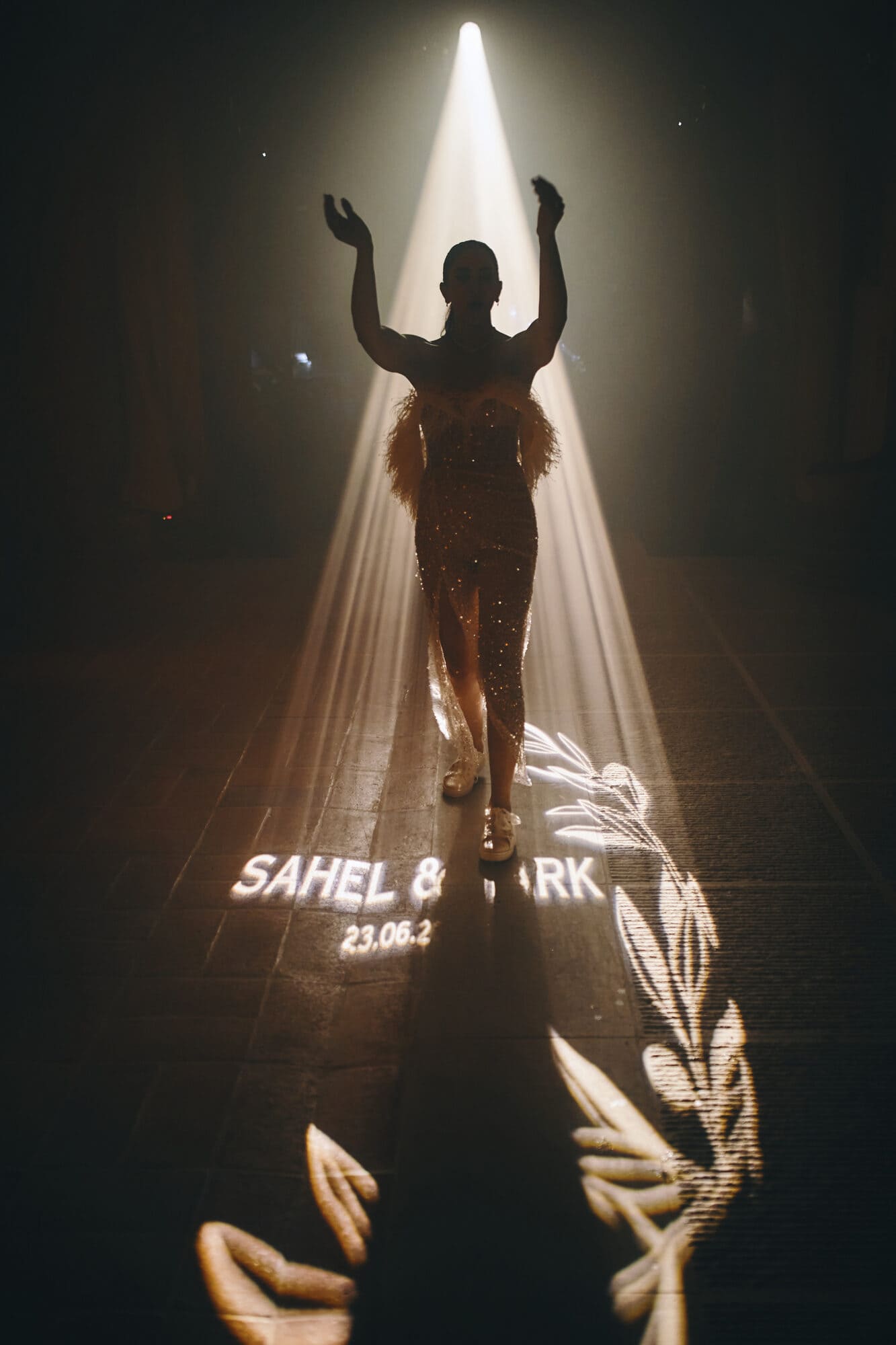
Photo: Chiaia Wedding Studio
When two families come from very different etiquette norms, how do you bridge that on the day?
I think it starts with understanding both families and their traditions long before the wedding day. During the planning process, I always encourage couples to share any cultural expectations, family customs, or traditions that are particularly important to them. For example, in some cultures, greeting every family member and elder is an important sign of respect, while in others, guests may be more accustomed to a relaxed and informal atmosphere.
As a wedding planner, my role is to anticipate these differences and make sure everyone feels comfortable without asking either family to change who they are. Sometimes it’s as simple as explaining a tradition before it happens, making thoughtful introductions between families, or ensuring that our hospitality team understands the cultural expectations of the guests.
I also believe the couple plays an important role in bringing everyone together. When guests see both families embracing each other’s traditions, they naturally feel more comfortable doing the same.
How do you handle a wedding where guests speak different languages?
One of the first things I ask my couples is what languages their families and guests speak. I think it’s so important to consider this from the beginning, especially when planning a multicultural or destination wedding.
For the ceremony, we can create bilingual programs so everyone can follow along and understand what is happening. The same goes for speeches. Imagine someone giving a beautiful, emotional speech and half the guests not understanding a word of it! Having someone translate the important moments makes such a difference.
We also try to have multilingual members on our hospitality team who can assist guests throughout the celebration, especially older family members who may not speak English or the local language. But I always say, you don’t need to speak the same language to have a wonderful time together. I’ve seen guests who couldn’t understand a word of each other’s language laughing, dancing, sharing food, and having the best time!
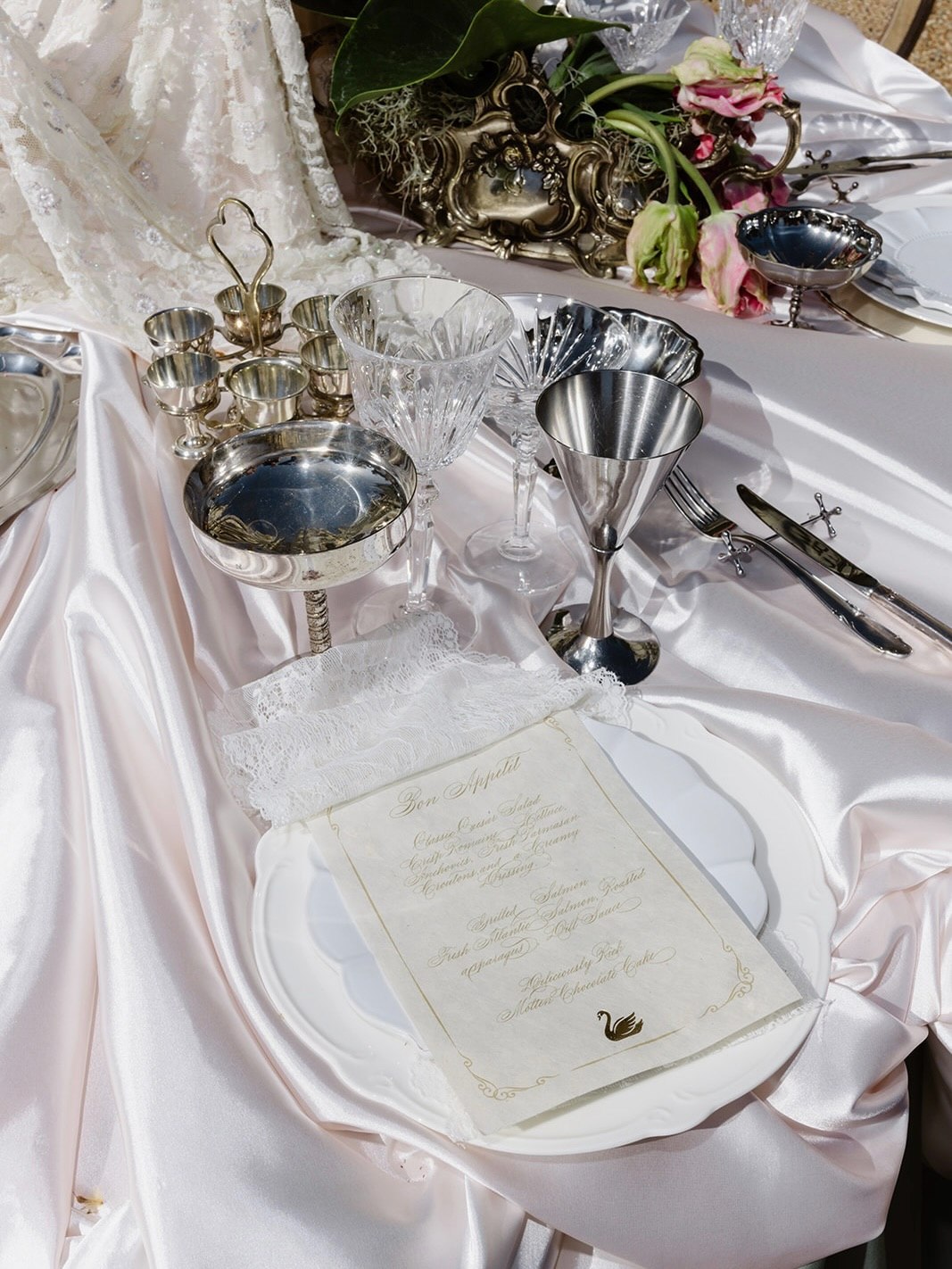
Photo: Emily Prada, Noro Avagyan
Any unexpected touches that became guests’ favorite part of the night?
One of my favorite moments was the Persian knife dance, or Raghse Chaghoo, which takes place just before the couple cuts their wedding cake. Instead of simply handing the knife to the couple, a family member or friend dances with it, and the couple has to convince them to hand it over, usually by offering money! Of course, the dancer doesn’t give it up that easily, and the knife gets passed from one person to another as the music continues. This became one of our guests’ favorite moments of the night, especially for the non-Persian guests who had never experienced this tradition before. Everyone was laughing.
Another thoughtful touch that our guests absolutely loved was arranging beautifully presented, to-go continental breakfasts for everyone leaving the celebration at 4 a.m. After a wonderful night of dancing and celebrating, guests could take their breakfast back to their rooms and enjoy it at their leisure the following morning, without having to worry about getting up early or missing the hotel breakfast service. It was a simple gesture, but one that made our guests feel truly looked after. For me, luxury is also about anticipating your guests’ needs and making sure they feel cared for, even after the celebration has ended.
What’s your one piece of advice for couples bringing strangers and different cultures together?
As a wedding planner, I always remind my couples that we are not just planning a beautiful wedding; we are creating an experience for everyone who has traveled, sometimes from the other side of the world, to celebrate with them.
Think about your guests, their comfort, and how you can bring people together naturally. Sometimes it’s through music, food, a shared tradition, or simply introducing two people who would never have met otherwise.
At the end of the day, your guests may not remember every flower arrangement or every detail of your tablescape, but they will remember how they felt, the people they met, the laughter they shared, and the beautiful traditions they experienced for the first time.
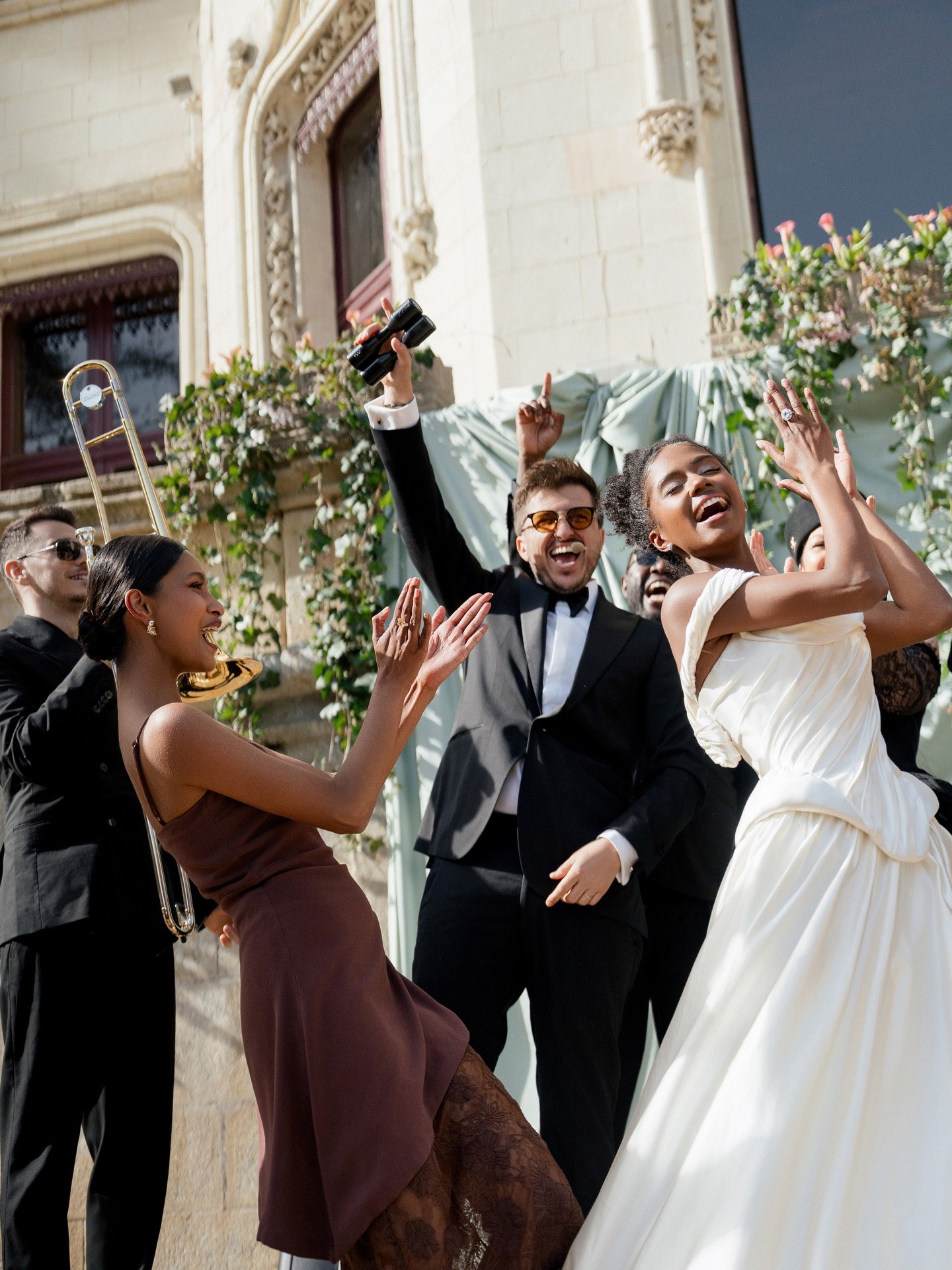
Photo: Emily Prada, Noro Avagyan