Plated, buffet, family style, stations. Most couples treat the choice as a question about dinner. In practice, it sets the pace of the entire reception, from the first bites at cocktail hour to the late-night snacks after midnight. Hungry guests and newlyweds who never get to touch their plates are rarely part of anyone’s plan, yet both often trace back to this one decision.
To understand how to make it well, we spoke with planners, caterers and a food stylist working across the US and Europe. They drew on years of real weddings, shared stories and practical tips, and cleared up a few common myths along the way, all to help you figure out which approach fits your celebration best.
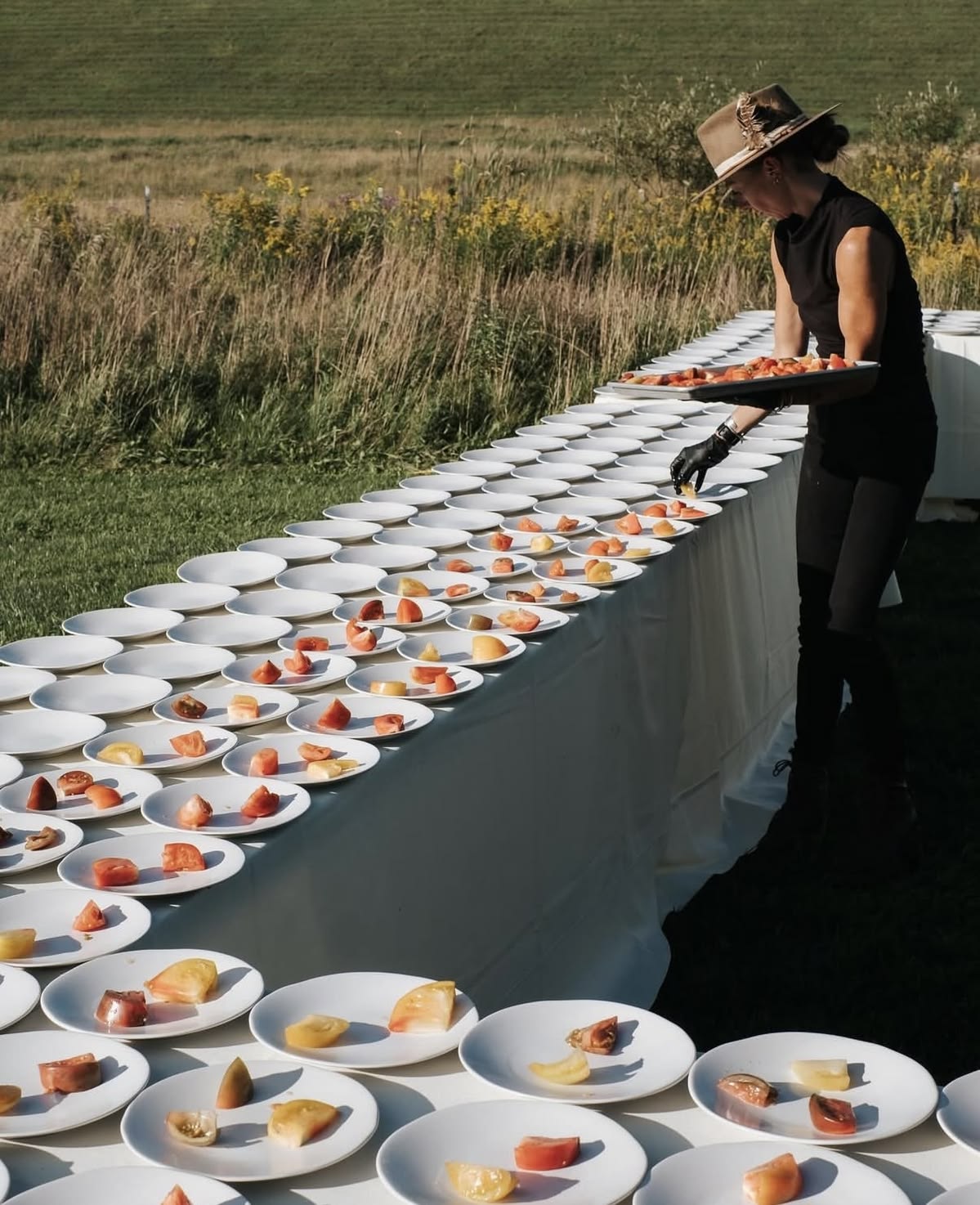
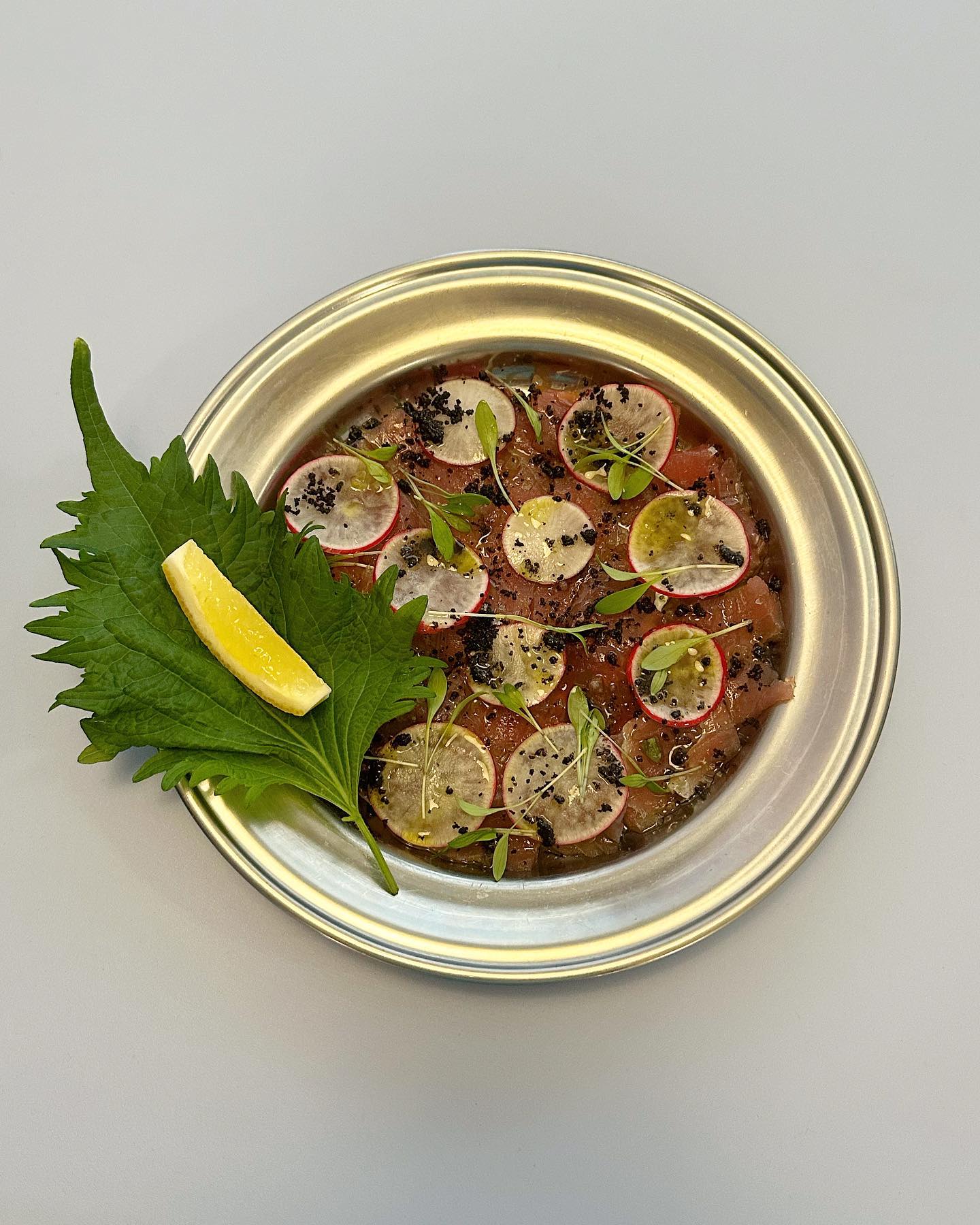
Photo & Food: CRISP Catering, Antonella Tignanelli
In This Article:
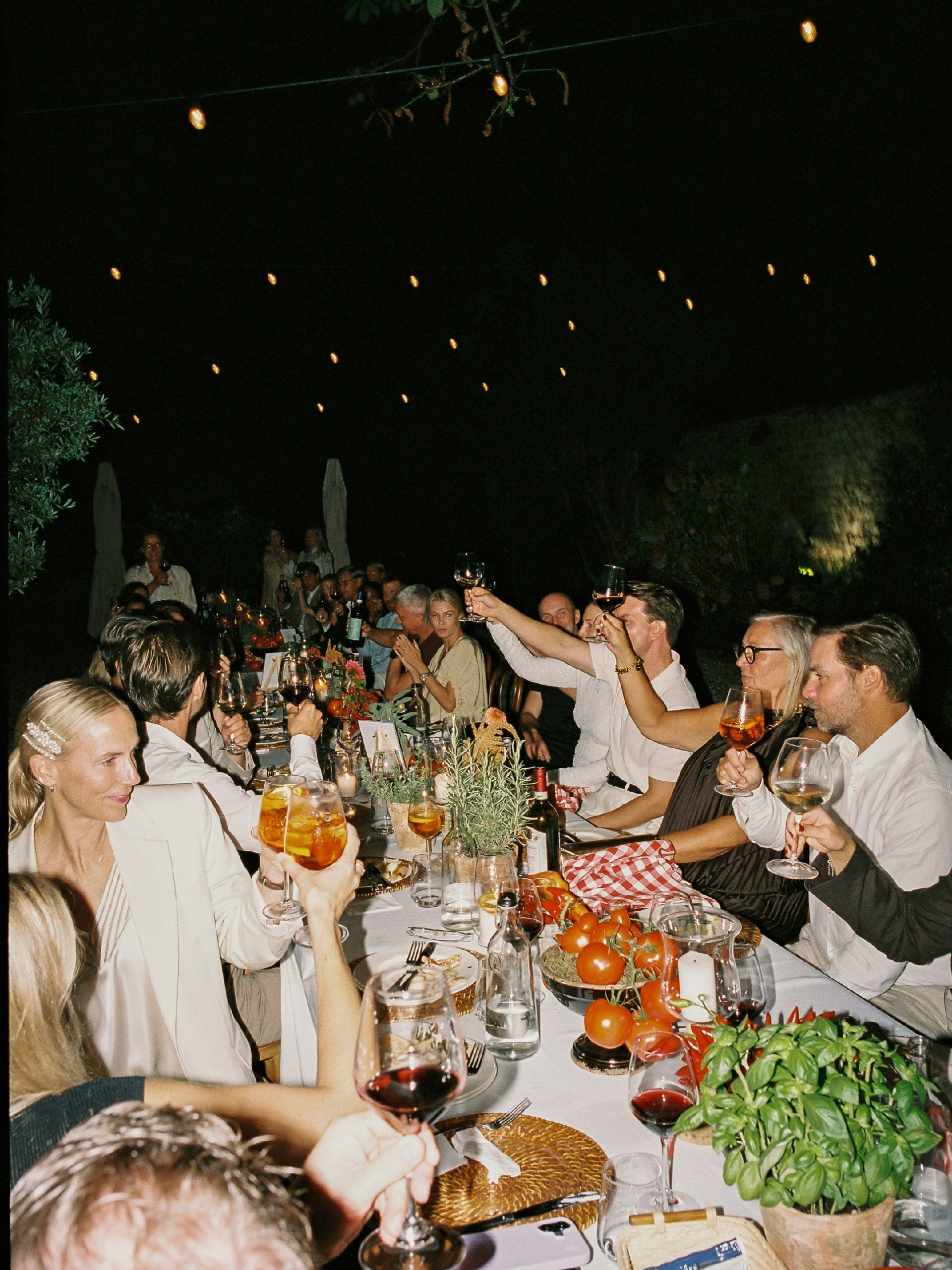
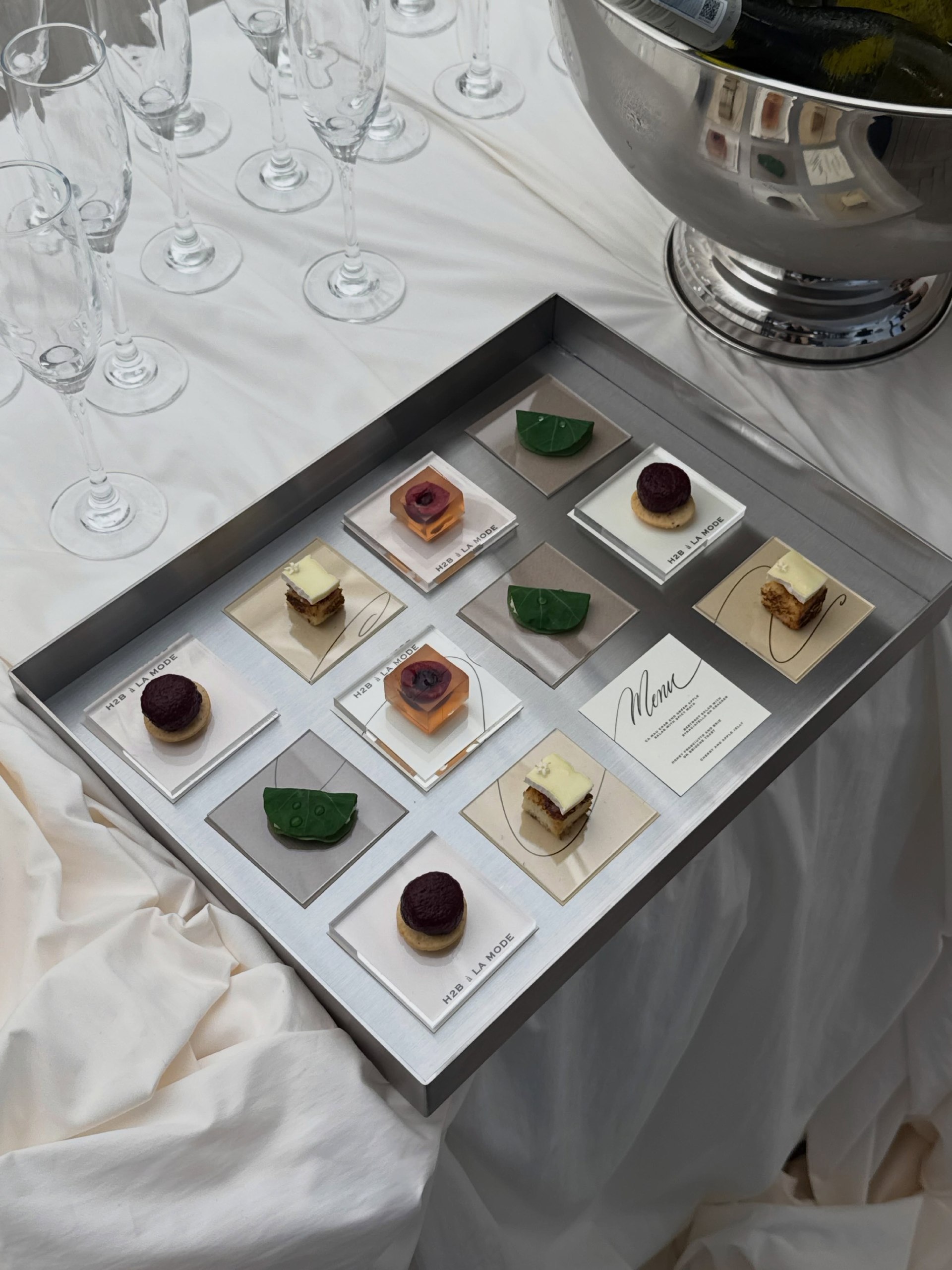
Photo: Caitlin Joyce, CheChe Design Studio
Formats & What Each One Asks of You
Plated
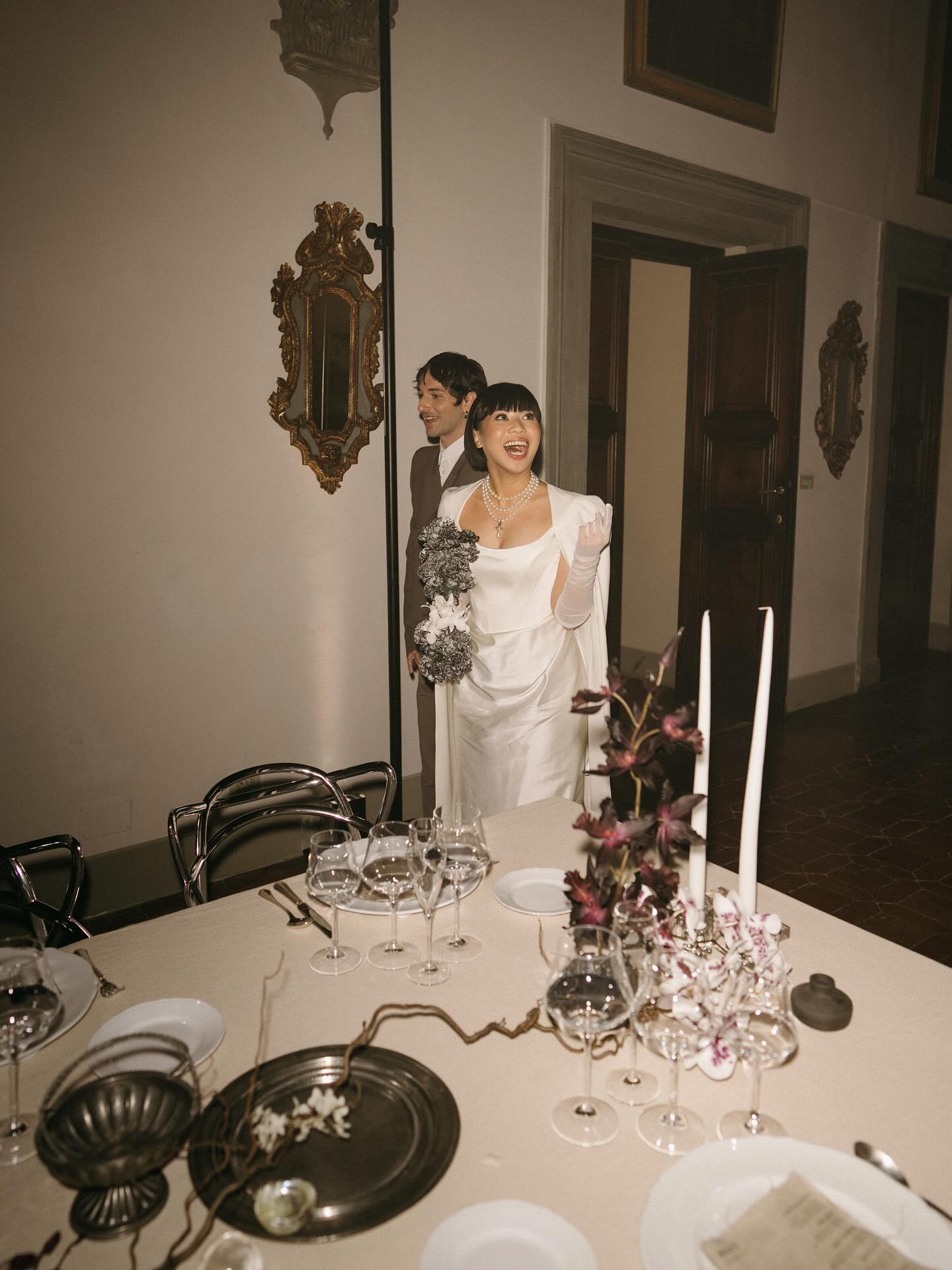
It’s the most structured format and still the one couples request most often, according to Alexandra Dettori. “Some dishes rely on precision and are best plated individually. A delicate fish, a composed first course, or something where the sauce, temperature and texture need to arrive in a very specific way generally benefits from plated service.” For many planners, the appeal goes beyond the plate. “For us, a wedding is an opportunity to really take care of your guests, and there’s something so lovely about being served,” says Brooke Pollard of Alison Events.
Plated service also gives the kitchen the most control. Portions are known in advance, and meals for guests with dietary restrictions can be prepared one by one. The trade-off is logistics. It needs the right kitchen setup, a strong service team and tight timing.
Plated has its downsides for guests, too. It can feel formal and a little predictable, and nobody gets to choose what lands on their plate. “Unfortunately, most of the time, people don’t remember wedding food as being amazing. I dare say that this happens especially when there’s plated dishes coming out in big numbers,” says food stylist Antonella Tignanelli. One fix is to give guests a say. Karen Tungett of Blackstone Caterers notes that seated dinners remain the most popular, but couples now ask for more customized menu choices.
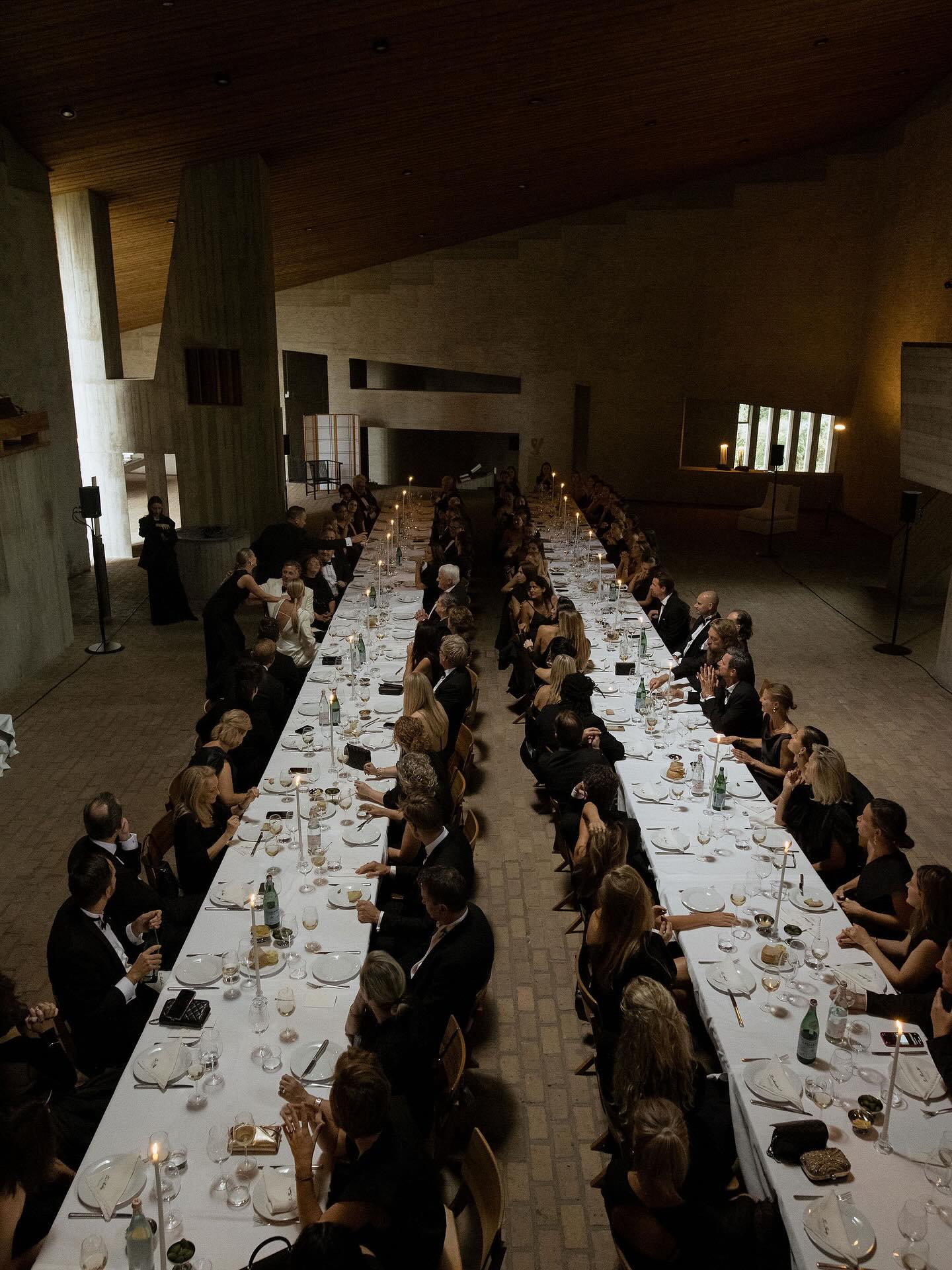
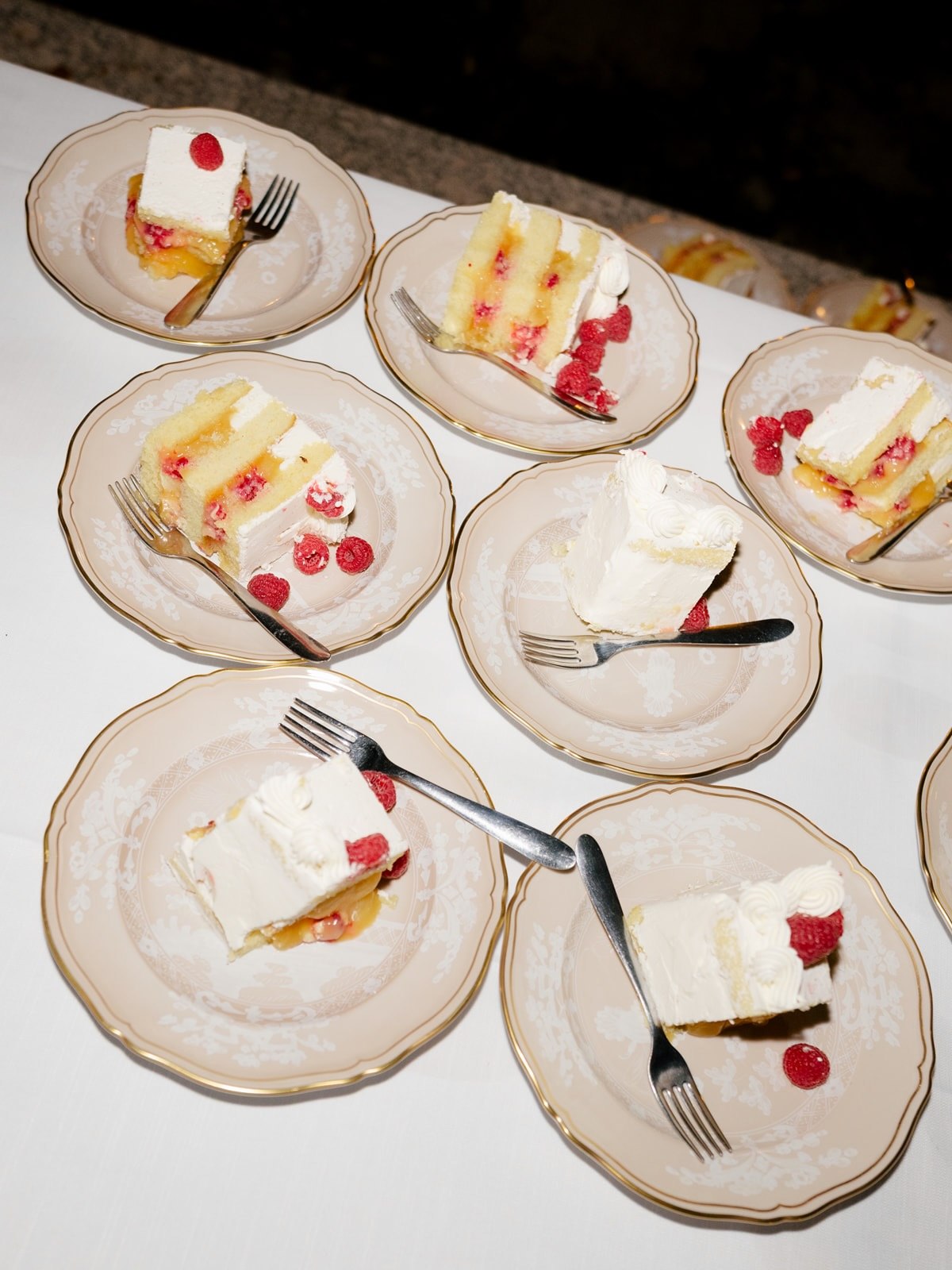
Photo: Irina and Matej, BOTTEGA53
Planner: With Lotte, The Lake Como Wedding Planner
Family Style
Large platters land in the middle of the table, and guests pass them around. Tungett chose it for her own wedding. “It is a great way to get conversations going!”
It also asks for more than people expect. Caterers prepare extra food because no one knows exactly how much each guest will take. They also bring more platters, bowls and serving utensils, and the table needs room for all of it. The menu matters too. Tignanelli likes the format but adds a condition: the food has to suit sharing and fit the concept of the wedding.
That usually means big, generous dishes. Tignanelli, who is from Argentina, leans toward anything cooked big and outdoors. “Barbecues, rices, pastas… anything that you can do in a large format and outdoors, I love.” Italian, Spanish and Middle Eastern menus, with their shared platters and small plates, fit the format naturally. A delicate composed dish rarely survives the trip around the table.
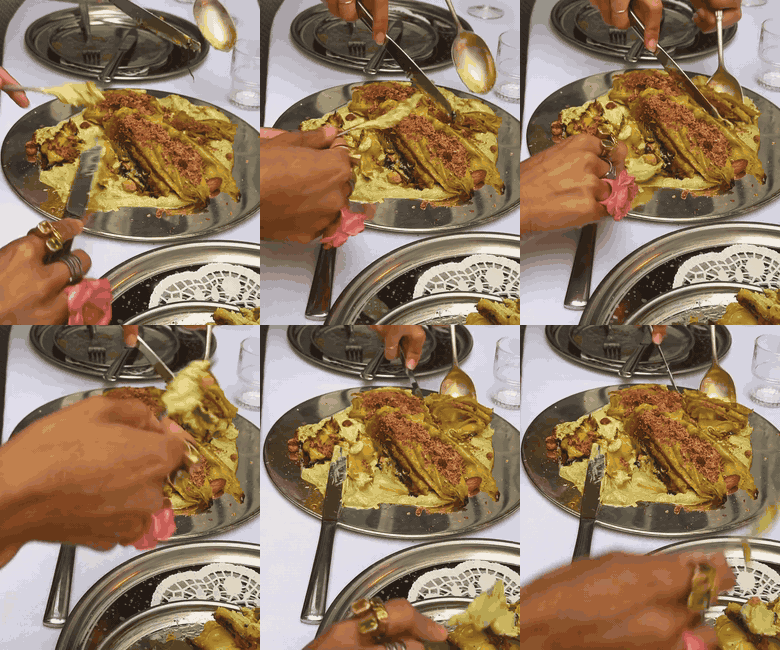
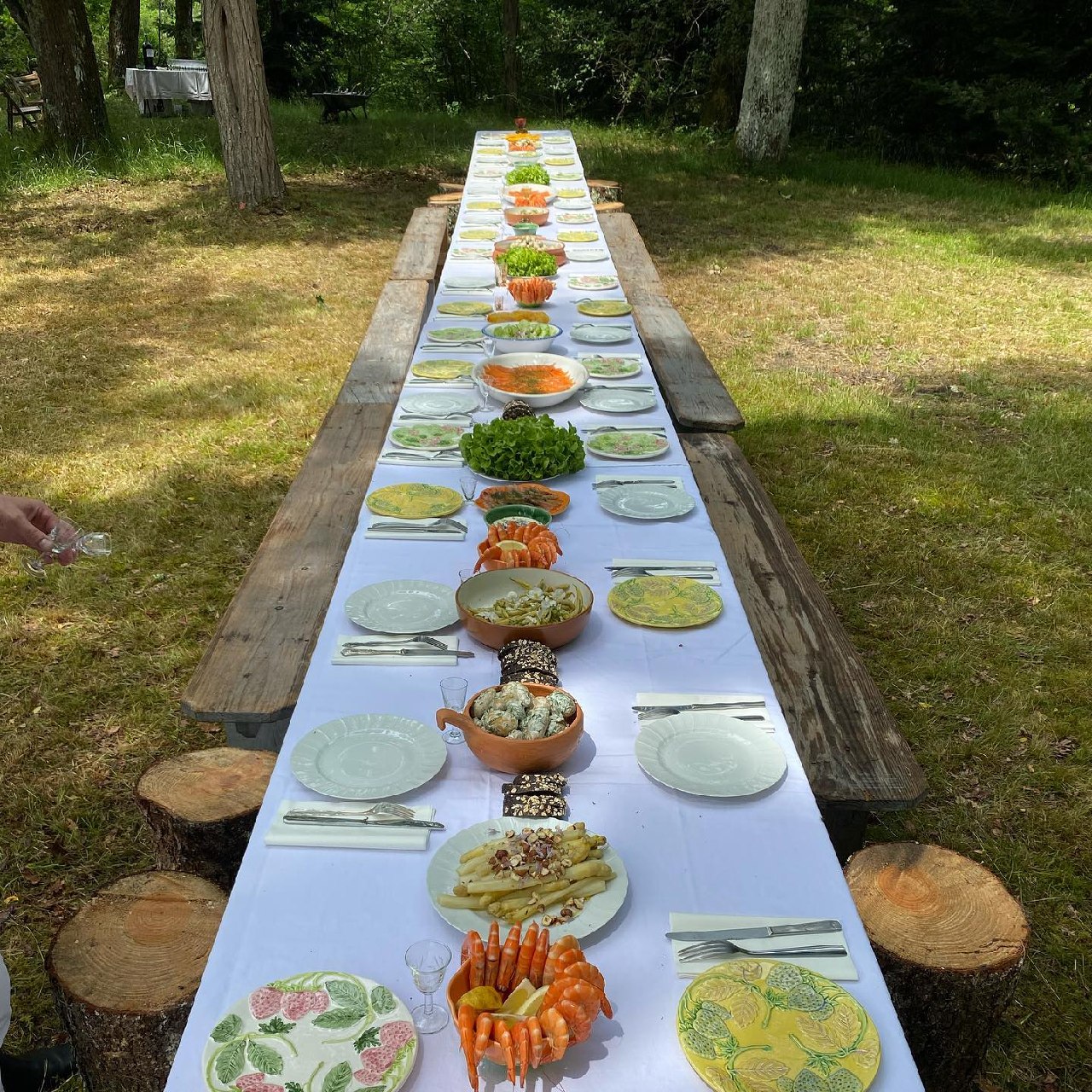
Photo & Food: Lena, Antonella Tignanelli
Buffet
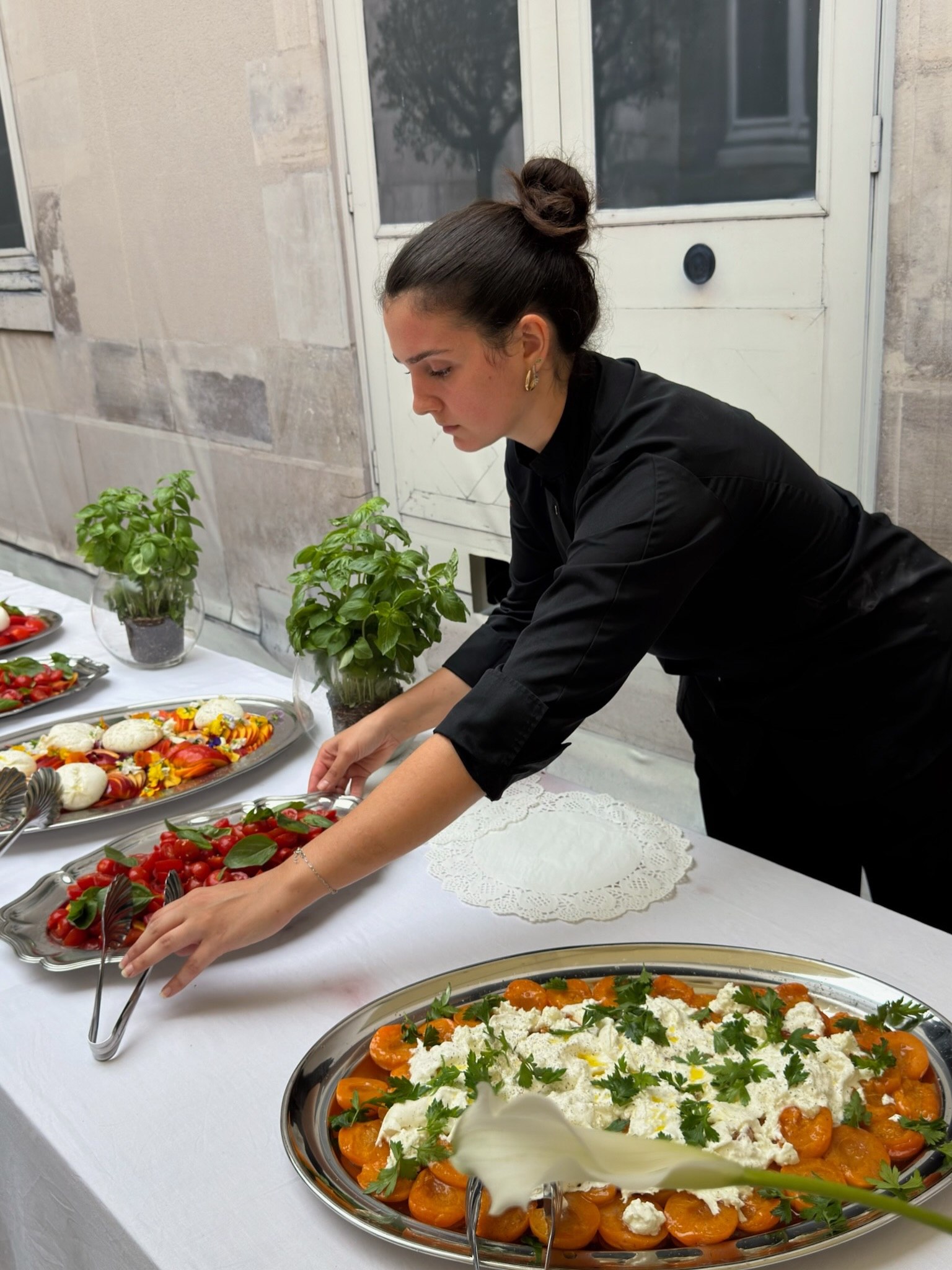
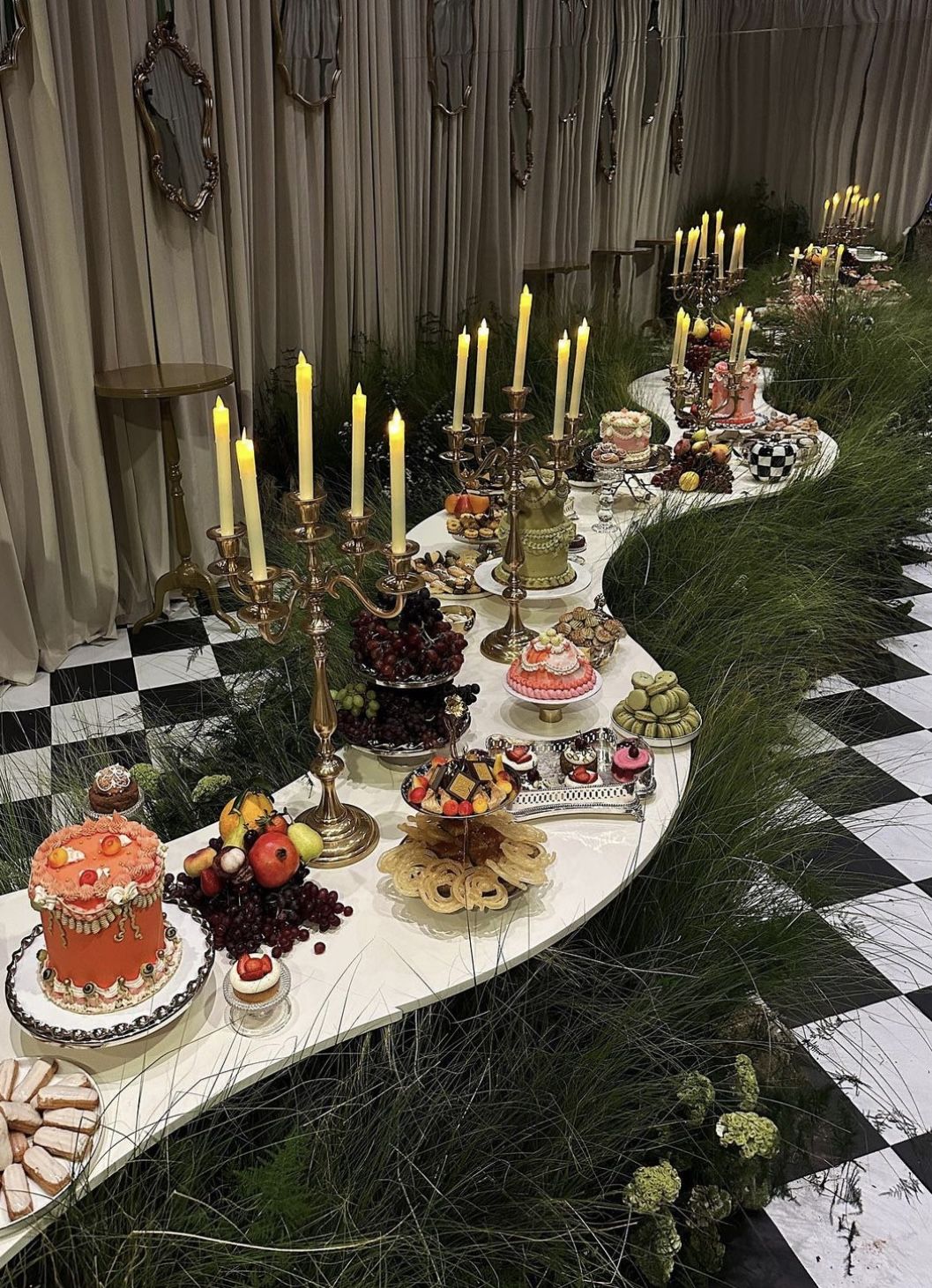
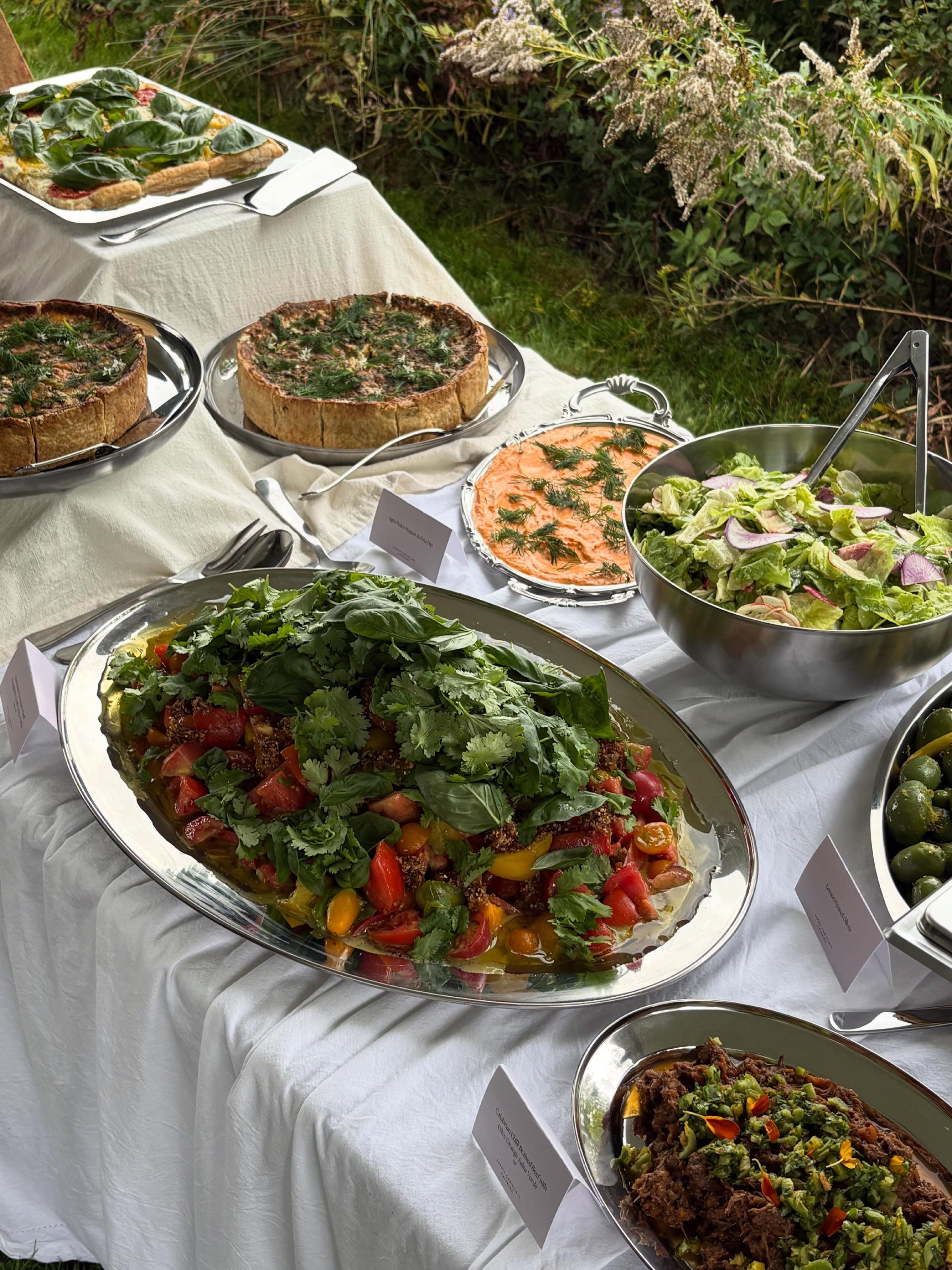
No format split our experts more. Antonella Tignanelli is a fan. “My favorite are buffets because you can style them and create a whole universe out of each one and they become a moment in themselves.” Karen Tungett of Blackstone Caterers is not. “It just seems weird to me that people have to wait in line to get their food at a wedding.”
Alexandra Dettori lands somewhere in between. For some cultural weddings, the way food is traditionally served is part of the experience, and a buffet honors that. “A buffet does not have to feel casual. It can absolutely be elevated to suit a more formal event through the presentation, service, staffing and equipment.” Brooke Pollard of Alison Events rarely uses buffets for the main dinner but welcomes them at a relaxed welcome party or a morning-after brunch.
Food Stations
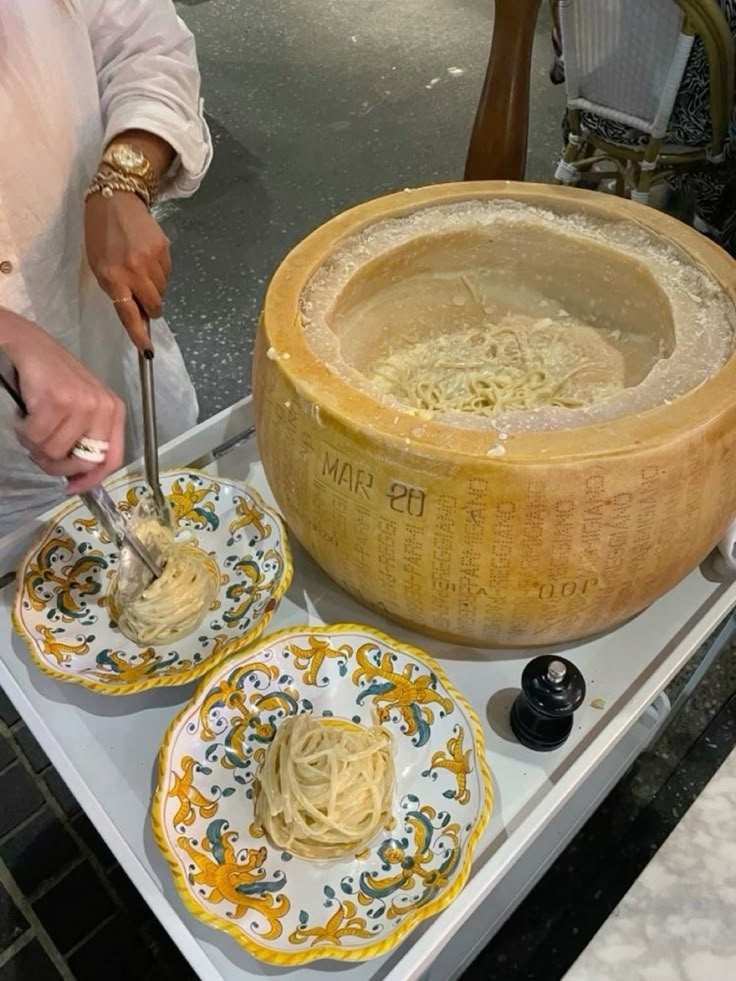
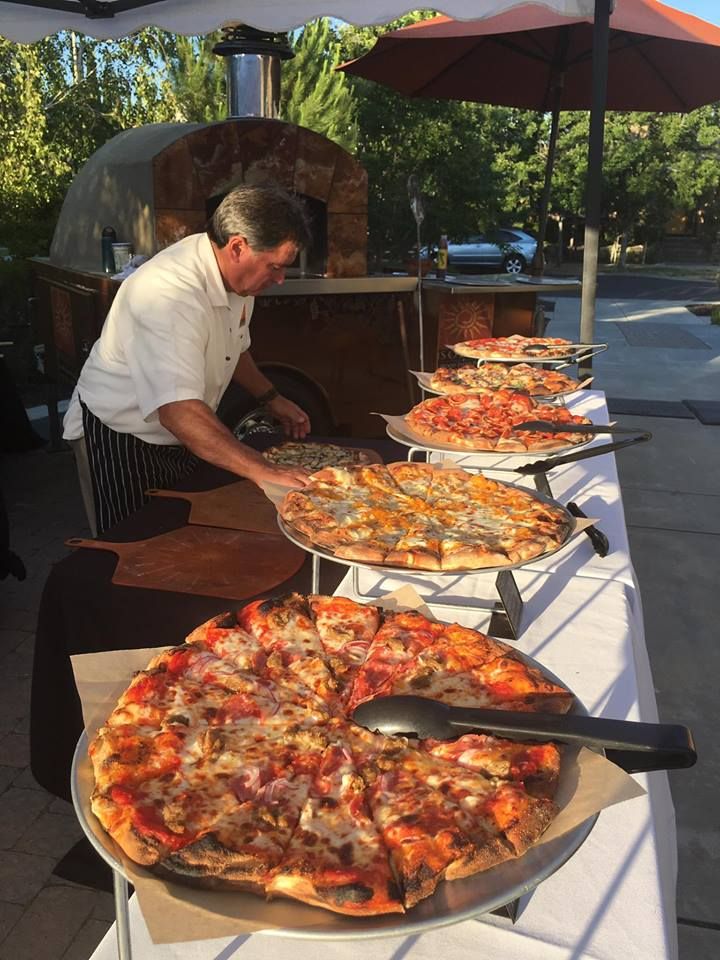
Stations turn dinner into something guests explore. “Food stations create movement and interaction,” says Dettori. Think chefs cooking to order, a raw bar or a pasta station, with guests drifting between them.
Blackstone Caterers loves the format when it’s done right, and for the team that starts with seating. Instead of rows of identical round tables, they mix high-tops with stools, low tables and lounge furniture, so everyone has a seat without being tied to one. “It also leaves for a ton of mingling and dancing!!” Stations need space to move around and enough staff to keep lines short.
Tasting Menu
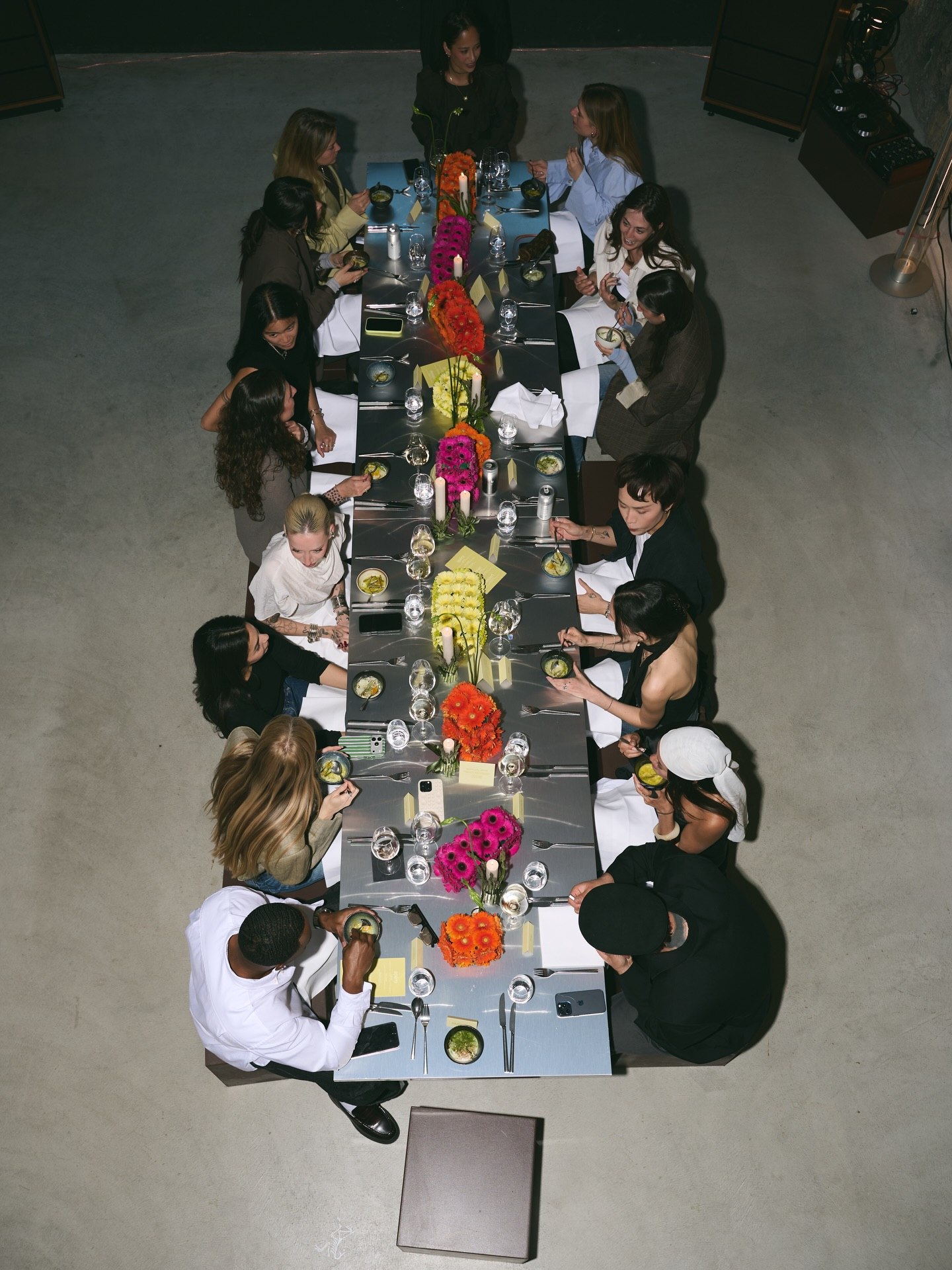
A multi-course, chef-led dinner borrowed from fine dining. “With tasting menus, we can build a progression where each course has its own identity and the entire dinner feels more restaurant-driven,” says Alexandra Dettori. It suits couples who love unexpected flavor pairings and see dinner as one of the highlights of the day. Just plan for it to take the most time at the table.
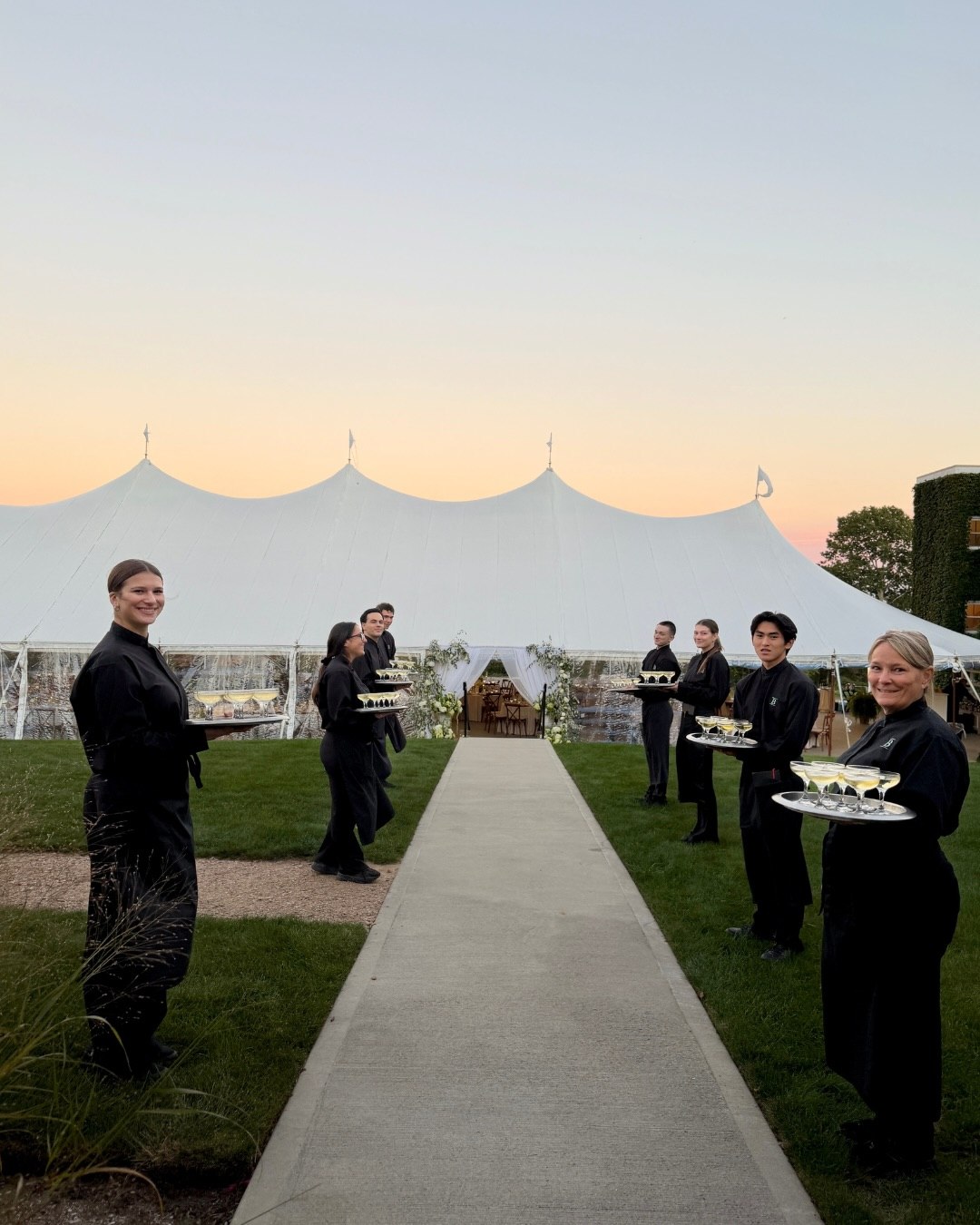
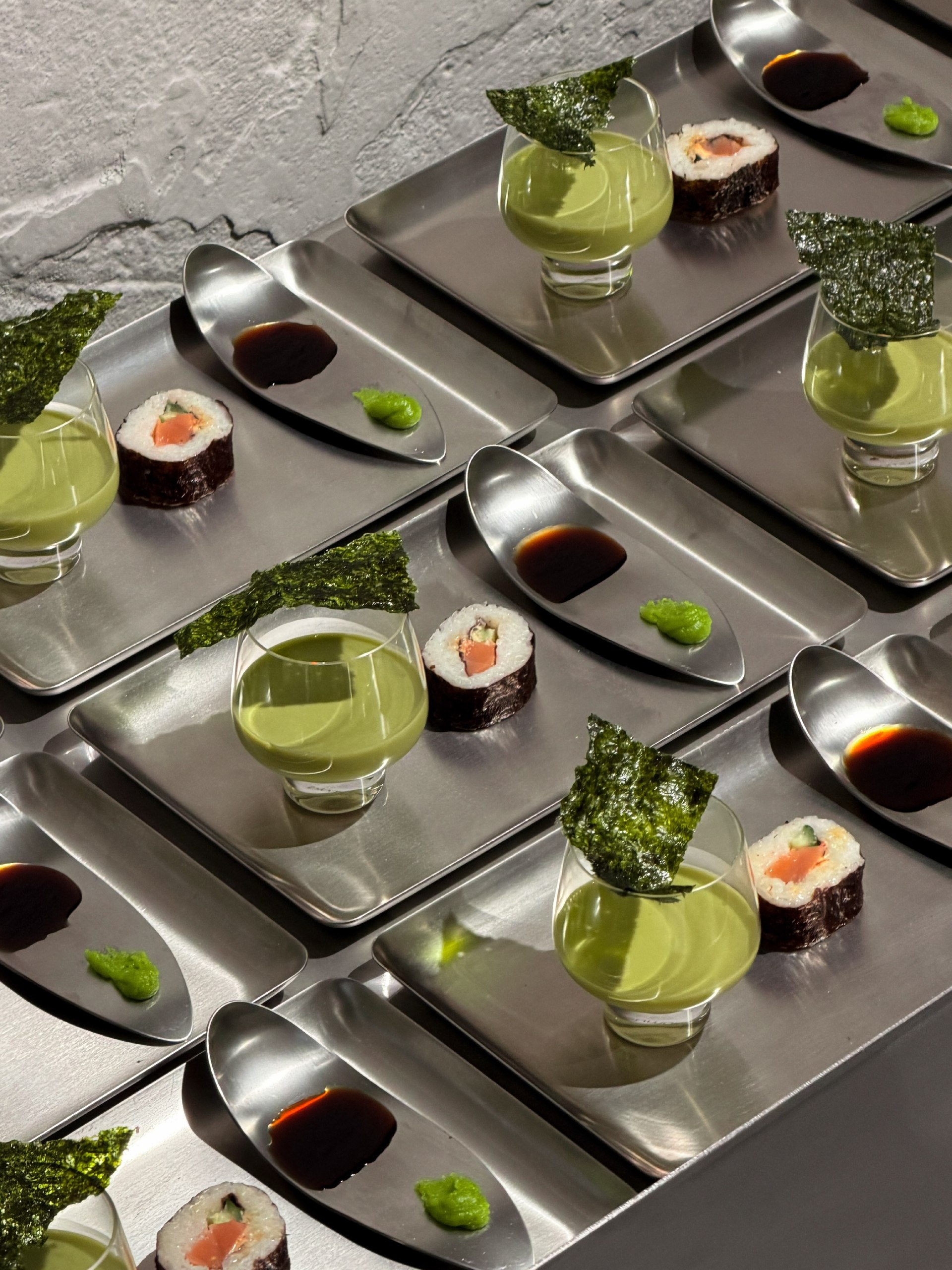
Photo: Blackstone Caterers, Idan Gilony
Questions That Point You to the Right Format
Planners rarely open with “plated or buffet?” They start with questions like these.
Where are your guests in the picture? “When you imagine your wedding, where are the people? Seated at the table, talking? Moving around? On the dance floor?” asks Maria do Rosário Pinho of Bouquet de Liz. She finds the answer far more revealing than asking a couple to pick a format.
How much does dinner matter to you? Lotte Groosman of With Lotte puts it plainly. “Do you love the idea of sitting around a table for hours, enjoying good food and even better conversations? Or do you see dinner more as something you want to get through before heading to the dance floor?”
How do you like to host and eat? Edwin Hernandez of Ida Rose Events asks couples to picture something smaller. “If you were hosting a dinner party with all your favorite people, what would that look and feel like?” Taimar Birthistle-Cooke of The Lake Como Wedding Planner goes straight to restaurants: where the couple eats every week, and where they go for a special occasion or a date night. Those habits often point to the right service style.
What food do you love? “The food itself often tells you how it should be served,” says Dettori. A delicate fish asks for a plate of its own. A big bowl of pasta asks to be passed around.
Who’s coming, and how many? The Bouquet de Liz team sees a clear pattern with many Brazilian and South American couples, where the party is the heart of the celebration and a long seated dinner can drain the energy. Food stations often suit them better. Still, the team is careful not to generalize. “Nationality gives us clues, but we always need to get to know the people involved. Even within the same country, we find very different ways of celebrating.” Numbers matter too. “Something that feels seamless for 40 guests may need to be completely reworked for 300,” says Dettori.
What bothered you at other weddings? At Bouquet de Liz, this one always comes up. “Often, they can pinpoint exactly what they never want to experience again.”
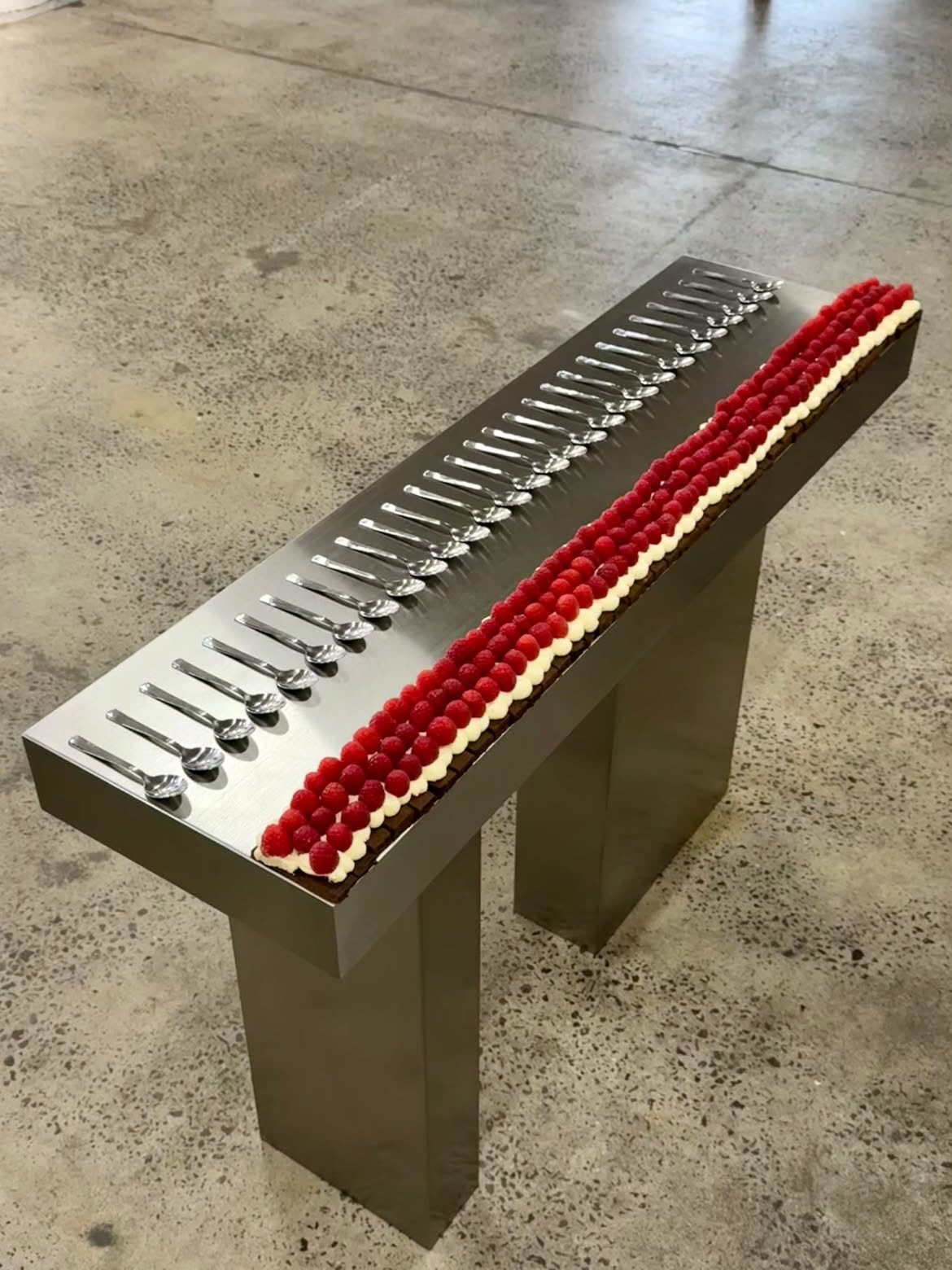
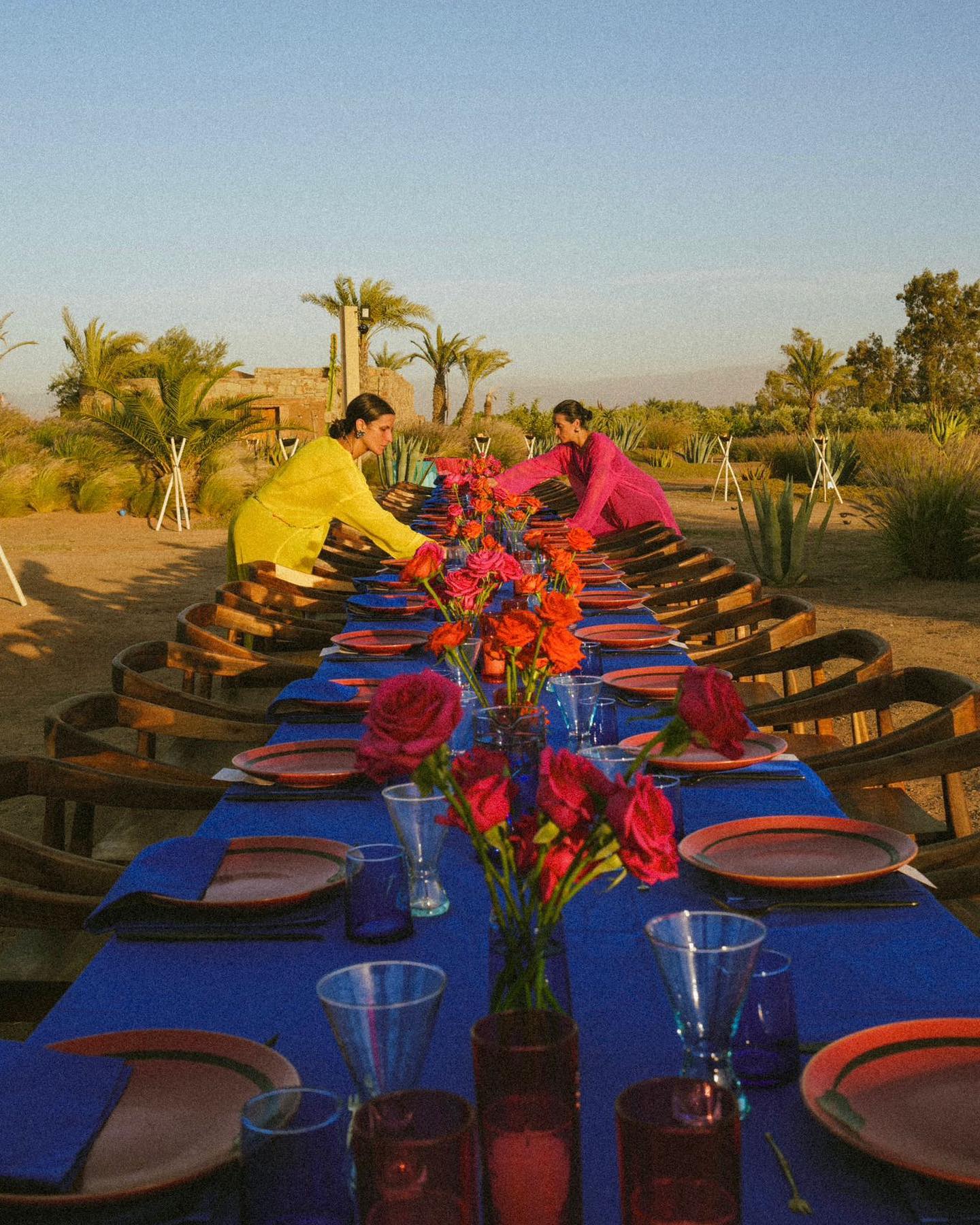
How to Make Sure No Guest Goes Hungry
“Beautiful food and generous food are not mutually exclusive,” says caterer Alexandra. Her rule is to look at the whole evening rather than a single plate. “If cocktail hour is very light and dinner is also minimal, people are going to notice.”
Maria of Bouquet de Liz puts it bluntly. “Having plenty of food at a wedding doesn’t guarantee that everyone eats well.” Before she looks at the menu, she walks through a guest’s day. “What time did they have lunch? How long is it between the ceremony and the first food? Can they easily reach the stations? Does the alternative for their dietary restriction arrive at the same time as everyone else’s meal?”
The meals also build on each other. “Guests’ appetite and attention don’t reset at every stage,” Maria says. A generous cocktail hour means dinner can be lighter, and late-night food lands better when there’s been a real gap since the last meal. Piling on more options won’t fix a weak plan. “Adding more options can increase the budget without increasing the enjoyment.” Cocktail hour is usually where hunger hits first. Edwin of Ida Rose Events always adds a food station next to the passed hors d’oeuvres. “Especially for those guests who don’t want to go hunting for their food!” He also keeps passed bites to a single mouthful, since guests are mingling, taking photos and holding drinks at the same time.
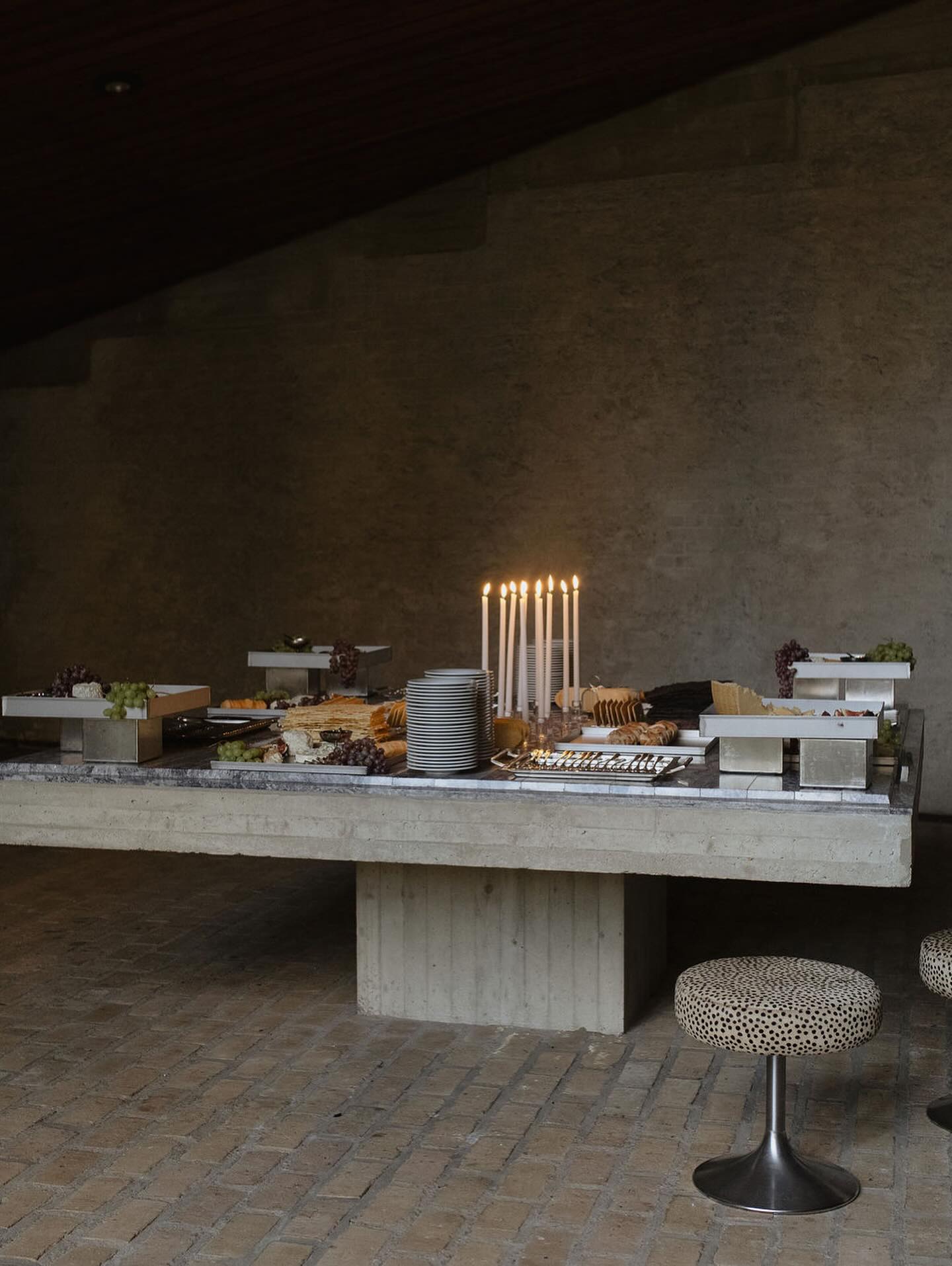
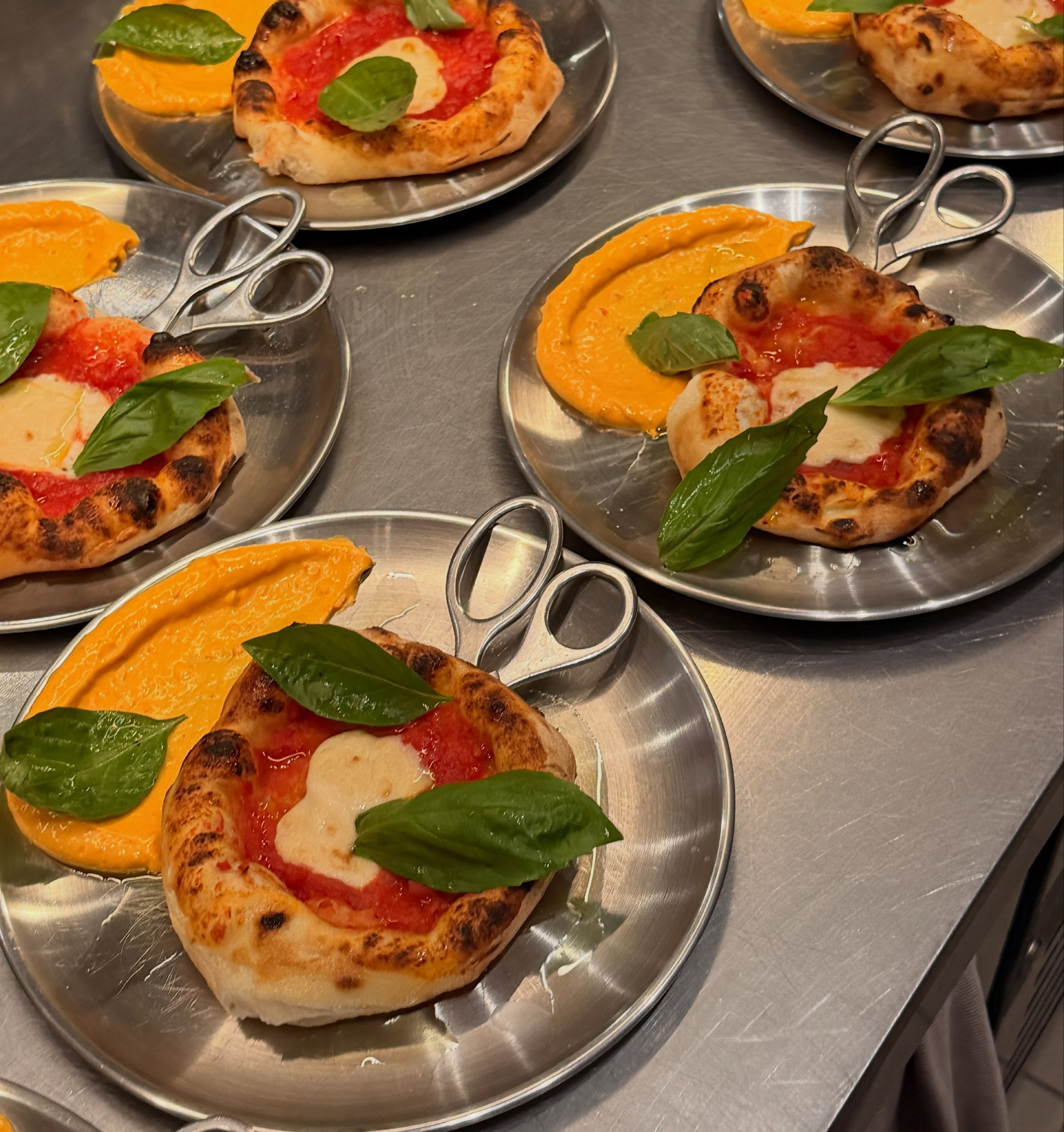
Photo: Irina and Matej, Idan Gilony
The caterer matters as much as the menu. Antonella, who has cooked her whole life, is wary of small trendy businesses whose food looks great online. “People who are in charge of these small trendy businesses have never made food before. So they just plan something that will look good but with no knowledge or skills in actually feeding people.” She suggests judging a caterer by real events and real years in the business, not by a polished video that anyone can make now, especially with AI. Christiana Bellusci of Maison FNC sums it up. “Food should never be purely decorative.”
Feeding everyone well also means planning for dietary restrictions. At Blackstone Caterers, the team knows each guest’s name, seat and restriction before the wedding day. “The server will introduce themselves to him or her and confirm the allergy.” Shared formats need extra care. “Serious allergies always require additional attention because cross-contact is a real consideration,” says Alexandra Dettori Catering. “An alternative meal deserves the same care in flavour and presentation,” says Maria.
Even with all of that, Edwin has made peace with one thing. “There’s always going to be that one guest who says they were starving and couldn’t find any food all night!” So plan with care, then let it go. A small hiccup at the buffet won’t be what anyone remembers, and the night is still yours to enjoy.
The Budget Myth Most Couples Believe
It goes like this: skip the plated dinner, set up a buffet and save money. “People often assume buffets are the budget-friendly option, but that’s not necessarily the case,” says Brooke of Alison Events.
The kitchen side explains why. “Plated service gives you the greatest amount of control because you are working from a final guest count and preparing a known number of portions. Stations and buffets require more food because guest consumption is less predictable and the presentation still needs to feel abundant throughout service,” says Alexandra Dettori Catering.
Then come the costs that don’t show up in the menu price. “The name of a format, on its own, tells us little about the final cost,” says Maria of Bouquet de Liz. “A station with live cooking may need its own chef, equipment, power supply and support team. Several stations can multiply those needs.” She also looks at furniture, tableware and any structures a format requires.
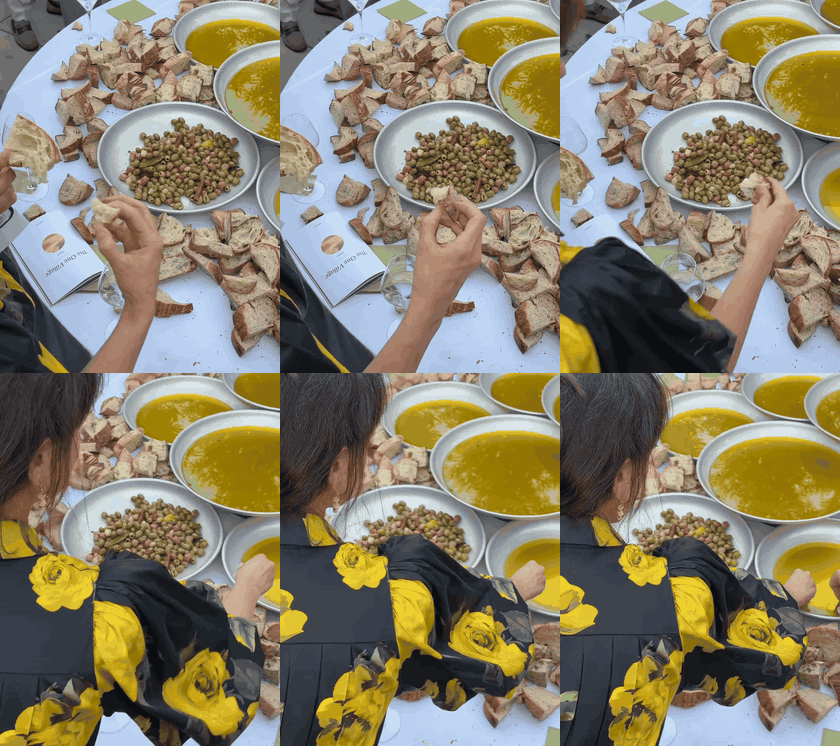
Food & Photo: Idan Gilony, Onda/Ekaterina Fussinger
Edwin of Ida Rose Events looks at the budget from another angle. “Guest count is really one of the biggest driving factors when it comes to catering costs, regardless of whether we’re doing a plated dinner or stations. I actually think the type of food being served has a bigger impact on the budget than how it’s being served.” The one place he won’t cut is staff. “If we don’t have enough hands on deck to deliver it in a timely manner, the guest experience suffers.”
So instead of asking which format is cheapest, Maria suggests a better question to bring to your caterer. “How much does it cost to serve this menu well, to these people, in this space?
Get Every Vendor on the Same Page
Choosing a format is only half of it. The other half is making sure every vendor knows about it early. “This is exactly why we believe all vendors need to be working together from the beginning, we are a team. The service format affects much more than just the catering team,” says Christiana of Maison FNC.
The florist and designer. This is where things go wrong most often. “Most common to me is doing family style and NOT communicating that to the Florist or planner,” says Karen of Blackstone Caterers. “This really messes up service and makes it a bit uncomfortable for the guests at the table when there is no place to put the platter or bowls.” Brooke of Alison Events agrees. “There’s nothing worse than a server arriving with a beautiful platter of food and nowhere to put it!”
The venue. A venue’s rules can shape the whole evening. “We frequently work backwards from venue restrictions, whether that’s a music curfew, a deadline for fireworks or limitations on which spaces can be used for dining and dancing,” says Taimar of The Lake Como Wedding Planner. Hotels often come with an in-house kitchen and its own service timings. Private villas bring in outside caterers, which leaves more room for custom menus.
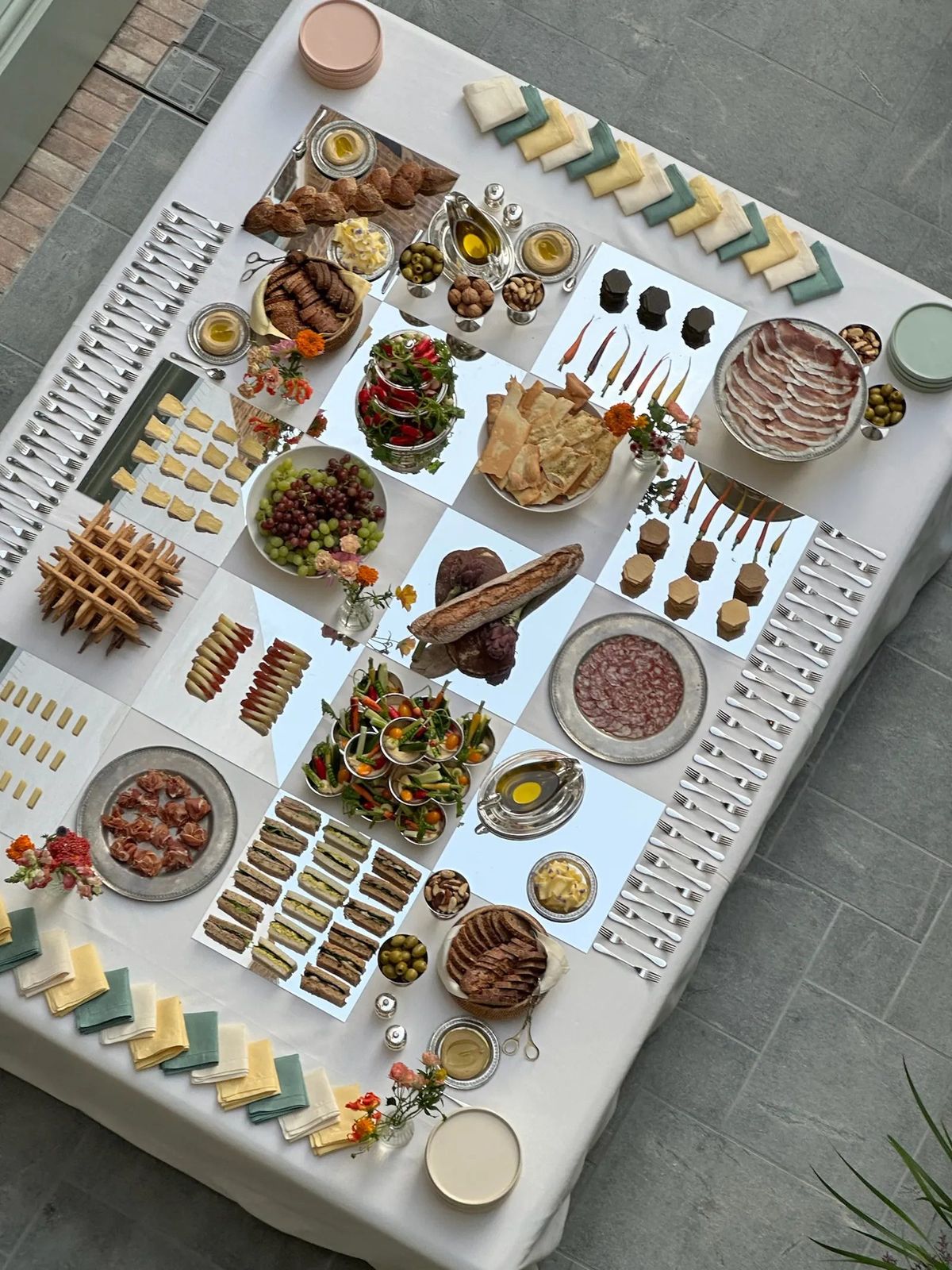
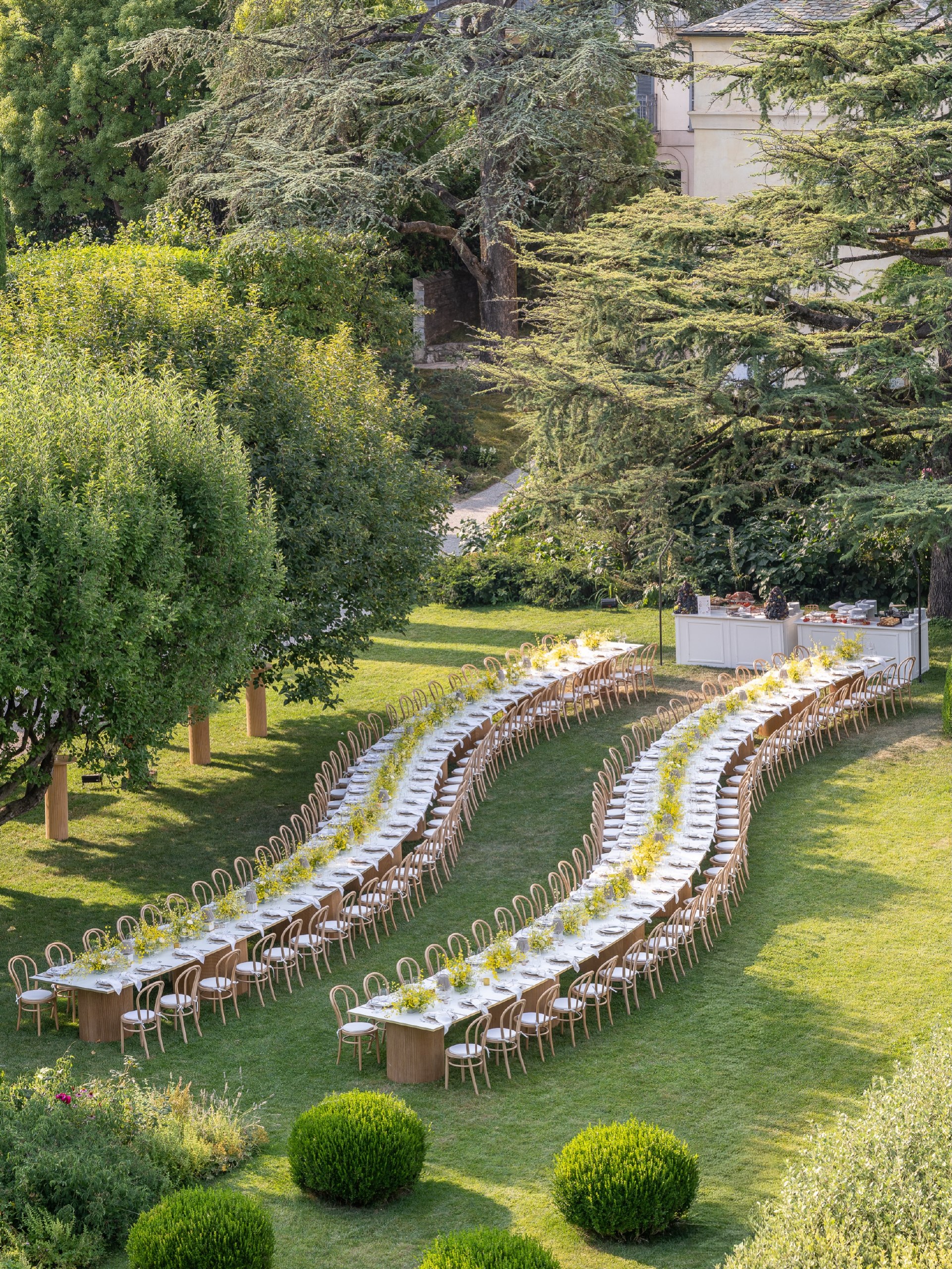
Photo: Opus 11, Umberto Armiraglio
The layout. “A room can be visually extraordinary, but if the layout doesn’t support how people eat, move, and interact, we’ve missed something important,” says Mandy Dorr of Mandy Marie Events. For one wedding with long tables set on a custom platform, Bouquet de Liz decided on service aisles and catering access before anything else and placed a kitchen unit right next to the dining area. Stations need the same thinking. “A very popular station needs serving capacity proportional to the interest it generates. Otherwise, what should be a moment of discovery turns into a queue.”
The band, DJ and production team. When the evening moves between formats and spaces, everyone has to work on the same timeline. “The magic is in the transitions. Guests shouldn’t feel like they’re being moved through a series of scheduled activities,” says Mandy.
The caterer itself. Pay attention to how a caterer communicates from day one. “Your first contact with a caterer, and the tasting will tell you a lot about the people behind the food, too,” says planner Lotte.
Once everyone is in the loop, test the plan. “We always conduct a dress rehearsal with the tables and florals set to mark family style platters before guests arrive to ensure our plan is executable,” says Brooke. As Alexandra Dettori puts it, the most common mistake is “choosing the format based only on how it looks instead of how it will actually function.”
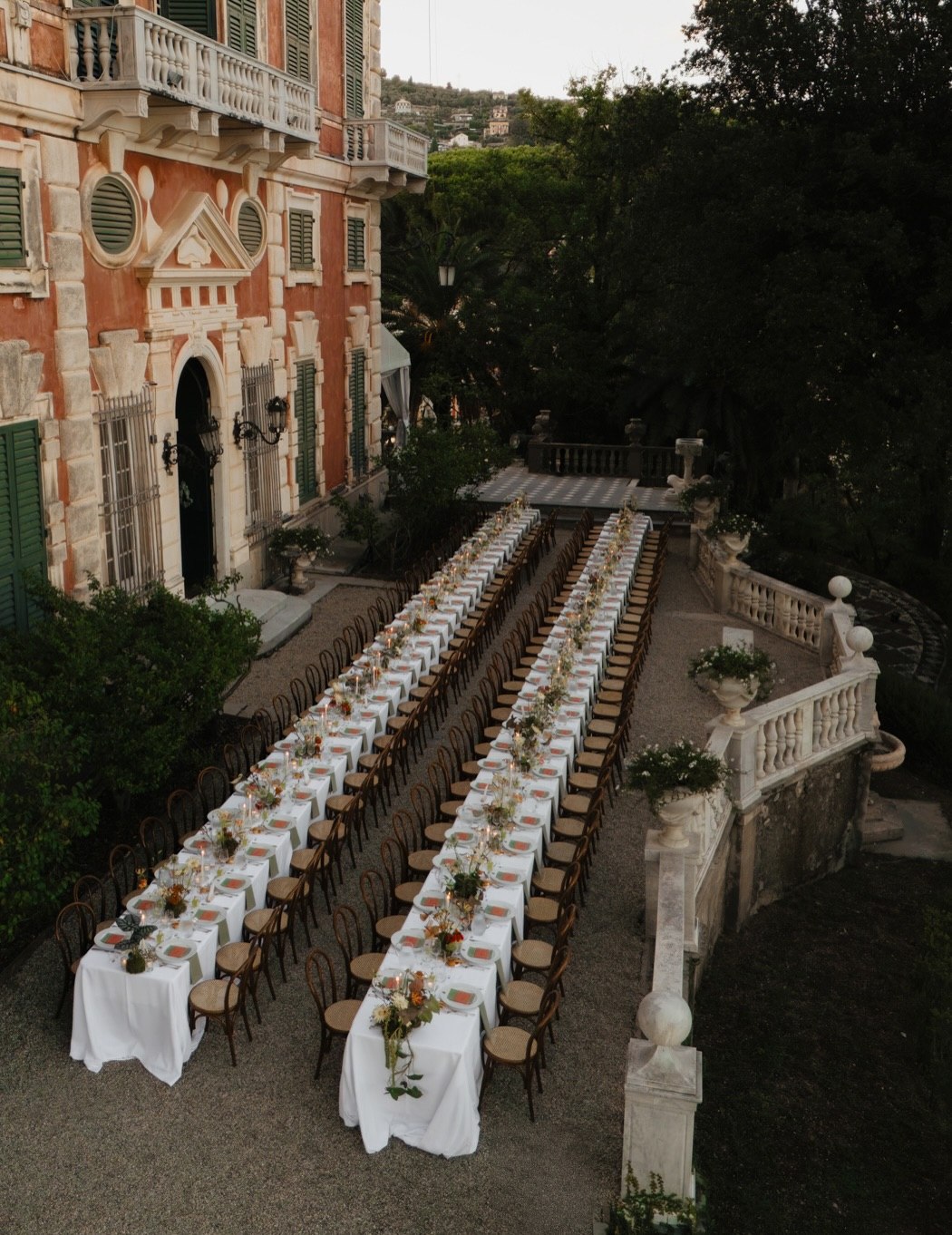
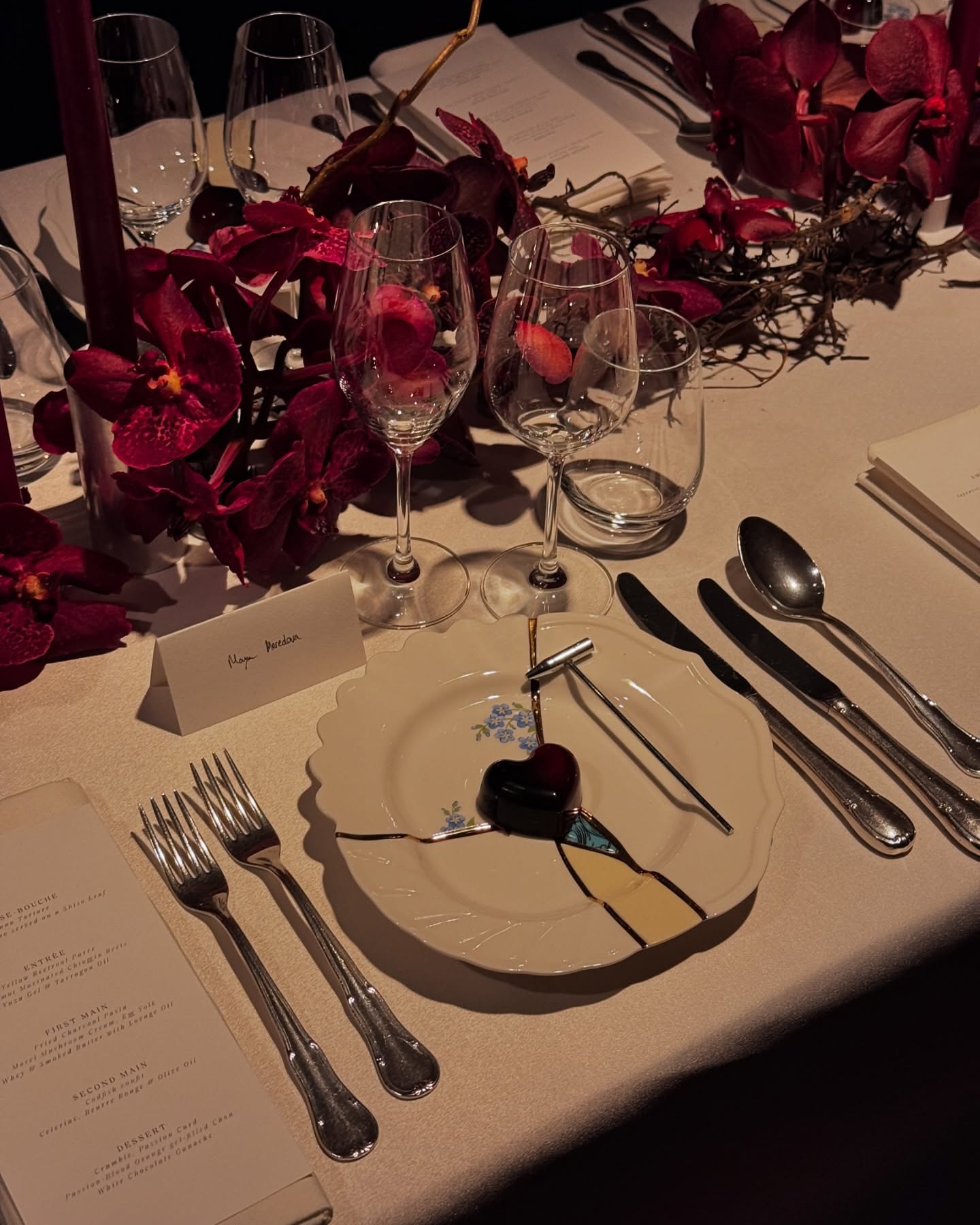
Photo: Erik Winter, Idan Gilony
Timing the Evening: What Goes Where
Planners agree that the food and the timeline should be planned together, from the very start. For about 100 guests, dinner usually takes an hour to an hour and a half, according to Karen of Blackstone Caterers. What makes it feel long is the empty time between courses. Even a short dinner can drag when nothing is happening. Our experts shared five schemes that work.
Dance first, then dinner. The couple walks in and goes straight into their first dance while the energy is high. Guests often join them on the floor before everyone sits down. “It creates a wonderful atmosphere and brings energy into the room from the beginning,” says Taimar of The Lake Como Wedding Planner. Edwin of Ida Rose Events follows it with a short welcome from the couple, then dinner.
Dance between courses. Short sets on the dance floor break up a longer meal. “We don’t necessarily see dinner and dancing as competing elements. We often incorporate dancing before dinner or even between courses to keep the energy high and ensure guests don’t feel they are missing out on the party,” says Taimar.
Dinner first, then the dance floor. The classic option, with the first dance as the bridge into the party. “A well-paced meal, thoughtful transitions, and a really good band or DJ can get everyone onto the dance floor without sacrificing the dining experience,” says Brooke.
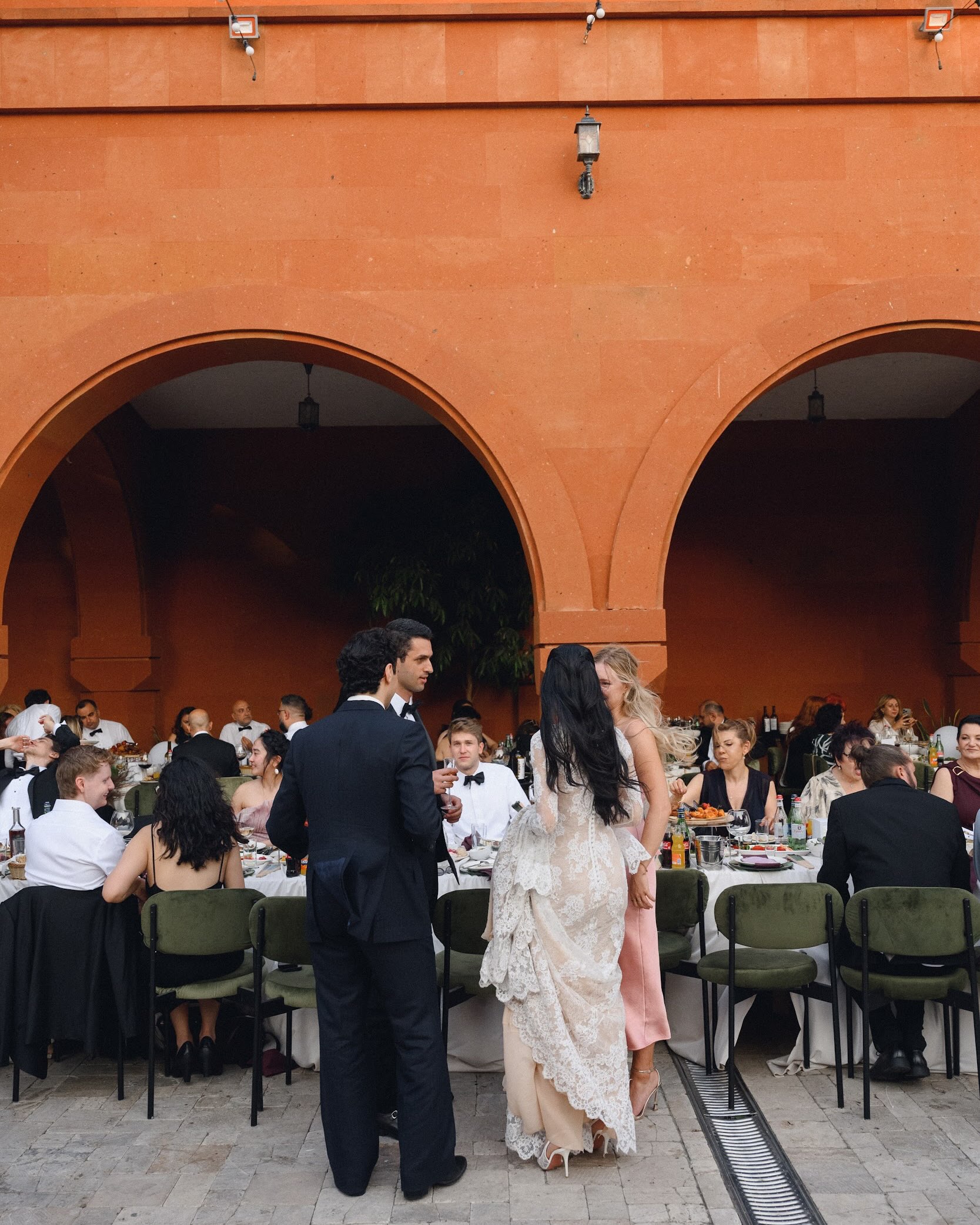
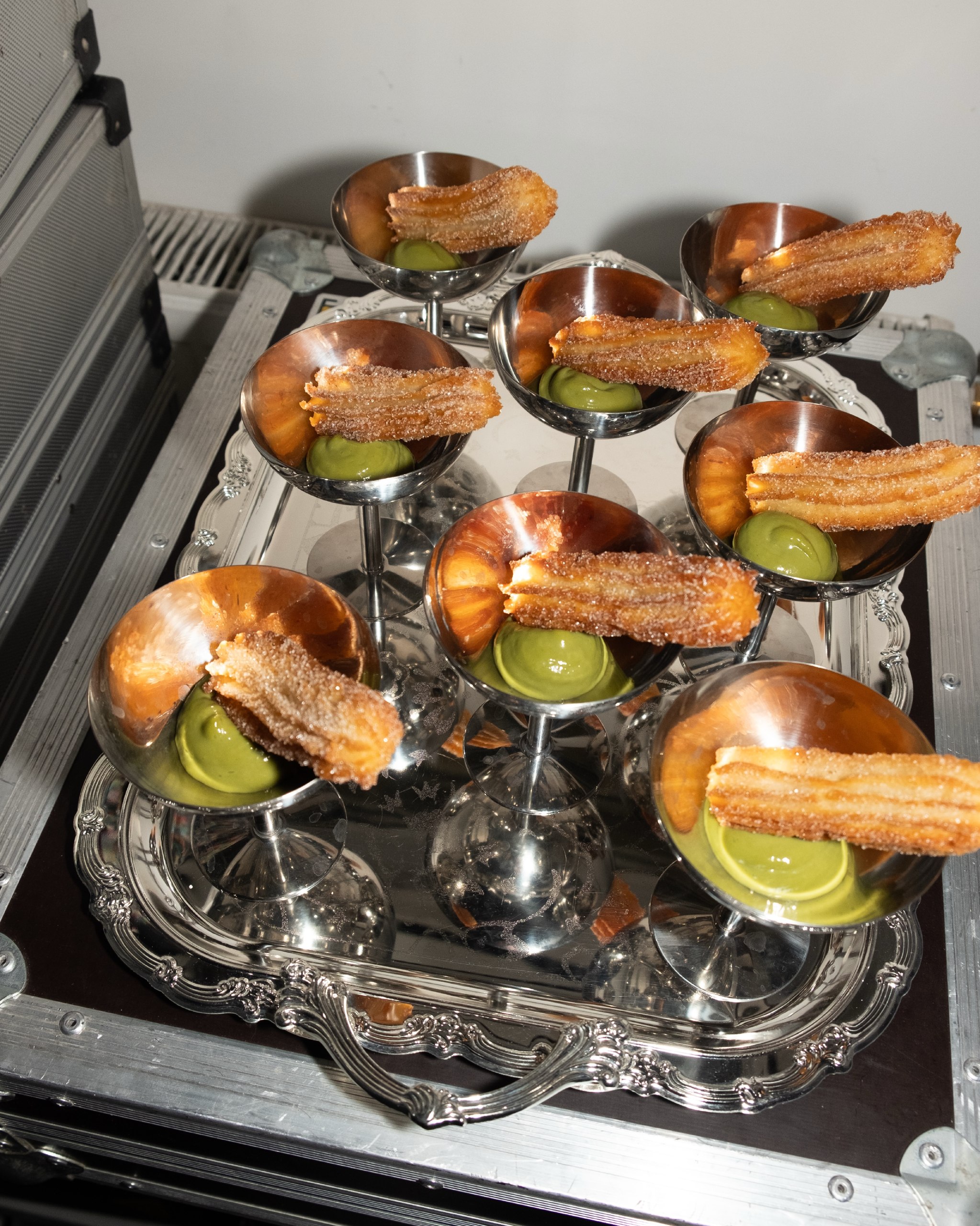
Photo: Alex Khlopkov, Fancy Food Catering
The short dinner. Fewer courses, faster service and the cake right after. Planner Lotte gets the appeal. “This is actually how I felt at my own wedding, haha! I just wanted to dance. Even though I love dining.” It also fits some crowds better than others. “If you’re planning a short wedding and the audience is mainly young, I’d say maybe it’s the right decision,” says food stylist Antonella. The key is to shorten the menu, not to rush the same menu out at once. “Several dishes conceived to be enjoyed in sequence can lose quality when they arrive together. Guests end up choosing which one to eat hot and which to leave to go cold,” says Maria. Brooke agrees. “If dancing is the couple’s number one priority, we’ll design the entire evening around that from the beginning rather than trying to shave 20 minutes off dinner at the last minute.”
Dinner as the main event. For food-loving couples, the meal is the highlight. Bouquet de Liz once planned a chefs’ tasting dinner with wine pairings, and the party still ran into the early hours. Even here, length is a choice. “Not every couple wants a four-hour dinner, and I don’t think we should impose that experience on them simply because it is traditional in Italy,” says Christiana of Maison FNC.
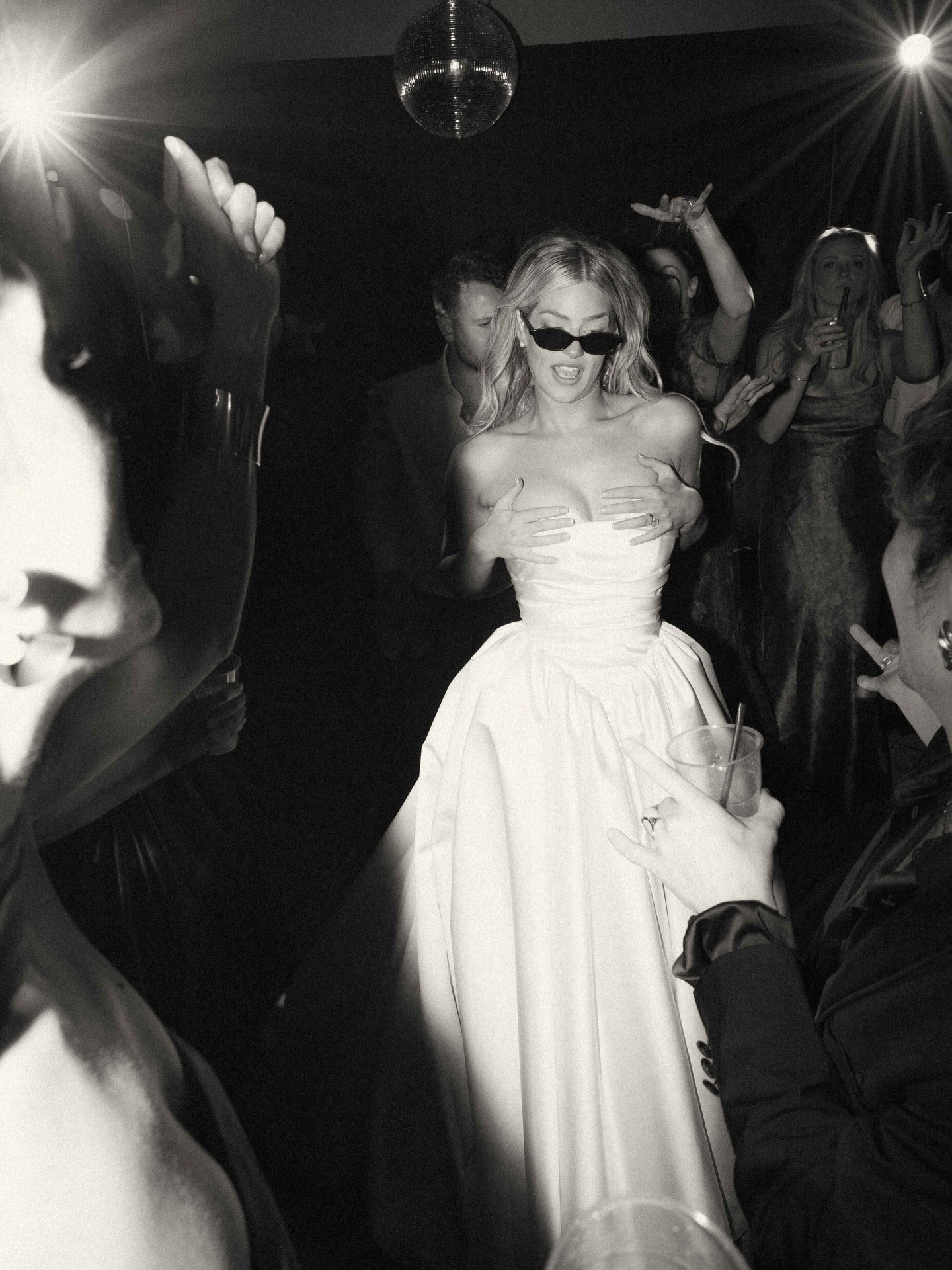
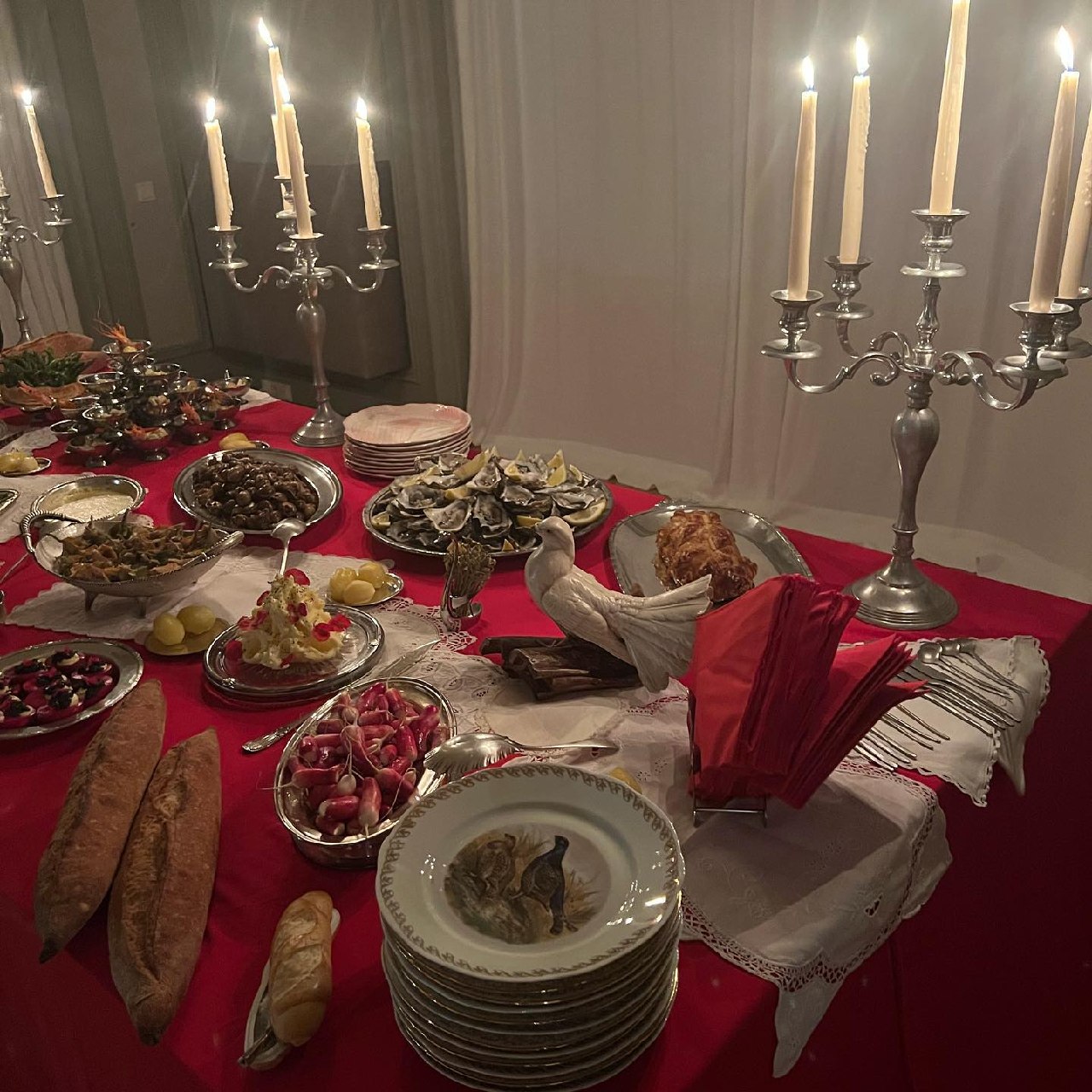
Photo: Erik Winter, Antonella Tignanelli
Where Toasts, Cake & Photos Fit Into Dinner
Toasts. Time them for natural pauses in service. “What we don’t love is interrupting a beautiful hot main course with a 15-minute speech!” says Brooke. Edwin waits until every guest has been served and keeps it to two speeches at most. Christiana asks for toasts under five minutes. With stations, guests are spread around the room, so Maria groups the moments that need everyone’s attention together.
The cake. Blackstone Caterers cuts it right after dinner to keep the evening moving, or swaps plated dessert for a dessert station so guests reach the dance floor sooner. Some couples skip the moment entirely. One of Lotte’s couples ate their wedding cake the next day, at brunch by the water.
Photos. Get the important ones done early. Edwin recommends a first look and family portraits before the ceremony, and fewer couples now stop at every table for a photo. “We want our couples tired from the dance floor, not from running around all night!”
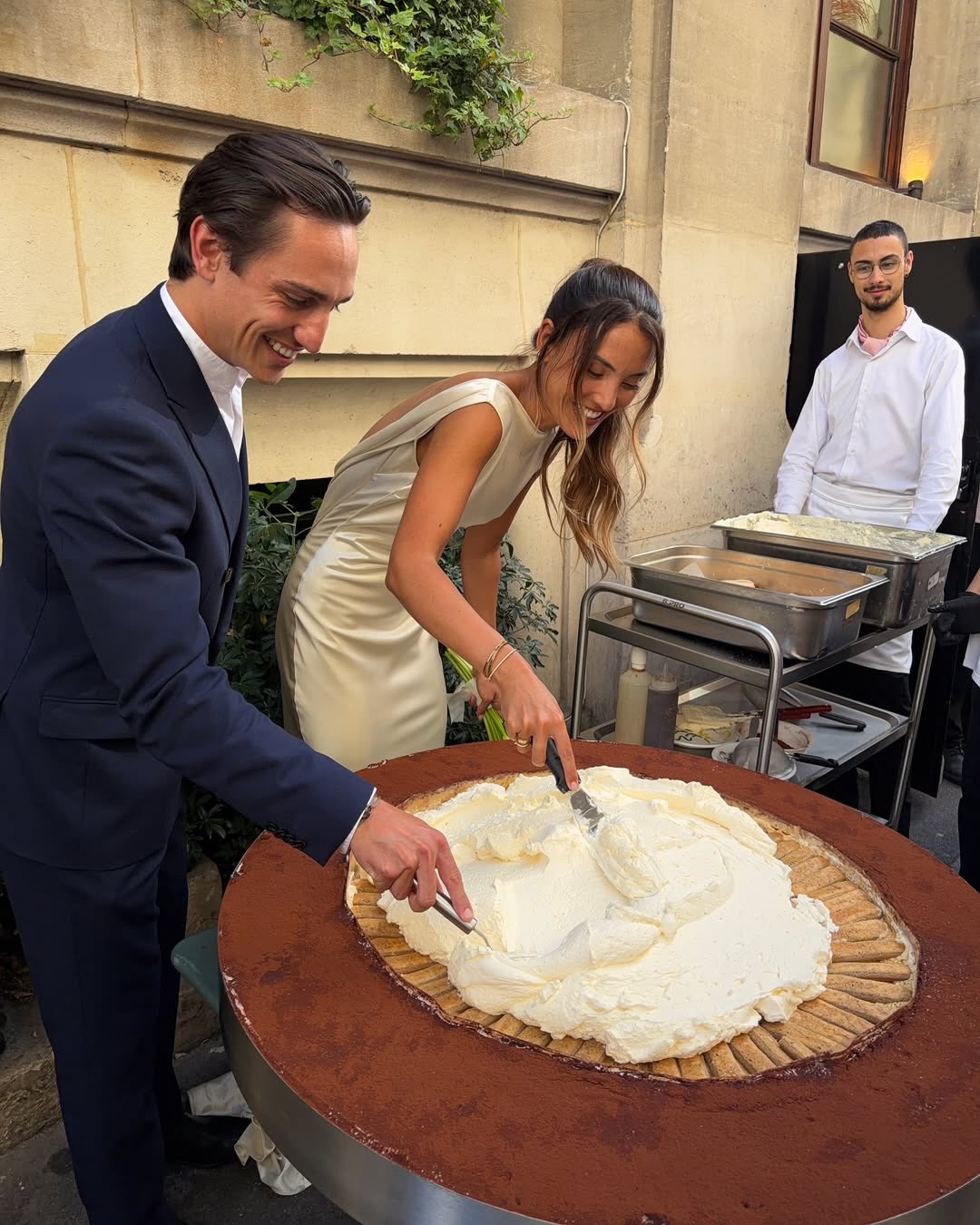
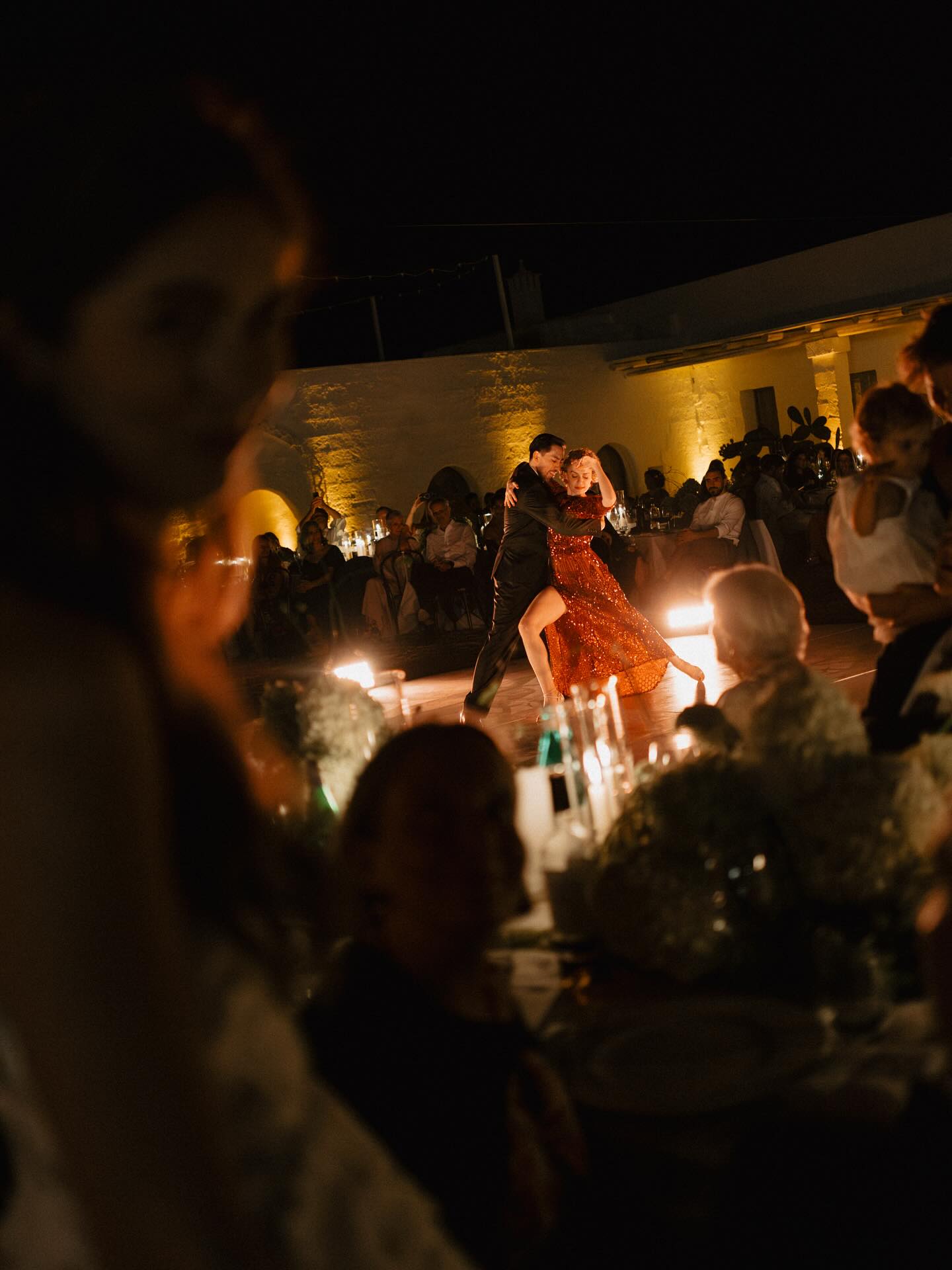
Photo: Lou Lou Memphis Weddings, Erik Winter
How to Make the Food Memorable
Wedding food now competes with the flowers for attention. We’ve seen it in styled bread and butter, seafood on ice and the 20 food stylists and artists we recently rounded up. But looks alone won’t make guests remember the food. Here’s what our experts do to make it count.
Pick one or two showstoppers. Martini carts, caviar service and pasta tossed in a wheel of Parmesan all draw a crowd, but they also take staff and time. “Pick one or two really fantastic moments and execute them beautifully,” says Brooke of Alison Events.
Make it personal. “Choose something you like that has to do with you culturally or emotionally and try for the caterer to nail it with your directions, don’t just choose from a catalog of finger food because that’s how food becomes impersonal on that day,” says food stylist Antonella. At one wedding planned by Ida Rose Events, that meant Taco Bell on the dance floor, a nod to the couple’s late-night Uber orders. “Even guests who wouldn’t typically reach for Taco Bell were loving it because it gave them a little glimpse into the couple’s life,” says Edwin. Brooke likes to weave in both partners’ backgrounds. If one grew up in LA and the other in Germany, why not an In-N-Out late-night bite and a great schnitzel at cocktail hour? “The key is making it feel authentic rather than themed.”
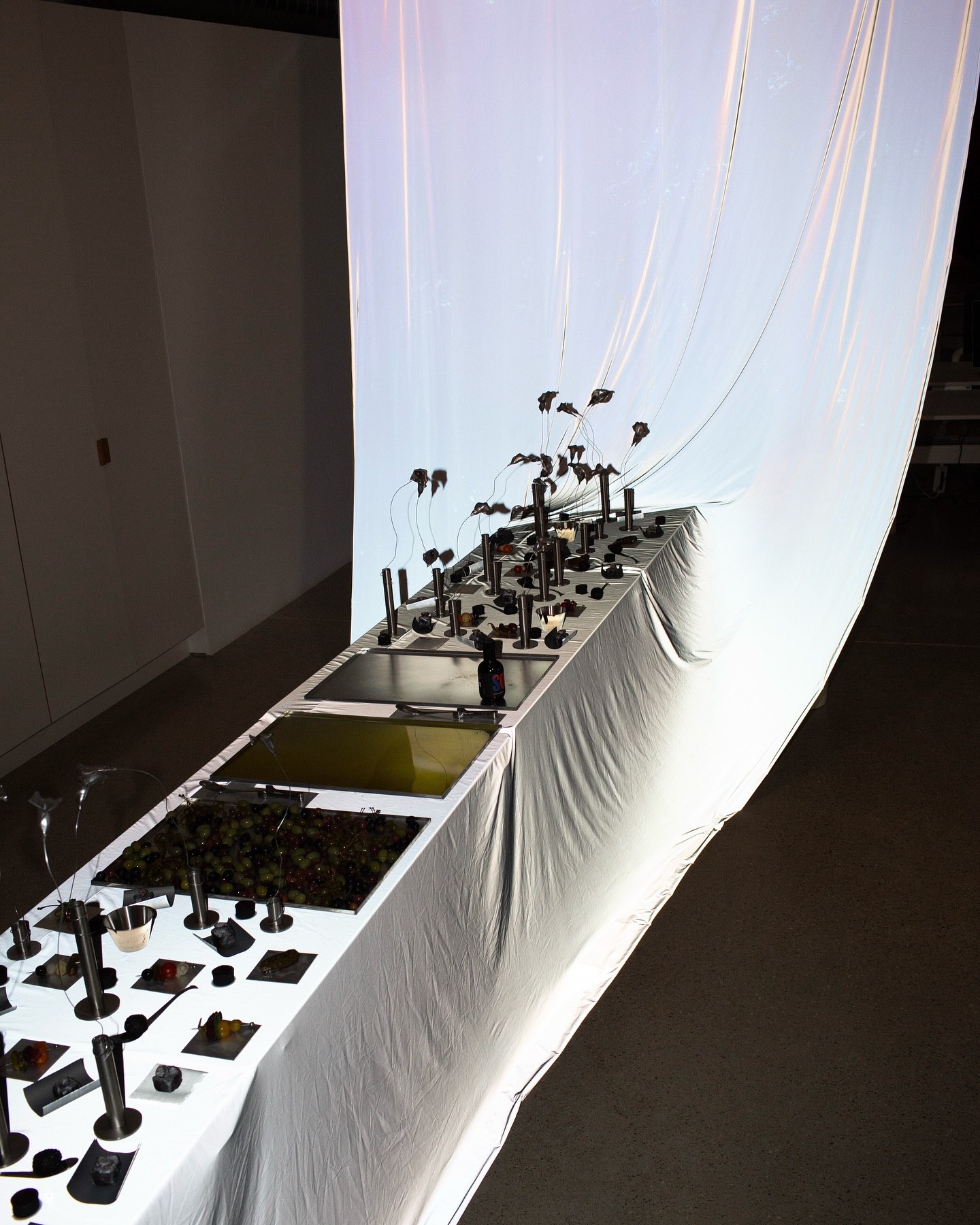
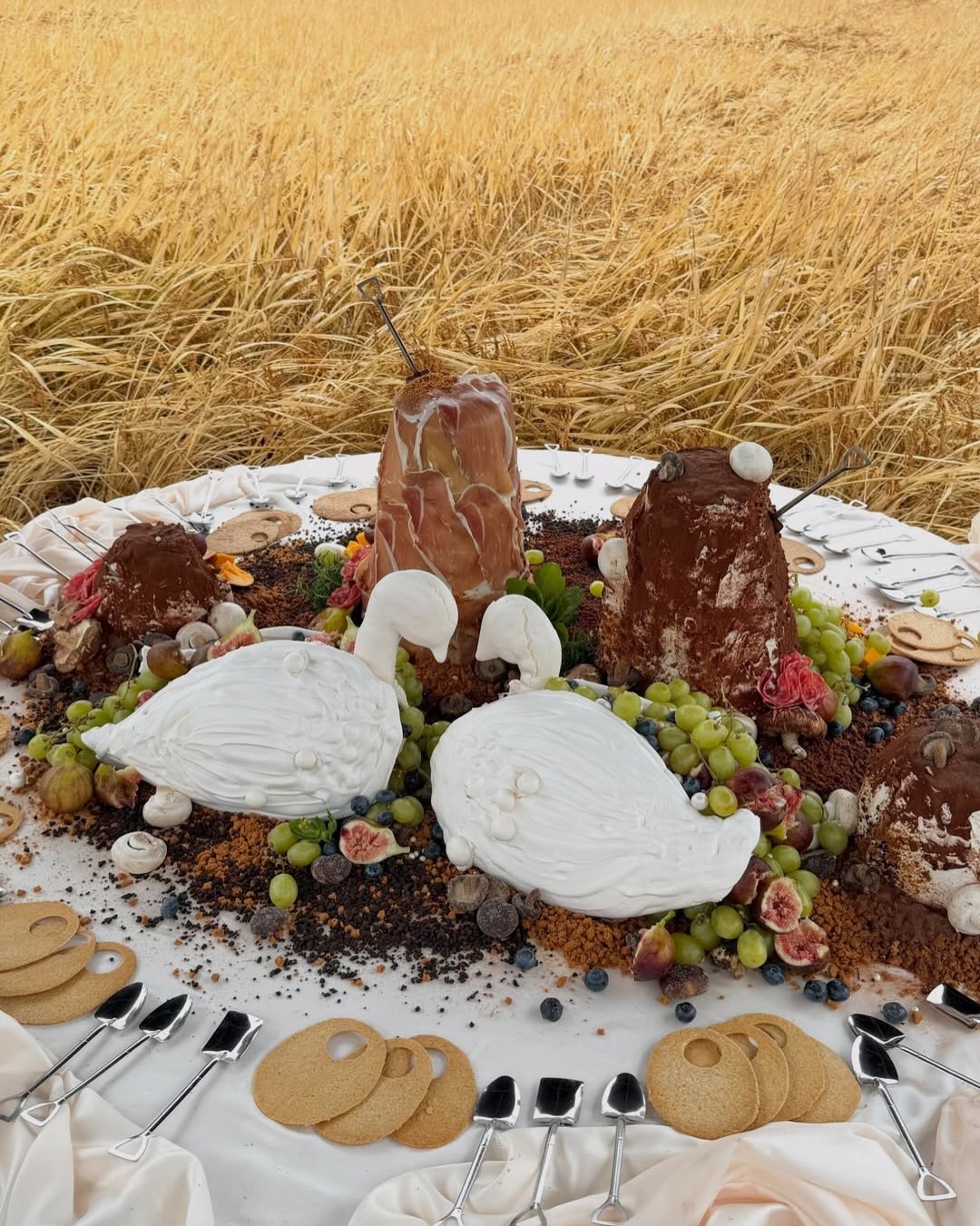
Photo: Jonathan Rodrigo, Leekyungho
Catering: Jil Zander, Oumsan Vegetable
Think about what the food is served on. Platters, stands and plates shape the look as much as the food does, and they have to work in practice too. “The choice of silver pieces, heights and serving ware should showcase the food and allow for replenishment without disturbing the whole presentation,” says Maria of Bouquet de Liz. Taimar of The Lake Como Wedding Planner agrees. “Table design is no longer just about beautiful flowers.”
Save a surprise for late night. “Late-night food is also something I think is often underestimated,” says Christiana of Maison FNC. After hours of dancing, simple and salty wins. Blackstone Caterers leans on mini pizzas, fries and sliders, with mini milkshakes and ice cream cones in summer. Brooke times it for maximum effect, “when guests think the food is finished, and suddenly something delicious appears on the dance floor.”
There’s no single right way to feed a wedding. The best format fits your guests, your space and the evening you have in mind, and it works best when every vendor knows the plan early. As food stylist Antonella puts it, “Catering is one of the most expensive parts of a wedding, so you might as well serve something good!”