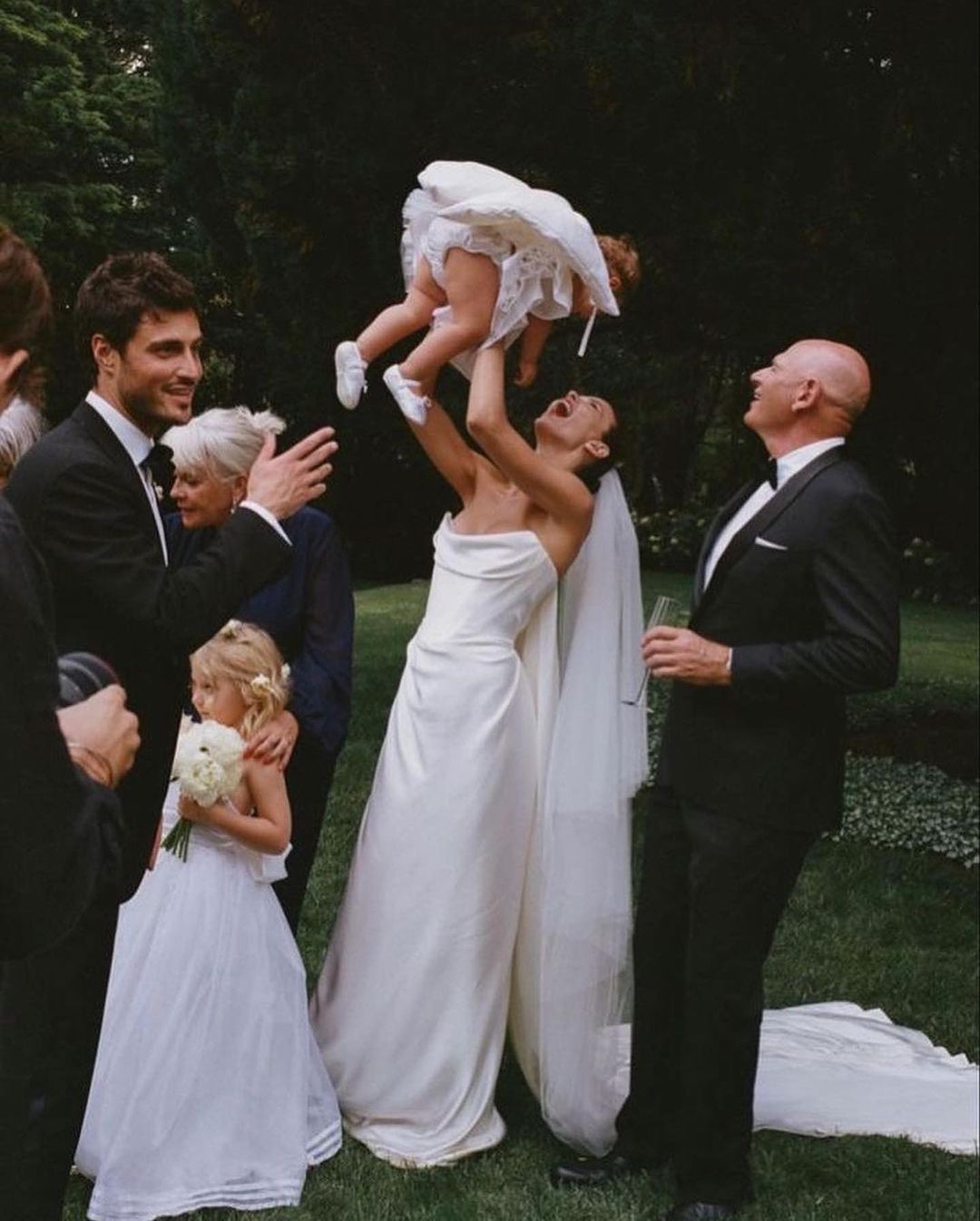
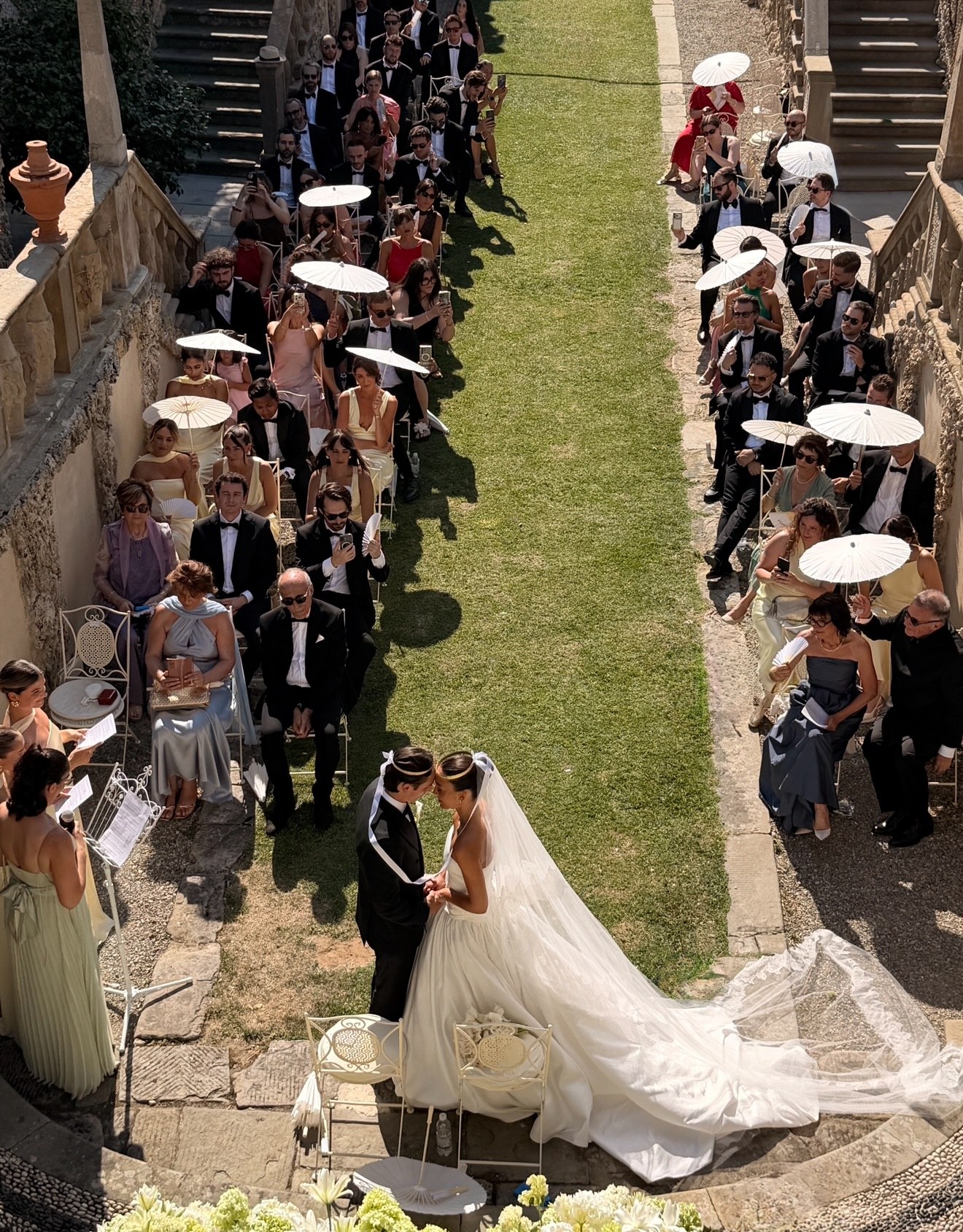
We are, apparently, the first generation of women who get to ask the question honestly: do I actually want this? Not when will I get married, not who — but whether. For most of history, that question didn’t exist as a real option. Marriage was the destination, the only one on the map, a social contract dressed up in white tulle and orange blossom. The idea that a woman might weigh it, interrogate it, or walk away from it entirely was, at best, eccentric. At worst, unthinkable.
Hollywood got there first. From horror-tinged wedding thrillers to rom-coms that refuse to end at the altar, movies have stopped selling the fairy tale and started asking harder questions. We’re here for all of it.
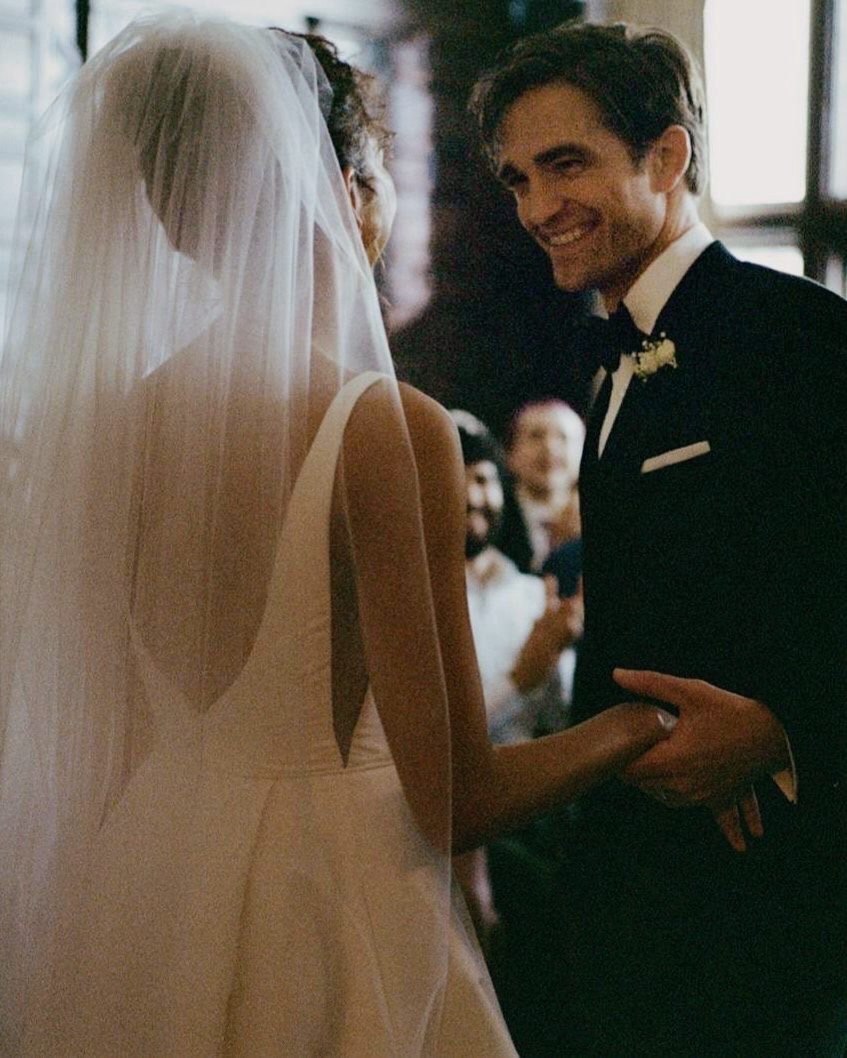
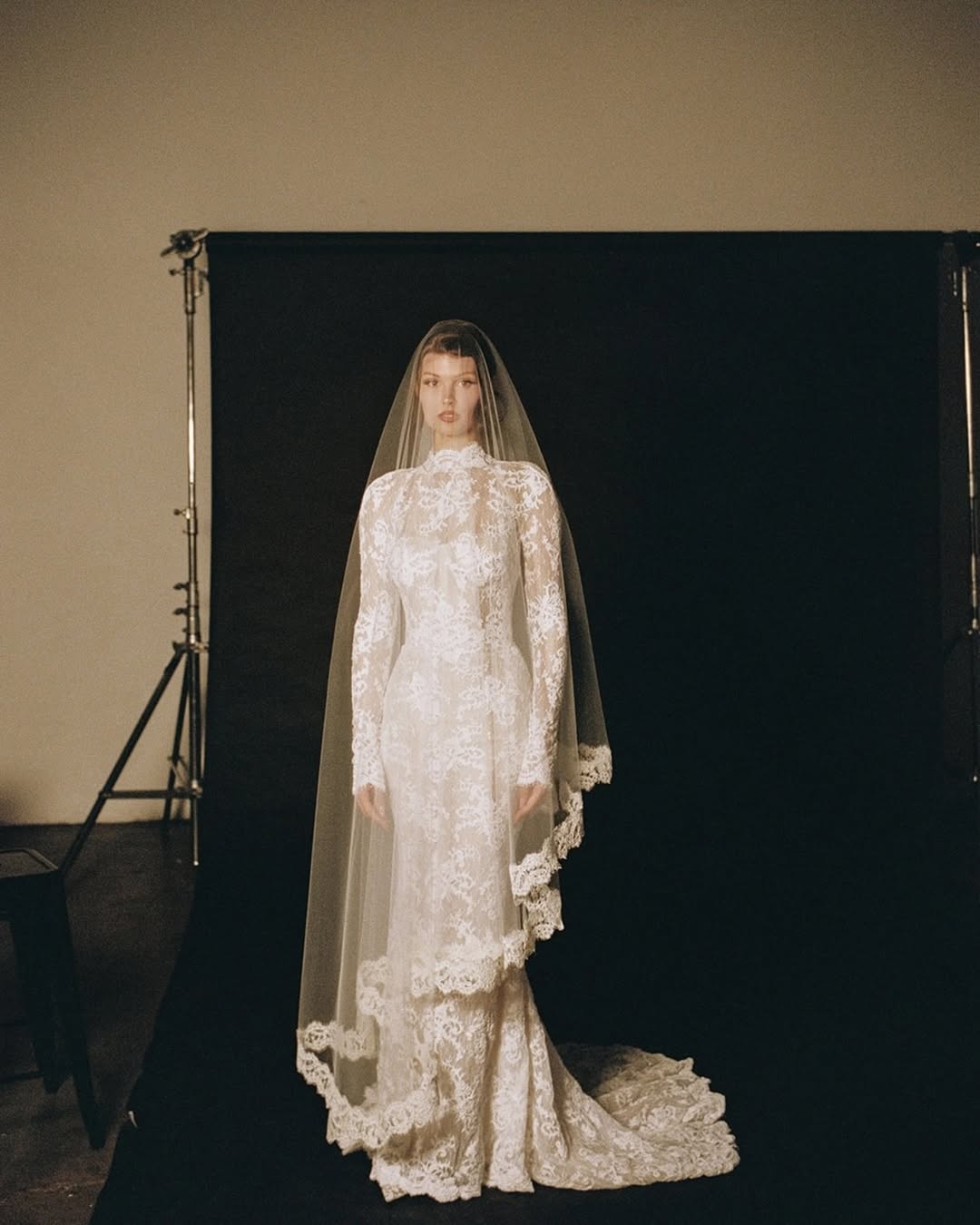
Photo: Courtesy of The Drama, Anastasia Shaydakova x Jannet Photo
The Rom-Com Is Dead
Look at what’s been landing in theaters and on streaming lately.
The Materialist follows a professional matchmaker who pairs New York’s elite the way a financial advisor manages portfolios. Love is a variable, marriage is the exit strategy. The Drama pulls no punches about what happens when two people are forced to confront the messiest parts of their relationship right before committing to each other for life. Turns out the “best day of your life” can be the biggest trigger of your life — an expensive performance for everyone else, staged over catering you’ll never remember, with someone you’re suddenly not sure you know at all. And Netflix’s Something Very Bad Is Going to Happen is about a bride whose dread builds with every day closer to the ceremony. The title is not subtle. Neither is the point.
What connects all of these stories isn’t pessimism about love. It’s something more specific: the wedding has stopped being the finish line. It’s become the question mark.
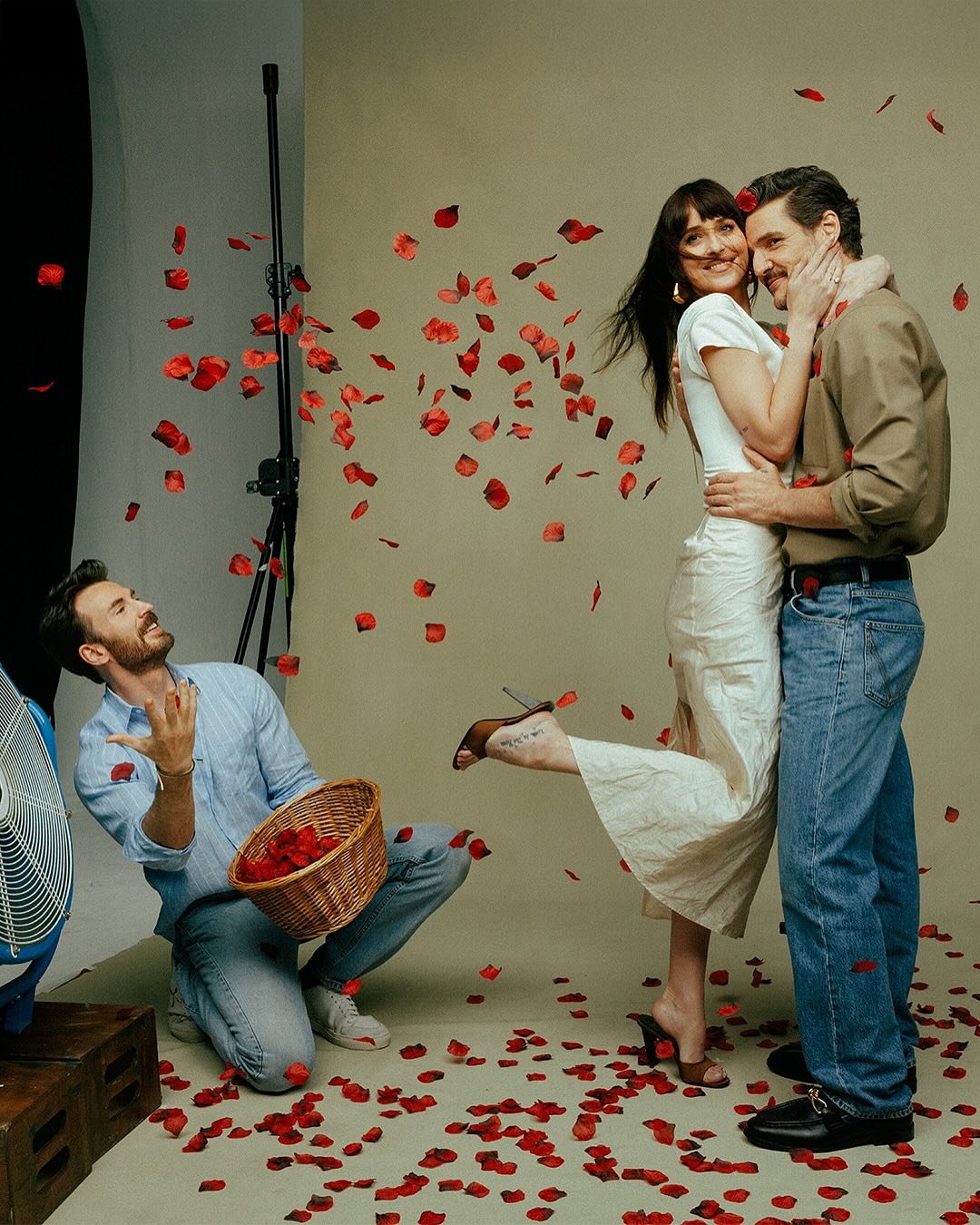
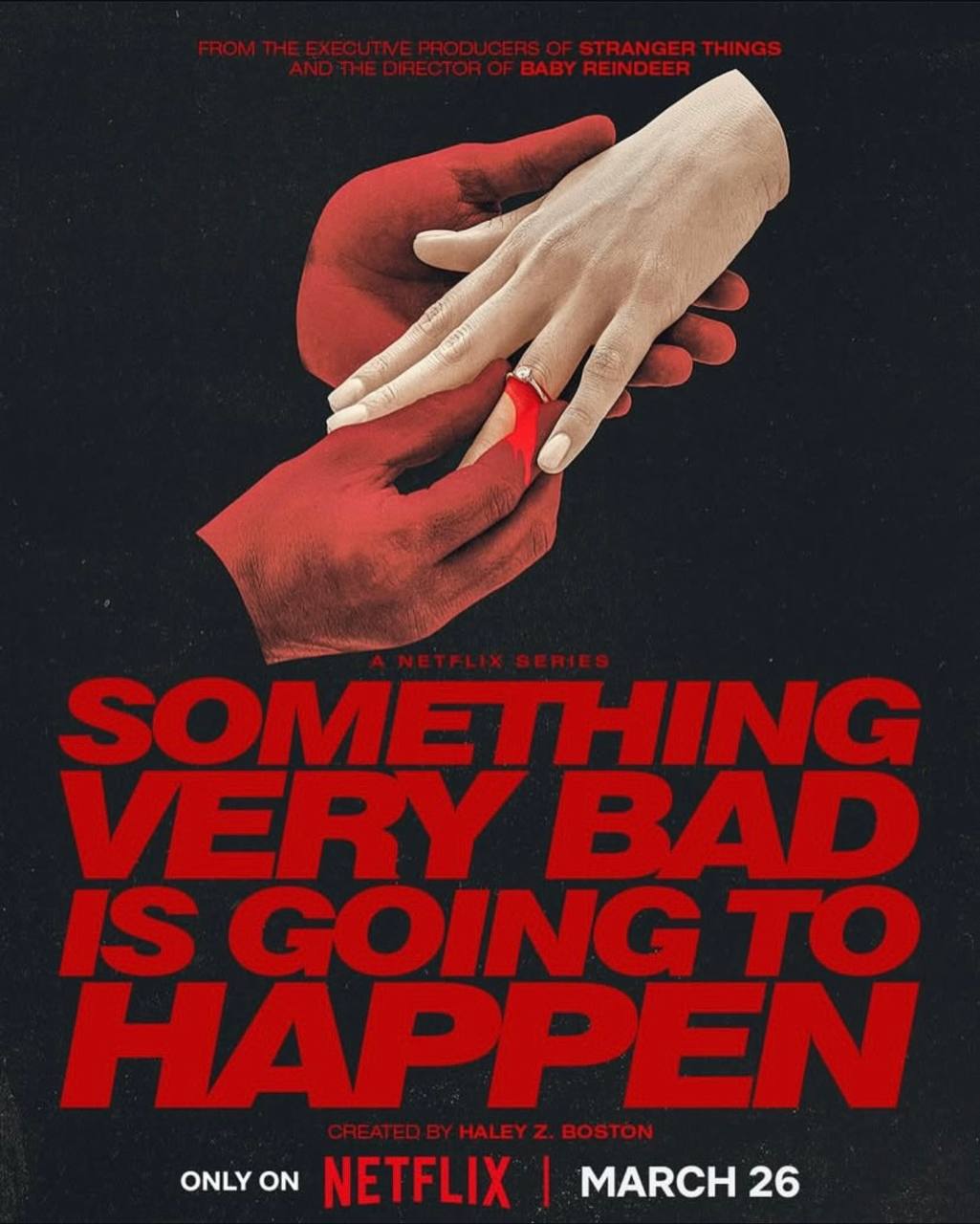
Photo: Charlie Clift, Courtesy of Something Very Bad Is Going to Happen
The old rom-com formula was airtight. Obstacles, misunderstandings, a grand gesture, a kiss at the altar, credits. The audience exhaled. Now movies are refusing to let us exhale. They’re stopping right there, in front of the altar, and sitting with the discomfort a little longer than we’re used to.
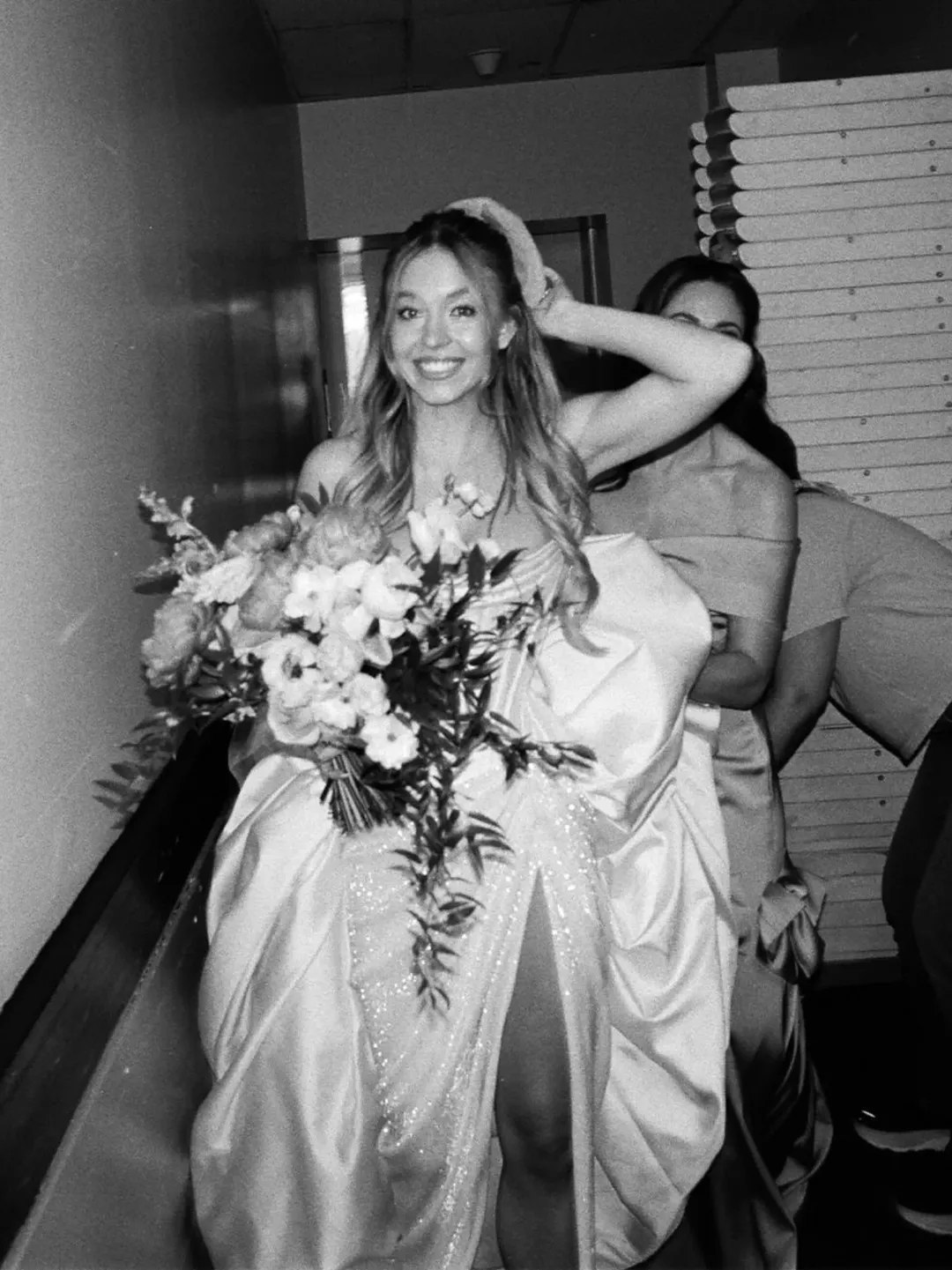
And then there’s the part no previous generation had to deal with: the wedding as a production. For many people today, the big day is content before it’s a commitment — a carefully curated moment built as much for an audience of followers as for the two people at the altar. Euphoria captured this perfectly: Cassie and Nate’s wedding is all surface, all spectacle, a picture-perfect moment with nothing real underneath it. Movies are just being honest about the gap between the picture and what’s actually inside it.
Marriage, Historically Speaking
For most of human history, marriage had nothing to do with feelings. It was a transaction: property, alliances, survival. Simone de Beauvoir wrote about this at length in The Second Sex: the institution of marriage was built not around a woman’s desires but around her usefulness. Her body, her labor, her ability to produce heirs. Love, if it showed up at all, was incidental.
Hamnet and Wuthering Heights aren’t really period dramas about passion. They’re documents of what it meant to be a woman with no exits. Catherine Earnshaw doesn’t choose Linton over Heathcliff because she loves him more. She chooses survival. That was the whole game.
Men, for their part, got convenience but lost something too. Real intimacy is hard to build with someone who never had the option to say no. And for a long time, nobody was talking about any of this. Marriage was just the way things were. Not something you questioned, not something you processed in a movie or a blog post. An axiom, not a conversation.
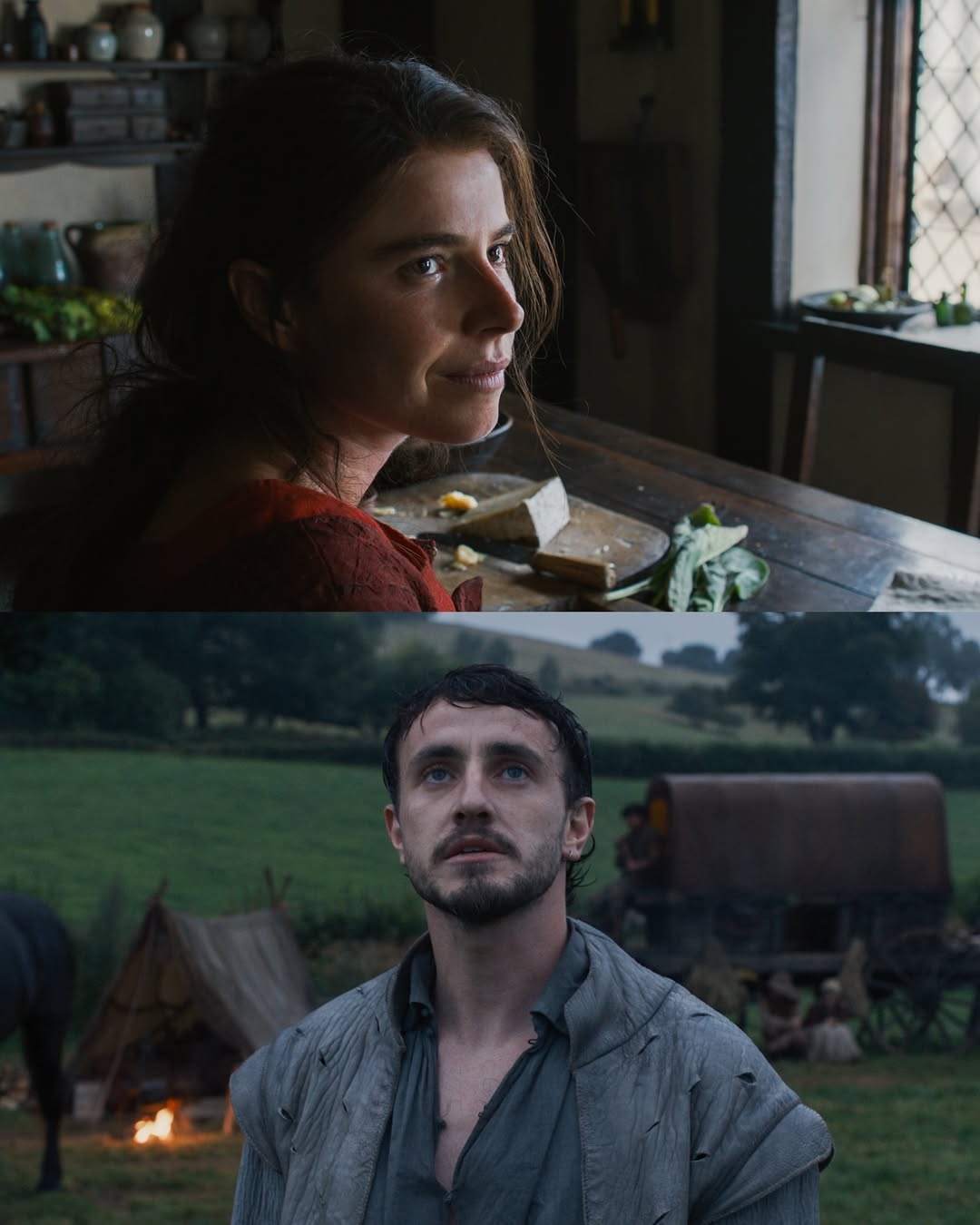
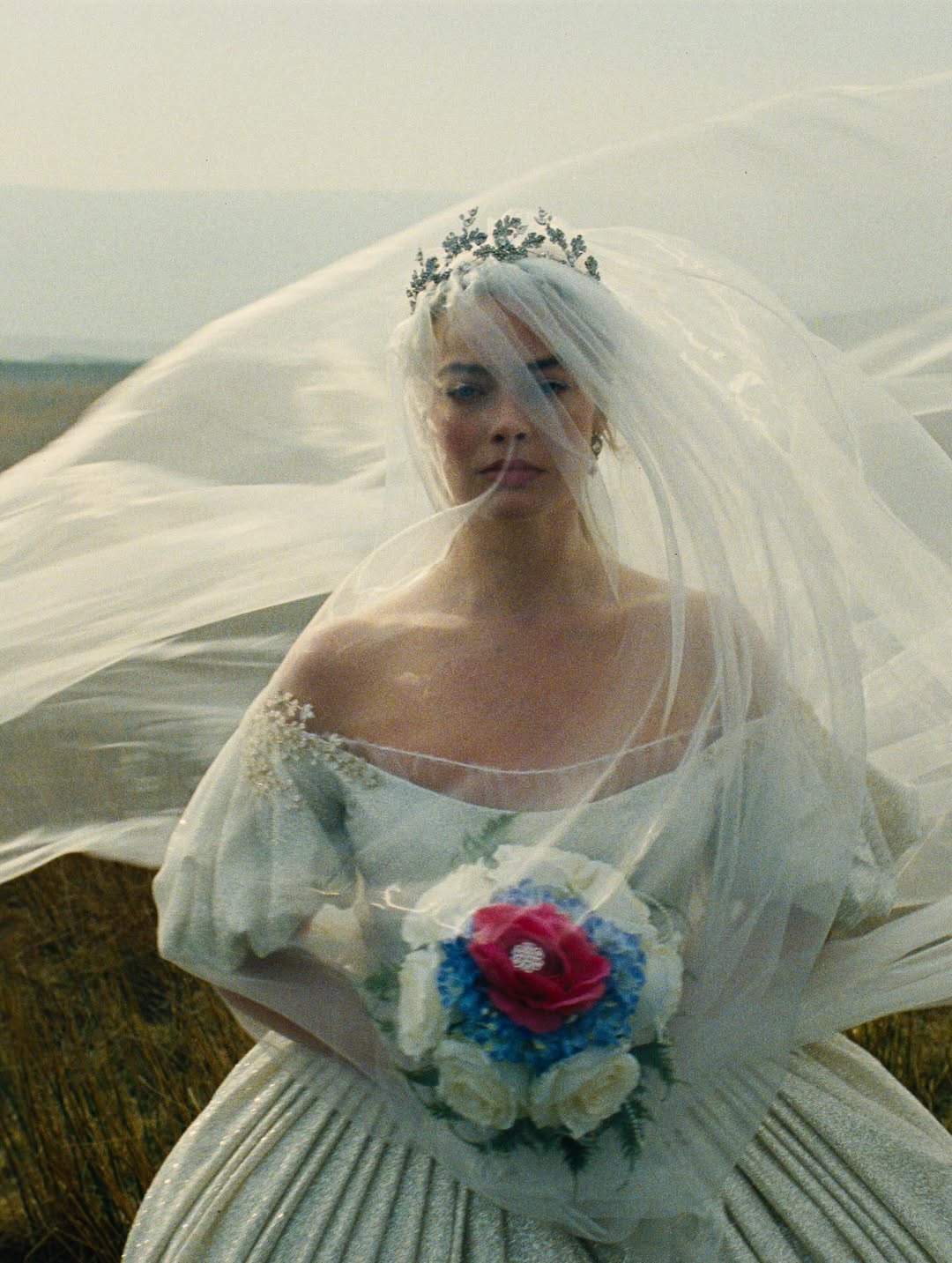
Photo: Courtesy of Hamnet Movie, Warner Bros.
The Financial Side of Forever
Here’s what nobody puts on the wedding invitation: marriage is still, in many ways, a financial decision.
Prenups used to be taboo, something for the ultra-wealthy or the deeply cynical. Now they’re becoming standard practice, and not because couples are pessimistic about their future. It’s because women have assets worth protecting. Careers, savings, businesses they built themselves. Entering a marriage without a conversation about money is starting to feel like the real risk.
The Materialist makes this uncomfortably visible. When your job is pairing people based on social capital and net worth, love starts to look like a variable nobody can afford to optimize for. It’s a dark mirror, but it’s not as far from reality as we’d like to think.

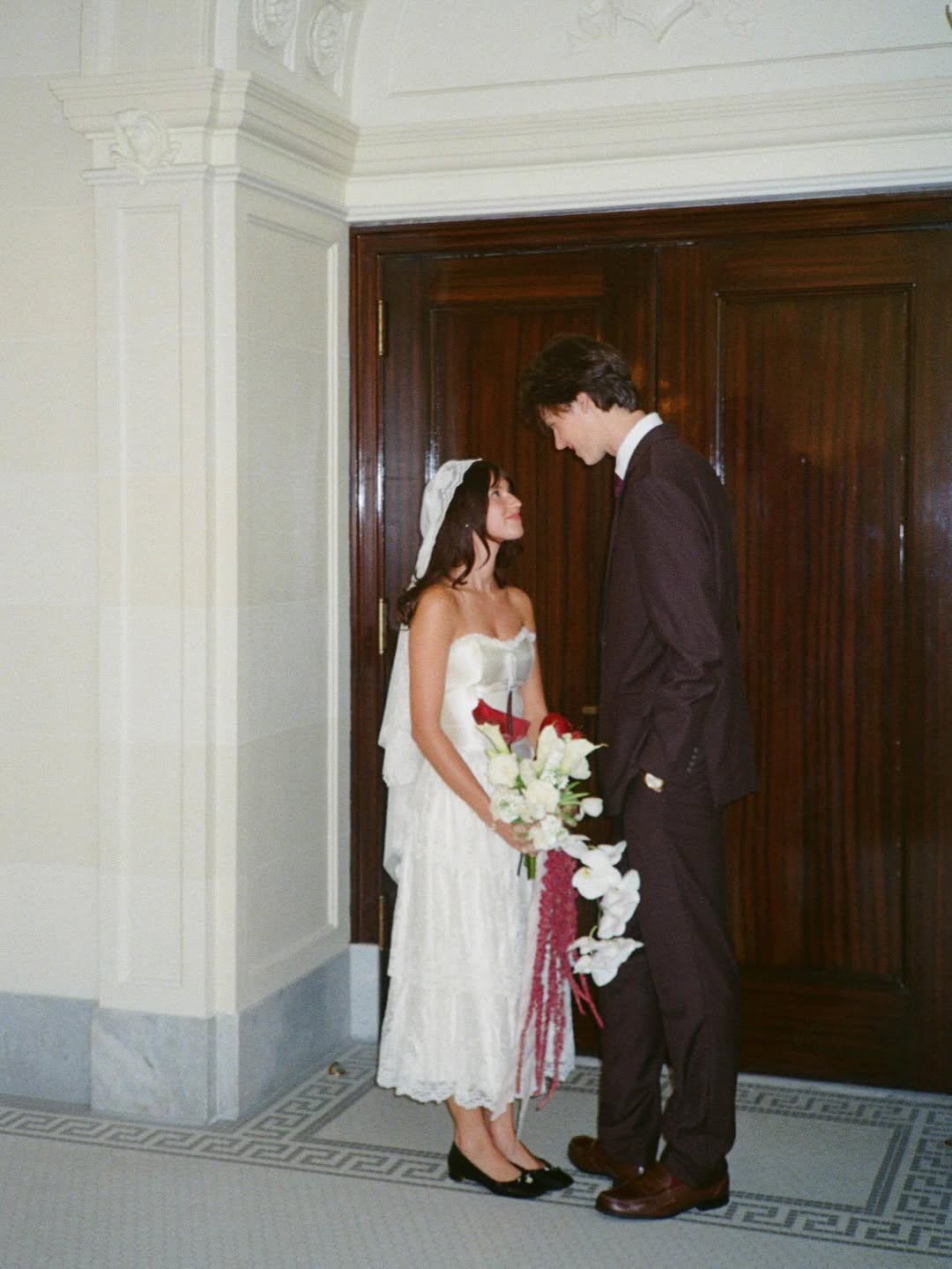
Photo: Alejandro Crespi, Jessa
And then there’s the second shift, which never really went away. Studies consistently show that even in dual-income households, women still carry the majority of domestic labor. The cooking, the cleaning, the mental load of remembering everyone’s appointments and everyone’s needs. That’s unpaid work. And when marriages end — which they do, at significant rates — women often exit with less than they came in with. Less career momentum, less savings, sometimes less of themselves.
None of this is an argument against marriage. It’s an argument for going in with your eyes open. And increasingly, that’s exactly what couples are doing — having the conversations, asking the hard questions, and choosing each other anyway.

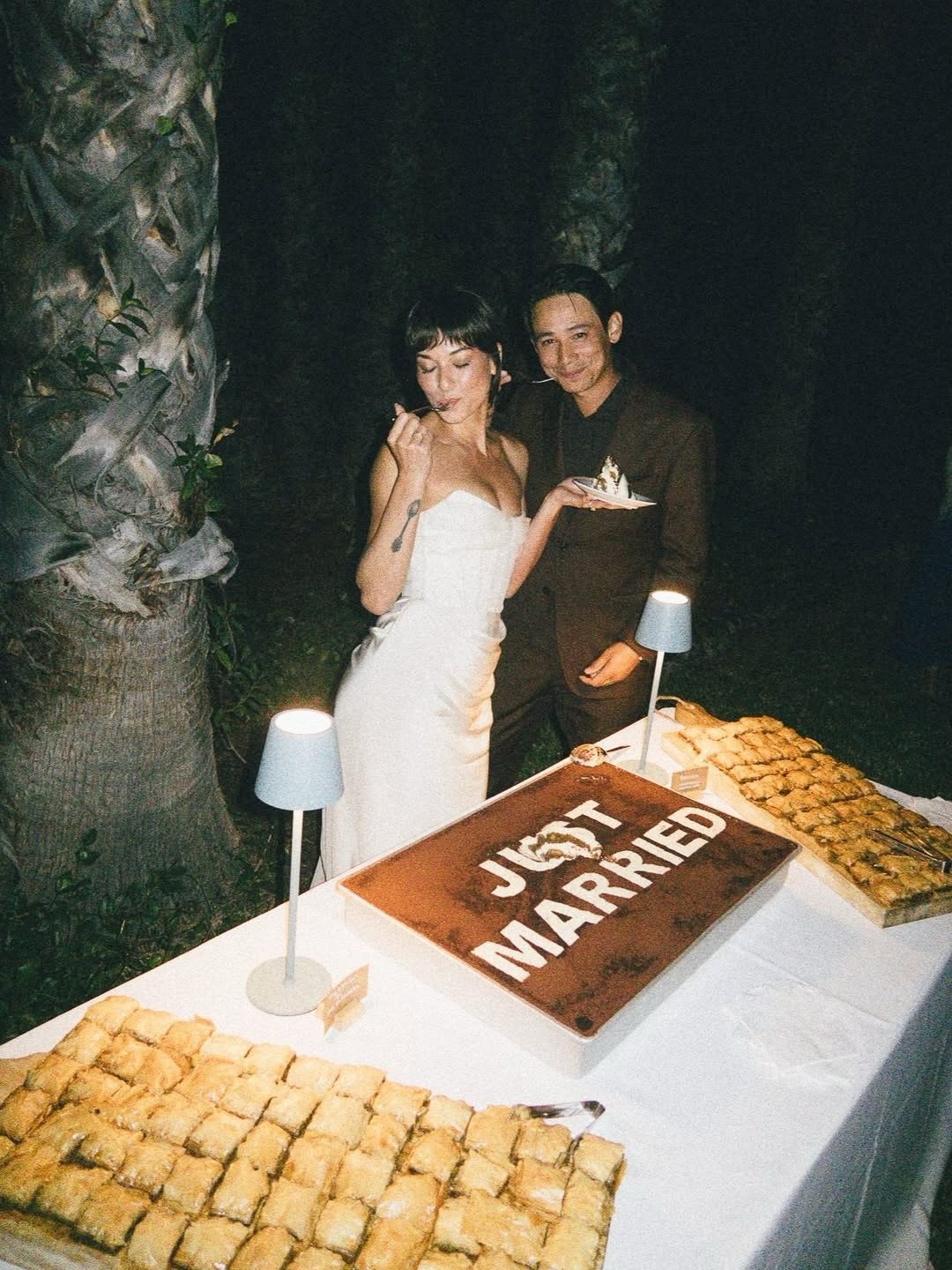
Photo: K Karpeshova, Phil and Sara
Marriage by Сhoice
The couples getting married today grew up with options. That sounds obvious, but it changes the dynamic completely. When you choose something you didn’t have to choose, you tend to be more intentional about what you’re building.
This is also the generation that learned the language of relationships on the internet. Red flags, attachment styles, love languages, therapy-speak — all of it absorbed before anyone got down on one knee. They googled “questions to ask your partner before marriage” before they googled florists. They processed their parents’ dynamics in group chats. They came to the altar having done the work or at least knowing that the work exists.
Which means the conversations are different now. Not just “do you want kids” over dinner, but the real stuff: how we handle money, whose career takes priority when things get hard, what we each actually need to feel like partners and not roommates. Modern couples are more deliberate for all of this. And a marriage that starts with a real conversation is a very different thing from one that starts with an assumption.
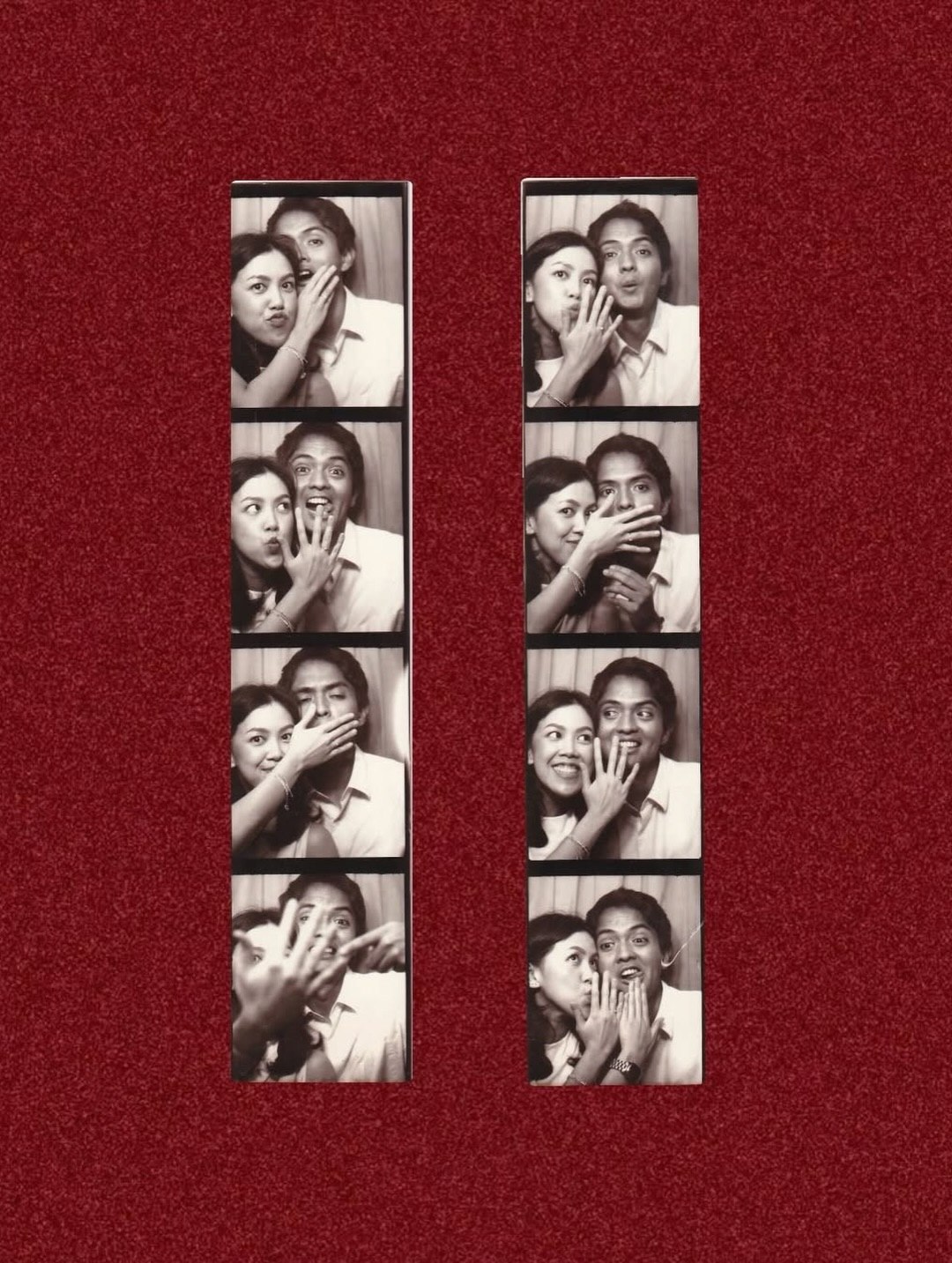
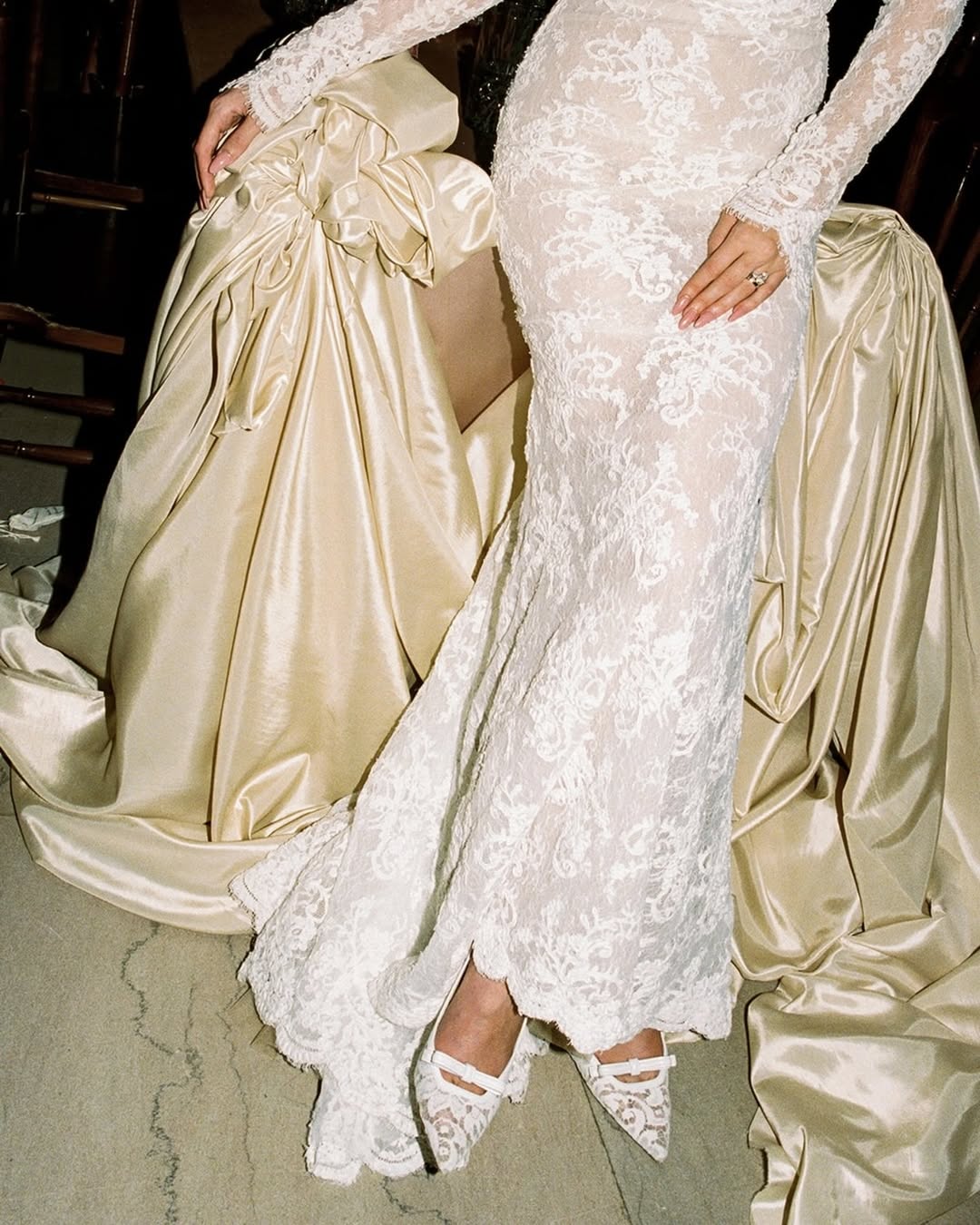
Photo: Alika Diatri, Anastasia Shaydakova x Jannet Photo
So Why Are We Still Saying Yes?
Because marriage, for all the scrutiny it’s under right now, keeps happening. People keep choosing it. And that choice, made with full awareness of everything it involves, means something different than it used to.
The weddings we see today look different from the ones a generation ago. Not just aesthetically — though yes, the micro-wedding, the elopement, the non-traditional venue have all had their moment. But structurally. The couples walking down the aisle today have, in most cases, already had the hard conversations. Many have been together for years before making it official: living together, building careers side by side, figuring out who they are as a unit long before anyone buys a ring. The ceremony isn’t the beginning of the story. It’s a milestone in one that’s already well underway.
That’s what makes it meaningful. A yes that comes after real questions carries more weight than one that comes from assumption or expectation. Hollywood can keep making wedding thrillers and matrimonial horror shows — and honestly, we’re here for those too. But what we witness every time we cover a real couple is something the movies rarely get around to showing: two people who looked at all of it, asked all the questions, and decided that this, right here, is what they want. That’s the whole point.
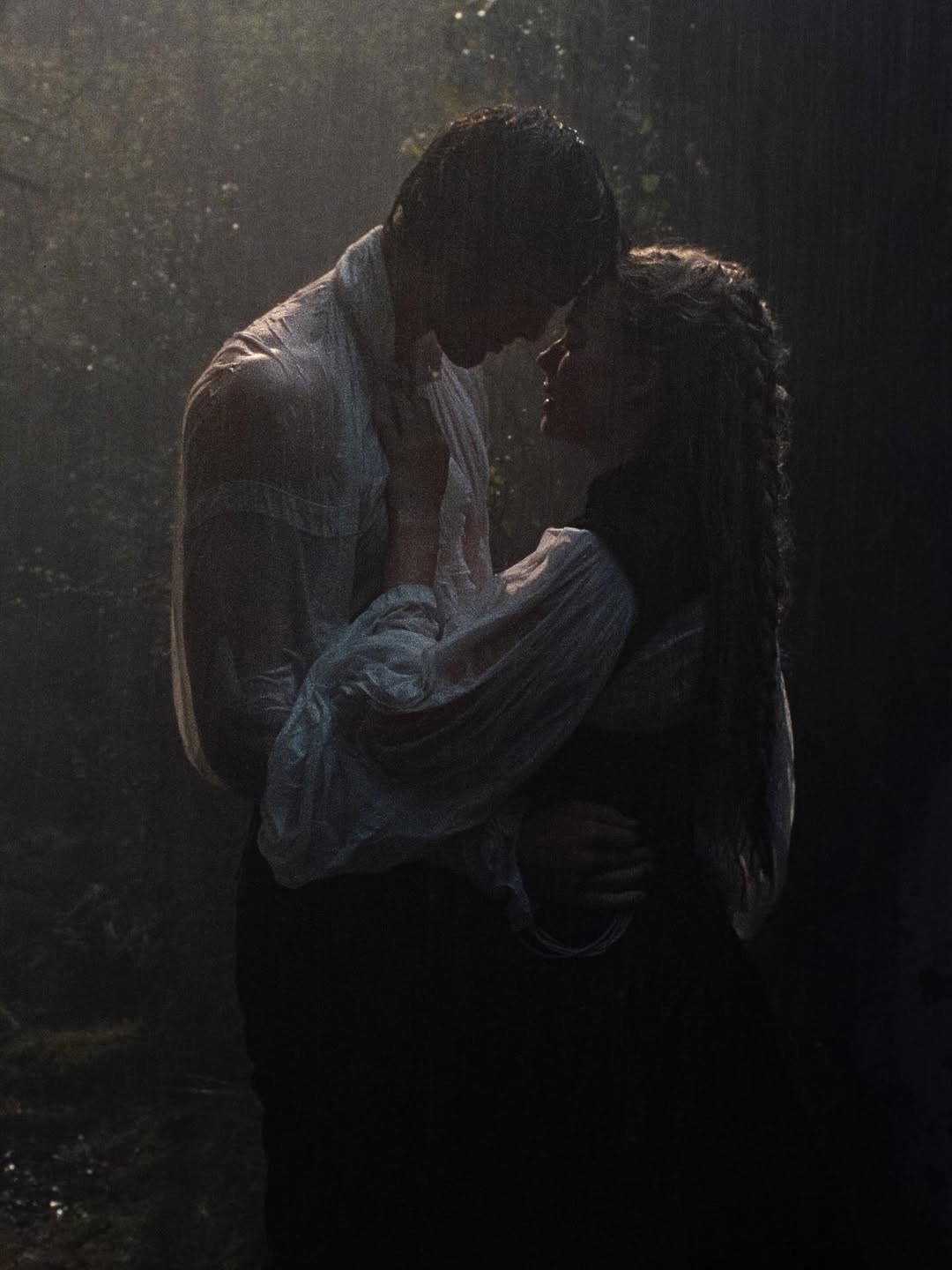
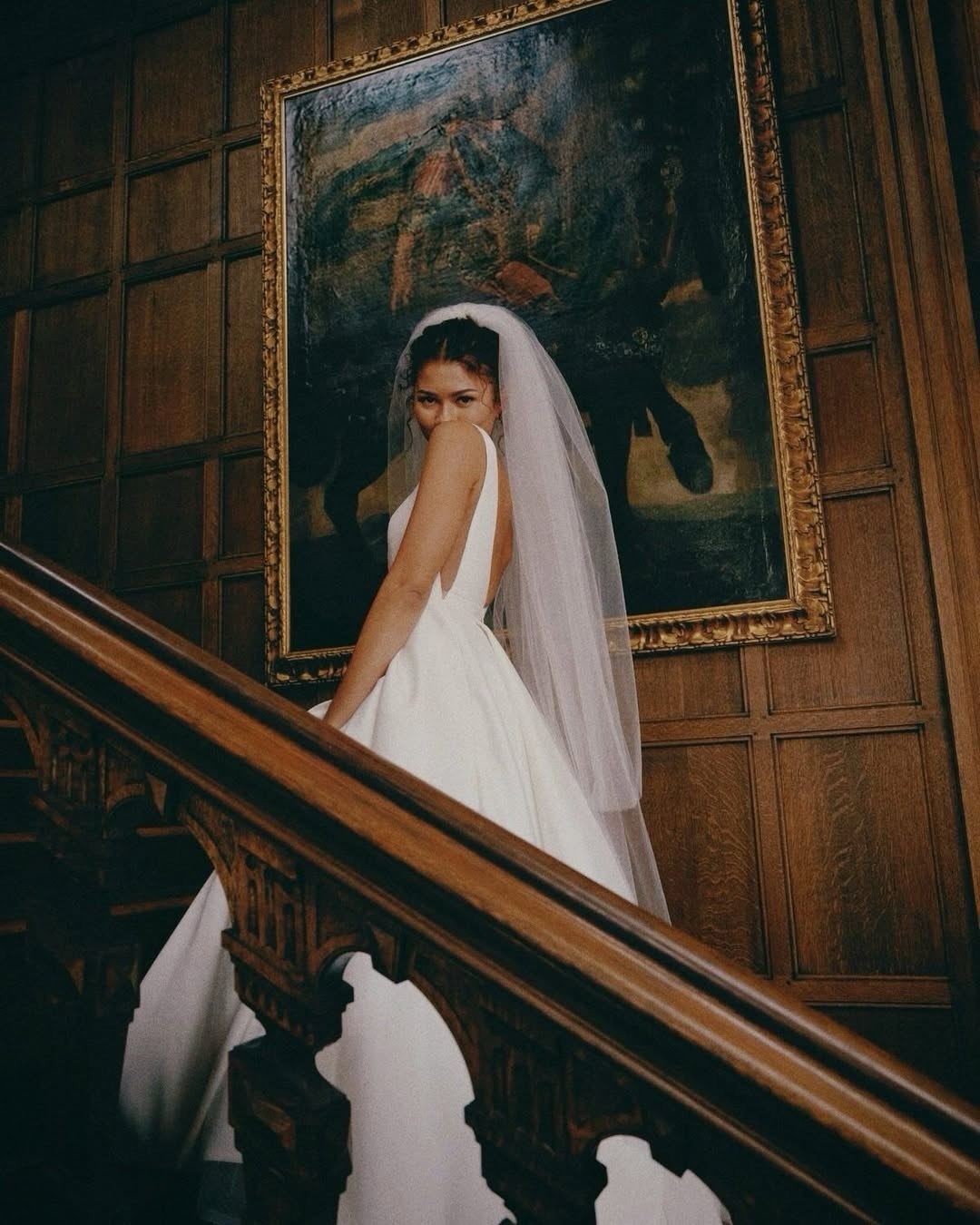
Photo: Courtesy of Warner Bros., The Drama