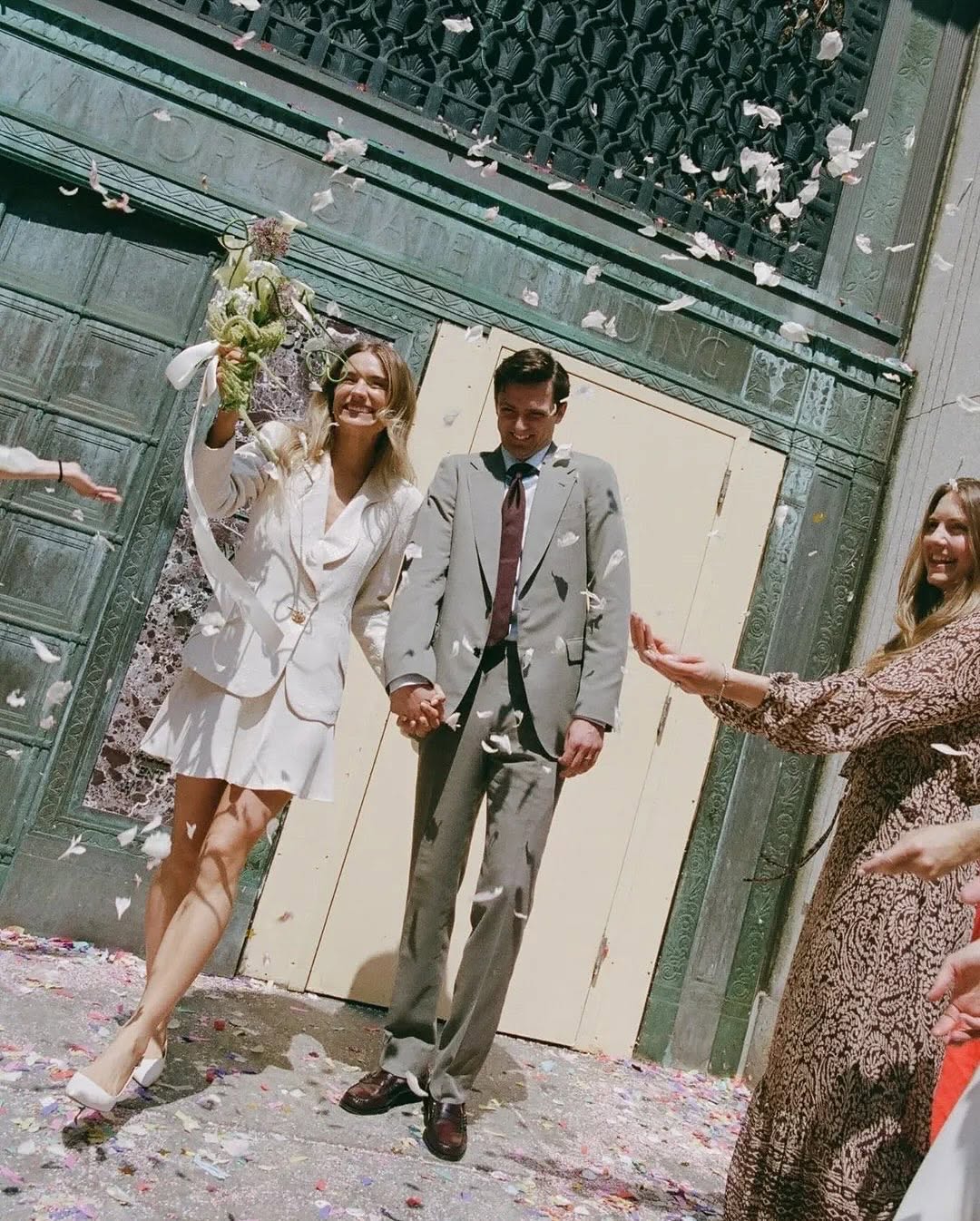
Bridal photography gets the bulk of the attention on a wedding day, and for good reason, but the groom’s side of the timeline has quietly become just as interesting. It’s no longer just a suit, a stiff pose, and a rushed five minutes before the ceremony starts. Photographers and grooms alike have started treating this part of the day with the same intentionality that’s long gone into bridal portraits, which means more candid moments, more personality, and a lot more worth actually planning for in advance.
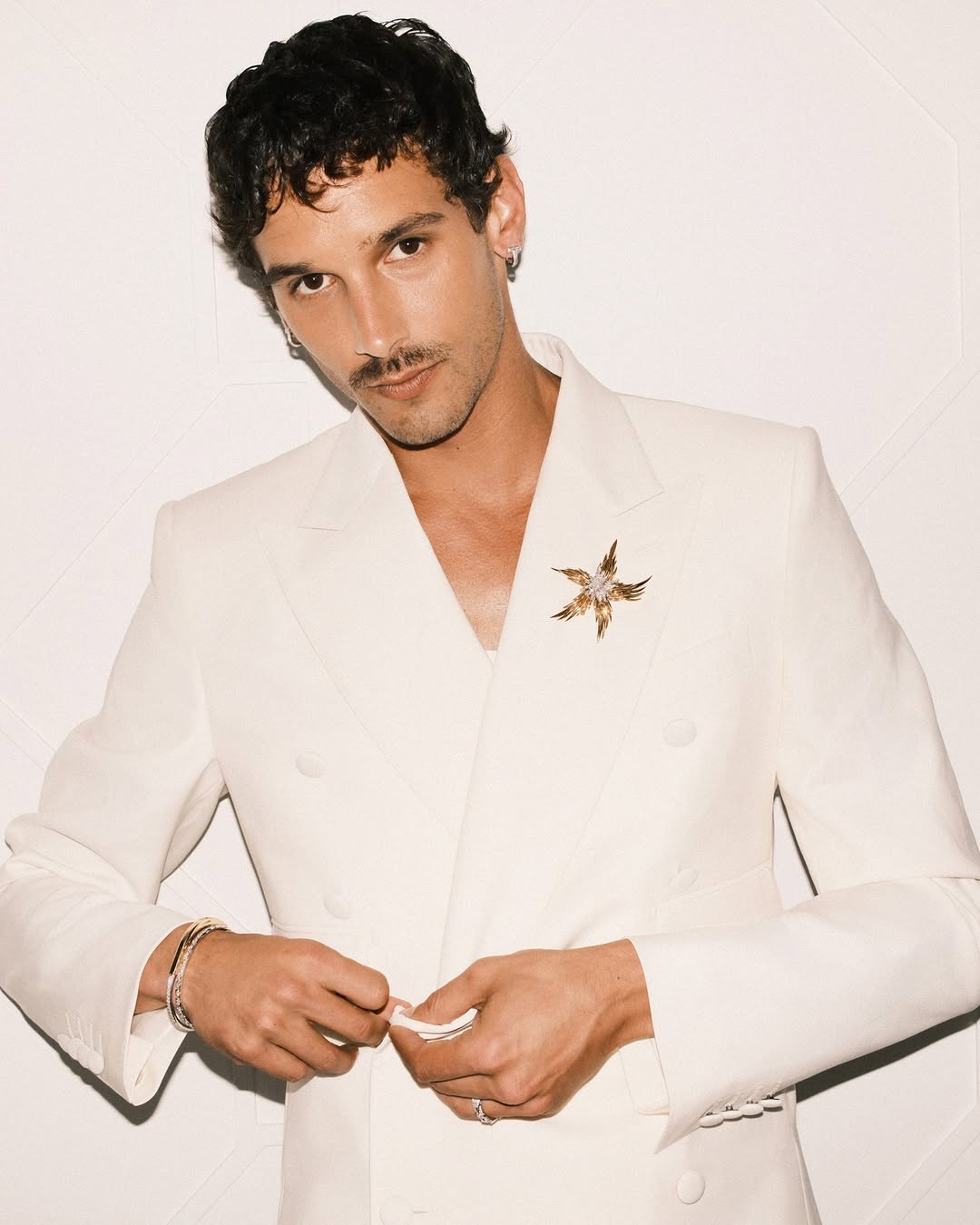
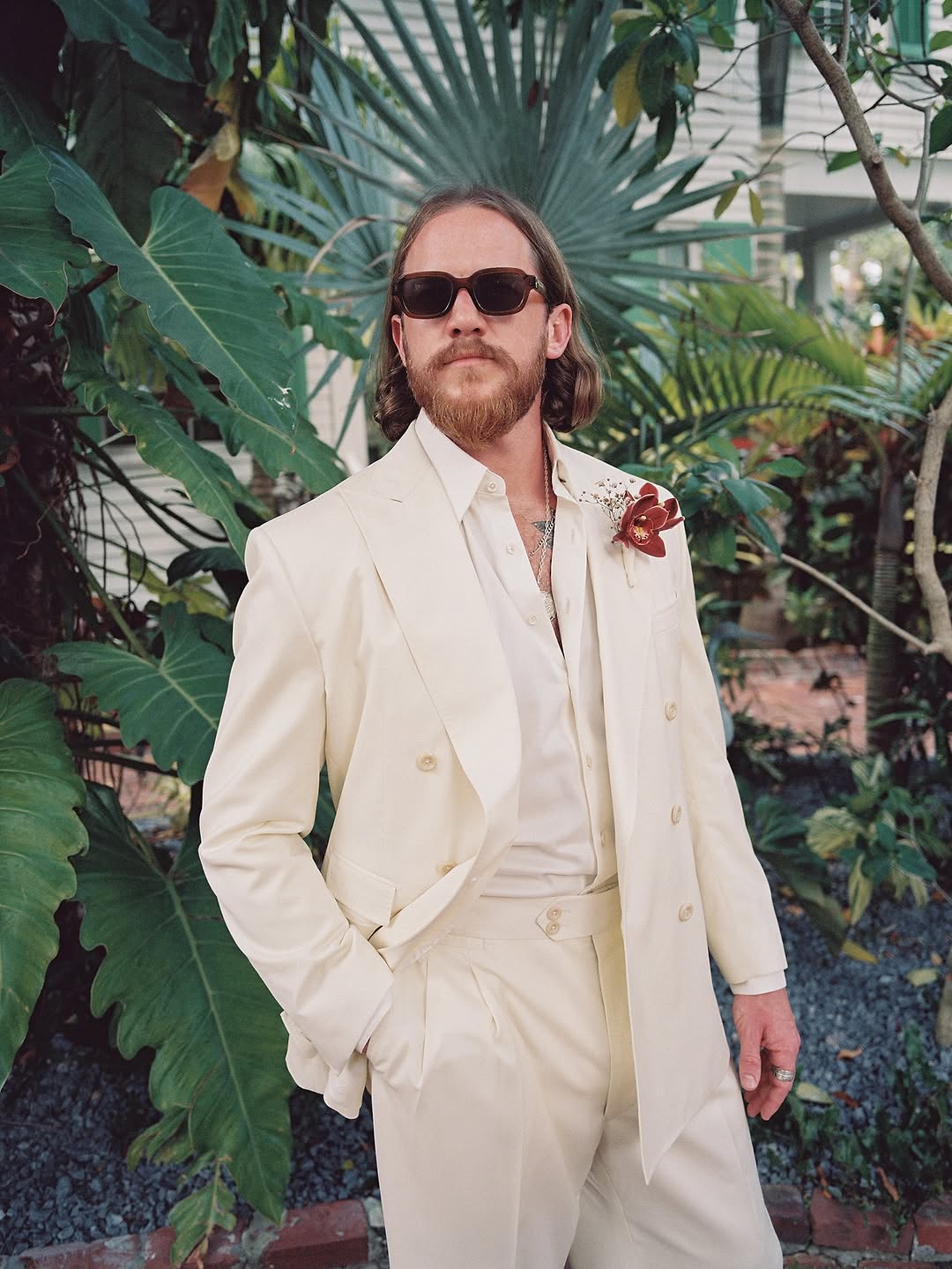
Photo: Carlos de Lucas, Kt Crabb
Some of it is about slowing down and noticing what’s already there: the small details worth a second look, a balcony or a well-lit hallway, a car with the doors thrown open. Some of it borrows directly from how the best portrait photographers actually work: shooting from a low angle, treating a location as part of the composition, and letting a subject react to the person behind the camera rather than just posing for them. And some of it is simply about being present for the moments that were always going to happen anyway, the nerves, the getting-ready chaos with the groomsmen, the unfiltered joy on the dance floor later that night. Here are 15 ideas worth planning for.
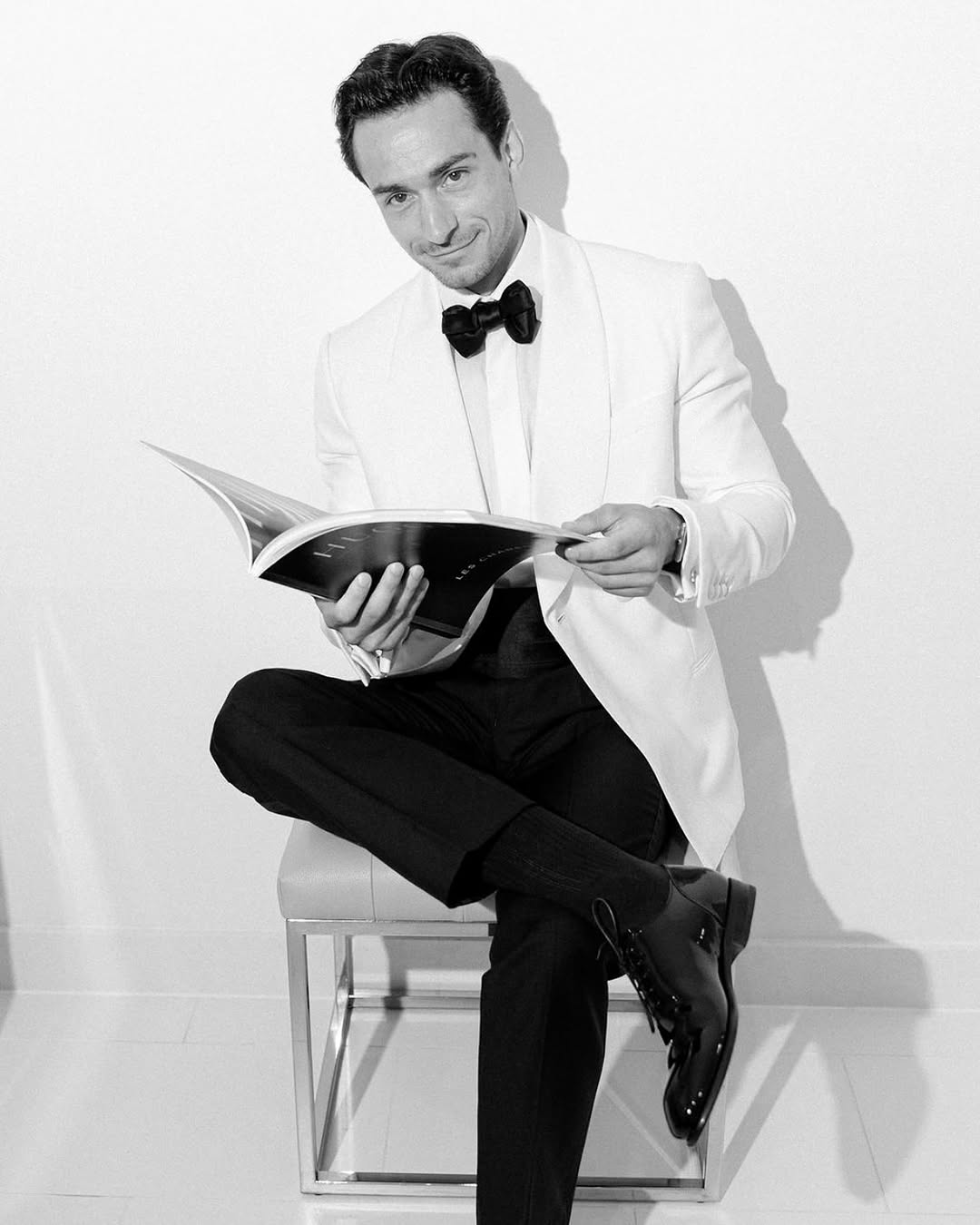
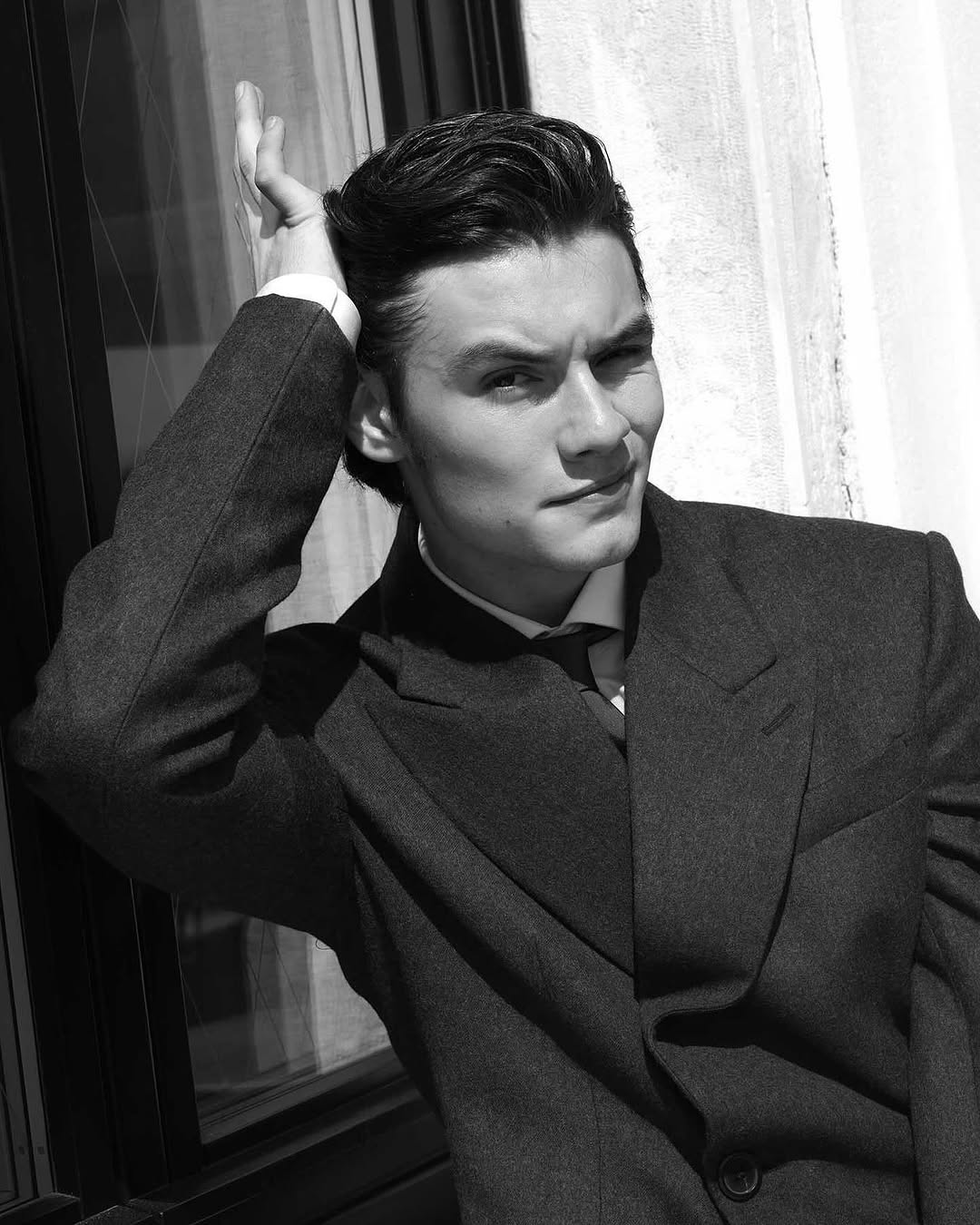
Photo: Wedding Novelle, Greg Williams
Mirror Portraits
A simple mirror can do a lot for a groom portrait. Sometimes it’s a straight reflection: him standing in front of it, dressed and ready, caught in that last beat before he actually walks out the door. Sometimes he’s leaning against it instead, one hand braced on the frame, which reads more editorial. And sometimes the most interesting version skips him standing there altogether, the photo is just the reflection itself, off to the side, half in shadow, letting the room and the moment carry the shot instead of a direct gaze at the camera.
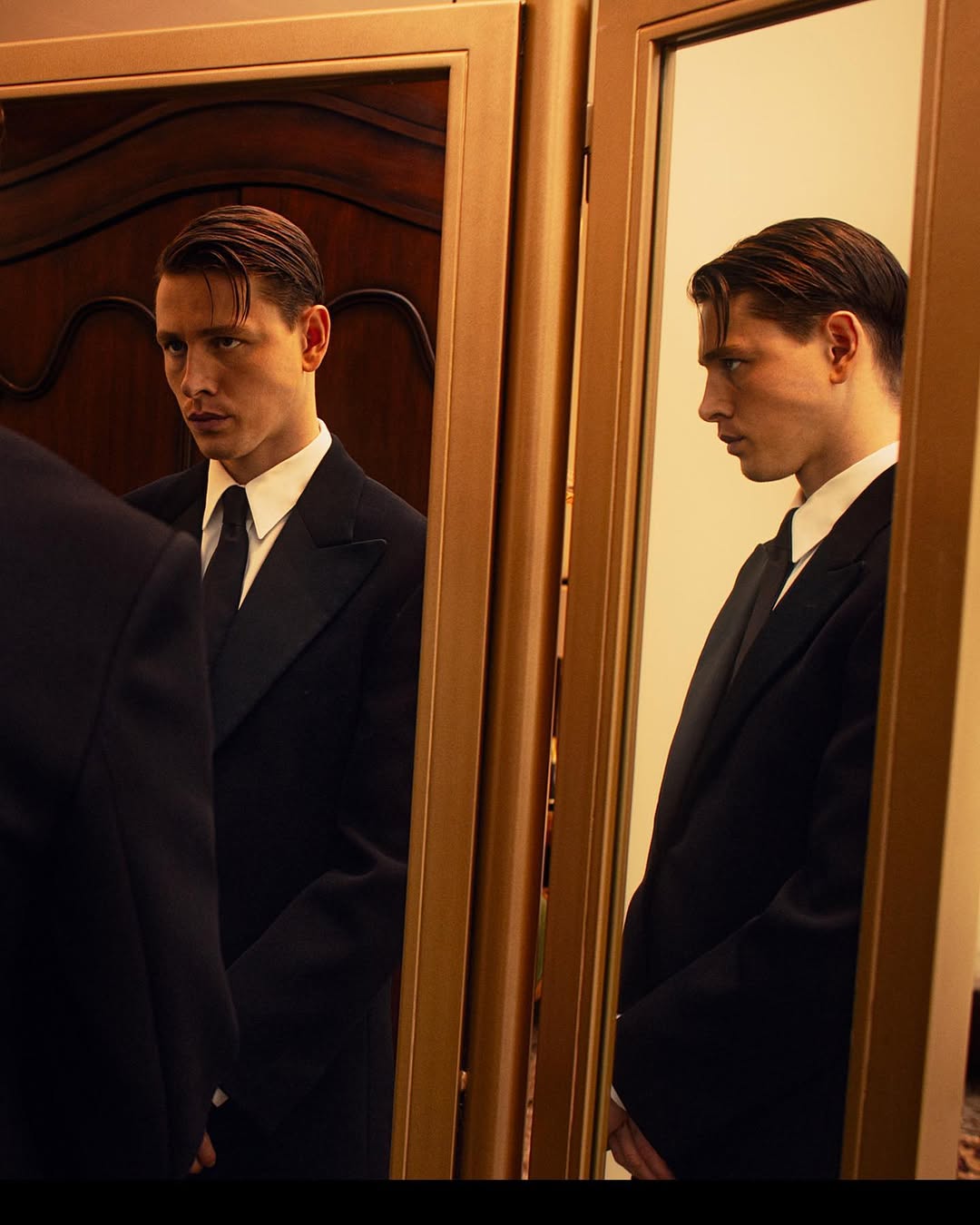
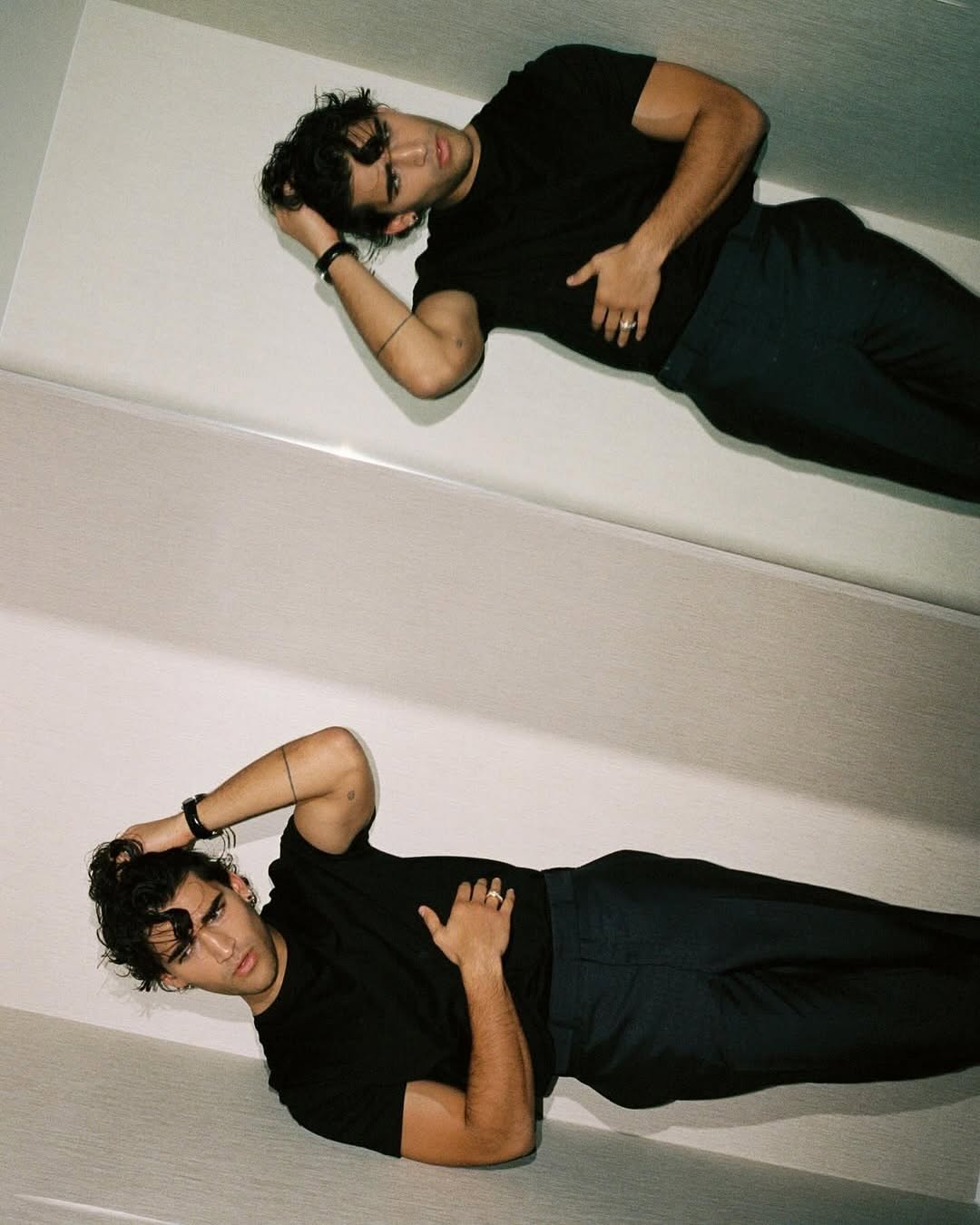
Photo: Harris Dickinson, Stephanie Elliott
The Details That Deserve Their Own Shot
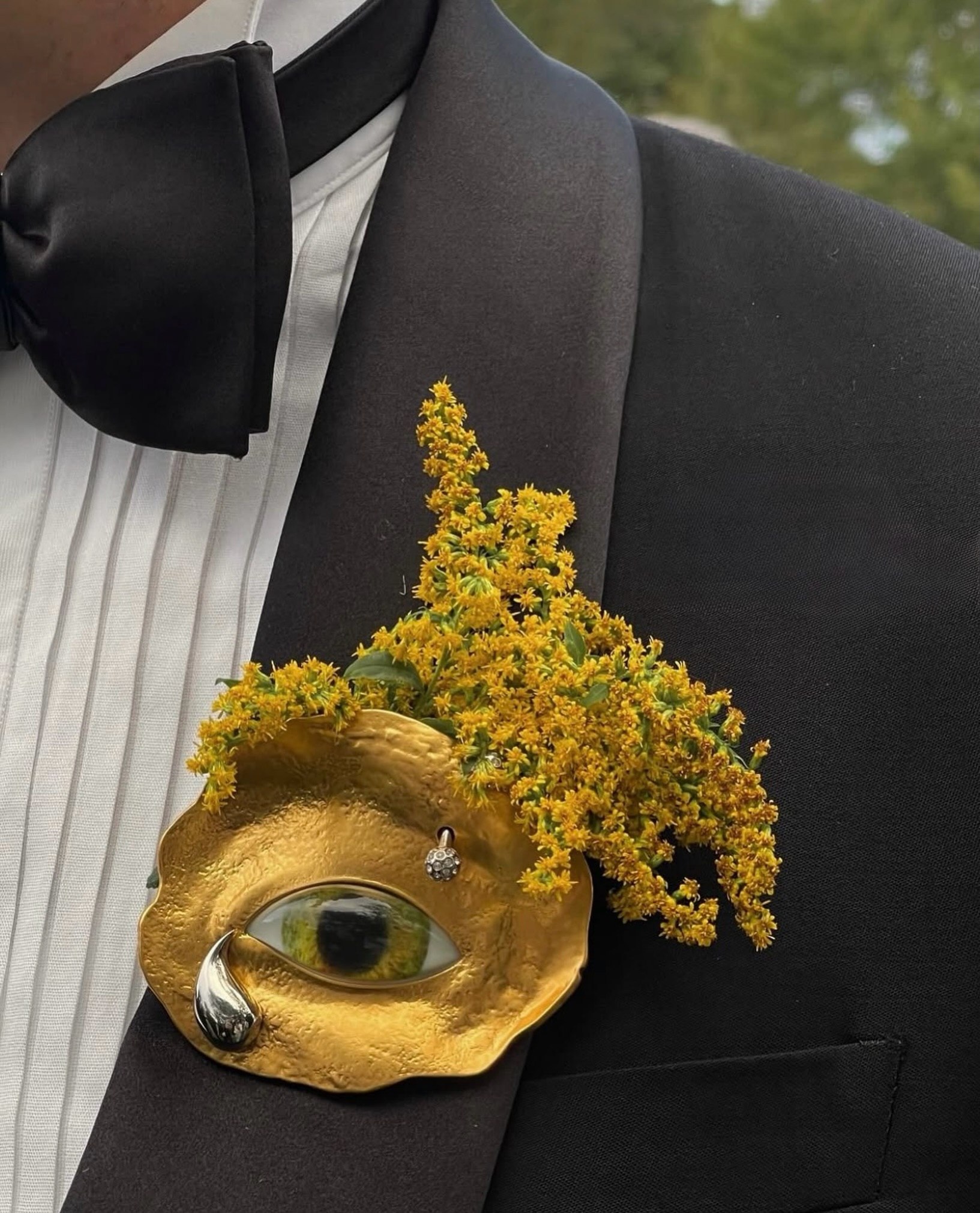
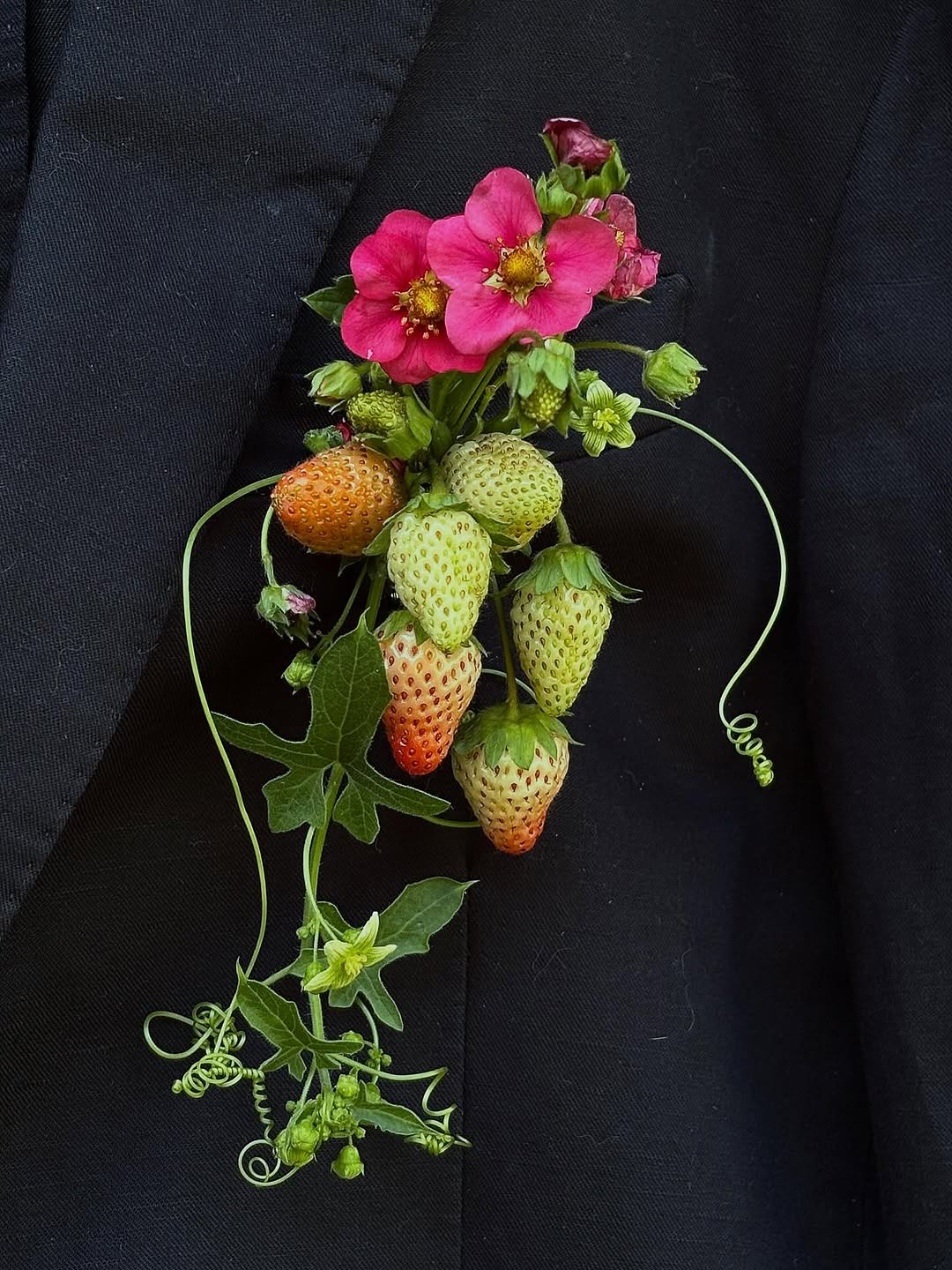
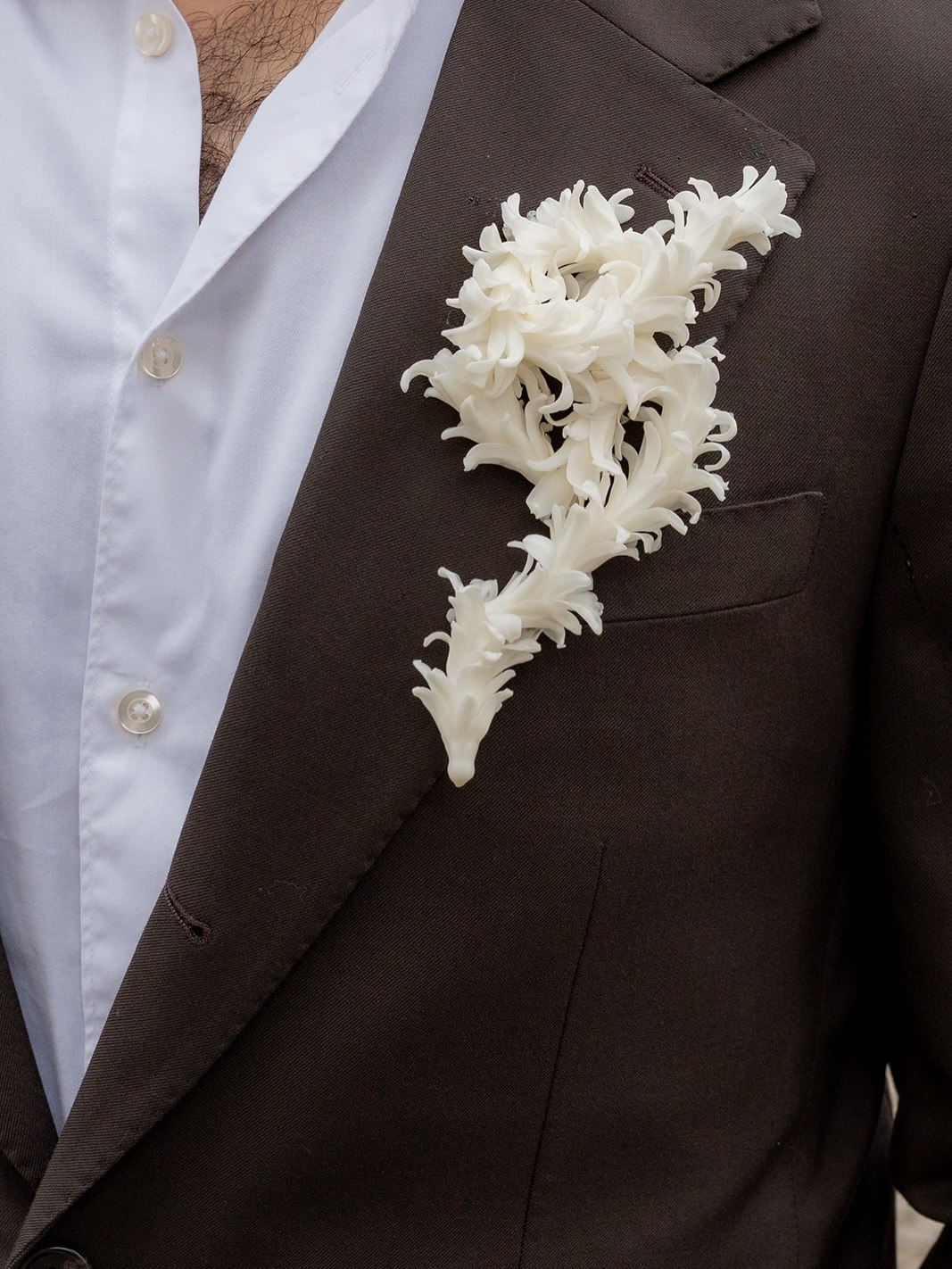
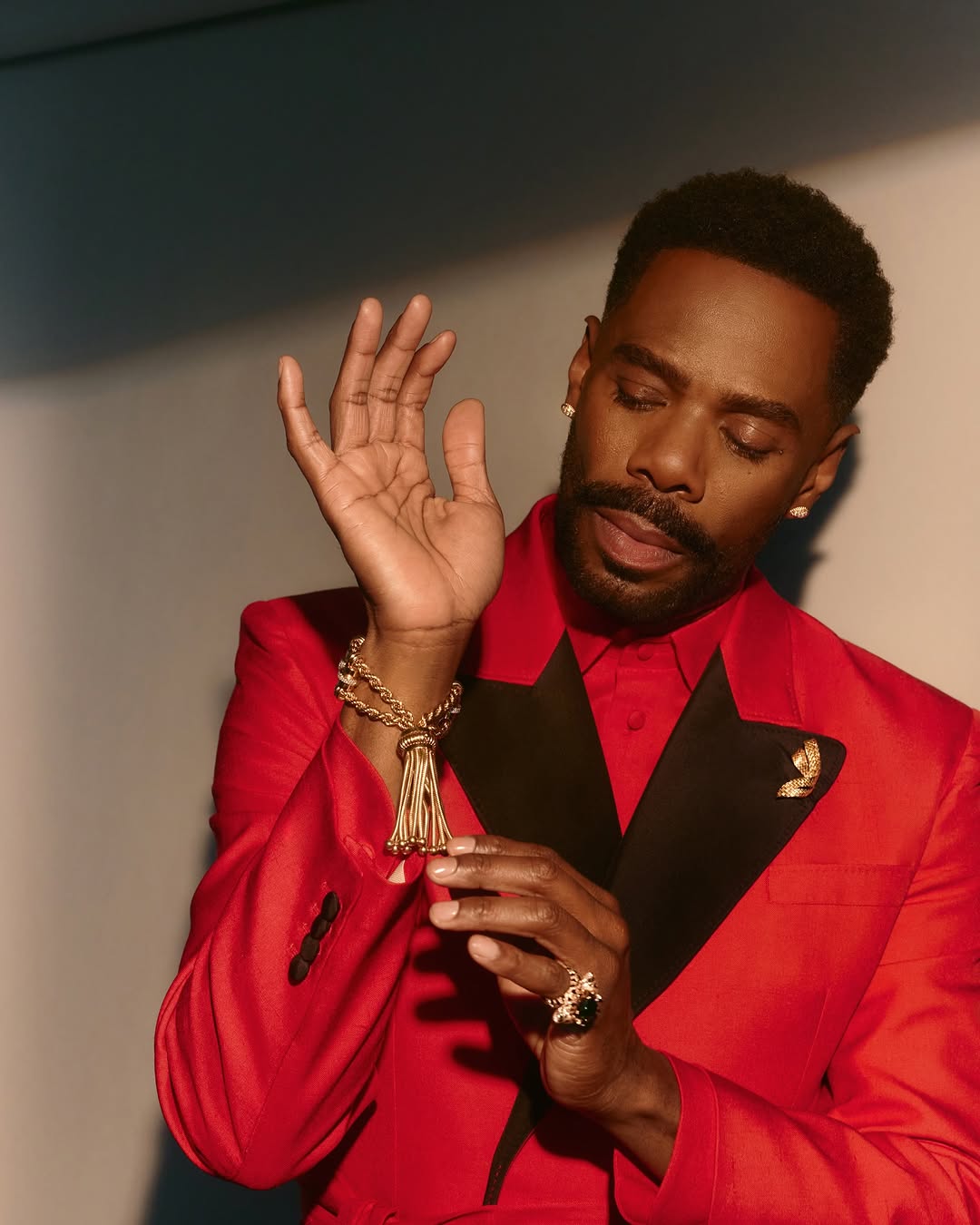
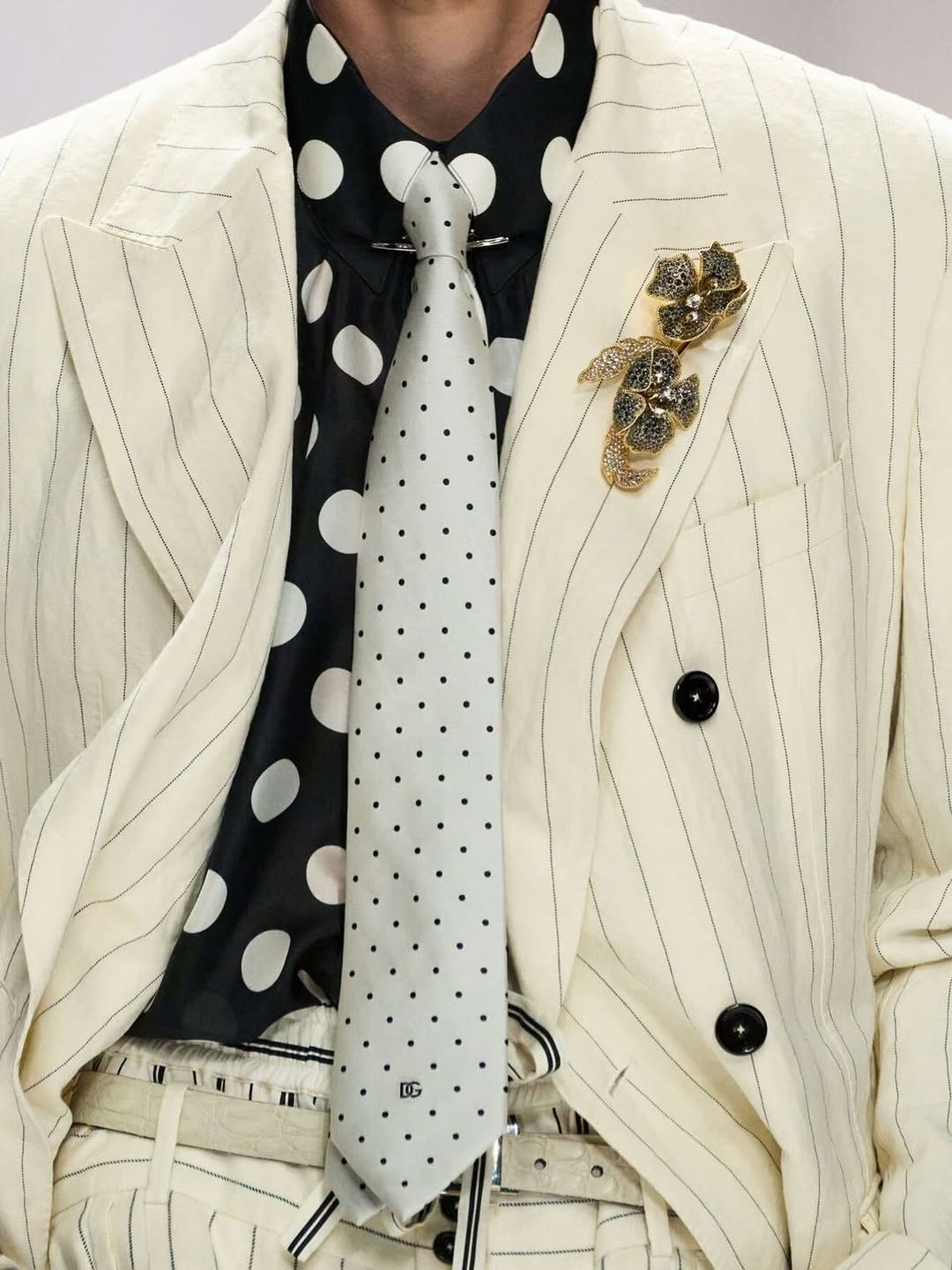
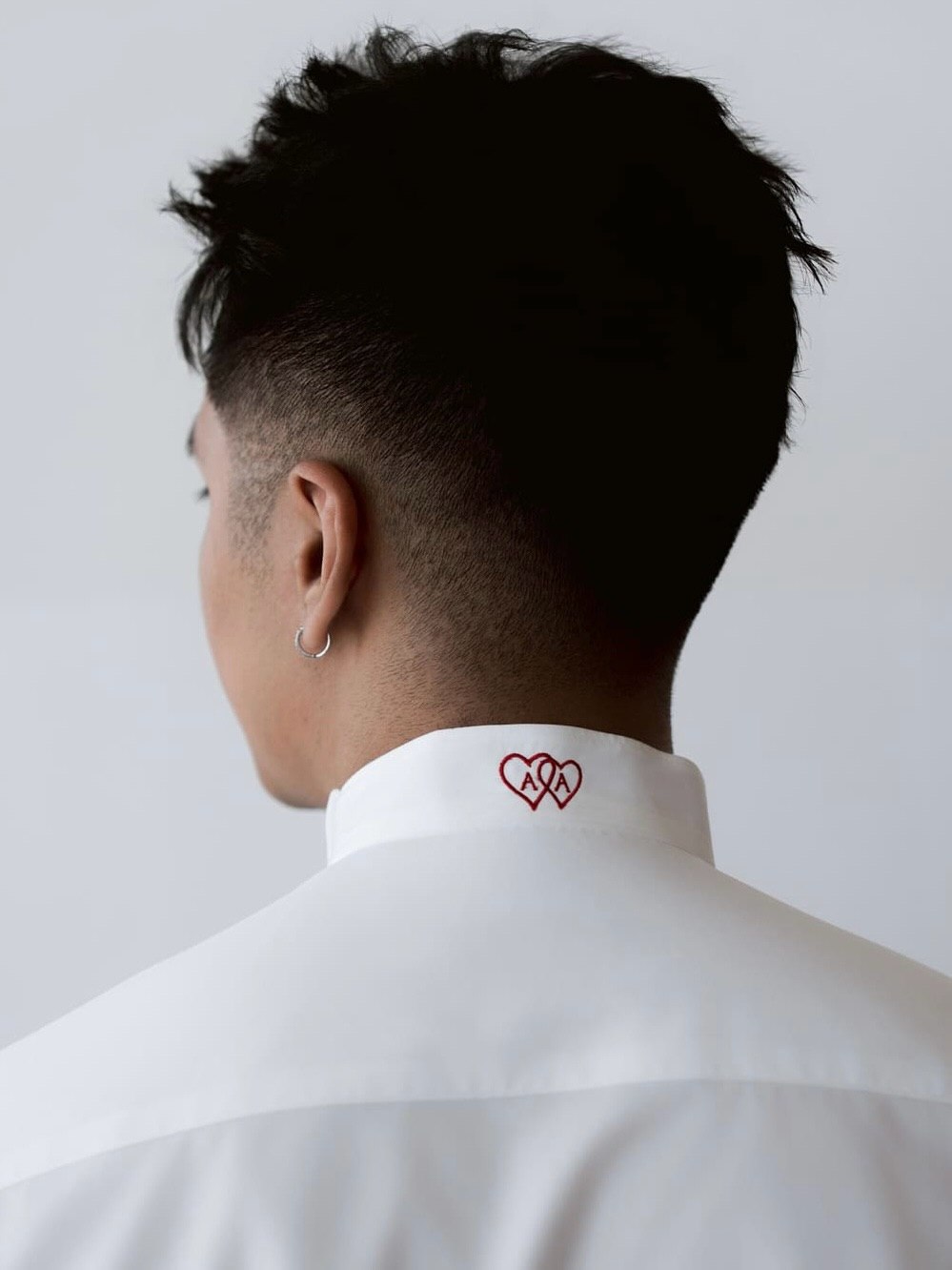
A groom’s look rewards a closer shot just as much as a bride’s does, it’s just easier to overlook. A boutonniere pinned with real care, cufflinks that belonged to a father or grandfather, hand-stitched monogramming inside a jacket, a brooch passed down and worn somewhere unexpected, these are the details that carry the most story or personality, even when they’re the size of a coin. So, it’s worth building a few minutes into the timeline specifically for this, rather than hoping it gets caught in passing.
Polaroid Groom Portraits
A Polaroid groom portrait is a genuinely great idea on its own, instant, a little imperfect, the kind of photo that ages well precisely because it looks like a photo from a different decade. But if there’s a chance to bring in a Polaroid Big Shot specifically, it’s worth taking. It’s the same clunky, single-purpose portrait camera Andy Warhol used throughout the ’70s and ’80s to photograph everyone from Debbie Harry to Muhammad Ali, and studios like Happy Beginnings in New York have built a following specifically around it. Its high-contrast, slightly bleached-out look has a different mood than a standard instant photo: less snapshot, more art object, and it was genuinely built for exactly this: a close-up portrait, one person, centered and deliberate.
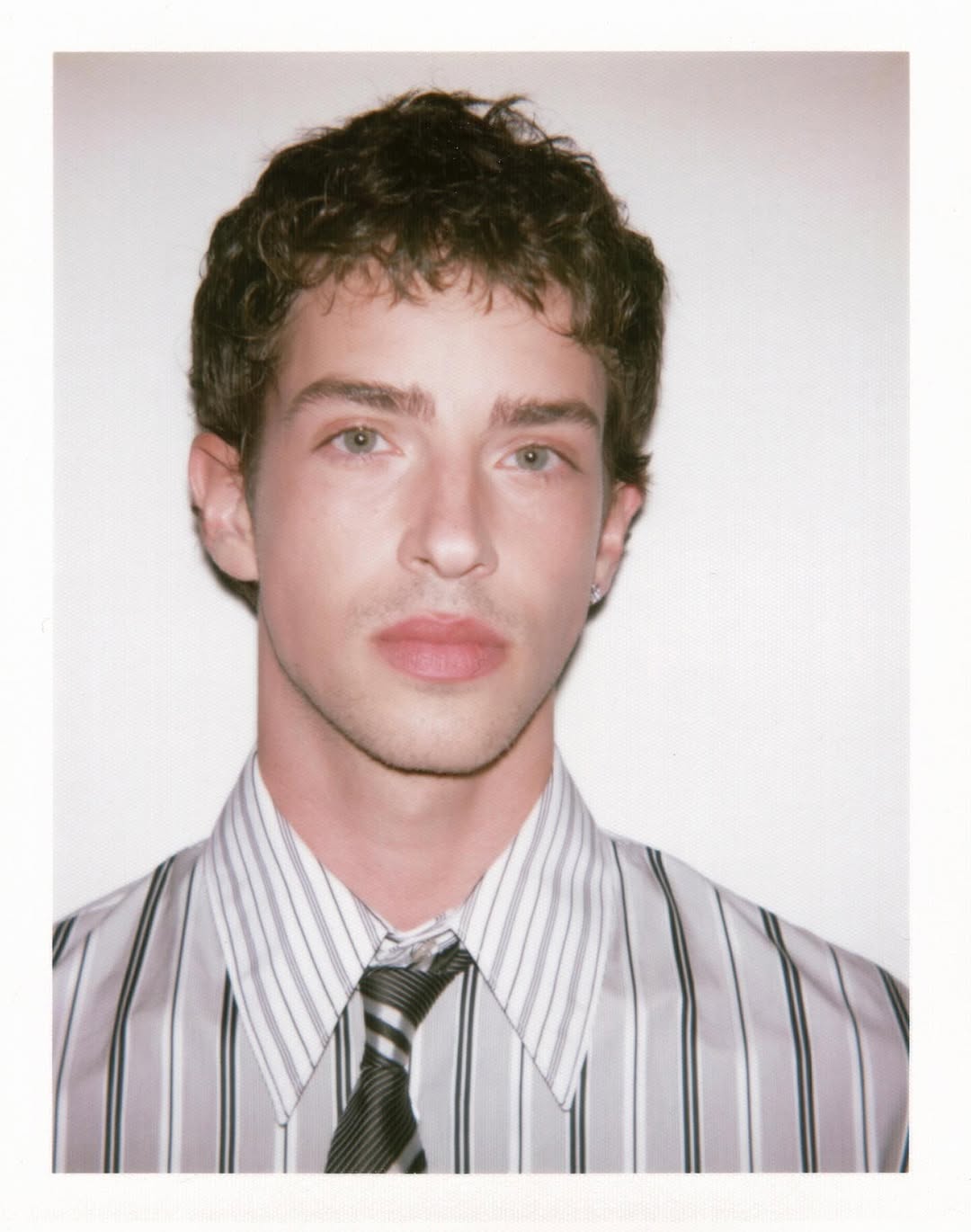
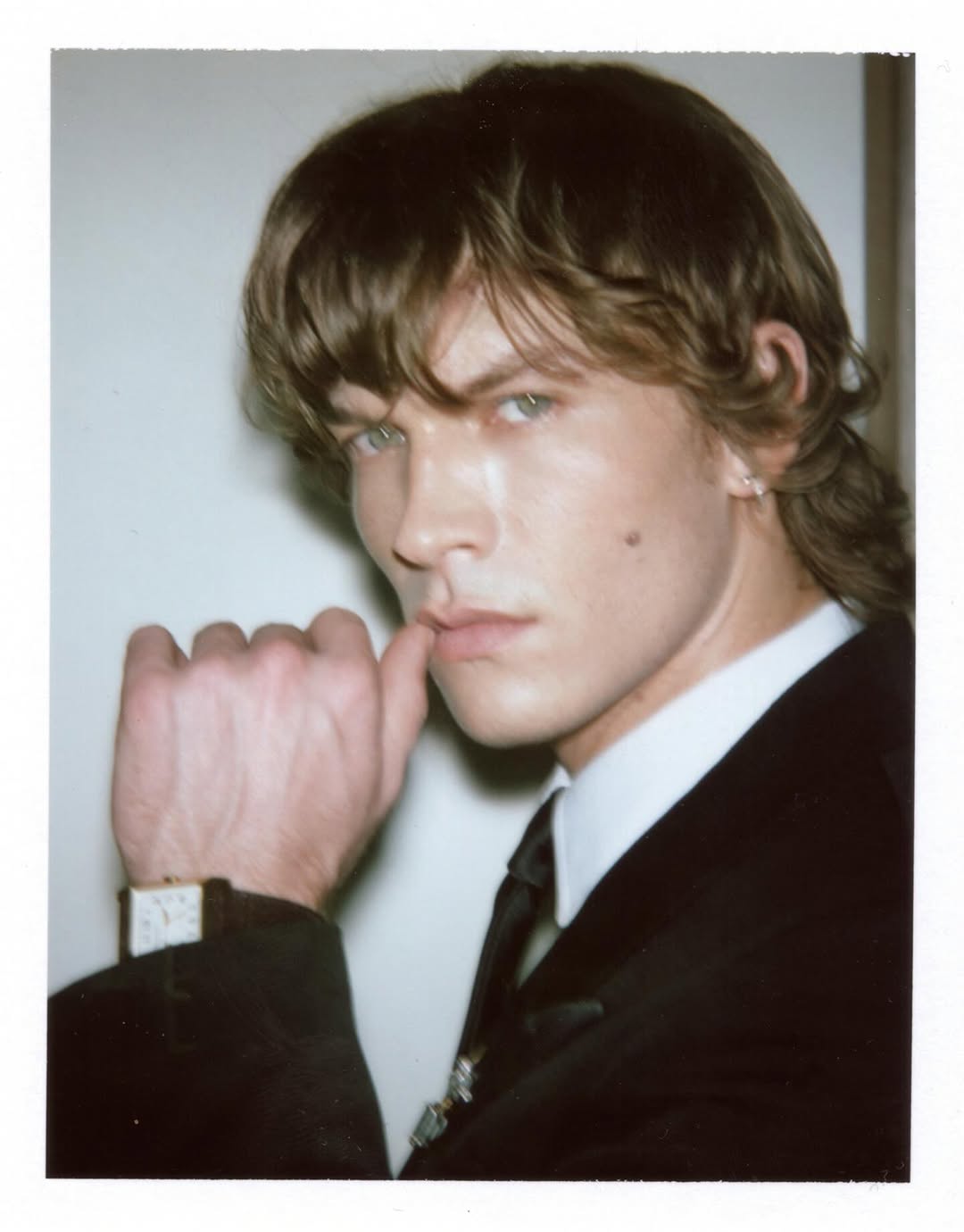
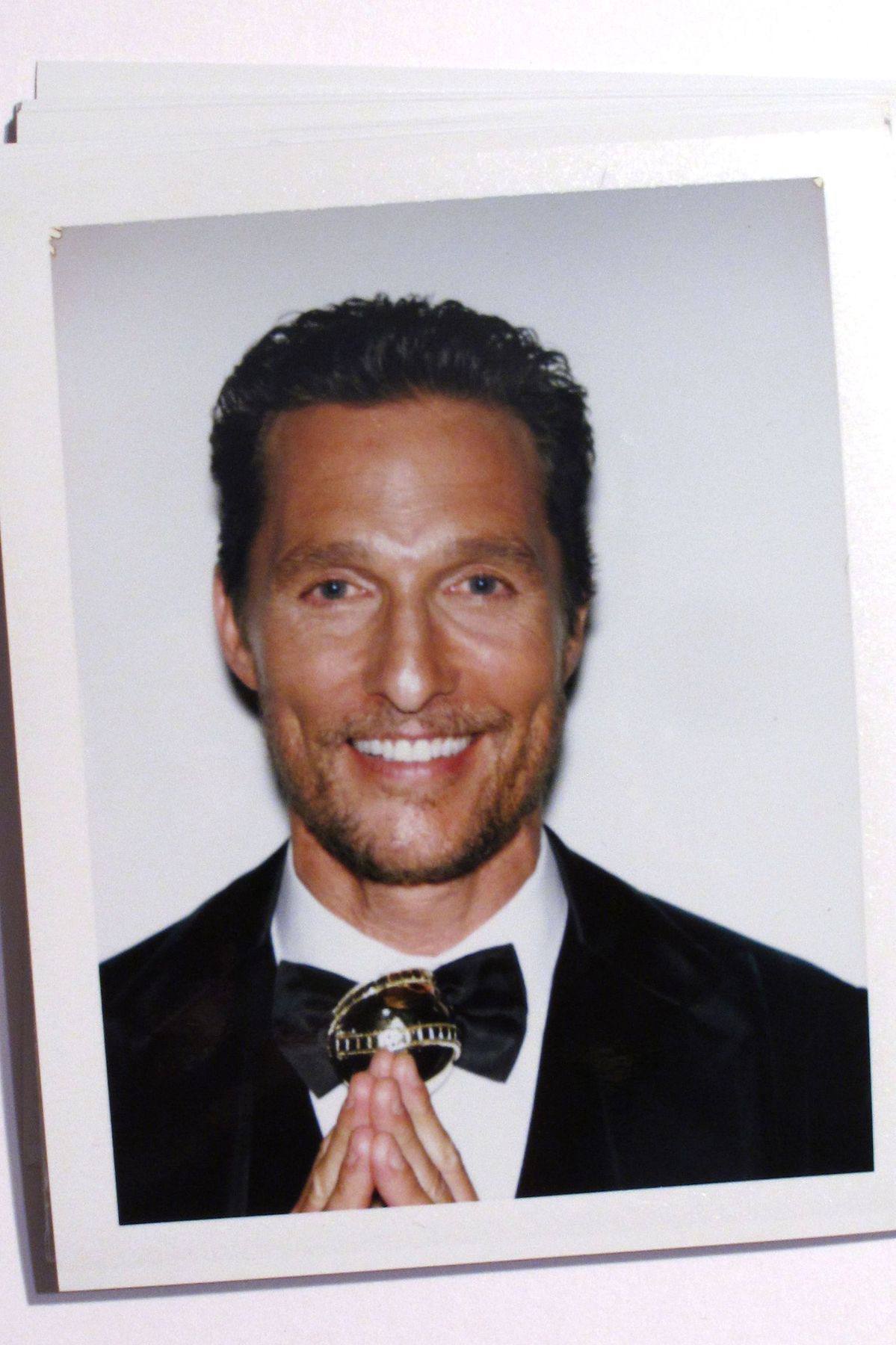
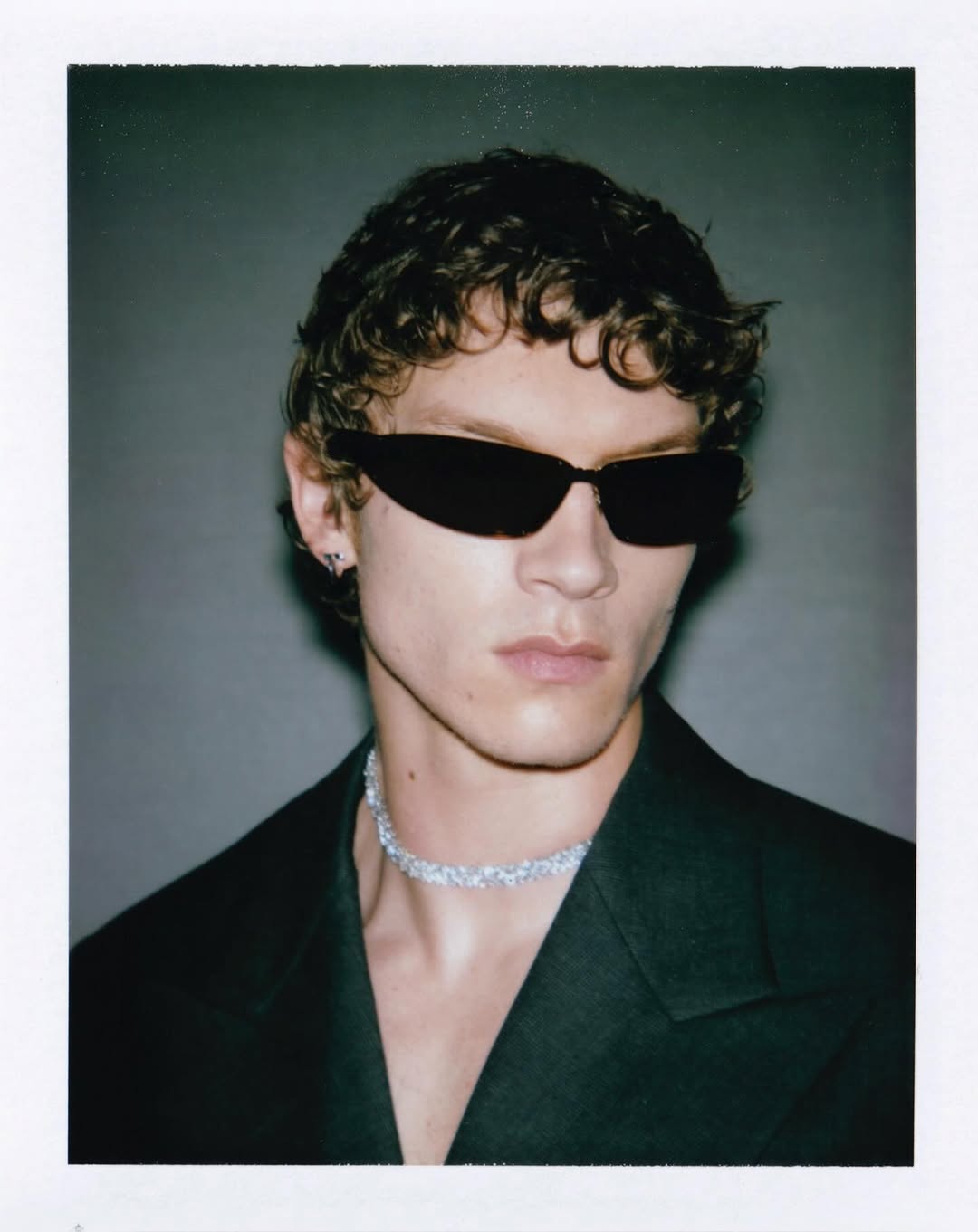
Photo: Adrian Martin, Adrian Martin, Vulture, Connor Storrie
Getting Ready Snaps
The groom’s version of getting ready is usually shorter and looser than the bride’s, and leaning into that looseness, rather than trying to slow it down into something more formal, tends to produce the shots that actually feel like him. It’s someone else lacing up his shoes or tying his tie for him, hands other than his own doing the last few details. It’s the moment the jacket actually goes on, arms sliding in, shoulders settled, which almost always reads better candidly than posed.
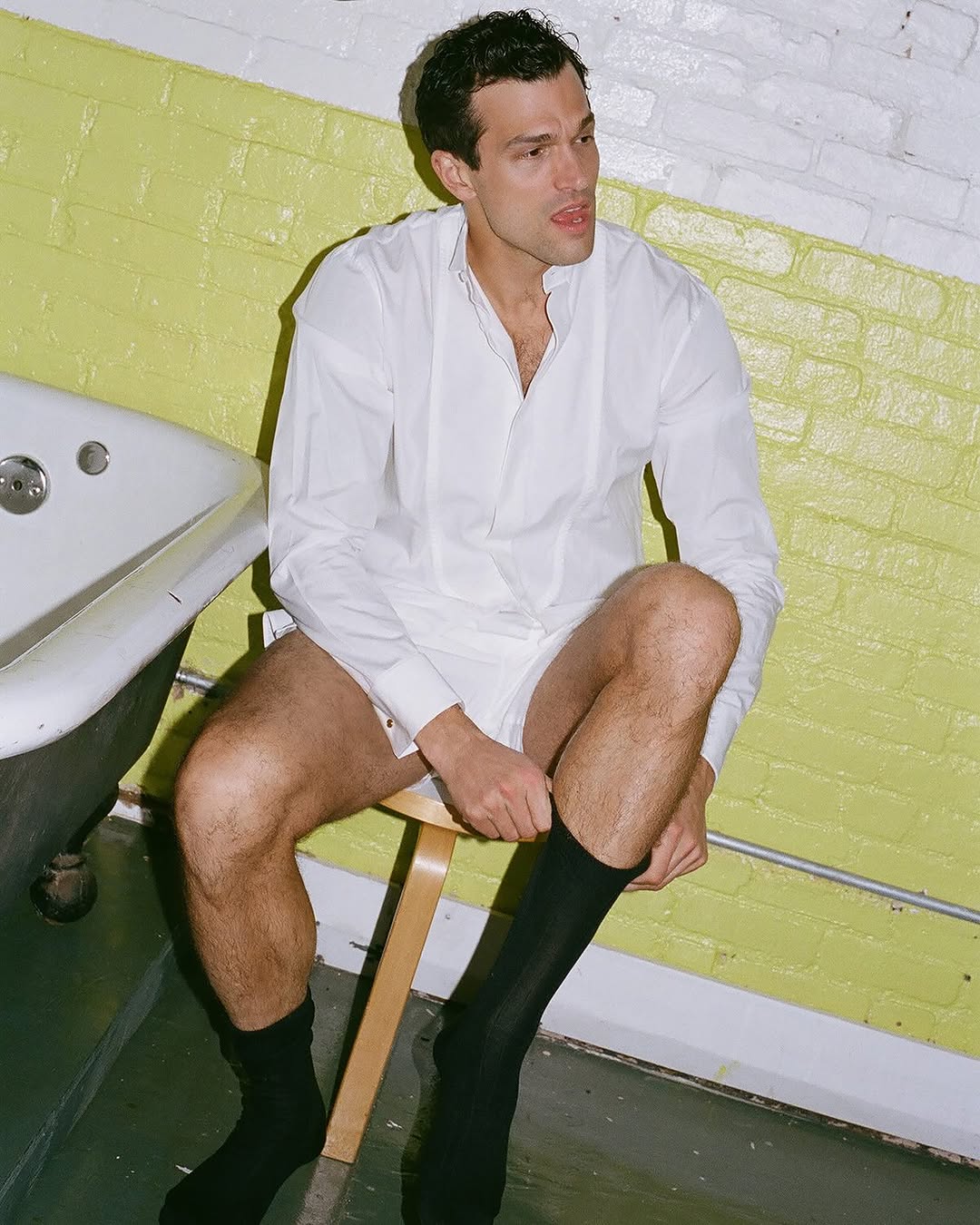
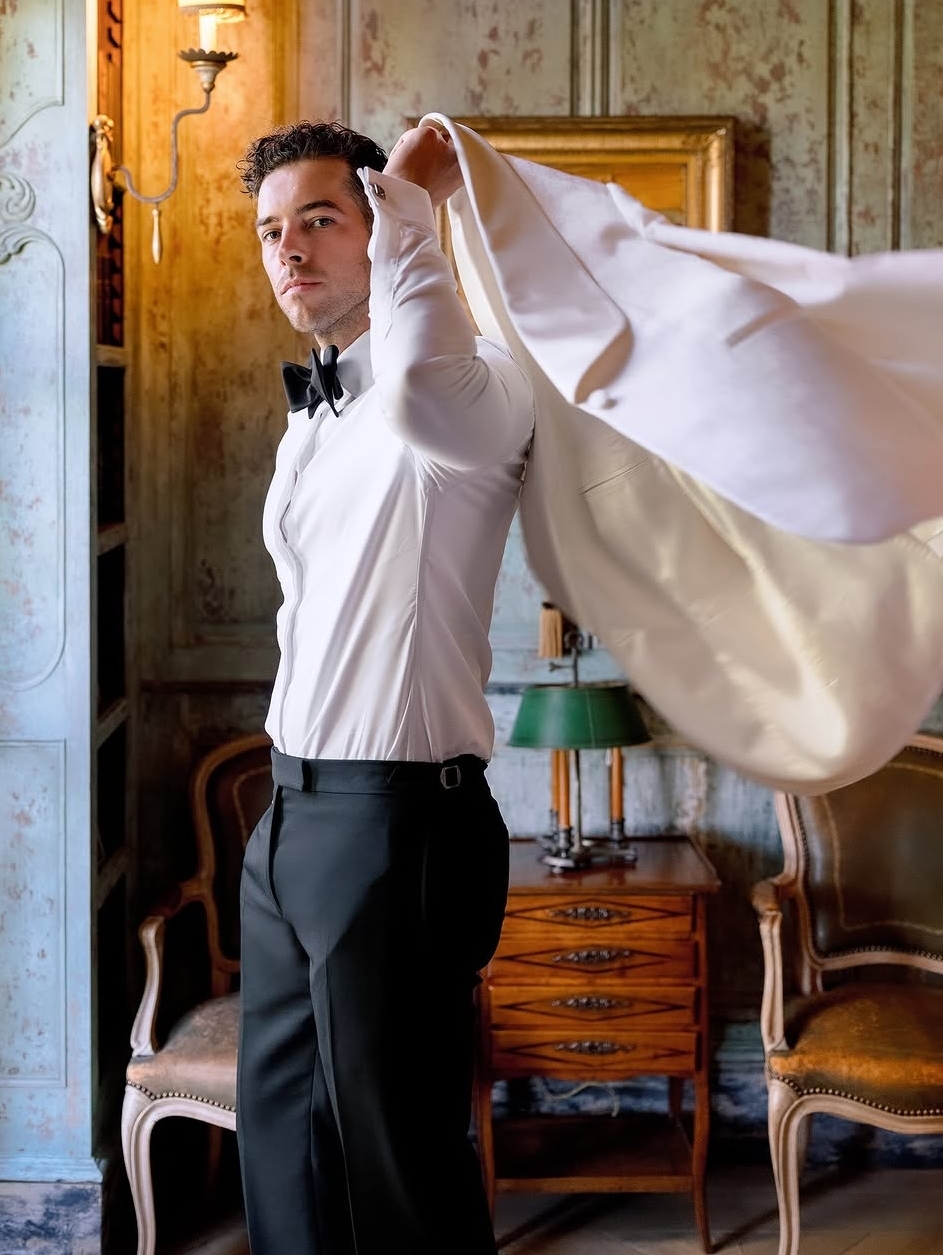
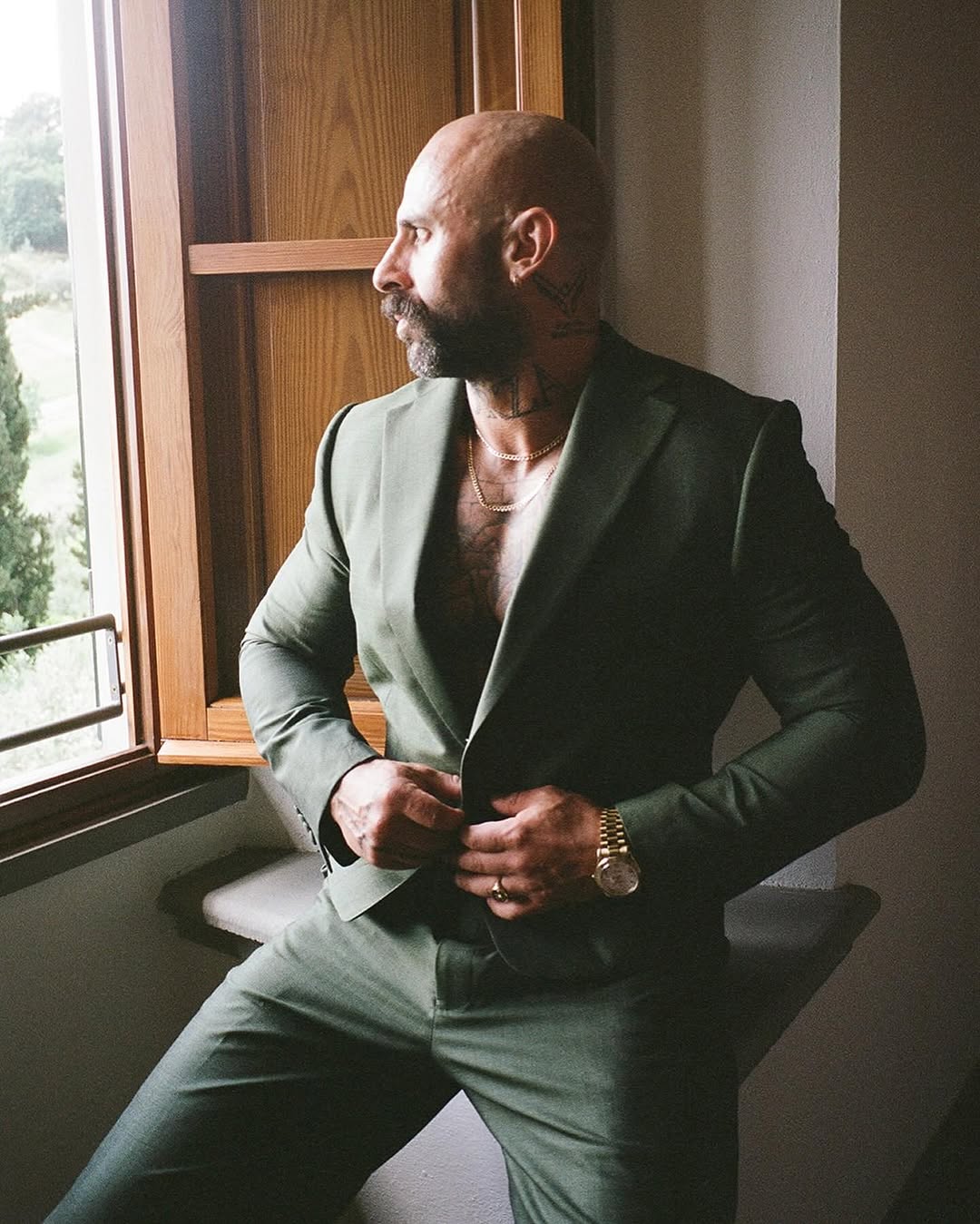
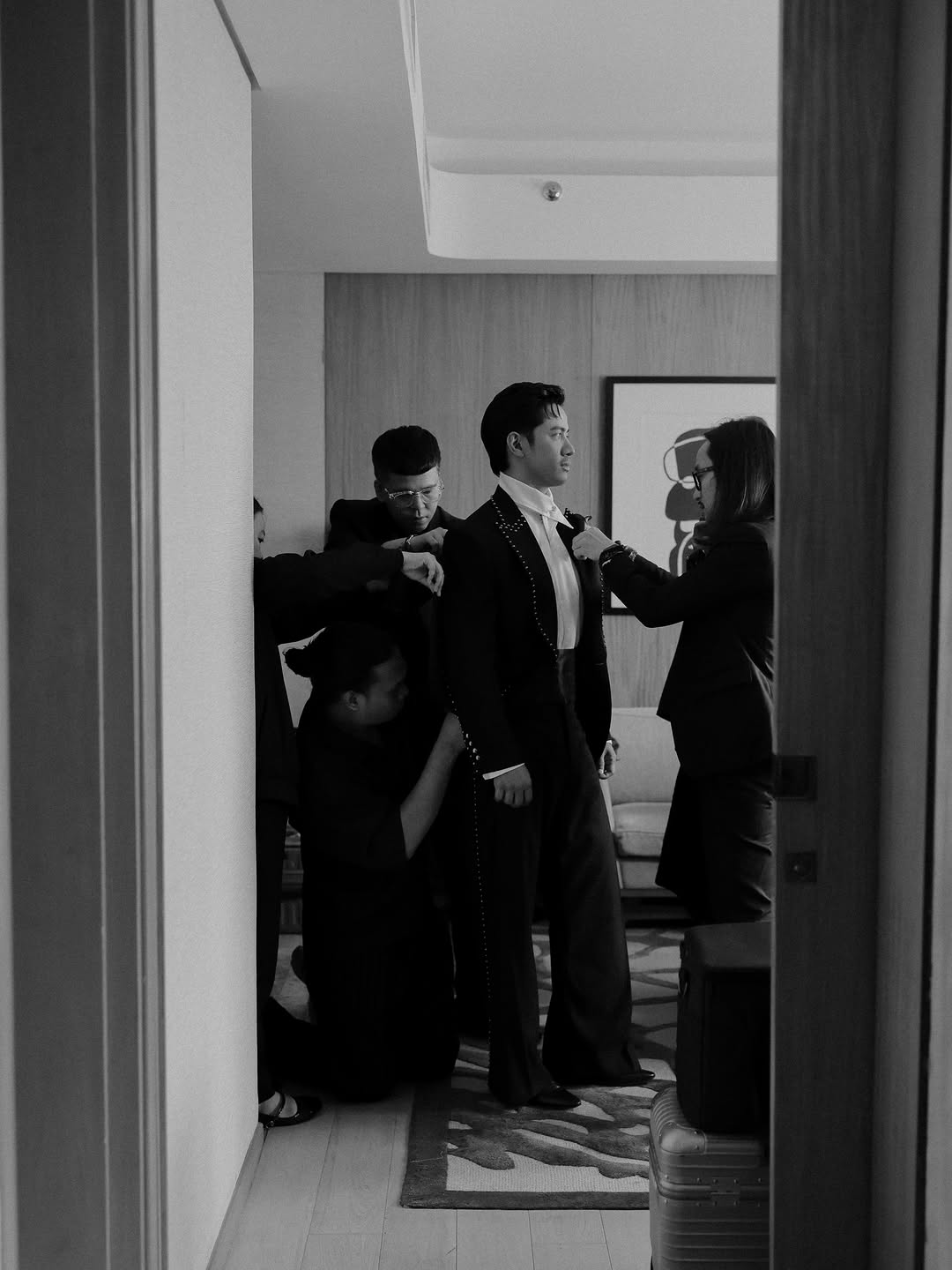
Photo: Lee Mary Manning, Jose Villa, Cara Mia, Proudrad
Under-Eye Patches, No Apologies
The bride’s morning routine gets photographed constantly. The groom’s rarely does, which is exactly why it’s worth capturing. A shot of him mid-prep with a pair of hydrating patches under his eyes, robe on, coffee within reach, reads as funny and genuinely relatable rather than staged. It also quietly signals that he cares about looking good for the day too, not just showing up in a suit at the last minute.
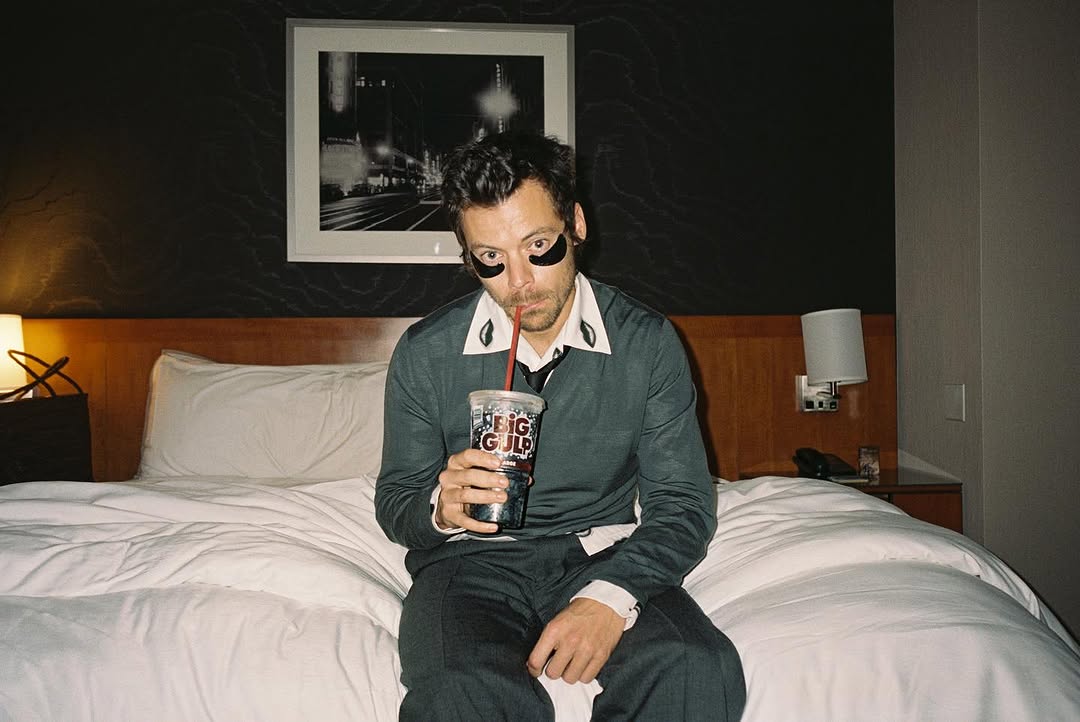
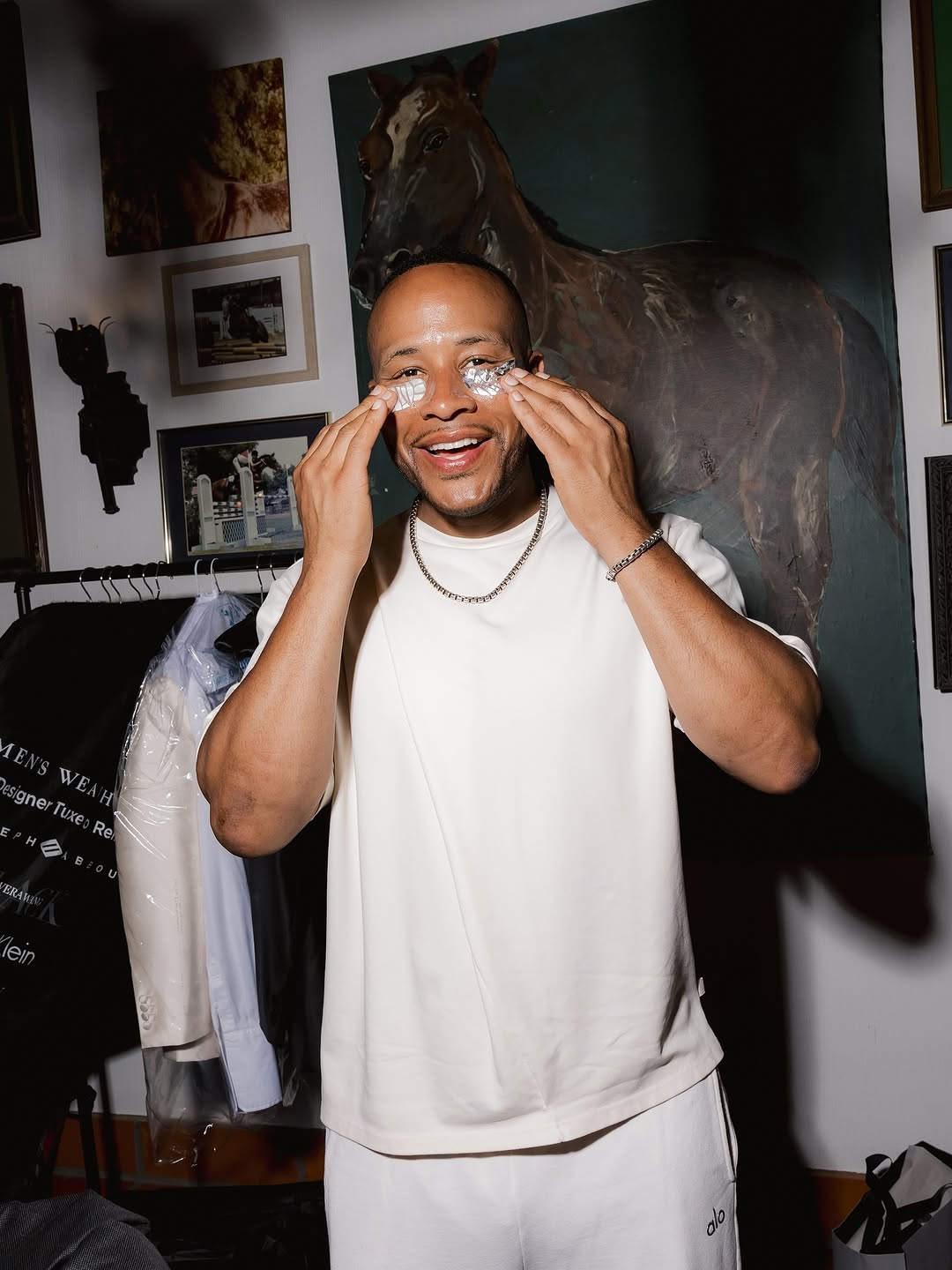
Photo: Harry Styles, Andrew Bayda
Close-ups
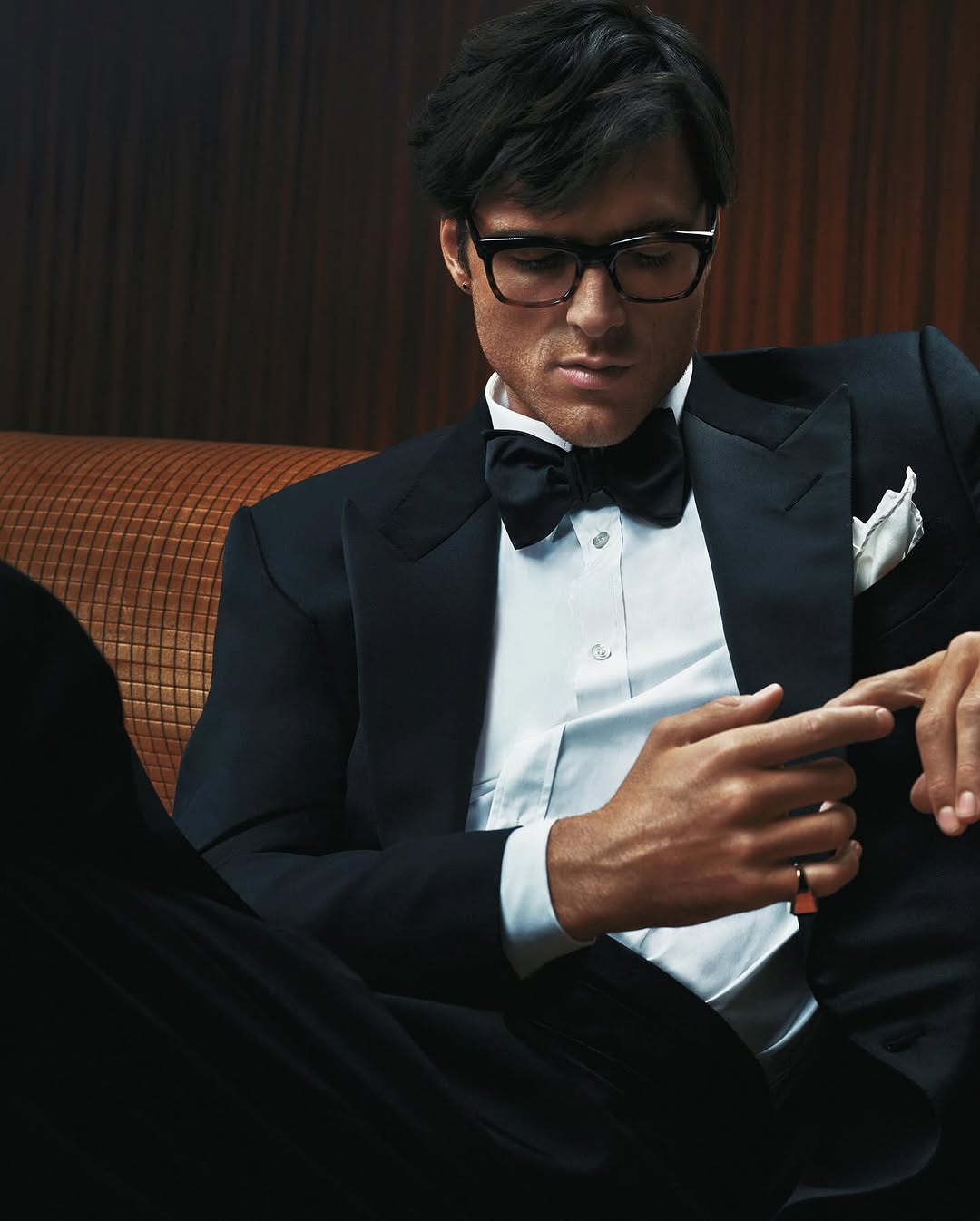
A close-up does something a full-length shot simply can’t, it gets past the suit entirely and focuses on the groom himself. A tight frame on his eyes, a genuine half-smile, the texture of his jaw catching the light, all of it reads more intimate and considered than a wider shot ever could. It’s also where small, easy-to-miss details actually register: the exact stitching on a lapel, a signet ring, the flush of nerves or emotion that a wider shot would blur into the background. The viewer can’t look away.
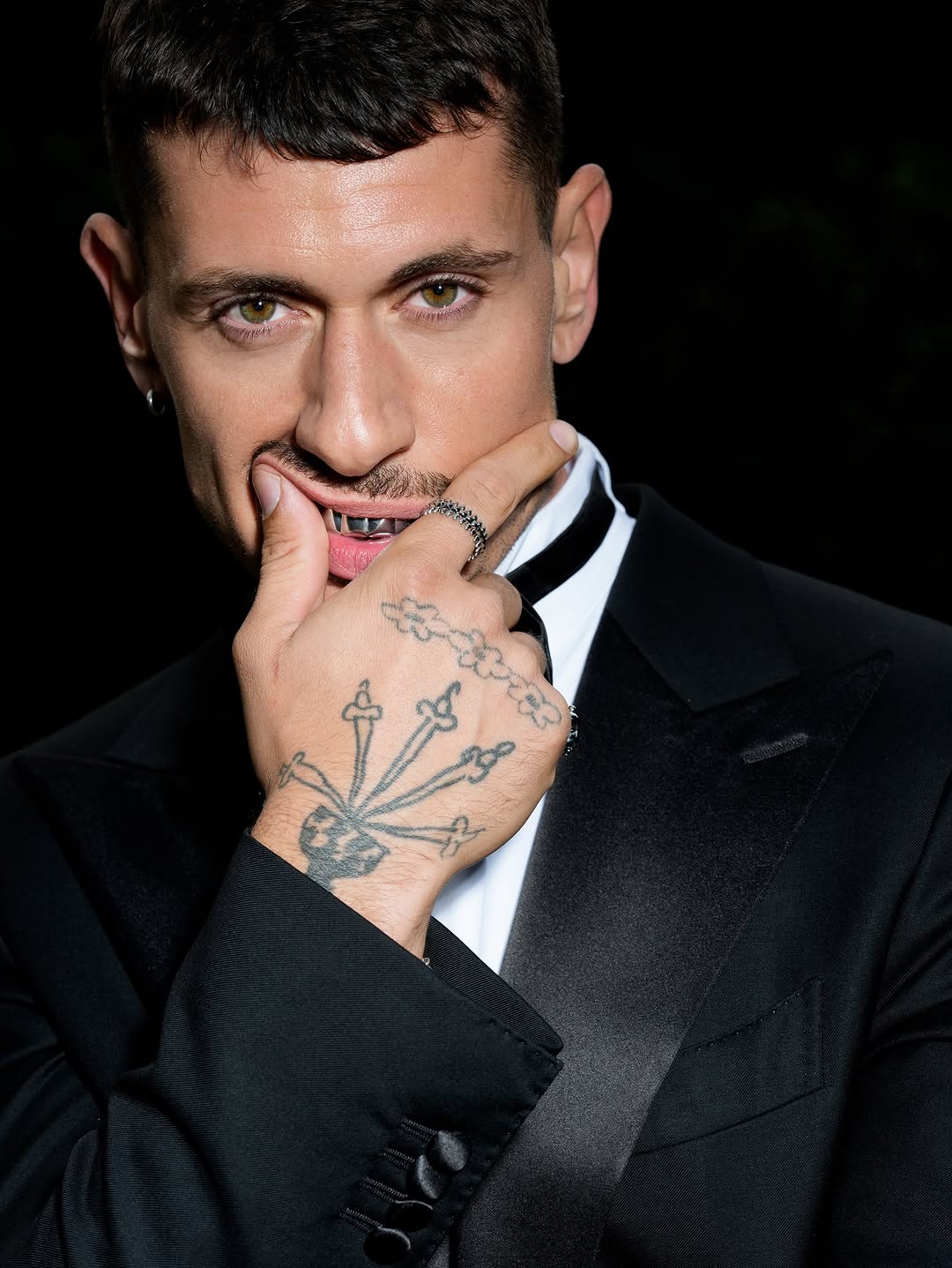
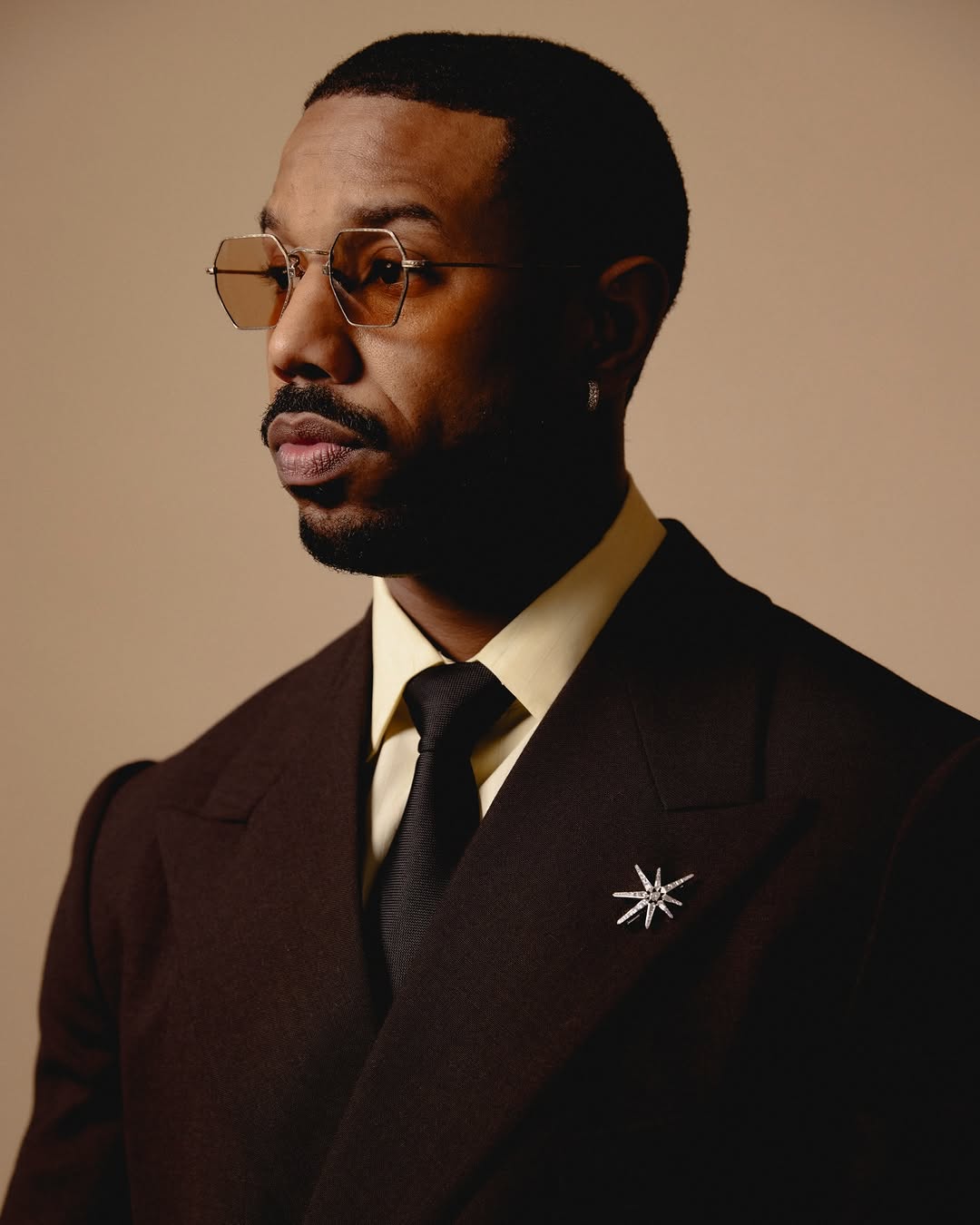
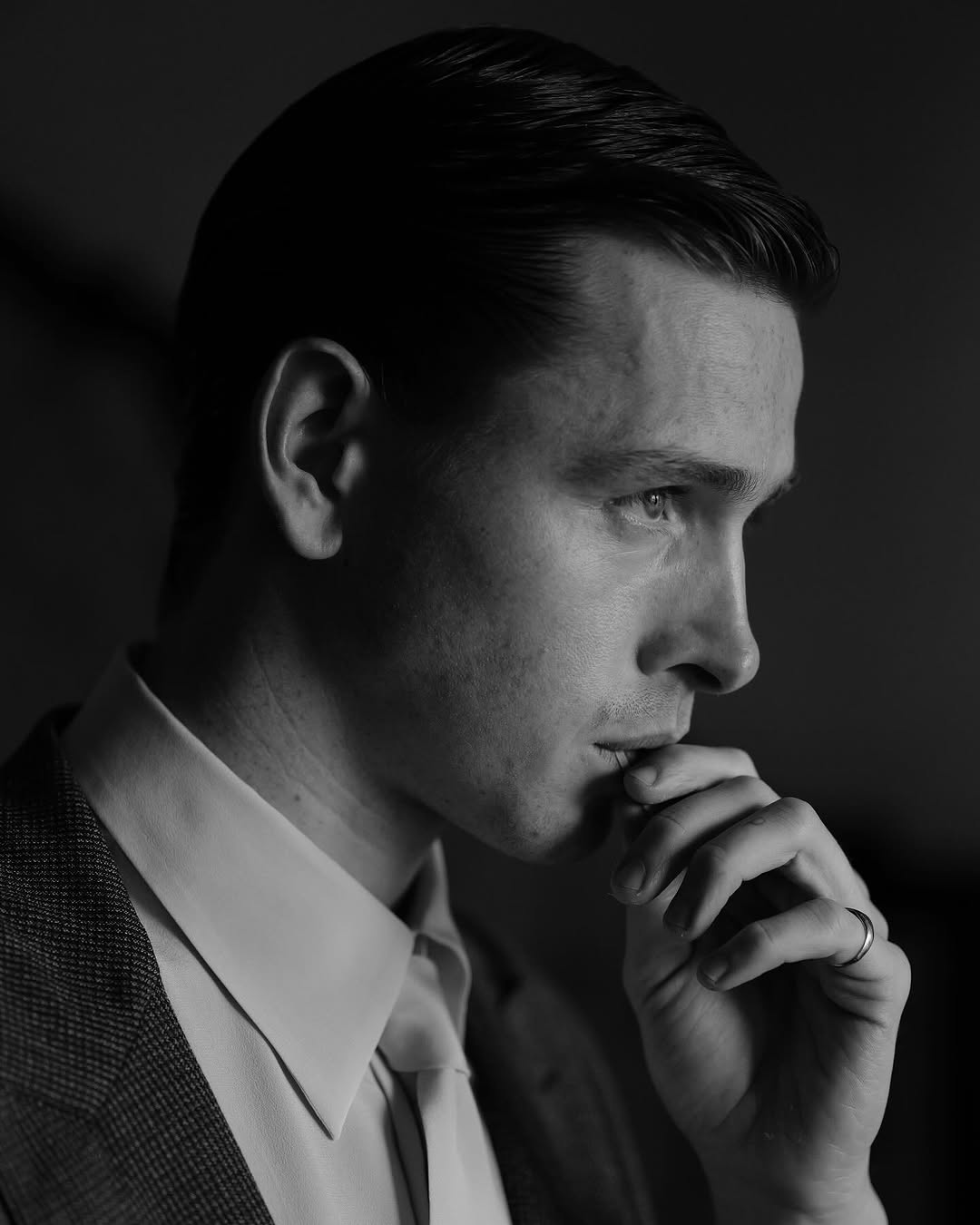
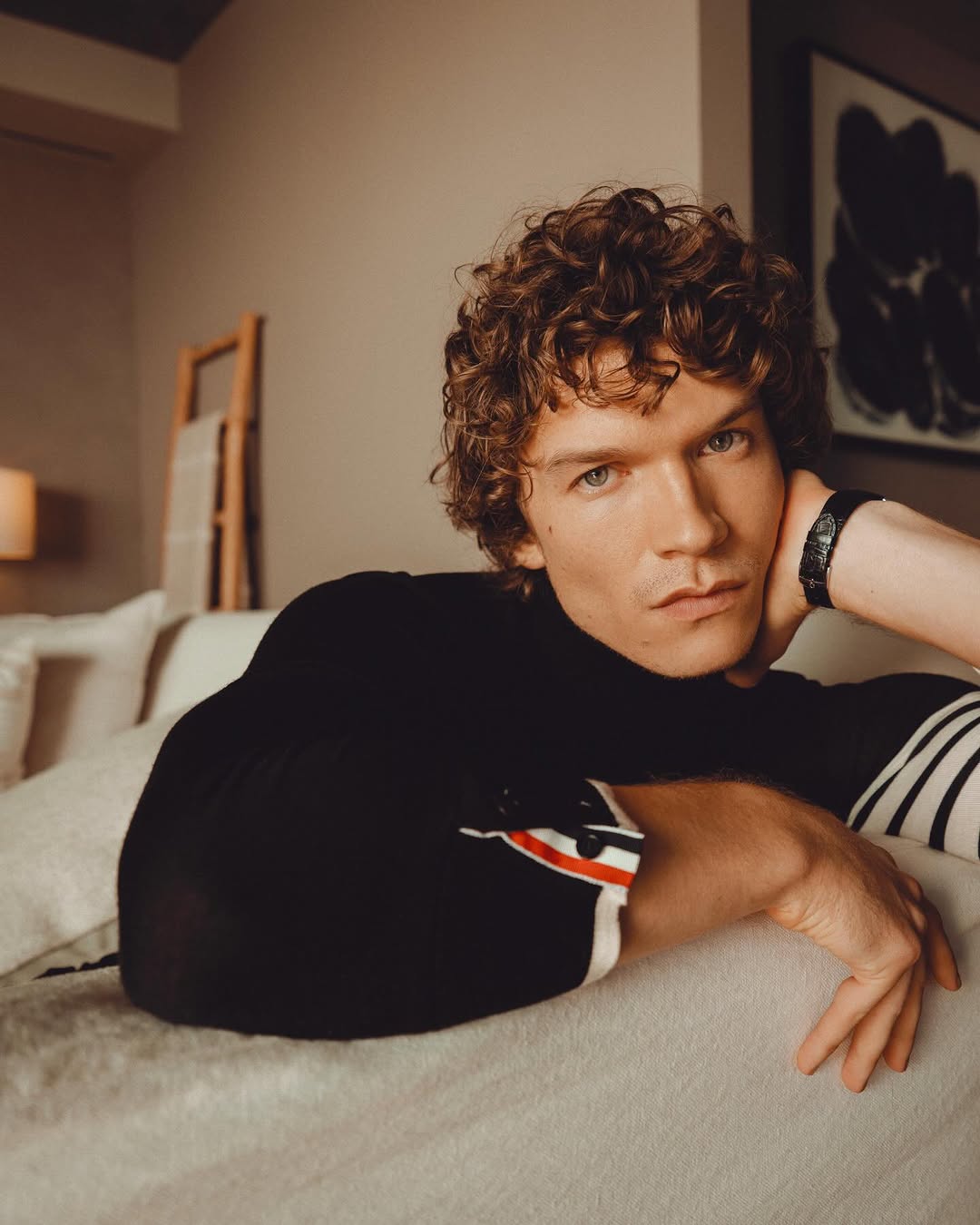
Photo: Roman Ivanov, Kanya Iwana, Greg Williams, Ryan Pfluger
Sitting Groom Portraits
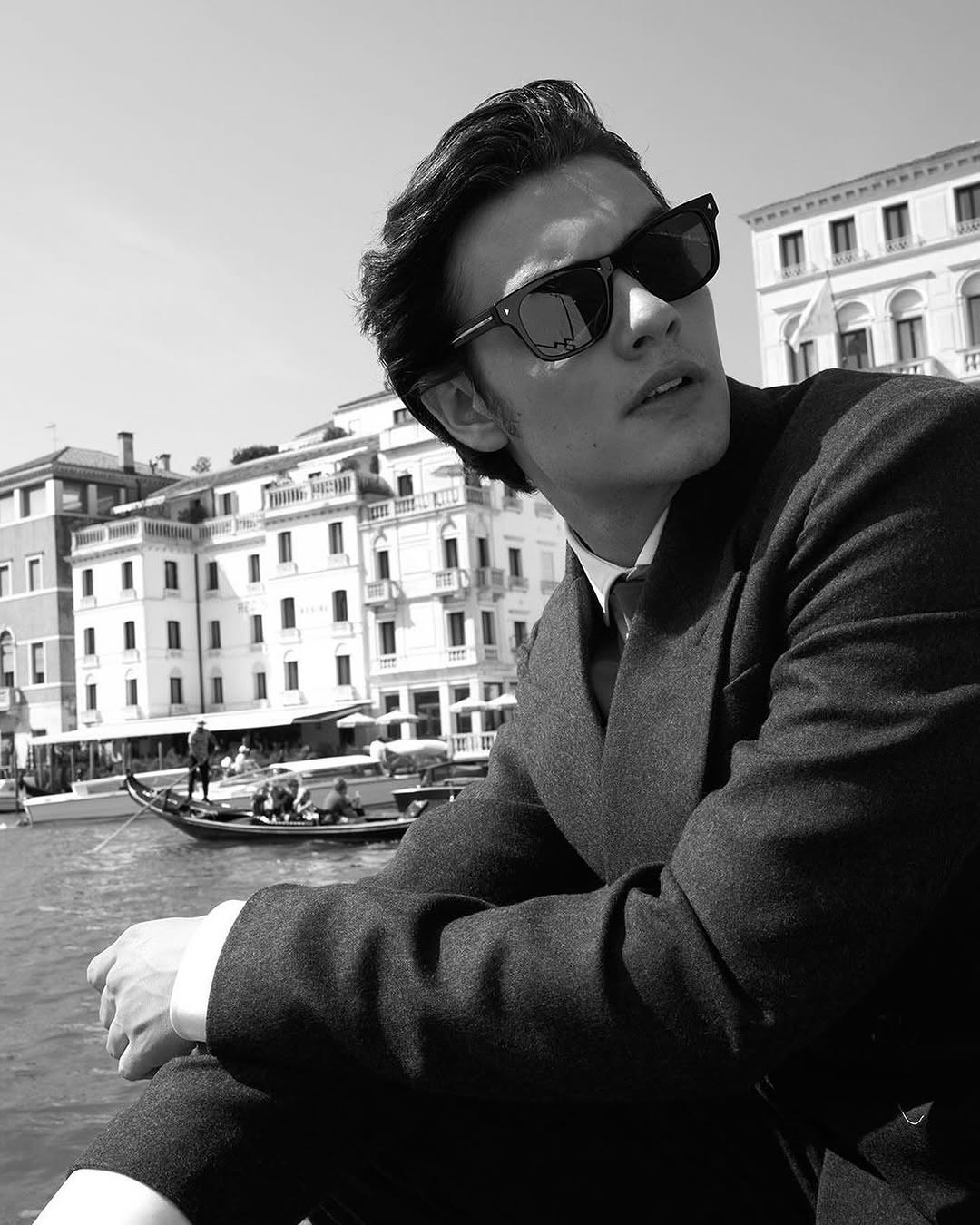
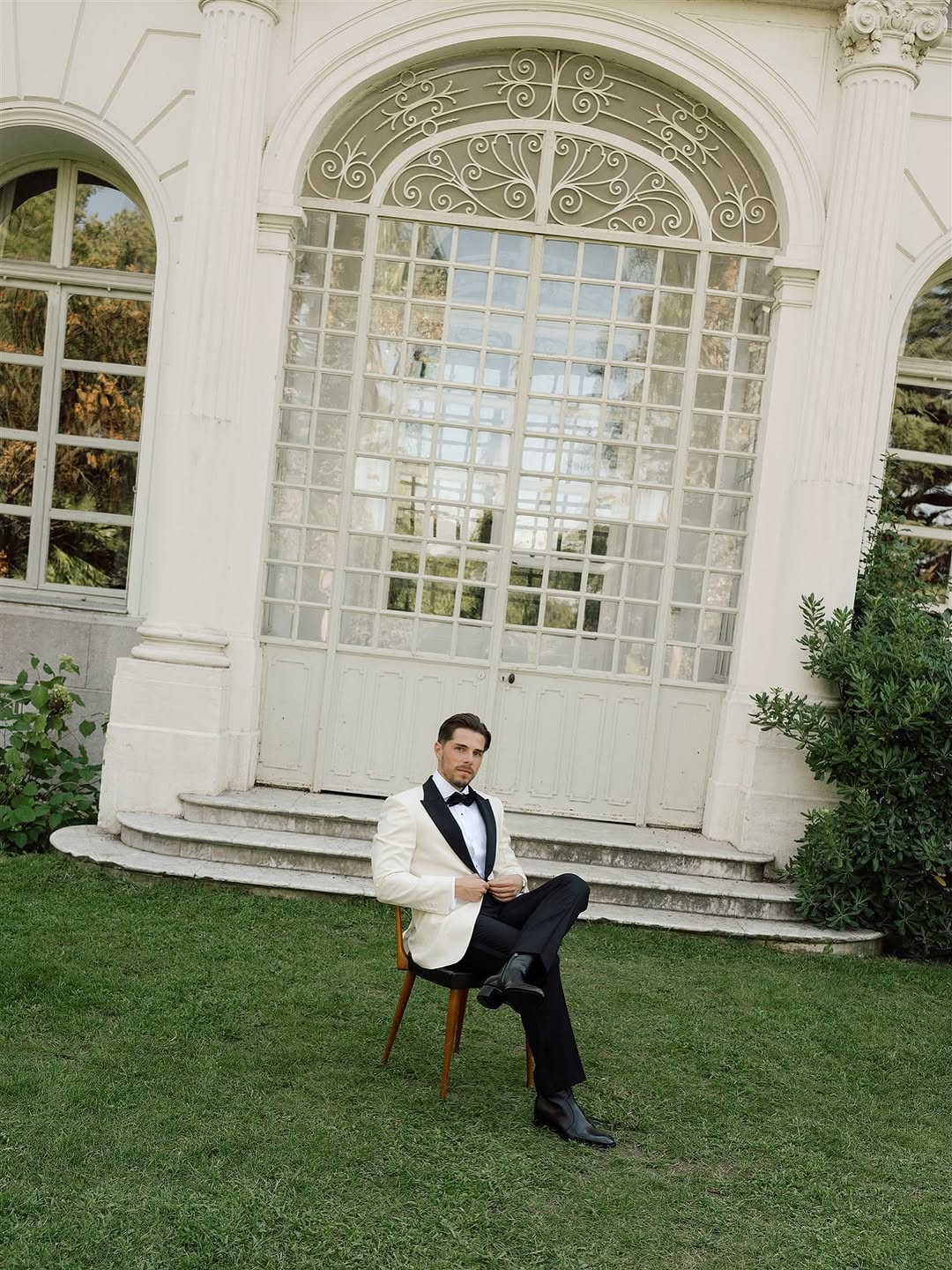
Sitting groom portraits have become one of the most sought-after groom photography ideas precisely because they strip away stiffness and replace it with personality. A few genuinely simple options tend to work best: hands loosely clasped, elbows on knees, leaning back with one arm draped over the chair. None of it needs much direction, just a good chair, decent light, and a minute where he’s not thinking about the camera at all. Mood shifts dramatically with setting — black-and-white adds timelessness, rich colors create editorial drama. An outdoor setting with classical architecture behind him gives the image an almost painterly quality.
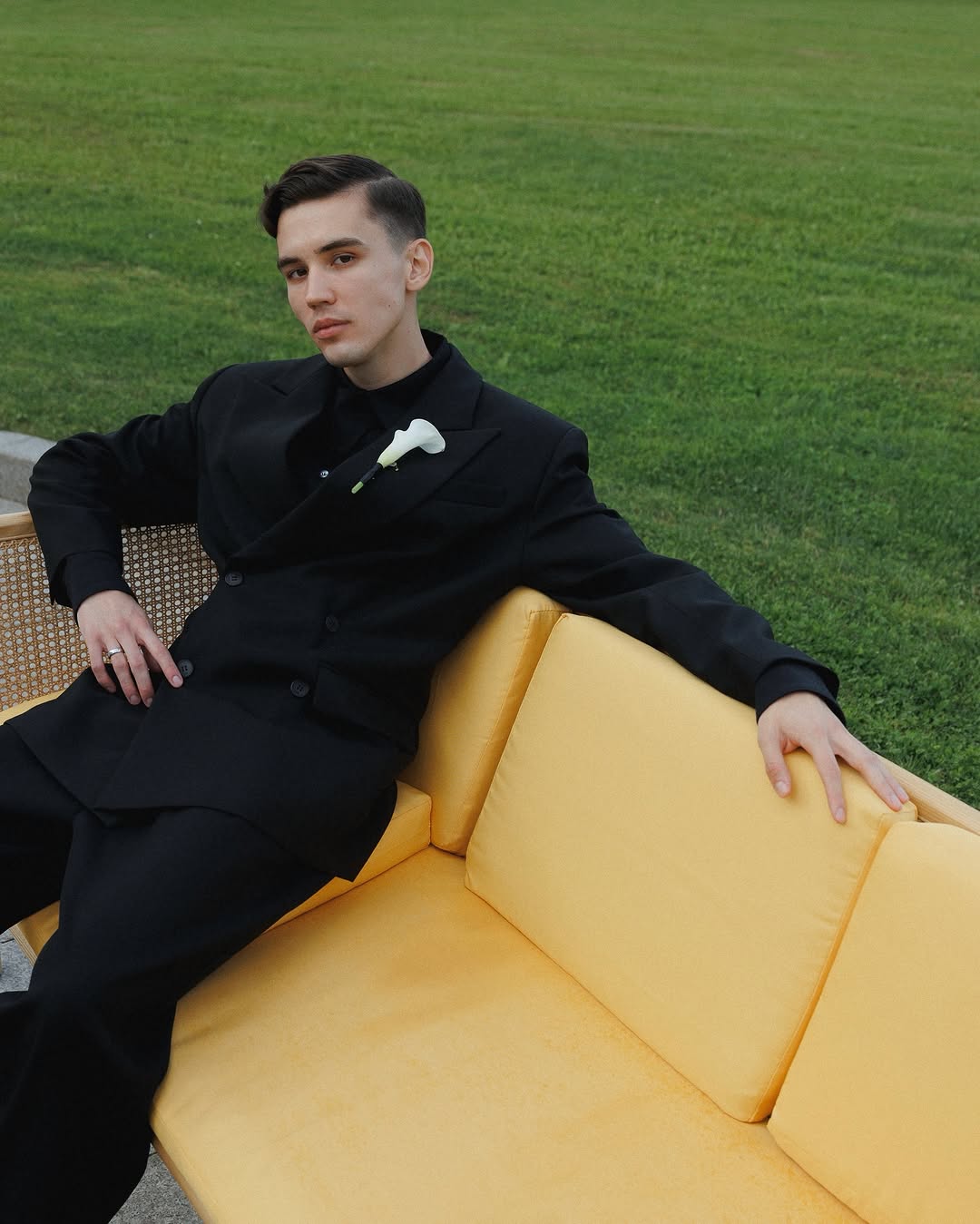
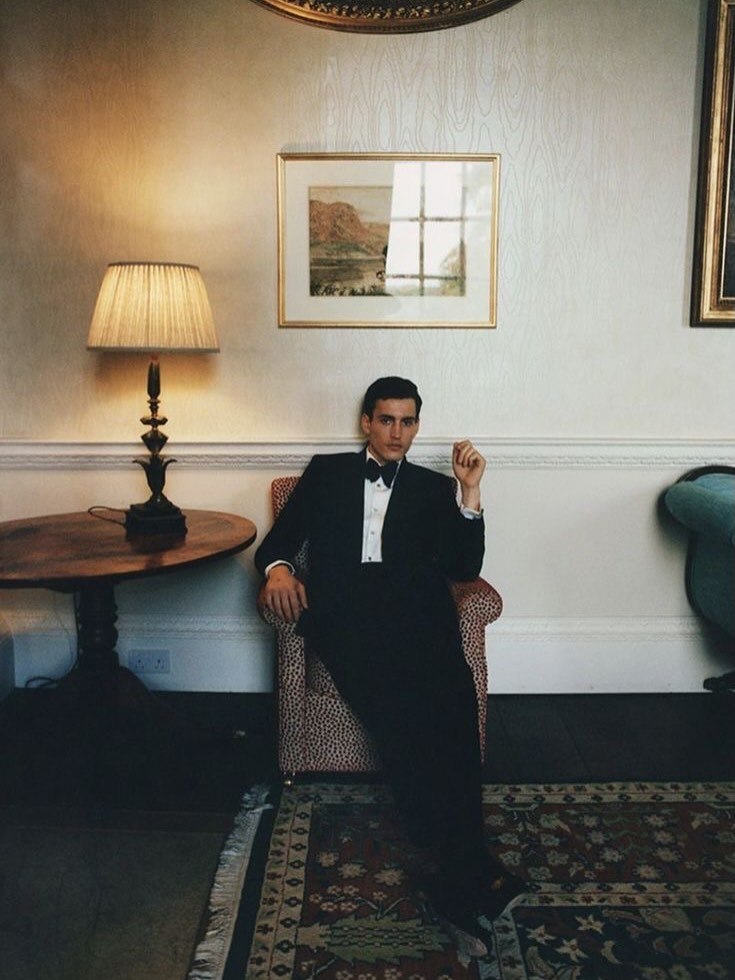
Reacting to the Photographer, Not Just Posing for Them
Some of the best groom photos aren’t really portraits at all, they’re reactions. It’s the style photographer Greg Williams built his entire career on: candid, black-and-white shots of Hollywood’s biggest names where you can sense someone behind the camera just as much as the person in front of it. His own explanation is simple, he doesn’t disappear to get an honest shot, he stays present and lets the subject respond to him directly. A groom fist-bumping the photographer between shots, clinking a glass with them like an old friend, or breaking into a genuine grin and waving from inside the car as it pulls away — the fourth wall breaks, and something electric happens. It just requires a photographer willing to be a person in the room rather than an invisible observer, and a groom relaxed enough to actually engage with them instead of performing for a lens.
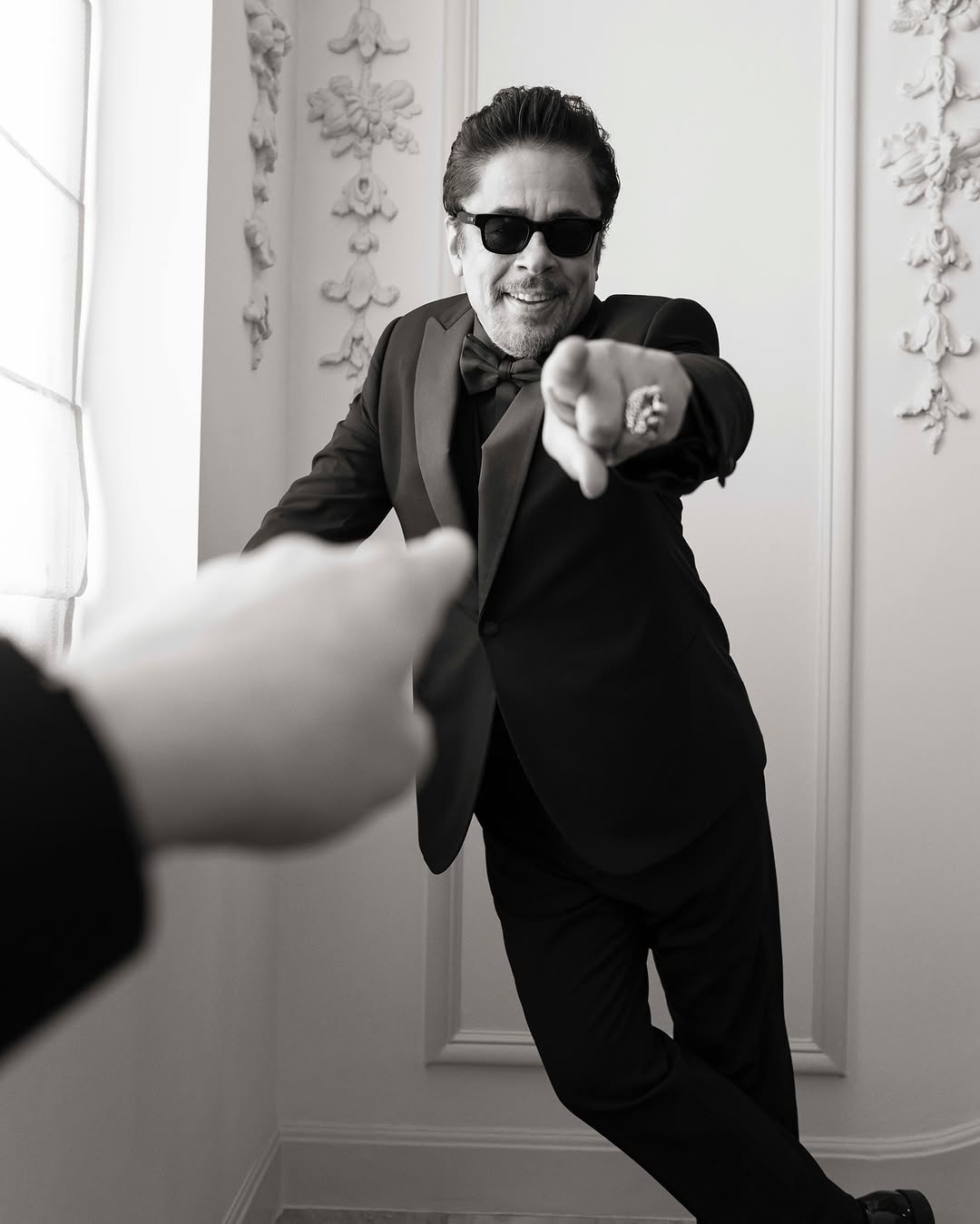
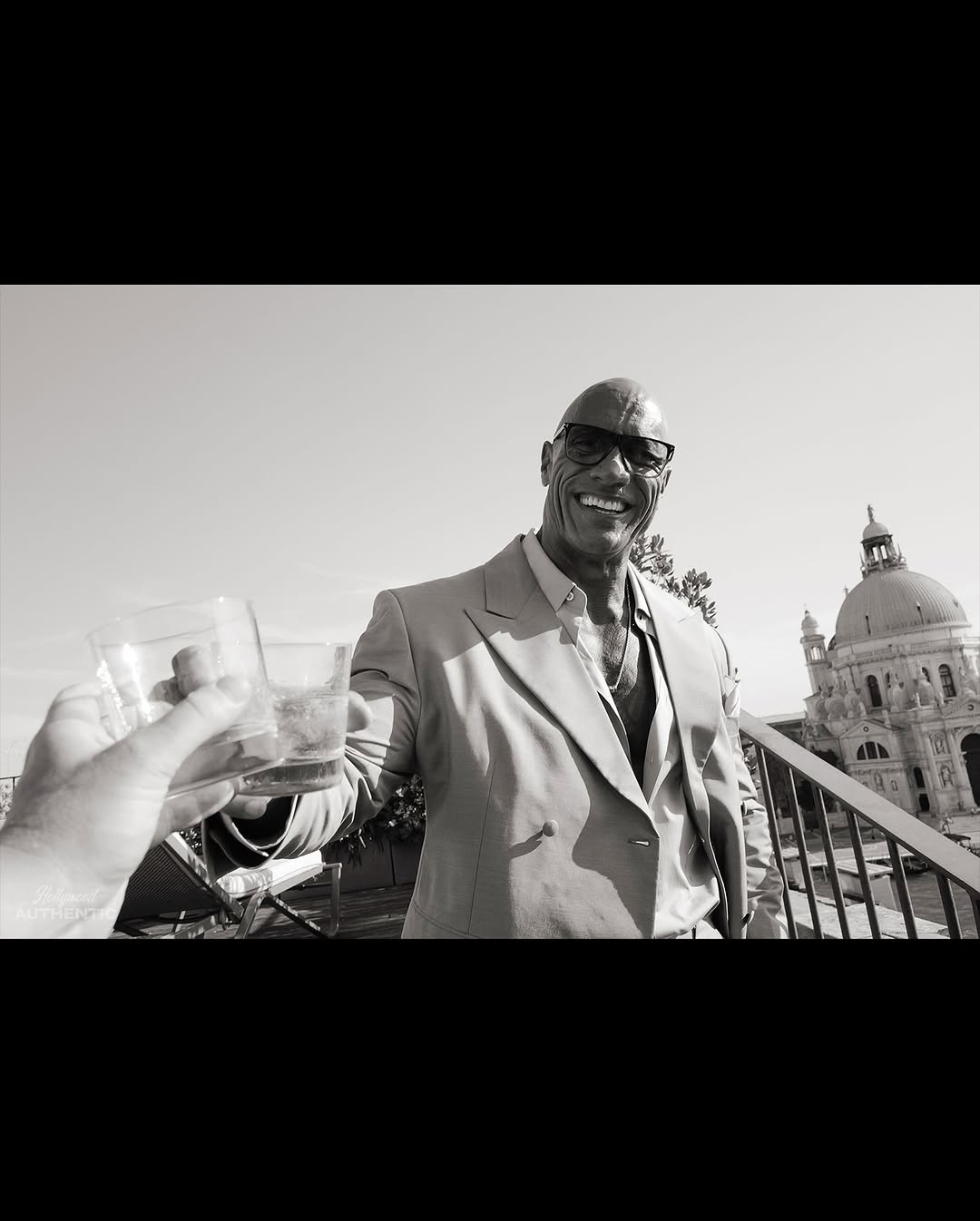
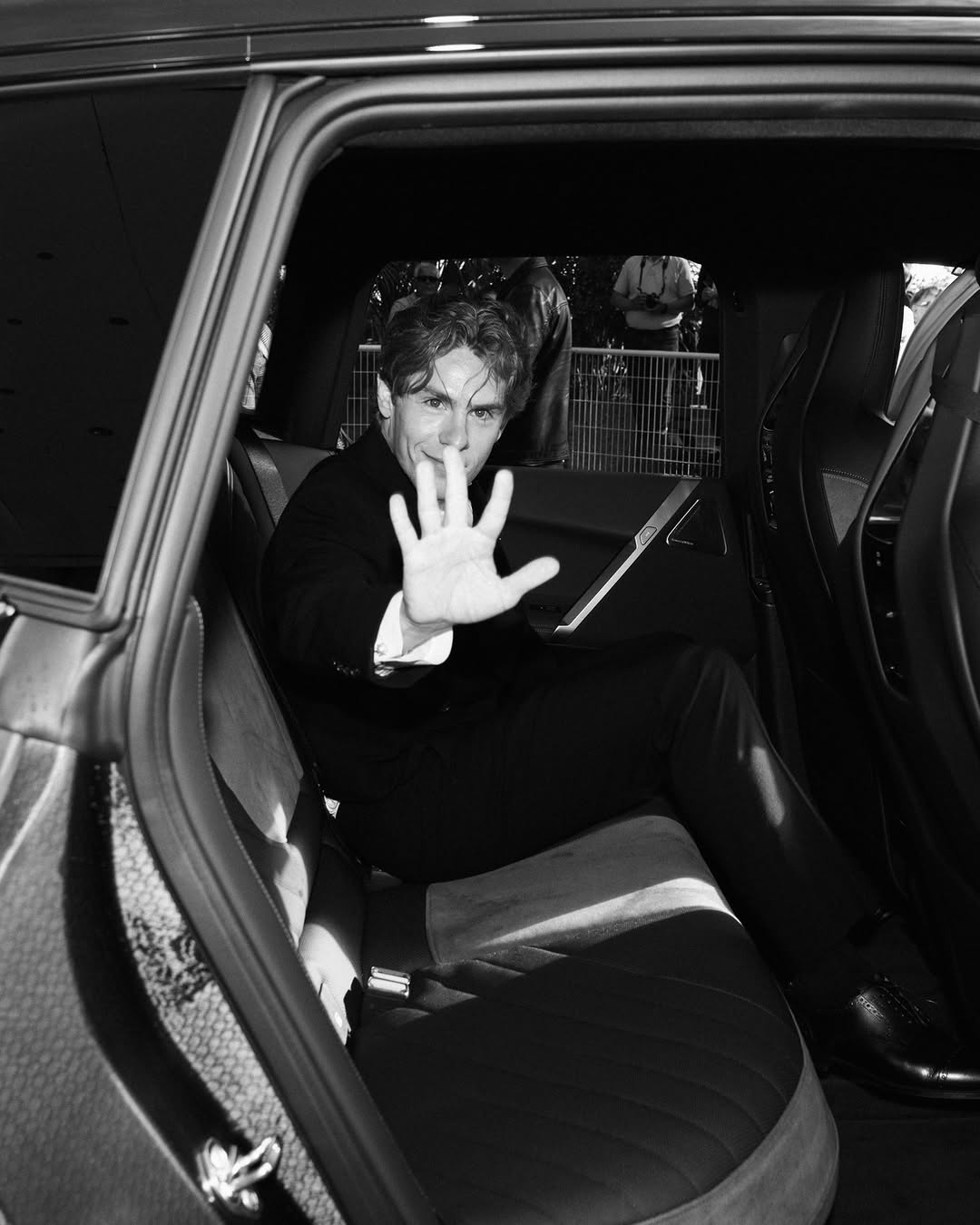
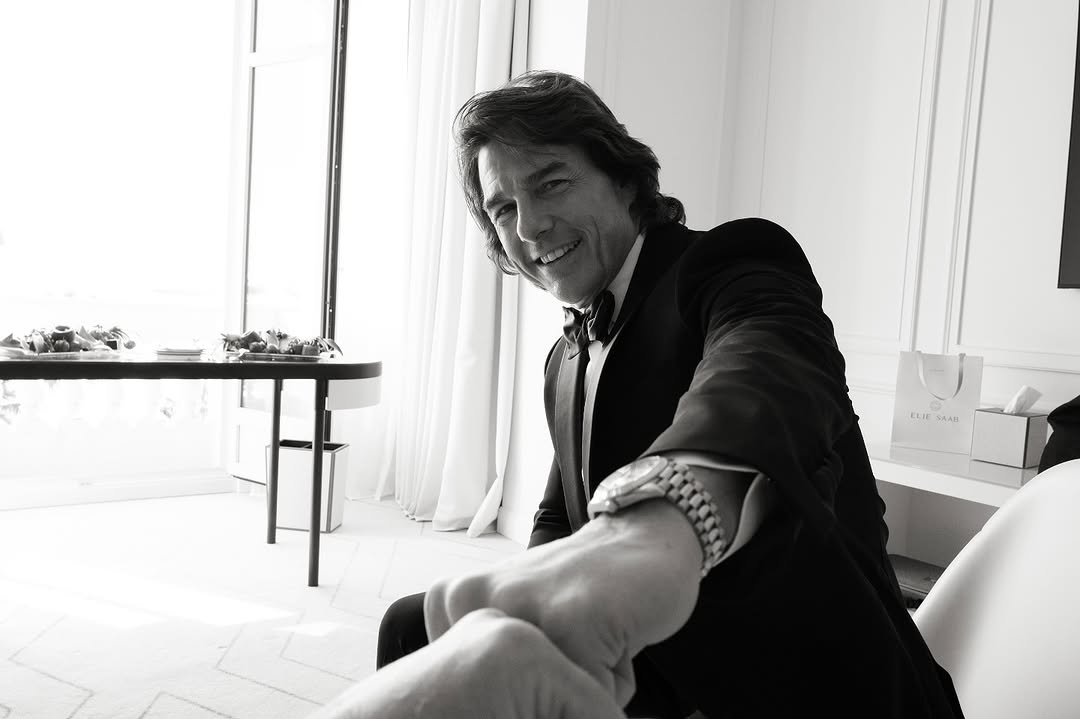
Photo: Greg Williams, Greg Williams, César Segarra, Greg Williams
Shot From Below
A low angle changes the entire feel of a groom photo, wherever it’s taken. During getting ready, shooting up from below while he’s fixing his cufflinks or looking out a window turns an ordinary moment into something a little more cinematic, his face reading against the ceiling or the light behind him instead of a cluttered room. Outdoors, the same angle works even better, shot up against open sky with nothing else competing in the frame. And at the altar specifically, it’s often where the real emotion shows up first: the shift in his expression the second he catches sight of her, caught from an angle that makes the moment feel exactly as significant as it is. It’s an easy shot to miss if the photographer is only thinking about the bride’s entrance, but a low angle on the groom, whenever it happens during the day, tends to produce some of the most genuinely moving frames from the whole timeline.
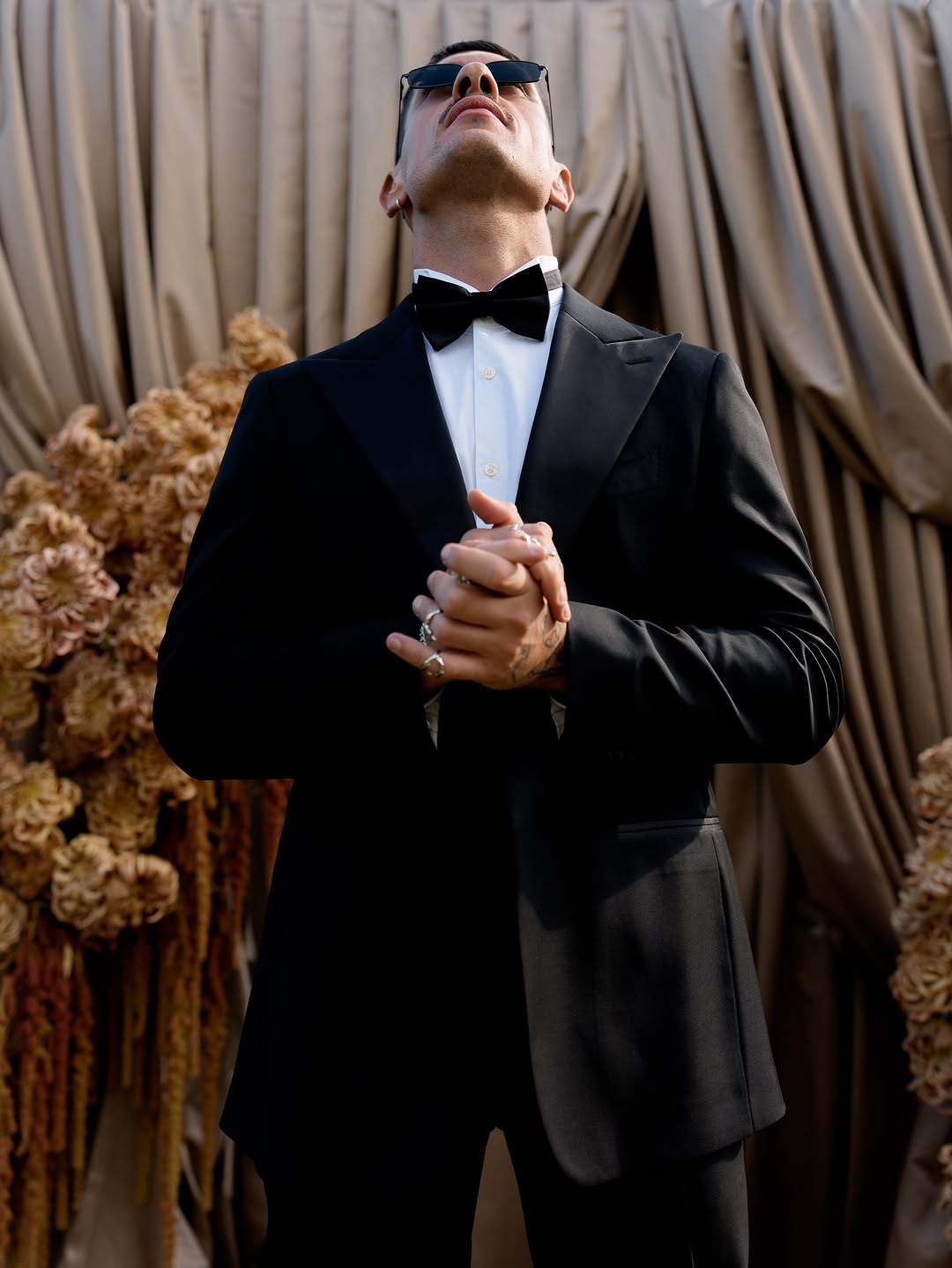
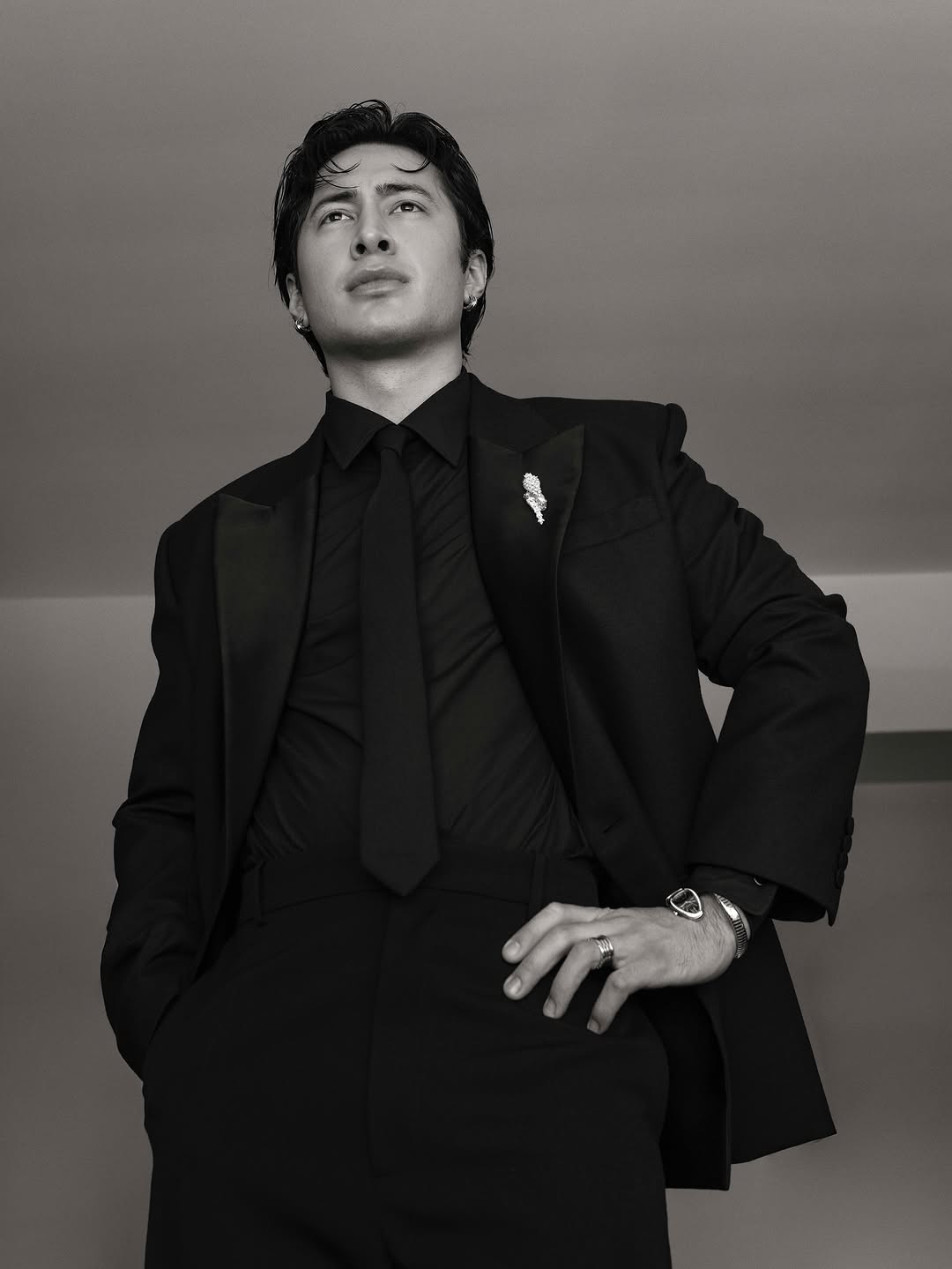
Photo: Roman Ivanov, Greg Williams
His People: Groom and Groomsmen Photography
A groom is never more himself than when his closest friends surround him. Groomsmen photos are one of the most beloved groom photography ideas — not because they’re obligatory, but because they document something irreplaceable: the groom’s inner circle, dressed up and fully present on the most important day of his life. If the group’s up for it, a genuine action shot, jumping, a mock fight, hoisting the groom up, adds some real energy to the mix, but even a formal lineup in front of grand architecture can look cool like a classic album cover.
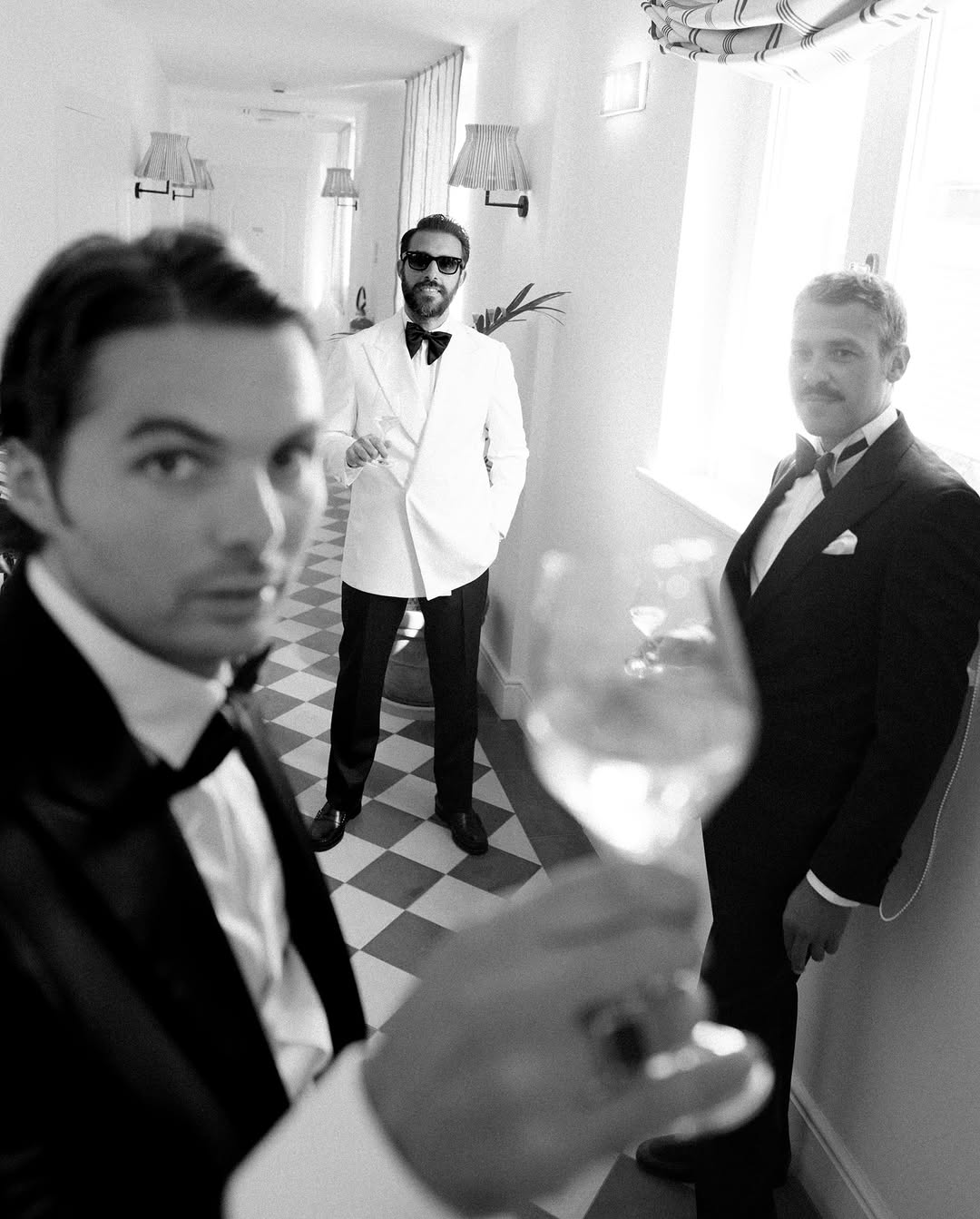
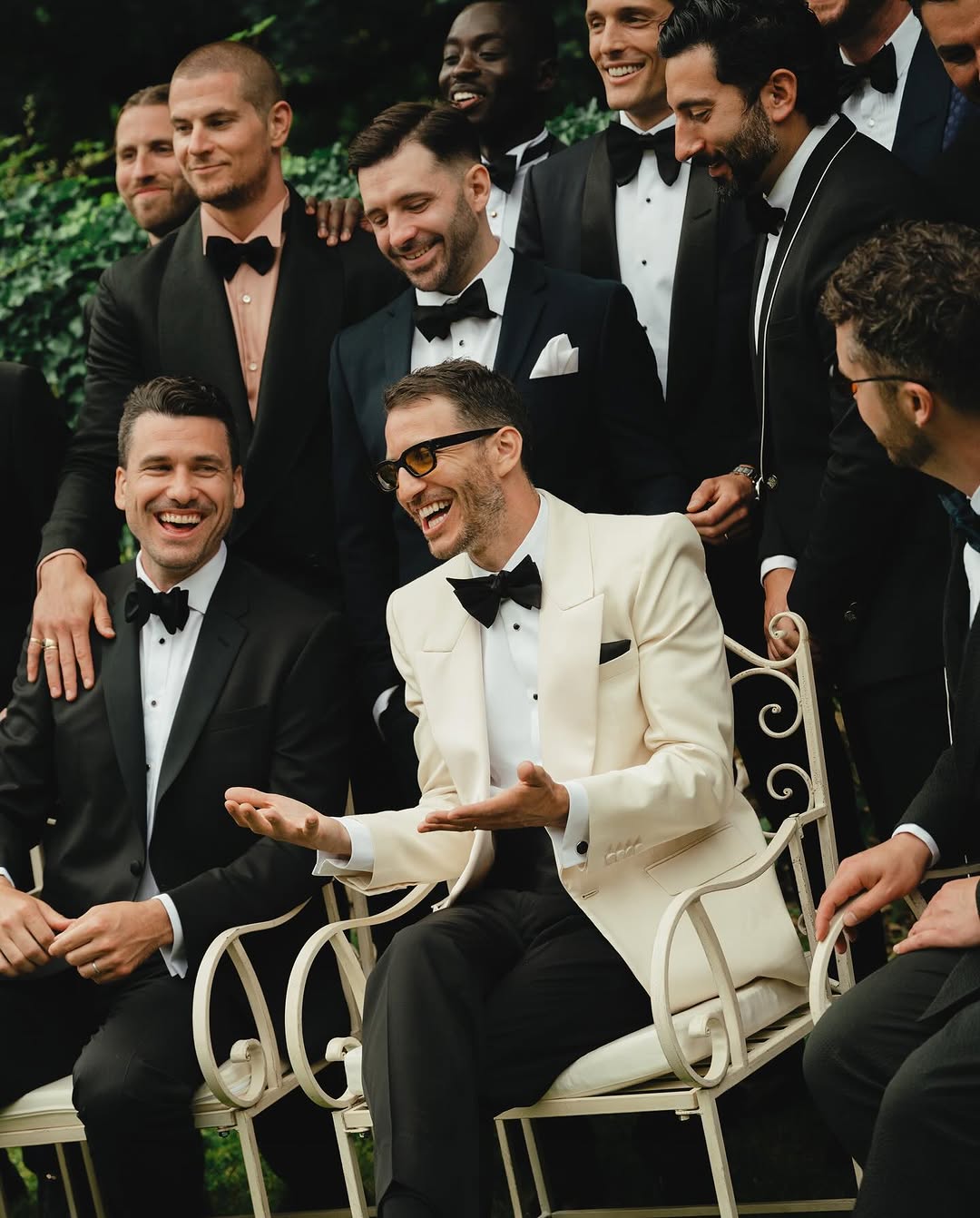
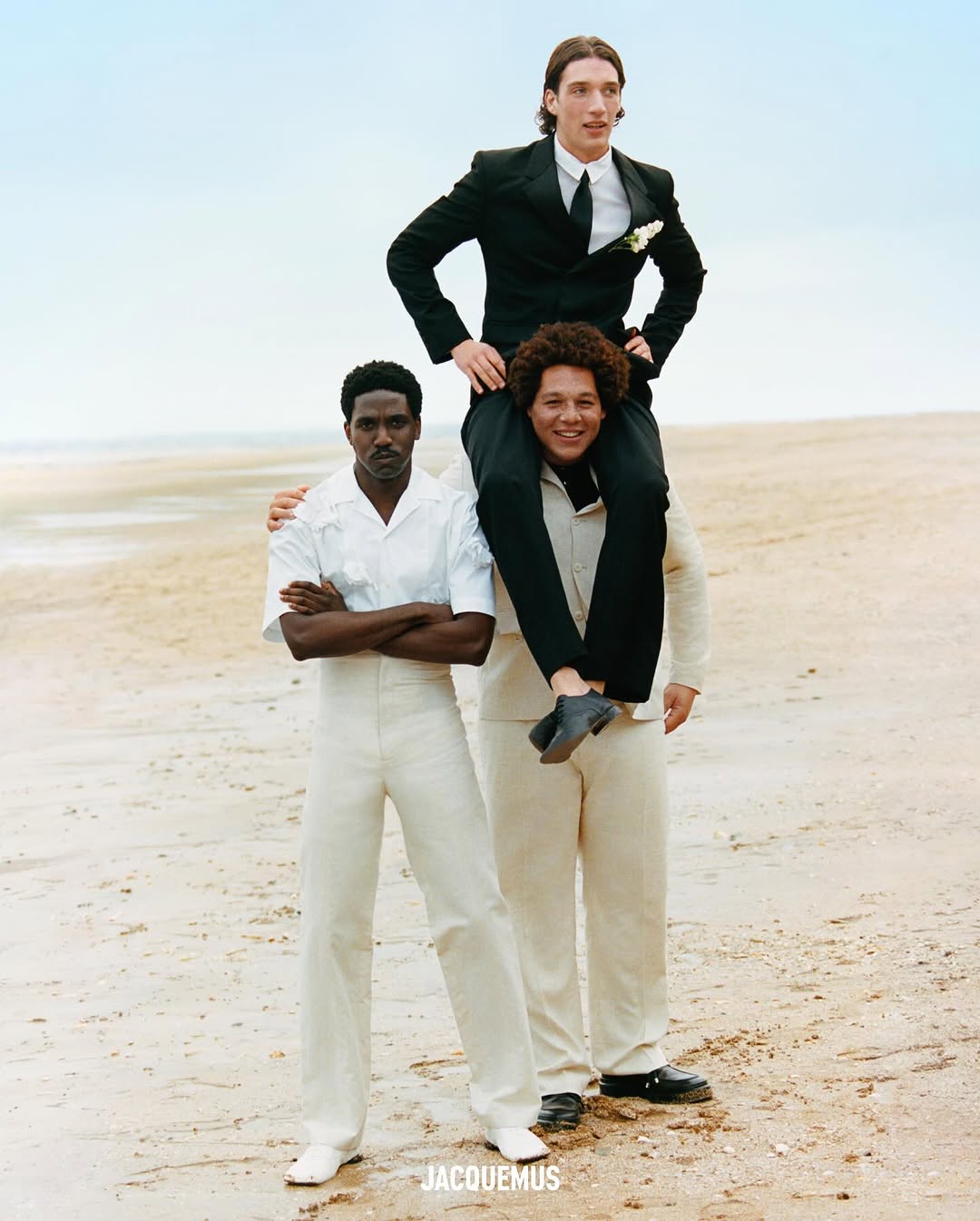
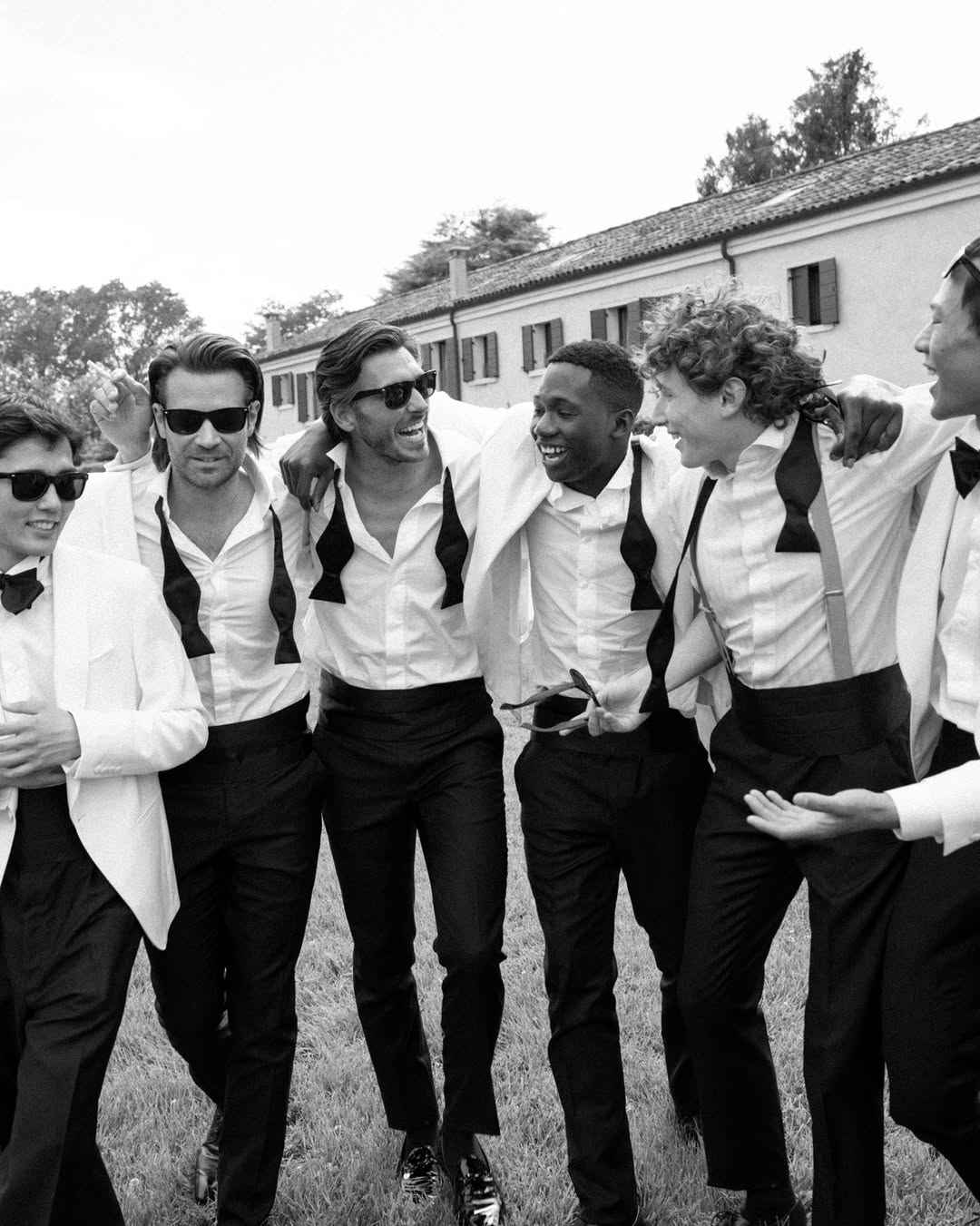
Photo: Bottega53, Erin Leydon, Jacquemus, Rossini Photography
Genuine Emotion
The groom crying at the altar has become one of the most shared wedding photos there is, and for good reason, it’s honest in a way very little else on a wedding day actually is. But the emotion worth chasing goes well beyond that one moment. It’s the nervous energy before the ceremony starts, hands in pockets, a deep breath, maybe pacing a little without realizing it. It’s the unguarded laugh with a groomsman that has nothing to do with the camera being there. It’s the flicker of disbelief right as she starts walking toward him, and the different, quieter kind of emotion that shows up later, during a speech, watching her from across the room mid-conversation with someone else. The dance floor tends to bring out its own version entirely, less tender, more unfiltered: mid-spin with his new spouse, arms thrown up with the groomsmen during the one song everyone loses it to, a genuine laugh caught with his head tipped back. The best approach is just staying close enough, camera ready, through all the moments that aren’t officially “the moment,” because that’s usually where the real one ends up happening.
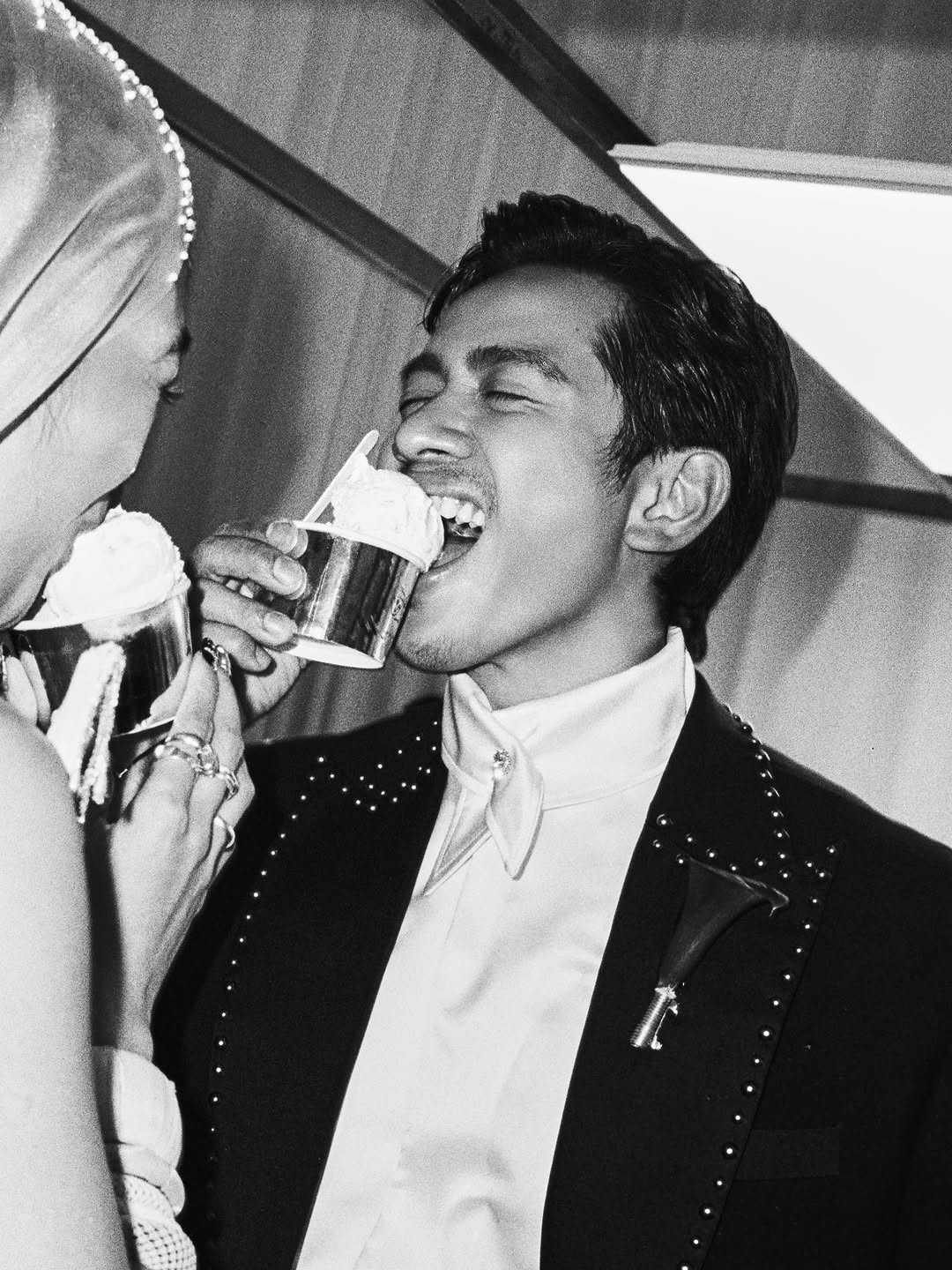
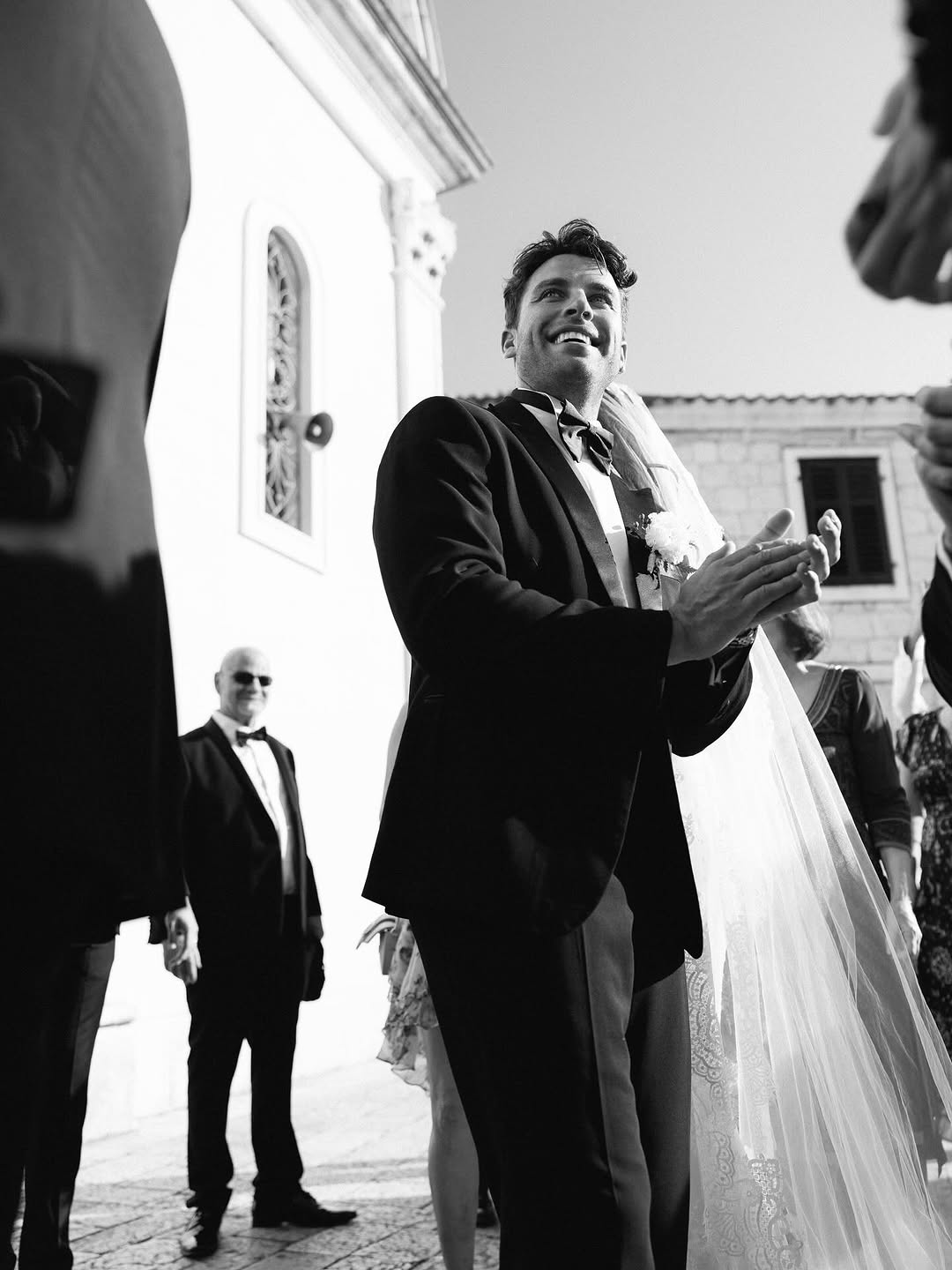
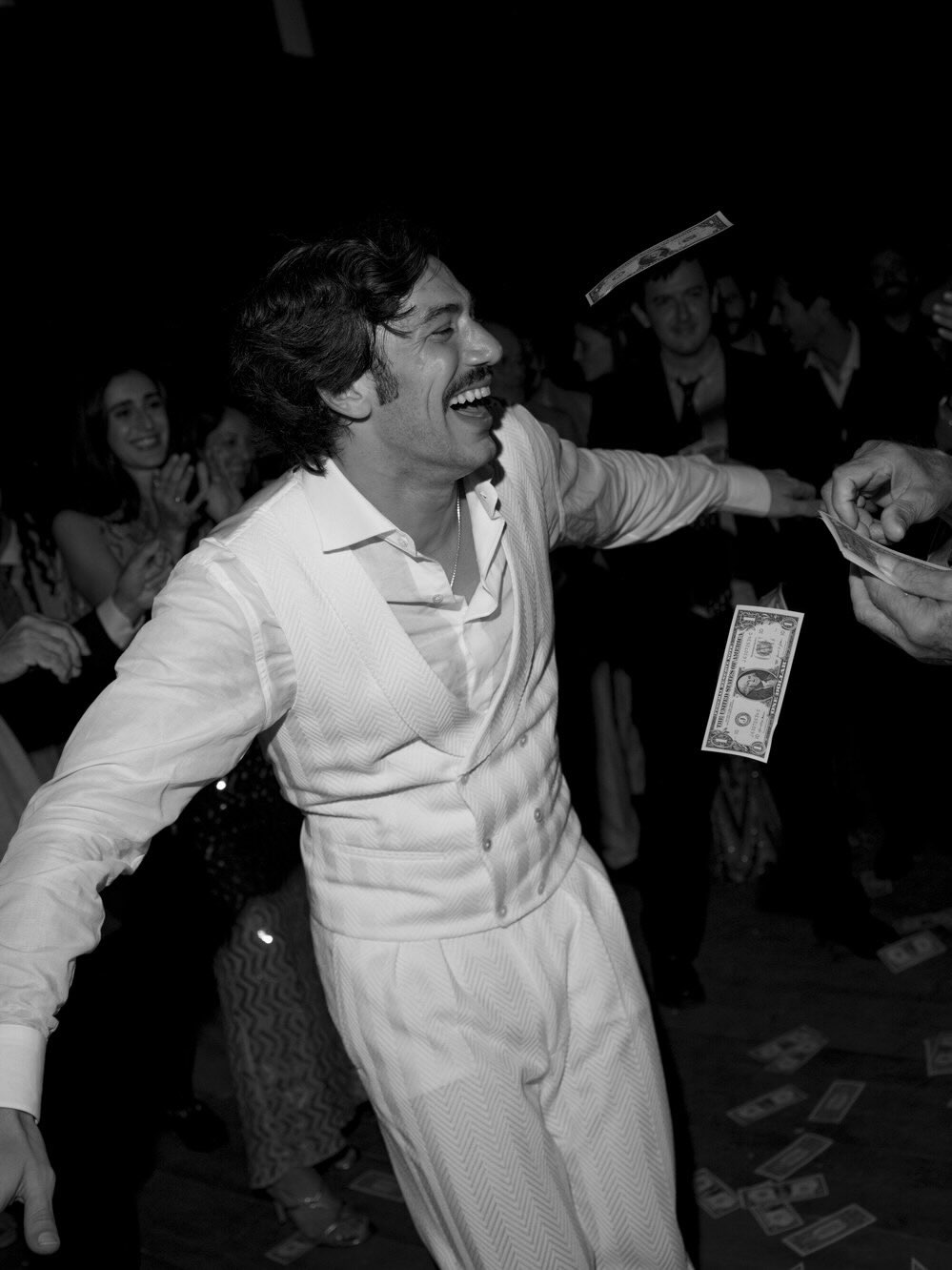
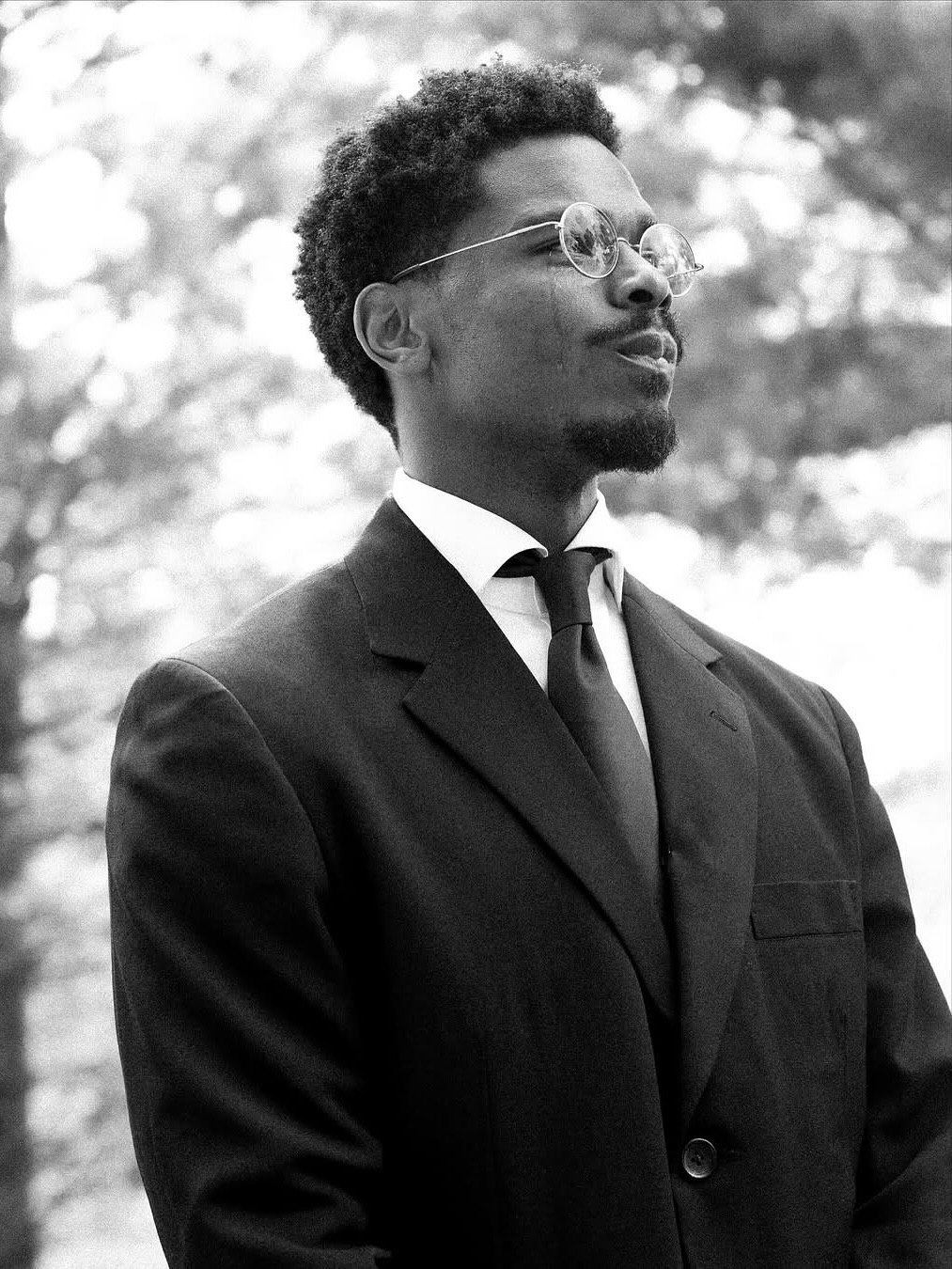
Photo: Aya Cabauatan, Sazu Weddings, Monica Leggio, Kindred
Effortlessly Cool Formal Portraits
A formal portrait doesn’t have to look stiff to still count as formal. The best version of this splits the difference, full suit, deliberate composition, real attention paid to light and framing, but with a groom who looks like he’d be just as comfortable standing there in jeans. A hand loosely in one pocket instead of both arms rigid at his sides, weight shifted onto one leg rather than squared straight at the camera, a slight tilt of the head, small adjustments like these are usually the entire difference between a portrait that reads as posed and one that reads as effortless. Expression matters just as much as posture: a relaxed almost-smile does more work than a full grin or a serious, unreadable stare. It helps to shoot a few frames after the “official” one is technically done, once he’s dropped the posture slightly but hasn’t moved out of the setup yet, because that in-between moment is usually the one that actually looks coolю
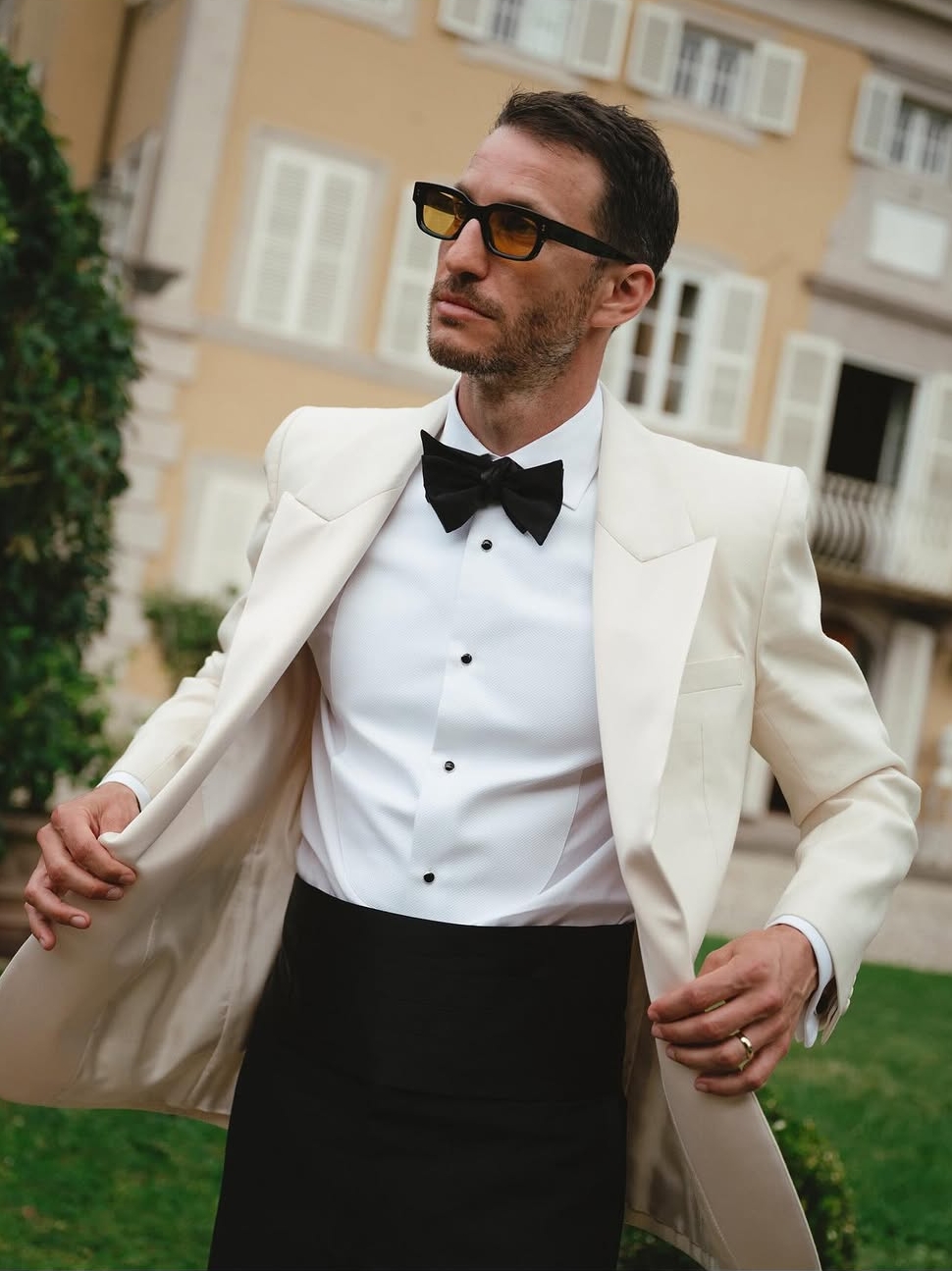
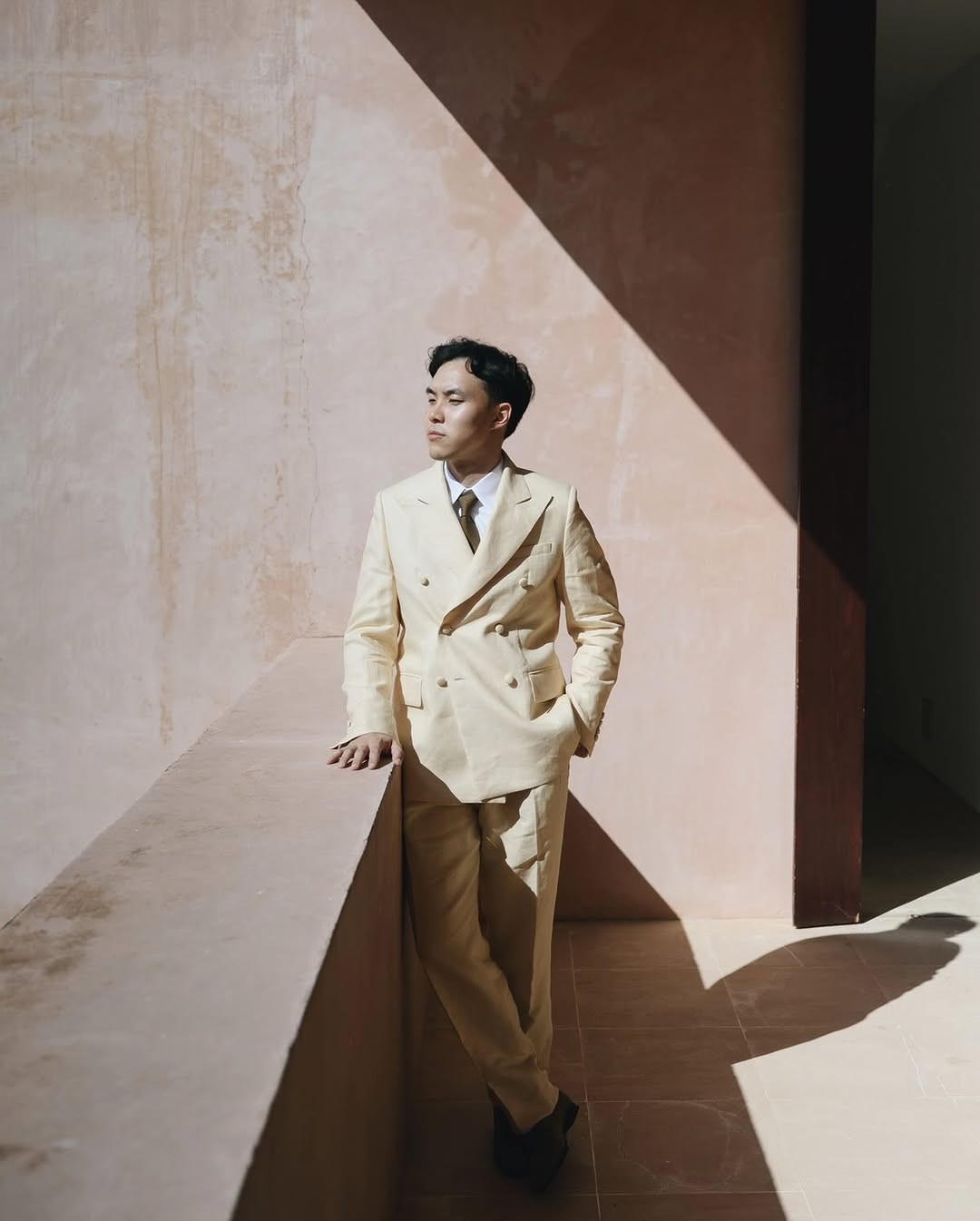
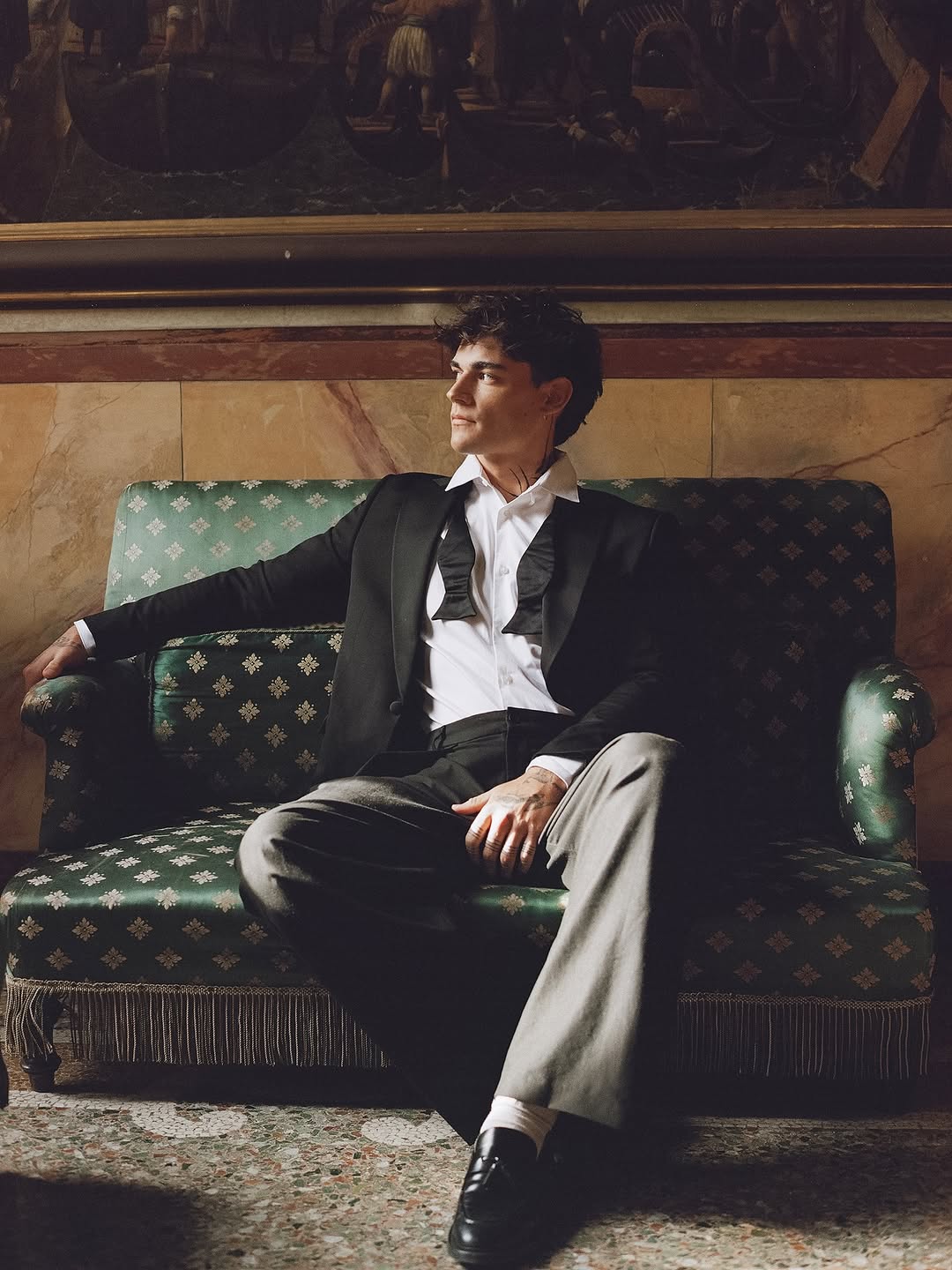
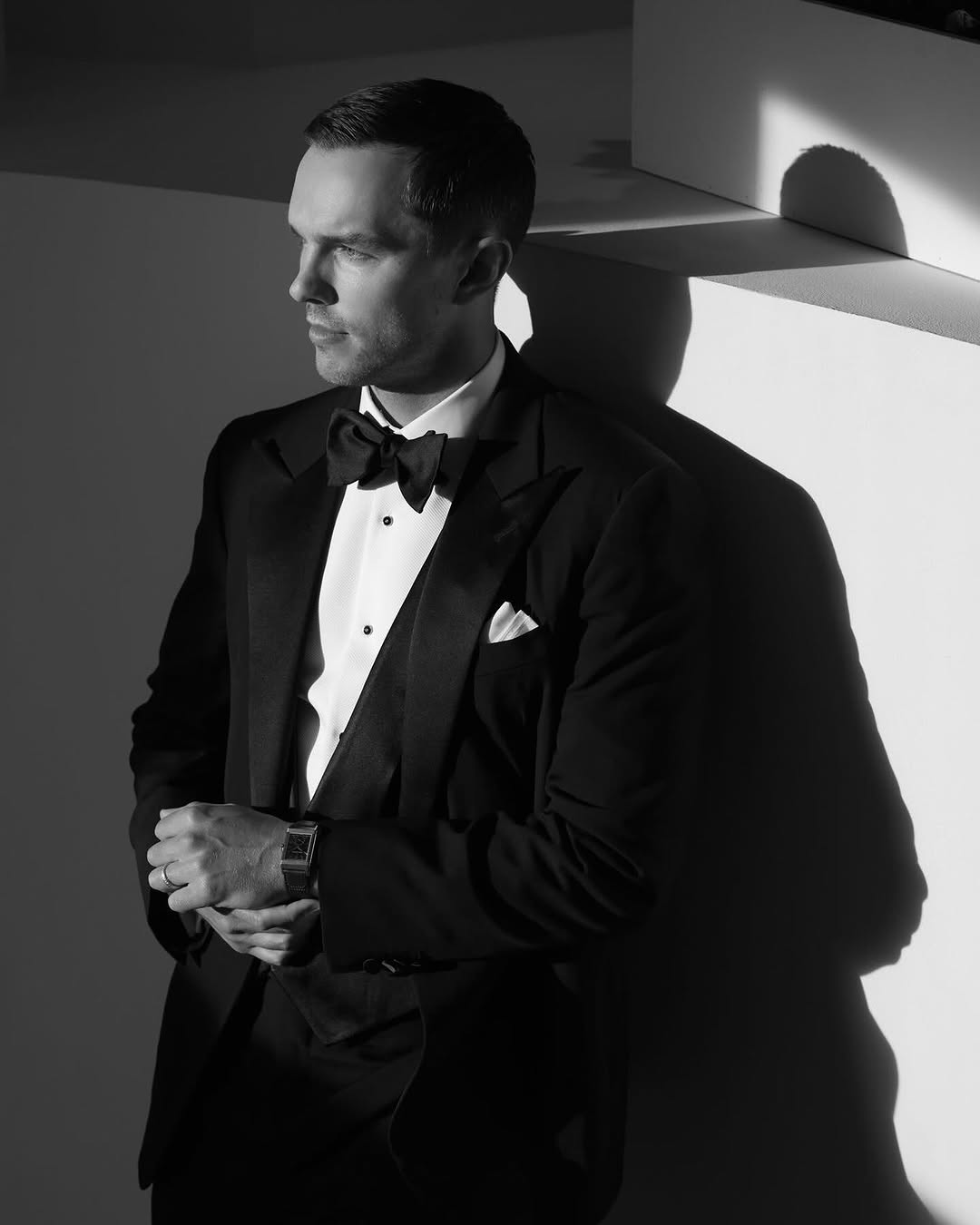
Photo: Erin Leydon, Alejandro Crespi, Berlez, Greg Williams
By the Car
A car portrait is one of those groom photography ideas that never goes out of style, because the combination of a well-dressed man and a great vehicle is timeless by definition. setting shifts the mood entirely: city streets read editorial, countryside reads cinematic, neon-lit night reads like a music video. For grooms who love cars, this is a natural extension of their personality into the wedding photography. For everyone else, it’s simply one of the most striking solo groom portrait ideas available.
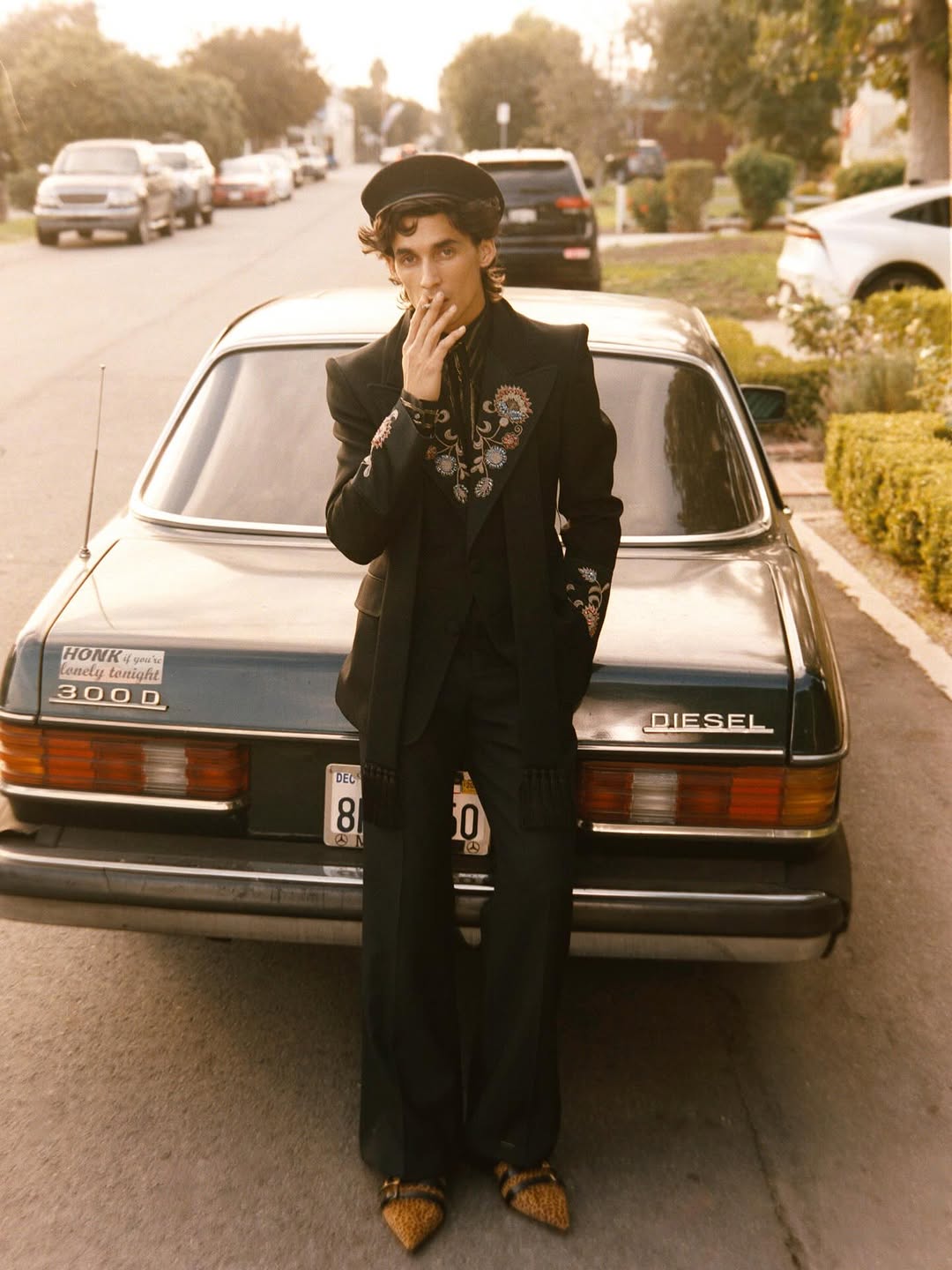
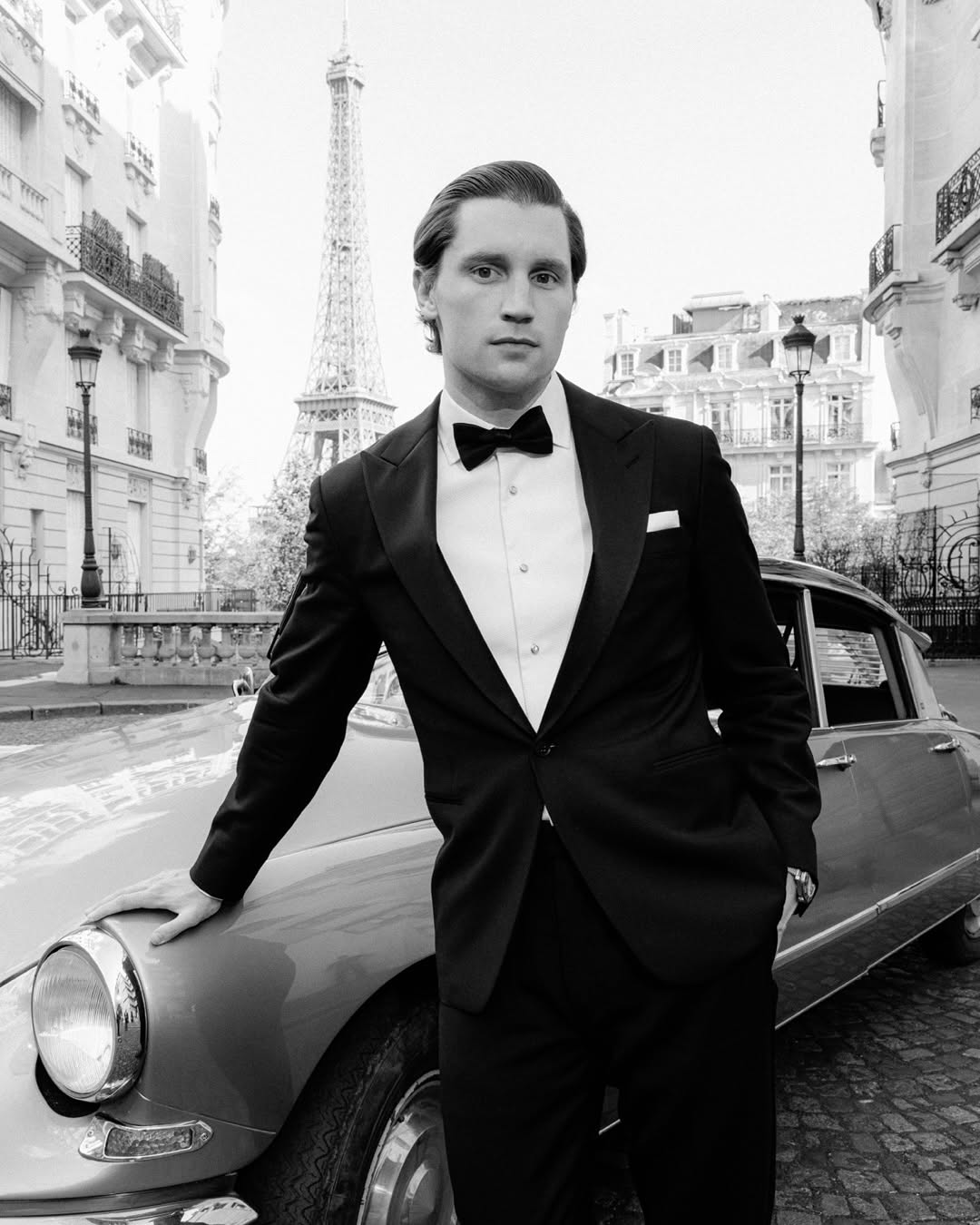
Photo: Shane McCauley, Anna Roussos
The Balcony Shot
If the groom’s getting-ready suite happens to have a balcony, it’s worth using before the day gets too busy to think about it. There’s something about the combination, him dressed and nearly ready, leaning on the railing or looking out at the view, that reads as genuinely reflective rather than staged, the kind of quiet moment before everything picks up speed. It also just tends to be great light: balconies are usually catching whatever’s happening outside, whether that’s golden hour or an overcast morning, in a way the inside of a hotel room rarely does. It doesn’t need to be a long setup, a minute or two while he’s finishing his coffee or getting some air is enough to get something worth keeping.
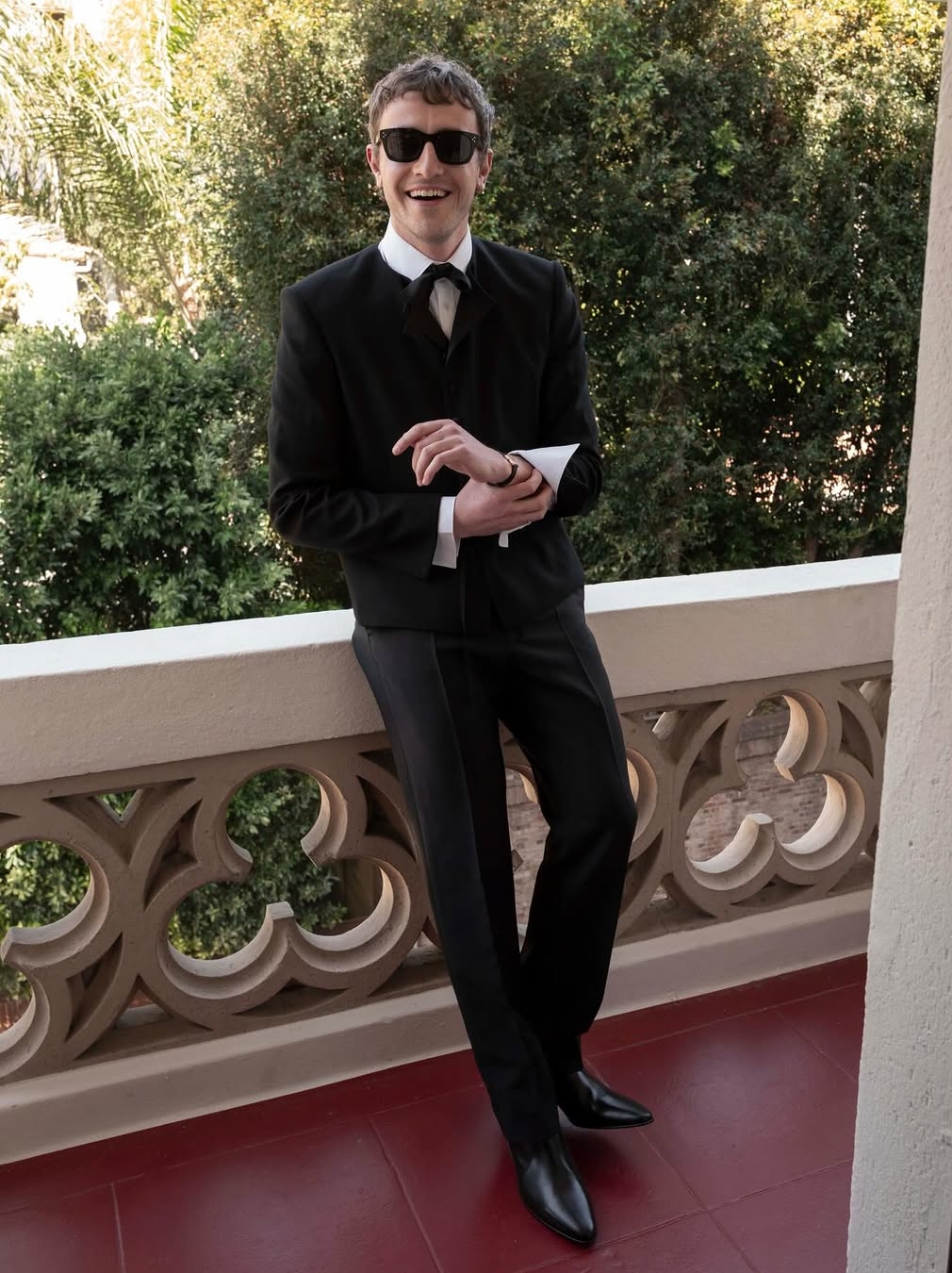
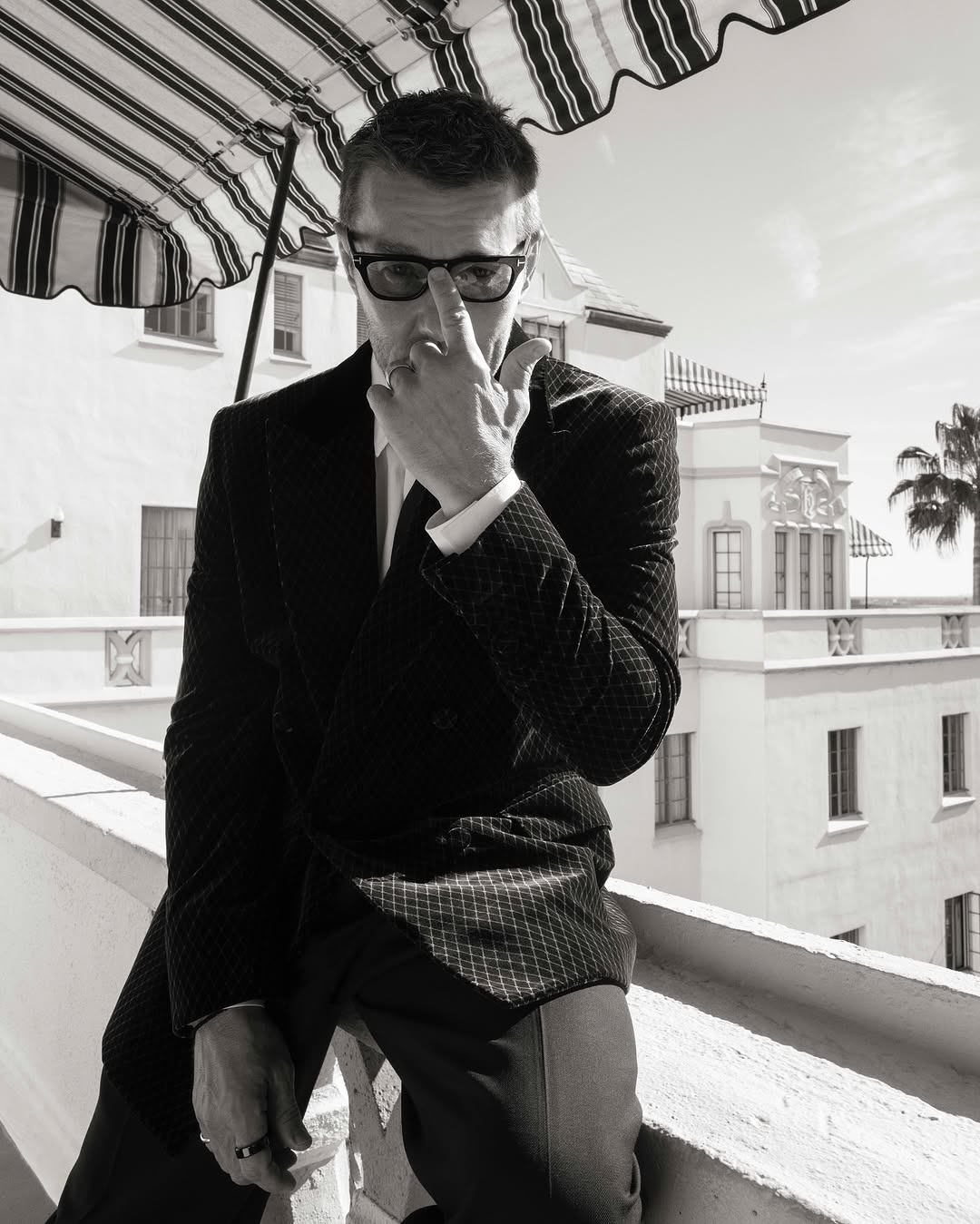
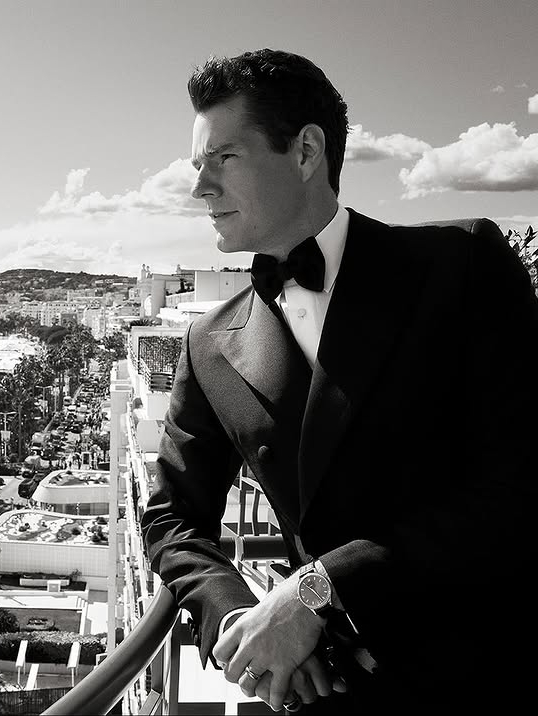
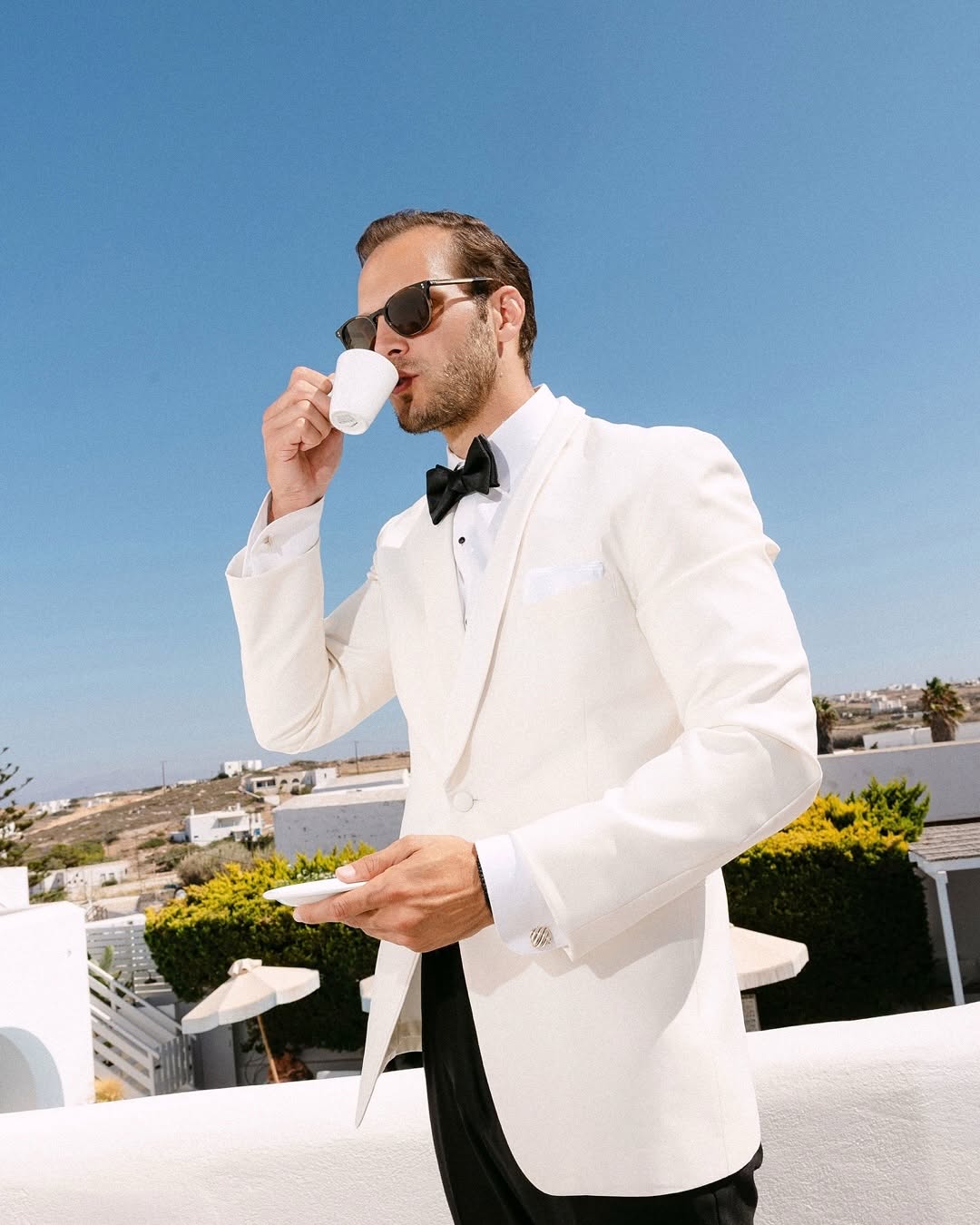
Photo: Greg Williams, Greg Williams, Greg Williams, Anna Roussos
The Location Is Half the Portrait
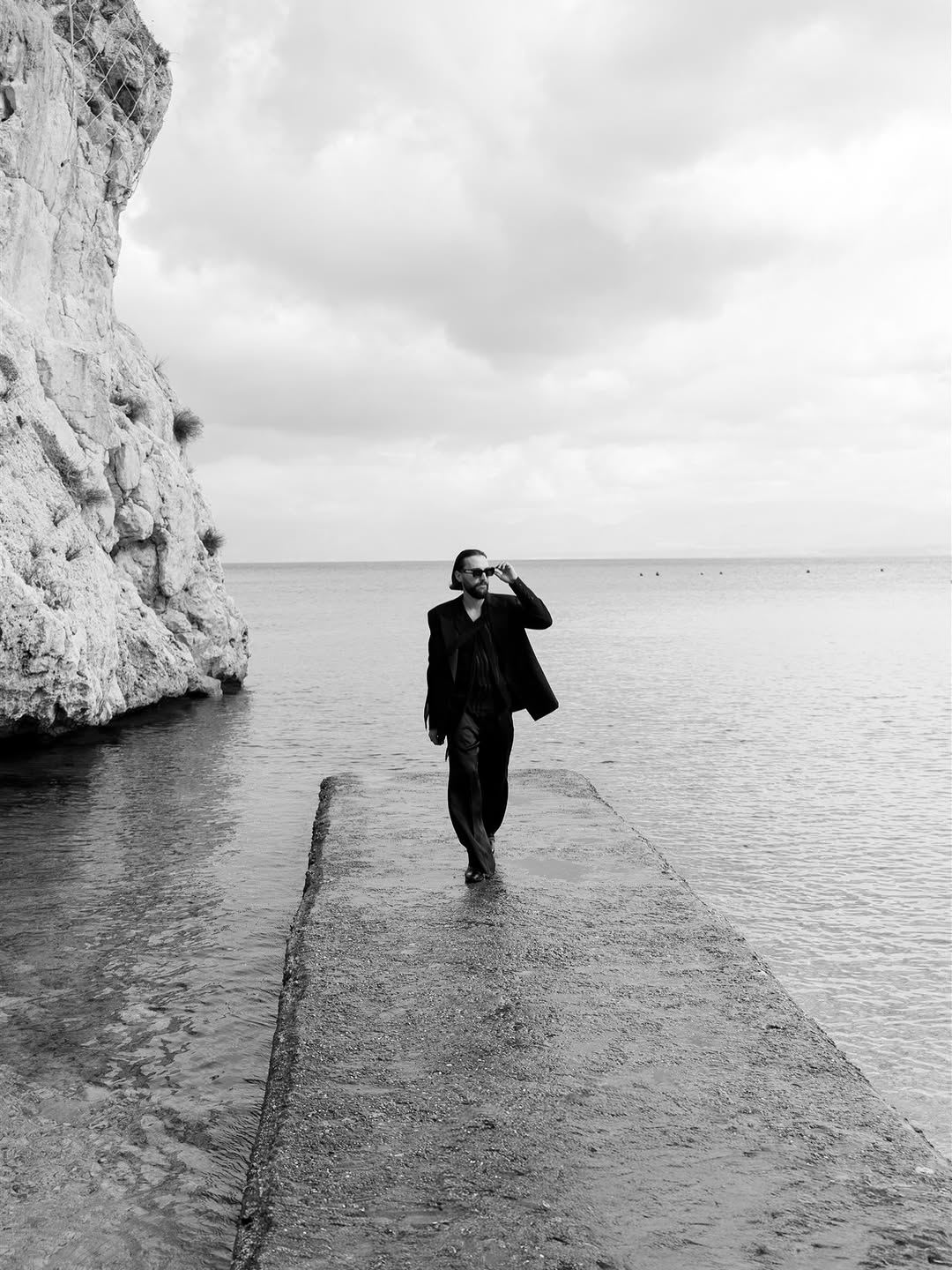
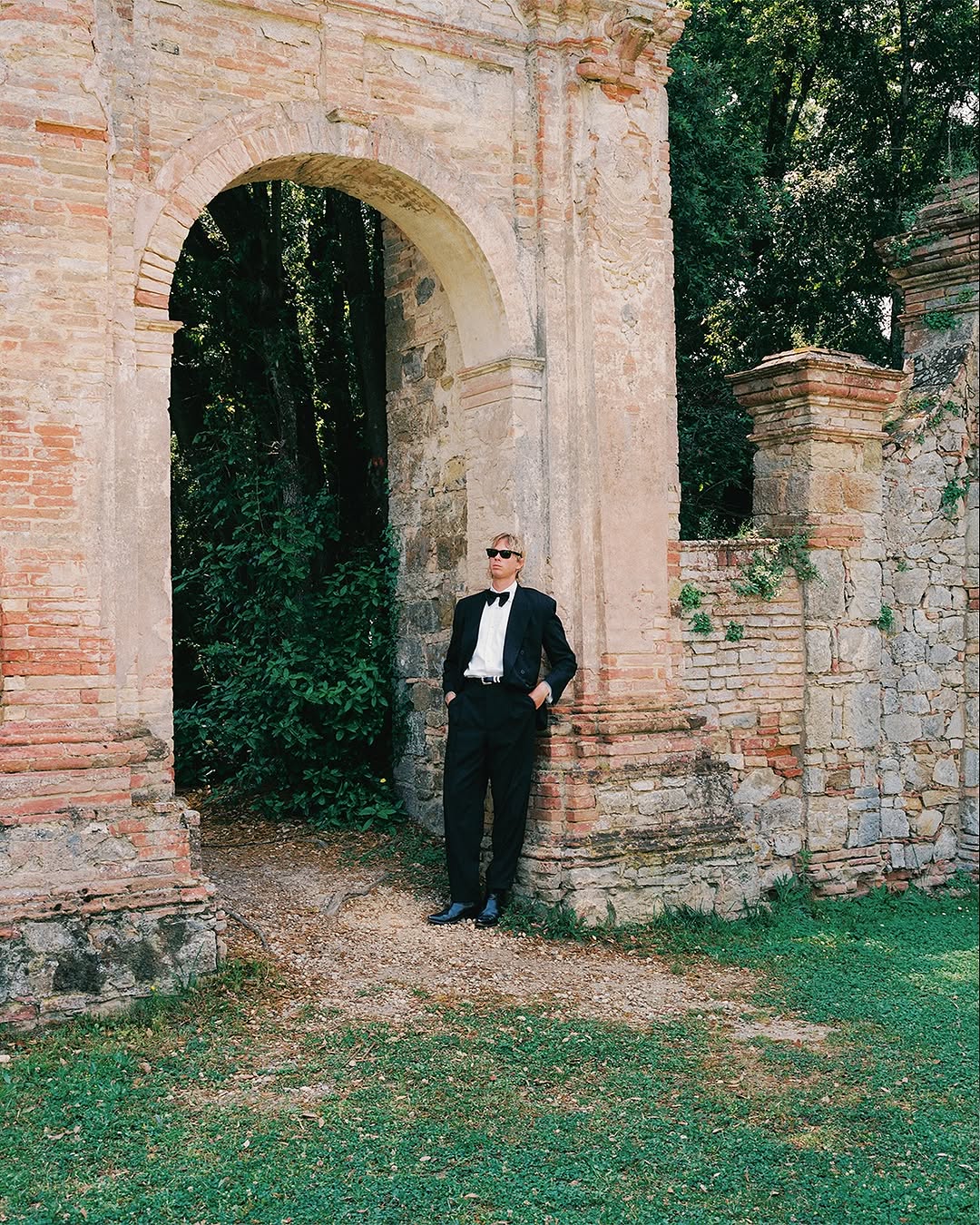
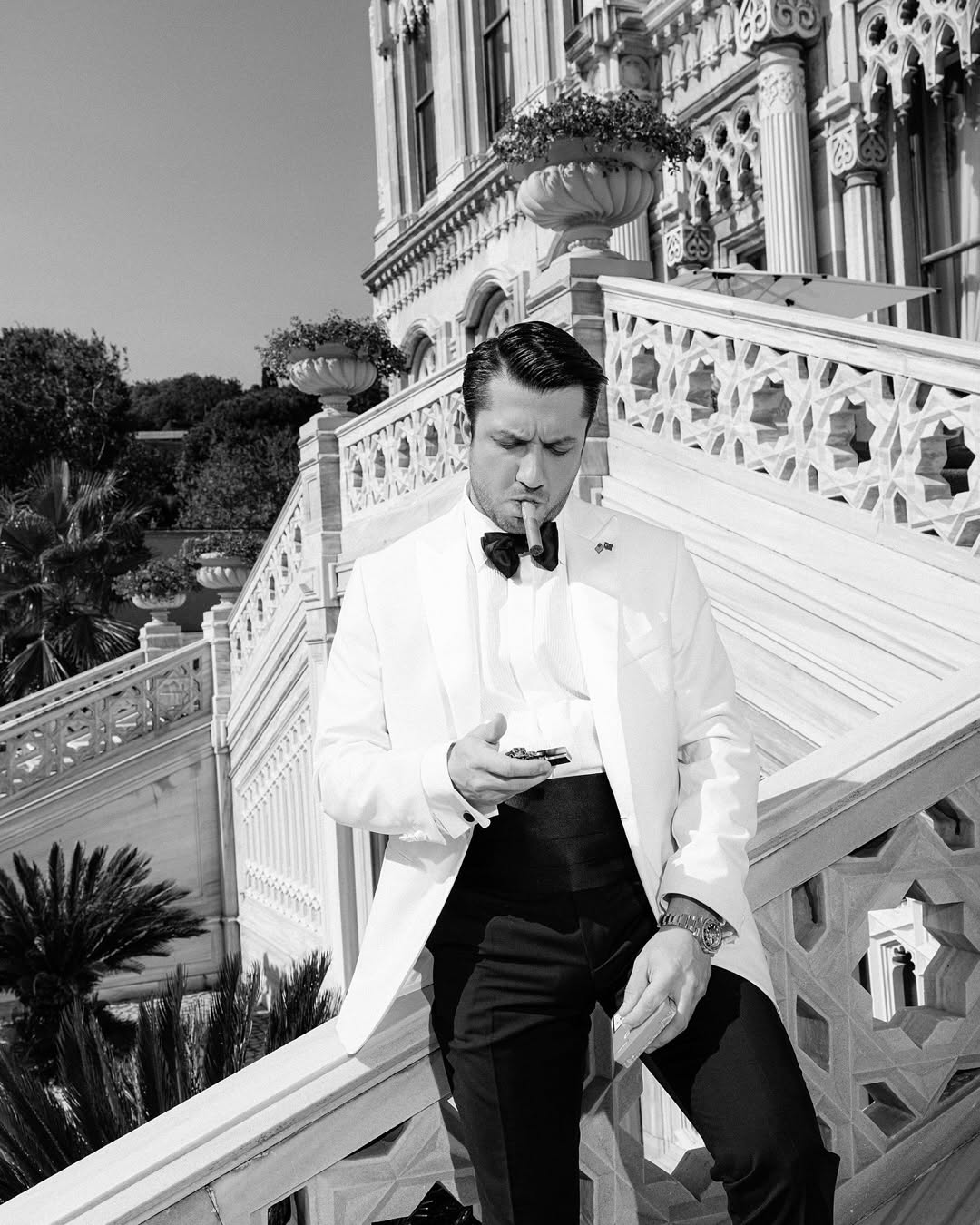
A groom photo gets a lot more interesting the moment the location stops being a backdrop and starts being part of the composition. A hallway with strong architectural lines can frame him small and centered at the far end, walking toward the camera or just standing there, letting the space itself do most of the visual work. A dramatic staircase, an ornate doorway, a stretch of vineyard or coastline behind him, all of it works best when the setting gets treated as a genuine element of the shot rather than something he just happens to be standing in front of. That can mean using scale on purpose, him small against a big landscape to capture the size of the place, or it can mean the opposite, tight and architectural, using a window frame, an archway, or even the lines of the building itself to frame him directly.