How much can you change about a wedding dress you love? At Casablanca Bridal, quite a lot. The California-based family house has made its gowns to order since 1997, and customization has always been part of the process. Now Crystal Lu, the founders’ daughter and creative director, is leading the house into a new era with a full rebrand. Its Spring 2027 collections were shown during New York Bridal Fashion Week at Spencer’s in SoHo. We talked to her about family, craft, and the bride she designs for.
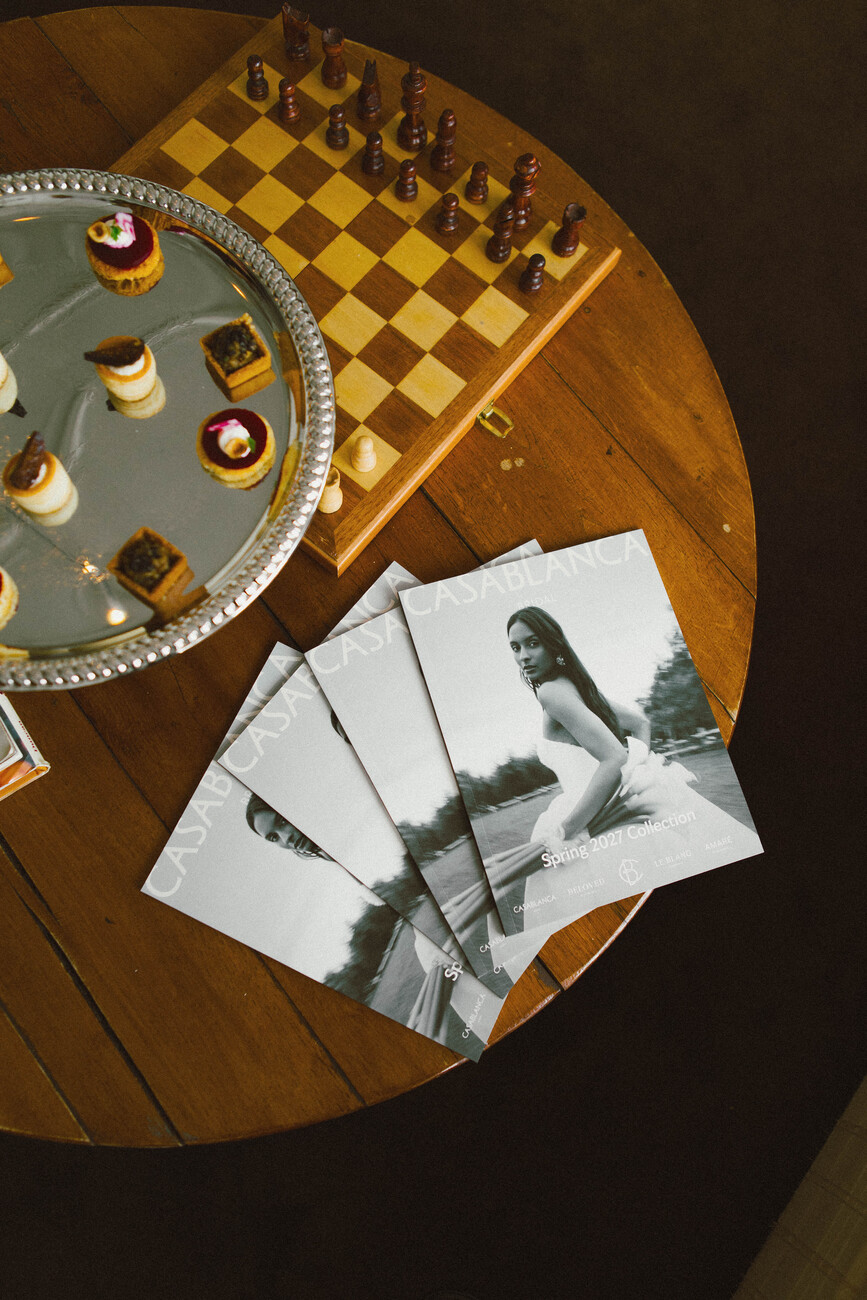
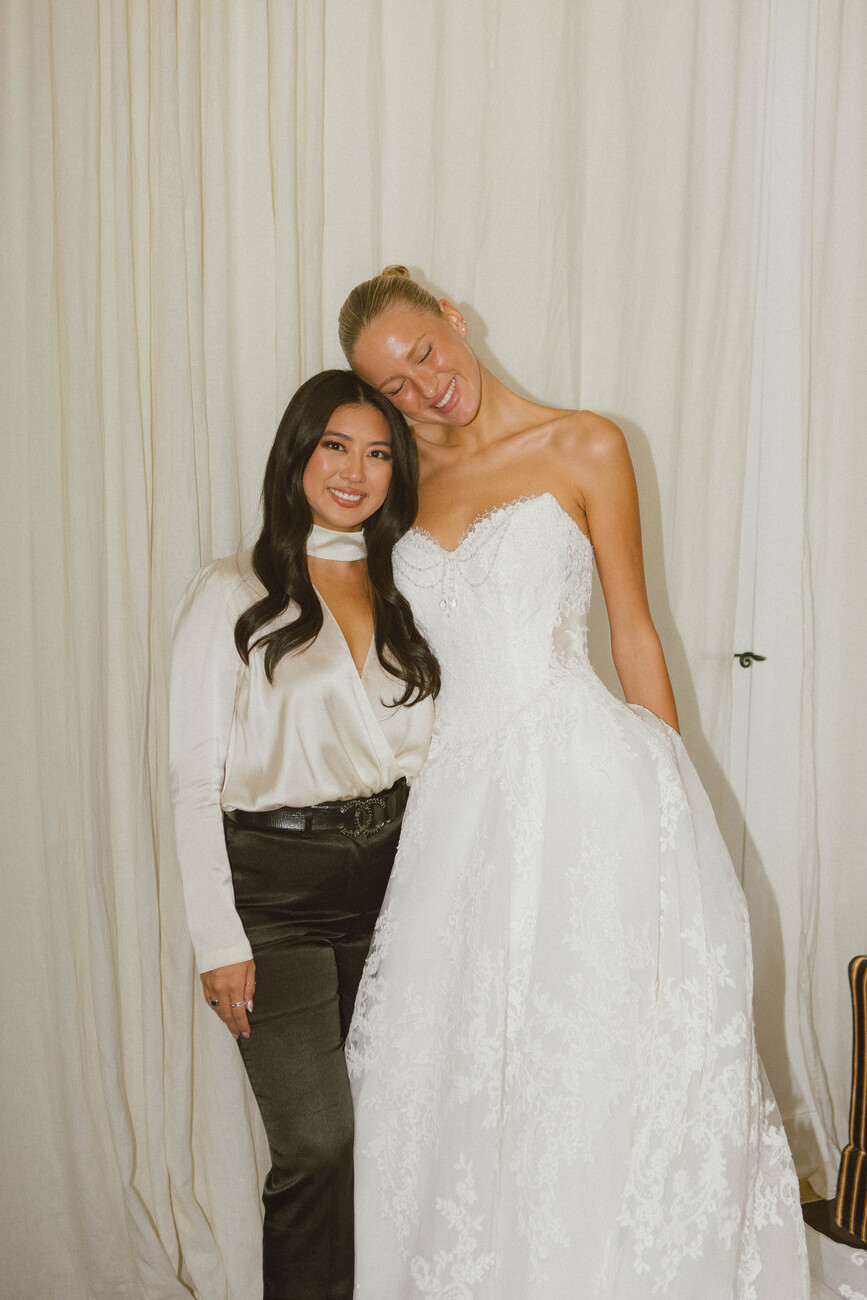
Photo: Mina Inspired
The Story & Heritage
What has stayed the same at Casablanca in nearly 30 years, and what has changed?
When I think about nearly 30 years of Casablanca, I don’t just think about wedding dresses. I think about the people, the relationships, and the countless moments that have shaped our family and this business.
My parents founded Casablanca in 1997, but their story began with a rather extraordinary love story of their own. My mom was studying fine art in California, and my dad was a general surgeon in China. My grandparents happened to meet him on a train in Asia and convinced my mom to fly across the world to meet him. Just seven days later, my parents were officially married. That same love story remains at the heart of everything we do.
What hasn’t changed is our belief in craftsmanship, the importance of fit, and the relationships we’ve built with our retailers and brides. What has evolved is how we interpret those values for a new generation. To me, preserving a legacy doesn’t mean keeping everything exactly as it was. It means understanding what made it meaningful and finding new ways to carry that forward.
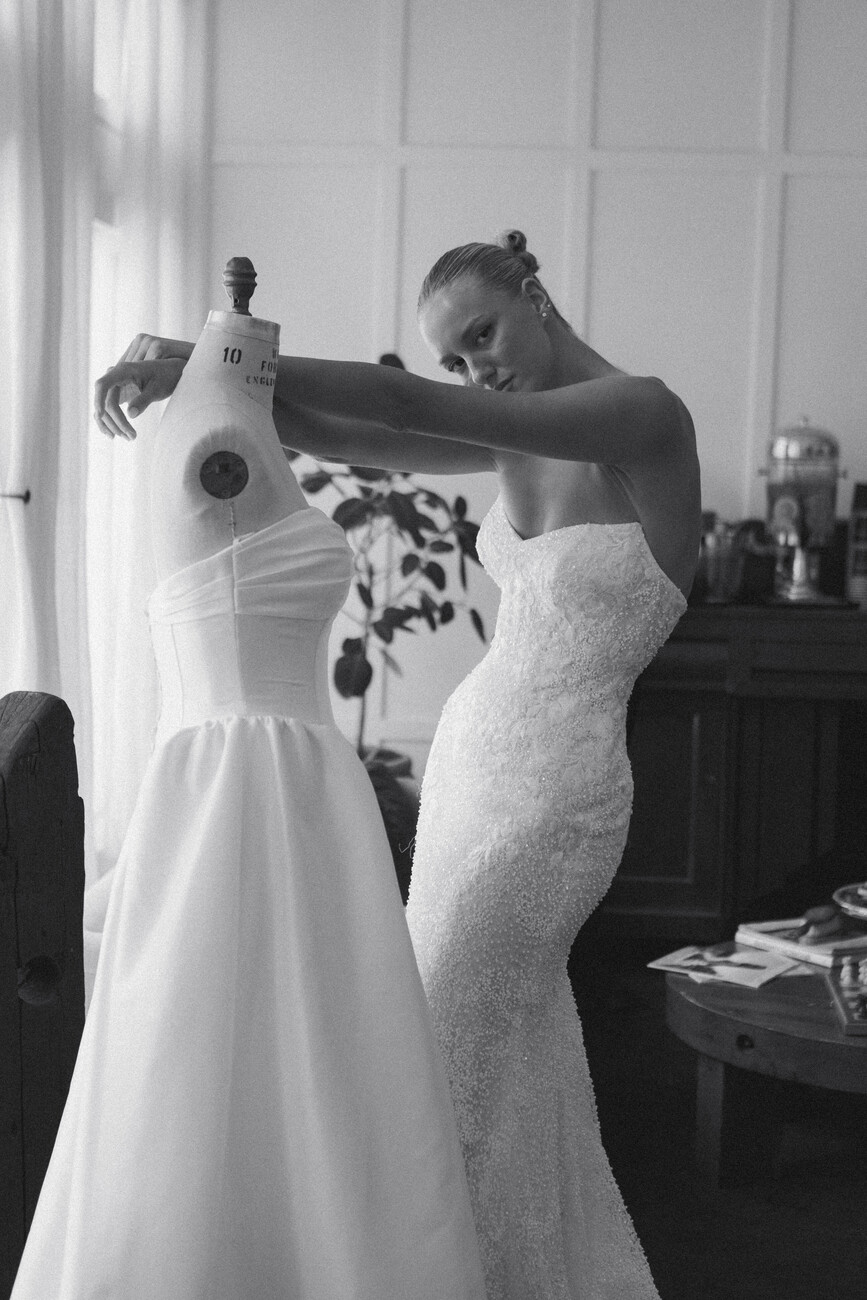
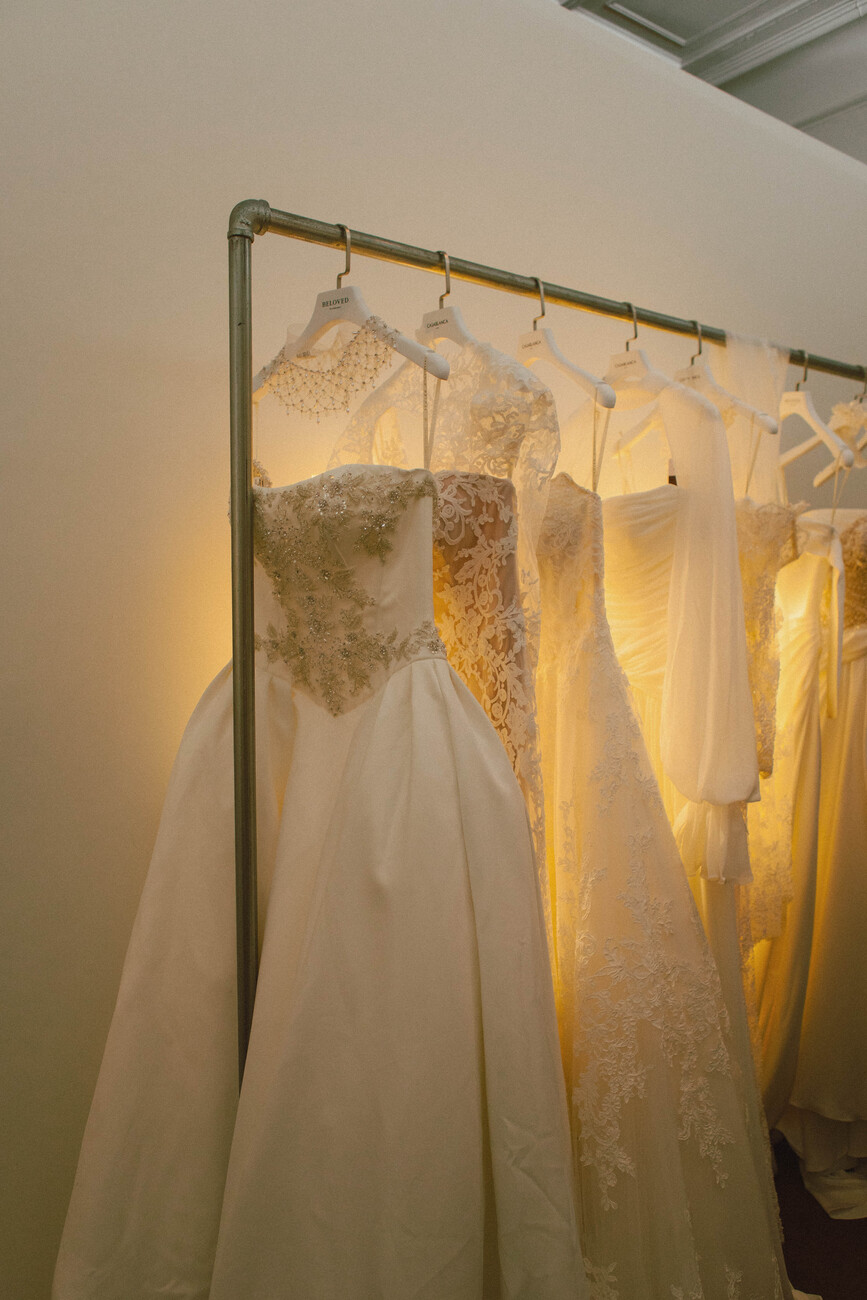
Photo: Mina Inspired
What is your earliest memory of the brand? When did you first realize this was something you wanted to be part of?
Casablanca has been part of my life for as long as I can remember. When your parents build a business from the ground up, the line between family life and work becomes pretty blurred. It was never just something they did from nine to five.
One of my earliest memories is being the first child dropped off at kindergarten and the last one picked up. I’d help the principal turn off the lights and lock up the building. Then we’d head straight back to the office, where my parents often worked until one or two in the morning. I’d entertain myself by playing with cardboard boxes in the warehouse or watching the late-night fireworks from Disneyland next door.
I didn’t fully understand the sacrifices my parents were making back then. Joining the business came gradually, and a Family Business Entrepreneurship course at USC helped solidify the decision. I realized I didn’t have to follow exactly in my parents’ footsteps to be part of their legacy. I could bring something of my own to it.
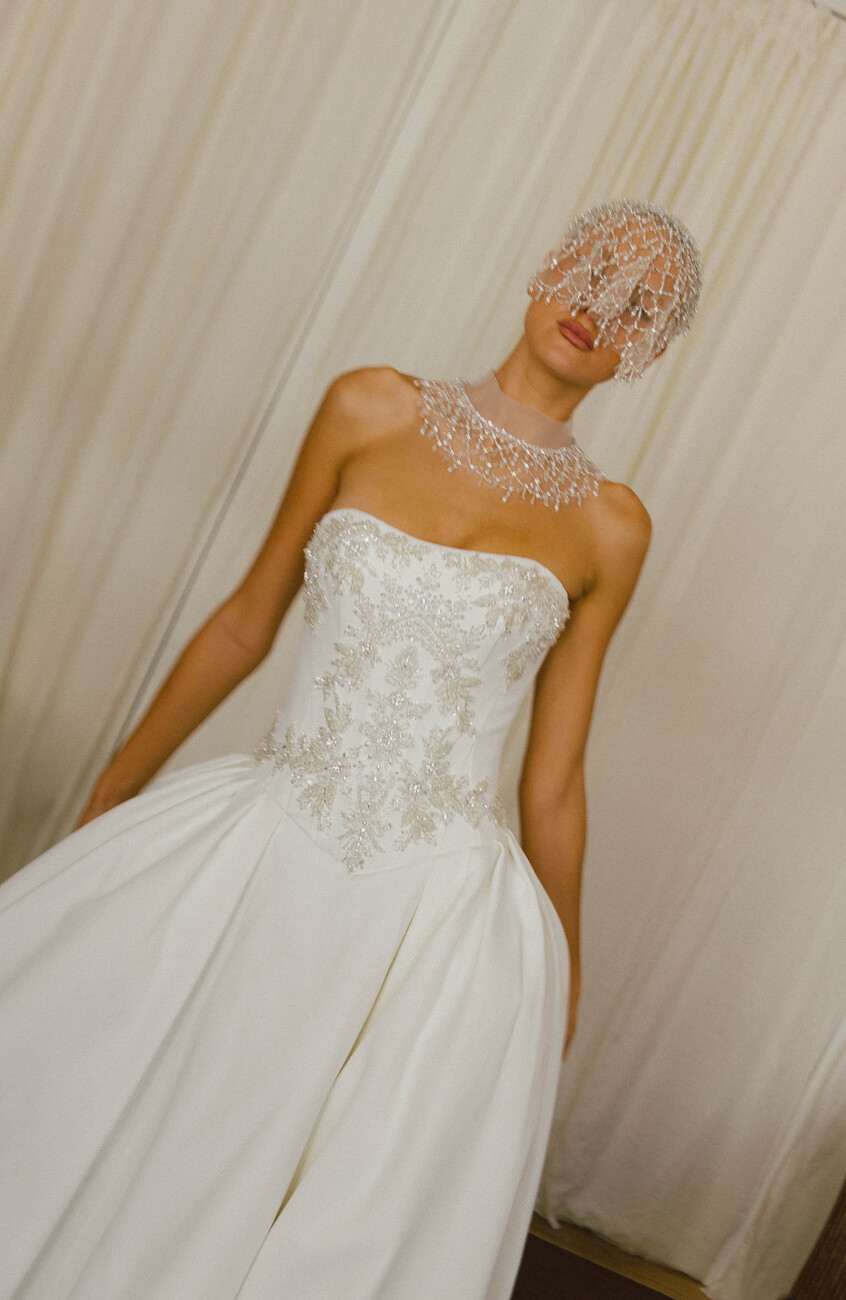
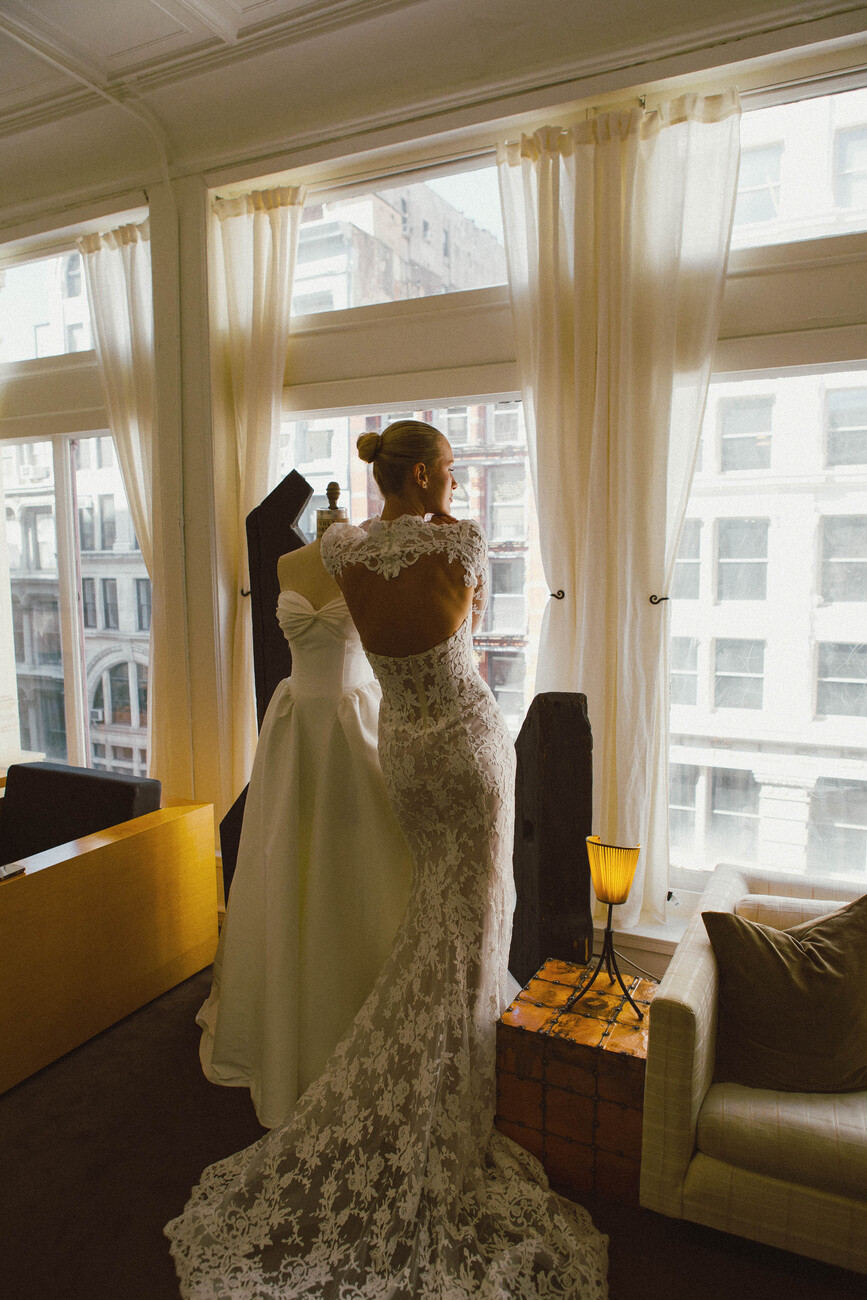
Photo: Mina Inspired
The Generational Handover
How did the handover from your parents actually happen?
It has developed through years of involvement, conversations, decisions, and learning to trust my own judgment. Over time, I became more involved in the creative direction of the company, and over the last few months I’ve had the opportunity to work on a huge rebrand project behind the scenes.
There’s a particular kind of pressure that comes with being the next generation. You have nearly three decades of experience to learn from, and at the same time there’s an expectation to make your own mark. It’s easy to second-guess yourself when you’re working alongside people who have spent their entire careers building something. I’ve had to learn when to listen, when to challenge an idea, and when to trust my own creative instincts. I don’t really see it as taking over from my parents. I see it as helping write Casablanca’s next chapter, while still having them as part of the story.
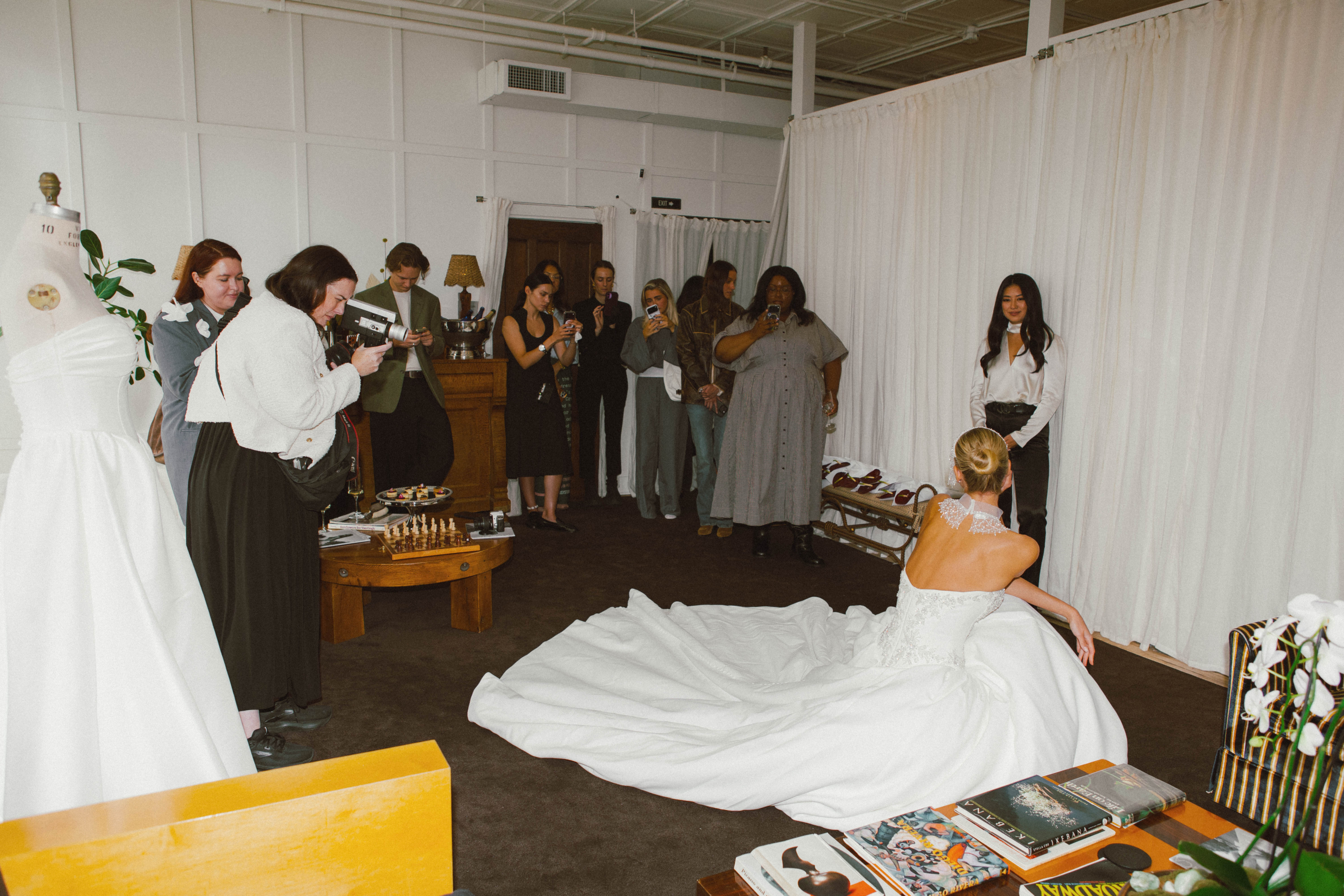
Photo: Mina Inspired
How do you balance your parents’ legacy with your own vision?
I think heritage and innovation don’t have to be at odds. My parents built Casablanca on craftsmanship, quality, customization, and an unwavering commitment to the people who trust us with such an important moment. At the same time, honoring a legacy doesn’t mean being afraid to challenge it. I wanted each brand to have a more recognizable identity and distinct purpose.
Casablanca Bridal remains the romantic heart of the house, rooted in timeless elegance, intricate craftsmanship, and thoughtful detailing. It’s our interpretation of classic bridal romance, reimagined for the modern woman.
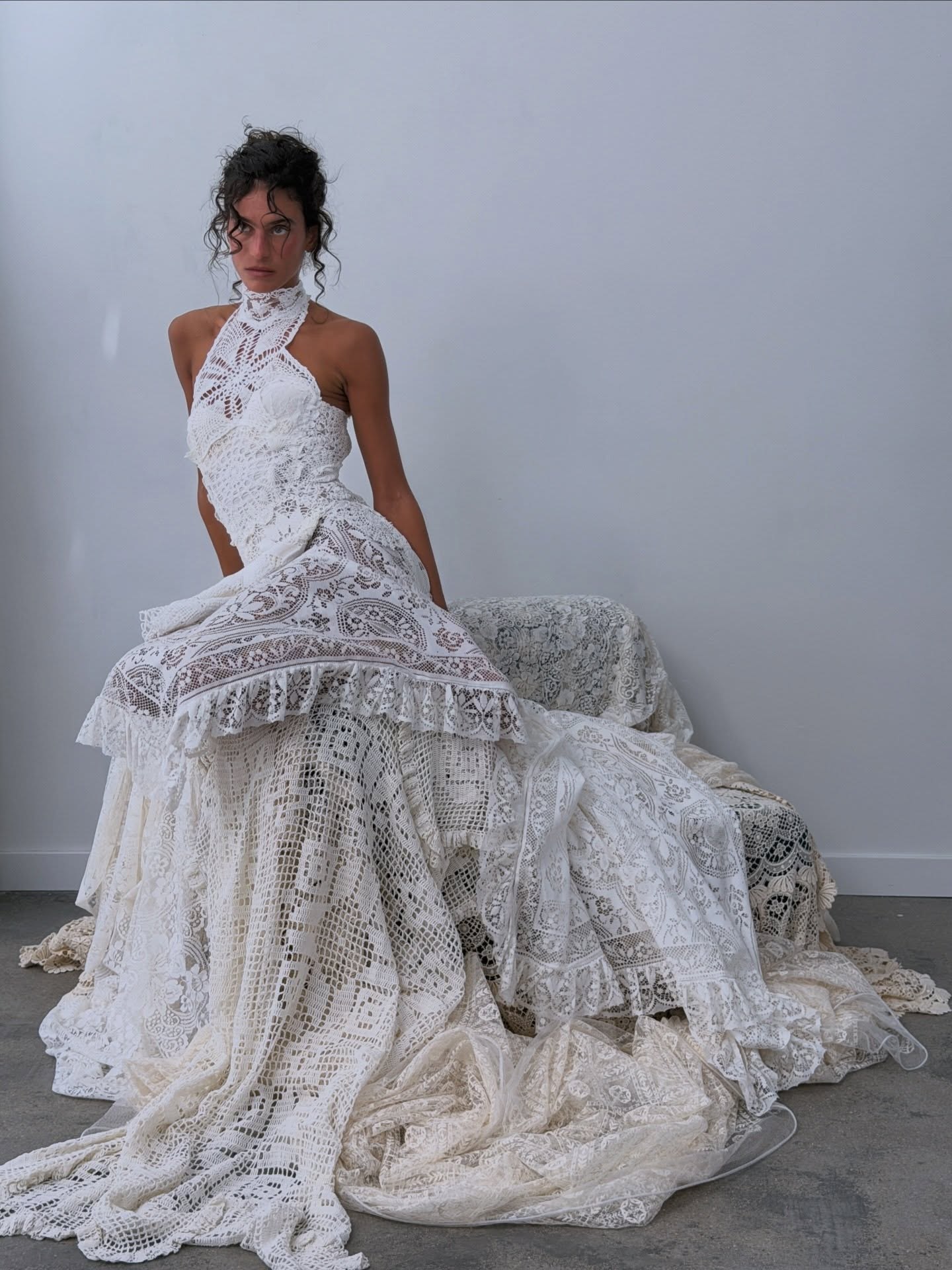
Beloved by Casablanca embodies a more effortless, free-spirited approach to bridal. With softer silhouettes, lightness, and movement, the collection has a relaxed, modern-bohemian sensibility that feels romantic without being overly traditional.
Le Blanc brings a more contemporary, fashion-forward perspective, defined by clean lines, sculptural silhouettes, and architectural construction. There’s a sense of modern nostalgia to the collection, where restraint, proportion, and thoughtful design take center stage.
What connects these collections isn’t a singular aesthetic, but a shared commitment to craftsmanship and the belief that every bride deserves to feel like herself.
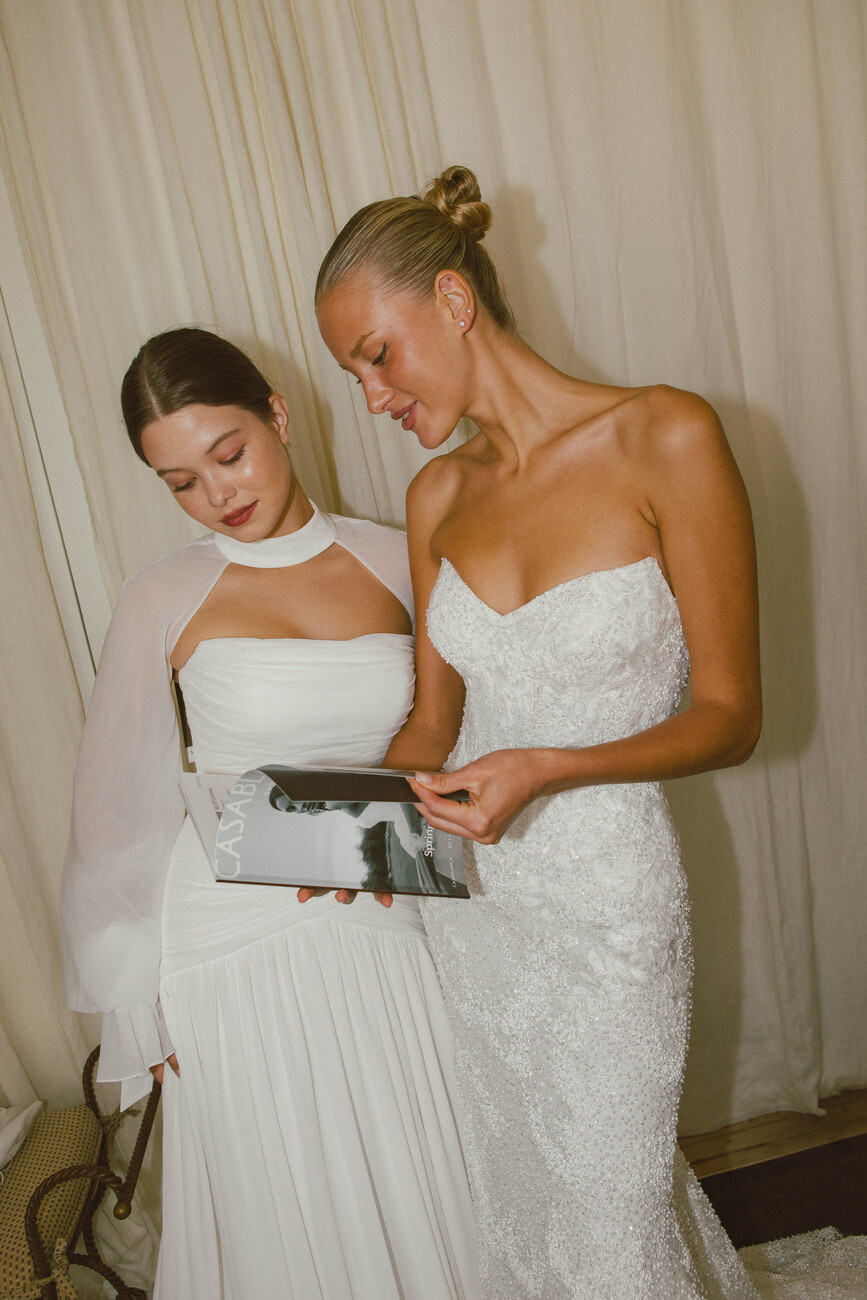
Photo: Mina Inspired
Spring 2027 & Beyond
After nearly 30 years, what felt ready to change, and what was never up for discussion?
Casablanca had so much history and so much to offer, but the way we were presenting ourselves wasn’t fully reflecting who we had become. The rebrand was a chance to rethink everything from our visual identity and storytelling to our photography, styling, and the experience we create for brides.
For our Spring 2027 collections, we paid particular attention to silhouette, proportion, and construction. Even subtle adjustments can transform the way a gown fits, moves, and feels on the body. What was never up for discussion was our commitment to craftsmanship, made-to-order production, and customization. I also feel strongly about keeping that level of craftsmanship attainable. Exceptional design and personalization don’t have to be financially out of reach.
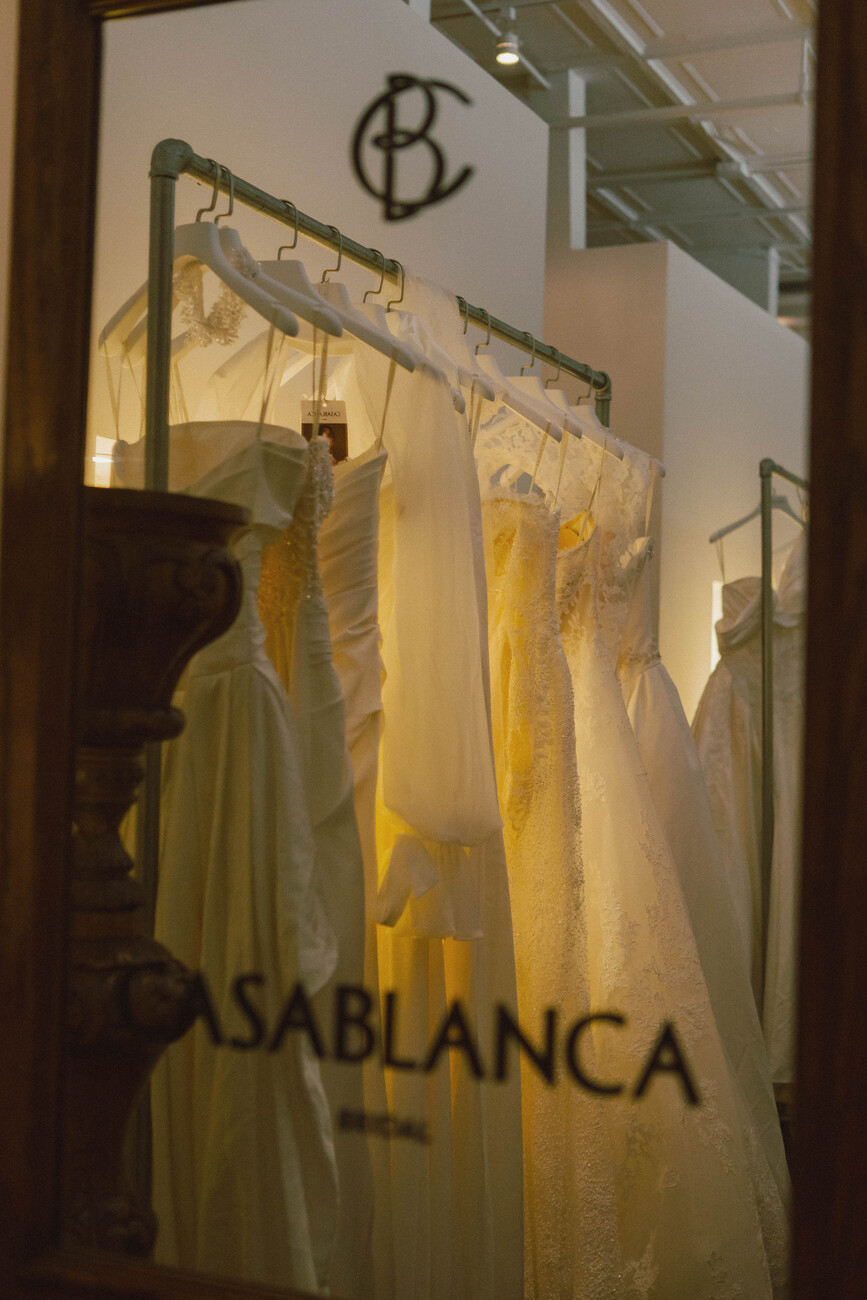
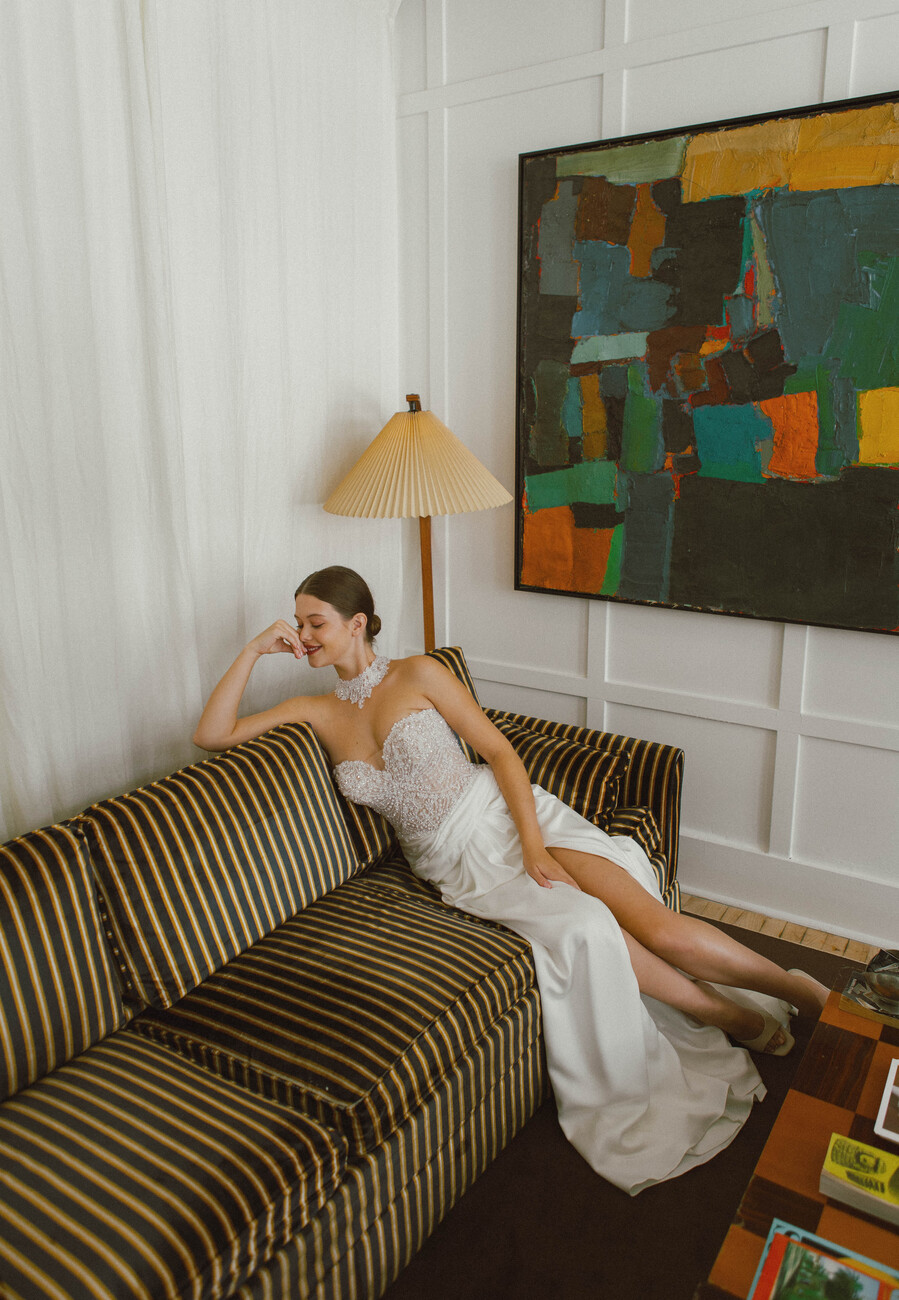
Photo: Mina Inspired
Who is the Casablanca bride of 2027 and beyond?
Today’s bride approaches marriage quite differently than previous generations. For her, getting married isn’t about becoming complete. It’s about choosing to build a life with someone while remaining fully herself. She has her own ambitions, career, and identity. She isn’t rejecting romance or tradition. She’s simply choosing which parts feel meaningful to her. She might be drawn to an intricately detailed, romantic gown or feel most herself in something clean, sculptural, and understated. She may embrace tradition in some ways and be completely unconventional in others.
For me, the next chapter of Casablanca is about thinking beyond the gown itself, from the moment she discovers her personal style to making the dress her own at a bridal salon. I envision a Casablanca that is more creatively confident, more connected to the women we design for, and more intentional about the relationships and experiences we create along the way. We’ve always believed in making gowns personal, and I want to take that philosophy even further, building a house that doesn’t simply respond to what today’s bride wants to wear, but understands what matters to her and why.
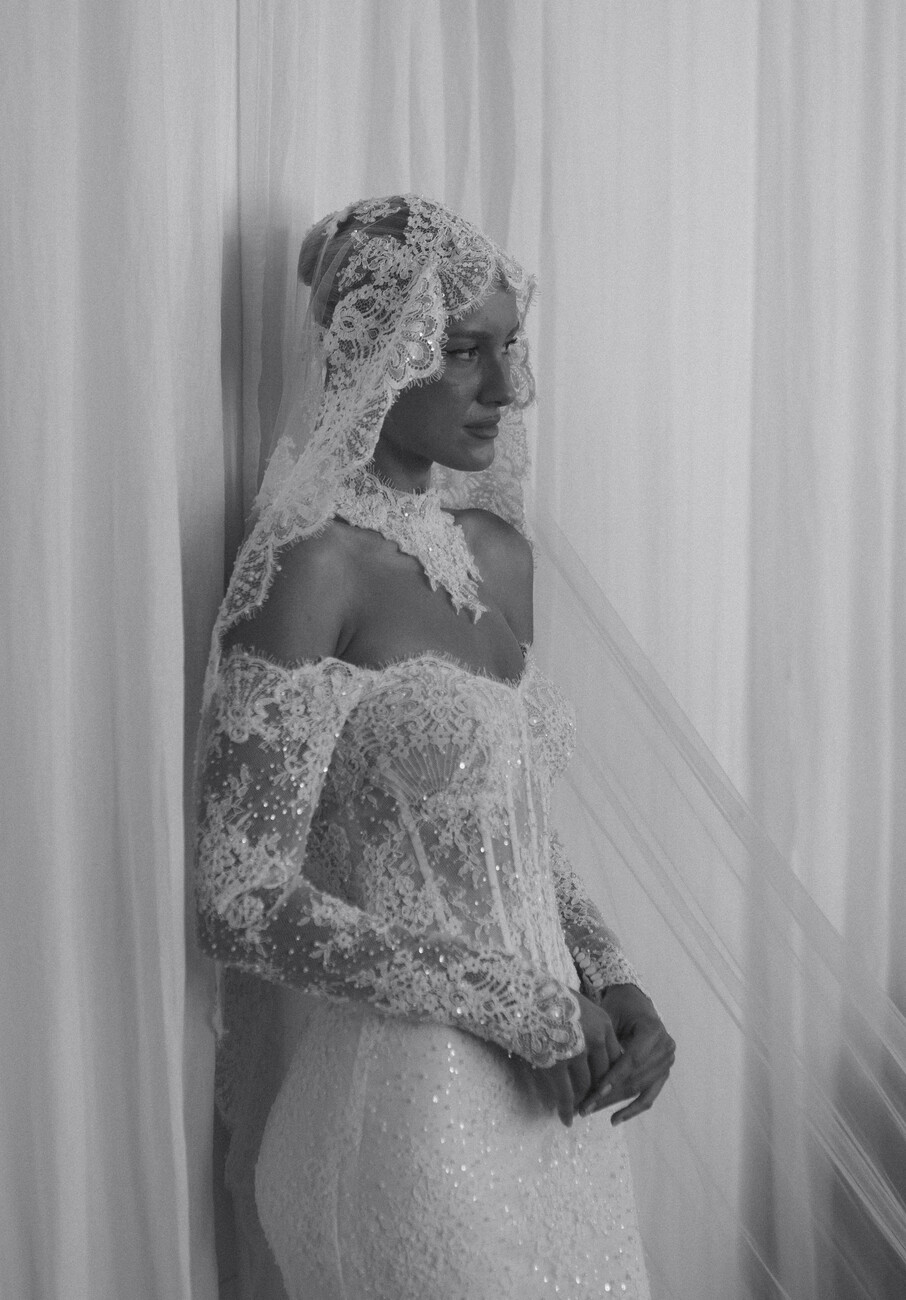
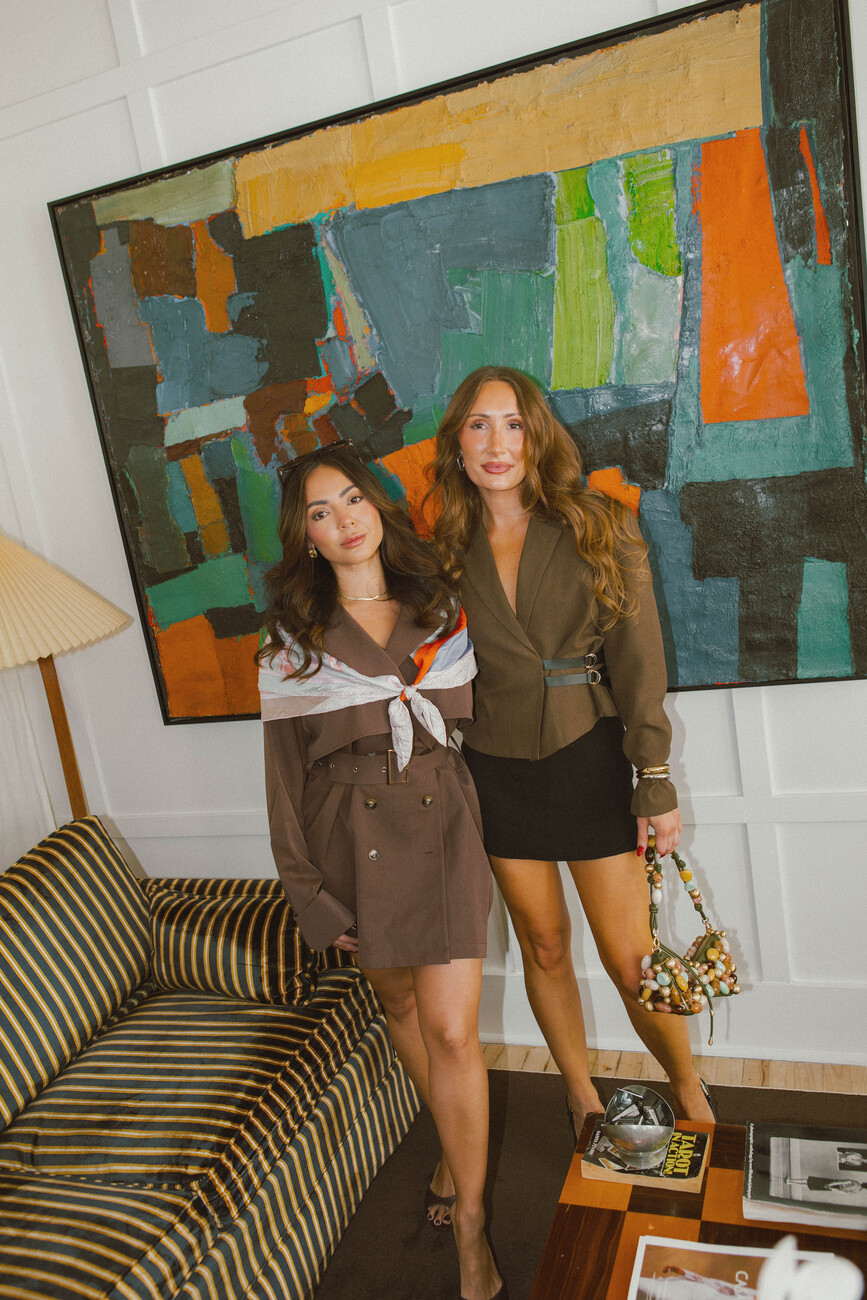
Photo: Mina Inspired
The Craft
Every Casablanca gown is made to order. What does that commitment cost, and why is it non-negotiable?
Made-to-order requires a completely different level of coordination, time, and attention than producing a standardized garment in mass quantities. Every gown involves countless decisions, from construction and fit to the placement of embellishments and how the fabric moves on the body. One of our greatest strengths is that we own our manufacturing facility. Our design and production teams work closely together, which lets us maintain a high level of quality control and accommodate individual requests.
One detail I particularly love is that every Casablanca gown is assigned its own unique identification number. It’s almost like a fingerprint for the dress. I like to think of it as a little piece of Casablanca history, one that eventually becomes part of someone else’s. A wedding gown isn’t an everyday purchase. With so much significance attached to a single garment, I think it deserves an extraordinary level of care.
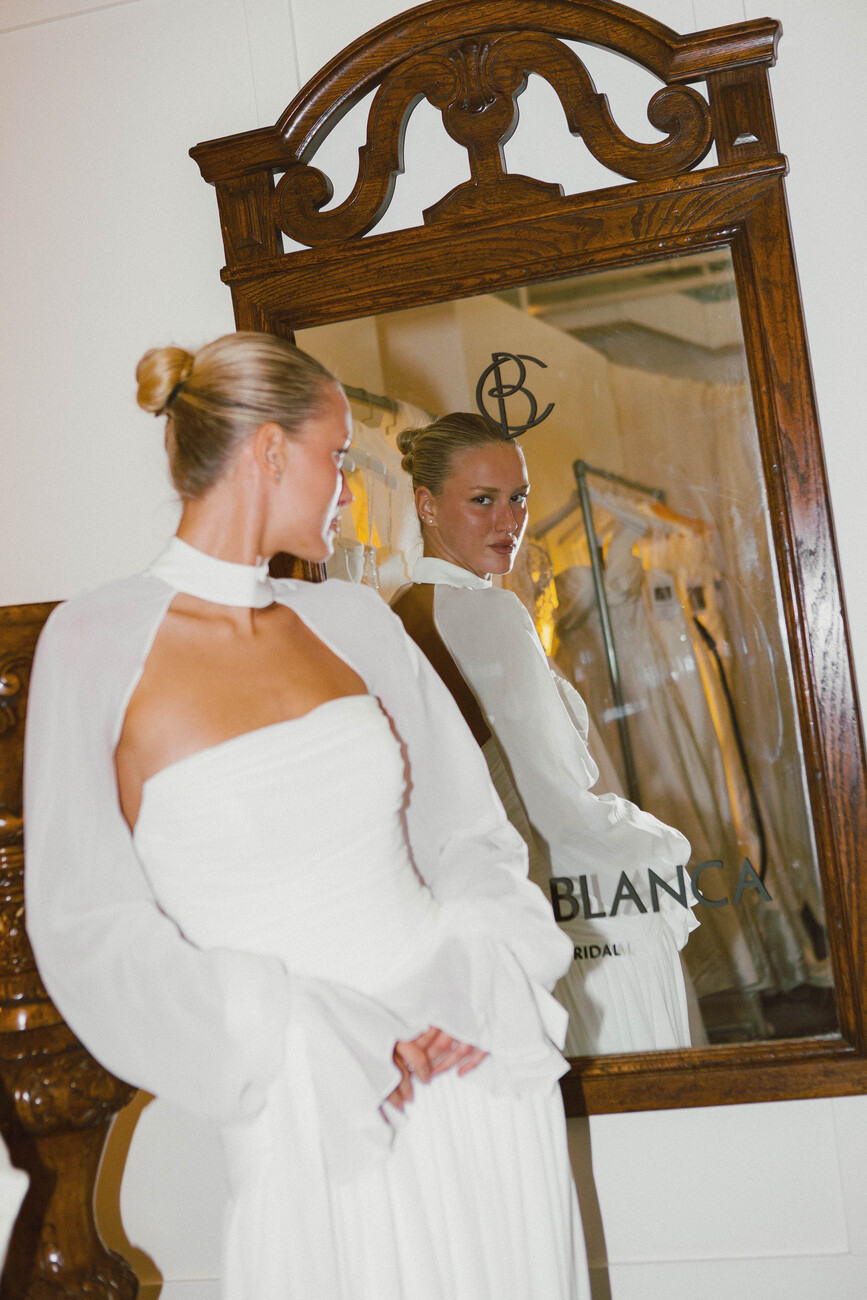
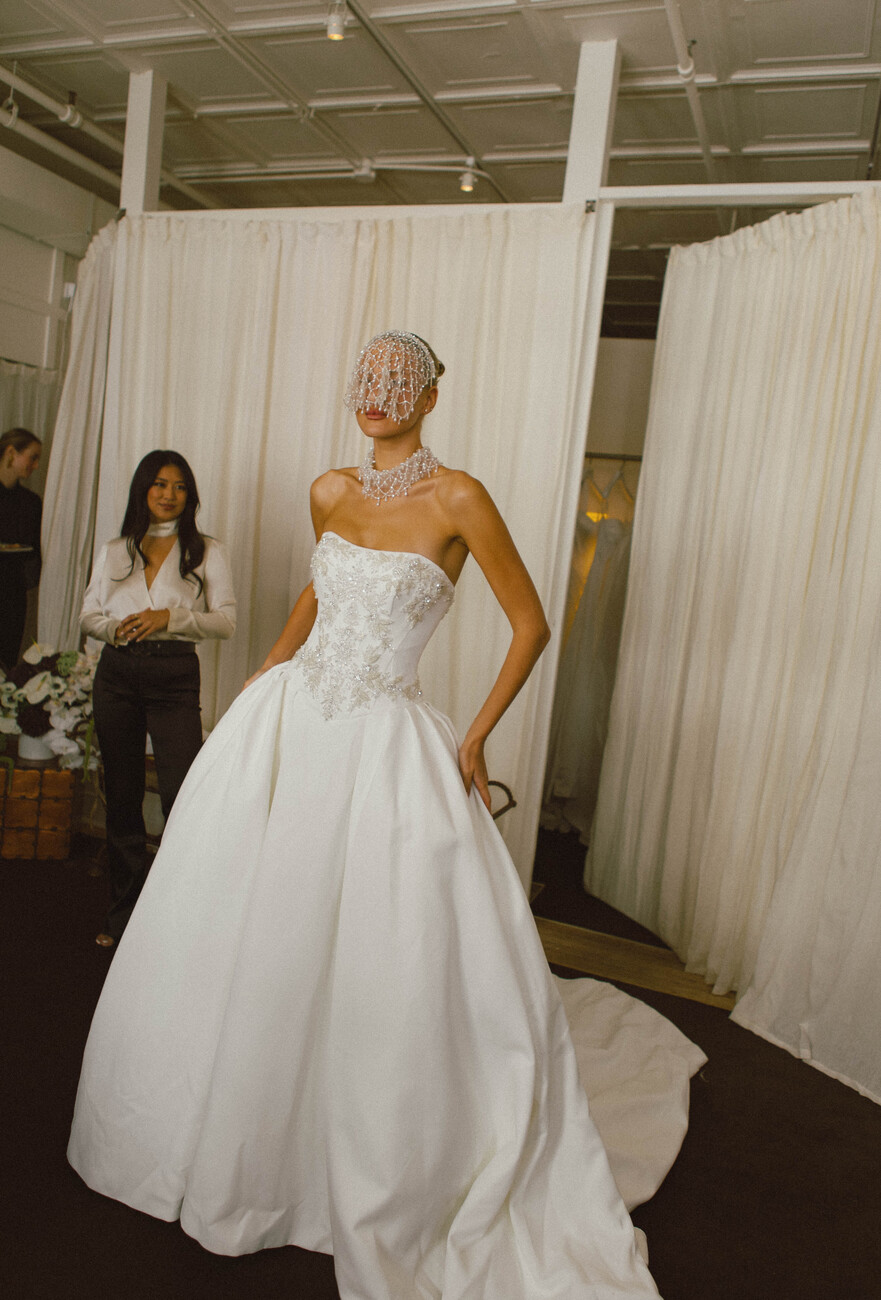
Photo: Mina Inspired
What does customization look like, from the first appointment to the final fitting?
It really begins with understanding the bride herself. When she walks into one of our partner bridal salons, she may already have a very clear vision, or she may still be discovering what feels right.
Finding a gown doesn’t mean accepting every detail exactly as it appears on the sample. A bride might fall in love with a silhouette but envision a different neckline, additional coverage, or a change to the train. Sometimes those requests are deeply personal. She might want to honor a cultural tradition or feel more comfortable during her ceremony.
Our retail partners review the details with our team and confirm what’s possible. The gown is then made to order, and when it arrives at the salon, she works with her stylist and alterations specialist on the final fit.
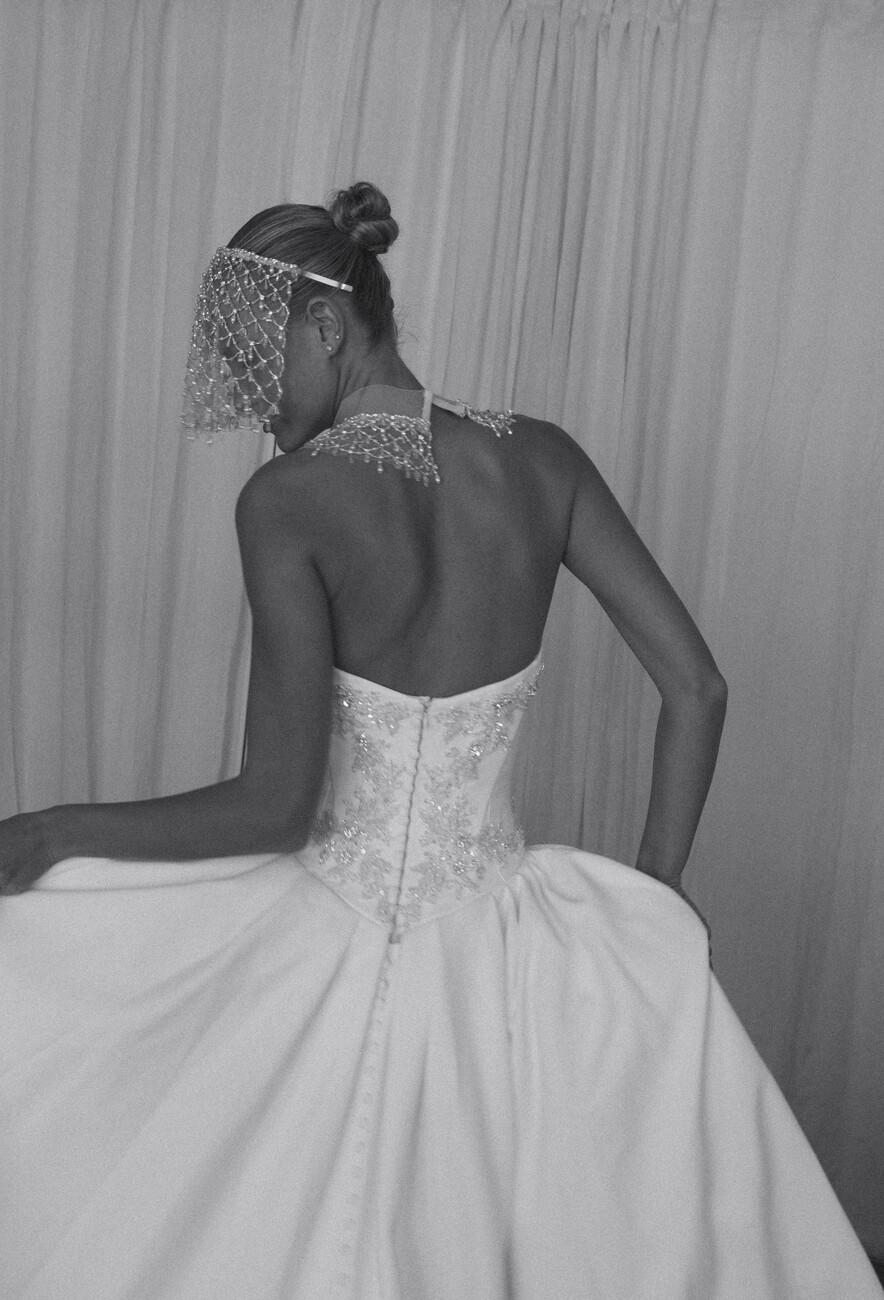
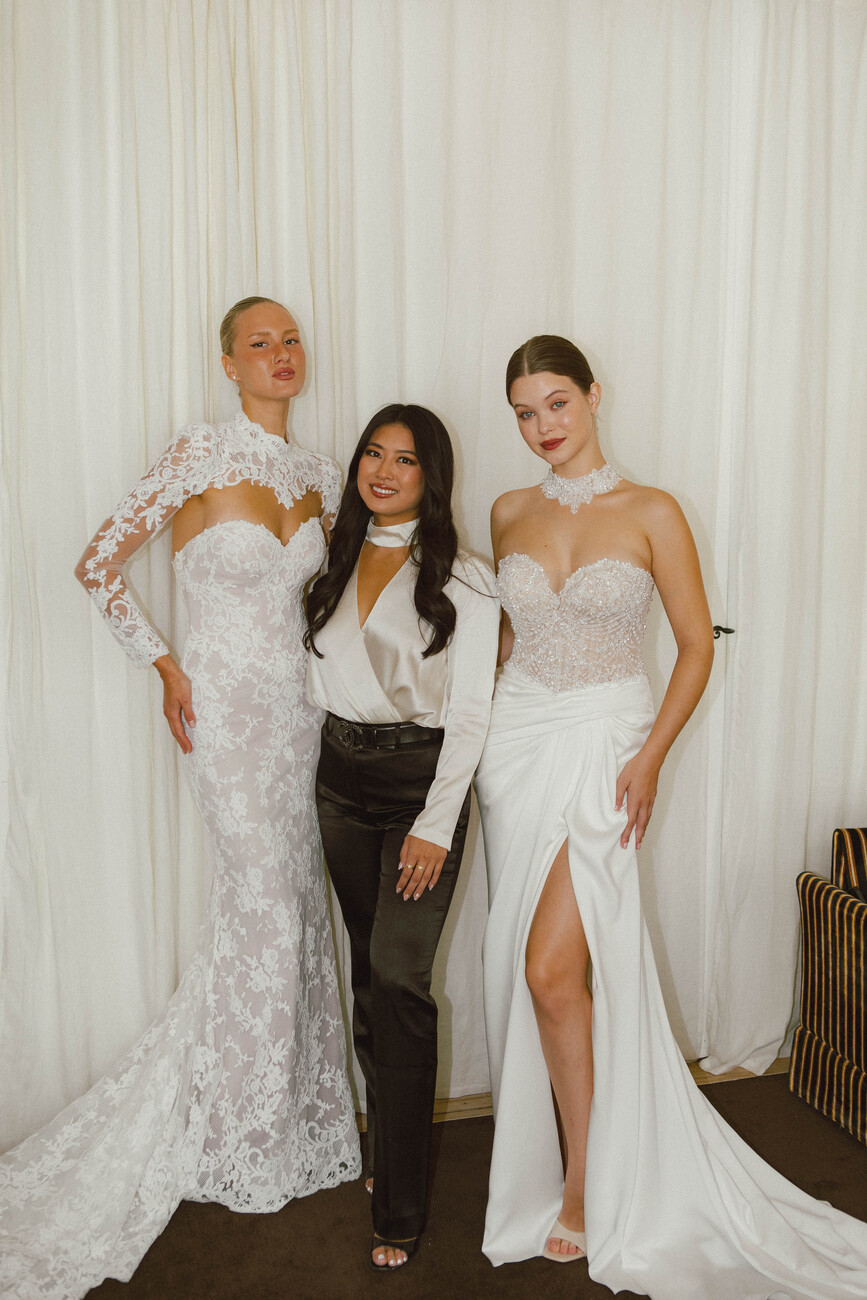
Photo: Mina Inspired
Beyond the Dress
What still moves you about making wedding gowns?
I think it’s remembering that we’re creating something that becomes part of someone’s personal history. When you’re immersed in the business, it’s easy to get caught up in developing collections, reviewing samples, and planning for the next season. But every so often, I’ll see photographs of a real bride wearing one of our gowns, and it puts everything back into perspective.
For us, that dress may have started as a sketch or a sample we spent months refining. For her, it’s the dress she wore when she married someone she loves. It’s captured in photographs she’ll look back on decades from now and perhaps one day share with her children or grandchildren.
Having grown up watching my parents build Casablanca, I think that sense of continuity is especially meaningful to me. What began as their dream has become part of so many other families’ stories. I don’t think that will ever stop feeling special.
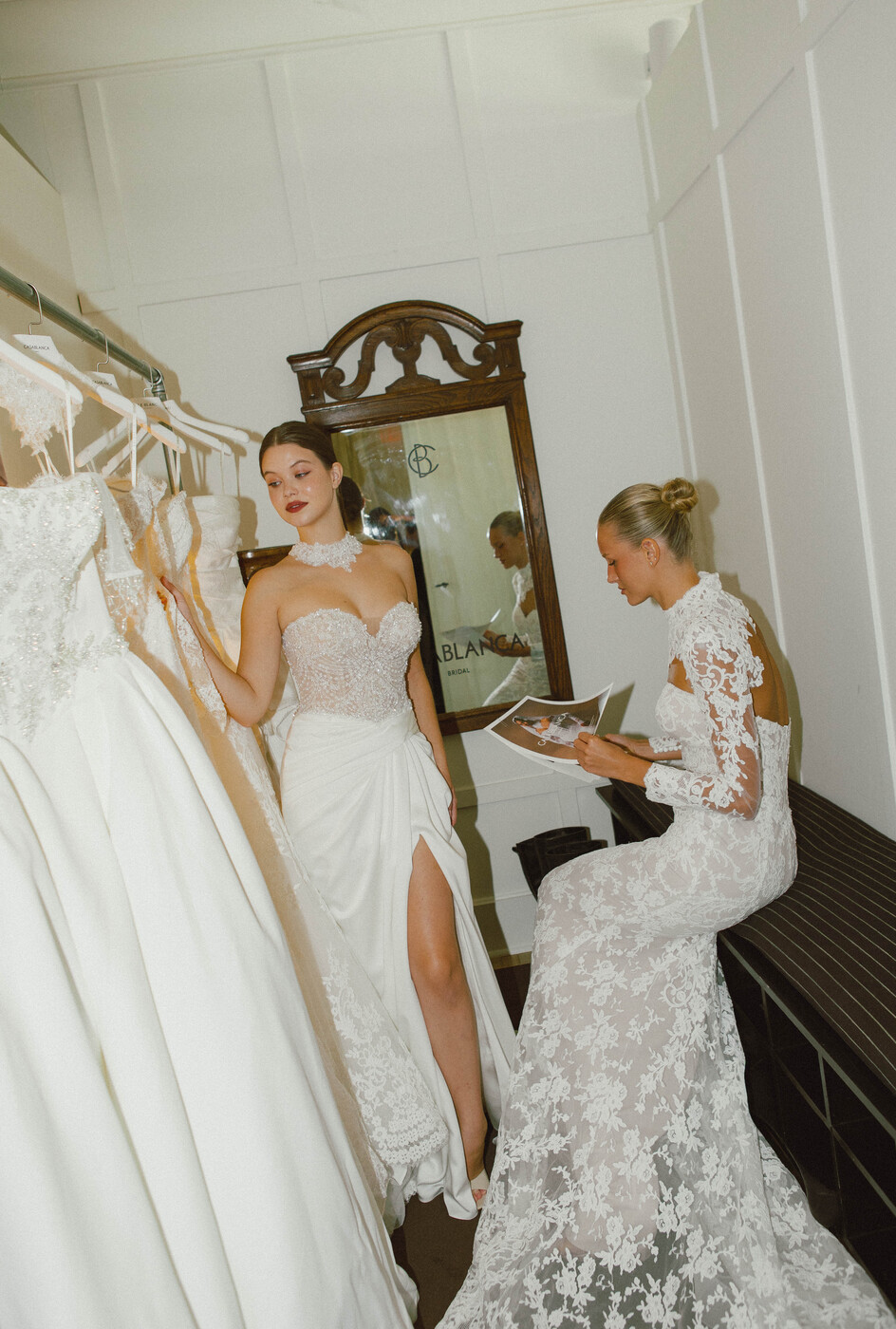
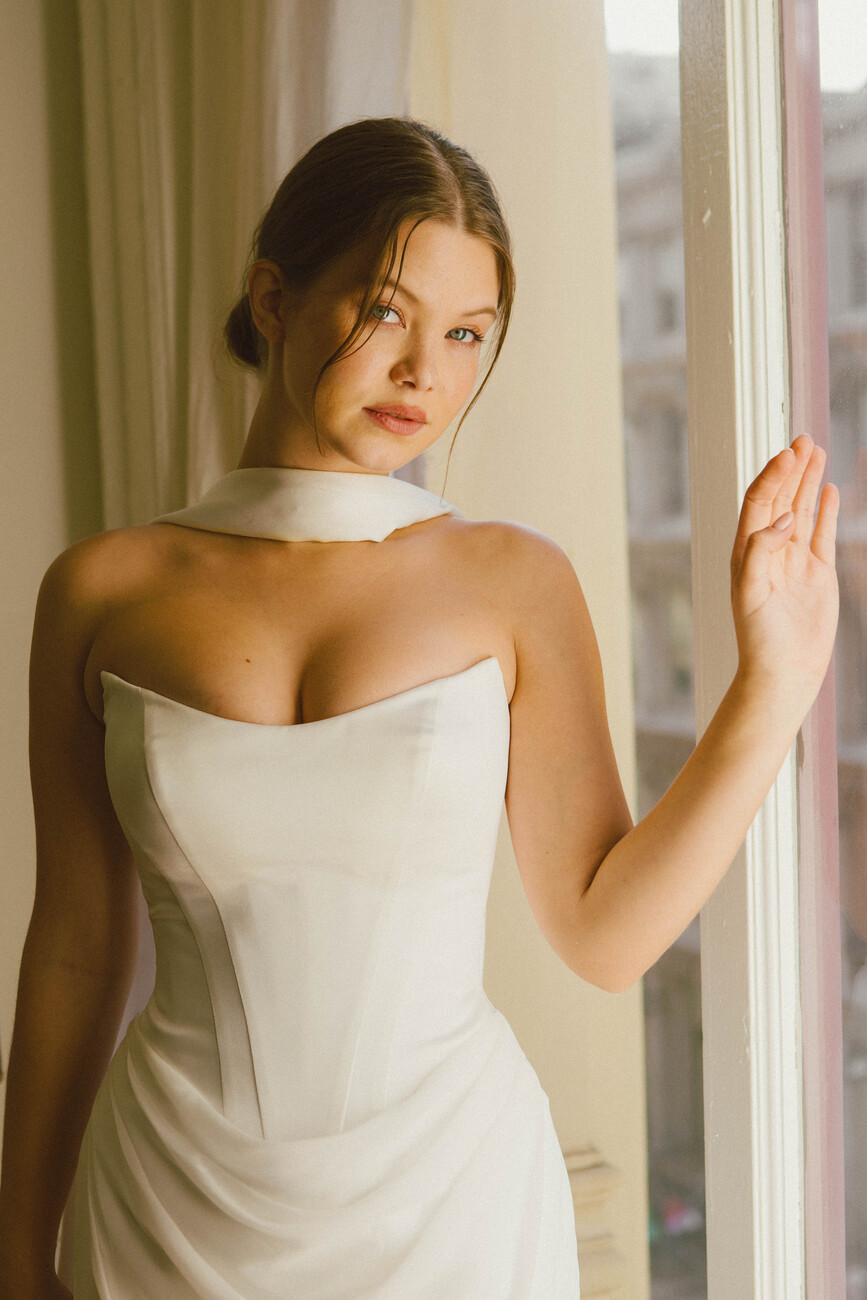
Photo: Mina Inspired
What do you want brides to feel when they put on a Casablanca gown?
More than anything, I want a bride to feel completely herself. Of course, I want her to feel beautiful, but true confidence comes from feeling comfortable, understood, and connected to what you’re wearing. I never want a bride to feel like the dress is wearing her.
There’s so much anticipation surrounding a wedding. Brides today are incredibly intentional about every detail, even curating moodboards for how their guests should dress. So you can imagine how much pressure goes into choosing their own dress. I want Casablanca to be part of that experience in a way that feels exciting and reassuring rather than overwhelming.
Ultimately, I want her to recognize herself in the mirror, perhaps in a way she hasn’t seen before. A wedding dress can become a reminder of how you felt in that moment: loved, confident, and ready for everything ahead.
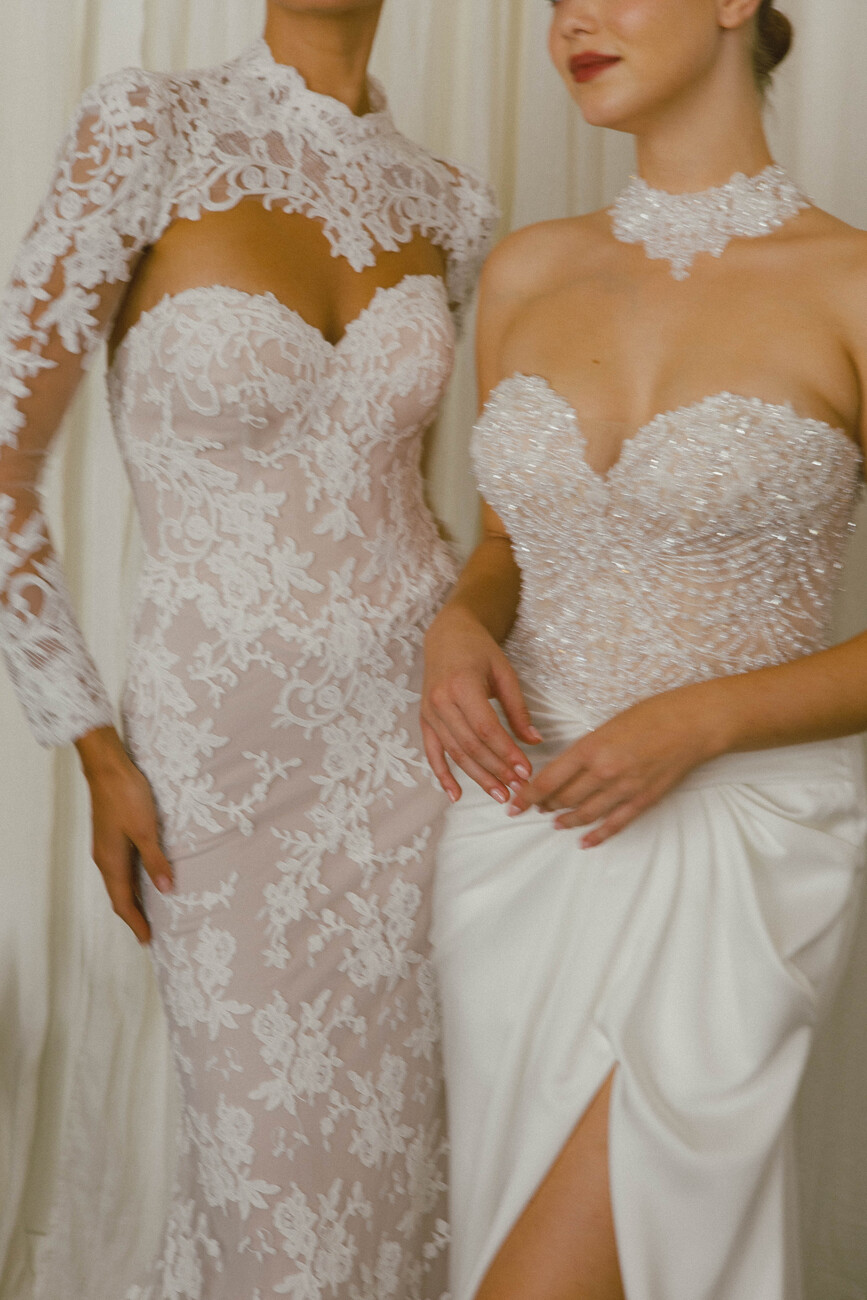
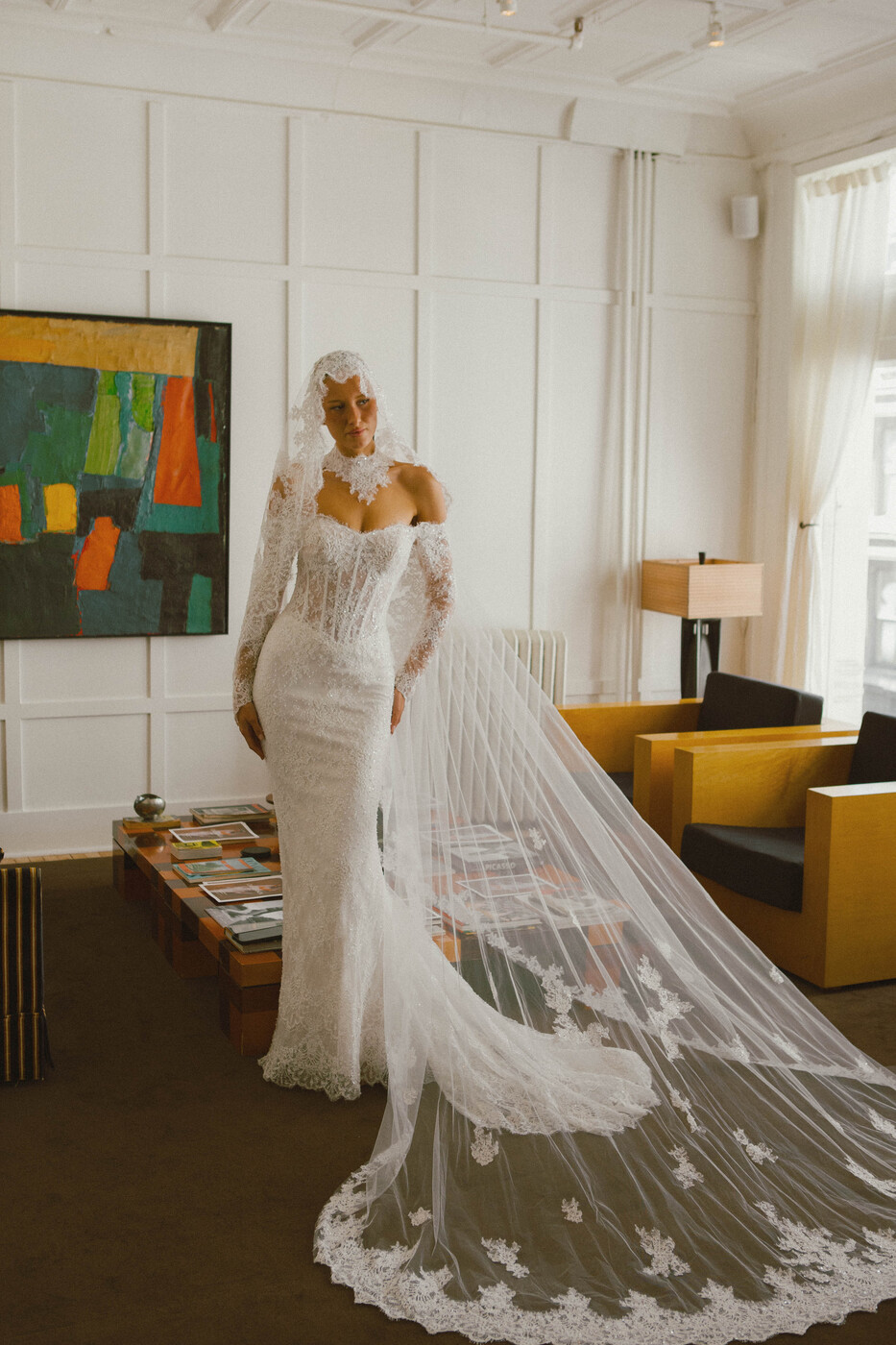
Photo: Mina Inspired