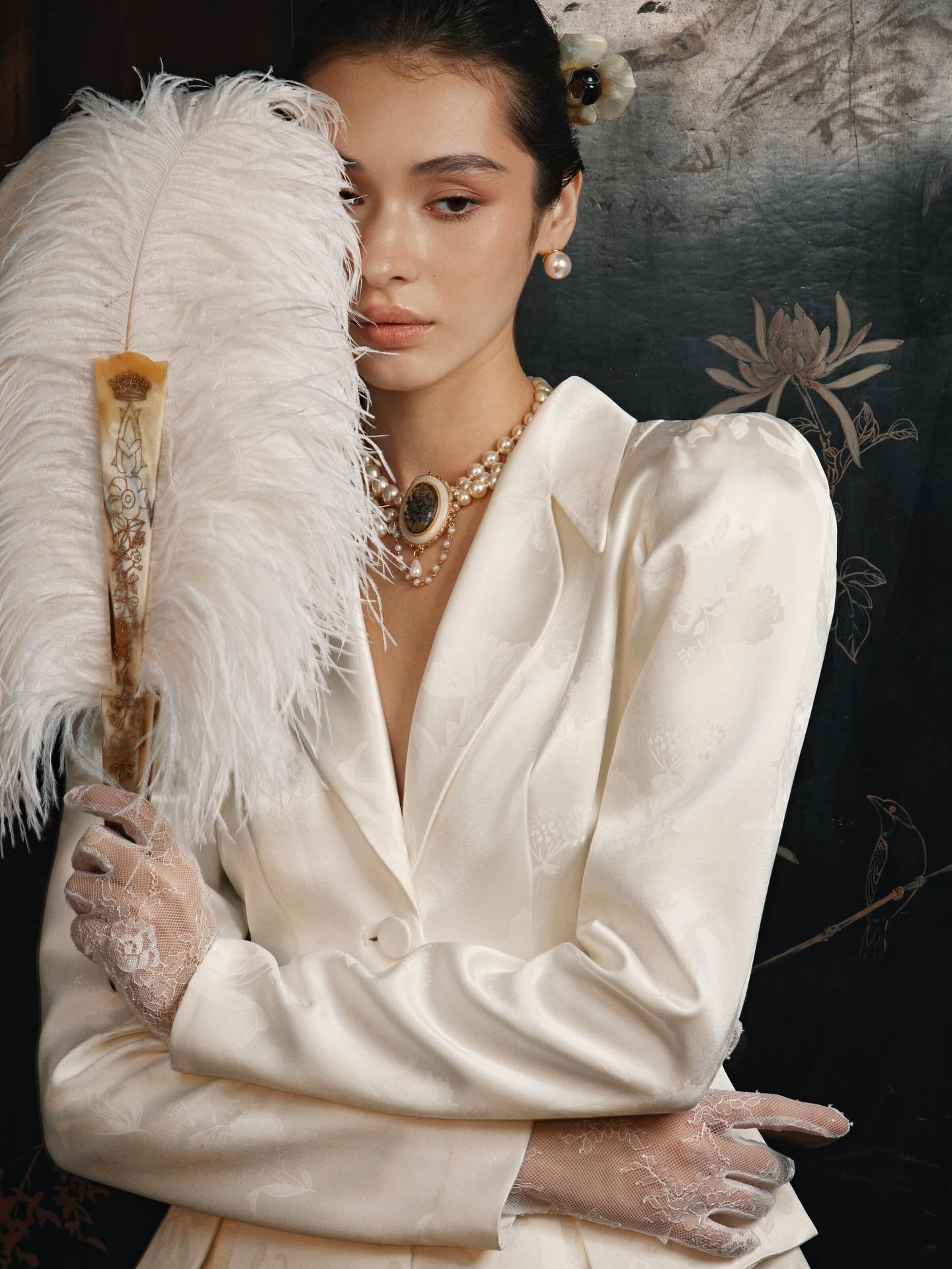
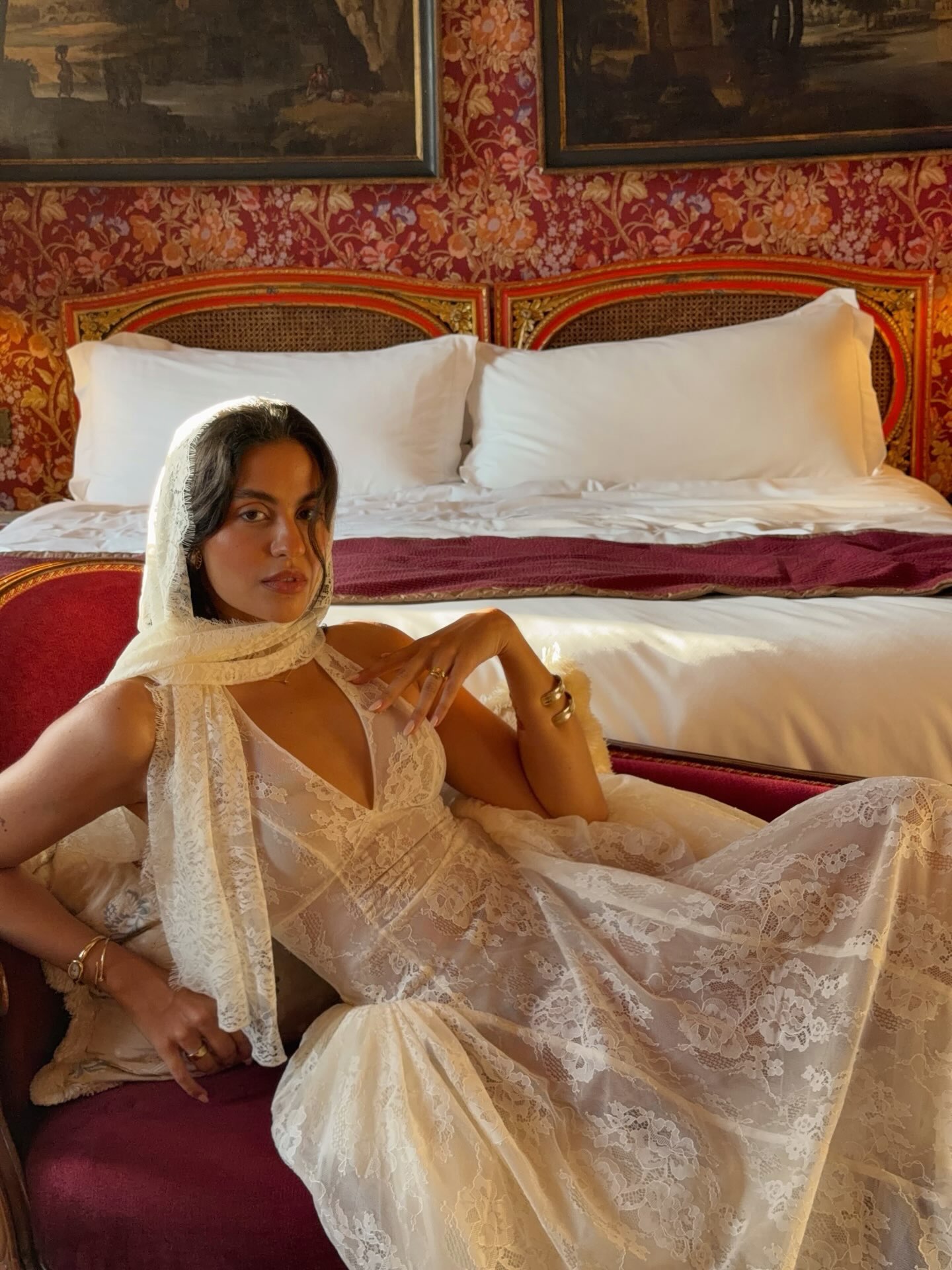
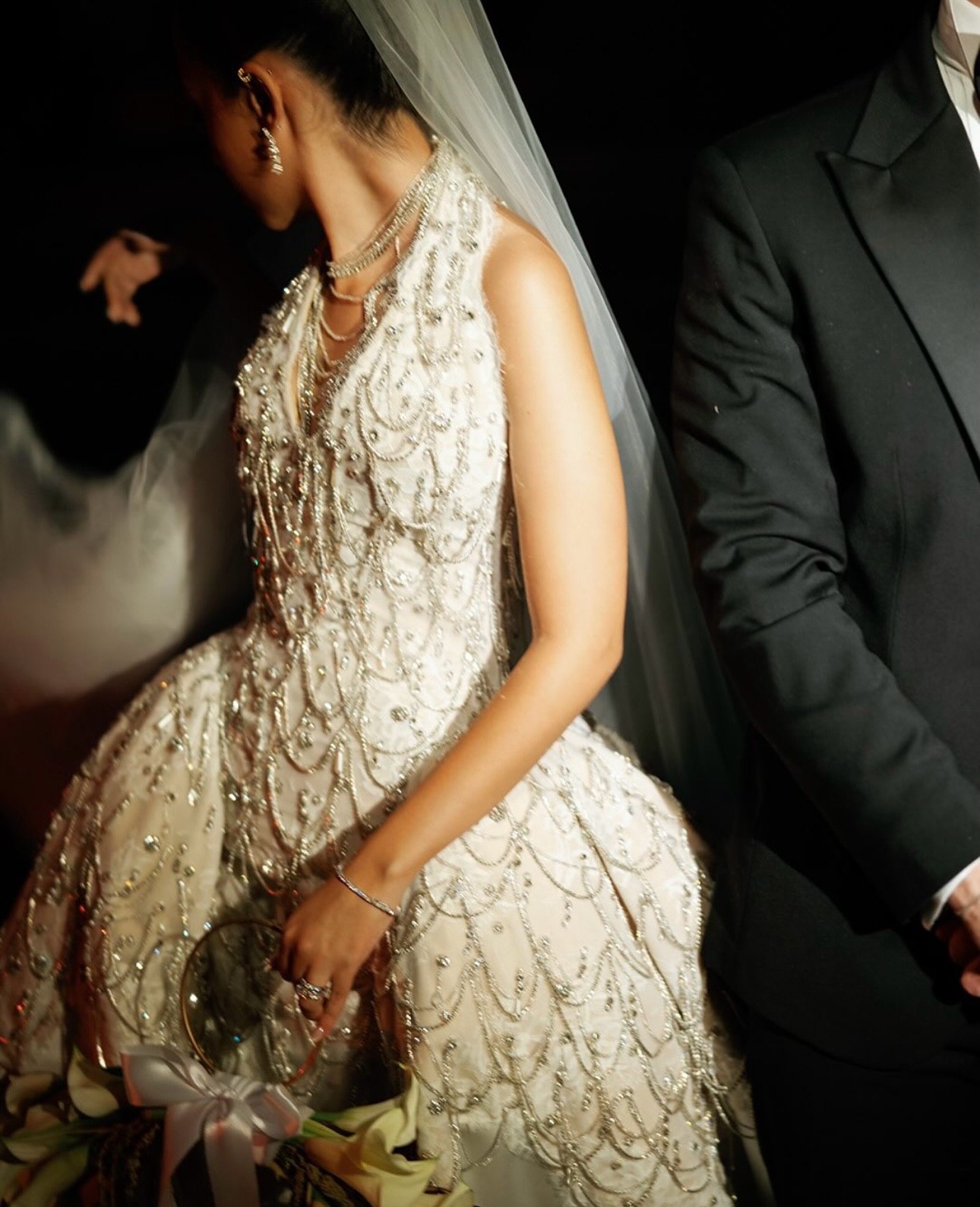
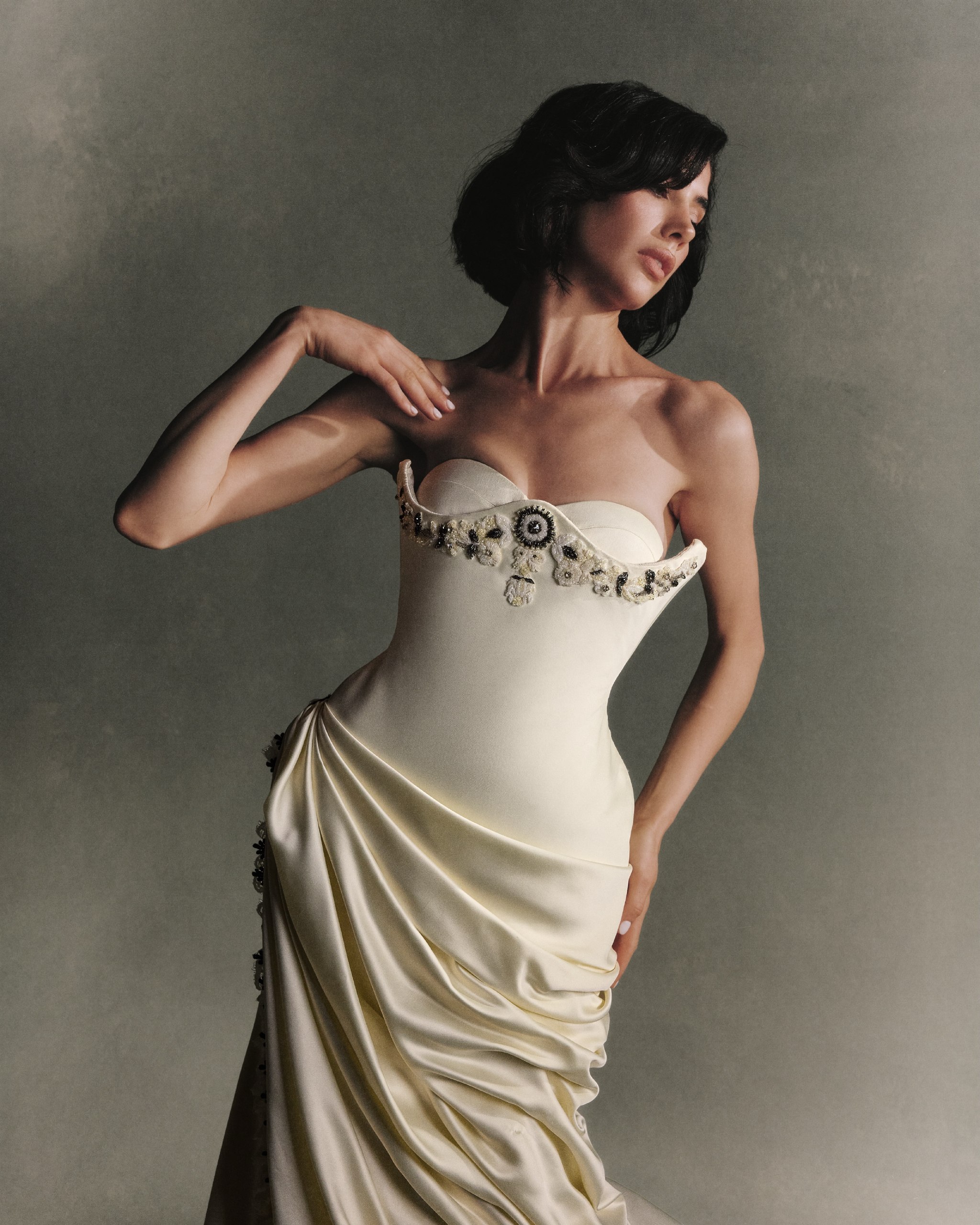
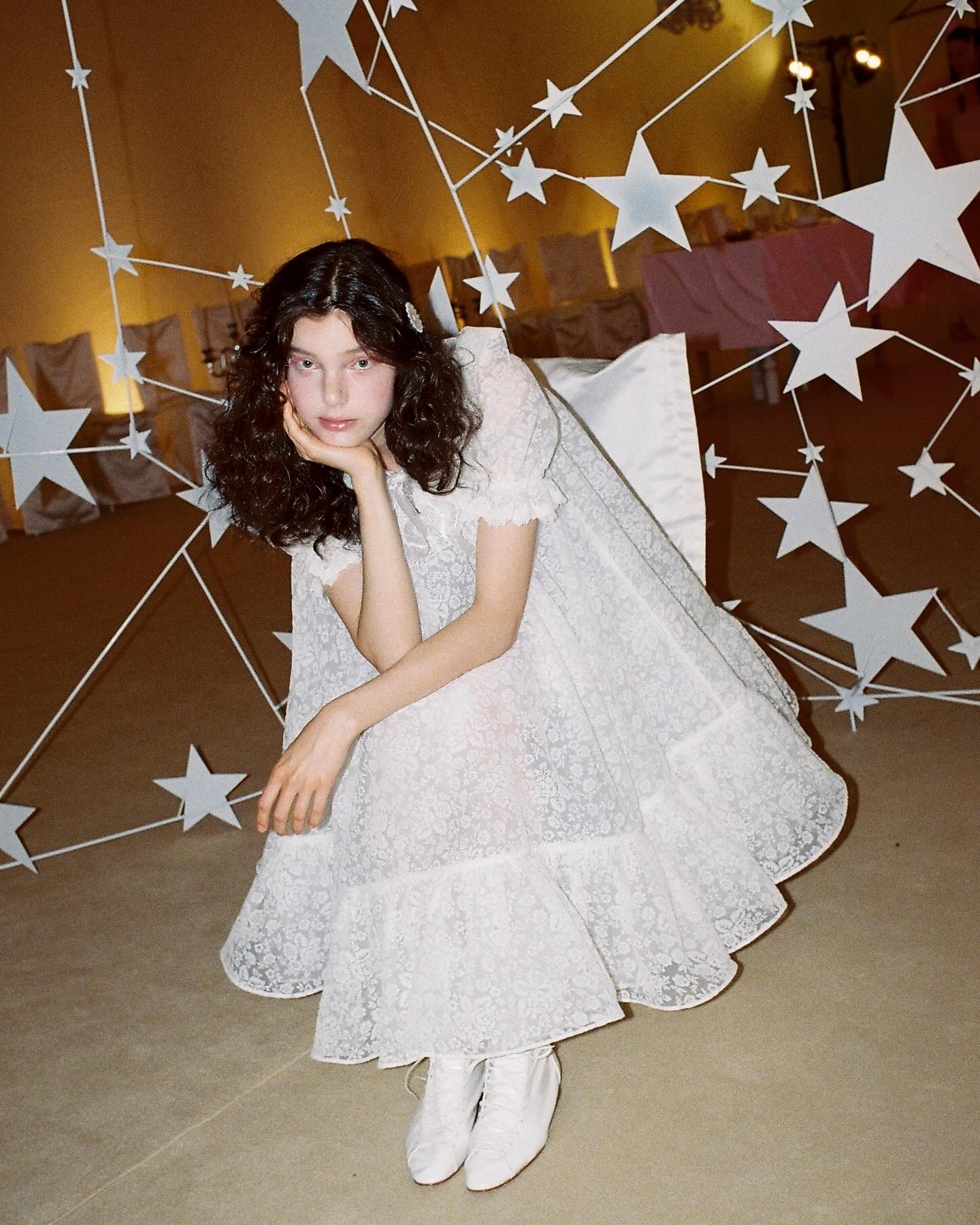
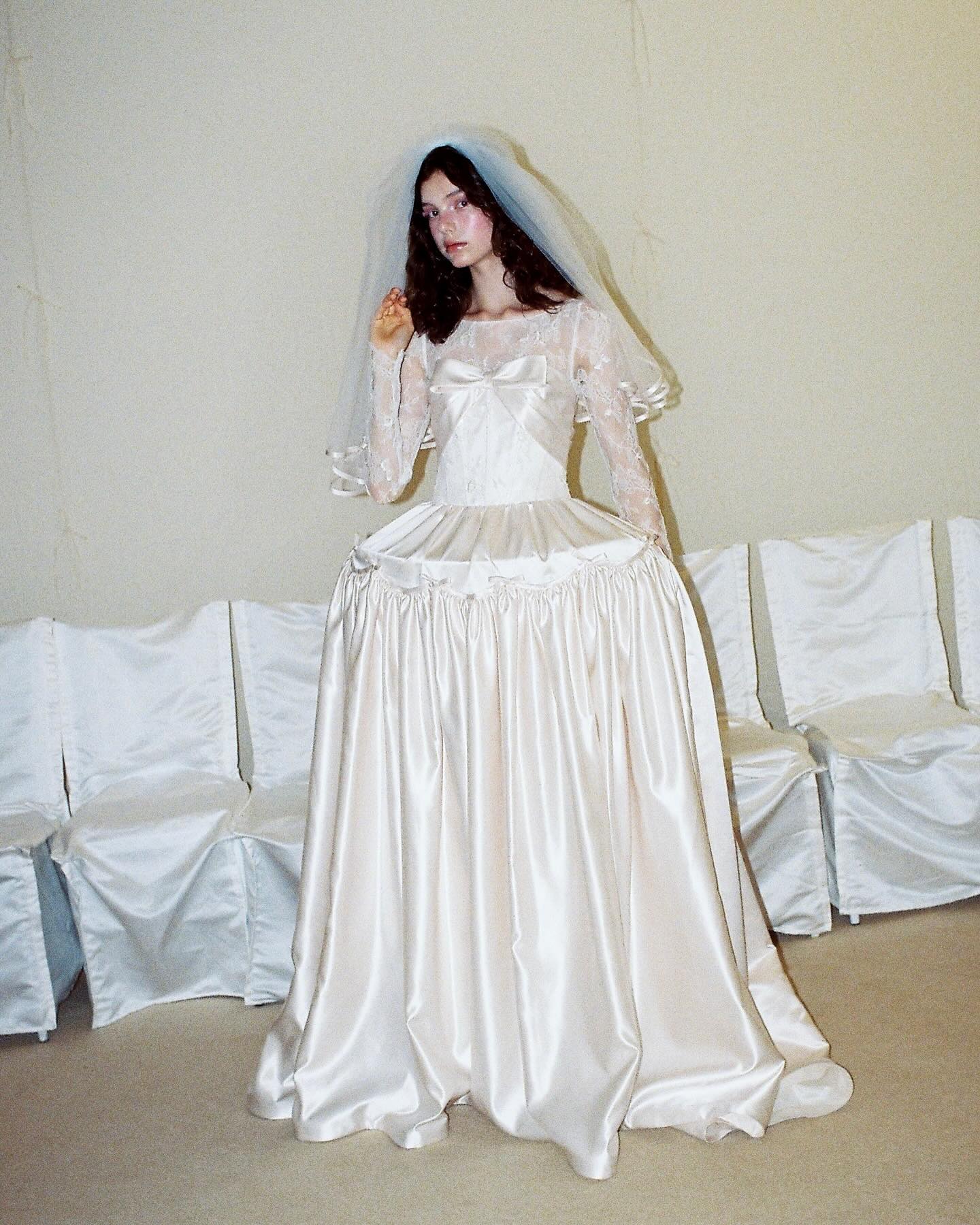
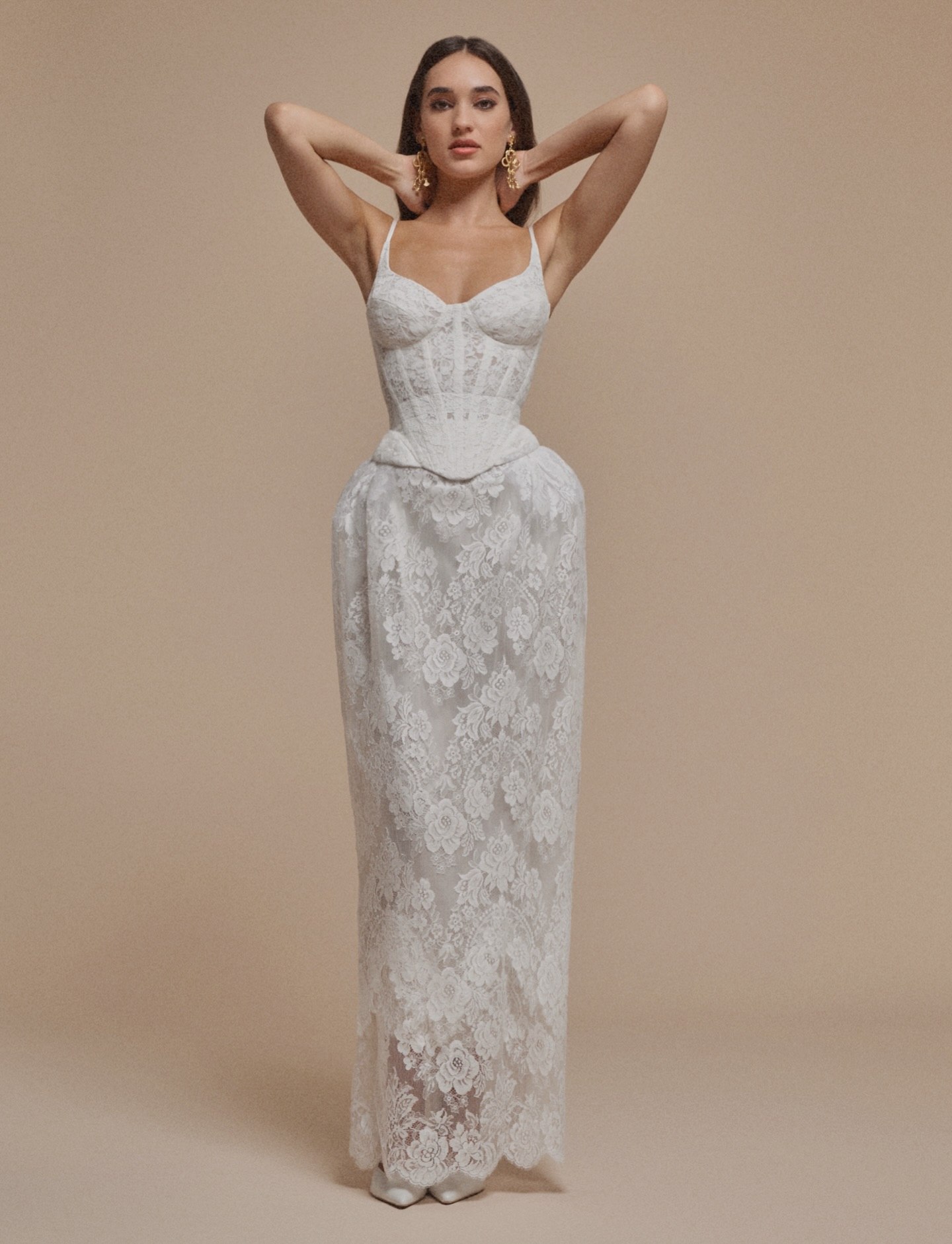
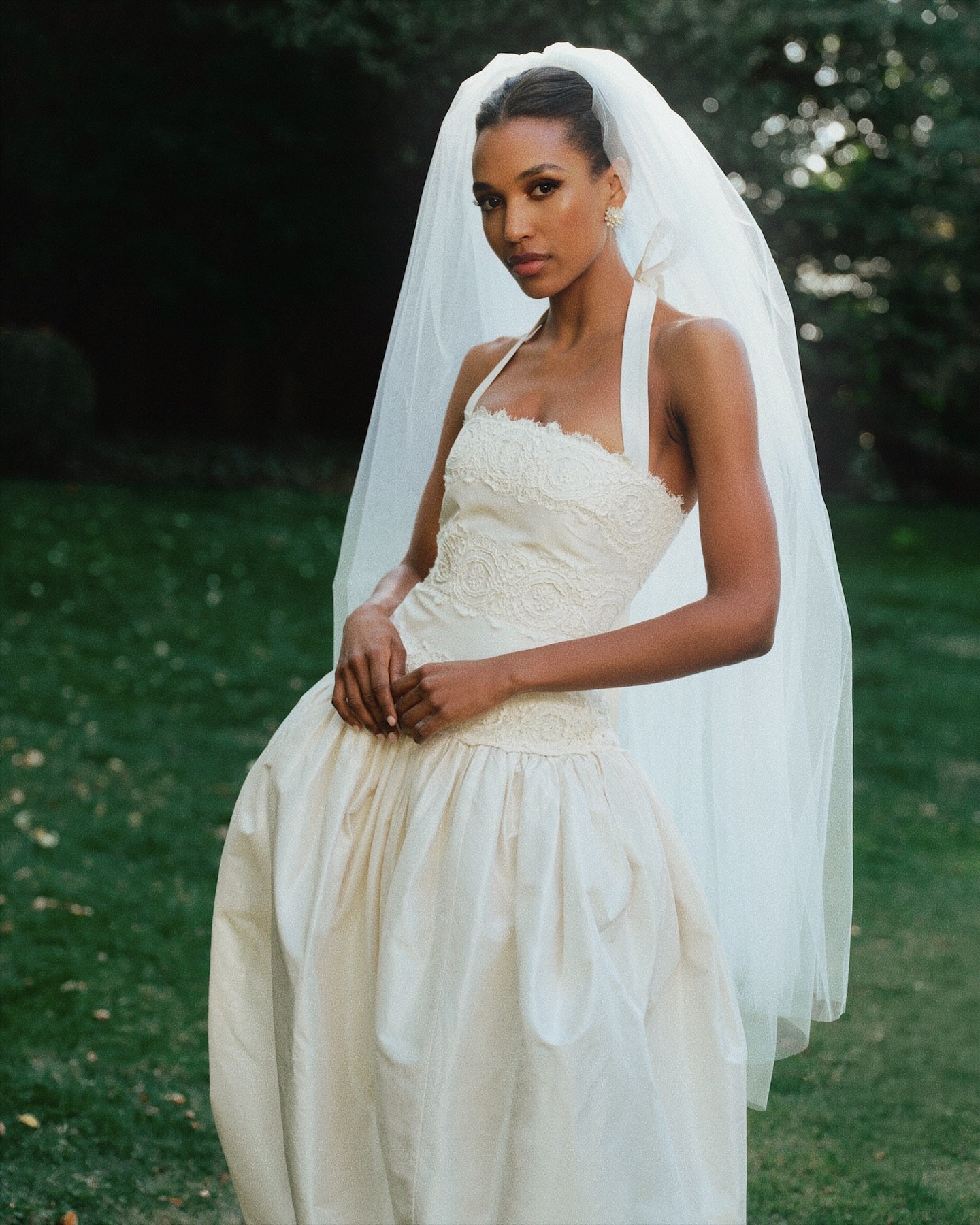
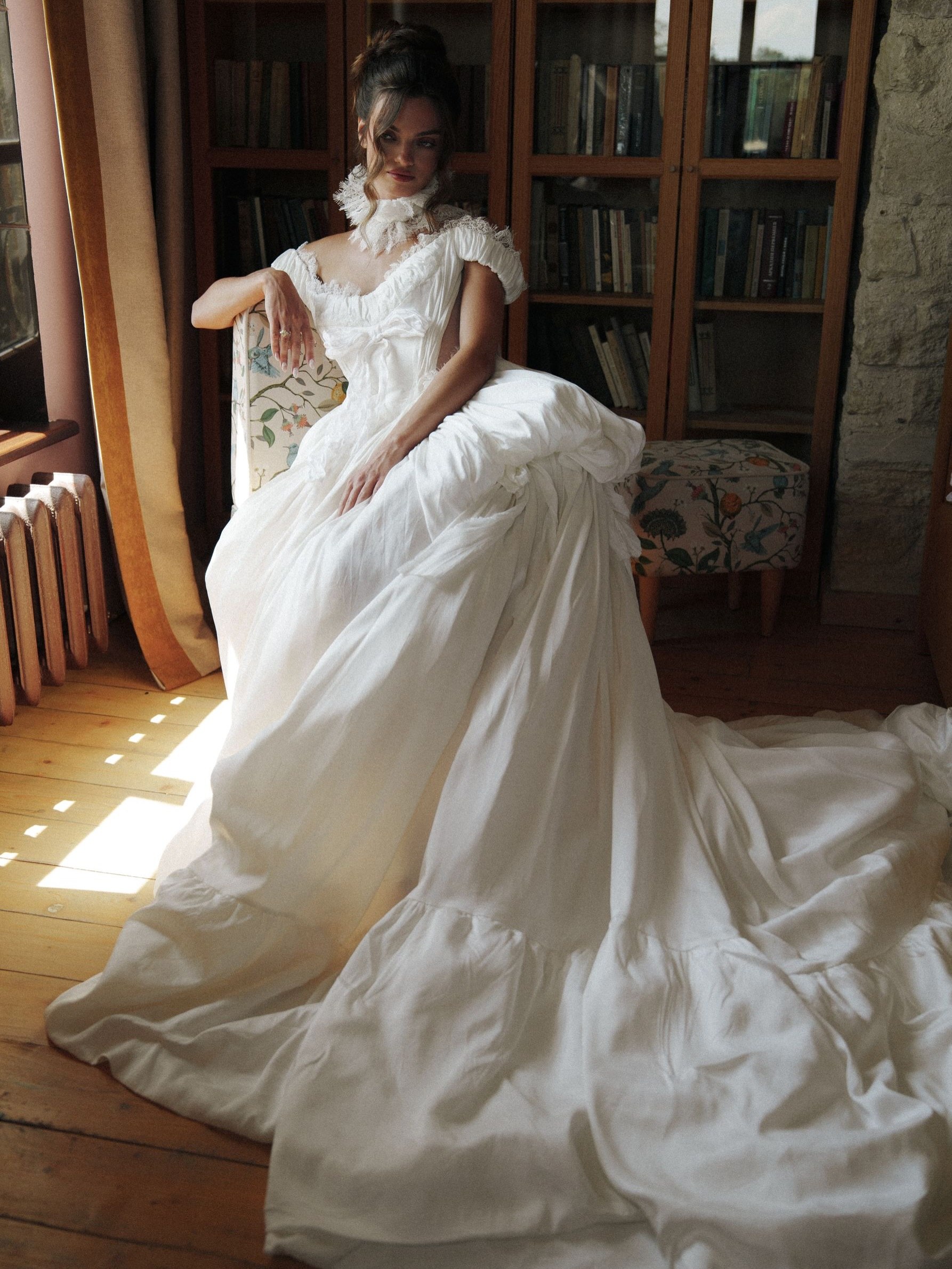
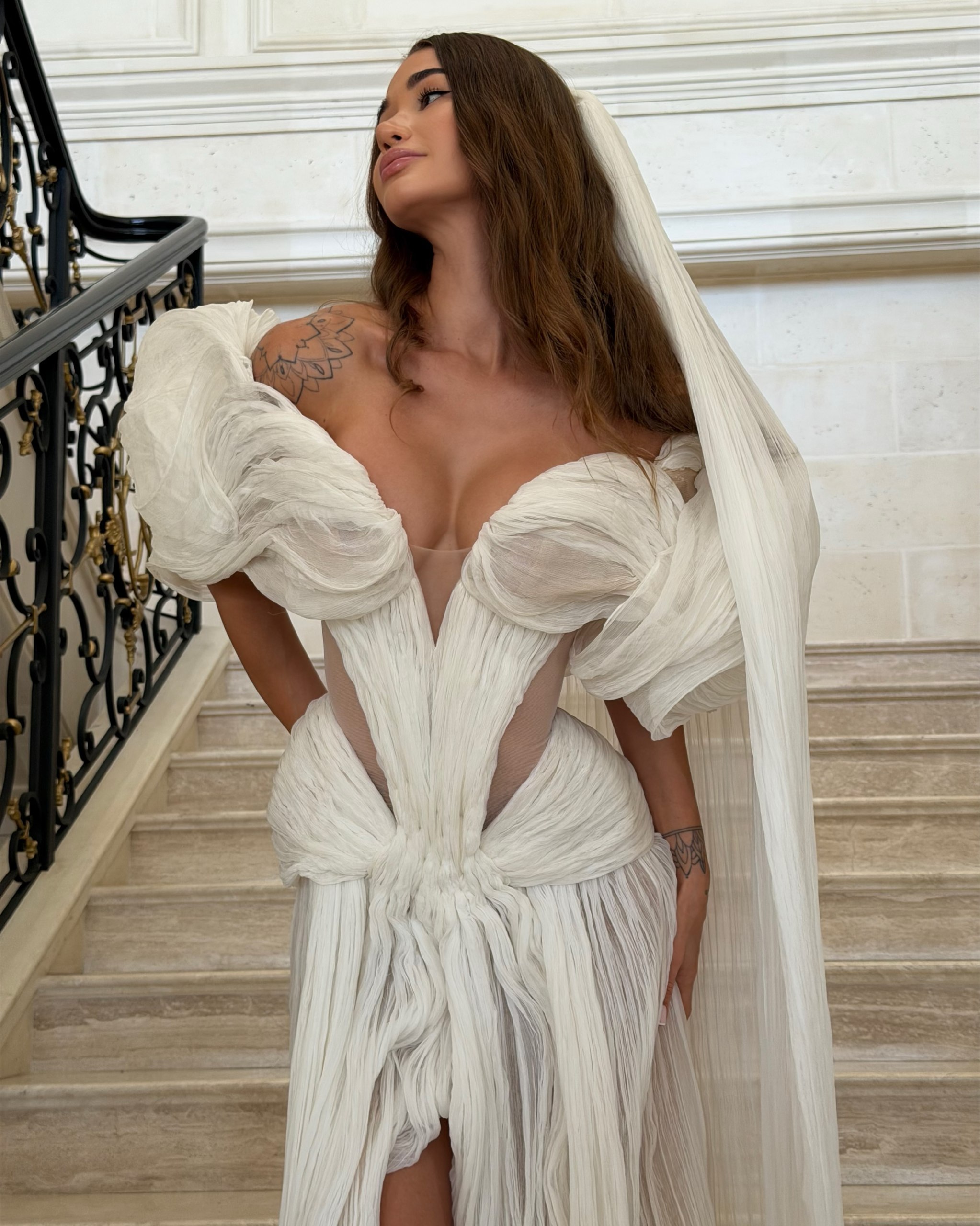
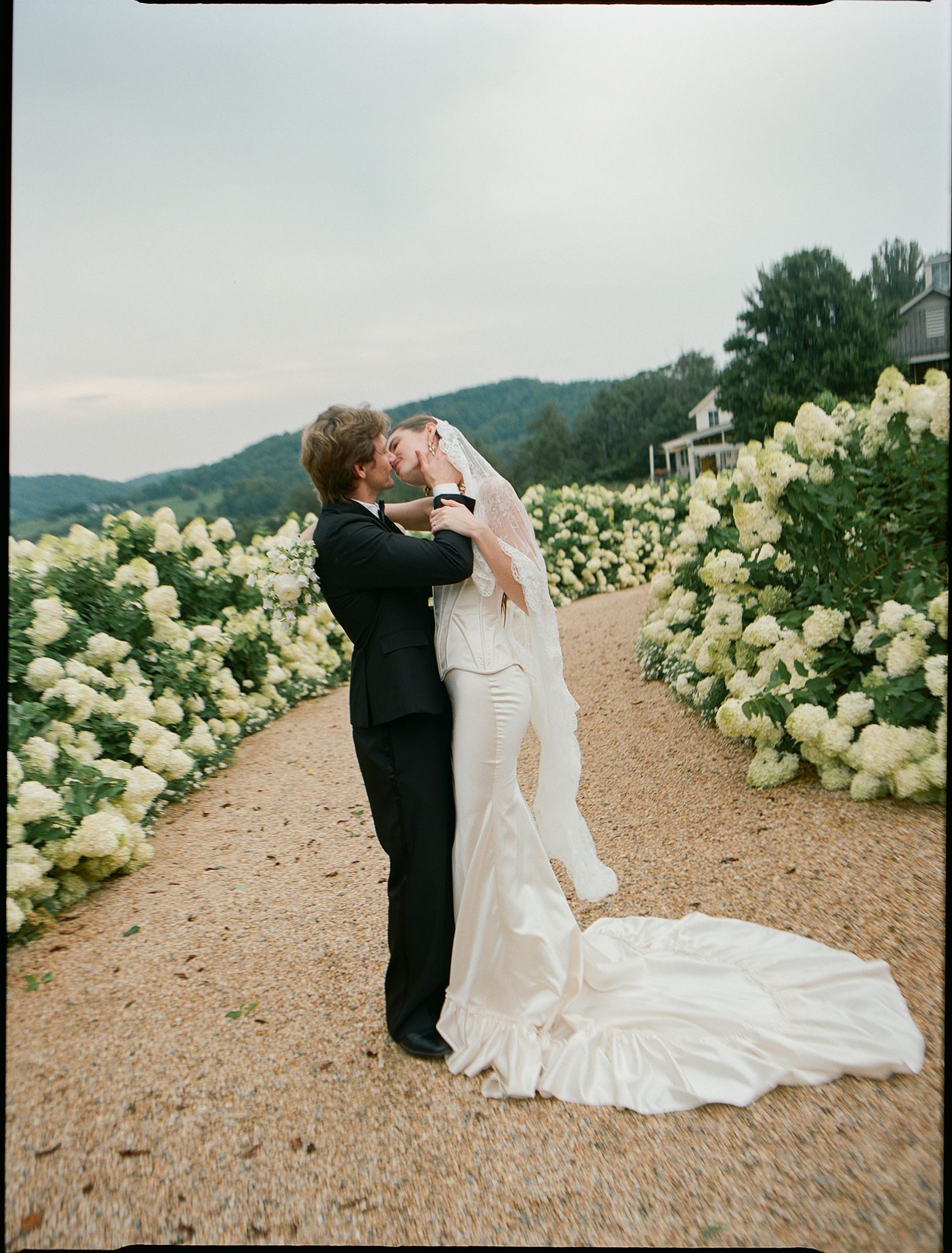
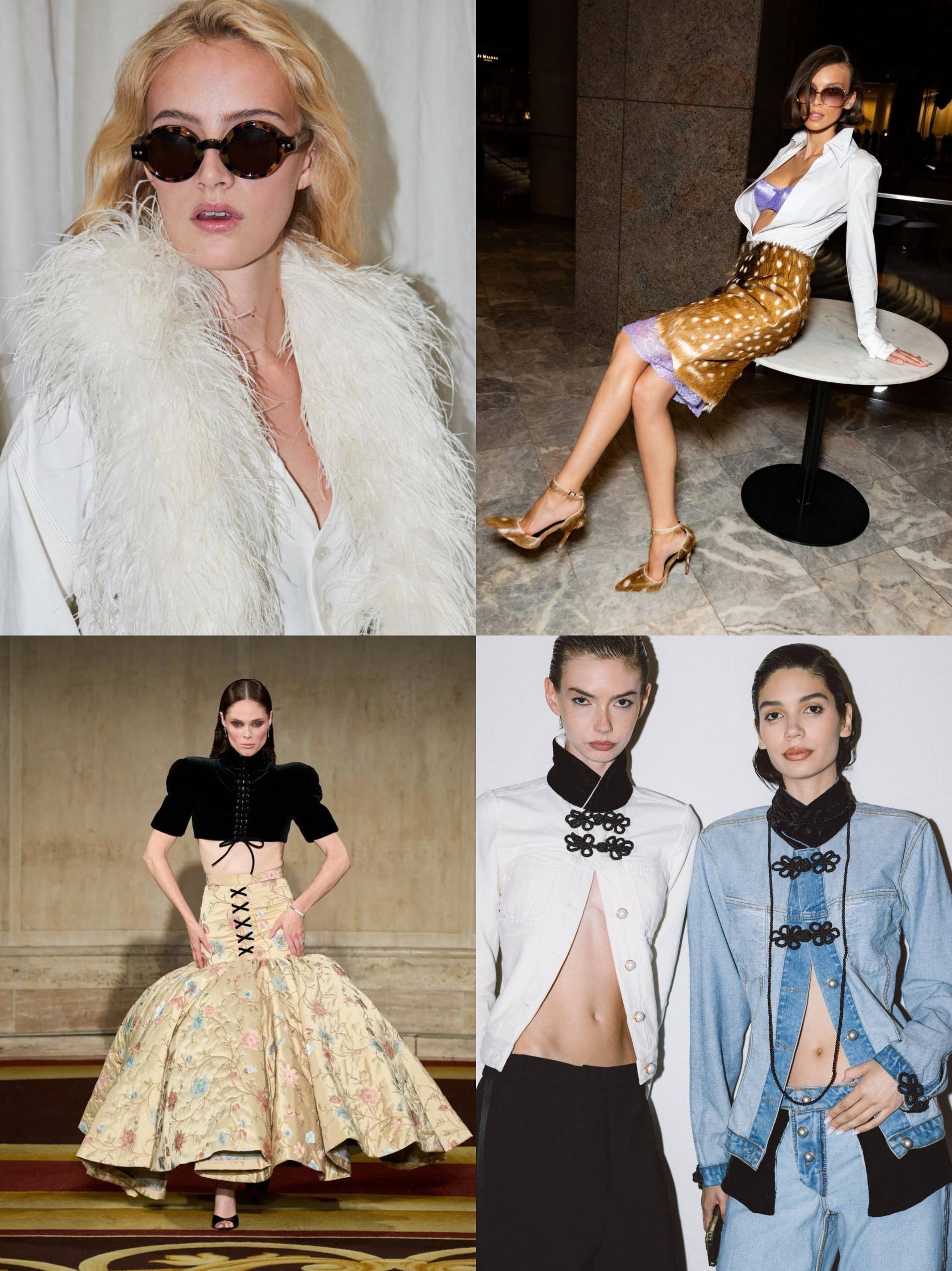
Danielle Frankel has become the go-to designer for brides who want something modern, and Alexandra Daddario and Alex Cooper both married in her gowns. Monique Lhuillier and Galia Lahav have had devoted followings for years. Vera Wang is a name most brides knew long before they got engaged, and a Vivienne Westwood corset gown never really goes out of style. Still, it pays to keep refreshing your own shortlist. We pulled together 25 wedding dress designers who deserve real attention, from Hanoi to London to New Orleans, working in deadstock textiles, hand corsetry, upcycled lace, and silhouettes cut for one specific bride rather than a full size run. Not every name here is new. Some of these houses have been quietly building a following for over a decade but have never broken into that small circle of names everyone recognizes. All of them are worth knowing before your next bridal appointment, not after.
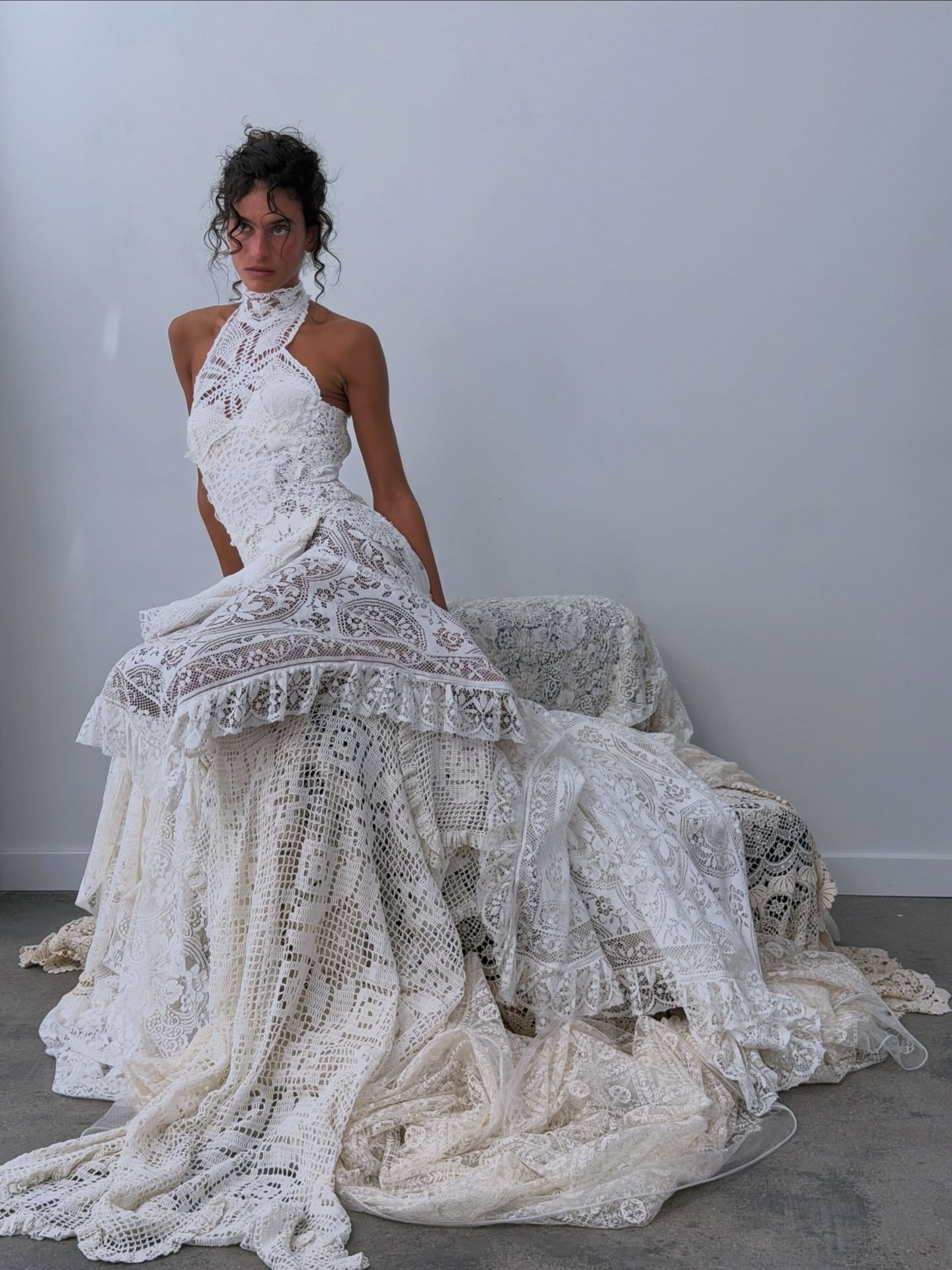
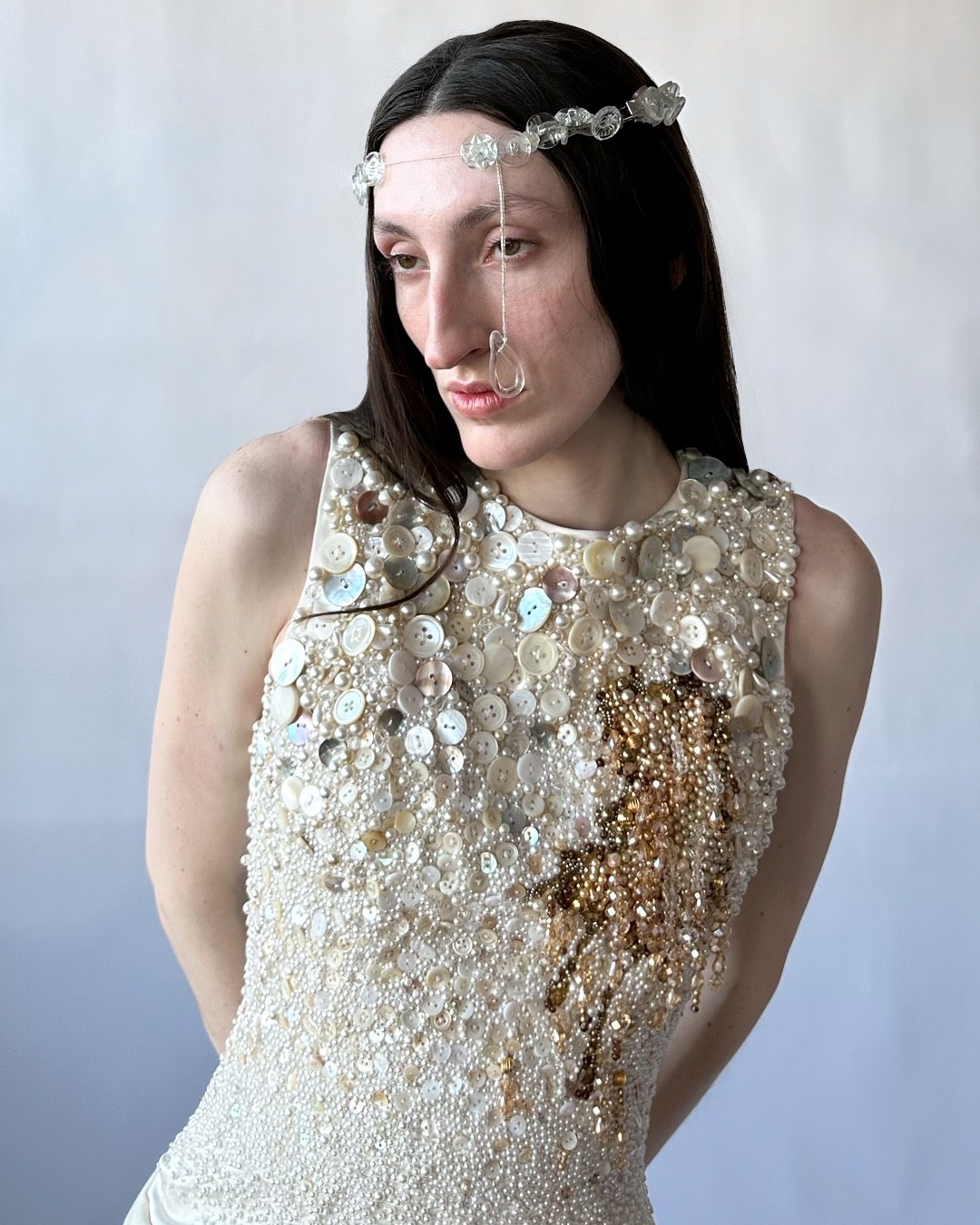
Danish designer Laura Tønder builds her Madrid-based label almost entirely from vintage textiles and deadstock fabric, a grandmother’s hand-embroidered napkin might end up as the front panel of a gown, a scrap of antique crochet folded into a skirt. Pieces come through custom commissions or occasional drops that tend to sell out within hours, and since the fabric supply shifts constantly, no two Kettle Atelier dresses are ever quite the same.
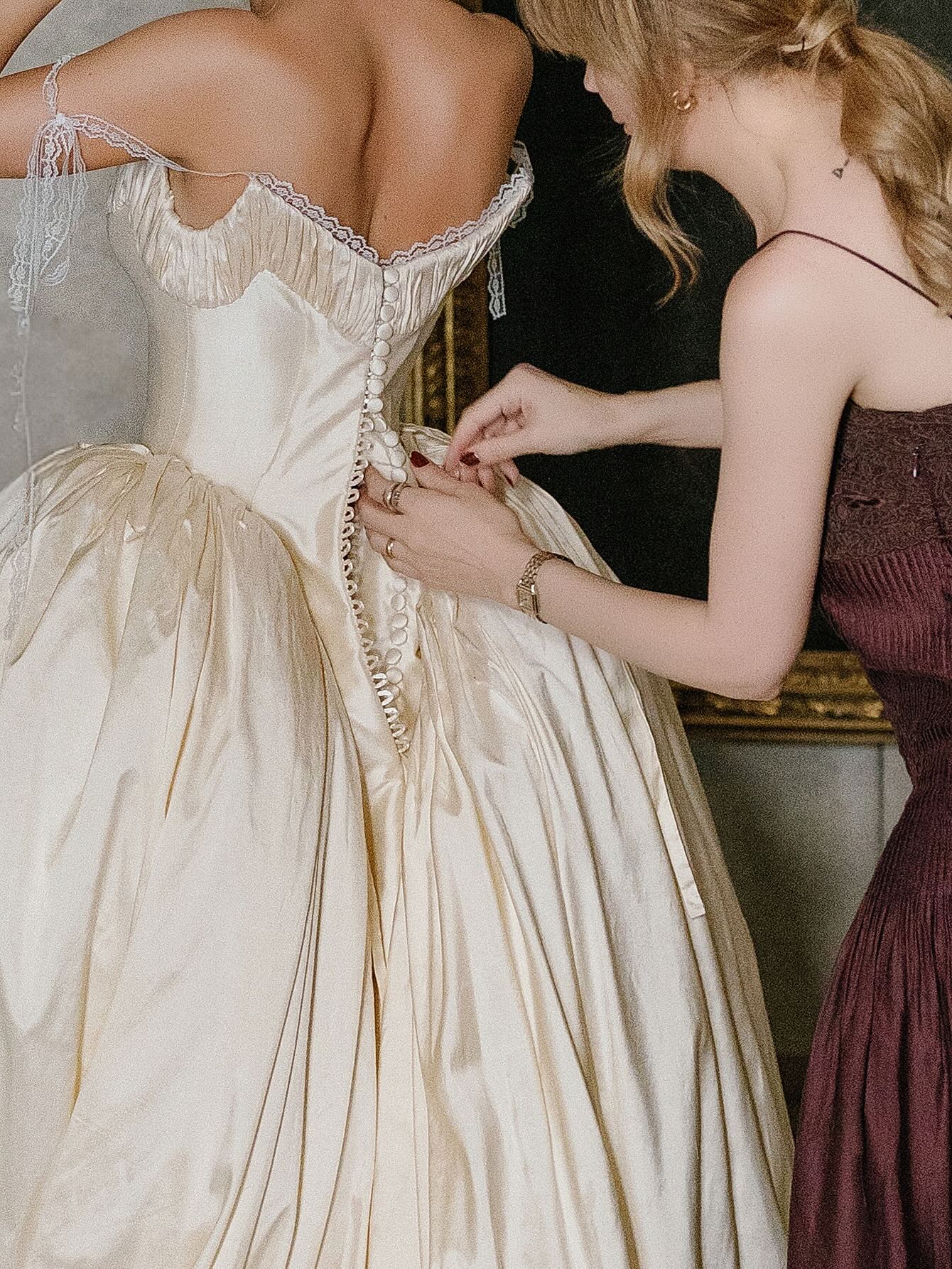
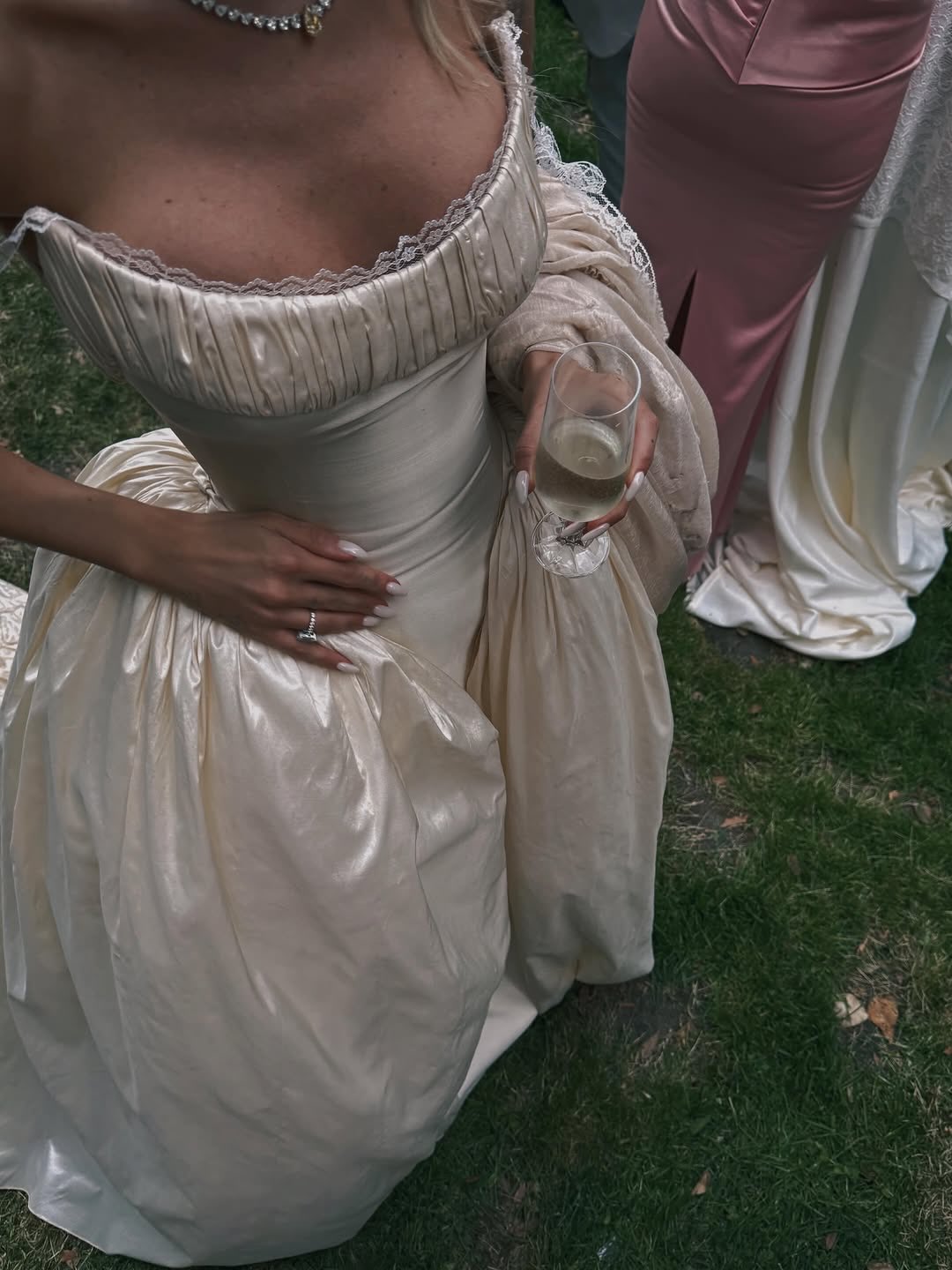
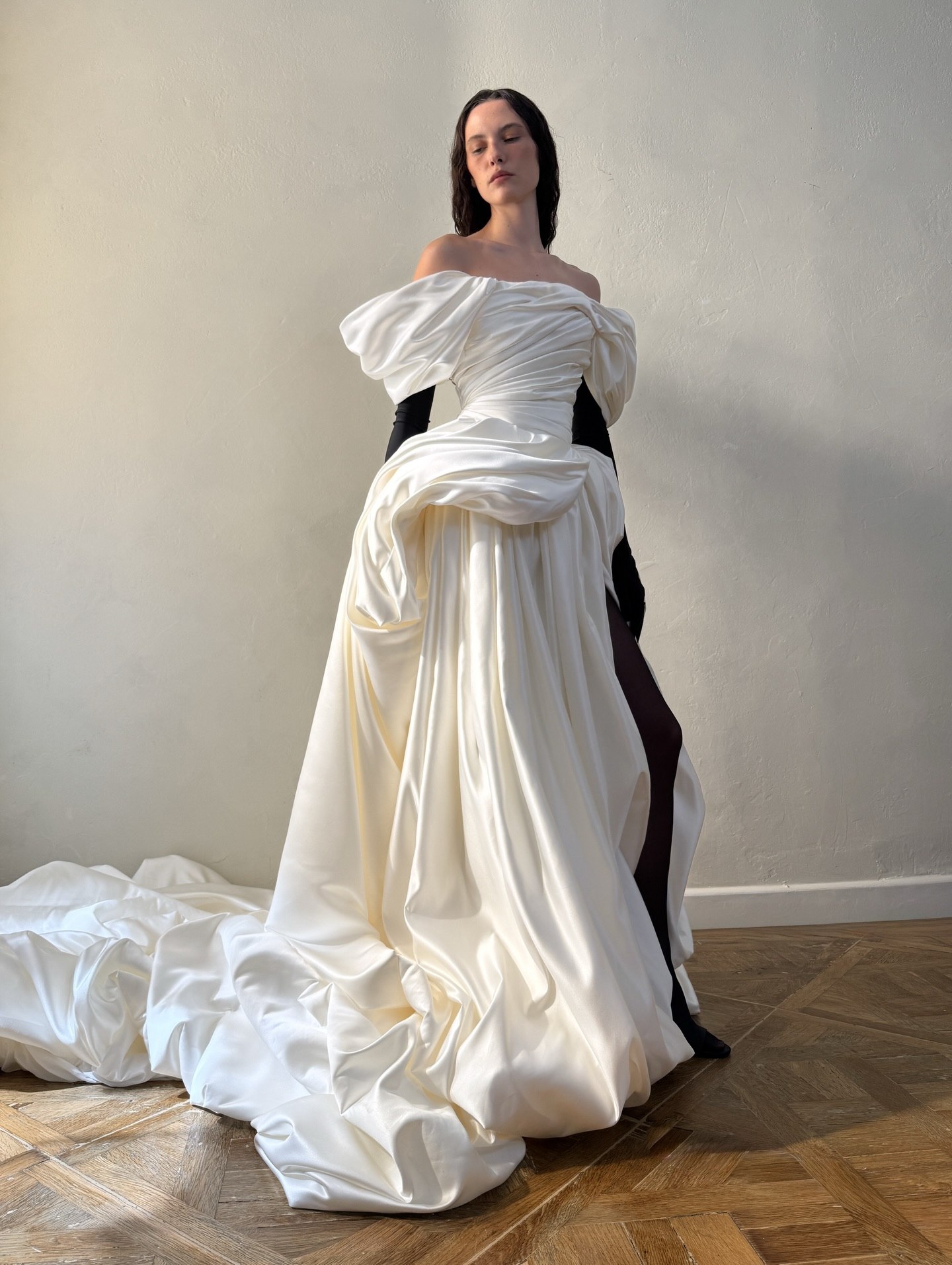
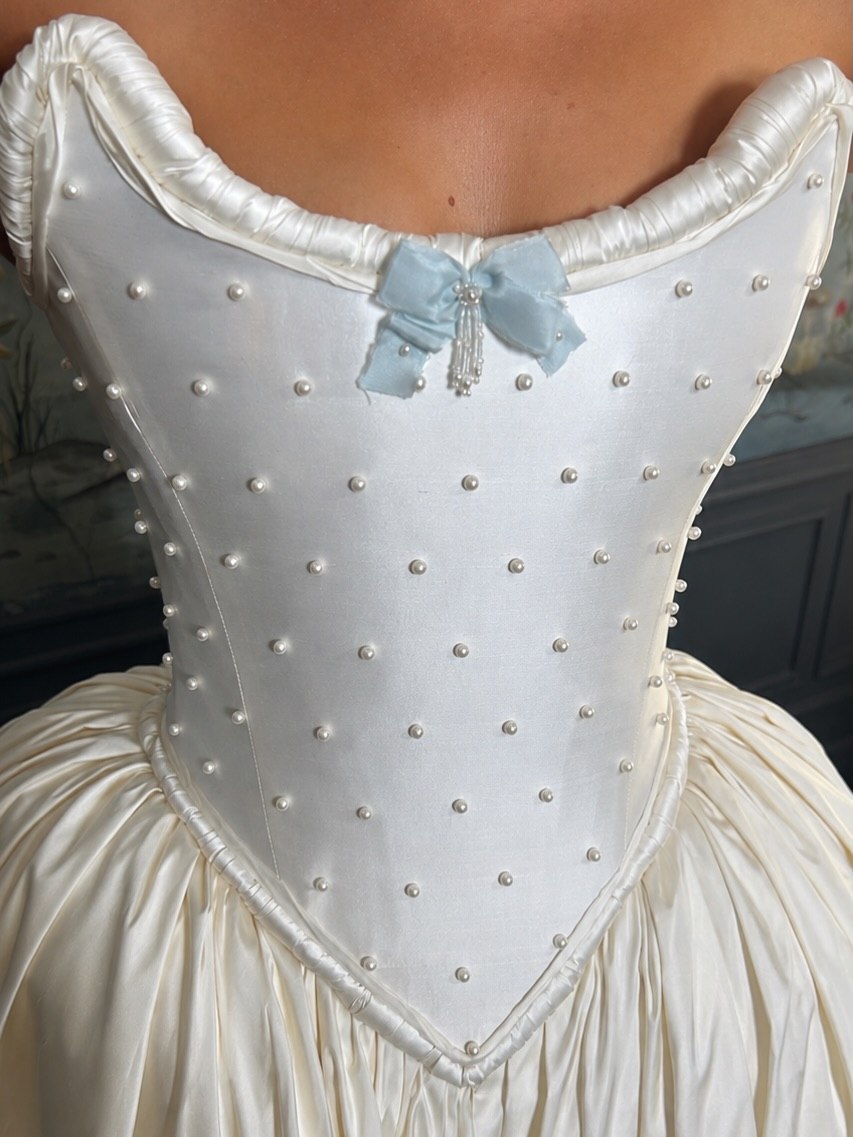
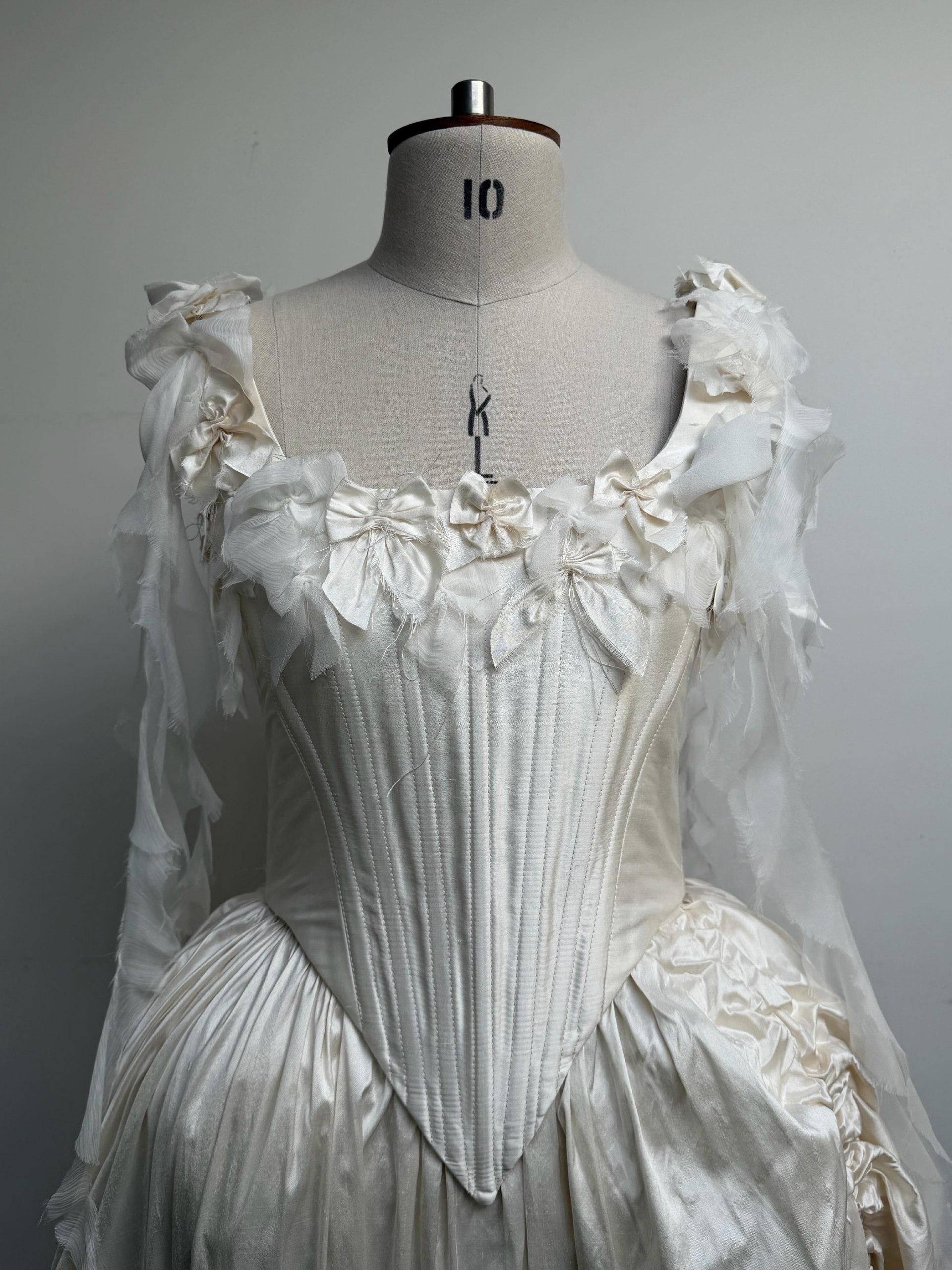
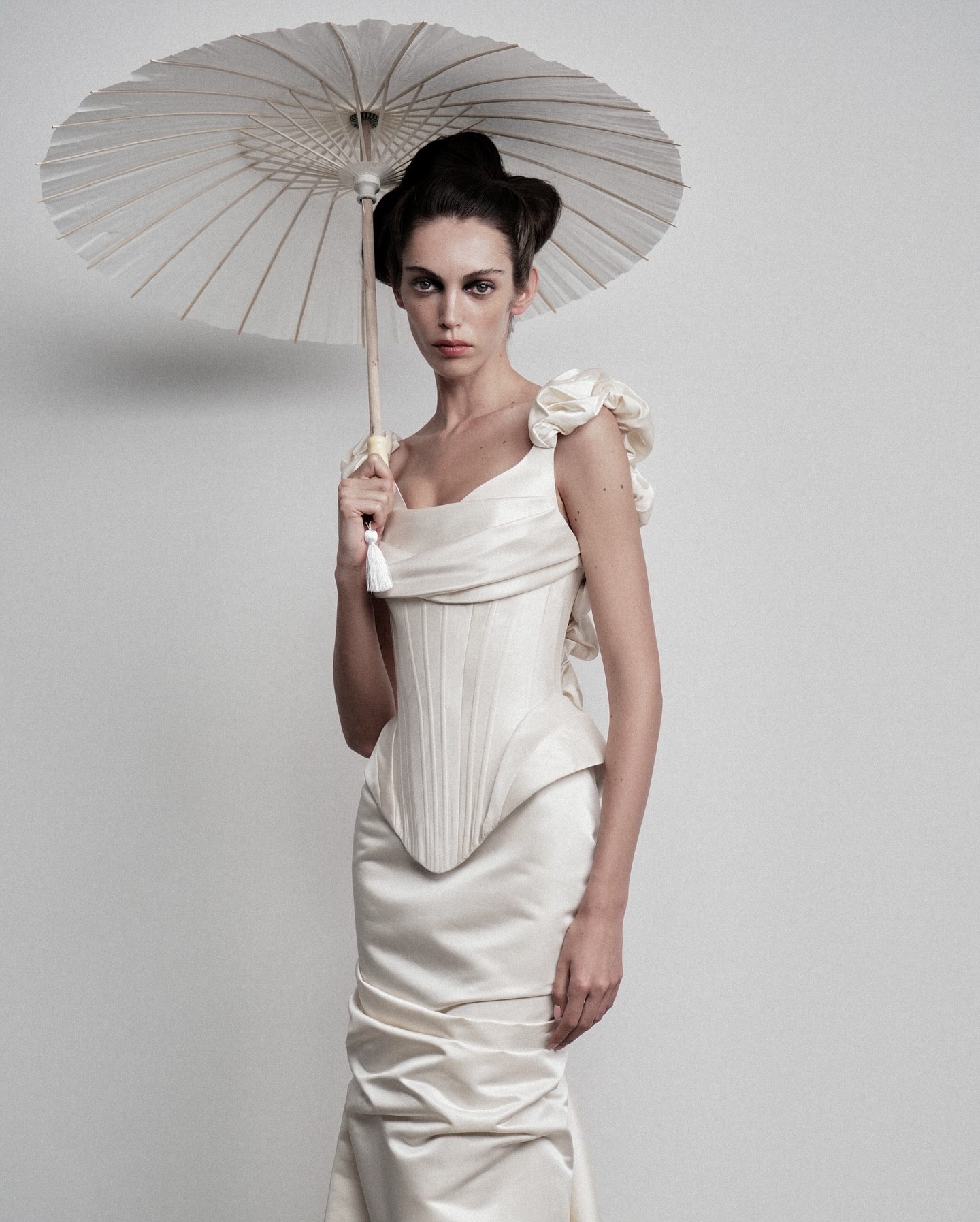
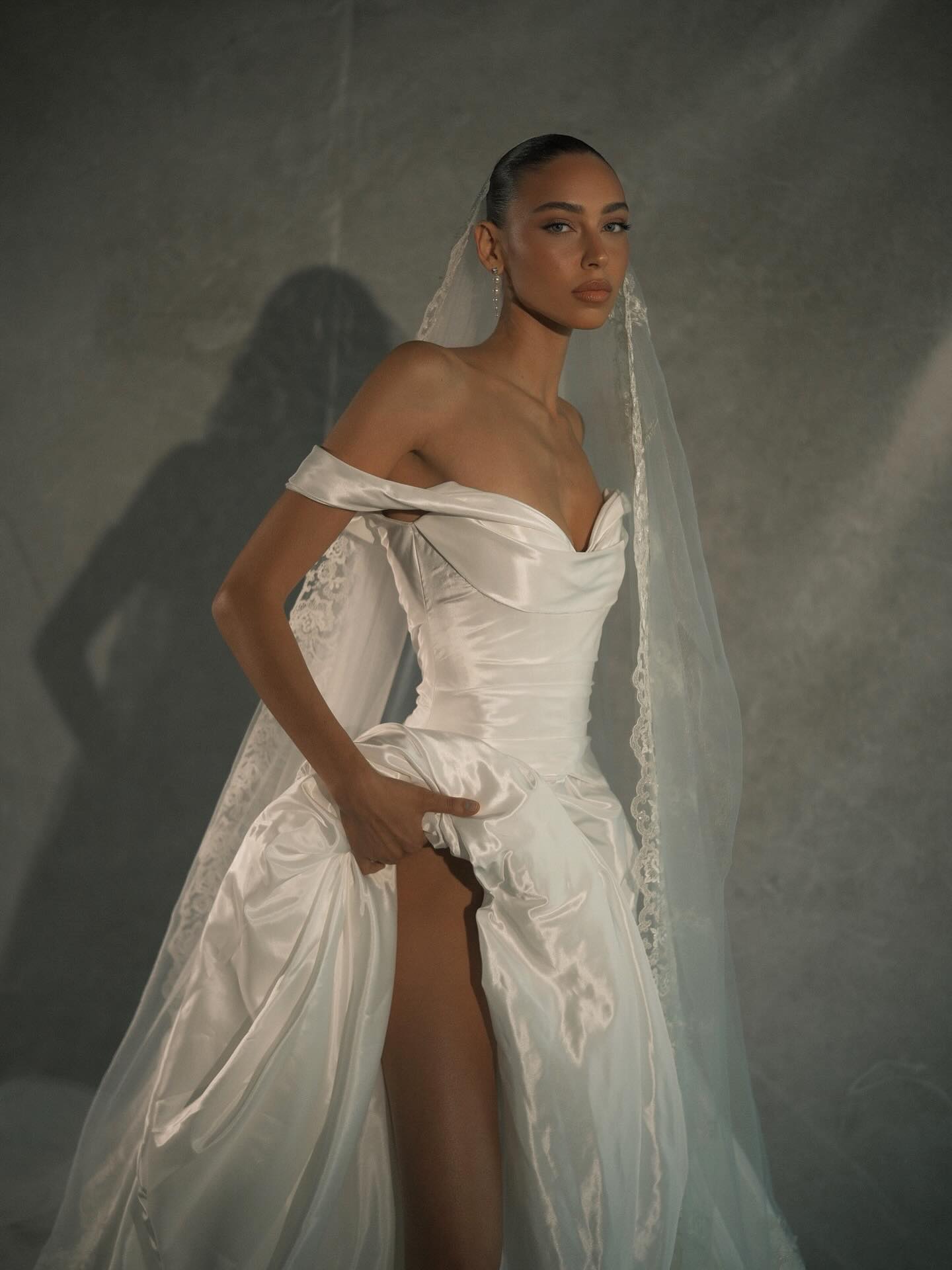
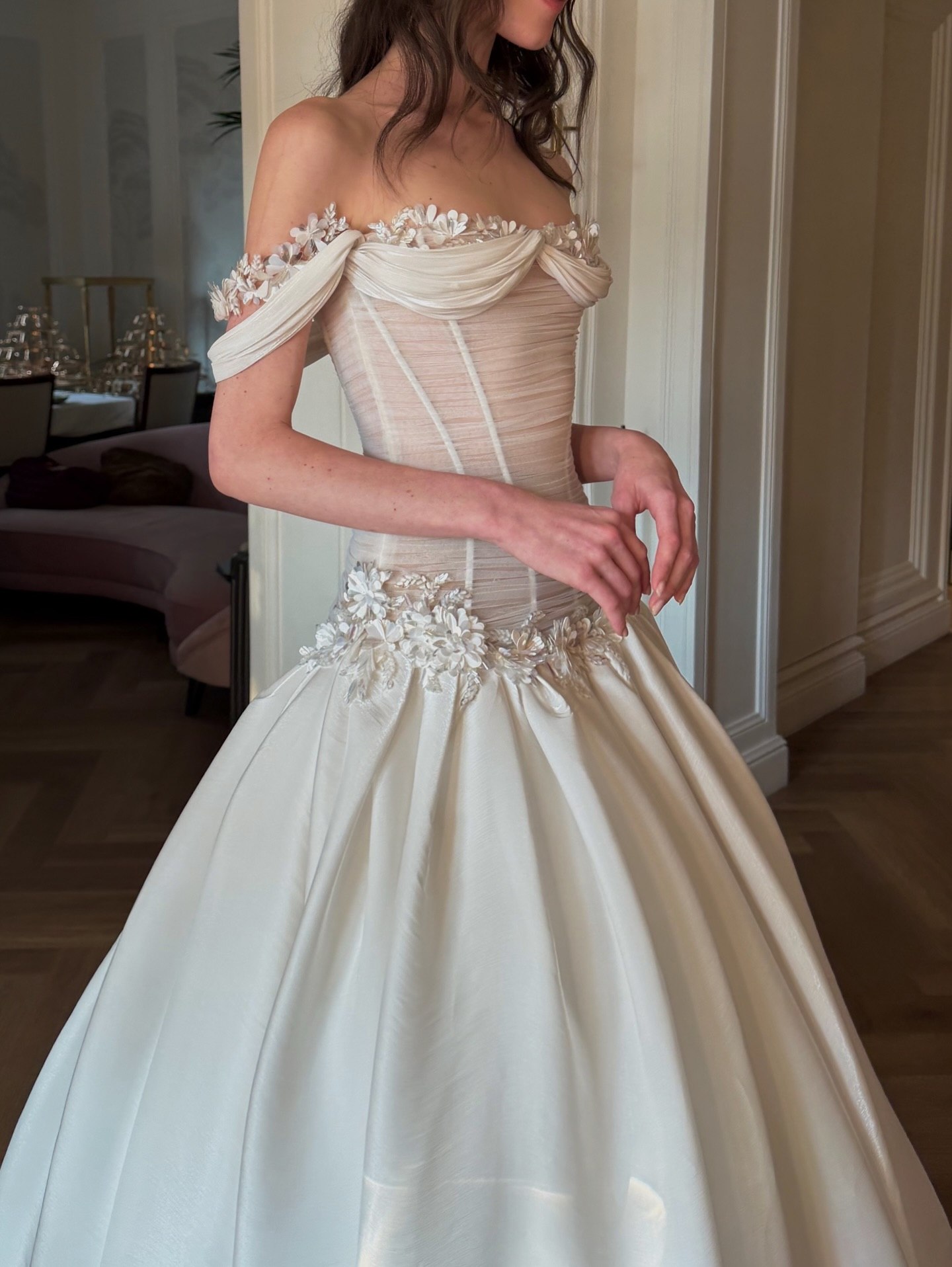
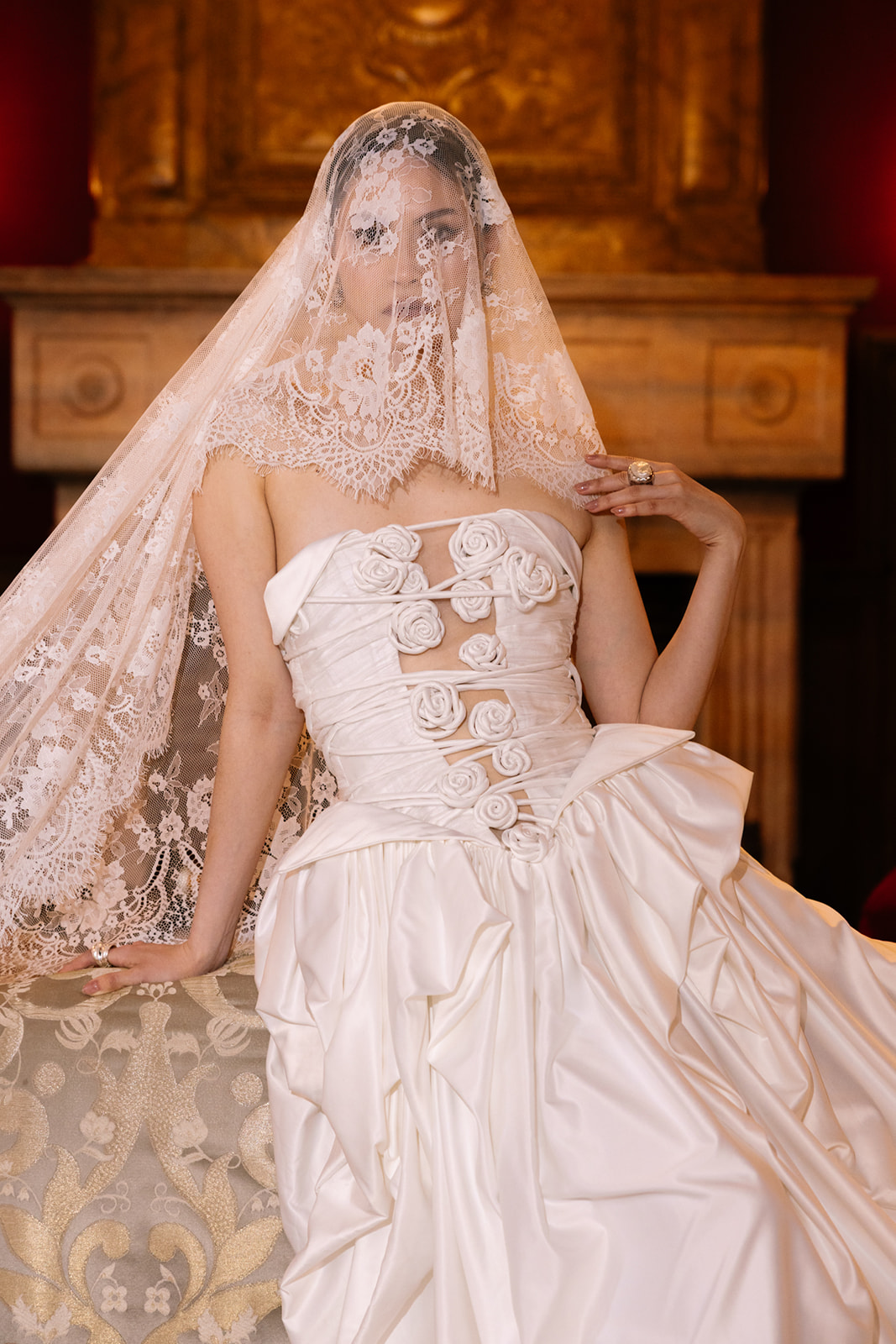
This Turkish couturier has built an international following on architectural corsetry and vintage-inspired romance, drawing on history, art, and the natural world rather than chasing seasonal trends. Her latest collection, L’Âme de Versailles, leans into Rococo splendor and Victorian structure, all corsetry and voluminous silk taffeta skirts. Zuleyha Kuru has dressed real brides for weddings as dramatic as Rome and the pyramids of Giza.
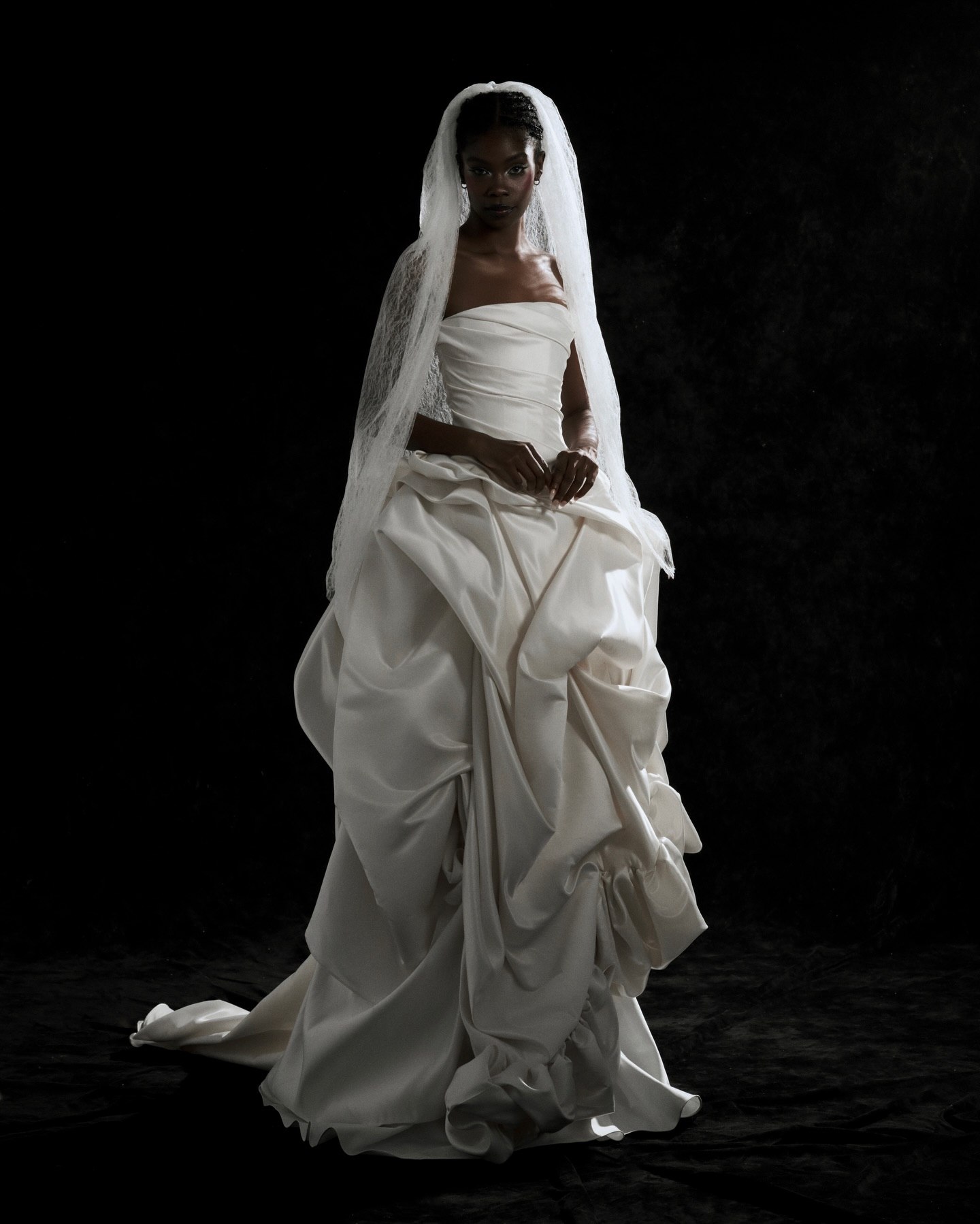
Lela Orr designs and makes every Ferrah piece in New Orleans, building each collection around an entire imagined world, drawn from literature, music, and the city’s own layered atmosphere, before it ever becomes a dress. The result reads cinematic rather than simply pretty, with sculptural, zero-waste silhouettes that favor mood and storytelling over anything trend-driven.
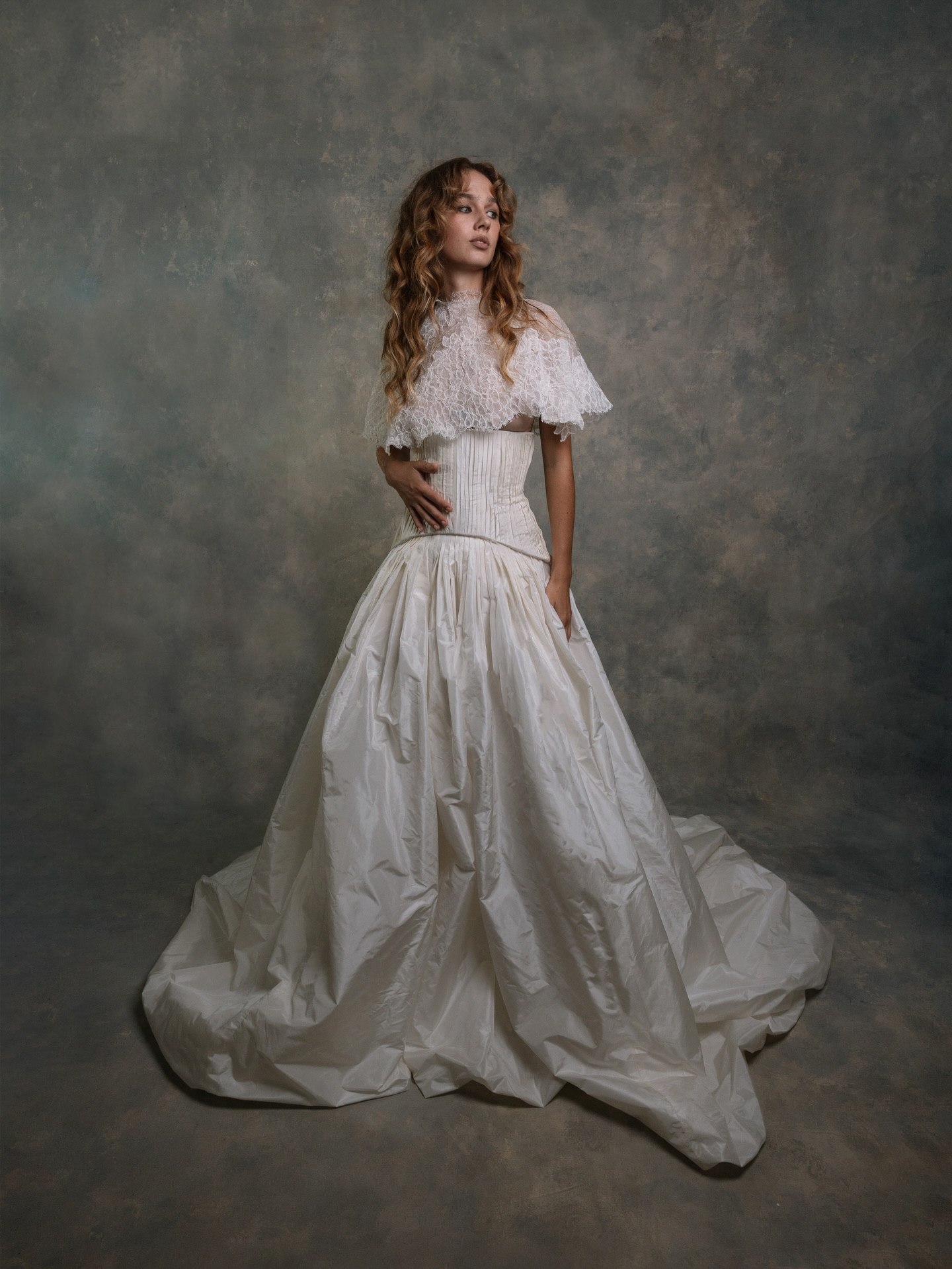
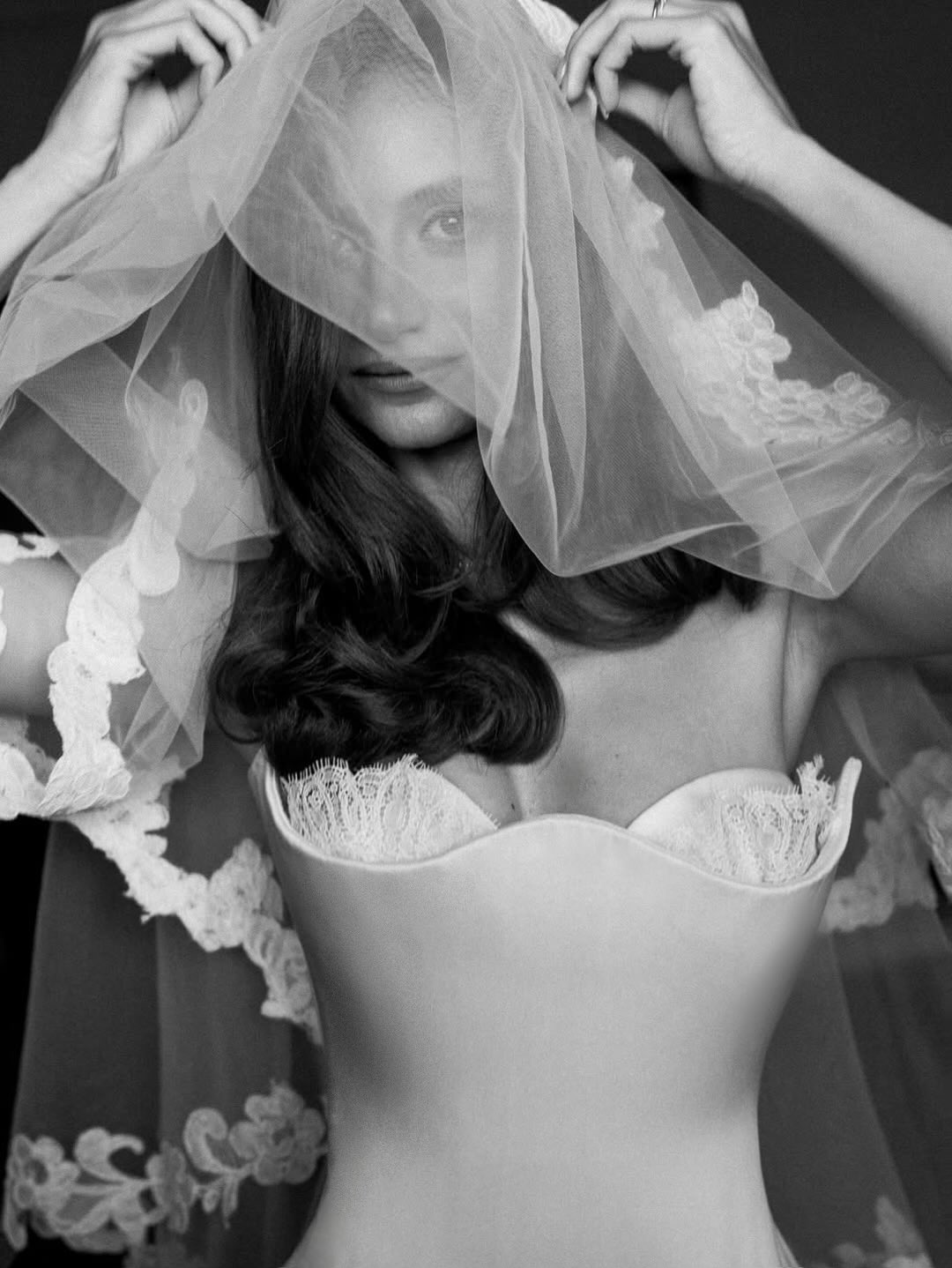
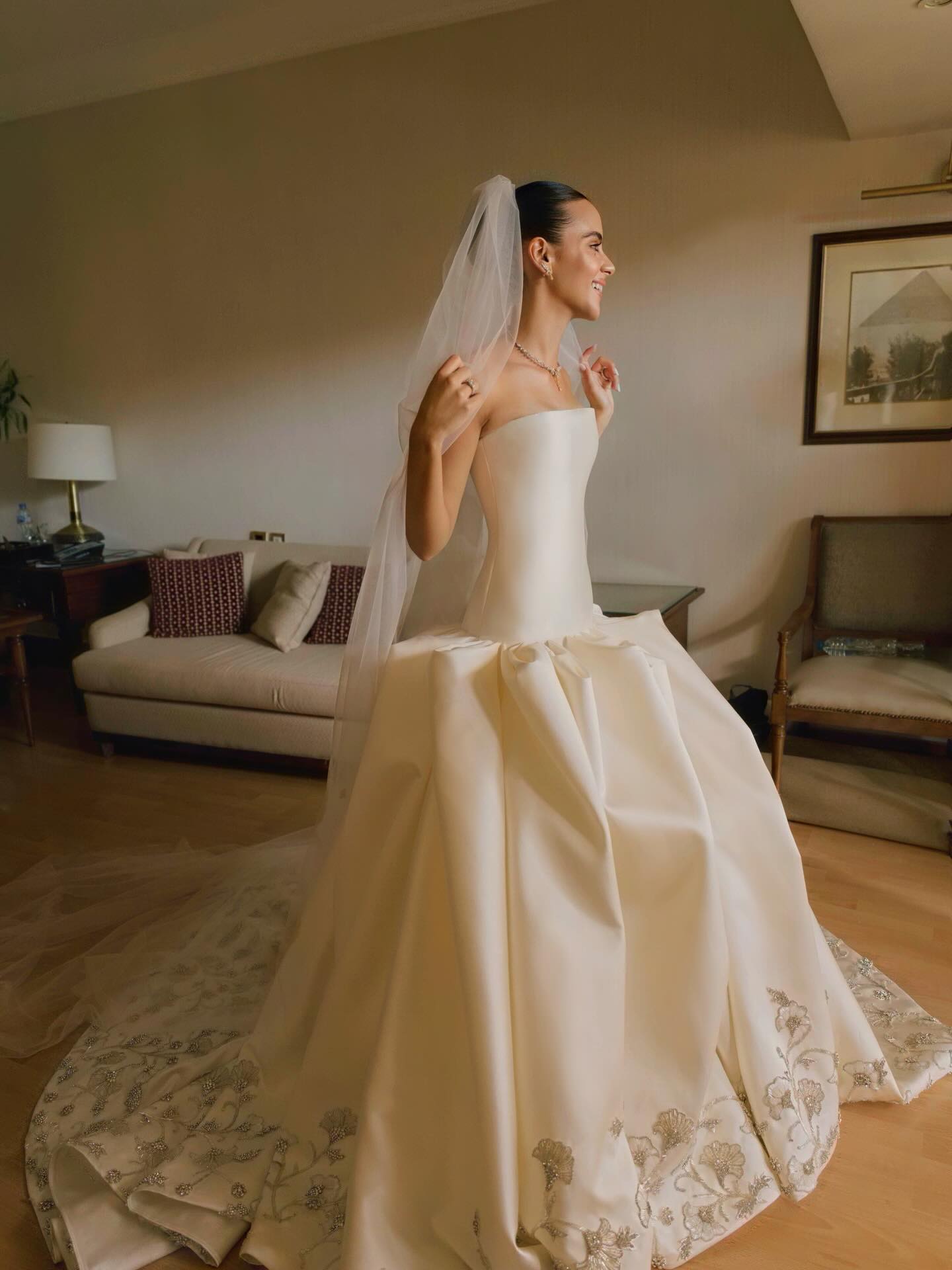
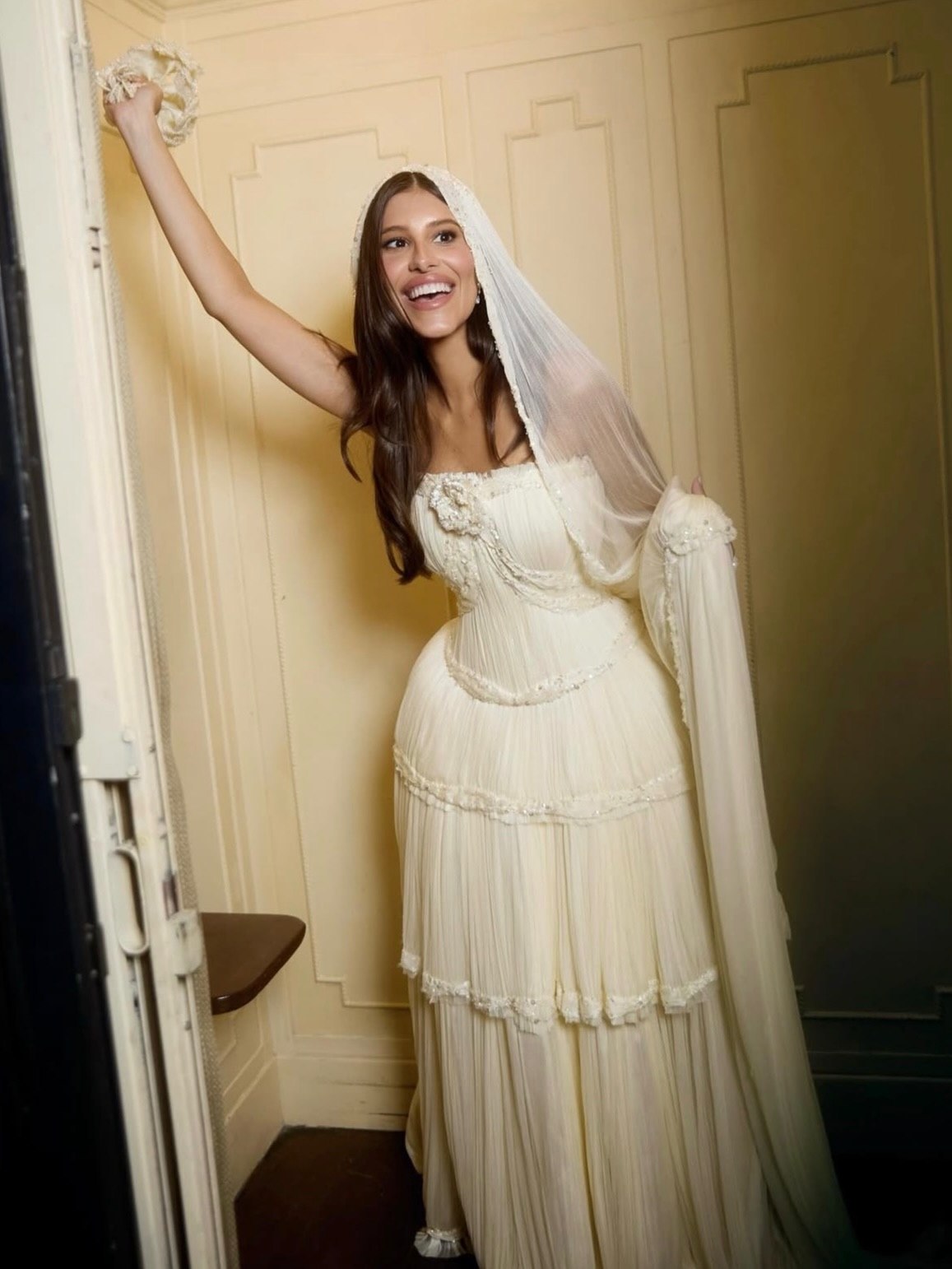
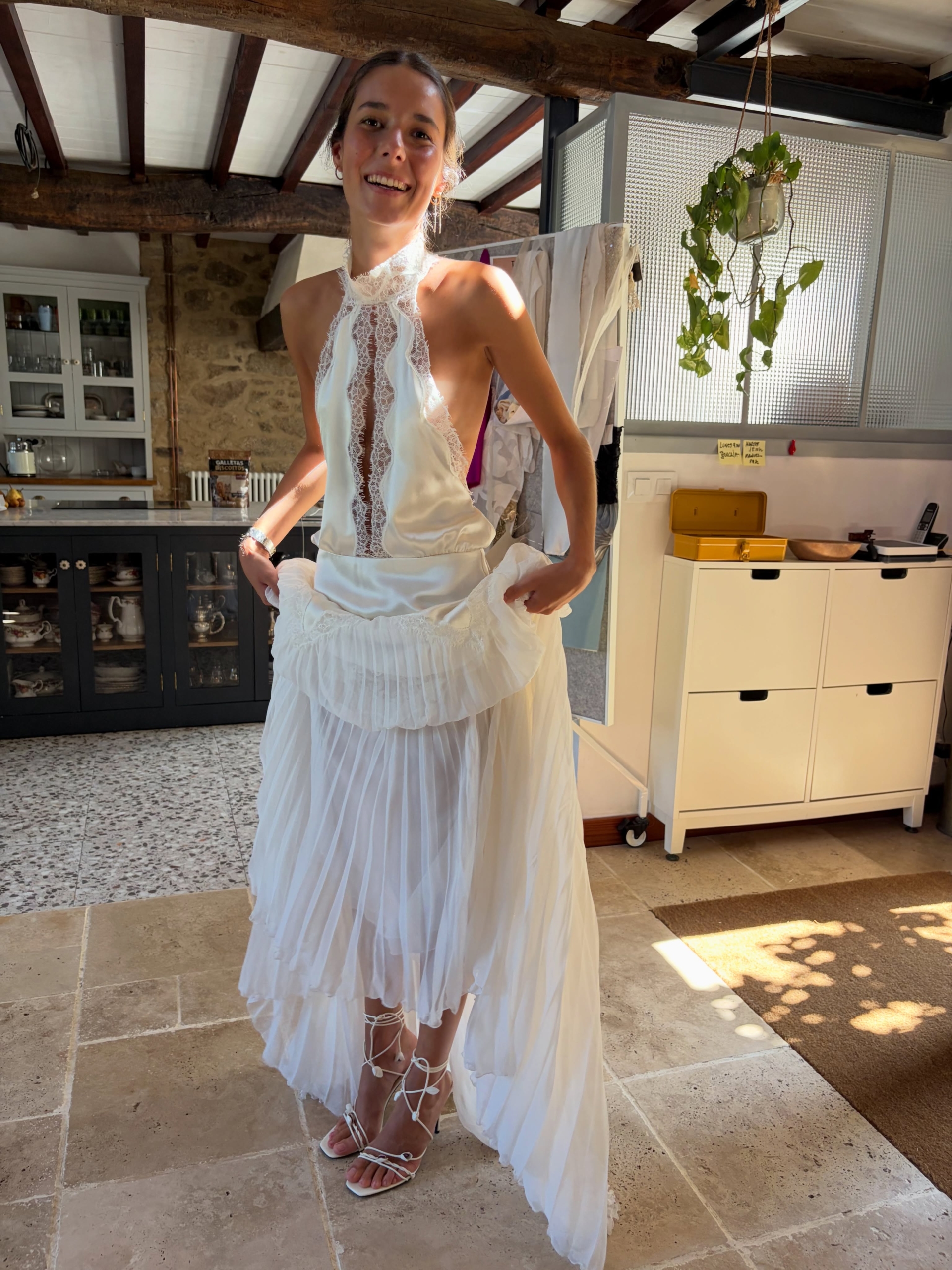
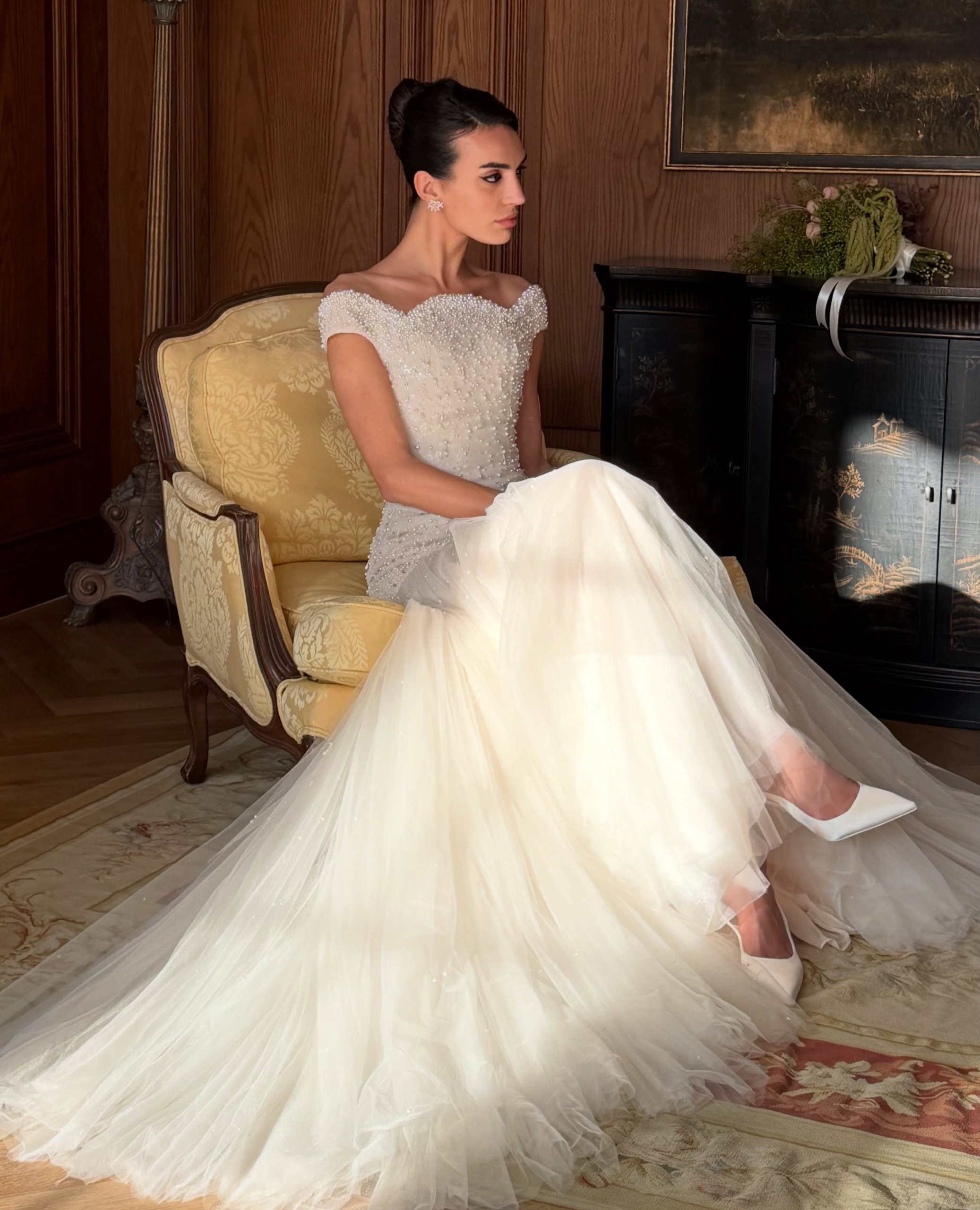
Salma Osman launched her namesake label fresh out of university, working alongside her mother, an early partner and lifelong inspiration, and started out designing feminine and chic eveningwear before shifting into bridal, drawn to the weight and intimacy of the moment itself. The house that’s grown since 2016 balances the mother’s classic elegance with the daughter’s more contemporary eye, known for delicate hand-pleating, layered textures, and dramatic veils that frame each bride like a portrait. Osman takes on a deliberately limited number of bespoke commissions each month, with every gown handcrafted in Egypt, allowing enough time actually to earn that reaction.
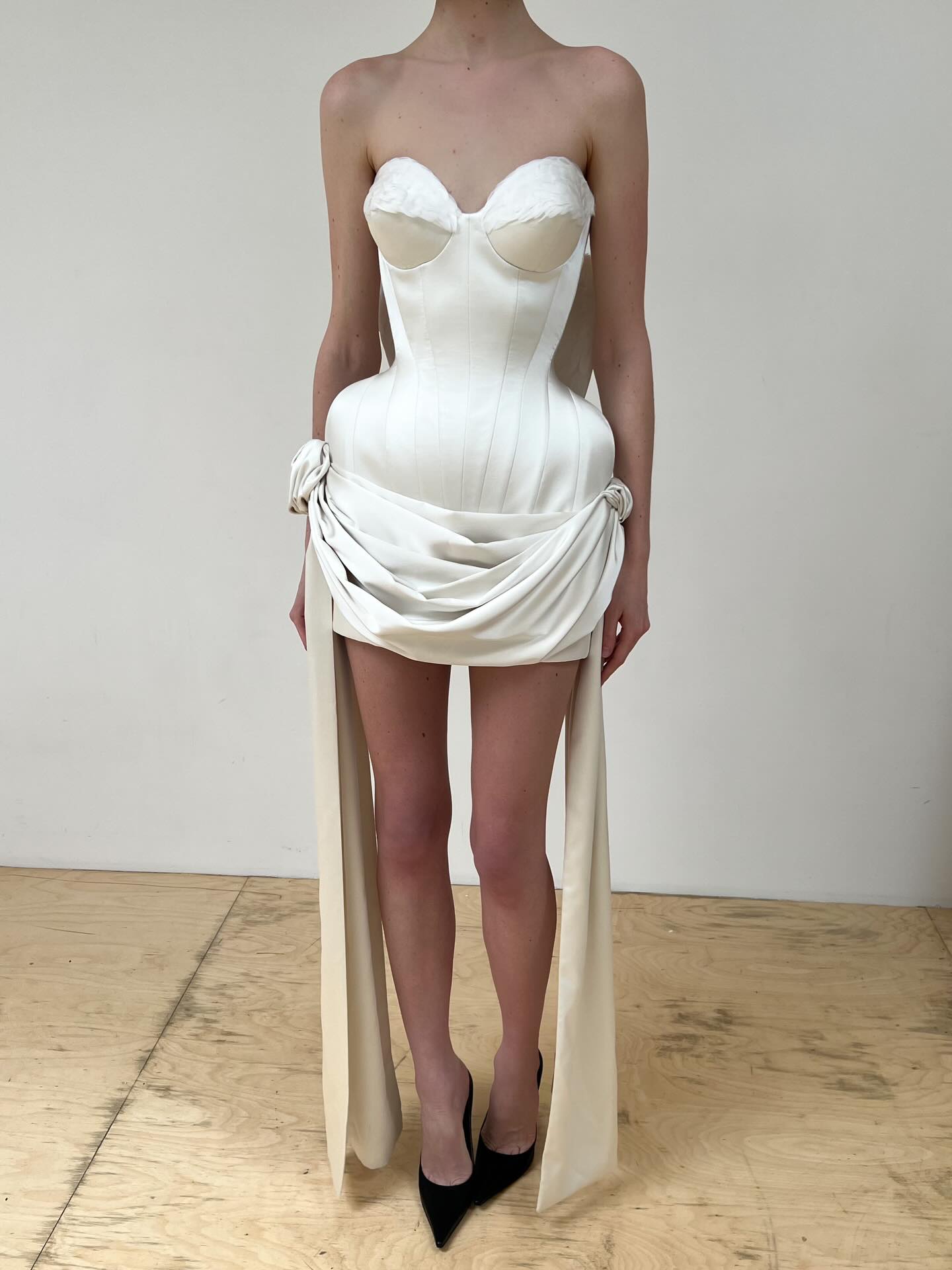
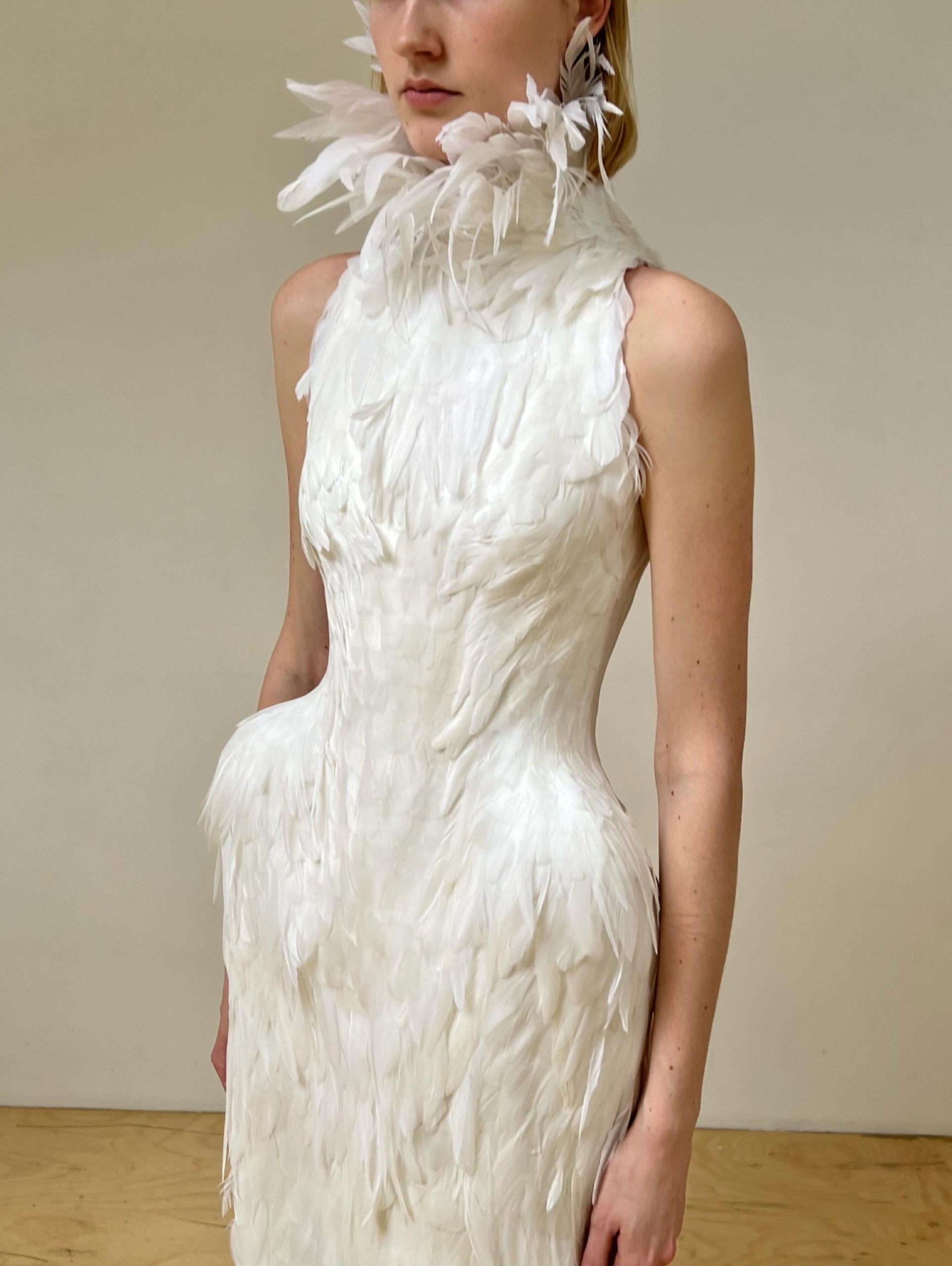
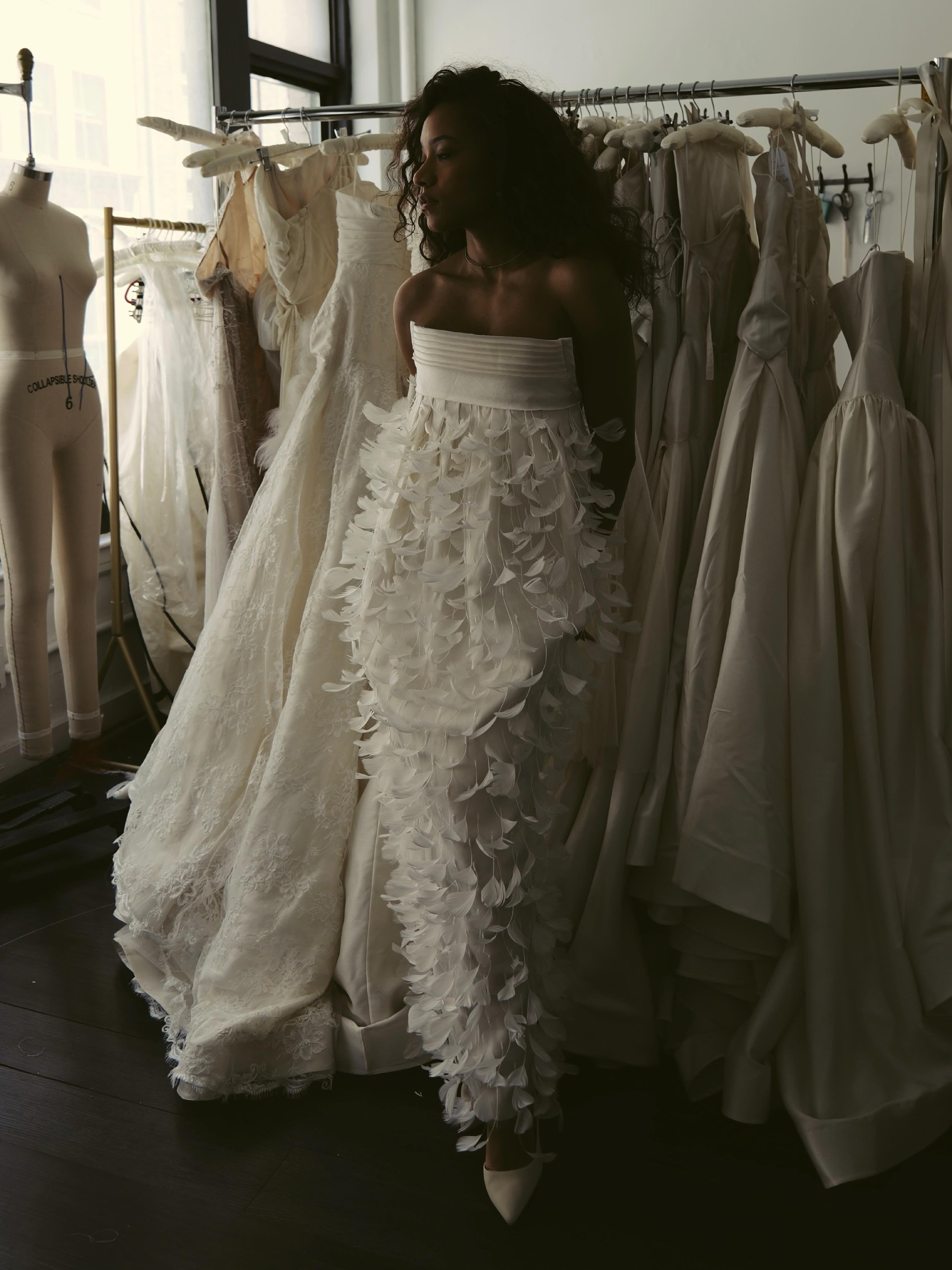
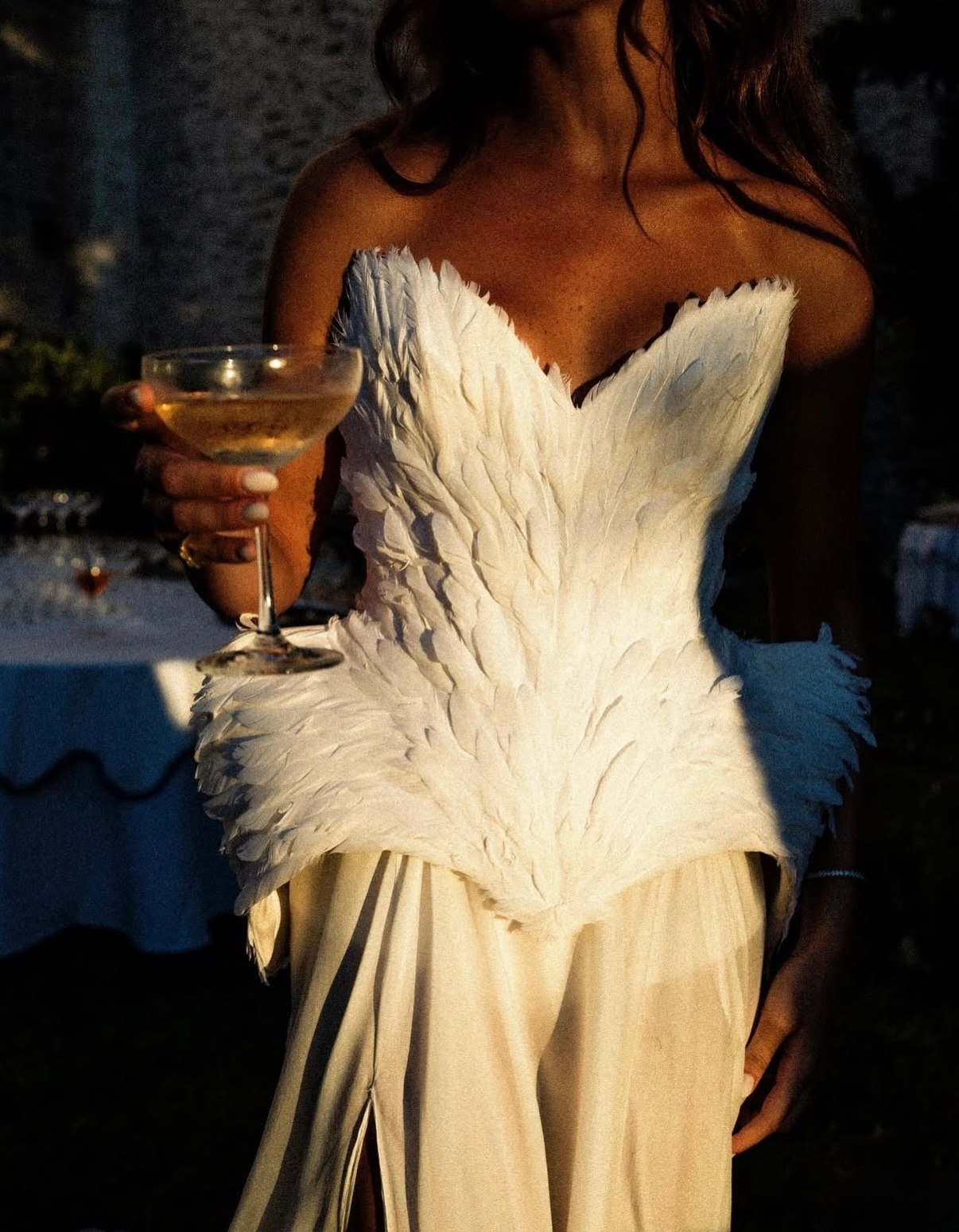
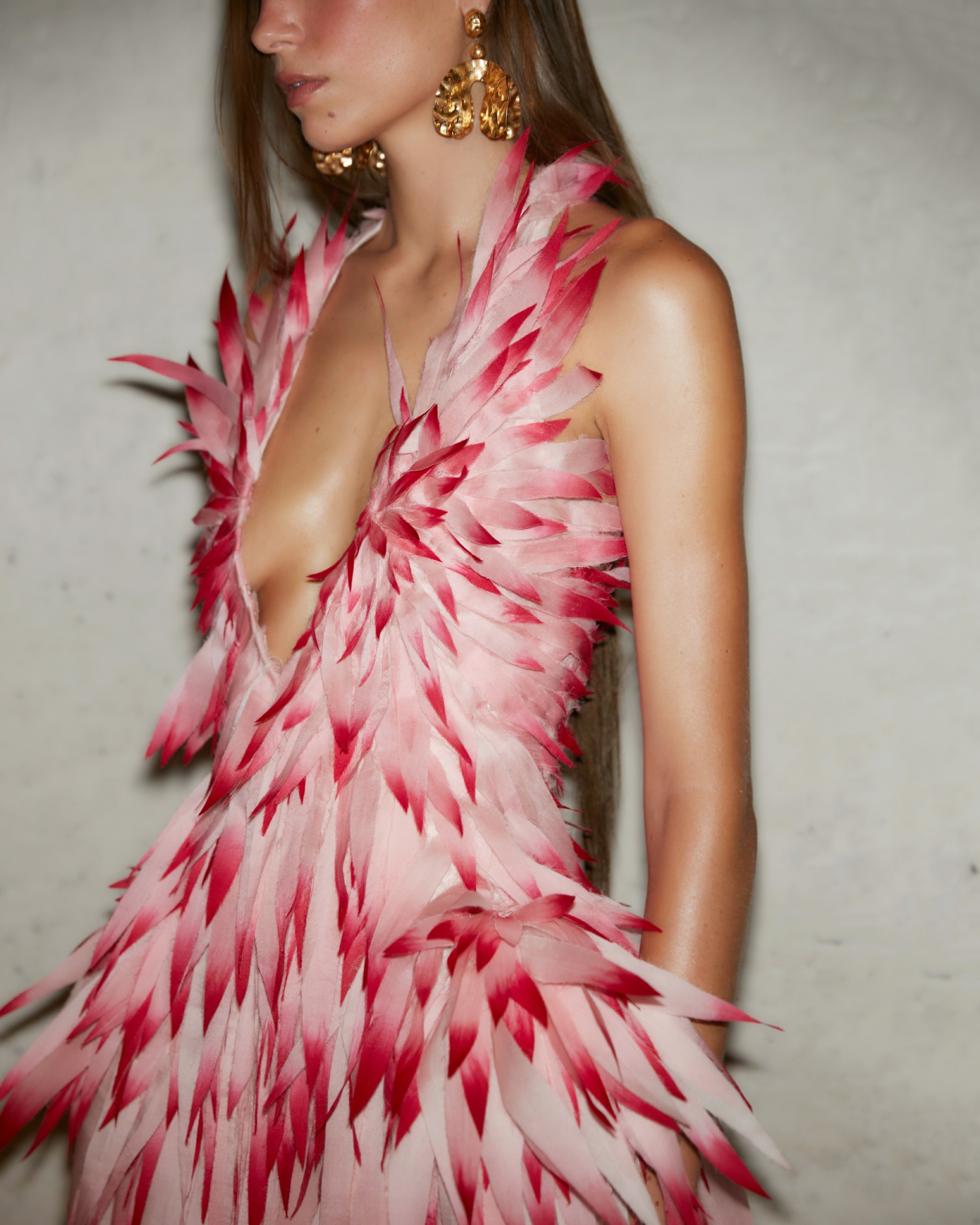
Ilya Migmoon is an emerging fashion design and the son of two ballet dancers, his mother performed at the Bolshoi and Mariinsky, and he grew up surrounded by feathered costumes, the black and white swan a lasting reference. His breakthrough came in 2025 with a swan-inspired gown for Cardi B, discovered by her stylists for a Paper Magazine shoot, followed by work for Rosalía and Joey King. Migmoon works outside the traditional fashion system, no seasonal collections, no runways, building a career through one-off exclusive looks instead. Corsets, sculptural hip-volume skirts, plenty of white, and wings worked into nearly every design, sometimes a back piece or a mask, draw constant comparisons to Alexander McQueen. As he’s put it, wings are about fate: something you can fly with, fall on, or lose.
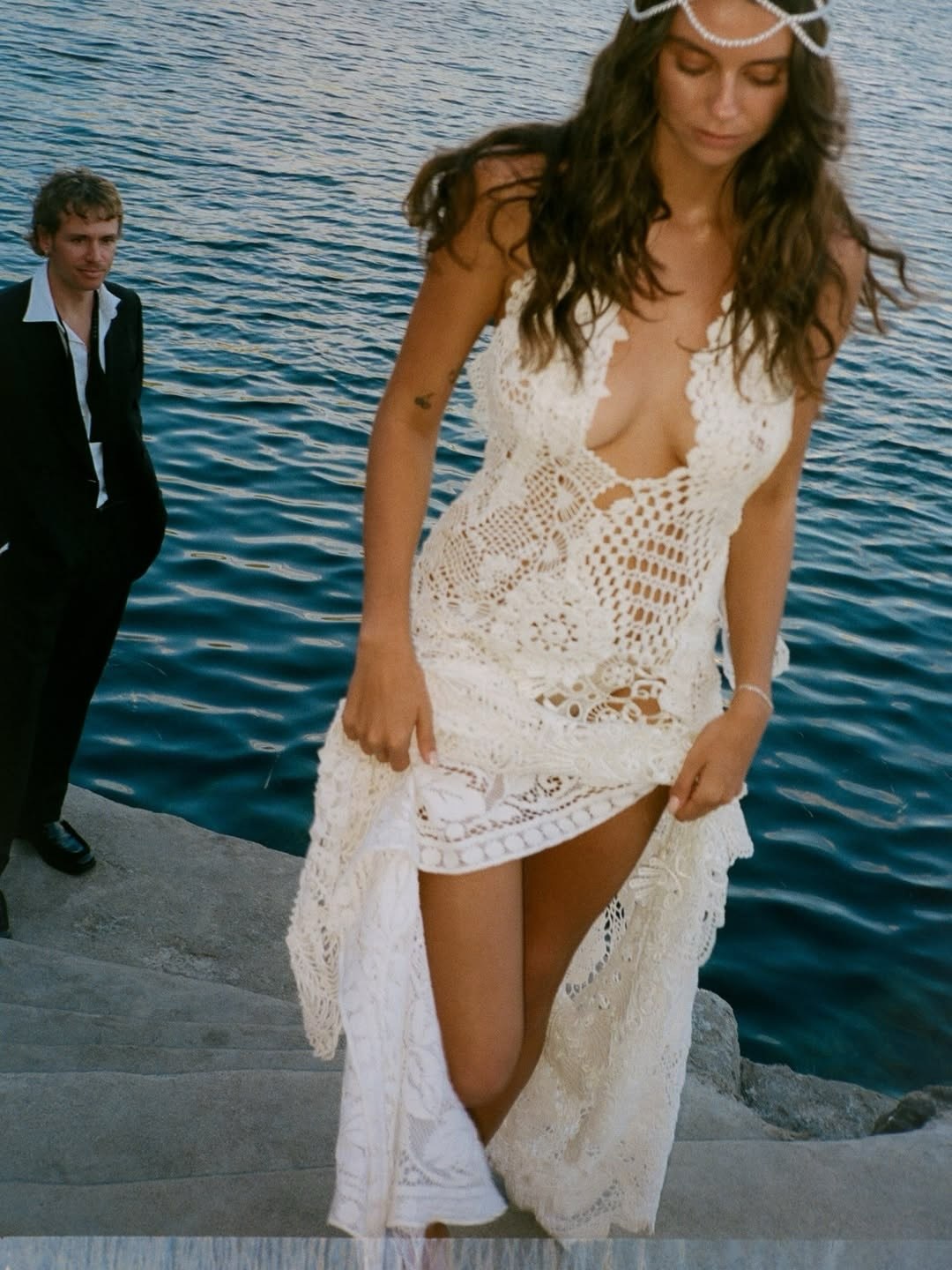
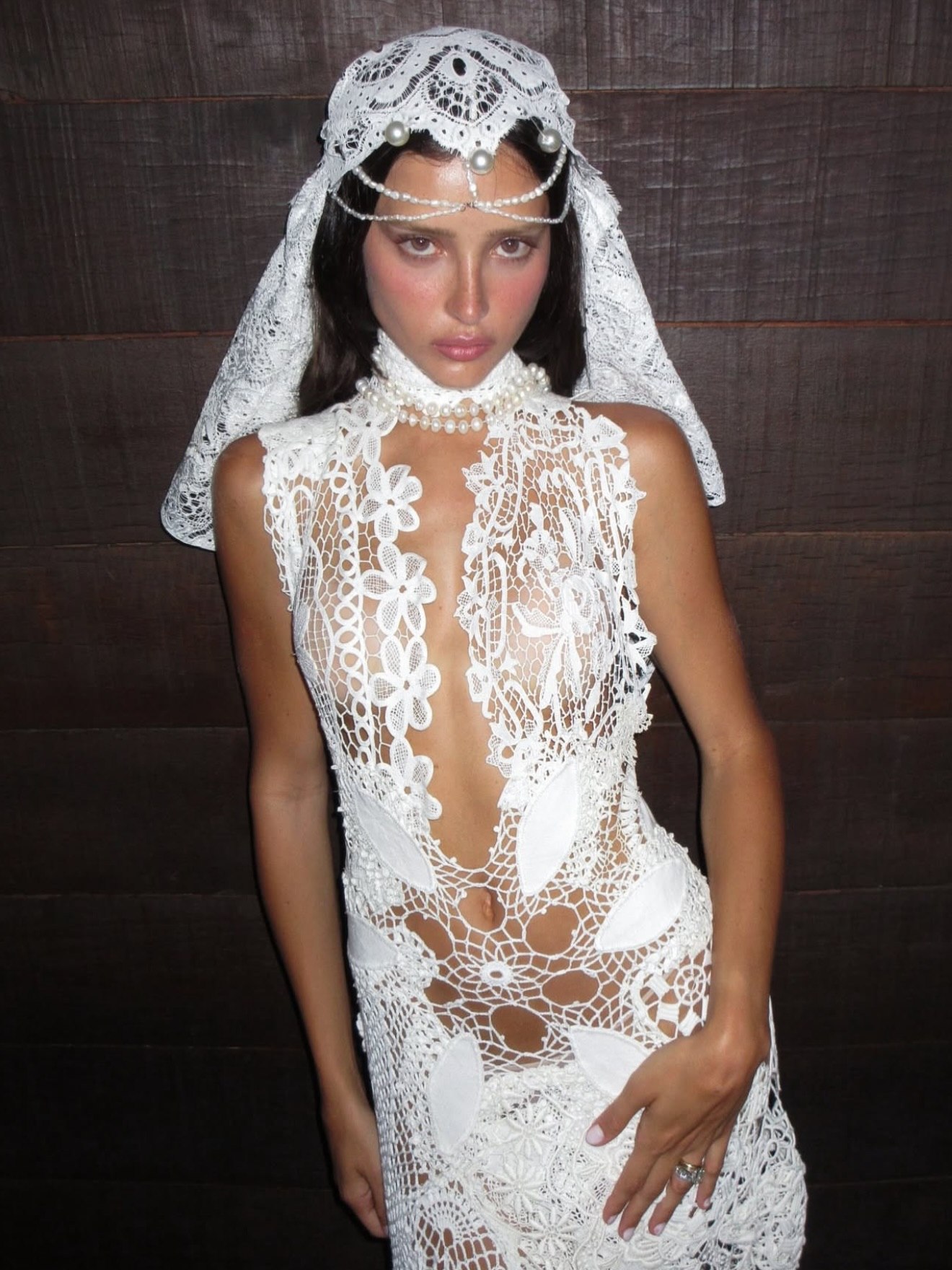
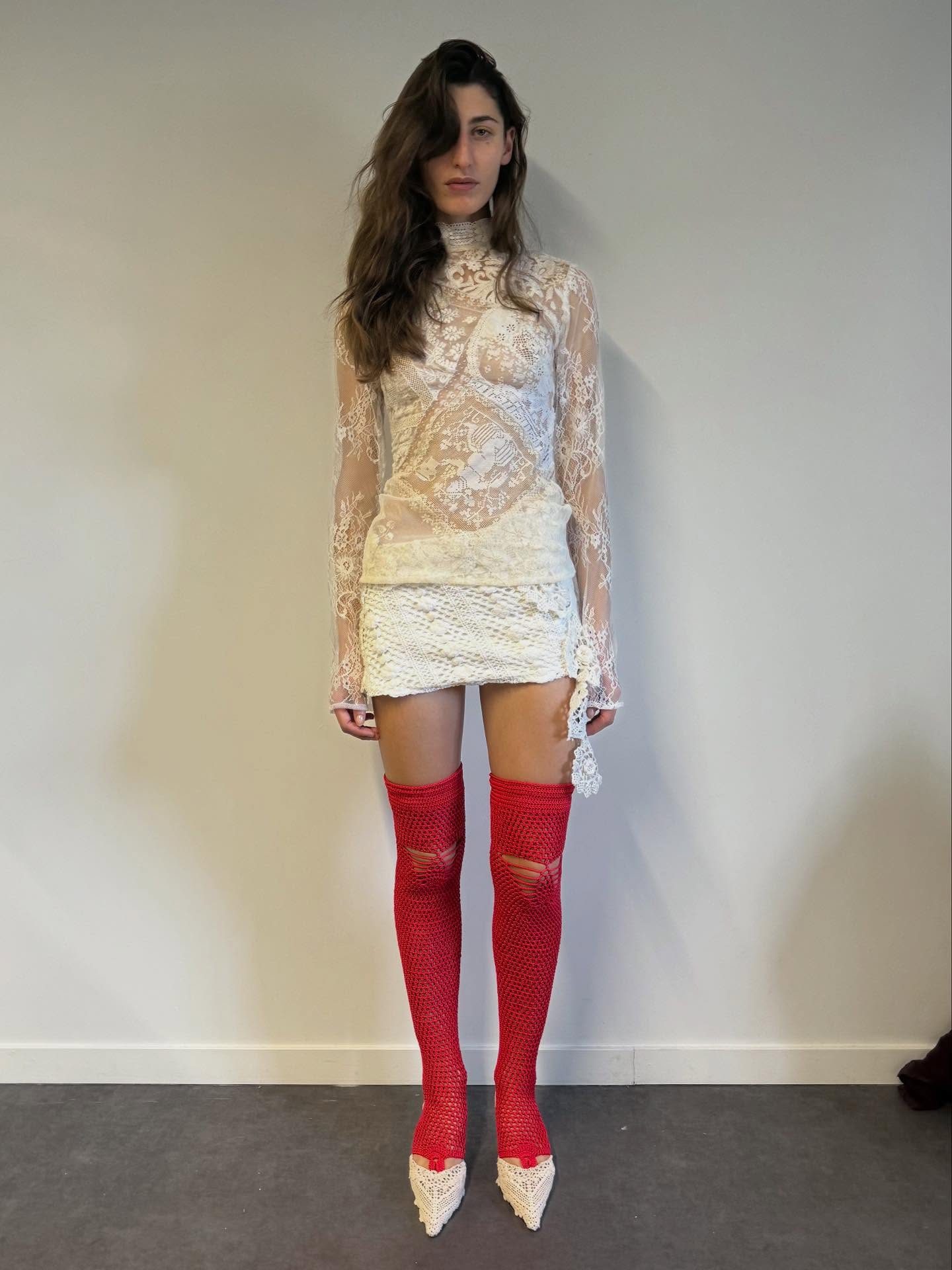
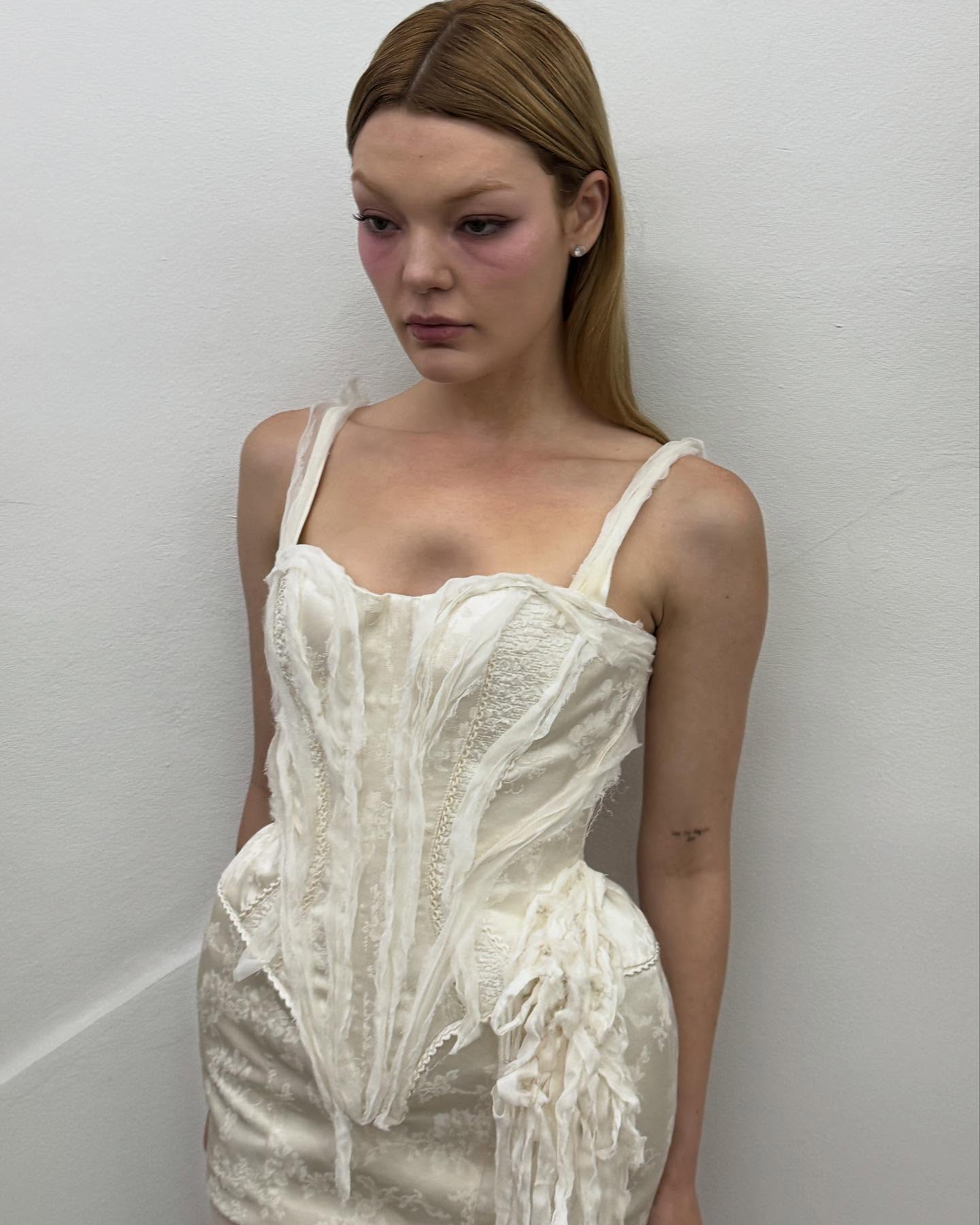
Founder María Bernad has spent the last several years transforming discarded and vintage fabric, sun-faded crochet, antique lace, remnants with real history, into one-of-a-kind bridalwear from her Paris atelier. Every piece is zero-waste and shaped directly around the fabric’s own character, with brides frequently bringing in heirloom textiles, like a grandmother’s old crochet, to be worked into the final design.
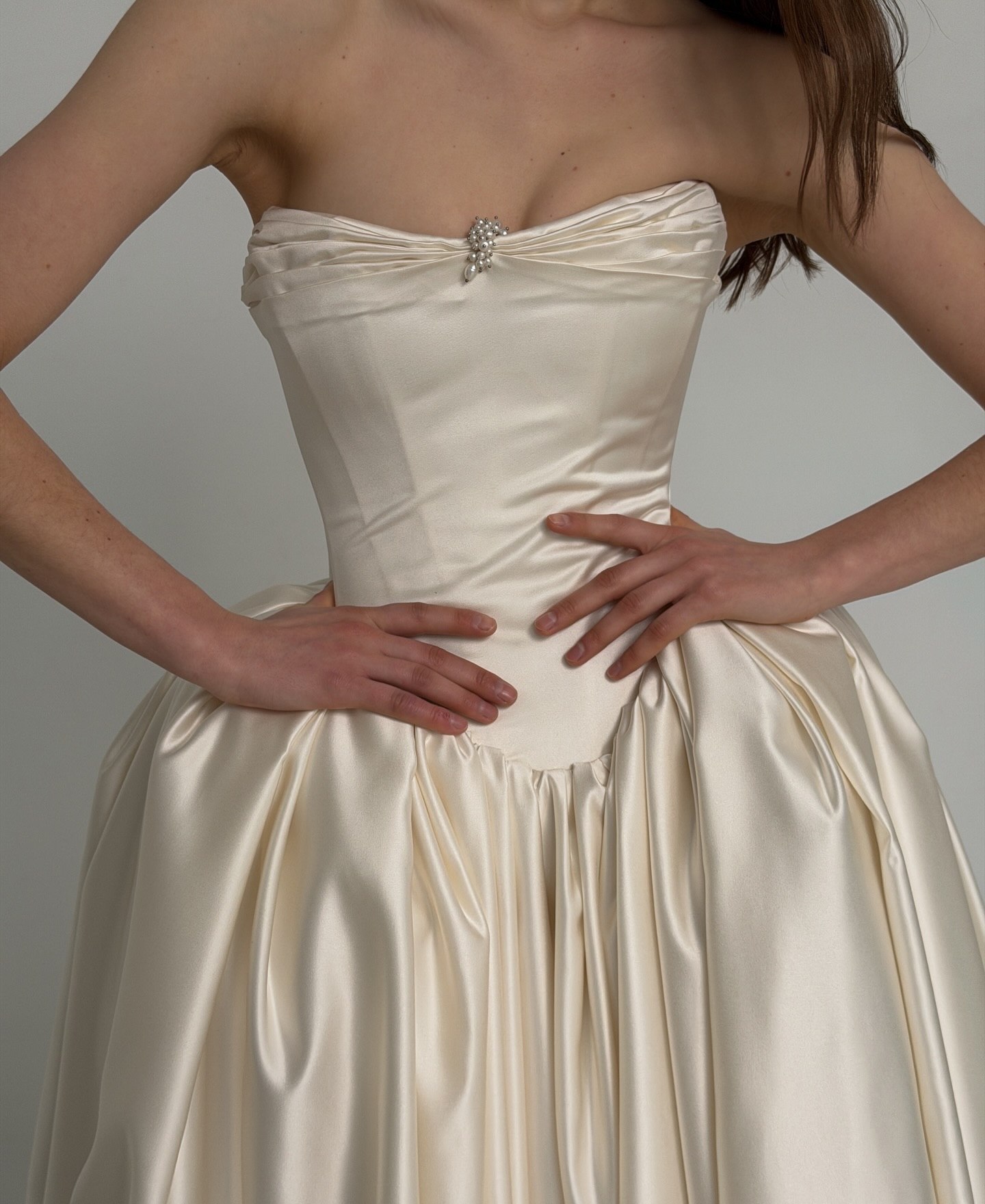
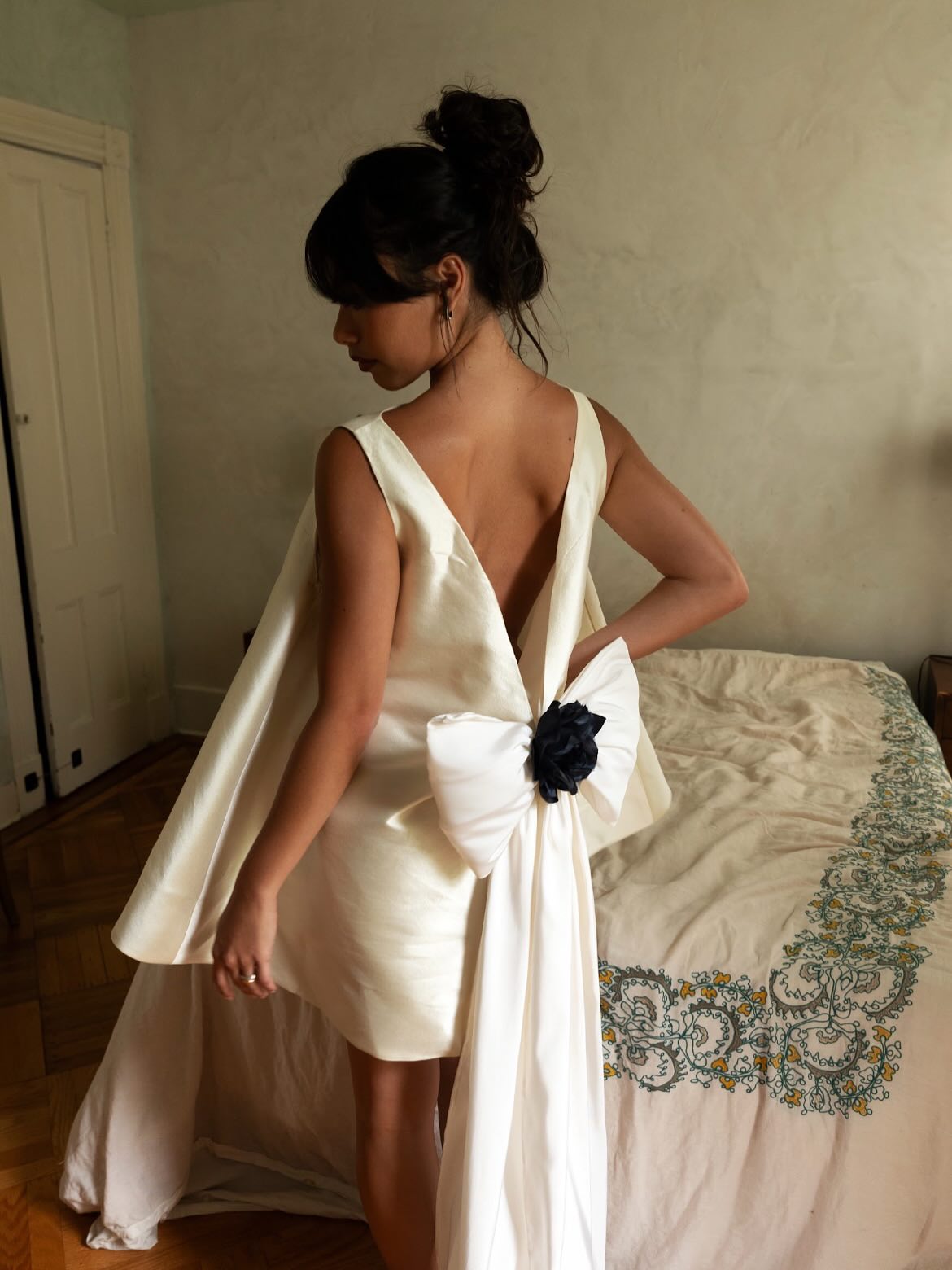
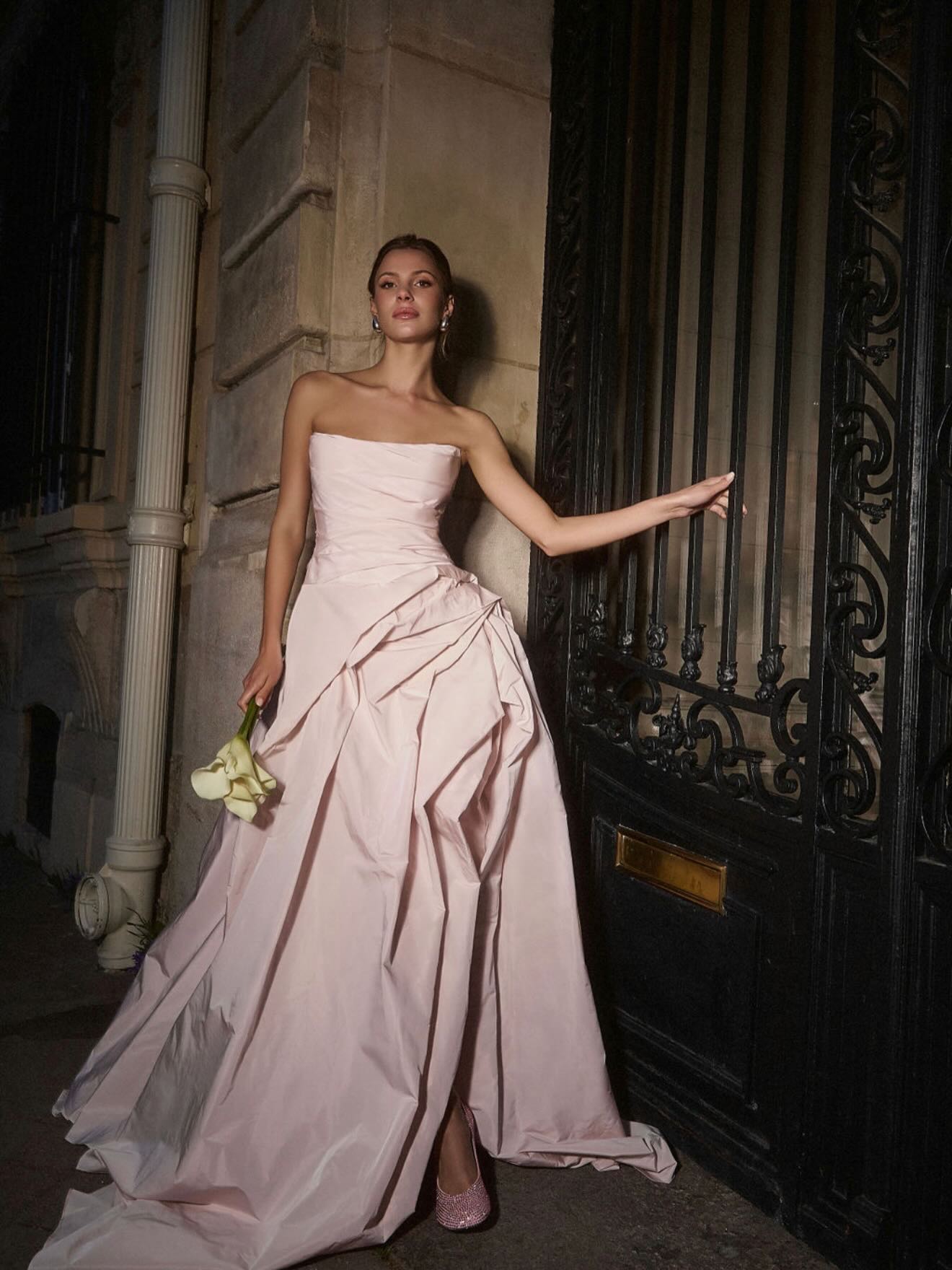
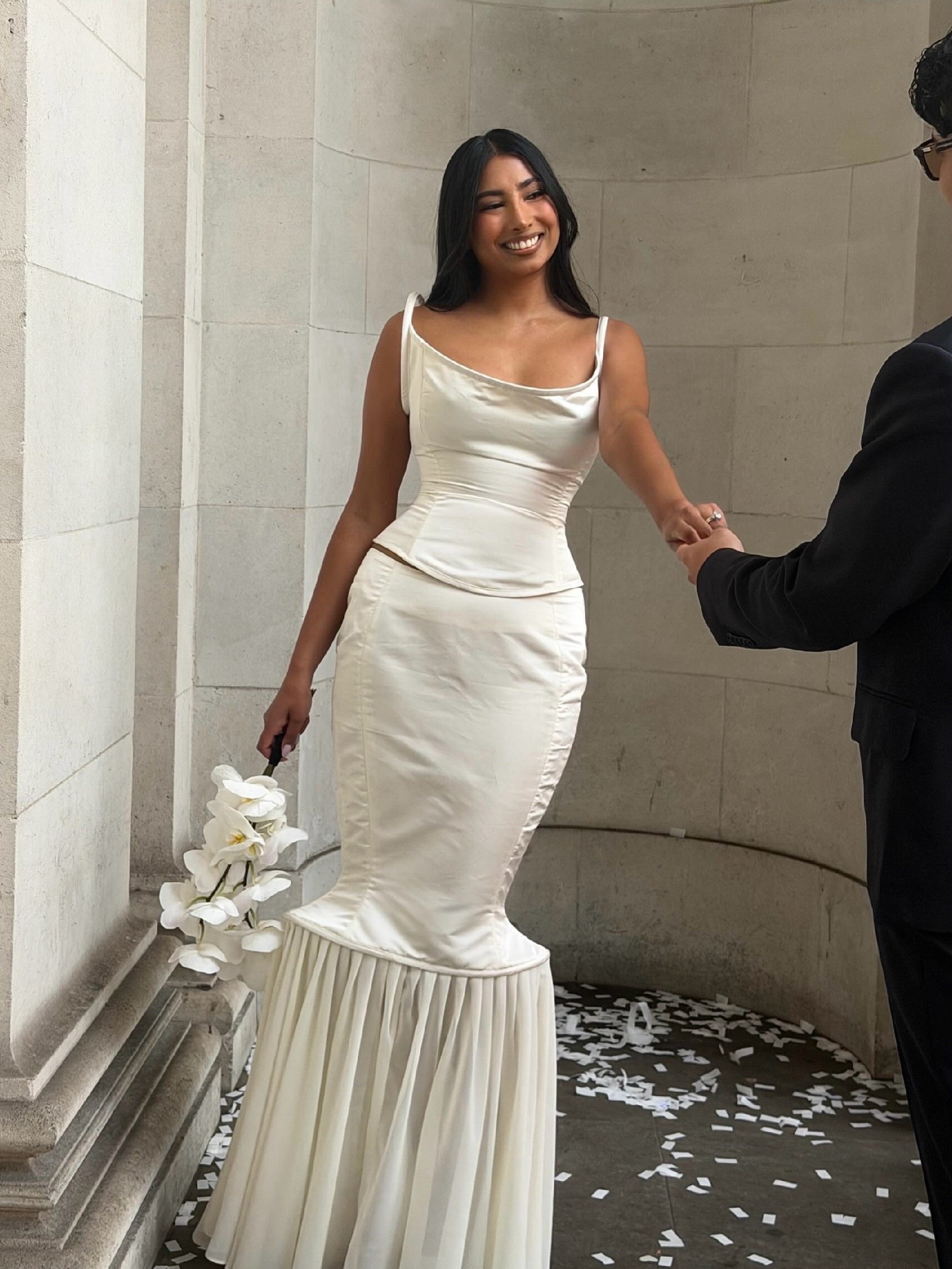
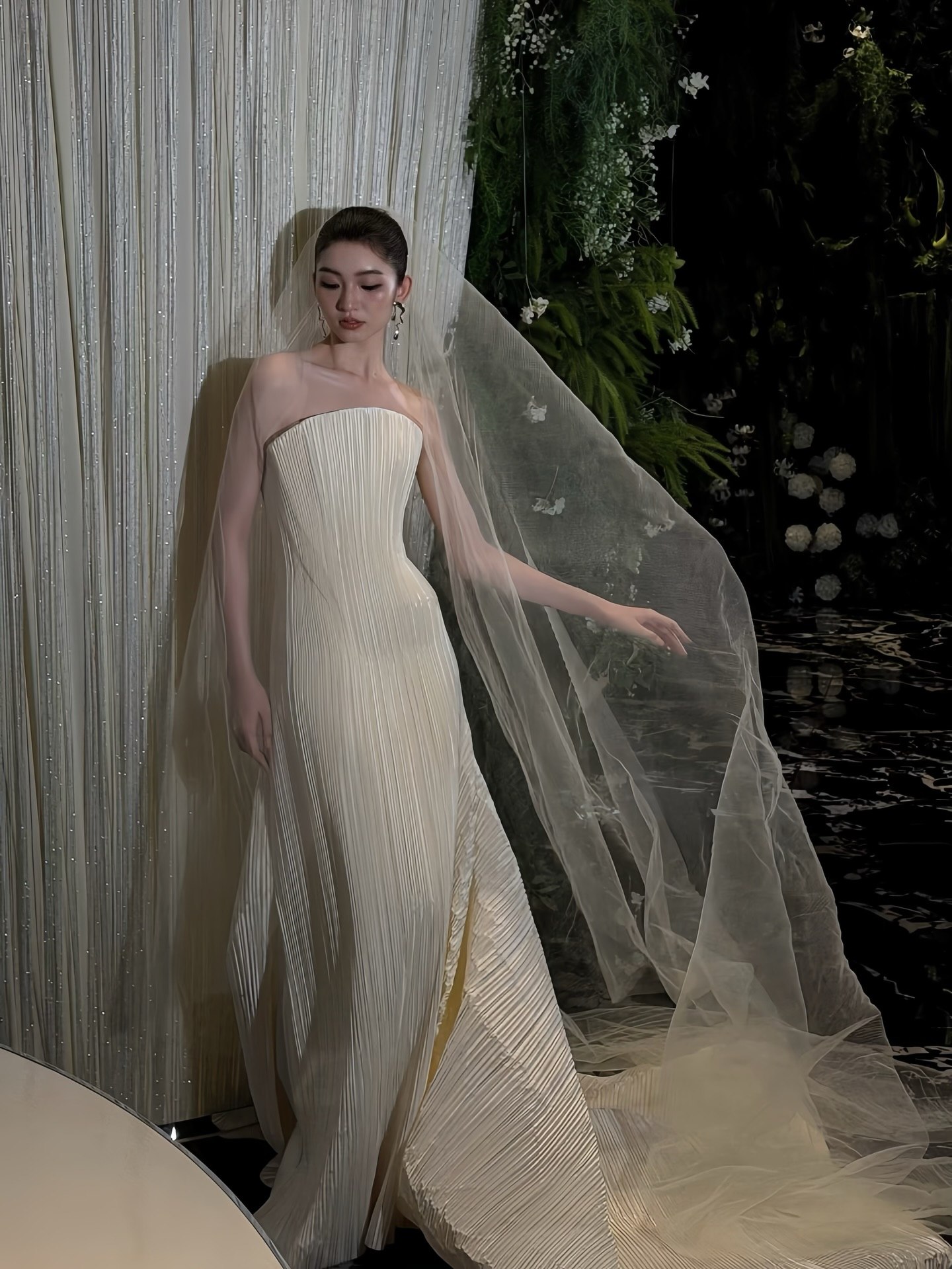
Monetre launched in the heart of Kyiv in 2020, built around structural pleats, geometric necklines, and clean, considered draping in silk, satin, and taffeta. It trades embellishment for architecture, committing to simplicity and sophistication. Every gown is made in-house at the label’s own workshop and tailored to the bride’s exact measurements rather than adjusted from a standard size, with the same attention paid to every seam and pleat as to the overall silhouette. The brand’s real strength lies in how little it needs to say through decoration, letting the cut and fall of the fabric do the work. For a bride drawn to minimalism but wary of it reading as plain, Monetre makes a strong case that structure alone, done precisely, can carry as much presence as a heavily embellished gown.
Rebeca Nepomuceno launched her namesake atelier in 2013, after studying fashion design in her hometown of João Pessoa, Brazil, and fashion business in Sydney, Australia, and has since built a bridal aesthetic that blends minimalism, timelessness, and a touch of what she calls bossa, an easy, Brazilian sense of style. The atelier, now with locations in João Pessoa and São Paulo, works in both custom and prêt-à-porter, with several gowns designed to convert into multiple looks through detachable sleeves. Nepomuceno has described her mission as challenging the rigid, traditional idea of what a wedding dress has to be, using line and texture to tell each bride’s story rather than a generic one.
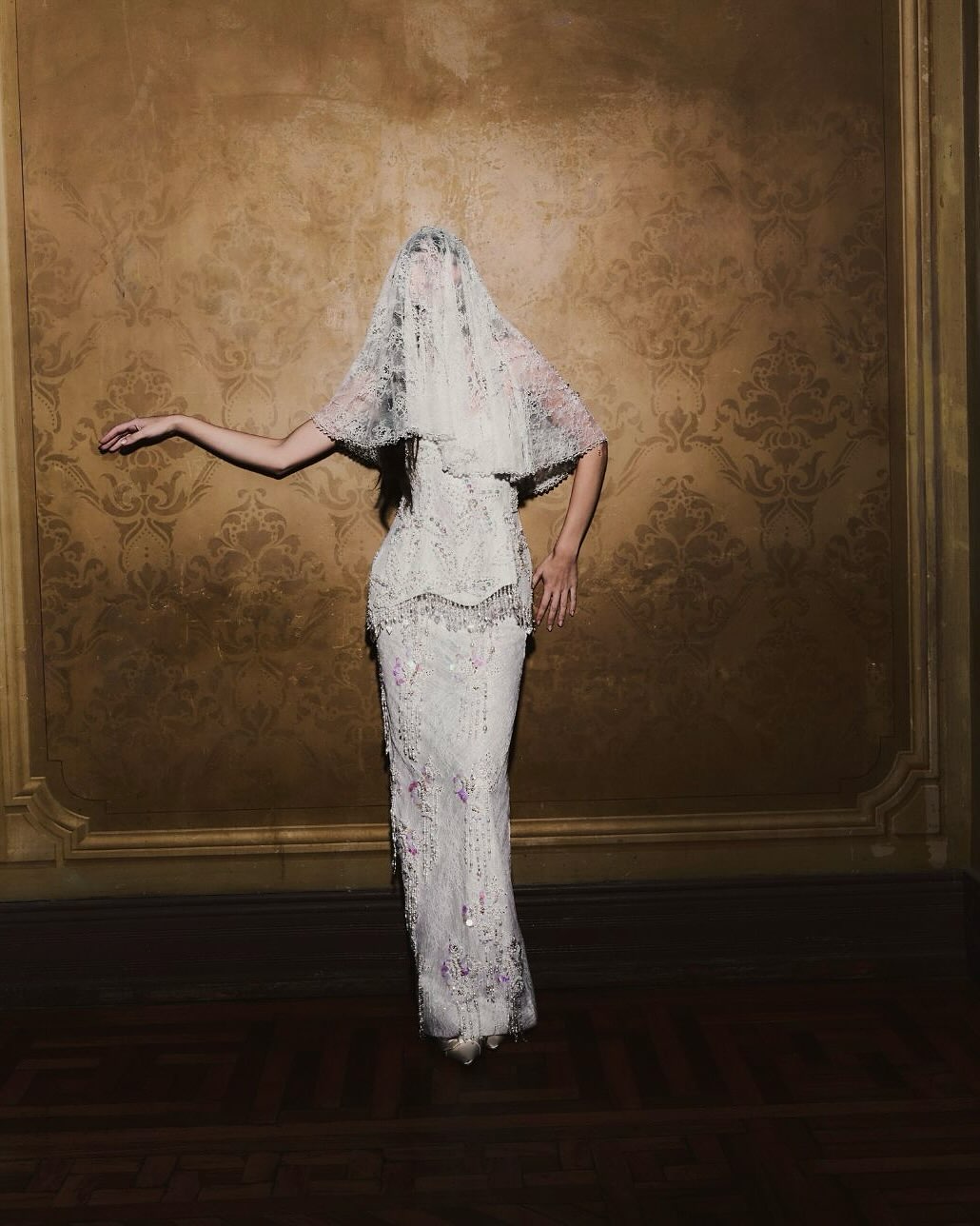
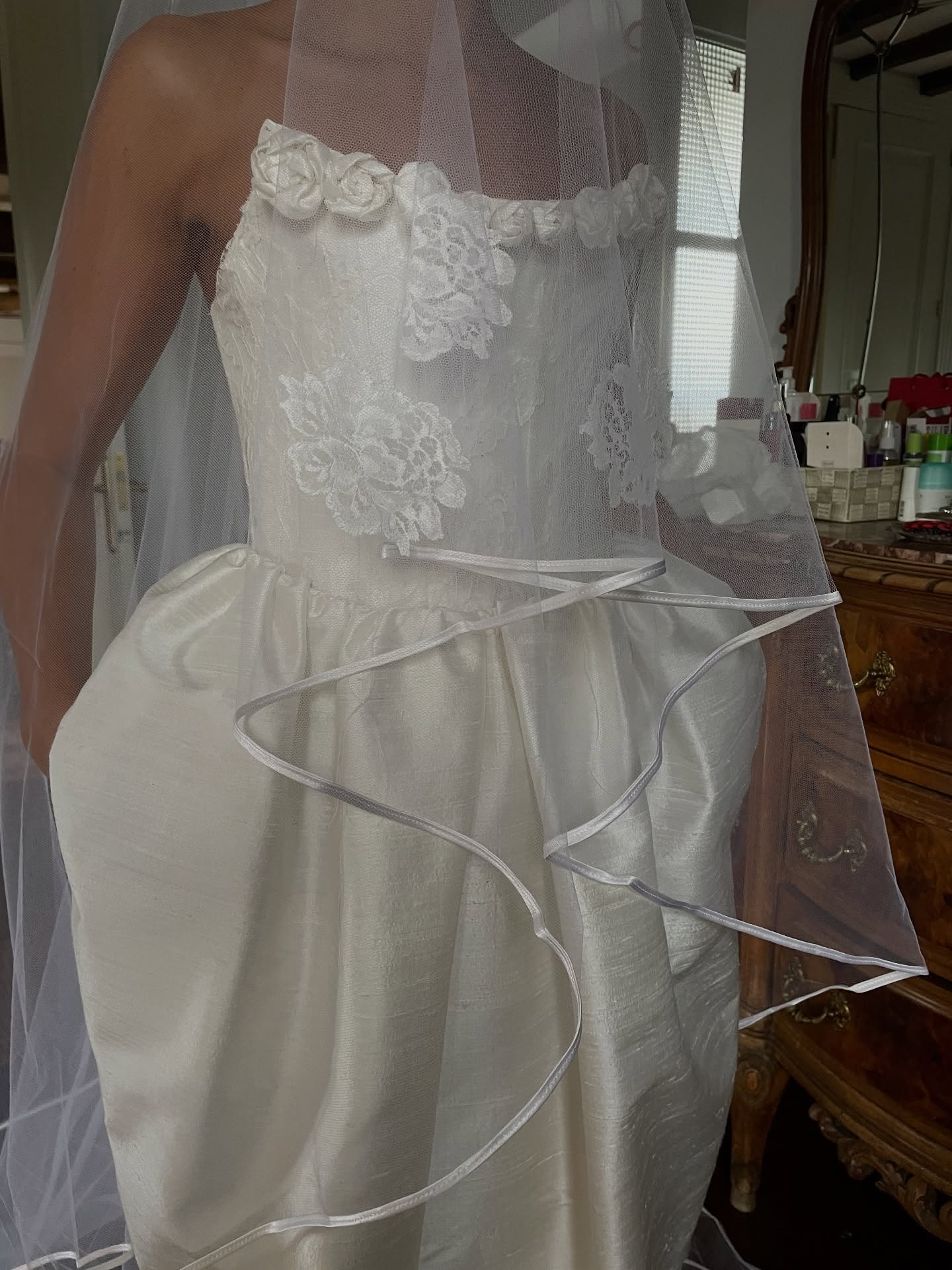
Paula Nadal‘s England-based house has moved at a deliberately slow, intimate pace since its founding in 2018, with every piece handmade using antique lace, hand-dyed silks, and intricate beaded trims, rather than produced on any timeline that rushes the process. Nadal describes her genderless label as an open canvas rather than a fixed aesthetic, built on the idea that clothes can function as stories, or even disguises, for the person wearing them. That philosophy shows up in gowns that feel more like inherited pieces than newly made ones, vintage in spirit.
Founded by designer Ariel Han in New York, Atelier Arielle blends couture technique with a fashion-forward, almost collectible sensibility, sculptural corsetry, poetic texture, silhouettes built for brides who want individuality over convention. Every piece is made to order, with fully bespoke commissions available for brides chasing something entirely original.
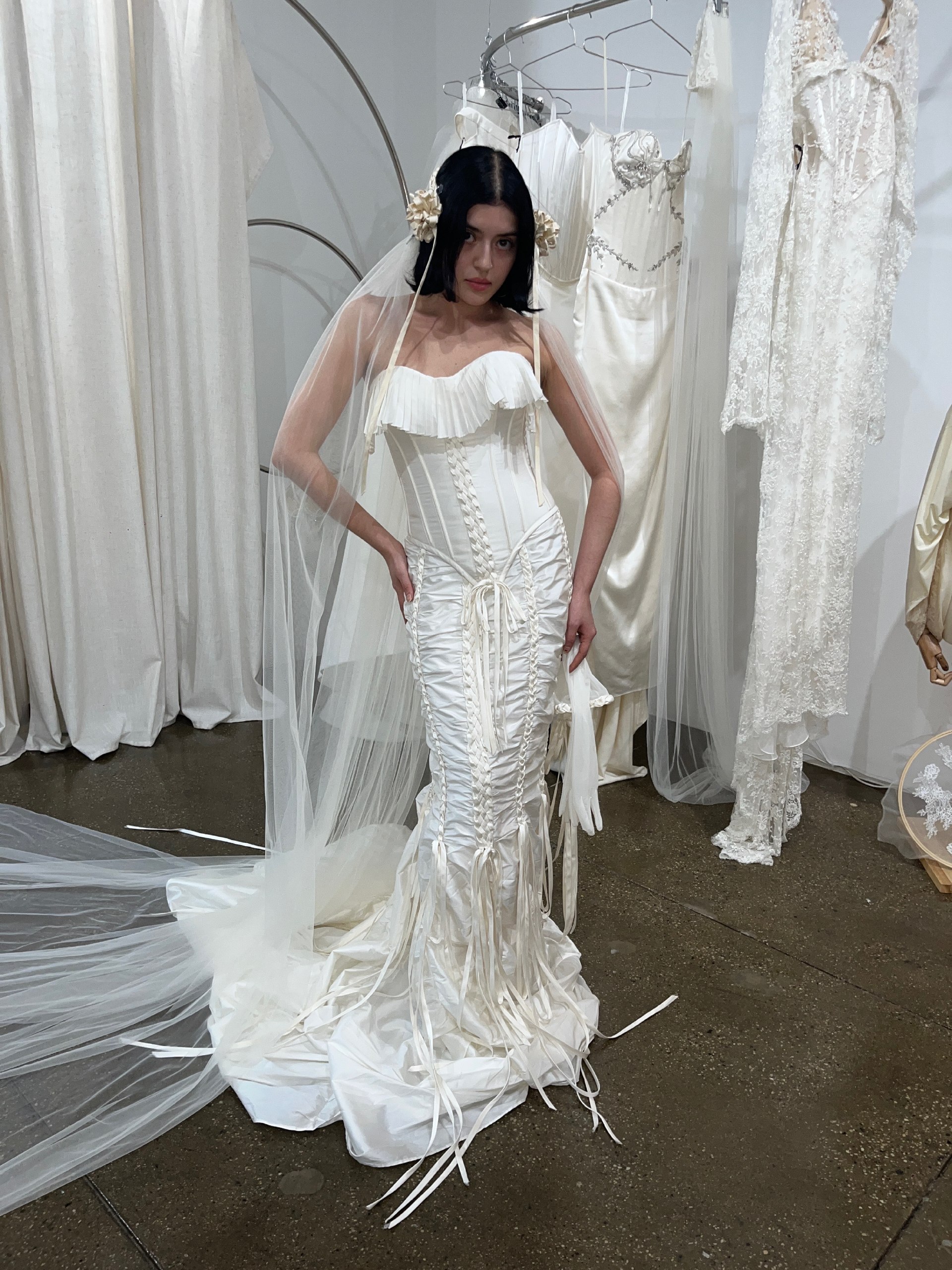
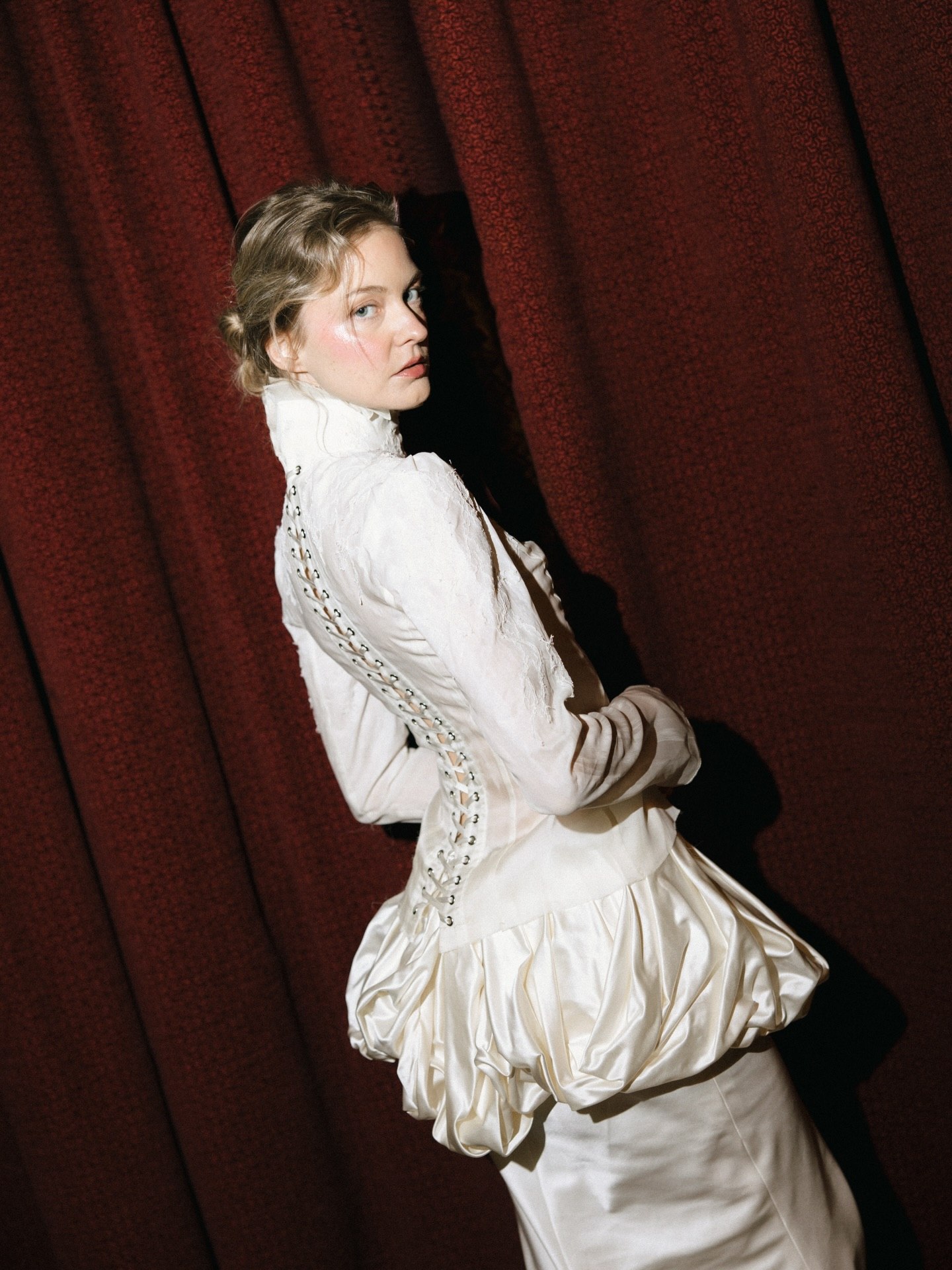
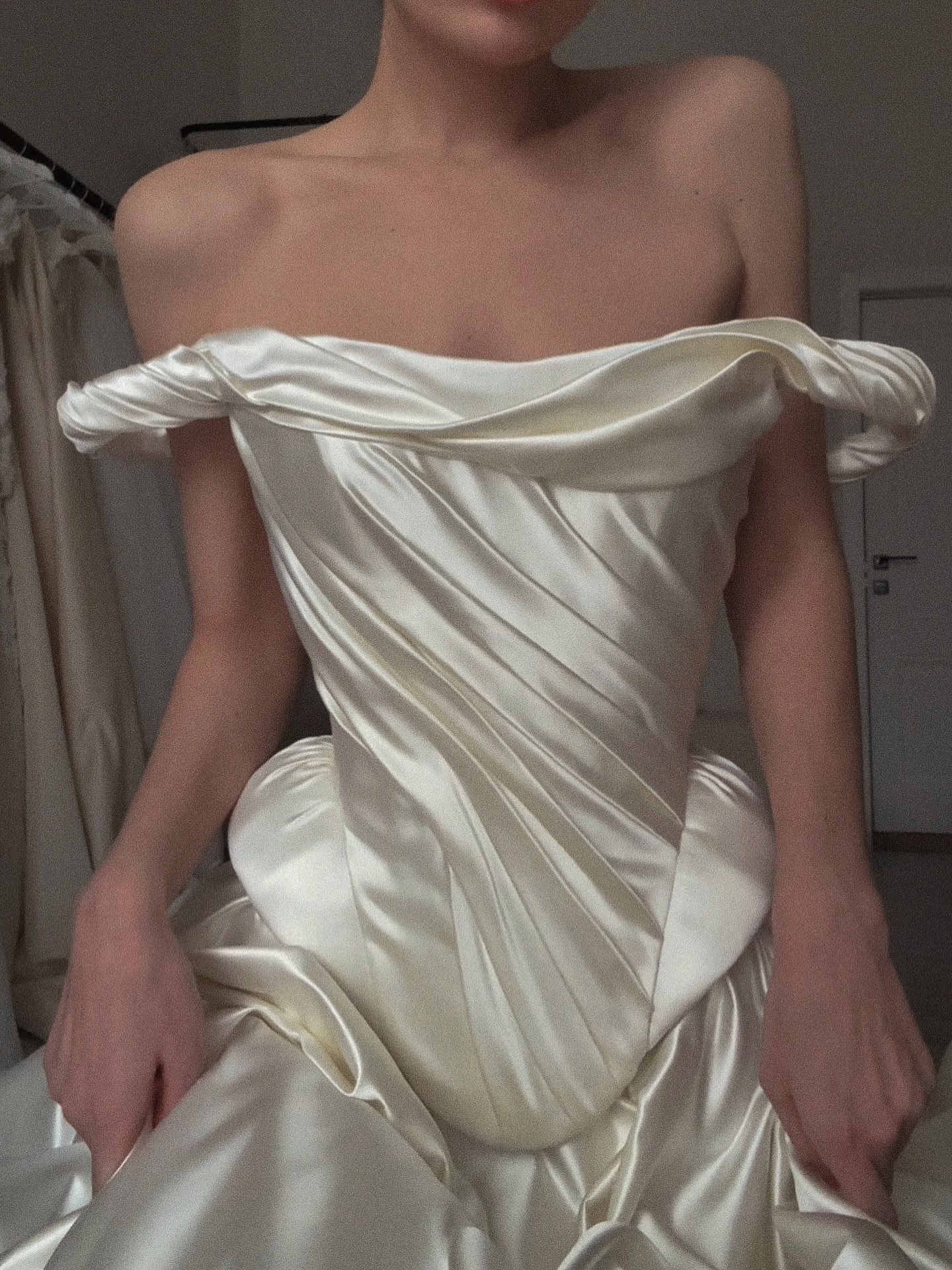
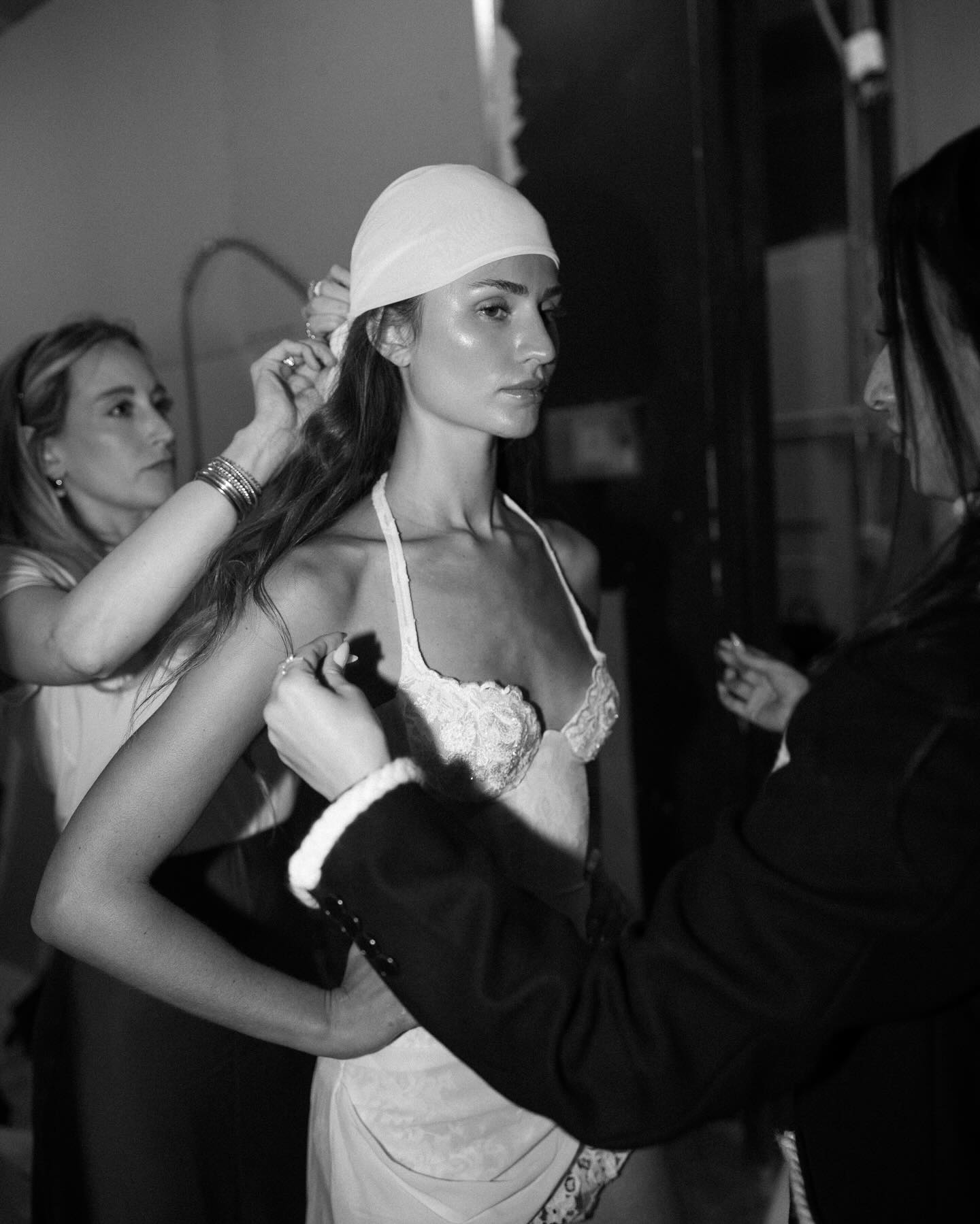
Aimee Belle, known online as the Corset Fairy, started Immoral London during the 2020 lockdown, in her final year of fashion design school, driven by a fascination with 18th-century stays and a belief that clothing should celebrate the body rather than conceal it. Working with a small team of three, she hand-crafts every corset to order using spiral steel boning and couture-level beadwork, hand-stitching, and embroidery, treating the fitting itself as part of the experience since a corset’s true transformation is nearly impossible to predict beforehand. Brides choose their own beading, ribbon, and shape down to the last seam, so no two Immoral London pieces end up quite alike, each one built for a bride who wants her corsetry to be the statement rather than an invisible foundation.
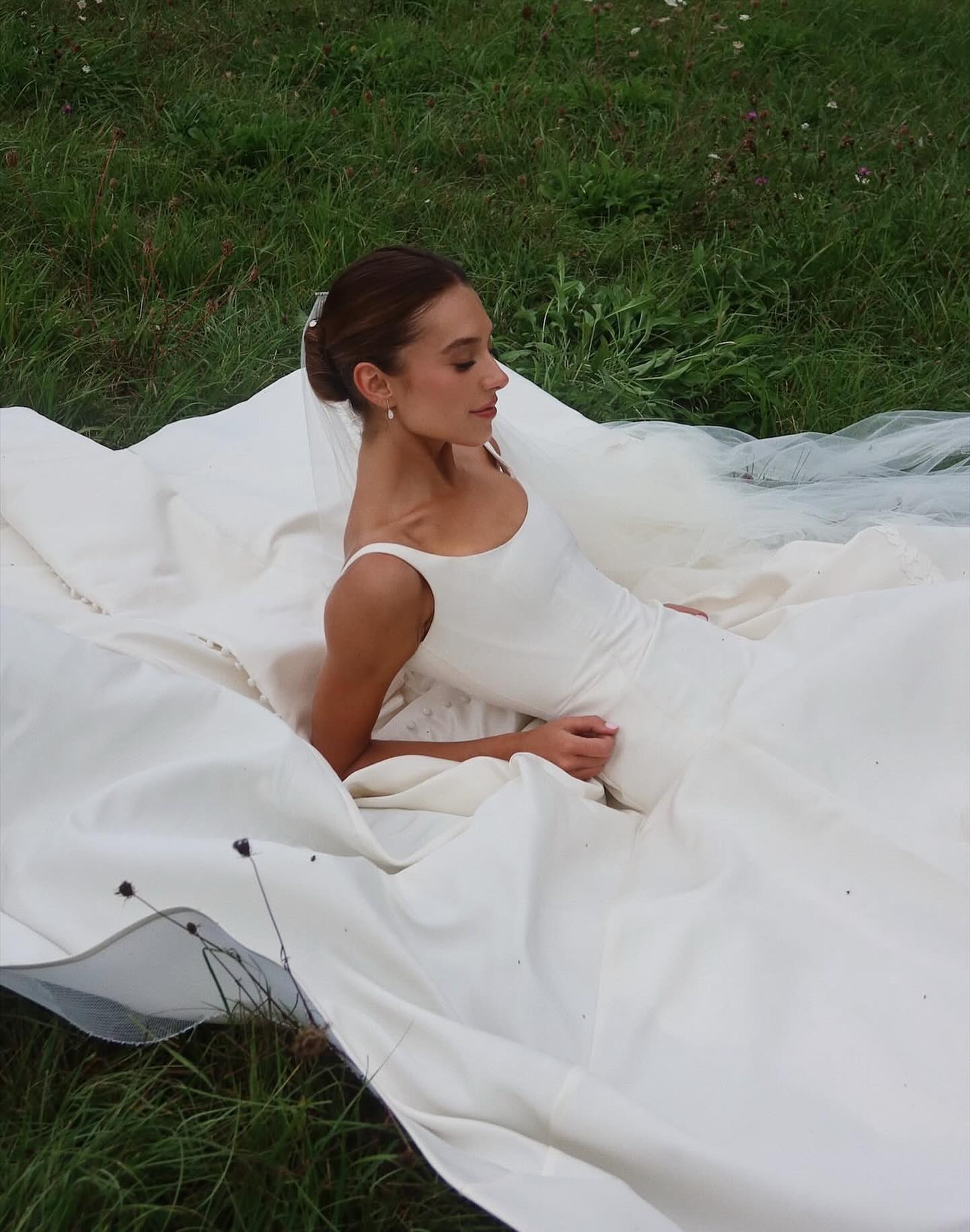
Sarah Seven and her team launched Sept in 2023, building on her existing namesake label to broaden its made-to-measure offering for brides who want a calmer, more tranquil shopping experience than a typical bridal appointment. The gowns lean minimalist and elevated, favoring shape and proportion over decoration, with structure coming from fabric and construction.
Working between Seoul and London, designer Gyouree Kim creates delicately layered, intricately constructed bridalwear that often incorporates upcycled fabric and corsetry, with historical references reimagined for a modern bride. She approaches each piece with a pattern-cutter’s precision and a storyteller’s instinct, aiming for gowns that feel like genuine keepsakes.
Théoro works in avant-garde, sustainably minded bridal design, favoring dreamy, unconventional materials over anything conventionally romantic or expected from a wedding gown. Expect bold, occasionally experimental silhouettes that still hold onto a real sense of femininity underneath the more directional choices, rather than sacrificing wearability entirely for the sake of a statement.
For Viktoria Labay, a wedding dress begins with the woman wearing it. Since 2015, founder and designer Victoria Labay has built her work around celebrating the female form, using corsetry, precise draping and tailored silhouettes to follow and enhance the body’s natural contours. Natural materials are another signature, with silk satin, duchess satin and taffeta bringing richness and movement to each piece. The brand’s story is personal, too — Labay first poured this approach into dresses created for her own wedding before it grew into an international label. Today, her London atelier creates gowns for brides seeking sensuality, confidence and a distinctly luxurious feel.
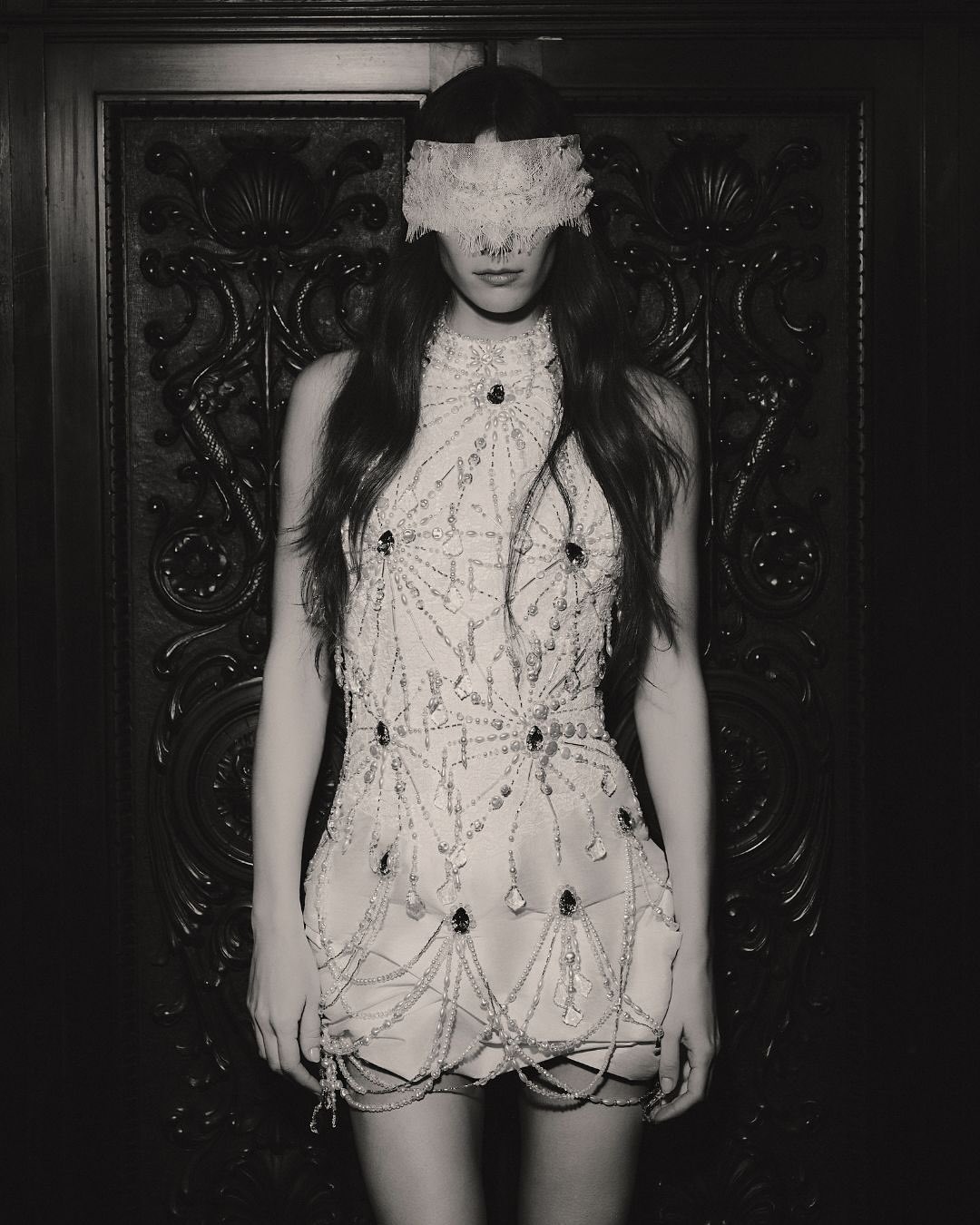
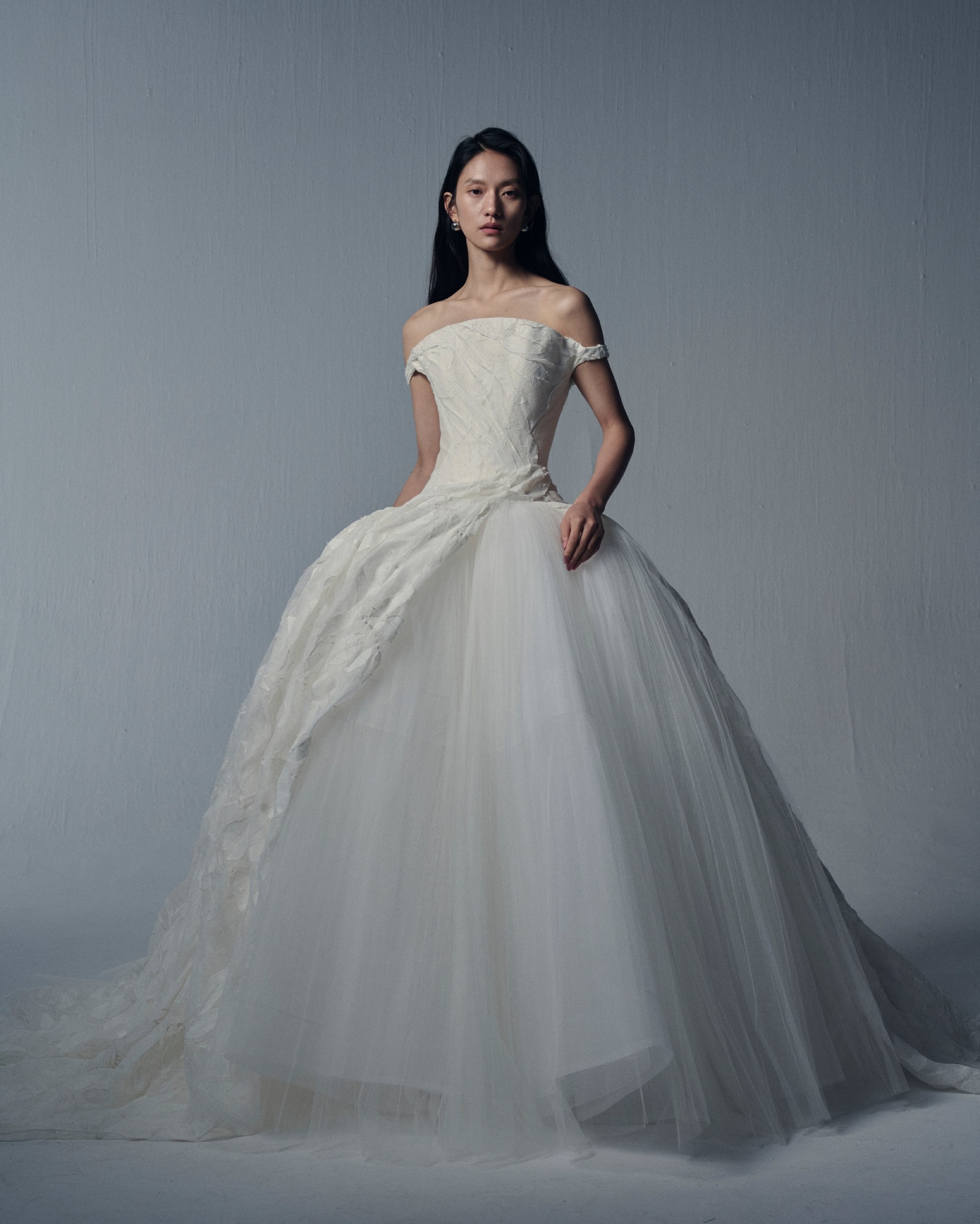
Leading Israeli designer Shiran Navon founded this studio, under the name Maison Margot, more than a decade ago, and it has since grown from a local following into a global one, with pieces now sold in London, Milan, Hong Kong, and across Israel. Navon draws inspiration from a wide range of sources, including her own roots by the Sea of Galilee, and works alongside her sister-in-law, textile designer Ella Kaliski, on distinctive fabrics and custom materials for every collection. The gowns lean into contrast on purpose, delicate lace against sparkle, billowing chiffon skirts balanced by sculptural corsets, blending wedding gowns and evening couture within the same studio.
Ellie Misner, a London-based creative, describes her label as an independent demi-couture house built to celebrate chic, confident, and fabulous women, with bespoke pieces designed for women of all sizes rather than a fixed, standard range. One standout piece, a sculptural hoop corset with an adjustable lace-up back, has become something of a signature for the label, structural without losing the softness of a genuine bridal silhouette. Real clients have already put her on the map: she’s dressed Julia Fox, SZA, Paloma Elsesser, and Shygirl, and one scarlet corset made tabloid headlines after Katy Perry wore it on the red carpet.
Based in Abu Dhabi, Hamda Al Fahim spans haute couture, ready-to-wear, and bridal all under one label, with gowns handcrafted using delicate fabrics and genuinely intricate embroidery rather than machine-applied decoration. Each bridal piece is custom-ordered and built over a period of one to three months, a timeline that allows for the kind of hand-finished detail that can’t really be rushed. The result blends timeless romance, contemporary sensibility, and elevated, artisanal craftsmanship.
HUONG makes a compelling case that a beautiful wedding look doesn’t have to come with a luxury-level price tag. Founded in Hanoi in 2009, the Vietnamese fashion house focuses on thoughtful cuts, flattering proportions and refined craftsmanship, with designs that feel polished without being overworked. Expect clean silhouettes, romantic lace, corsetry, sheer layers, crisp taffeta and delicate hand-finished details — an appealing middle ground between classic femininity and contemporary simplicity. If you find the brand’s understated approach too pared-back for the main ceremony, that’s also part of its appeal. The brand is well worth considering for a courthouse wedding, rehearsal, welcome dinner, bridal shower, or another pre-wedding look, especially if you want something special you could realistically wear again.
Zuhair Murad recognized Shahira Lasheen, an Egyptian designer, early in her career as one of the region’s most promising talents, and her couture has since balanced architectural precision with romantic softness in equal measure. Hand embellishment and sculptural silhouettes draw subtly on Egypt’s cultural heritage without ever feeling costume-y or overtly literal, letting the influence come through in technique and mood rather than obvious motif.
Founded in Chengdu in 2016 by designer Marrow Tang, whose work has been recognized by the Arts of Fashion Award, Marrow brings vintage references into conversation with contemporary fashion. Rather than following one rigid bridal formula, Tang plays with different eras and cultural influences, giving her collections the feeling of a beautifully assembled wardrobe discovered over time. Fine fabrics, thoughtful tailoring, and comfort are central to the process, so the romance never comes at the expense of wearability.
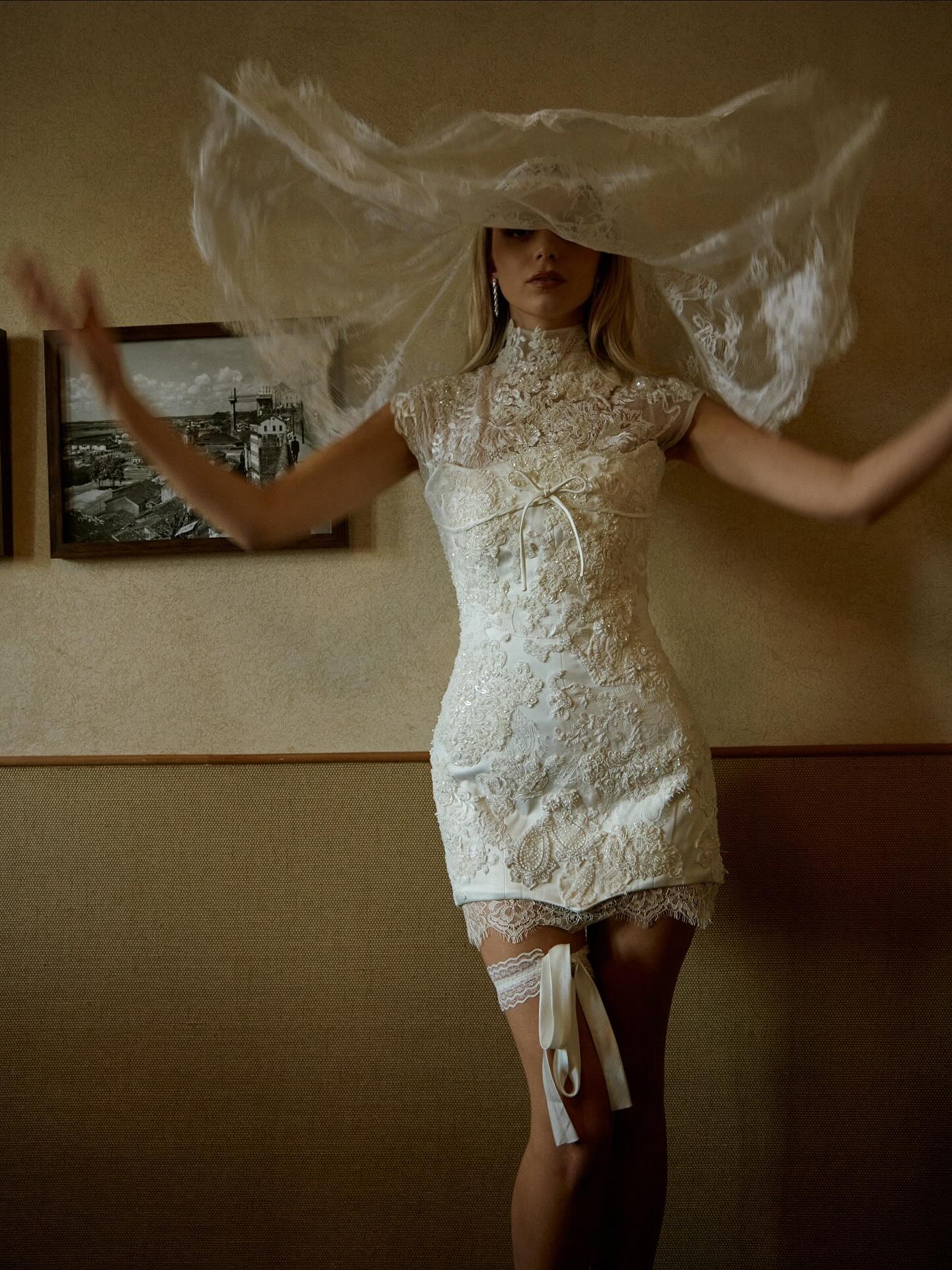
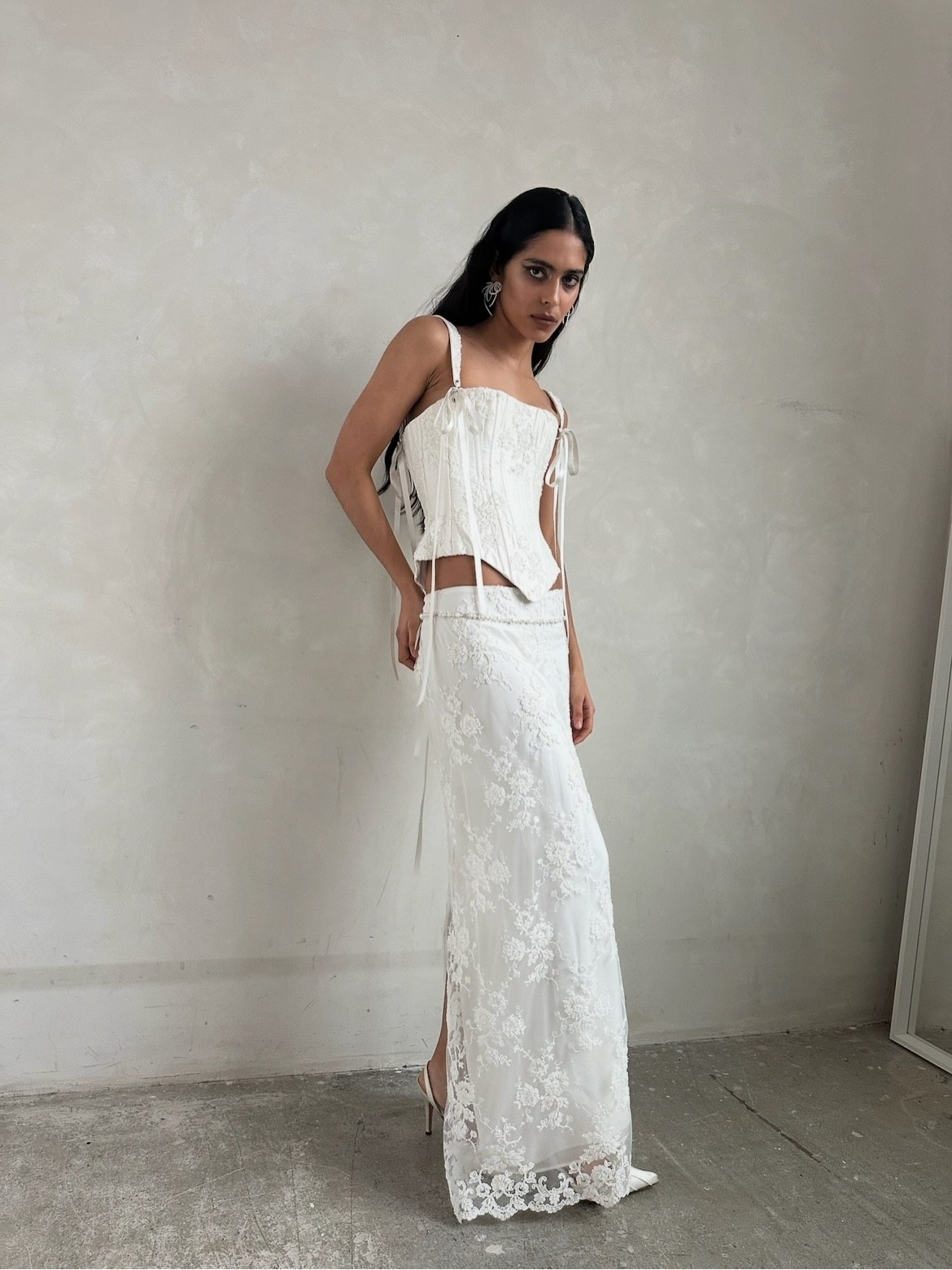
Seline Meisler builds demi-couture bridal in New York around the romance of vintage lingerie and heirloom dressing rather than a single, traditional gown silhouette. Instead of one dress, brides can assemble a wardrobe of interchangeable corsets, skirts, and delicate layers that shift the look from ceremony straight through reception without a single formal outfit change. It’s a genuinely flexible approach to bridal dressing, built for a bride who wants her look to evolve across the day, dressed up for vows and loosened up for the dance floor, without sacrificing the romantic, considered feel of the pieces themselves.
For the bride who thinks “more” can absolutely be the right answer, Rara Avis Group offers an entire universe to explore. The bridal house has built its identity around individuality and unconventional detail, with collections spanning everything from romantic gowns to much more dramatic, fashion-led statements. Lace, corsetry, sheer elements, embellishment, unexpected textures and dramatic silhouettes all have a place here, and the sheer variety is part of the appeal. The group now encompasses four bridal brands — Rara Avis, Rara Couture, Ange Etoiles and Blammo-Biamo — allowing brides to explore noticeably different aesthetics under one umbrella. It also extends beyond gowns into lingerie, boudoir pieces, shoes and accessories. Because the group has been operating for almost two decades, it has a level of production maturity that some newer names on this list haven’t reached yet, without sacrificing the handmade quality that makes independent bridal houses worth seeking out in the first place.
A rising name in minimalist bridal out of Shanghai, Wink Atelier is best known for breathtaking pleatwork and architectural silhouettes that manage to feel both refined and quietly expressive rather than austere. Clean without ever reading as plain, it’s a modern take on bridal that leans sculptural over sweet, built for a bride who wants precision and restraint to carry the same emotional weight that embellishment usually does. The label’s growing reputation within the minimalist bridal space makes it a strong option for anyone drawn to that aesthetic but frustrated by how flat it can look when it’s not executed with real technical skill.
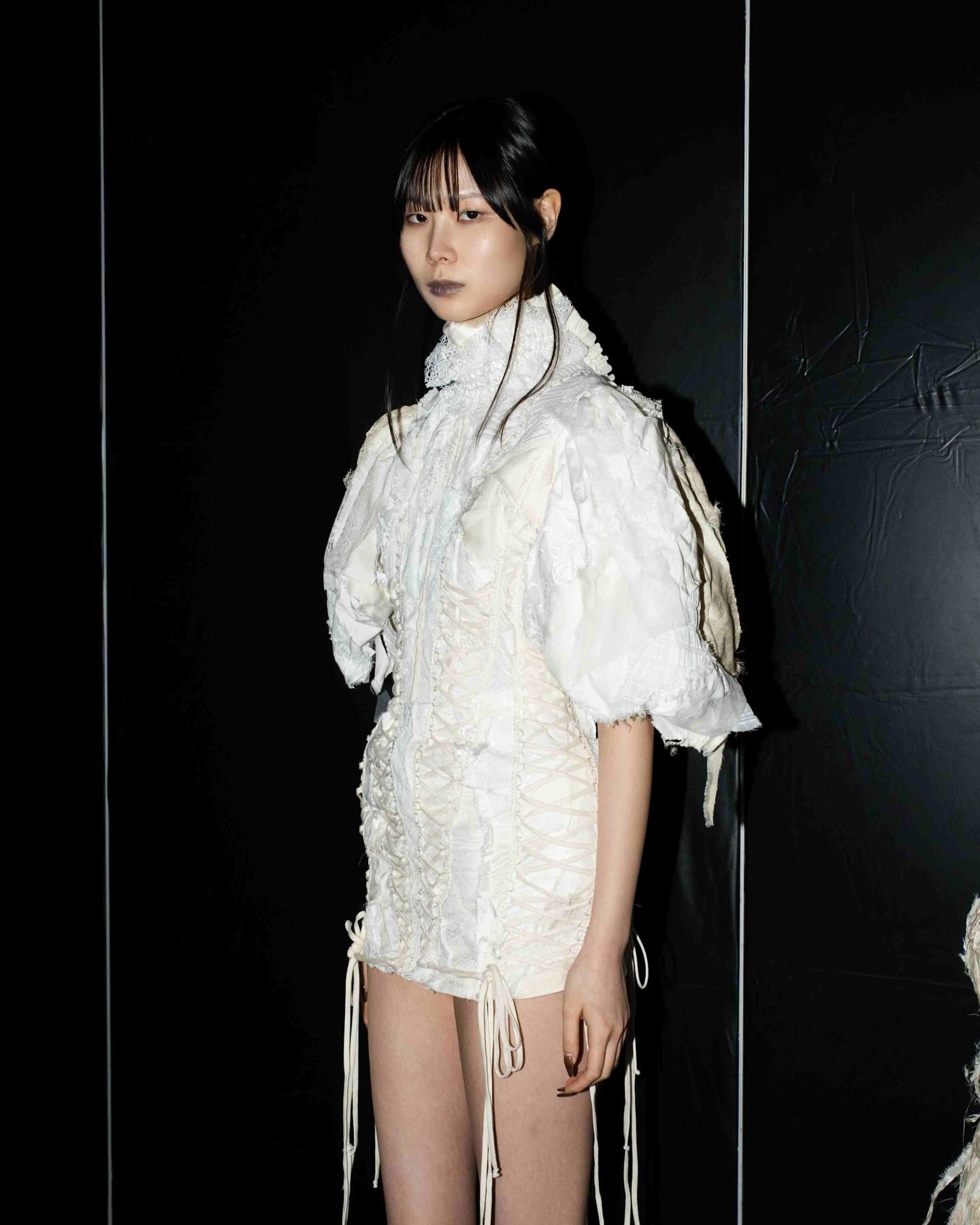
Ragged Romances, out of Vietnam, treats the body as architecture, exposed frameworks, engineered corsetry, and silhouettes that feel built rather than simply sewn together from a standard pattern. Underneath all that structure sits a genuinely human touch, though: irregular textures, hand-worked draping, and small asymmetries that give away the maker’s hand rather than smoothing everything into machine-made perfection. The name itself gets at the label’s whole philosophy, romance that doesn’t need to be pristine to feel real.