Legally speaking, gin is just vodka with juniper added back in. That’s the whole difference on paper. In practice, it’s the spirit behind more classic cocktails than anything else on the bar, and it happens to be our editor’s favorite pour, bias fully disclosed.
It’s also one of the most flexible base spirits for a wedding: sharp and herbal for a daytime garden ceremony, bittersweet and moody once the reception gets going. Here are eleven ways to put it to work, the gin brands actually worth buying, and how to build a menu around it without overthinking the order.
You don’t need a cabinet full of gin to pull this off — one everyday bottle and one splurge covers the whole list. On the friendly end: Tanqueray, the best-selling gin on earth, built from just four botanicals. Bombay Sapphire, lighter and more floral since it’s vapor-infused instead of steeped. Fords, voted 2026’s Bartenders’ Choice Spirit by actual bartenders.
On the splurge end: Sipsmith, poured from the first new copper-still distillery to open in London in 200 years. Hendrick’s, built on cucumber and rose instead of the usual citrus. The Botanist, distilled on Islay from 22 hand-foraged botanicals. Monkey 47, from Germany’s Black Forest — 47 botanicals, priced like it. Pick one bottle from each list and you’re set for everything below.
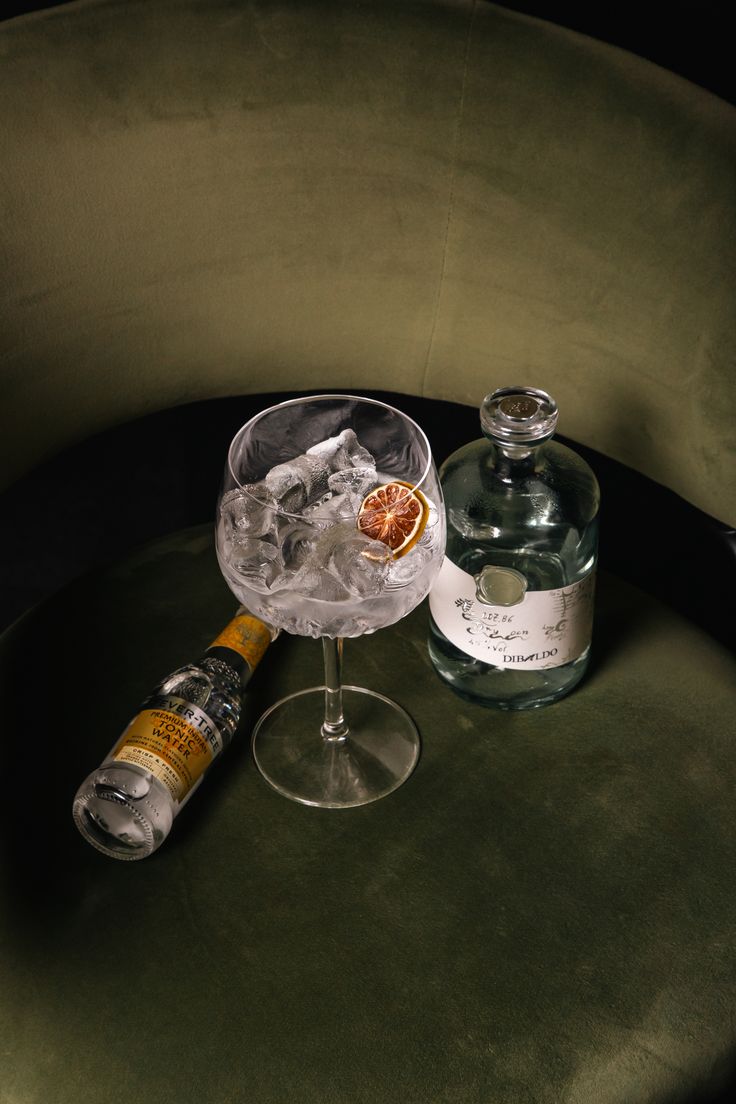
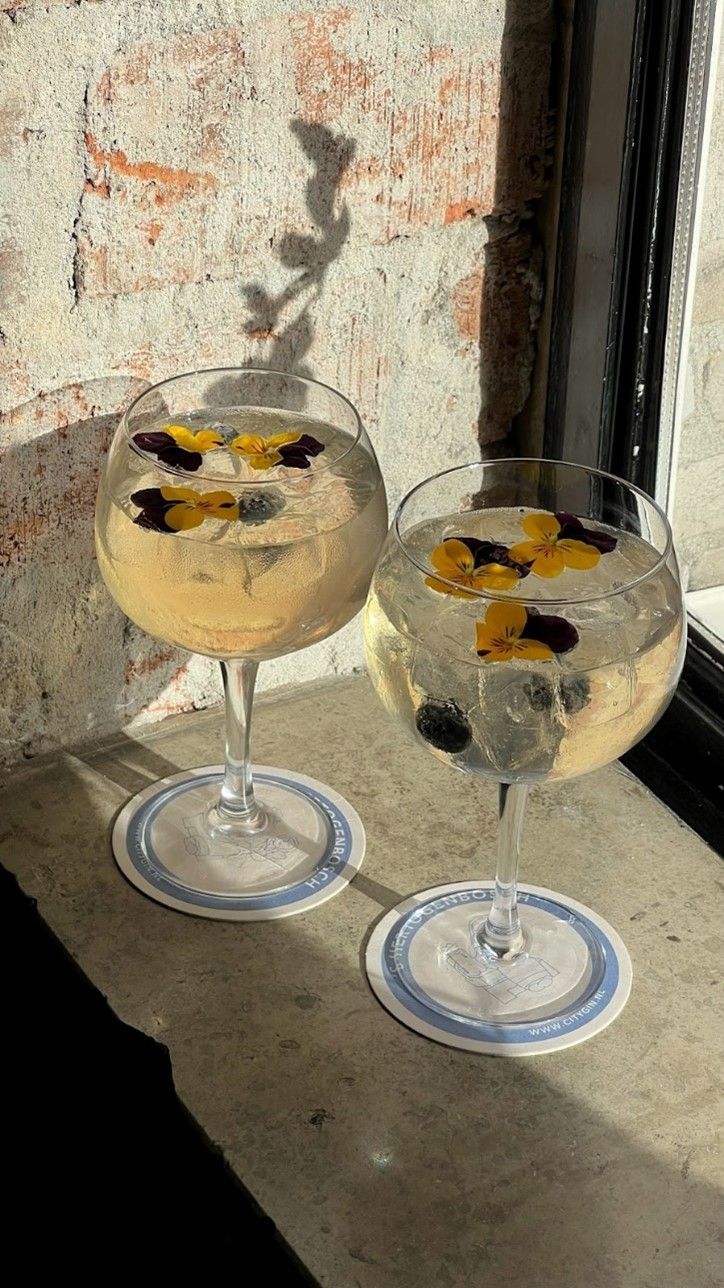
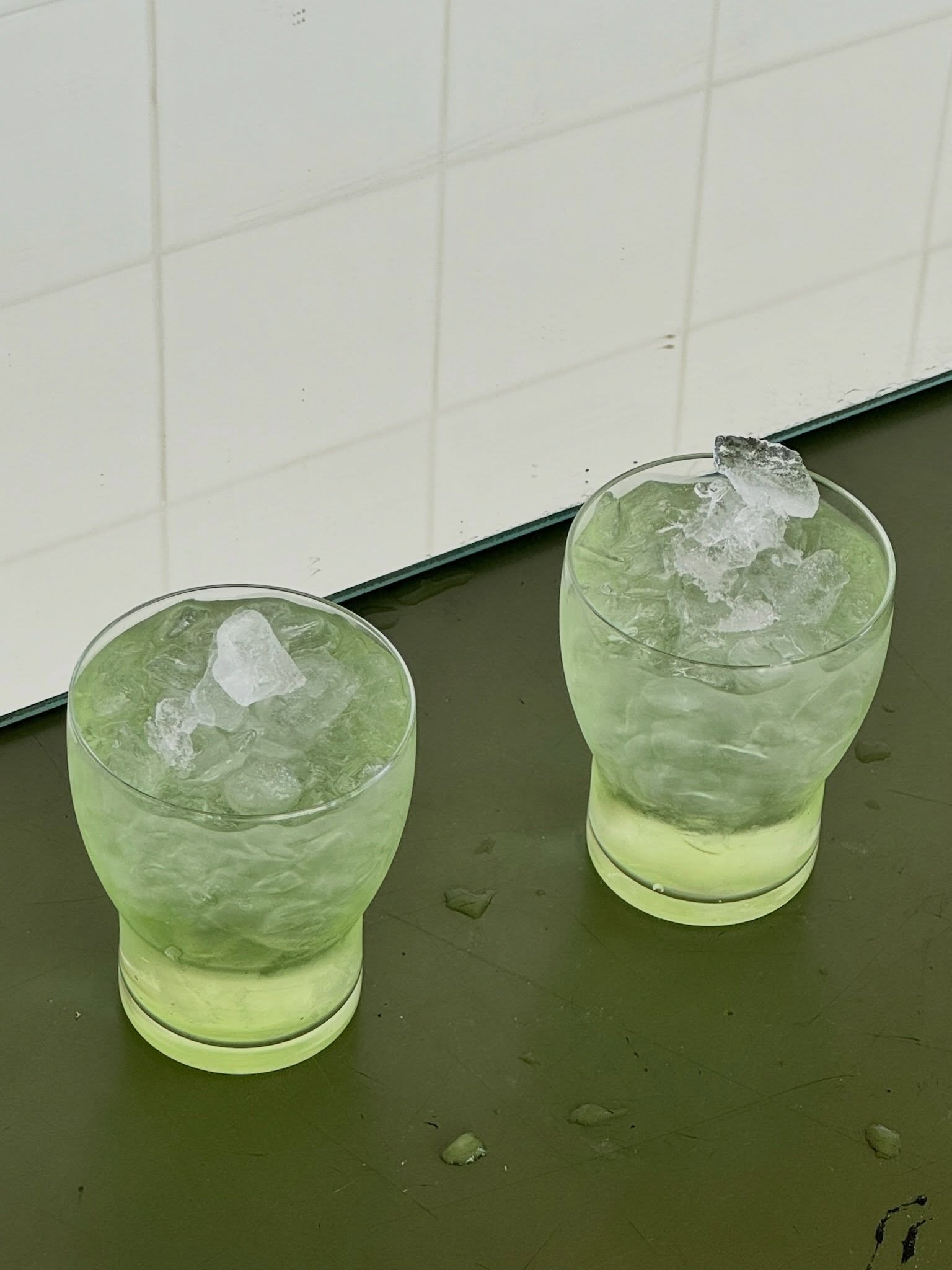
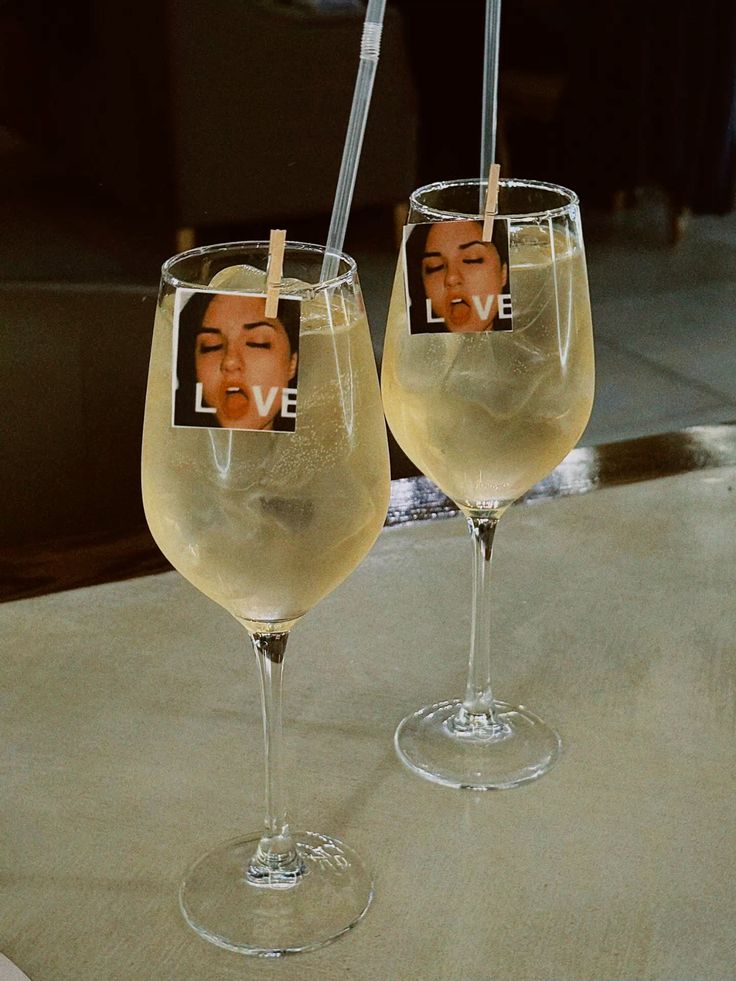
Good gin, good tonic, a proper wedge of lime, over plenty of ice. It’s the simplest pour on this list, and the one that needs the least selling to guests who don’t normally order gin. Build it as a self-serve station with two or three tonics and a handful of garnishes, cucumber, grapefruit peel, a sprig of rosemary, and it doubles as bar decor without a bartender standing over it.
For more flavor without adding ingredients, swap in a flavored gin instead of the classic, or keep the gin plain and reach for a flavored tonic: elderflower, grapefruit, Mediterranean, instead of the base one.
Gin and Rose’s lime cordial, stirred and strained up, or built long over ice if you want it lighter. Legend has it that a Royal Navy surgeon named Gimlette started pushing the drink on his officers to sneak some vitamin C into them and keep scurvy off the ship. Nobody can actually confirm that, but it’s too good a story to leave off the menu card. Sharp, simple, and easy to pour long over ice for a hot outdoor reception.
Gin, honey syrup, and fresh lemon juice, shaken and strained up. It’s another Prohibition-era drink, built to mask the taste of rough bathtub gin with honey’s floral sweetness. It runs softer and warmer than most gin sours, which makes it a better fit for a fall or winter wedding than a straight citrus drink. It also works conceptually for a garden wedding: bees and honey are already part of the theme, so the name does some of the styling work on its own. The syrup takes five minutes to make with a decent honey and equal parts hot water.
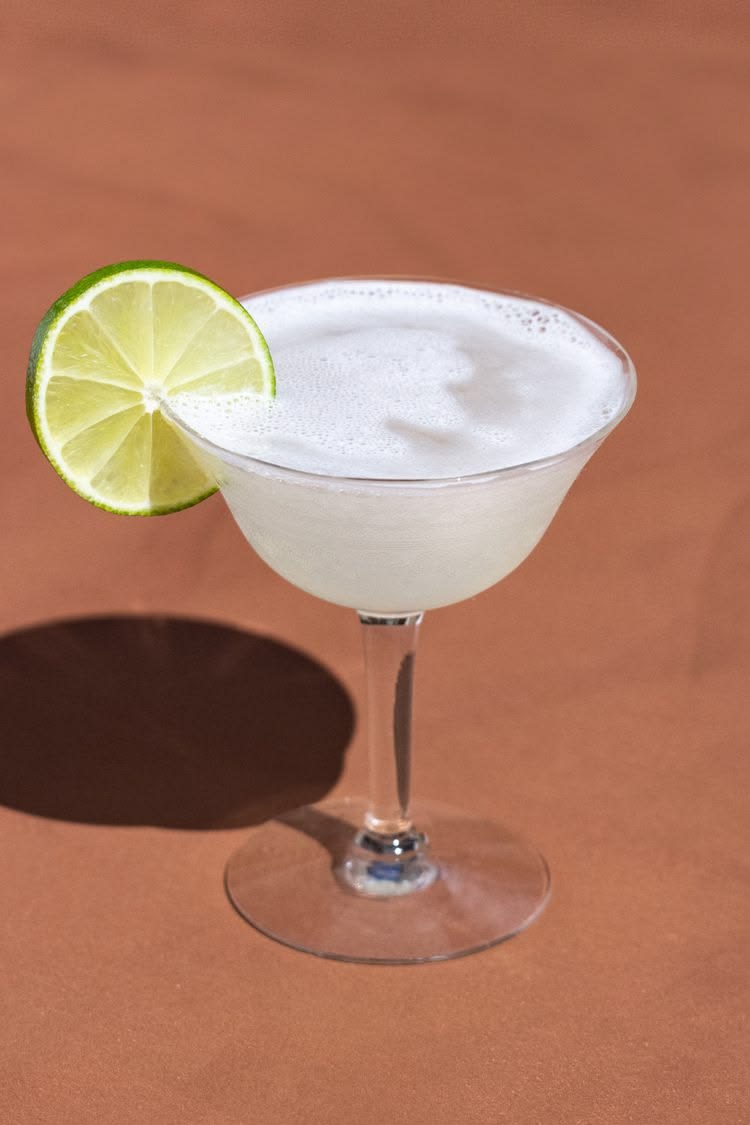
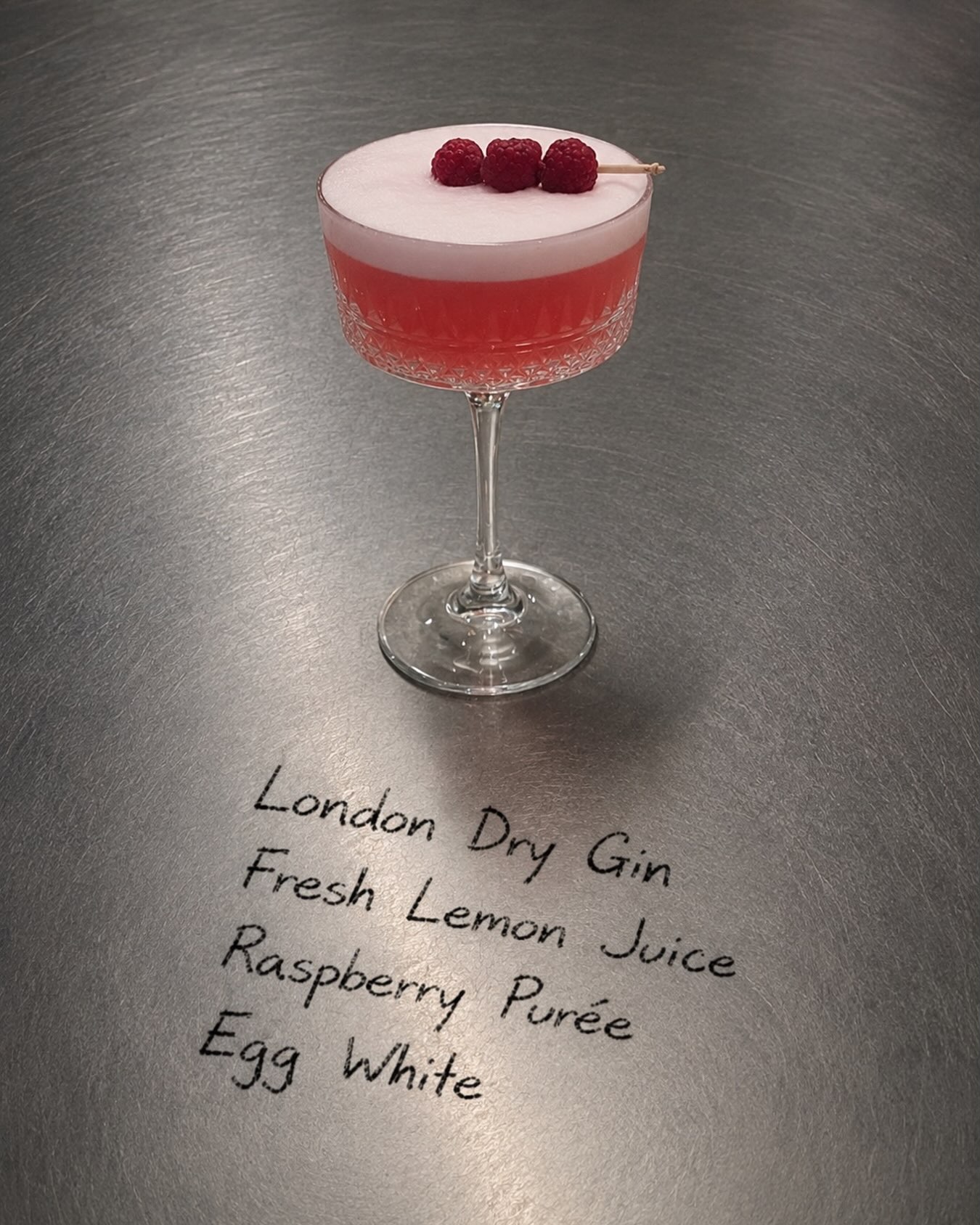
Gin, lemon juice, raspberry syrup, and egg white, shaken hard until it froths, then strained into a coupe. It started at Philadelphia’s Bellevue-Stratford Hotel in the late 1800s, fell out of fashion for decades, and came roaring back once bartender Julie Reiner named her own Brooklyn bar after it. The raspberry pink and the foam on top make it one of the prettiest pours on this whole list.
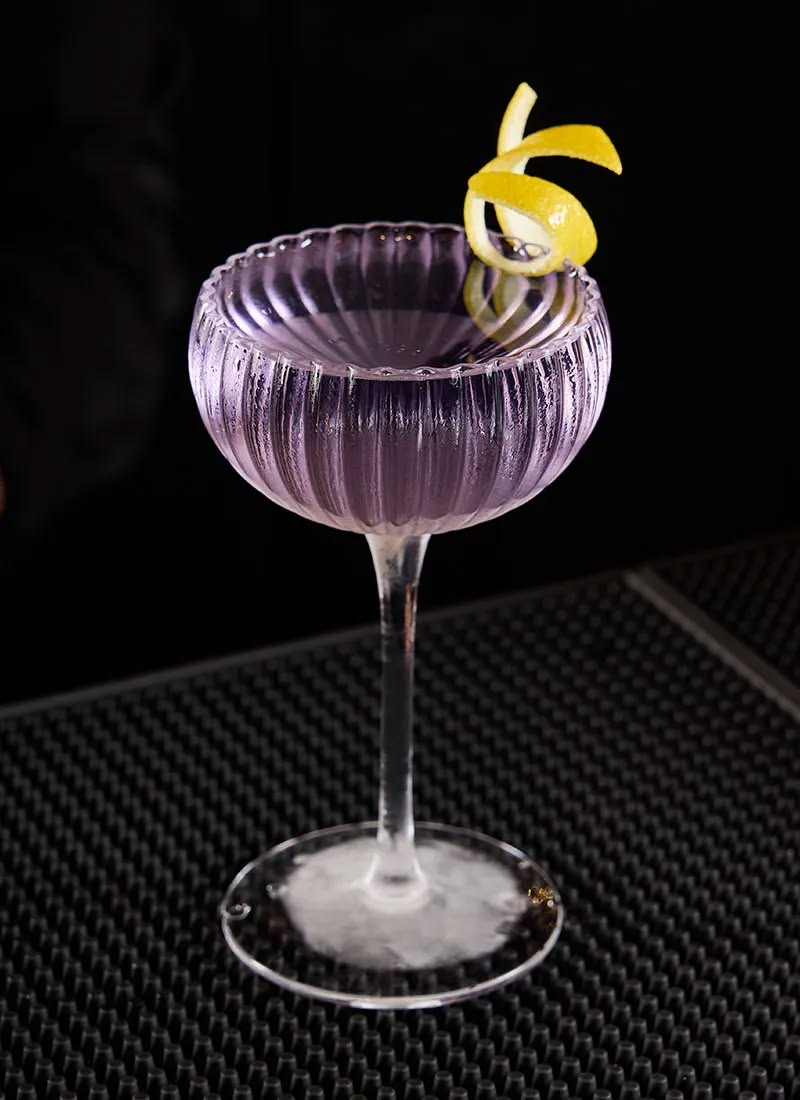
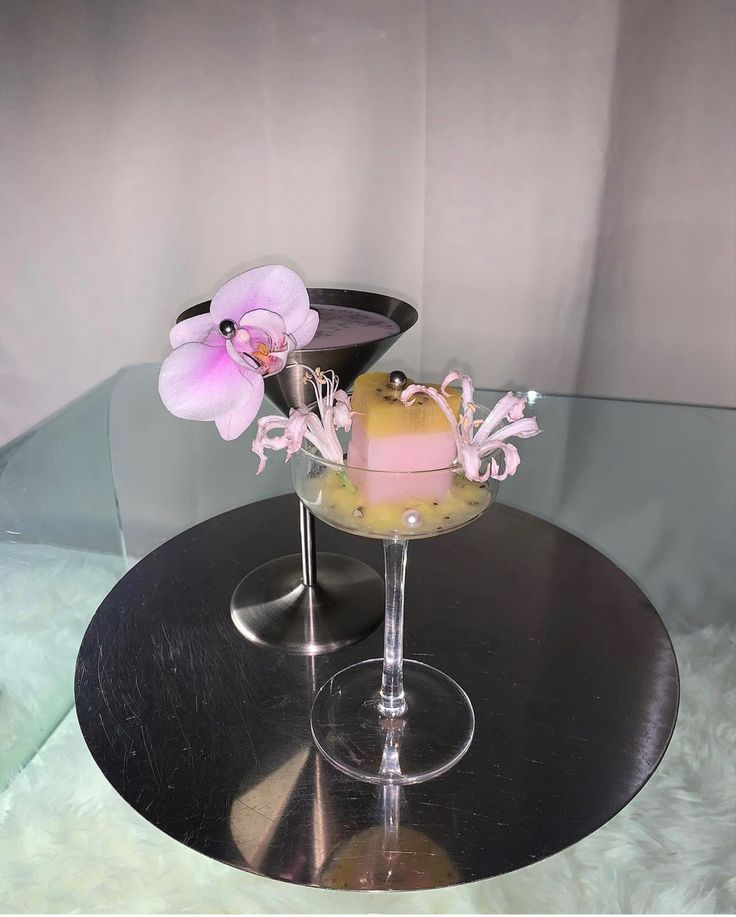
Gin, maraschino liqueur, lemon juice, and a barspoon of crème de violette, shaken and strained up. The violette gives it a pale lavender-grey tint, and it’s also the ingredient most bars skipped for decades simply because it was hard to source. Worth tracking down if you want the real version. It tastes gin-forward and tart, with the maraschino rounding off the lemon and the violette adding a floral lift on top, not too sweet if the bartender goes easy on the violette. Overdo that part and it tips into soapy, perfume territory, so a light hand matters. The color alone earns it a spot on a signature cocktail menu.
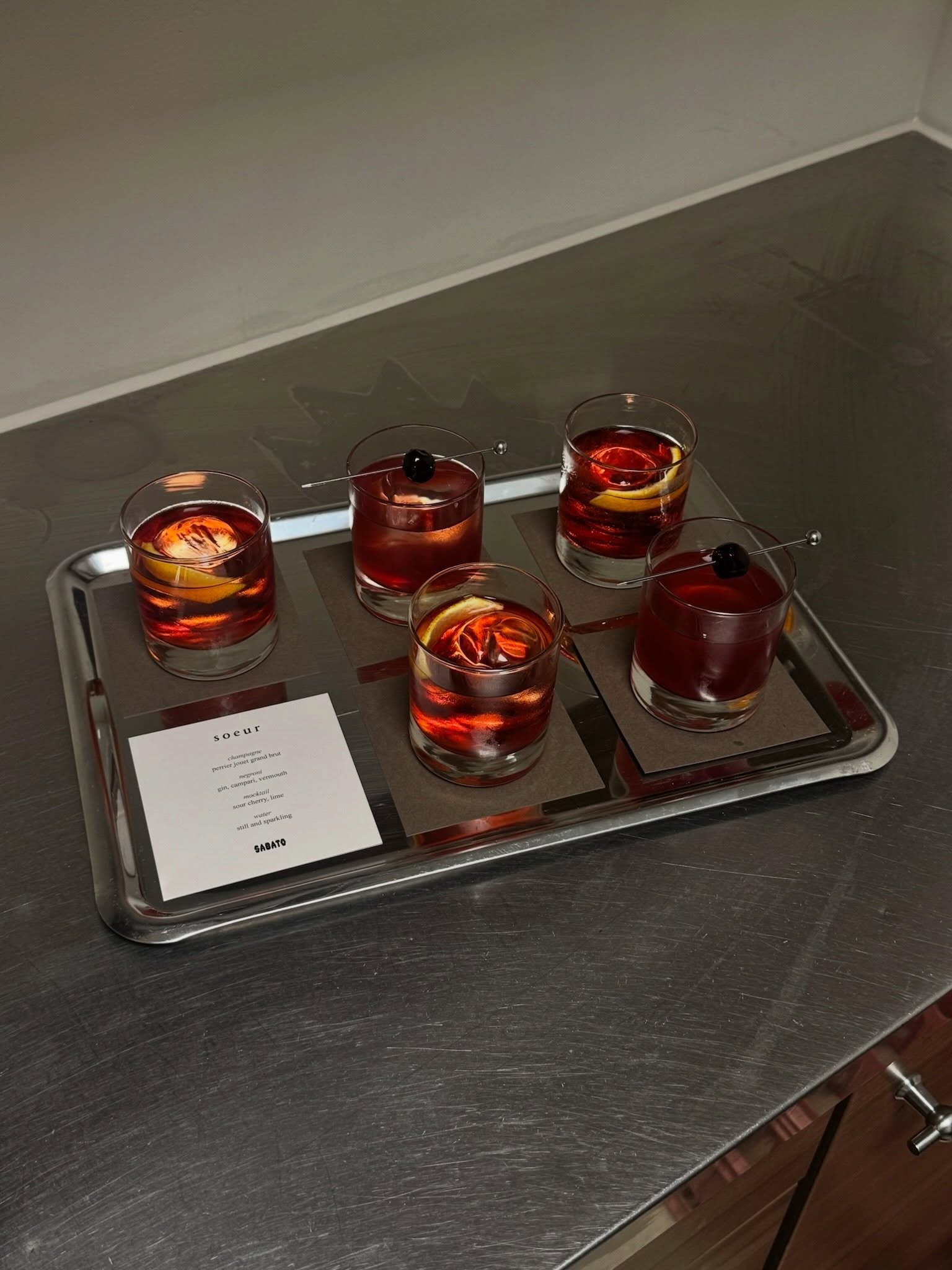
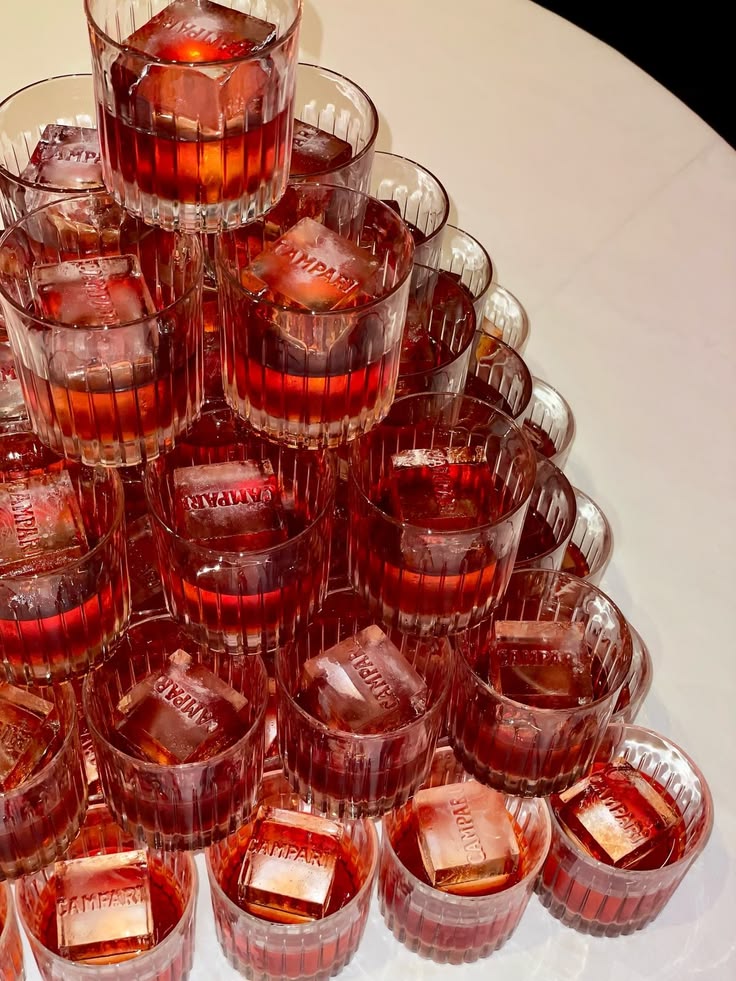
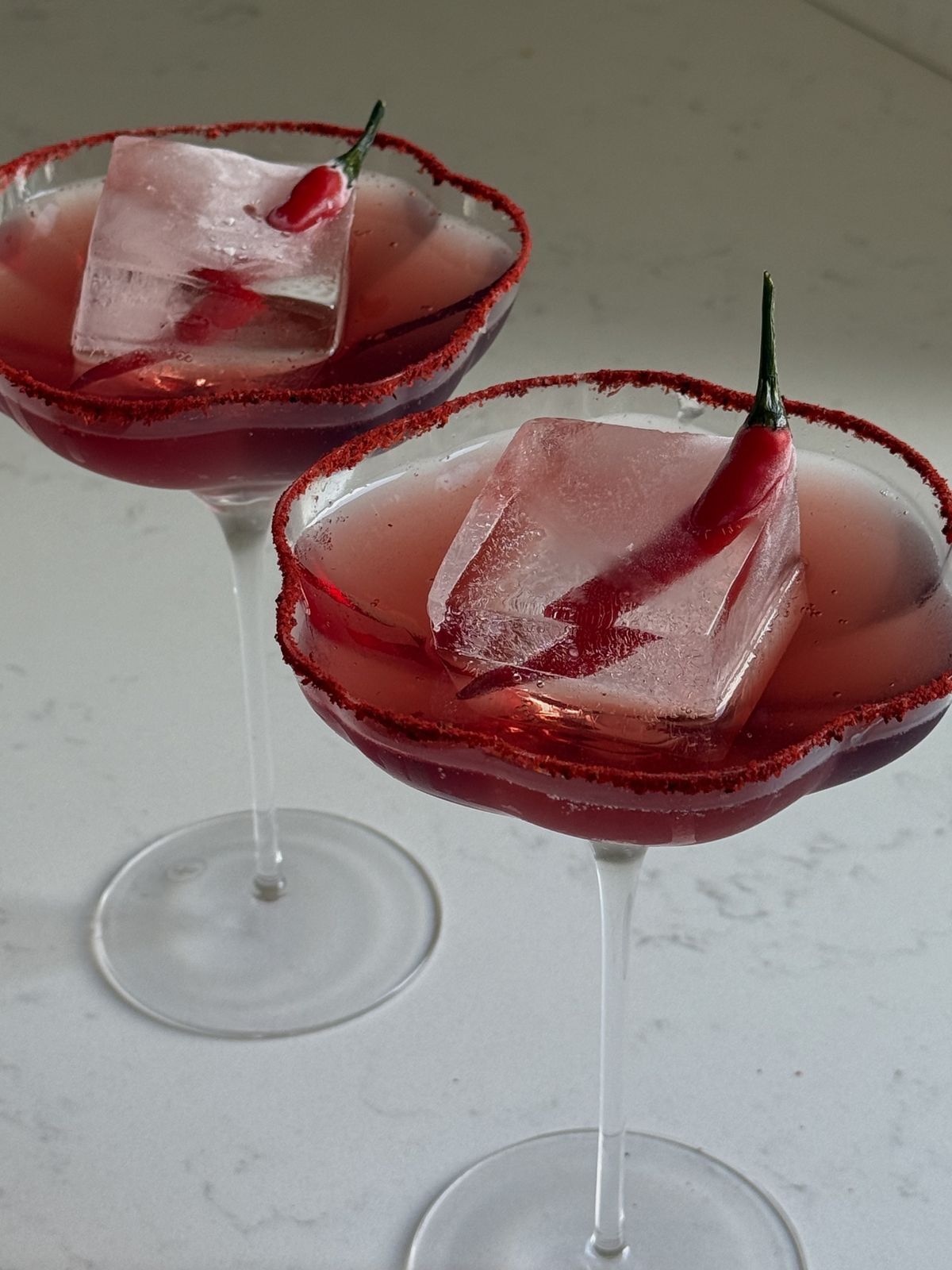
Equal parts gin, Campari, and sweet vermouth, stirred and built over ice, garnished with an orange slice. As the story goes, a Count Negroni asked a Florence bartender to strengthen his usual Americano with gin instead of soda water, sometime around 1919.
Almost everyone knows the name by now, and guests tend to split into two camps: people who love it and people who can’t stand the bitterness. If your crowd leans toward the first group, it’s a no-brainer for the bar menu, and there’s no shortage of ways to customize it if a straight glass of Campari feels too aggressive.
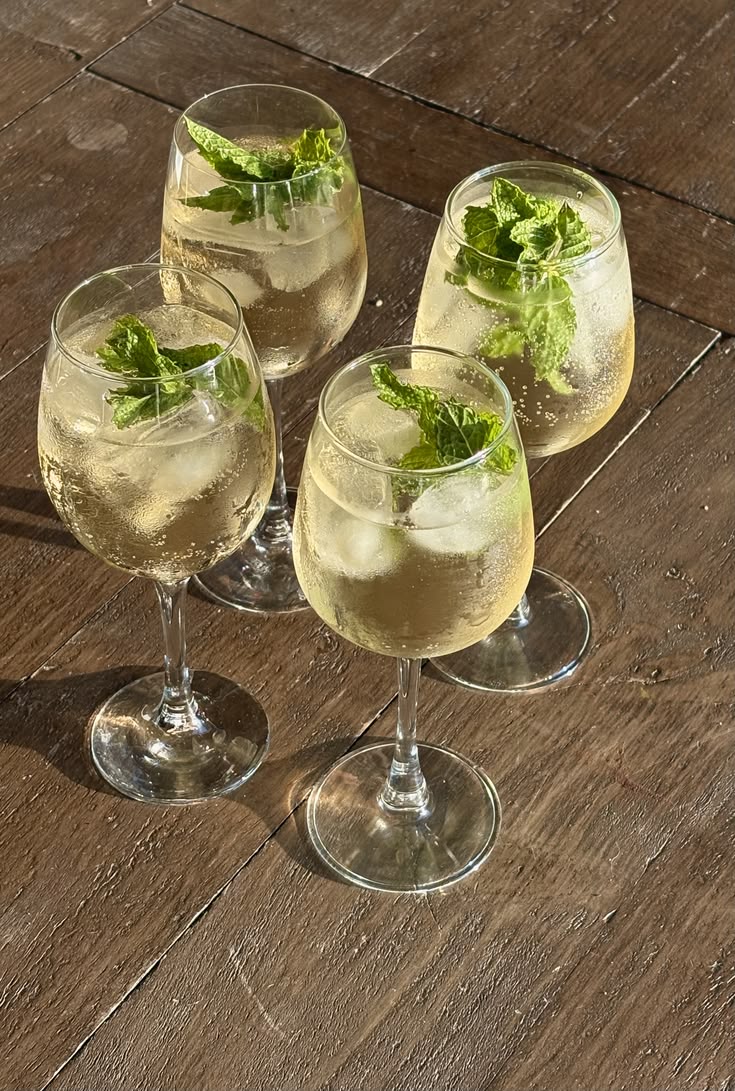
Gin, lime juice, simple syrup, and a handful of mint, shaken hard and double-strained. It’s basically a gin mojito without the rum or the crushed ice. One story ties it to Al Capone’s crew on Chicago’s South Side, who got rougher gin than their rivals across town and leaned on mint and citrus to cover for it. True or not, it’s a good line for the menu card, and it’s an easy pour for a daytime or garden reception.
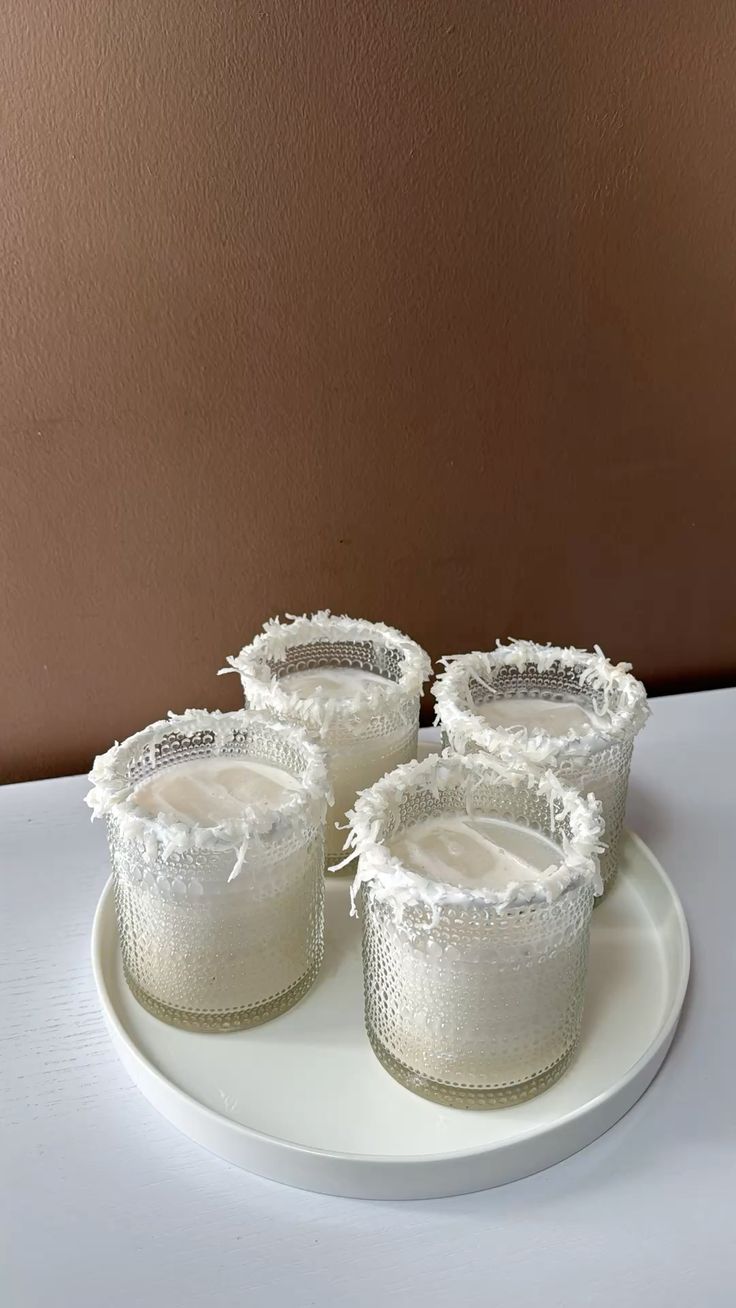
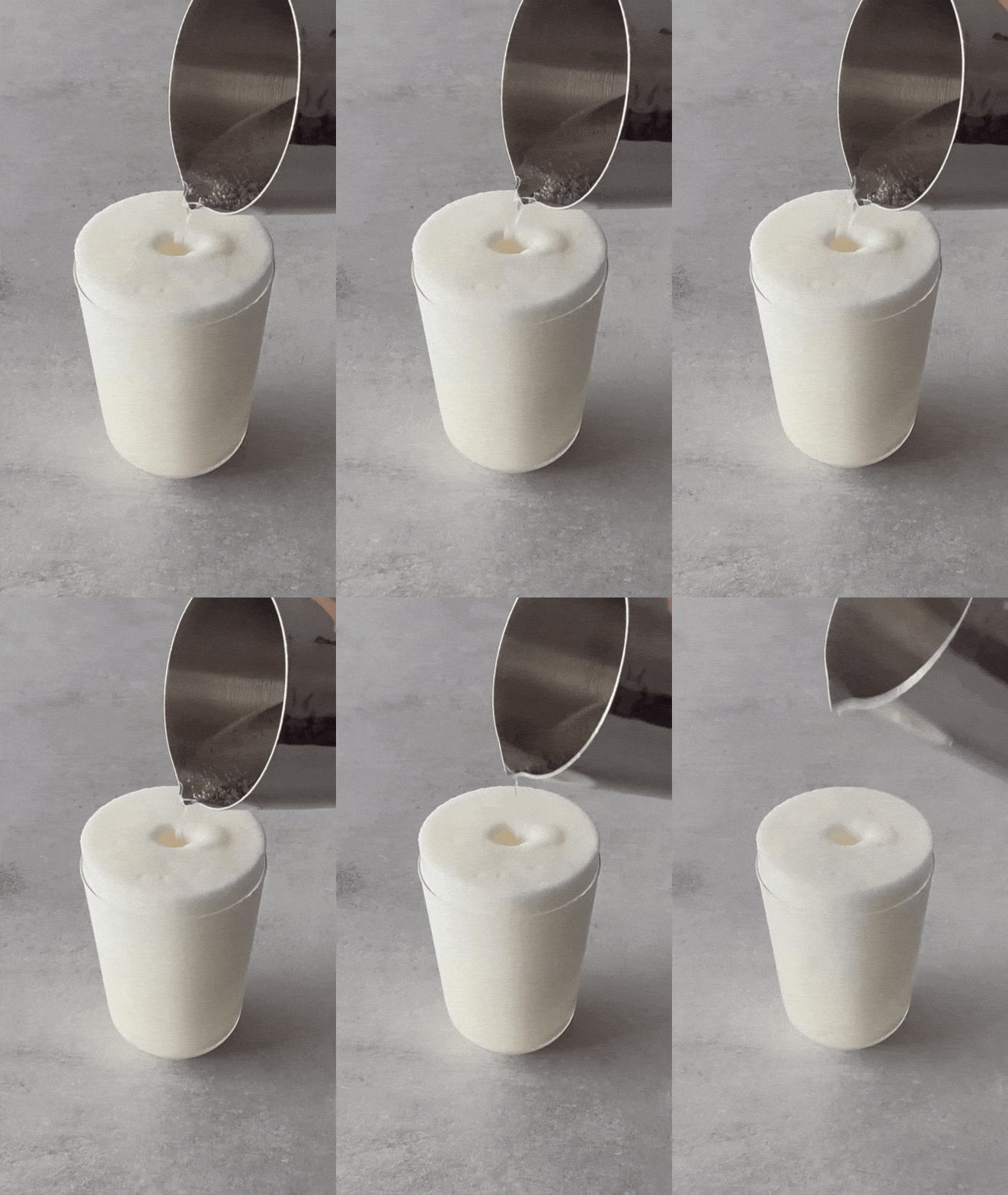
Gin, lemon and lime juice, simple syrup, egg white, cream, orange flower water, and soda water, shaken properly for a full ten to twelve minutes until it turns thick and frothy. Henry Ramos invented it in 1888 New Orleans and kept the recipe secret for over 30 years, running a whole line of “shaker boys” who passed the tin down the bar so no single arm had to carry the work. Most bars skip the real version for exactly that reason, so if you find one done right, order it. Done properly, it comes out creamy and velvety from all that shaking, faintly sweet, bright with citrus, and floral enough from the orange flower water that people describe it as closer to drinking a flower than a cocktail.
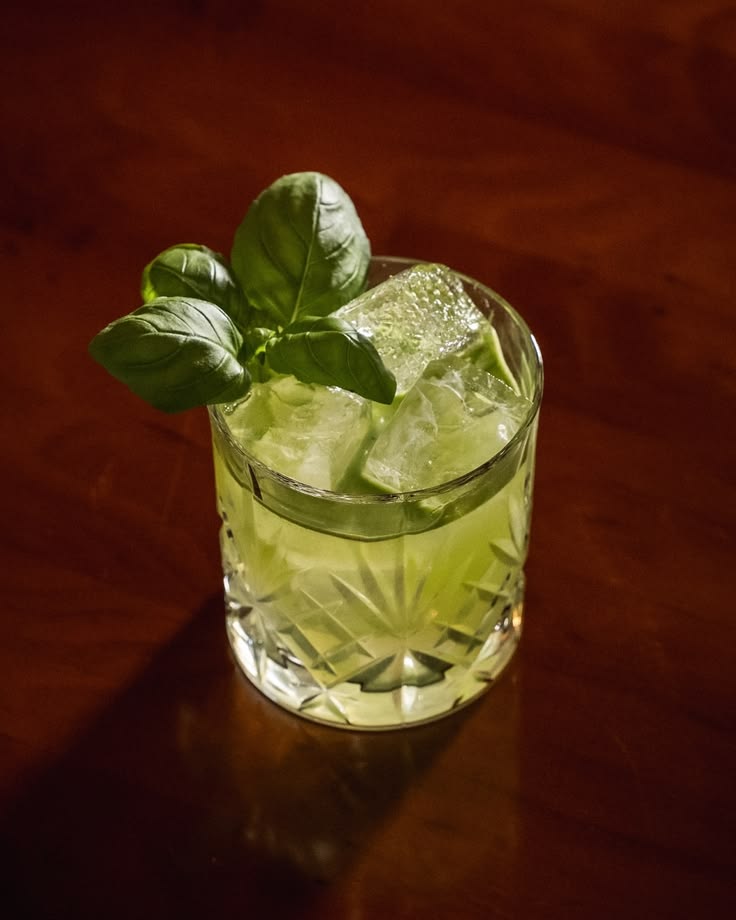
Gin, fresh basil, lemon juice, and simple syrup, muddled and shaken hard, then double-strained over ice. A Hamburg bartender named Jörg Meyer invented it in 2008, almost by accident, after trying to redo a whiskey smash with basil standing in for mint. It’s become one of the most-ordered modern classics worldwide since, and it’s an easy sell for a garden or outdoor wedding where fresh herbs are already part of the decor.
Basil pairs well with cucumber, too, so a thin cucumber ribbon makes an easy garnish if you want the glass to look as fresh as it tastes.
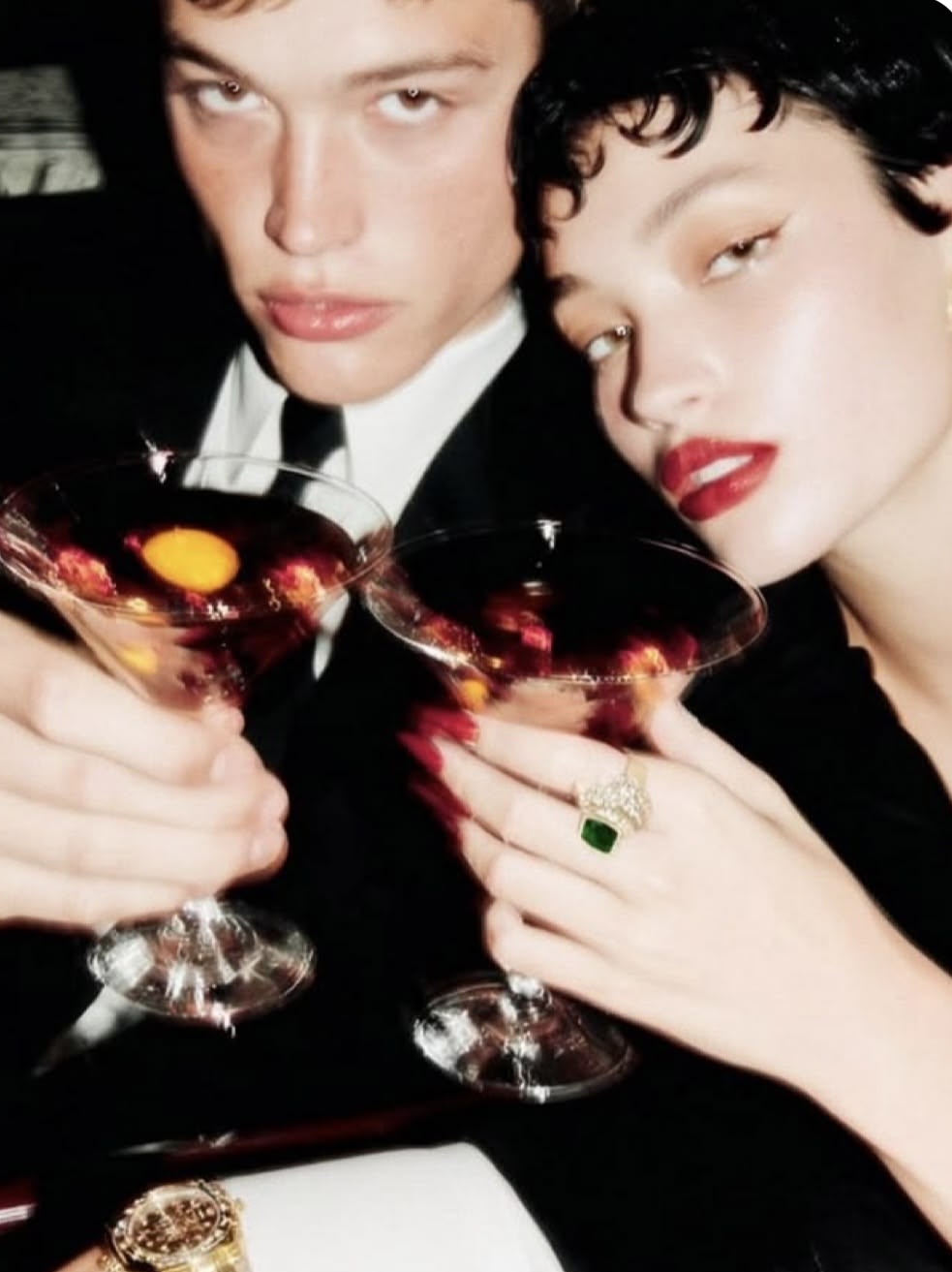
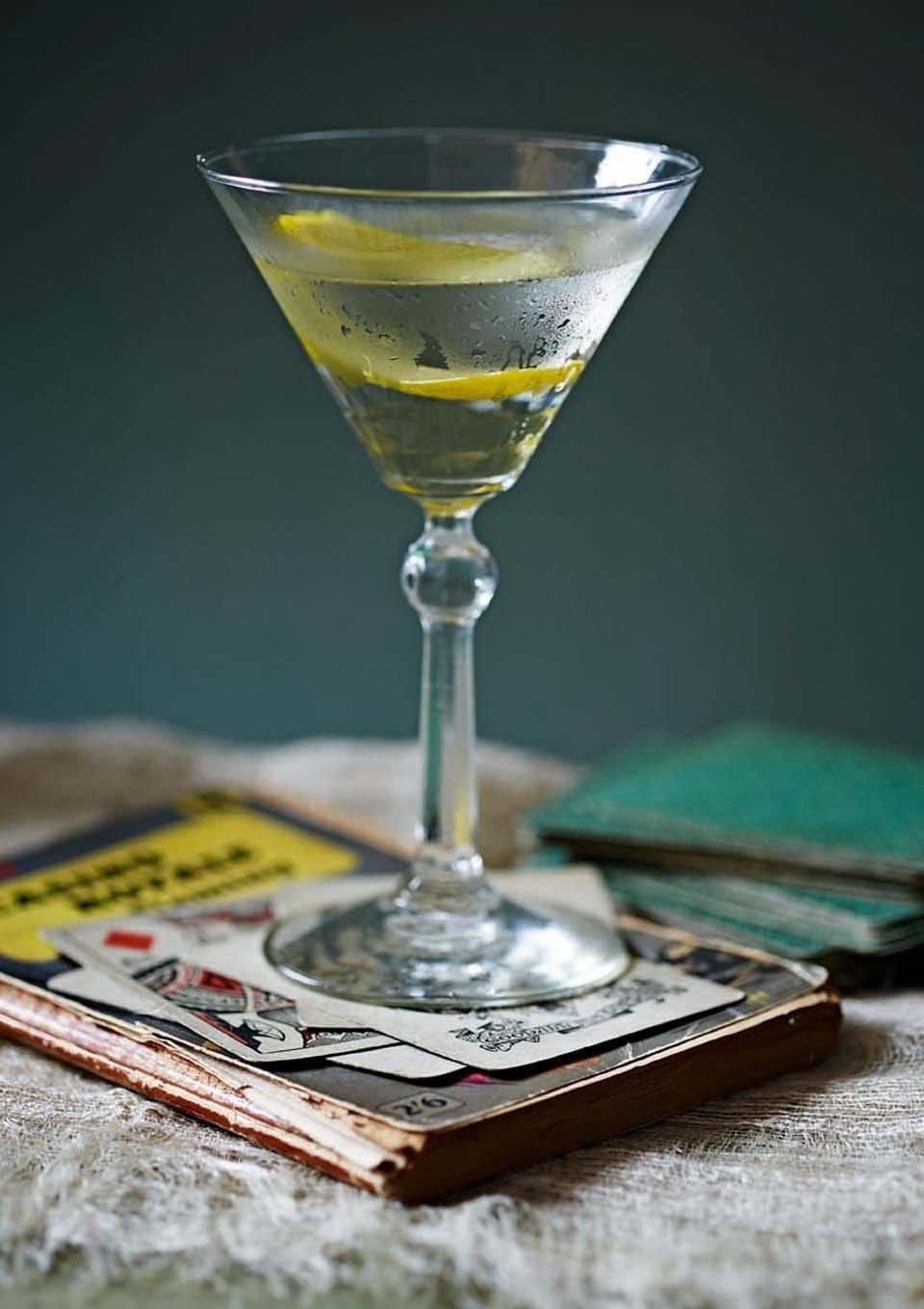
Gin, vodka, and Lillet Blanc, shaken hard with a wide strip of lemon peel. James Bond invents it himself in Ian Fleming’s 1953 novel Casino Royale and names it after Vesper Lynd, the woman he falls for in the book. The original recipe called for Kina Lillet, which went out of production in 1986, so modern versions use Lillet Blanc instead and come out a little less bitter than Fleming’s. It’s strong, since there’s no vermouth to soften it, which makes it a better fit for the after-party than cocktail hour, but the story alone makes it an easy sell to guests who’ll recognize the reference.
Photo: Pinterest, Casino Royale (2006), Sony Pictures