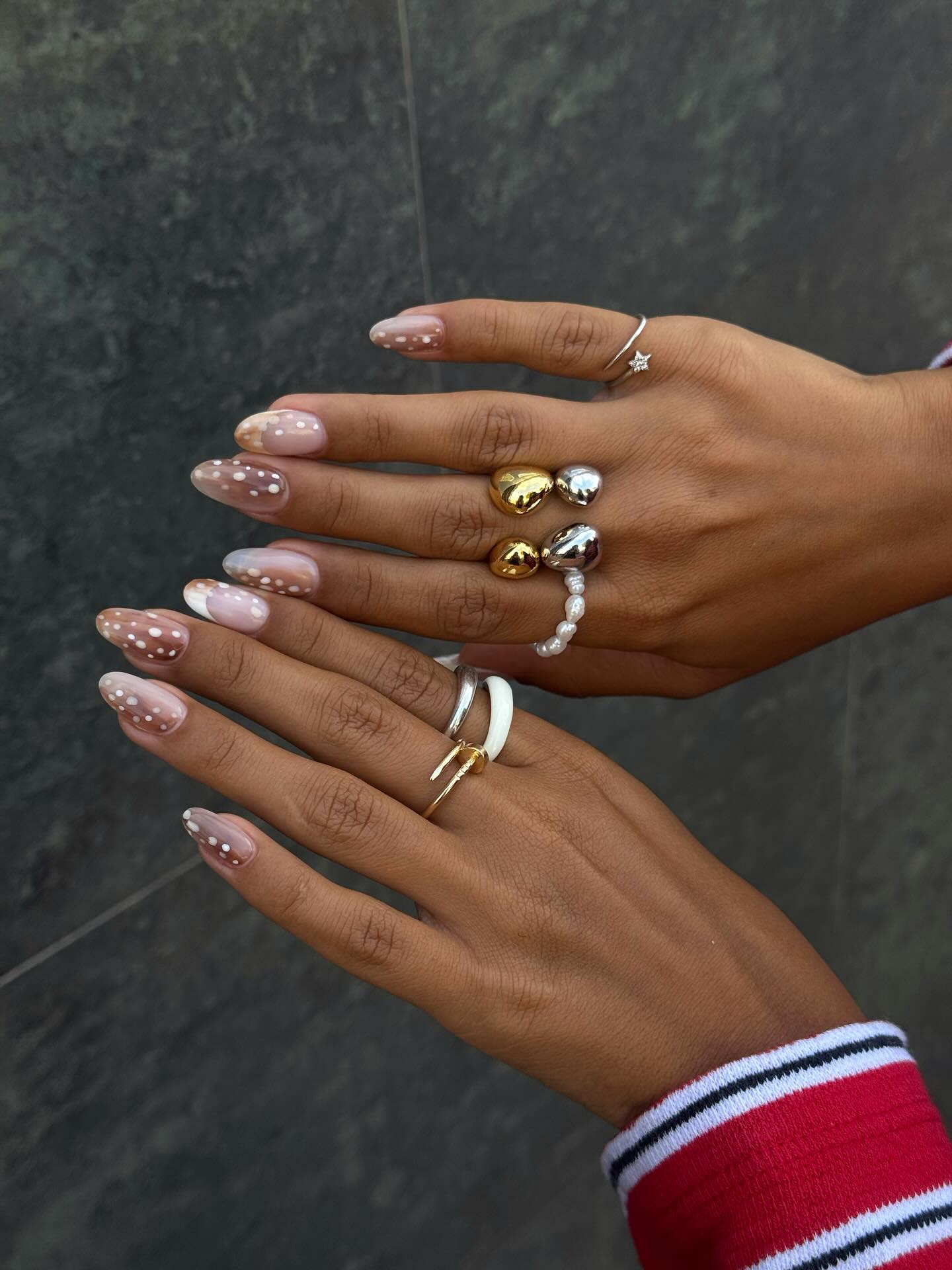
Weddings have become one of the most visible events a person can have. What used to be an afternoon between two families is now routinely an entire content calendar: the proposal video, the save-the-date, the countdown posts, the aisle livestream, the same-day highlight reel, the anniversary throwback a year later. For many couples, that visibility is exactly the point: sharing the day is part of how they experience its joy, and a thoughtfully planned wedding is one worth showing off. But that same shift toward total visibility is also what’s made the opposite choice suddenly stand out.
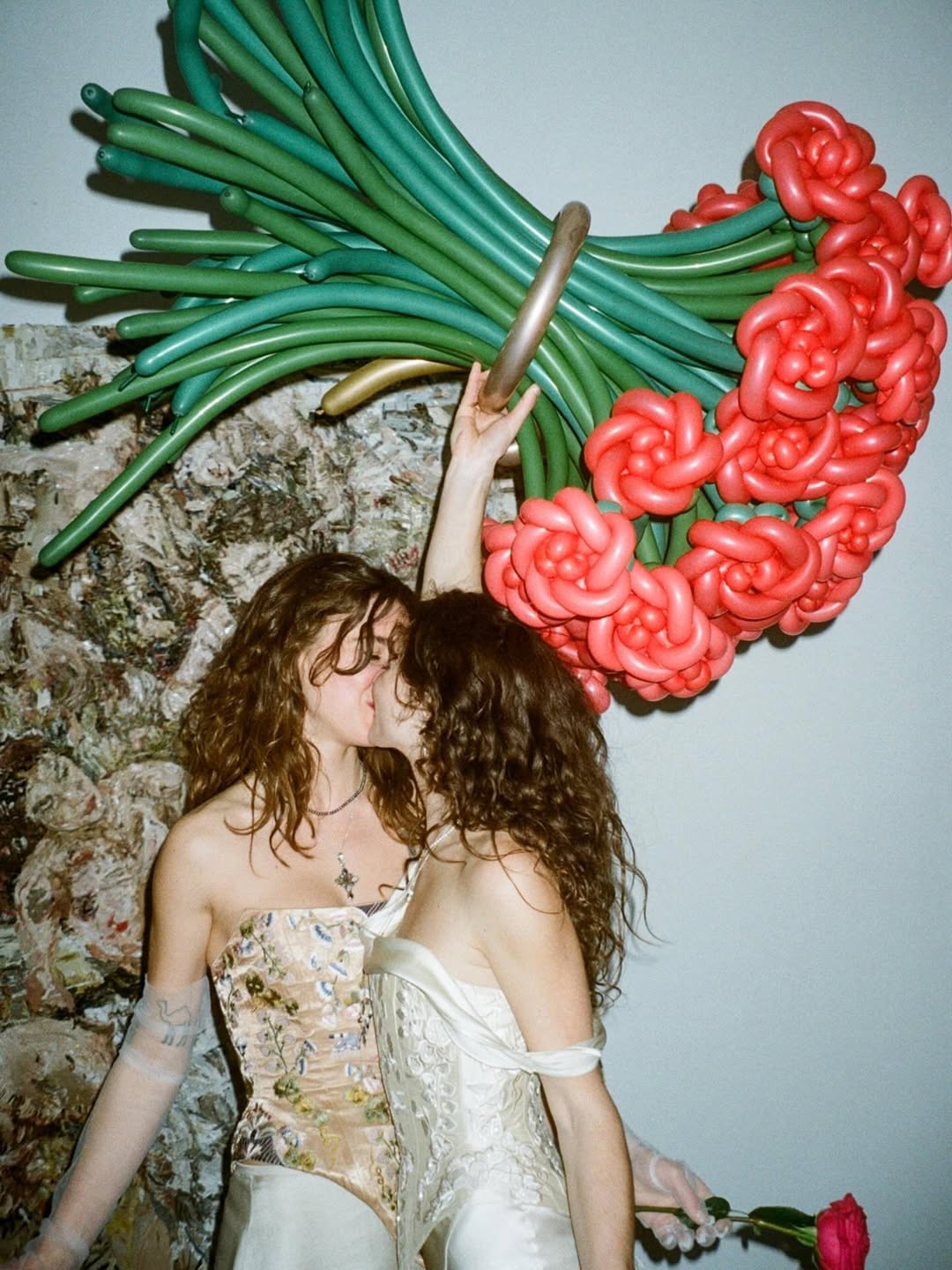
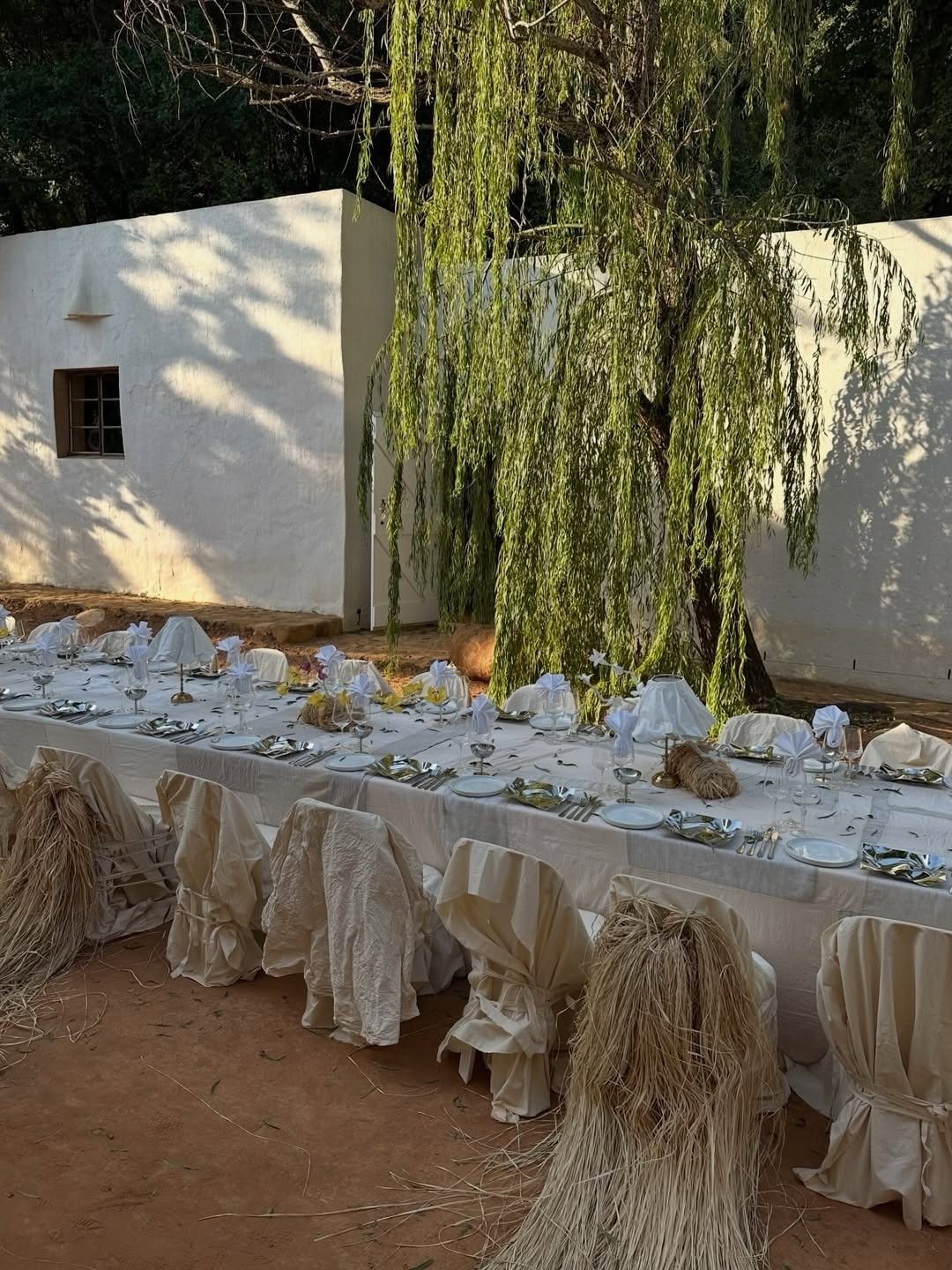
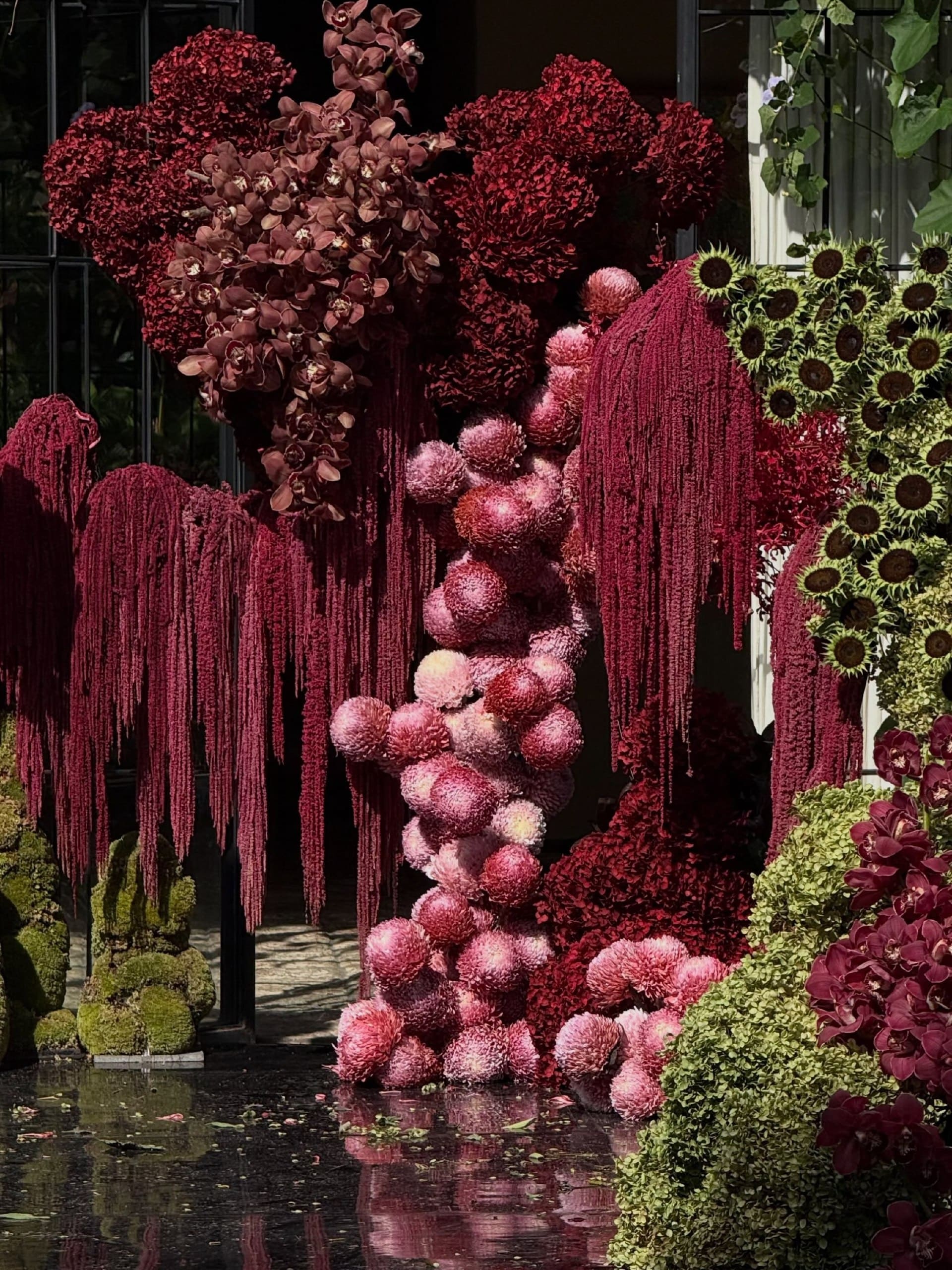
Content: Dani d’Ingeo, Amarenns
A growing number of couples, particularly younger ones, are deliberately building weddings that exist almost entirely outside public view, no venue tag, no content, often no real way for an outsider to find out it happened at all. Taylor Swift and Travis Kelce married over a month ago, and not a single official photo has surfaced. Zendaya and Tom Holland reportedly celebrated their own marriage at a private reception in Surrey on August 4, and the internet still has nothing but secondhand details to go on.
Gen Z is the first generation to grow up entirely inside the social media era. They watched Millennial couples build whole identities around their weddings, the engagement announcement, the hashtag, the live updates from the aisle, the recap, the anniversary post, and watched the wedding turn into one of the biggest content events of a person’s personal brand. A meaningful share of them looked at that and decided they wanted something structurally different.
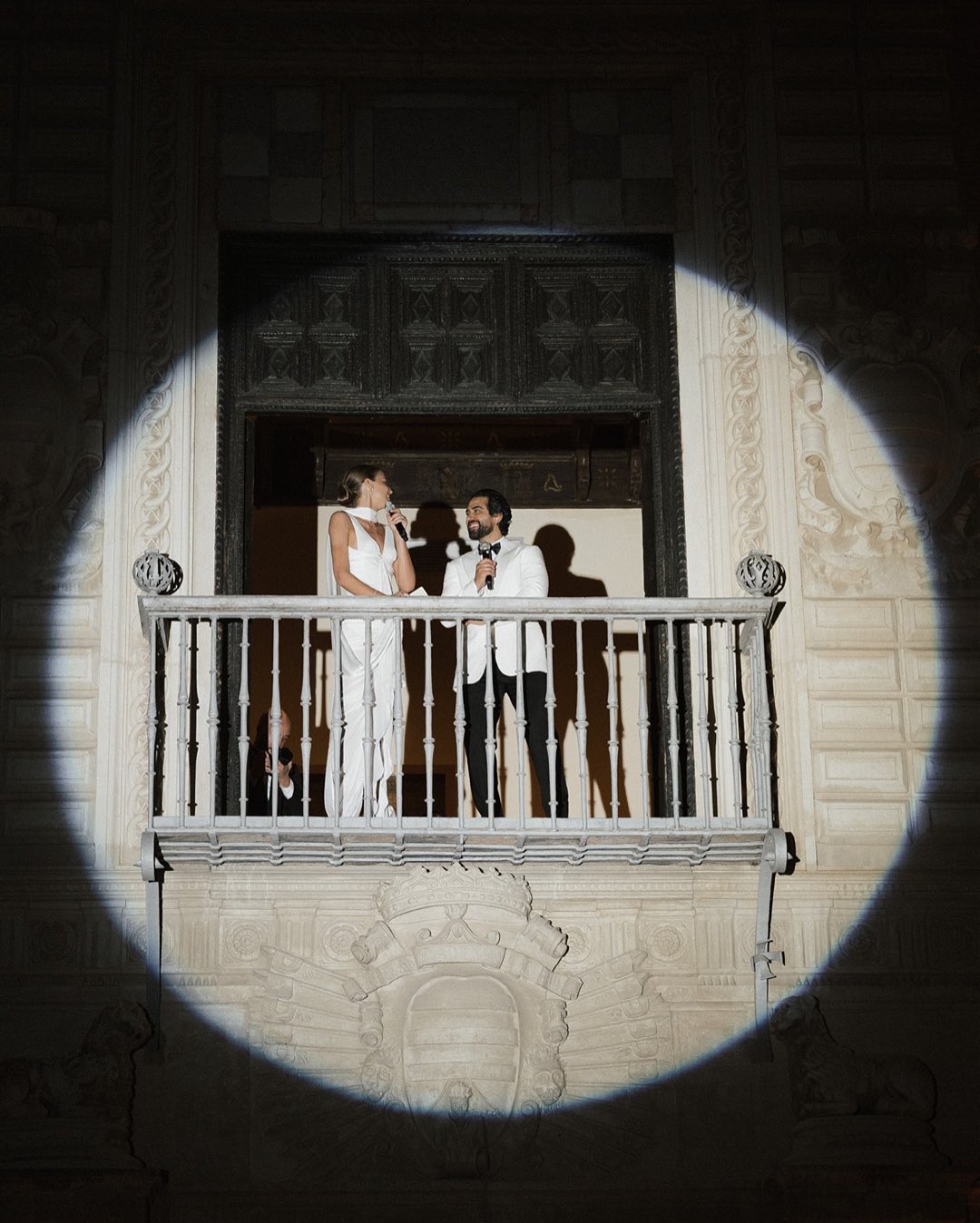
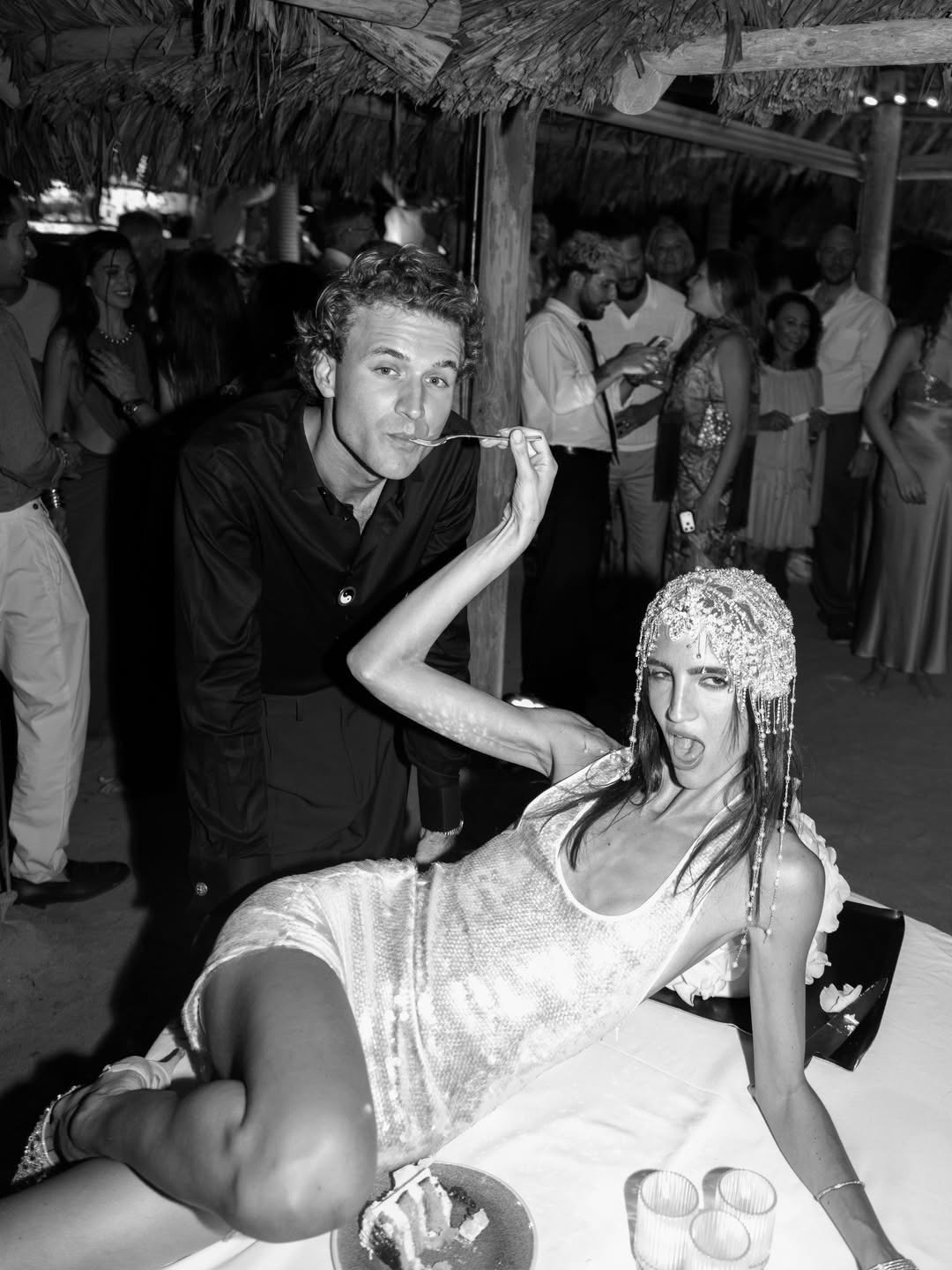
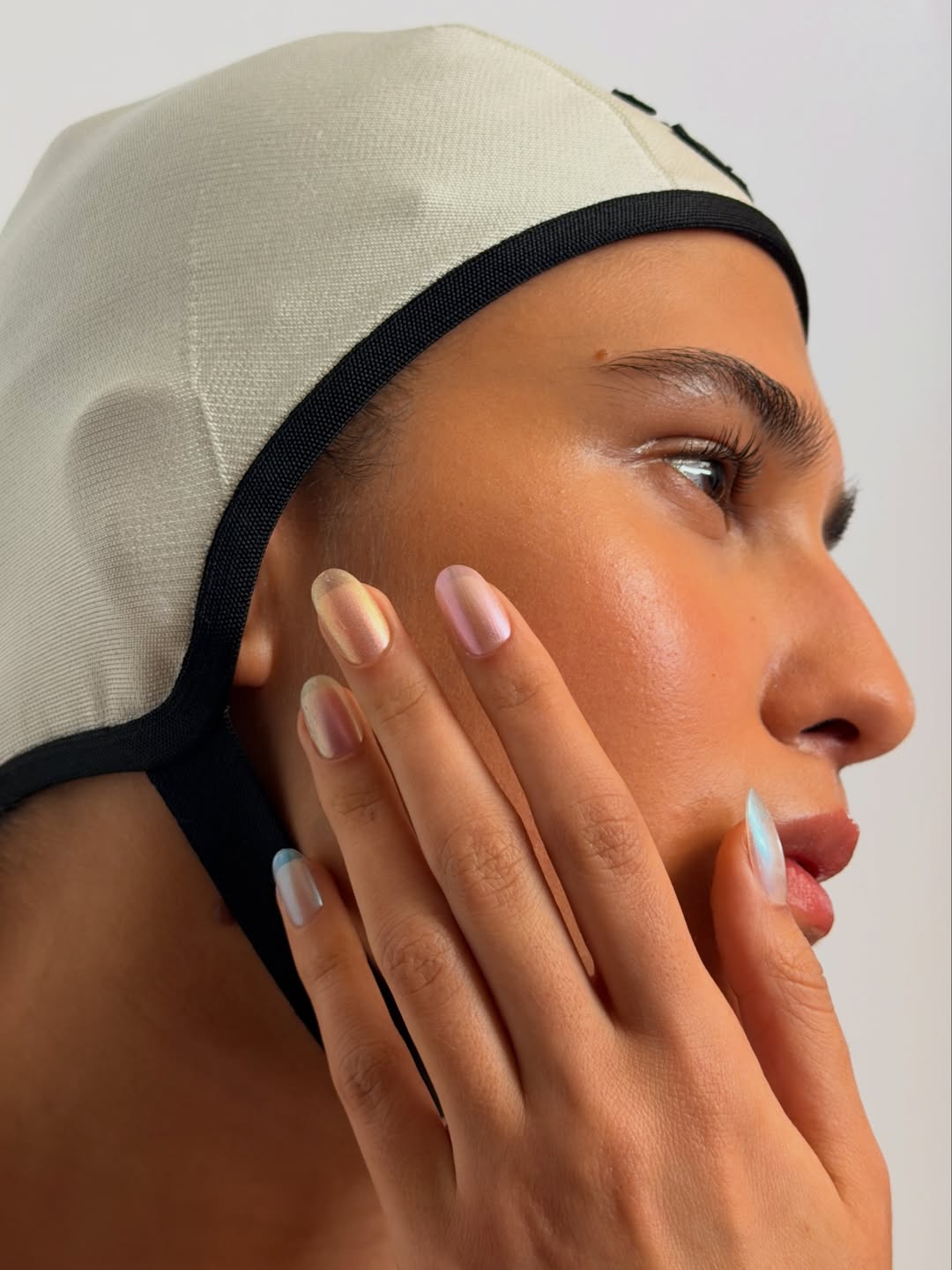
Photo: Katarina Fedora, Emily Lab
Where It Started
The shift toward more intimate guest lists was already underway before 2020, and the pandemic accelerated it in an unexpected way. Couples who were forced into micro-ceremonies during lockdown often found, once restrictions lifted, that they did not want to go back. Search interest in small ceremonies and local registry-office weddings has grown significantly year over year.
A smaller guest list used to read as a constraint, something you did when the budget did not stretch further. But now it’s rather a deliberate choice, meaning attached to intimacy. A 20-person wedding with a serious budget delivers something qualitatively different from 300 people at the same spend. The activities, the details, the things guests actually do, feel, and taste — everything becomes more memorable, generous, and concentrated.
The average wedding still involves over 100 guests for most couples, and that is worth being clear about. What has happened is a split. Wedding culture has polarized into two distinct camps that are moving further apart: couples who build their celebration outward, sharing it widely and making it visible to the world, and couples who build it inward, keeping everything that happens within the room exactly where it happened.
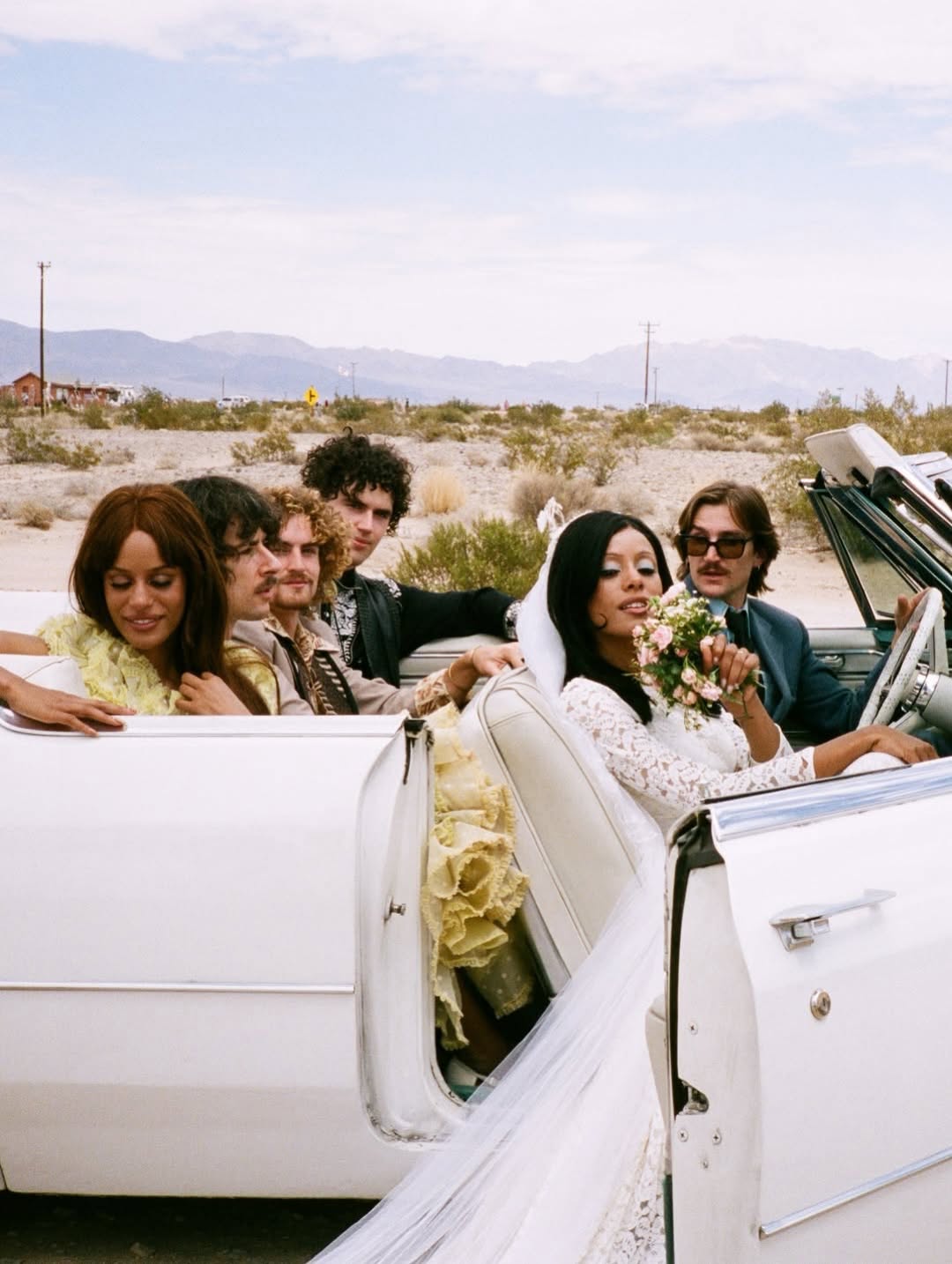
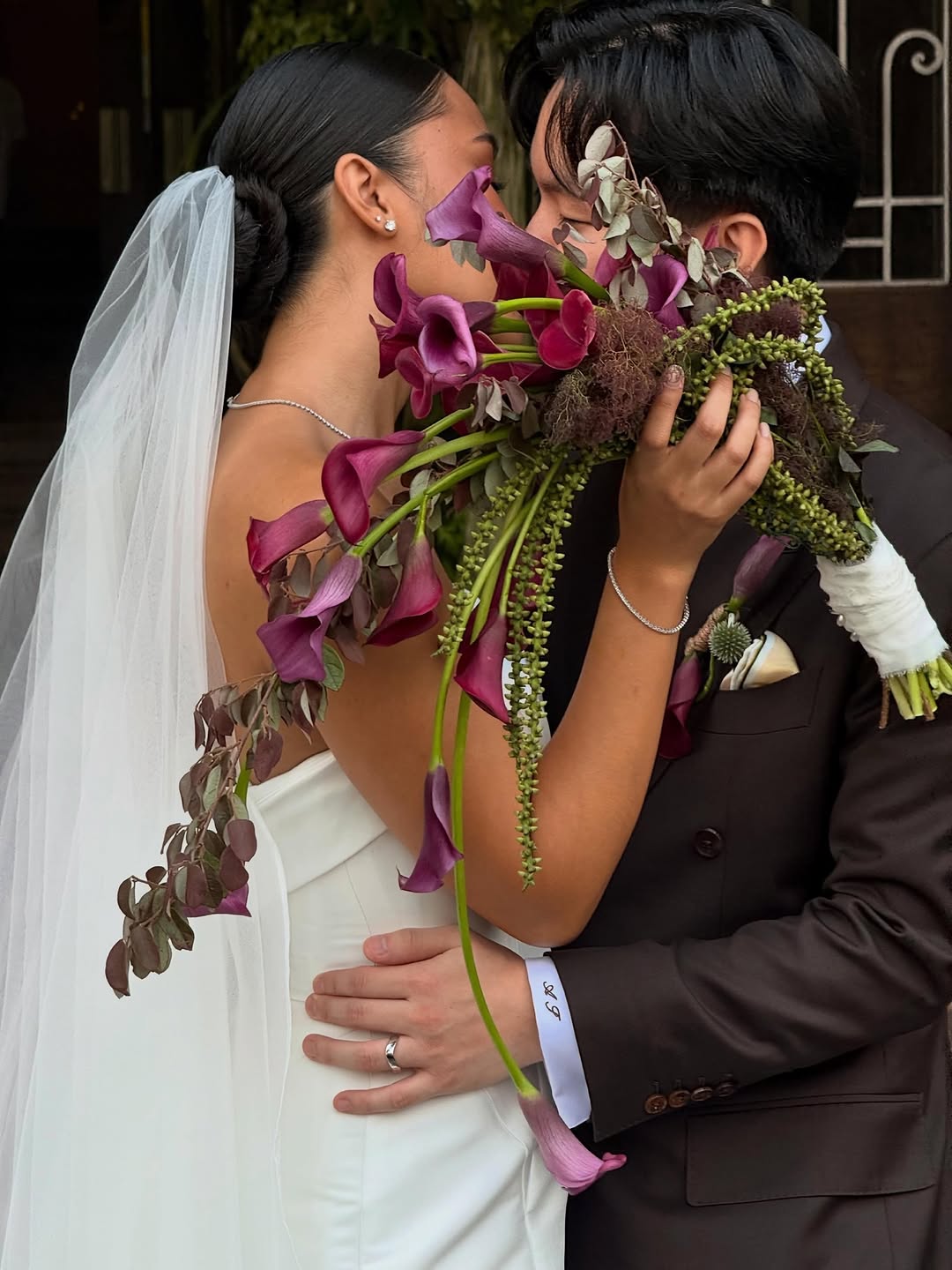
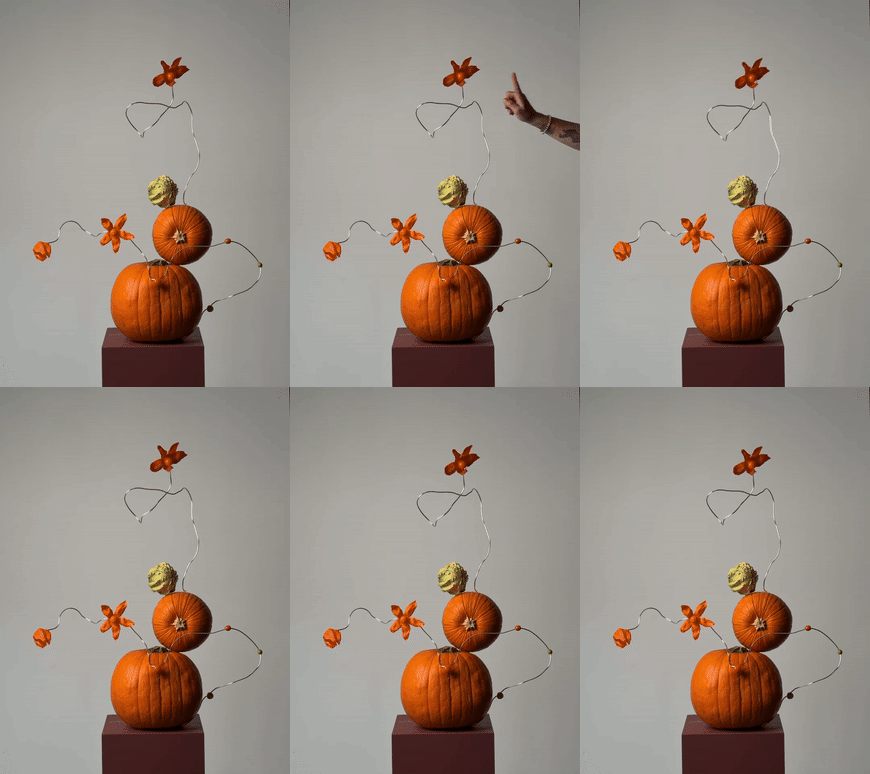
Content: Kristin Gallegos, Reel & Grain
Privacy as the New Luxury
For a long time, visibility was the flex: a wedding that ran in hottest wedding outlets, that guests couldn’t stop posting about, that racked up views online, that was the proof you’d pulled off something worth talking about. What’s shifted at the top of the market is that logic flipping. When anyone with a large enough budget can hire the same handful of top florists and planners, a beautiful wedding stops being rare on its own. What’s actually hard to buy is a wedding nobody else gets to see, one that exists only in the memory of the people who were physically in the room. Discretion, once just a practical matter for famous couples avoiding tabloids, has become something couples without any public profile at all are choosing on purpose, because withholding access has quietly become the rarer, more expensive move.
But still, for some couples, sharing the day is simply part of how they experience it, a celebration is a story meant to be told, not a transaction to be kept quiet. Privacy is a choice with real trade-offs, not an upgrade everyone should be making.
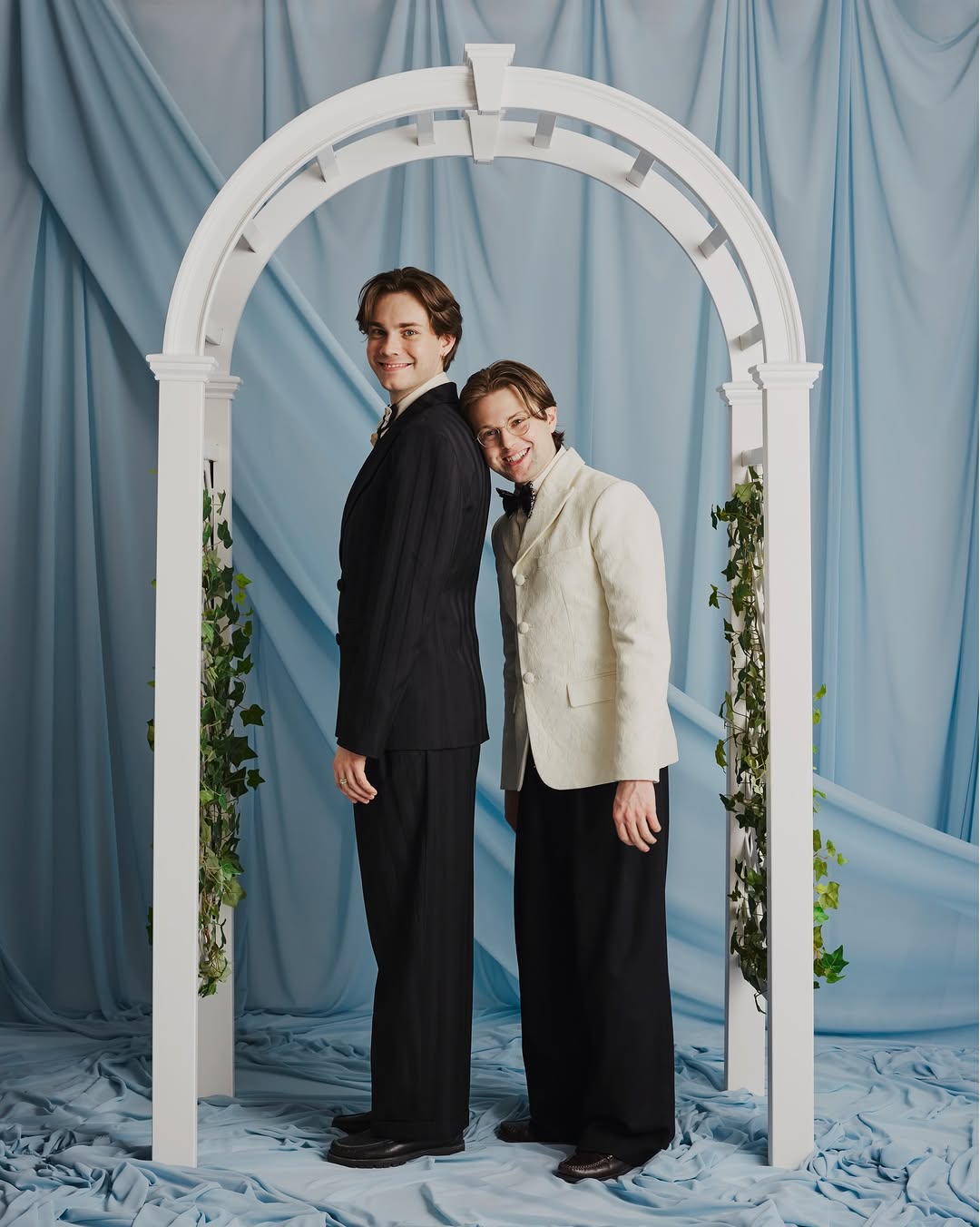
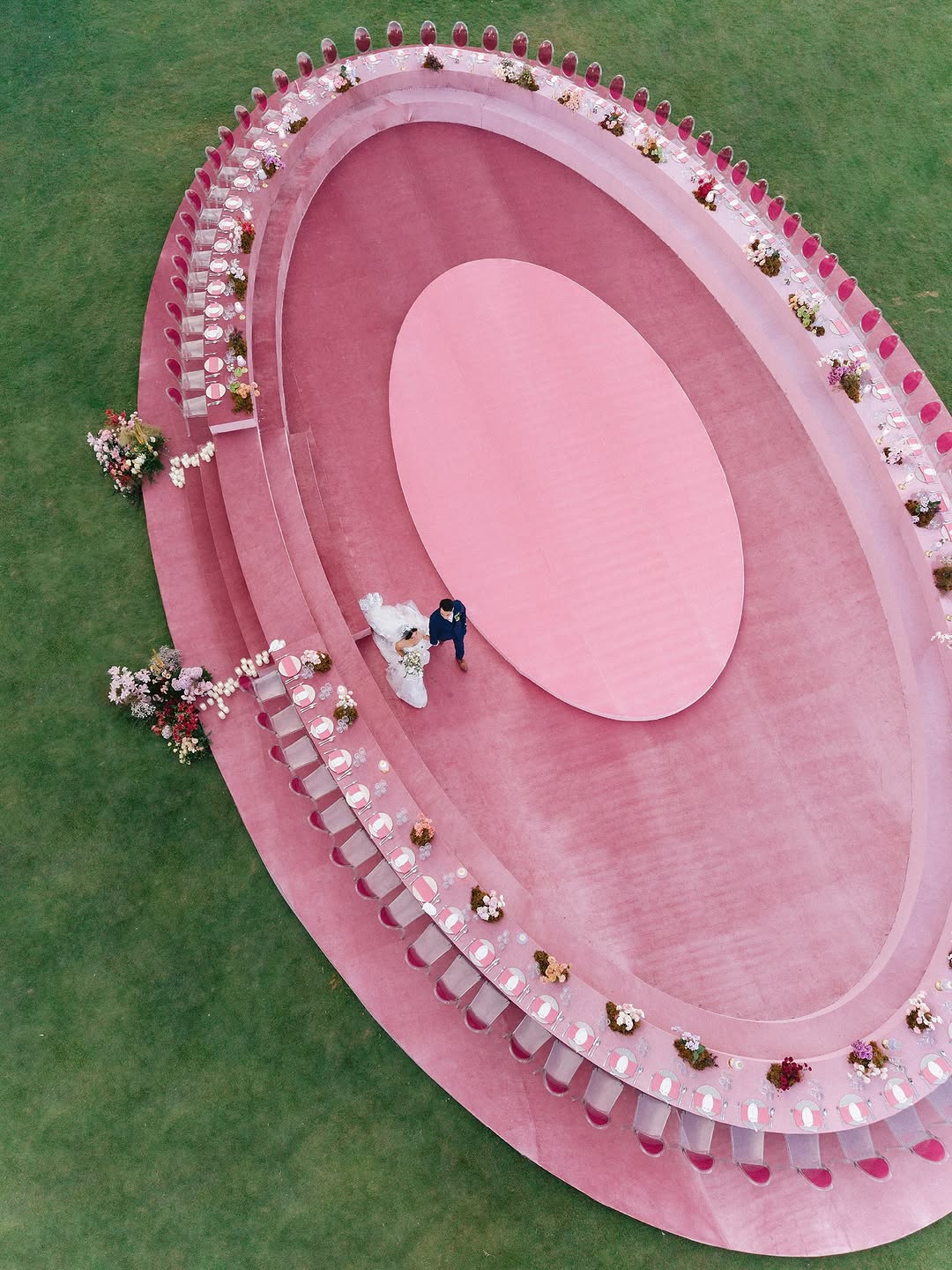
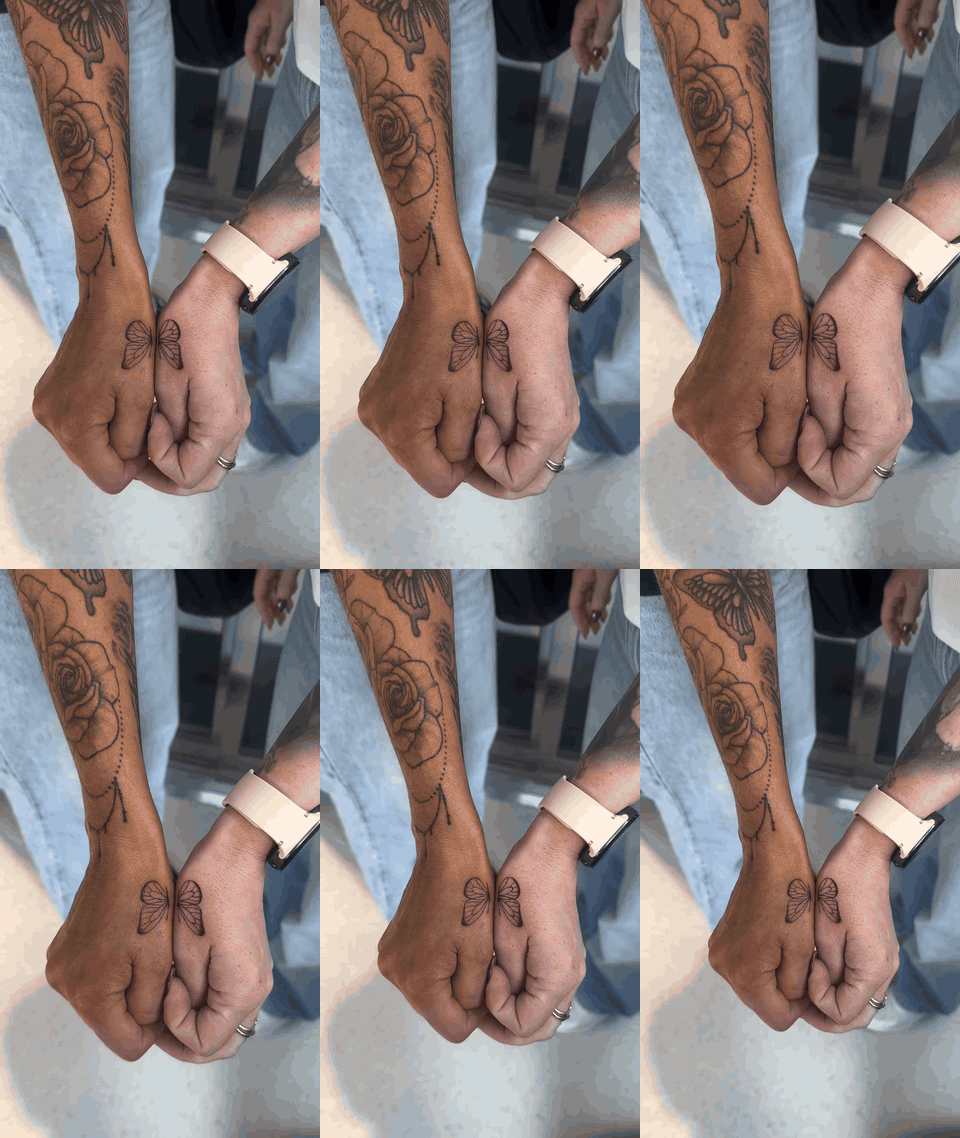
Photo: Courtesy of Tanner Fletcher, The KT Studio
The Anti-Content Turn
Content is the currency of our time. It is how brands grow, how careers are built, how attention is monetized across almost every industry. For Millennials, sharing a wedding online was simply that — sharing. A genuine impulse to include people, to celebrate publicly, to document a happy moment. For Gen Z, content carries a different weight entirely. It is a commercial act, and a growing number of couples do not want their wedding to be that.
This plays out differently depending on the couple. Some hire a photographer, a videographer, sometimes even a dedicated content creator, and document the day fully and beautifully. What they are opposed to is not the capturing of it but the broadcasting of it. Others are skeptical of documentation itself. They are making a different argument: that some experiences are more fully lived when they are not being recorded, and that a wedding might be the most important one to protect from that dynamic. These are the couples asking guests to put their phones away entirely, not because of privacy concerns, but because they want everyone in the room to actually be in the room.
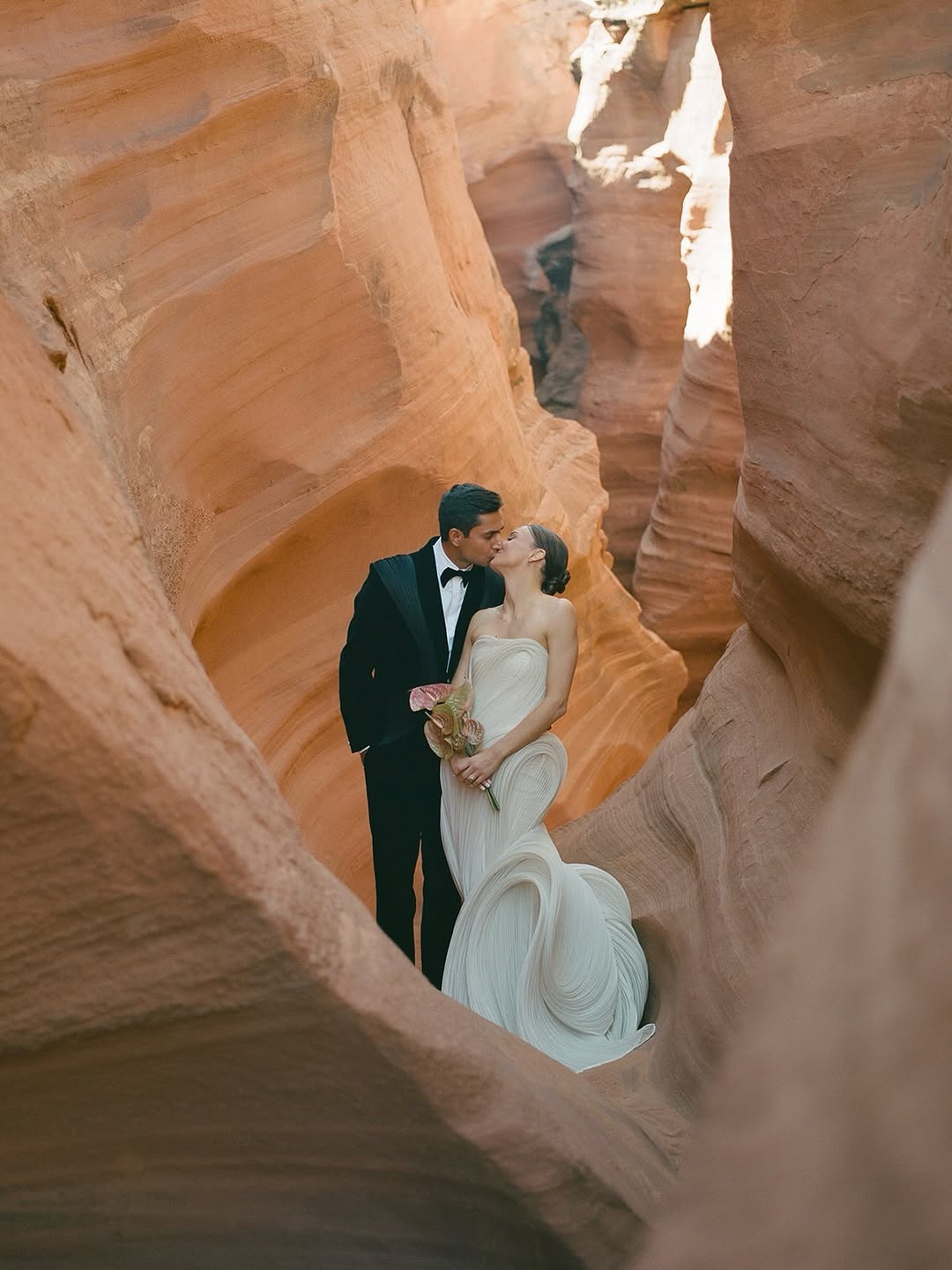
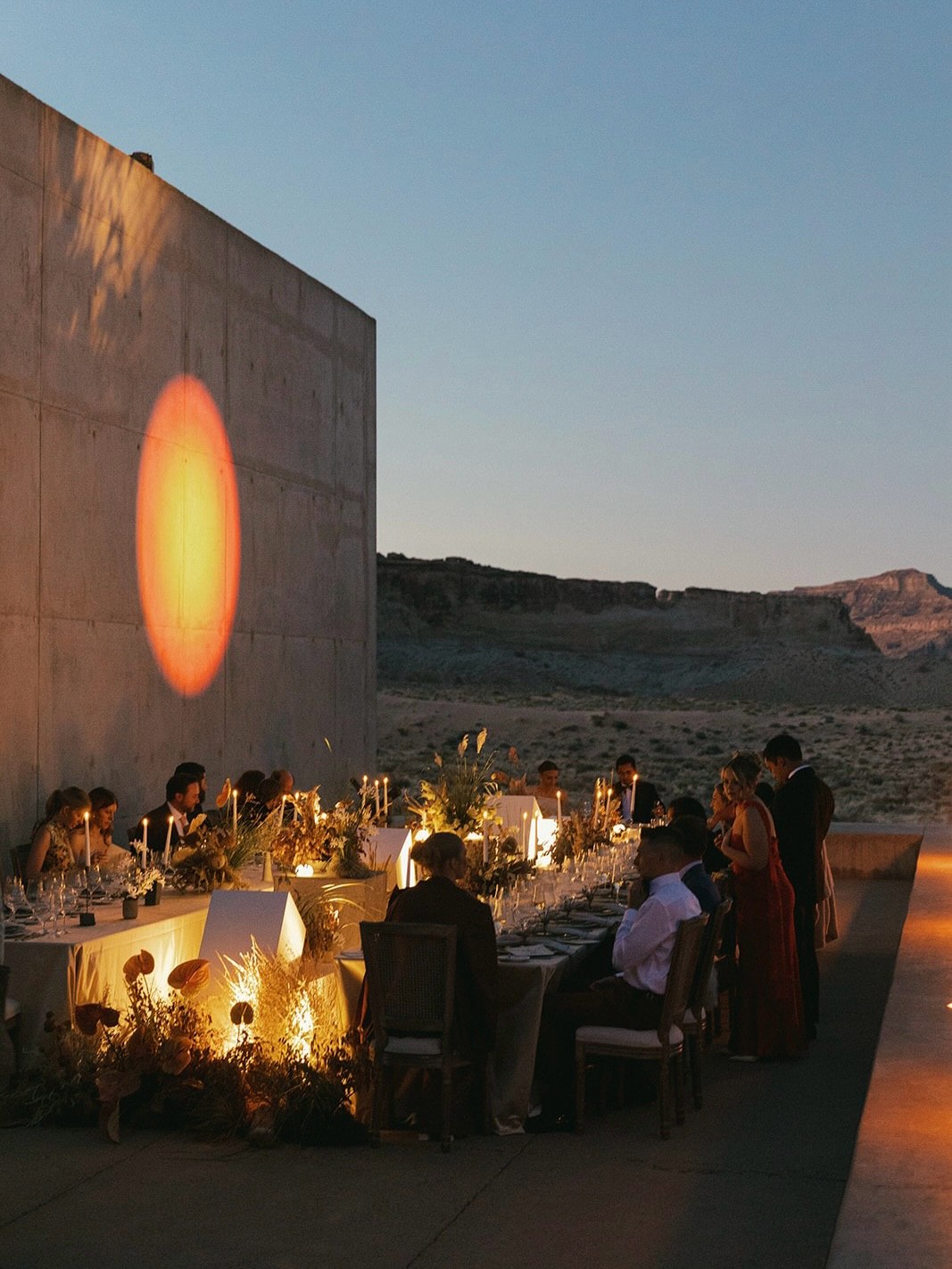
Photo: Sophie Lin Berard
Planner: Wild Heart Events
Phones Down
Unplugged ceremonies, increasingly common in the West, have long been the default in the East. At weddings across the Gulf, collecting phones at the door is simply how it’s done. There’s a reason Arab weddings have a reputation for being some of the loudest, most joyful, most uninhibited celebrations in the room. When nobody’s performing for a camera, everybody’s actually there.
It comes down to keeping the vibe intact, letting guests feel the moment with their own eyes instead of through a screen. Picture what it’s like for a couple to look out at the room and see raised faces instead of raised phones. The photos and videos still happen, just handled by the photographers, videographers, and content creators whose actual job is to put everyone at ease and capture those fleeting moments professionally.
For some couples, an unplugged ceremony means a note on the invitation and a gentle reminder from the officiant at the start. For others, it is a more serious commitment. A company called Yondr makes lockable phone pouches that stay on the guest’s person but cannot be opened until they step outside the ceremony space. Originally built for concerts and schools, Yondr now works directly with weddings. What guests consistently report when phones disappear is something they did not expect. They give their attention to each other and remember the ceremony as something they lived through rather than something they filmed.
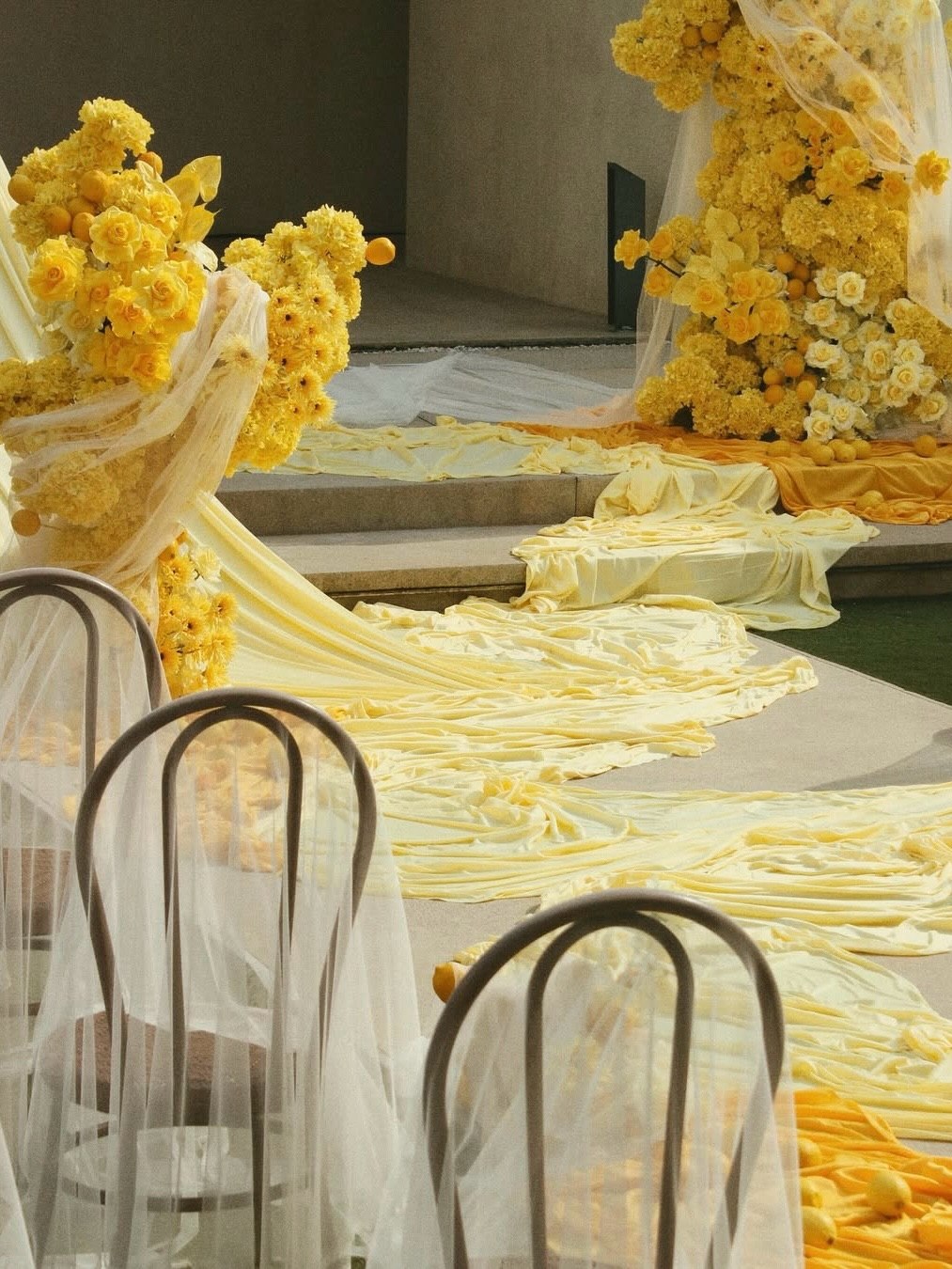
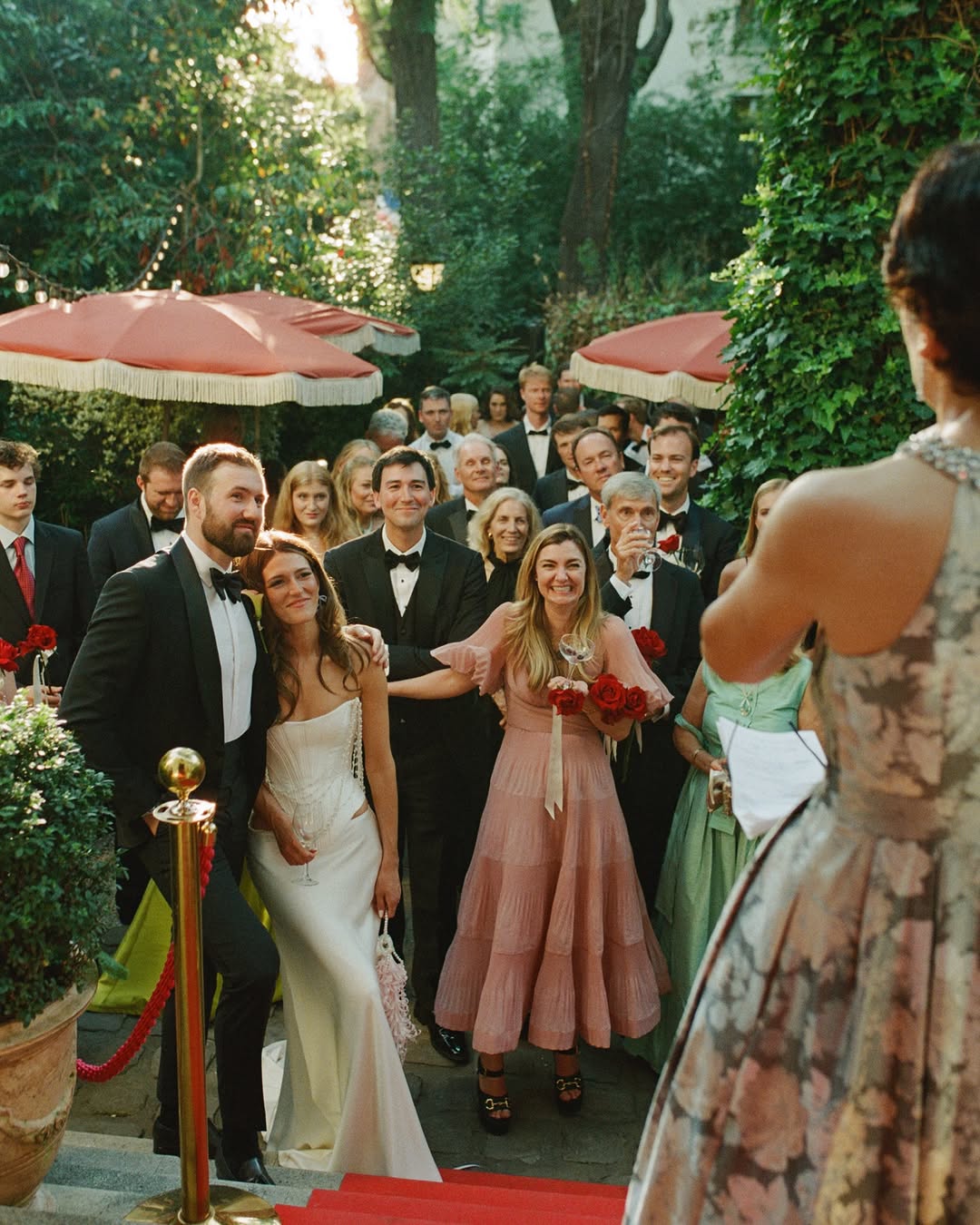
Photo: Sasori Studio, Nicole Plett
Planner: A.bhistudio, Fola Styling
The NDAs Era
In the wedding world, asking vendors to sign a non-disclosure agreement, has become fairly standard practice, borrowed from industries like fashion and entertainment. A photographer, a florist, a planner: all of them have access to the event before the couple has decided what they want to share. With guests, it is less common, but it is growing. There are more influencers, bloggers, and content creators in the world right now than at any point in history, and for someone with an audience, their own wedding is one of the biggest stories they will ever have to tell.
The couples who do choose to share their wedding publicly tend to approach it in one of two ways. Either guests share freely and the day lives across social media in real time, or the couple keeps everything quiet, lets curiosity build, and then shares on their own terms, whether through their own channels or by giving exclusive rights to a media outlet. The NDA is what makes the second option actually work.
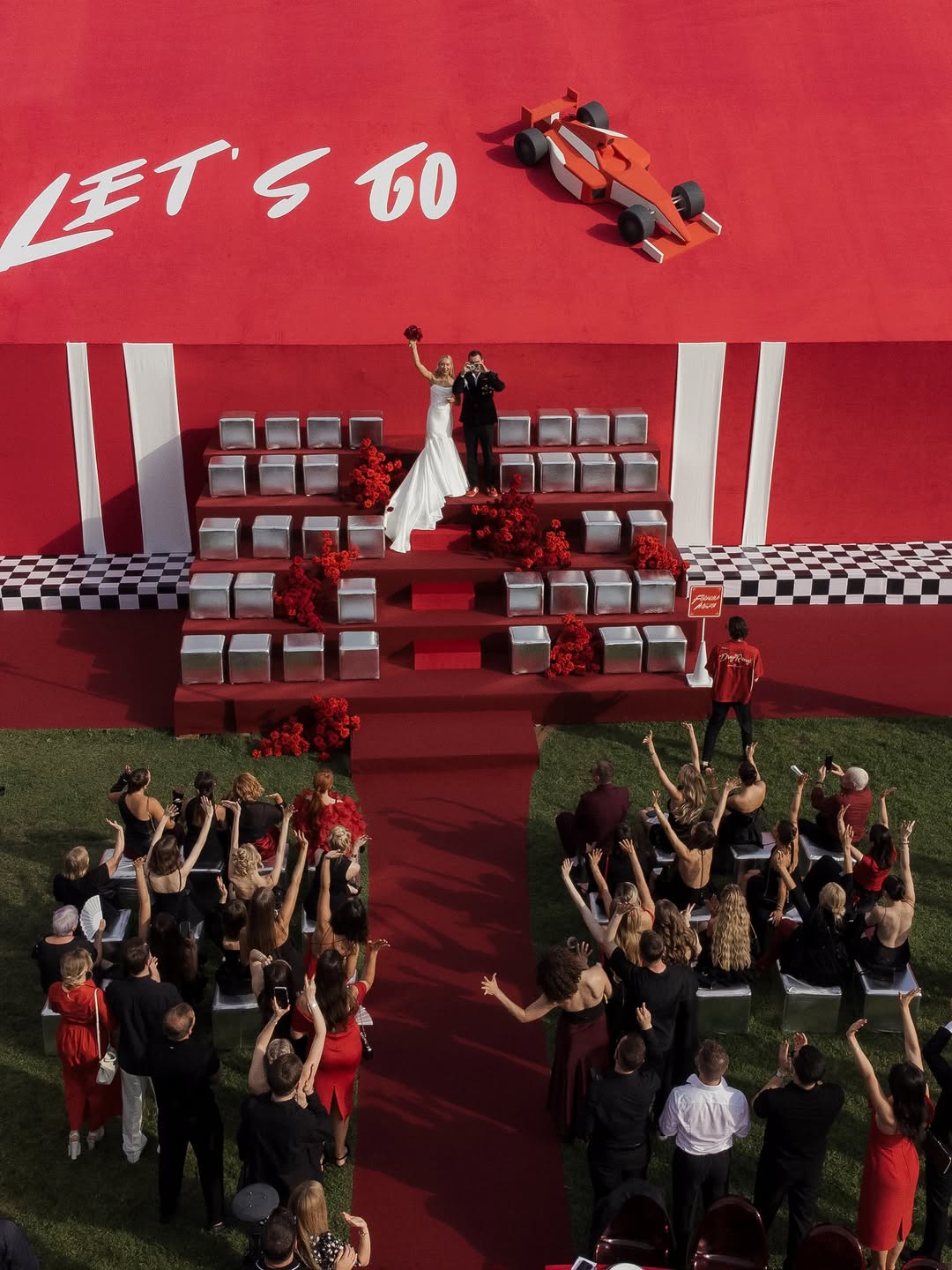

Photo: Ilia Burdun, Katarina Fedora
What It Costs the Vendors
For vendors who sign a full NDA, the deal is straightforward and not entirely comfortable: the work they may be most proud of is the work they cannot show anyone. No portfolio post, no behind-the-scenes content, no ad campaign built around the most beautiful table they ever designed. In an industry where visibility drives both bookings and trust, that is a real trade-off. But it is not a new one, and the vendors who operate at this level know it going in. Privacy-first clients have always existed.
What fills the gap, as it always has, is word of mouth. The guests at a private wedding have their own circles, their own connections, and their own weddings coming. The florist who did something extraordinary in a room of 40 people will be recommended around that circle in ways that no Instagram post could manufacture. The vendors who thrive in this world are not the ones with the most followers. They are the ones whose name keeps coming up in the right conversations.
Not every couple goes as far as a full NDA, either. A lighter, increasingly common middle ground has vendors sharing a gallery with the couple first, who then simply approve which specific images can go public, rather than banning public sharing altogether. It’s less about total secrecy and more about keeping the final say in their own hands, real control over how their wedding actually gets represented, without shutting vendors out of promoting their work entirely.
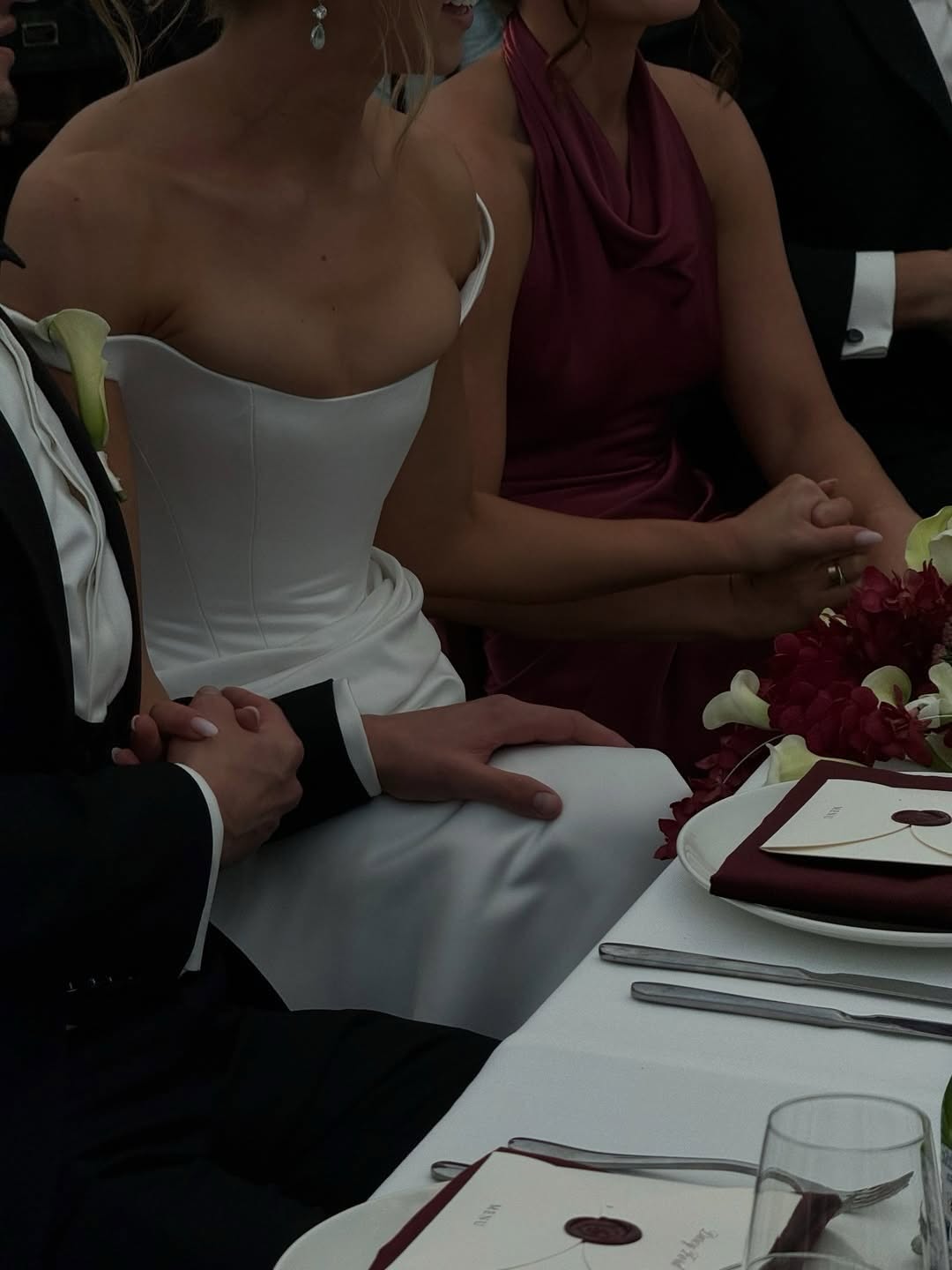
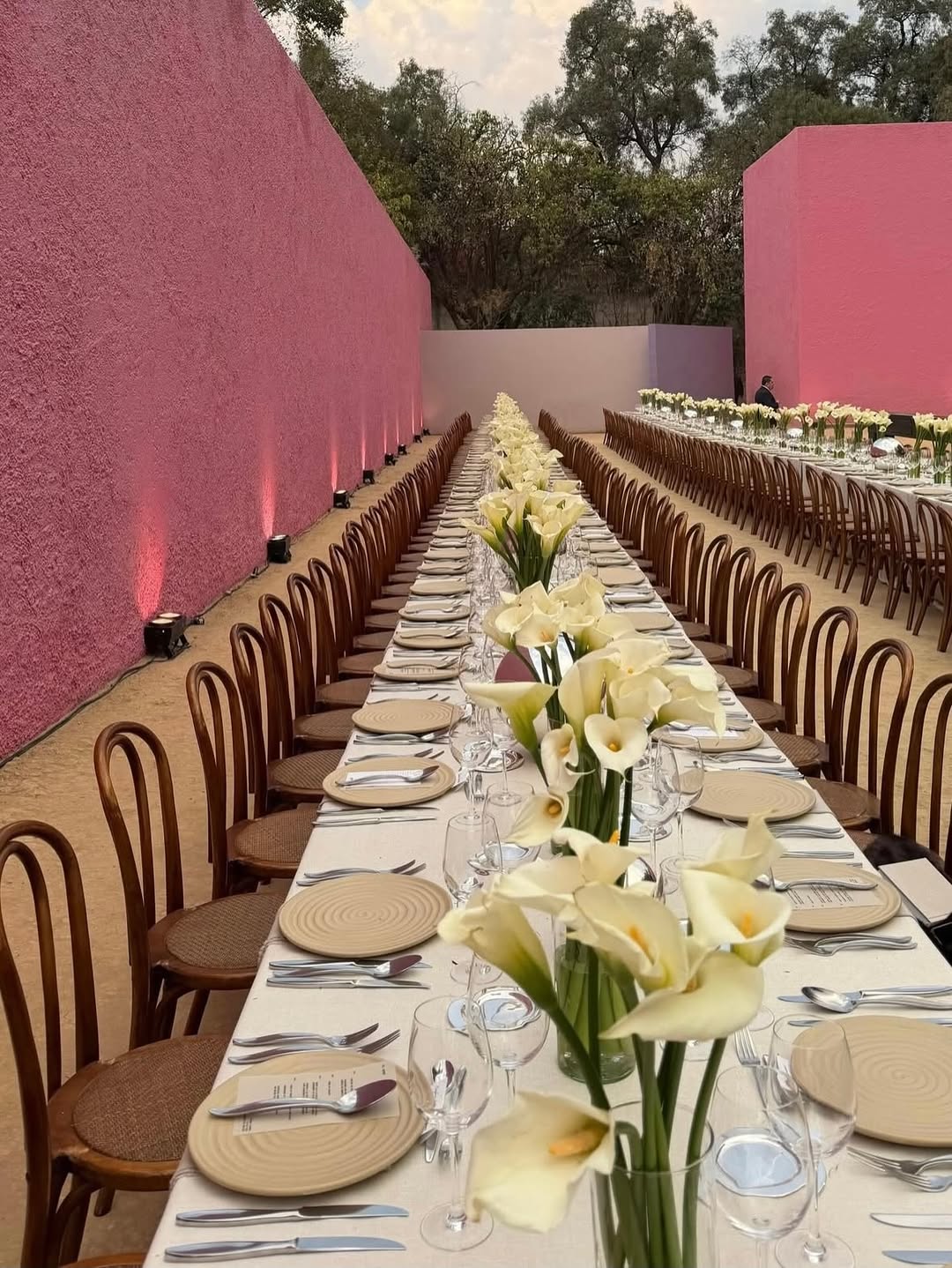
Content: Vow Haus, Ivana Sánchez
Planner: By Plush, Rodrigo Mora