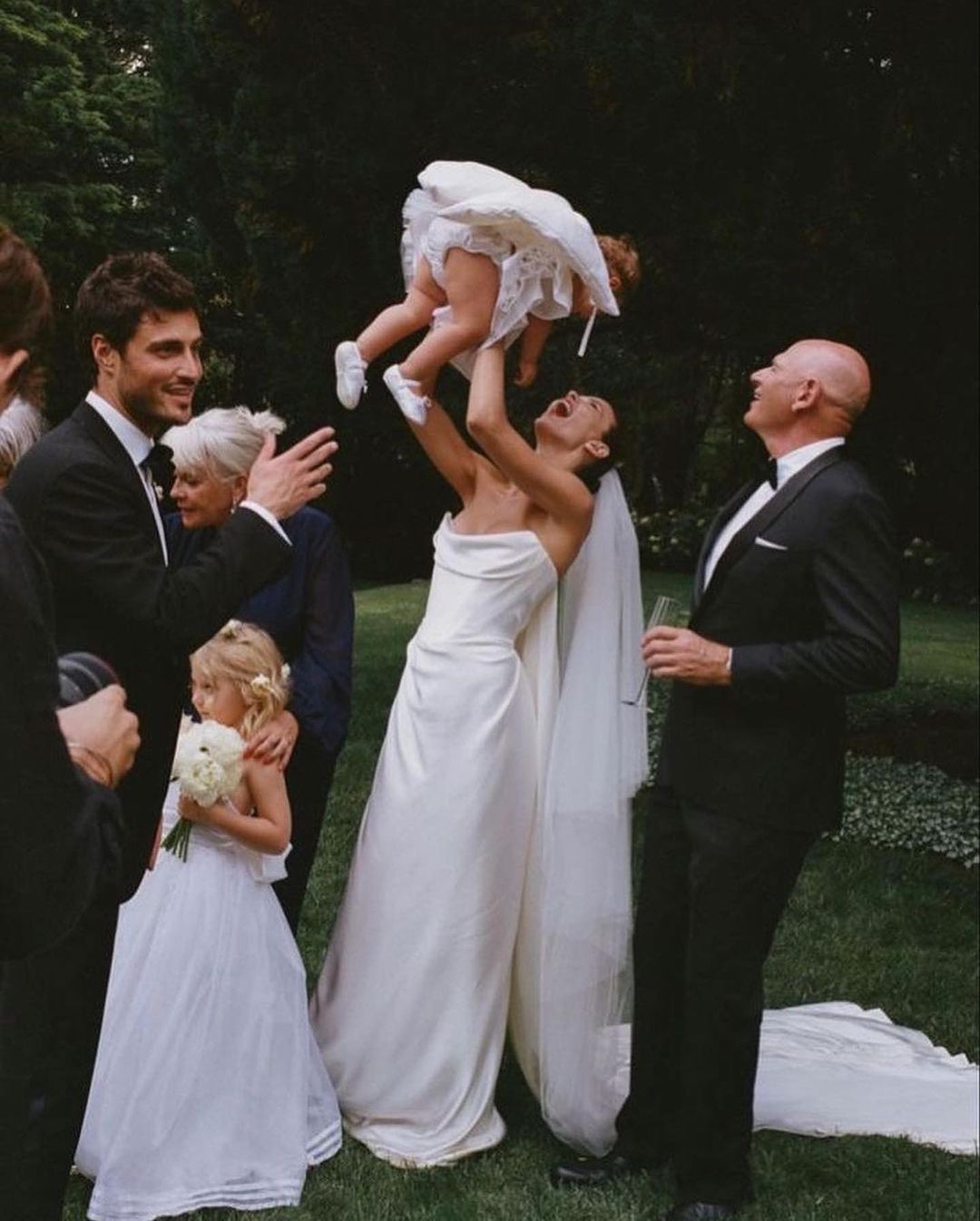
Ballroom weddings have a way of feeling instantly cinematic. There’s a sense of occasion built into the space itself, one that naturally invites formal attire, live music, and thoughtfully layered design. What makes ballroom weddings so compelling today is their flexibility: they can feel timeless and classic or layered with modern, expressive touches that reflect a couple’s personality. In this article, we break down the key elements that define the ballroom aesthetic and explain why this style continues to captivate couples who want their wedding to feel truly grand, romantic, and unforgettable.
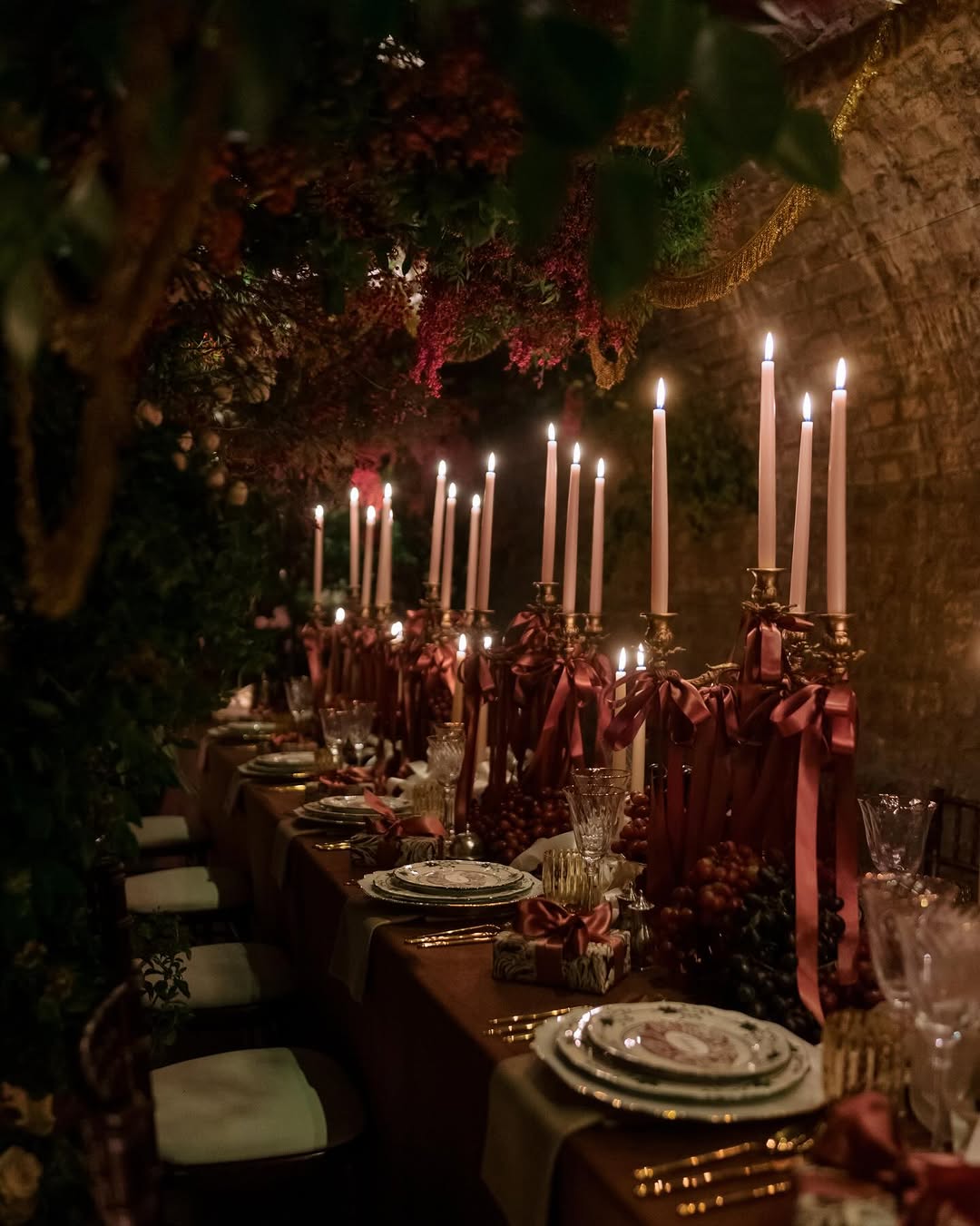
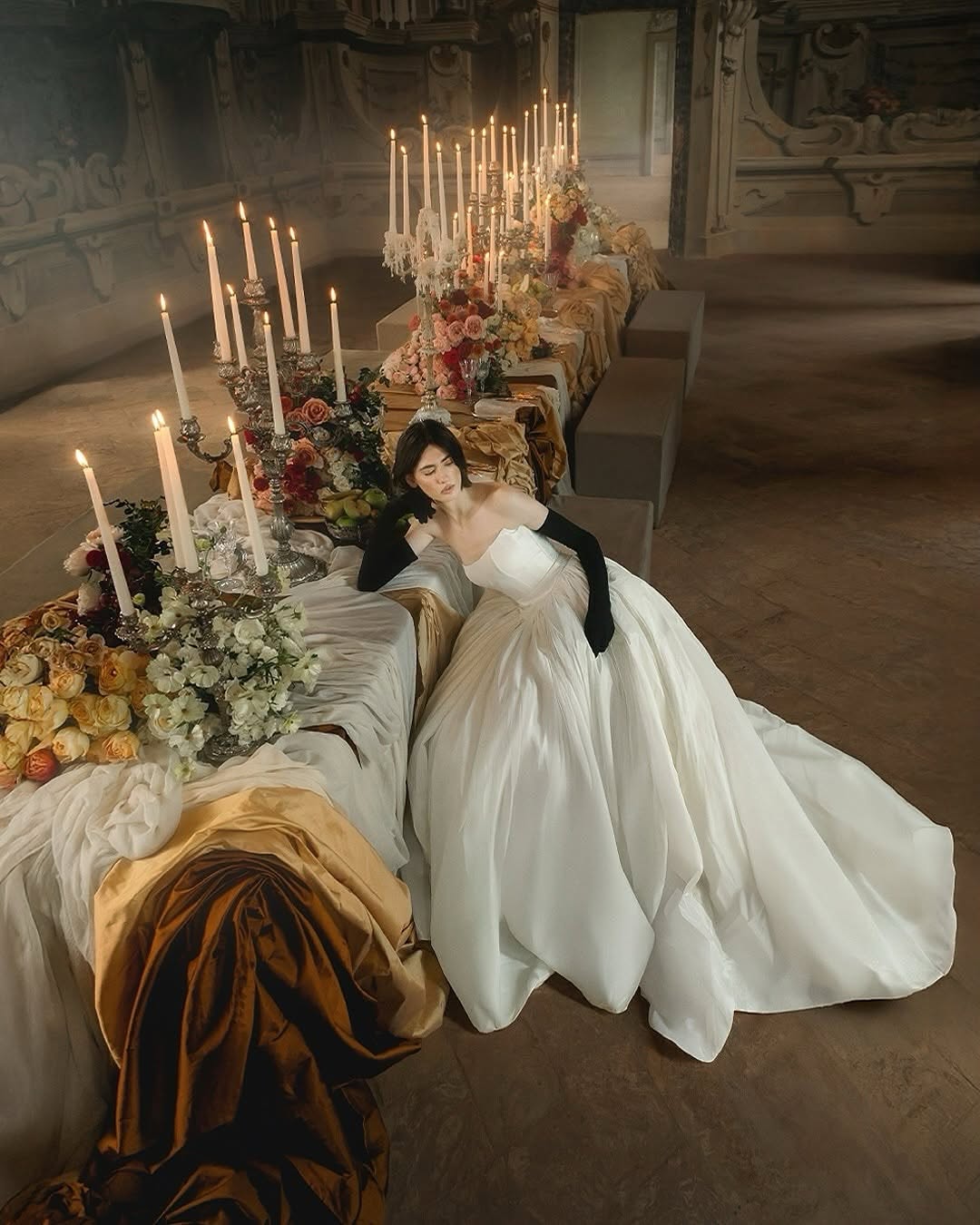
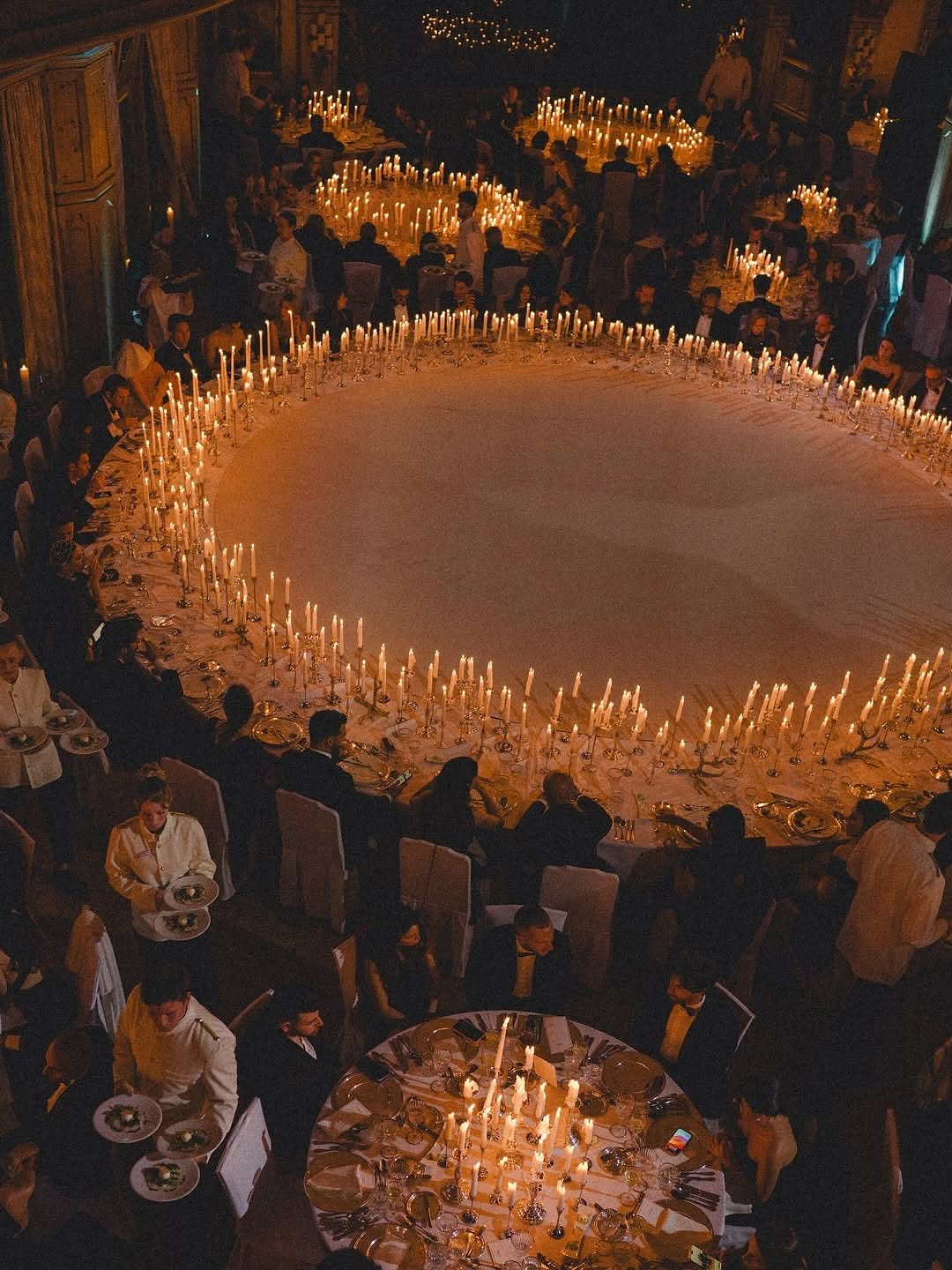
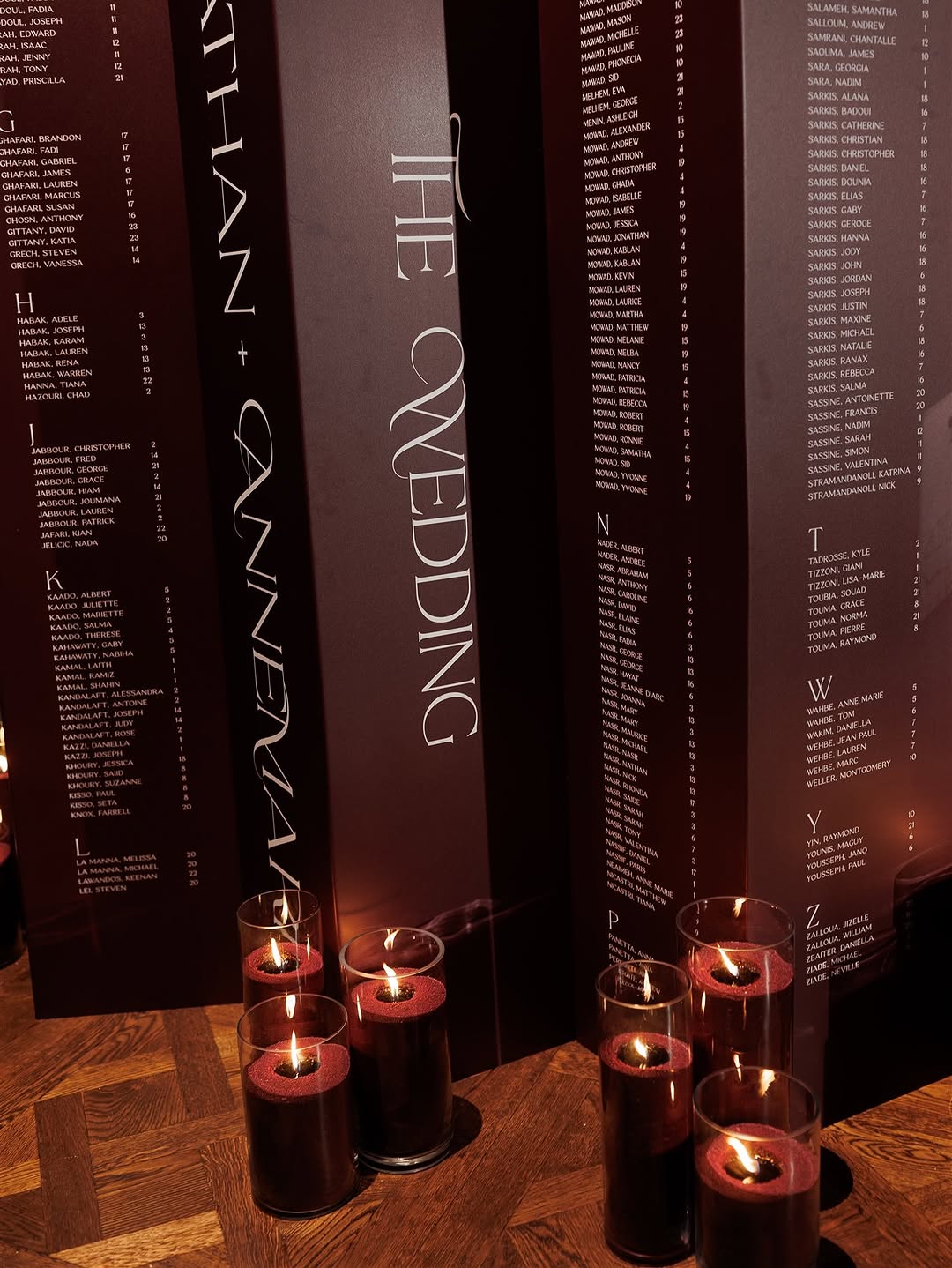
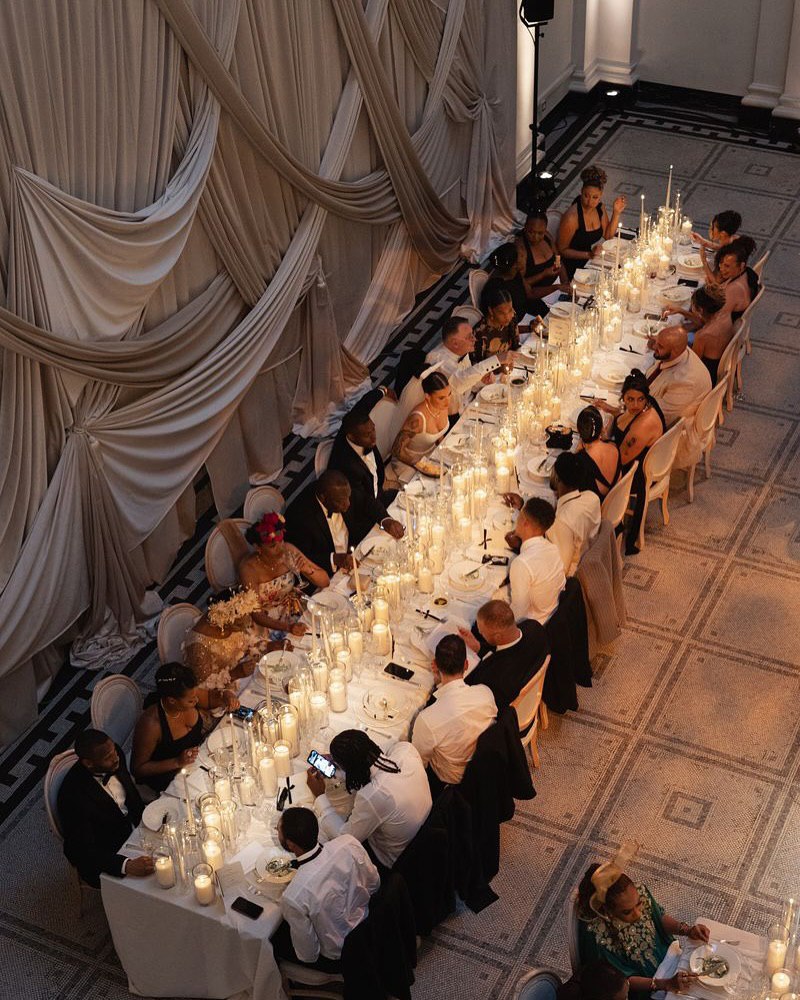
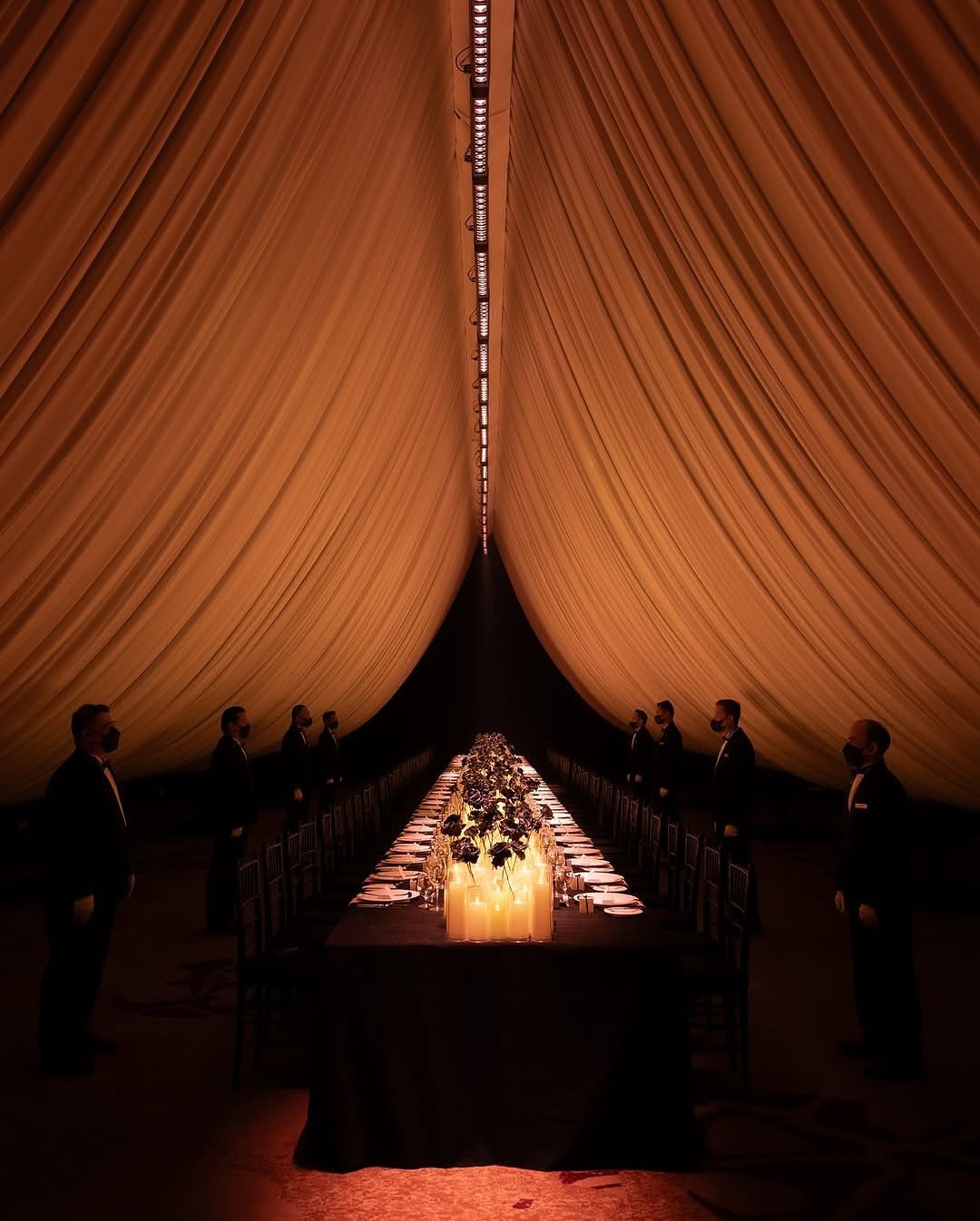
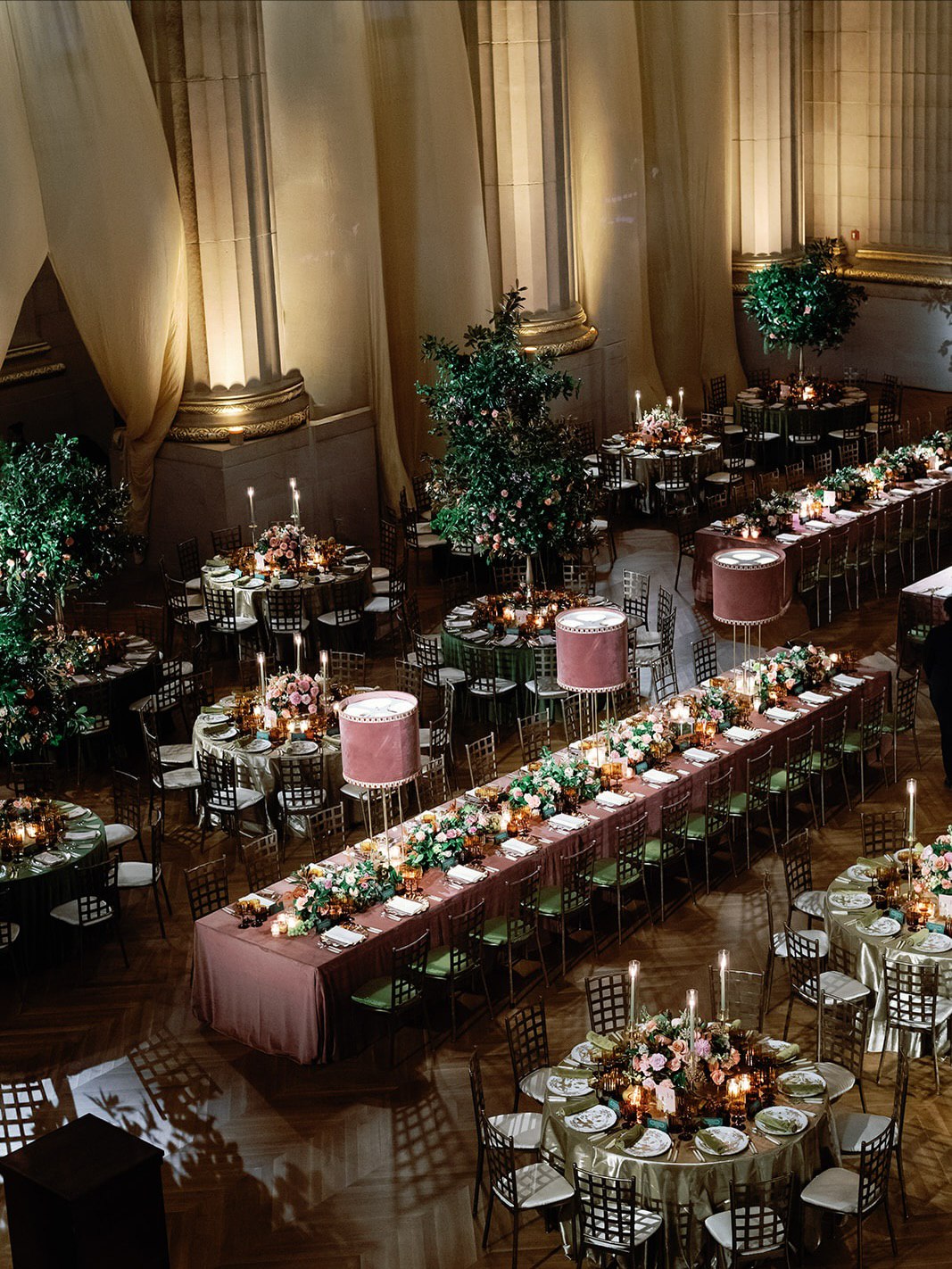
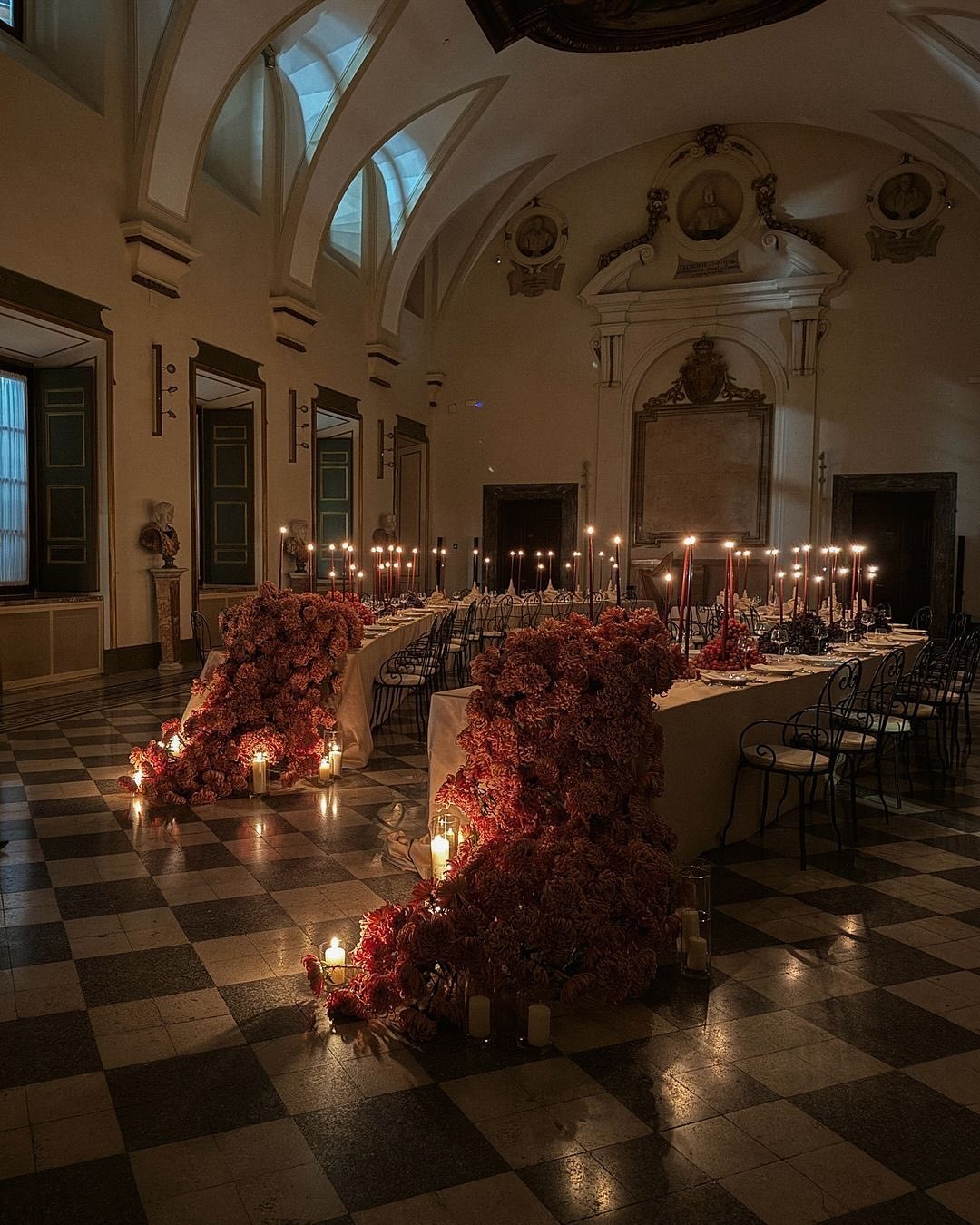
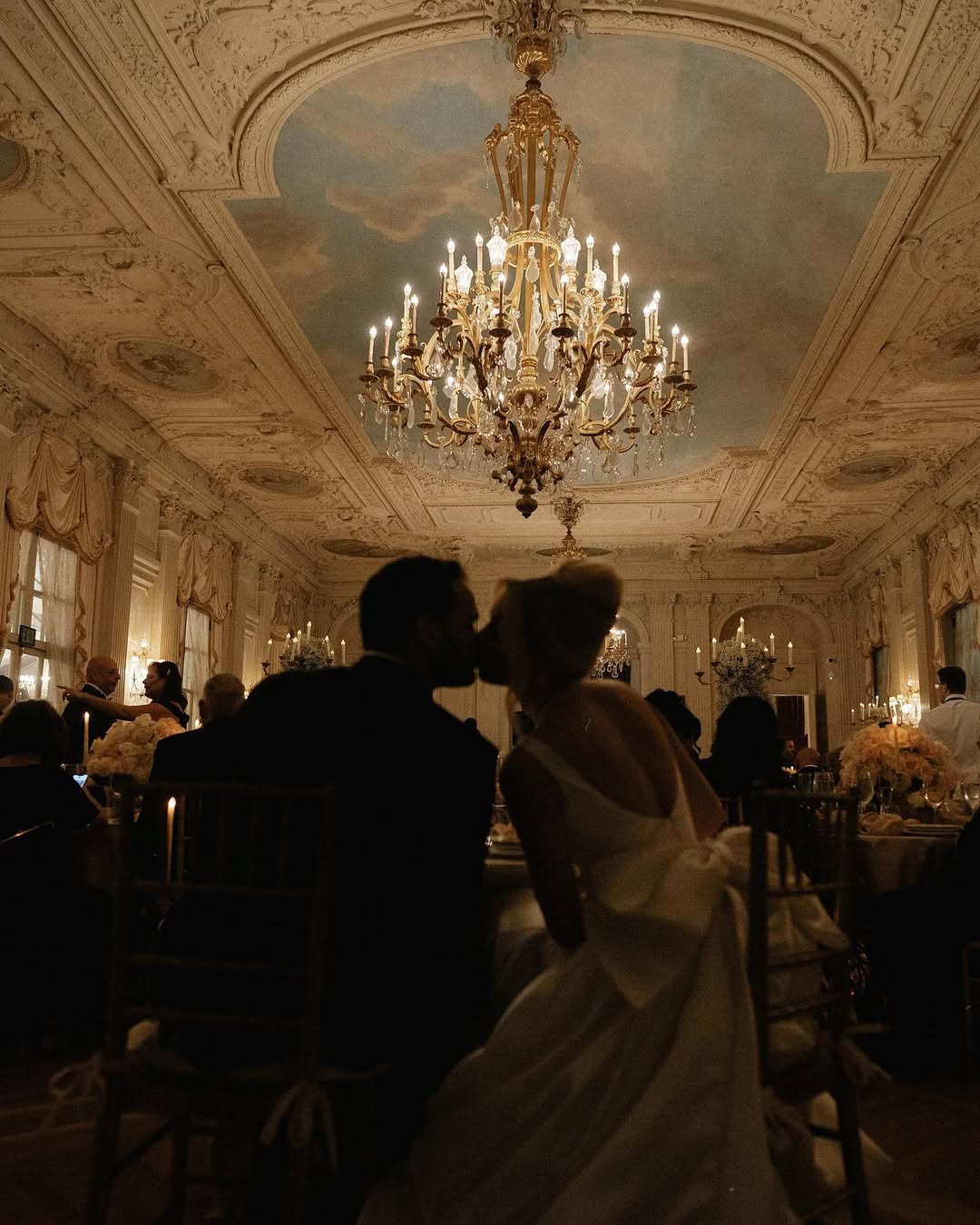
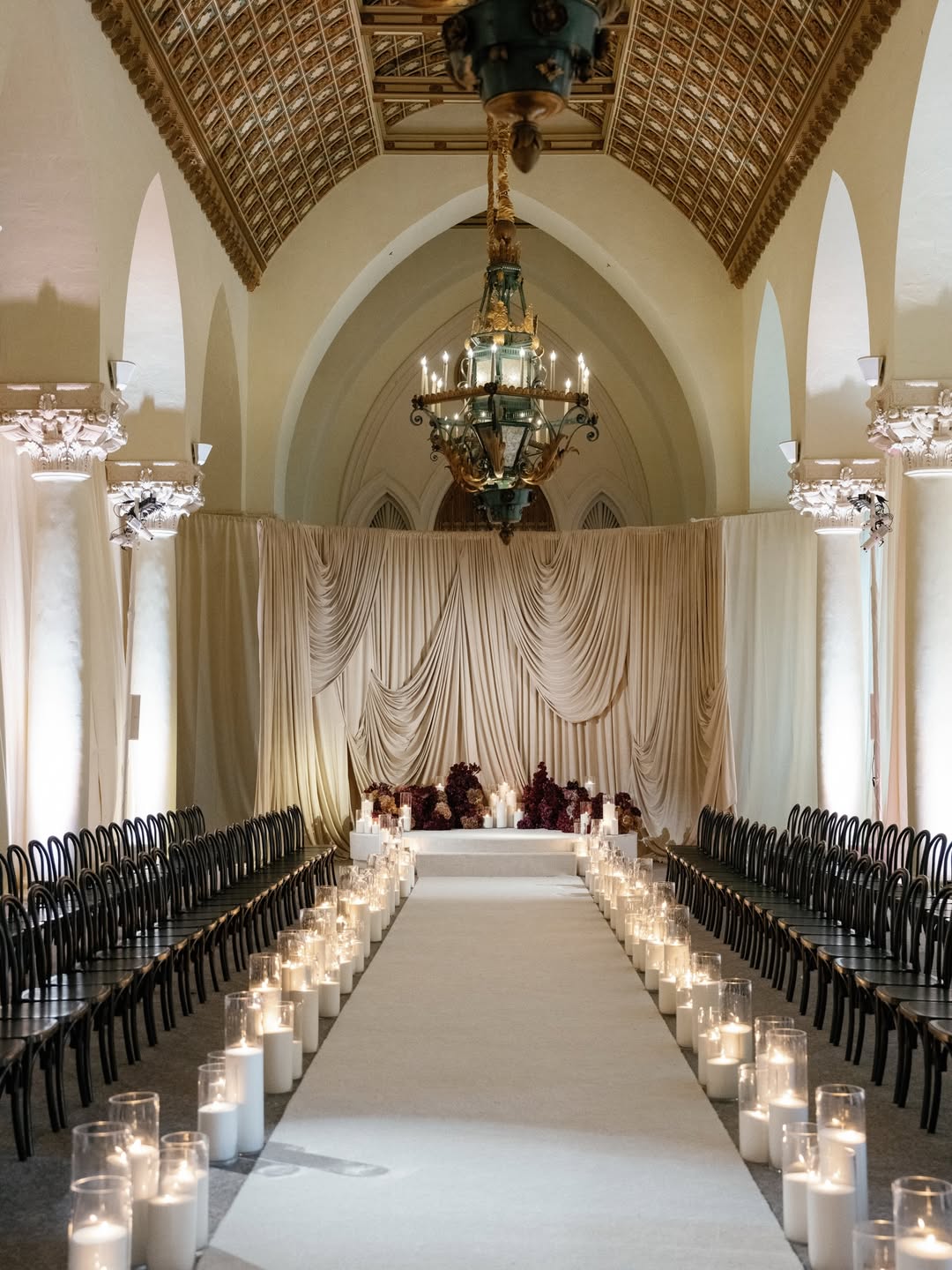
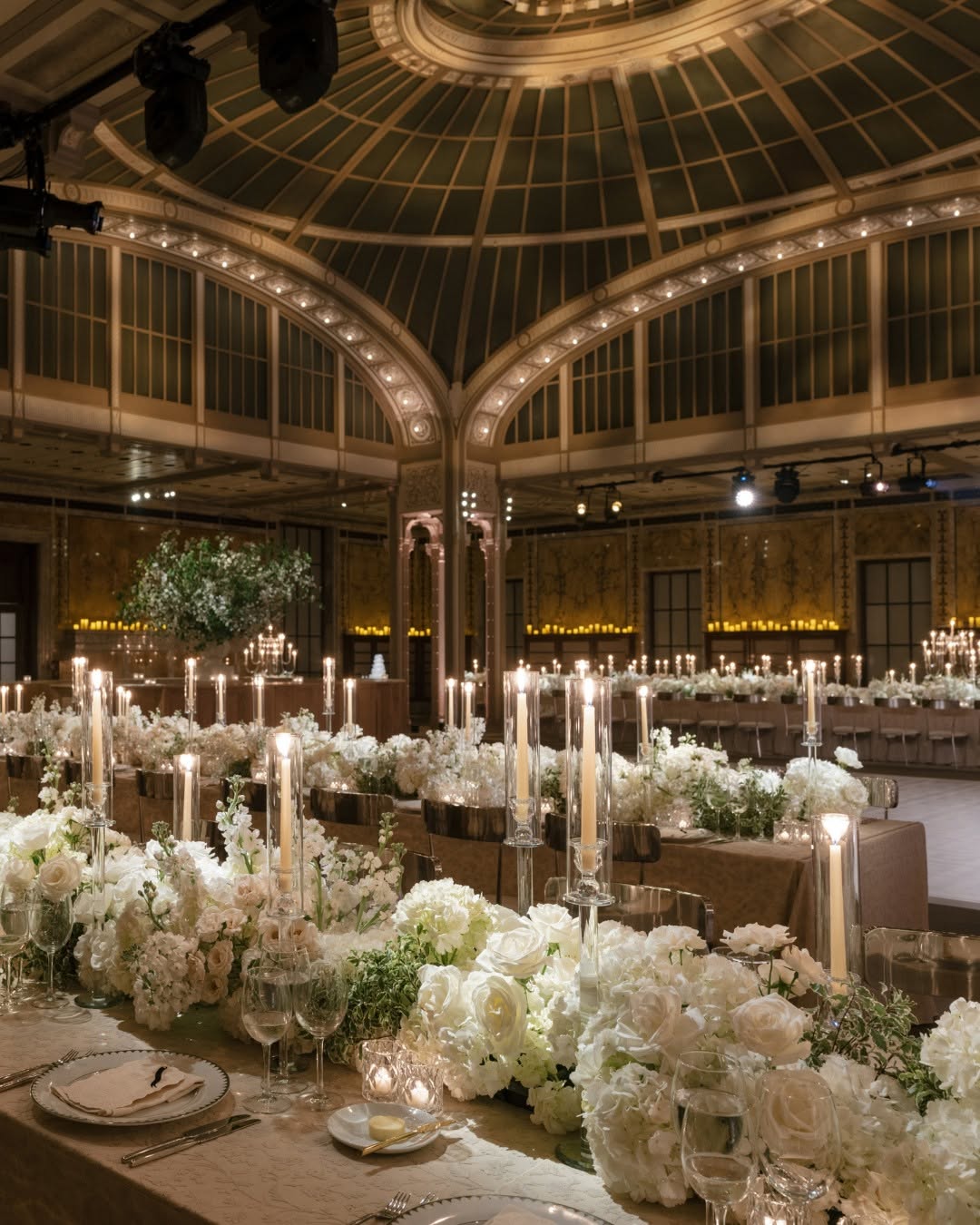
Ballrooms are already designed to feel grand and romantic. Adding candles enhances that atmosphere by creating warm, intimate lighting that softens the space and adds depth to photographs. Candles also help define zones and focal points within the room. Whether flickering on tables, lining aisles, or clustered in statement arrangements, candlelight brings a glow that highlights florals, decor, and guests in a way that overhead lighting can’t replicate.
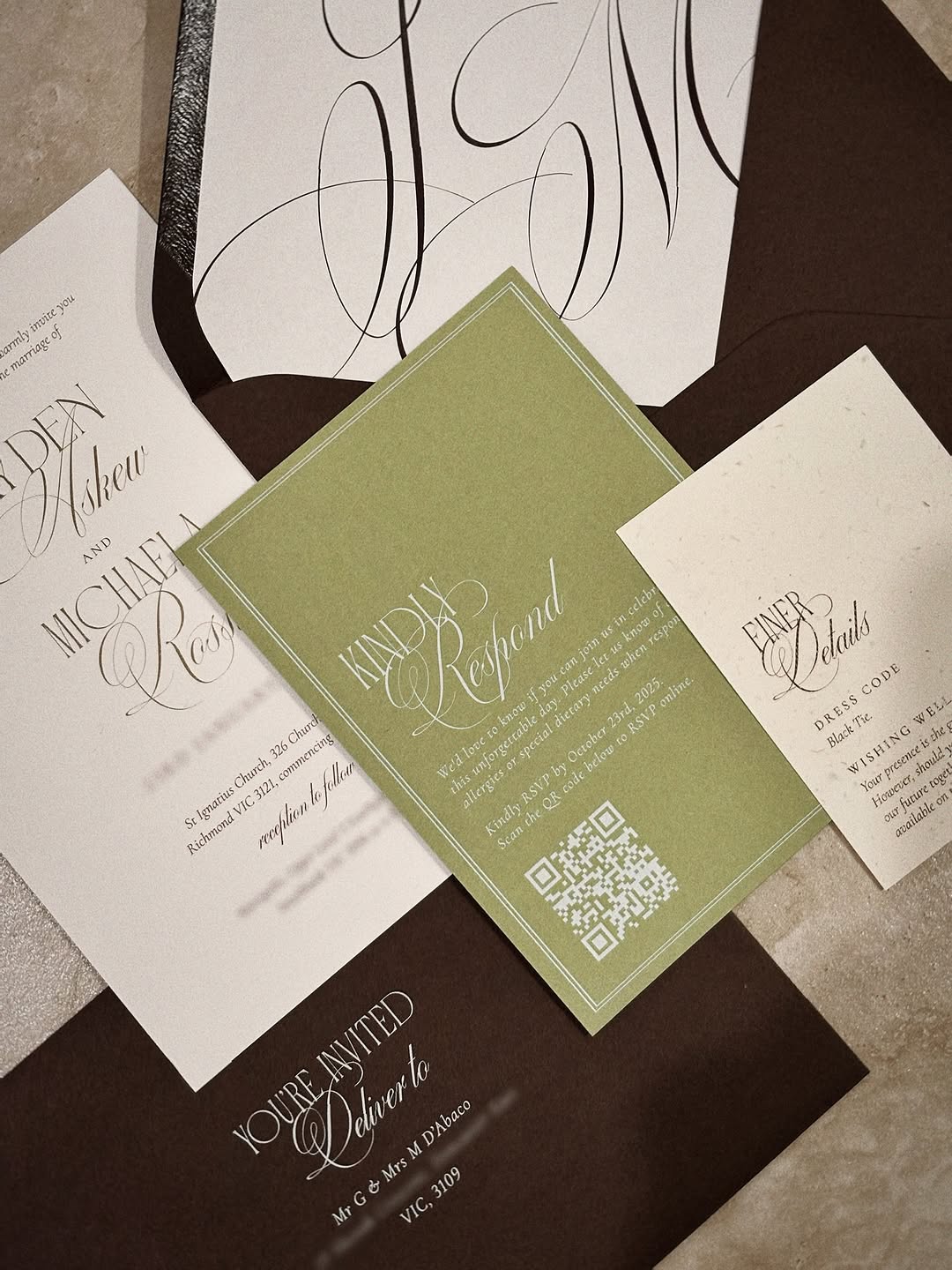
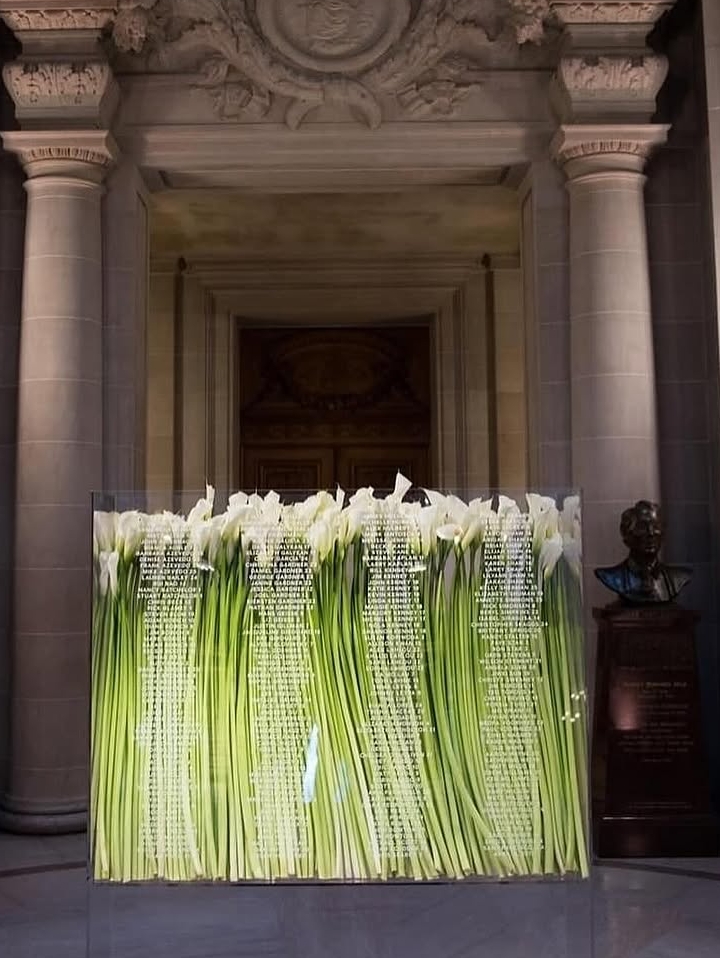
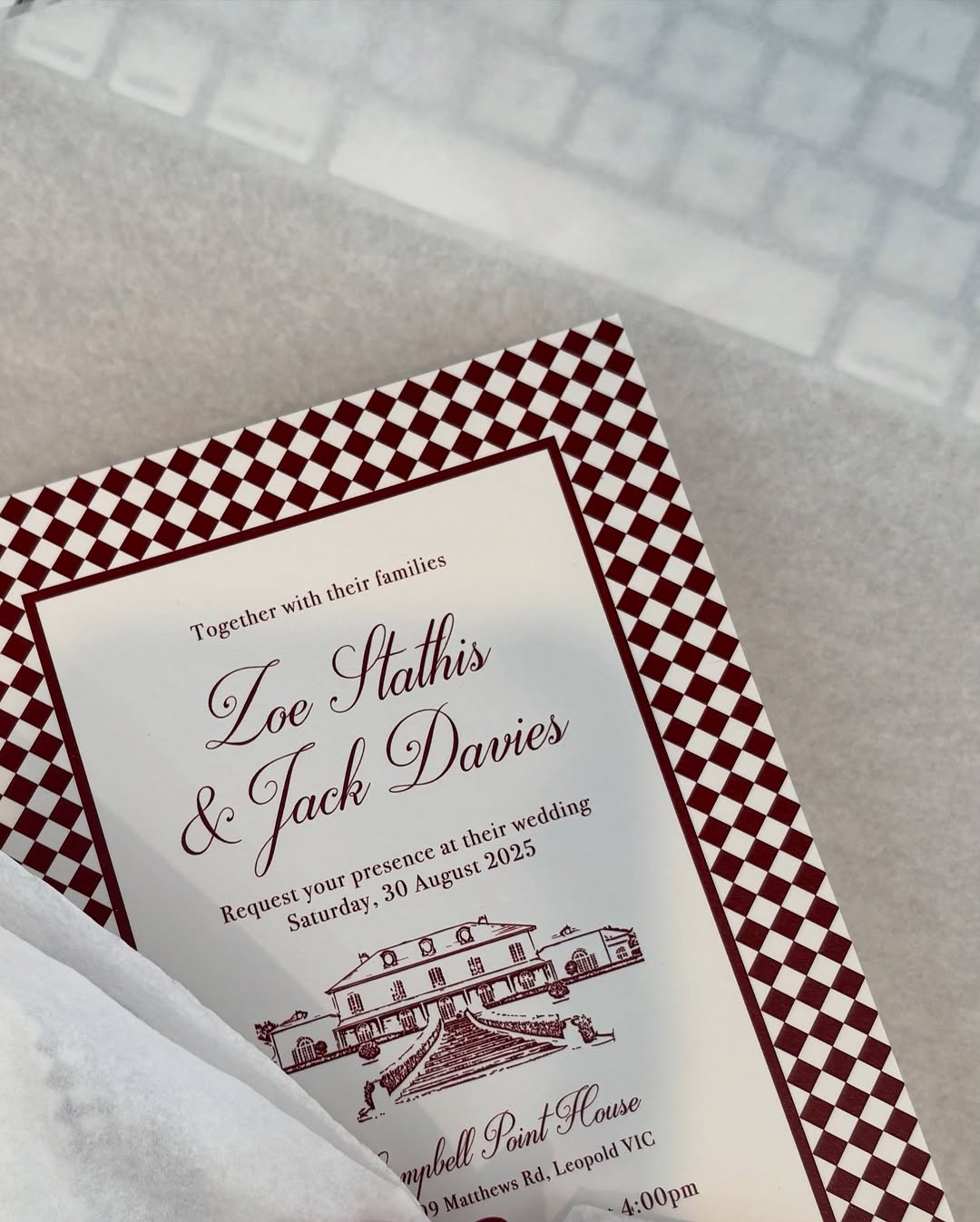
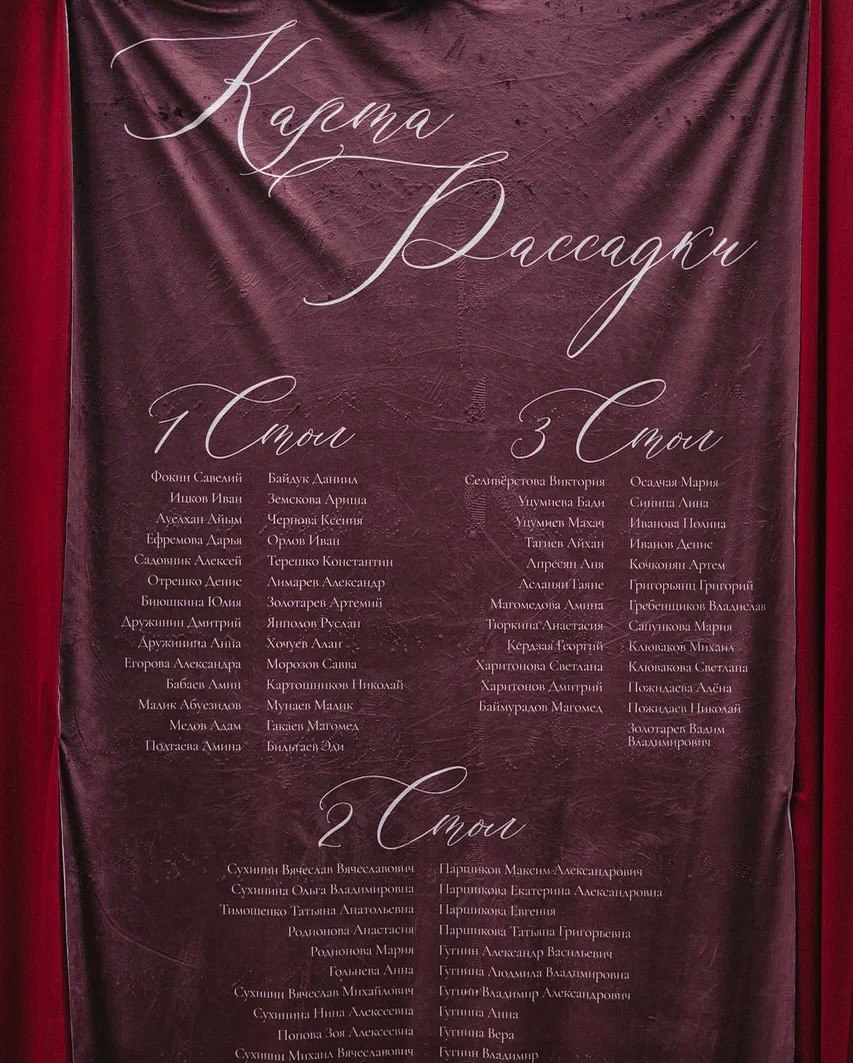
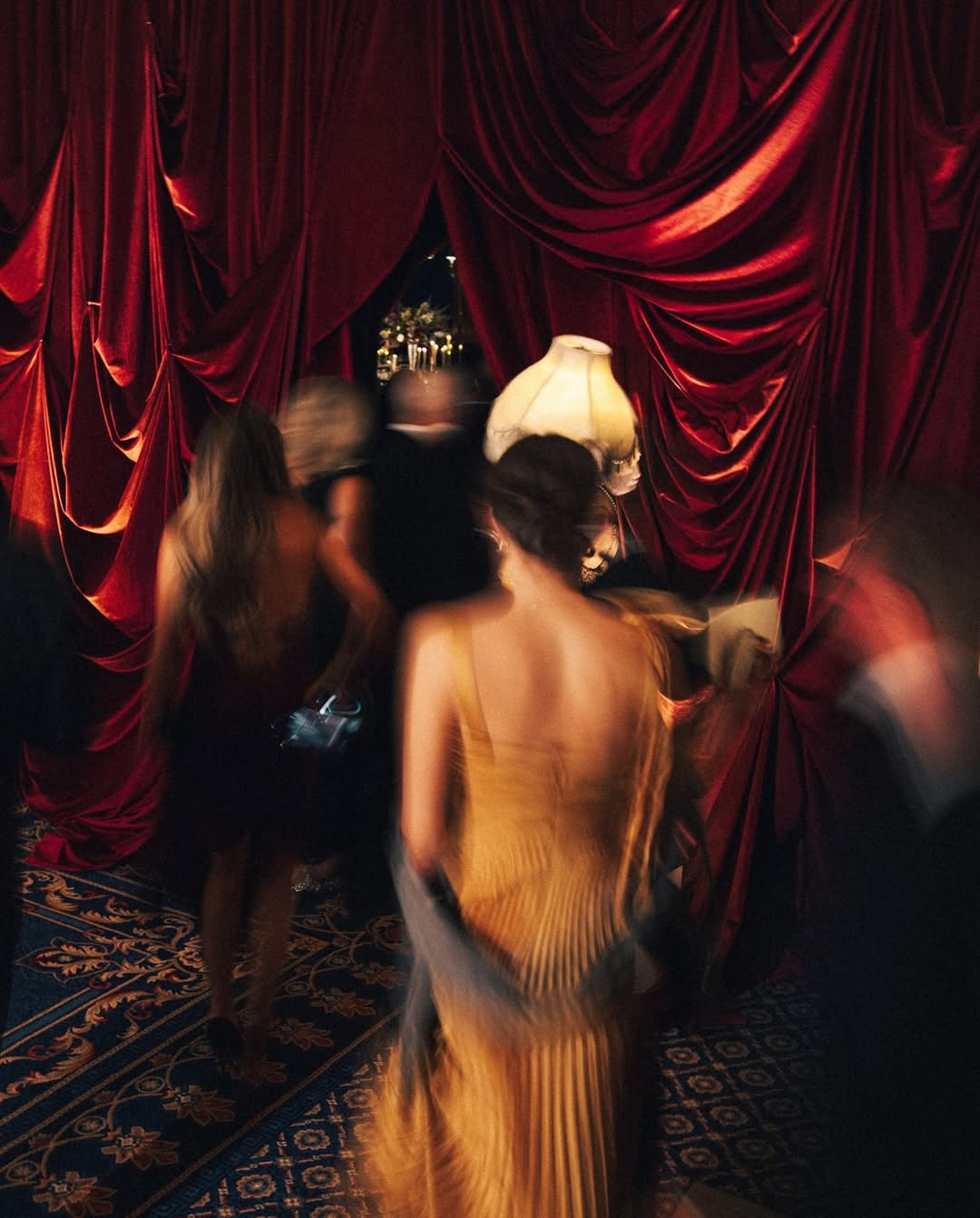
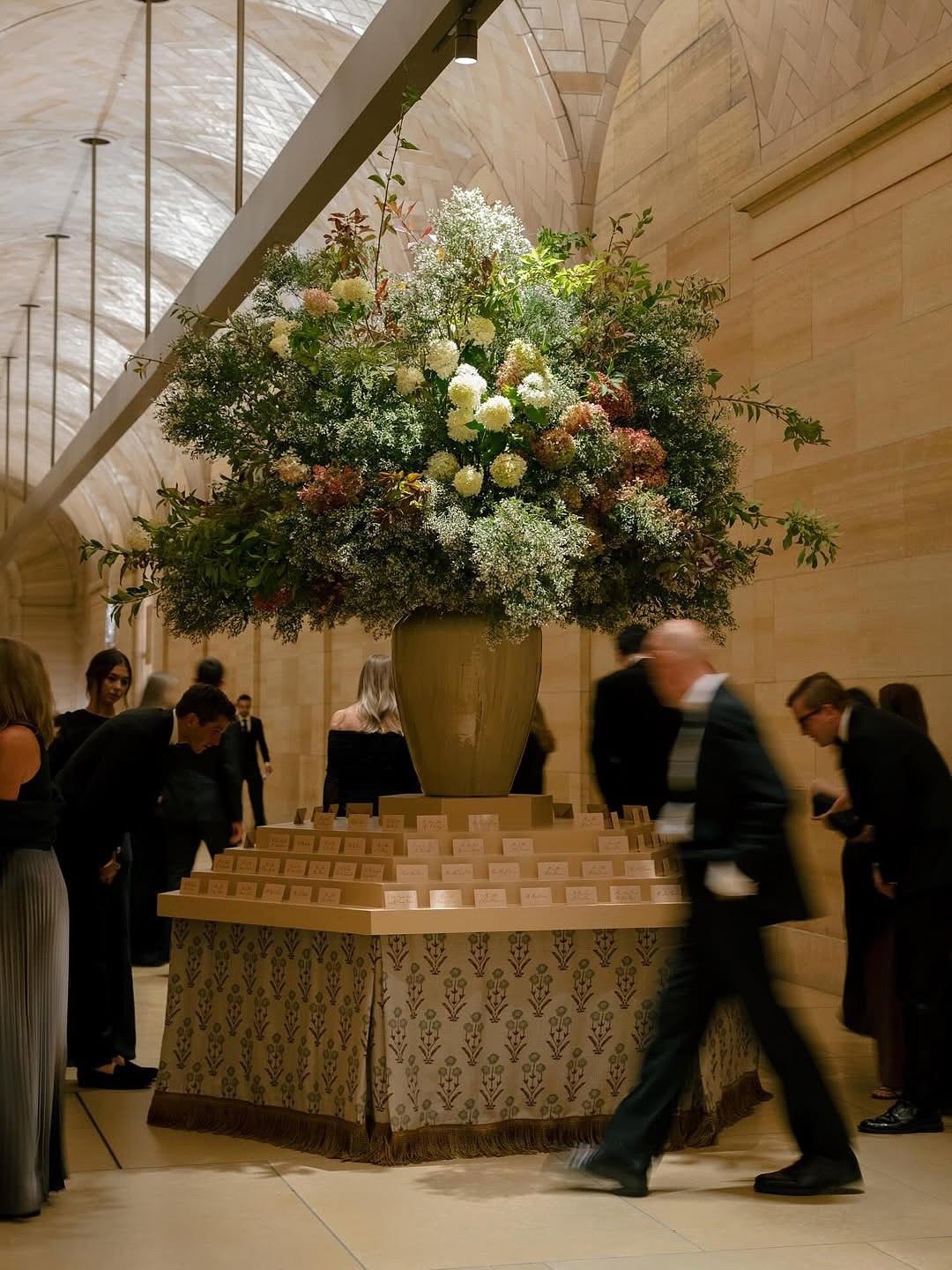
Ballroom wedding stationery has its own elegant design language. Here, fabric becomes the canvas. Velvet, silk, satin, organza, even softly structured linen are used for welcome signs, seating charts, and order-of-the-day lists. You’ll often see expressive calligraphy with long, fluid strokes paired with classic serif fonts. Color choices tend to go deep and moody. Burgundy, wine, forest green, chocolate, charcoal, inky black—these tones work beautifully under chandeliers and candlelight and feel grounded next to stone walls, dark wood, and gilded details. Even when it’s large-scale or dramatic, it never feels busy. Everything is intentional: spacing, texture, weight, placement.
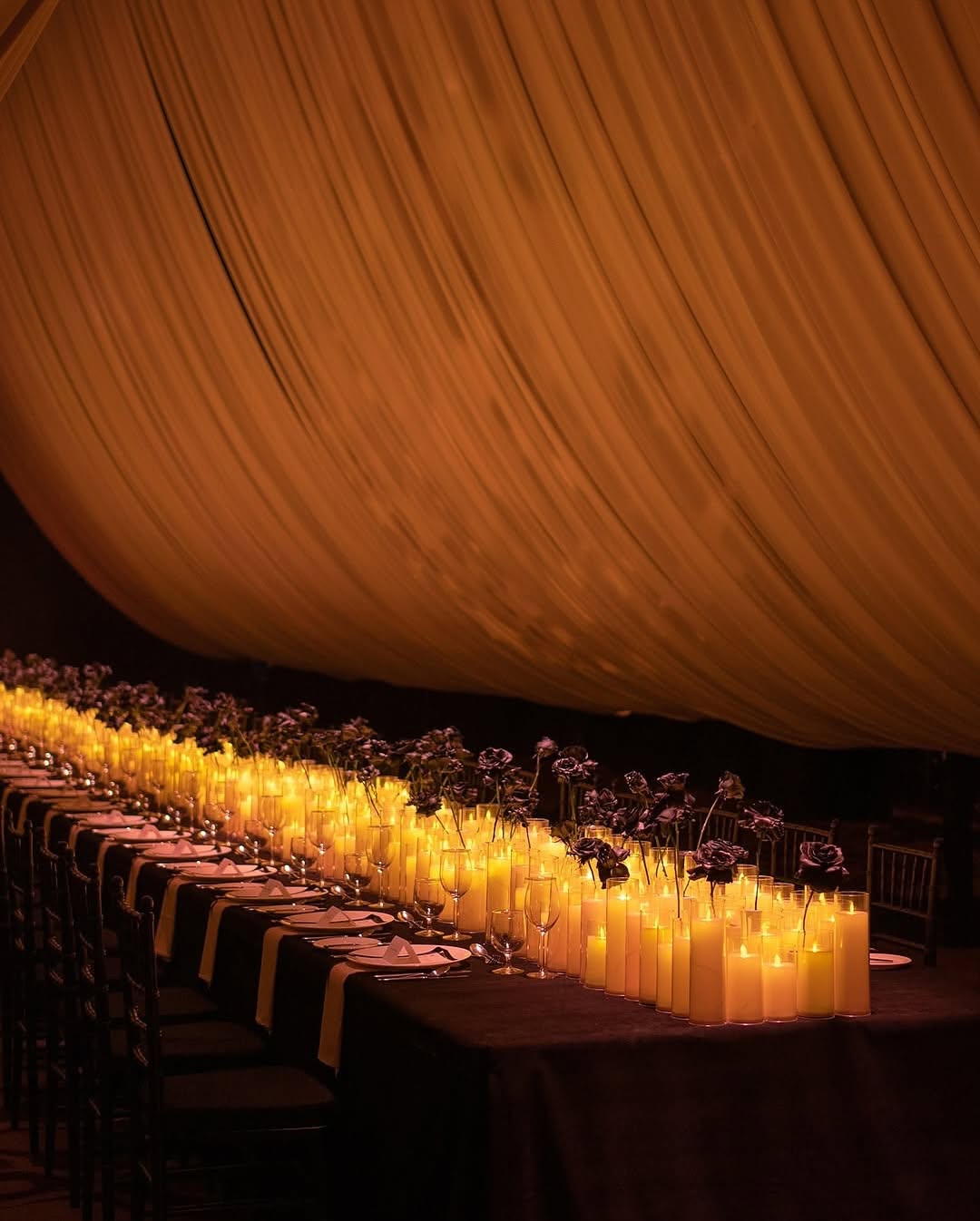
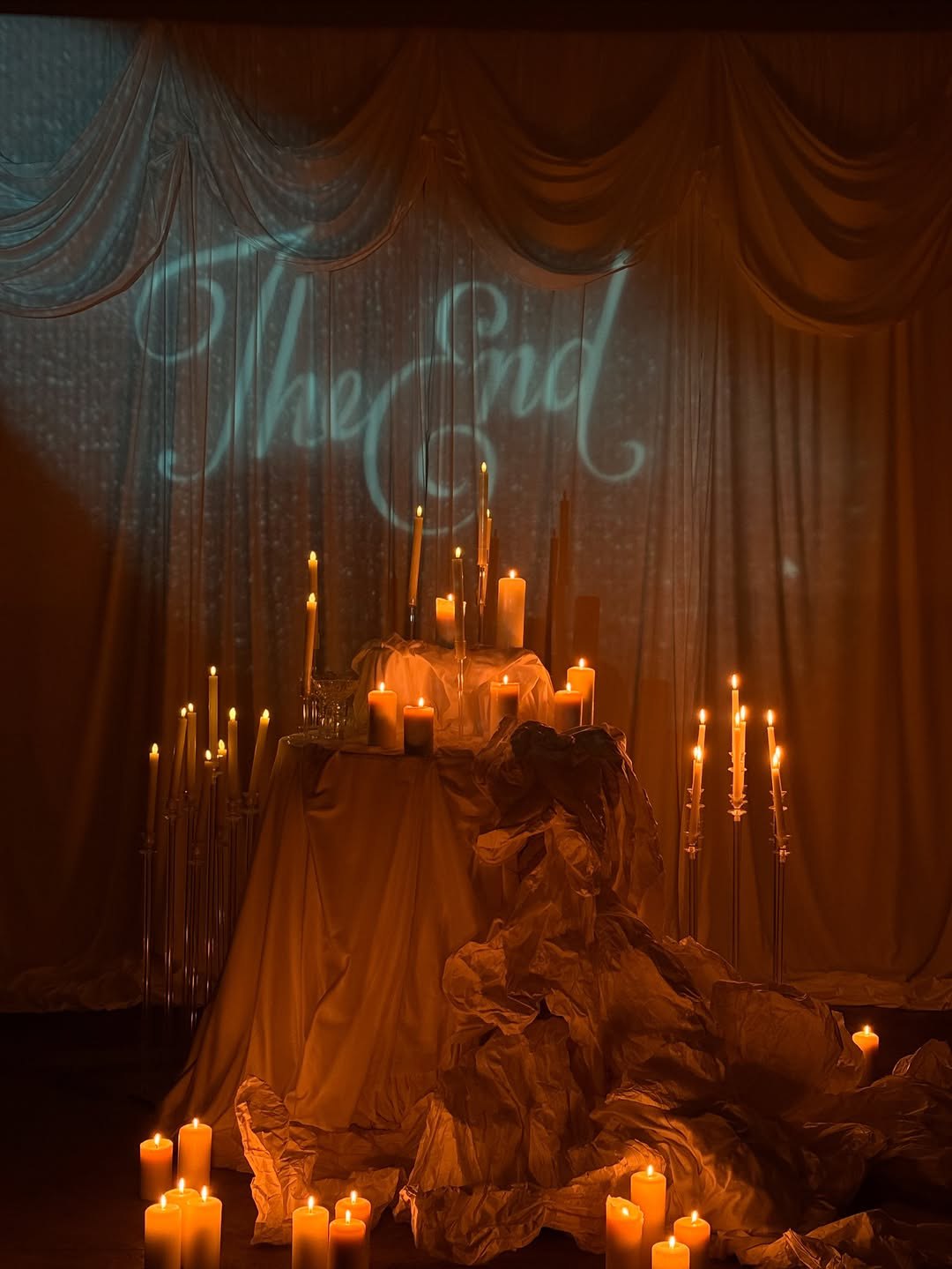
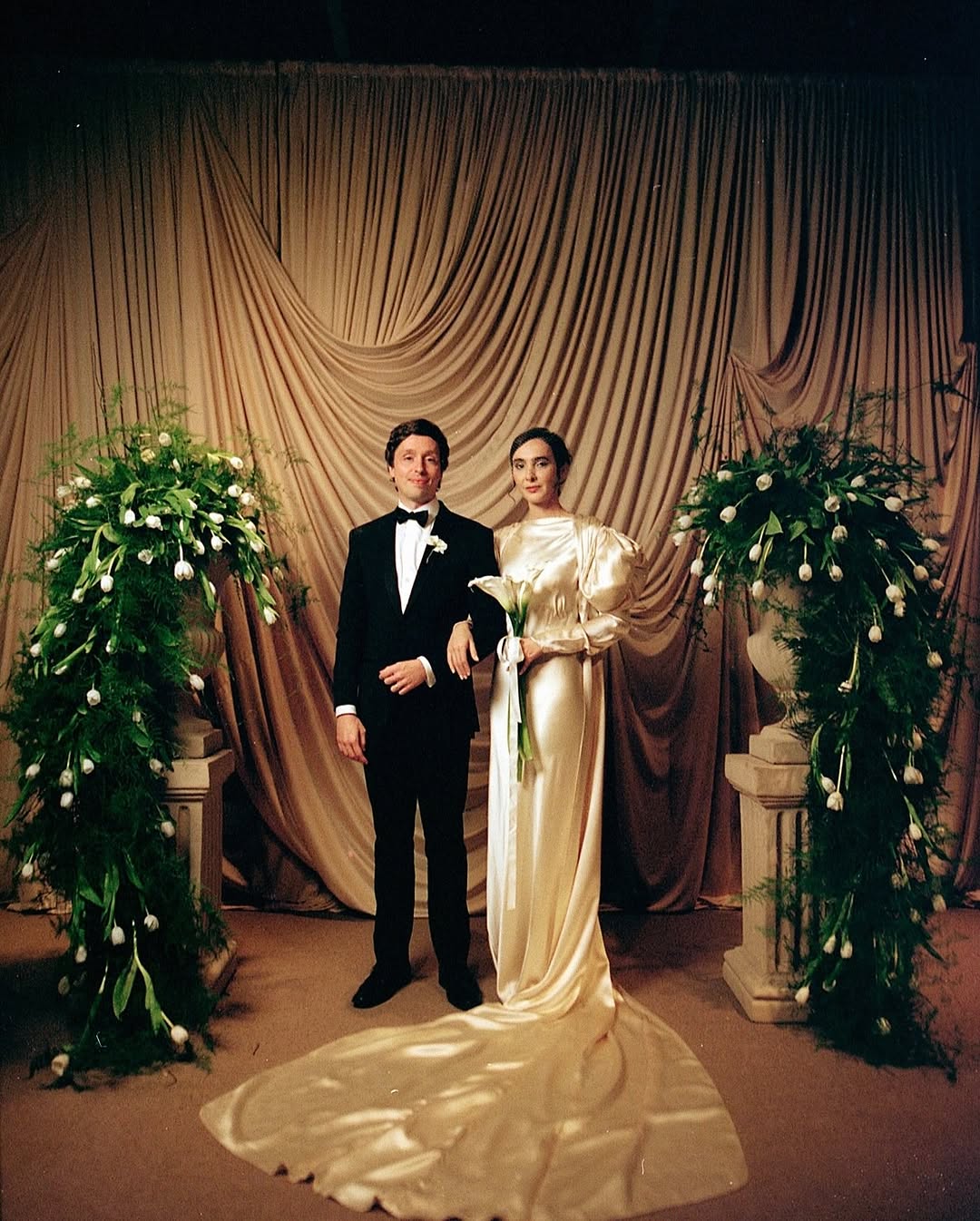
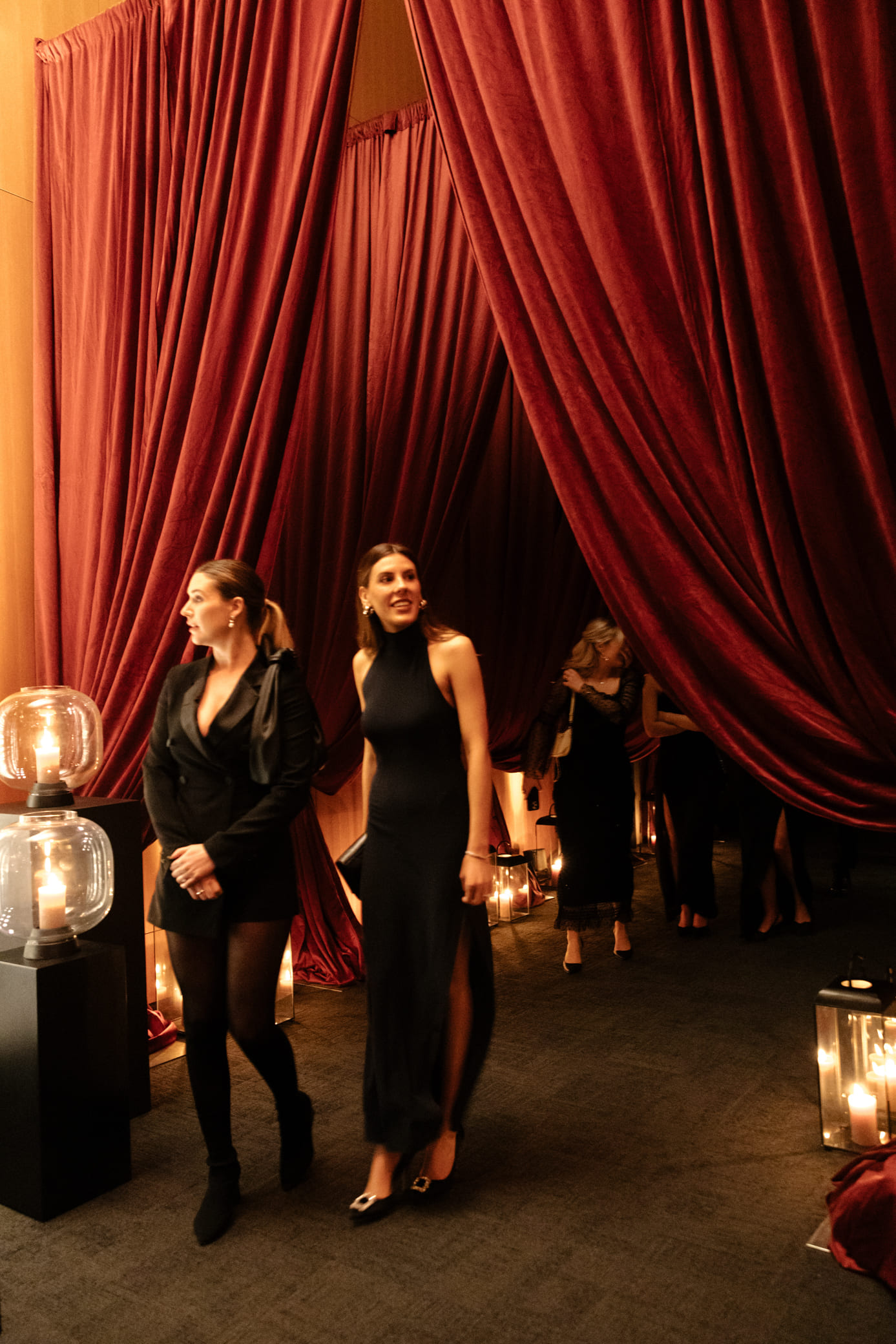
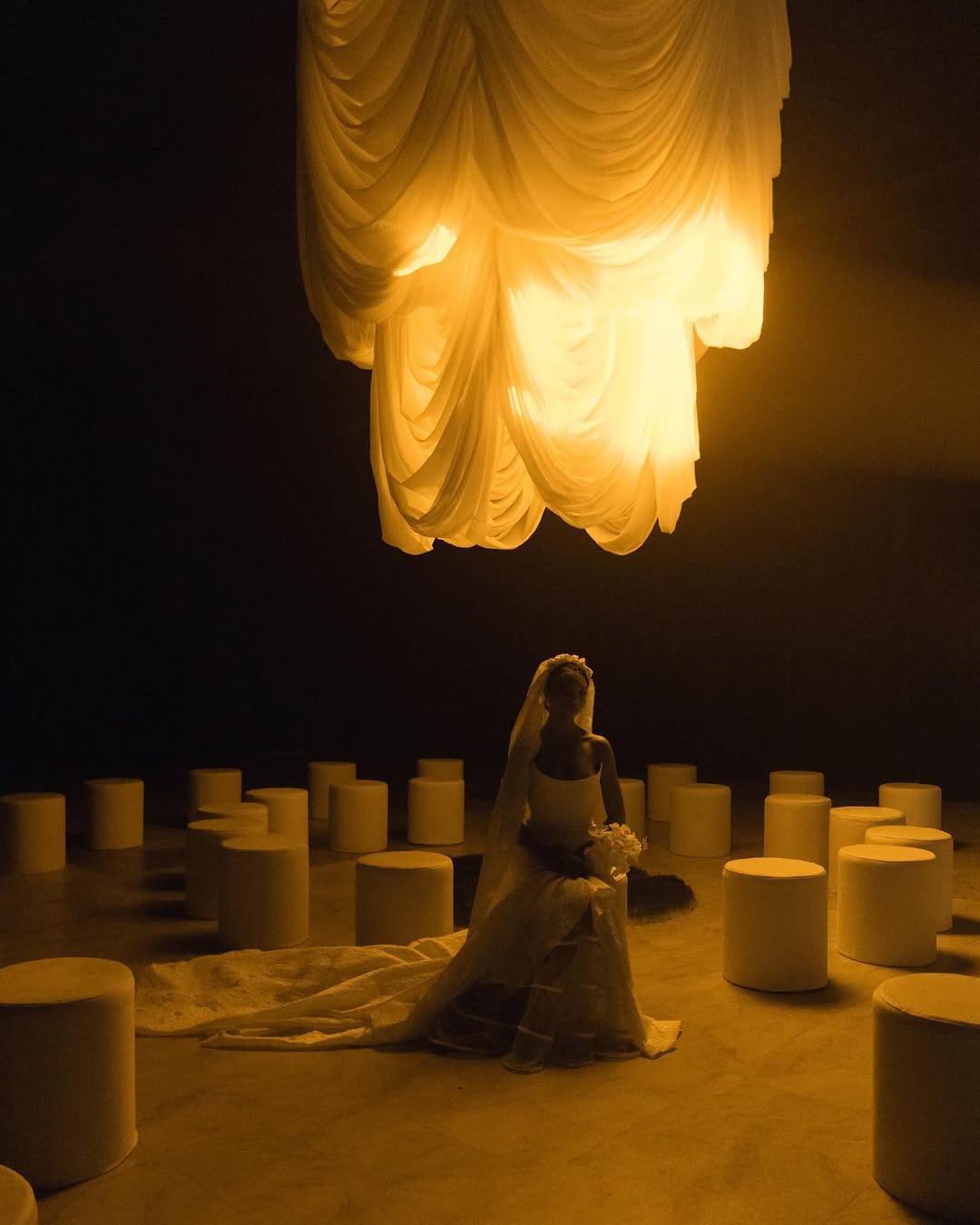
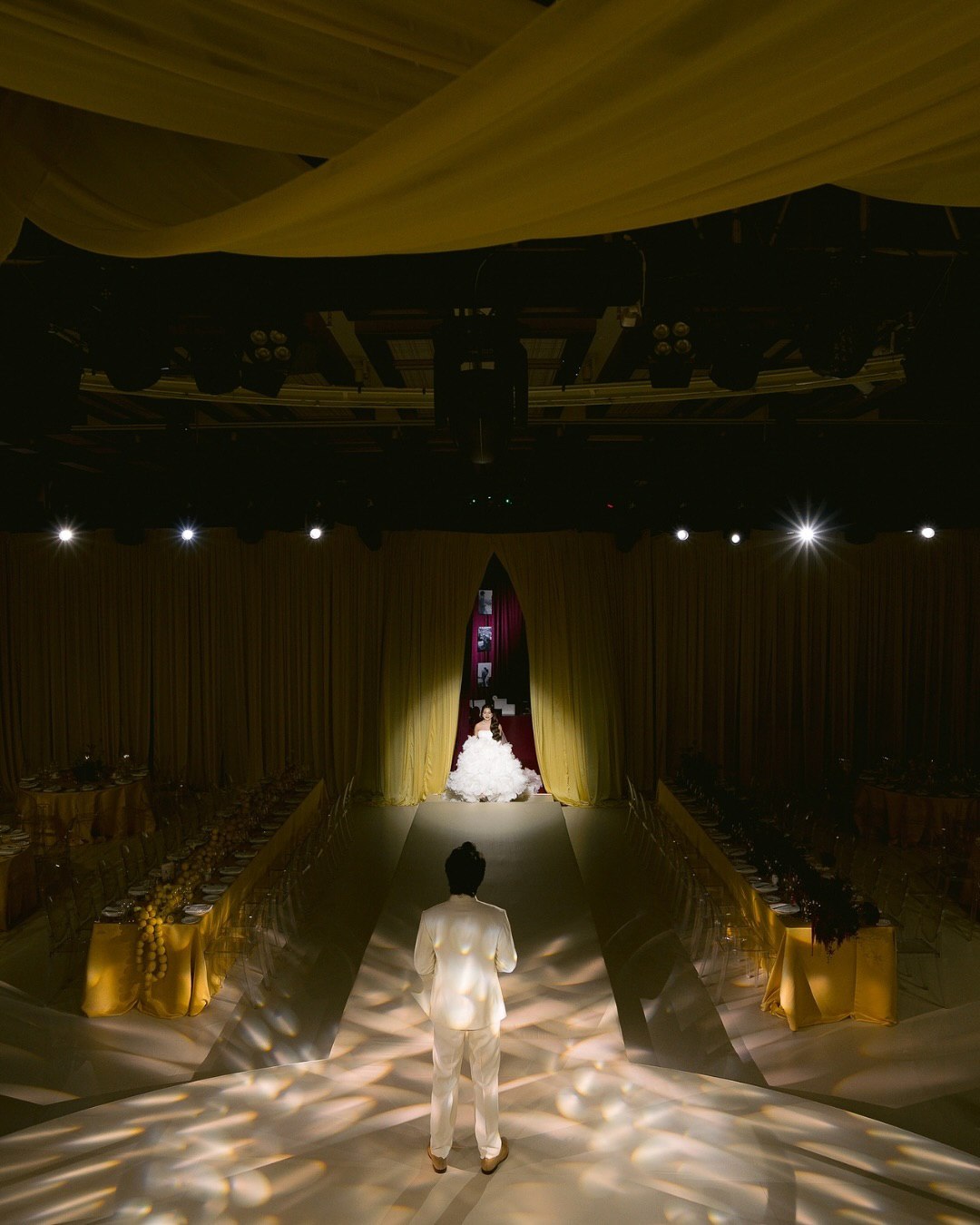
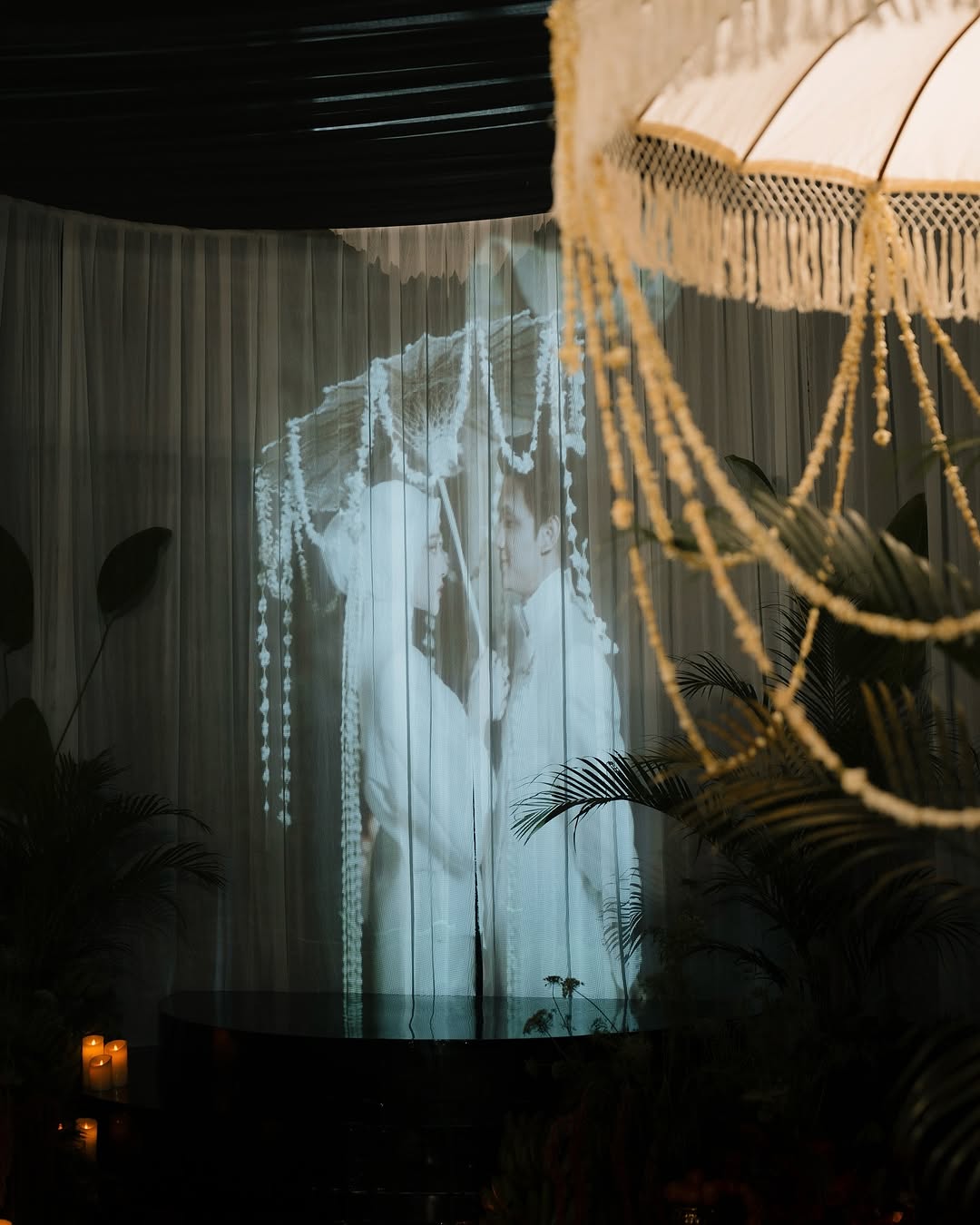
Draping is like giving the room a soft exhale. Suddenly the space feels warmer, closer, more emotional. A few sheer panels behind the ceremony or head table can do more than tons of florals, because they create a focal point. Your eye knows where to land. And when you layer draping with projections, silhouettes, or even just a soft glow behind it, it becomes moody and intimate.
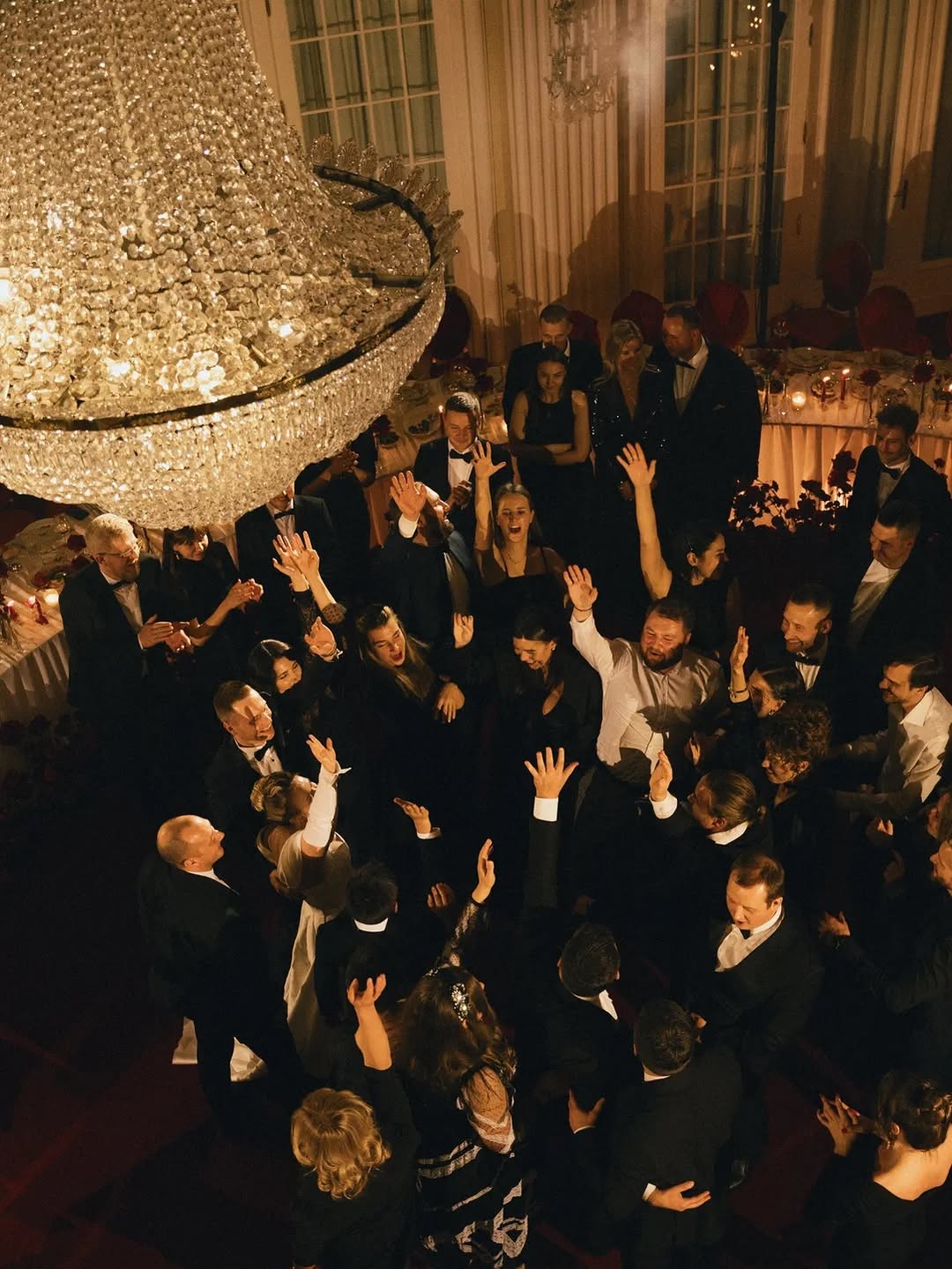
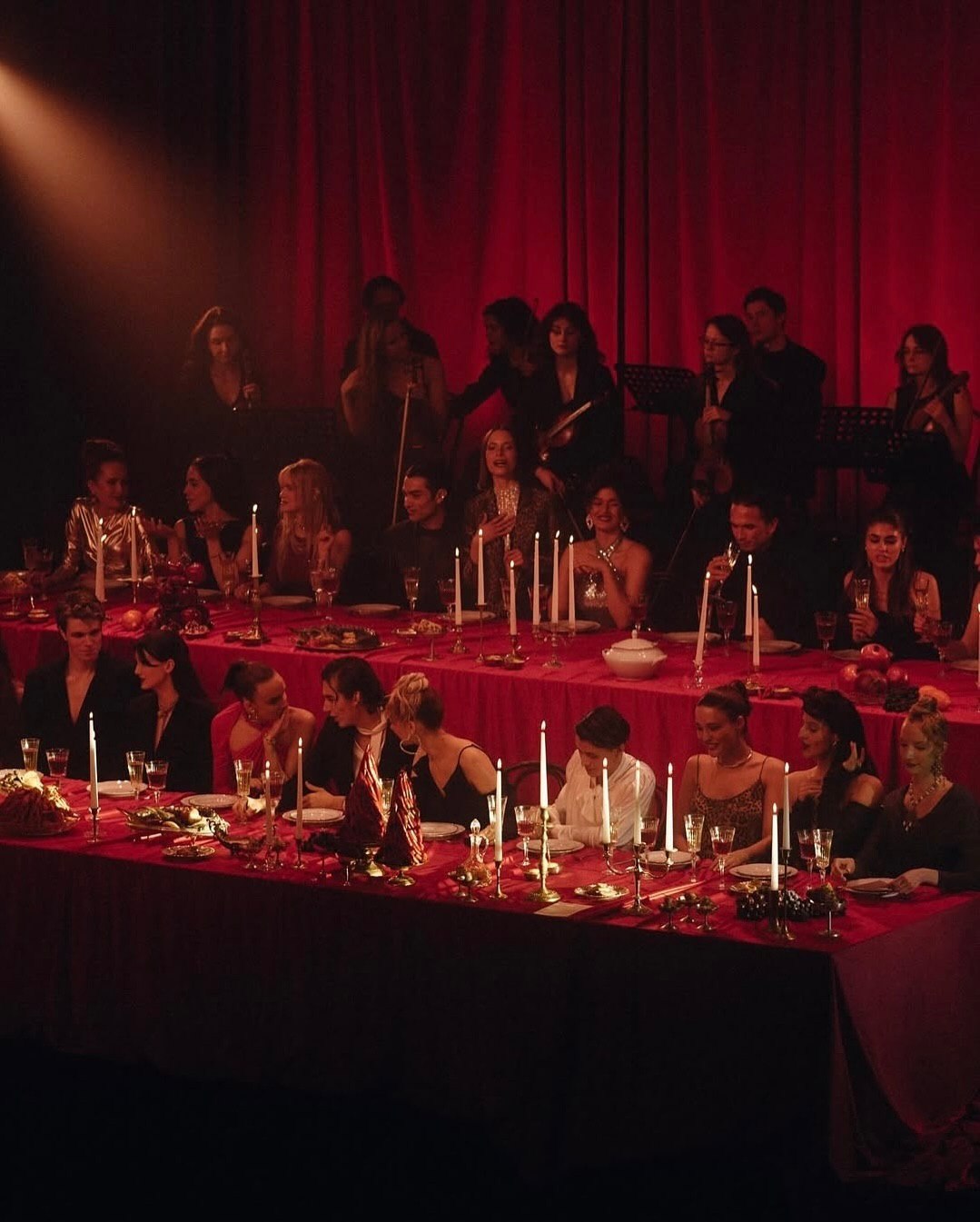
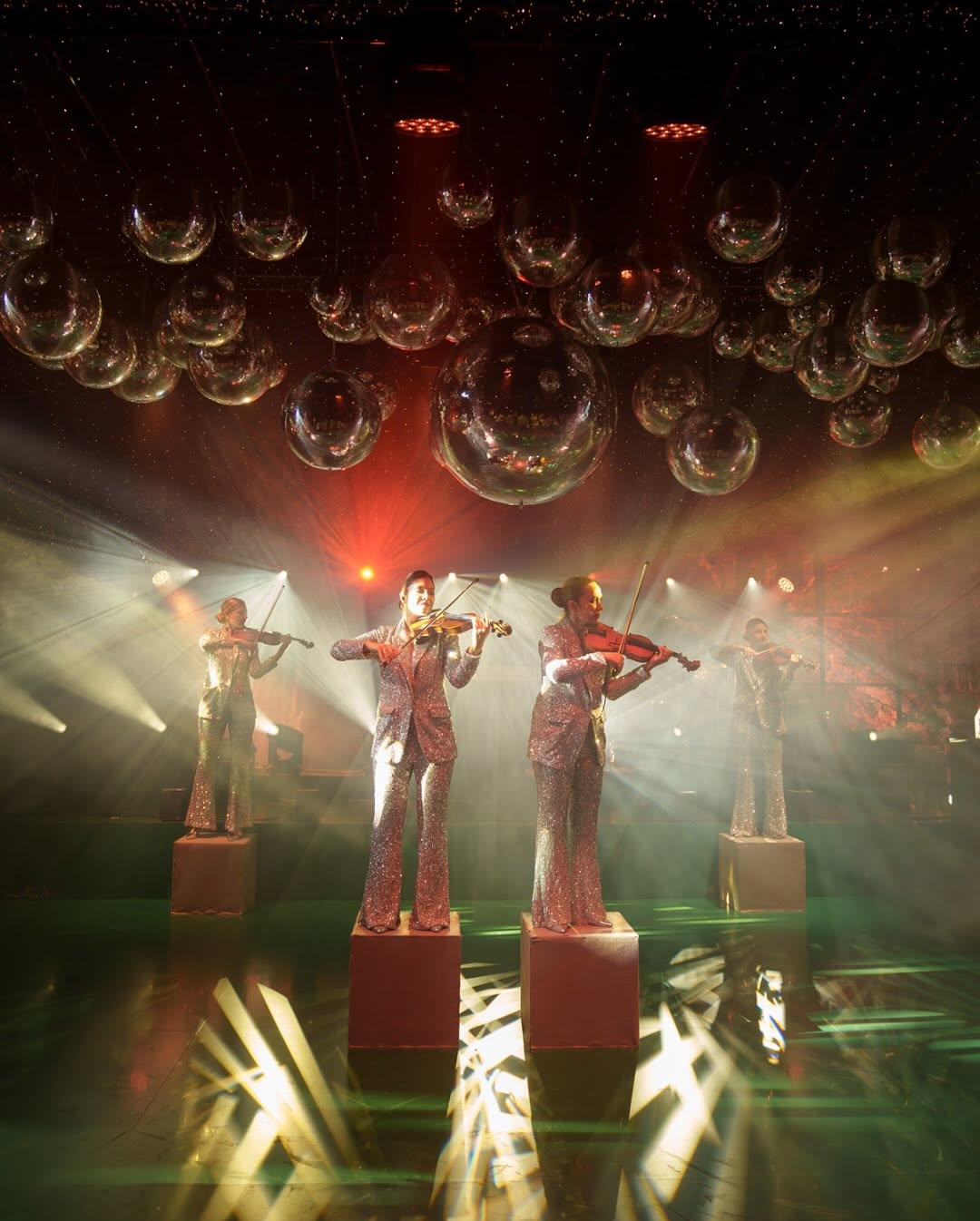
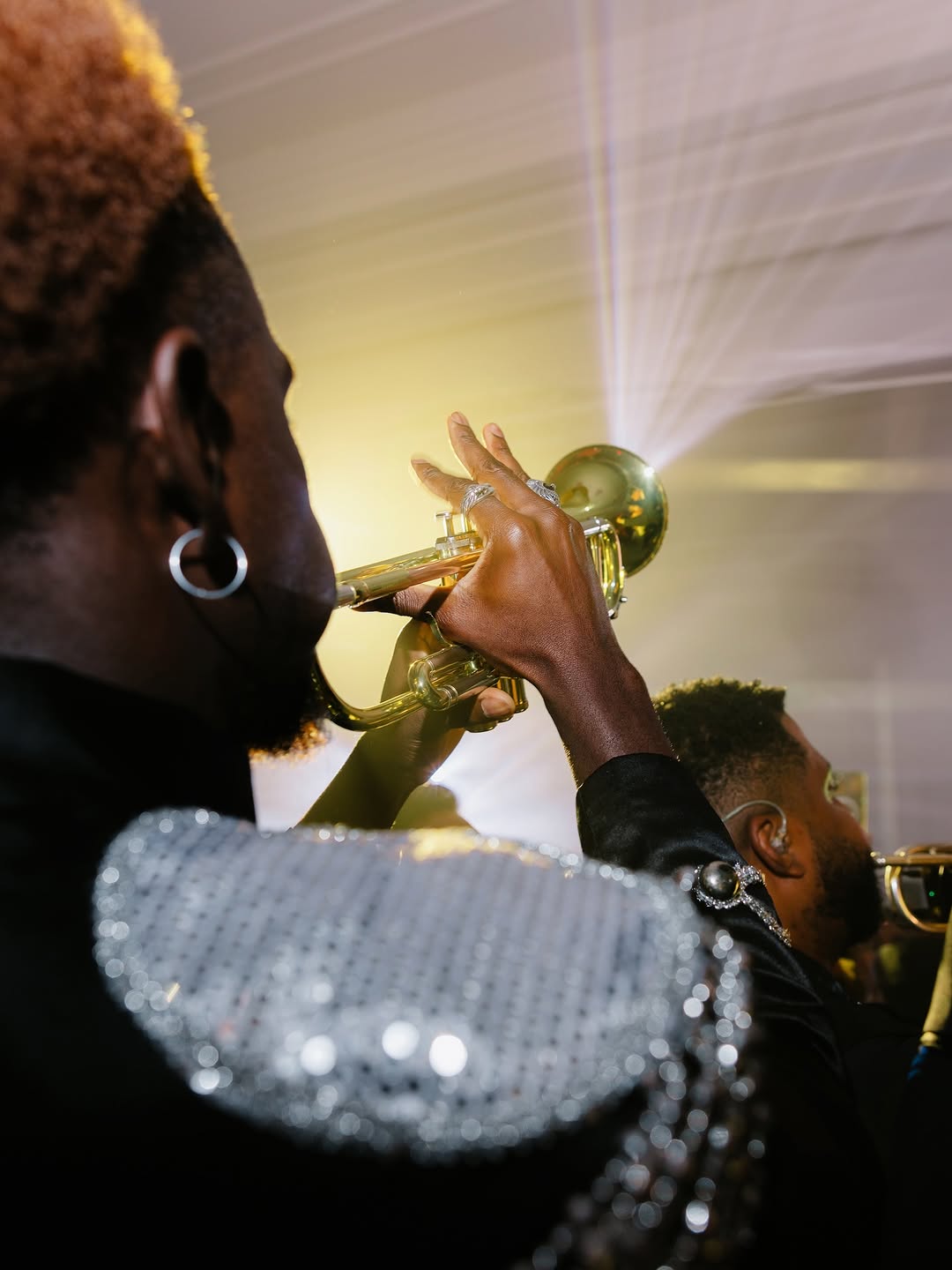
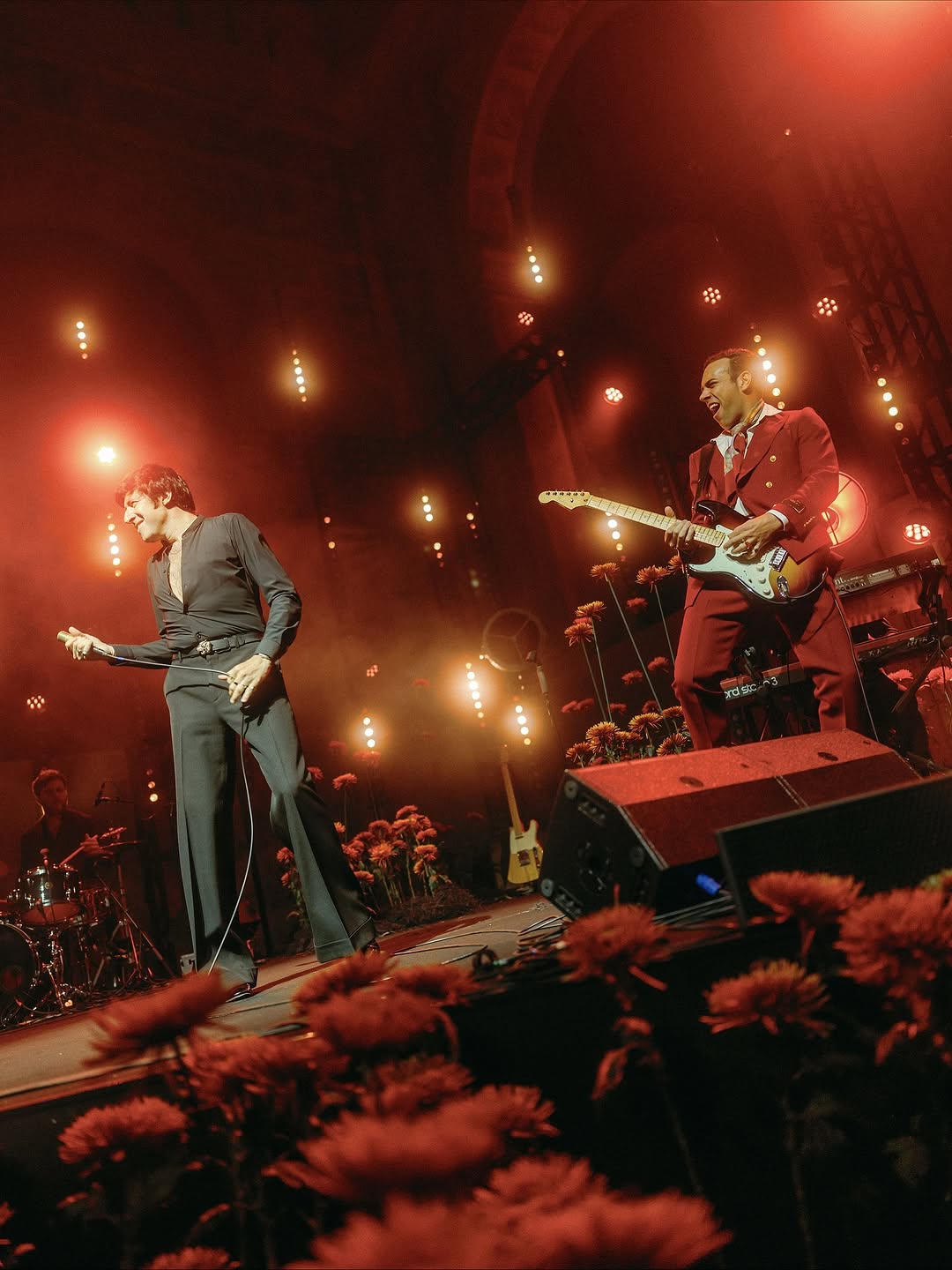
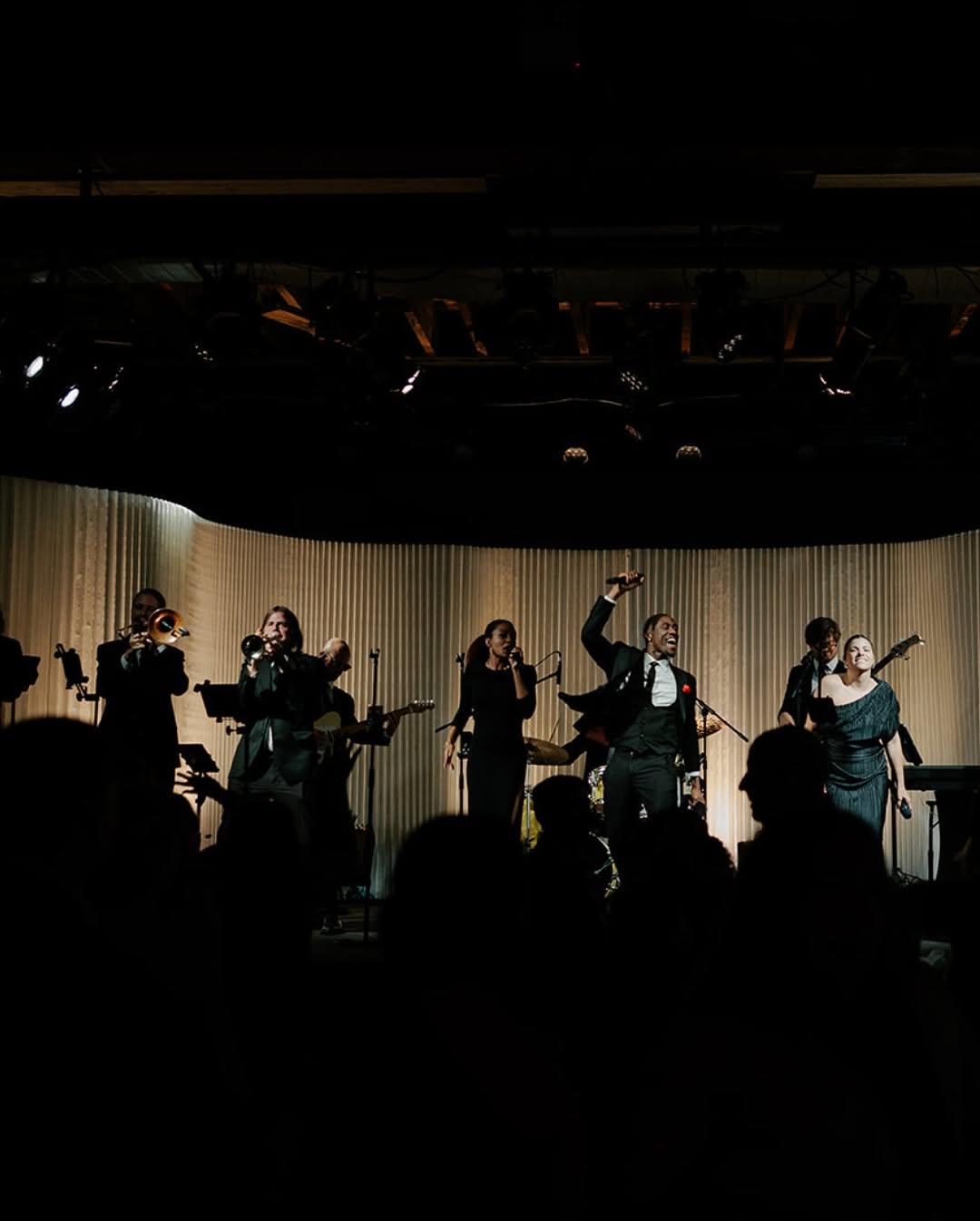
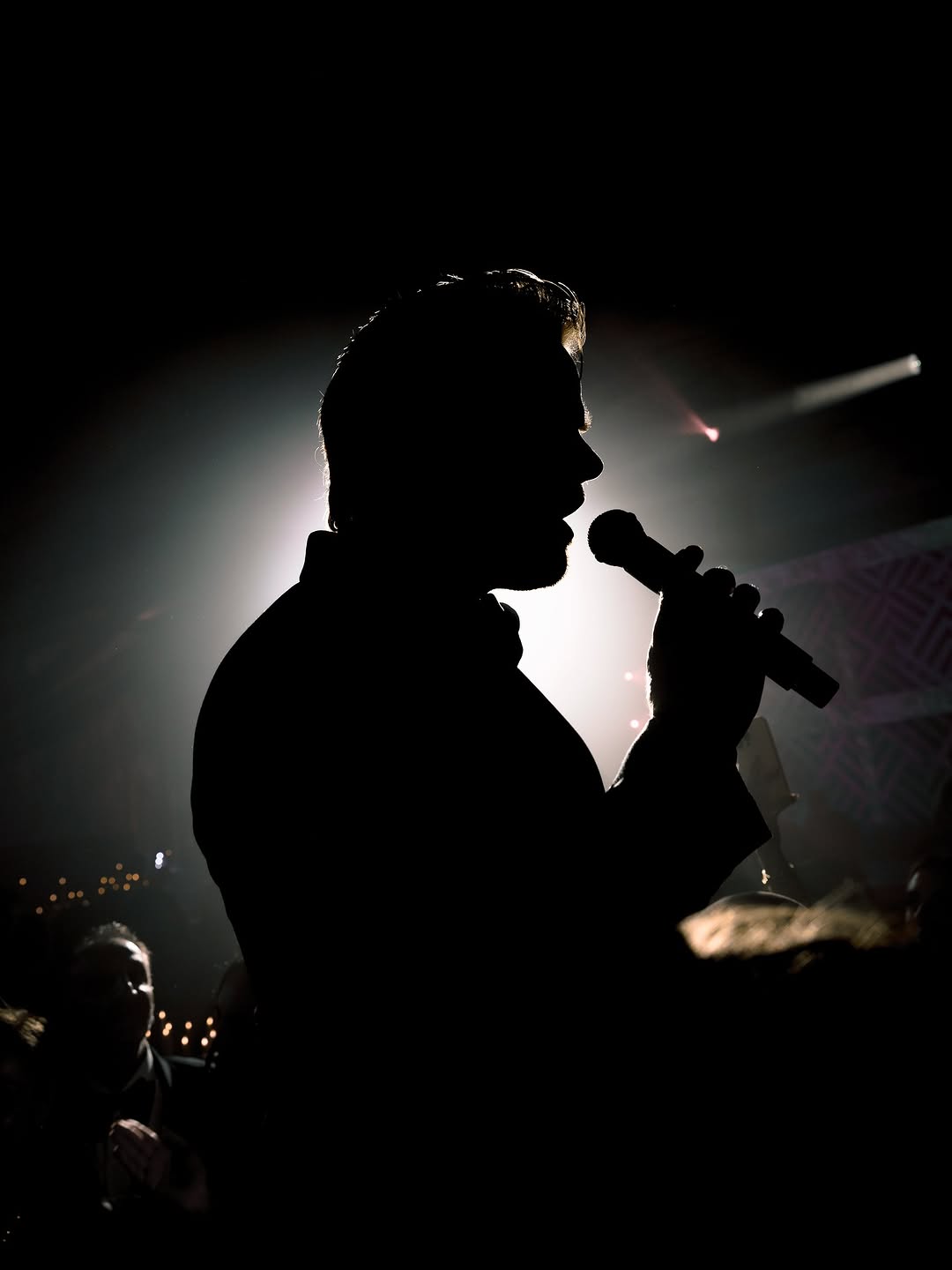
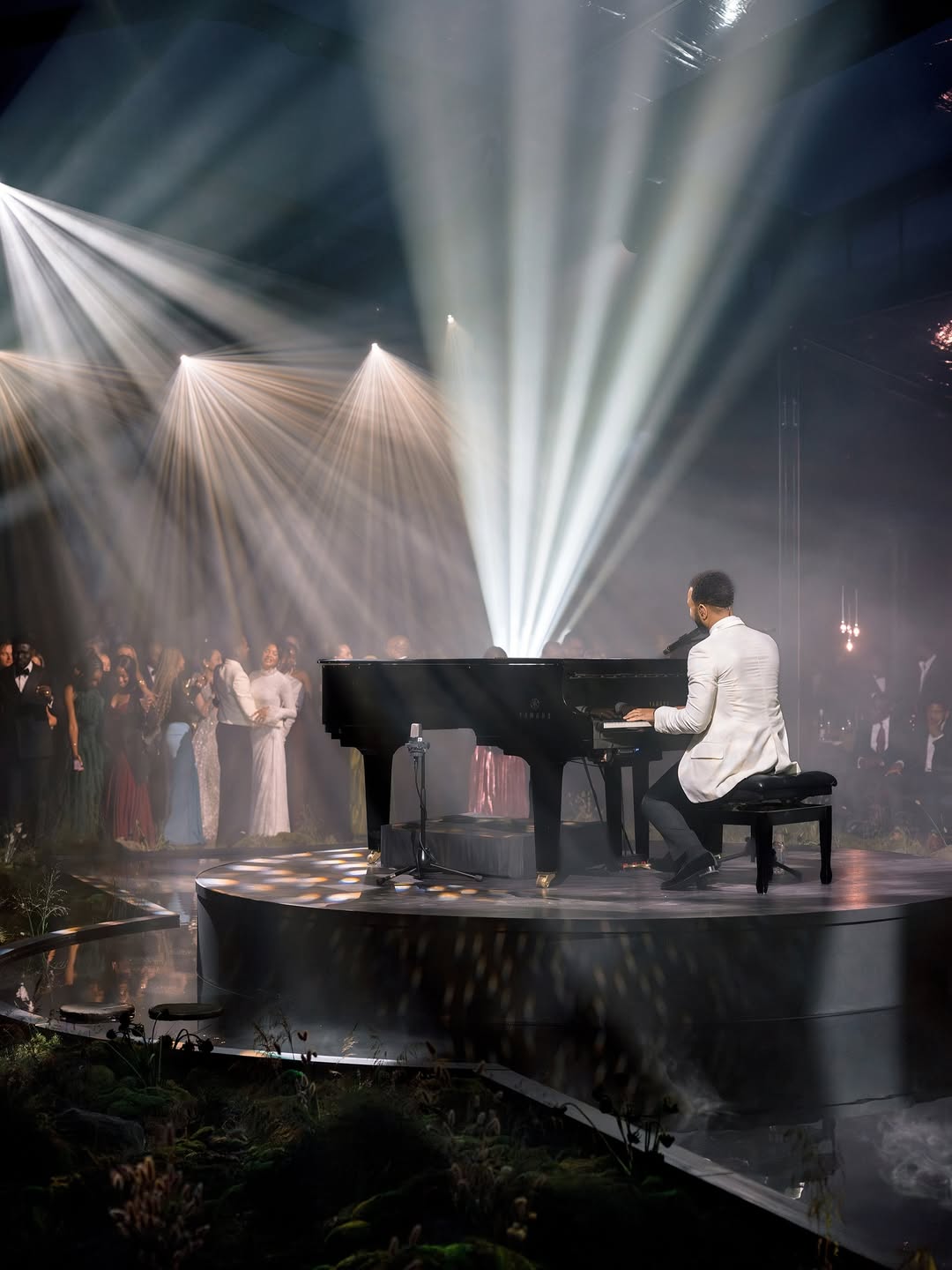
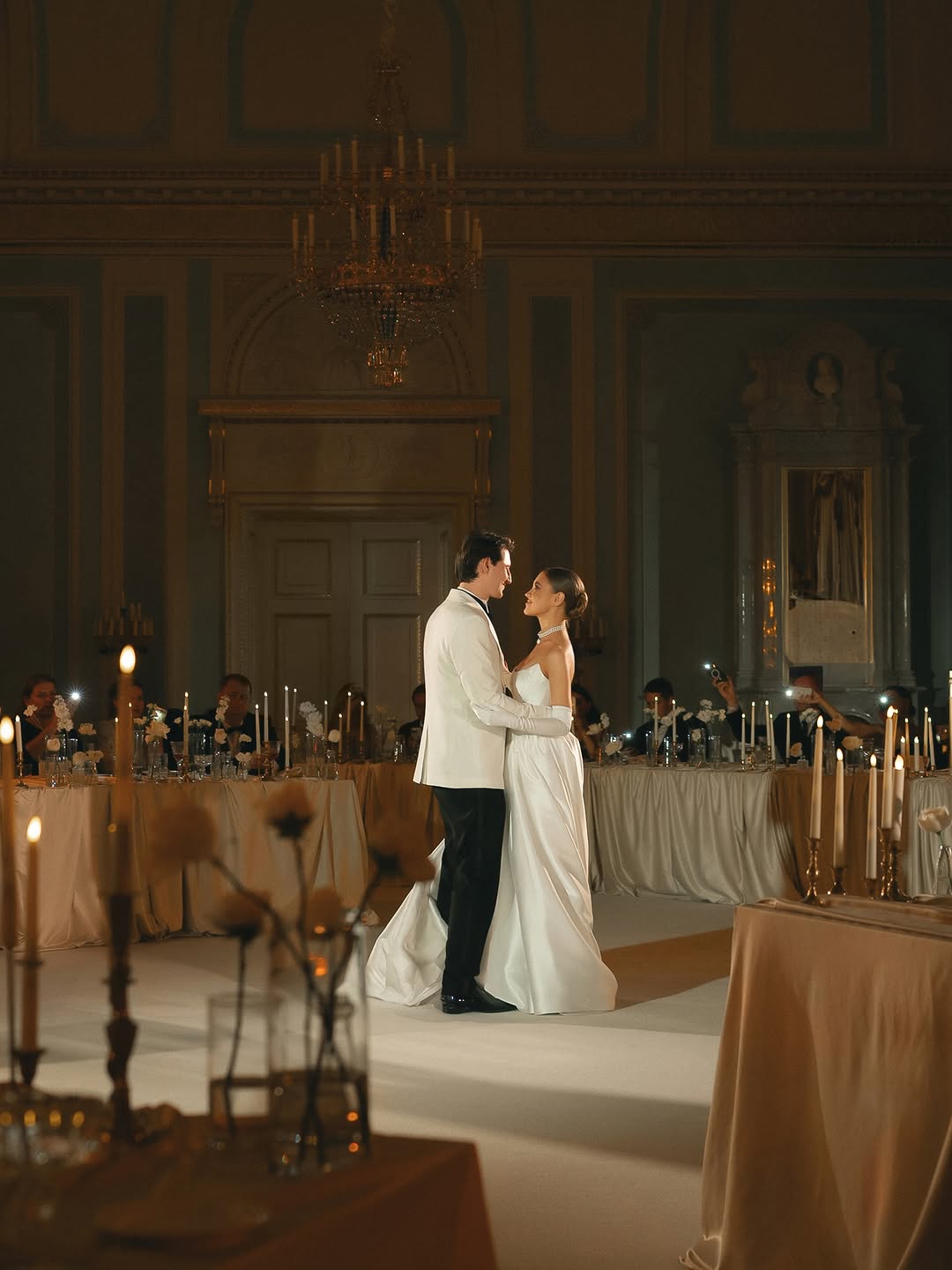
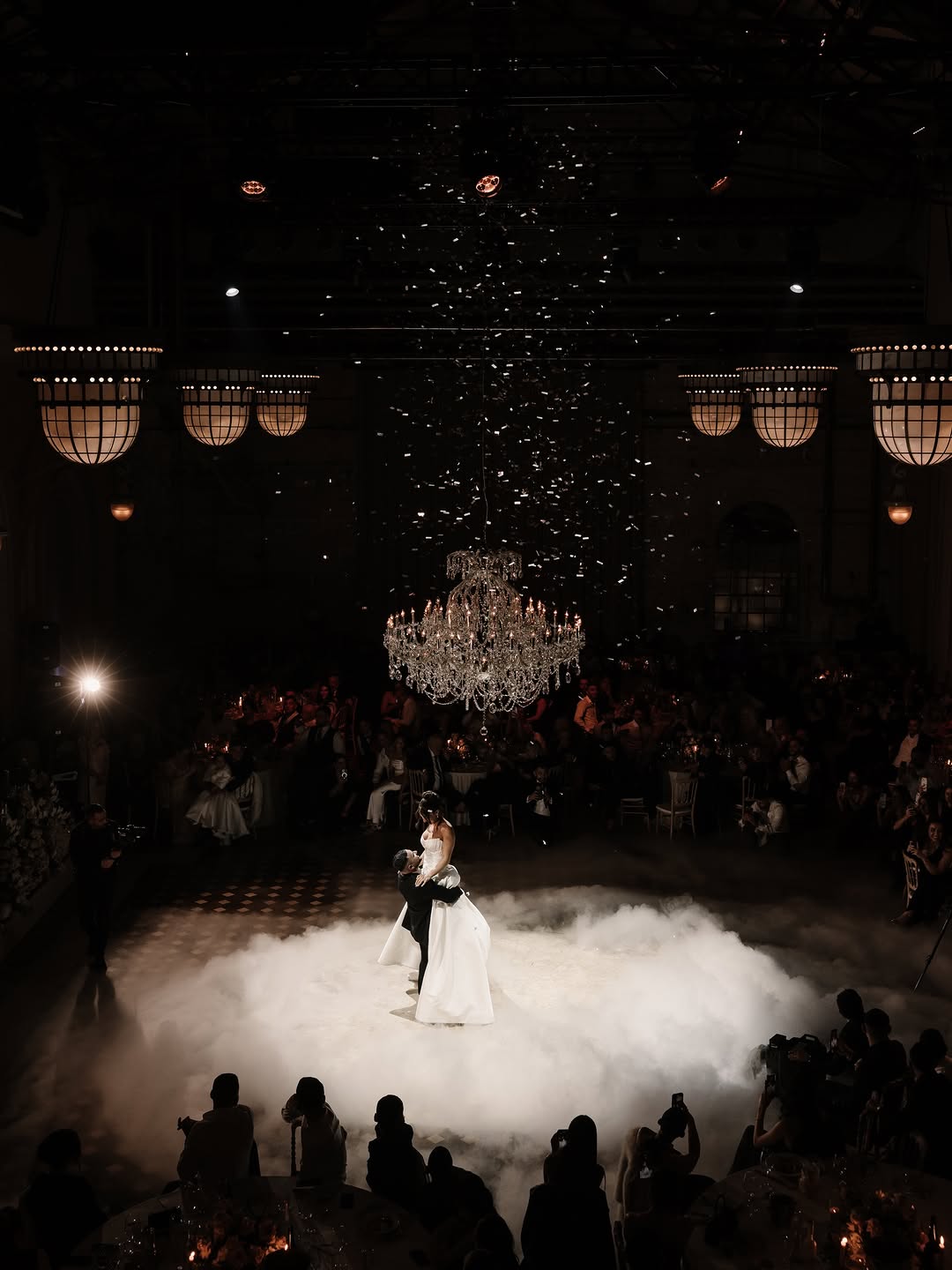
Live music is very much a staple of ballroom weddings, and that’s largely because it aligns so naturally with the scale and formality of the setting. Historically, ballrooms were created for dancing and social gatherings centered around live musicians, so having a band and singers instantly taps into that tradition and reinforces the sense of occasion. Live music also surely elevates the emotional arc of the day. From a dramatic entrance and a cinematic first dance to high-energy moments that fill the dance floor, the musicians can read the room and build momentum in a way that feels immersive and dynamic.
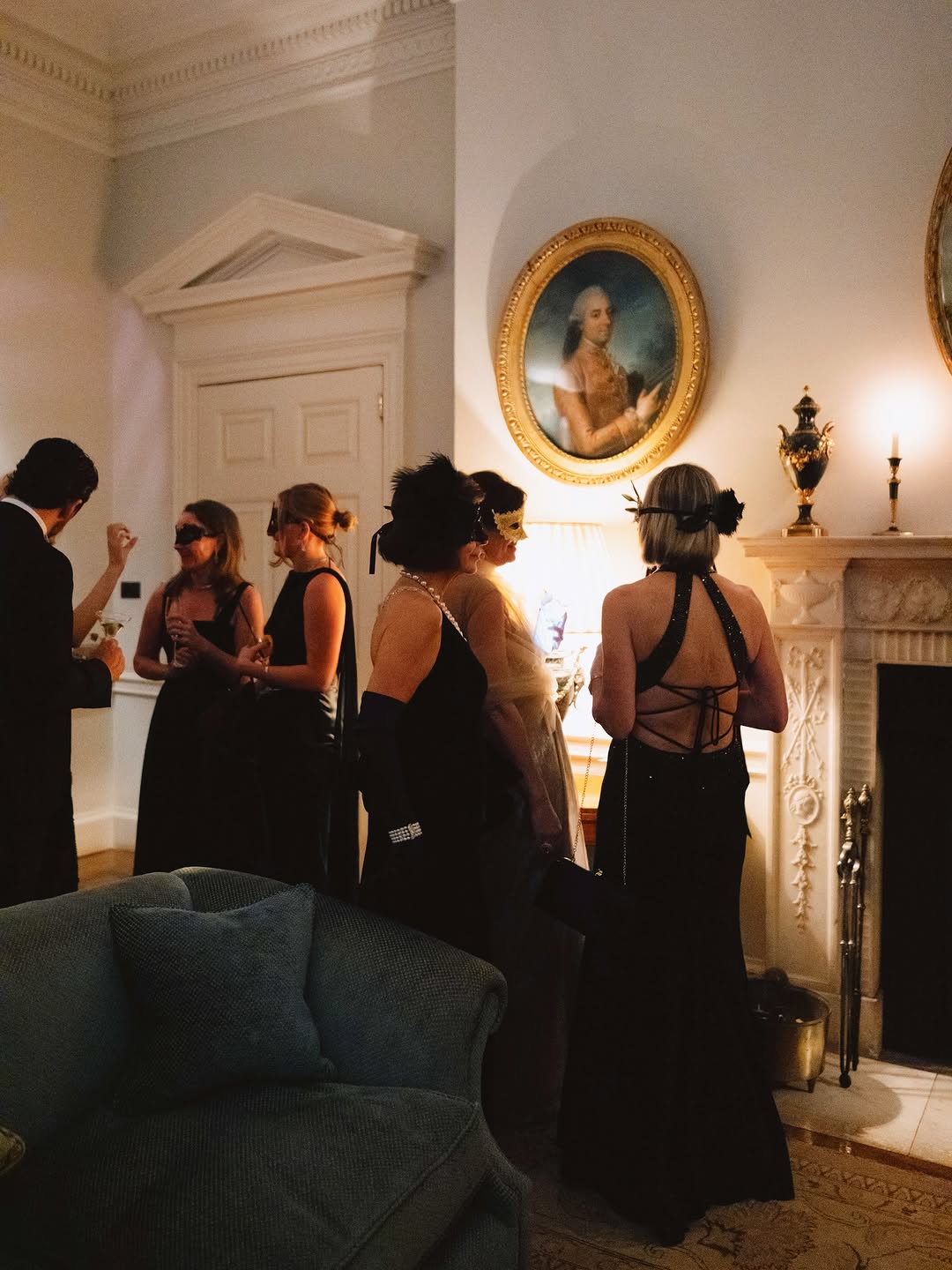
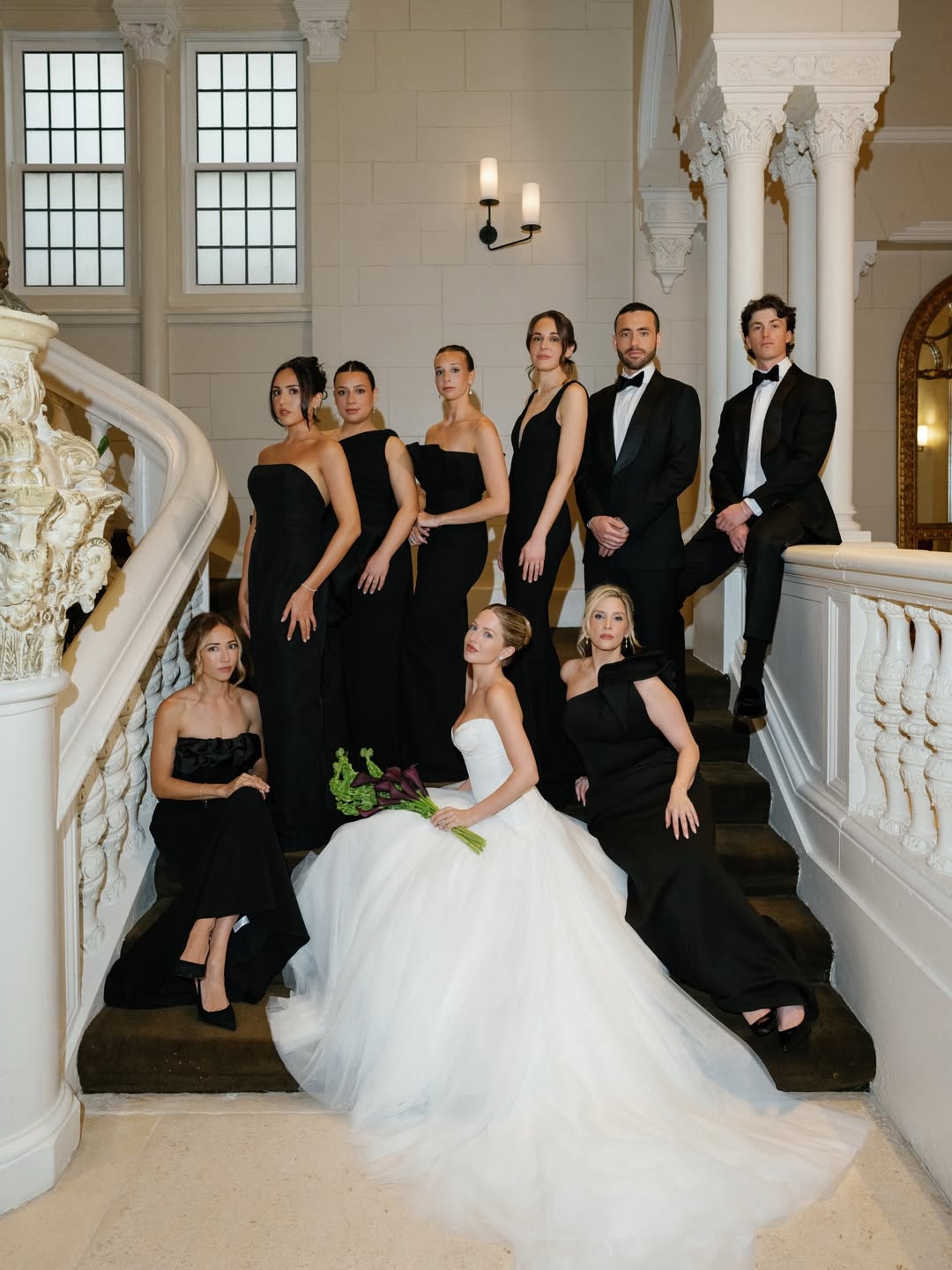
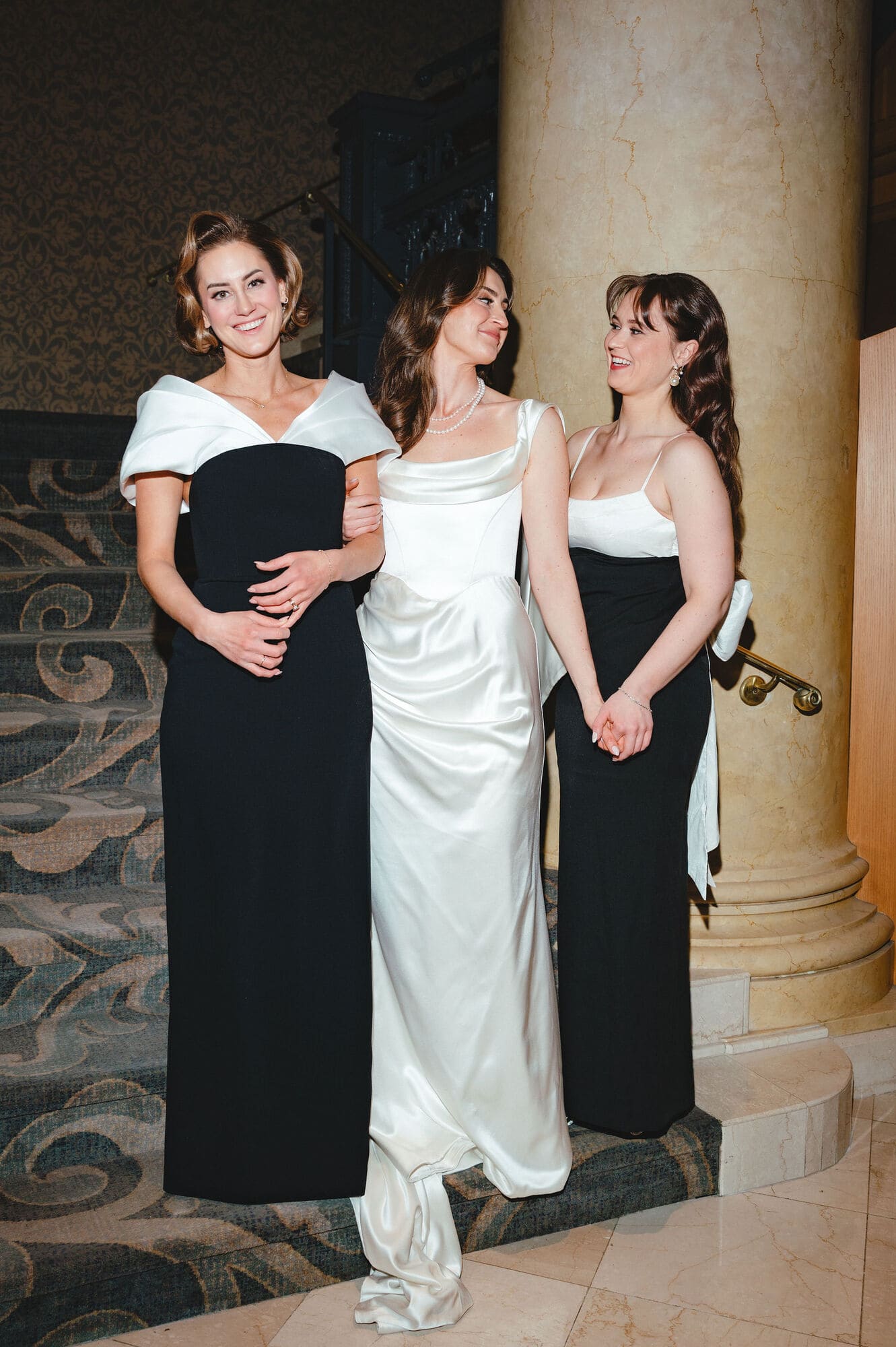
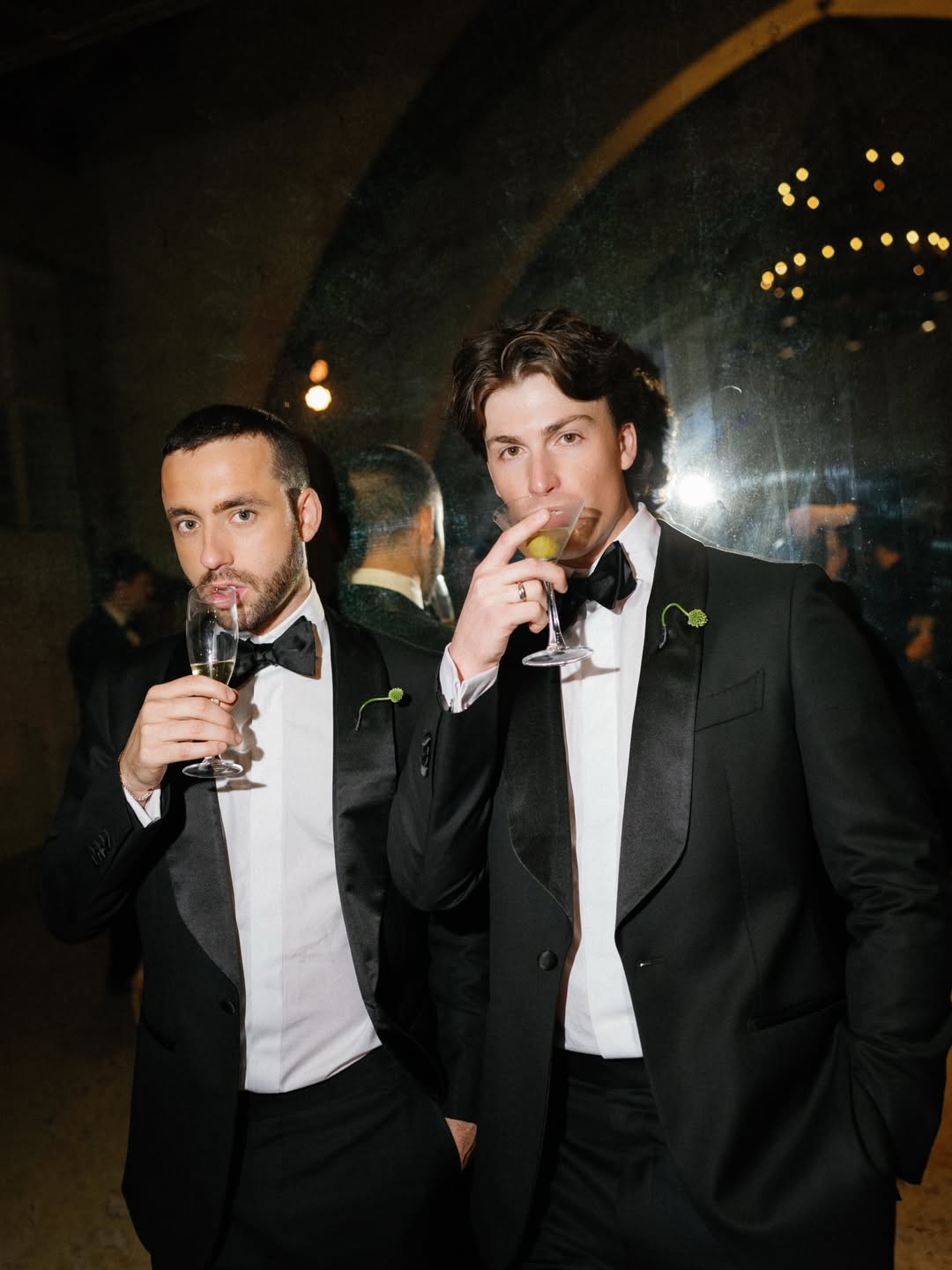
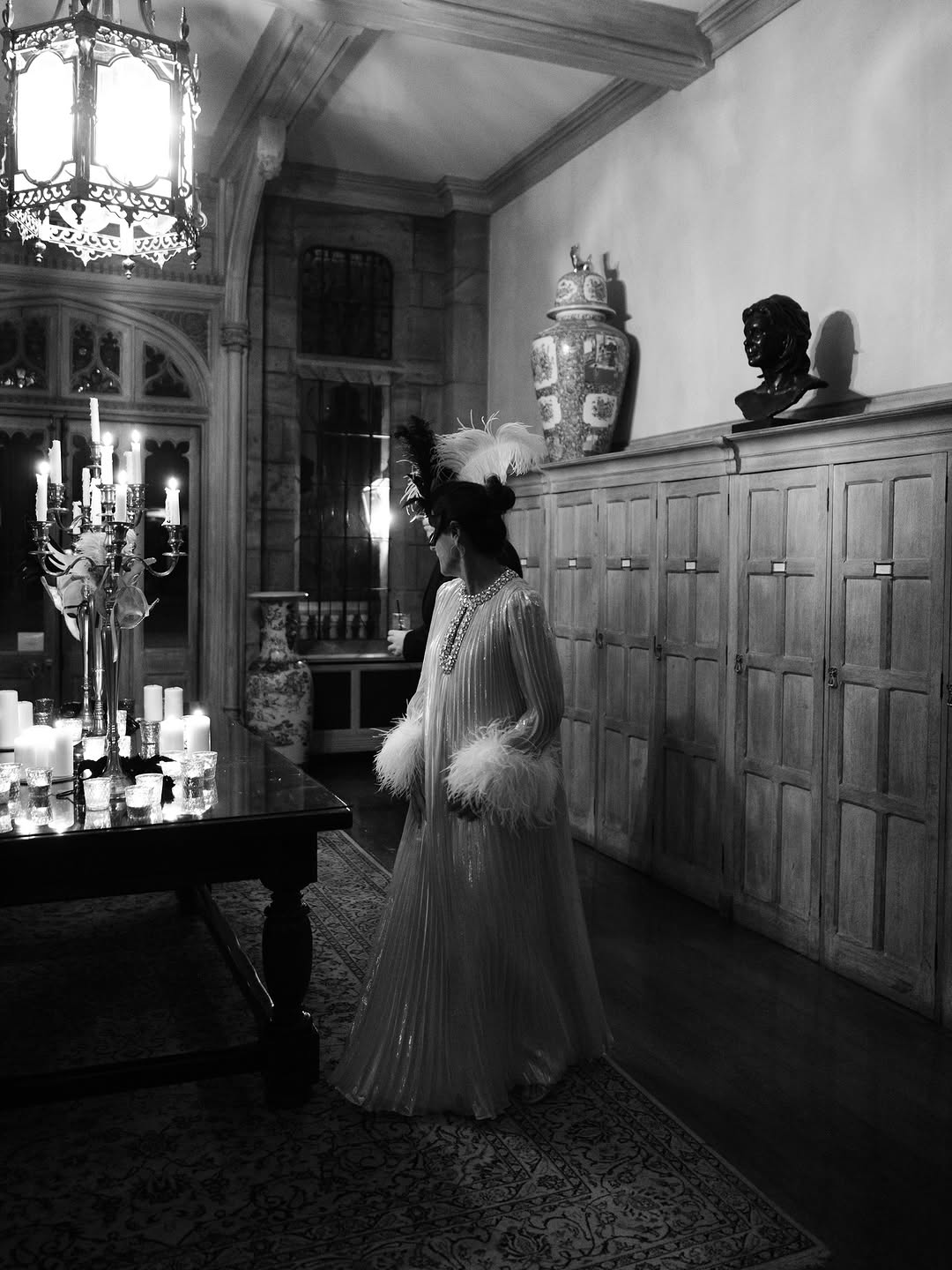
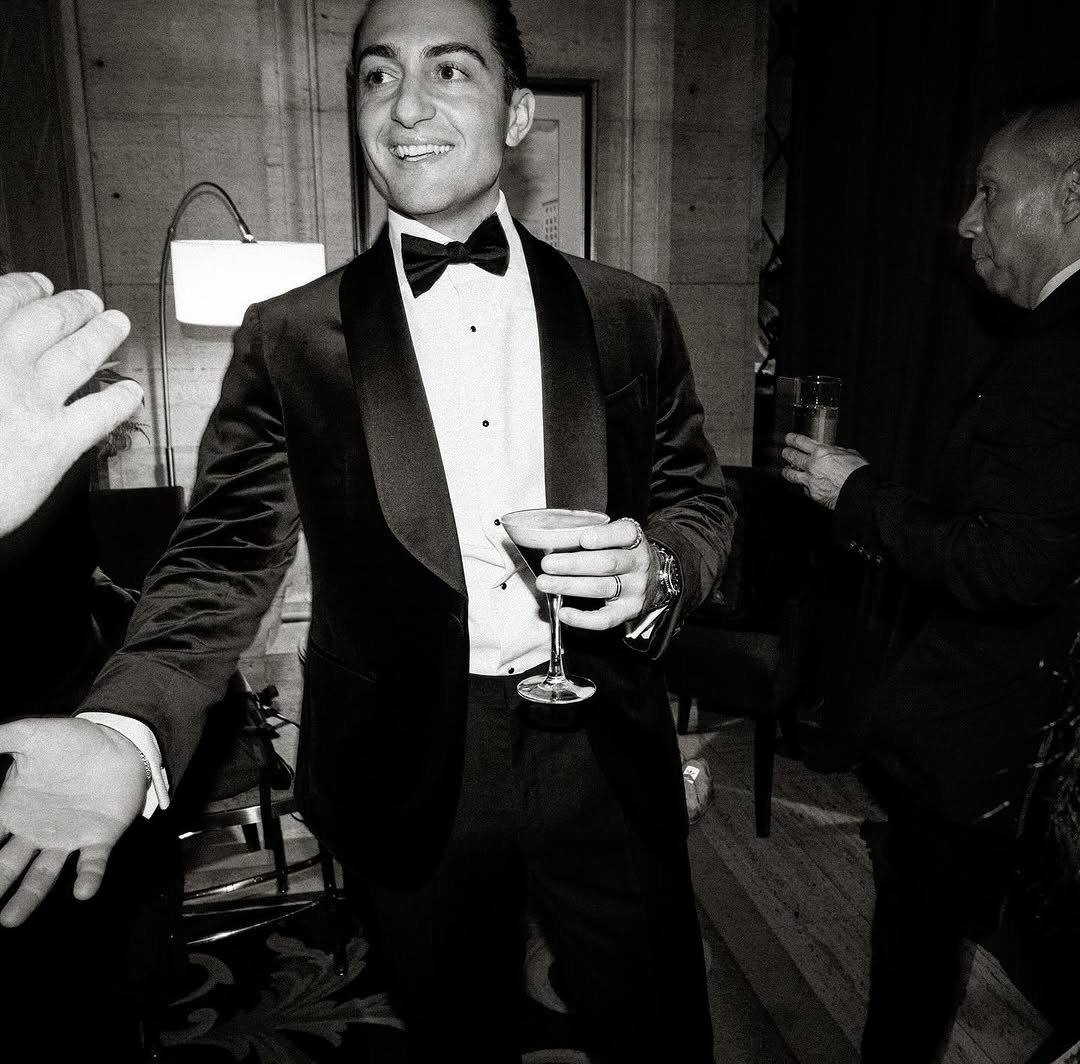
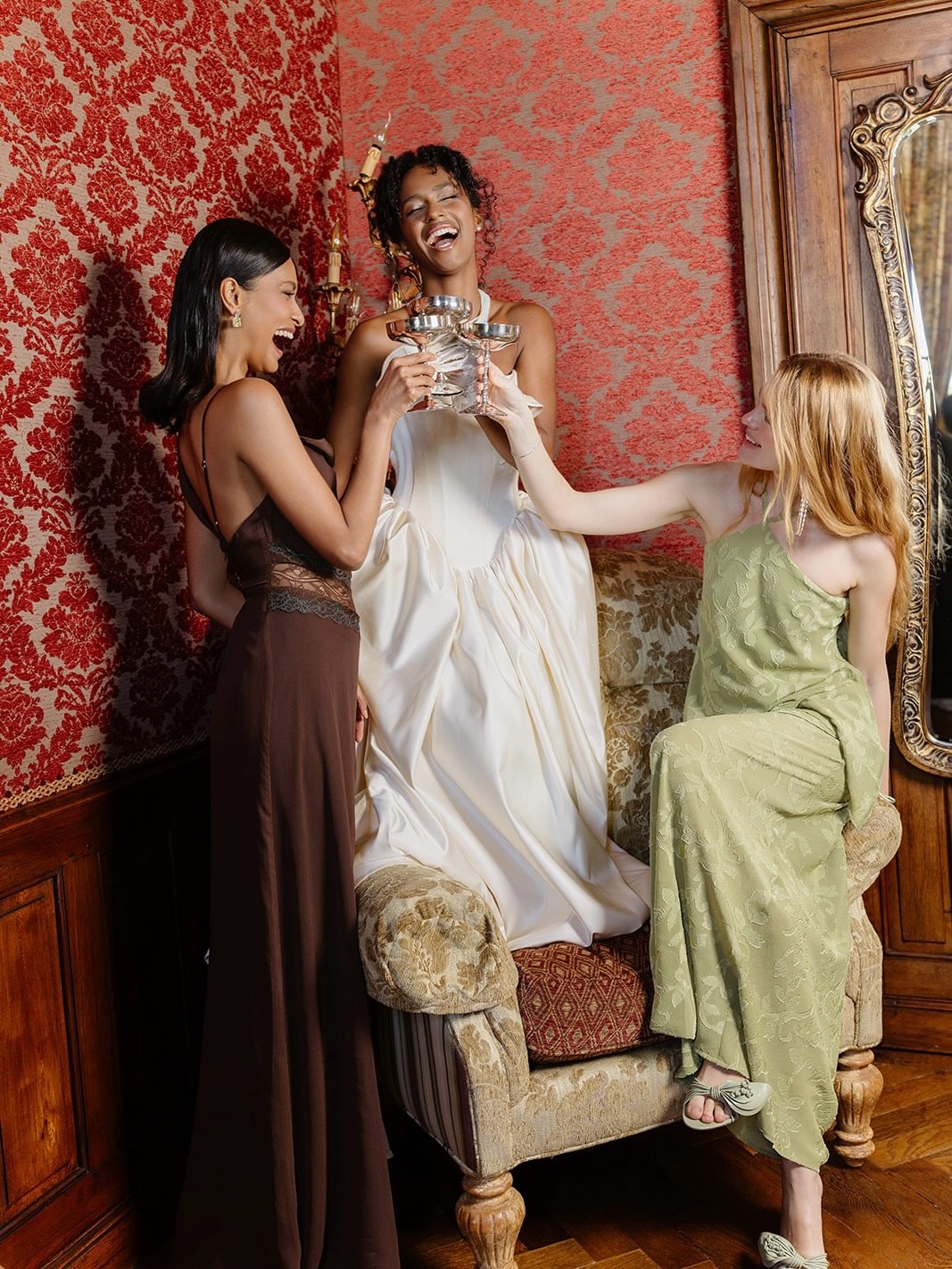
At ballroom weddings, the dress code almost always leans formal to very formal. It’s one of the few settings where going glam is not just allowed, but expected. Black Tie is the most common, especially for evening celebrations. It includes floor-length gowns, elegant silhouettes, tuxedos, statement jewelry, and refined styling. Some couples opt for Formal or Evening attire instead, which is slightly less rigid but still sophisticated. This allows guests a bit more flexibility—think long gowns or elegant midi dresses for women and dark suits with ties for men—while maintaining the overall elegance that a ballroom setting calls for. In terms of color, guests typically gravitate toward classic evening shades: black, navy, deep emerald, burgundy, rich jewel tones, and soft metallics. In both cases, the intention is the same: to create a cohesive visual experience that complements chandeliers, high ceilings, live music, and a grand dance floor.
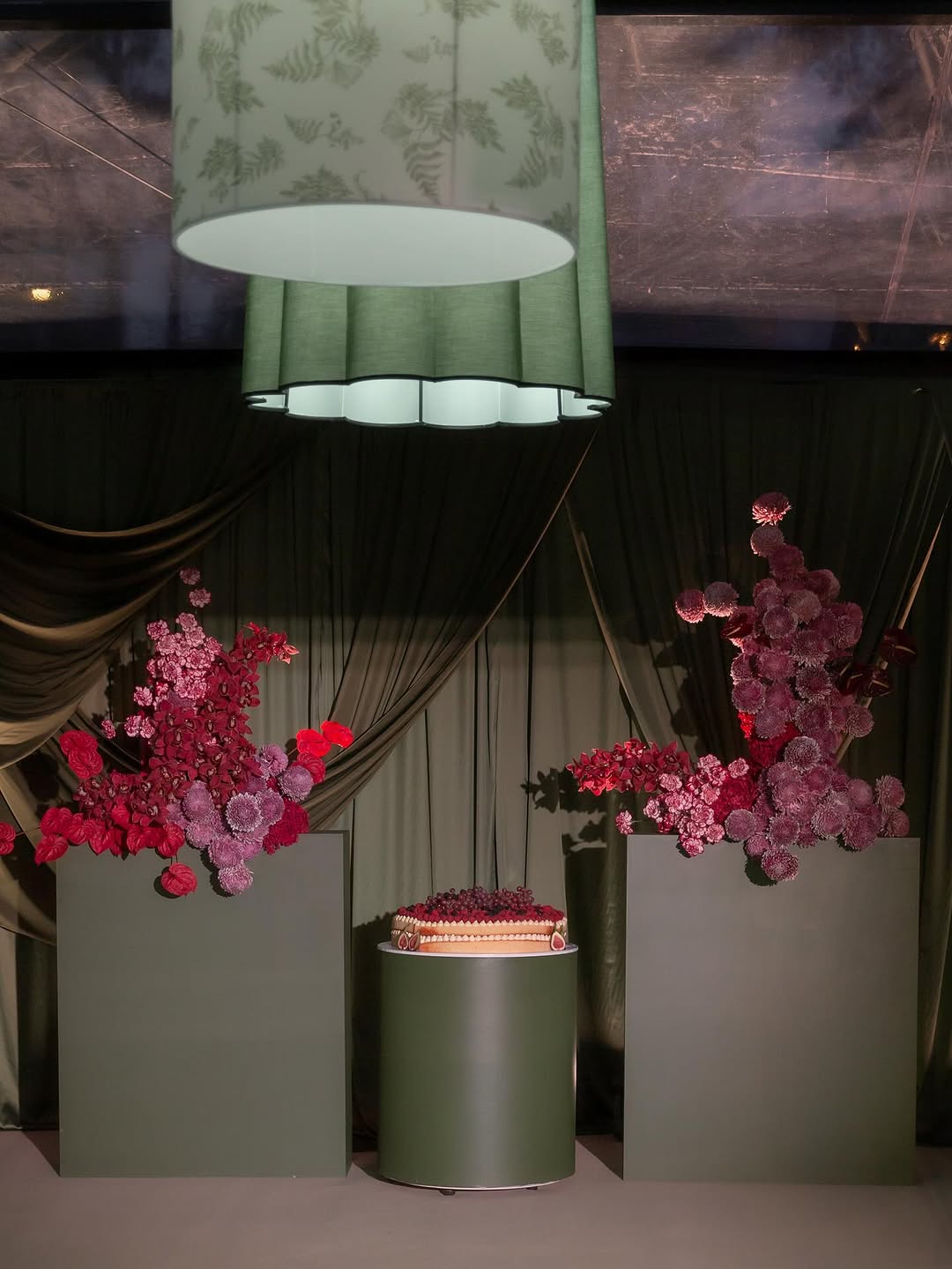
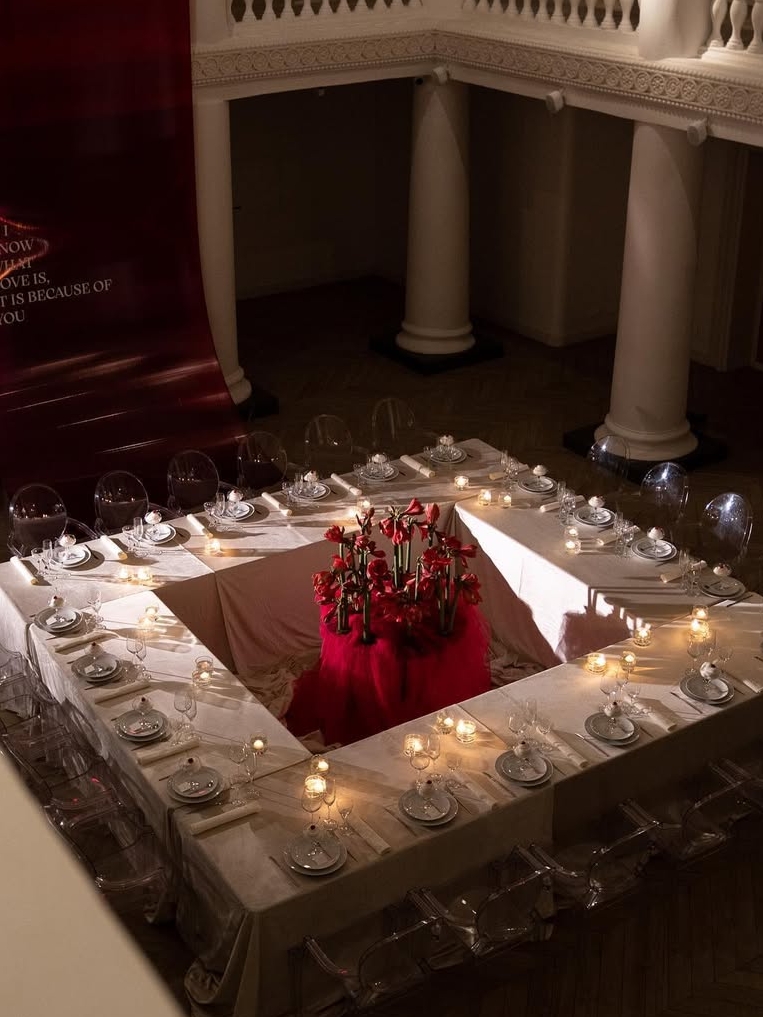
Many florists agree that couples should prioritize what matters most to them, keeping in mind that when it comes to flowers, a few well-placed statement pieces often create far more impact. “If florals are a big part of your vision, allocate more of your budget there,” says Natalie Gill of Native Poppy. “If not, we can focus on just a few impactful pieces. You don’t need flowers everywhere—you just need them in the right places.” Strategic placement is key: escort card tables or bars can be dressed with lush, eye-catching arrangements to draw guests in, sweetheart or head tables are often heavily floralized to signal their importance, and long tables or serpentine layouts use florals to guide the eye, creating a sense of flow and movement throughout the space.
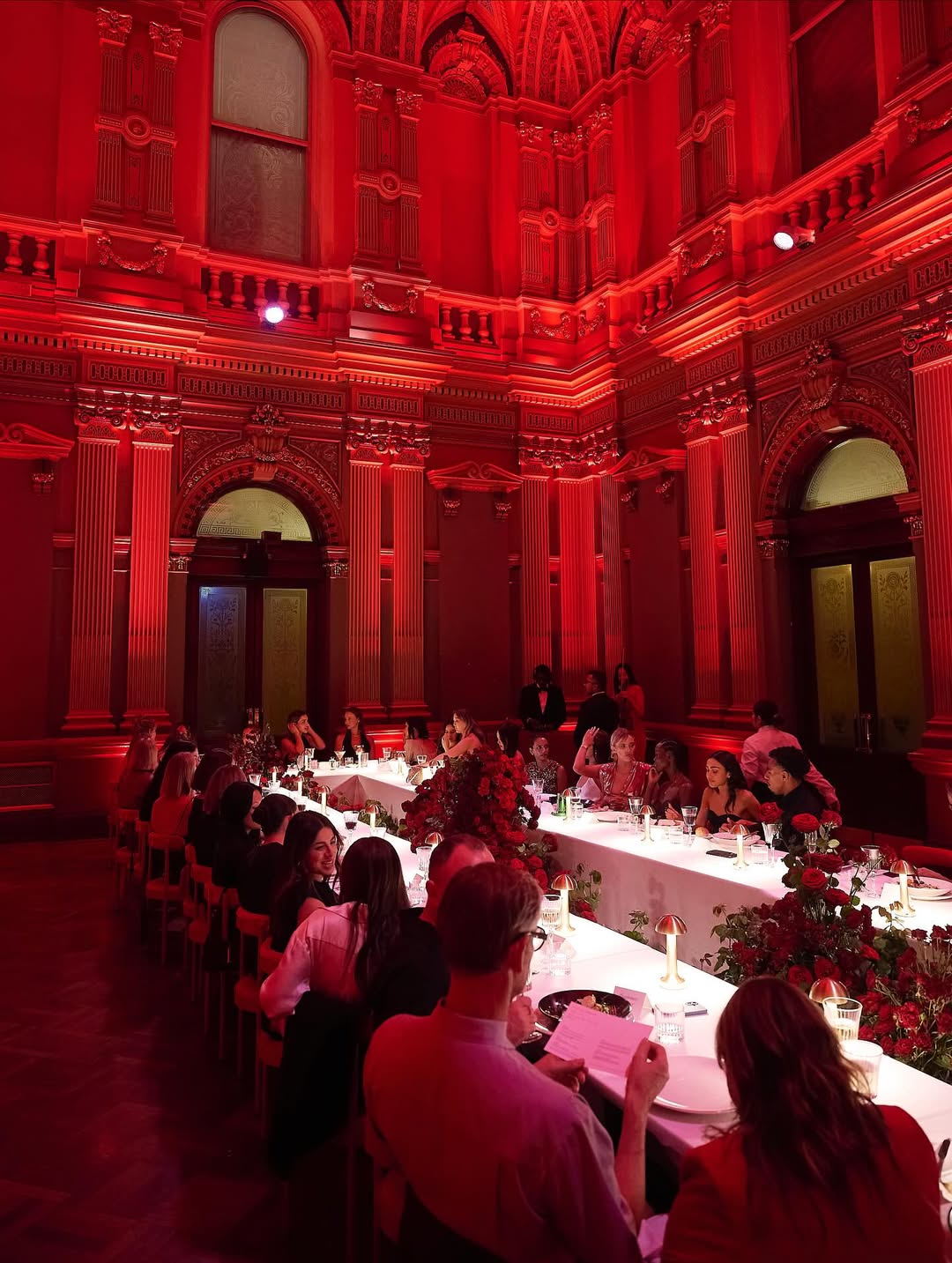
Lighting is a powerful medium of wedding décor as it sets the mood and completely reshapes how a space feels. And the possibilities are endless. Ballrooms often already come with oversized crystal chandeliers, so the goal isn’t to compete with them, but to layer light thoughtfully around what’s already there. Uplighting along the walls is another ballroom wedding classic for a reason. It emphasizes the room’s height, highlights architectural details, and reinforces a sense of grandeur and luxury without overwhelming the space.
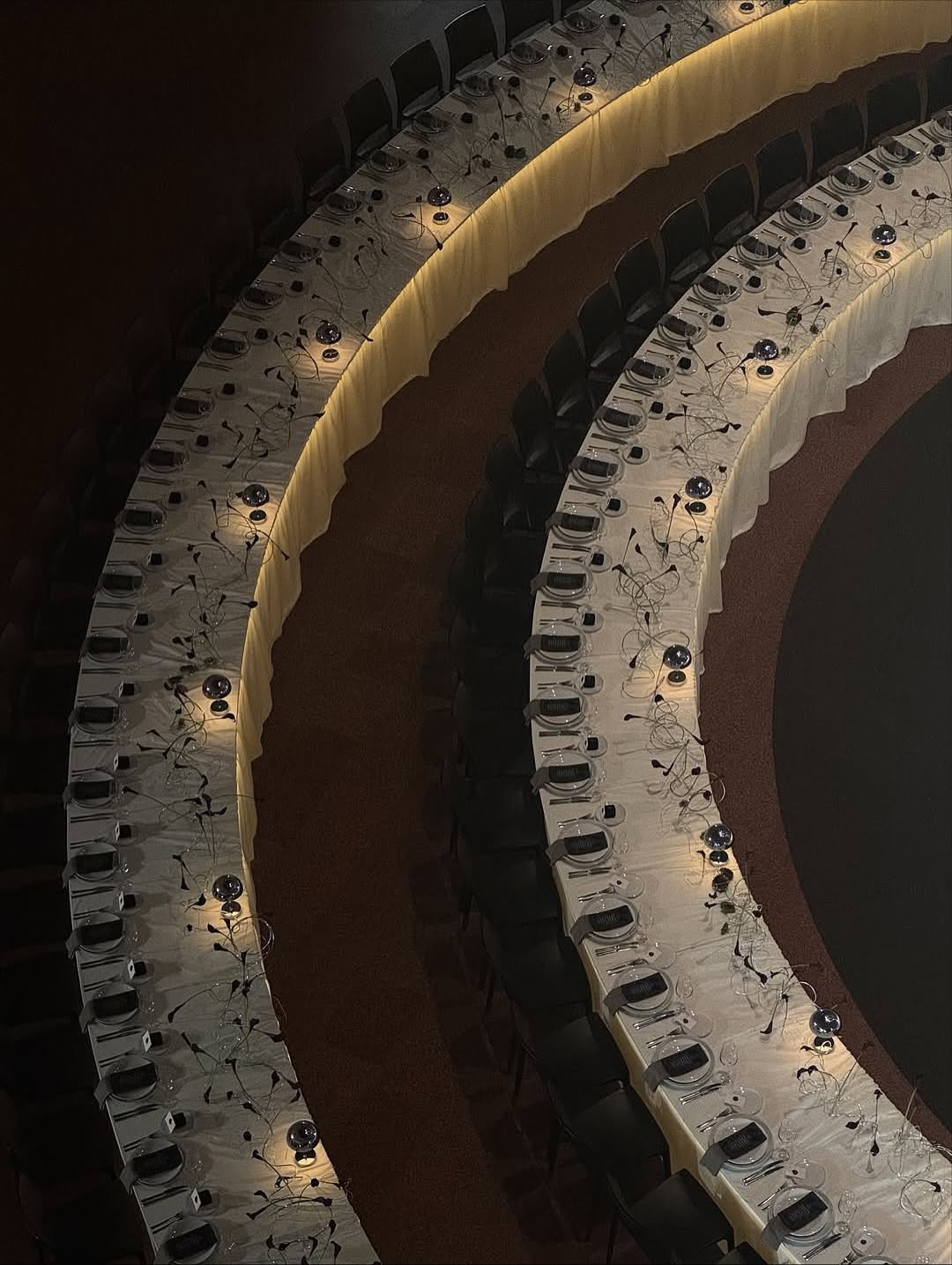
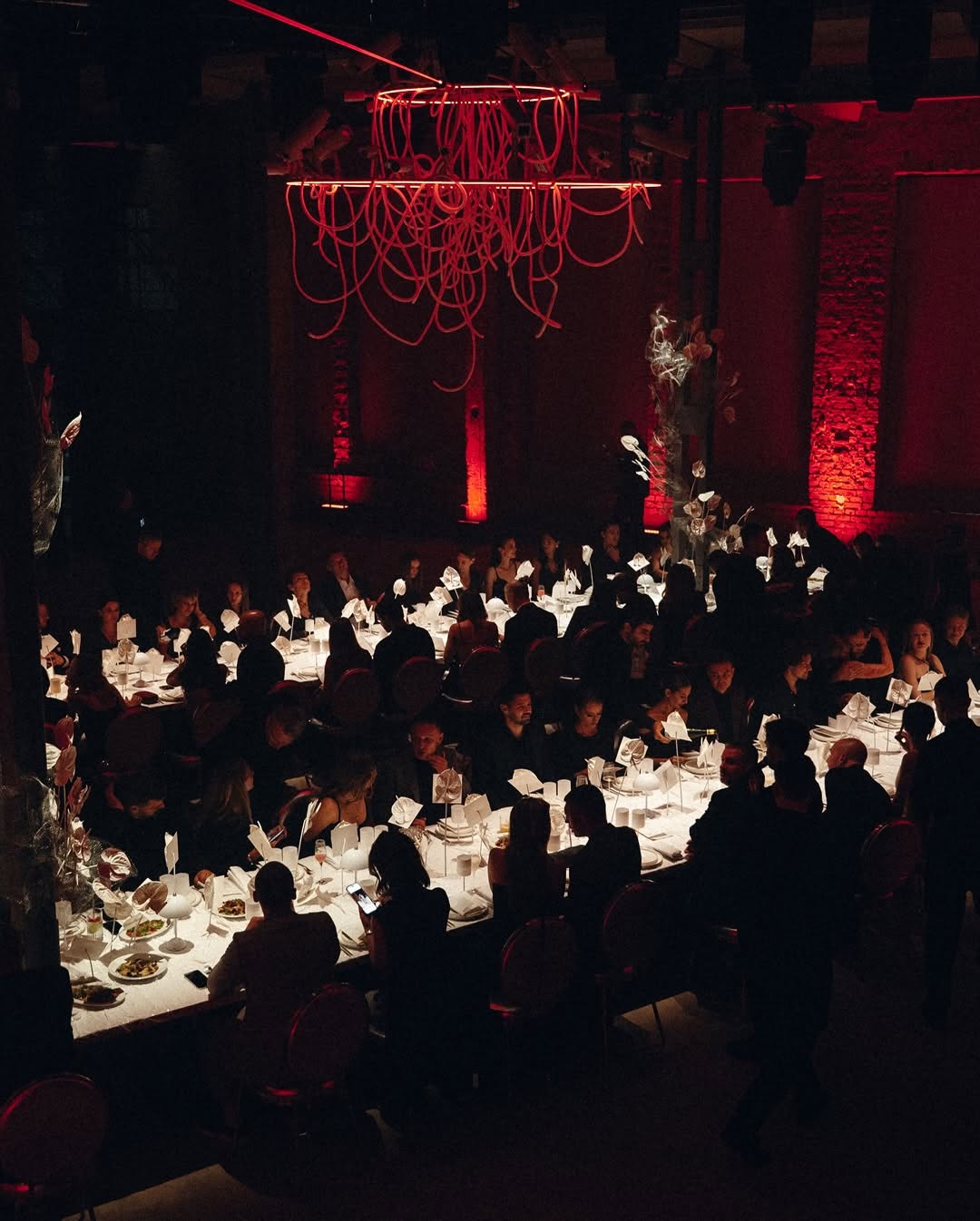
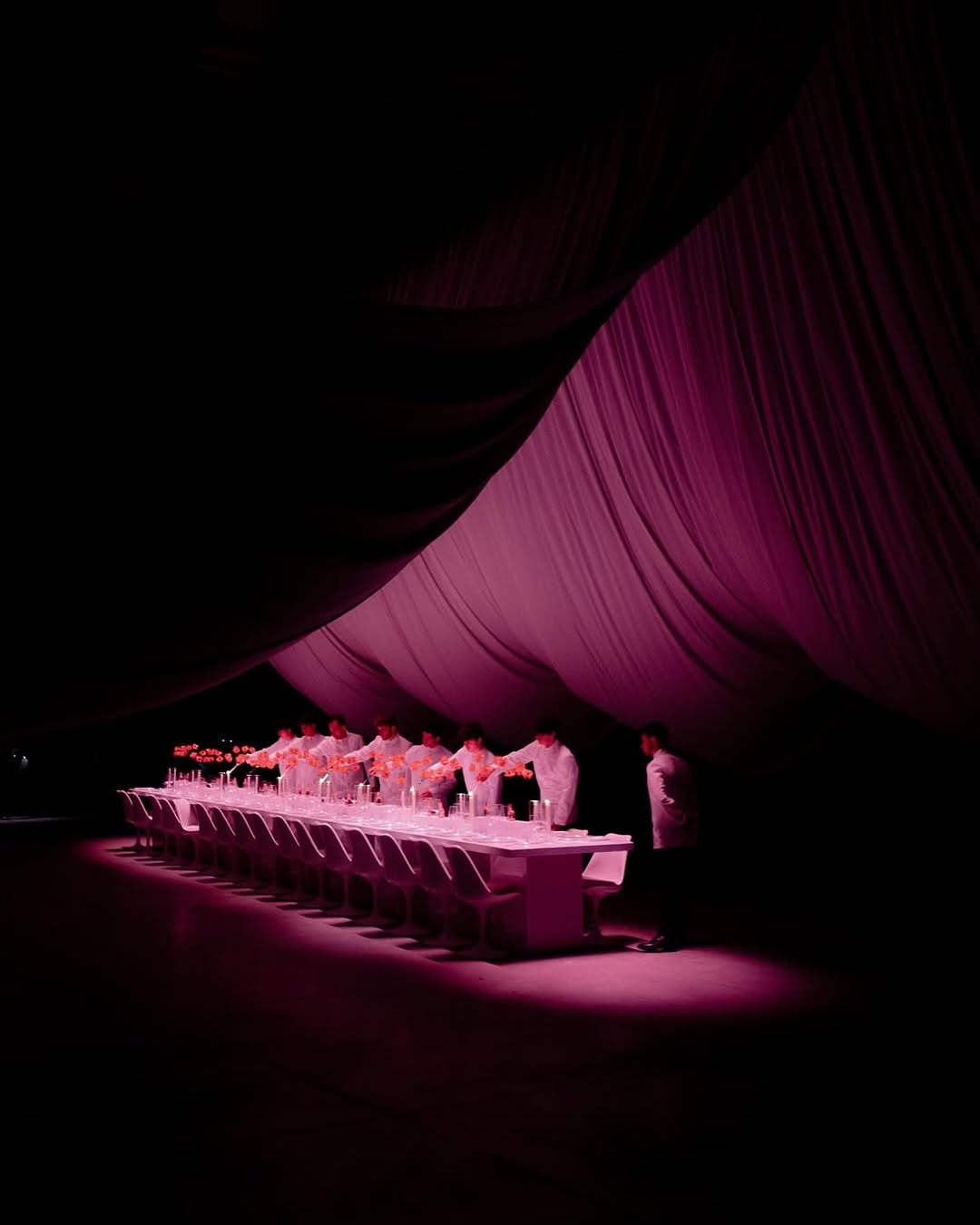
This is where drapery comes back into the conversation. Placing soft lighting behind sheer fabric creates a beautifully diffused, soft glow and instantly adds a sense of depth and theatricality. More directed lighting can feel incredibly intentional. Focused beams during the first look or first dance subtly put the couple at the center of the room, while spotlights can coolly wash the ballroom or stage. And another cool idea is a dramatic dining setup with glowing, backlit tables in a dark space.
Ballroom weddings are typically held in grand, elegant venues designed to host formal celebrations with scale and impact. Most often, couples choose luxury hotels with iconic ballrooms, historic mansions or landmarks, private members’ clubs, or purpose-built event venues known for their architectural drama. You may also find ballroom settings inside cultural institutions like museums, libraries, or opera houses, as well as high-end resorts that offer refined indoor spaces for evening receptions. What unites all ballroom venues is a sense of occasion: high ceilings, chandeliers, polished floors, and a layout that accommodates live music, sweeping entrances, and a beautifully staged dinner. At the heart of it all is a spacious dance floor, often positioned as the visual and social centerpiece of the room, inviting guests to move effortlessly from dinner to dancing as the evening unfolds.
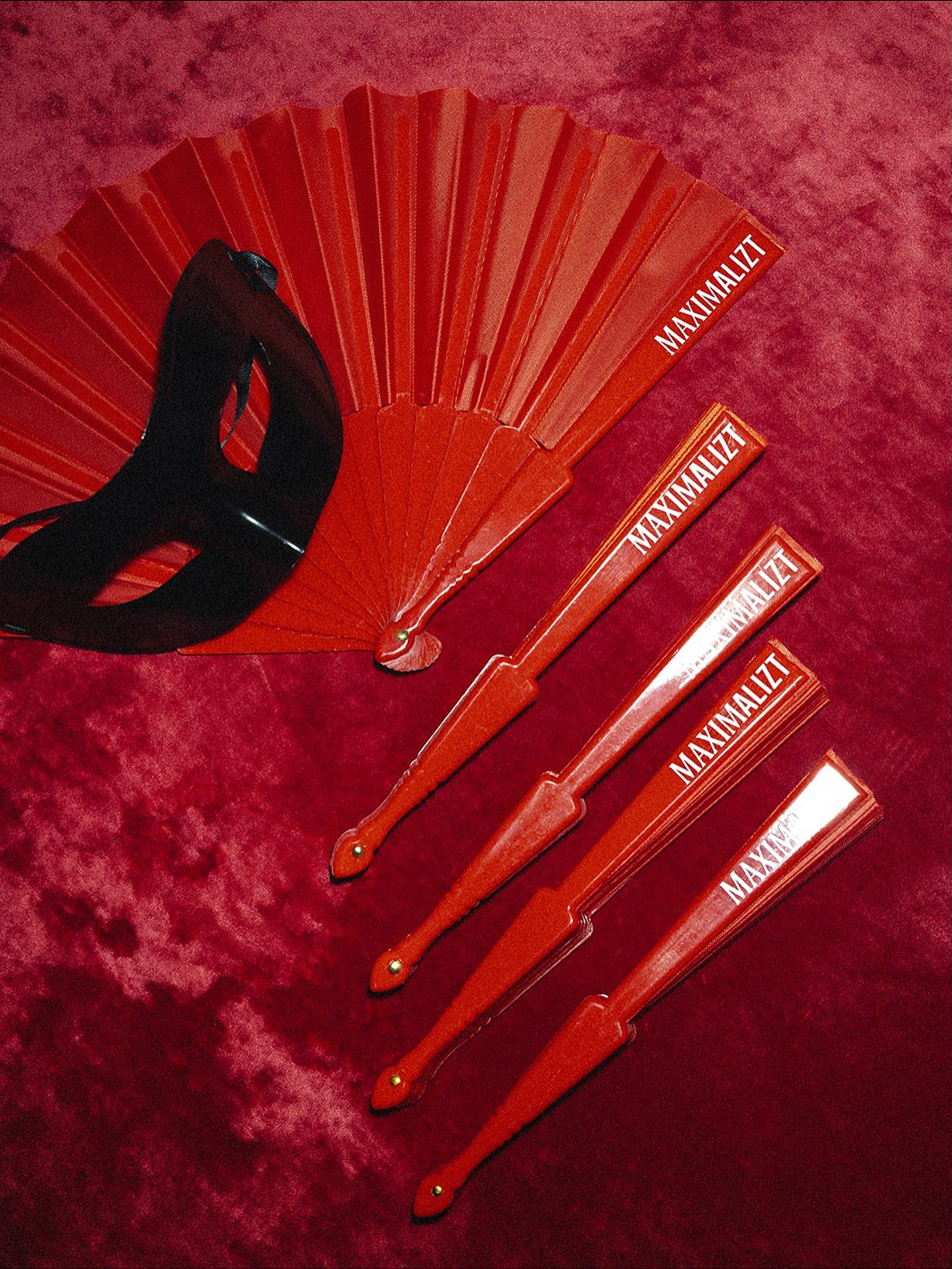
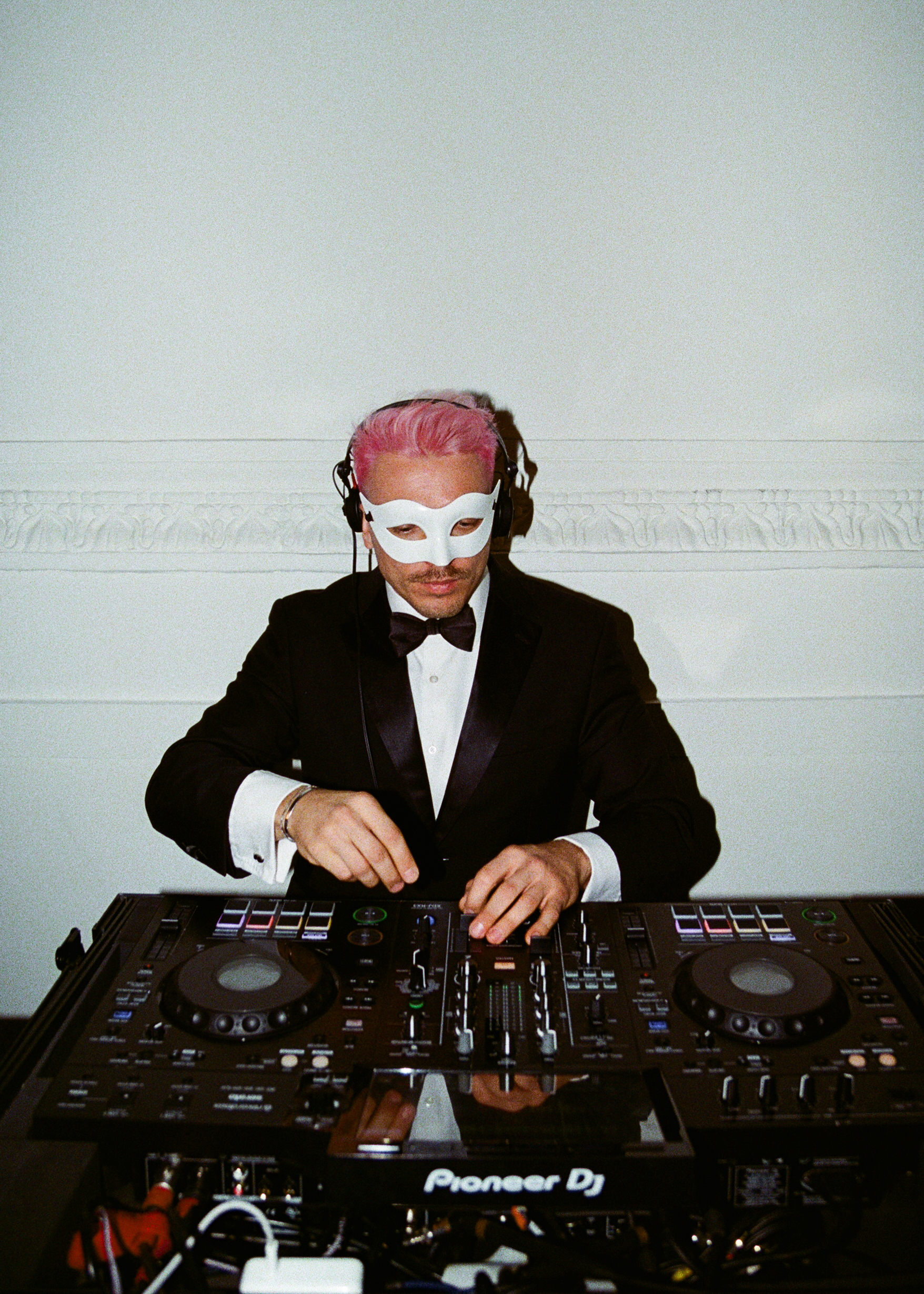
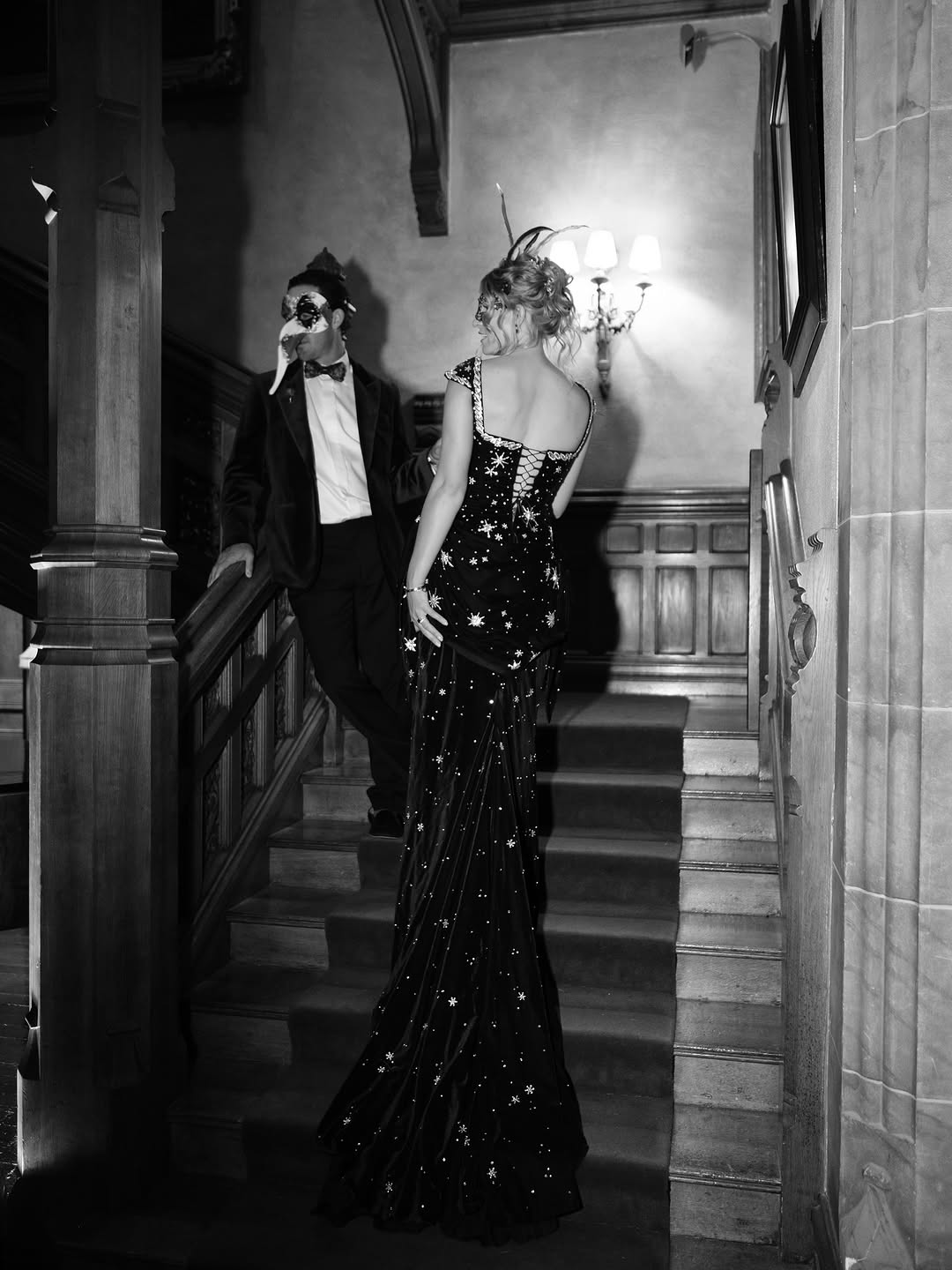
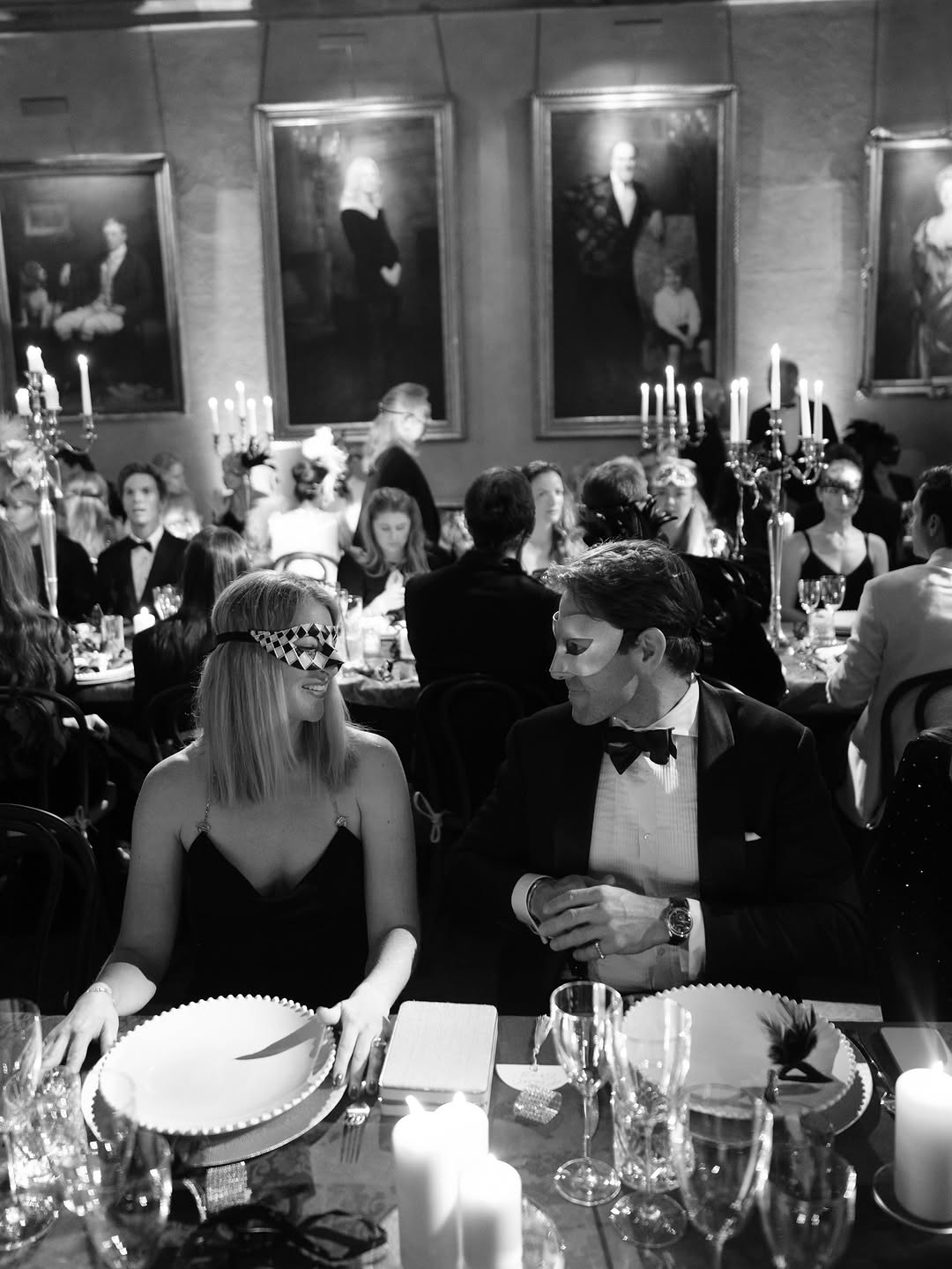
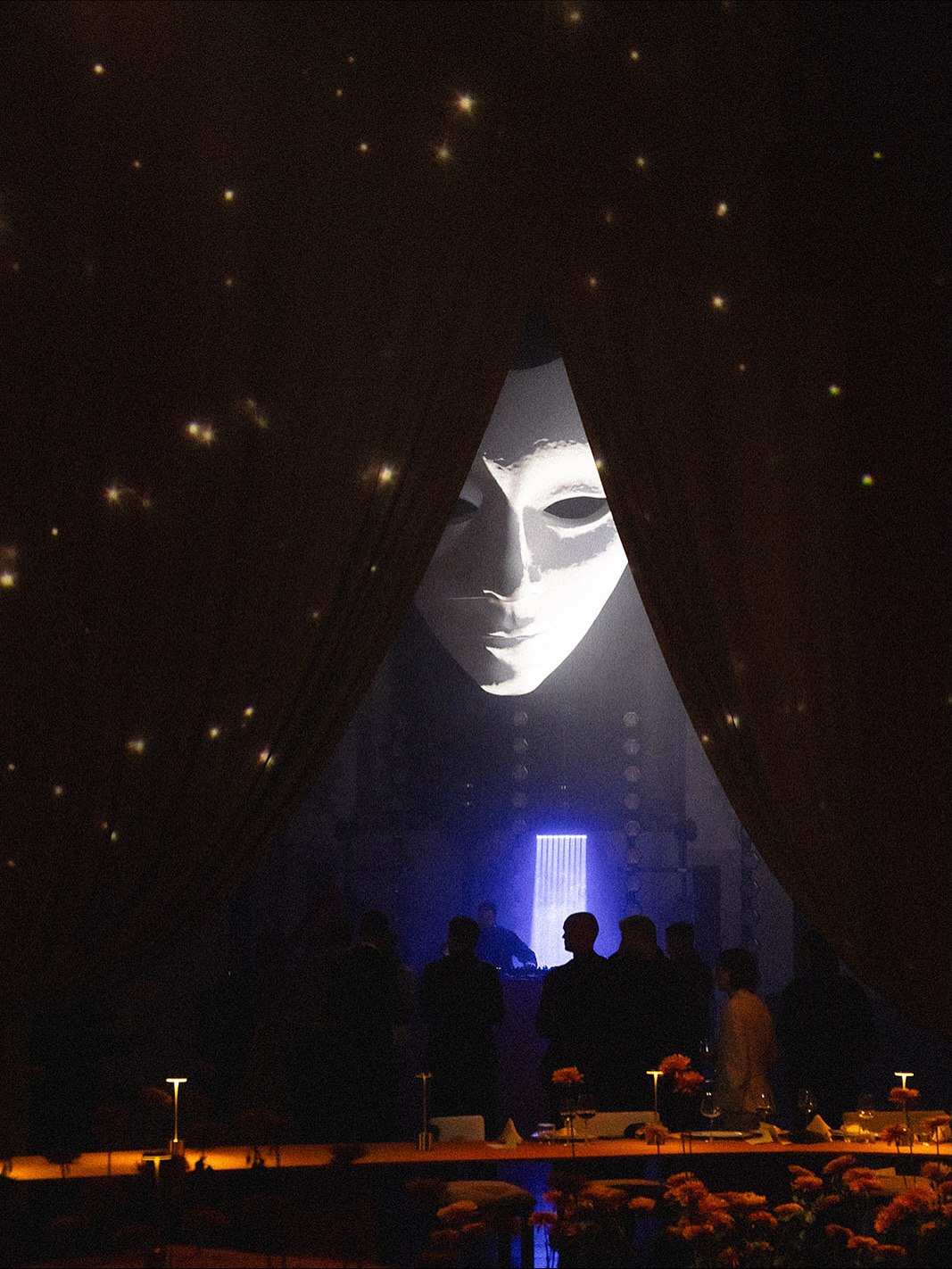
Ballrooms have a natural sense of mystery and ceremony: grand staircases, portraits on the walls, candlelight, heavy drapery. Masquerade details don’t fight that formality — they can heighten it. But what works so well is restraint. It’s not costume-y or carnival-like. The masks are graphic, often monochrome, and sometimes paired with black-tie looks or sleek evening gowns. That contrast — formal elegance with a slightly surreal twist — feels very modern and editorial. The DJ in a mask, the guests seated at candlelit tables with subtle face coverings, the soft projections and shadow play — it all blurs the line between performance and celebration. When done thoughtfully, it feels timeless, indulgent, and unforgettable rather than themed.
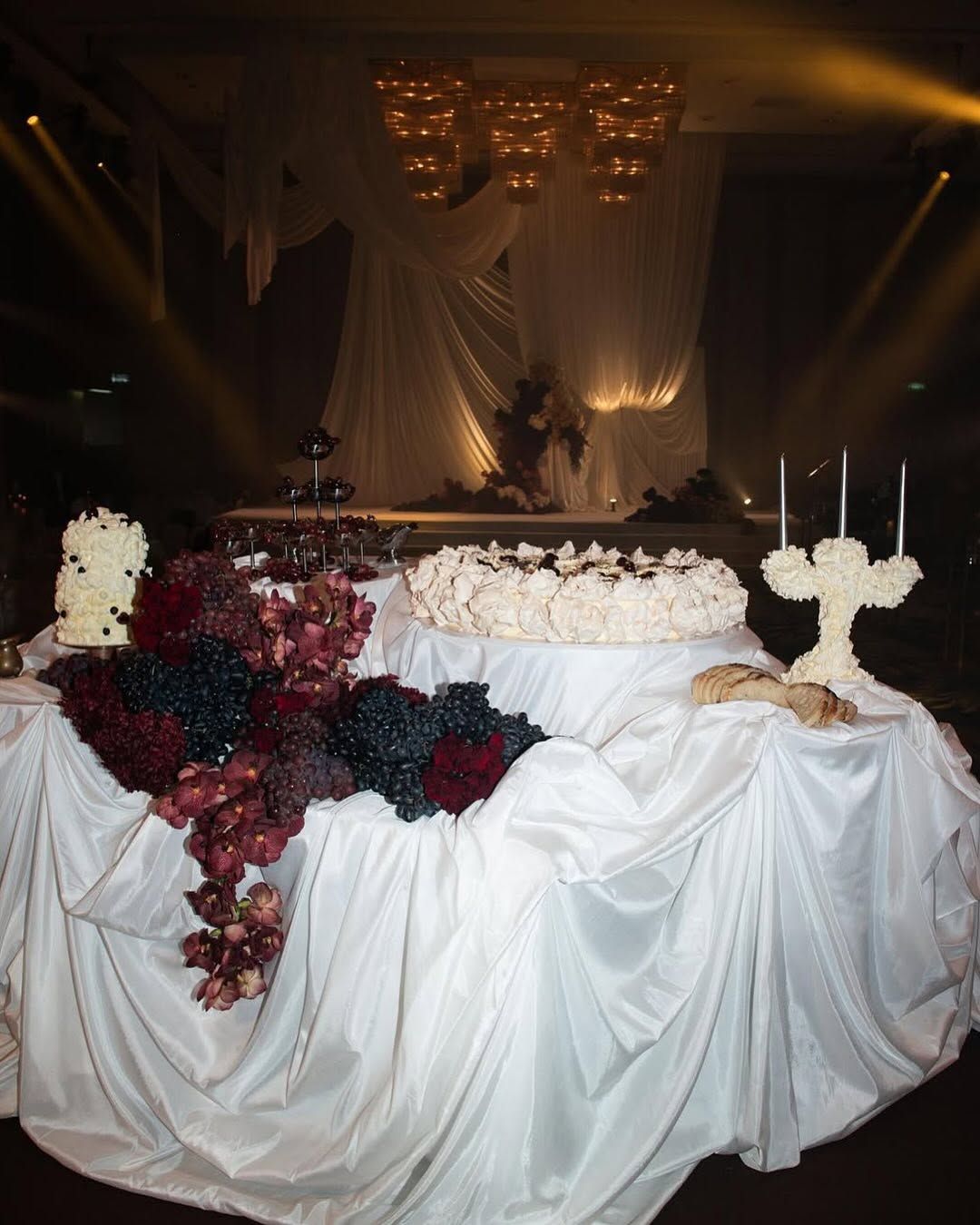
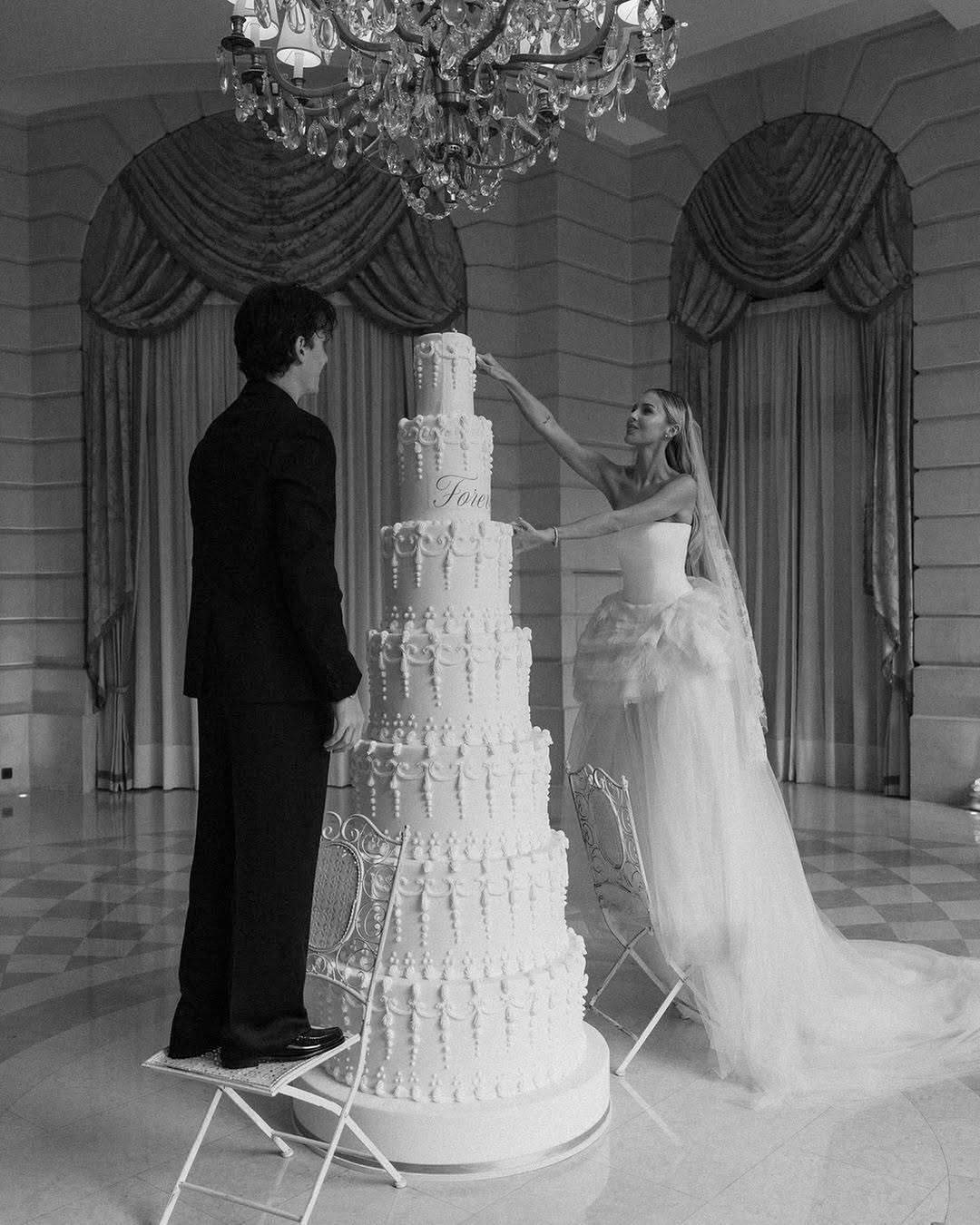
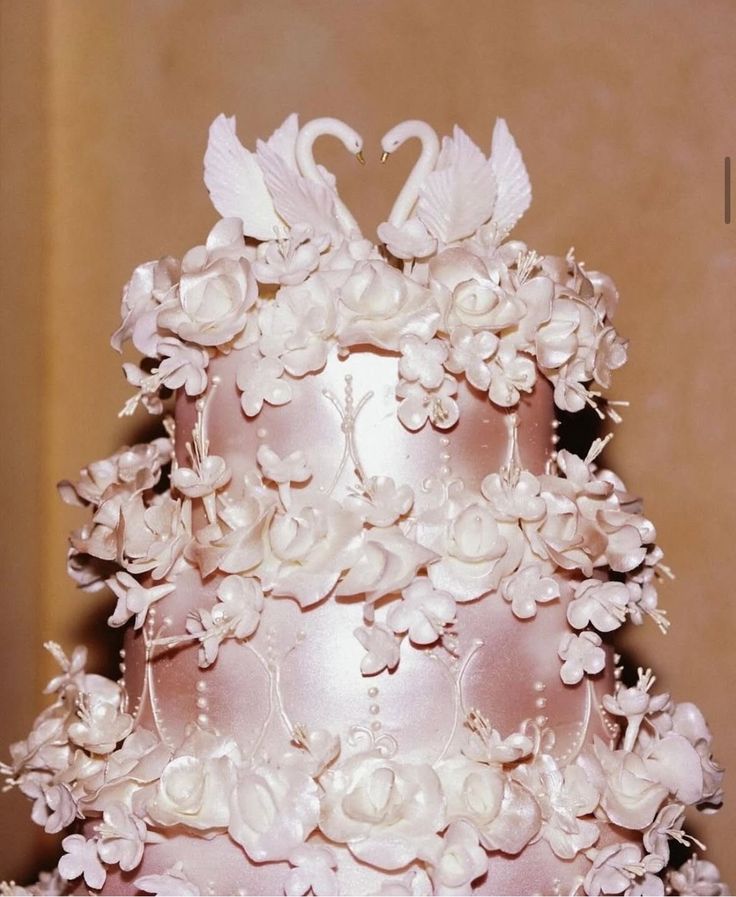
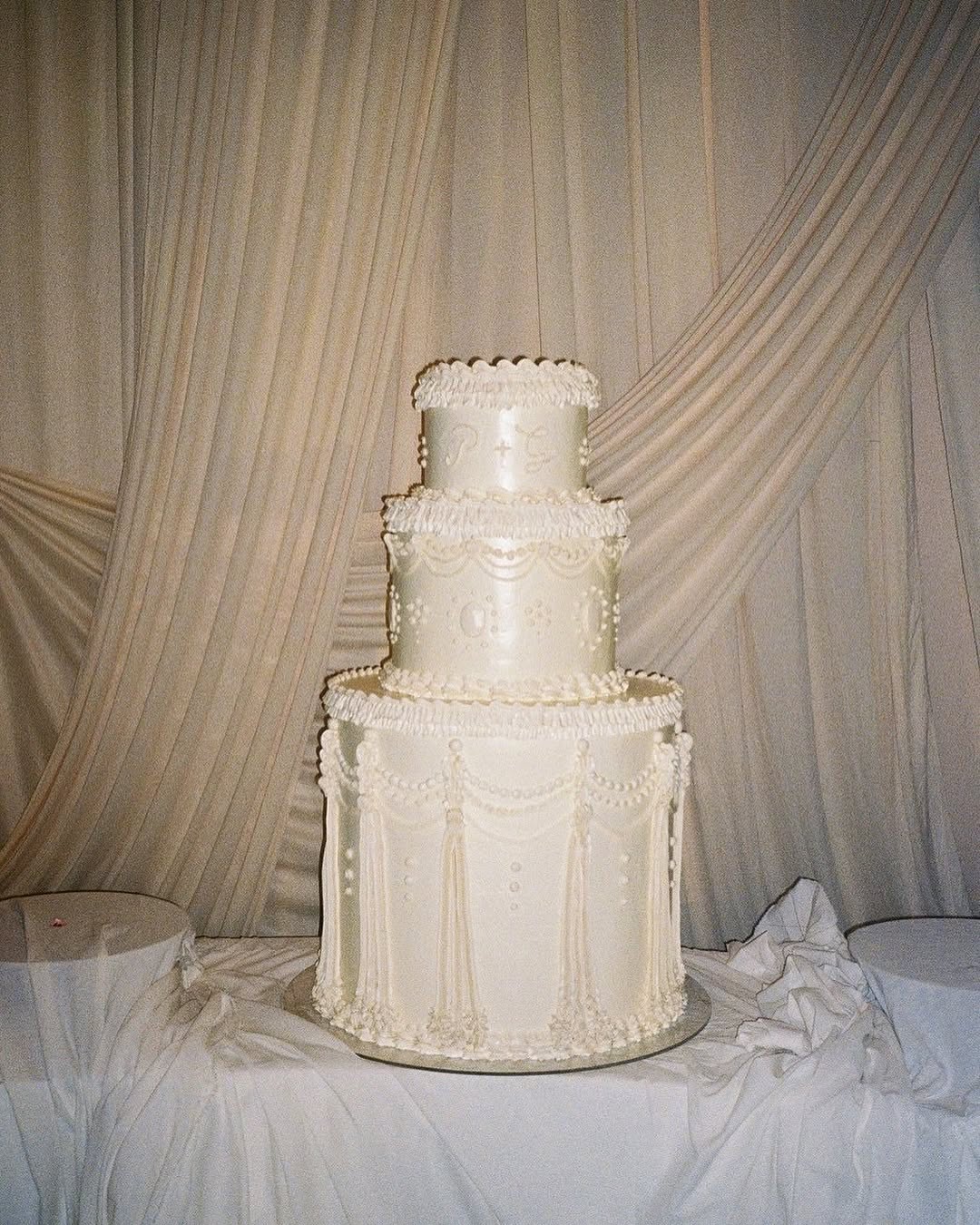
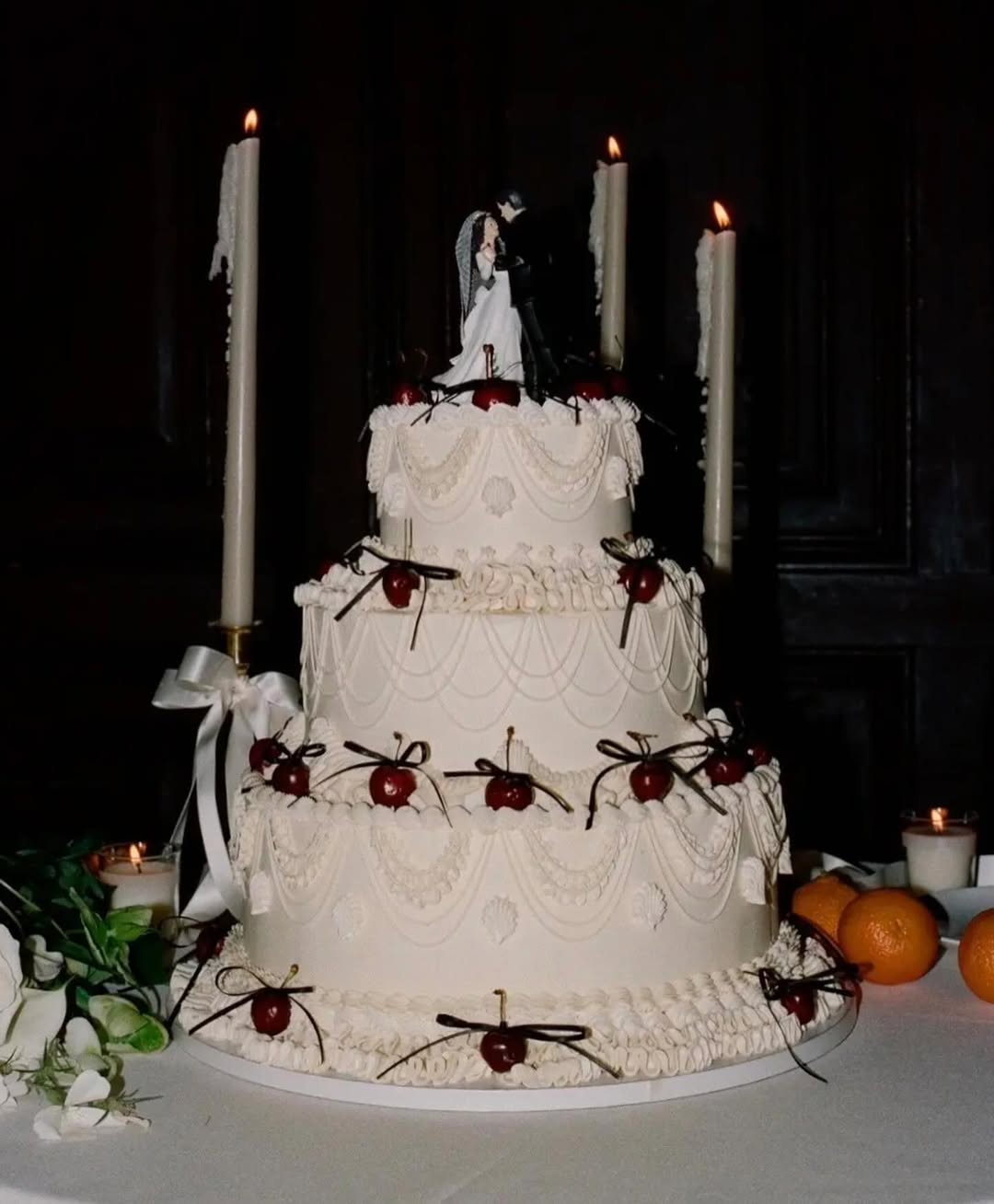
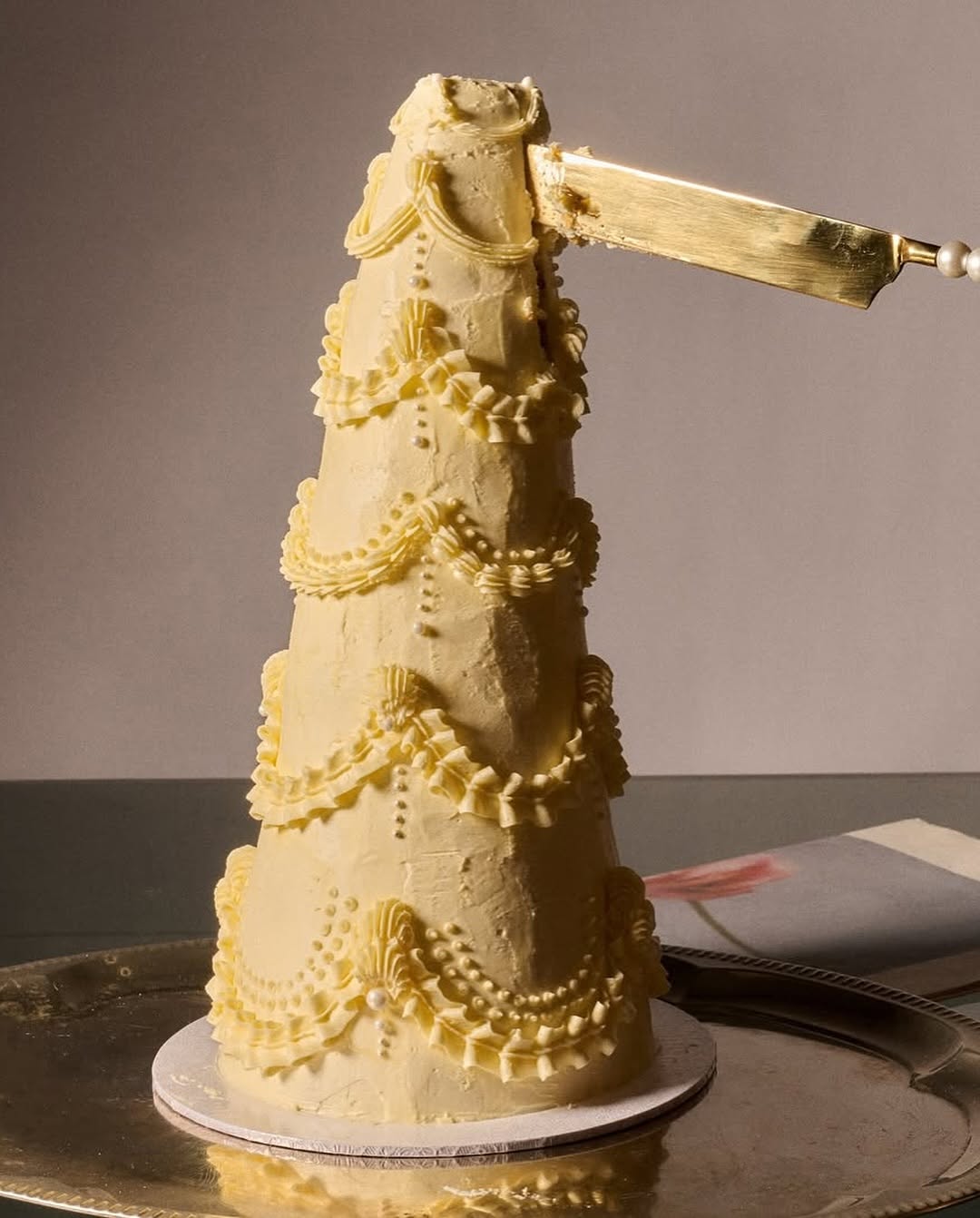
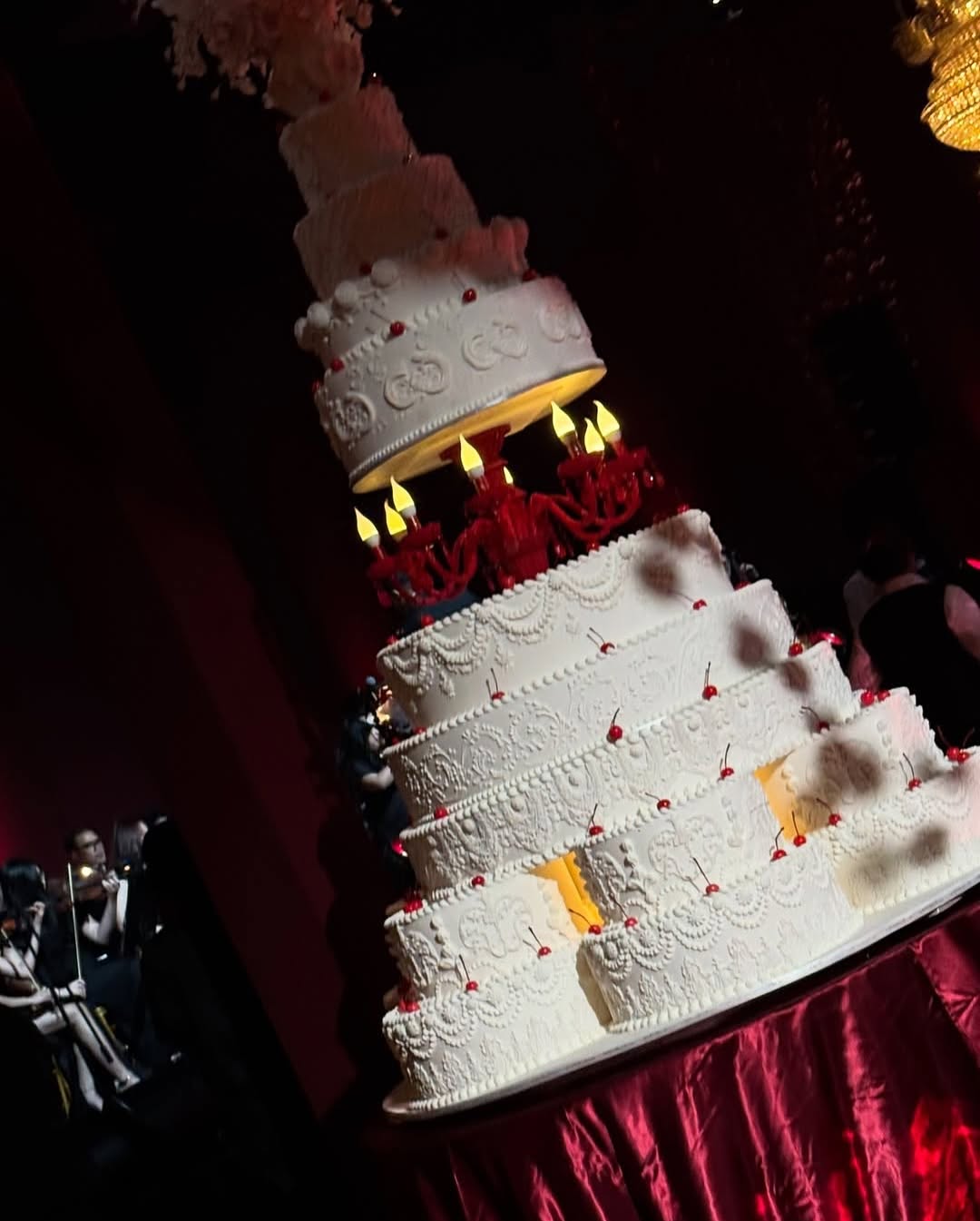
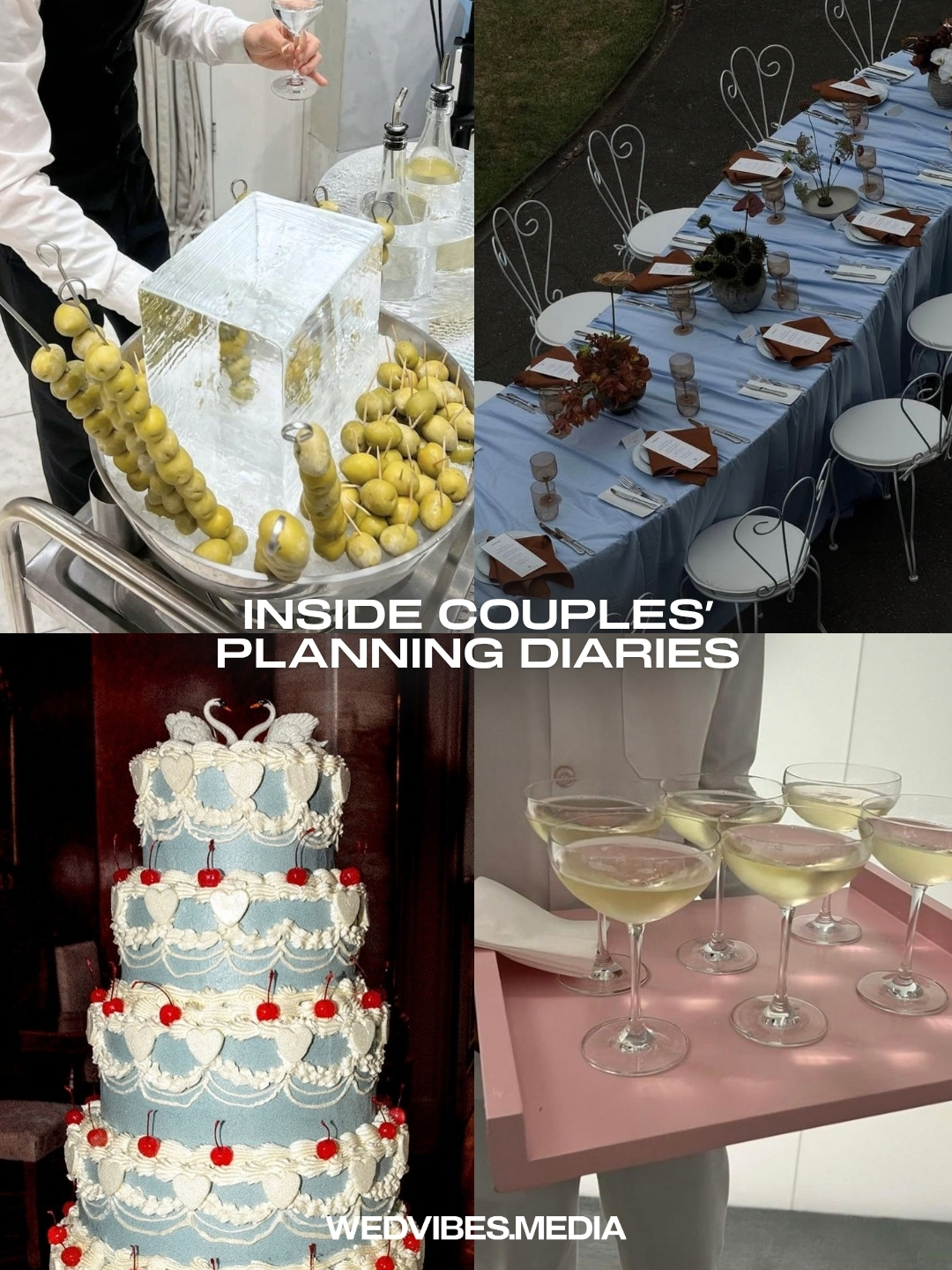
Vintage wedding cakes feel like a natural extension of the ballrooms. Details like piped scrollwork, ruffled borders, ornate tiers, and soft, old-world color palettes echo the architectural elements of ballrooms—moldings, chandeliers, gilded frames, and formal symmetry. Finishing touches, such as swans or miniature couple figurines, add an emotional layer, turning the cake into a romantic symbol. There’s also a timelessness factor. Ballroom weddings often aim for elegance that won’t feel dated in ten or twenty years, and vintage cakes tap into that same idea. They reference classic European patisserie and mid-century celebration cakes, which makes them feel nostalgic, romantic, and enduring rather than overly modern or minimalist.
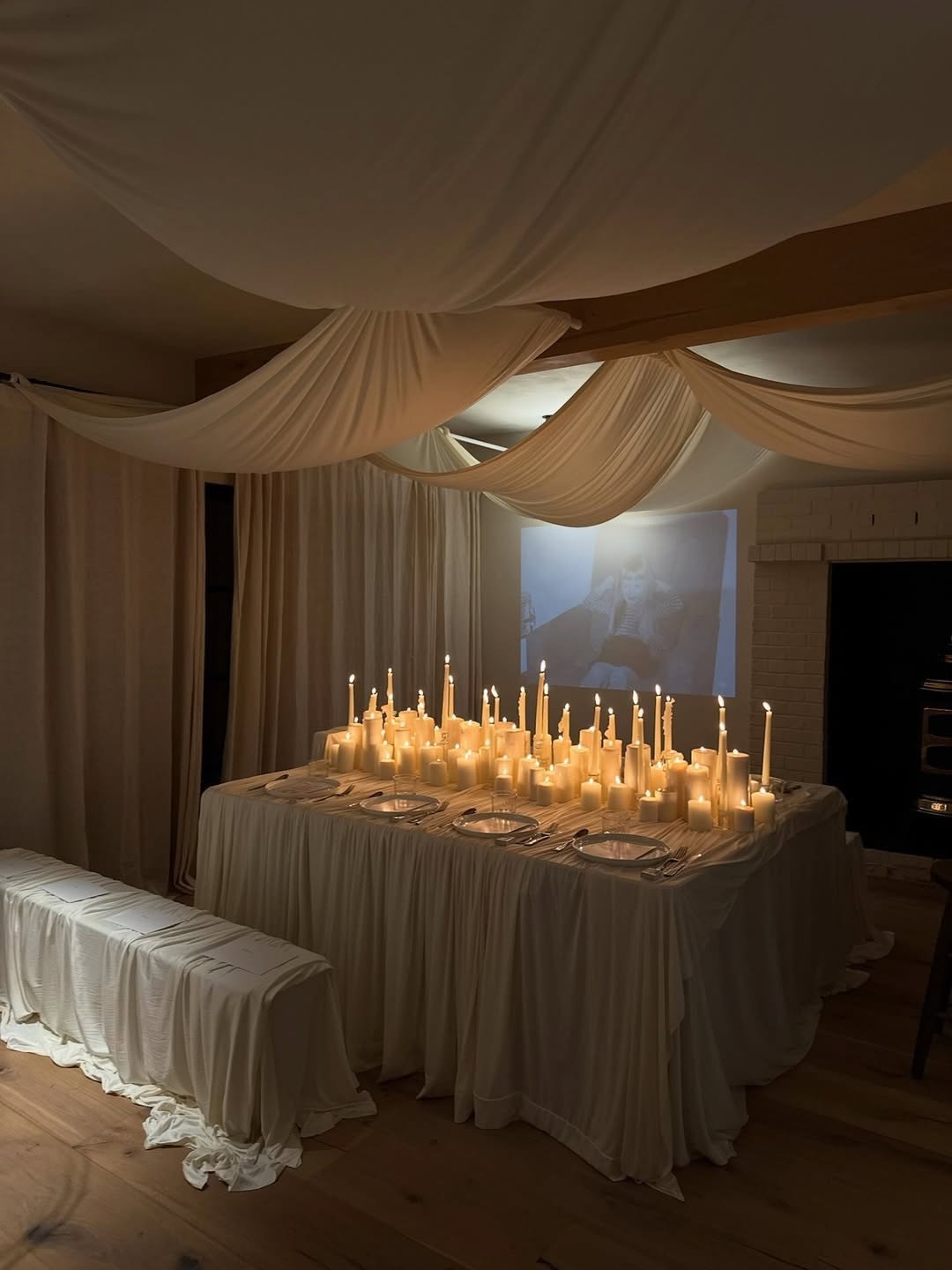
What you’re seeing here is a growing storytelling trend in ballroom weddings: cinematic projection as part of the décor and guest experience. Instead of treating the ballroom as a static backdrop, couples use projectors to turn walls, drapery, or sheer curtains into living screens. The visuals can range from romantic black-and-white films and vintage love scenes to pre-wedding movies, personal montages, or abstract, dreamlike imagery that echoes the mood of the evening. Sometimes it’s a quiet loop playing during dinner; other times it becomes a moment—lights dim, guests pause, and the couple’s story unfolds on a monumental scale.
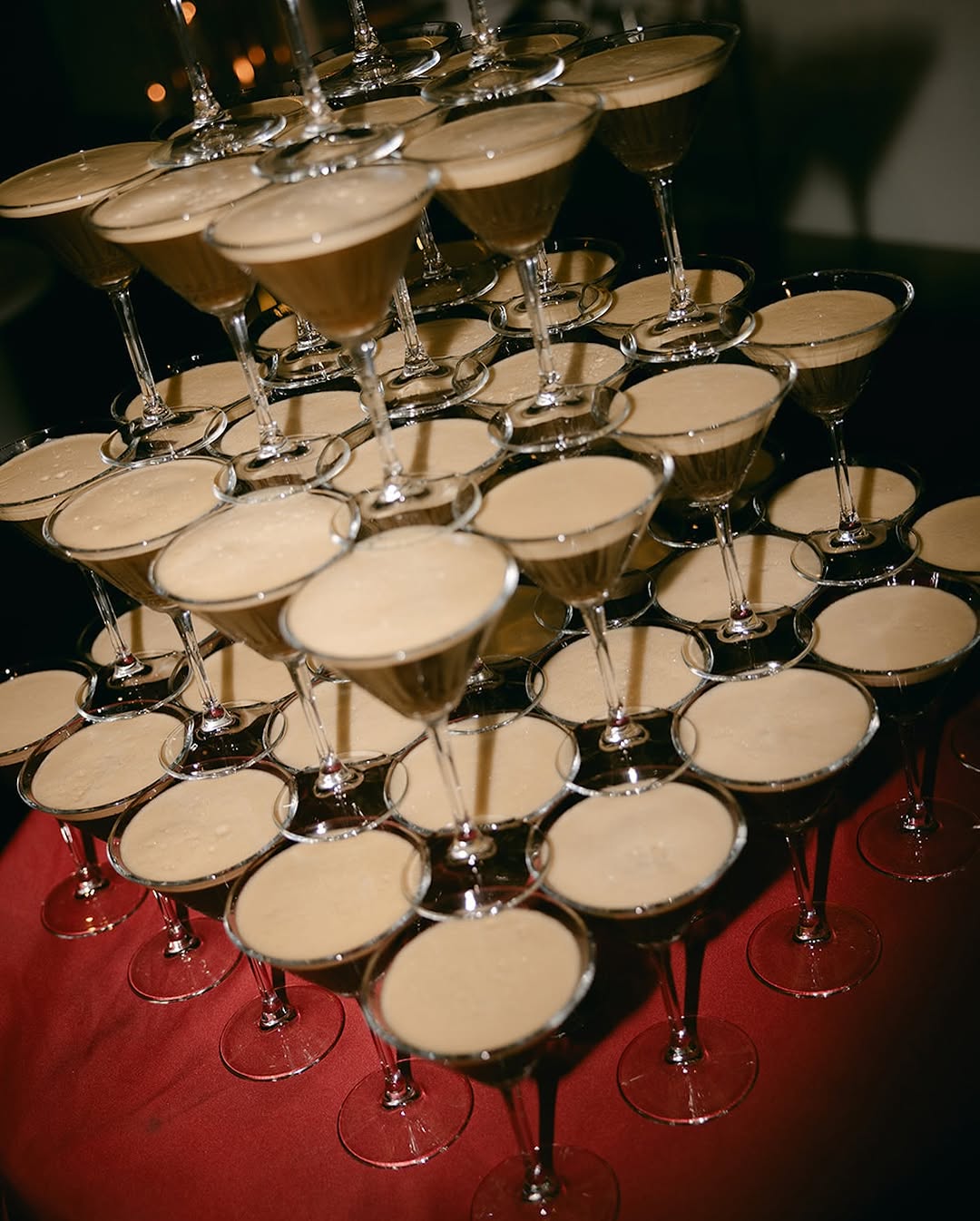
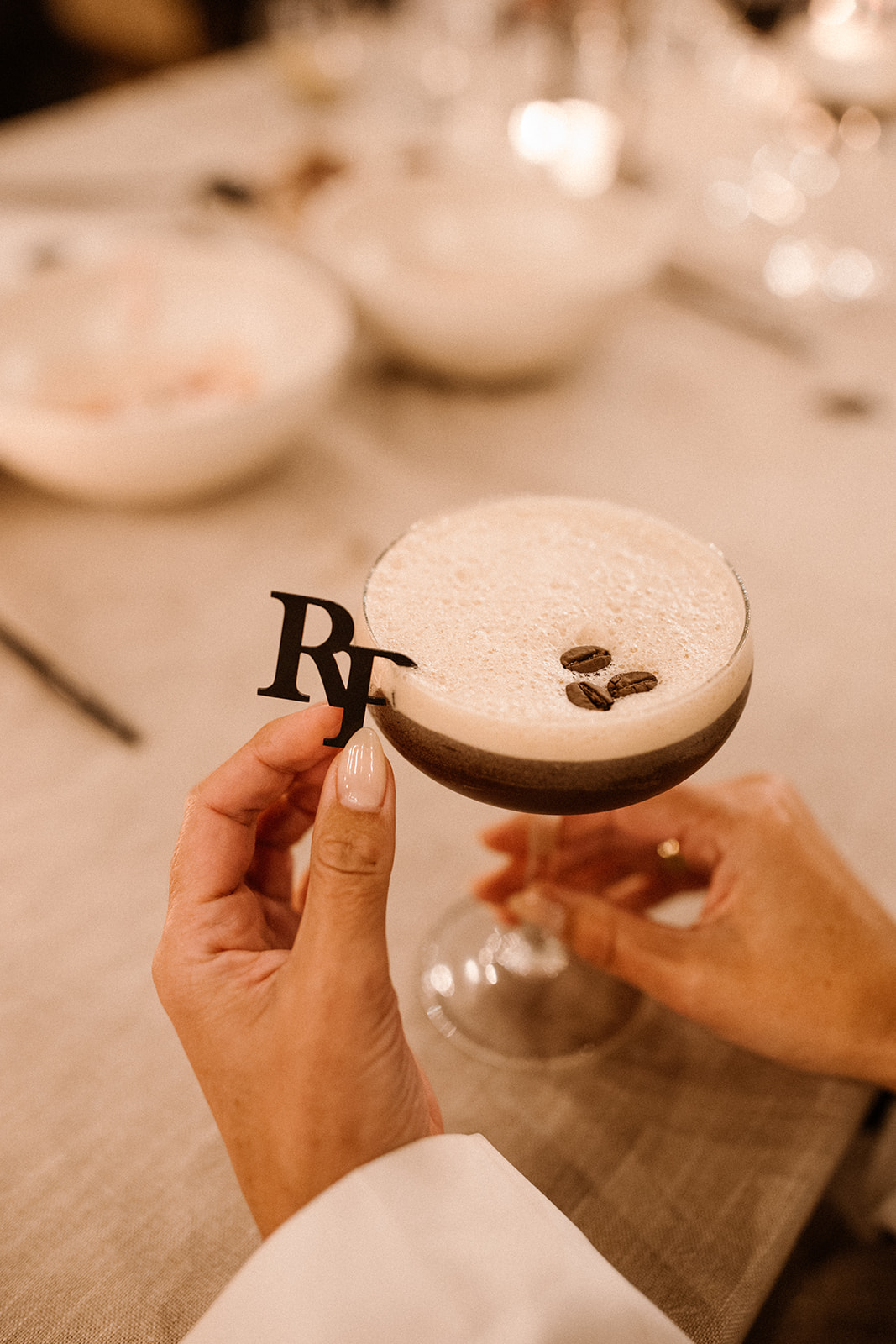
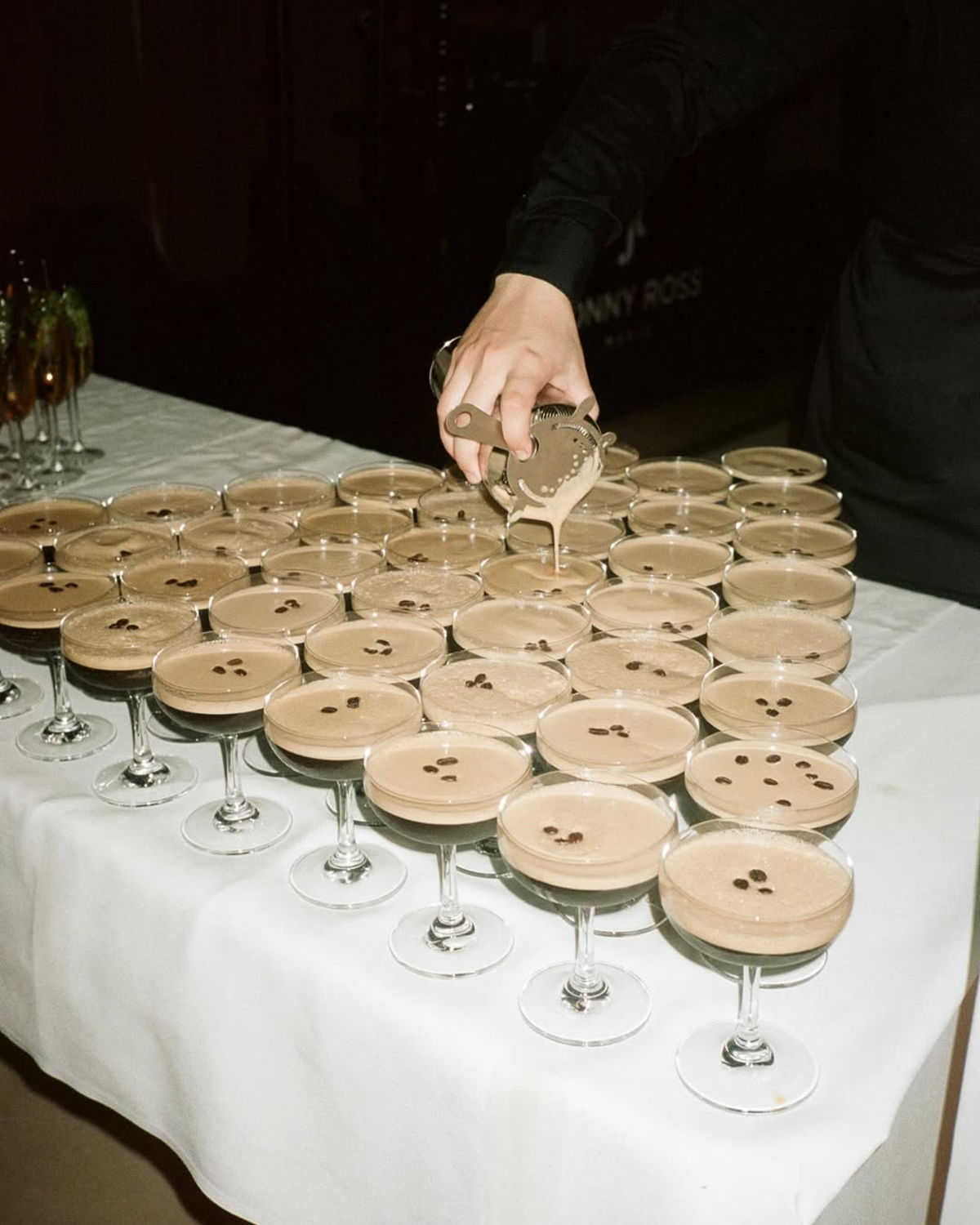
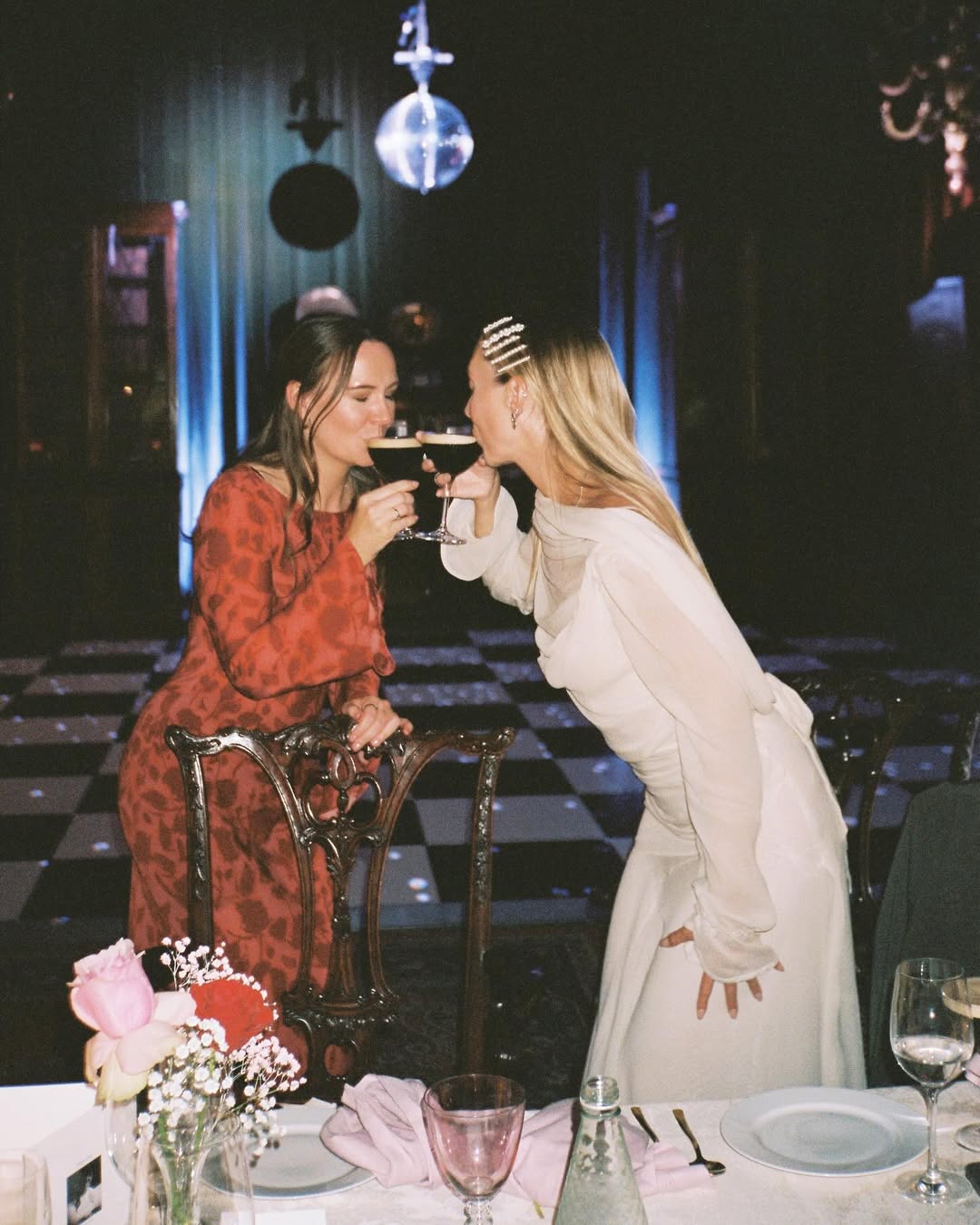
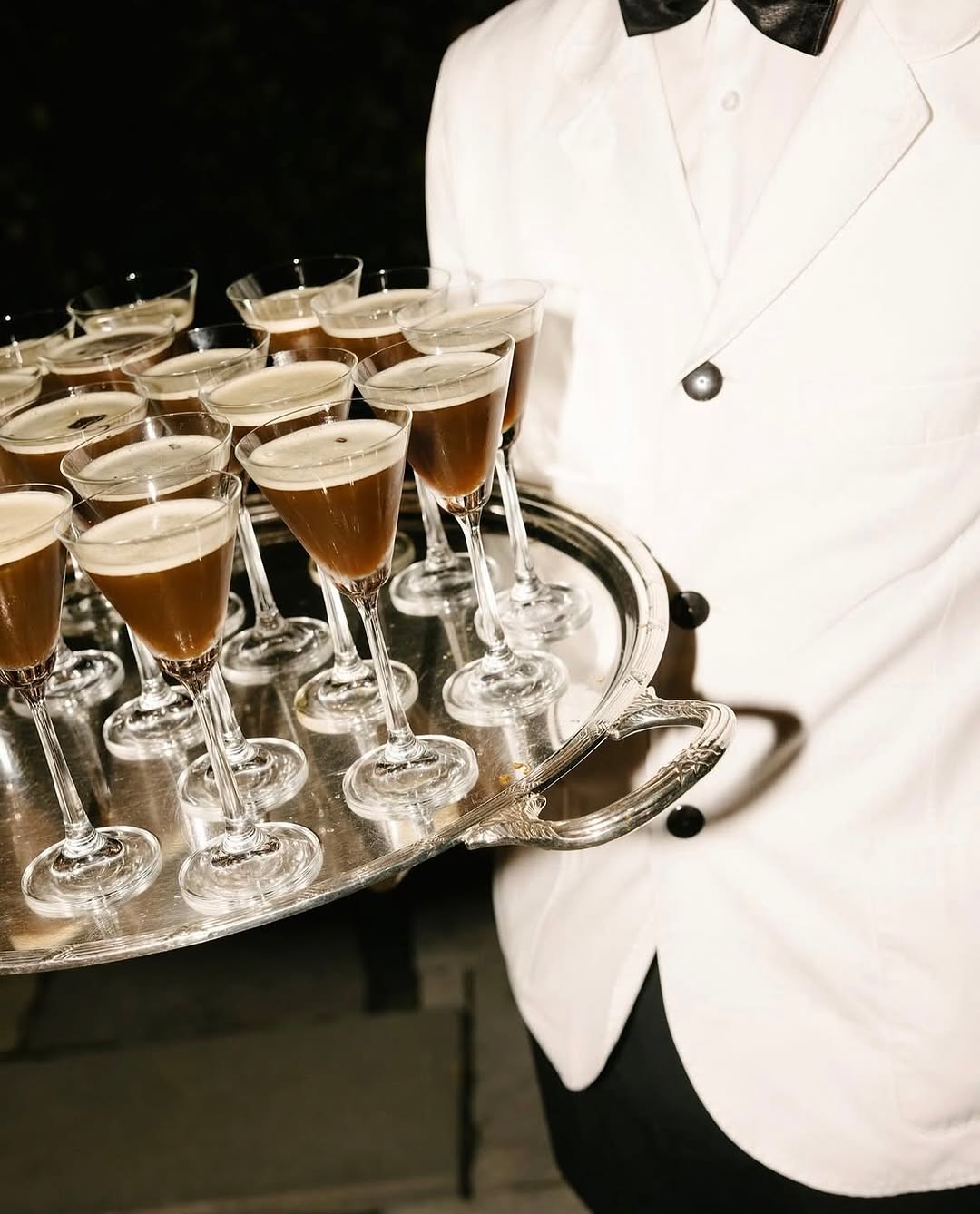
Espresso martini is especially popular at ballroom weddings, and it makes a lot of sense once you look at the setting and the flow of the evening. These weddings are typically long, elegant affairs that move from a formal ceremony into a multi-course dinner and then straight into hours of dancing. By the time dessert is served, guests are fully immersed in the celebration and ready for a second wind. An espresso martini moment delivers exactly that: caffeine, a cocktail, and a sense of occasion all in one. Visually, the tower fits the ballroom aesthetic perfectly as well. Stacked coupe glasses, glossy espresso foam, and a dramatic pour feel theatrical under chandeliers and elevated lighting. It becomes a mini-show, often timed with music, lighting cues, or a DJ announcement.