Deciding to bring your dog to your wedding is the easy part. What comes after takes a little more planning.
Dogs don’t care that it’s the most important day of your life. They care about smells, sounds, routines, and whether their favorite person is nearby. A wedding throws all of that off at once — new venue, loud music, dozens of strangers, and two people in strange outfits who are way too distracted to give belly rubs on demand. We’ll walk you through how to prep your pup properly: from reading their stress signals to nailing the day-of logistics, so nothing catches you off guard.
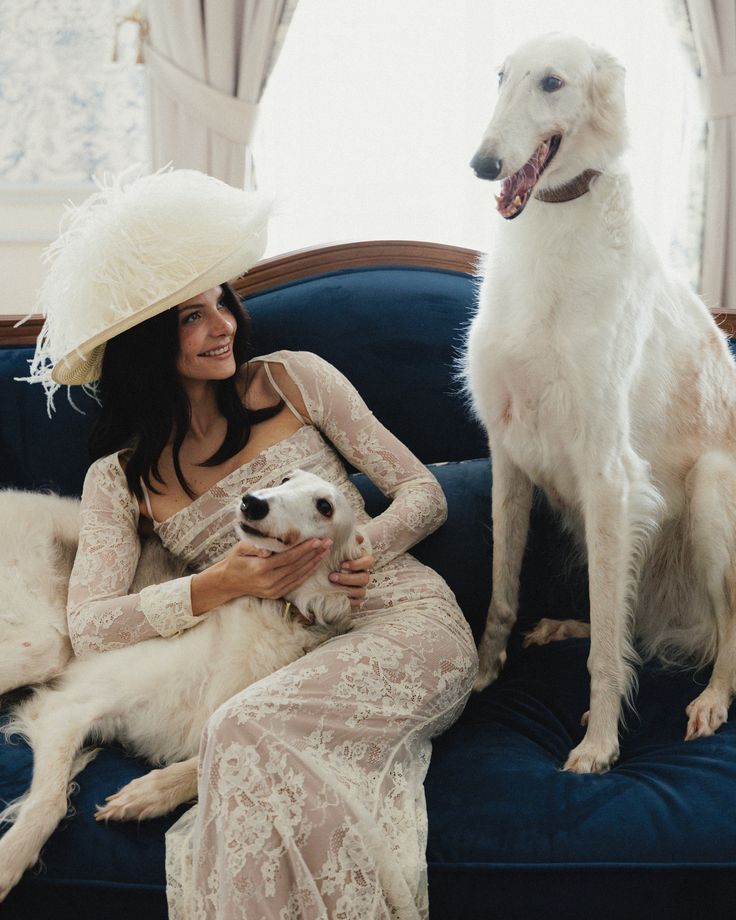
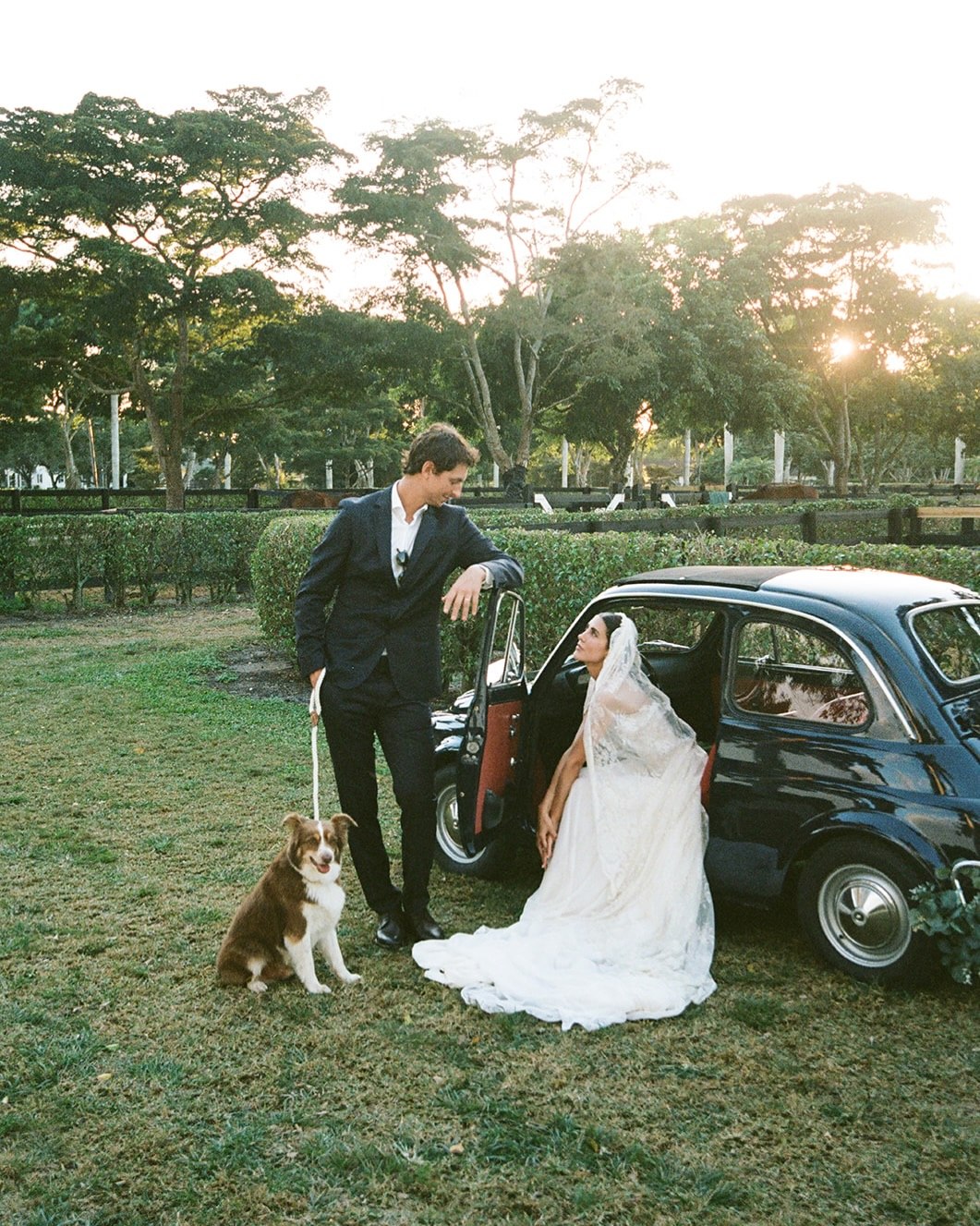
Photo: Pavel Golubnichy, Gypsy Lemon
Start With Your Dog's Temperament
Before anything else, be honest about your dog. Some dogs thrive in crowds. They’re curious, social, and unbothered by noise. Others shut down, pace, or get reactive the moment something feels off. Neither is a character flaw, but only one of those dogs is ready for a wedding.
Ask yourself a few real questions:
- How does your dog handle strangers approaching them?
- What happens when there’s loud, unexpected noise?
- Can they stay calm when you’re not focused on them?
- Do they have solid leash manners even when distracted?
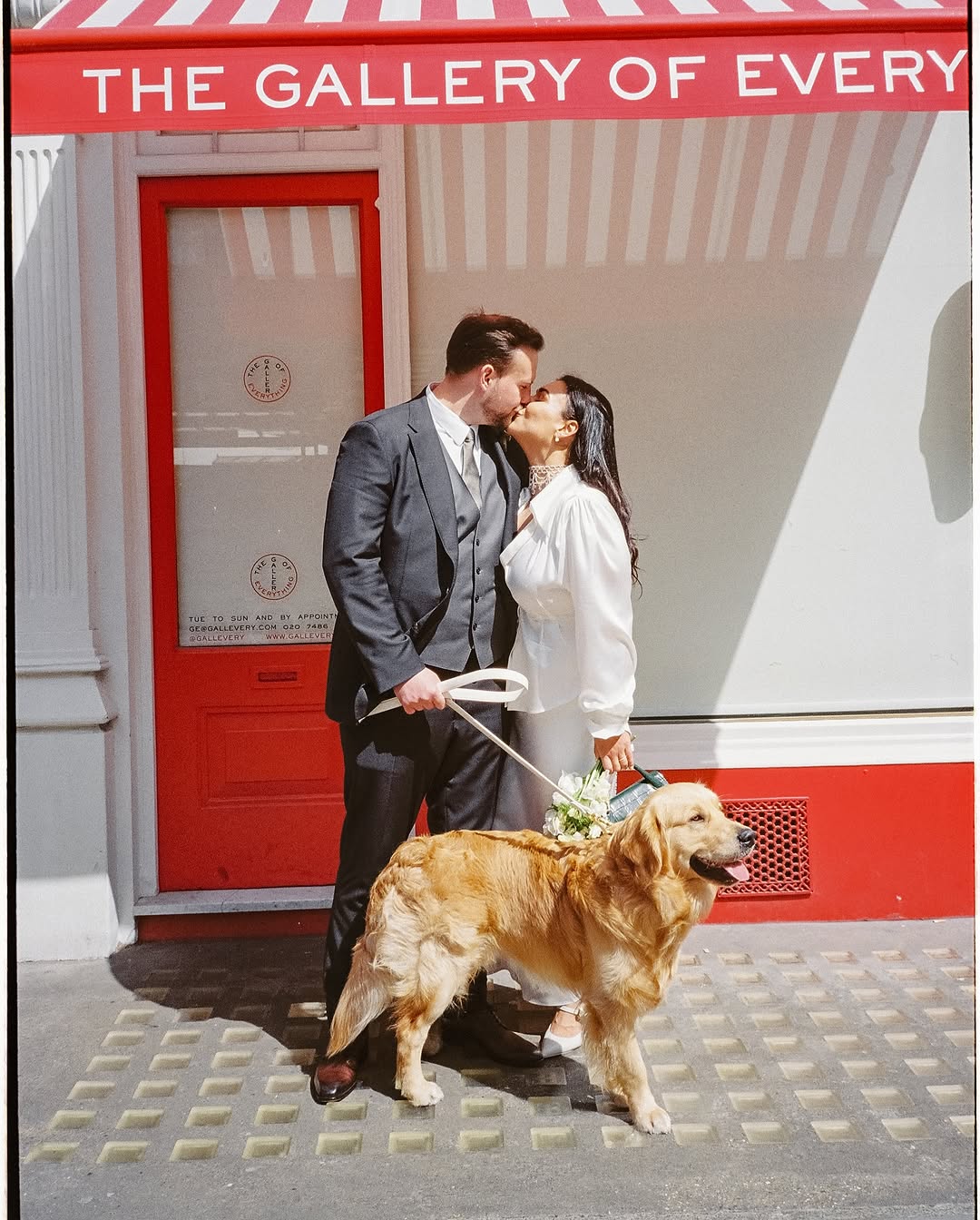
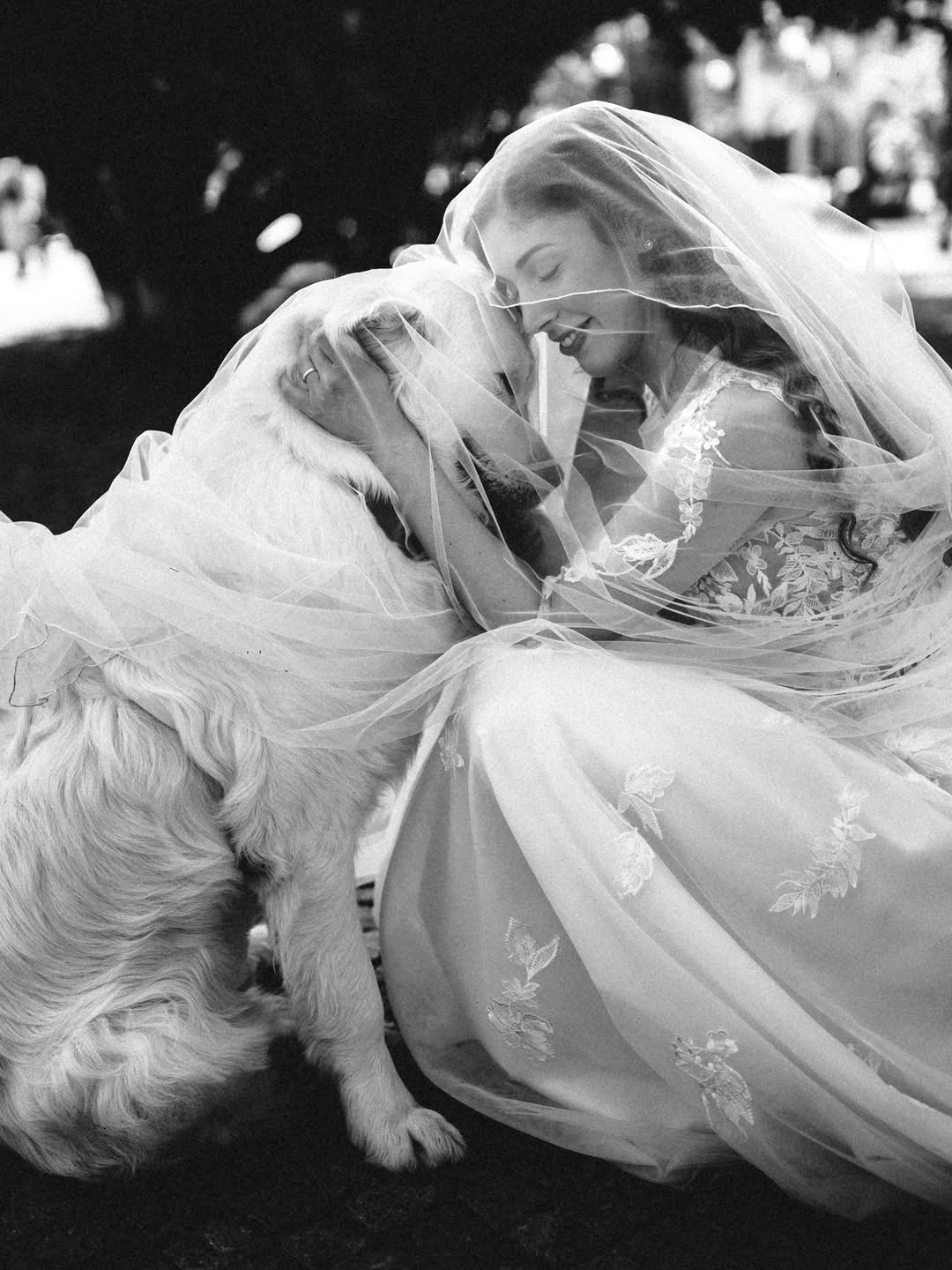
Photo: Sasha Dove, Nicola Genati Photography
If the answers make you nervous, that’s useful information. It doesn’t necessarily mean your dog can’t be there, but it does mean you have more prep work to do, and more honestly, a clearer sense of when to pull back.
A wedding is a high-stimulation environment. The kindest thing you can do for your dog is go in with clear eyes about what they can actually handle.
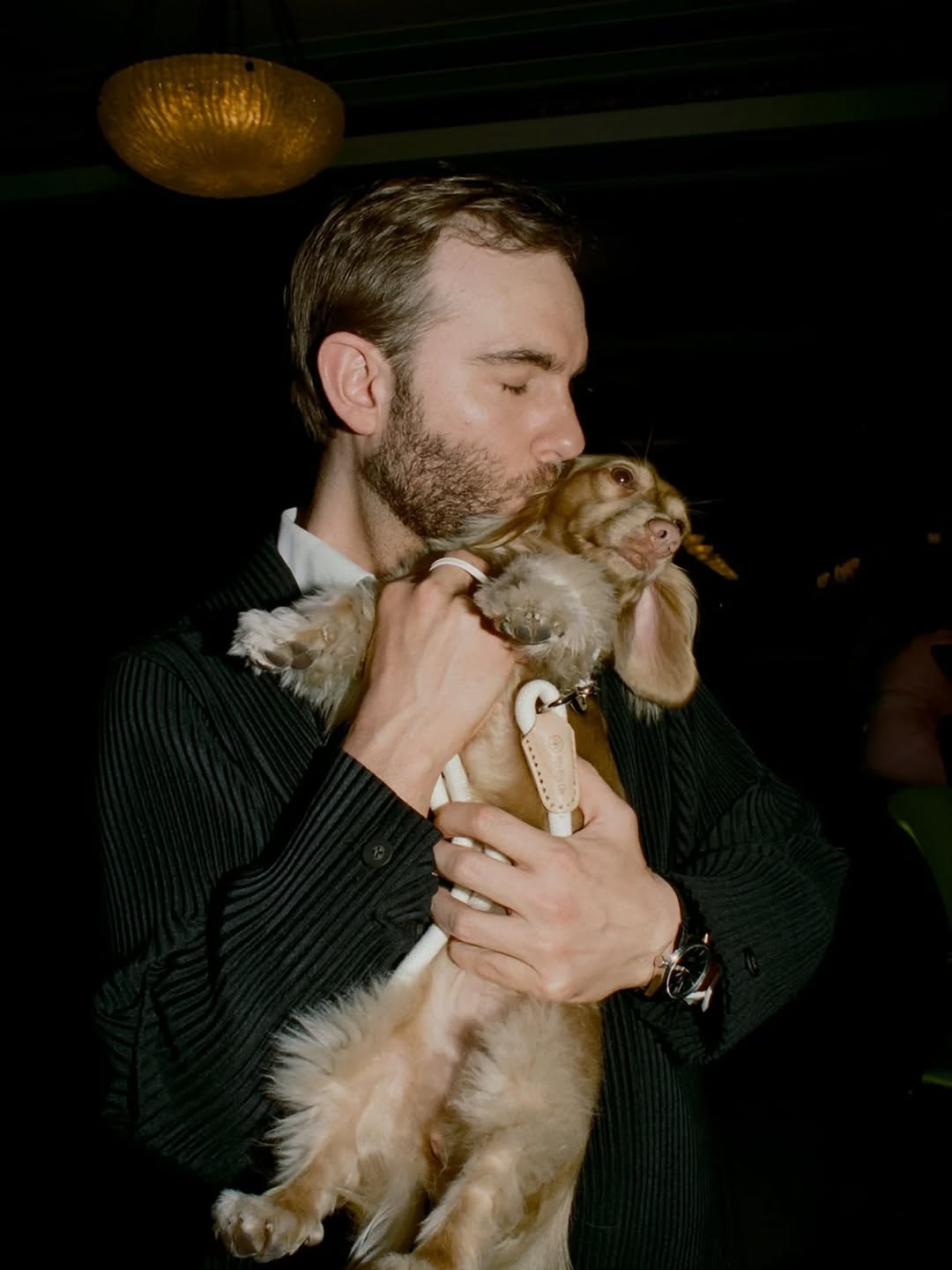
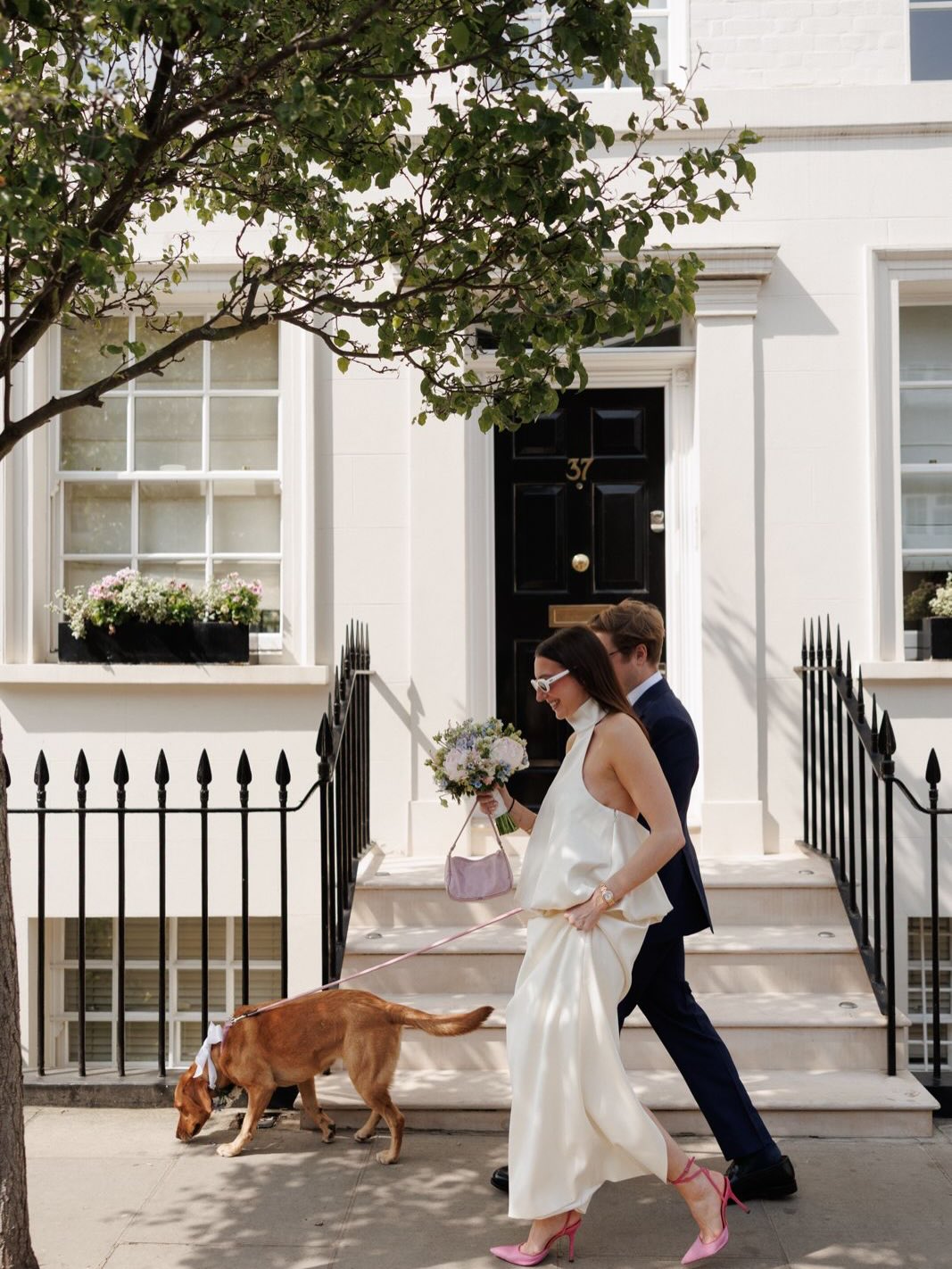
Start Early
If your dog is going to be part of the wedding, preparation should start weeks before — ideally three months out. The goal is to make the wedding environment feel as familiar as possible. That means gradually exposing your dog to the kinds of things they’ll encounter on the day. Crowds of people. Loud music. Unfamiliar smells. Long stretches where they need to stay calm without constant attention from you.
A few things worth practicing:
- Basic commands under distraction — sit, stay, and heel should work even when something more interesting is happening nearby
- Leash manners around strangers — guests will want to pet them, and your dog needs to handle that calmly
- Noise desensitization — play music, recordings of crowds, or anything that mimics a busy event space at home
- Alone time with the handler — your dog should be comfortable with whoever is taking care of them that day, not just with you
Short, consistent sessions work better than one long training push right before the wedding. Build up slowly, reward generously, and pay attention to what still makes them anxious.
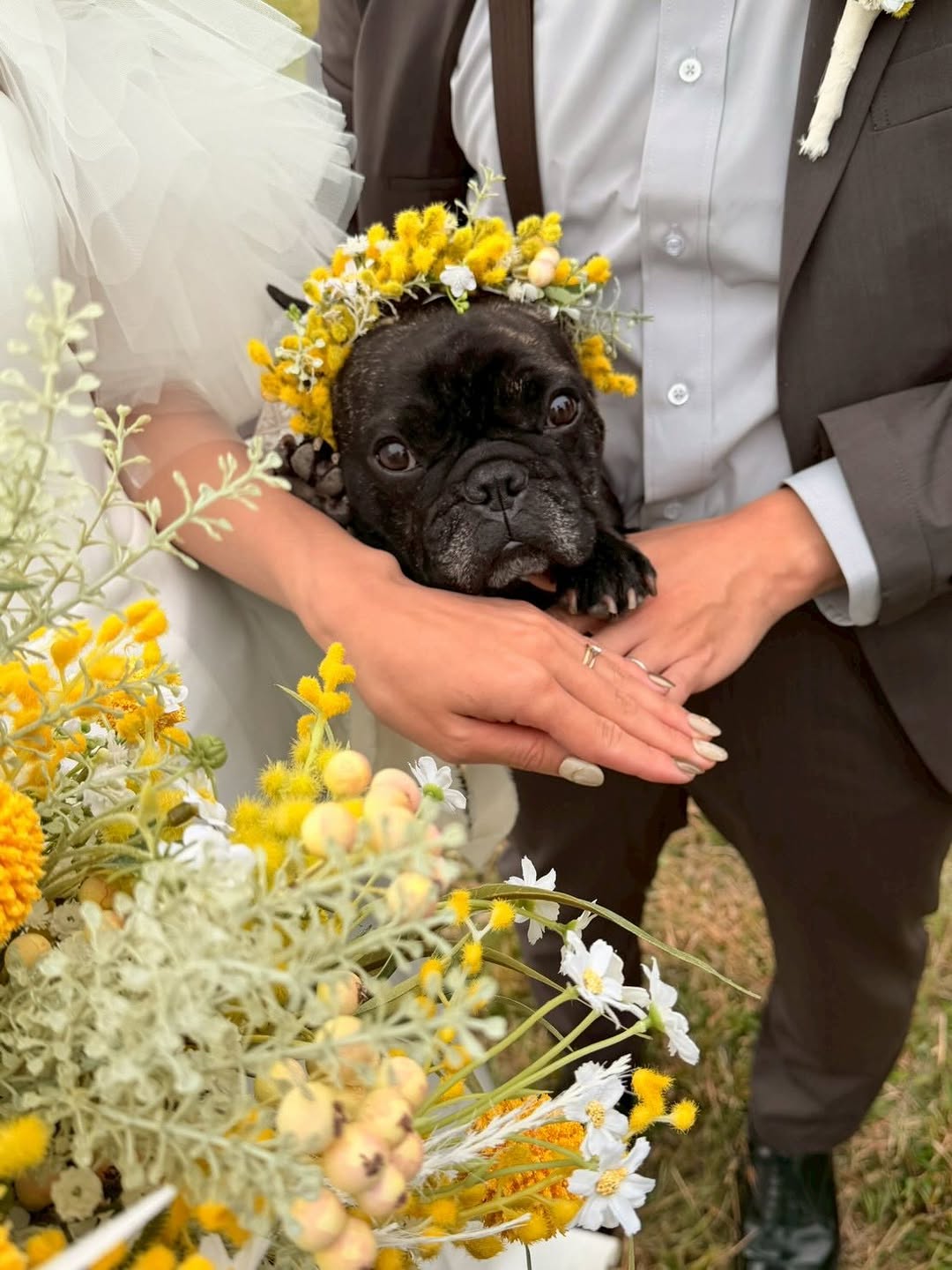
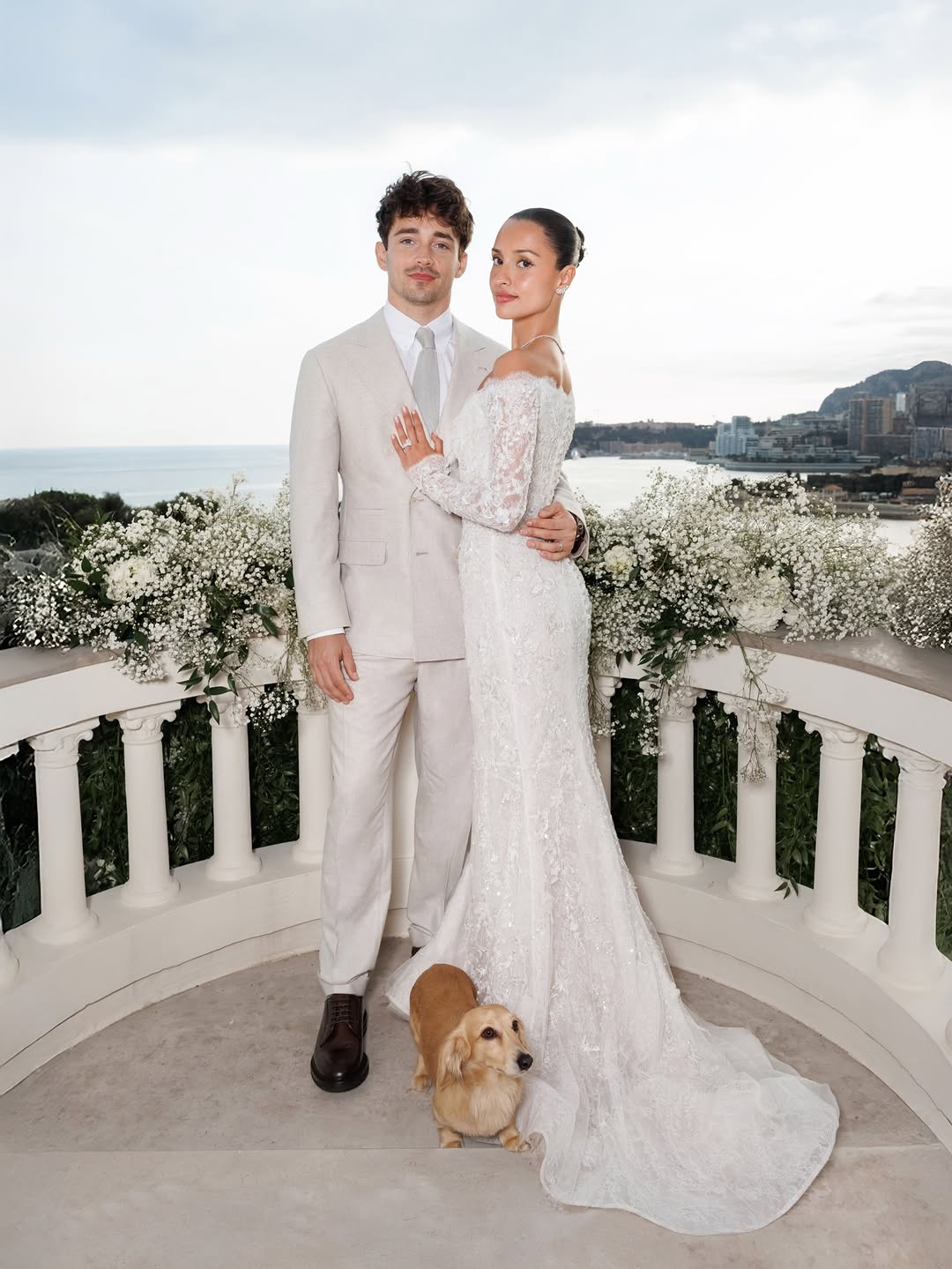
Photo: Tonpei, German Larkin & Greg Finck
Scout the Venue Together
For destination weddings, this one isn’t always realistic. But if your venue is within reach, take advantage of it at least once.
A space that feels completely normal to you is full of new information for them. Different smells, unfamiliar surfaces underfoot, echoing sounds, open fields or tight indoor spaces — all of it registers. Letting them explore it in advance, without the pressure of the actual event, makes a real difference. Walk the areas your dog will actually be in. The ceremony space, the entry point, wherever they’ll wait between moments. Let them sniff around at their own pace. Keep it relaxed. A second visit closer to the date is even better. By the time the wedding arrives, the space isn’t new anymore.
One practical note: confirm with the venue that dogs are allowed on-site before you build any of this into your plan. Not every property permits it, and it’s better to know early.
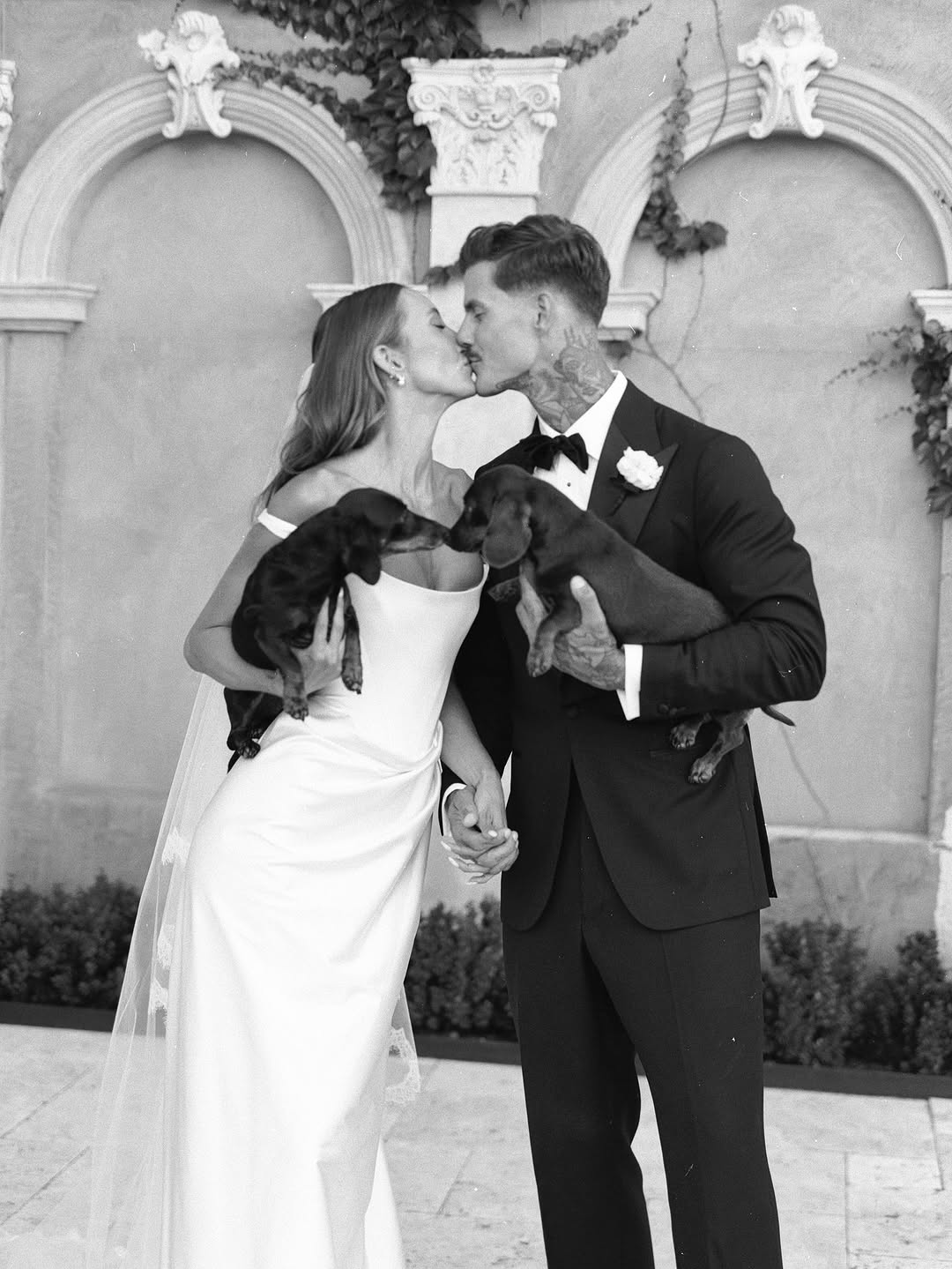
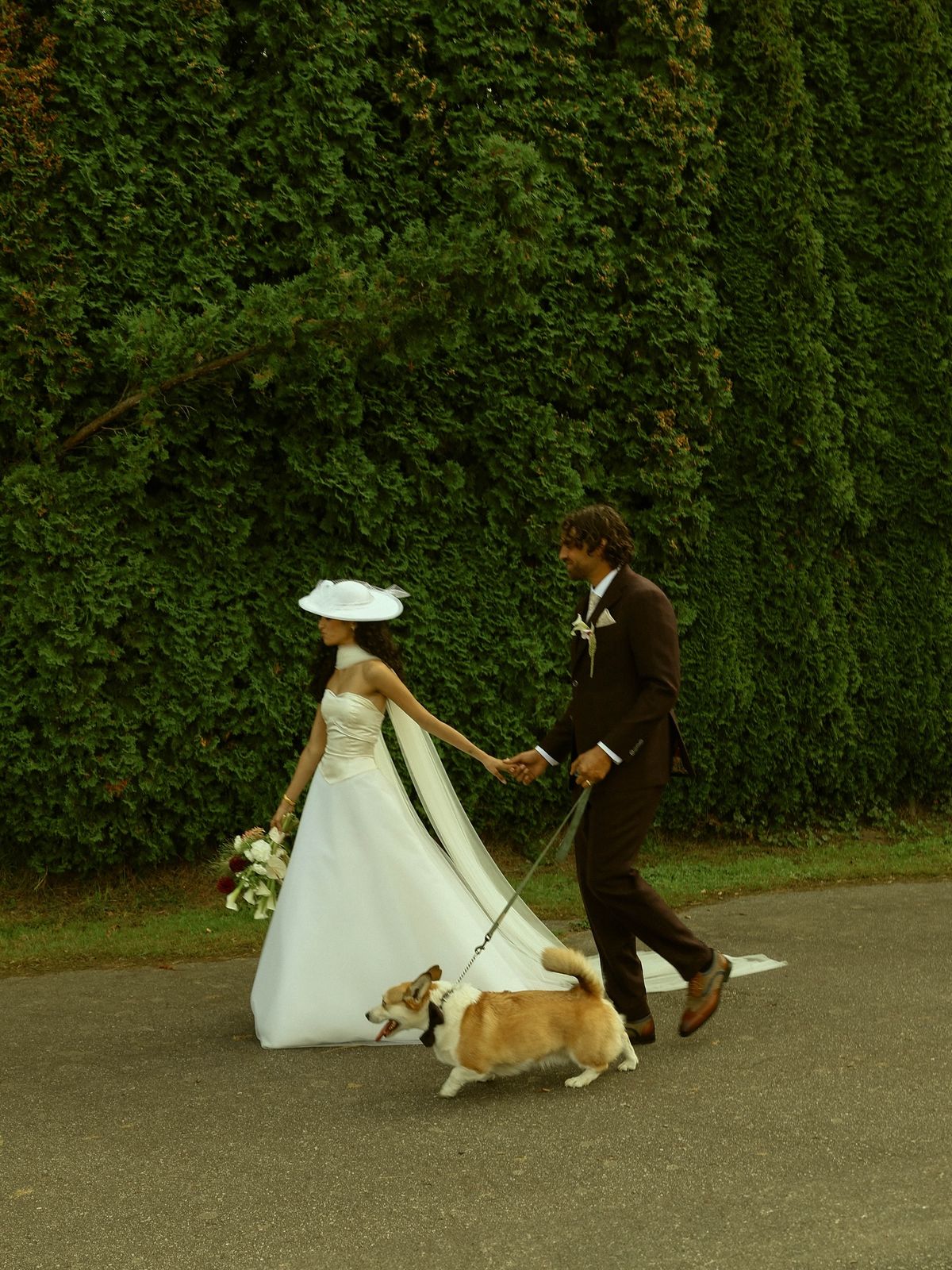
Photo: Gabi Cross, Selav Studio
Assign a Handler
This is non-negotiable: someone needs to be responsible for your dog, and that someone cannot be you.
On the wedding day, you will not have the bandwidth. You’ll be getting ready, taking photos, greeting guests, managing a hundred small things at once. Your dog needs a person whose only job is them — from arrival to exit. Choose someone your dog already knows and trusts. A close friend or family member who isn’t in the wedding party works well. A professional dog handler is an even better option if you want total peace of mind.
Whoever it is, brief them properly before the day:
- Your dog’s schedule — feeding times, bathroom breaks, rest needs
- Their stress signals — what does anxiety look like for your specific dog
- The timeline — when the dog arrives, when they participate, when they leave
- The exit plan — what to do if the dog gets overwhelmed and needs to go home early
The handler should also spend time with your dog in the weeks before the wedding. A familiar face makes everything easier.
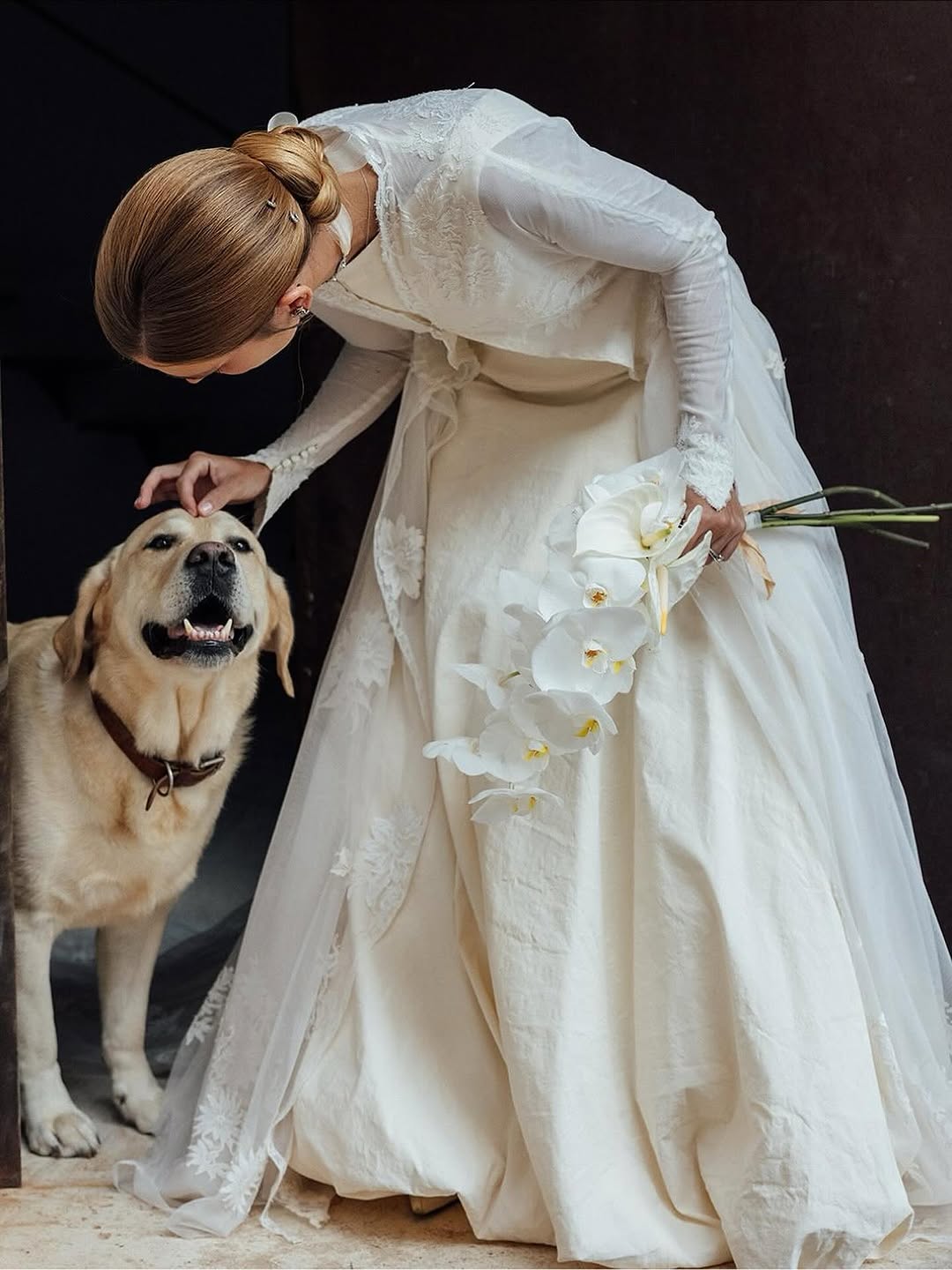
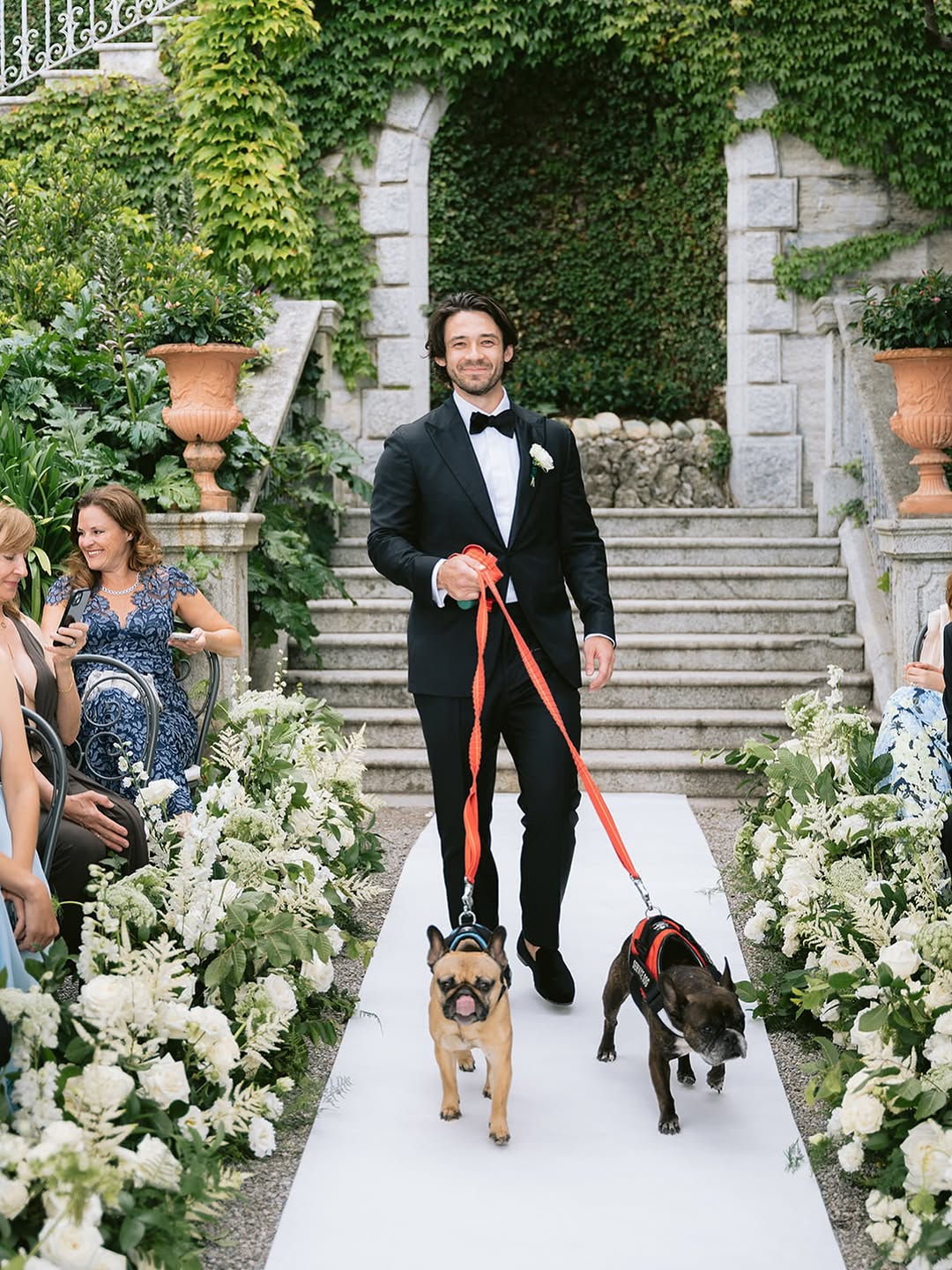
Photo: Courtesy of Cortana Bridal Collection, M Studio Weddings
Day-Of Logistics
The day will move fast. Having a clear plan for your dog means one less thing to improvise.
Pack a dog day bag. Everything the handler needs should be ready to go the night before:
- Food and water (and a portable bowl)
- Waste bags
- A favorite toy or blanket — something that smells like home
- Plenty of treats for rewards and redirection
- Any medications or supplements your dog takes
- A copy of the vet’s contact, just in case
Plan the timeline carefully. Your dog doesn’t need to be there all day. In fact, they probably shouldn’t be. Decide in advance which parts of the day they’ll actually be present for and stick to it.
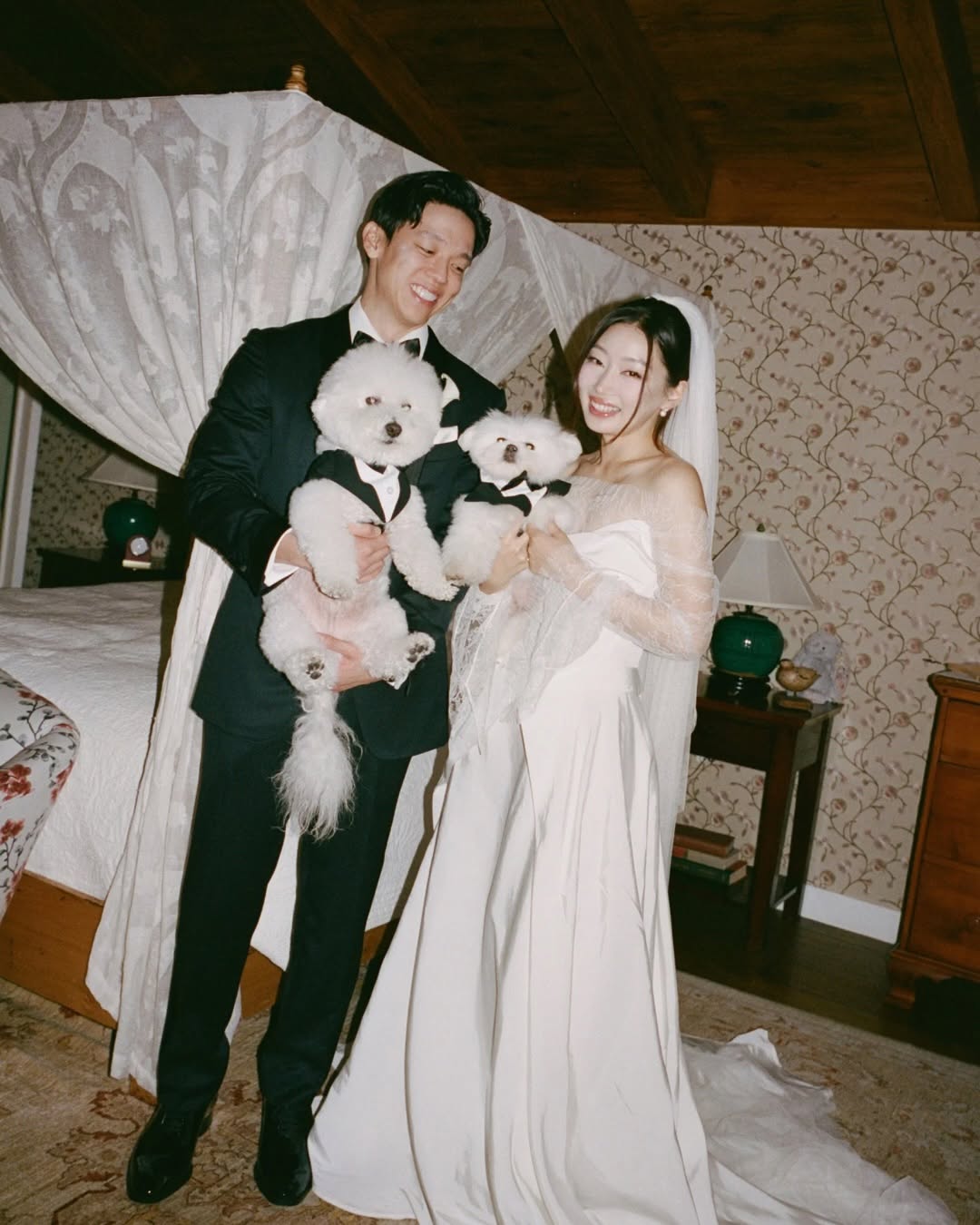
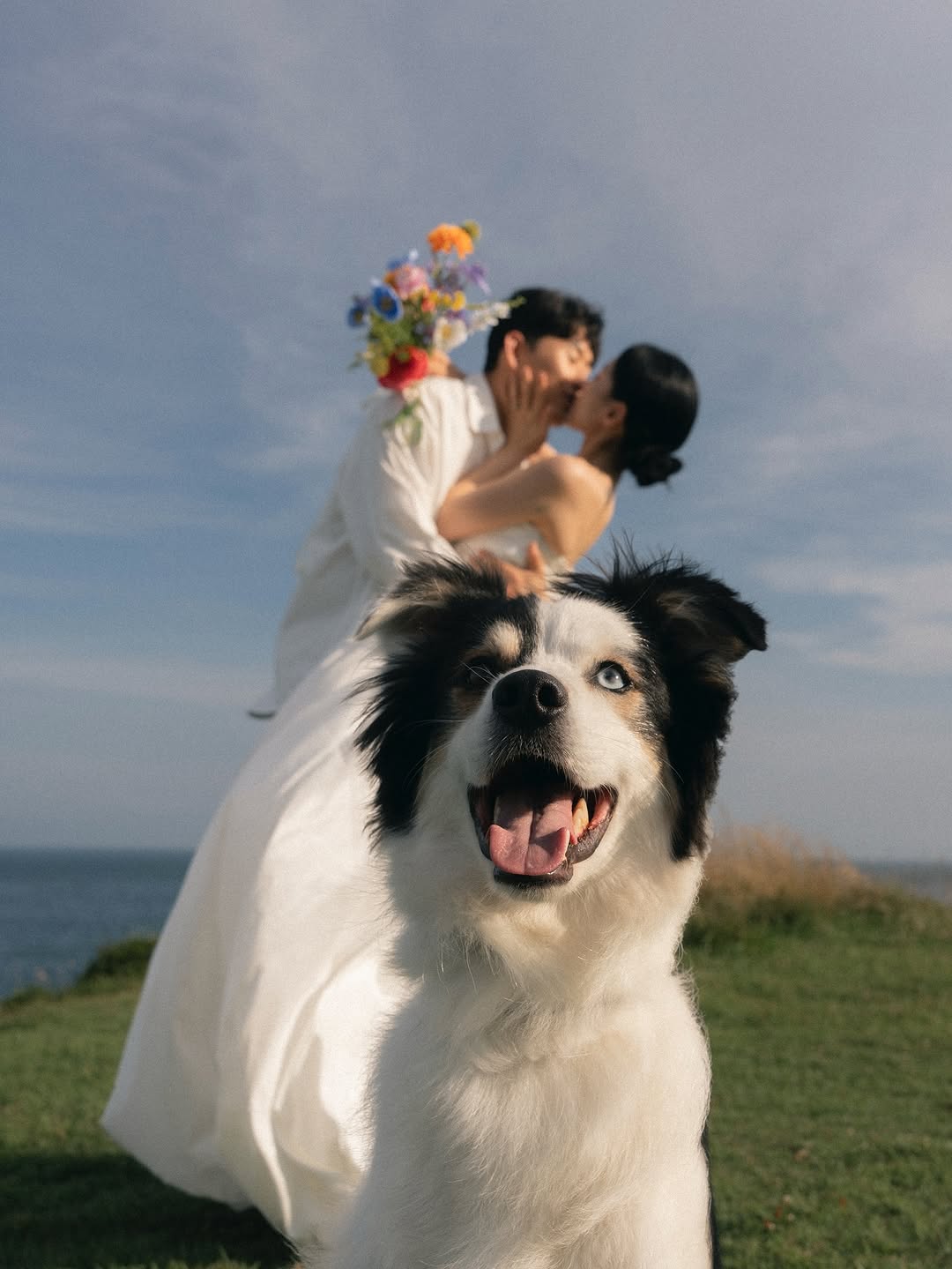
Photo: Samantha Olmos, Ondam Jeju
How to Read Your Dog's Stress Signals
Even the best-prepared dog can have an off day. Knowing what to watch for is just as important as everything else on this list.
Common signs that your dog is stressed or overwhelmed:
- Excessive panting or drooling when it’s not hot
- Yawning repeatedly in situations that aren’t relaxing
- Tucked tail, flattened ears, or a low body posture
- Pacing, inability to settle, or trying to hide
- Reactive behavior toward people or other dogs they’d normally ignore
If the handler notices any of these, it’s time to step back or step out entirely. The goal was never to have your dog there at all costs. It was to include them in a way that actually feels good for everyone. If the day calls for an early exit, let it happen without guilt. Chances are, you’ll barely notice in the moment — and your dog will thank you for it.
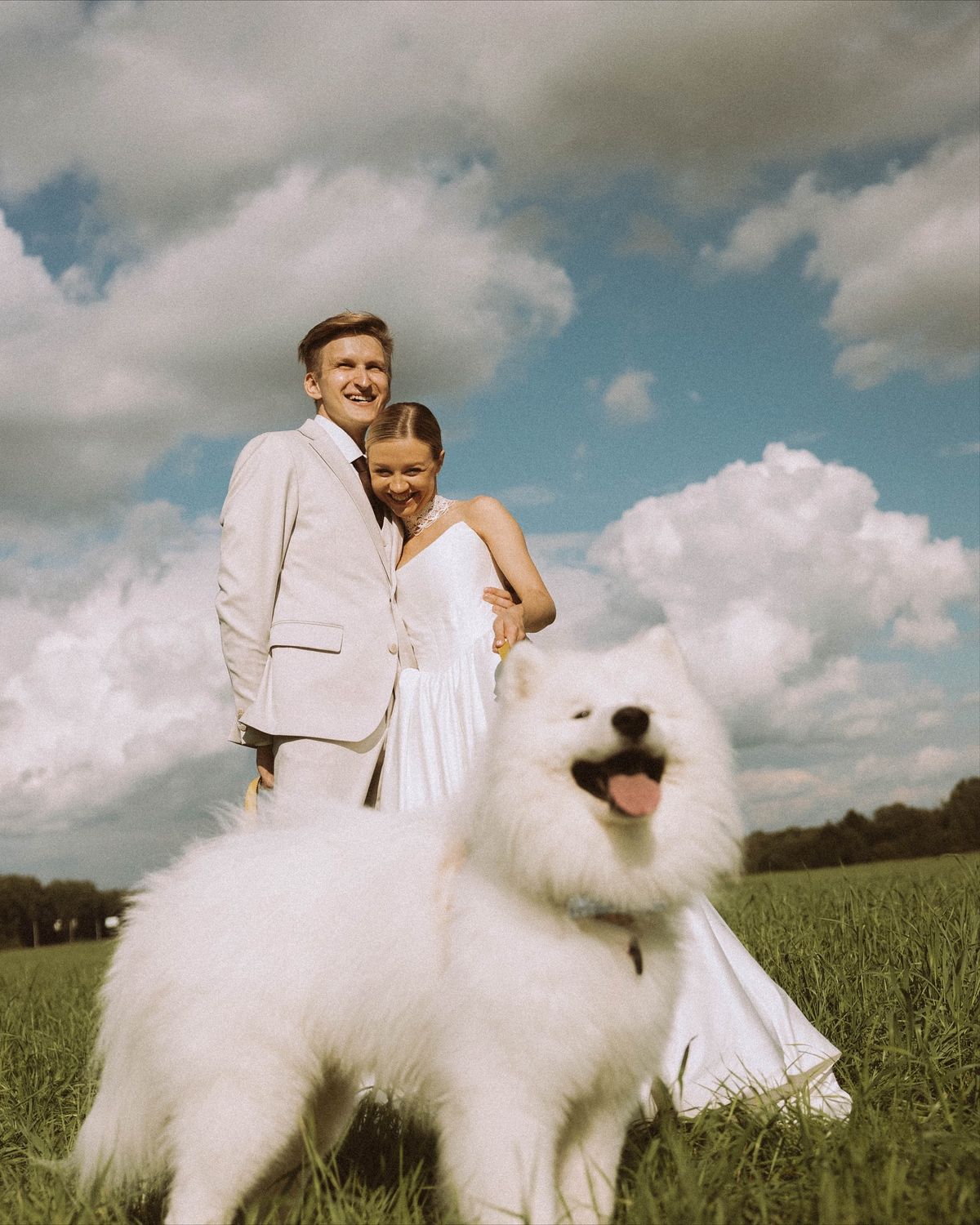
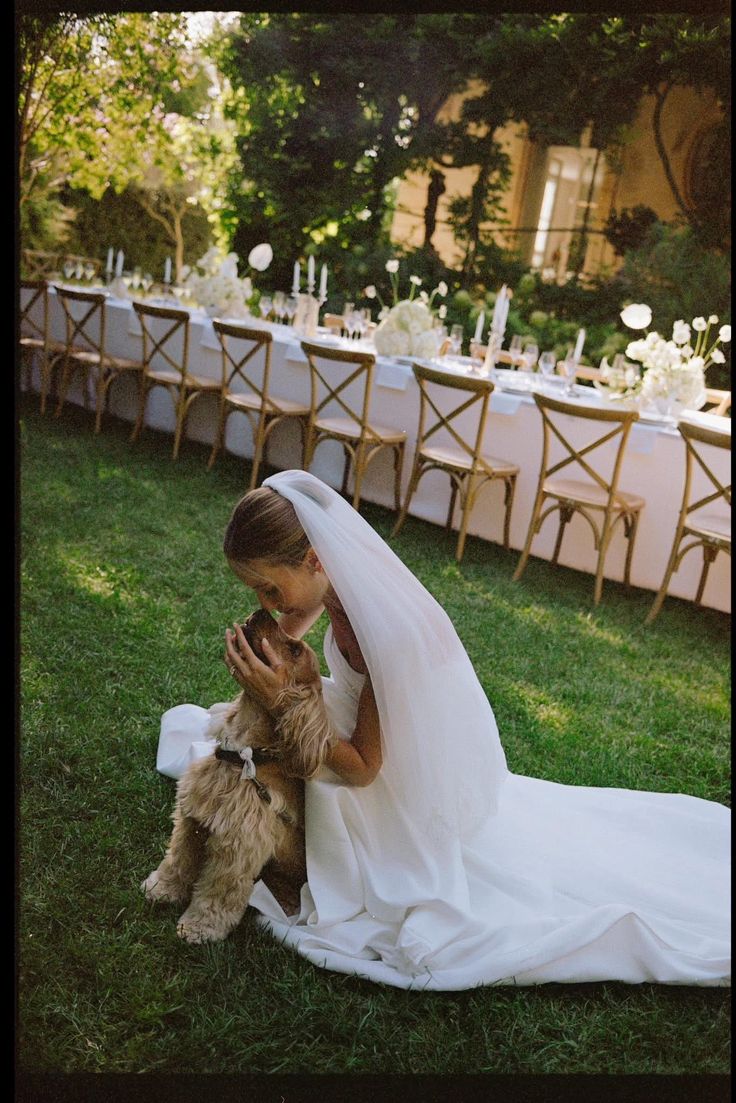
Photo: Krotenko Photo, Pinterest