When it comes to weddings, flowers often steal the show but they can also steal a bigger slice of your budget than you might expect. Many couples see stunning bouquets, lush ceremony arches, or dreamy table arrangements online and assume they’re easy to recreate… until they start getting quotes. That’s when reality sets in: floral design is an art, a science, and a logistical challenge all rolled into one. From sourcing seasonal blooms and designing intricate arrangements to delivering and installing them on the big day, florists juggle countless details to bring a couple’s vision to life.
In this article, we break down what really goes into wedding florals, how pricing works, typical budget ranges, and the most surprising costs. We also cover practical tips, like when to book your florist and the key questions to ask before hiring. Understanding the real costs helps you plan smarter and truly appreciate the artistry behind every petal.
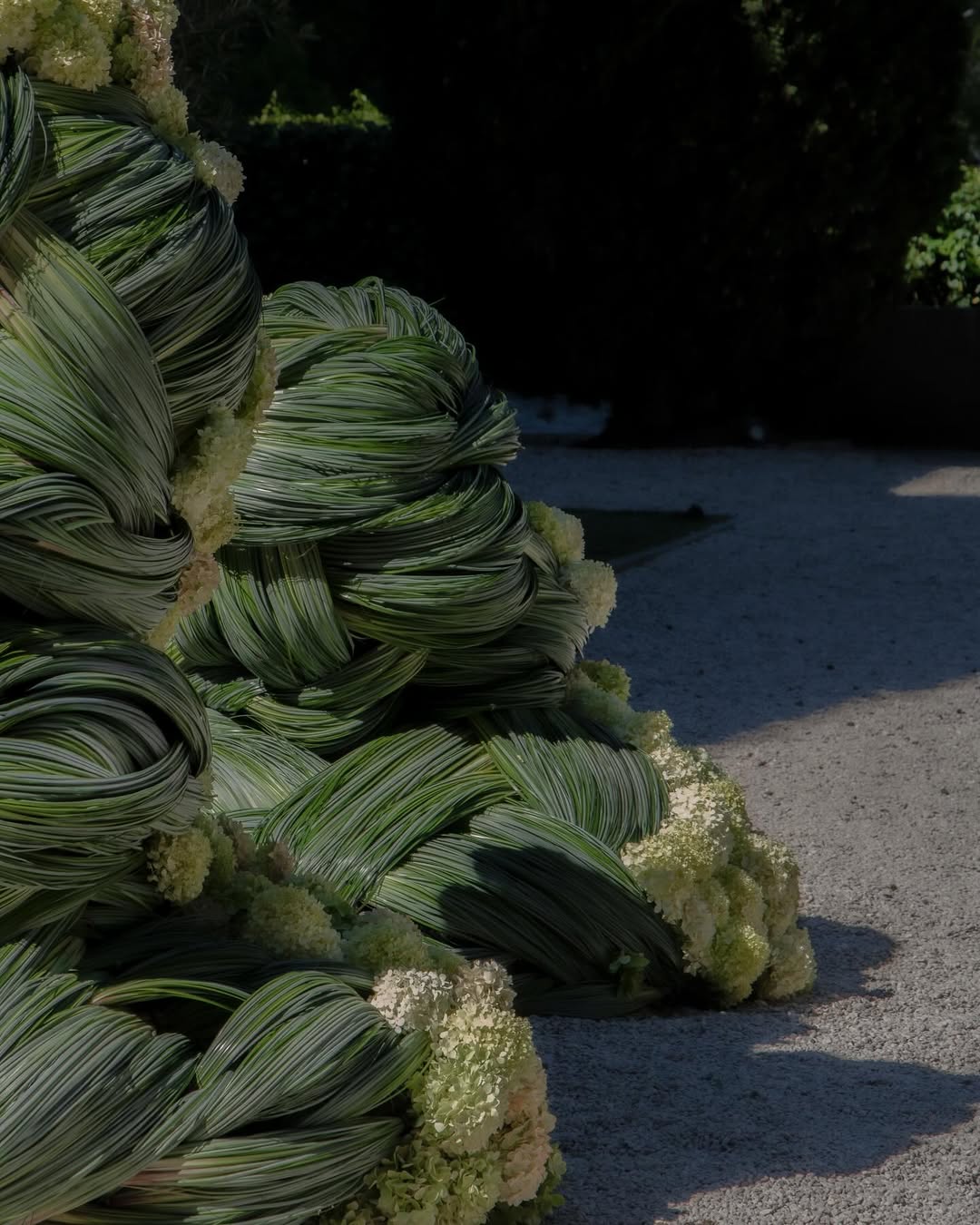
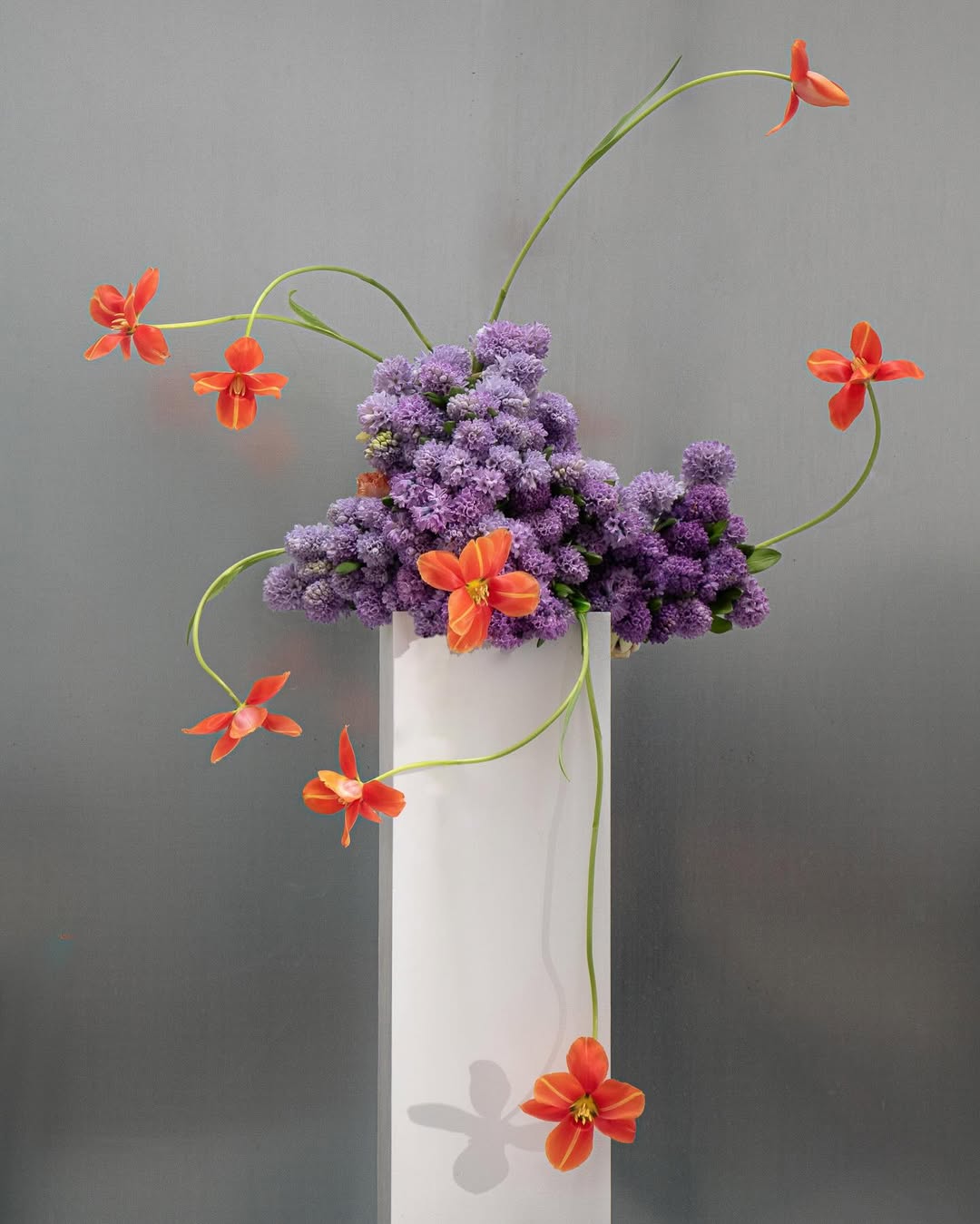
Photo & Florist: CARO
In This Article:
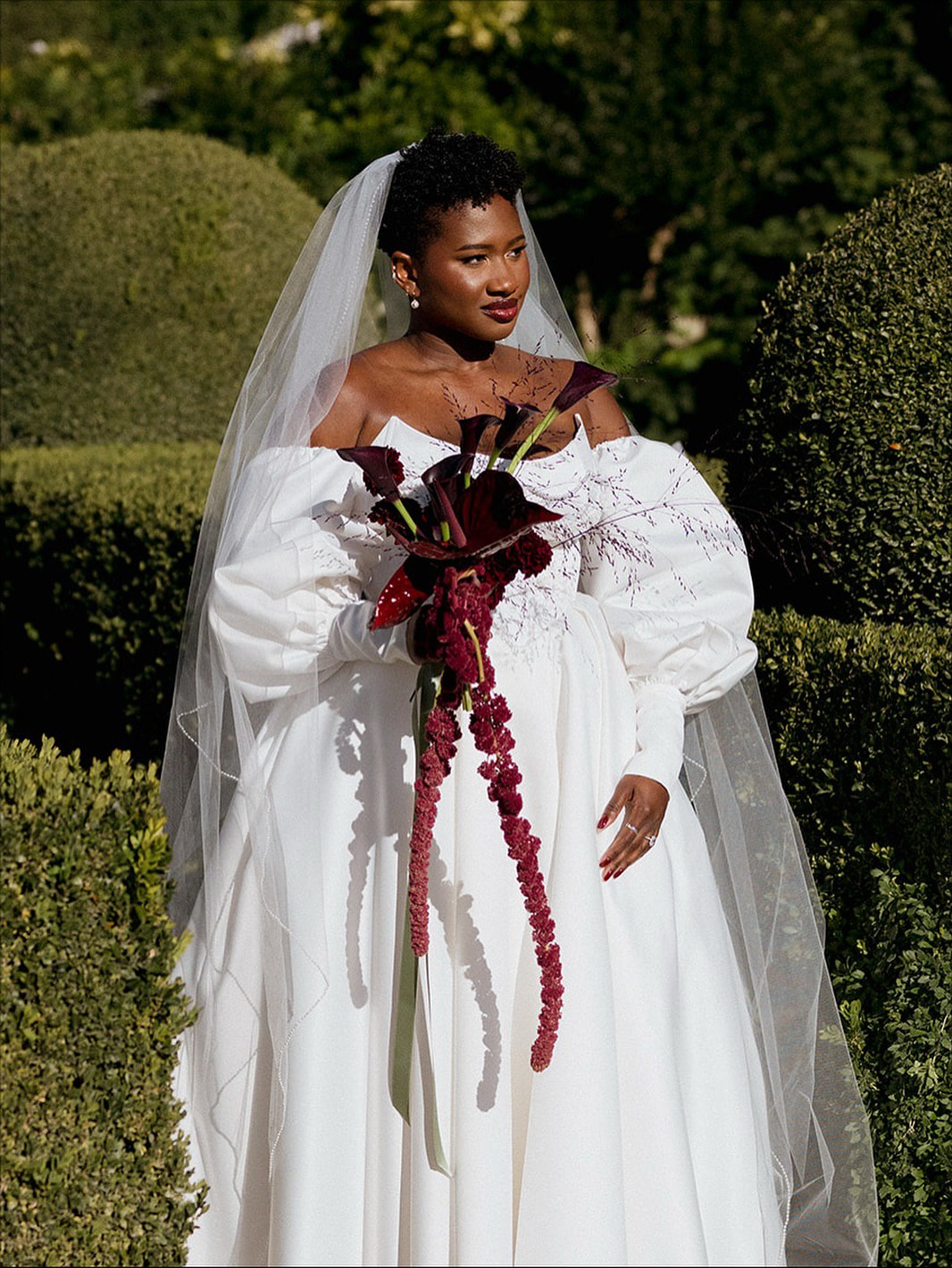
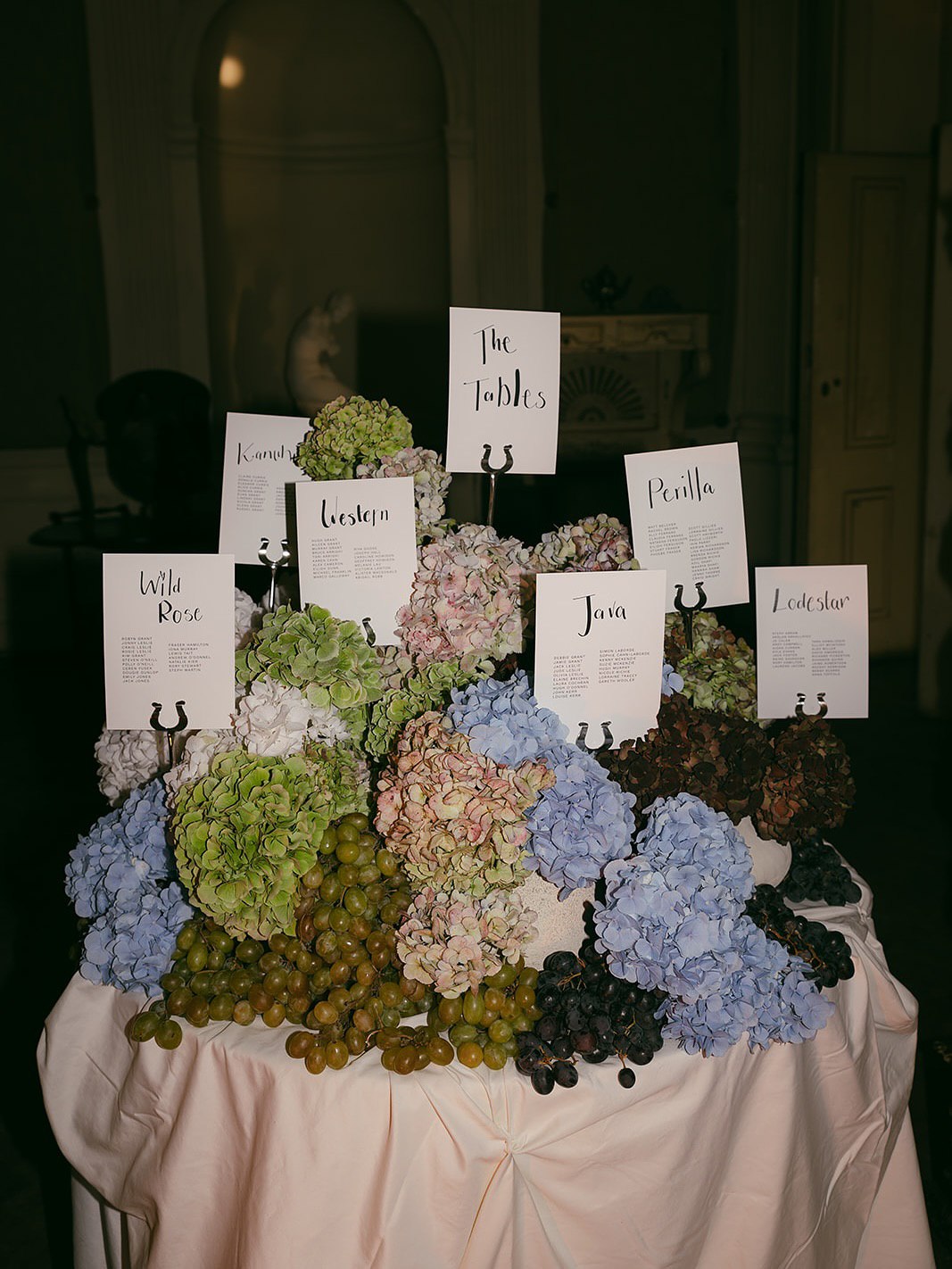
Photo: Lauren Knuckey, Louise Golding
Florist: Marypoppies, Oh, Maria Flores
Factors That Affect the Average Cost of Wedding Flowers
While wedding flowers look effortless on the day, the pricing behind them reflects far more than the stems you see. Location and logistics are major drivers: Flamina of Motif Floral notes that “remote venues, limited setup windows, and challenging access—like heat, elevators, stairs, or boats—add complexity and increase costs.” The florist duo, Ashley and Katie of Ash + Oak, adds that even wholesale prices vary dramatically by region: “A calla lily in San Francisco might cost twice as much as the same stem in Miami.”
Labor is another major factor. As wedding florist Keitha Thomas explains, pricing is “directly associated with how much labor and time are required,” from damaged stems to communication, design, setup, and cleanup. Natalie Gill, founder of Native Poppy, emphasizes the behind-the-scenes workload: “Design meetings, mockups, logistics planning, sourcing, coordinating a team—so much happens before we even touch a flower.”
Seasonality and flower selection also play a significant role. Peonies, orchids, garden roses, and out-of-season blooms command higher rates. Cécile Detienne, founder of a luxury floral design studio Capucine Atelier Floral, highlights that “David Austin garden roses have extremely high prices,” which can significantly affect the total.
Finally, design complexity, quantity, and scale influence the budget. Large installations, hanging pieces, and multiple venue setups require more flowers, materials, and skilled hands. As Decorelle’s founder Vera Flenova summarizes, high-end work often involves “premium blooms, custom-built installations, and experienced teams”—elements that naturally raise the overall cost.
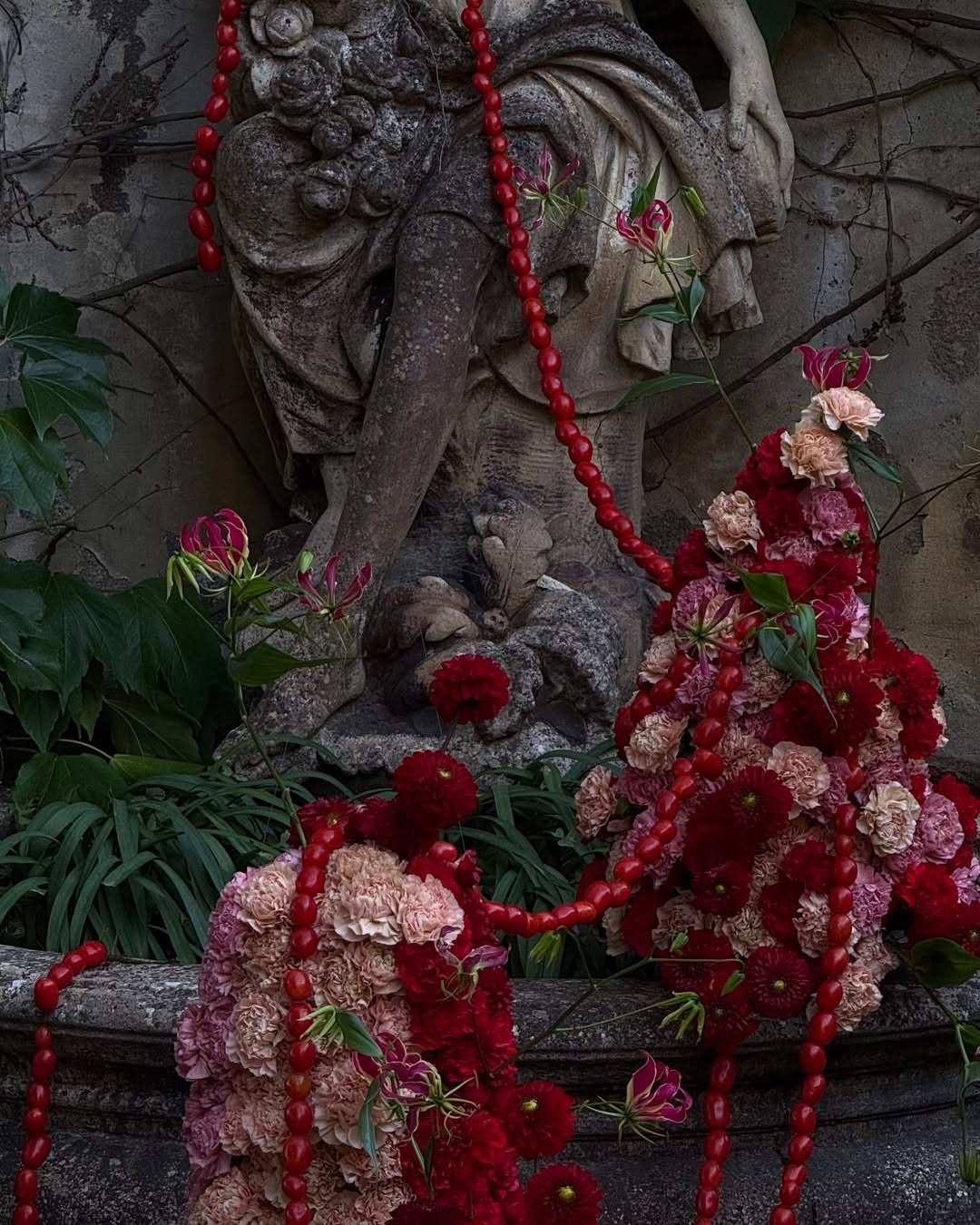
Photo & Florist: Tepee Sauvage
Floral Budget Ranges
Cécile Detienne of Capucine Atelier Floral says, “The average budget allocated for the floral aspect of a wedding varies between 8-15%, with occasional exceptions of 20%.” “If florals are a significant priority, you’re planning a destination wedding, or hiring a high-profile or A-list florist, it must be over 20%”, Ash + Oak adds.
Thus, a $50,000 wedding would naturally allocate $4,000 to $7,500 to florals. This percentage isn’t a hard rule, but it’s simply a starting point.
Floral pricing varies significantly by region, design ambition, and service level, but patterns do emerge across markets. Budget-friendly weddings generally fall under €500–$5,000, covering personal flowers and simple décor.
The mid-range—the most common category—tends to sit between €7,000–€10,000 in Europe and $10,000–$25,000 in the U.S., depending on guest count and design details.
Luxury weddings begin at around €15,000–€25,000 and can cost far more. Flor Caballero sees luxury at $35,000+, especially with large installations, while Ash + Oak notes that design-forward celebrations often reach $30,000–$75,000, with ultra-luxury exceeding $100,000 for transformative floral experiences.
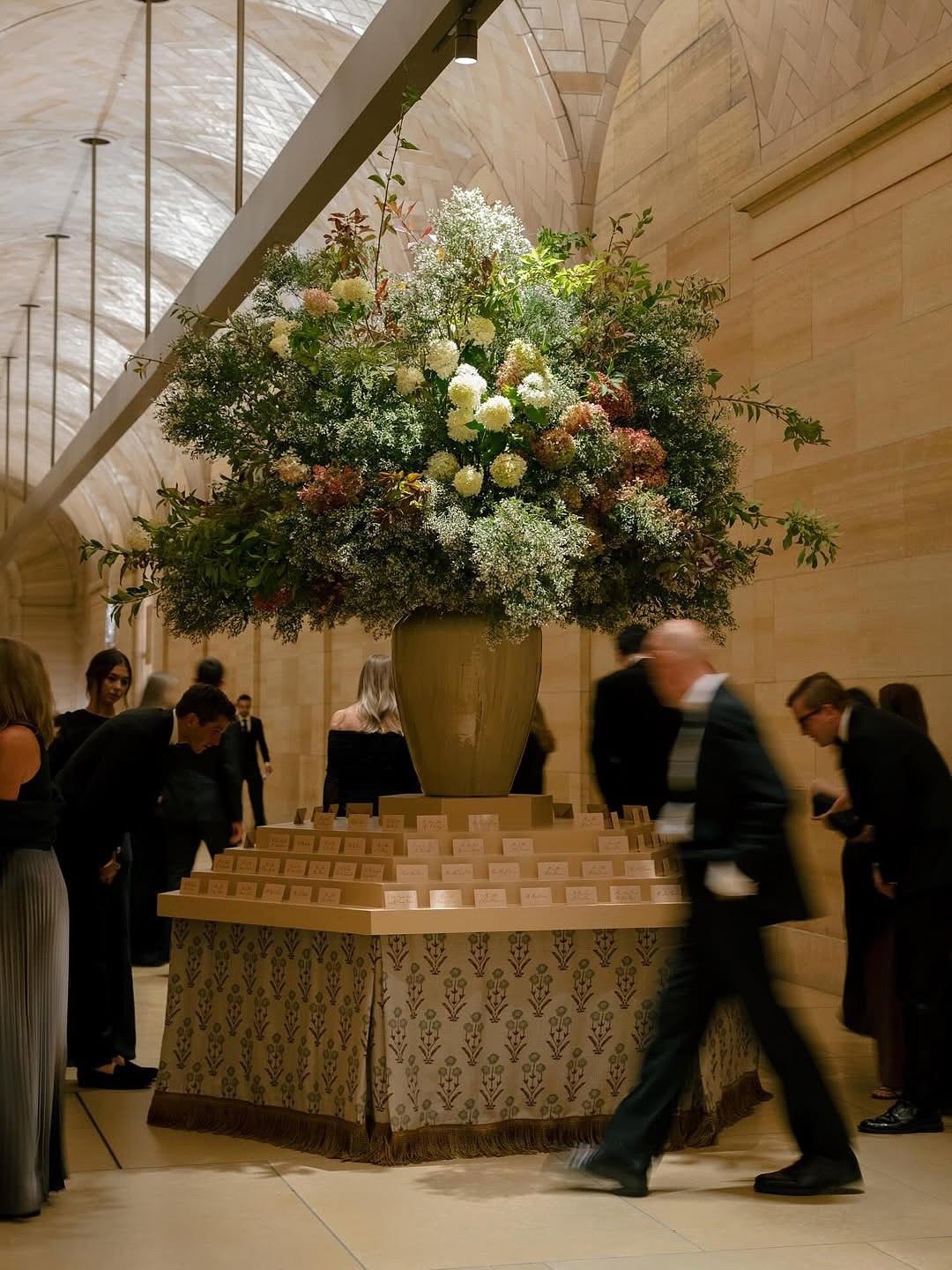
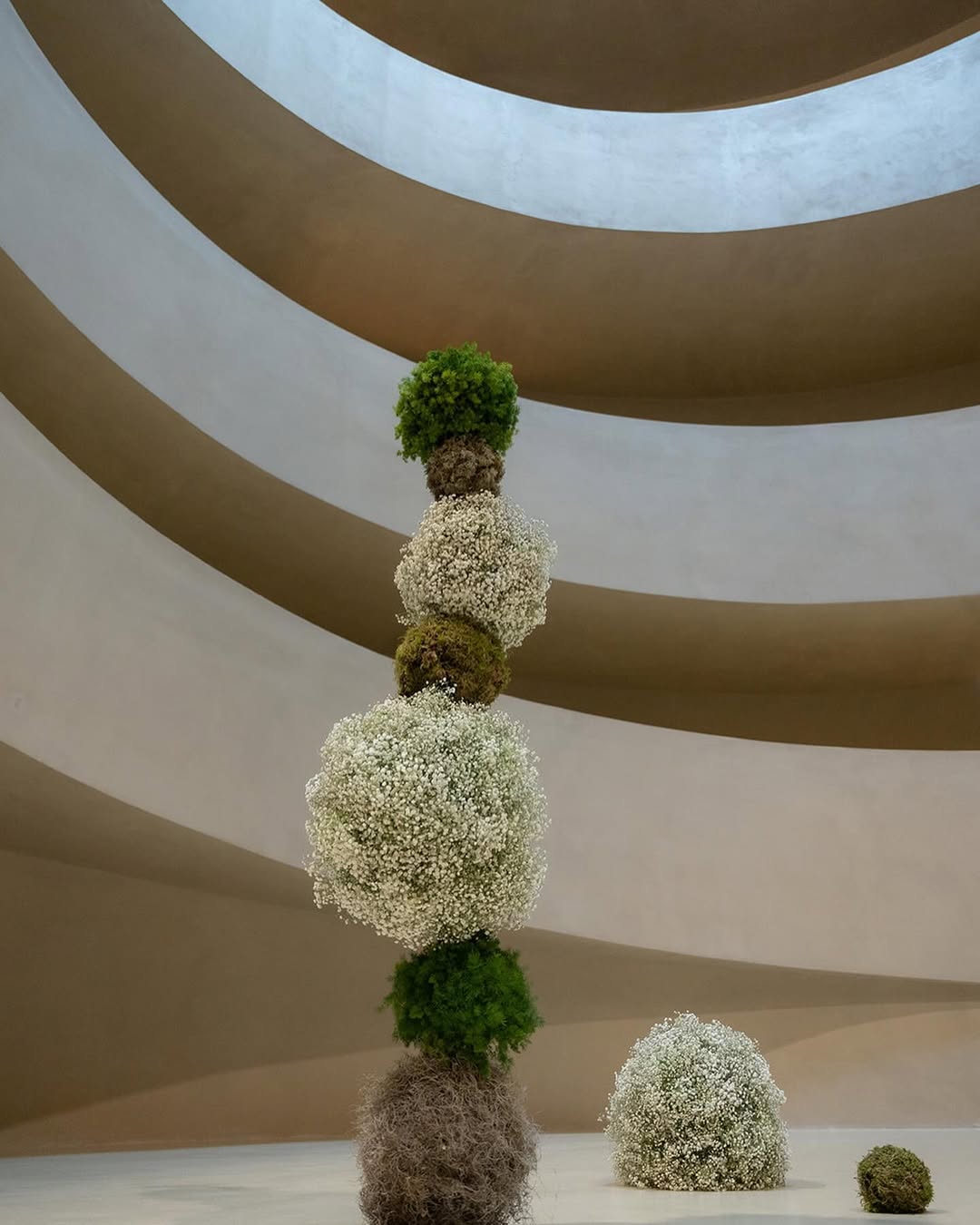
Photo: Samm Blake,
Florist: David Stark Design, Oh, Maria Flores
Typical Pricing for Individual Floral Elements
When you break the total down, you’ll see that every floral element carries its own price tag. Below is an estimated average, though some florists may charge more or less.
Bridal bouquet: €180–€400 / $200–$350
Bridesmaid bouquet: €80–€150 / $50–$200
Boutonnière: €15–€30 / $15–$30
Ceremony arch: €1,000–€7,000 / $1,000–$8,000
Aisle arrangements: €150–€500 / $175–$325
Table centerpieces: €150–€500 / $160–$500
Installations: €1,000–€20,000+ / $2,000–$15,000+
Florists generally avoid per-stem pricing, instead using per-arrangement or package-based models that reflect the full scope of their work. Additional service or labor fees may be added for setup, delivery, teardown, and complex timelines. Costs can vary significantly even for similar-sized bouquets, depending on floral type, design complexity, and production requirements, ensuring that pricing aligns with the scale, style, and logistics of each event.
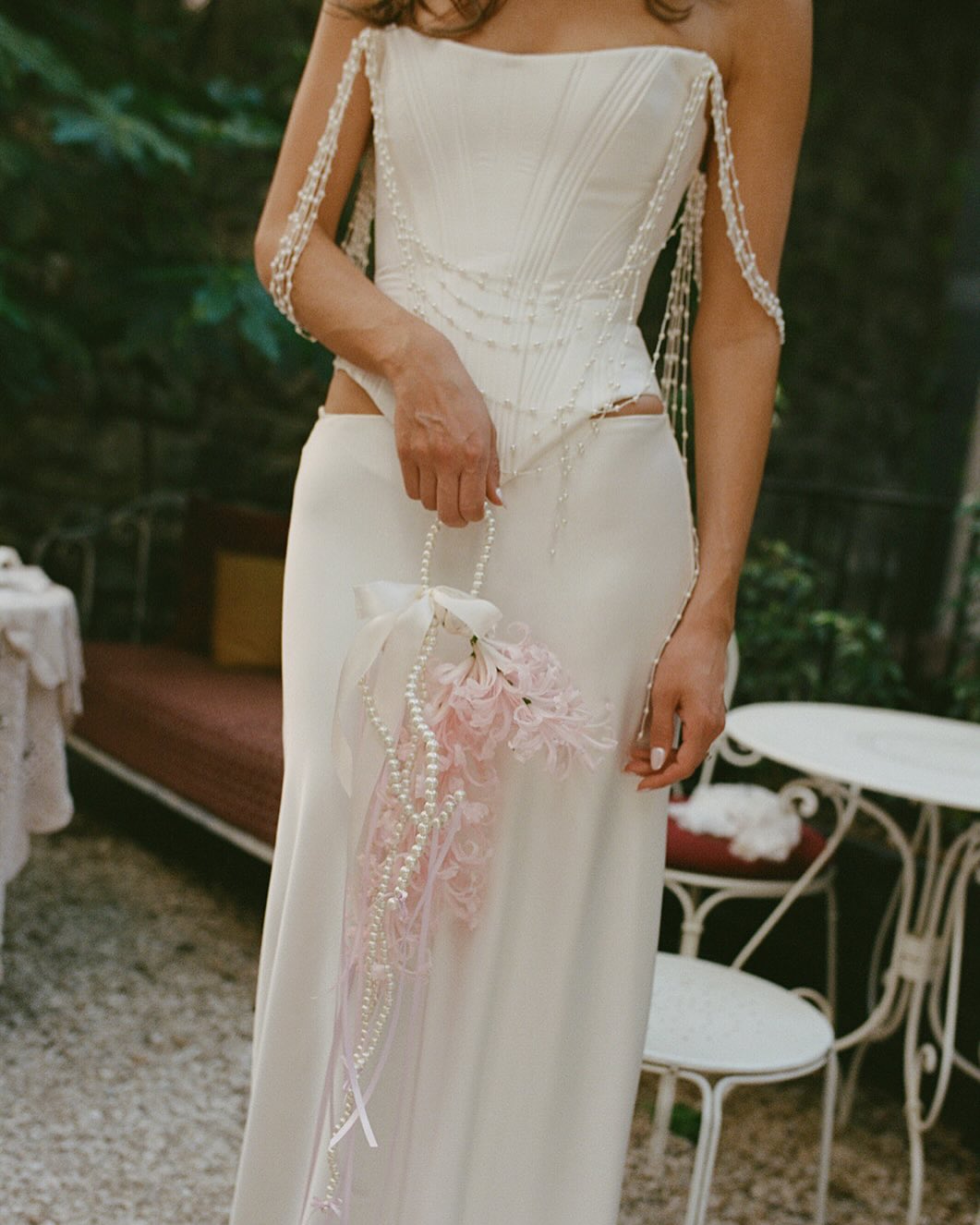
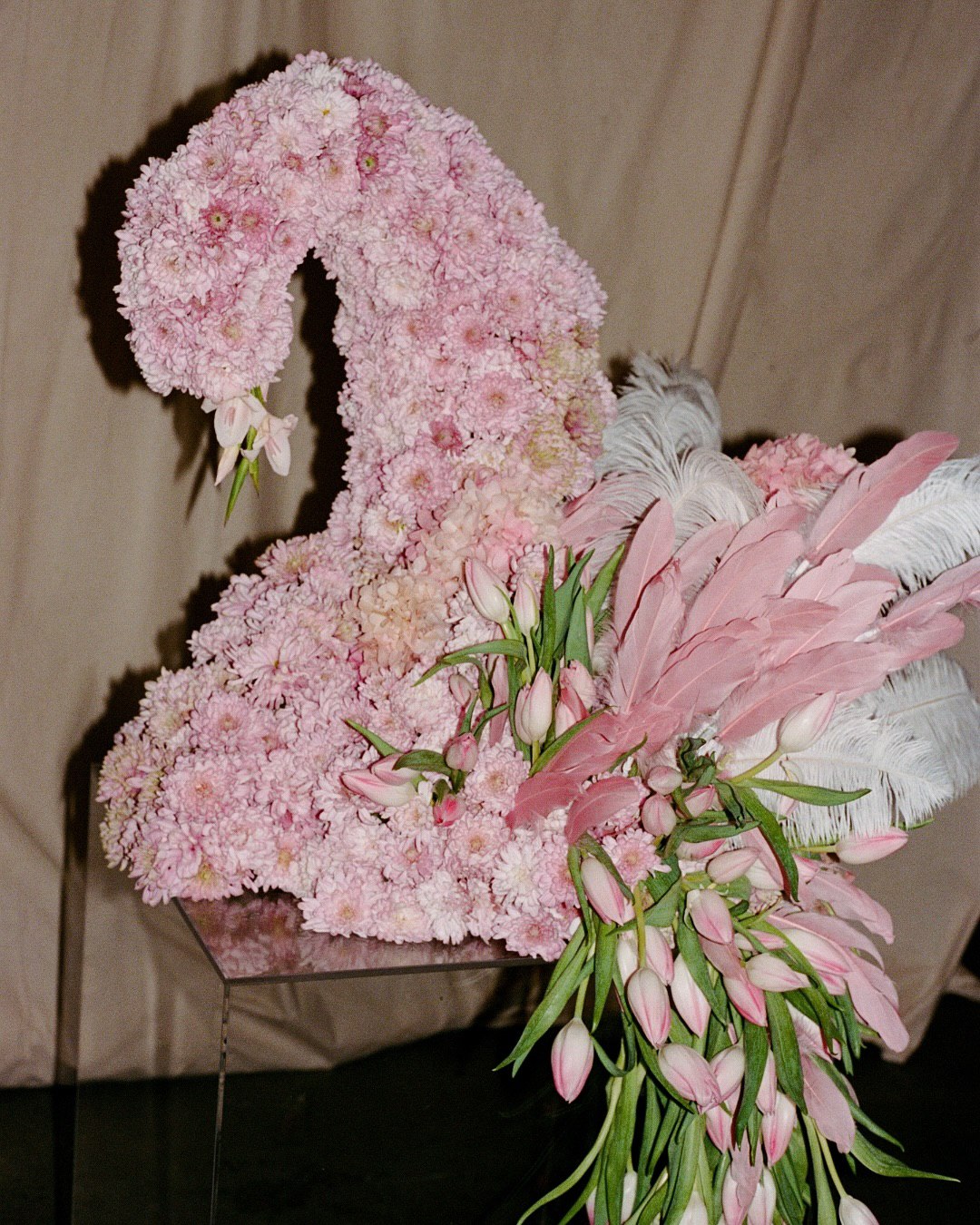
Photo: Nicole Plett, House of Lucie
Florist: Tepee Sauvage, Mrs Gibbons Flowers
Do Florists Have Minimum Spends?
Most florists do set minimums—and they vary widely depending on location, service level, and design style. In luxury European markets, minimums typically start between €8,000 and €15,000. Italian studio Motif Floral notes that €8,000–€10,000 allows them to maintain their level of detail, while Capucine Atelier Floral begins at €15,000 for 50–60 guests. Portugal-based floral design atelier Decorelle has a €10,000 minimum for weddings.
In the US, minimums range by region. Native Poppy from San Diego has no minimum for à-la-carte orders, but full-service weddings generally start around $10,000 for guest counts under 50, and around $20,000+ for weddings with 80–100 guests. High-end coastal studios can be dramatically higher. Ash + Oak, based in San Francisco, cites typical budgets beginning at $25,000 for full-service California weddings and $35,000+ for destination events.
Flor Caballero, a floral design studio based in Mexico, offers budget-friendly tiers starting at $1,250 for 50 guests—assuming no large installations and in-season blooms.
Some designers, like Lake Como-based Riccardo Ciceri, avoid “starting prices” altogether, noting that true costs depend heavily on flower types, scale, seasonality, and labor. “Instead, we prefer to create a proposal once we understand your vision, color palette, and priorities. That ensures the design and cost align realistically from the start,” he shares.
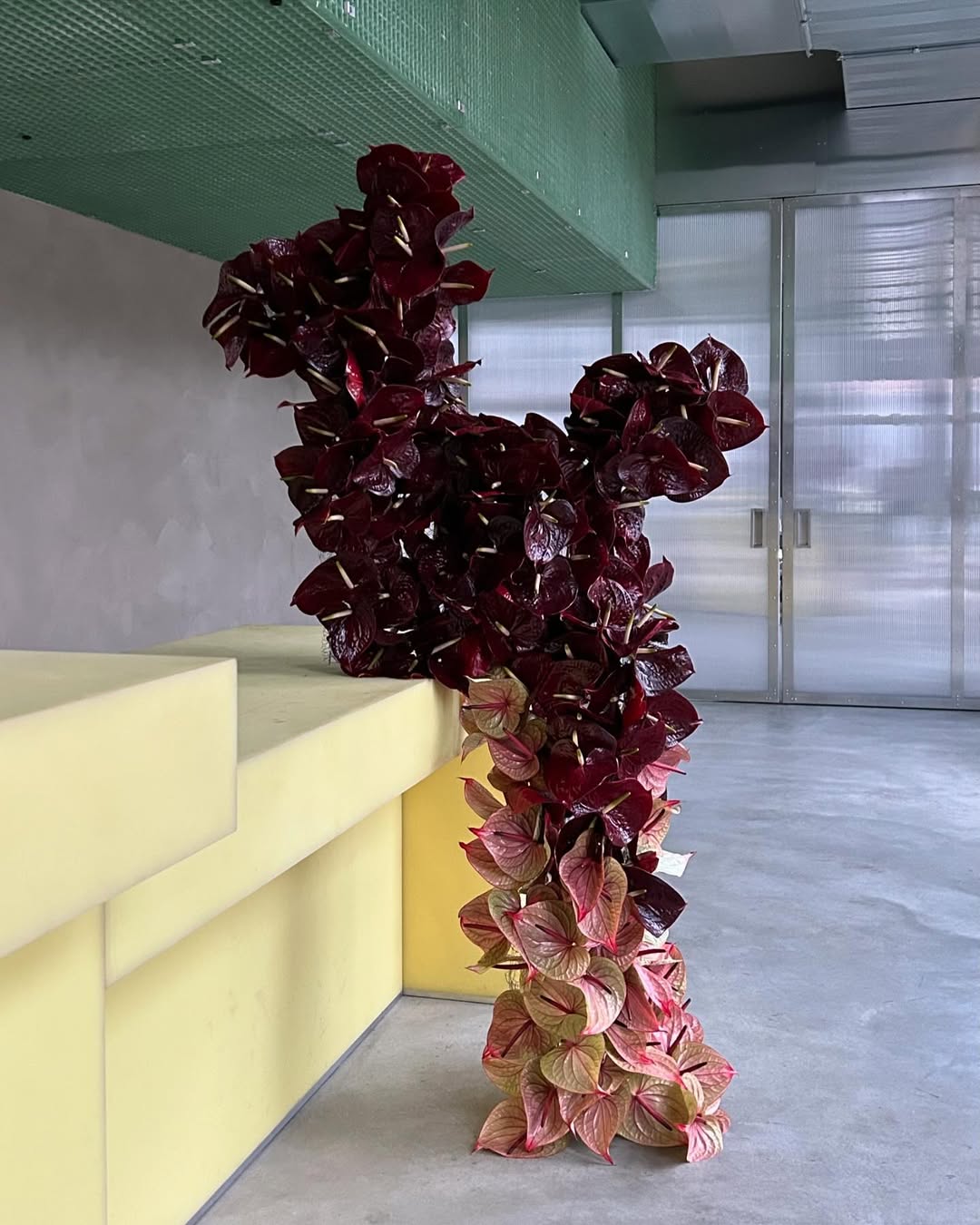
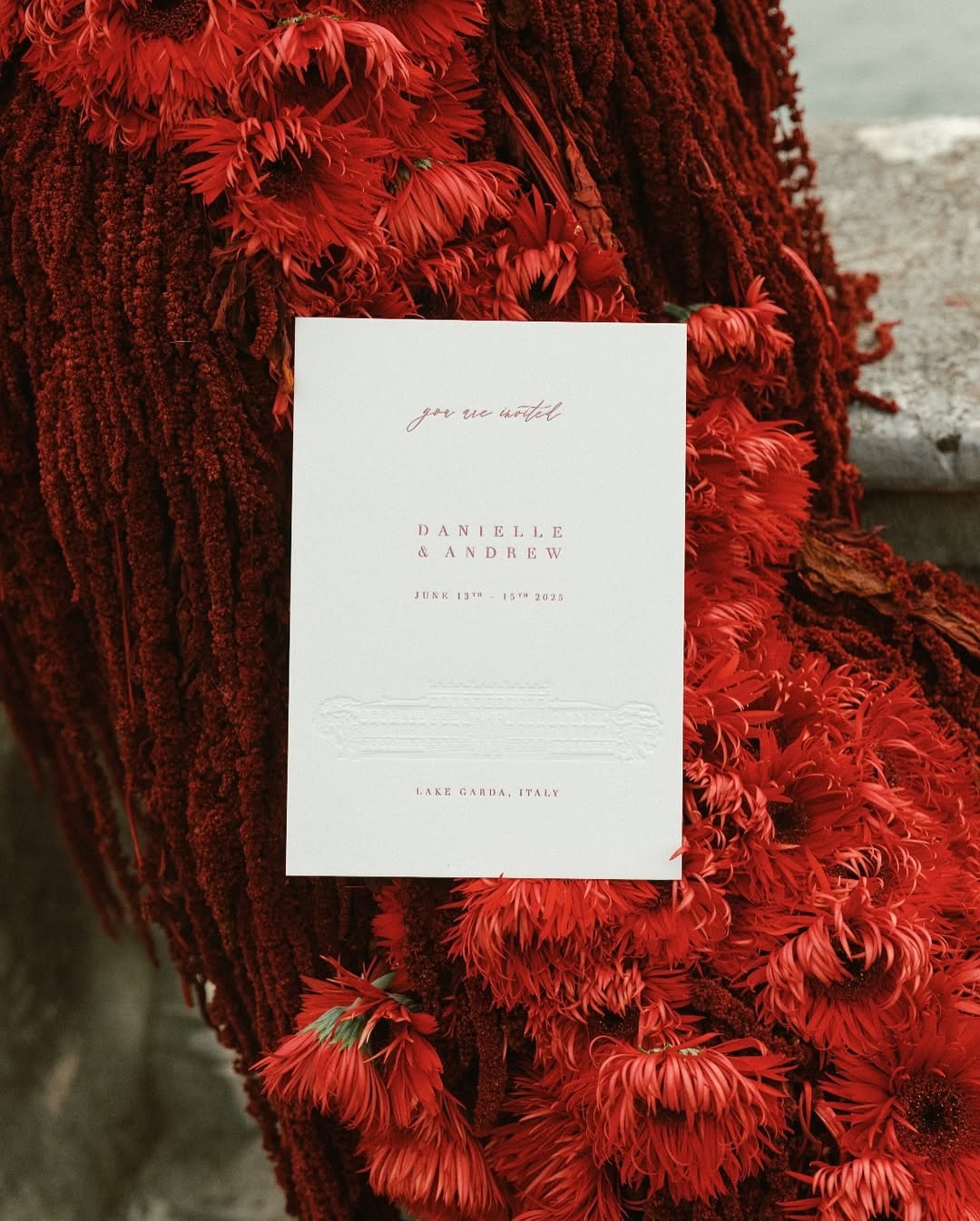
Photo: Courtesy of Studio Lilo, Sophie Lin Berard
Florist: Studio Lilo
What’s Included in Floral Pricing — and What Isn’t?
Across the industry, florists agree on one thing: transparency matters. Most proposals include the core essentials—design time, flowers, production, and the labor required to bring everything to life. Motif Floral includes a full proposal and mood board, sourcing, personal flowers, delivery, setup, and coordination with planners. Many studios, like Decorelle and Capucine Atelier Floral, bundle nearly everything into one comprehensive quote so there are no surprises.
Others take an itemized approach. Native Poppy lists floral designs, rentals, and production in the main proposal, while additional costs—delivery, setup, strike, travel, or late-night flips—are separated as service fees. Ash + Oak breaks pricing into retail floral items plus a 20–40% design/installation fee covering labor-heavy tasks.
Some designers use a percentage model. “Our service costs are always calculated as a fixed percentage of the total floral cost,” Riccardo Ciceri says. “This percentage covers the full scope of behind-the-scenes work that ensures your florals are delivered and styled beautifully.” It covers processing, production, setup, and standard teardown, with extra logistics added only when needed.
Common exclusions across florists include long-distance travel, late-night transitions, special structures, permits, and additional site visits—all quoted separately depending on complexity.

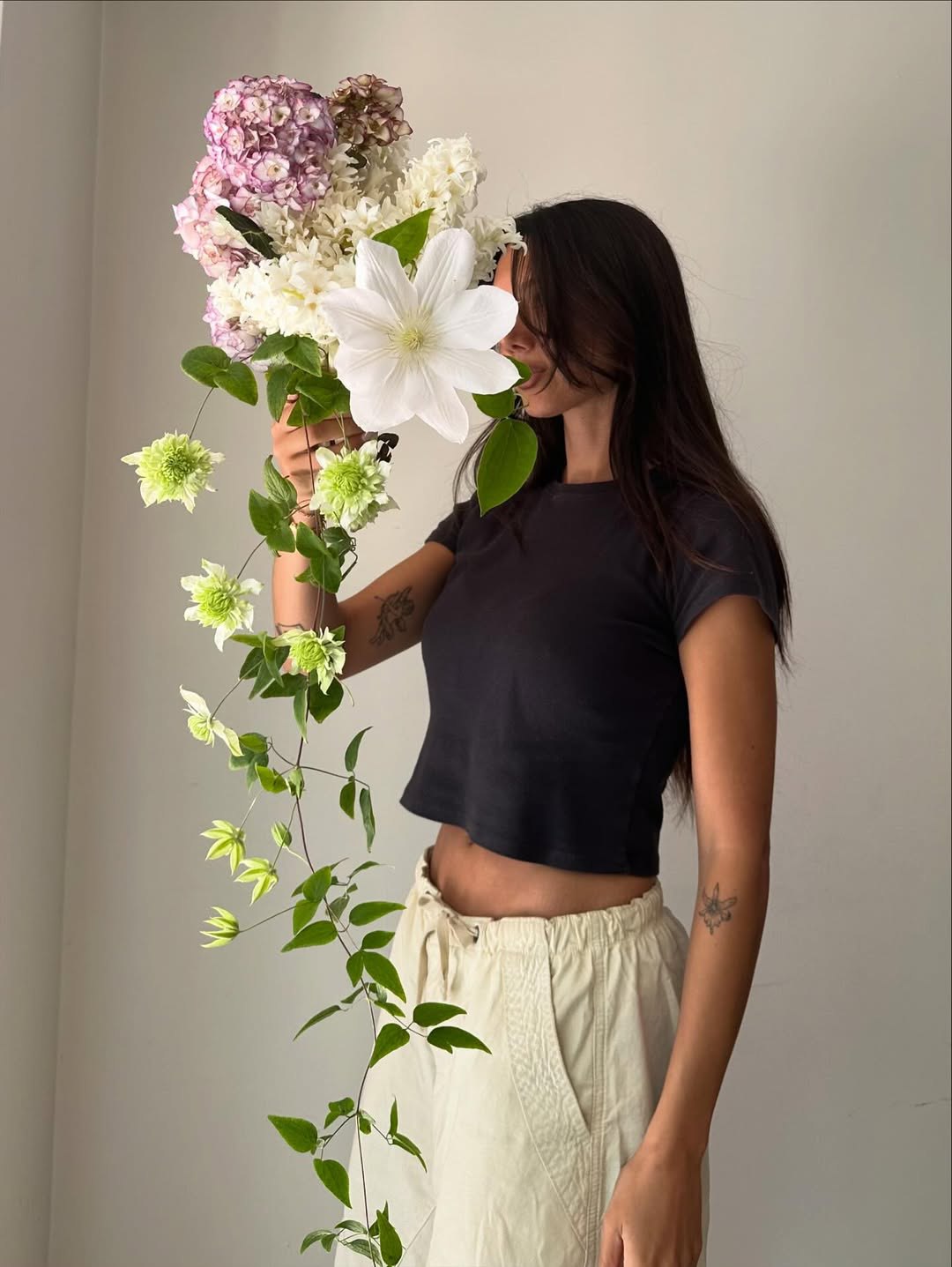
Photo & Florist: Intrecci di Fiori e D’Arte, Ffoliar
How Florists Structure Their Work Across the Planning Timeline?
Most florists follow a multi-step, highly organized workflow that begins months before the wedding day. Flamina of Motif Floral outlines a clear sequence: “Initial consultation, design proposal, booking, pre-production, prep week, setup day, and teardown.” This structure is echoed by others, who emphasize that the floral process is far more involved than couples often realize.
For many designers, the work starts with vision-gathering and proposals. Natalie Gill of Native Poppy holds an initial meeting to review the scope and then sends an itemized proposal. Once booked, they create mock-ups and a full design deck with renderings and detailed floral recipes. Riccardo Ciceri follows a similar path, beginning with a personalized proposal and moving into design refinement, logistics coordination, and sourcing.
Cécile of Capucine Atelier Floral highlights the depth of the creative phase: “There is real work involved in design, research, and discussions with clients to create a truly unique floral experience.” She often develops mock-ups, staging plans, and logistics strategies—work that can span 3 to 9 months.
As the wedding approaches, florists shift into production and logistics: ordering flowers, preparing inventory, organizing staff, and planning transportation. The week of the event is devoted to processing blooms and building arrangements.
Finally, on the wedding day, teams handle delivery, installation, and meticulous styling—followed by a coordinated teardown to complete the process.
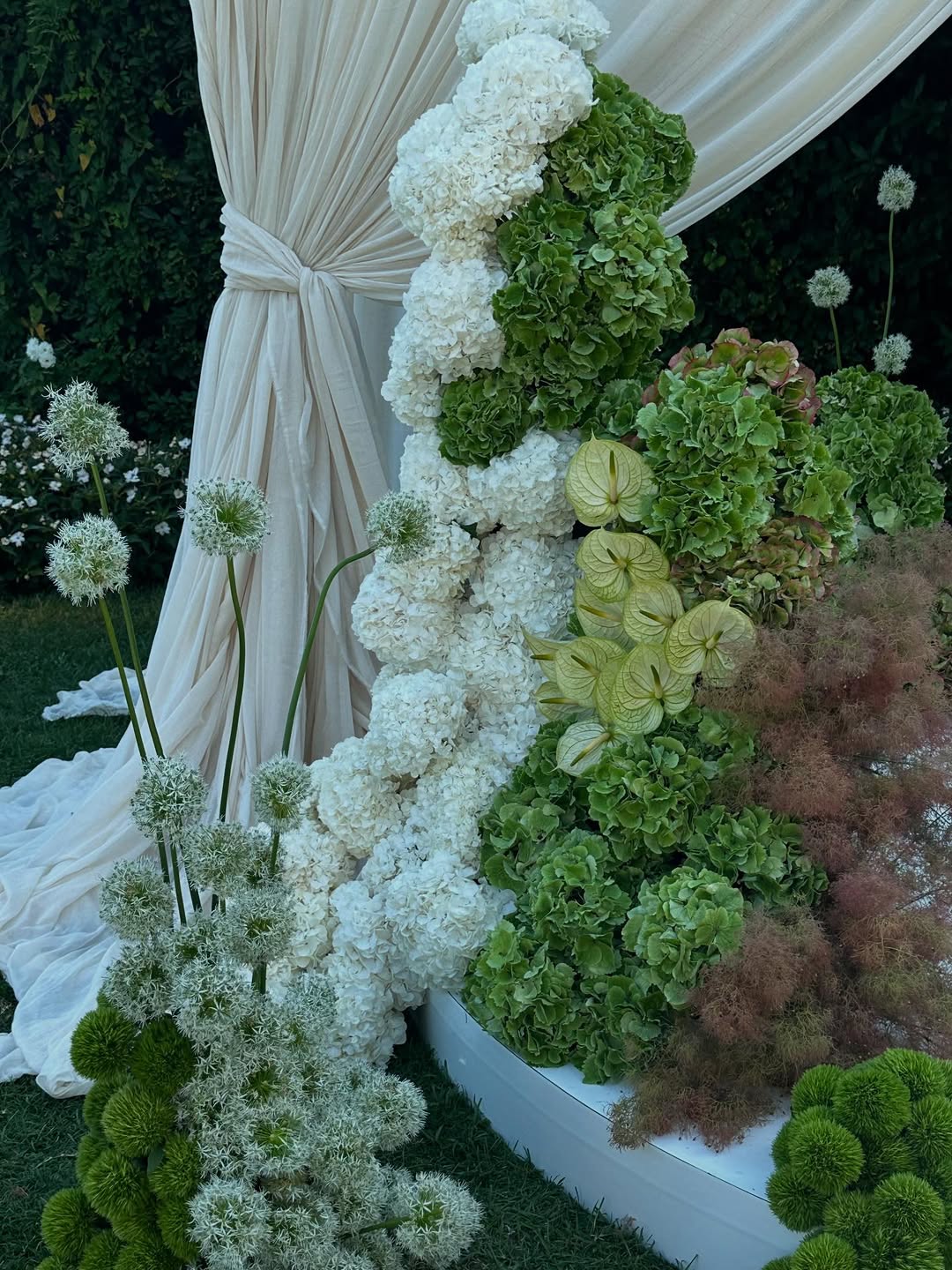
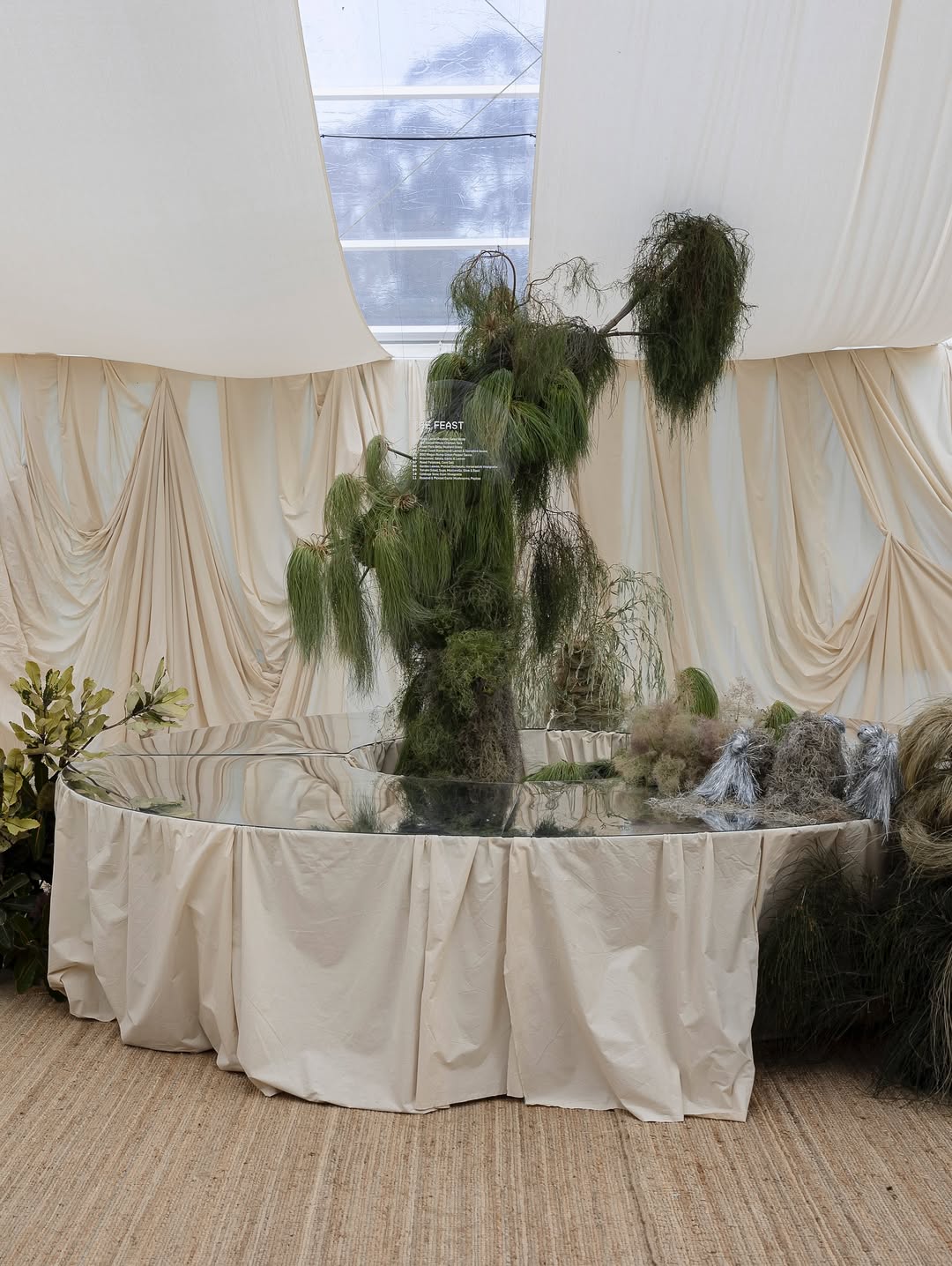
Photo: Courtesy of Sir Botanical, Justin Aaron
Florist: Sir Botanical, Mrs Gibbons Flowers
What Are the Most Overlooked or Surprising Floral Costs?
“Many couples are surprised to learn that a big part of their floral budget goes far beyond the blooms themselves,” says Riccardo Ciceri. “Our pricing reflects not only the flowers you see, but also the people, tools, and logistics that make the magic happen. It covers design and labor, flower processing and quality control, mechanics and materials, rentals, transport, setup, and sometimes late-night teardown. Seasonality also plays a role — those dreamy peonies don’t come cheap in November! And as for taxes… well, those don’t end up in the florist’s pocket.”
Wedding florist Flor Caballero recalls that sometimes couples want specific blooms be but don’t do research their costs before, it can be surprising for sure: “When clients request flower varieties they’re not familiar with (which is totally fine), they often don’t realize these are premium blooms. Choosing these higher-end varieties increases their overall budget, even if they’re only asking for something simple like one centerpiece per table.”
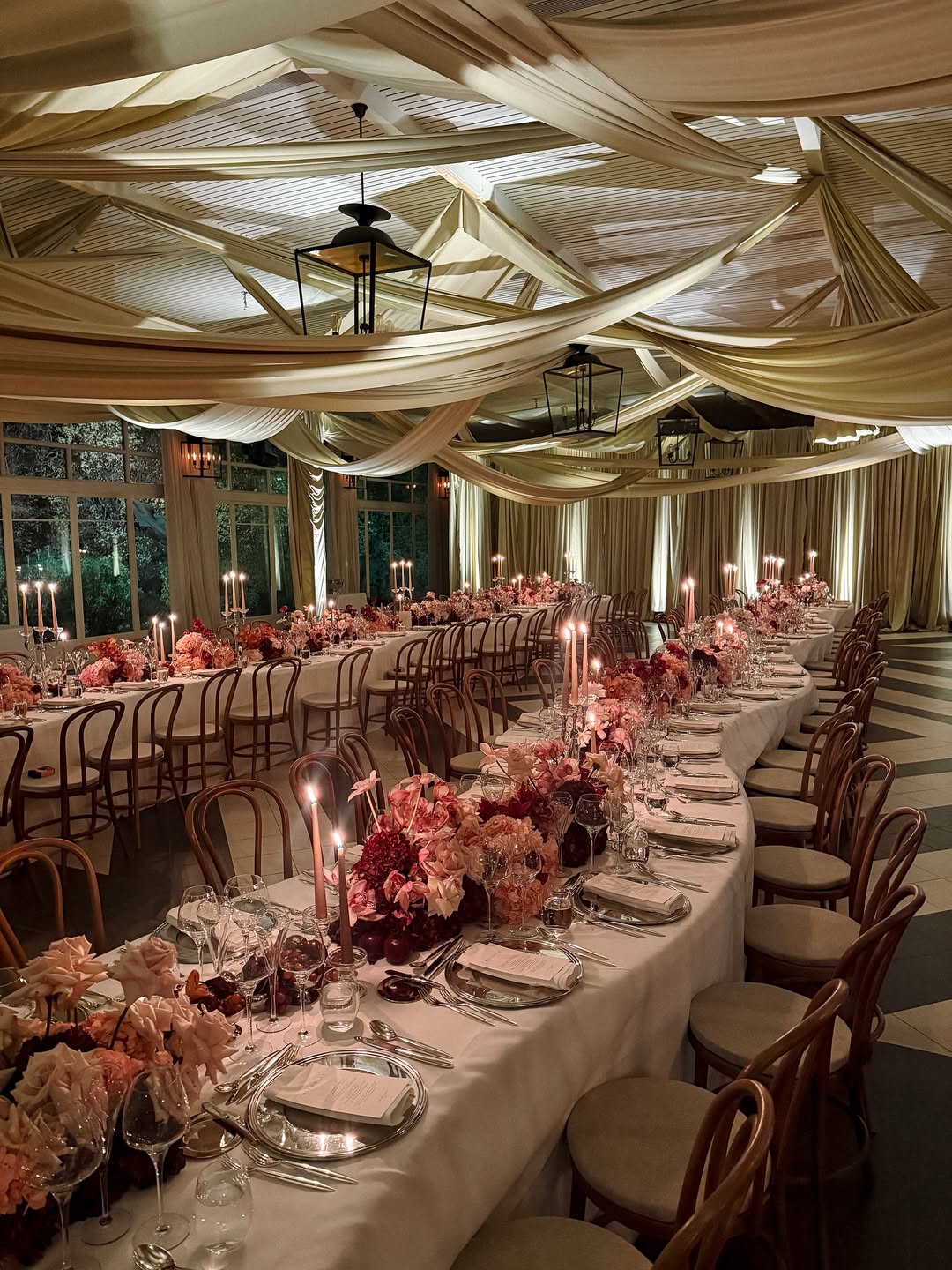
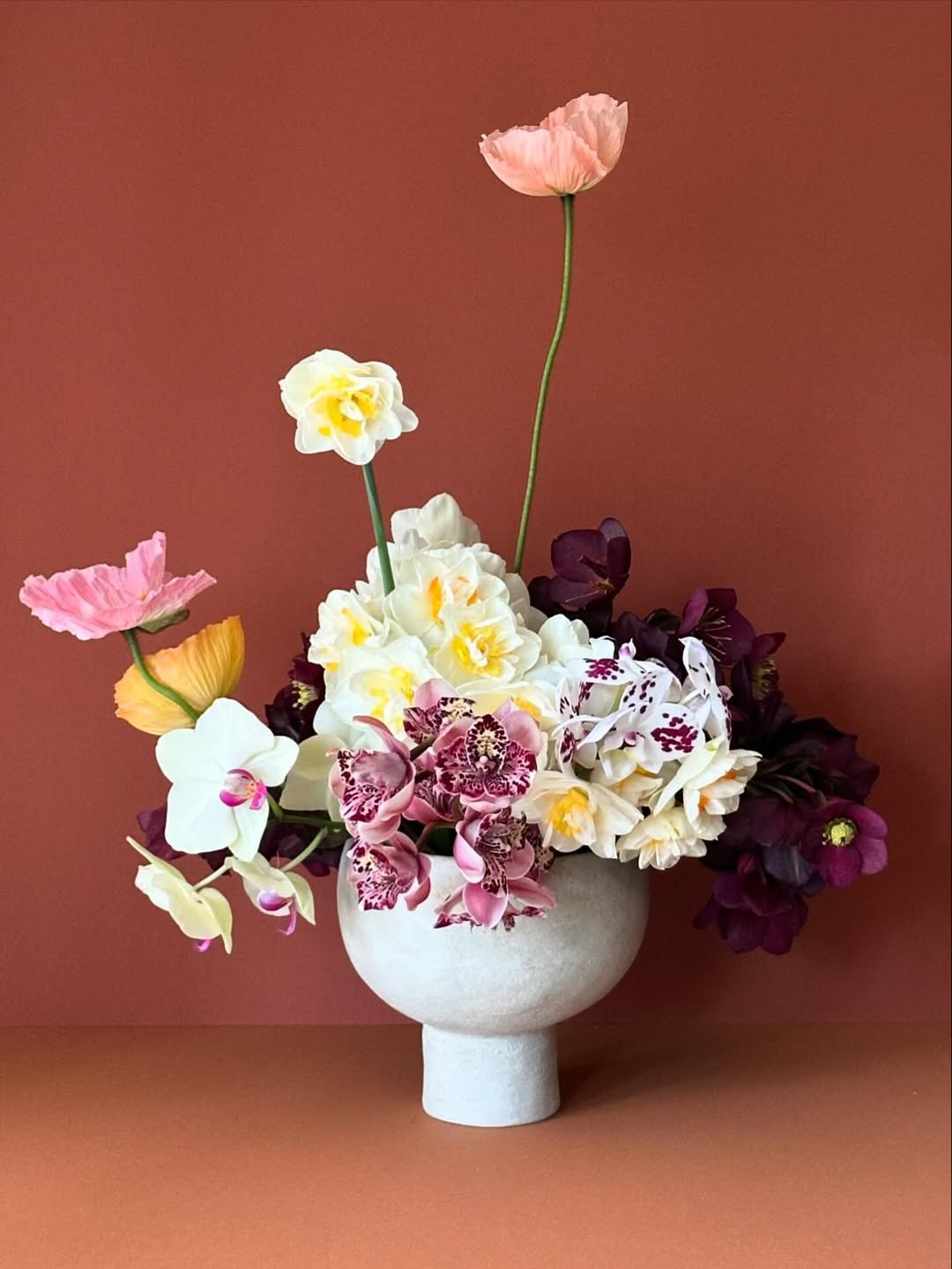
Photo: Franco Gribodo, Courtesy of Ffoliar
Florist: Molist, Ffoliar
Ashley and Katie of Ash + Oak beautifully breaks down some popular points:
“Fruits and Vegetable Trends. Fruit, veggies, bread, etc—it’s not cheaper than flowers. When styled intentionally, it requires volume, sourcing, time, and staging.
Meadow aisle florals. Everyone loves them, but they’re among the most expensive trends. A long aisle = a bigger price tag. Costing between $3,000-$10,000, depending on the number of aisles and how lush you want them.
Candles, though they’re not a flower in most cities, are expected to be a part of the floral budget. Everyone wants them, but most forget to budget for them. A single pillar or taper can cost $10–$20, and you’ll likely want 4–5 per table. That adds up—fast. Add unique holders, glass hurricane covers, the labor and fire permits (required in parts of California), and suddenly you’re looking at $3,000+.”
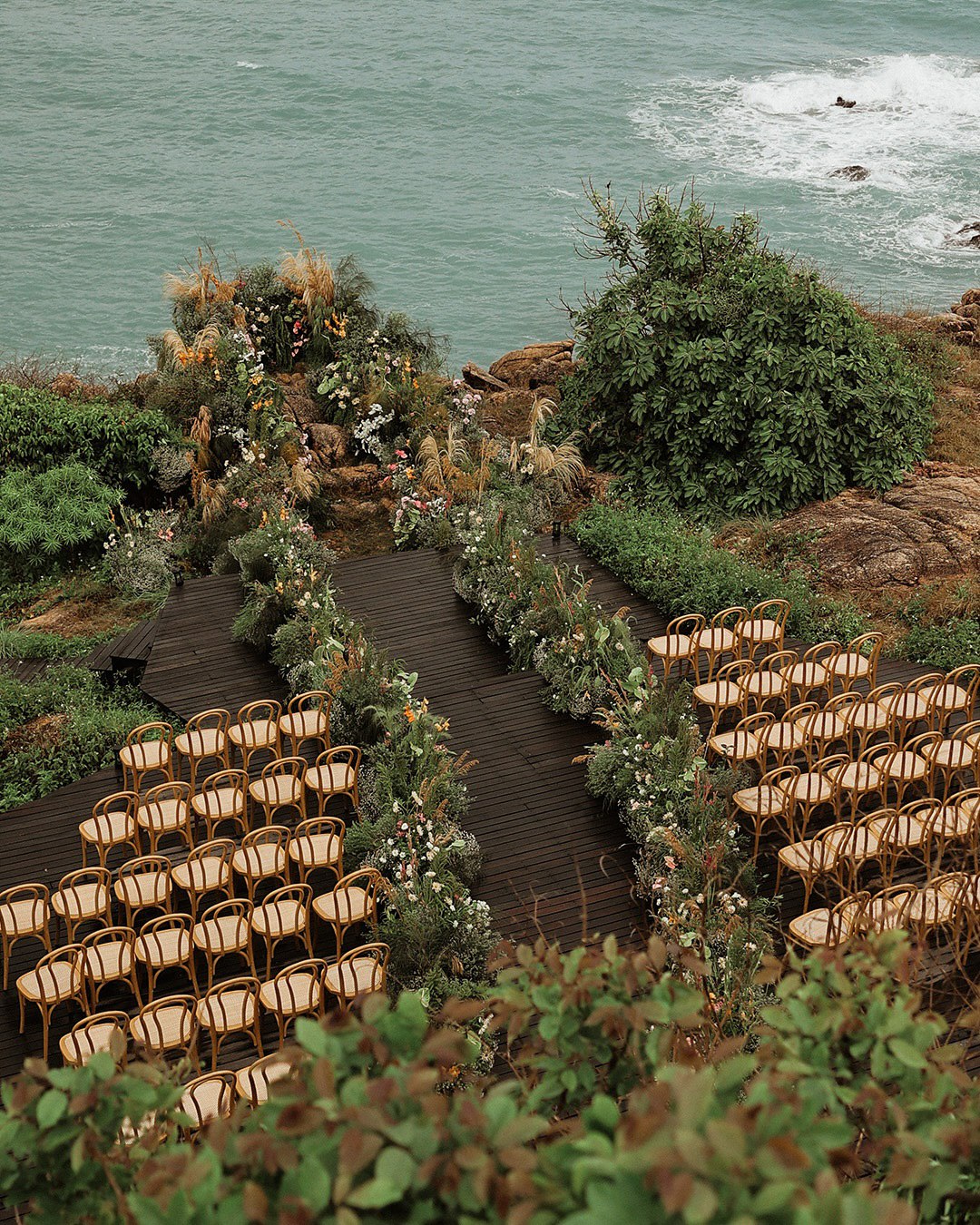
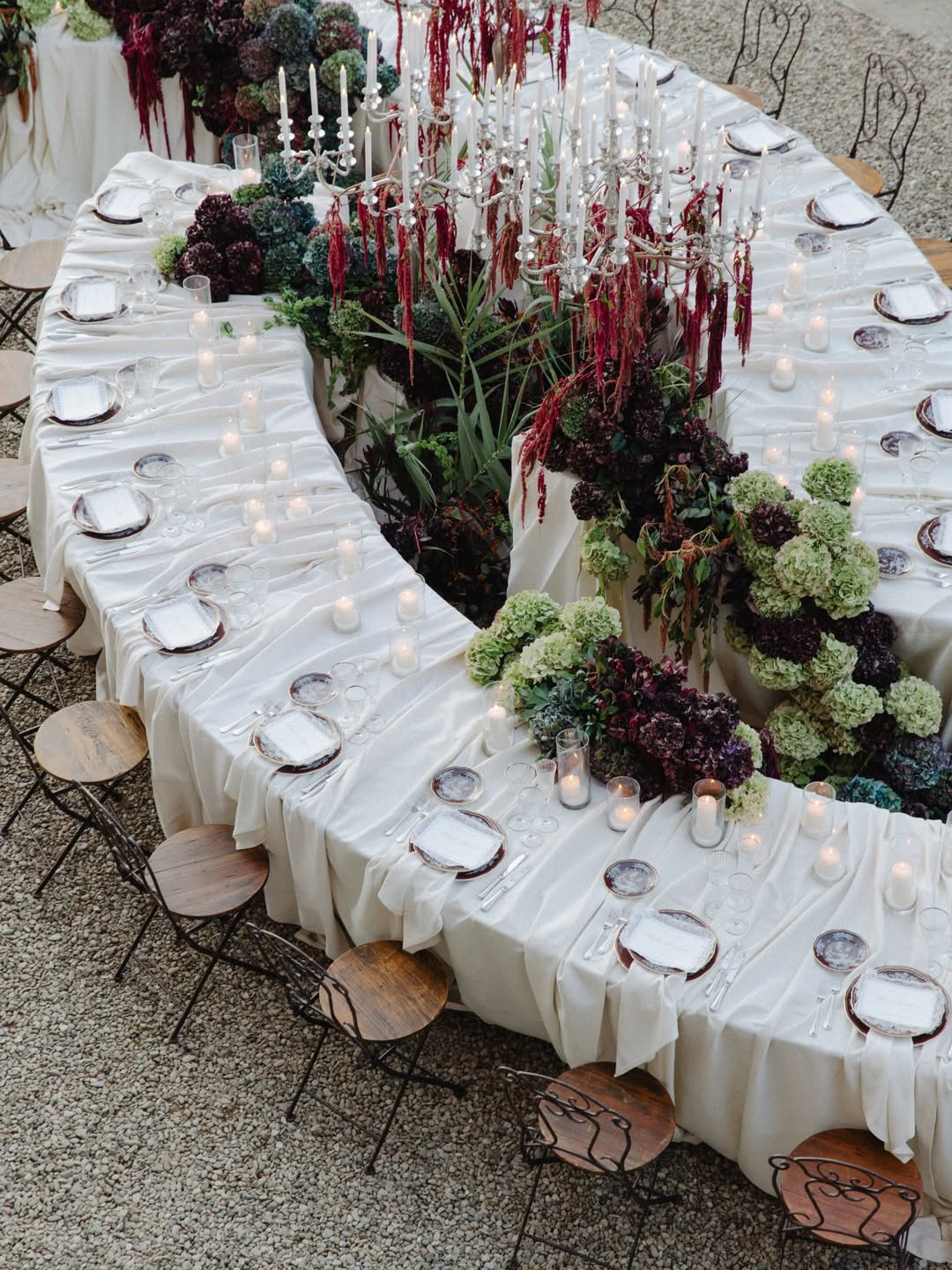
Photo: ProudRad, Lilly Red
Florist: Iamflower, Fede Floral Design
More common add-ons include:
• Floral mechanics (vases, risers, foam-free installations)
• Extra labor for late-night venue flips and duplicate setups (e.g. ceremony + dinner)
• Last-minute changes requiring new sourcing or staff
• Heat-proof transportation in summer
• Travel or accommodation for destination weddings.
The Most Misunderstood Parts of a Florist’s Job
Floral Design
First and foremost, the difference between simply assembling flowers and doing full-scale floral design is significant. Both require skill, but design demands greater creativity, which naturally increases the number of steps needed to bring a vision to life. As wedding florist Riccardo Ciceri explains, this work includes hours of sourcing, planning, prepping, packing, logistics, and setup, along with the technical and stylistic expertise needed to ensure every detail, from the blooms to the props, comes together beautifully on the day of the event. “We use deep knowledge of floral care, design, and color theory to tell each couple’s story through our work,” adds Flamina of Motif Floral.
Physical Labor & Problem-Solving
“People are often surprised by how much logistics and physical labor are involved,” says Natalie Gill of Native Poppy. “We’re climbing ladders, packing vans at 6 a.m., moving thousands of stems, carrying heavy buckets, problem-solving on the fly, and often working 12+ hour days to make everything seamless. It’s creative work, but it’s also incredibly technical and demanding.” On top of that, florists often handle last-minute changes and unexpected challenges.
The Timeline Behind the Scenes
One of the biggest misconceptions is how much time the work truly takes. Wedding florist Vera Flenova of Decorelle notes that planning often begins 6–12 months in advance, followed by days of flower processing right before the wedding. Ash + Oak break it down even further: 20+ hours spent on proposals and logistics, 5–6 full production days, a 10–12 hour wedding-day install, nighttime strike, and a complete post-event cleanup — often adding up to as much as 75 hours a week.
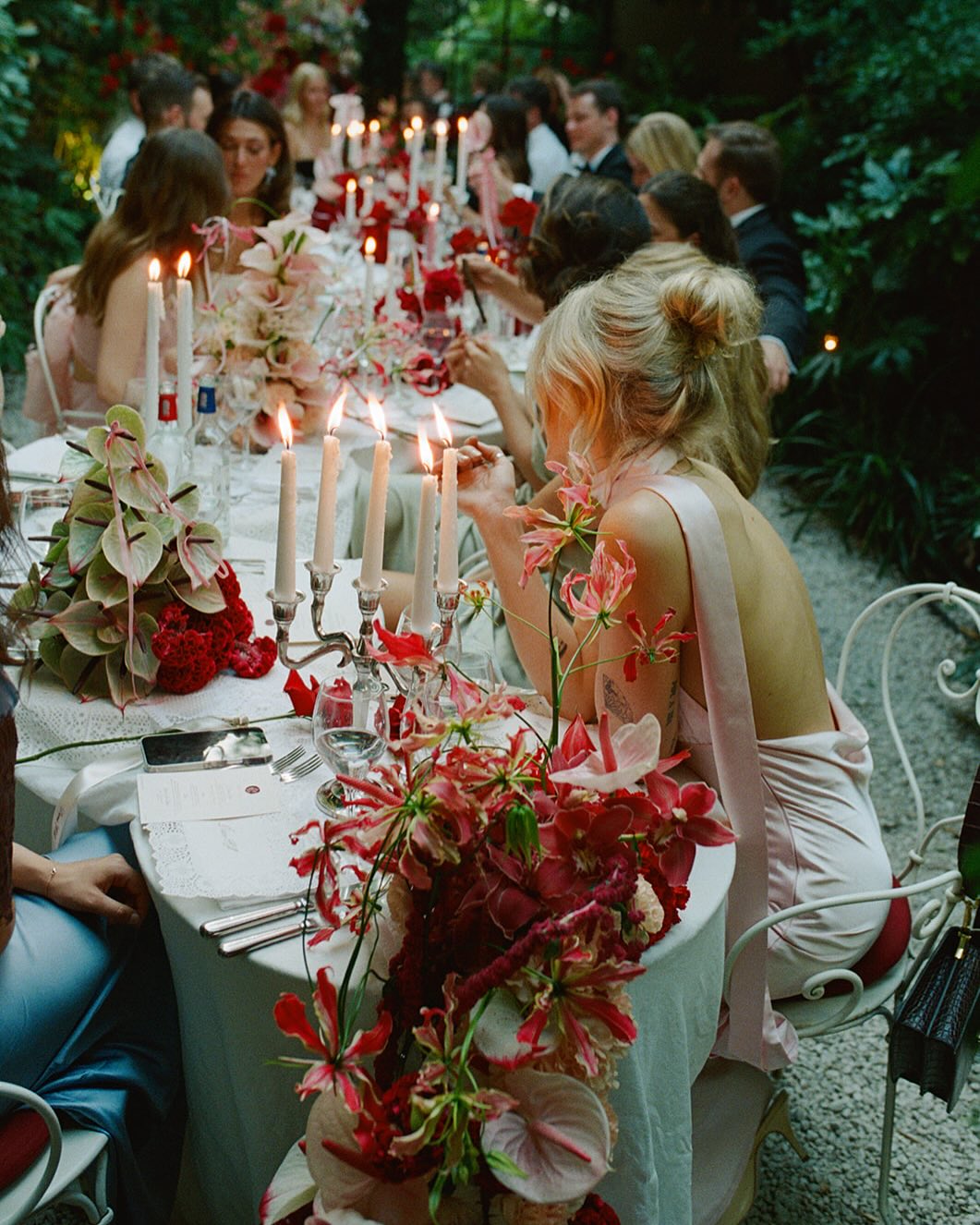
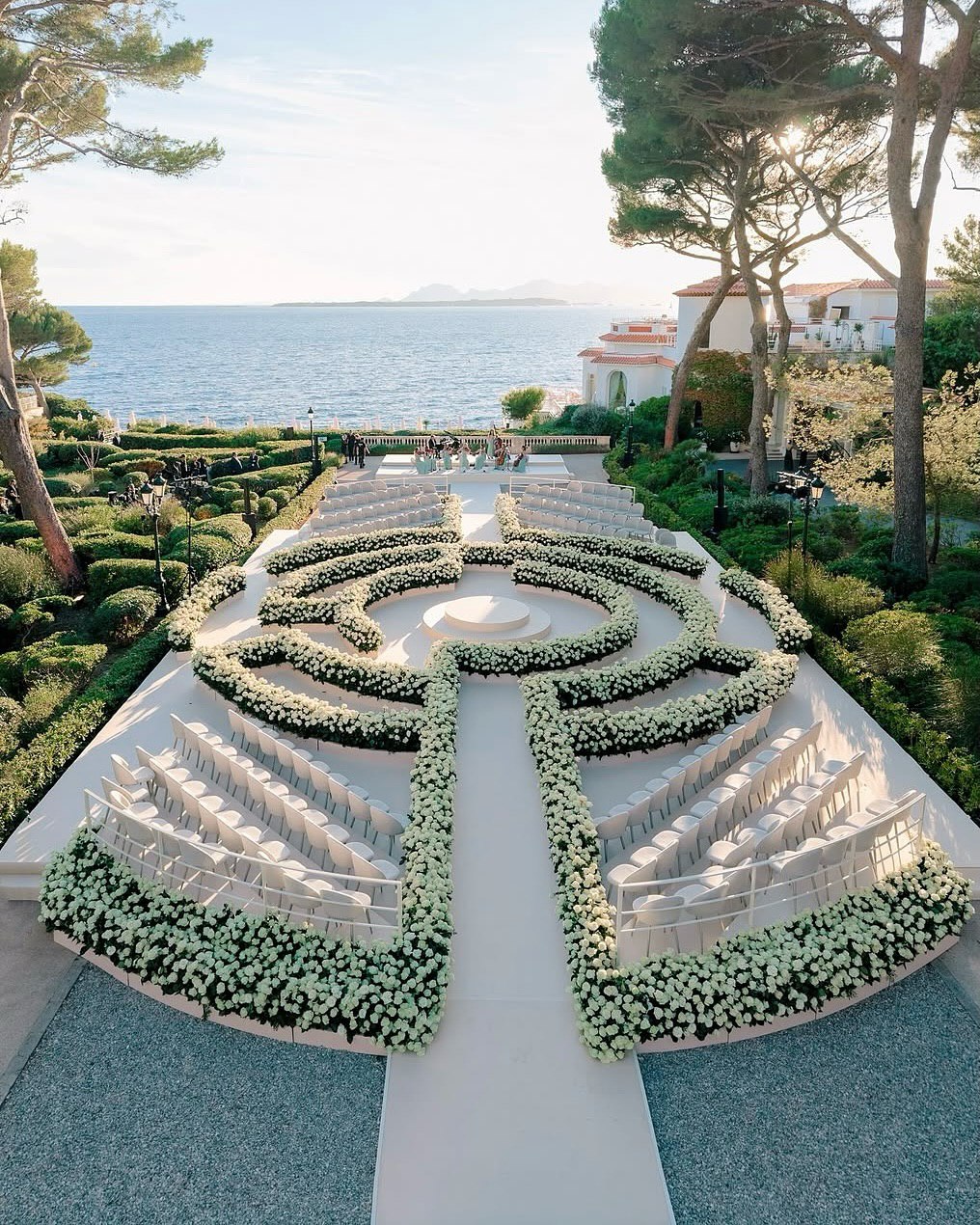
Photo: Nicole Plett, Jose Villa
Florist: Tepee Sauvage, Larry Walshe
When Should Couples Book Their Florist? What Happens If They Wait Too Long?
Wedding florist Keitha Thomas recommends booking a venue, a planner, and a photographer first. Natalie Gill of Native Poppy goes, “Couples should aim to book their florist 8 to 12 months before the wedding, especially if you’re getting married during peak season or if you’re asking your florist to travel outside their main hub. Destination or out-of-area weddings require more logistics, staffing, and planning, so the earlier we can start, the smoother everything will go.”
If you wait too long, the florist you really like or your preferred date may already be booked (and not have any or limited availability). “Certain flowers may no longer be available, forcing substitutions that could affect your design,” says Riccardo Ciceri. “Shorter planning timelines can mean less time for sourcing, custom arrangements, or creating large installations. Expedited delivery, setup, or labor may be required, which can increase the overall cost.” It can also mean fewer opportunities for walkthroughs, mock-ups, or collaboration. Flor Caballero also notes that if couples look for a local florist, it’s very probable they will get booked fast. “They might have to hire and fly a florist from another destination, which may increase their logistics costs.”
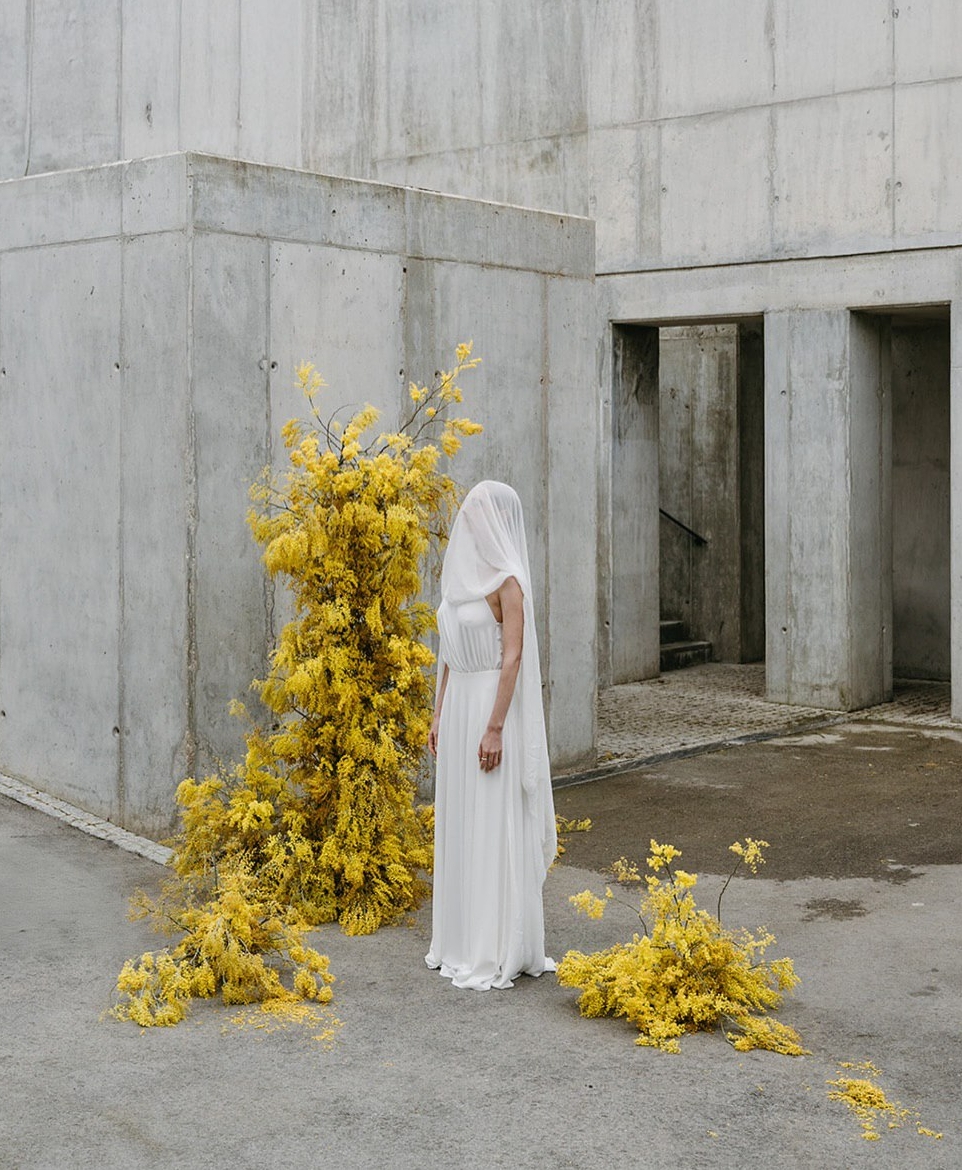
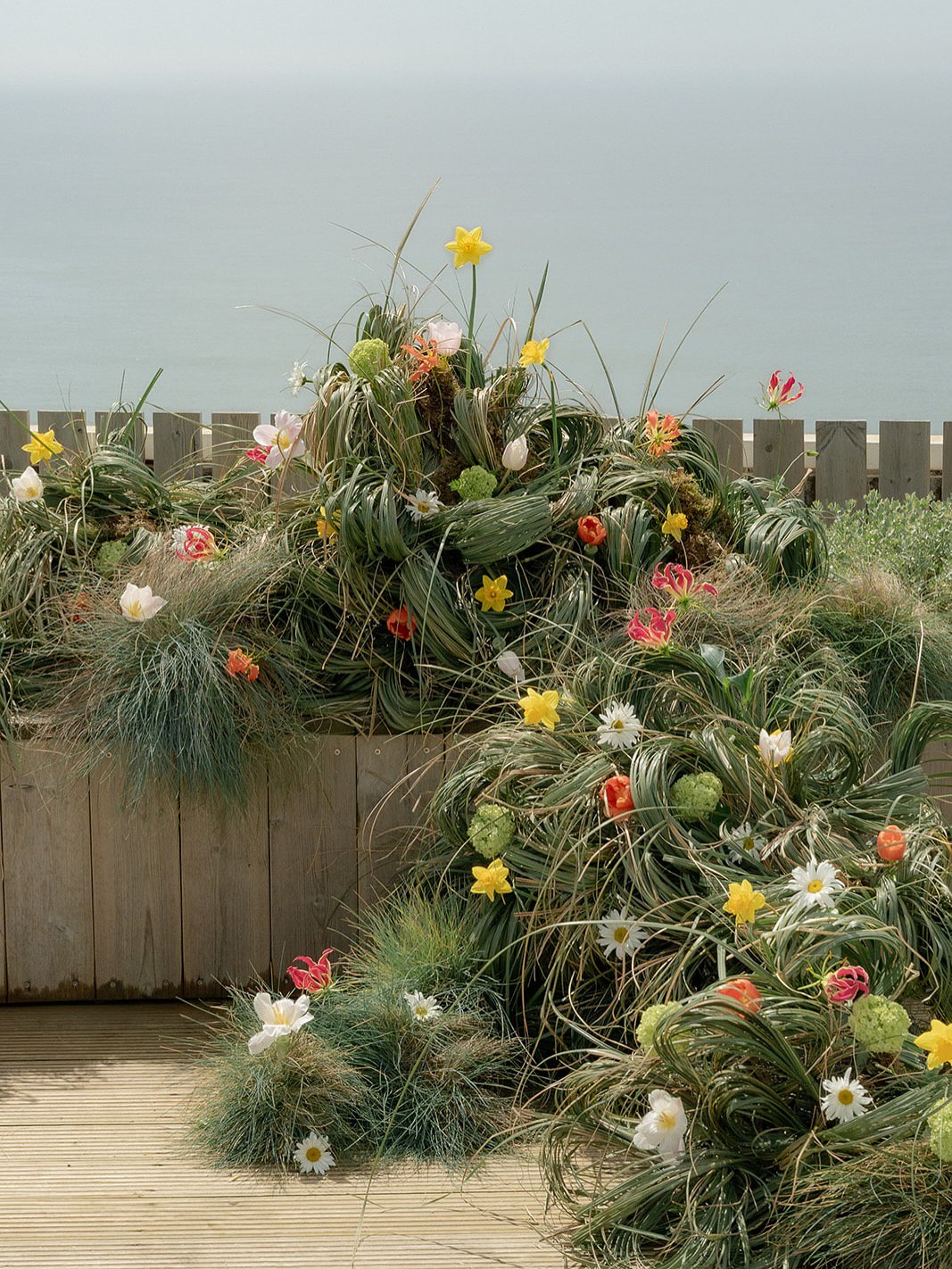
Photo: Jackie Chick, The Vernacular Photography
Florist: Oh, Maria Flores
What Should Couples Ask Before Hiring a Florist? Which Red & Green Flags Should They Look For?
When choosing a wedding florist, the right questions—and the right signals—can make all the difference. Start by asking about experience, style alignment, pricing transparency, workflow, and logistics. As the duo behind Ash + Oak advises, “Experience matters—especially when it comes to complex installs, tight timelines, and working with large vendor teams.” Couples should also confirm whether the florist can work within their budget, whether the requested flowers are in season, and who will handle the on-site setup.
Across the board, florists agree on the biggest green flags: clear communication, a strong and consistent portfolio, transparent pricing, and a structured process. Native Poppy calls out florists who are collaborative and curious—“A florist who asks you questions about your priorities and offers realistic guidance is a great sign.” Flor Caballero adds that the ability to answer most questions confidently is a strong indicator of experience.
On the flip side, red flags usually appear early: vague quotes, missing contracts, poor responsiveness, a lack of clear process, or unrealistic promises about flower availability or logistics.
Ultimately, as Keitha Thomas puts it, “Compare their work, not their quote. Every quote varies based on the blooms the florist chooses, the size of your event, their overhead, and a myriad of other factors. Just because it’s less expensive doesn’t mean it’s the best option for you. Choose a florist that makes you excited about your wedding day.”
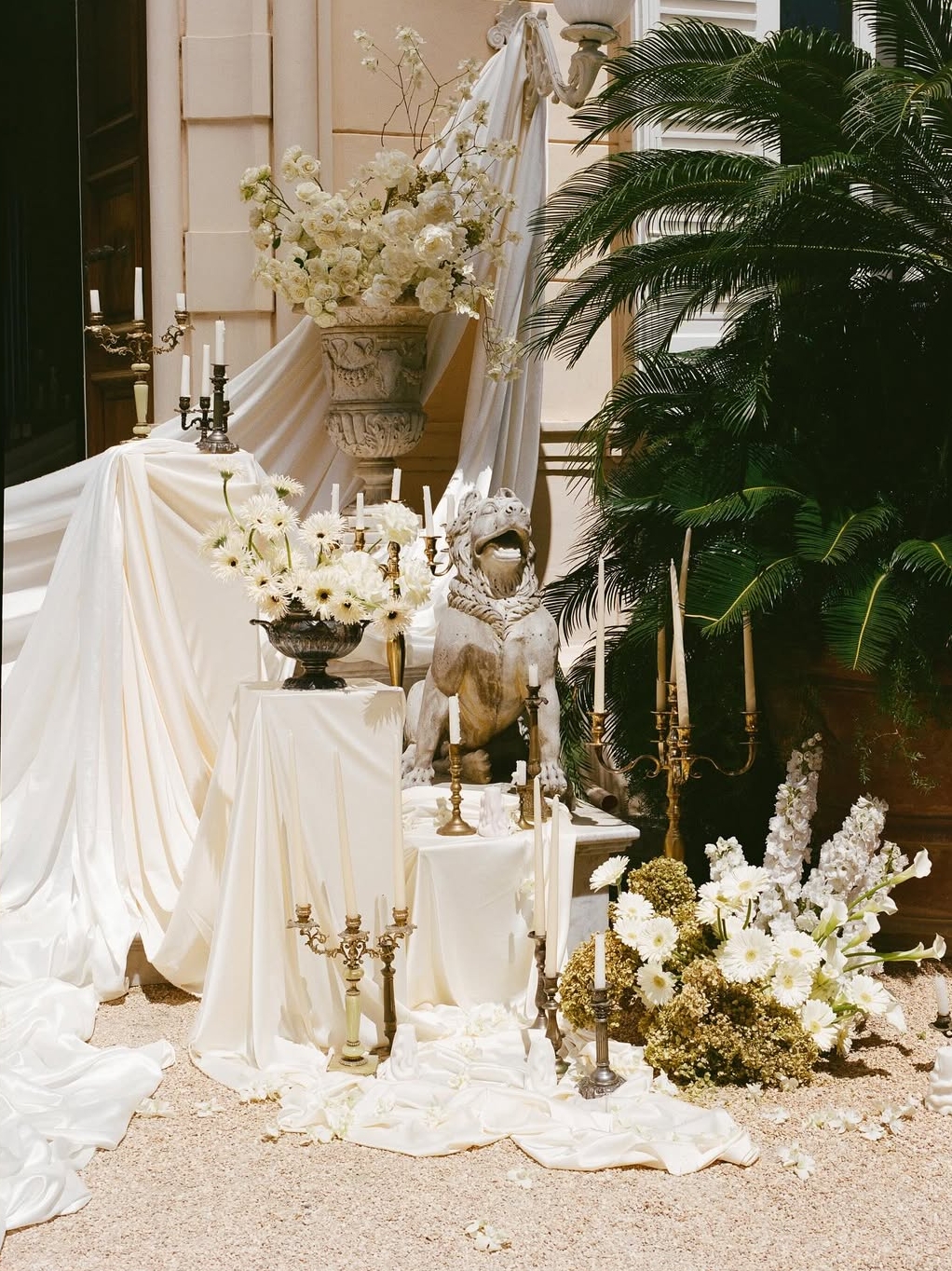
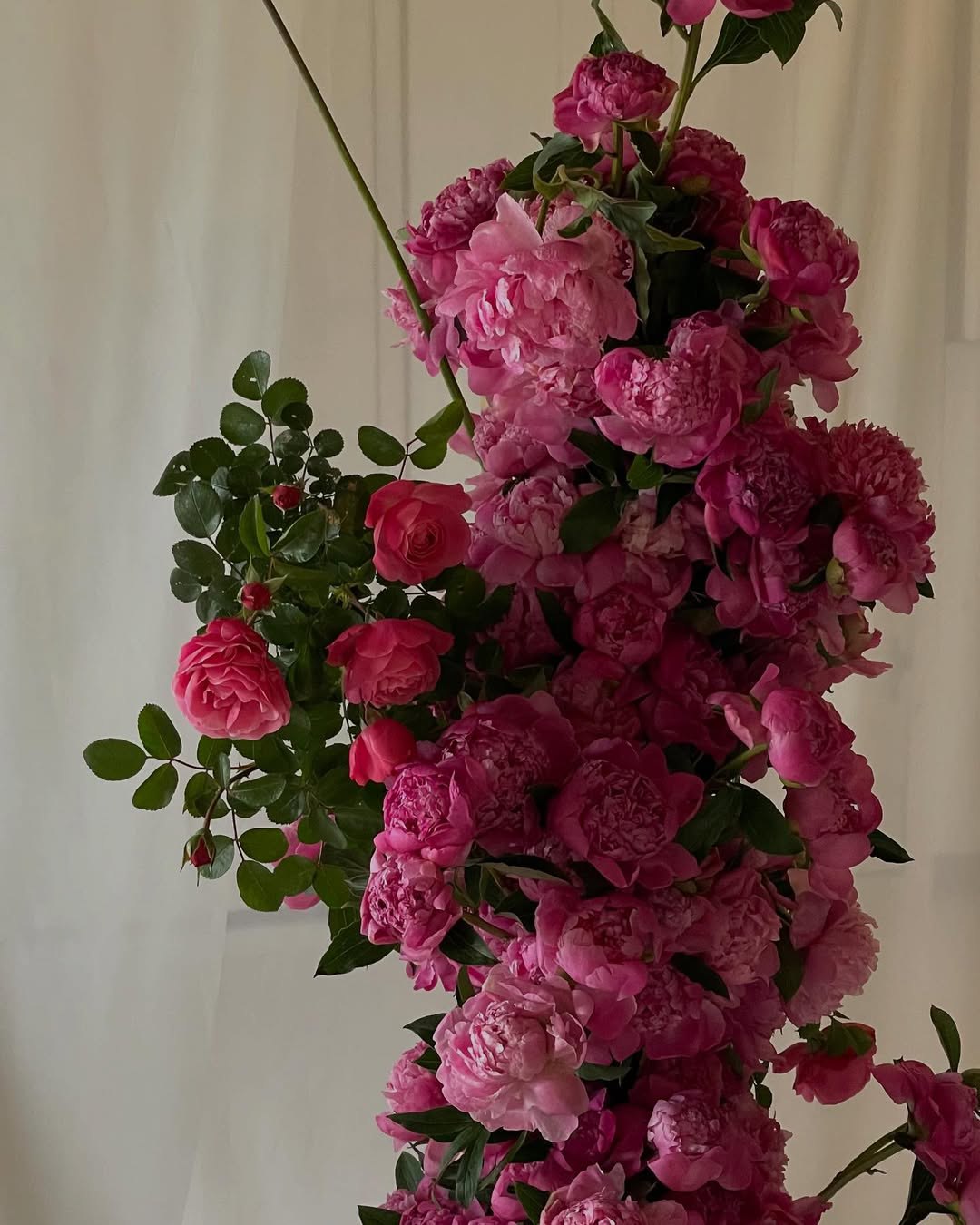
Photo: Haute Weddings, Courtesy of Tepee Sauvage
Florist: Motif Floral, Tepee Sauvage
Tips for Planning Your Floral Budget
Quality Over Quantity
Florists agree that you need to prioritize what’s most important to you and keep in mind that with flowers, few statement pieces can create impact rather than spreading the budget thin across many small elements. “If florals are a big part of your vision, allocate more of your budget there,” says Natalie Gill of Native Poppy. “If not, we can focus on just a few impactful pieces. You don’t need flowers everywhere, you just need them in the right places.” Riccardo Ciceri adds, “Think of flowers as creating an experience, not just filling space. A few wow pieces will make a bigger impact than covering every inch with blooms.”
Open Budget Conversations
Cécile Detienne of Capucine Atelier Floral advises clearly stating the floral budget, communicating it with your floral designer, and letting yourself be guided by their expertise to ensure complete transparency. “We can usually make magic within all budgets,” Ashley and Katie of Ash + Oak add.
Where to Splurge
• A talented florist can make even the simplest flower feel couture (Ash & Oak)
• The bridal bouquet. It’s the one everyone wants to see! Combining standard blooms with a touch of premium flowers adds a subtle wow factor without blowing your budget. (Flor Caballero)
• The bar—it’s where most guests tend to spend their time (Ash & Oak)
• Reception table flowers. Skipping them can make the setting feel more like an anniversary dinner than a wedding (Ash & Oak)
• High-impact installations that truly stand out, rather than scattering small touches around the room (Keitha Thomas)
• Ceremony florals—arches, aisle decor, and photo-worthy focal points (Gian Tommasini).
Where to Save
• Skip bridesmaids’ bouquets and boutonnières (Ash & Oak)
• Choose a venue with a ceremony backdrop that doesn’t require heavy florals (Ash & Oak)
• Fewer areas will need decorating, and even minimal arrangements can beautifully enhance the natural setting (Flor Caballero)
• Opt for flowers that are in season and locally available (Gian Tommasini)
• Repurpose ceremony flowers for the reception. (Keitha Thomas) But proceed with caution, as this approach doesn’t always save money or look seamless (Ash & Oak).
A Final Advice
“If you’re drawing inspiration from blogs, celebrity weddings, influencers, or editorial features, you’re likely referencing luxury to ultra-luxury events. These designs often feature high-end, trending blooms that command a premium price. Even when more affordable flowers are used, they’re typically showcased in large quantities or in intricate, high-skill designs—both of which significantly increase costs. And once you have nailed down a style, stop looking at Pinterest, TikTok, or IG for inspiration, as it will only make you crazy.”
— Ash + Oak
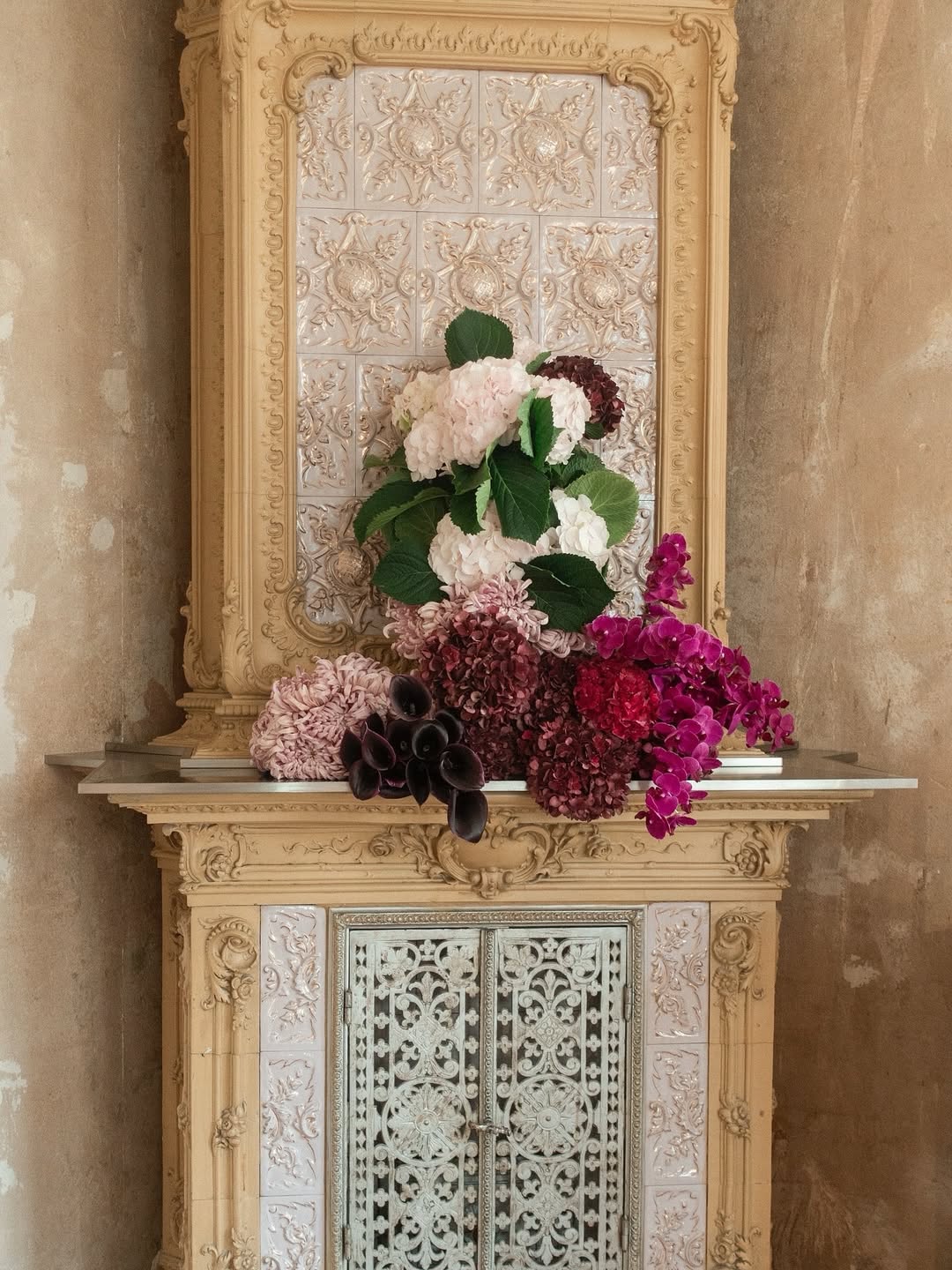

Photo: Courtesy of Studio Linné, Elisa Rinaldi
Florist: Studio Linné, Motif Floral
Meet the Experts
Duo of Ashley and Katie, creating artful floral arrangements since 2015 in California and Mexico

A woman-owned flower shop that delivers flower arrangements and bouquets all over San Diego

A high-end floral design atelier led by Vera Flenova, specializing in fine art and destination weddings
An award-winning floral designer, heading the renowned event design center in Lake Como
A France-based luxury floral design studio with an artistic and organic approach
A floral design studio known for refined, personal, and intentional creations. Based in DC and Virginia

A Mexico-based floral design studio founded by Flor Maldonado, known for its thoughtful and textural style

Founder of Tommasini Floral & Event Design, where he crafts elegant weddings across Europe