Honeymoons come right after the most expensive event most couples will ever plan. The budget is usually tapped out, but the trip still needs to feel special. The good news: cutting the bill doesn’t mean cutting the experience. A few smart moves — some free, some just a matter of asking — can shave hundreds or even thousands off the final cost. No compromises on the destination or the champagne. Just a little insider know-how.


Photo: Venetia Alia, Pinterest
1. Announce It's Your Honeymoon — Everywhere
This one sounds almost too simple to make the list, but it consistently works: mention the honeymoon. Every time.
Most hotel booking forms ask for the reason for travel — this is the moment to say it. It can lead to a room upgrade, a bottle of champagne waiting at check-in, or a late checkout with no extra charge. The trick works best with direct bookings and a heads-up in advance, not a last-minute mention.
Airlines are less predictable, but it still costs nothing to try. A quick note at check-in or during the online check-in process can occasionally lead to an upgrade if the flight isn’t full. And the newlywed card works off the plane, too — mentioning the honeymoon to a waiter over dinner has been known to produce a free dessert or a glass of wine on the house.
Before paying extra for a full package with every desired extra included, ask first. Send a message, explain it’s the honeymoon, and see what’s possible. Some of those add-ons might show up as a gift instead of a line item on the bill.

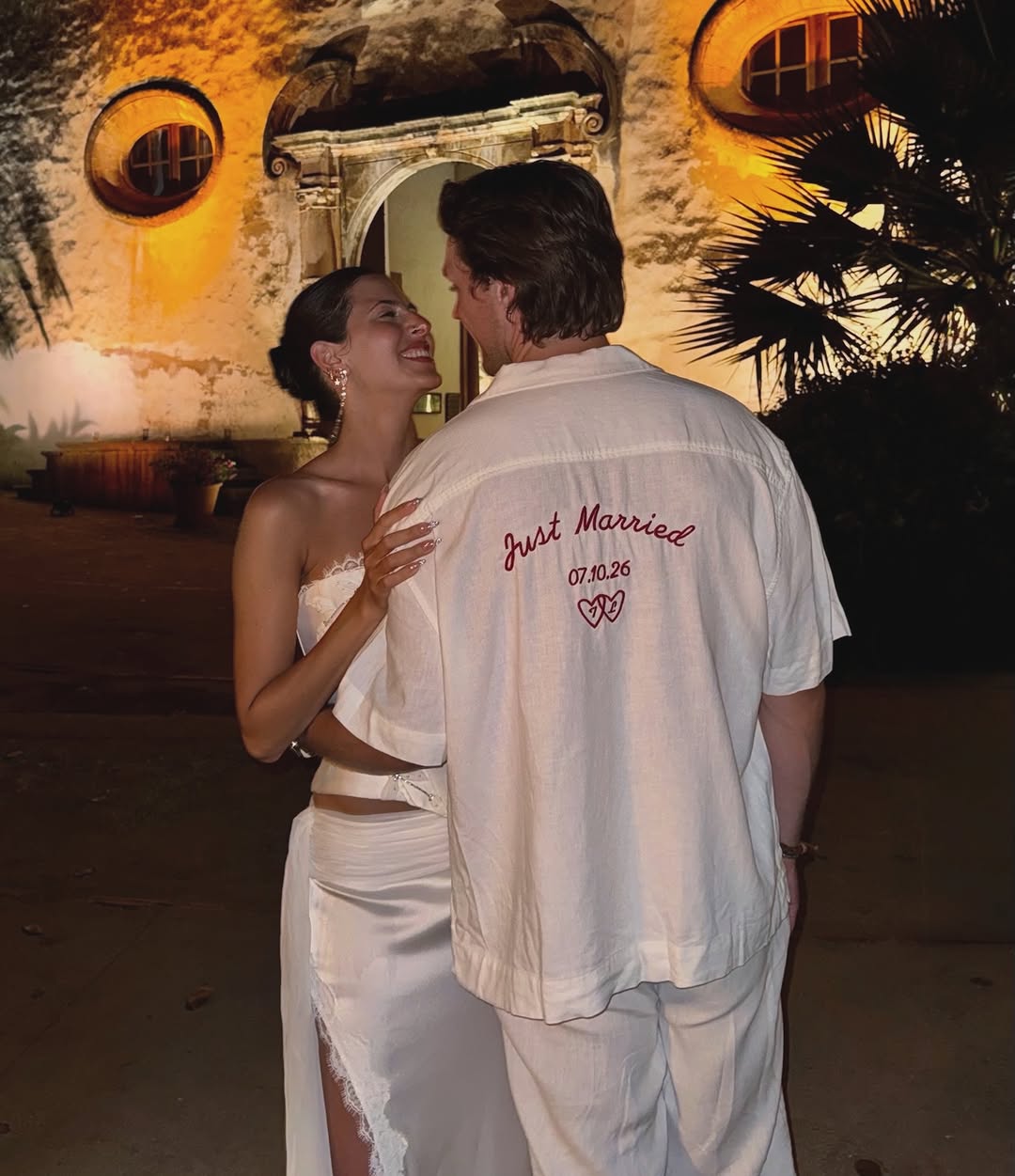
Photo: Pinterest, Courtesy of Klein Designs
2. Let a Travel Advisor Do the Legwork
Booking solo can feel like the smarter, cheaper route. For a honeymoon, a travel advisor is worth considering instead. They work directly with hotels and tour operators, and those relationships can unlock perks that never make it onto a public booking page: a room upgrade, resort credit, early check-in, sometimes an extra night on longer stays.
Most advisors don’t charge a fee. They’re paid a commission by the hotel or resort, not by the couple. And because they book honeymoons regularly, they tend to know which properties are generous with extras and which packages are actually worth the price.


Photo: Venetia Alia, Miles Leav Photo
3. Use Points and Rewards
Credit card points and airline miles add up over time, and a honeymoon is exactly when that adds up to real savings. A card that earns extra points on travel purchases, opened a year or so before the wedding, can rack up enough for a free flight or a few nights covered by rewards alone.
Timing matters more than most people realize. Wedding expenses — the venue, the catering, the dress — often add up to thousands of dollars in spending. Running some of that through a rewards card, then paying it off right away, is one of the fastest ways to build up a balance without spending anything extra.
Points aren’t worth the same everywhere, either. A long-haul flight usually gets more value per point than a short one, and hotel loyalty programs can sometimes stretch further than airline miles for the same trip. A few minutes comparing redemption options before booking can make a noticeable difference in the final cost.


Photo: Pinterest, Hanna Schönberg
4. Set Up a Honeymoon Fund
Most couples getting married later in life already have a home stocked with dishes and small appliances. A honeymoon fund solves the problem. Instead of a blender they don’t need, guests can contribute toward flights, a dinner out, or an excursion the couple actually wants.
Most registry platforms now offer this as a built-in option. Guests can fund specific parts of the trip, like a snorkeling excursion, a couple’s massage, or a night in an overwater bungalow, rather than giving cash into a vague pool. Naming exact experiences tends to get a better response than a generic “help us pay for our trip” ask. It’s worth setting this up early, ideally alongside the regular wedding registry, so guests see it before they’ve already picked out a gift elsewhere.


Photo: Rachel Santos, Summer Araya
5. Watch for Error Fares
Airlines occasionally publish flights at prices that are clearly a mistake — a system glitch, a currency conversion error, a fat-fingered typo. These error fares can knock a long-haul business class ticket down to economy prices, sometimes lower.
They don’t last long, usually a few hours before the airline catches the error and pulls the fare. Some do get honored once booked, though airlines aren’t obligated to. A handful of websites and newsletters track these deals in real time and send alerts the moment one appears, which is the only realistic way to catch one before it disappears. It’s not a strategy to count on for the whole trip, but signing up for an alert or two months before booking costs nothing and occasionally pays off in a big way.


Photo: Cristina Huda, Marius Troy
6. Book Directly With the Hotel
Third-party booking sites can look like the cheaper option at a glance, but hotels tend to save their best perks for guests who book through them directly. That can mean a room upgrade, a late checkout, a welcome bottle of wine, or flexibility to change dates without a fee.
Direct bookings also make it easier to have a real conversation with the hotel before arrival. A quick email mentioning the honeymoon, asking about room categories or add-ons, often gets a warmer response than a reservation that came through an anonymous third-party platform.
Price-matching is worth checking too. Many hotels will match or beat a lower rate found elsewhere if asked directly, on top of throwing in the extras that only come with booking through them.


Photo: Hanna Schönberg, Lea Vassalou
7. Time the Booking, Not Just the Season
Off-season travel gets most of the attention, but timing the booking itself can matter just as much. Flight prices shift constantly, and a fare tracked for a few weeks often reveals a clear pattern of when it dips lowest, usually somewhere between two and eight months before departure for international trips.
Hotels work a little differently. Rates can drop closer to the date if a property is trying to fill rooms, though that’s a riskier bet for a honeymoon where availability matters more than price. A safer middle ground is booking early enough to lock in a good rate, then checking back periodically. Many hotels will match a lower price if one shows up before the trip.


Photo: Cult Gaia, Josh Brook
8. Put Your Social Media to Work
A blog, a solid Instagram, even a small travel account is worth mentioning before booking. Plenty of hotels, especially smaller boutique properties, will trade a discounted stay or a few extras for some photos and a mention online.
It doesn’t take a huge following to try. A short email introducing the account, sharing some numbers, and asking about a partnership for the honeymoon stay is often enough. Not every hotel will say yes, but it costs nothing to ask.


Photo: Courtesy of Huelley Rose, Lucio Andreozzi Foto x Amanda Elizabeth Nord
9. Consider Cancel-for-Any-Reason Insurance
Standard travel insurance covers the basics: a medical emergency, a cancelled flight, a lost bag. It usually won’t cover cold feet about the trip itself, a work conflict, or simply changing plans. Cancel-for-any-reason coverage does, and after already spending heavily on a wedding, that flexibility can be worth more than it costs.
It typically runs more than standard insurance and needs to be purchased within a couple of weeks of the first trip deposit, so it’s not something to add later. Most policies reimburse a percentage of the trip cost, not the full amount, so it’s worth reading the fine print before assuming everything is covered.
For a honeymoon booked months in advance, when plans are more likely to shift, this is often the cheapest kind of protection against losing the whole trip cost.


Photo: Josh Brook, Maley