Not every couple wants to spend their honeymoon horizontal on a sun lounger. Some want to wake up with nowhere specific to be and end up somewhere completely unexpected. Some want to eat their way through a city, argue about which museum to hit first, and stay out later than they planned because the night had other ideas.
A city break honeymoon – a trip built around exploring an urban destination, stepping into the world instead of retreating from it – is a completely valid choice, and honestly an underrated one. The right city gives you culture, food, energy, and the kind of shared experiences that become stories you tell for years. Read on for everything you need to know: why it works, what to consider before you book, how to find the city that fits you both, and a full list of destinations worth putting on the radar.


Photo: Josephine Joseph, Linda Schulz
Why a City Honeymoon is a Great Idea
For couples who want their honeymoon to feel genuinely alive, a city break delivers something that’s hard to replicate anywhere else. There’s a rhythm to exploring a new city together that kicks in quickly: you find a coffee spot you like on day one, a neighborhood that pulls you back on day two, and by day three you’re making decisions like locals. The shared experience of figuring a place out, the wrong turns, the accidental discoveries, the restaurants you’d never have found without them, has a way of bringing two people closer in a very specific way. The best city honeymoons leave room to breathe. No itinerary running on a tight clock, no transfer bus to catch. Just two people, a city, and wherever the day decides to take you.
The Case For (and Against) a City Honeymoon
No destination is perfect for everyone, and a city honeymoon is no exception. Here’s the honest breakdown.
The pros: Cities give you options. When you’re newly married and still figuring out how to navigate a whole life together, having an endless menu of things to do, eat, and explore takes the pressure off. There’s always a backup plan, always another restaurant, always a neighborhood you haven’t wandered through yet. Cities also tend to have better infrastructure, easier to get around, more accommodation options across every budget, and a food scene that can handle any craving at any hour. And perhaps most importantly, they’re genuinely exciting. The kind of exciting that keeps you both engaged, curious, and talking about what to do next.

Photo: Francisco Faria, Maina
The cons: Cities can be overwhelming, especially right after a wedding when your nervous system has already been through a lot. The noise, the crowds, the constant stimulation — for some couples, that’s the last thing they need. Budget is another consideration: city hotels, particularly in peak season, can eat through a honeymoon fund faster than expected. And unlike a resort, a city doesn’t hand you a schedule, and you have to build your own days, which is wonderful until you’re jet-lagged, overstimulated, and can’t agree on lunch.
The bottom line: if you both leave a city feeling energized rather than drained, this is your honeymoon. If one of you is already dreaming of a hammock and a view of the ocean, it might be worth a conversation first.
How to Choose the Perfect City
With so many incredible cities to choose from, deciding on your honeymoon destination can feel overwhelming. The key is to focus on what matters most to you as a couple. Start by making a list of your shared interests and passions: are you foodies, art lovers, history buffs, or night owls? Consider the type of atmosphere you’re seeking, whether that’s the buzz of a metropolis or the laid-back charm of a smaller city. Think about your travel style, too: do you prefer everything to be walkable, or are you happy to hop on public transport to explore further afield? Don’t forget practical considerations like weather, budget, and timing – you’ll want to choose a destination that ticks all the boxes for a stress-free, romantic getaway.

Photo: Linda Schulz, Josephine Joseph
Where to Go and What to Explore
The world has no shortage of cities worth getting lost in, each with its own rhythm, character, and particular way of pulling you in. Some move fast and loud, making you feel alive just by walking out the front door. Others reveal themselves slowly, over long lunches and unplanned detours down side streets. We’ve put together a list of 20 cities that cover the full spectrum, the ones that keep coming up when couples ask us where to go, and exactly what to explore when you get there. The options are endless, and the route is entirely yours to set.


Photo: Tine Van Cauwenberghe, Luisa Villafane
New York City, USA — Start in SoHo, work your way through the neighborhoods, and catch a show or stumble into MoMA somewhere in between. The city runs on its own frequency, and a few days here never feel like enough, there’s always another neighborhood, another restaurant, another night that ends later than planned.
Madrid, Spain — The Museo Nacional del Prado and the Museo Nacional Thyssen-Bornemisza sit within walking distance of each other and could fill an entire trip on their own. Start your mornings at Chocolatería San Ginés with churros and hot chocolate, save the flamenco for after dinner, and let Madrid’s schedule become yours: lunch at 2 pm, dinner at 10 pm, and somehow the night still young after that.
Singapore — Spend a morning at the Singapore Zoo, lose the afternoon wandering between the colonial shophouses of Chinatown and the buzzing hawker centres, and end the day at Gardens by the Bay when the Supertree Grove lights up after dark. The food scene alone, from Michelin-starred tasting menus to a bowl of laksa from a stall that’s been perfecting the same recipe for decades, could keep you busy for days.
Bangkok, Thailand — Start with the Grand Palace, one of the most visually overwhelming places in Southeast Asia, then let the day dissolve into street food, rooftop bars, and night markets. Bangkok rewards the couple that shows up hungry and doesn’t try to plan every hour.
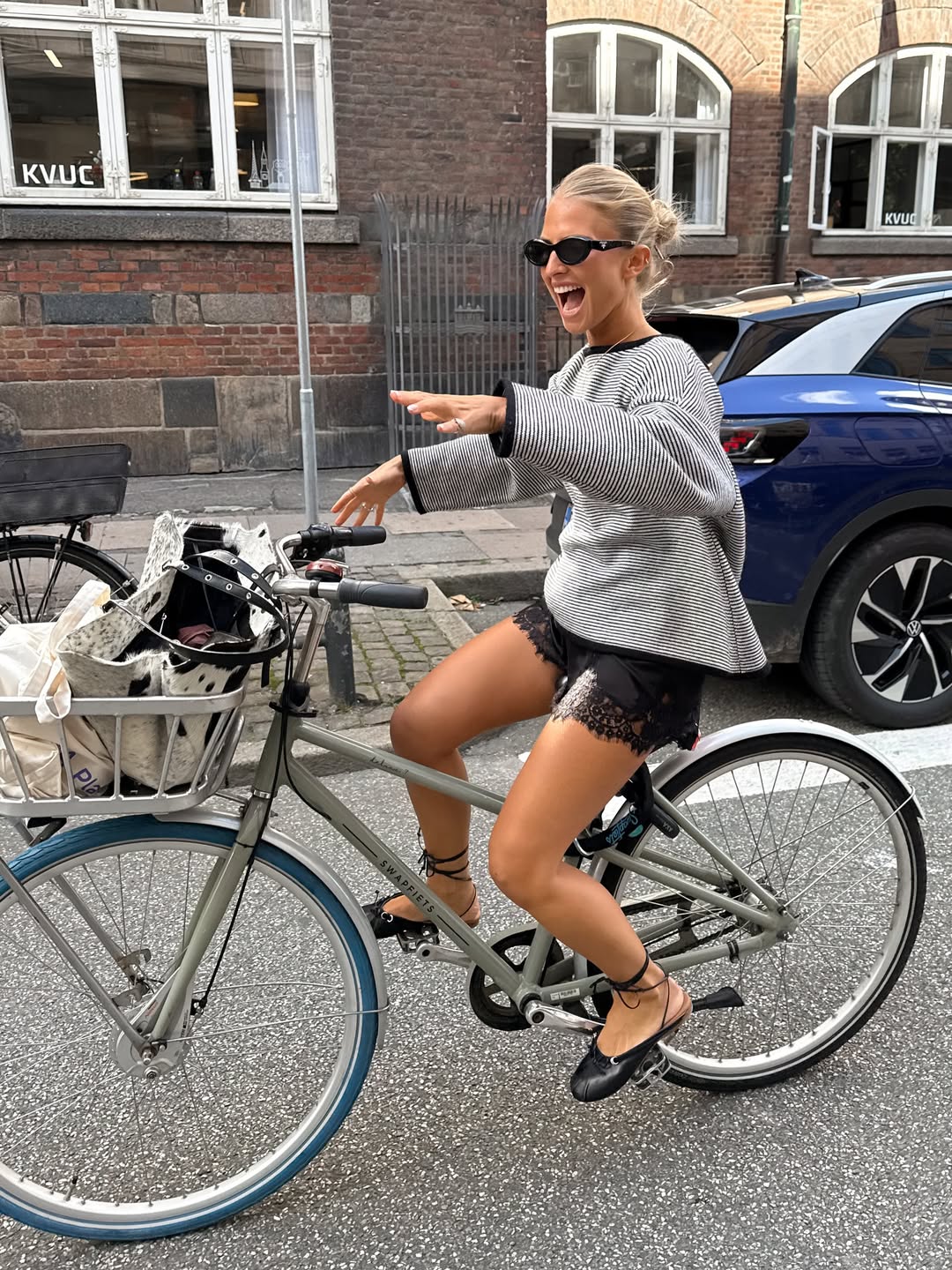
Copenhagen, Denmark — Rent a bike and move through the city the way locals do, past the colorful harbor houses of Nyhavn and along canals that make every afternoon feel like a long exhale. The harbor baths, the saunas, and a food scene that runs from open-faced smørrebrød to some of the most inventive tasting menus in the world will take care of the rest.

Photo: Barbara Ines, Olivia Anna-Catharina T
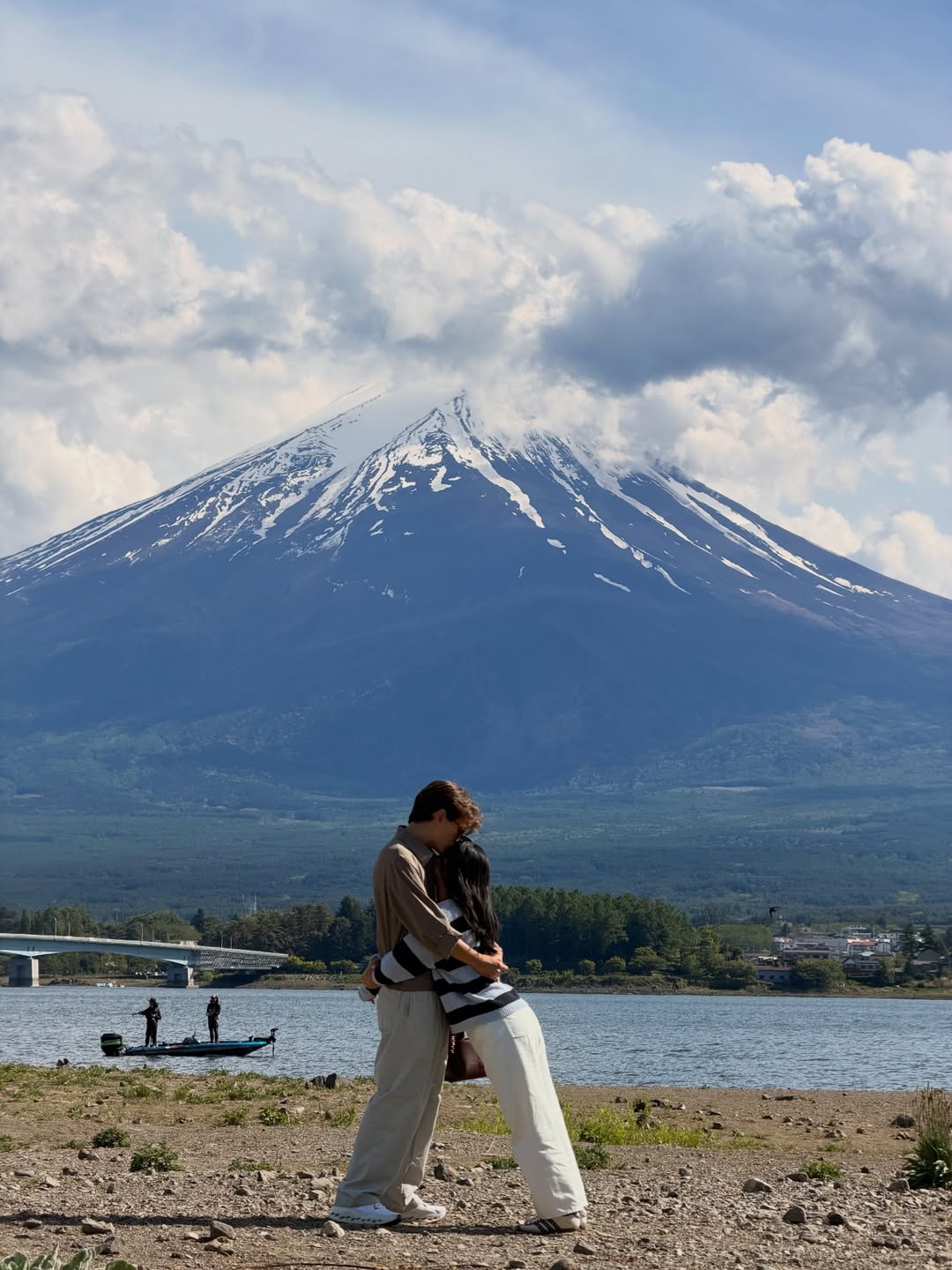
Tokyo, Japan — Spend mornings at Tsukiji Fish Market, afternoons getting lost in whichever neighborhood catches your eye, and evenings at a tiny izakaya where the menu is handwritten and the sake is cold. Tokyo is the kind of city you could spend a week in and still feel like you’ve only scratched the surface, every neighborhood has its own rhythm, and the more time you give it, the more it gives back.
Melbourne, Australia — A few days here tends to follow a natural rhythm: mornings in the laneways with a flat white, afternoons at the State Library of Victoria or wandering between neighborhoods, evenings stretched out over long dinners and late wine. The Bunjilaka Aboriginal Cultural Centre at Melbourne Museum is one of the more affecting cultural experiences in the country and worth carving out time for.
Lisbon, Portugal — Ride the vintage trams up through the Alfama neighborhood, stop at every miradouro for a view over the Tagus River, and end each evening at a fado bar that comes alive after dark. The pastéis de nata are non-negotiable, the natural wine scene is quietly excellent, and the city is close enough to the Atlantic that a morning at the coast is always an option if you need a change of pace.
Mexico City, Mexico — Spend time in Condesa and Roma for the art galleries, independent bookshops, and restaurants that have been written about in every food publication worth reading. The Frida Kahlo museum in Coyoacán is worth the trip on its own, and the street tacos are the real reason people keep coming back.
Cape Town, South Africa — Hike Lion’s Head at sunrise for the view, then spend the afternoon in the Winelands, where a long lunch at one of the Stellenbosch estates is the kind of afternoon that makes you rethink your whole life. The coastal drive along Chapman’s Peak is spectacular enough to count as an activity on its own.

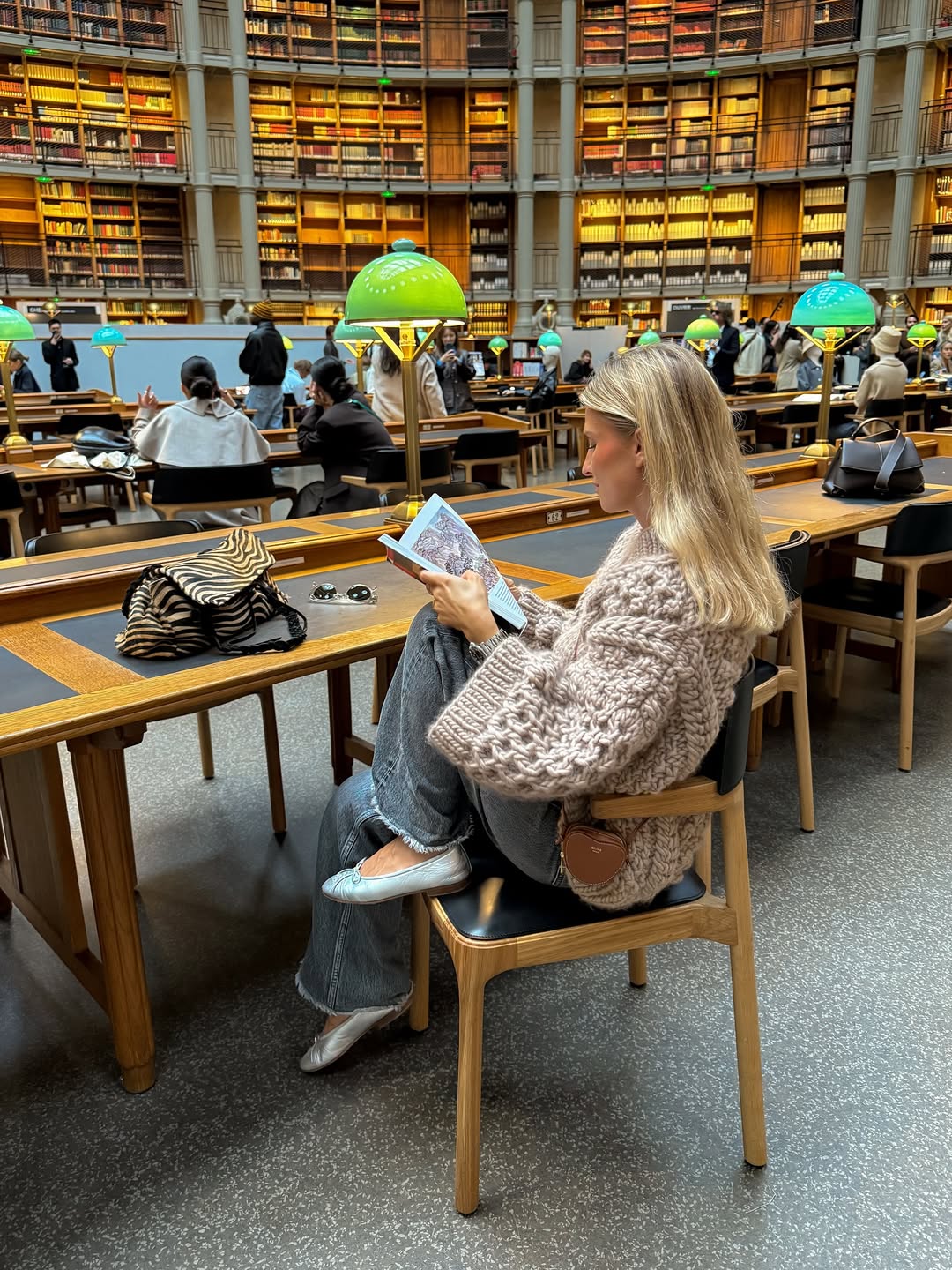
Istanbul, Turkey — The Hagia Sophia, the Blue Mosque, and the Basilica Cistern are all within five minutes of each other in the Fatih district, and that’s before you’ve even made it to the Grand Bazaar, the hammam, or the Karaköy side of the city after dark. A few days here barely covers it, Istanbul is the kind of place that keeps pulling you into the next neighborhood, the next meal, the next view of the Bosphorus.
Seoul, South Korea — Spend a morning at the Leeum Samsung Museum of Art, walk up to Namsan Tower for the view that puts the whole city into perspective, and save the evening for Korean BBQ at a neighborhood grill that stays open until 4am. The concept stores and independent labels scattered through Hongdae and Seongsu give the city a fashion edge worth a couple of days of its own.
Hong Kong — Take the Star Ferry across Victoria Harbour for one of the great urban views anywhere in the world, then explore Tai Hang, a village tucked inside the city that feels completely removed from the intensity around it. The food scene runs from street hawker stalls with lines of locals out front to restaurants with Michelin stars.
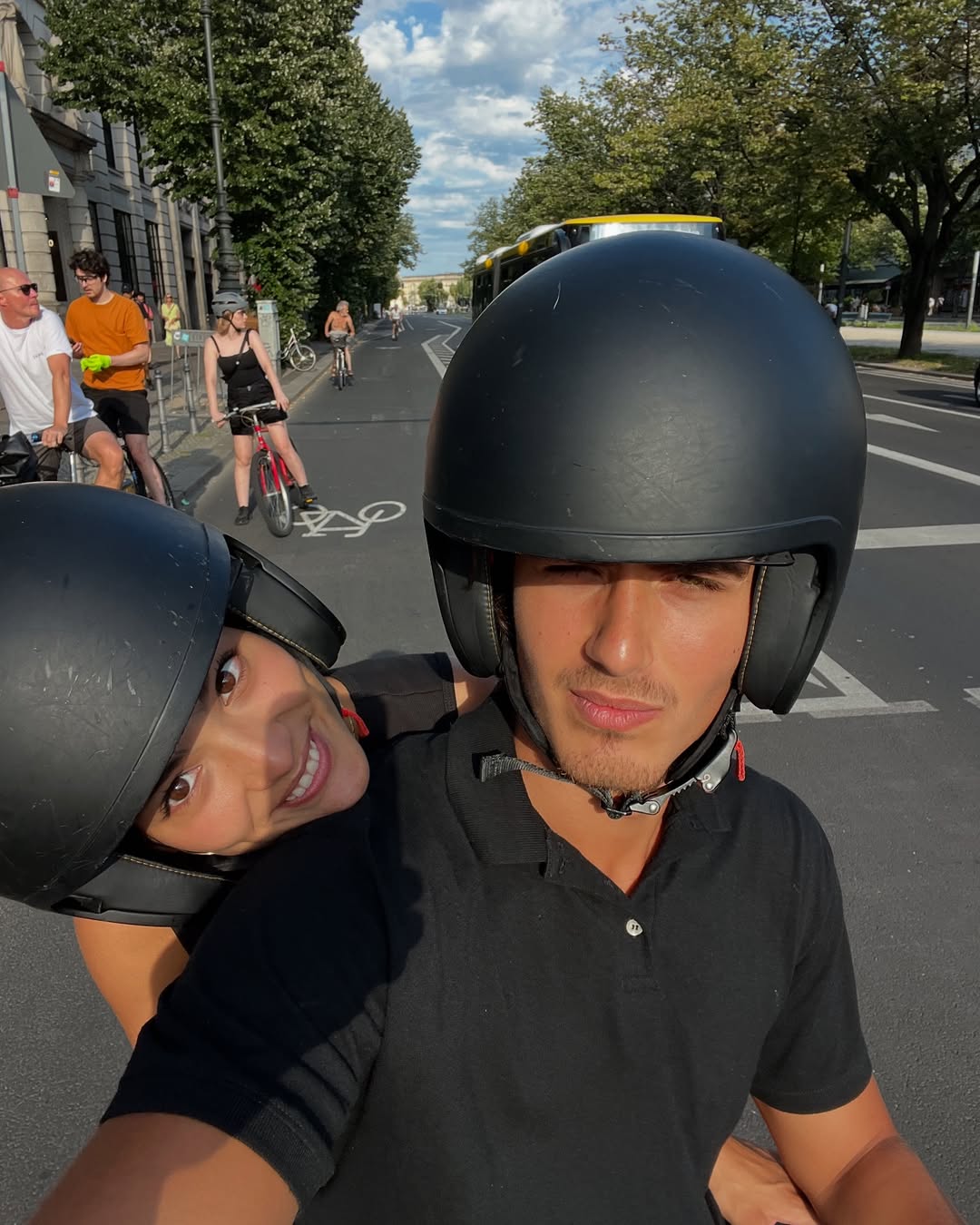
Berlin, Germany — Museum Island alone, five world-class institutions on a single island in the Spree, could fill several days, and the street art, independent galleries, and flea markets in Prenzlauer Berg and Kreuzberg give you plenty more to work with during the day. When night falls, the techno club scene here is a genuine cultural institution, and experiencing it together at least once is the kind of thing couples talk about for years.
Budapest, Hungary — Spend a morning soaking in thermal water at Széchenyi or Gellért, two grand 19th-century bathhouses that are reason enough to visit on their own. Cross the Chain Bridge at night when the Parliament building is lit up on the water and it becomes very clear why Budapest keeps ending up on everyone’s list.
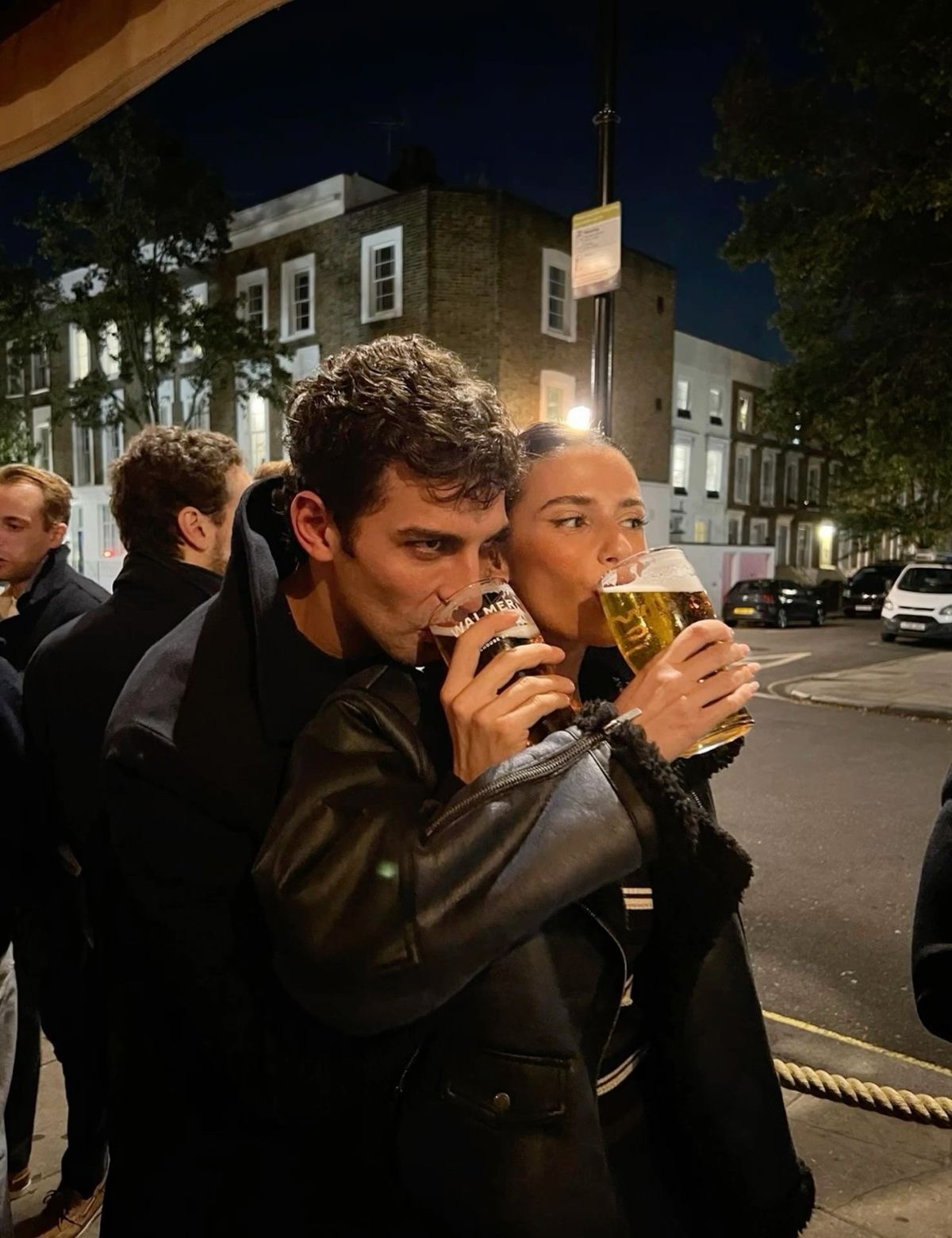

Photo: Francisco Faria, Linda Schulz
Milan, Italy — Walk the rooftop of the Duomo, spend afternoons in the Brera district moving between art galleries and aperitivo bars, and let the evenings stretch out the way they’re meant to in Italy. Milan has a particular rhythm that takes a day or two to settle into, and once you do, it becomes very easy to understand why people keep coming back.
Amsterdam, Netherlands — Rent a bike and move through the city the way locals do, through the Jordaan, past independent galleries, vintage stores, and brown cafes that have been serving jenever since before most countries existed. The Rijksmuseum and the Van Gogh Museum are the obvious starting points, but Amsterdam is the kind of city that rewards a slower pace, the more days you give it, the more it opens up.
Paris, France — Long breakfasts at a corner café, afternoons at the Musée d’Orsay or the Centre Pompidou, evenings that start with wine in the Marais and end later than planned.
Rio de Janeiro, Brazil — Take the cog train up to Cristo Redentor at sunrise before the crowds arrive, spend afternoons in the Santa Teresa neighborhood with its terraces and colonial architecture, and save the evenings for Ipanema where the sunset draws the whole neighborhood out to watch. Rio has a quieter, more intimate side that takes a few days to find, and once you do, it becomes the best part of the trip.
Shanghai, China — Walk the Bund at night when the colonial facades are lit up against the Pudong skyline across the river, one of the great urban views in the world, then spend the next day getting lost in the narrow longtang alleyways of the French Concession. The food scene here runs deep — from xiao long bao at a neighborhood spot that’s been doing one thing perfectly for decades to some of the most ambitious fine dining in Asia.