You’ve chosen the venue, finalised the flowers, and spent weeks agonising over the menu. And then comes the moment every couple eventually faces: the seating chart. What sounds like a logistical task turns out to be one of the most emotionally loaded decisions of the entire planning process — because who sits where says a lot about who matters, how well you know your people, and what kind of evening you’re actually trying to create.
We asked wedding planners who work at the highest level of the industry to share what they’ve learned: about guest lists, about money, about family dynamics, and about the surprisingly powerful art of putting the right people at the right table. They don’t always agree, and that’s the point. Take what resonates, leave what doesn’t, and use it to build a day that feels genuinely like you.
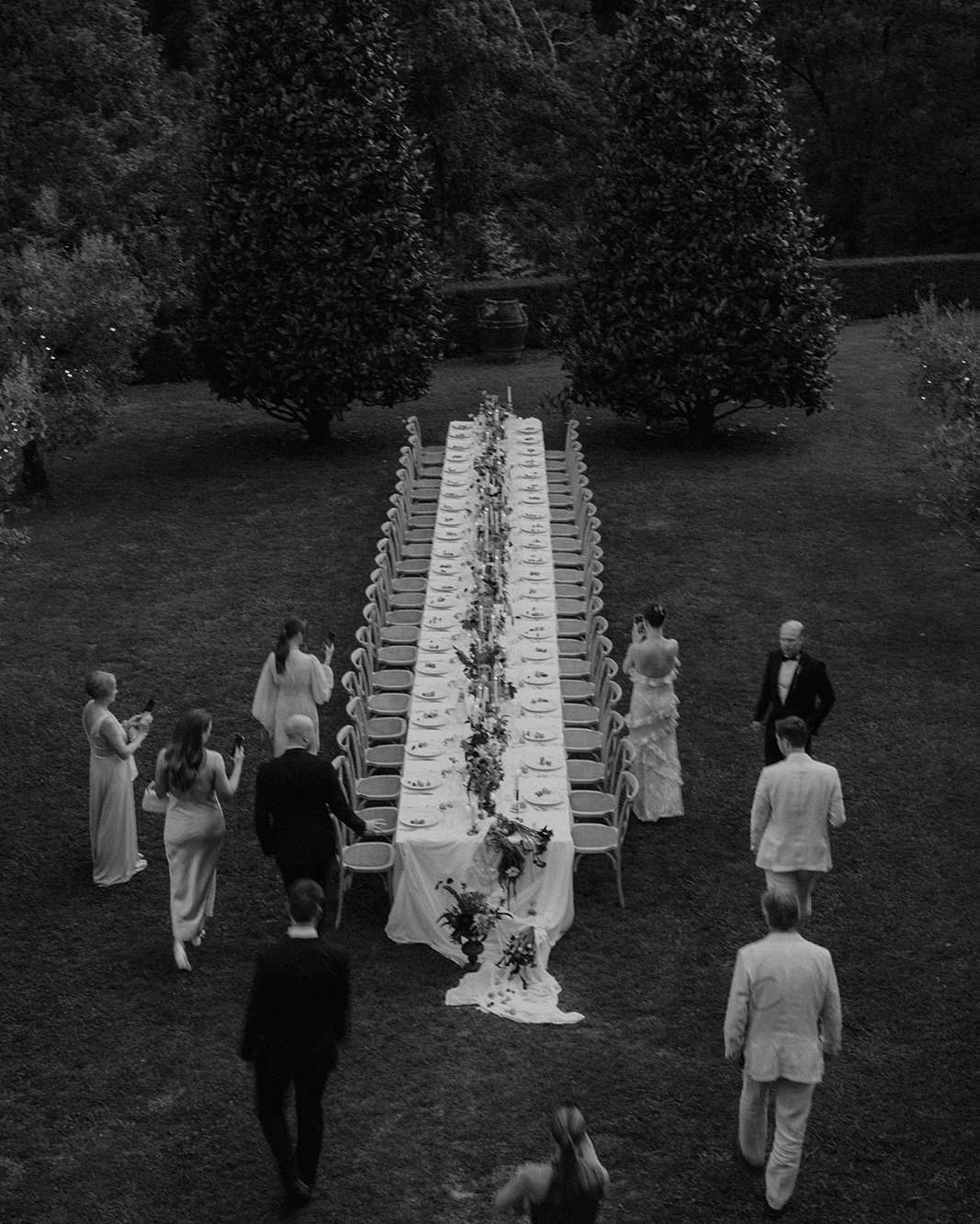
Photo: Courtesy of Jacquemus, Dias de Dino y Rosas
In This Article:
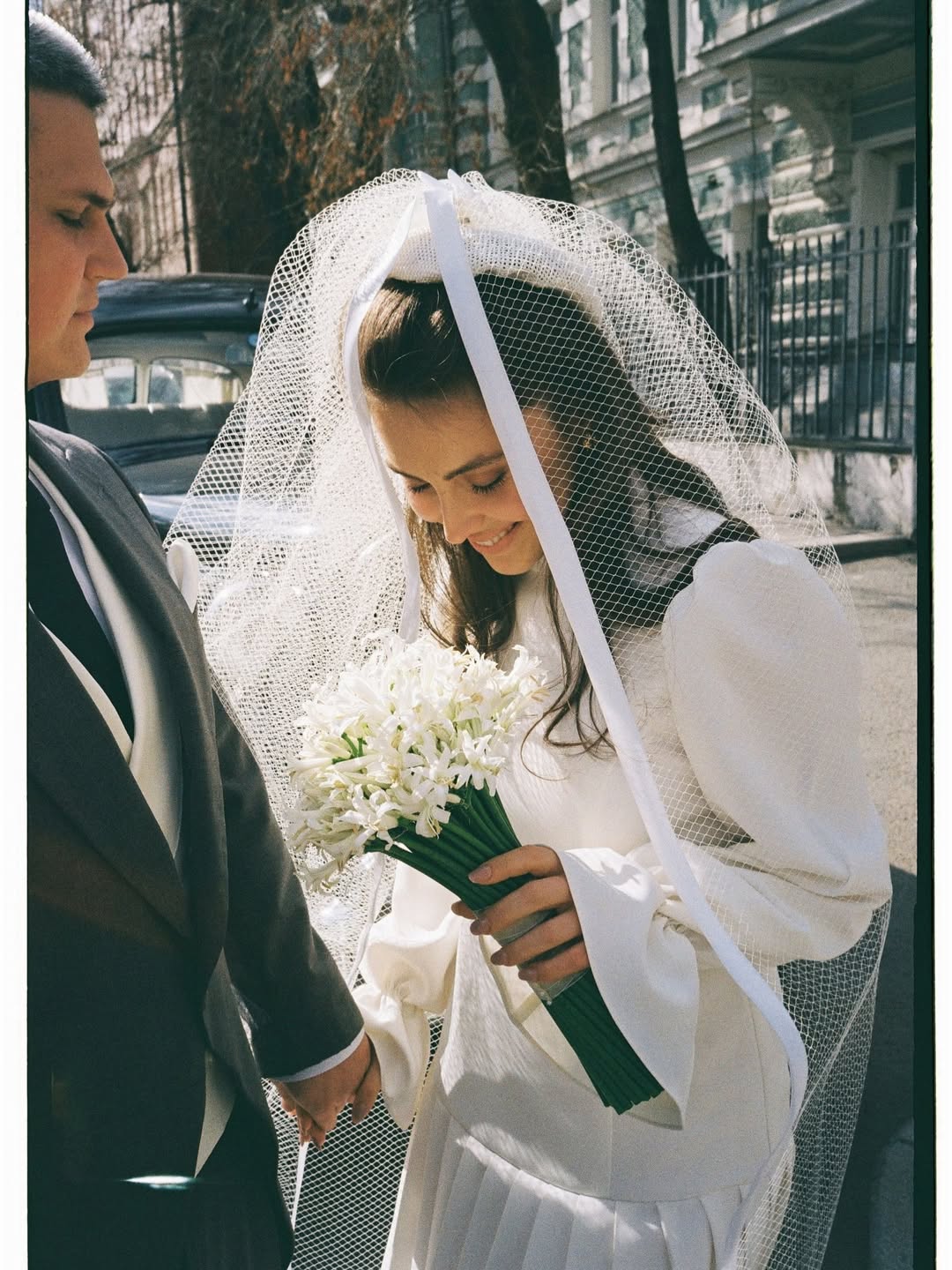
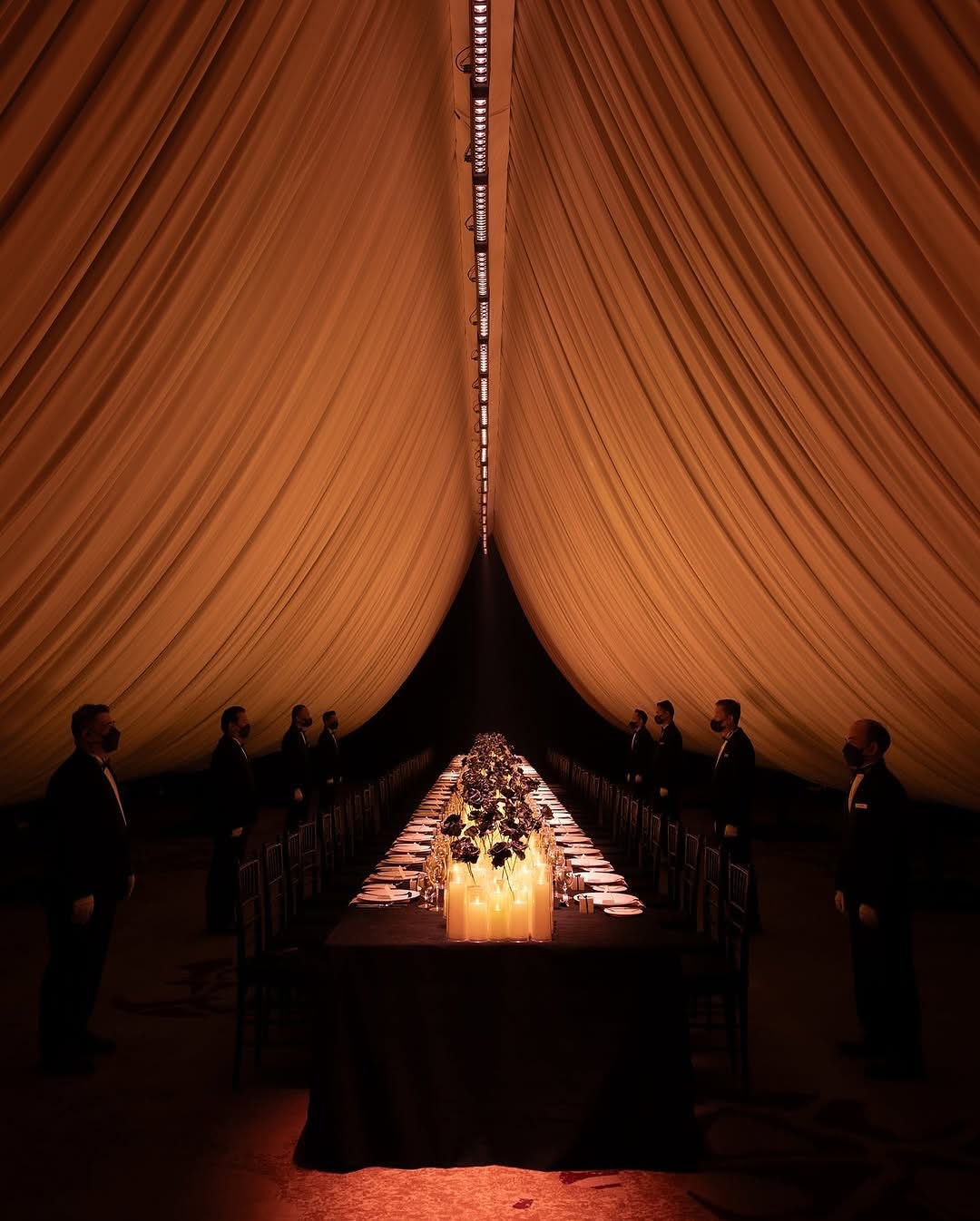
Photo: Tanya Ananeva, DERAI Studio
The True Cost Per Guest
Here’s the number couples almost never get right on the first try: the real per-head cost. It’s easy to think of one additional guest as one more plate of food. The reality, as any experienced planner will tell you, is considerably more layered.
“Every time a guest is added, the ripple effect touches more line items than couples expect,” says Julian Leaver of Julian Leaver Events. “The obvious ones are catering and rentals — one more place setting, one more chair, one more meal, one more pour of wine. But the true cost per guest also includes their proportional share of the floral centerpiece at their table, the square footage of tent or venue space needed to accommodate them comfortably, the additional stationery for their invitation suite and place card, the staffing ratio required to serve them properly, and often a bump in the entertainment minimum if the headcount crosses a threshold.”
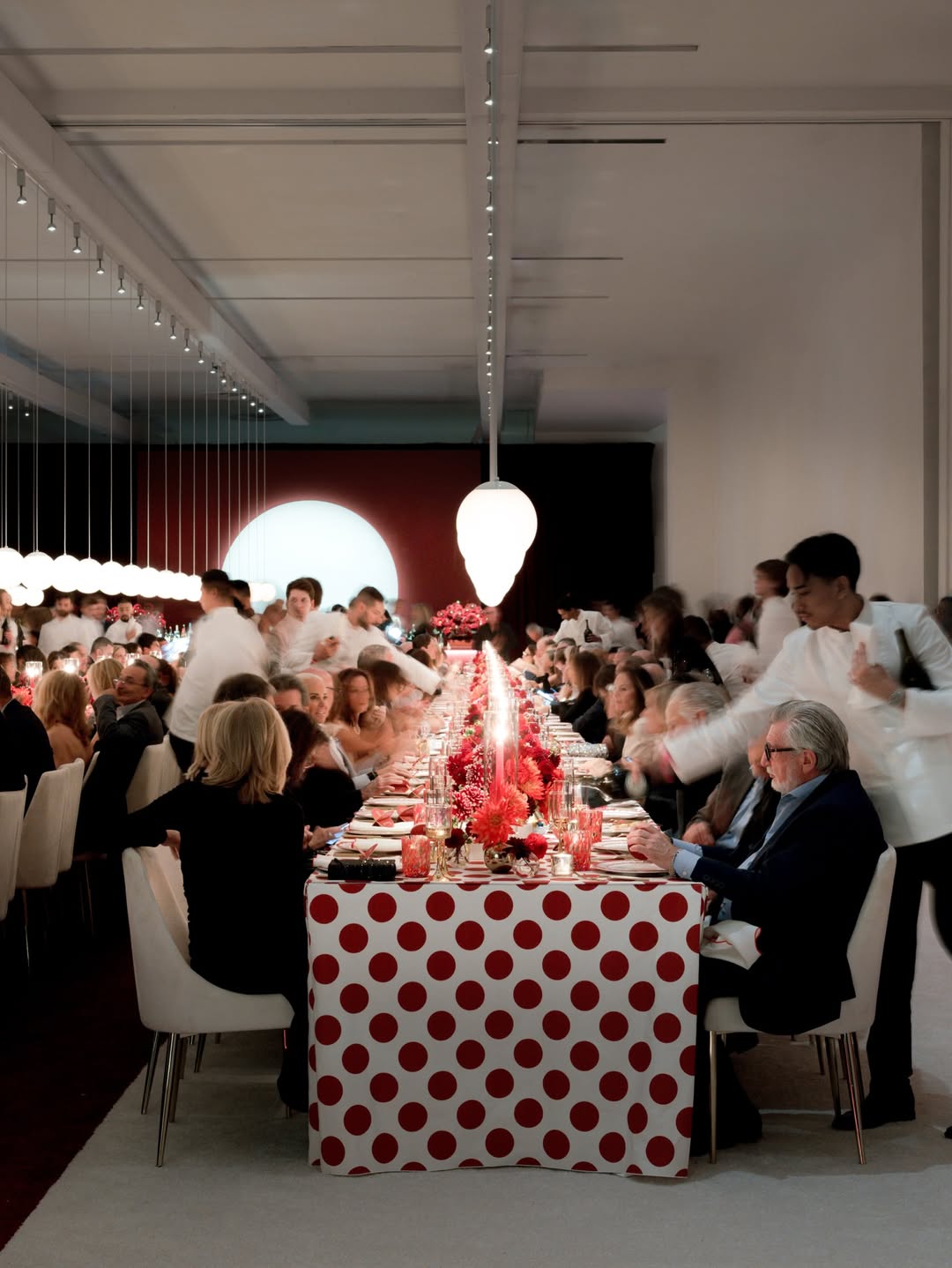
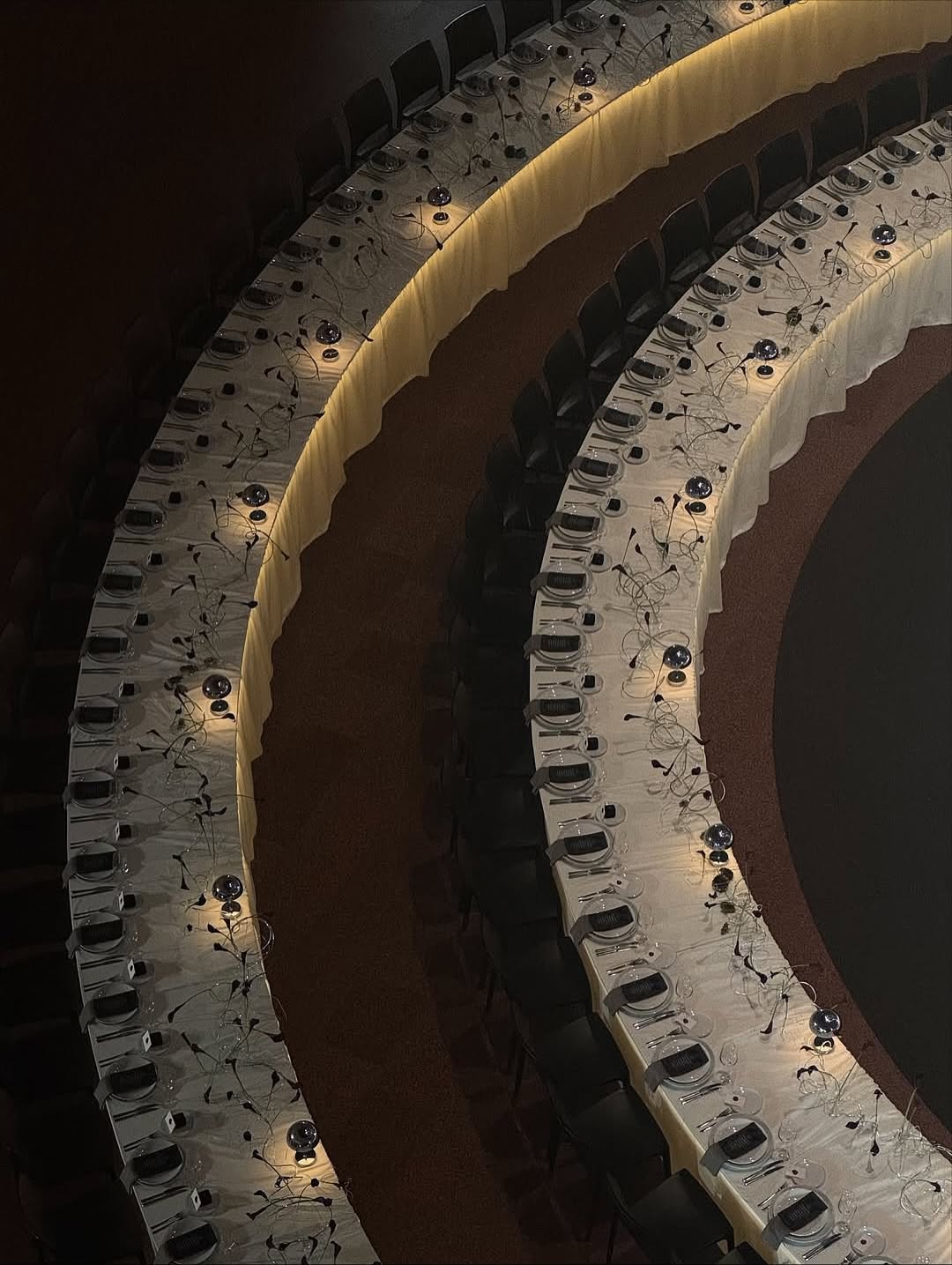
Photo: Ben Finch, Courtesy of Mutabor Flower Service
Chelsea Brooke frames it simply: “You can look at each guest as a per-person cost because every person will have food and drink, which impacts the catering budget directly. Each guest will also need all the essentials: a chair, plates, napkin, flatware, glassware, an invitation, a menu, and a name card. If adding one guest means you need an additional table, you also need to account for the table, linen, floral, and decor that goes on that table.”
In the luxury market, those numbers can be significant. Roxanna Nowrouzi of Moosh Events, who specialises in high-end destination weddings, puts a figure on it: the true cost per head ranges from $1,000 to well over $3,000 per guest, depending on the market and production level. The math, when you actually do it, tends to surprise people.
There’s another dimension worth understanding, and it comes from Chiara Sernesi of Weddings in Tuscany: scale actually works in your favour. For the same venue and level of planning, the cost per person for a wedding with 100 guests can be up to 40% lower than for a wedding with 50. Fixed costs — lighting, audio, entertainment structures, musical performances — don’t move with headcount. Food, open bar, table settings, florals: those do. The more guests sharing the fixed costs, the lower the per-head number gets.
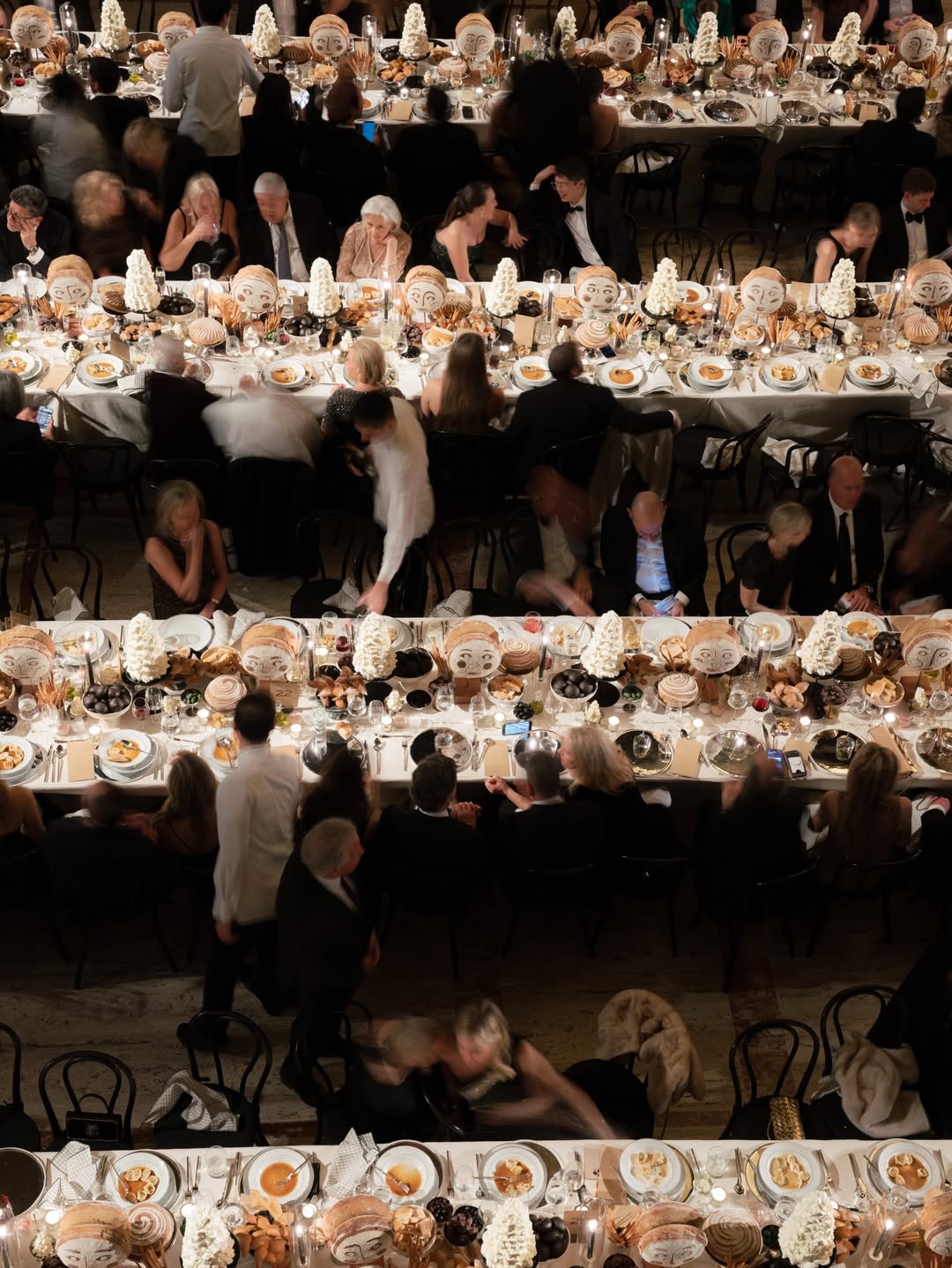
Photo: Ben Finch, Gypsy Lemon
How to Build a Guest List Without the Family Drama
Few things test a couple’s resolve quite like the guest list conversation — especially when parents are involved, and especially when they’re contributing financially. The planners we spoke to were united on one point: the time to set expectations is before the conversation begins, not during it. “If you walk into a discussion with your parents without a firm number already decided, you’ve already lost the boundary. Set the total guest count first, then work backwards: here’s how many guests each side of the family receives, here’s how many seats go to friends, and here’s what’s left,” says Julian Leaver.
Roxanna Nowrouzi adds a practical layer for families who are contributing to the budget: “If both sets of parents are contributing financially, it’s fair that each family has a proportional allotment of guests. If one family wants to invite significantly more people, that contribution should reflect in their financial investment.”
Chelsea Brooke recommends starting by writing down everyone you could possibly invite — then revisiting the list with intention. “Select the people you truly cannot imagine celebrating your marriage without. You want it to feel like every person in the room is adding to the space and the experience.” She also emphasises timing: tackle the guest list before you start looking at venues, not after. “If you wait until after selecting your venue and your parents want to include additional friends or distant relatives, there may simply not be room.”
And for couples tempted to avoid the conversation altogether? Julian Leaver’s advice is clear: “If outside contributors are funding part of the wedding, have the expectation conversation before accepting the money, not after.”
Photo: James Raper, Miles Leav Photo
Plus-ones, Children & the Details Couples Always Underestimate
The guest list has a way of growing in unexpected directions. Plus-ones, children, and the eternal question of who will actually show up — these are the variables that consistently catch couples off guard.
Julian Leaver identifies underestimating the “yes” rate as the most common mistake. “Couples frequently build their list assuming 15–20% of guests will decline, and in destination weddings especially, they assume distance will thin the crowd. It often doesn’t. People surprise you.” His advice: build your list as if everyone will say yes, then let the natural attrition be a gift rather than a plan.
Chelsea Brooke takes it further, actively discouraging couples from relying on statistical assumptions: “You cannot predict their lives, and there are too many variables to make assumptions.” Instead, she recommends an A-list and a B-list approach. “The B-list guests are not less important — they are simply people you would love to include if space and budget allow. The only people who will know about this list are you and your planner.”
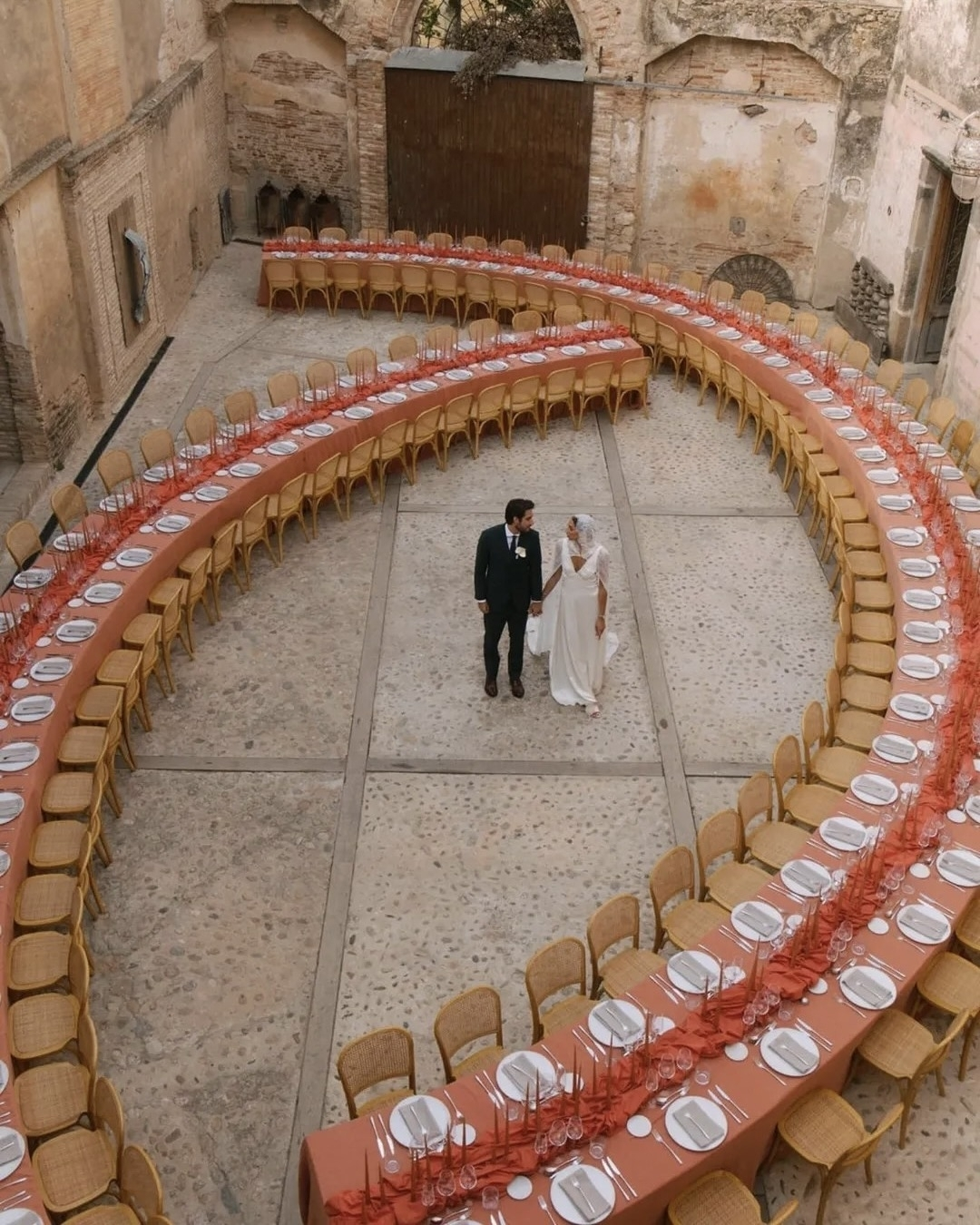
Photo: Sara De Blas, Remind Photography
On plus-ones: Julian Leaver notes that couples sometimes omit them from the initial count, then feel obligated to add them later “when relationships become official or awkward.” Lisa Costin of A Charming Fête offers a pragmatic solution: “If the guest is not seriously dating or engaged to the plus-one and venue capacity limits extra guests, this is usually a good way to restrict who can bring one.”
Children are another underestimated variable. Many families with young children assume they’re included when they haven’t been explicitly invited. “Clarifying this early, with warmth and consistency, helps avoid real tension,” says Julian Leaver. Lisa Costin adds that if children are welcome, on-site childcare during the reception is worth considering — it allows parents to fully enjoy the evening while children are looked after, which tends to work better for everyone.
For destination weddings specifically, Roxanna Nowrouzi flags geography as something couples consistently overlook: “If you’re getting married in Tuscany and 80% of your guests are flying in from the US, your attrition rate will look different than a celebration in Mexico, perhaps. Then you need to account for an additional 5% attrition as you get closer to the wedding date.”
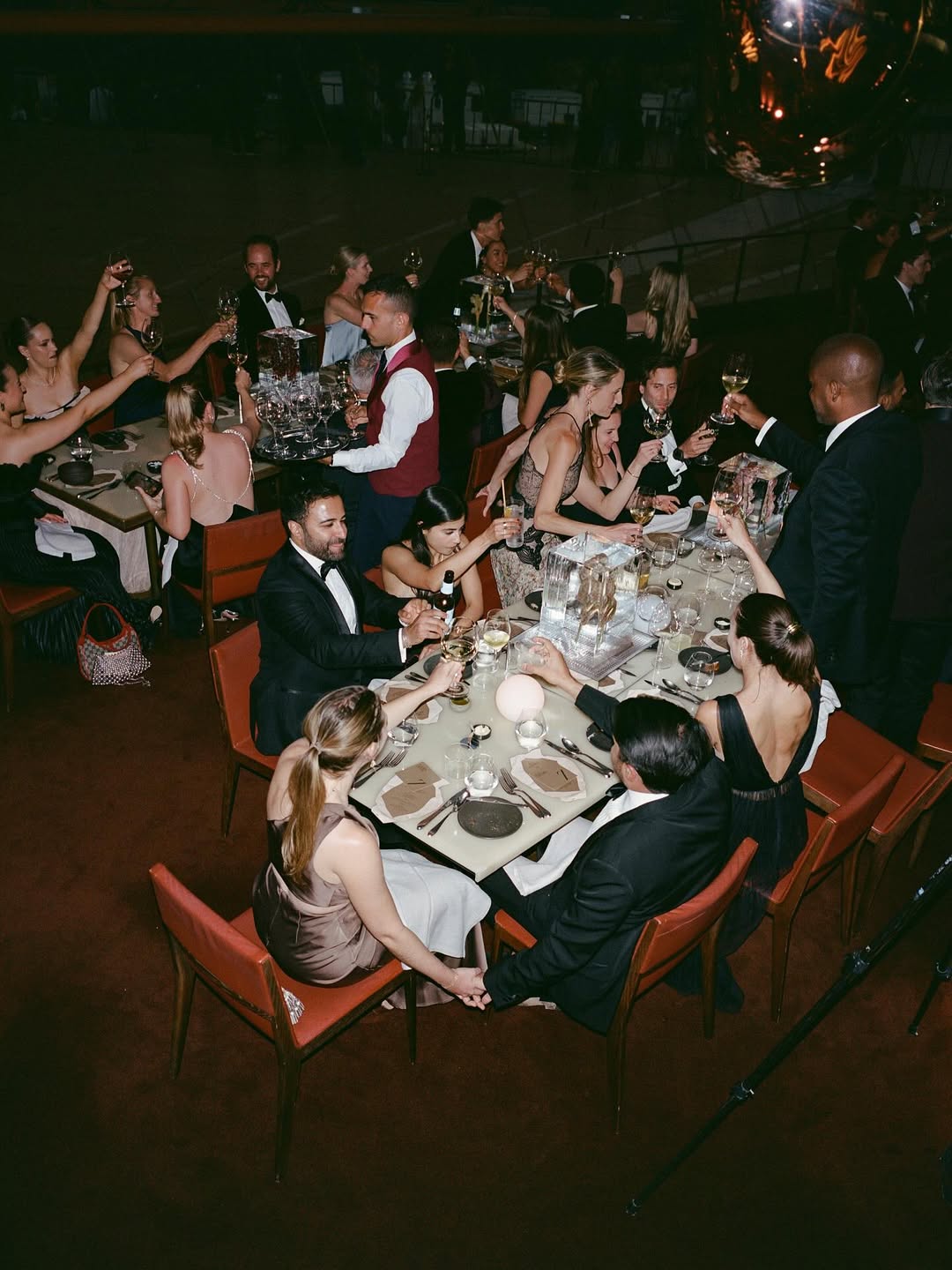
Photo: Louise Hagger, James Raper
Intimate vs. Large: How Guest Count Changes the Whole Vibe
Forty guests or one hundred and fifty — the number you choose shapes not just your budget but the entire atmosphere of the day. It’s one of the most underappreciated decisions a couple makes, and it’s worth thinking through honestly.
Julian Leaver describes the spectrum clearly. At 40 guests, a wedding feels intentional, and couples actually spend time with each one. “It feels like a dinner party elevated to something extraordinary.” At 80, there’s a natural social energy: the room feels full, the dance floor has life, and the couple can still move through the space meaningfully. At 150 and beyond, the event takes on its own momentum. “It can be spectacular, but couples should be realistic: they will not have a real moment with most of their guests. The reception becomes an experience you share in the same room rather than a celebration you share together.”
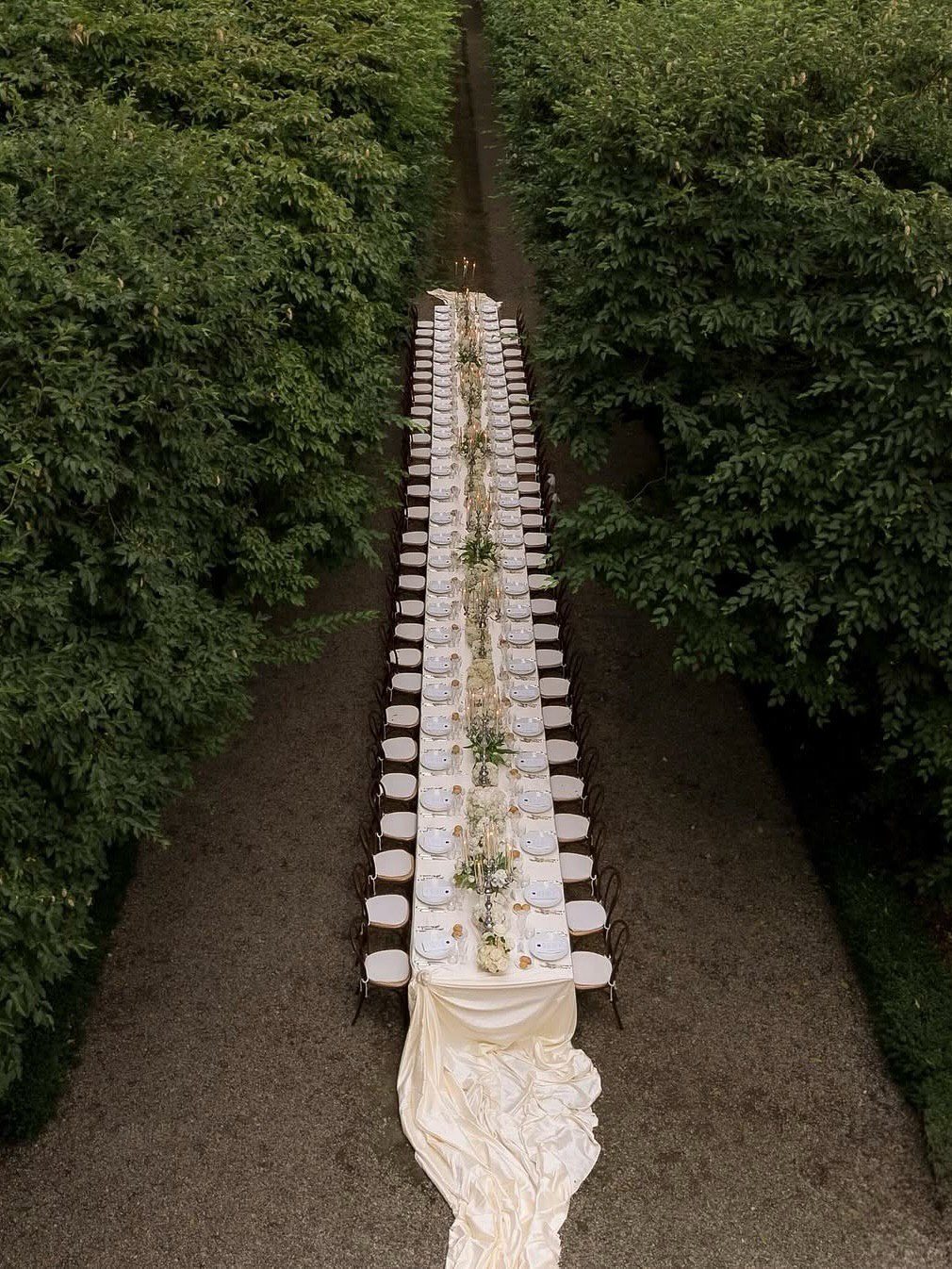
Photo: York Place Studios, Sarbo Studio
Chelsea Brooke approaches the question from the venue outward: “I believe you first need to get clear on the type of wedding you would like to host, your dream space, and your location, and then backfill from there.” A 40-person wedding in a space designed for 40 will feel full and celebratory; the same number in a room built for 150 will feel empty.
Roxanna Nowrouzi at Moosh Events challenges the idea that size determines energy altogether: “We have planned intimate 60-person weddings that have felt truly electric, and 300-person events that have felt equally alive. The true energy of a wedding comes from the closeness and enthusiasm of the guests themselves, the intentionality of the programming, and how well the couple has created an environment where guests feel comfortable and taken care of.” Her conclusion: the ideal guest count is the one that aligns with the couple’s vision, budget, and how they want to feel when they look around the room.
One practical note from Lisa Costin on larger weddings: logistics slow down with scale. “Everything — such as moving guests from cocktail hour to their dinner seats — will generally take longer. When the guest count is large, it’s essential to plan ahead by increasing the number of bartenders and service staff. No one wants to wait 30 minutes at the bar for a drink.“
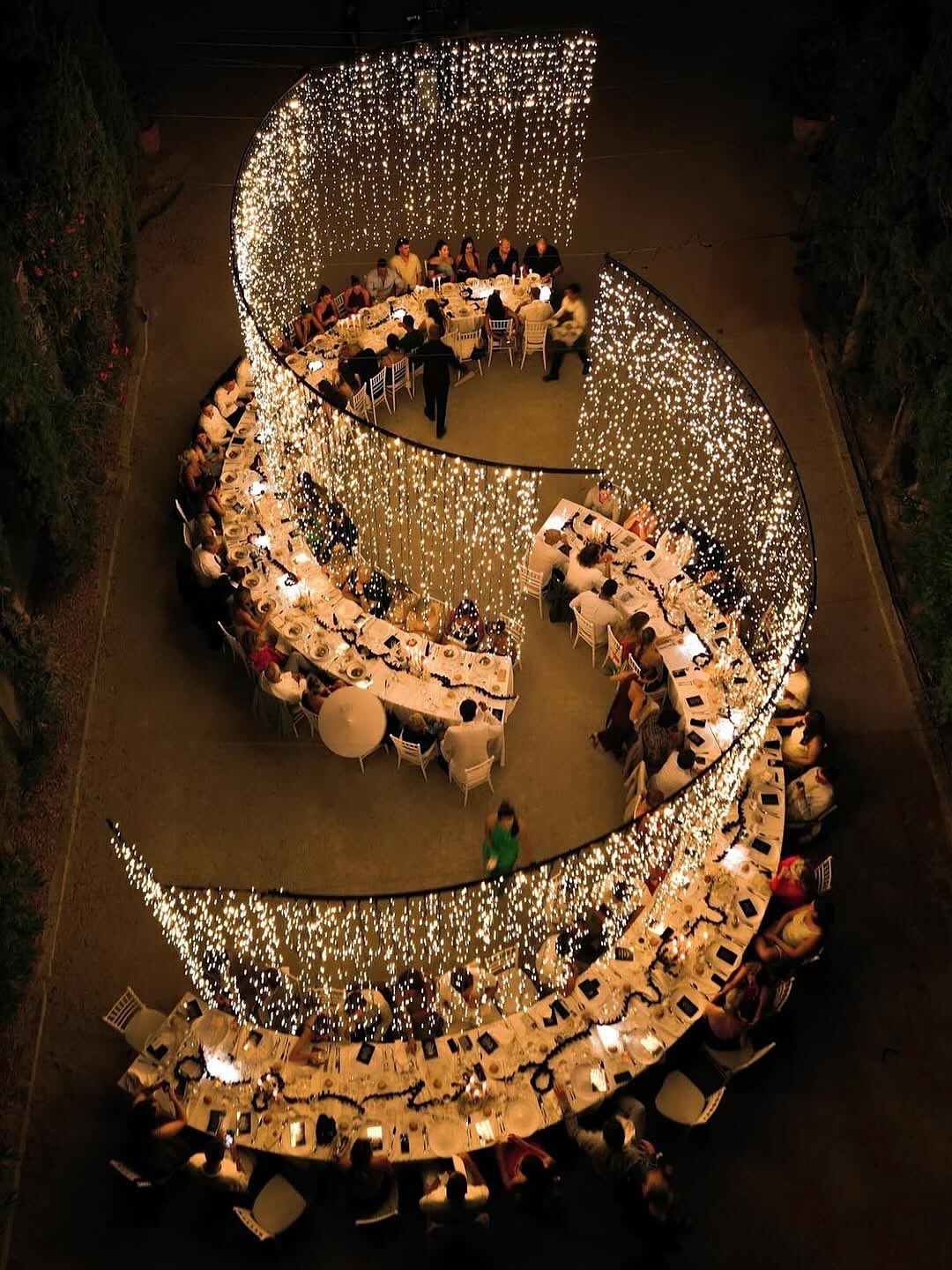
Photo: Adam Gallagher, Marcos Sanchez
Seating Guests Who've Never Met
Perhaps the most nuanced challenge in reception planning: what do you do with a room full of people who have never met? Seat them purely by social circle, and you play it safe. Mix them thoughtfully, and you might create one of the most memorable evenings of their year.
Roxanna Nowrouzi uses shared interests as her north star: “Beyond just ‘friend group’ or ‘work colleague,’ we consider how people communicate, what they’re passionate about, and what kind of energy they bring to a room.” She also thinks about conversational balance — a table of all introverts with no one to initiate conversation is as problematic as clustering all the high-energy personalities together.
Chelsea Brooke makes a distinction that feels important before anything else: “Weddings are social gatherings for the people you love. They are not networking events.” Her method is to start with families, friend groups, and coworkers, then address the outliers — the individuals or couples who don’t fit neatly into a group. “The art comes in when you have those outliers: placing them in a space where they do not feel like outliers.”
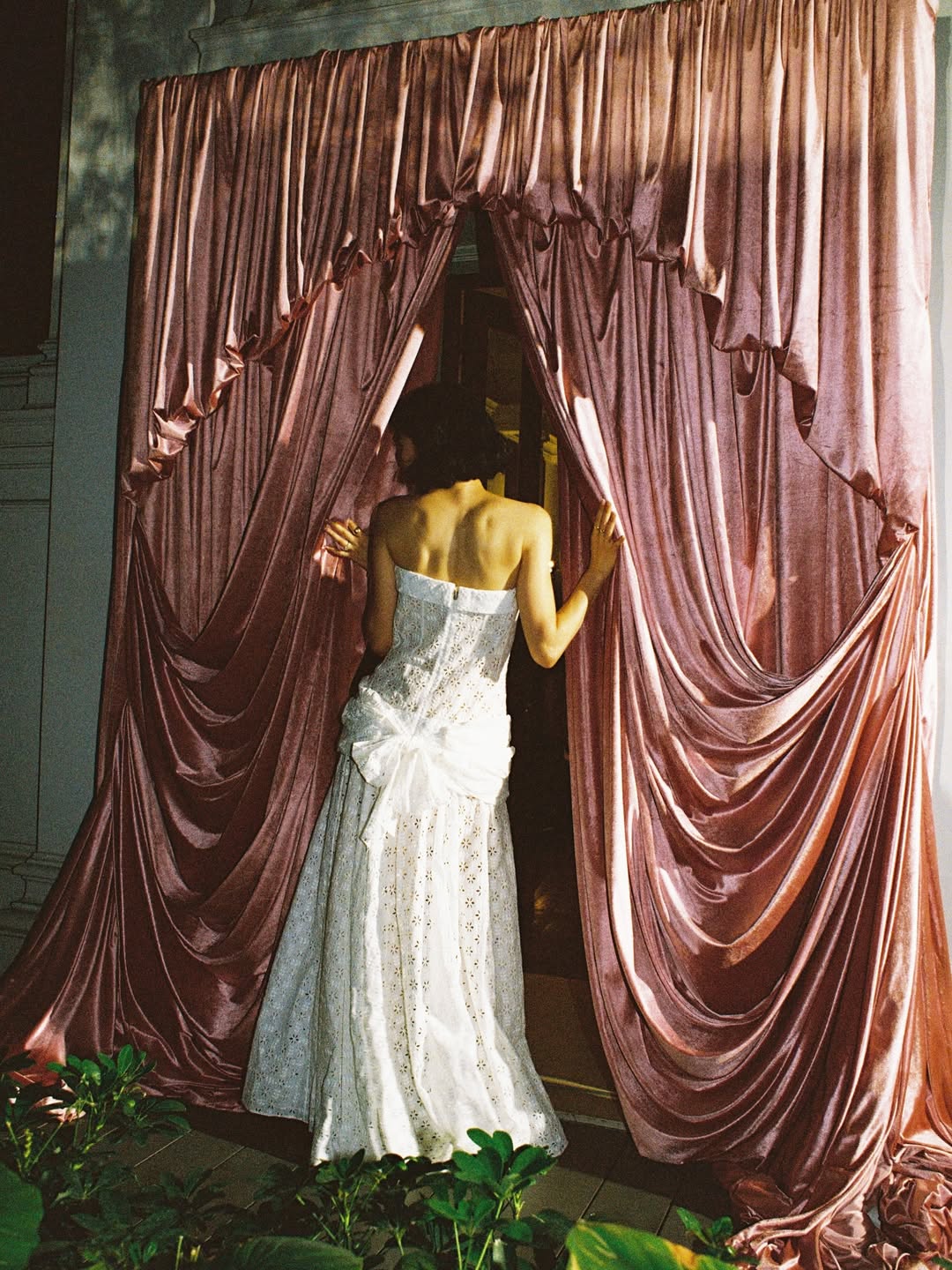
Photo: Sarah Burnette, Thad P. x Numchoks x NAWAPHON P.
Julian Leaver starts with energy rather than demographics. “Rather than sorting purely by age group or social circle, I think about who has the conversational range to open a table — the person who can ask a great question and genuinely listen to the answer. Every table needs at least one of those people, because they do the social work of connecting everyone else.” From there, he looks for shared context: adjacent industries, similar travel experience, the same life stage. “Shared reference points create natural conversation without forcing it.” He also emphasises what to prevent, not just what to engineer: “I pay attention to who should not be seated near whom — family dynamics, past relationships, and strong personalities who tend to dominate rather than include. Great seating is as much about what you prevent as what you engineer.”
Should You Mix Friend Groups or Keep Circles Together?
This is the question that divides planners — and the honest answer is that both approaches can work, depending on what you’re trying to create.
Chelsea Brooke is the most direct: “Keep friend groups together. Your friends came to celebrate together — it is not a networking event. You want them to feel relaxed, social, and present, and they will naturally do that with the people they love. If they want to meet new people, allow that to happen organically: on the dance floor, at the bar, or during cocktail hour.”
Roxanna Nowrouzi advocates for a middle path: “Keep core groups anchored together while thoughtfully introducing one or two connective personalities who can bridge different circles. You want guests to feel comfortable first, especially early in the evening — and then as the night progresses, the dance floor and the bar do the mixing for you.”
Julian Leaver generally favours intentional mixing, with one exception: “When guests have traveled a long distance and don’t know anyone, anchoring them near one familiar face eases the discomfort of arrival.” Otherwise, mixed tables create more interesting evenings. “Guests who already know each other well tend to close the table off — they revert to shared history, inside references, and existing dynamics.”
Chiara Sernesi has a simple trick for warming up a room before the wedding day even begins. “I always suggest a free-seating, informal rehearsal dinner,” she says. “By the time guests arrive at a formal reception, the ice is already broken.”
On children: the consensus is largely age-dependent. Young children almost always do better near their parents — the separation anxiety at an unfamiliar event with loud music and a late schedule is real. Older children, particularly tweens who know each other, can thrive at their own table and often enjoy the independence. Lisa Costin recommends a dedicated kids’ table with its own activity or menu consideration. The scenario to avoid, as Julian Leaver puts it: “children scattered across the room at adult tables, bored, and adults feeling obligated to entertain them.”
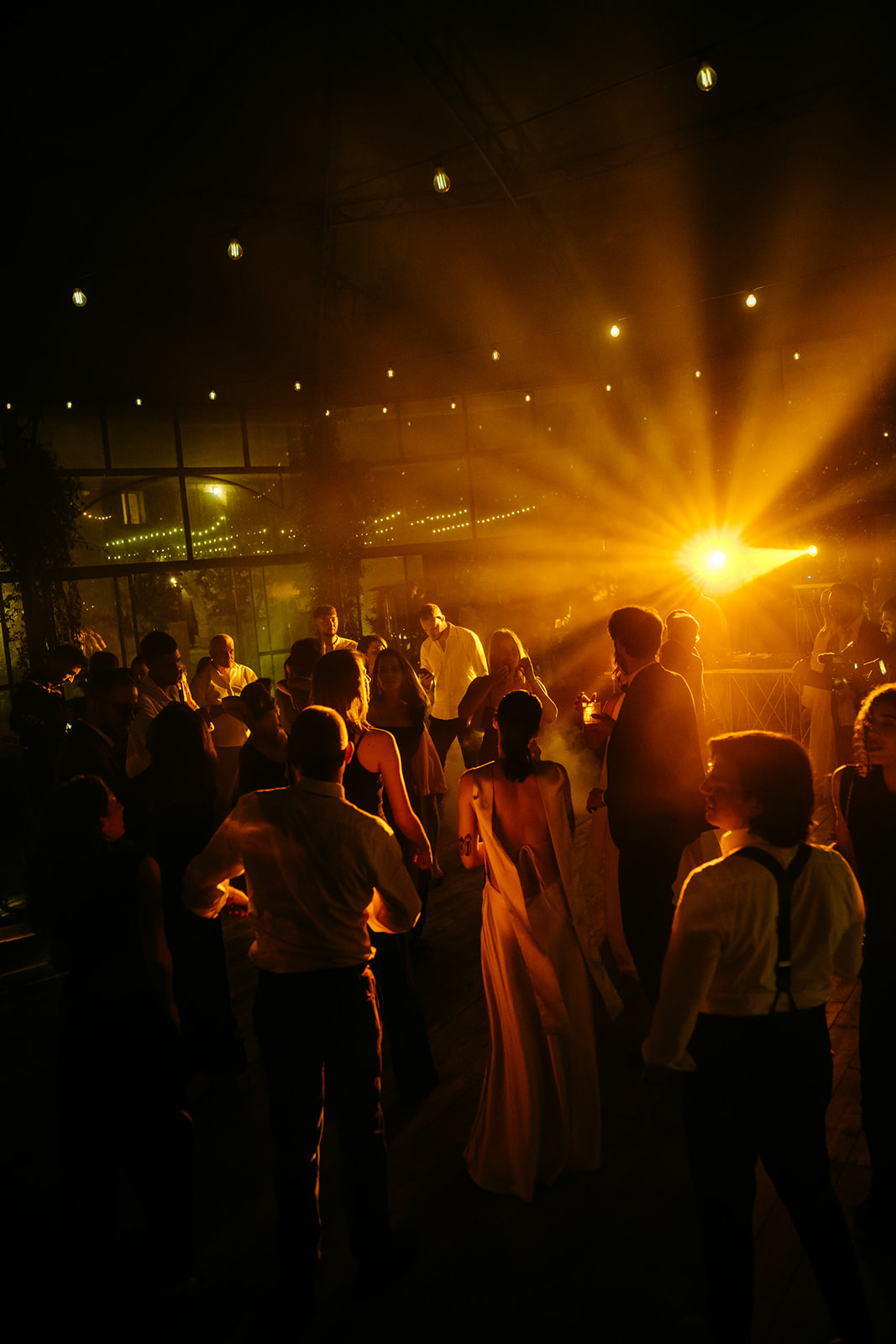
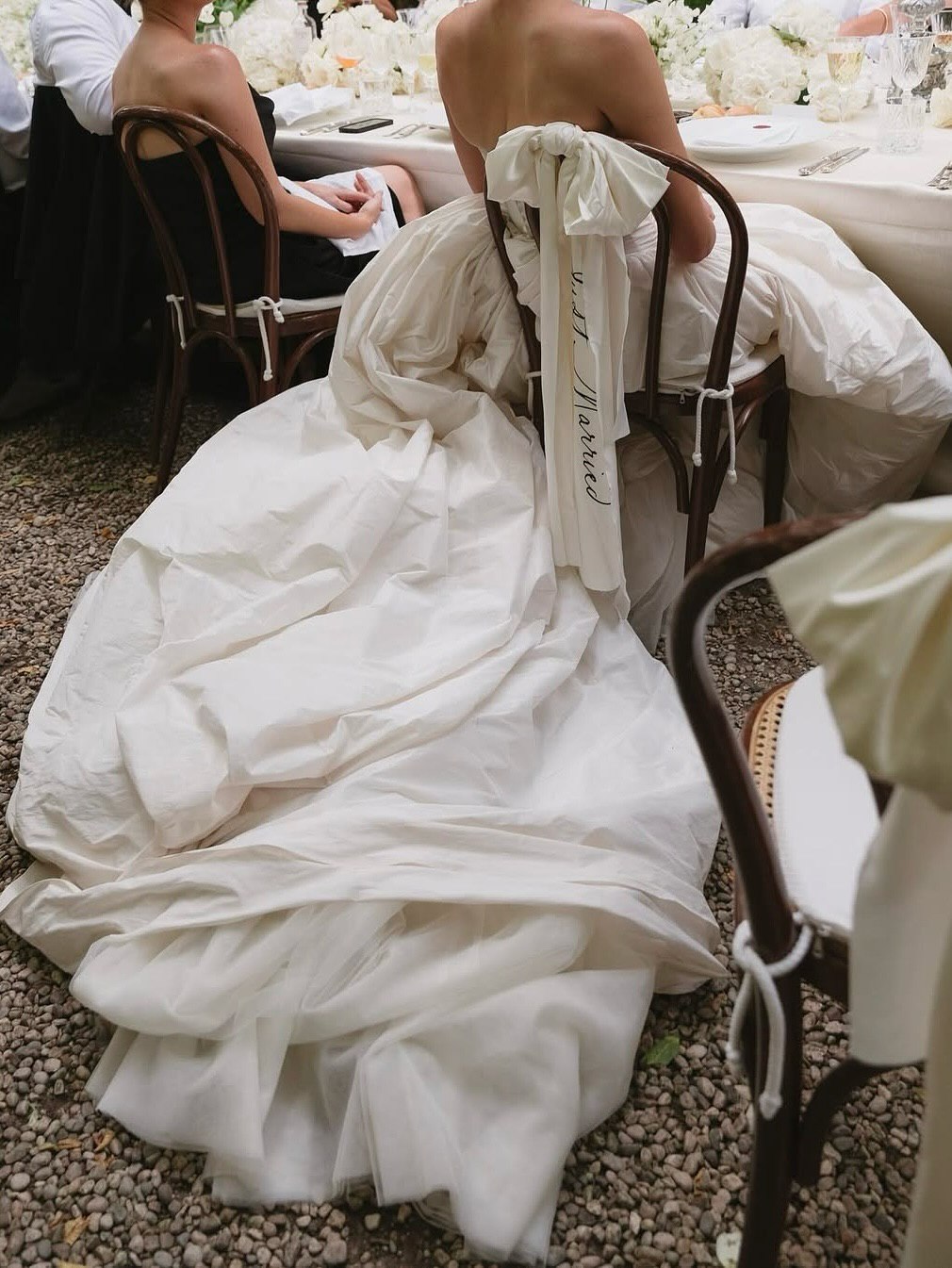
Photo: Stefan Stević, Sarbo Studio
Does Table Shape Actually Matter?
Round, banquet, U-shape — the geometry of your tables does more than affect the look of your room. It quietly shapes who talks to whom all evening.
Lisa Costin at A Charming Fête typically favors a combination of table styles for a more dimensional layout, but with a practical caveat: seating should match the table. “If we use banquette seating, it may not be functional for grandma if she has to slide down in a booth. A comfortable chair is a better option.” She also notes that tables near the bar tend to become the liveliest in the room — a useful detail when deciding where to seat younger, more social guests.
Chelsea Brooke keeps the principle simple: any setup where someone is seated next to you and across from you at a comfortable distance — typically less than four feet — will allow for natural conversation. “It’s also important to avoid large or protruding design elements, like oversized floral arrangements, that block sightlines. Guests need to be able to see one another.”
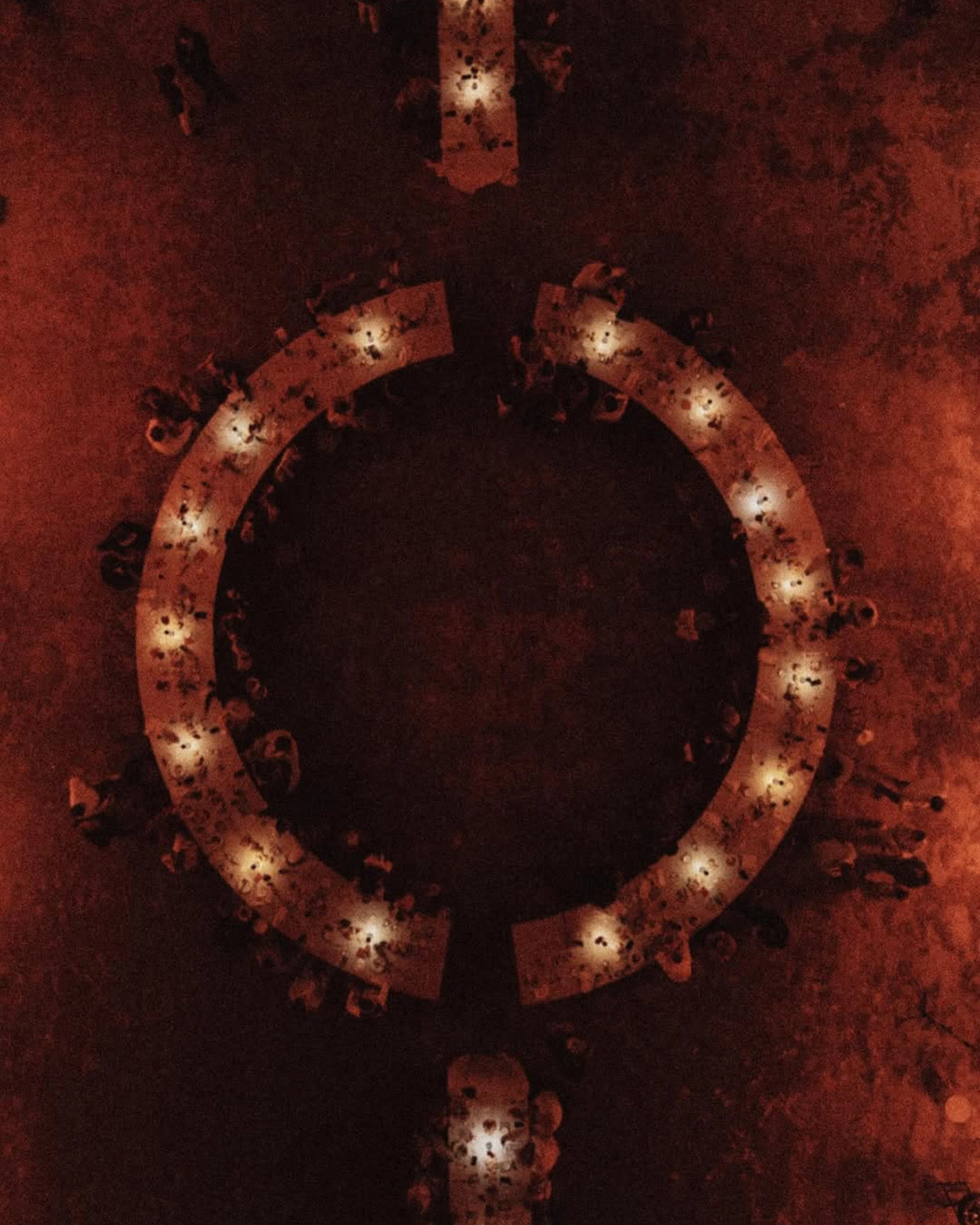
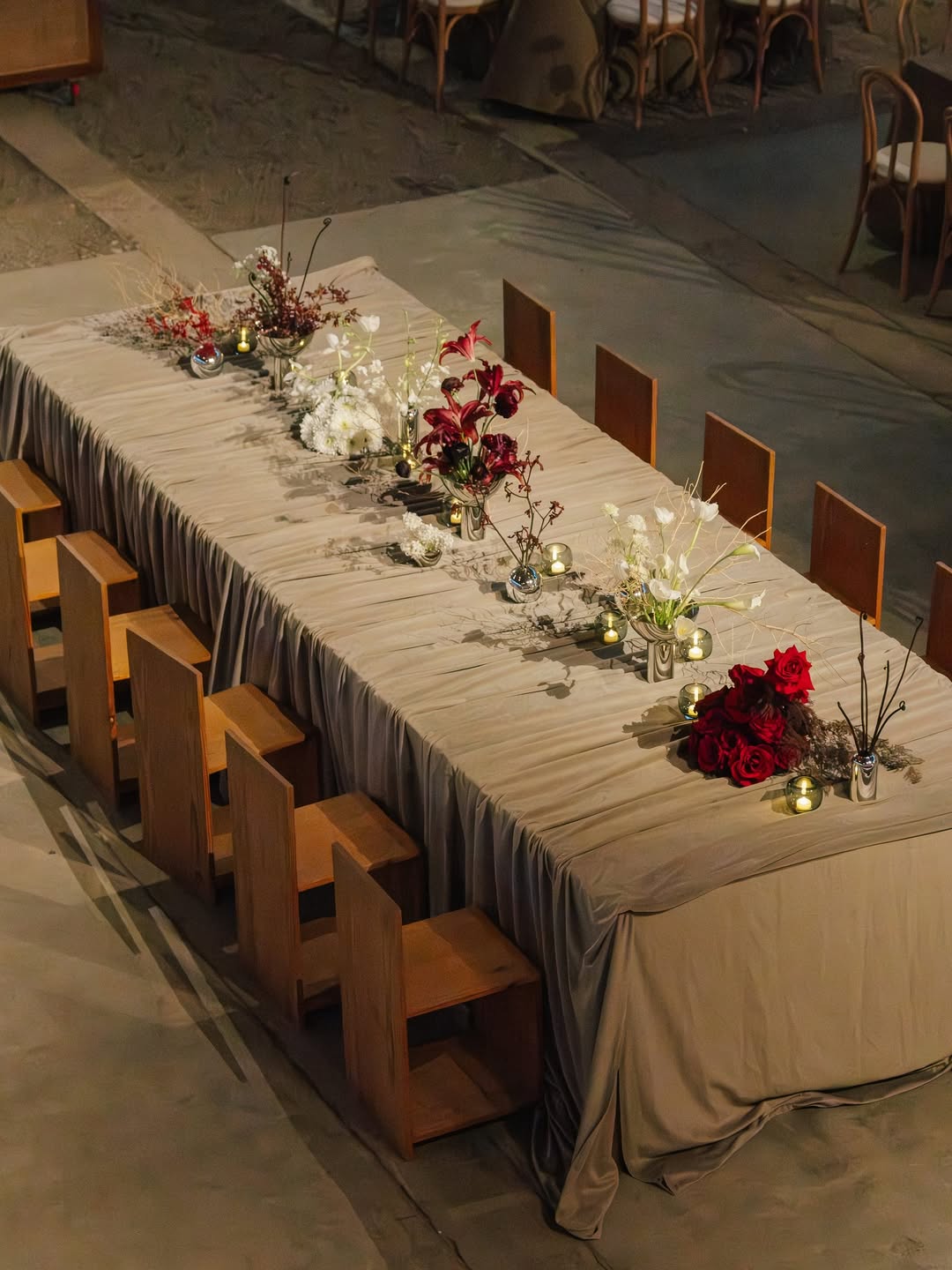
Photo: Nous Nous, Joel & Justyna
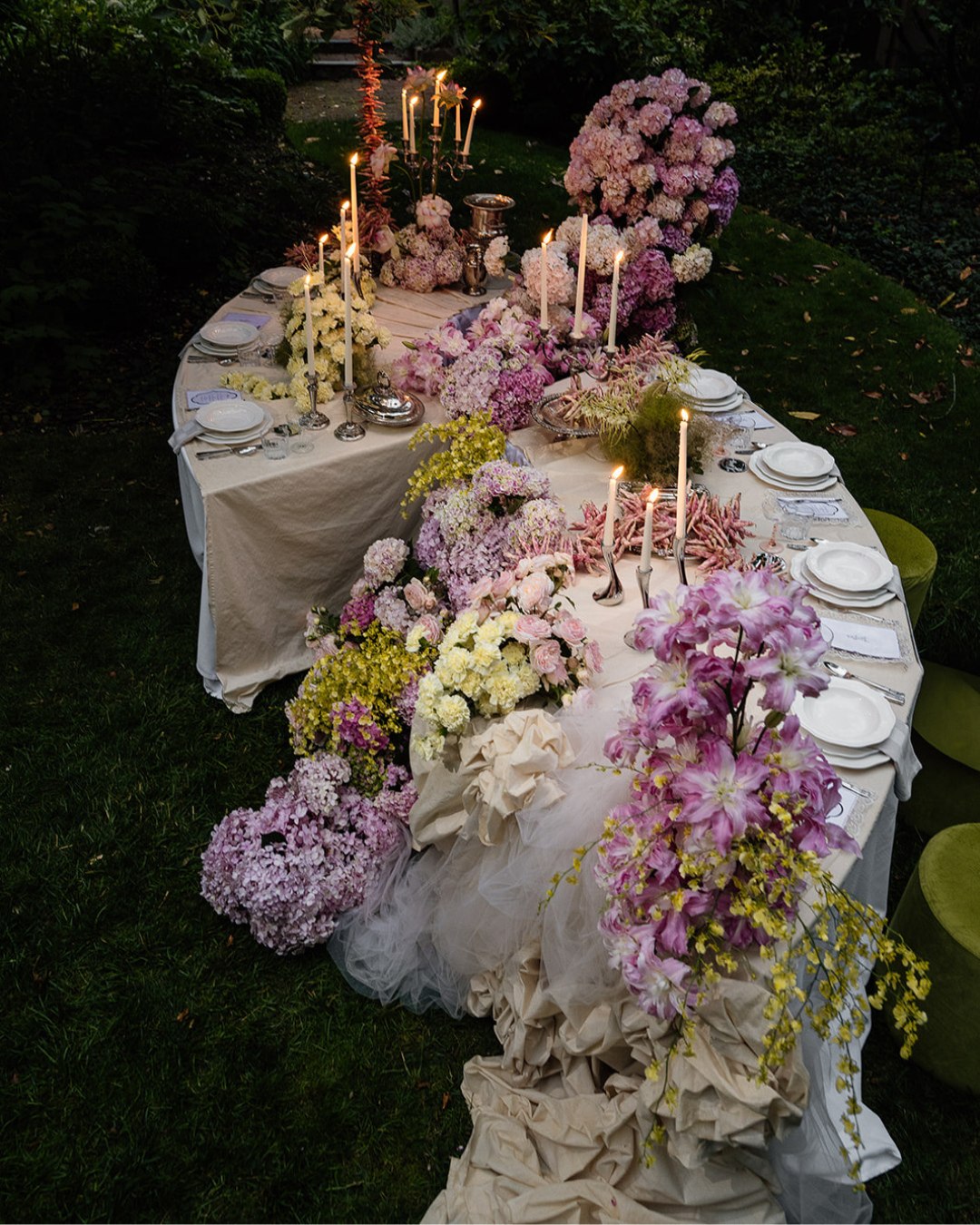
Round tables remain the standard in luxury events for good reason, says Julian Leaver: “They create an equalising dynamic, giving everyone relatively equal access to conversation. No one is at the ‘head,’ and the geometry naturally encourages cross-table exchange.” Long banquet tables, on the other hand, are beautiful but linear. “You’re really talking to the two or three people directly adjacent to you — a 14-person banquet table functionally operates as three or four smaller conversations happening in parallel.” The aesthetic payoff can absolutely be worth it, but couples should go in with clear eyes.
The U-shape, most planners agree, works beautifully for rehearsal dinners or smaller gatherings where everyone is meant to participate in a single conversation — and tends to fall apart at a larger scale.
Chiara Sernesi, who plans destination weddings in Tuscany, offers a configuration that’s worth considering for more formal celebrations: a top table for the couple, their families and closest friends, surrounded by round tables of ten or rectangular tables of sixteen to twenty for other guests. It’s a distinctly European approach — and one that elegantly solves the question of where to seat the people who matter most.
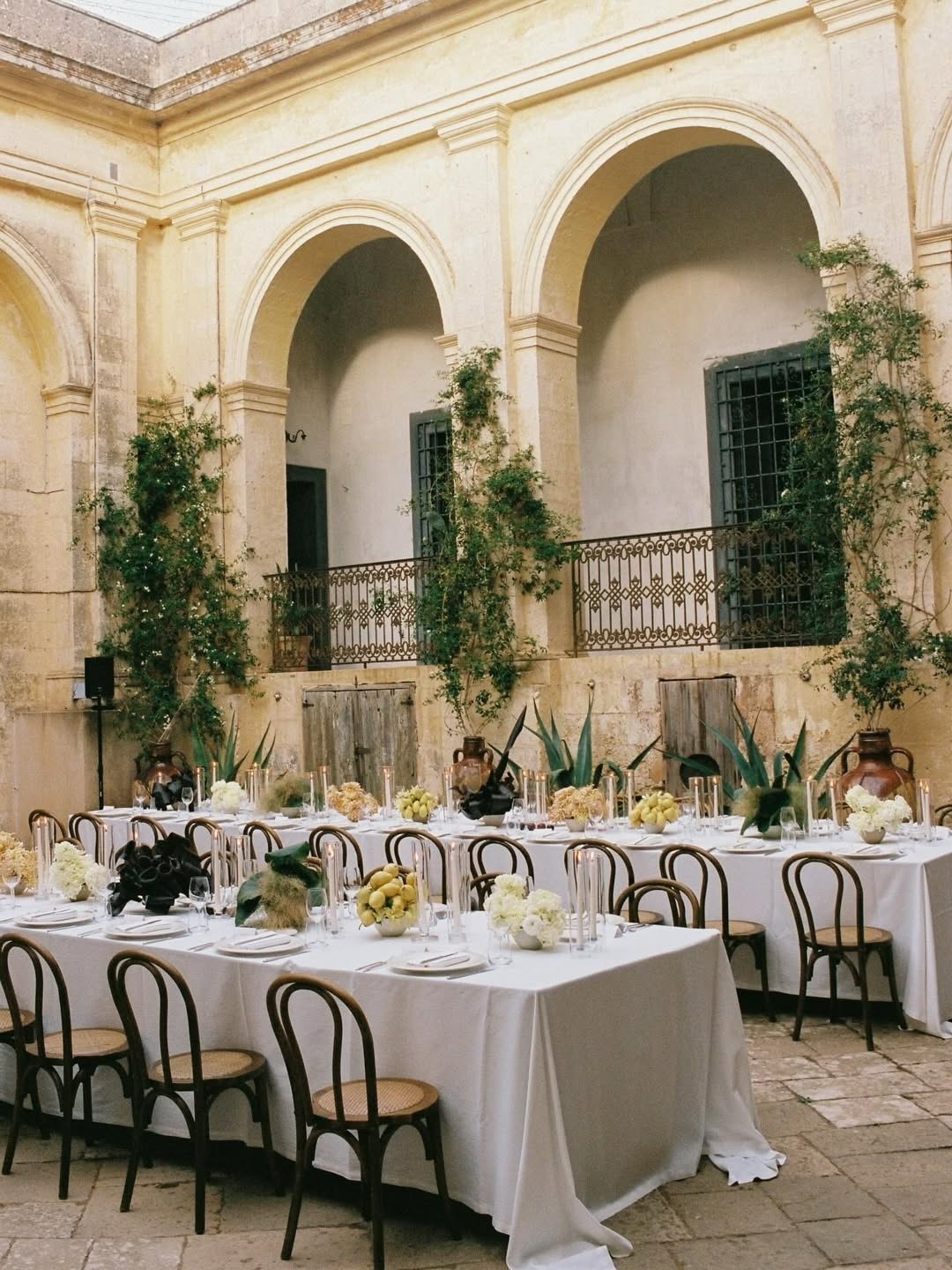
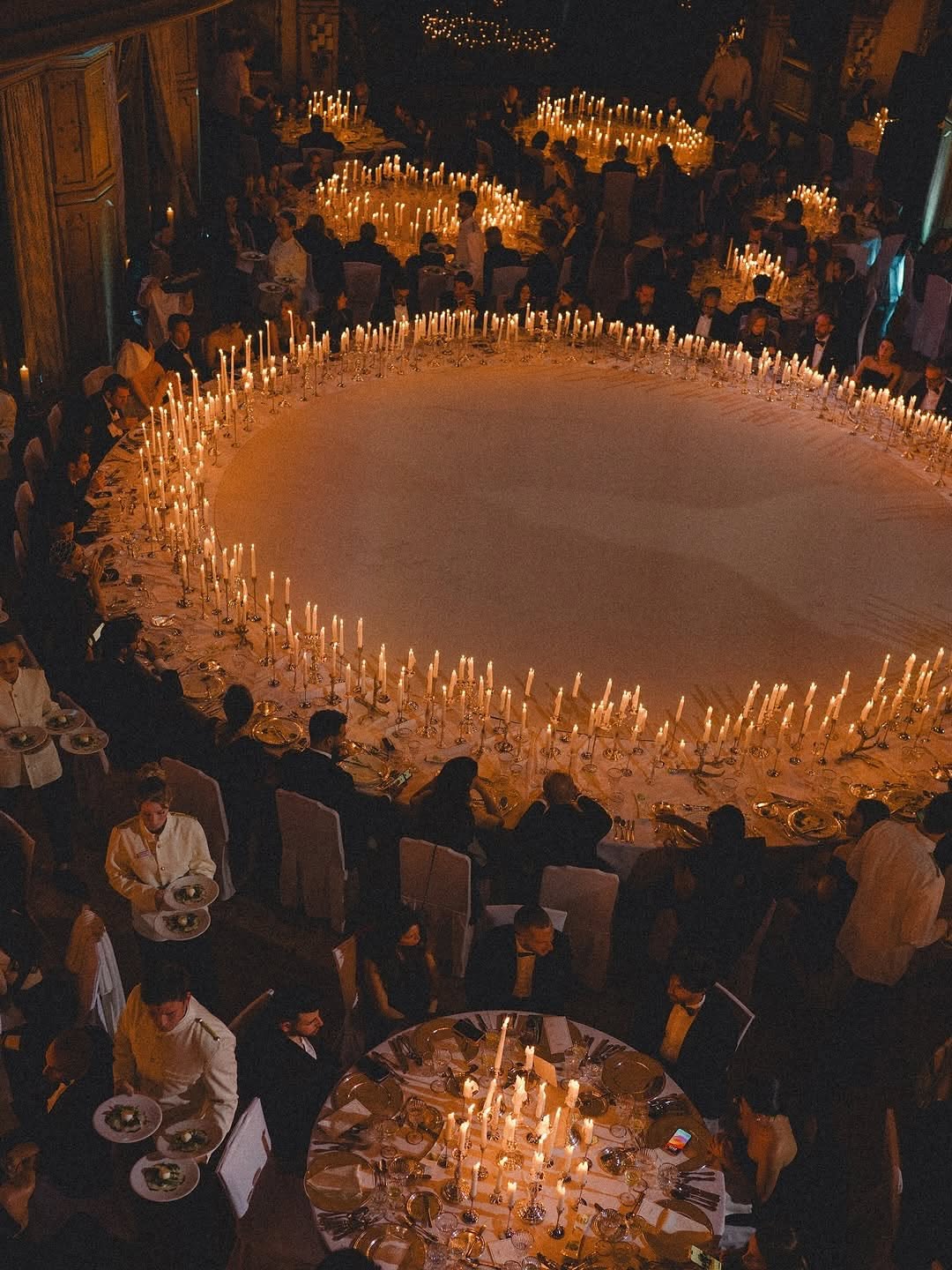
Photo: Charlotte Macke, Rosita Lipari
Final Advice
We asked each planner for their single most honest piece of advice. The answers were different in tone, but pointed in the same direction.
Julian Leaver: “Your guest list reflects your actual life, not your ideal one. Every guest you add from obligation is a seat you’re taking from someone whose presence would have genuinely meant something. Edit generously, and trust that the people who love you will understand a smaller, more intentional celebration.”
Lisa Costin: “Think to yourself — if you wouldn’t invite this person into your home for dinner, is it necessary for them to be at your wedding? Intimate and meaningful gatherings are usually best.”
Chiara Sernesi: “The guest list and seating plan are, by nature, a personal and family matter — a puzzle of affections and relationships. My role is to translate that vision into the functional reality of the venue: to indicate the ideal number of guests for maximum comfort, to suggest layouts that enhance the space, and to ensure the design of the room becomes a tool to encourage socialising and the comfort of every guest.”
Roxanna Nowrouzi: “Put a lot of intention into the way you seat guests. It will create a lasting impression on the experience your guests have and the energy it brings to your wedding.”
And Chelsea Brooke: “Be intentional with your guests. The guest list and seating arrangements are the two aspects of the event that I cannot create for my clients. They are incredibly important — and they deserve the same care as everything else.”
The seating chart is not a formality. Done well, it’s one of the most generous things you can do for the people you’ve invited to share the day with you.
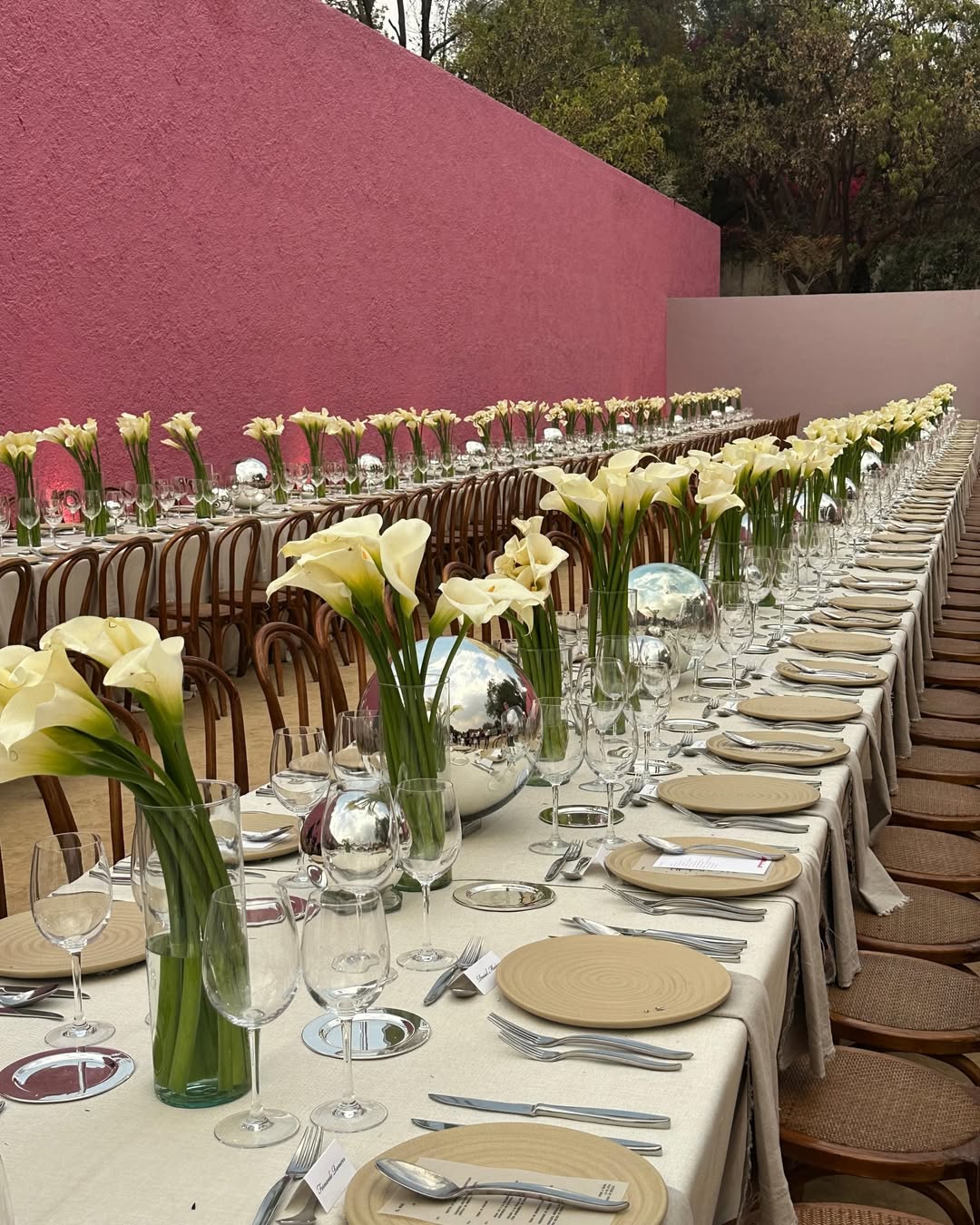
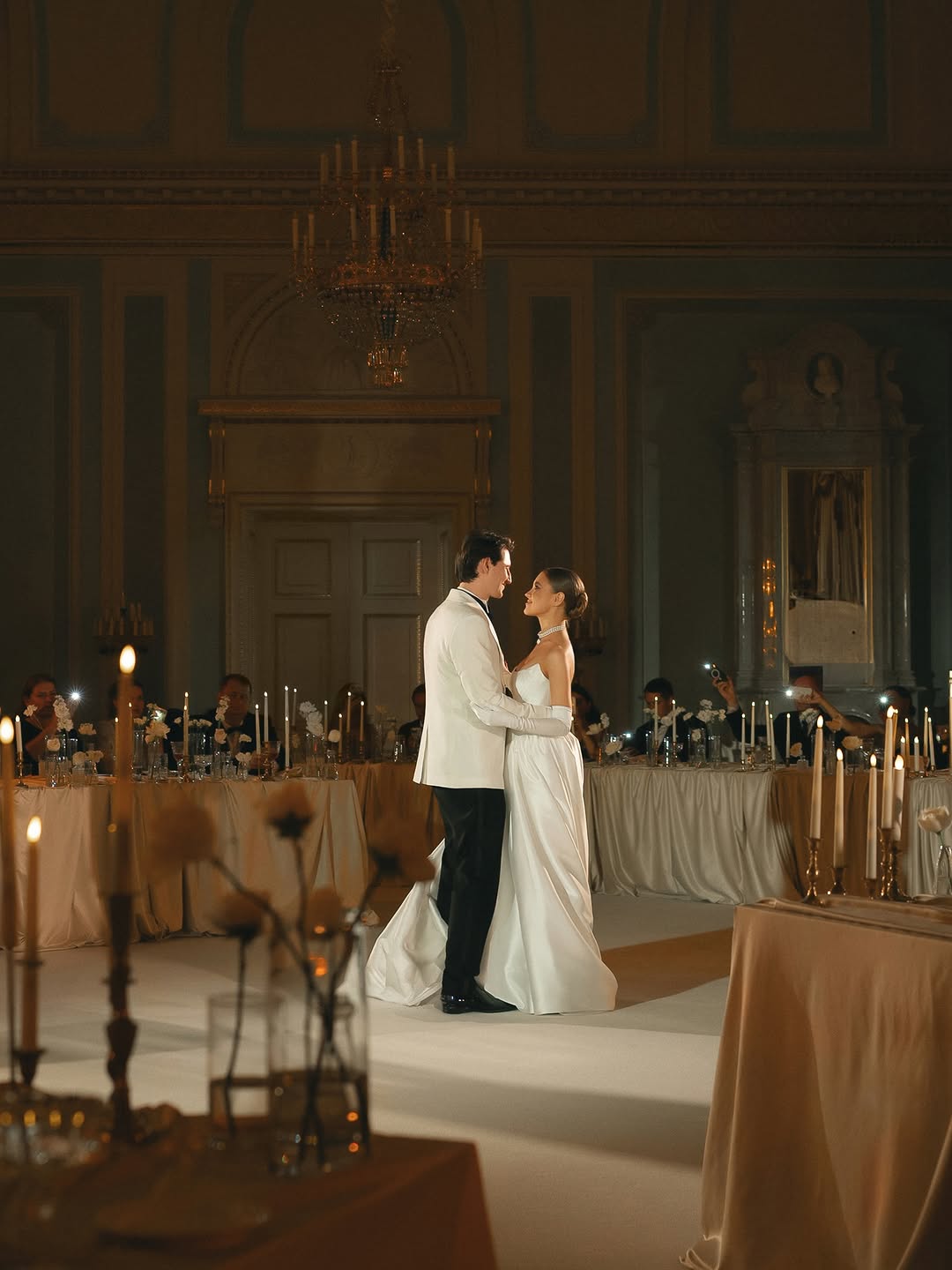
Photo: Yessica Cruz, Alexa Curly