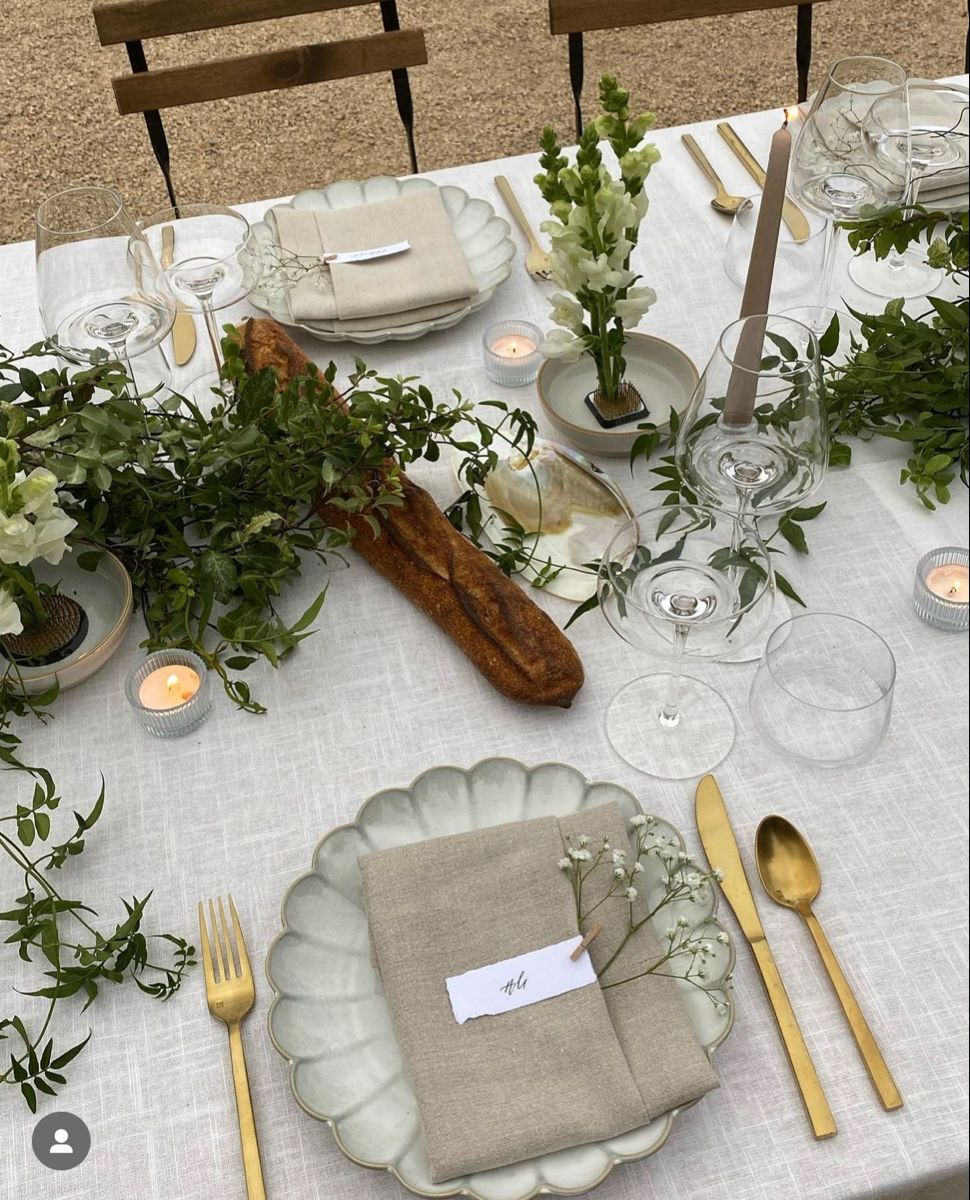
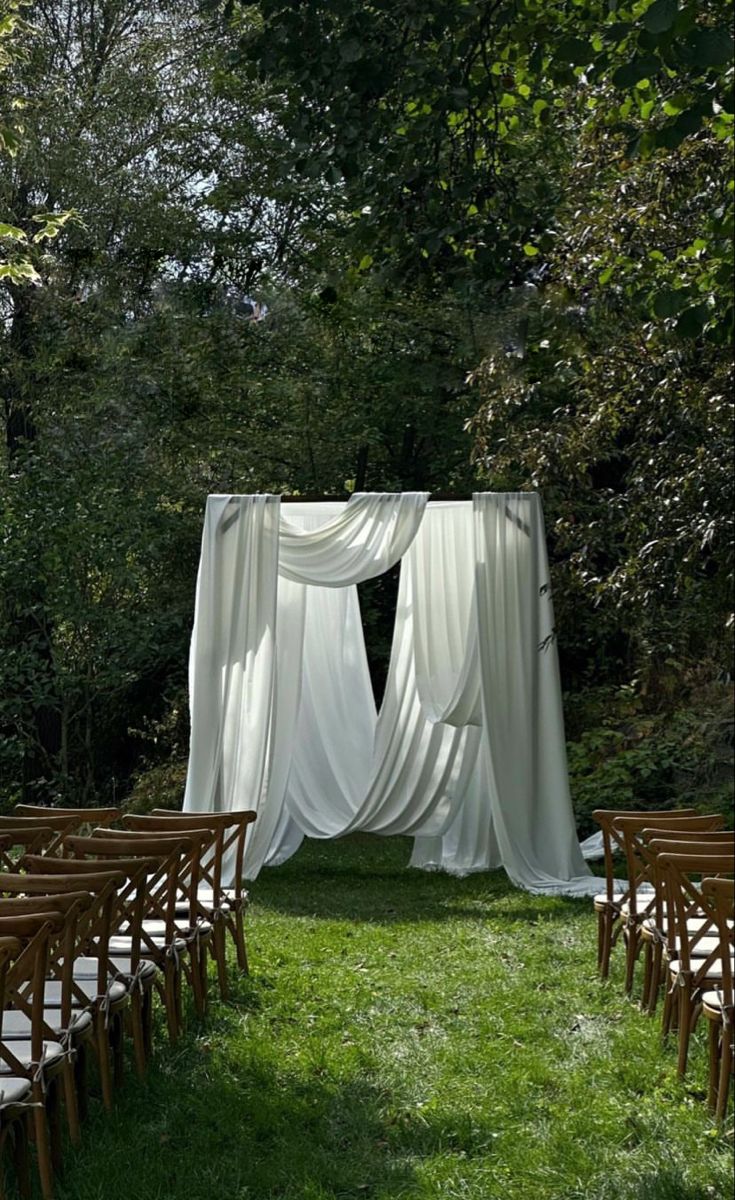
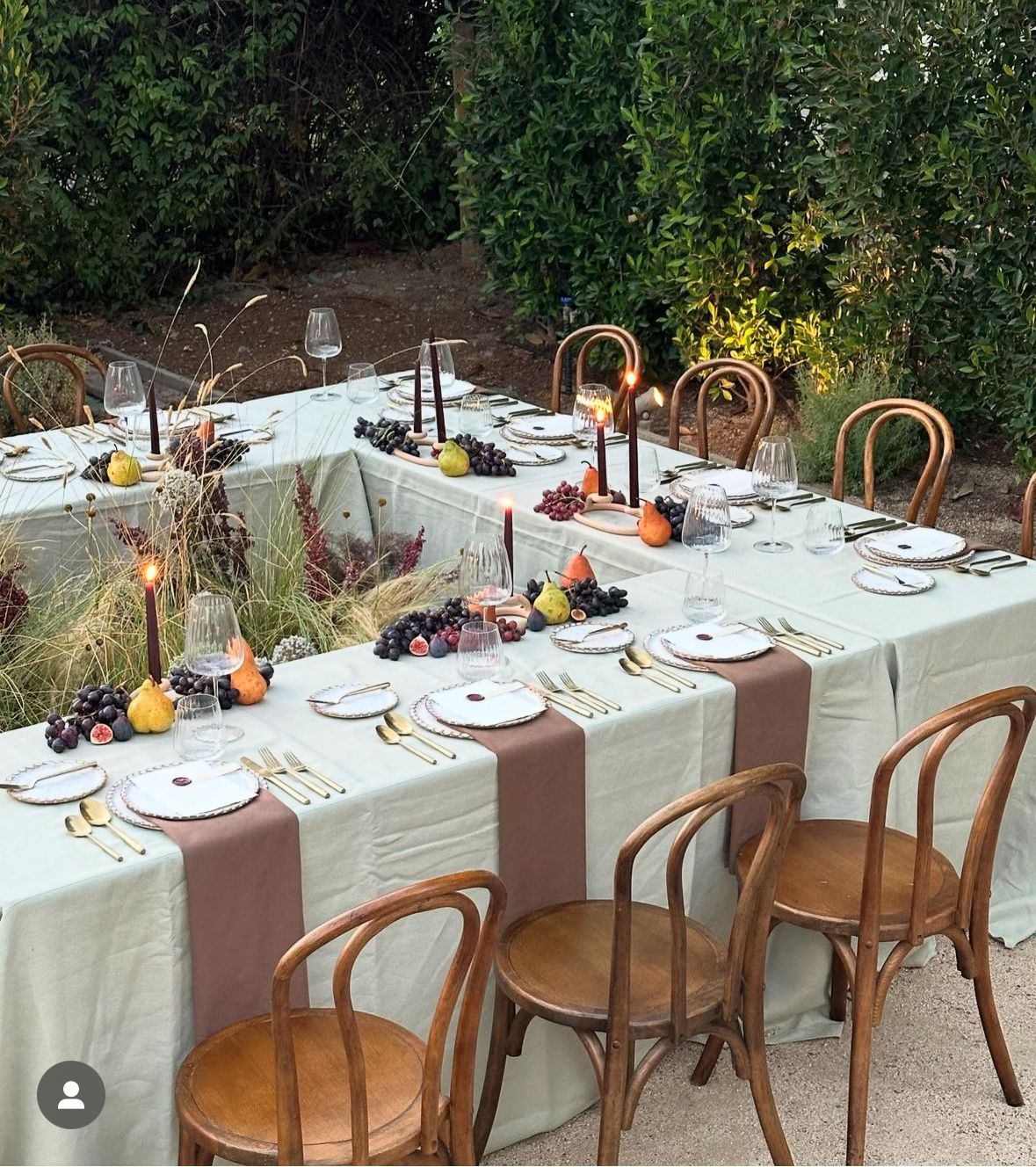
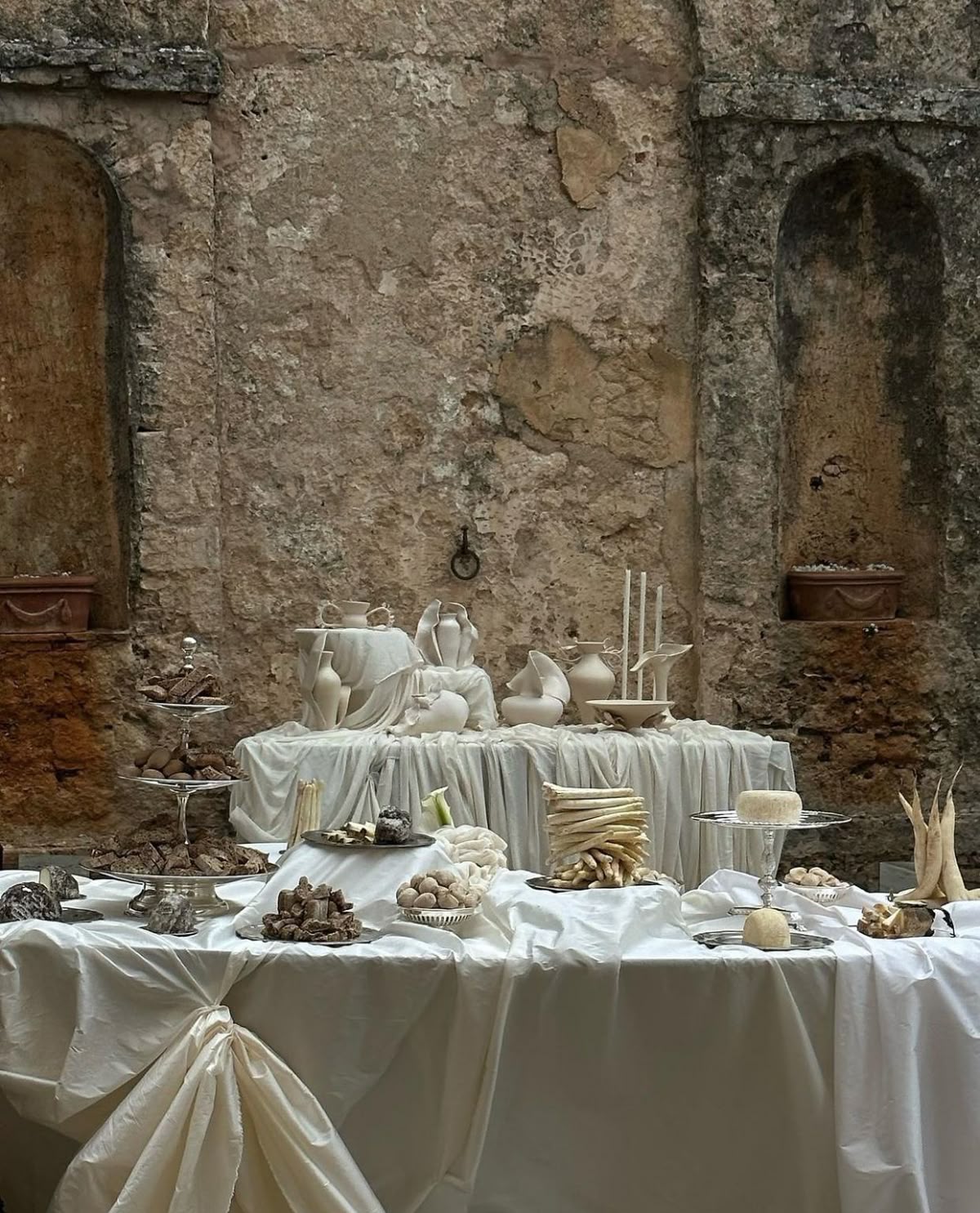
There’s a new language forming in wedding design. It doesn’t chase trends or rely on curated perfection. Instead, it grows from texture, presence, and emotional depth. Stone, wood, clay, linen are both sustainable and intuitively sensorial. They feel grounding to the touch, carry time in their grain, and quietly complement one another.
Planners, designers, and couples are rethinking what decor means. They’re moving away from one-day aesthetics and toward something lasting. These materials shift the focus from performance to feeling. They age with grace, can be used again, and bring calm structure to a celebration. What once felt too raw, like a matte plate, a heavy slate slab, a crumpled linen napkin, now holds character. Decor becomes less about setting the scene and more about creating a rhythm people remember with their hands, not just their eyes. This guide explores how natural, eco-friendly materials are reshaping wedding design by prioritizing sustainability, tactility, and timeless beauty.
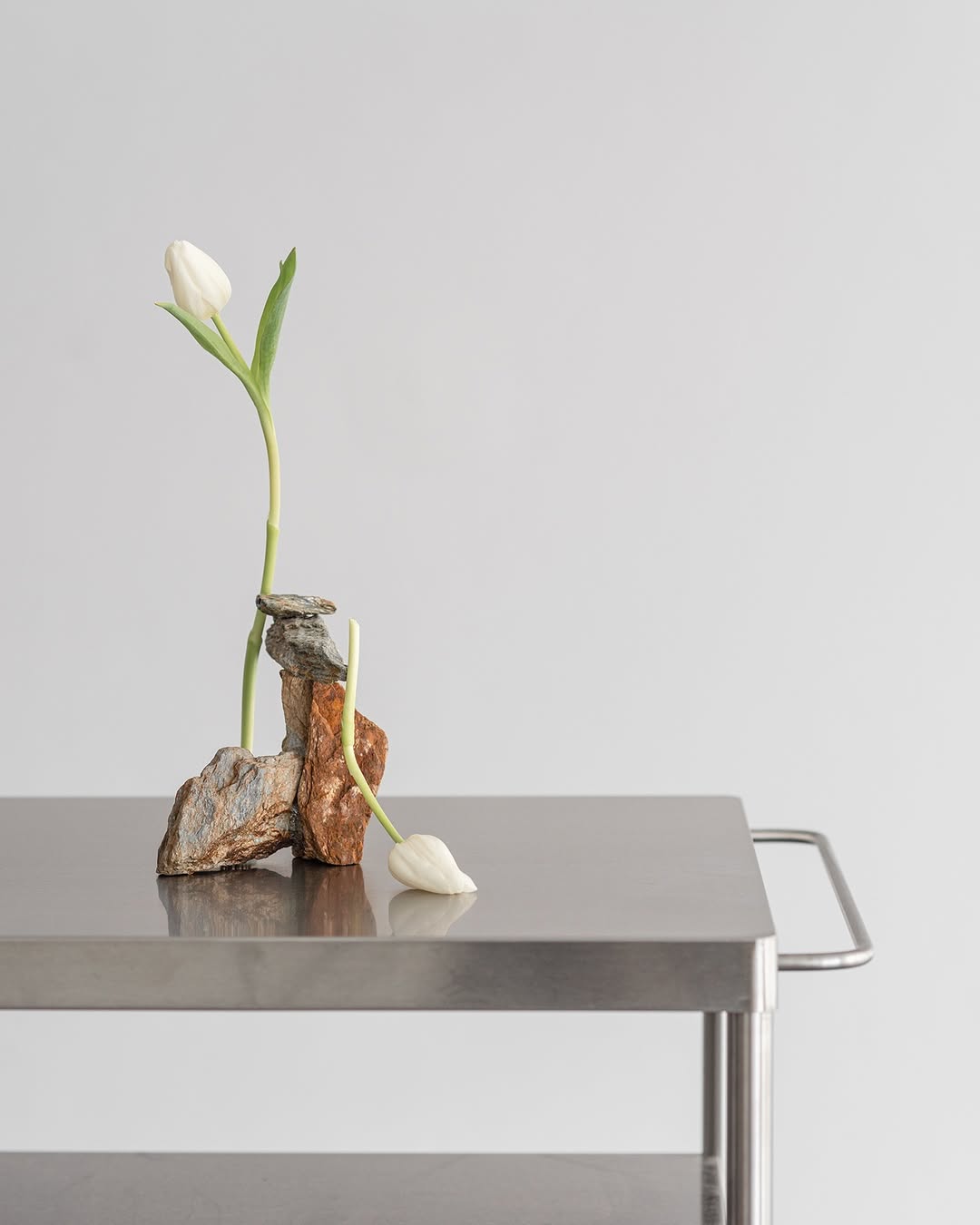
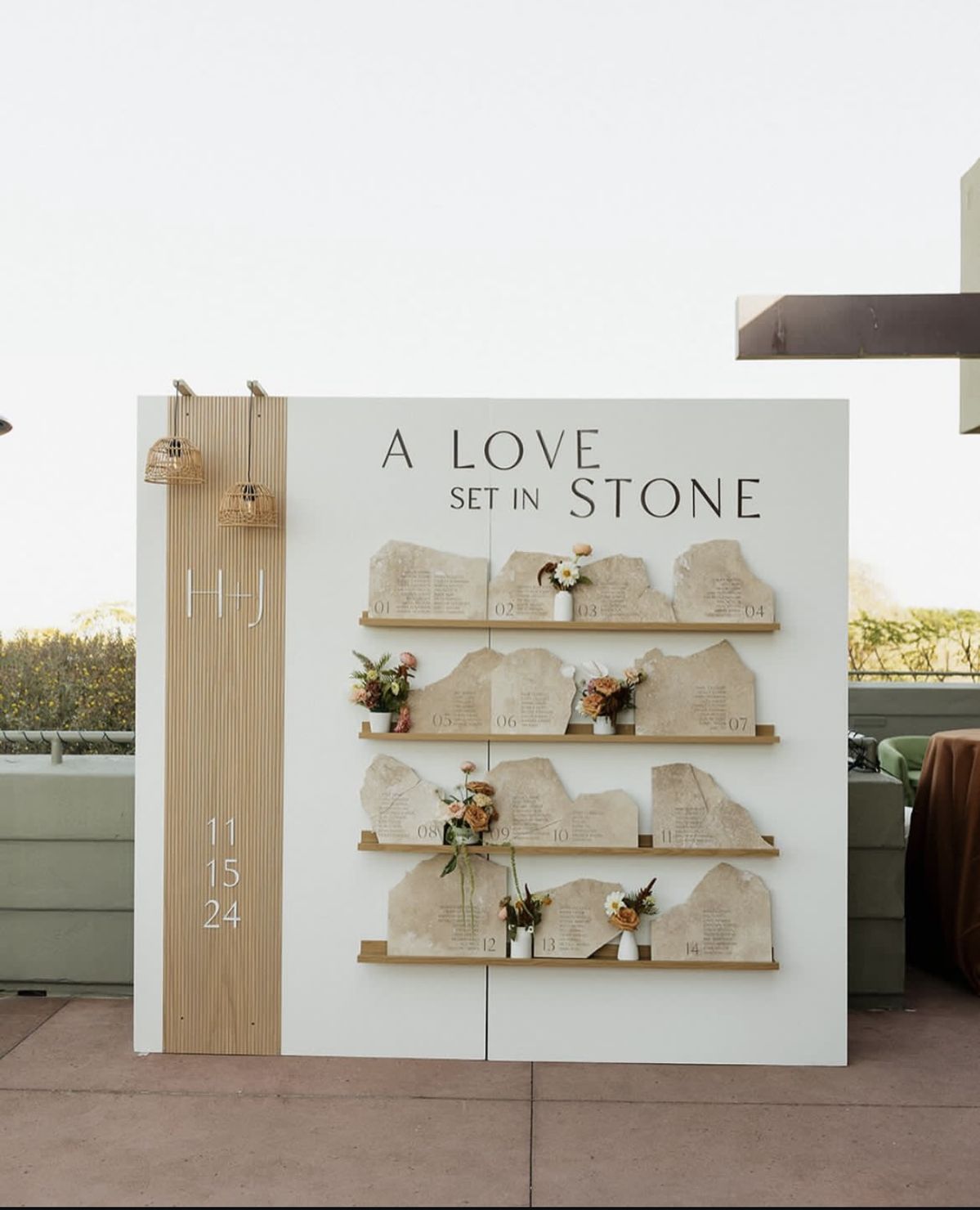
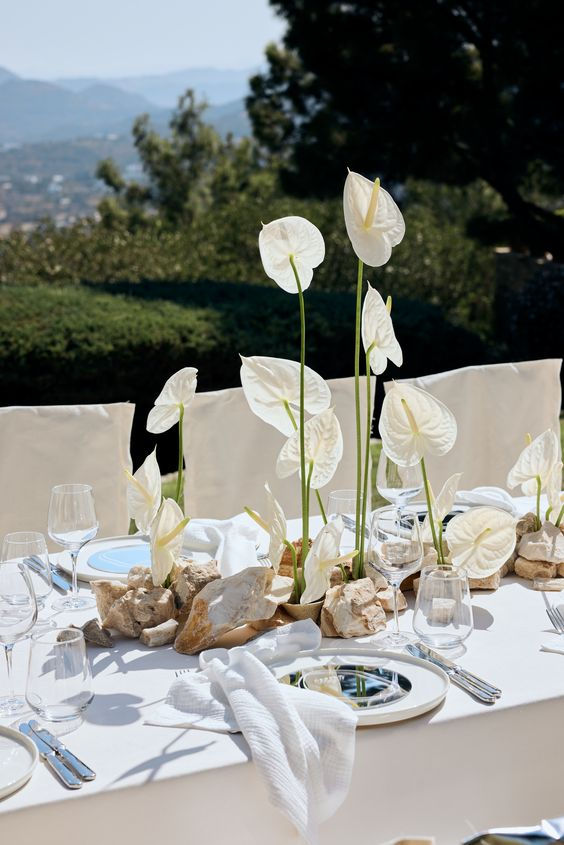
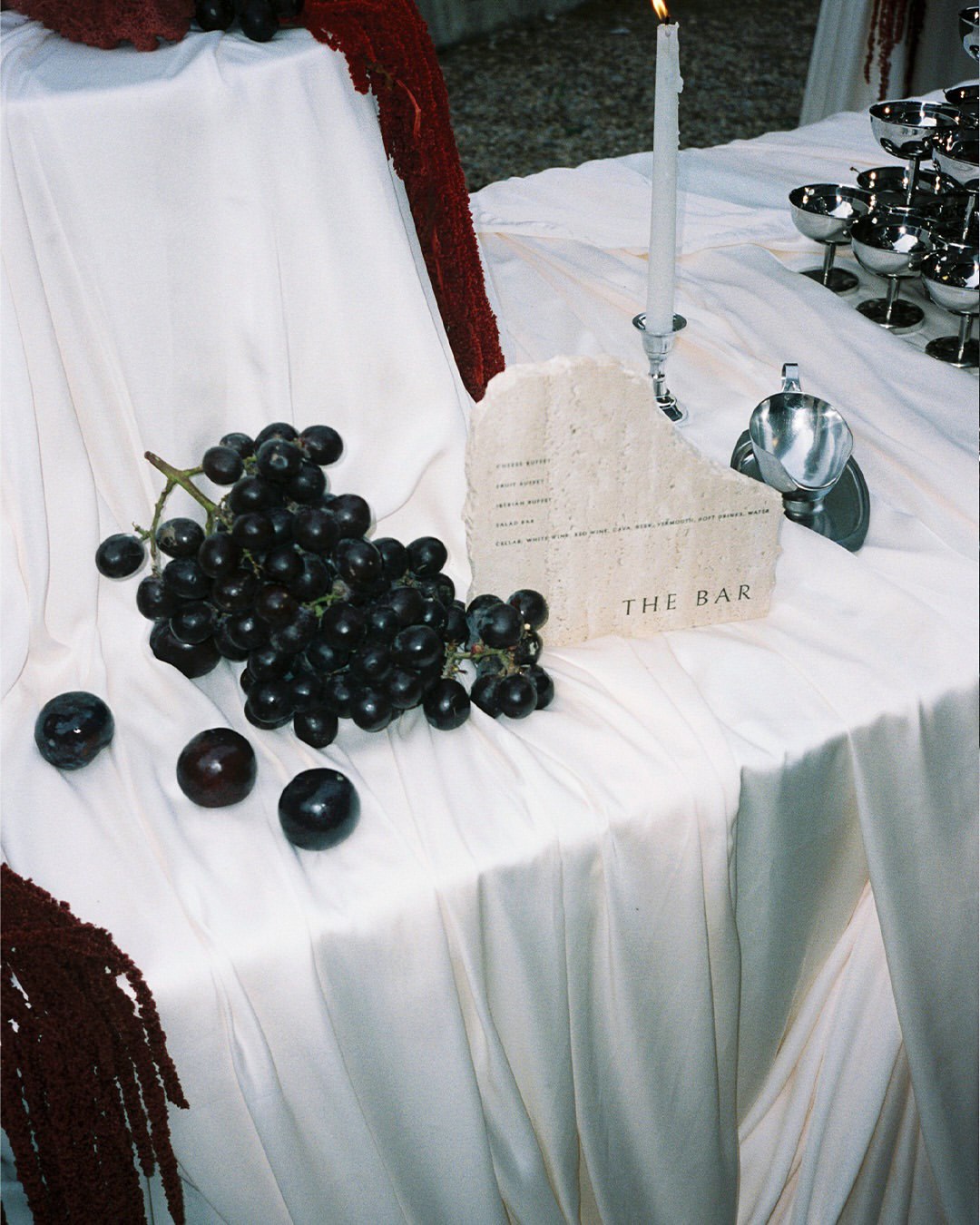
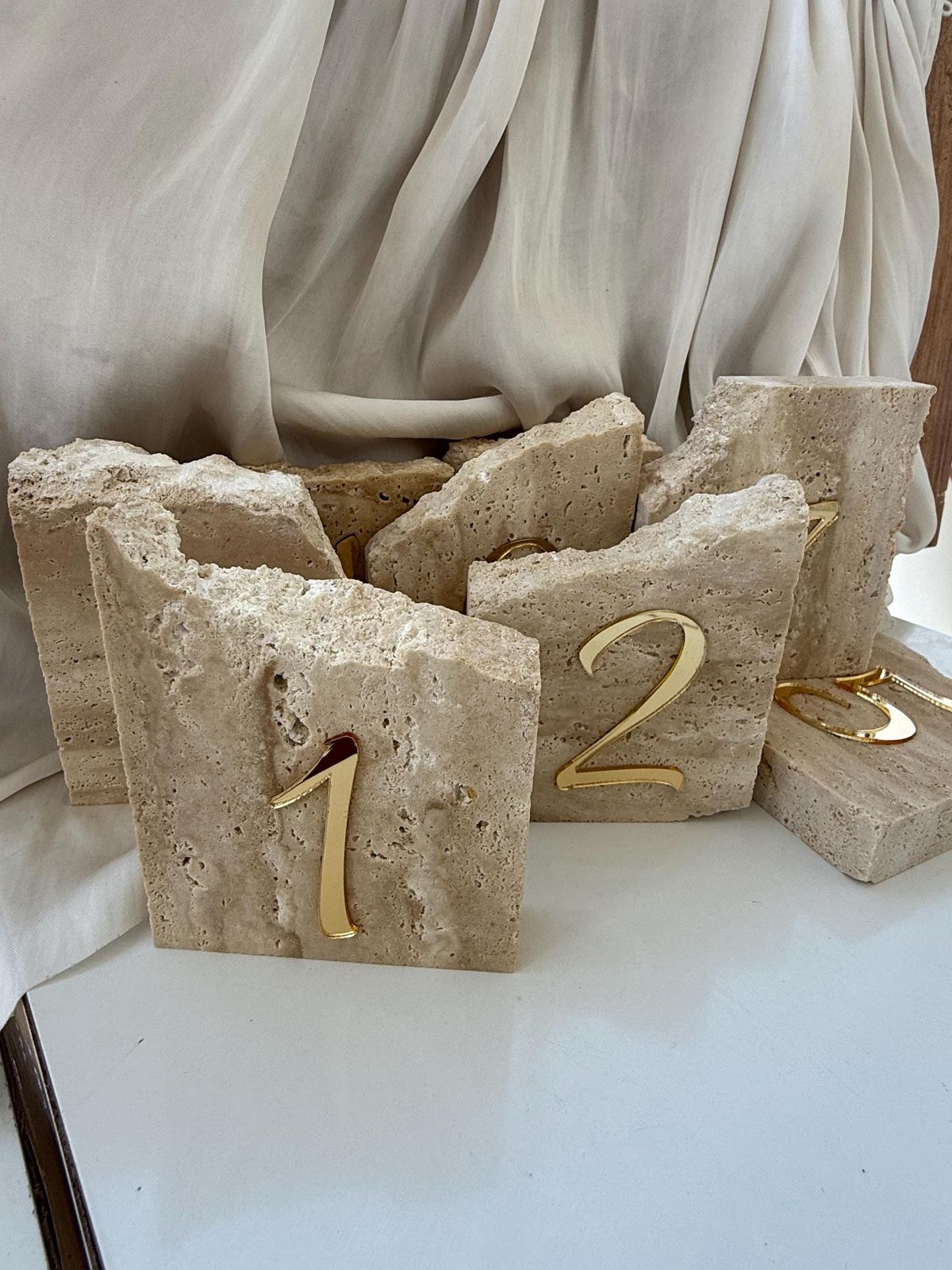
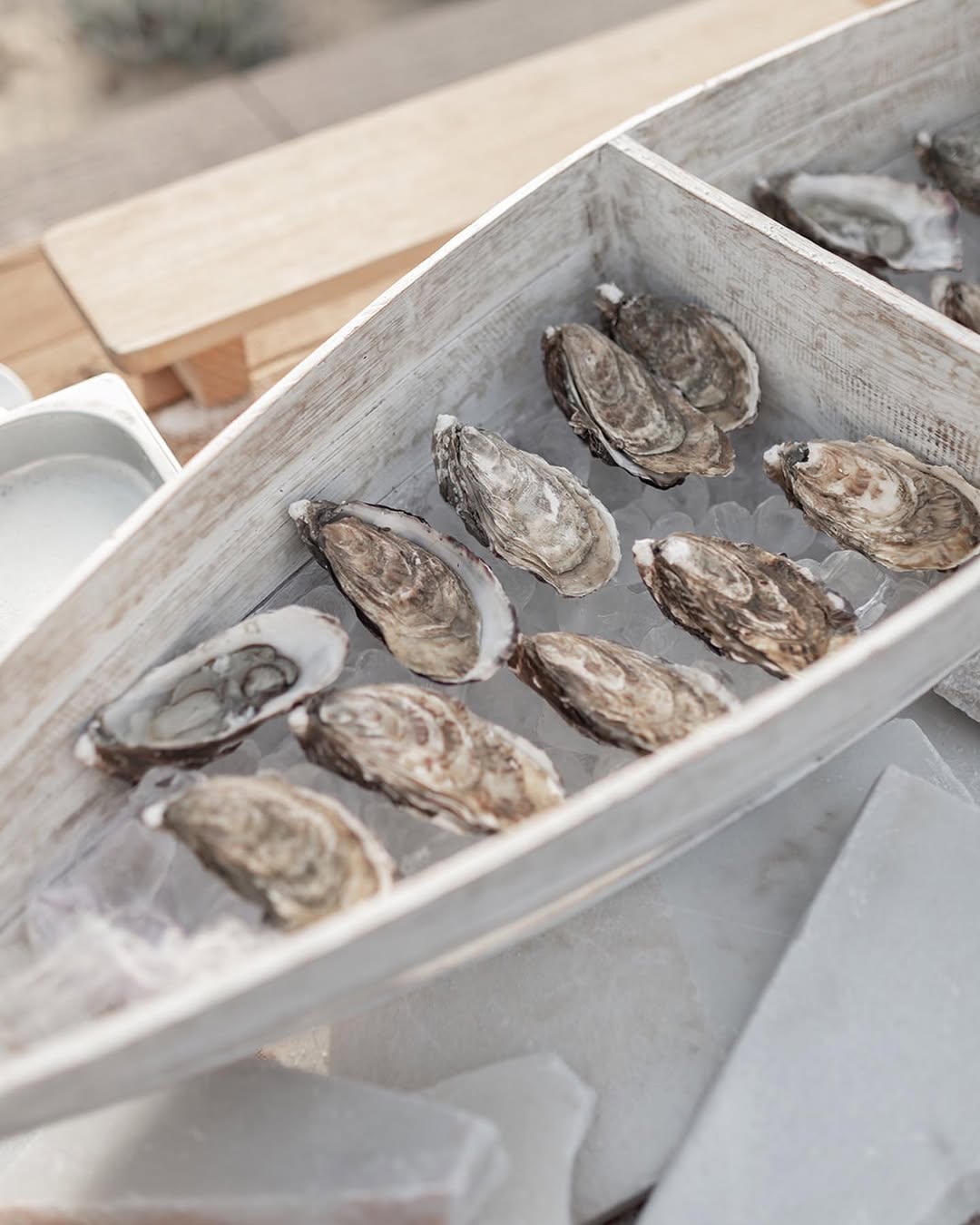
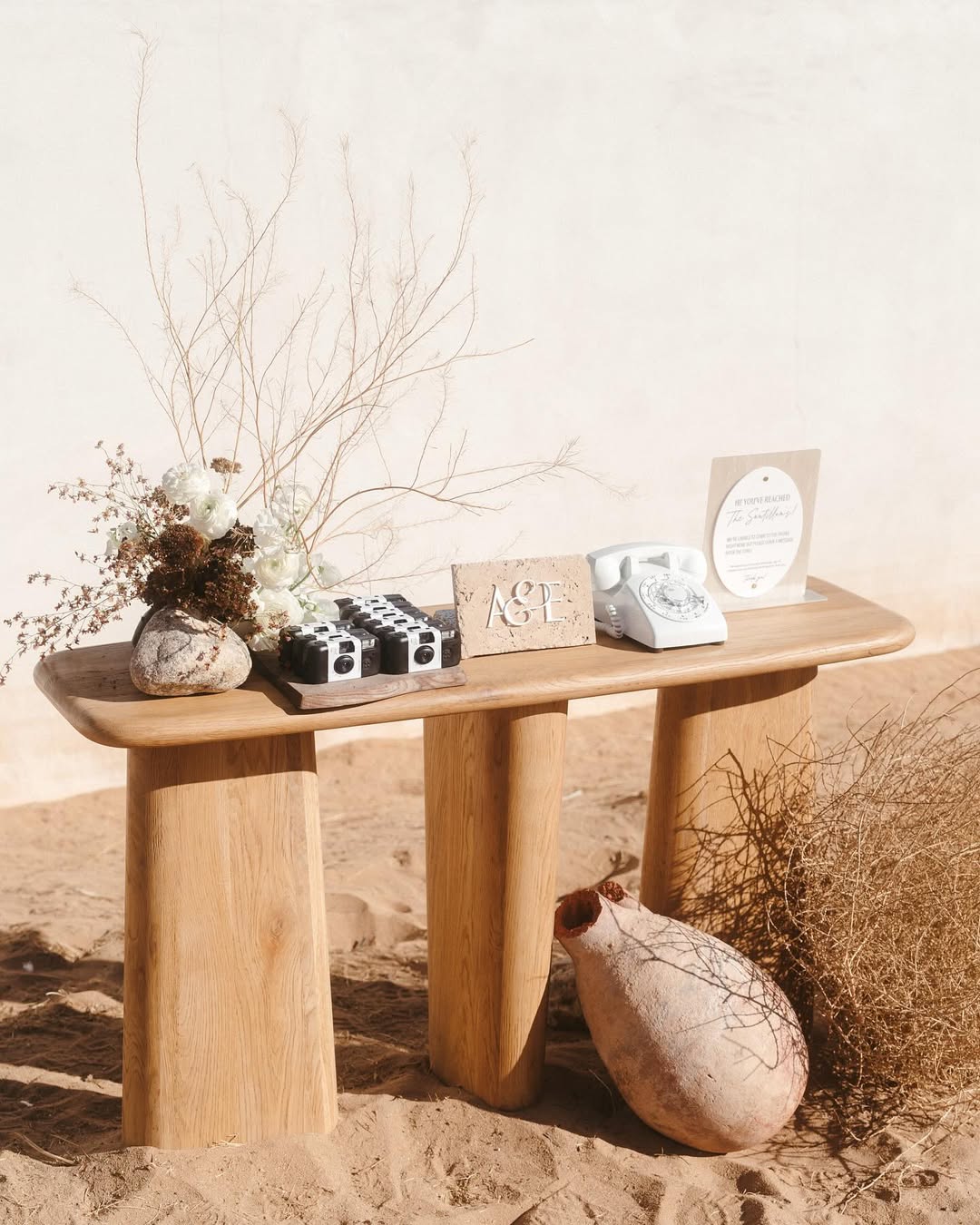
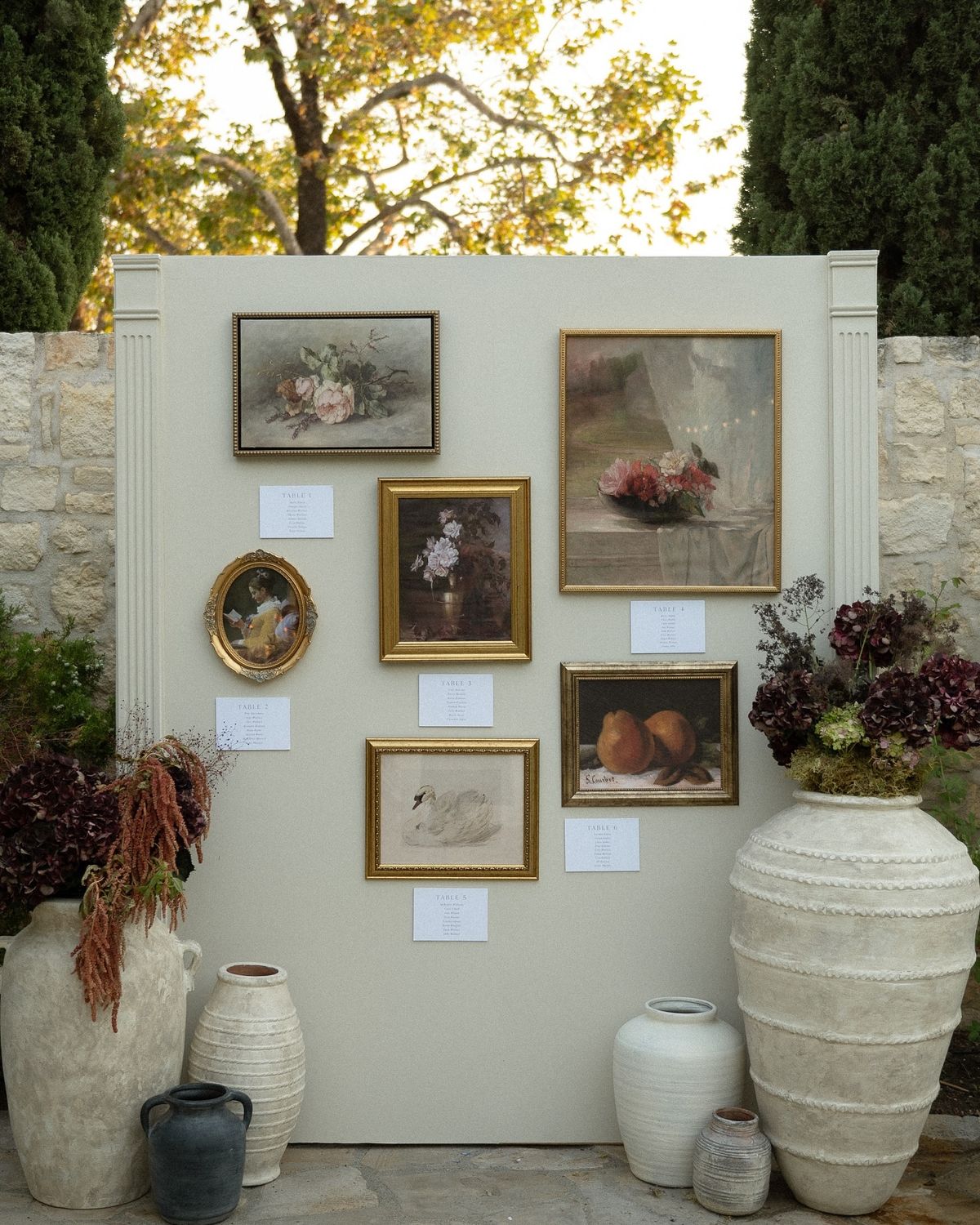
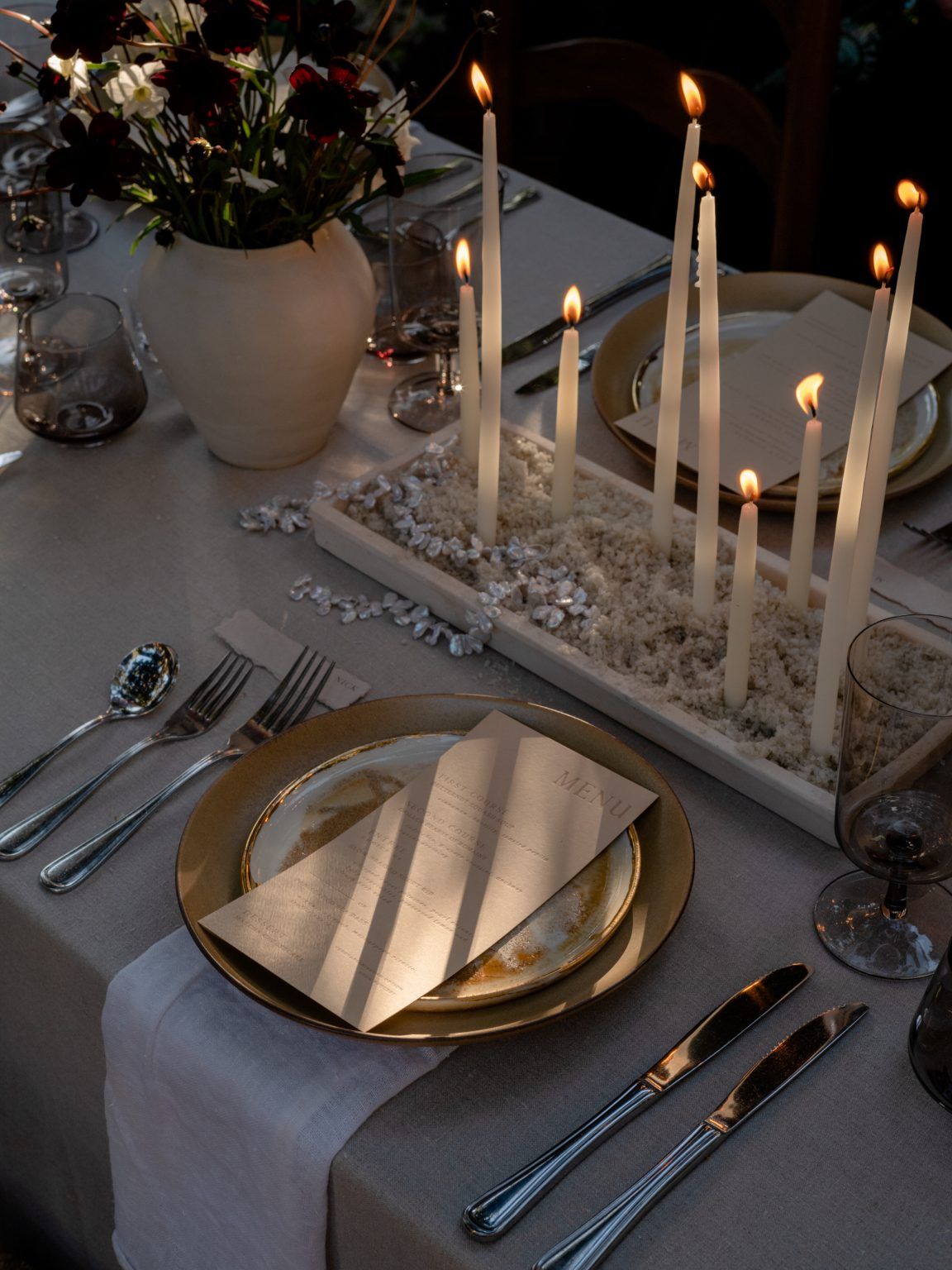
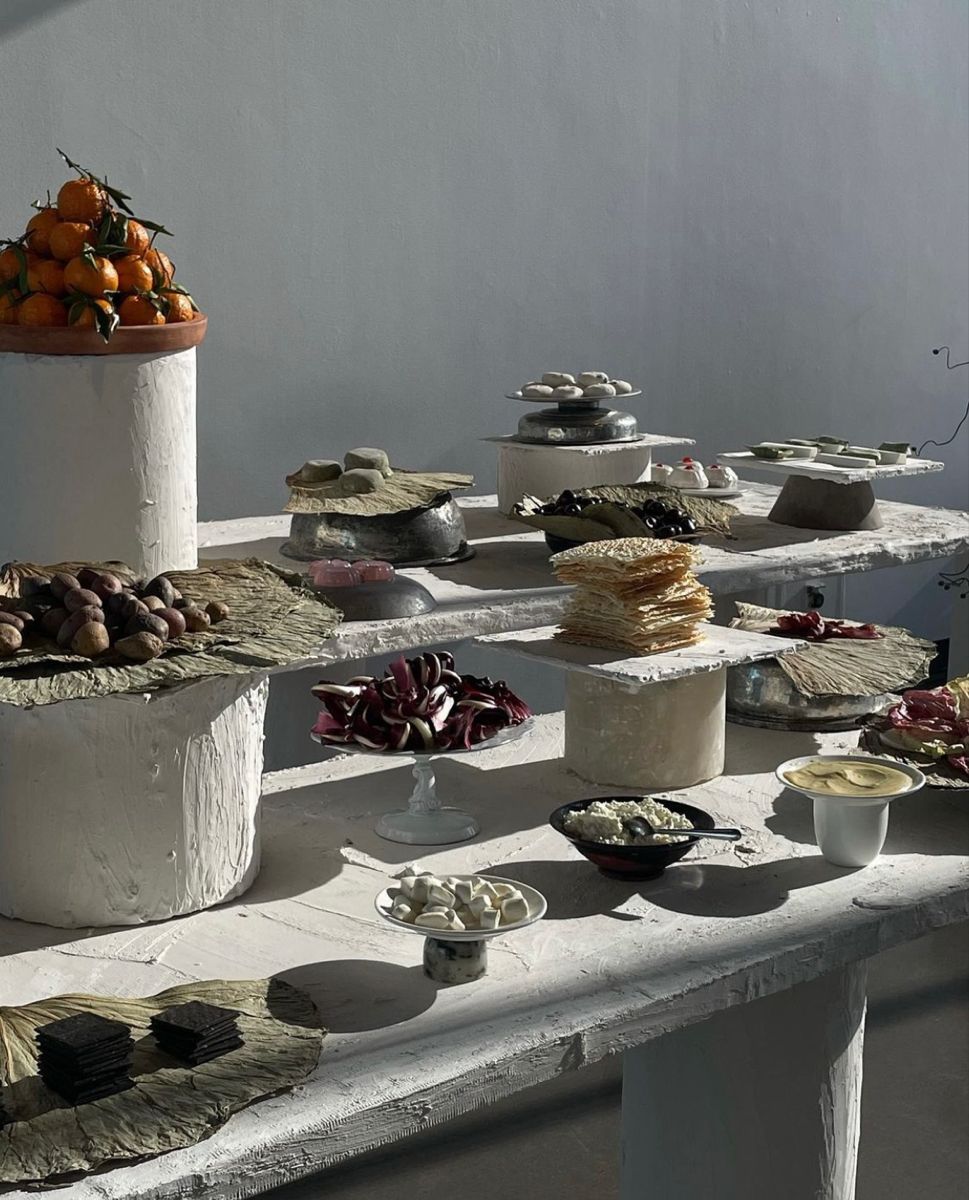
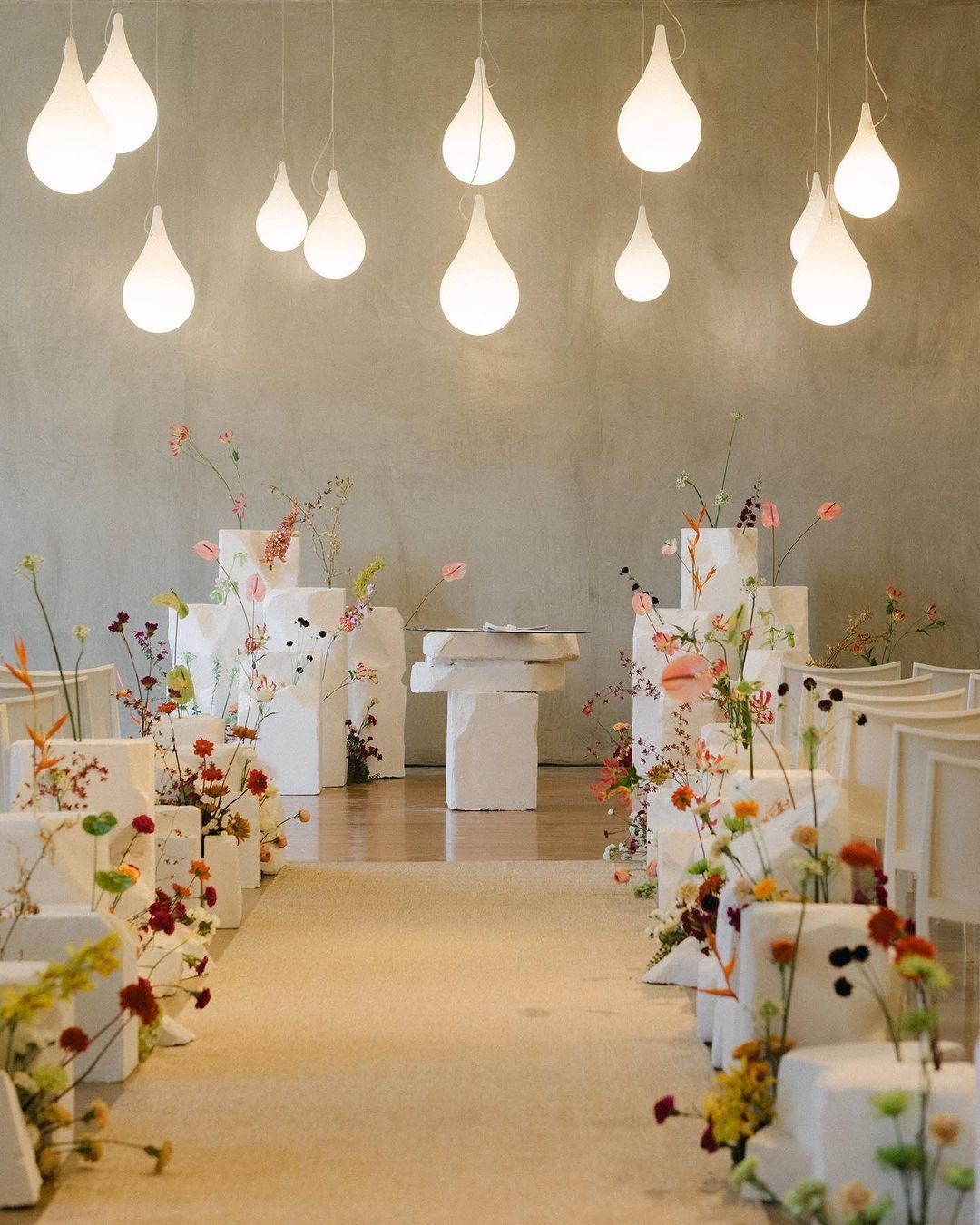
Stone introduces a touch of coolness to the design, visually and physically, in the most harmonious way, whether it’s slate, marble, or travertine. Even small accents can add weight and texture to your overall design. It works beautifully in tabletop elements, such as place card holders, centerpieces, or serving platters. No two pieces are the same, and that uniqueness becomes part of the story.
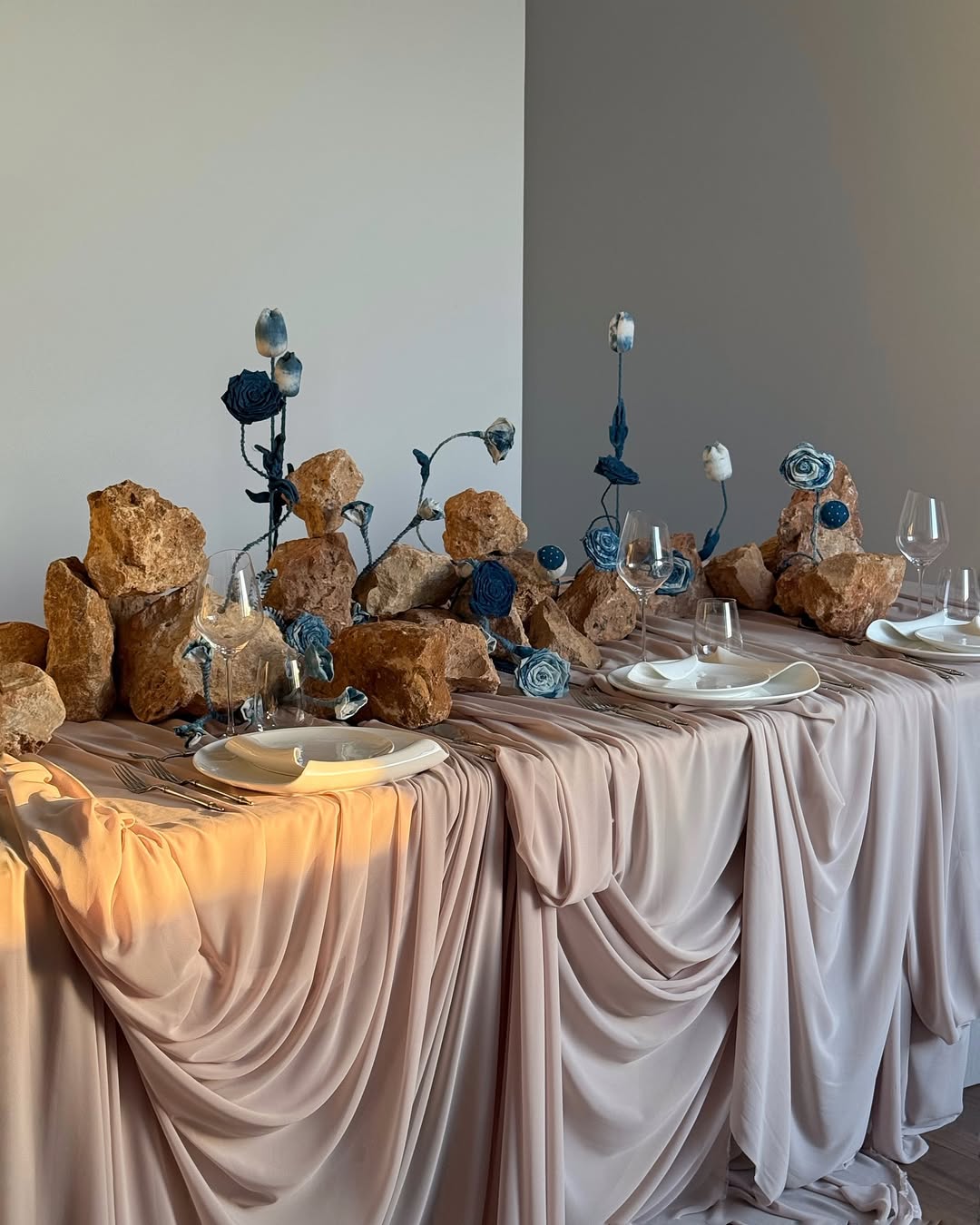
While heavy, stone decor is often minimal in processing and exceptionally durable. It can be rented, reused, or incorporated into your home after the wedding. And if your celebration takes place at a historic villa or estate, chances are stone is already part of the architecture. In that case, it’s less about adding and more about enhancing what’s already there. Stone also pairs beautifully with other natural elements, especially eco silk. The contrast of soft and solid, light and heavy, creates a subtle sophistication.
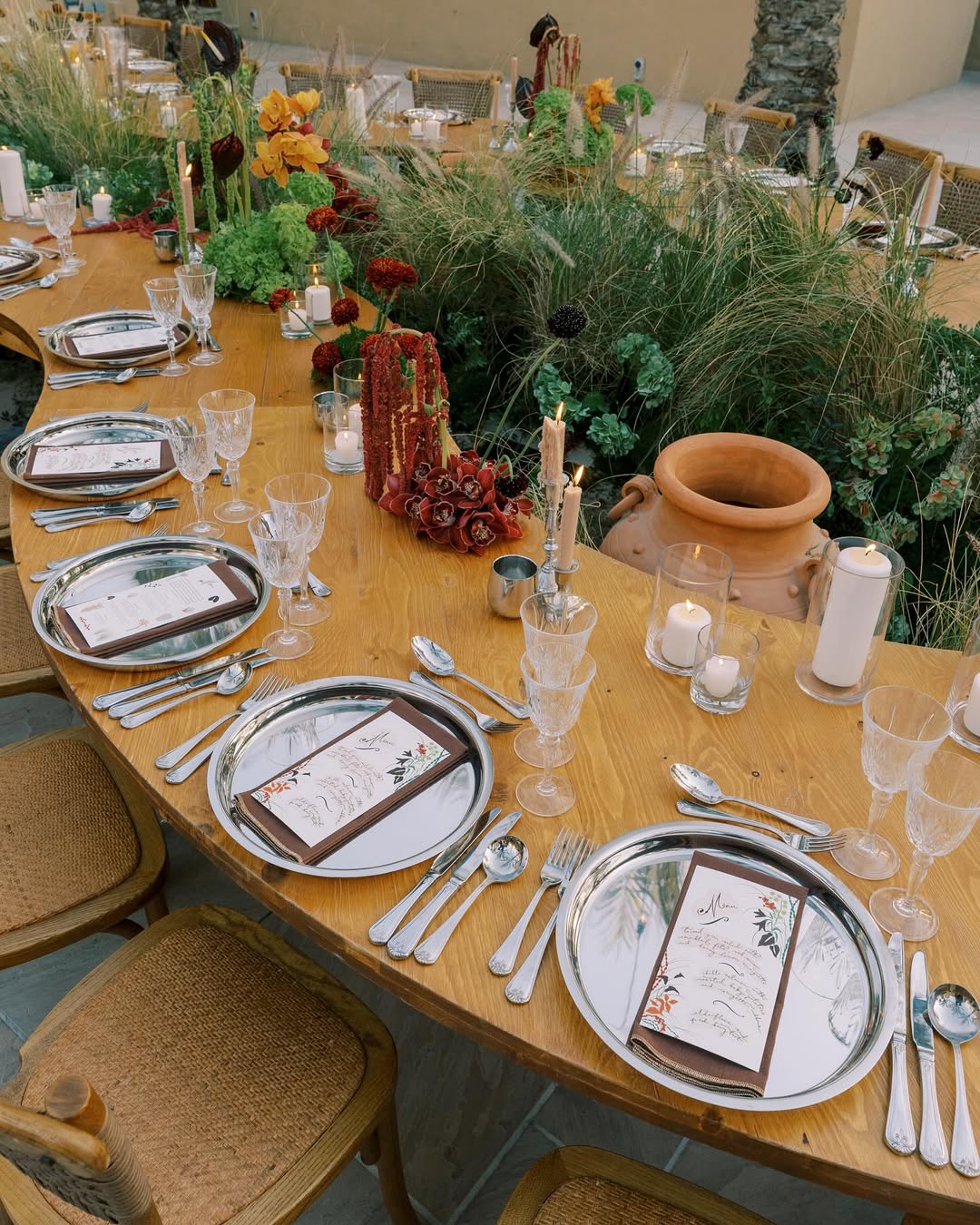
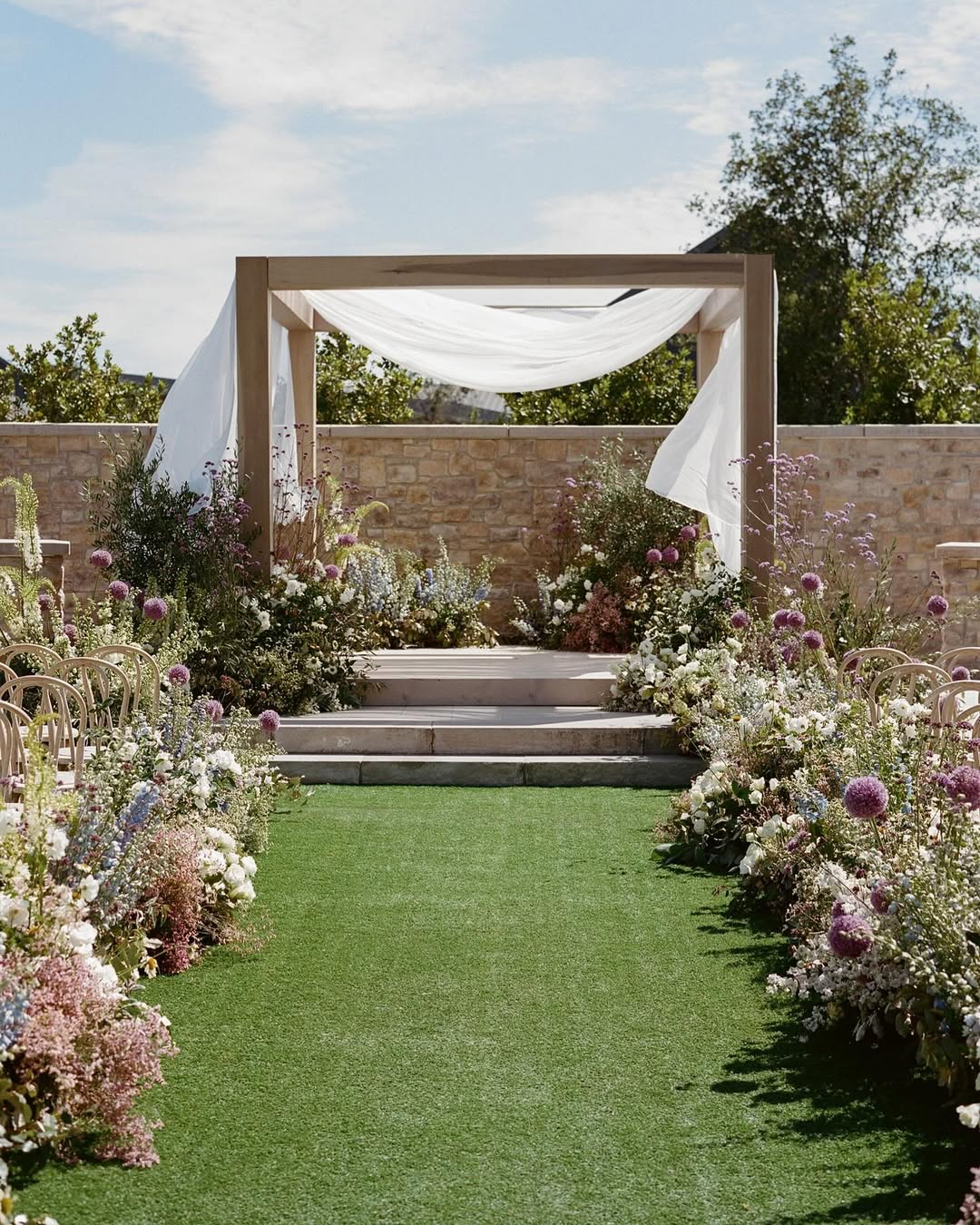
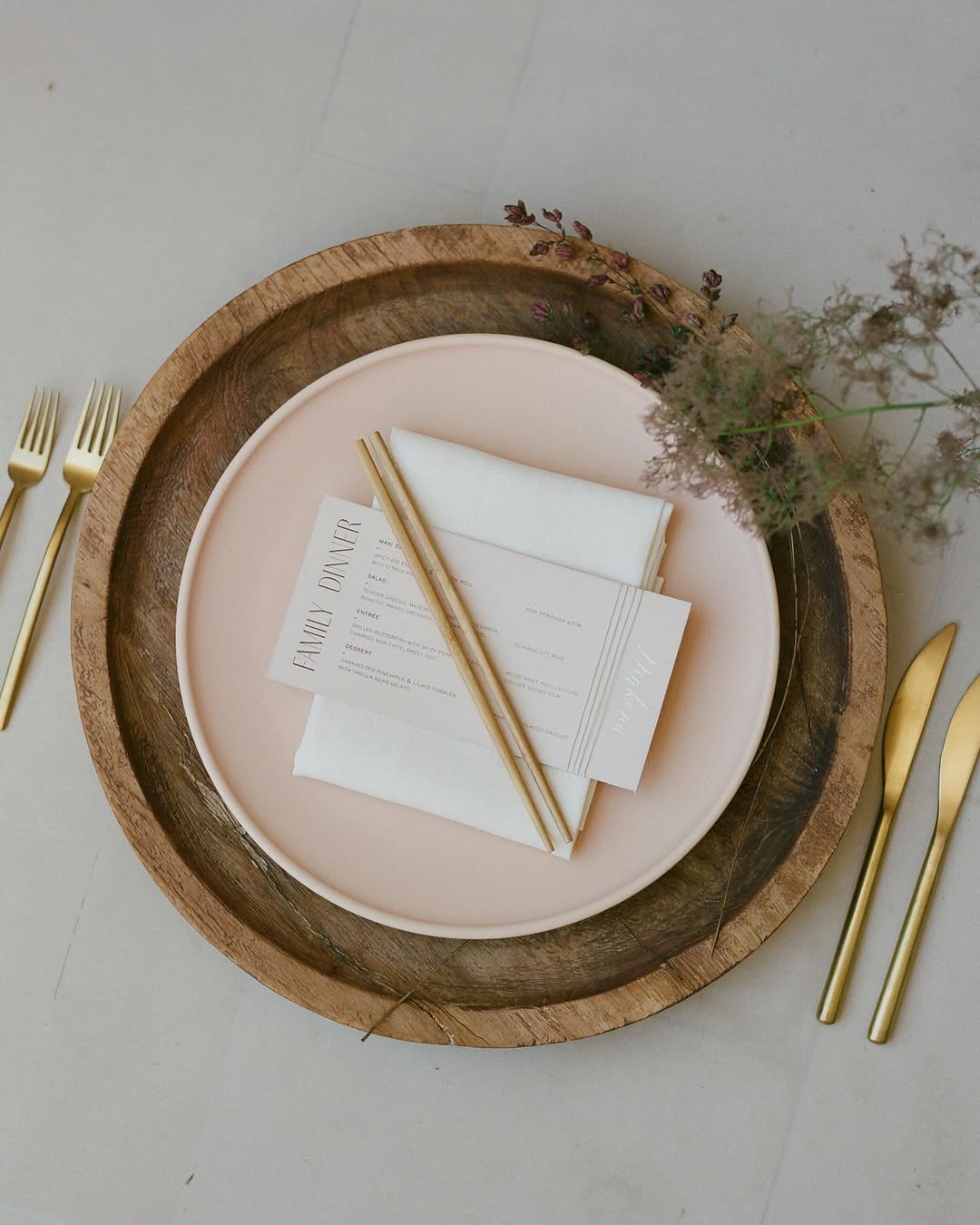
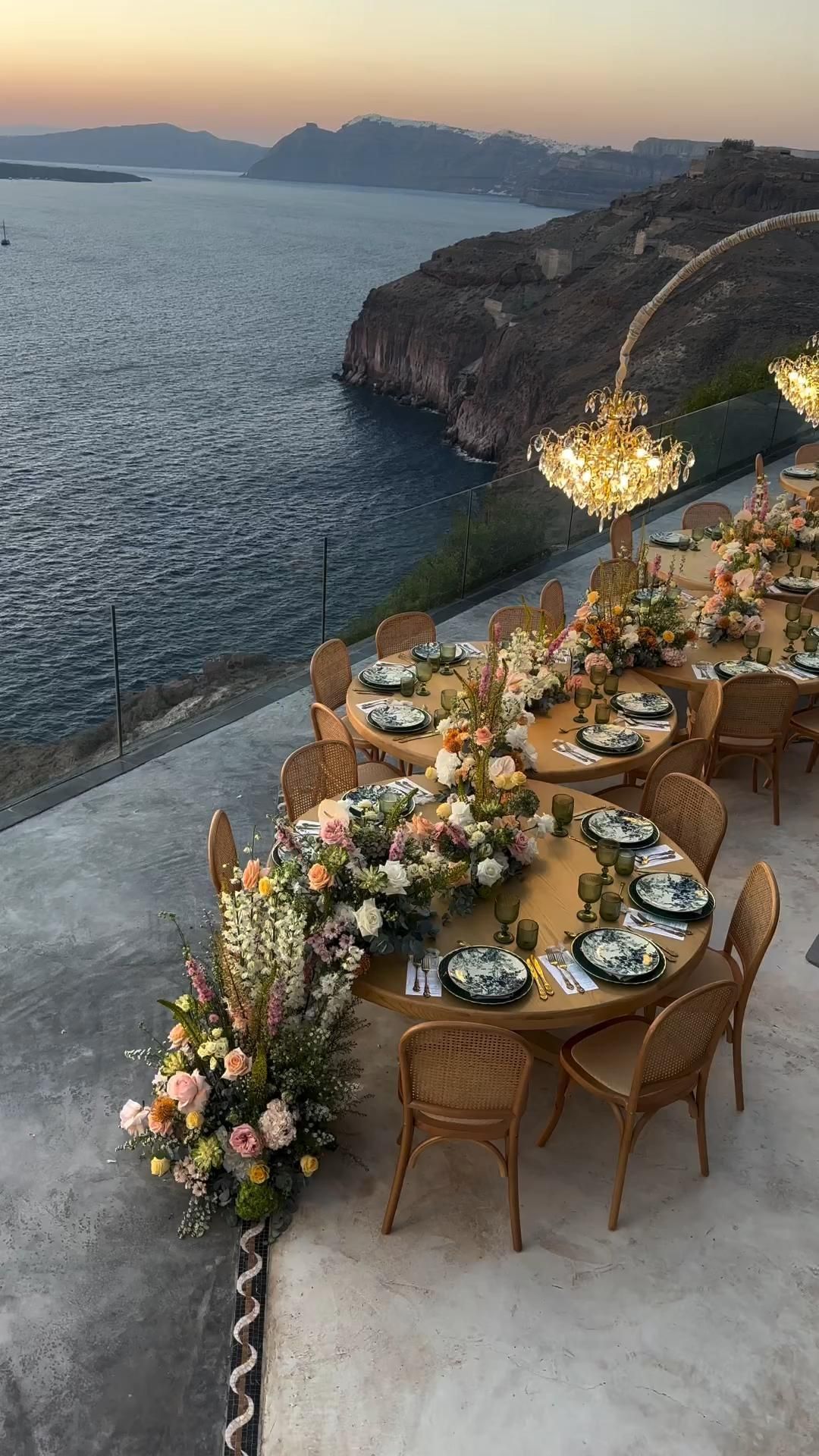
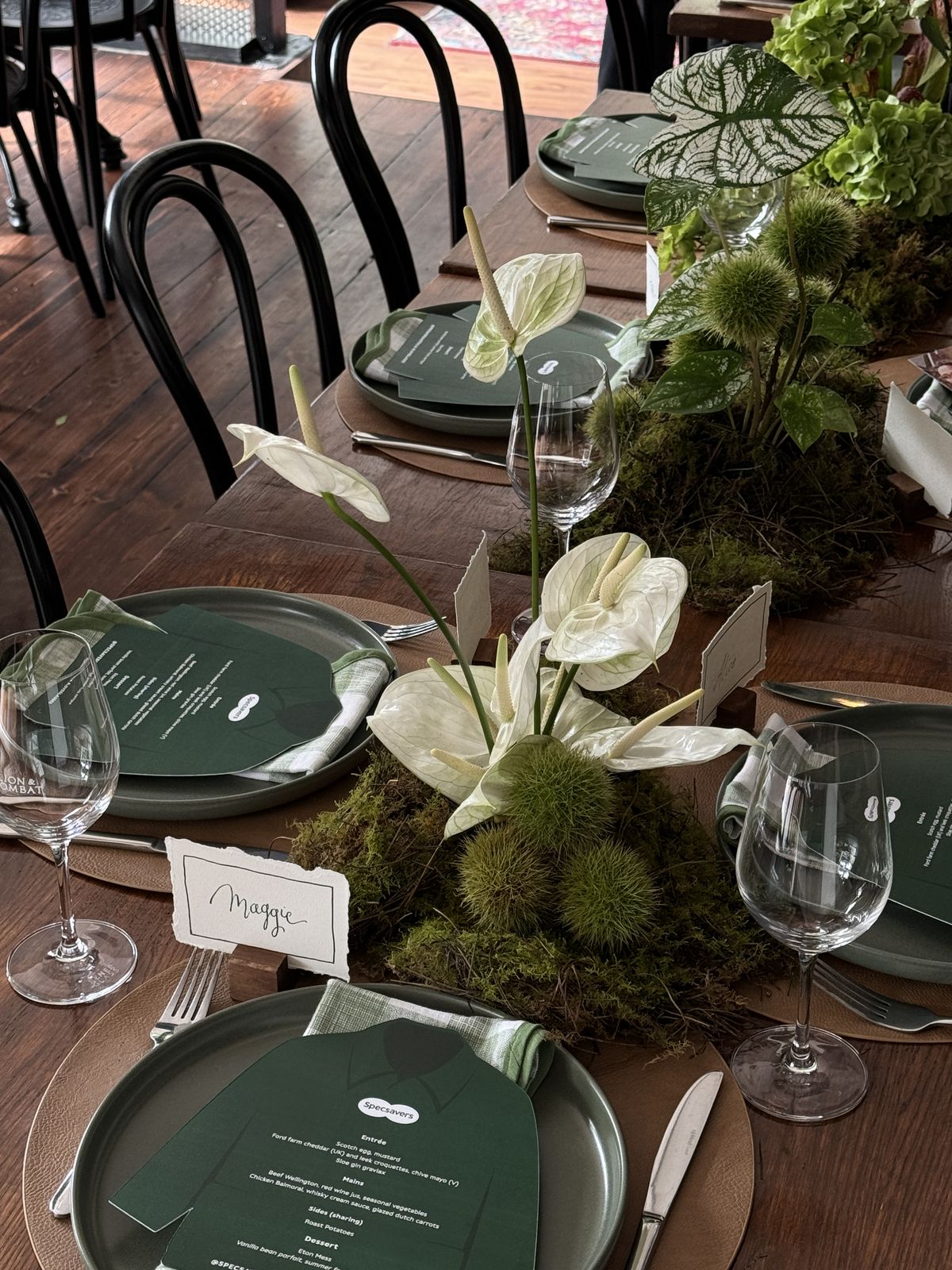
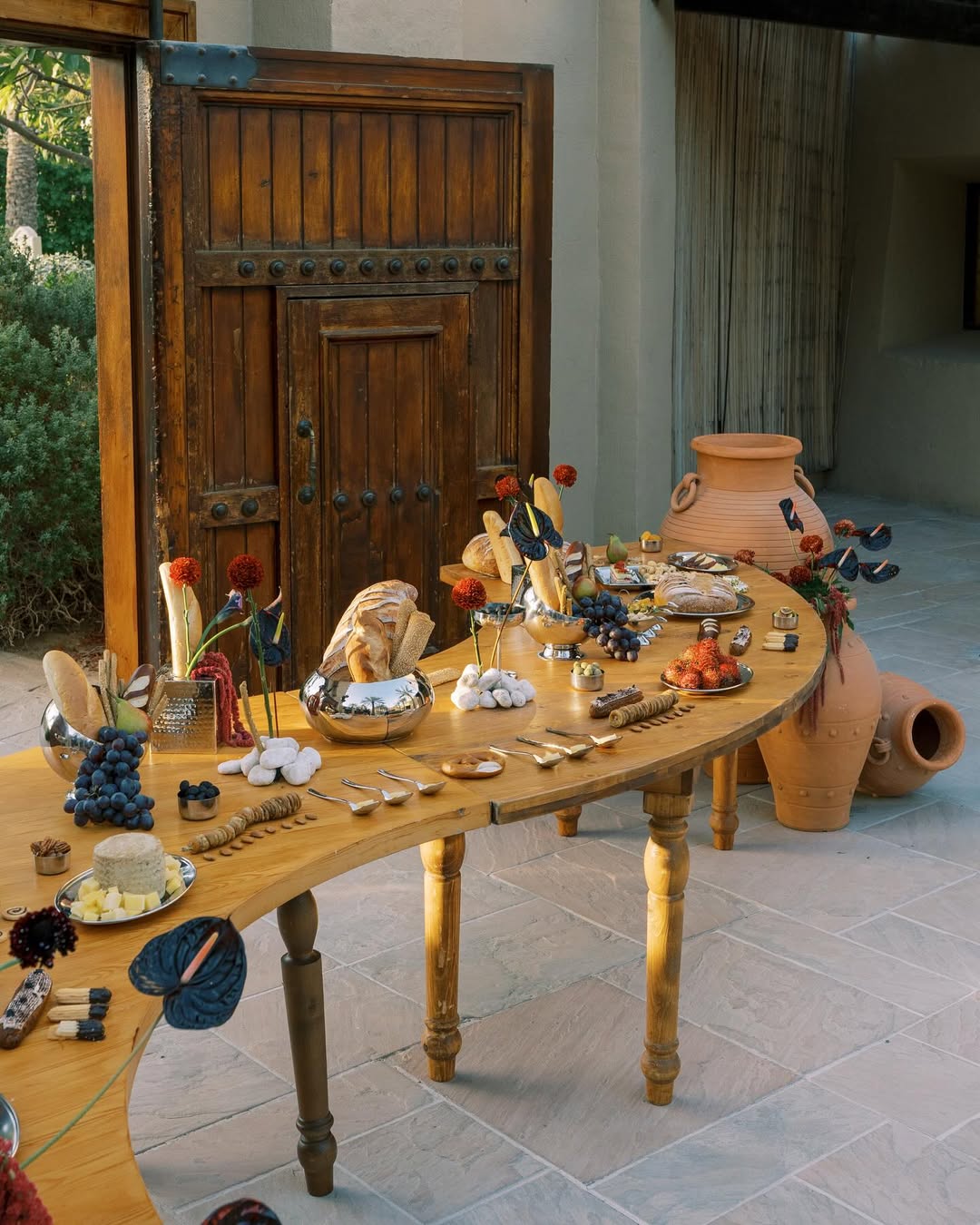
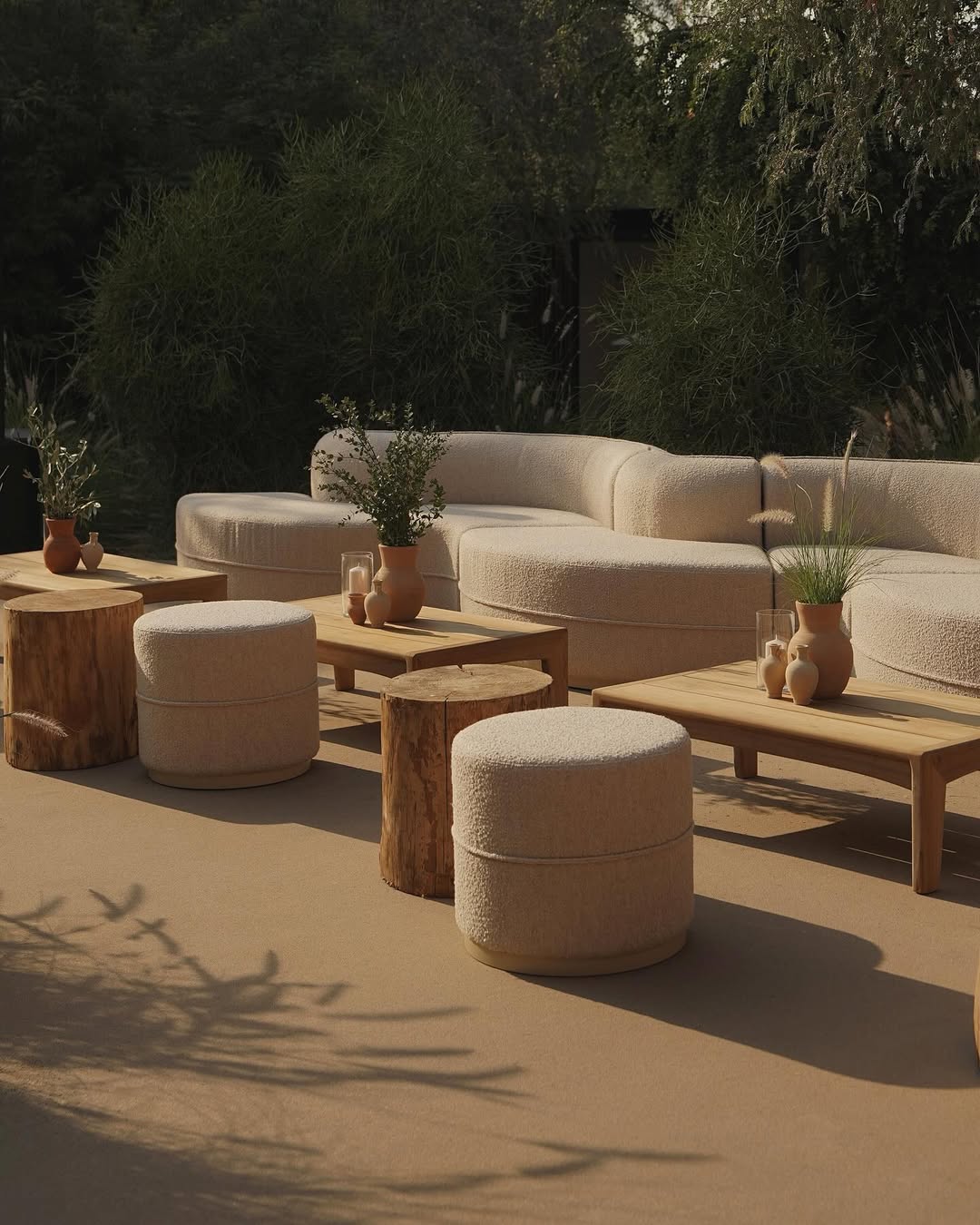
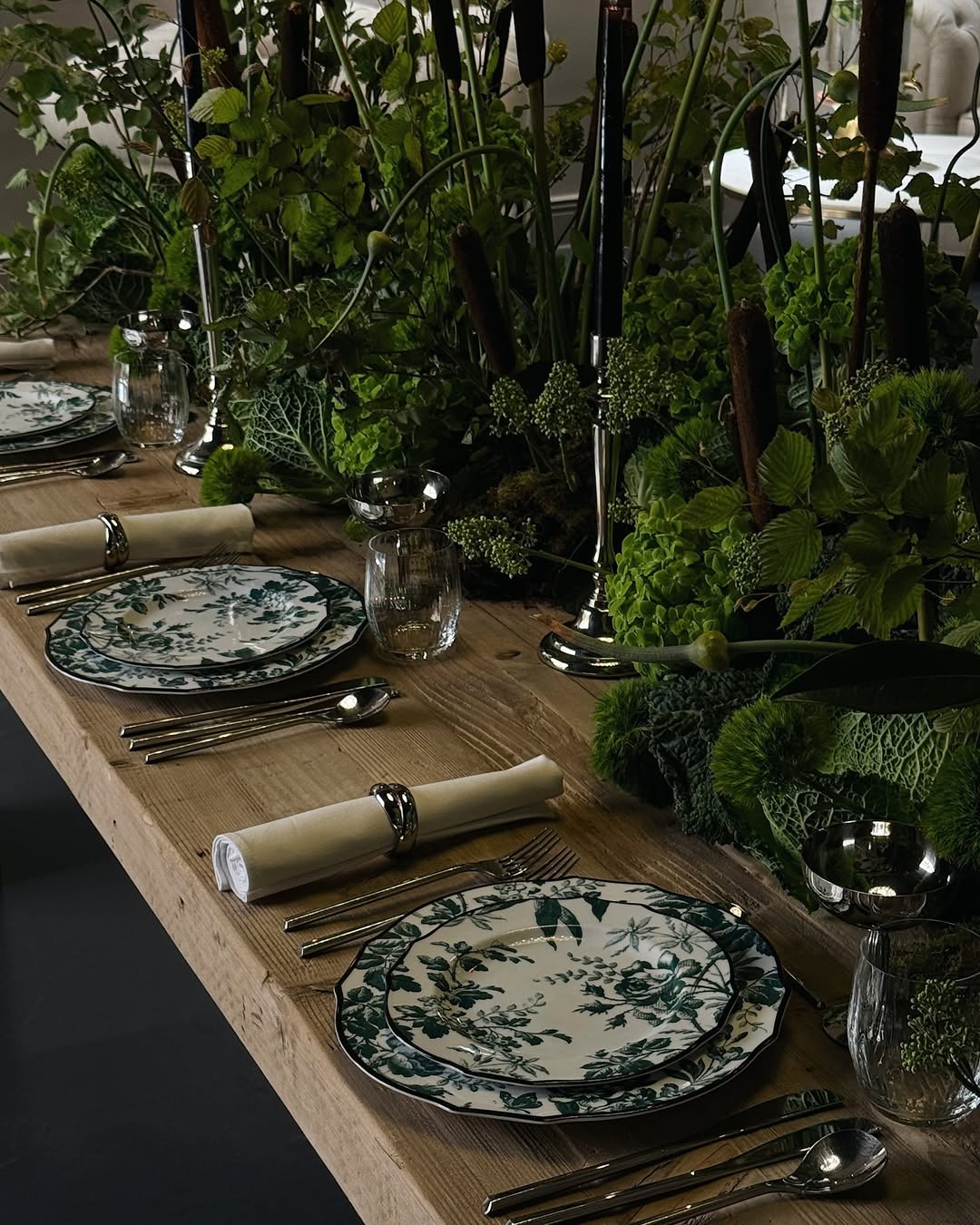
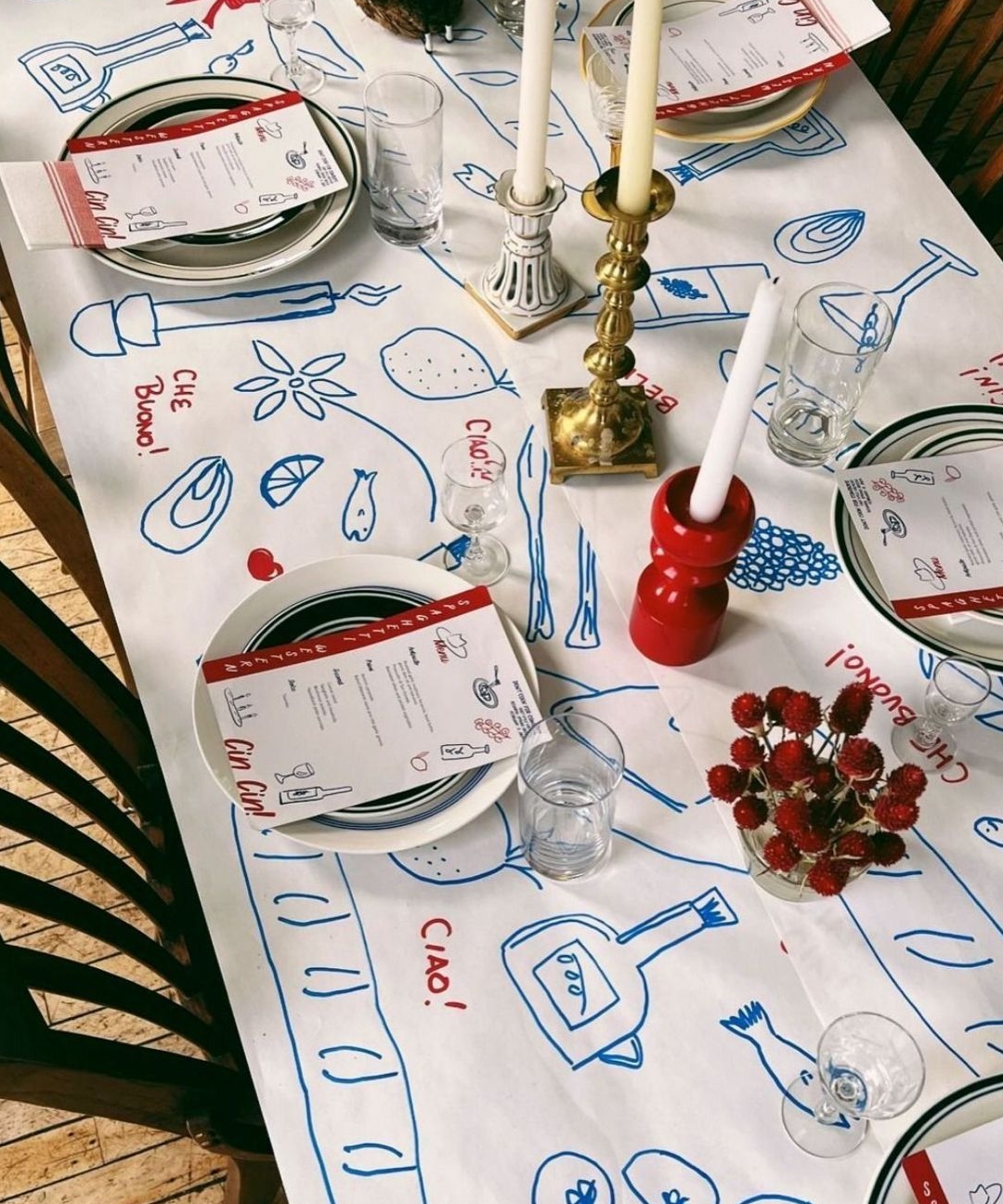
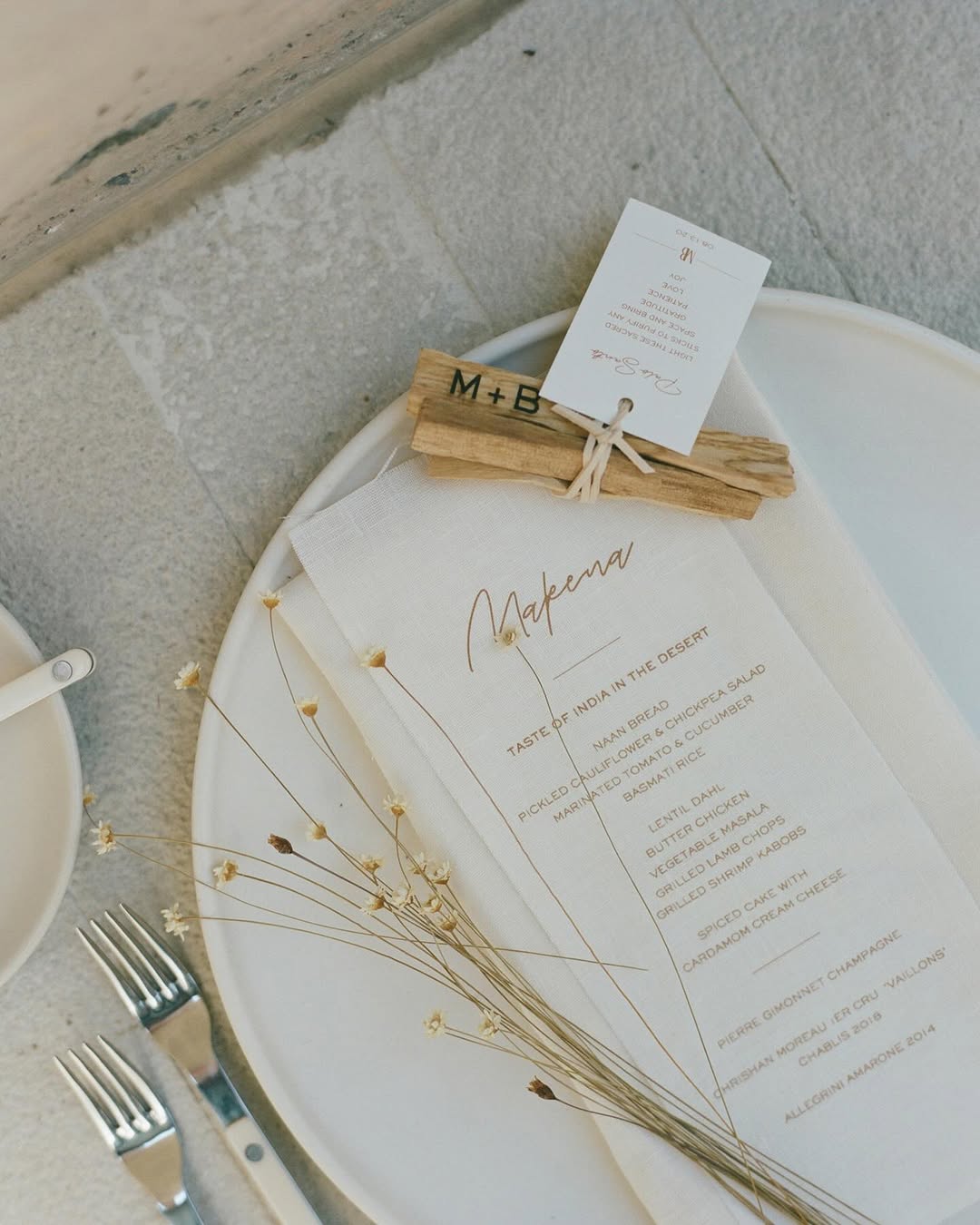
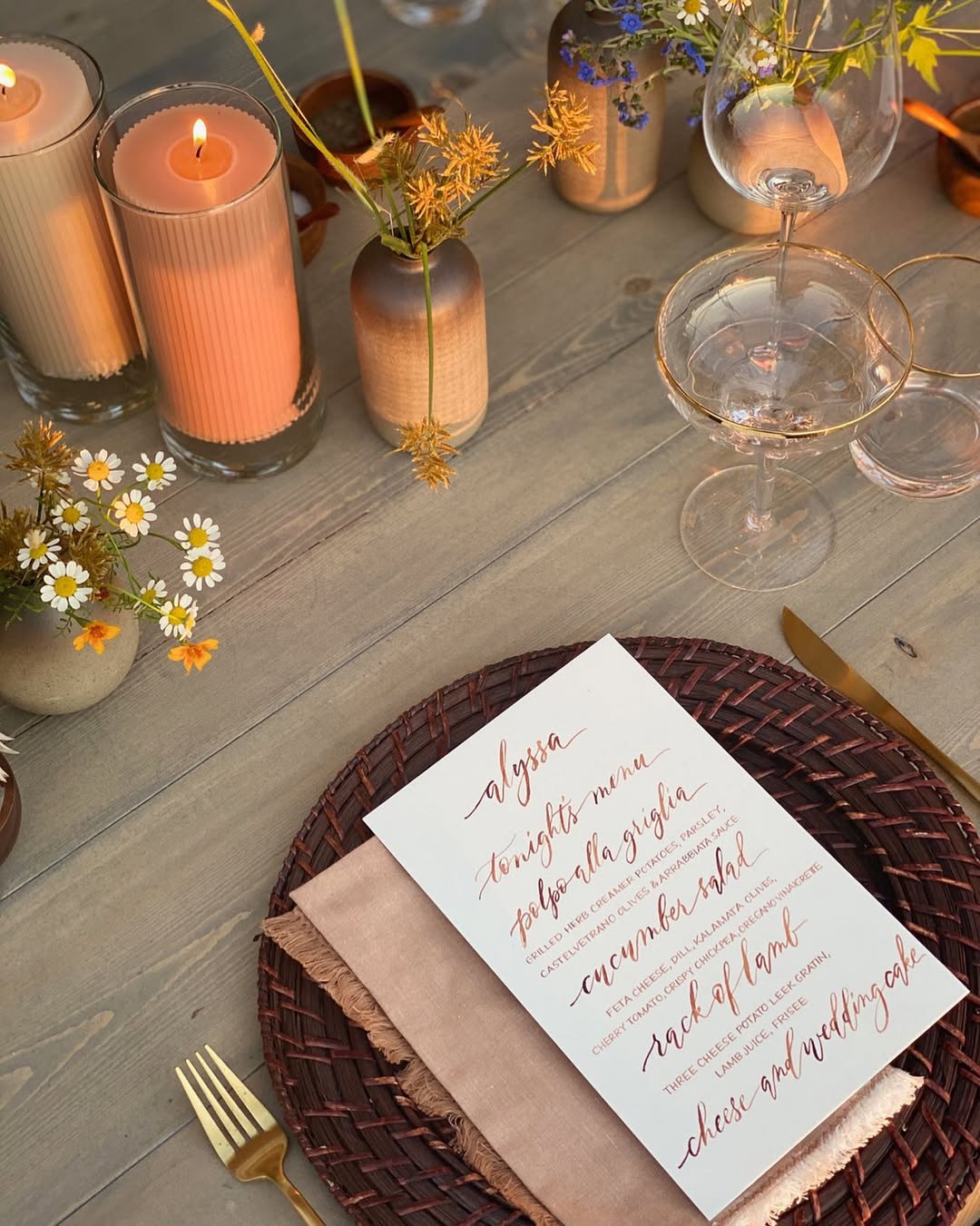
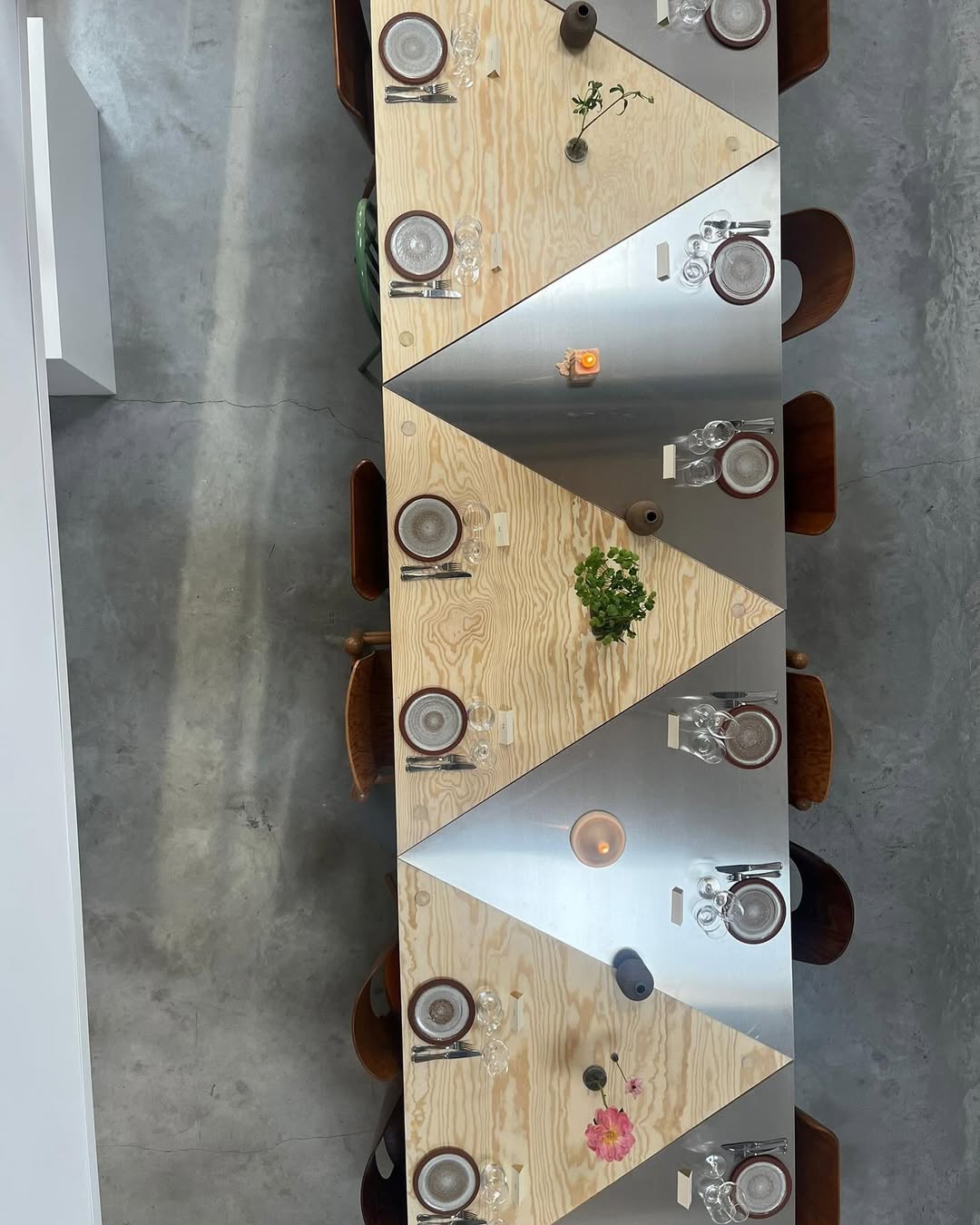
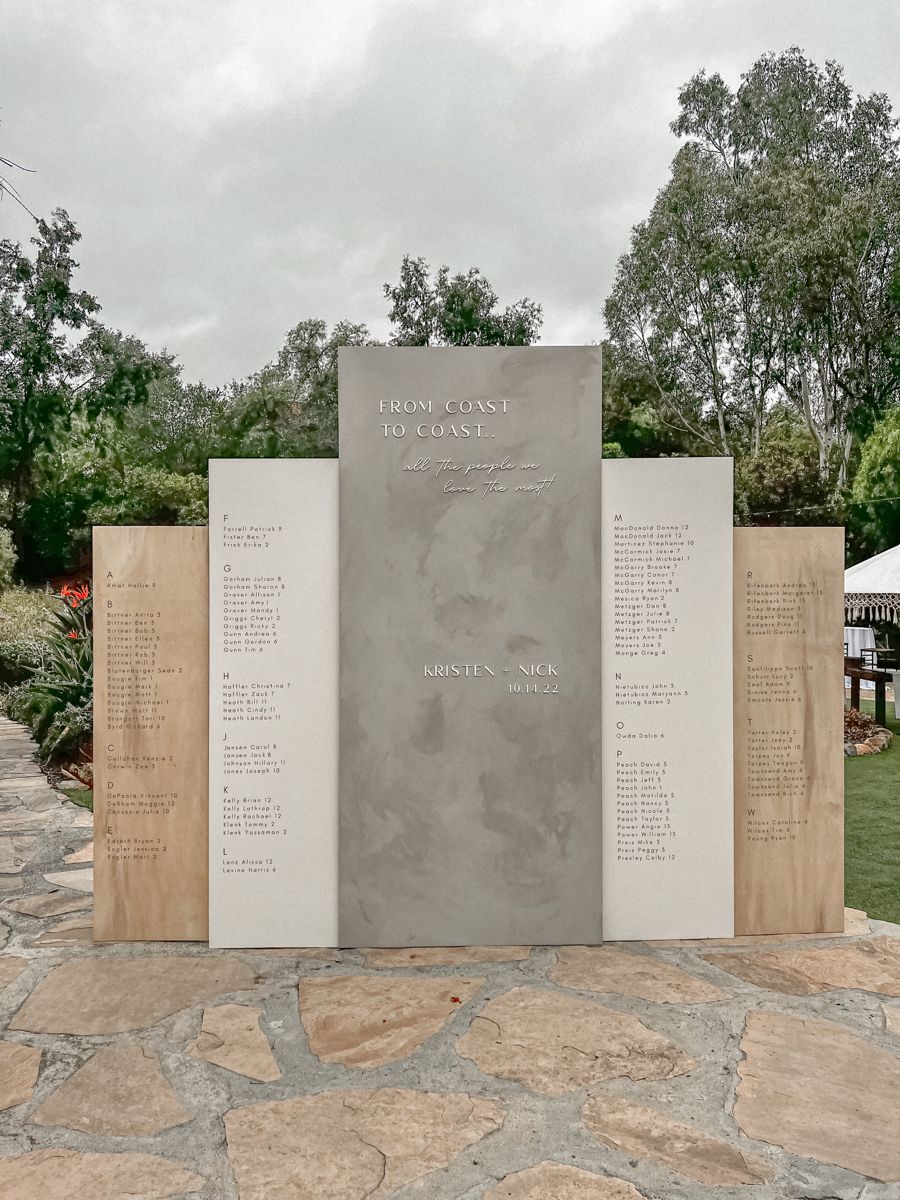
Natural wood instantly adds warmth and depth to any setting. Charger plates, signage, menu holders, or table numbers crafted from oak, walnut, or reclaimed timber bring an earthy quality to the table. And when wooden tables themselves take center stage, the effect is striking. No need for heavy linens or artificial coverings. Visible grain, live edges, and subtle imperfections are part of the charm. These pieces are reusable, often handmade, and age beautifully over time.
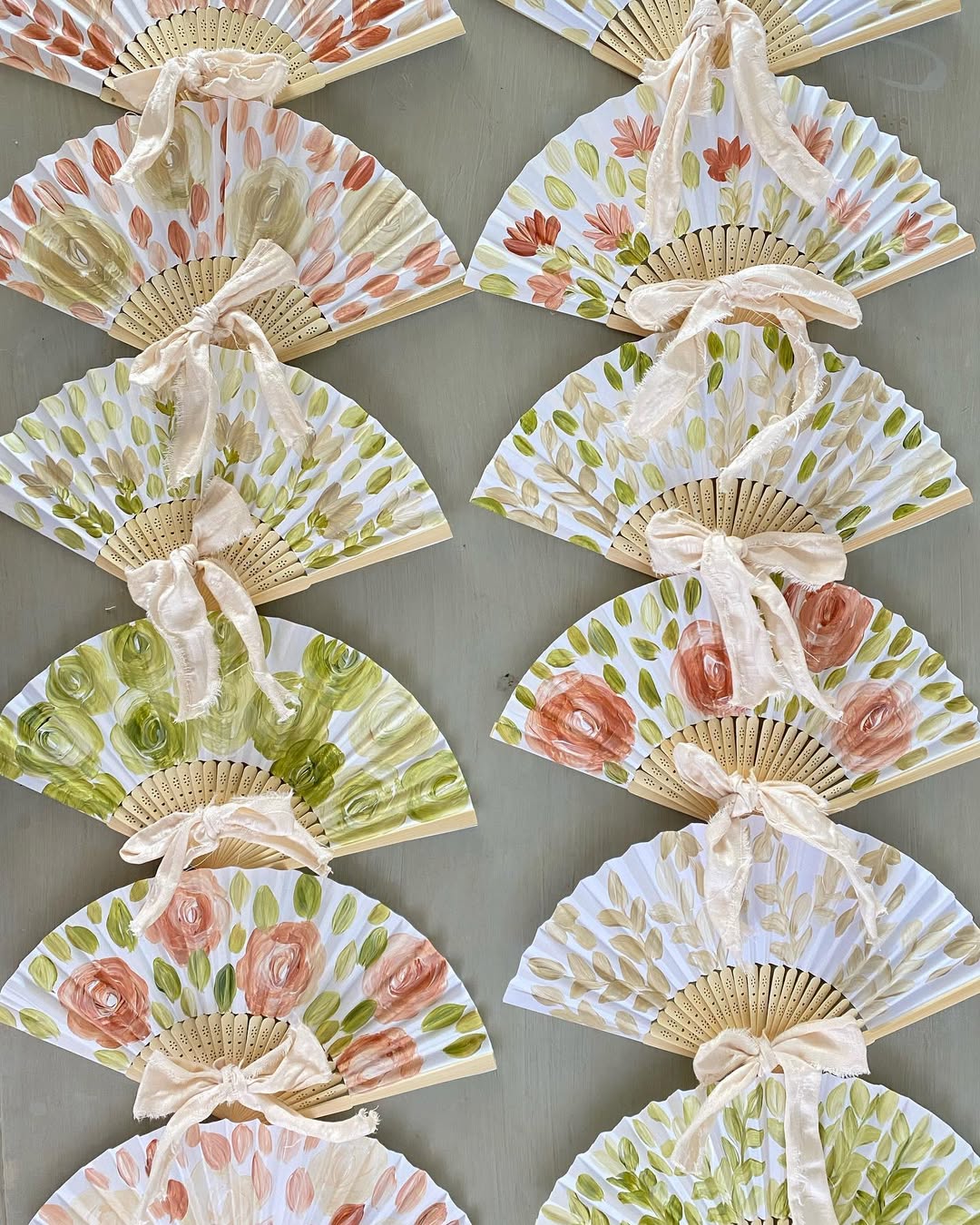
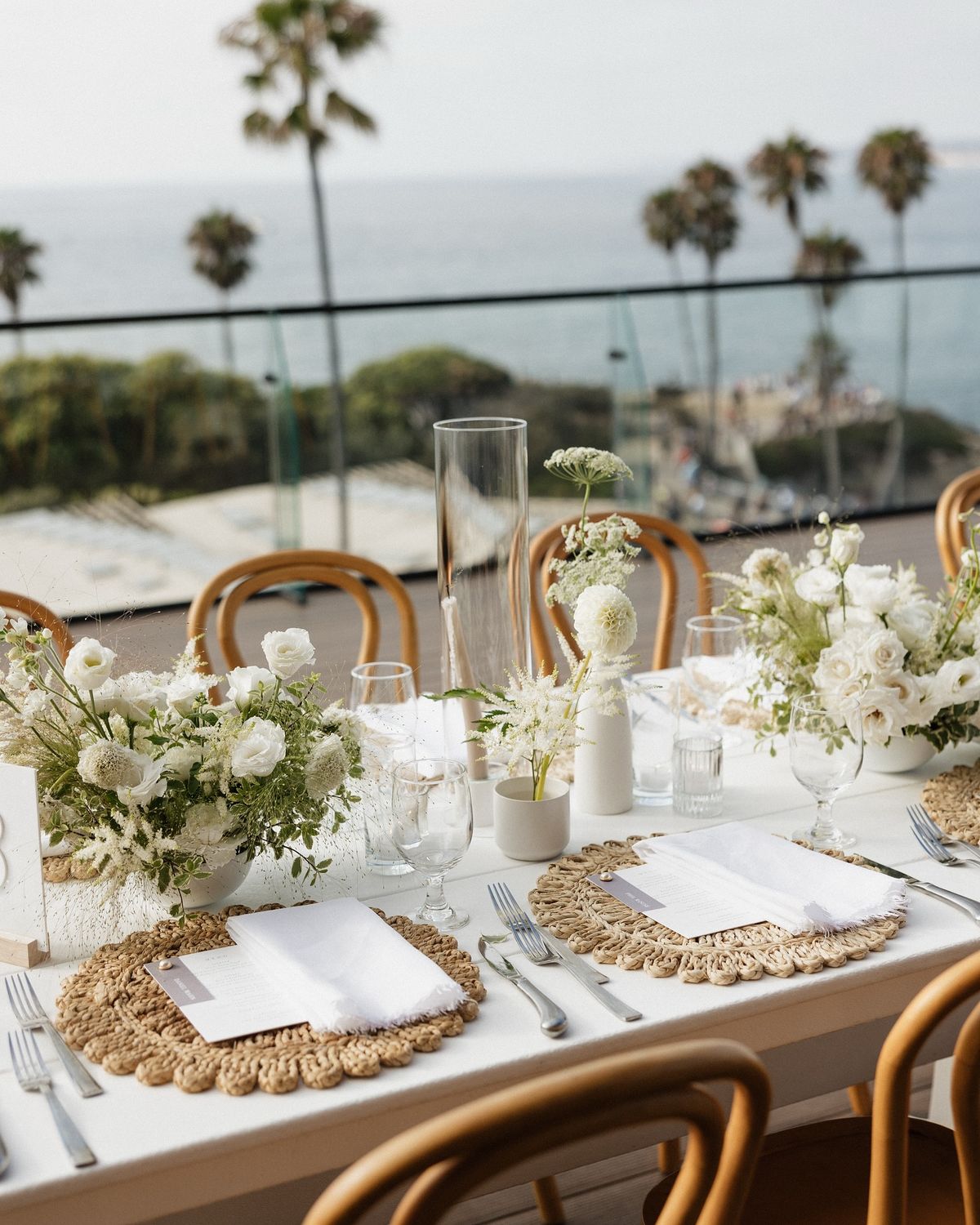
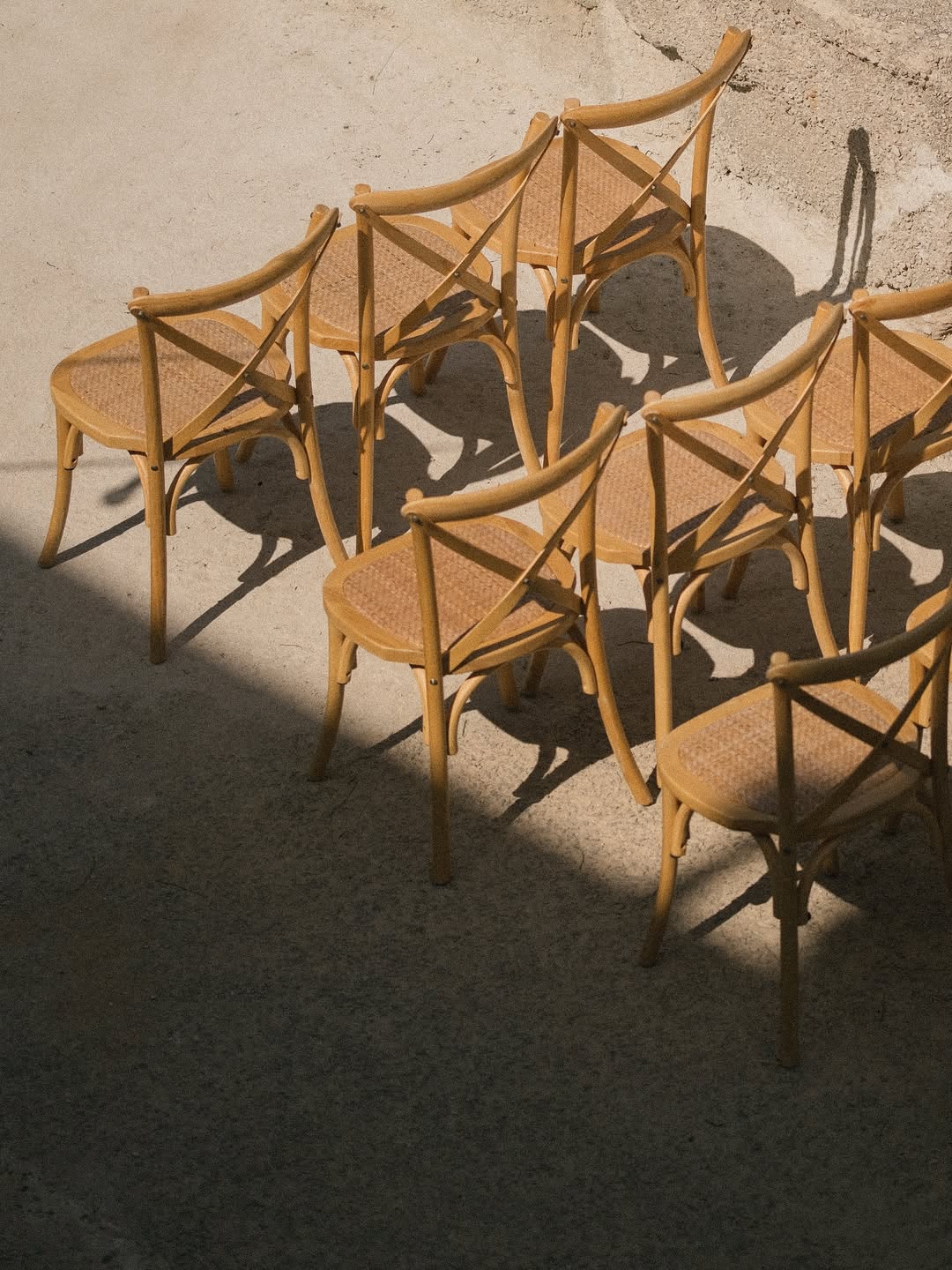
Some couples shy away from wood for fear it might lean too rustic, but it’s all about the balance. Used as an accent: think bentwood or cross-back chairs instead of plastic seating, simple vessels, or hand fans, wood brings a clean, organic touch that’s warm and contemporary. And, of course, wood can be painted or stained to fit a more curated palette.
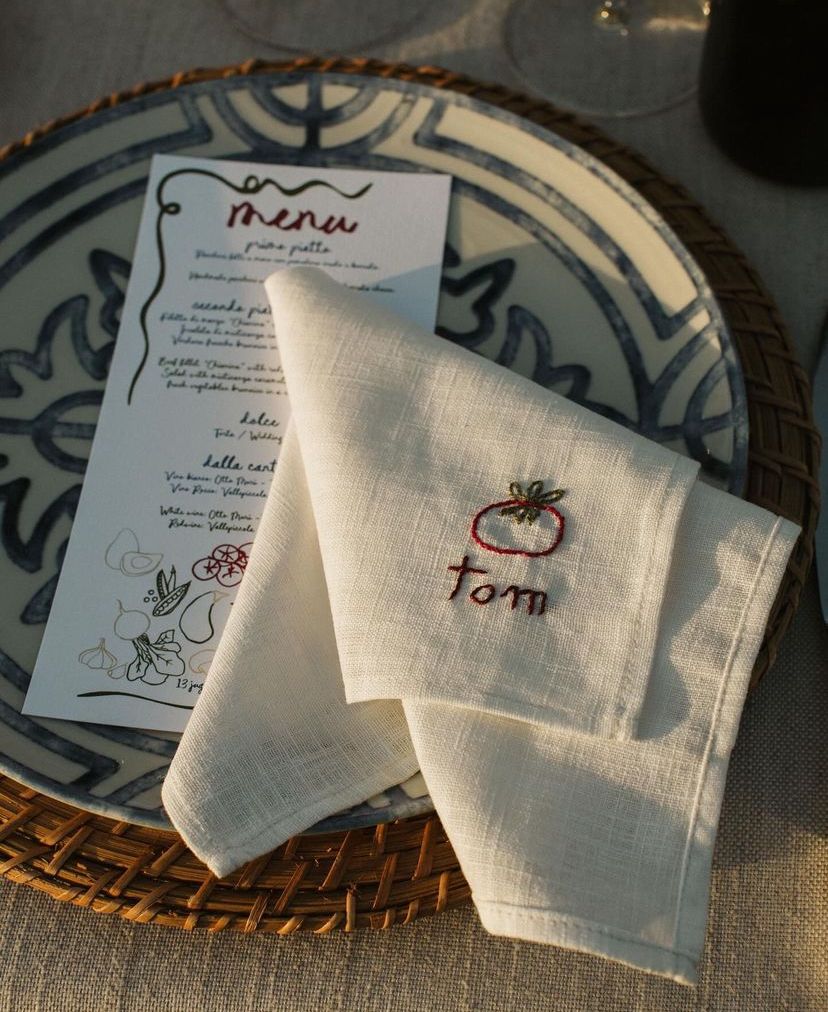
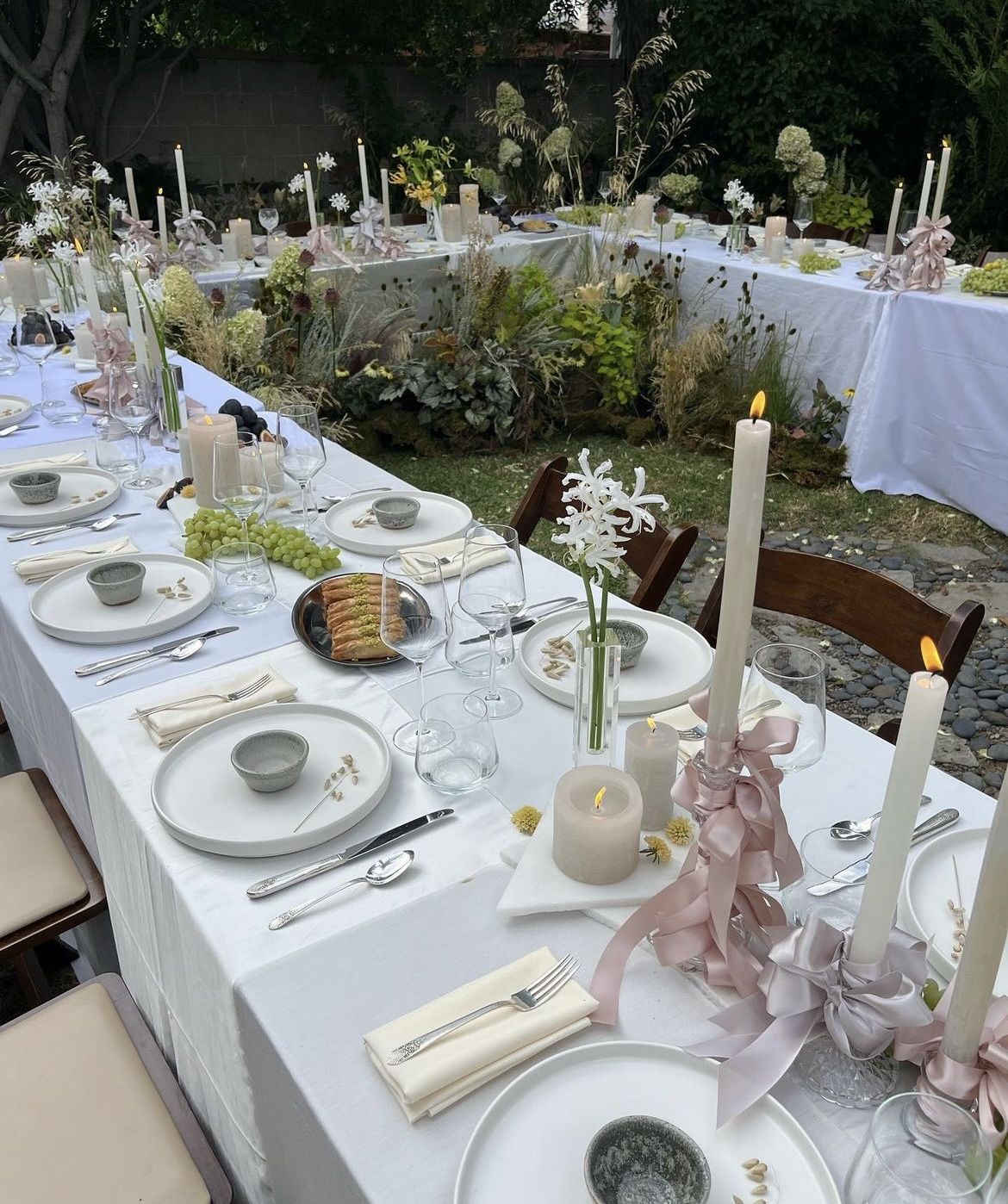
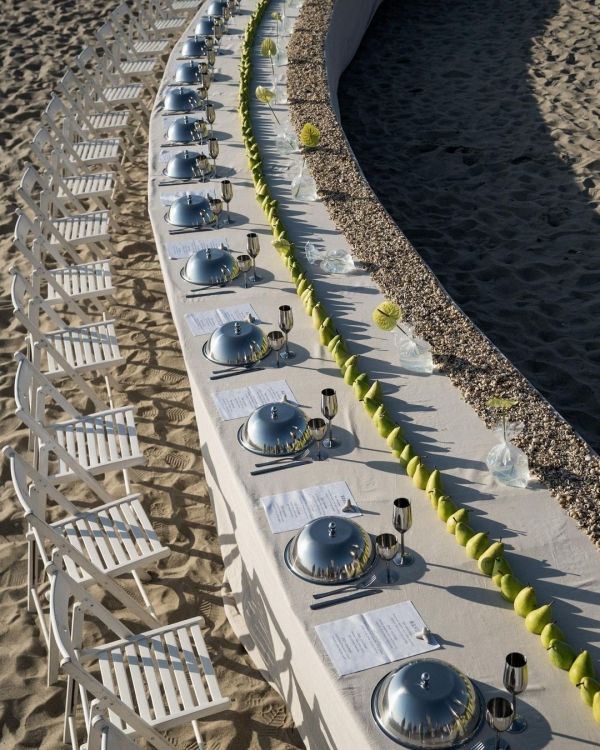
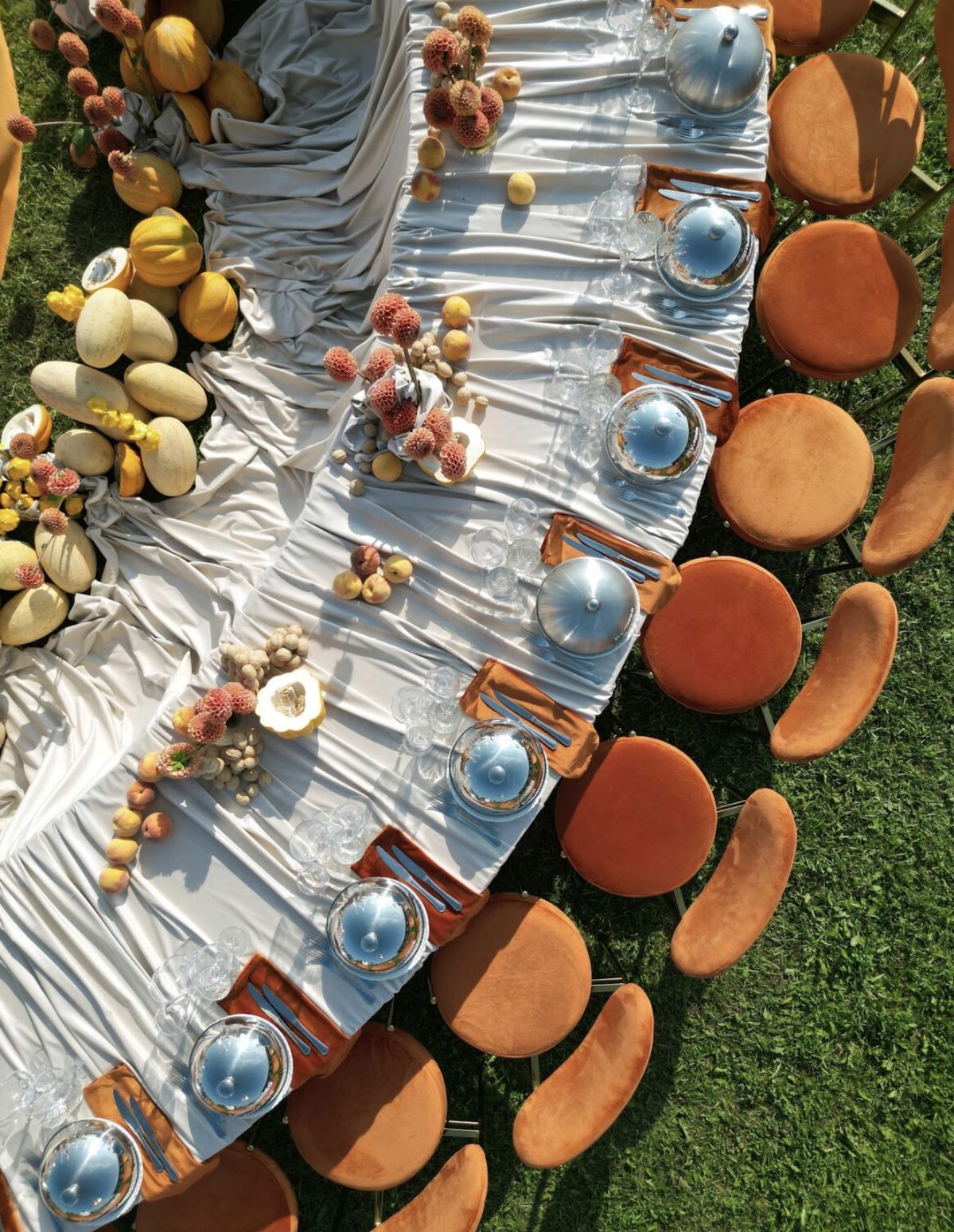
Not all fabrics are created equal. Natural fibers, such as linen, organic cotton, hemp, and bamboo-derived fabrics, offer an eco-friendly alternative to synthetic materials. Linen stands out for its minimal environmental impact and casual elegance. Whether it’s a flowing runner, reusable napkins, or delicate wraps for favors, choosing natural textiles means fewer microplastics, less landfill waste, and a softer environmental footprint.
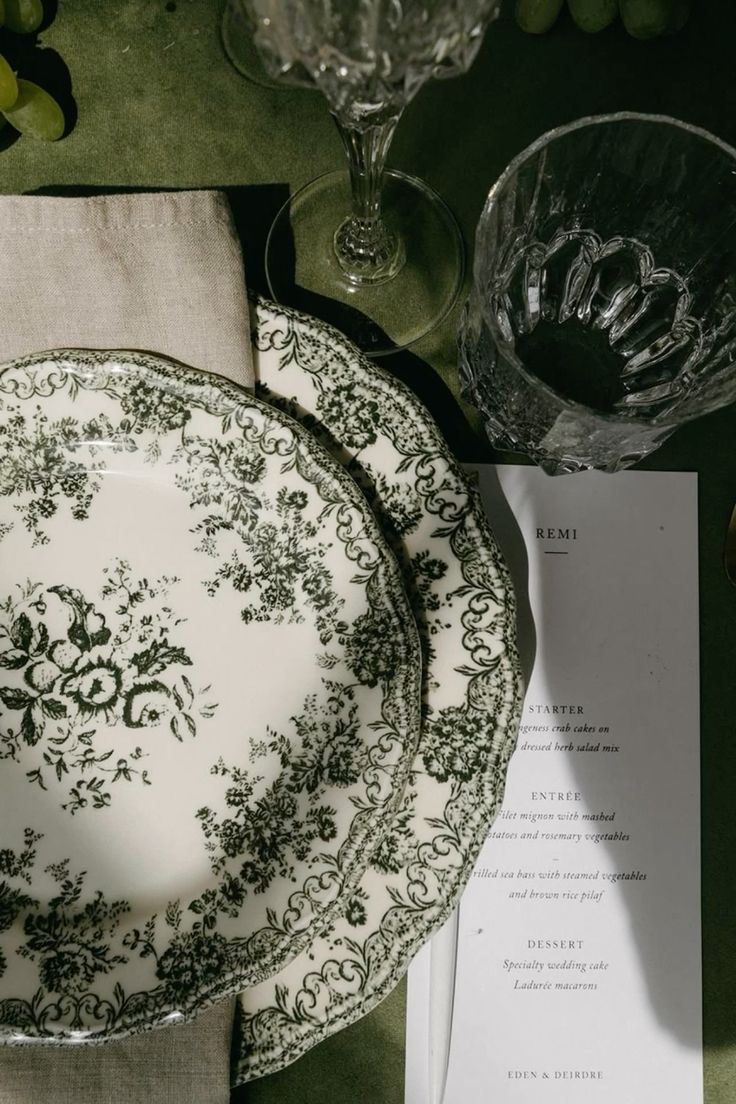
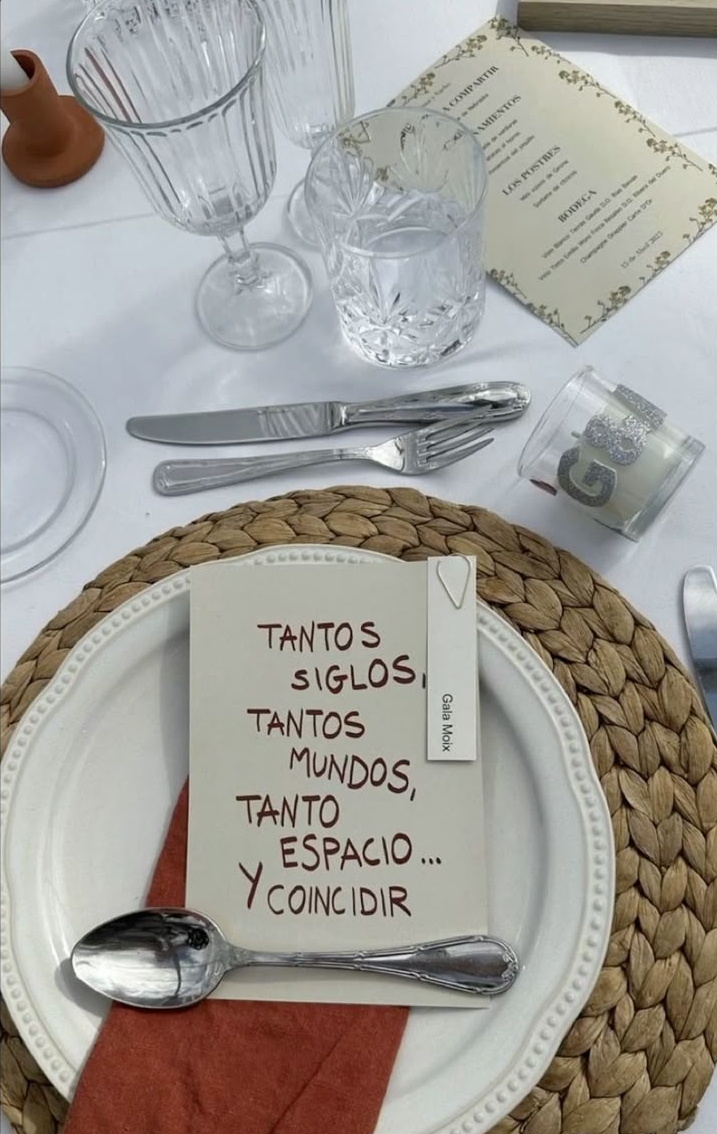
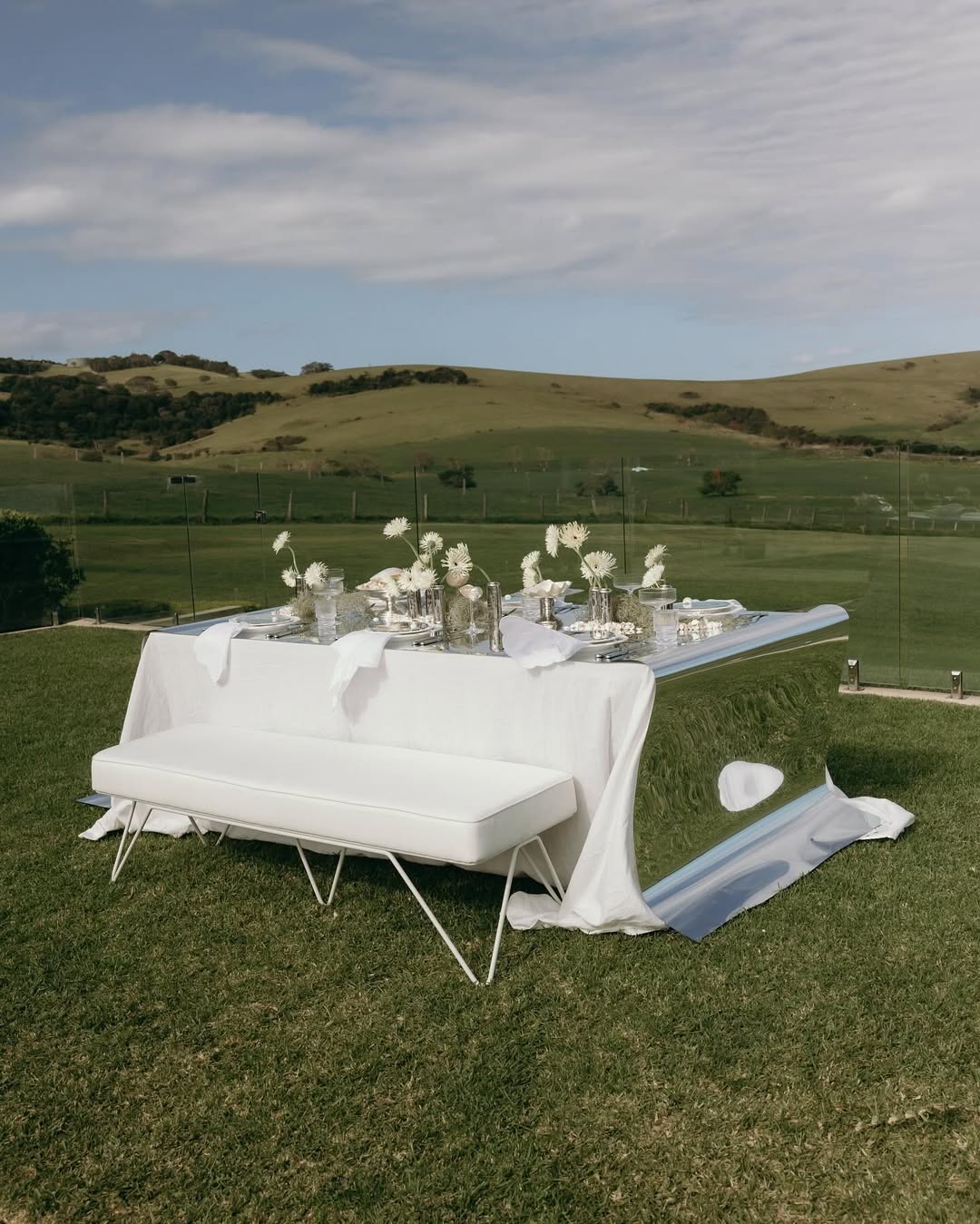
What makes textiles even more beautiful is how they interact with other natural elements. Linen, wood, ceramic, and stone, when layered together, create rich visual harmony, as if they were always meant to exist side by side.
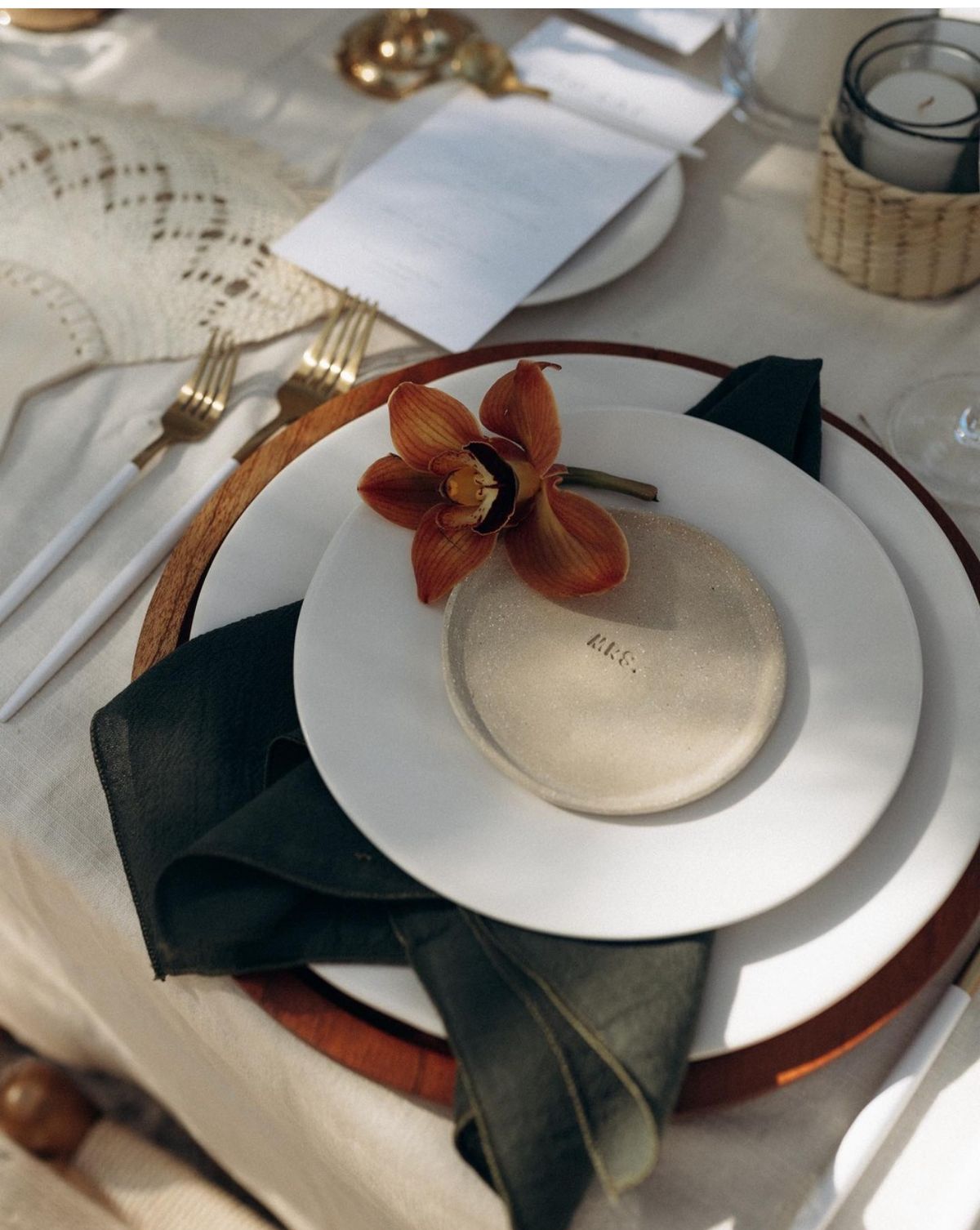
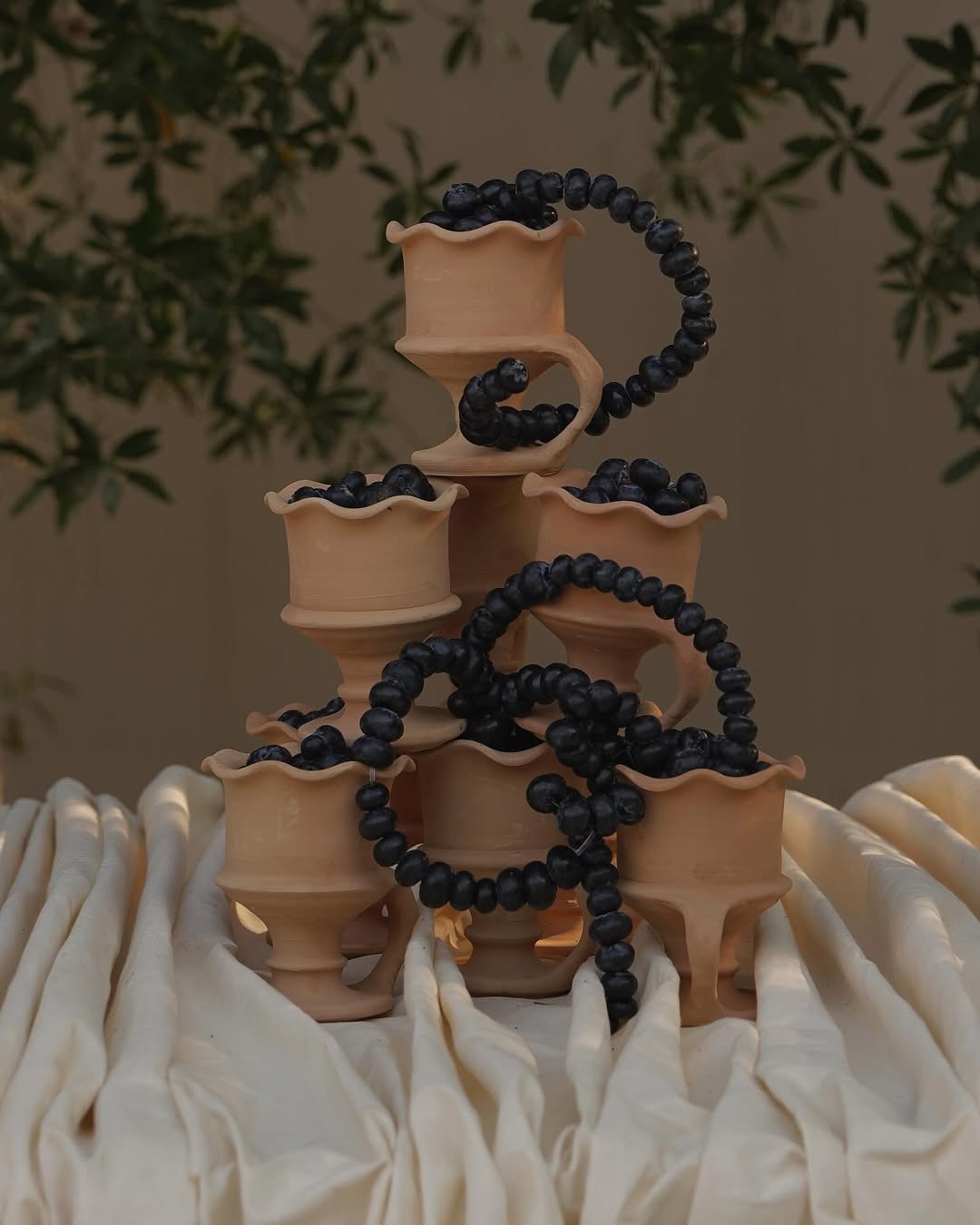
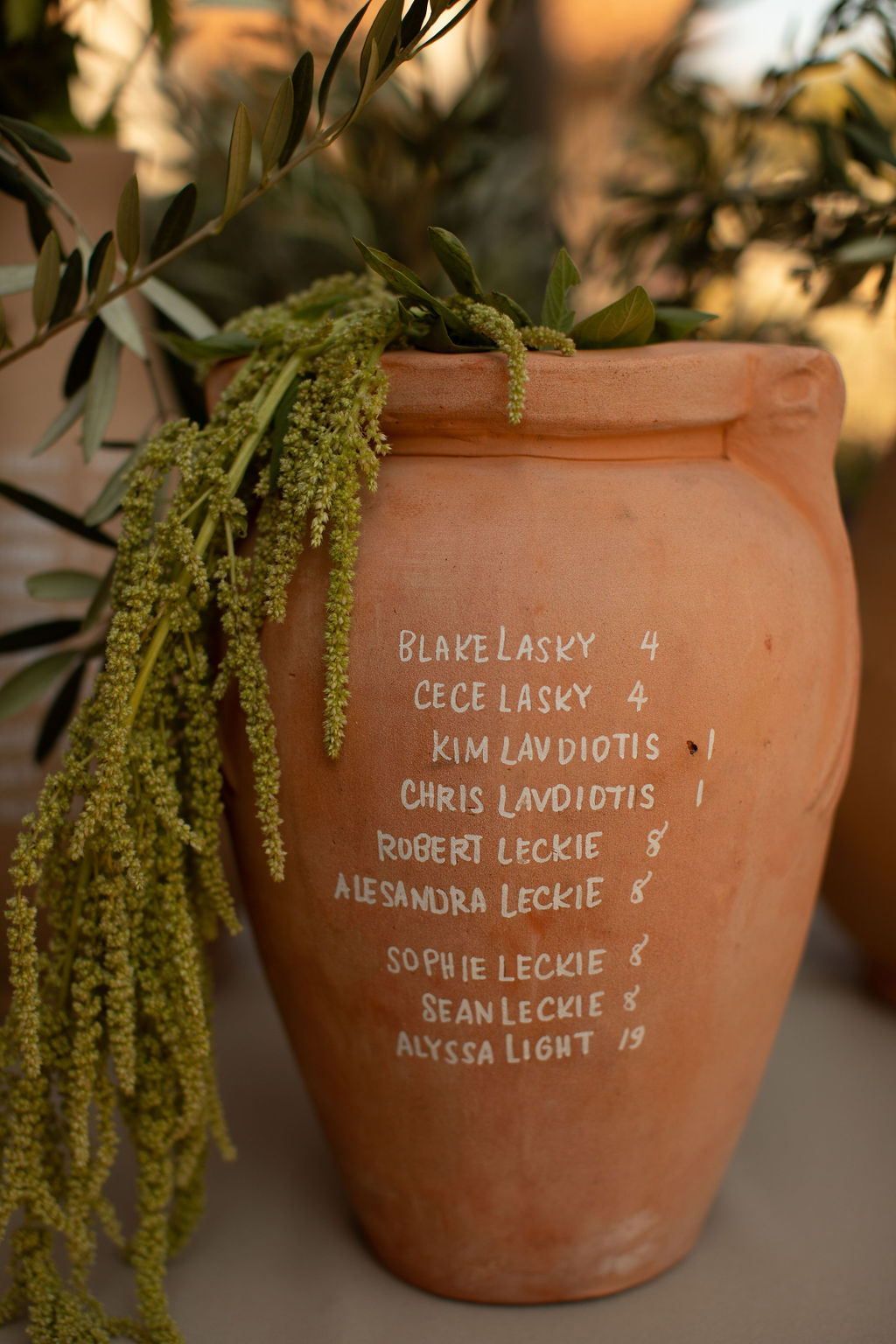
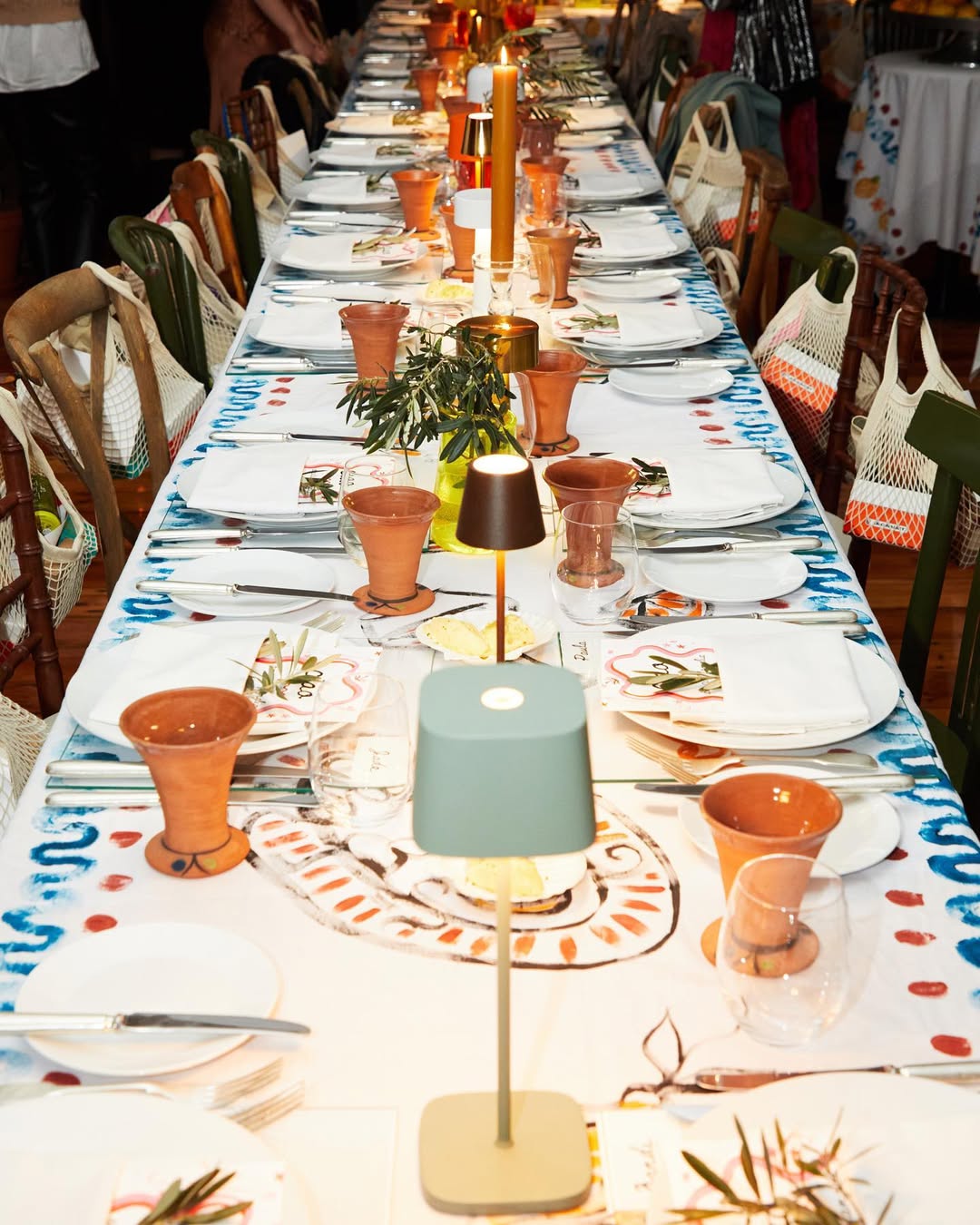
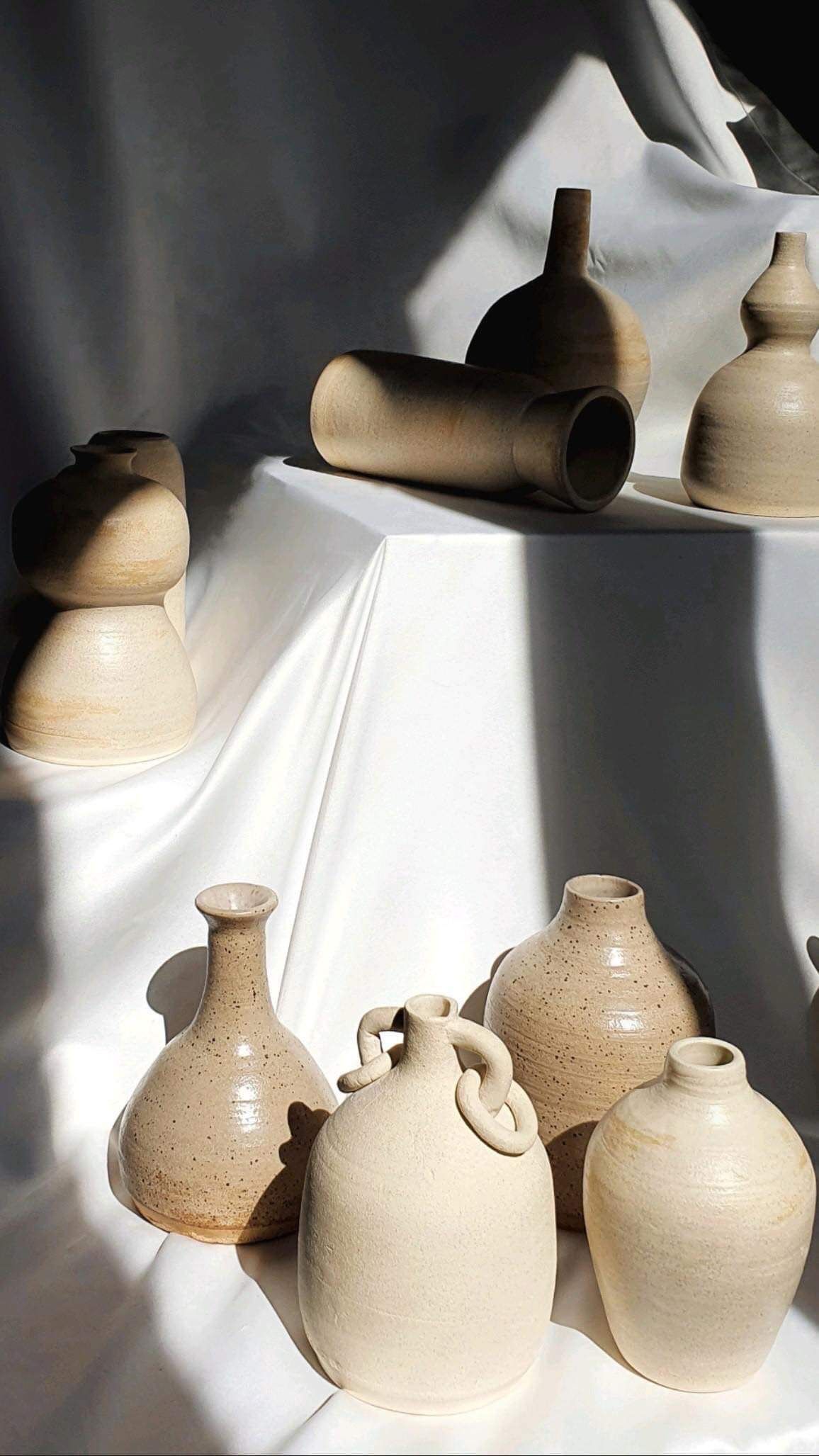
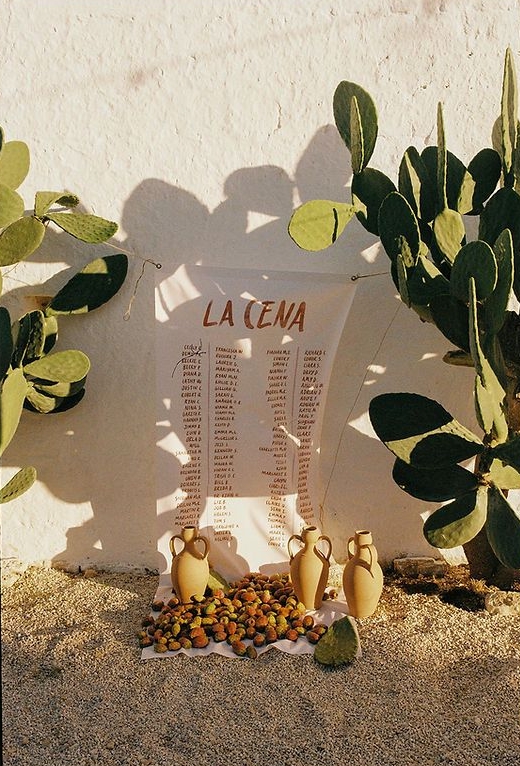
Hand-thrown ceramics, with their soft curves and imperfect rims, add a human touch to a celebration. They reflect craftsmanship, time, and intention. From bud vases to matte dinner plates, ceramic elements feel tactile and timeless. Organic forms fit seamlessly into everything from rustic to minimalist aesthetics.
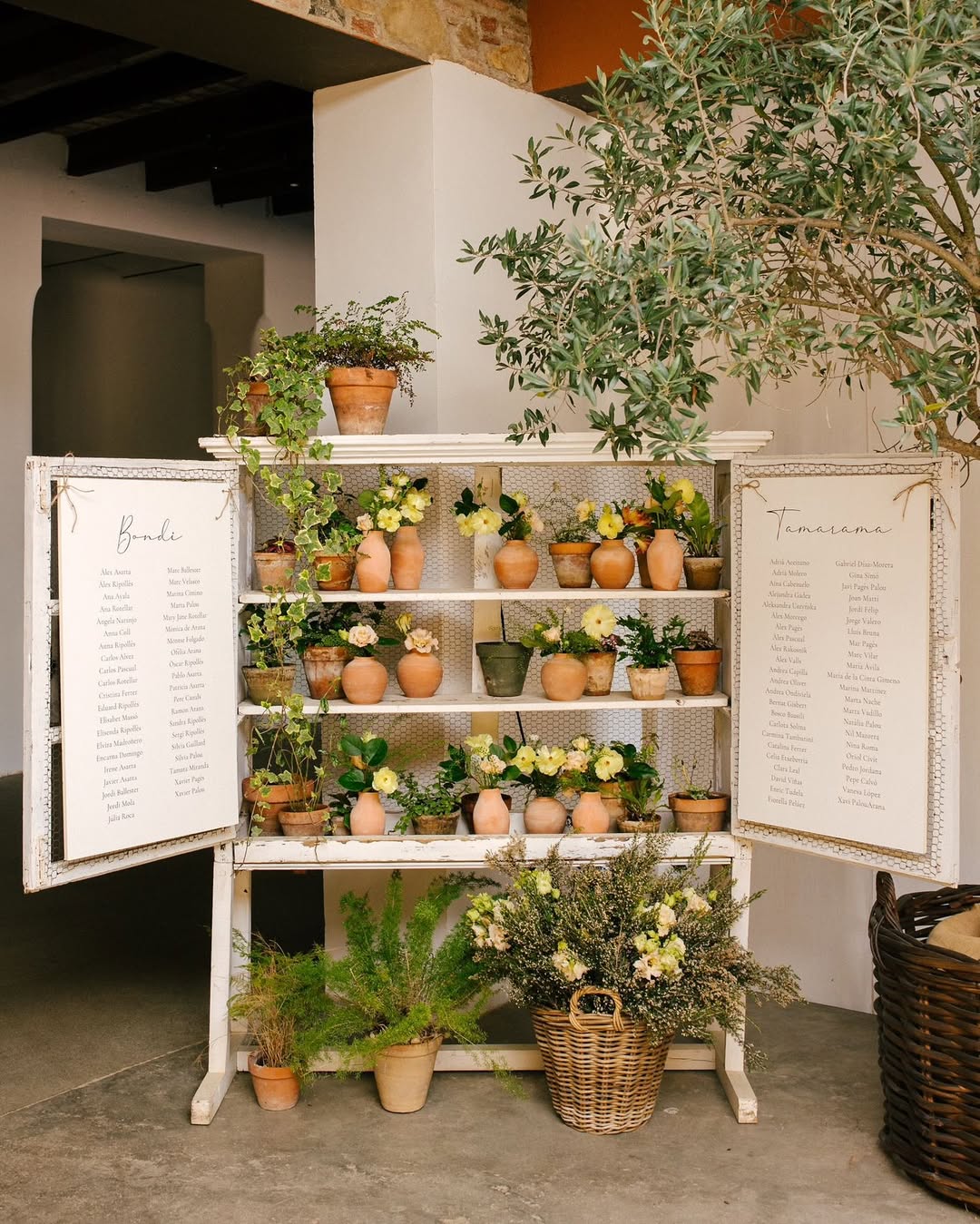
Ceramics also offer room to play. Shapes can be sculptural or subtle, colors can match the palette or become a bold accent. A single glazed plate can be the visual centerpiece of a place setting, and a set of bud vases might carry the entire floral story. Most importantly, ceramics are easy to personalize. They can be custom-glazed, etched, or handmade in collaboration with local artisans. And unlike disposable items, they’re designed to live on. Guests can take them home as thoughtful keepsakes, or couples can repurpose them in their new home, turning decor into something meaningful and lasting.
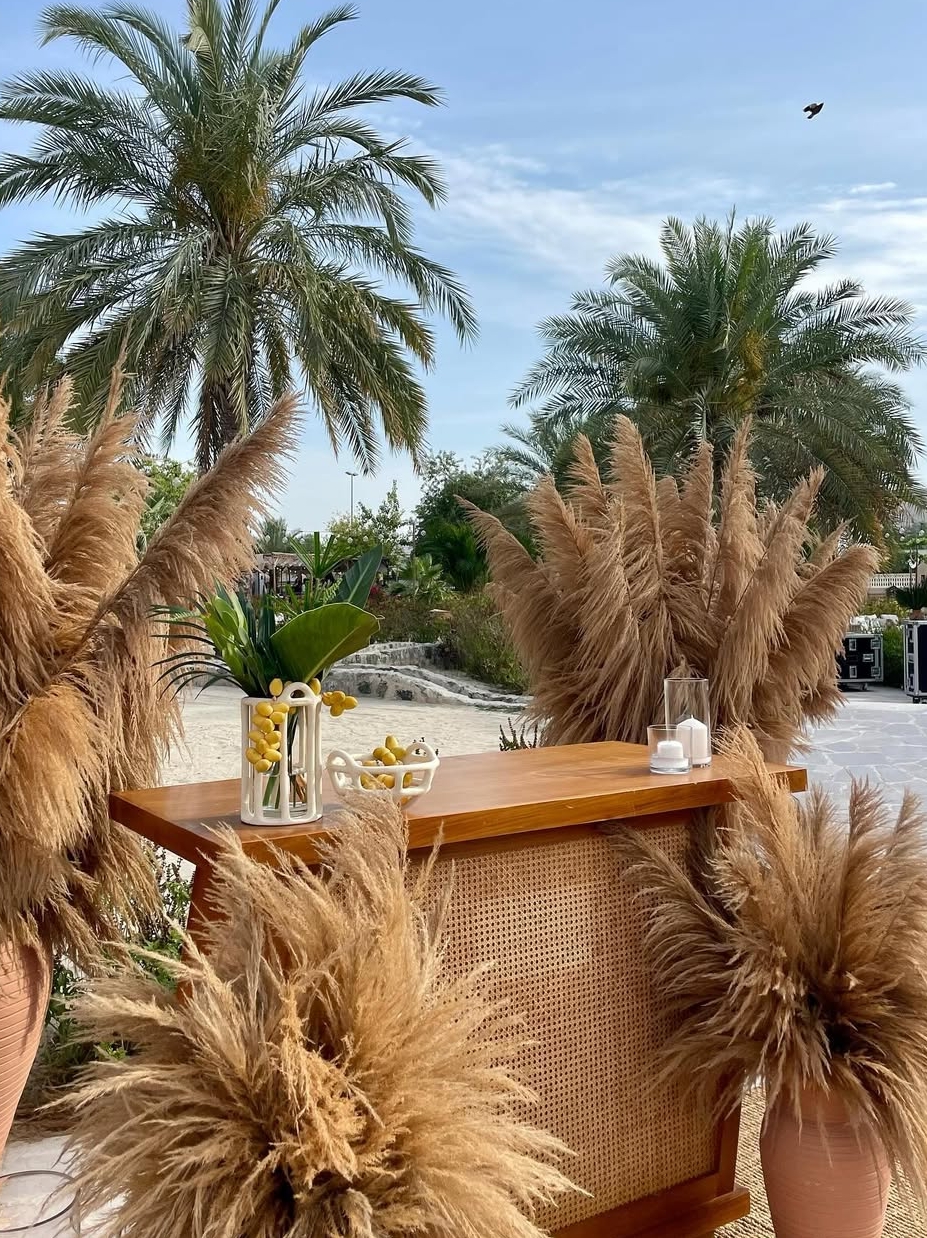
Rattan, seagrass, and similar woven materials are fast-growing, biodegradable, and incredibly photogenic. Visually, they often echo the warmth and texture of natural wood, bringing that same grounded feel in a lighter, more flexible form. They add texture without heaviness and work beautifully in both tropical and rustic contexts. Think rattan charger plates, woven trays for welcome drinks, or basket-style centerpieces.
These materials are easy to incorporate and often require little to no treatment or finishing, making them both low-impact and versatile. Left raw or lightly stained, rattan and its woven counterparts bring a sense of craftsmanship to the table. They can also be reused, gifted, or repurposed after the wedding, extending their life and making them a sustainable choice that doesn’t sacrifice beauty.
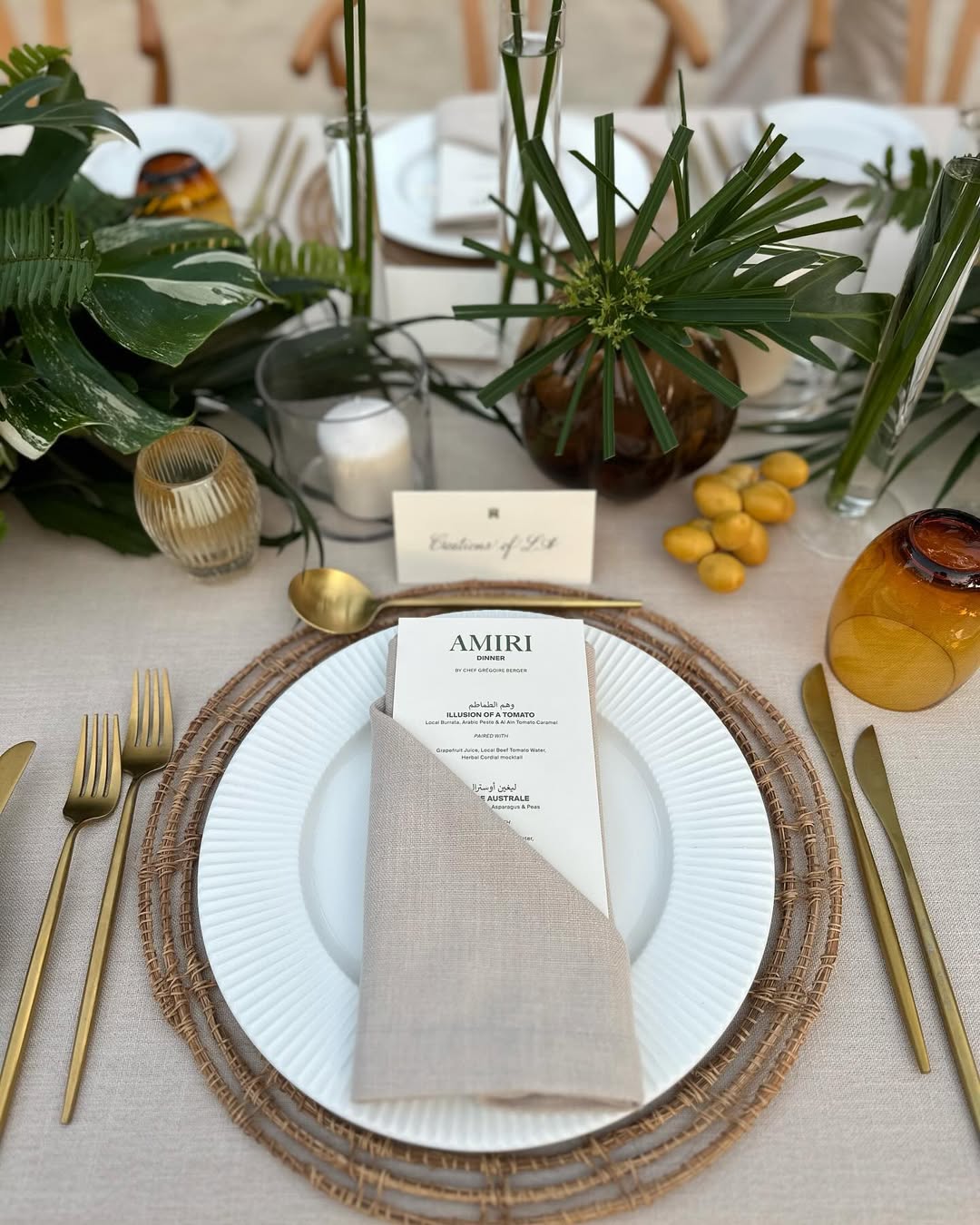
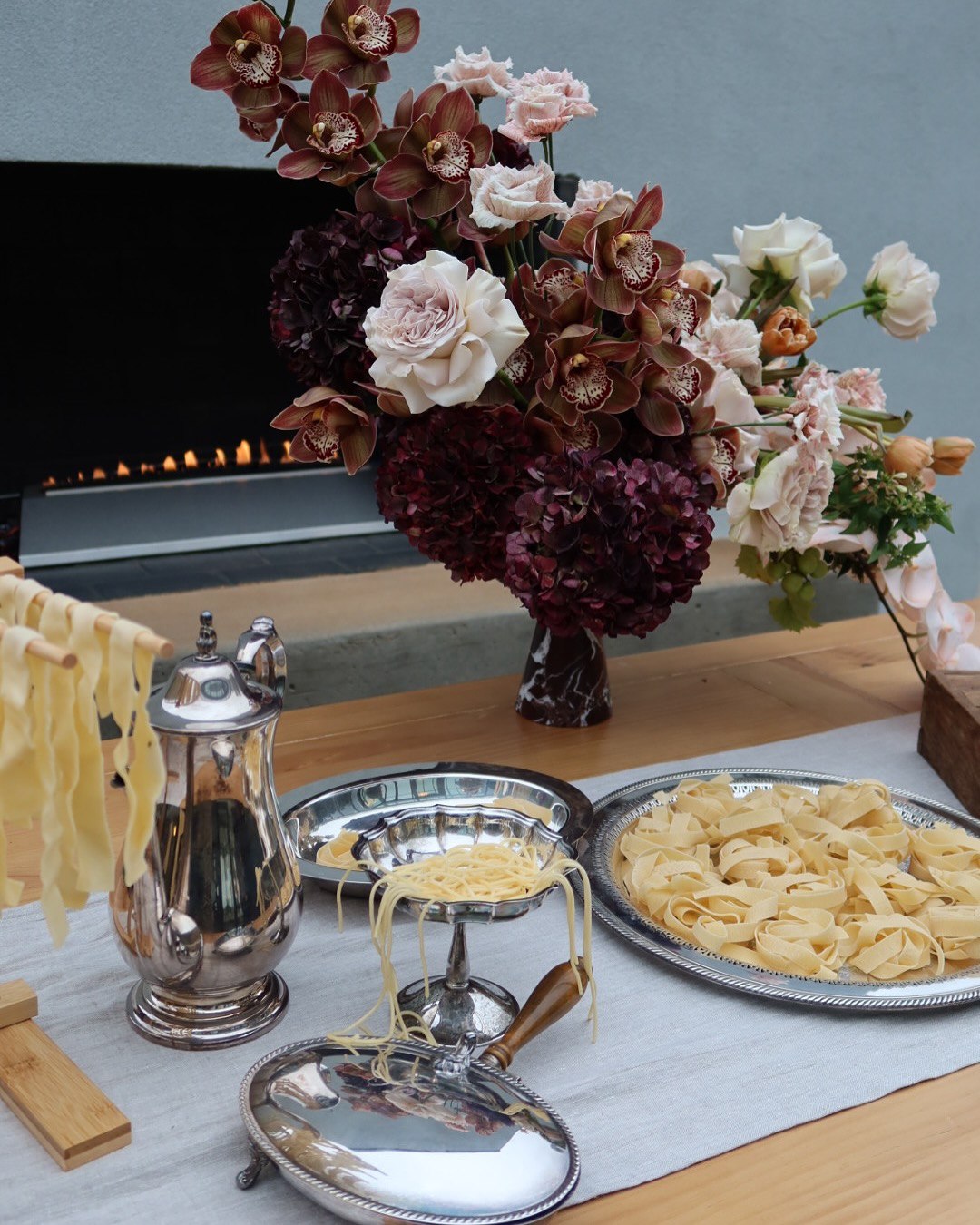
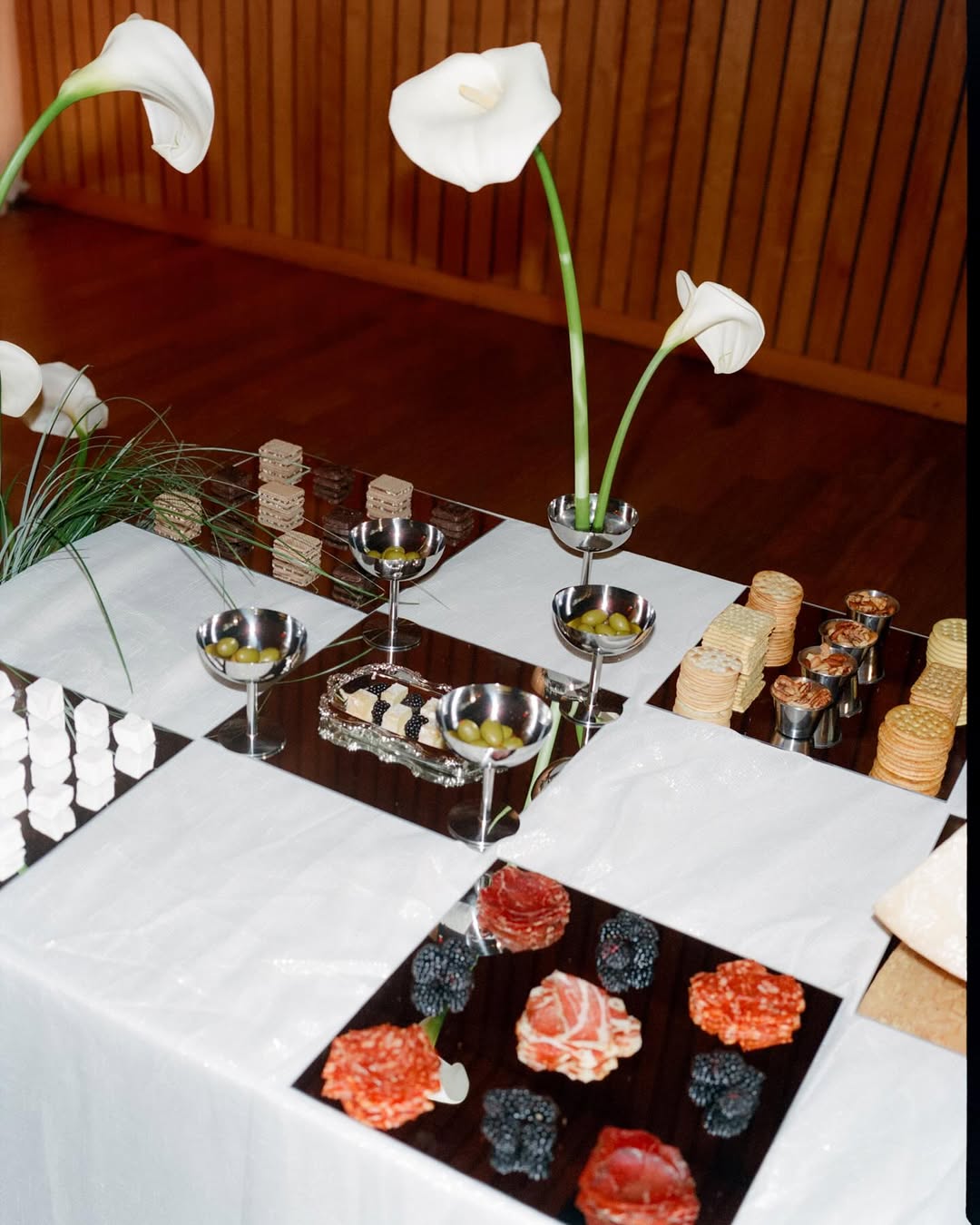
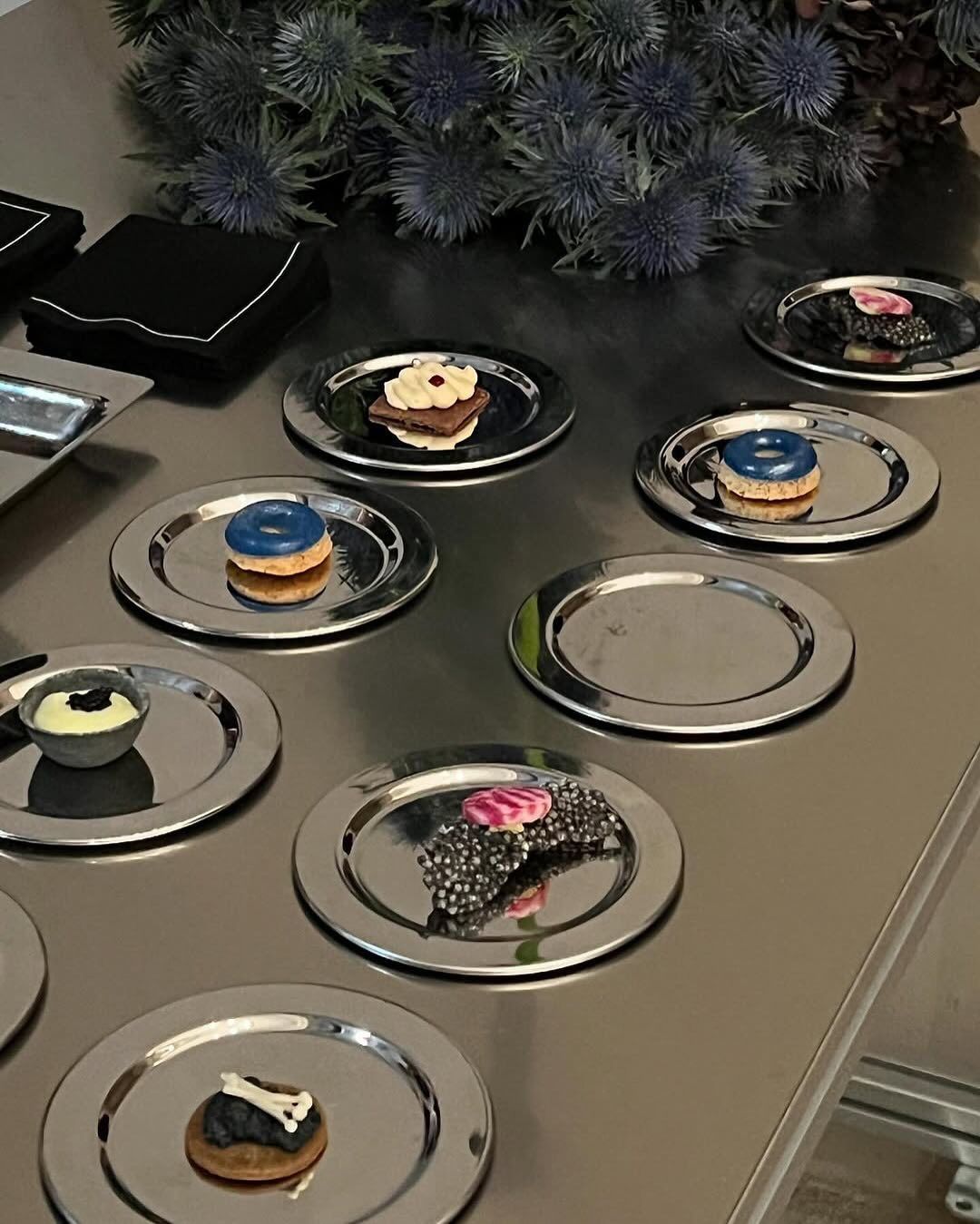
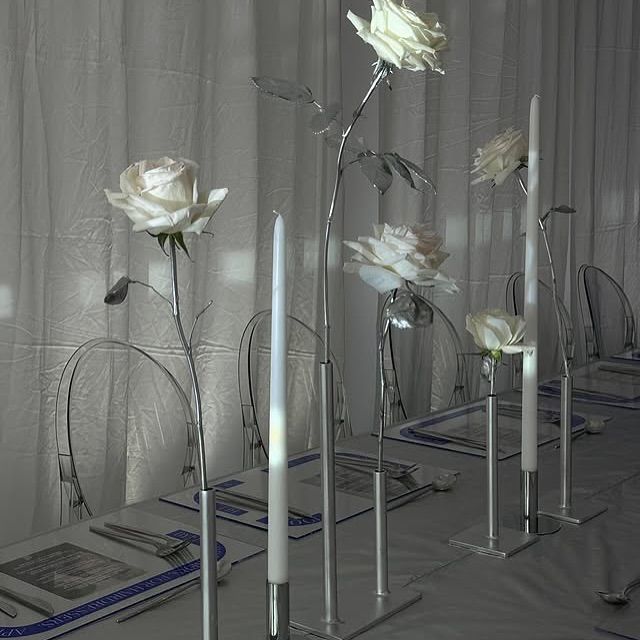
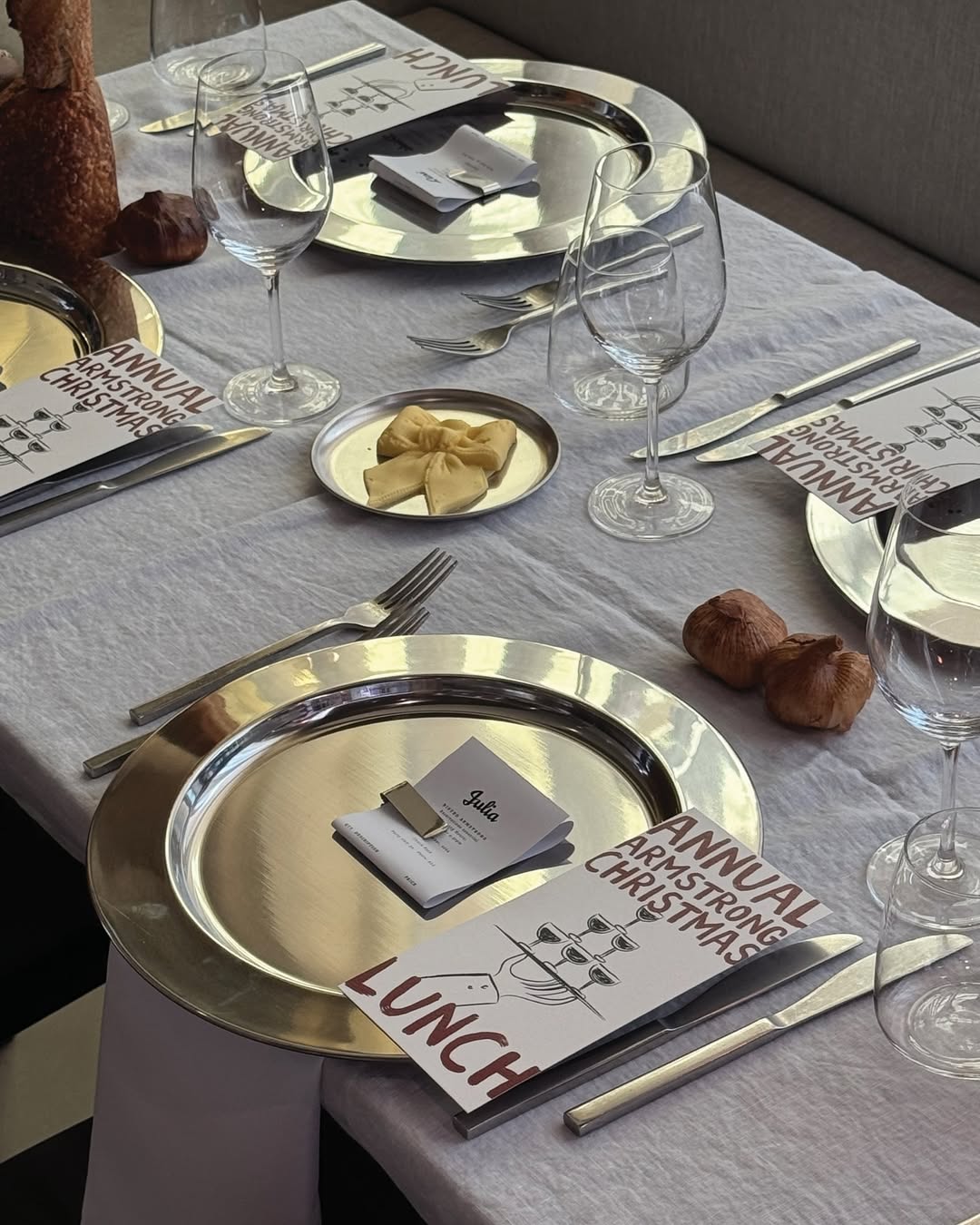
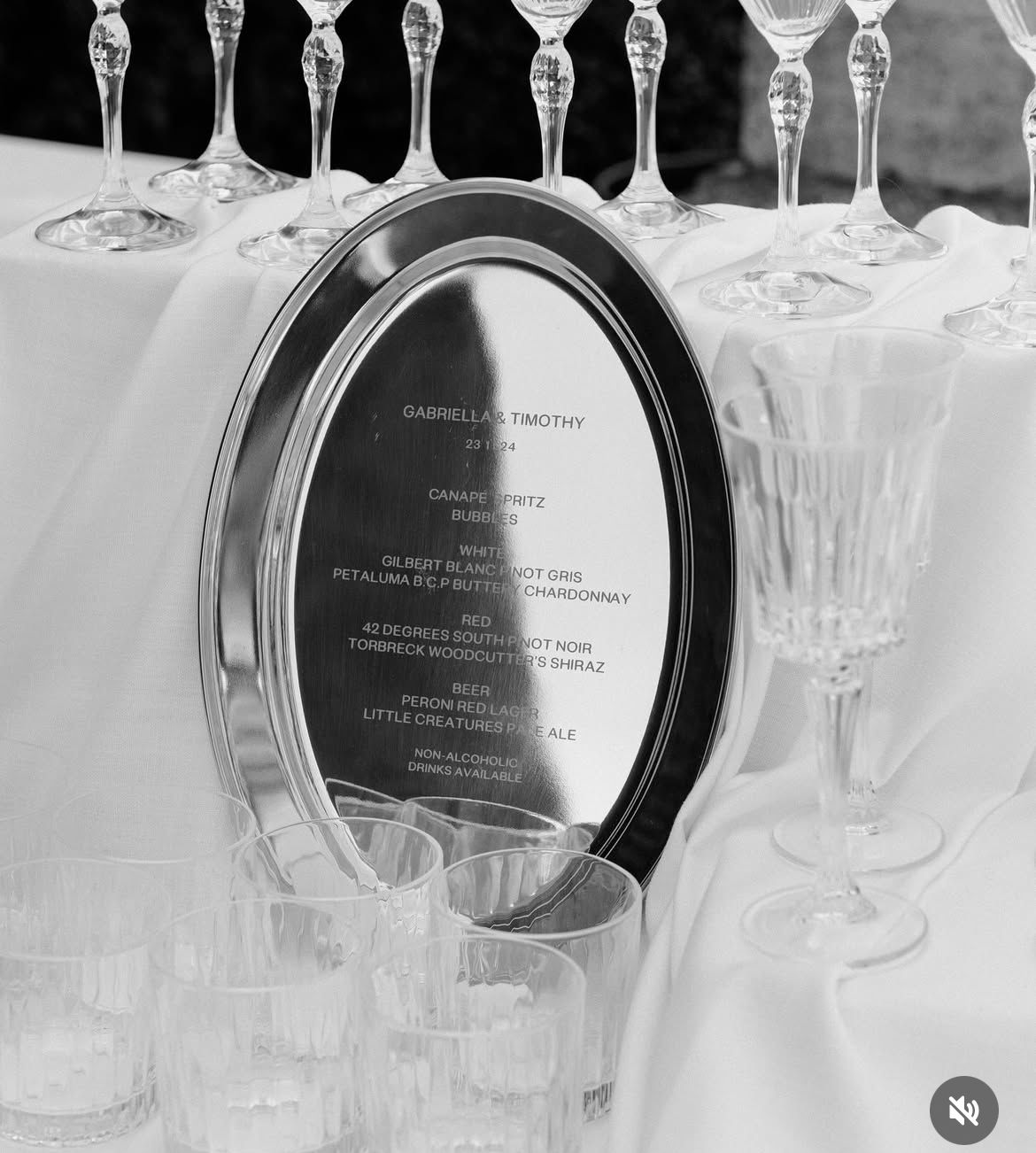
Metal accents offer durability and elegance. Unlike plastic or glassware that may chip or crack, metal pieces, especially those made from brass, copper, or iron, are built to endure. Their reflective surfaces and weight add structure to a table, and their finish, polished, matte, or aged, can shift the mood of a setting entirely.
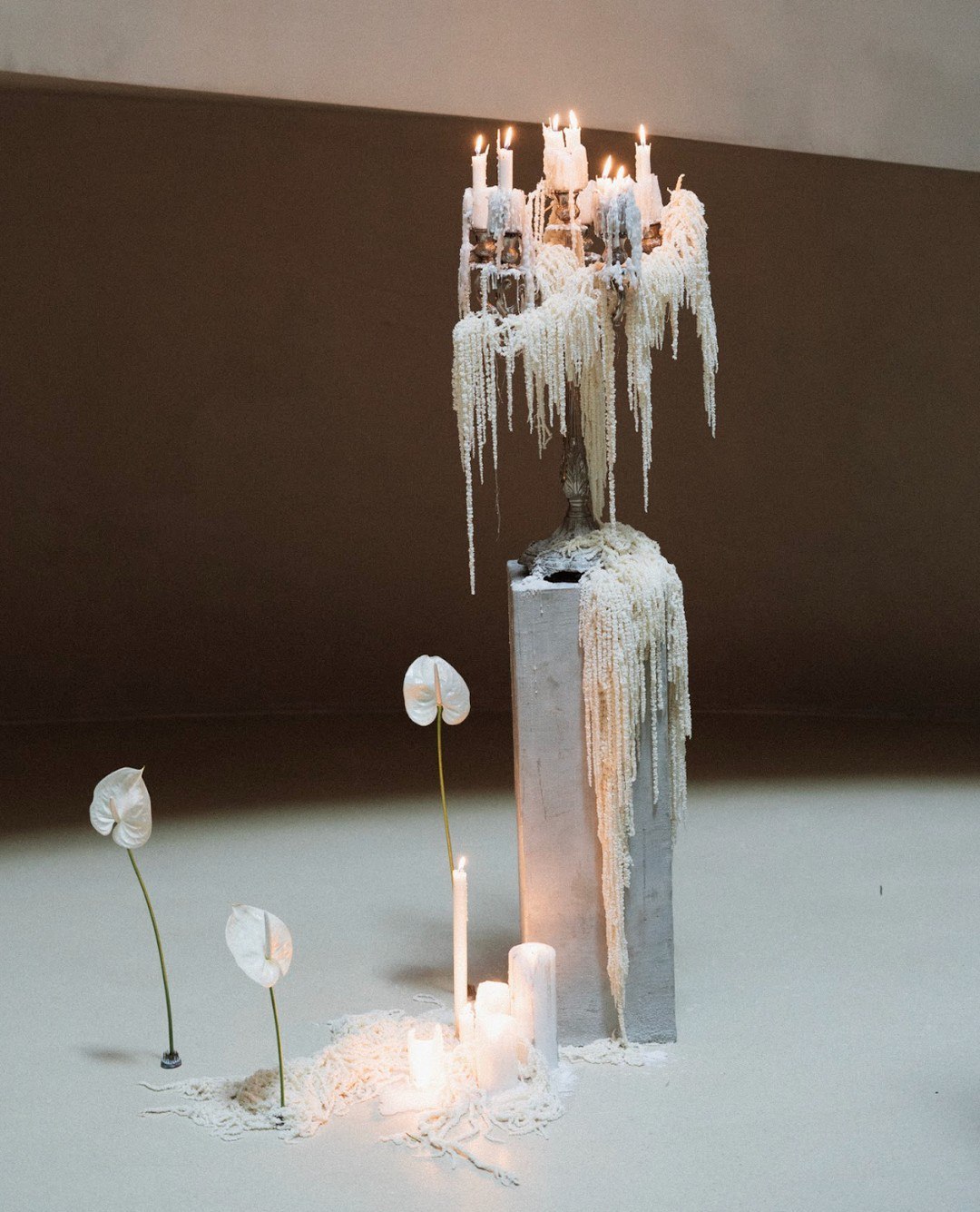
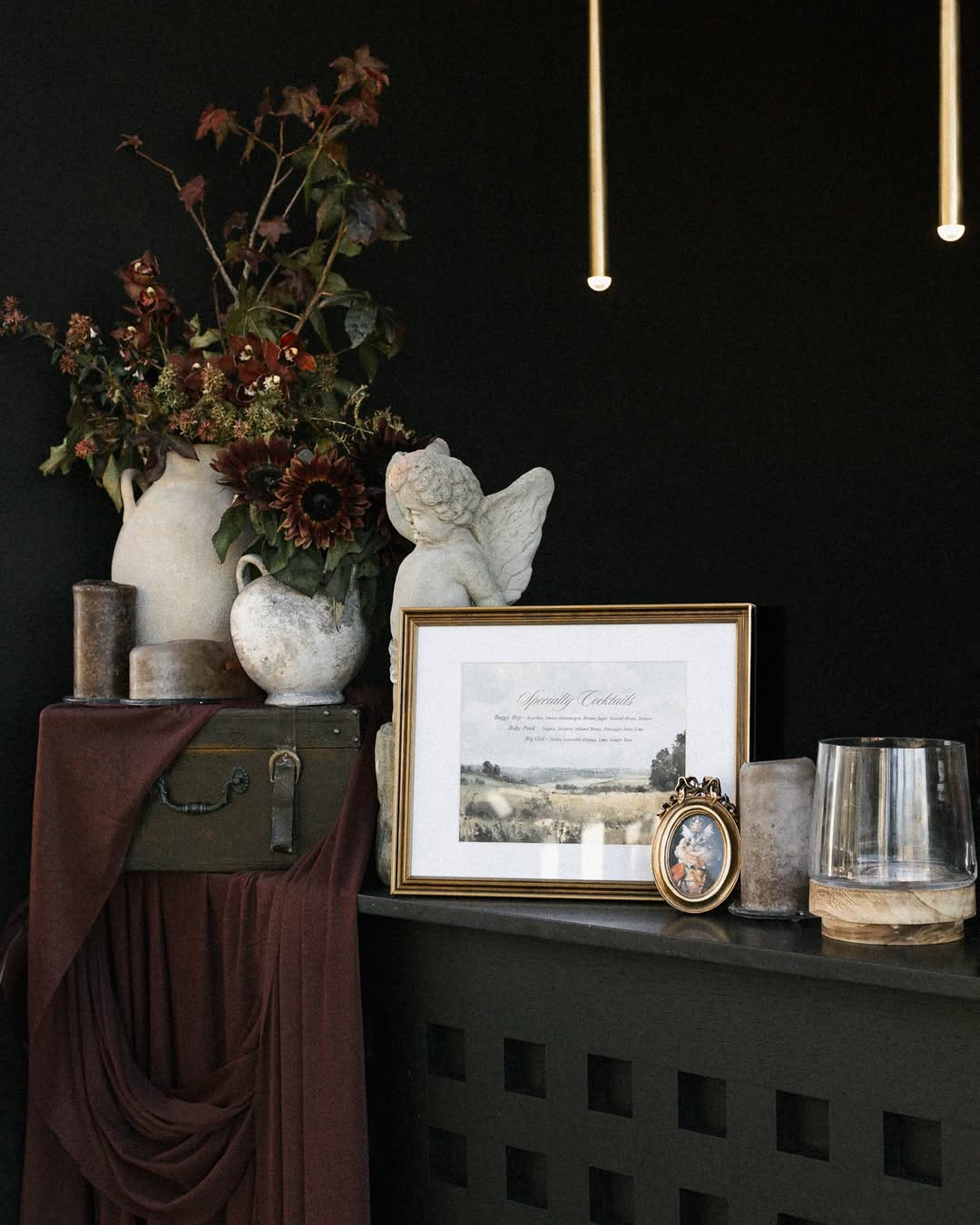
Sculptural candleholders, iron trays, or vintage vessels with patina easily become part of the visual story. Metal works beautifully when paired with raw materials like wood or stone, or when layered with soft textiles and florals for contrast. These elements often transition into home decor post-wedding, and many are recyclable or already sourced second-hand. Their longevity, character, and versatility make them a timeless choice for couples who care about style and sustainability.
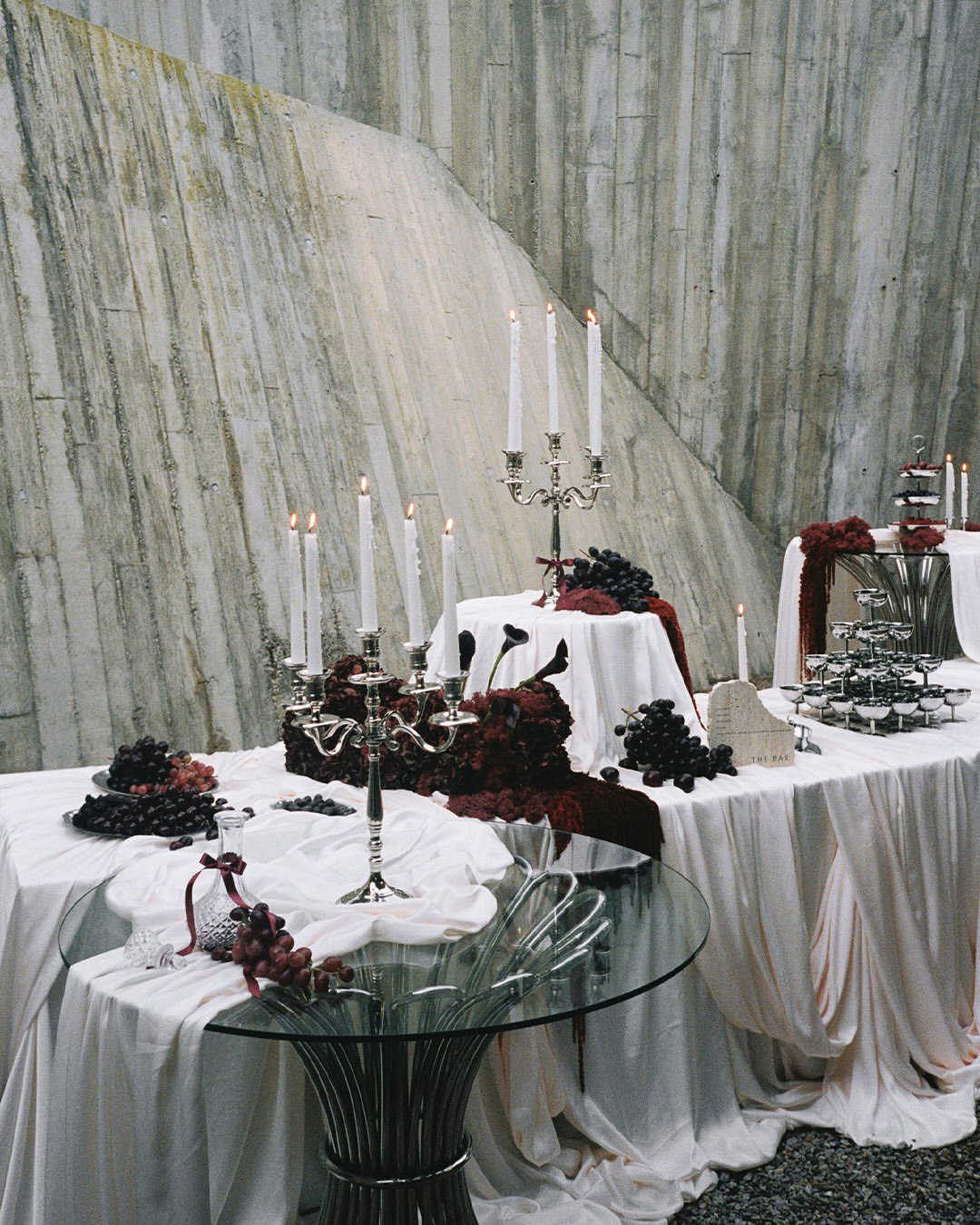
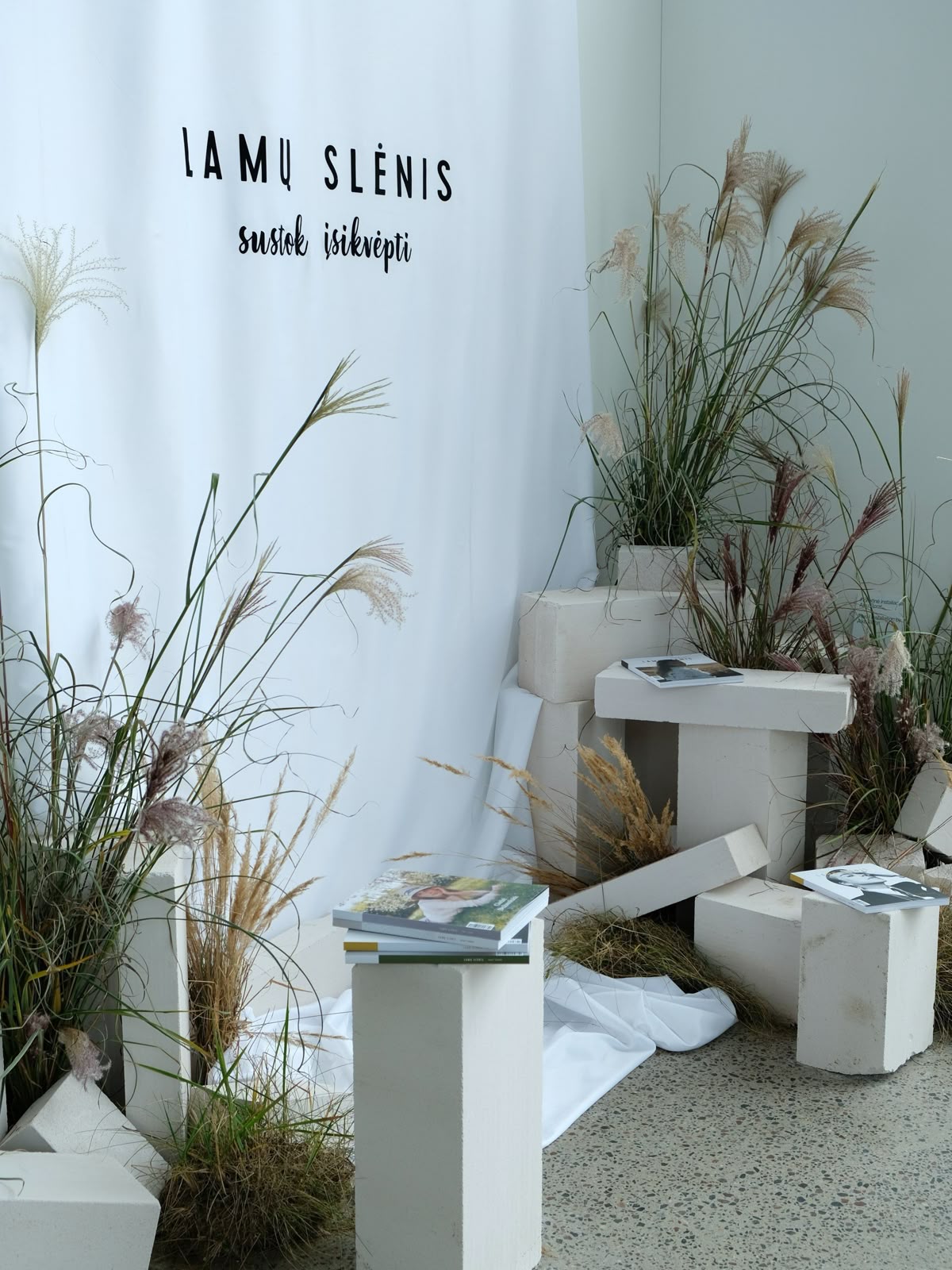
Often overlooked, concrete has a quiet strength that’s perfect for modern decor. Its minimal composition — water, sand, and cement — means it’s often produced locally and doesn’t require complex processing. Visually, concrete evokes the same grounded quality: earthy and tactile. It pairs effortlessly with florals, textiles, and stone, adding a sculptural presence without excess.
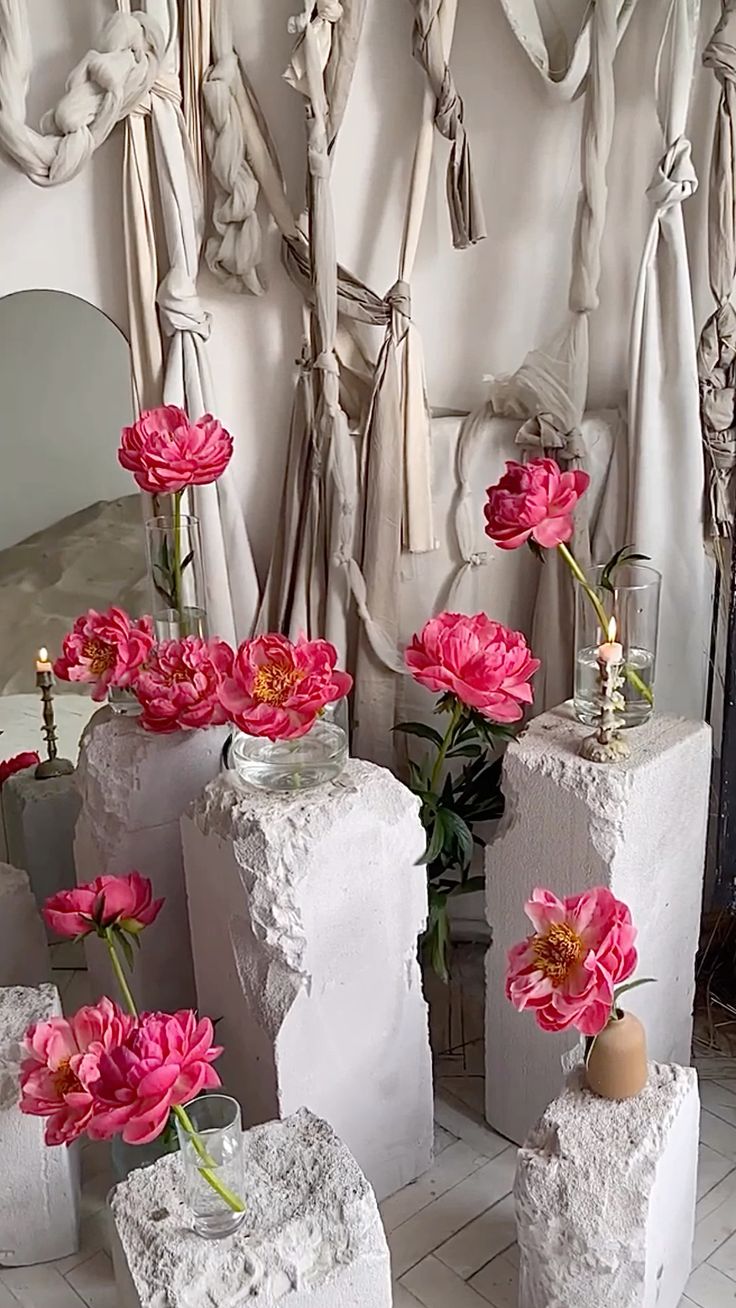
In weddings, it shows up in candle bases, bud vases, or geometric vessels. The texture and weight bring contrast to soft florals or linens, creating visual depth and balance on the table. Shapes can be minimalist or bold, and finishes can be left raw or subtly tinted. Concrete is also endlessly reusable and often repurposed, making it a modern, eco-forward choice that bridges structure and softness.
Sustainability in wedding design is multi-dimensional. It’s about the origin of materials, the purpose they serve, how they’re used, and the meaning they carry long after the event is over. Weddings can produce an enormous amount of waste, especially when decor is chosen for a single day and then discarded. Opting for ceramics, wood, natural textiles, and other lasting materials helps reduce that footprint, but only when those items are treated as part of a longer story: kept, reused, shared, or repurposed.
More importantly, they shift the atmosphere. Guests notice the texture under their hands, the weight of a candleholder, the softness of linen. There’s a sense of care in the values behind it. And that, more than anything, is what lingers. A wedding that reflects a mindset.