When planning a wedding, you’ll interact with a wide range of vendors. Some will be by your side throughout the entire process, while others may only appear on the day itself. At some point, the question always comes up: how do you actually pick the right people?
Price and visuals are the obvious starting points, but they are not the only factors that matter. These are the people behind one of the most meaningful days of your life, so this decision deserves a thoughtful approach. It is not something most couples can figure out off the cuff, so we put together a clear checklist to help you navigate the process step by step and spot potential red flags early on.


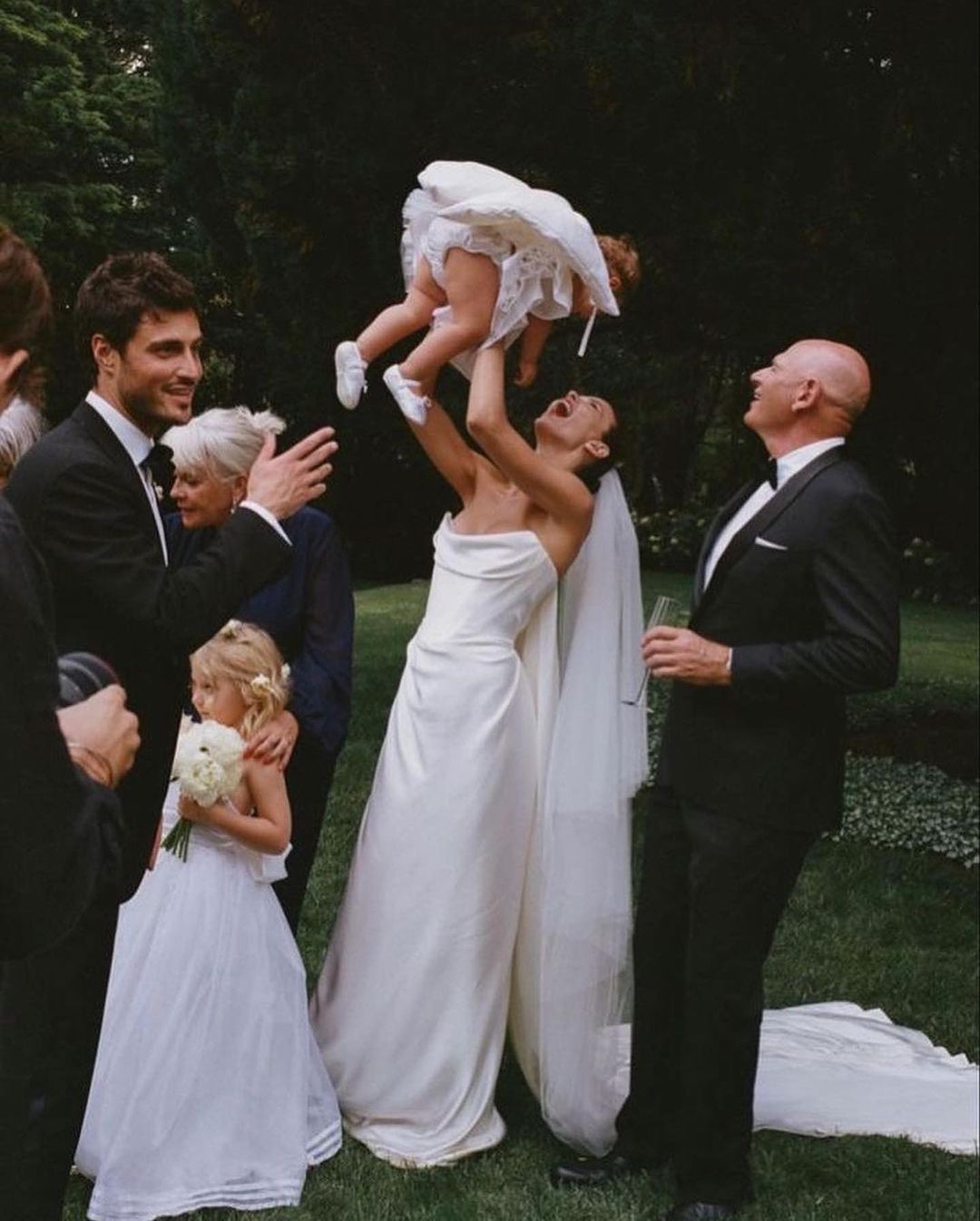
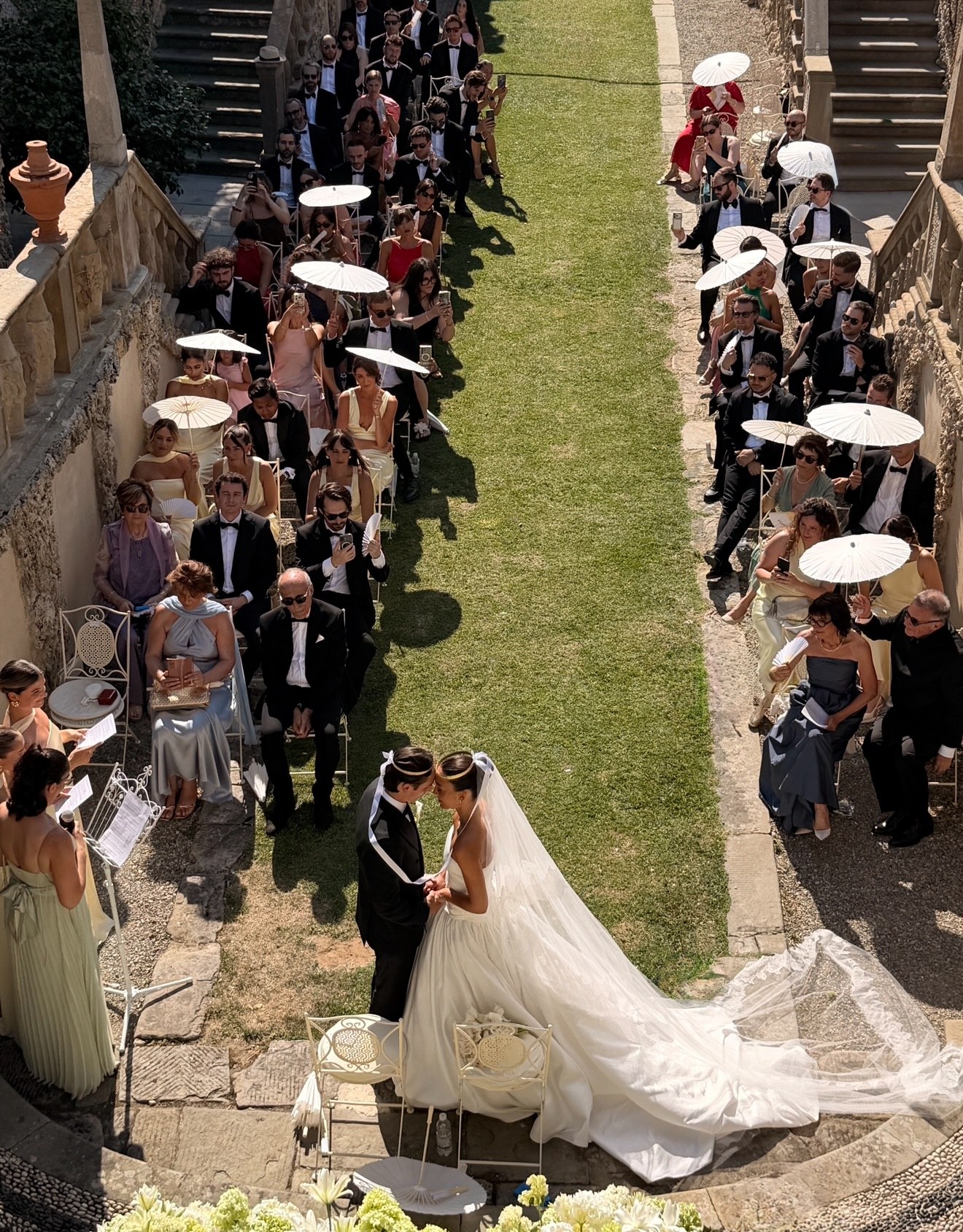
Photo: Courtesy by MAY MASHIAH, Brontë x Mimo Weddings
Start With Your Budget
Set up both your ideal budget and your absolute maximum before anything else. That gives you a realistic framework and helps you see which vendors are actually the right fit for you.
Every price range has strong professionals, so the goal is not to chase the highest tier. The goal is to be honest about your priorities and where you might end up spending more. One of the biggest mistakes is choosing the cheapest option and skipping the rest of the process. That choice can shape the whole experience, especially when it comes to key vendors like your planner, photographer, or florist.
Find Your Visual Match
Portfolio matters. Look through real weddings, not just styled shoots. Check Instagram, Pinterest, and published features. You do not need to overanalyze every detail, but the overall aesthetic should feel right to you. If you already have a general style in mind, whether it is modern, playful, vintage, or something in between, the process becomes much easier. You can quickly see who aligns with your vision and who does not.
Save anything that stands out. Pretty quickly, you will start to pick up on patterns in what you like, and that makes decision making clearer.


Photo: Cube Studio, Brontë x Mimo Weddings
Don’t Skip the Research Step
Reviews give context that visuals cannot. Look for feedback from real couples. Pay attention not only to praise, but to how vendors show up when something shifts, how they follow up, and how they handle timing. If you cannot find any reviews at all, treat that as a sign to dig a little deeper.
If you want to double-check, you can even DM past brides on Instagram who worked with the vendor and ask what the experience was really like. Not everyone will write back, but when they do, you’ll definitely get helpful insight.
Ask the Same Questions to Everyone
Prepare a list of questions and ask the same ones within each vendor category. For example, compare planners with planners, florists with florists. The questions do not have to be identical across different types of vendors, since what matters for a photographer will not be the same as for stationery or rentals. This approach makes it much easier to compare answers side by side without trying to piece everything together later. Focus on availability, process, timelines, deliverables, and how they handle anything unexpected that may come up.


Photo: Ha Nguyen Photo, Klaui Varadi
Make Sure Your Values Align
This part is often underestimated. Working with a vendor is a relationship. If your communication styles or expectations do not line up, even a talented professional can quickly become difficult to work with. You do not need a perfect personality match, but you should feel comfortable, understood, and supported.
Shared values can also play a role. If sustainability matters to you, look for vendors who work with local or seasonal materials. If inclusivity is important, consider supporting vendors whose work reflects that. Even personal or political views can matter more than couples expect, especially if they influence how someone approaches their work or interacts with people. Being on the same page makes the process smoother and a lot more enjoyable. And if something feels off during early communication, pay attention to that feeling.


Photo: Maison Margot by 9KMEDIACLUB, Weddings By Nato
Schedule Consultations Early
After narrowing down your options, start setting up consultations. Reach out as early as possible, especially for in-demand vendors. That gives you a better shot at locking in your date.
Come to each consultation prepared. Bring your vision, references, and a clear idea of what matters most to you. This helps vendors respond more accurately and shows you how well they understand and build on your ideas. Pay attention not just to what they say, but how they say it. Do they listen carefully, ask thoughtful questions, and follow up with clarity? These small details often reflect how the entire working process will feel.
If someone is unavailable, ask for recommendations. Vendors usually know who else to recommend and can point you toward professionals with a similar style or approach.


Review Contracts Carefully
Before committing, take time to read the contract in detail. Start with the essentials: payment schedule, deposit terms, and final balance deadlines. Make sure you understand what is refundable and what is not.
Look closely at deliverables. What exactly are you receiving, how many hours of coverage, how many images or edits, what format, and in what timeline. If something feels vague, ask them to clarify it before signing.
Cancellation and rescheduling policies matter more than couples expect. What happens if you need to move the date, reduce hours, or cancel altogether? It is better to know this upfront than deal with surprises later. Also check how unexpected situations are handled. Do they have a backup plan if they are unable to attend? Do they work with a team or have trusted replacements?
If anything feels unclear, bring it up. A good vendor will walk you through the contract, answer your questions, and follow up with clear explanations. A well-structured contract protects both sides and makes the entire process feel more secure from the start.


Photo: Courtesy by Goshá Flowers, Cara Mia
Red Flags
Even a great portfolio can hide issues, so it is important to stay sharp during the process. Some signs are easy to overlook at the beginning but tend to create problems later:
- Slow, inconsistent, or unclear communication
- No contract or vague terms
- Only styled shoots, with no real weddings to show
- Lack of reviews or feedback from past clients
- Pricing that changes without clear explanation
None of these automatically means you should walk away, but they are signs to pause, ask more questions, and look a little closer before making a decision.


Photo: Jessica Gwyneth, Cara Mia