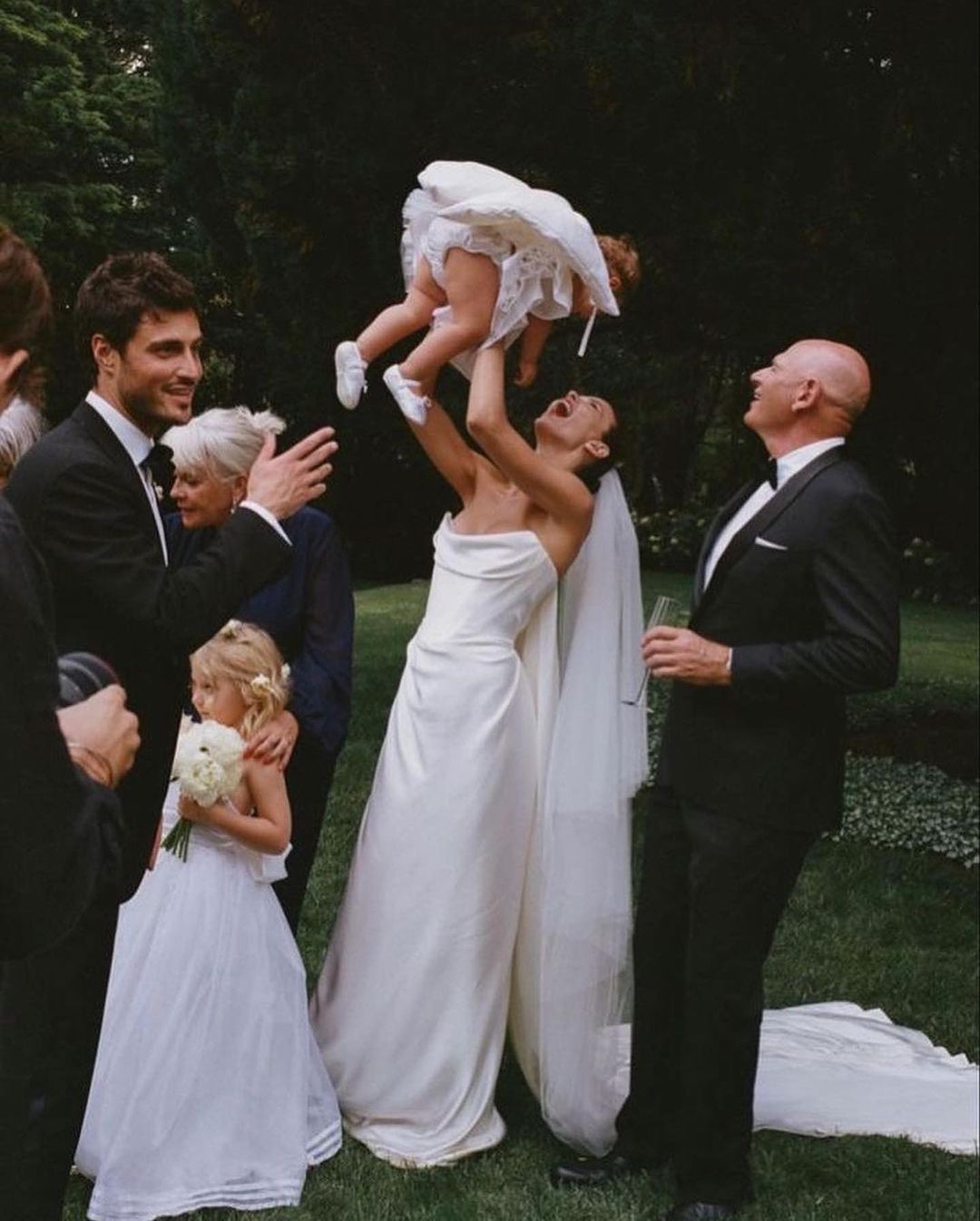
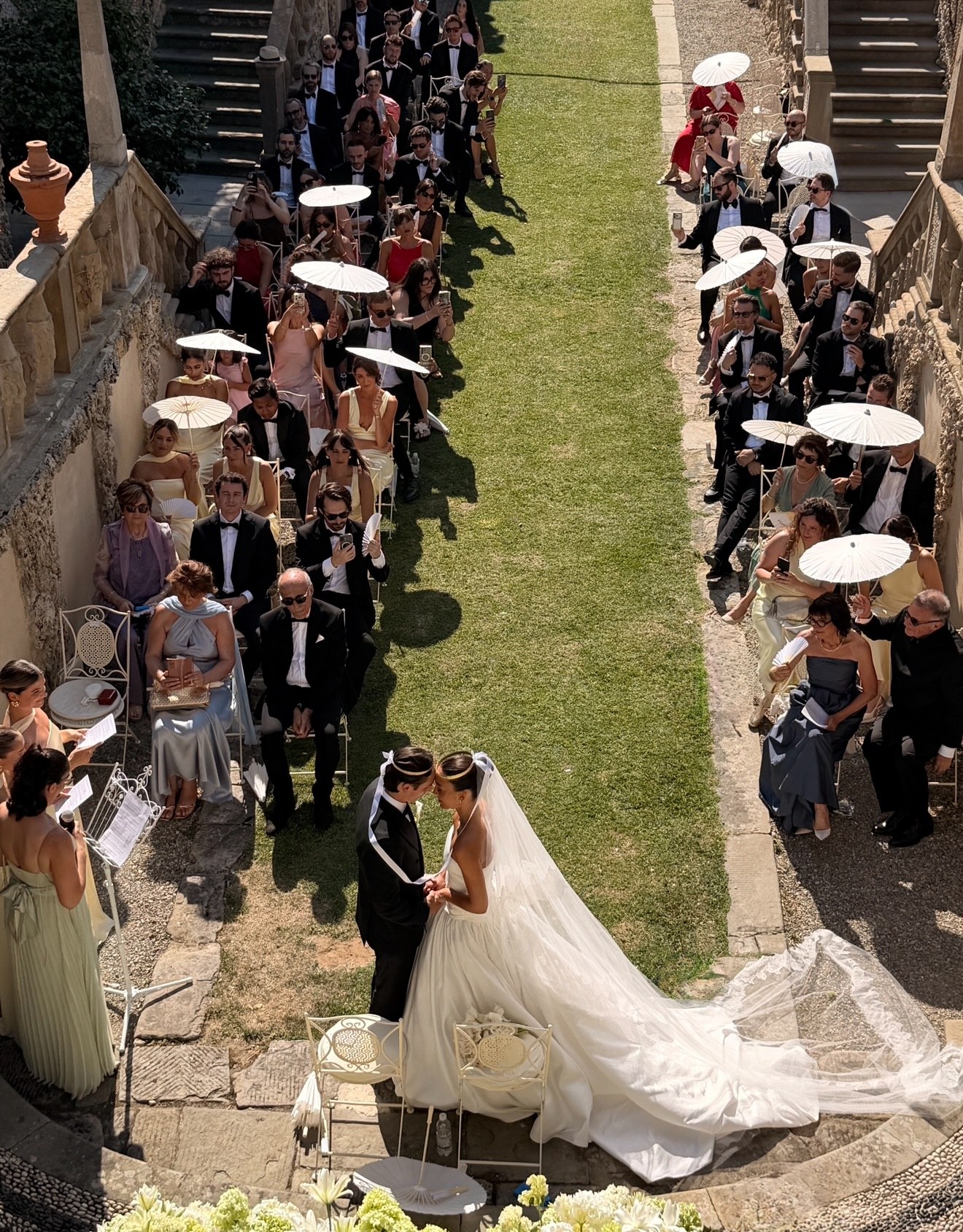
You’ve picked the perfect ring and planned the moment you’ll drop to one knee. But before you propose, there’s one step that can feel traditional and deeply personal: asking your partner’s parents for their permission or blessing. While it may sound like an old-fashioned custom straight out of a classic novel, many couples today still see it as a meaningful gesture that honors family and shows respect for the people who helped shape your partner’s life. Rather than a formal request for permission, it’s often viewed as a warm invitation for parents to be part of this exciting new chapter. If you wonder how to approach this conversation, here’s what you need to know.


Photo: Courtesy of Dominique Elissa, Matt Godkin
Father's Permission to Propose: A Tradition That Changed
Once rooted in family contracts and patriarchal rules, the idea of asking for permission to marry has evolved. In the past, fathers controlled the decision, and brides had little agency. Even if couples married for love, women were still viewed as being under male authority and had to obtain their fathers’ consent before they could move out.
Today, marriage is a personal choice between two people. But while the meaning has shifted, many still find value in honoring family ties before the proposal. For some, it’s about acknowledging the role parents played in raising their partner. For others, it’s simply a gesture of inclusion and respect, setting a positive tone as two families prepare to join together.
How to Approach It Today
Taking time to reflect on why this commitment matters to you can help calm worries and quiet any unsettling thoughts that might arise. You’ll approach the moment with greater ease and self-assurance. As for the conversation itself, keep it warm and clear. Speak sincerely about your intentions and let your true feelings guide you. A heartfelt, simple message often resonates best, such as:
“I love [partner’s name], and I’m planning to propose. It’s important to me that you’re part of this moment.”
“Before I propose, I wanted to speak with you and share my plans, because your support means a lot to both of us.”
This maintains an inclusive and respectful tone, without placing parents in a position of control. There’s no need for formal speeches or rehearsed lines. A genuine, straightforward conversation always feels right.


Include Both Parents
Traditionally, this moment involved the father. Today, it’s more thoughtful to involve both parents or any key parental figures in your partner’s life—whether that means mothers, stepparents, guardians, or chosen family members. Including everyone important avoids hurt feelings and acknowledges the full scope of your partner’s support system. If the parents are divorced or remarried, you may consider speaking to each parent separately, depending on the family dynamics.
Pay Attention to Cultural Expectations
In many cultures, involving the family remains a significant and sometimes essential part of the engagement process. Some families may expect a formal blessing or a ceremonial conversation. In others, the absence of this step might feel disrespectful. Take time to learn what’s customary in your partner’s culture or religion. If you’re unsure, talk openly with your partner or a close family member to better understand expectations. In these cases, this conversation becomes more than etiquette—it’s a sign of respect for deeply held traditions.


Photo: Vadim Pastuh
What If the Parents Say “No”
While rare, some parents may express hesitation. If this happens, stay calm, listen, and ask if they’d like to share their concerns. Often, their worries stem from fear, timing, or practical issues—not rejection of your relationship itself. A respectful, open conversation can help clear misunderstandings. Ultimately, this is a decision between you and your partner. The parents’ feelings are important, but they don’t control the outcome.
Special Situations
LGBTQ+ Couples
In many LGBTQ+ relationships, the tradition may not apply or may feel unnecessary. Still, some may choose to involve parents as a way to honor family connections. If your partner’s parents are supportive, the same approach applies: share your plans as a sign of inclusion. If the relationship with family is complicated, it’s better to skip the conversation entirely—your partner’s comfort comes first.
Blended Families
In blended families, dynamics can be more delicate. If parents are divorced or remarried, consider having separate conversations to avoid tension or discomfort. Personalizing your approach shows sensitivity to each relationship and helps everyone feel included in a way that works for them.
Estranged Parents
If your partner is estranged from one or both parents, the conversation may not be appropriate. In this case, discuss it openly with your partner. Their relationship with their family should guide whether any contact is made. Forcing a conversation in these situations can cause unnecessary stress.


Photo: Twah Photography, Sam Venn
Final Thoughts
Asking your partner’s parents before proposing isn’t about handing over a decision—it’s about starting your future with respect and care. Done thoughtfully, this tradition can still carry meaning without feeling outdated. Approach it with sincerity, include the people who matter, and focus on building a strong foundation, not just for your engagement, but for the family relationships that will follow.