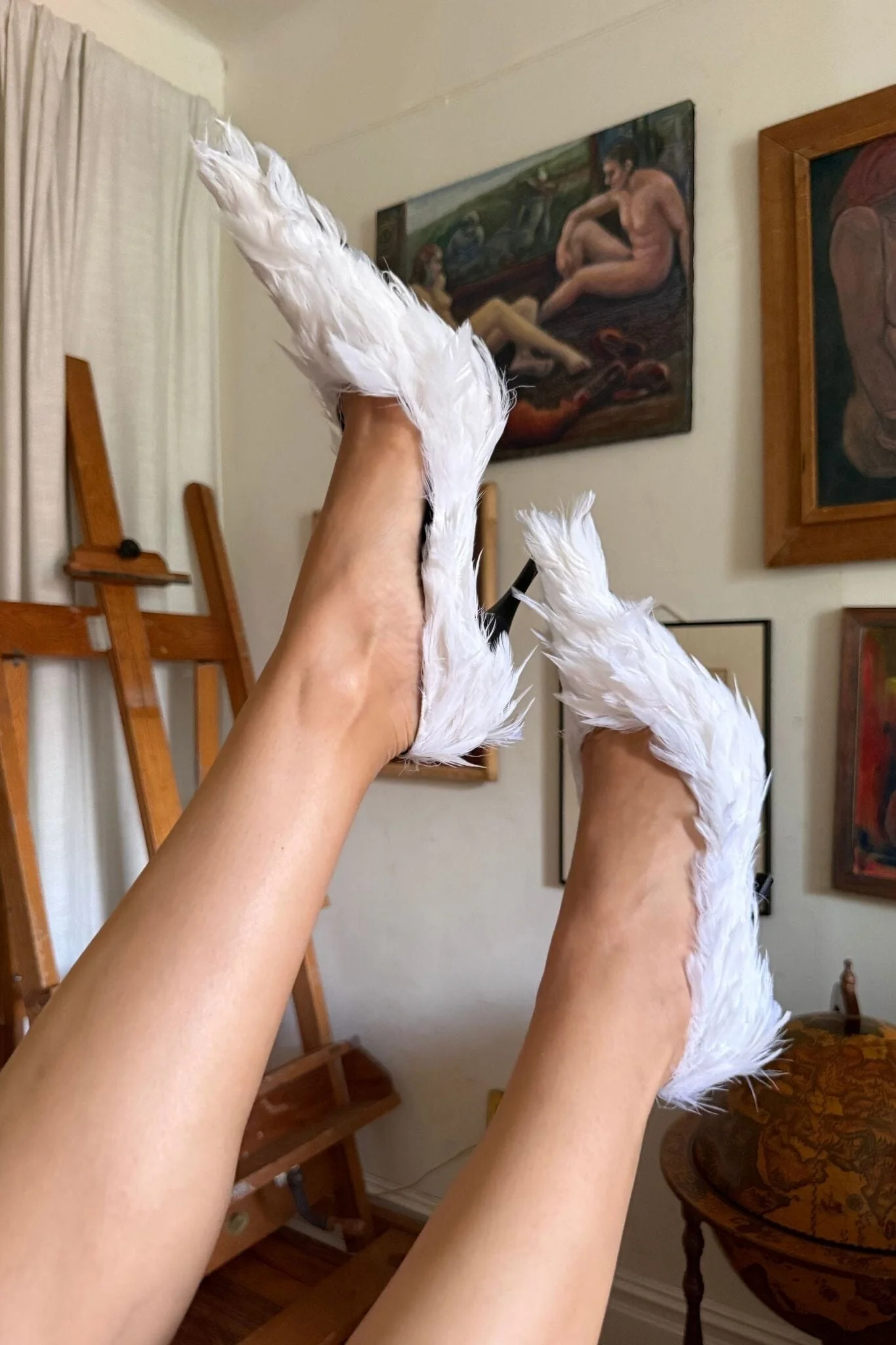
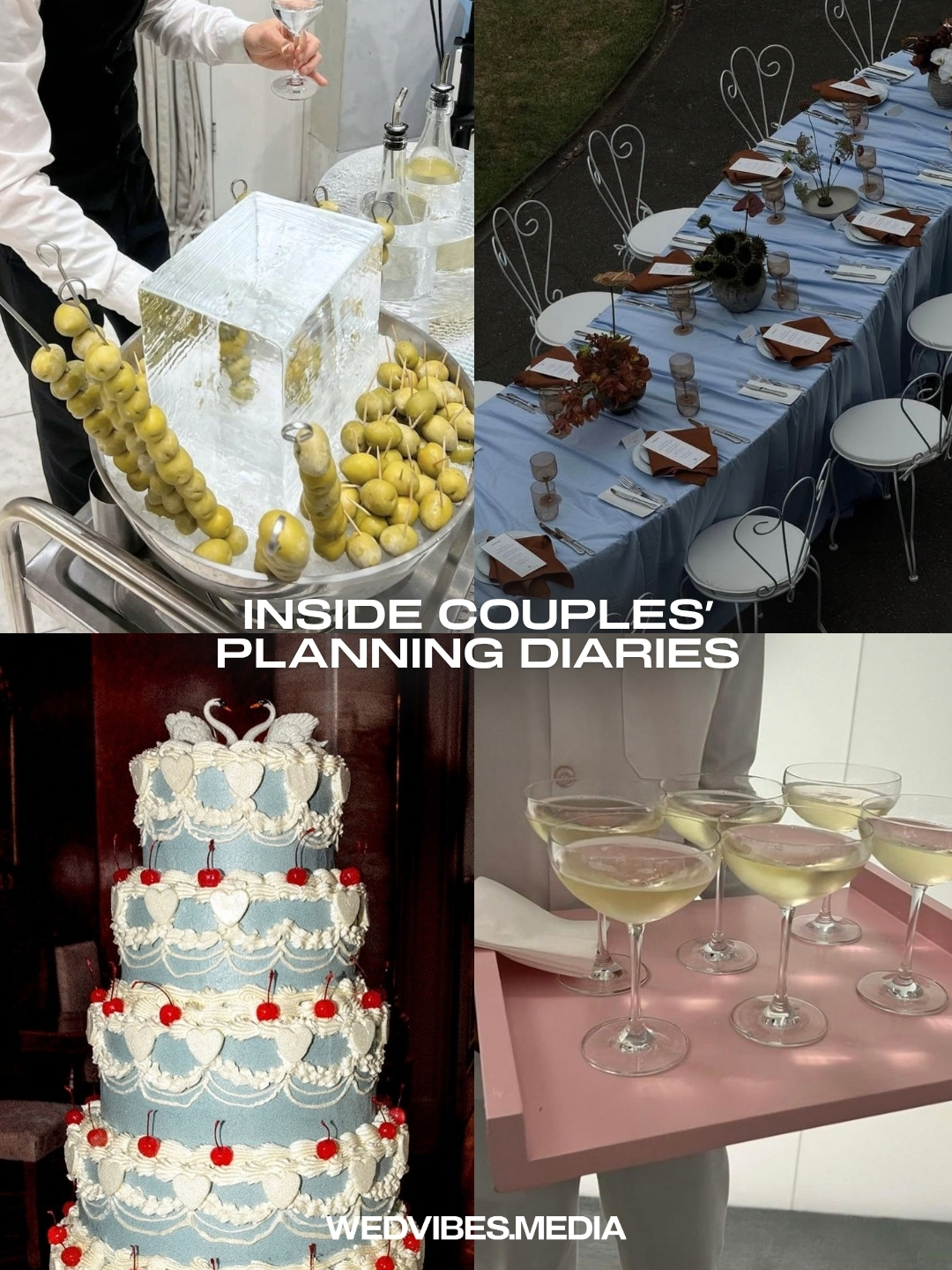
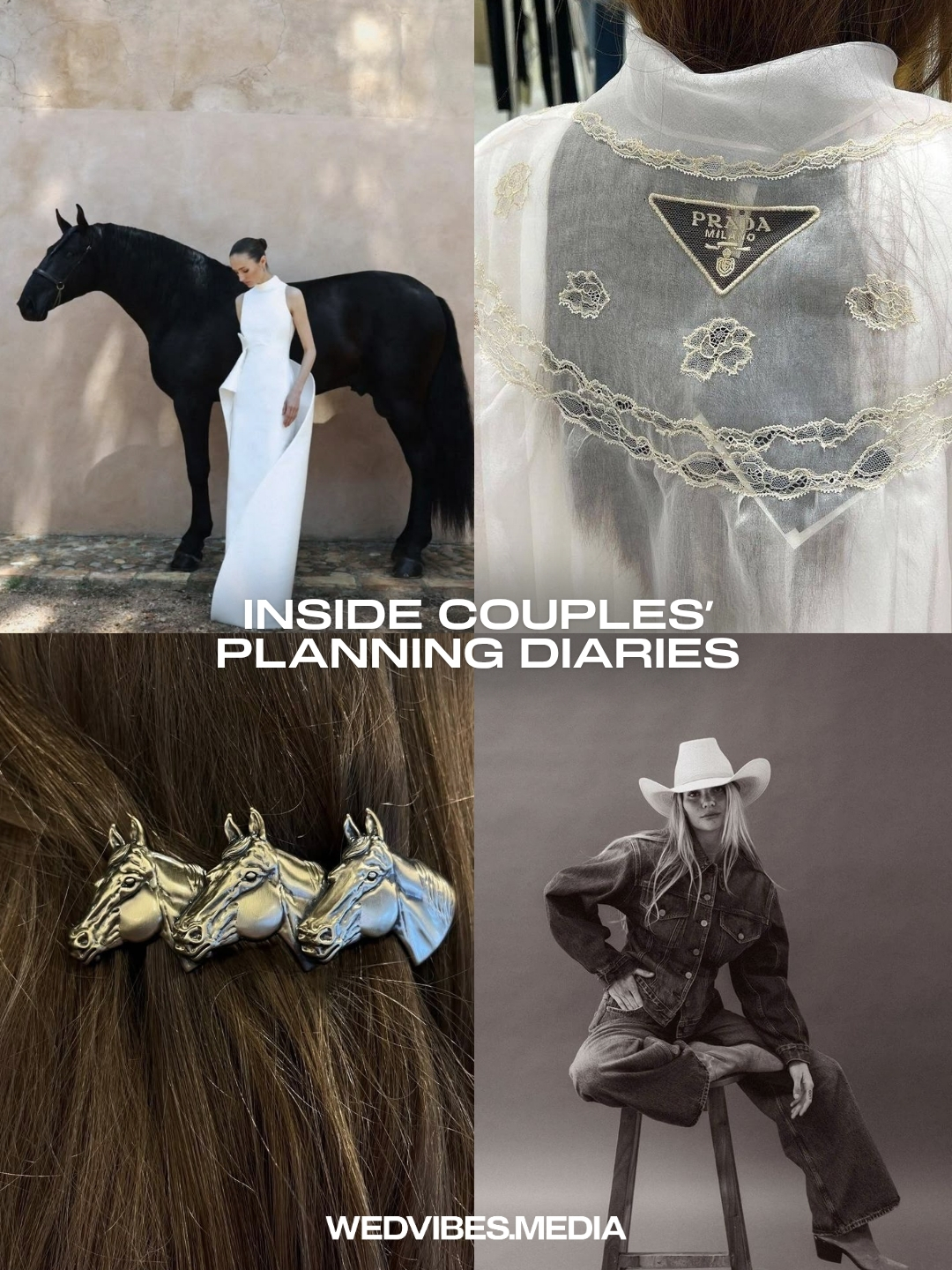
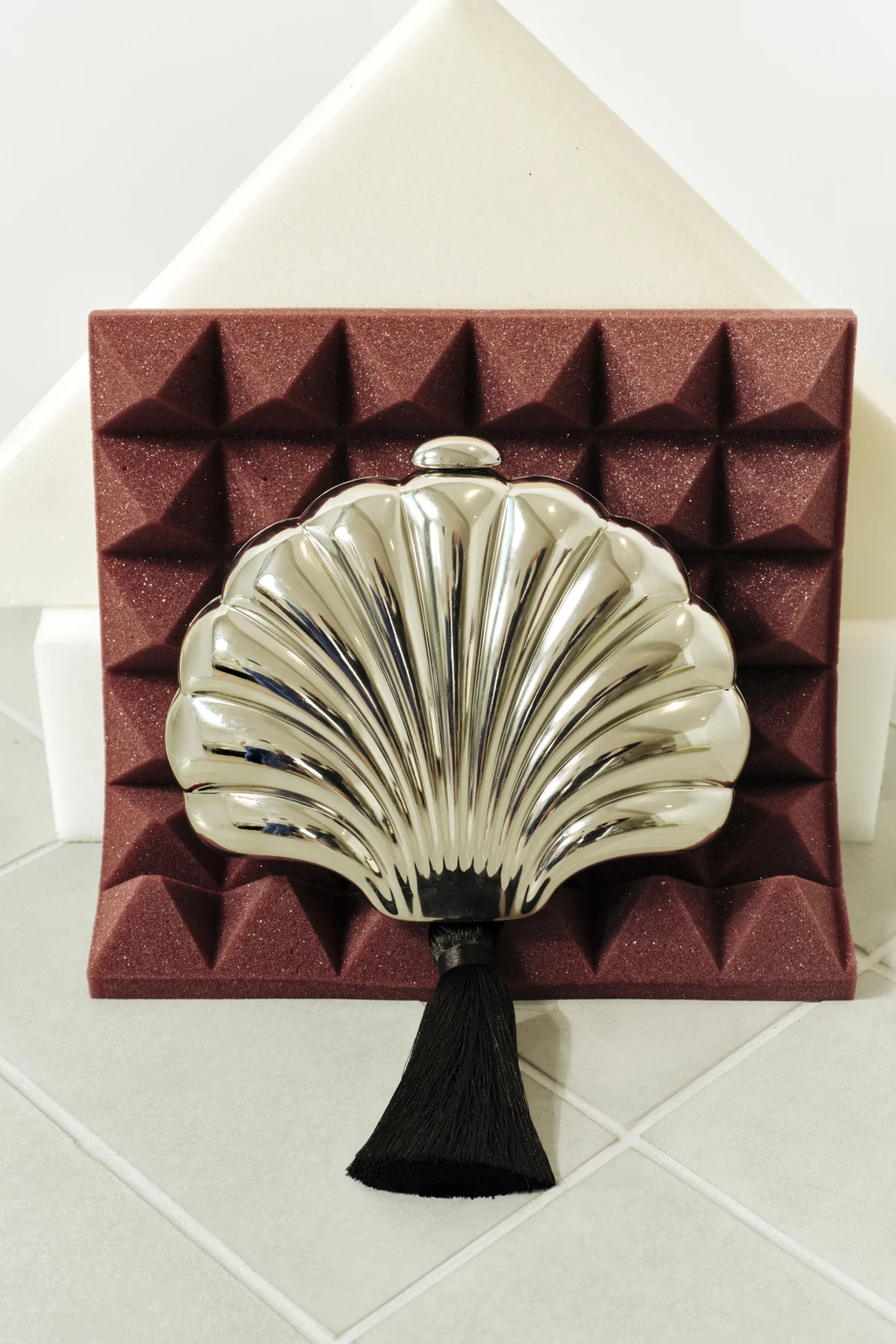
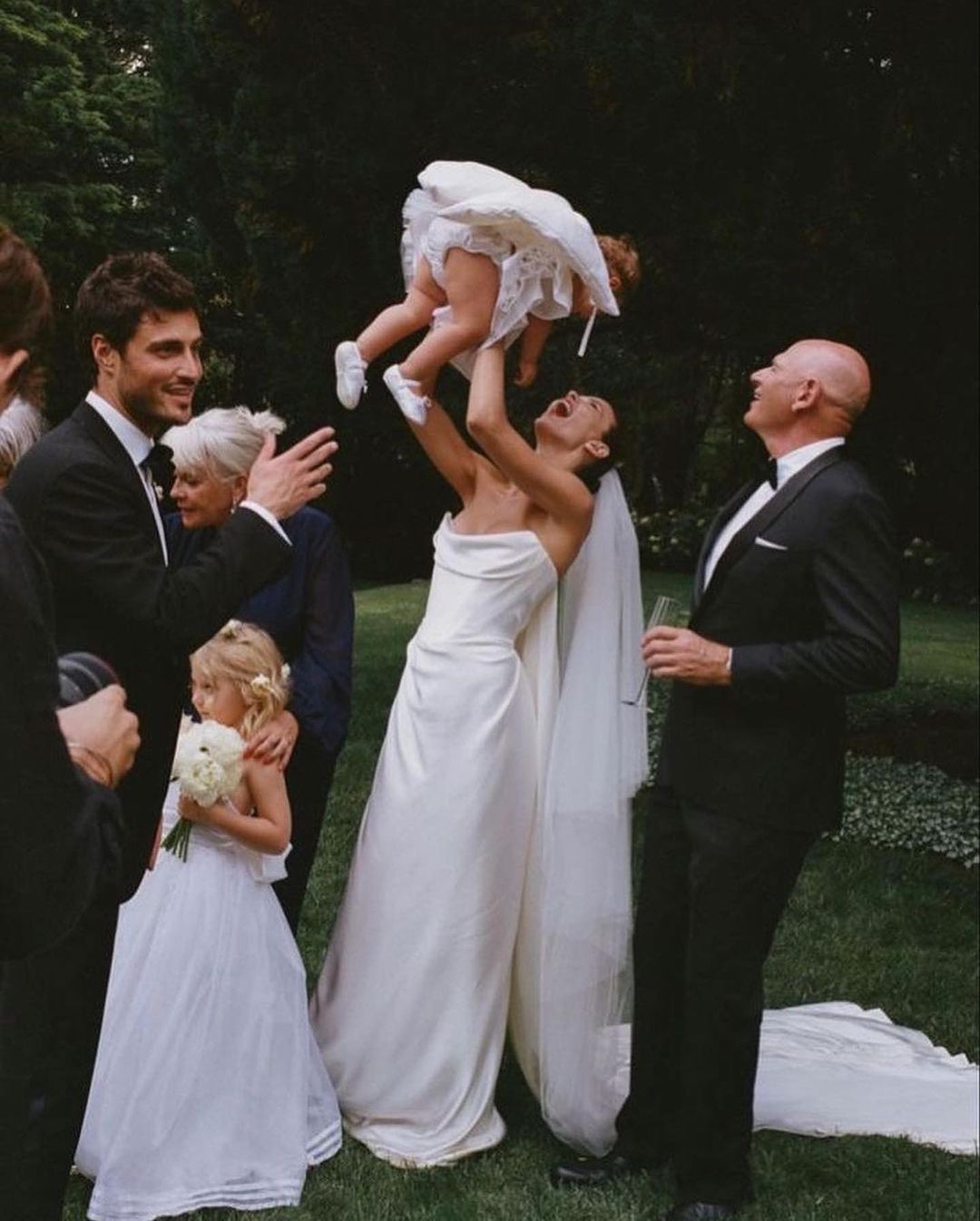
Planning a wedding today comes with an overwhelming number of choices. Dresses, designers, trends, Pinterest boards, opinions from friends and family. At some point, it all starts to blur together, and what should feel exciting turns into second-guessing. This is exactly where bridal stylists step in. Their role has grown quietly over the past few years, moving far beyond dress shopping into something much more considered and personal. They help shape how a bride feels, how she shows up, and how every look connects to the wedding’s overall atmosphere. And no, it’s not just about choosing a dress.
In this article, we break down what a bridal stylist actually does, how the process works from the inside, and why this role has become so relevant today. We also spoke with experienced stylists to bring in real insights, from how they guide decisions to what truly makes a difference in the final result.
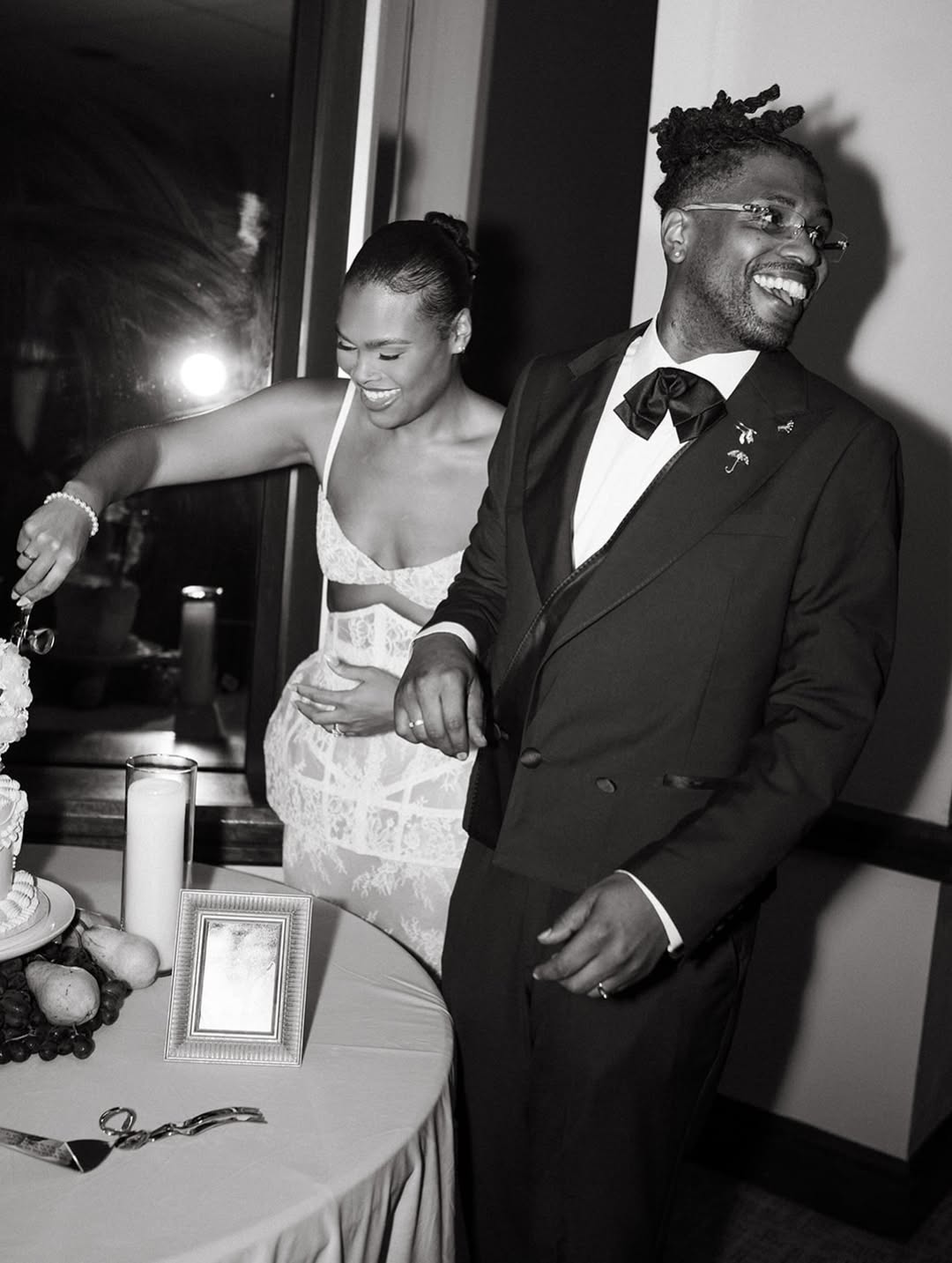
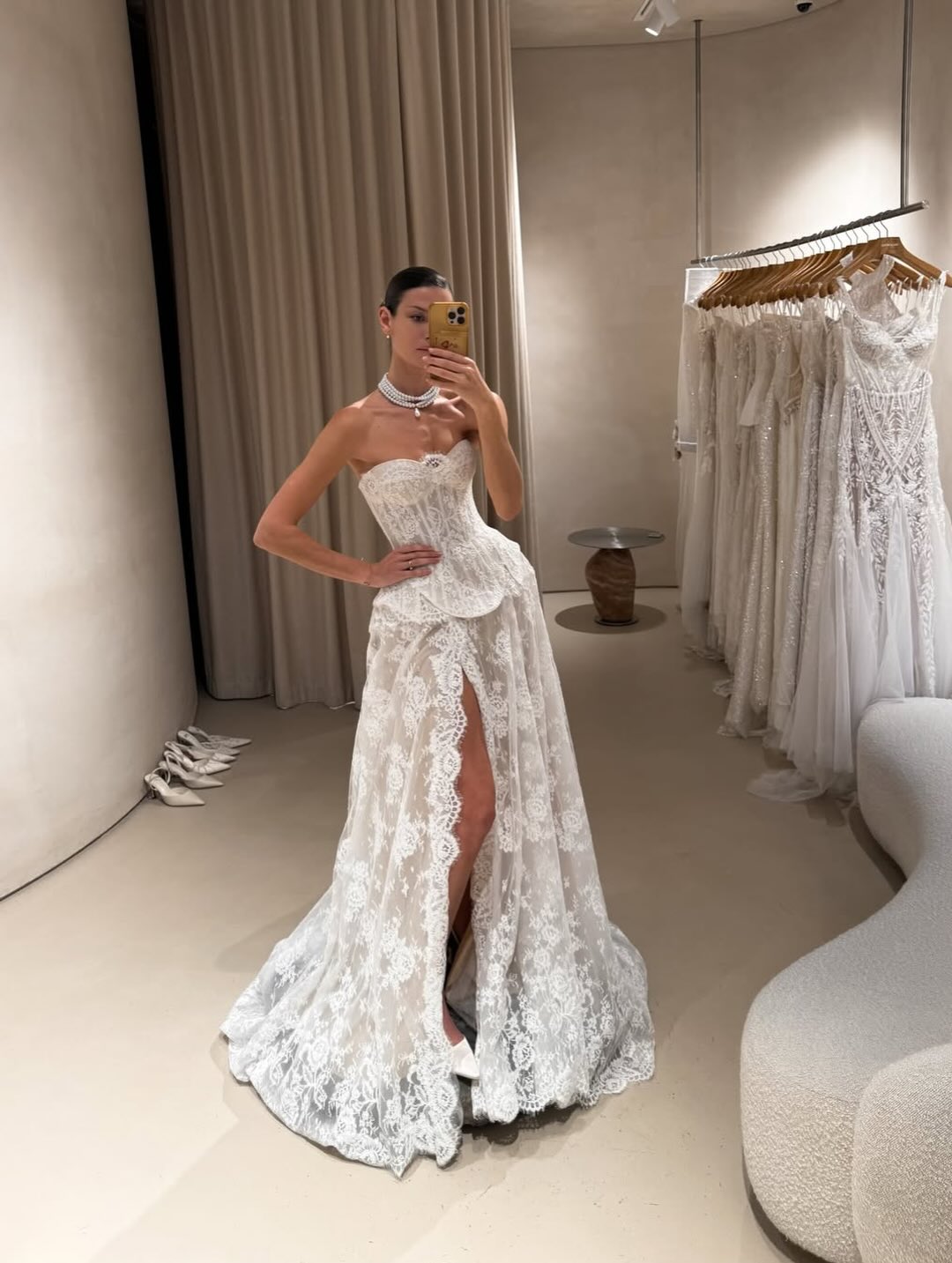
Photo: Caliyah Hart, Danielle Copperman
Who Is a Bridal Stylist Today
A bridal stylist today works more like a creative director than a personal shopper. A lot of people still think this is something only celebrities or editorial shoots need, but it has become increasingly relevant for modern weddings as well. Bridal stylists look at the wedding as a whole and build a wardrobe that fits into that bigger picture. Every look, from the ceremony to the after party, is considered in relation to the setting, the mood, and the story the couple wants to tell.
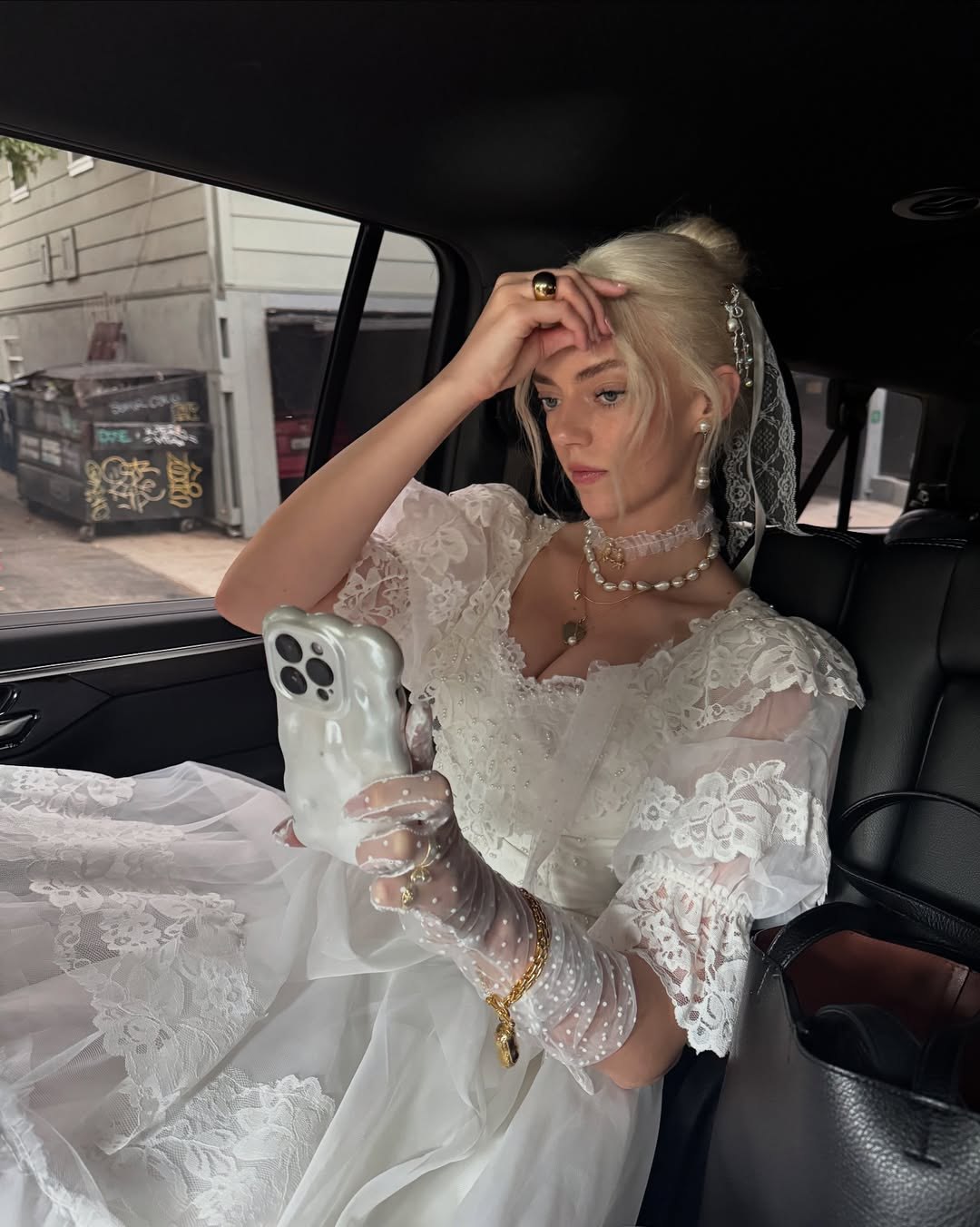
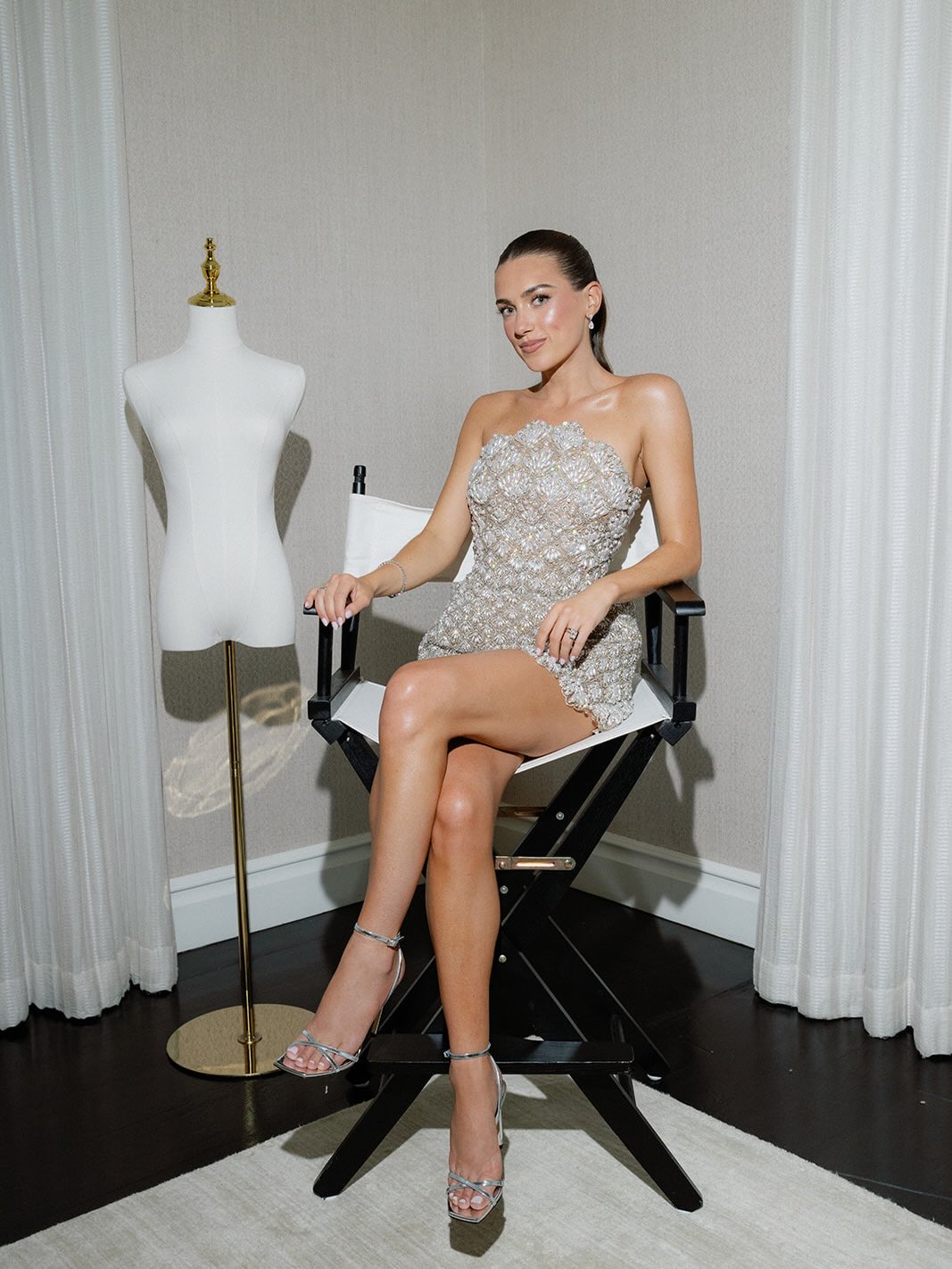
Photo: Pyper America, Pablo Laguia
Dress: Μacye Wysner at CINQ, Styling: Maisie-Kate Style
At the same time, they act as a bridge between everyone involved. Designers, tailors, planners, photographers, and beauty teams all intersect through styling decisions. As New York-based stylist Maisie-Kate Keane explains, “a big part of what I do is helping brides cut through the noise.” She also manages the entire process behind the scenes: appointments, timelines, fittings, and communication with designers, so the bride does not have to carry that mental load. “I am there to anticipate problems before they happen and make sure everything runs smoothly from start to finish.”
Gabrielle Hurwitz adds that her role is to think of fashion as a holistic part of the wedding design and “curate a capsule wardrobe that tells the story of the weekend, and of the couple.” That perspective is what separates bridal styling from traditional fashion or personal styling.
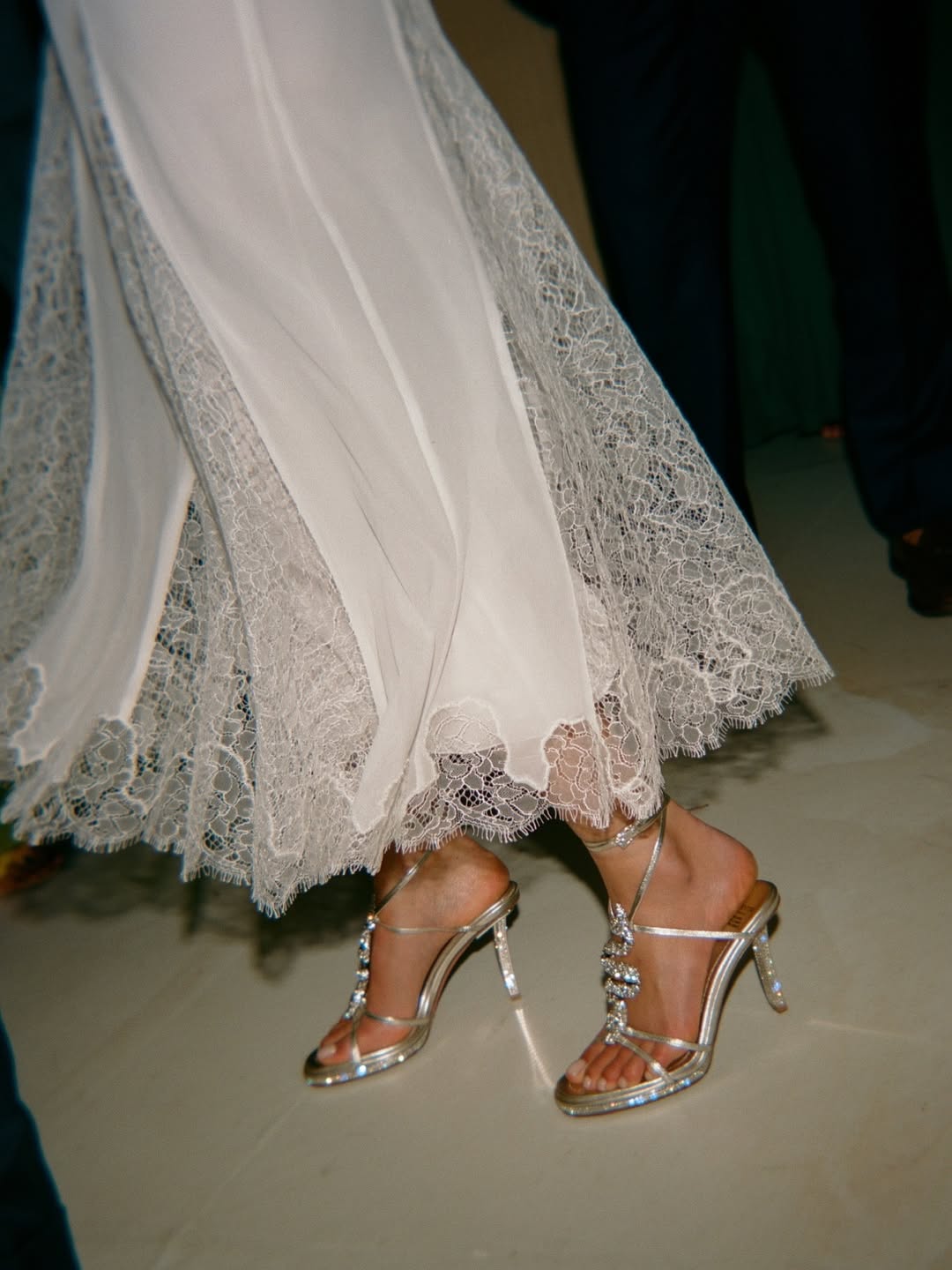
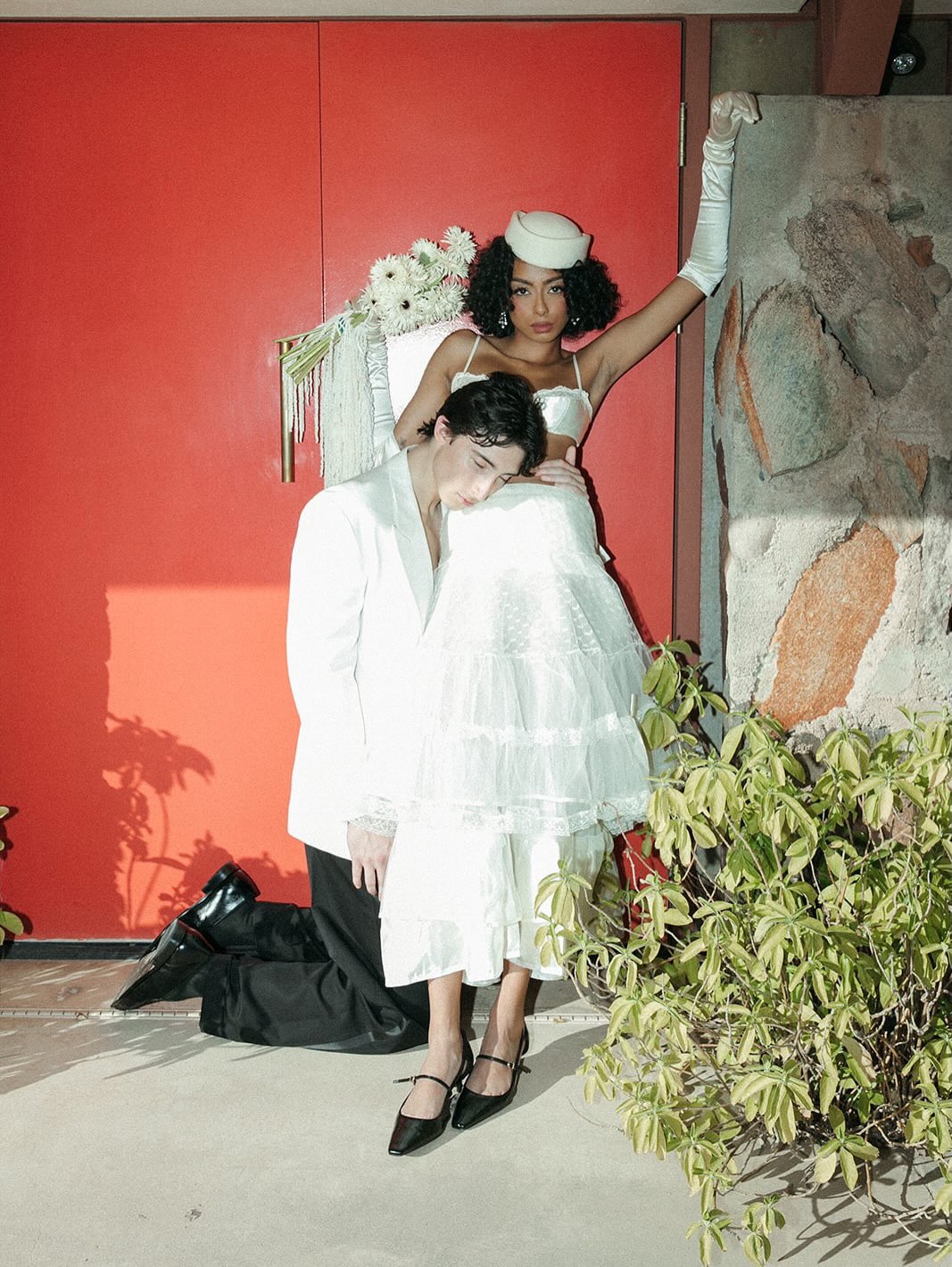
Photo: Kristen Marie Parker x The Wedding Artists Co, From The Daisies
Styling: Maisie-Kate Style, Bo Bohannon
How the Process Actually Works
Once a bride decides to work with a stylist, the process becomes much more structured. It usually starts with an onboarding conversation or questionnaire to understand her personality, preferences, and the direction of the wedding. As Gabrielle Hurwitz says, this step helps define the overall vision before anything else moves forward. From there, stylists build mood boards, narrow down options, and create a clear plan before any shopping even begins.
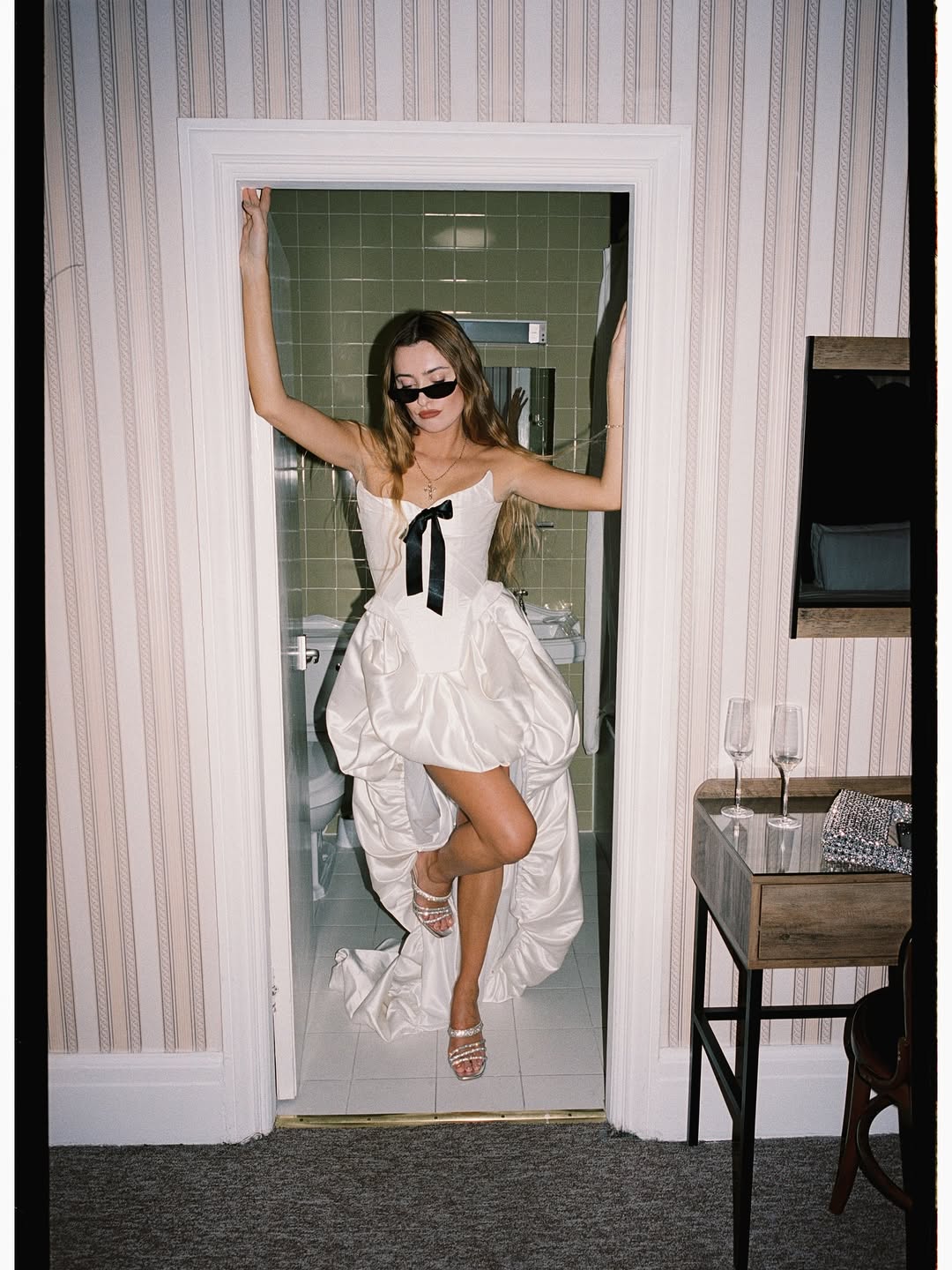
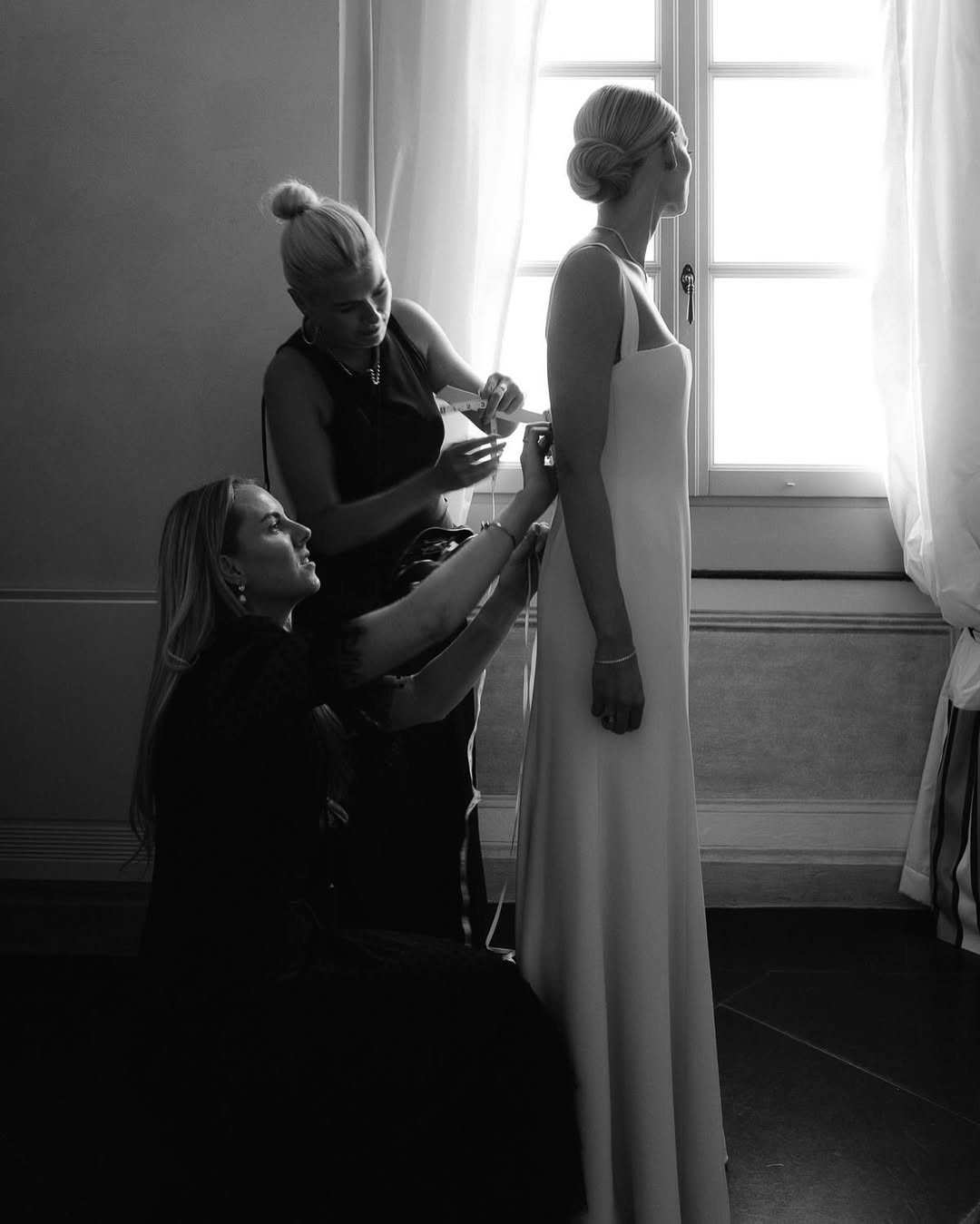
Photo: Jessica Gwyneth, Greg Finck
Dress: ROUVÉLL, Styling: Maisie-Kate Style
Appointments are not random. Stylists carefully select designers and boutiques that align with the vision and plan a focused itinerary, often over a few days. They attend every fitting, document options, and guide decisions along the way. As Maisie-Kate explains, part of the role is also advocating for the bride during fittings, making sure every detail is understood and executed correctly. She also notes that “some brides like to revisit their favourite gowns, and others decide to explore something custom,” and in those cases, she introduces them to designers, guides fabric selections, and helps develop sketches so the design feels completely intentional.
Beyond the dress, they think about proportions, accessories, and how each element works together. They align the groom’s look, coordinate with hair and makeup, and often build full styling decks that can be shared with other vendors. A large part of the job is also logistical, from managing timelines to anticipating issues before they happen, so the bride never has to deal with them directly.
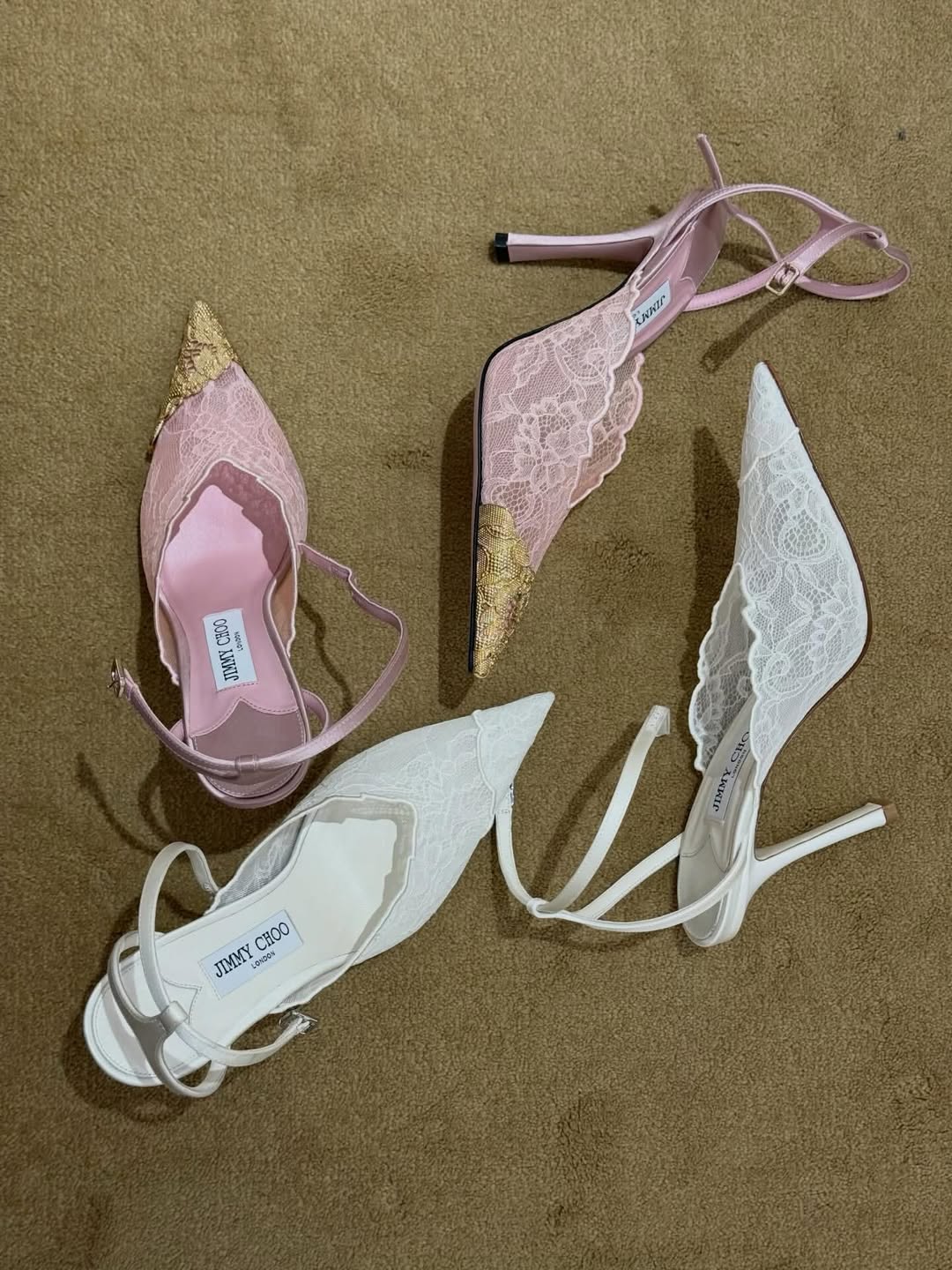
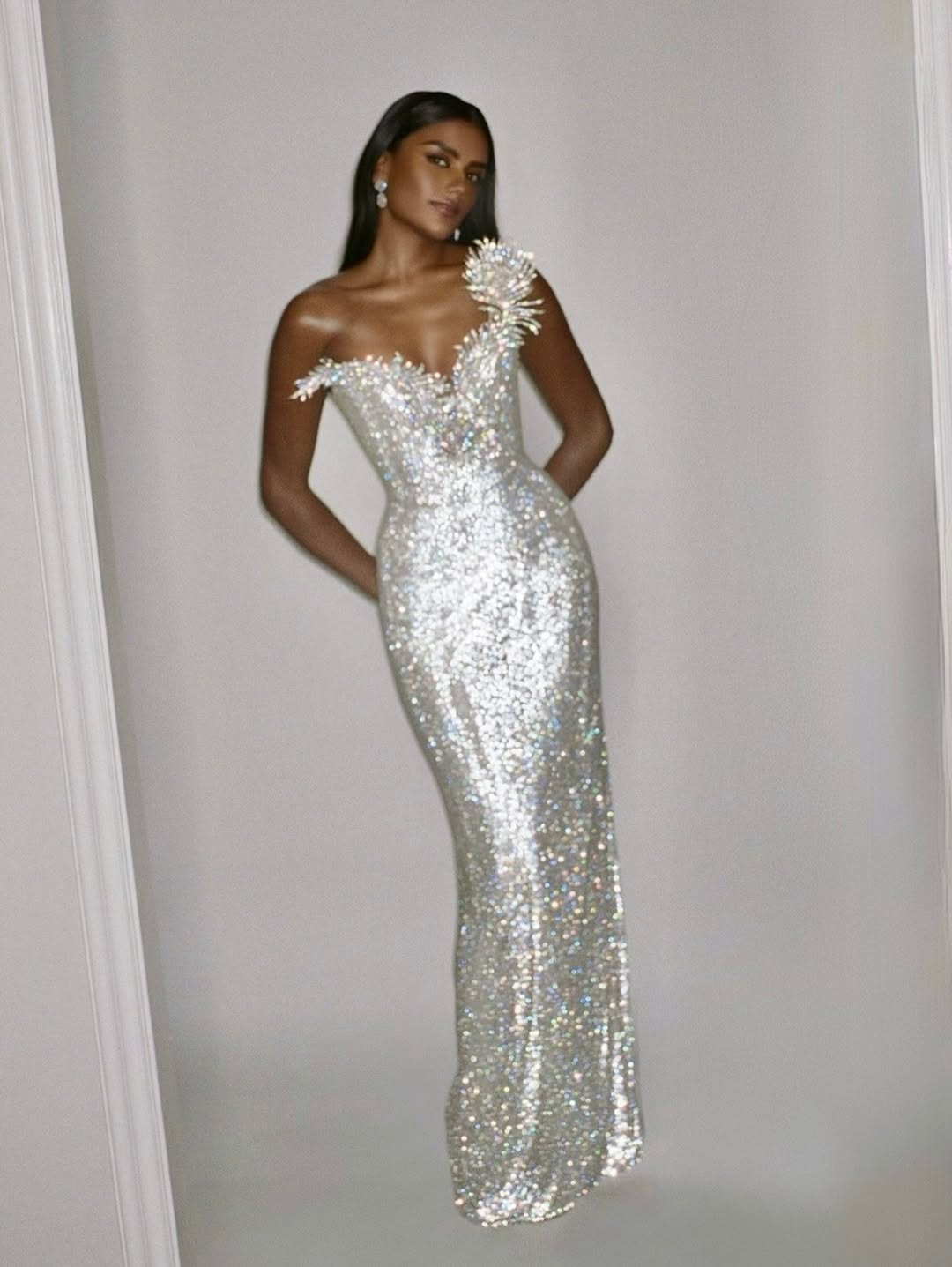
Photo: Courtesy of Erin Bitri, Emma Beiles Howie
Hills: Jimmy Choo, Styling: Rebecca Corbin-Murray
The Emotional Side
One of the most overlooked parts of bridal styling is the emotional side of the process. Weddings often come with pressure, expectations, and strong opinions from different people. A stylist becomes someone who helps navigate all of that with a calm and steady presence. They often step into situations where opinions clash, acting as a quiet mediator and bringing the focus back to what the bride actually wants.
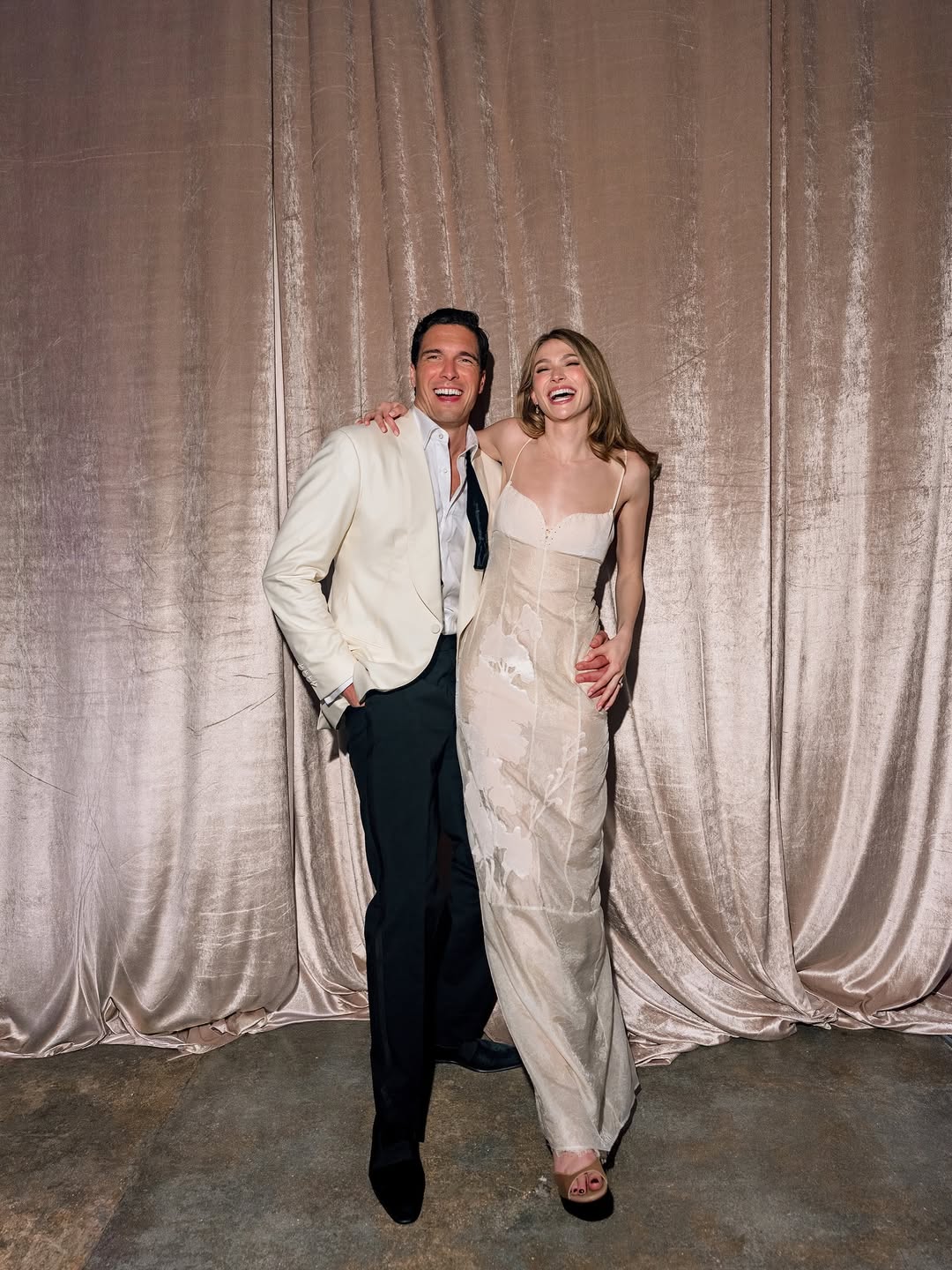
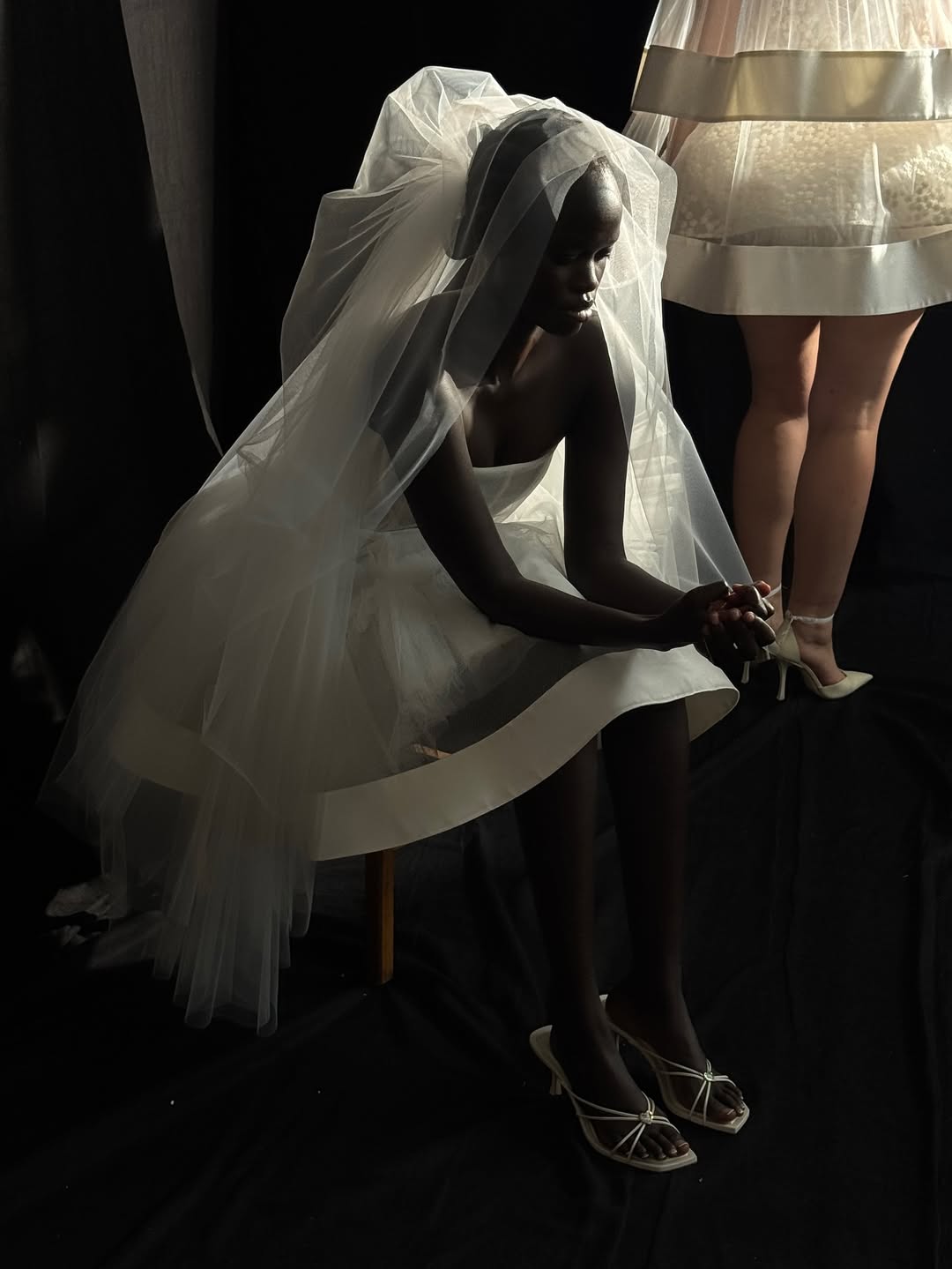
Photo: Jose Villa x Joel Serrato, Wed Studio
Styling: Carrie L Goldberg, Wed Studio
Experienced stylists also know how to spot decision fatigue early. Maisie-Kate Keane notes that you can often see it in a bride’s reaction when there are too many options. At that point, the role shifts into something closer to a guide. She might narrow choices down to two or three gowns, present them side by side, or even visualize them against the venue to make the decision clearer. The goal is to bring the focus back to what the bride actually loves and keep the process calm and judgment-free, so she can feel confident in her choice.
Throughout the process, one of the biggest shifts brides experience is confidence. Stylists note that what often begins as uncertainty gradually turns into a clear sense of personal style and direction. Many brides also become more creative and open to ideas they might not have considered at the beginning. “Being able to collaborate with a designer, reviewing sketches, draping fabrics, and seeing their vision come to life is incredibly fun and rewarding!” added the stylist Maisie-Kate.
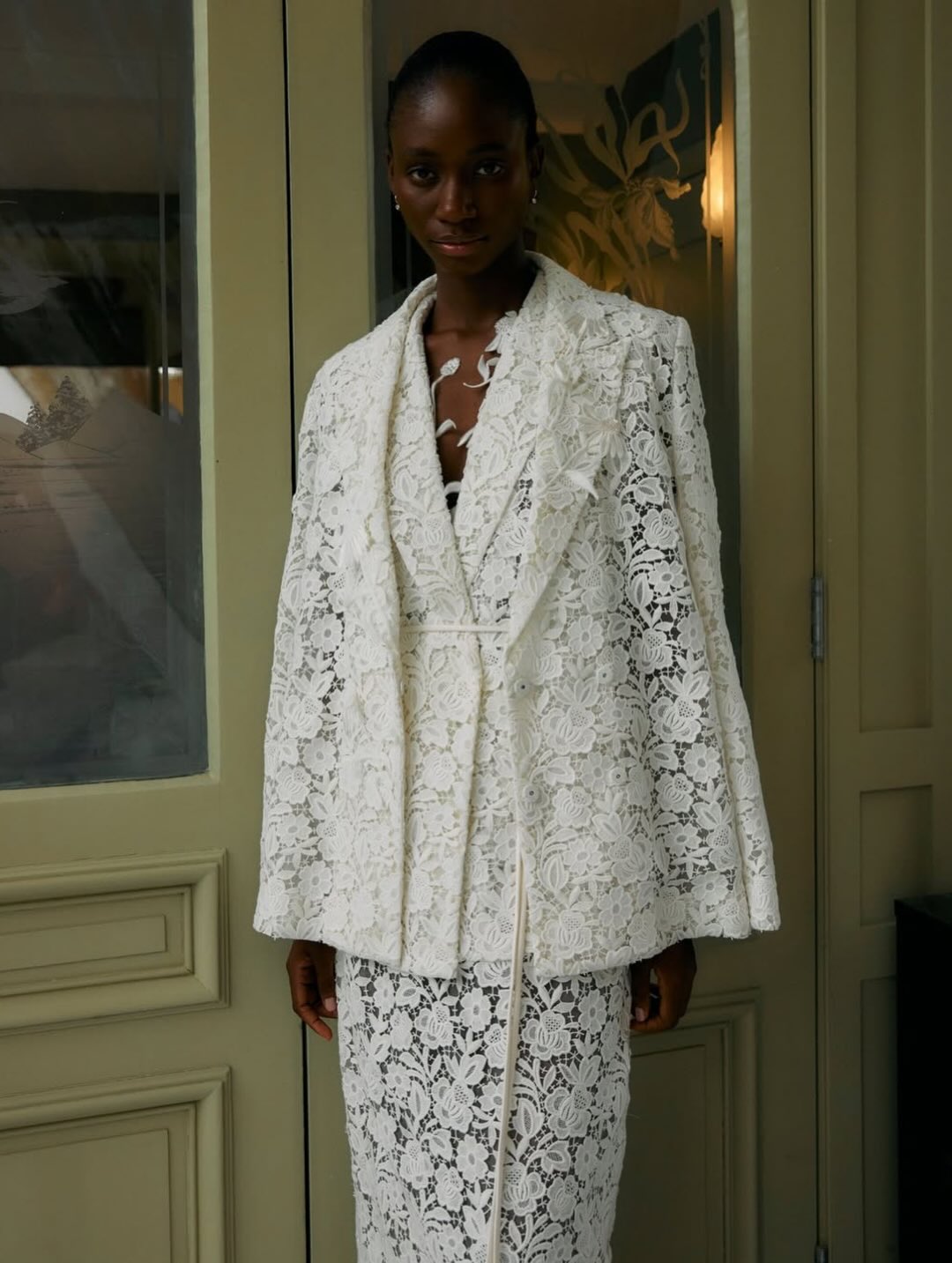
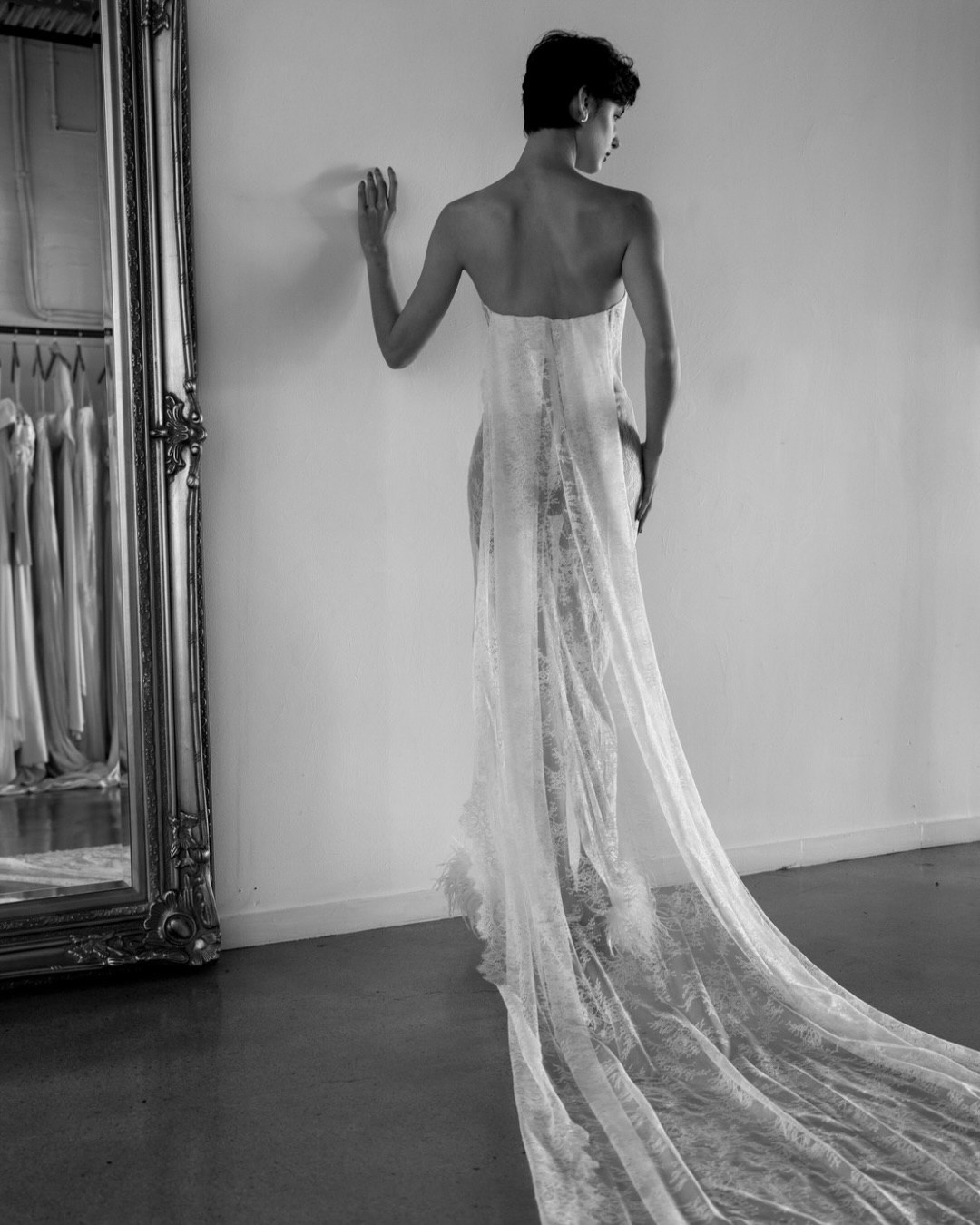
Photo: Halfpenny London, Brontë
Dress: Halfpenny London, Styling: Bloom
Why Bridal Stylists Matter More Than Ever
Weddings today rarely revolve around a single outfit. Many celebrations now span multiple days, with welcome parties, rehearsal dinners, ceremonies, and after parties, each with its own atmosphere. That naturally requires a more thoughtful approach to wardrobe.
At the same time, the number of available options has expanded dramatically. More designers, more access to vintage, more inspiration online. While that opens up possibilities, it also creates confusion. As Gabrielle Hurwitz points out, navigating endless options and visual pressure is one of the main reasons brides turn to stylists today.
There is also a growing emphasis on photography and content. Every moment is captured, and the wardrobe becomes part of how the story is told. Each look needs to feel intentional, not random. That level of cohesion is difficult to achieve without a clear vision and someone guiding it throughout the process.
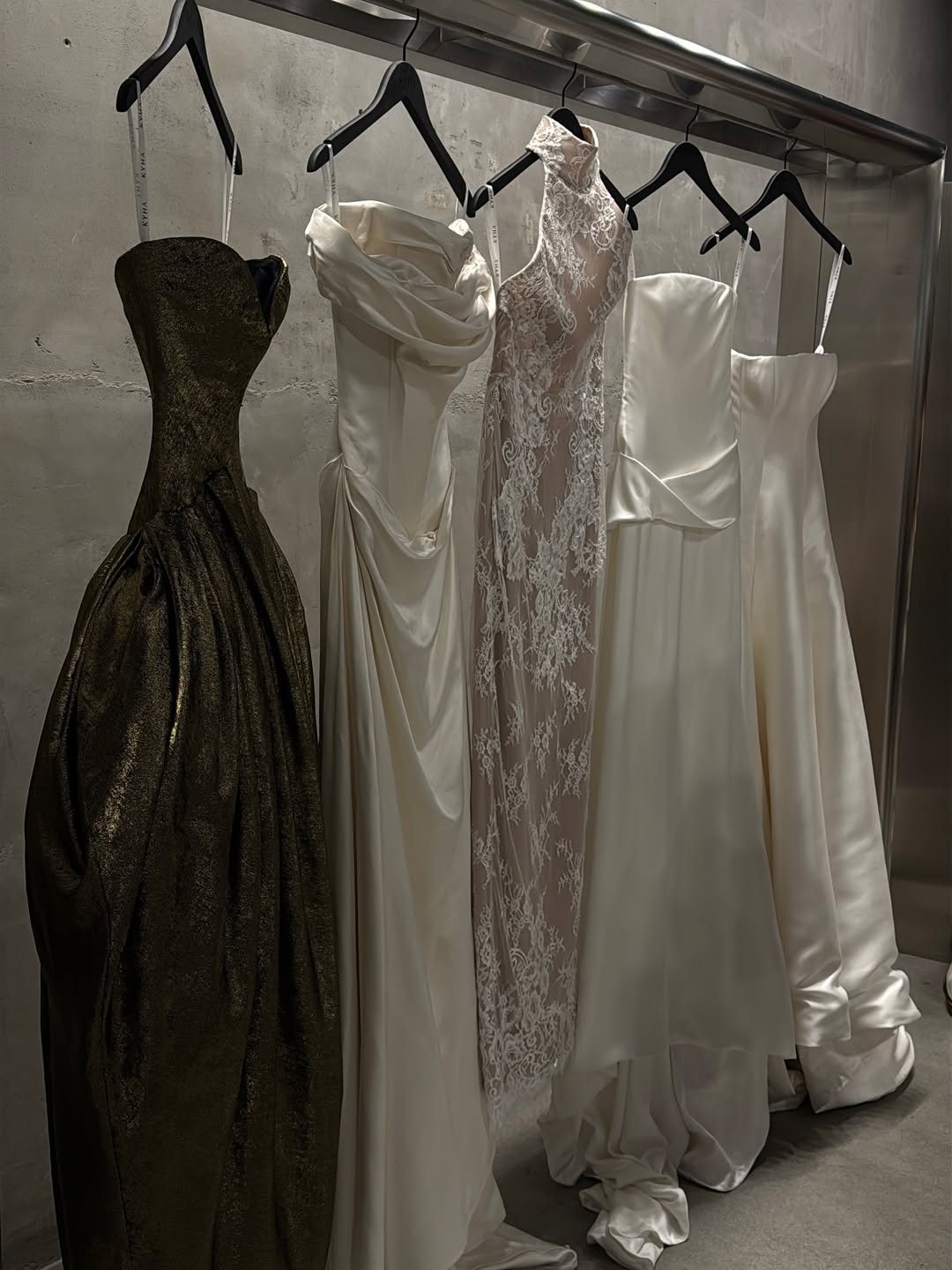
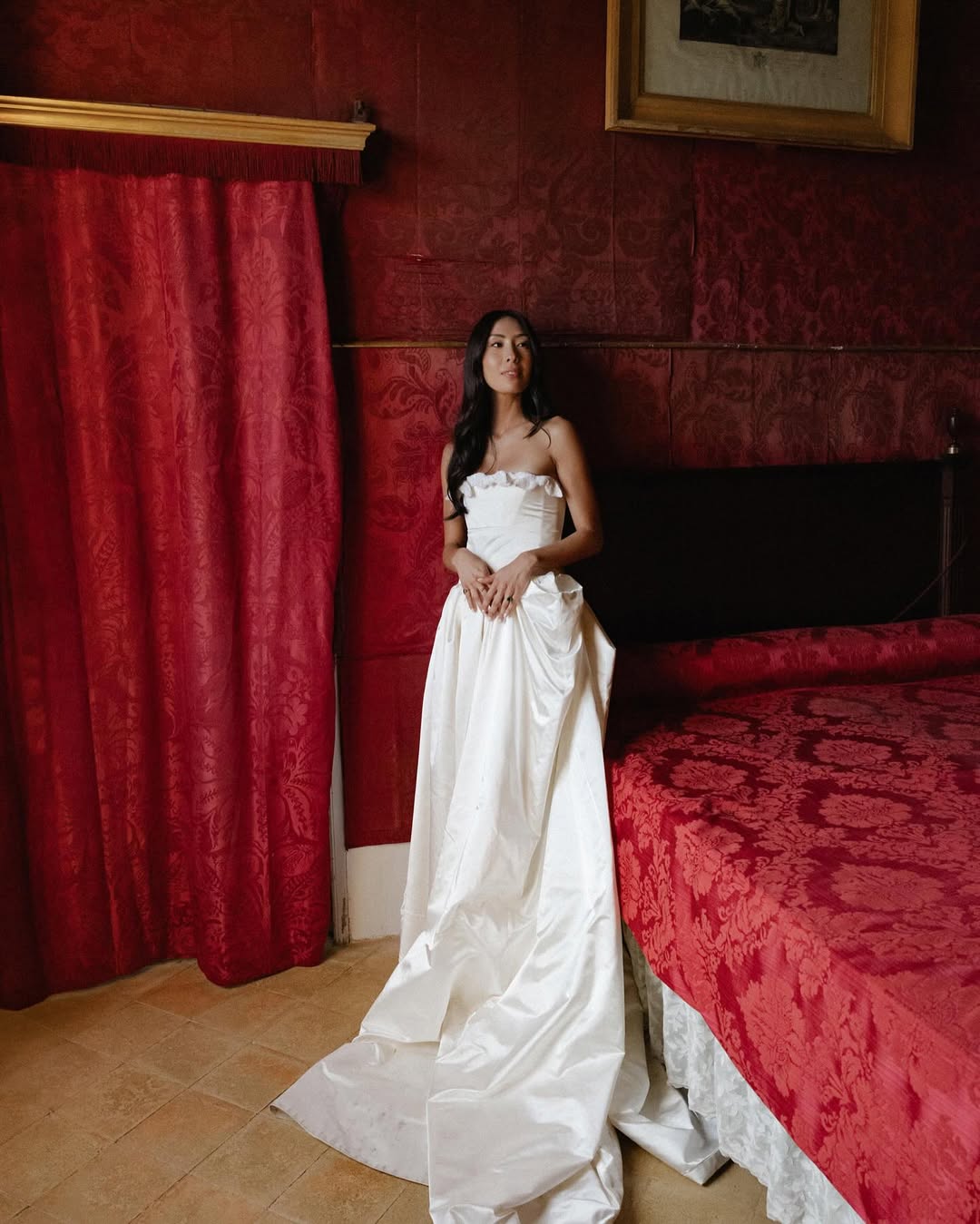
Photo: Hope LaVine, PACO & AGA
Common Mistakes
Many of the issues stylists deal with are not obvious at first. One of the most common is simply too many opinions. It is natural to ask friends and family for input, but it often leads to confusion rather than clarity. Stylists help bring the focus back to what the bride actually connects with.
Another frequent pattern is overshopping. Gabrielle Hurwitz highlights that trying on too many dresses or continuing to browse after making a decision often leads to doubt. Overthinking and constant exposure to options tend to do more harm than good.
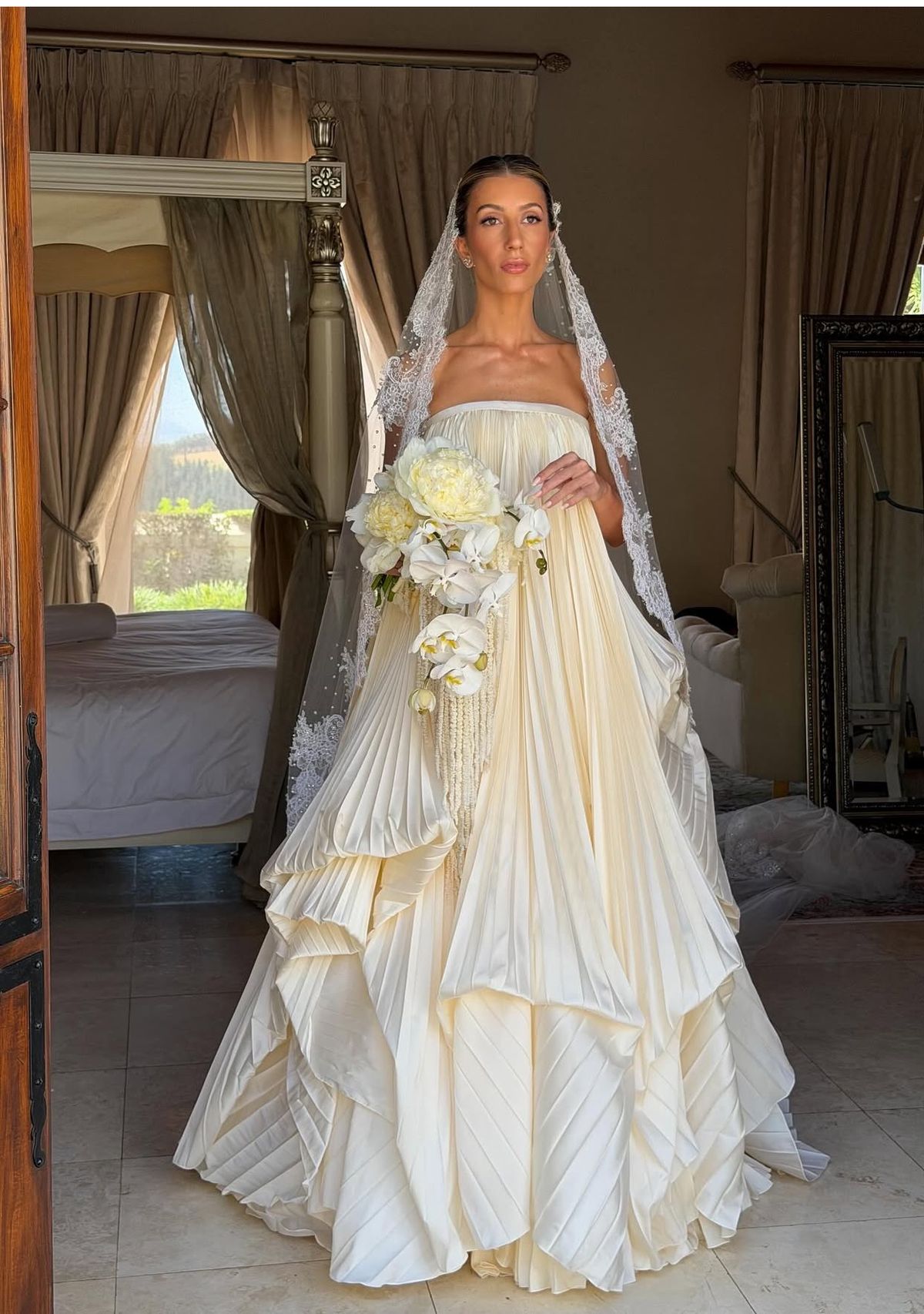
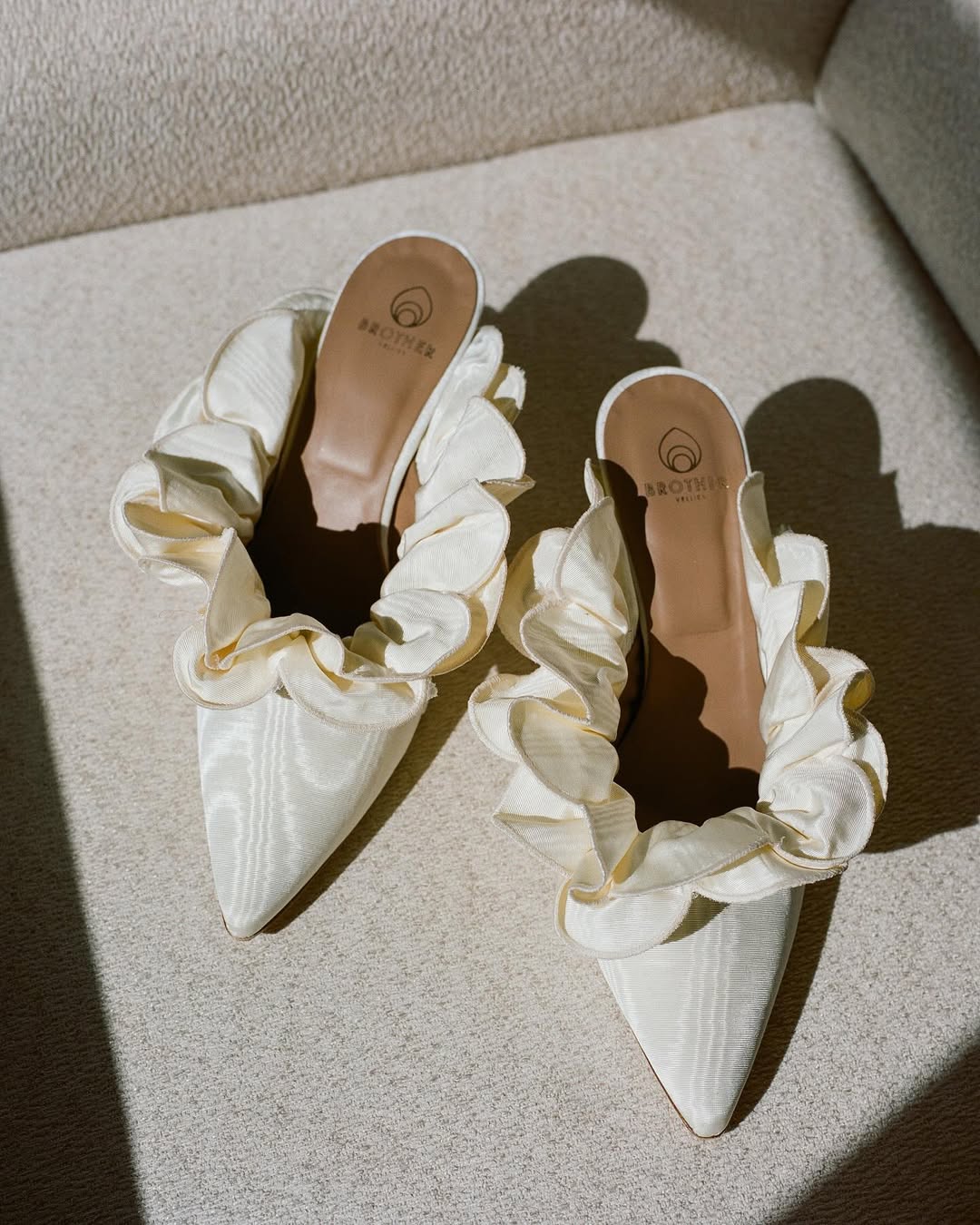
They also guide brides away from choosing something just because it feels familiar or widely seen online. Instead, the goal is to find something that feels personal and lasting. A well-made, thoughtfully designed piece will always hold up better over time than something driven purely by trends.
“I also often remind brides that less is more. Trends can be ok for some of your other wedding looks, but when it comes to a wedding gown, you really cannot go wrong with something timeless,” added Maisie-Kate Keane.
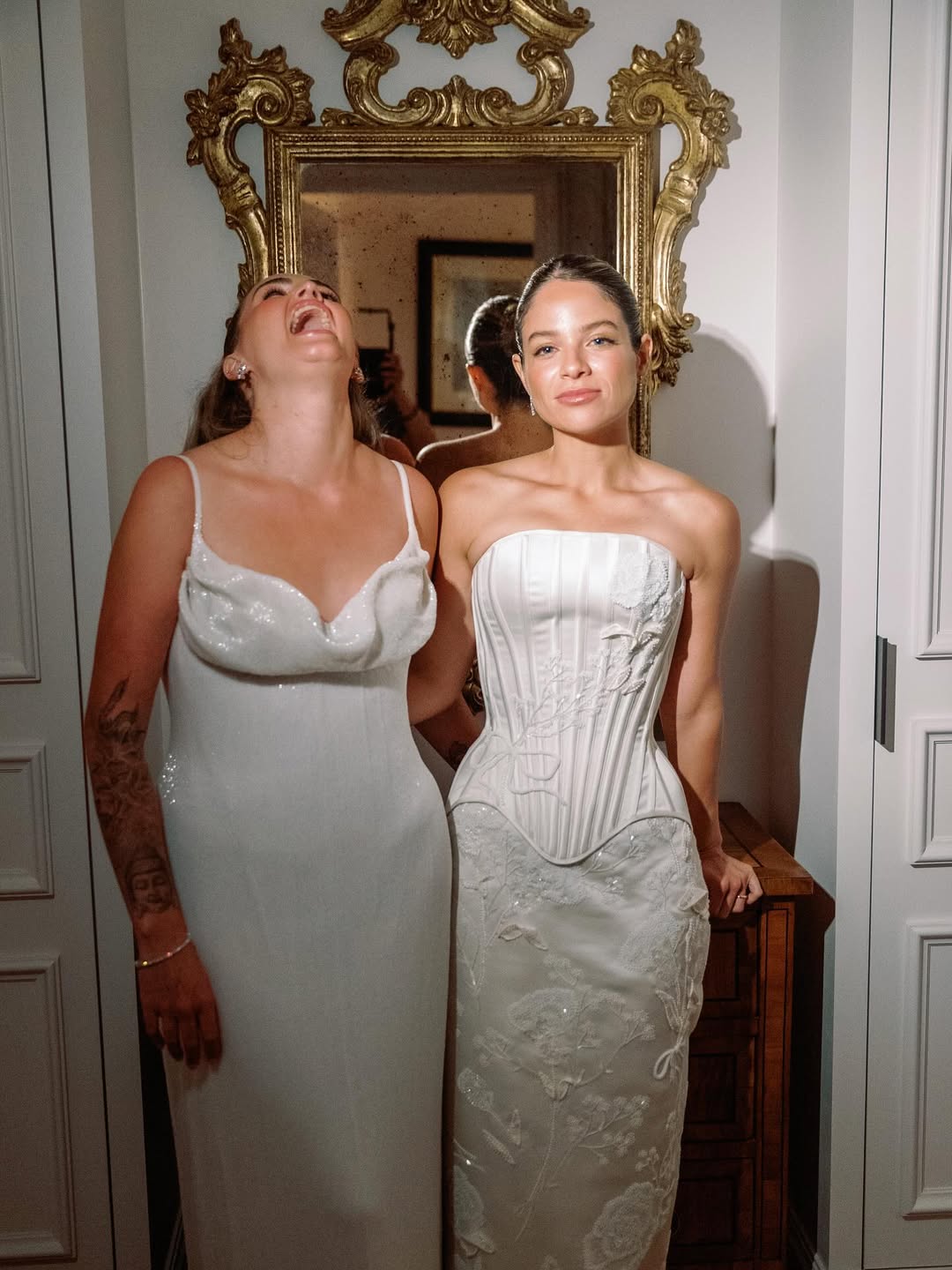
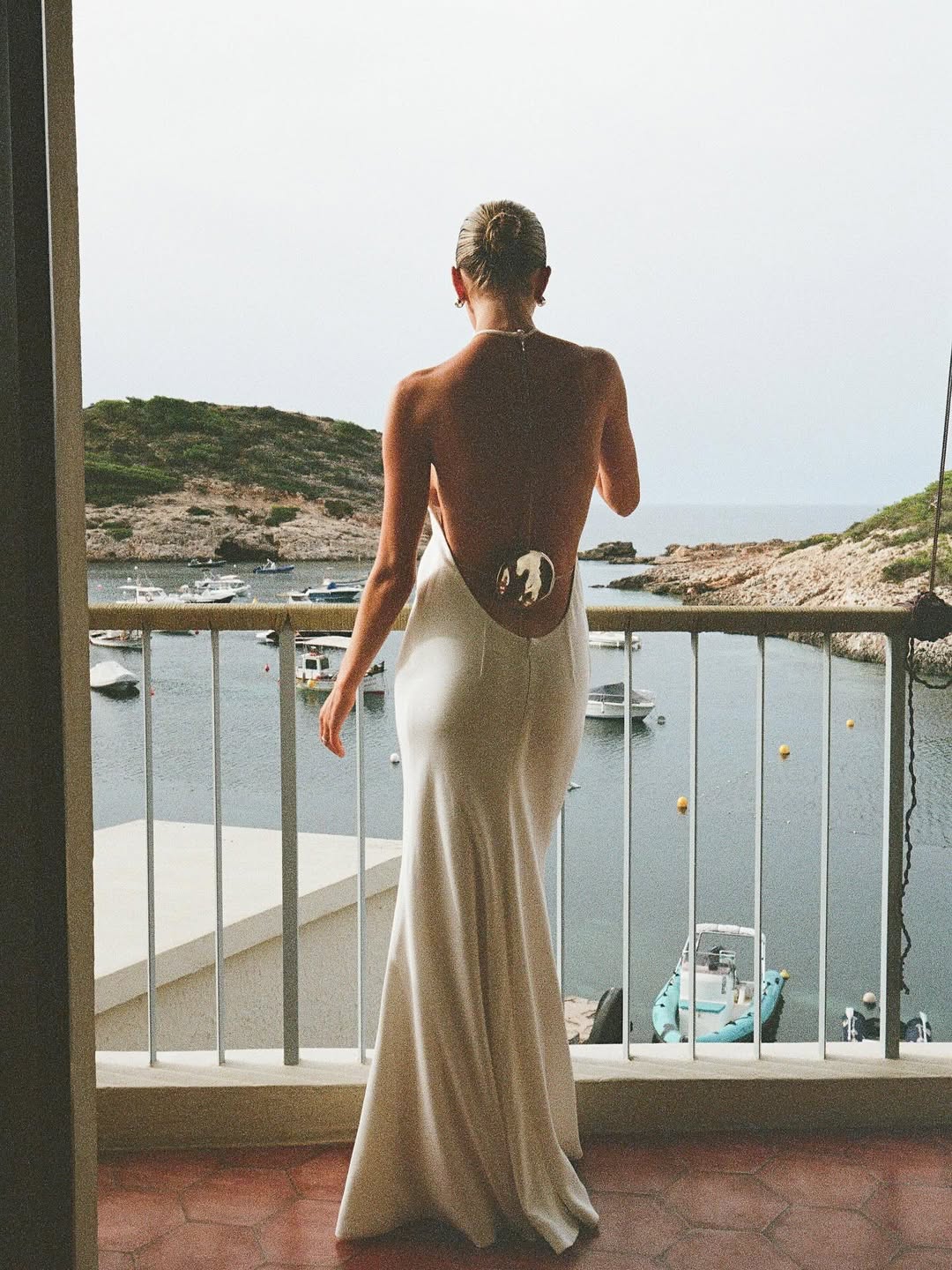
Photo: Catherine Mead, Kitty Callaghan
Styling: Gabrielle Hurwit, Dress: KYHA Bride
Pricing & What It Depends On
Bridal styling can vary widely depending on the level of involvement. Some brides book a stylist for a few consultations, while others opt for full support across an entire wedding weekend. Many stylists also work on an hourly basis or with a minimum-hour retainer, which allows the scope to evolve as the wedding planning progresses. In general, pricing depends on the number of looks, the complexity of the wardrobe, in-person attendance, and whether the stylist is involved in fittings and wedding day coordination. Destination weddings and custom pieces can also increase the scope of work.
A broader look across the industry shows that styling services can range from a few thousand dollars for partial support to significantly higher investments for full-service, multi-day weddings. The difference usually comes down to how much guidance and hands-on involvement the bride is looking for.
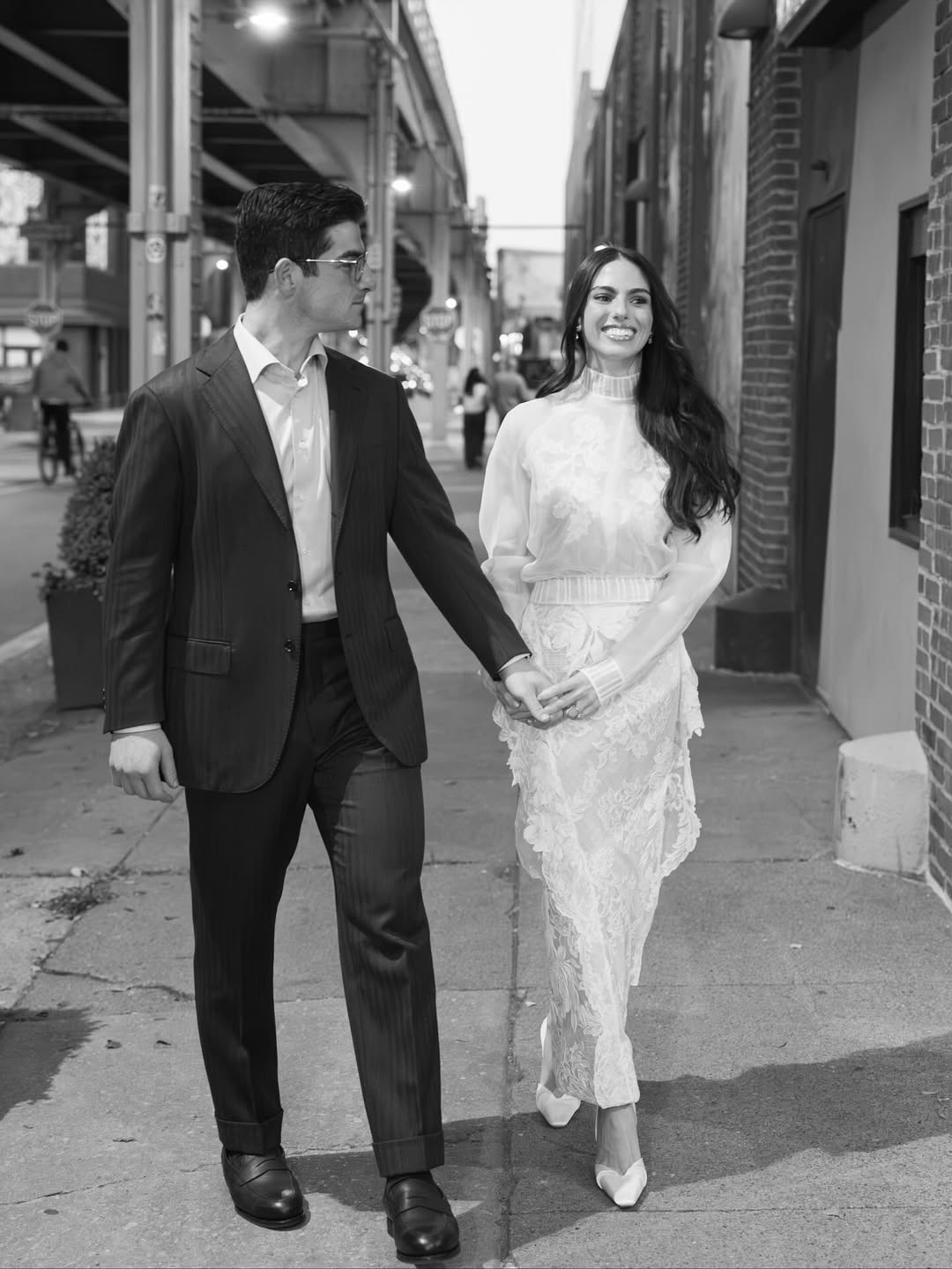
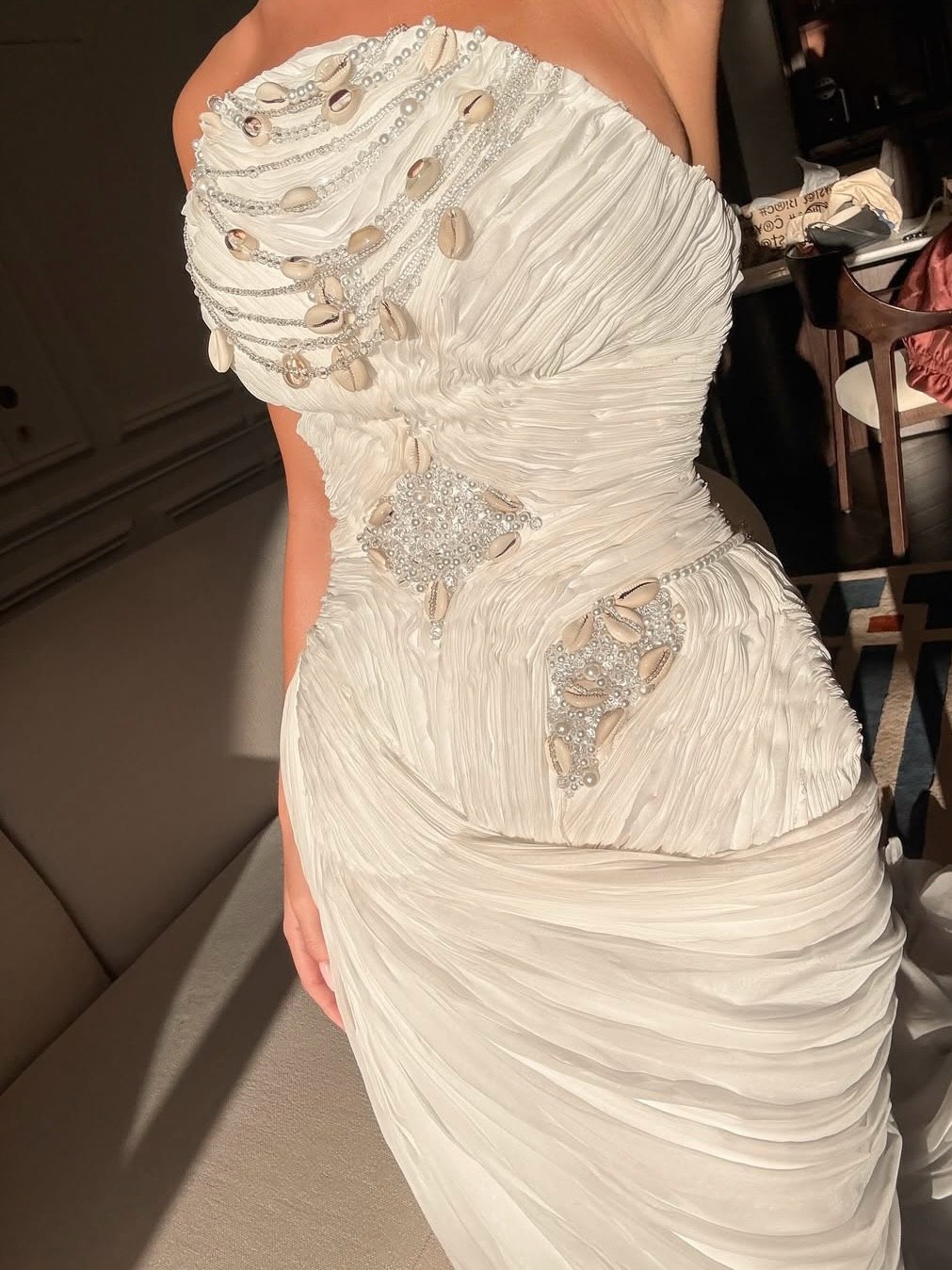
Photo: Samm Blake, Leah De Góis
Styling: Gabrielle Hurwit, Jade Olivia Rowe-Roberts
Timing Matters
Timing can make a significant difference. Most stylists recommend getting involved around 9 to 12 months before the wedding, ideally once the venue and planner are confirmed, so the wardrobe direction can be shaped from the start. This window gives enough time for sourcing, multiple fittings, and any custom work without pressure.
If you are planning something more specific, like a vintage look, a custom gown, or multiple outfits across the weekend, starting early becomes even more important. In these cases, timelines can stretch quickly due to sourcing, alterations, and coordination with designers. As a general rule, it is best not to wait until the last 3 to 4 months, especially if the vision is more complex. At that point, availability, production timelines, and fitting schedules can become restrictive, which often leads to compromises or additional costs.
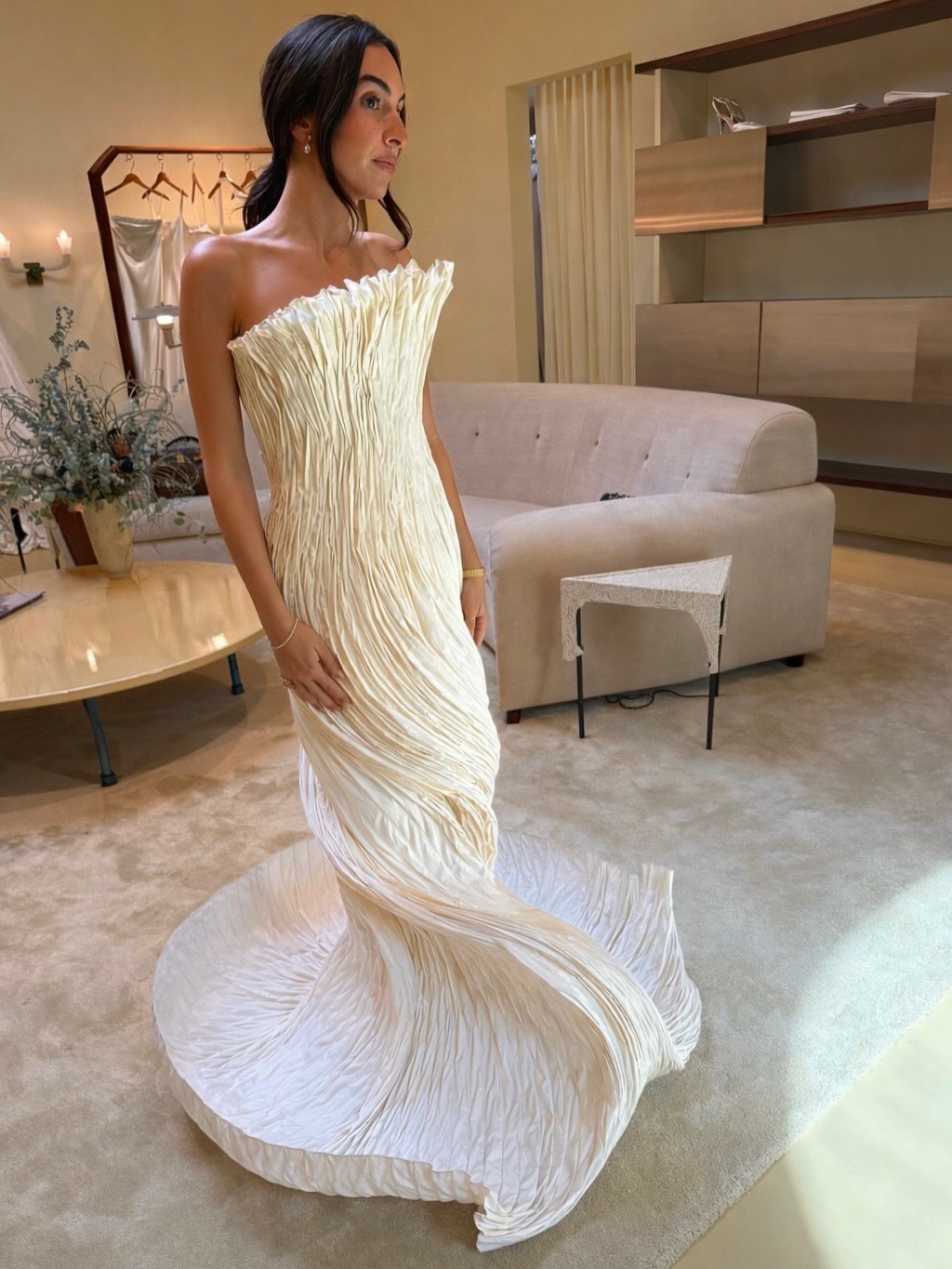
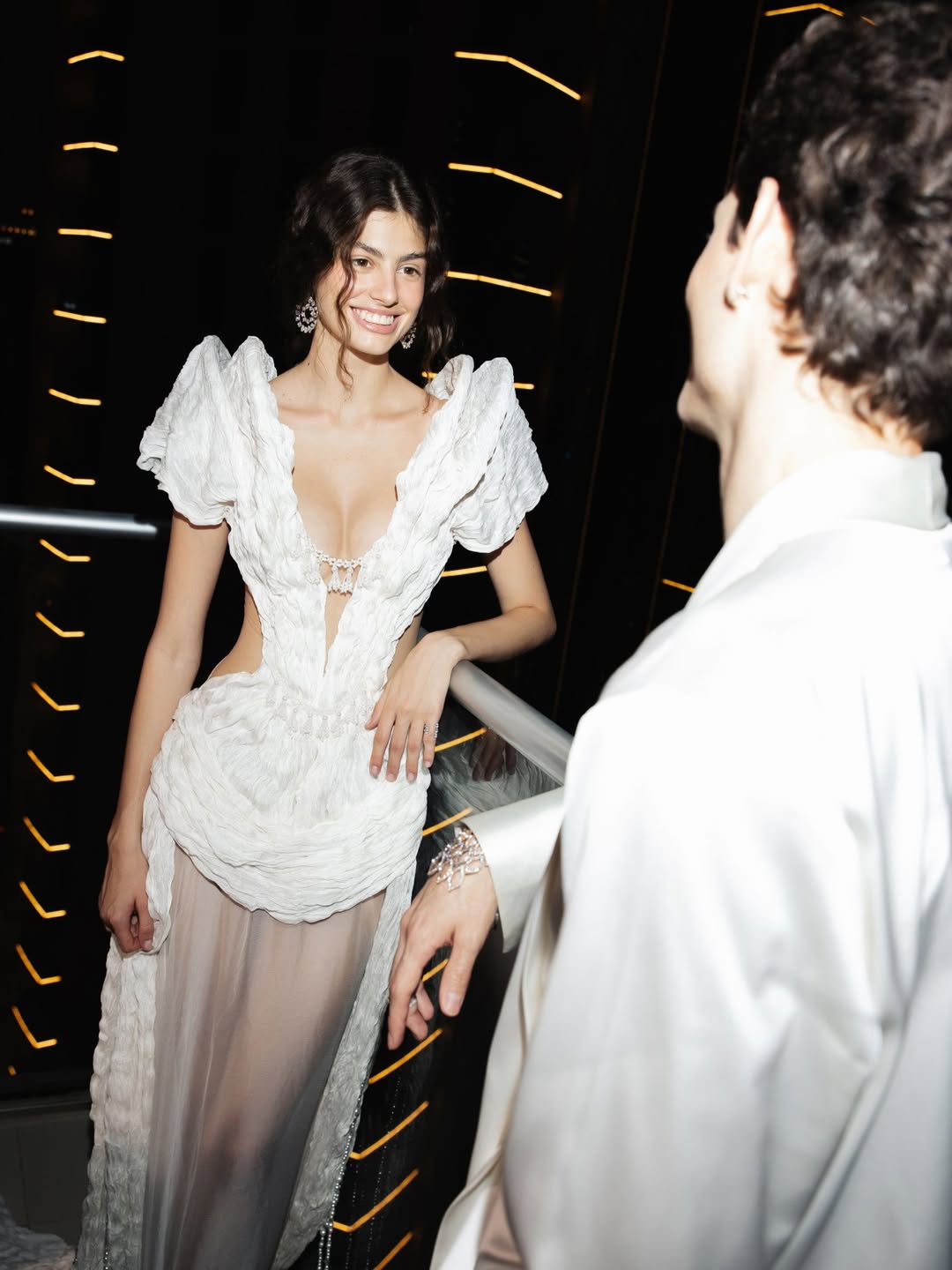
Photo: Natasha Gabbayan, Daniil Nikulin
Dress: Danielle Frankel, Rara Avis Group