Most brides want a bit of warmth on their skin before they slip into the dress, and that instinct makes total sense. A little color reads as healthy and lit from within on camera, and it can make a white or ivory gown pop against your skin. The trick is getting there in a way that looks even, behaves itself on the day, and does not leave your skin paying for it later.
This is the full rundown on how to tan smart in the lead up to your wedding, what your safer options actually are, and where each one earns its place. Think of it as the version a friend who has tested all of this would hand you over coffee!
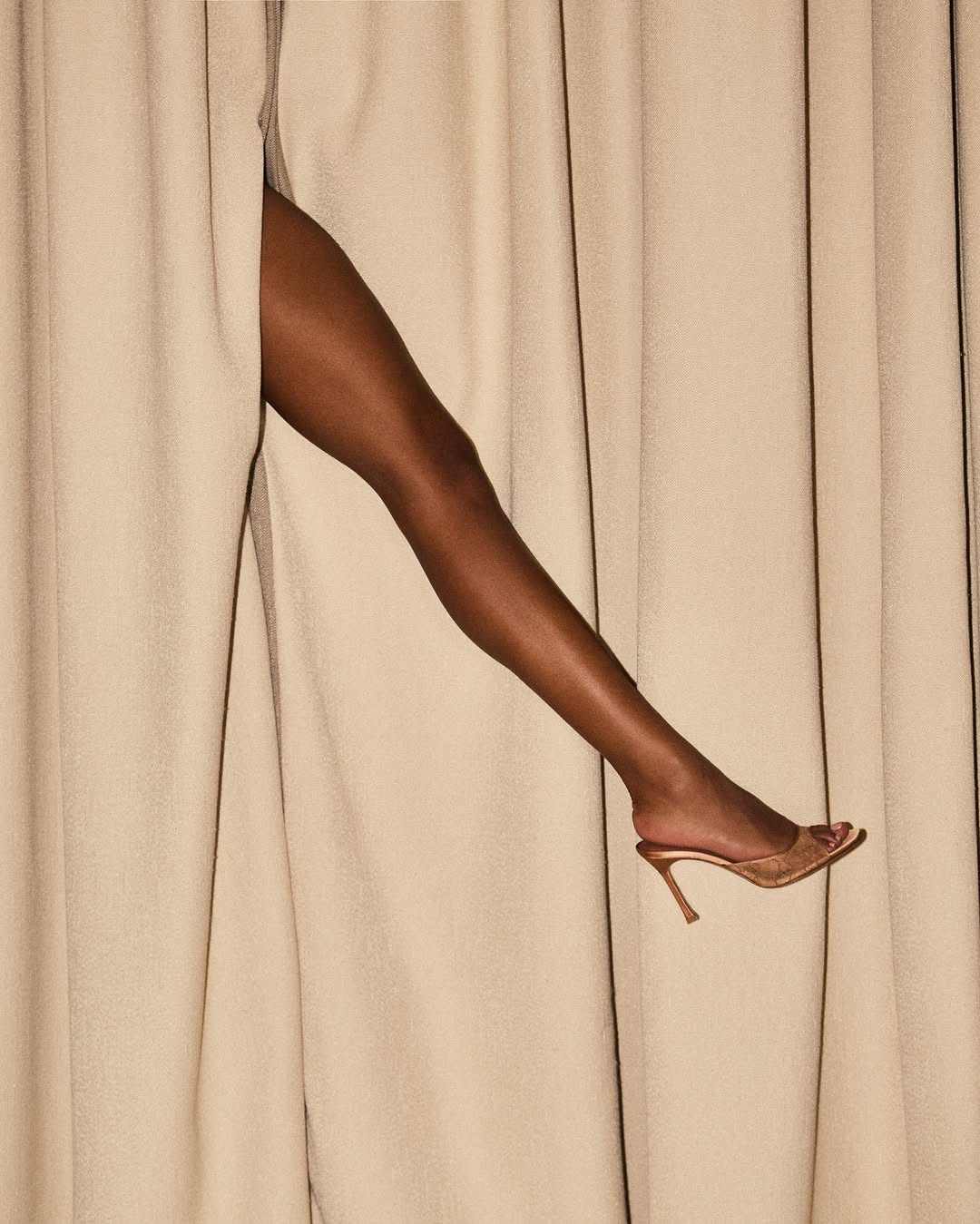
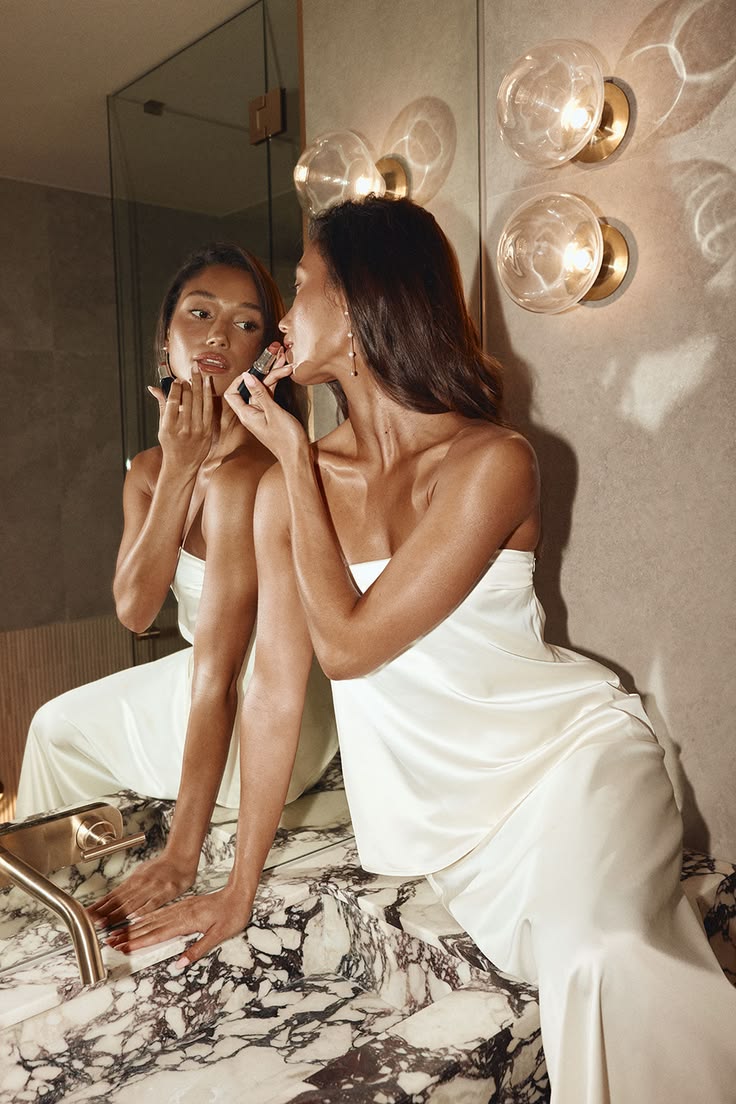
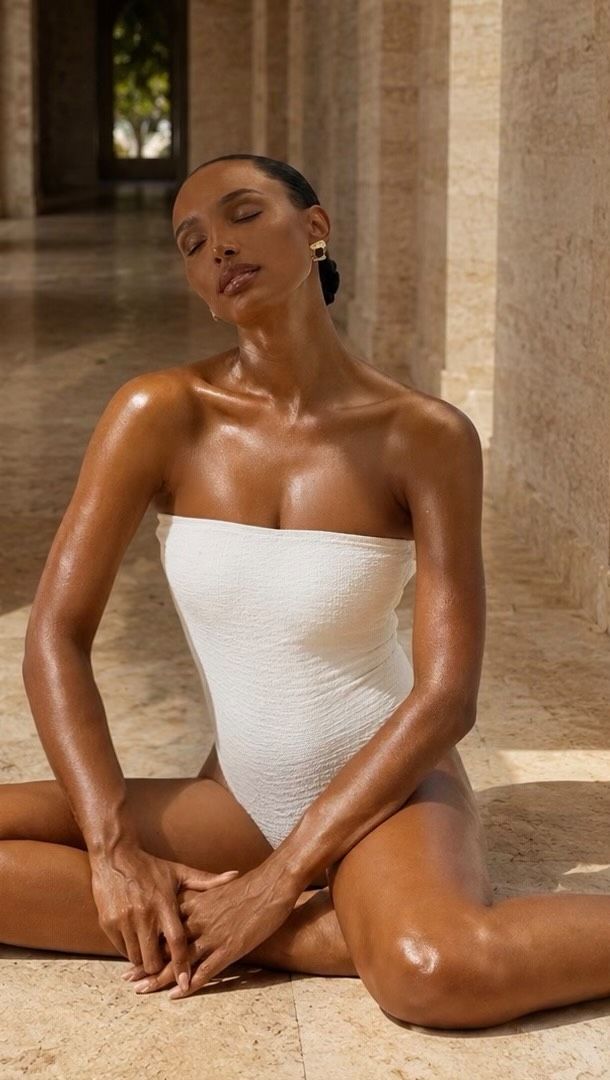
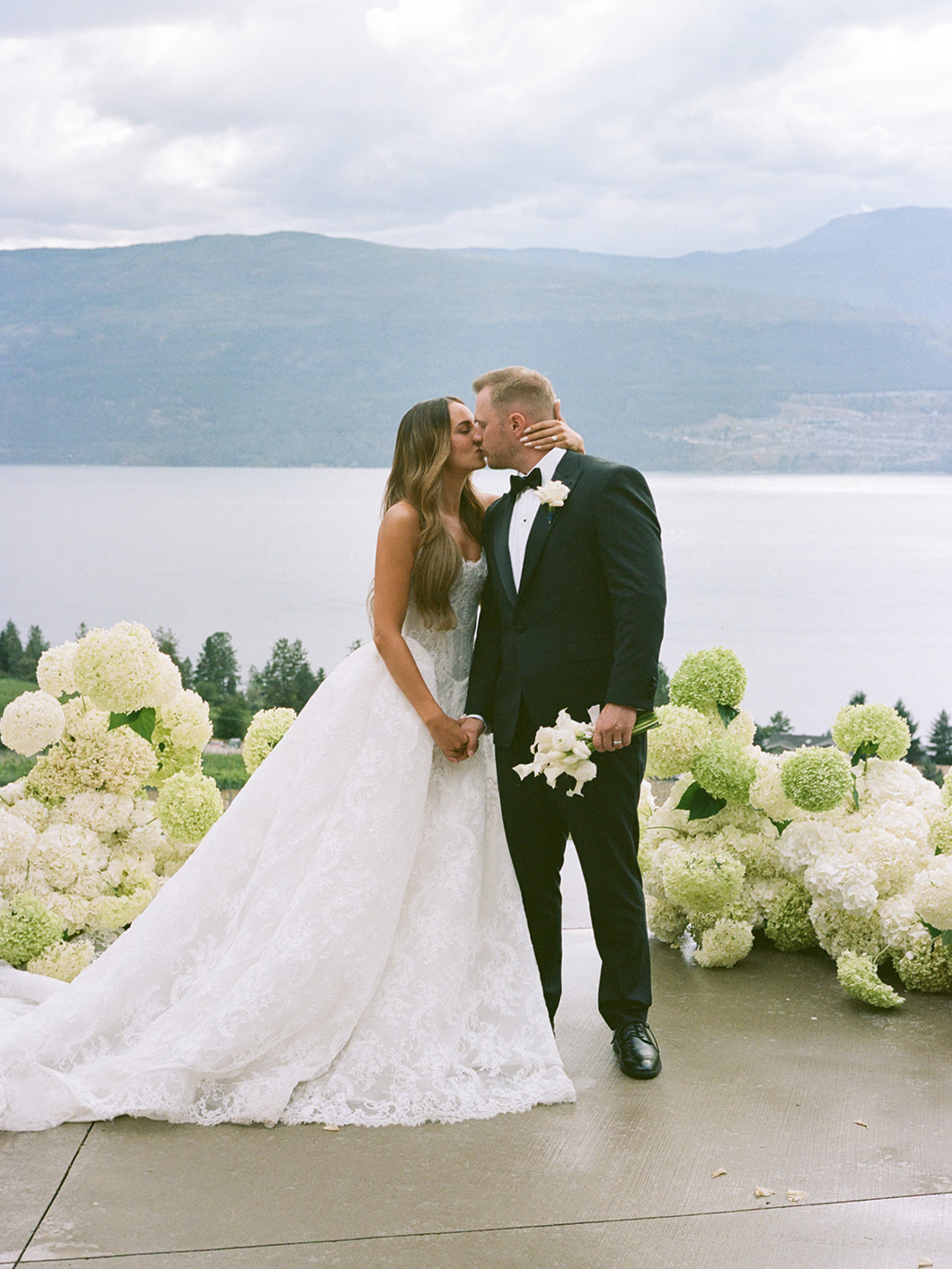
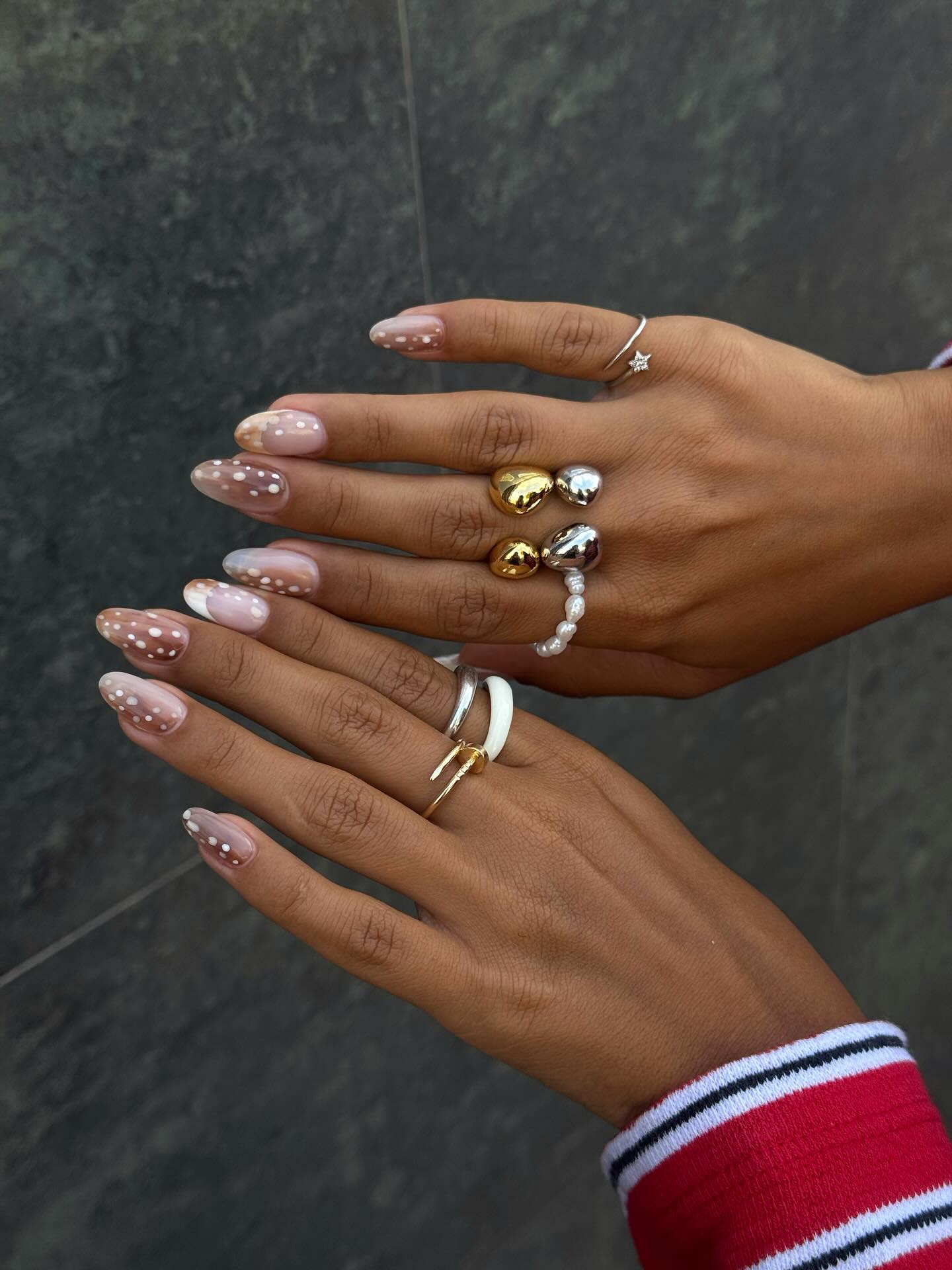
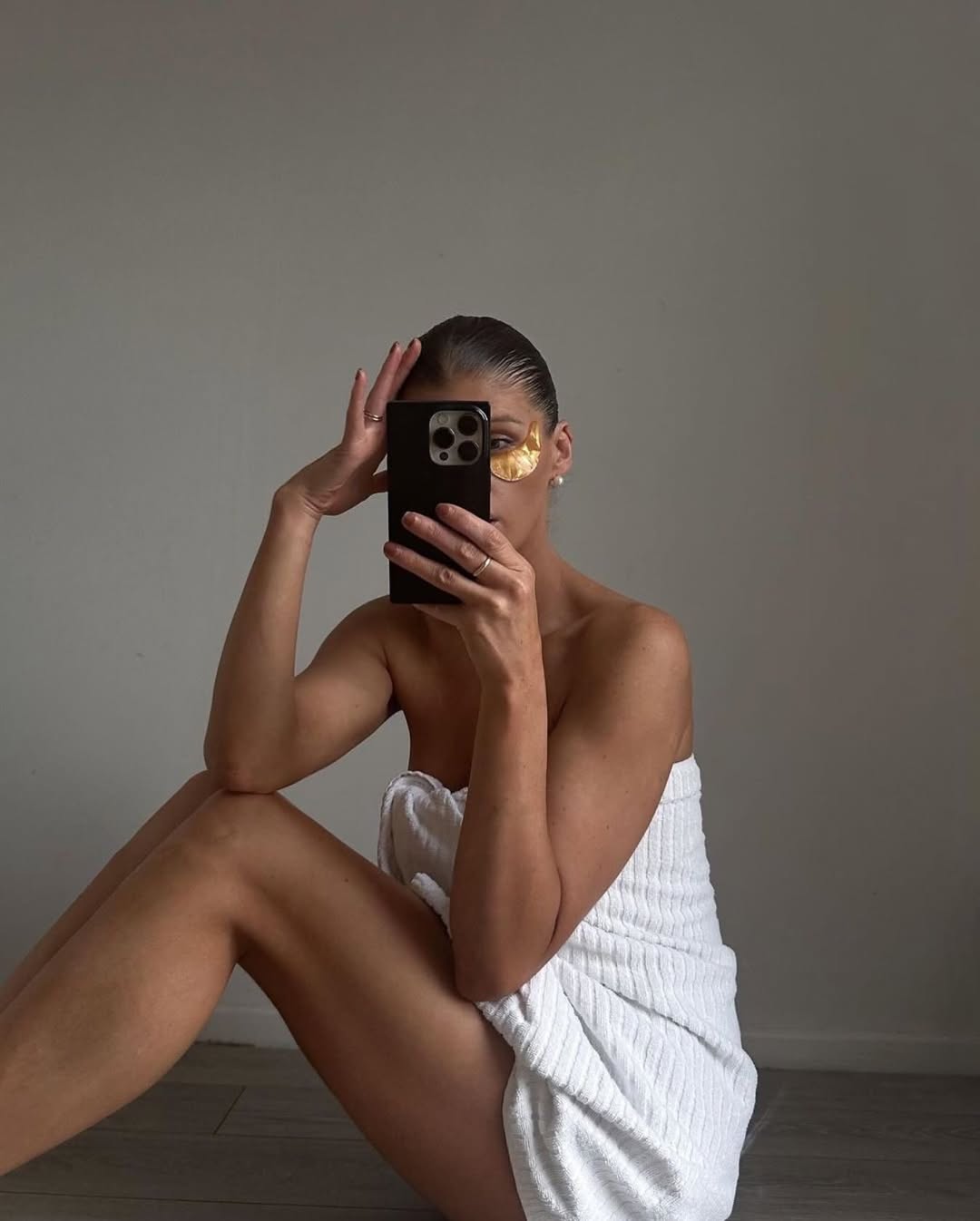
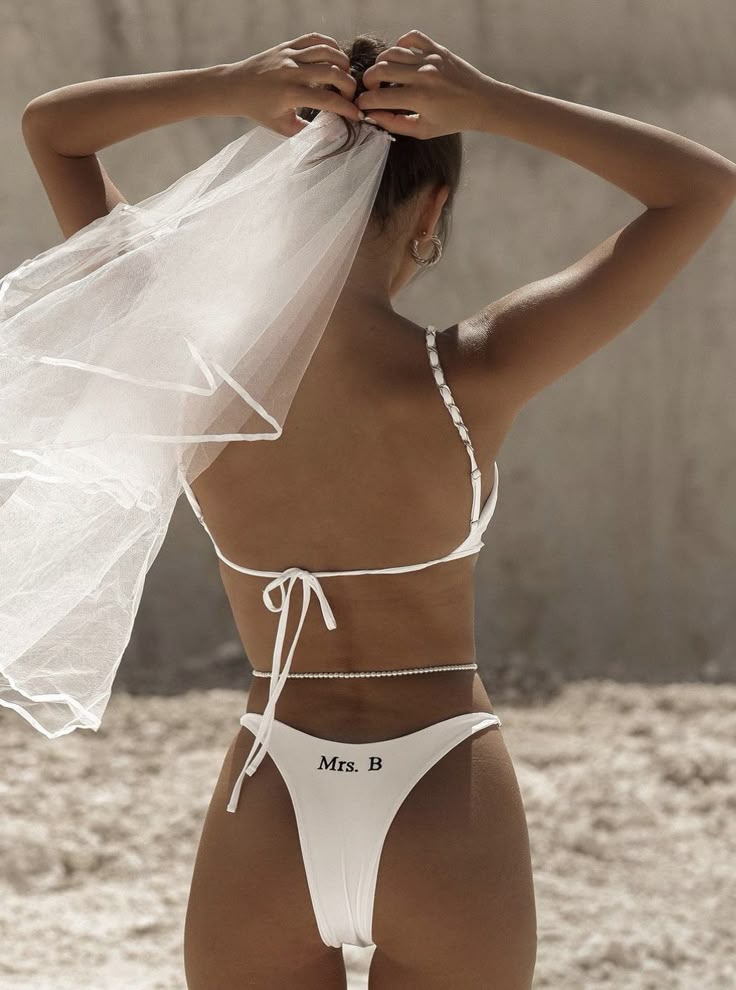
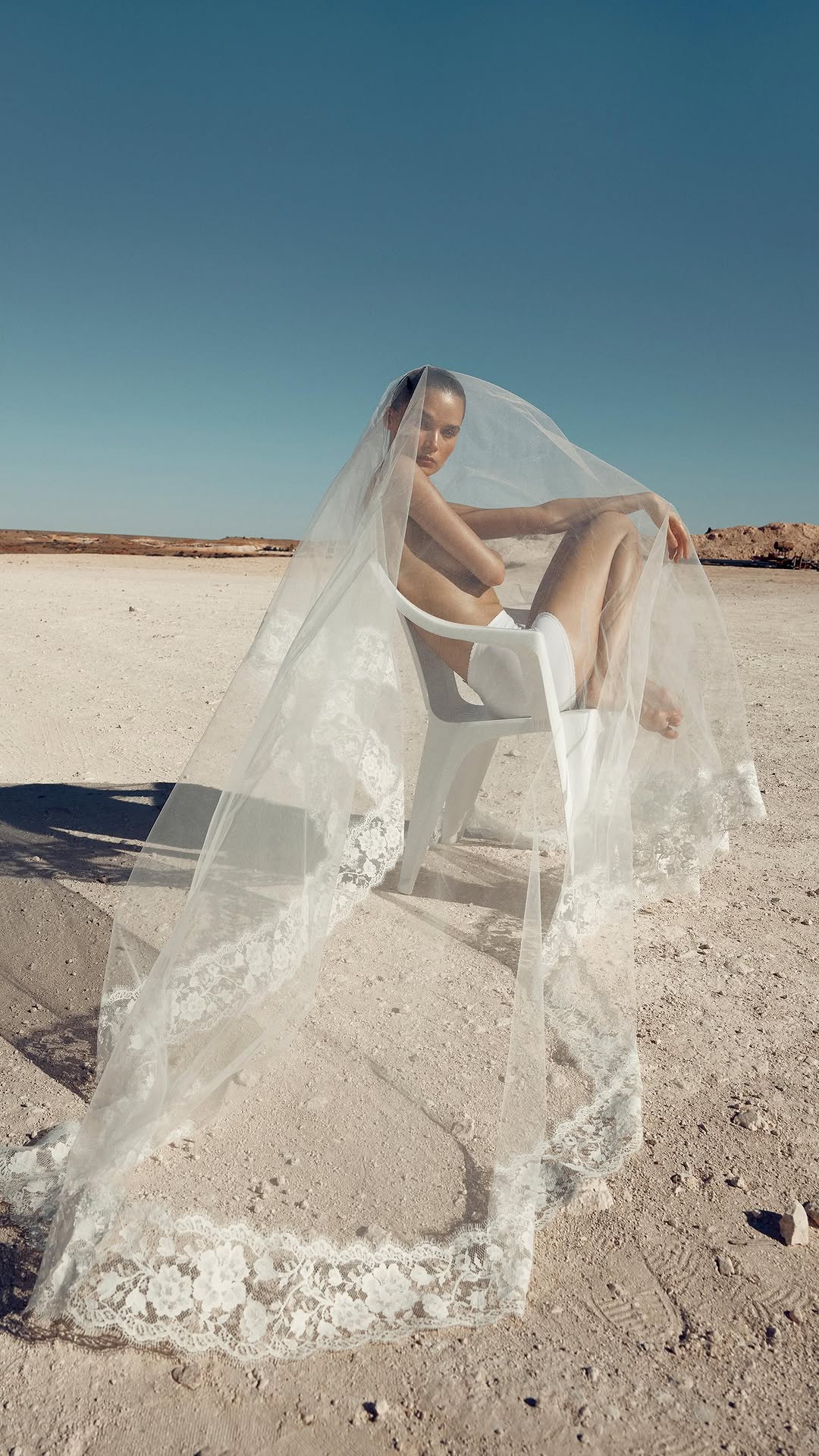
Photo: Amina Muaddi, SABO
The UV Route
The fastest way to real color is still UV, whether that comes from the sun or a tanning bed, and the appeal is obvious. It is cheap or free, a controlled bed can look pretty even, and it will not rub off on your dress. The cost is the catch. UV is exactly what ages skin early and drives the most serious damage, and dermatologists place tanning beds in the highest risk tier for skin cancer, the same group that covers things like tobacco. For a one off event you are about to document in hundreds of photos and carry with you for life, trading long term skin health for a few shades of color rarely pencils out. Plenty of brides will still want some real sun though, and that choice is yours to make, so the next part is about lowering the harm rather than pretending it is gone.
How to Lower the Risk
A handful of habits make a genuine difference once you have decided the UV route is worth it for you.
- Keep your sessions short and stick to the gentler hours, early in the morning or later in the afternoon, when the sun sits lower and its UV runs far weaker than it does in the middle of the day.
- Build any color slowly across several brief sessions rather than one long stretch, and treat a burn as the line you never cross, because burning is where the real damage lives.
- Wear a broad spectrum sunscreen of SPF 30 or higher and actually reapply it every couple of hours, since that is what keeps a session from tipping over into damage.
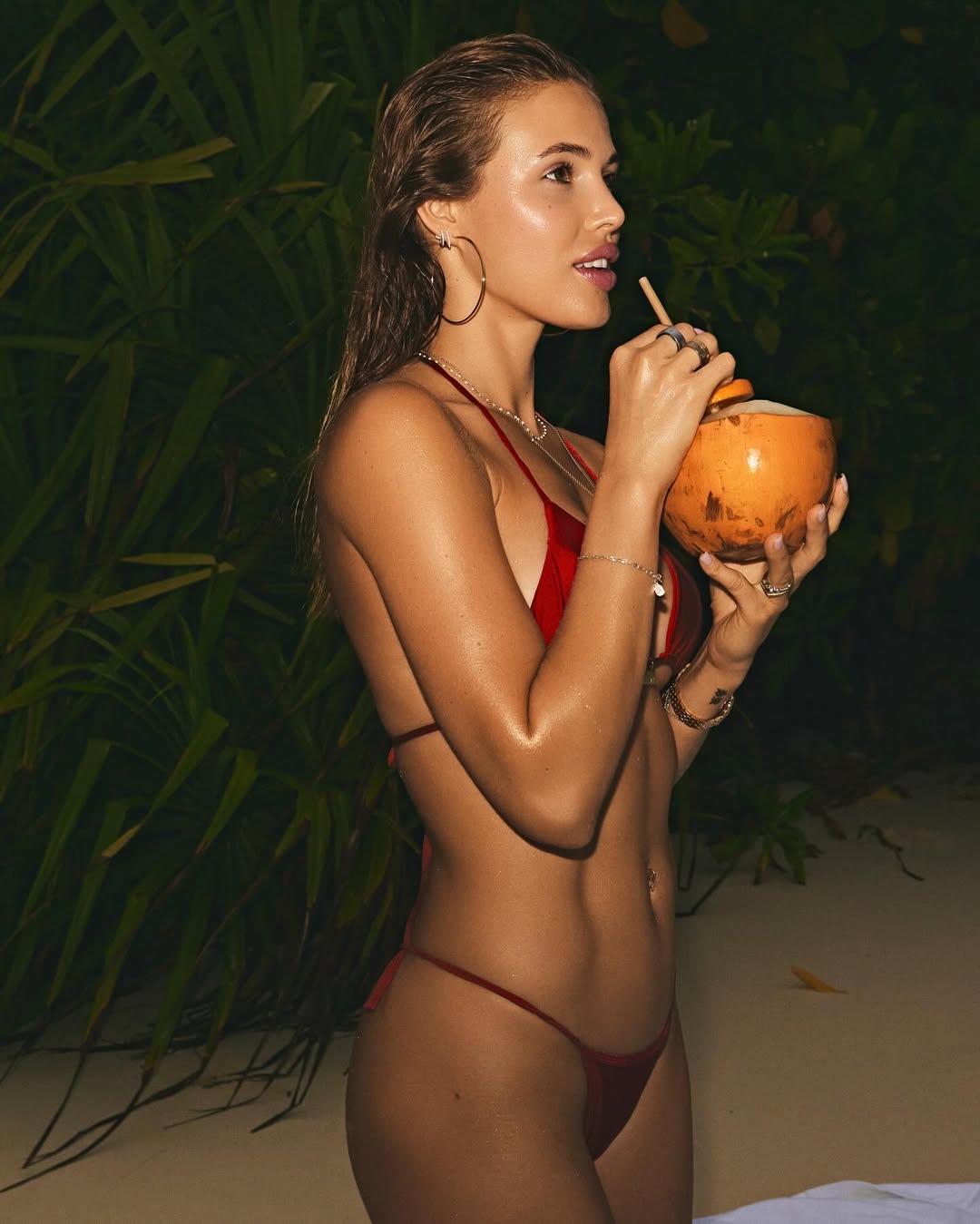
- Skip the old school tanning oils that promise to speed things up, because most carry little or no real protection, and reach only for an oil that lists genuine broad spectrum SPF on the label.
- Give extra cover to the areas that age fastest and show most in photos, meaning your face, chest, neck, and the backs of your hands.
- Drink plenty of water and moisturize afterward, which helps your skin recover and holds onto whatever color you do get for longer.
- Some brides drink carrot or tomato juice beforehand in the belief that the carotenoids help, and while those antioxidants may give skin a little support over time, they come nowhere near sun protection and cannot stand in for sunscreen.
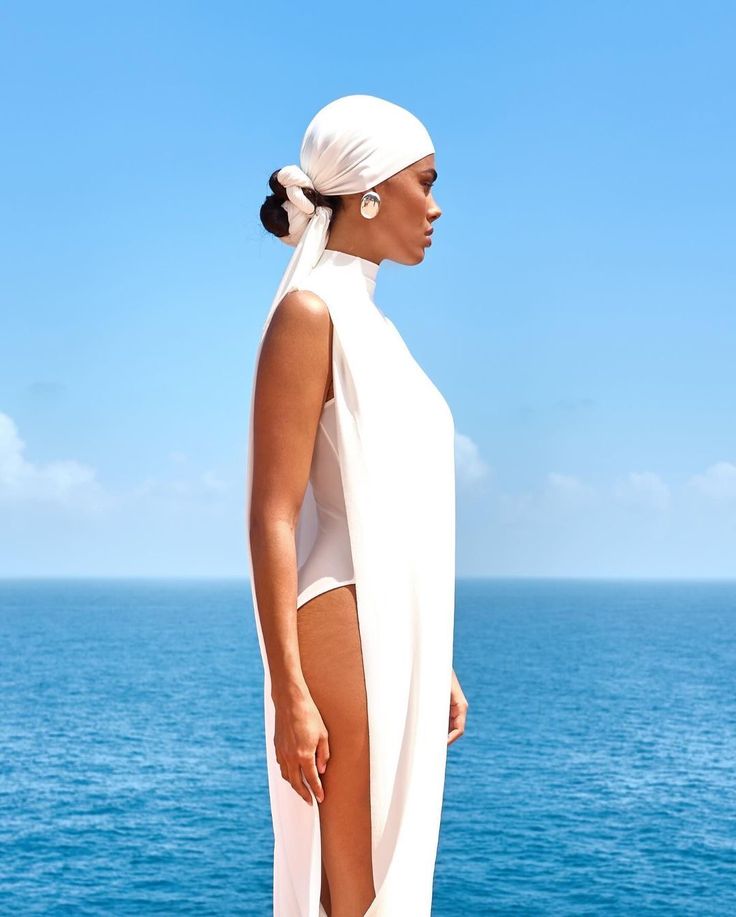
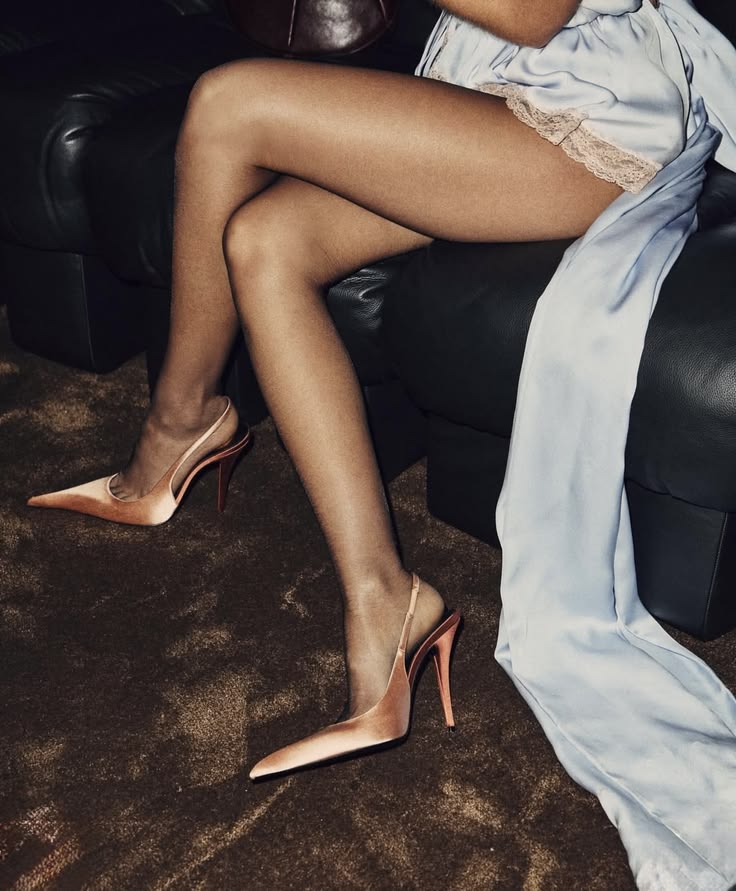
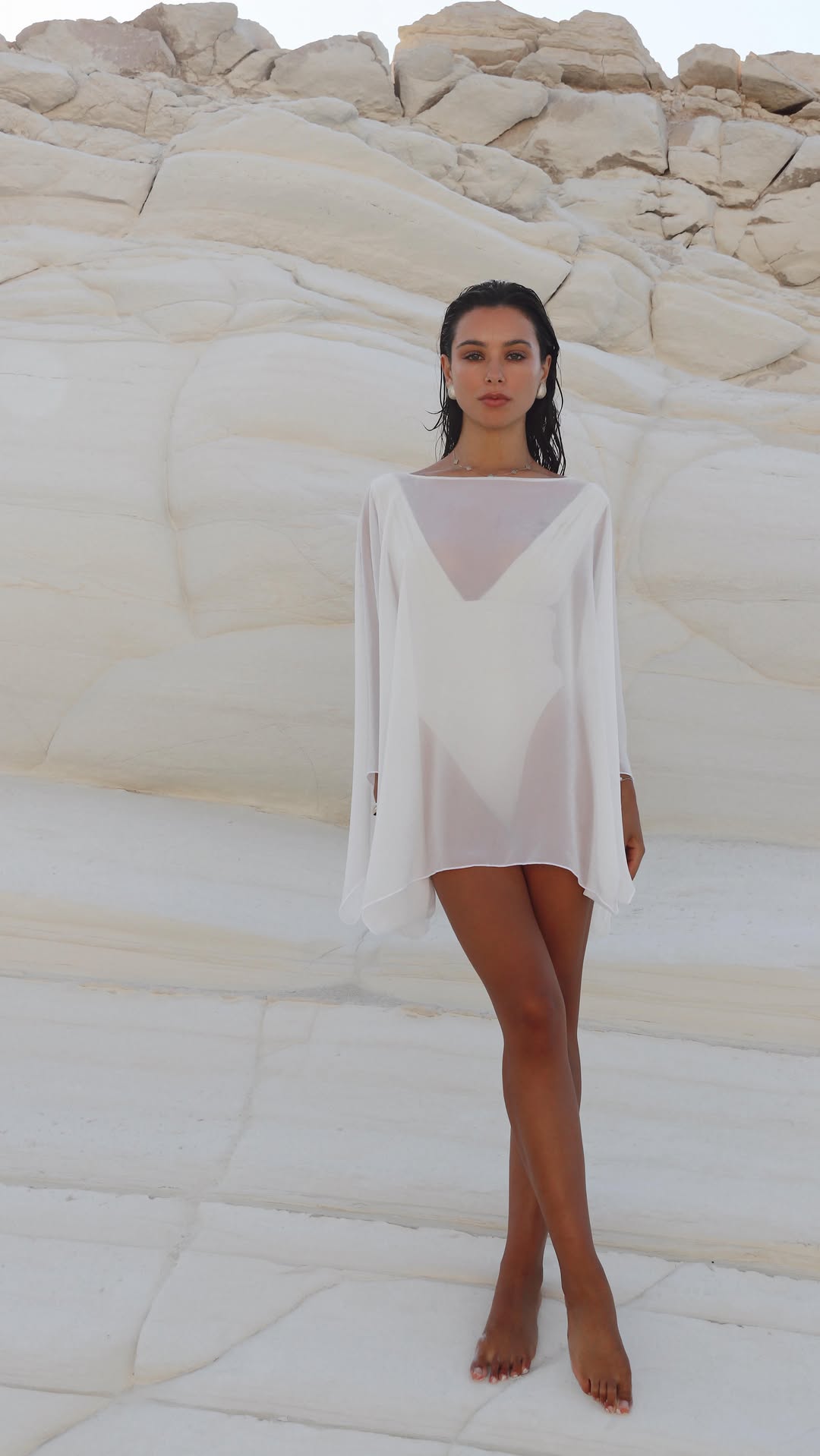
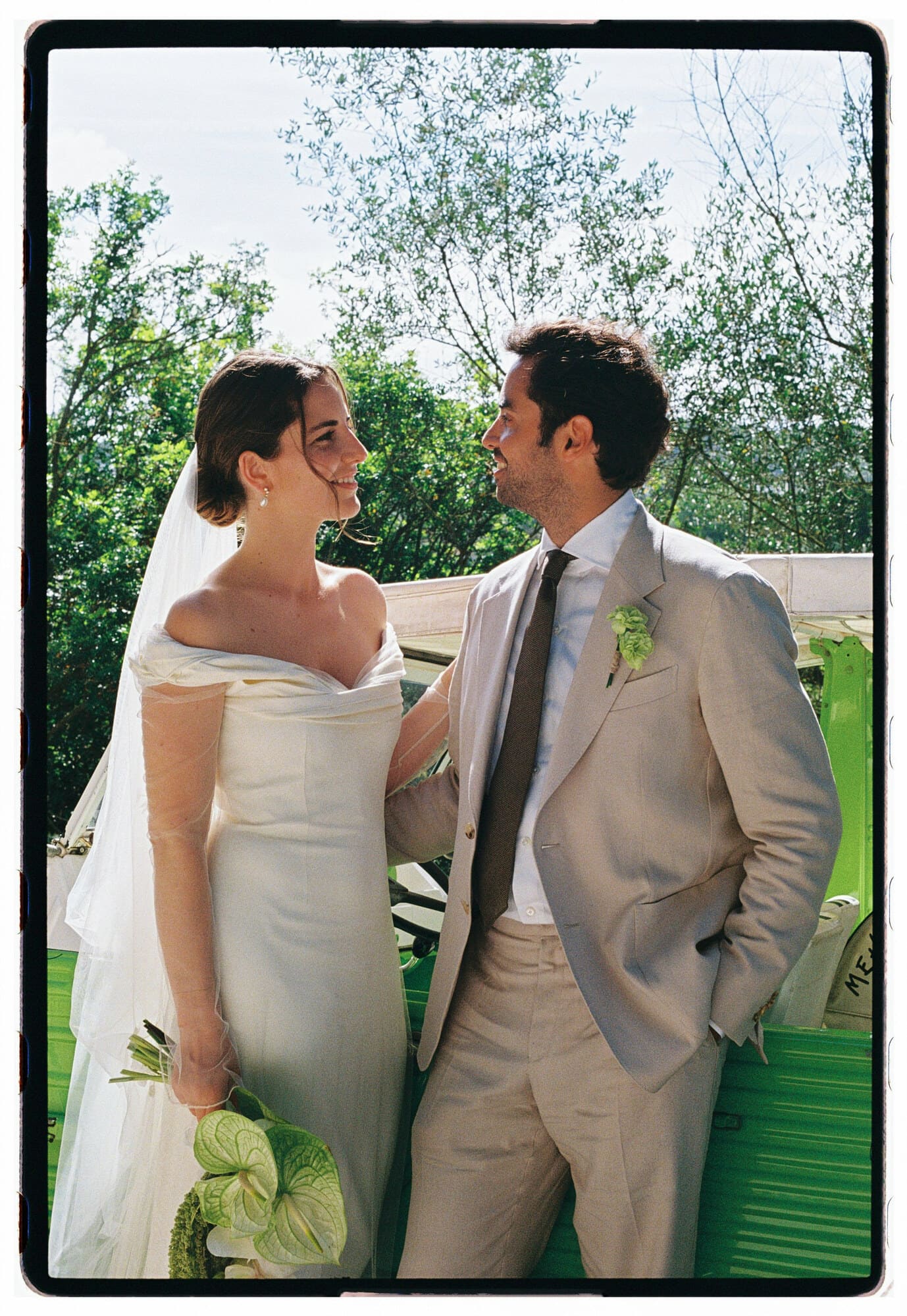
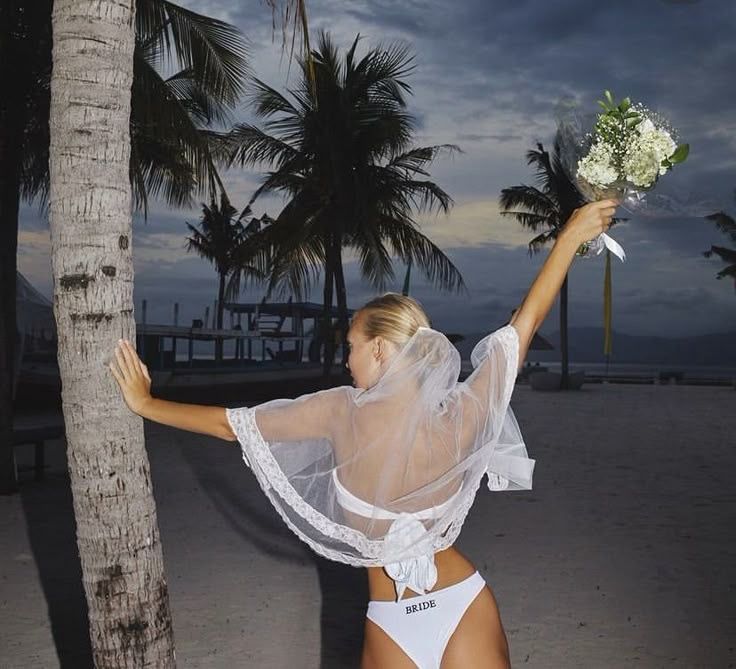
Photo: Tina Kunakey, Emmanuel Tomasini
If a tanning bed is the route you land on, the basics still carry real weight. Always wear the protective goggles instead of just closing your eyes, since the lamps sit close and your eyelids will not shield you. Start with very short sessions, leave proper gaps between them, and use a regulated salon that holds to the time limits set for your skin type. Anyone with very fair skin, a lot of moles, a family history of skin cancer, or medication that raises sun sensitivity is far better served by one of the sunless options below.
Your Safer Glow Options
Self Tanner at Home
This is the classic, and it has come a long way from the streaky orange of years past. It works through an ingredient called DHA that reacts with the very top layer of your skin to create color, so nothing soaks deep and no UV is involved. You apply it, it develops over a few hours, and it fades naturally as your skin renews across about a week. A brand like Isle of Paradise, built by tanning expert Jules Von Hep around color correcting shades and a clean, vegan, cruelty free formula, is the kind that takes a lot of the guesswork out of getting an even tone at home.
The upside: you control the depth of color, you can build it gradually, and there is zero UV in the process.
The catch: application is a skill, dry patches like elbows, knees, and ankles will grab extra color unless you prep them, and a rushed job tends to show.
Professional Spray Tan
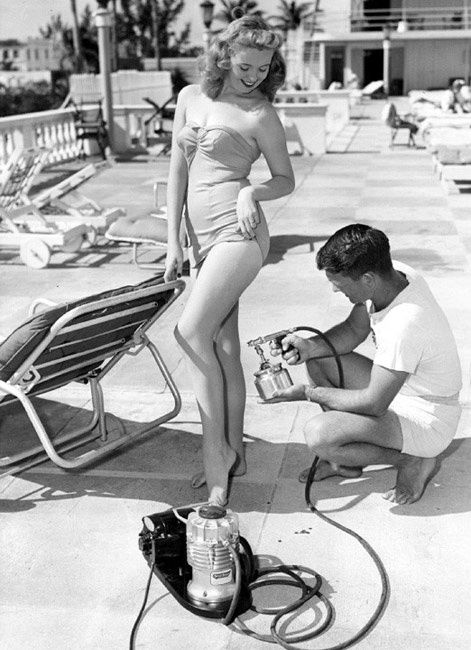
A spray tan hands the hard part to someone who does it all day. A technician applies a fine mist of the same DHA based formula, working around your body so the color lands evenly in places you would struggle to reach yourself. For a lot of brides this is the sweet spot, since the result usually looks more uniform than a solo attempt.
The upside: even coverage, a custom shade matched to your skin, and someone else sweating the technical bits.
The catch: it can transfer onto fabric before it fully sets, which matters enormously when your dress is white, so timing and aftercare really count.
Gradual Tanners
These are the low commitment route. You use them like a daily moisturizer, and they deposit a hint of color each time so it creeps up slowly rather than landing all at once. They are very forgiving for anyone nervous about going too dark.
The upside: mistakes stay tiny and easy to course correct, and the slow build keeps you in control the whole way.
The catch: reaching a deeper glow takes days of consistent use, so this is a start early option rather than a night before fix.

Tanning Drops
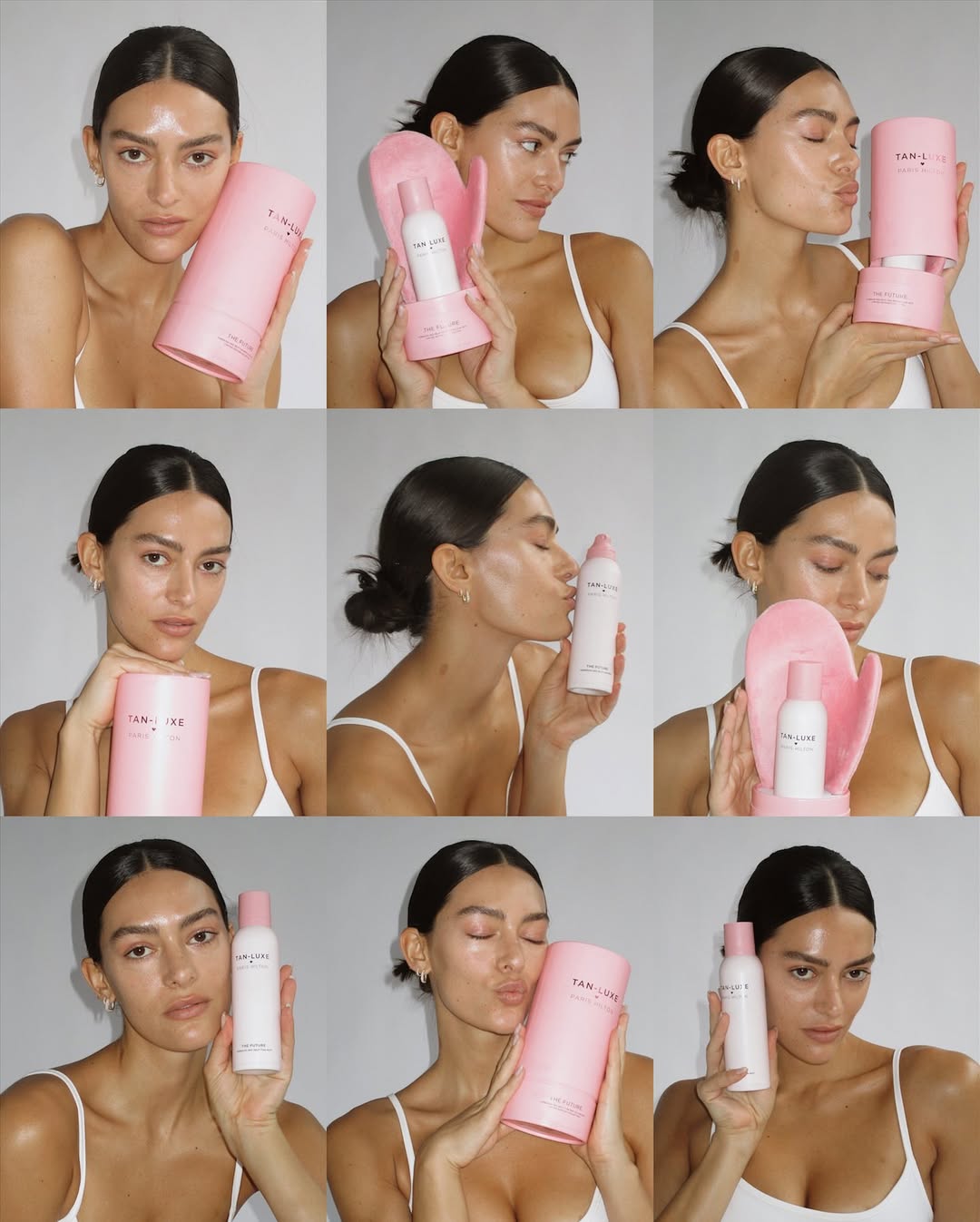
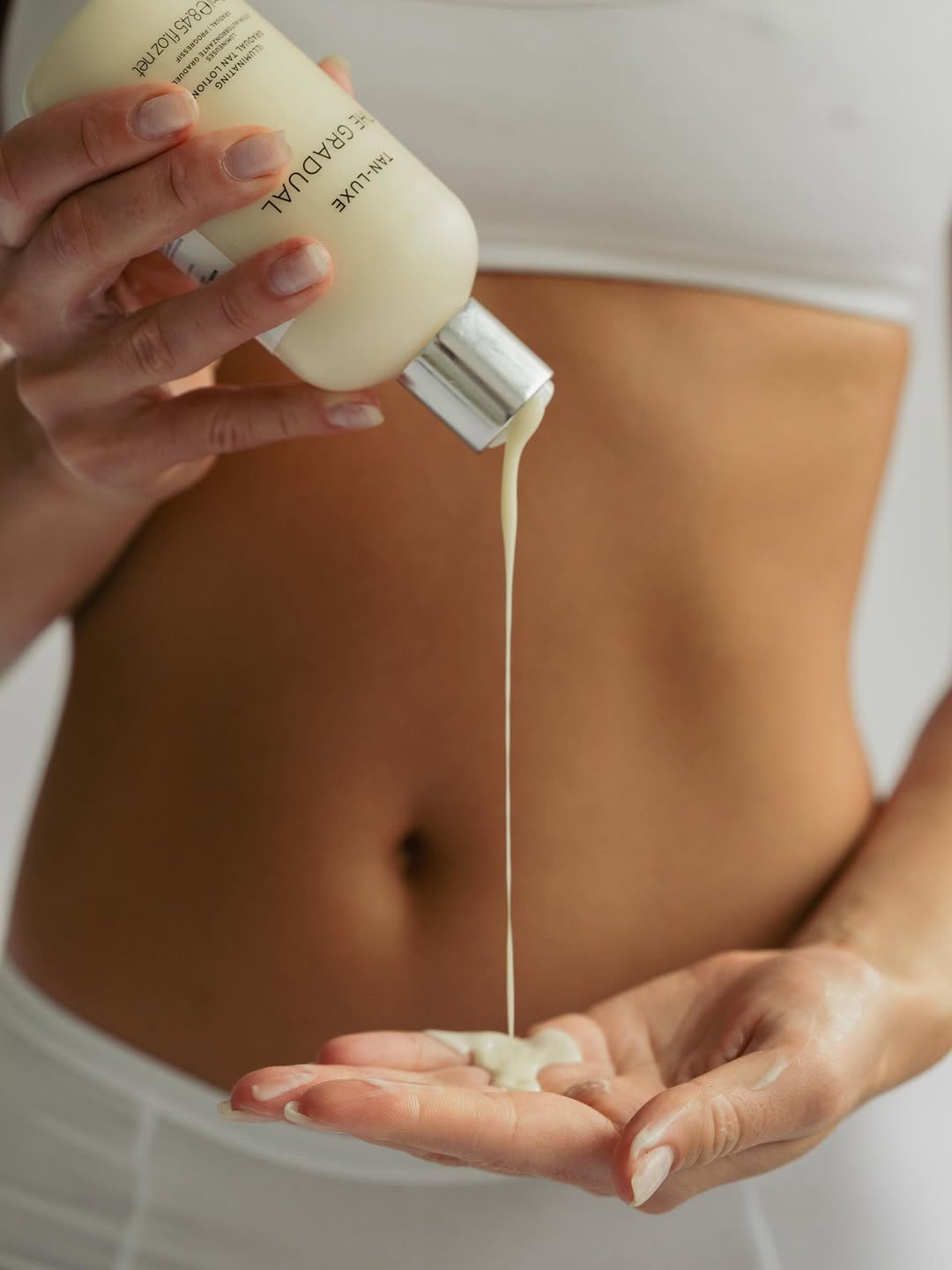
Drops are the newer favorite, and Tan-Luxe is the name that pushed the format into the mainstream with its hero Face and Body concentrates. You mix a few into your usual moisturizer or serum and tailor exactly how much color you want, which makes them great for the face, where precision matters most. More drops give a deeper result, fewer keep it subtle.
The upside: full control over intensity, and they fold straight into a skincare routine you already have.
The catch: blending unevenly leads to patchy results, so they reward a steady hand and a little practice.
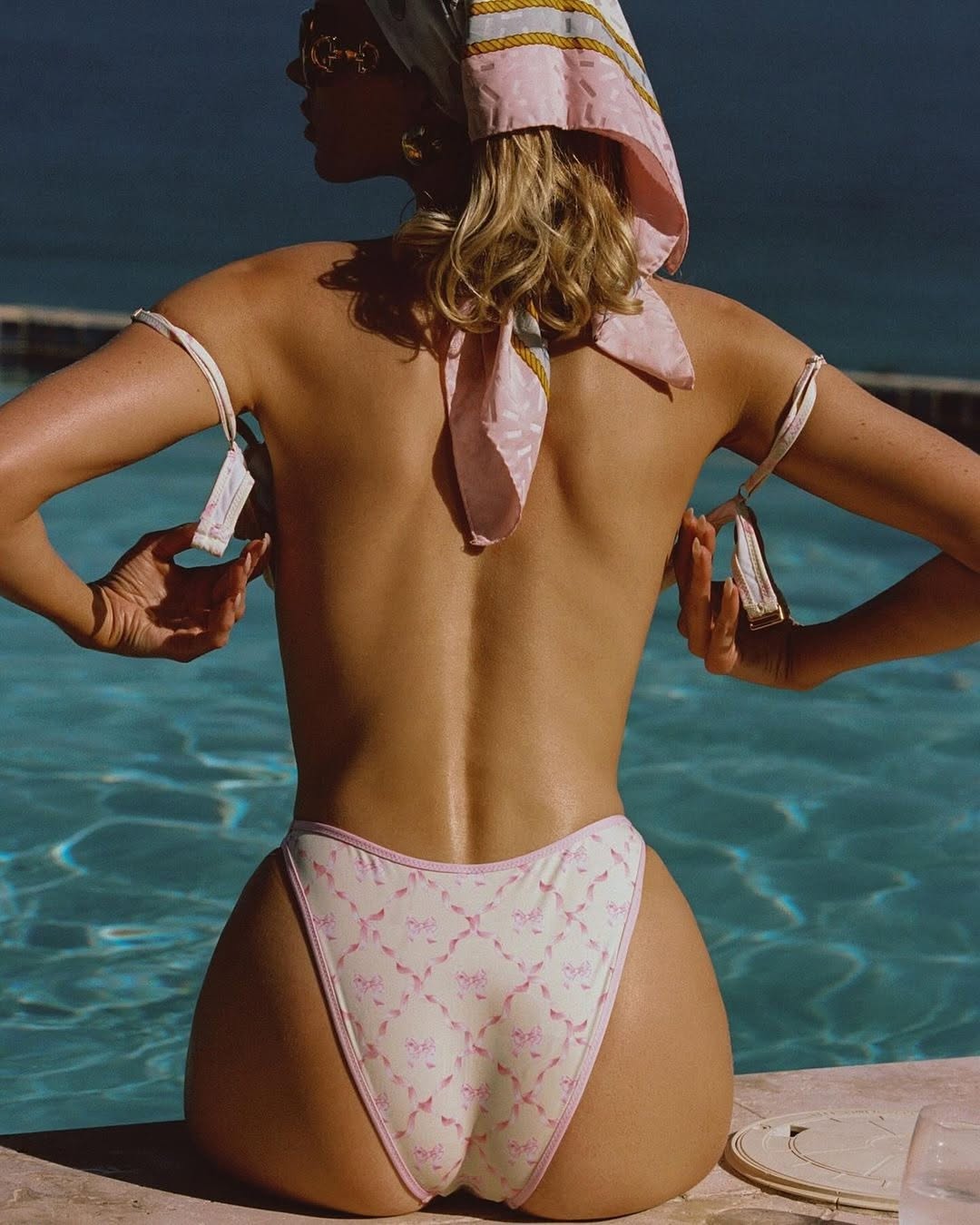
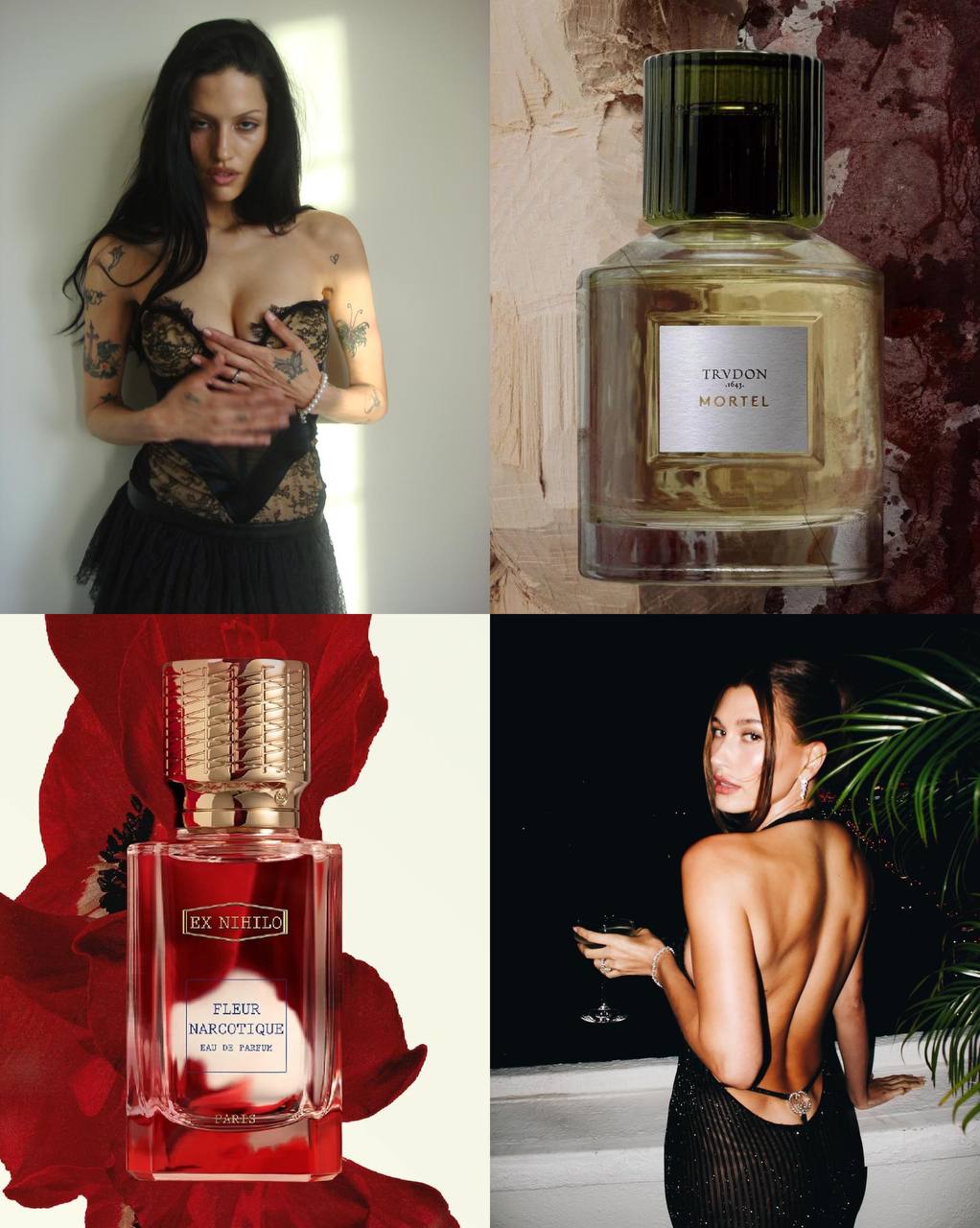
Photo: TAN-LUXE
A Wash-off Glow
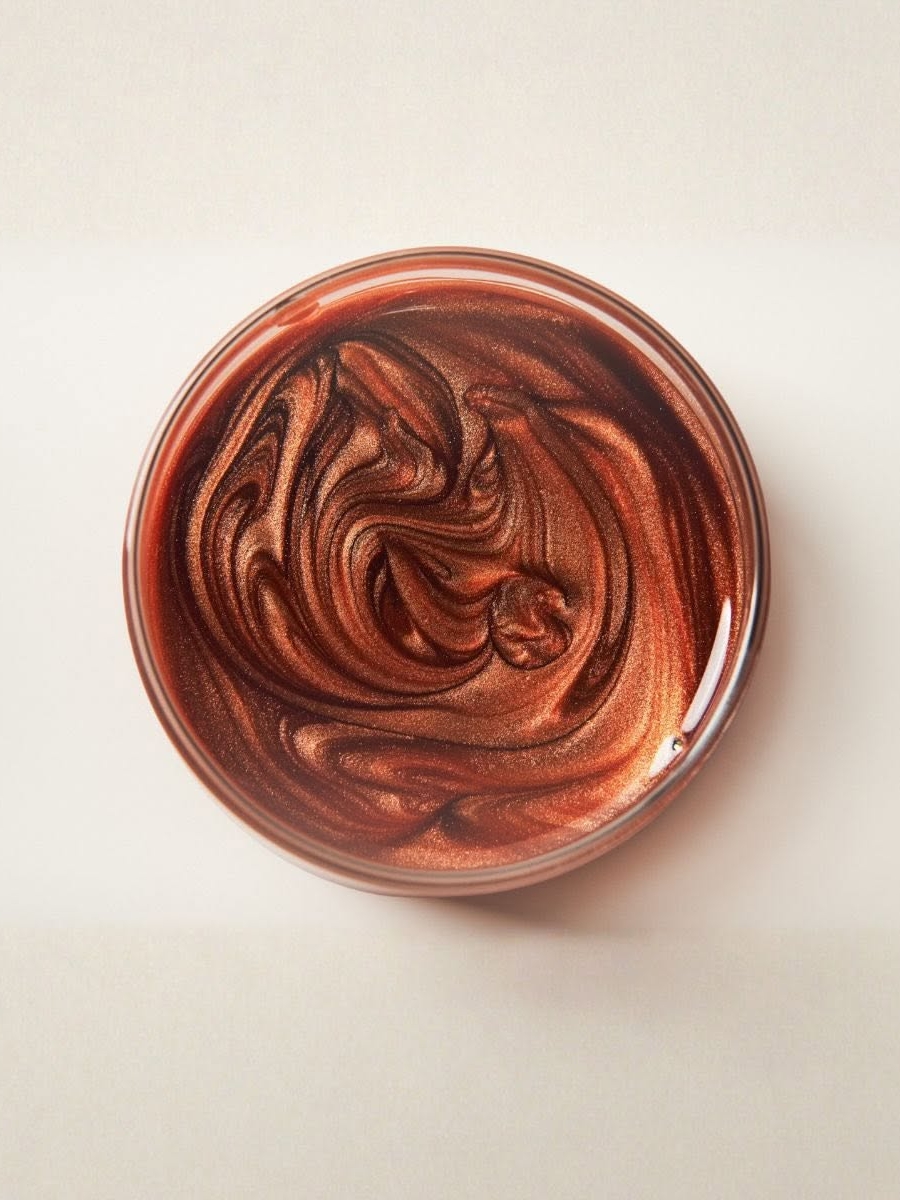
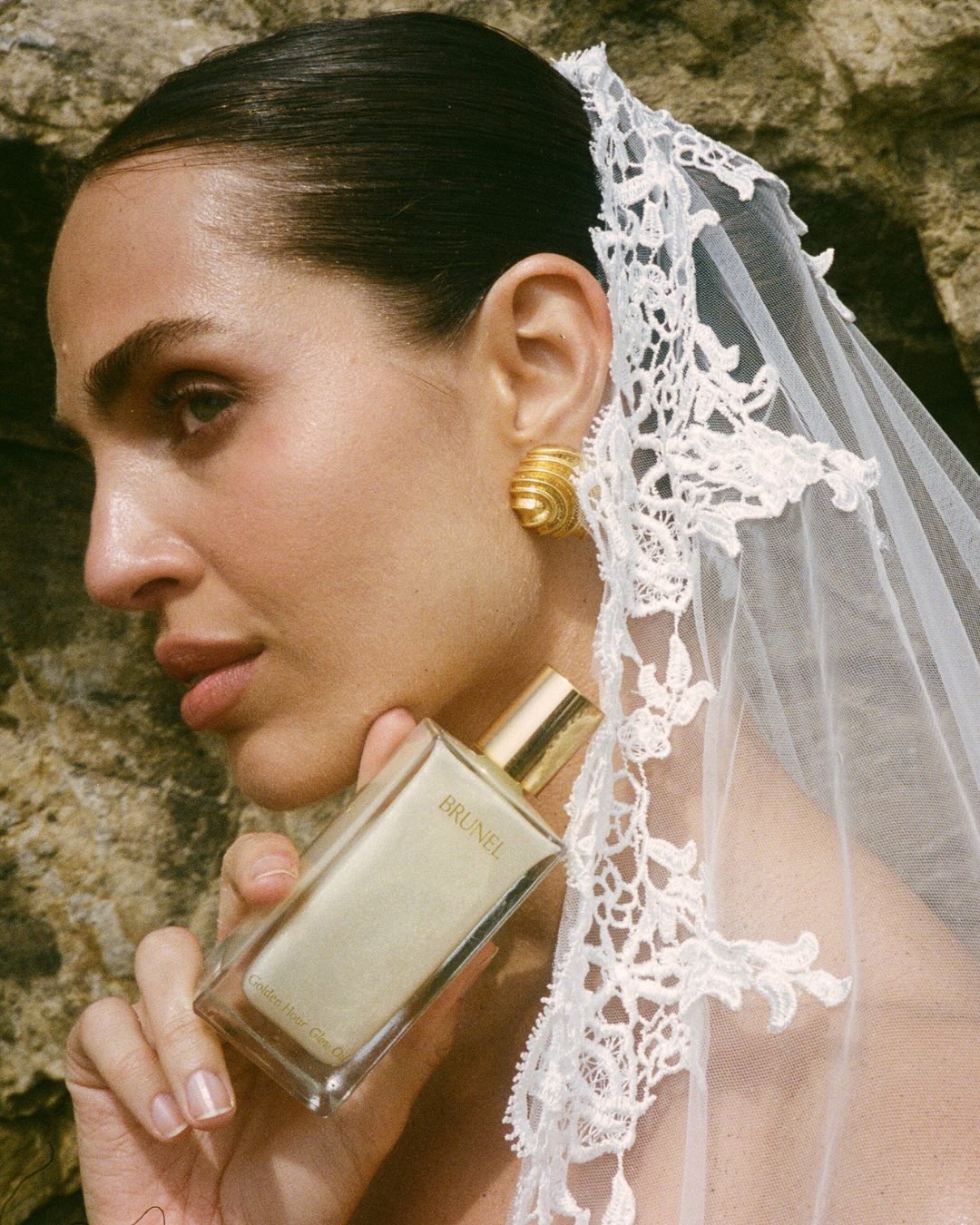
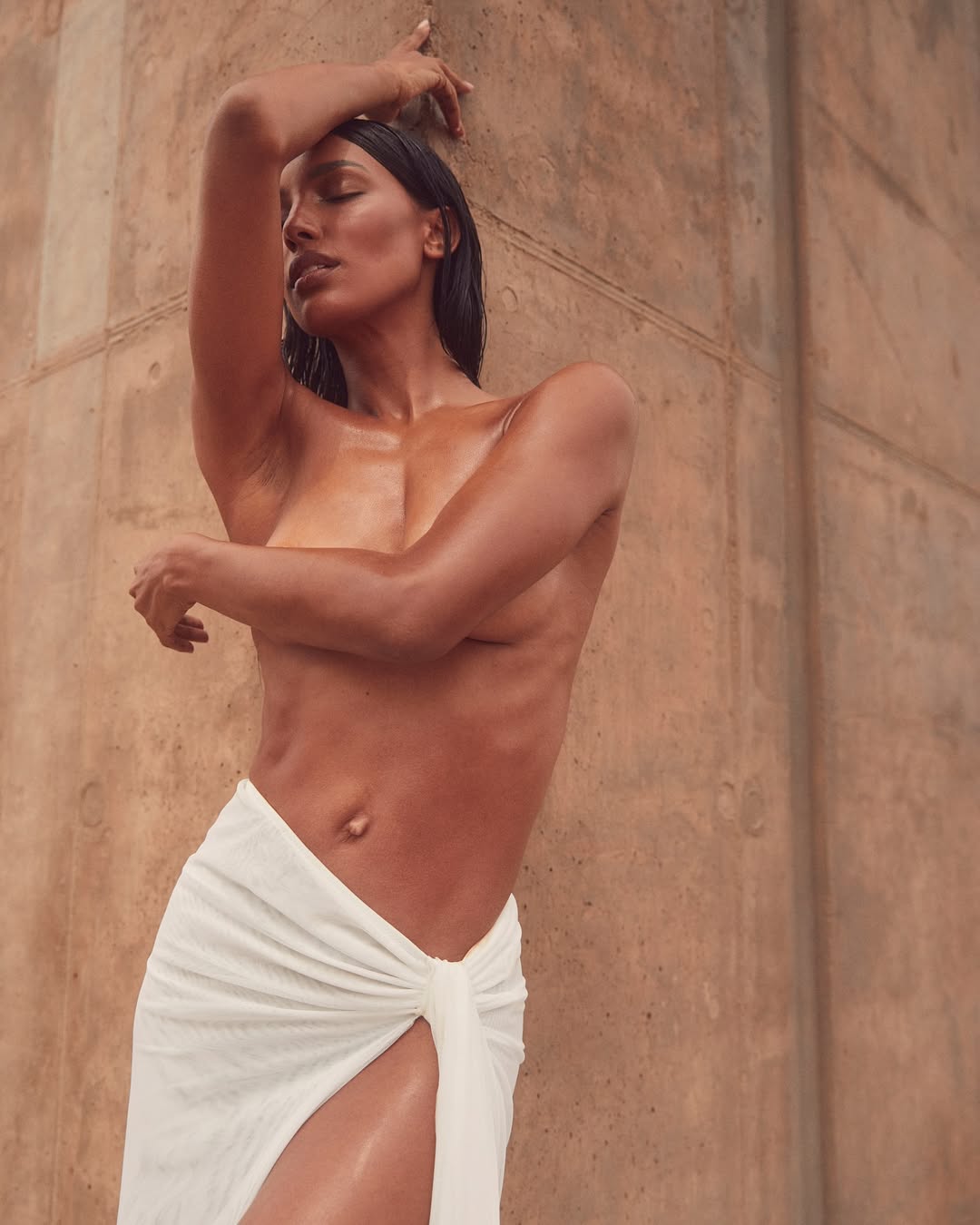
This one sits slightly apart from the others, because a bronzing body oil gives you light and warmth on the surface rather than color that develops into your skin. Brunel, the body care line from Victoria’s Secret model Jasmine Tookes, built its Golden Hour Glow oil exactly for this, a sheer shimmer that catches the light on shoulders, collarbones, and legs. You can wear it over a developed tan or on bare skin, and it rinses off at the end of the night.
The upside: instant luminosity with zero developing time, so it is the one option you can reach for on the morning of with confidence.
The catch: a shimmer oil washes off and offers no lasting color, and any product with slip can transfer, so keep it to skin that your gown will not press against.
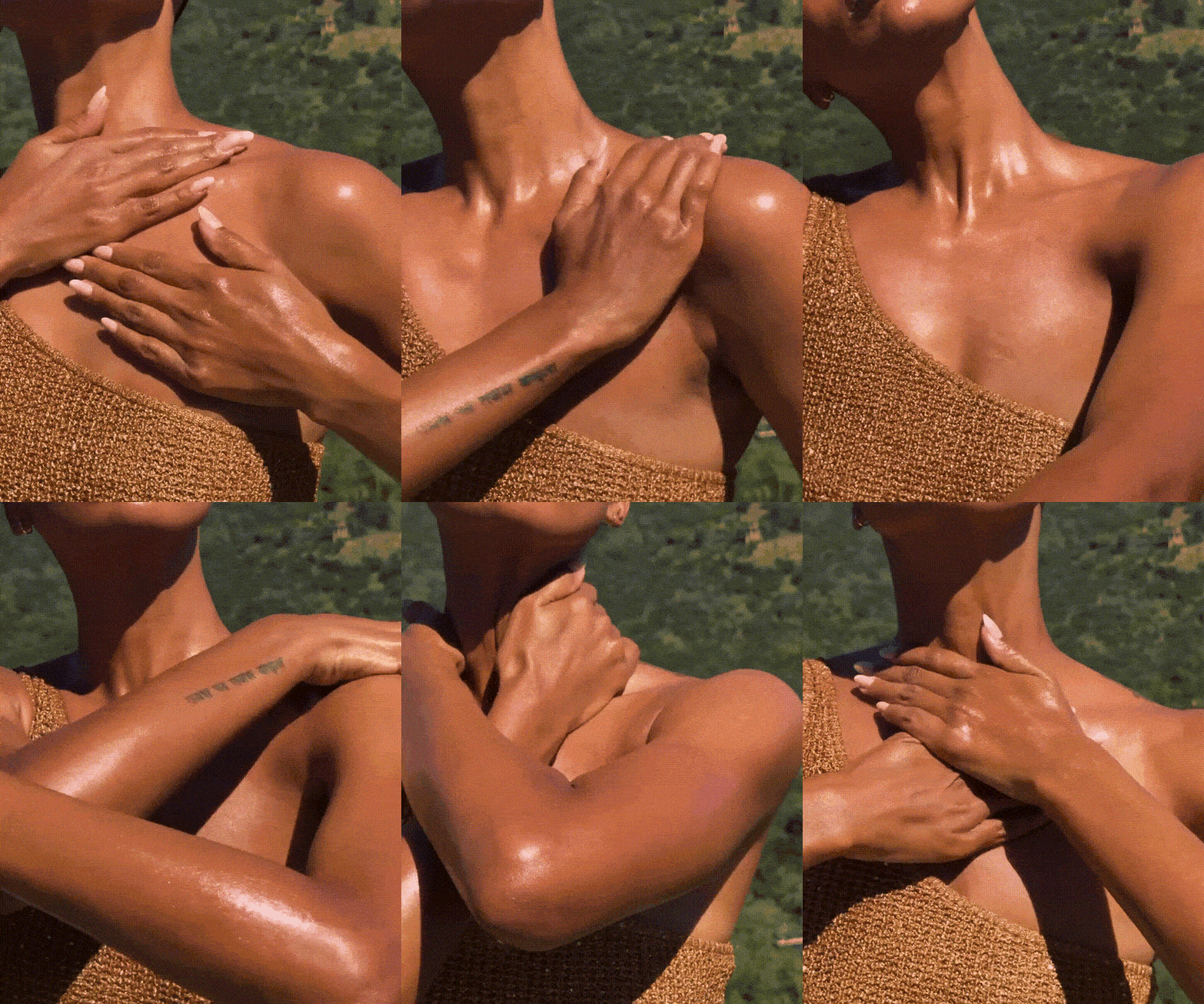
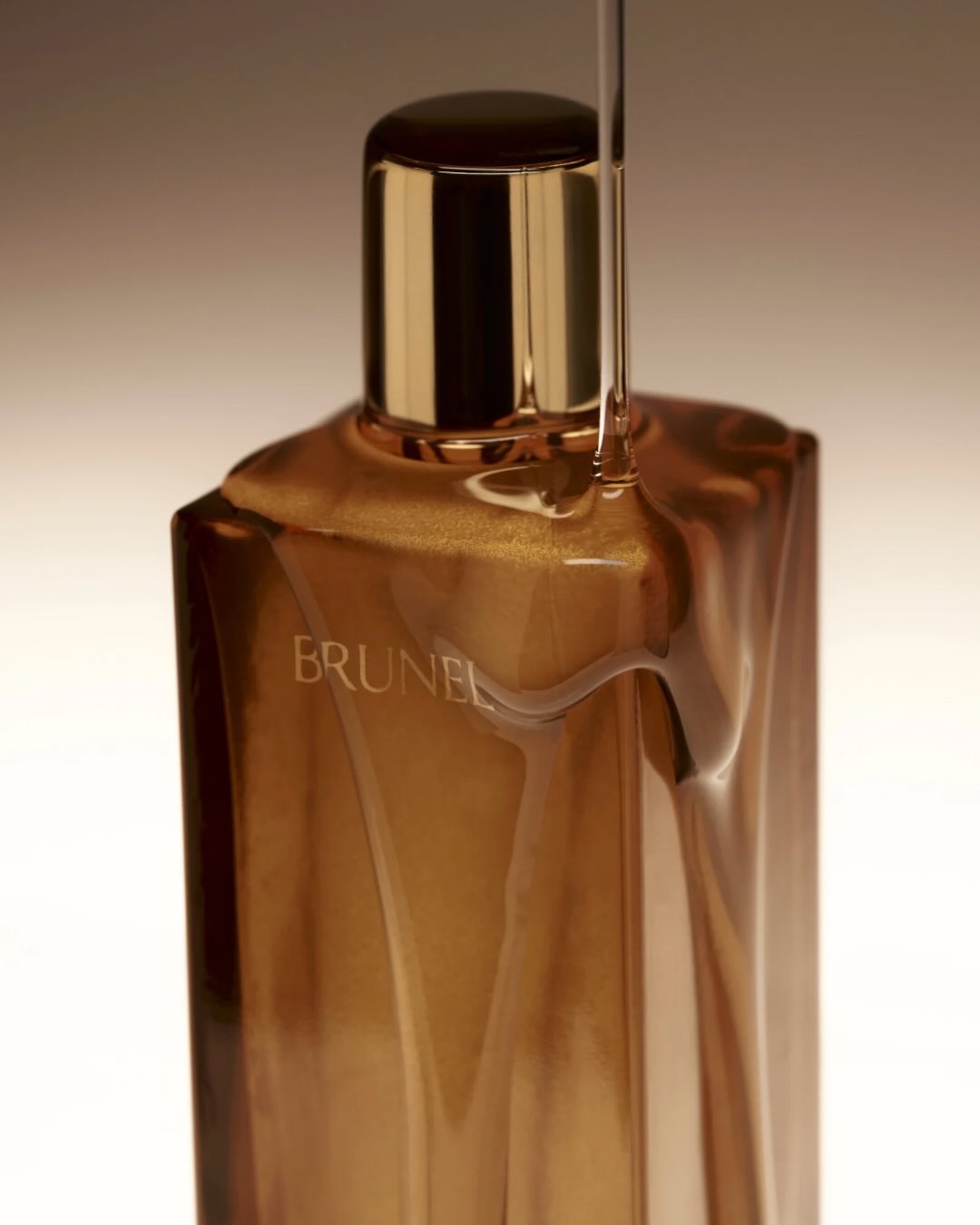
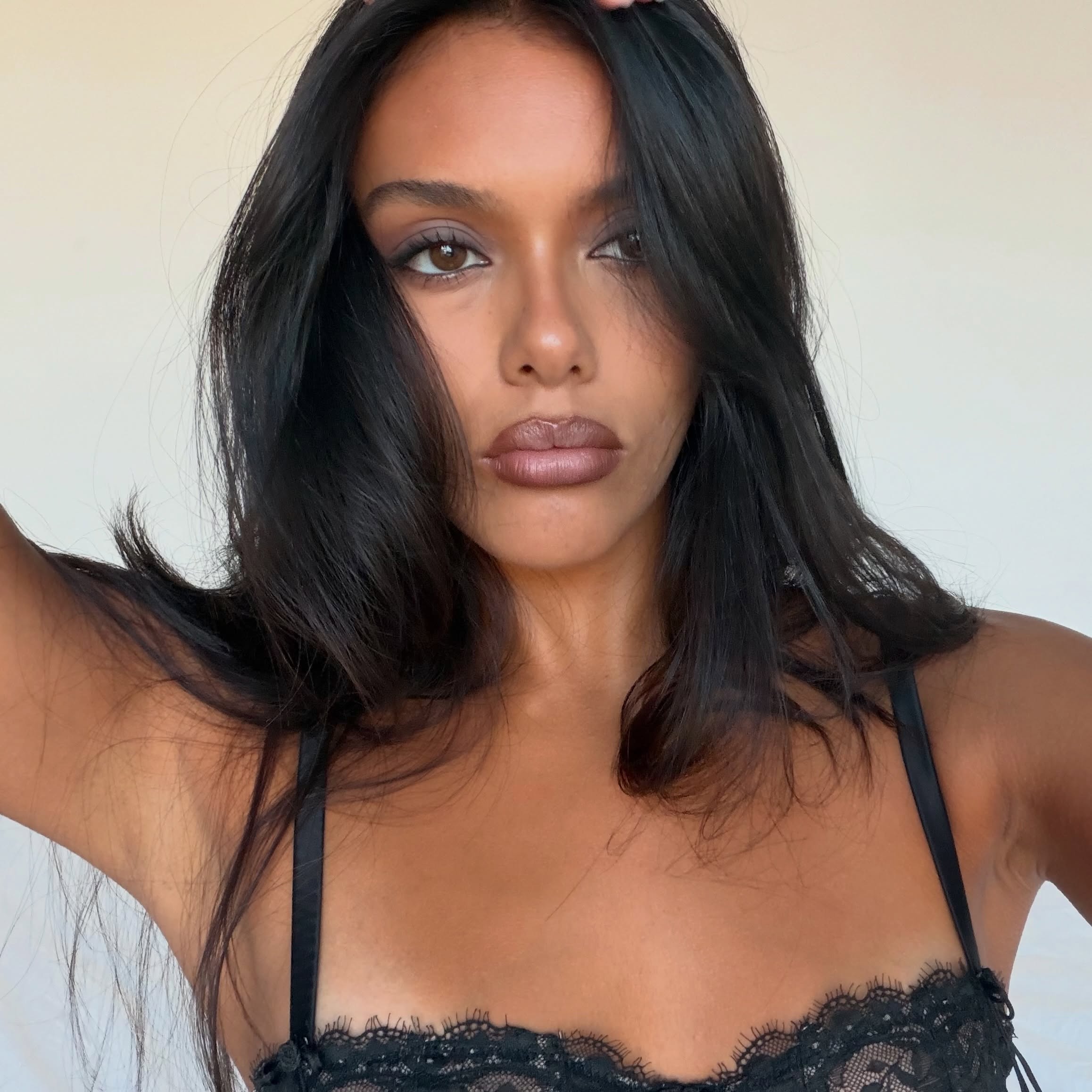
Photo: Brunel
Choose a Shade that Reads as Your Own
There is a ceiling worth respecting when you decide how deep to go. A good rule is to stay within the range your own skin could realistically reach in real sun, which keeps the result looking like you rather than like a costume, and it photographs far more naturally. Pushing several shades past your natural range also steps into territory that a lot of Black and Brown women find genuinely offensive, since darkening your skin well beyond where it would ever land reads as borrowing a depth of color that is not yours. Going a touch warmer than your everyday tone is the sweet spot, and it lets the glow feel like yours rather than put on.
The Timeline that Saves You
The single biggest mistake is leaving any of this to the morning of the wedding. Whatever method you pick, run a trial a few weeks ahead so you know exactly how your skin takes the color and how dark you actually want to go. For the real thing, most self tan and spray tan results look their best a day or two after application rather than right away, so aim to have it done two to three days before the wedding. That gap lets the color settle, gives any harsh edges time to soften, and leaves you a window to fix or tone down anything that looks off. Booking a spray tan for the same morning as the ceremony is how brides end up with color on the gown.
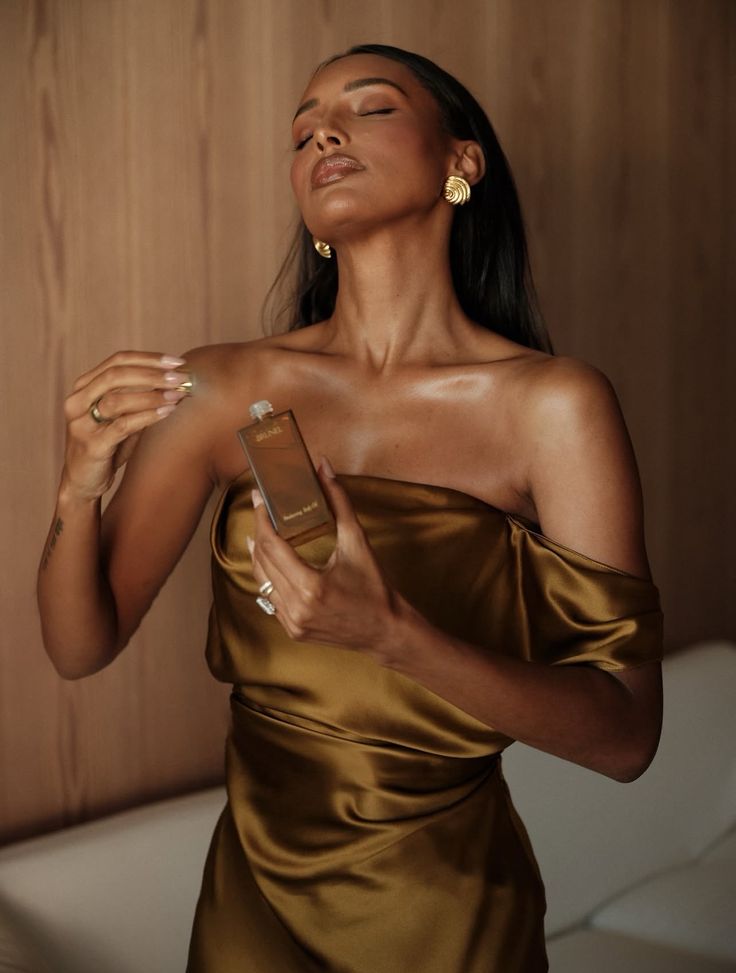
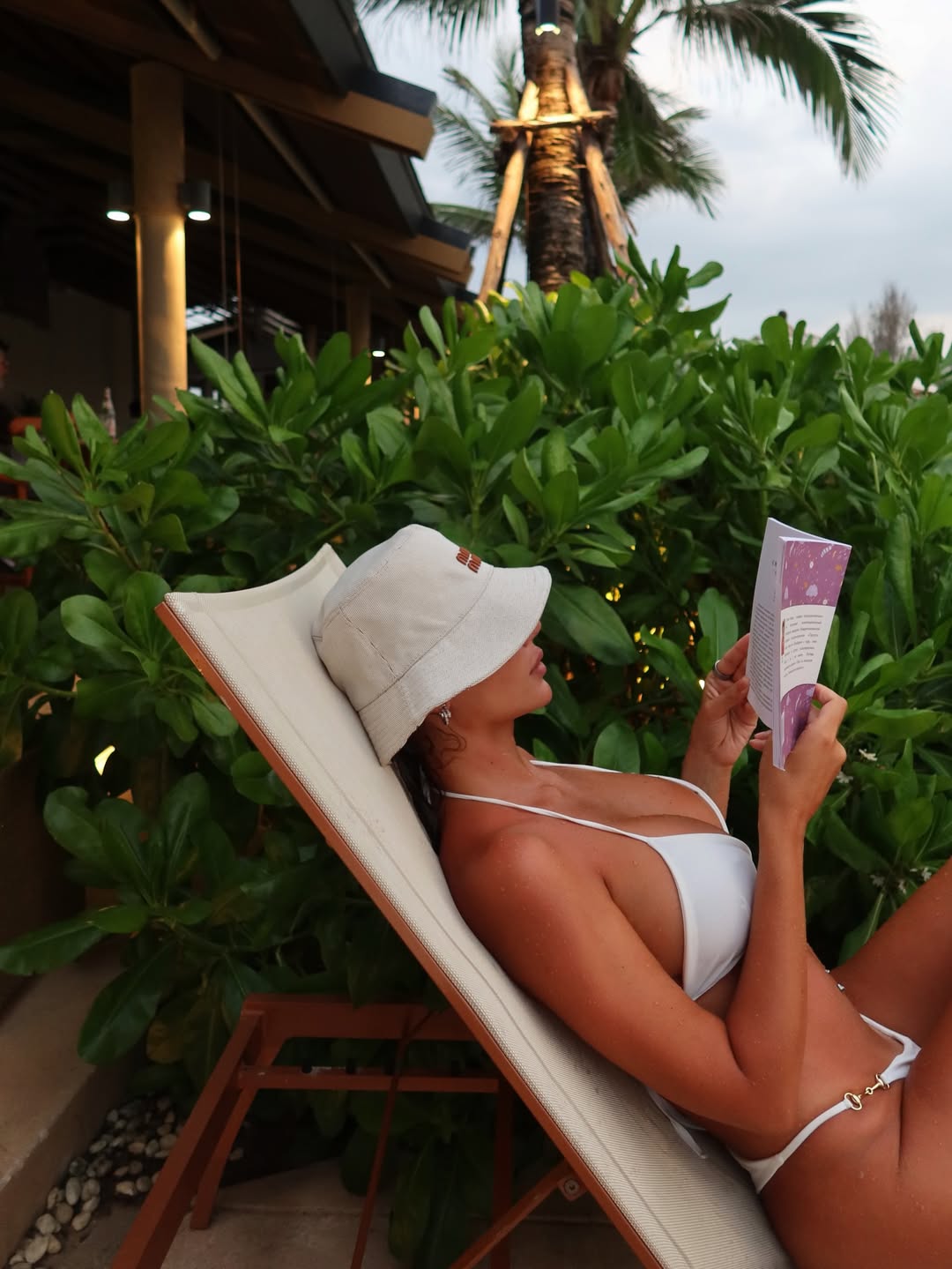
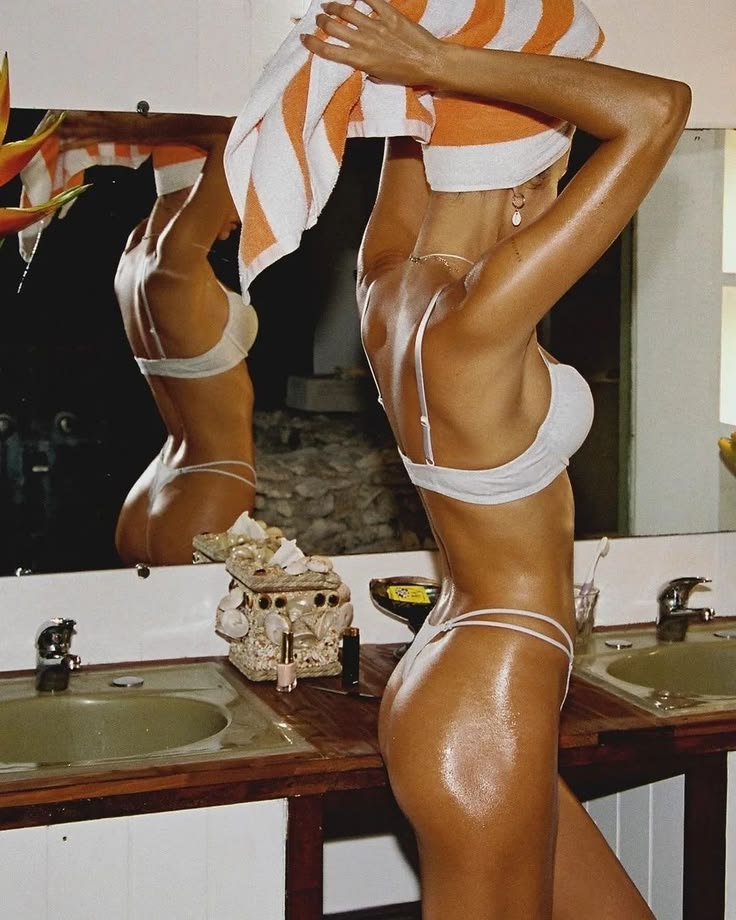
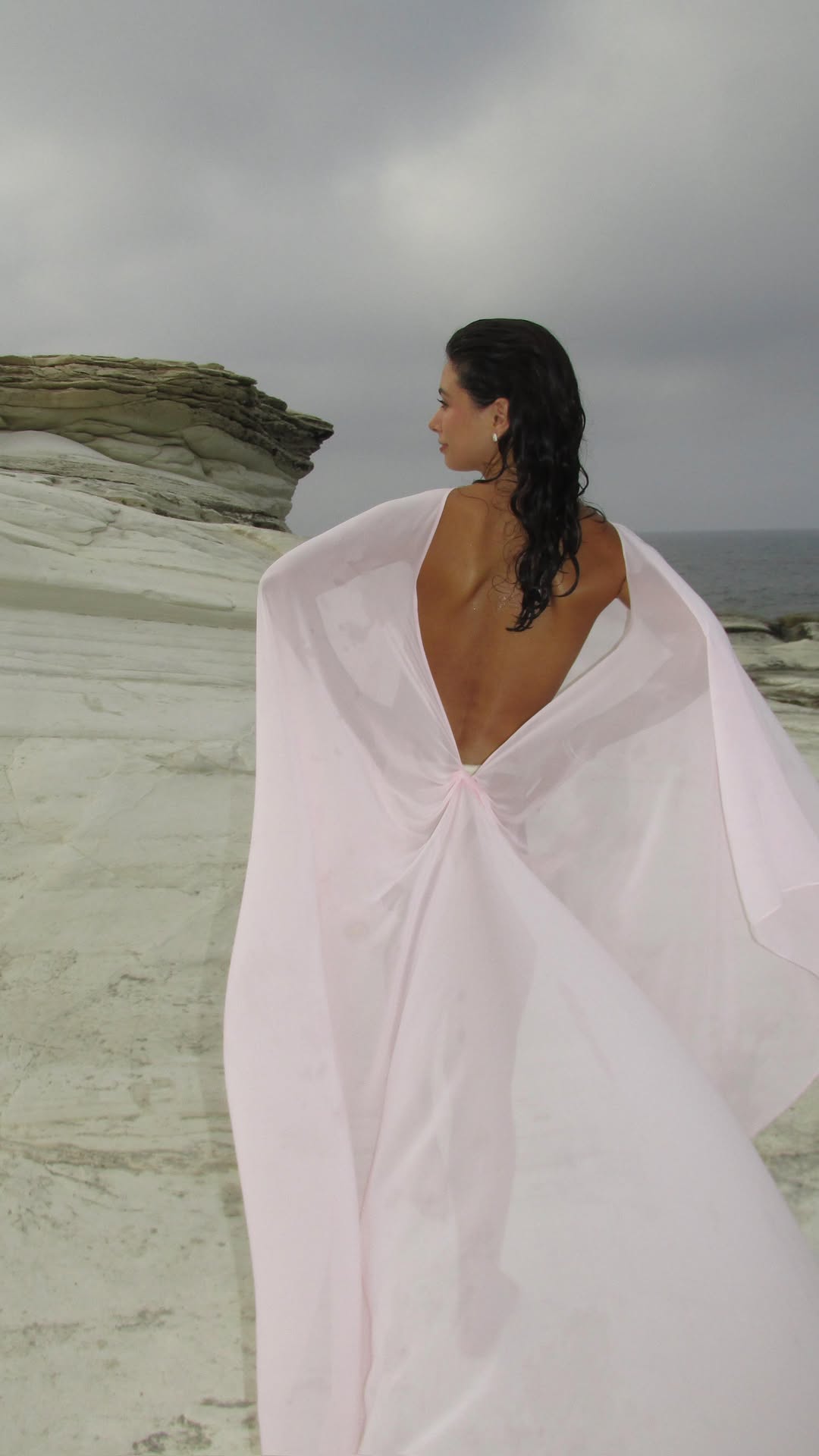
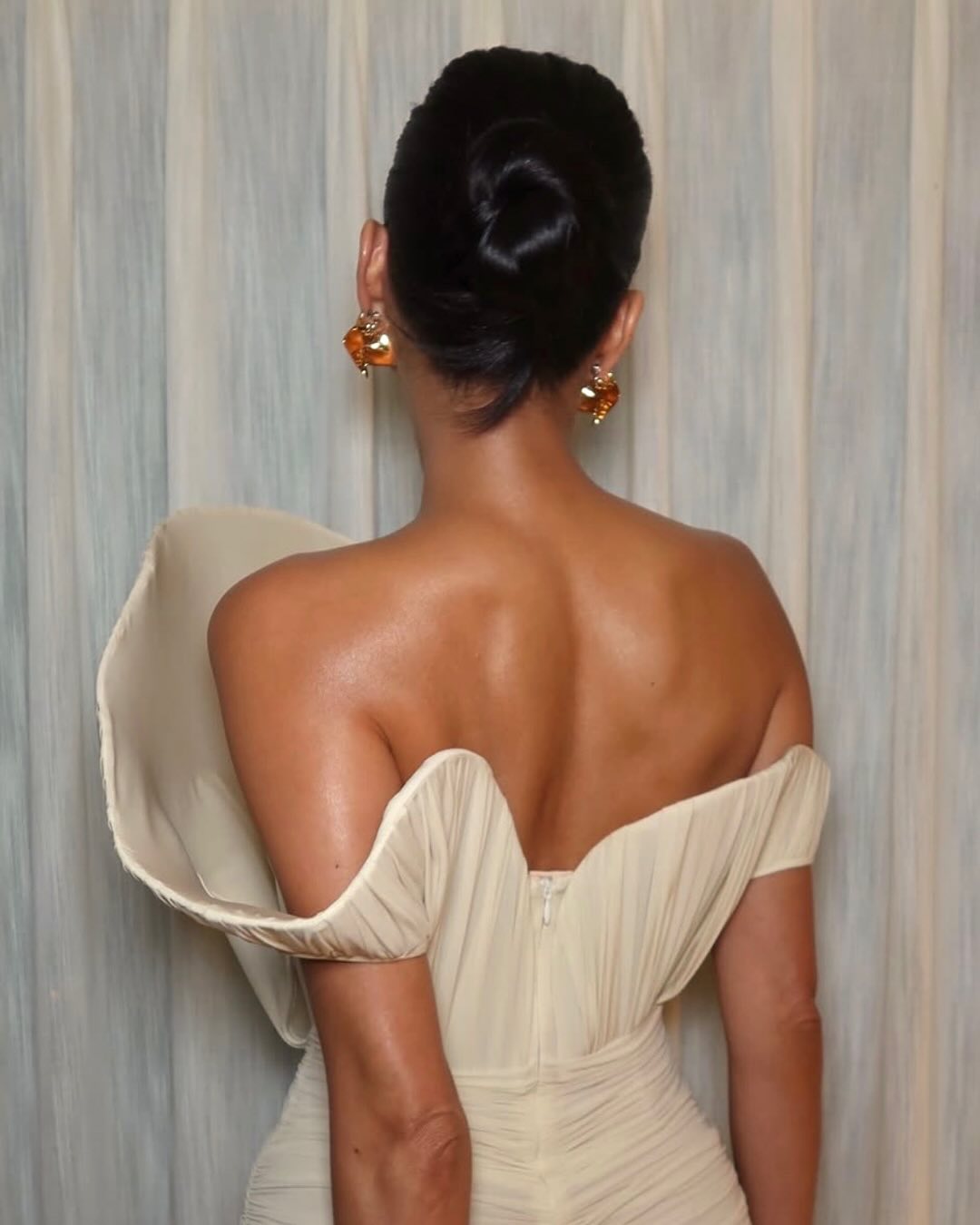
Photo: Brunel, Elina Salyakhova
Bride Specific Things to Get Right
A few details separate a glow that photographs beautifully from one that causes drama on the day.
- Exfoliate the day before you apply, focusing on elbows, knees, ankles, and knuckles, because those dry zones soak up extra color and turn muddy.
- Moisturize those same dry spots right before application so they grab less pigment and blend smoothly.
- Patch test any product on a small area first, both to check your shade and to rule out a reaction, especially if your skin runs sensitive.
- Keep in mind that self tan offers zero sun protection, so you still need real sunscreen if you are spending time outside before the day, and a wear it daily formula like Vacation makes that habit a lot easier to keep.

- Skip heavy perfumes and oils directly on freshly tanned skin, since they can break down the color and leave blotches.
- Carry the color up your neck and into your hairline and ears so it blends past your jaw instead of stopping in a hard line.
- Watch for tan lines in the weeks before the wedding, since strap marks from swimwear or a top can land exactly where your gown is cut, so plan what you wear in the sun around your neckline and back.
- Aim for one even tone from your face down to your hands and feet, because mismatched limbs are one of the first things a camera picks up. Your face can sit a shade lighter than the rest, since makeup will layer color back on top, but your hands and legs especially need to read the same as everything else.
- Wear loose dark clothing after a spray tan while it develops, and keep that white dress far away until the color has fully set.
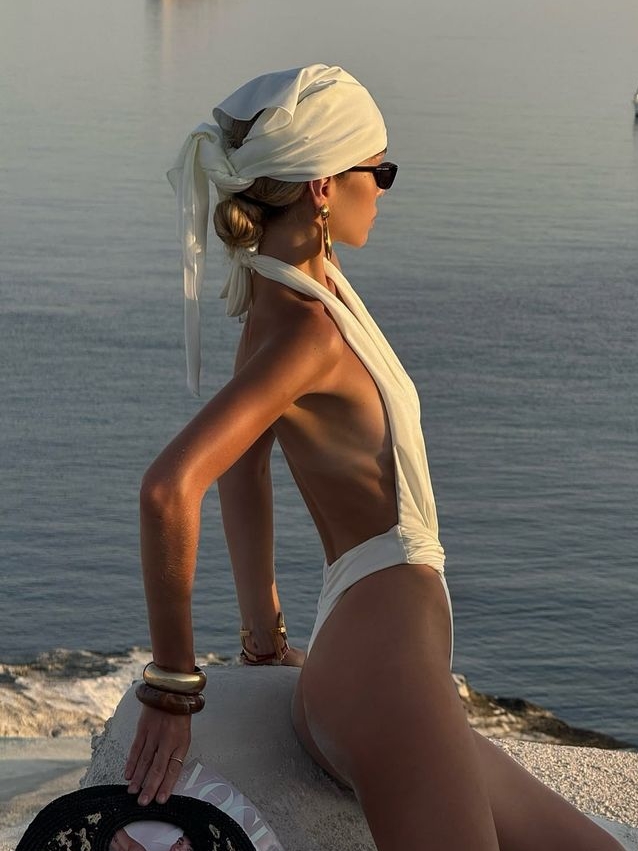
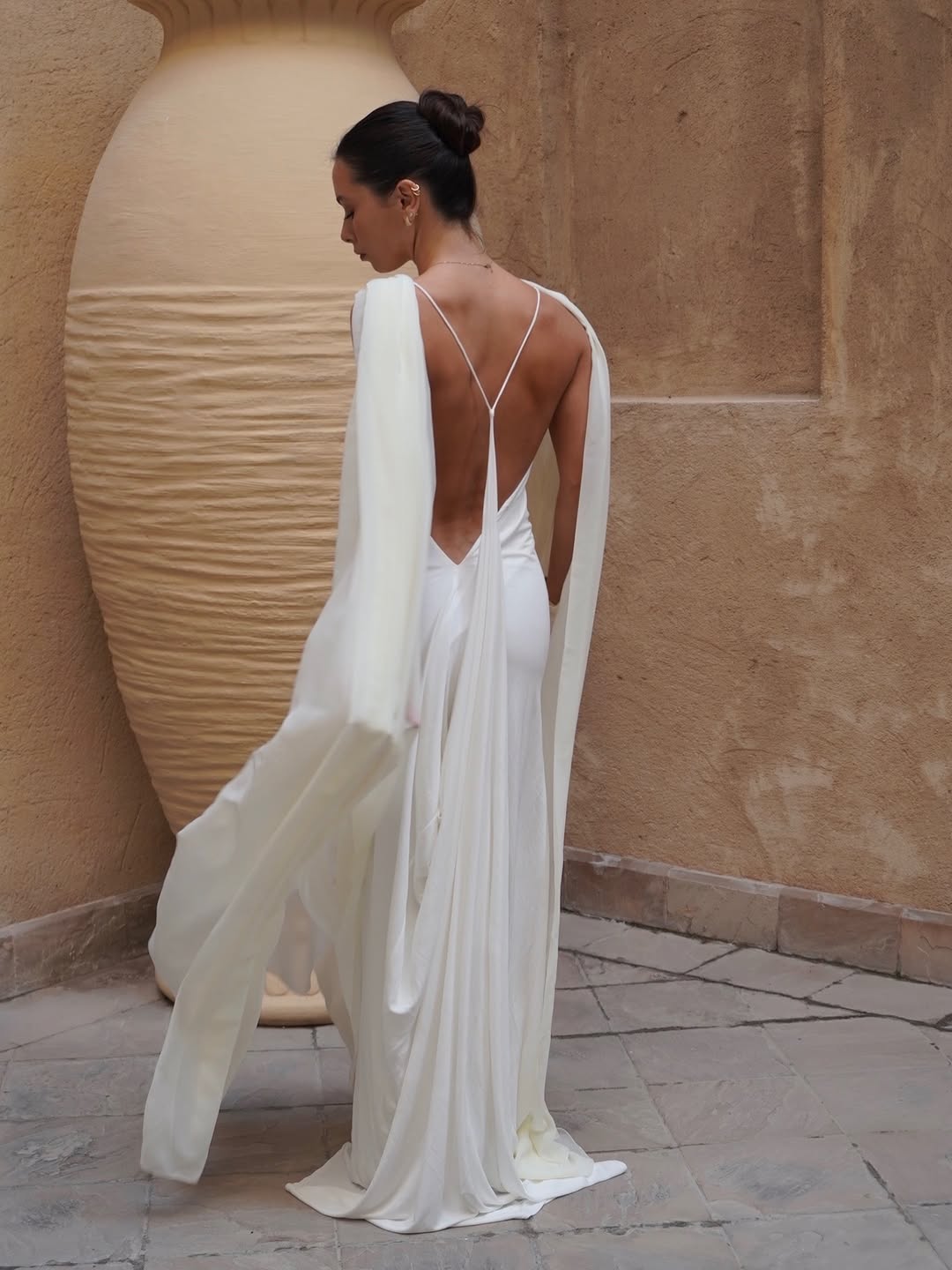
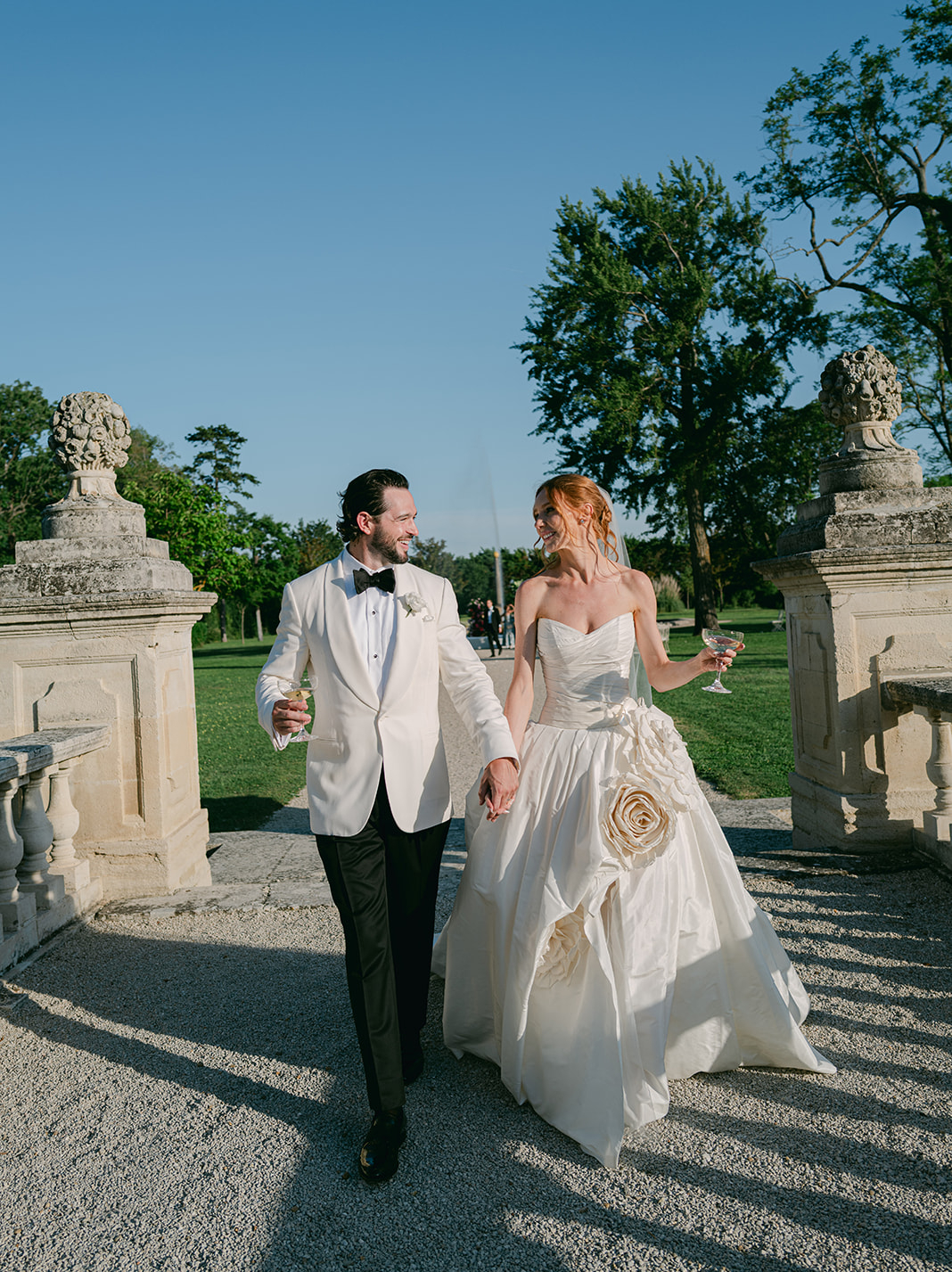
Photo: Sasha Fuks, VEDÉRE
When it Goes Sideways
If the color comes out too dark or uneven, a few rounds of exfoliation will lift it, and a soak with a little baking soda or a dedicated tan remover speeds that along. A gentle scrub with lemon can fade a stubborn patch on the hands or feet. The reason you build in those extra days before the wedding is exactly this, because a problem you spot on a Wednesday is easy, and the same problem on the morning of is a crisis. Keeping a gradual tanner on hand also lets you top up any spots that fade unevenly as the week goes on.