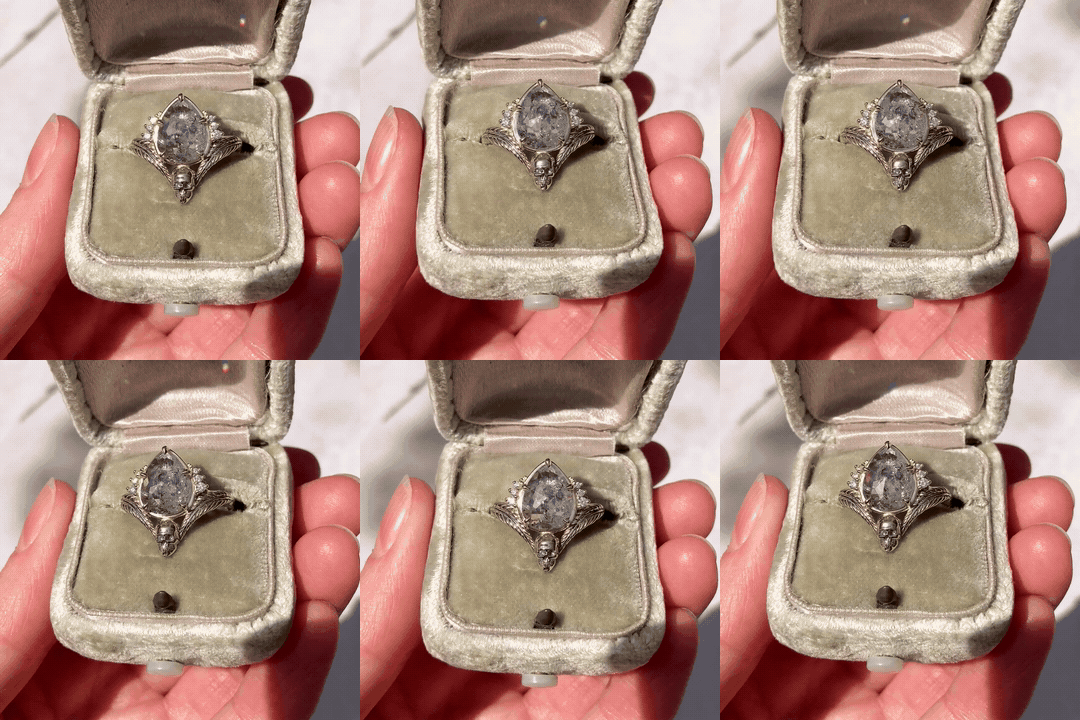
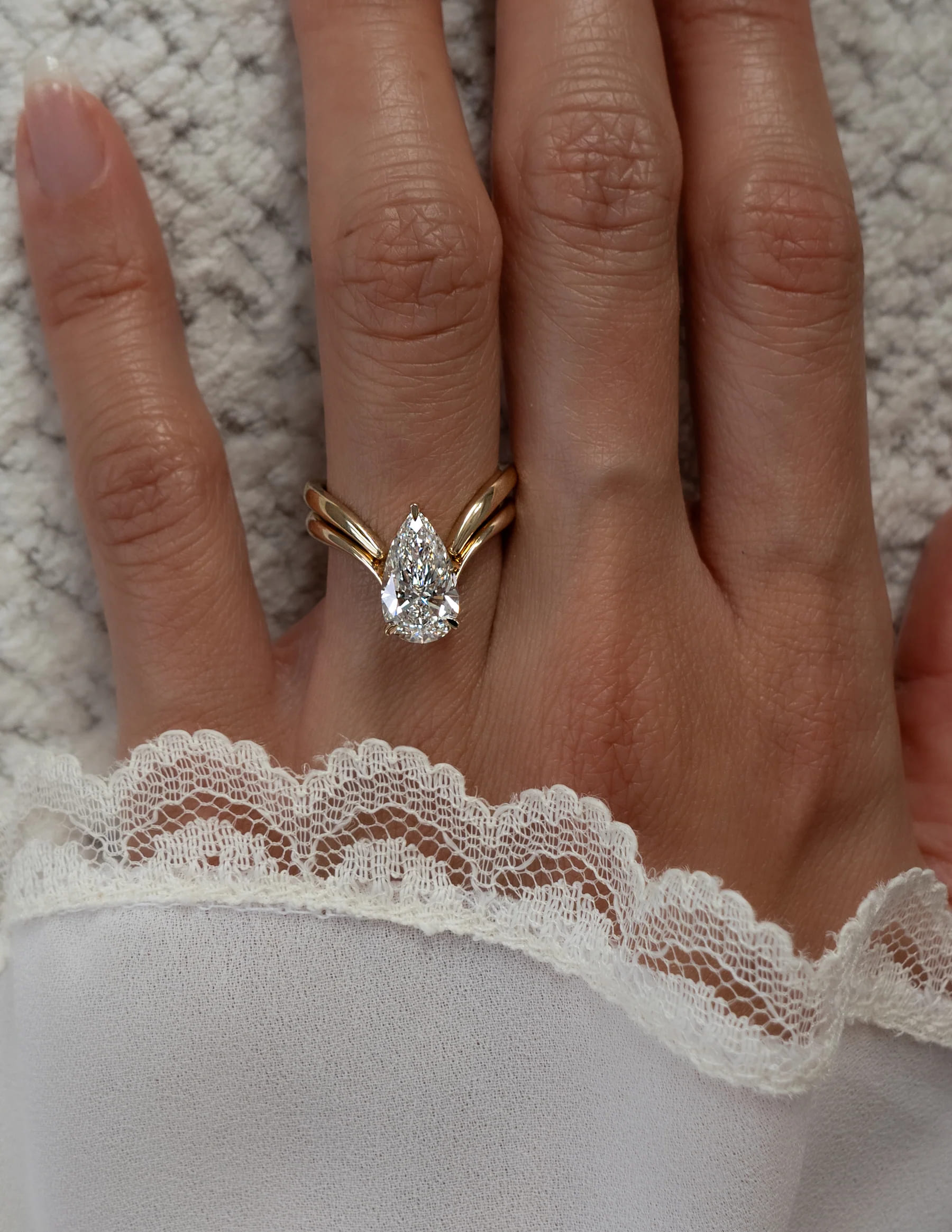
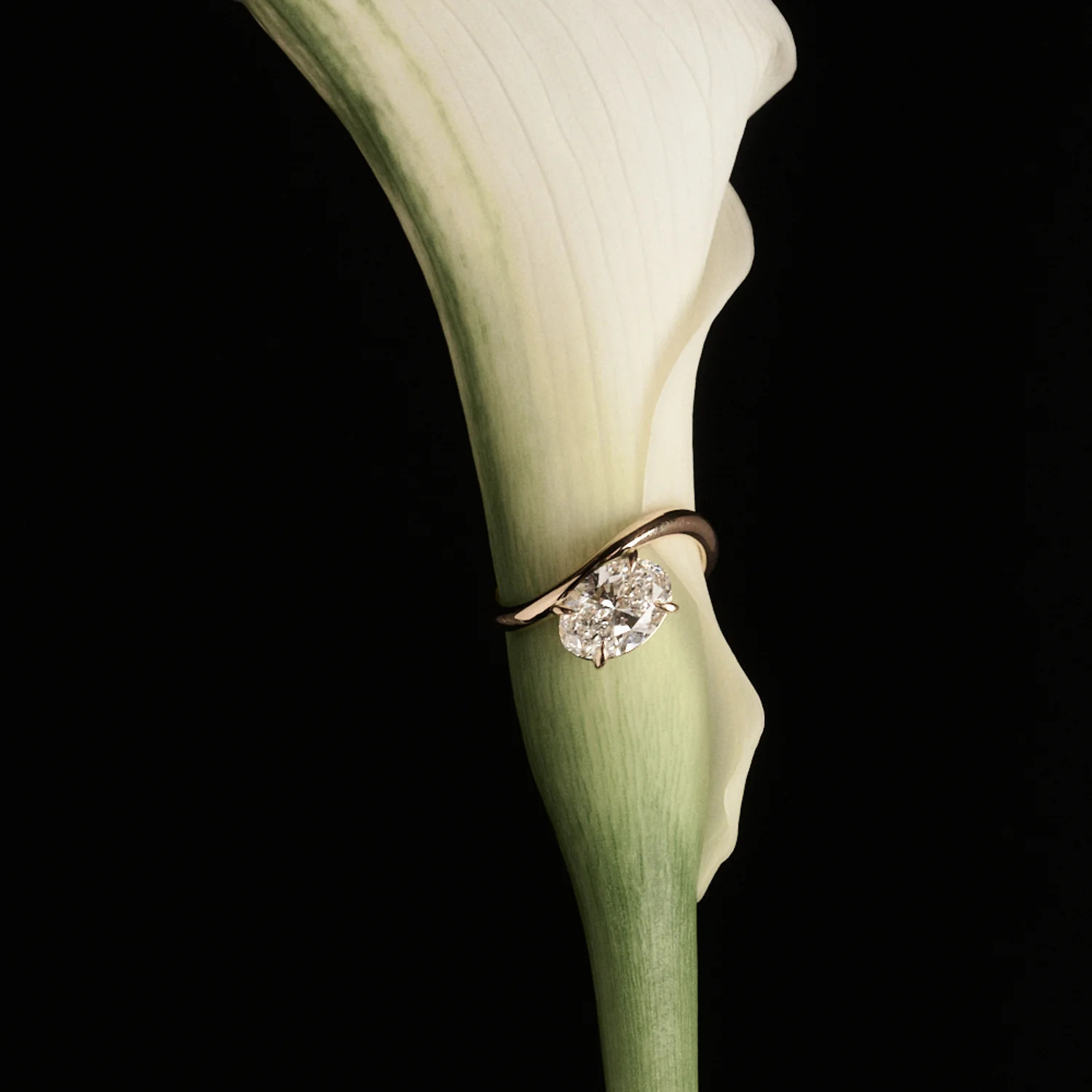
Sapphire has a branding problem: everyone pictures the same deep blue, when really the stone comes in nearly every color except red (that one belongs to ruby, its chemical twin). Both are the same mineral, corundum, and both rank a 9 on the Mohs hardness scale, second only to diamond. That combination of range and durability is a big part of why sapphires have quietly shaped two of the most famous engagement rings in modern history.
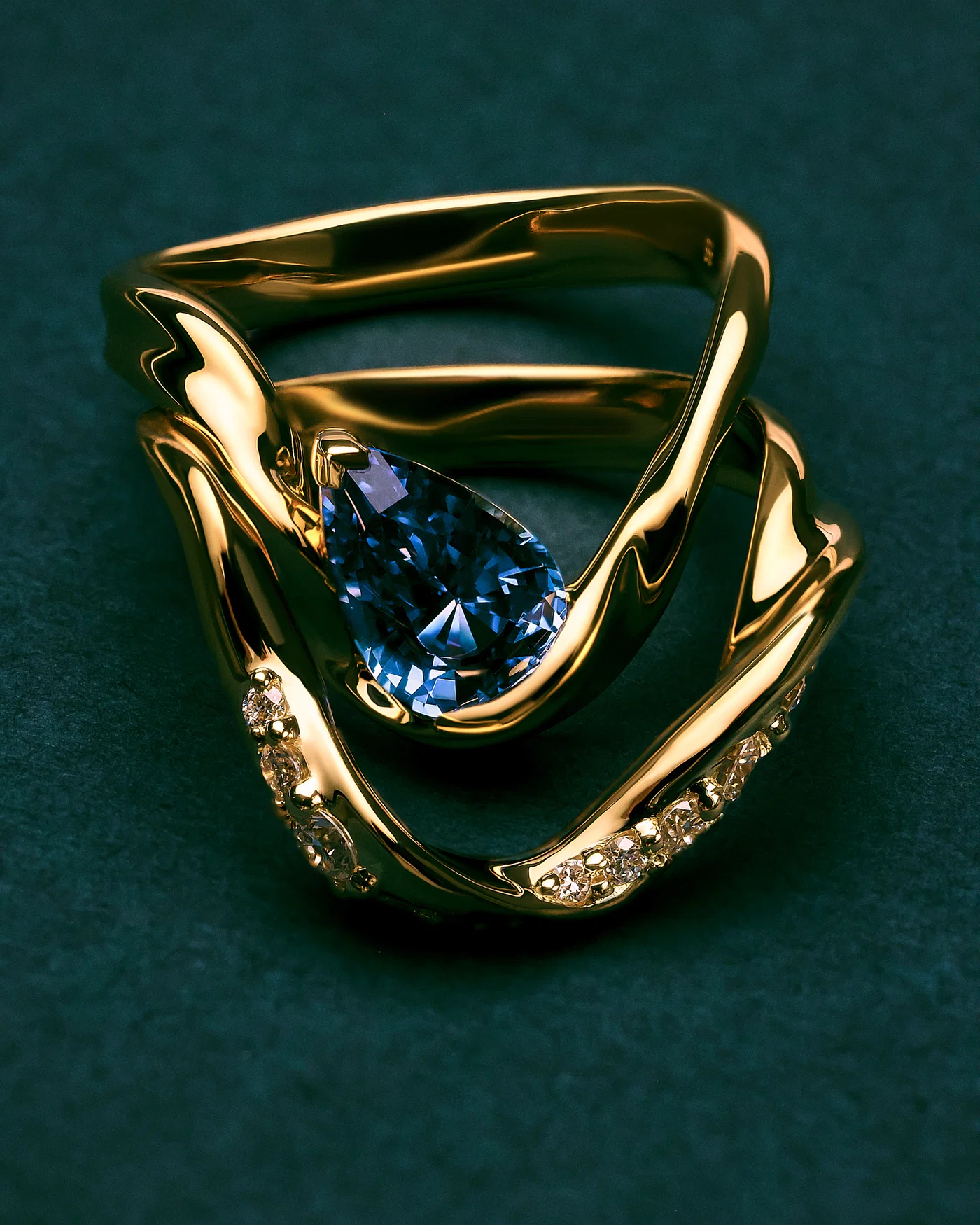
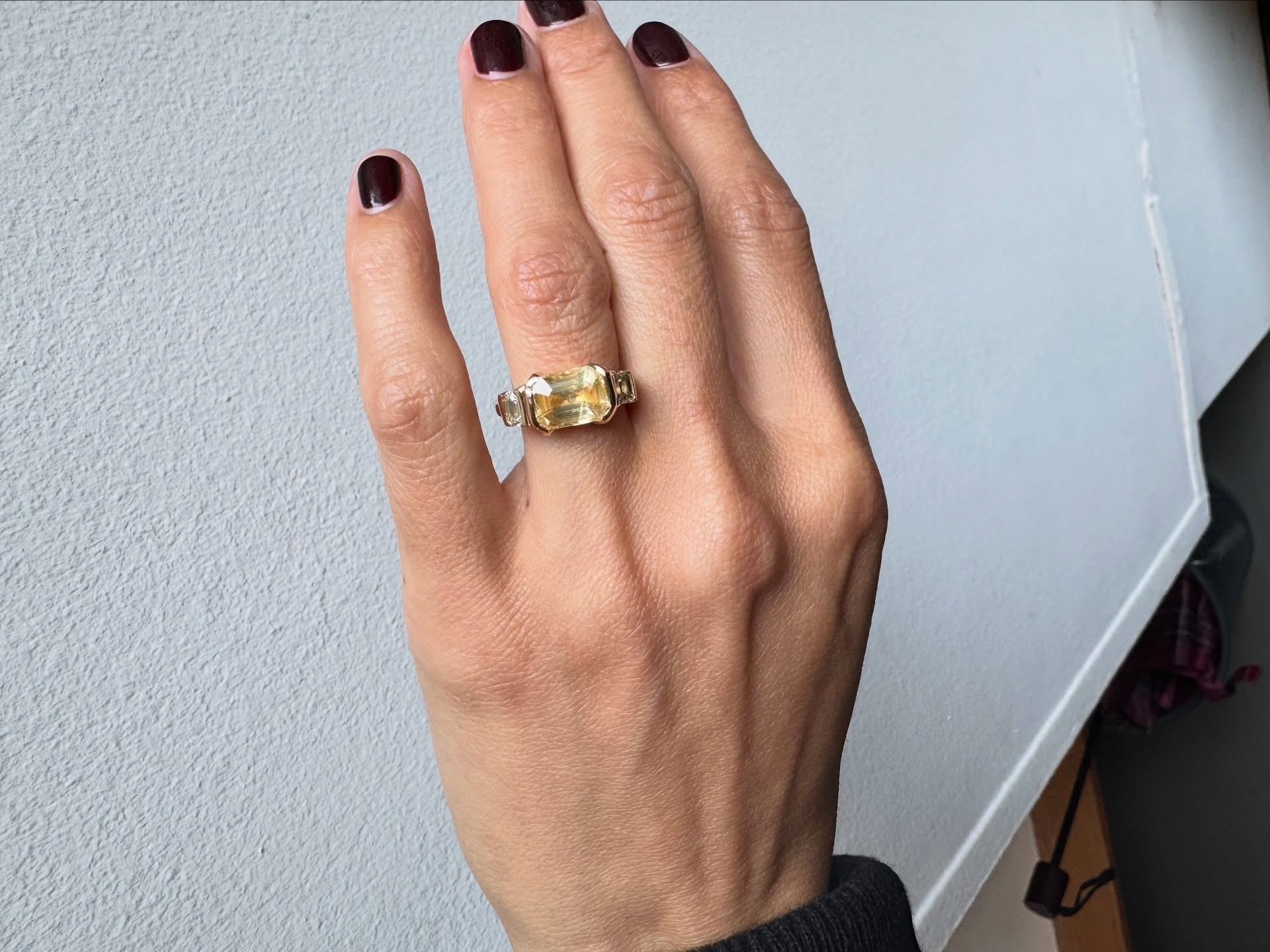
Photo: Sarah & Sebastian, Eli-O
Princess Diana‘s 1981 ring, a 12-carat oval Ceylon sapphire surrounded by 14 diamonds from Garrard, was itself an echo of an 1840 sapphire brooch Prince Albert commissioned for Queen Victoria. When Prince William proposed to Kate Middleton in 2010 with that same ring, he described it as a way of keeping his mother close to the moment.
A different kind of sapphire ring defined the same decade Diana’s engagement made headlines: in 1995, John F. Kennedy Jr. proposed to Carolyn Bessette with a platinum eternity band of alternating diamonds and sapphires, modeled after a ring his mother, Jackie Kennedy Onassis, had once called her “swimming ring.” Bessette’s understated eternity band became its own quiet-luxury icon, one Kate Middleton now nods to, wearing a sapphire-and-diamond eternity band of her own in the same spirit.
Beyond the royal and Kennedy history, sapphires carry real symbolic weight of their own, tied for centuries to loyalty, wisdom, and fidelity. Here’s a closer look at the full range of colors available, well beyond the classic blue most people picture first.

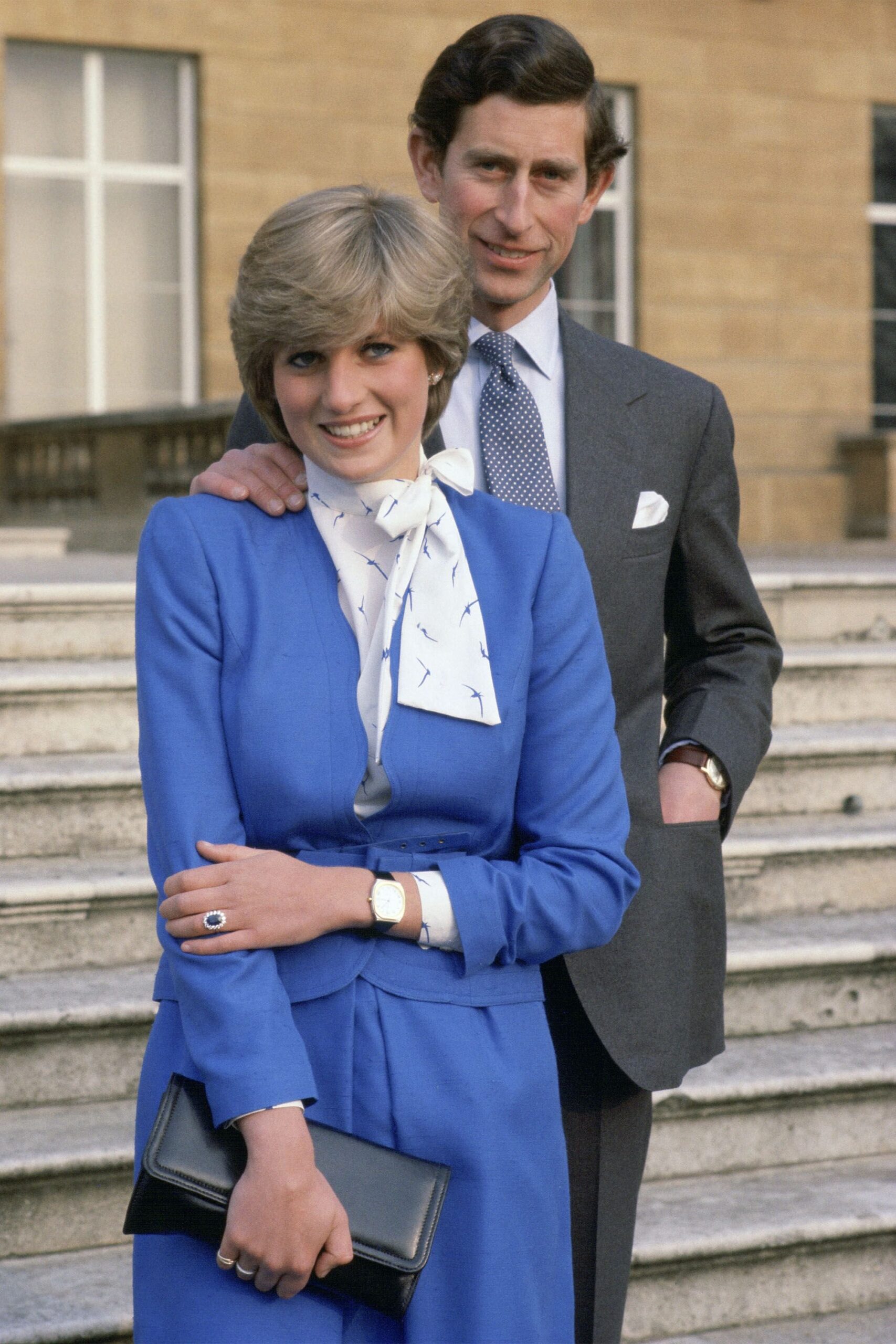
Photo: Robin Platzer/Getty, Getty
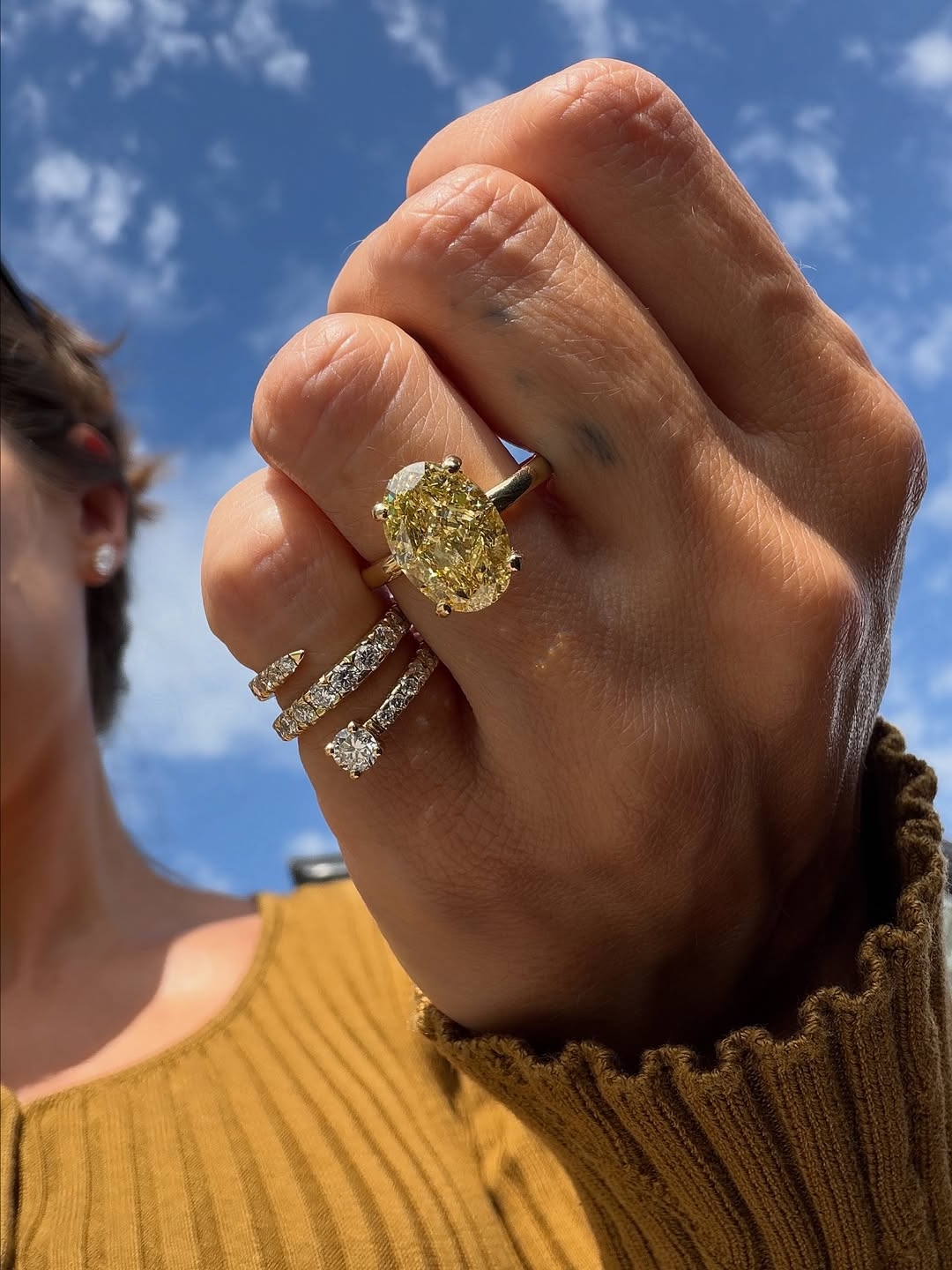
Yellow Sapphire
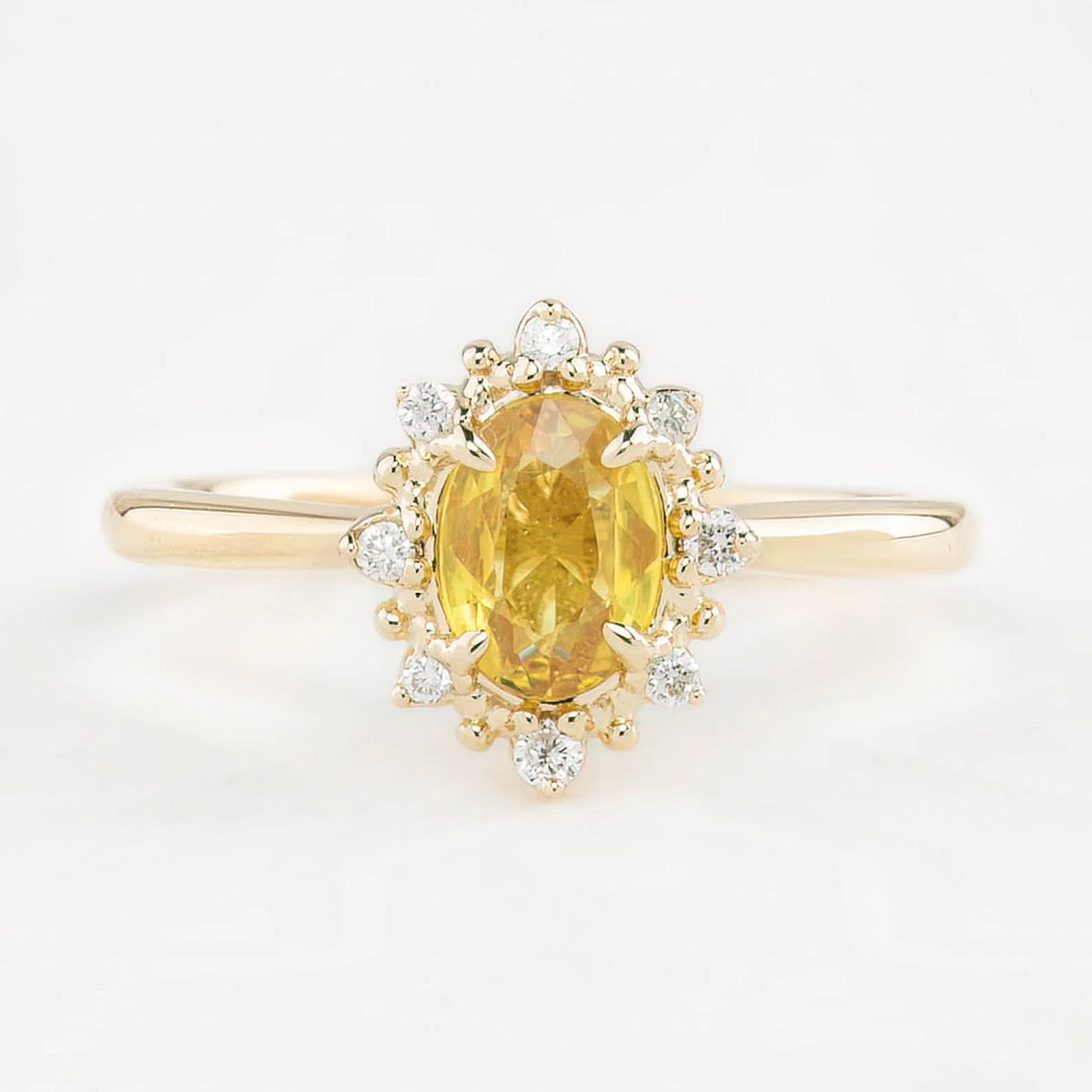
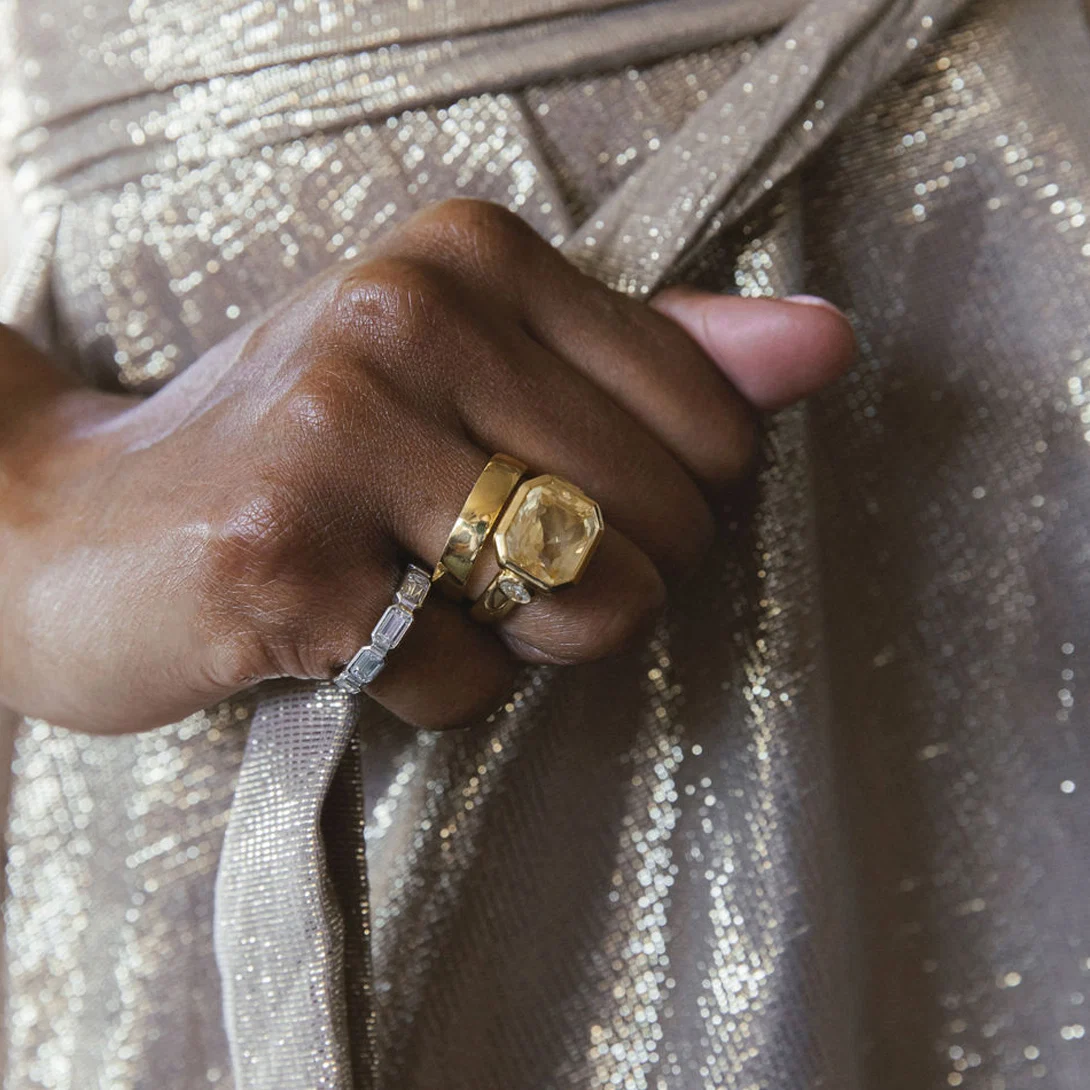
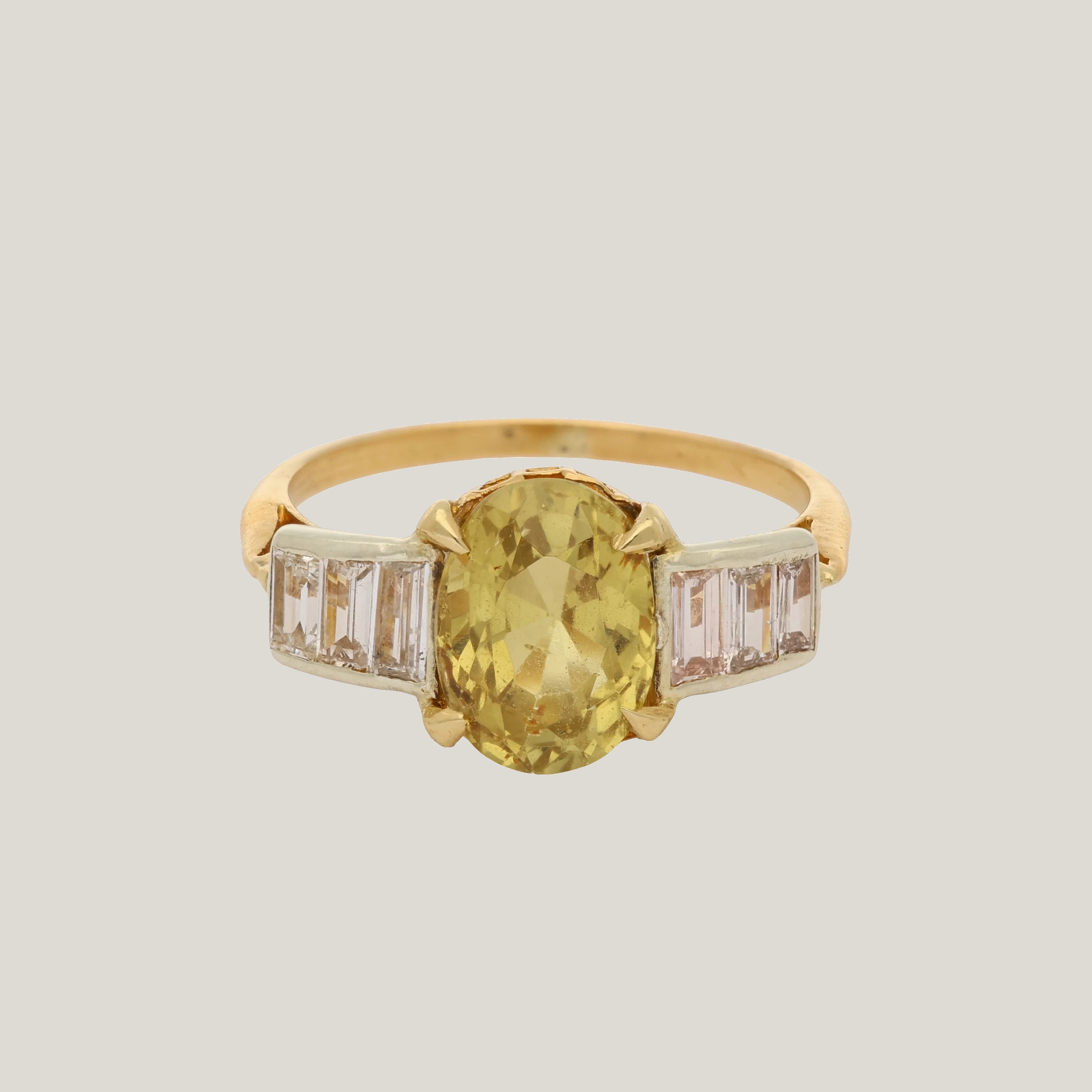
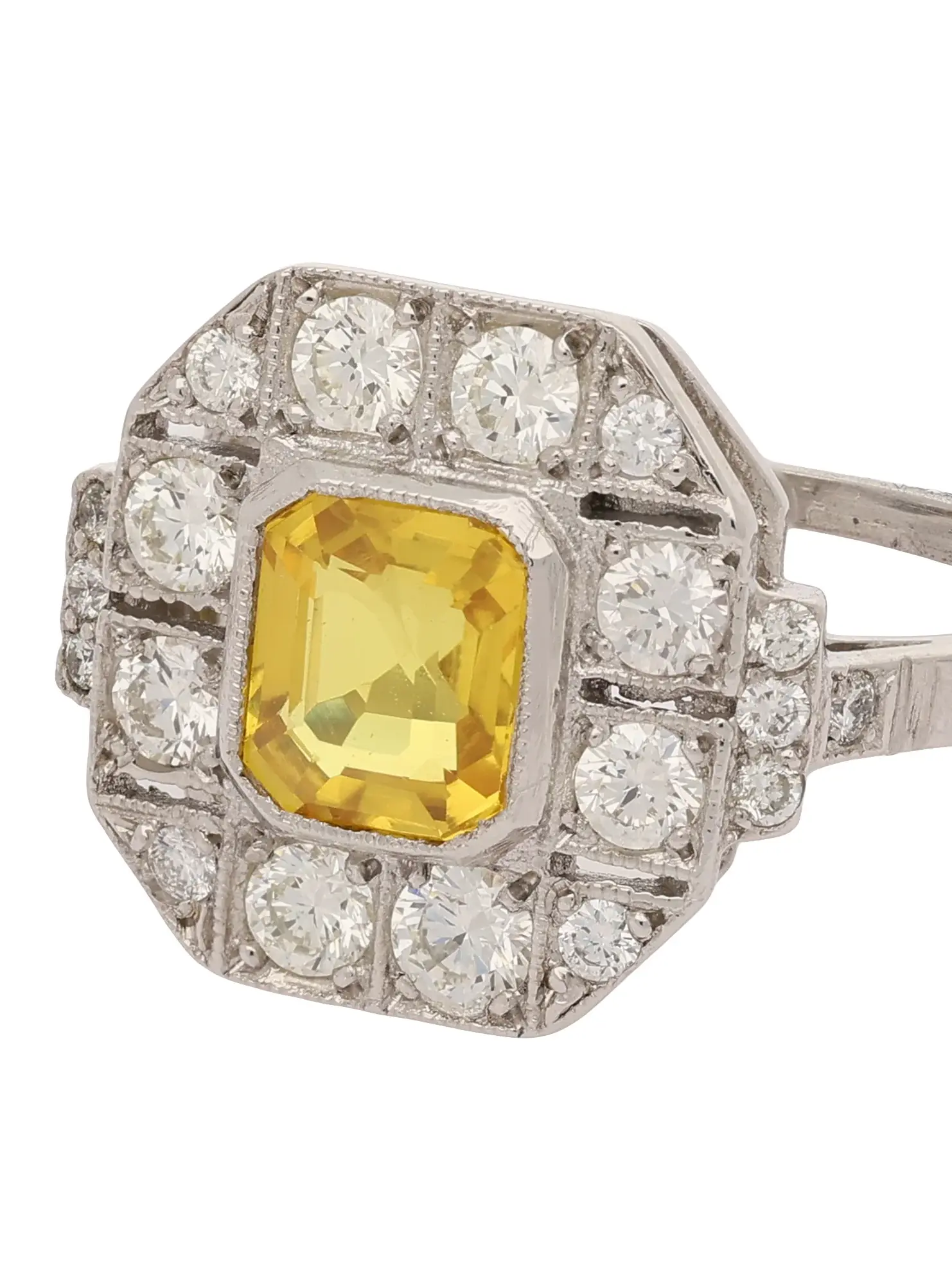
Yellow sapphires range from pale lemon to deep, saturated gold, and read as genuinely cheerful in a way few other engagement stones do. They’re often associated with power, clarity, and grace, and tend to look their richest set in yellow or rose gold rather than white metals, which can wash out the warmth of the color.
Blue Sapphire
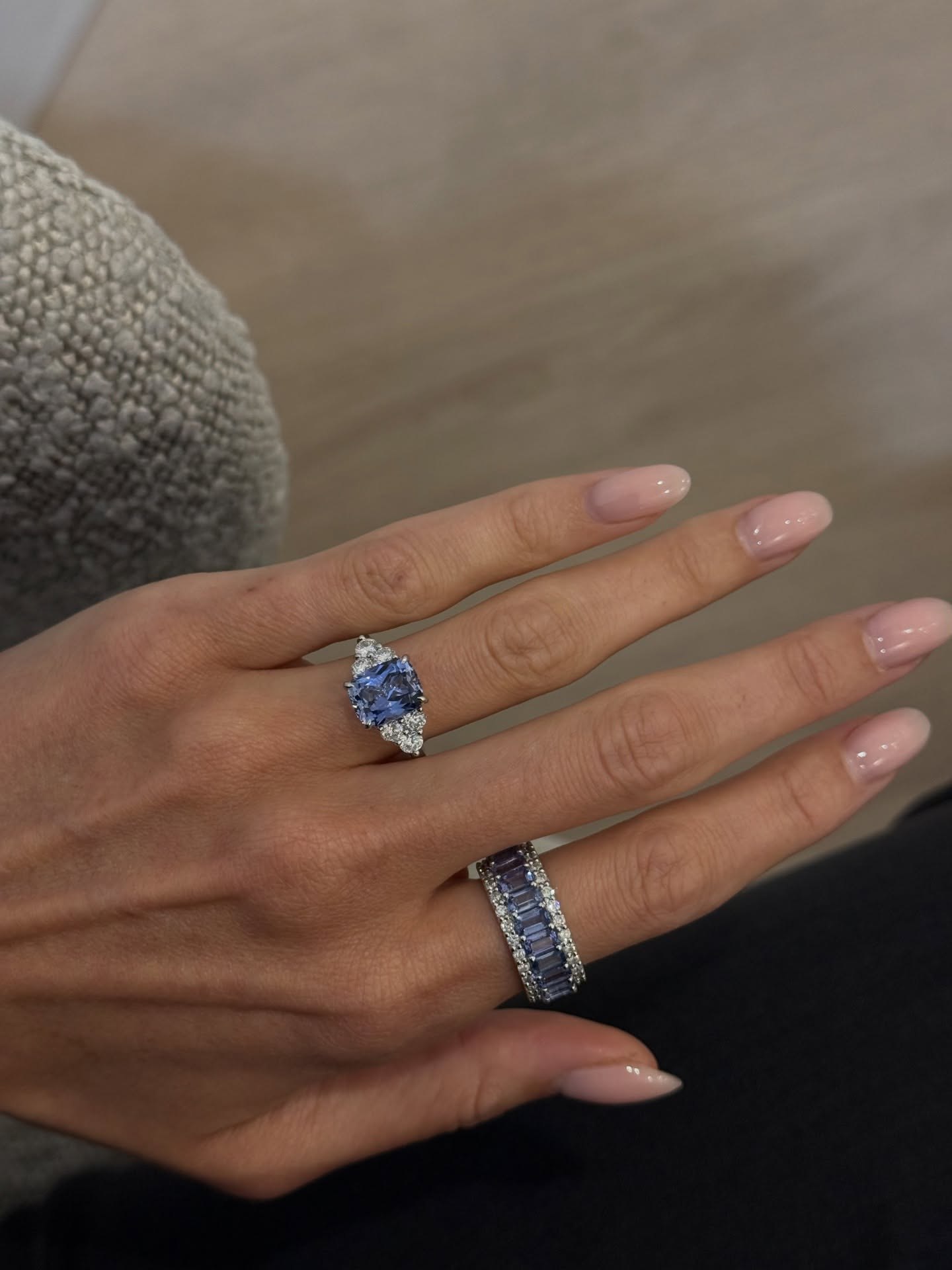
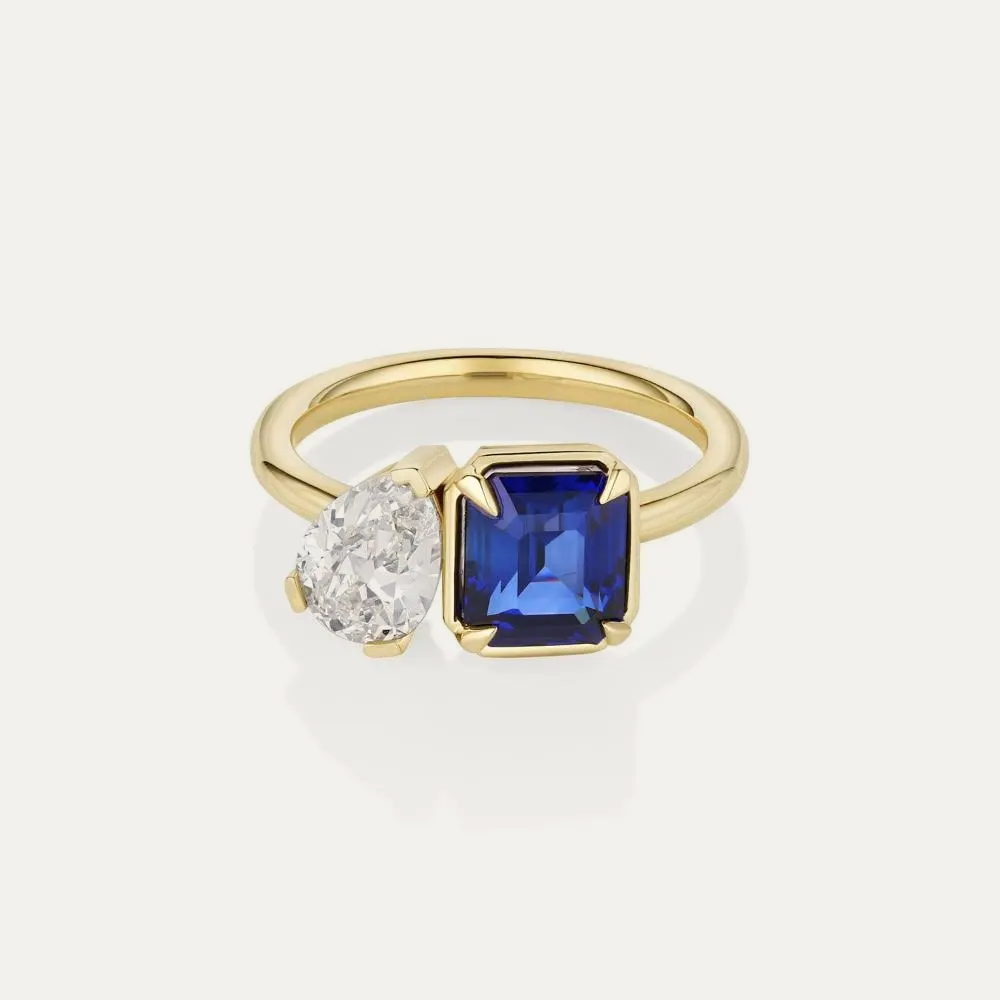
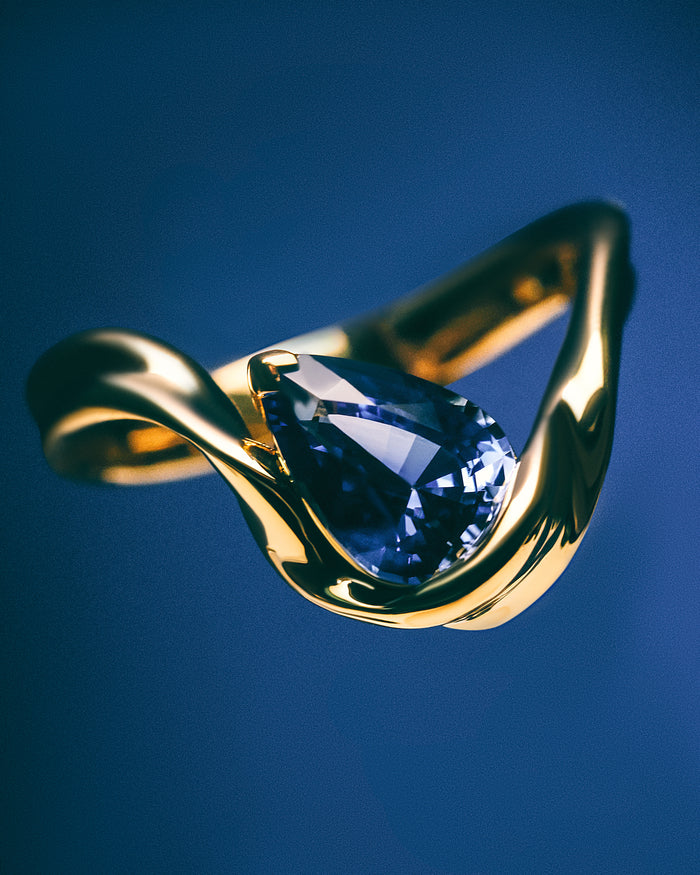
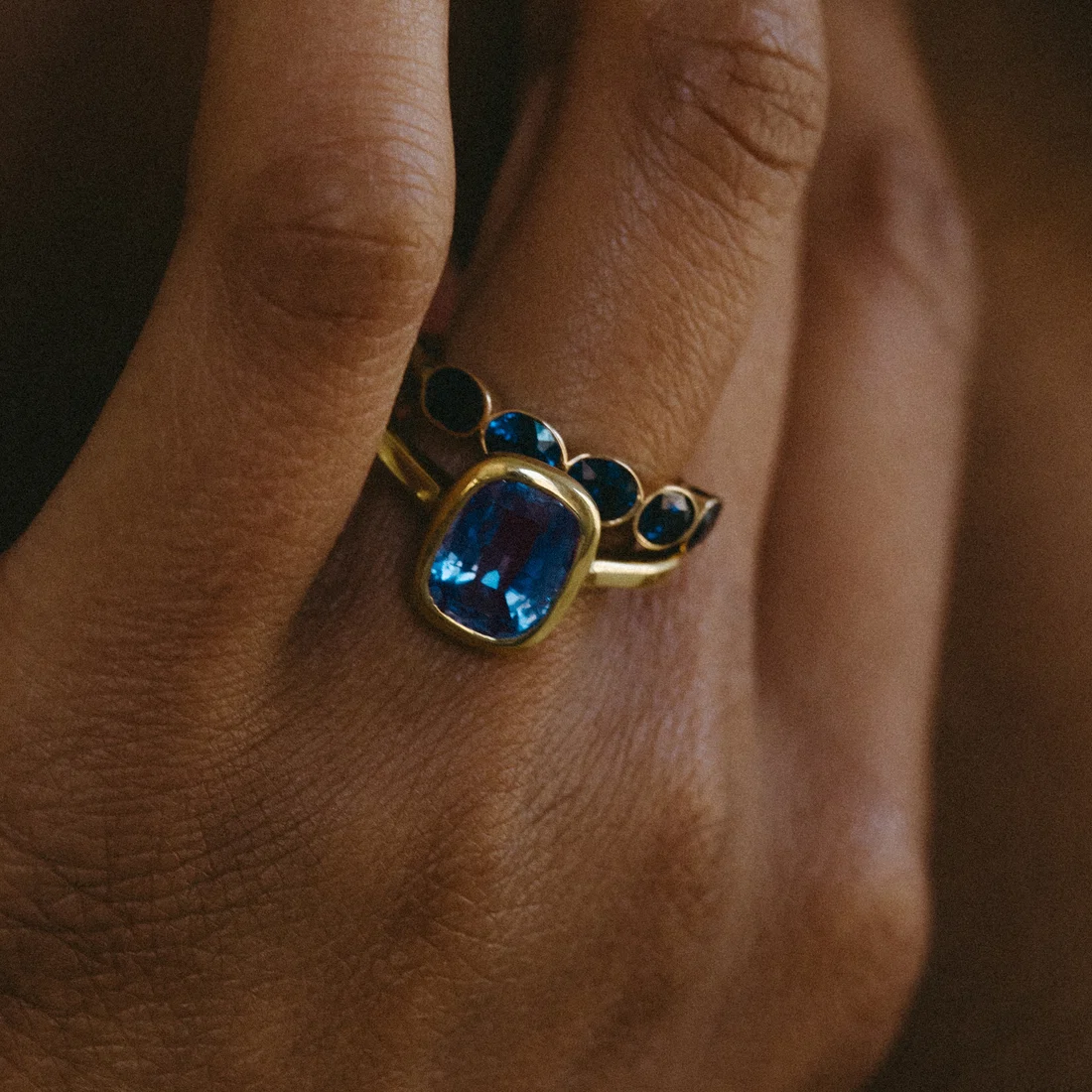
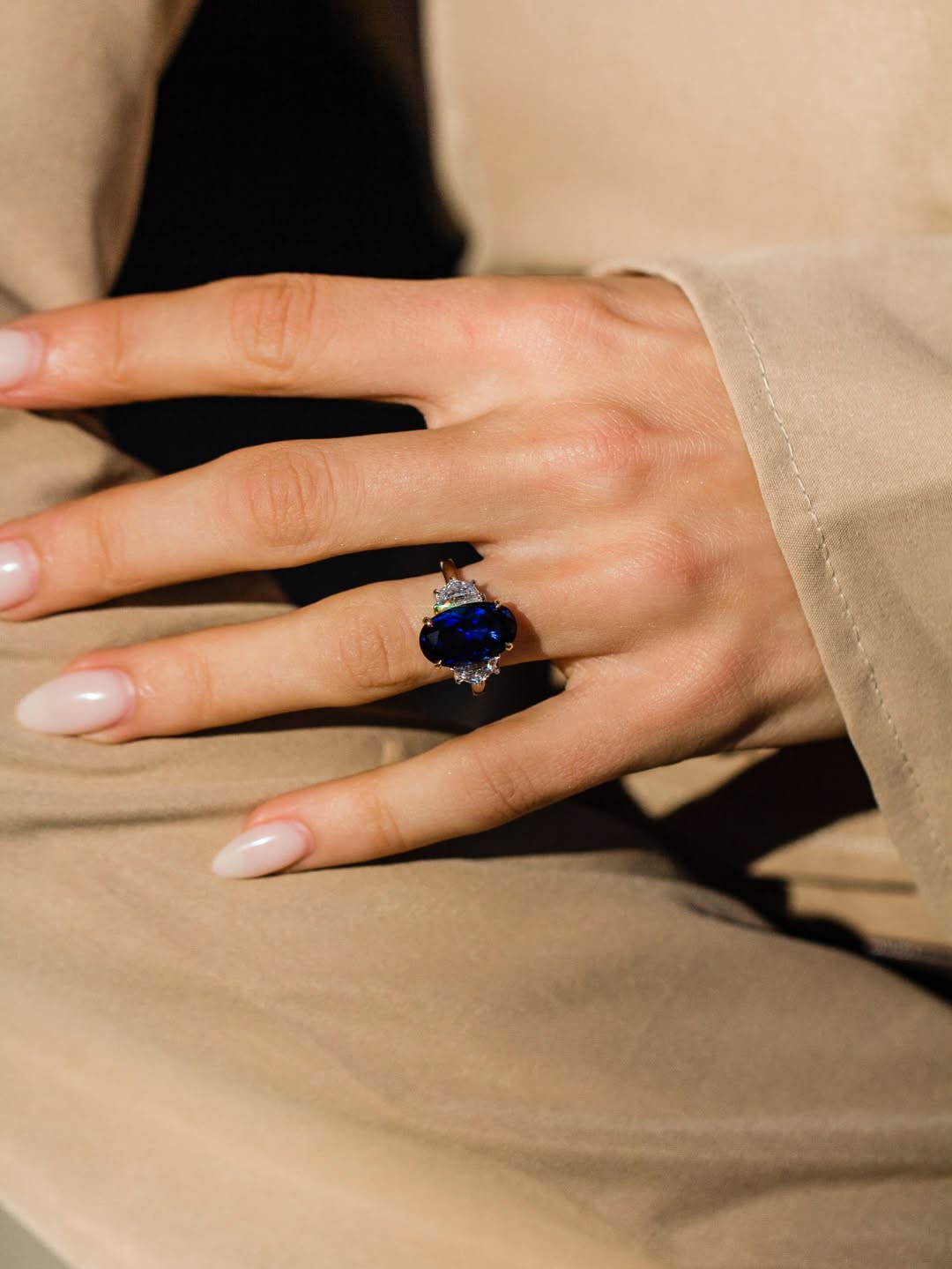
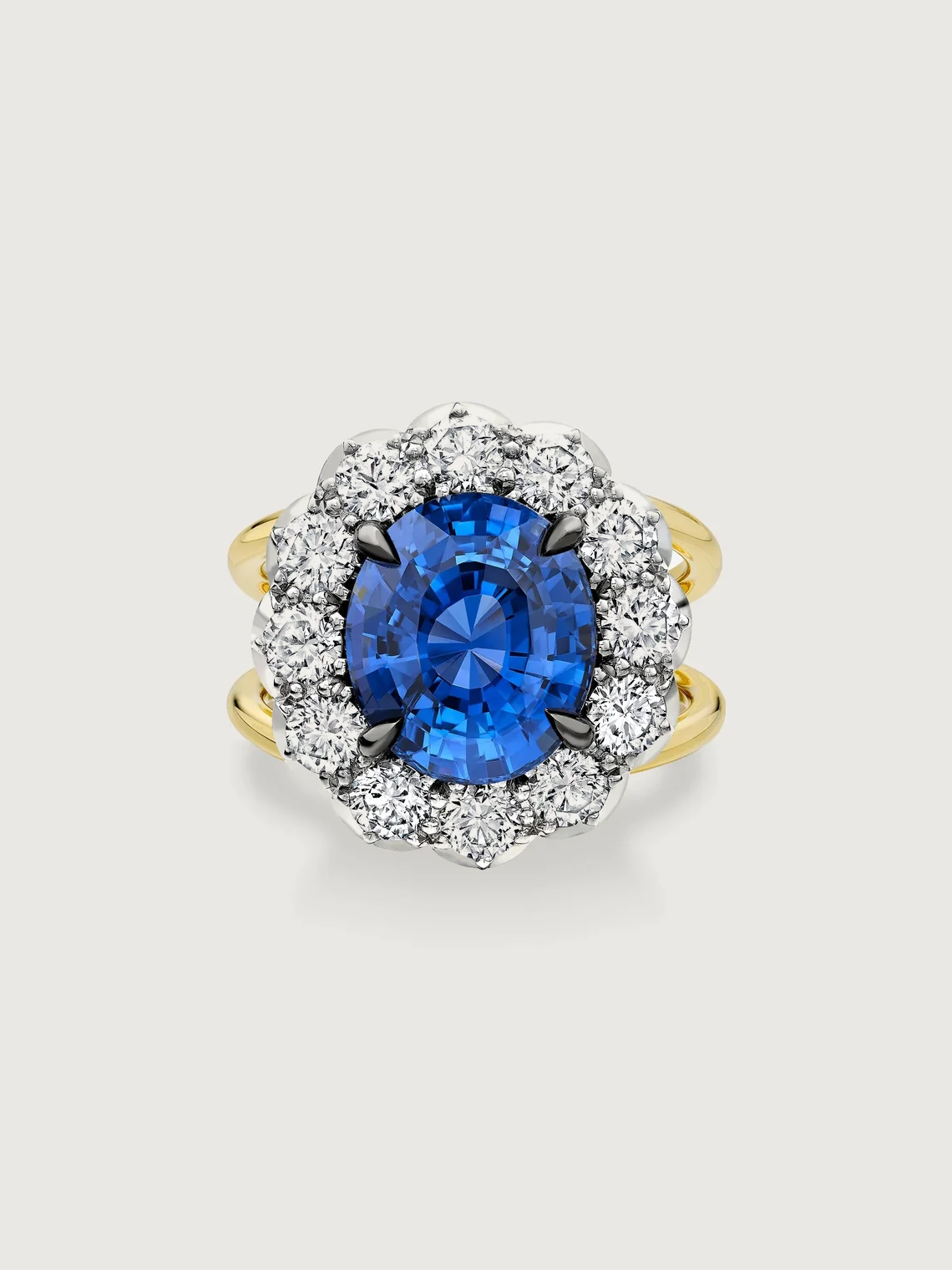
The original and still the most iconic sapphire color, blue sapphire is September’s official birthstone and the traditional gem for a 45th wedding anniversary. Shades range from pale, dreamy blues to deep navy, with a few named varieties collectors specifically seek out: cornflower blue, a bright, velvety blue with a hint of violet, and royal blue, a deeper, “violetish-blue” tone historically associated with royalty and sourced primarily from Sri Lanka, Myanmar, Kashmir, and Madagascar.
Pink Sapphire
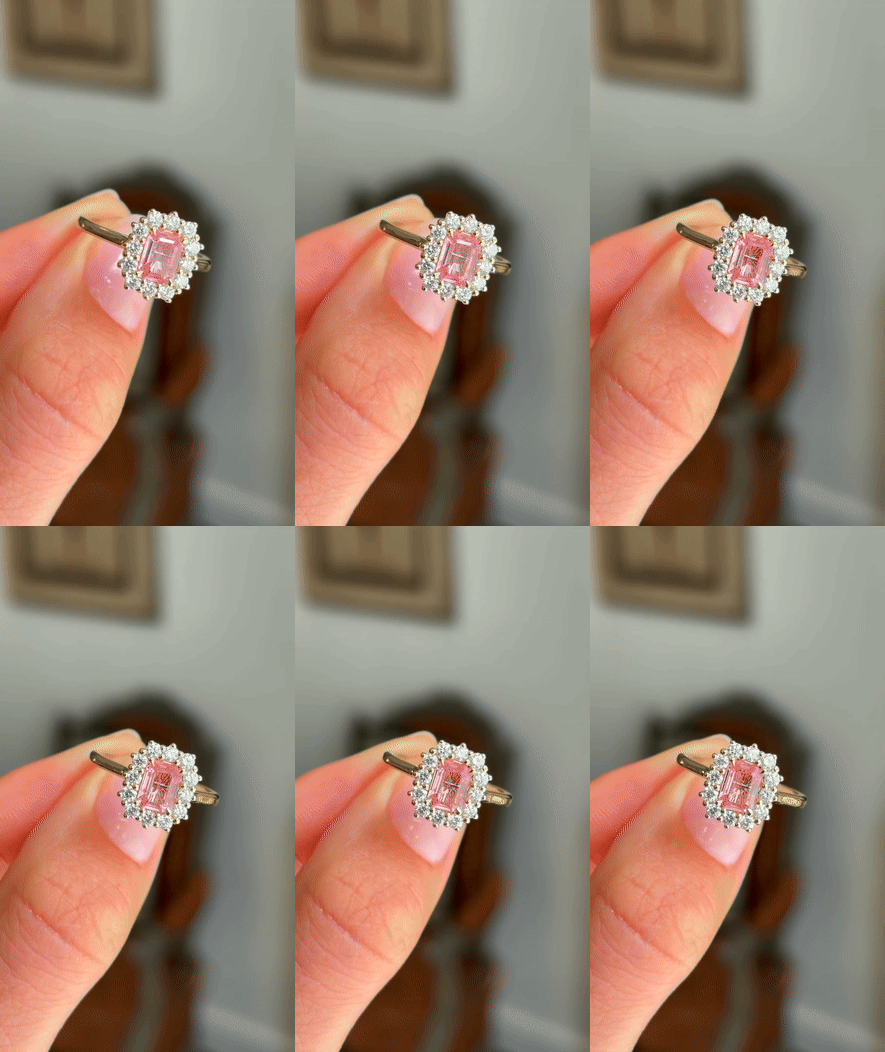
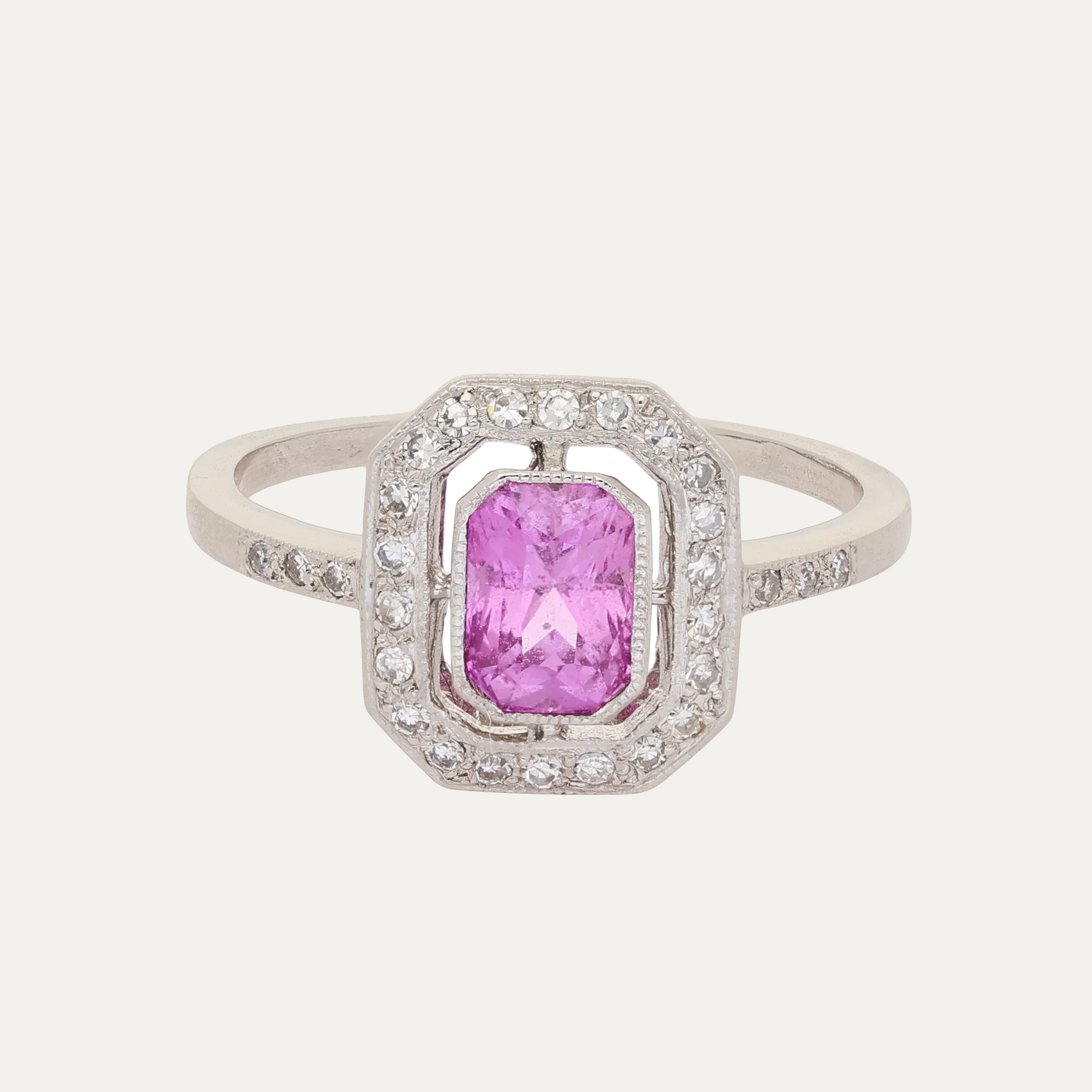
Pink sapphires span everything from a soft blush to a deep, saturated magenta, and sit close enough to ruby on the color spectrum that some stones are genuinely a grading call between the two. The most prized pink sapphires are left completely unheated, which makes a fine one considerably rarer than its blue counterpart. Symbolically, they’re tied to peace, passion, and truth.
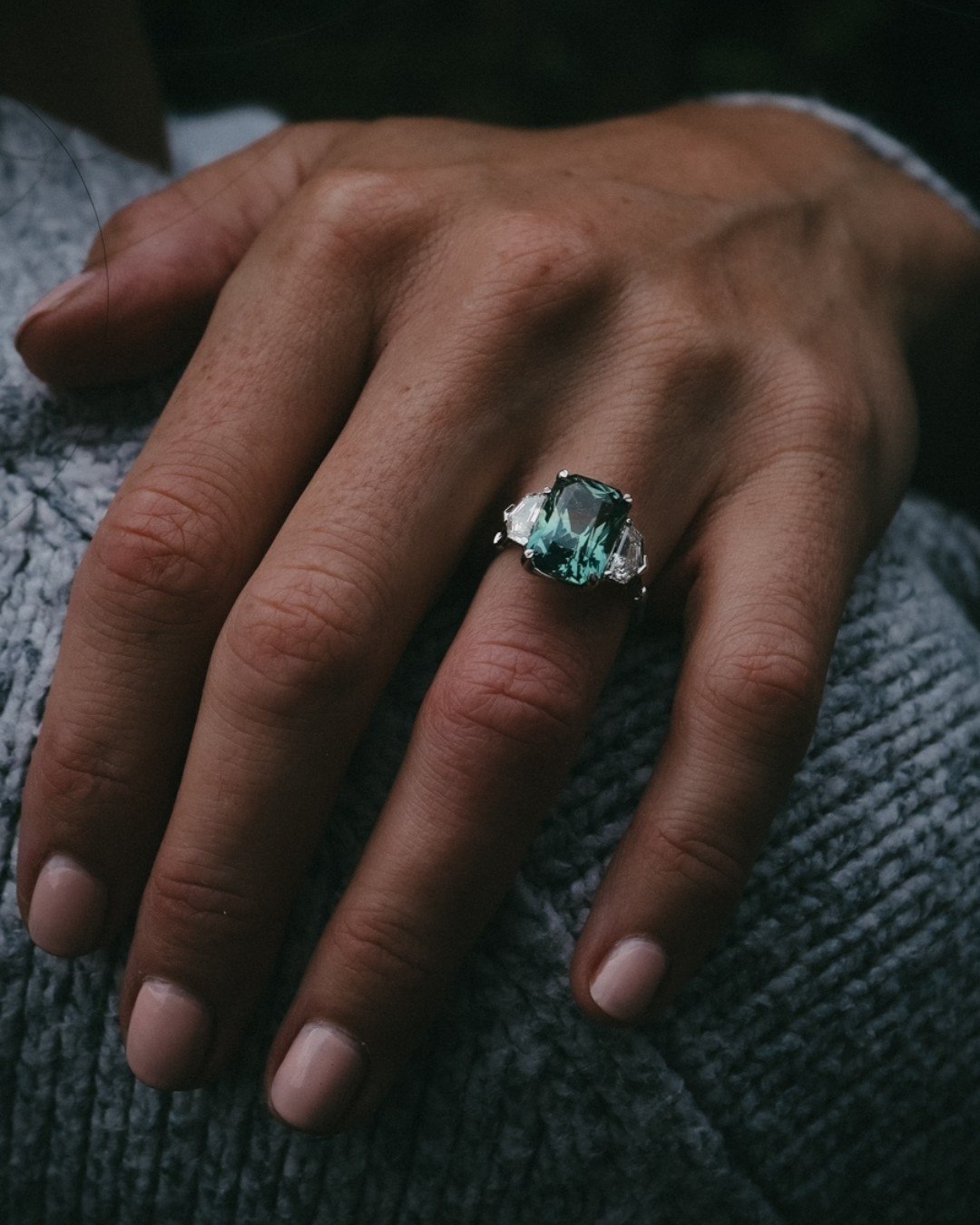
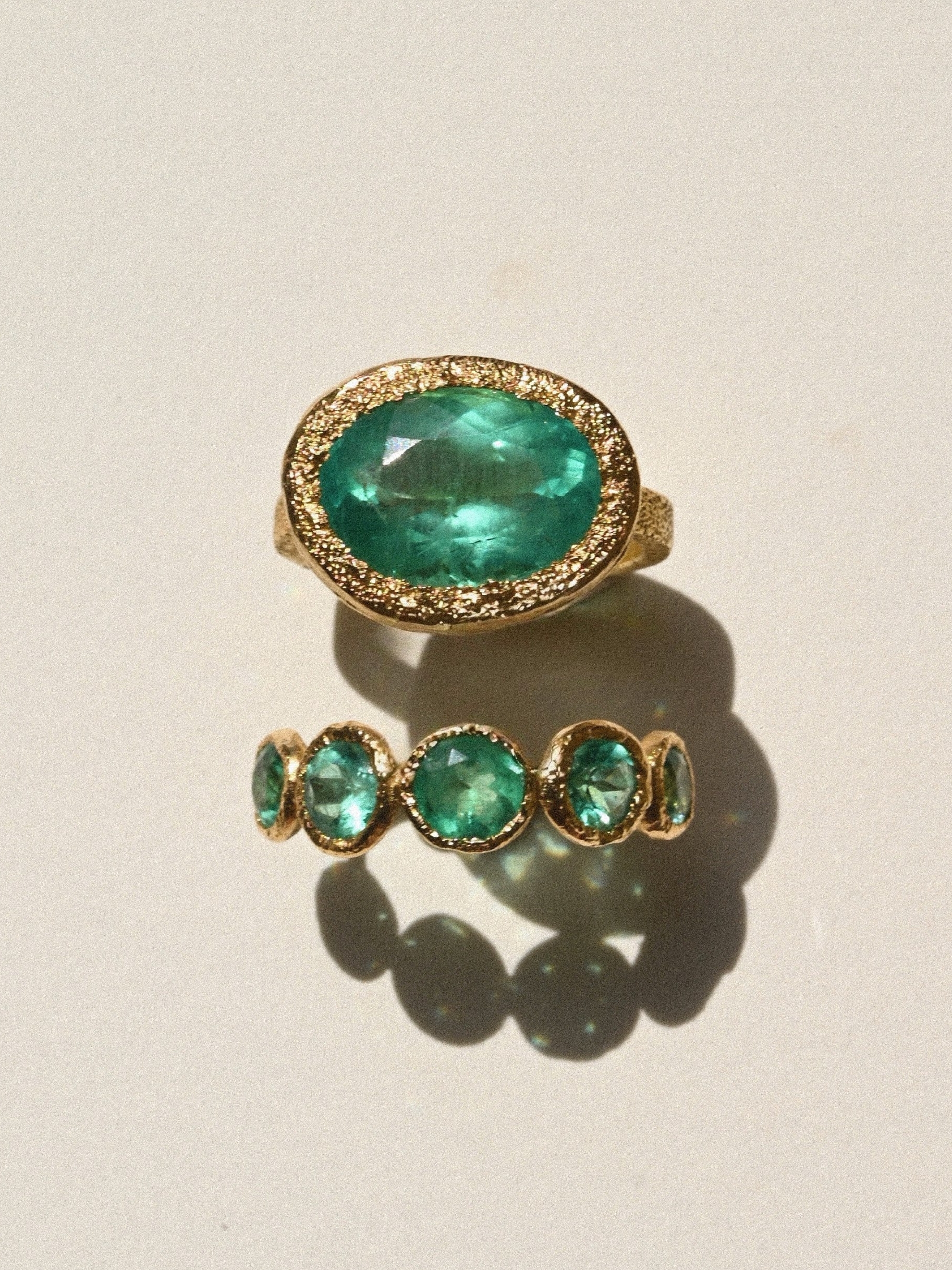
Green & Parti Sapphire
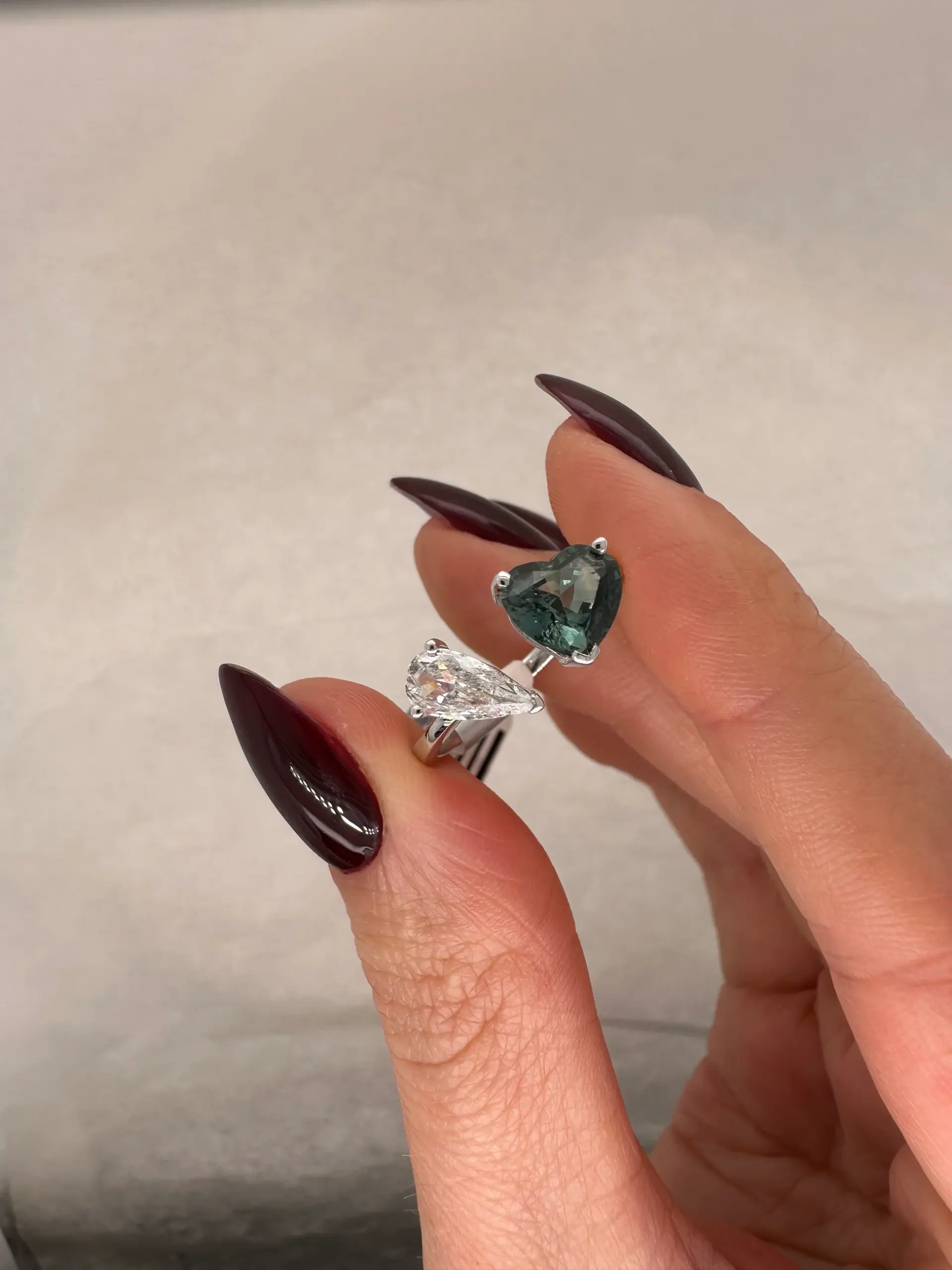
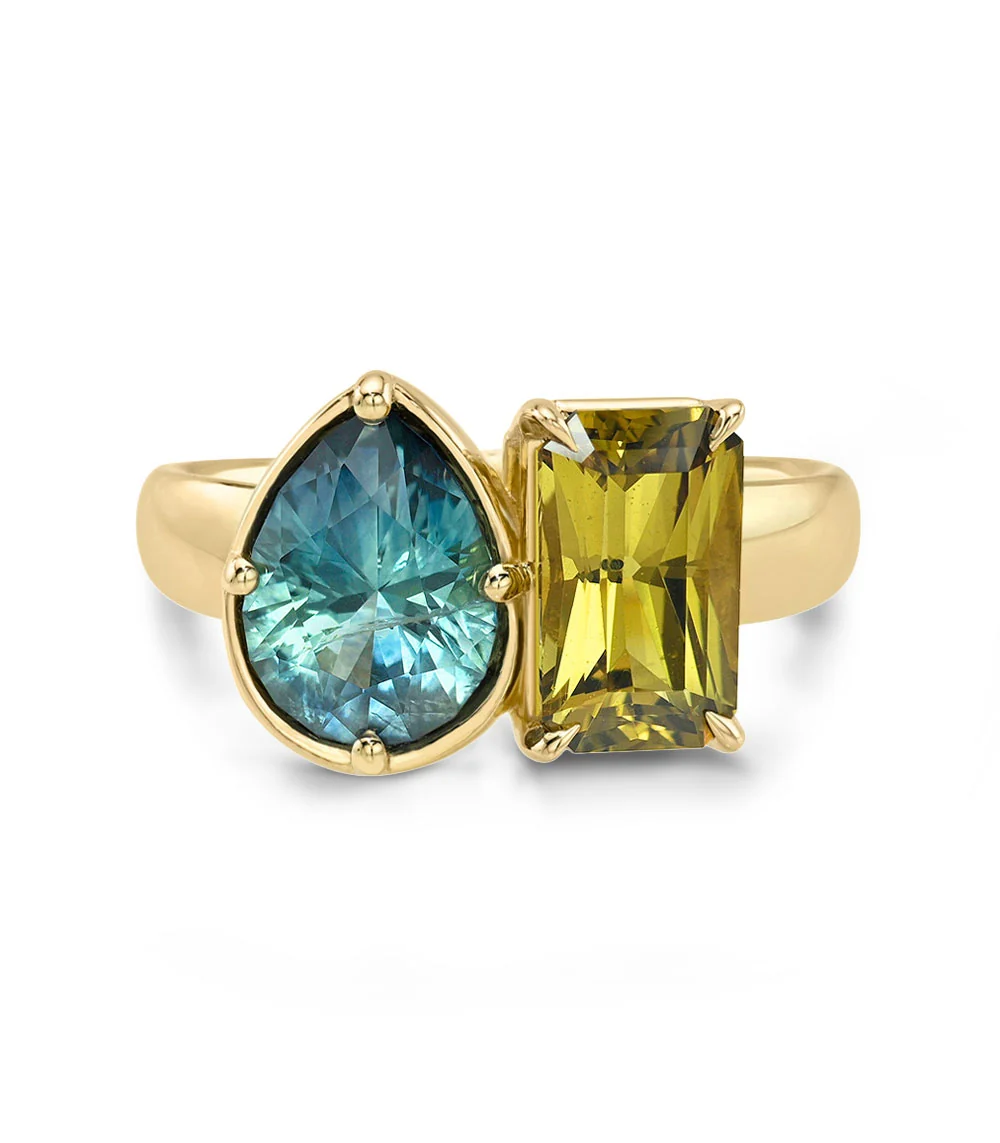
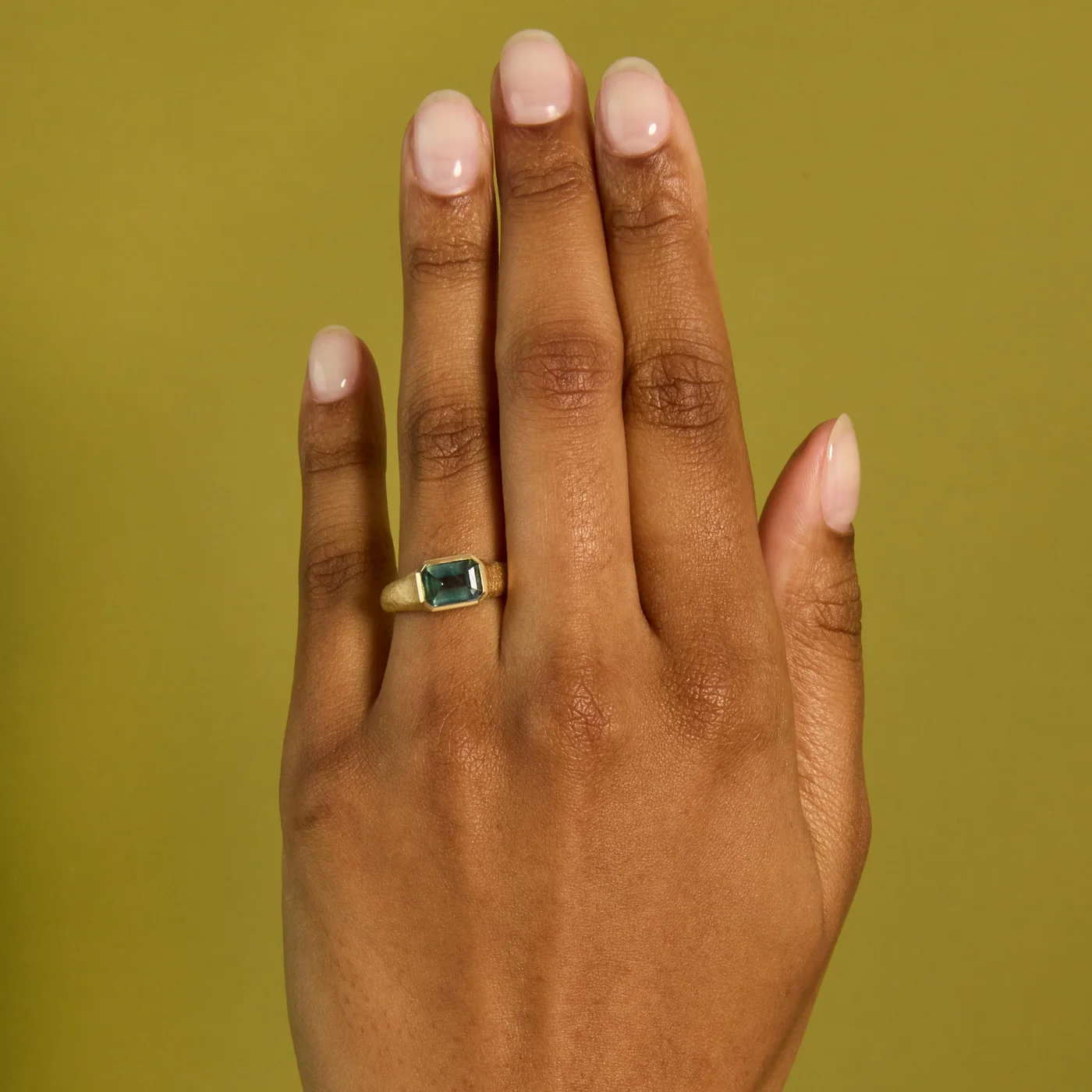
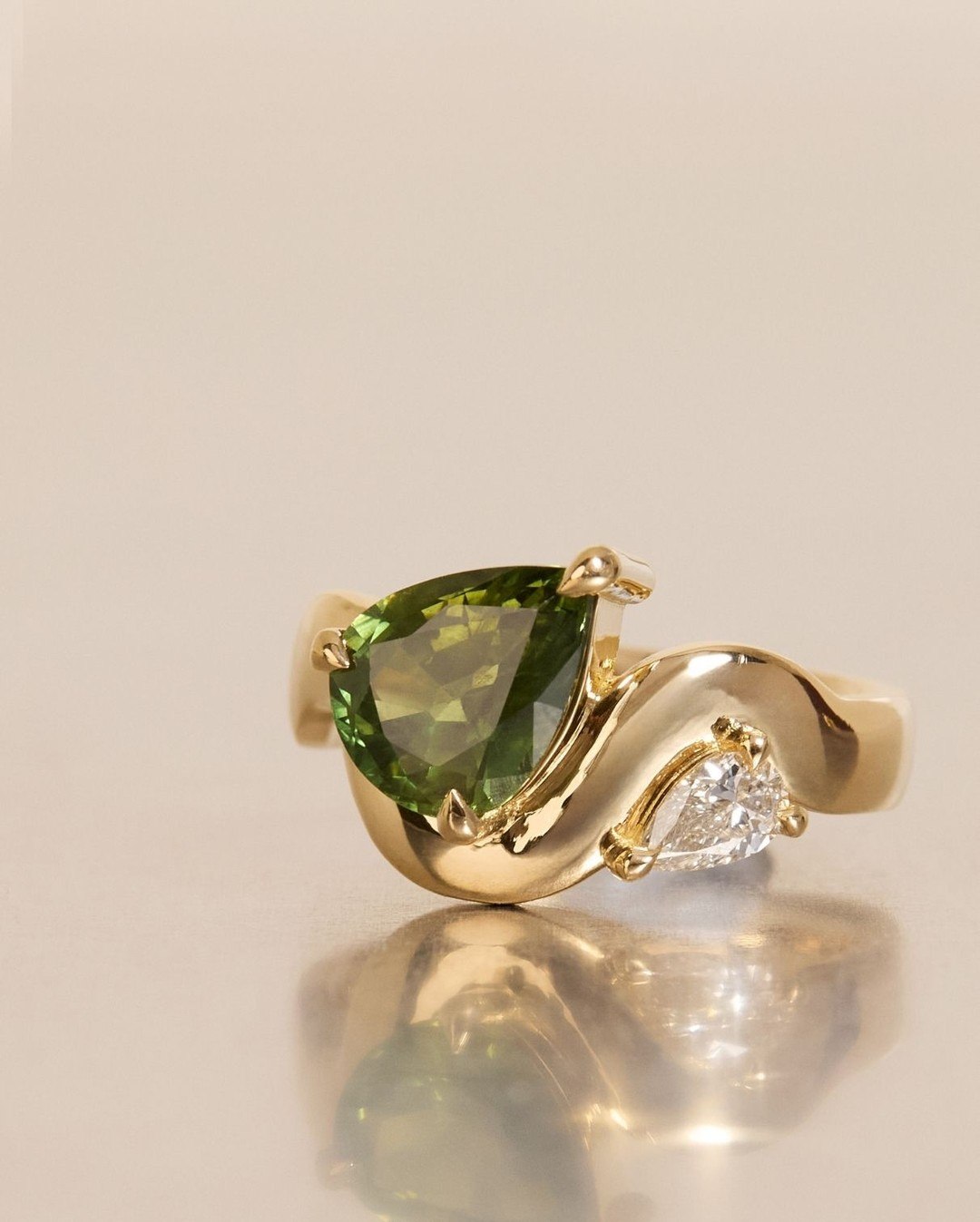
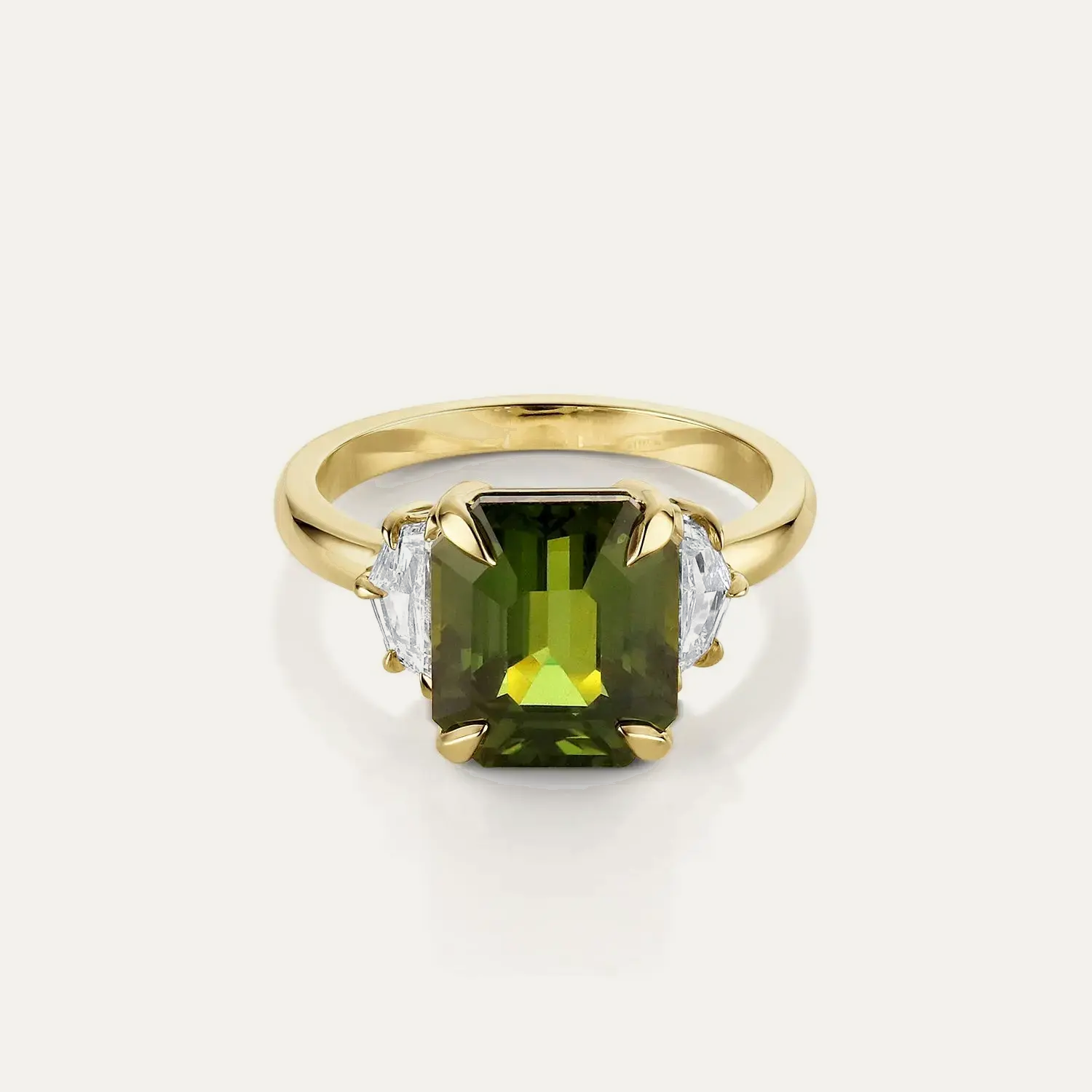
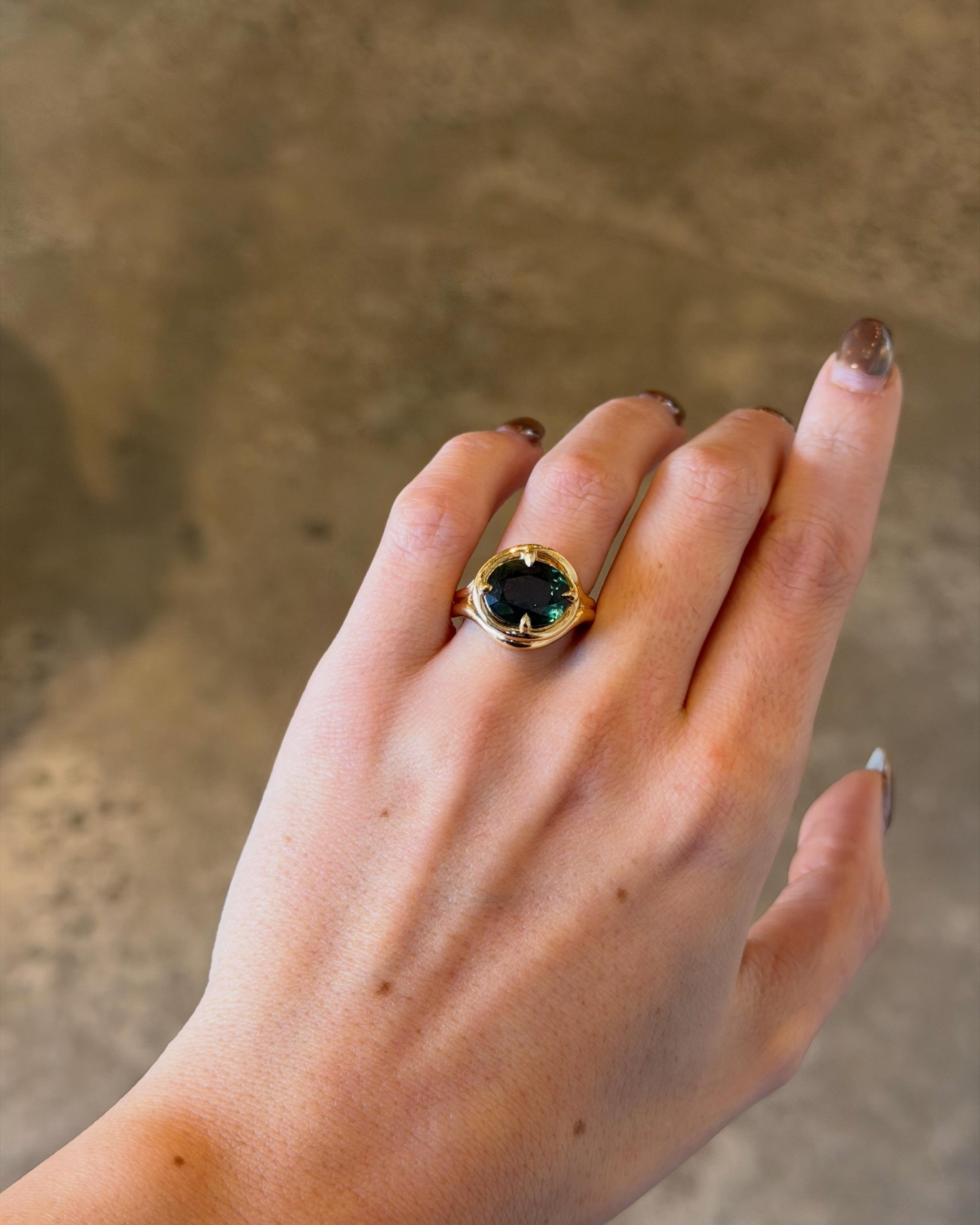
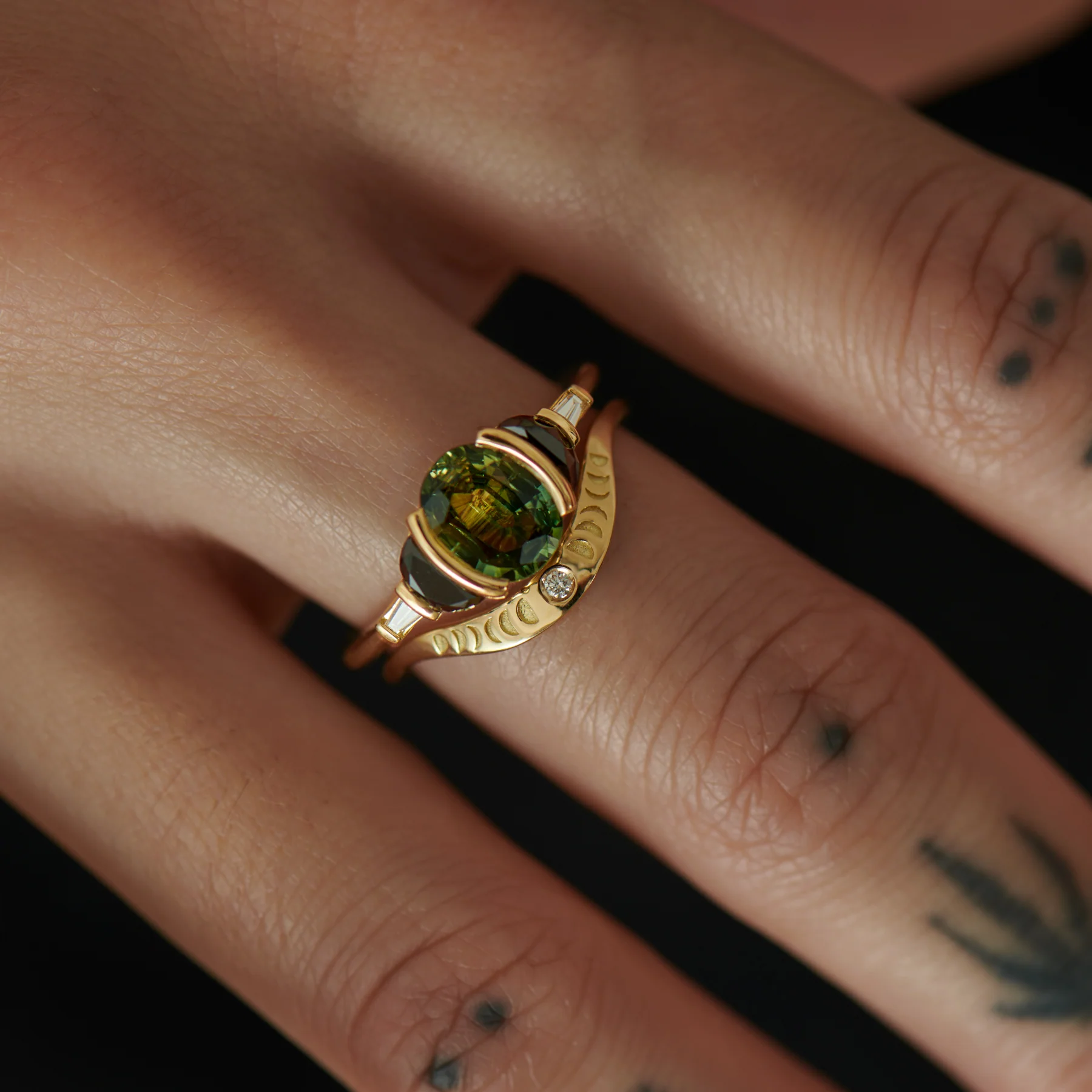
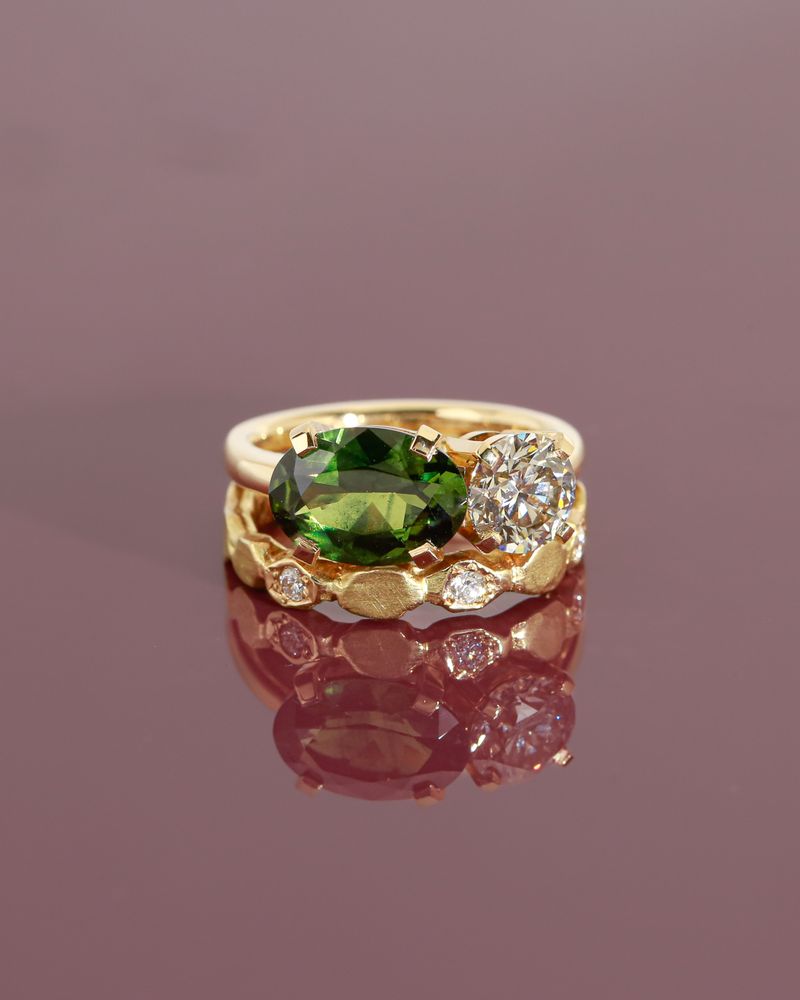
Green sapphires get their color from trace iron rather than the chromium responsible for pink and purple stones, ranging from a soft, almost minty green to a deep forest tone, and can read as a more durable, budget-friendly alternative to emerald without sacrificing that same lush color family. Parti sapphires take that range even further: a single crystal shows two or more distinct colors, most commonly blue and yellow, blue and green, or yellow and green, divided by a visible boundary inside the stone itself.
Australia’s Queensland region produces the most parti material by volume, typically in deeply saturated teal-and-gold combinations, while Sri Lankan parti stones tend to be smaller, brighter, and cleaner, often landing as a blue-and-lemon combination. No two parti sapphires are cut from quite the same palette, which is a big part of the appeal for anyone who wants a stone that genuinely can’t be replicated.
Violet & Purple Sapphire
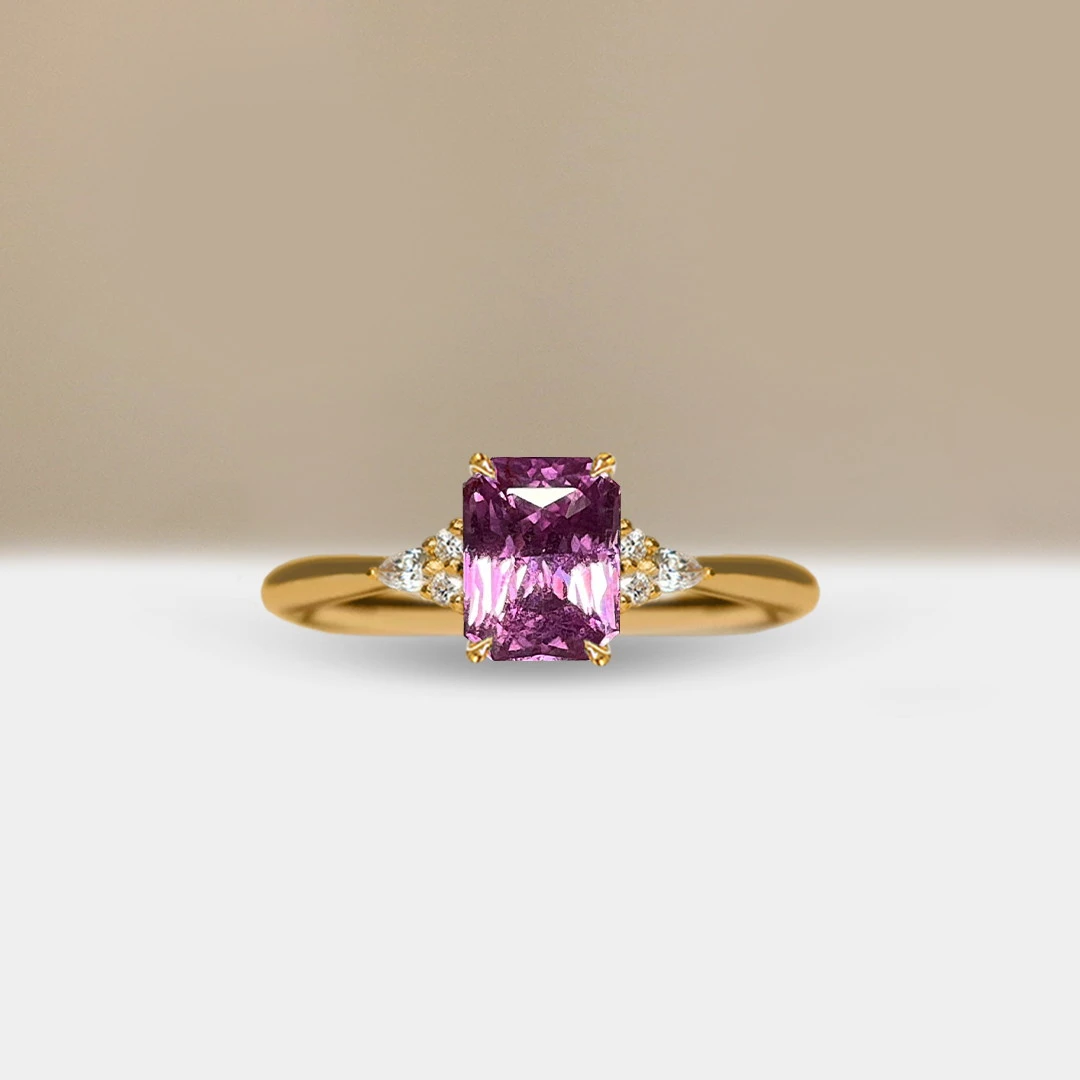
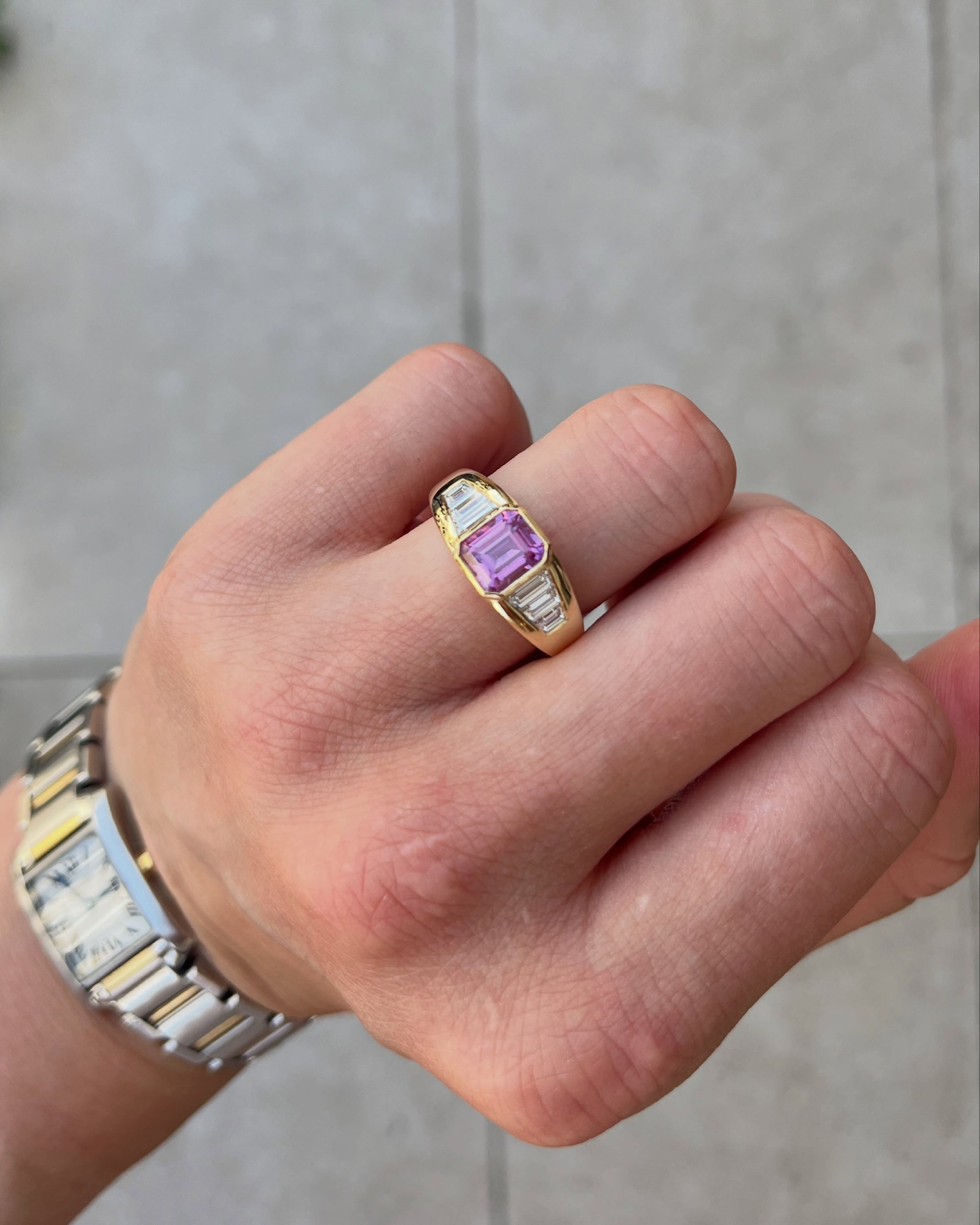
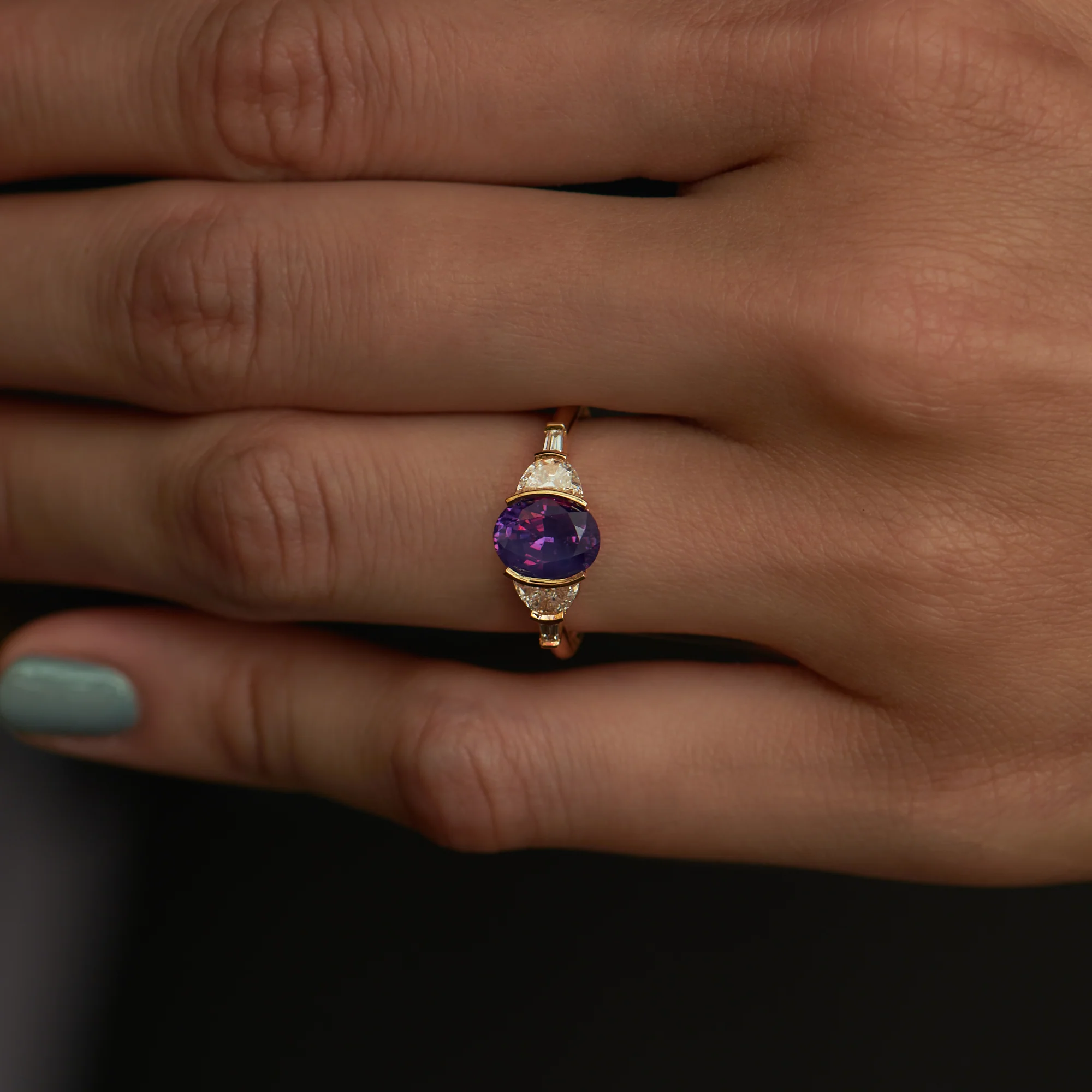
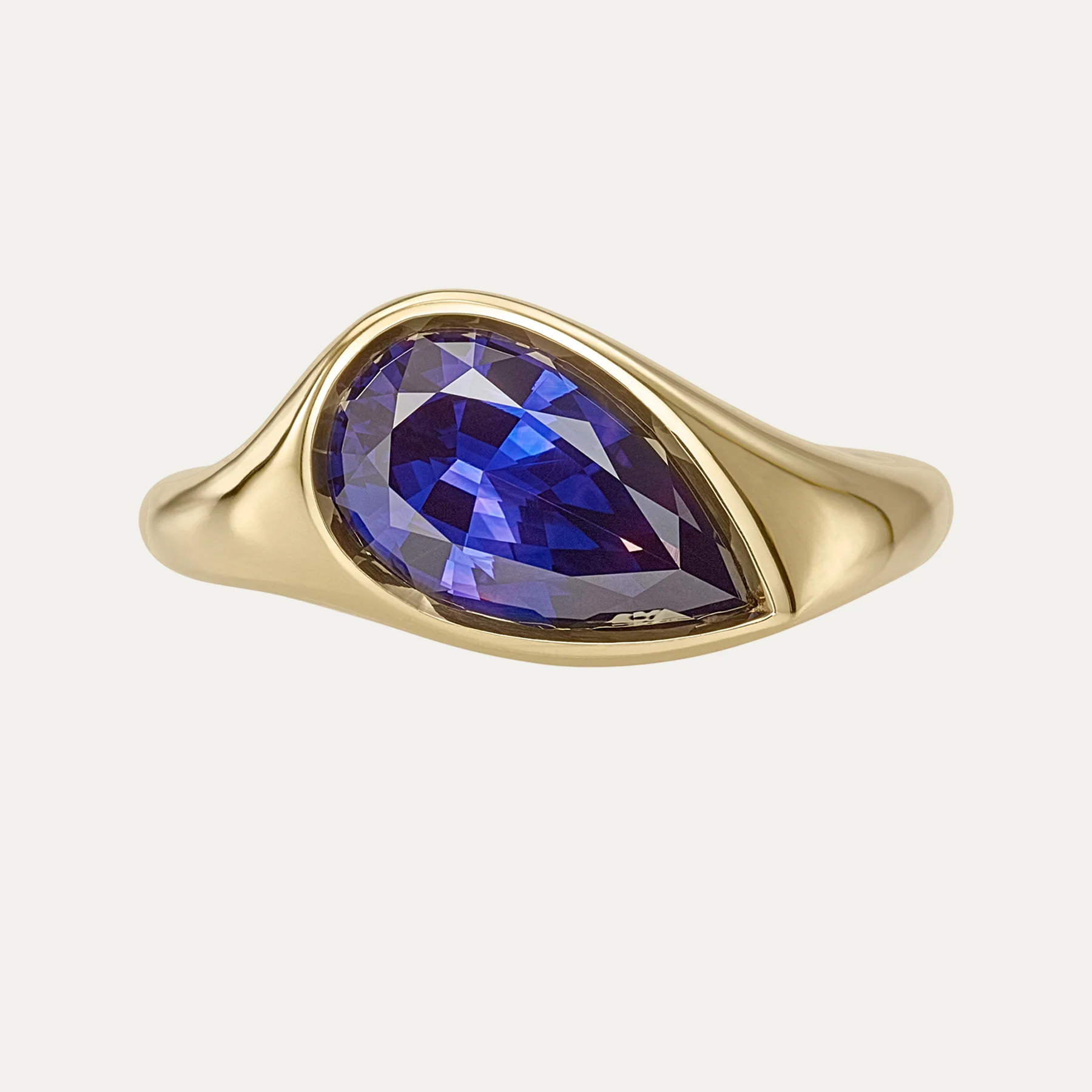
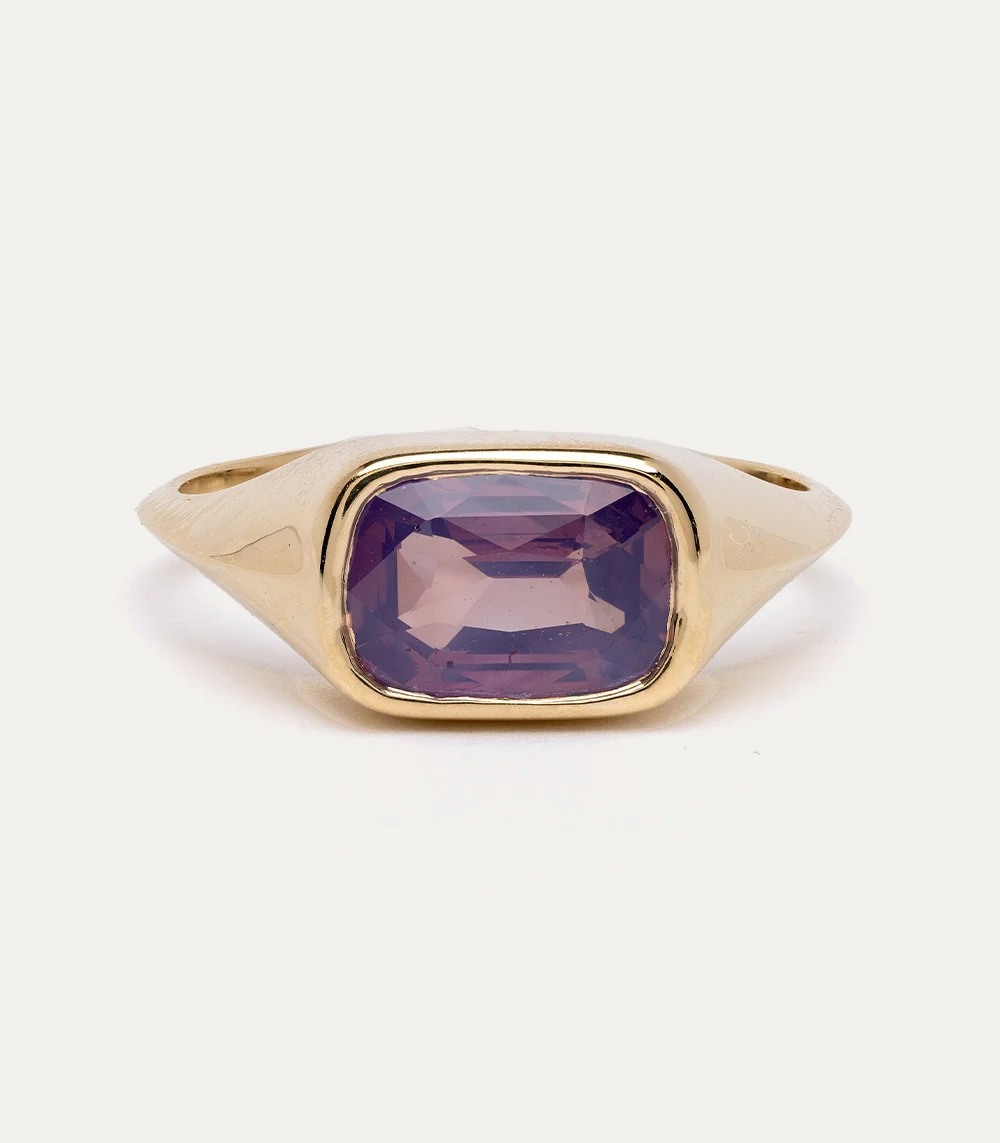
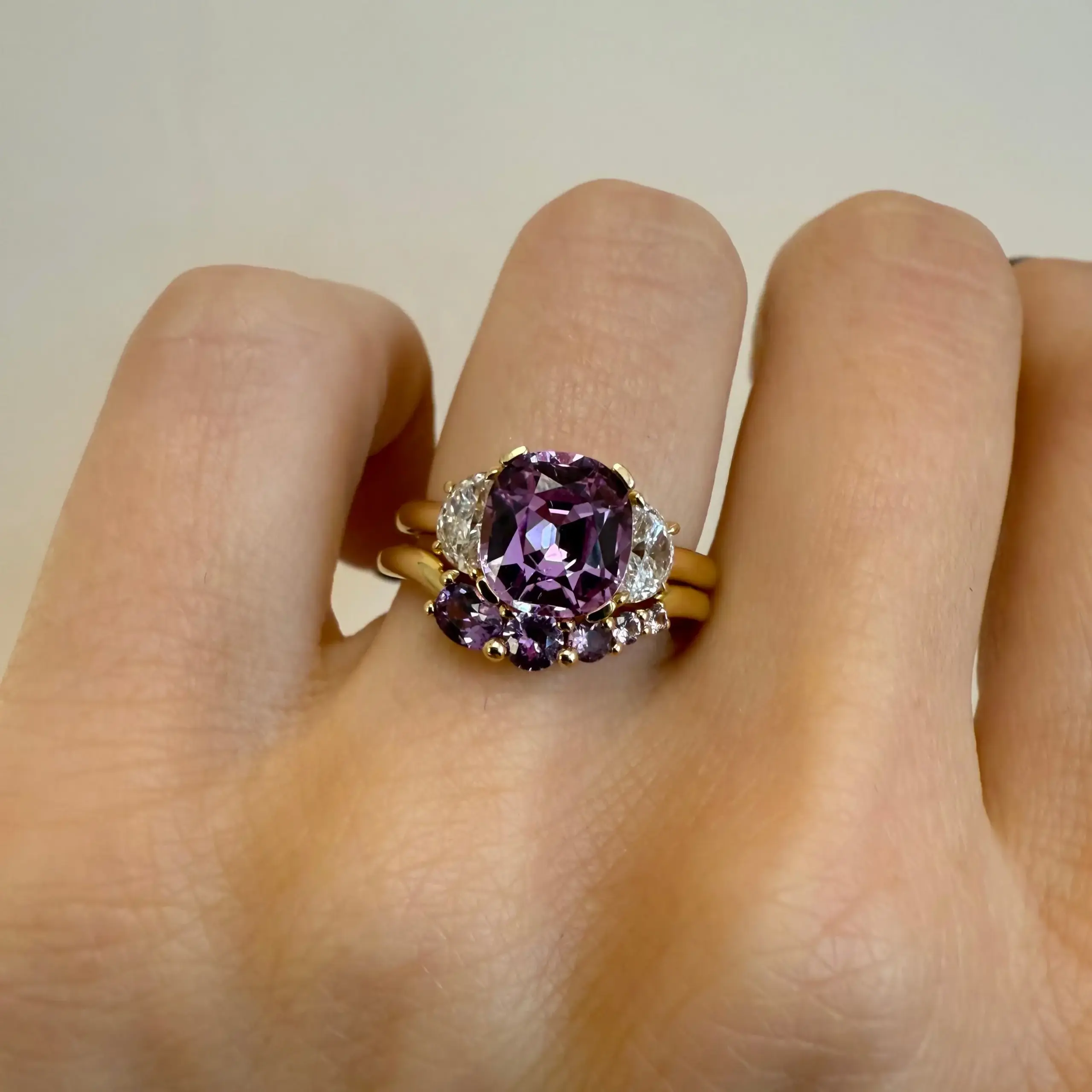
Purple sapphires essentially sit at the meeting point between pink and blue within a single crystal, which is why many of them genuinely shift in appearance depending on the light, leaning more violet in daylight and warmer, almost lavender, indoors. They’re colored by trace chromium, land anywhere from soft lavender to a rich, saturated violet, and remain genuinely rare in nature.
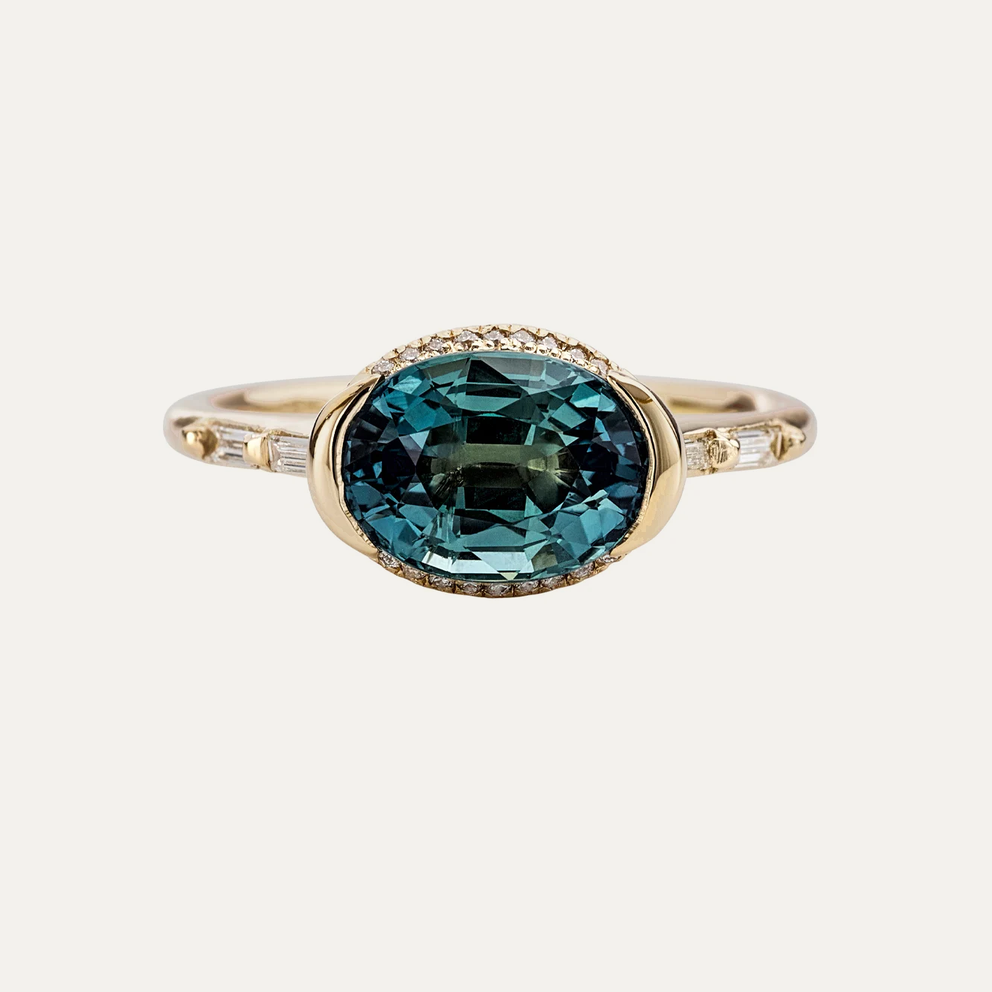
Teal Sapphire
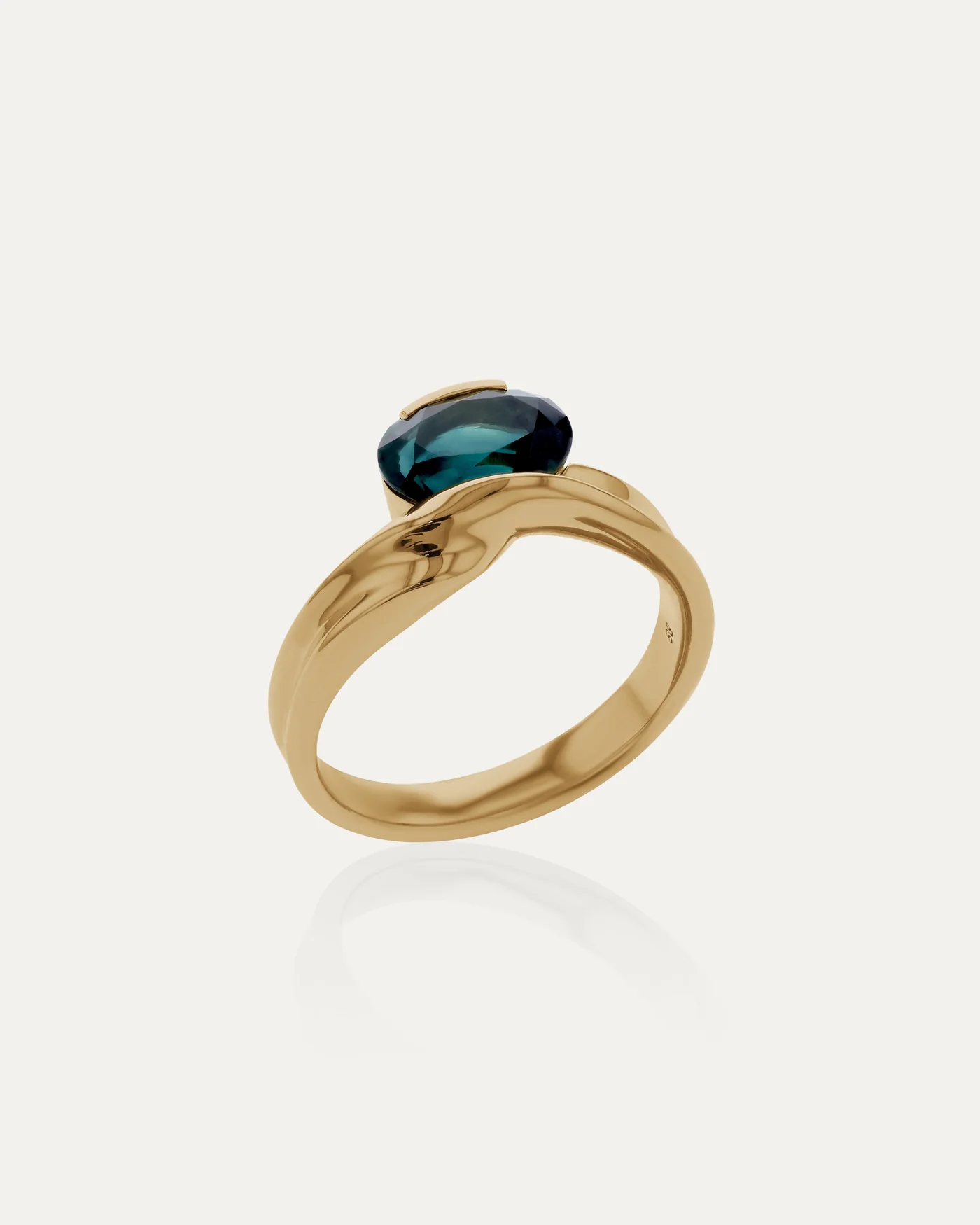
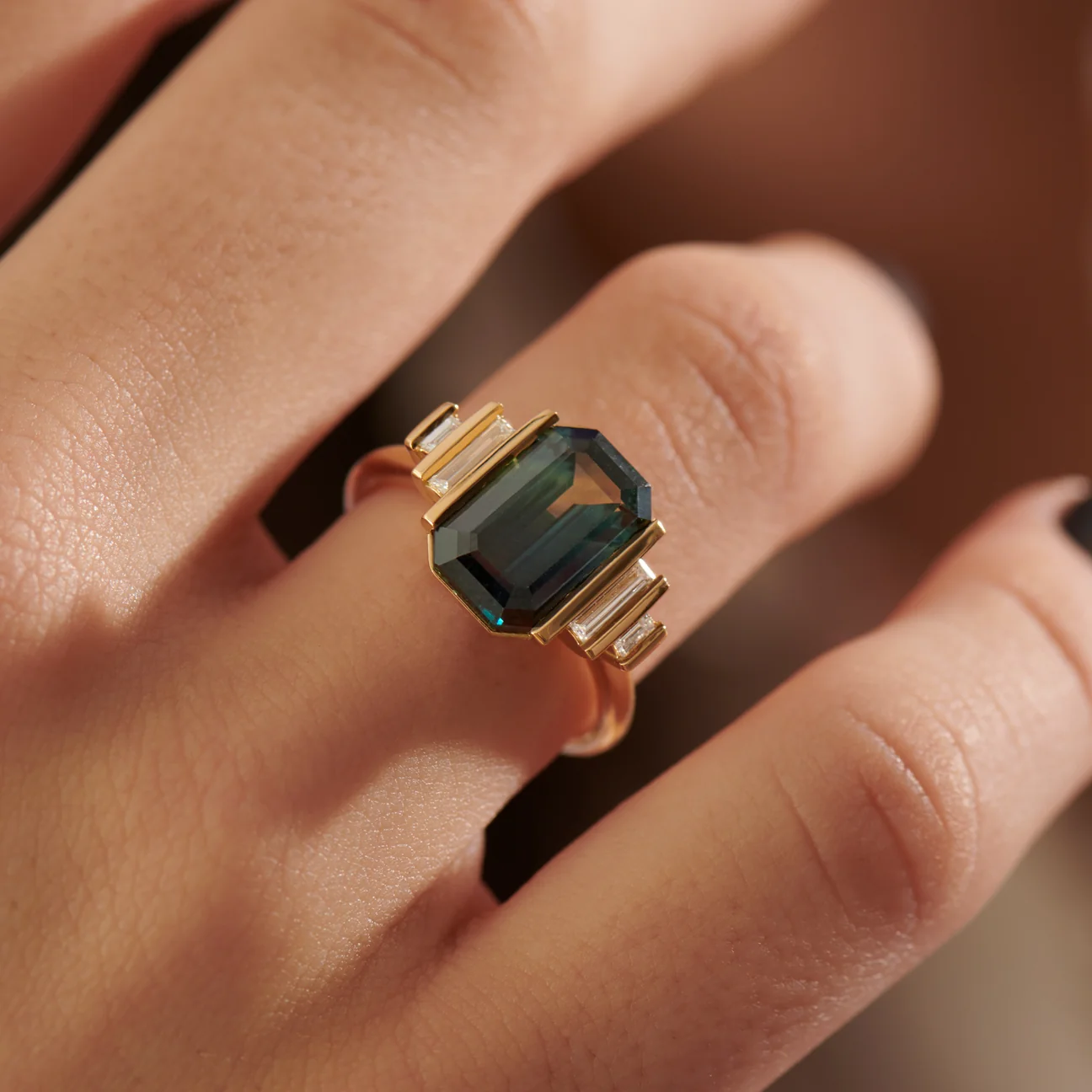
Teal sapphires split the difference between blue and green, sometimes called “peacock” or “mermaid” sapphires for the way the two tones shift into each other. The most valuable stones land close to an even 50/50 balance between blue and green, and because that balance is never exactly identical from stone to stone, no two teal sapphires really look alike. Australia, Madagascar, Thailand, and Montana are the main sources, and the color has become one of the most sought-after choices in modern engagement ring design.