Most brides put real thought into their wedding-day lingerie. The problem is that the set they choose, usually something beautiful, lace, exactly right for the wedding night, is the wrongest choice for under the gown. These are two completely different jobs, and the sooner you separate them in your head, the easier every decision that follows becomes. This guide covers the under-the-dress side of that equation: support, fit, shapewear, tape, tights, and everything in between wedding day underwear.
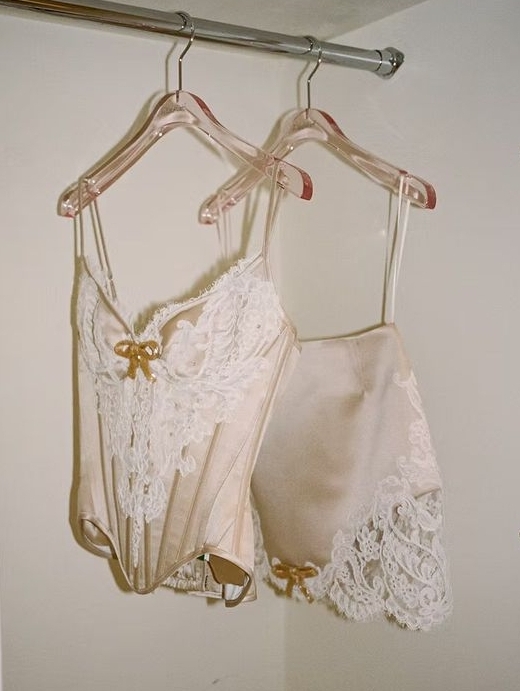
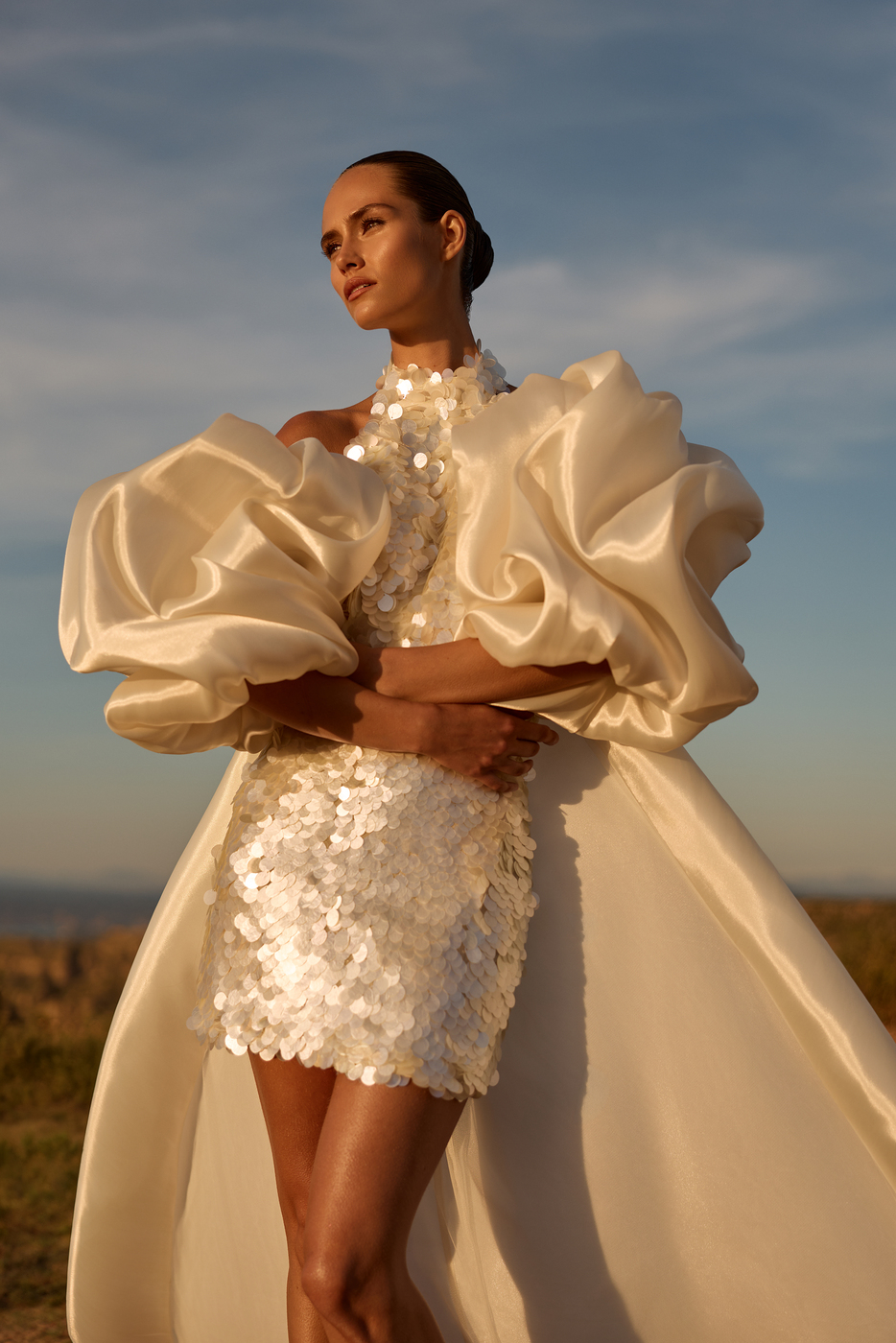
Photo: Gypsy Spirit, Stacey McLean
Foundation rule
Modern dress fabrics, crepe, mikado, charmeuse, satin, thin lace overlays, register everything underneath them. Any raised edge, seam line, fabric texture, or decorative detail creates bumps and shadow lines on the surface of the dress that no seamstress can fix after the fact. The fabric that touches your skin on your wedding day needs to be as flat and smooth as technically possible.
There is also the question of photography. What reads as subtle in real life, can show up as a visible ridge or a bright patch under flash. Photographers shoot from every angle at every moment of the day, and flash catches texture that the eye simply skips over. This is worth factoring in well before the wedding morning.
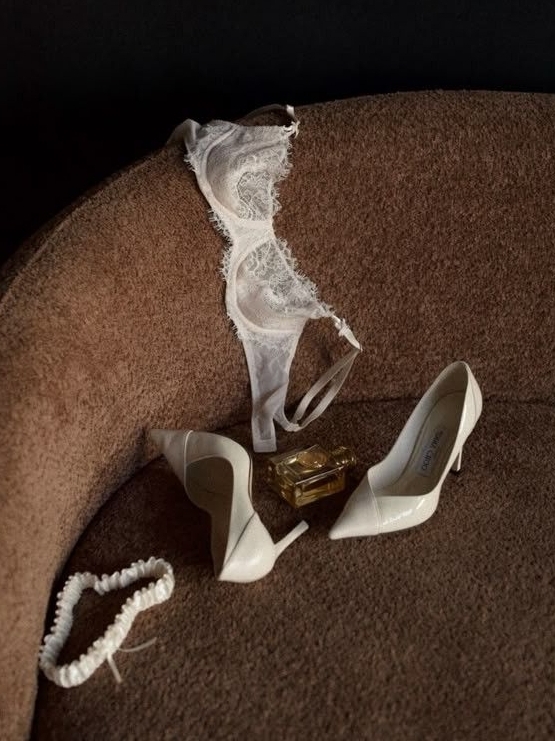

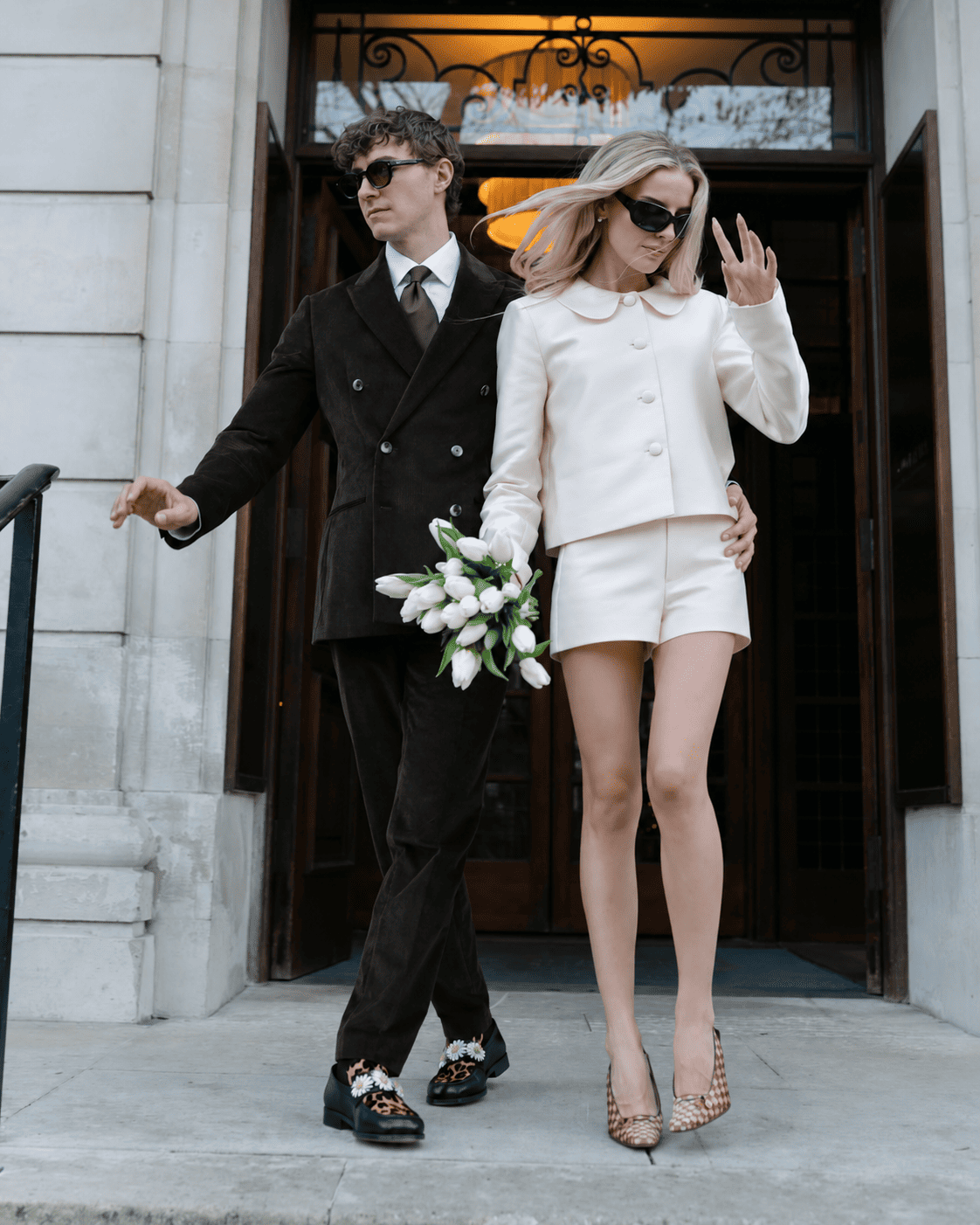
Photo: Vanessa Tiiu, Jose Villa
The Fitting Room Test
Before your first bridal fitting, you certainly do not know which dress you will choose, which means you cannot yet know exactly what underwear will go under it. That is completely normal. But it is worth giving it at least a moment of thought before you walk in. At a minimum, wear something neutral in color, without straps if possible, and with as little visible structure as you can manage.
A simple nude strapless bra or adhesive cups, a seamless thong or brief — enough to give you and the stylist an accurate read on how the dress actually sits on your body. Colored underwear, patterned underwear, or anything with a visible band or strap changes how the dress reads in the fitting room and can make it harder to assess whether the fabric is sheer, how the bodice fits across the chest, or how much the gown’s lining is doing on its own.
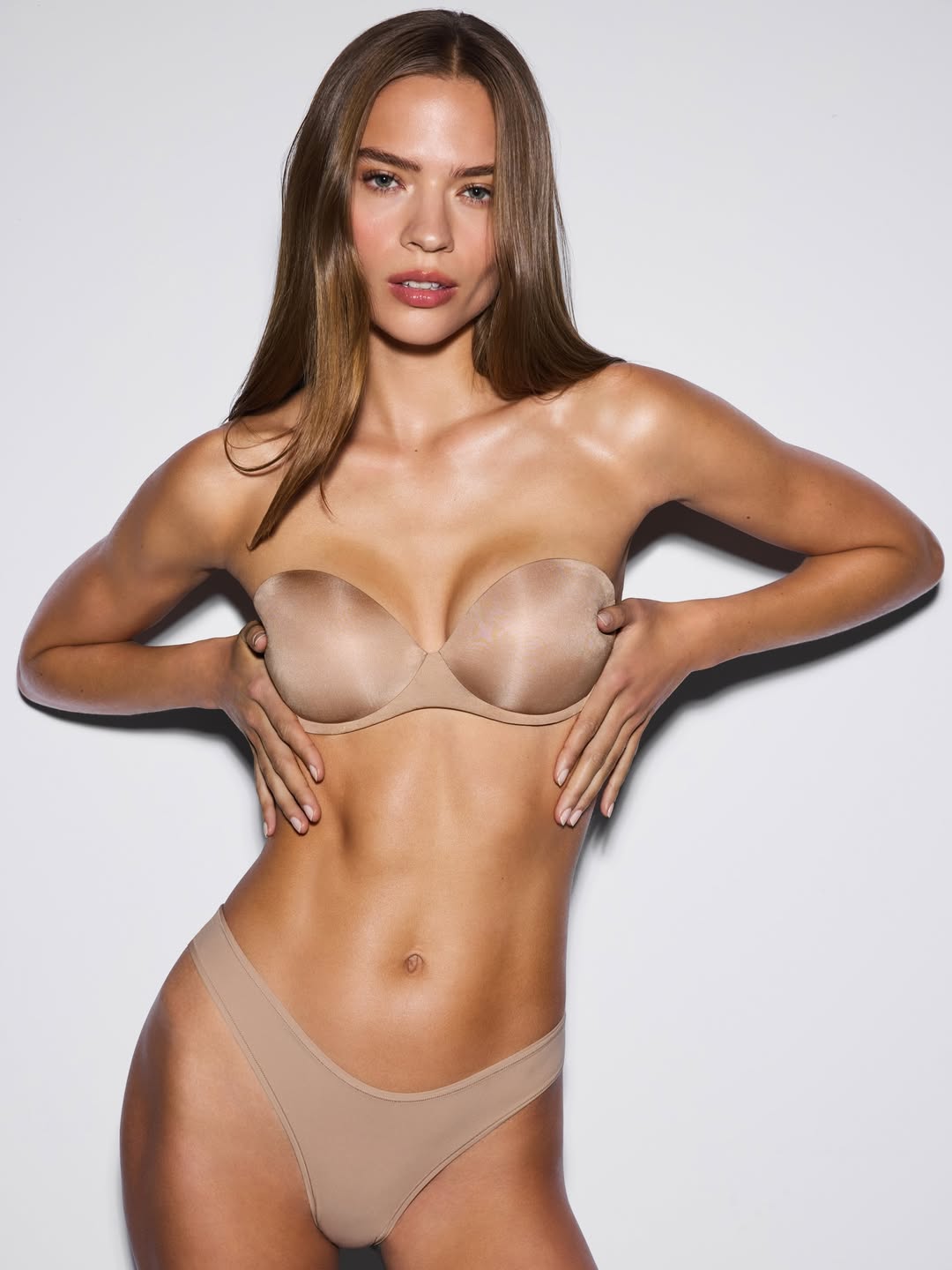
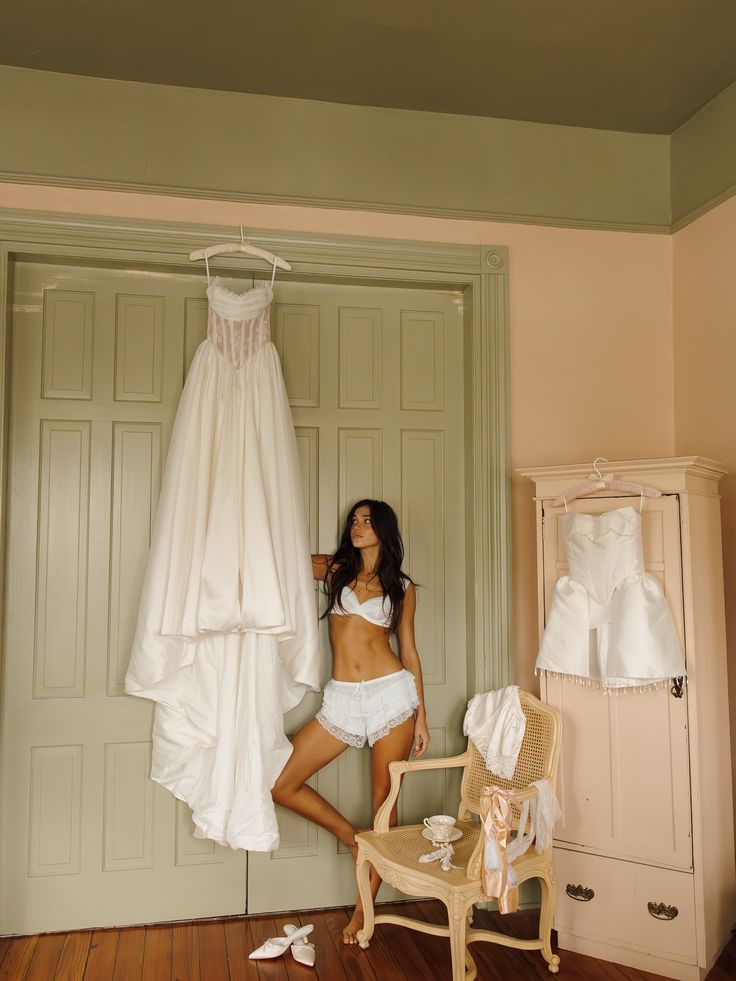
Photo: Courtesy of Skims, Katherine Collins
To Shape or not to Shape?
At any other event, you can steal a moment before a photo: stand a little straighter, angle yourself, hold your breath. At a wedding, that option essentially disappears. You are being photographed constantly and casually: while eating, while laughing, while cutting the cake, while hugging someone you have not seen in years, and your bridal lingerie should know it.
That said, shapewear is not the answer for every bride or every gown. If your dress has been properly altered with built-in cups, boning, or a corseted lining, you may genuinely not need it. Shapewear earns its place with fitted silhouettes, mermaid, trumpet, sheath, crepe column, slip dresses, where every contour is visible, or when the gown has minimal built-in structure.
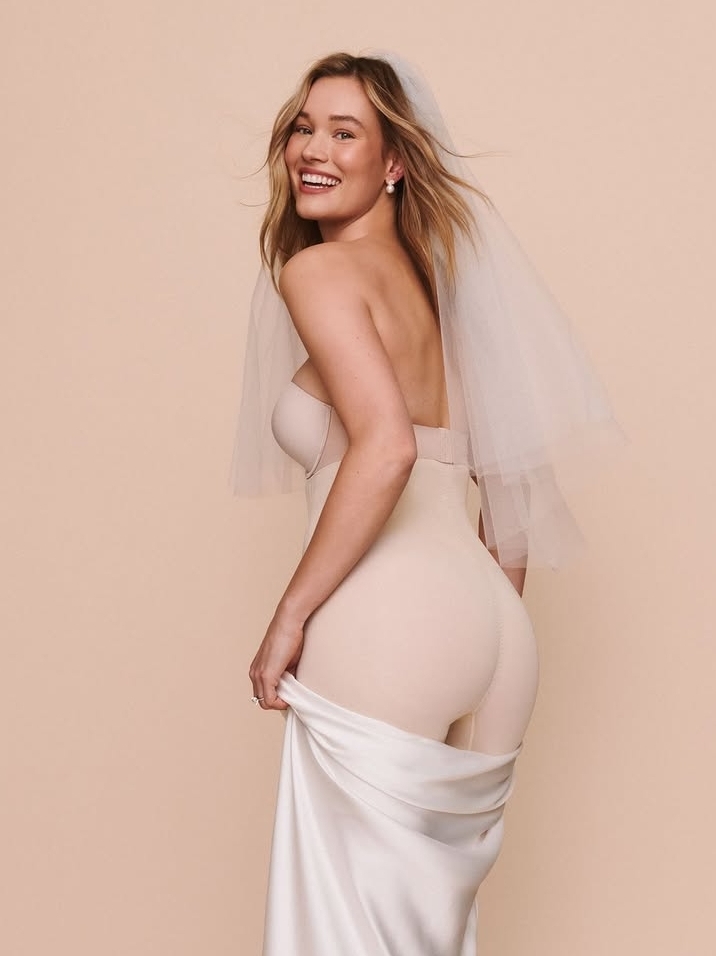
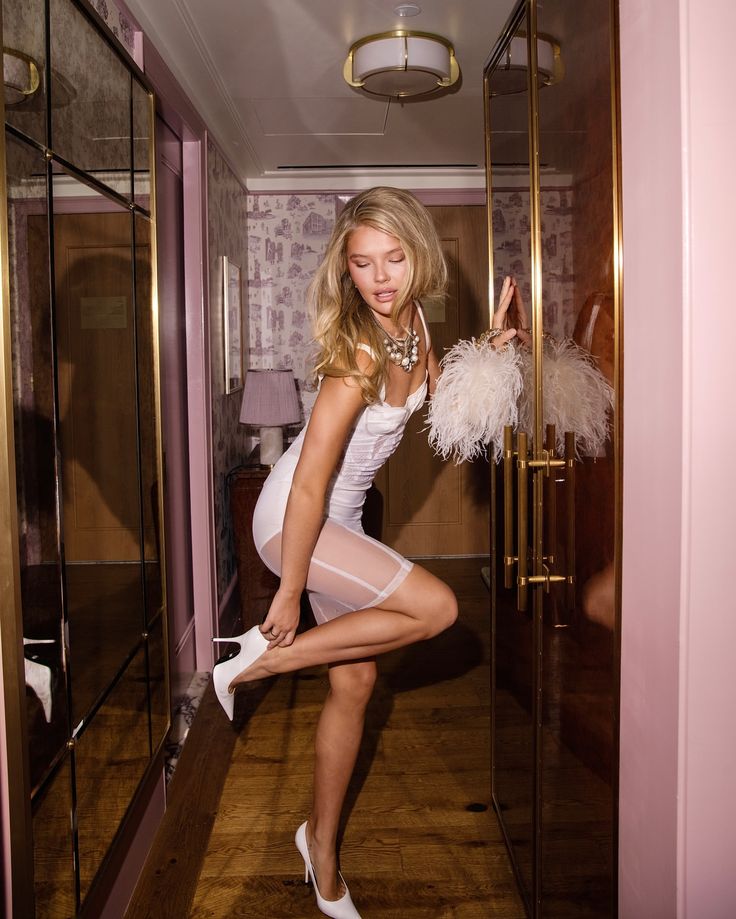
Photo: Courtesy of Spanx, Ellie Thumann
If you decide to wear it, a few things matter more than the brand:
- Compression level. Firm compression can become genuinely uncomfortable by hour eight or nine of a wedding day. Medium compression that smooths without squeezing tends to last the full day without issue.
- Bathroom access. An open gusset, snap gusset, or pull-aside opening is not optional on a wedding day. Rehearse a bathroom break before the wedding, one more thing worth rehearsing: getting to the bathroom at all. With a full skirt or multiple layers, this is rarely a solo mission — enlist your maid of honor in advance and make sure she knows the plan.
- Length relative to your hem. Shapewear shorts need to end well above your dress hem from every angle, including when you sit down, kneel, or climb stairs. Mid-thigh is a safe length for floor-length gowns.
- Heat. A full compression bodysuit under a heavy gown in summer is a lot. Open-bust styles and high-waist briefs run cooler than full-coverage bodysuits and may be the smarter choice for outdoor or warm-weather weddings.
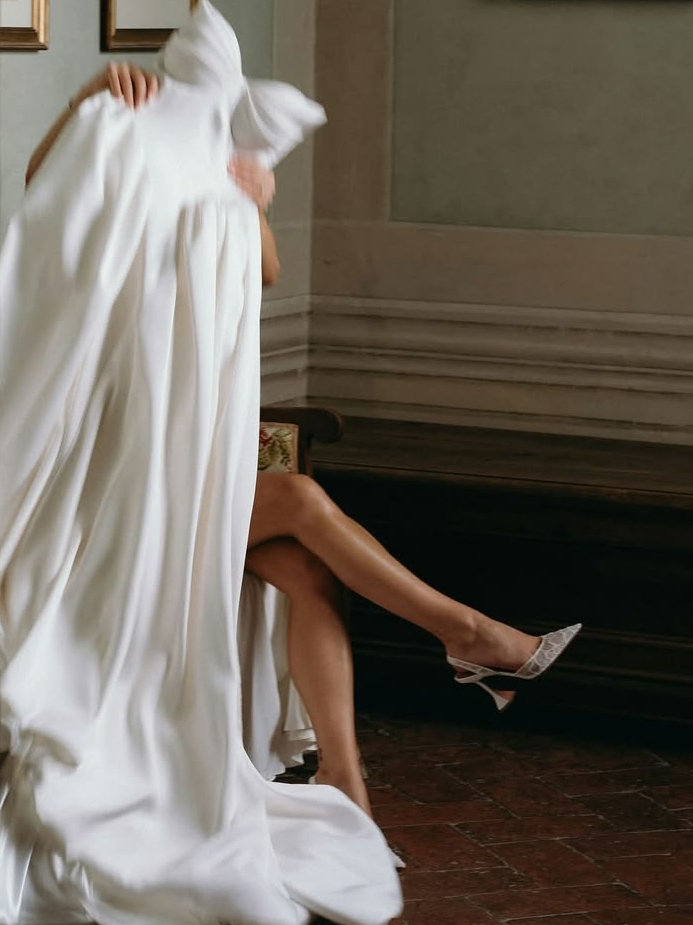
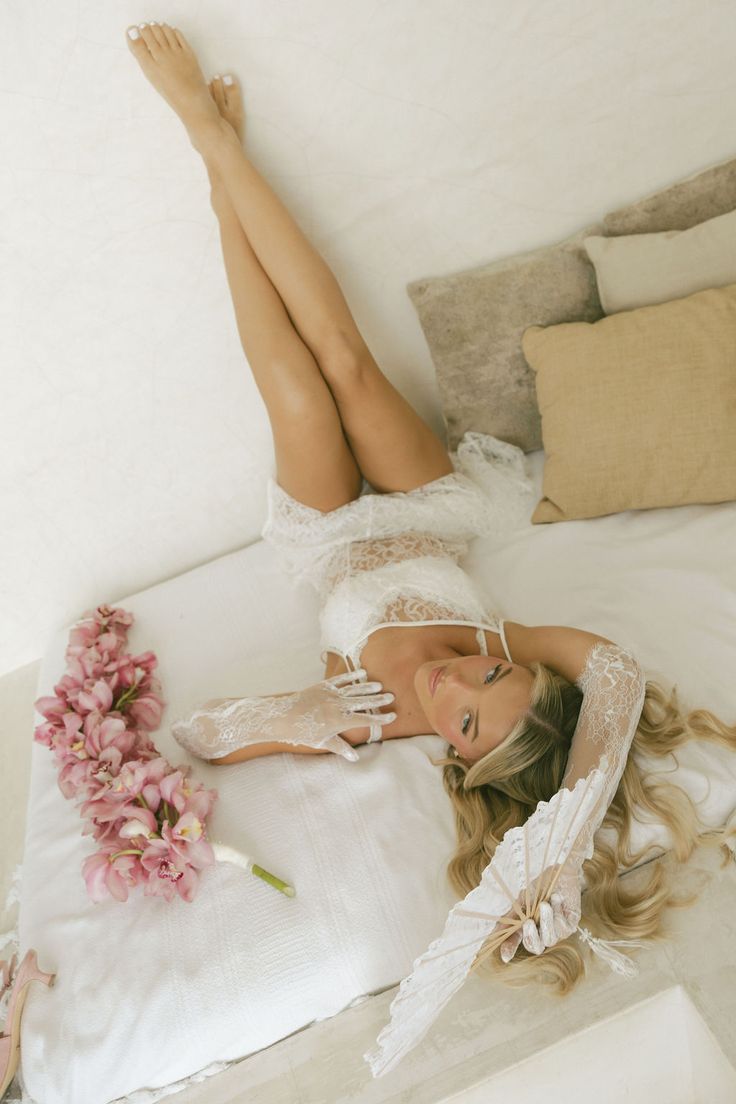
Photo: Lisa Marie Photography, Bay Reed Photo
Neckline Support
The right bra for your wedding day is determined entirely by your neckline and back style, not by personal preference. A strapless or sweetheart gown works best with a longline strapless bra or, if your dress has built-in cups and boning that fit well, nothing external at all. A deep V or plunge neckline calls for a plunge bra with a low center gore, or adhesive cups with a front clasp. An open, low back, or backless dress rules out any traditional bra and points toward a low-back bodysuit, adhesive silicone cups, or boob tape depending on your bust size. High necklines and spaghetti straps are the most forgiving — a seamless T-shirt bra or a convertible bra without straps handles both with minimal effort.
Whatever you choose, decide on it before your first fitting and wear it to every appointment after that. The way your bodice sits, where the cups land, and how the back of the dress lies are all altered to the specific bra you have on. Changing it after the final fitting changes the fit of the dress.
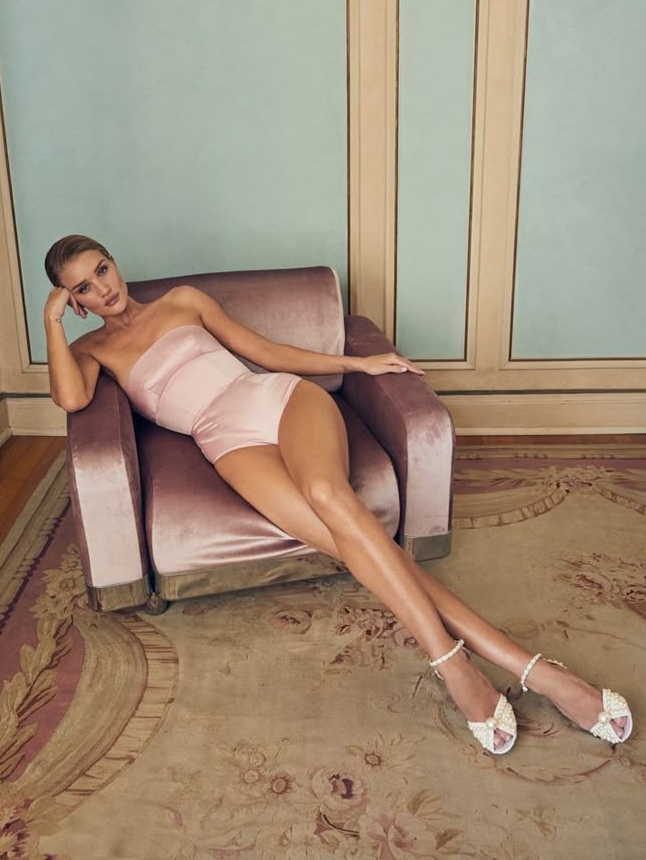
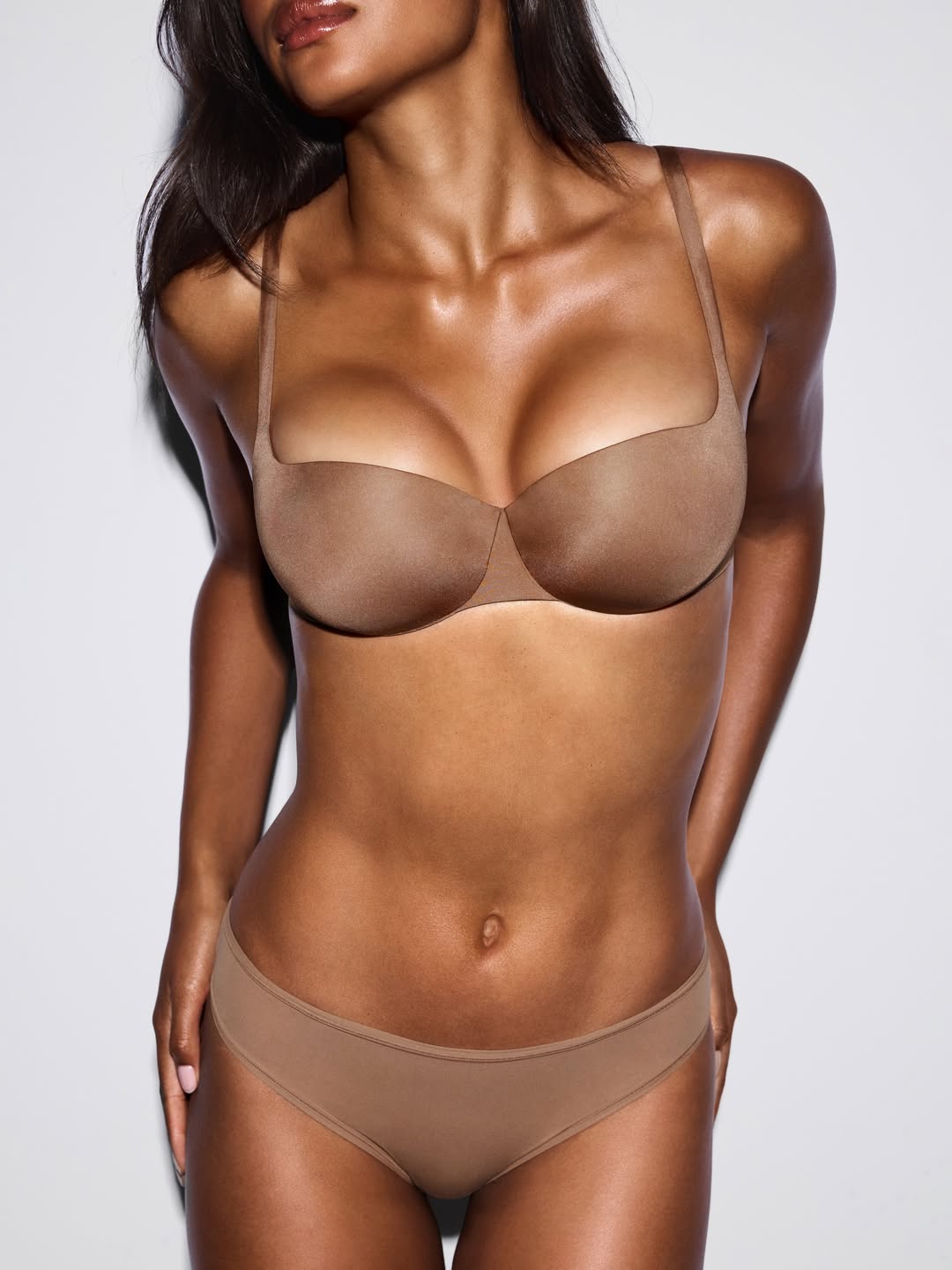
Photo: Rosie Huntington-Whiteley, Courtesy of Skims
Tape & Stickers
Boob tape is a medical-grade adhesive product, and it is genuinely useful for low-back, strapless, and open-front looks. Using it well on a day where everything needs to go right, however, requires more preparation than a quick social media tutorial suggests.
Do a patch test at least 24 to 48 hours before the wedding day. Apply a small strip of the exact tape you plan to use to your inner arm or rib cage and leave it for several hours. Skin reactions to adhesive tape are more common than most people expect. If you have a history of sensitivity to bandages, eczema, or contact dermatitis, test carefully and have a non-adhesive backup plan ready.
Beyond the patch test, wear the tape, nipple covers, breast petals or adhesive bra for an extended period before the wedding. Ideally a full day, or at least several hours of real activity. Adhesive products weaken with heat and moisture, and the only way to know how yours performs under those conditions is to test it in them beforehand. It also tells you whether the support level actually works for your body and your dress over time, not just in the first hour.
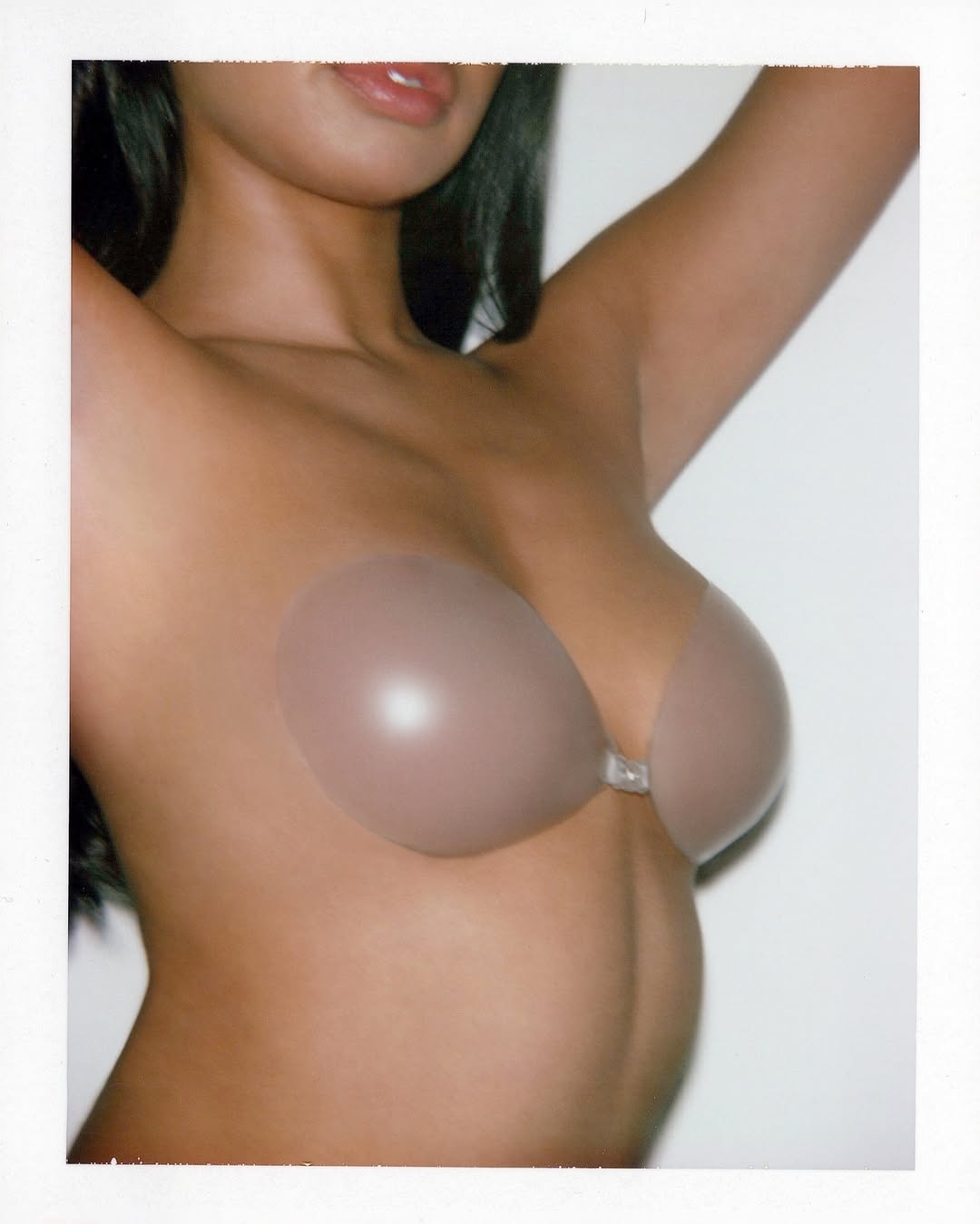
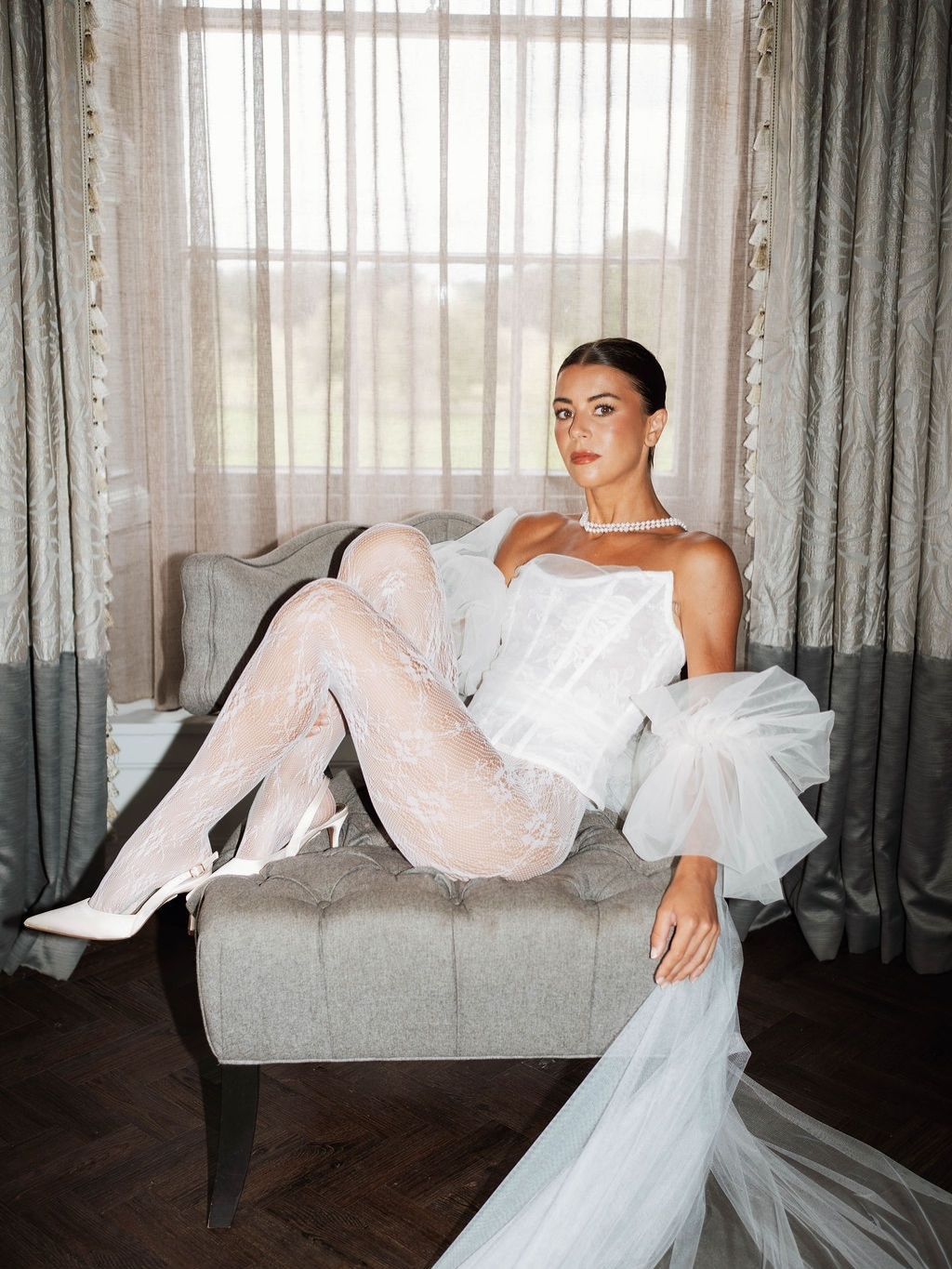
Photo: Courtesy of Skims, Hollie Horn Photography
Seamless Logic
For most fitted gowns, a seamless thong is the practical default. It eliminates visible panty line under any silhouette. For ball gowns and full A-lines where panty line is not a concern, a seamless brief or boyshort provides more coverage and can feel more secure across a long day. A high-waisted seamless control brief smooths the lower tummy area and prevents the low-back roll that can show through crepe or fitted gowns when you sit.
And then there is the third option, which is no underwear at all. Going commando under a well-lined wedding gown is more common than anyone admits out loud, works perfectly well for many brides, and is a completely reasonable choice if the skirt is fully lined and you are comfortable with it. We are certainly not here to judge!
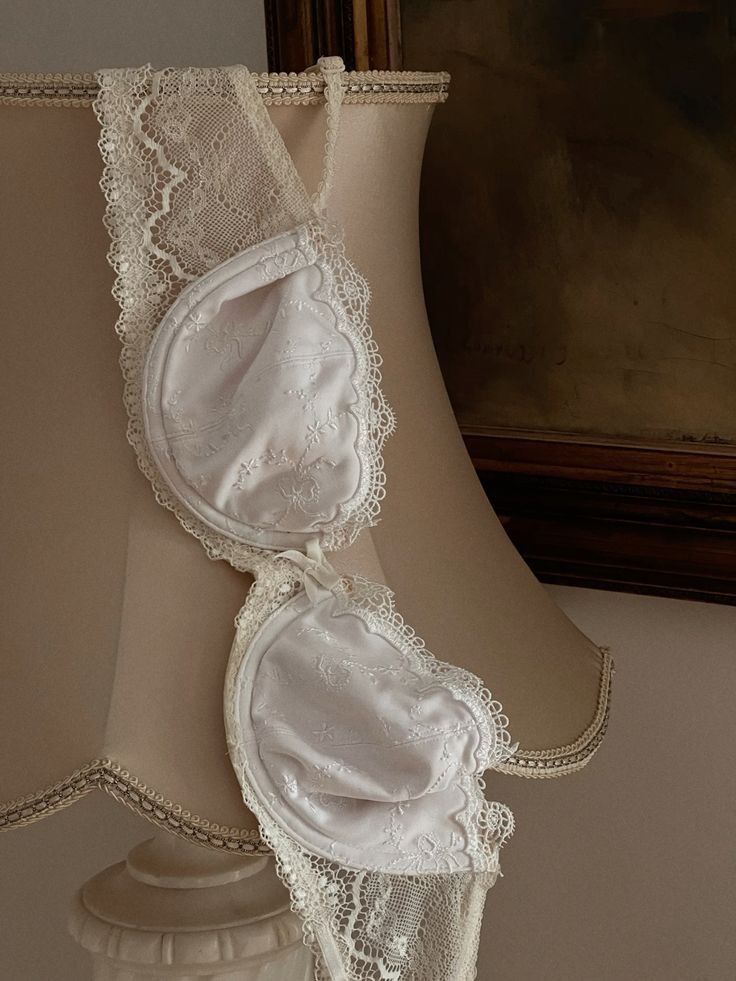
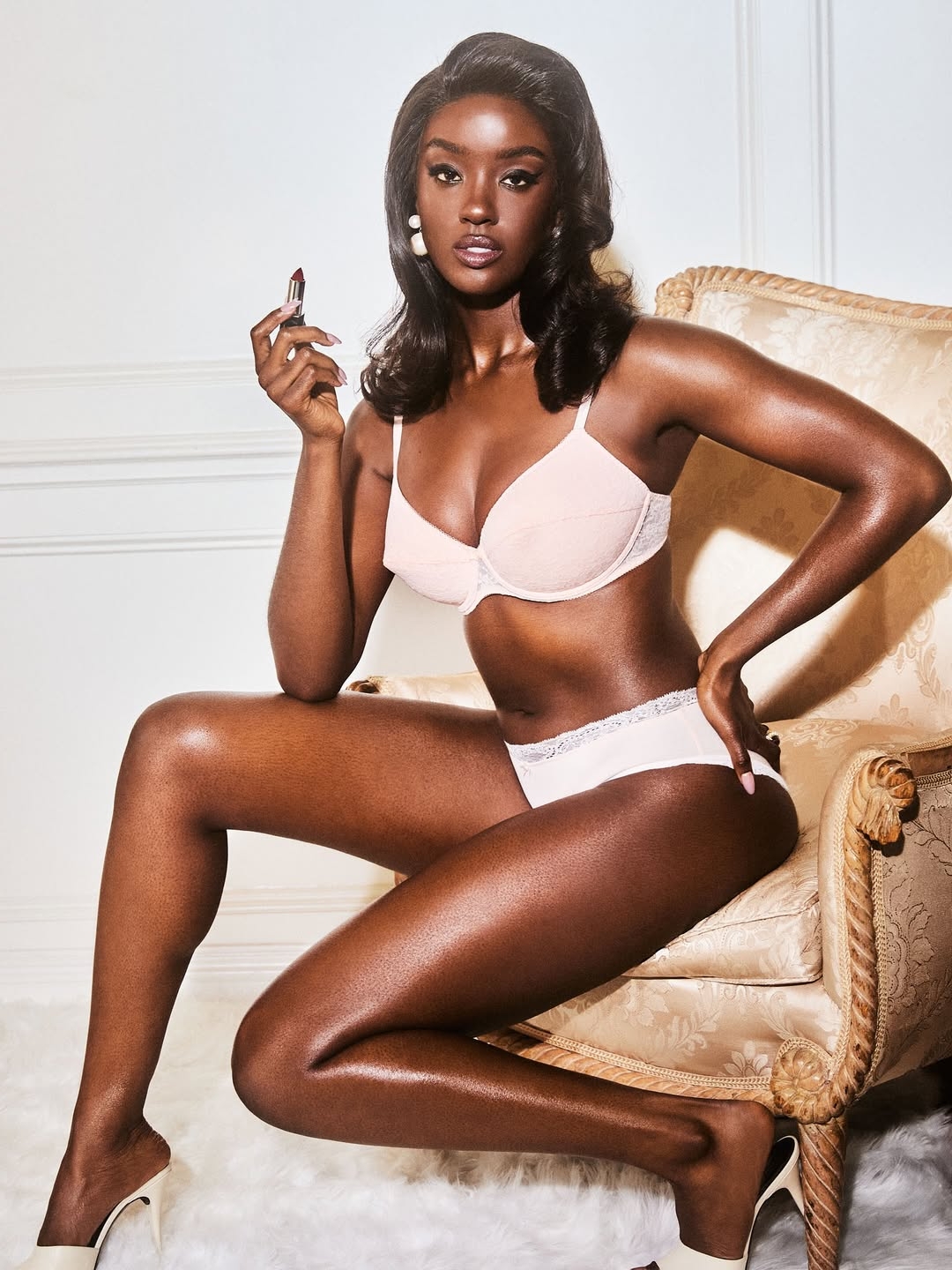
Photo: Antonia Higham, Courtesy of Skims
Tights & Stockings
Most modern brides skip hosiery, and in many situations that is the right call. But there is a reason you still see ultra-sheer stockings on performers and anyone who spends a full day being photographed from every angle: they even out skin tone, soften the appearance of cellulite and uneven texture, and give the leg a clean, consistent finish that reads particularly well on camera.
The key is choosing the right version: 10 to 15 denier, matte finish, matched precisely to your skin tone. Hold-ups or stay-ups are far more practical under a wedding gown than full pantyhose, no garter belt required and bathroom visits are significantly more manageable. Wolford Satin Touch 20 Stay-Up is a well-reviewed option. And if you do choose to wear them, pack at least two spare pairs and hand one to your maid of honor, stockings snag, and that is simply how they work.
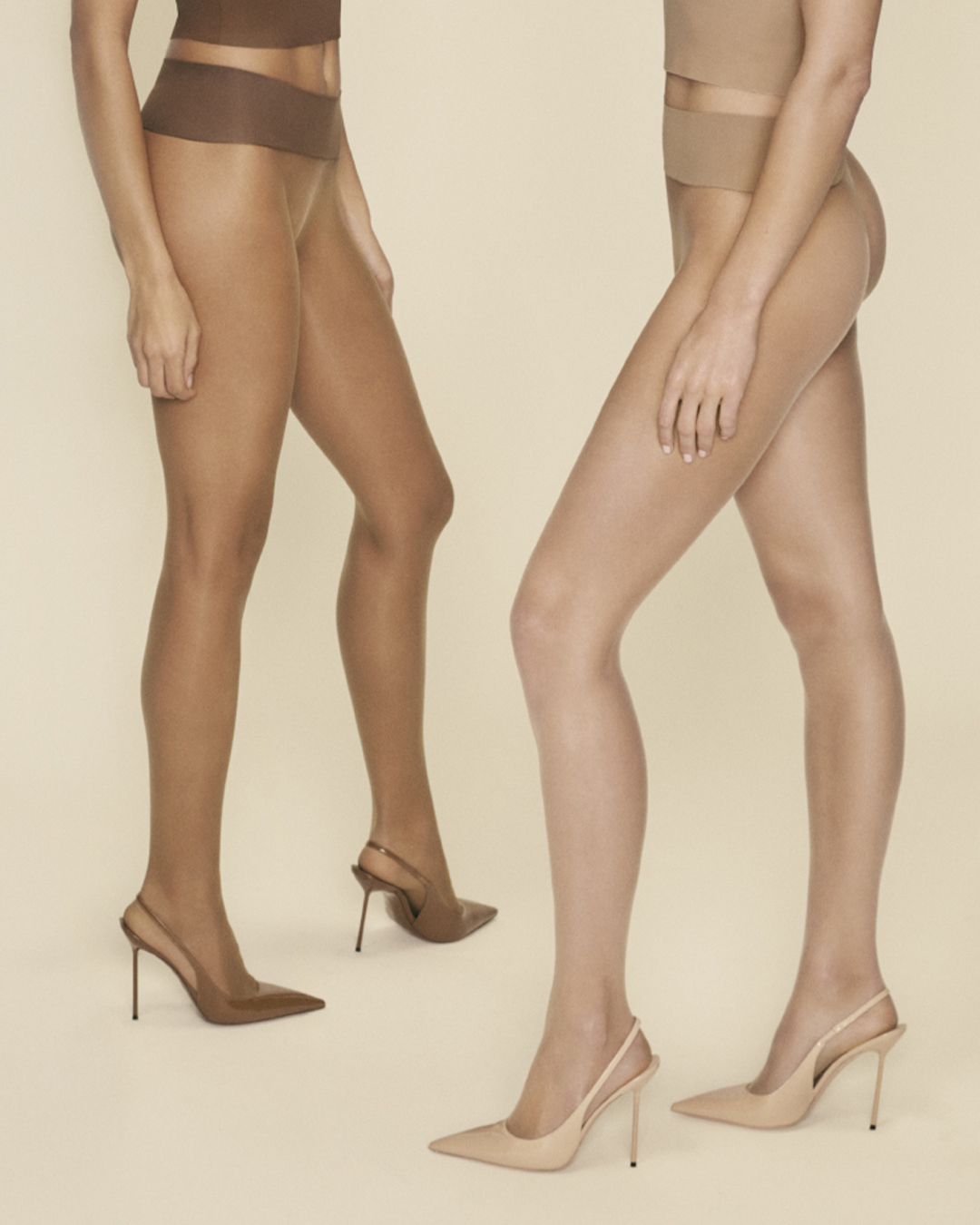
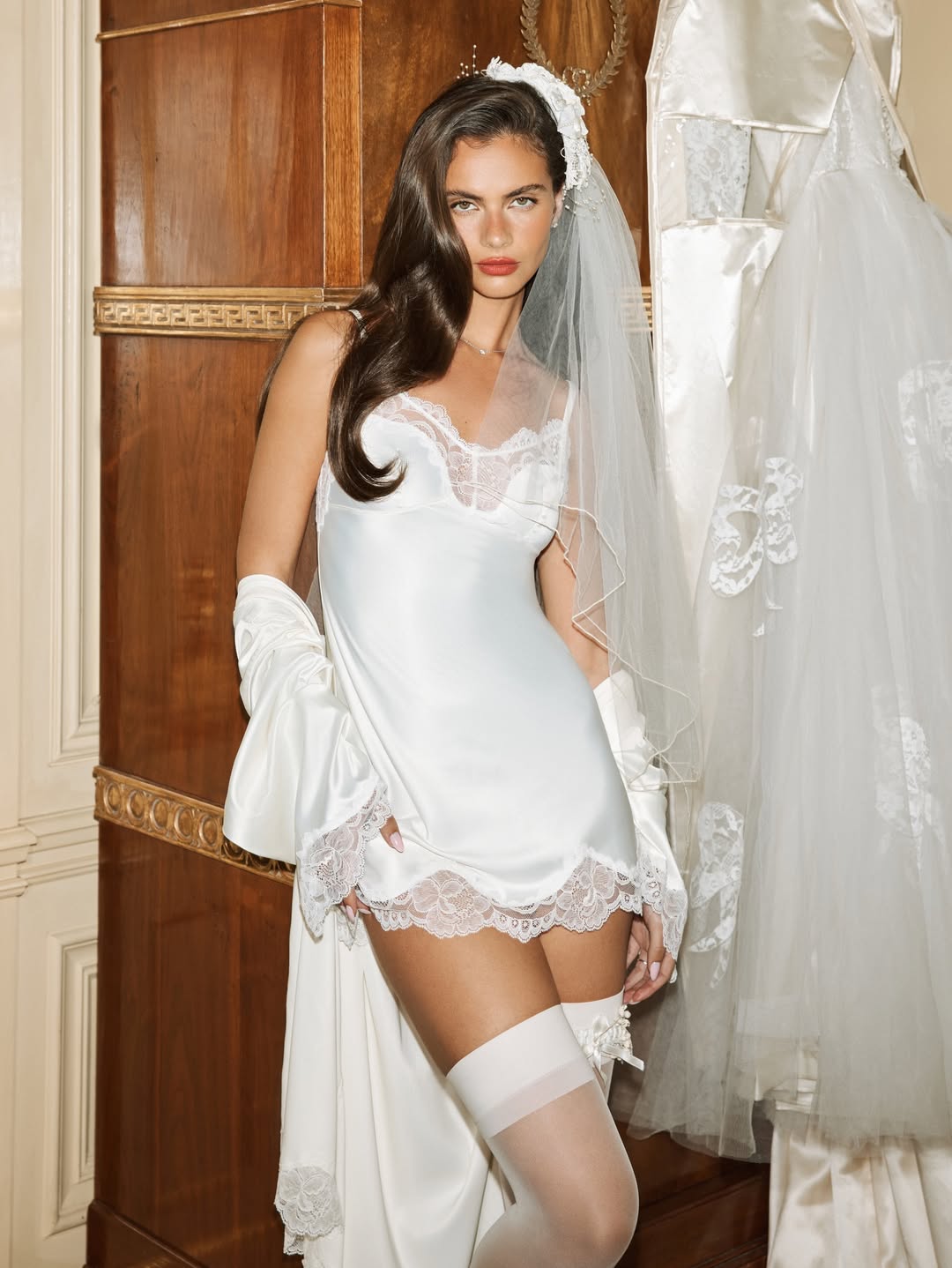
Photo: Courtesy of Calzedonia, Courtesy of Skims
Where to Shop
Each of these brands does something specific particularly well. Knowing what that is means you buy the right thing from the right place rather than buying everything and figuring it out after the fact.
Skims has a dedicated Wedding Shop and offers nine nude shades across most styles, with sizing from XXS to 5X. The Seamless Sculpt Low Back Bodysuit is one of the most consistently recommended solutions for open-back gowns. The Sculpting Bodysuit with Snaps handles bathroom access through crotch snaps. The bridal pieces, corsets, slips, lace onesies, are the right choice for getting-ready photos and the wedding night, not for under the gown.
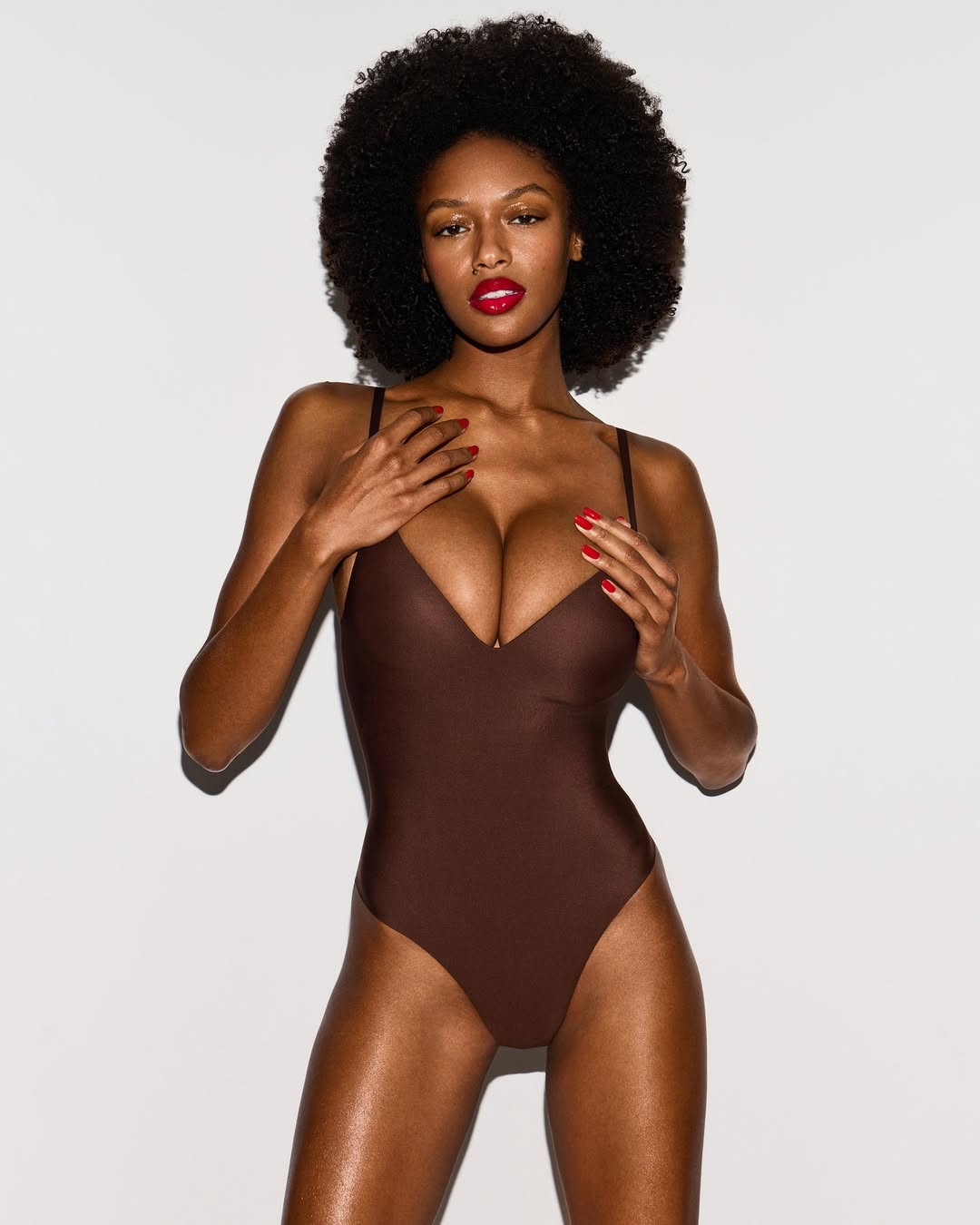
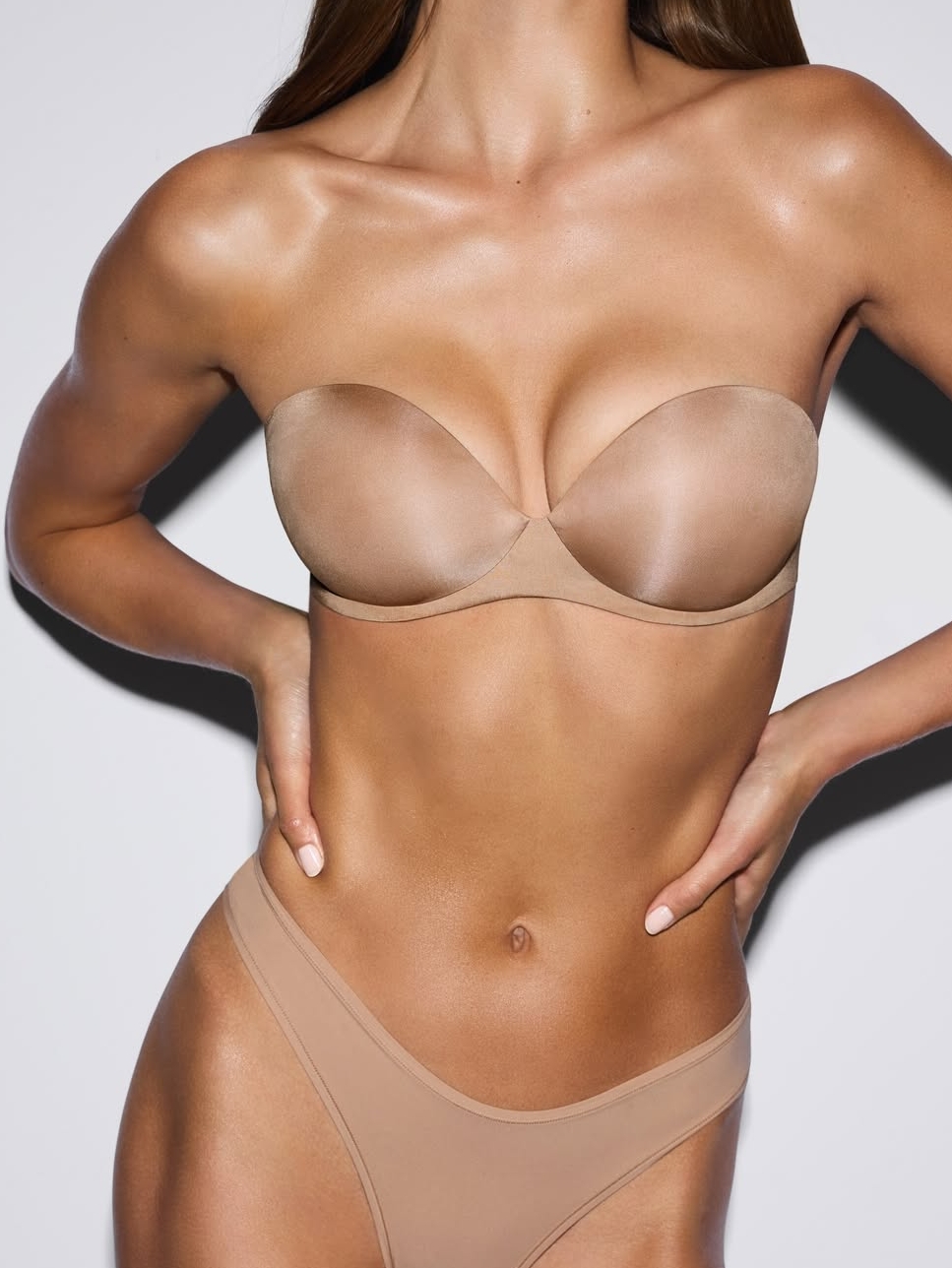
Photo: Courtesy of Skims
Spanx has a dedicated bridal range built around the Suit Your Fancy line. The SPANXshape Bodysuits are their flagship bridal piece: adjustable convertible straps that work as standard, racerback, halter, or strapless, built-in cups that function as the bra, and an easy access gusset for bathroom breaks. The Plunge Low-Back version handles a deep V front and a low back simultaneously. Sizing runs to 5X across the line.
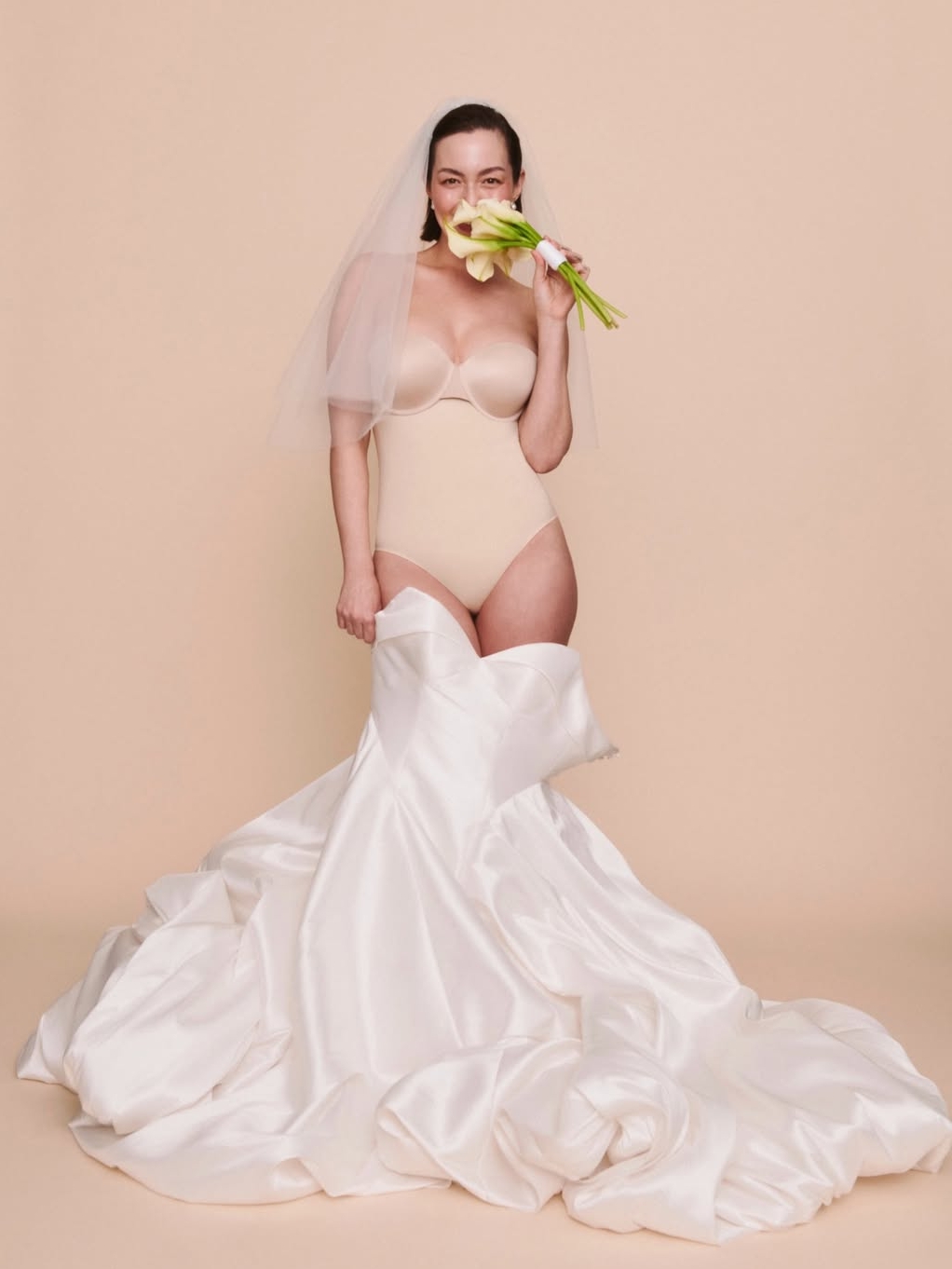
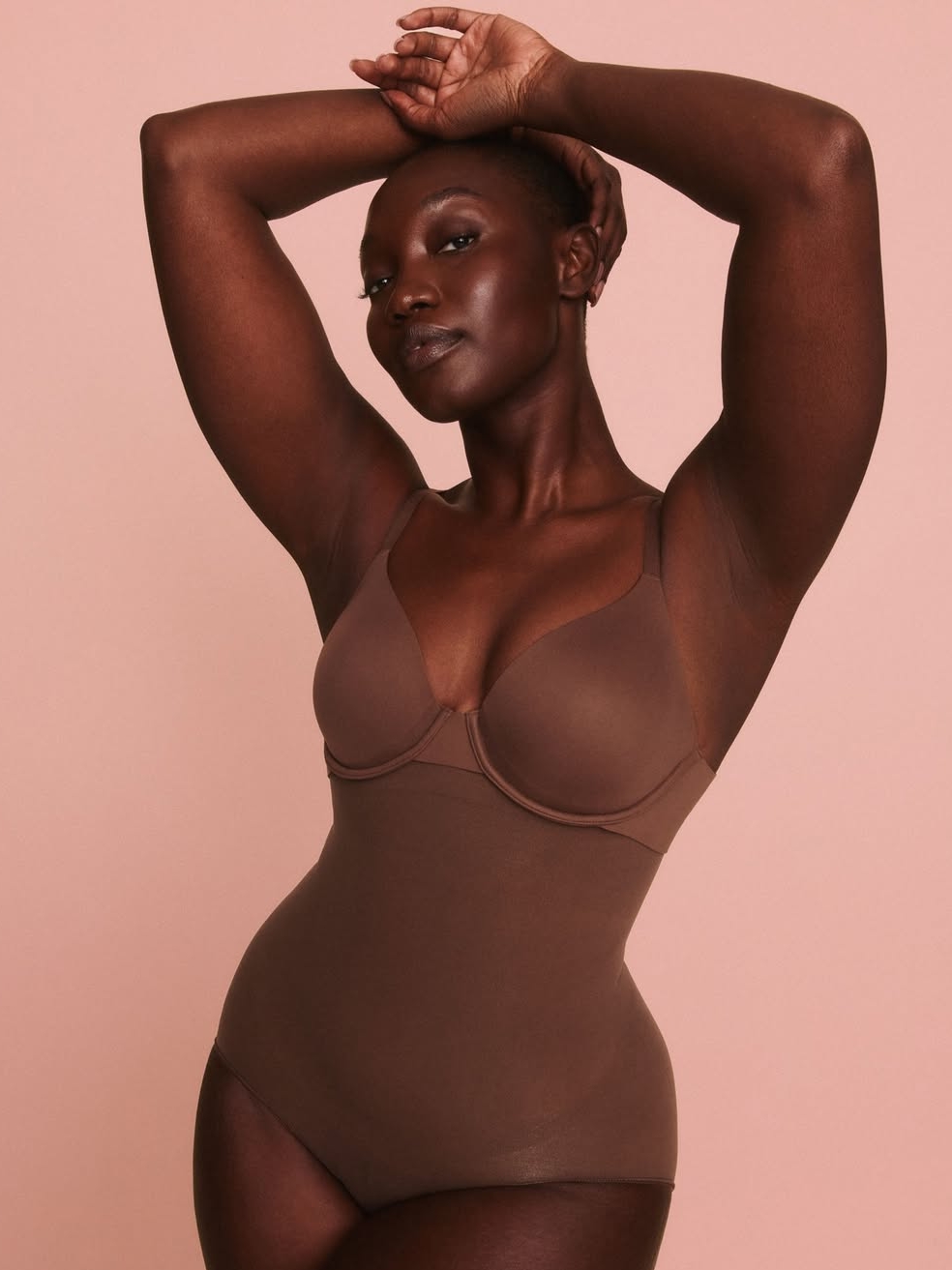
Photo: Courtesy of Spanx
Founded in 2018, Honeylove built its line around SoftFlex boning integrated into the sides of the garment, flexible enough to be comfortable, firm enough to prevent the waistband from rolling down across a full day. The SuperPower Short is their most-recommended bridal piece: double-knit compression panels, flexible side boning, and a cotton open gusset for bathroom access. Sizing goes to 3X. If you plan to layer a few pieces — shorts, a brief, a bodysuit — their Bridal Bundle brings four garments together at a meaningful discount, which is worth looking at before buying everything separately.
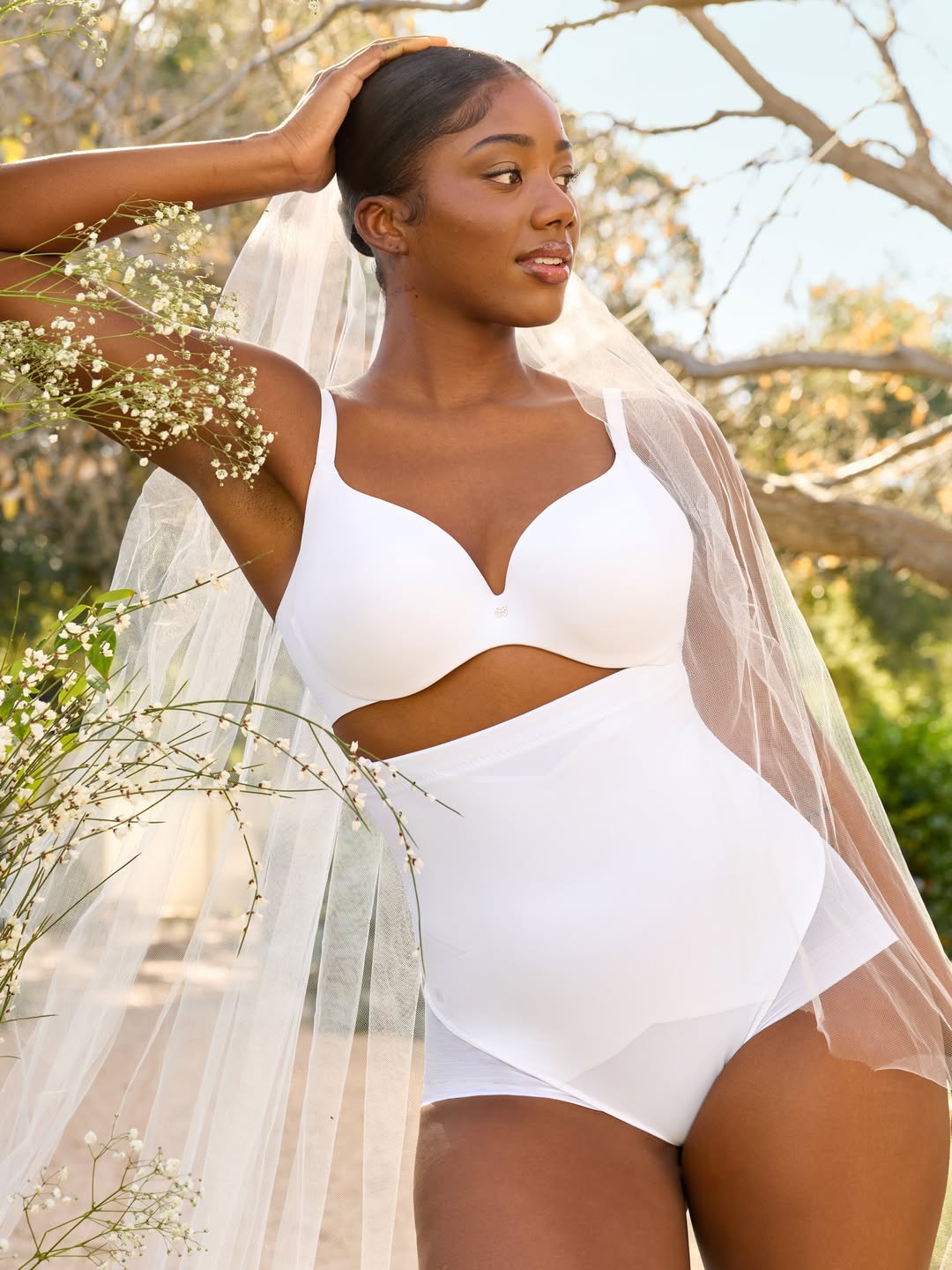
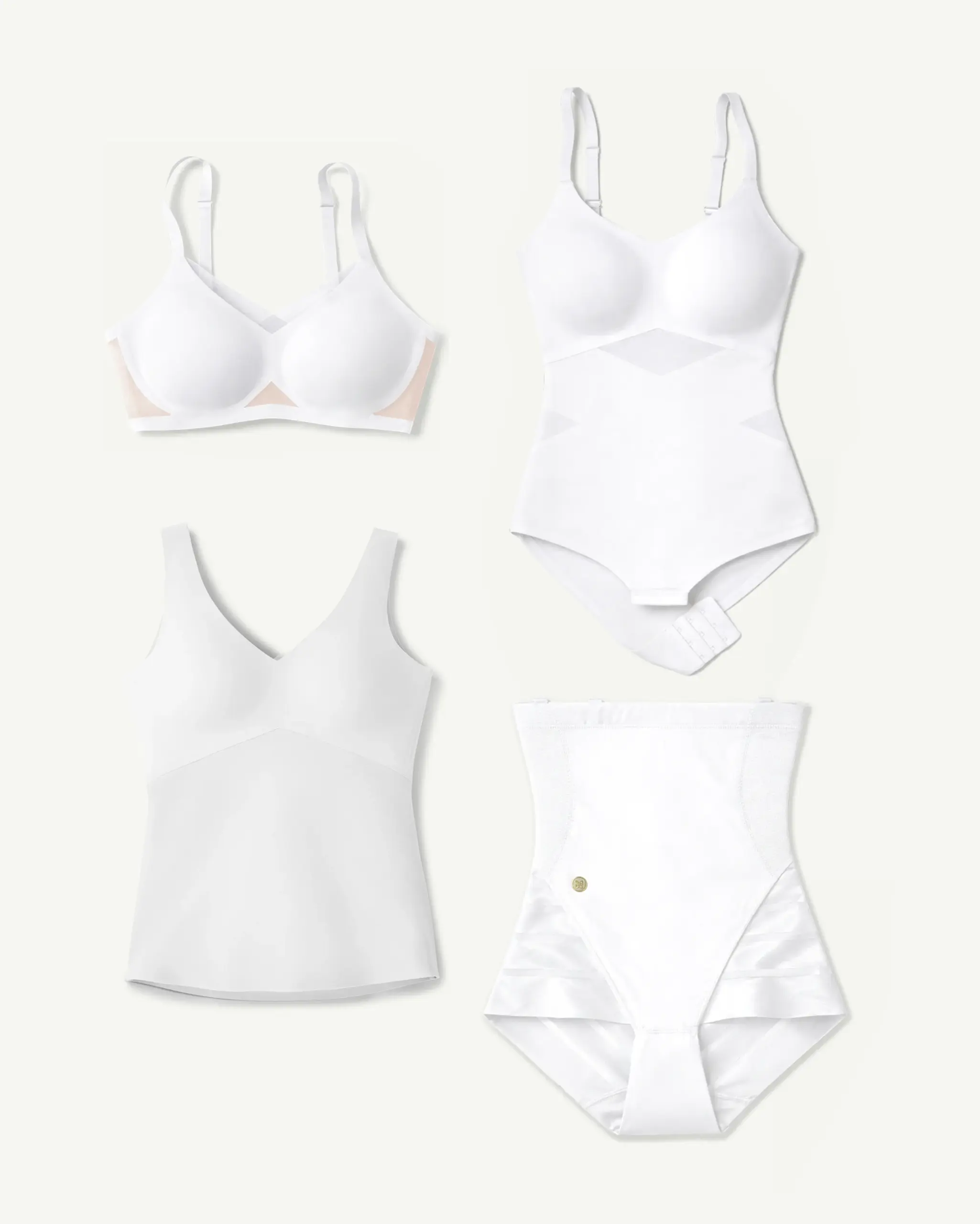
Photo: Courtesy of Honeylove