Every wedding season, the internet finds a new villain. A guest wore red. Another showed up looking a little too polished. Suddenly, she’s accused of outshining the bride, as if looking good at someone else’s wedding is a social offence. The phrase gets thrown around with surprising conviction. Yet nobody seems to agree on what it actually means, or where the line is.
We looked into it. Dug through the cultural history, the Reddit threads, the TikTok callouts, and the research. In this piece, we unpack the phenomenon from every angle: its roots in a broader cultural tendency to cut down those who stand out, the influence of social media, the blurry definition of “outshining,” the gender dynamics at play, and the brides who are choosing to rewrite the rules.
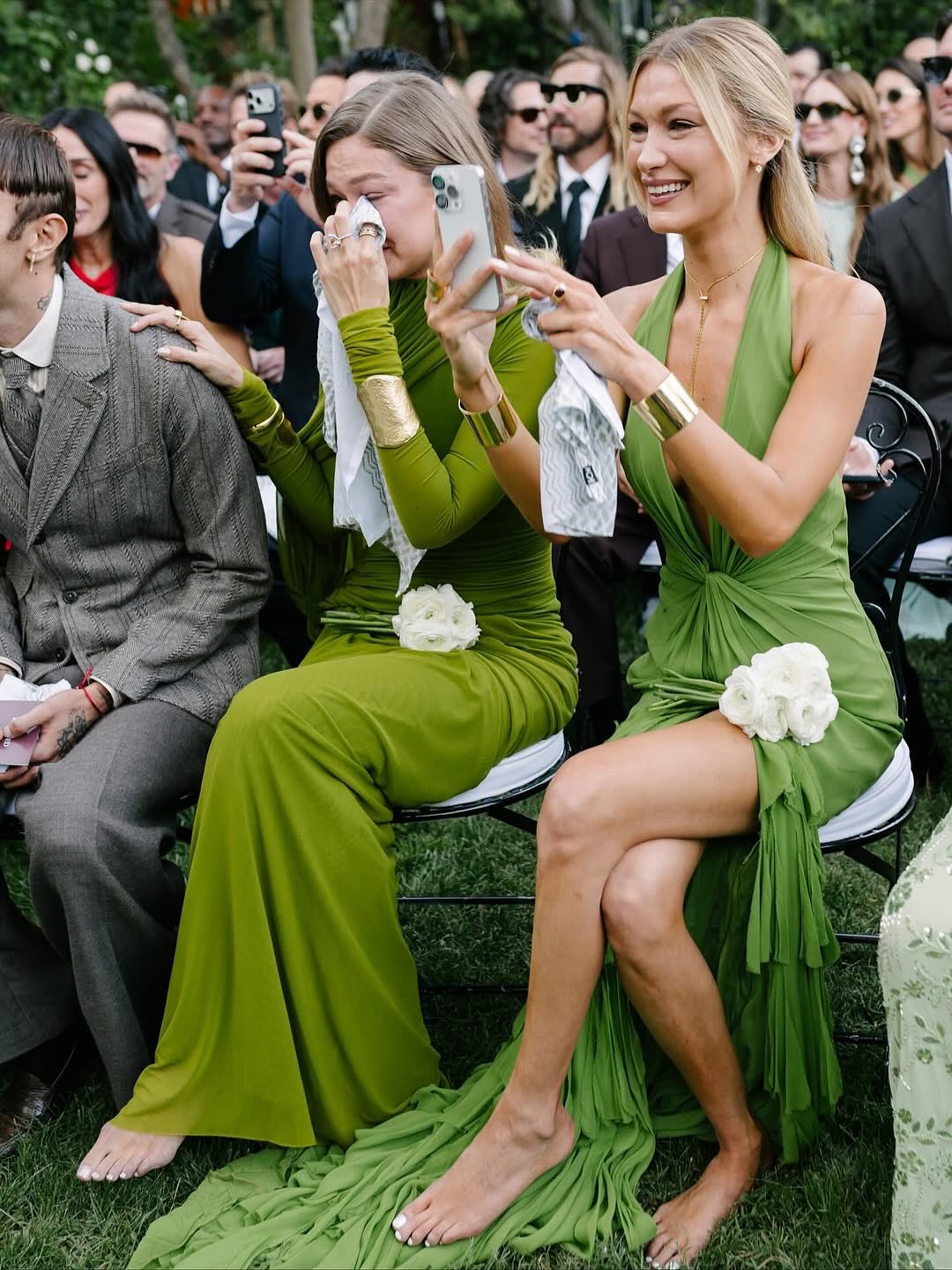
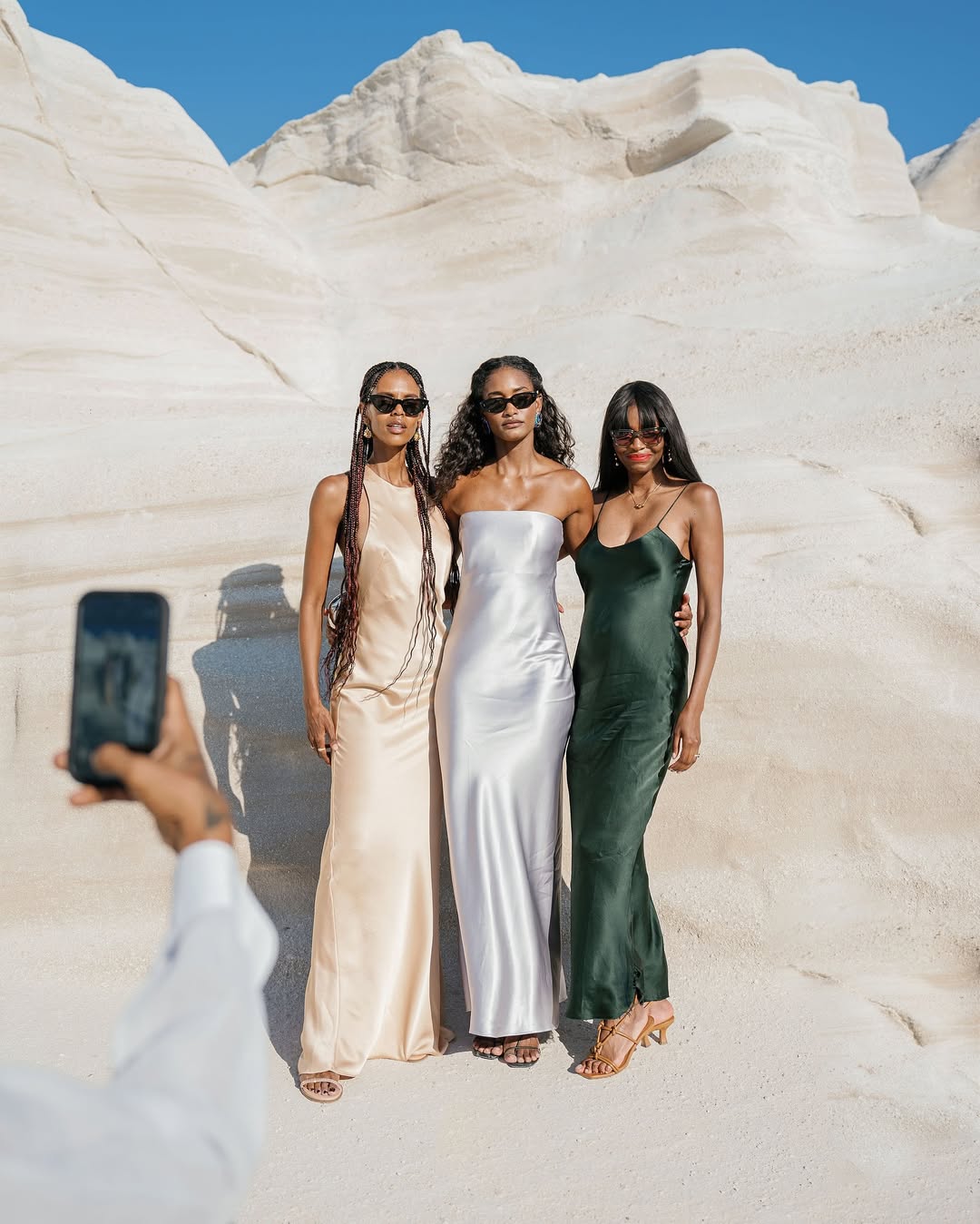
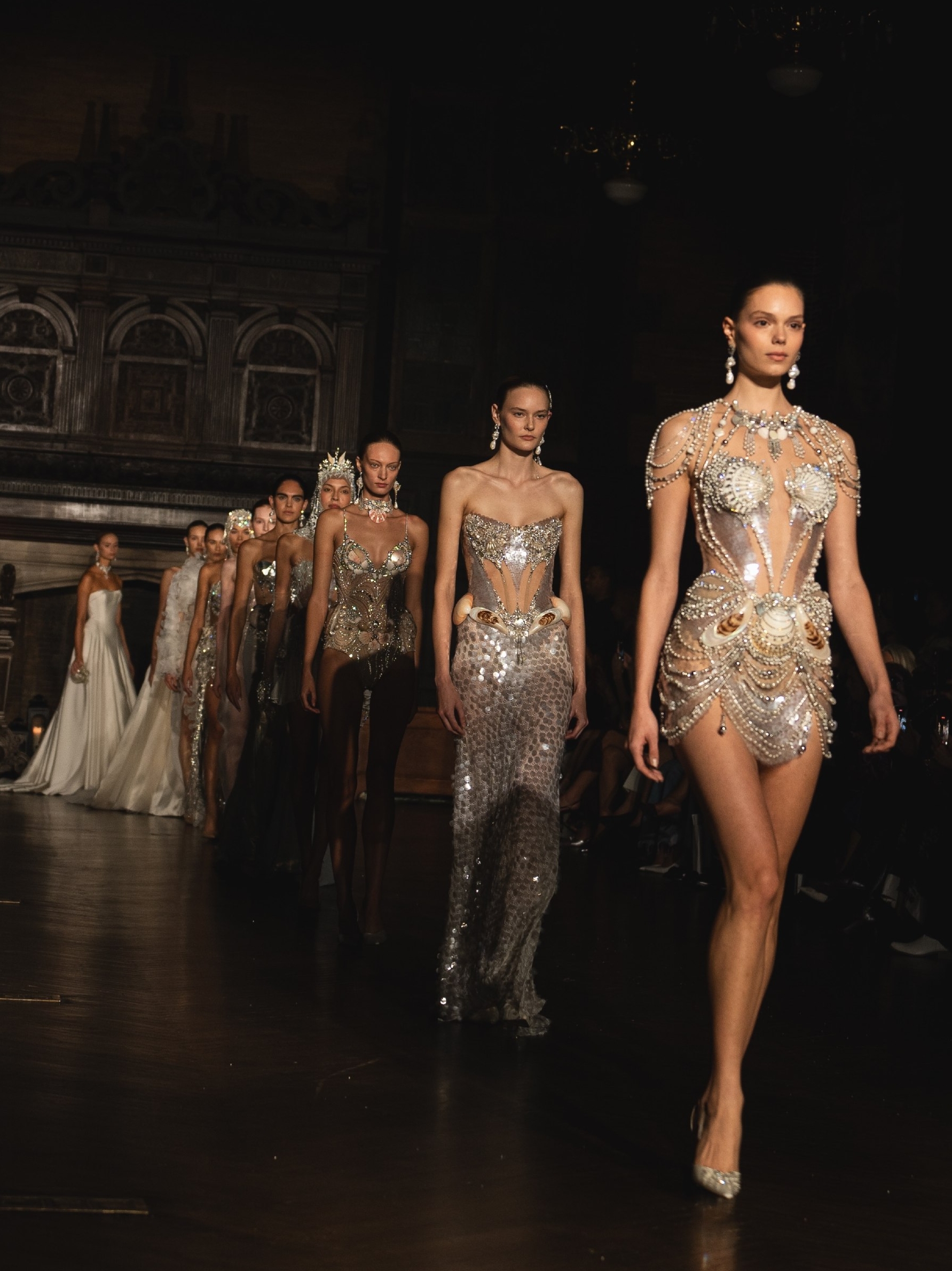
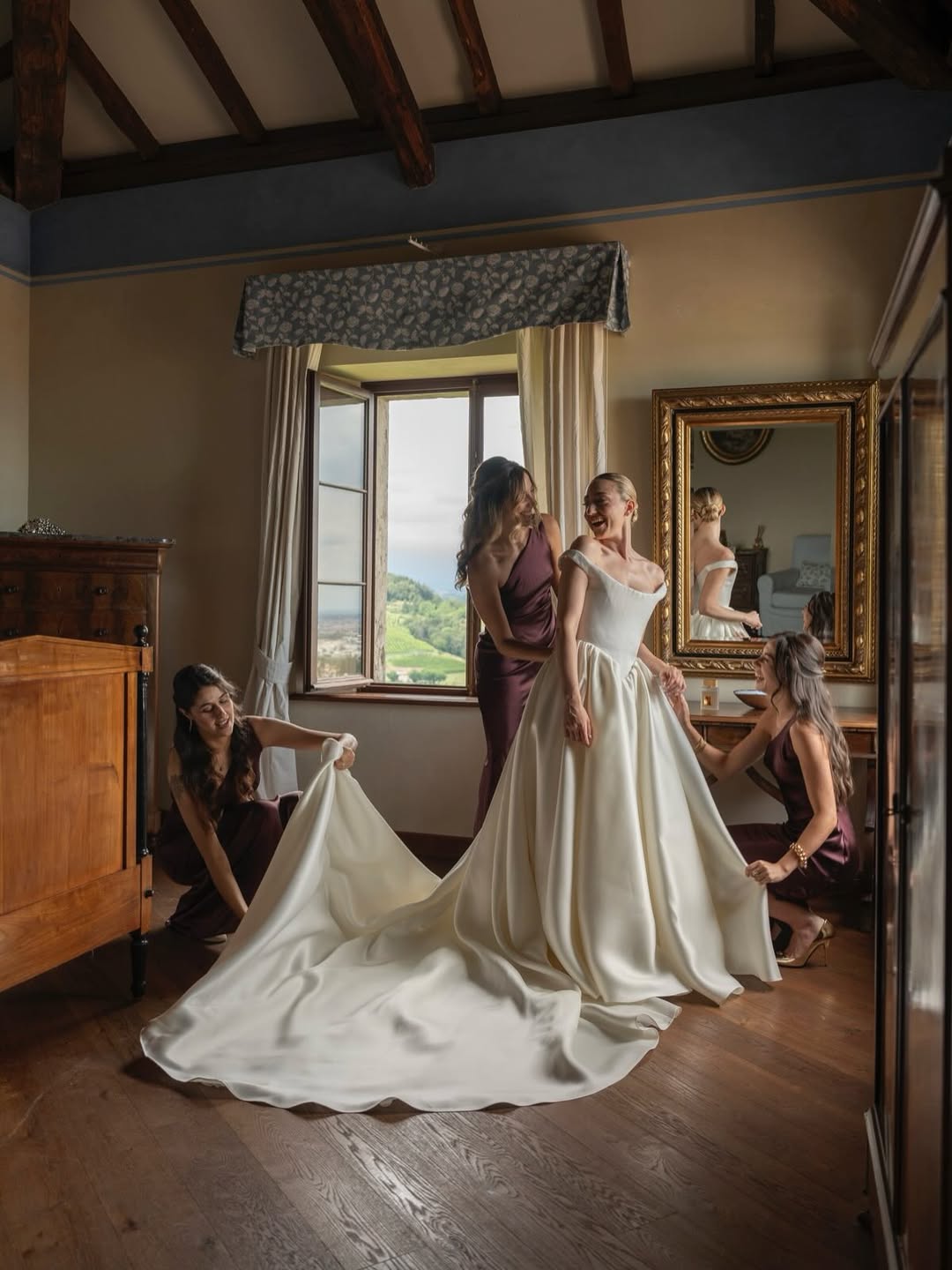
Photo: Mango Studios, Les Anagnou
The Phenomenon
This isn’t new. The pressure to dim yourself down so others feel brighter is a pattern that shows up across cultures, just under different names. In Australia, it’s called Tall Poppy Syndrome. In Scandinavia, it’s the Law of Jante. In Japan, there’s a saying: the nail that sticks out gets hammered down. The context changes, but the instinct is the same. Stand out, and expect to be cut down.
At weddings, this dynamic takes on a very particular shape. And it doesn’t always come from the bride herself. Often, it’s the atmosphere created by everyone around her. The aunt who whispers “isn’t that a bit much?” The bridesmaid who gives you a look. The collective energy that signals, without a single direct word, that you took up too much space. The bride might not even notice your outfit. But somehow, by the end of the night, you feel like you committed a crime.
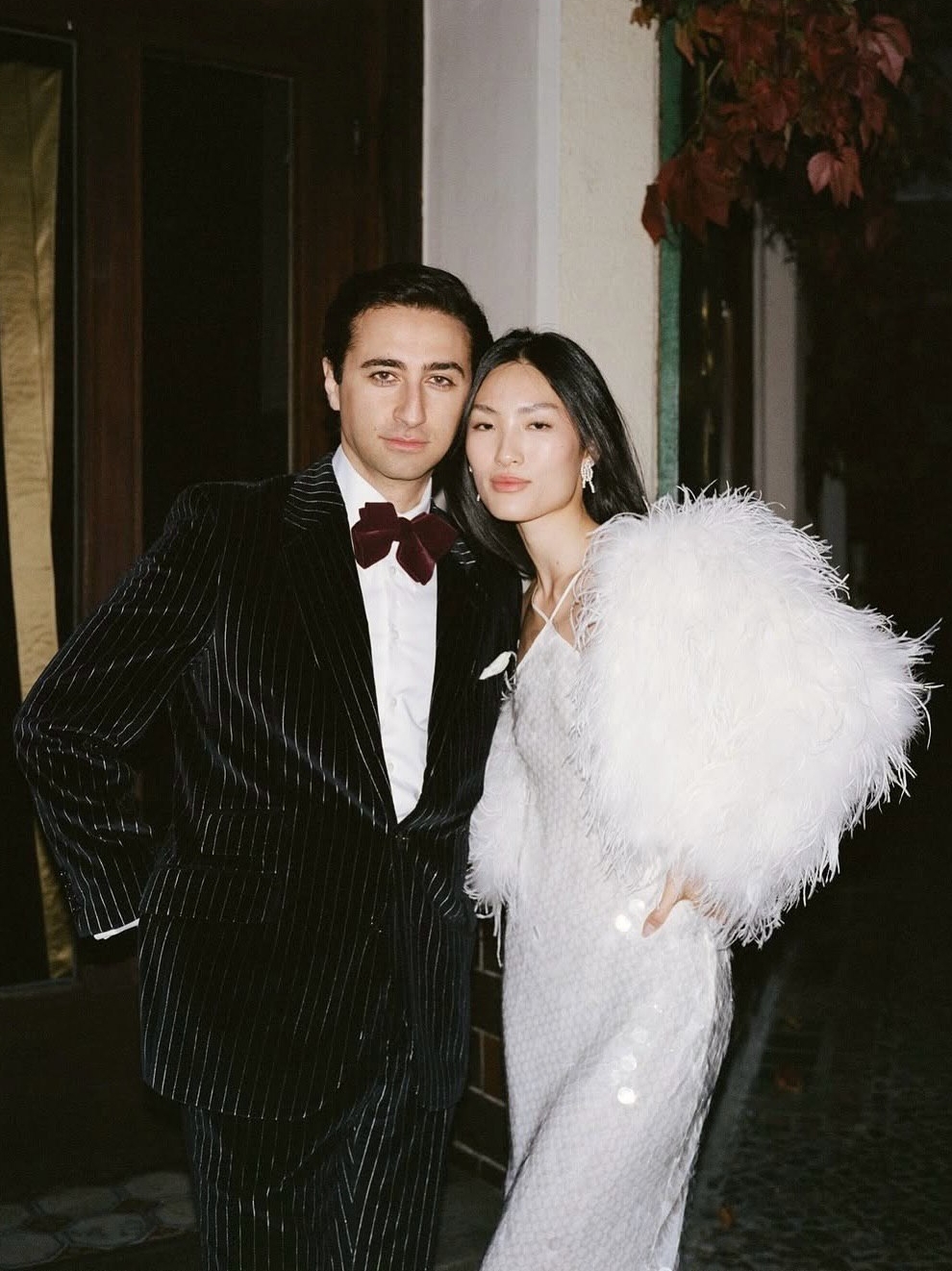
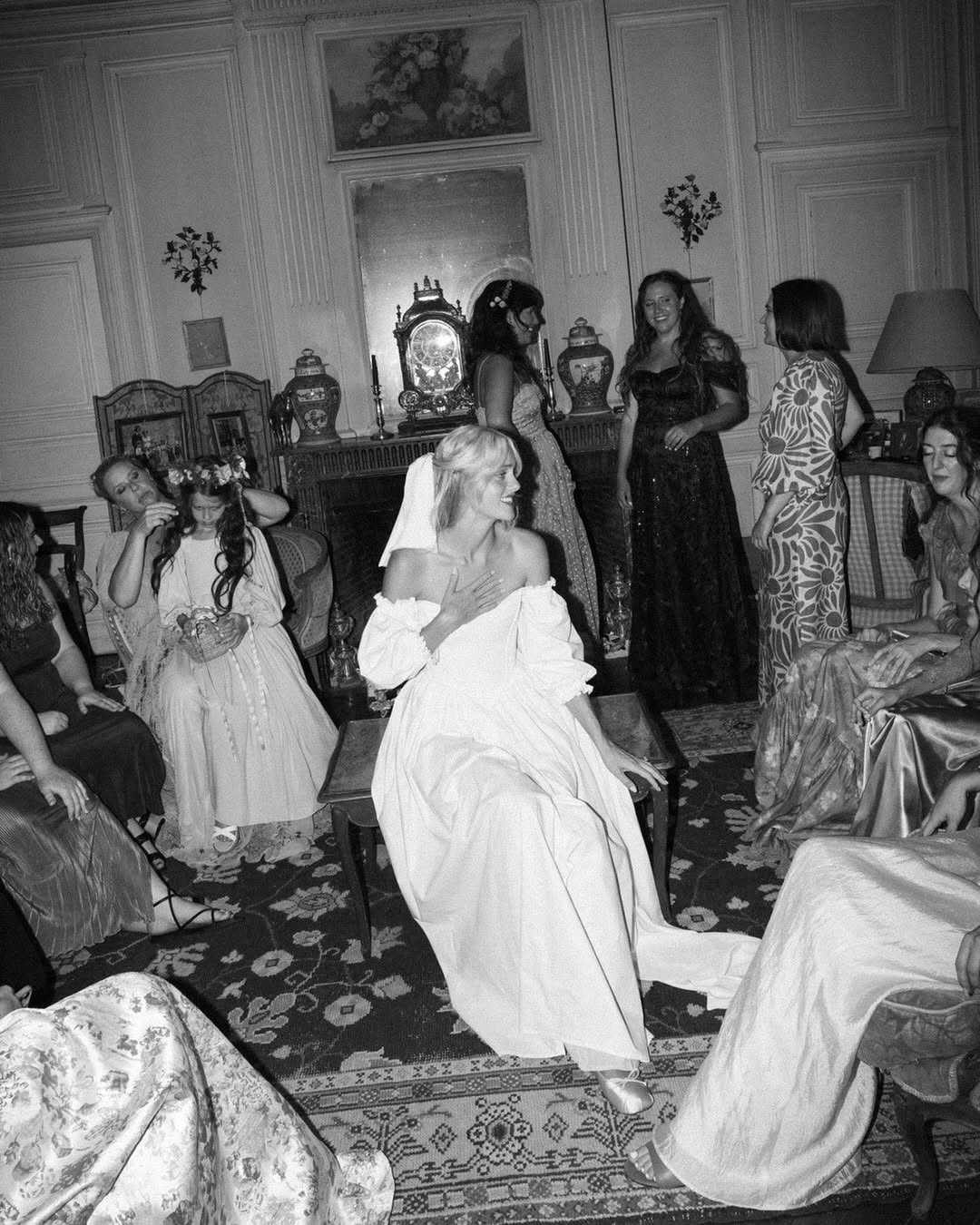
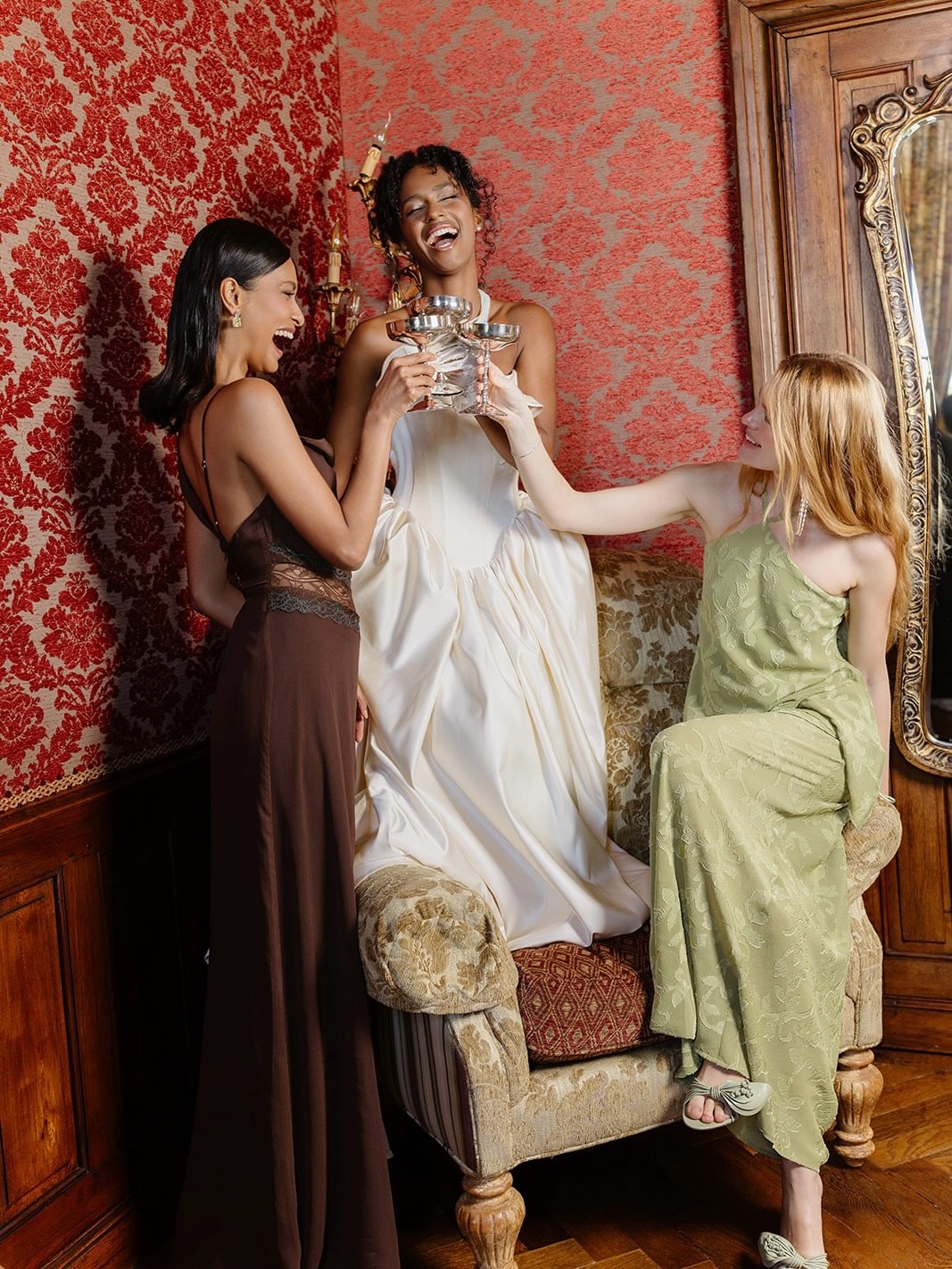
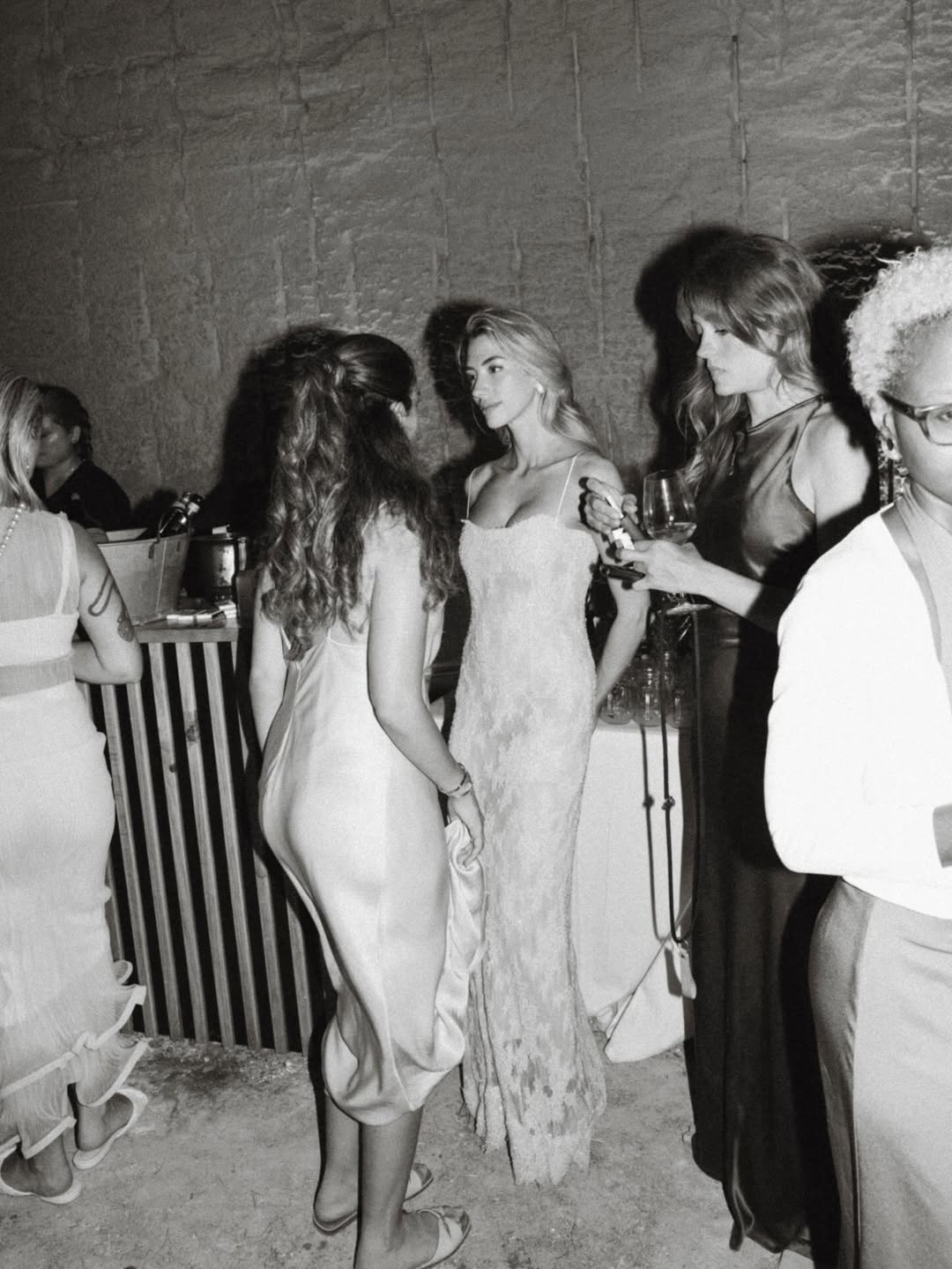
Photo: Frankie Isabel x ALTA Studio, Nous Nous Photo
What makes it more interesting is that the pressure runs in both directions. Many brides share that during their own dress appointments, they were actively encouraged to choose something bolder, more statement-making, something that would clearly set them apart from their guests. The unspoken fear: looking too understated, too similar, too easy to miss. So while guests are expected to tone it down, brides are simultaneously pushed to stand out more.
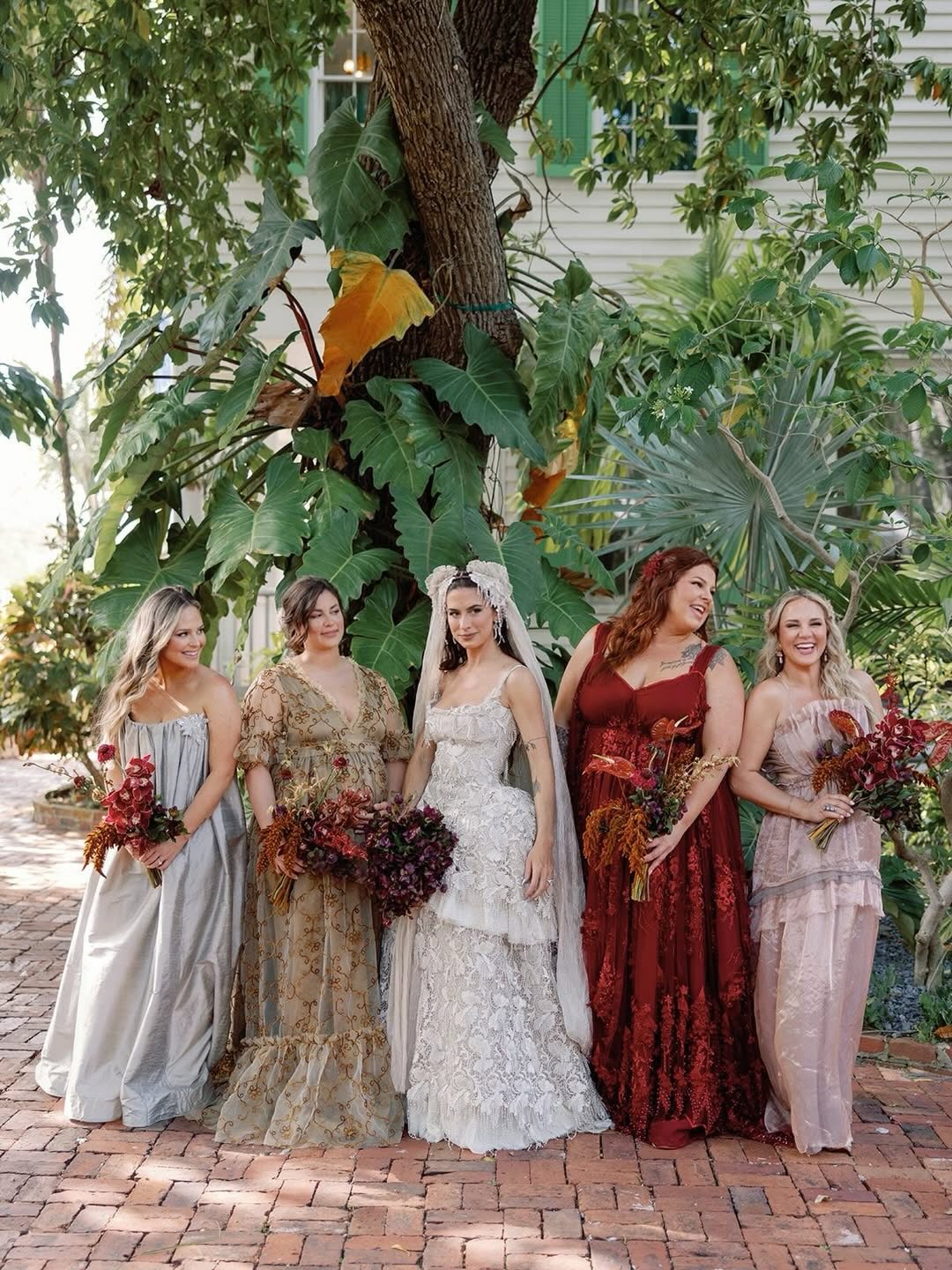
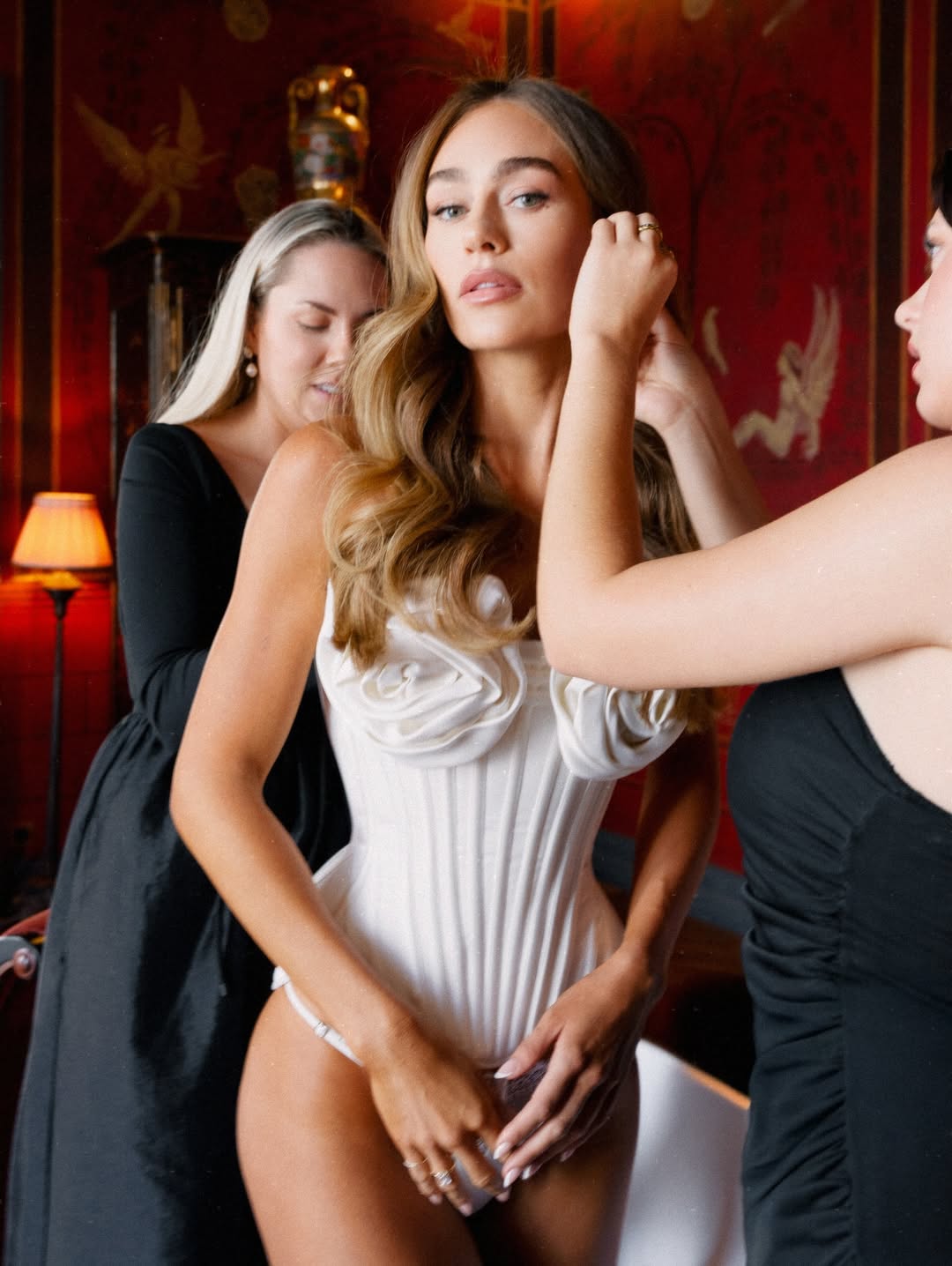
Two Sides
The conversation splits pretty cleanly into two camps, and both have a point.
On one side: it’s her day, there are basic rules, follow them. Don’t wear white or light beige. If there’s a dress code, respect it. It’s just about reading the room. A wedding isn’t a nightclub, and showing up in a look that clearly took more effort than the bride’s did is, at minimum, a lack of awareness.
On the other side: a confident bride doesn’t need everyone around her to look worse. If the only way you feel like the most beautiful person in the room is by controlling what everyone else wears — that’s not a guest problem, that’s an insecurity problem. Be who you are. Wear the dress. A rising tide lifts all boats, and a stunning guest makes for stunning photos.
Both of these things can be true at the same time.
@charlotteclemiewedding Part one - This video has had over 30 million views across all my social platforms so I feel like I need to tell you exactly what happened on this day 😬 I’ve had a lot of hate from people myself - telling me I should have l stepped in … so it’s time I tell you the backstory ! I’ve had the brides permisison - so here goes ! Iconic bridesmaid @Ava Morgan #weddingphotography #editorialwedding #thebackstory #bridesmaid #viral ♬ Beep (2 seconds) - Official Sound Studio
Social Media & the Blurry Definition
Ten years ago, this conversation happened at the dinner table and was forgotten by morning. Now it plays out on TikTok, with millions of viewers, a comment section on fire, and the guest’s outfit tagged and dissected by strangers. Weddings have become content. The bride is the main character. Everyone else is, quite literally, background.
And that shift carries a weight that’s easy to underestimate. Research consistently shows that the human psyche was never built for this kind of exposure. Evolutionarily, we are wired to care about the opinions of our immediate circle. Being watched and judged by millions is something our brains have no real framework for. It distorts self-perception, amplifies insecurity, and makes every detail feel disproportionately high stakes. For a bride, that pressure is already significant. Add a viral moment, and it becomes something else entirely.
This makes the blurry definition of “outshining” even harder to navigate. Because nobody actually agrees on what it means. Is it wearing white or ivory? Sure, that one’s relatively clear. But some people have flagged guests for wearing red, for having a blowout, for being tall, for simply being attractive. At some point, “outshining the bride” stops being about etiquette and starts being about something else entirely. If the standard is “don’t be more noticeable than me in any way,” that’s no longer a dress code. It’s something worth questioning.
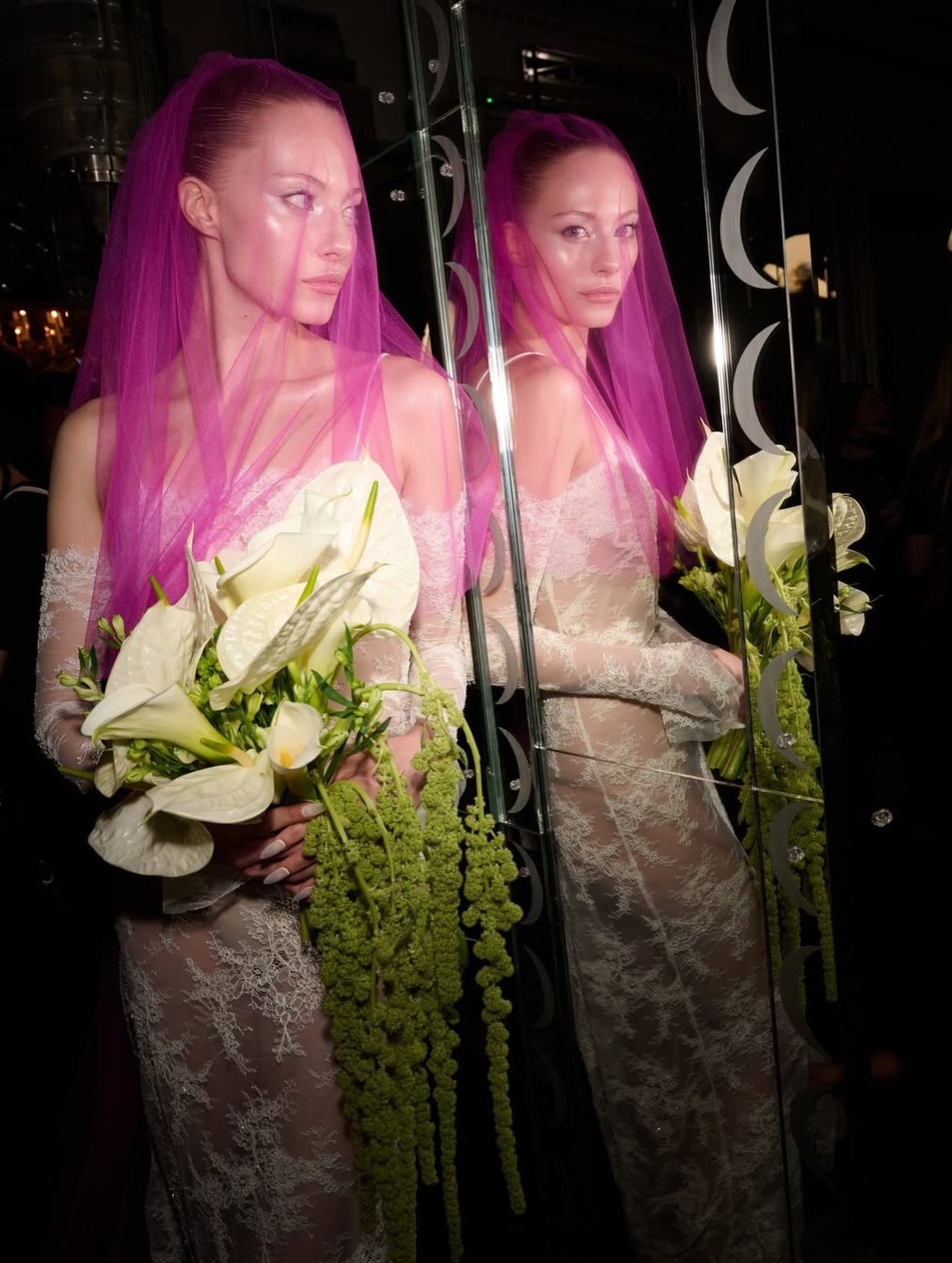
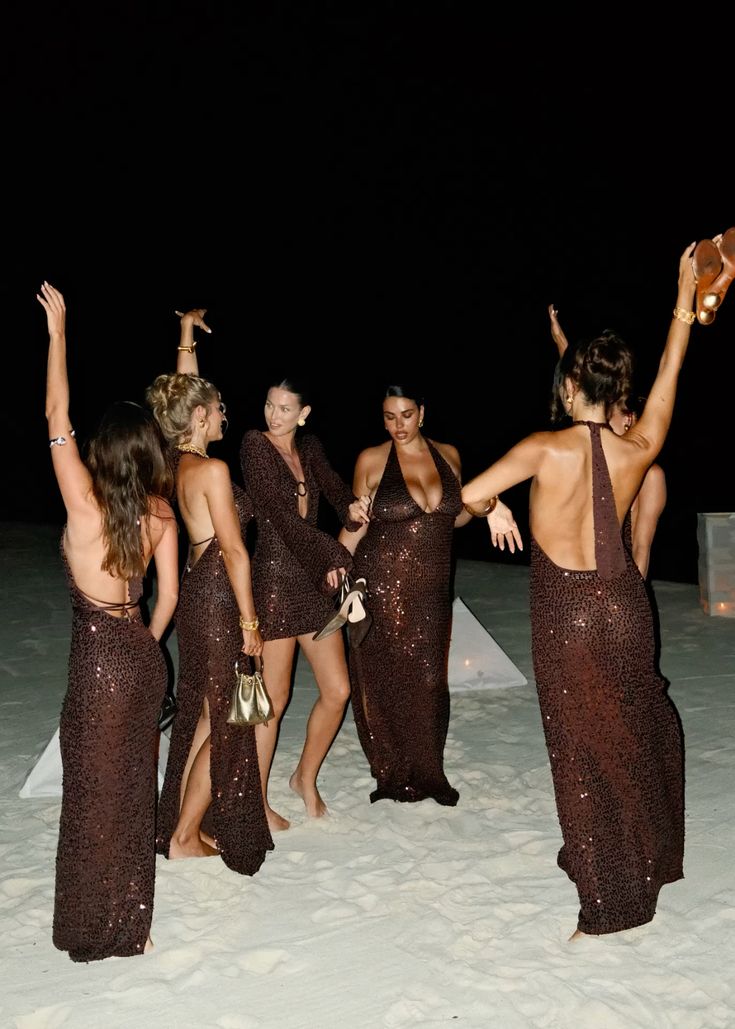
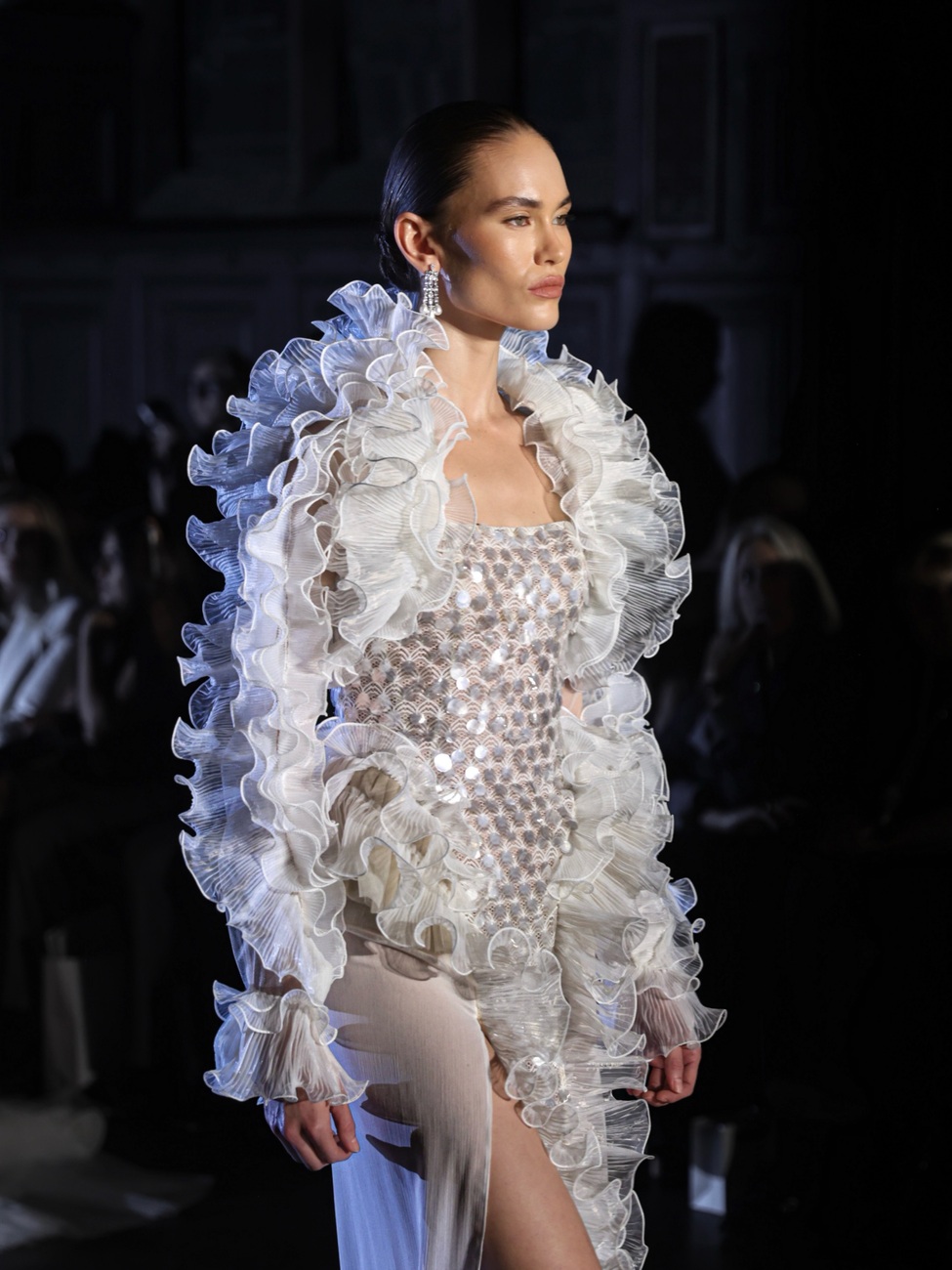
Photo: James Cochrane, Monday Swimwear
Cultural Context
Scroll through Reddit’s wedding threads for twenty minutes, and one thing becomes obvious: what counts as “outshining” is deeply cultural, and what causes a scene at one wedding would be completely normal at another.
At many African and Nigerian weddings, guests are expected to show up in full glamour — elaborate gele, bold colors, statement jewelry. Looking spectacular is a form of respect and celebration. At a traditional Slavic wedding, guests often dress up significantly, and nobody bats an eye. Meanwhile, in some Northern European contexts, understated is the default, and anything too flashy reads as attention-seeking. The problem arises when those cultures mix or when someone applies their own cultural rulebook to someone else’s wedding without realizing it. A lot of the “she outshone the bride” stories on Reddit aren’t really about outshining. They’re about a cultural mismatch that nobody talked through beforehand.
@wemiopakunle What is happening with brides going off on guests? Is it just insecurity? Wedding etiquette gone wrong? Share your thoughts. #weddingetiquette #weddingstory #bridezilla #fyp #foryou #foryoupage #storytime #weddingguest ♬ original sound - WEMI
@sunnyfromsunnybread Replying to @memyselfandi #koreanwedding #culture #respect ♬ original sound - sunnyfromsunnybread
The Gender Angle
Nobody ever says “he outshone the groom.” Not once, in any of these conversations, does a well-dressed male guest get accused of stealing the spotlight. Men wear sharp suits, show up looking excellent, and it’s simply not an issue. But let a woman look too good, and suddenly there’s a whole discourse.
The “outshining” phenomenon is aimed almost exclusively at women. And underneath it sits something older and more familiar: a manufactured competition between women simply for the right to be seen. The idea that visibility is a limited resource. That if someone else is noticed, something is taken from you. That a stunning guest is somehow a threat.
It’s a myth, but a persistent one. And weddings, with all their emotional weight and social scrutiny, tend to bring it to the surface. Recognizing that dynamic — naming it for what it is — is already a step toward something healthier. For guests, for brides, and for the way women show up for each other.
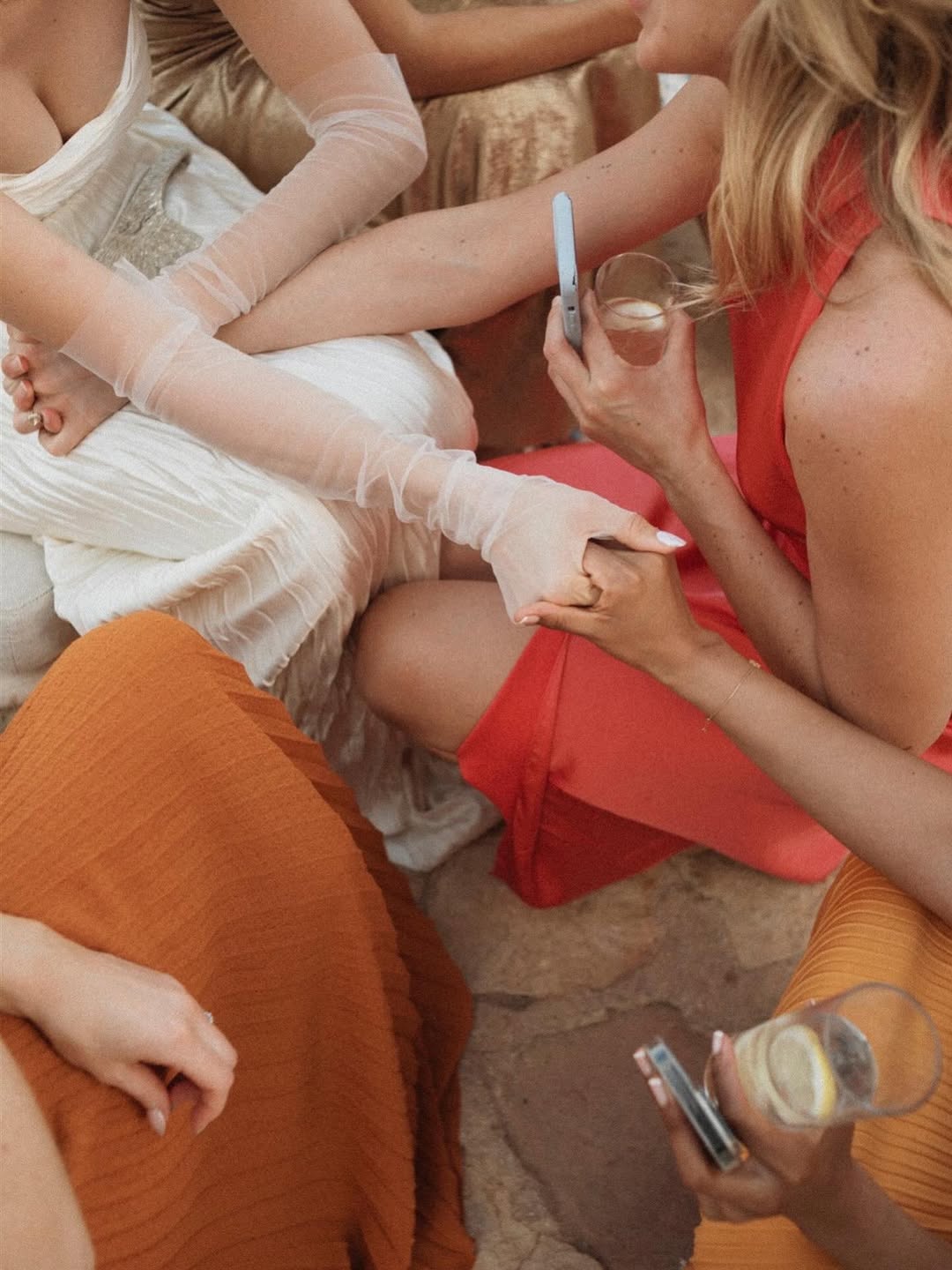
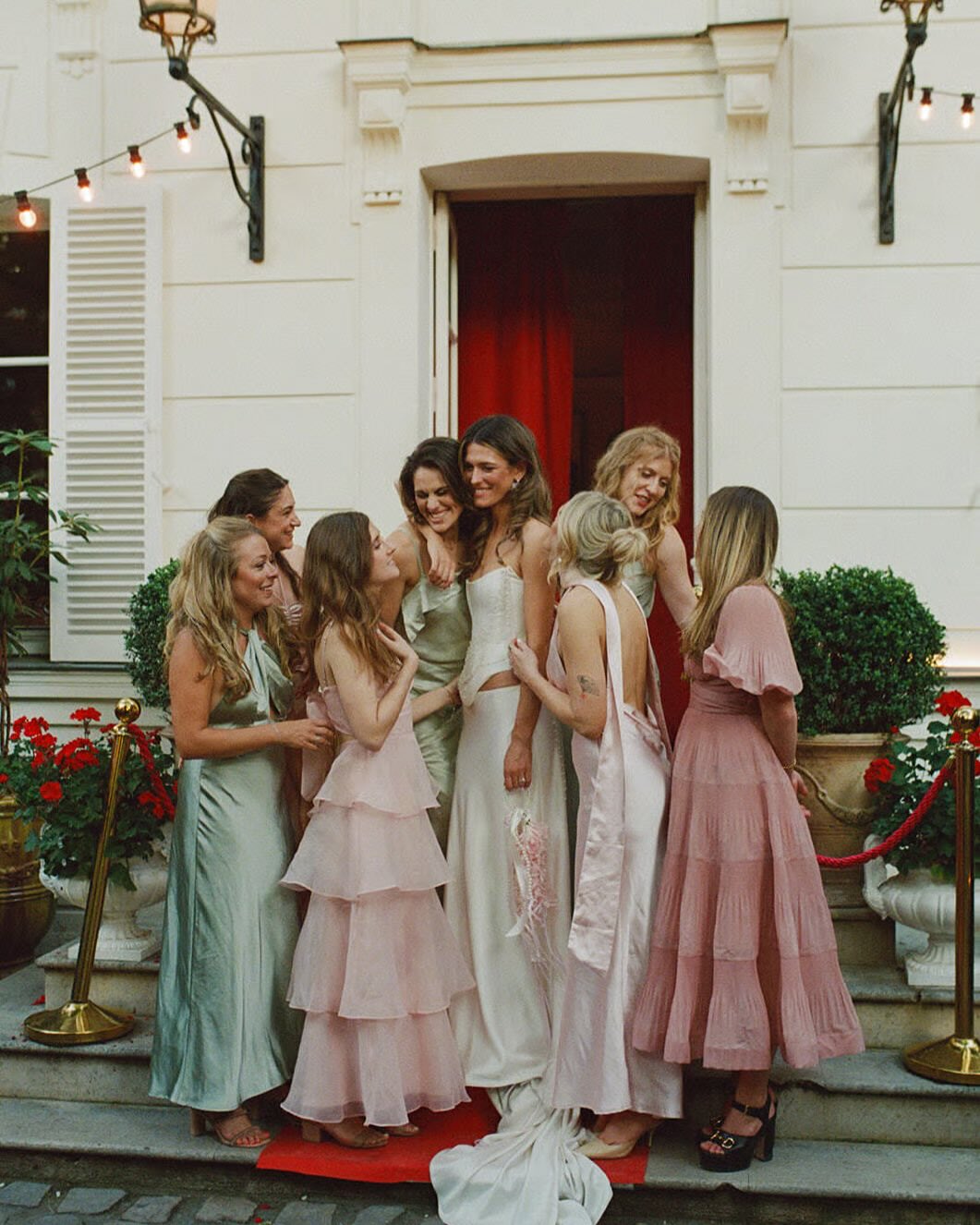
Photo: Nous Nous Photo, Nicole Plett
When the Guest Is Actually Wrong
That said, sometimes the guest is genuinely wrong. A few things that tend to cross the line:
- Wearing white, ivory, or anything that reads bridal. It’s the most universally understood rule, and breaking it rarely happens by accident.
- Ignoring the dress code entirely. If the couple took the time to specify one, that’s not a suggestion.
- Dressing in a way that is clearly calculated to provoke. The ex who shows up looking runway-ready. The mother-in-law is in cream. These are choices, and everyone in the room knows it.
Following the couple’s lead is straightforward. If they’ve shared guidelines, respect them. If they haven’t, basic awareness goes a long way. The line between “I looked great” and “I made it about me” is usually obvious in hindsight.
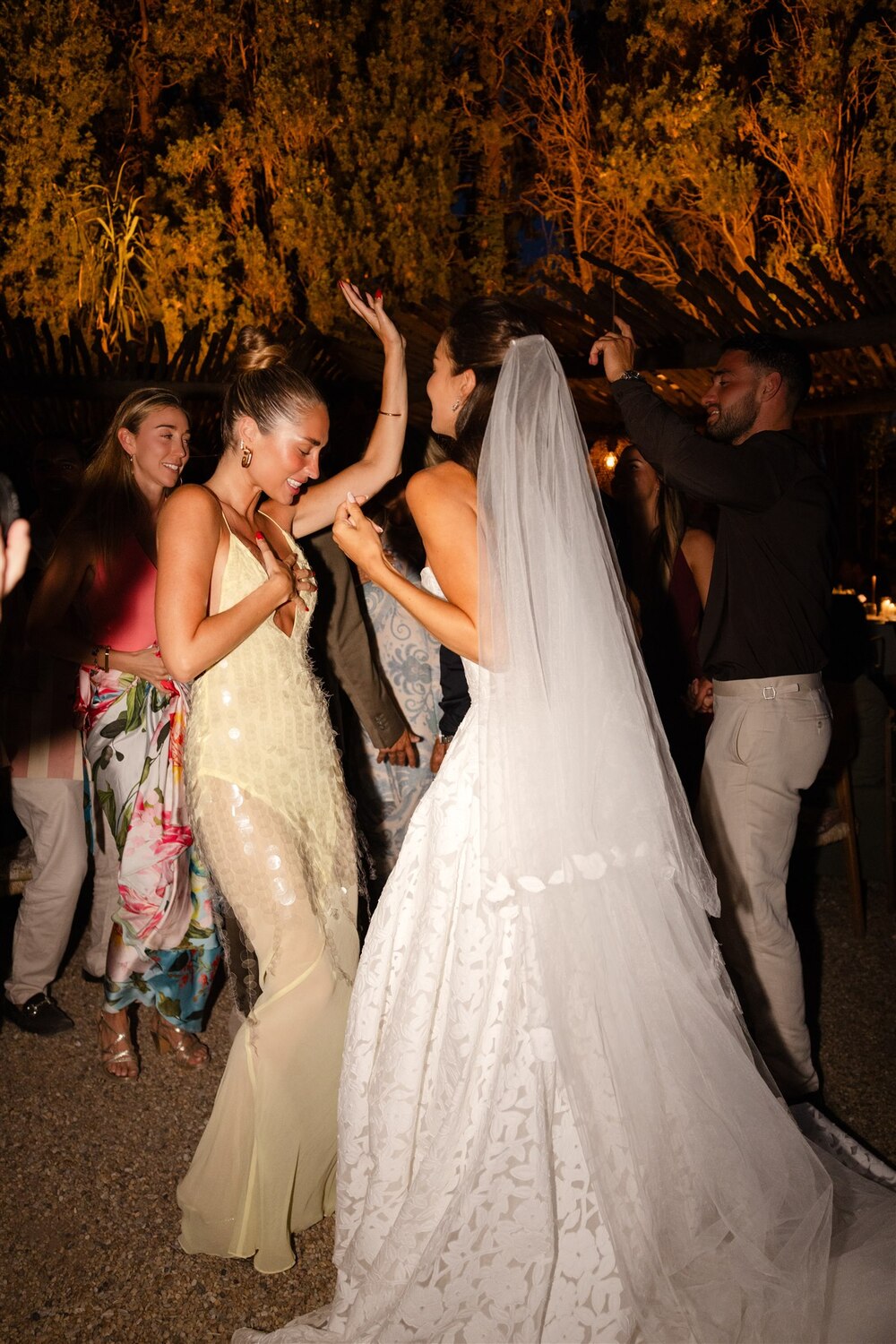
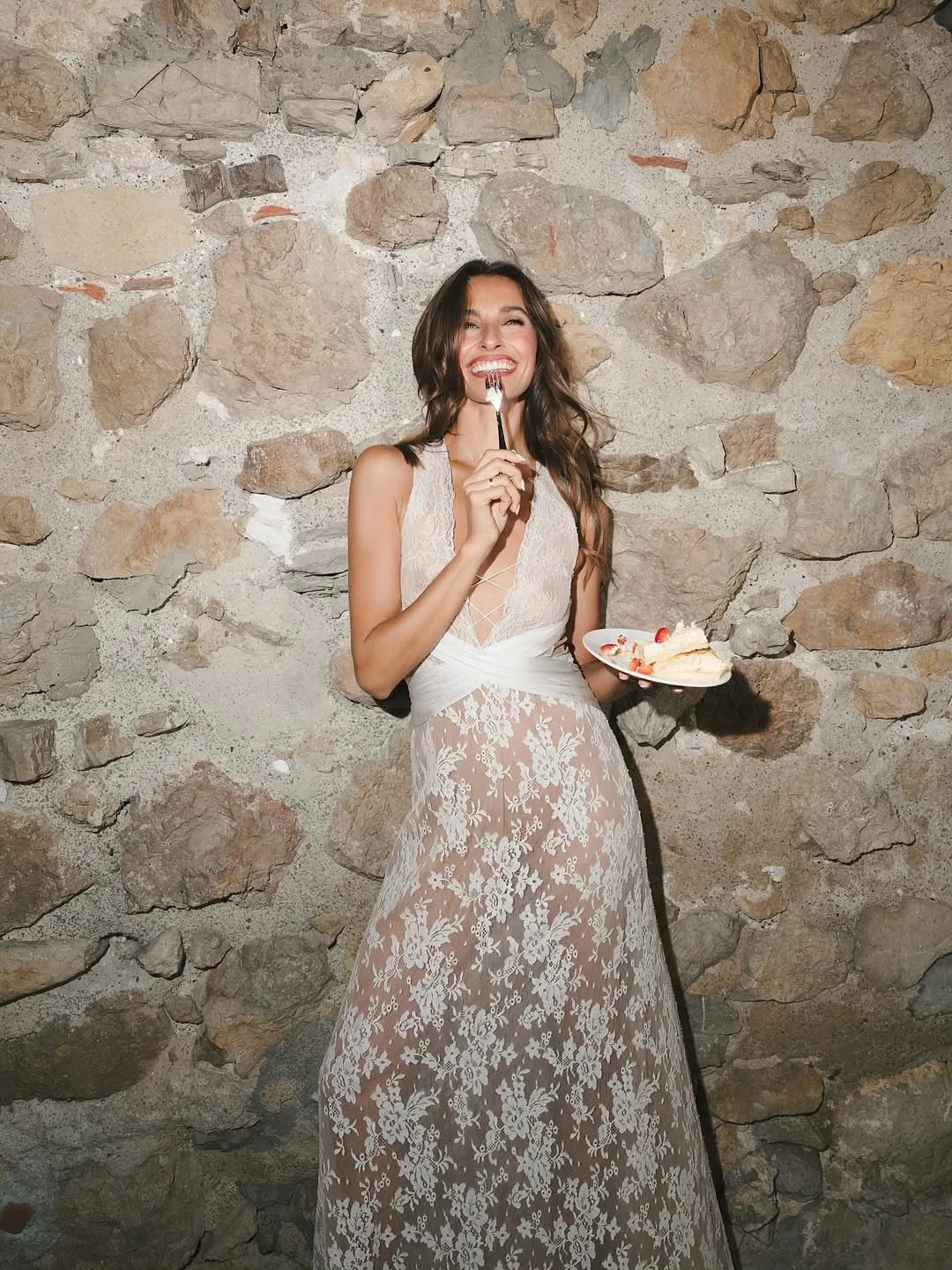
Photo: Elisabetta Riccio, Jack Henry
The Flip Side
And then there are the brides who flip the whole script. Some couples actively encourage their guests to go all out — “dress like you’re on a red carpet, outshine me, I want you to shine.” It’s becoming more common, and honestly? It’s the most confident energy in the room. These brides aren’t threatened by a stunning guest. They’re building an atmosphere. They want the whole event to feel electric, and they know that starts with how people show up.
There’s a quiet philosophy in that approach. A secure person doesn’t need to be the only light in the room. They just need to be their own. And maybe that’s the real takeaway from all of this — the question was never really about hemlines or sequins. It was always about how comfortable we are with other people shining.