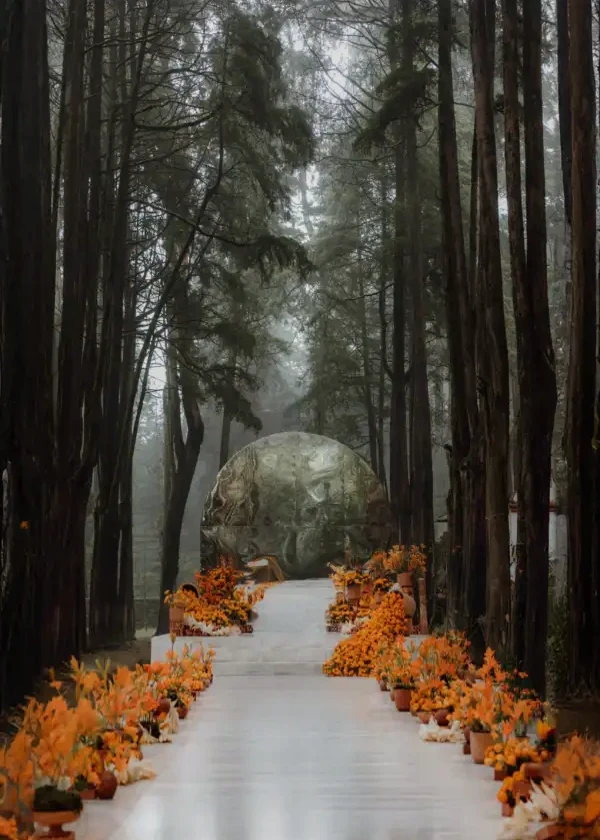
Hot Girl Summer has come to an end, giving way to a more structured period. As September rolled in, many of us felt the urge to recalibrate: to set new goals, return to routines, and set a serious sense of focus. But fall is not just about getting things done; it’s also about staying close to yourself. The season gently pulls us inward, asking us to reflect, to slow down, and to stay emotionally grounded as everything around us shifts. And in this change, we’re reminded that inner warmth isn’t a given, it’s something we choose to cultivate.
One of the most powerful ways to romanticize this season is through story. Fall cinema doesn’t rely on spectacle, plot twists, or special effects. It’s grounded in reality in conversations that matter, in quiet moments that stretch, in the kind of warmth people offer each other and, just as importantly, themselves when the world starts to cool down. Below is a curated selection of films and a few series that understand fall not as an ending, but as an opening. To reflection. To feeling. To be present with yourself.
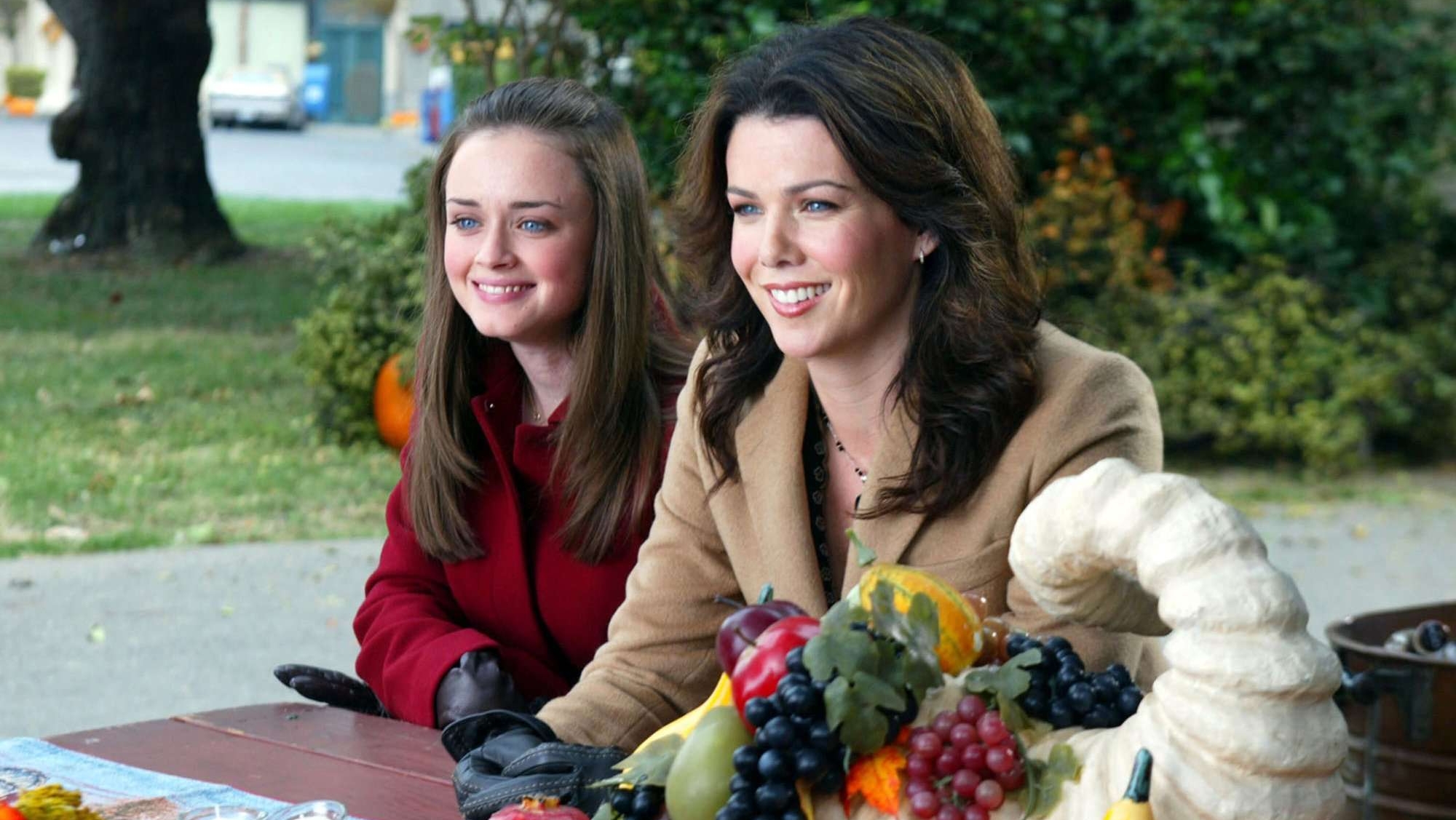
If fall were a TV show, it would be Gilmore Girls. Stars Hollow is a town where fall has permanent residency: pumpkins on porches, coffee in hand, a festival always around the corner. At its core, the series is about Lorelai and Rory Gilmore, a mother and daughter who talk fast, feel deeply, and somehow make chaos feel comforting. Beneath the pop culture references and caffeine is a story about identity, ambition, and the safety of a world that doesn’t move too fast. Watching Gilmore Girls feels like returning to a place you’ve never been, but somehow already miss.
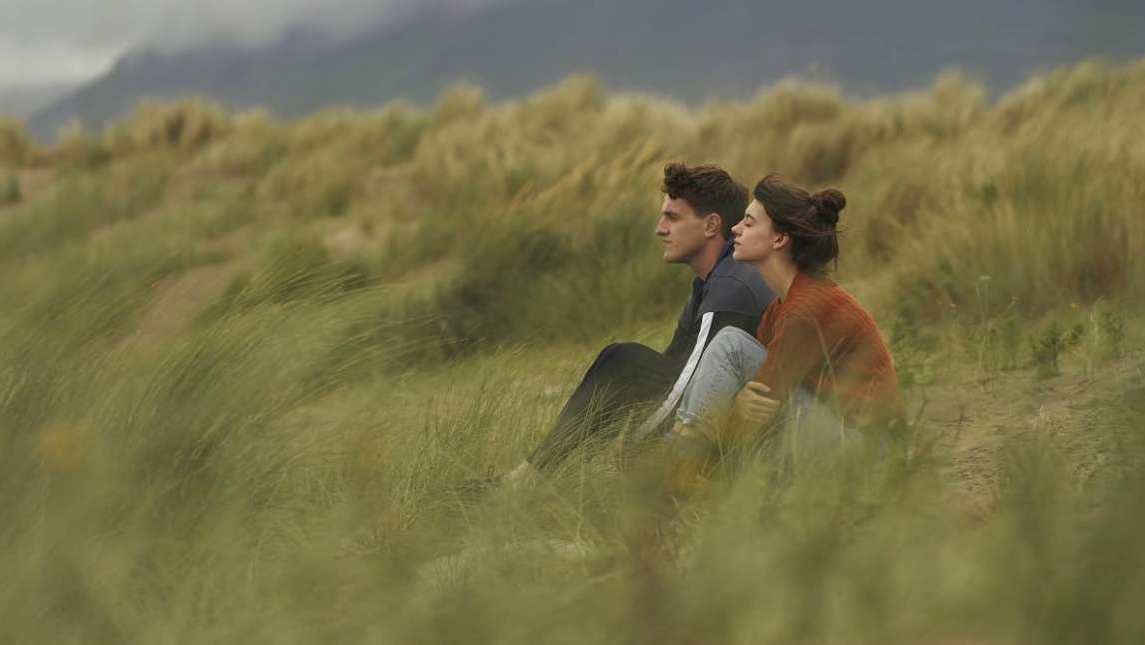
Normal People is quiet in all the right ways. Set in Ireland, it follows Connell and Marianne, two people who keep finding and losing each other in the quiet spaces between words. There are no big twists here, just the slow unraveling of first love: glances held too long, messages never sent, moments that could’ve gone differently. The series feels like fall: grey skies, soft light, and the kind of silence that makes you listen more closely. It’s about class, connection, shame, and tenderness. But mostly, it’s about what happens when someone sees the parts of you you don’t know how to name.
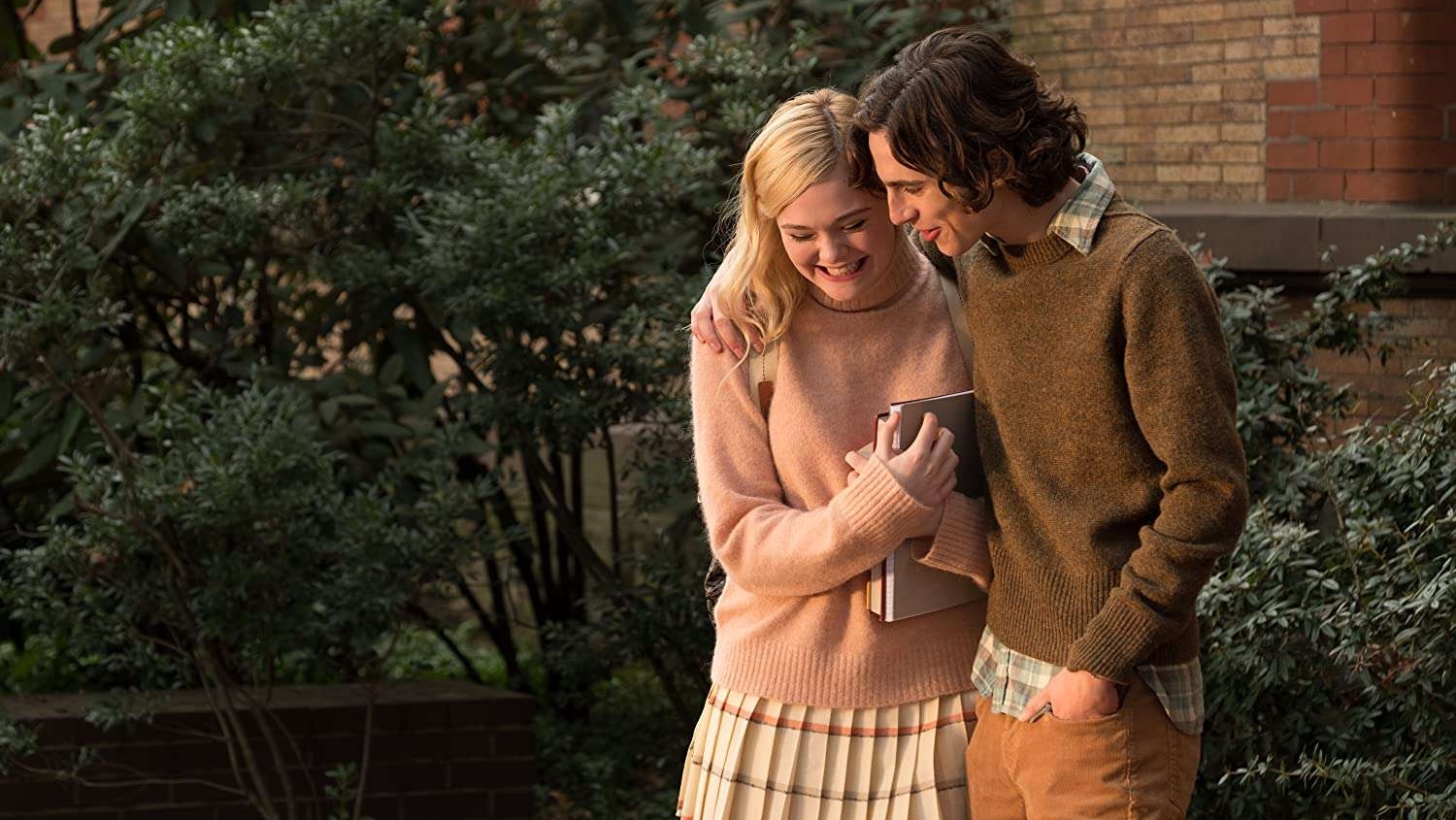
In A Rainy Day in New York, everything is slightly askew on purpose. Directed with a touch of nostalgia, the film drifts through old hotels, smoky jazz clubs, and book-lined apartments as if time has softened every edge. It stars Timothée Chalamet and Elle Fanning as two students whose weekend plans in the city spiral into separate, rain-soaked adventures.
Autumn here is more than aesthetic; it’s the emotional temperature of the film. The city is drenched in atmosphere: mist on the pavement, steam from subway grates, umbrellas folding and unfolding like small personal dramas. It reminds you that some stories and seasons are best left unresolved.
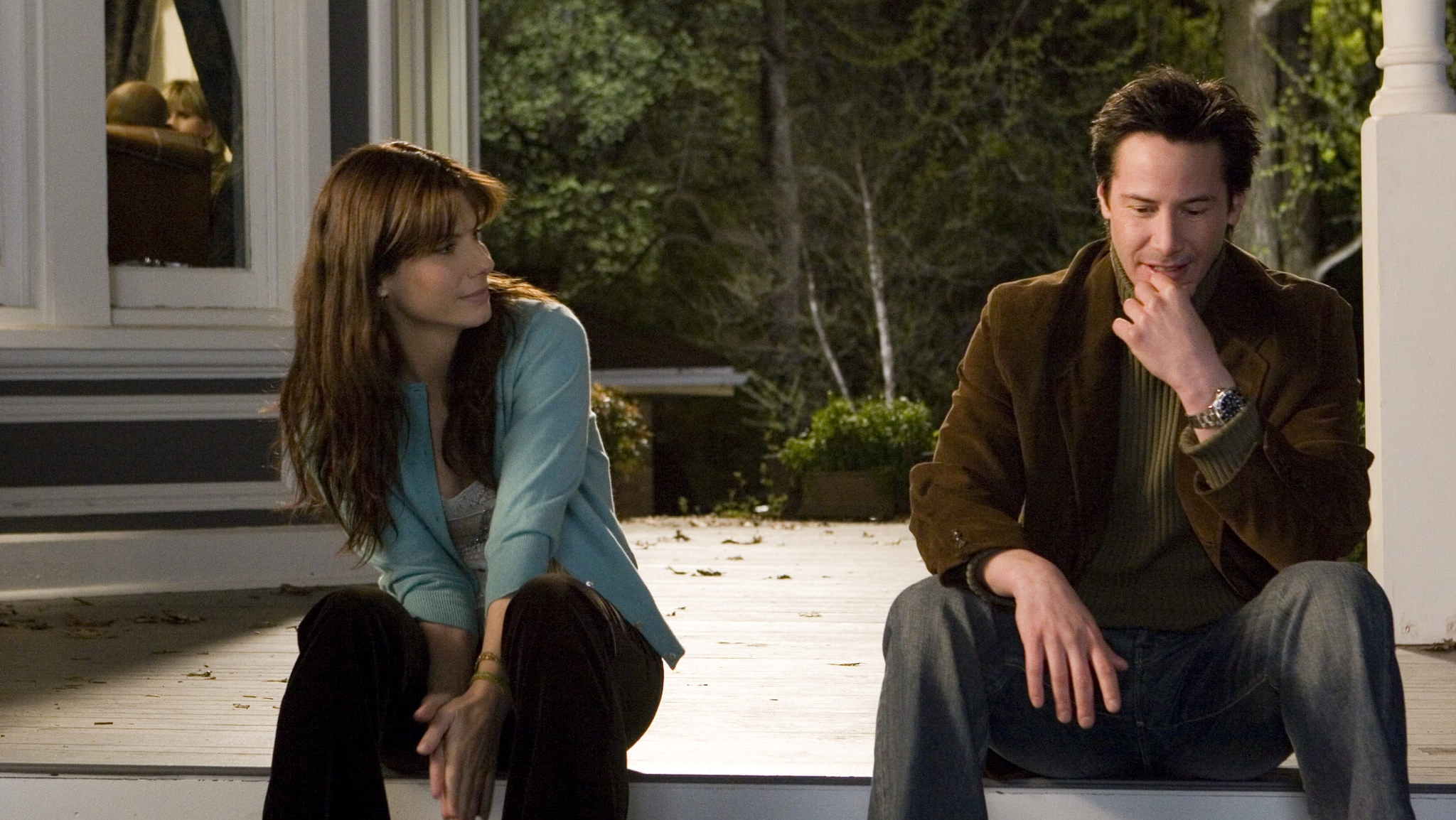
This family classic follows a father reluctantly preparing for his daughter’s big day. Costume designer Susan Becker dressed the bride, Annie Banks, in a lace-sleeved gown with a cupcake-style veil. The most memorable detail? White lace-covered sneakers under the gown, a playful touch that symbolized comfort over tradition, years before brides began choosing flats and sneakers as a mainstream option.
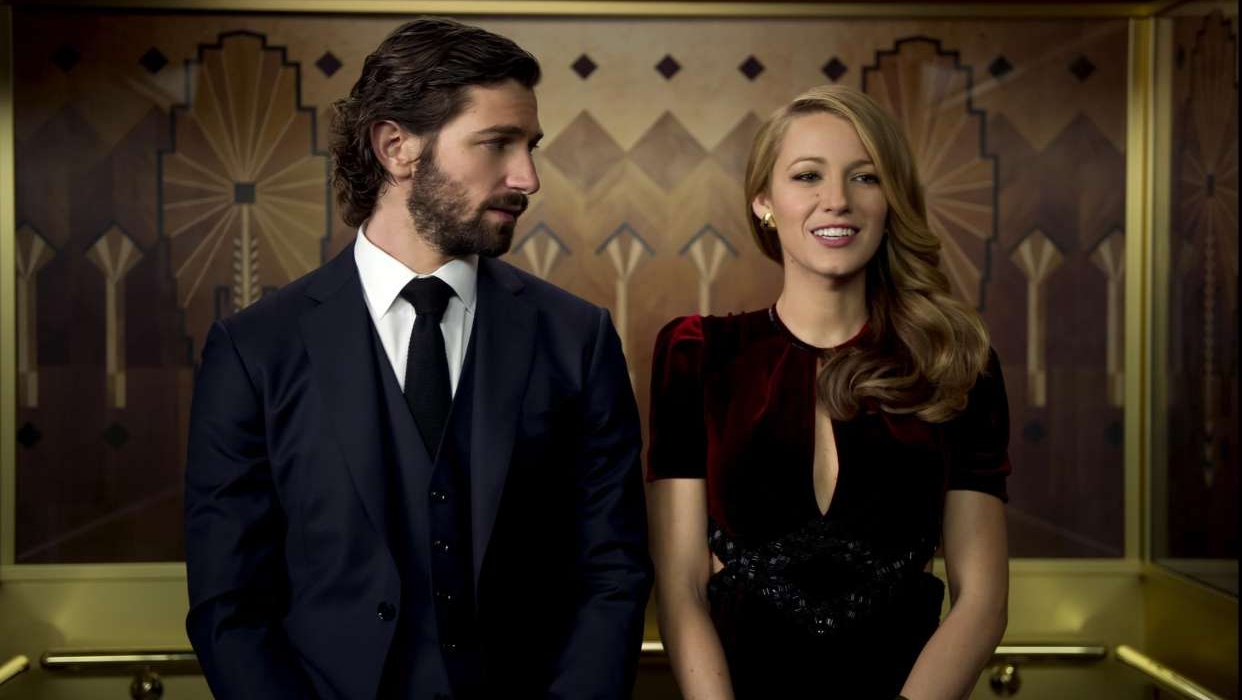
At first glance, The Age of Adaline looks like a fairytale, and in many ways, it is. Blake Lively plays Adaline, a woman who stops aging after a mysterious accident and lives through the decades without ever truly settling down. But beneath the stylized visuals and timeless wardrobe is a quieter question: what happens when everything around you changes, but you don’t?
The film spans multiple eras, yet its emotional weight lands squarely in the present, where Adaline finds herself falling in love again. Autumn fits this story like a glove. The film’s palette leans into it with amber lighting, rain-dappled streets, and interiors that glow like old photographs. And Adaline’s clothes, vintage coats, soft knits, muted colors are pure seasonal poetry.
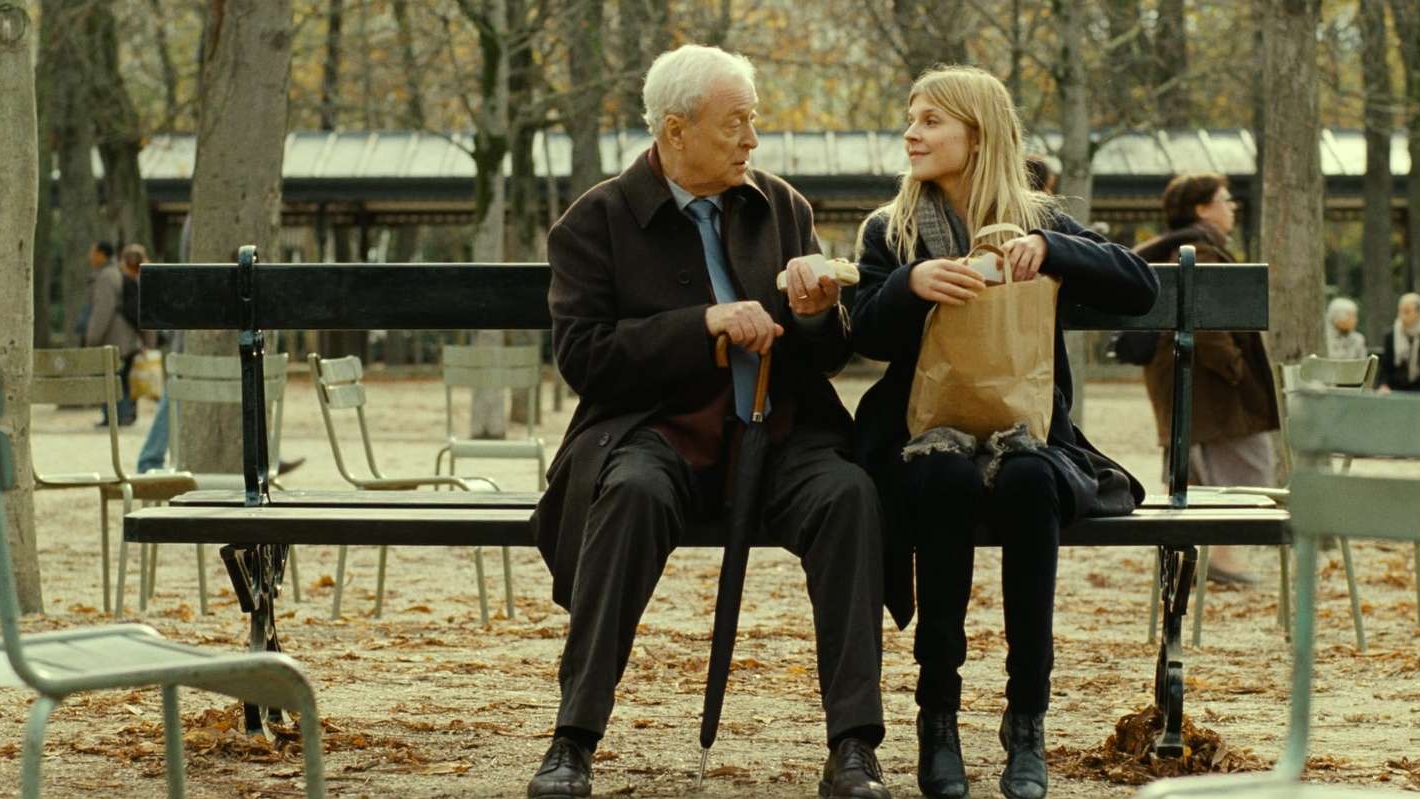
Last Love moves with the quiet dignity of its lead character, a retired American philosophy professor living in Paris, played with extraordinary softness by Michael Caine. After the death of his wife, his days are defined by silence, repetition, and a kind of elegant detachment. Then he meets Pauline, a young dance instructor who sees him not as someone to be fixed, but simply as someone to be with. Set against the golden tones of a Parisian autumn, Last Love finds slow breakfasts, quiet walks, soft light pooling through old windows in everyday.
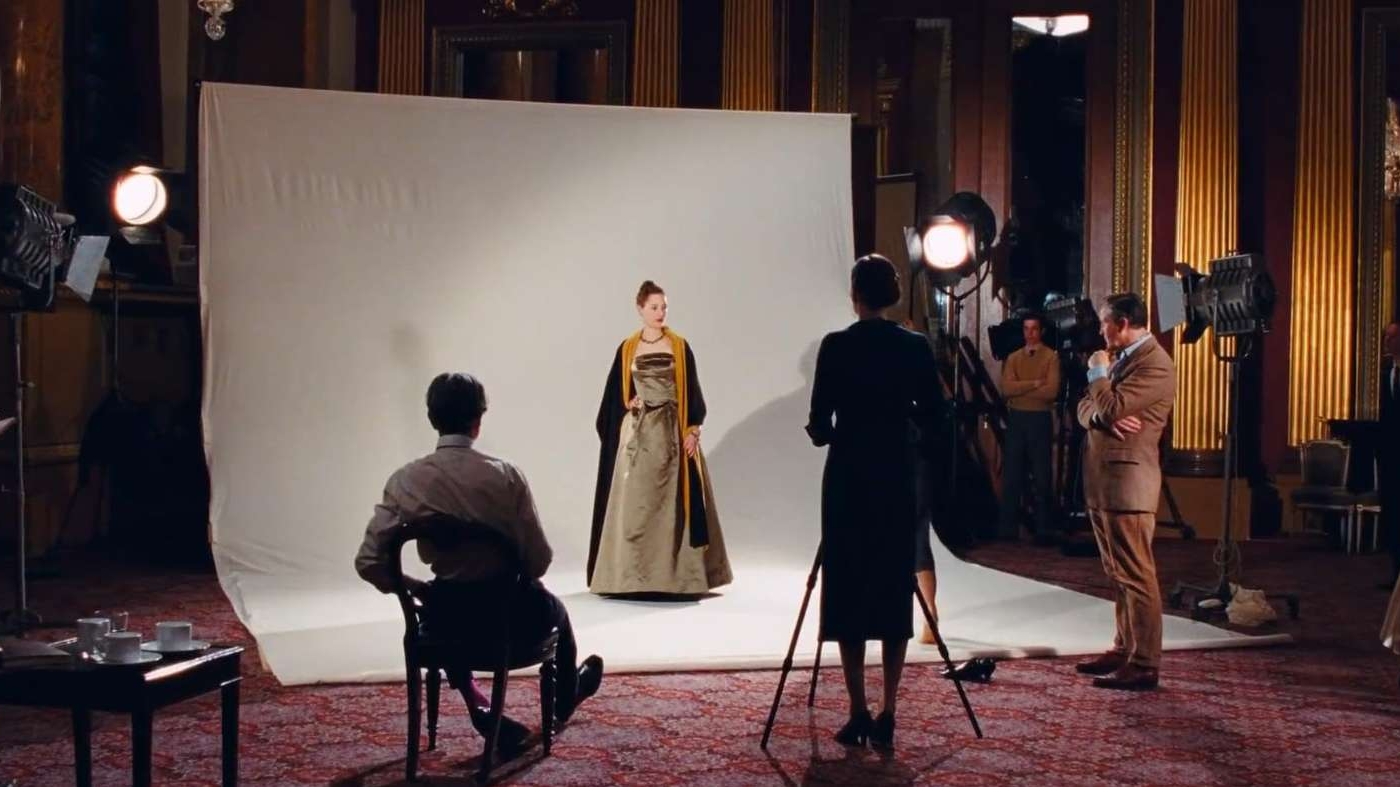
Fall often evokes comfort with warm sweaters, soft stories, familiar rhythms. Phantom Thread offers none of that. And yet, it belongs here. Paul Thomas Anderson’s strange, stunning portrait of obsession, routine, and control is set in postwar London, where every emotion is ironed flat and stitched into silence.
A renowned dressmaker who lives his life with surgical precision. Every breakfast is identical. Every silence is charged. Into his world walks Alma, a quiet waitress who becomes his muse, model, and emotional match — though not in the way he expects. What unfolds is not so much a romance as a negotiation of power, love, and surrender.
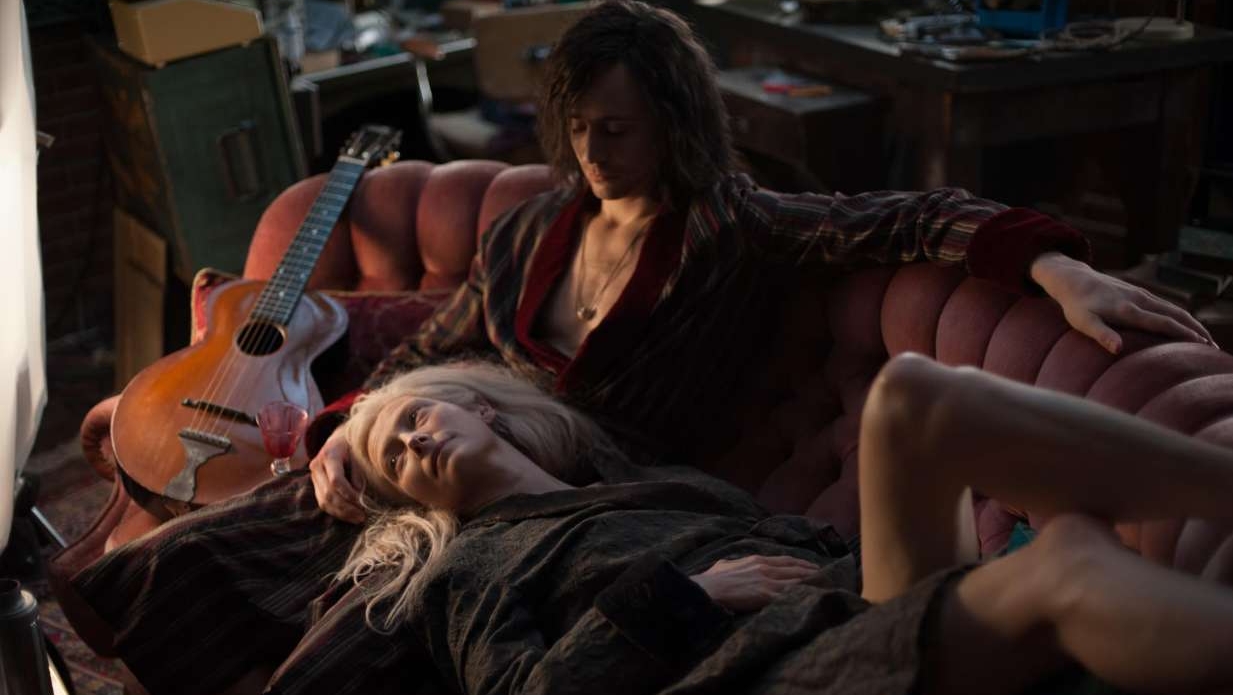
If fall had a soundtrack, it might sound like the slow, echoing chords of Only Lovers Left Alive. Jim Jarmusch’s hypnotic take on immortality isn’t about vampires as monsters; it’s about vampires as melancholic intellectuals drifting through a decaying world. Tilda Swinton and Tom Hiddleston play Adam and Eve, lovers who have been alive for centuries, reading, listening to records, talking through the night.
Set in Tangier and Detroit, two cities rich in ruin and resonance, the film is more tone poem than narrative. Autumn here is emotional: a long, slow fade filled with beauty, sorrow, and antique lamps, velvet drapes, worn leather.
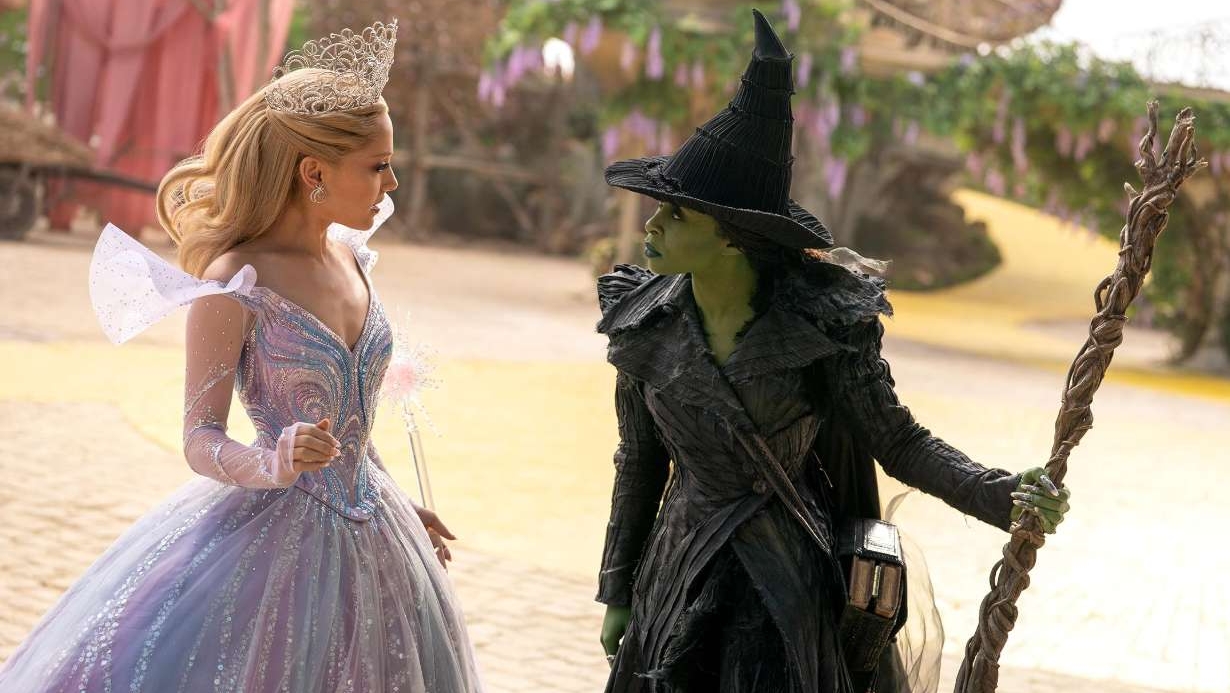
Wicked, based on the beloved Broadway musical and starring Cynthia Erivo and Ariana Grande, pulls the world of Oz into deeper, more human territory. It tells the story of Elphaba, the so-called Wicked Witch, long before Dorothy’s house drops from the sky. At its core, Wicked explores the theme of being different and how being misunderstood can harden into defiance. It’s a story of friendship, identity, and the quiet bravery of standing apart. Visually lush and emotionally layered, the film leans into magic without losing meaning. And as the nights get darker and October drifts toward Halloween, it’s the perfect choice.
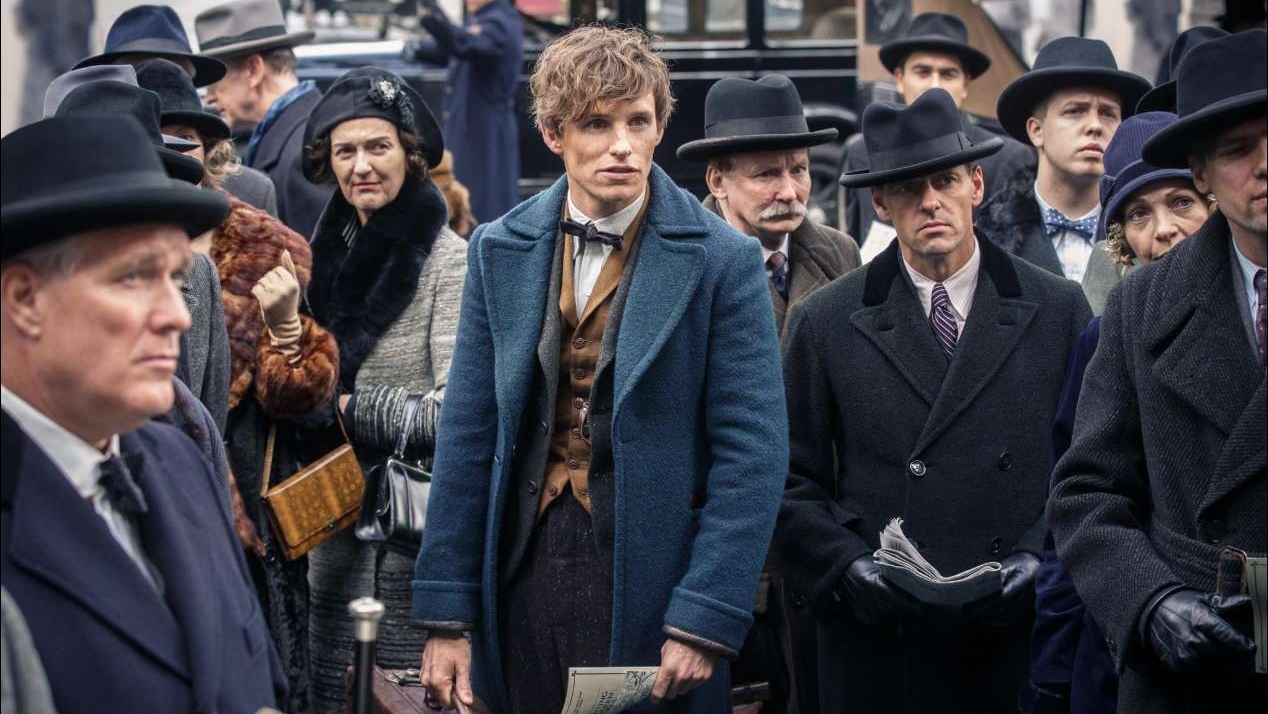
Set in 1920s New York, Fantastic Beasts brings a quieter kind of magic: full of foggy streets, wool coats, and gentle wonder. Eddie Redmayne plays Newt Scamander, a shy magizoologist with a suitcase full of magical creatures, who finds himself in the middle of something much bigger than he planned.
Every scene looks like a page from an old storybook: muted colors, vintage details, and that early chill in the air that always feels like the start of something. Fantastic Beasts is the perfect prelude to the Christmas Harry Potter marathon, a way to ease into the wizarding world while the leaves are still on the ground and the light hasn’t fully disappeared.
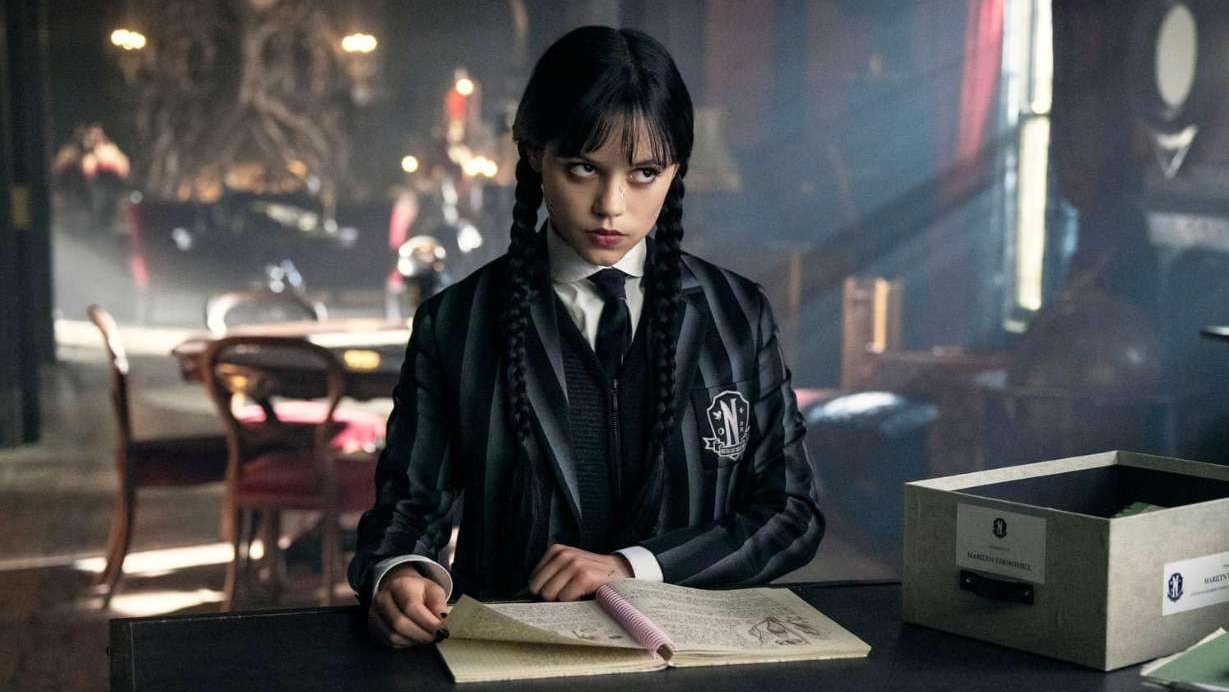
The Netflix series, led by Jenna Ortega’s now-iconic portrayal of Wednesday Addams, brought back gothic sensibility with sharp edges and a surprisingly emotional core. Set against the brooding backdrop of Nevermore Academy, the show reinvents the Addams universe for a new generation while staying true to its dark heart.
Much of the series was filmed in Romania with real castles, dense woods, and weather that cooperated by staying perpetually grey. Inside, Tim Burton insisted on tactile textures and practical effects: stained glass, creaking staircases, candlelit halls. In a season made for fog, forests, and feeling a little out of place, Wednesday hits different.
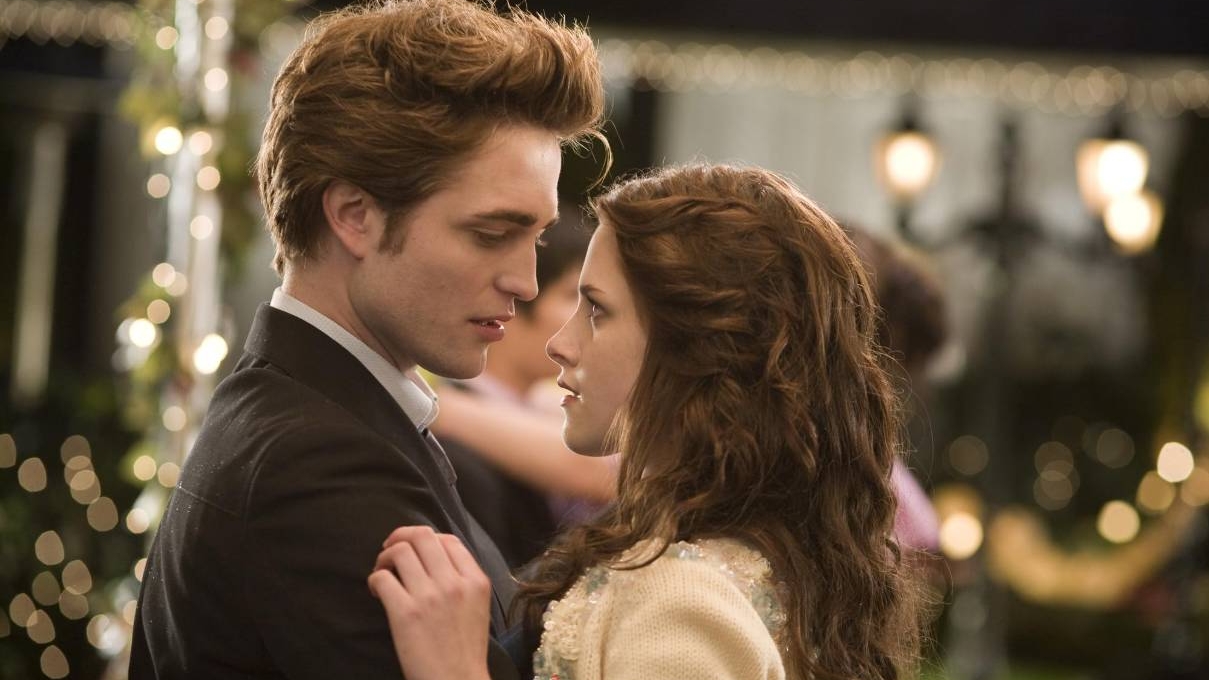
The saga, based on the books by Stephenie Meyer, turned the Pacific Northwest into an emotional landscape: mist, moss, silence, and longing. It was the first love story for an entire generation raised on Tumblr quotes and grayscale playlists.The plot is simple: “And so the lion fell in love with the lamb….” The soft light, the damp air, the melancholic color grading and it all became iconic.
Filmed largely in and around Forks, the movies caused a tourism spike, especially in autumn, when fans traveled to see the exact trees and roads that had framed Bella and Edward’s universe. And while the story was often mocked for its melodrama, time has been oddly kind to it.
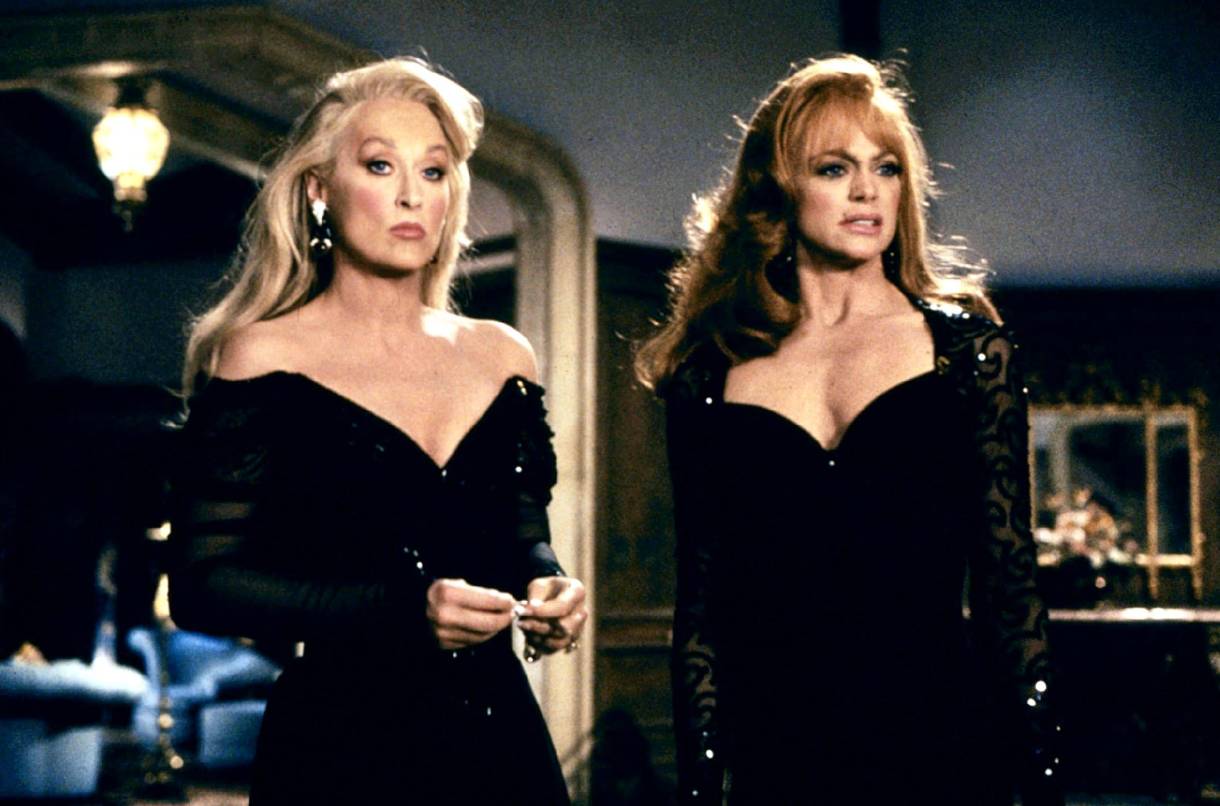
Satirical, sharp, and deliciously strange, Death Becomes Her is what happens when vanity meets immortality and both refuse to go quietly. Meryl Streep and Goldie Hawn star as frenemies locked in a decades-long duel over beauty, youth, and one very dangerous elixir. Directed by Robert Zemeckis, the film blends Gothic excess with dark comedy, creating a visual language that feels like Halloween on a champagne budget.
The film was groundbreaking in its use of early CGI, winning the first-ever Academy Award for Best Visual Effects. But it’s the performances that make it timeless: theatrical without tipping into parody, emotionally absurd without losing their sting.
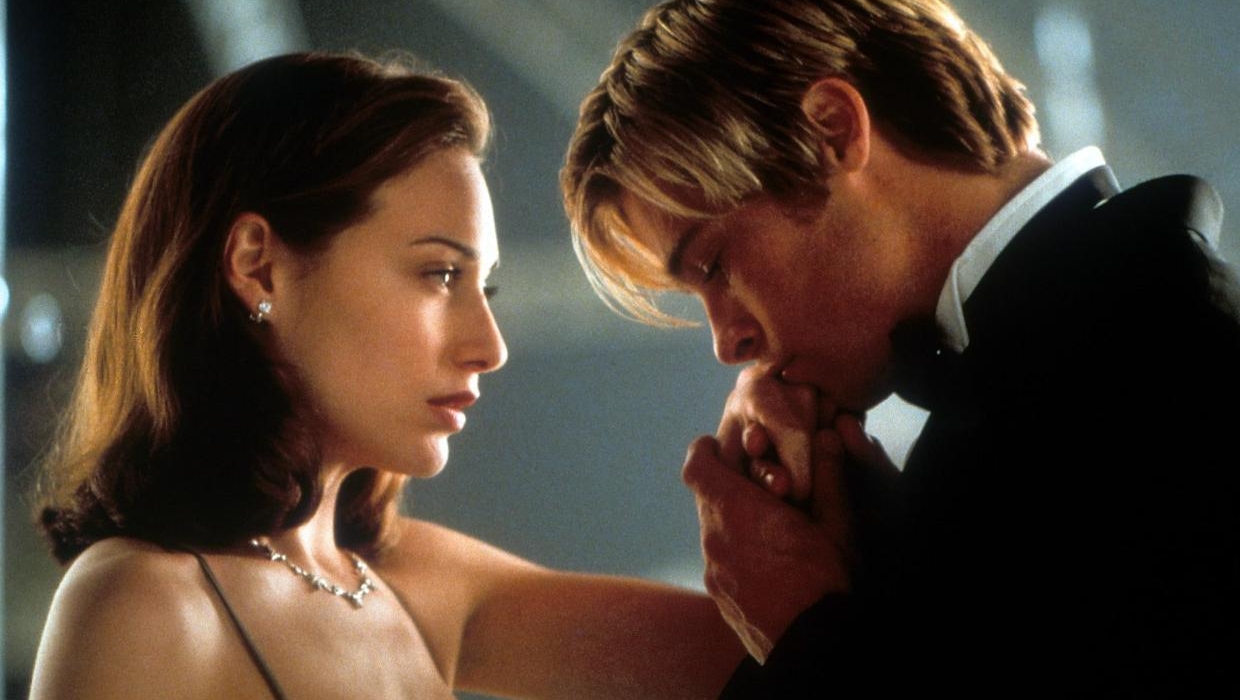
Meet Joe Black is a slow, nearly operatic film about Death taking human form to better understand life. What he finds is a house full of ritual, a family on the cusp of change, and one woman who sees past the strangeness into something unexpectedly tender.
Anthony Hopkins anchors the film as a media mogul nearing the end of his life. What unfolds is less a supernatural thriller and more a meditation on time, legacy, and what it means to let go with grace. Everything moves slowly: conversations stretch, music swells, glances linger. And that’s the point.
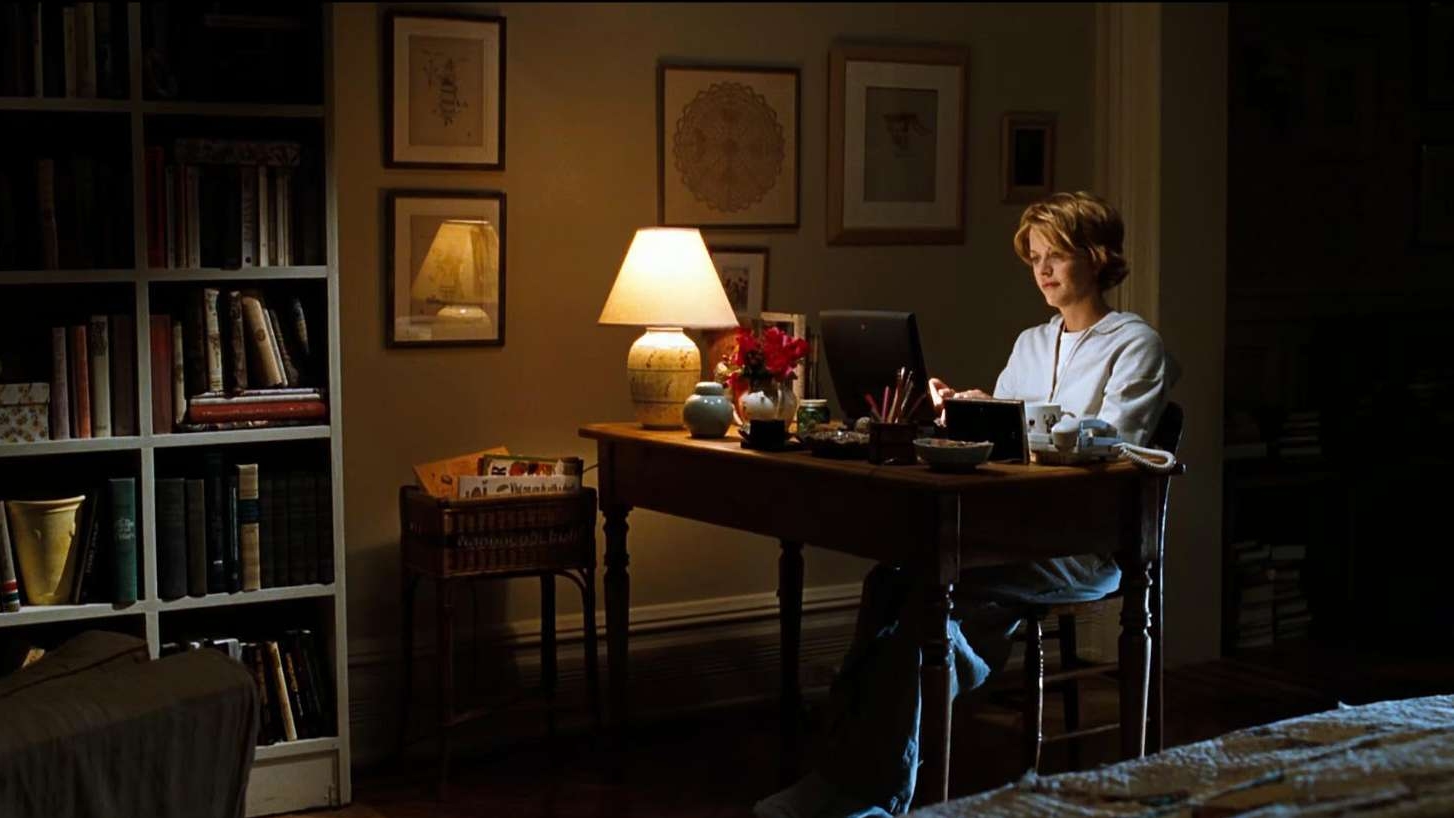
Some films become seasonal by accident. You’ve Got Mail is autumn by design. Directed by Nora Ephron and set in a version of New York bathed in golden-hour light, the film is both a love story and a portrait of quiet connection, digital and otherwise. Two people fall for each other through anonymous emails, unaware they’re rivals in real life. What makes it an autumn ritual isn’t just the romance, but the texture of the season: bookstores, brownstone stoops with pumpkins, handwritten signs for local fairs. The film is filled with conversation and stillness, with a softness that feels less sentimental than steady.
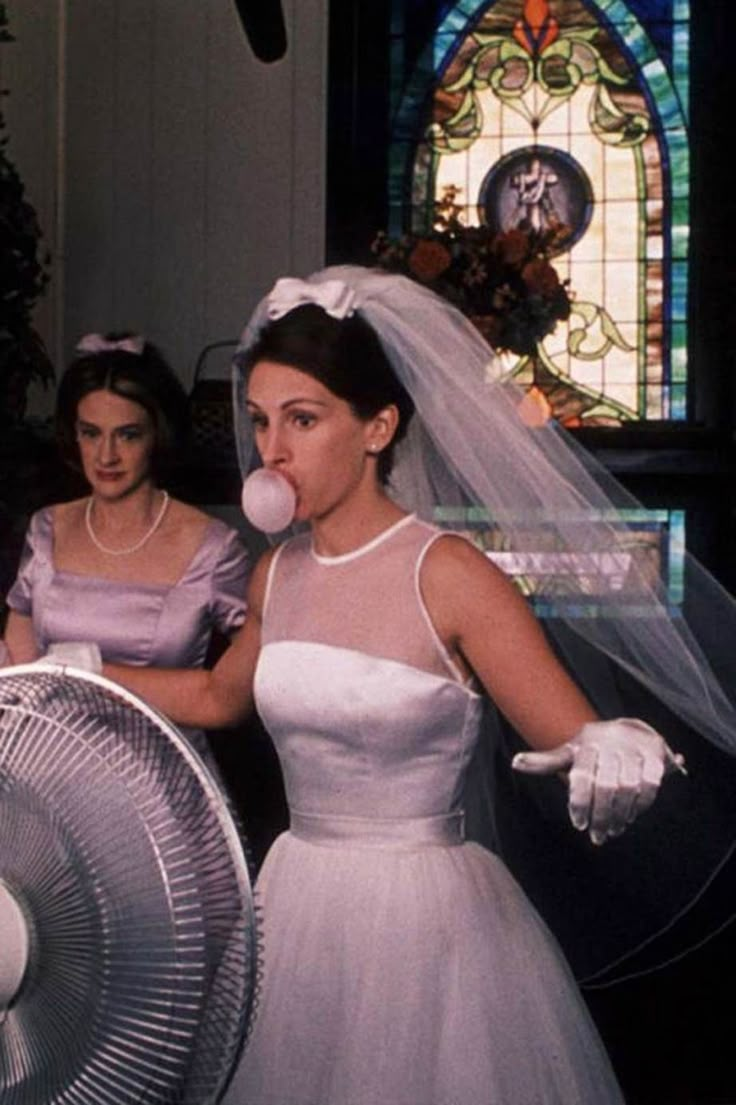
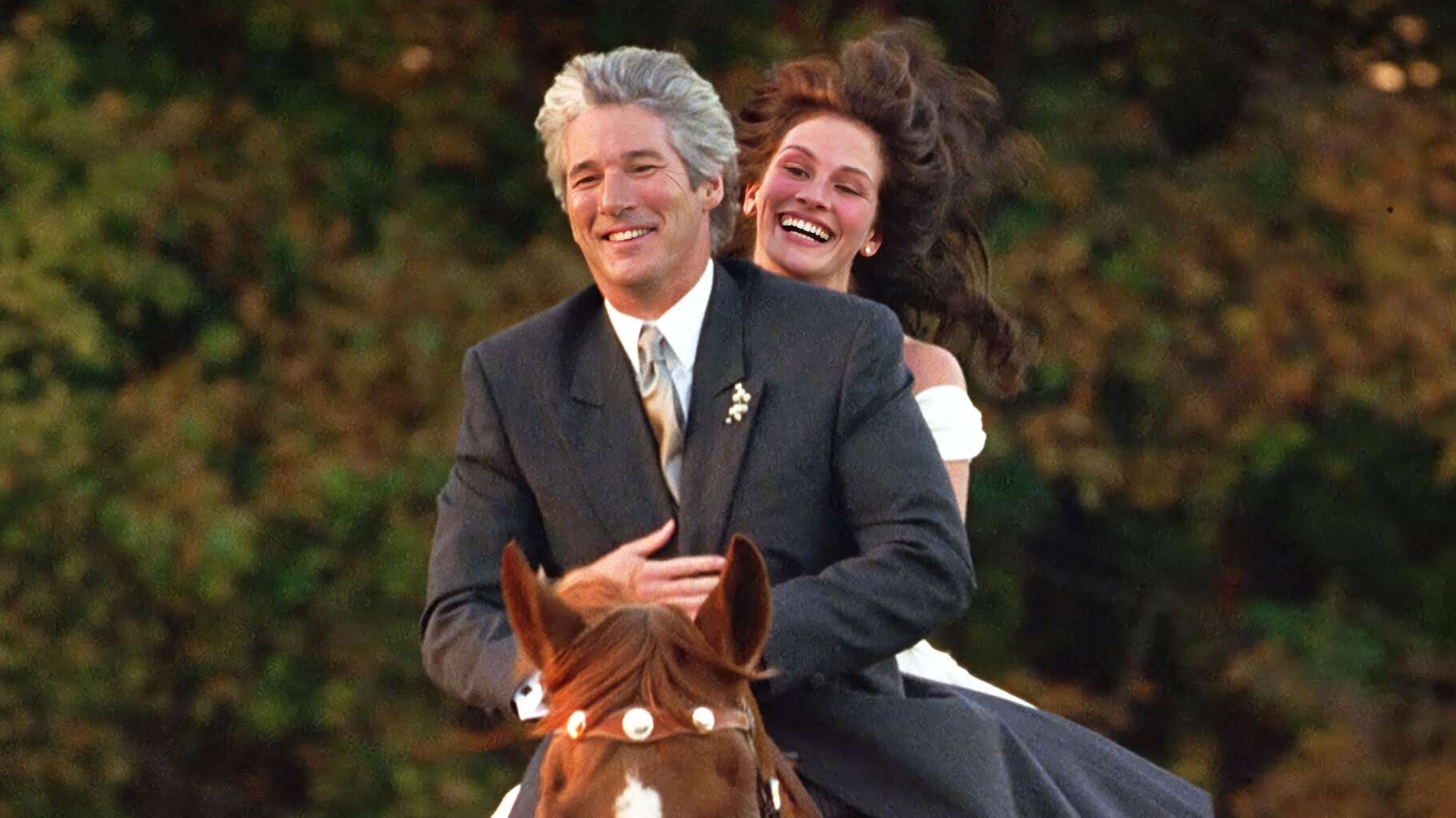
Directed by Garry Marshall and starring Julia Roberts at her most luminous, the film unfolds in the postcard-ready town of Maryland. Roberts plays Maggie Carpenter, a woman who’s infamous for leaving grooms at the altar, sometimes on horseback, often with flair. Richard Gere plays Ike, a journalist assigned to cover her story, who inevitably gets tangled in her chaos.
Visually, the film is drenched in fall: fiery trees, covered bridges, open roads lined with leaves. There’s a particular horseback scene through a field of gold that feels like a moving oil painting. It’s no wonder the Maryland Film Office still references the movie as an unofficial campaign for the region’s autumn beauty.
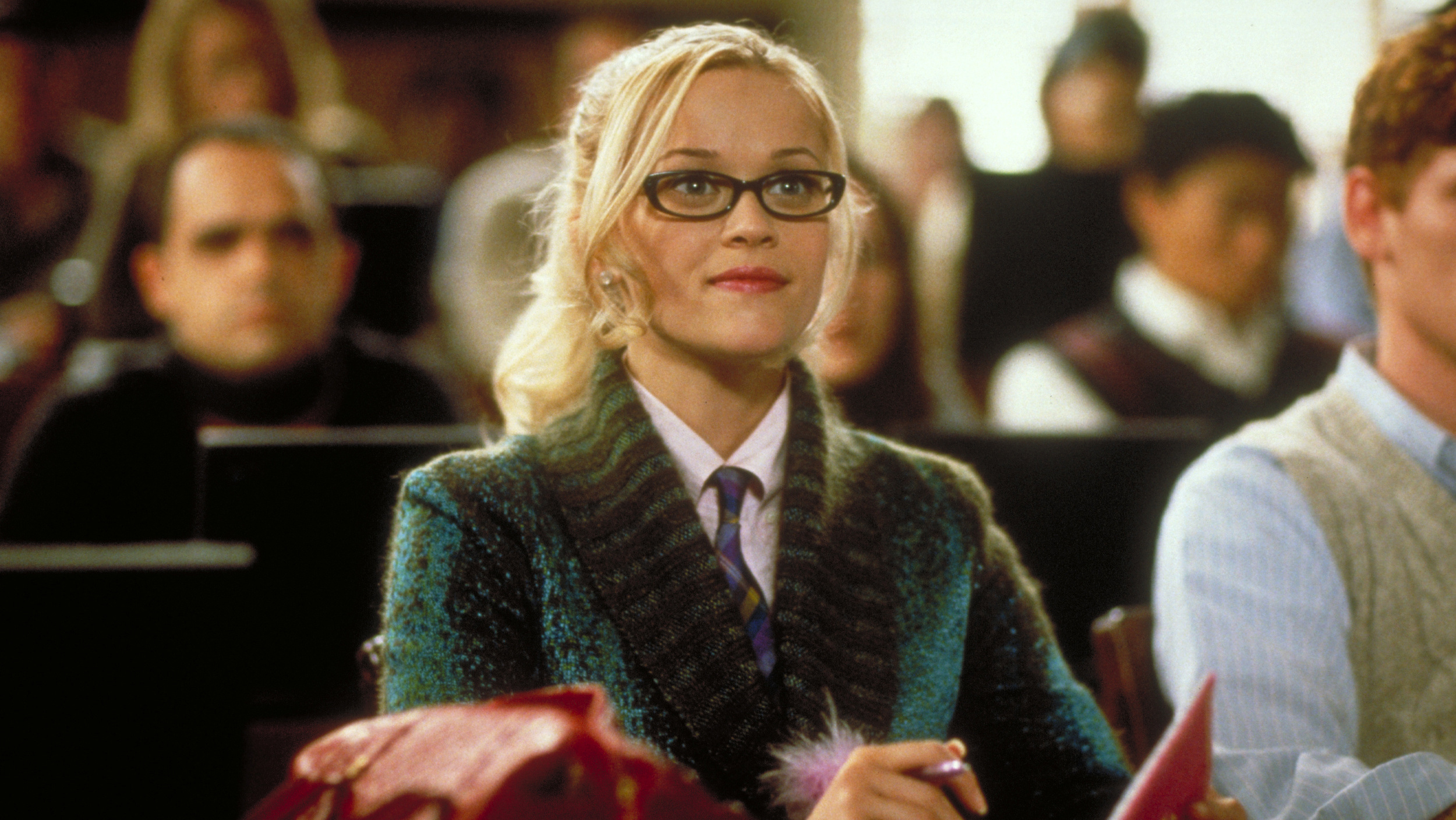
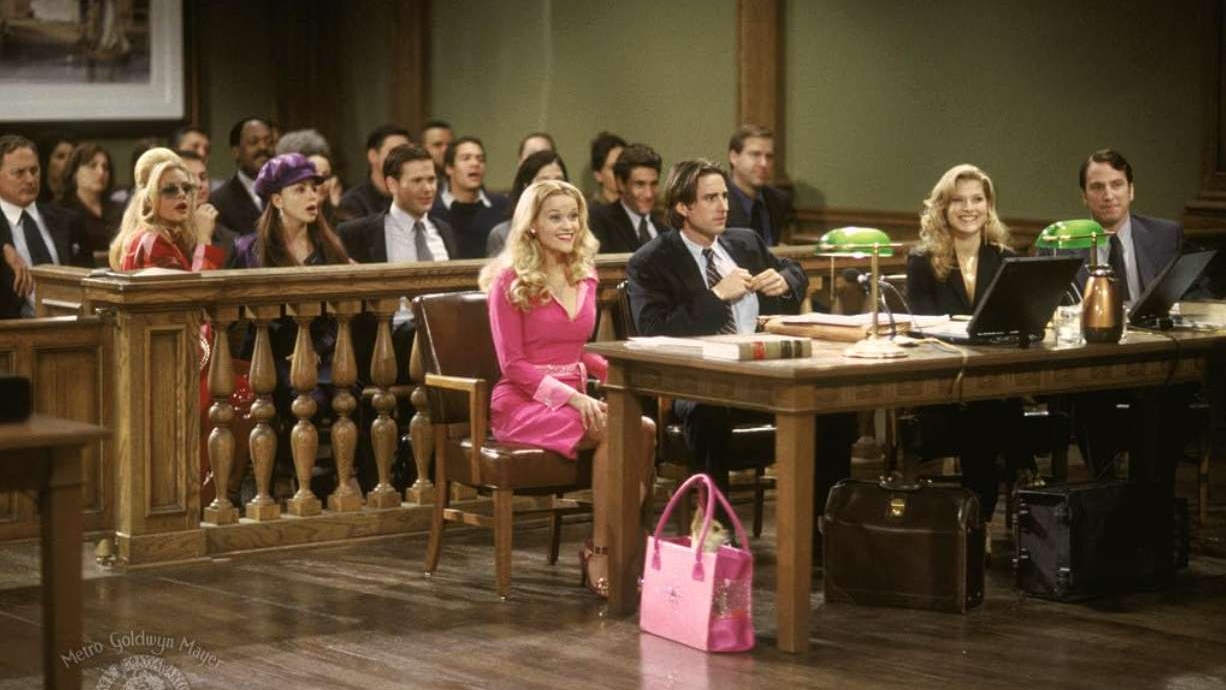
Legally Blonde might be wrapped in pink, but it’s a story about grit. Elle Woods arrives at Harvard in heels and glitter, only to be dismissed as unserious. What follows is not a makeover, but a reclamation. Witherspoon wore over 60 different outfits throughout the film, each one charting a step in Elle’s evolution, not away from femininity, but deeper into her own definition of power. She doesn’t change to fit the world; she proves the world wrong by staying exactly who she is.
Set against ivy-covered campuses and late-semester light, the film brings a certain crispness that feels right for fall. Beneath the charm and comedy is a message that still resonates: you don’t have to dull yourself down to be taken seriously.
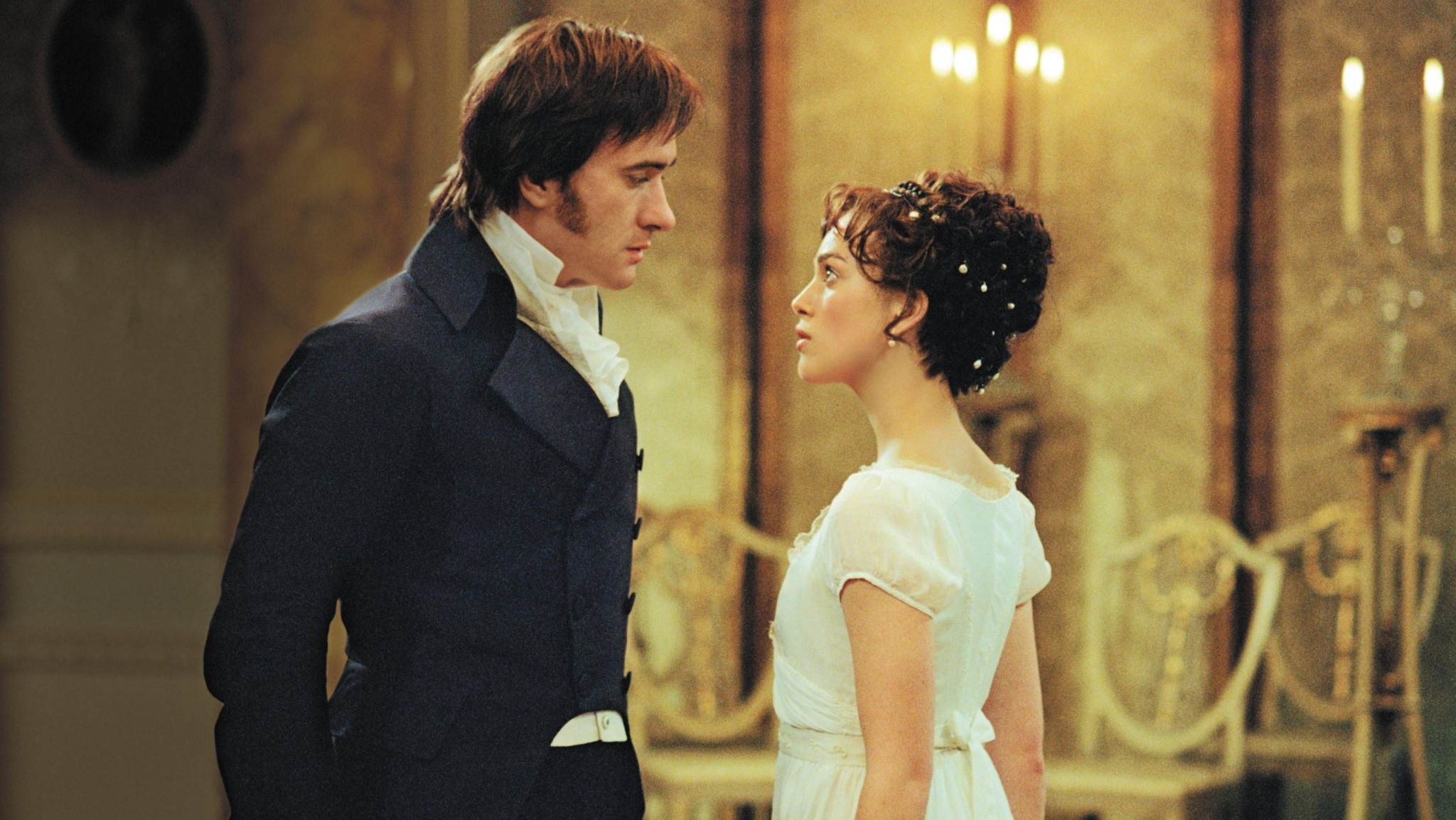
Joe Wright’s adaptation of Pride & Prejudice brings Jane Austen’s world to life with windblown hills, rain-drenched confessions, and silences that say more than words ever could.
Keira Knightley plays Elizabeth Bennet not as polished, but as wild and sharp, as a woman trying to stay true to herself in a world that keeps narrowing her choices. And Matthew Macfadyen’s Darcy, awkward and aching, feels like someone who’s been holding his breath for years.
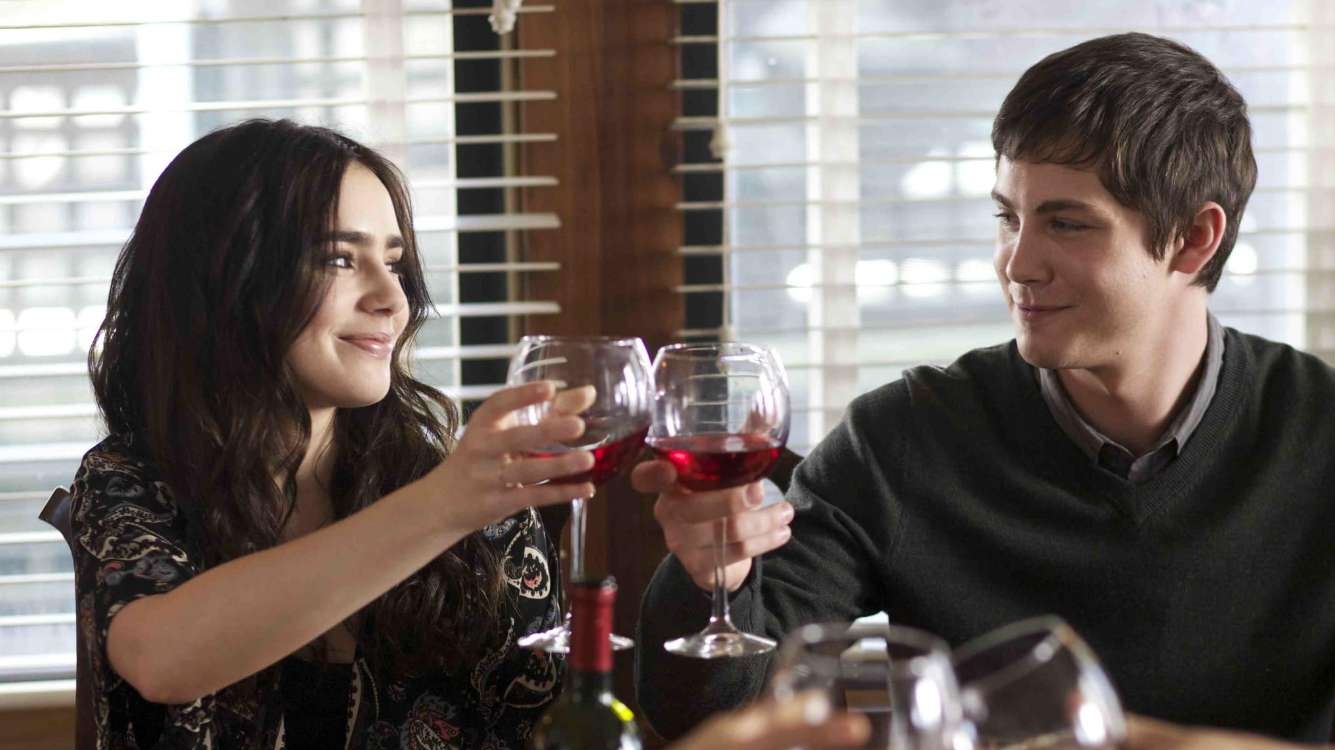
Stuck in Love is a film about a family of writers who can’t quite find the right words in their own lives. Their stories unfold over a year, but it’s the fall moments that leave the deepest mark: conversations over fogged-up bookshop windows, campus paths covered in leaves, and Thanksgiving dinners.
There’s something deeply autumnal in how the film blends literature and emotion. It doesn’t aim for dramatic twists; its honesty is quiet, and its tenderness feels lived-in. The movie captures what fall often brings: not resolution, but recognition. The kind that arrives softly, in passing, and stays with you longer than expected.
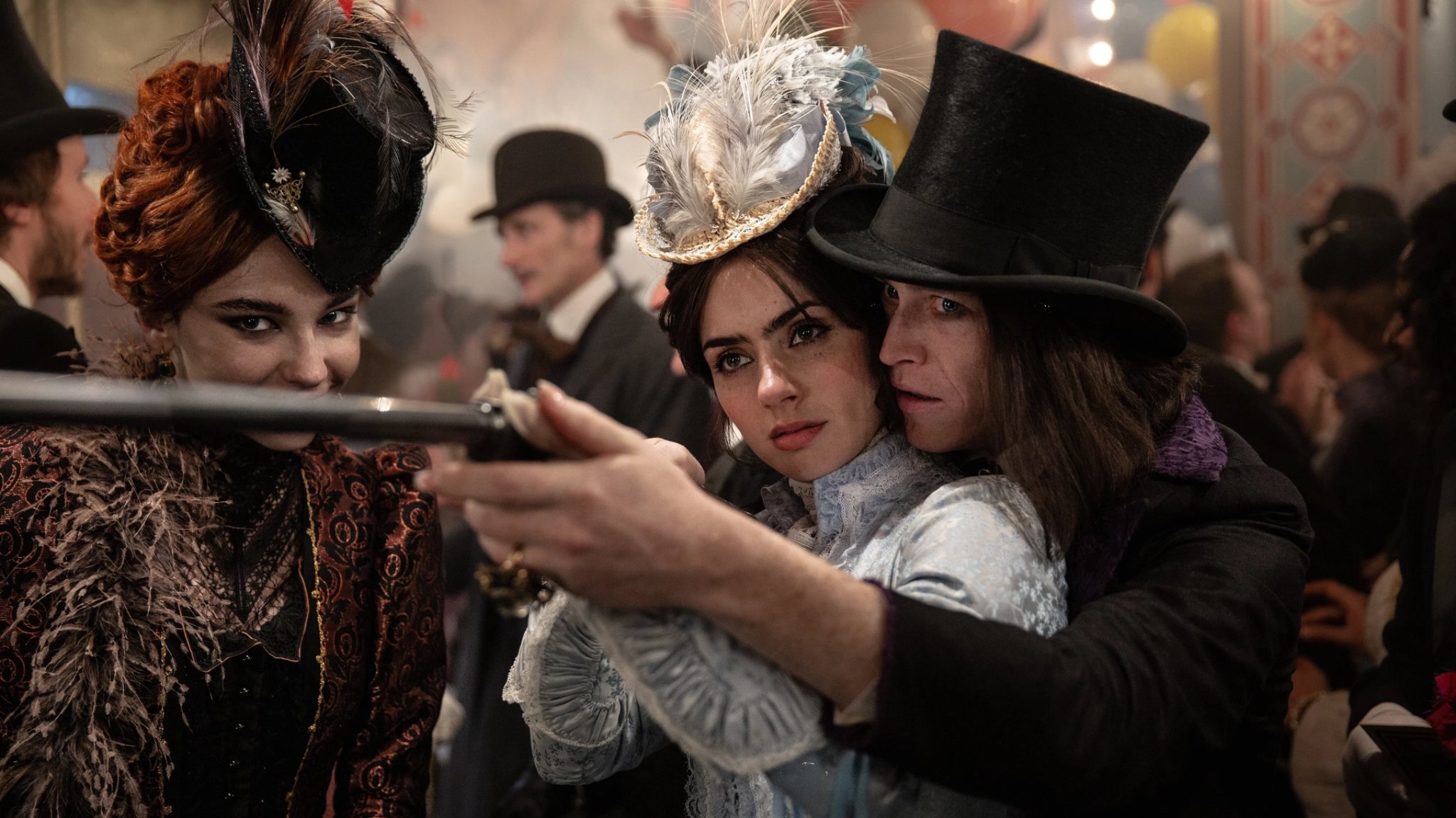
A new adaptation of a timeless classic, but told from a different angle. Dracula: A Love Tale reimagines the vampire’s legend not as horror, but as a tragedy of devotion. Directed by Luc Besson, the film begins in 15th‑century Romania, where Vlad becomes bound to immortality after losing his beloved. Centuries later, he sees her reflection in a new life, and his haunting quest begins again. This is a film for October nights: gothic romance, candlelit halls, and the ache of memory.
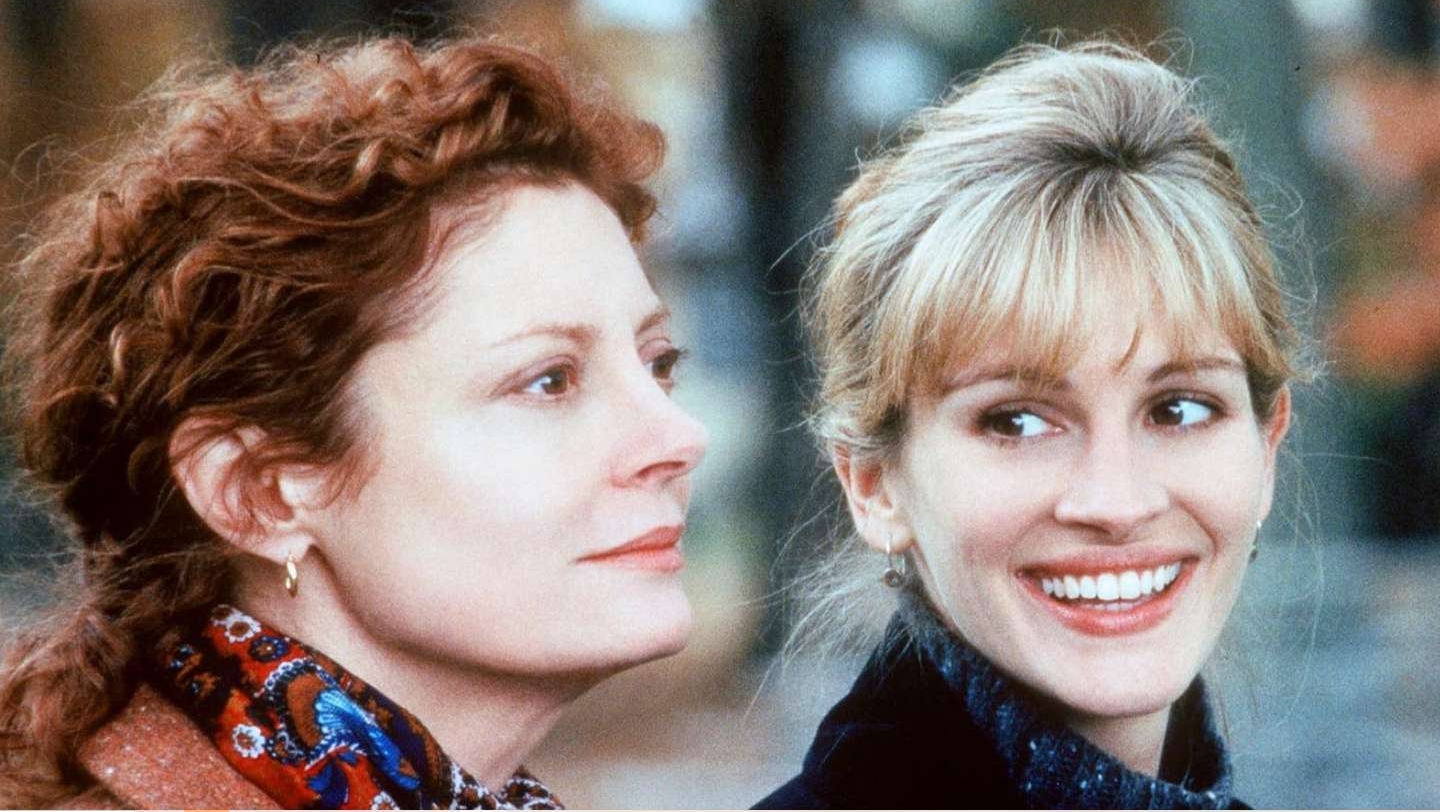
Stepmom invites you into kitchens, quiet hallways, and morning routines and then gently holds your hand while it breaks your heart. The film tells the story of two women, played by Susan Sarandon and Julia Roberts, who are learning how to share a family, a future, and, eventually, grace.
Sarandon plays Jackie, the mother of two children, facing a terminal diagnosis. Roberts plays Isabel, the younger woman stepping into their lives as a future stepmother and initially an outsider. What follows is the slow, complicated process of finding common ground in love for the same people. Filmed in the Hudson Valley during a particularly vivid fall, the visuals are as honest as the story: warm, lived-in, and filled with soft light.
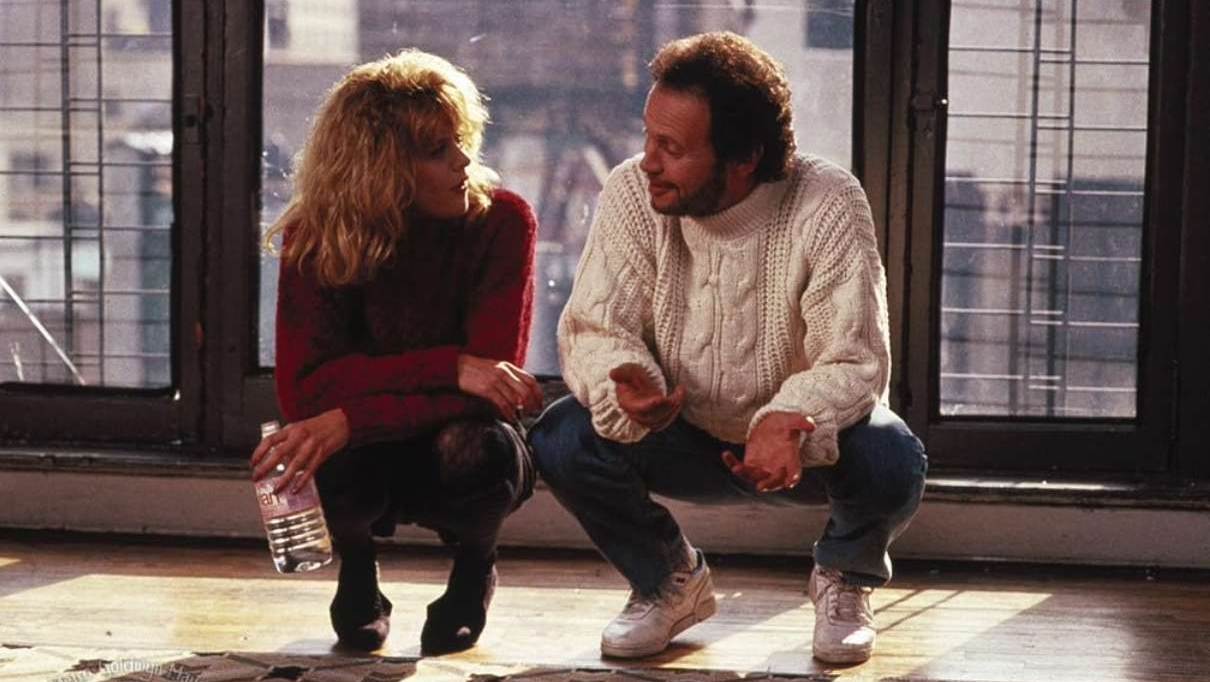
Set against the slow-turning backdrop of New York in its most cinematic form, When Harry Met Sally unfolds like a long conversation that you never want to end. It asks a simple question: can men and women be friends? And then spends over a decade of its characters’ lives answering, avoiding, and complicating it.
And when fall arrives onscreen, it arrives with purpose: Central Park blazes with color, sweaters appear. The film works because it’s about love that isn’t idealized or convenient. It’s about the kind that grows slowly, like autumn itself.
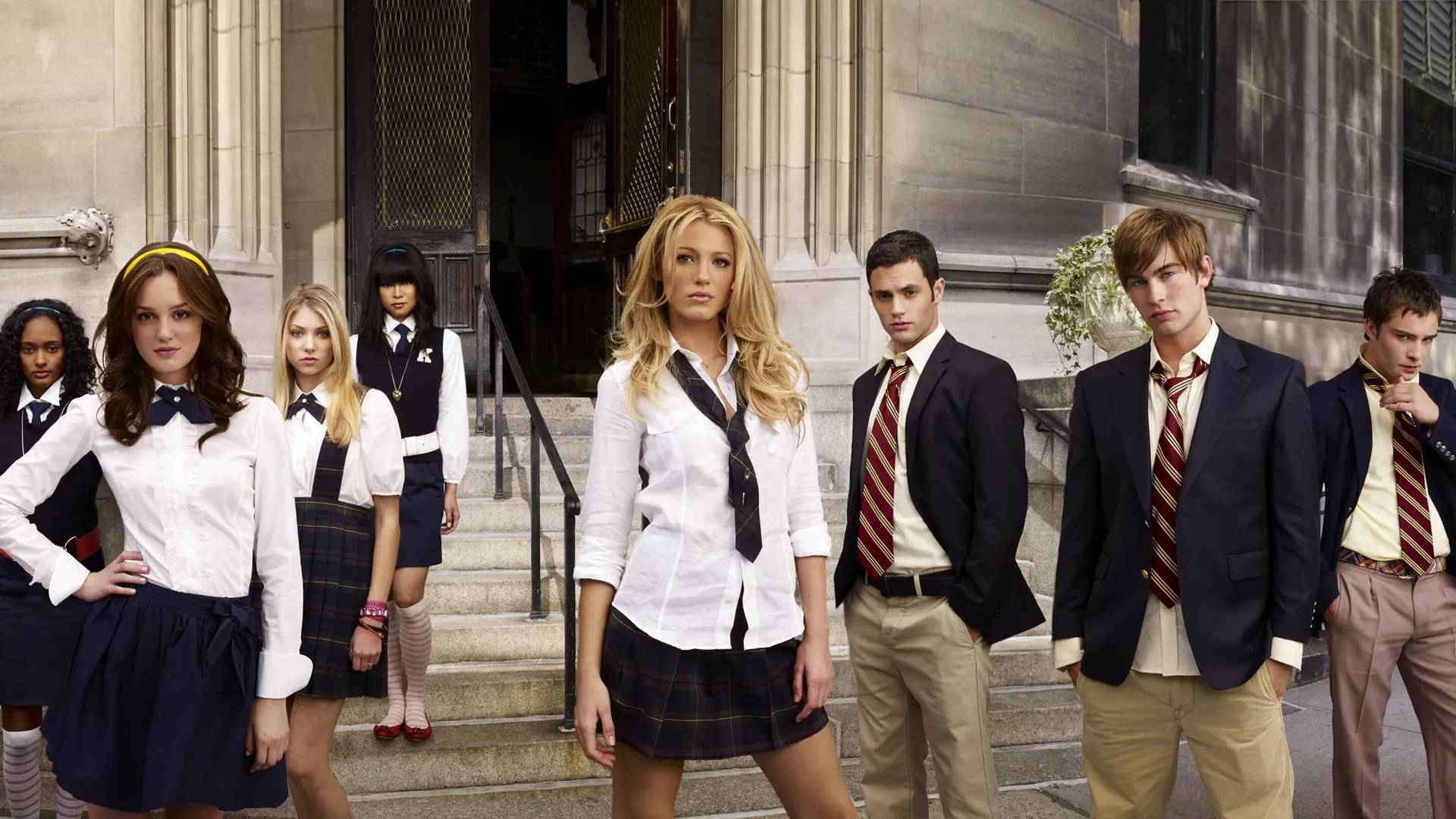
Before “influencer” was a job title, there was Serena van der Woodsen. And before “aesthetic” meant mood boards, there was the Upper East Side in the fall with golden light pouring onto limestone, cashmere coats, tartan scarves, and carefully arranged drama. Gossip Girl may be remembered for its scandal, but its seasonal energy is what made it iconic.
Set in a version of Manhattan that feels equal parts real estate and mythology, the show follows a group of privileged teens whose lives revolve around secrets, power, and proximity. But it’s the autumn episodes that truly shimmer, when school begins, loyalties shift, and the city becomes its most cinematic self.
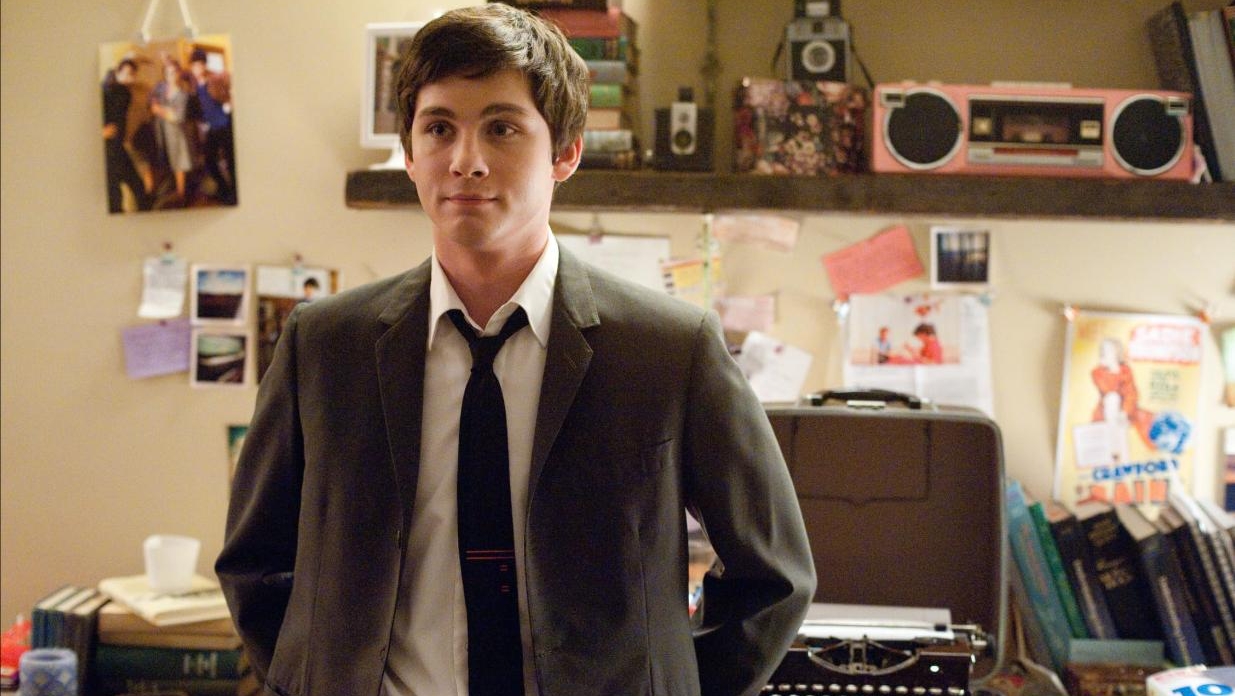
Told through the eyes of Charlie, a shy teenager navigating his first year of high school, the story unfolds with a softness that belies its emotional depth. Emma Watson and Ezra Miller play the two friends who bring Charlie into their orbit, creating a small universe of mixtapes, midnight drives, and unspoken wounds. Directed by the novel’s author, Stephen Chbosky, the film preserves the vulnerability of its source material.
Set against the backdrop of a Pittsburgh fall, the film leans into seasonal metaphors without ever feeling forced. Leaves drift. Jackets appear. There’s homecoming and heartbreak, laughter and loneliness — all carried on the same breeze.
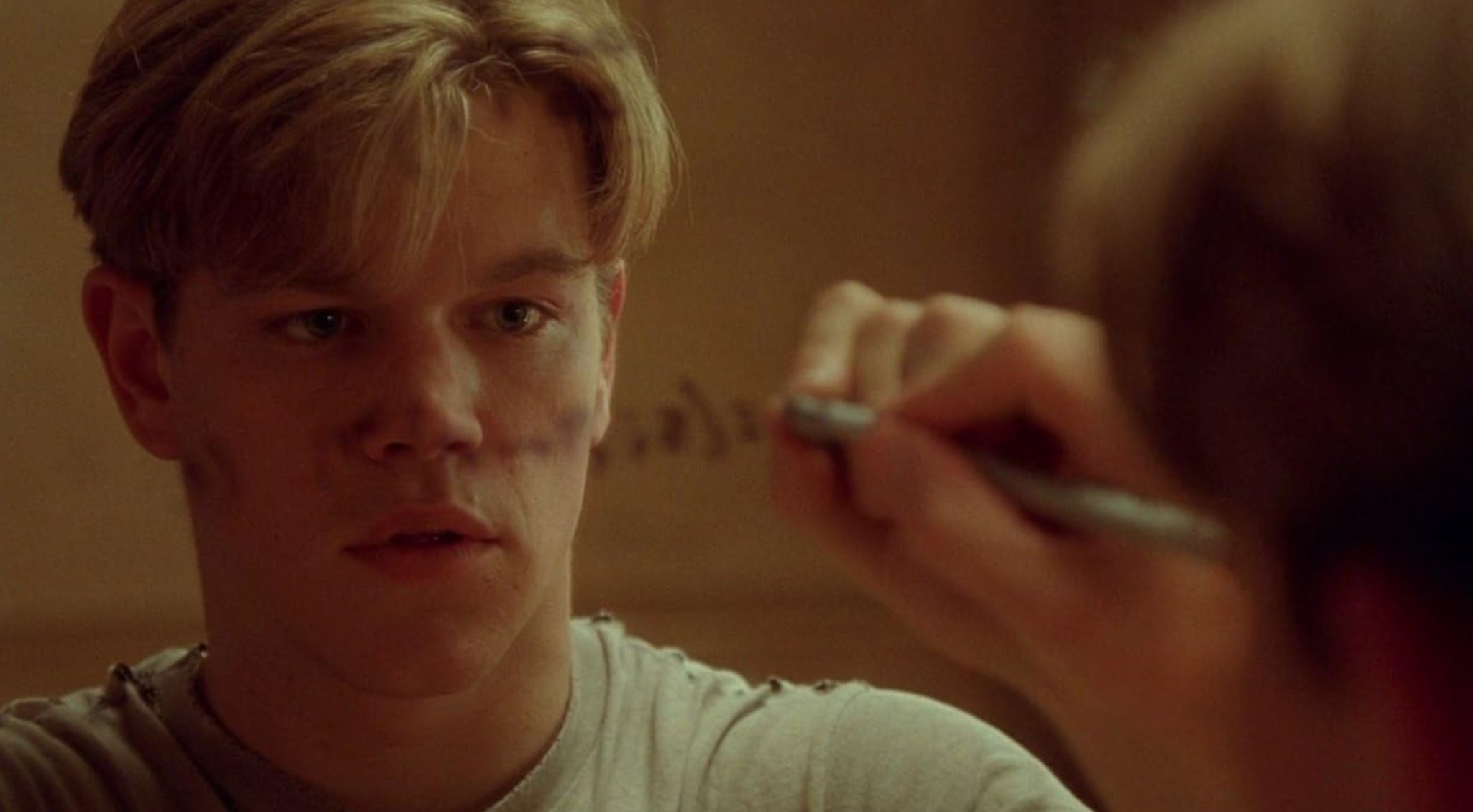
Good Will Hunting is about a boy genius who’d rather pick a fight than be seen and a therapist who refuses to look away. Matt Damon and Robin Williams turn a quiet script into something deeply human: a story about trust, grief, and the courage it takes to stop hiding from your own life.
The film is built on conversation, on long pauses, on moments that feel small but change everything. And as fall slows the world down, Good Will Hunting reminds you that healing isn’t always dramatic, sometimes it’s just someone sitting across from you, listening.
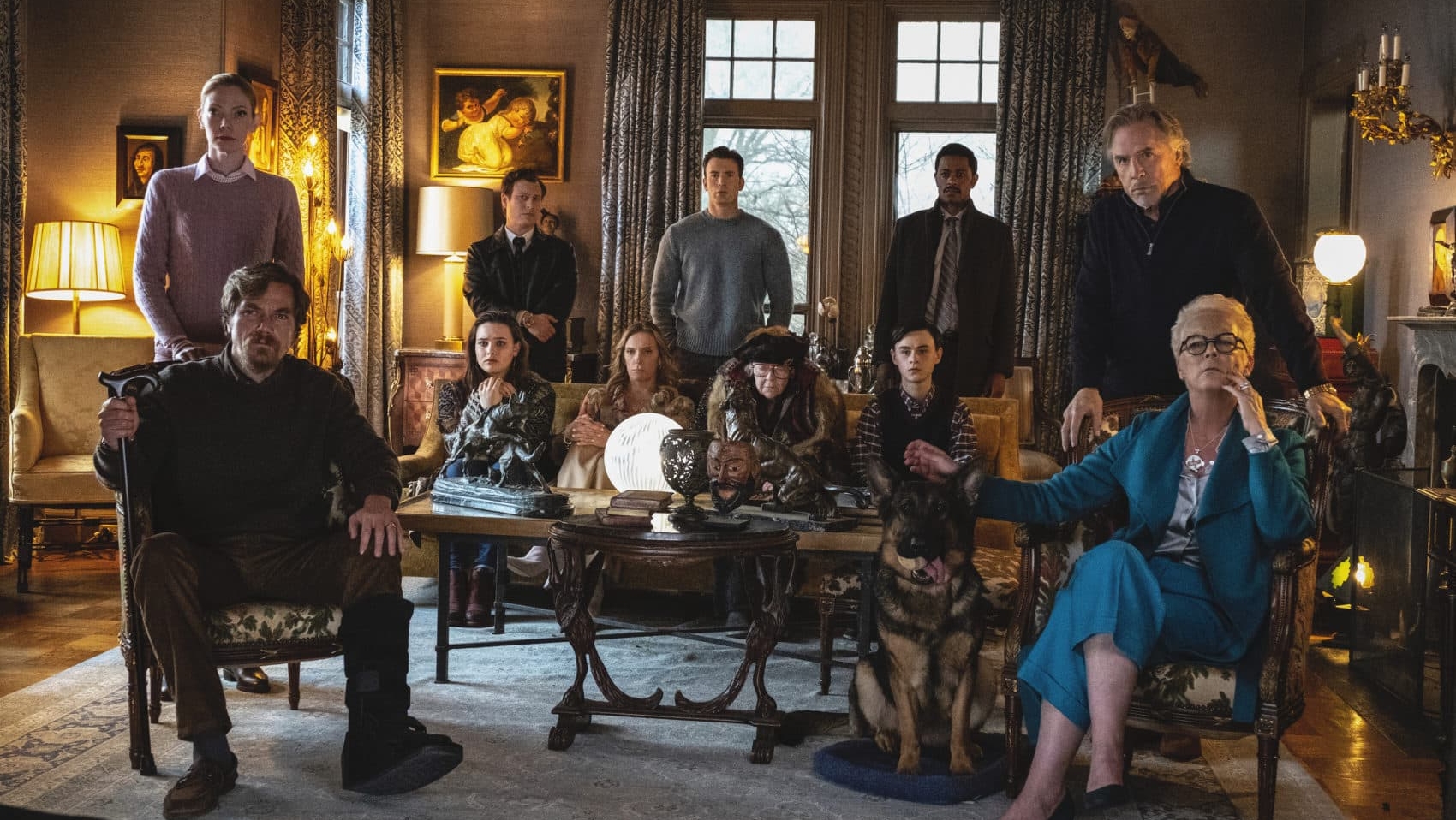
At first glance, Knives Out is a murder mystery. But stay a little longer, and it reveals itself as something else entirely. This is a perfectly tailored commentary on class, family, and the secrets we keep in ornate houses with creaking floorboards.
Directed by Rian Johnson, the film revitalizes the whodunit genre by blending Agatha Christie aesthetics with modern satire. Daniel Craig leads a rotating cast of suspects, each more dysfunctional than the last, all trapped inside a mansion with cozy lighting and expensive rugs.
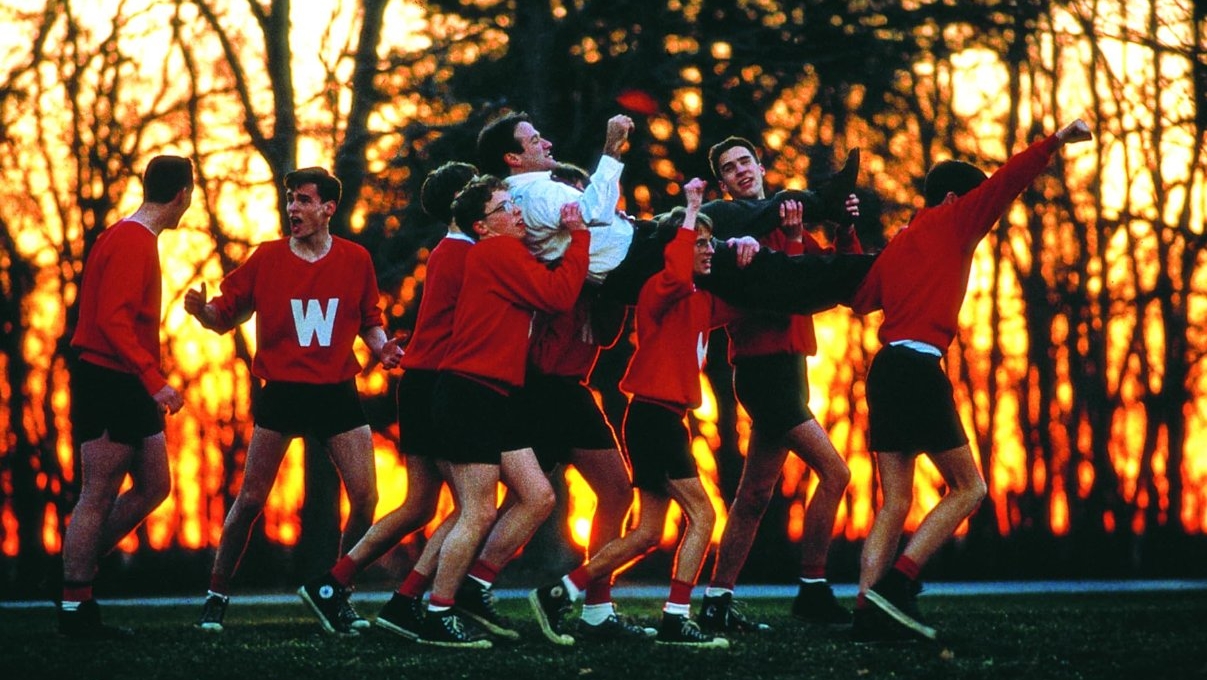
Set in a conservative boys’ boarding school in New England, the film tells the story of Mr. Keating, an English teacher who challenges his students to ask themselves what it means to live with meaning. The academic calendar gives the film a natural arc, and the arrival of fall marks a shift not just in seasons, but in the boys’ emotional landscapes.
Robin Williams gives one of his most restrained, profound performances, guiding rather than preaching, pushing rather than leading. And the students, played by a young ensemble cast, respond with the kind of fervor that only teenagers can summon when they first taste the possibility of freedom.