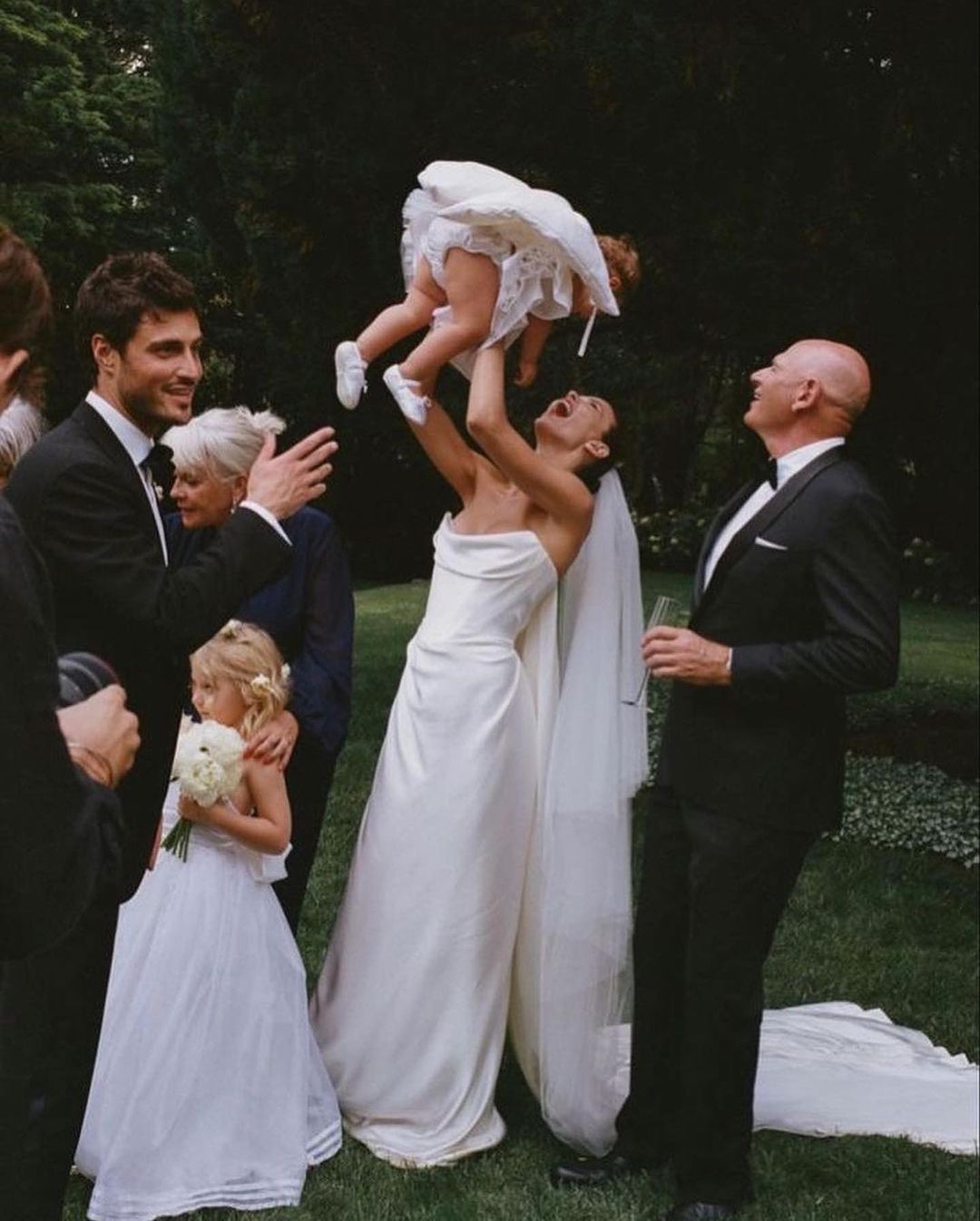
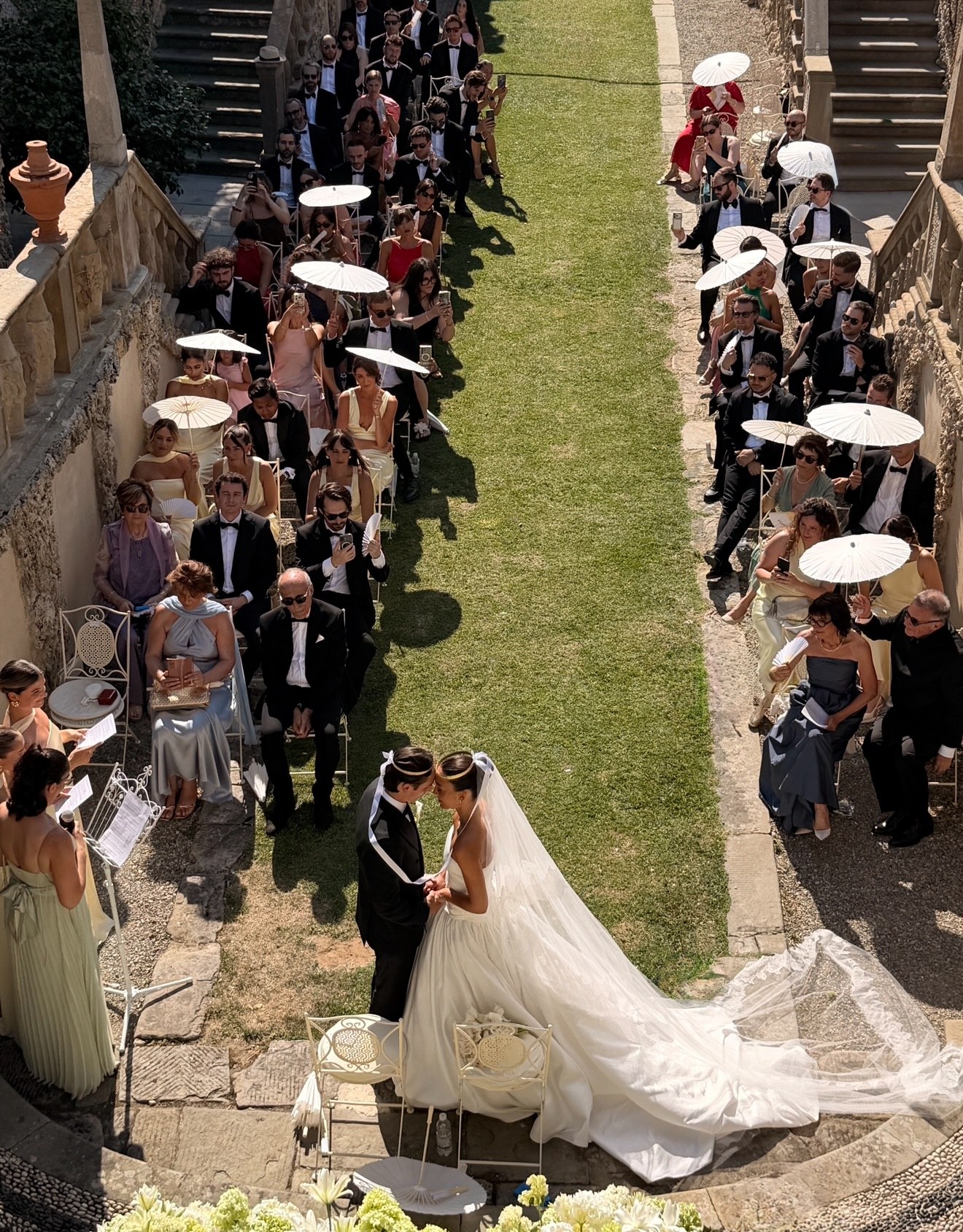
A wedding no doubt is a pure joy – it’s the day you celebrate love, make promises, and step into a new chapter. Yet the weeks before the happy wedding day can be intense for many brides. It often turns into a marathon of decisions, opinions, and unpredictable emotions. From family expectations to last-minute details, even the most confident bride can get caught in the pressure.
“A wedding is a major life-changing step — and any transition brings vulnerability and stress,” says Alexander Yanykin, clinical psychologist and EMDR therapist from the Hungarian project Speak Your Mind. With him we gathered practical techniques to stay grounded, handle unexpected problems, and enjoy the moments that truly matter.
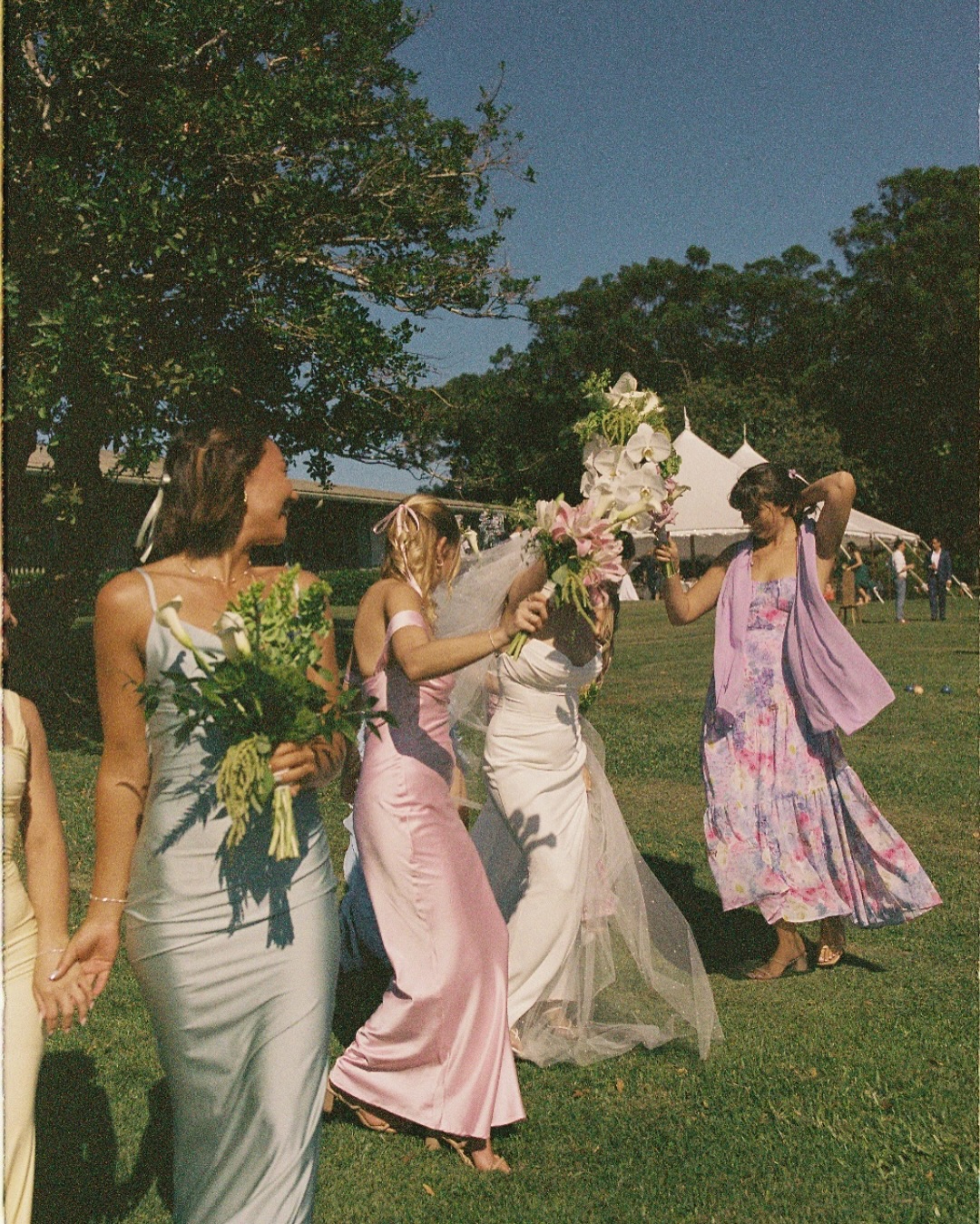

Photo: Hiller Photography, Liron Erel & Co
Why Wedding Stress Is Normal
Feeling tense, teary, or suddenly angry doesn’t mean anything is wrong with you. It’s a normal reaction to pressure and change — and every bride feels it at some point. A wedding isn’t just a party; it’s a big life transition, and your mind reacts to it as it would to any other major change. “You are not ‘too anxious.’ You are a human being in a period of uncertainty, with an important decision ahead,” says Alexander.
Anxiety often hides deeper fears — fear of not being perfect, of not handling everything well, of not deserving happiness. Ignoring those feelings makes them grow louder. Naming them, on the other hand, can take away some of their weight. Ask yourself what’s really behind the irritation or worry: “Am I scared of how people will see me?” or “Do I feel like I can’t control what’s happening?” Awareness turns messy emotions into signals you can respond to instead of fighting blindly.
Simple Practices to Calm Wedding Anxiety
The endless to-do list can make your brain feel like it’s running on fast-forward. Short, intentional breaks help switch it back to a calmer rhythm. Alexander suggests what he calls a reset pause — a simple technique you can do anywhere, even in the middle of a fitting or while waiting for a call.
“Stop for 30 seconds. Feel the ground under your feet. Take three deep breaths. Name three things you are grateful for. Remind yourself: I don’t have to solve everything right now,” he says.
This short ritual works because it brings your body back to the present. When your body feels stable, your mind follows, and decisions feel less overwhelming.
Alexander also recommends creating a resource folder — a small collection of things that instantly calm you down: photos that make you smile, a favorite song, a scent that feels comforting. Keep it on your phone or in a small box. “This is your emotional first-aid kit,” Alexander explains. Use it before stressful moments like a big family meeting or when planning feels too heavy.


Photo: Kindred Weddings, Vmpineda Photo
How to Avoid Wedding Burnout
Brides often feel they have to manage every detail, but perfectionism only adds to the weight of an already stressful time. Alexander recommends sorting all wedding tasks into three simple lists:
– Only me – things only you can decide, like your dress or personal vows.
– Can delegate – seating plans, flower deliveries, transportation — things someone else can handle.
– Nobody will notice – details that won’t really change anyone’s experience, like whether the welcome drinks are served in tall or short glasses.
Once you write these lists, the pressure instantly feels lighter.
Arguments with your partner are also common in this period, and they don’t mean something is wrong with your relationship. “Fights during preparation are normal. Two people are going through stress and taking a big step,” Alexander says. Instead of accusing, tell him what you really need. Sometimes it’s as simple as saying: “I’m scared. I need you to just hug me and tell me everything is fine.”
Morning Routines to Start Your Wedding Day
The way you start the morning of the wedding often shapes how you feel for the rest of the day. Rushing from the moment you wake up only adds to the tension, so give yourself at least 15 quiet minutes before everything begins.
“Close your eyes and imagine yourself tonight: happy, laughing, dancing. This is the final scene. The rest is just the road,” Alexander suggests. Visualizing the evening shifts your focus from stress to the bigger picture — this day is about love, not logistics.
If nerves still feel strong, try Alexander’s EMDR safe place exercise. Picture a location where you feel calm and secure, and then hug yourself firmly to feel a gentle pressure on your arms.
This simple technique signals to your brain that you’re safe, even when the schedule feels hectic.
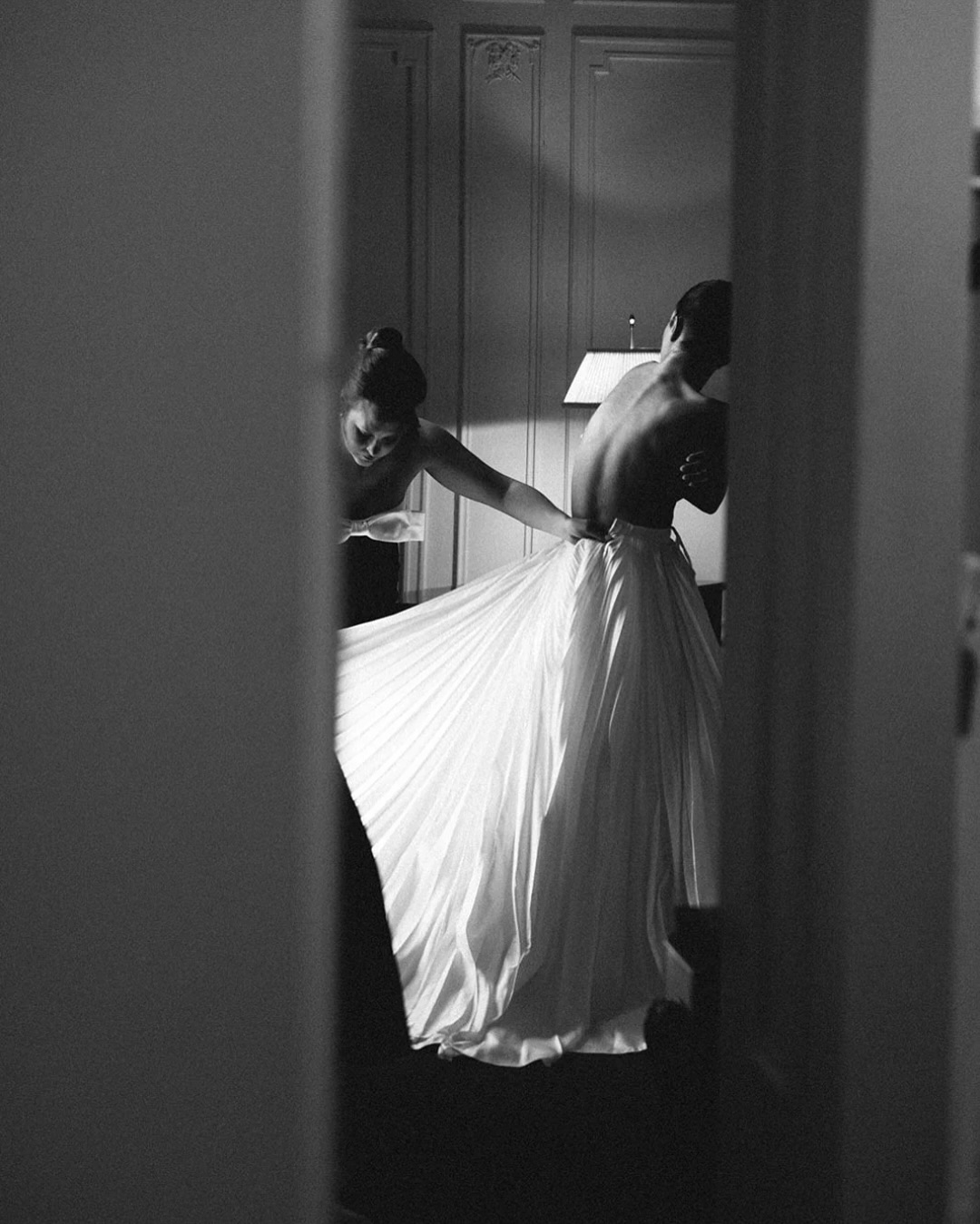

Photo: Vmpineda Photo, Abby Hart
What to Do When Wedding Plans Go Wrong
A torn dress, rain during an outdoor ceremony, or music starting late can feel like a disaster in the moment. But panic only makes it worse. “Stop. Breathe. Ask yourself what matters most right now? I’m alive, I’m with the one I love, I can get through this,” Alexander advises.
Two quick techniques can help you calm down fast:
– Butterfly tapping – cross your arms over your chest and gently tap your shoulders alternately.
– Grounding touch – place one hand on your heart, the other on your stomach, and say quietly: “I’m here. I see you’re struggling. I’m with you.”
If you keep obsessing over what went wrong, try a small CBT ritual to “detach”: write down the things you can’t control, tear up the paper, and throw it away. Physically letting go often helps the mind do the same.
How to Be Present and Enjoy Your Wedding
Stress can turn the whole wedding into a blur, but staying present helps you truly enjoy it. Take short pauses to notice what’s happening around you.
Every hour, stop for just 10 seconds and ask yourself: What do I see? What do I hear? What do I feel right now? These micro-moments pull you out of overthinking and let you absorb the day as it unfolds.
Choose one memory you want to keep forever — maybe how your partner looks at you when you walk toward them or the way your friends cheer during the first dance. “Memories become resourceful when you live them fully – with your body, feelings, and meaning,” Alexander says.
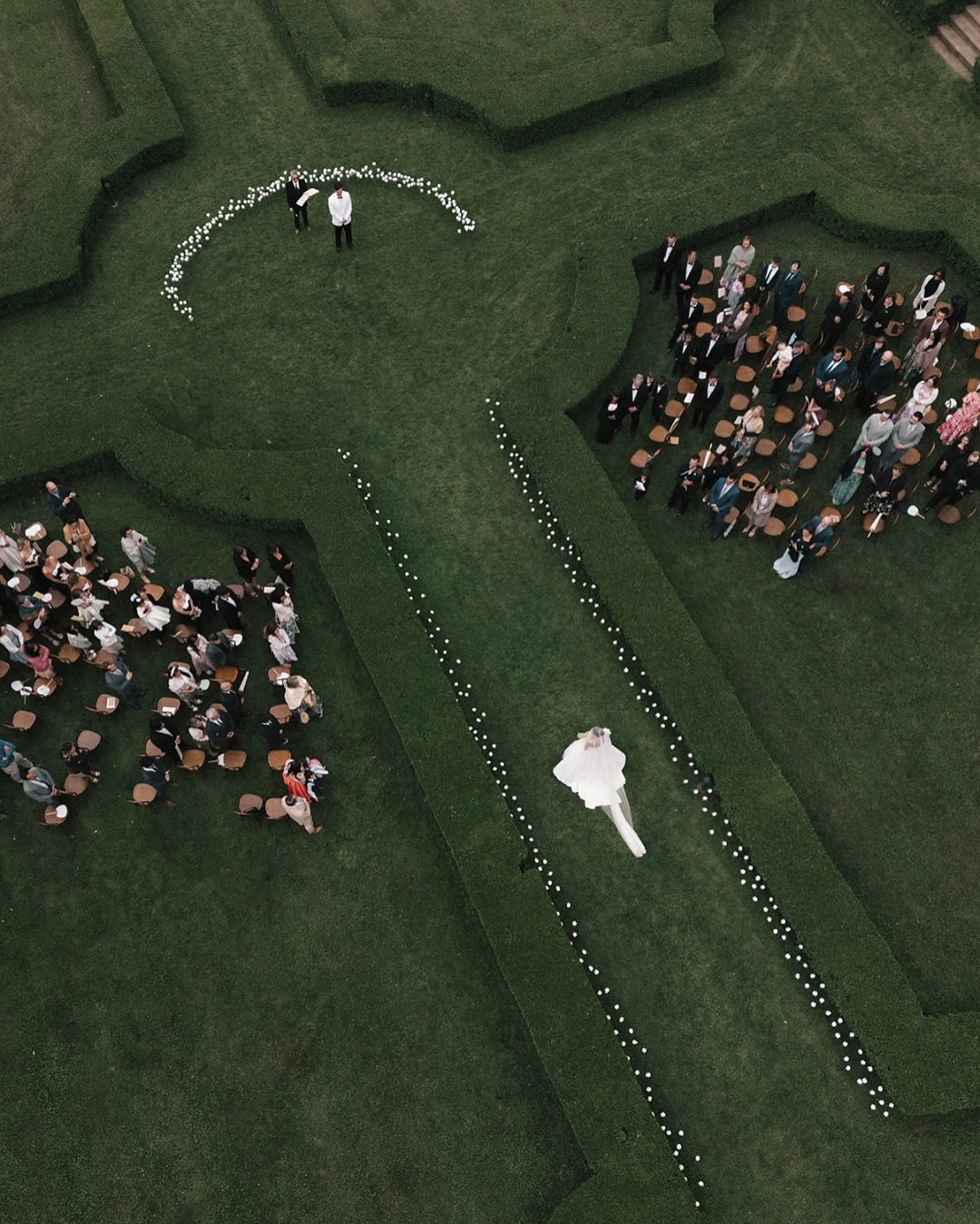
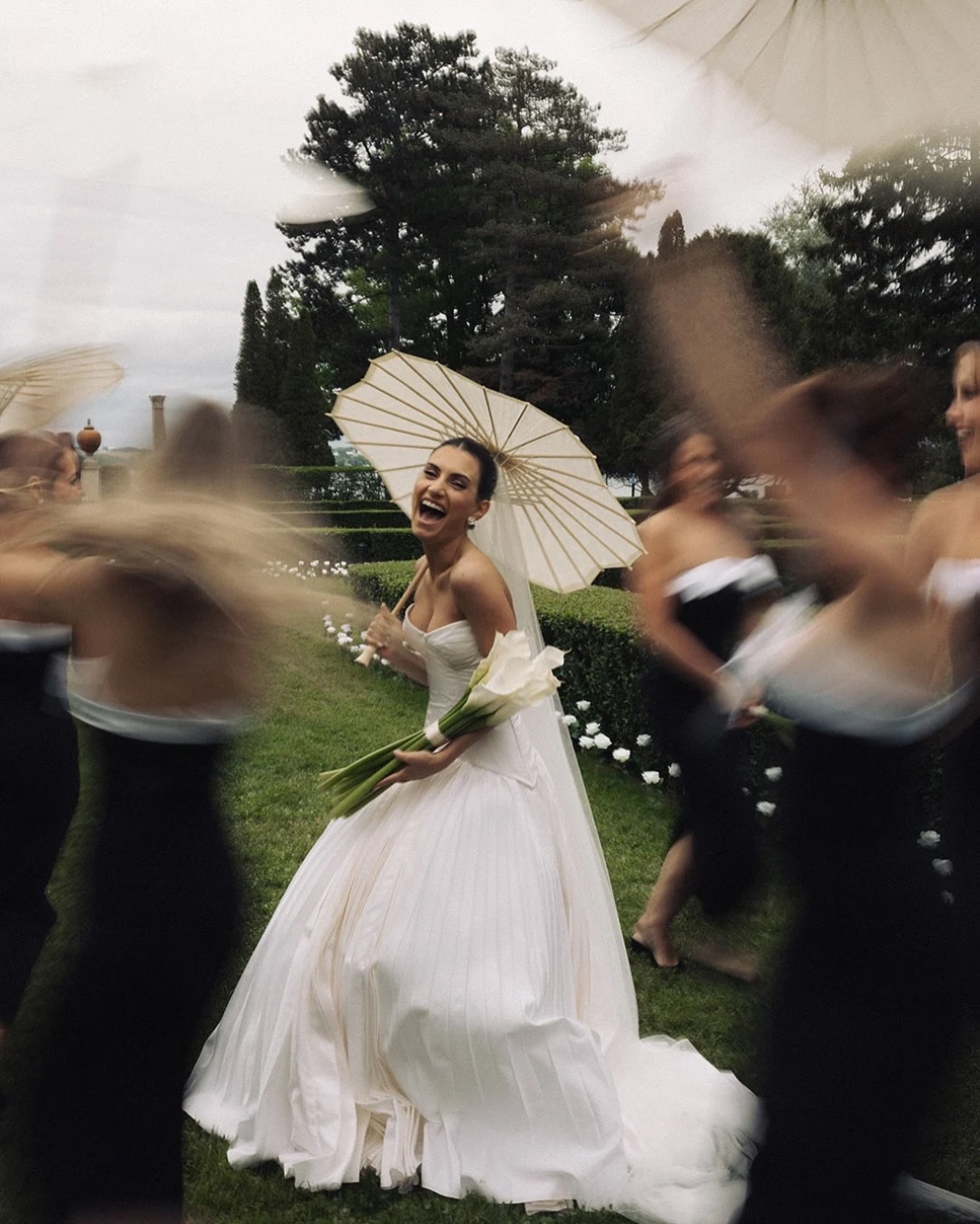
Photo: Abby Hart
Remember to Ask for Help
You don’t have to handle everything alone. Letting others help isn’t weakness — it’s self-care. Sharing the workload gives you more space to enjoy the day instead of running from one task to another.
Think about who can step in: a bridesmaid who can check on vendors, a family member who can answer last-minute questions, or a close friend who can simply keep you company when things feel too intense.
“If, during wedding preparation, you feel overwhelmed by anxiety or can’t stop the inner dialogue, it’s not a sign that something is wrong. It’s a sign that you are human,” Alexander reminds. Talking to someone you trust or to a professional if you feel stuck can ease the tension and bring you back to what matters.
Final Thoughts
Weddings are emotional, messy, and beautiful all at once. You can’t control every detail, and you don’t need to. What you can do is take care of yourself — pause, breathe, ask for help when you need it, and allow every feeling to come and go without judgment.
This day will pass faster than you expect, and the moments you’ll cherish won’t be about perfect timelines or flawless decor. They’ll be about how you laughed, how you looked at each other, and how present you felt. We hope these practices help you stay calm and grounded, so you can fully enjoy the day that truly matters.