Your wedding photos are the one part of the day you’ll return to for the rest of your life, and long before you start reaching out to photographers, it’s worth knowing what you’re actually looking for. Because style isn’t just an aesthetic preference: it shapes how your day gets interpreted, how moments get prioritized, and ultimately how you’ll feel every time you look back at those images.
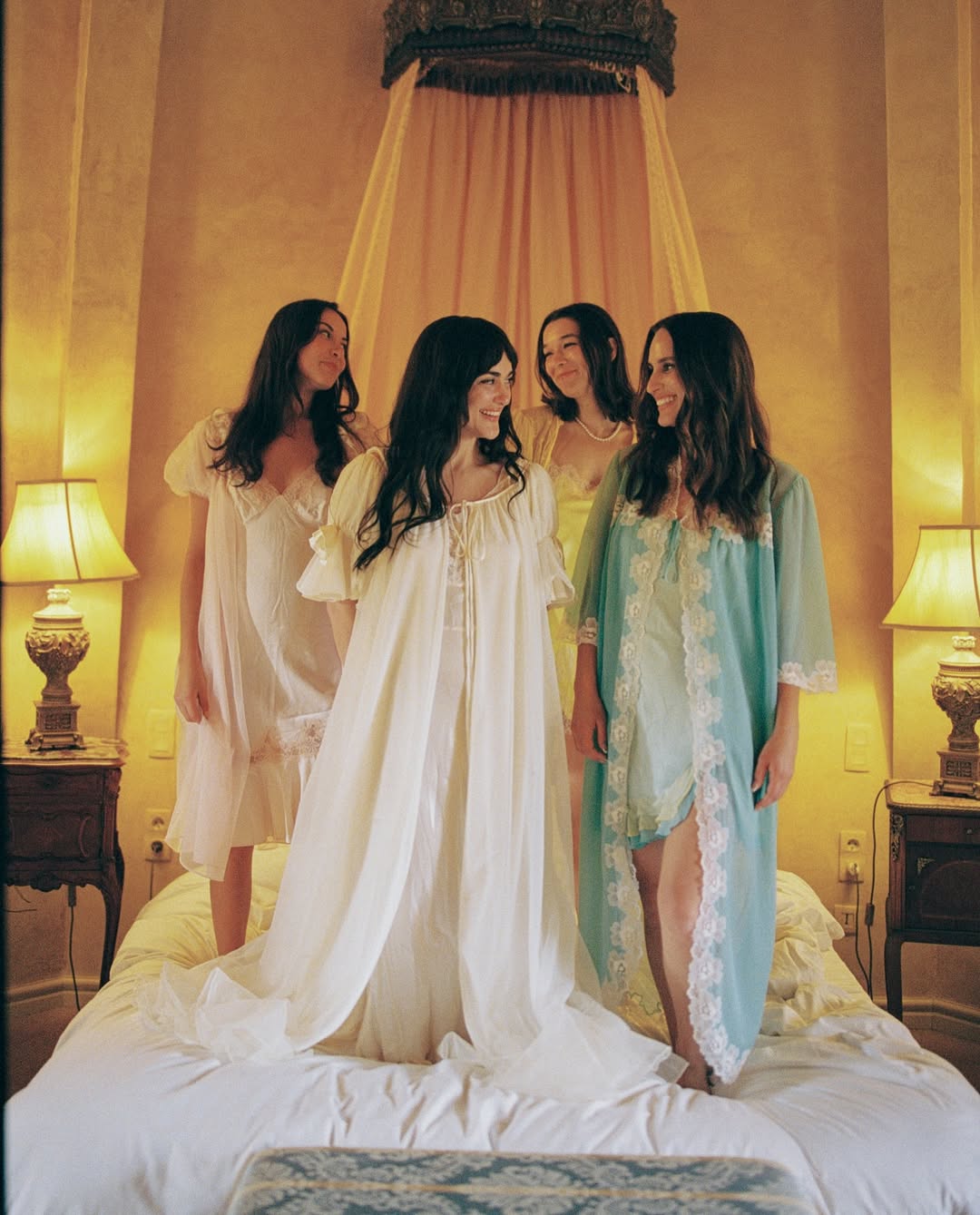
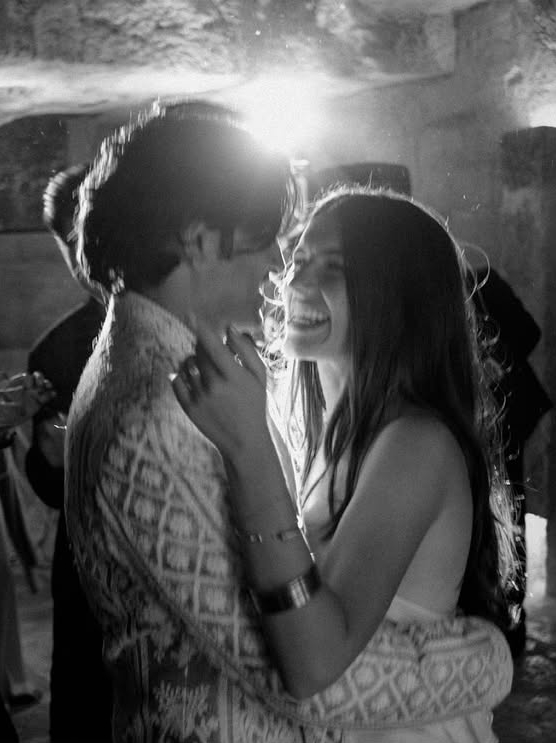
Photo: Zara Staple, LATO Photography
And here’s something worth knowing early: wedding photography style isn’t a box to fit into — it’s a range. Fashion can meet journalism, minimalism can meet emotion, film can meet digital. Some moments need precision, and some need poetry. The goal is to find someone whose work makes you think, this is exactly how I want to feel. Below, a breakdown of every major wedding photography style — plus what photographers themselves say couples should consider beyond style alone when making this decision.
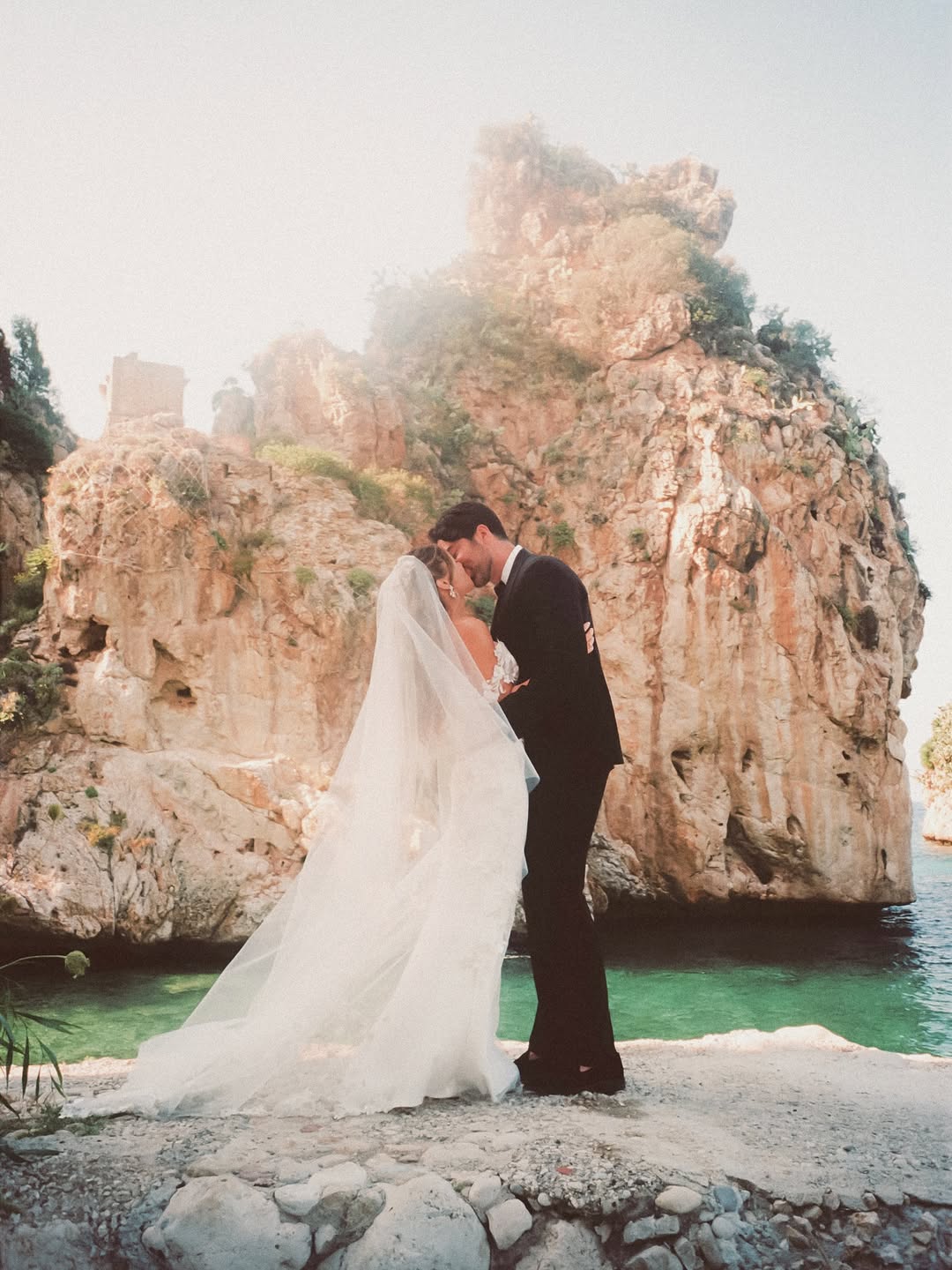
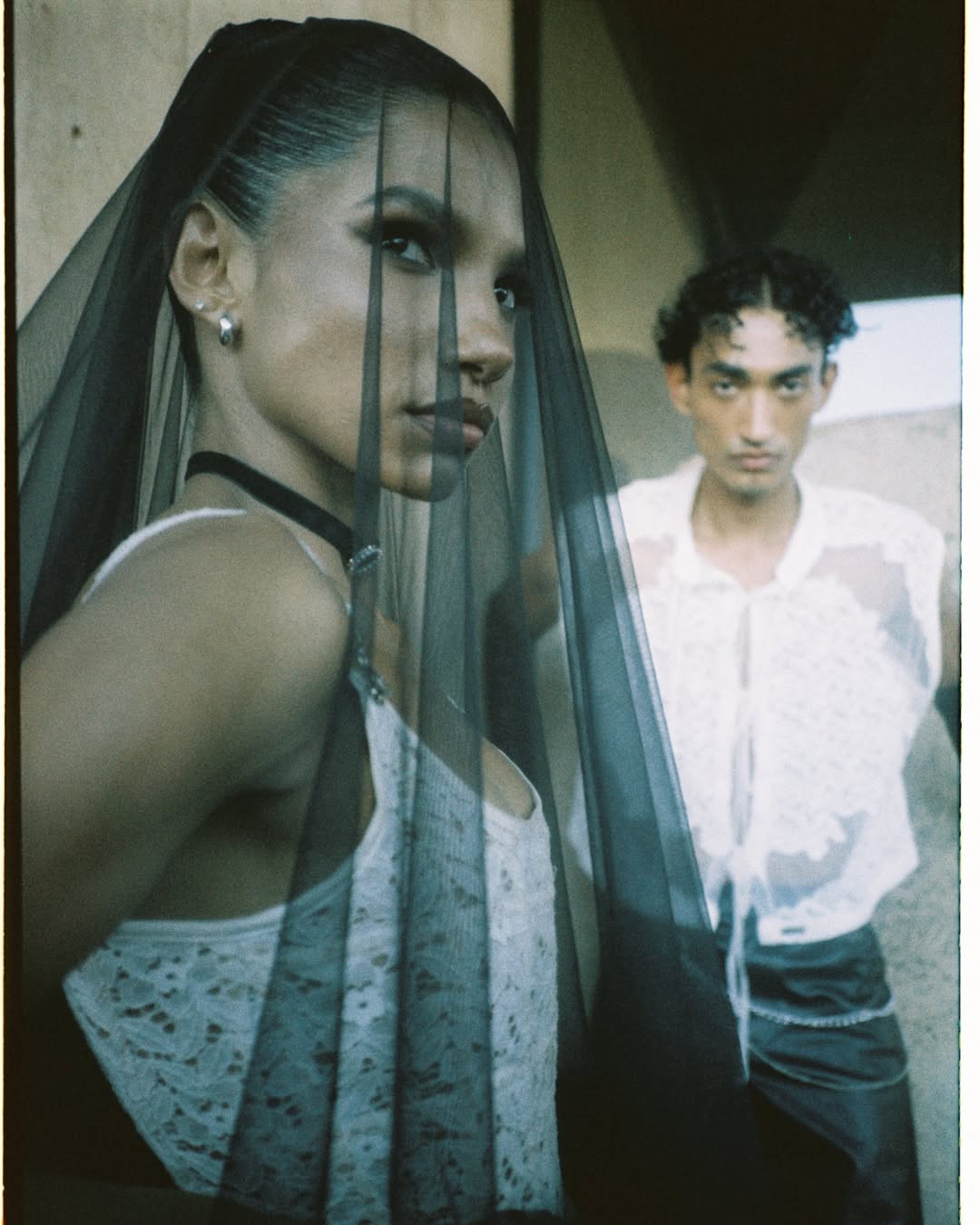
Photo: Ramone, Ohh Ginger
Traditional Wedding Photography
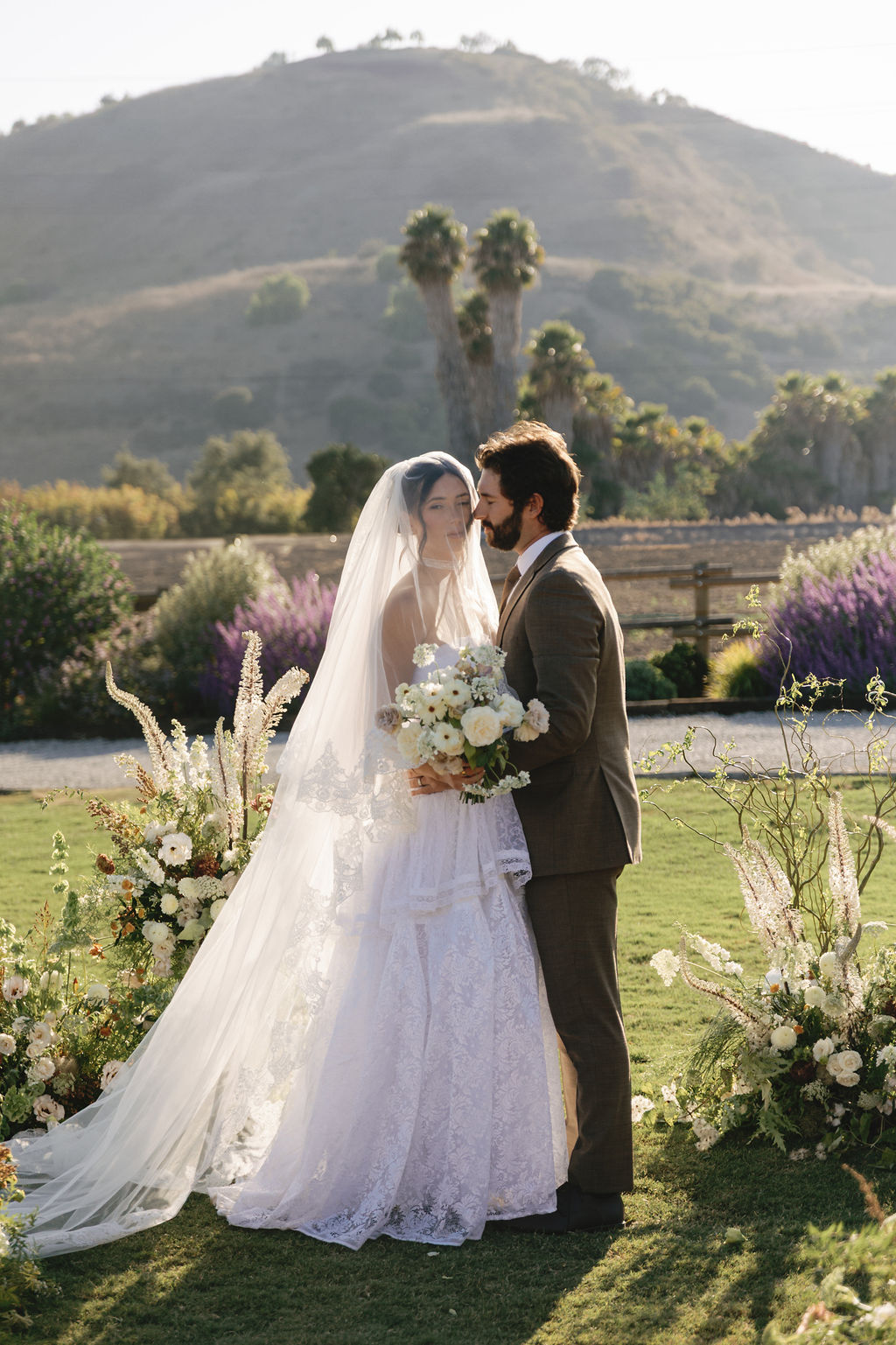
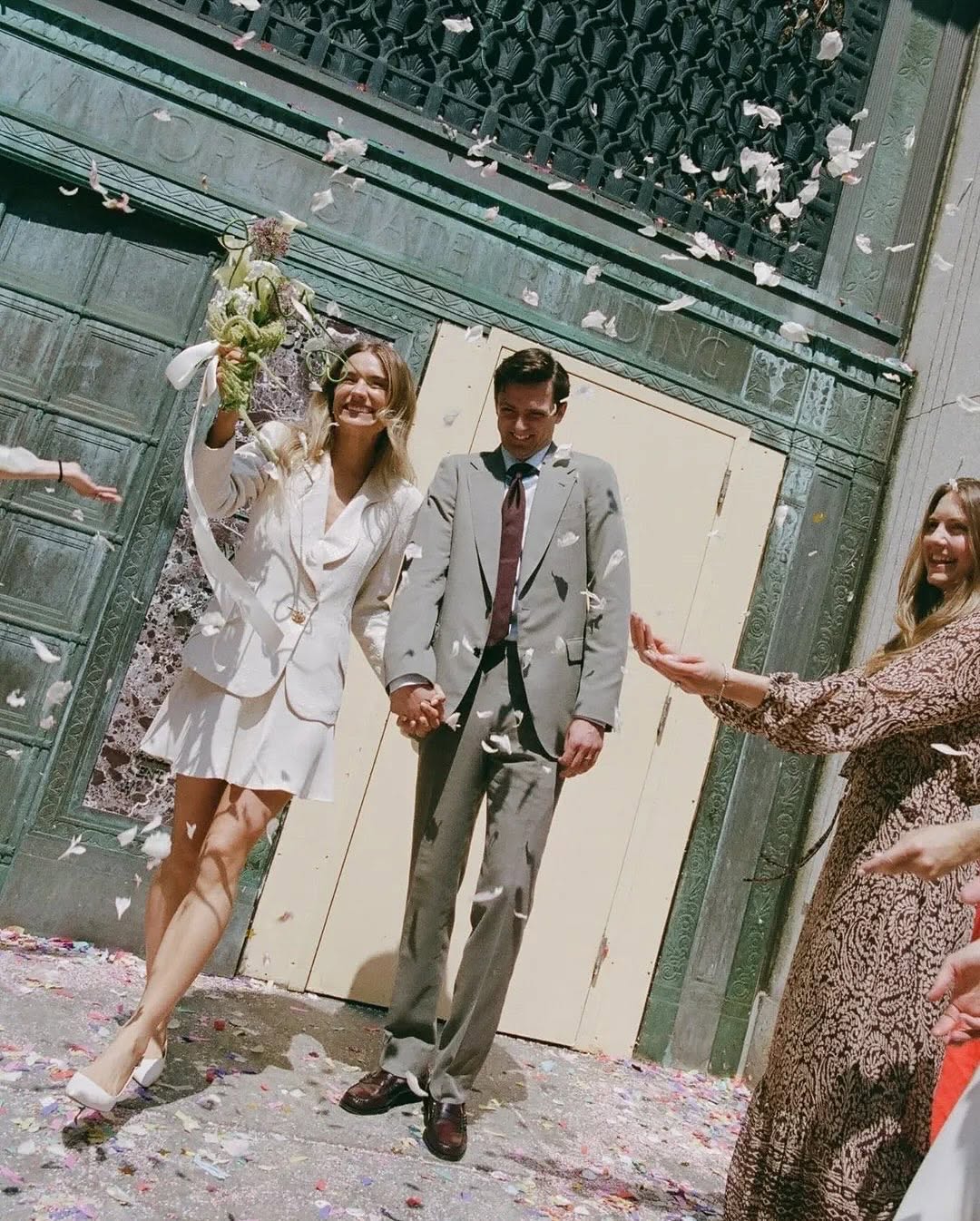
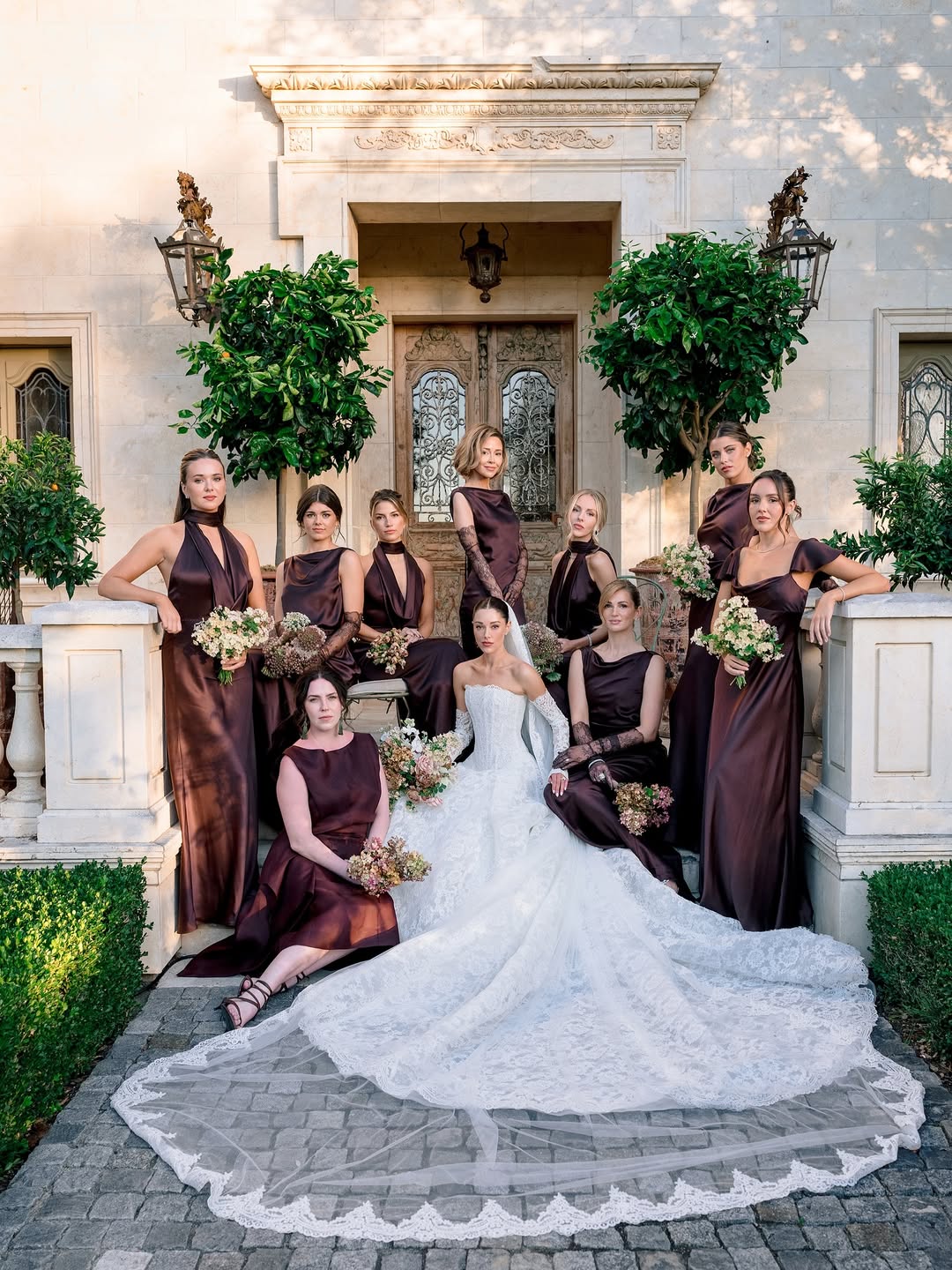
Traditional or classic wedding photography is exactly what it sounds like — timeless, well-composed, and thorough. Think clean portraits of the couple, family formals, wedding party shots, and all the key moments from ceremony to reception, captured with care and intention. The emphasis is on clarity and a well-documented narrative of the event. For couples who prefer to come prepared with a shot list and want the confidence that every important moment is accounted for, this approach offers exactly that reassurance.
“The classic style of wedding photography is timeless because it focuses on what truly lasts: people, emotions, and meaningful moments,” says Italian wedding photographer Kseniya Palchik. “It’s about creating images that feel elegant and honest, without being overly tied to trends. This photo style allows couples to return to their photographs years later and still recognize themselves, their loved ones, and the atmosphere of the day exactly as it felt. A true legacy.”
This approach stays true to reality while still allowing space for the photographer’s artistic perspective. “For me, classic wedding photography doesn’t mean rigid or staged. It’s about balance. I love a creative approach and staying open to what naturally unfolds, but without over-directing or producing an excessive number of similar frames. I focus on precision rather than quantity, creating a cohesive visual story where each image has purpose and emotional weight.”
Editorial Wedding Photography
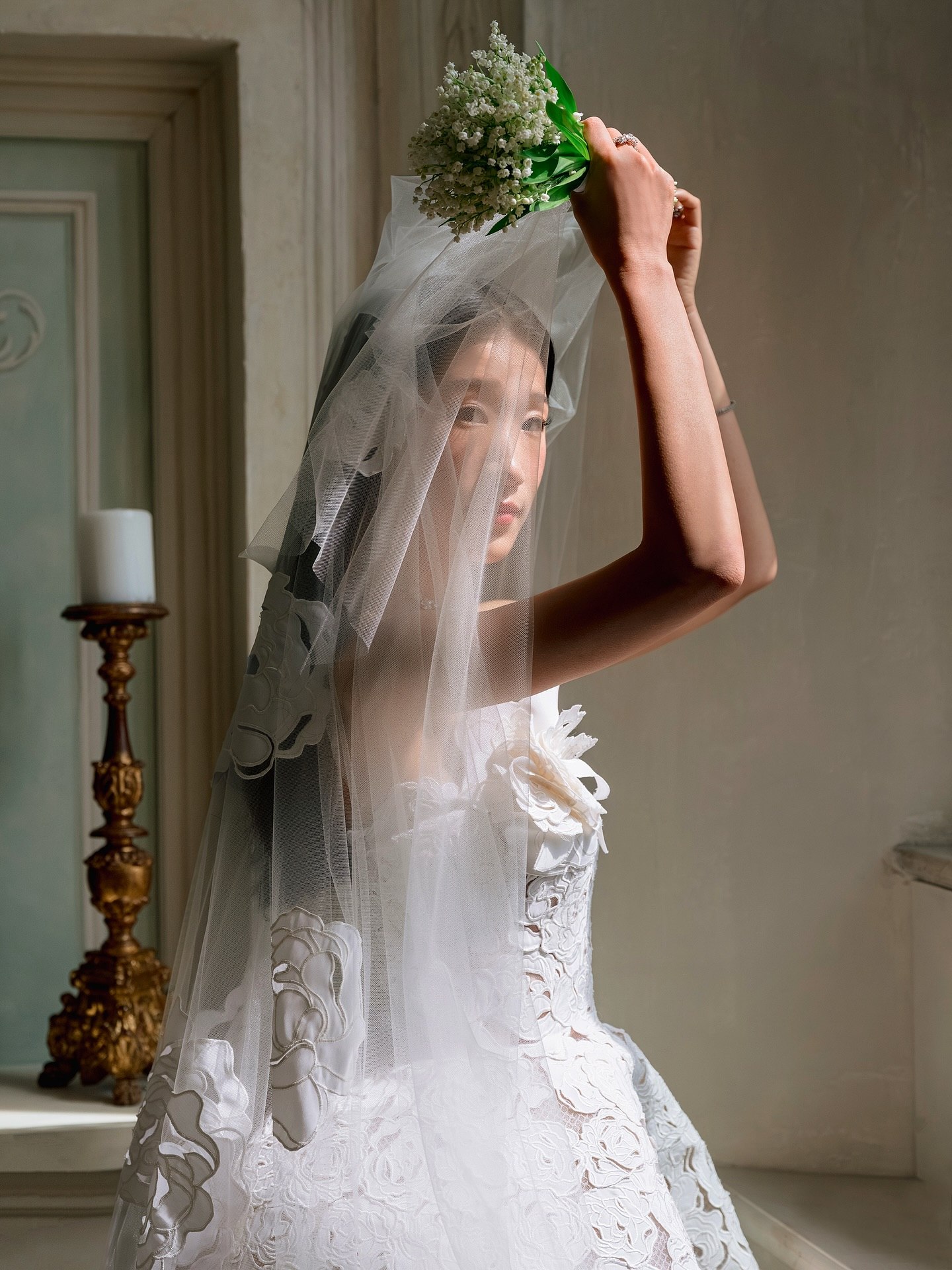
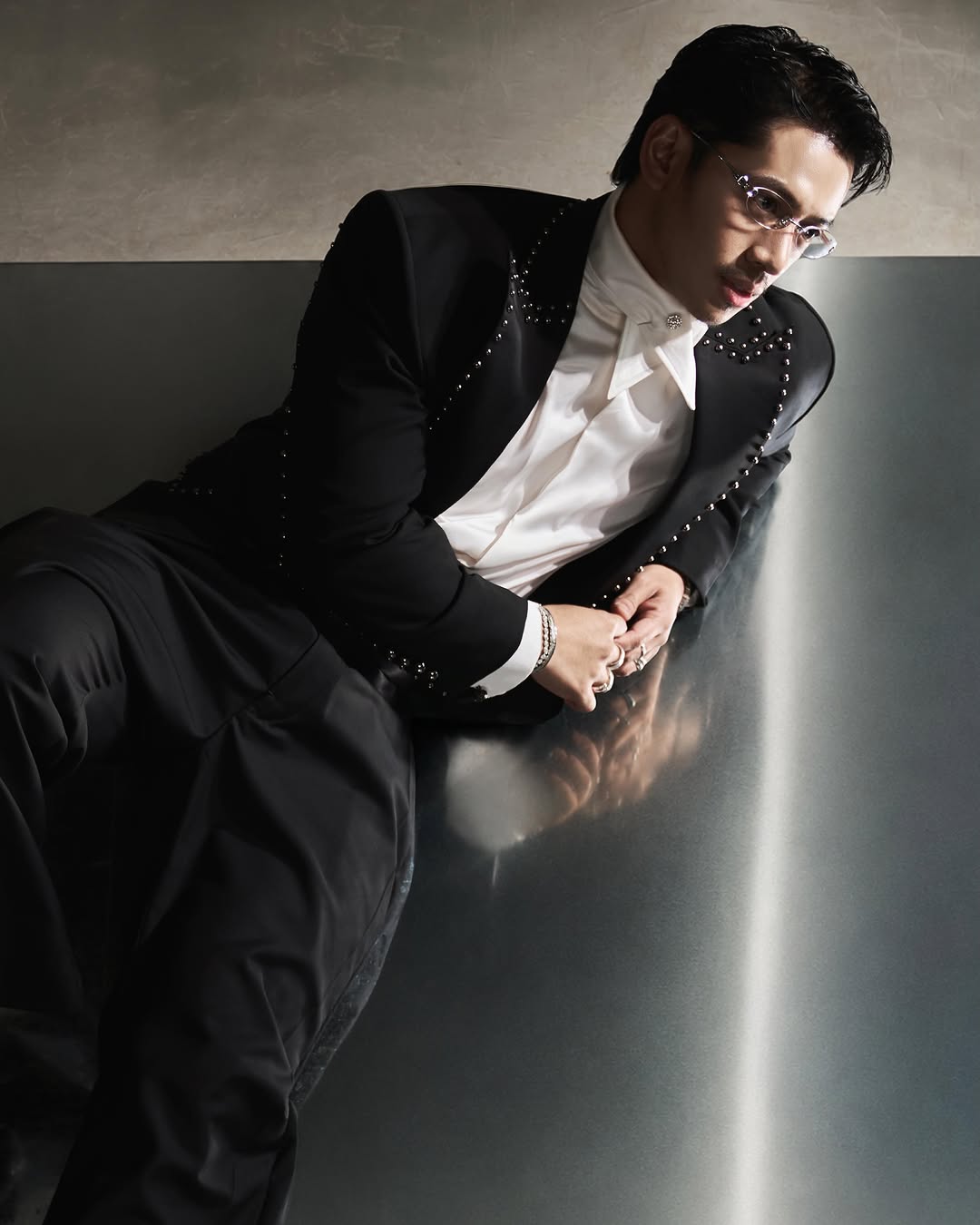
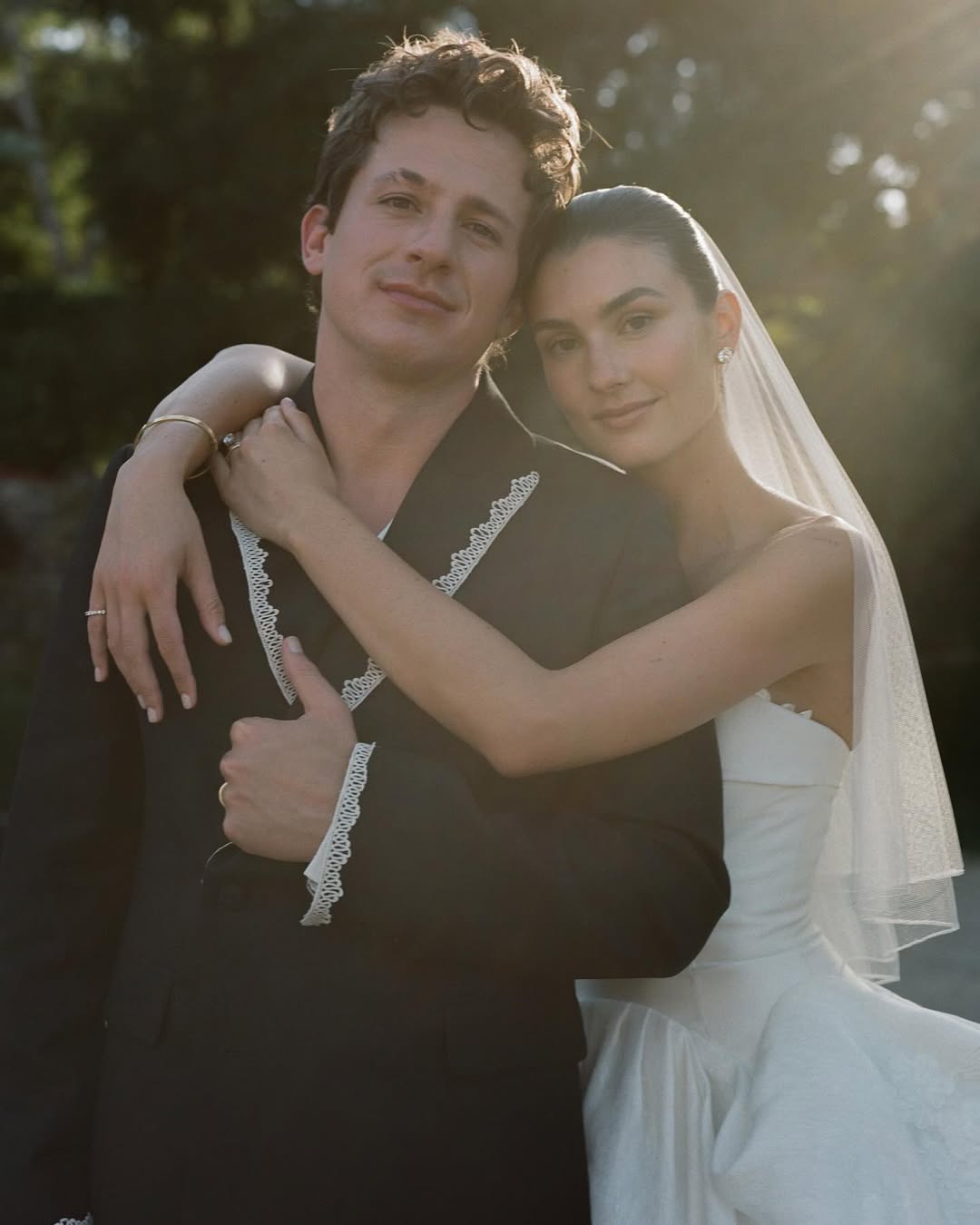
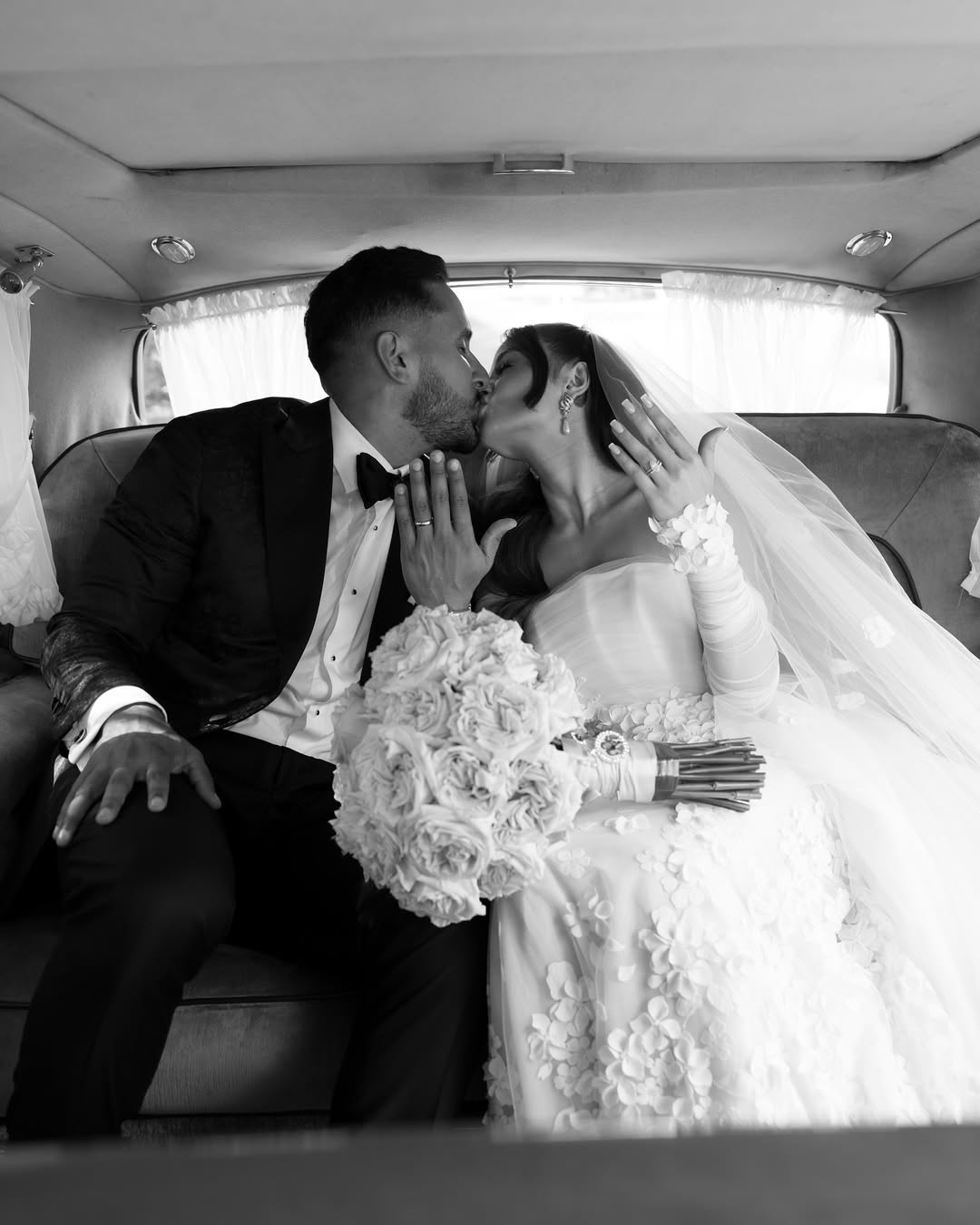
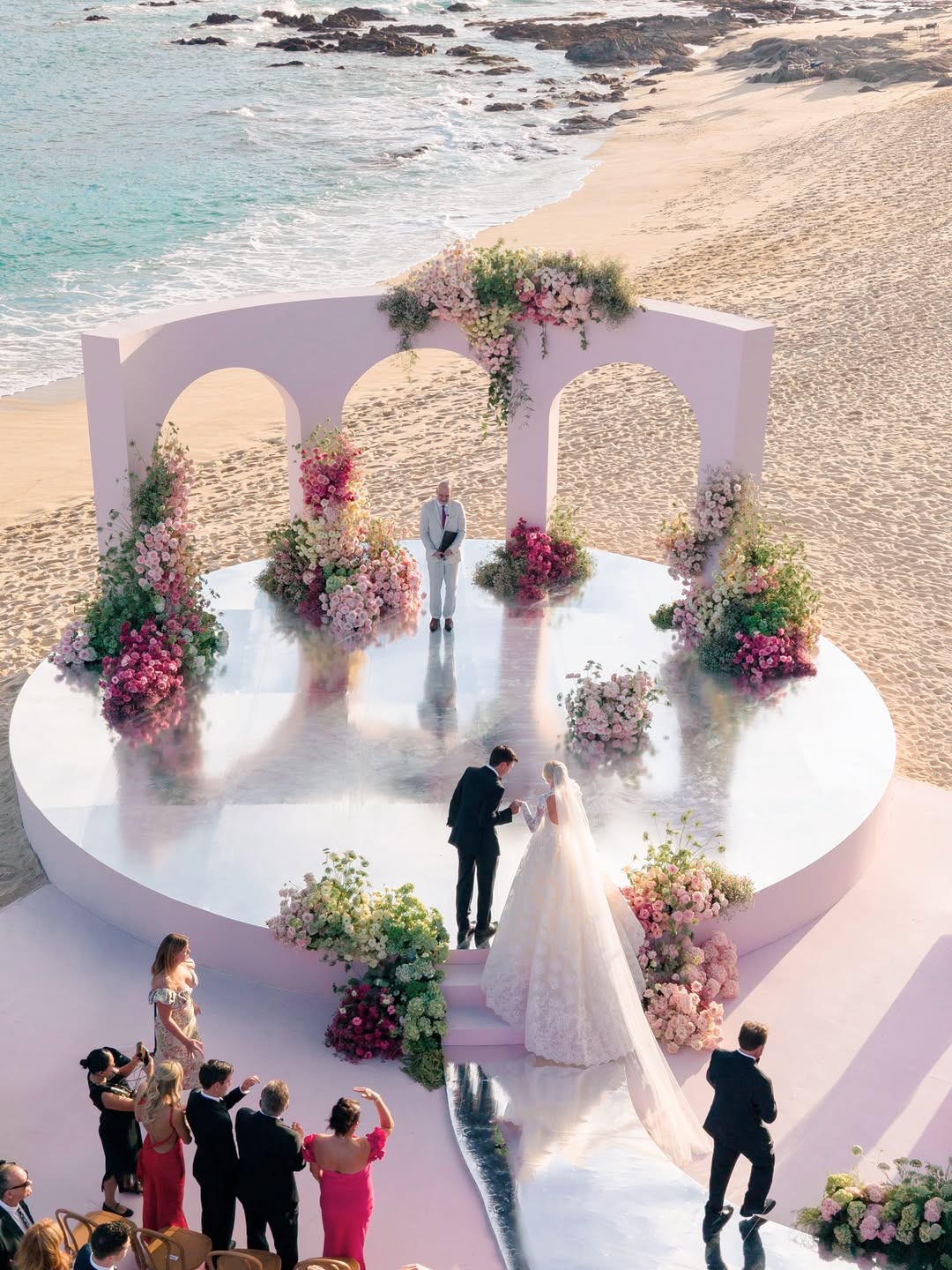
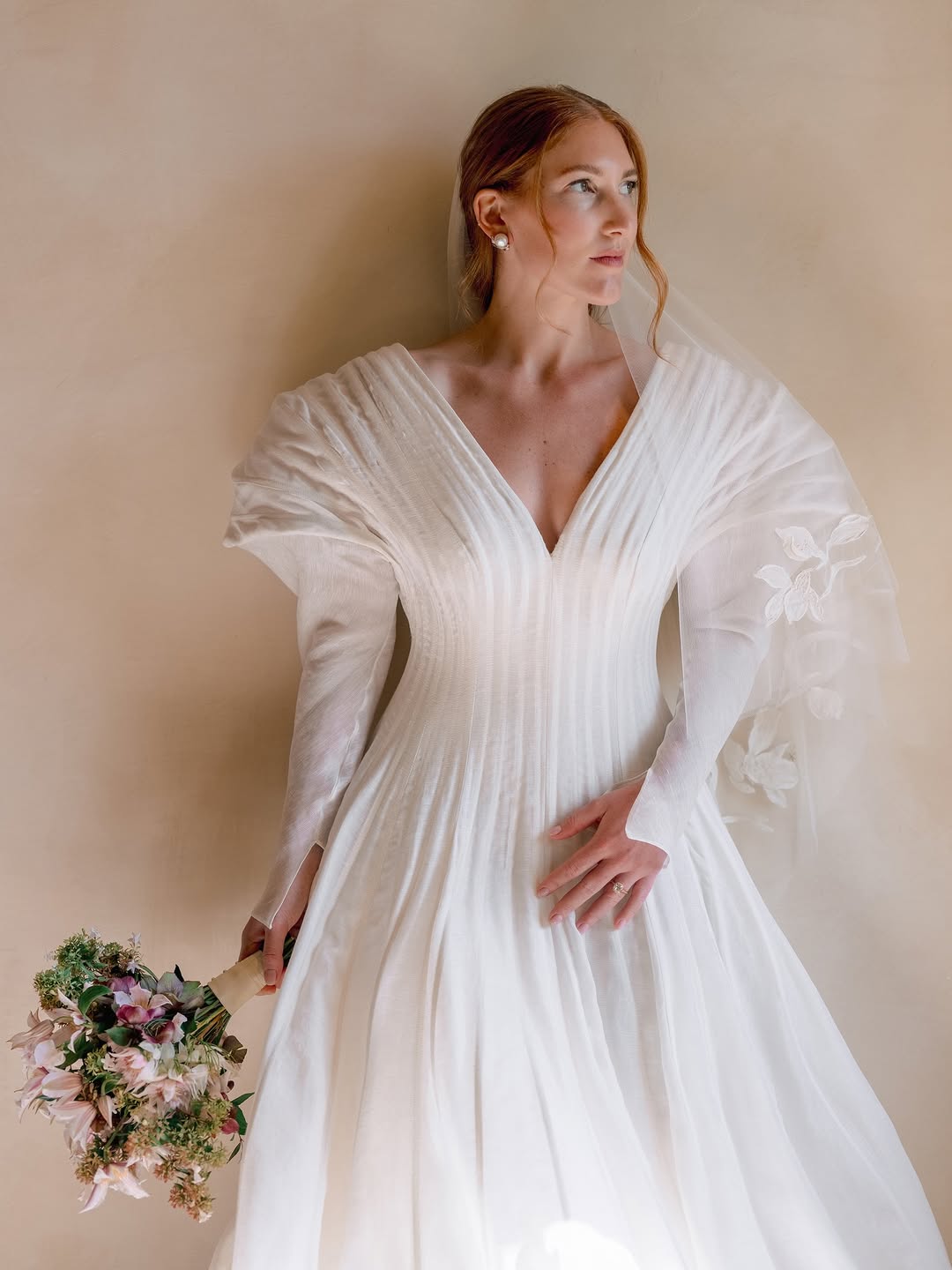
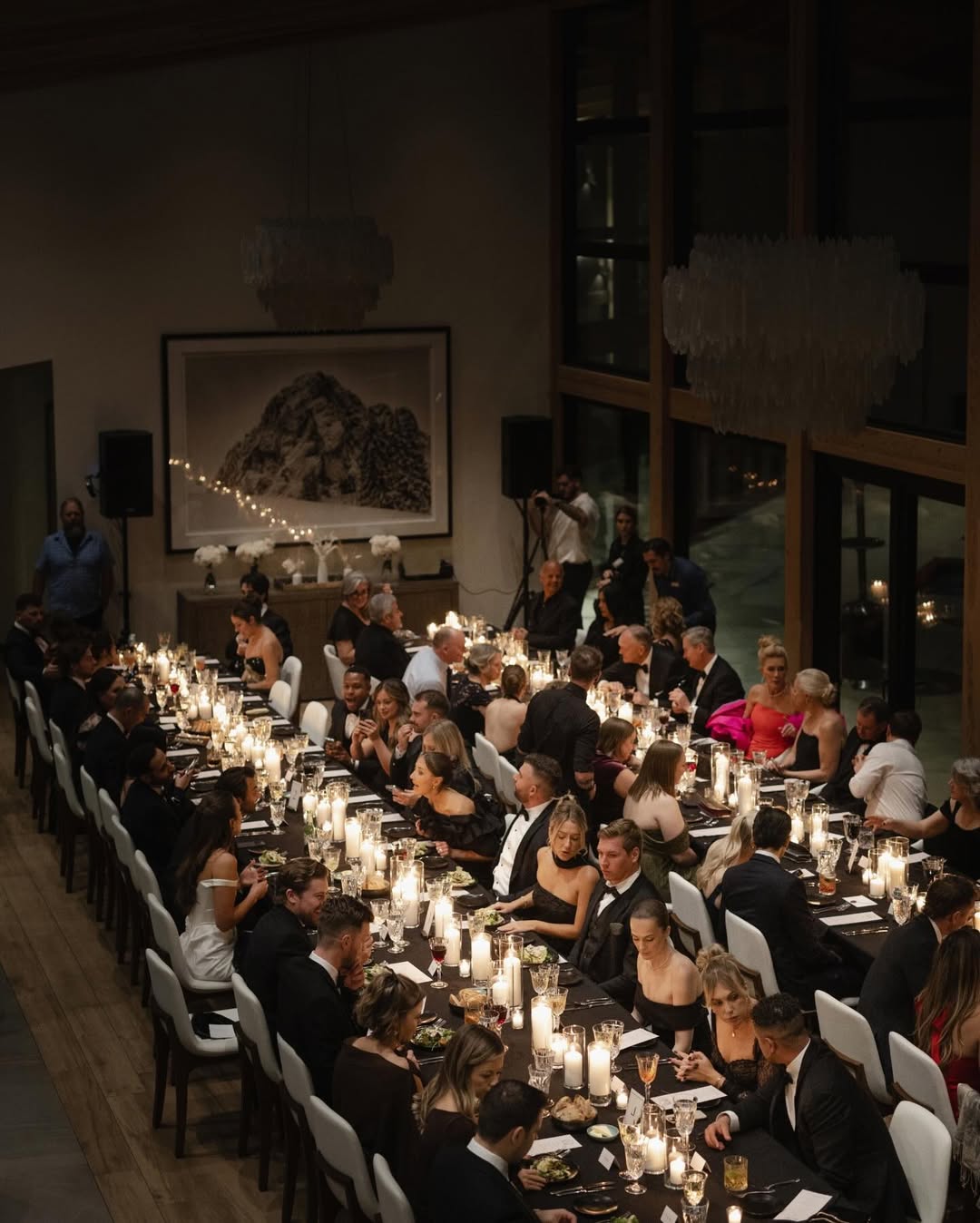
Editorial wedding photography borrows its language from fashion and magazine shoots, emphasizing a stylish, sophisticated, and curated approach. Editorial style photographers focus more on lighting, composition, and posing and may give a couple more direction to bring out the best in every moment and tell the bigger story. The photographer brings a distinct point of view, and that perspective shapes everything from location scouting to the way a veil falls in the frame. Couples who seek out this style usually come to wedding planning with a clear vision already in mind. They expect the images to have a higher-end feel.
“Editorial work is not about over-posing or manufacturing moments, but about clarity, elegance, and intention,” says destination wedding photographer Joy Zamora. “A quiet form of minimalism that lets the couple merge with the environment, while borrowing subtle cues from fashion, advertising, and design. But some moments demand direction, and others that demand invisibility. Editorial images give structure and sophistication, while documentary and candid work give honesty and emotional truth. Both matter, and both belong in the same story.”
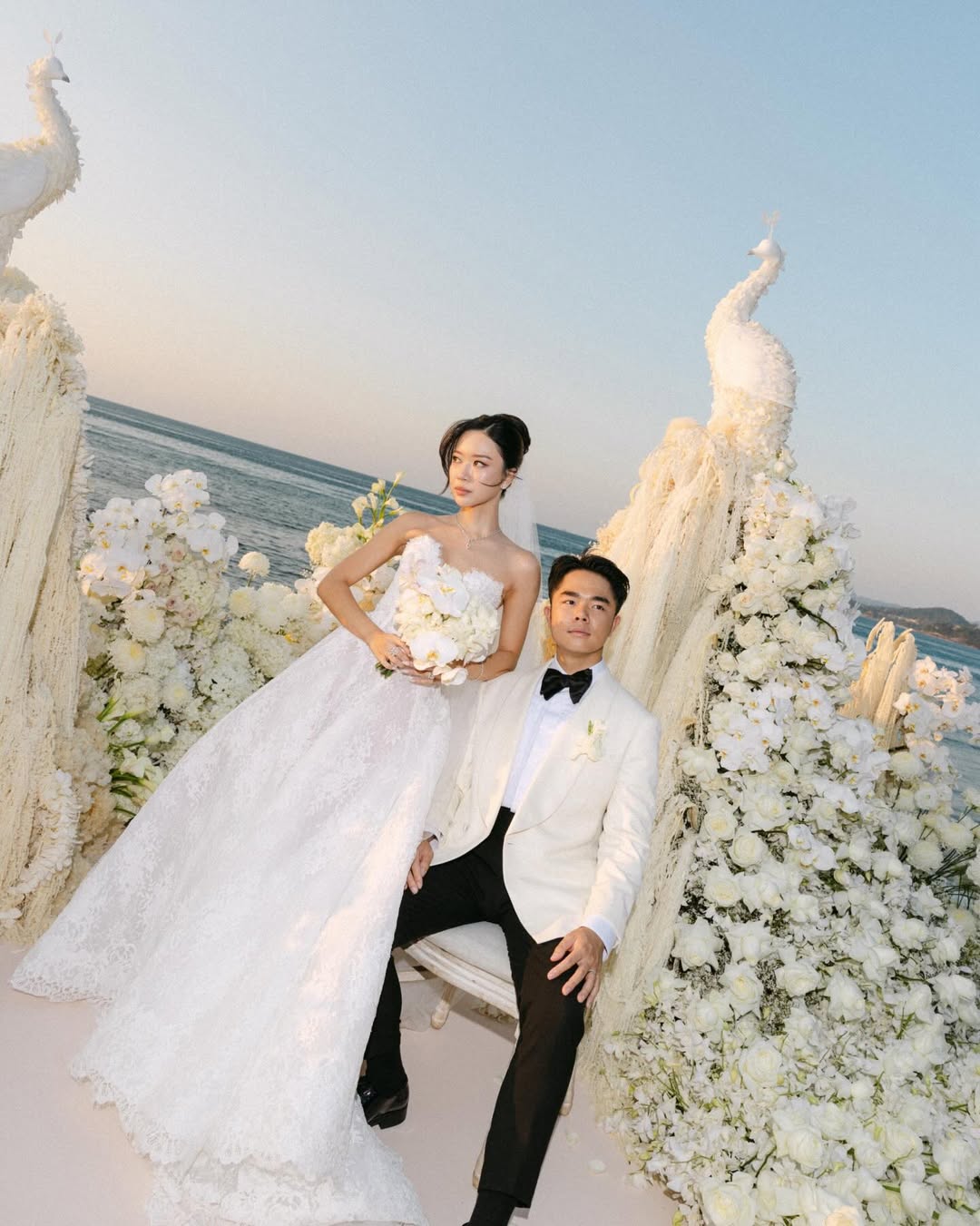
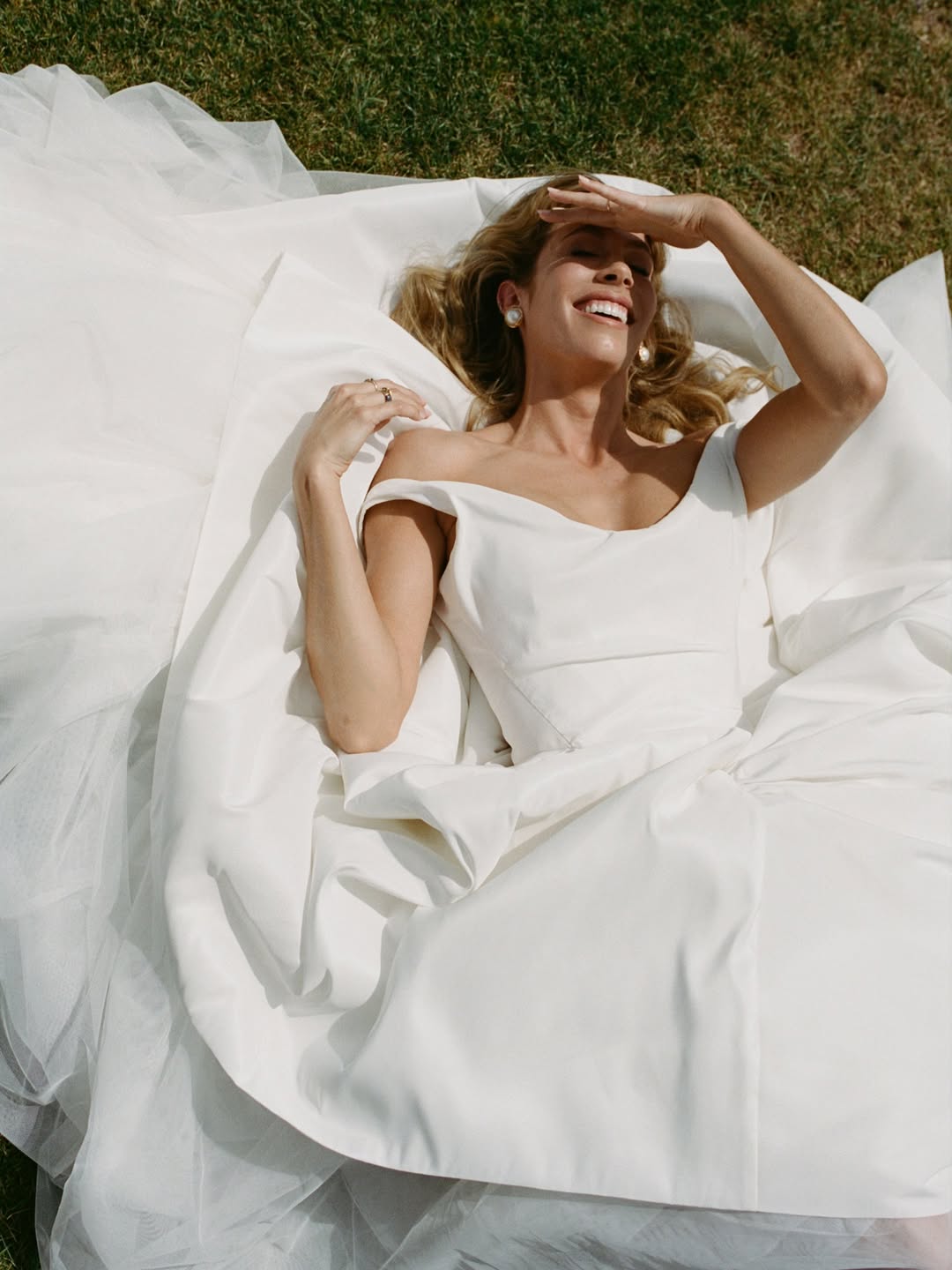
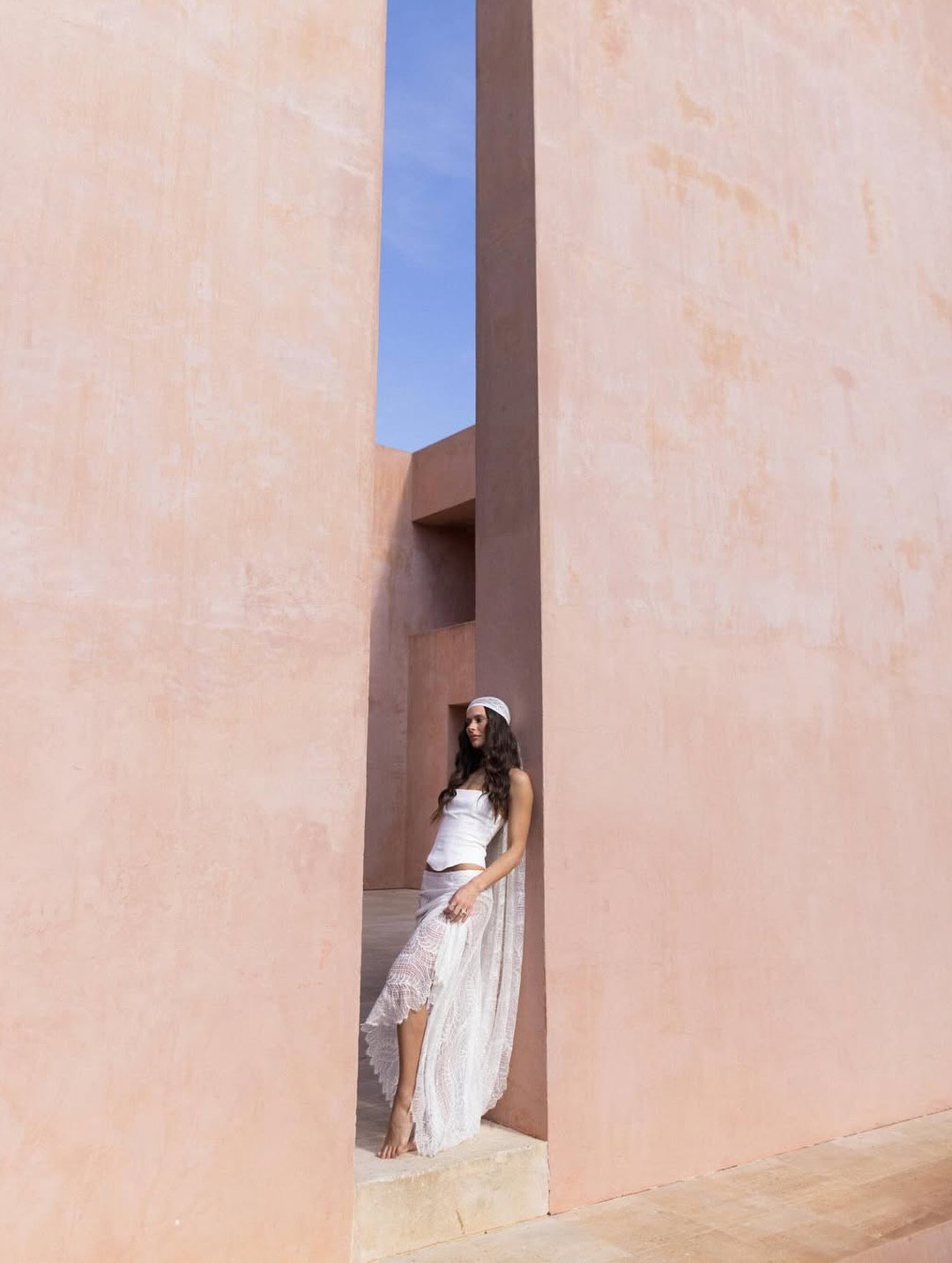
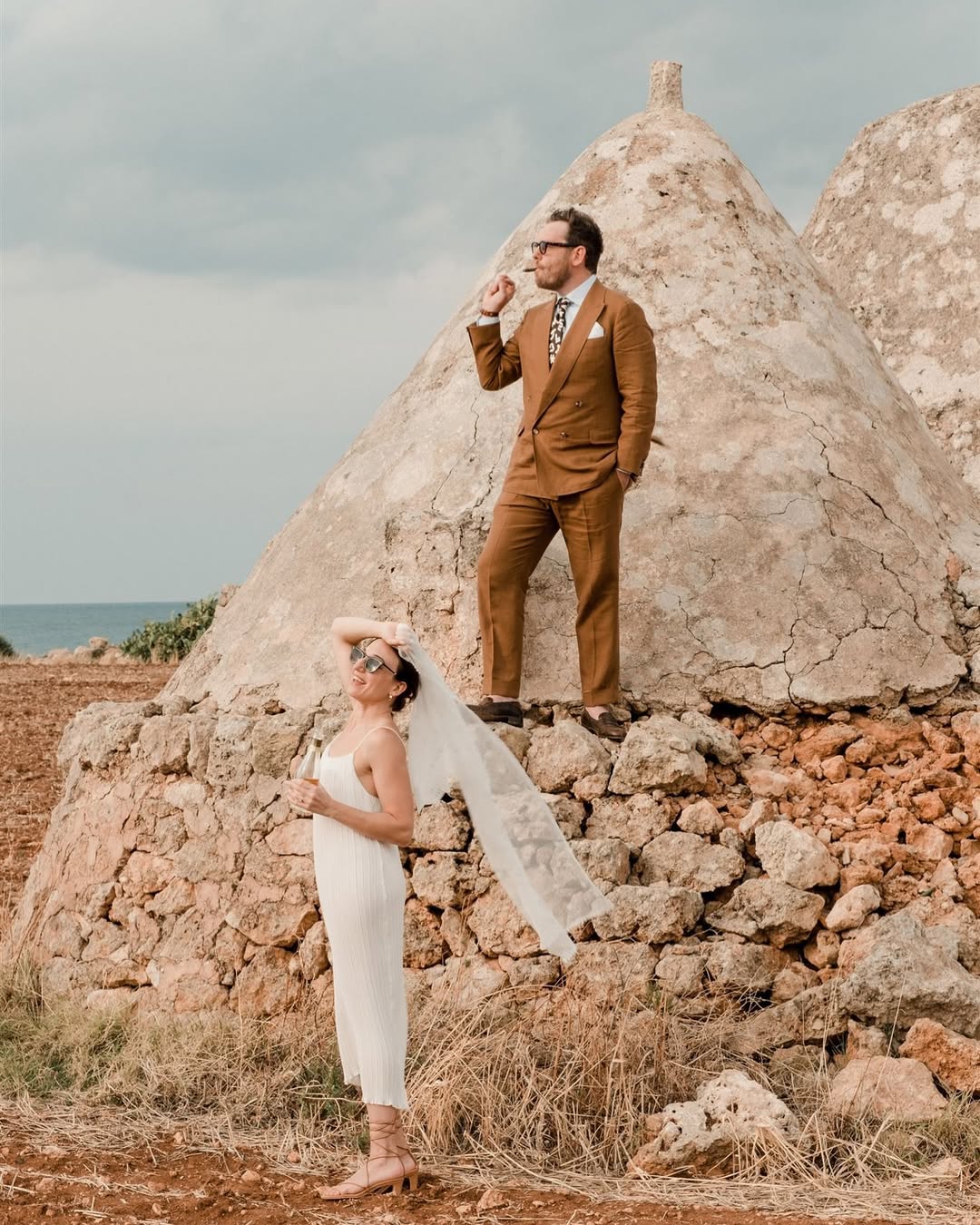
Photo: Joy Zamora, Nicole Plett, Sarah Tonkin, LATO Photography
Documentary Wedding Photography
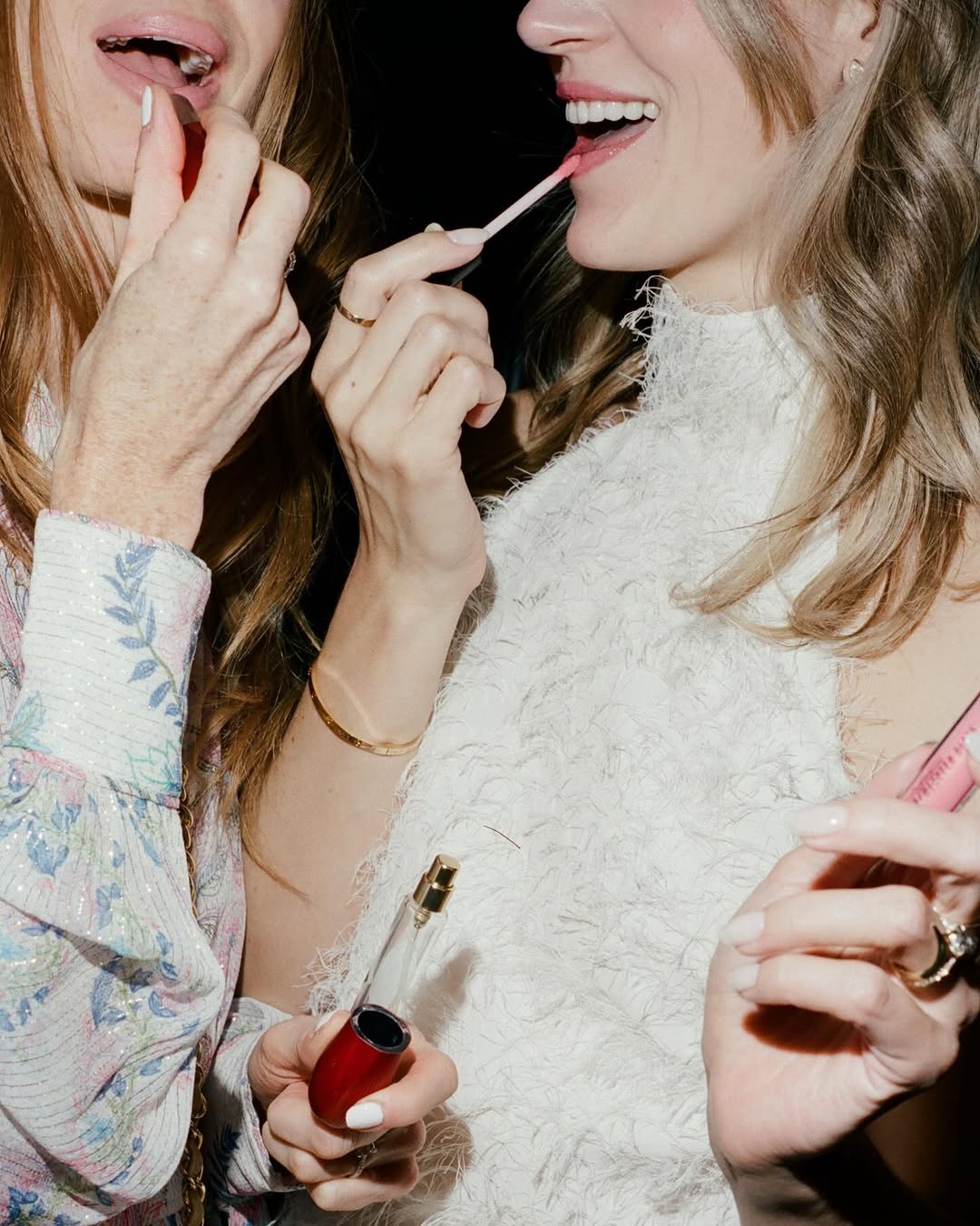
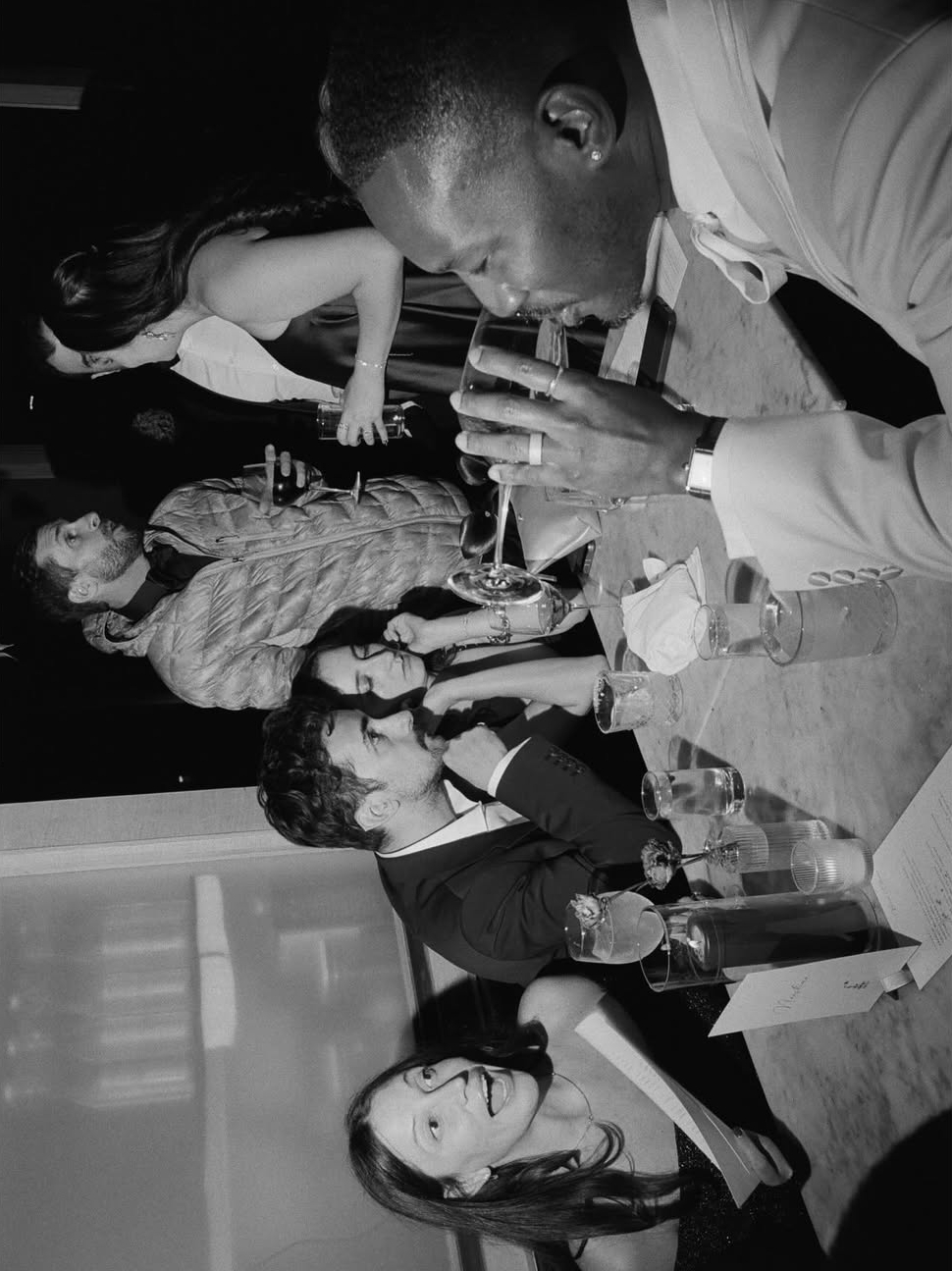
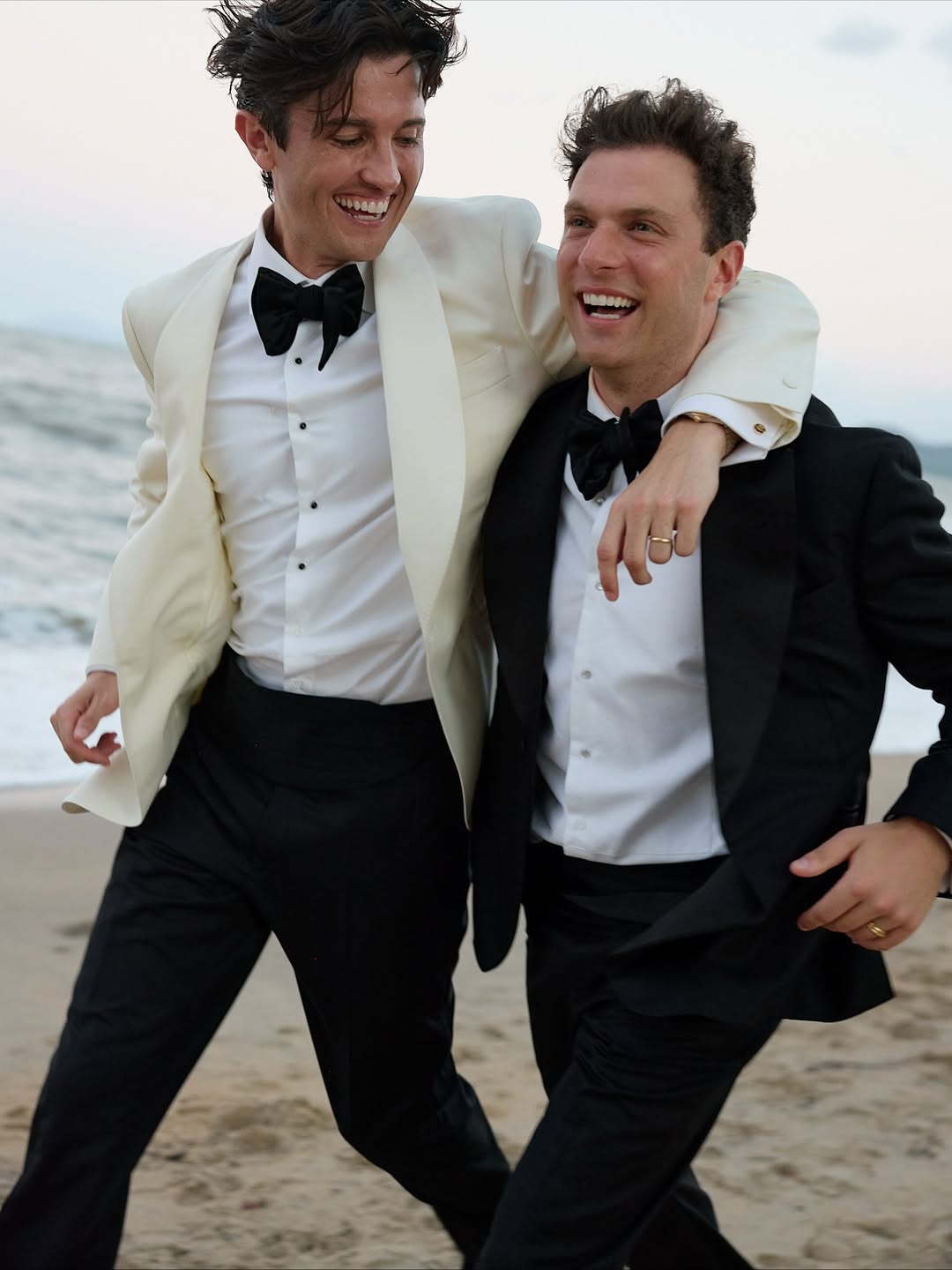
Documentary-style, or photojournalistic, wedding photography is an approach where a photographer captures moments as they unfold, without interruption or direction. It prioritizes mood over technical perfection: the emotions, the feelings, and the details that together tell the story of the day.
“I love the documentary style because it celebrates the fleeting, candid moments that make each wedding unique — the tiny moments that cumulatively tell the story of the day,” says Elle Wildhagen, the principal photographer behind Kindred. “There’s a beauty in capturing life as it unfolds, allowing couples to relive their wedding through honest, emotional storytelling rather than posed perfection.”
While some photographers work exclusively in this style, most mix it with more traditional approaches and weave it throughout the day — and even then, no two do it the same way. Some find the morning preparations the richest time for it, preferring candid coverage over posed portraits from the start. Others save it for the ceremony, cocktail hour, and reception. Either way, the images it produces tend to be the ones couples actually care about years later.
Fine Art Wedding Photography
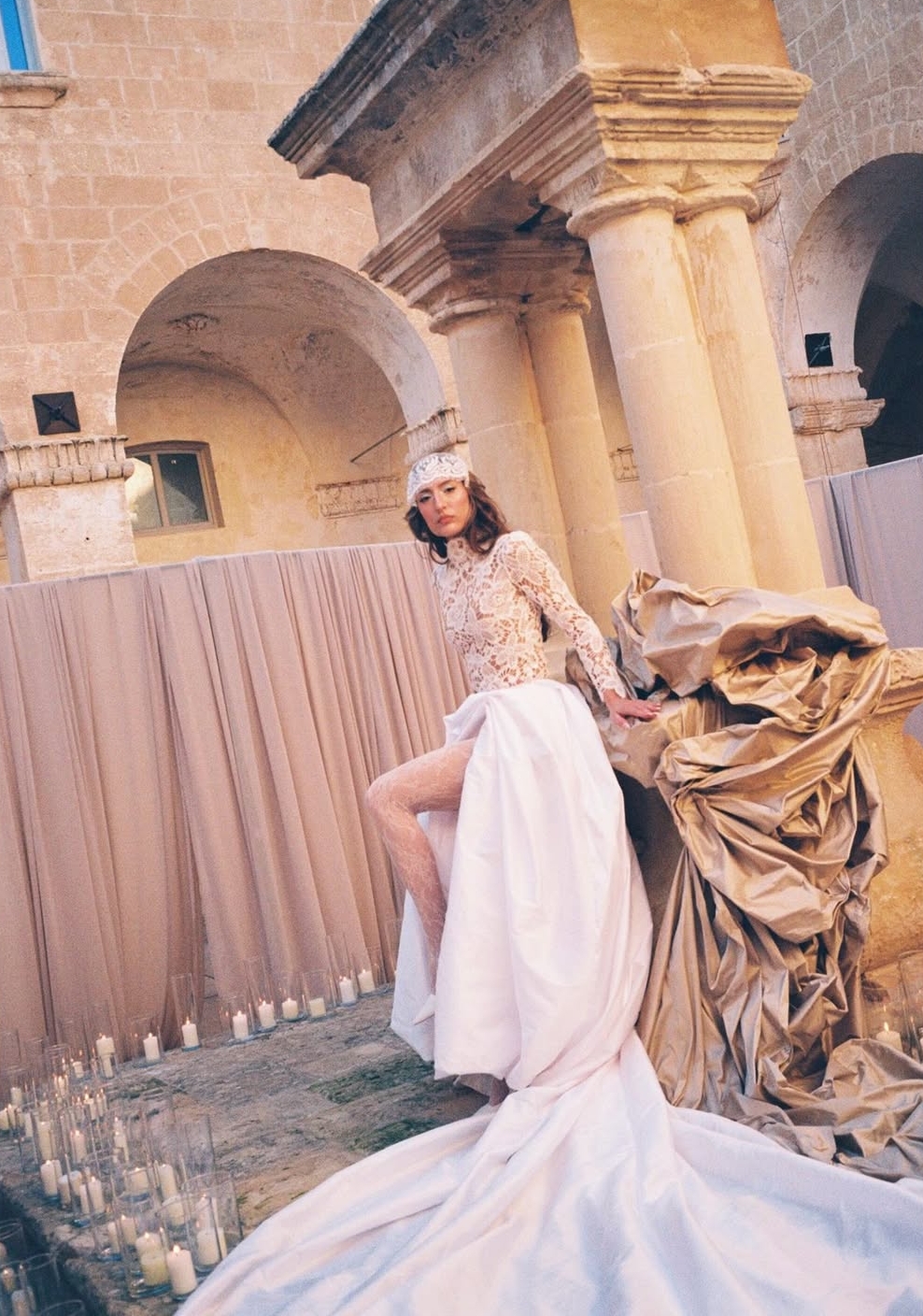
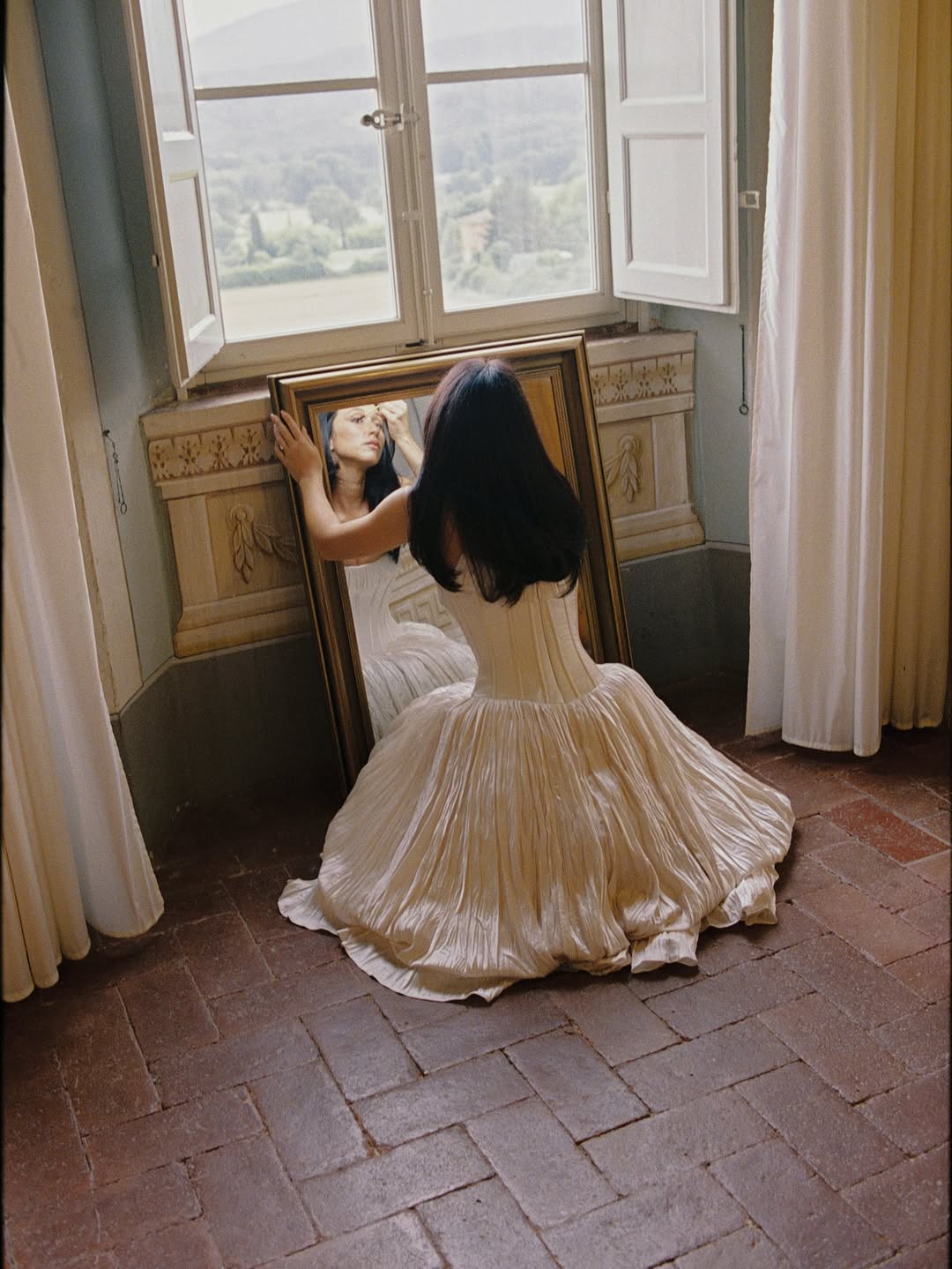
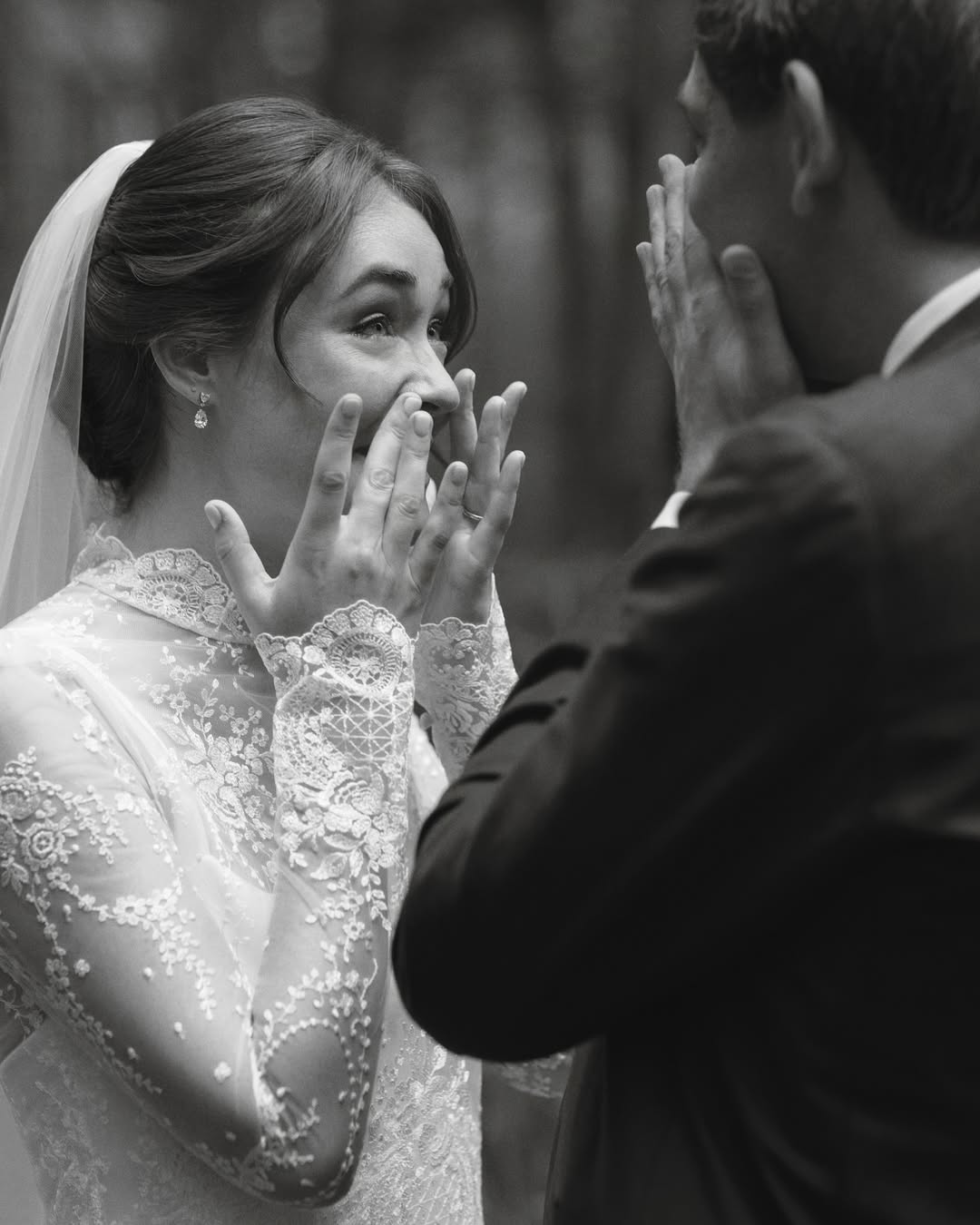
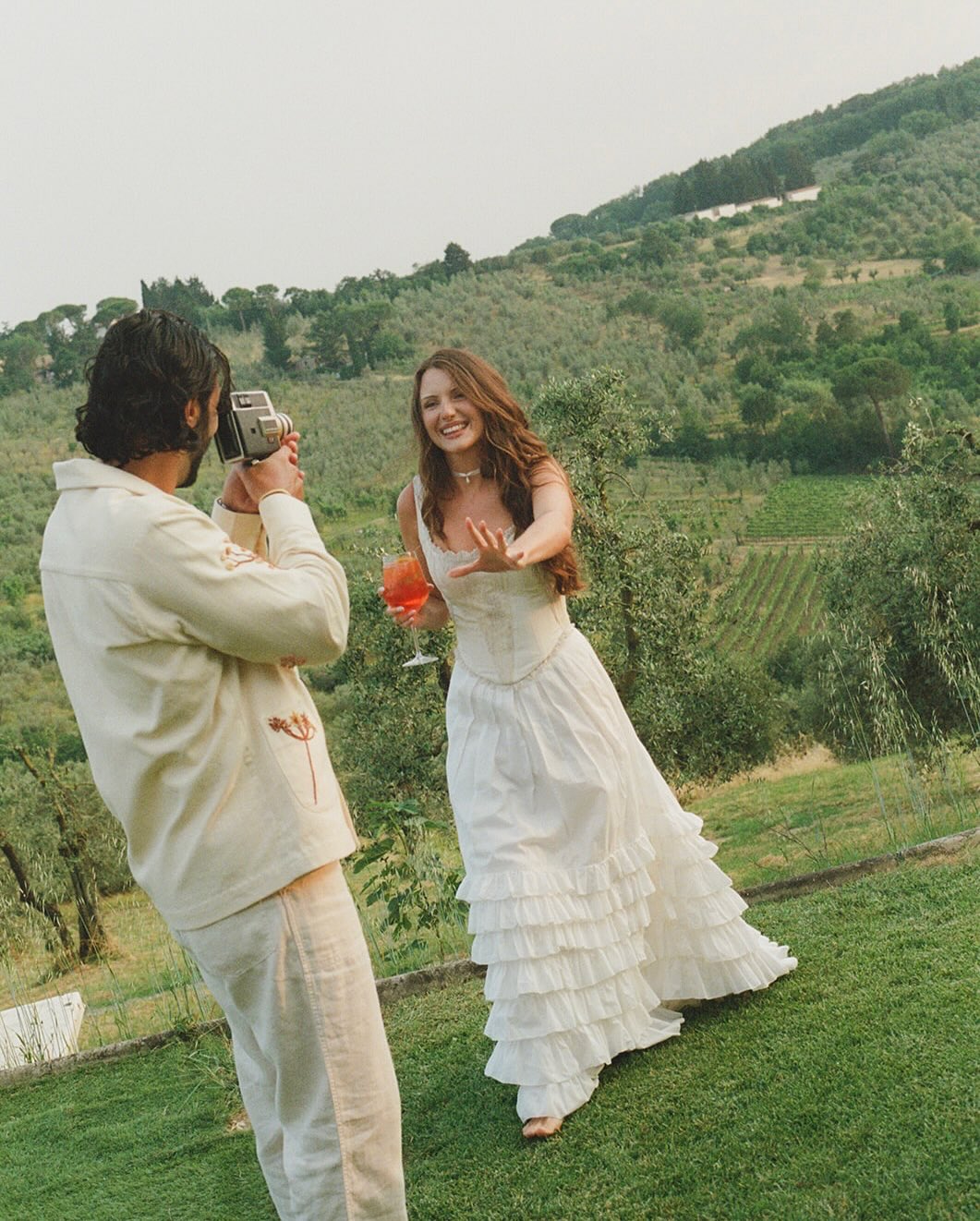
If you’re dreaming of a wedding album full of soft, light, romantic, and airy photographs, a fine art photographer is exactly who you’re looking for. A hand resting on fabric. A figure standing at a window. A landscape with a small human form in the distance. There’s often a stillness to fine art wedding photography that other styles don’t reach for — a willingness to let a moment breathe rather than fill the frame. Film is often the medium of choice as its grain, bright style, and particular way of rendering color give fine art images a quality that feels like a memory.
“Fine art photography is the heart of what we do, and the beauty of it is simple: it takes something fleeting and gives it permanence,” says a husband and wife wedding photography duo Tee and Rebecca Lambert. “This wedding photo style isn’t about trends, presets, or whatever is circulating on social media this week. It’s the courage to slow down in a world that rushes and create beauty with purpose; not for vanity, but for legacy. We approach it with direction gently, because people show their truest selves when they’re not trying too hard. We guide a couple not into a pose, but into a feeling. We use natural light when possible, like a character in the story; soft, cinematic, honest.“
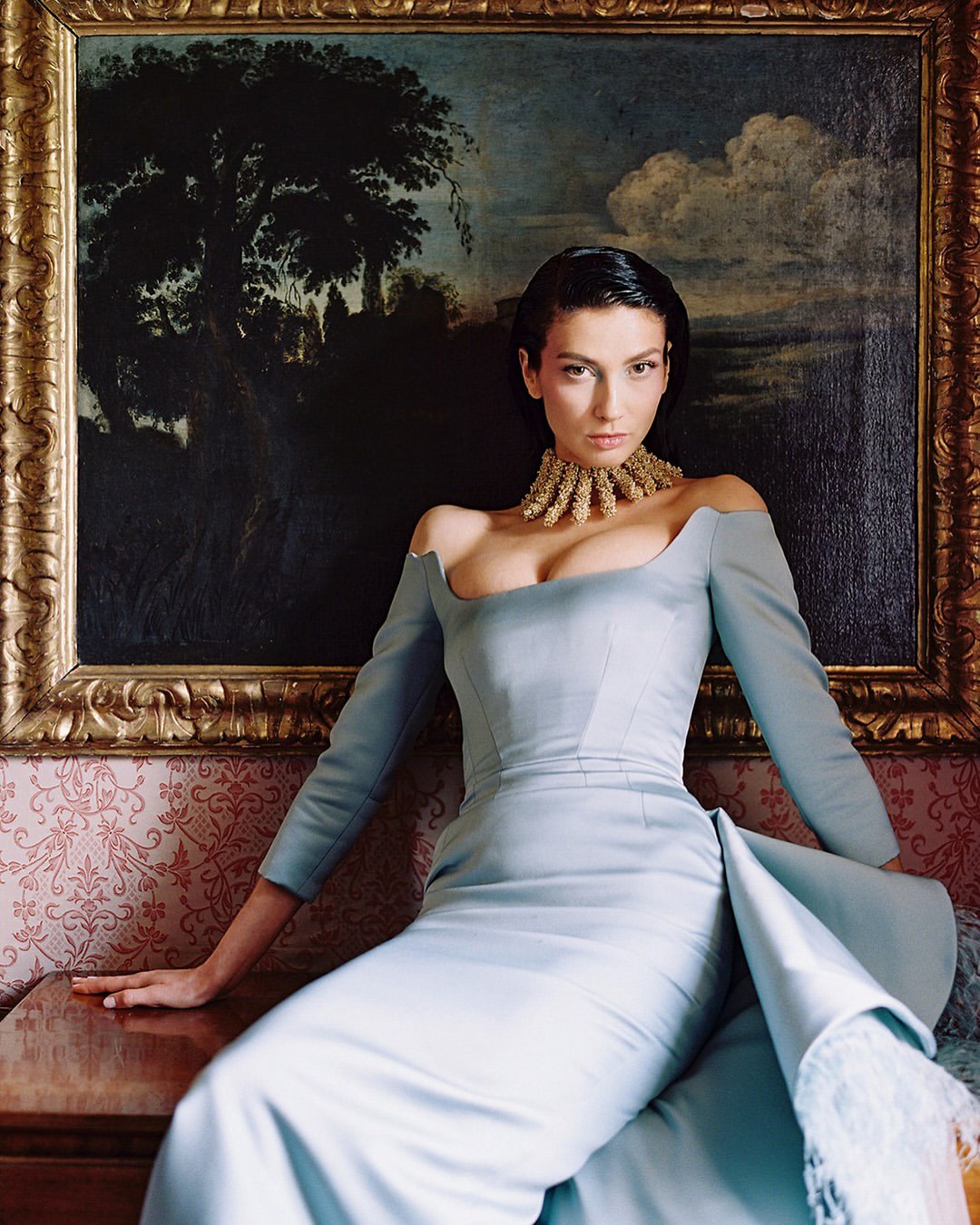
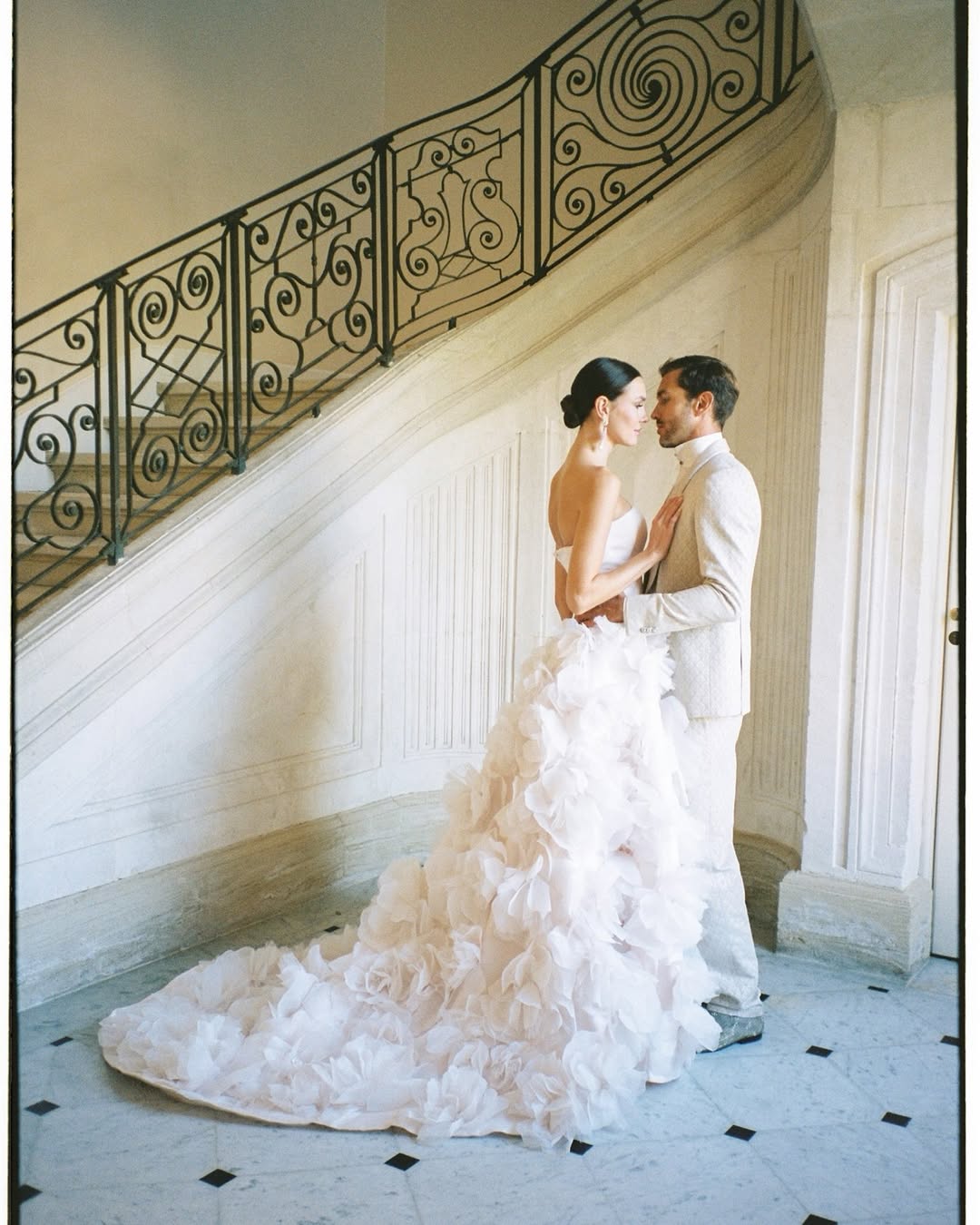
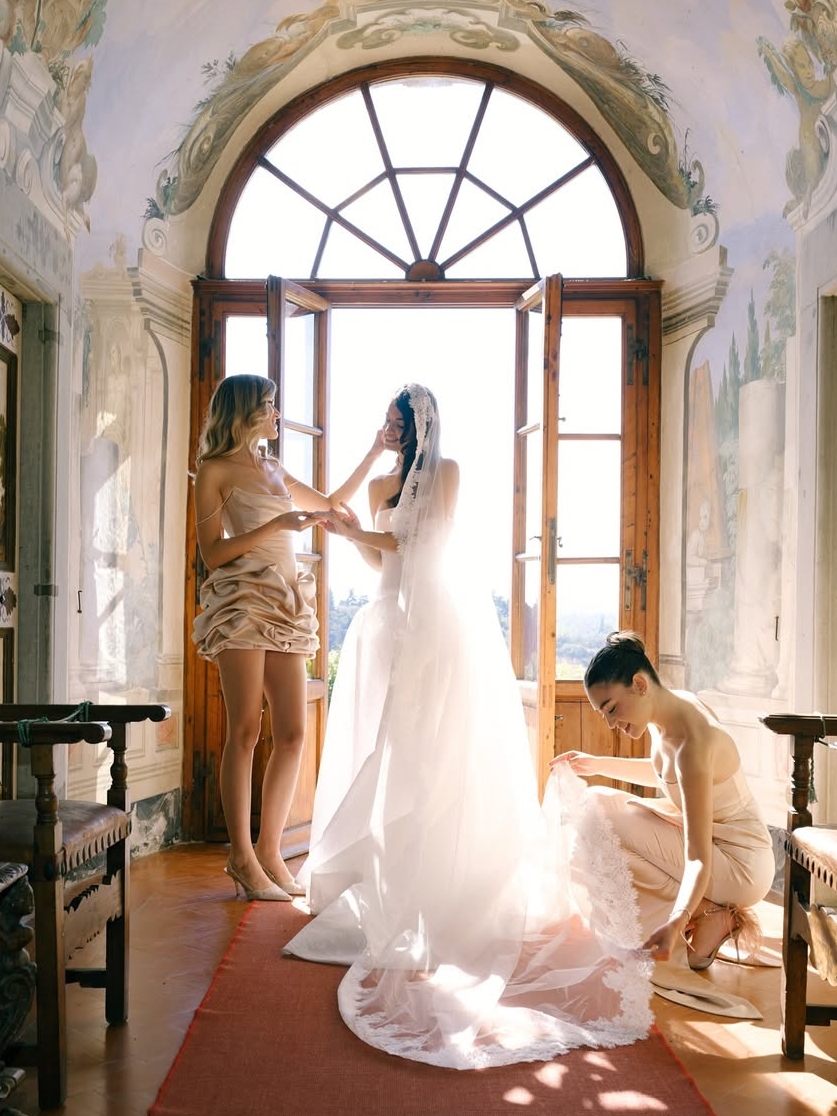
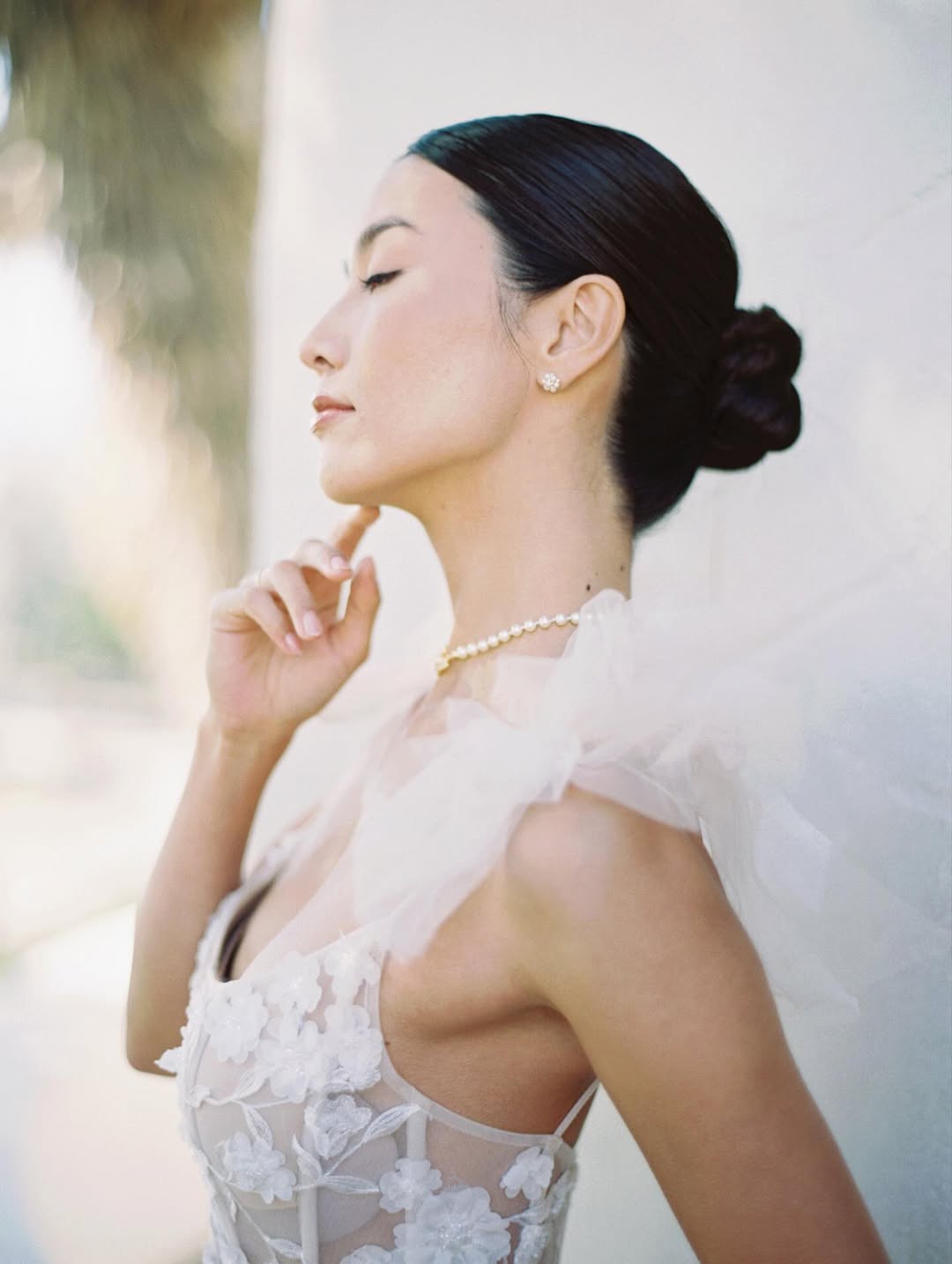
Photo: David Abel, Still Miracle, Still Miracle, Tee and Rebecca
Film Wedding Photography
Film wedding photography has become really popular in the last few years, and it’s not hard to understand why. In a world of instant and digital everything, there’s something deeply appealing about a medium that asks for patience, intention, and a certain willingness to surrender control. There’s no chimping the back of the camera, no immediate reassurance — just the discipline of trusting your eye and your light reading and committing to the frame.
“Film photography, especially in weddings, is less about perfection and more about presence,” says London-based wedding photographer Jessica Gwyneth. “The approach is rooted in observation. It asks the photographer to slow down, to anticipate rather than overshoot, and to trust their instinct. Film rewards patience. Every frame is intentional. You are not chasing volume, you are waiting for the moment to breathe into the frame.“
The results are immediately recognizable: a warmth in the skin tones, a softness in the highlights, a grain that gives the image texture and depth. Colors feel nostalgic and render differently on film — greens are richer, whites bloom slightly, shadows hold detail in a way that digital sometimes flattens. Speaking of grain, analog photographer Emmylou Kelly educates us: “Light is what allows the paper to create an image. It’s the light rays that cause a chemical reaction on the paper, which creates the grain, the particles.”
“The fact that any film shot is a tangible product of that moment, your wedding moment, your first kiss, your father-daughter dance, completely blows my mind,” Emmylou adds. “So when working with clients, it’s extremely important that my clients receive their negatives from their wedding day. These negatives will not only remain once the digital scans are lost, for the couple’s children and grandchildren and hopefully great-grandchildren to look at, but they’re also the raw copies for them to go on producing prints.“
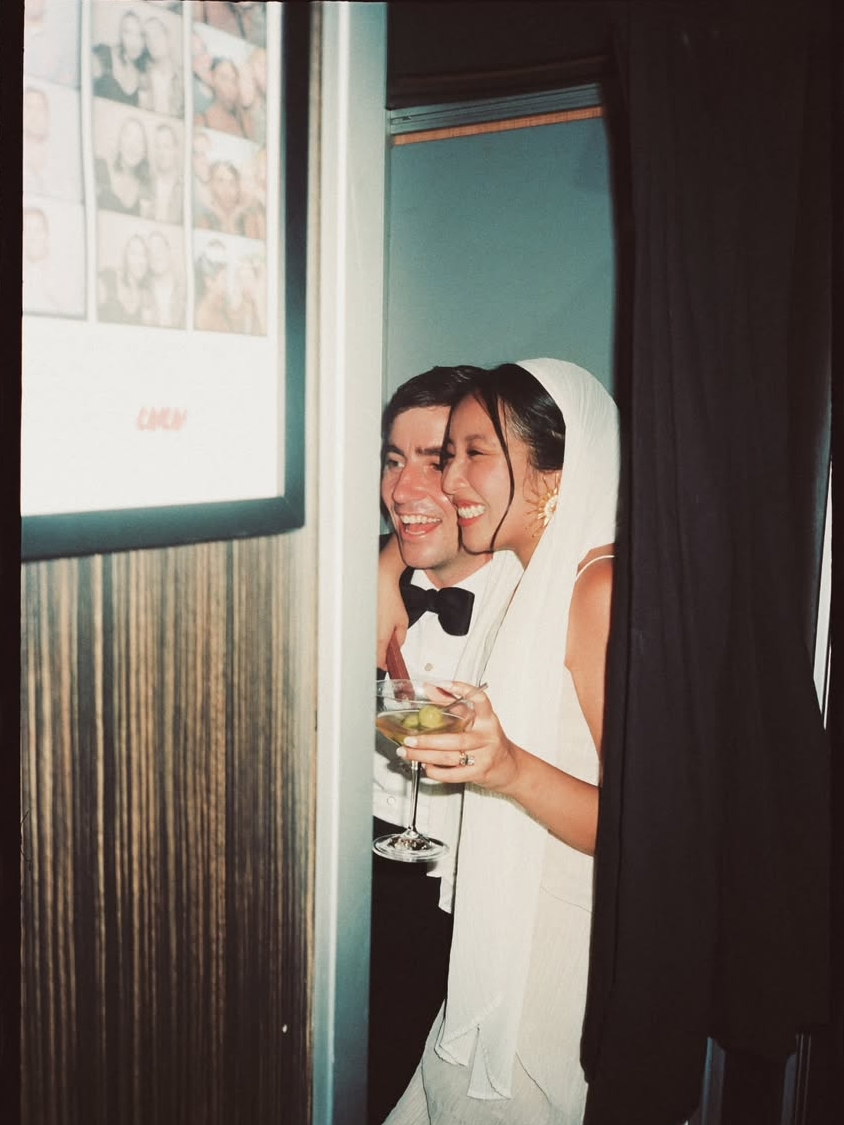
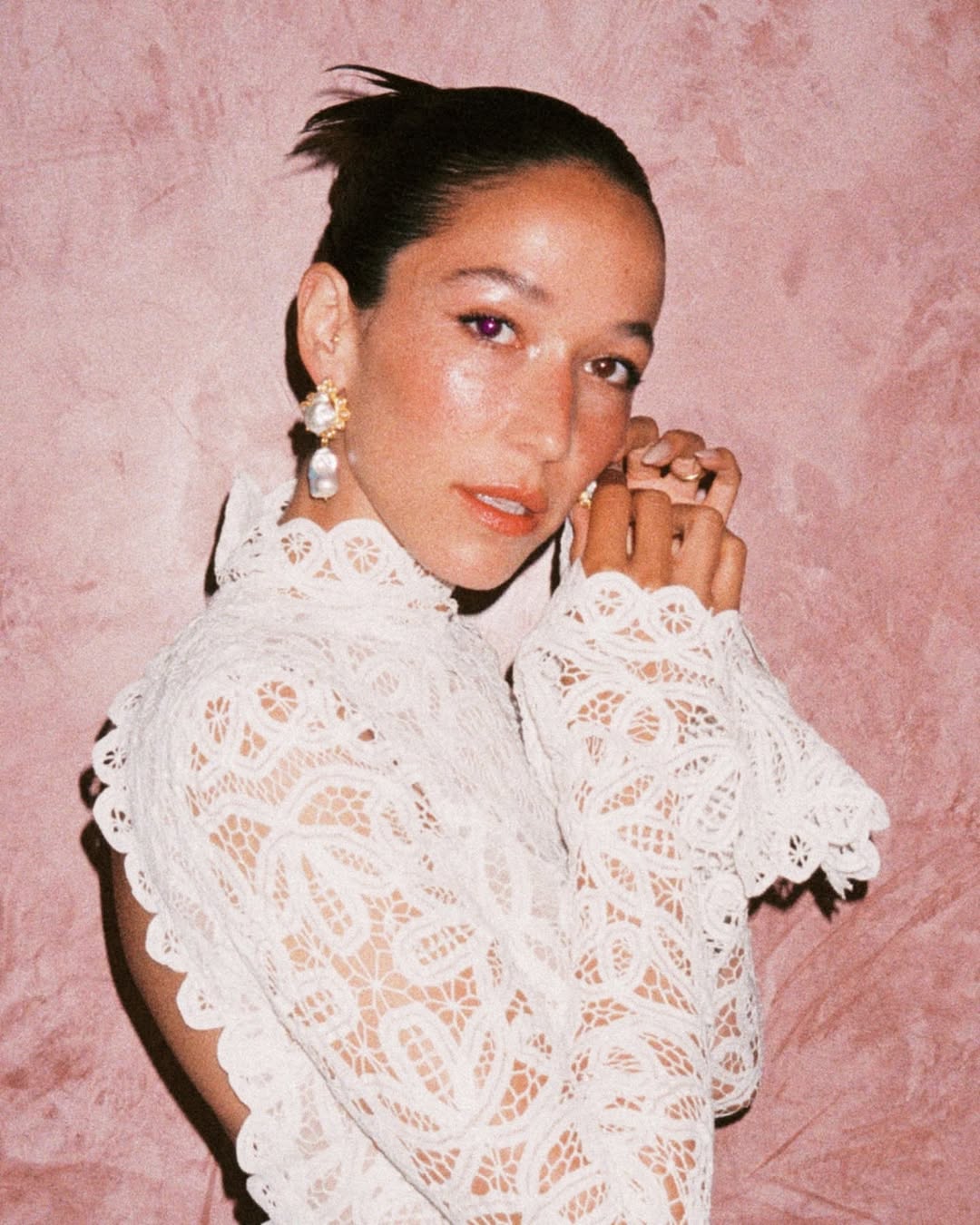
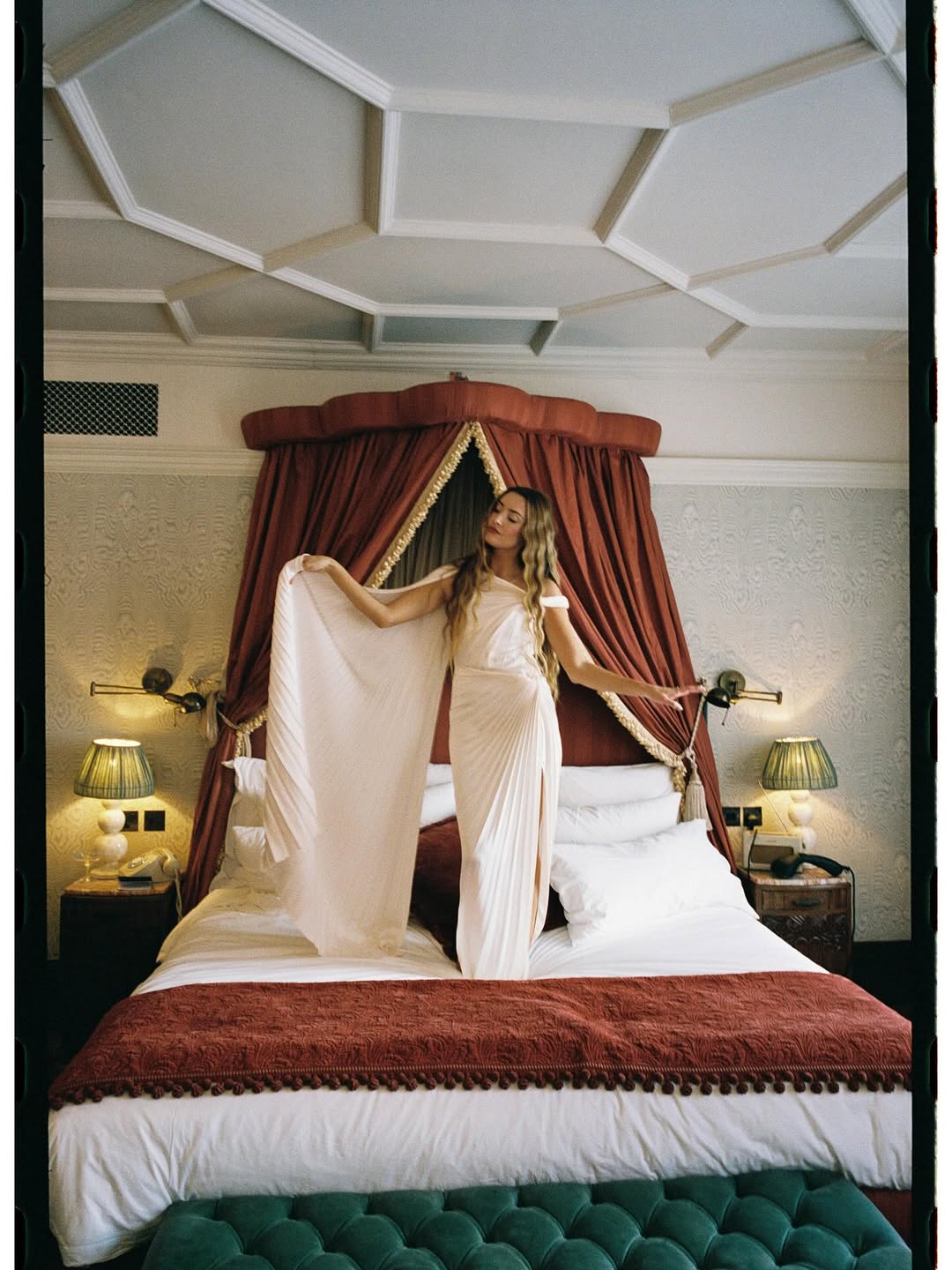
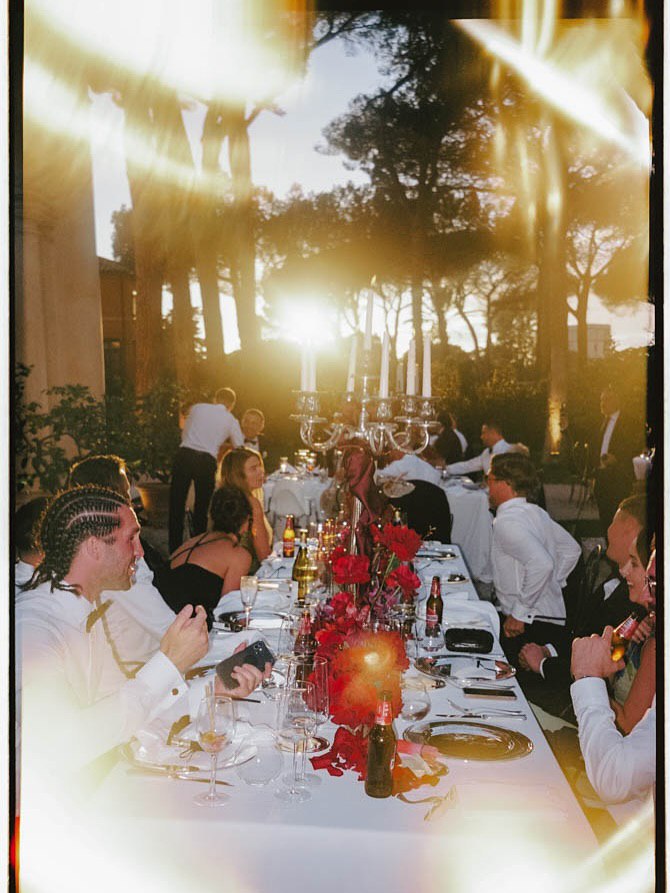
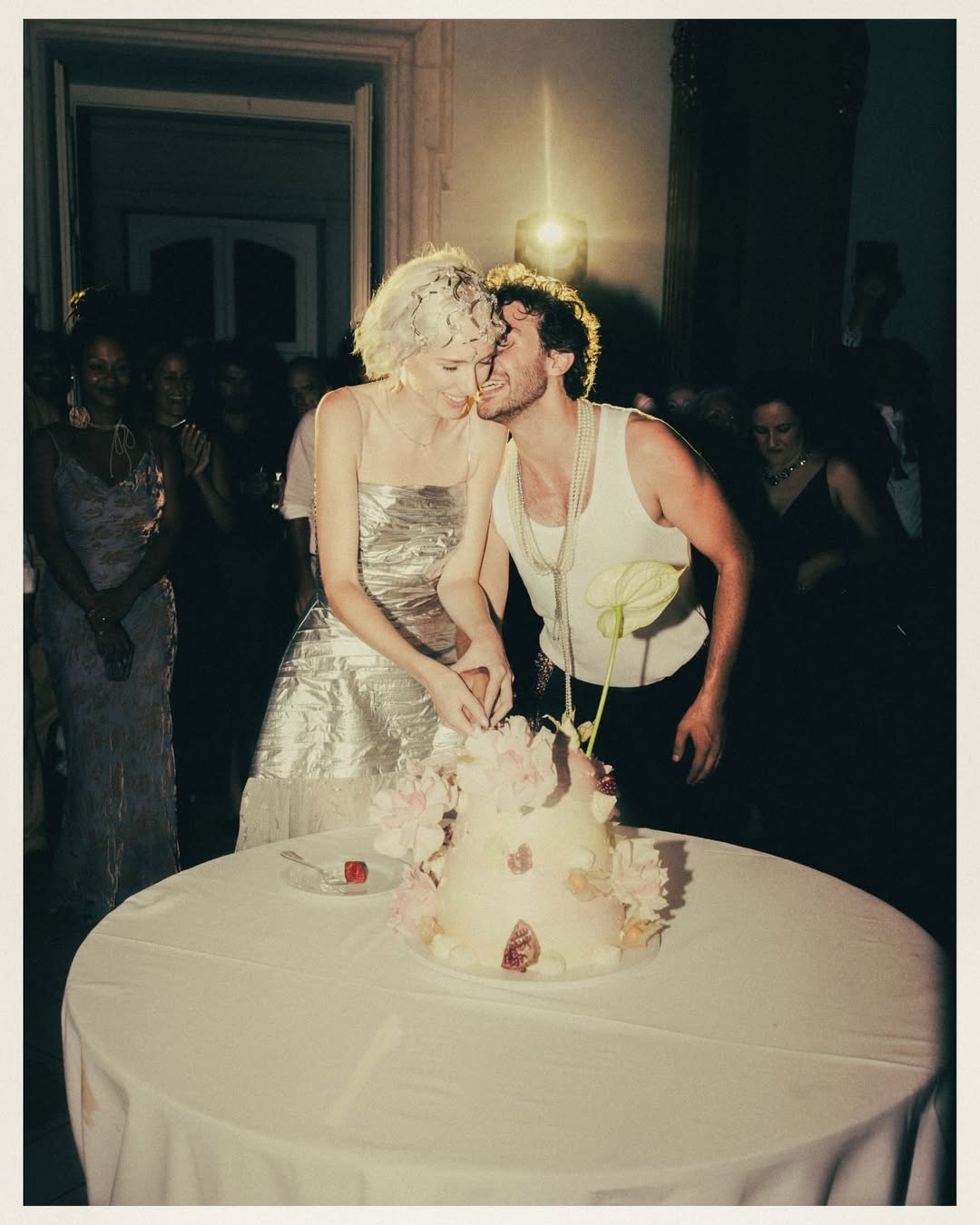
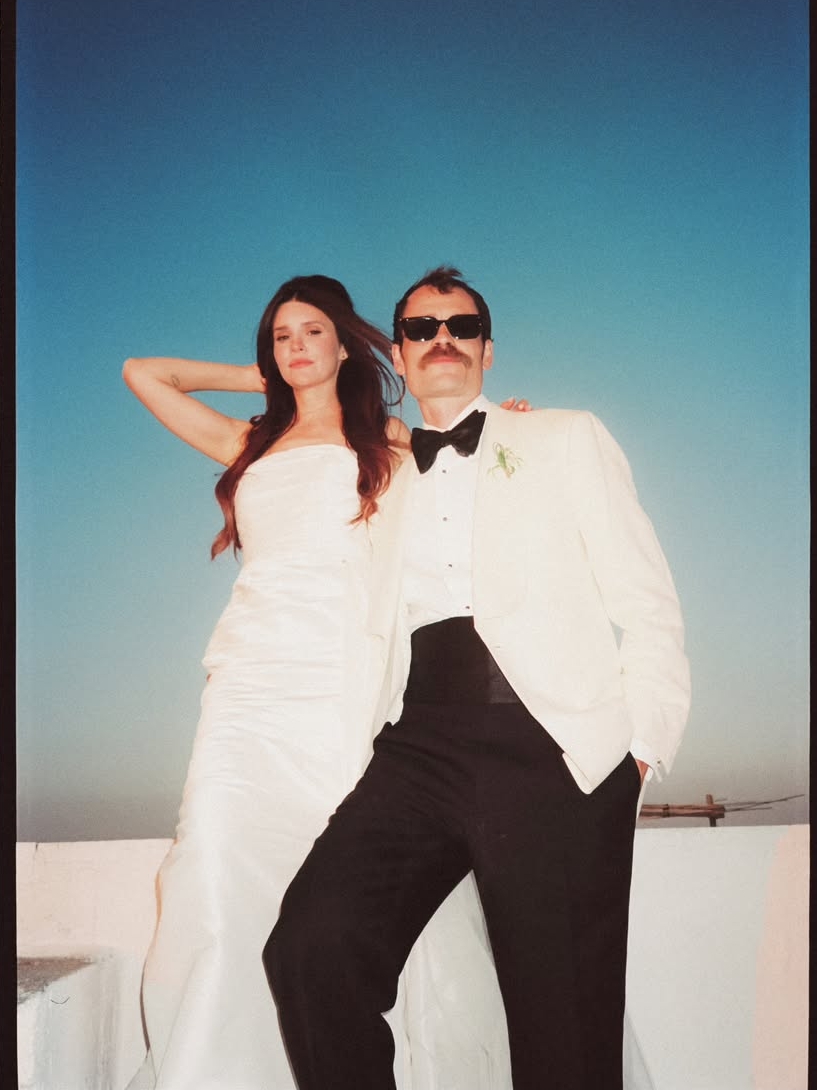
Photo: Ramone, Ramone, Jessica Gwyneth, Emmylou Kelly, Ramone, Ramone
Moody and Cinematic Photography
In cinematic and evocative dark and moody wedding photography, the focus is often on the emotions and connections between the couple rather than on elaborate details or decor. Photographers may use minimalistic compositions and selective focus to isolate the main subjects and create a sense of intimacy and focus. “This style of wedding photography combines documenting the big and small moments of the day but also trying to capture the essence of how it felt, observing light, movement, emotion and atmosphere in the same way a filmmaker would,” says Dylan Kitchener of The Kitcheners. “A cinematic image doesn’t just show who was there or what was happening—it holds the tension before a vow, the softness of a touch, the way light was in that particular moment.“
When shooting in this aesthetic, a wedding photographer may work more with shadows, harsh lines, darker editing filters, or vintage film styles to achieve a dramatic tone, depth, and more moving ambiance.
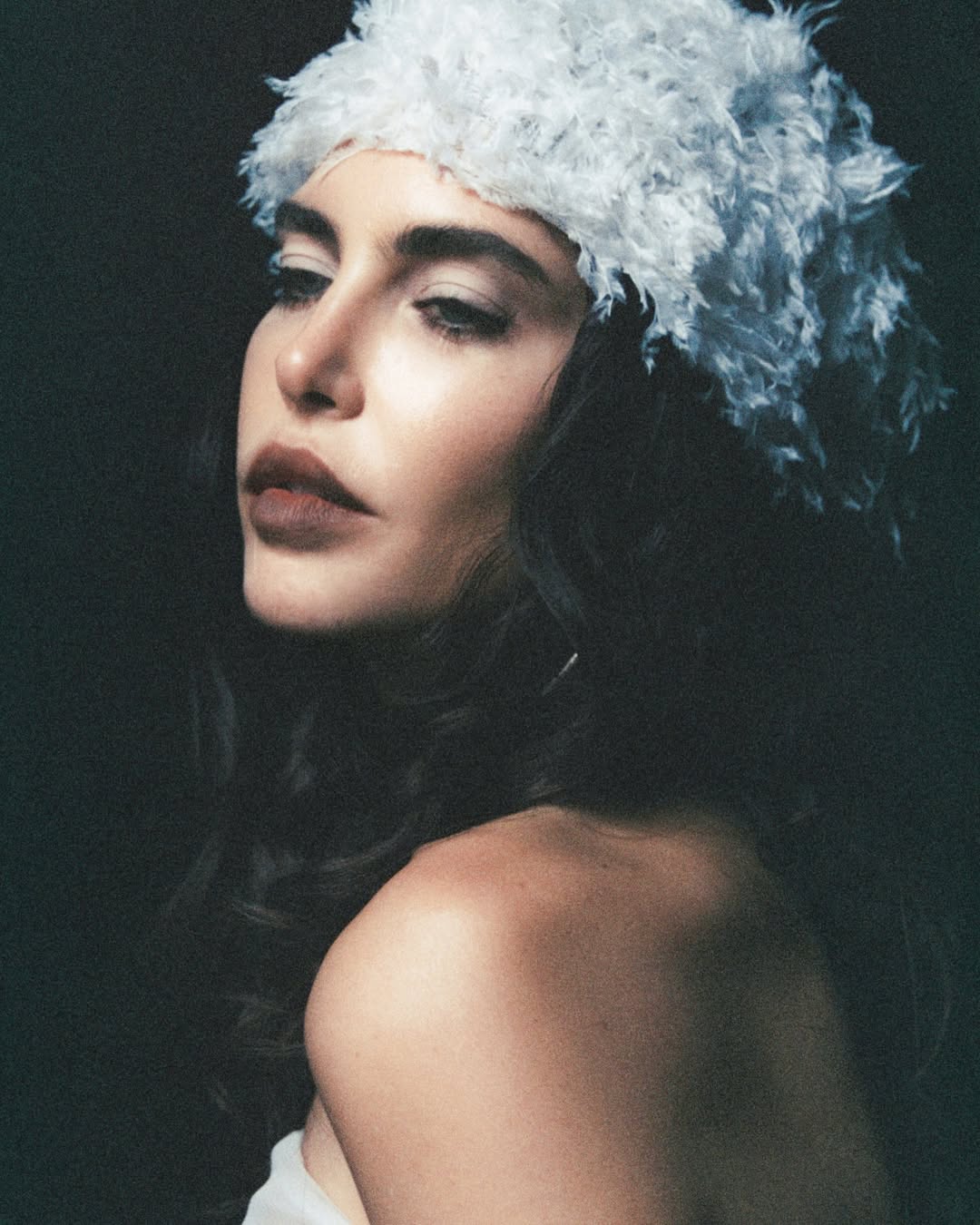
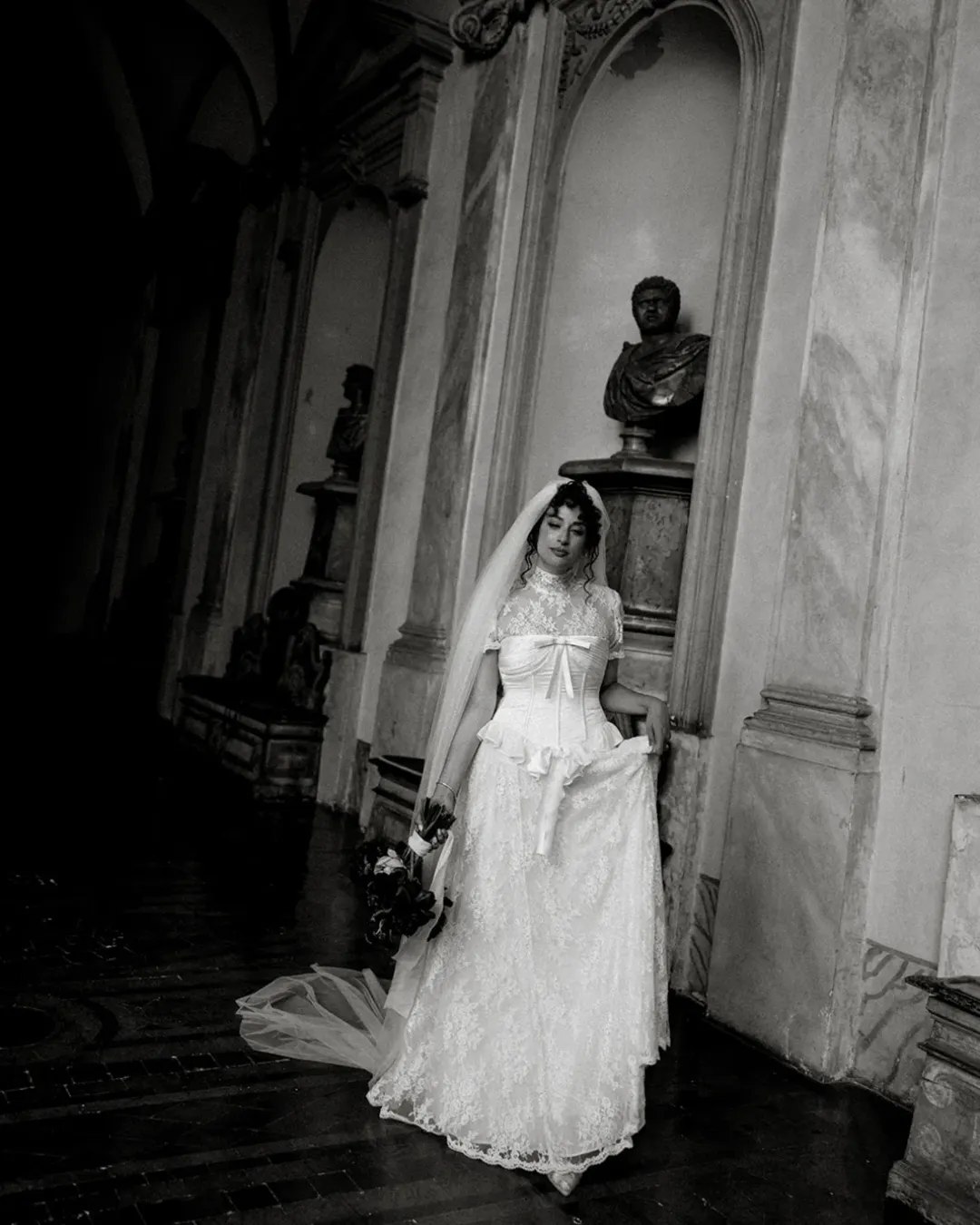
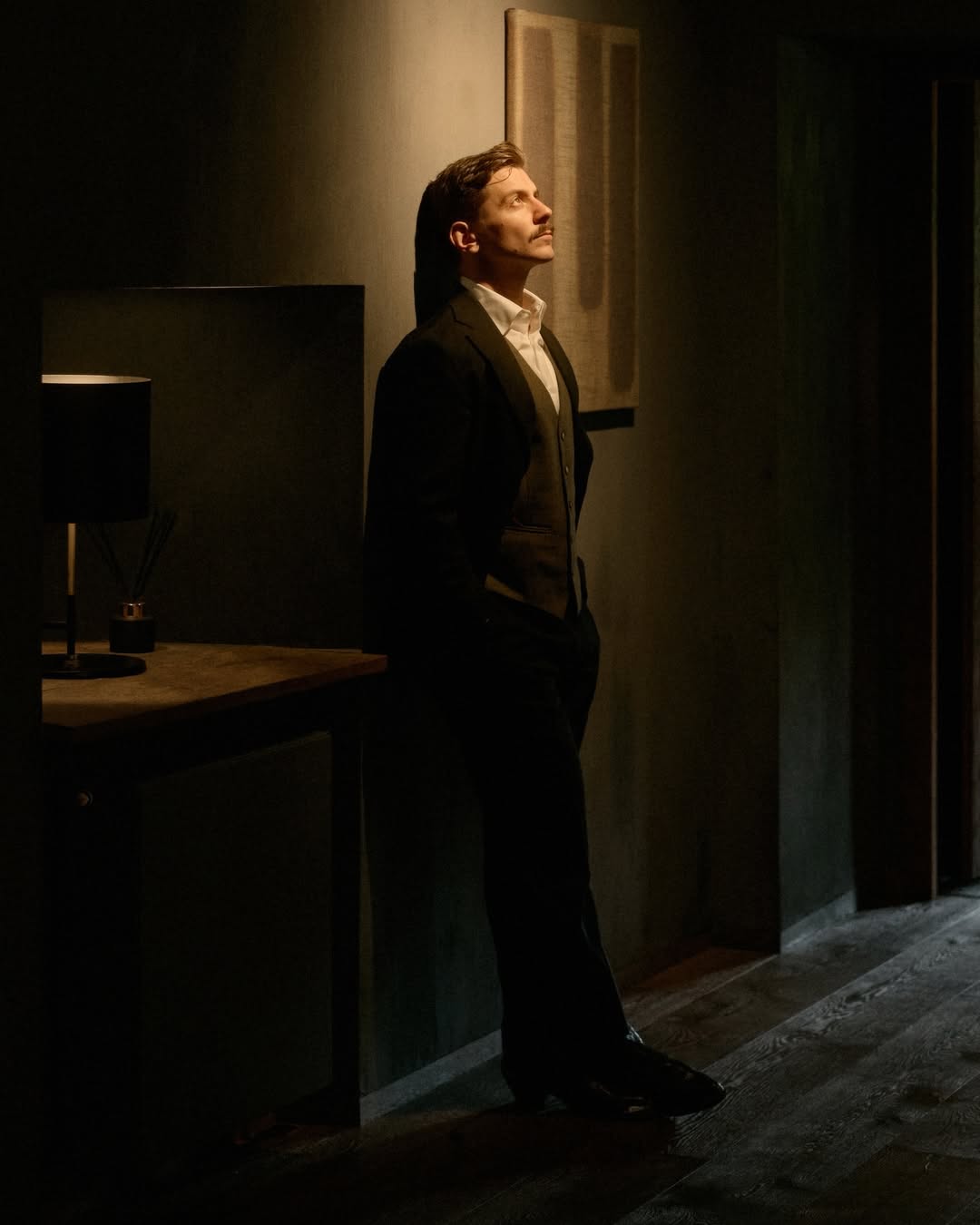
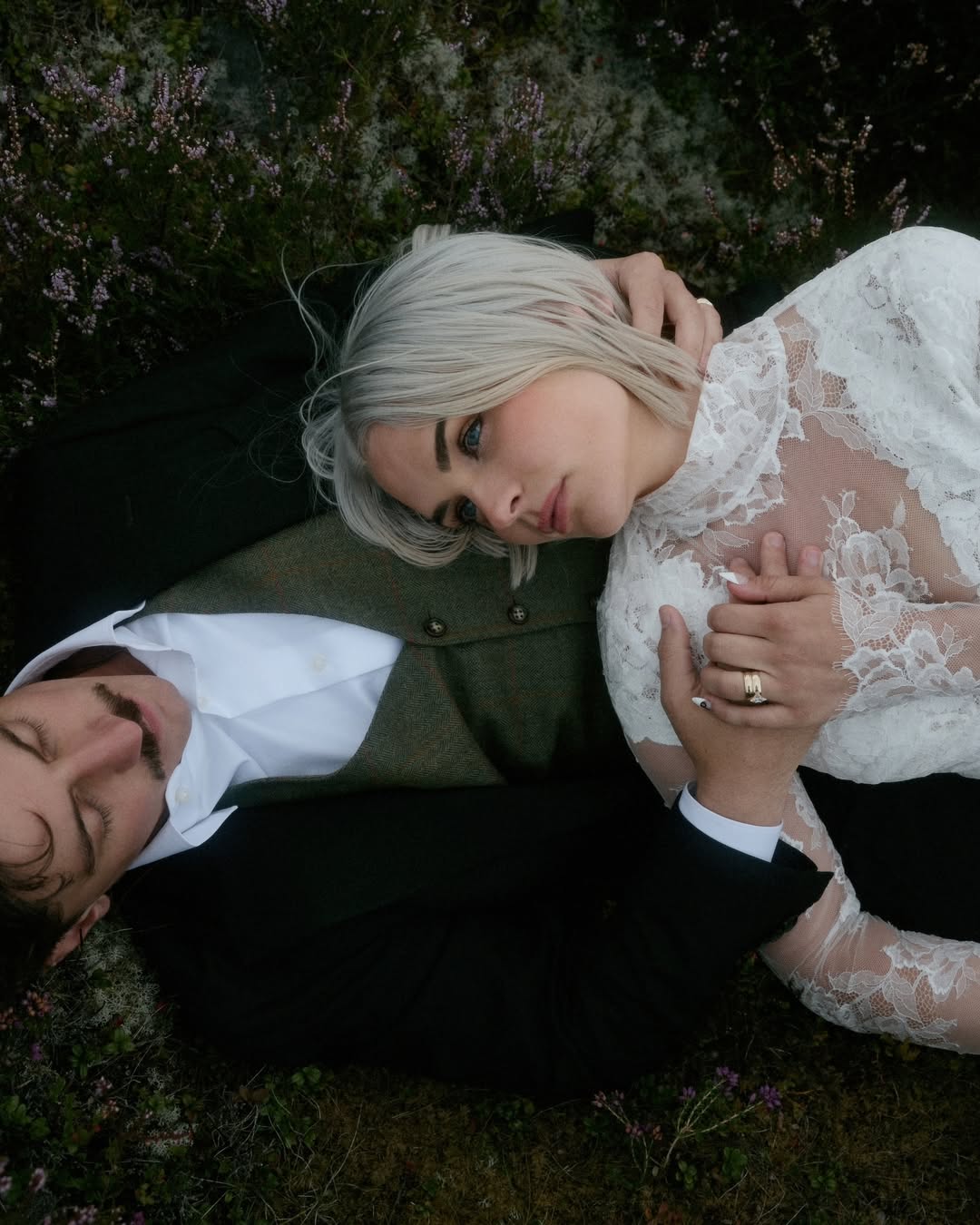
Photo: Ohh Ginger, Elisa Rinaldi, The Kitcheners, The Kitcheners
Adventure and Landscape Wedding Photography
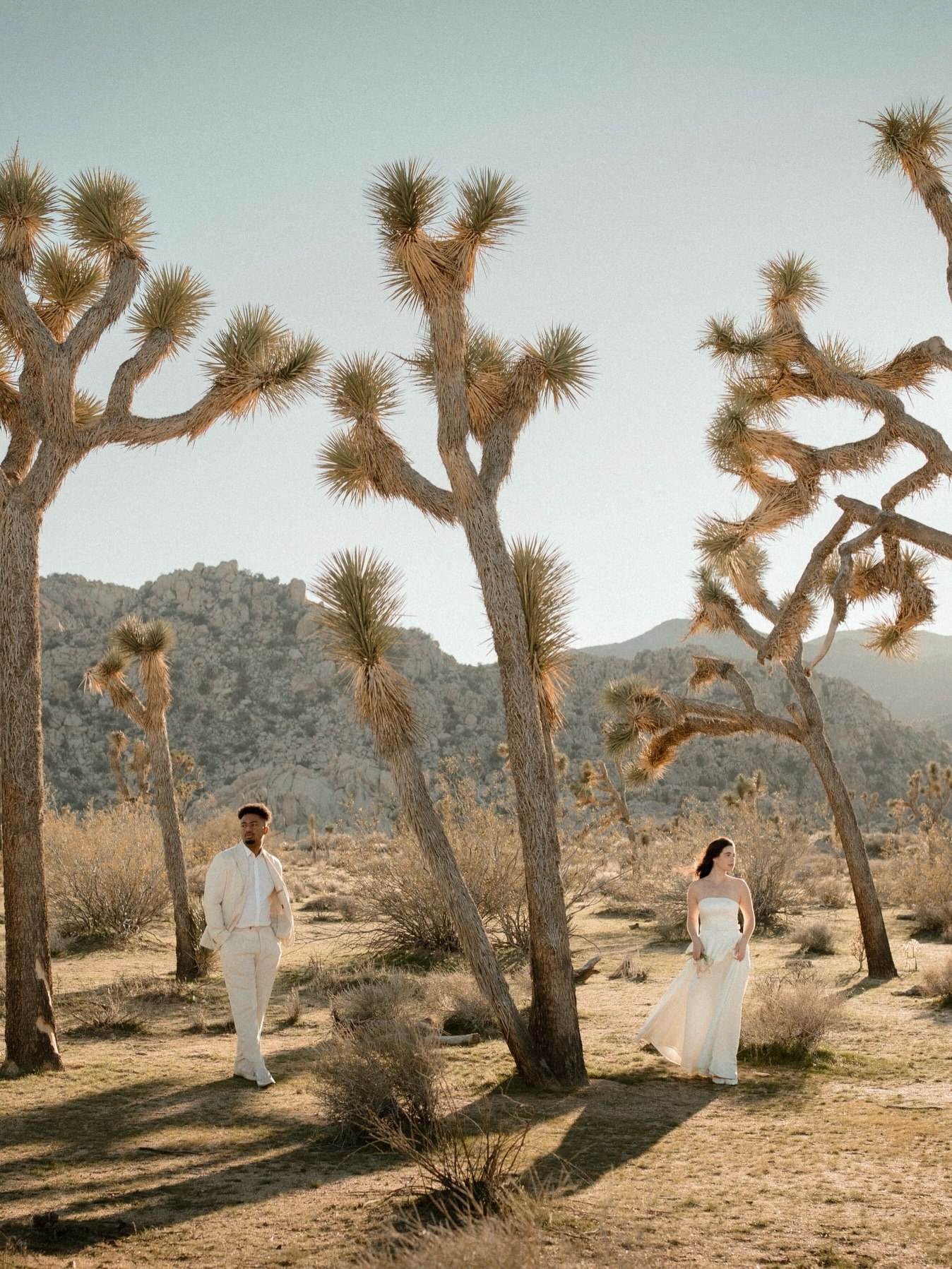
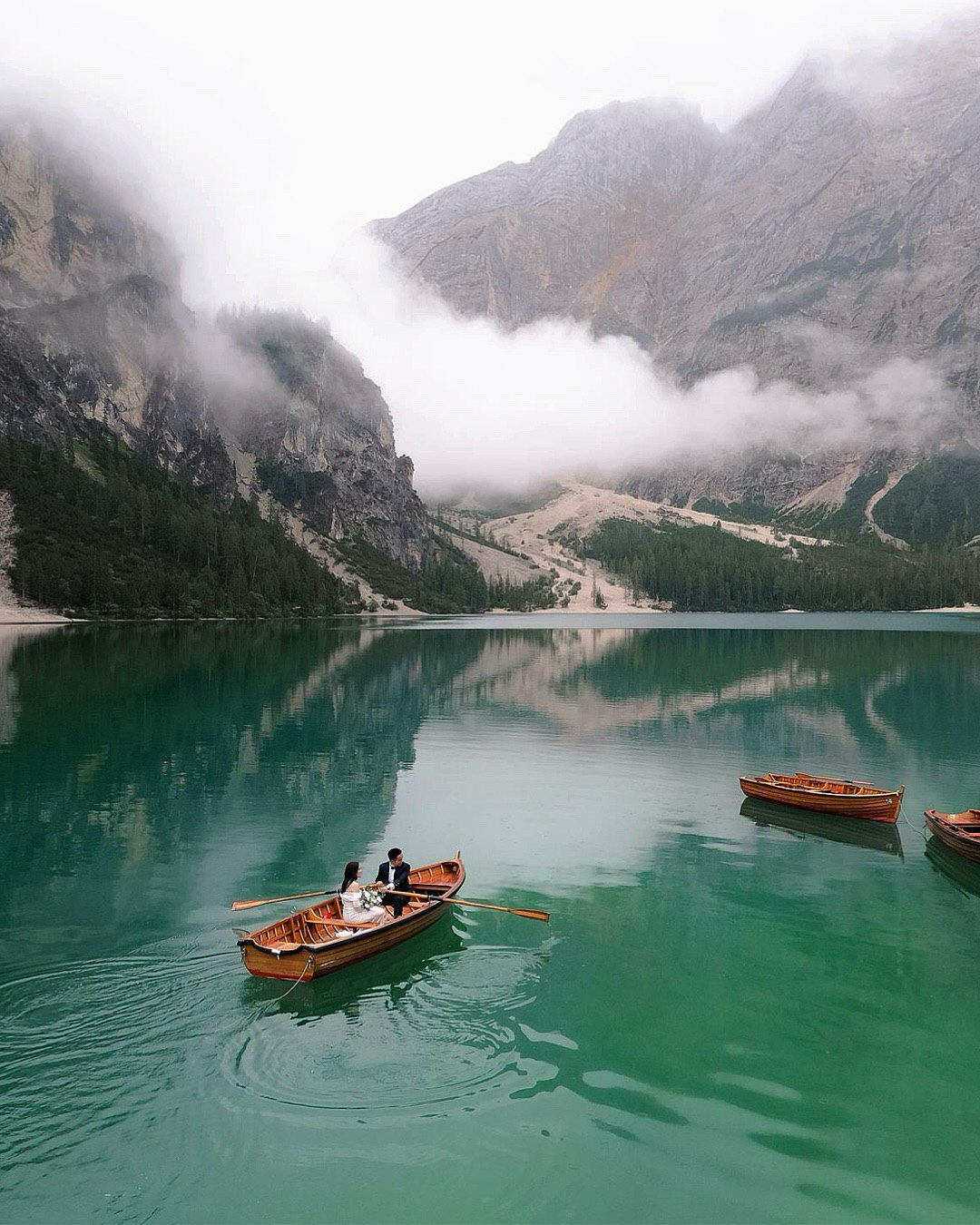
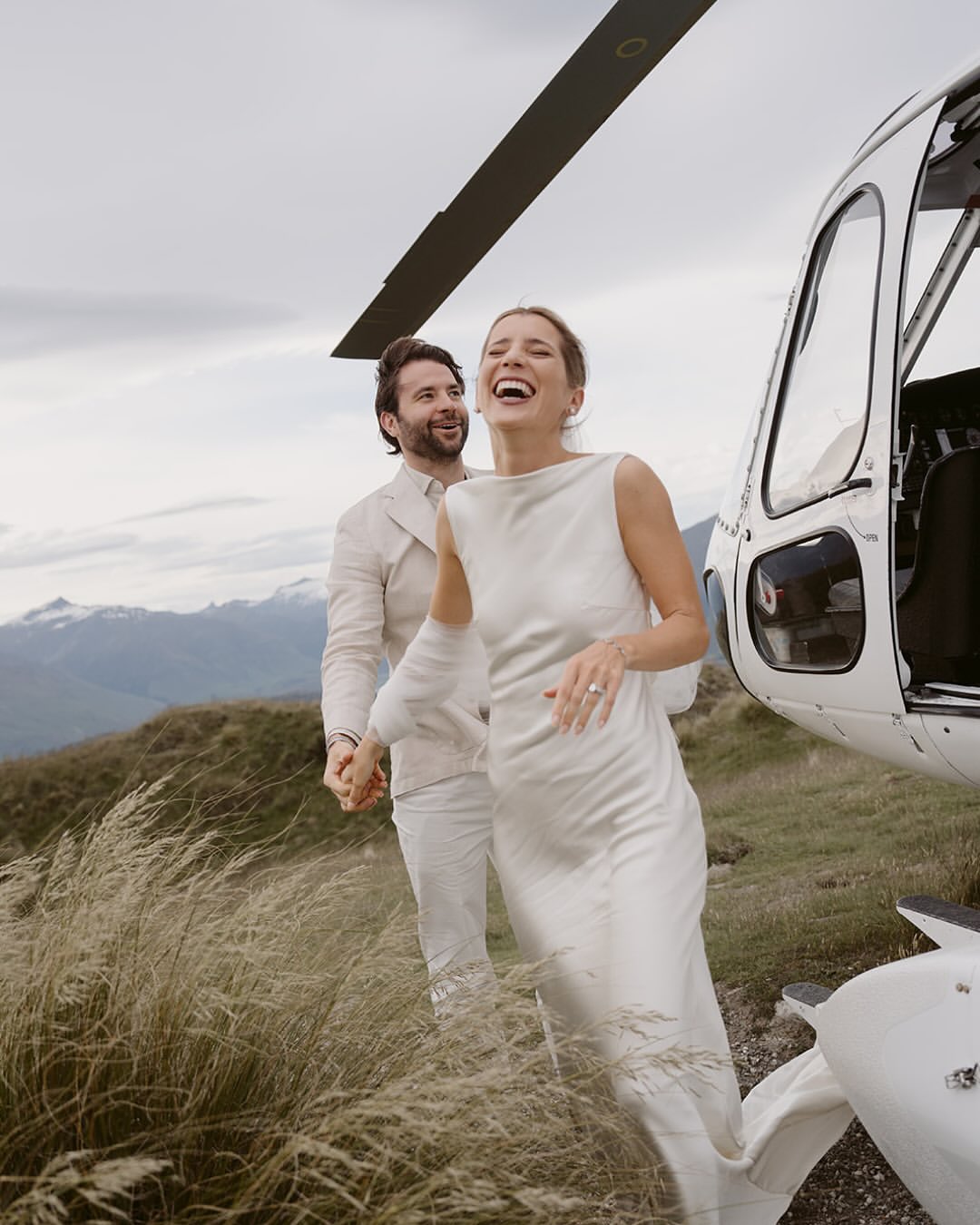
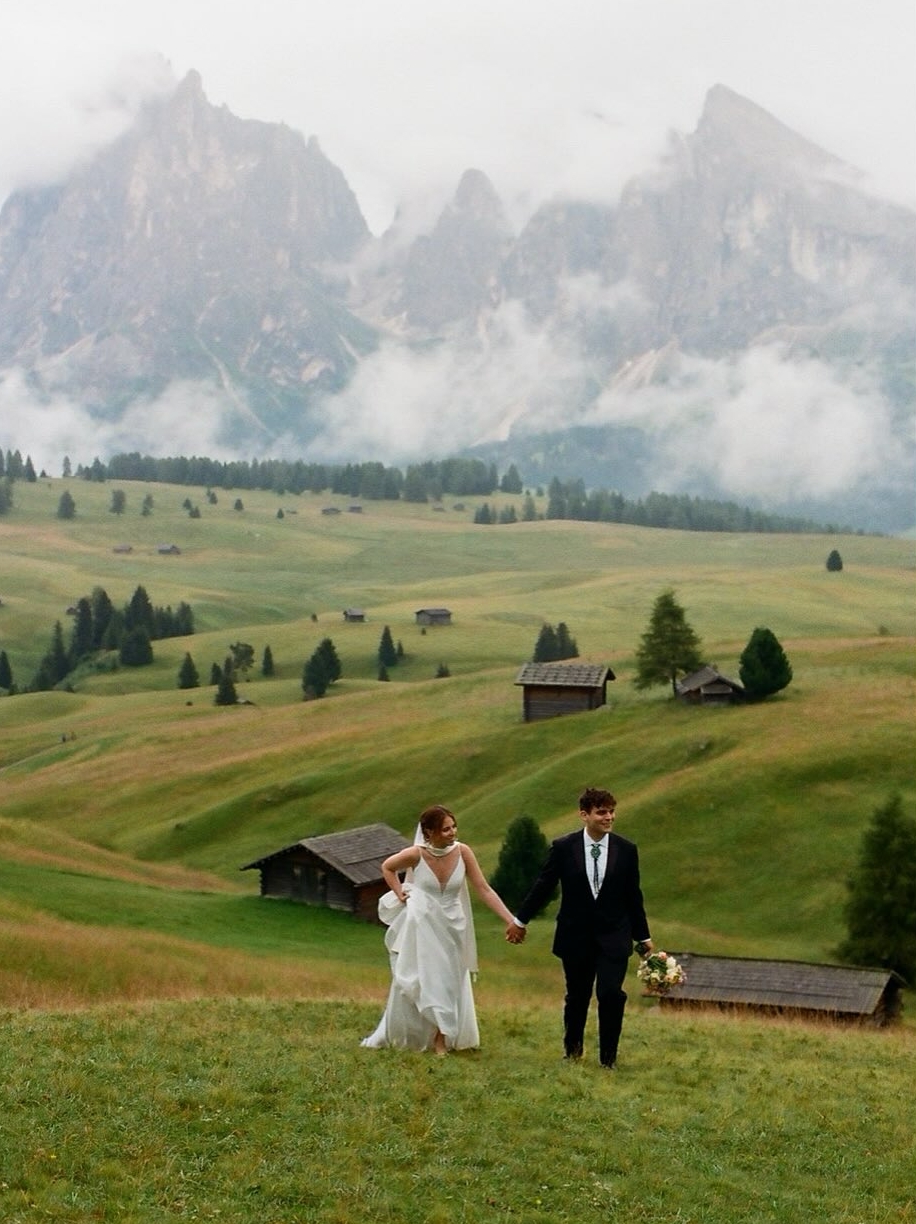
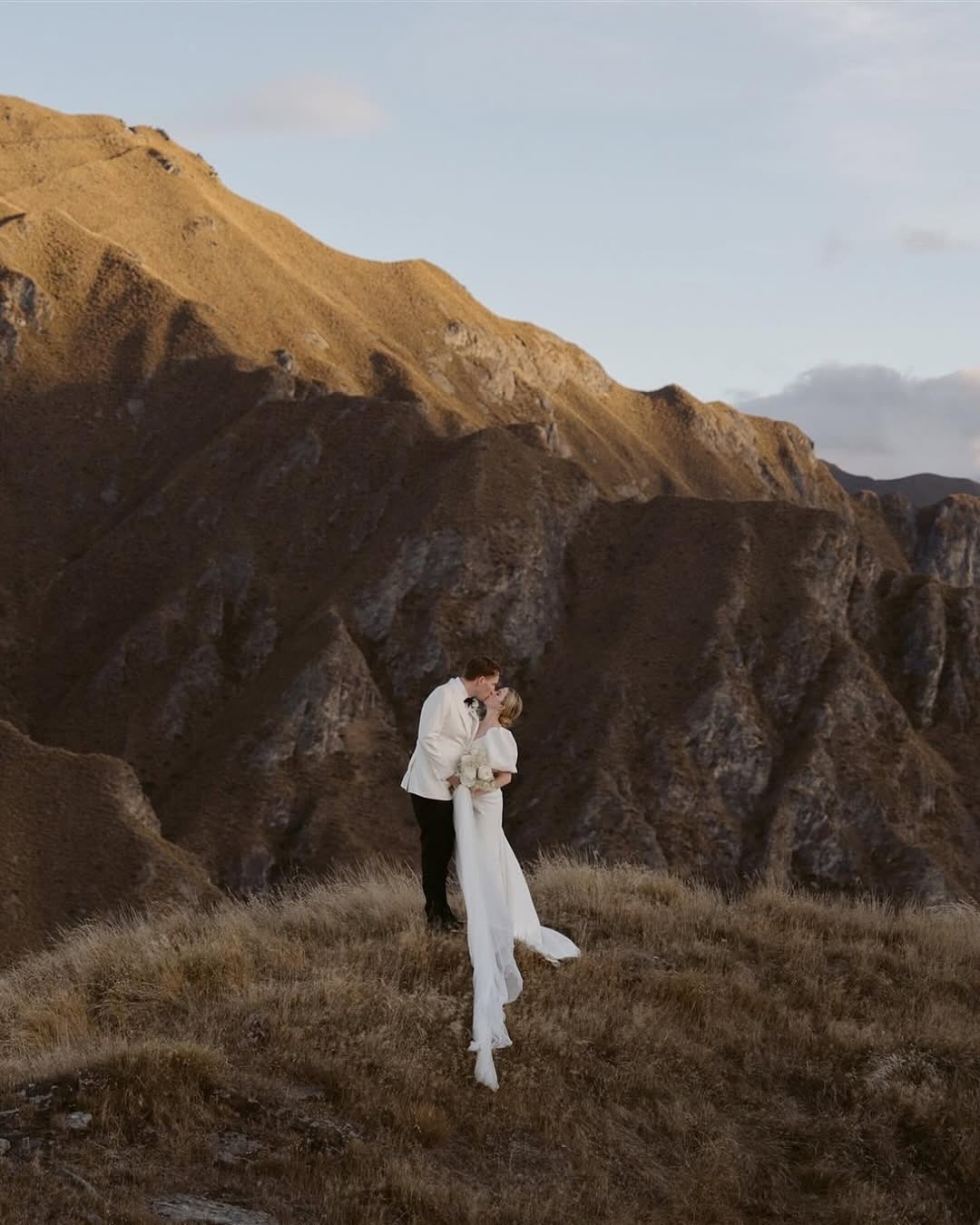
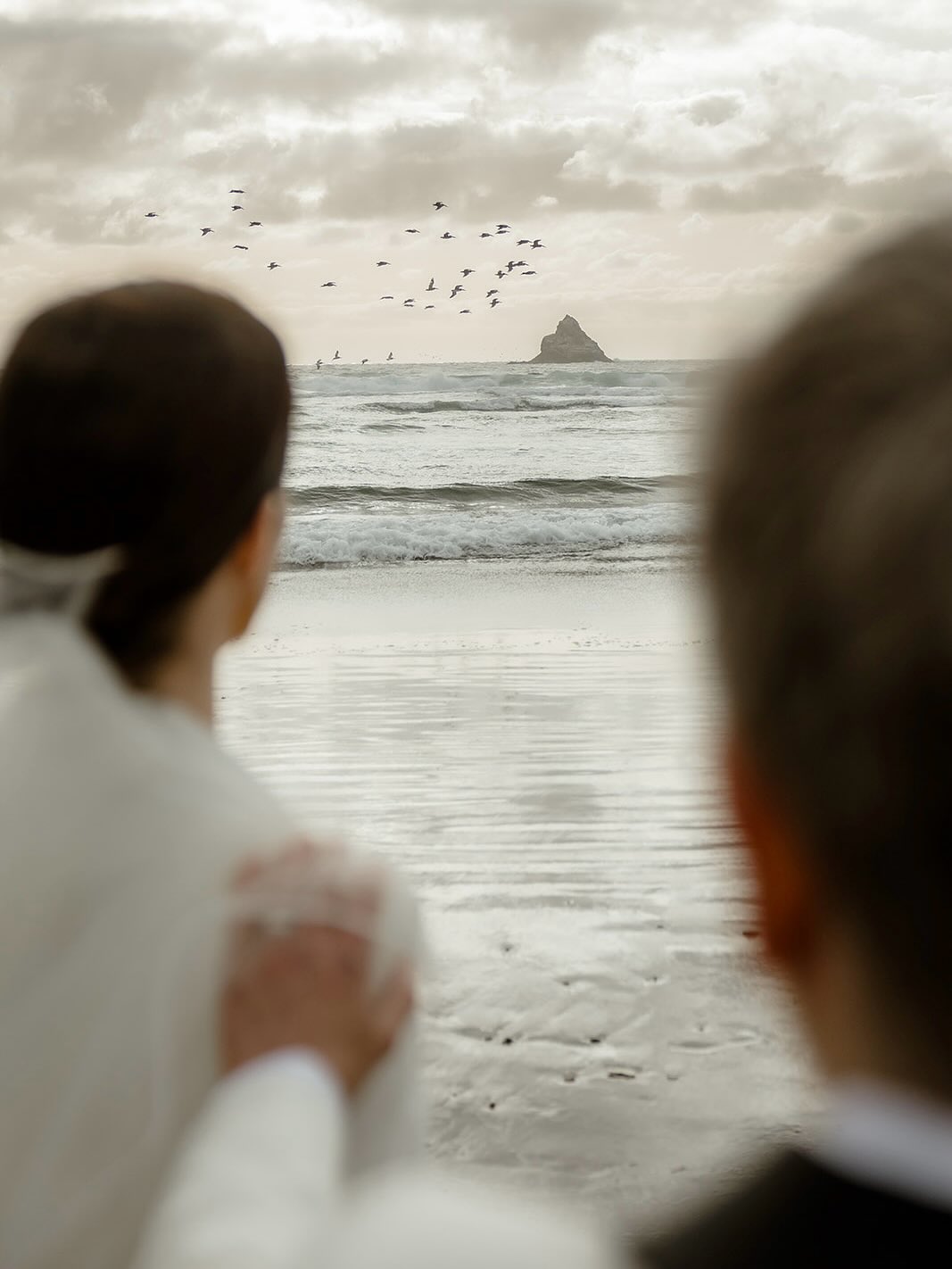
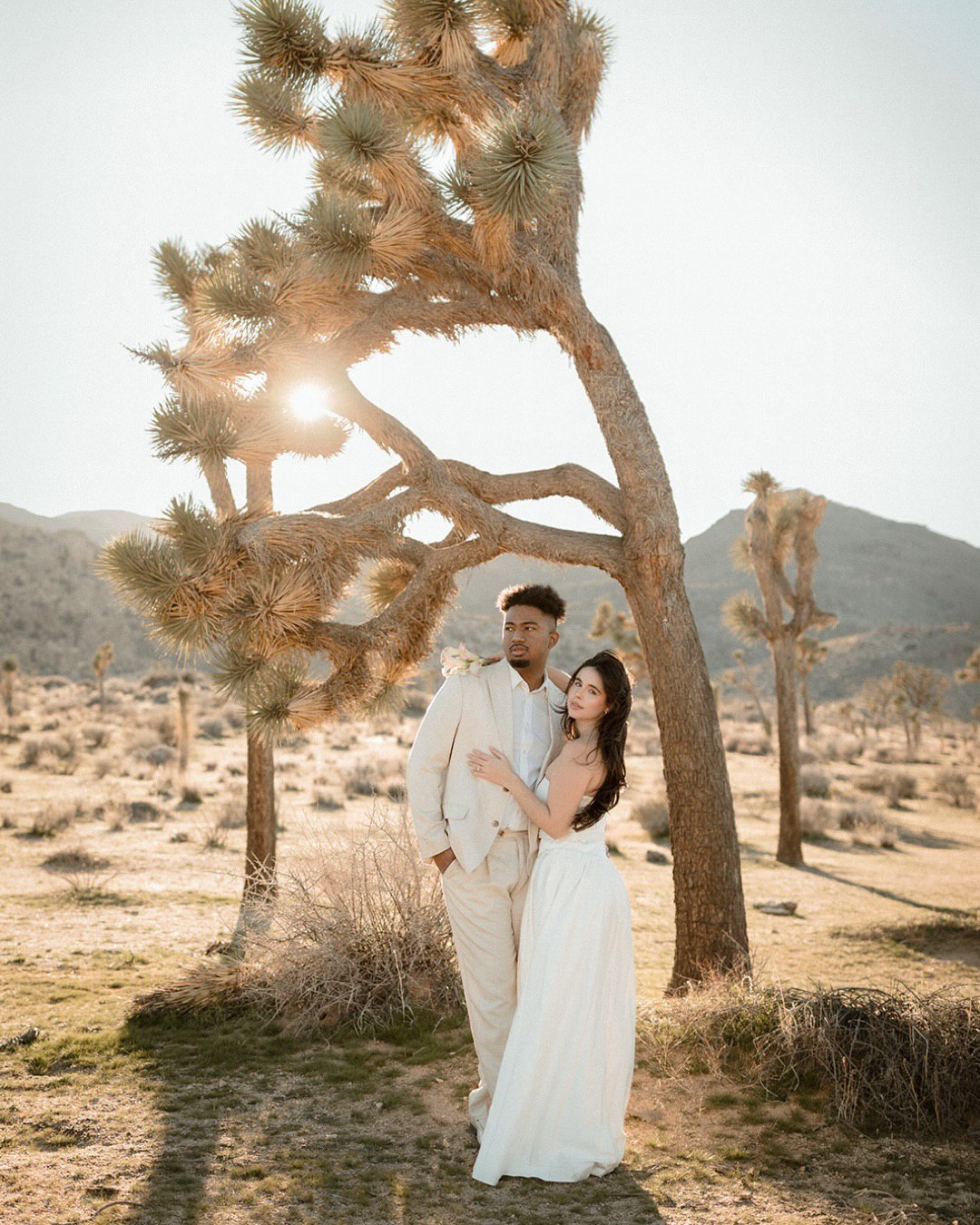
“Adventure and landscape-driven photography is, at its heart, about placing human connection inside something much bigger than us. Mountains, lakes, and coastlines aren’t just backdrops — they are living environments that shape mood, pace, and emotion,” says Magdalena Glowacka of Fotomagoria.
This photo style blends documentary storytelling with a strong sense of place. “Instead of controlling every frame, I respond to the landscape, the weather, the light, and the energy of the couple,” she goes. “Nature strips everything back to what’s essential and couples become more present and less performative. Movement replaces posing, and the images age beautifully because they are rooted in lived experience rather than trends.”
Magda uses the drone as an essential tool and visual signature, blending wide, humbling frames with intimate close-ups. “My stories live in this tension — between the vastness of nature and two people in love — placing their private world in relation to something almost cosmic.” Some of these ceremonies are known as adventurous elopements, and know these sometimes require a trek to get there, climb, ride, fly a helicopter, or travel for hours. But the price is epic beauty and sweeping views of the landscape.
What couples should consider beyond photography style when choosing a wedding photographer?
Personal Connection, Comfort & Trust
“Beyond photographic style, I believe one of the most important things couples should consider is the personal connection. Feeling comfortable, understood, and at ease with the photographer makes a huge difference. When there is trust and good communication, couples can truly be themselves.”
— Kseniya Palchik
“Couples should think about how it feels to have that photographer with them on one of the most intimate days of their lives. Trust matters. A wedding photographer isn’t just someone who shows up with cameras, they’re a steady presence in close moments, a calm energy when things run late, someone standing inches away during vows, tears, and celebration. You should feel comfortable enough to forget they’re there, and safe enough to be fully yourselves when they are.“
— Jessica Gwyneth
“Your photographer is one of the people you and your guests will spend the most time with on your wedding day, often in very intimate or emotional moments. Feeling comfortable and at ease allows you to be yourselves — and that directly shapes the images. When couples feel relaxed, the photographs become less about being photographed and more about simply being in the moment — and I think that’s where the most meaningful work comes from.”
— Dylan Kitchener of The Kitcheners
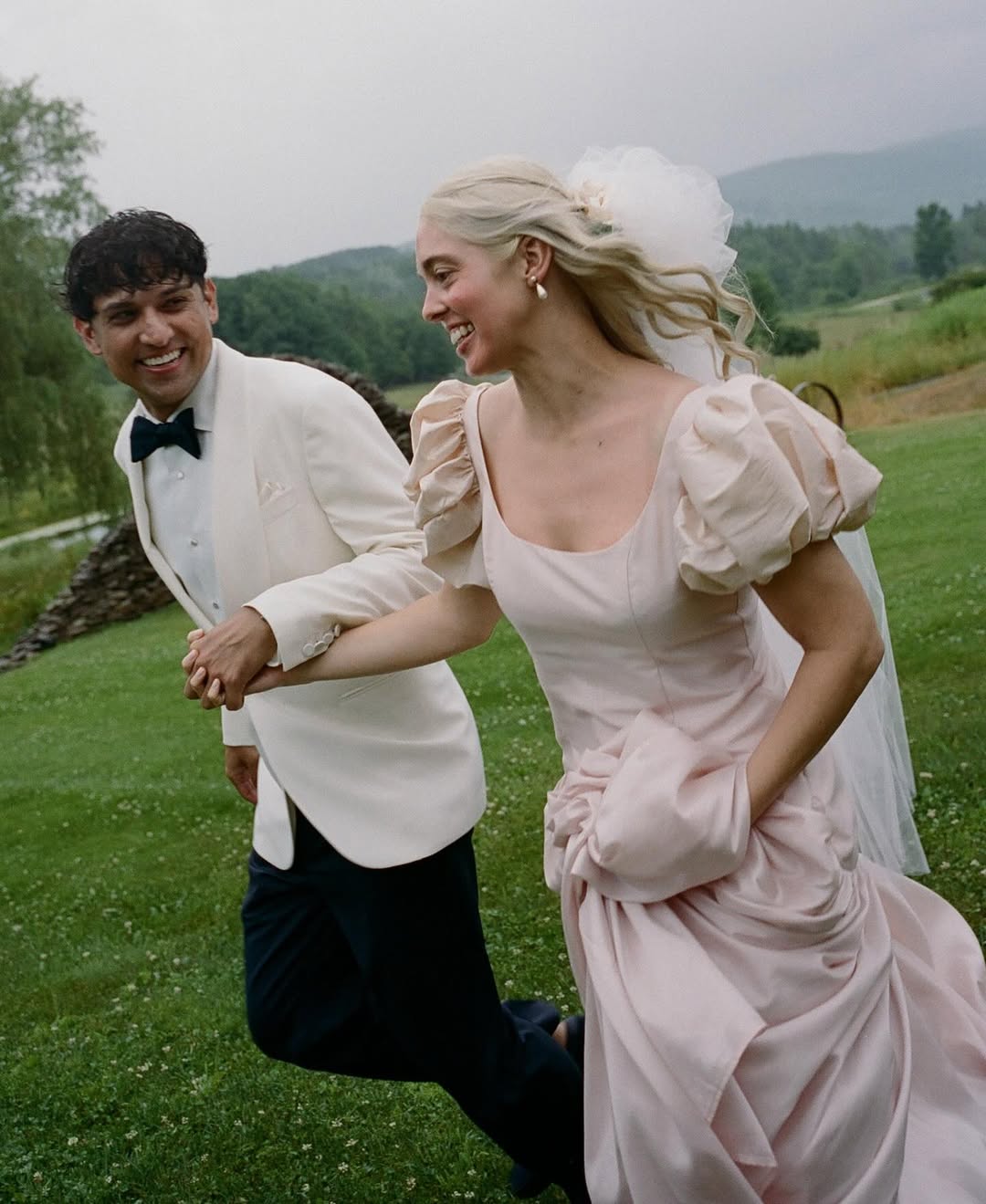
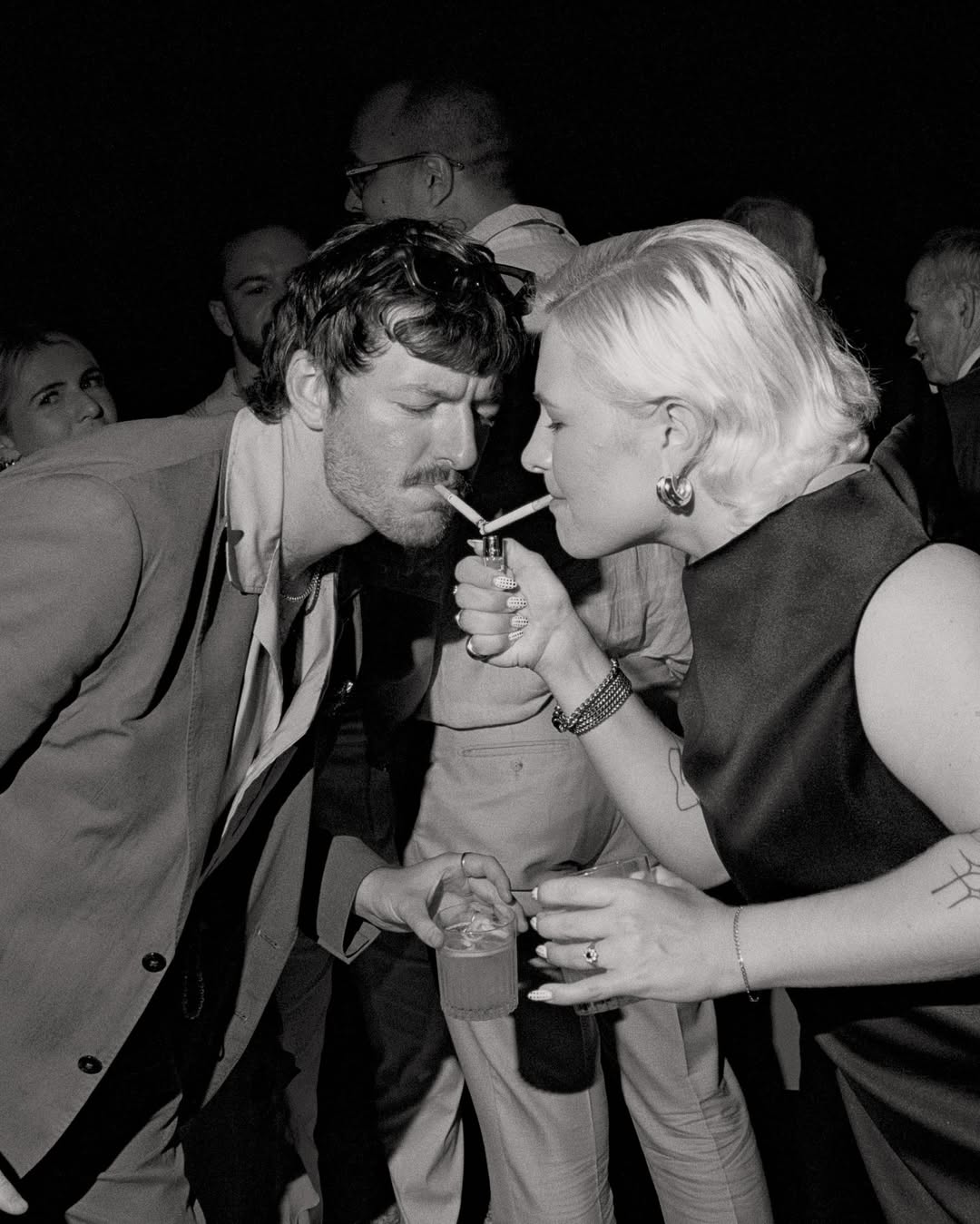
Photo: Kindred, Zara Staples
Consistency & Storytelling Ability
“I believe couples should look at full wedding galleries, not just highlights. A style isn’t proven in a single hero image—it’s built through rhythm, nuance, and contrast over the course of an entire day.
— Joy Zamora
“Anyone can show a handful of perfect images. The real proof of consistency and professionalism is in full galleries: noon sun, dim receptions, wind at the coast. Also, remember that a wedding is a narrative. If the gallery feels disjointed, the story gets lost. Great photographers know how to hold the thread from beginning to end.”
— Tee & Rebecca
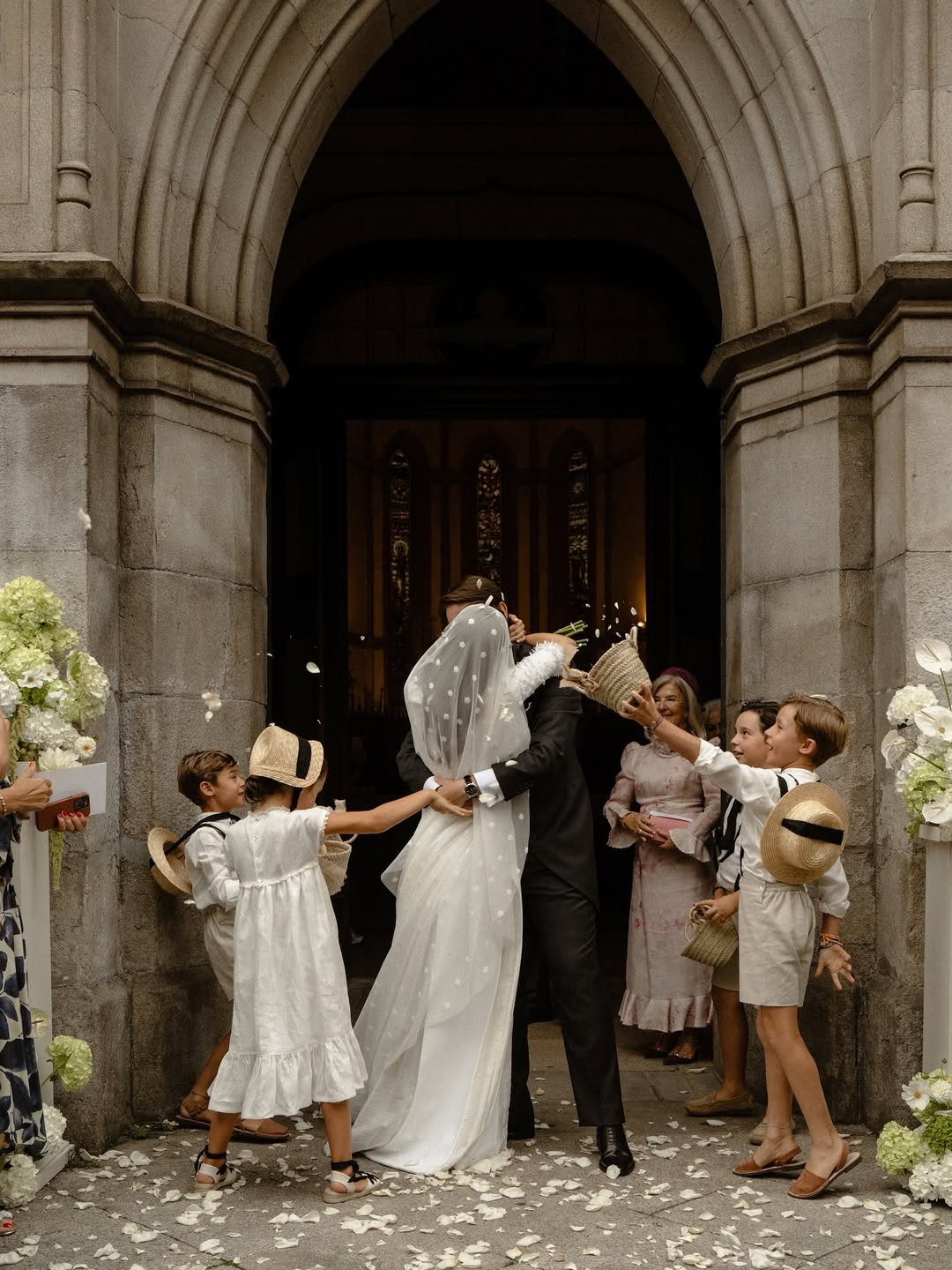
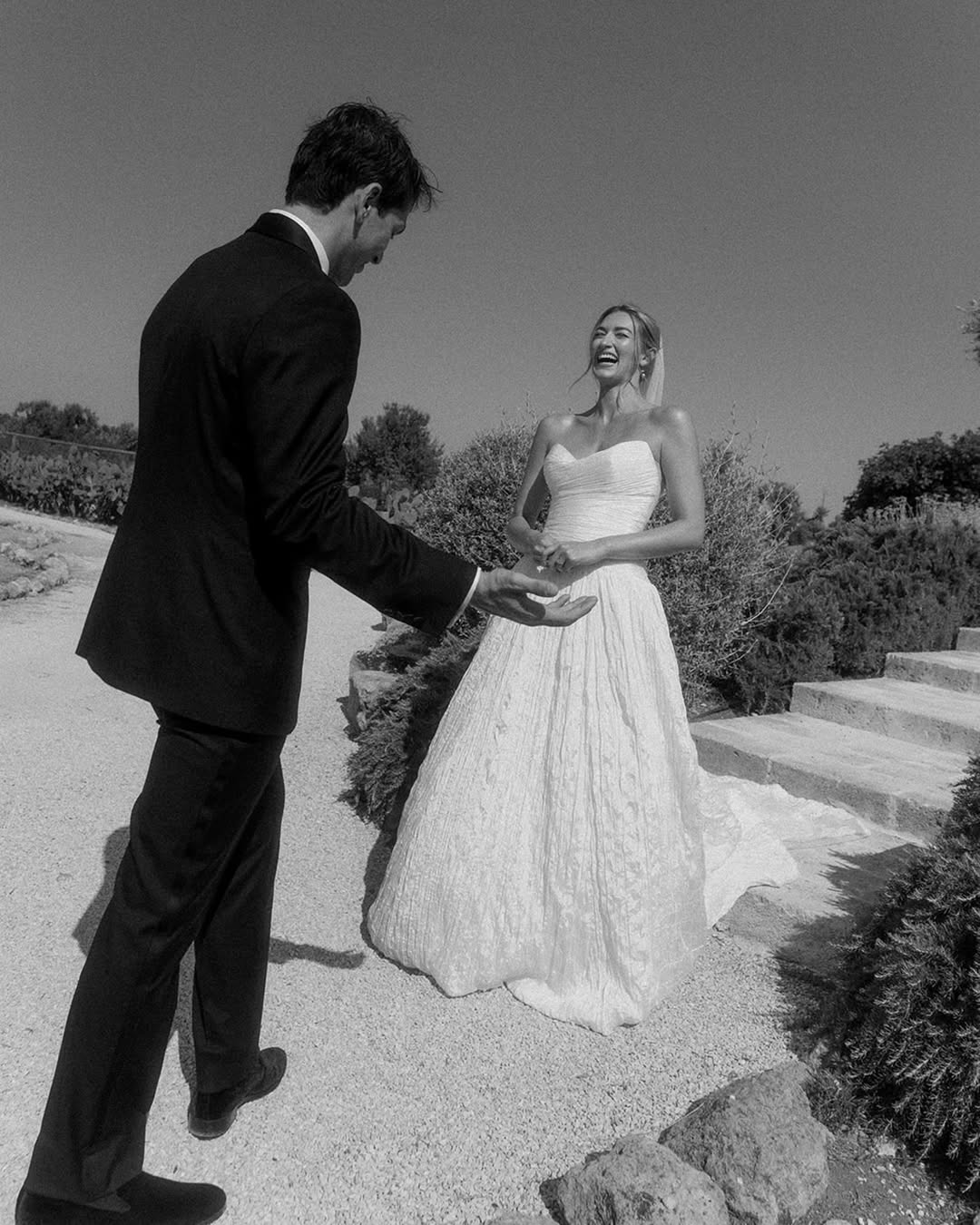
Photo: Mas que Momentos, LATO Photography
Experience & Technical Knowledge (especially for film)
“Experience matters hugely. Weddings are unpredictable, emotional, and often fast-moving, and having someone who knows how to adapt calmly to changing light, weather, timelines, or energy in the room makes an enormous difference. An experienced photographer can anticipate moments before they unfold and work intuitively without interrupting them, which is essential for capturing something genuine.”
— Dylan Kitchener of The Kitcheners
“I recently got married at the beginning of 2026, and it was incredibly important to me to find a hybrid (digital and analog) photographer with these types of skills. It’s helpful to understand the different tones that can be produced by different film stocks and labs. Having a photographer who is knowledgeable about this means clients have full expectations about their gallery when it arrives. Inconsistent film scans, tones, and colors are a red flag when choosing a film photographer. It means they’re not invested in the final product.”
— Emmylou Kelly
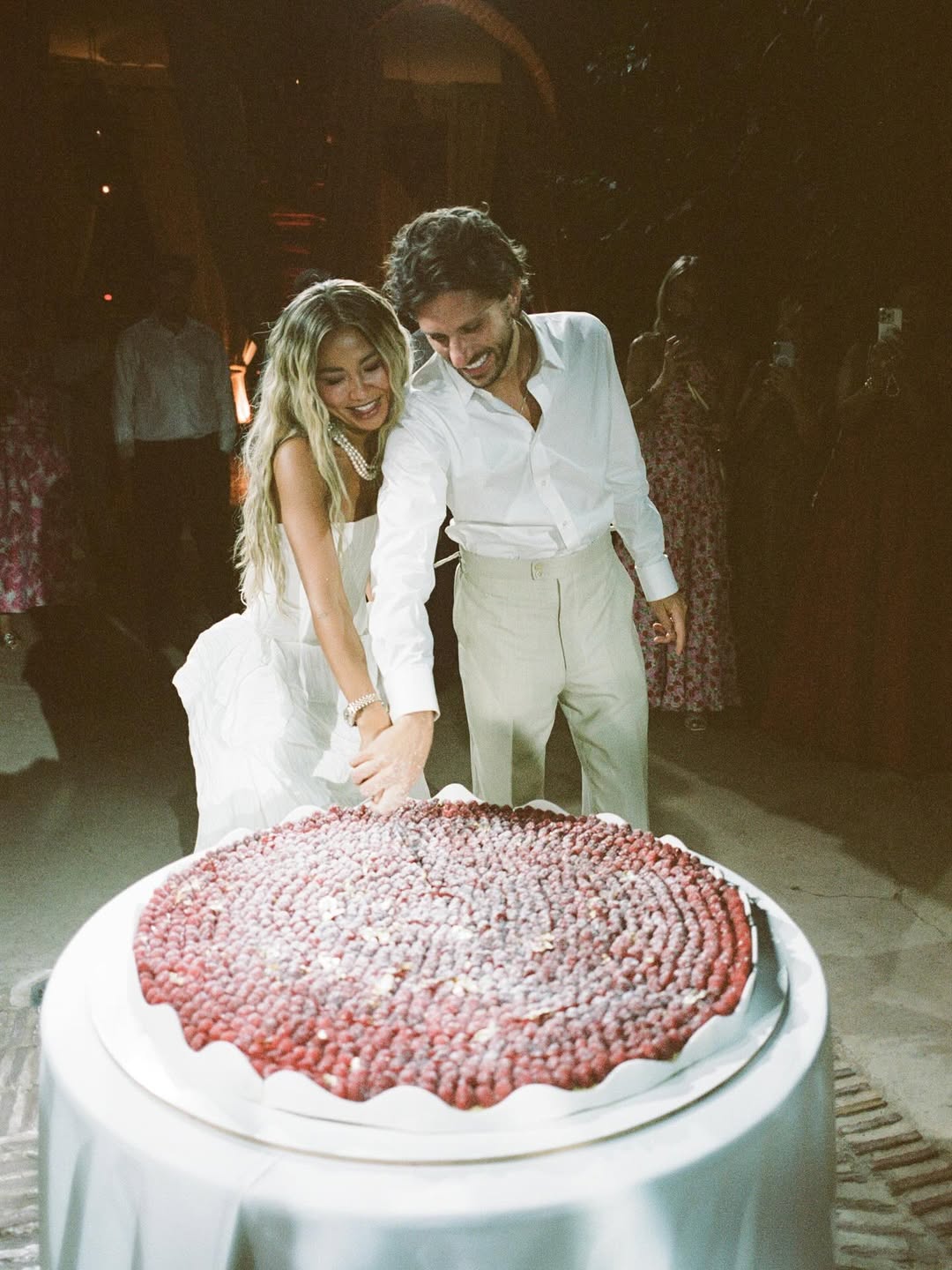
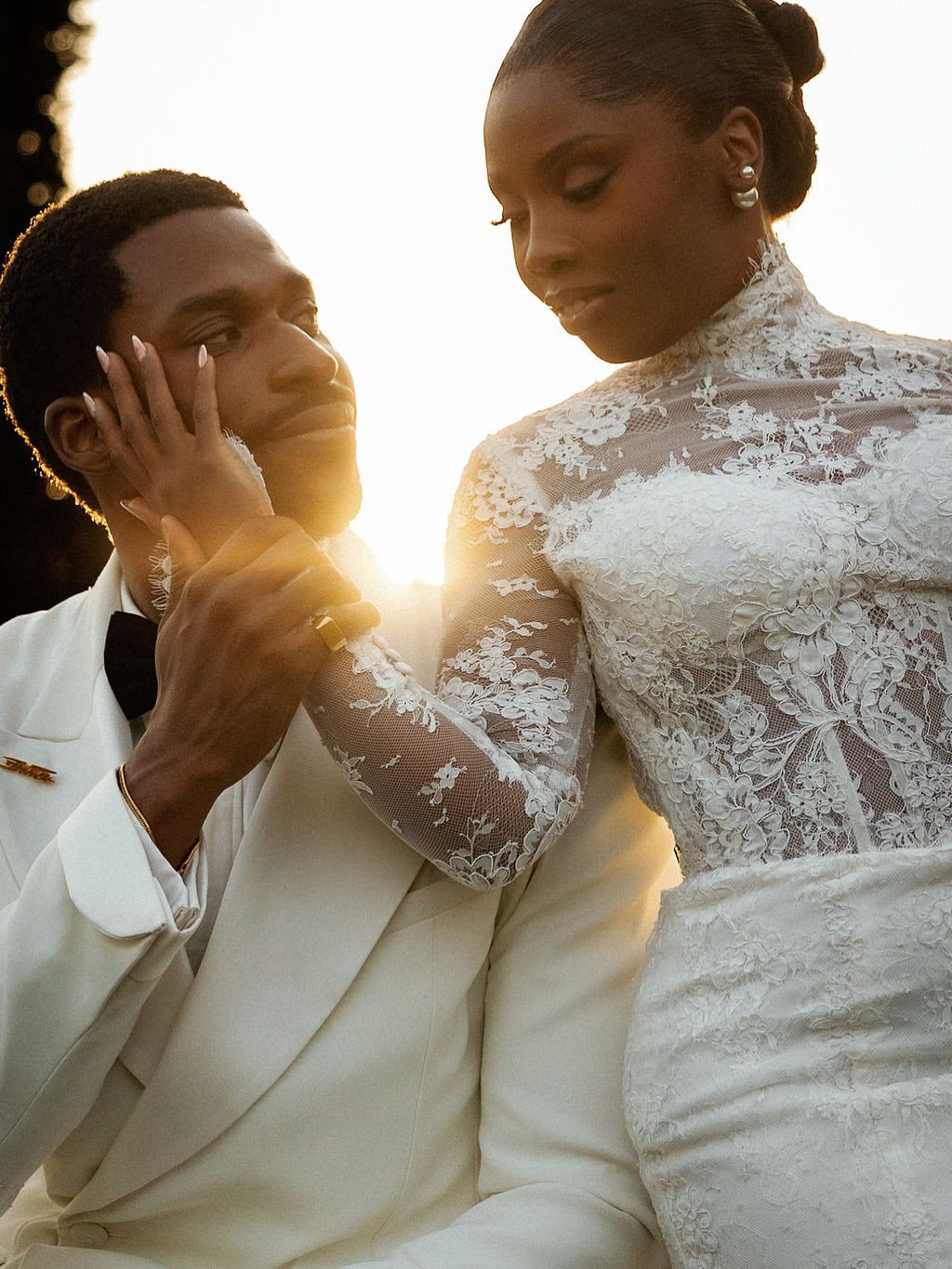
Photo: Jessica Gwyneth, Ayeh Khlatbari
Approach, Shared Values & Unobtrusiveness
“I think most people would say they want wedding photos that feel authentic. The only way to capture that is if a photographer is willing to understand and learn who you are. Consider someone curious, excited, grounded, and unpossessive in their approach—someone you feel you could be yourself around and who makes you feel present.”
— Thao Colucci of Studio Thao
“There’s also the matter of values. Does the photographer care about the same things you do? When those values align, the images tend to feel more like you, not just beautiful pictures of a wedding.”
— Jessica Gwyneth
“I believe couples should consider a photographer’s ability to guide the day smoothly while staying unobtrusive. And a strong connection and trust often shine through in the images as much as the style itself.”
— Elle Wildhagen of Kindred
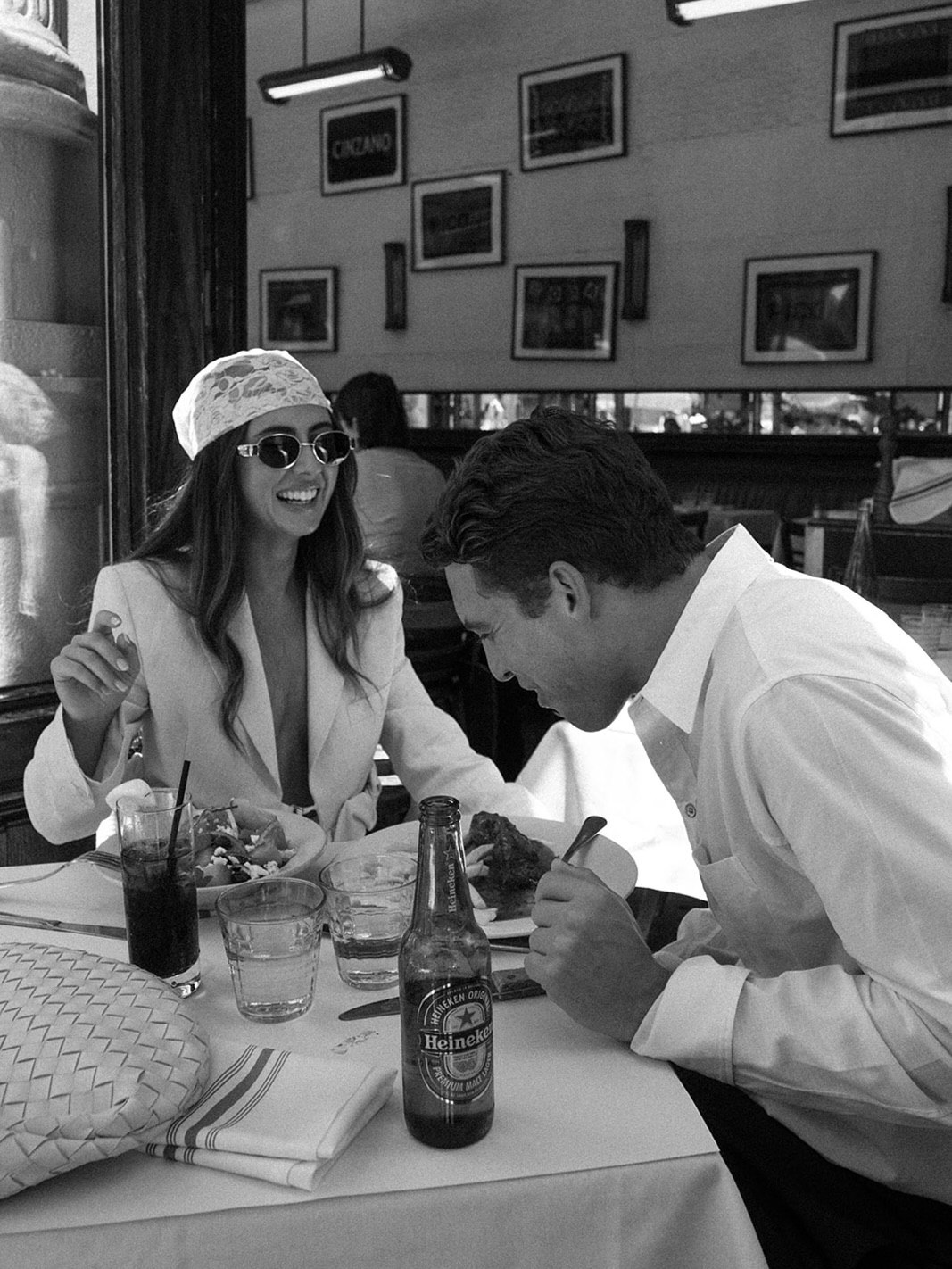
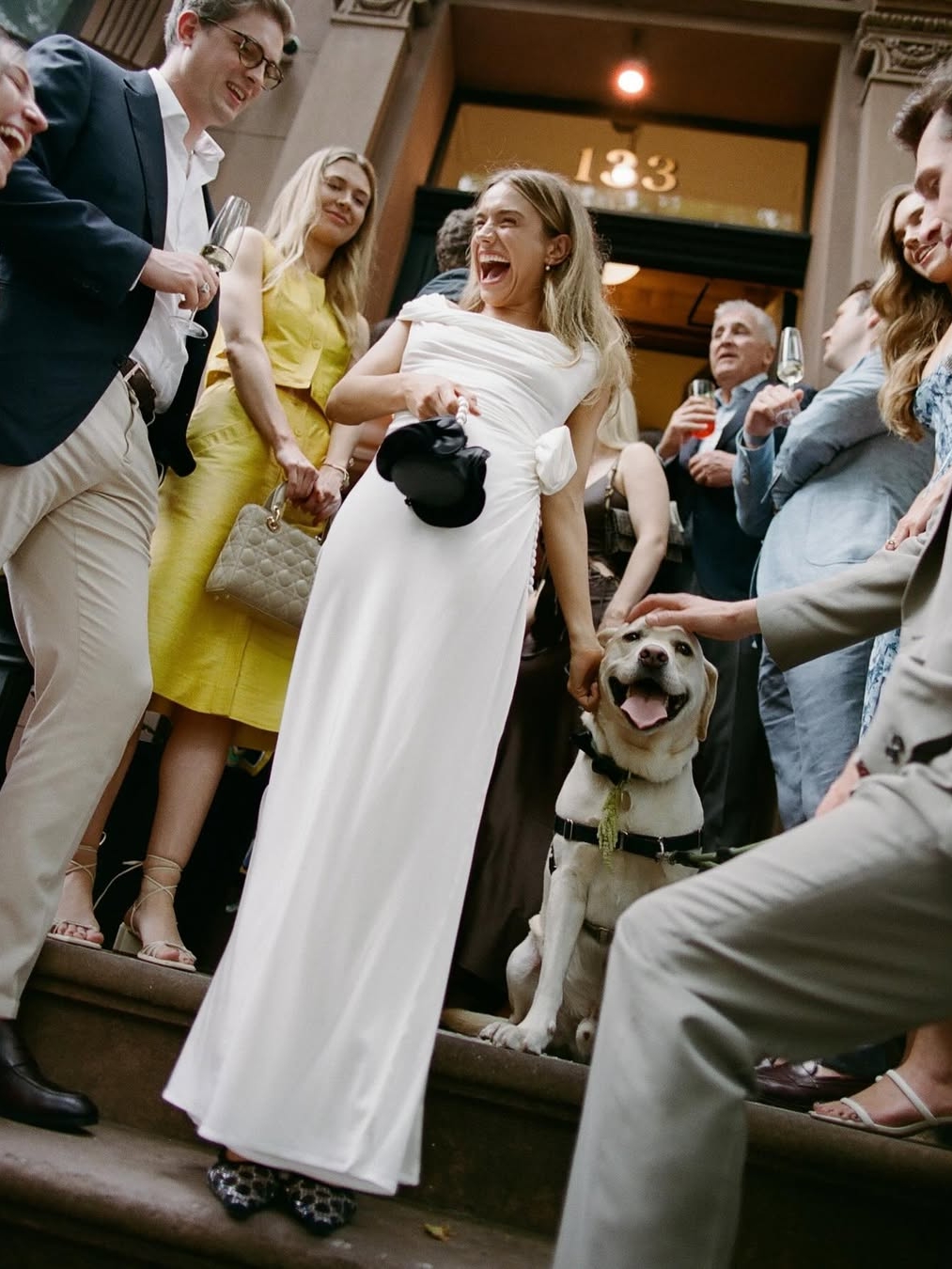
Photo: Studio Thao, Kindred
Meet the Experts
Kindred is an analog-loving wedding photography studio led by a husband-and-wife team Elle and Zach. They have a penchant for the sacred, the unobtrusive, and the spontaneous.
Jessica Gwyneth is a Europe-based photographer working with both digital and analog formats, including Super 8 film. She focuses on film-inspired aesthetic and emotions.
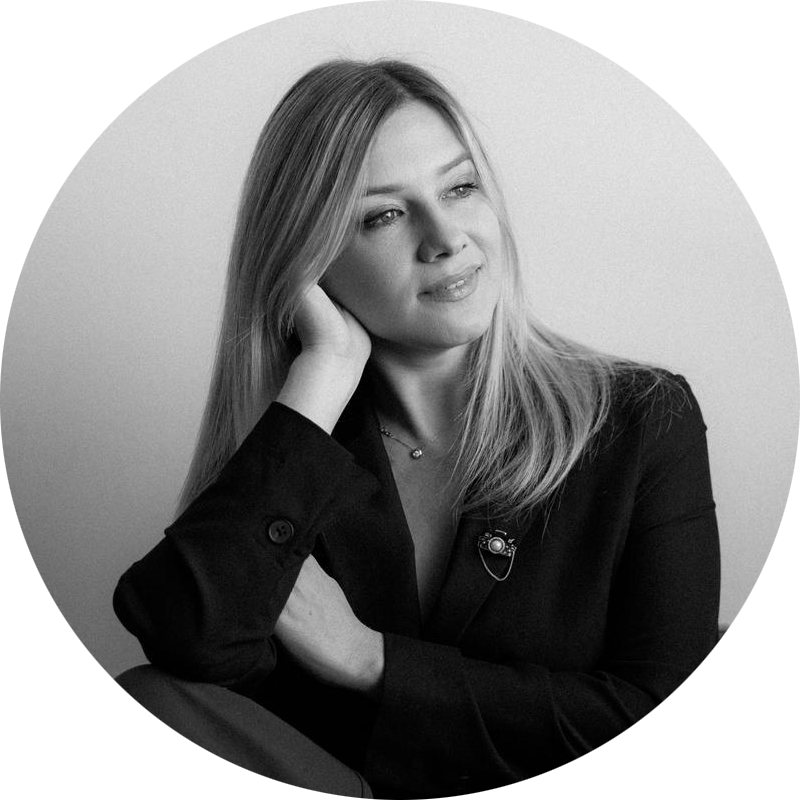
Kseniya Palchik is a Milan-based wedding photographer renowned for her timeless and elegant style, with a close eye for emotions, candid gestures, and the details.

Joy Zamora is a wedding photographer based in Europe, known for an avant-garde approach and an editorial, luxury aesthetic.
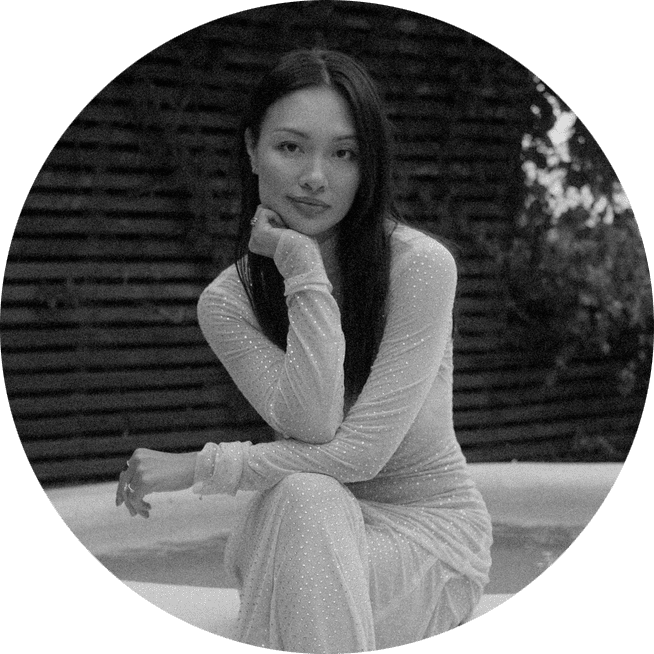
Thao Colucci is a New York-based photographer known for capturing weddings and portraits with a candid feel and an editorial edge.
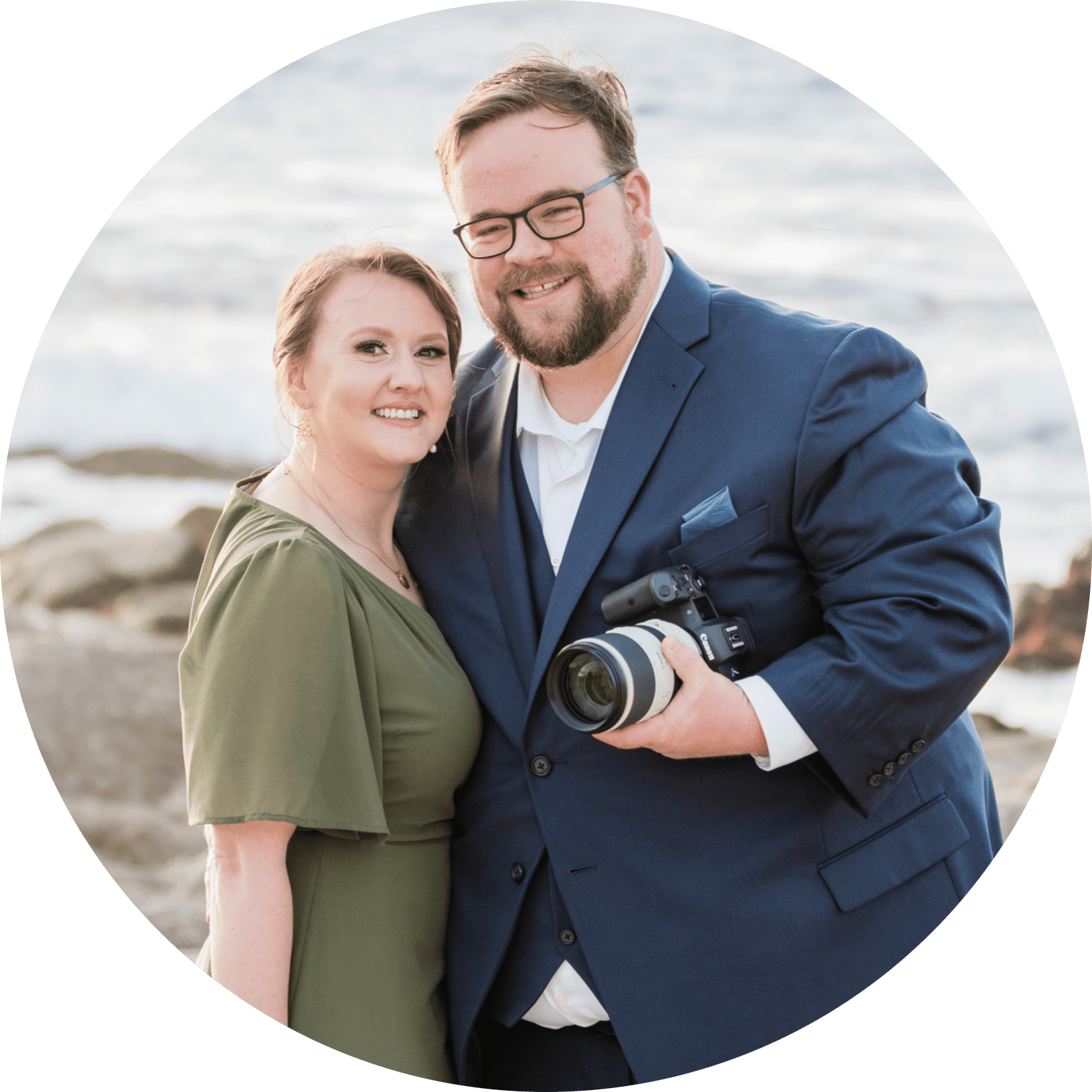
Tee and Rebecca are a husband-and-wife photography team with over 25 years of experience, working in both film and digital.

Based in Scotland, Dylan Kitchener is an award-winning wedding and elopement photographer. He is recognized for his cinematic, emotive style.
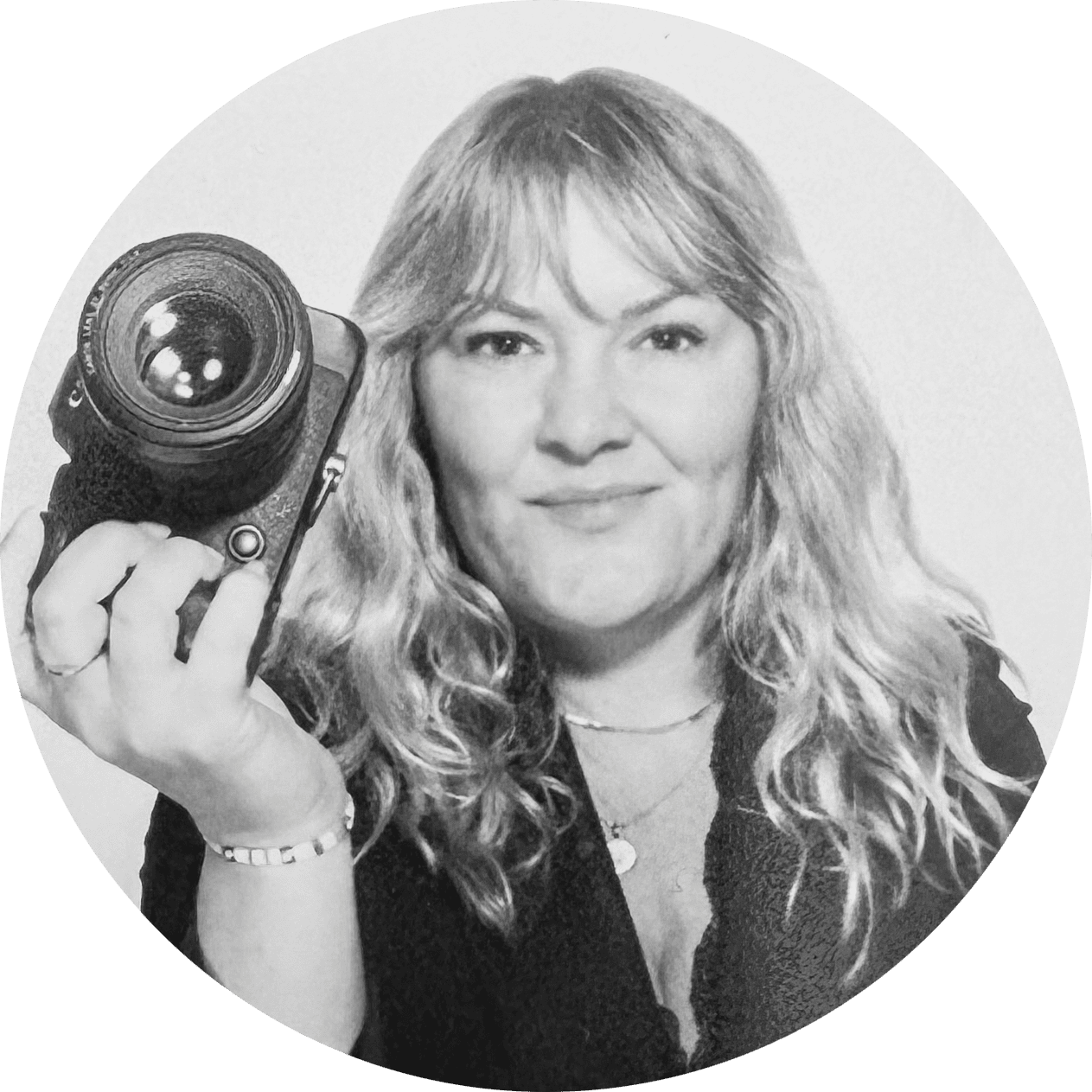
Emmylou Kelly is a documentary wedding photographer. Film drives everything she does; digital serves primarily as a backup. She is based in Australia but travel worldwide.
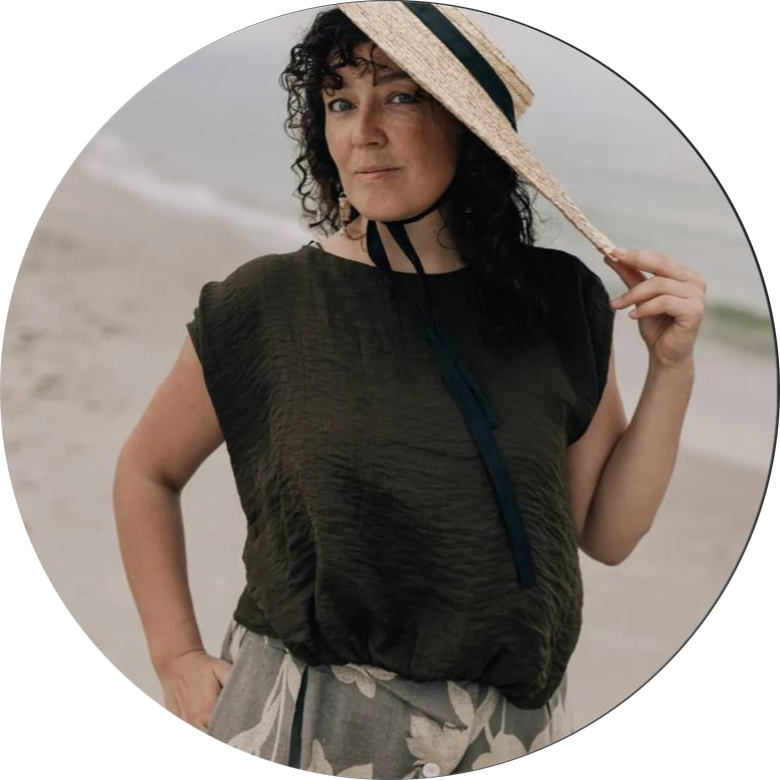
Magdalena Glowacka of Fotomagoria is an Italy-based wedding and elopement photographer, master of storytelling. She has a deep love for nature, landscapes, and adventure.