While for some brides, a wedding veil is a nod to religion, culture, family tradition, or simply the romance of the moment, many now wear one because they love the way it looks. Wedding veils are a significant staple in bridal fashion, and modern brides continue to show just how beautiful, expressive, and personal this accessory can be. From delicate and understated to bold and dramatic, the right veil pulls the entire look together, adding a layer of meaning or mood. In this guide, we break down the most popular wedding veil styles and lengths to help you find the one that fits your vision best.
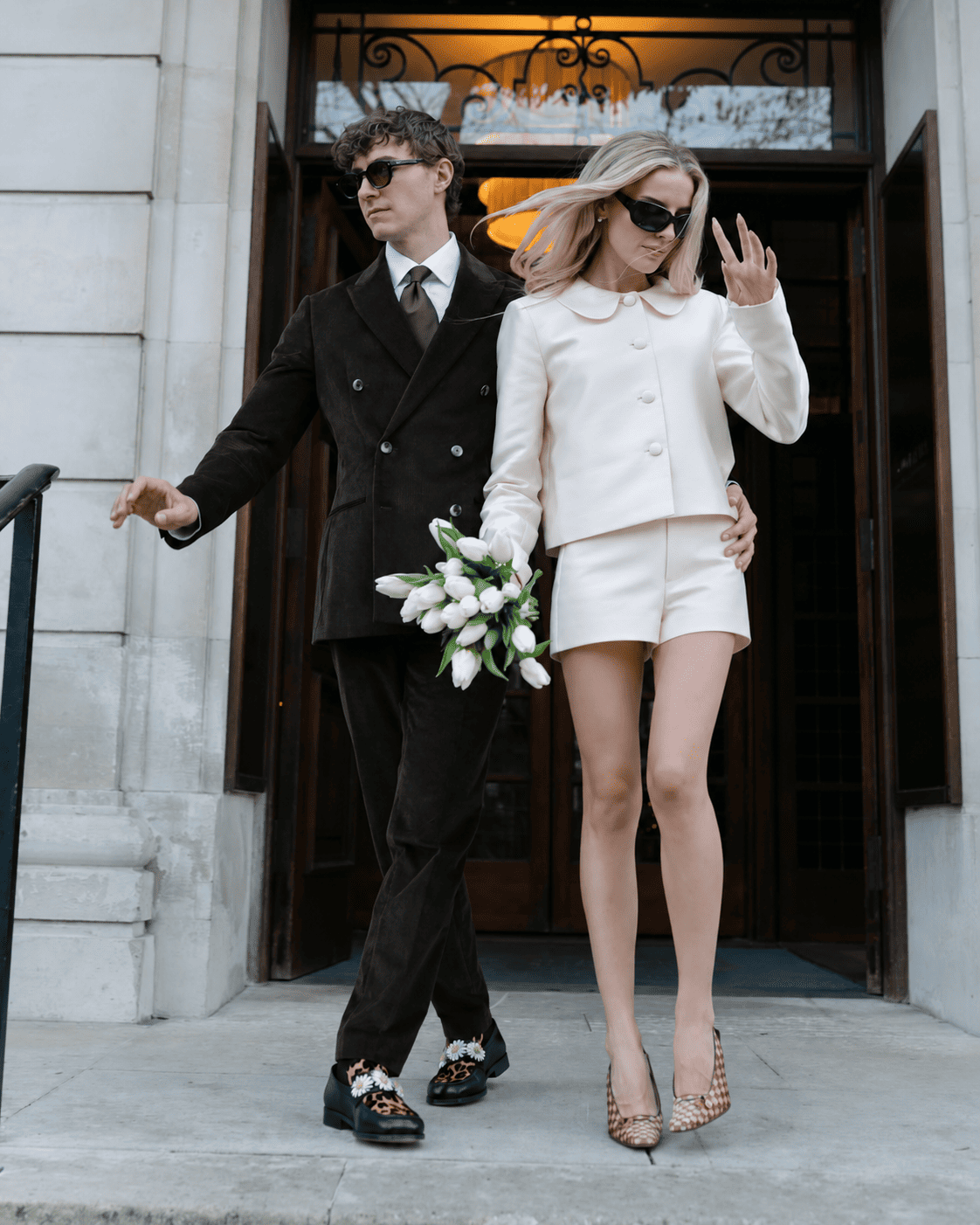
The birdcage veil is a short, playful style that adds a touch of vintage charm. It can be worn to cover just the eyes, skim the nose, or fall to the jawline, depending on the look you’re after. Usually made from netting, lace, or French tulle, it’s secured in place with a comb, clip, or sometimes a headband. This style first appeared in the 1940s, emerging from fabric shortages during World War II that made long veils scarce. Despite its practical origins, it remains a favorite among modern brides for its timeless charm. The birdcage veils are perfect for city hall weddings, elopements, or brides rocking a tea-length dress. If you want to walk down the aisle looking effortlessly cool and a little mysterious, this is your veil.
Falling around 20 inches, this wedding veil style lightly frames your shoulders. It works exceptionally well with gowns that have intricate bodice details, a strapless neckline, or dramatic backs you don’t want to cover up. Following the classic style guideline that says “the shorter the dress, the shorter the veil,” a shoulder-length veil is also a fitting choice for semi-formal celebrations or when wearing a mini or midi-length gown. It feels airy and modern, almost like a whisper of tradition rather than a full statement piece. Brides who love a playful, fresh vibe (or who just don’t want to fuss with long layers all day) gravitate toward this carefree length.
The elbow-length veil is the quiet romantic in the veil family. As the name suggests, it ends gracefully around the elbows. This length pairs beautifully with ballgowns or A-line dresses because it complements a fuller skirt without overwhelming the silhouette. It’s a perfect middle ground for brides who want a classic veil moment without committing to dramatic floor-sweeping styles. Think of it as the veil that says “elegant, but still ready to dance the night away.”
The fingertip veil is one of the most popular choices — and for good reason. Falling around your fingertips when your arms rest at your sides (usually about 36 to 45 inches), this length feels romantic and balanced. Its versatility makes it an excellent match for various aesthetics and styles, for instance, drop veils or mantilla veils. This veil looks stunning in motion, especially when caught in the breeze or during the big walk down the aisle.
Sometimes called the ballet veil, the waltz veil falls between the knees and ankles, long enough to move beautifully but short enough to avoid dragging on the floor. It offers the most formal vibe among mid-length styles. It’s perfect for transitioning straight from cocktail hour to the dance floor, but also allows you to spin, twirl, and dance the night away without a single trip or tug. Such a practical choice!
A chapel-length veil hits the floor and extends slightly beyond the bride’s gown. It offers that coveted “soft sweep” effect as the bride move the aisle, creating stunning photos and an air of quiet grandeur. Typically around 90 inches, it’s often worn in combination with wedding dresses that have a medium-length train. Pay attention that a veil should be longer than your dress’s train.
If you’ve always envisioned a veil that makes a serious entrance and full princess moment, the cathedral-length veil is your showstopper. Usually 108 inches or longer, it dramatically trails behind you, creating a statement fit for royalty. This veil demands space like grand churches, large ballrooms, or any venue with a long, sweeping aisle and beautiful staircases. It photographs beautifully and lends an air of timeless, jaw-dropping romance. Just a heads-up: cathedral veils can be a bit of a handful. You’ll likely need a bridesmaid nearby to help arrange the fabric properly, and you’ll have to carry the veil whenever you’re on the move.
The single-tier veil is exactly what it sounds like: one simple, uninterrupted layer of tulle or netting. Sometimes, the edges receive a little extra love with lace or subtle details. This veil feels light and minimalist, making it perfect for brides who want to highlight their dress or hairstyle. Plus, it’s super versatile as you can have it short, fingertip-length, cathedral, or anywhere in between.
For that symbolic “unveiling” moment, the two-tier veil reigns supreme. This style features a shorter top layer (the blusher) that can be worn over the face during the ceremony, then flipped back to reveal your big smile. The second, longer layer creates the flowing veil effect behind you. It’s romantic, traditional, and slightly more dramatic than a single-tier option. You can choose any length for the back tier — from fingertip to cathedral — to match your dress and venue vibe. When trying on your wedding dress, pay attention to where the blusher falls and how it feels. Even if you’re not entirely committed to tradition, you can still appreciate the aesthetic.
Unlike gathered veils, drop veils lie flat and seamless over your head and face, often with no visible comb or stitching at the top. Brides love this veil for its ethereal, floaty look and a delicate, almost weightless feel, making it perfect for minimalist or vintage-inspired gowns.
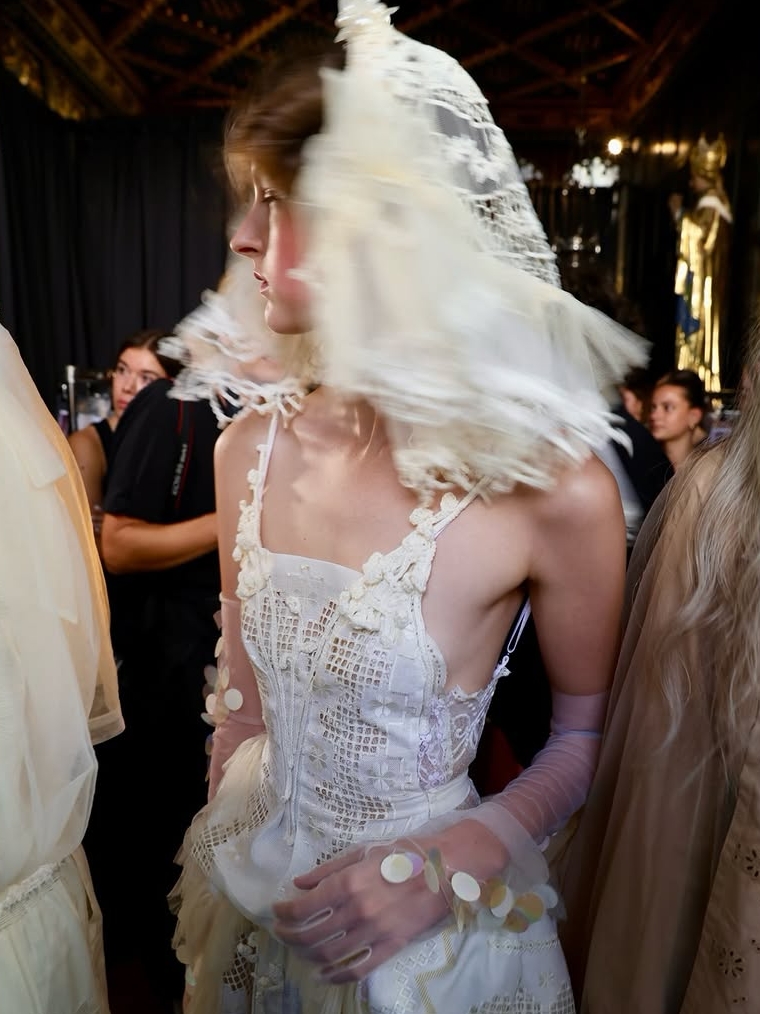
A mantilla wedding veil is a sophisticated circular veil that features a distinctive lace trim along the edge, typically with a scalloped lace. The name originates from “manta,” meaning cape, and the style has deep ties to Catholic traditions, particularly in Spanish, Latin American, and Italian cultures. In many traditional Catholic ceremonies, brides are asked to cover their shoulders during the service, and a mantilla veil is a graceful way to do so.
While rich in history, anyone can wear them. They’re a beautiful option for destination weddings in regions where the style originates. The mantilla veils look stunning with loose waves or a sleek, low bun, as the veil is meant to sit flat over the top of the head, framing the face. When selecting a mantilla, be sure the lace details on your gown and veil complement each other.
If you’re after an ethereal, vintage-inspired look, the Juliet cap veil is pure poetry. This style gathers softly over the crown of your head, often framed with delicate lace or beading, creating a romantic “halo” effect. It first gained popularity in the 1920s and has since been reimagined for modern brides seeking something truly unique. Perfect with slip dresses, flowing gowns, or anything bohemian, this veil feels like a nod to a bygone era. You’ll look like you stepped straight out of a romantic painting.
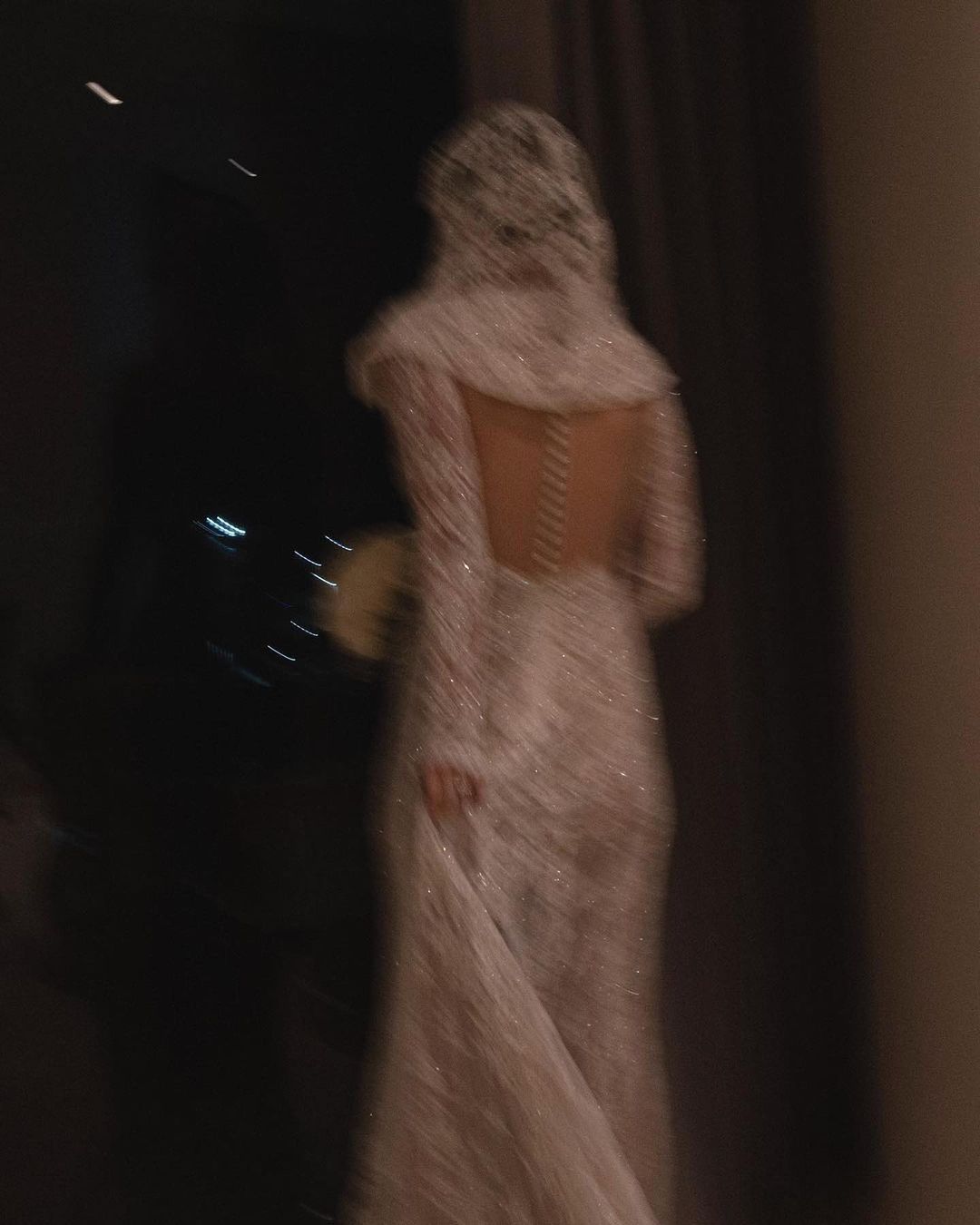
For the bride who wants to make a true fashion statement, a hooded bridal cape is an awe-inspiring option. Often made of lace, they frame the face perfectly and drape over the shoulders like a Victorian cape. This is a fairytale-like and bohemian-esque appearance, and therefore ideal for brides who appreciate either of these styles and aim for an aura of cover and mystery.