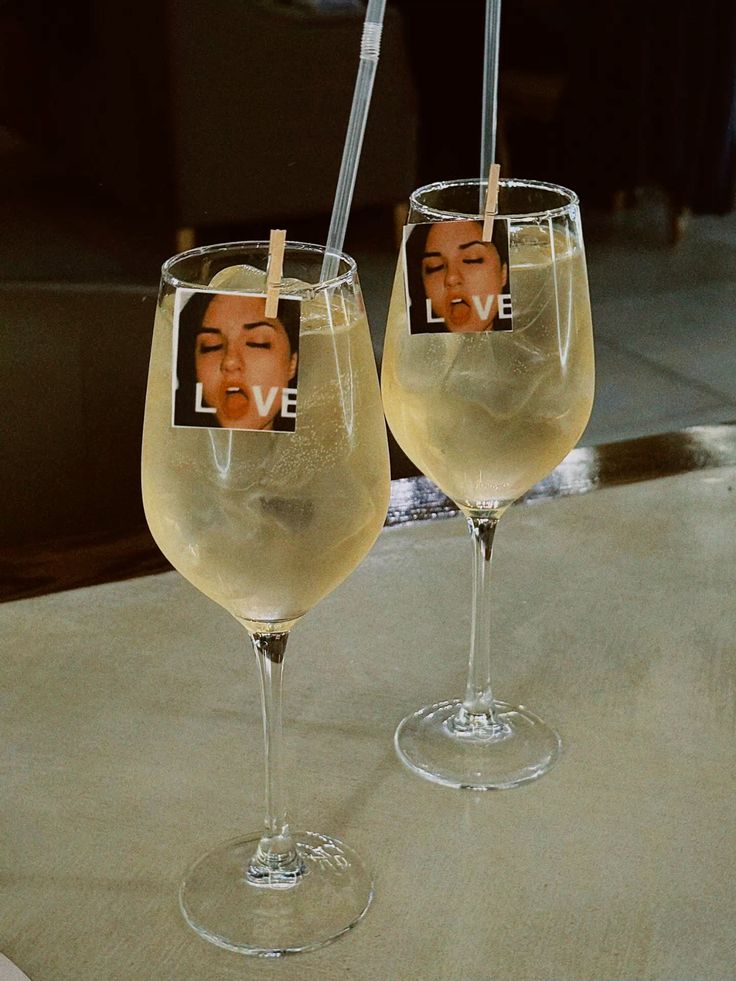
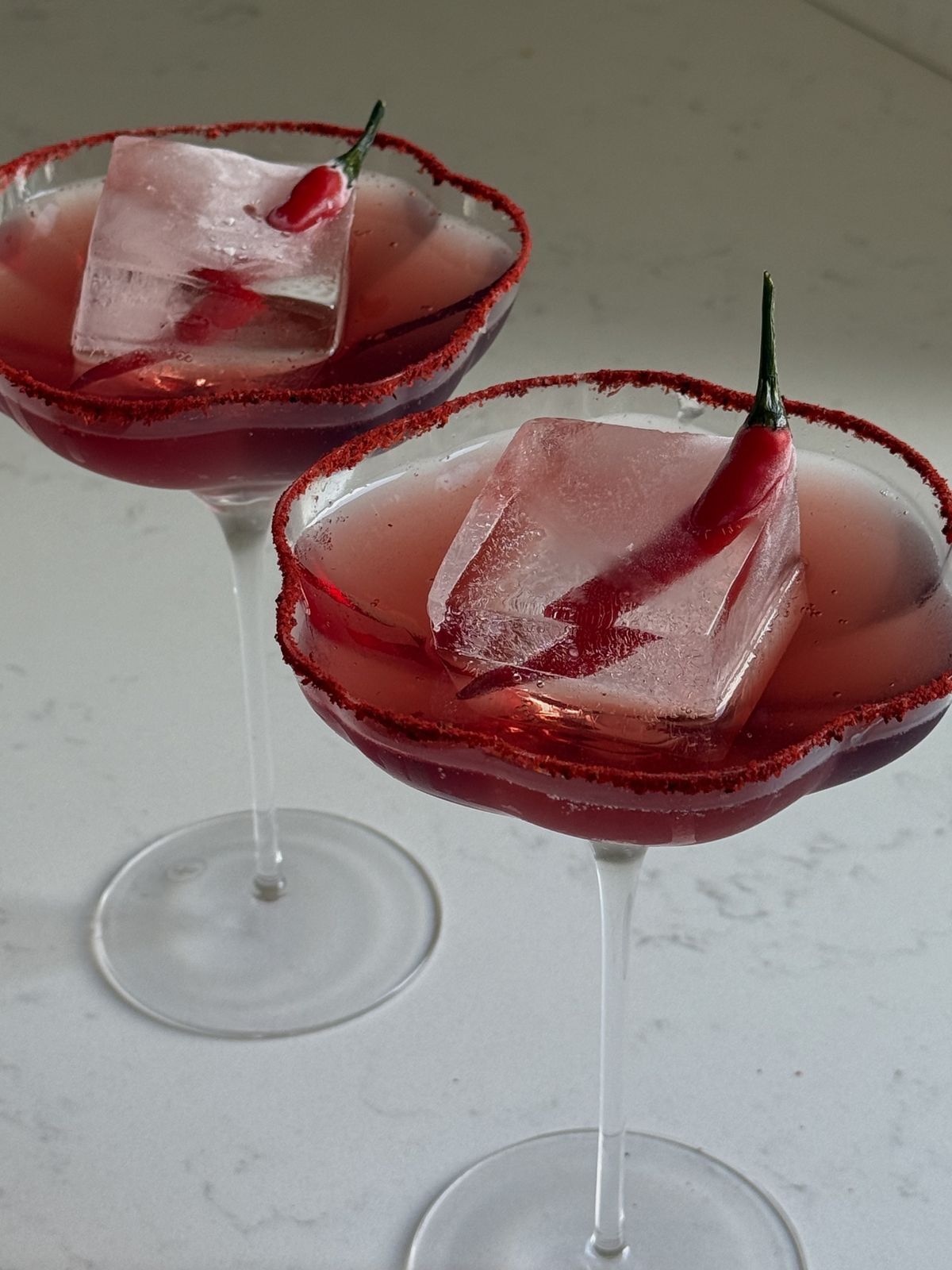
Wedding food used to follow a script: cocktail hour, sit-down dinner, cake moment. But couples today know that what’s on the menu — and how it’s served — shapes the entire feel of a day. The drinks, the bites, the moment a dish arrives: all of it lands. We spoke with Spuma, a Milan-based catering company that has turned food and beverage into something closer to a full sensory production.
On the agenda: how to build a menu that engages all five senses, why the traditional sit-down format is overdue for a rethink, and what real personalization looks like when it goes beyond a monogram on a napkin.
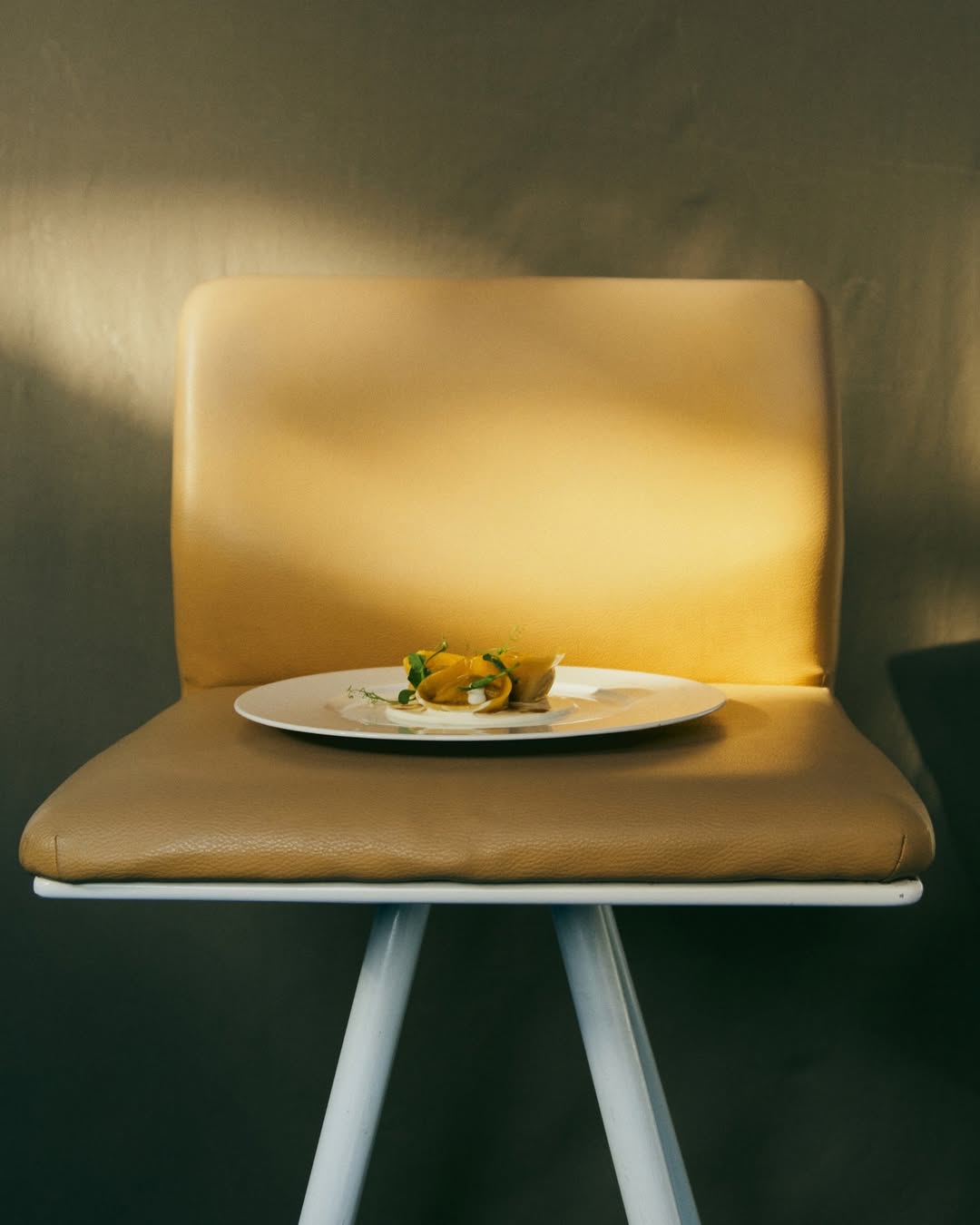
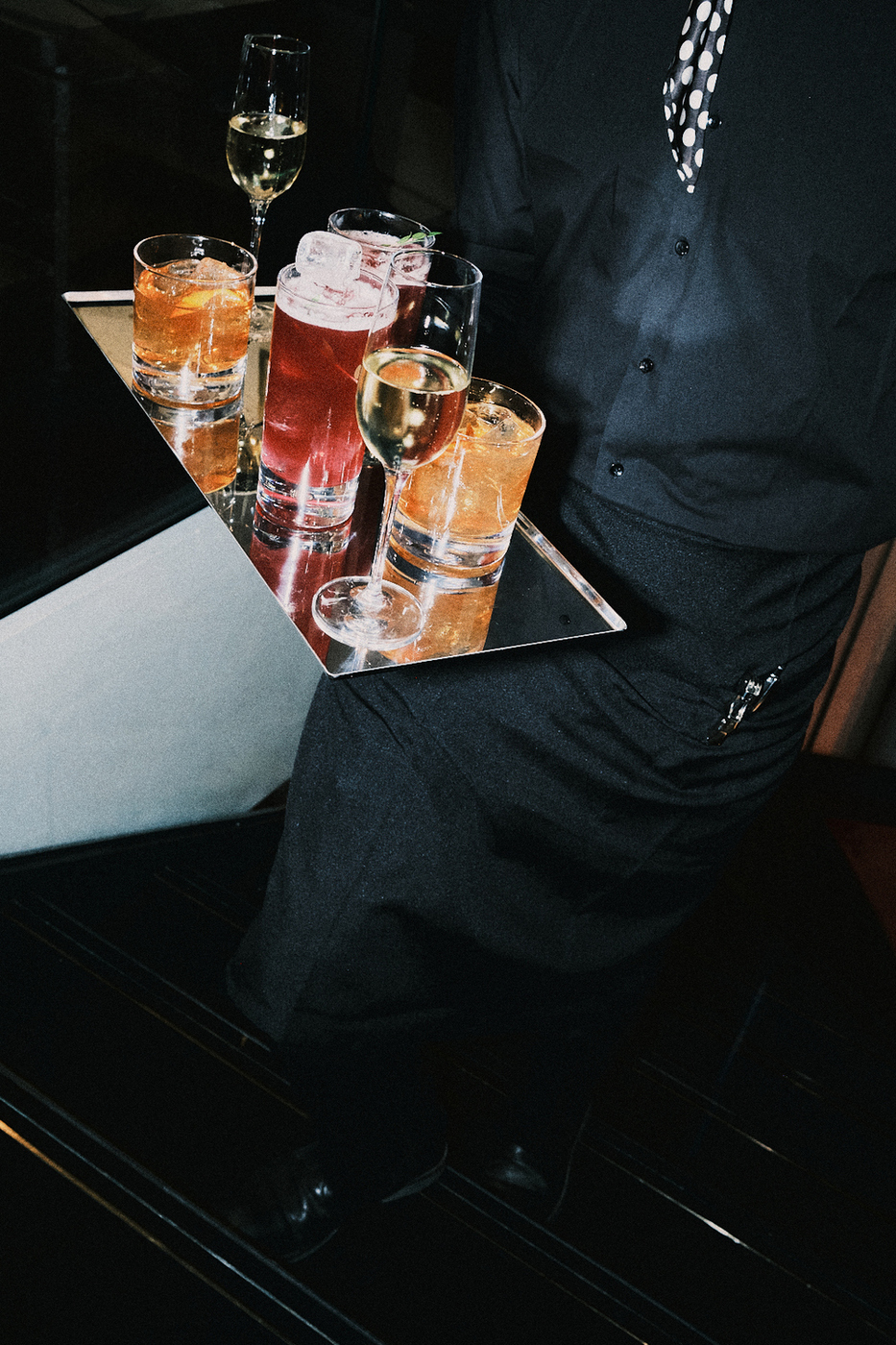
Photo: Courtesy of Spuma
Meet the Expert
Spuma was born in fine dining. The company launched in 2020 with a restaurant on Lake Como, and the instincts it developed there — obsessive attention to ingredients, service as a craft, experience over transaction — carried directly into catering. Today, Spuma operates as a collective of chefs, designers, and service professionals who share one belief: that a wedding menu should never feel generic.
“Our true strengths lie in people, design, innovation, and customization. Every collaborator shares a common vision and a strong sense of ownership.”
No predefined packages, no standard table settings. Every proposal is built from scratch around the couple.

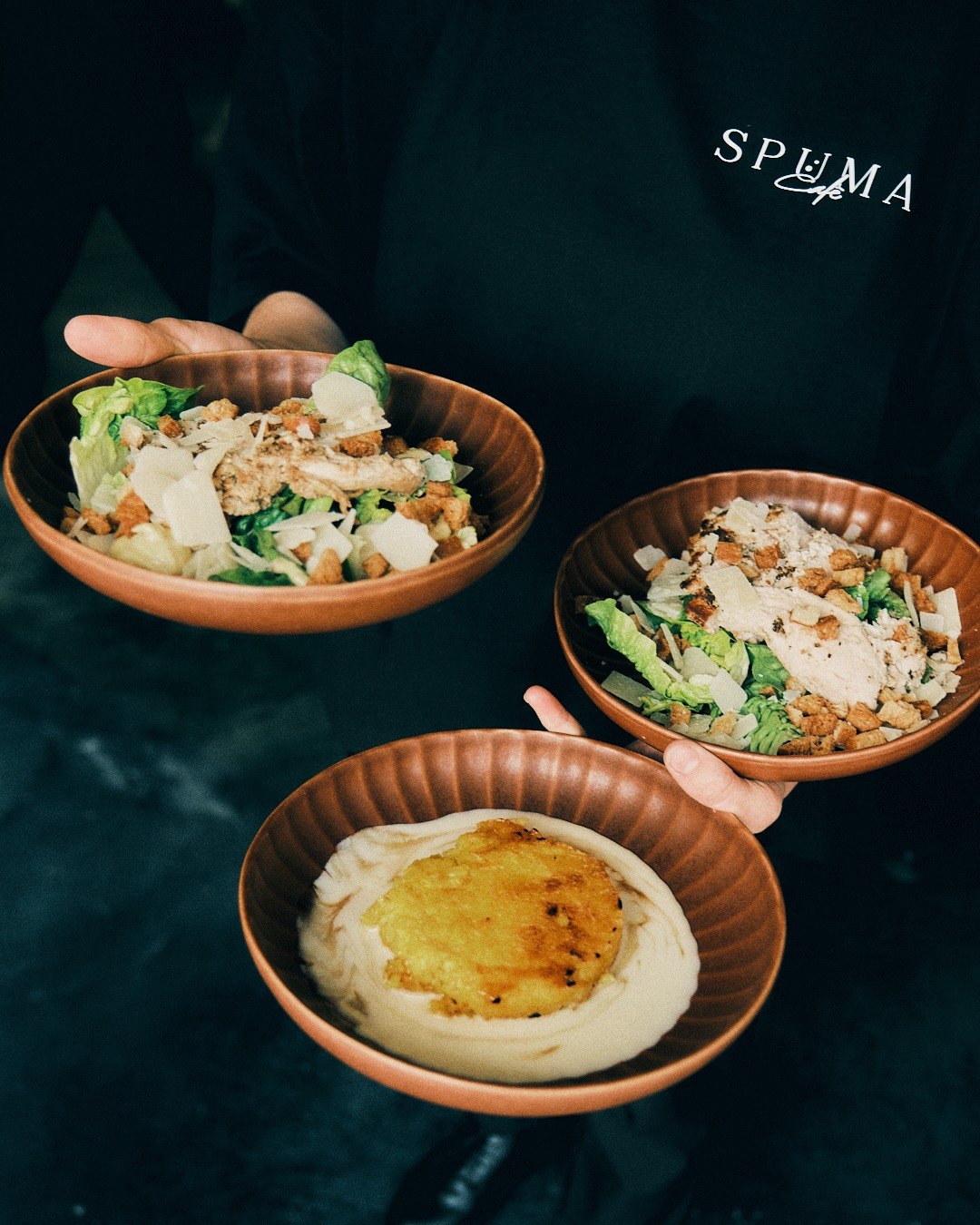
Photo: Courtesy of Spuma
The Five-Sense Approach to Wedding Food
Think of a sensory wedding as a philosophy. The idea is simple: food and drink should engage not just taste, but all five senses.
Smell, touch, sight, sound — each one is an opportunity to deepen the experience and make it stick. Spuma approaches this with the precision of a fine dining kitchen. Scent, for instance, is treated as seriously as flavor. Dry-essence diffusers placed near the raw seafood station release citrus notes from the Amalfi Coast — amplifying taste perception and building a cohesive atmosphere around a single corner of the room.
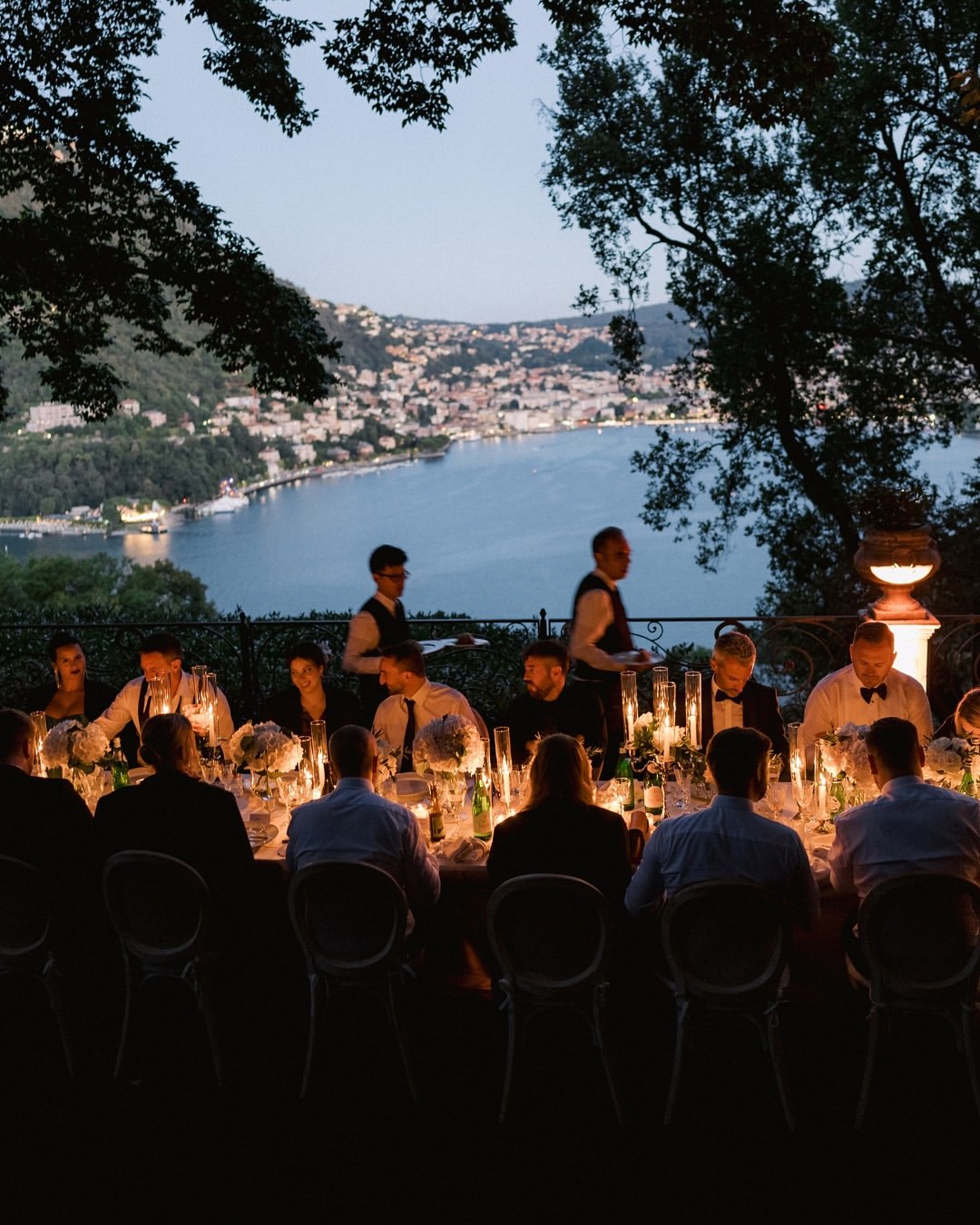
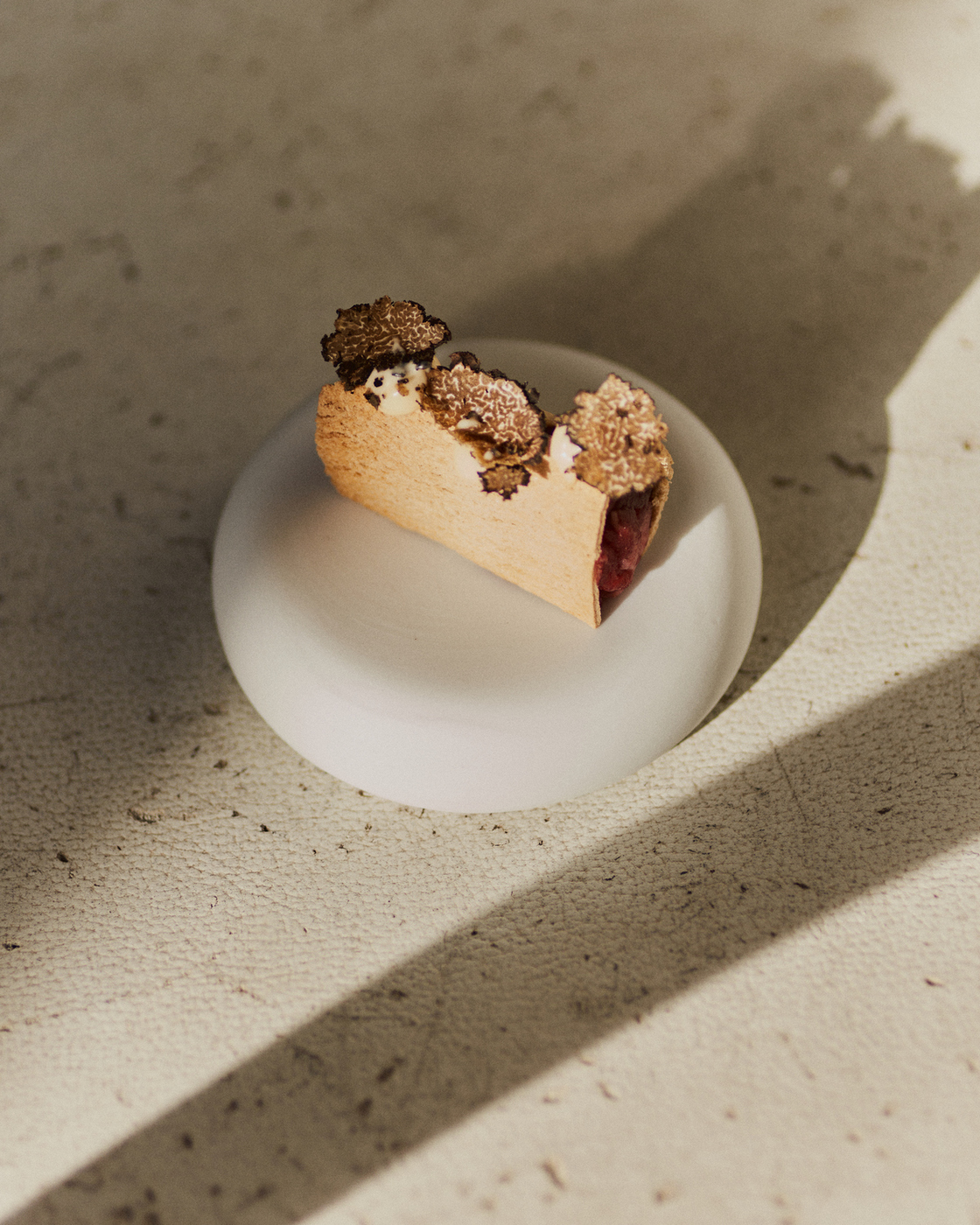
Photo: Andrew Bayda, Courtesy of Spuma
Touch becomes a design language too. “We explore new ways of presenting food, where texture and surface become an integral part of the experience,” the team explains — think slabs of ice elevating a raw seafood display, or warm lava stones holding select finger foods.
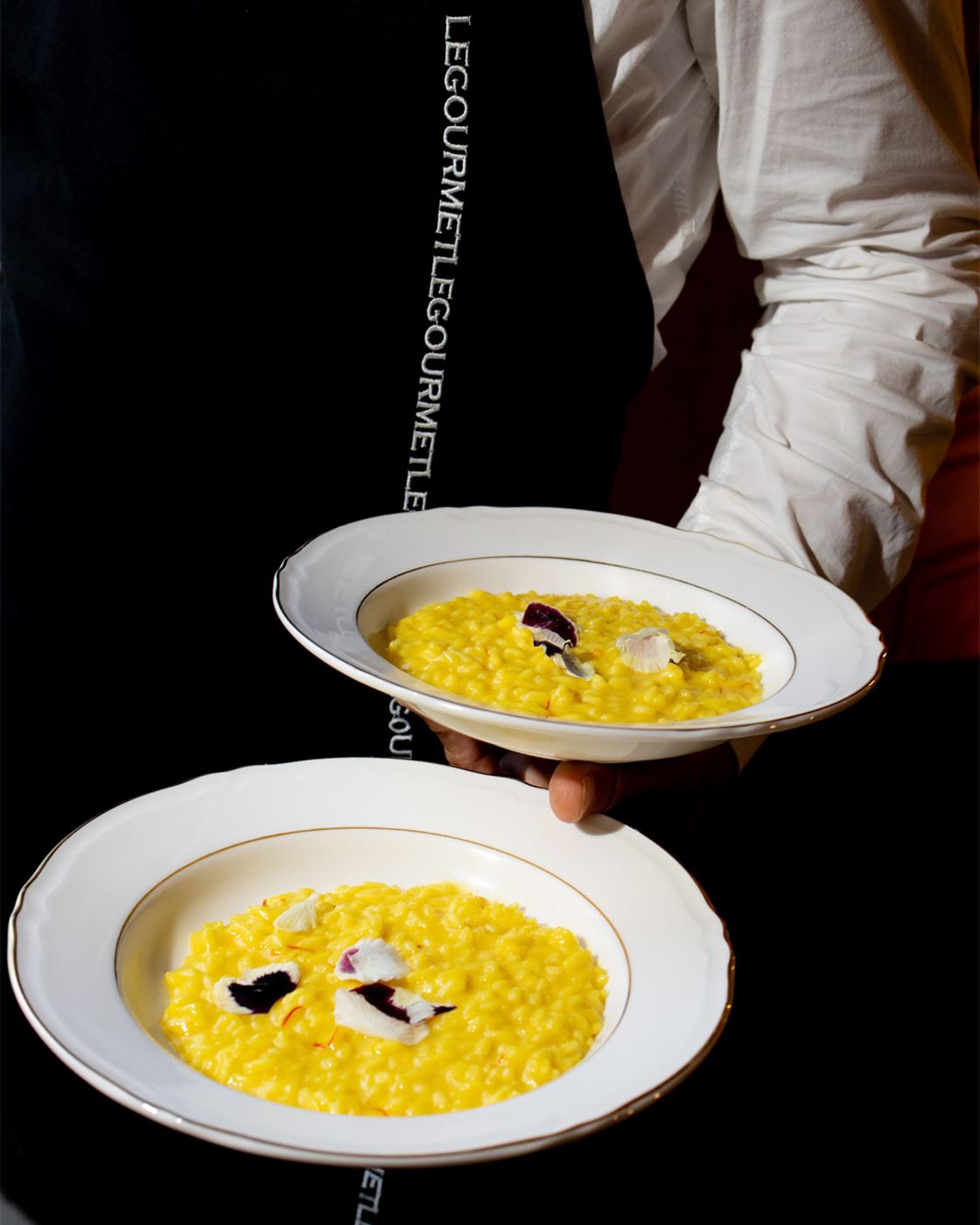
And then there’s sight. Each dish is conceived as a micro work of art: single-portion, carefully proportioned, finished with the kind of detail usually reserved for a restaurant tasting menu. “Every detail is calibrated to reflect the couple’s personality,” Spuma says, “and elevate the experience to a higher level.”
Even the table itself is part of the story. Bespoke settings, sculptural centerpieces, fabrics chosen to match the couple’s aesthetic — the mise en place becomes, in Spuma’s words, “a true language of style.”
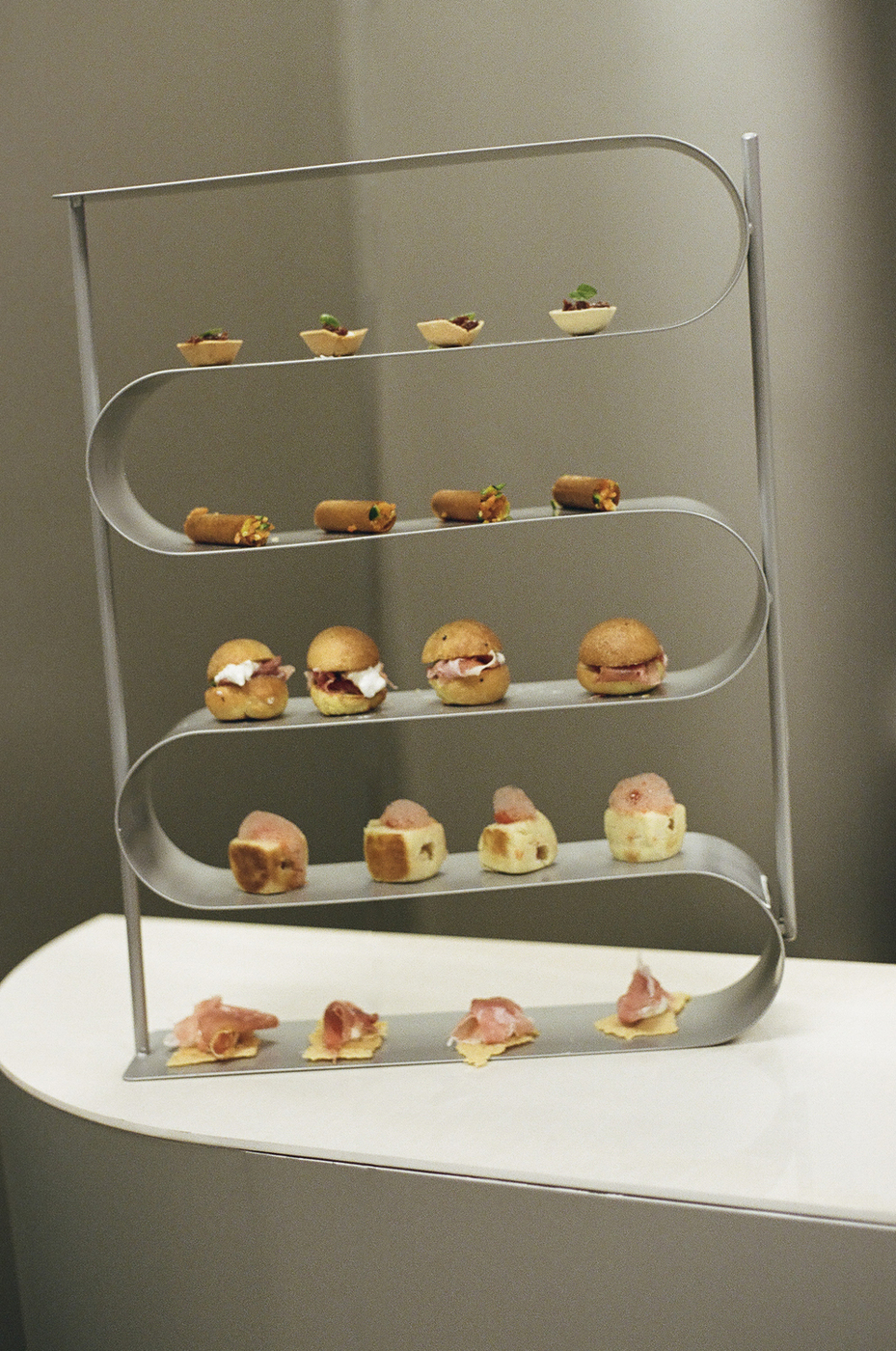
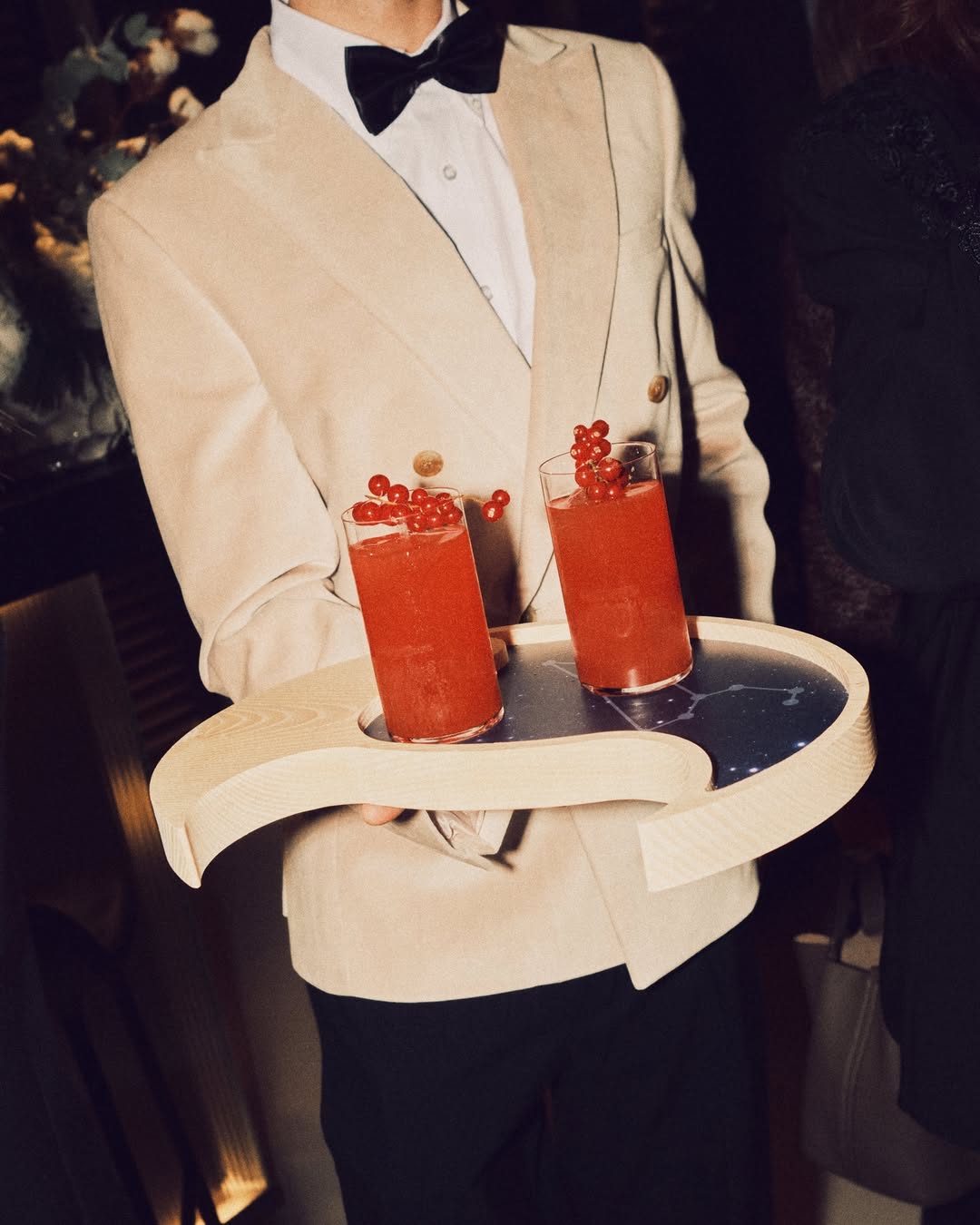
Photo: Courtesy of Spuma
Rethink the Structure Entirely
Traditional wedding receptions have a pacing problem. Guests sit, wait, eat, wait again. The excitement of the day slowly idles at the table. Spuma’s answer is to throw out the fixed structure entirely.
Instead of a single long dinner, guests move freely between “taste islands” — each with its own identity. A handmade pasta station. A raw seafood corner. A gourmet pizza area. “It’s not just a buffet,” the team is clear to point out, “but a journey of discovery.” Guests explore, socialize, and eat on their own terms.
The format also opens up space for unexpected moments. Mini gourmet burgers delivered onto the dance floor. A late-night snack that nobody saw coming. Every one is a designed beat in the evening’s rhythm. And for couples who want to push further, even the vegetarian option gets reimagined. Spuma calls it Plant-Forward Luxury: fine dining techniques applied to exceptional local ingredients. A savory macaron with sage and 36-month-aged Parmigiano Reggiano isn’t an alternative — it’s a highlight.
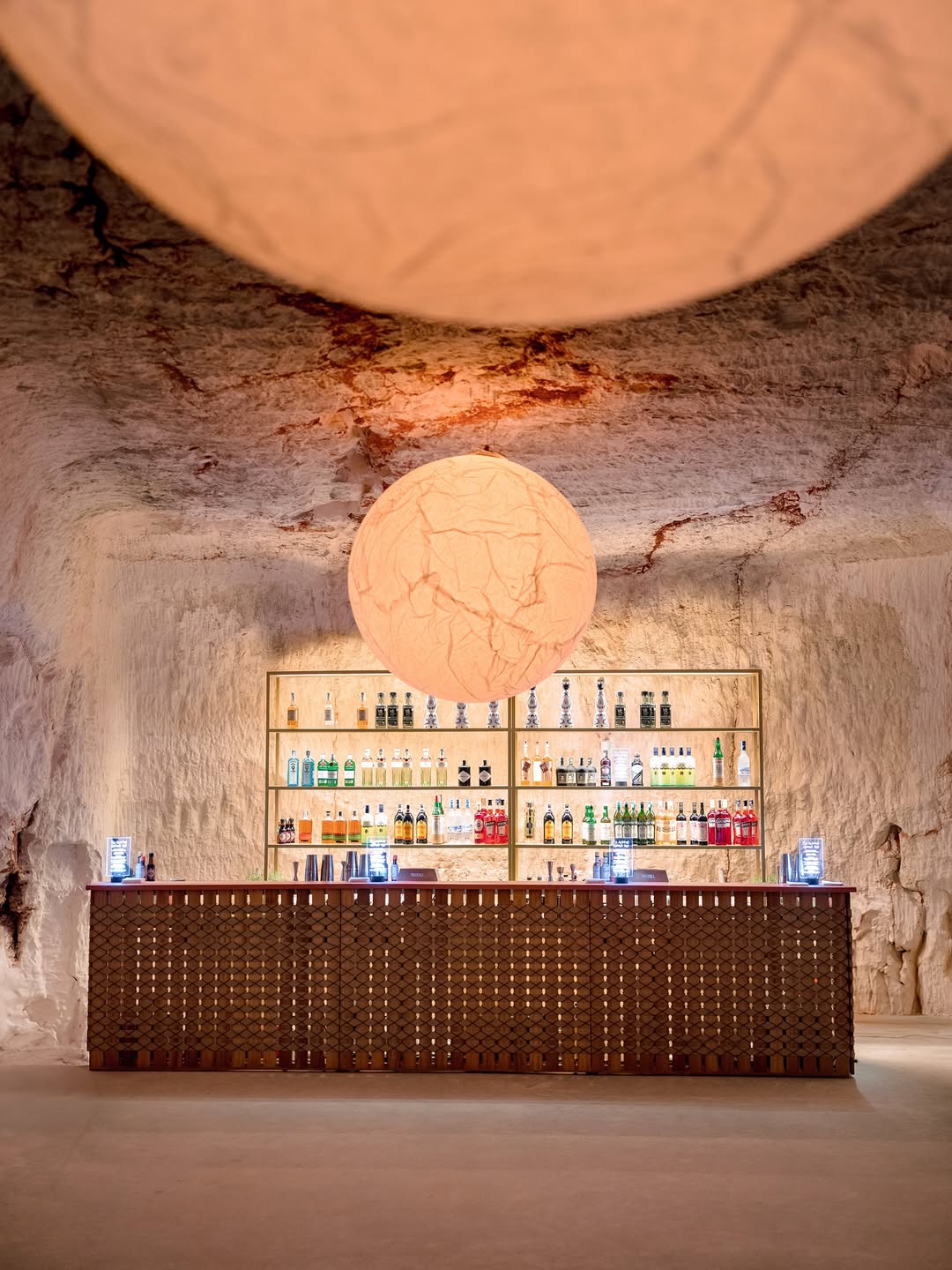
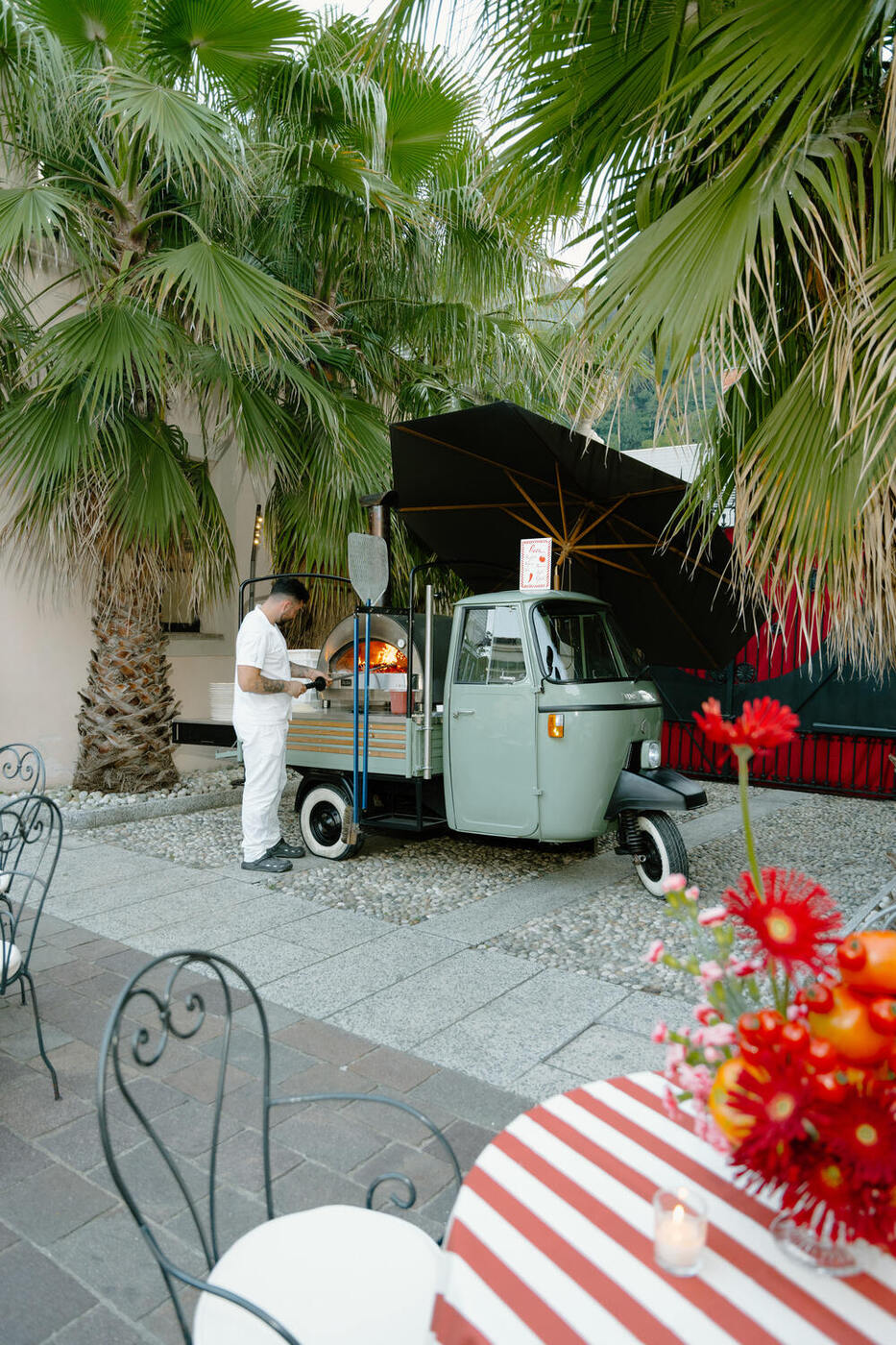
Photo: Jose Villa, Courtesy of Spuma
Details That Are Unmistakable Yours
Personalization at a wedding is nothing new. But Spuma takes it somewhere most caterers don’t.
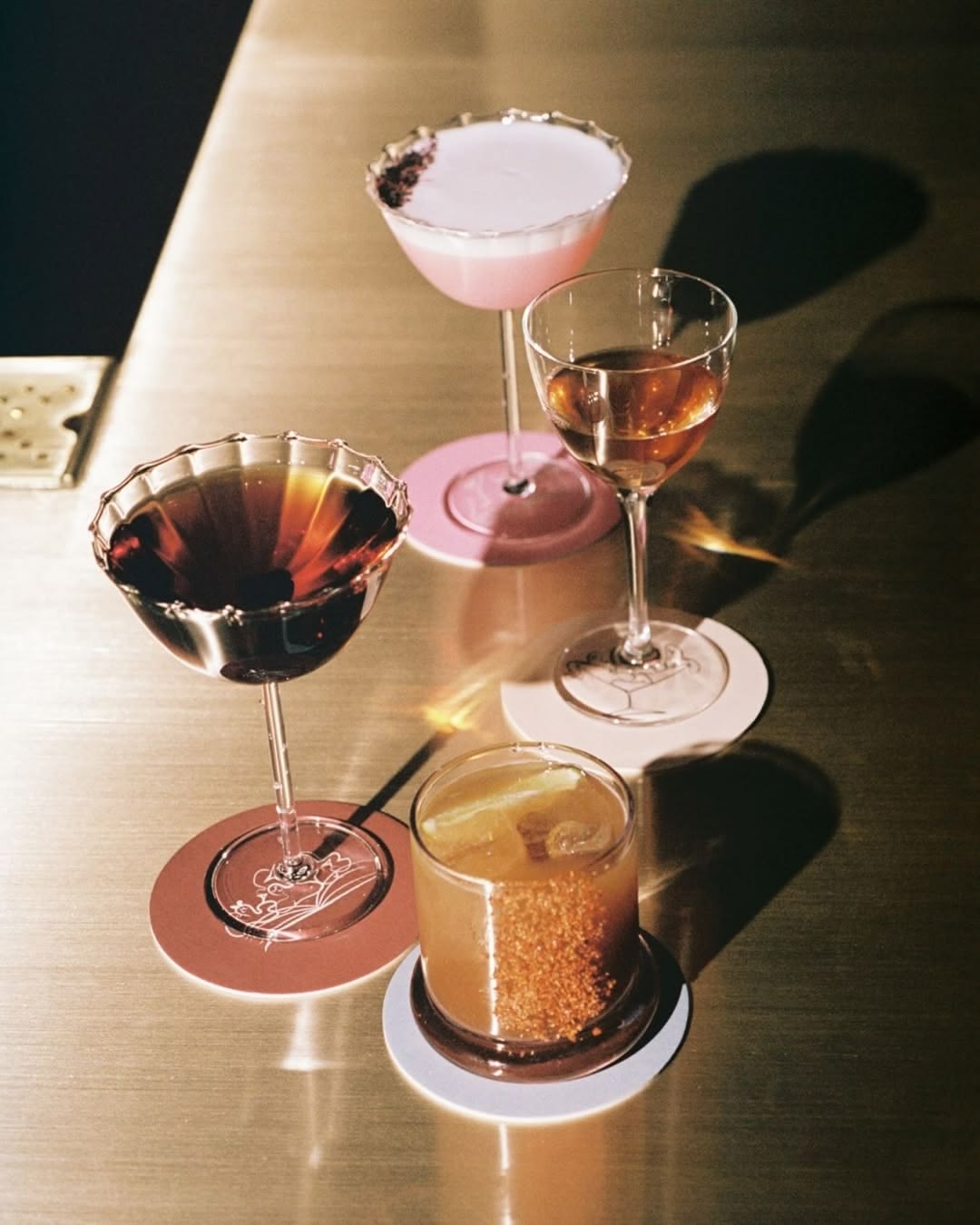
Small toasts printed with the couple’s initials. Crystal-clear ice cubes enclosing the same edible flowers as the bouquet. A finger food menu built entirely around a color — in one case, a red theme developed in collaboration with an Italian luxury fashion brand. These are the kinds of details guests notice without knowing why, and remember long after the day is over.
Personalization extends to cultural dialogue too. For an Indian wedding, Spuma developed dishes that brought together Italian gastronomy and Asian influences — potato and curry gnocchi with clams, samosa alla Norma. Surprising combinations that felt harmonious rather than forced.
And sometimes it goes further still. For one event, the team fully embraced the couple’s chosen theme by dressing as characters from Money Heist — serving tequila between tables and onto the dance floor. “It was a moment of great interaction and conviviality,” the team recalls, “that transformed service into a true performance.” Every choice, however unexpected, is rooted in who the couple actually are.
Why Live Cooking Changes Everything
The most memorable moments at a Spuma wedding happen when the kitchen comes to the guests. Chefs finishing dishes tableside. Paccheri pasta tossed in front of the room. A Beef Wellington is carved at the table. A wedding cake decorated by the couple themselves, live, during the event.
“Watching a dish being prepared and served on the spot transforms catering into a true form of entertainment. Quality blends with the pleasure of discovery.”
For American couples in particular, this live cooking element tends to land hardest. The finest Italian classics, executed with precision — and then the added layer of watching it all happen in real time. The creative process behind each menu is just as considered. It starts with a conversation, not a package. A call to understand tastes, expectations, and cultural background. Then a first proposal, a tasting, a refinement. Food and beverage developed together, or in sequence — whatever serves the couple best. Nothing is finalized until it’s exactly right.
“There are no standards,” Spuma says. “Every menu is tailor-made, fresh, and authentic.
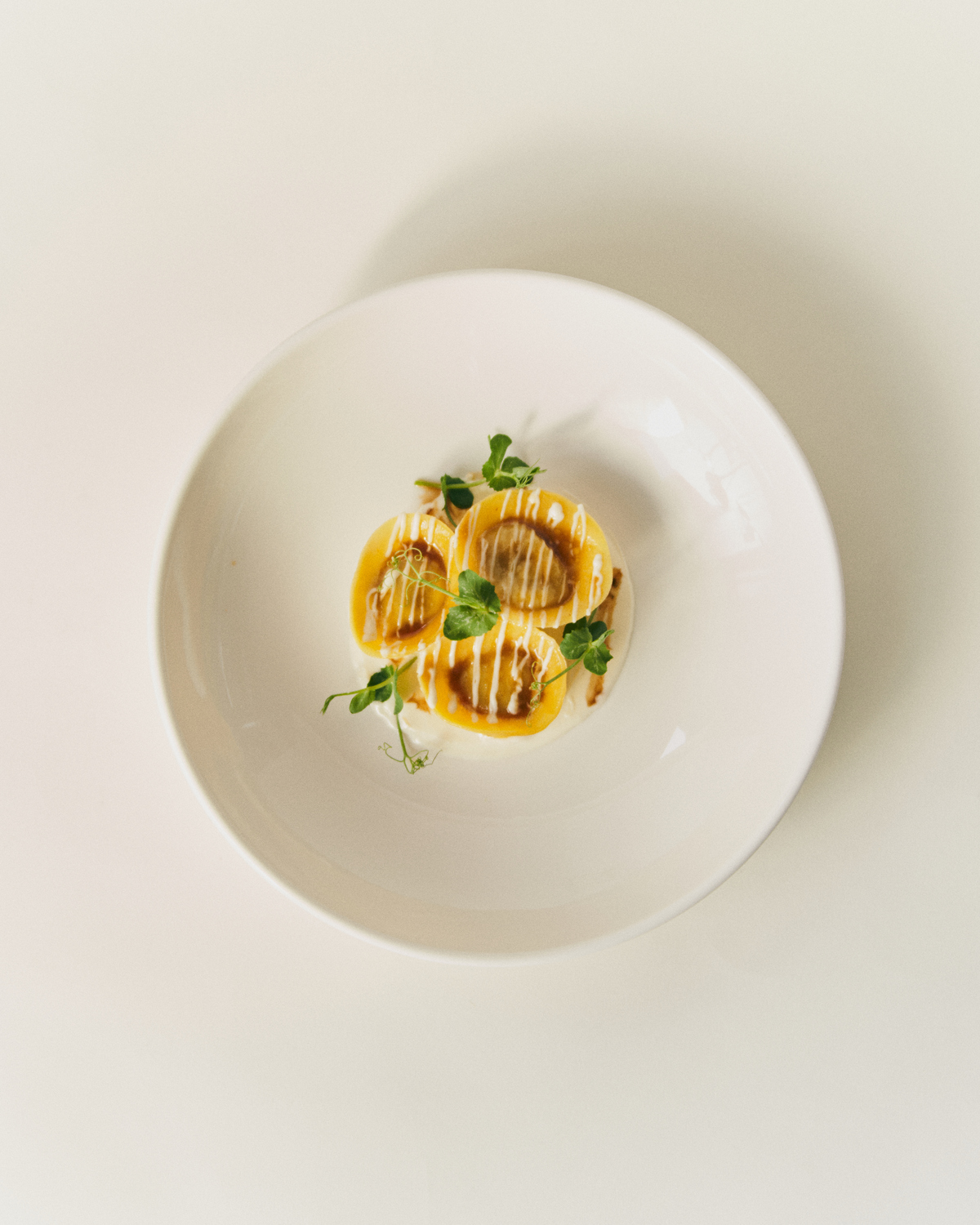
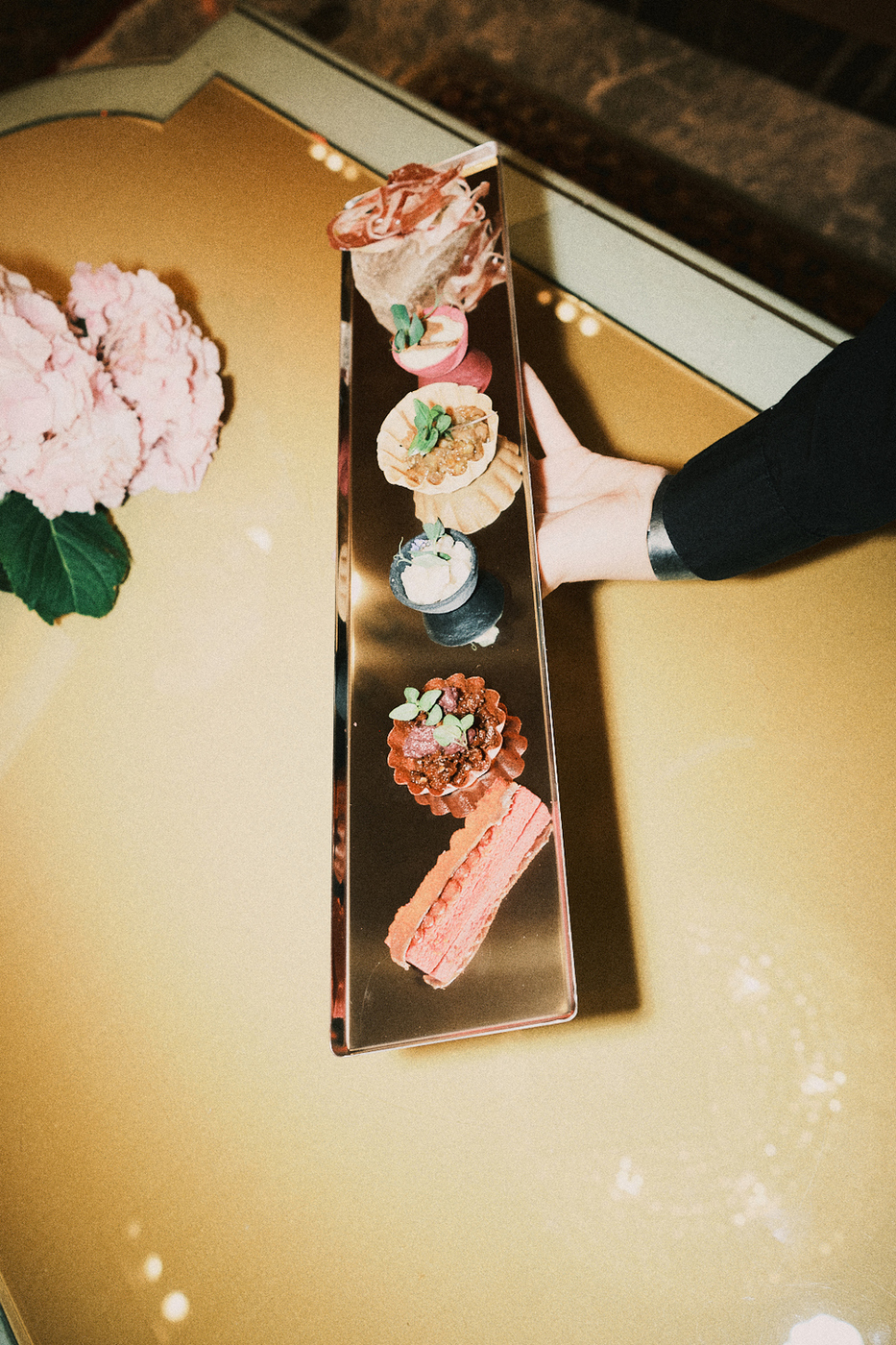
Photo: Courtesy of Spuma