One week is never enough, and it never will be. Japan is rich and layered, full of corners and moods unlike anywhere else in the world, which makes it one of the best places a couple can travel together. Want to lose yourselves in a bustling city for a few days, then retreat somewhere quiet just the two of you? Japan has both, often just a short train ride apart. All you really need is an empty suitcase and the willingness to explore side by side.
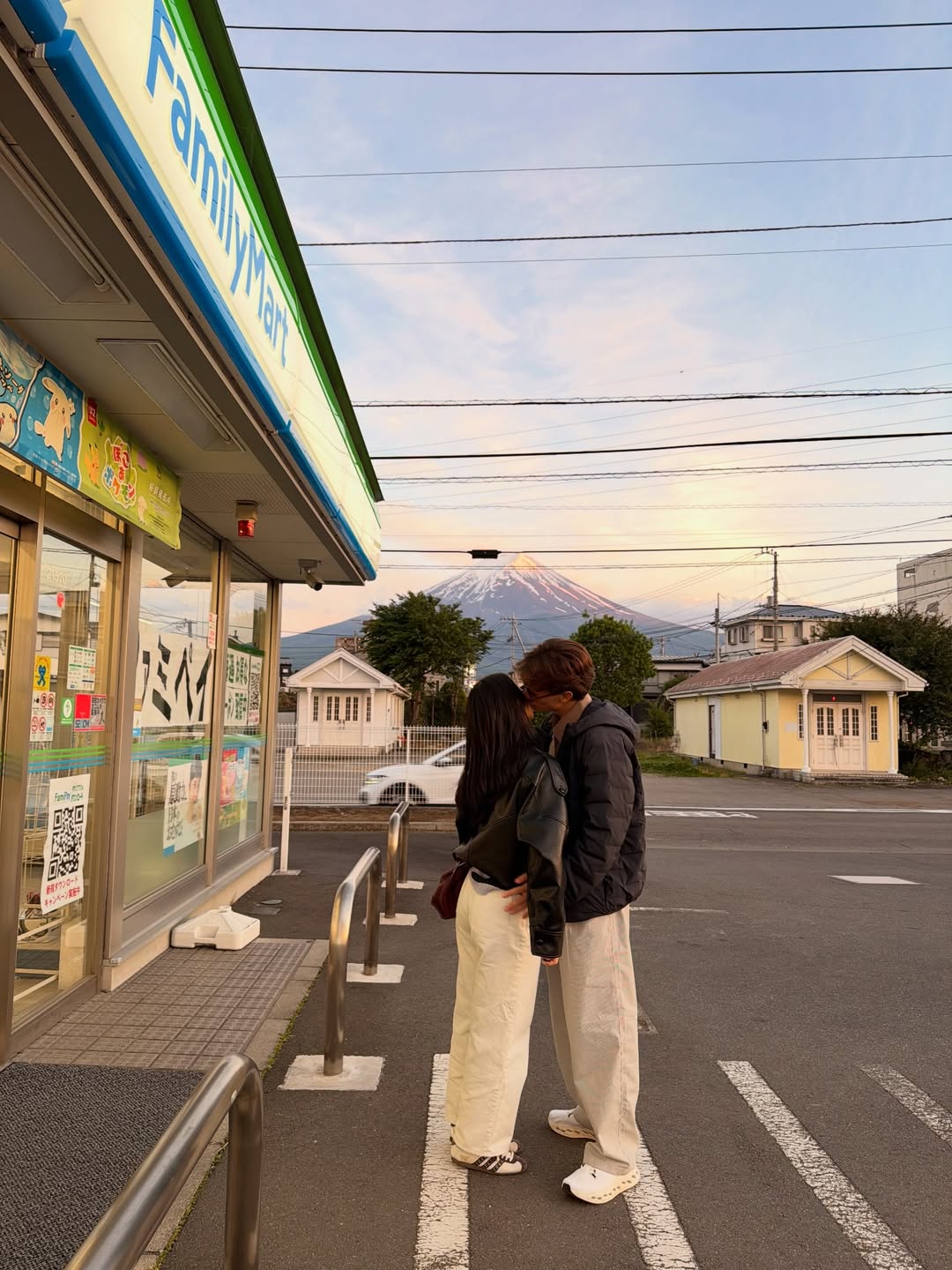
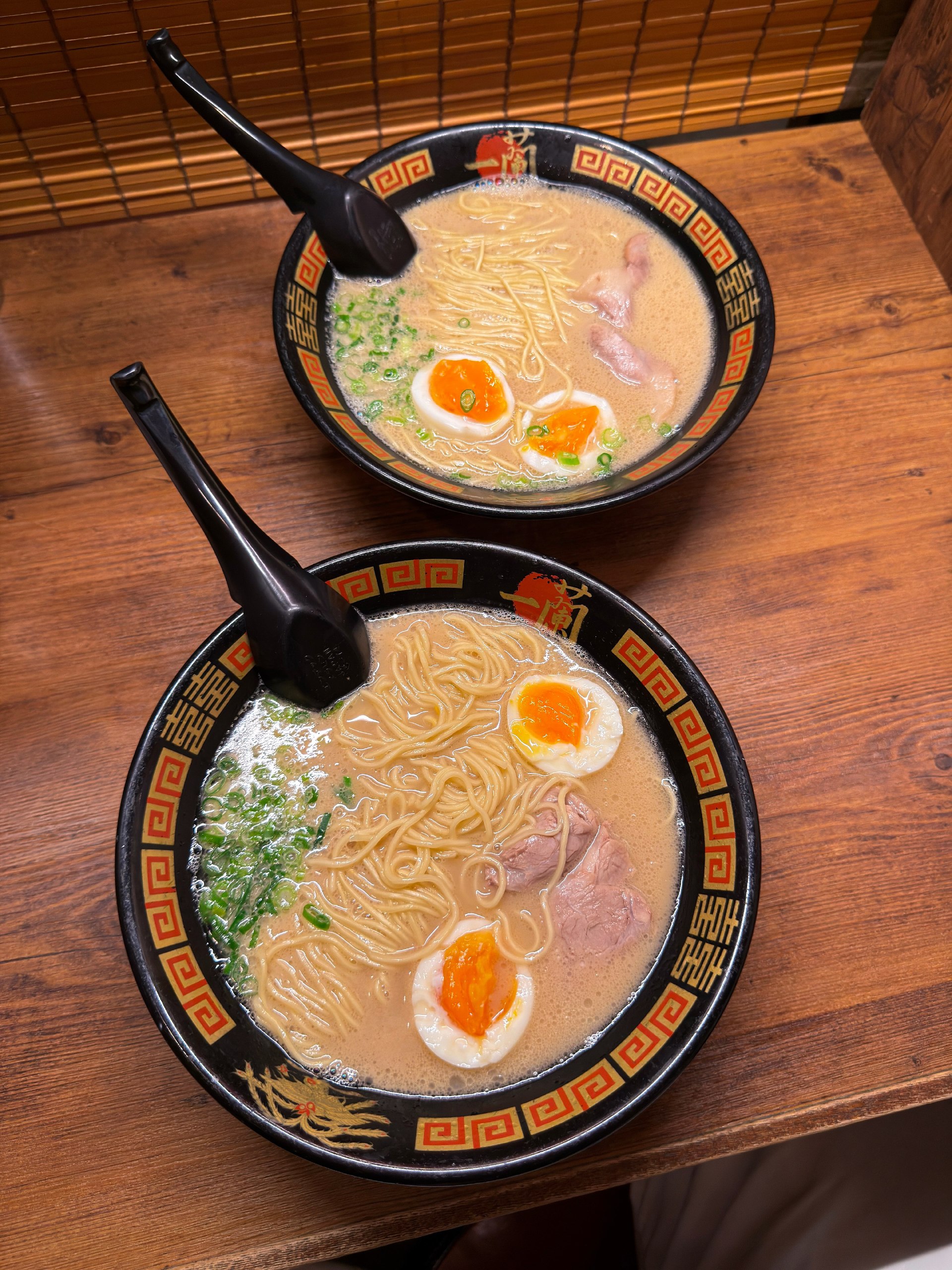
Photo: Emily Taniguchi, Auré & Ysée
When to Go
Japan looks completely different depending on the season, and each one suits a different kind of trip. Spring brings cherry blossoms and some of the most romantic scenery in the country, autumn brings dramatic foliage, and winter turns Hokkaido into a snow-covered escape built for cozy onsen stays. Summer has its own pull too, especially for couples chasing festivals and street food.
Before You Go
- Respect local customs and follow basic etiquette wherever you go.
- Download Google Translate before landing. It makes ordering food, reading signs, and chatting with locals far easier for both of you.
- Cash still matters. Many restaurants, small shops, and rural areas don’t take cards. Carry yen, and know that convenience store ATMs, 7-Eleven especially, are the most reliable option for foreign cards.
- Get a Suica or Pasmo IC card the moment you land. It works on nearly all trains, buses, and even vending machines, saving both of you from constant ticket-buying.
- If you’re visiting multiple cities, look into a JR Pass ahead of time. It must be purchased before arrival, so it’s worth checking current pricing to see if it makes sense for your route.
- Reserve popular restaurants and ryokans well in advance, especially in Kyoto. Many of the best spots don’t take walk-ins, and some are notoriously hard to book at all.
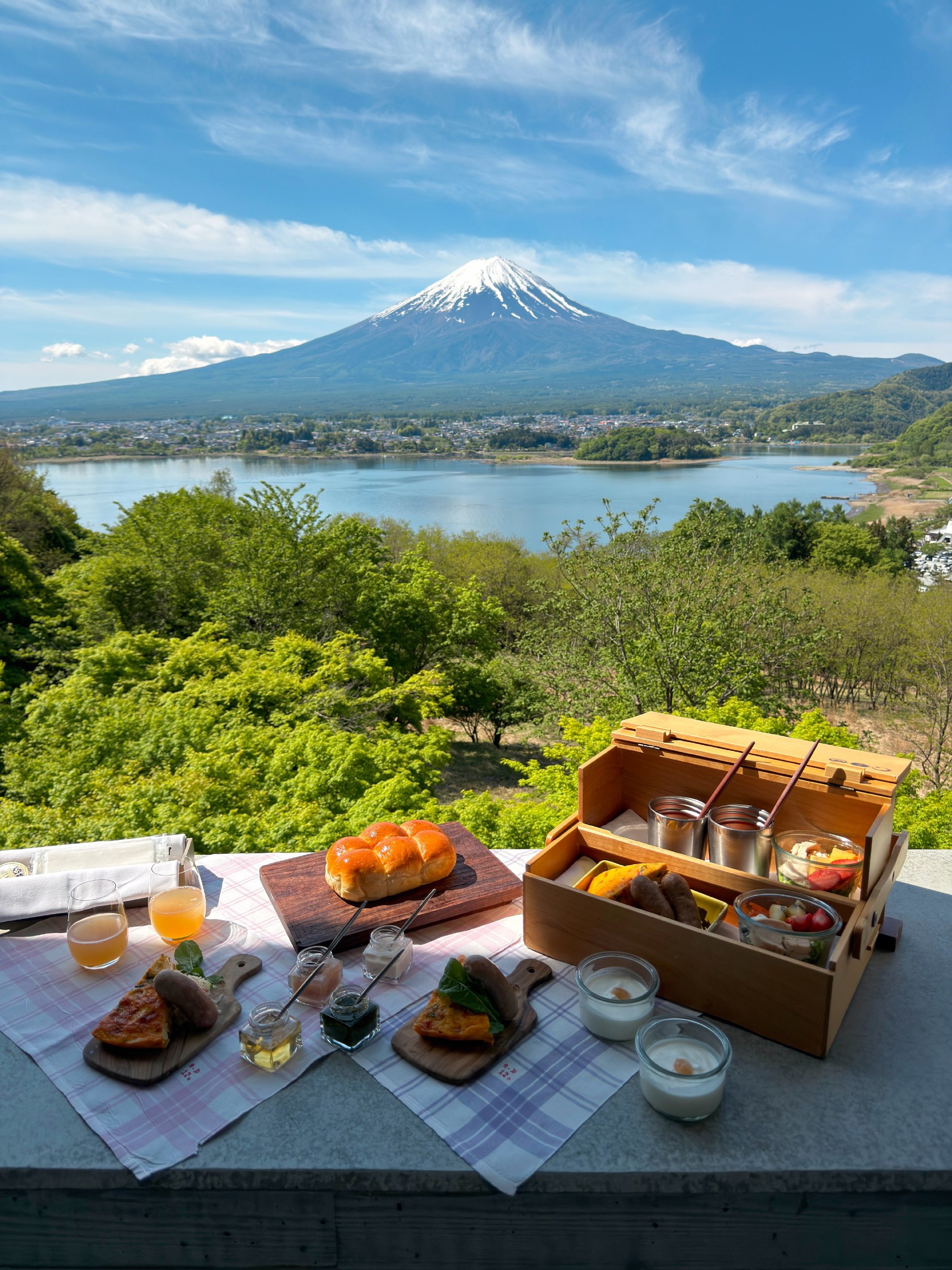
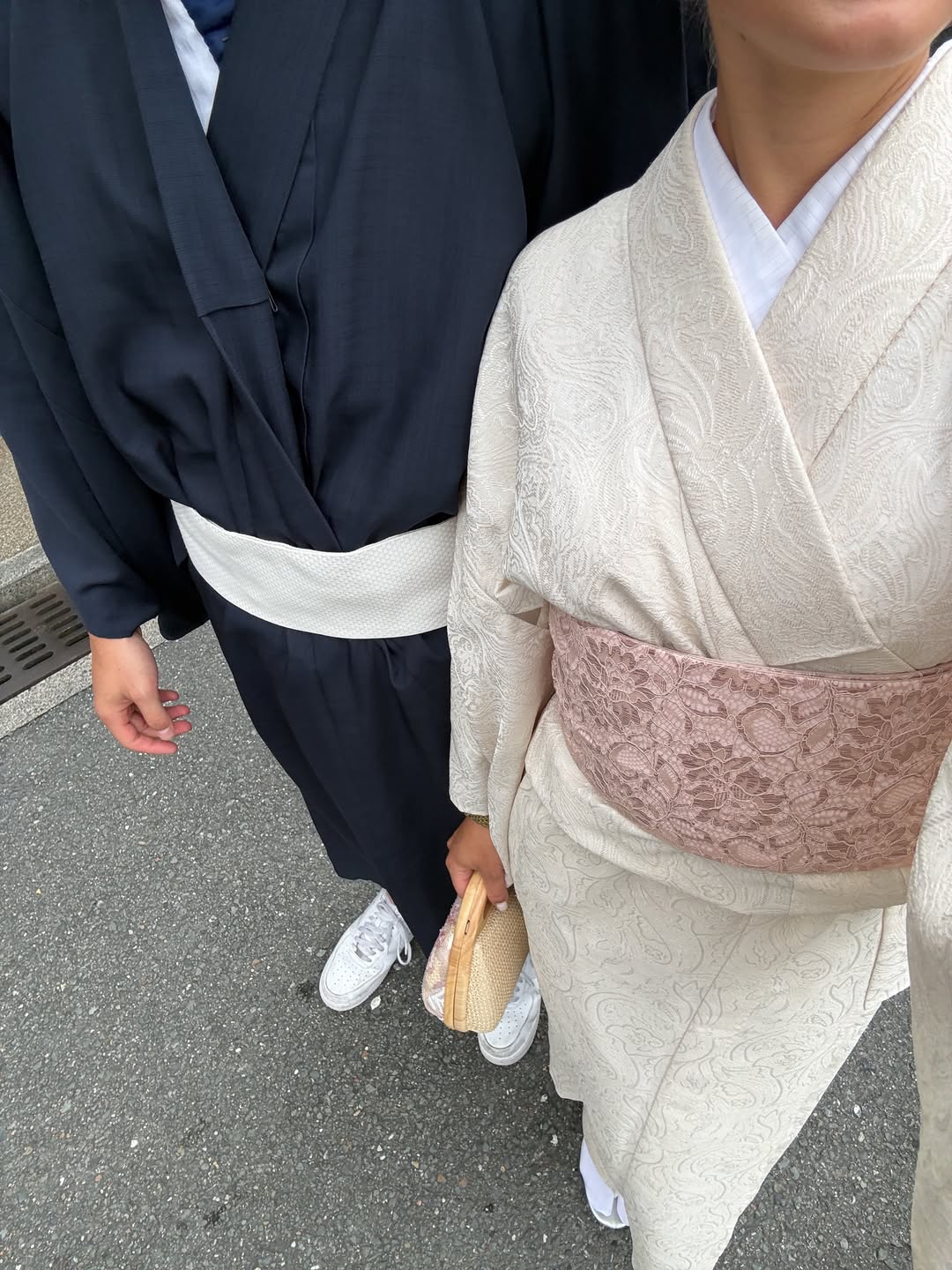
Photo: Auré & Ysée, Ronja Aslund
Where to Go
The hardest part of planning a trip to Japan together isn’t finding something worth seeing, it’s narrowing it down. Tokyo gives you the energy, Kyoto gives you the calm, and everything in between, Osaka’s food scene, Hokkaido’s snow, Okinawa’s beaches, fills in whatever’s missing. Some destinations pair naturally with a short train ride from a bigger city, others are worth building an entire leg of the trip around. Below is everywhere worth considering, city by city, so you can build the route that actually fits the two of you.
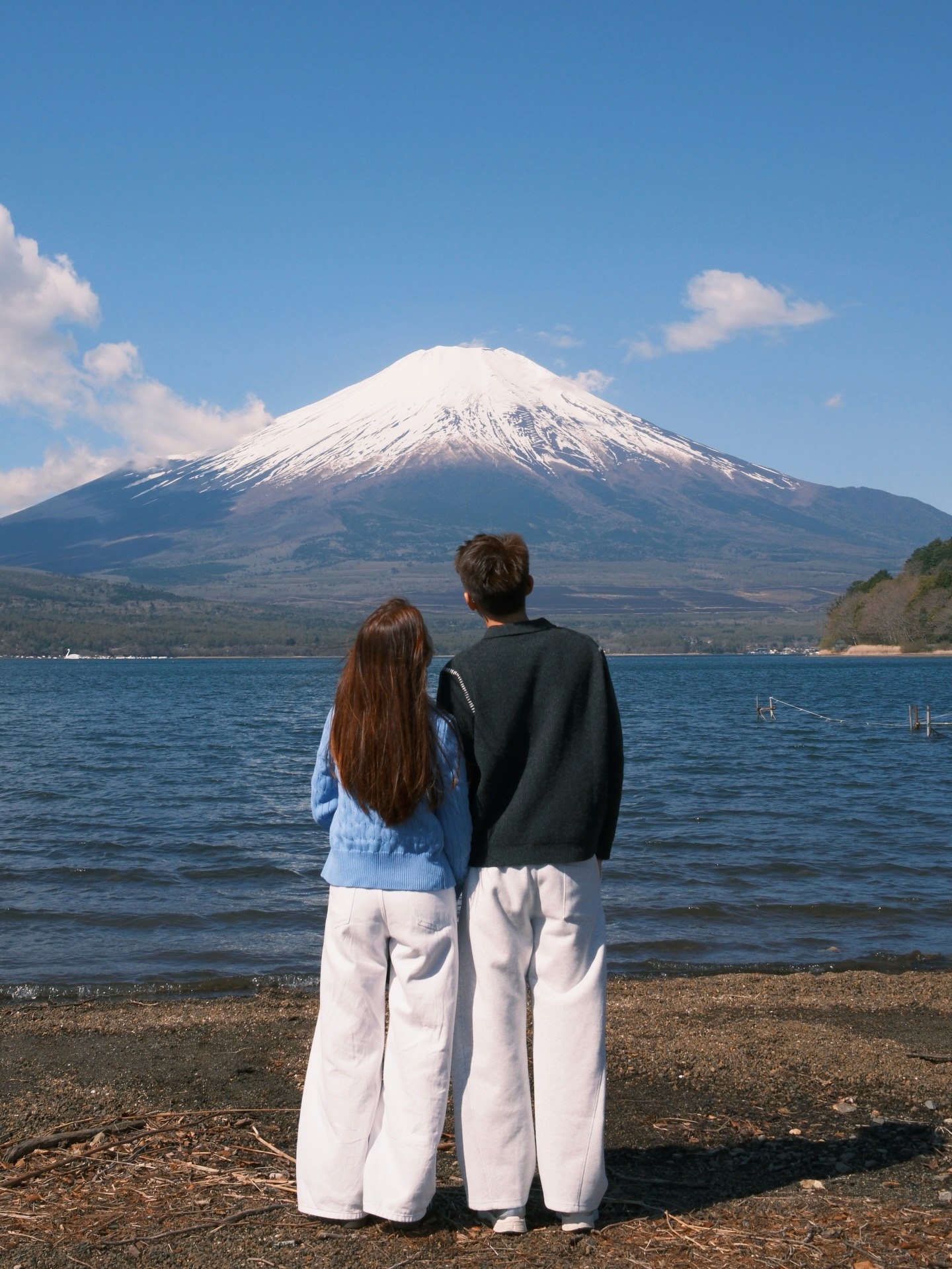
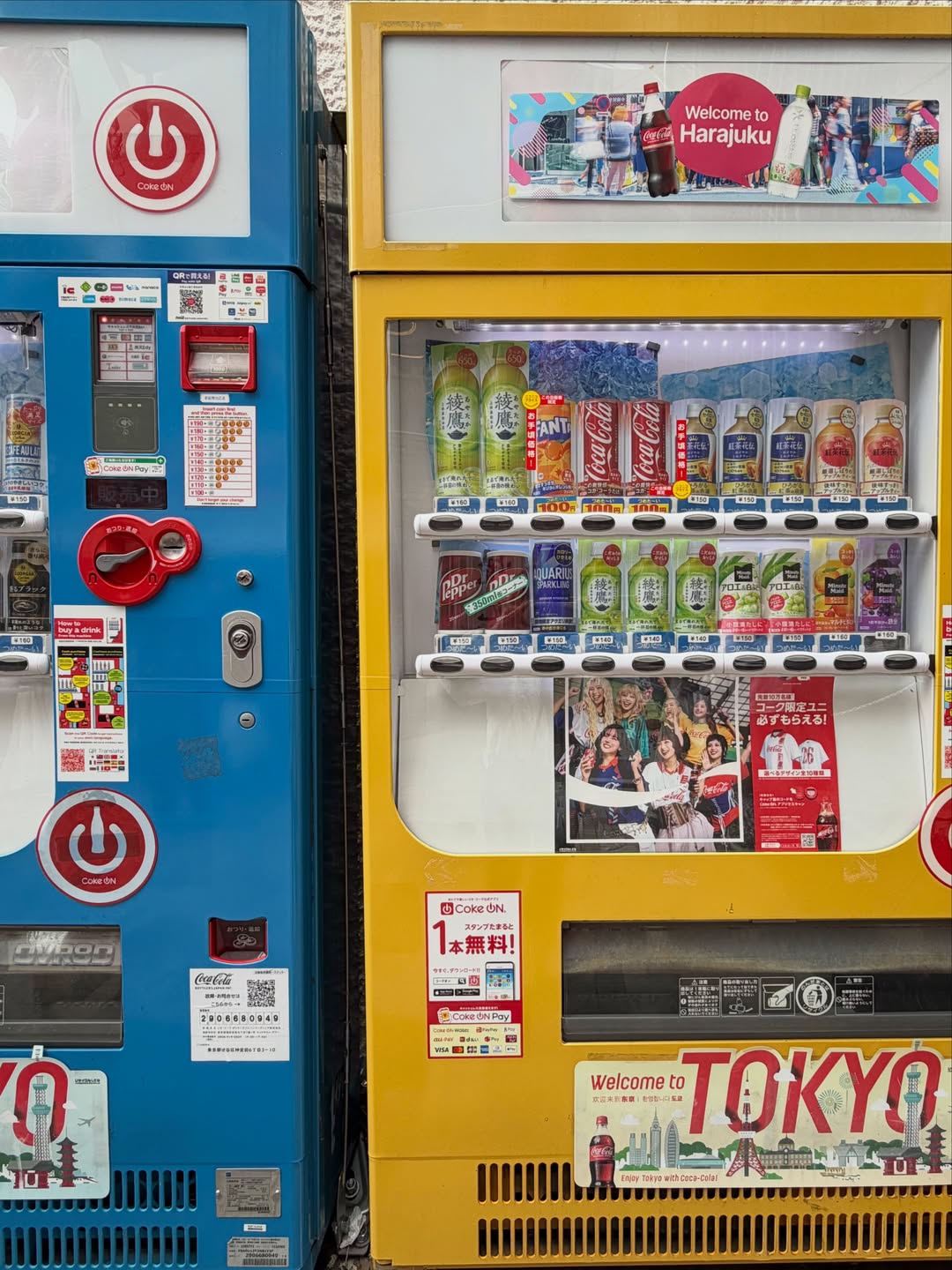
Photo: Jasmine, Asiye Karahasan
Tokyo: The Ultimate Metropolis
There are cities you dream about as a kid, and then there are cities that live up to that dream the moment you land. Tokyo is one of them. It’s a city built on contradiction, chaotic and calm in the same breath, with hyper-colorful arcades sitting comfortably next to centuries-old gardens and quiet shrines, giving couples both the buzz and the stillness in one trip. Dua Lipa included a dozen Tokyo spots in her Google Maps collaboration on where to go, worth a look before you build your own list.
Start at Tsukiji Fish Market, best visited before 9 am or around 11 am to skip the crowds (closed Sundays). Spend an afternoon shopping in Shibuya, wandering together, grabbing a sushi snack, and browsing the twelve-floor Uniqlo flagship, where prices run noticeably friendlier than back home. For lunch, Joto Curry near Shibuya does an excellent katsu curry, and ordering through the vending machine makes for a fun shared moment. At night, duck into the tiny bars of Shinjuku Golden Gai, and finish with karaoke in Roppongi, affordable, open late, and a great way to end the night together, though it’s worth pacing the drinks if there’s an early train ahead.
For anyone who grew up on The Fast and the Furious: Tokyo Drift, the city’s mountain passes and neon-lit streets carry a little of that same energy, and a night drive through areas like Odaiba or across the Rainbow Bridge gives couples a taste of it without needing to actually drift a car. Odaiba itself, with its waterfront views and futuristic skyline, makes a fun evening stop for couples who want a slightly cinematic end to the day.
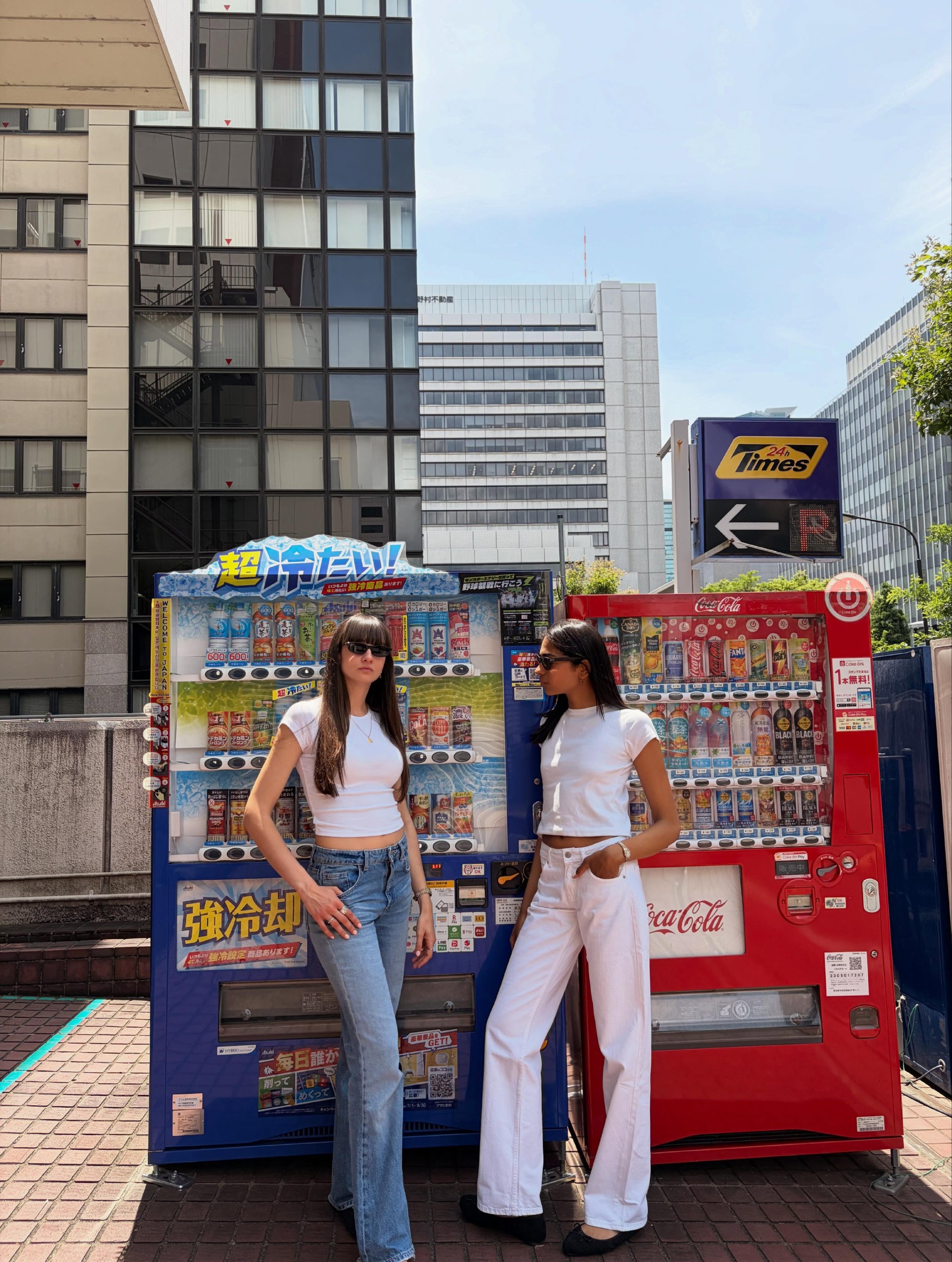
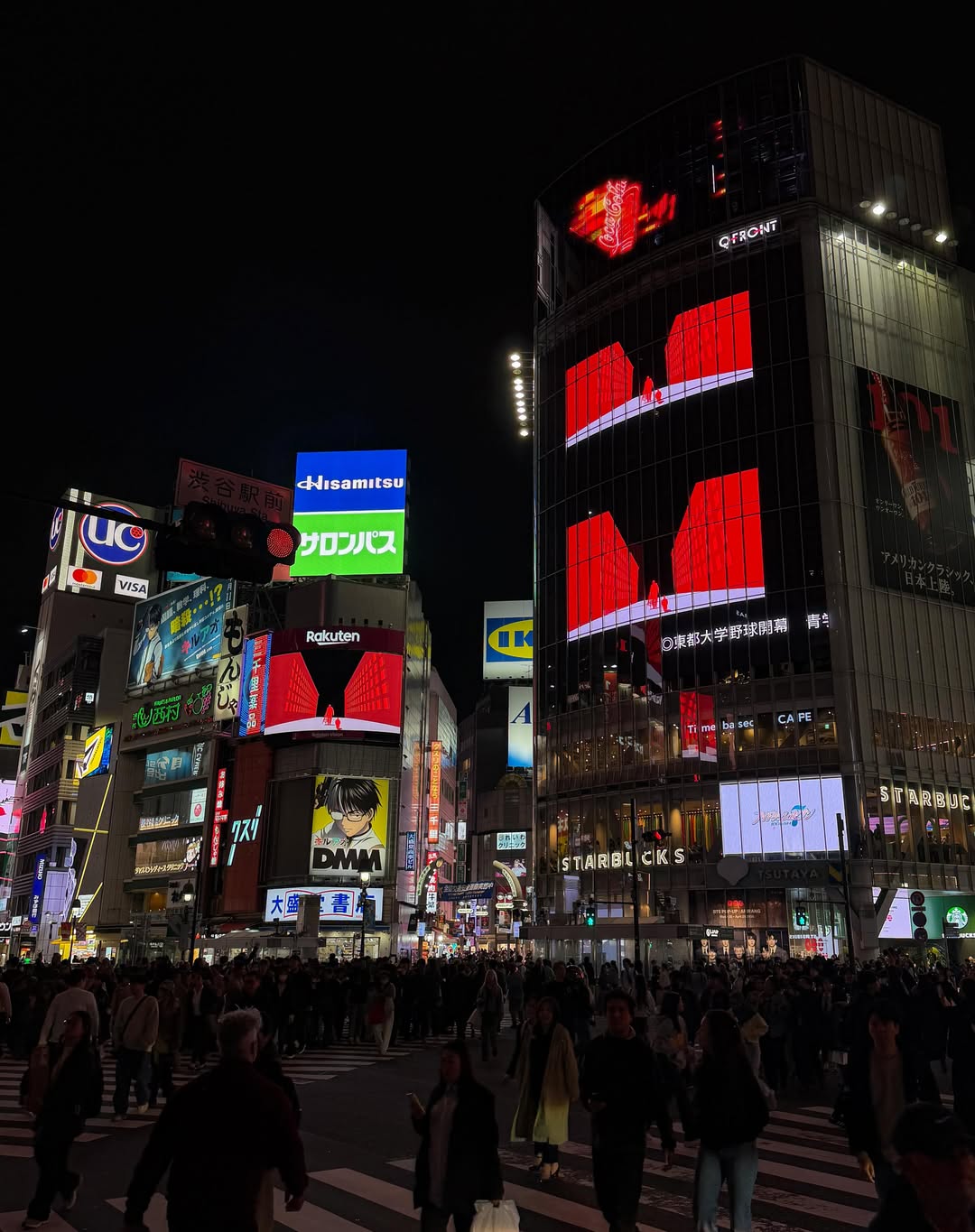
Photo: Denise Federici, Lilli Bethchen
Tokyo — More to Explore:
- Shimokitazawa: vintage shops, live music venues, and small izakayas, popular with a younger, more bohemian crowd.
- Studio Ghibli Museum: a must for anyone who grew up on Ghibli films, with the nearby Ghibli Park worth building into the same day.
- Gotokuji, the lucky cat temple: hundreds of tiny maneki-neko statues donated by visitors over generations, quiet, beautiful, and unlike anywhere else in the city.
- Mori Art Museum, one of the city’s best spots for contemporary art with a skyline view thrown in.
- Amore Vintage, one of Dua Lipa’s personal favorites, and by most accounts one of the best vintage shopping experiences anywhere, with a range extraordinary enough to be worth a repeat visit every trip.
- Grandfather’s Bar, another of Dua Lipa’s favorites, with a warm, unhurried energy that makes for a fitting last-night send-off, backed by an excellent whisky list.
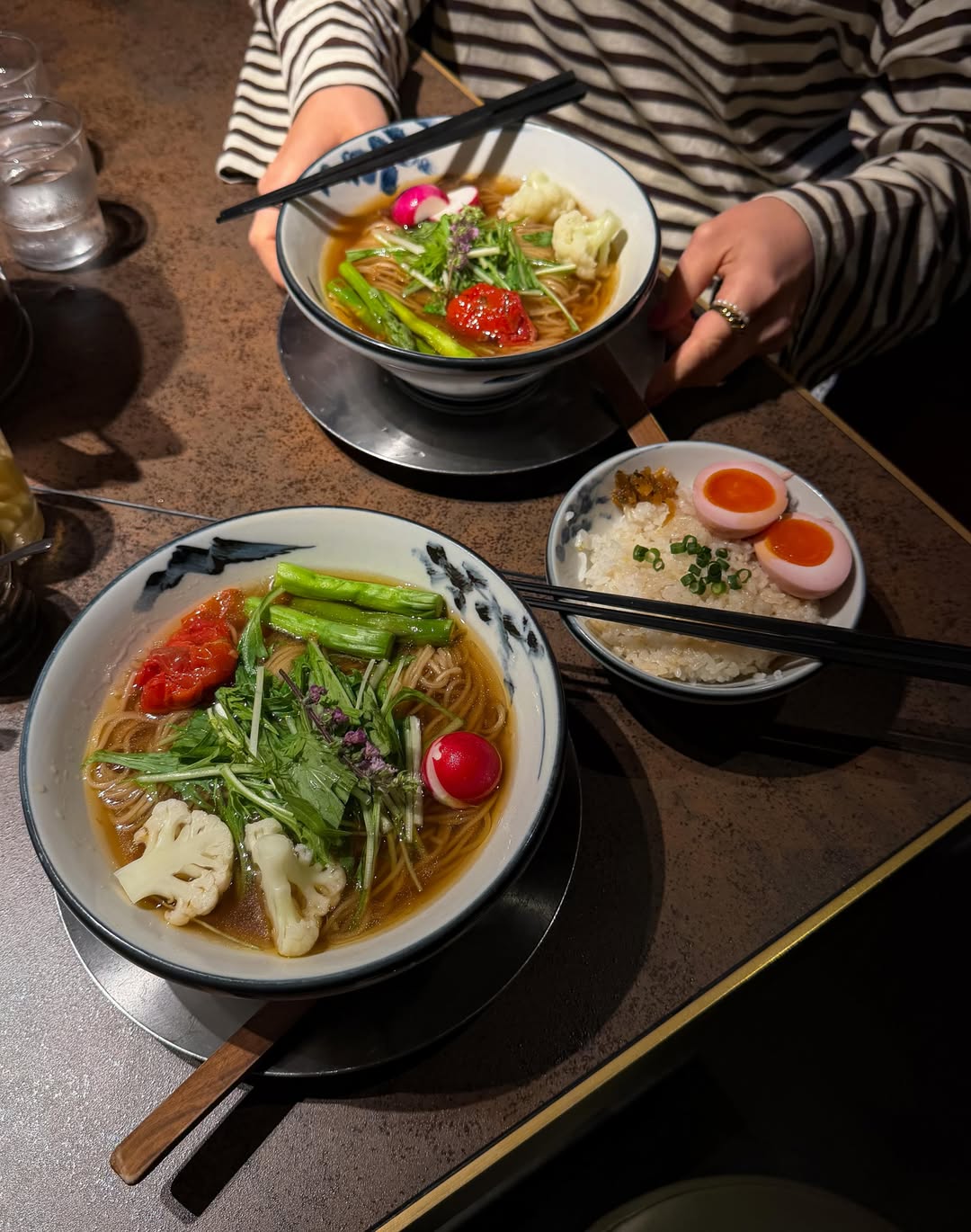
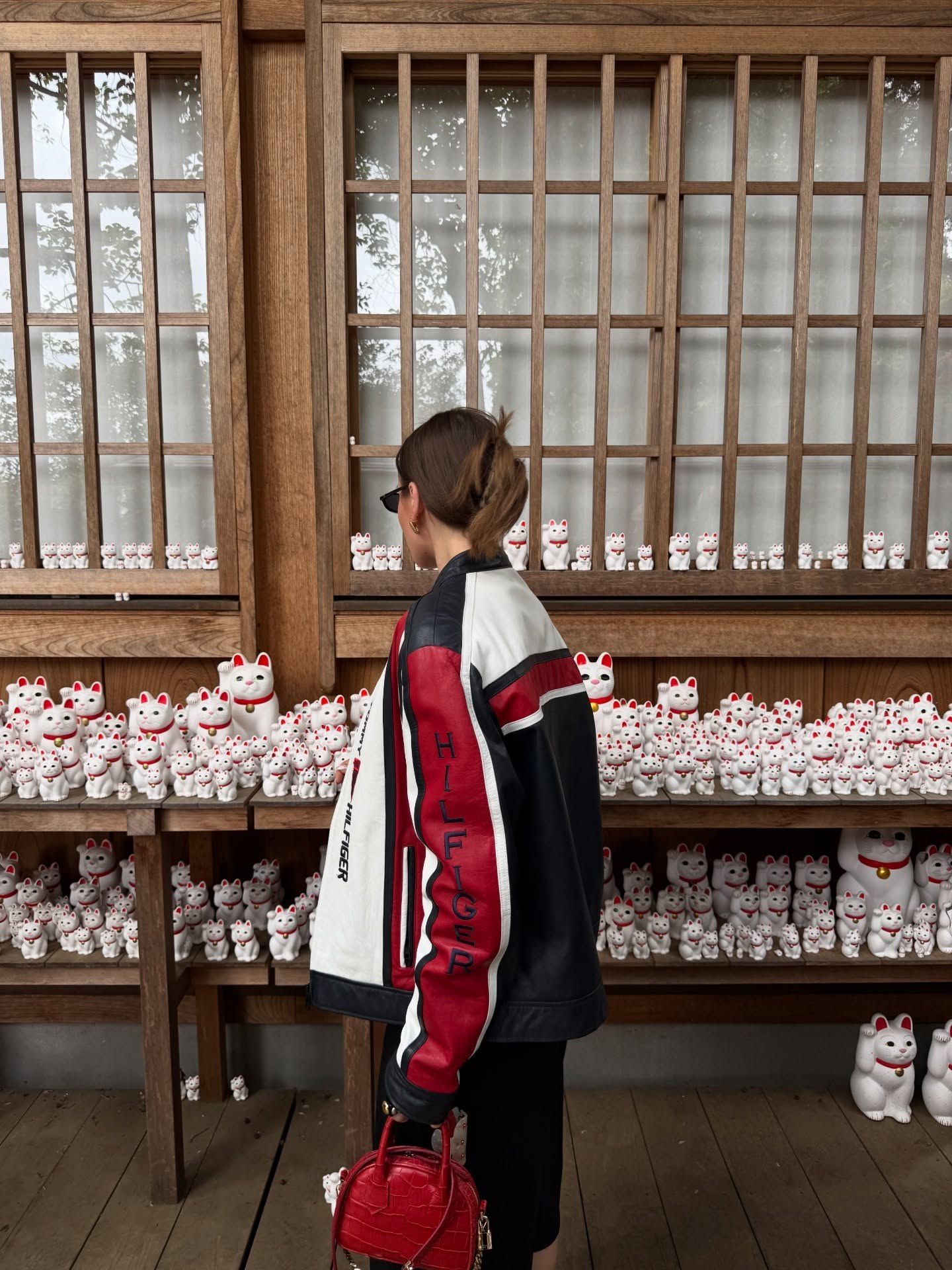
Photo: Lilli Bethchen, Sarah
Kamakura
An hour from central Tokyo, Kamakura was once Japan’s de facto capital between 1185 and 1333, and it still feels like stepping into old Japan. Engaku-ji, one of Kamakura’s Great Zen Temples, is the standout stop, with Jochi-ji just a short walk away, and Kuzuharaoka Shrine worth a pause if hiking the trail between them. Kamakura also happens to be one of the best coastal escapes near Tokyo: Yuigahama Beach and nearby Shonan are popular with surfers, and renting a board for an afternoon is an easy, low-key way for couples to break up a day of temple-hopping with something a little more active. Wander Komachi Dori Shopping Street for snacks and souvenirs, and don’t skip Hokoku-ji Temple’s bamboo forest, one of the most photographed corners in the country and a genuinely romantic spot to slow down.
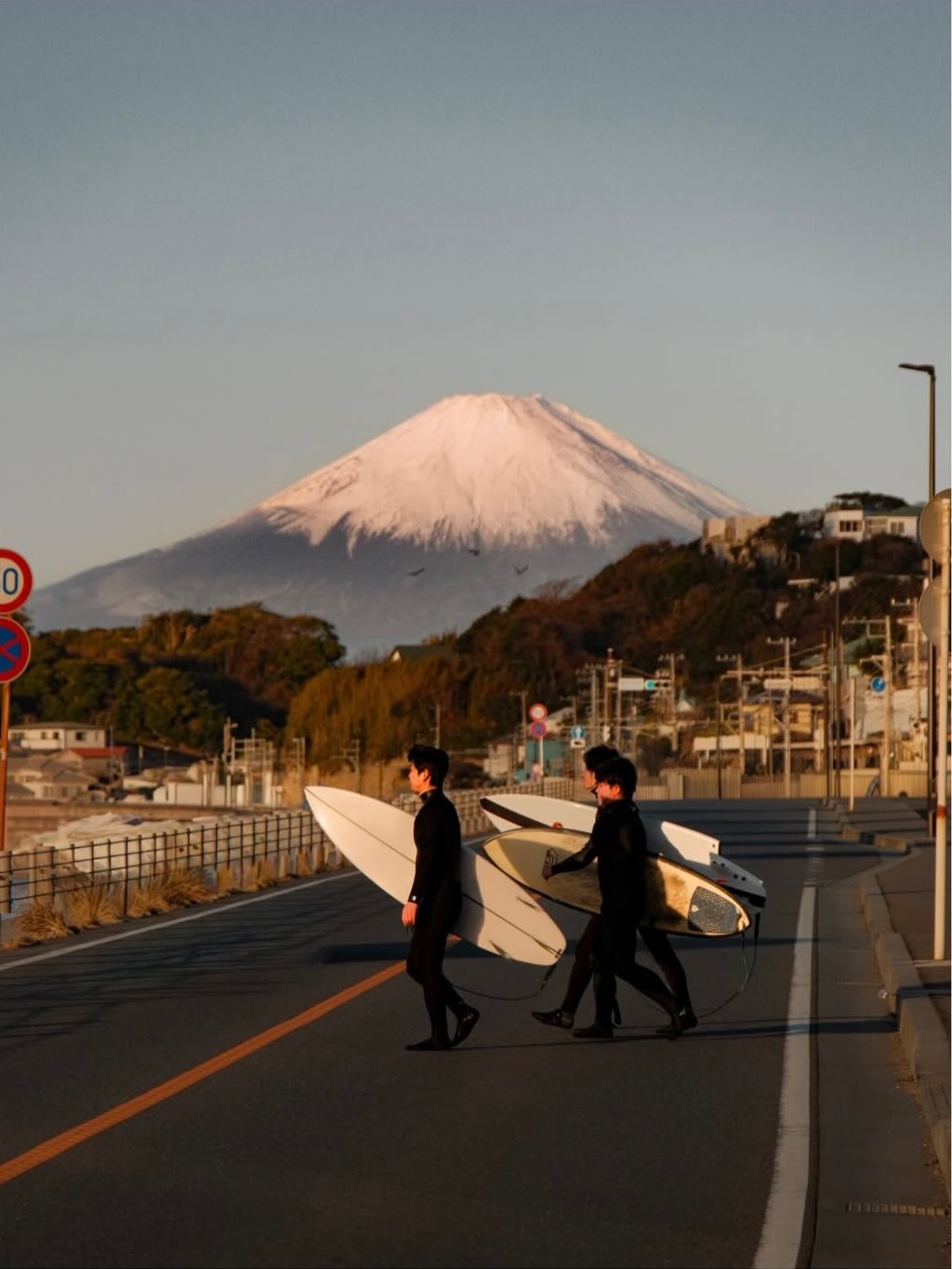
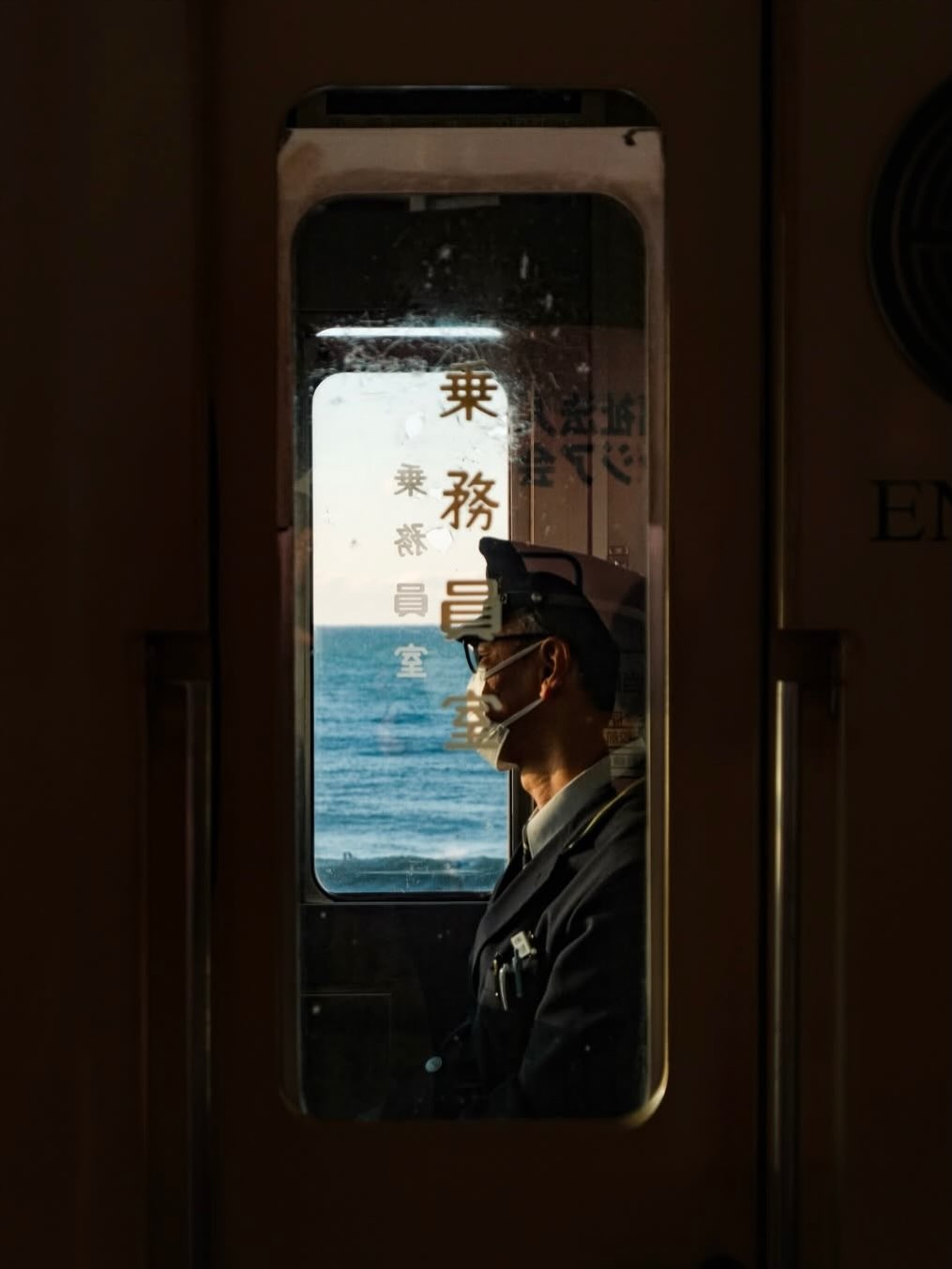
Photo: Casey Herzog
Kyoto: Historic Japan
Kyoto is Tokyo’s antidote: slower, calmer, and less than three hours away, and it tends to become the part of the trip couples remember most. Kurama Onsen, tucked into the mountains just outside the city, is worth the trip for its open-air rotenburo, a genuinely lovely spot to share. Refuel at Nishiki Market, then walk through Gion and Pontocho Alley for the atmosphere Kyoto is known for. For a place to stay, Hiiragiya and Tawaraya sit across the street from each other, two of Kyoto’s most storied ryokans and a beautiful base for couples wanting a traditional stay. In Nishijin and Higashiyama, textile artisans, ceramicists, and lacquer masters keep centuries-old traditions alive alongside machiya townhouses turned into design-forward ryokans and natural wine bars.
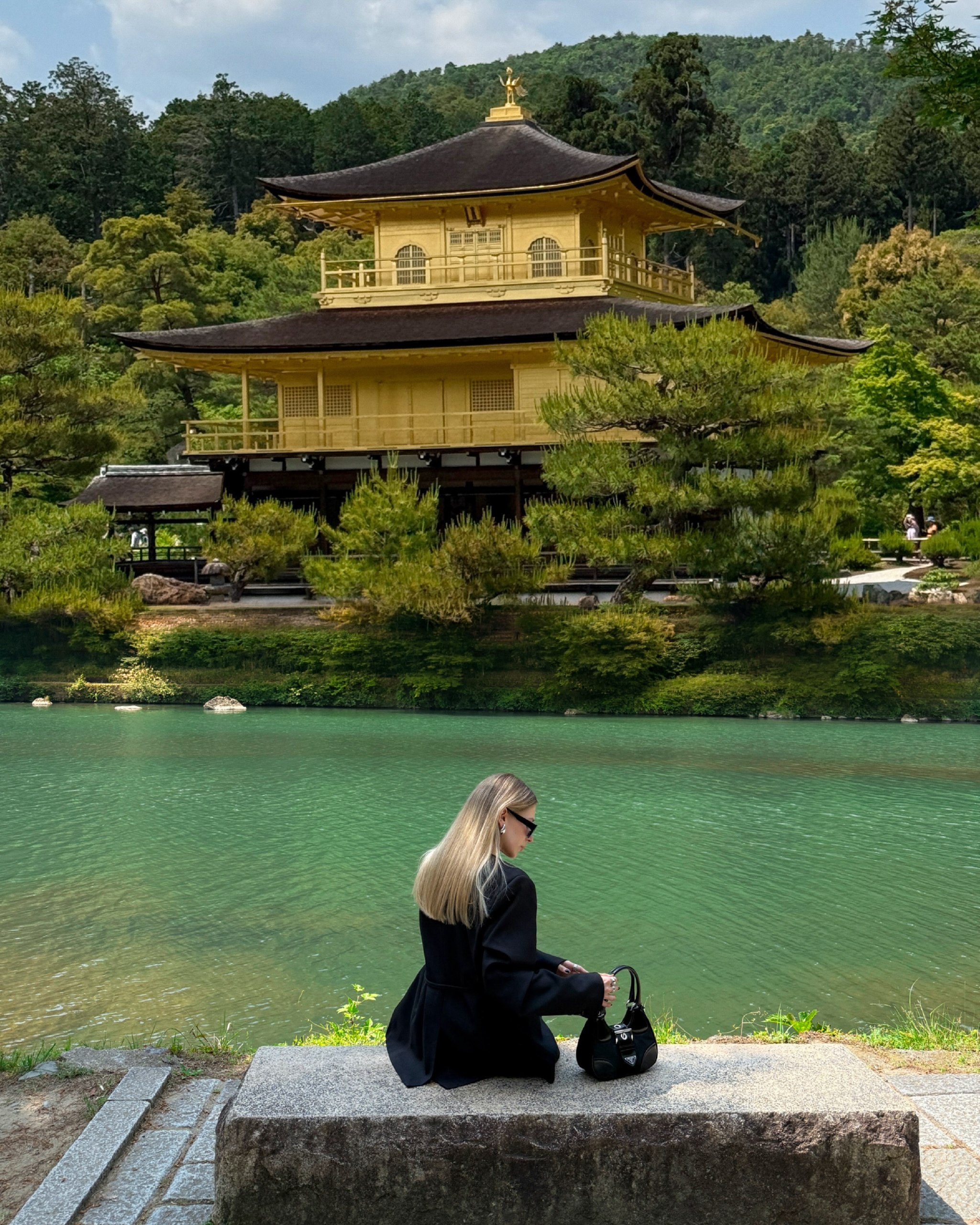
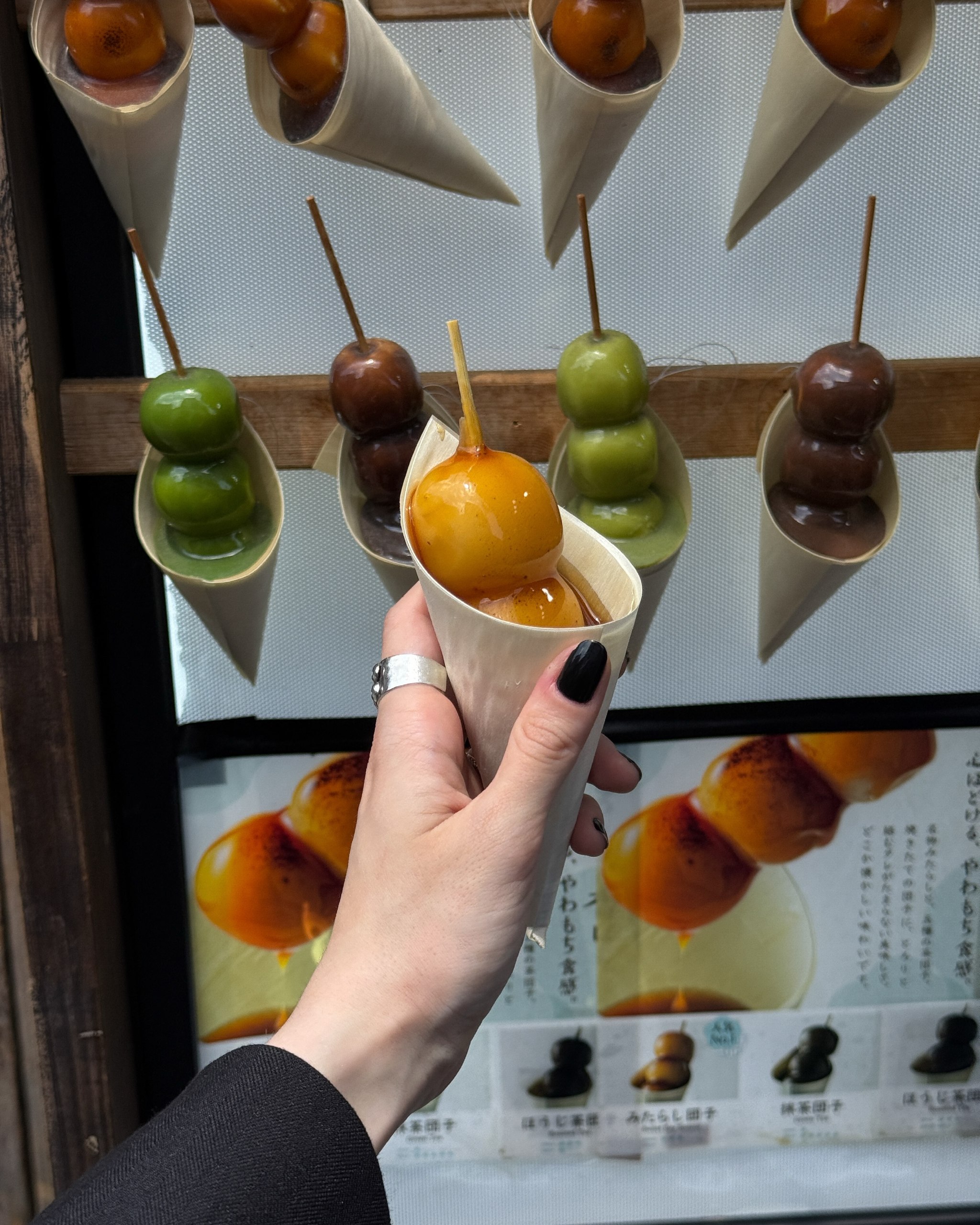
Photo: Kasia
Kyoto — More to Explore:
- Arashiyama Bamboo Grove: quieter at sunrise, and easily combined with a stop at Tenryu-ji Temple nearby. A local favorite that feels almost fairytale-like, clean air, shrines tucked along a mountainside, and a bamboo forest that has stood for centuries.
- Philosopher’s Path: a canal-side walking trail connecting several temples, especially beautiful during cherry blossom season.
- Gion and a traditional Maiko tea ceremony: book one in a historic machiya, such as one at MAIKOYA, for a genuinely memorable afternoon together.
- Keibunsha Ichijoji and Kyoto’s independent bookstores: for couples who love getting lost in old book districts.
- Tamagawa Kinoshita Brewery: making sake since 1842, and known specifically for aging sake in a way that few breweries still do, worth a stop for anyone who wants to drink like a local.
Osaka: The Nation's Kitchen
Osaka loosens Japan’s collar and makes for a fun, food-driven stop for couples who love eating their way through a city together. Start in Dotonbori, where a giant mechanical crab flexes over the canal and the Glico running man lights up the riverfront, then duck into the shotengai arcades of Tenma or Ura-Namba for kushikatsu at Kushikatsu Daruma, the birthplace of the dish itself, and fresh seafood, skewers, and produce stalls at Kuromon Ichiba Market, less a single restaurant and more a full afternoon of grazing. Osaka’s food scene runs late, and so does the nightlife.
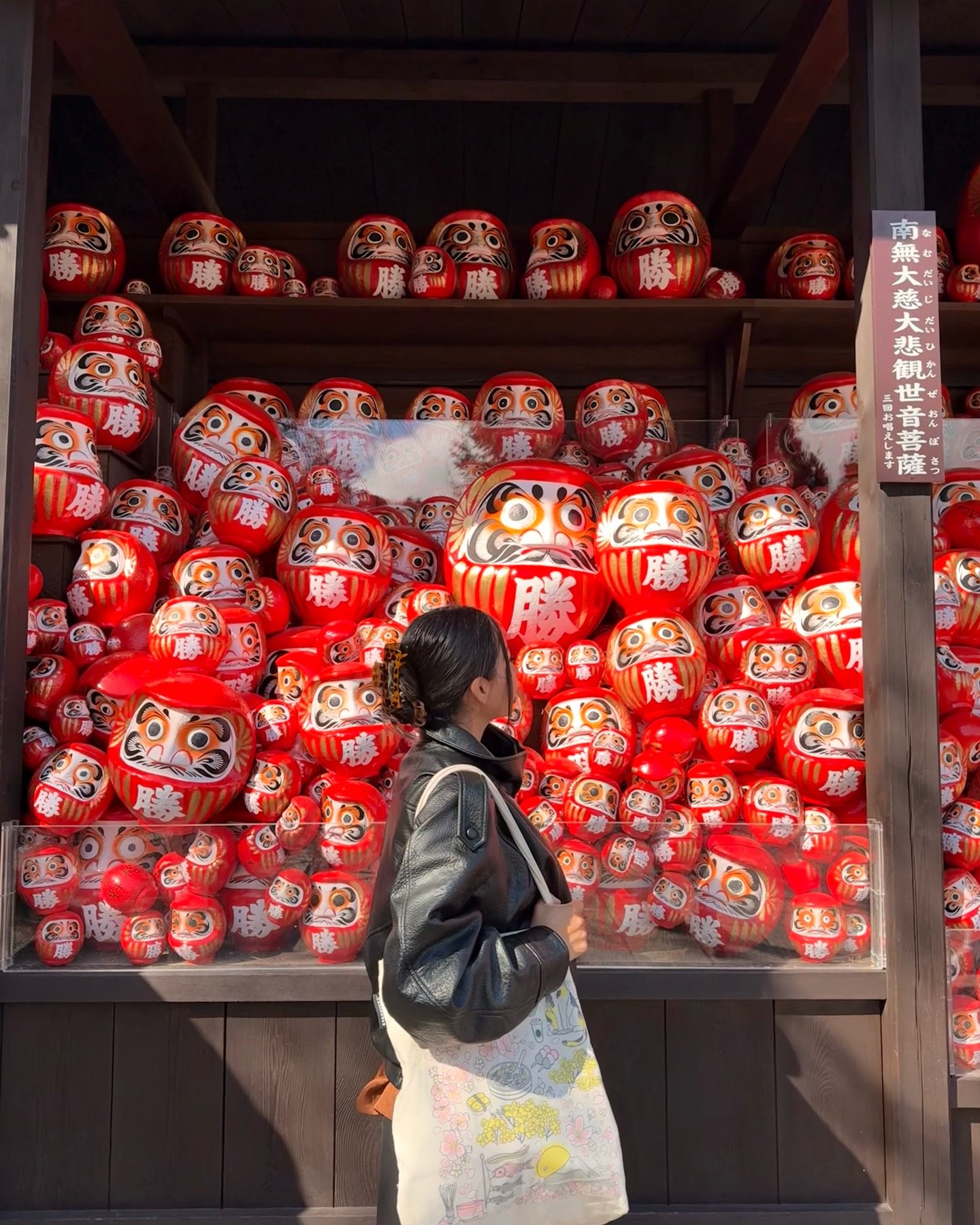
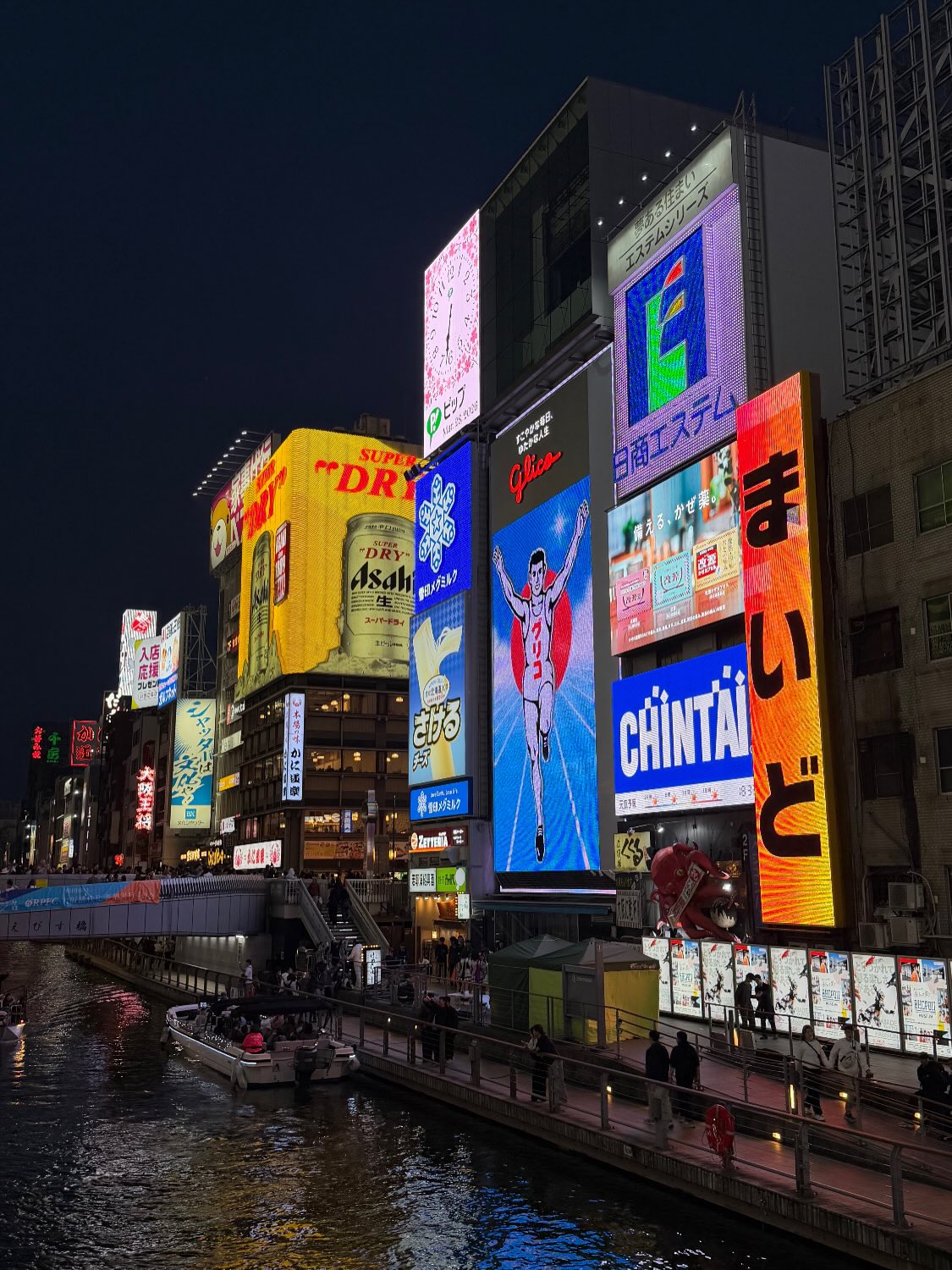
Photo: Paola Peralta, Giulia Silvestri
Osaka — More to Explore
- Qoo Vintage: a world-famous luxury designer vintage boutique in Shinsaibashi, known for its rare, curated selection of archival pieces from houses like Chanel and Hermès.
- Dotonbori District: the neon-soaked waterfront heartbeat of the city, towering illuminated billboards, chaotic visual energy, and iconic street food vendors on every corner.
- Osaka Castle: a historic fortress dating back to 1597, surrounded by moats and park grounds, and one of the best photo stops in the city.
- Groovenut Records: a legendary digging spot in Amerikamura, favored by touring musicians for its curation of rare soul, disco, funk, hip-hop, and early dance vinyl.
- Milk Bar: a cozy, dimly lit listening bar for a late-night drink, deep-cut rock and pop spinning through premium analog equipment.
Nara
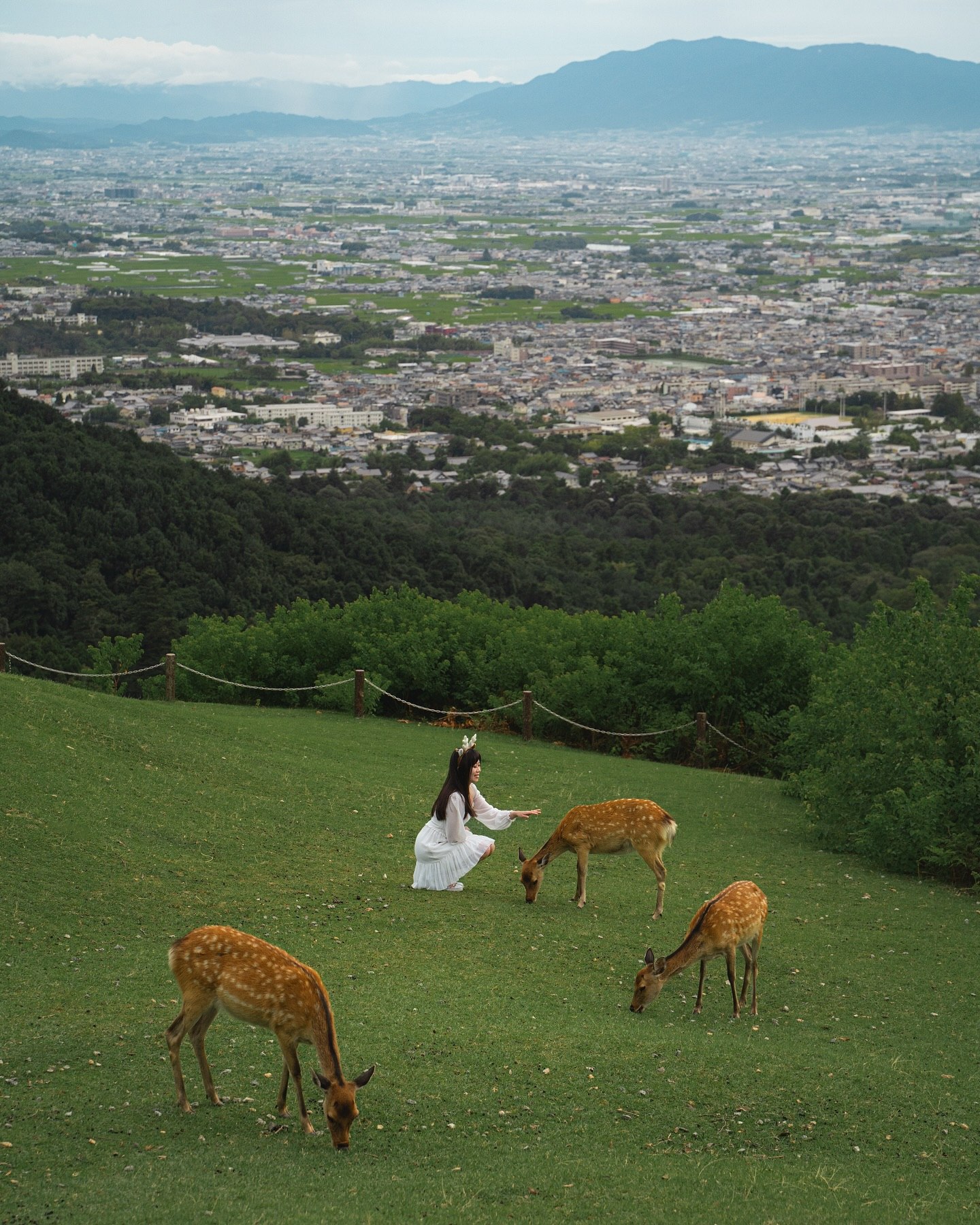
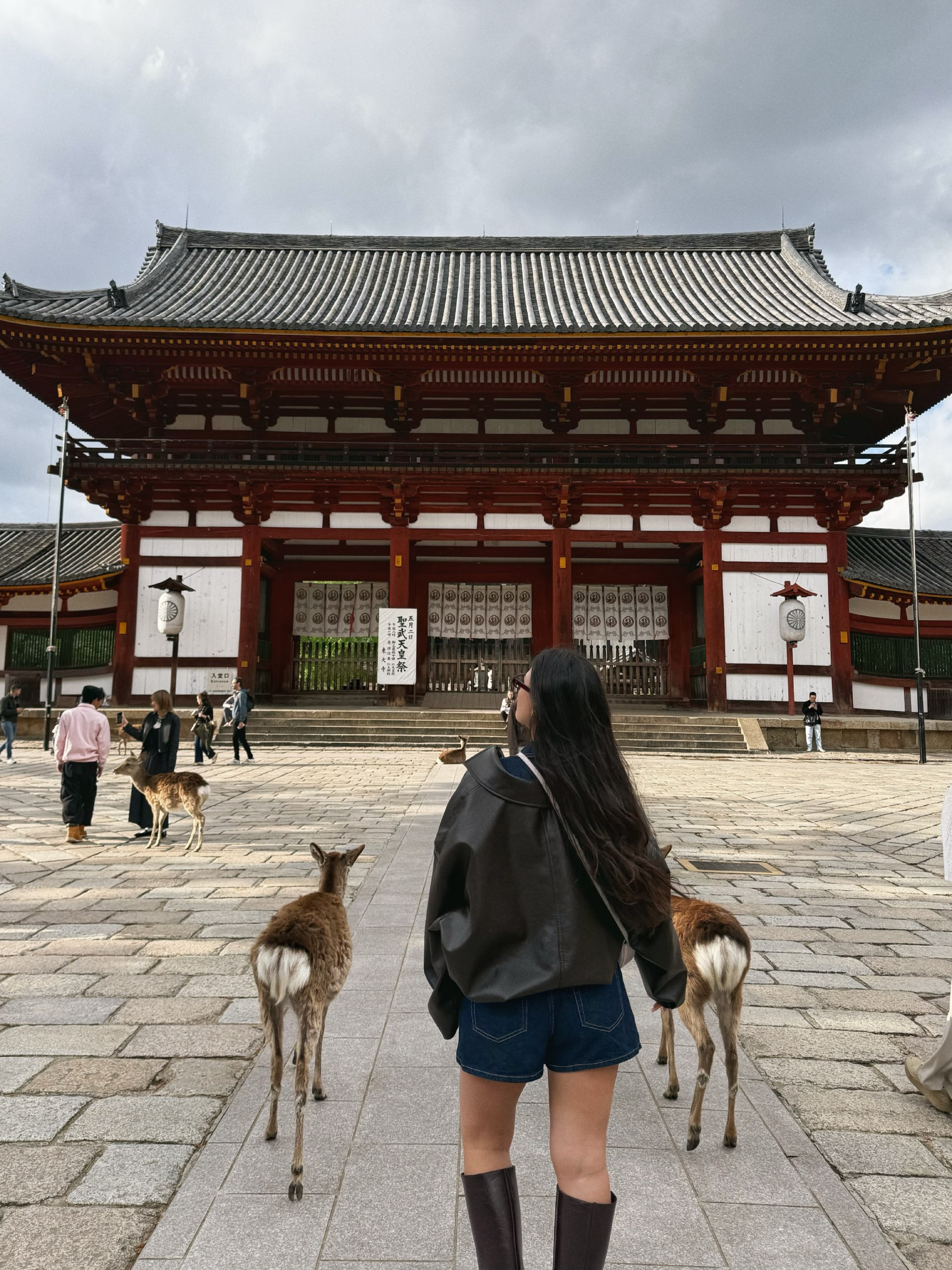
A short train ride from Osaka, Nara is where sacred deer roam freely through the parklands, bowing for biscuits along paths that lead to Todai-ji’s Great Buddha and Kasuga Taisha. An overnight stay lets couples feed the deer, wander Kofuku-ji Temple, and stroll Higashimuki shopping street once the day-trippers have gone, quiet and easy in a way that suits an evening together.
Hokkaido
Japan’s largest prefecture feels expansive and elemental, carved by volcanic calderas, windswept coastlines, and deep forests that reach the sea. Sapporo is the urban gateway, known for exceptional seafood markets and relaxed beer halls, and for its winter Snow Festival, which turns the city into an open-air gallery of ice and light. Niseko and Rusutsu deliver the region’s famously fluffy “Ja-pow” snow alongside natural hot springs and charming ski towns, ideal for a slower, cozy stretch of a couple’s trip. Once the snow melts, the region turns technicolor: wildflower meadows sweep across the landscape and lavender fields bloom in Furano, a completely different, softer side worth seeing in summer.
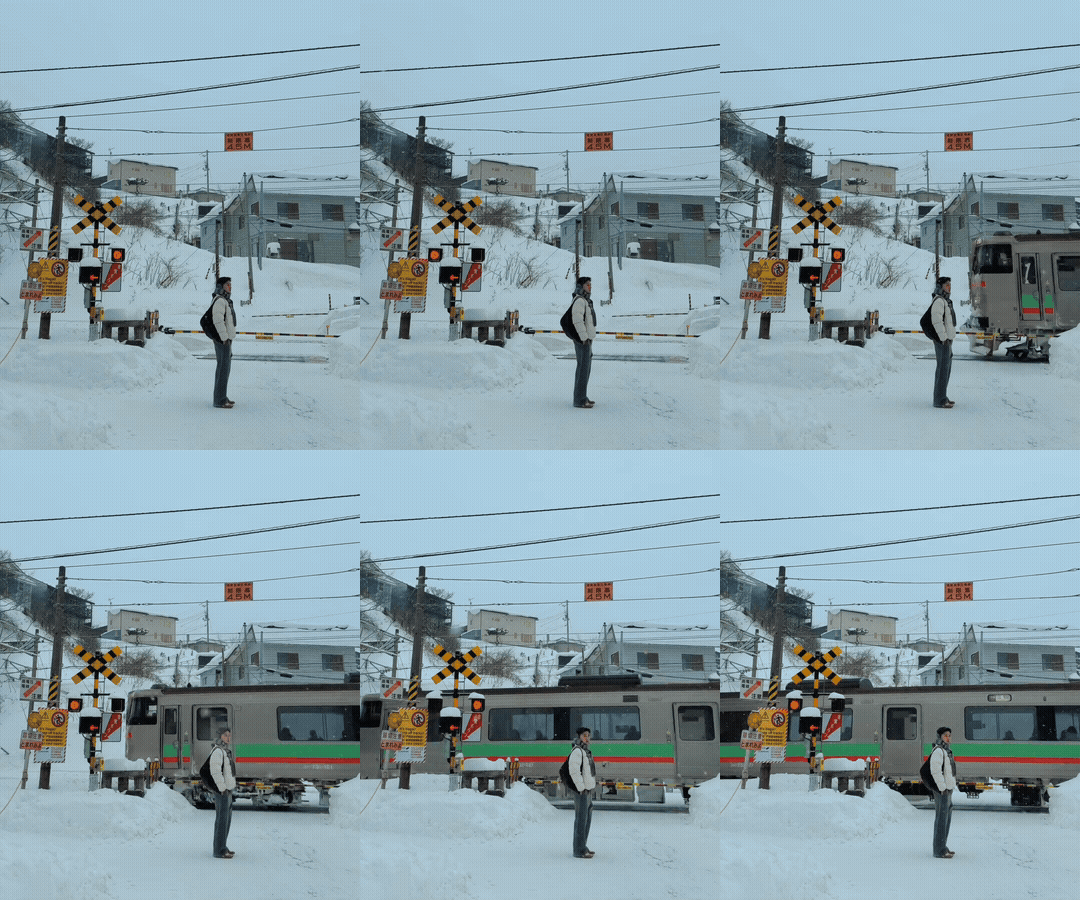
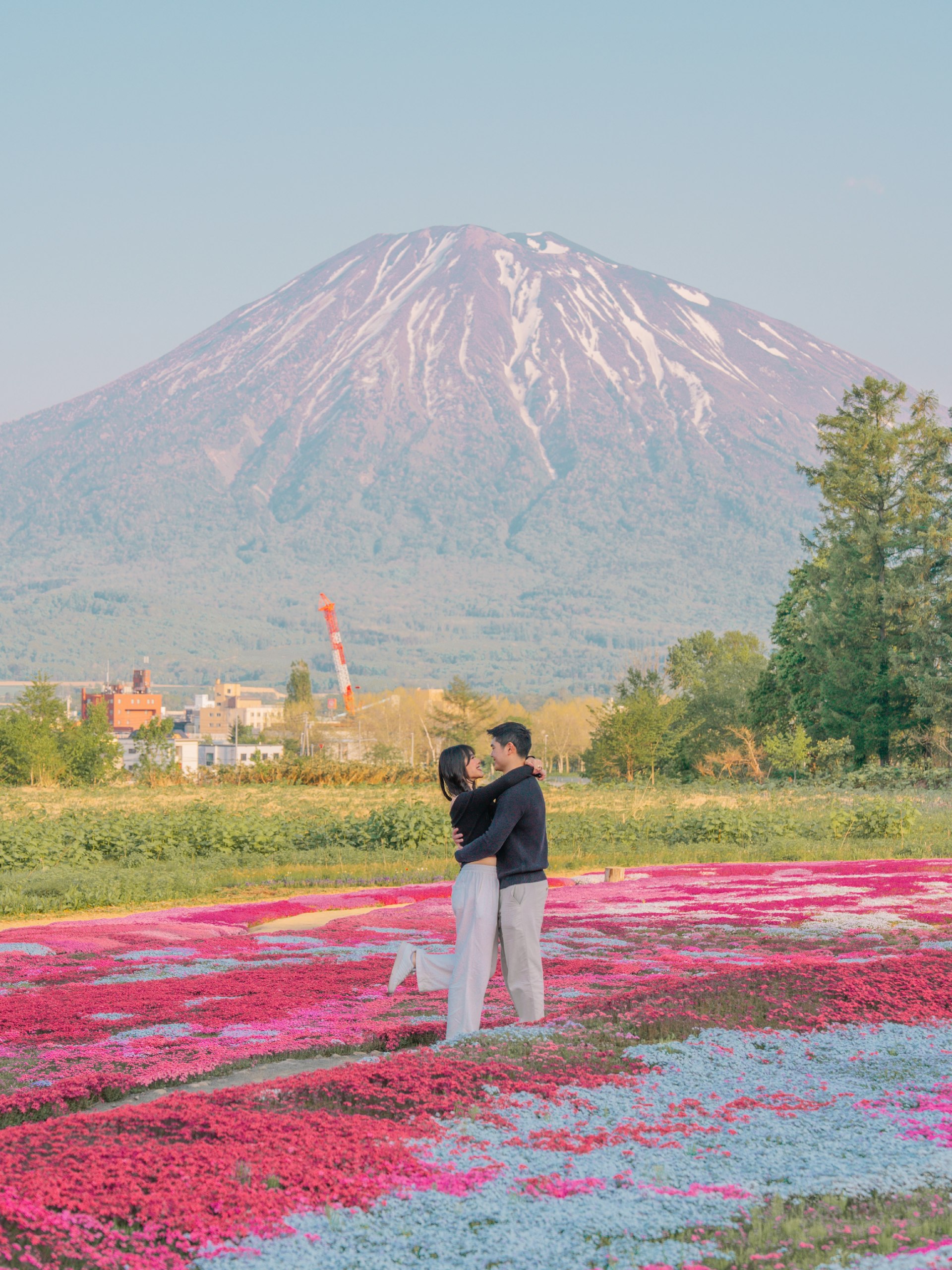
Photo: Trần Bảo, Angelia & Chris Wong
Okinawa
Far south, Okinawa runs at a slower pace with a culture distinct from the rest of Japan, and its tropical beaches and coral reefs make it a natural spot for couples wanting to unwind after a busier stretch of travel. In Naha, counter-style diners serve taco rice and Okinawa soba with braised pork belly, alongside umibudo sea grapes and charcoal-grilled island vegetables, with awamori bars scattered around the city. Between meals, Shuri Castle and traditional Ryukyuan architecture bring a layer of history to the islands’ laid-back rhythm.
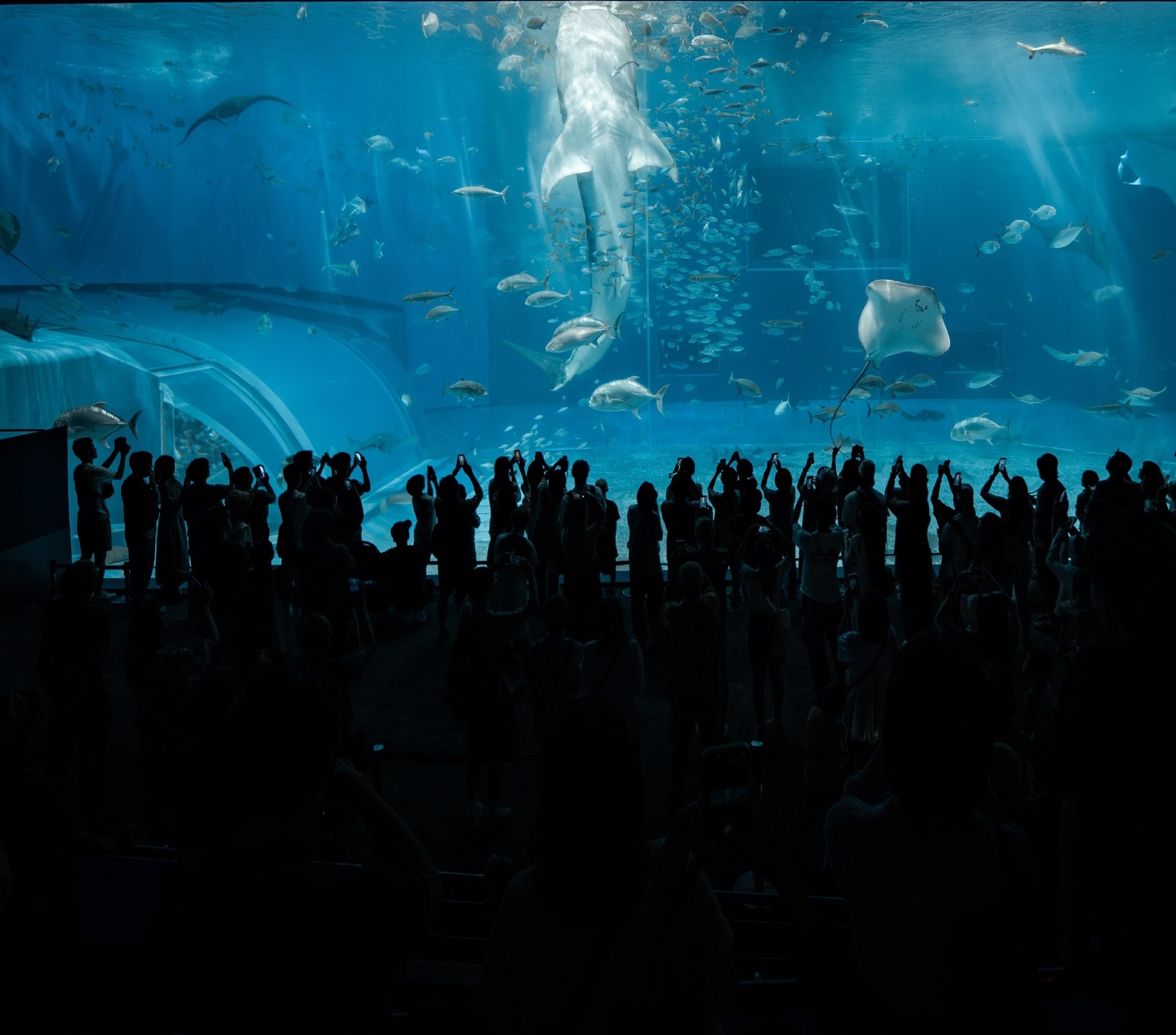
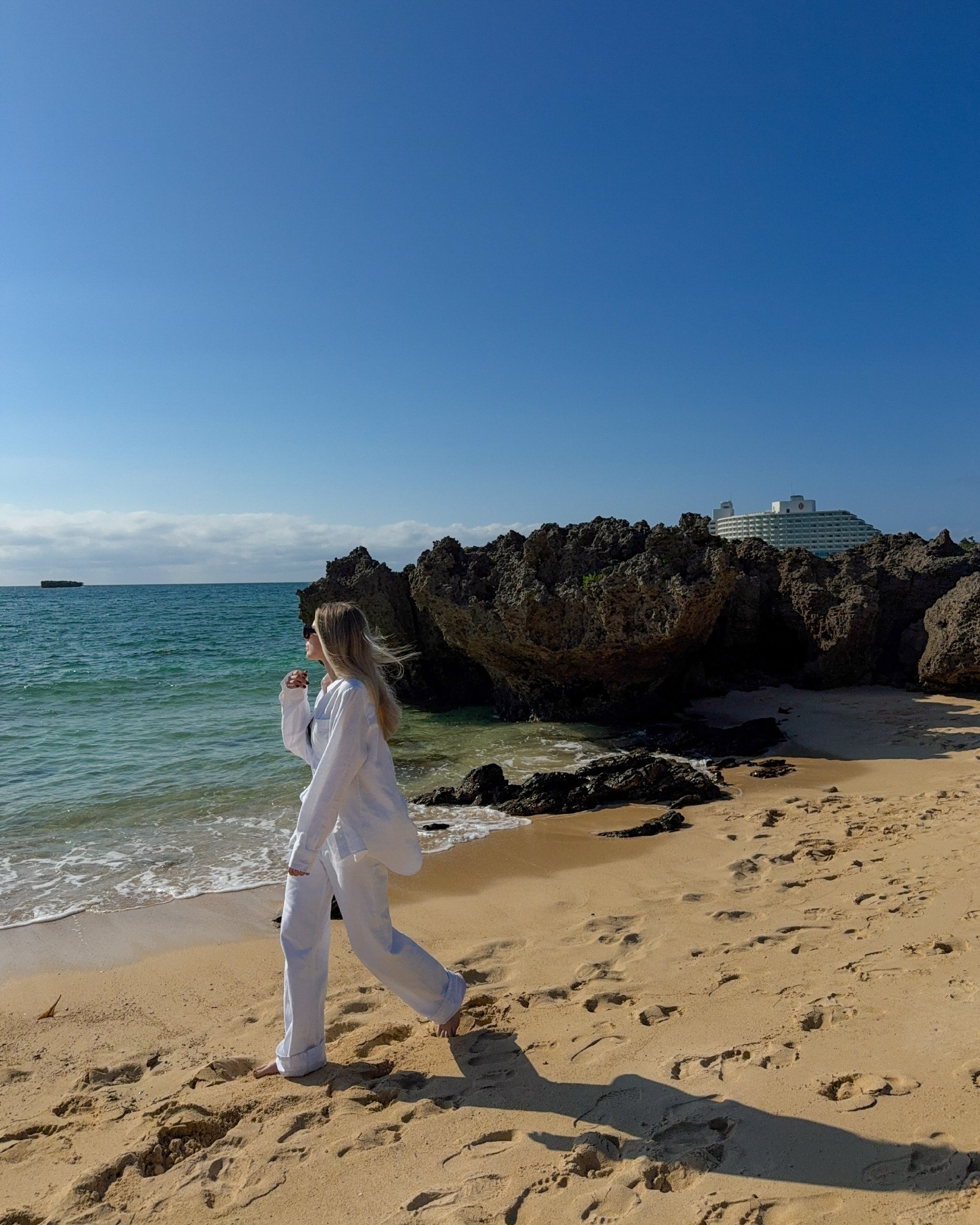
The Art Islands (Naoshima)
In the waters between Honshu and Shikoku, a cluster of small islands has been turned into open-air art galleries, one of the more eccentric modern projects in Japan and a genuine hit with visitors. Naoshima leads the group, home to major museums including the Benesse House Museum and the Chichu Art Museum. Nearby Teshima and Inujima hold their own significant museums, and the smaller islands of Ogijima and Megijima have interesting installations worth the detour if time allows. Since many exhibits sit outdoors, spring, early summer, and late autumn are the best times to visit, and wandering between installations makes for one of the more unusual, memorable dates a trip to Japan can offer.
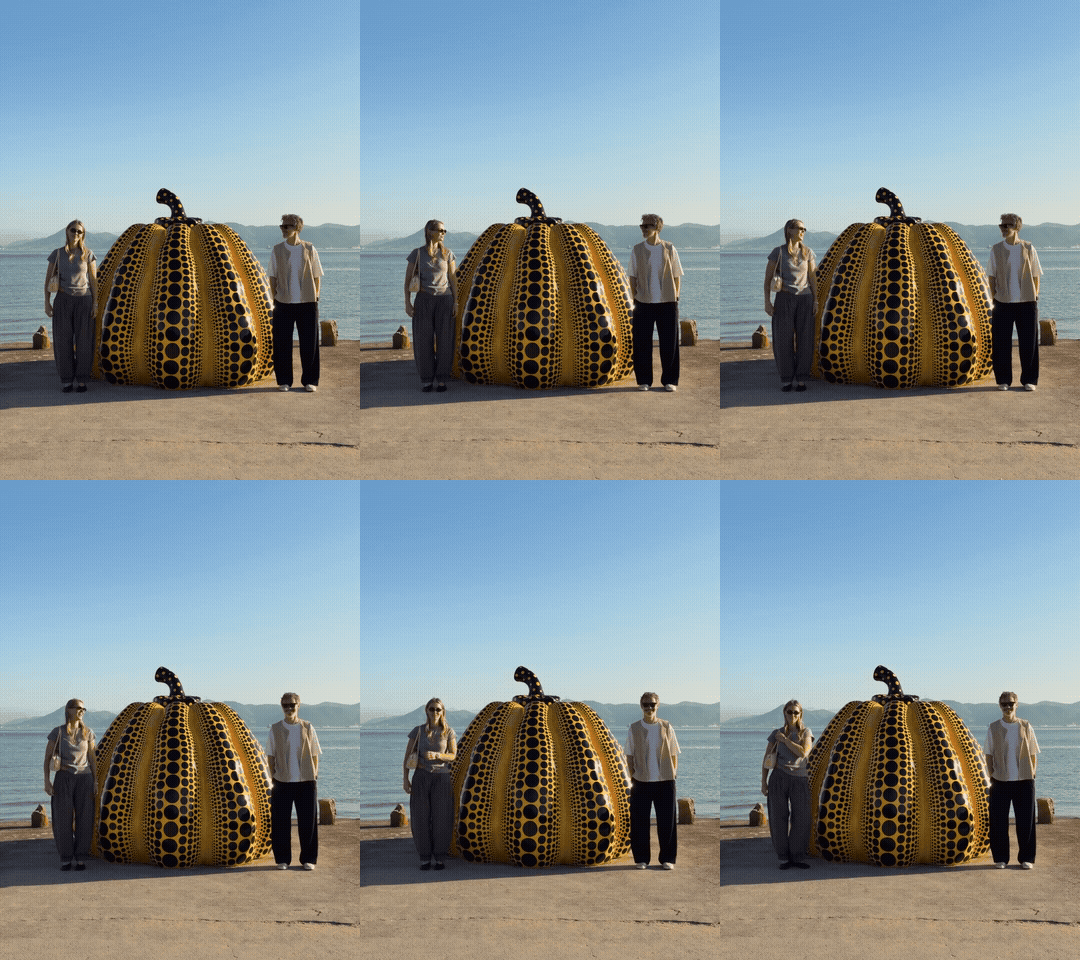
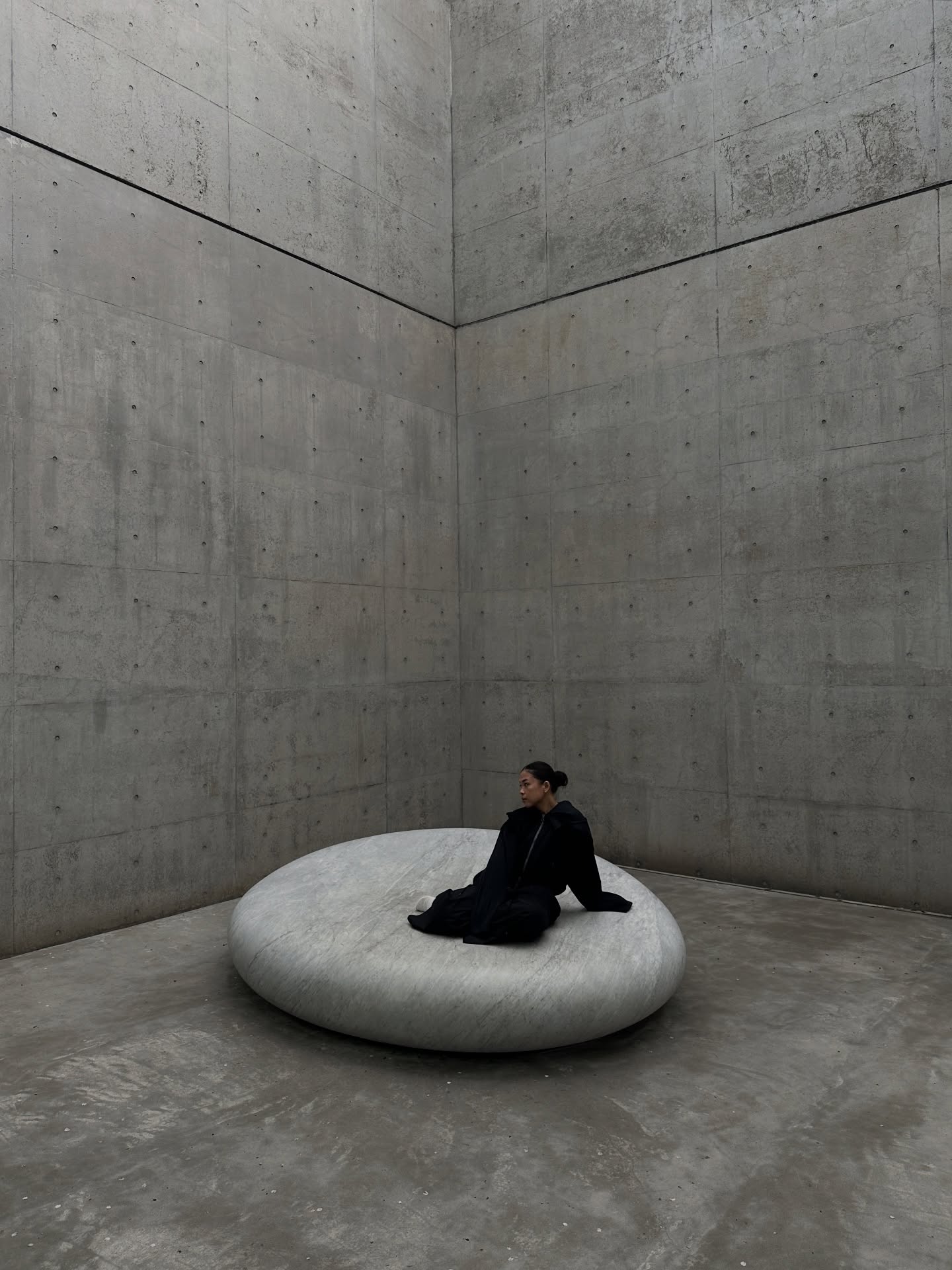
Photo: Hollie Mercedes, Tiff
Mount Fuji
Japan’s highest mountain carries deep religious significance, with temples and shrines dotted across its slopes. On a clear day, Fuji is visible from Tokyo, but standing at its base is an entirely different experience, and the surrounding Fuji Five Lakes region makes for a peaceful overnight stop with views that are hard to top.
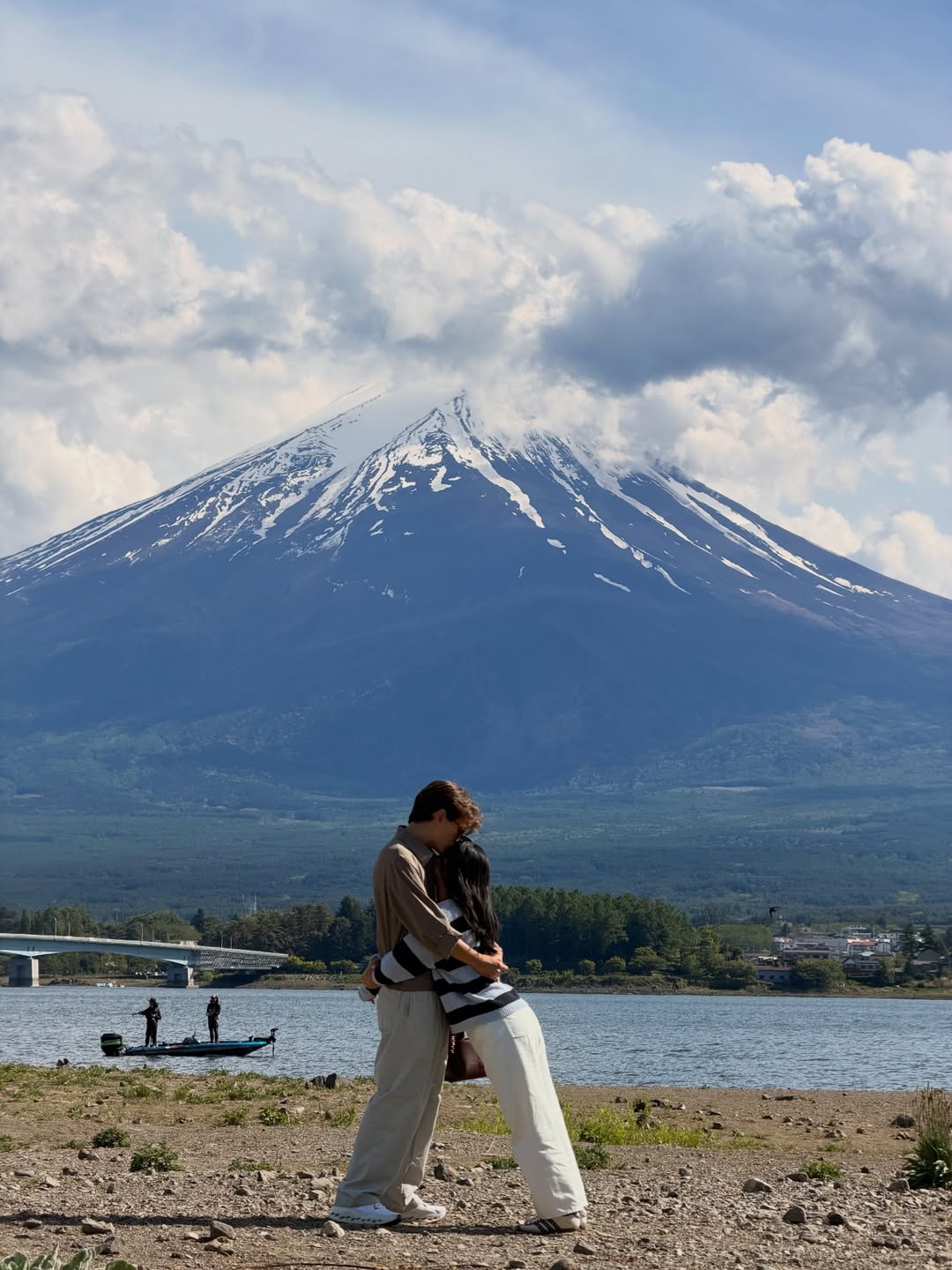
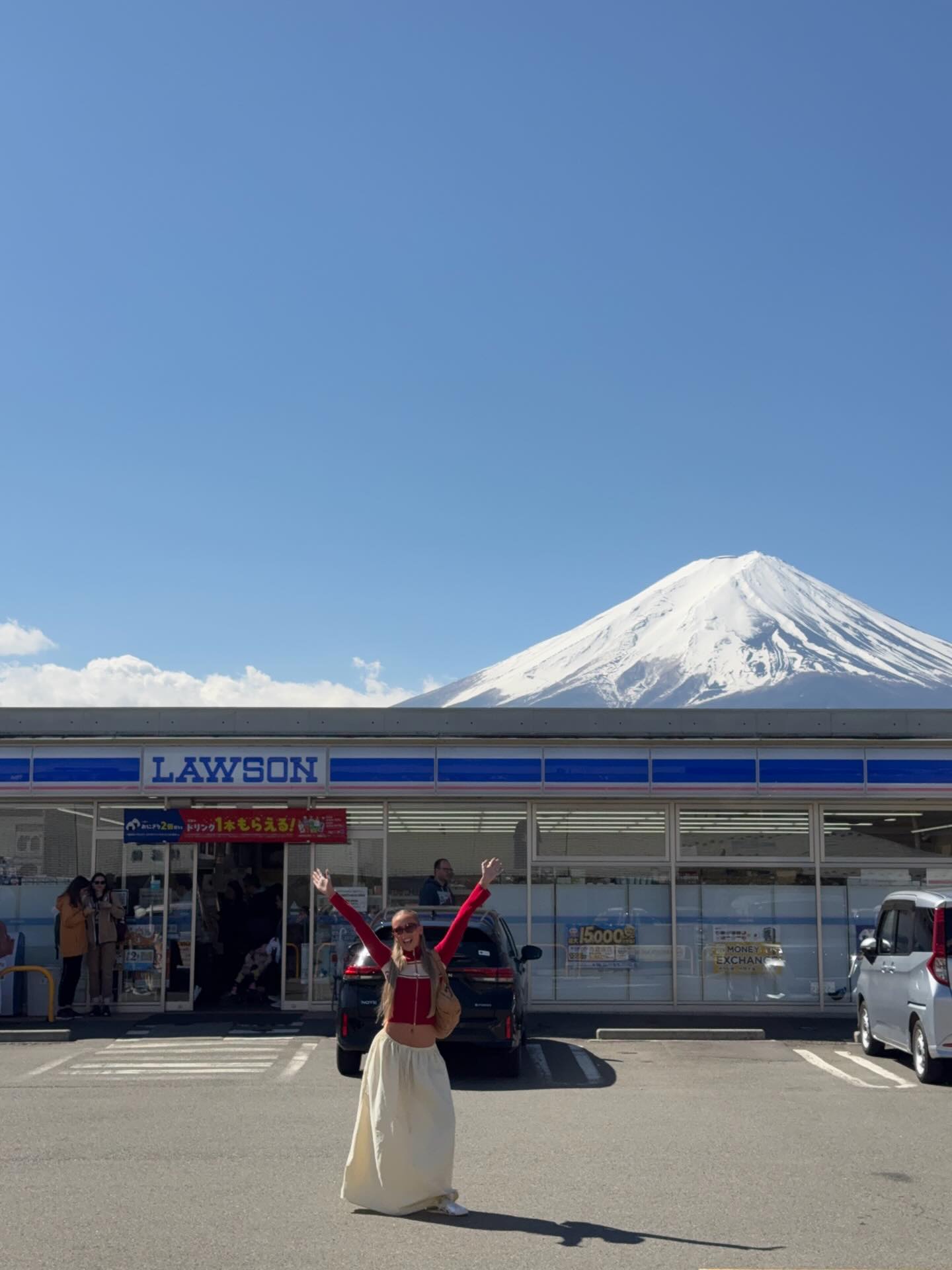
Photo: Emily Taniguchi, Chloe
Fukuoka
Kyushu’s largest city has been shaped largely by its role as an international port connecting Japan to the rest of Asia. That connection has brought a lively nightlife district and cuisine influenced by cultures across the region. Fukuoka is light on major landmarks but heavy on nightlife, street food, and dining experiences, making it a strong stop for couples looking for a low-key, food-focused night out.
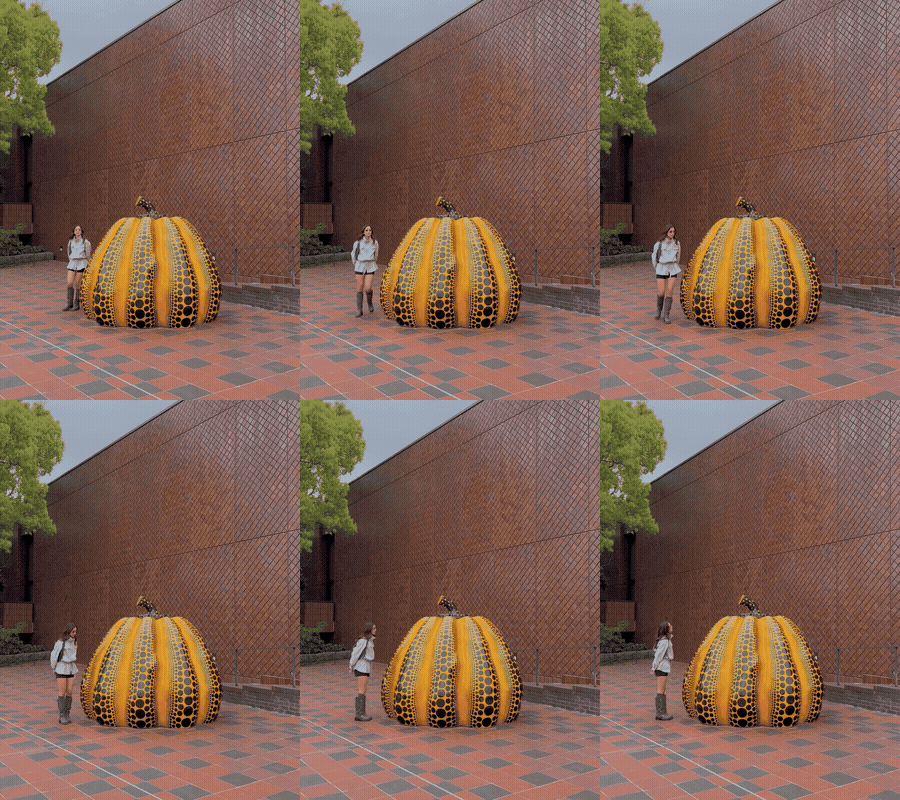
Fukuoka — More to Explore:
- Yatai food stalls along the Naka River: open-air street food carts serving ramen, yakitori, and oden, a genuinely local nighttime experience.
- Ohori Park: a large park built around a lake, good for a slower morning walk together.
- Dazaifu Tenmangu: a shrine dedicated to the god of learning, a short train ride out of the city and worth the detour.
- Canal City Hakata: part shopping mall, part entertainment complex, with a large fountain show at its center.
- Fukuoka Art Museum: worth a slower afternoon for anyone who wants a cultural pause between the street food and the nightlife.
Yakushima
For something rarer, Yakushima, one of the lush subtropical Osumi Islands in the south, offers a side of Japan few visitors ever see. This mystical island is known for its ancient cedar forests and the legendary Jomon Sugi tree, a paradise for nature lovers built around breathtaking hikes and wildlife found nowhere else. Shiratani Unsuikyo Gorge is a moss-covered forest said to have inspired Studio Ghibli’s films, Senpiro Falls is one of Japan’s most iconic waterfalls, and Hirauchi Kaichu Onsen, a hot spring that only appears at low tide, rounds out one of the most genuinely secluded escapes a couple can find in the country.
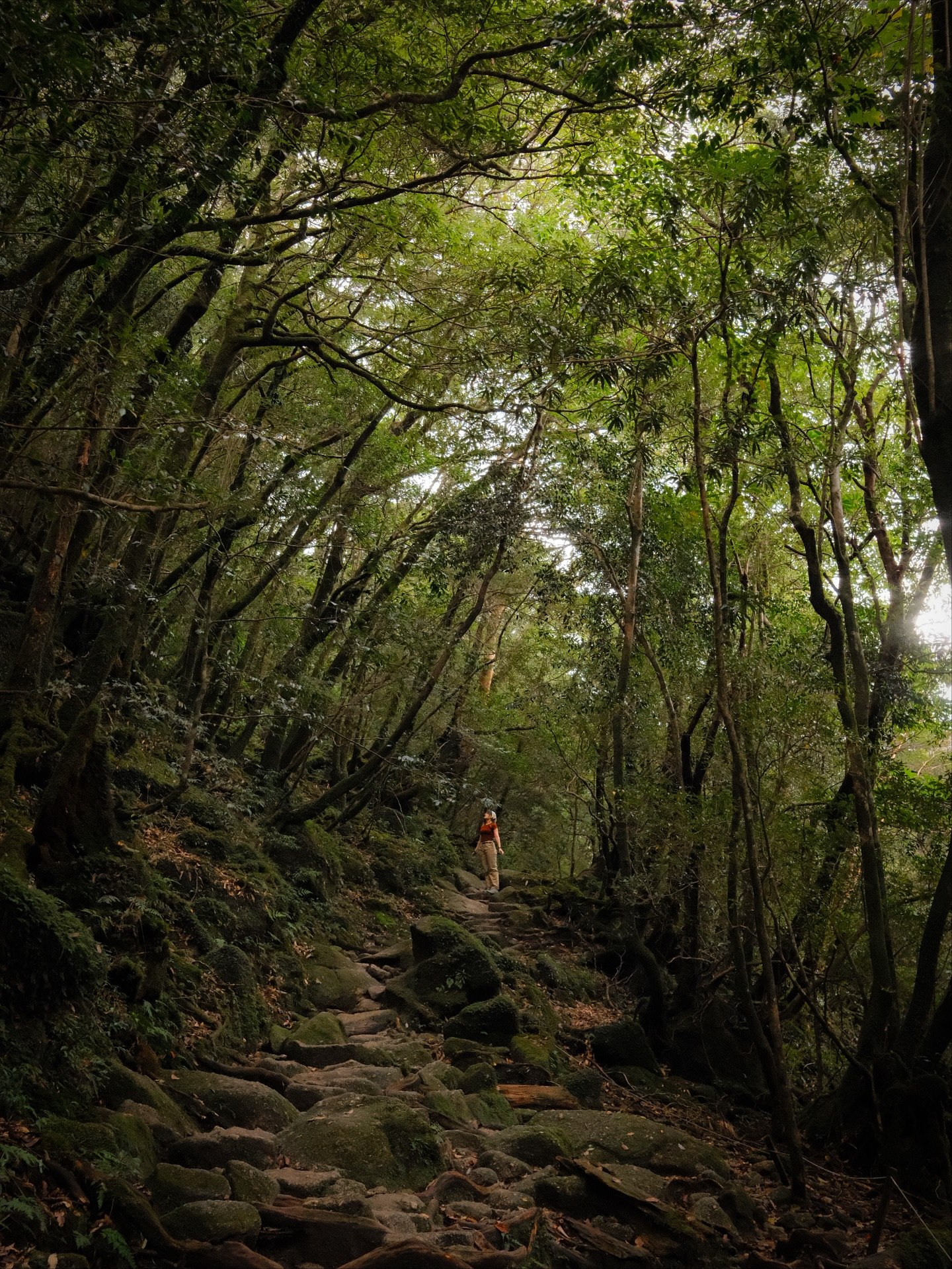
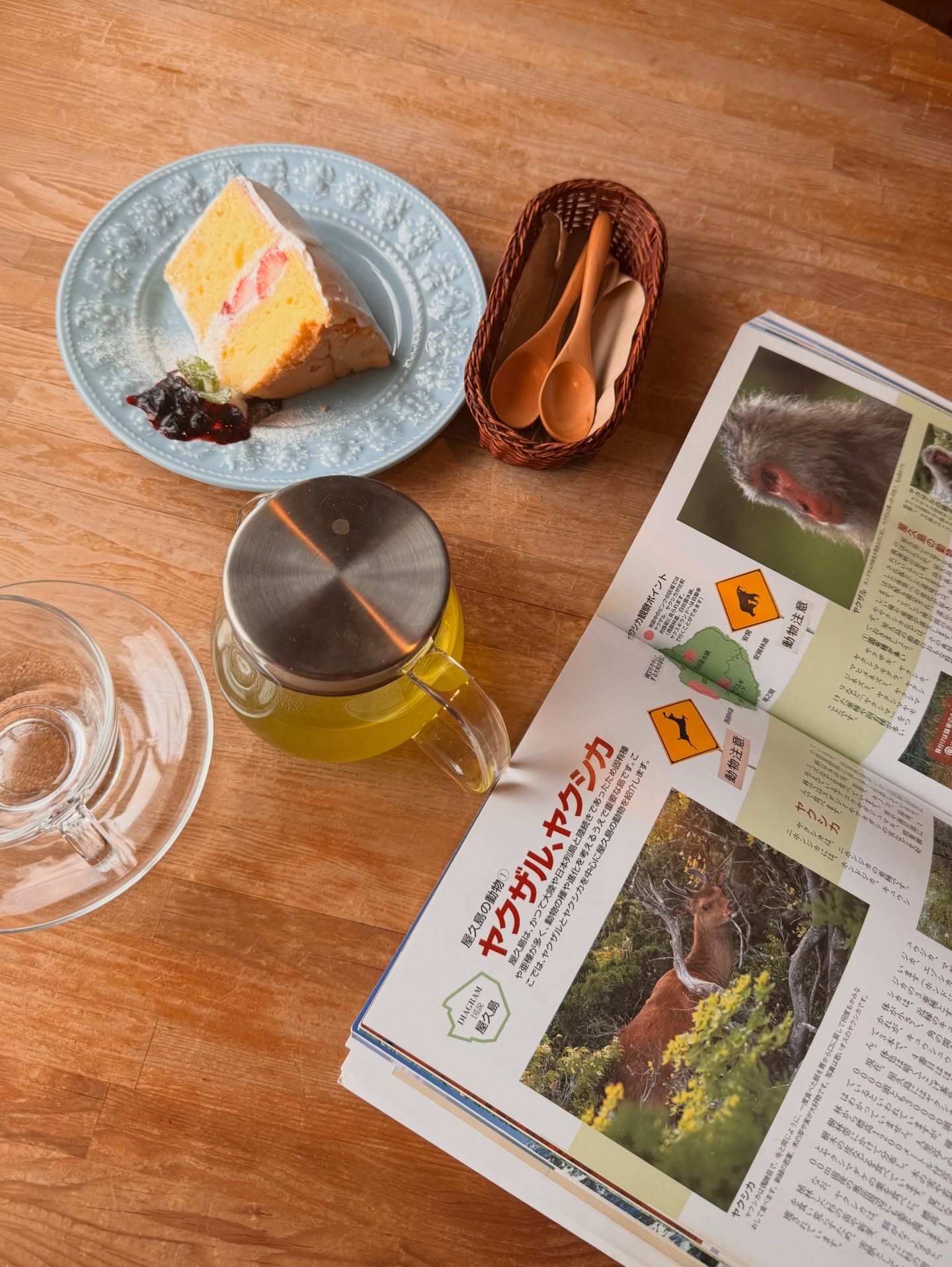
Photo: Alicia Cooper, Minnjie