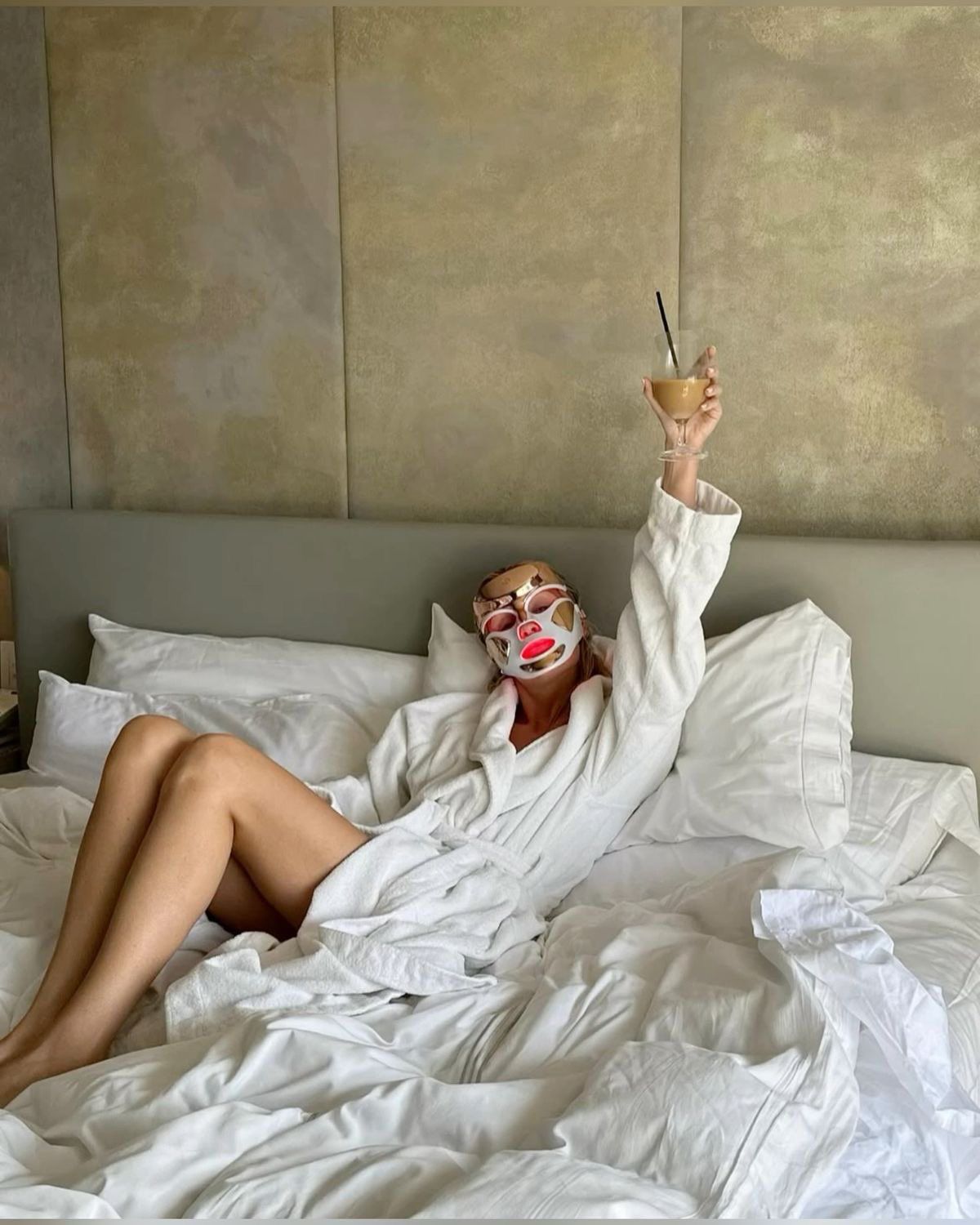
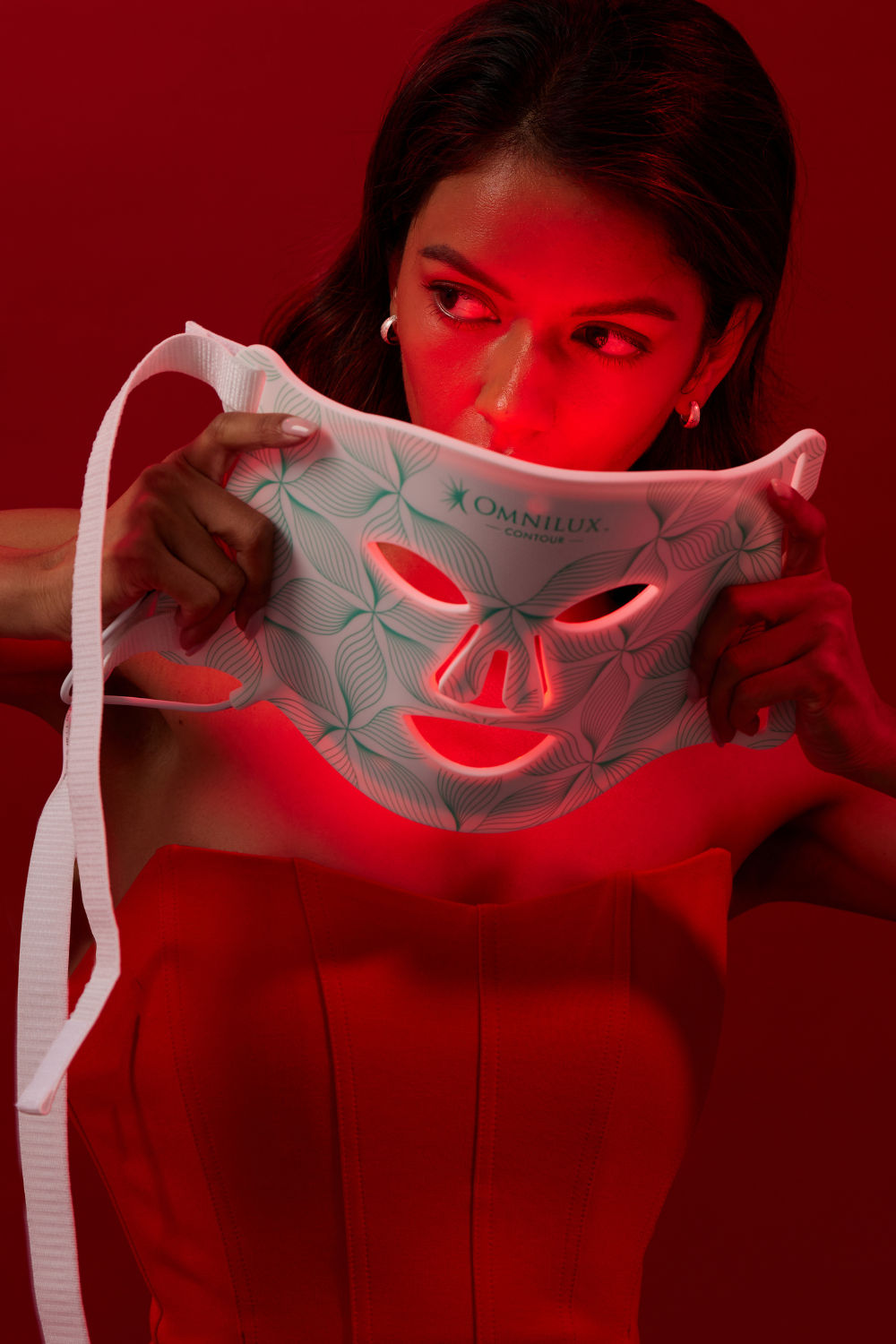
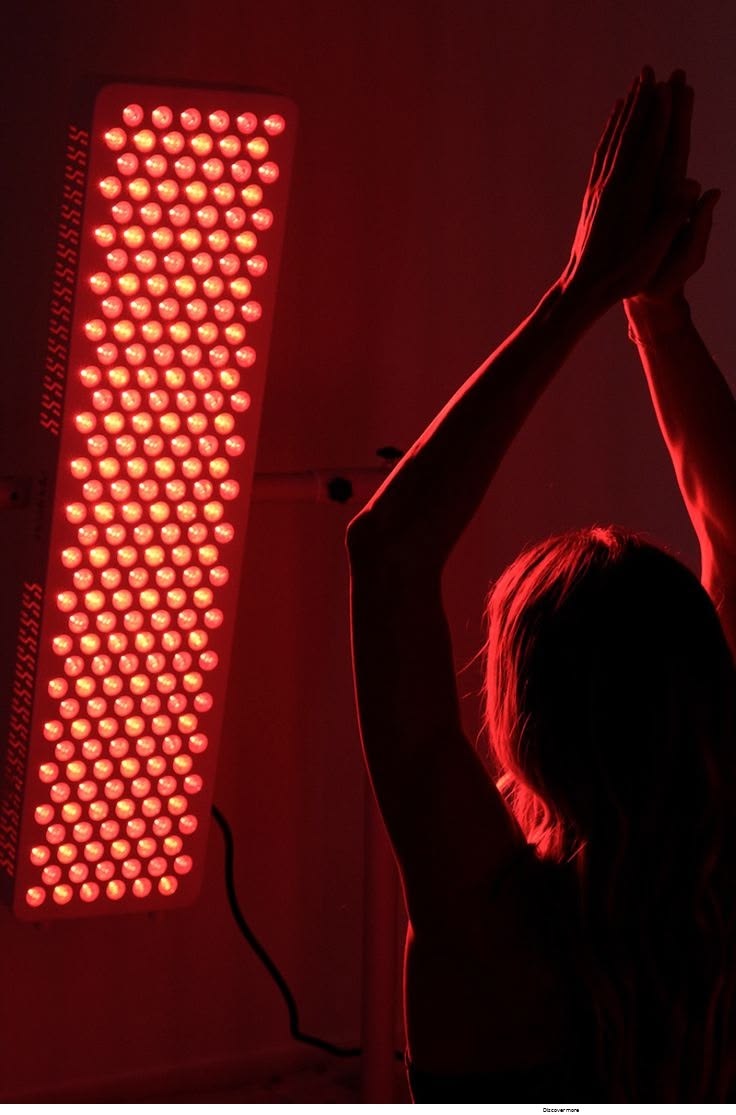
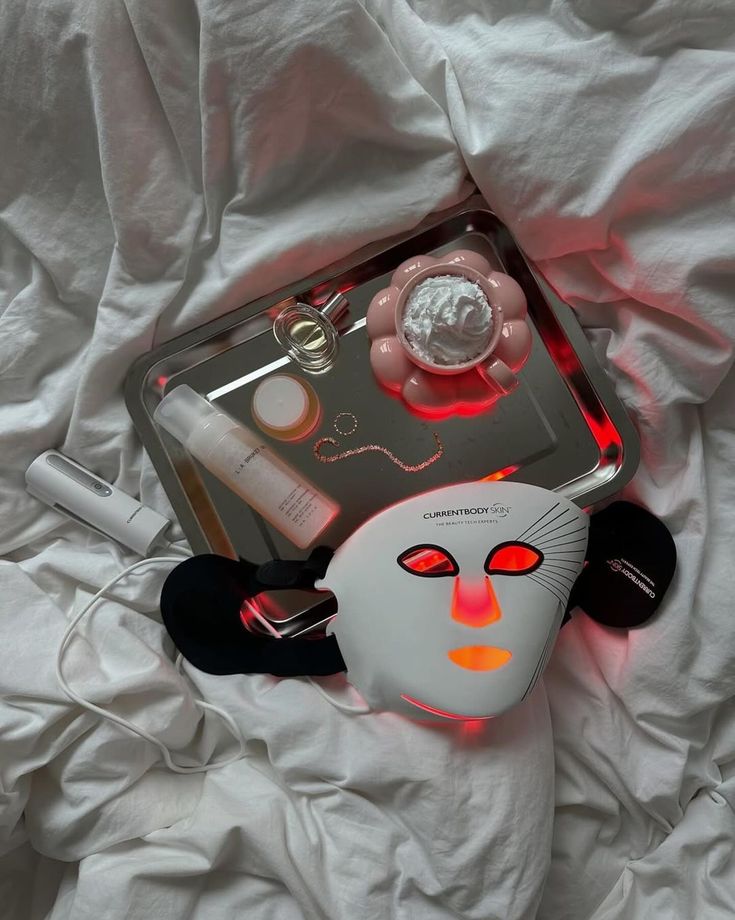
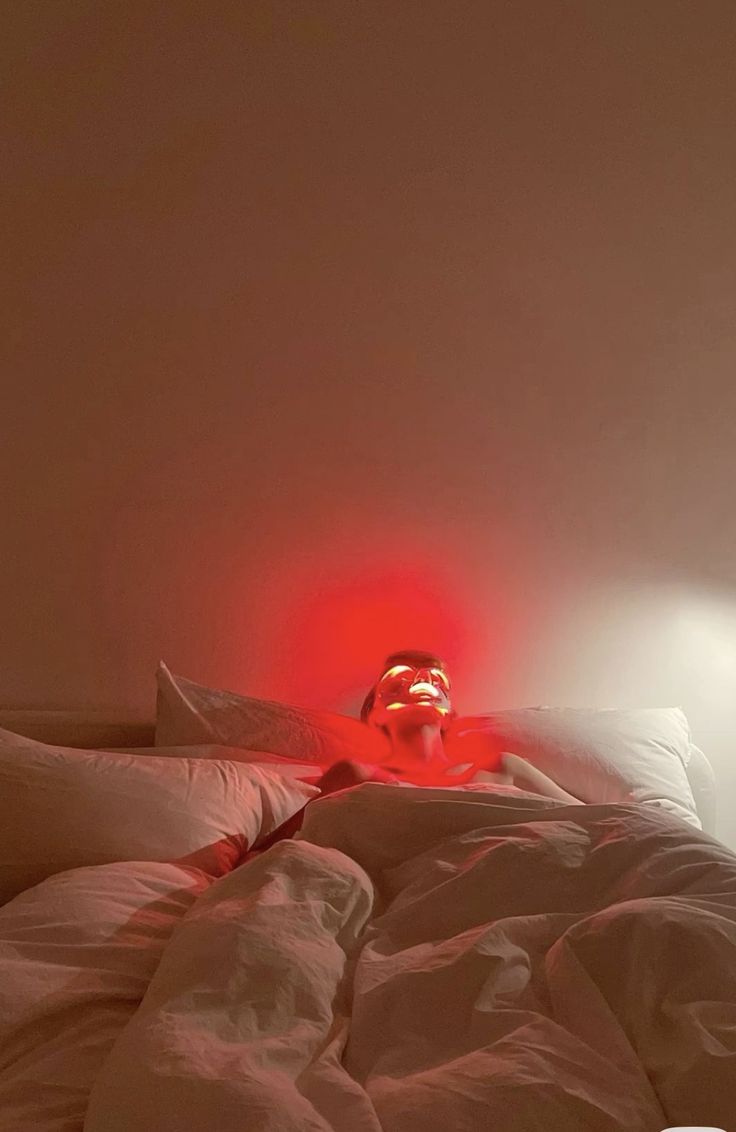
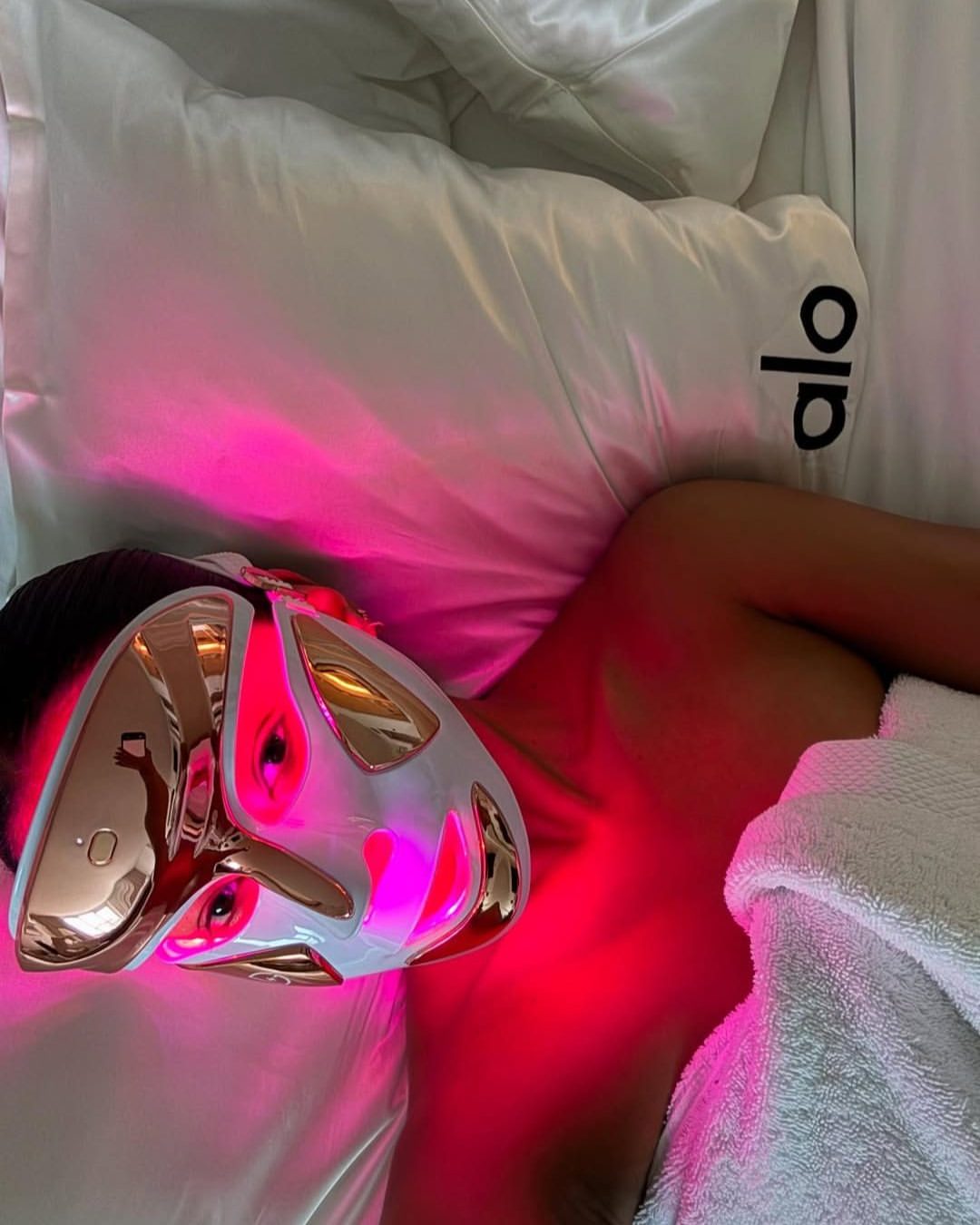
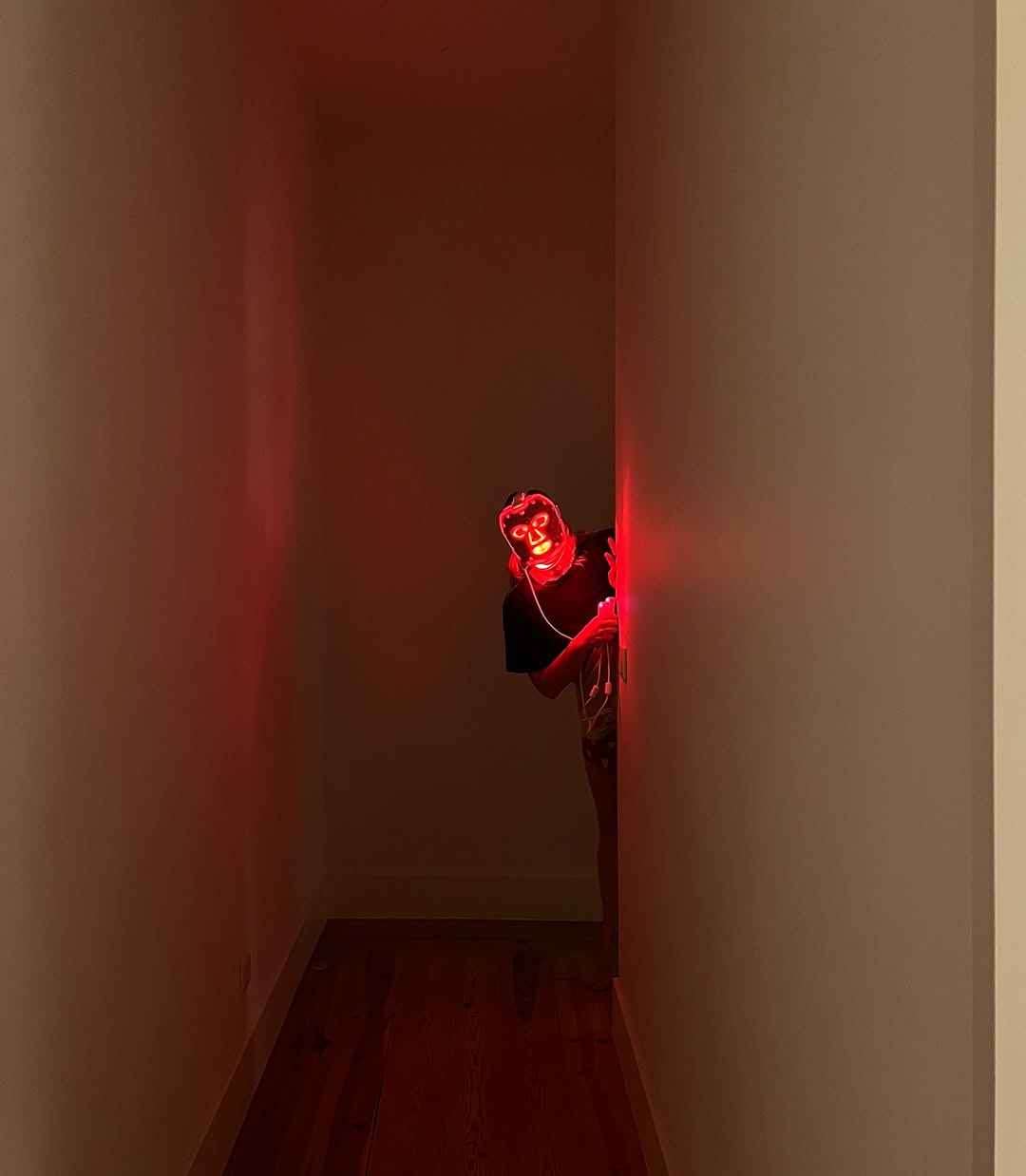
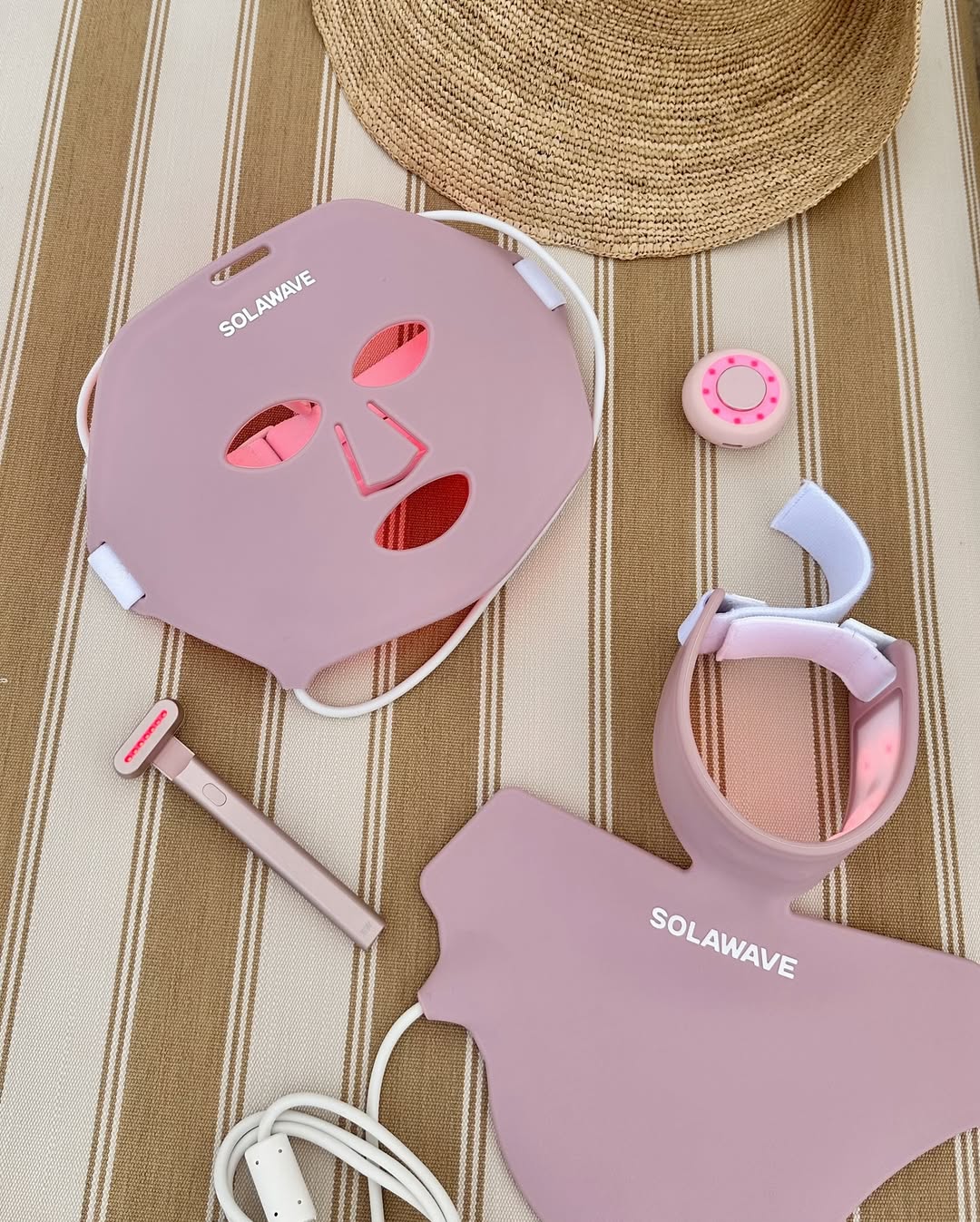
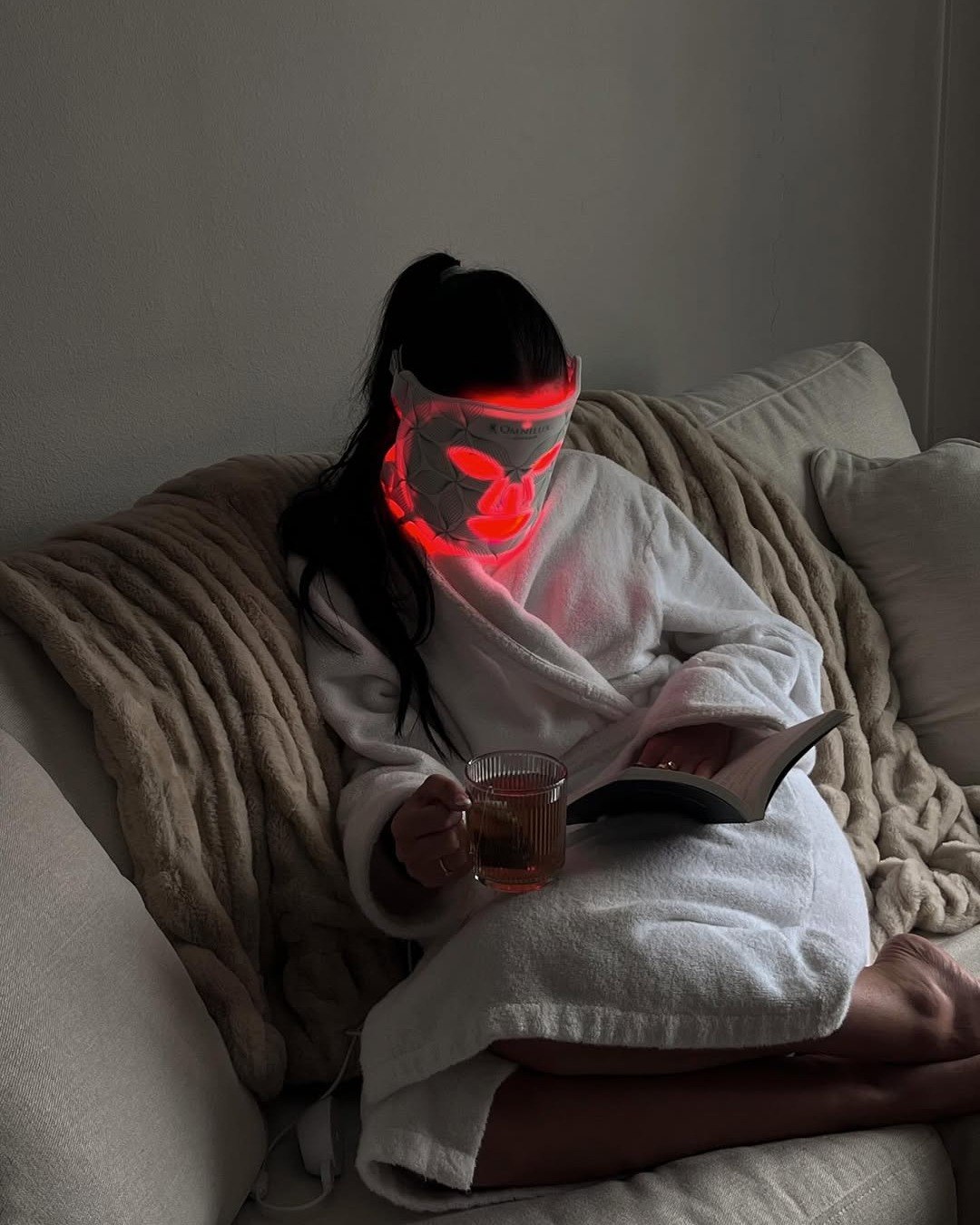
Somewhere between your fifteenth skincare reel and a celebrity selfie in what looks like a sci-fi helmet, you’ve probably clocked it: LED light therapy is everywhere. What started as a clinical treatment has moved far beyond the facialist’s chair. These days we’re talking red-light rooms, full-body panels, pillow-sized mats, LED-equipped saunas. The aesthetics world is obsessed, and not without reason. Jessica Alba, Kendall Jenner, Cillian Murphy, Emma Stone — all publicly credited LED therapy for their skin.
We cover how it works and what it does for your skin below, followed by the full product roundup and a few other devices worth noting.
LED light therapy has been used in clinical and aesthetic settings for approximately 30 years. Here’s the interesting part: it started with NASA. Researchers discovered that specific wavelengths of light accelerated wound healing aboard space stations, and the skincare world adopted the technology shortly after.
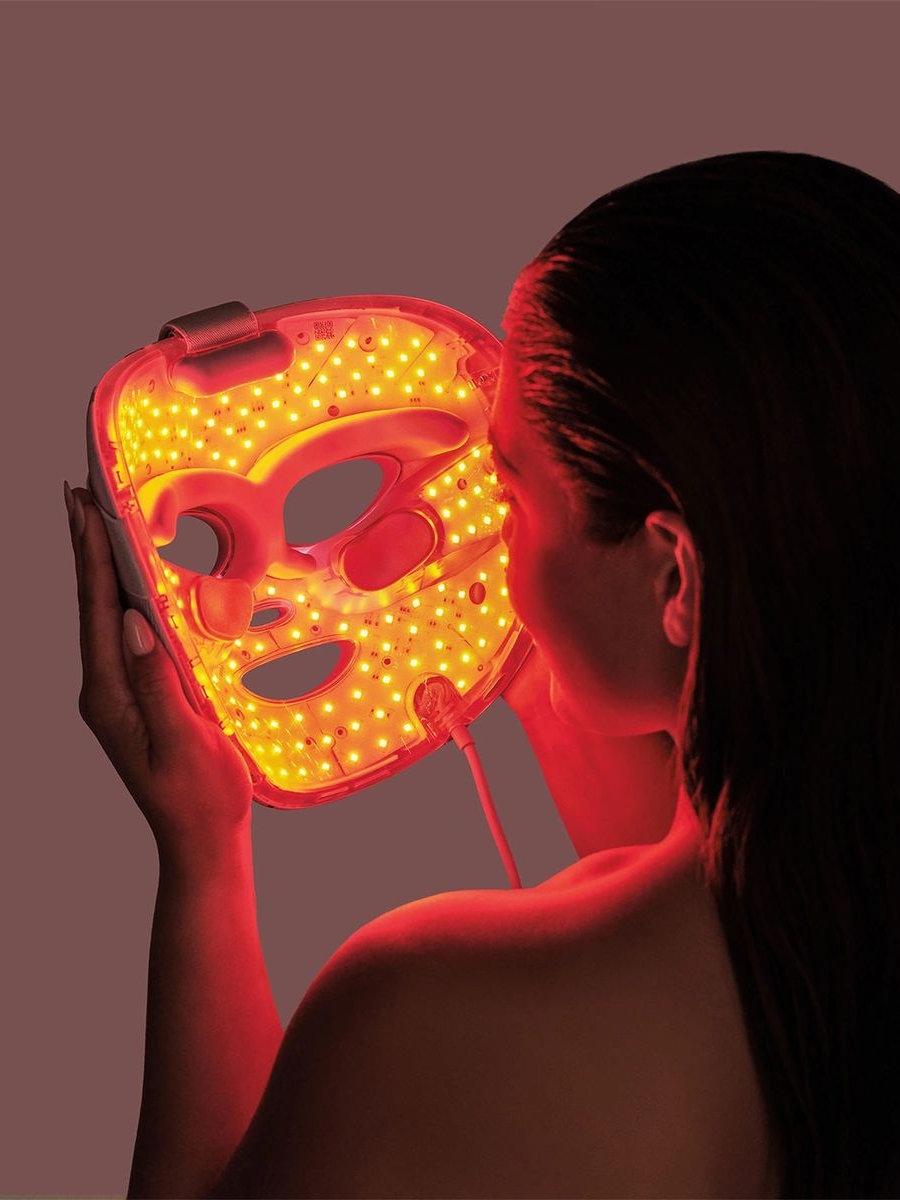
Therapeutic light energy increases cellular metabolism, reduces inflammation through the modulation of reactive oxygen species (ROS), and promotes angiogenesis — the formation of new blood vessels. Red light at 630–660nm penetrates deep into the dermis to stimulate collagen production at a cellular level. Different wavelengths target different concerns.
The benefits go deeper than skin. LED therapy has been studied for its mental health effects too. Treatments boost ATP production, which fuels cellular energy, while serotonin levels rise alongside it. Those who keep at it often report lifted mood and reduced stress alongside clearer skin.
The market is crowded, and quality varies wildly. Here’s what actually matters.
Wavelength accuracy. Look for clinically studied nanometer values — red around 633nm, near-infrared around 830nm. Devices should list exact specifications. “Warm healing light” is marketing. A number is a spec.
LED density and coverage. Densely packed LEDs ensure light reaches the full treatment area evenly. Gaps in coverage mean gaps in results.
Power density (irradiance). The therapeutic sweet spot sits between 5 and 9 joules/cm² per session. Most brands don’t publish these numbers — which is already telling.
FDA clearance. This signals the device has been tested for safety and efficacy for its stated claims. It’s not a guarantee, but it’s a meaningful baseline.
Fit. If the mask doesn’t sit flush against the skin, the LEDs won’t reach it effectively. A poor fit reduces results regardless of LED count.
Price. Going too cheap is a real risk here. Low-cost models often lack adequate power, use non-certified LED chips, or skip near-infrared entirely. Think of this as a long-term investment — one that should offset clinic visits and deliver visible results over time.
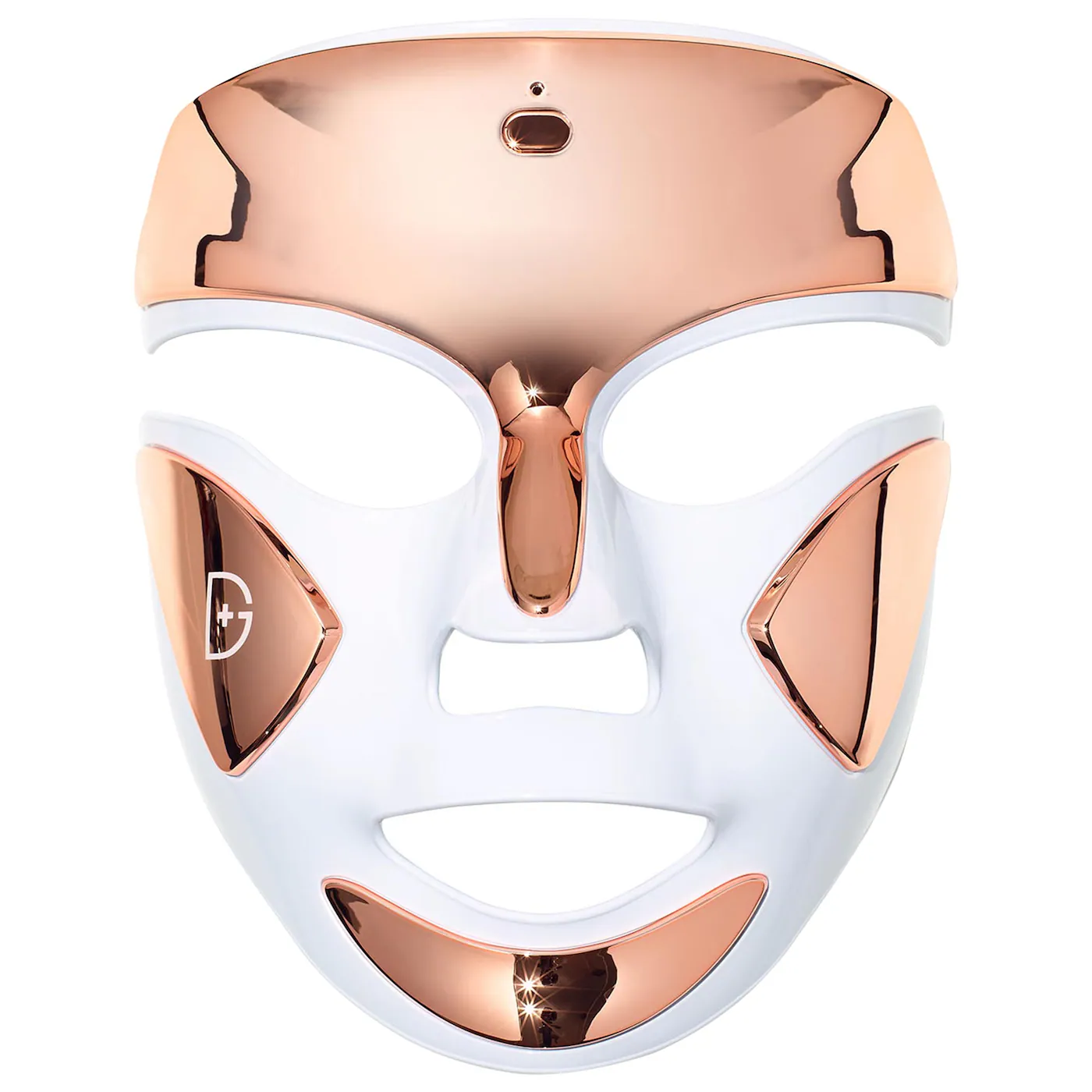
The mask that introduced most people to at-home LED therapy, and still holds up. FDA-cleared, with 100 red and 62 blue LEDs, the SpectraLite runs three-minute daily sessions, making it one of the most user-friendly options on the market. The rigid plastic build keeps LEDs consistently close to the skin for even irradiance. It won’t be your most glamorous bathroom moment. Your skin won’t care.
Pros: FDA-cleared with a long clinical track record · Shortest session time (3 minutes daily) · Trusted brand, strong dermatologist endorsement Cons: Premium price · Rigid fit doesn’t adapt to all face shapes
For anyone who wants red light therapy without being anchored to an outlet, the Wrinkle Retreat Pro delivers. Easy to wear while reading, watching something, or doing nothing at all, which is sometimes exactly the point.
Pros: Flexible design adapts to face shape · Red + NIR combination for deeper penetration · Cordless and portable. Cons: Fewer LEDs than clinical-grade options · Soft structure means lighter LED-to-skin pressure.
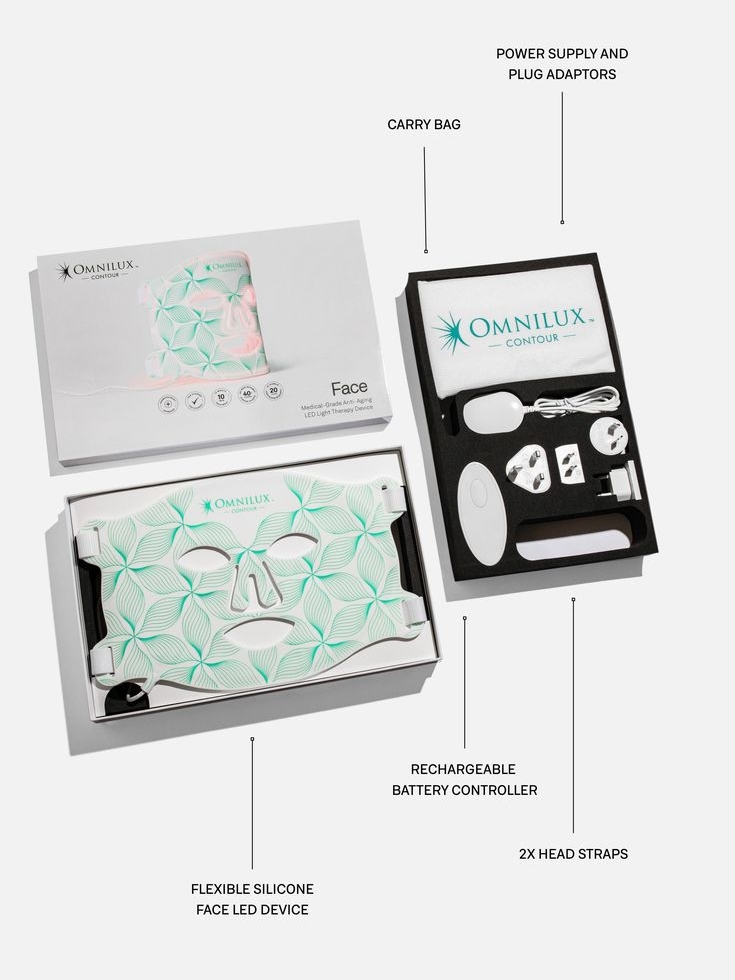
Medical-grade without the medical-office feel. It’s FDA-cleared, and the research behind the brand is substantial. Ten minutes, three to five times a week — that’s the whole commitment.
Pros: True clinical wavelengths (633nm + 830nm) · Strong peer-reviewed evidence base · Flexible silicone for precise LED contact. Cons: Premium price · Red and NIR only — no blue for acne.
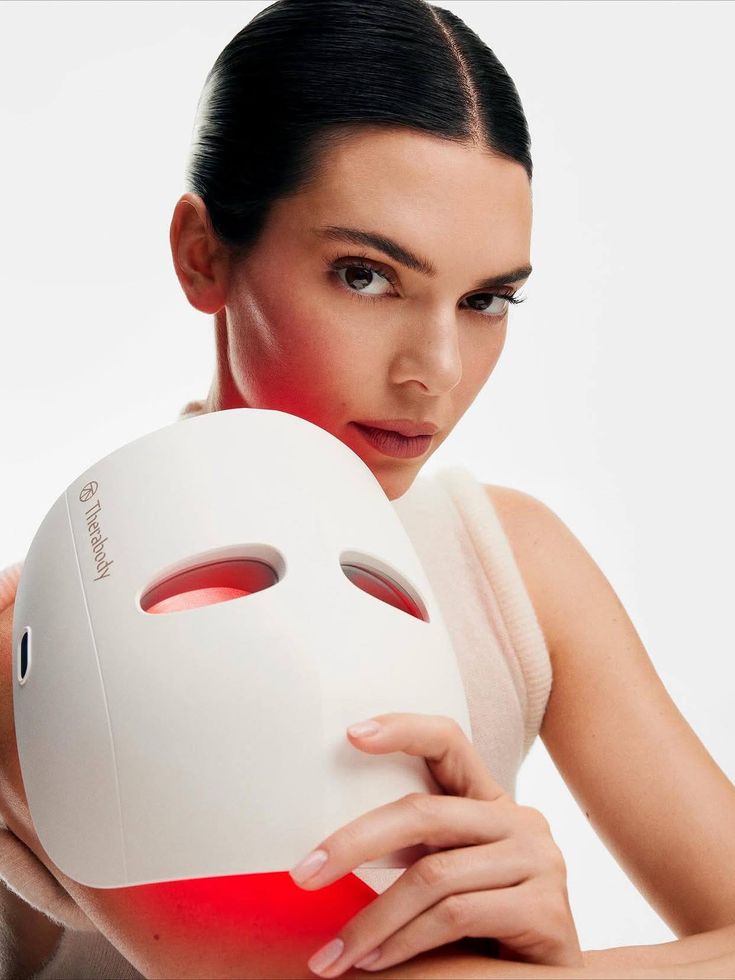
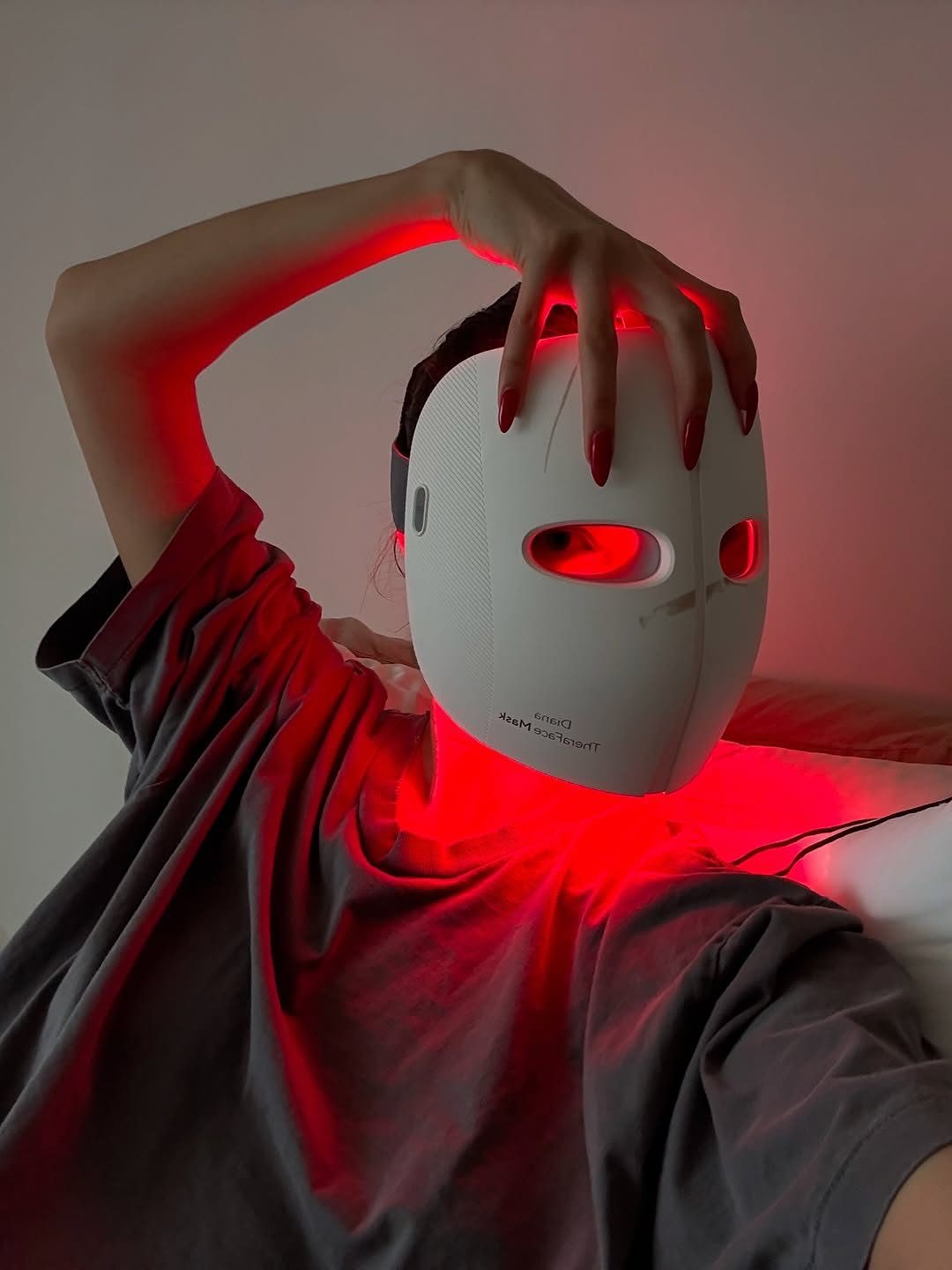
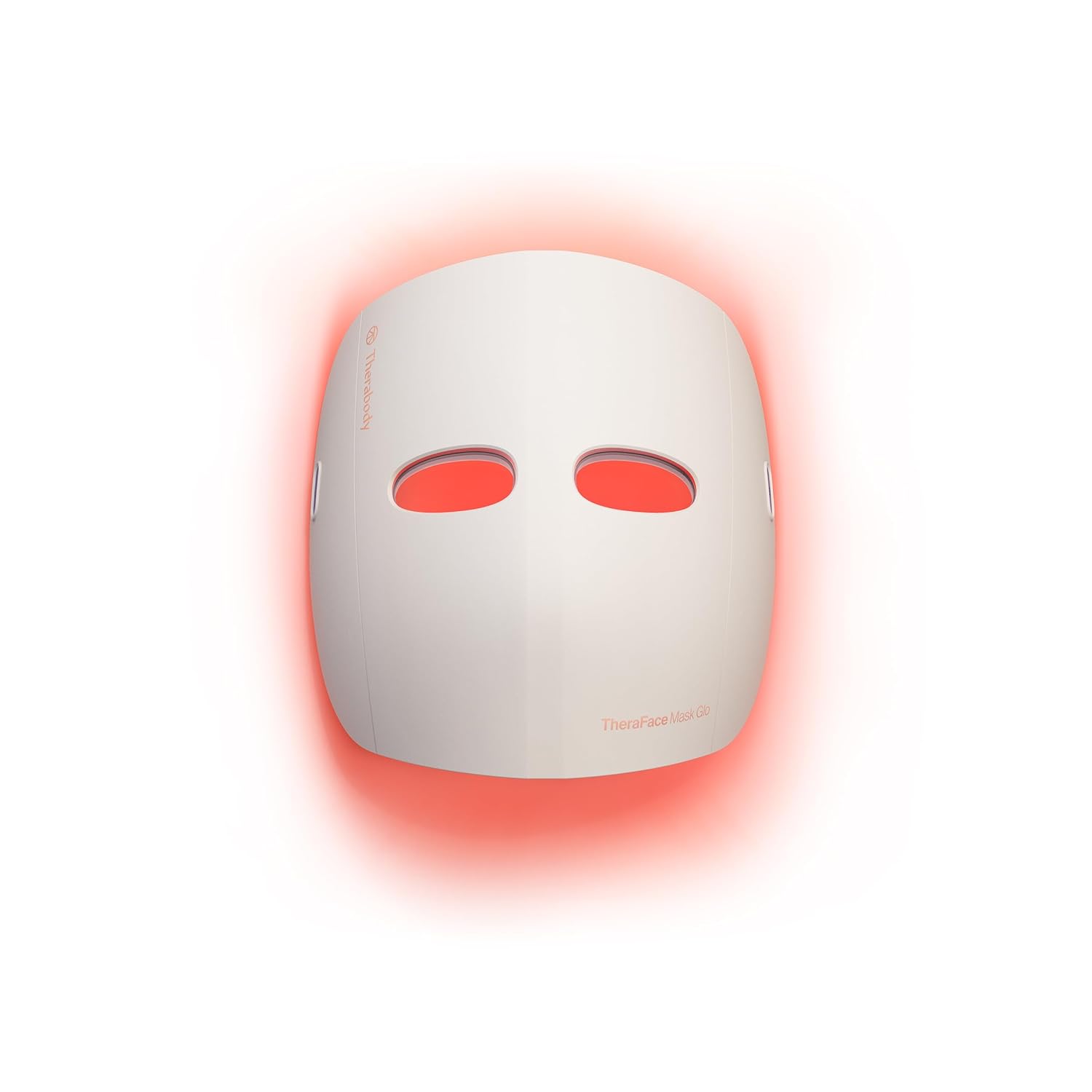
Therabody built its name on recovery tech, and the TheraFace Mask applies the same engineering logic to skin. Kendall Jenner has called it her go-to in-between-appointments ritual, describing how she wears it while getting things done around the house.
Pros: 504 LEDs — among the highest counts available · Vibration massage for added circulation benefits · Cordless design Cons: Blue setting limited compared to dedicated acne devices · Higher price than many comparable options
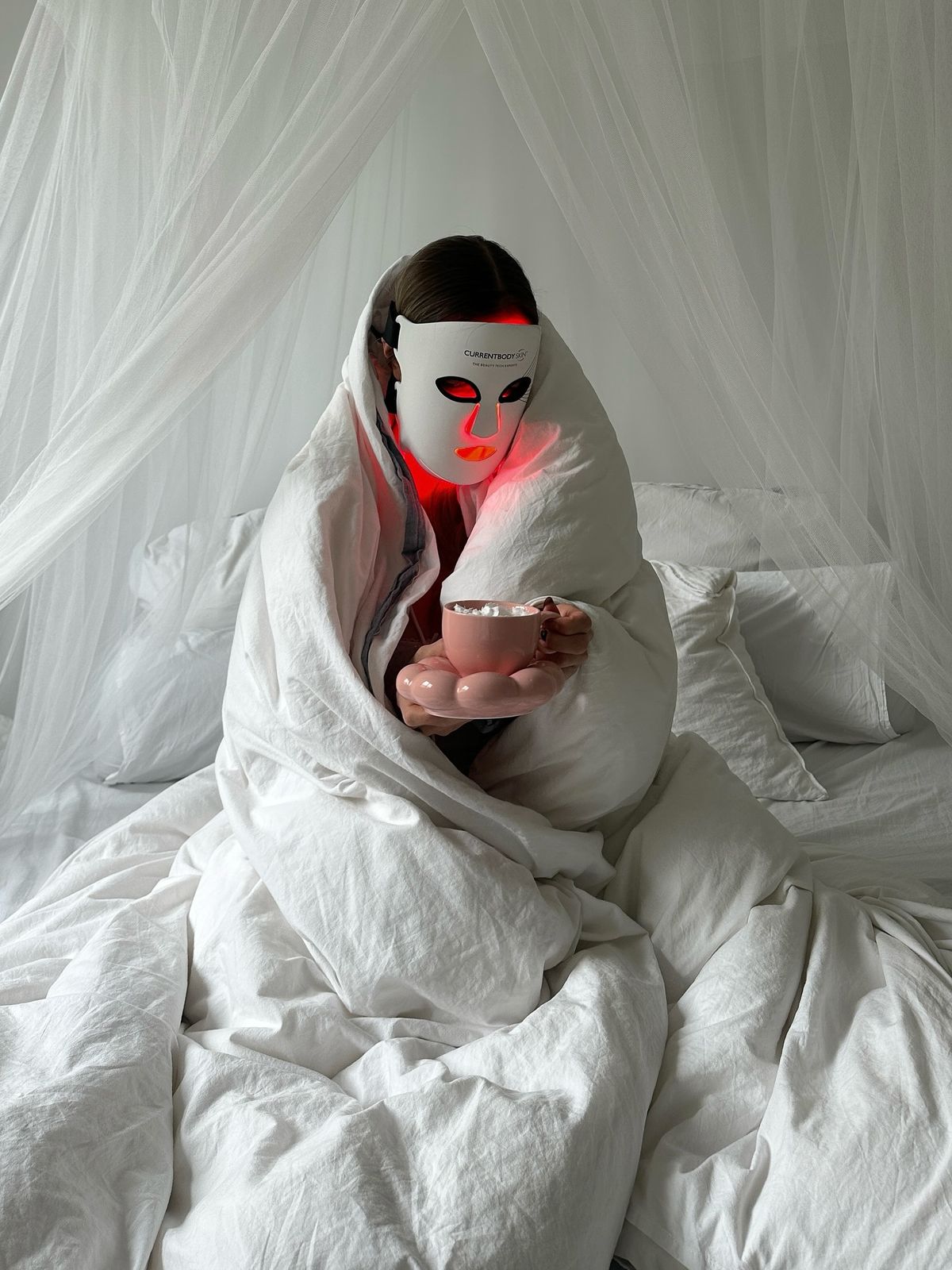
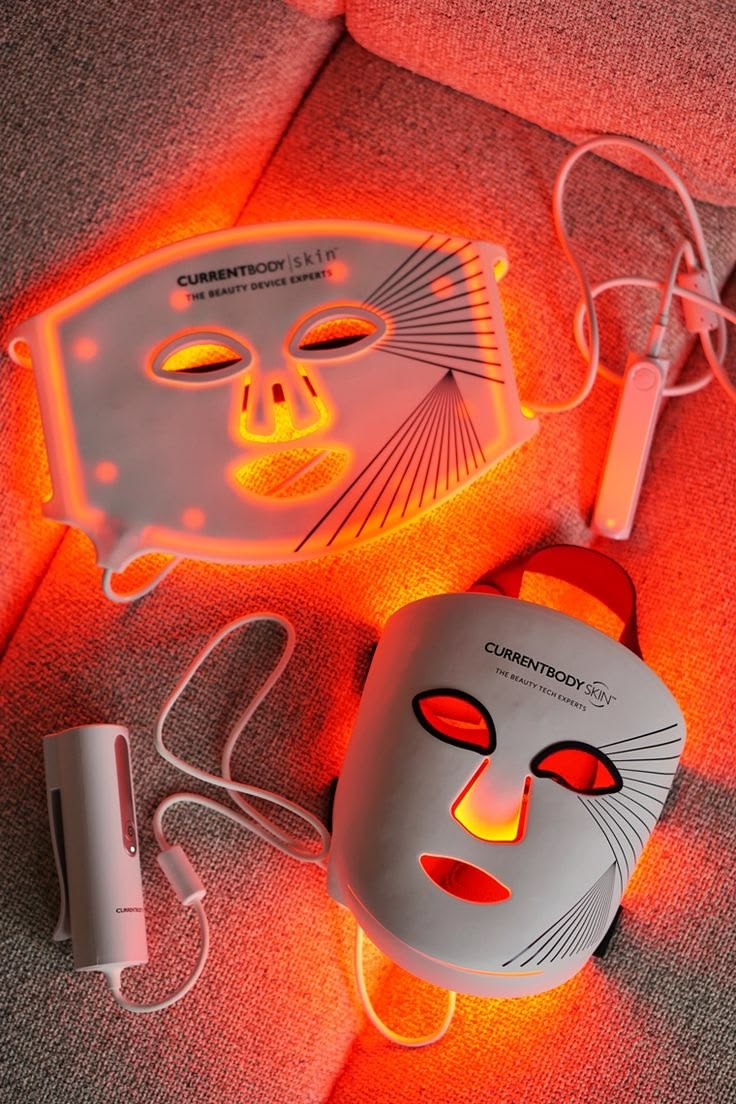
An upgrade on one of the most trusted LED masks in the category. The Series 2 goes deeper than its predecessor, and CurrentBody remains one of the more transparent brands in the space about what’s actually inside the device.
Pros: Three wavelengths including deep near-infrared · Published power density data (30 mW/cm²) · Flexible design for consistent LED-to-skin contact · Strong brand transparency on specifications Cons: No blue light for acne · Premium price
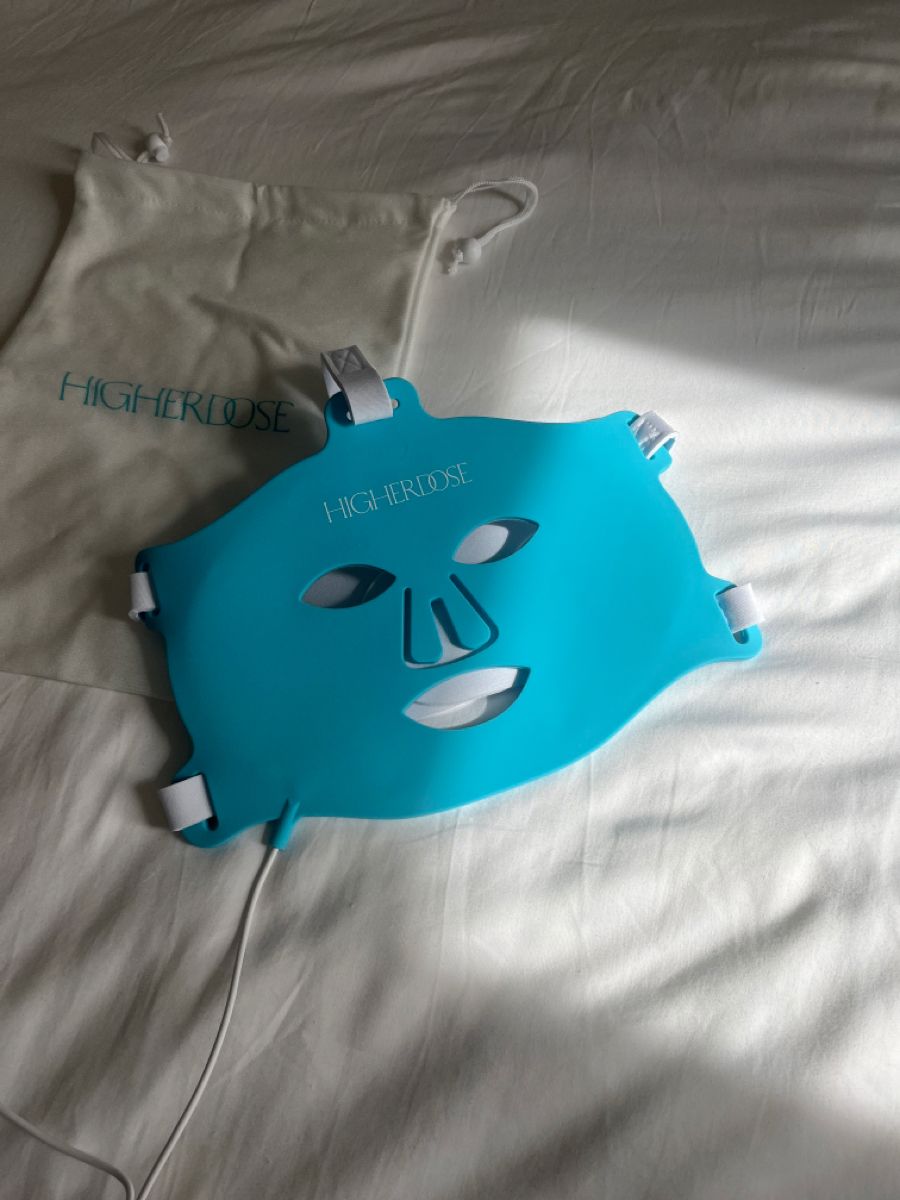
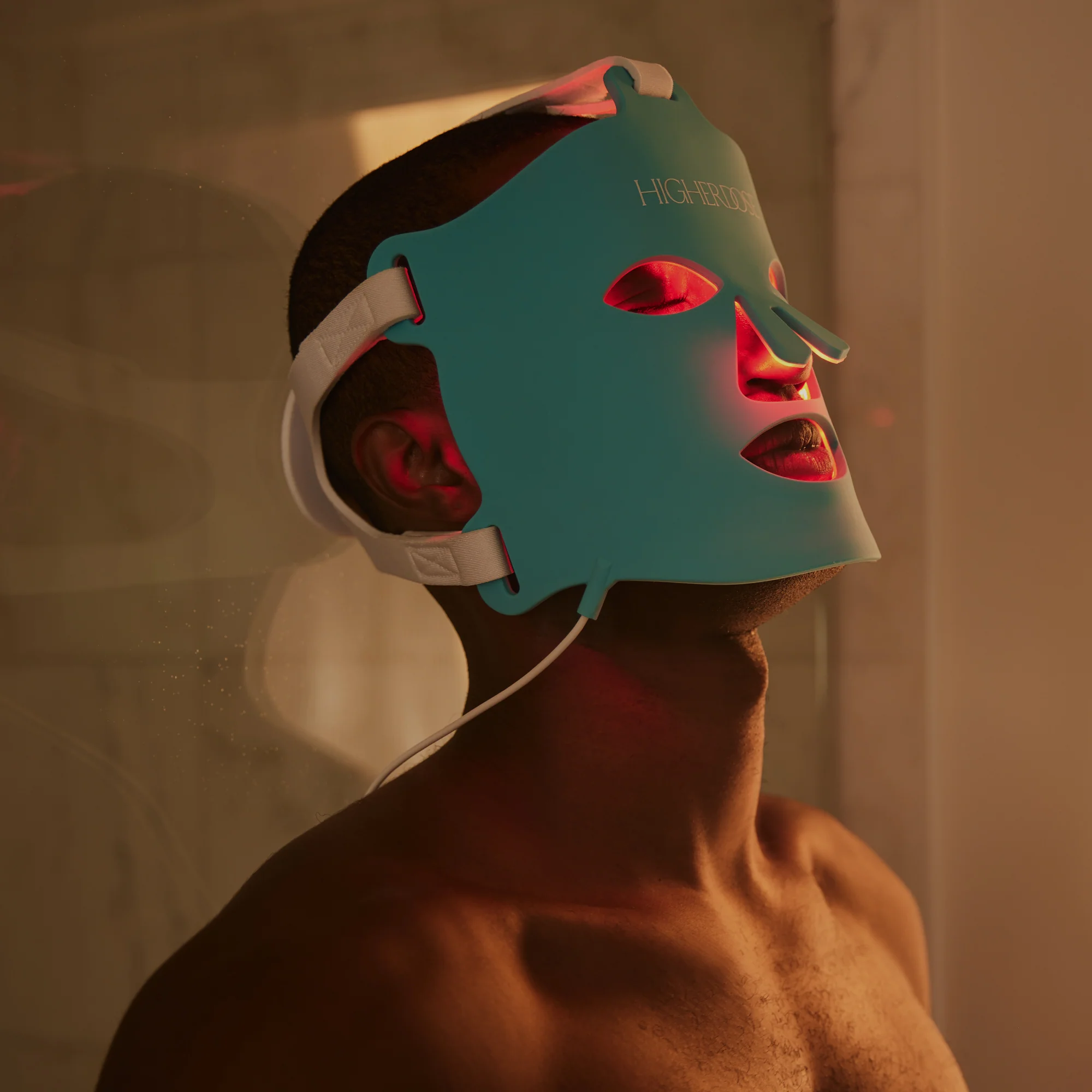
HigherDose built its reputation in wellness — infrared saunas, sauna blankets — and the Red Light Face Mask fits the same philosophy: minimal design, serious technology. Sessions are short, and the mask integrates cleanly into any routine already built around the brand.
Pros: Red + NIR combination · Clean aesthetic, minimal design · Trusted brand with a wellness track record Cons: Fewer published clinical specs compared to medical-grade options · No blue light for acne
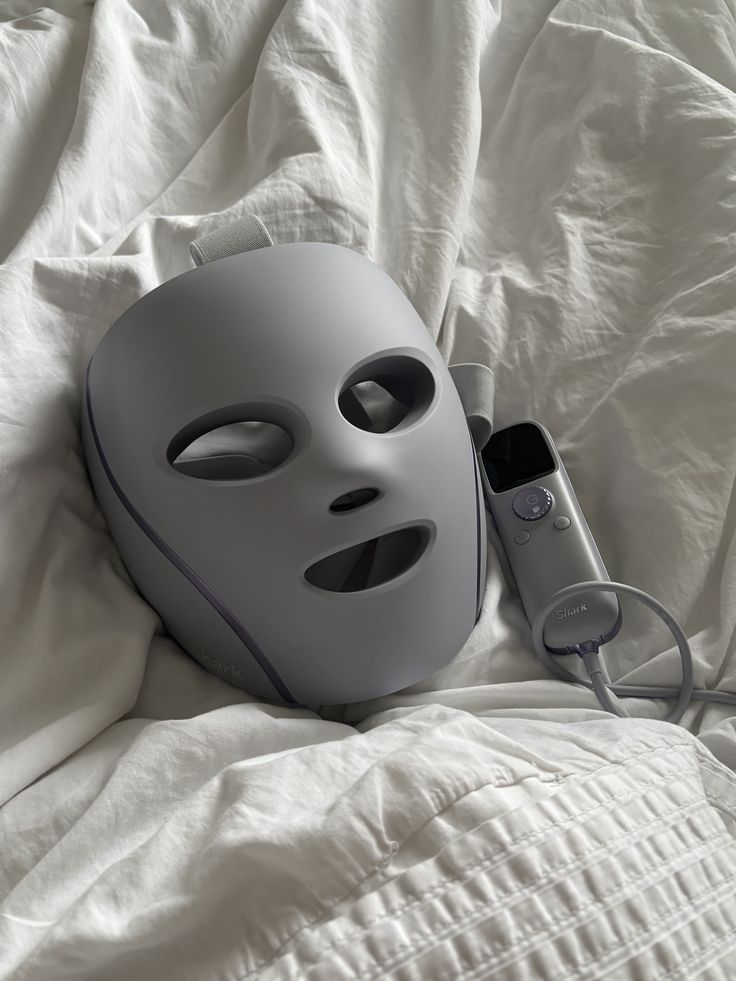
Shark’s first move into skincare is a smart one — pairing LED therapy with built-in cooling, something no other mask on this list does. Backed by a 12-week clinical study: improved fine lines in 8 weeks, clearer skin in 4. Bulky enough to sideline any travel plans, but strong enough to make staying home worthwhile.
Pros: Under-eye cooling pads — unique in the category · Four clinically developed treatment modes · FDA-cleared, dermatologist-developed · Remote control and built-in timer Cons: Bulky, not travel-friendly · Cooling pads replace LED coverage under the eyes · Shorter battery life than some competitors
Not a mask — a screen protector. SWAP Red uses quantum dot technology to convert your phone’s harmful blue light into red wavelengths, delivering low-level passive therapy every time you use your device. The concept is cumulative exposure over time rather than dedicated sessions. It won’t replace a clinical-grade mask. But as an add-on for people already in a red light routine, it’s a smart piece of everyday tech.
Gua Sha LED Device
A 4-in-1 DermaCrest tool built around the gua sha format. It combines 18 LEDs at 630nm with three adjustable levels of heat therapy, multi-level vibration massage, and an authentic white jade stone. The contoured shape allows targeted work on specific zones: jawline, cheekbones, nose edges, under-eyes. For anyone who wants the lymphatic drainage and sculpting benefits of gua sha alongside red light support, without the price tag of a full mask.
Full Body Red Light Mat
Already sold on the face mask? This is the next step. This HigherDose mat wraps, hangs, or lies flat under the whole body, combining red and near-infrared light across 1,000 LEDs. It can double as a recovery tool after a workout or a wind-down ritual before bed — the kind of device that turns a five-minute habit into a slower, more deliberate one.