Paris Haute Couture Week is back. The Spring/Summer 2026 season was eagerly anticipated as both fashion giants Chanel and Dior presented couture collections under new creative directors for the first time, and Armani Privé unveiled its debut show without the maestro himself. The fall season had already hinted at a renewed freedom in fashion’s creativity, and this season more than delivered, setting a high bar for artistry and imagination.
For brides-to-be, these collections go far beyond runway spectacle—they’re a treasure trove of ideas for translating haute couture into wedding-day magic. Whether it’s a sweeping silhouette, sparkling embellishment, whimsical motif, or unexpected color, each look invites reinterpretation and personalization. And while the designs themselves are inspiring, the settings, stagecraft, and atmosphere of each show deserve just as much attention, offering yet another layer of inspiration.
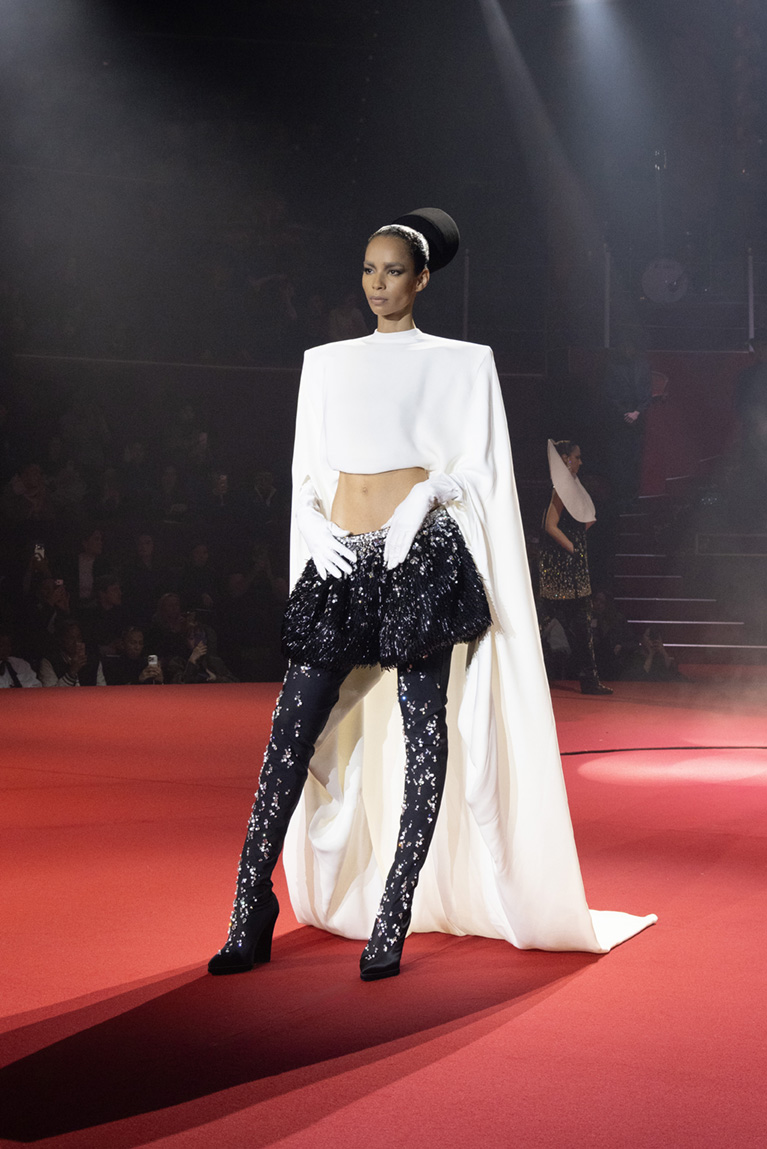
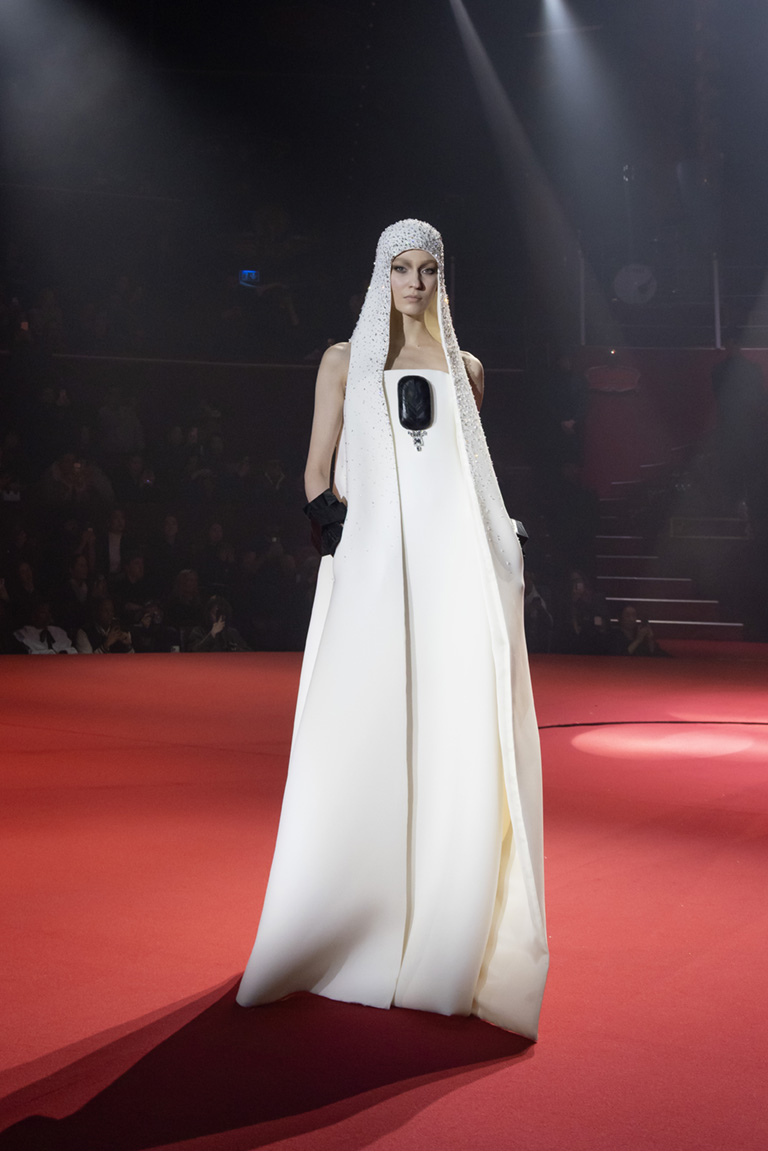
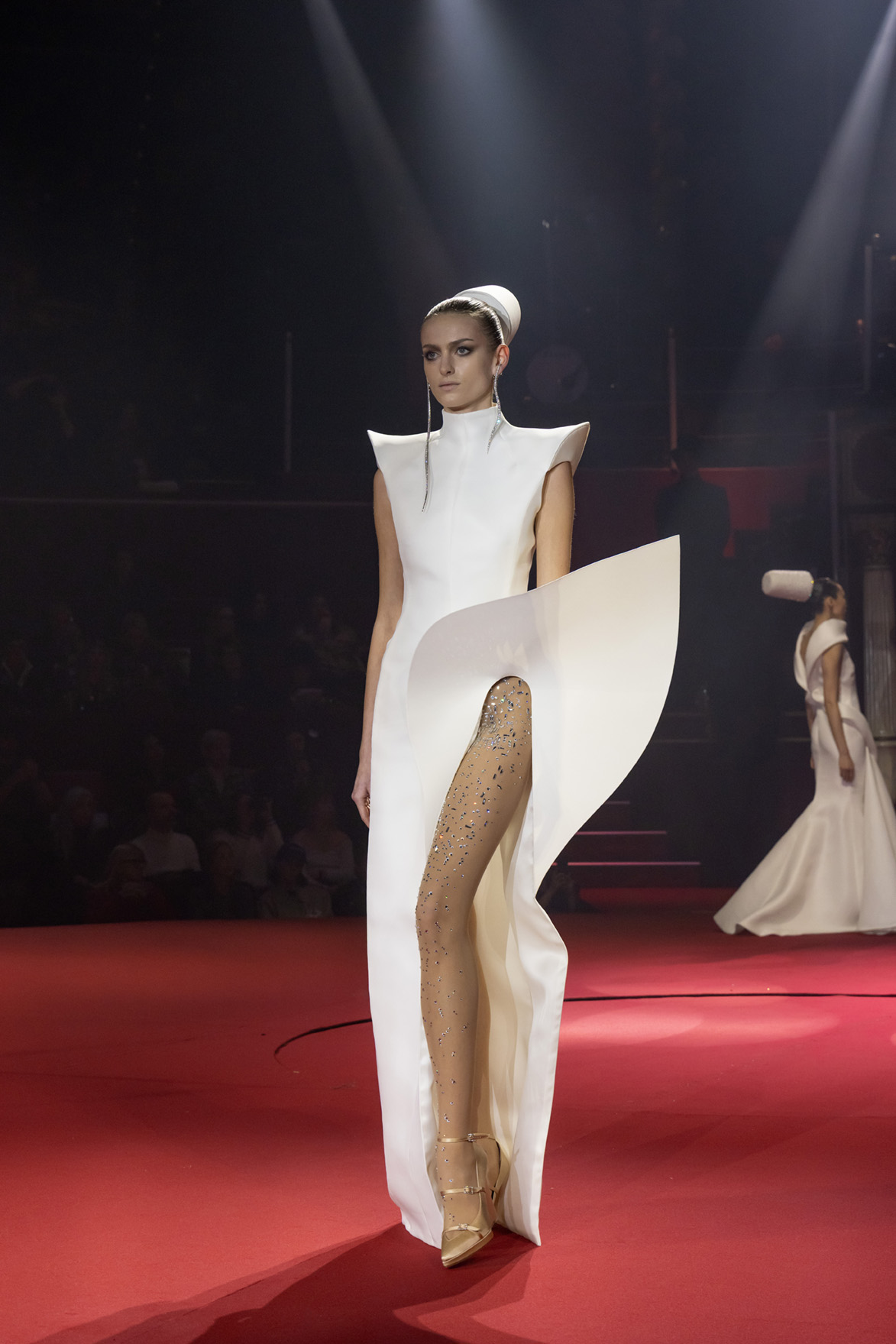
Stephane Rolland chose Paris’ Cirque d’Hiver Bouglione as the setting for his latest collection, a historic venue where Picasso once designed décor and Jean Cocteau directed. Rolland aimed to revive the spirit of a circus long thought vanished. “The theme arrived very naturally,” he explained. “It was Pablo Picasso and the ballet Parade. Because it’s the circus, everything revolves around circular shapes.” Before the finale, Natalia Bouglione floated gracefully through the air, leaving the audience awestruck as her performance brought the show to a spectacular close.
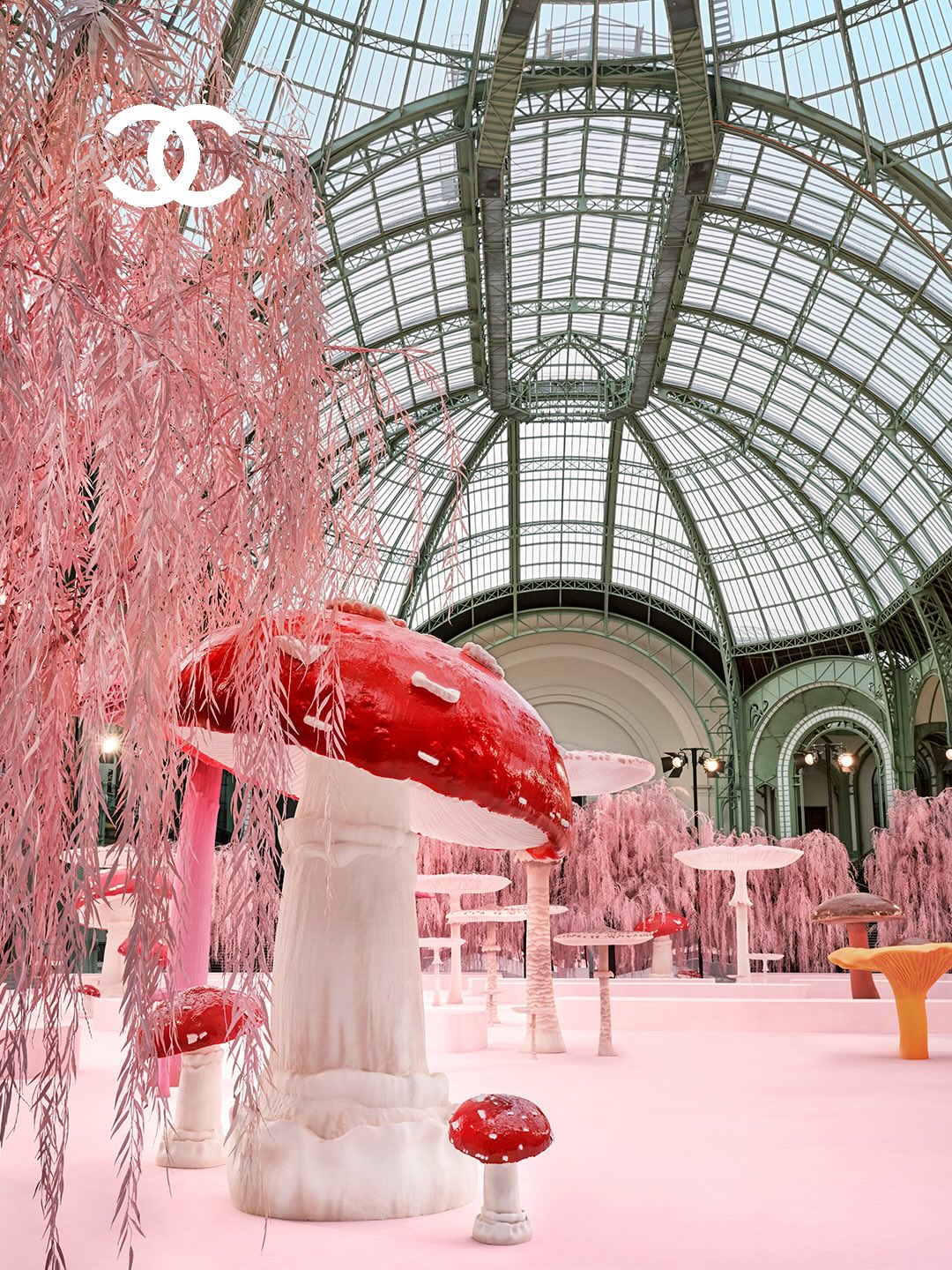
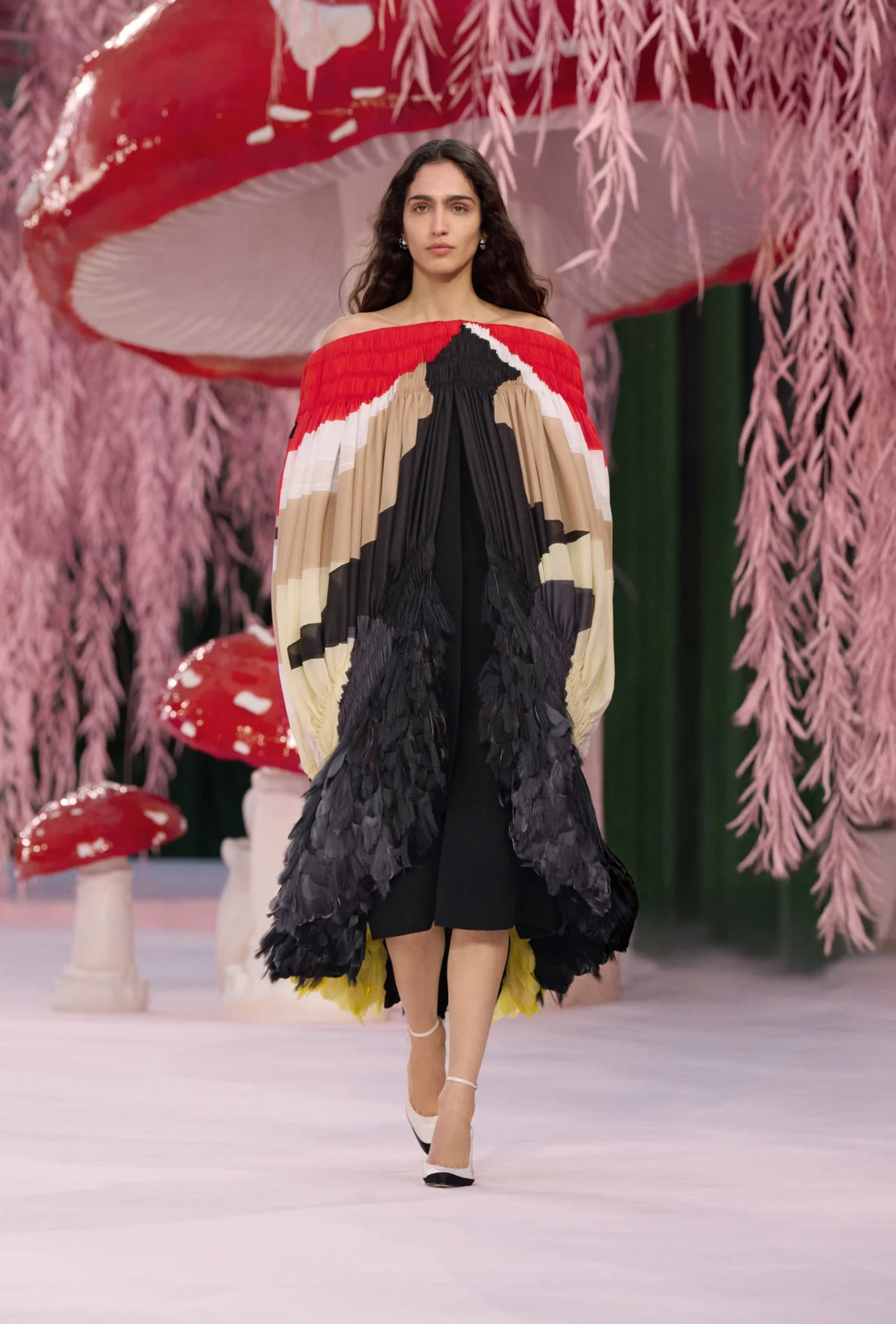
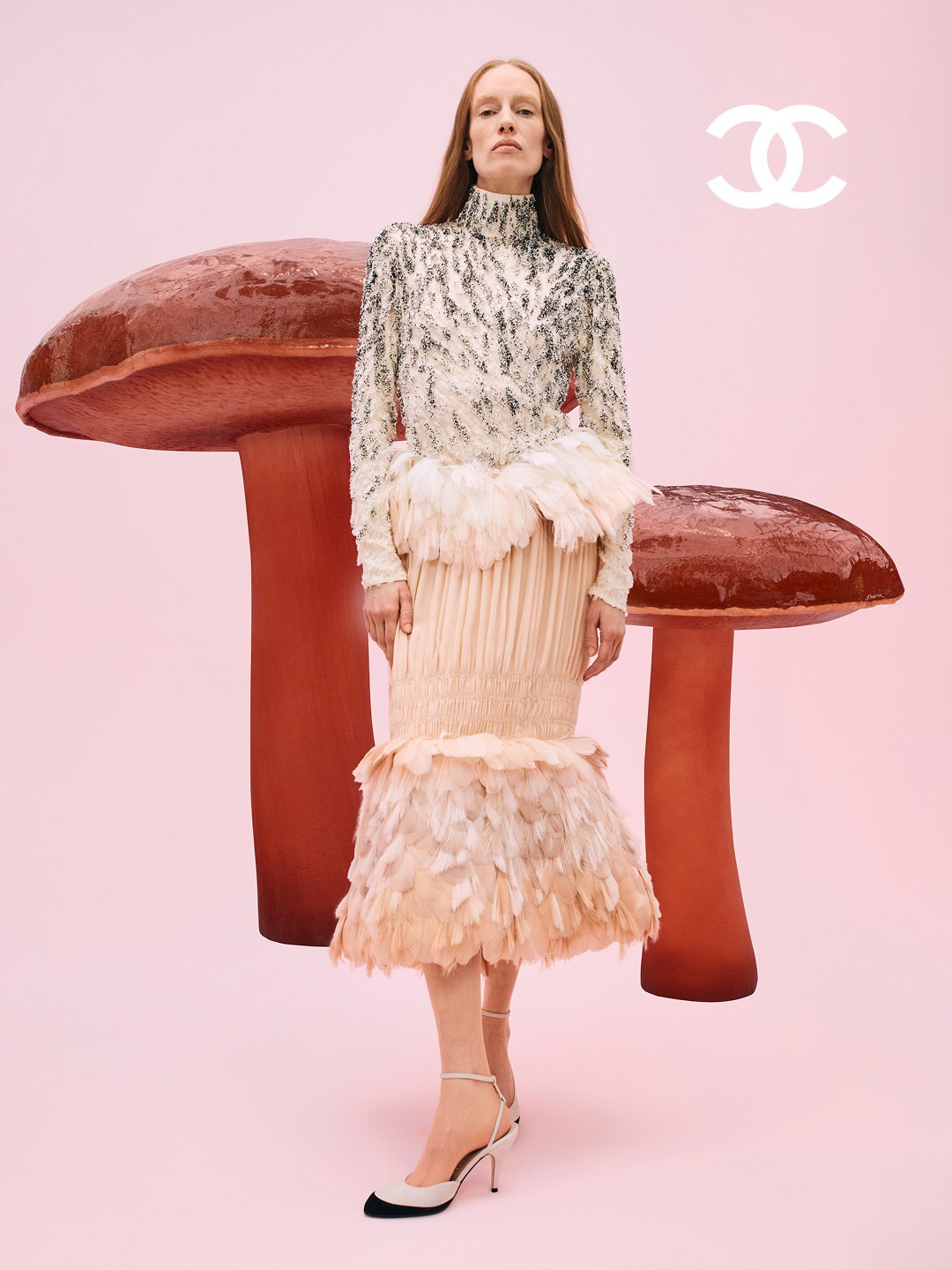
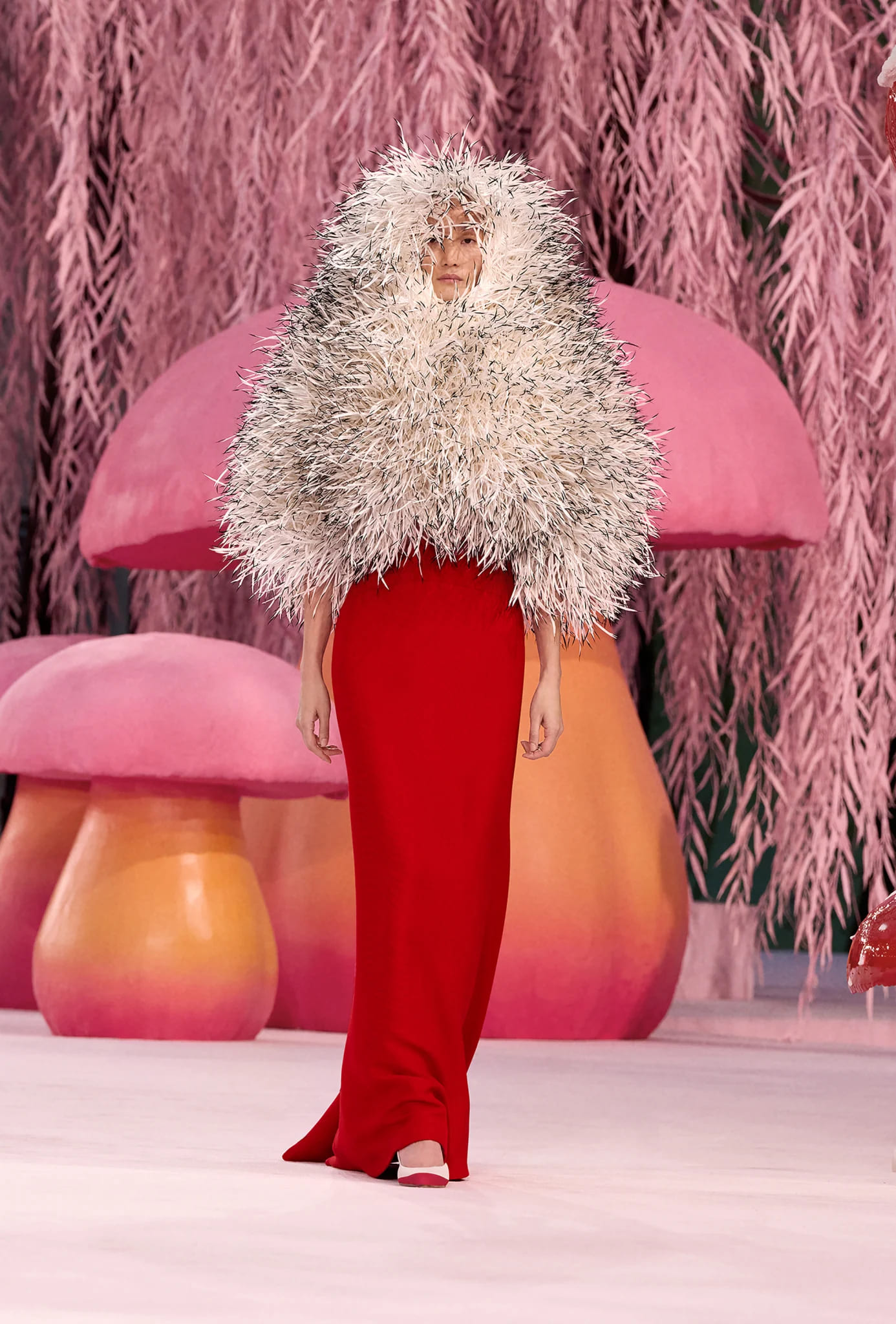
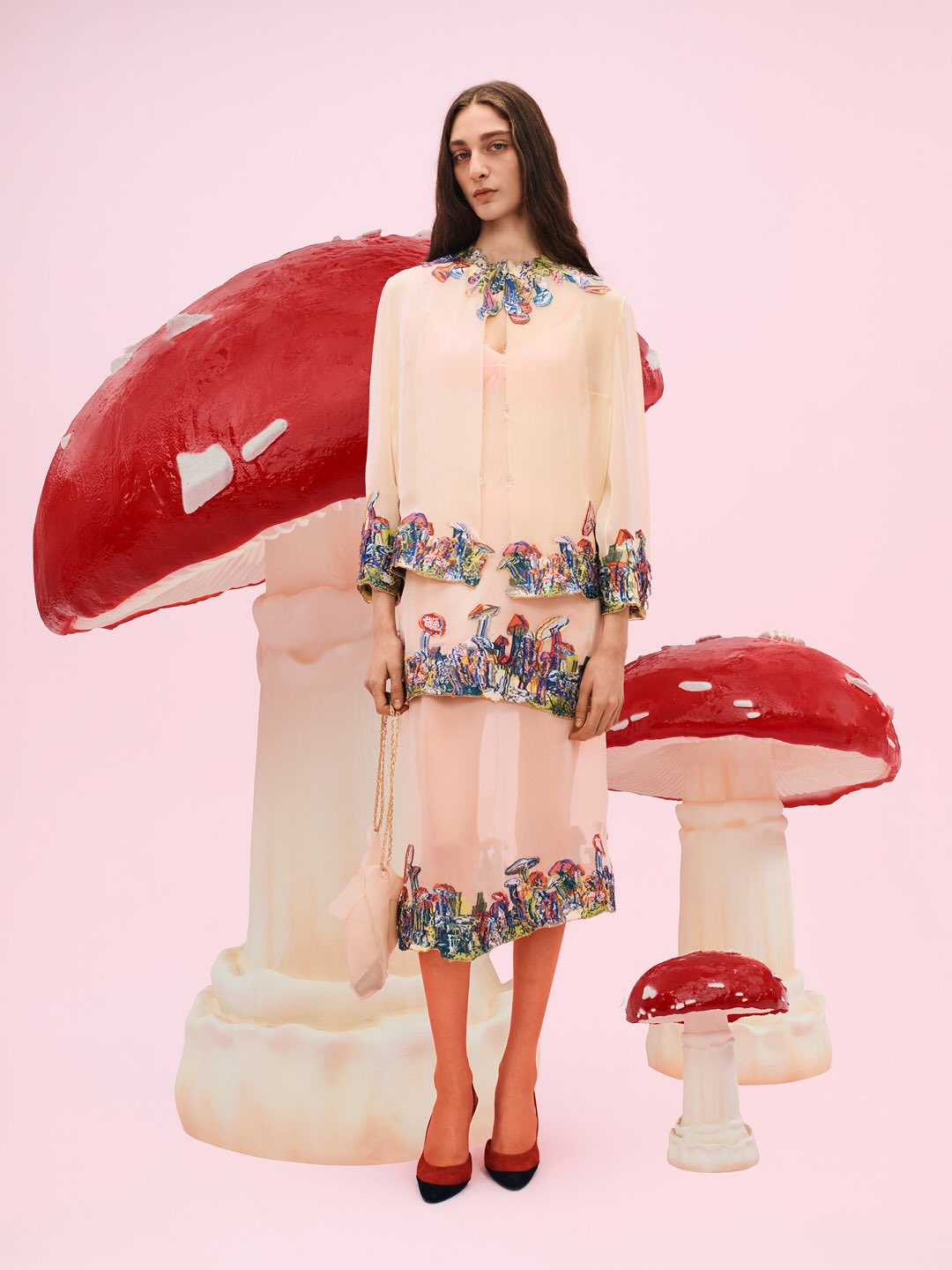
Chanel’s Spring/Summer 2026 Haute Couture collection, presented at the Grand Palais in Paris, marked Mathieu Blazy’s much-anticipated debut. The settings of Chanel shows are legendary in themselves—always a visual pleasure and a source of inspiration. This season, the venue featured drooping powder-pink willow trees and a runway dotted with decorative mushrooms in a variety of shapes and sizes. The inspiration, as revealed in the show notes, came from an anonymous Japanese haiku: “Bird on a mushroom / I saw beauty in a flash / Then it was gone, flown away.” The dialogue between the grounded mushroom and the bird that momentarily rests upon it before taking off became its emotional core. Some pieces celebrated the champignon motif directly, with embroidered trims and beadwork evoking mushrooms in whimsical, fairy-tale-like detail.
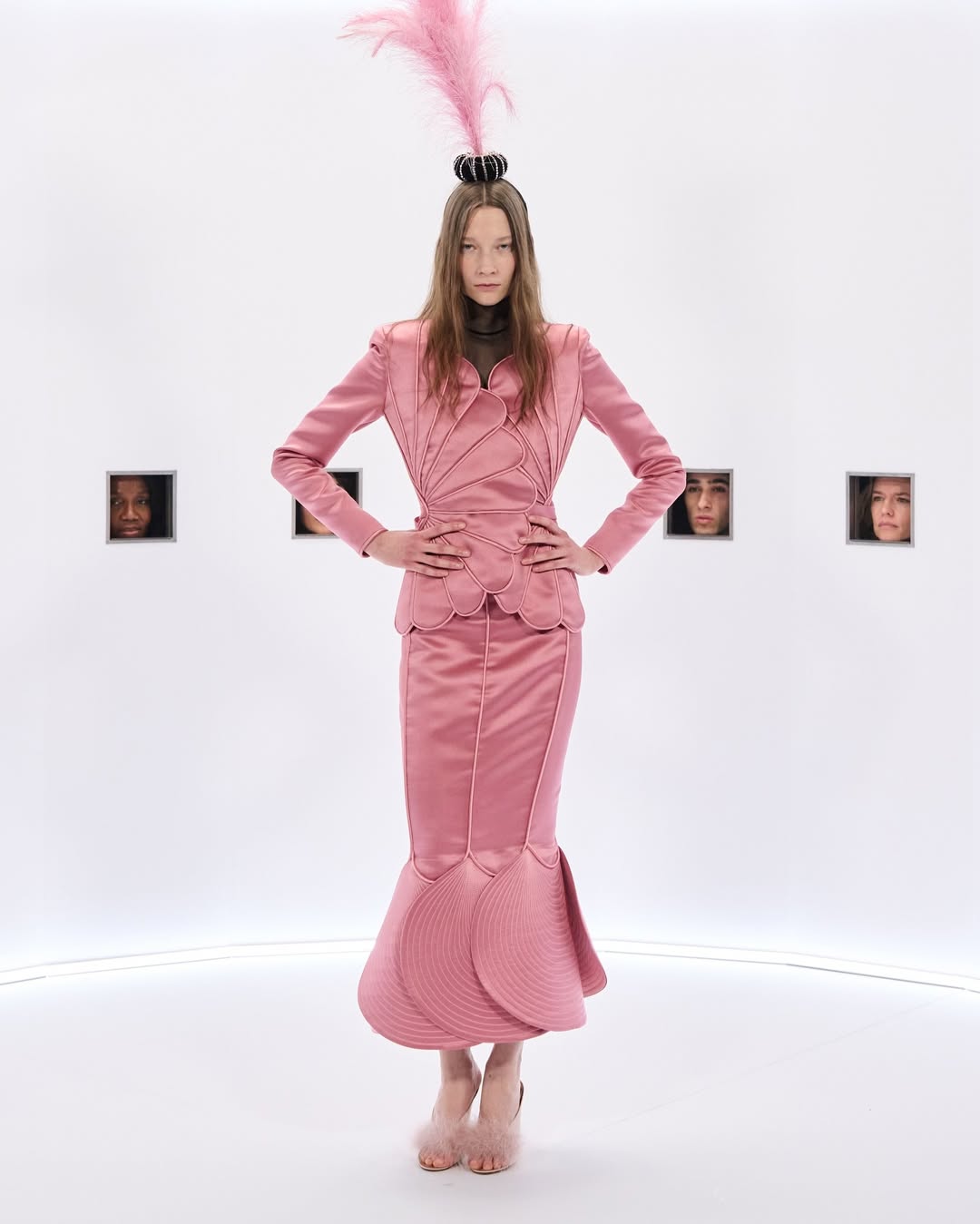
The golden age of cinema inspired the Valentino Spring/Summer 2026 couture collection. Within the dimly lit Paris Tennis Club in the 16th arrondissement, Alessandro Michele installed a dozen wooden cylindrical booths, modeled on the 19th-century Kaiserpanorama, an optical viewing device. Guests were invited to watch the show through small square openings, experiencing it individually. This way, Michele encouraged a more focused and intimate observation of the clothes. “Each person looked alone, yet everyone watched together, participating in a public ritual founded on the isolation of the gaze,” the designer wrote in his show notes.
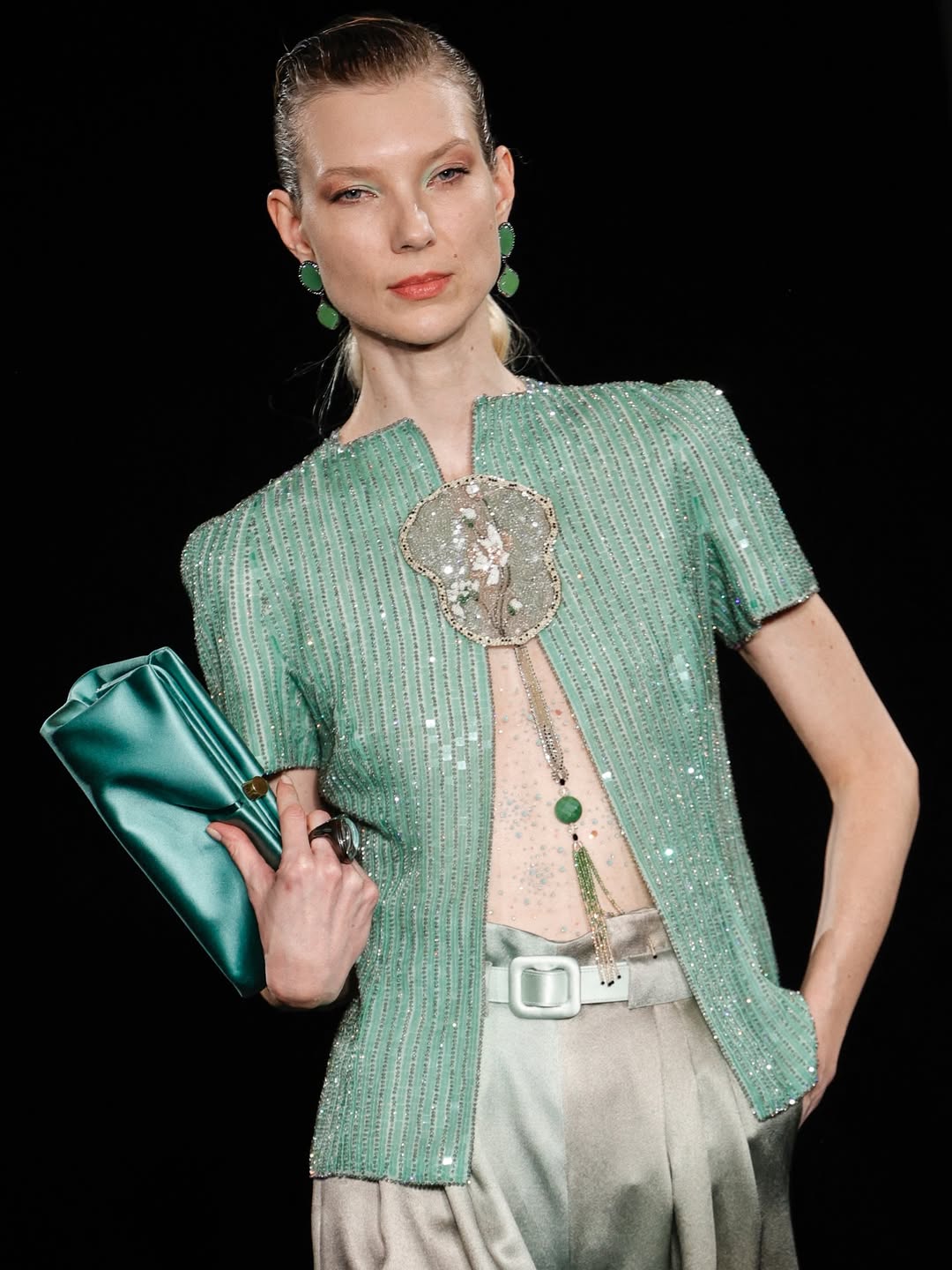
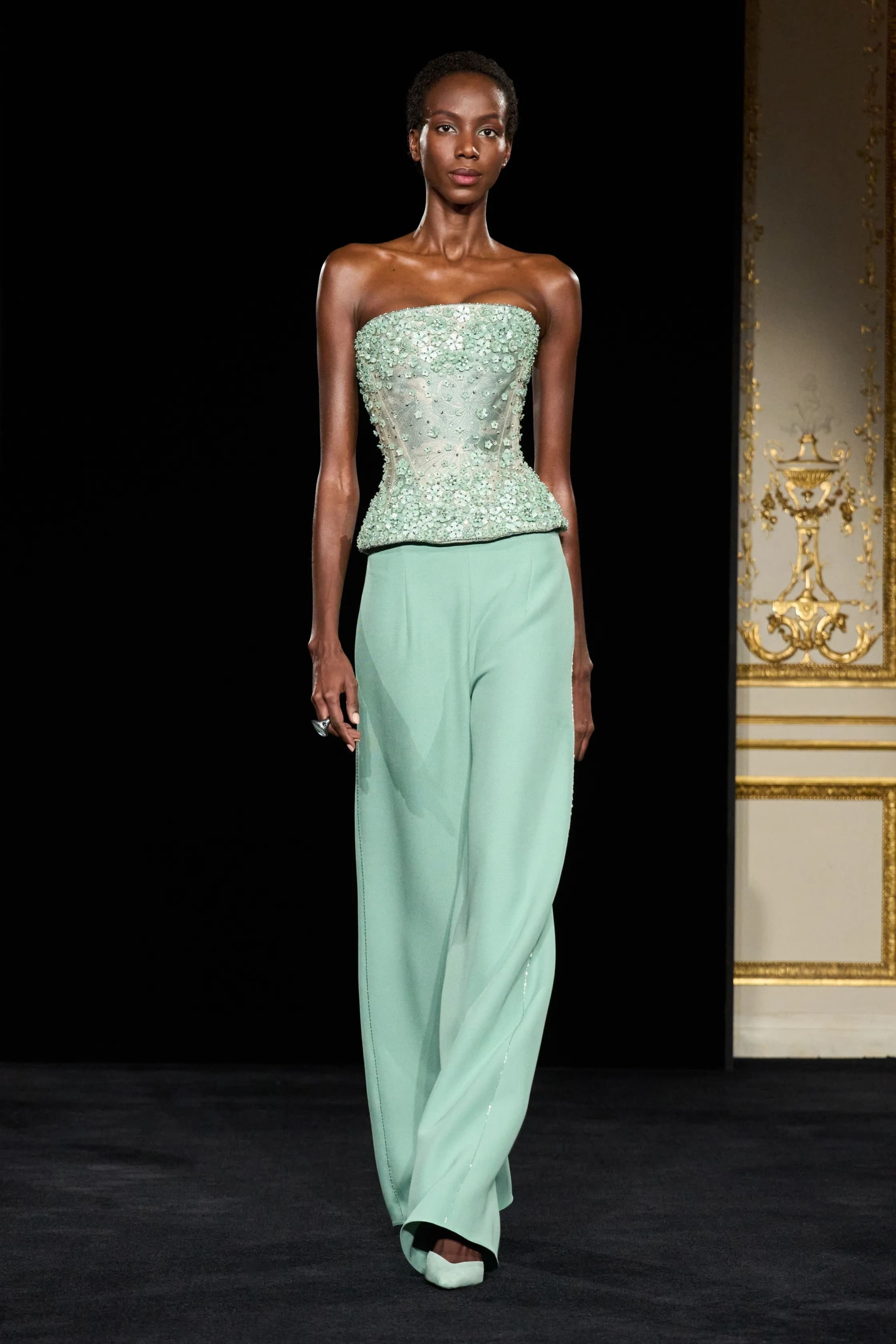
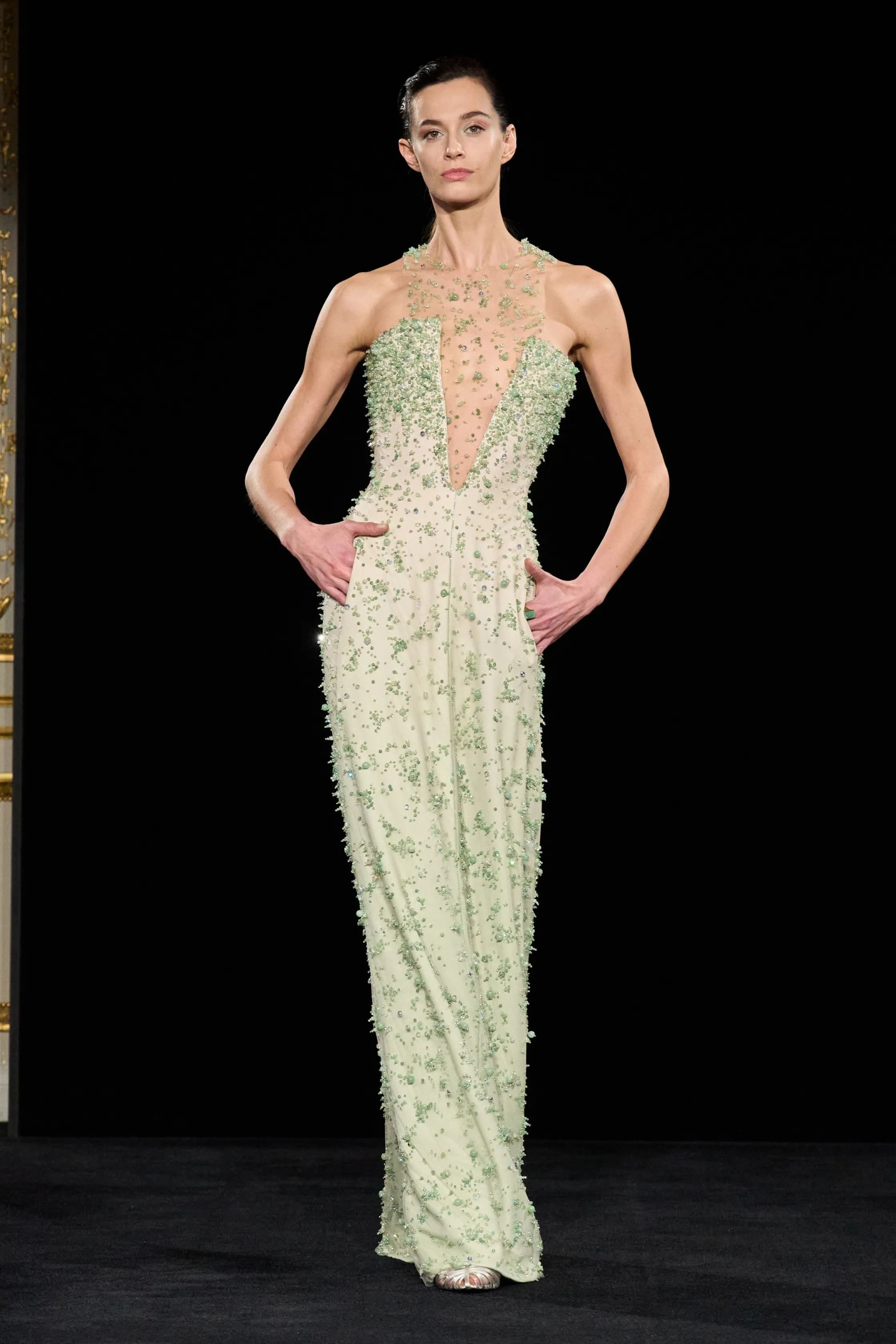
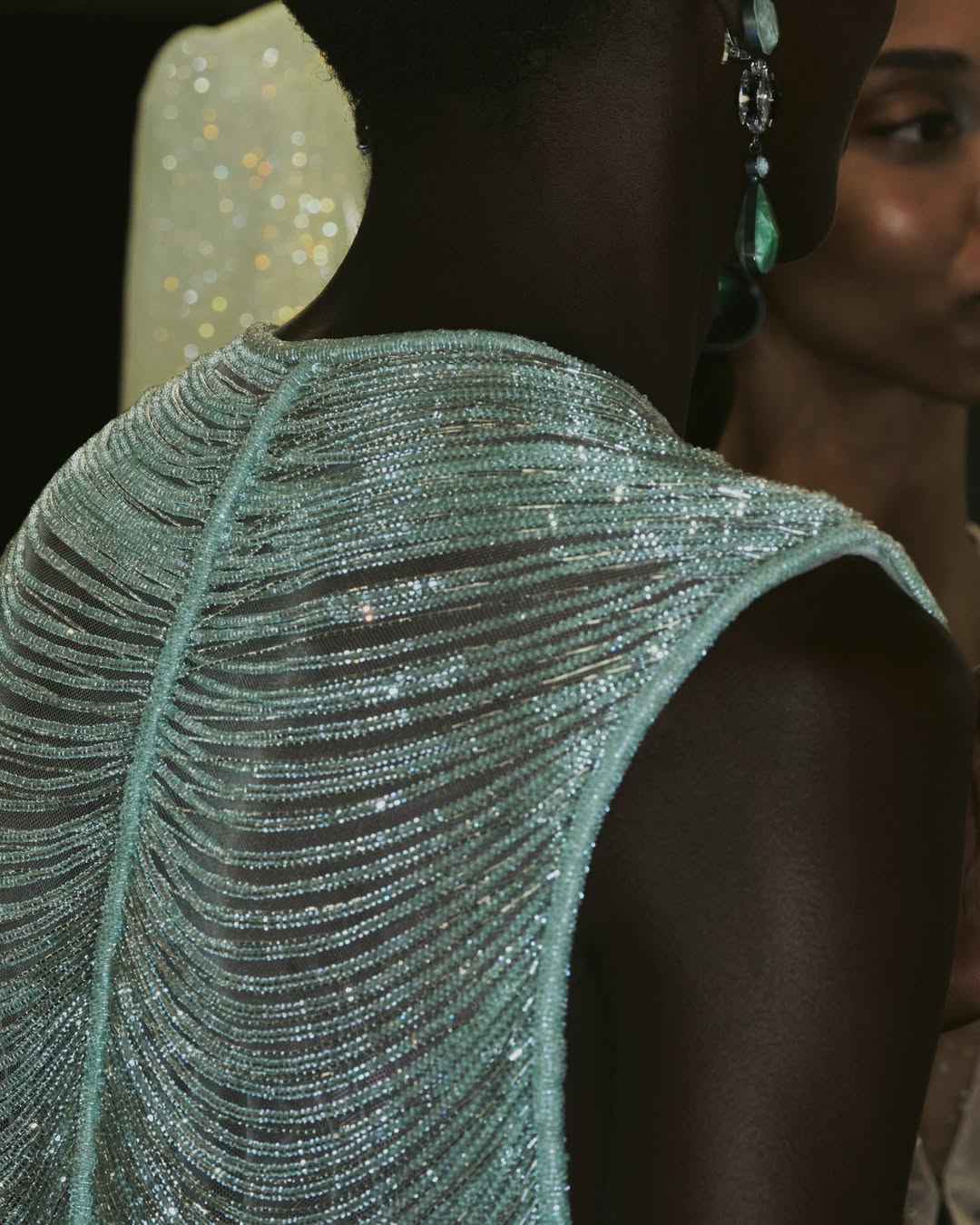
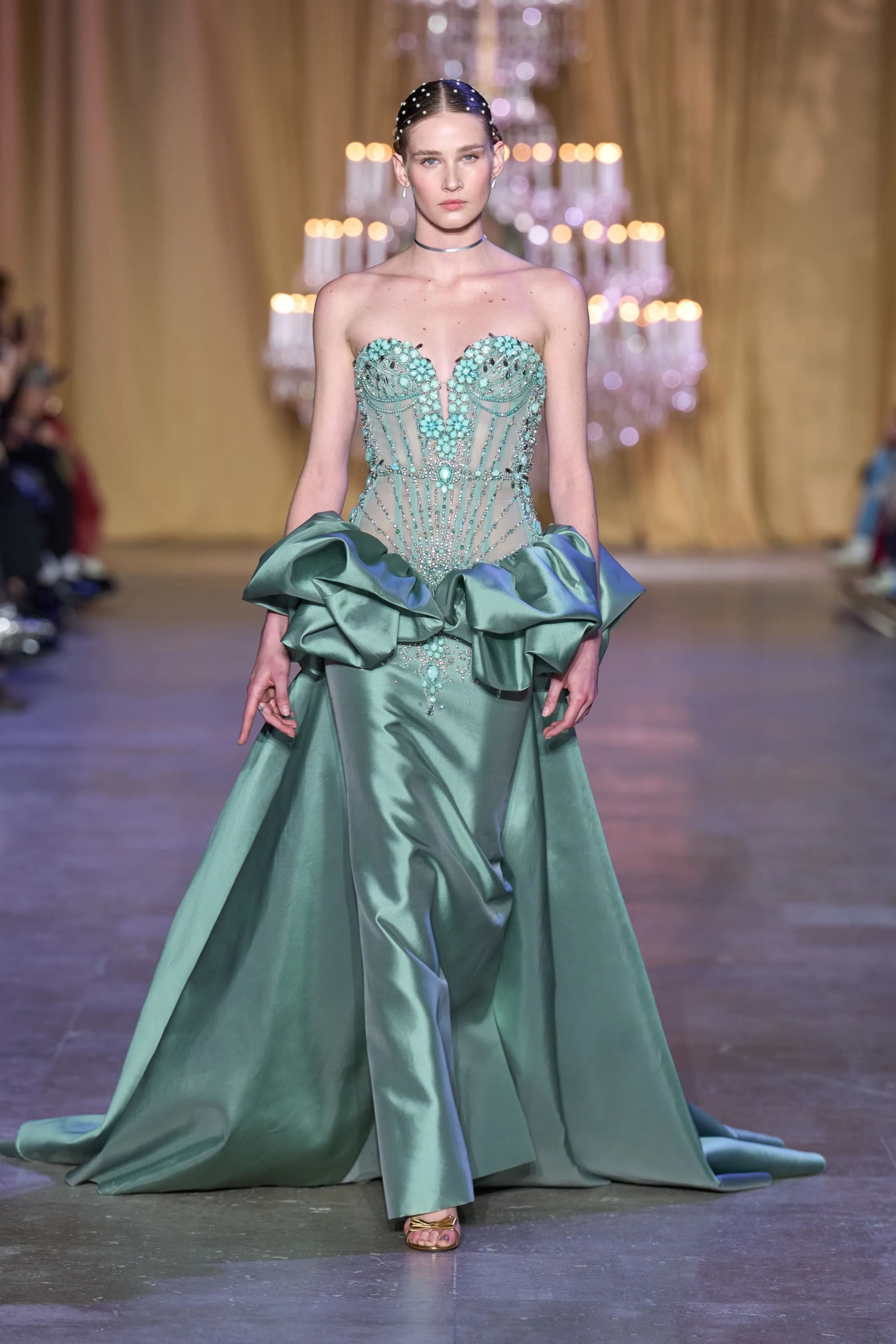
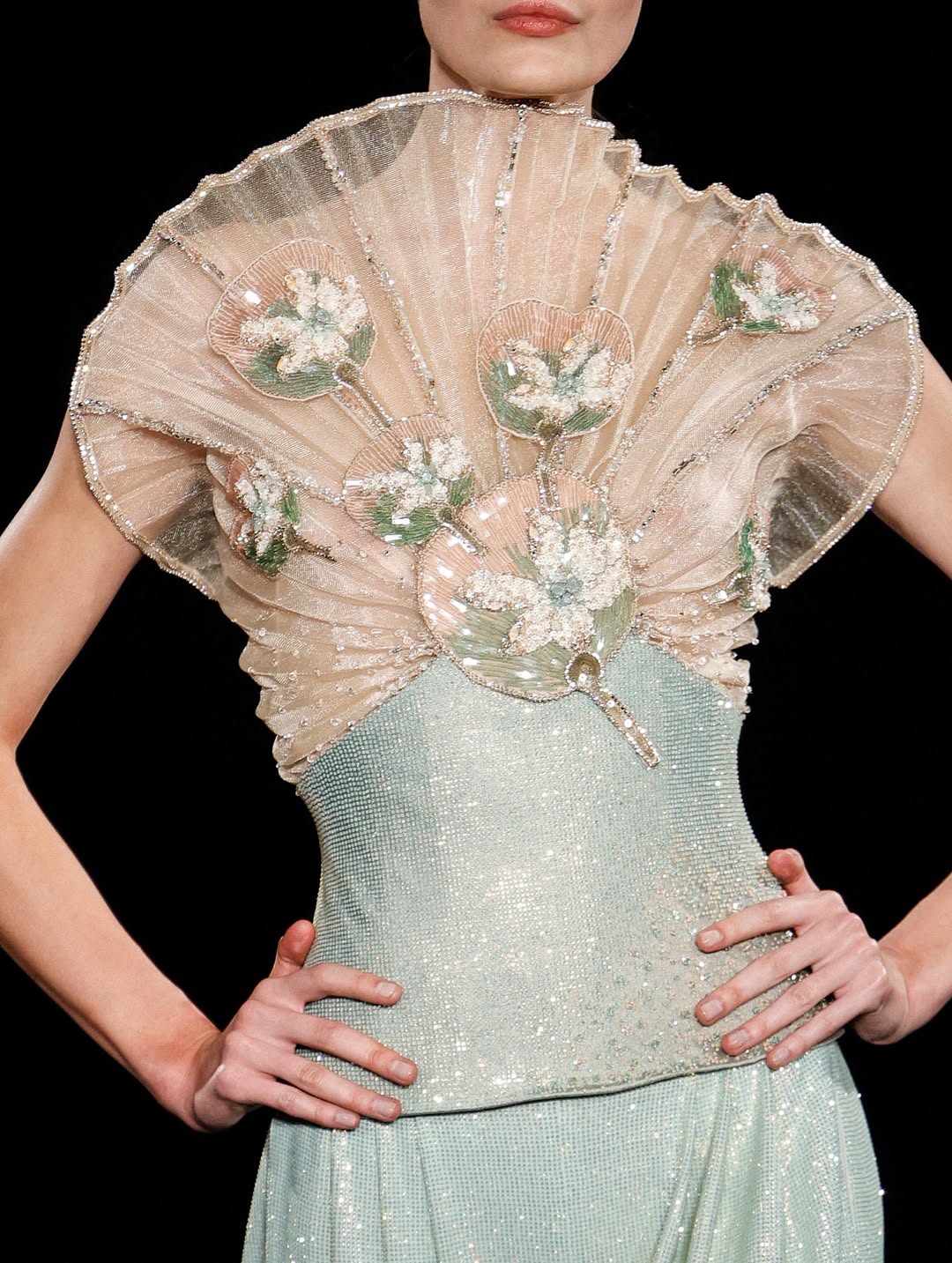
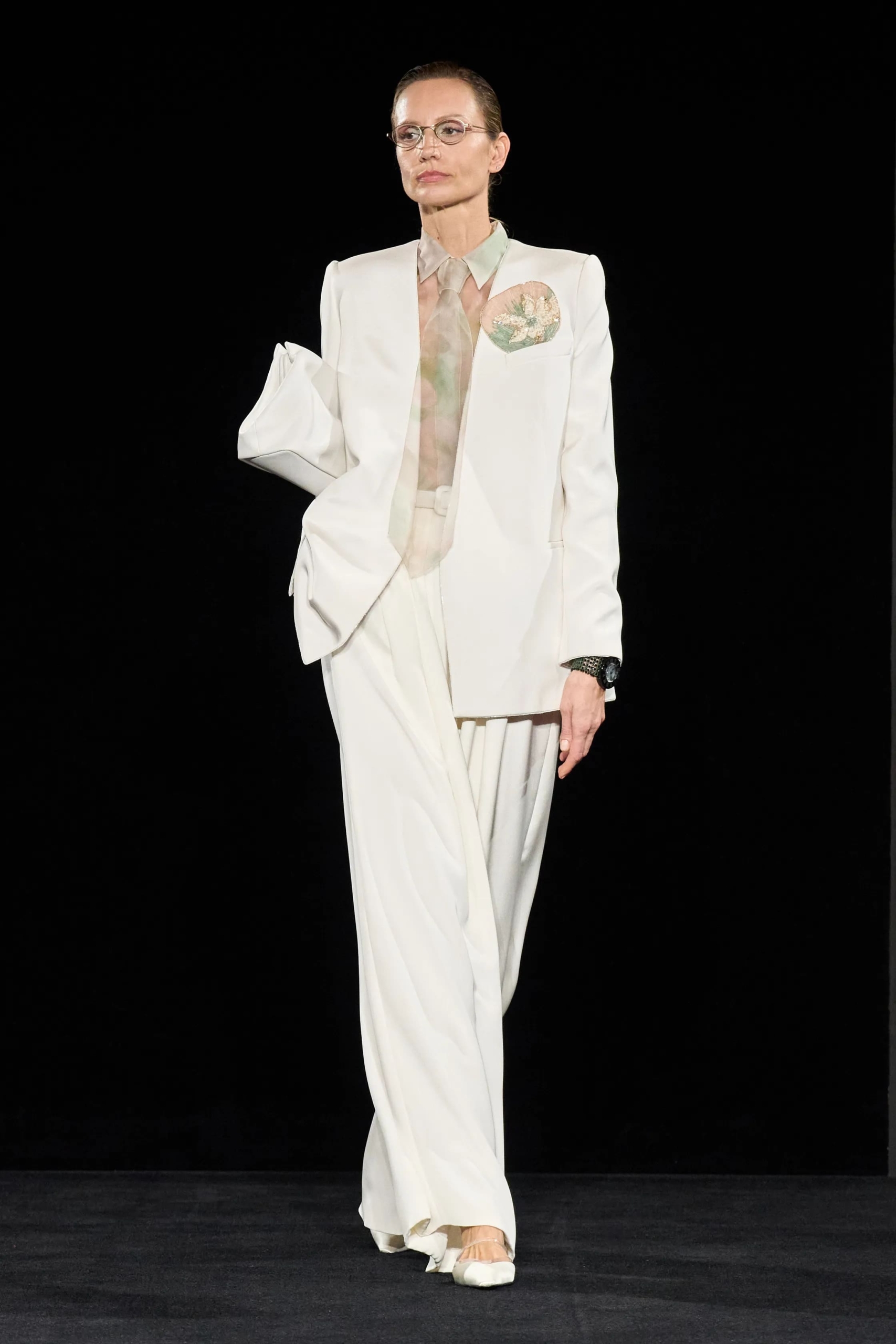
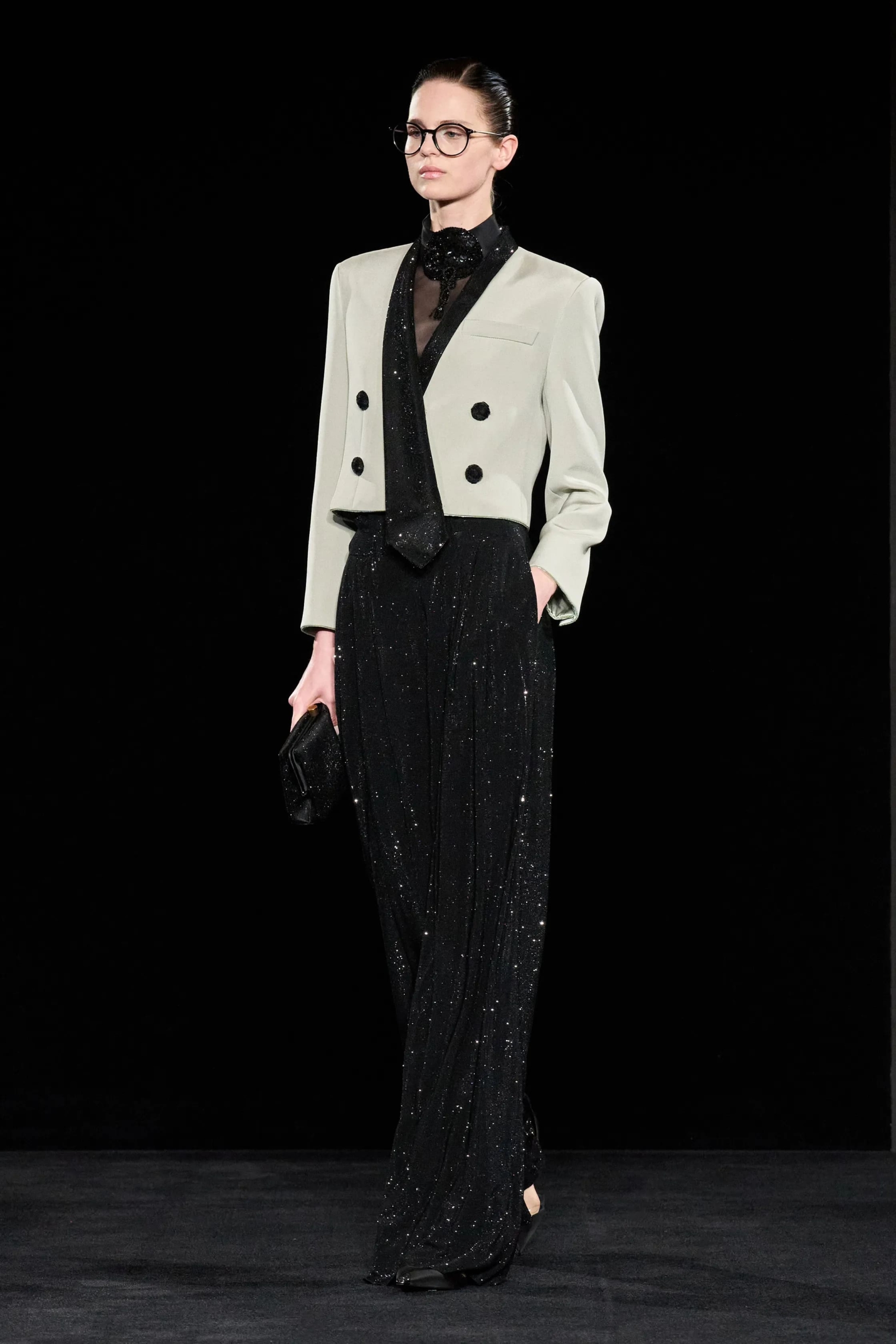
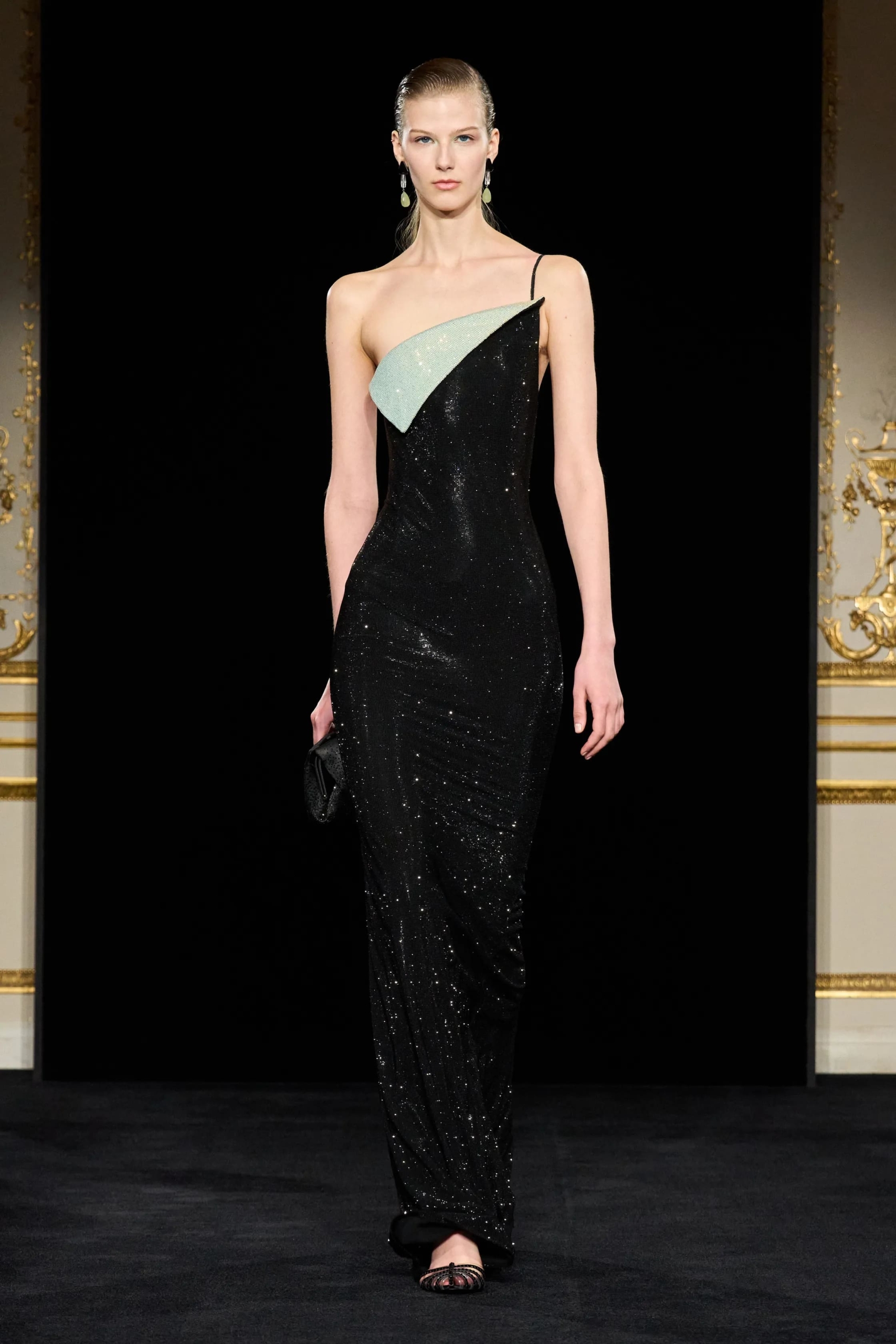
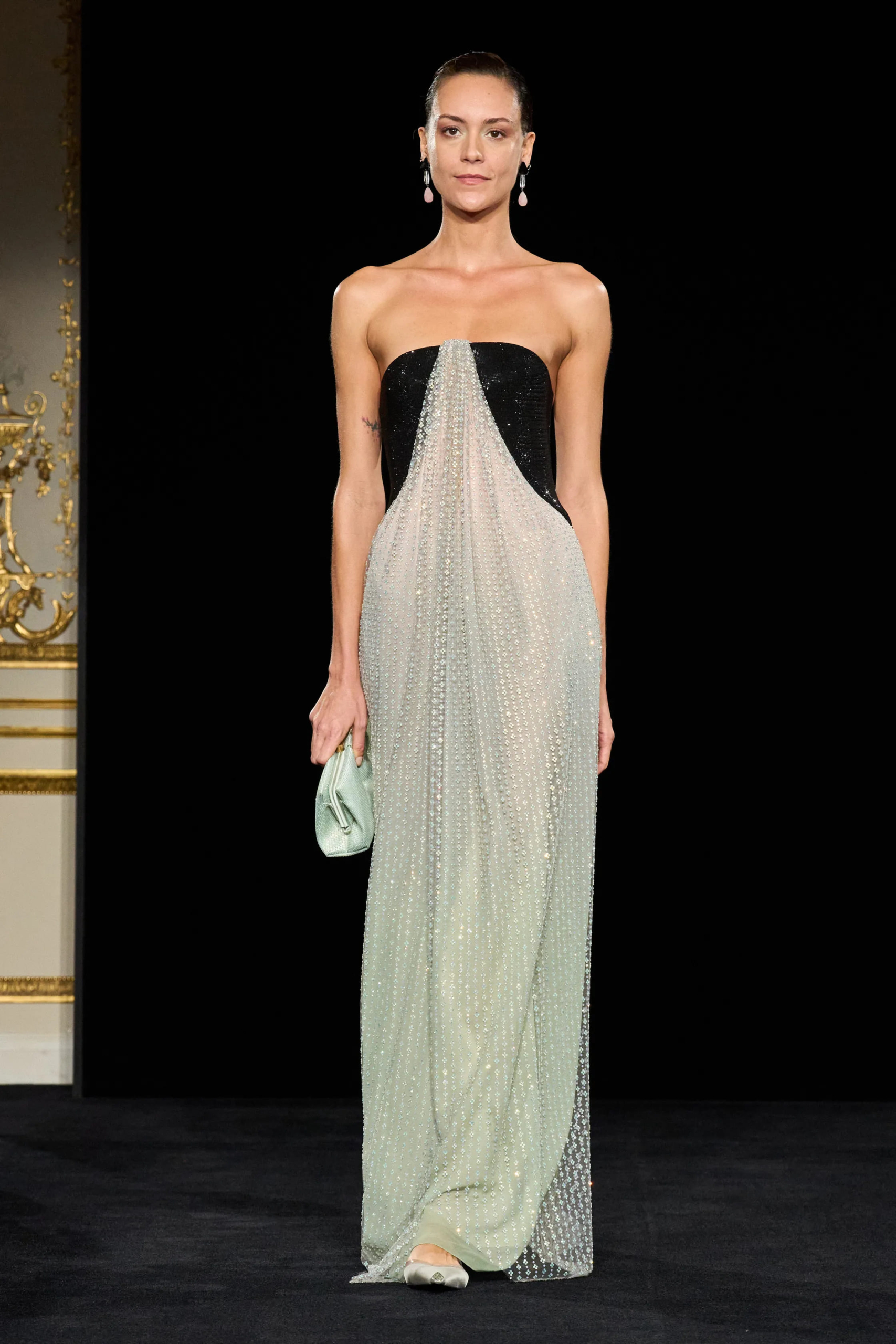
Mint green instantly evokes a sense of calm and freshness, making it feel perfectly at home in spring. The shade appeared prominently in Armani Privé’s Jade couture collection, presented by Silvana Armani, the late founder of the house. Silvana chose jade as the central theme for this spring show. Fittingly, Pinterest has since named Jade one of the Colors of 2026. True to Armani Privé’s DNA, the collection balanced refined elegance with versatility, pairing chic gowns with relaxed, thoughtful tailoring in the form of fluid, sensible trousers. Mint and jade tones also surfaced in collections by Zuhair Murad—renowned for celebrating femininity—as well as Valentino under Alessandro Michele and Chanel by Matthieu Blazy.
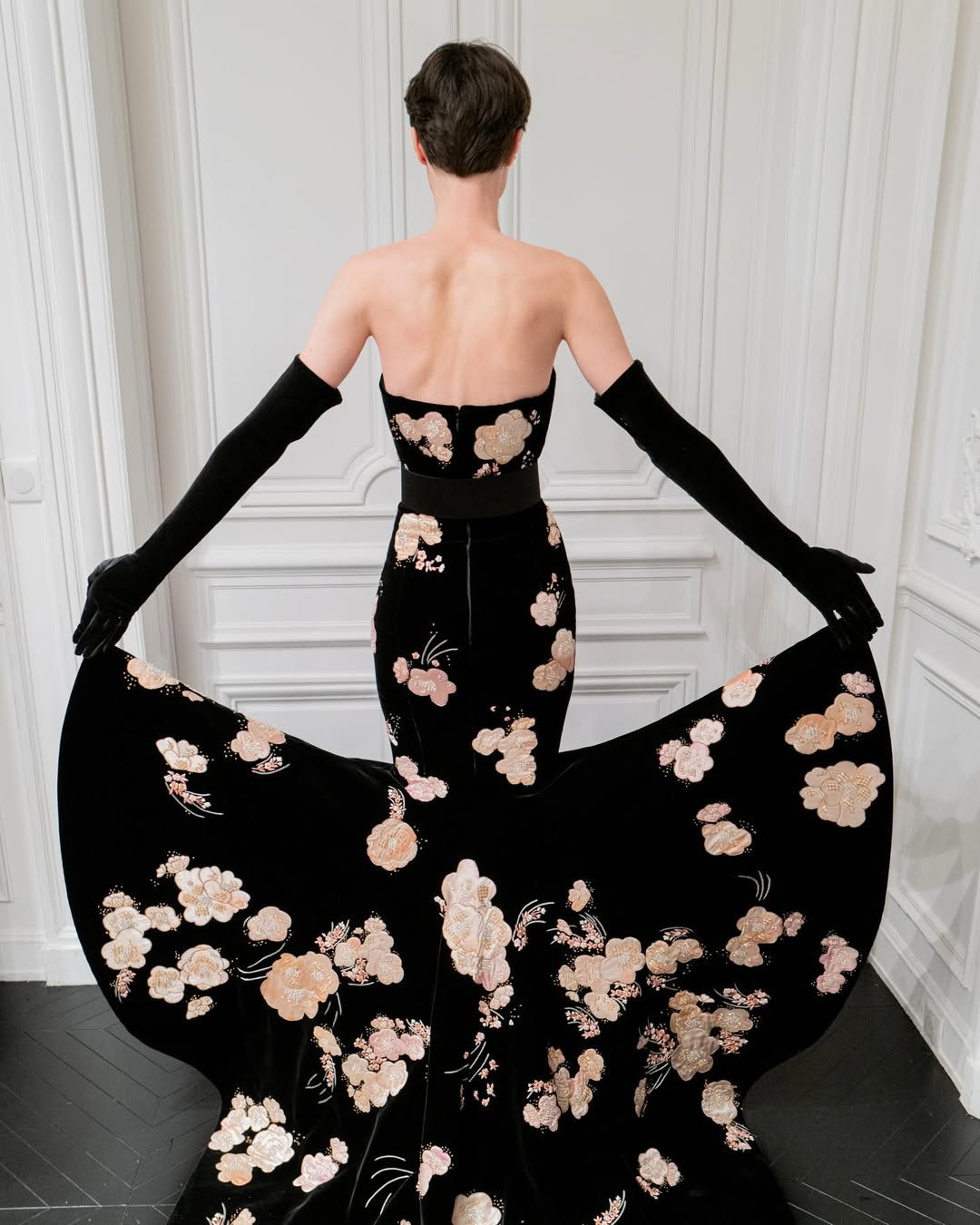
“Florals? For spring? Groundbreaking,” Miranda Priestly famously quips when a fashion editor suggests a floral-themed spring editorial. The idea may not be new, but it’s the execution that continues to evolve—and this season proved just how imaginative florals can be. Jonathan Anderson made his couture debut at Dior with a collection that felt like a full-blown floral fantasy. Flowers appeared everywhere: on skirts and dresses, wrapped around the neck, adorning bags, earrings, and even shoes. It was unapologetically abundant.
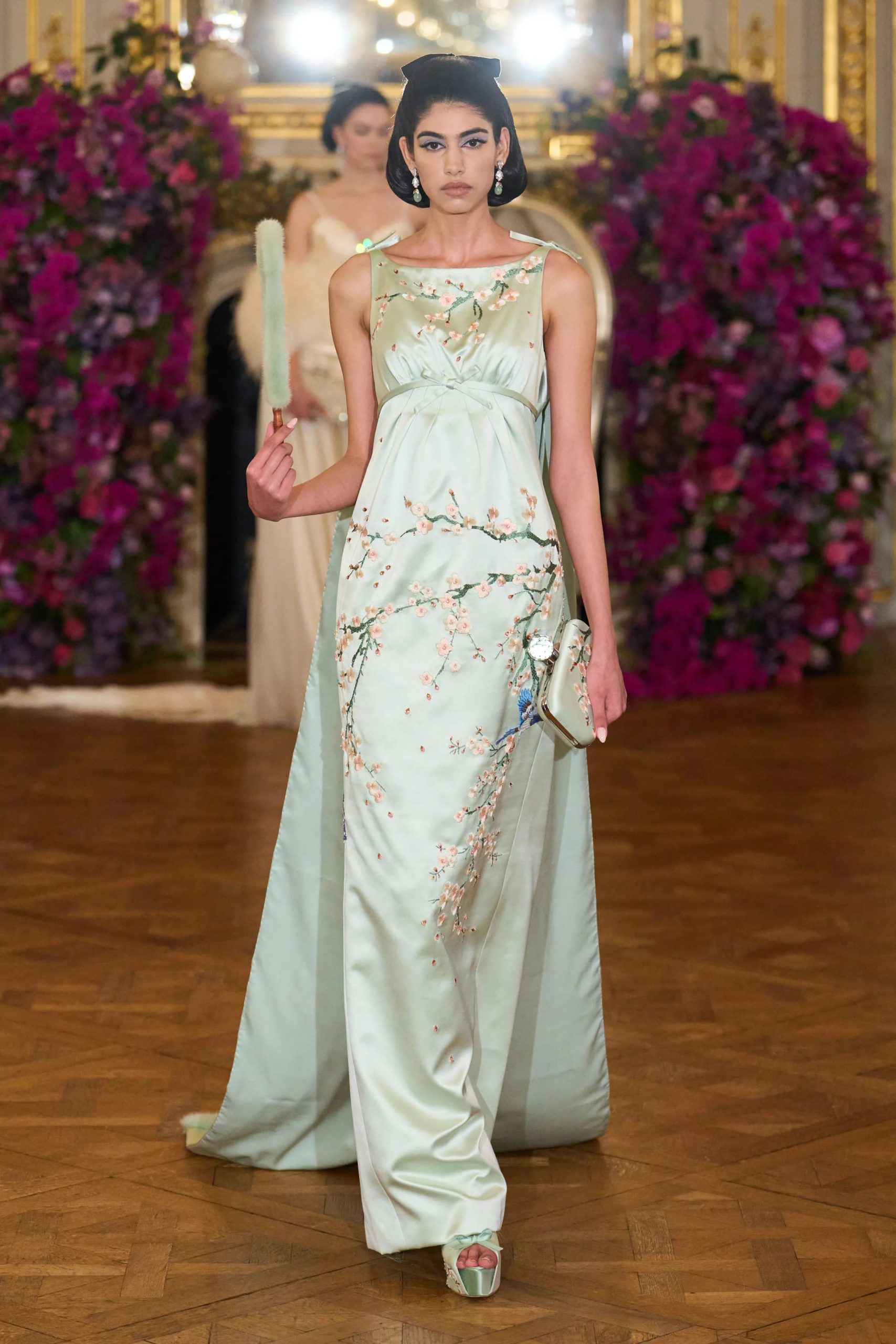
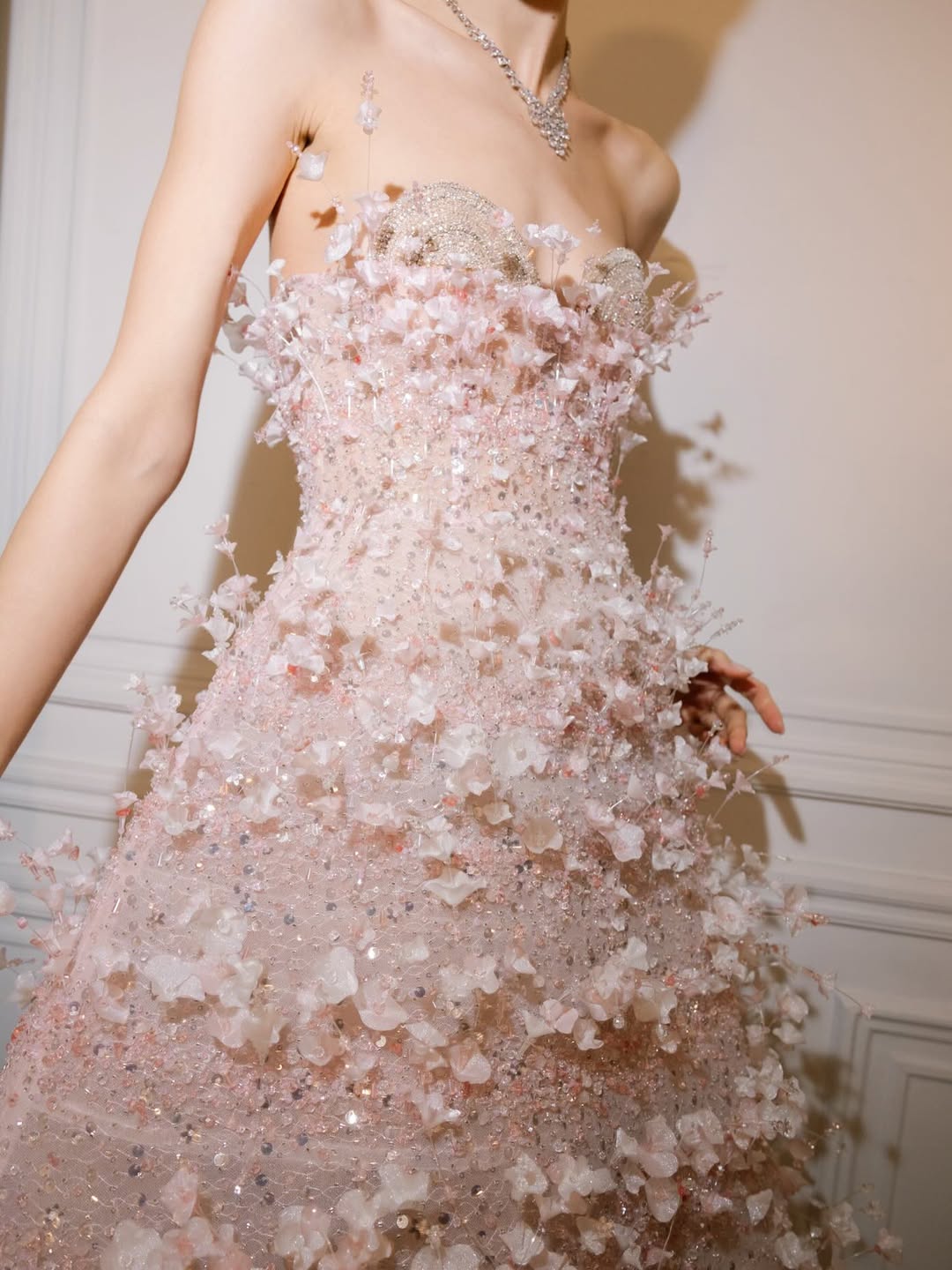
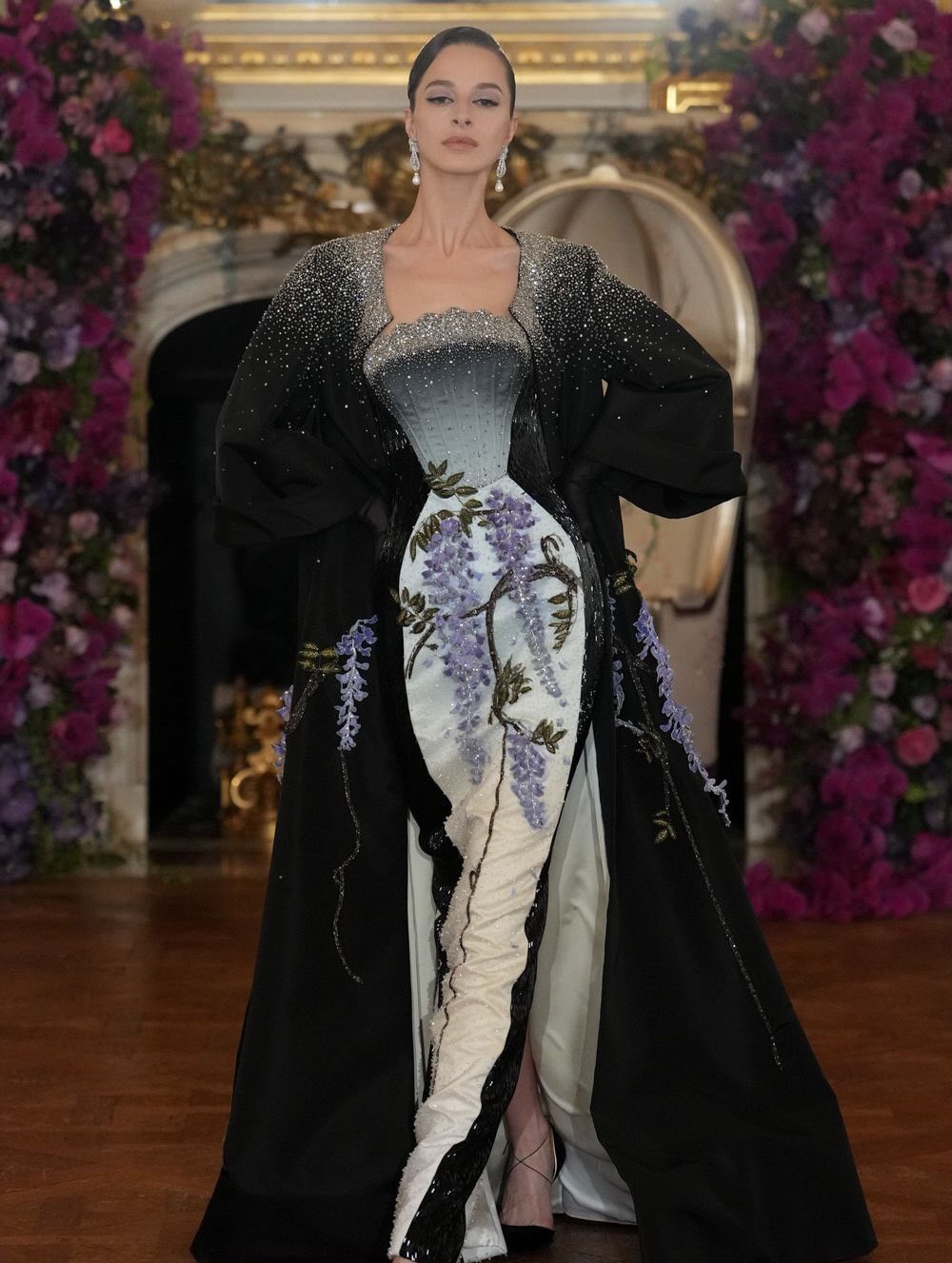
Georges Hobeika’s L’AMOUR explored the pink spectrum in all its nuance, from dusty rose to soft lilac. While crystals took center stage, one standout dress featured delicately embroidered magnolias. Sohee Park’s couture collection unfolded as a poetic tribute to the female form, inspired by personal memories. From the window of her summer home at the southern tip of Korea, she watched wisteria bloom, bamboo sway, and seasons quietly shift in the garden—scenes translated into intricate floral embroidery on her signature corseted hourglass silhouettes and fluted skirts. Meanwhile, some of Daniel Roseberry’s emotionally charged designs for Schiaparelli’s couture collection The Agony and the Ecstasy were embellished with florals, adding yet another layer of drama and romance.
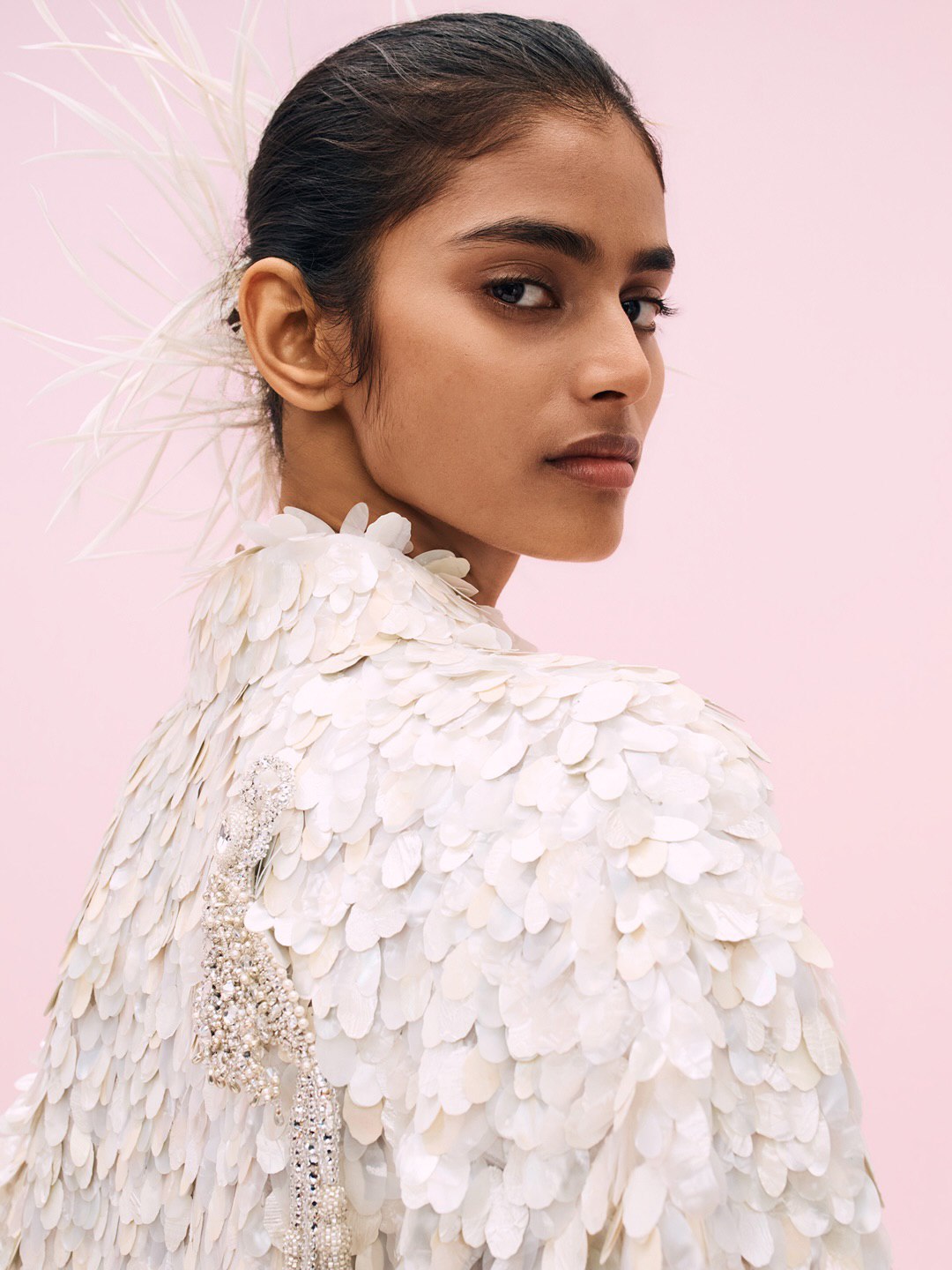
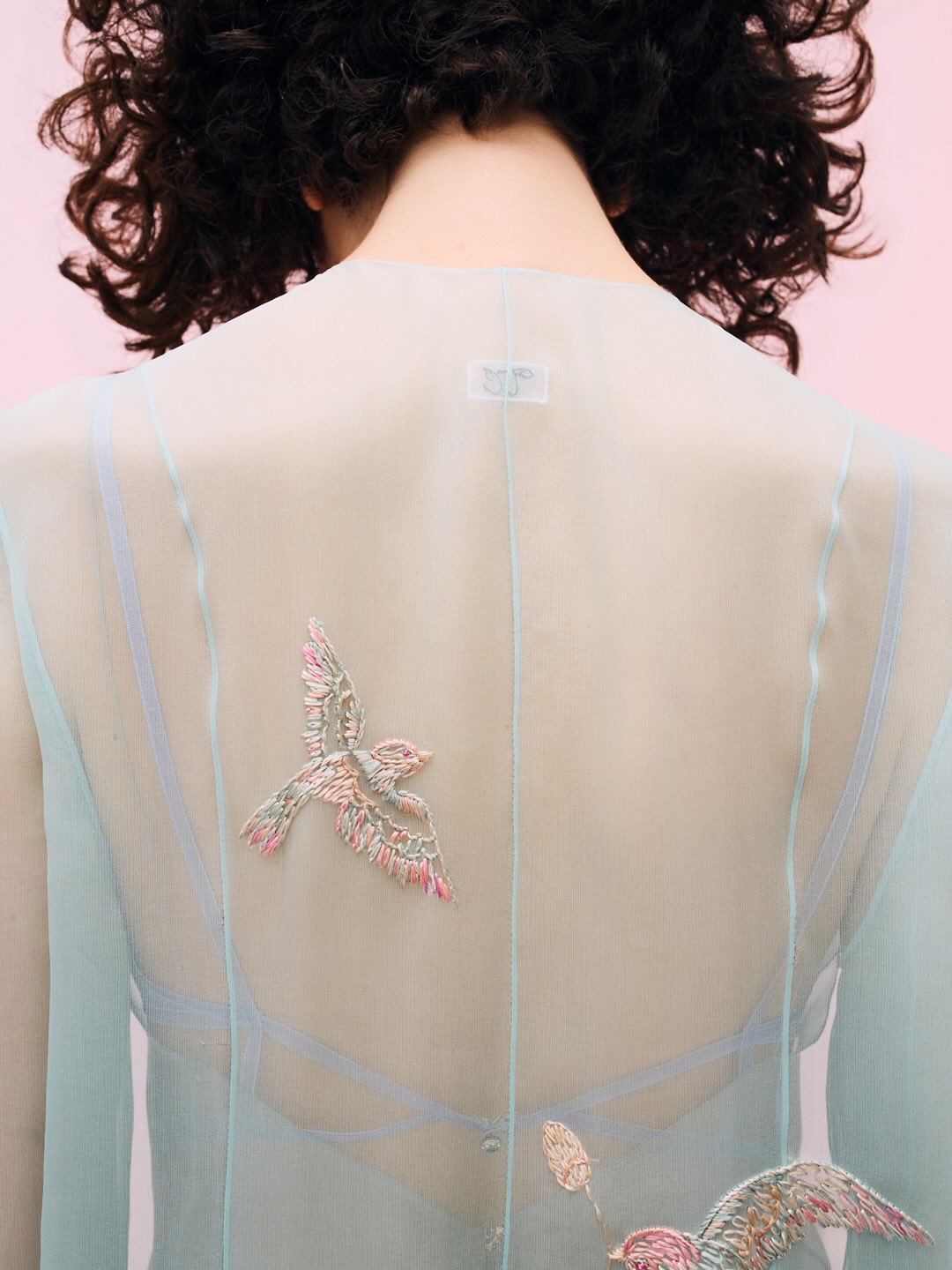
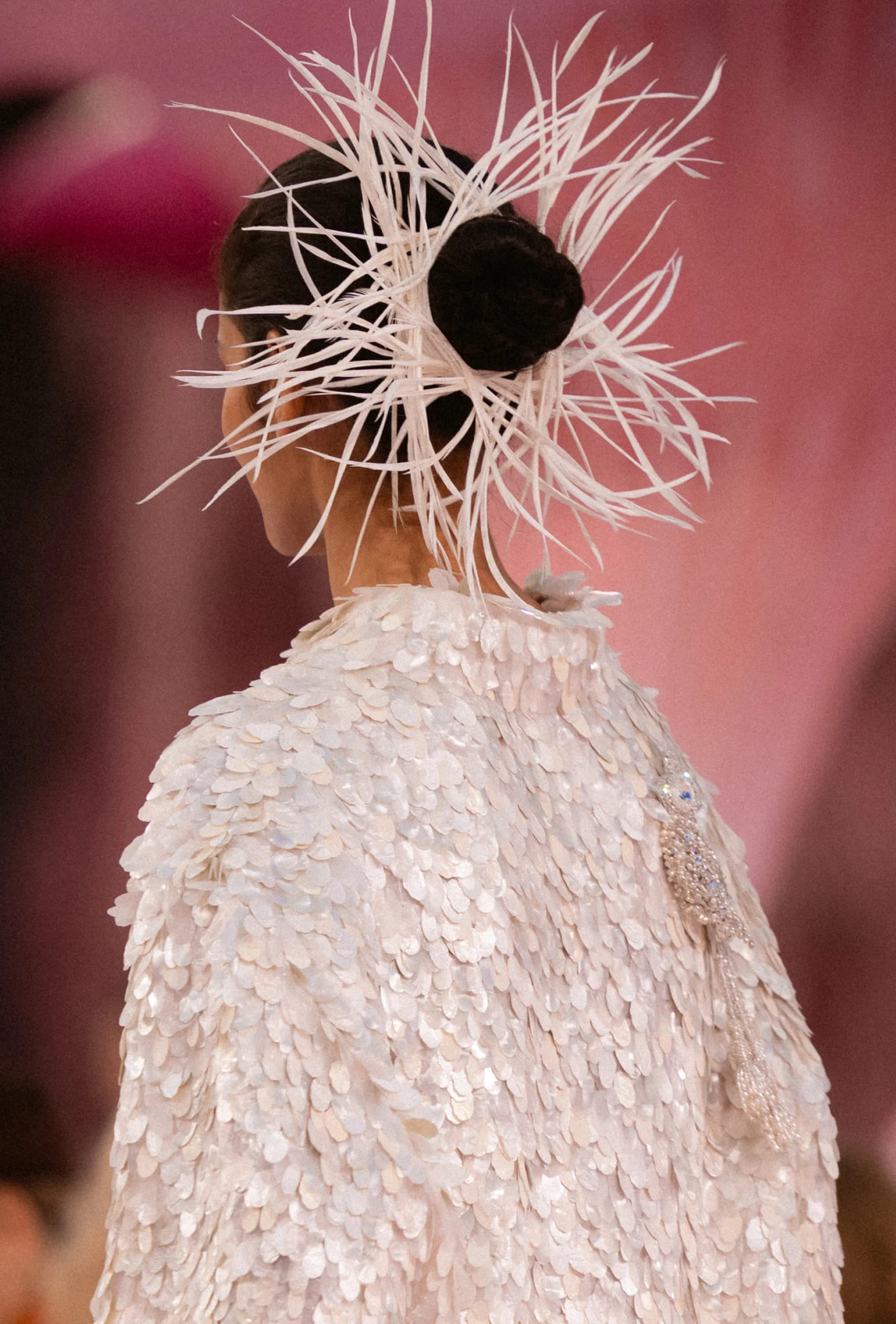
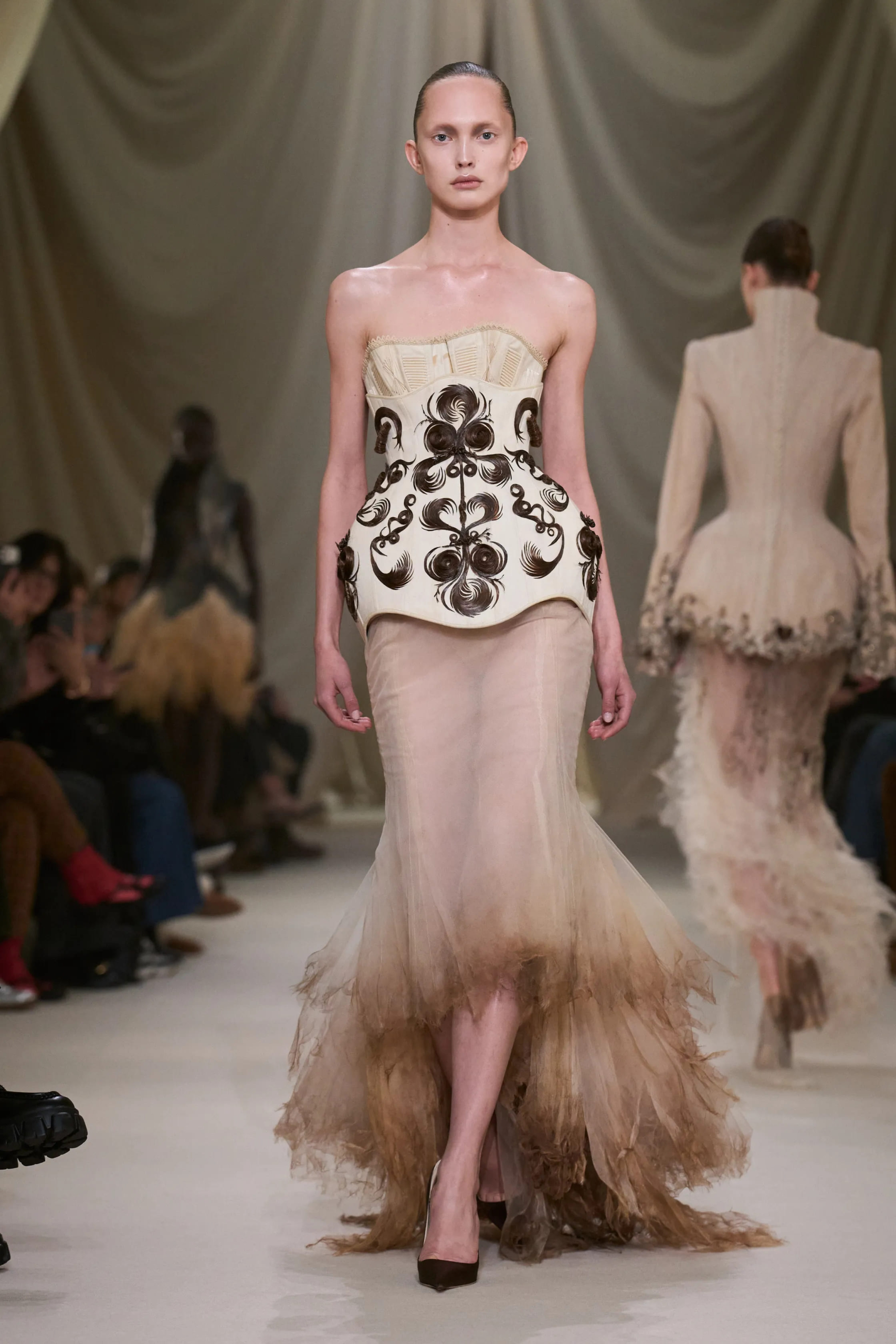
Mathieu Blazy’s first couture collection at Chanel was nothing short of a joy. Light, buoyant, and full of movement, the collection captured a sense of floating elegance and optimism. True to the spirit of spring, it unfolded through colorful tights, flowing trains, playful mushroom motifs on dresses and blouses, and petal-shaped heels. The house’s iconic tweed suits were gently reimagined: feathered hems, whimsical draping, and translucent fabrics softened their structure, offering a vision of a new classic—familiar yet freshly alive. As the notes explain, “the women at the centre of the collection begin to transform into birds; a multiplicity of birds is imagined, each singular in shape and form, realised through the rituals of the Haute Couture flou and tailleur ateliers, together with the artisans of fabric making, embroidery, and pleating at le19M.” They continue: “Birds are seen as ultimate symbols of freedom – or simply as themselves.”
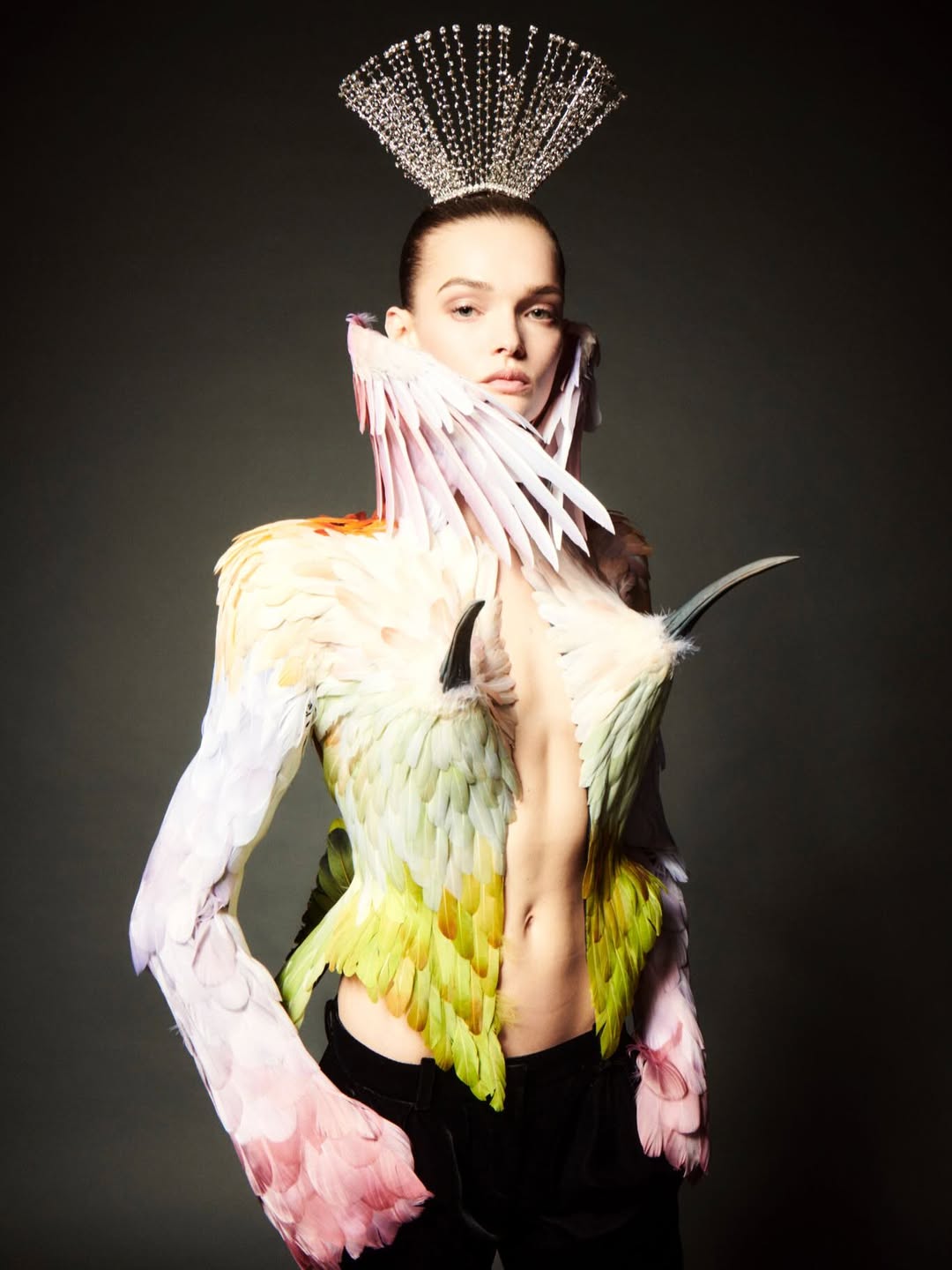
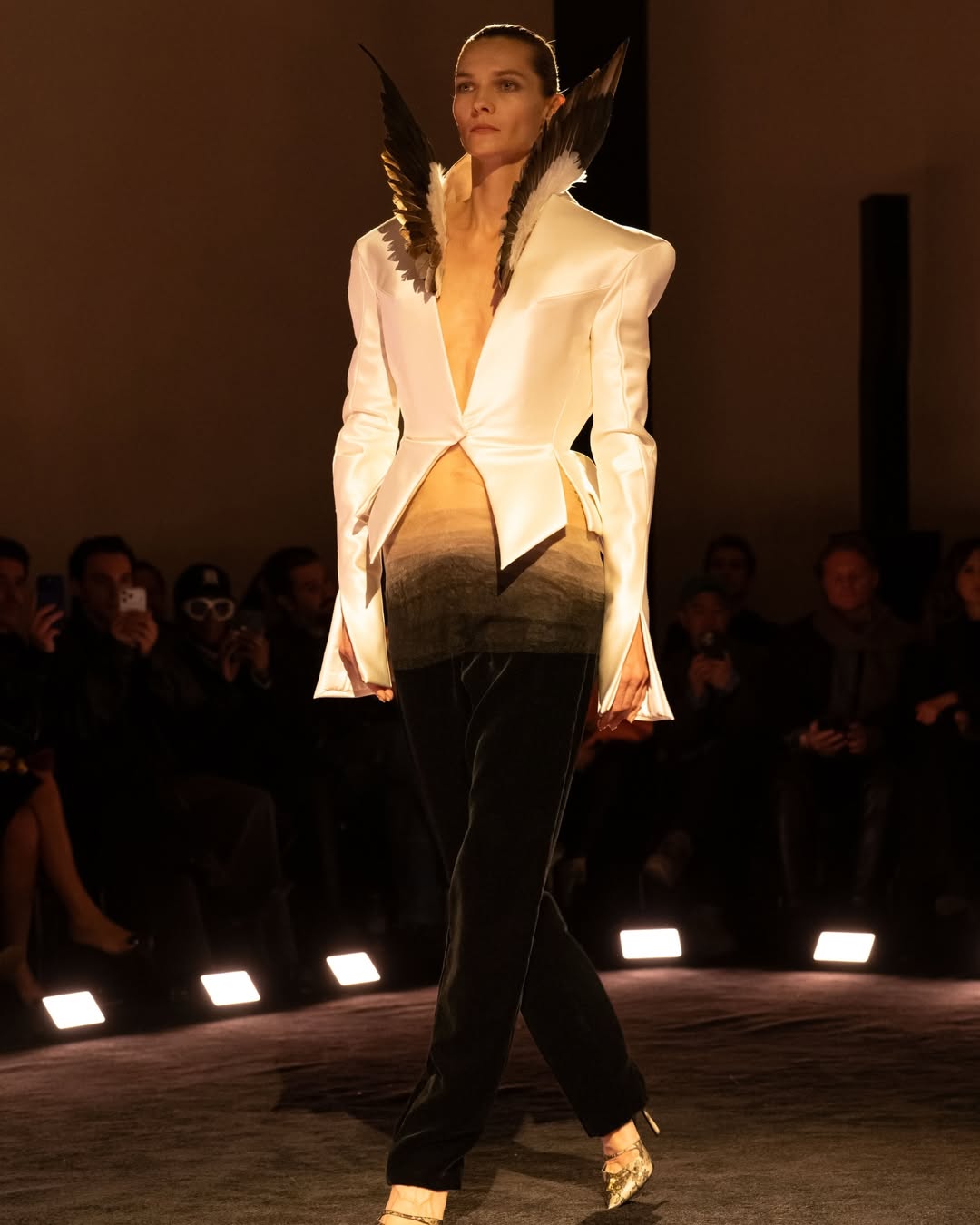
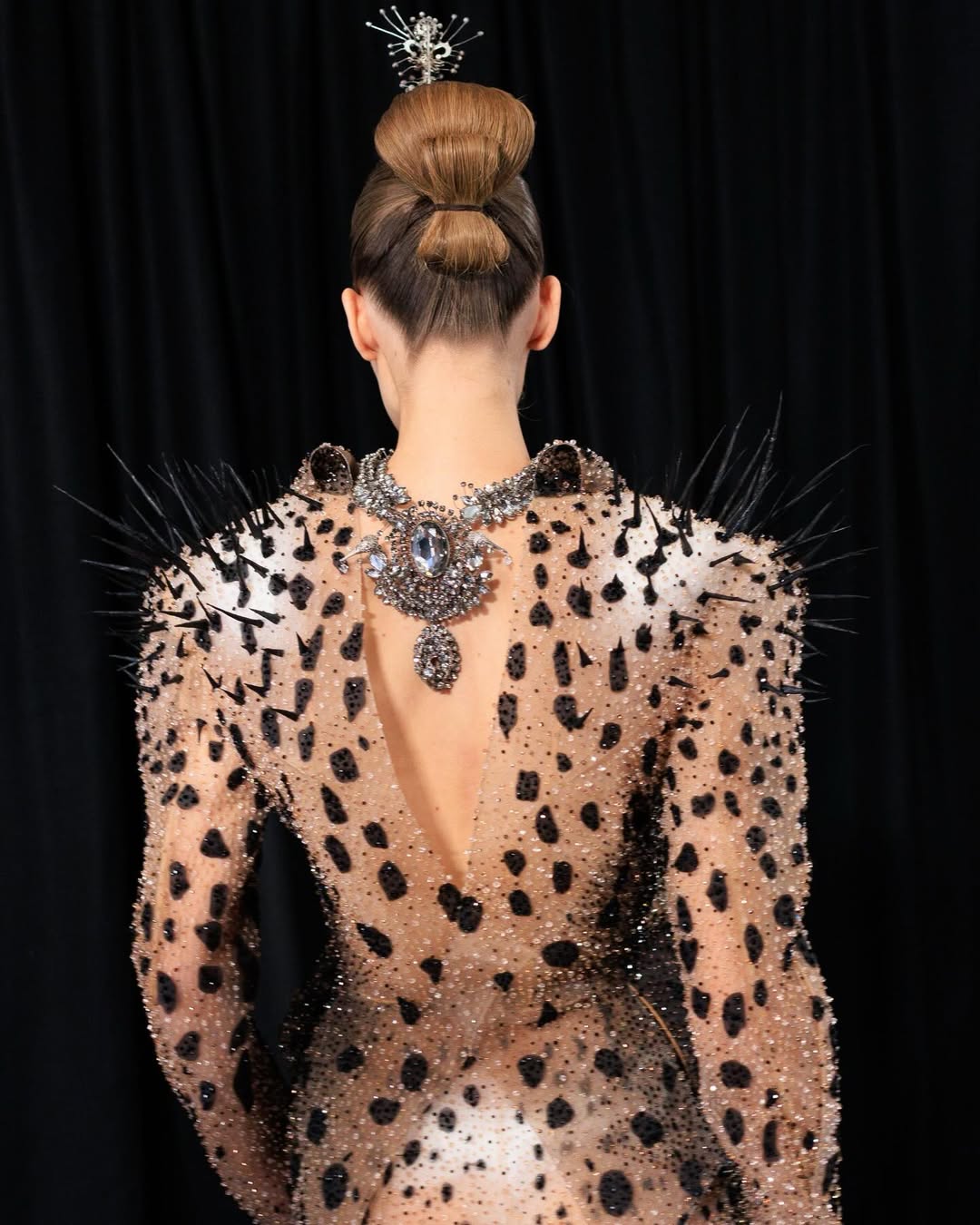
Birds also emerged as a central motif in Schiaparelli’s Spring/Summer 2026 couture collection. In his show notes, Daniel Roseberry recounts a visit to the Sistine Chapel: “Crane your neck skyward, and thought stops. Feeling begins… Here is agony and ecstasy commingled, terrible and exquisite.” The experience marked a turning point. “For the first time in years,” he writes, “I stopped thinking about how something should look, and instead about how I feel when creating it.” That emotional shift informed every aspect of the collection. Sharp strokes and rapid squiggles echoed scorpion tails, while Roseberry’s so-called “infantas terribles”—reptilian and arachnid creatures—ultimately transformed into birds in flight, defying gravity with bold color and explosive silhouettes. Feathers, both real and trompe l’oeil silk bouquets, were hand-painted, airbrushed, or dipped in resin and crystals. One dress alone, according to fashion commentator Beka Gvishiani, required 65,000 artificial feathers and 8,000 hours of work.
The accessories in Schiaparelli’s couture collection—particularly shoes featured artificial birds’ heads—were true works of art. Fantastical as they may be, they nodded to Elsa’s well-known fascination with animal life. Crafted from silk feathers, with resin beaks and pearl cabochon eyes, these pieces stood as homages to nature in all its majesty. No birds were harmed in their creation.
At Miss Sohee, a real (taxidermied) white peacock was sent down the runway alongside one model, its presence both striking and symbolic. The bird’s plumage echoed throughout the collection in ways that were both literal and metaphorical.
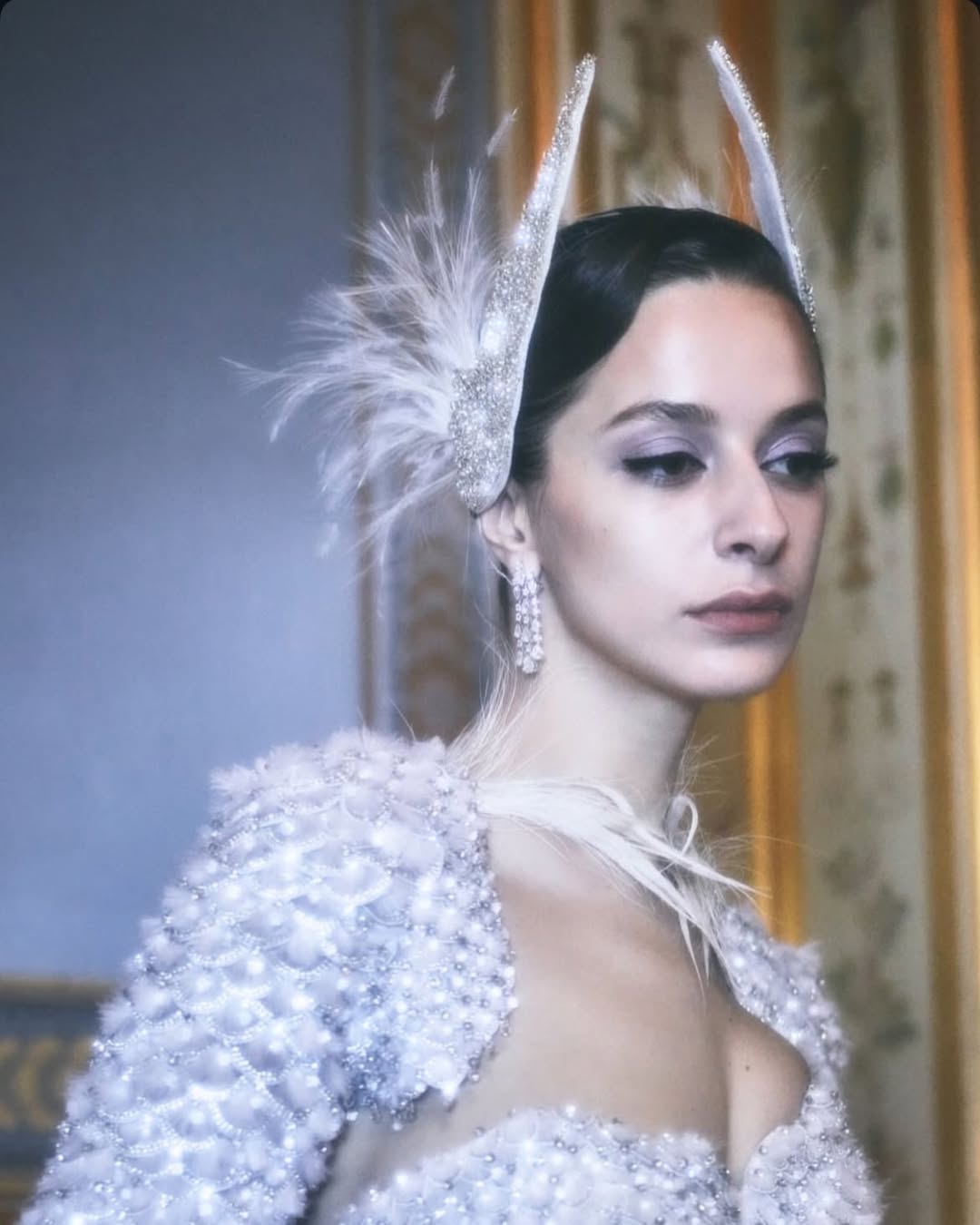
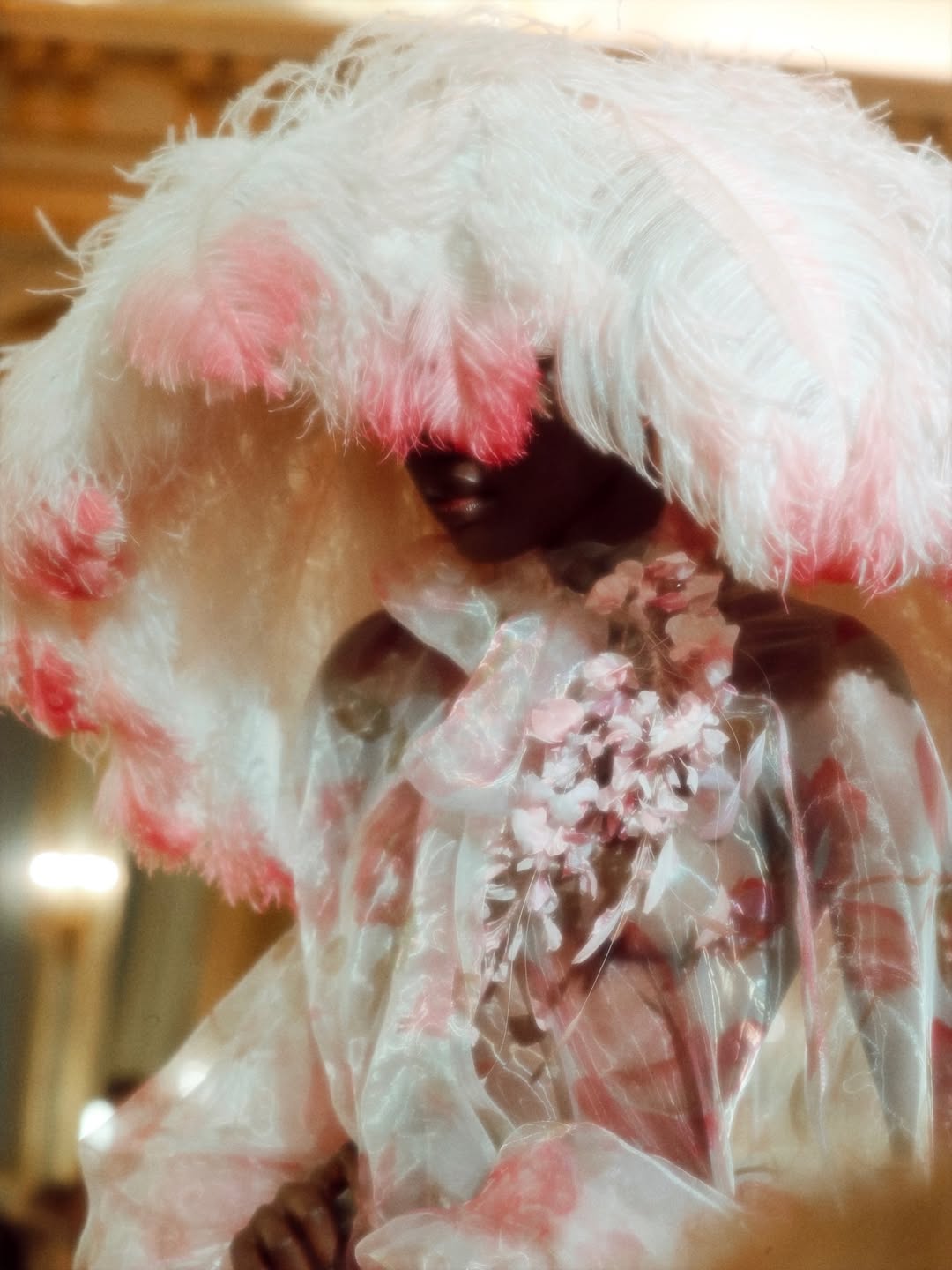
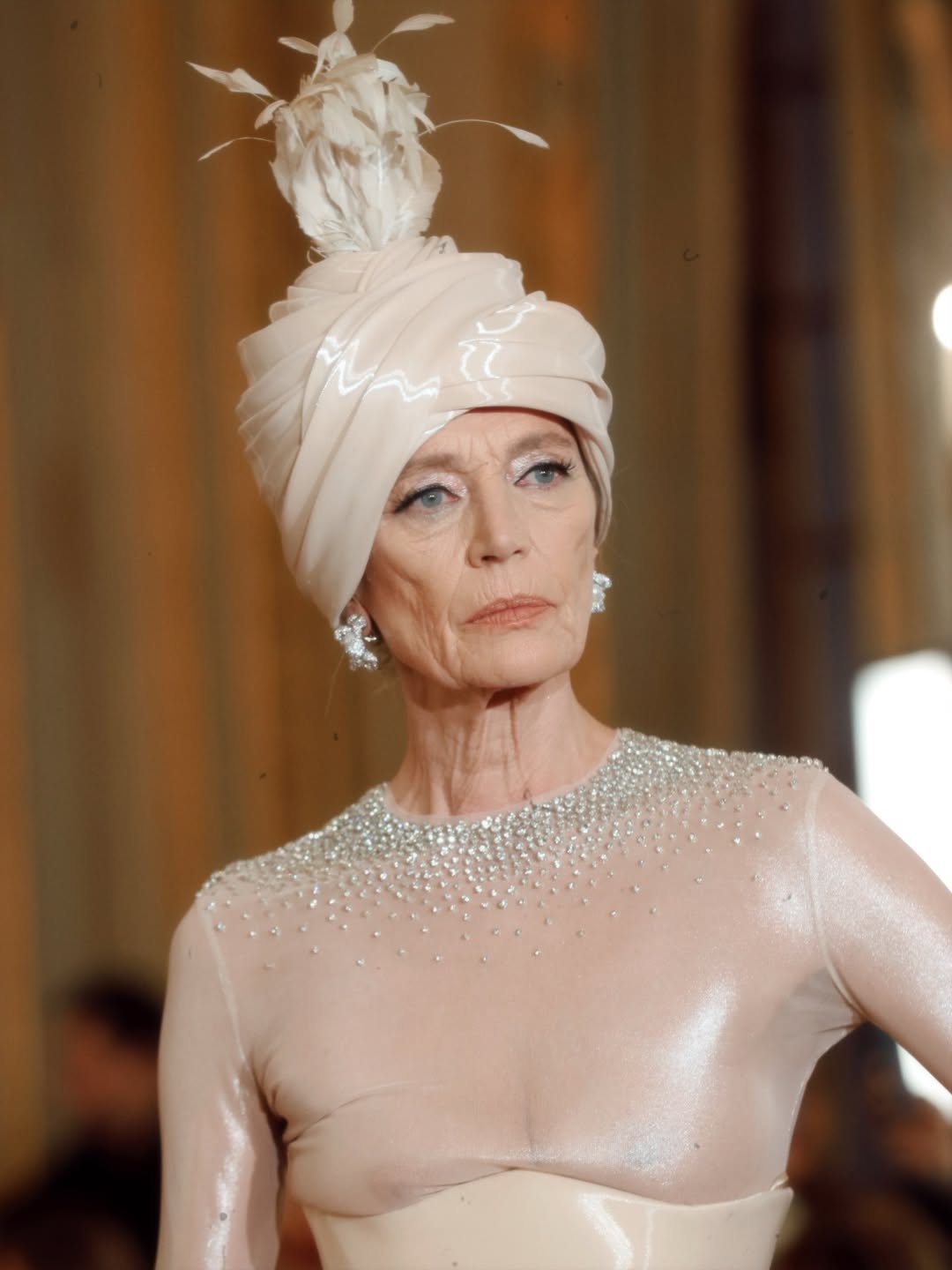
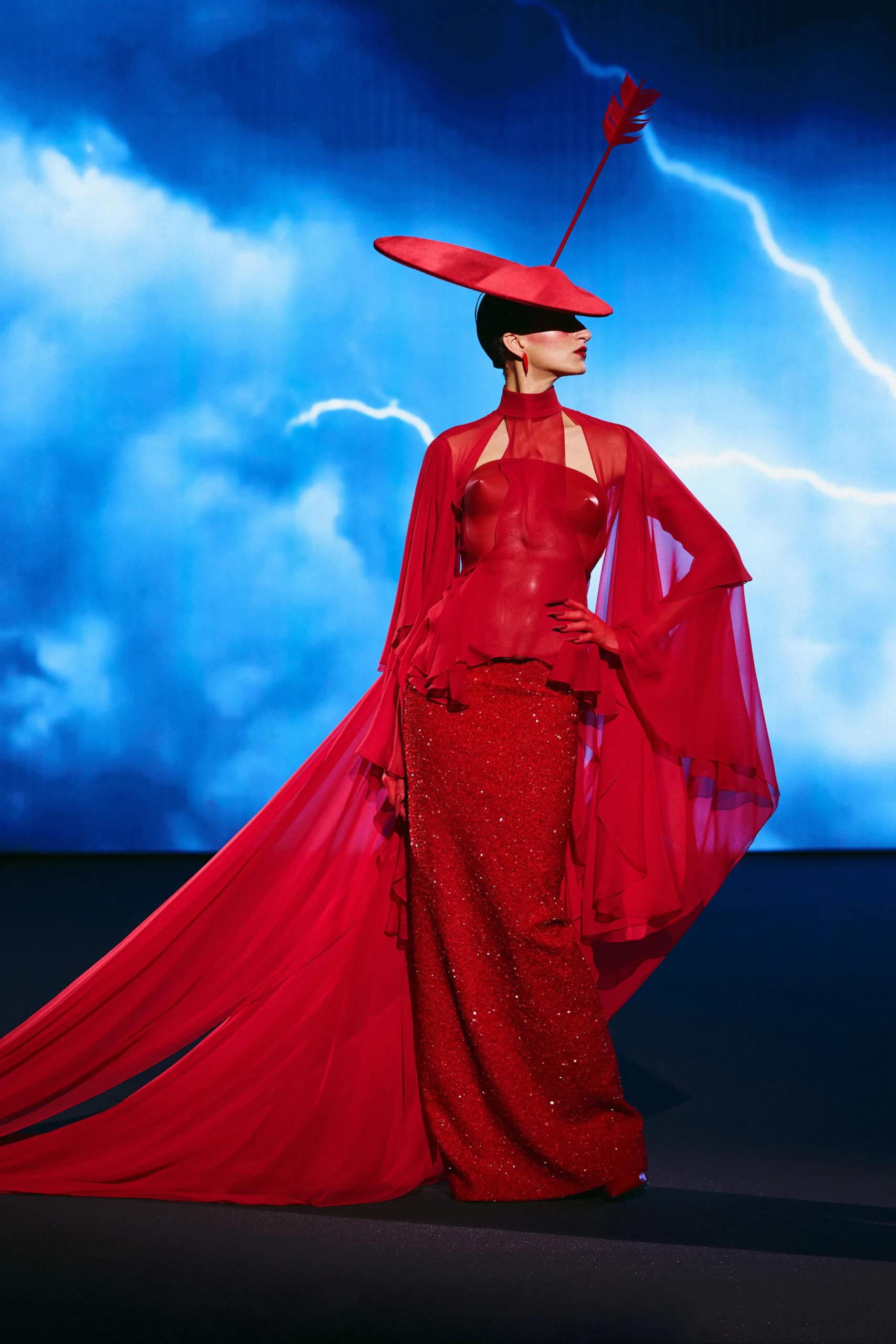
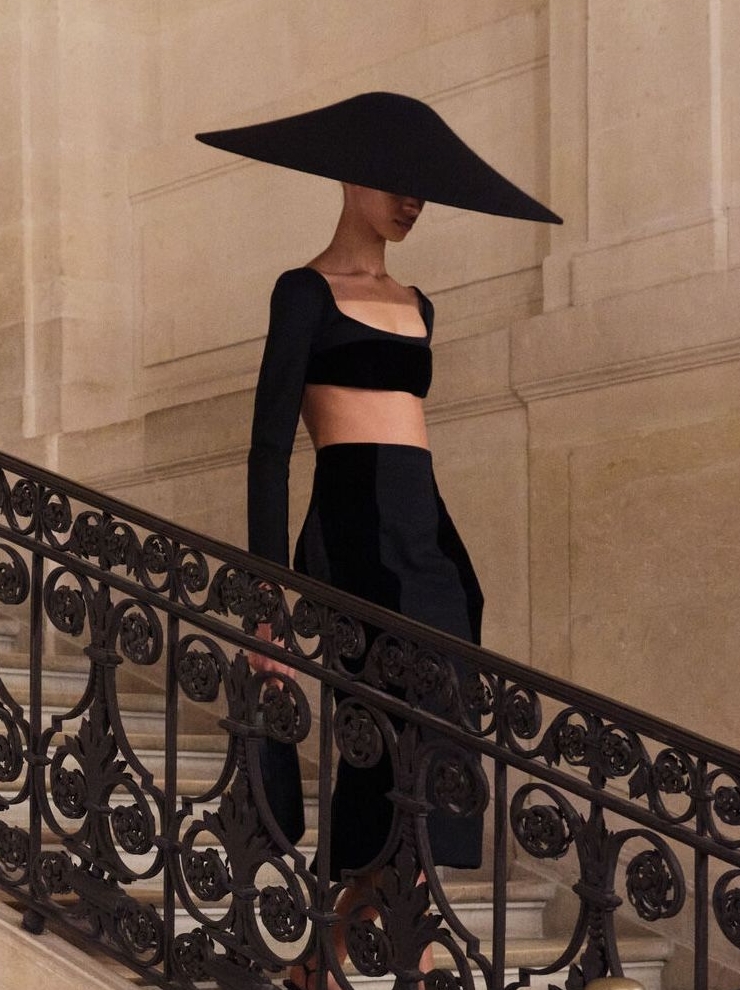
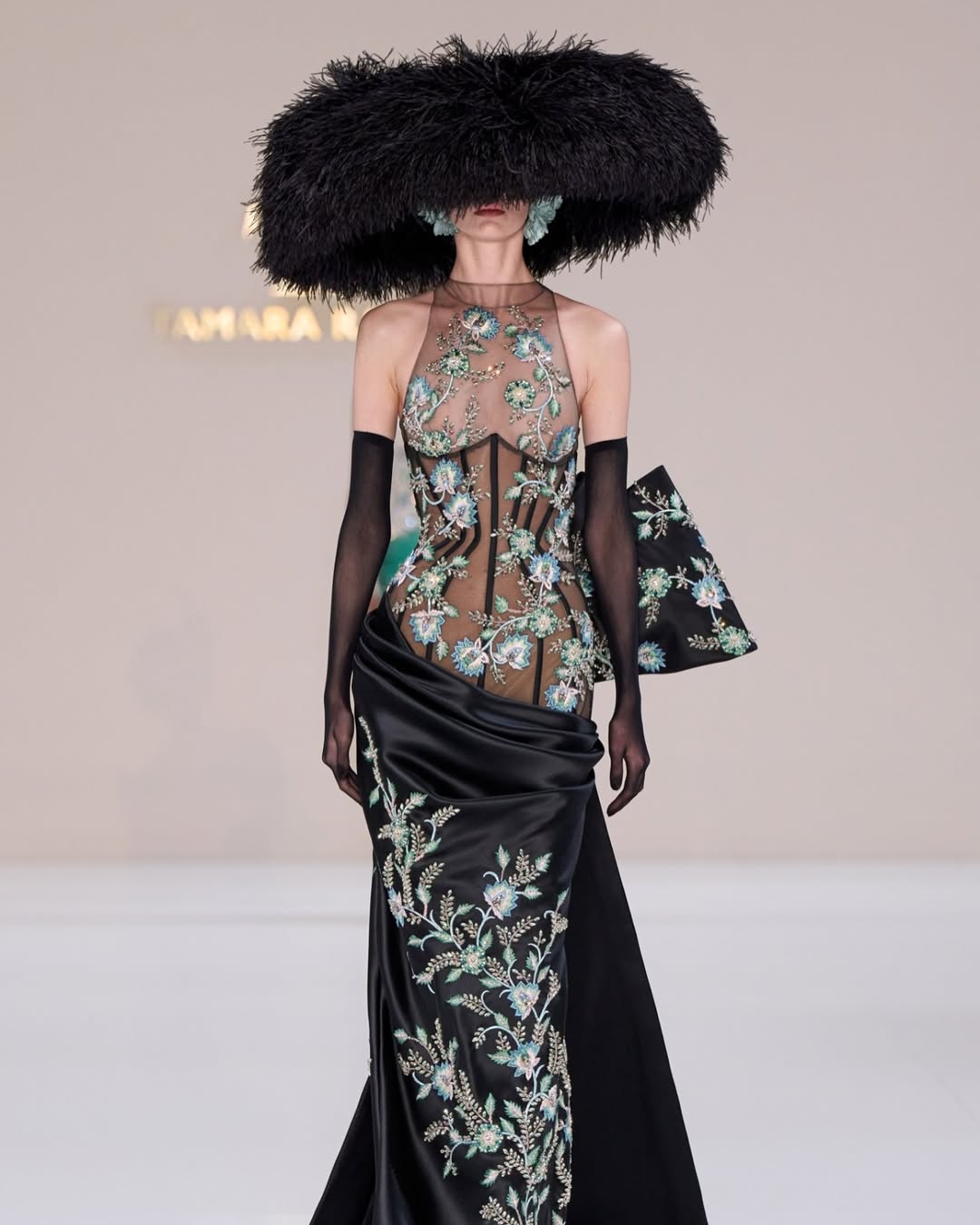
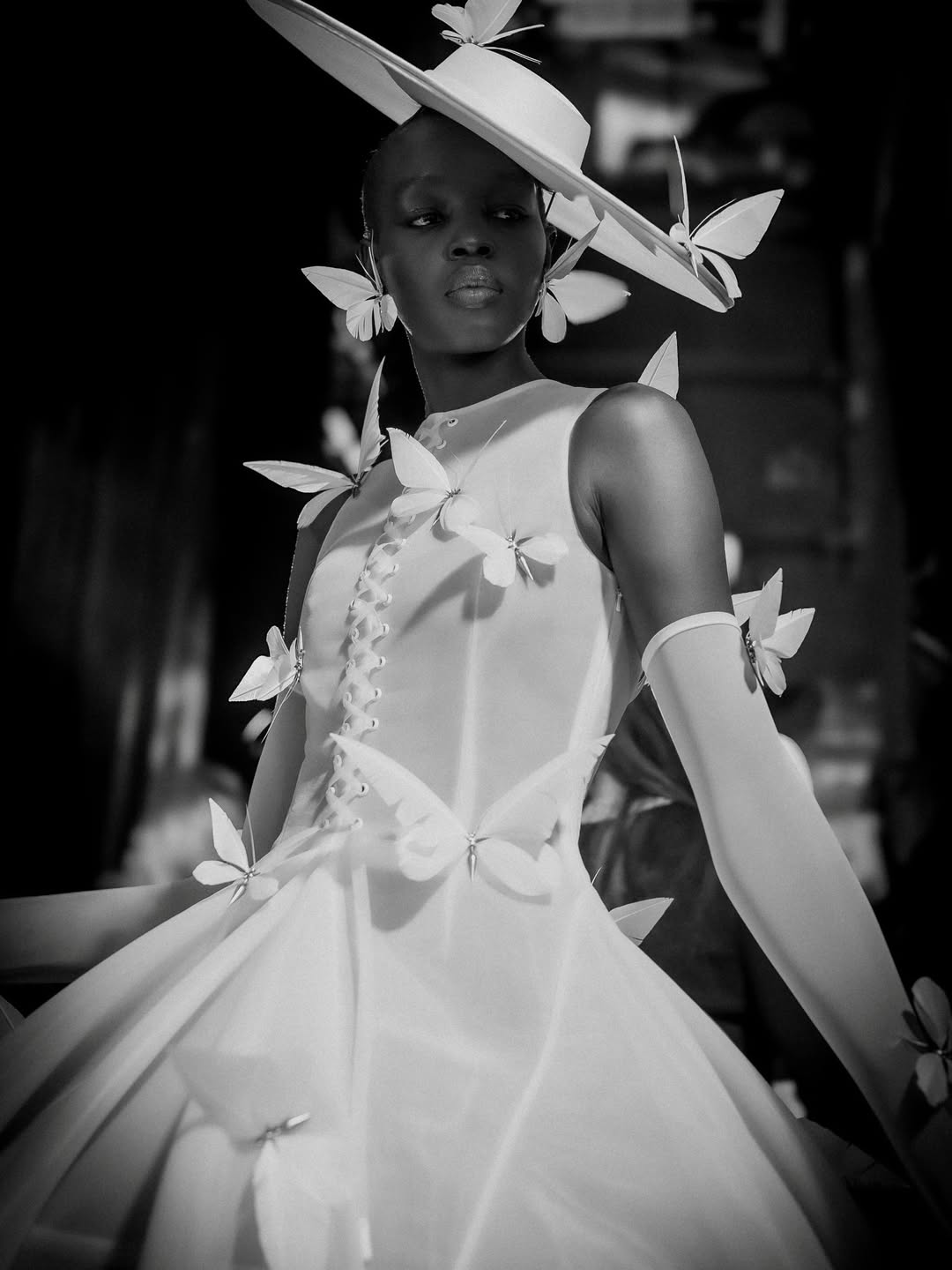
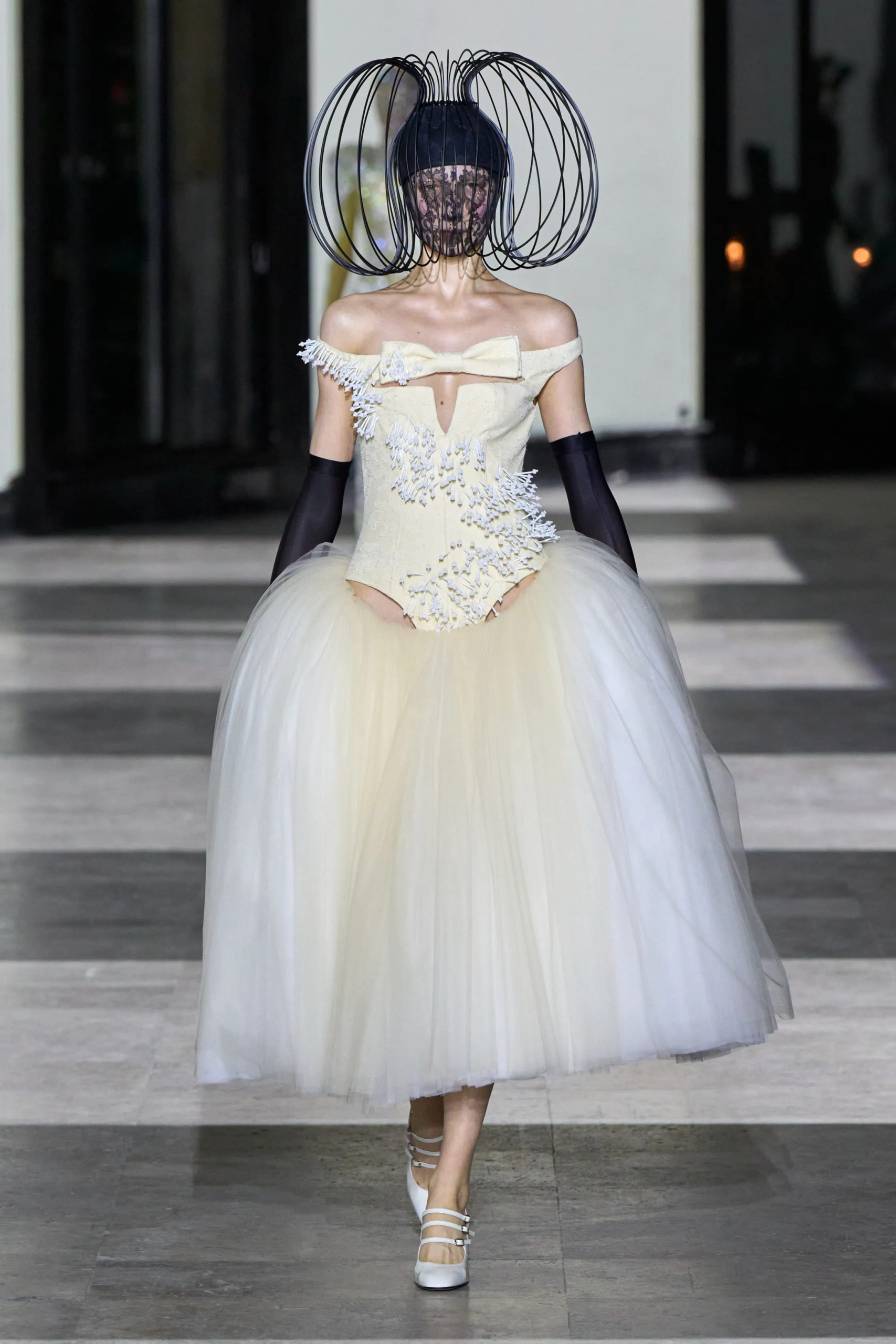
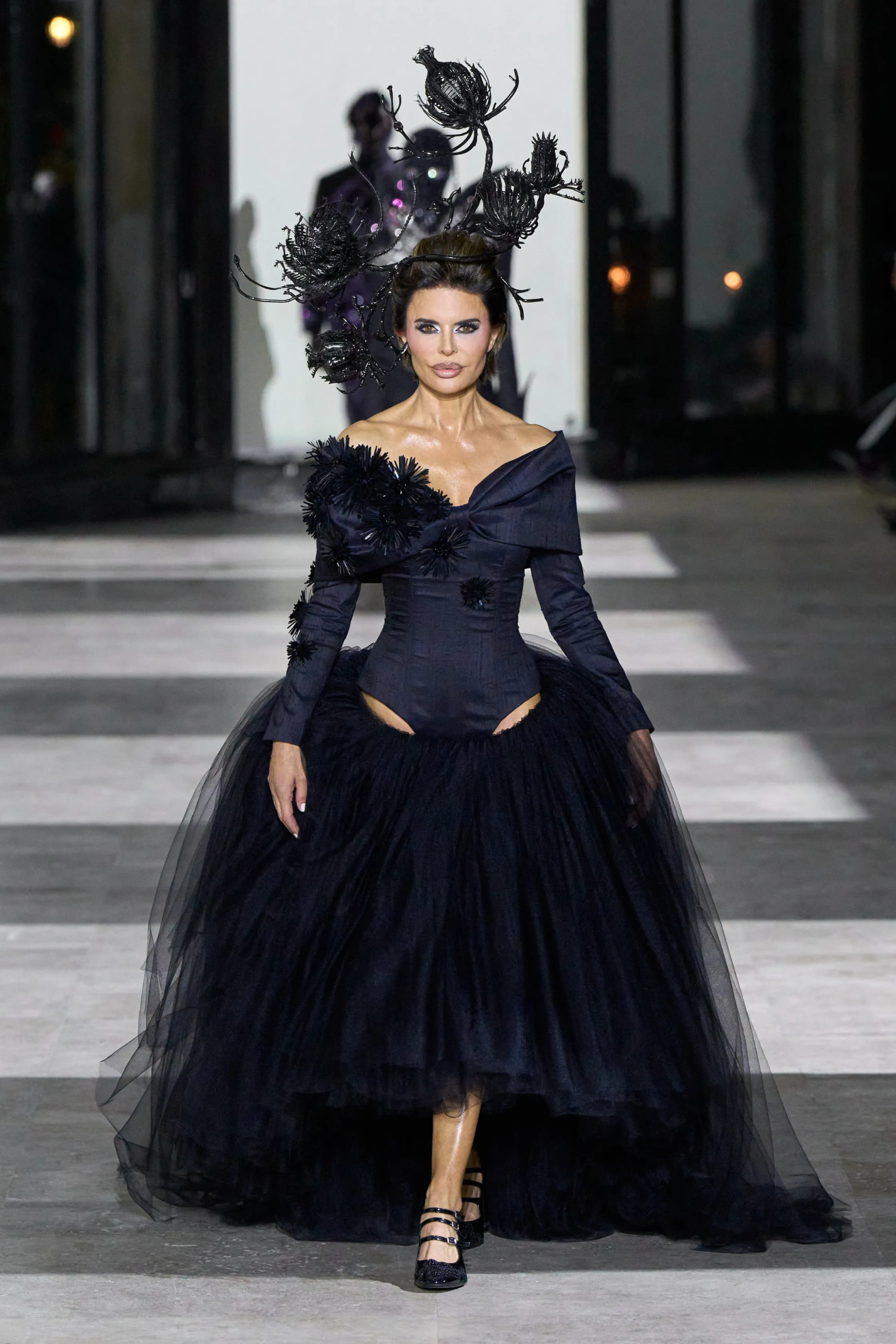
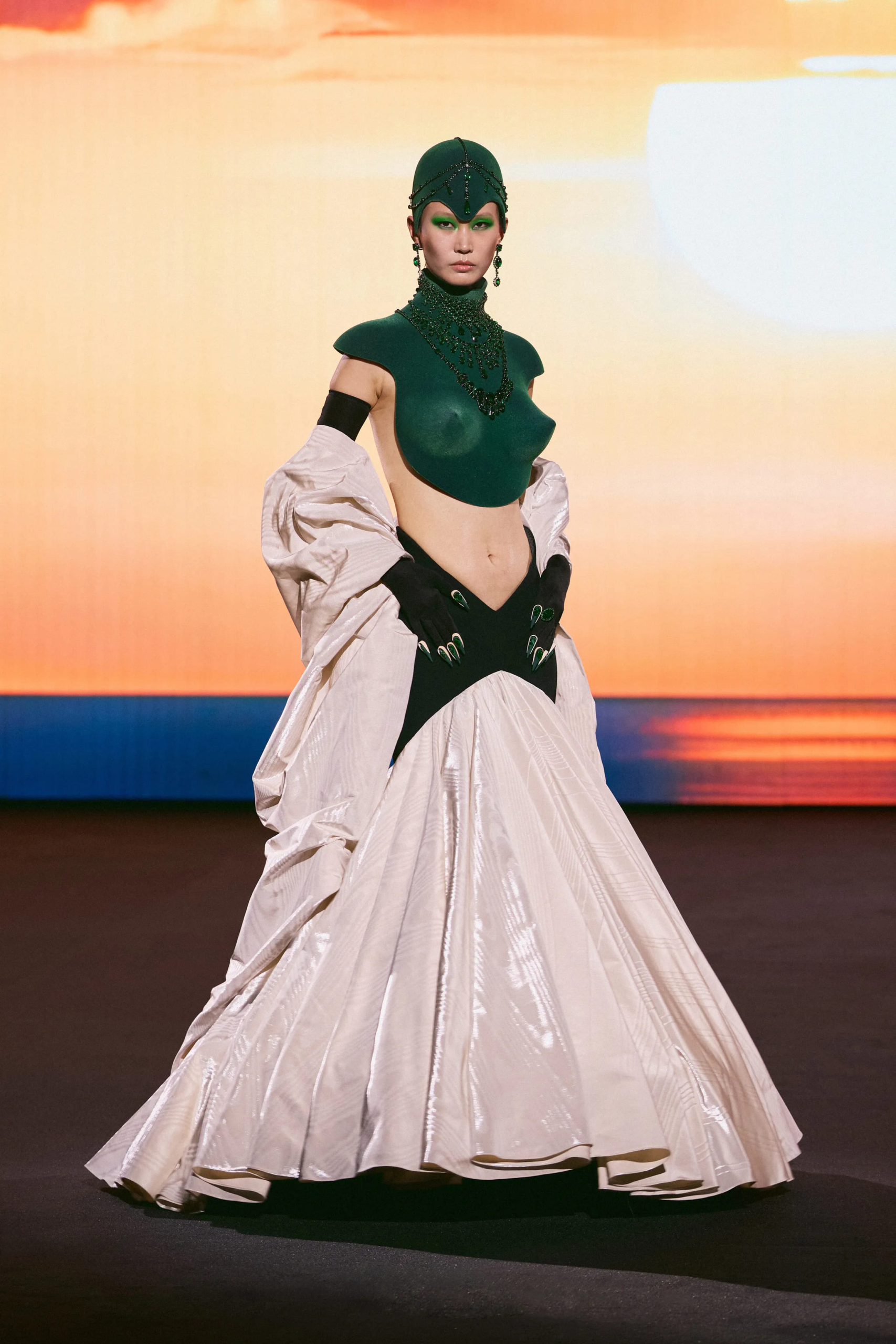
This season, designers are making hats and millinery feel cool again. Sweeping, sculptural, sometimes deliberately obscuring the face, headpieces across the shows redefined how couture frames identity, drama, and presence. Many designers leaned into extremes. Oversized brims sliced through the air with architectural precision, casting shadows that transformed models into moving silhouettes rather than recognizable portraits.
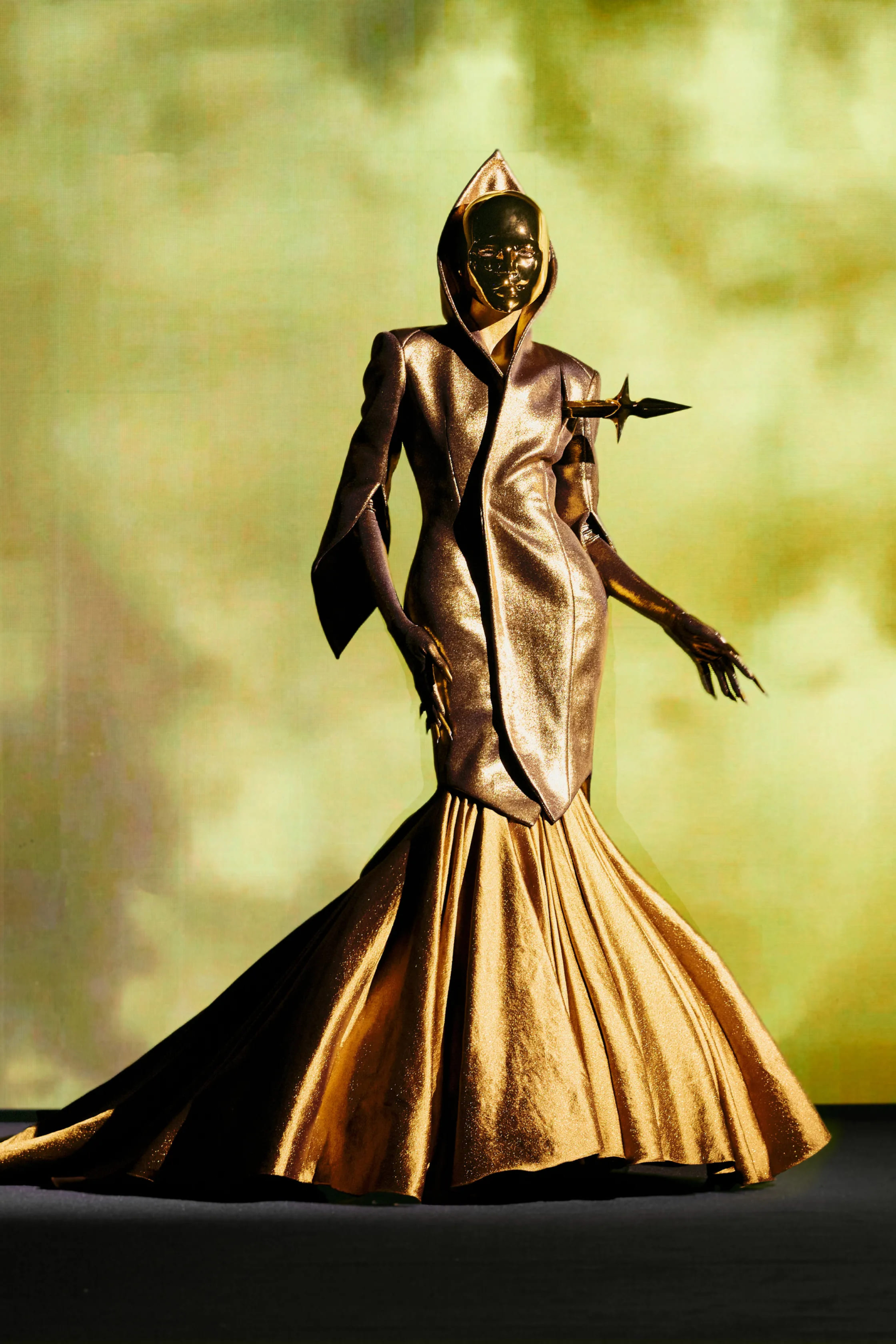
At Jacquemus, extravagant hats amplified the collection’s silhouettes, lending them a sense of retro formality. Miss Sohee’s feathered creations felt almost otherworldly—soft and cloud-like, yet undeniably commanding—blurring the line between fashion and performance art. In contrast, her tightly wrapped turbans channeled a distinct Art Deco mood. At Robert Wun, millinery played a crucial role in elevating the show’s impact. Backed by a whole team, the designer presented a series of sculpted, monochromatic silhouettes that felt meticulously orchestrated. Titled Valor, the couture collection stood out as one of the season’s most powerful and unforgettable statements.
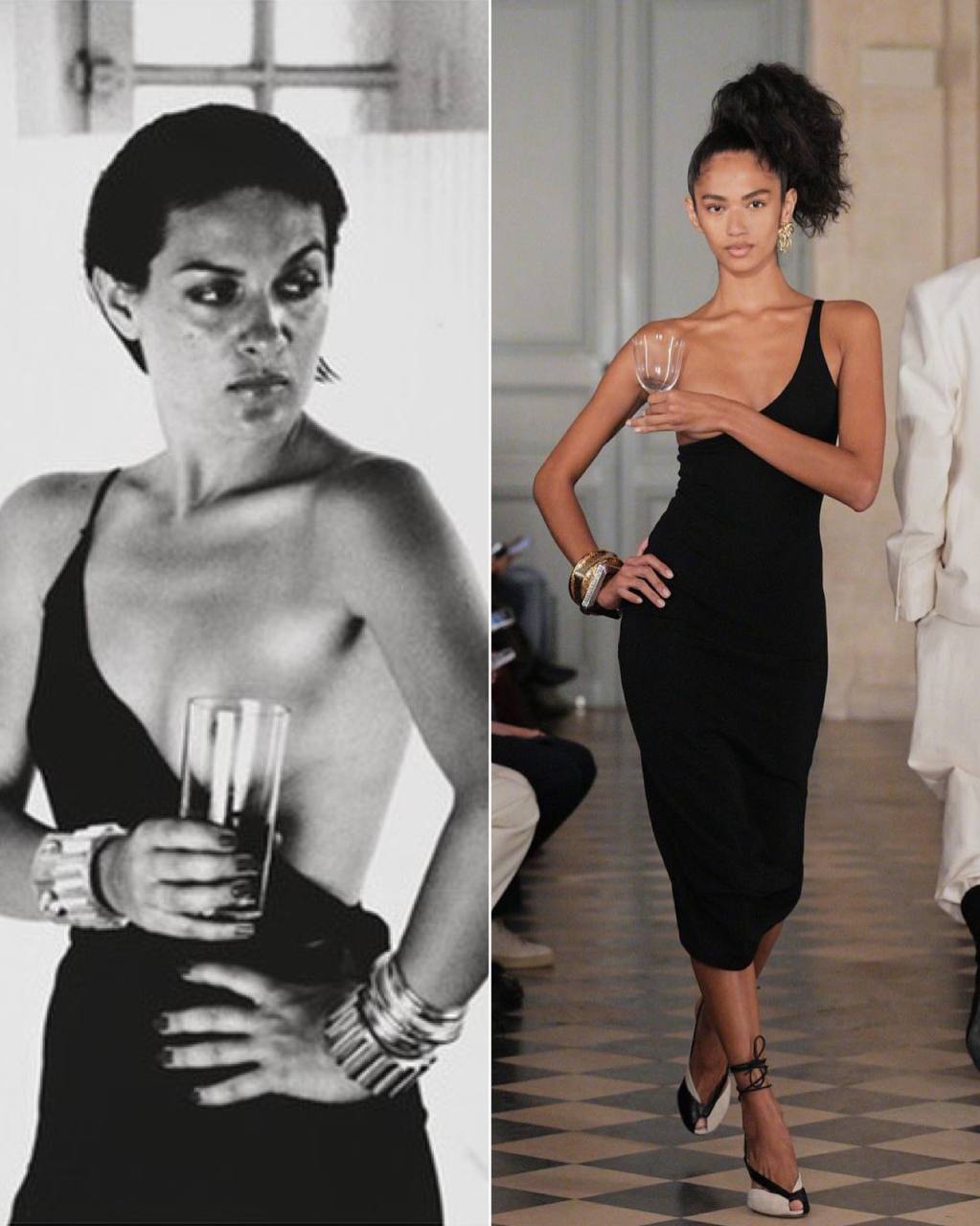
One of the most extravagant looks at Paris Haute Couture Spring/Summer 2026 came from Jacquemus. The designer referenced Helmut Newton’s iconic black-and-white photograph of Paloma Picasso, the jewelry designer and daughter of Pablo Picasso, wearing a black dress with a single strap slipped off the shoulder, her exposed breast discreetly obscured by the tall glass she holds. Reimagined on the runway, the image felt bold, knowing, and unapologetically provocative, translating photographic tension into couture form.
Viktor & Rolf, meanwhile, took flight with Diamond Kite, a collection that reimagines freedom through the lens of childhood wonder, imagination, and the transformative power of elevation. At its core is the kite—a timeless symbol of escape and transcendence. This poetic motif became both structural and spiritual, shaping silhouettes, movement, and the emotional atmosphere of the collection.
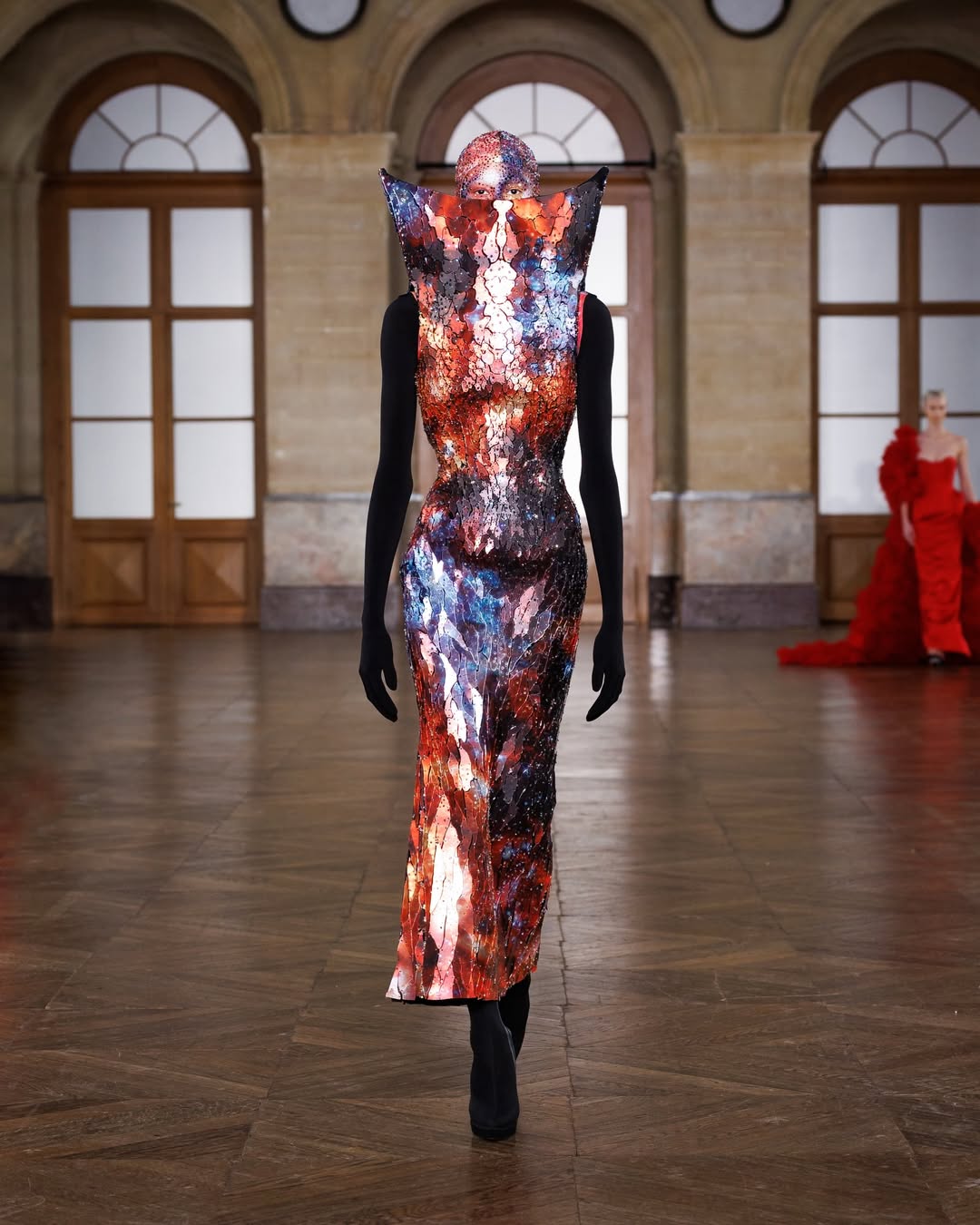
For his couture collection, The Theory of Everything, Gaurav Gupta evolved from a designer of form into a philosopher of the infinite. He explored the Indian philosophical concept of a non-binary, indivisible realit called advait. The show unfolded as a breathtaking chronology of existence. It opened with the Big Bang, rendered through architectural black volumes and stardust-like embroideries. A model appeared in an all-black look, her face softly illuminated, as if emerging from darkness itself. What followed was a sequence of poetic monochromatic silhouettes, each marking a new phase of expansion. As the universe grew, so did Gupta’s technical ambition. Time was reimagined through intricate watch movement components transformed into metallic sequins, while newly developed, web-like thread techniques traced the invisible currents of energy flowing across the body.
Also, Gaurav Gupta presented an interconnected look built on a twin silhouette, with two models walking hand-in-hand wearing two enmeshed lace dresses. This look built on a newly developed embroidered filament architecture that served as the technical backbone of the season. Thousands of fine threads were hand-structured into a kind of living lace, mapping energy points and nervous systems across the body. Yet the runway dress—quickly dubbed the “Stranger Things” look online—sparked widespread discussion. And that reaction, in itself, is telling. Fashion weeks often introduce designs so unusual that they instantly take on a life beyond the runway. Viewers begin searching for pop-culture references instead of focusing on craftsmanship. But that shift in attention is part of what makes these moments compelling. The narrative moves from the designer to the audience. When the two collide, the result is something familiar enough to joke about and strange enough to keep people talking long after the show ends.
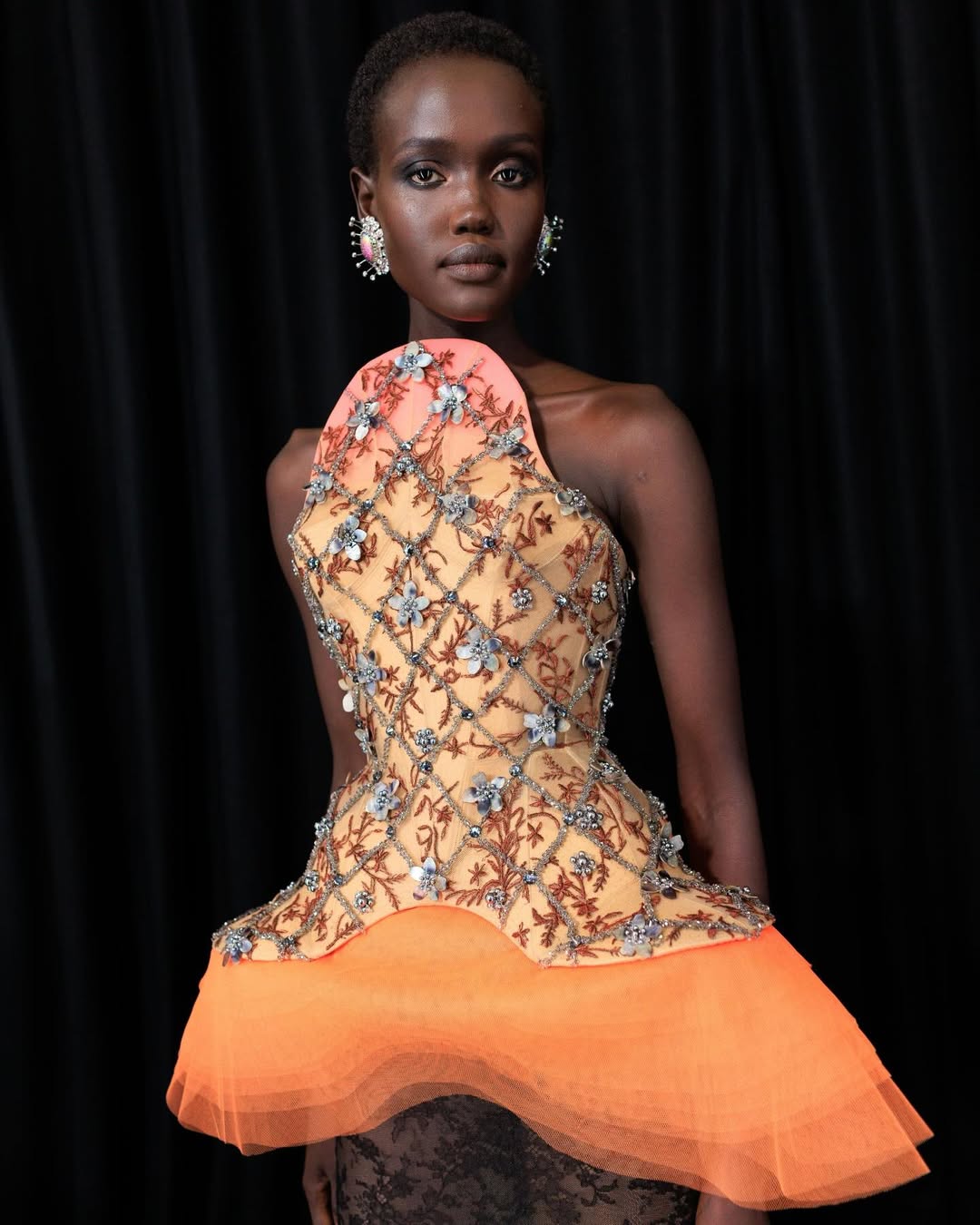
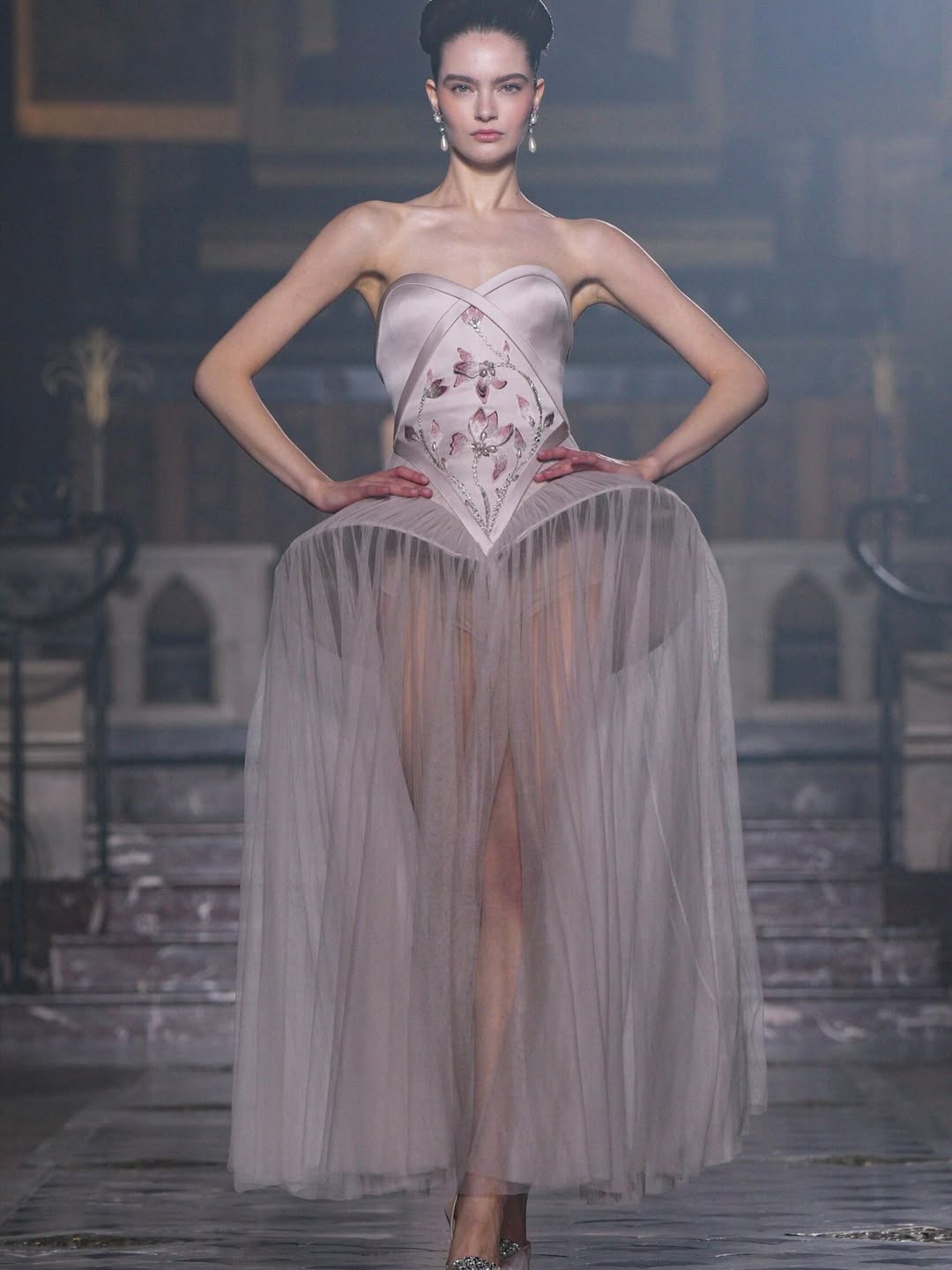
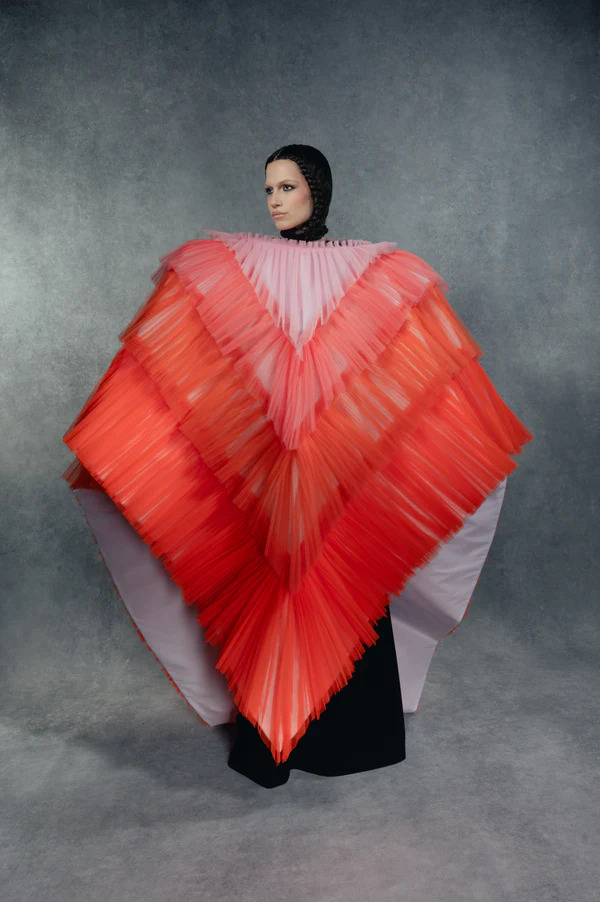
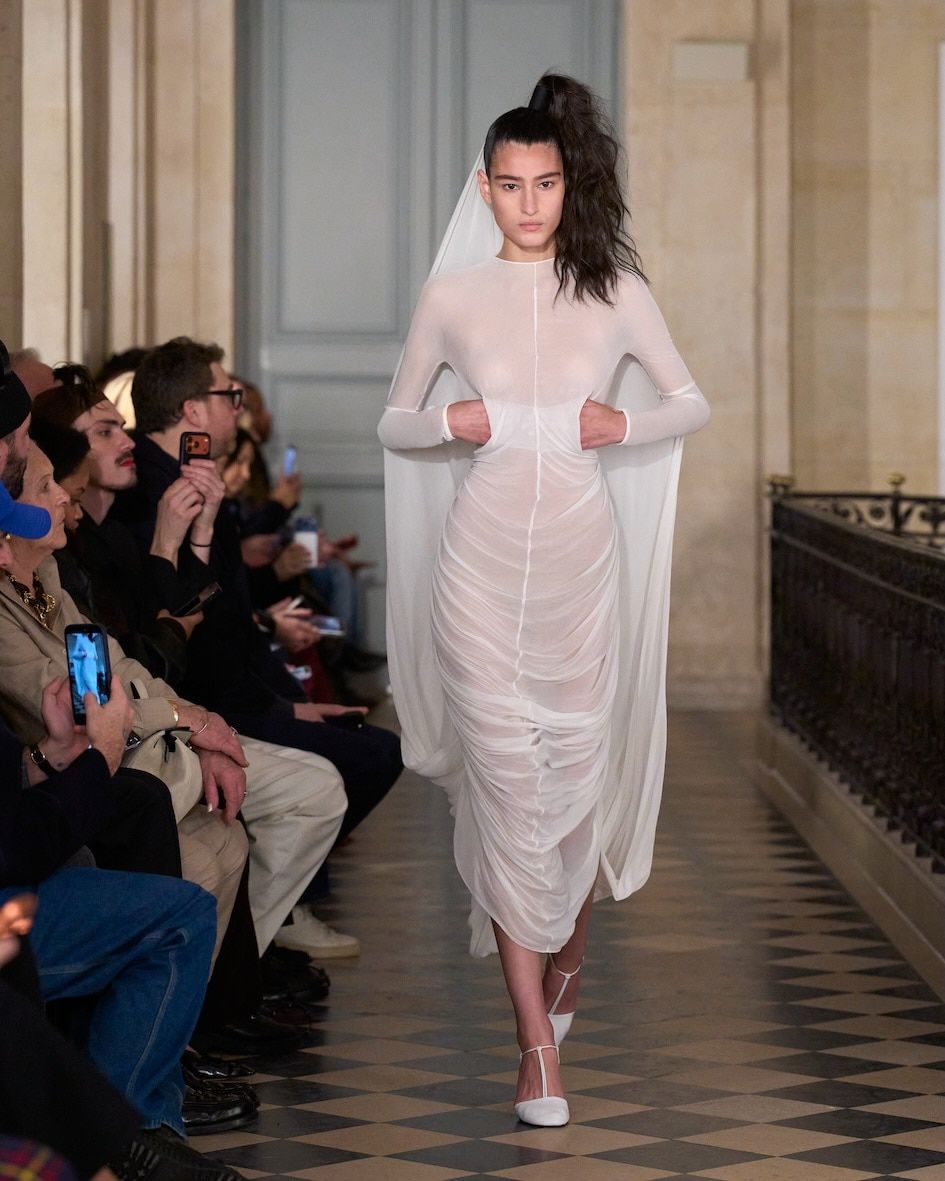
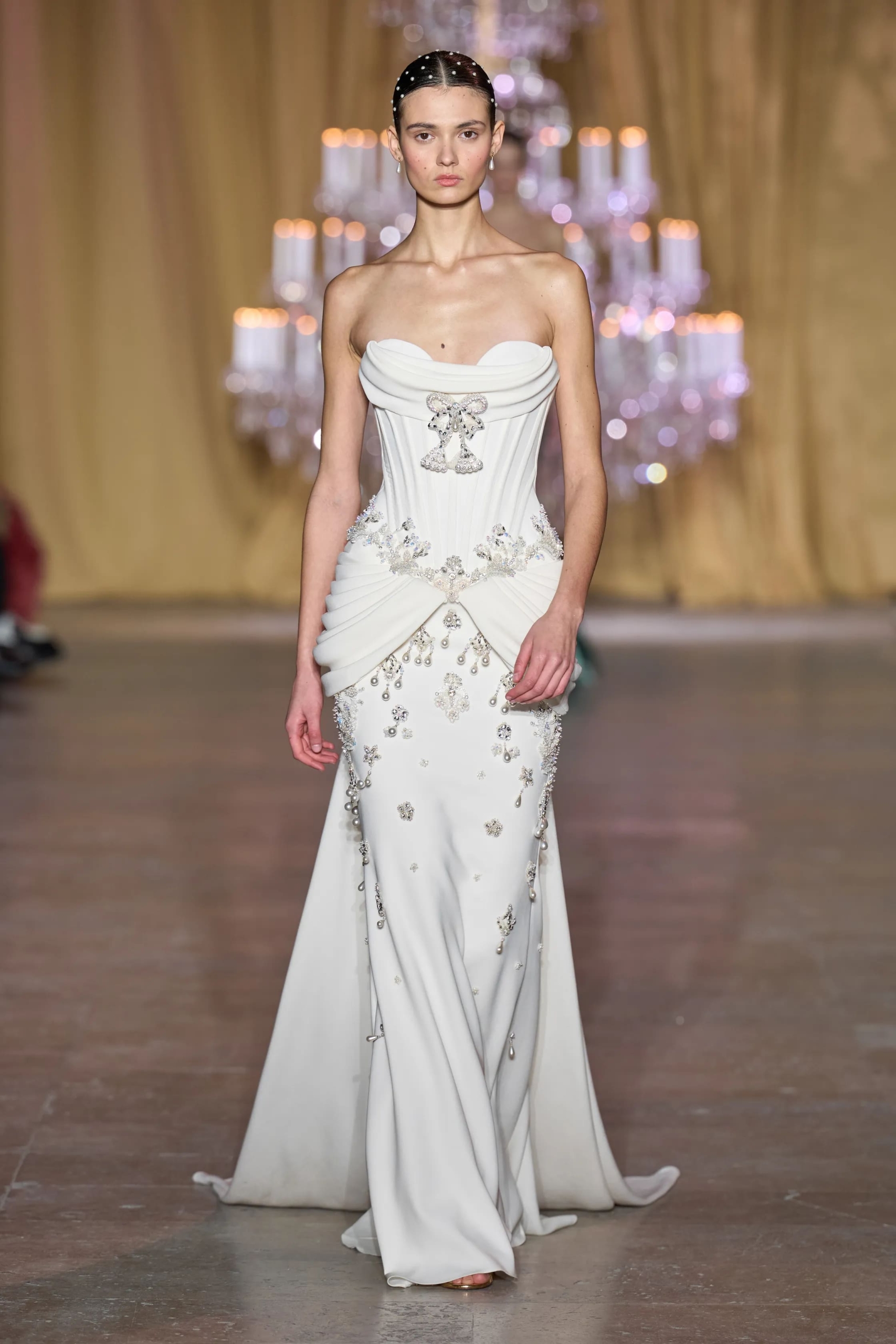
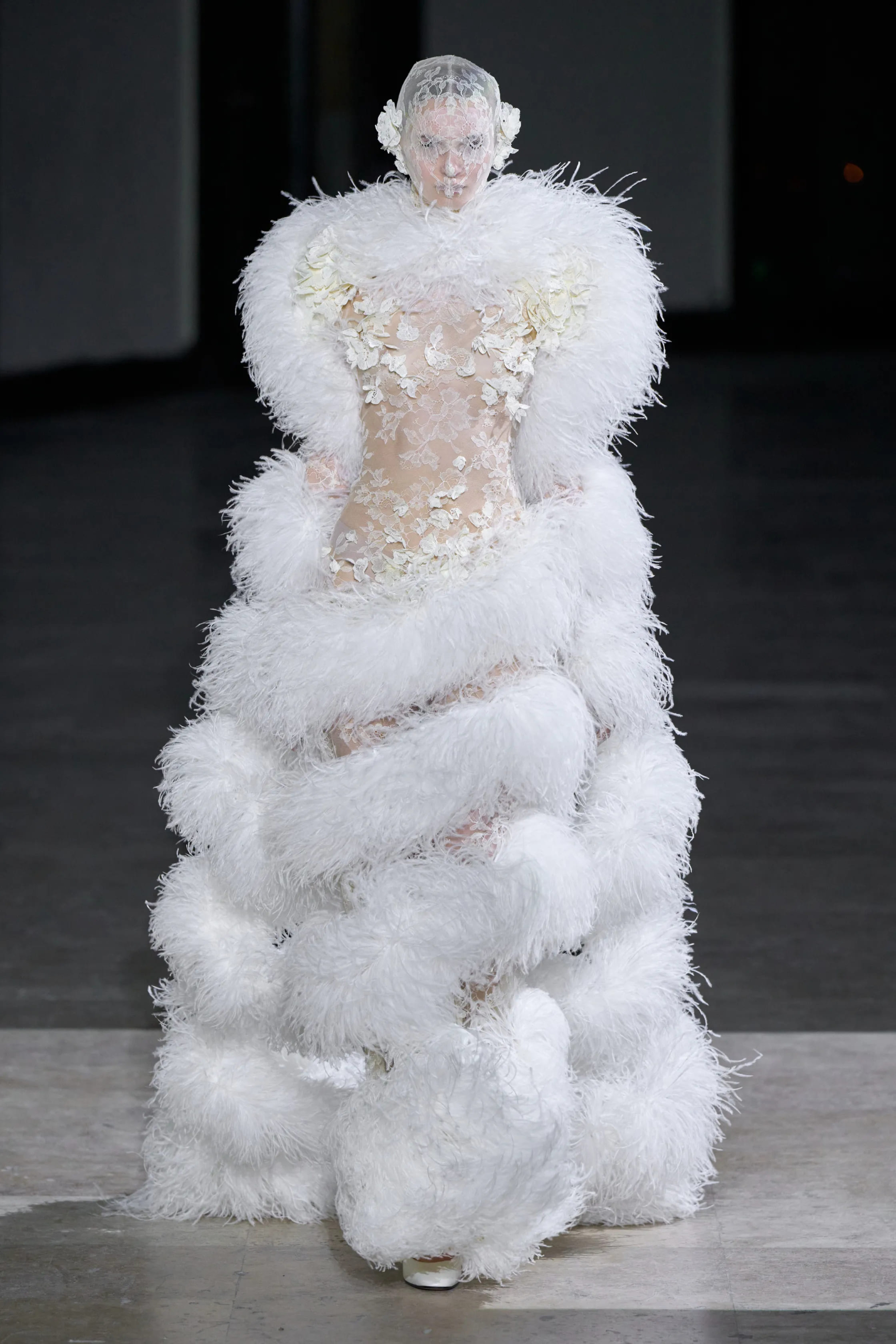
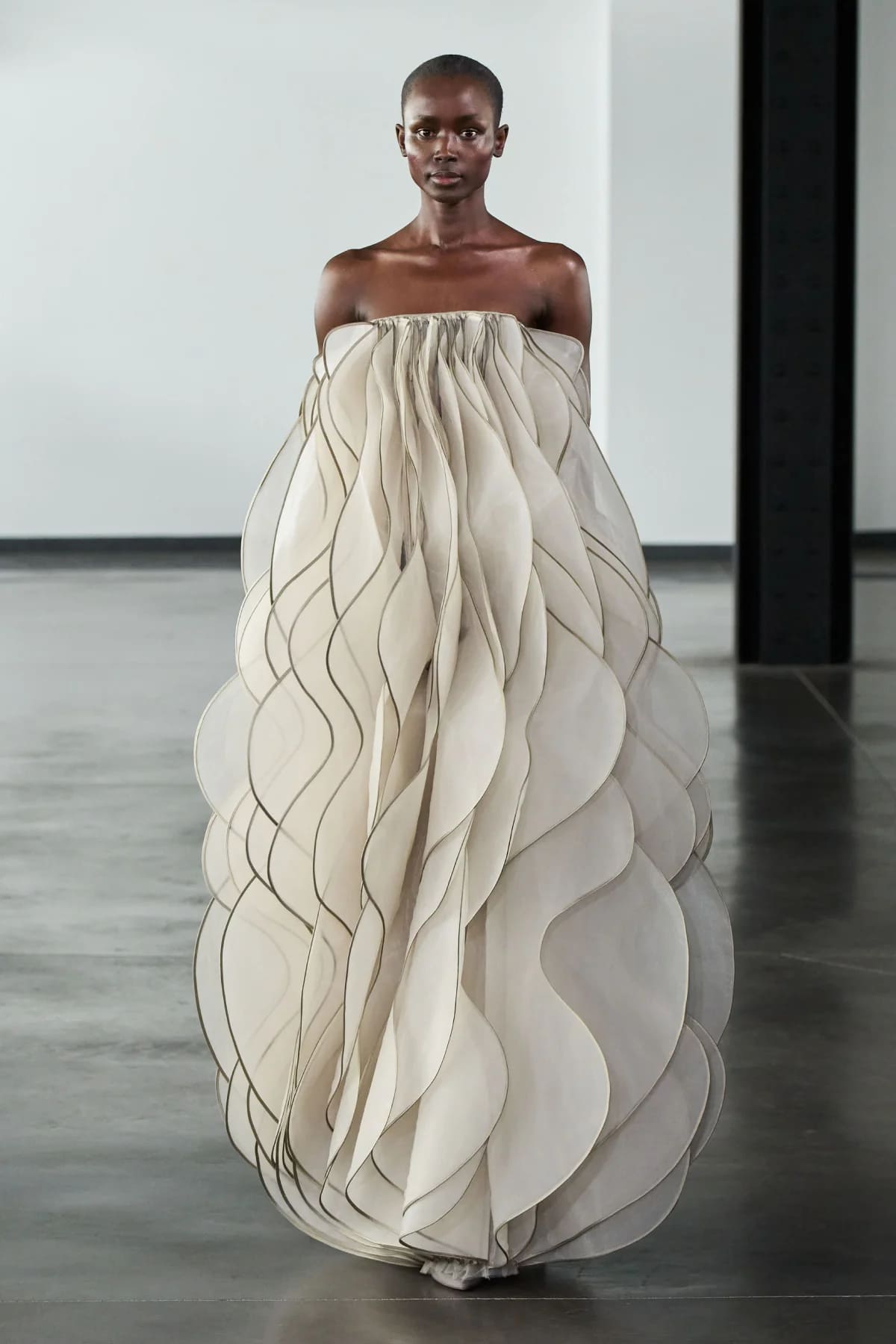
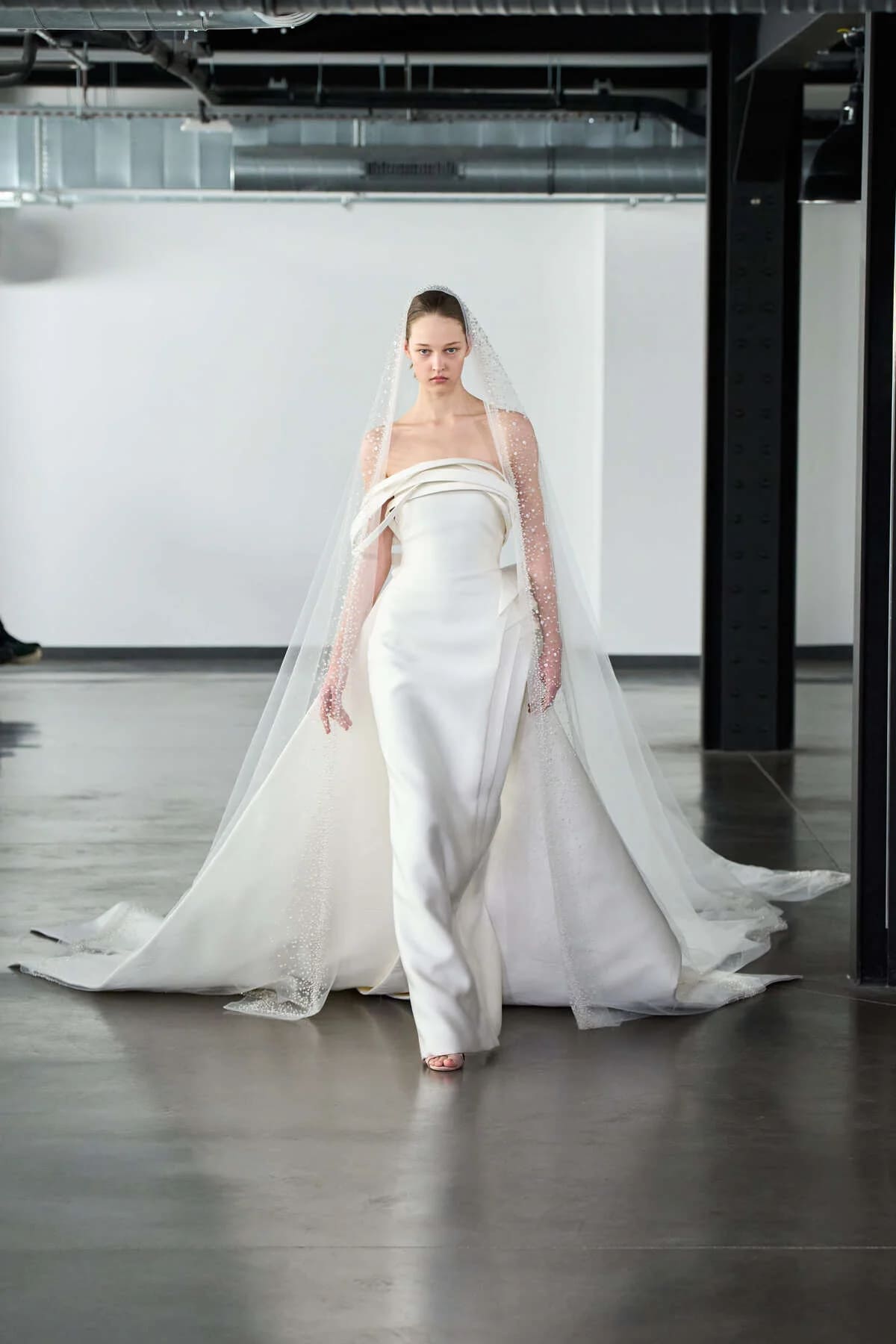
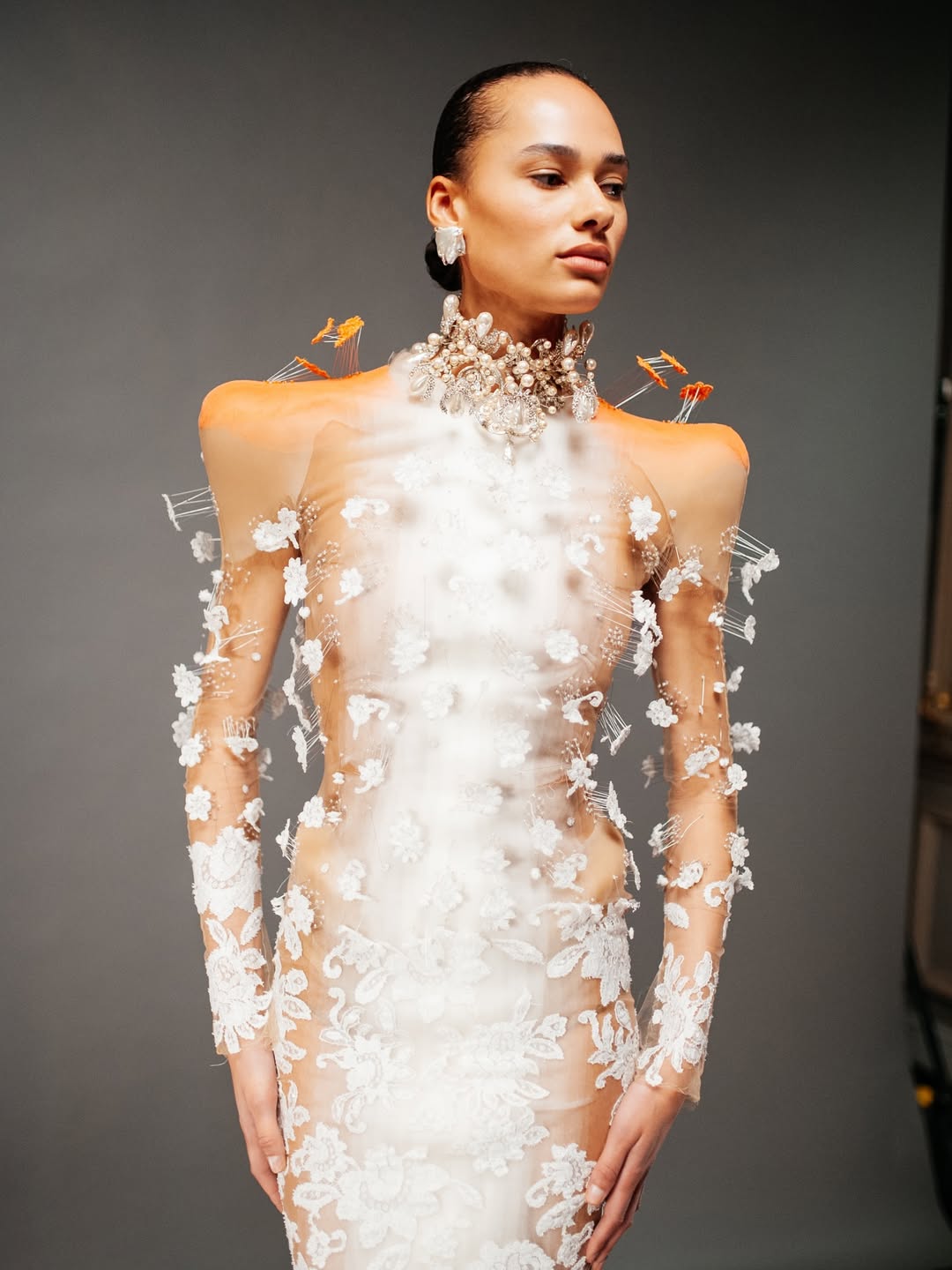
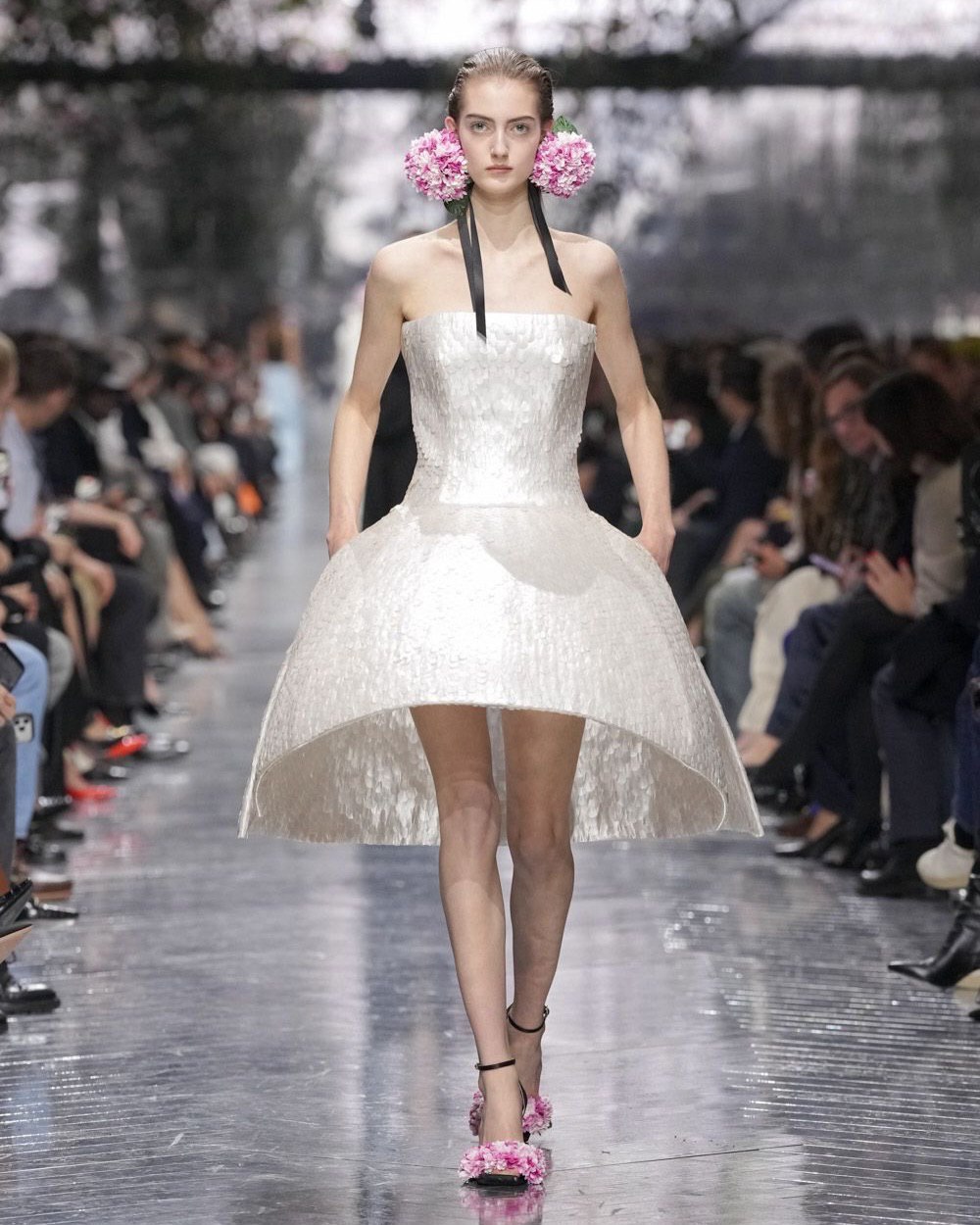
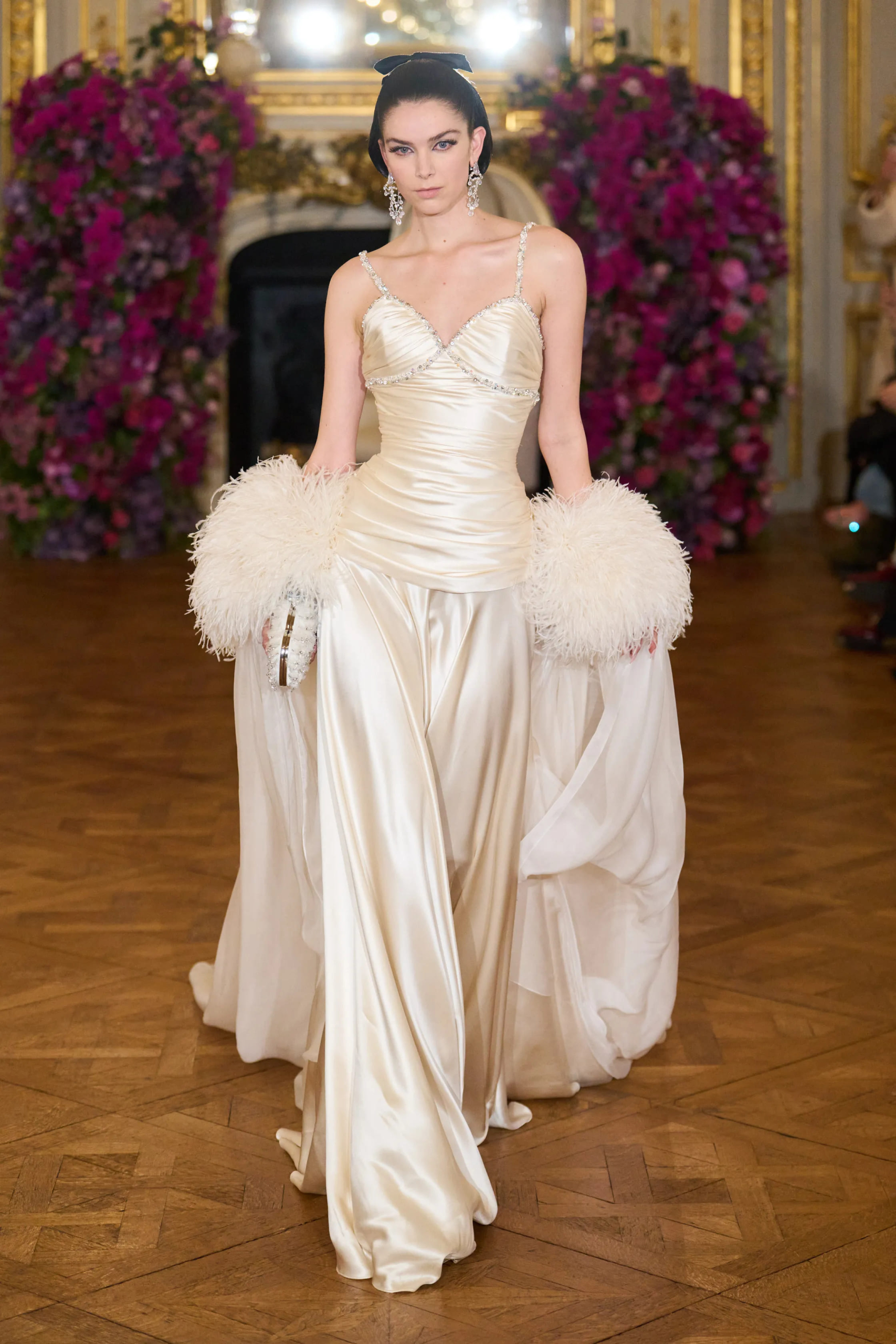
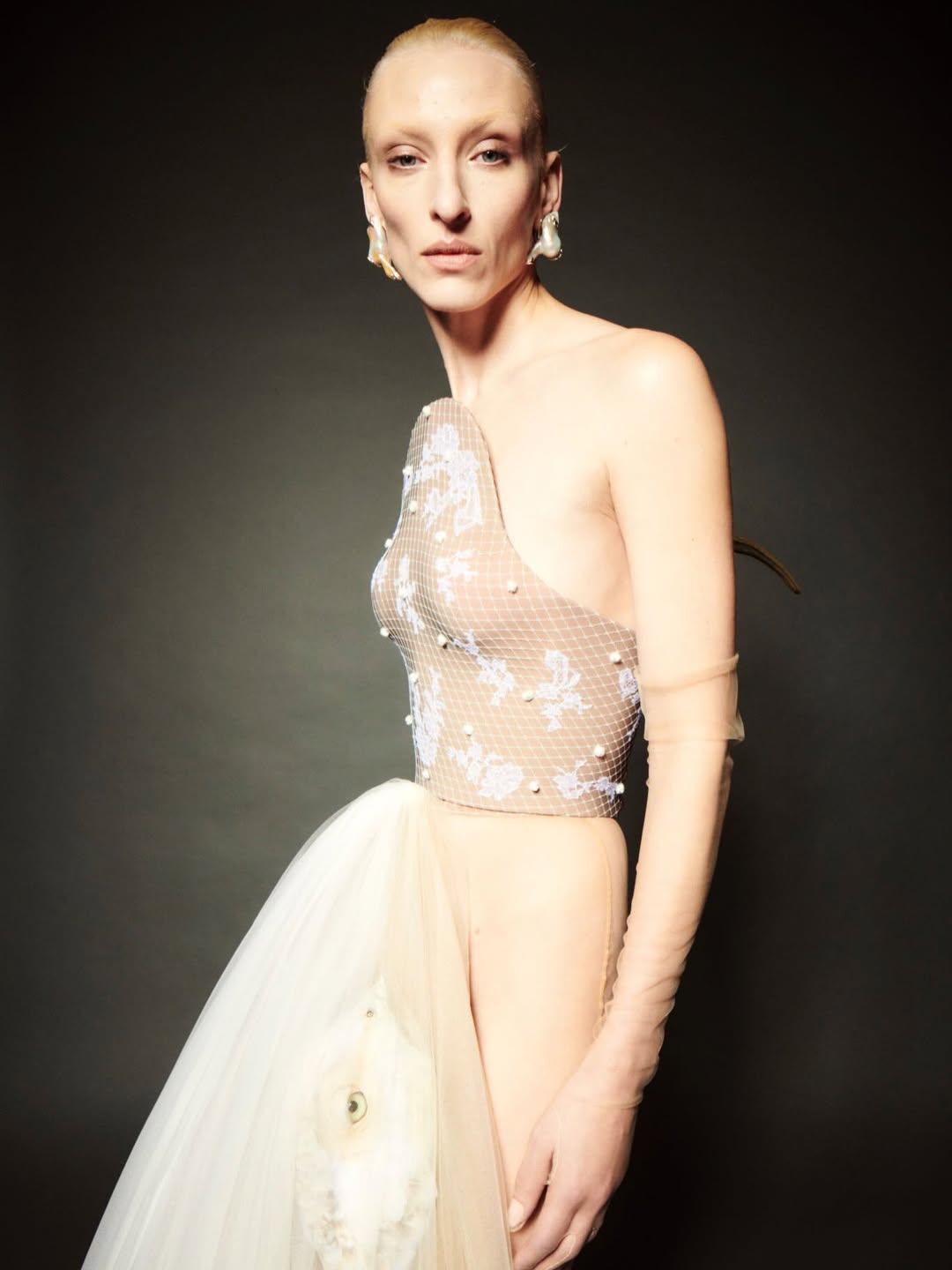
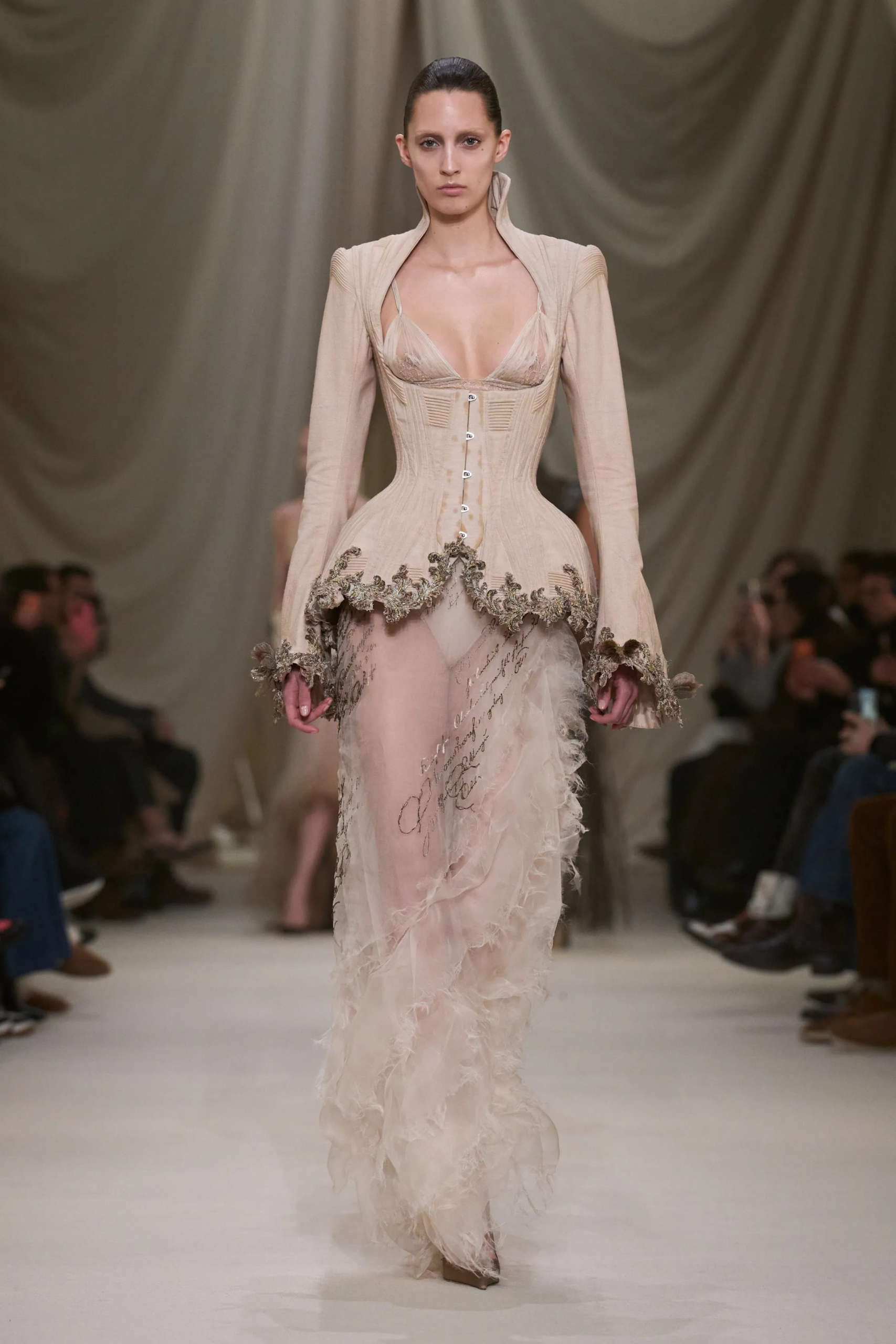
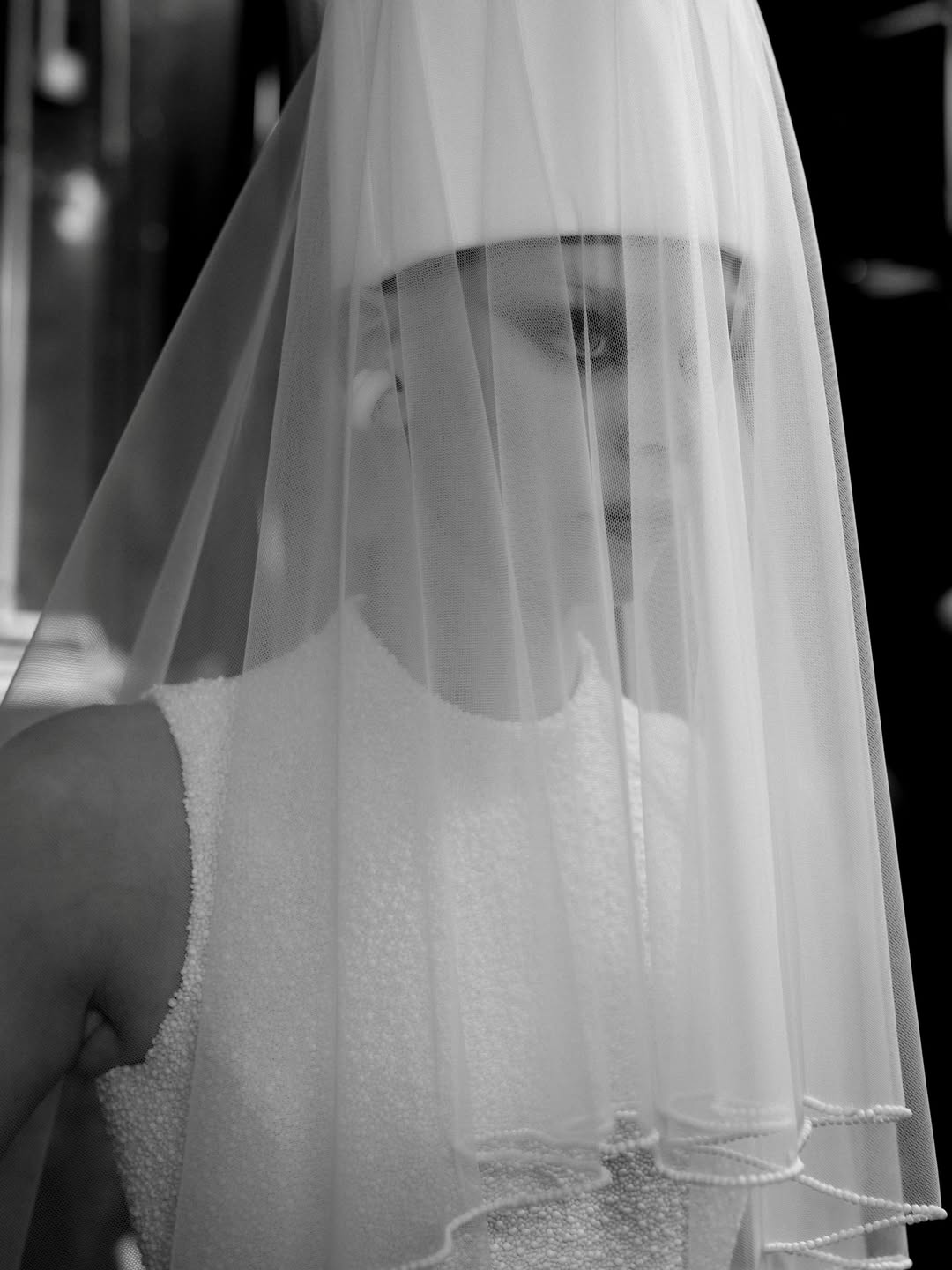
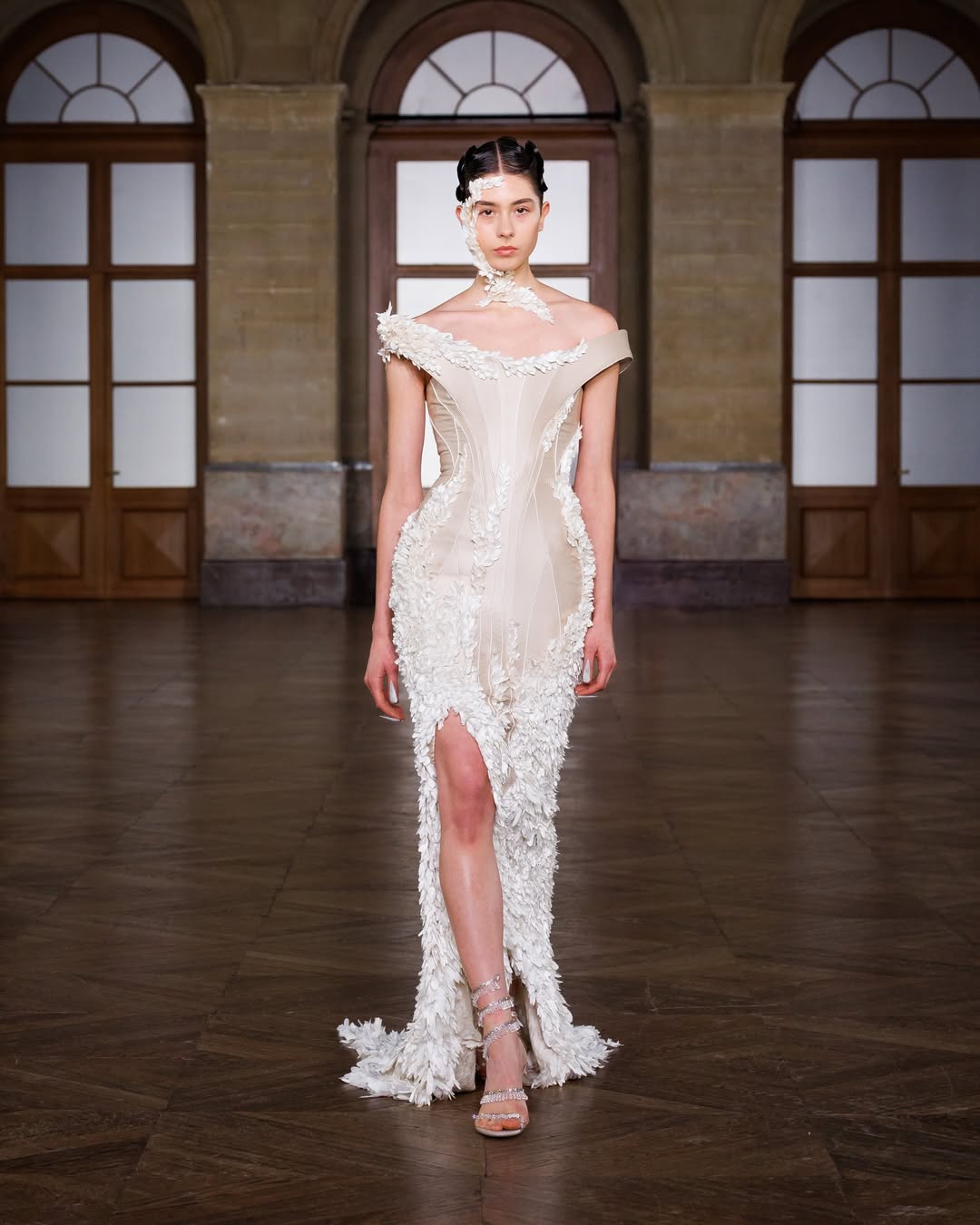
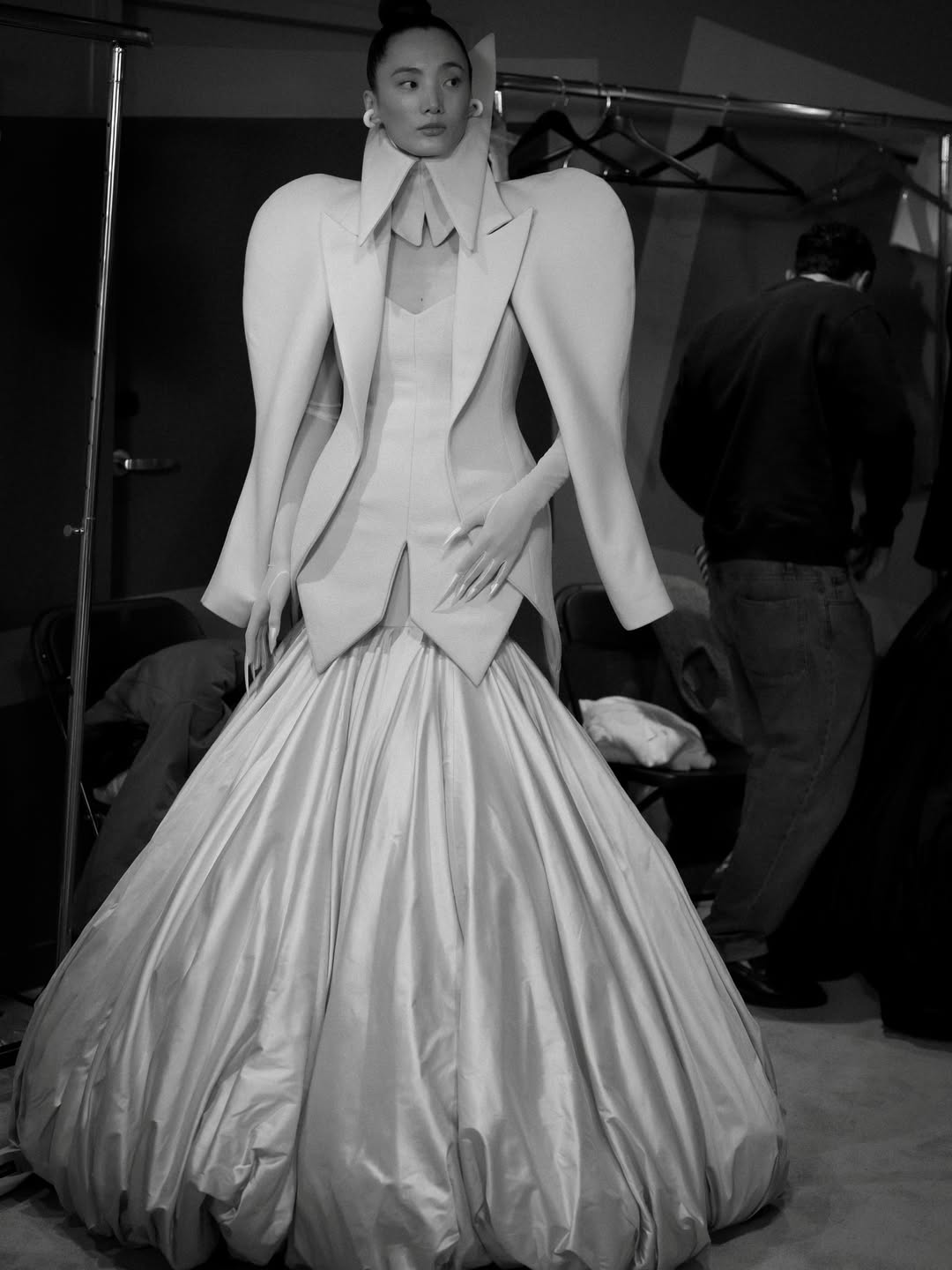
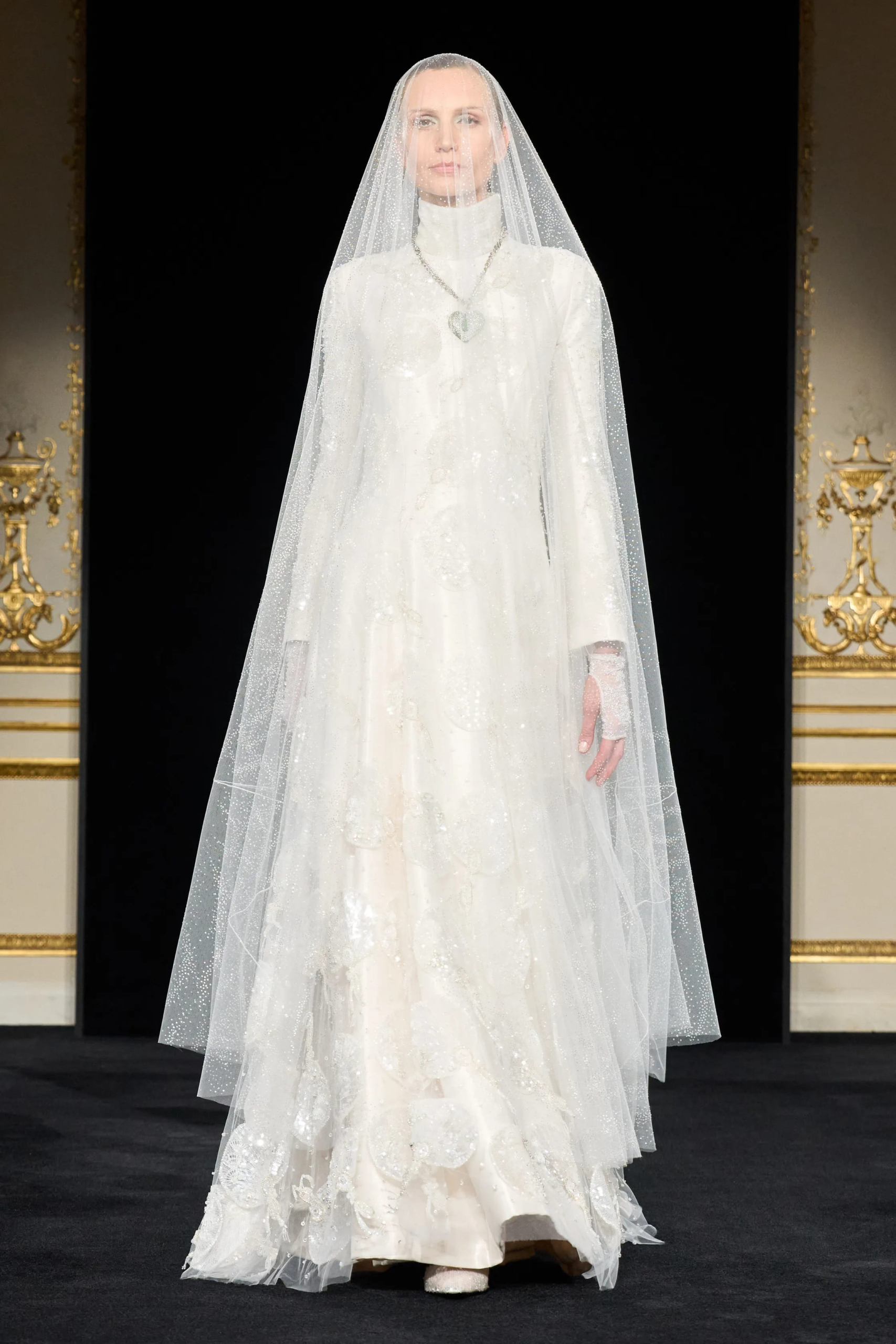
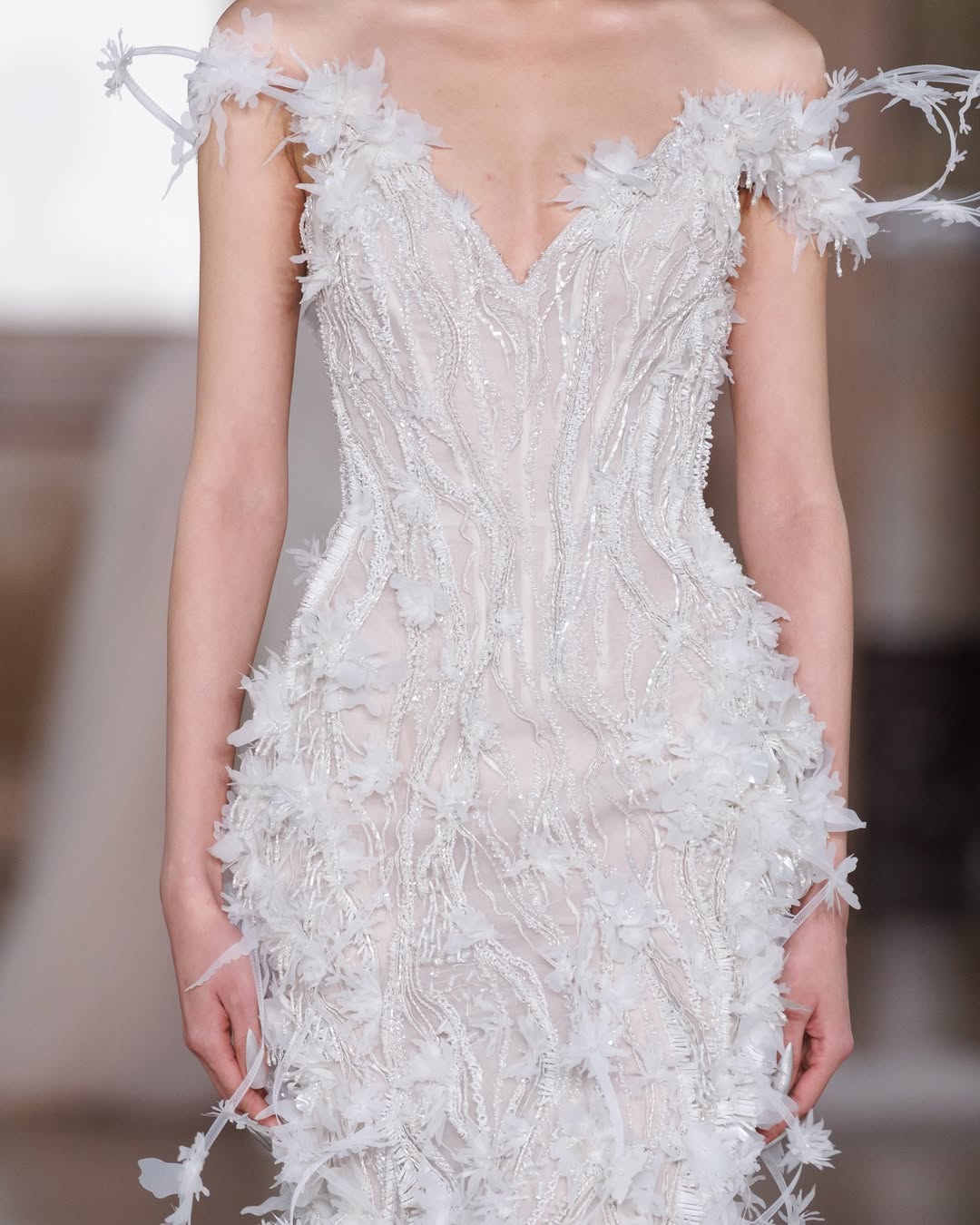
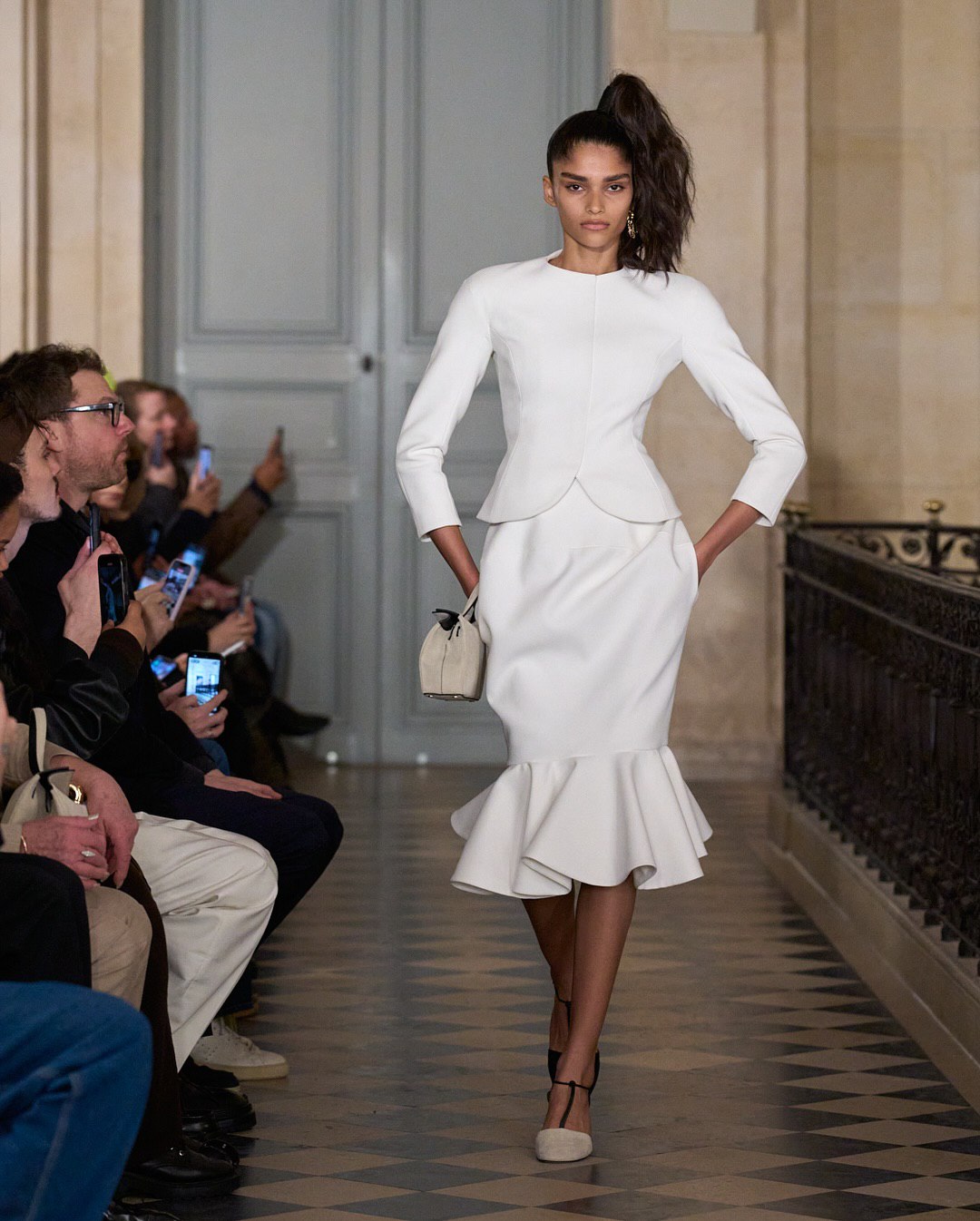
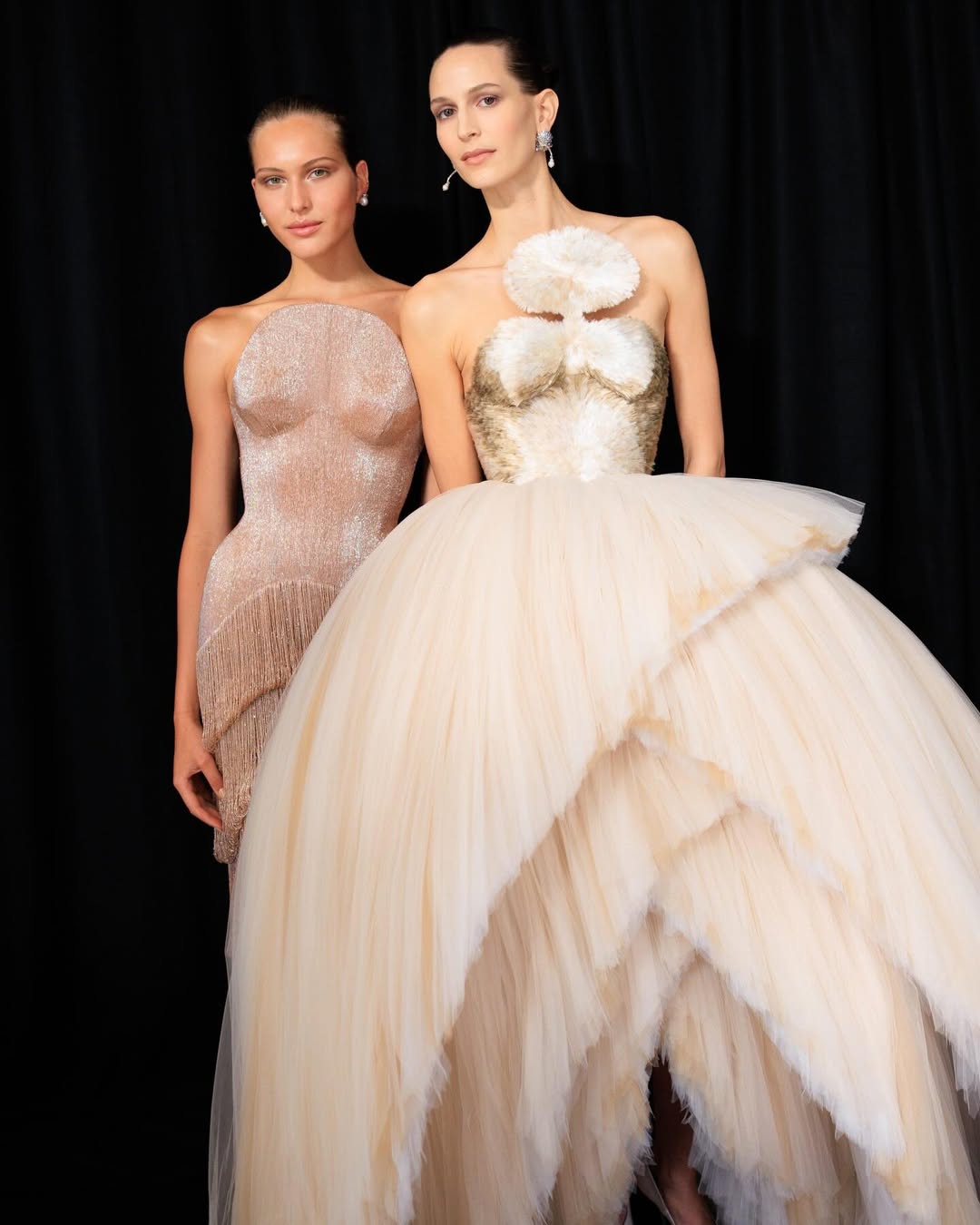
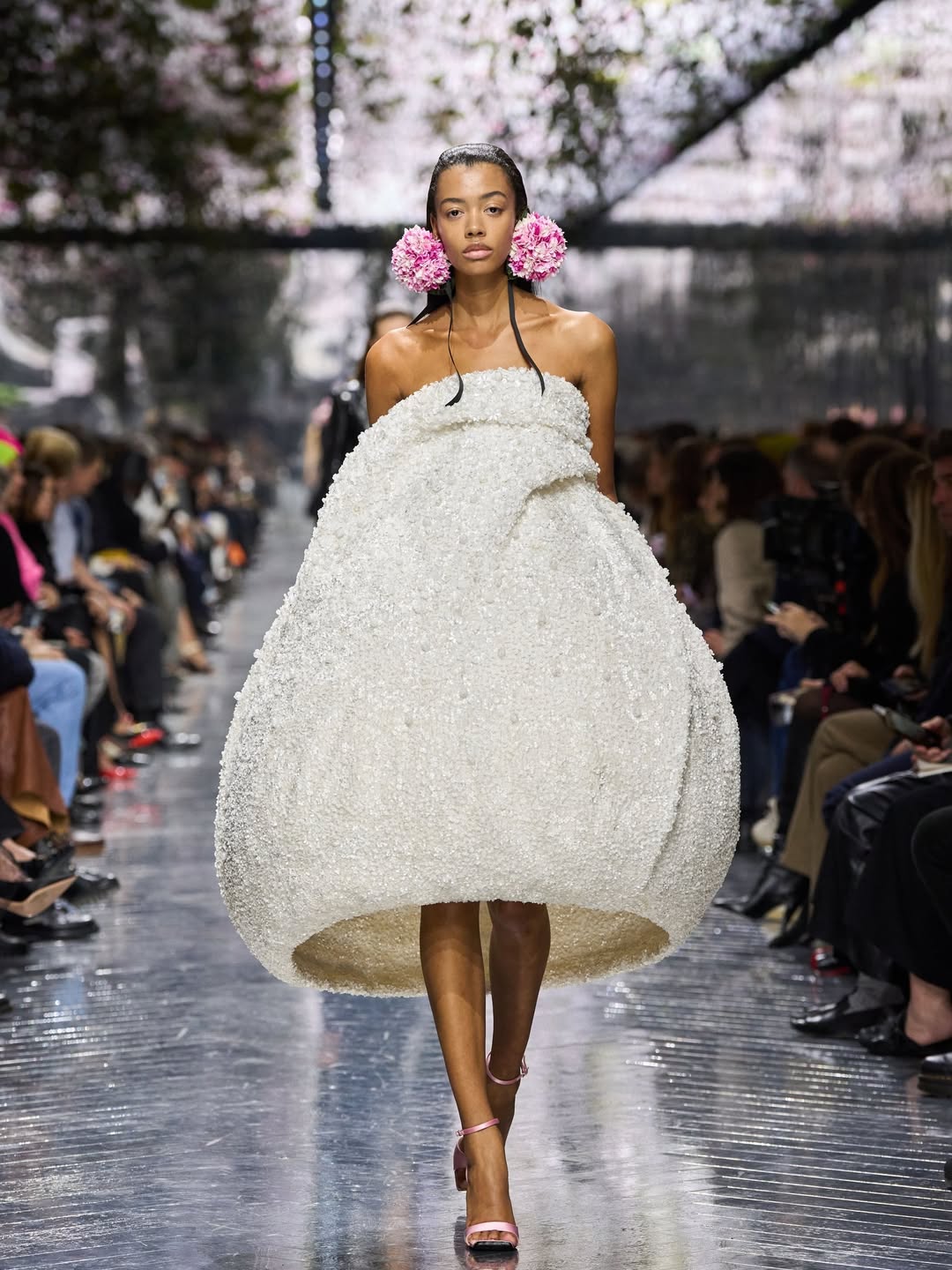
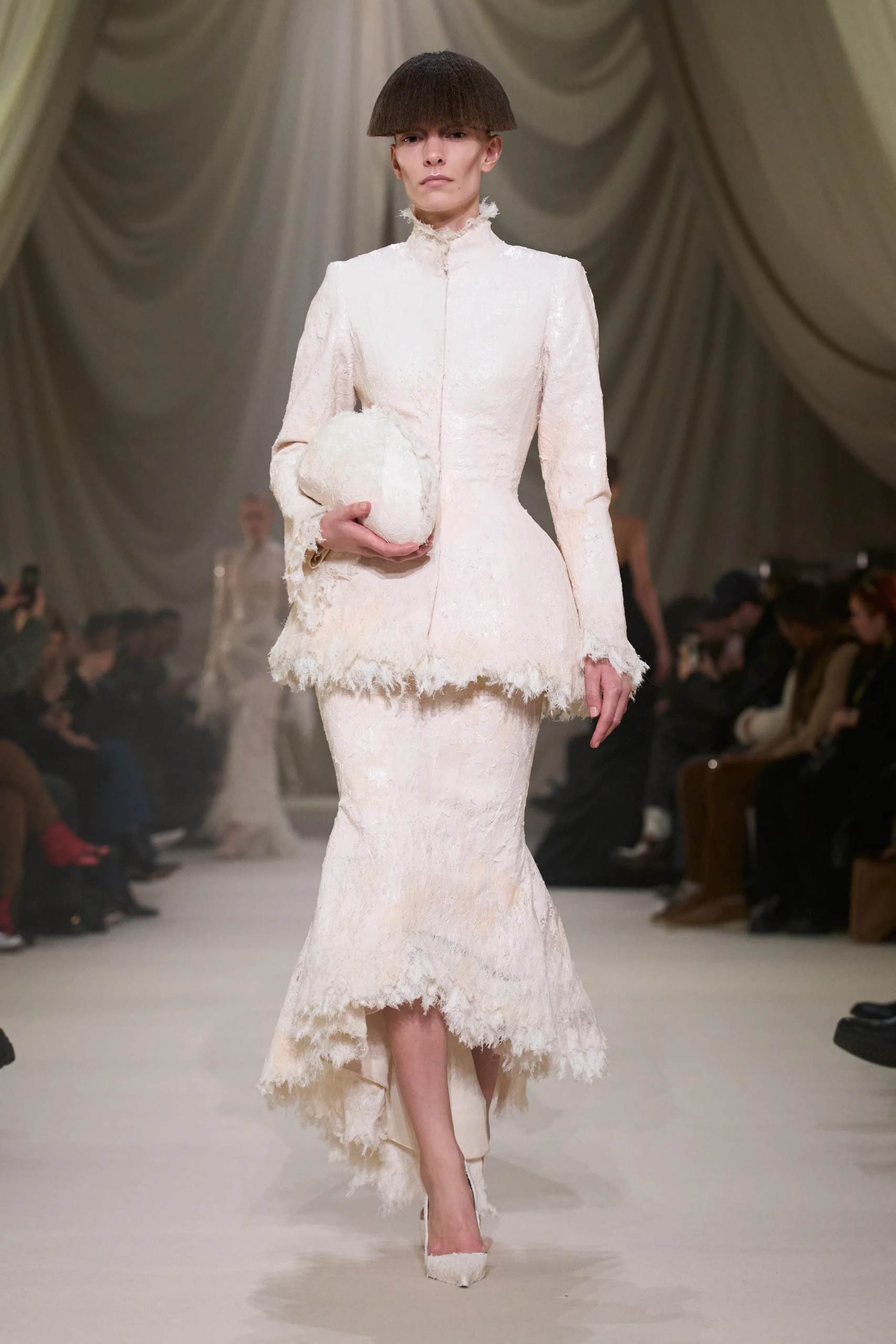
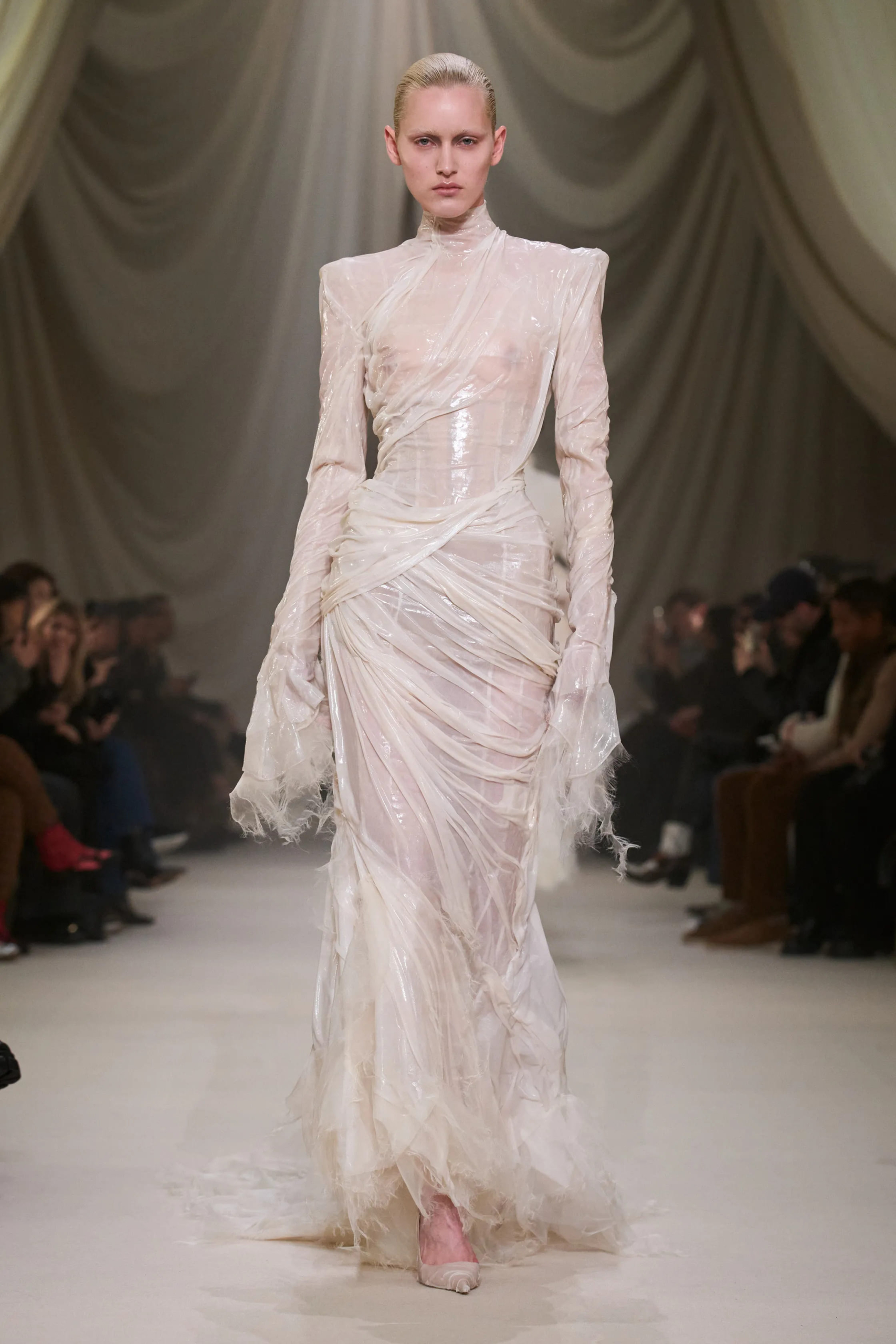
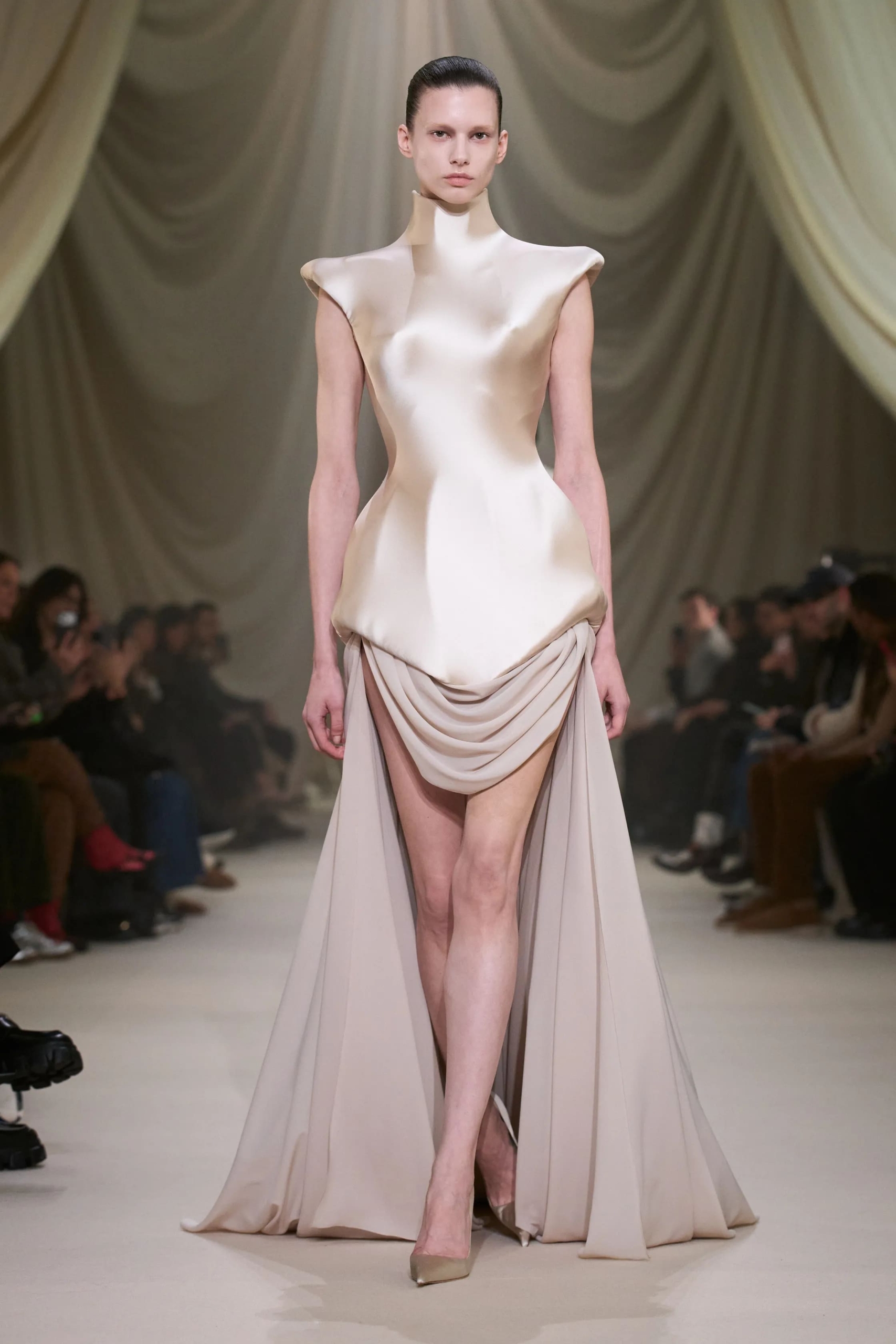
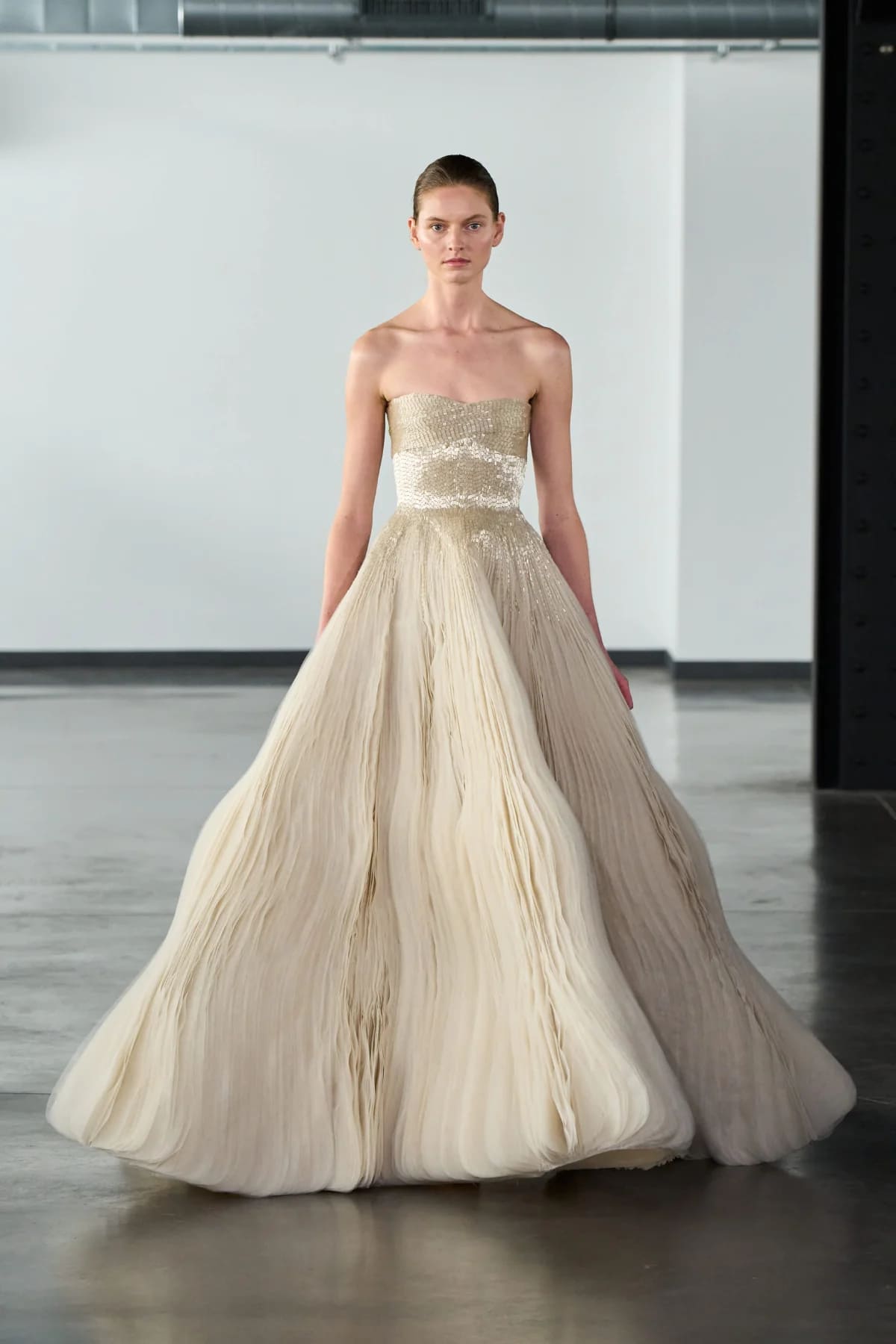
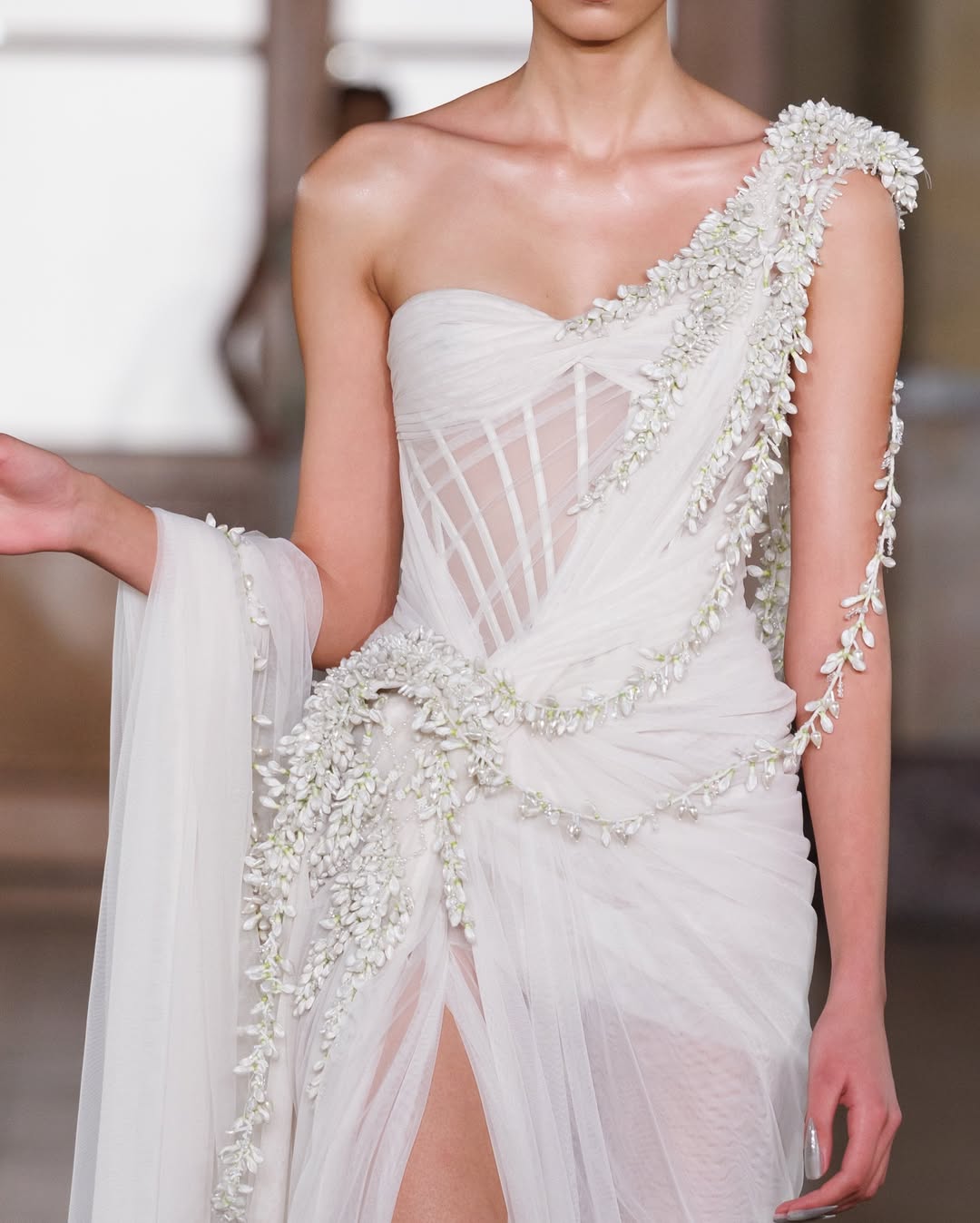
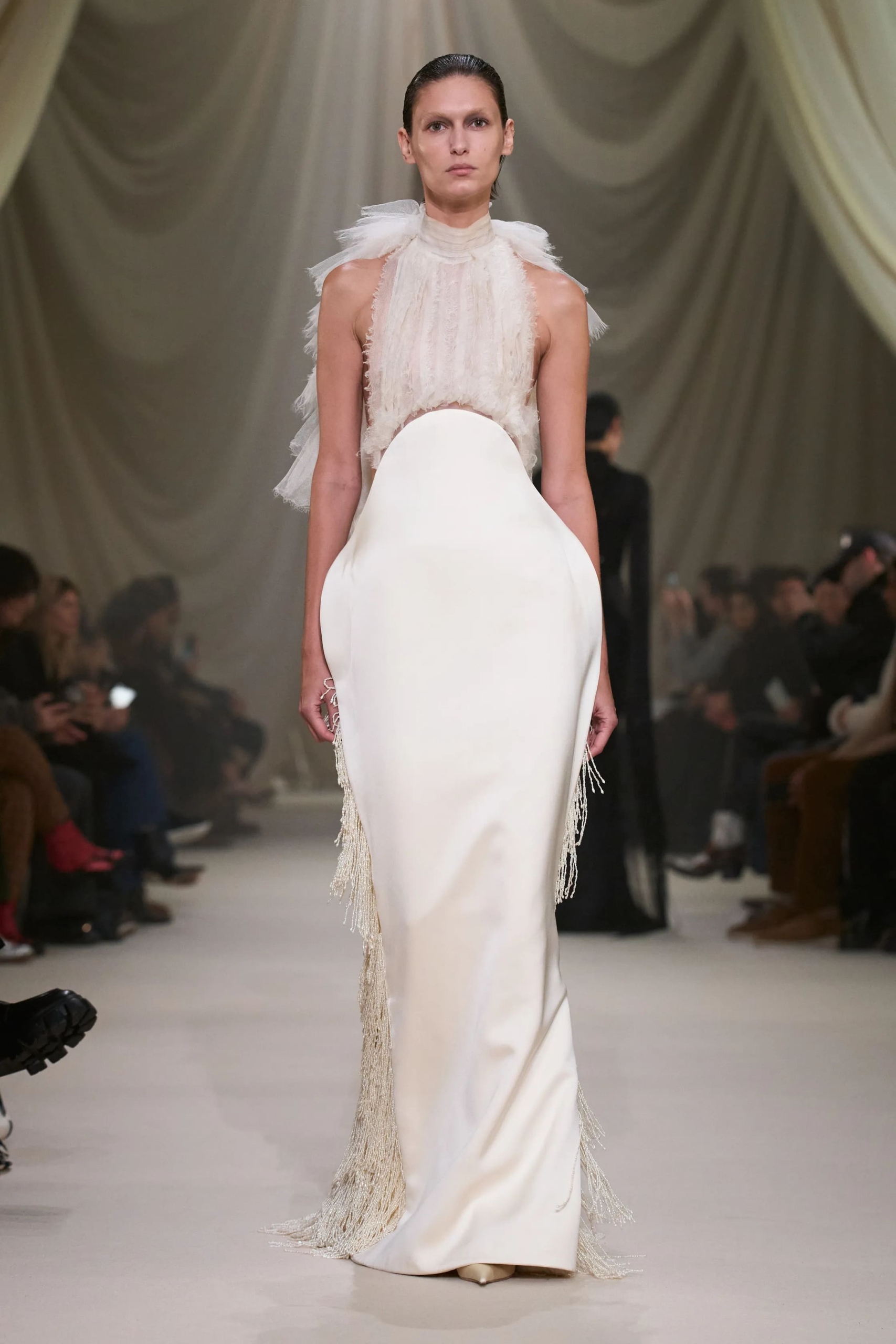
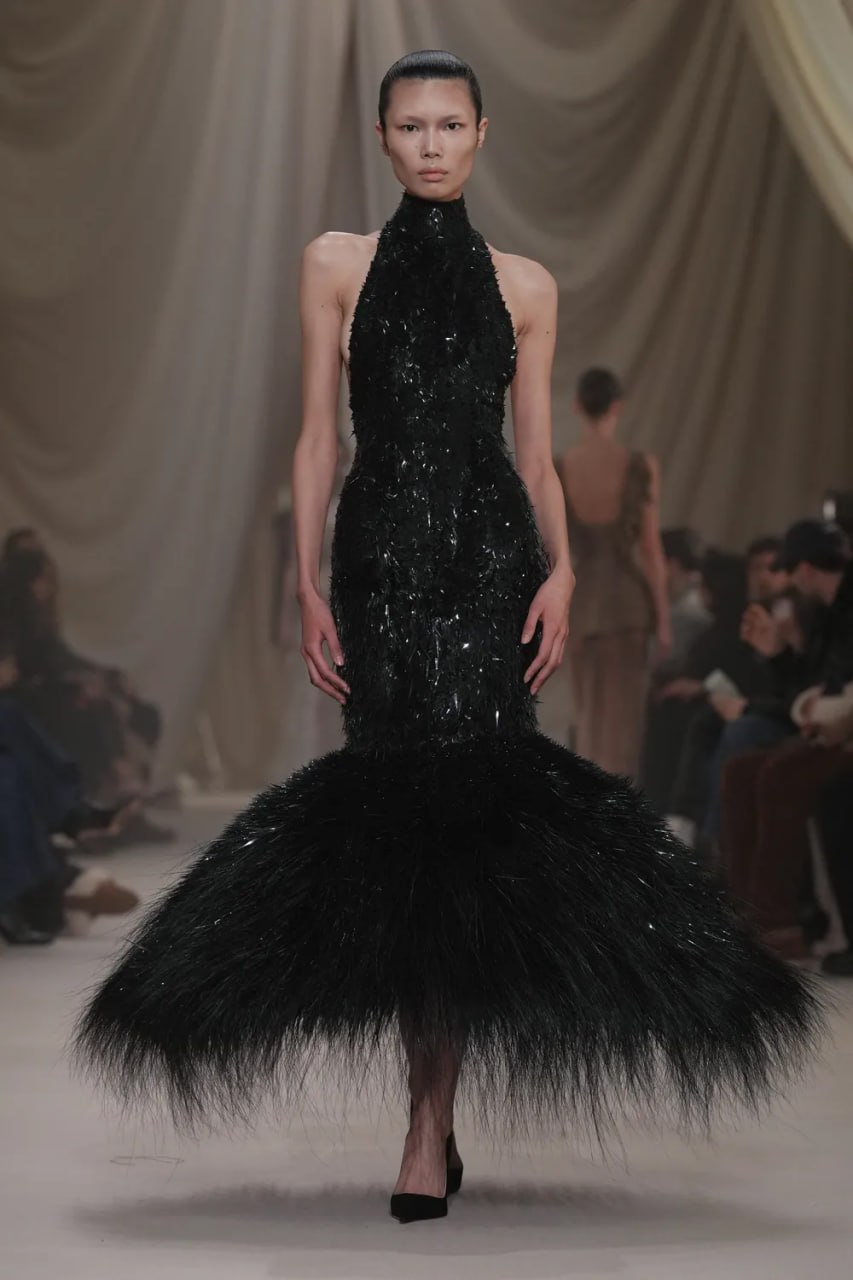
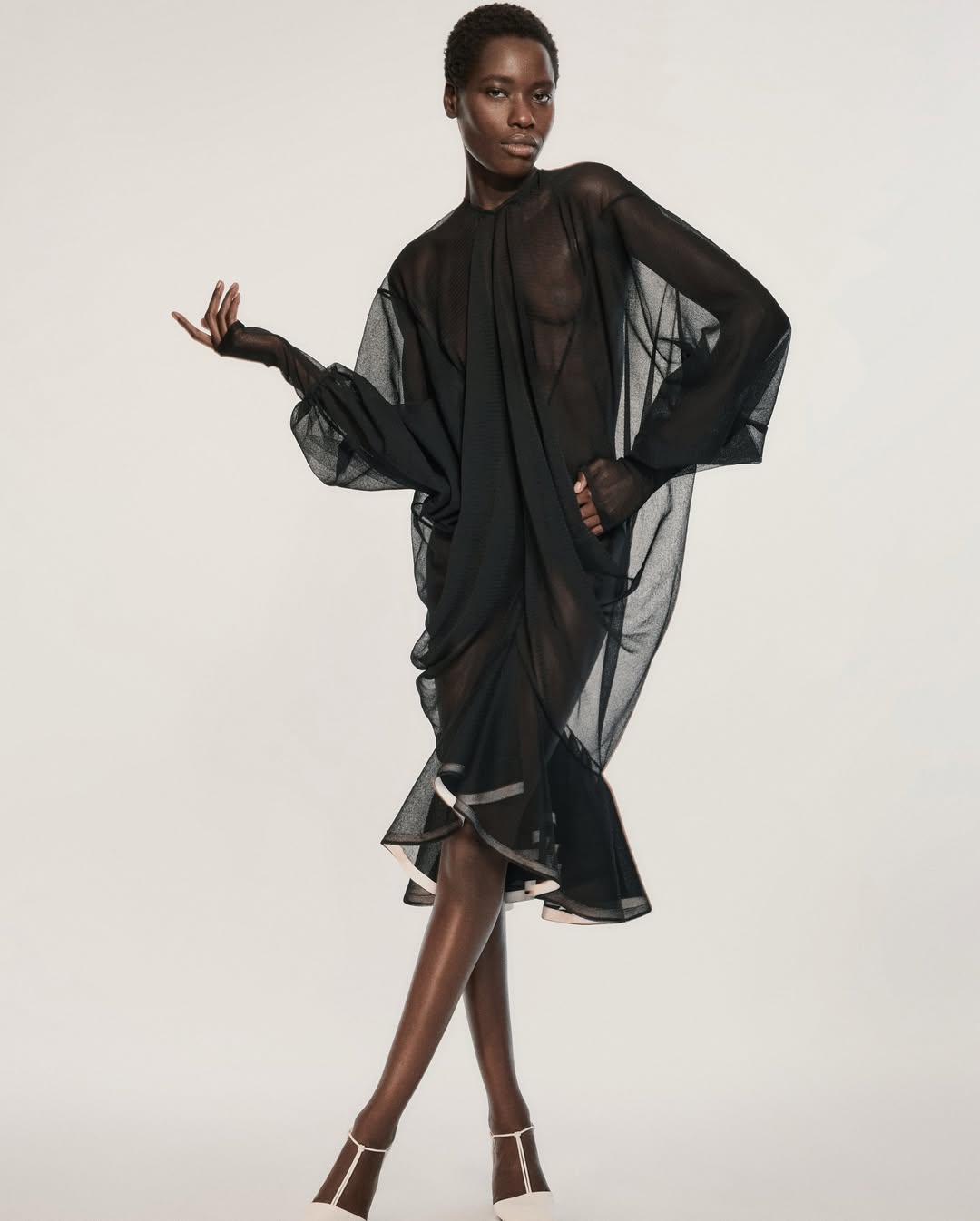
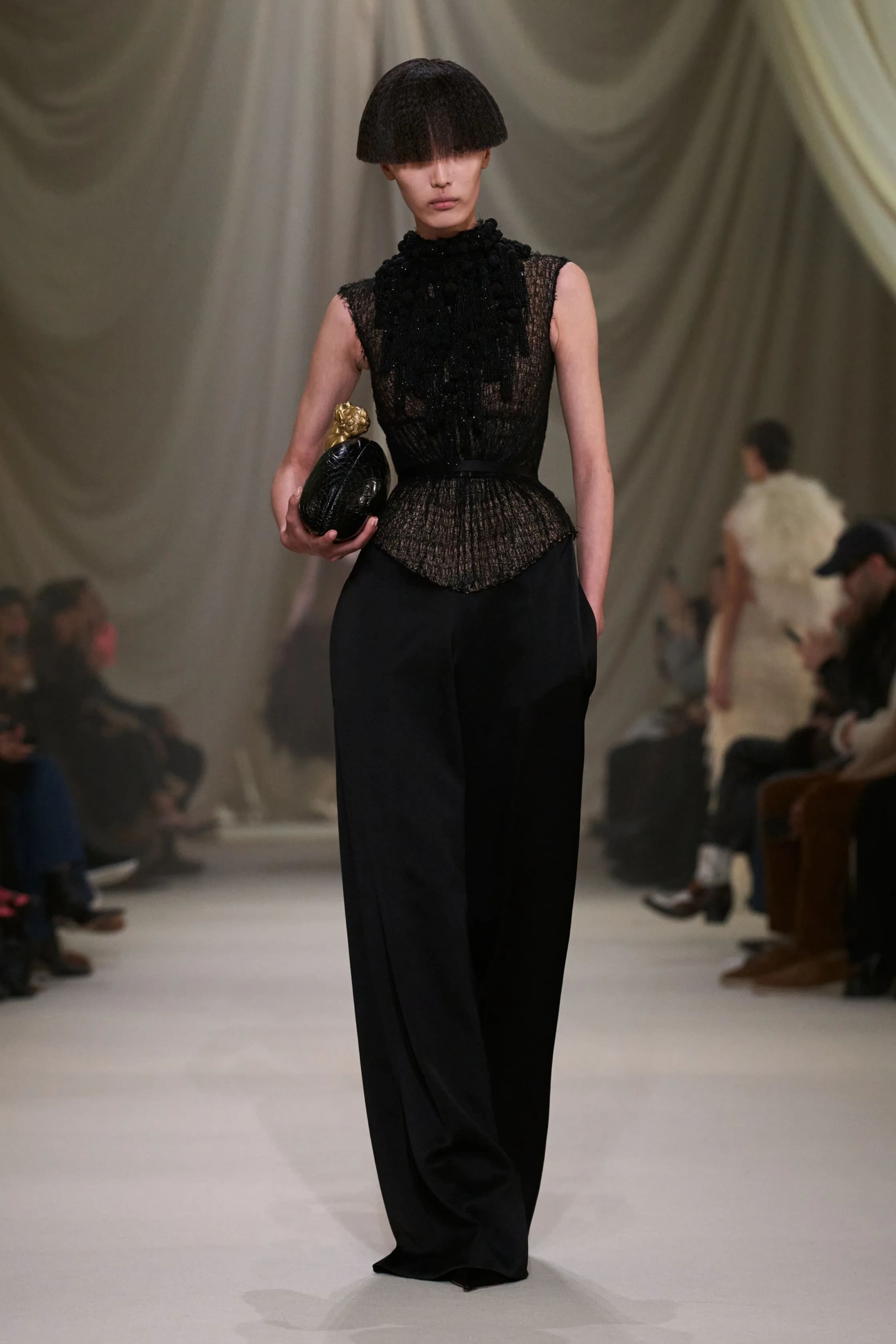
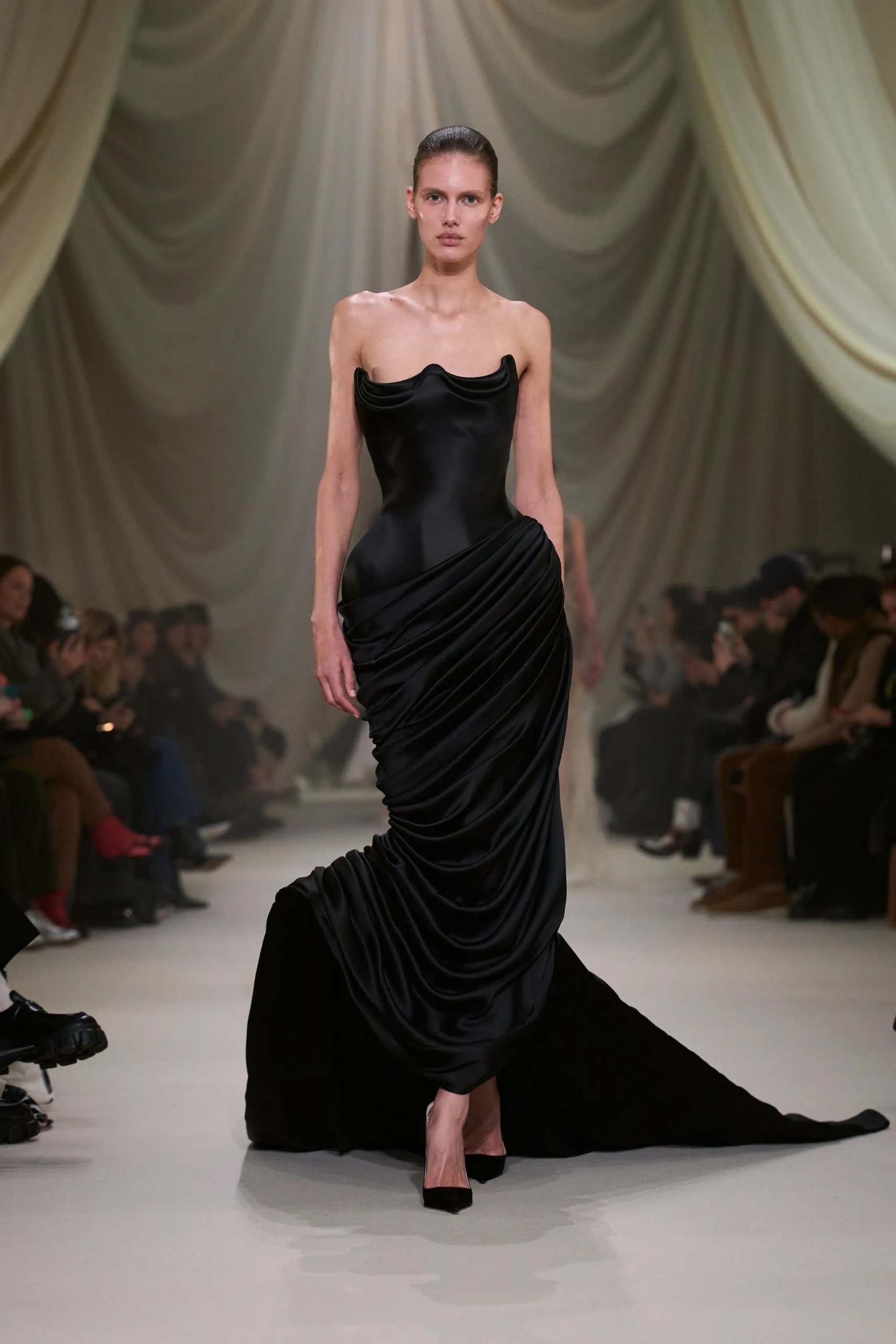
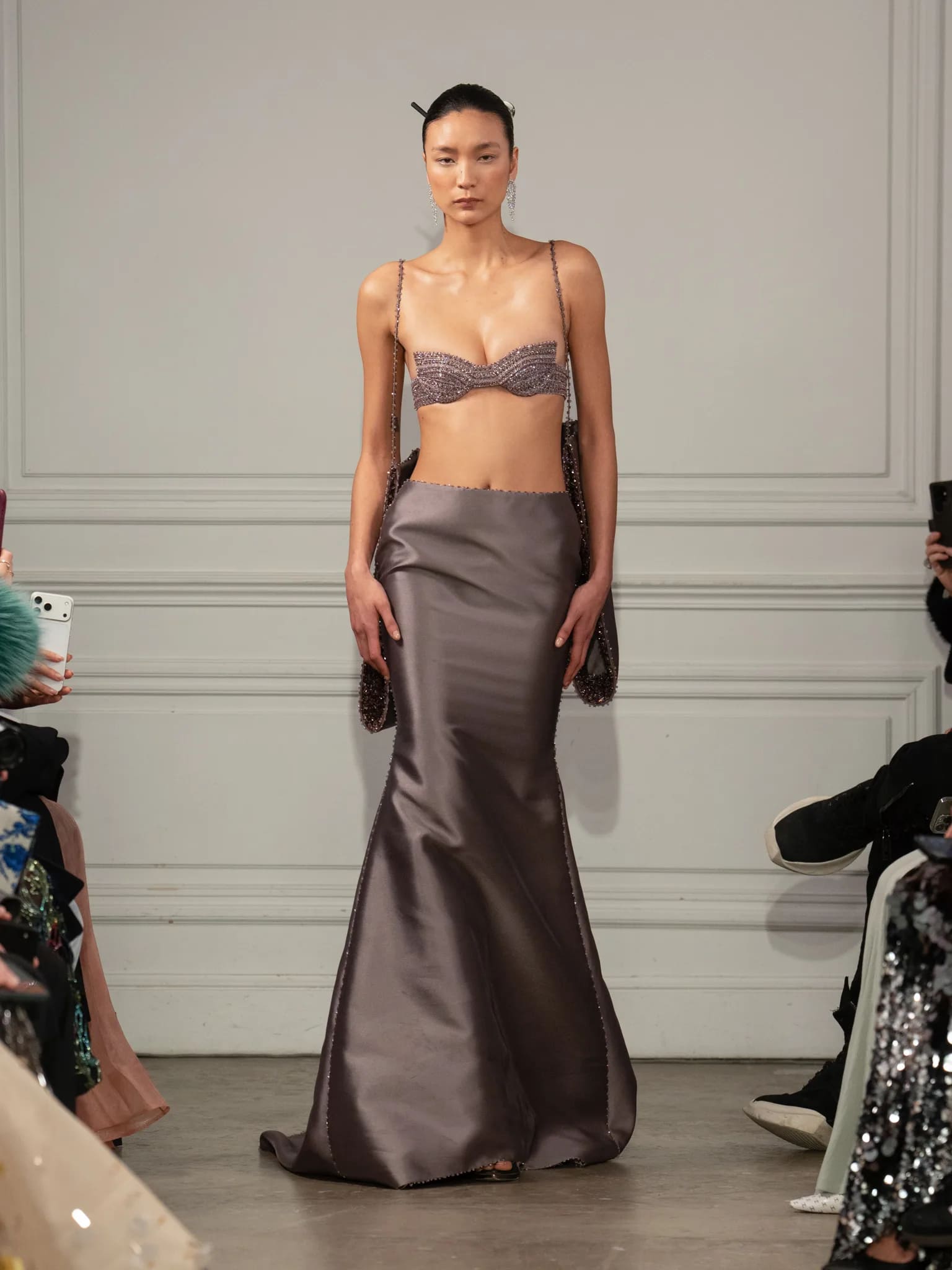
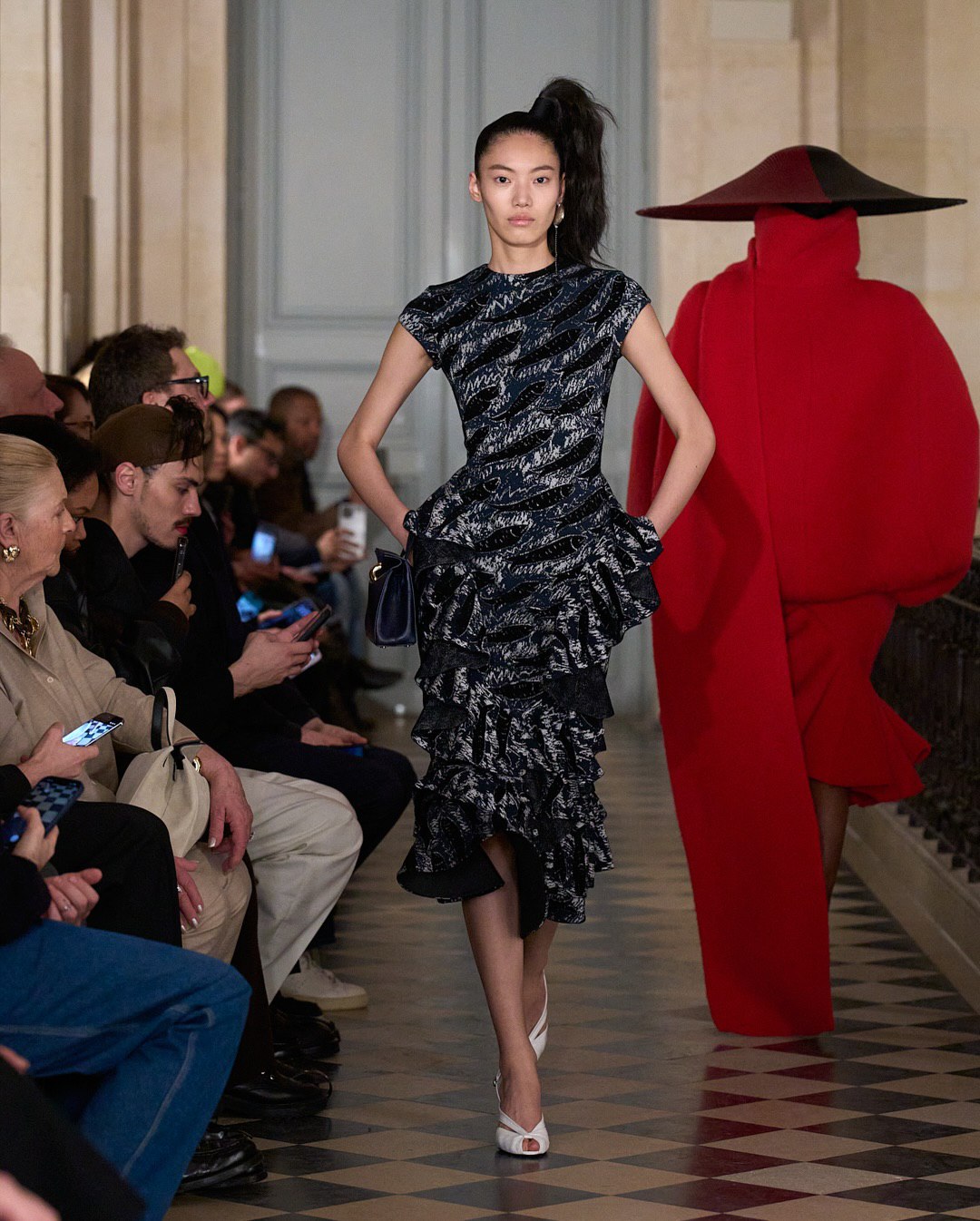
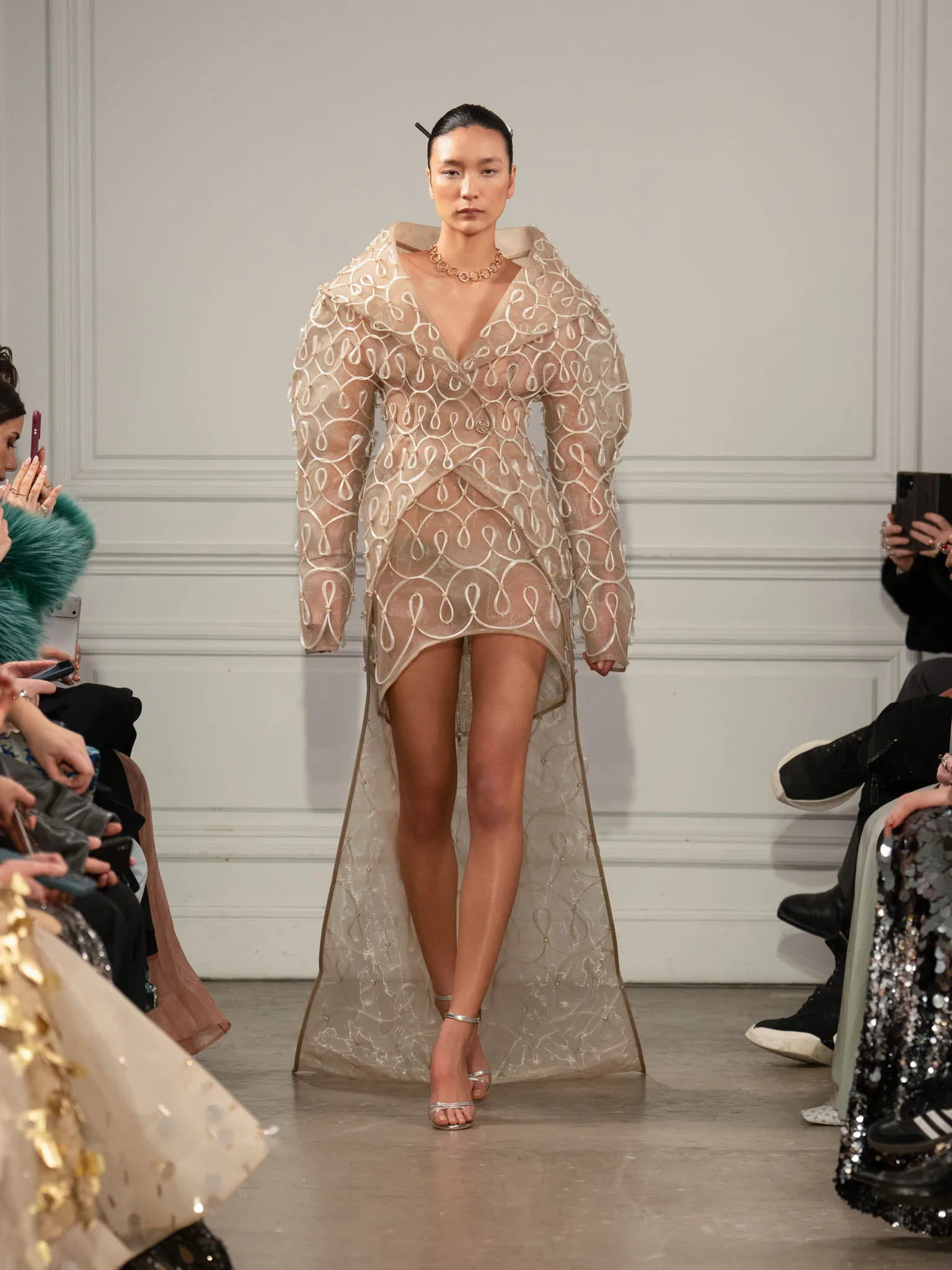
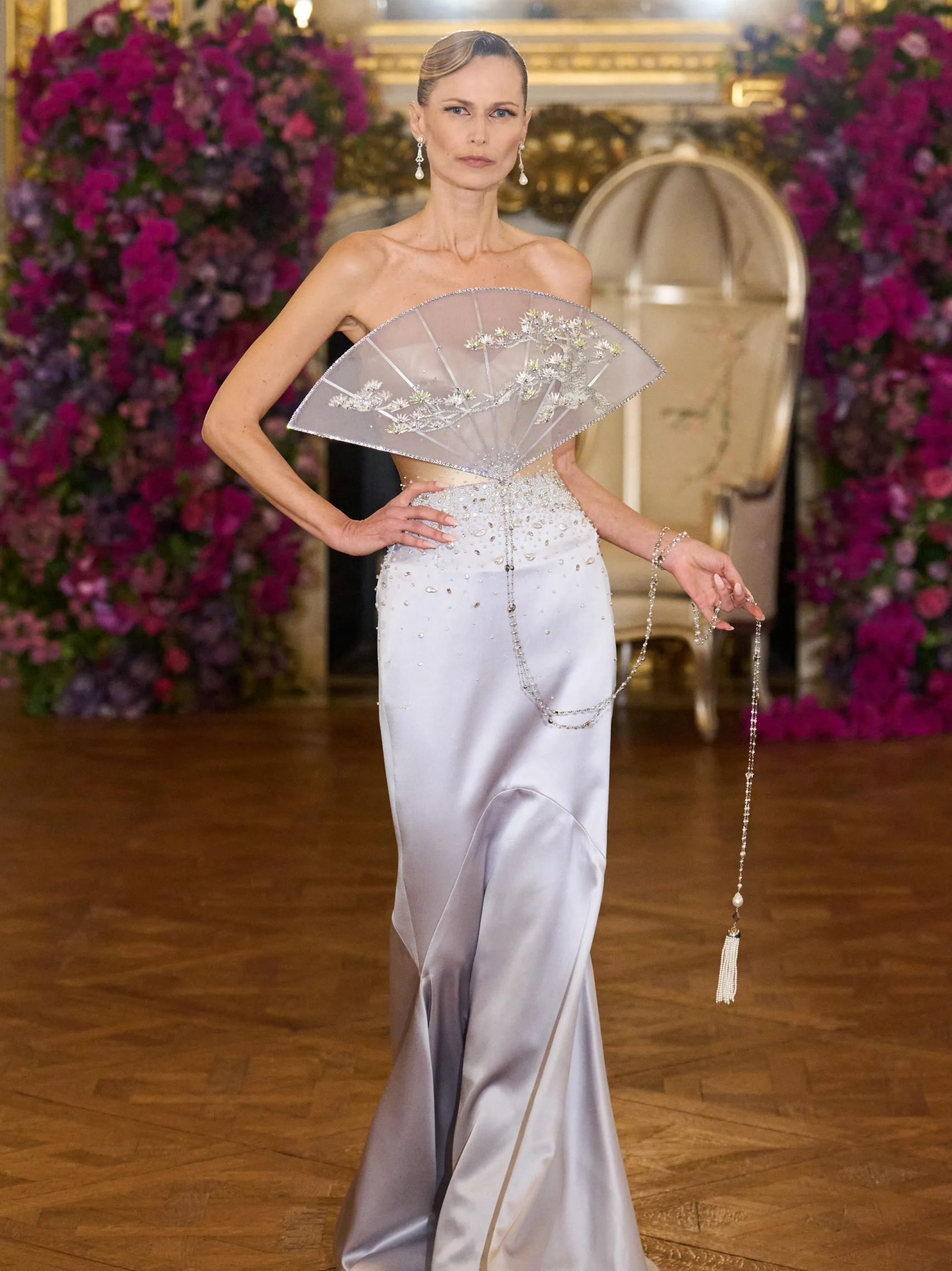
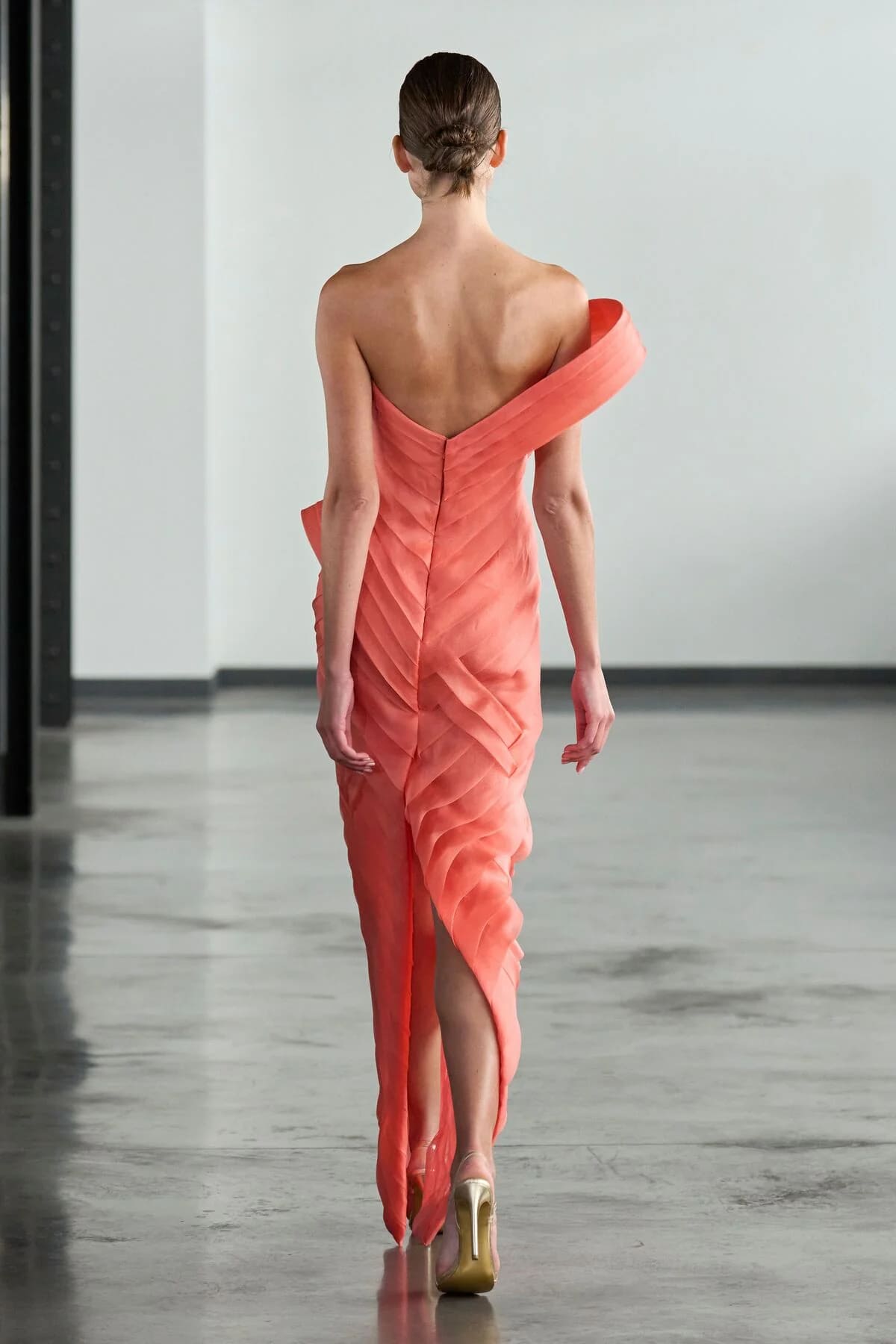
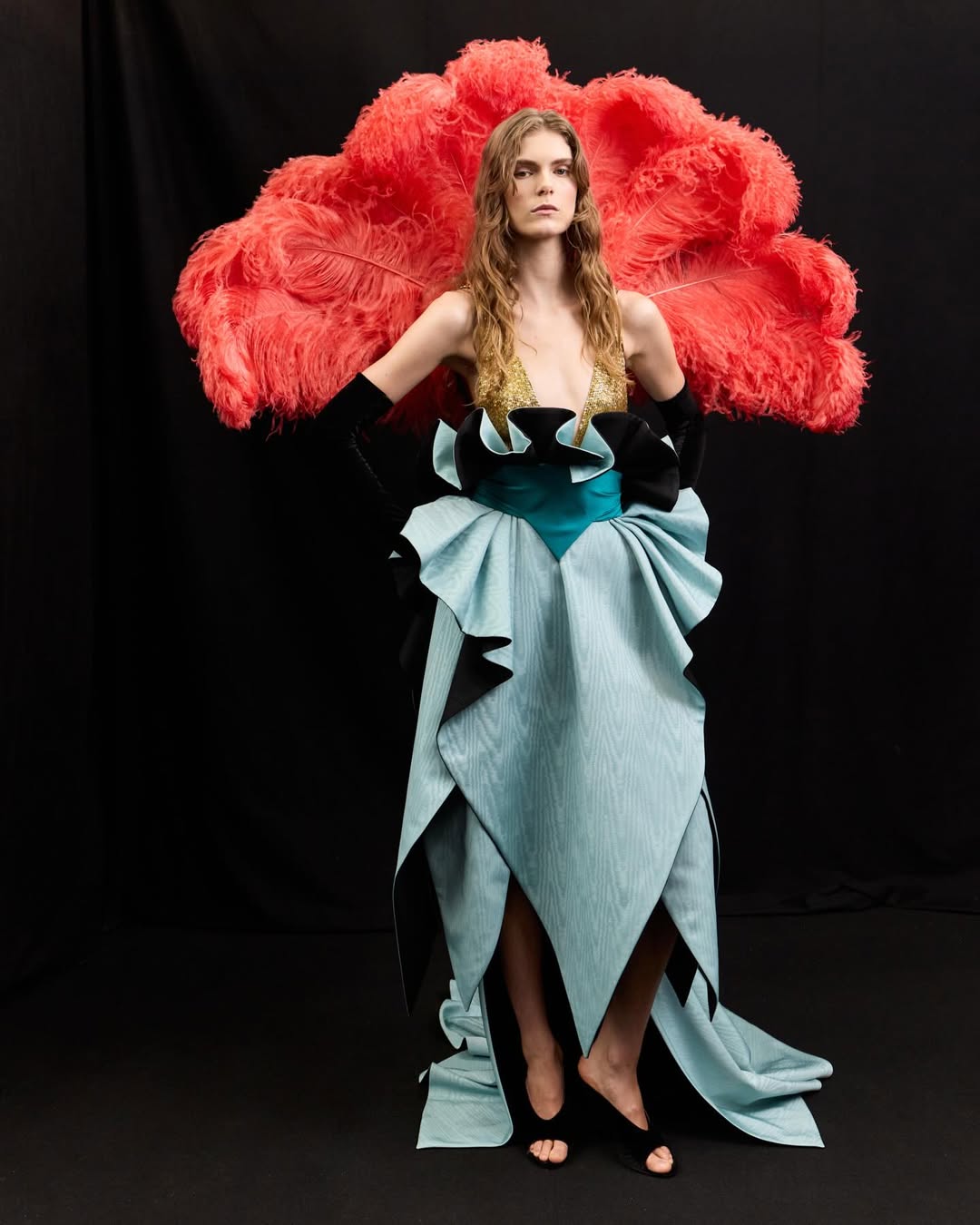
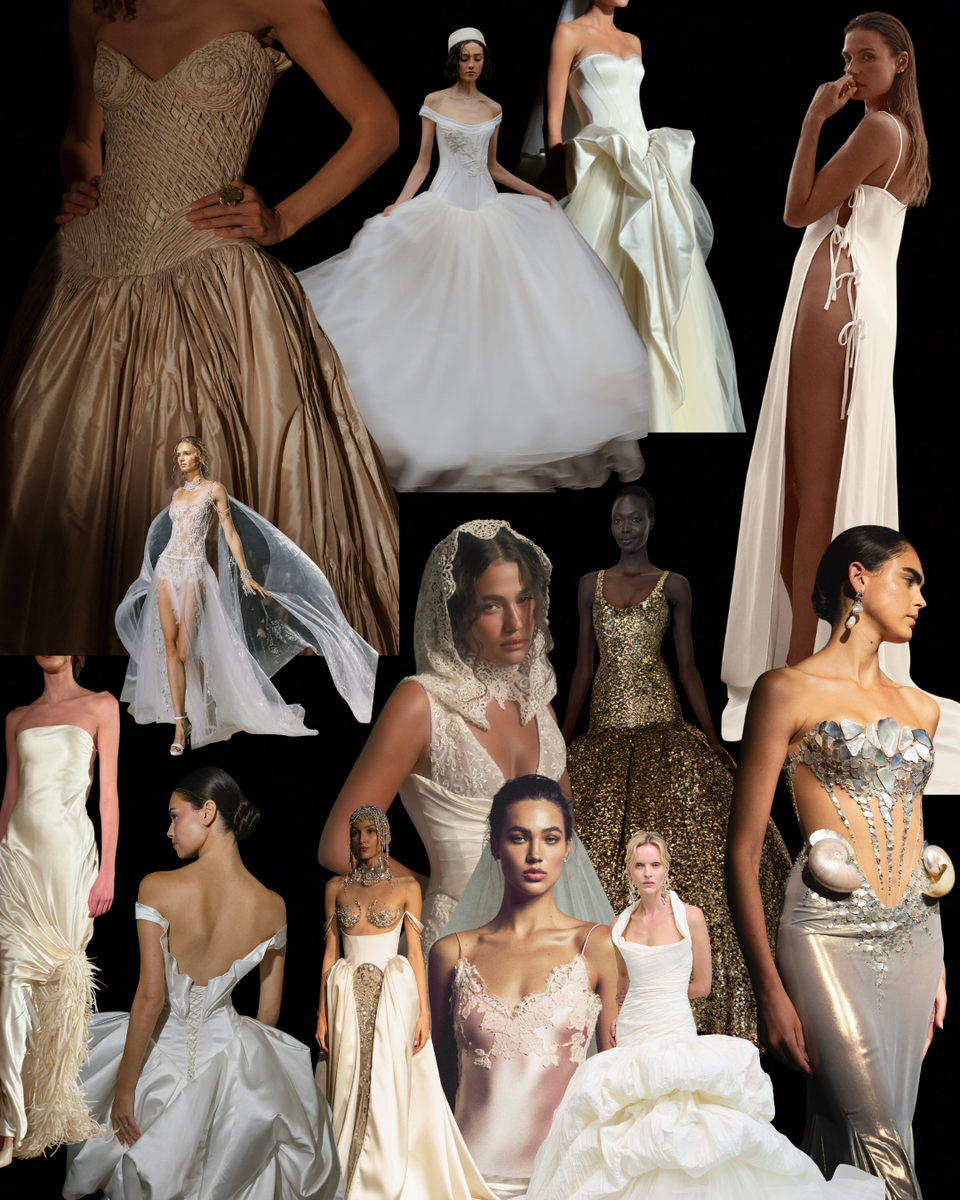
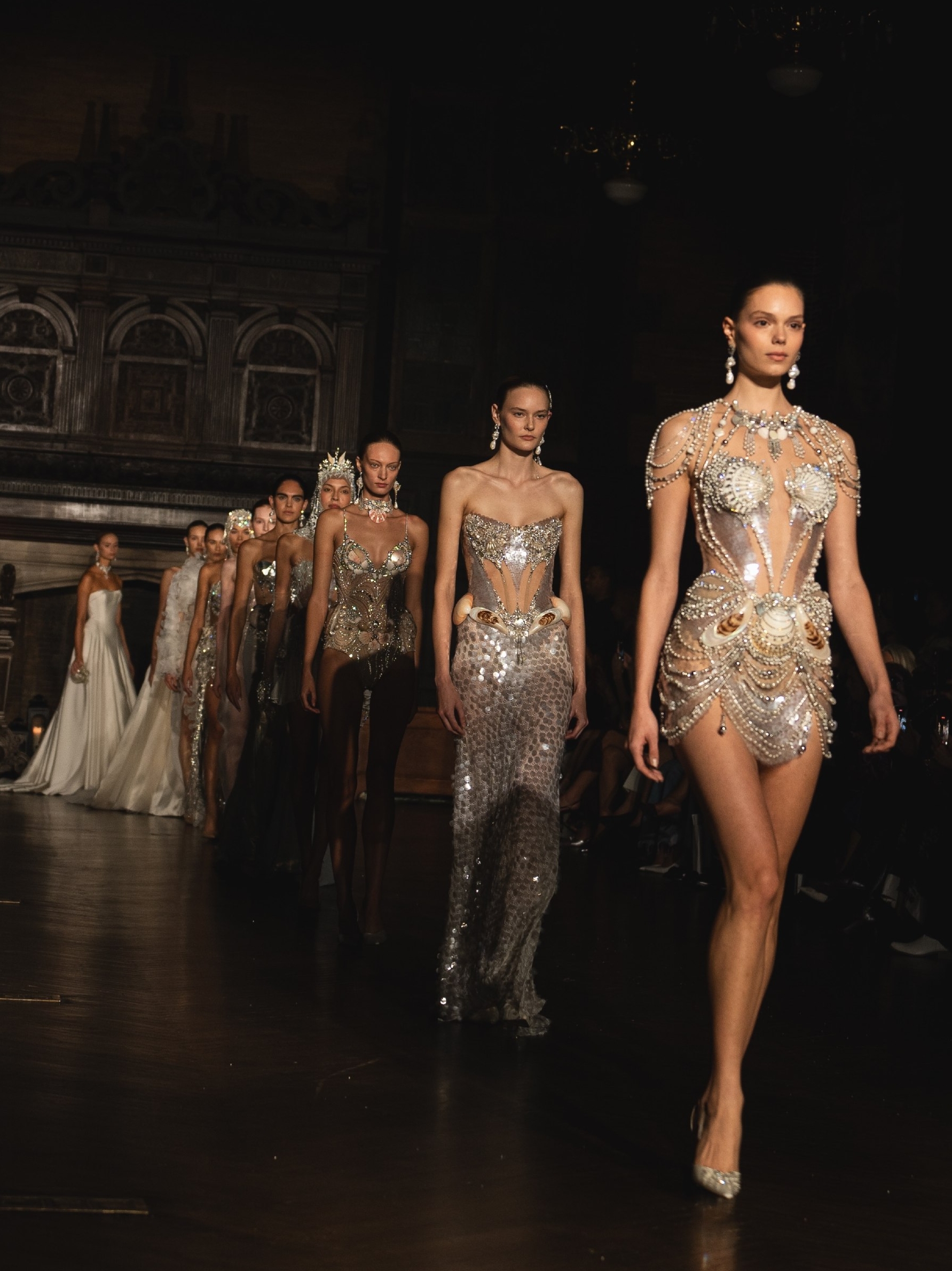
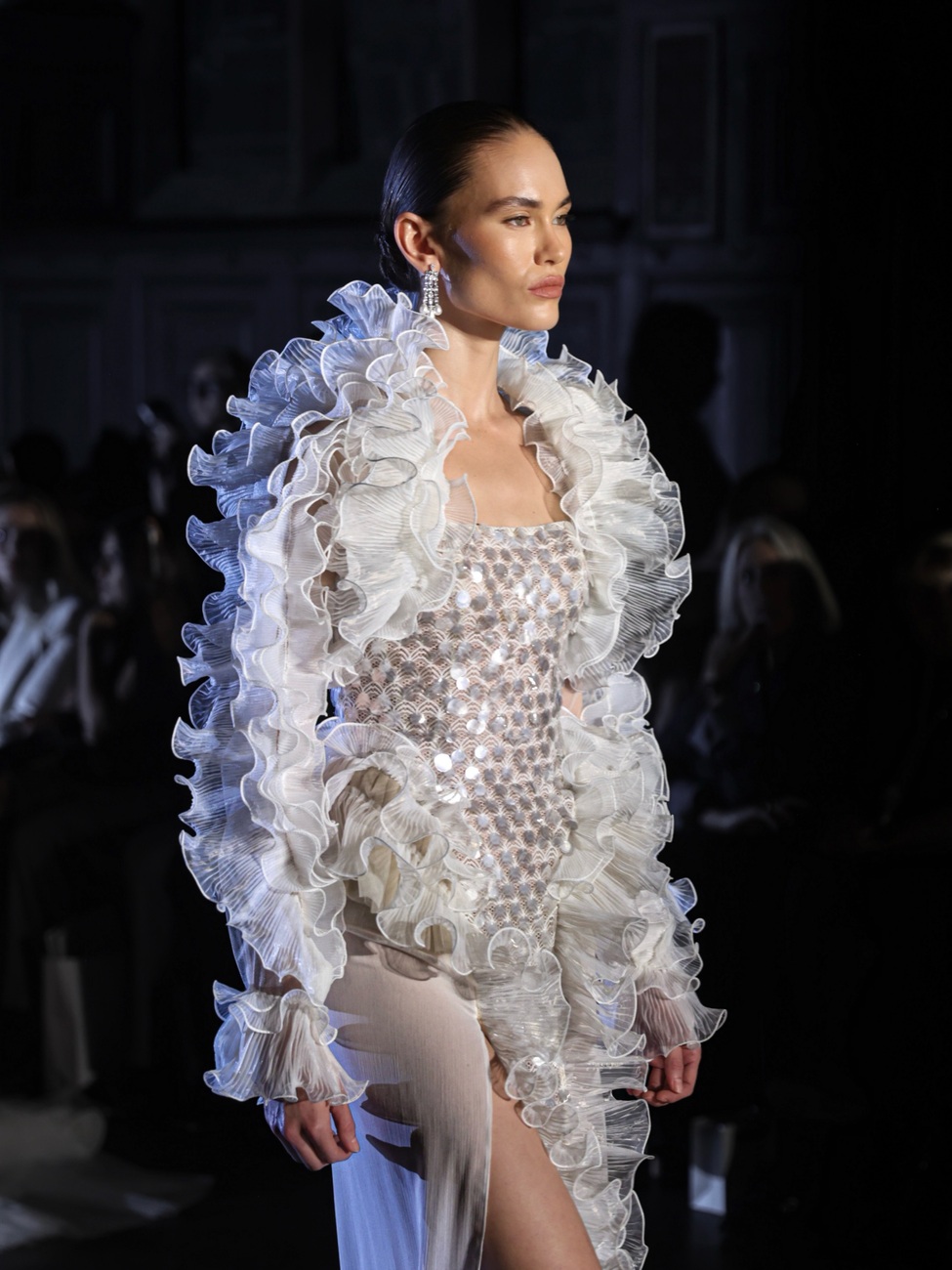
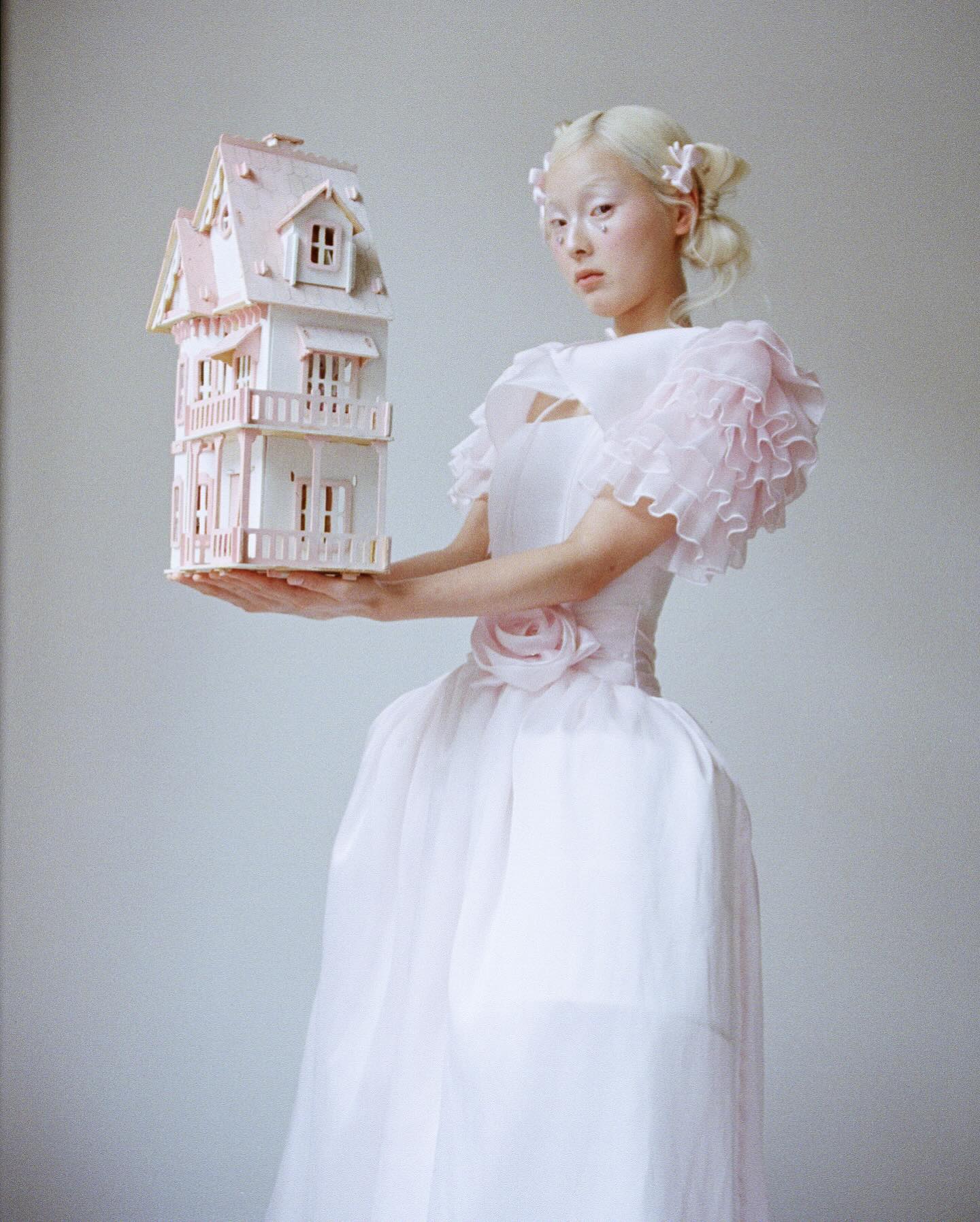
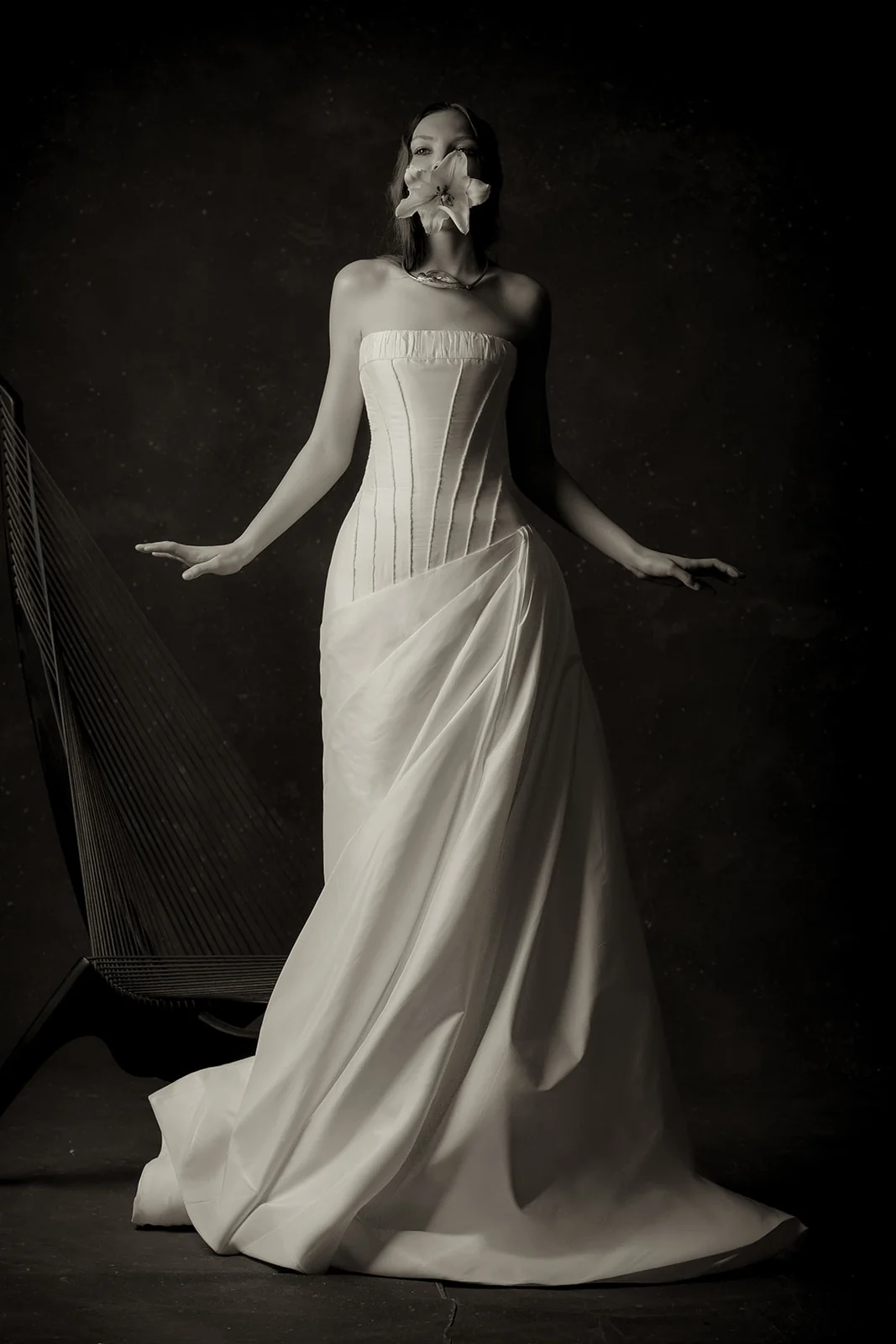
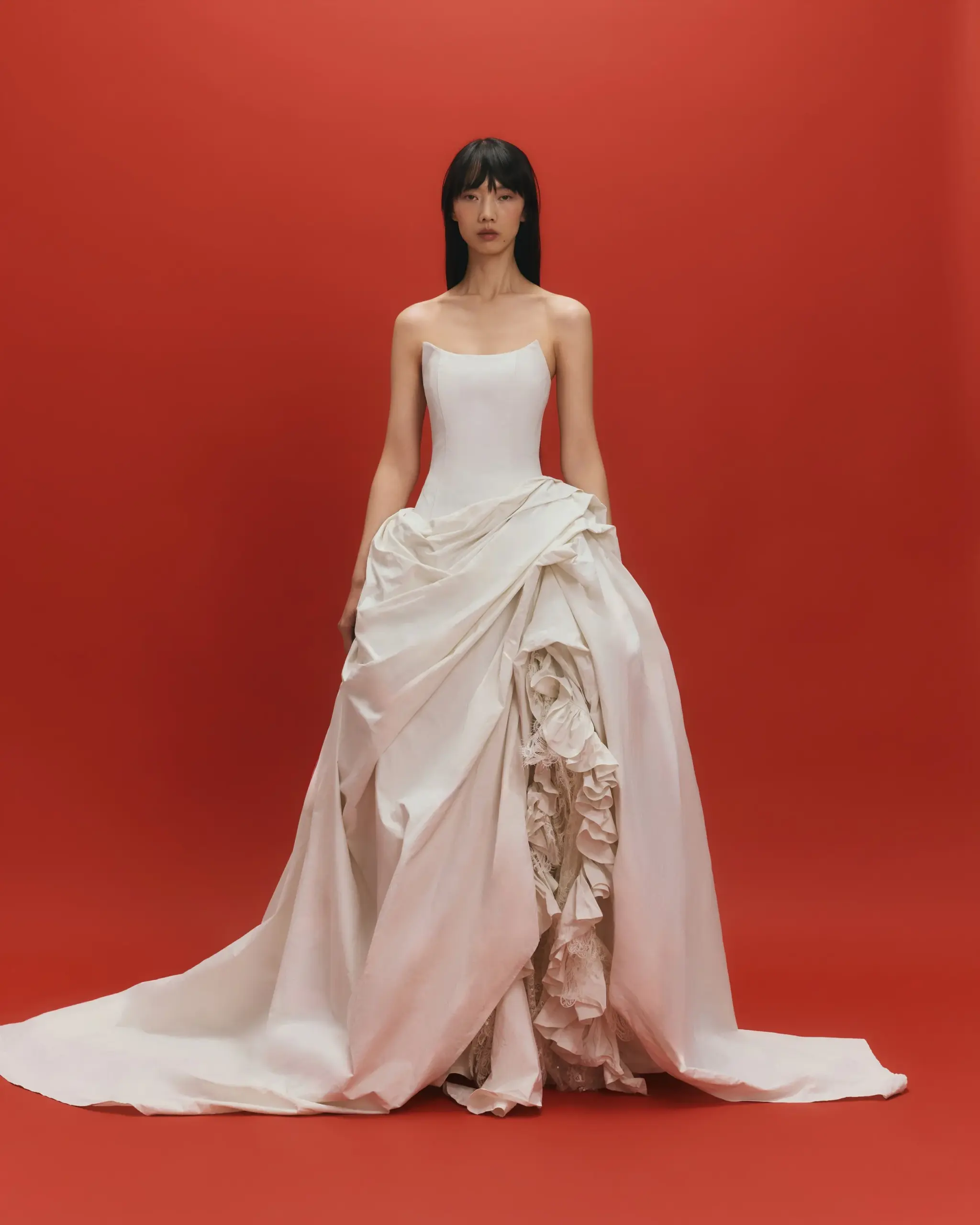
This couture fashion week offered brides-to-be a wealth of inspiration, with designers presenting a wide range of visions and aesthetics. We’ve selected 30 standout looks that celebrate different approaches to self-expression. Some of you may lean toward classic, soft silhouettes; others embrace bold geometry; and some imagine themselves in a two-piece ensemble or a tailored bridal suit. Bubble hems, single-leg slits, asymmetry, transparency, feathers, mother-of-pearl details, and tulle with a sfumato effect—there’s more than enough to explore, admire, and save for future inspiration.
We also chose to spotlight couture looks beyond traditional wedding white—pieces that inspire for many different reasons, whether it’s the silhouette, the sparkle, the textural richness, the concept, the interplay of materials, the design, or the shade itself. Any look from this selection could easily become the starting point for your own couture moment. Inspiration truly is everywhere. And as Daniel Roseberry said, you need to “look up.” But let’s expand on that idea—look around, too.