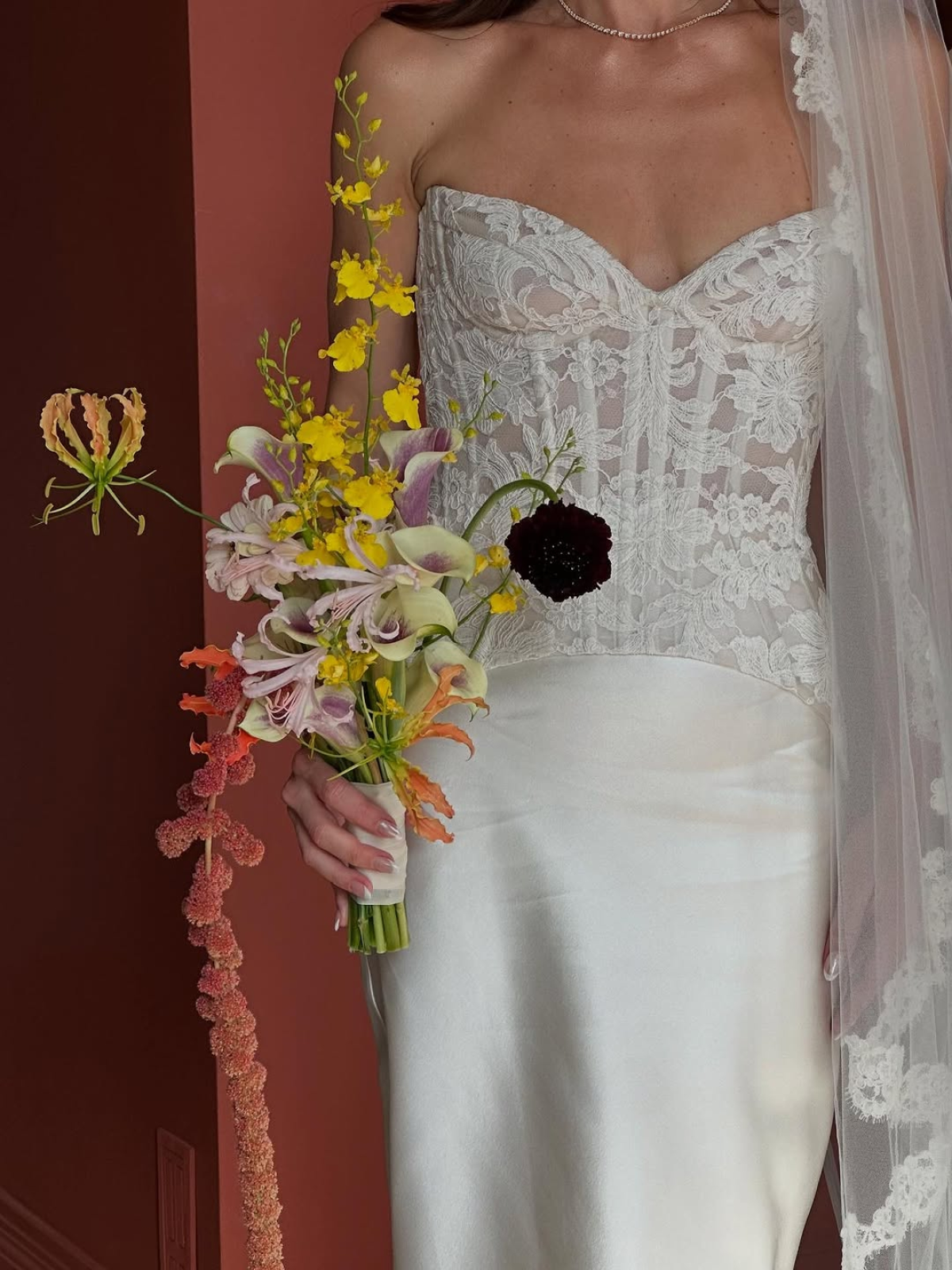
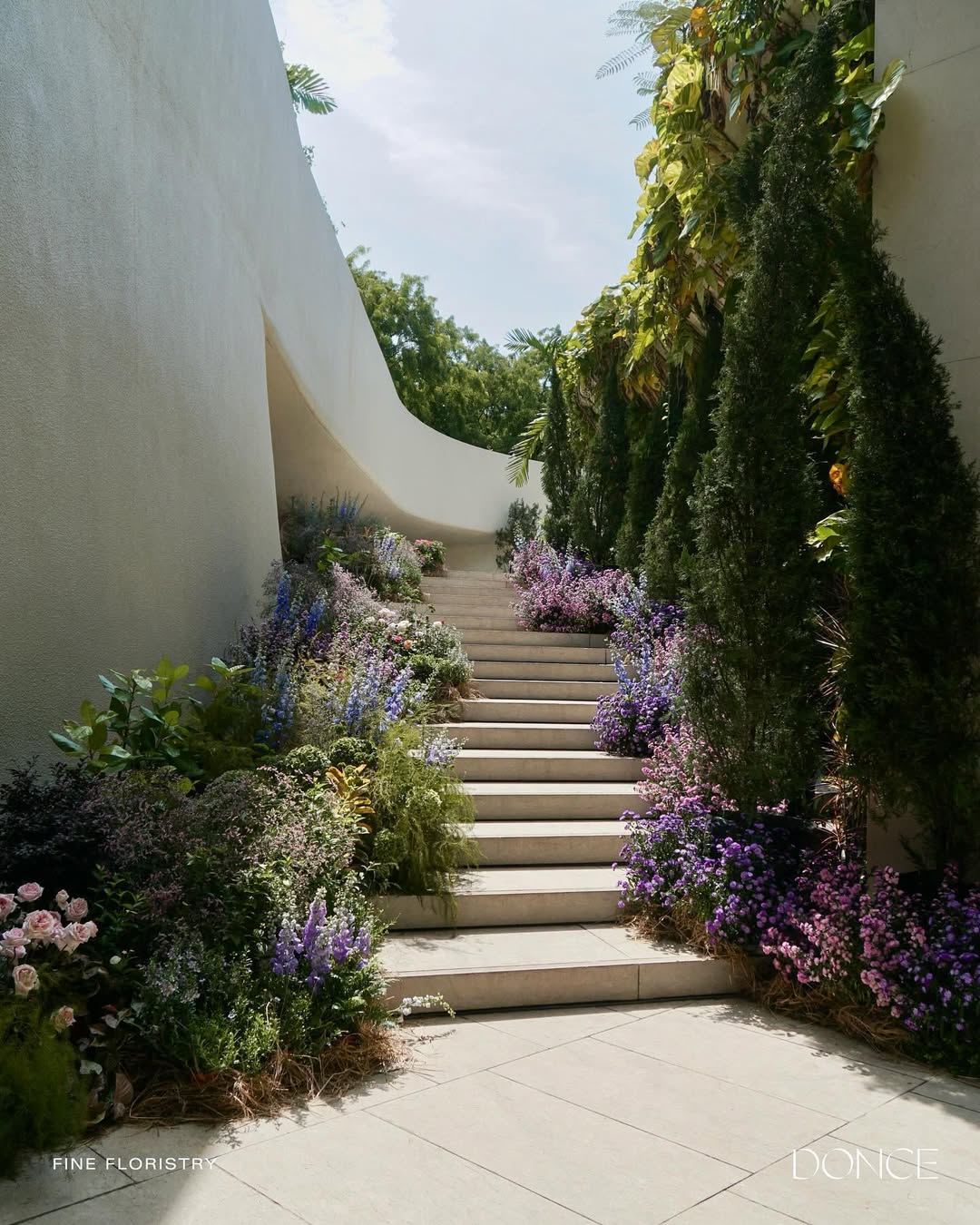
Let’s be honest, flowers still do most of the visual work at a wedding. Even the simplest setup changes the moment florals enter the space. That is why floral trends never stand still. Each year brings new ways of thinking about scale, materials, and how arrangements live within a setting. In 2026, florals move away from being purely decorative. They feel more intentional, more graphic, and at times truly jaw-dropping. One strong idea replaces dozens of small ones. Sustainability and technique also play a bigger role, with foam-free mechanics and reusable floral structures shaping how designs are built. We follow wedding visuals daily and pulled together floral trends you can already weave into your designs or simply enjoy for the beauty of them.
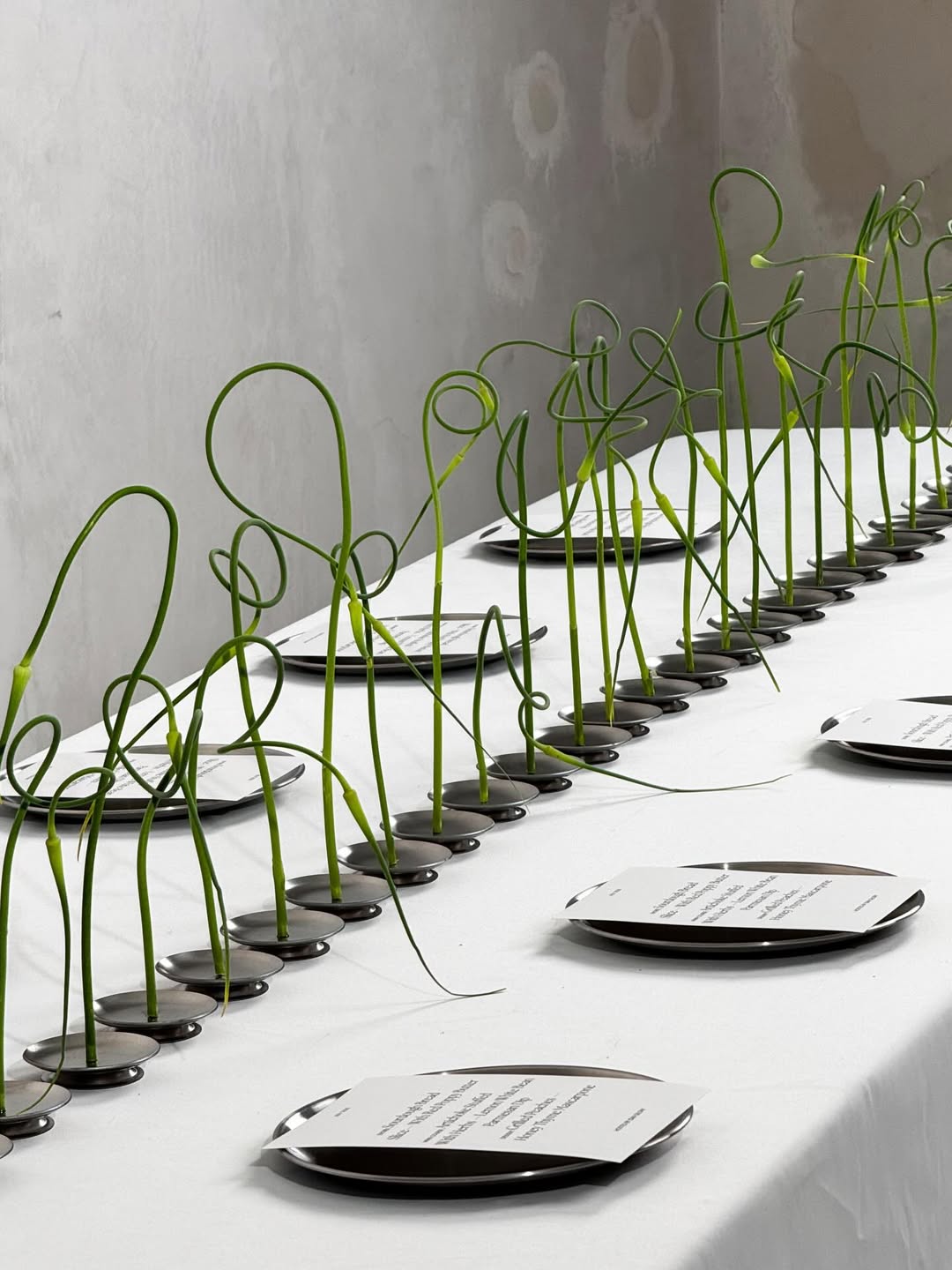
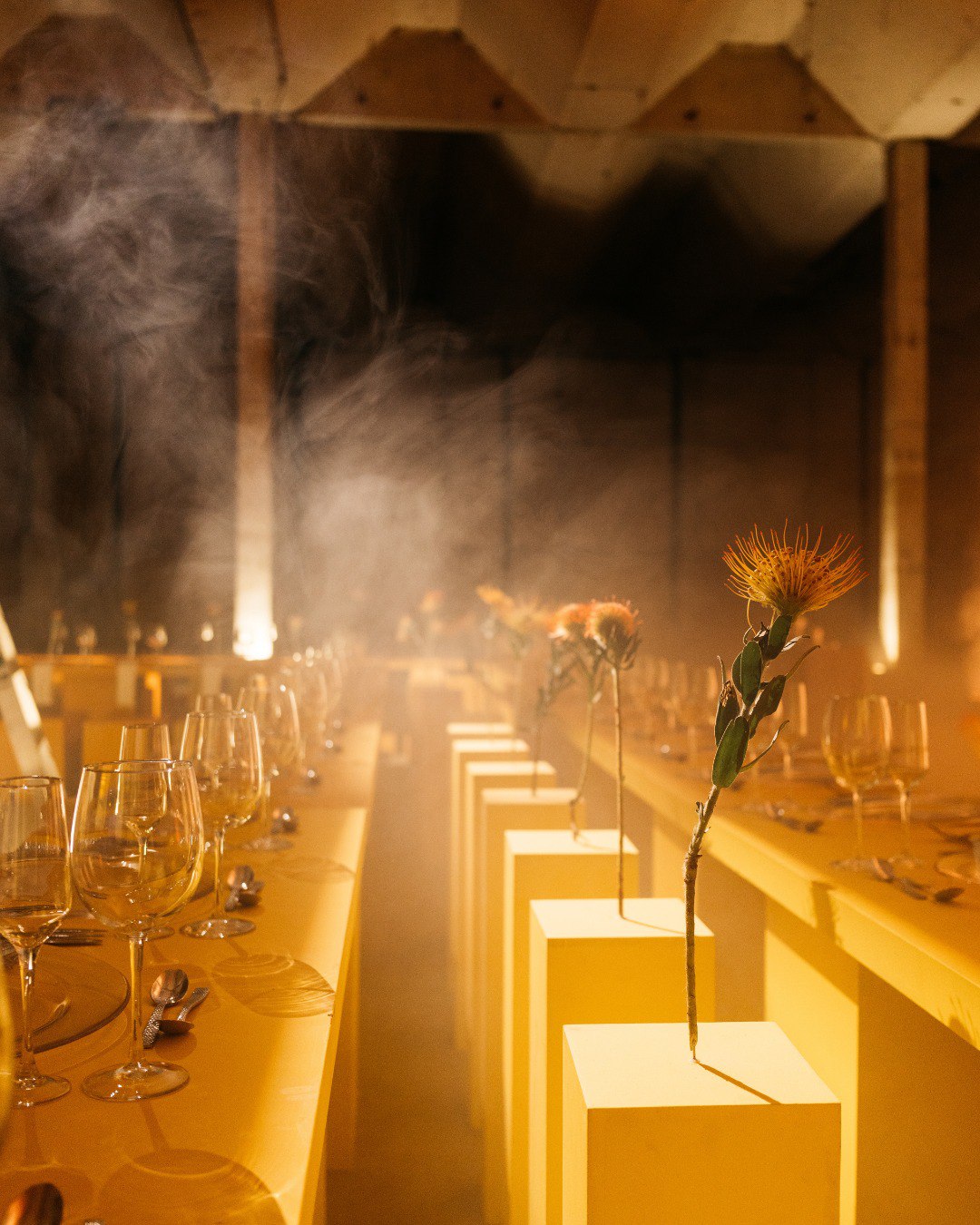
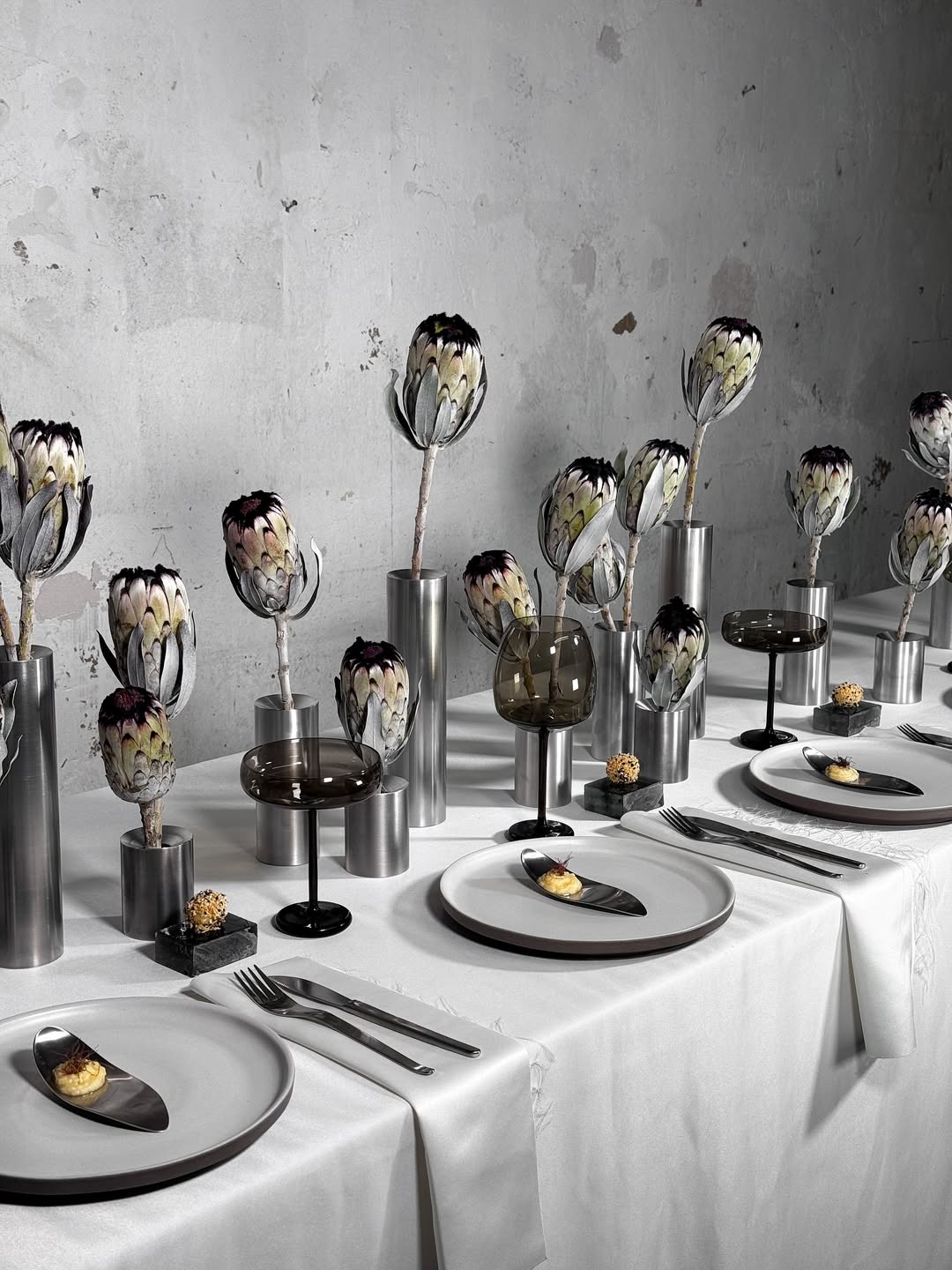
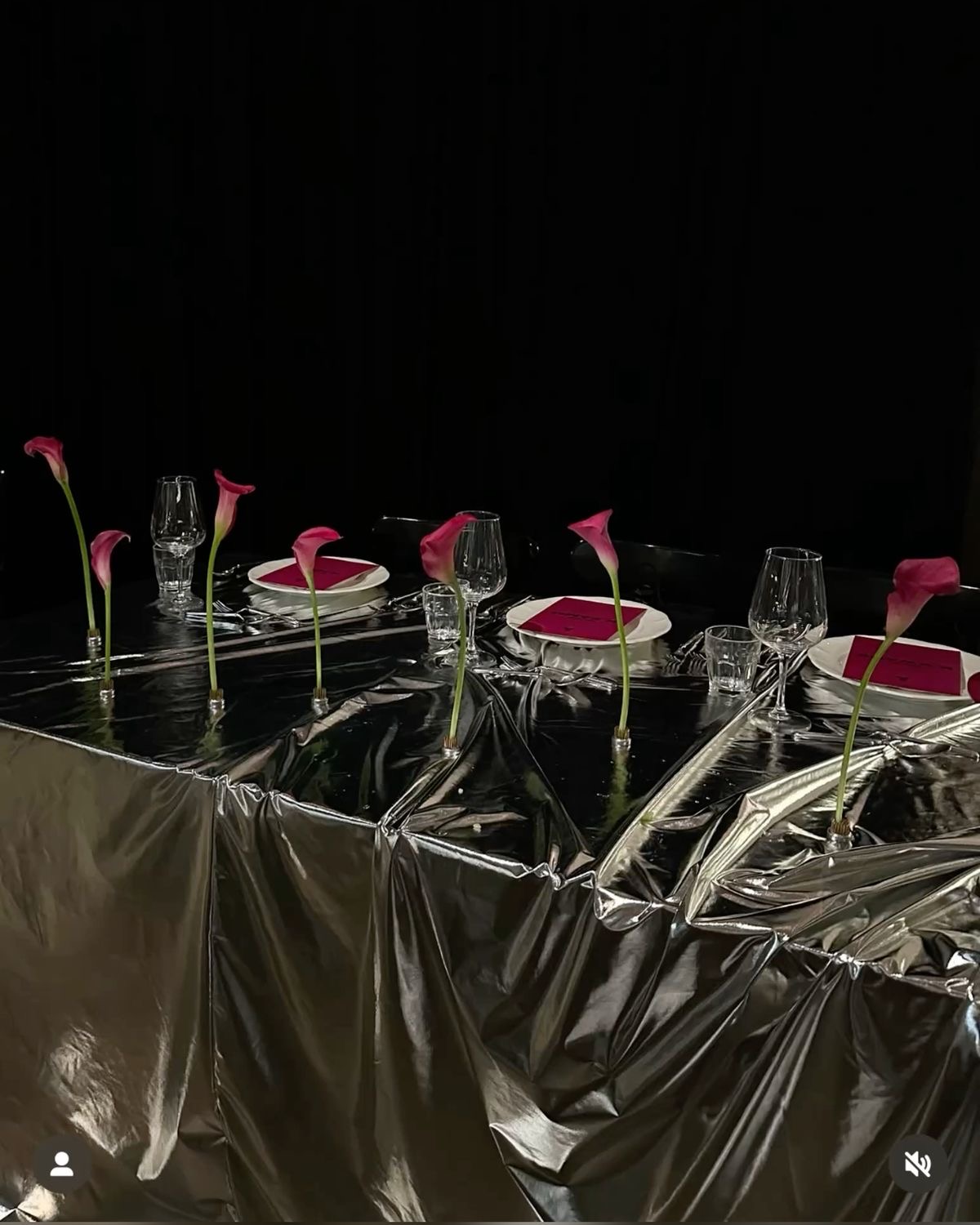
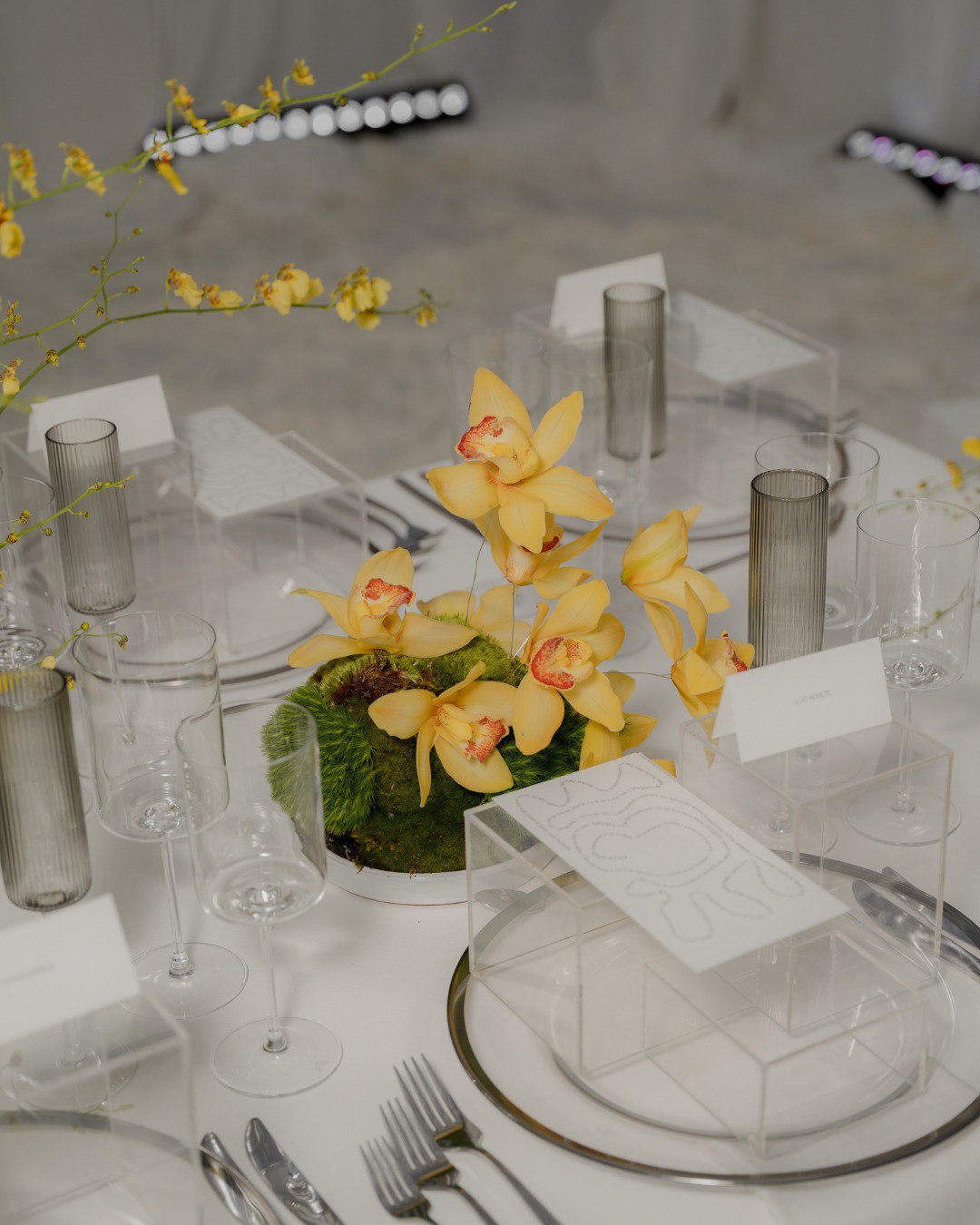
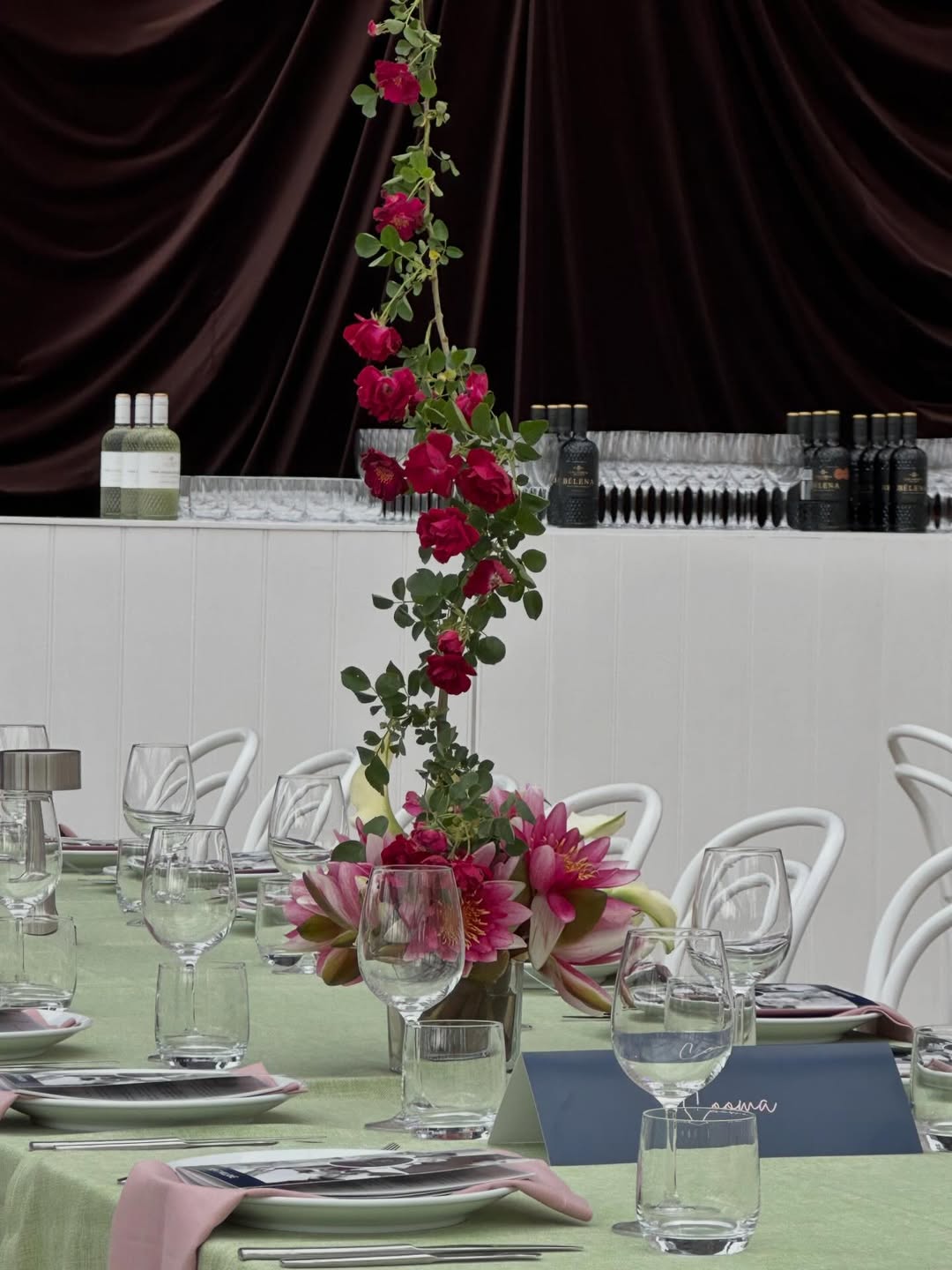
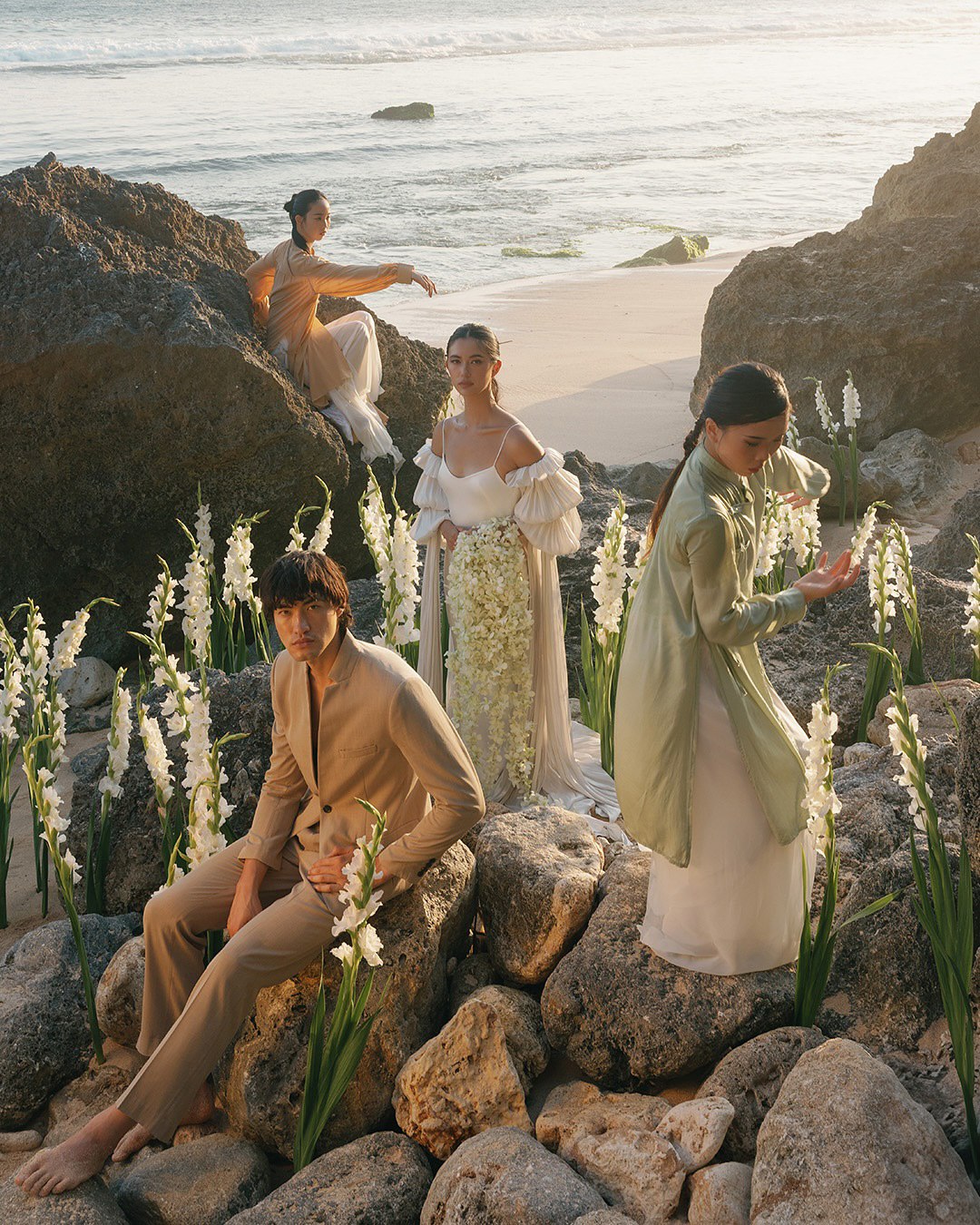
Single stems keep proving that simplicity can be striking. One flower in a vase, one stem on a table, one bloom marking a moment. This approach works because it leaves no room for distraction. Shape, color, and scale speak for themselves. For single-stem setups, flowers with strong character work best. They pair beautifully with long tables, minimal tableware, and architectural venues, creating a clean visual rhythm without overwhelming the setting.
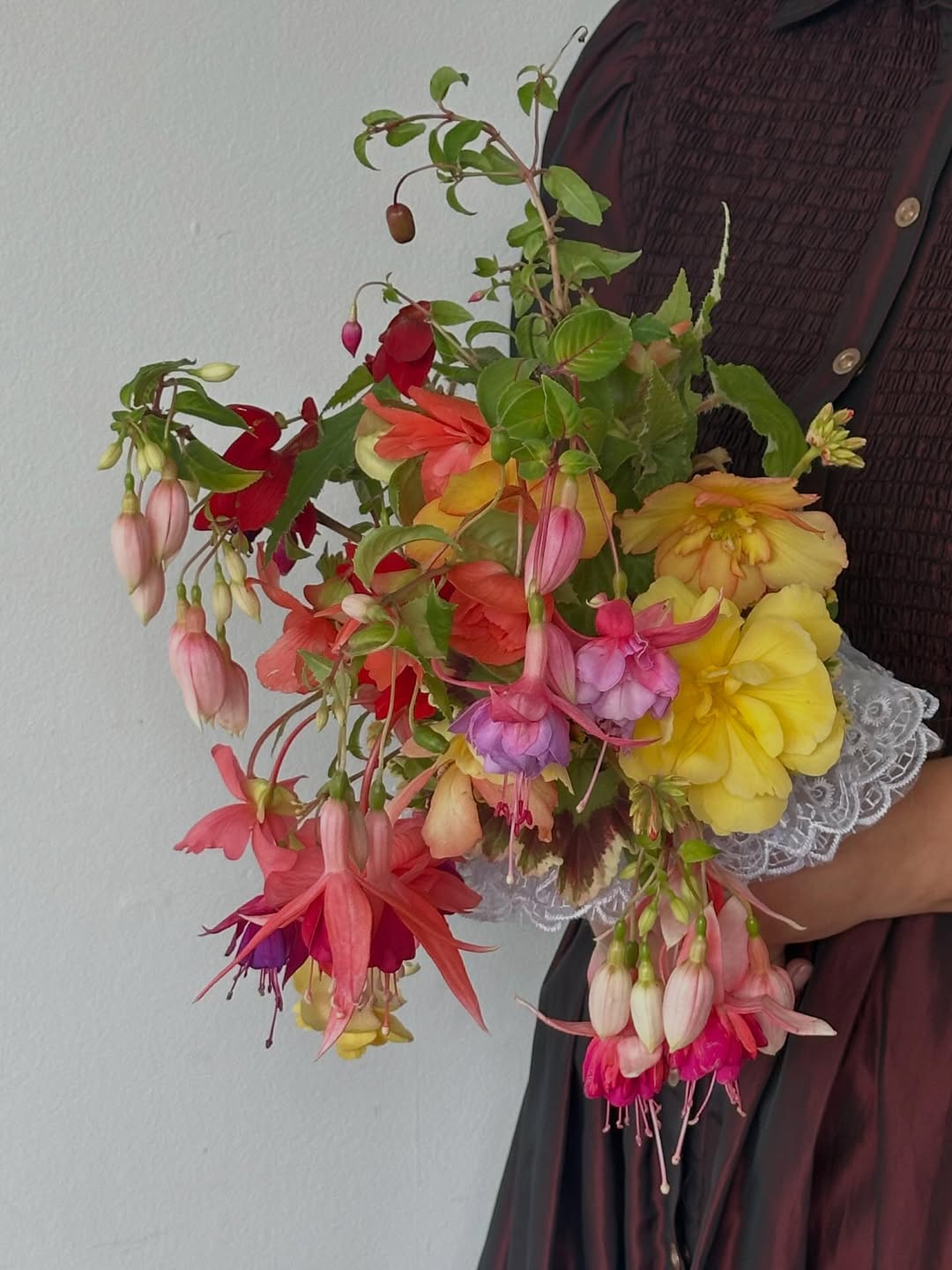
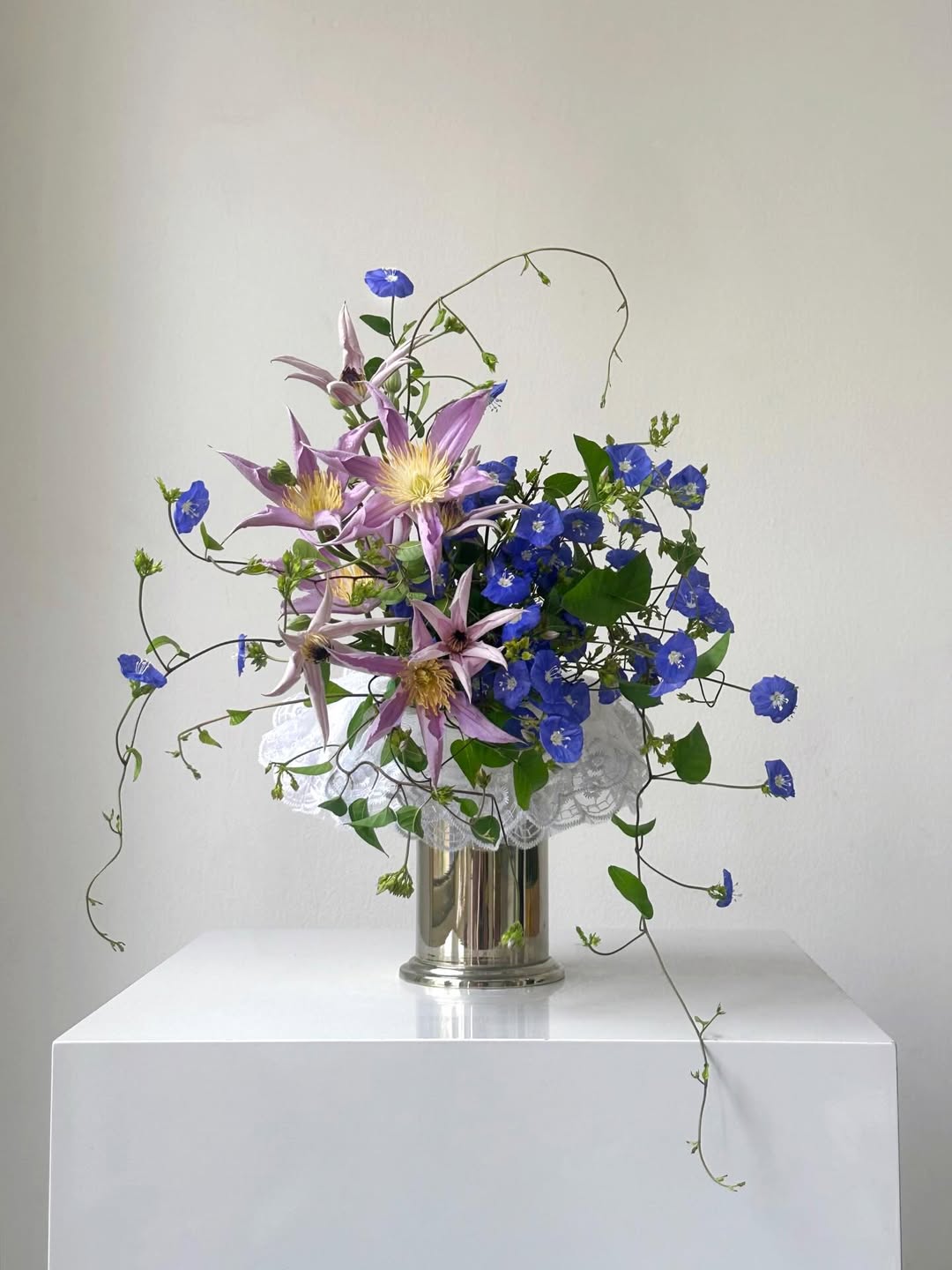
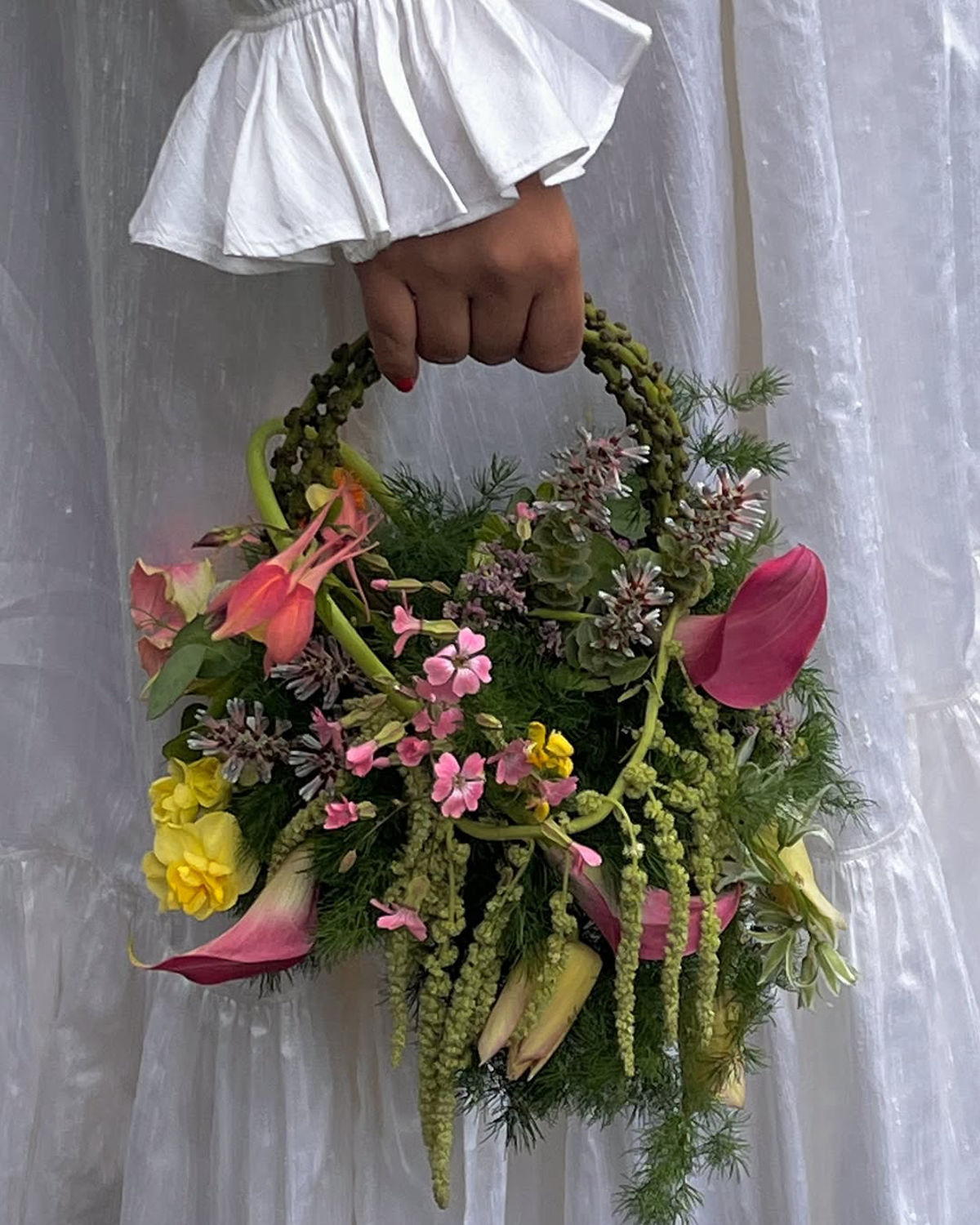
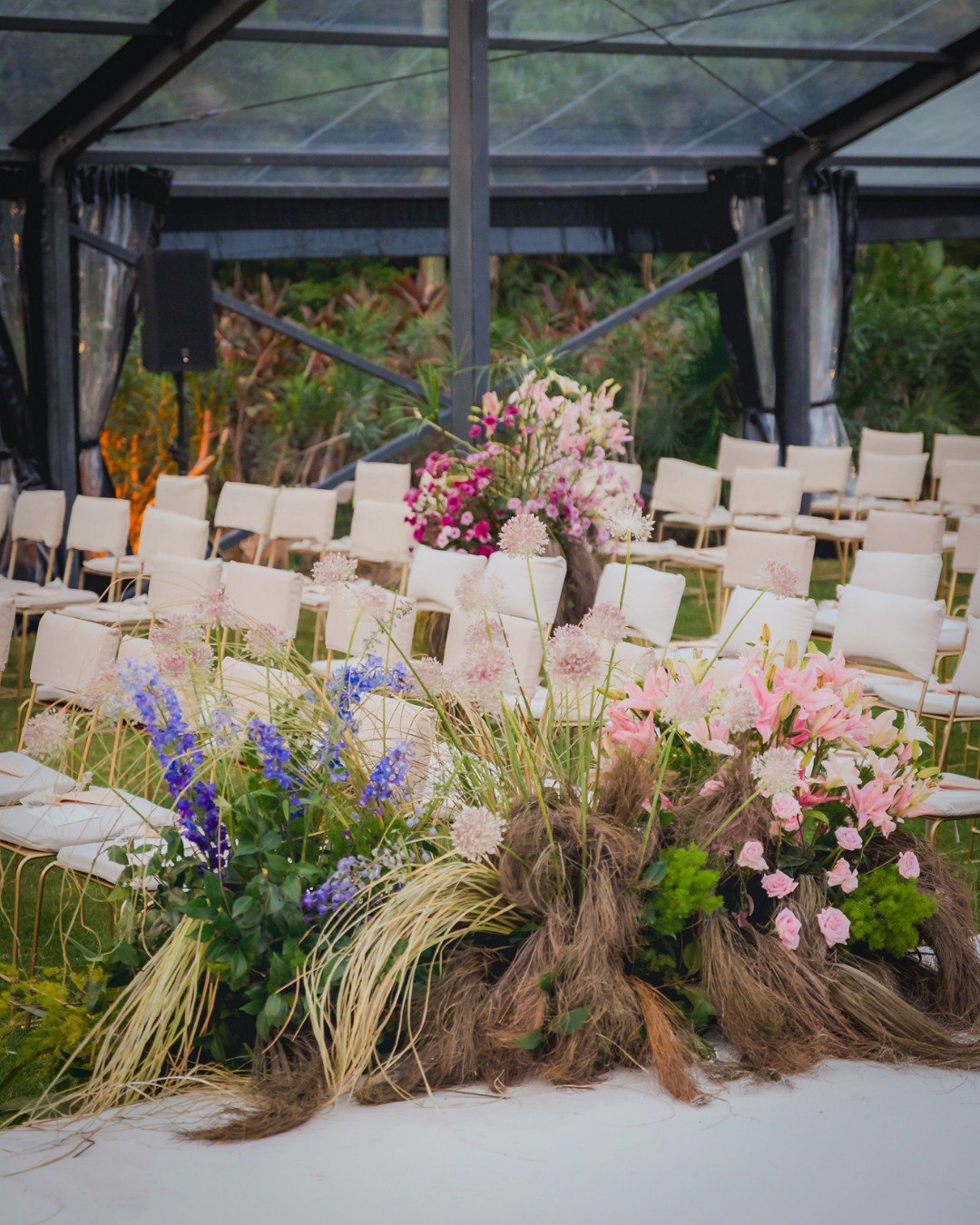
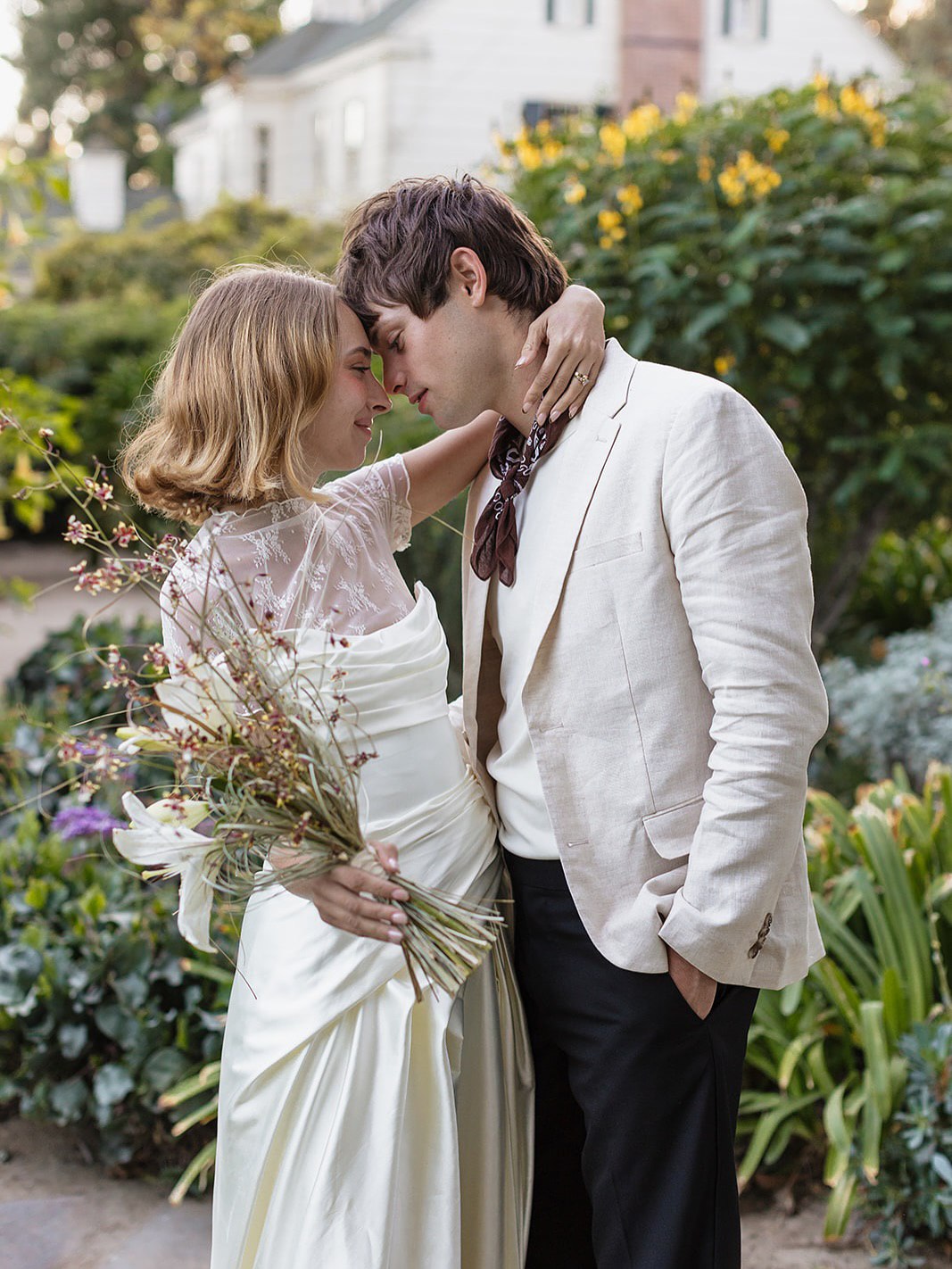
This trend embraces movement and natural growth rather than perfect symmetry. It is easy to imagine a bouquet picked from a home garden or a field near your grandmother’s house, carrying something warm and personal. Loose florals work beautifully in outdoor settings, historic venues, and spaces that already carry texture. The beauty comes from variation and spontaneity. Using local flowers is also common within this approach, adding an unmistakable sustainability bonus alongside the emotional value.
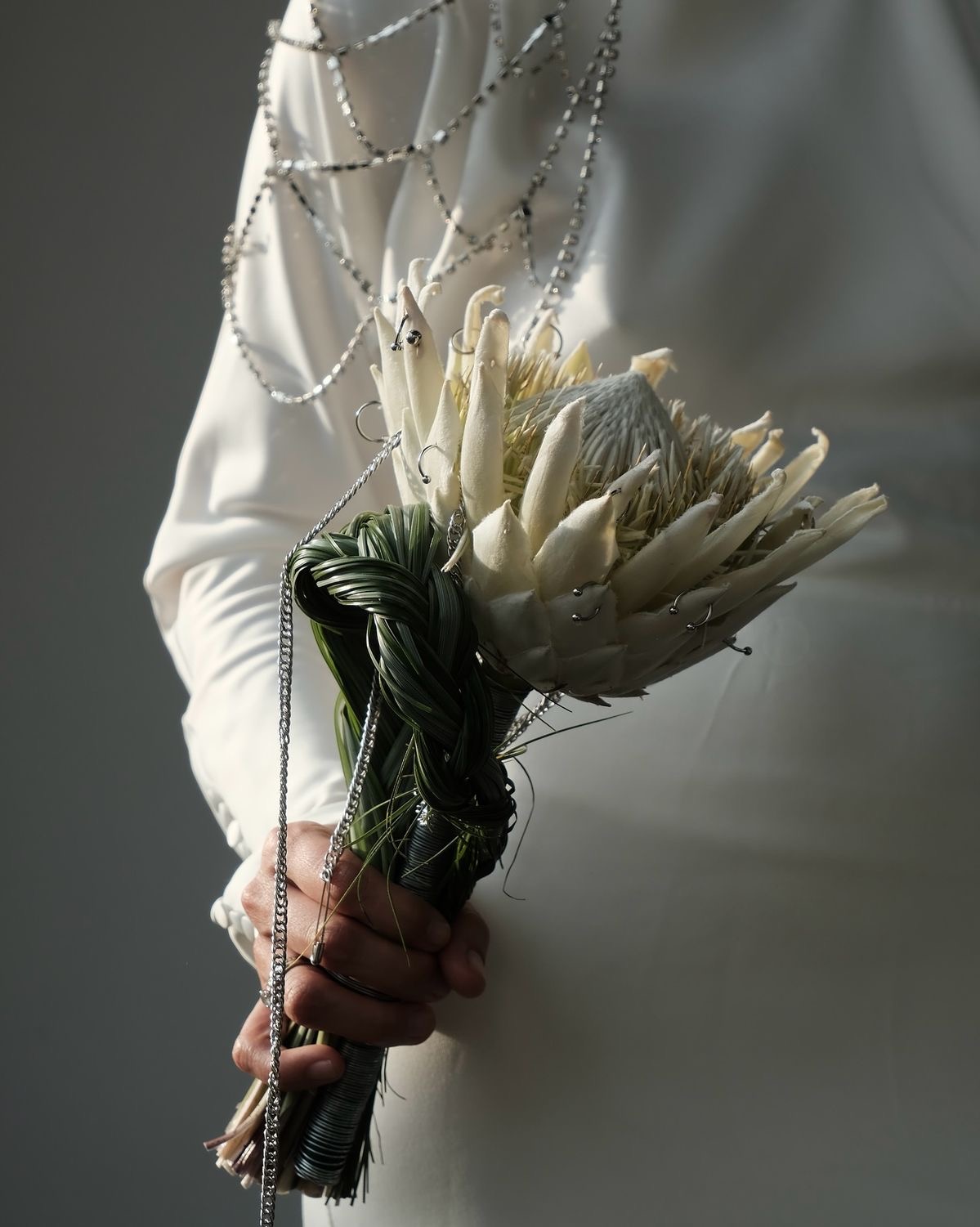
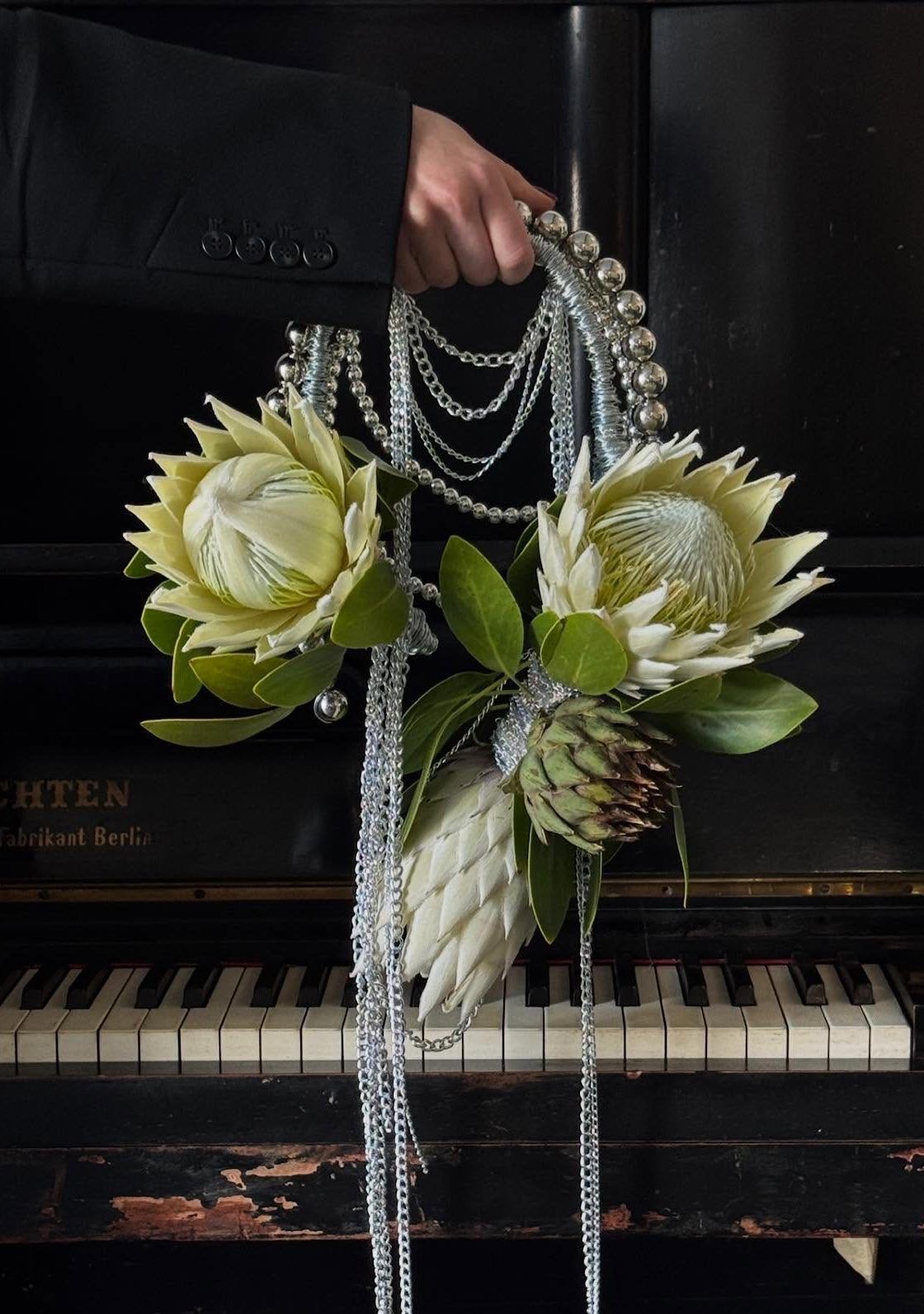
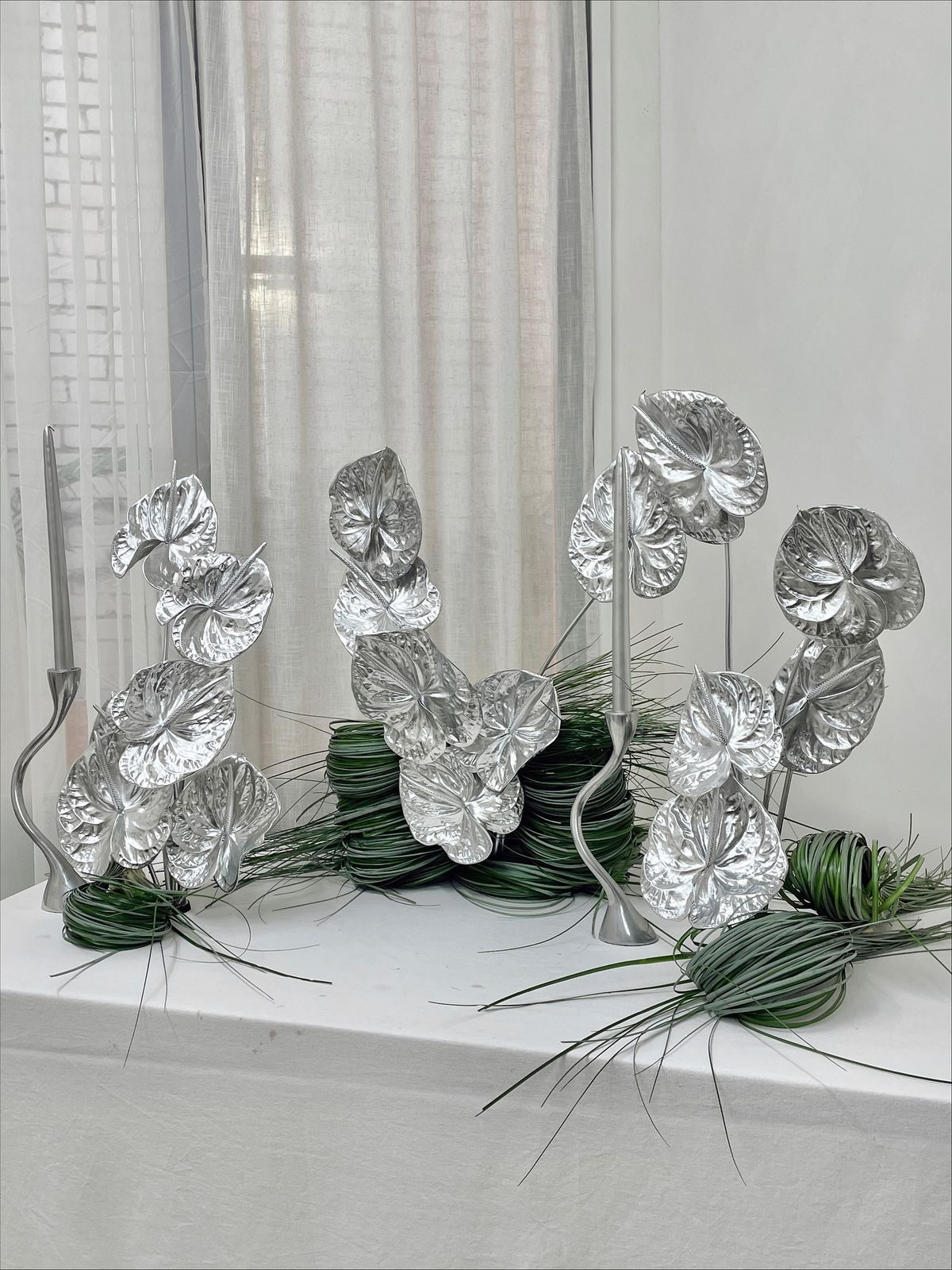
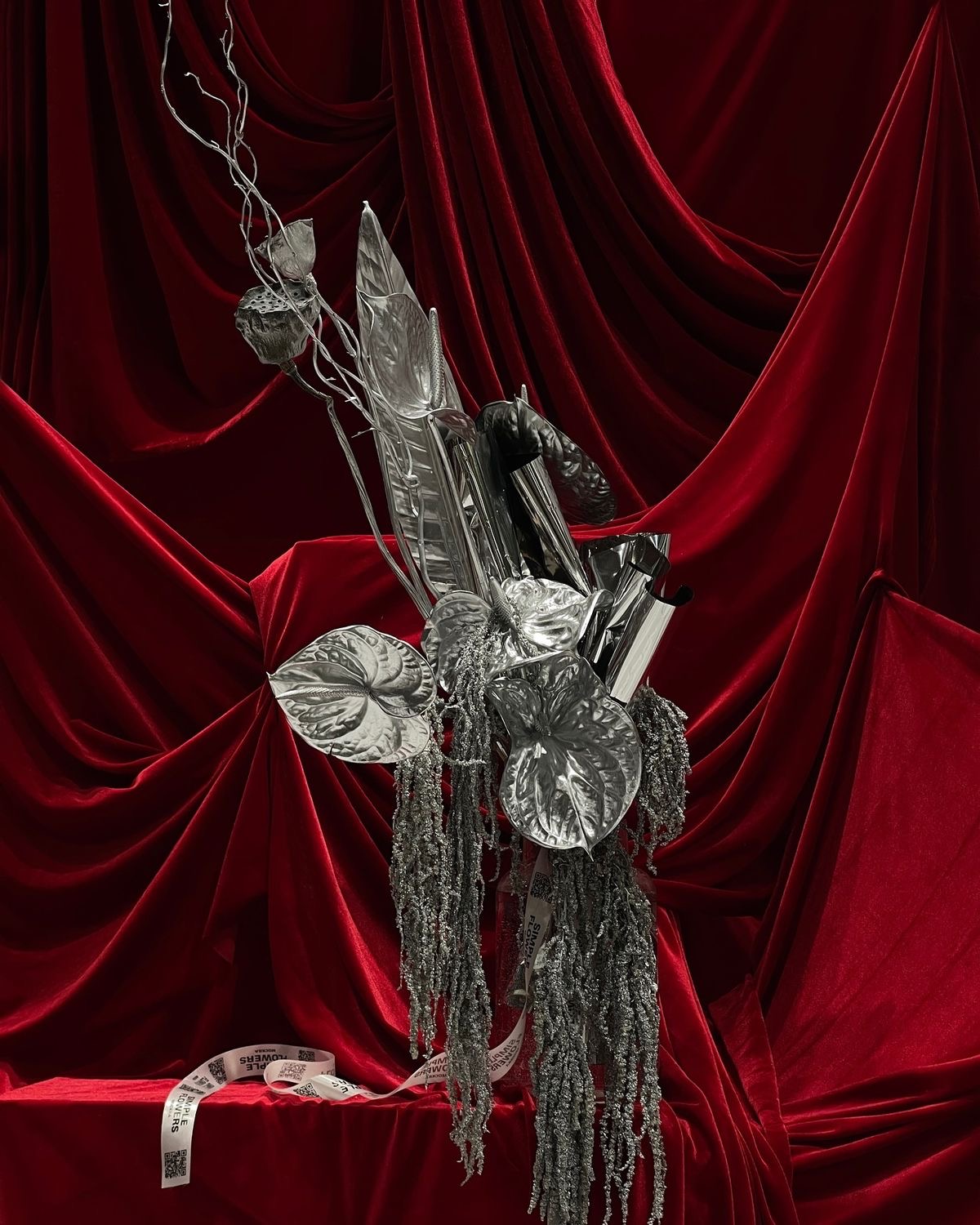
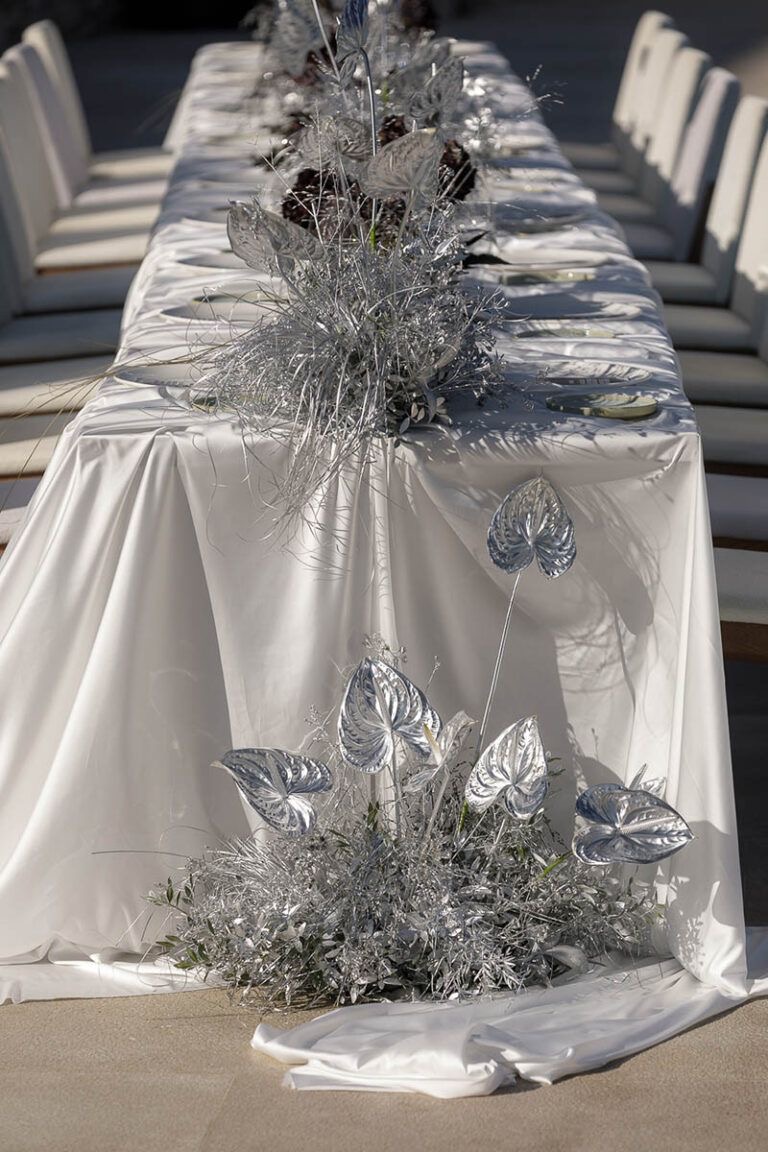
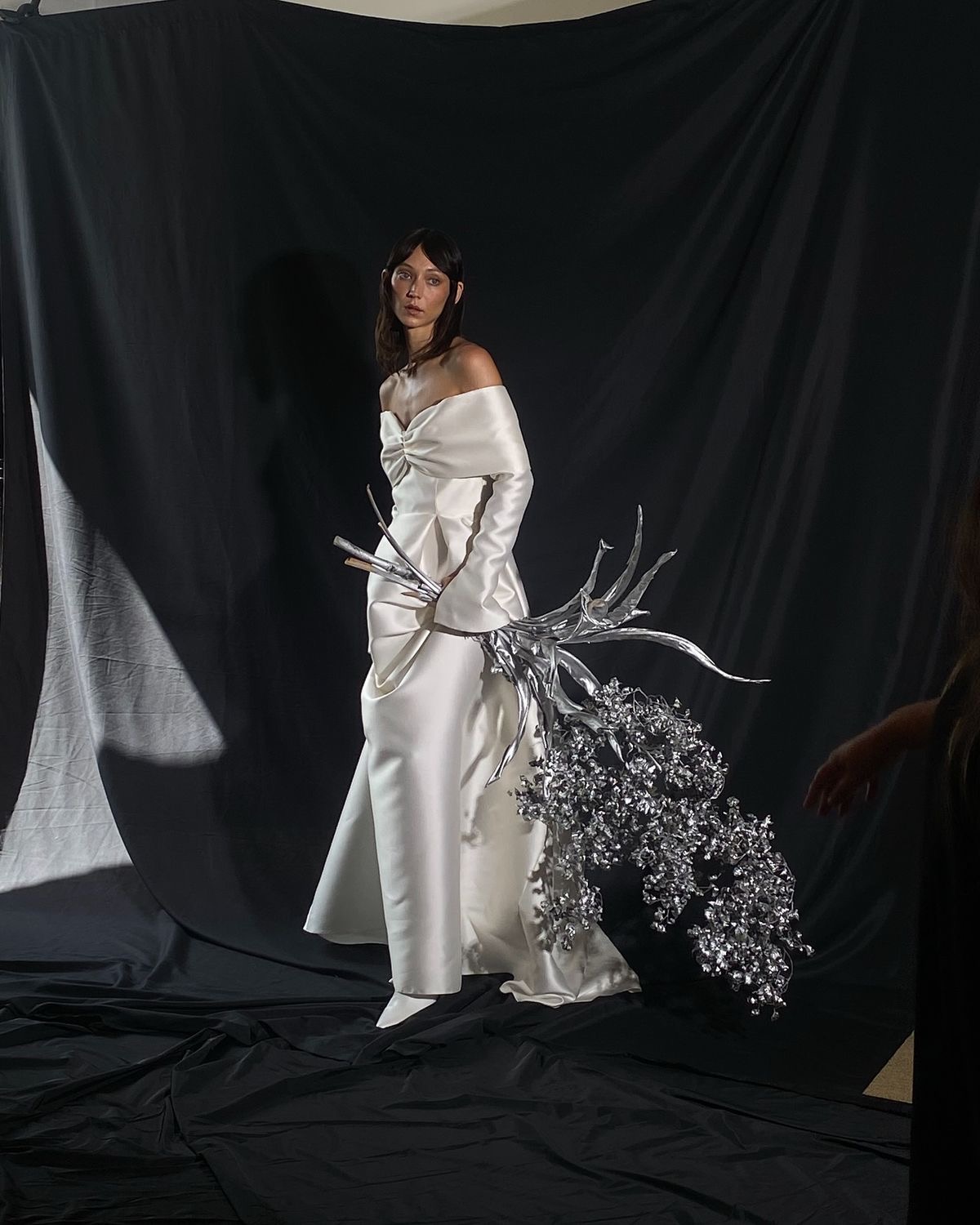
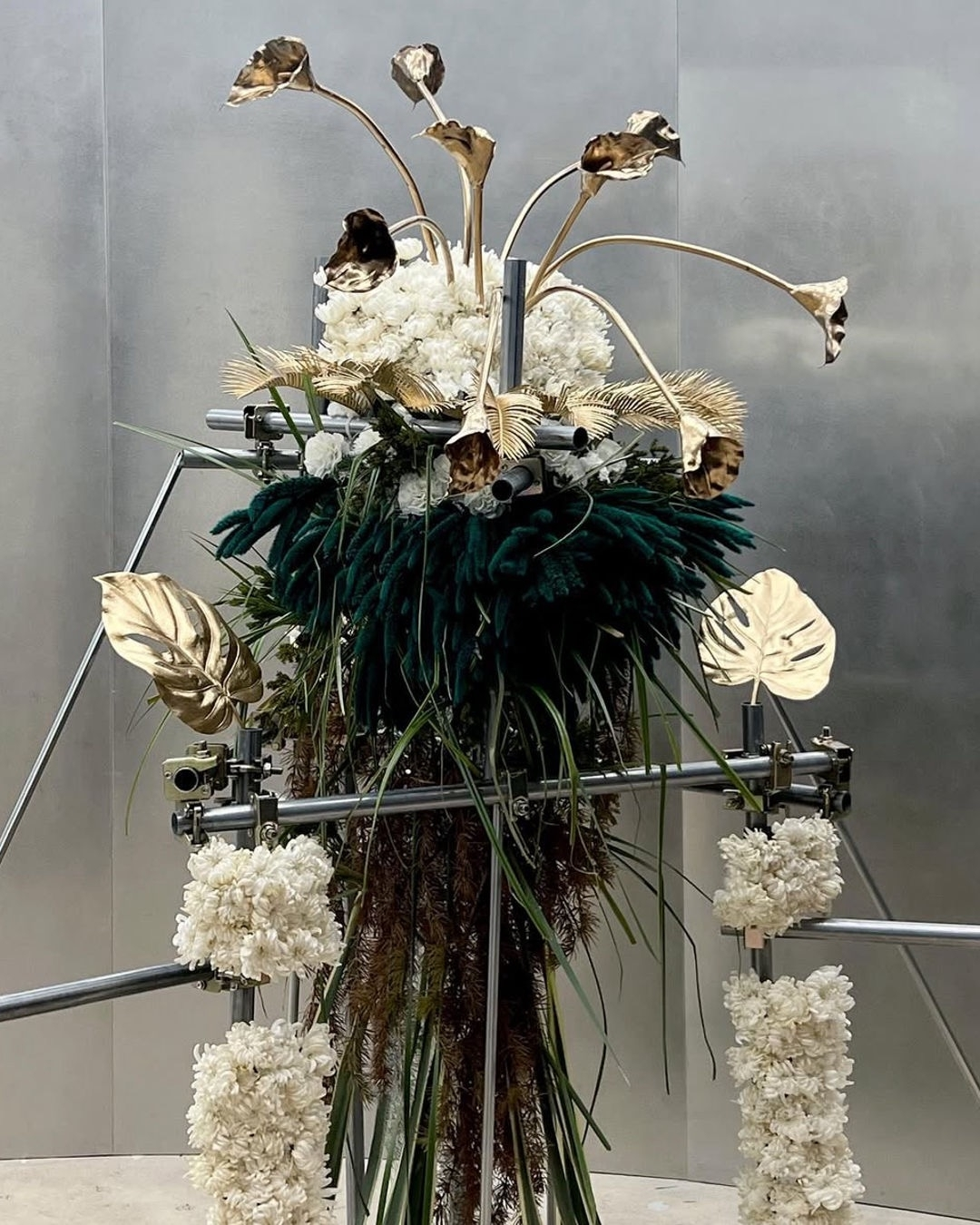
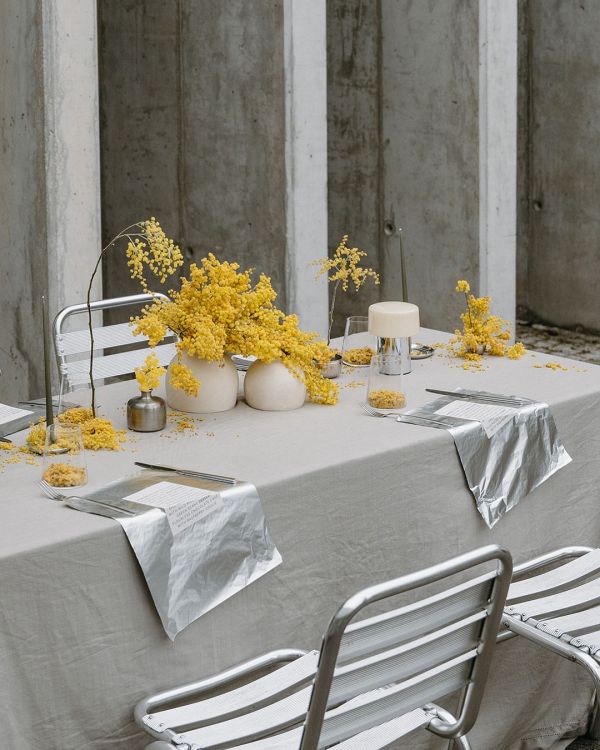
Chrome is quickly becoming a go-to design accent, and florals have picked it up with ease. Metal can show up as an interesting wrap, a sculptural base, or a subtle support that quietly frames the flowers. Some designs go a step further, with blooms finished in metallic tones that read instantly like eye-catching sculpture. This direction fits naturally into modern or urban spaces, where contrast does the heavy lifting.
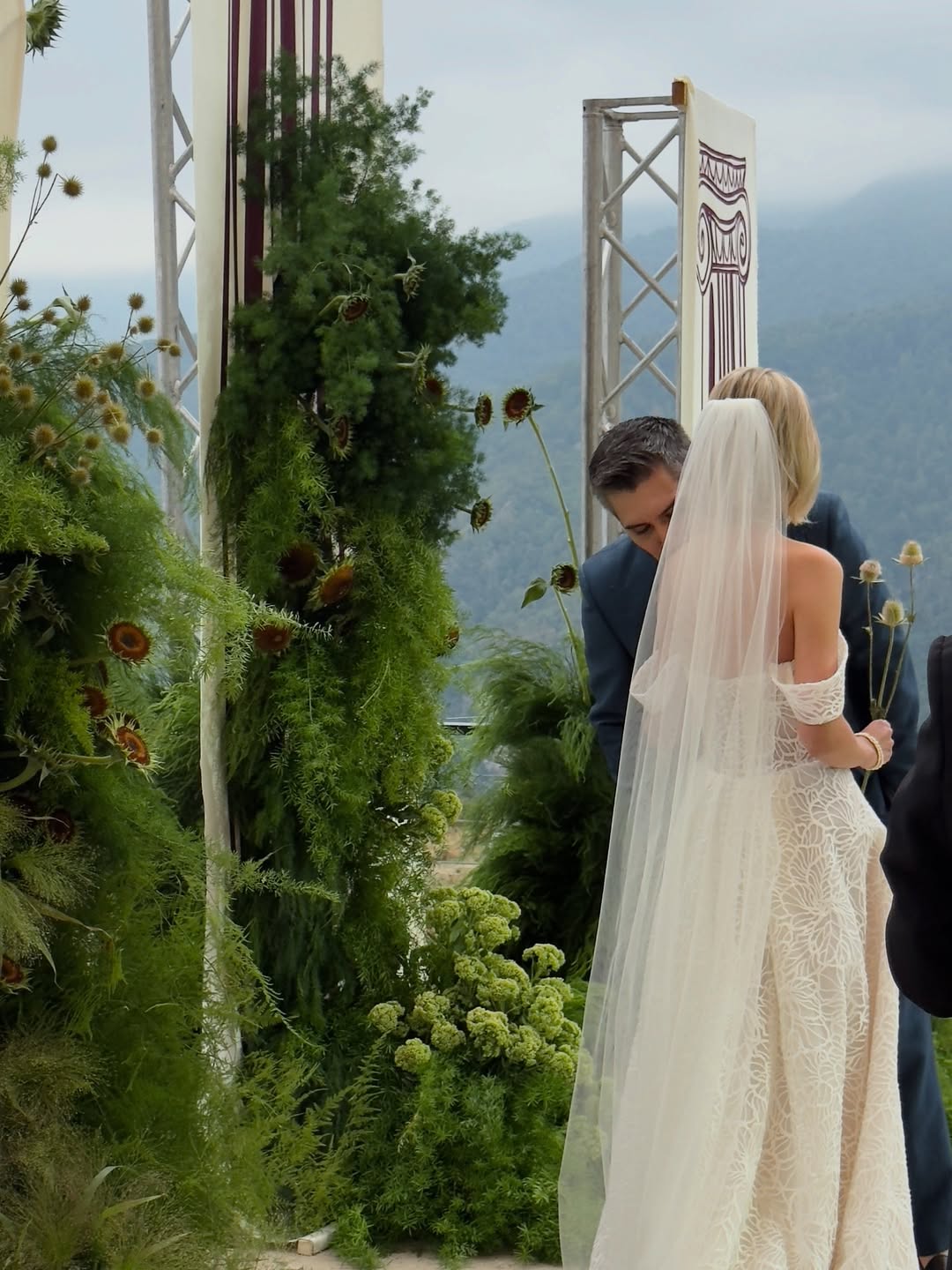
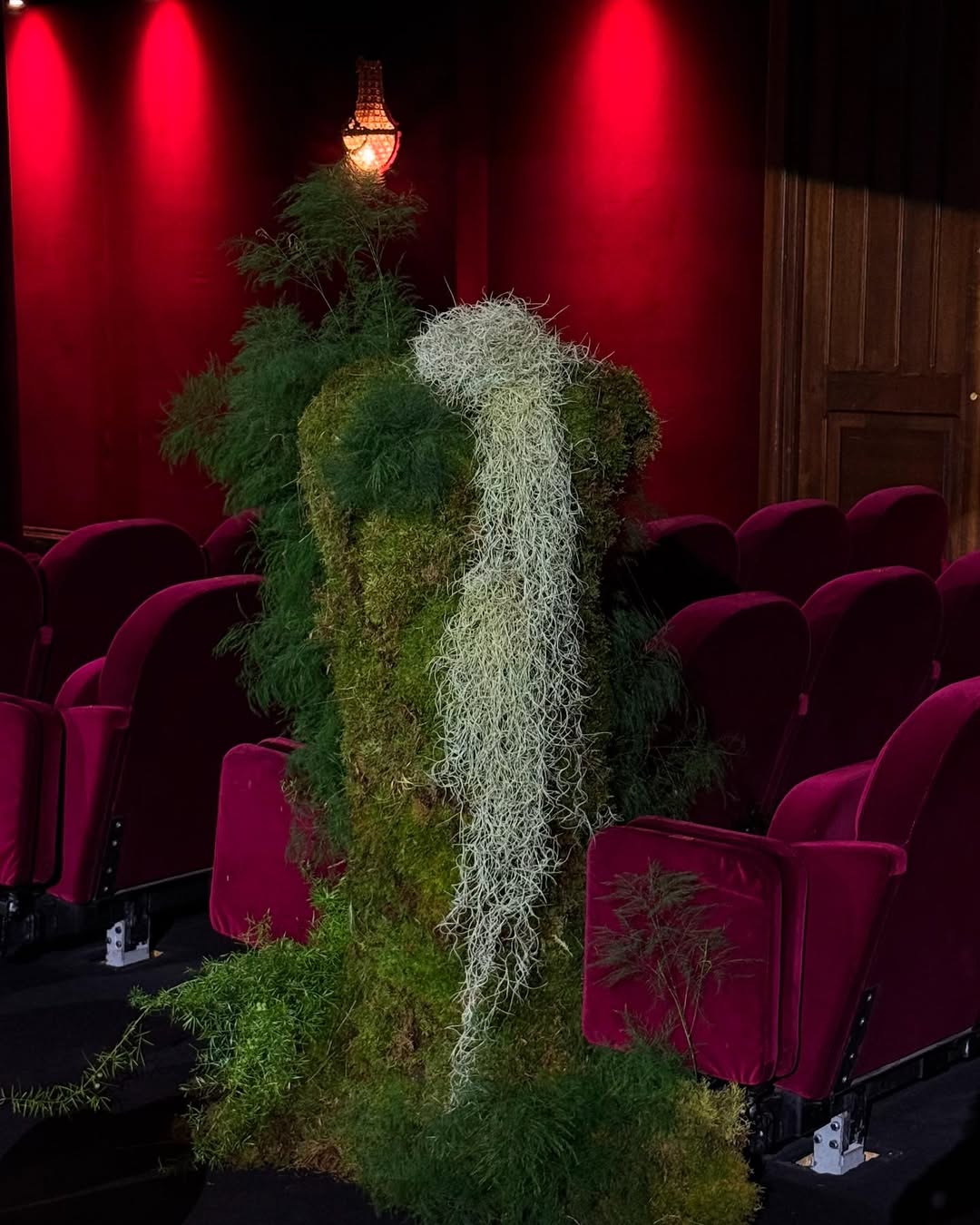
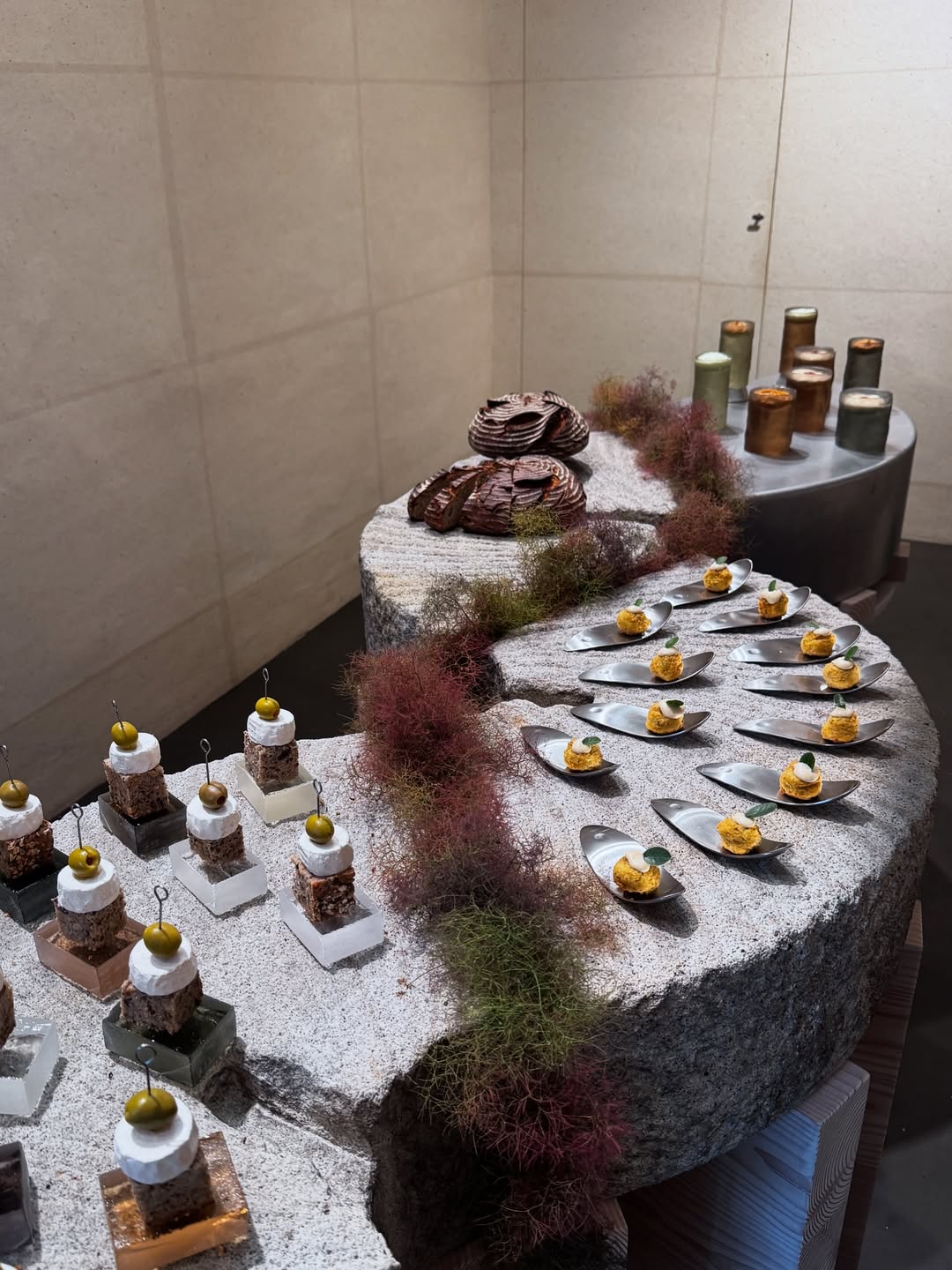
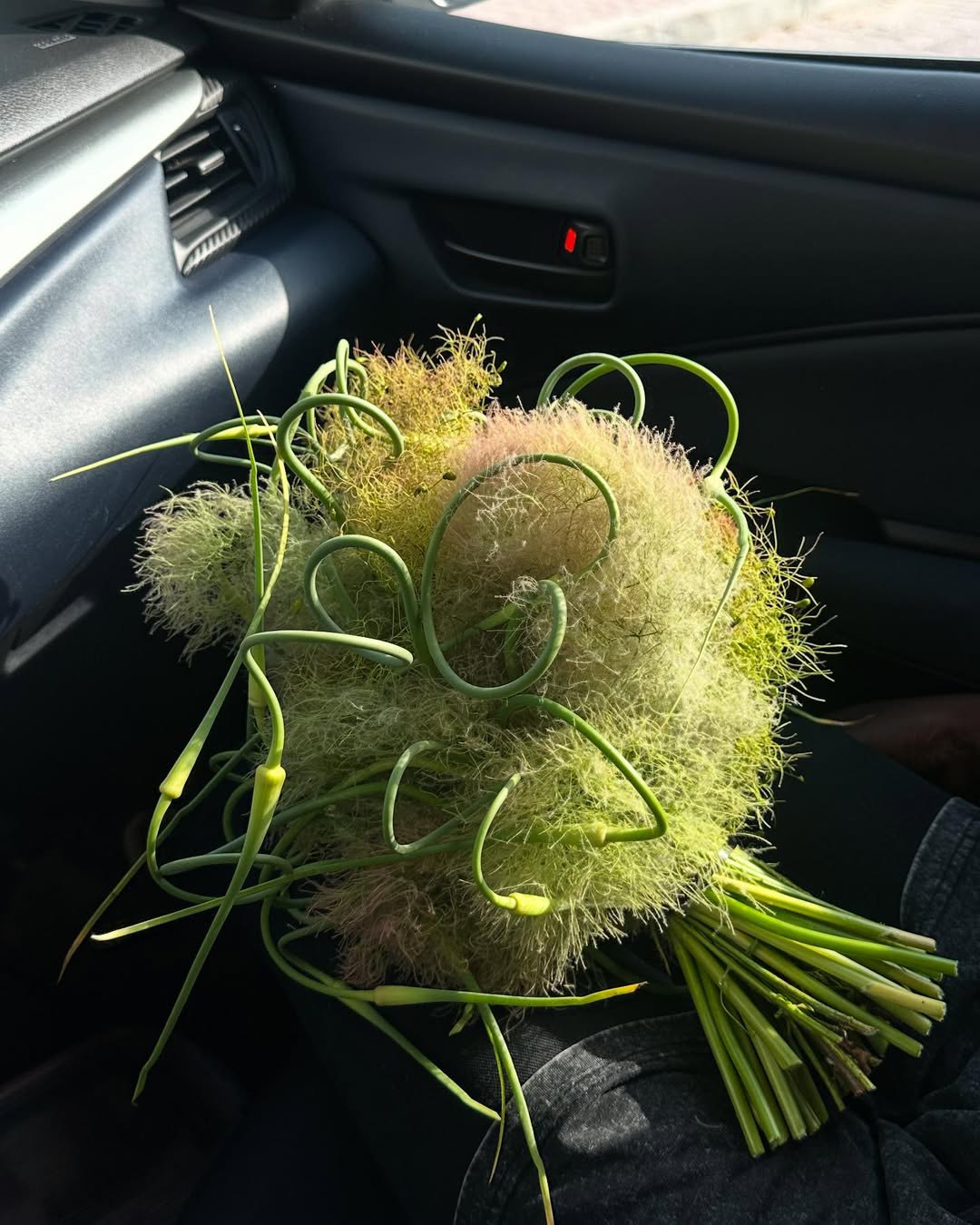
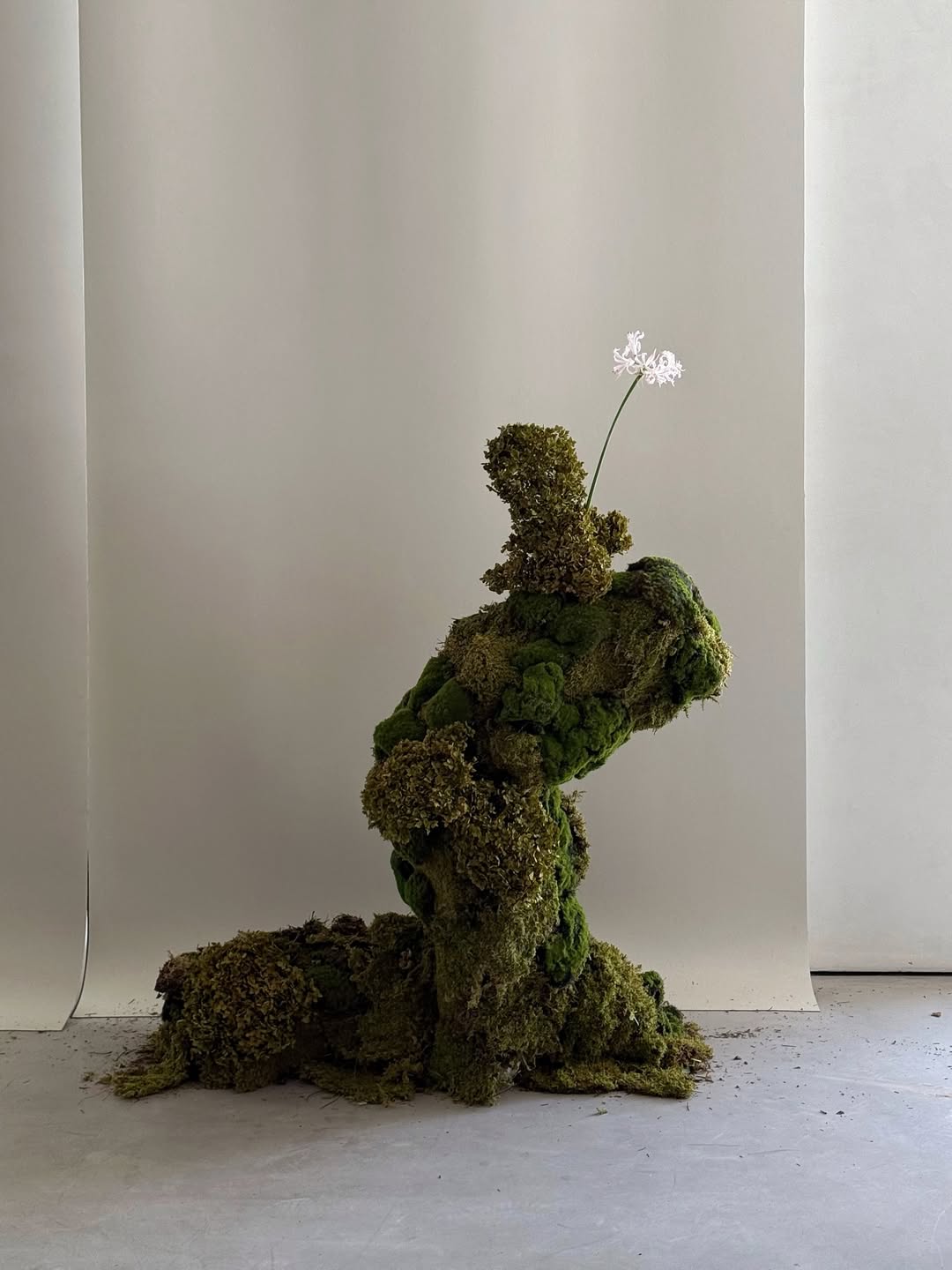
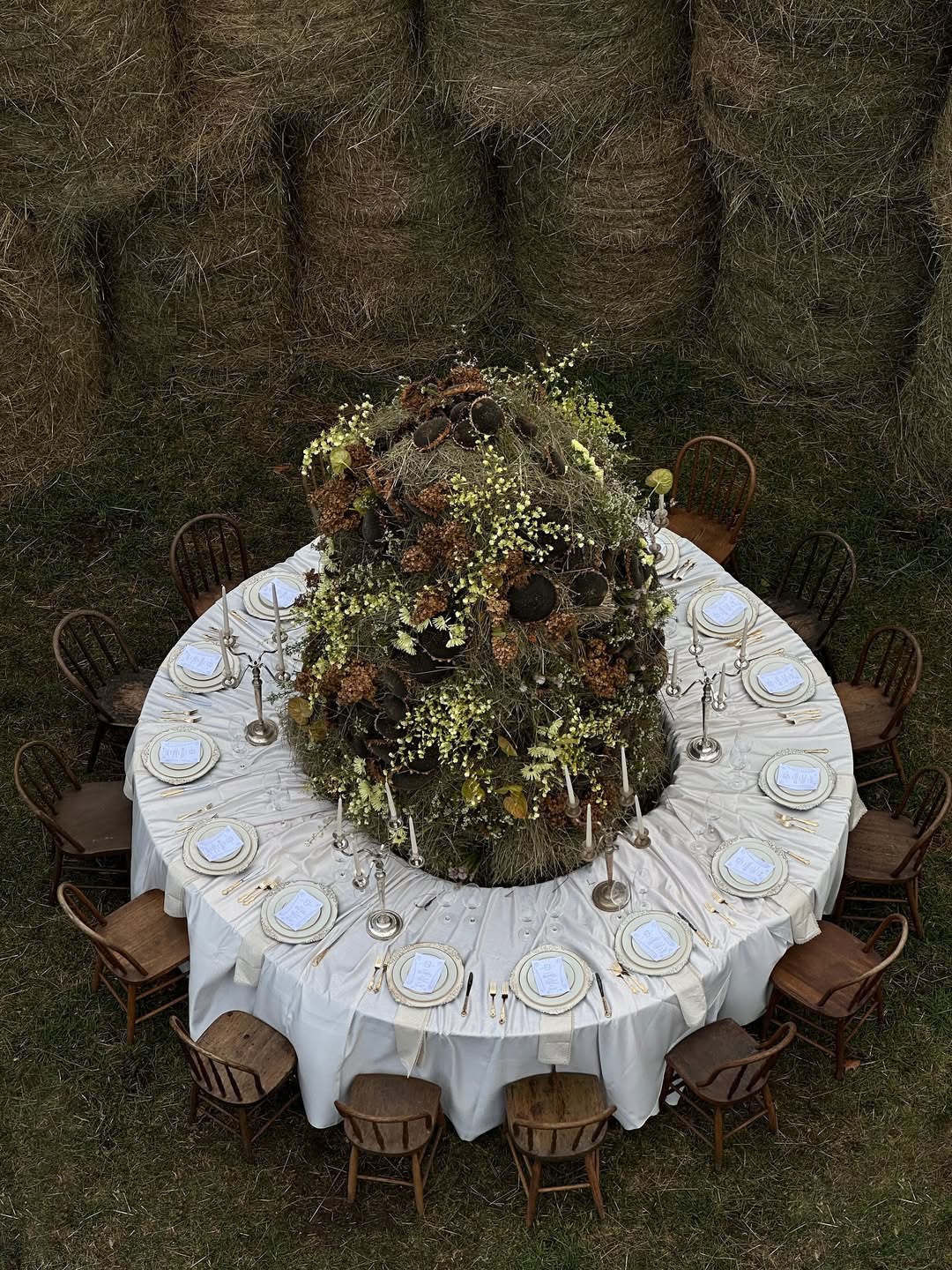
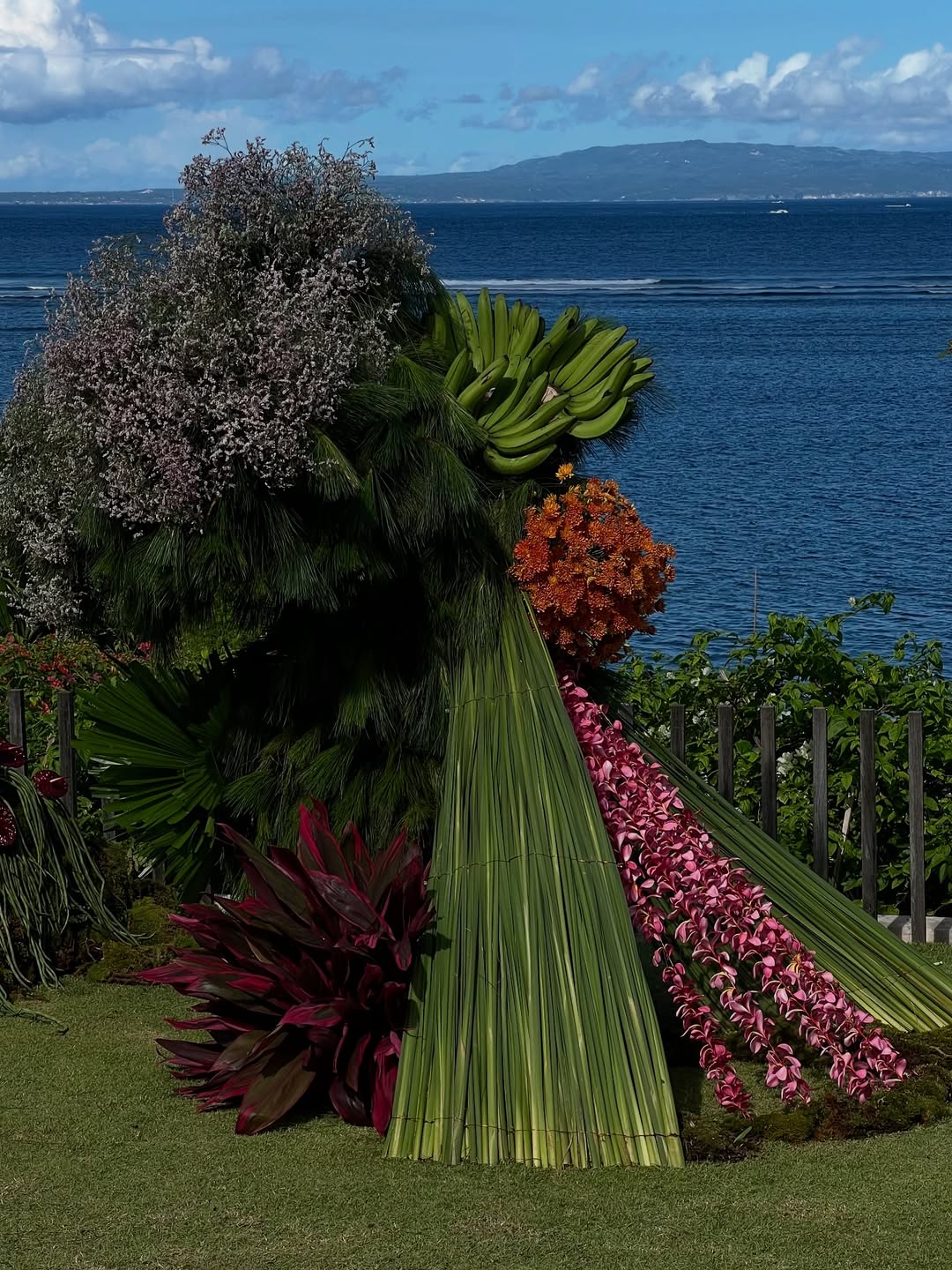
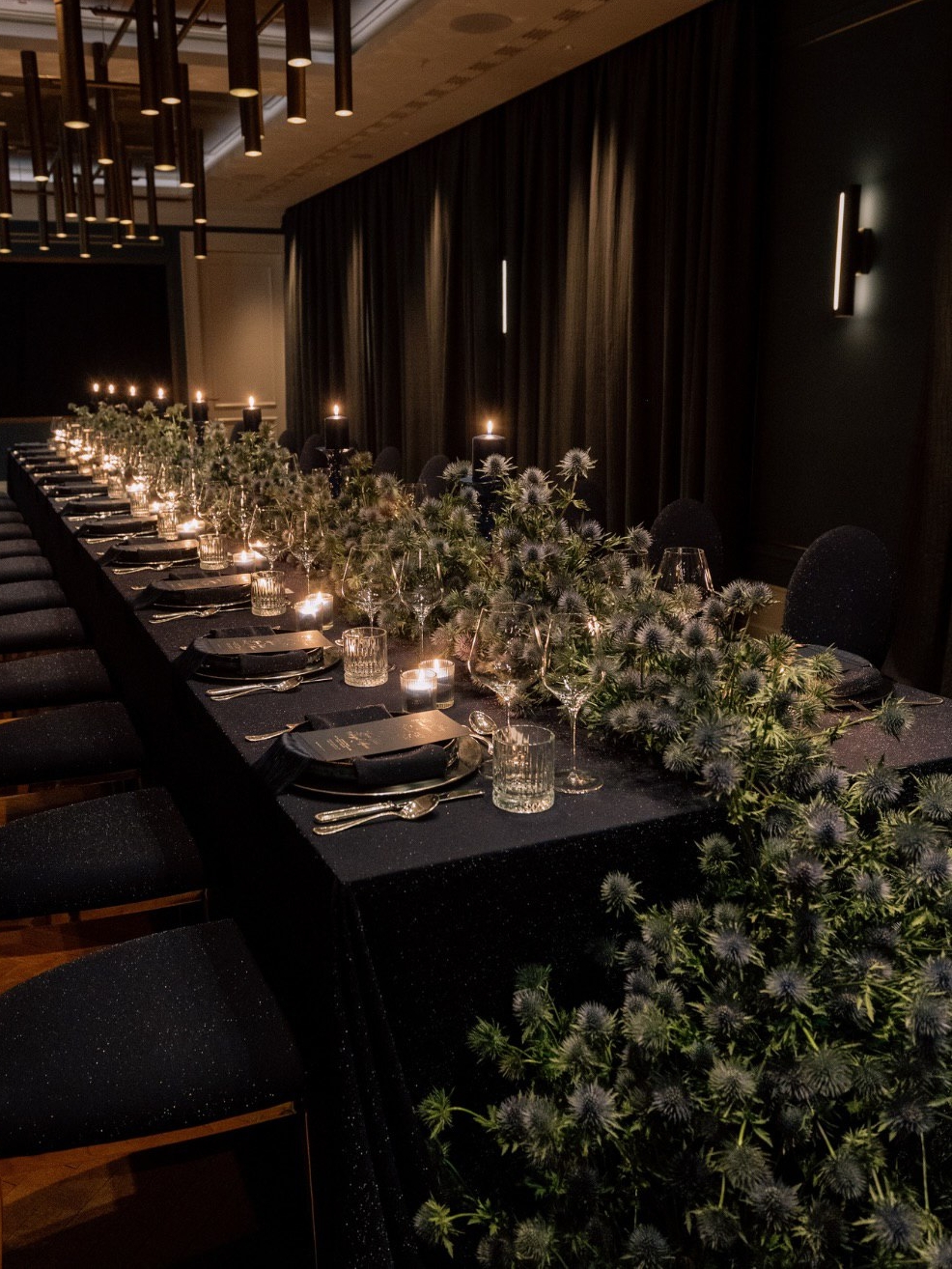
Since last year, moss has become a defining part of how we think about floral design, bringing a rich, earthy vibe that instantly grounds a space. That direction is not slowing down and continues to feel just as relevant heading into 2026. Fluffy smokebush deserves a separate mention here. It has become a quiet obsession thanks to its soft volume, unusual texture, and the way it fills space without looking floral in the traditional sense. Paired with moss as a base, the result feels layered and atmospheric, working especially well for arches, installations, and table designs where texture does most of the talking.
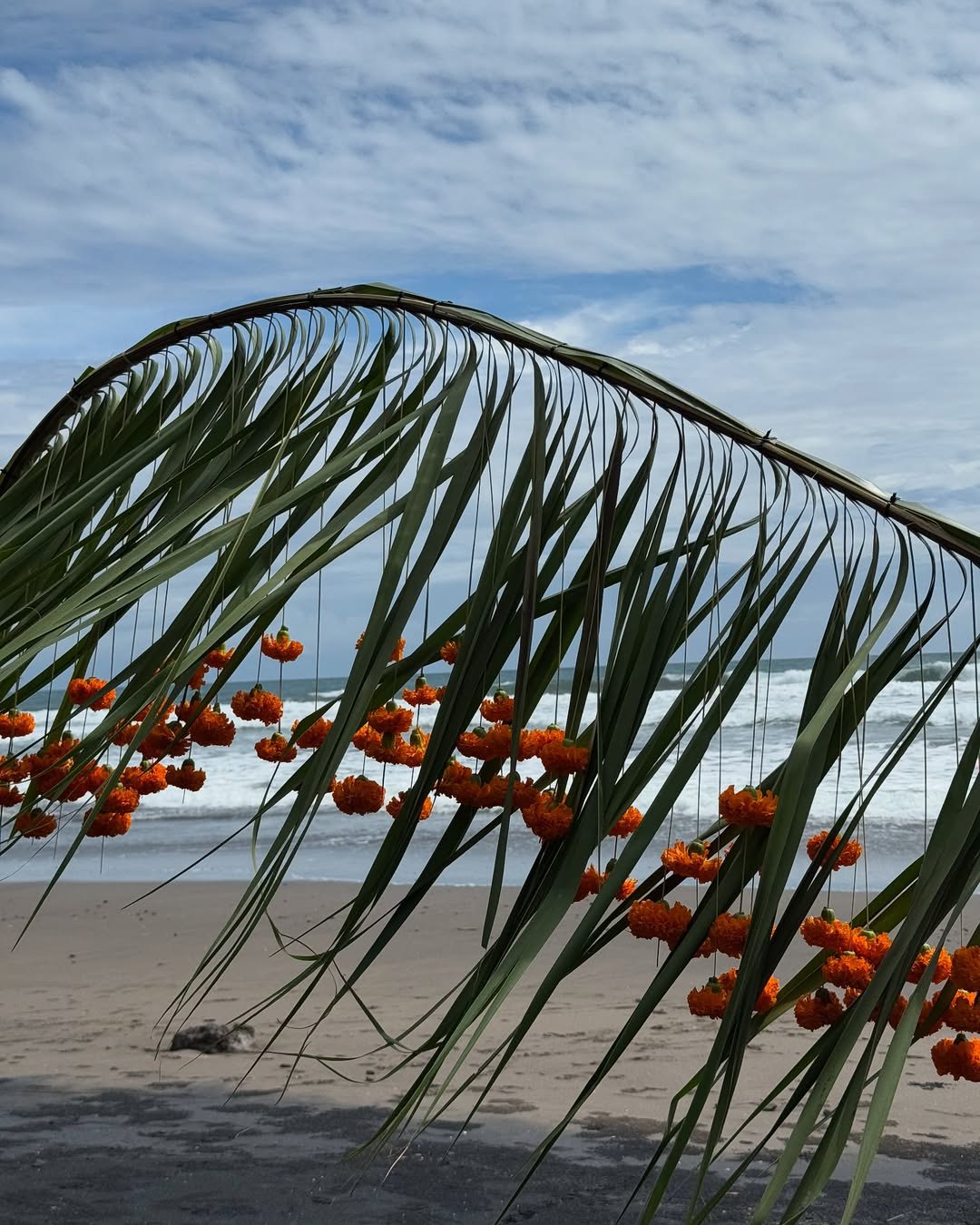
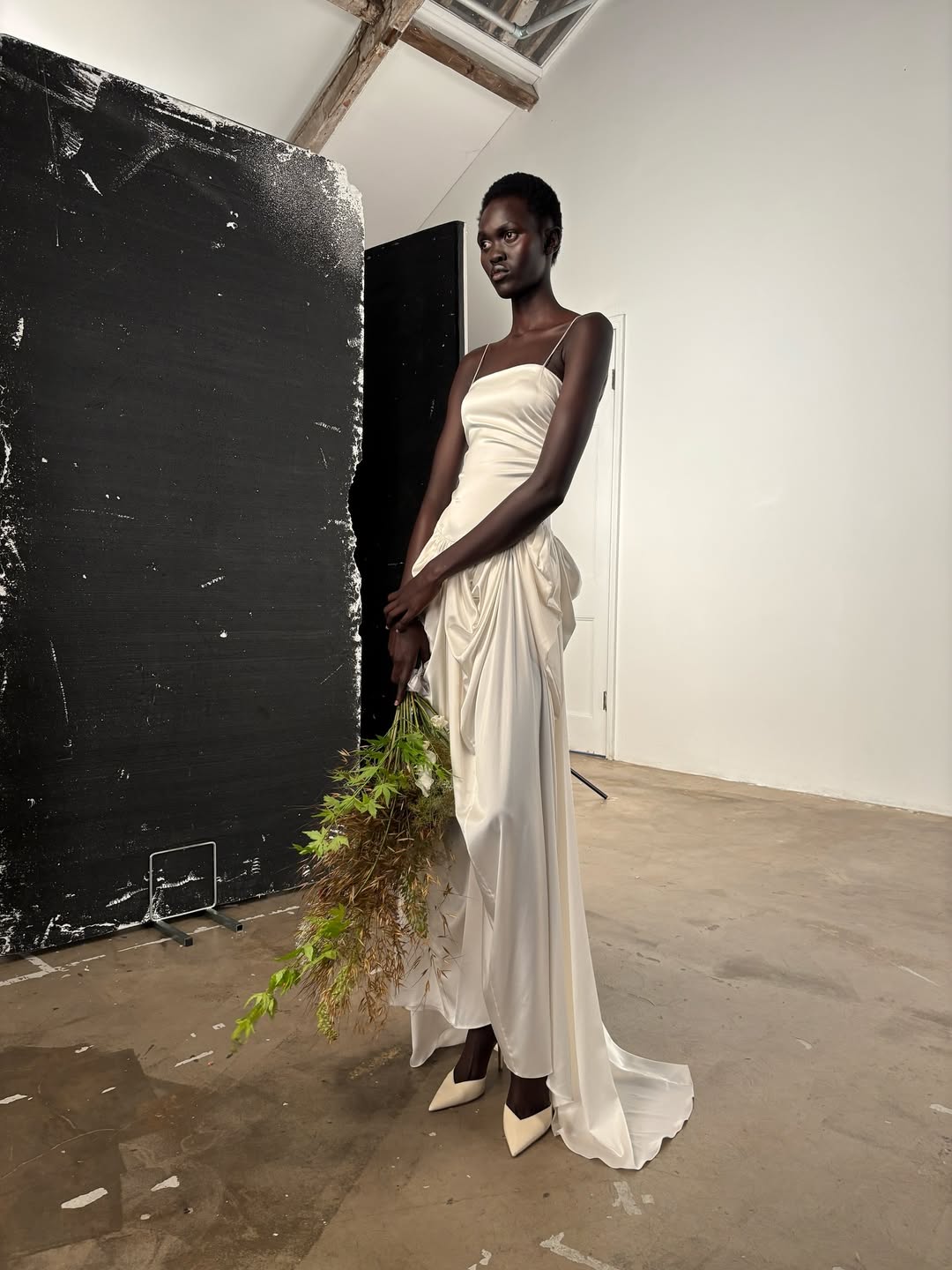
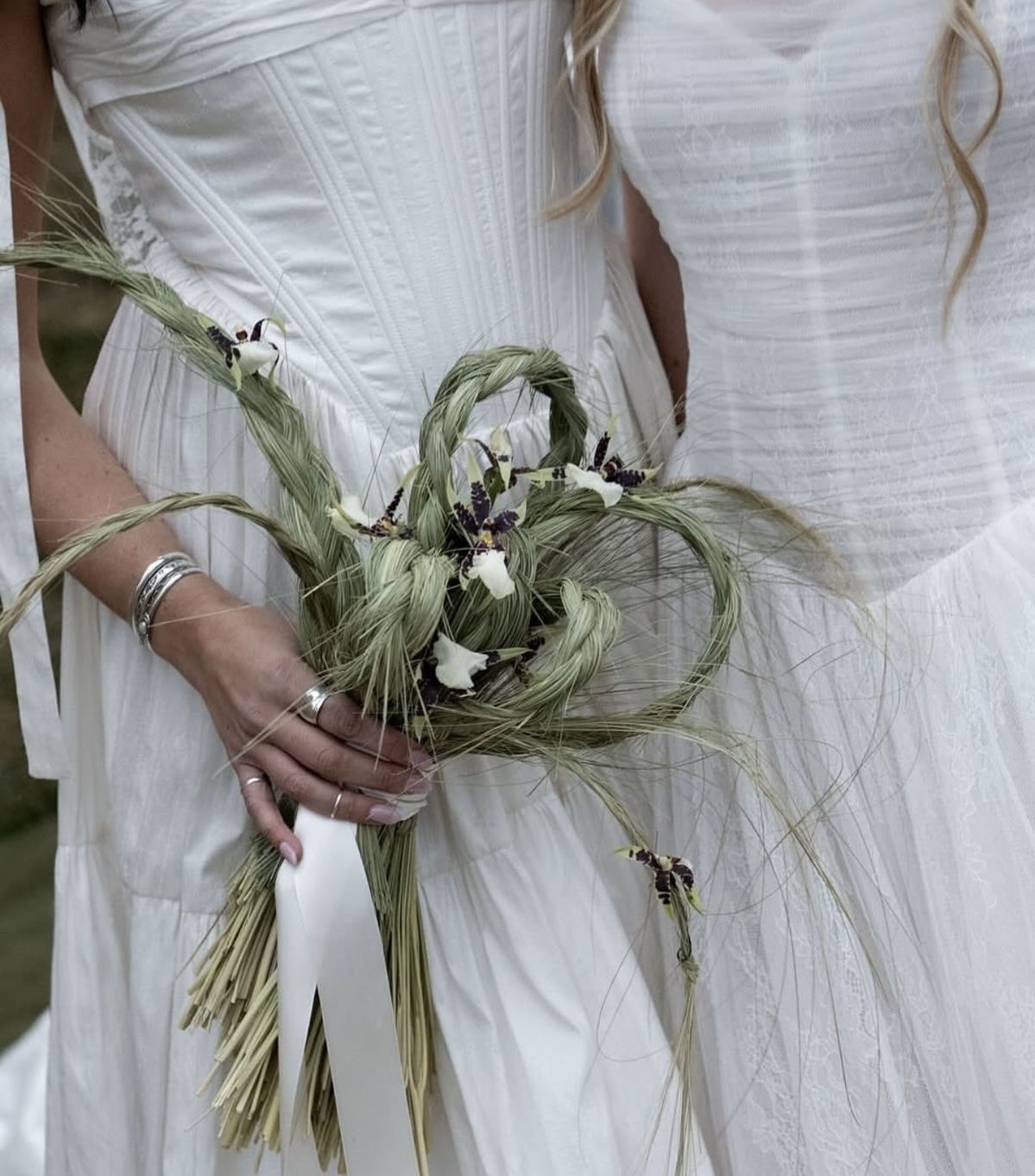
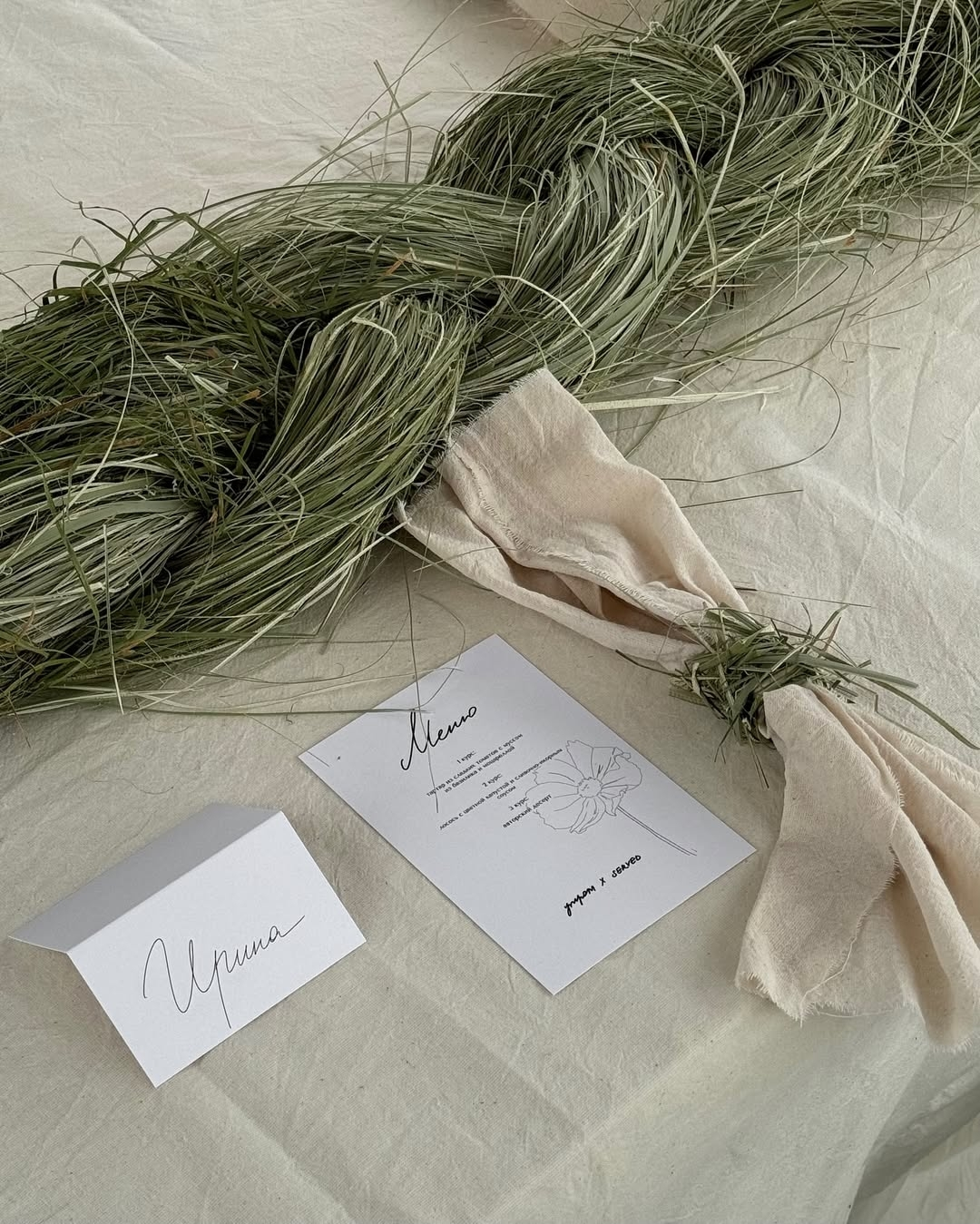
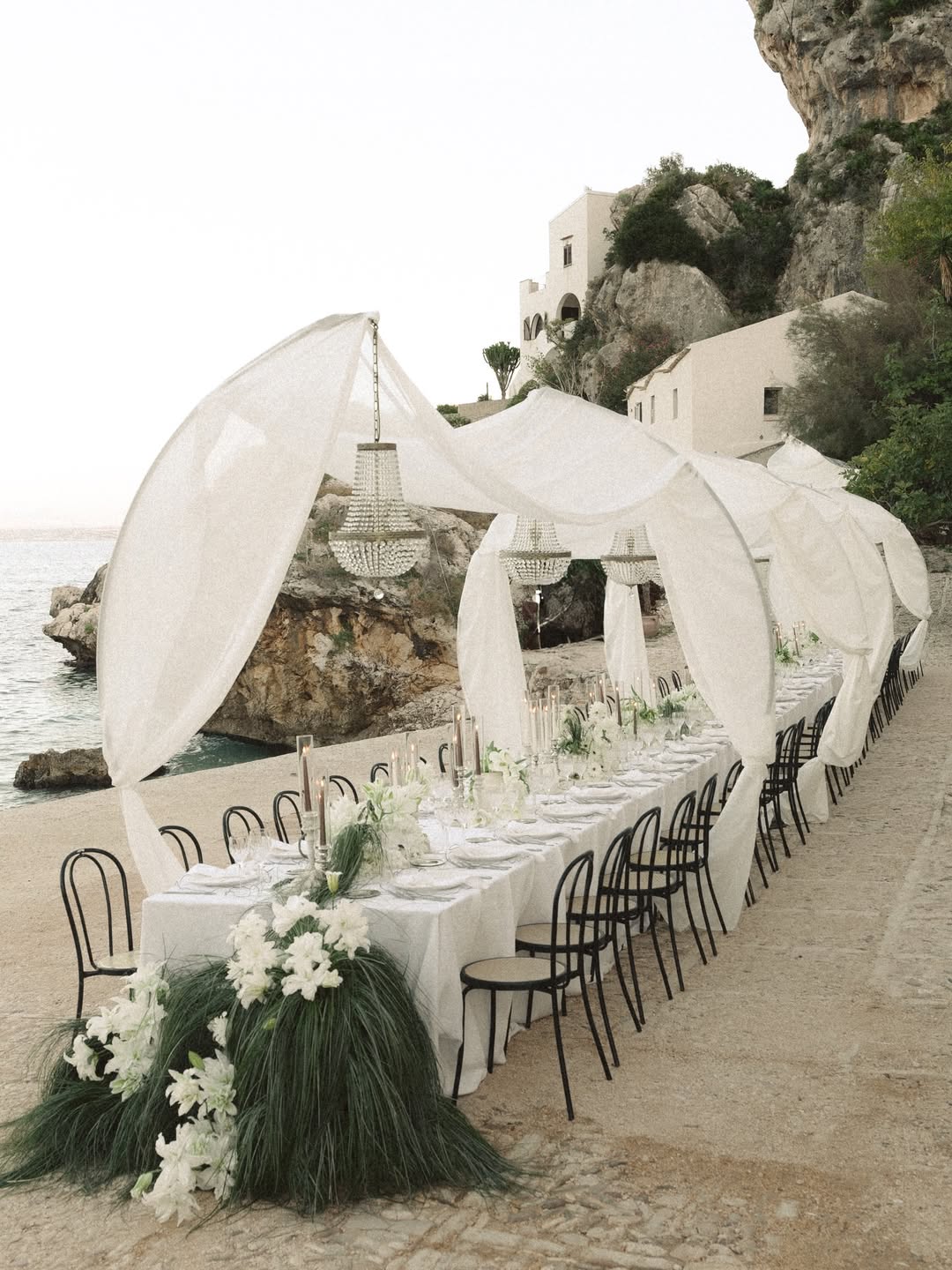
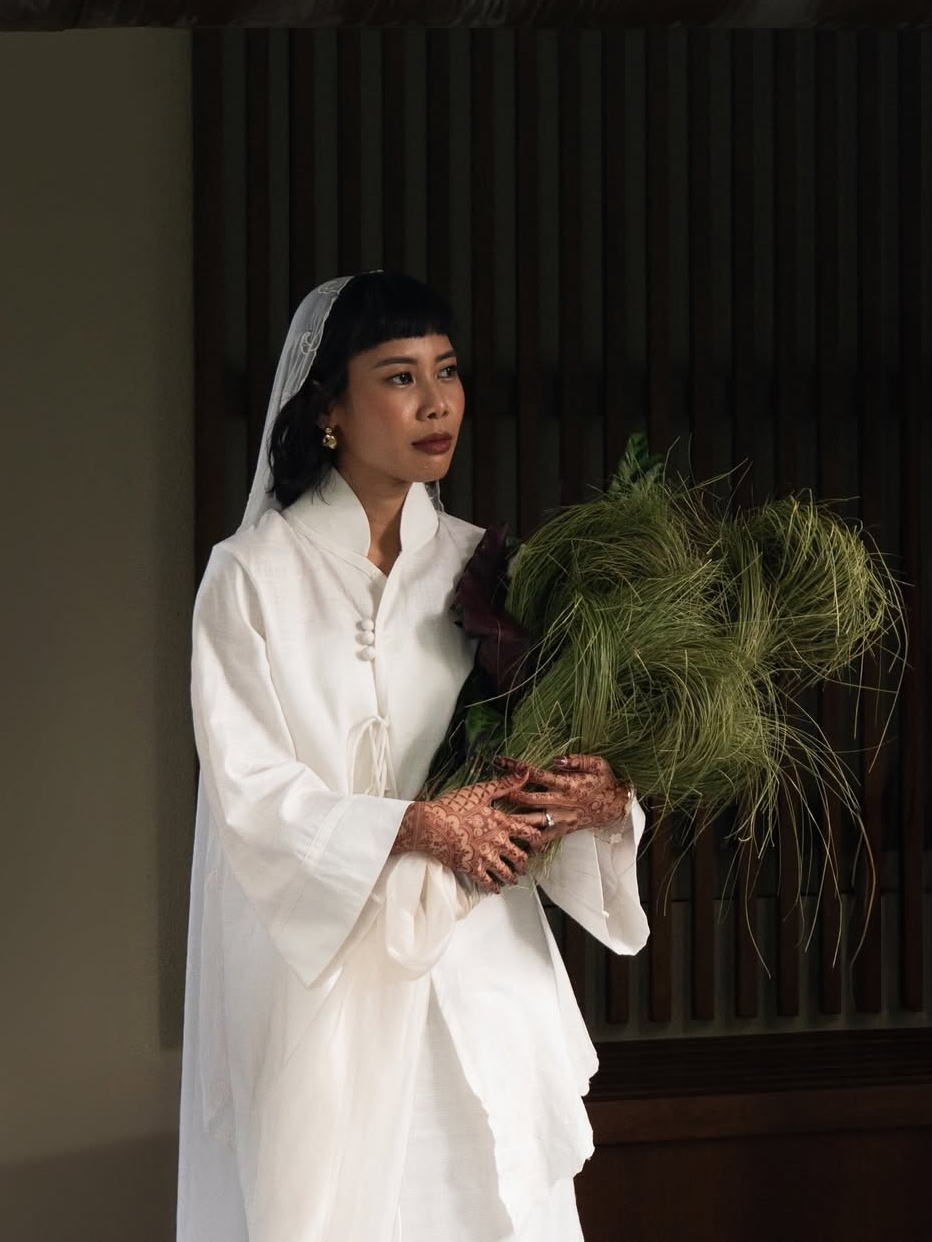
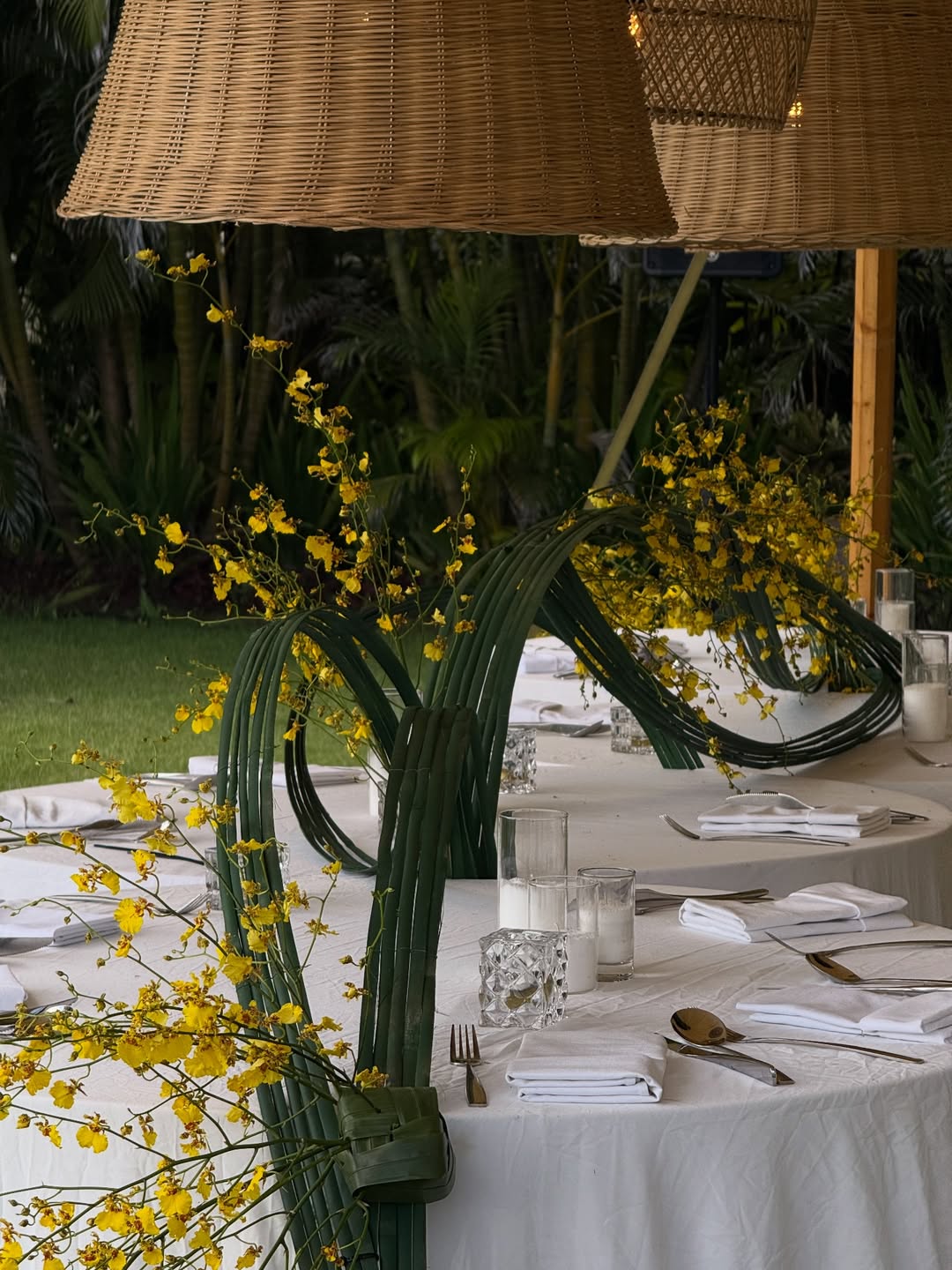
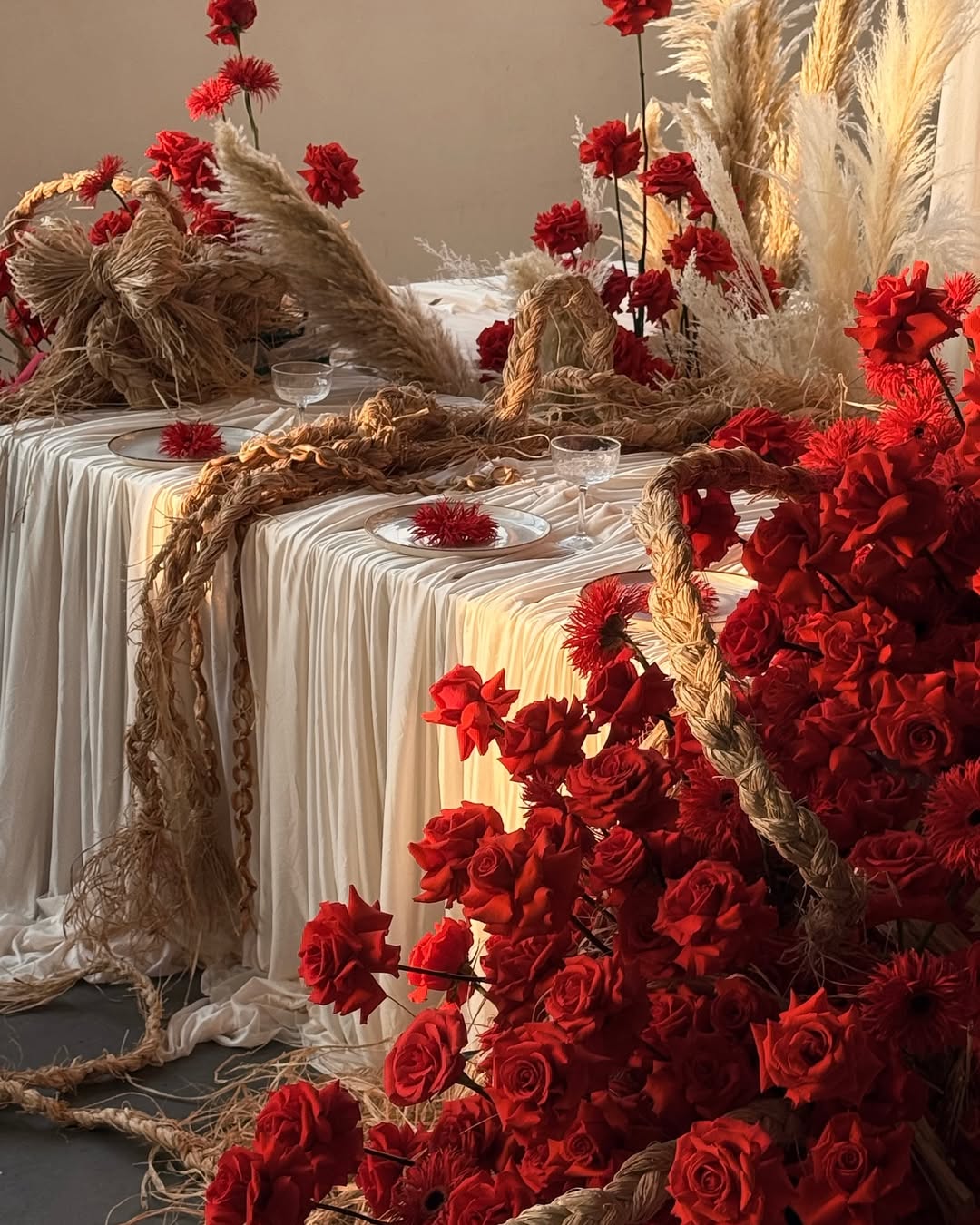
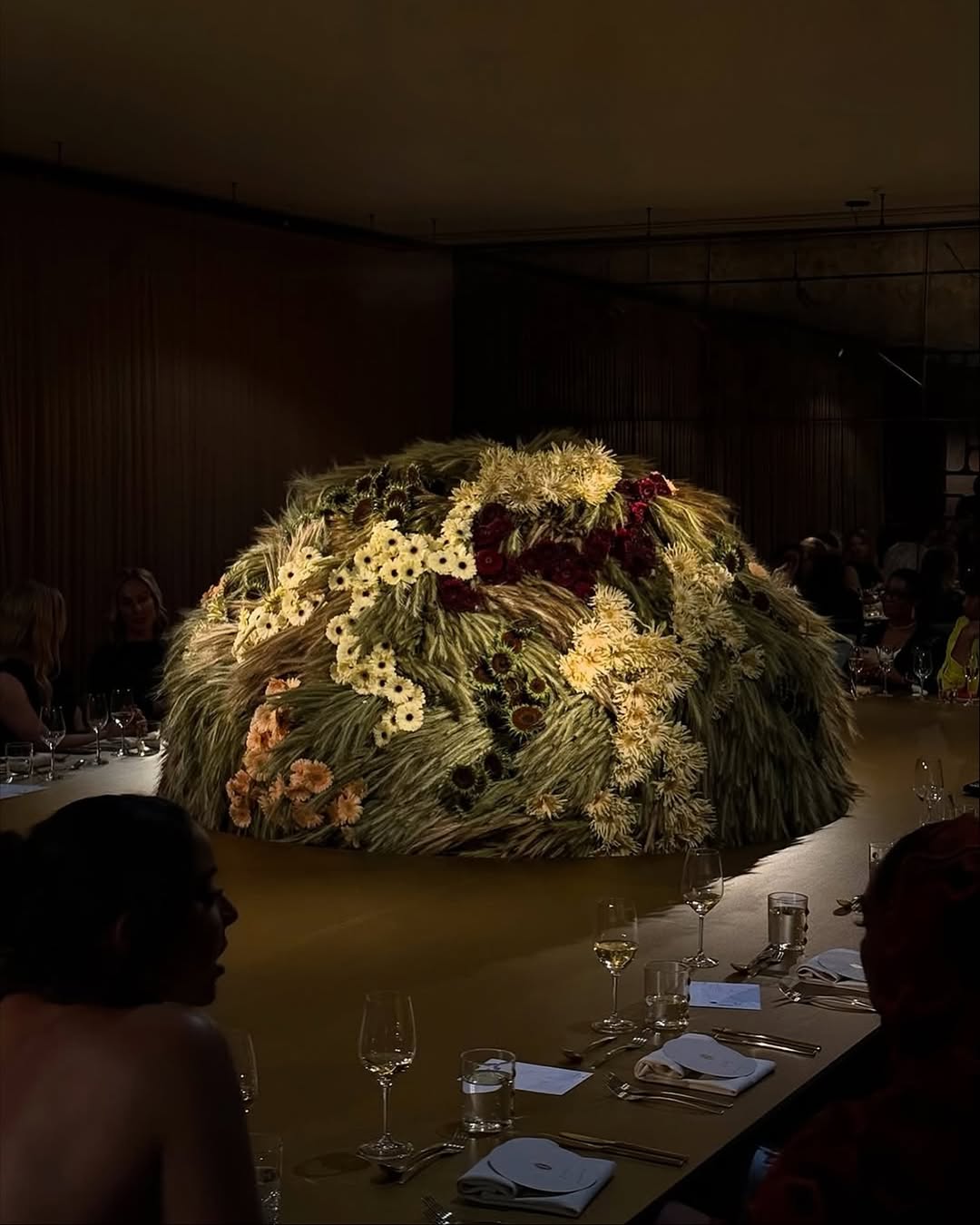
Grasses, reeds, and woven elements introduce texture and structure. This direction shifts the focus toward form, rhythm, and natural materials, allowing florals to become part of the architecture. Woven grasses work beautifully in aisle designs, ceremony backdrops, and large-scale installations where movement and layering matter more than color. In many parts of Asia, this approach has been used for years, often paired with local materials and simple compositions. The compositions look organic, intentional, and deeply connected to the space, adding depth without visual noise.
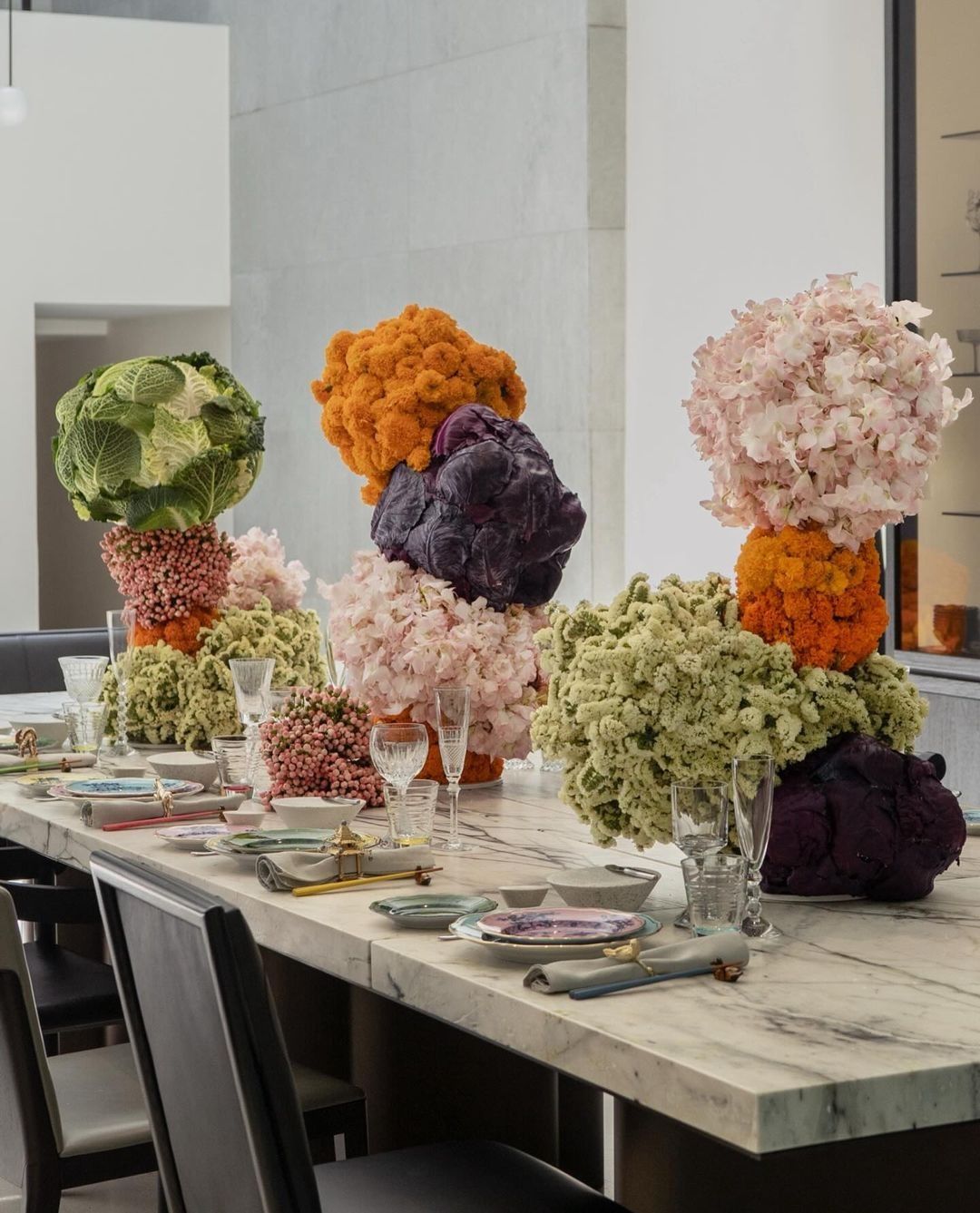
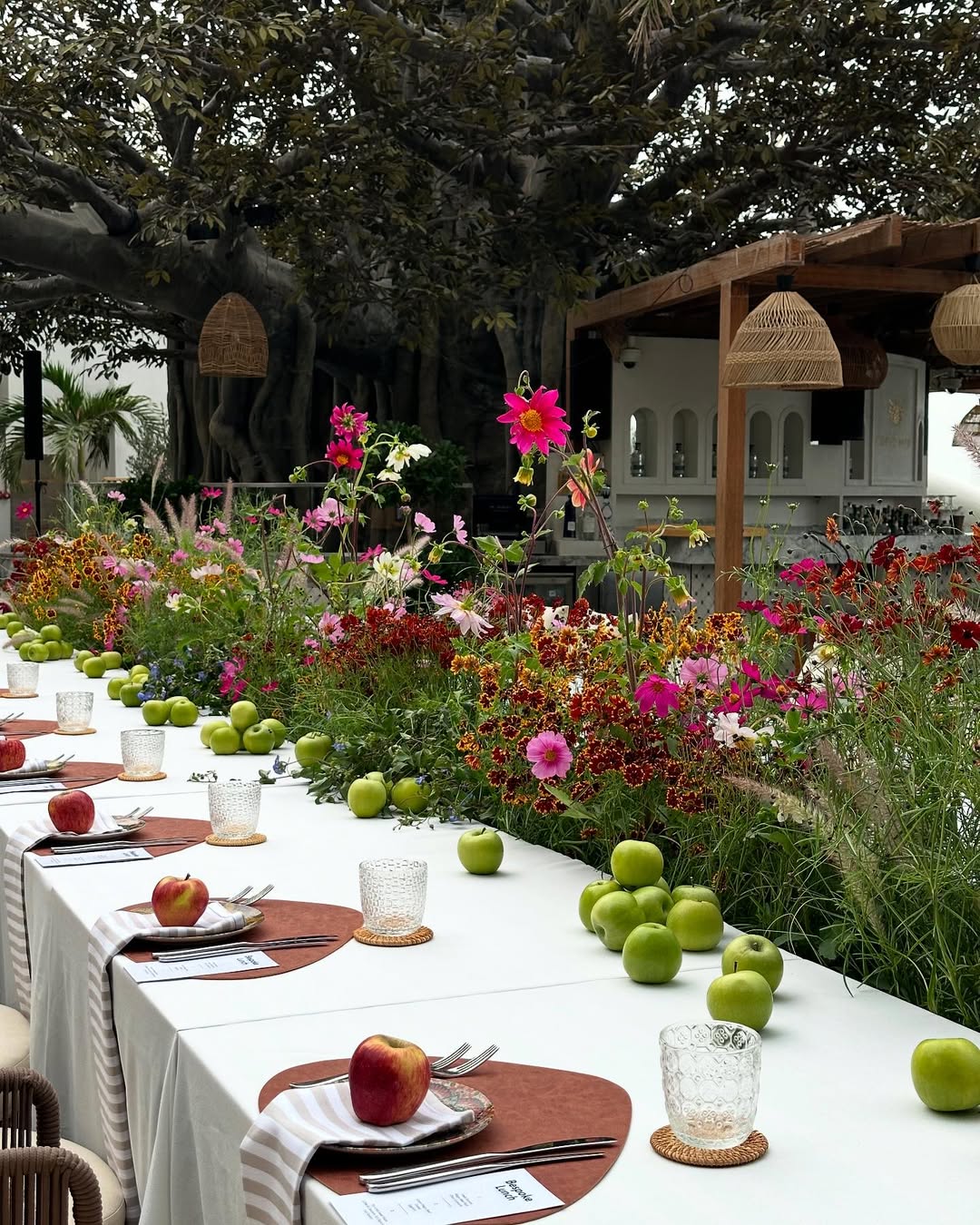
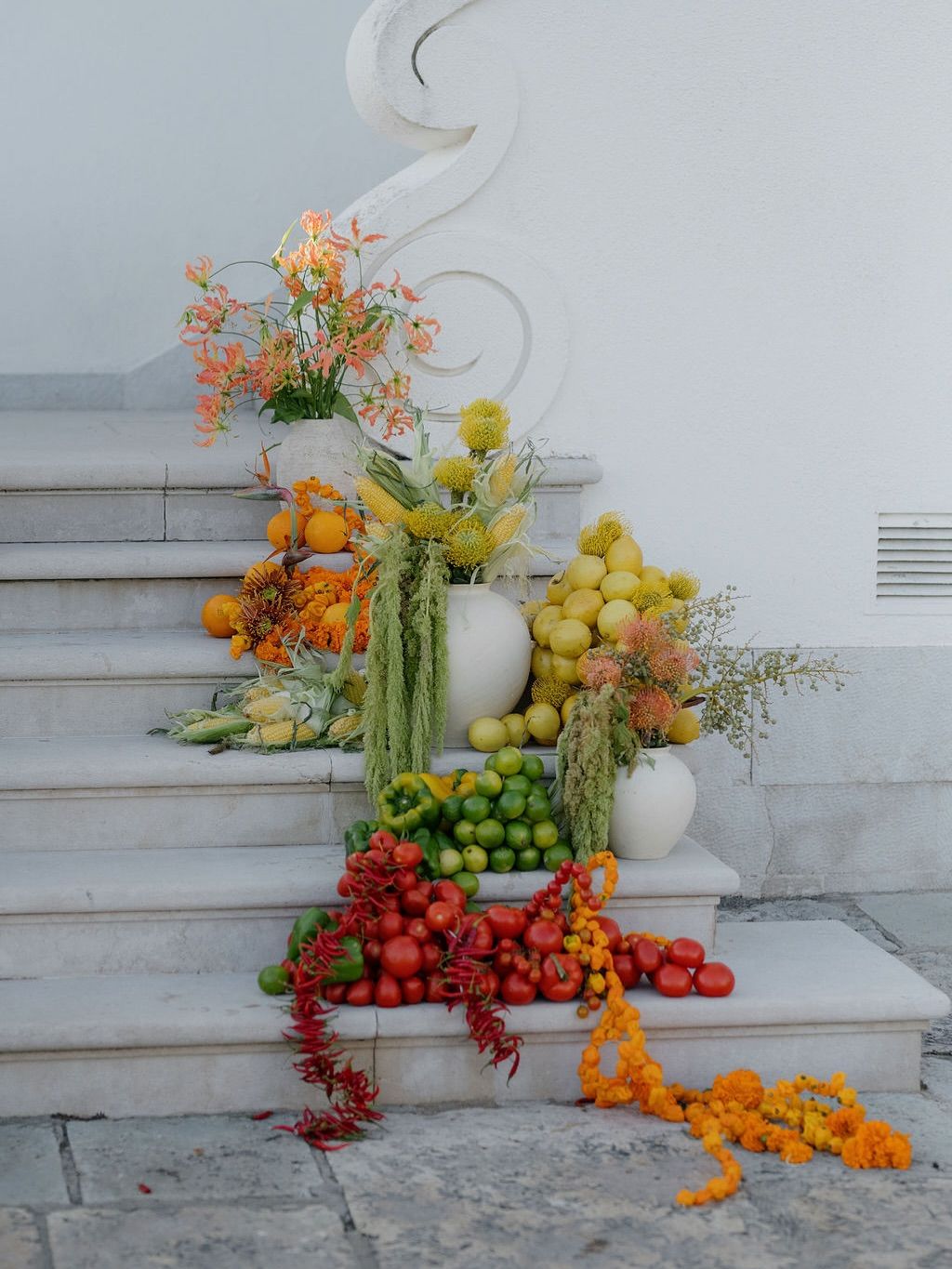
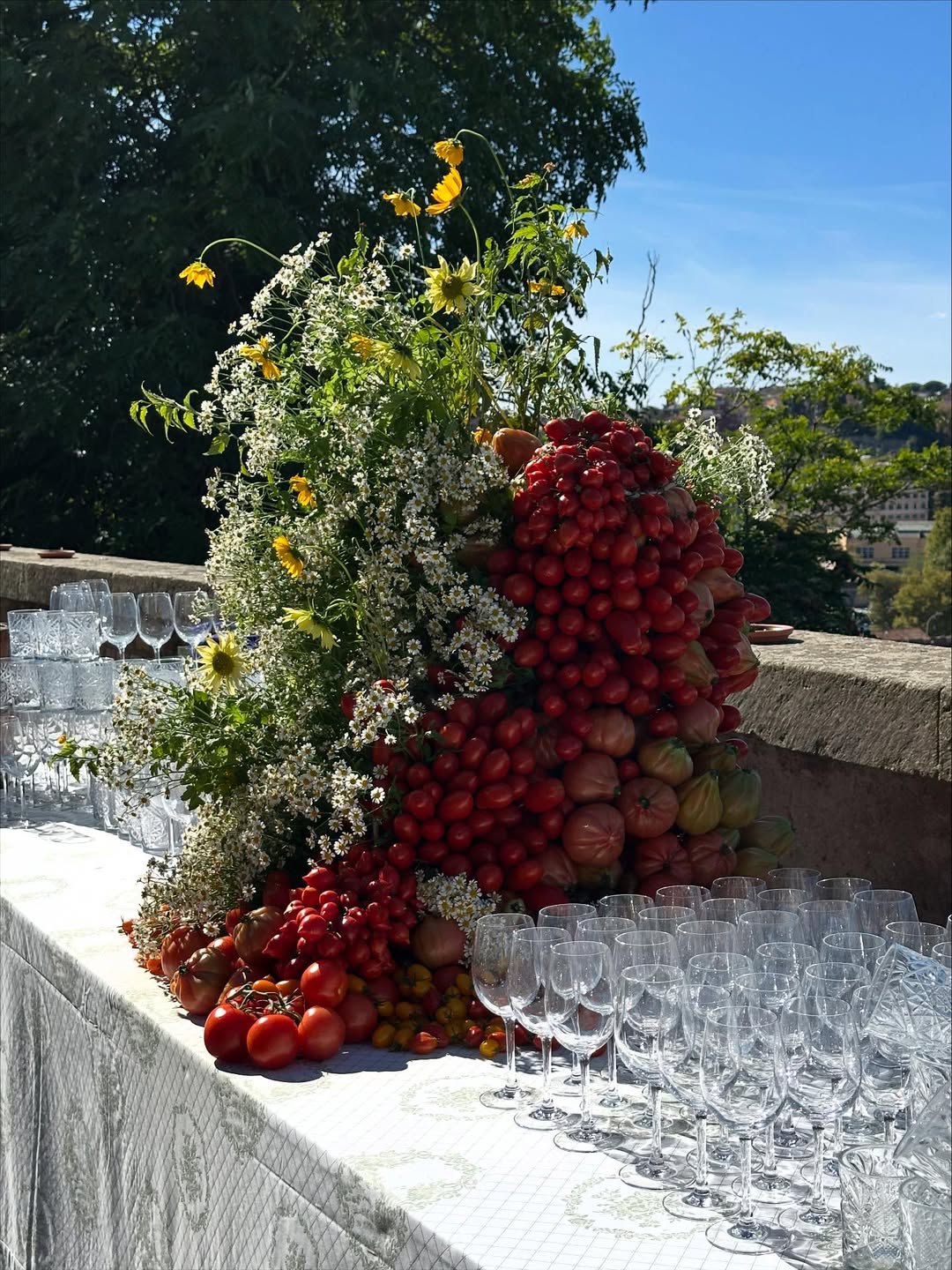
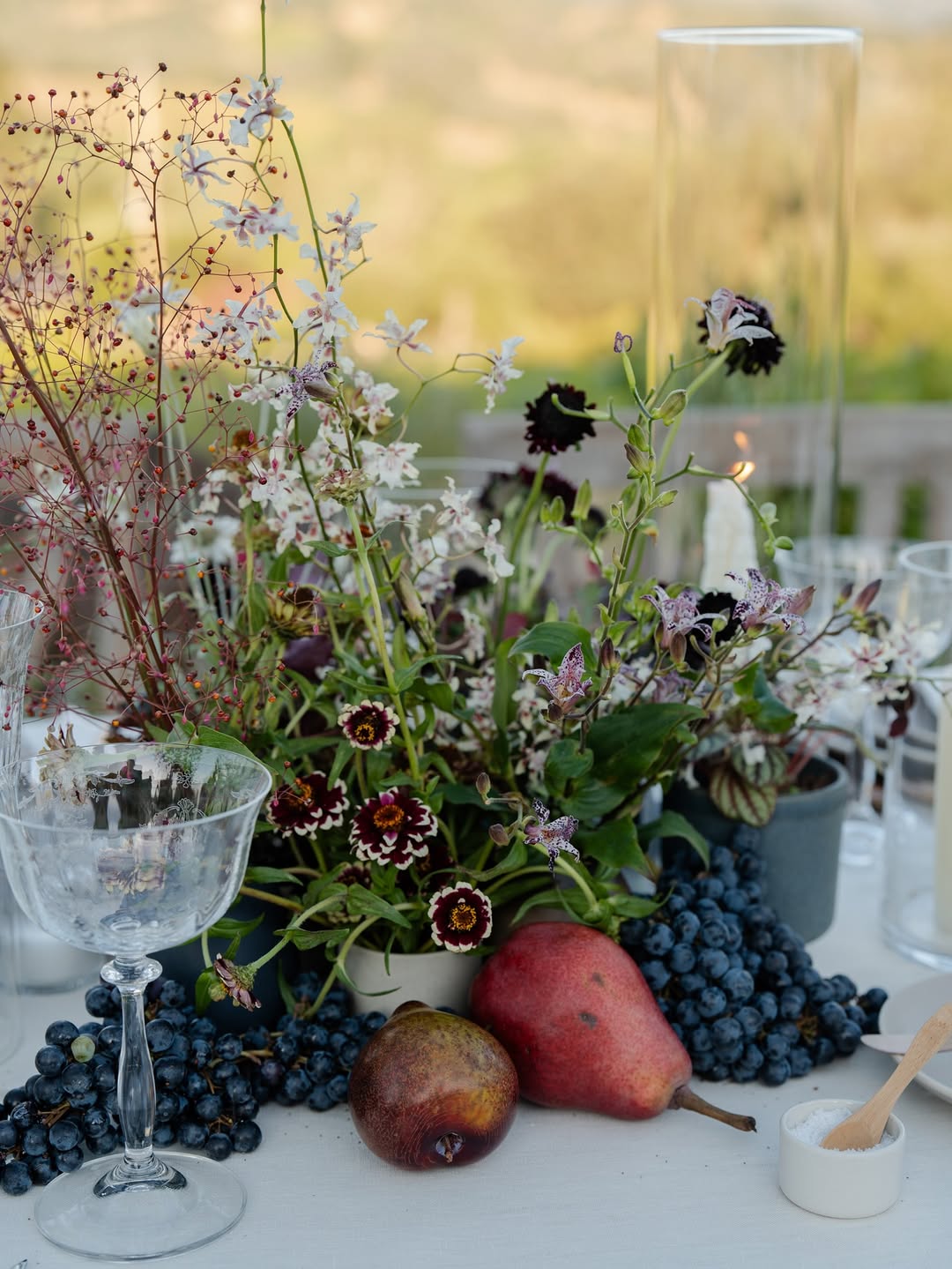
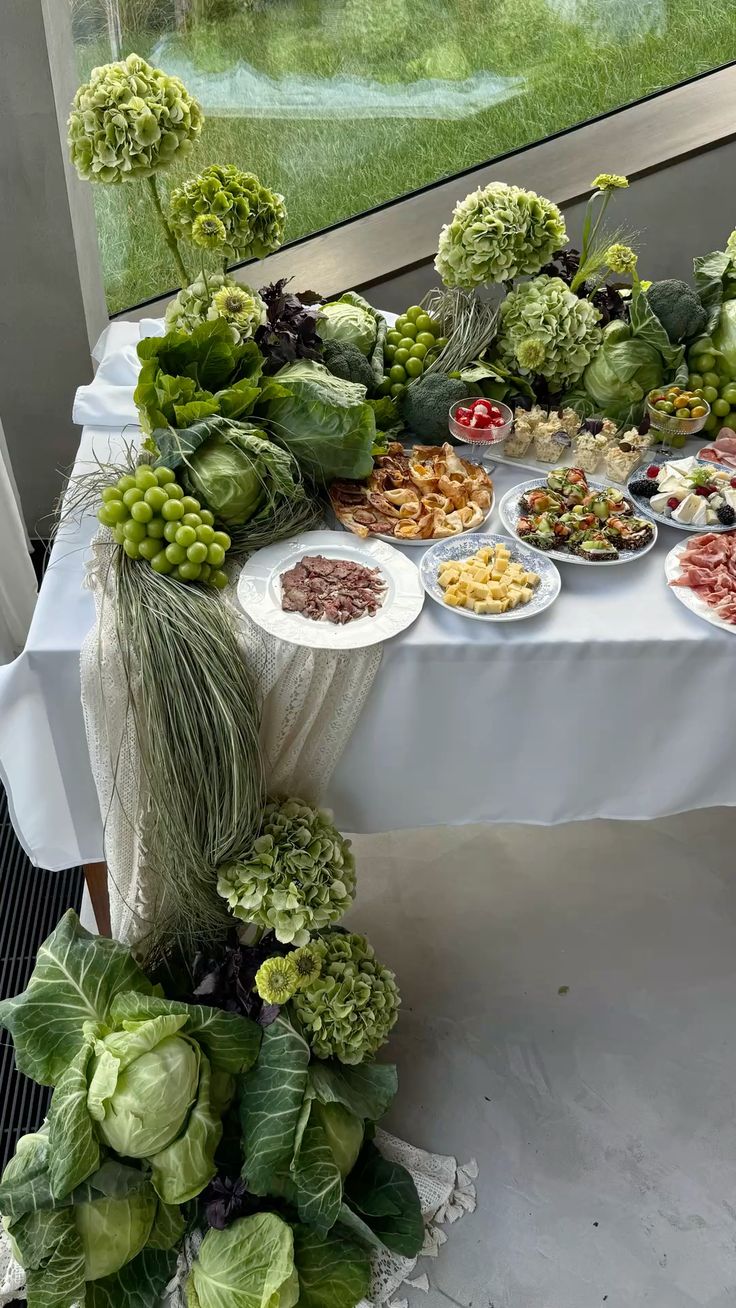
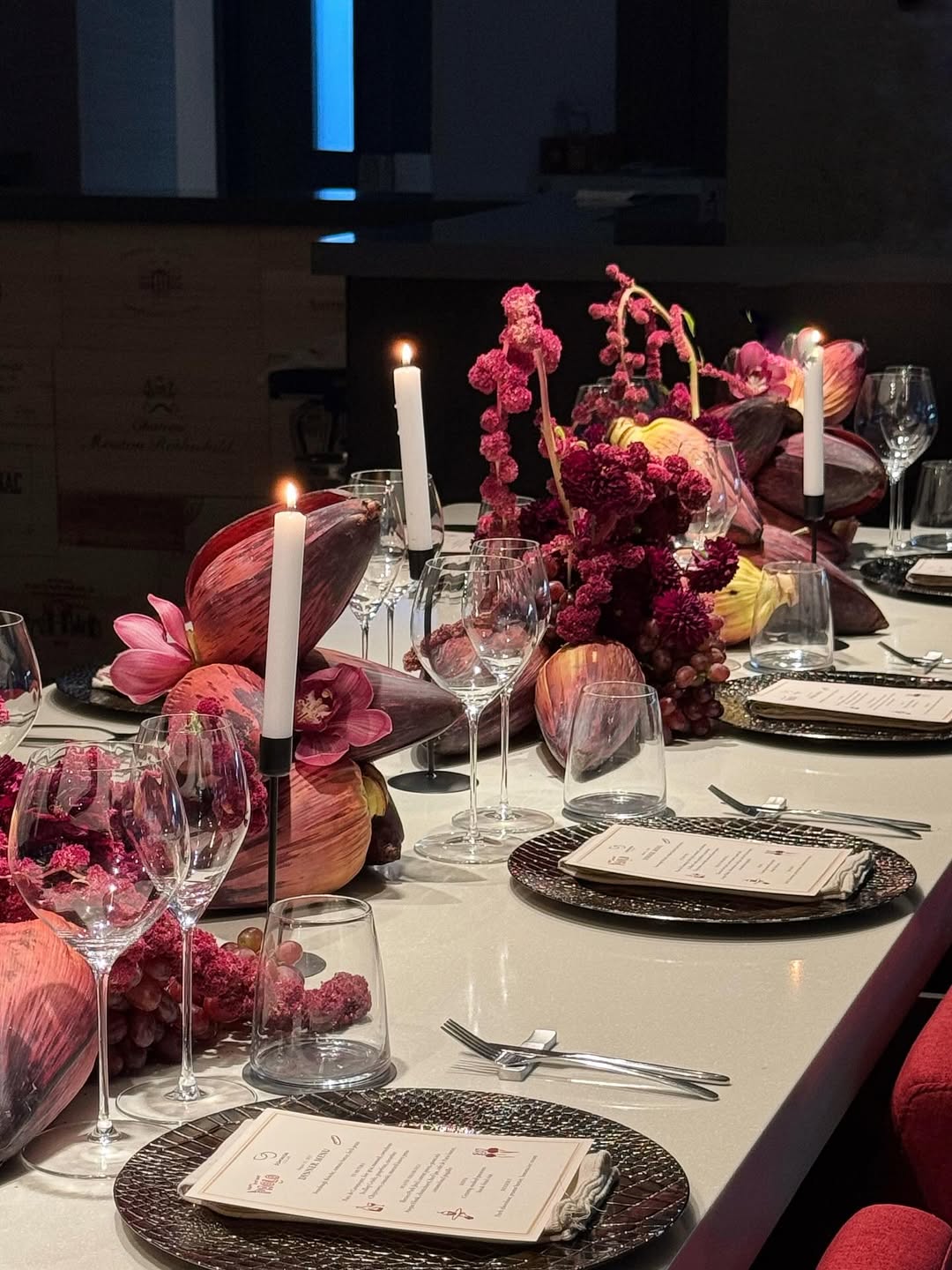
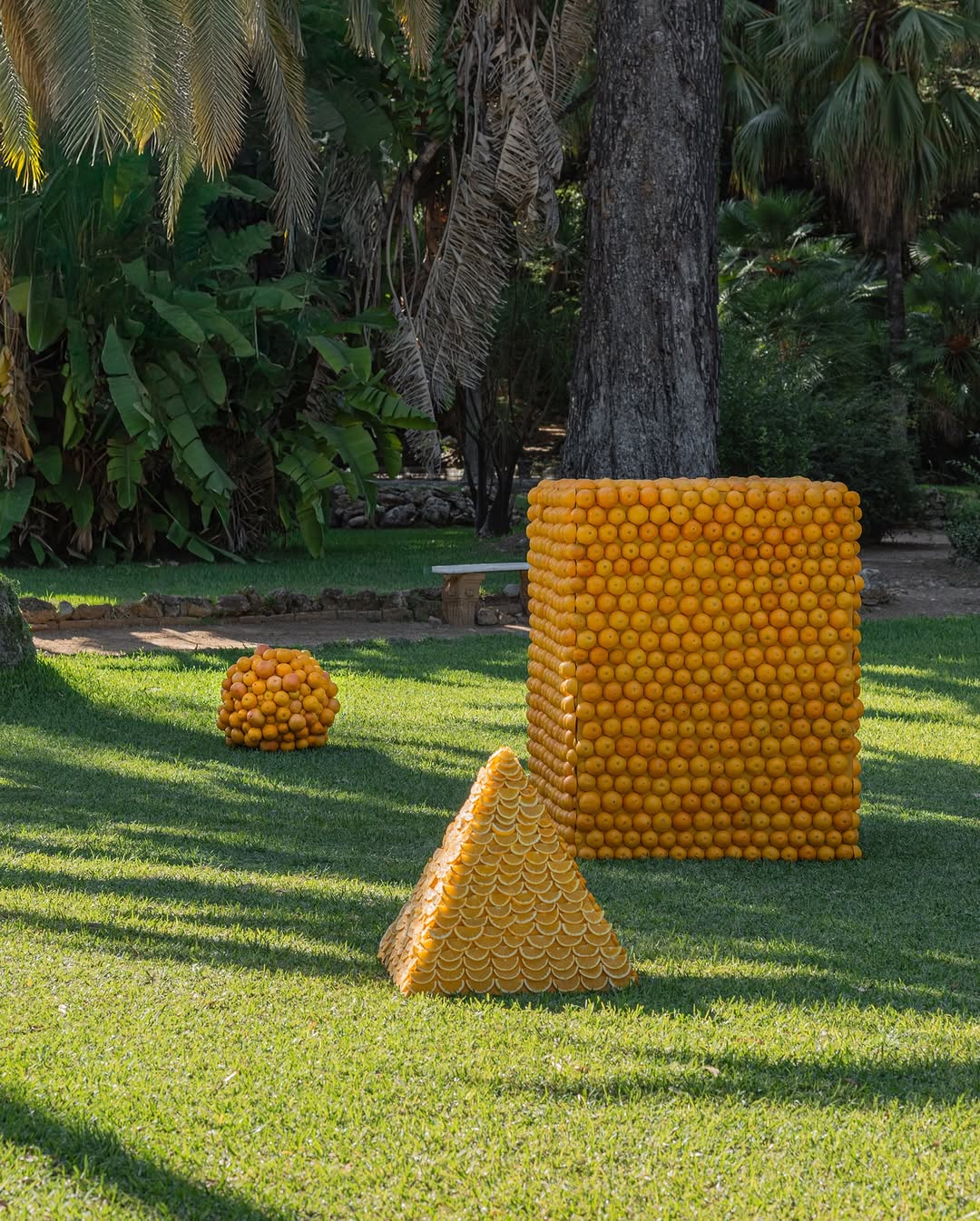
You have probably noticed how florists have started working far beyond flowers alone, turning unexpected elements into truly mind-blowing details. Farm-fresh arrangements celebrate seasonal growth, mixing flowers with berries, herbs, fruits, and vegetables. Tomatoes, figs, cabbage, rosemary, or blackberries bring color and personality while keeping the composition grounded and natural. This trend works especially well for outdoor weddings, vineyards, and intimate celebrations where seasonality plays a key role.
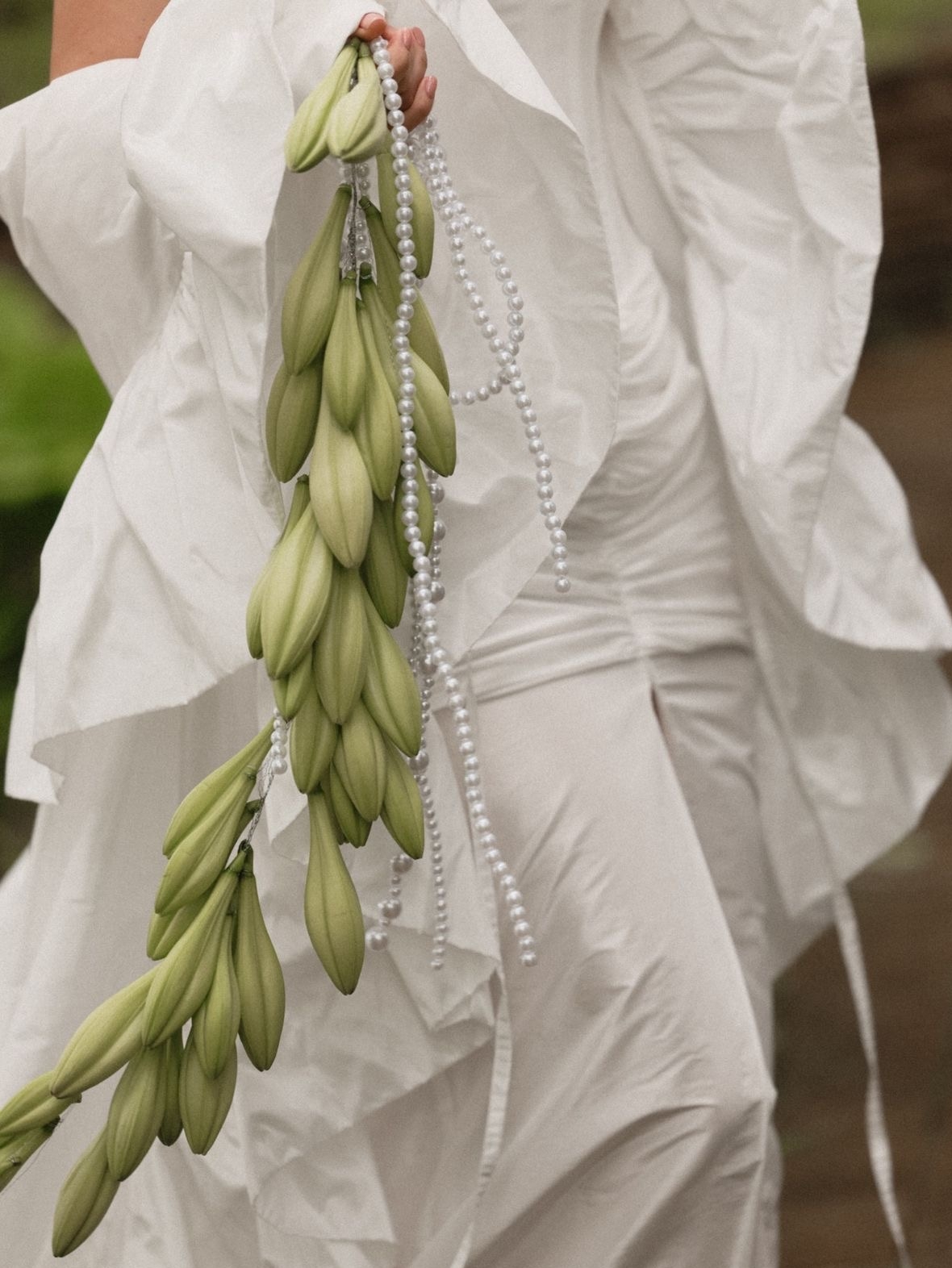
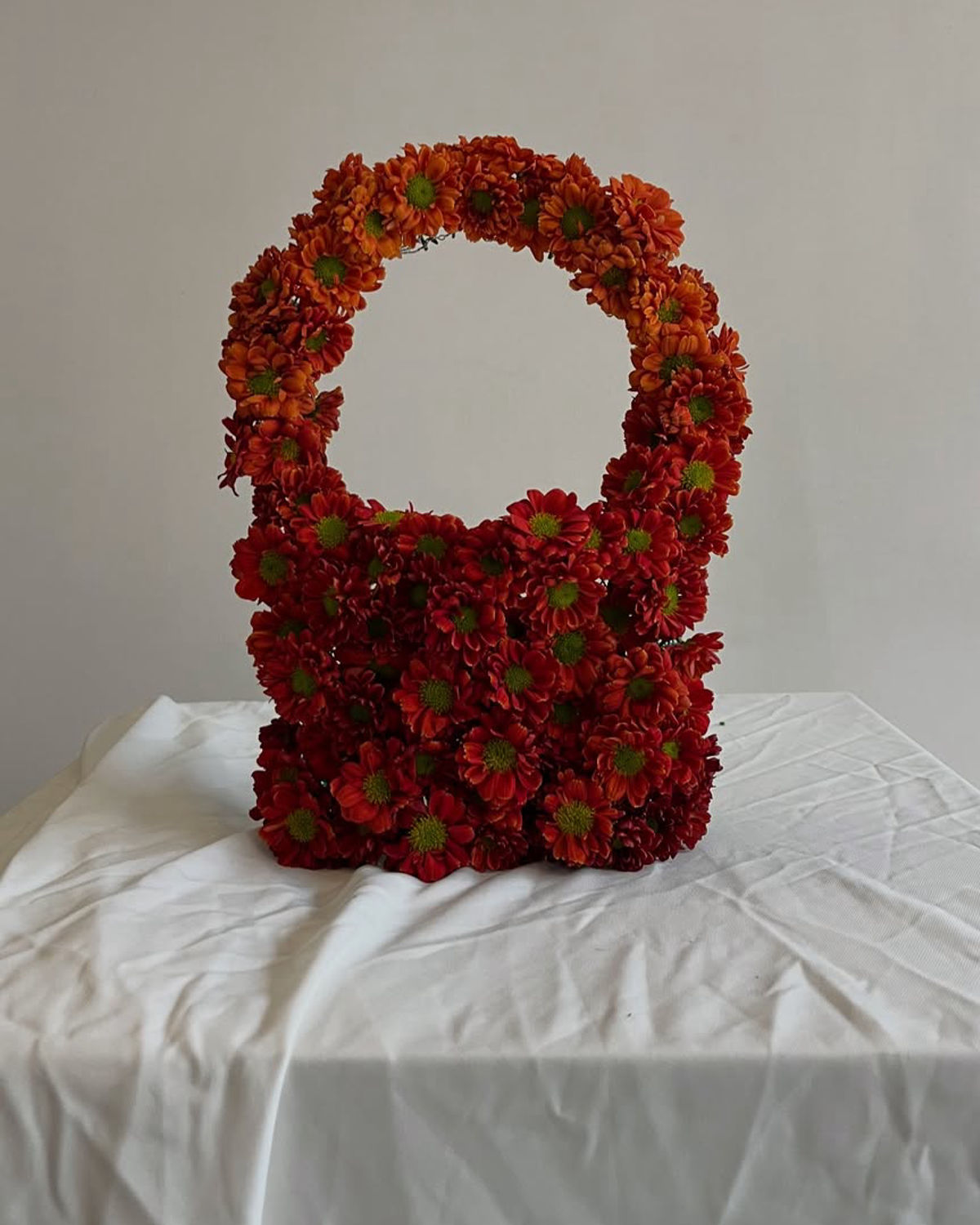
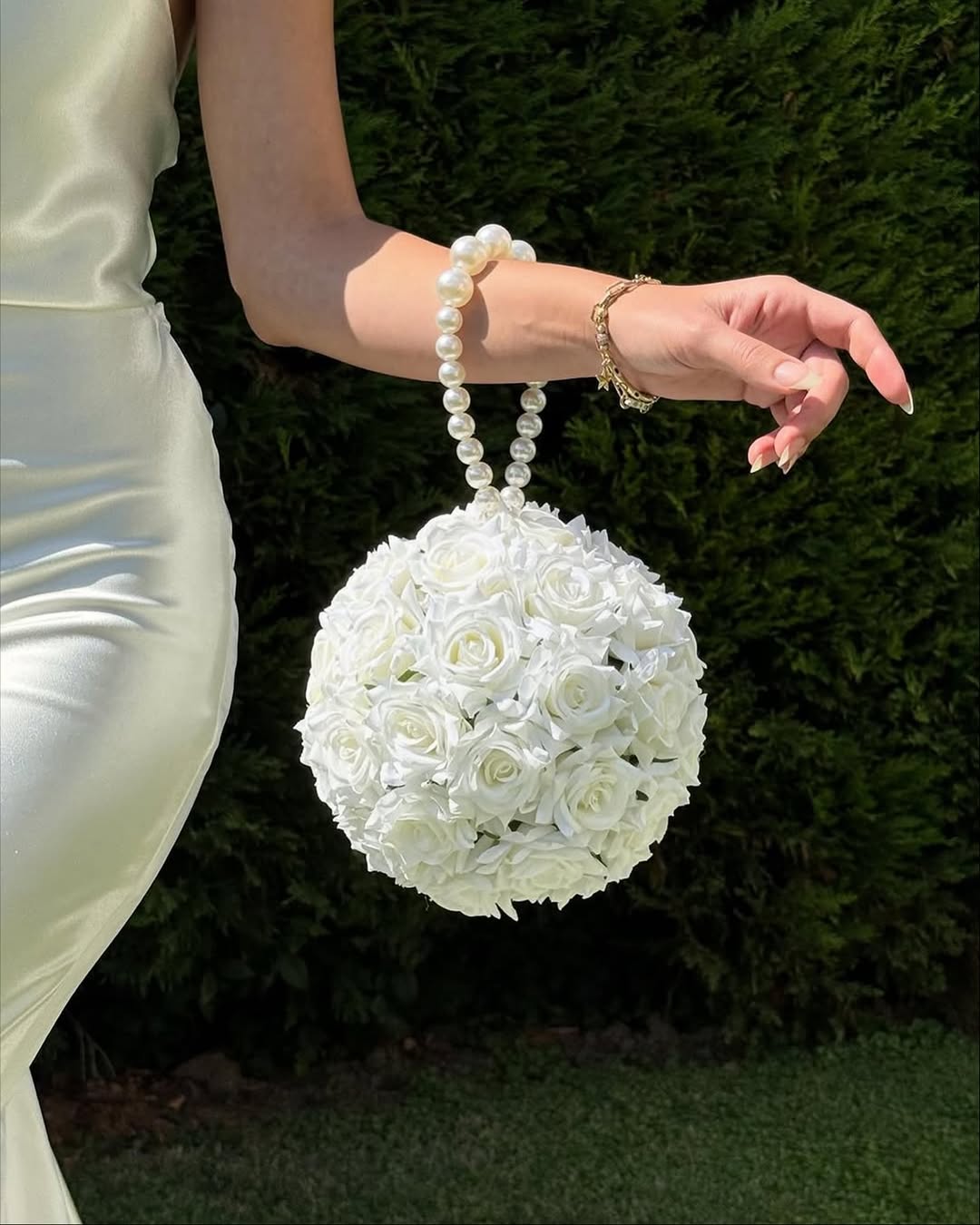
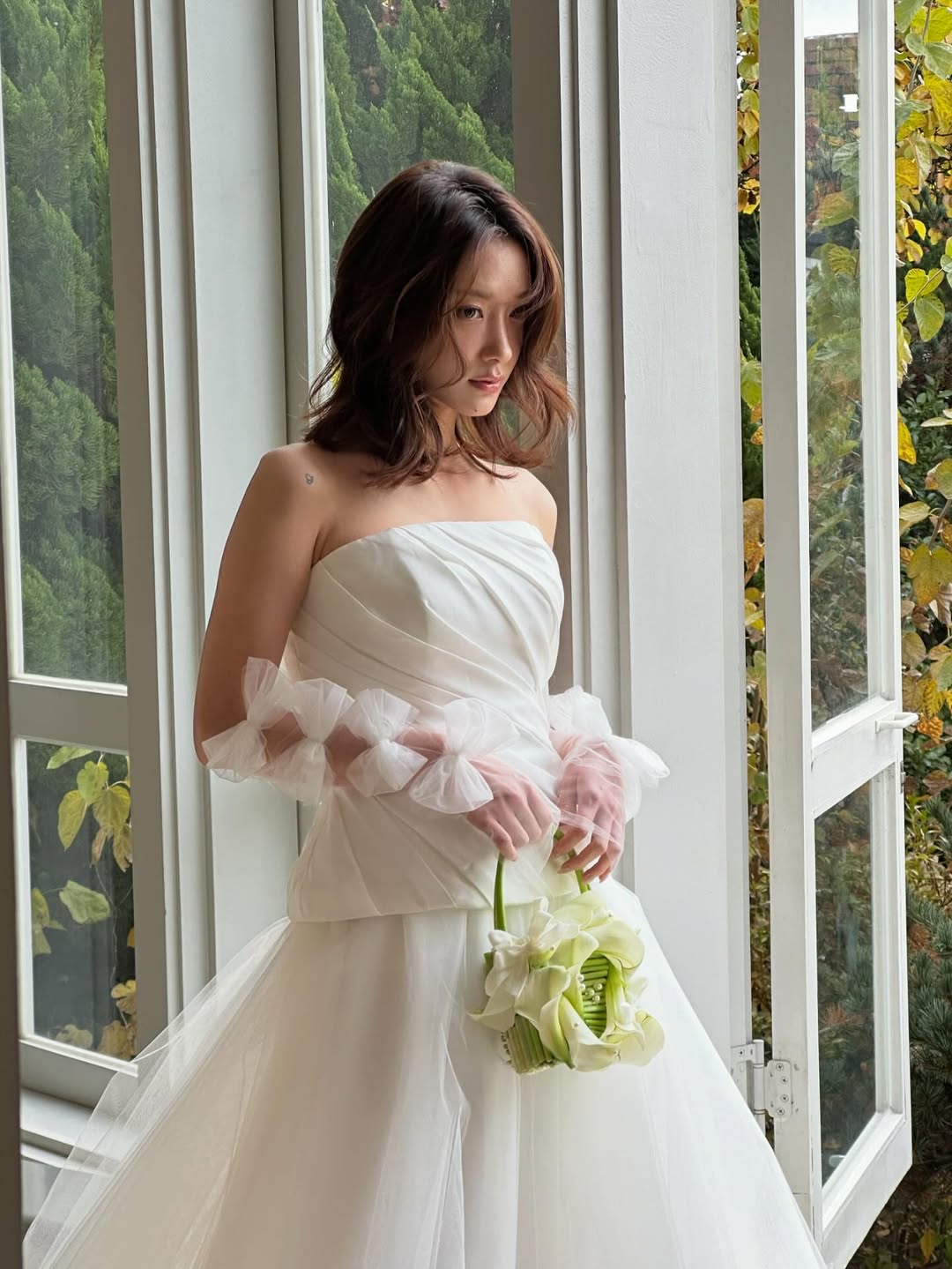
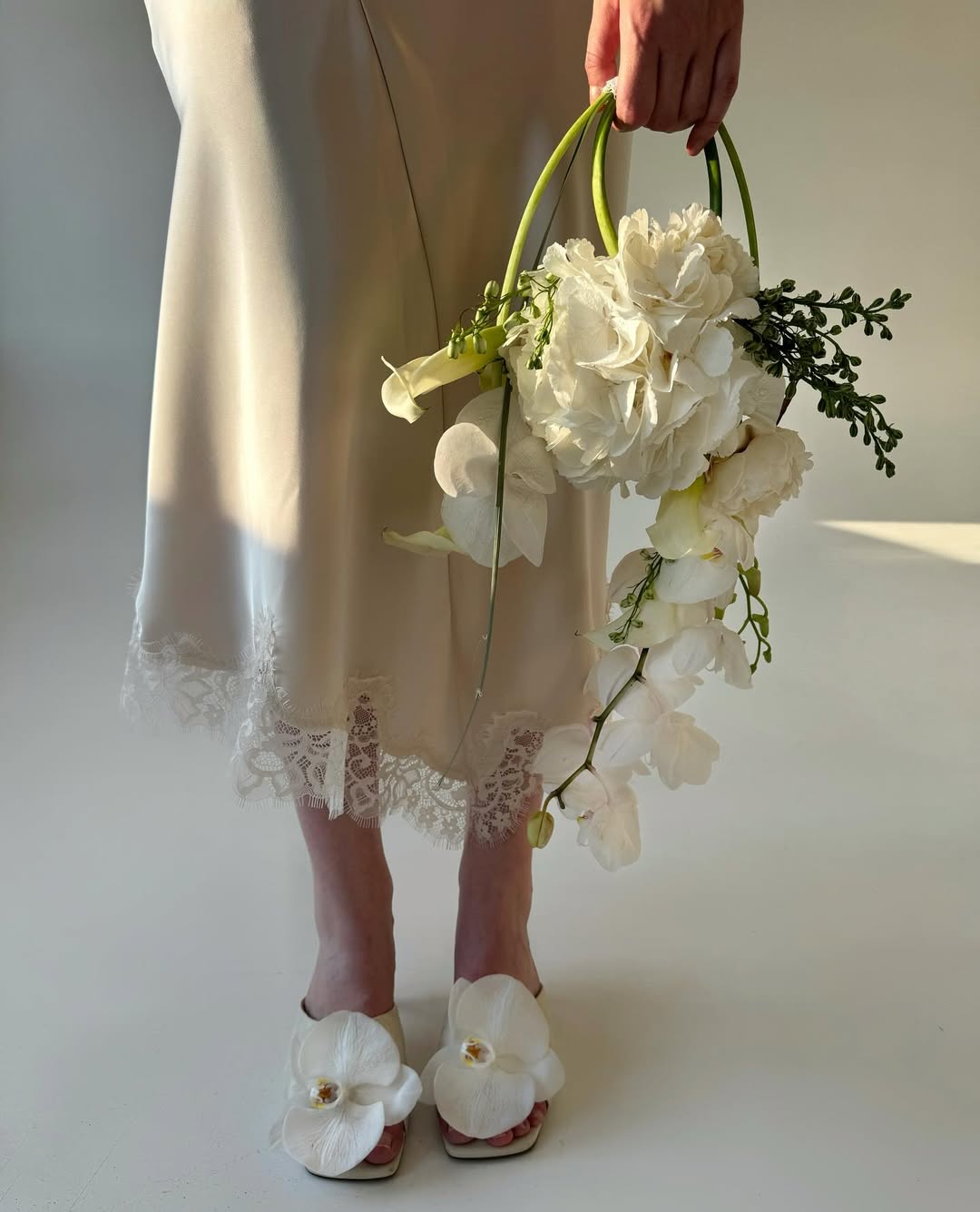
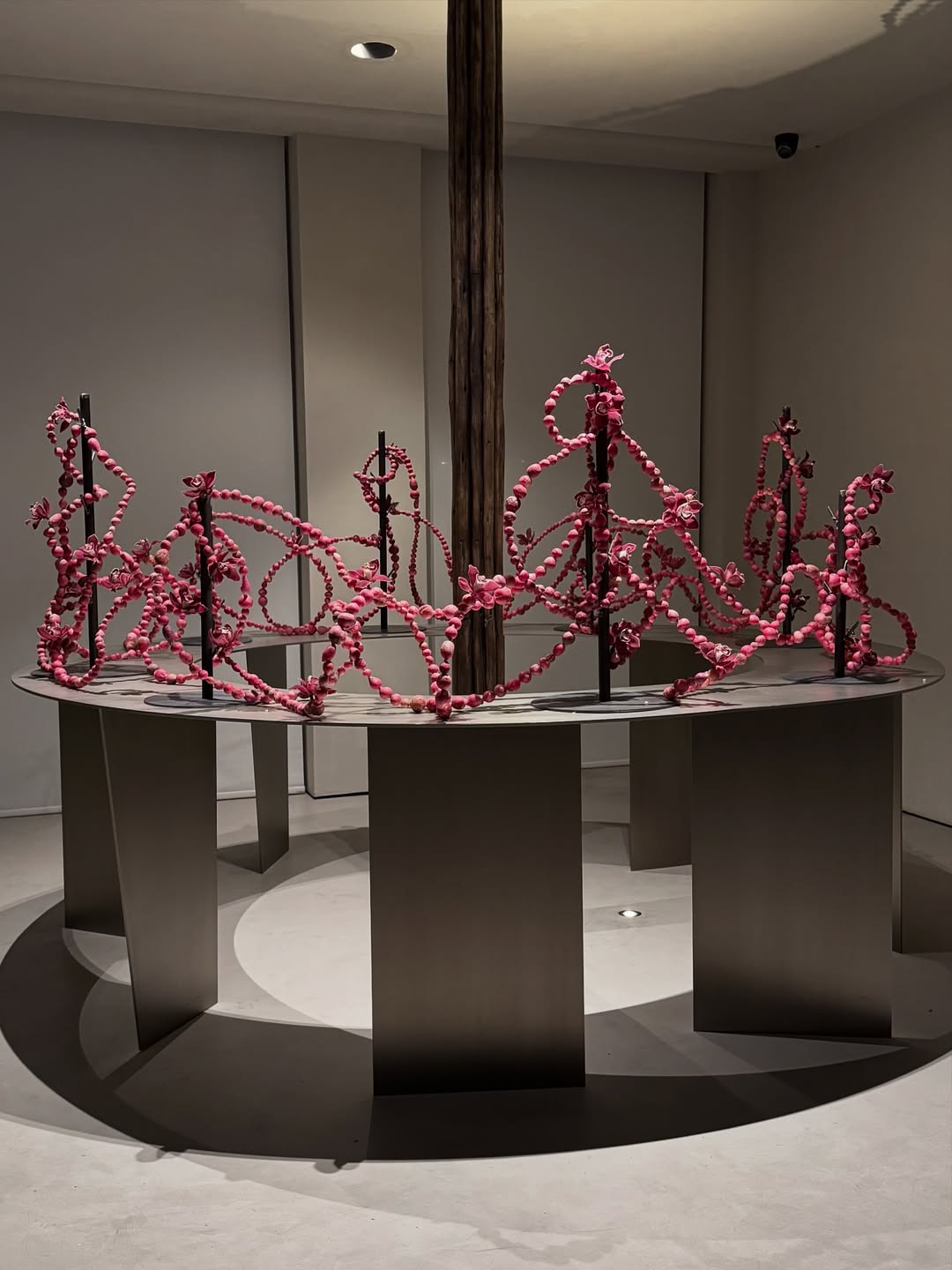
This direction has been building since last year, when pearls and florals transformed into bouquet alternatives designed to sit elegantly on the wrist. These pieces freed up the hands while still looking striking and intentional. The idea continues to grow in 2026, with designs that feel distinctly fashion-forward and often become a key accent of the overall look. Bouquet bags and floral carriers allow florals to be worn, carried, and styled as part of the outfit, offering a new way for flowers to stay with the bride throughout the day.
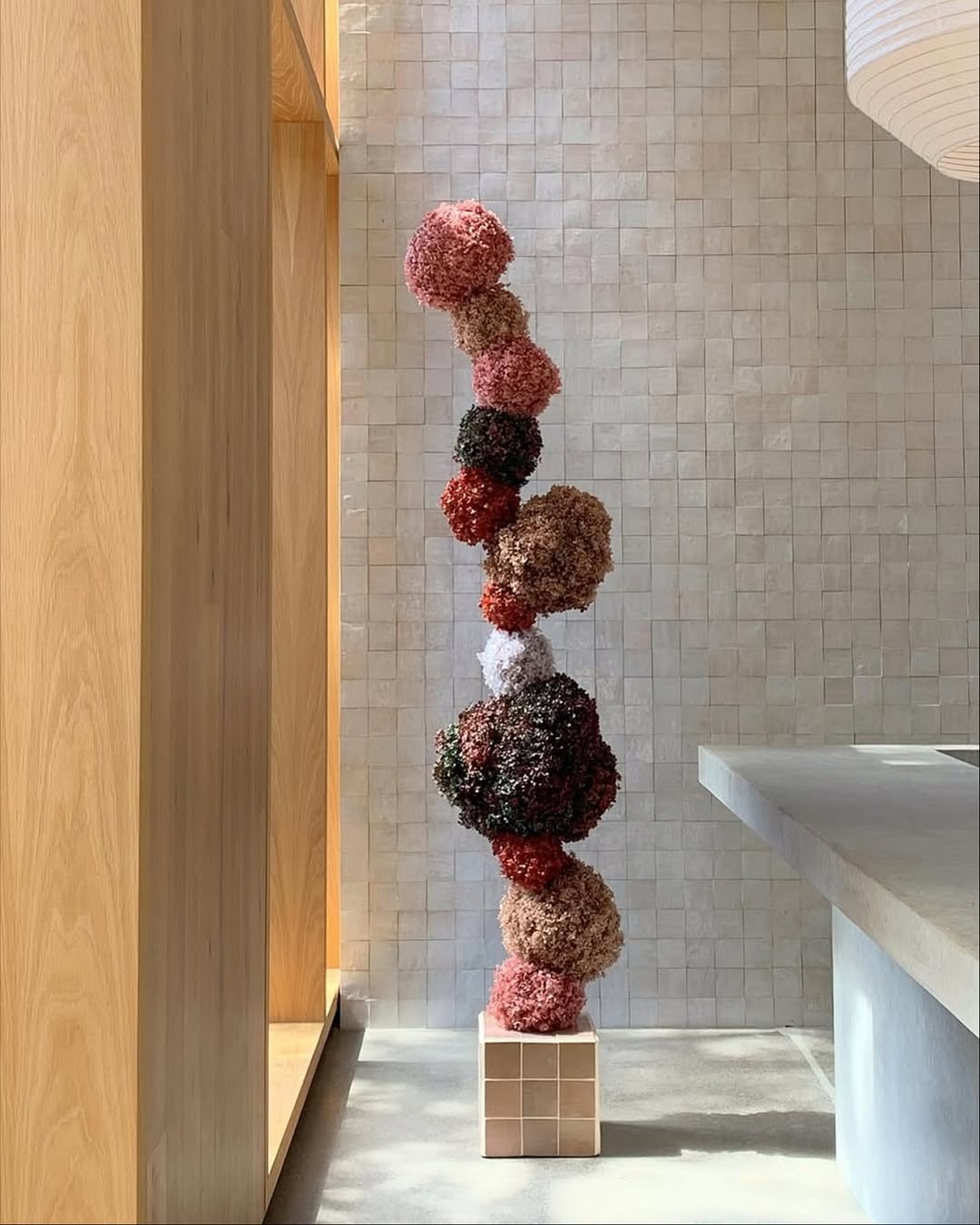
Blending fresh and dried elements opens up new texture combinations that instantly add interest to a space. Dried flowers bring structure and a slightly graphic edge, while fresh blooms soften the overall look. This pairing often works beautifully as a centerpiece placed between tables, where texture becomes the main visual focus. The contrast keeps arrangements visually rich without overload and feels especially stylish in modern settings that favor clean lines and thoughtful details.
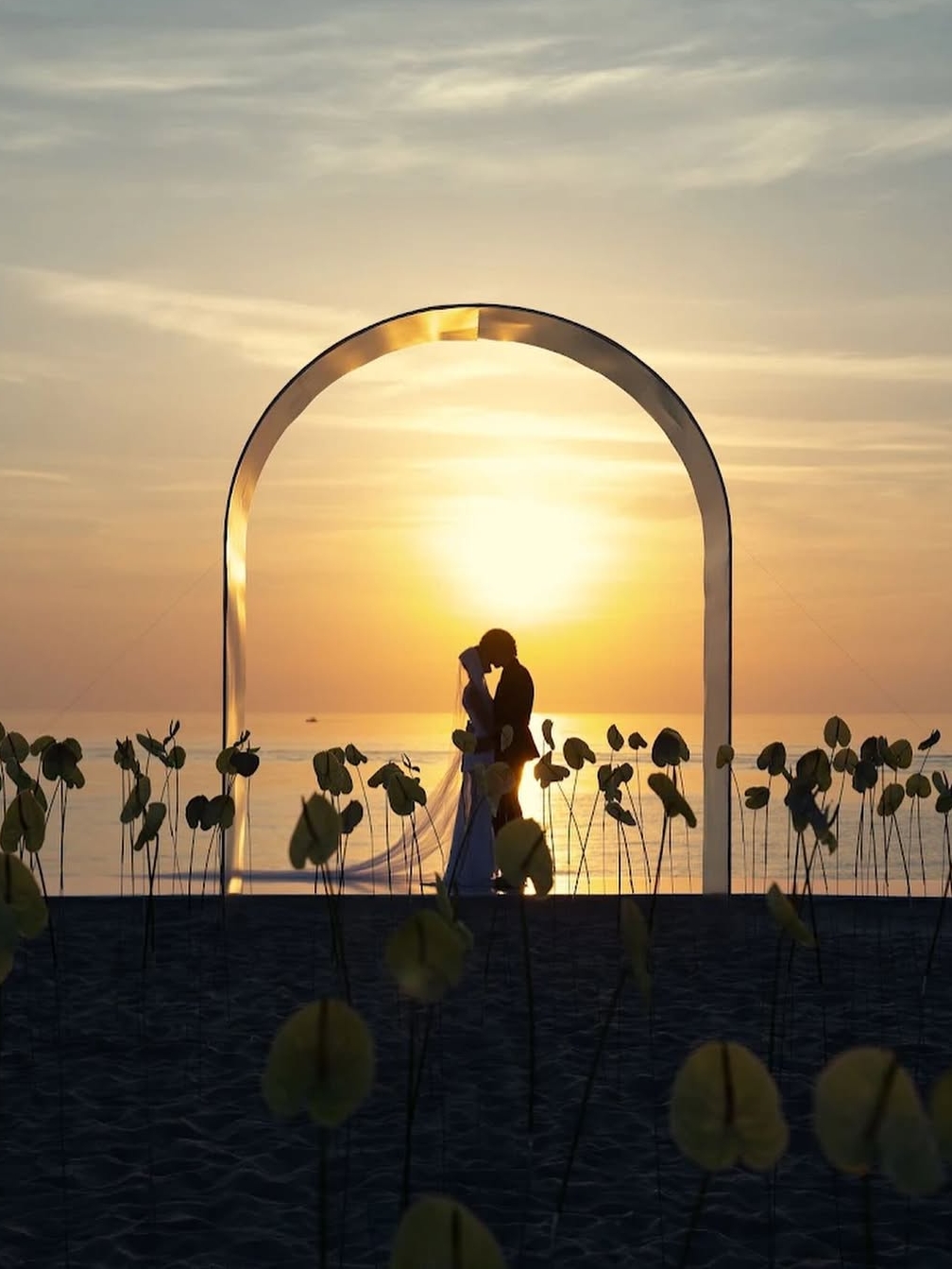
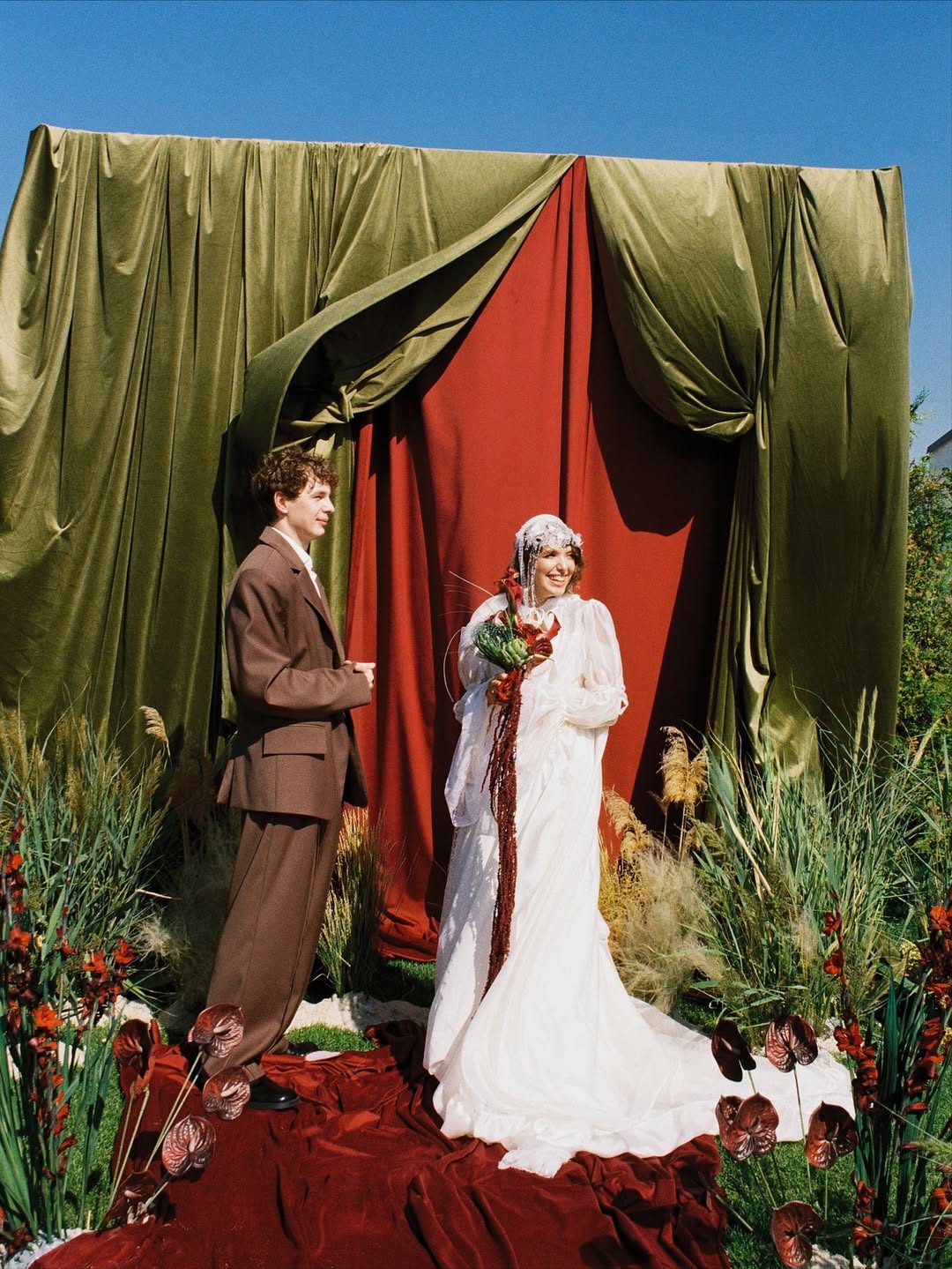
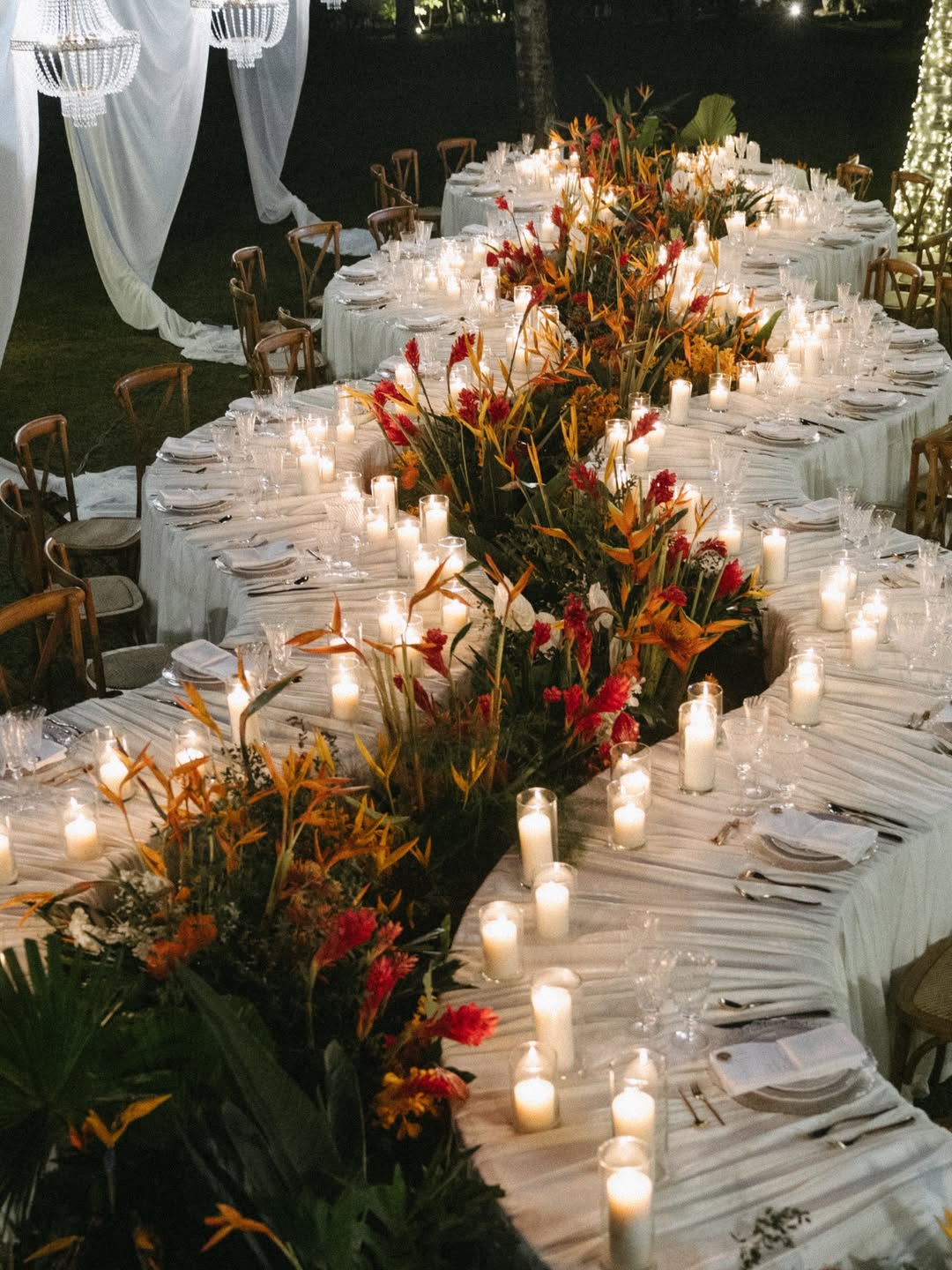
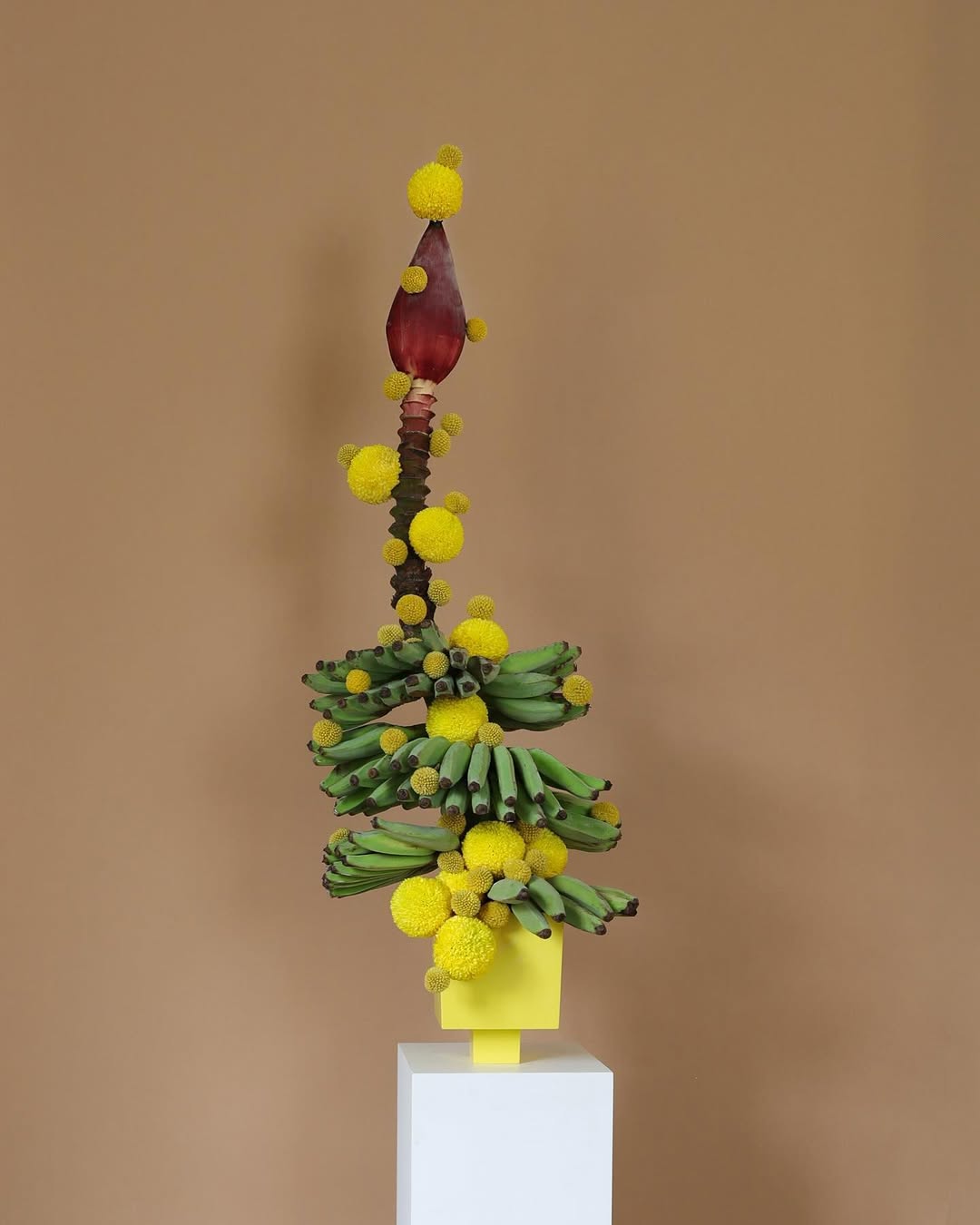
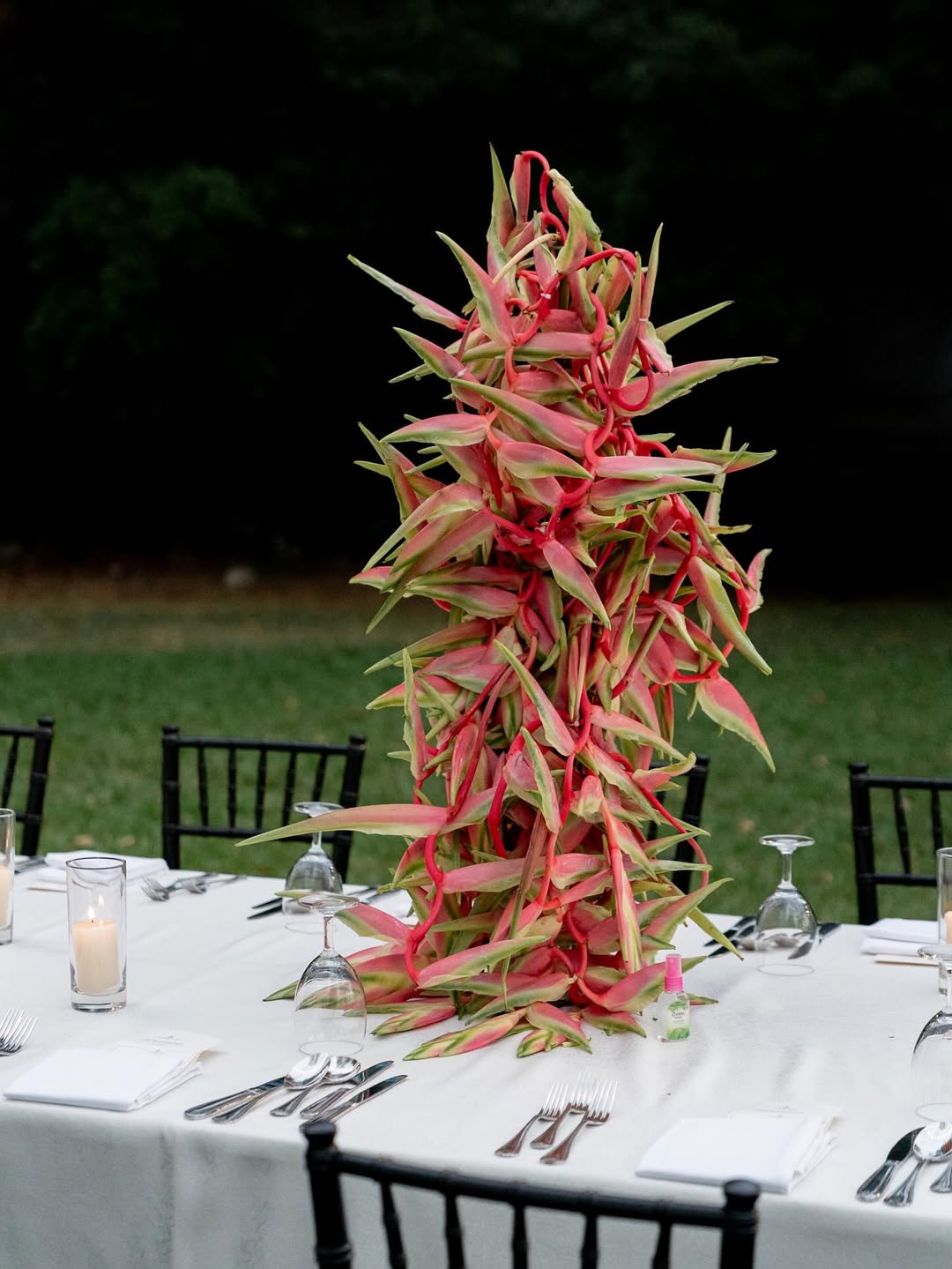
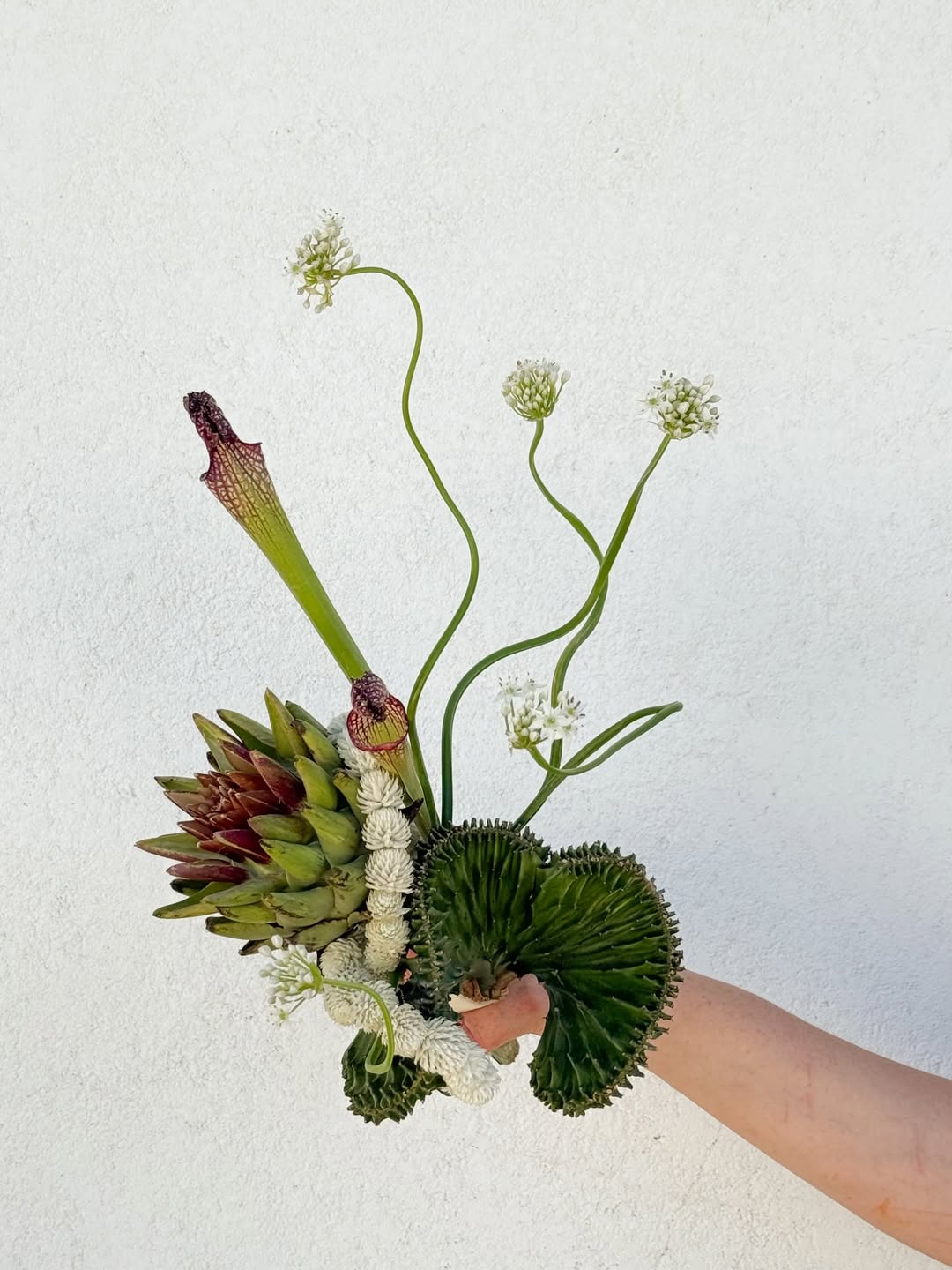
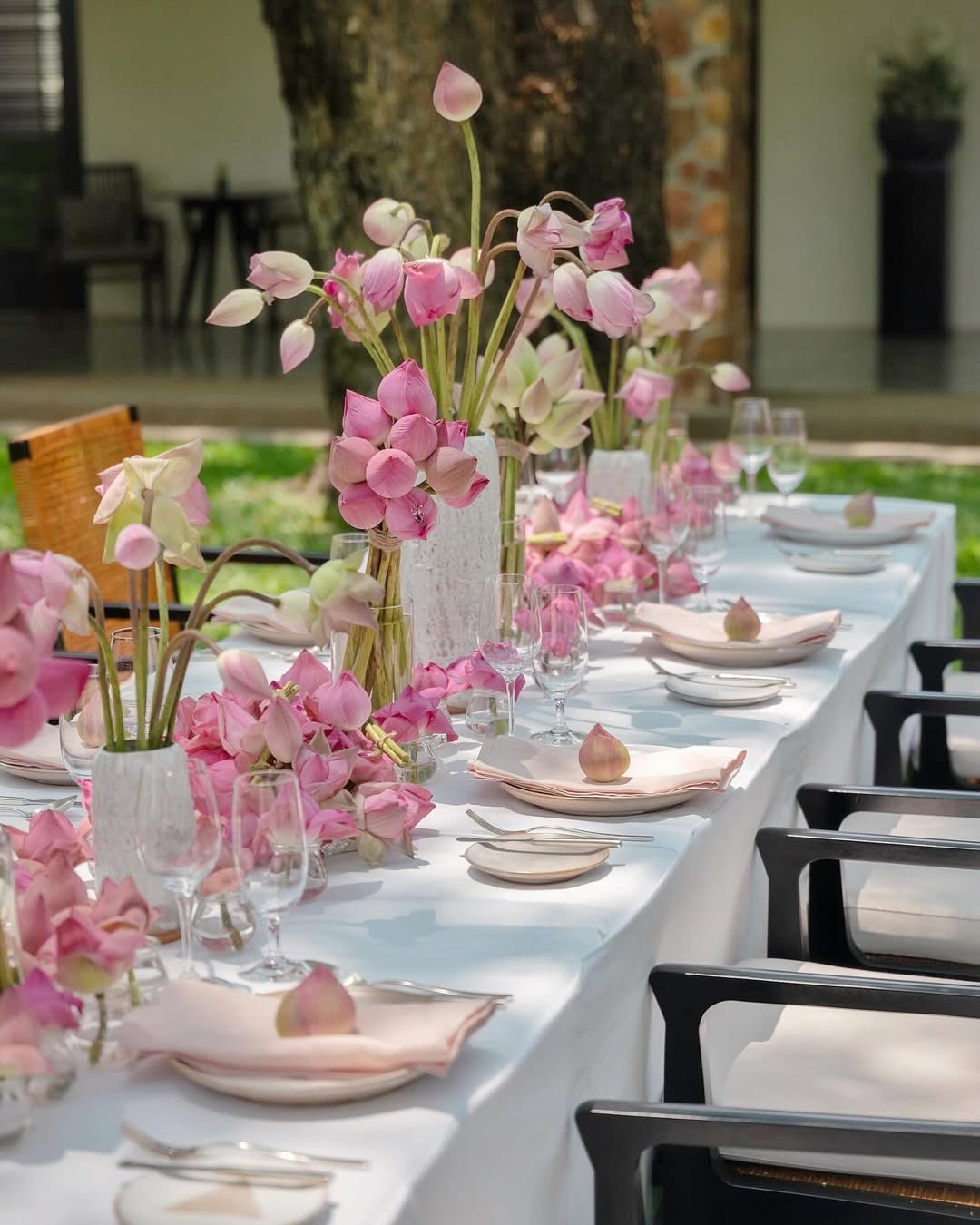
This is one of those directions where everything really depends on your overall concept. For some weddings, exotic flowers appear as small accents. For others, they take over the entire floral story. King protea, lotus, anthurium, eringium, or banana blossom immediately catch the eye through shape and texture. Florists are clearly having fun here, experimenting and pushing things further with every season. And it does not feel like a short-lived moment. If anything, it seems like they are just getting started, and we should expect even more bold, unexpected, and exotic choices to show up in wedding designs very soon.
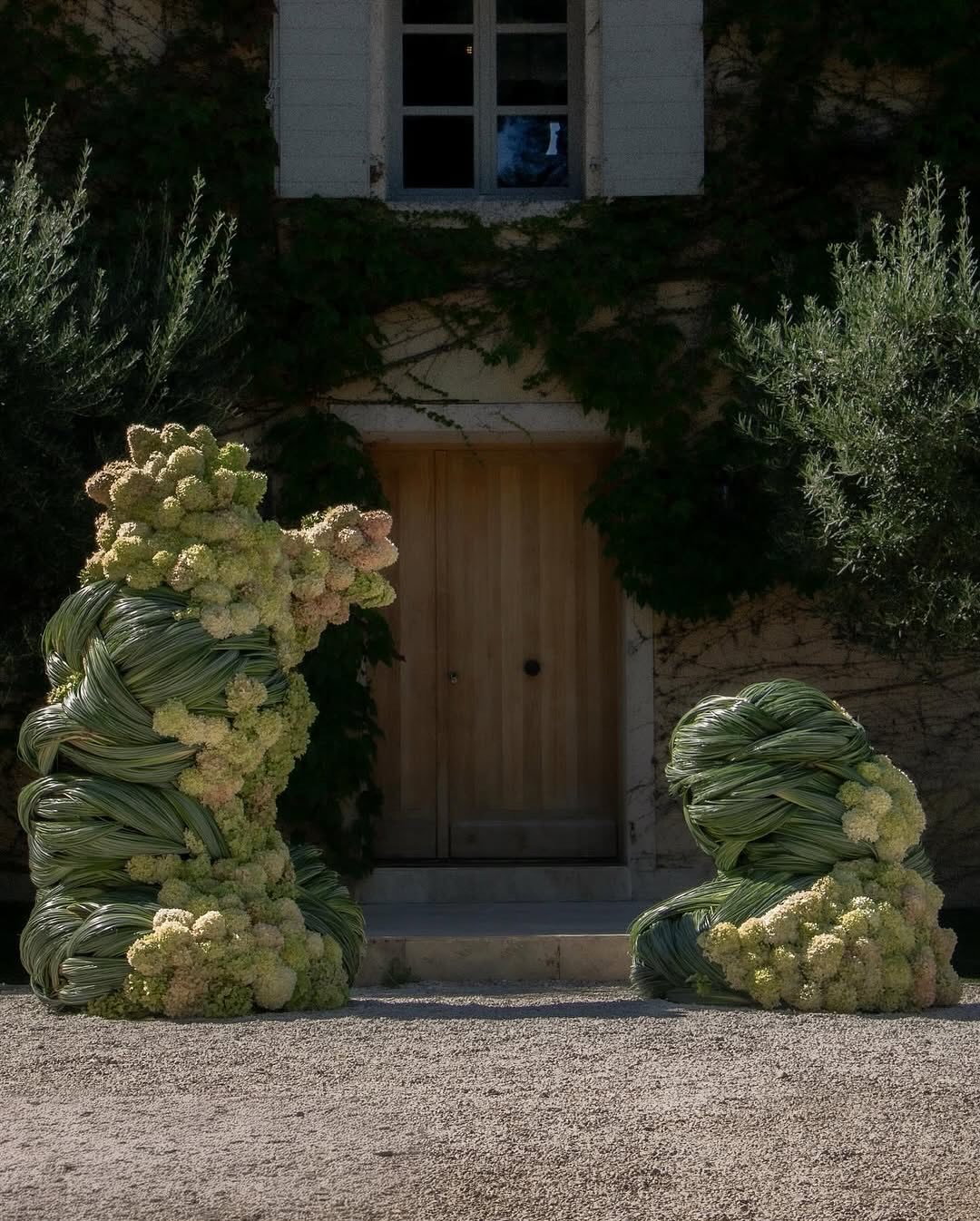
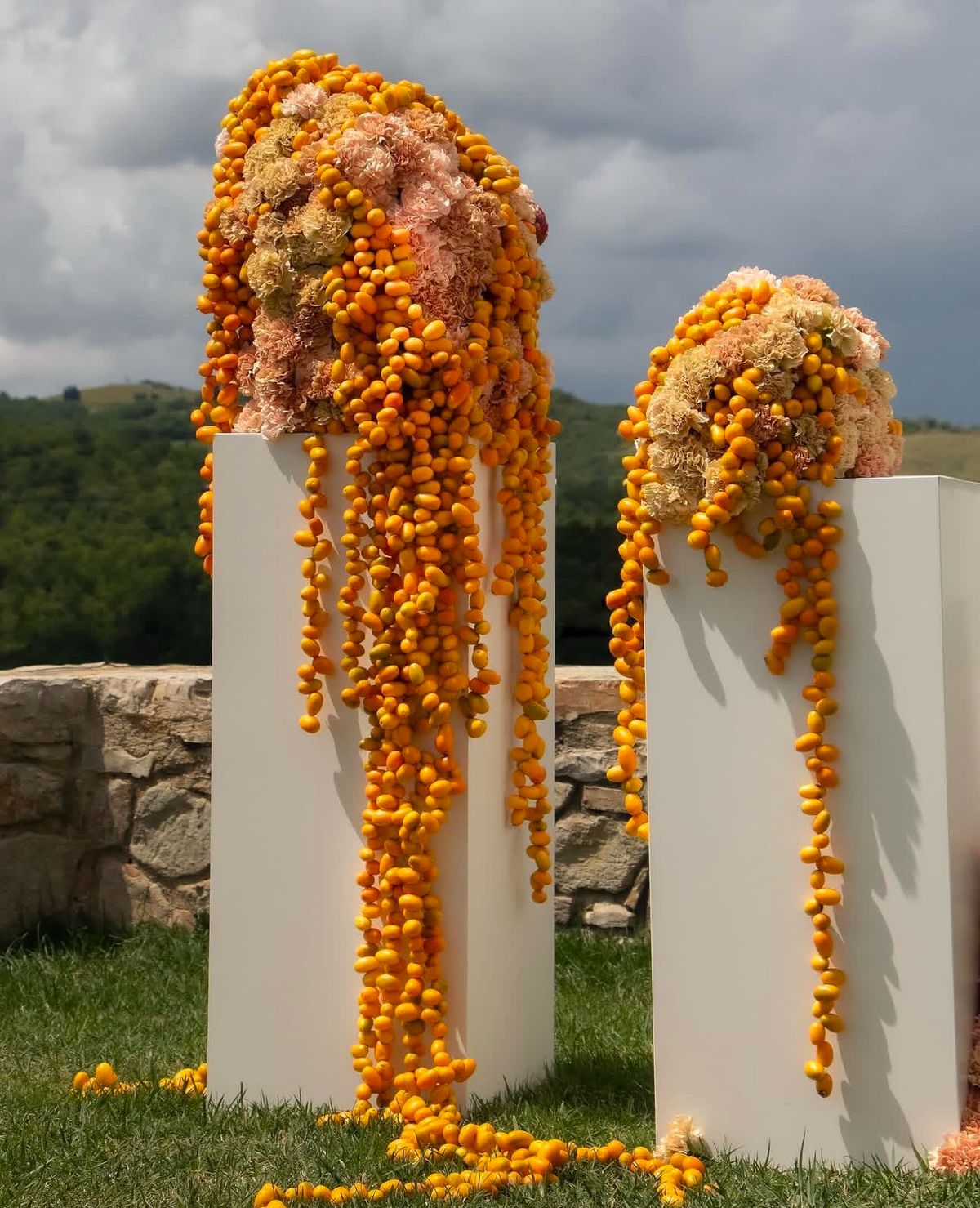
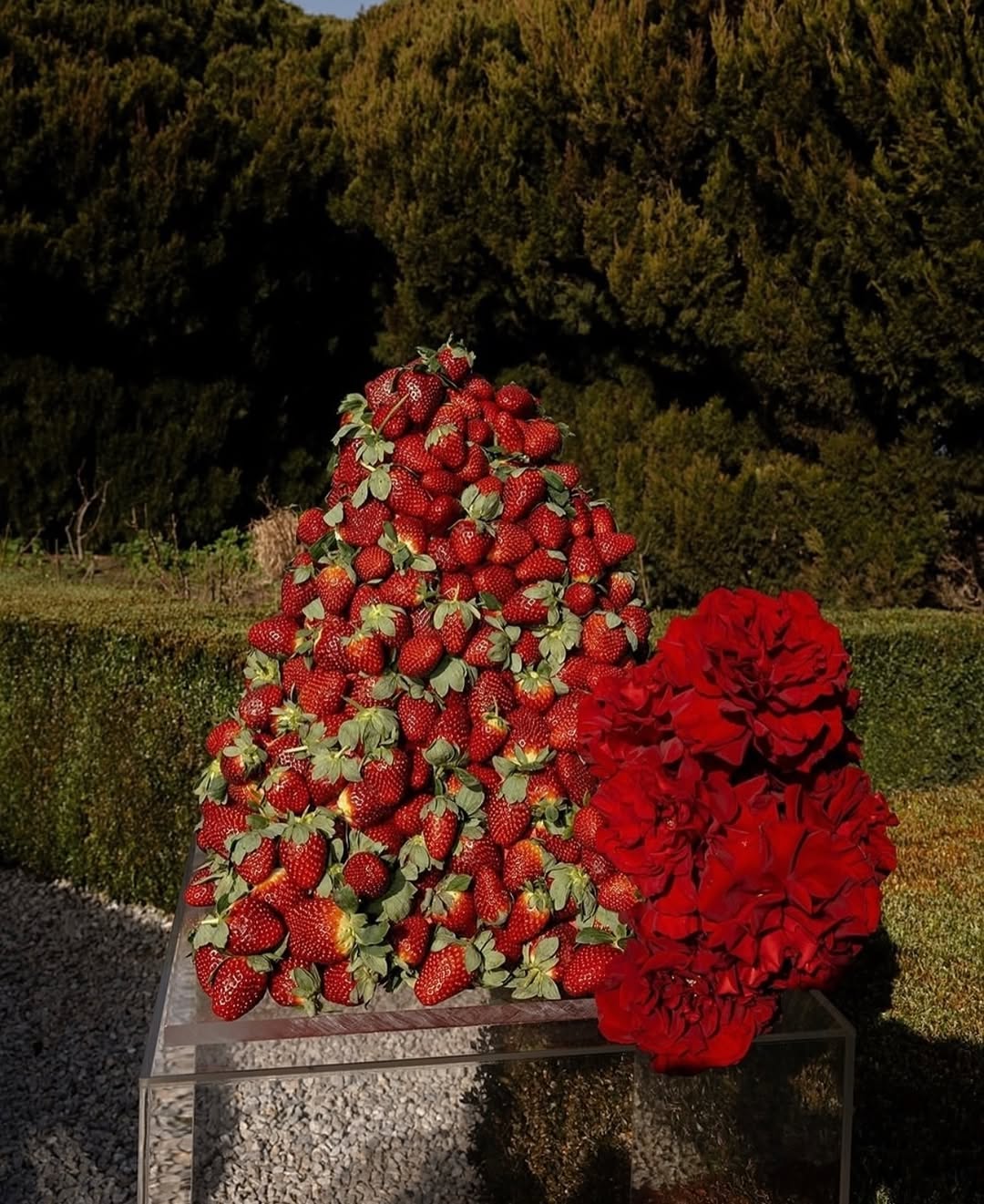
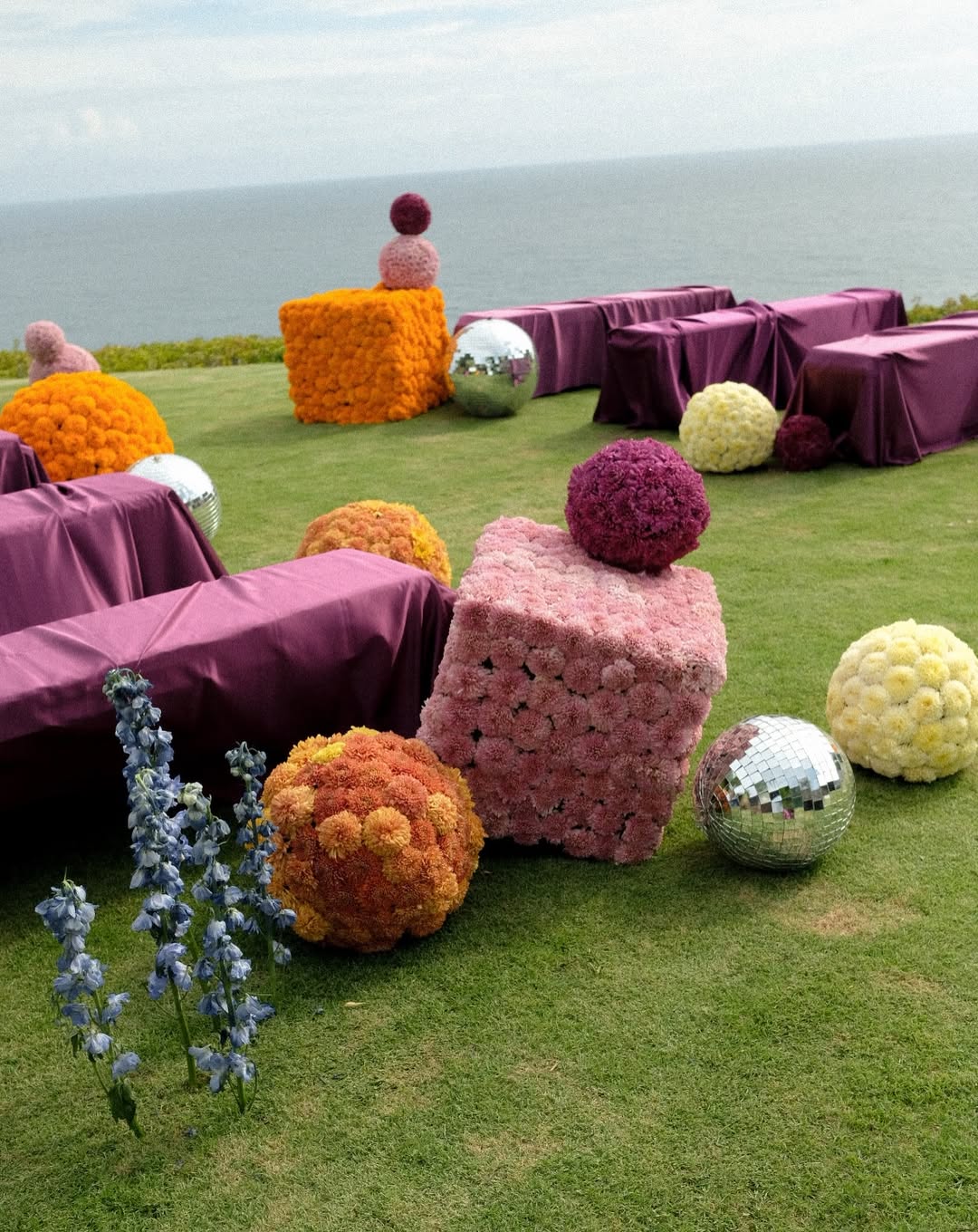
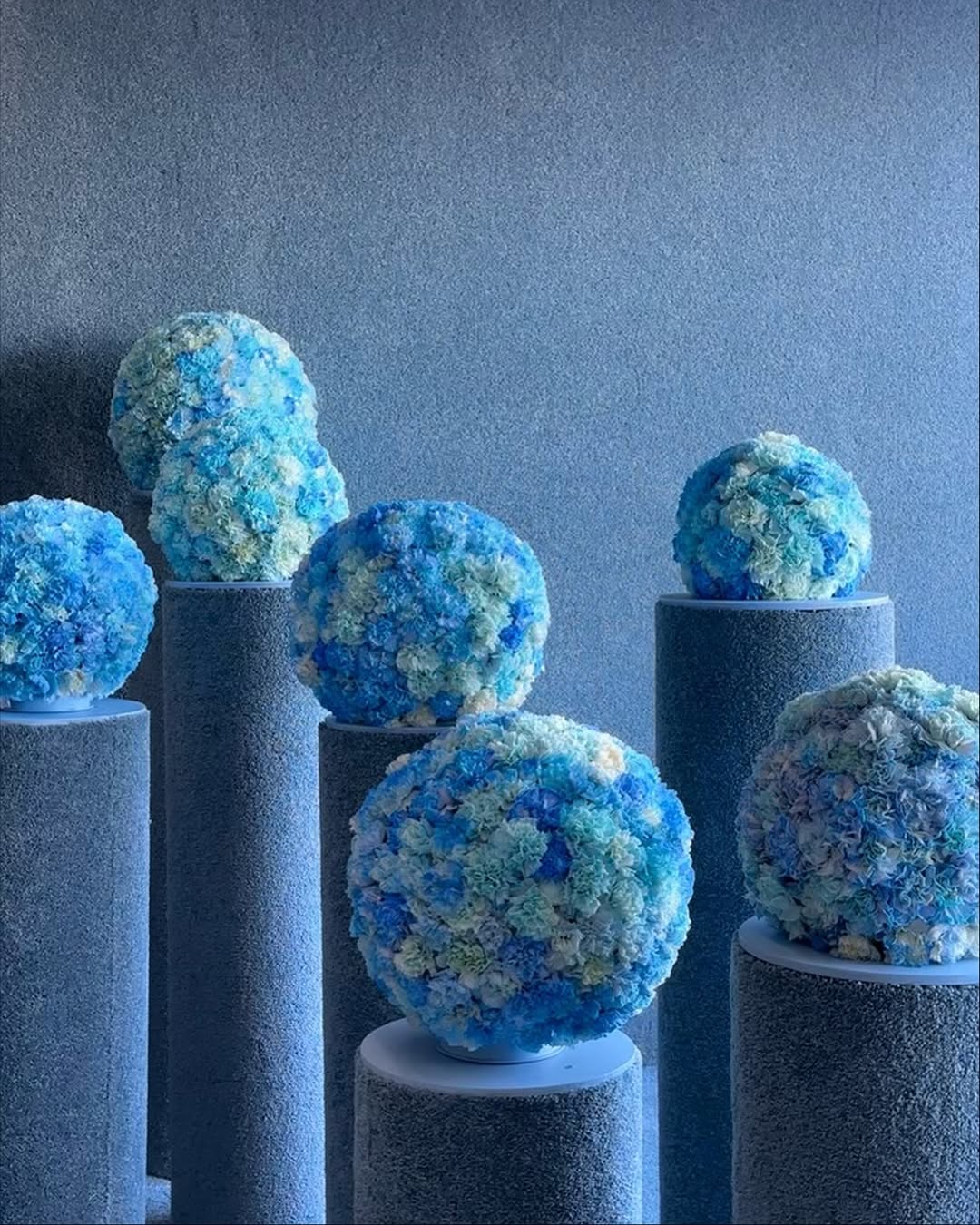
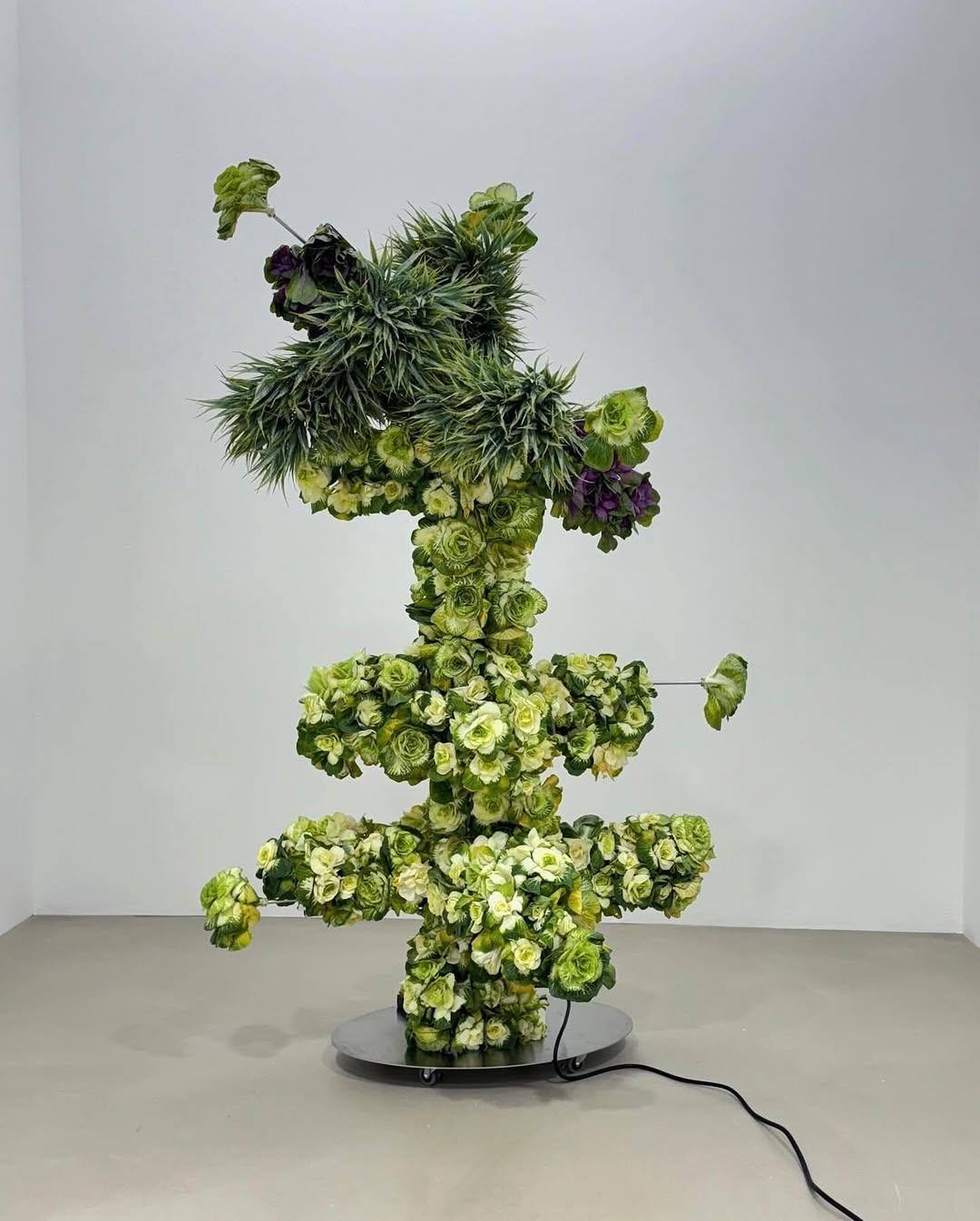
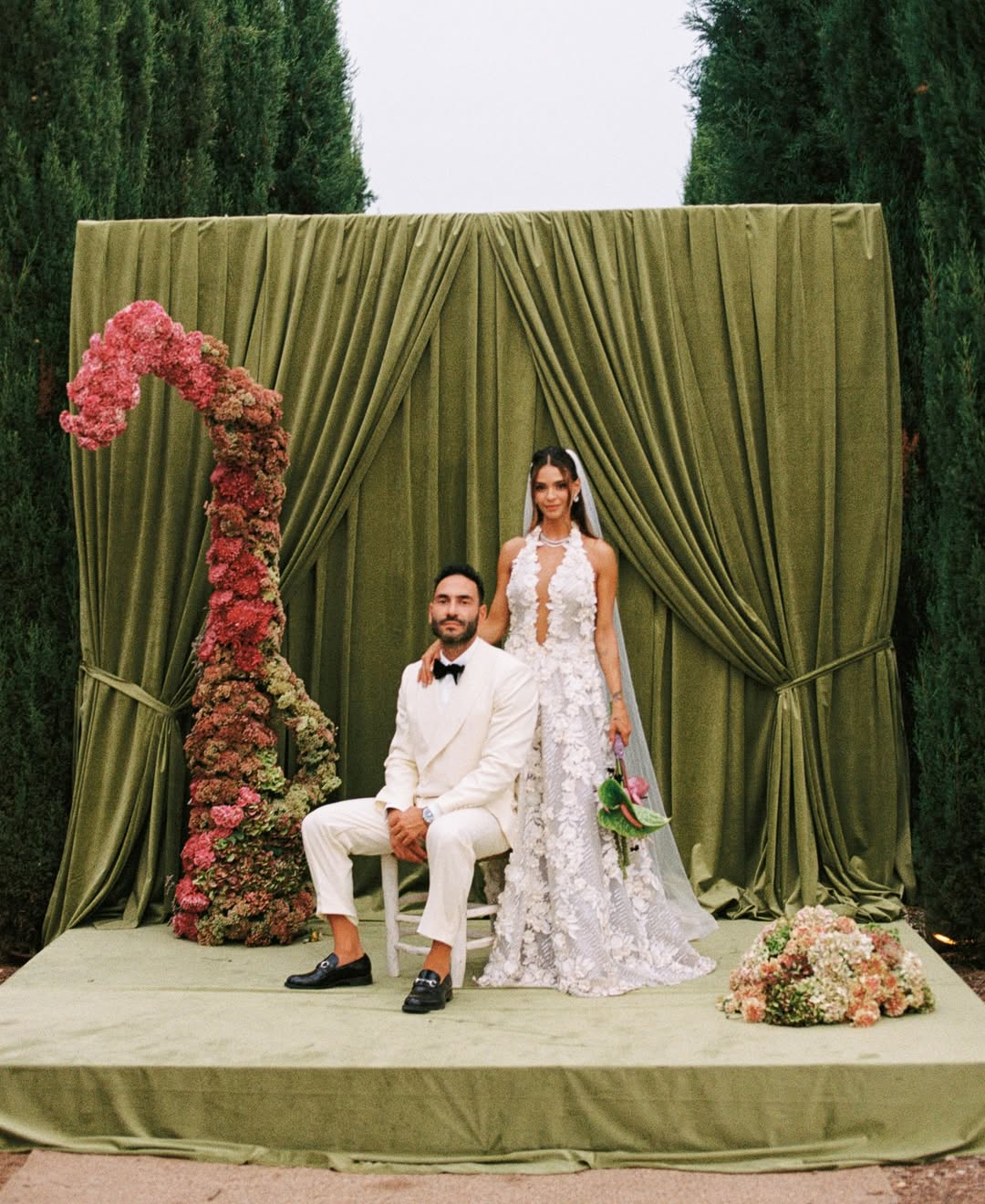
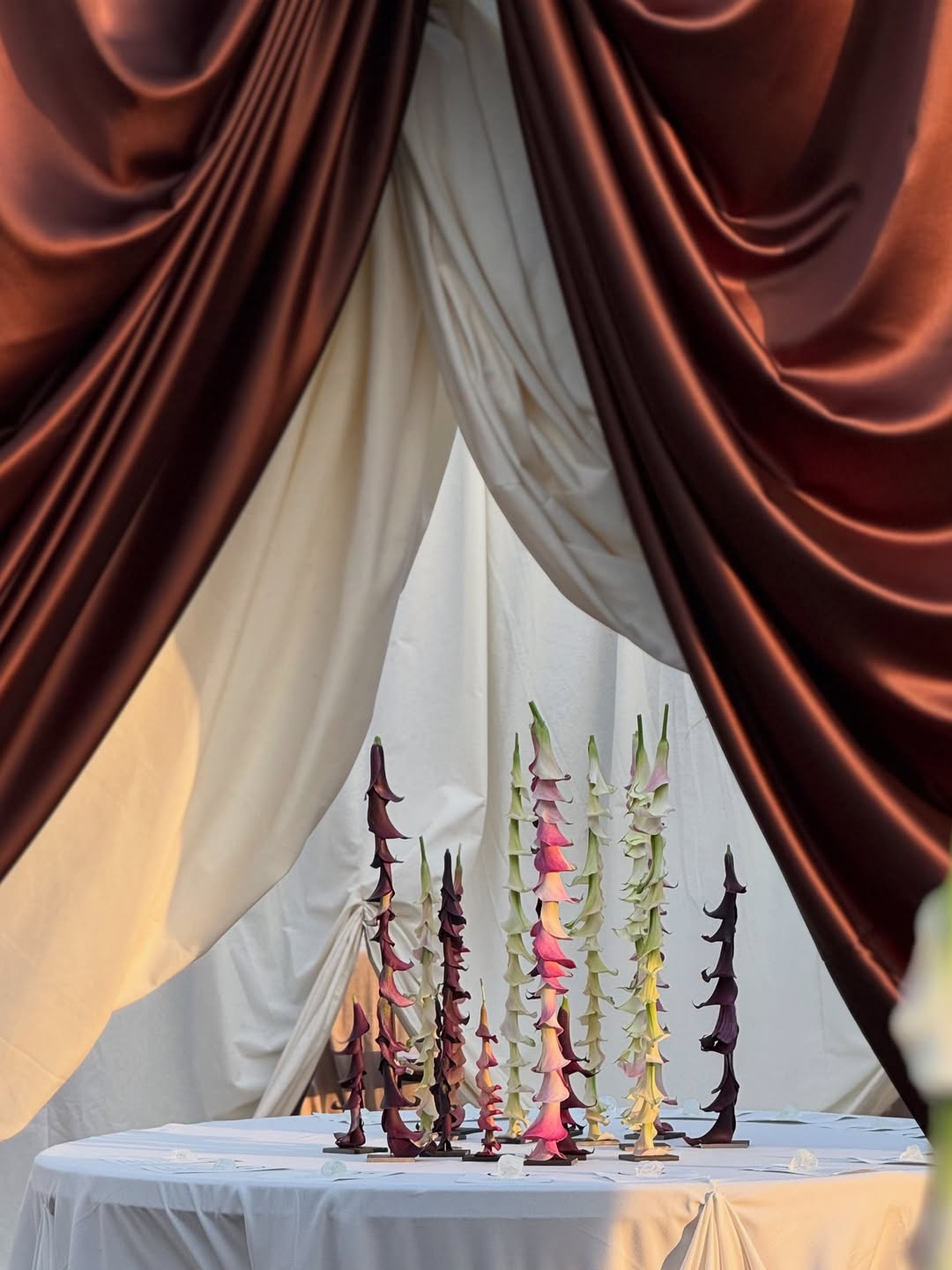
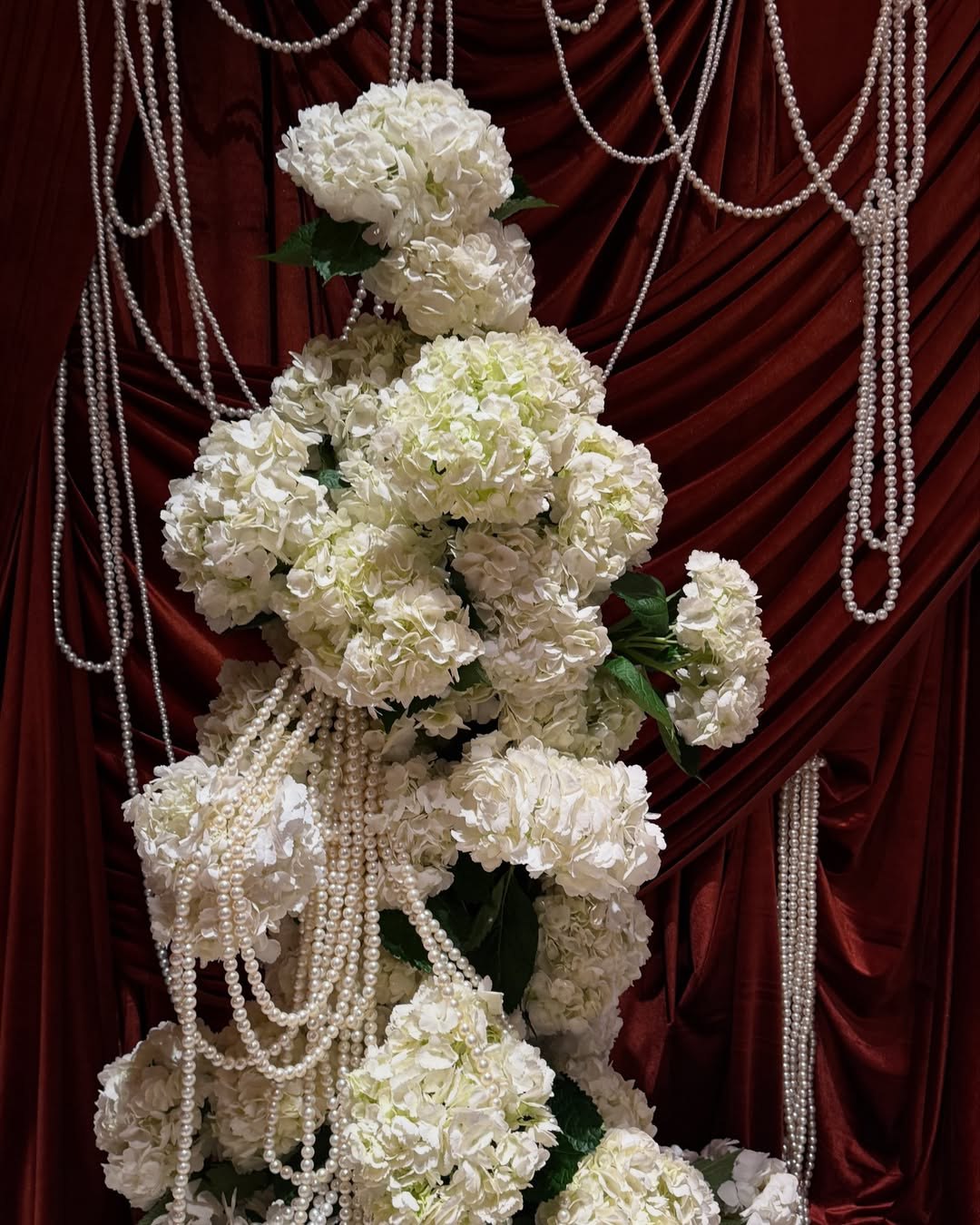
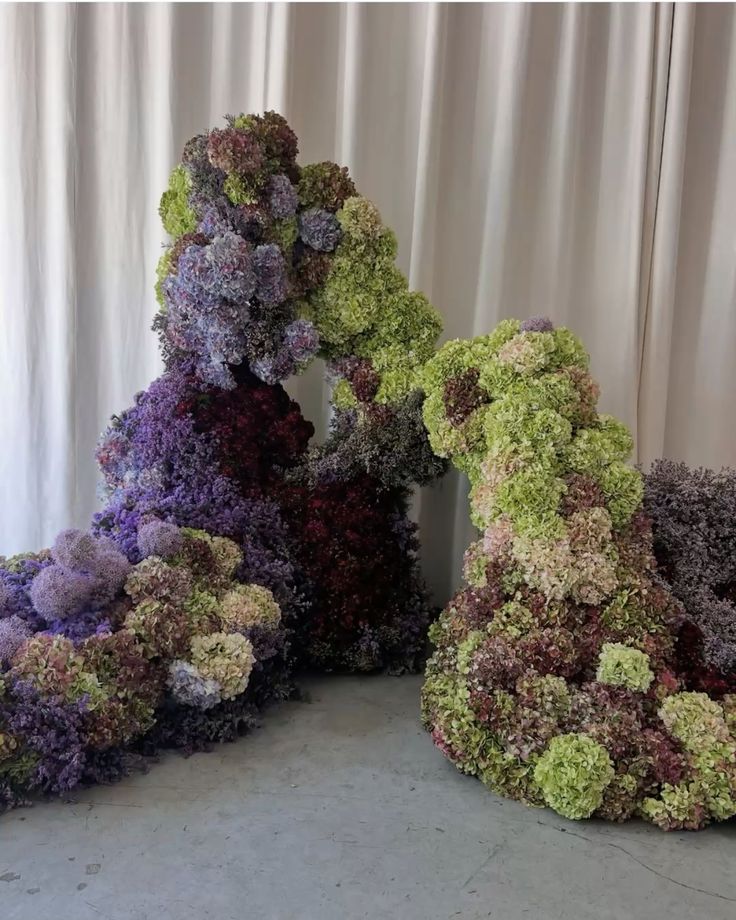
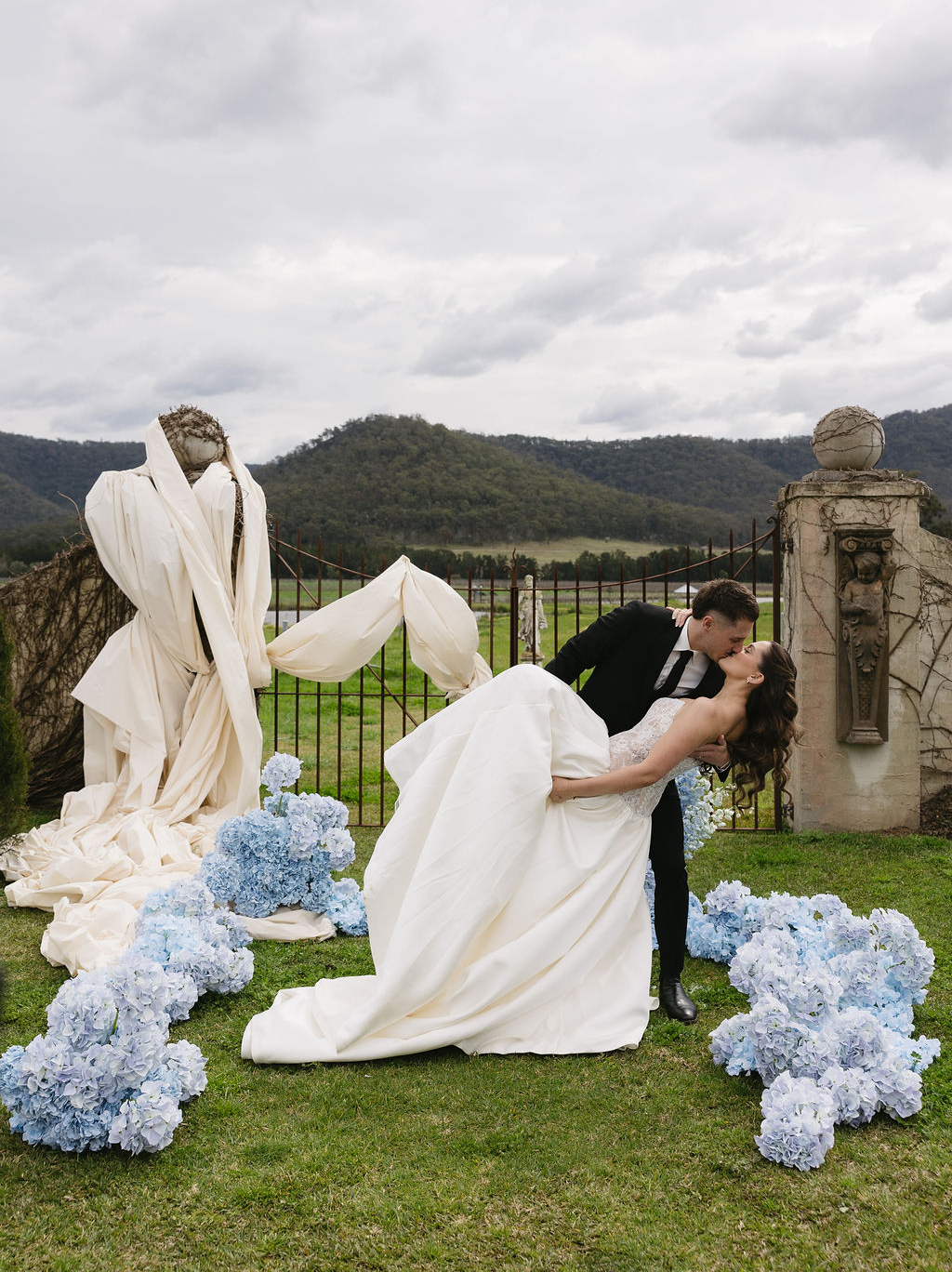
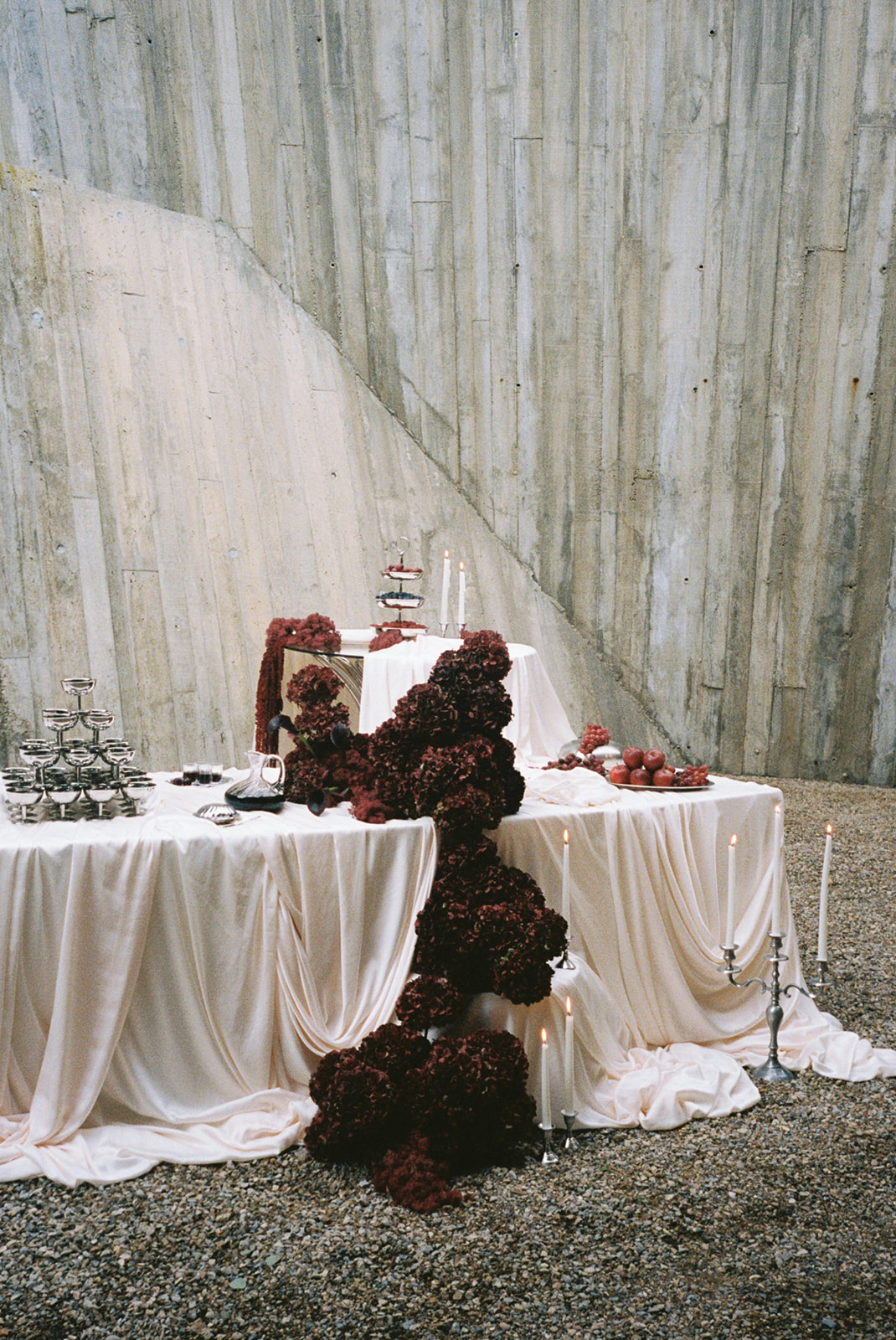
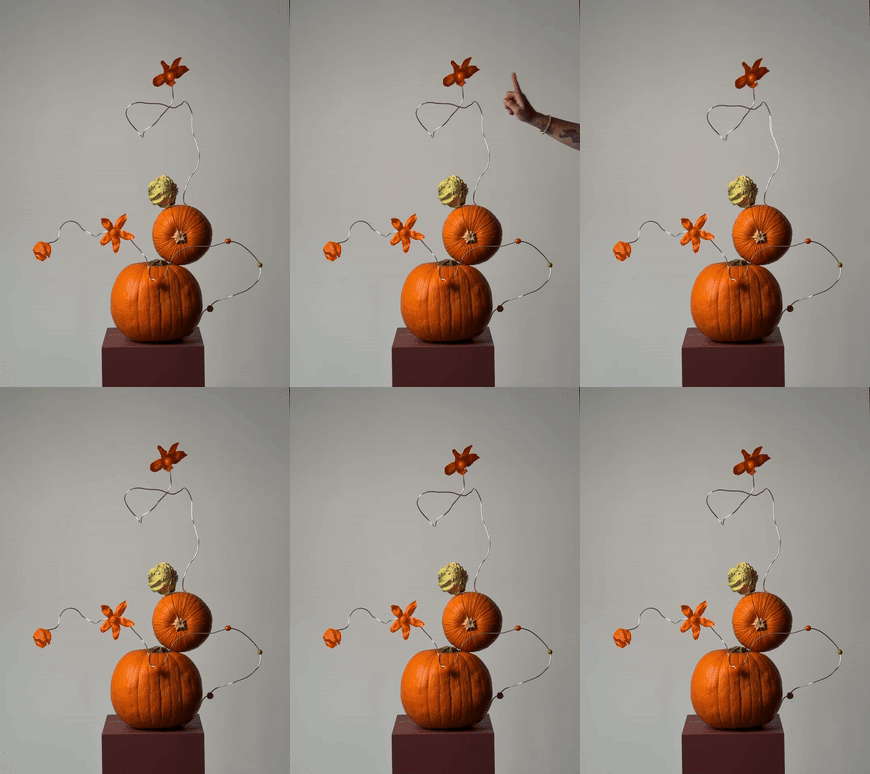
One of the most loved directions right now is sculptural installations and bouquets. This approach gives complete freedom to imagination and creativity, with no clear boundaries or rules to follow. Sculptural florals often play with geometric forms, clean lines, and bold silhouettes, but they can also lean into more organic, fluid shapes. That flexibility is what makes this direction so exciting. Sculptural designs bring a fresh energy to wedding styling, adapt easily to almost any concept, and naturally draw attention. Whether used as striking installations or expressive bouquets, they add character and movement to the space and almost always become heroes of countless photographs.
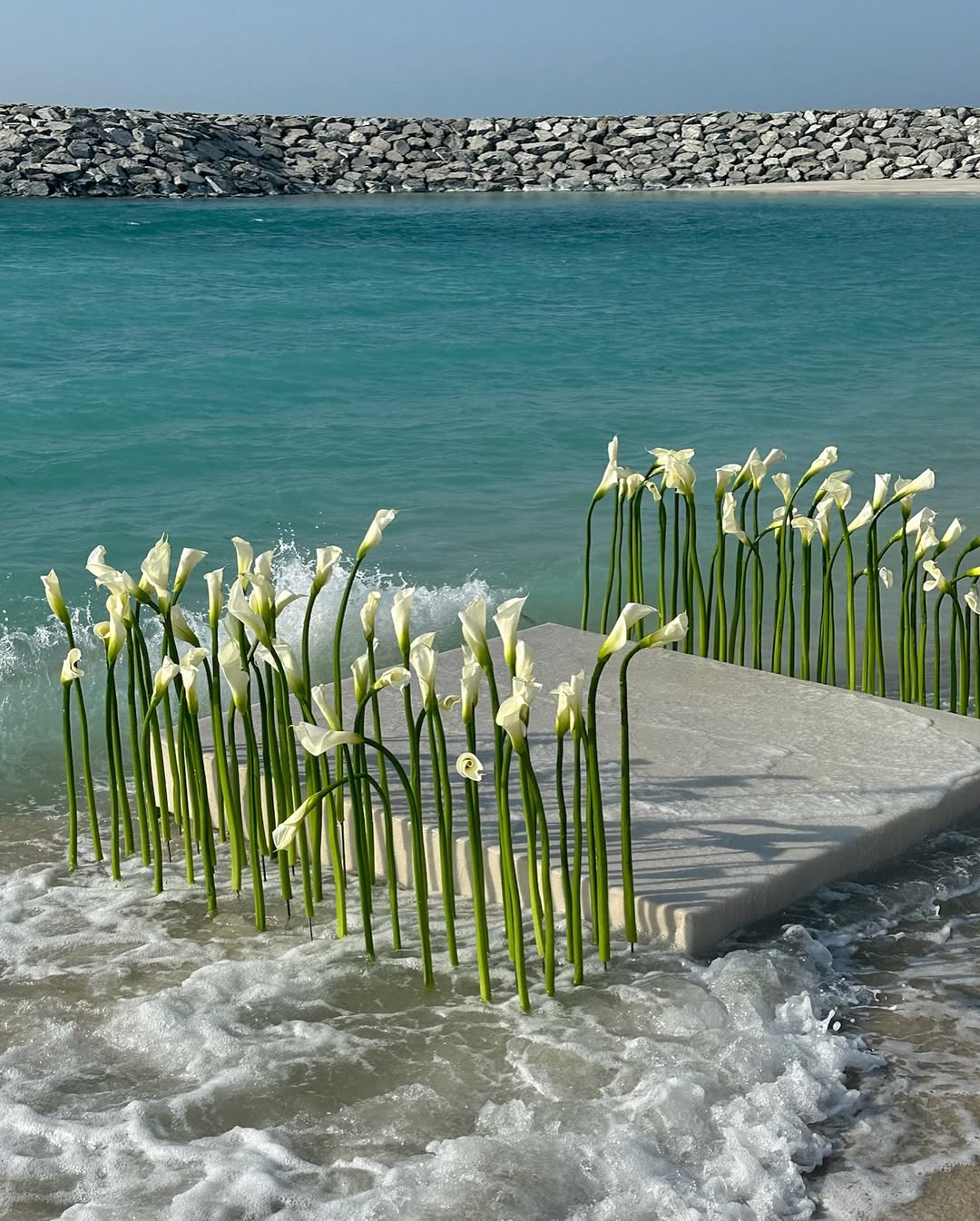
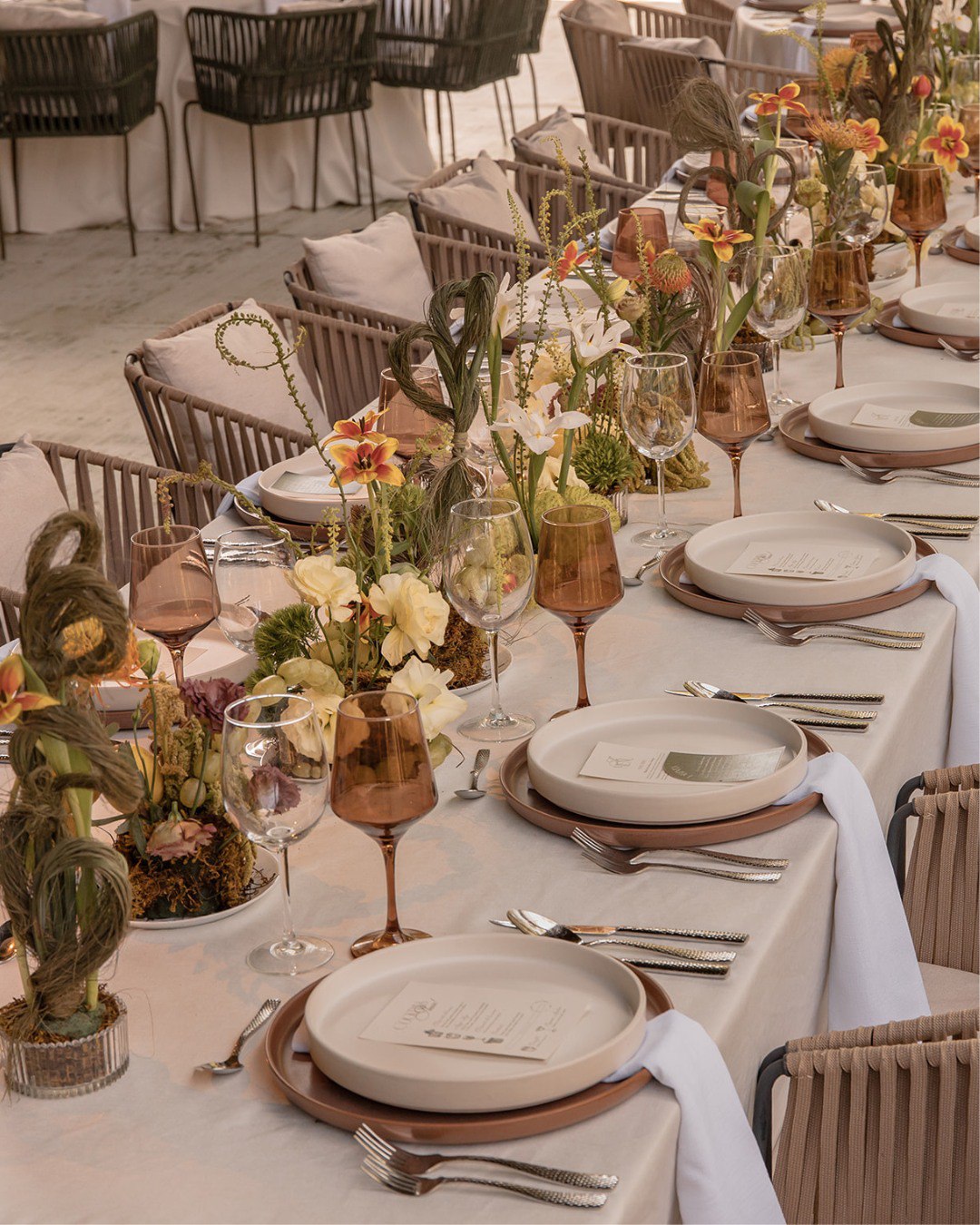
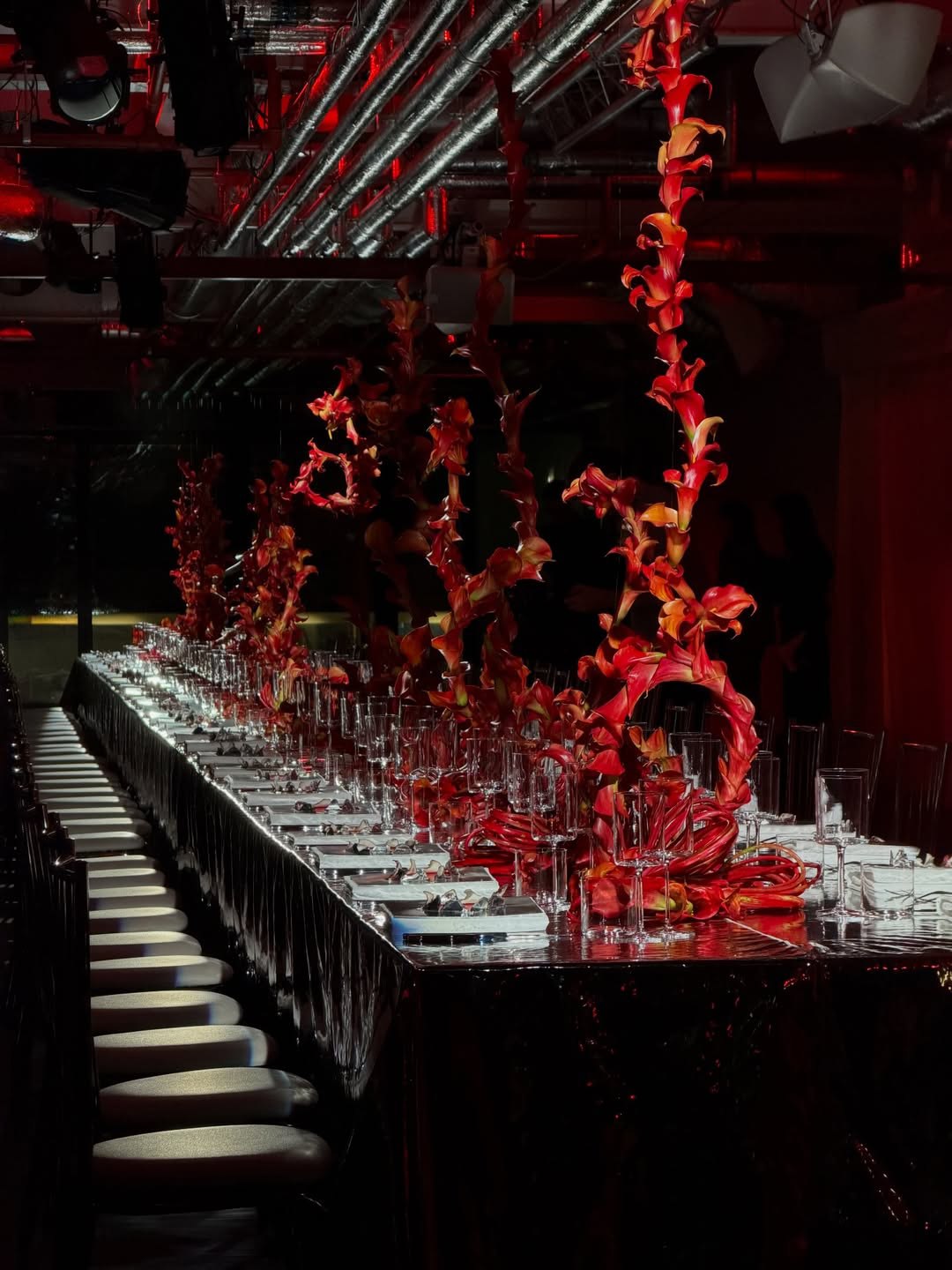
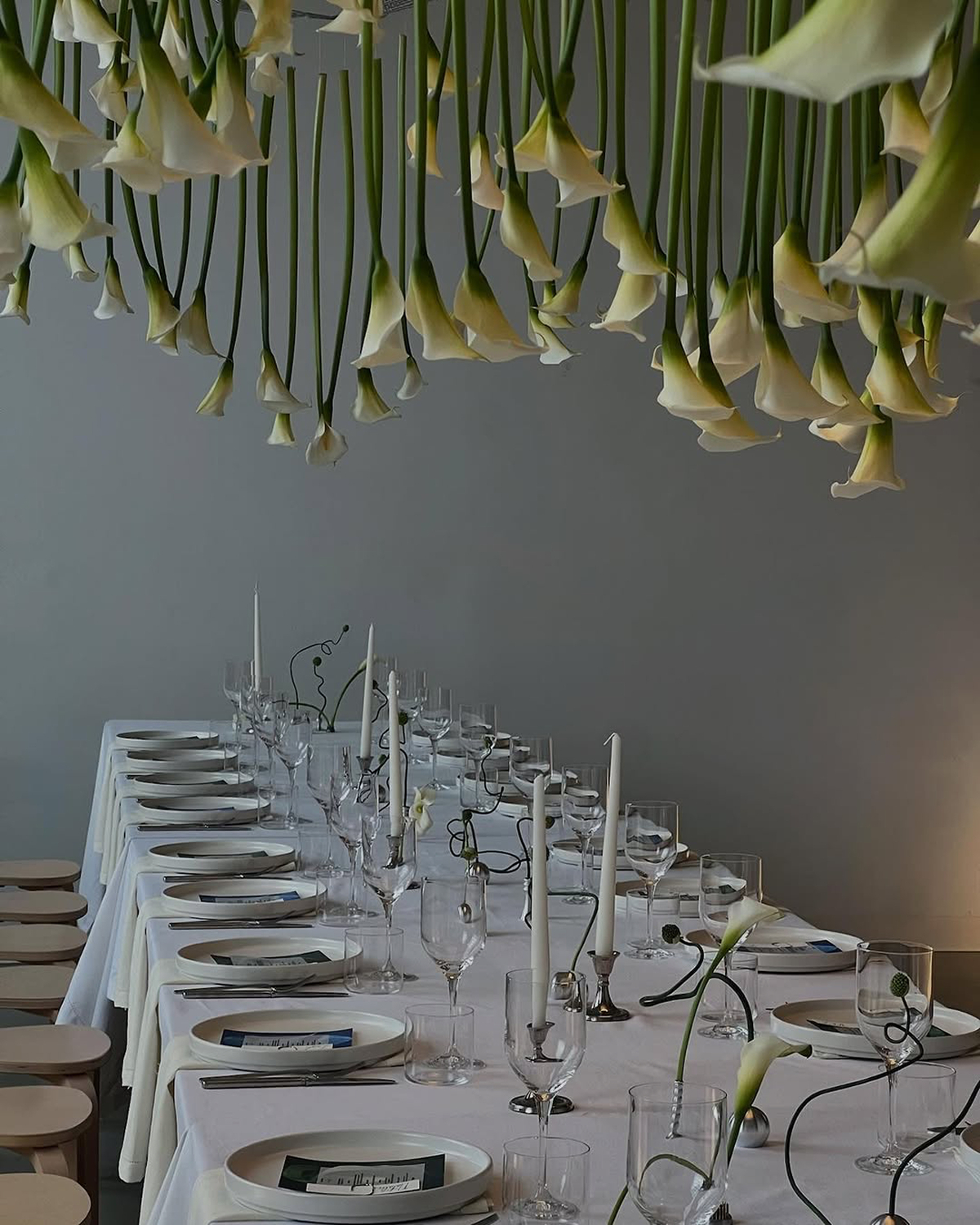
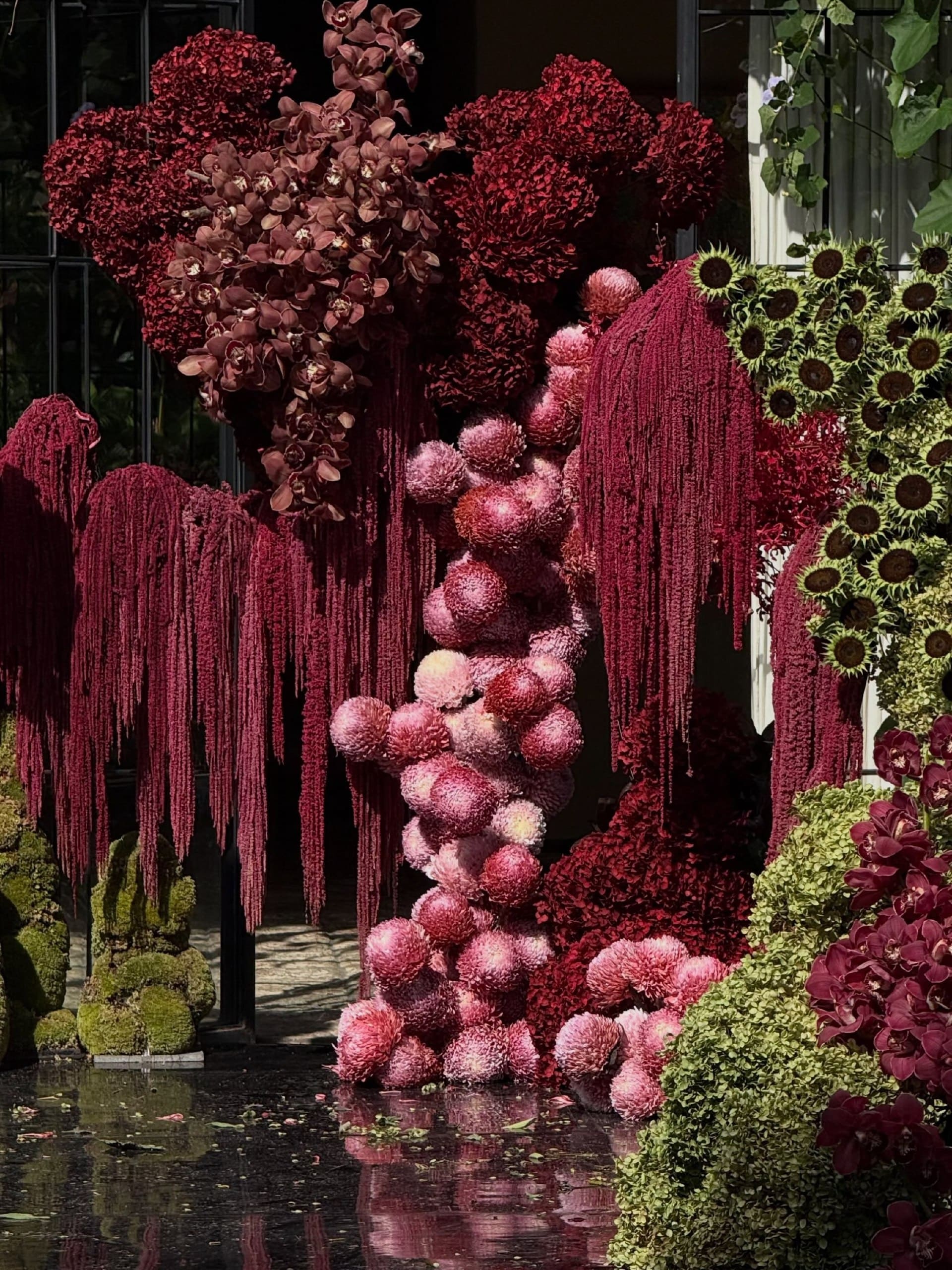
Vertical florals change how a space is experienced, especially when the design is built upward rather than outward. Hanging arrangements, climbing structures, and layered vertical compositions naturally draw the eye. What is interesting is that this approach is now used not only in large installations, but also directly on tables. Vertical elements bring more air into the setup, free up surface space for candles, tableware, or styling details, and can even lean into a minimal look. Everything depends on the concept, from clean floral lines to more playful compositions with fruits, berries, branches, or unexpected elements.
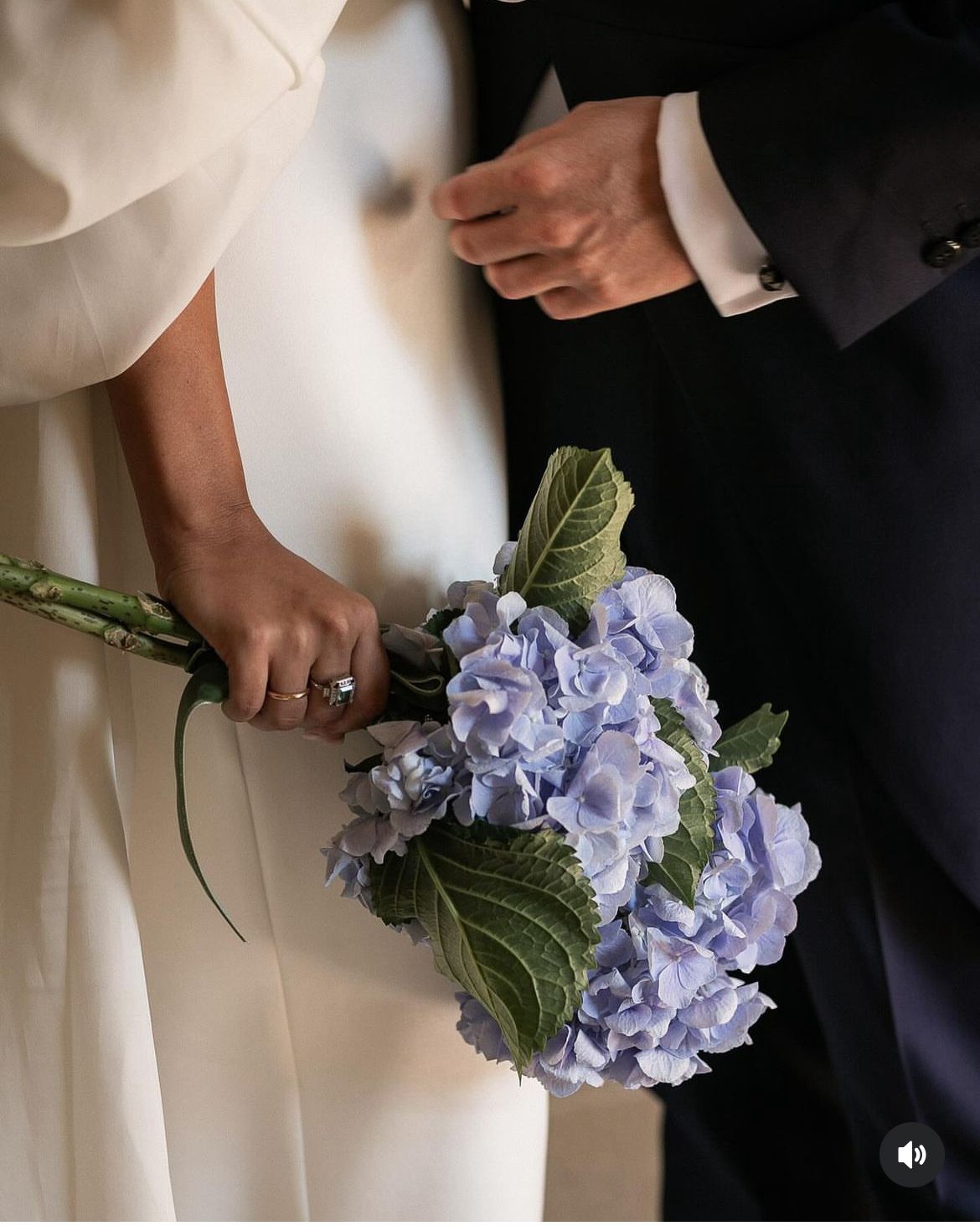
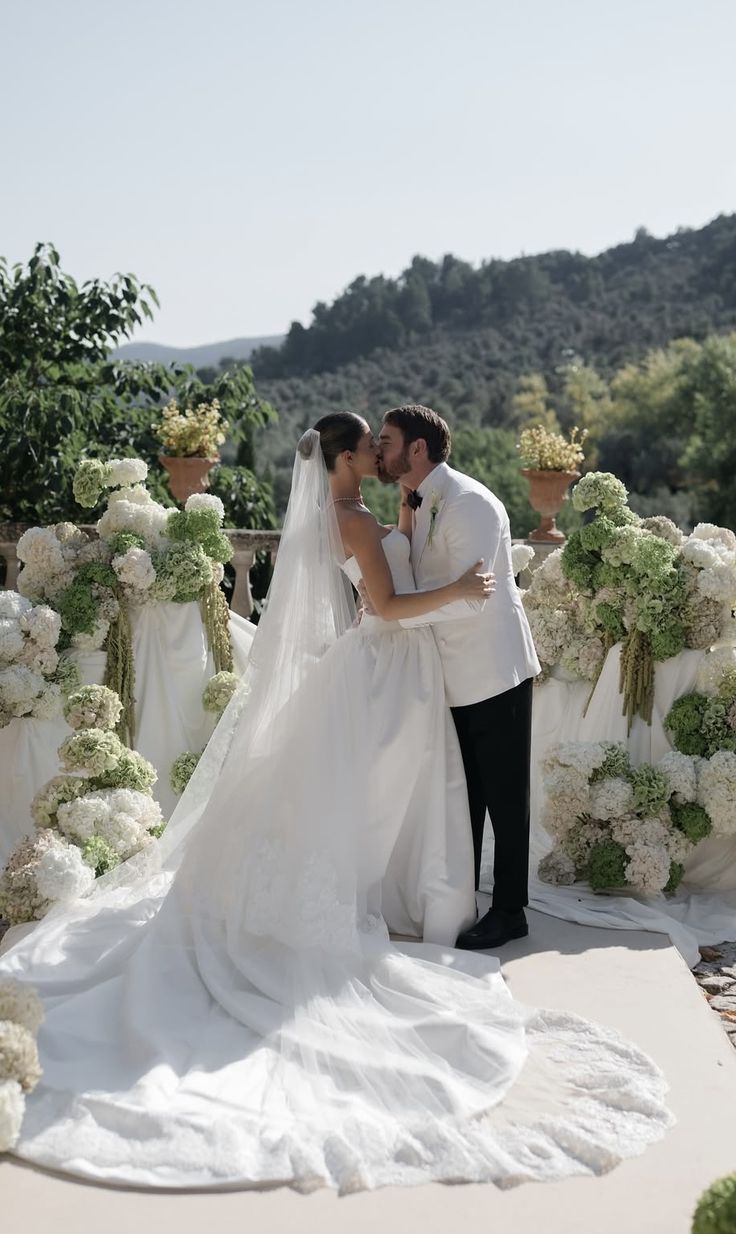
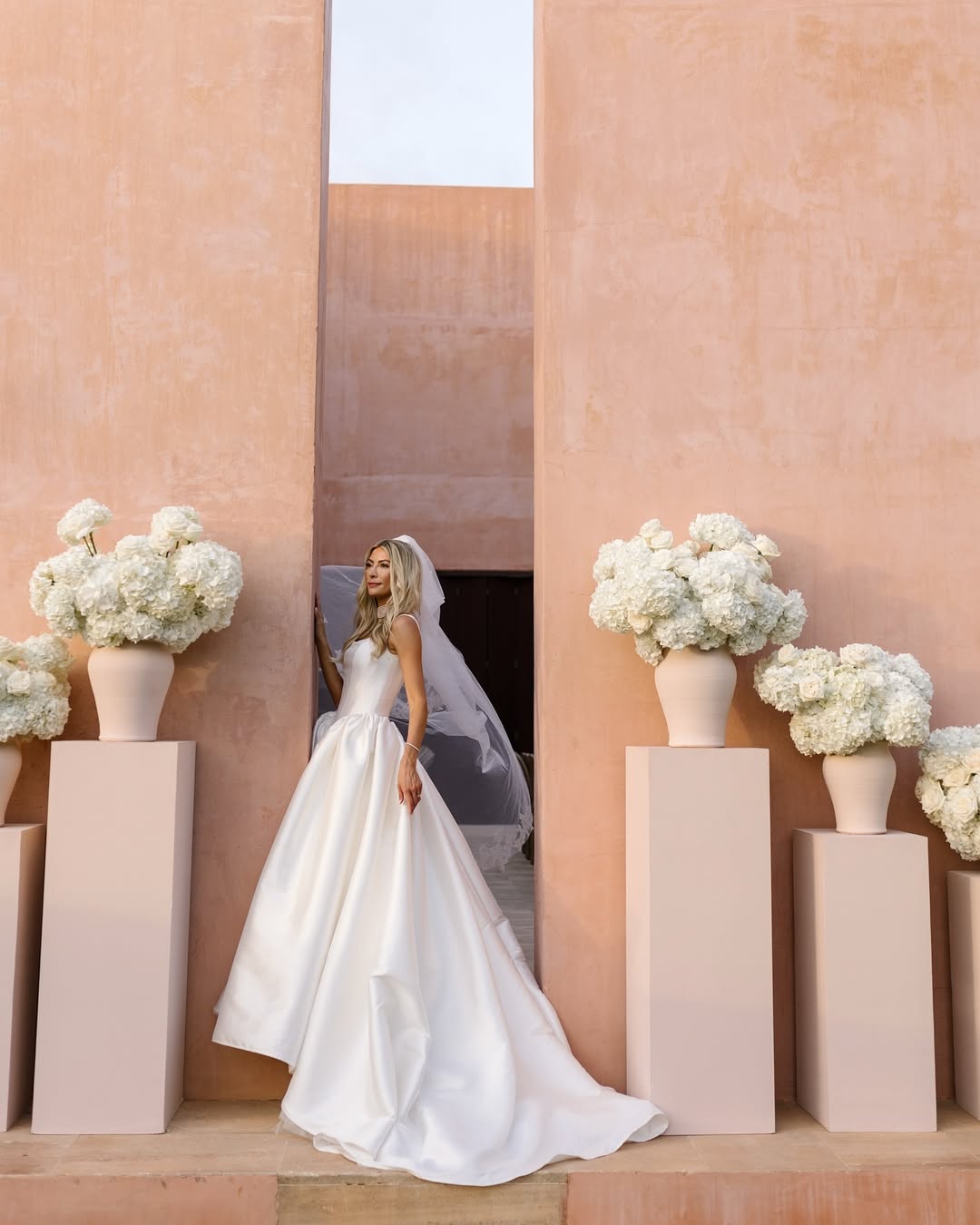
Hydrangeas are firmly in the spotlight, and it is easy to see why. Their generous volume creates instant impact, while the subtle fragrance adds another sensory layer to the space. Hydrangeas come in a wide range of shades, from soft pastels to deeper, moodier tones, which makes them a frequent choice for both monofloral designs and more complex compositions. They work just as well in large statement arrangements as they do in restrained table setups. This flexibility keeps hydrangeas relevant and widely used across very different wedding concepts.
Monofloral weddings focus on one flower used throughout the entire design, and that is exactly where their strength lies. From bouquets to centerpieces and installations, a single bloom carries the entire visual story. For a long time, this approach was most often associated with white roses. Now, it works with almost anything. Tulips, hydrangeas, calla lilies, or unexpected seasonal blooms create a strong sense of cohesion through repetition, without the need for extra layers. This approach works beautifully across different styles. By limiting the palette, designers can play with scale, placement, and rhythm.